
Tokyo Tsukiji Market 2026: From the World’s Kitchen to a Food Paradise
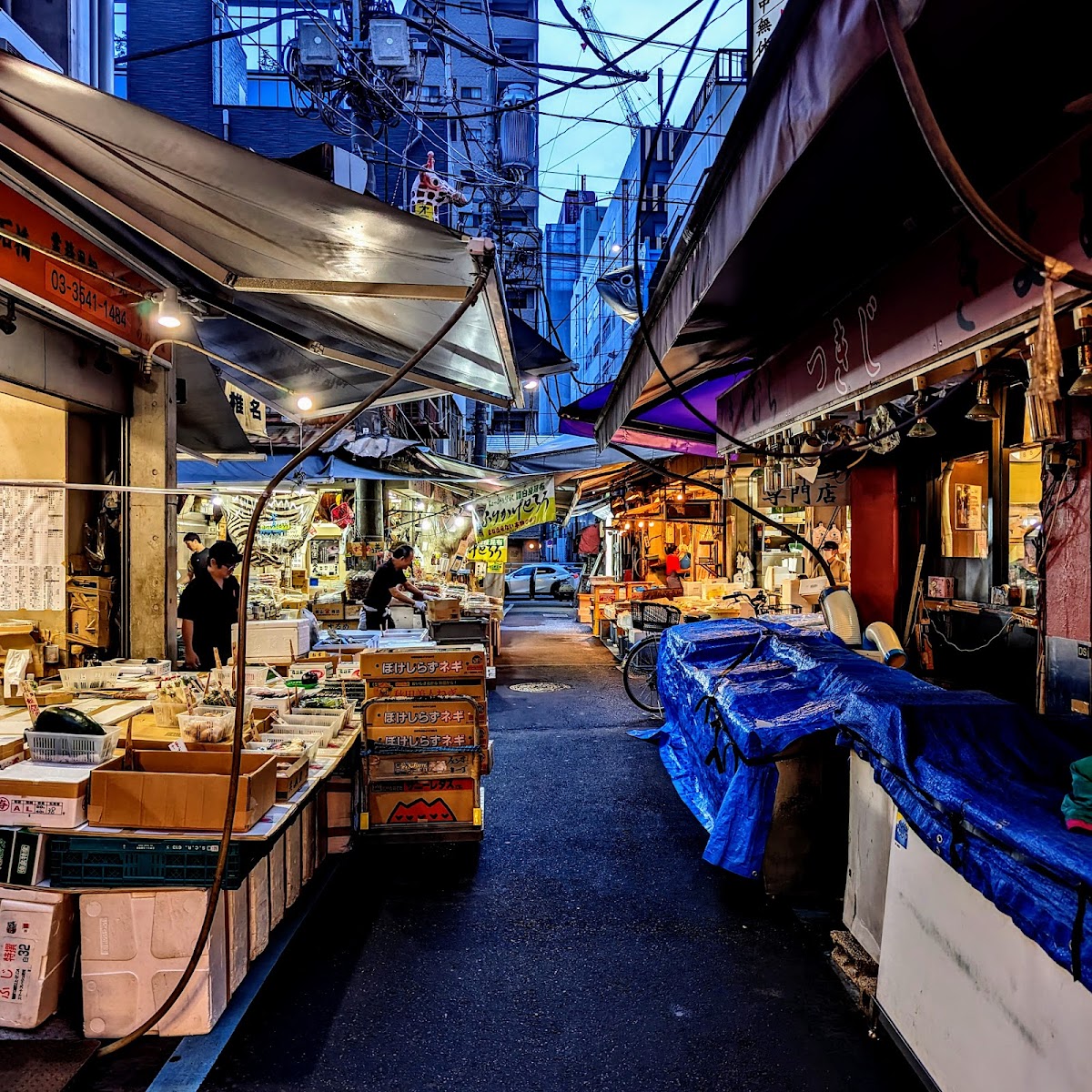
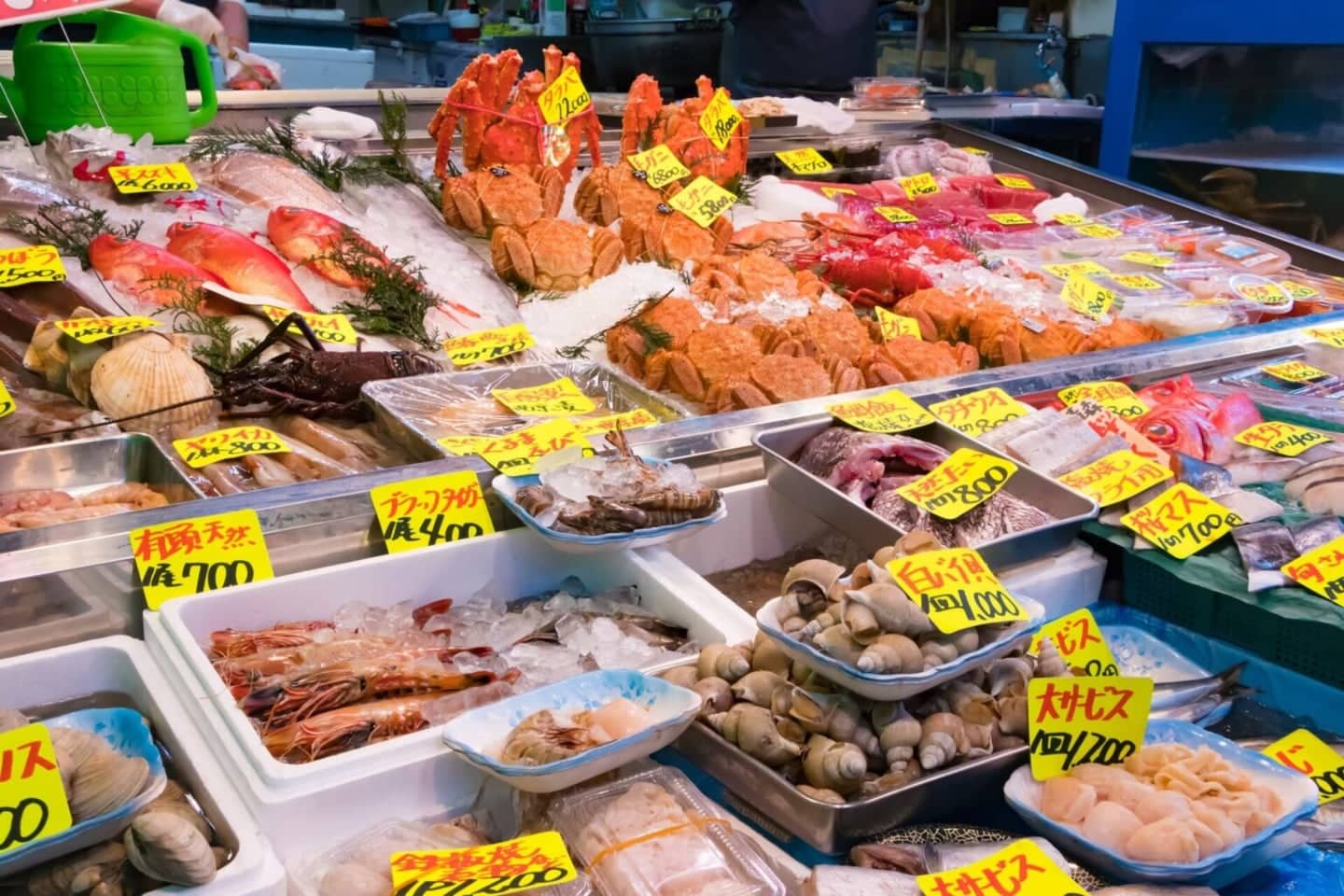
Tokyo’s Tsukiji Market in 2026 is no longer the “world’s kitchen” of old, noisy before dawn with tuna auction calls rising and falling. After the inner market moved to Toyosu in 2018, Tsukiji completed a remarkable transformation and has become, as the “Outer Market,” a lively tourist destination packed with food. It preserves the “uogashi” (fish quay) tradition dating back to the Edo period and gathers about 460 shops, from fresh seafood, sushi and rice bowls, tamagoyaki and Japanese snacks to dried goods and kitchenware, with everything you could want. Whether you are a first-time visitor to Tokyo or a food lover seeking a deeper experience, the Tsukiji Outer Market offers an unforgettable feast for the five senses. This guide takes you deep into the latest face of Tsukiji Market in 2026, from must-eat foods and transport to cultural experiences, so you can easily plan a perfect Tsukiji trip.
The Tsukiji Outer Market is not only a great place to taste good food but also an important window onto Tokyo’s everyday culture and history. Many of the shops here have been handed down through generations, holding to traditional methods and traditions of hospitality. Strolling through the narrow but lively alleys, you will be drawn in by tempting aromas, the calls of vendors and warm, friendly shopkeepers. Unlike the modern, planned Toyosu Market, the Tsukiji Outer Market feels more personal and full of history. To meet the needs of tourists, many shops also offer multilingual service, so international visitors can enjoy shopping and eating here with ease. Get your taste buds and camera ready, and let us set off together on this surprising Tsukiji food and culture journey!
About the Tsukiji Outer Market: History and Today’s Look
To understand Tsukiji Market properly, you first need to sort out its history and how it works today. Tsukiji’s history goes back to the Edo period, when Tokugawa Ieyasu relocated fishermen from Osaka here, forming the Nihonbashi fish quay. After the Great Kanto Earthquake the market moved to Tsukiji and officially opened in 1935, becoming the largest fish market in the world. However, with changing times and aging facilities, the original “inner market” officially moved to Toyosu in 2018, but this did not mean the end of Tsukiji. On the contrary, the original “outer market” not only continued to operate but, thanks to its unique appeal and rich choices, became an essential stop on any Tokyo trip. Today’s Tsukiji Outer Market is a collection of about 460 shops, and its variety of businesses, from fresh seafood, processed foods and restaurants to kitchenware and sundries, keeps it full of life.
Today’s Tsukiji Outer Market consists mainly of the “Tsukiji Uogashi” building and the surrounding shopping streets. The Tsukiji Uogashi building houses many shops selling fresh catch, vegetables and fruit, plus a variety of dining options, with a food court on the third floor offering a comfortable place to eat. Around the Uogashi building are historic shopping streets with shops decades or even a century old, selling traditional goods such as tamagoyaki, dried goods, pickles and knives. Although the tuna auction spectacle is gone, the Tsukiji Outer Market is still a living “kitchen of Tokyo,” attracting tourists from around the world and serving as an important place for many local Japanese restaurateurs to buy ingredients. The market usually opens at dawn and shops close one after another by two or three in the afternoon, so we recommend visiting in the morning to experience Tsukiji at its liveliest and richest.
The Difference Between the Former Tsukiji Inner Market and Toyosu Market
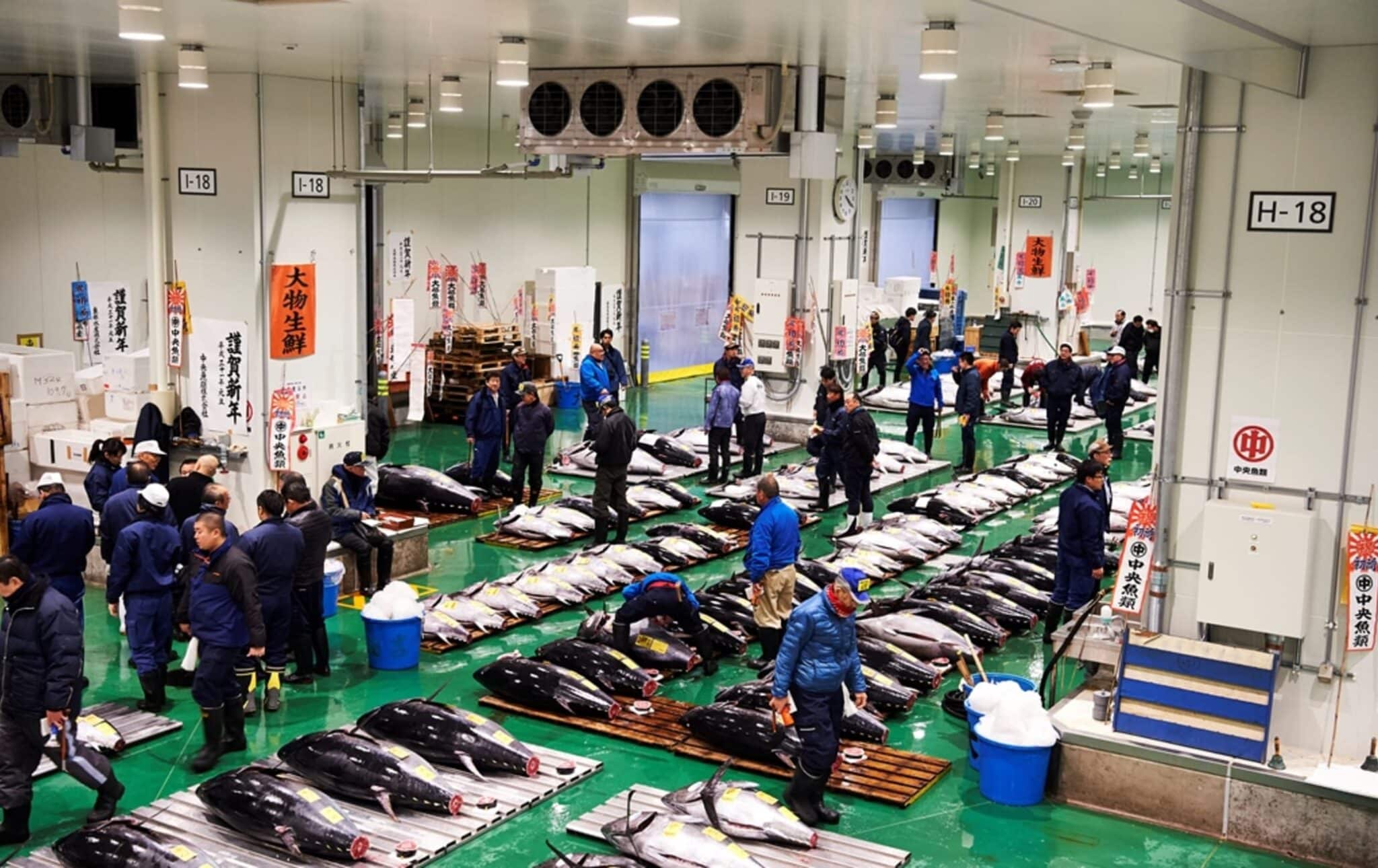
Many first-time visitors confuse “Tsukiji Market” with “Toyosu Market.” Simply put, Tsukiji Market was originally divided into the “inner market” and the “outer market.” The inner market was the core area for wholesale catch and auctions, and officially moved to Toyosu in 2018, becoming today’s “Toyosu Market.”
Toyosu Market has modern facilities and its main function is wholesale trading. Although it has visitor areas where you can watch the tuna auction through glass windows, and a restaurant area serving food, its overall atmosphere is completely different from the Tsukiji Outer Market.

Tsukiji Uogashi: The New Landmark at the Heart of the Outer Market
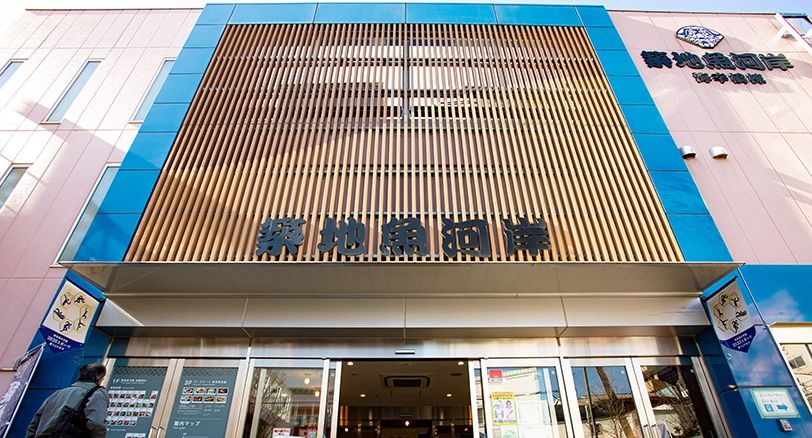
“Tsukiji Uogashi” is a new facility set up by the Tsukiji Outer Market after the inner market’s move to continue its fresh-ingredient supply function. It actually consists of two buildings, the “Odawarabashi Building” and the “Kaikobashi Building,” housing more than 90 wholesale and retail businesses from the former inner market, offering fresh fish, meat, vegetables and fruit, so the Tsukiji Outer Market can still serve customers with the freshest ingredients.
The first floor of both buildings is a wholesale and retail area open to the general public, where you can freely go in and buy fresh ingredients; the second floor is mainly back-office space for the businesses and is not a public shopping floor. The third floor of the “Odawarabashi Building” has the food court “Uogashi Shokudo” plus a cooking classroom and event space, and it is the dining spot most recommended to stop by at Tsukiji Uogashi. The facility itself is open about 5:00 to 15:00, shops’ actual hours are mostly 7:00 to 14:00, and the third-floor food court stays open until 19:00 (last order 18:00); we recommend checking each shop’s announced hours for the day before you go.
Must-Eat Foods at the 2026 Tsukiji Outer Market: A Feast for the Taste Buds, From Sushi to Tamagoyaki
At the Tsukiji Outer Market, nothing is more anticipated than tasting all kinds of local food. Besides the freshest seafood, there are many long-established shops serving distinctive Japanese snacks. We have selected 15 must-eat shops and specialties at Tsukiji Market in 2026, from classic sushi and seafood rice bowls to sweet tamagoyaki and special treats, so your Tsukiji food trip leaves no regrets! Note that most shops open early and close in the afternoon, so we recommend going early.
Sushizanmai Honten (すしざんまい 本店)
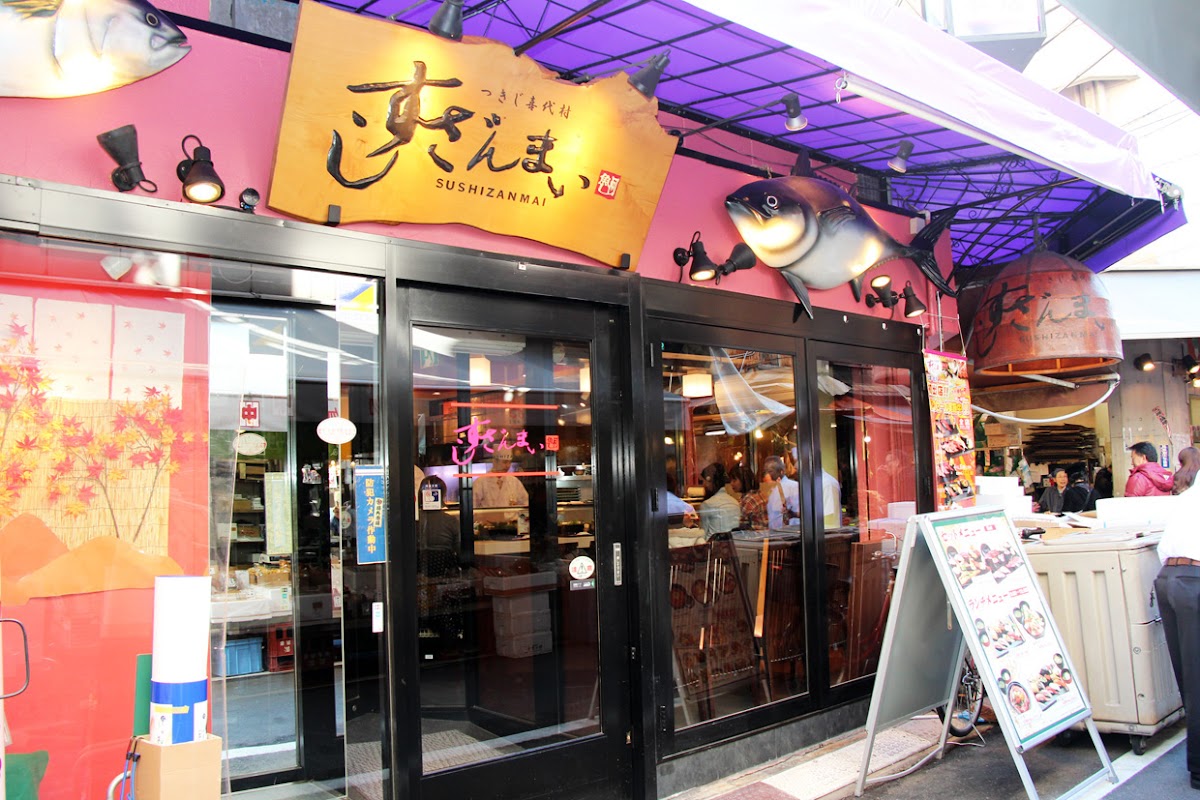
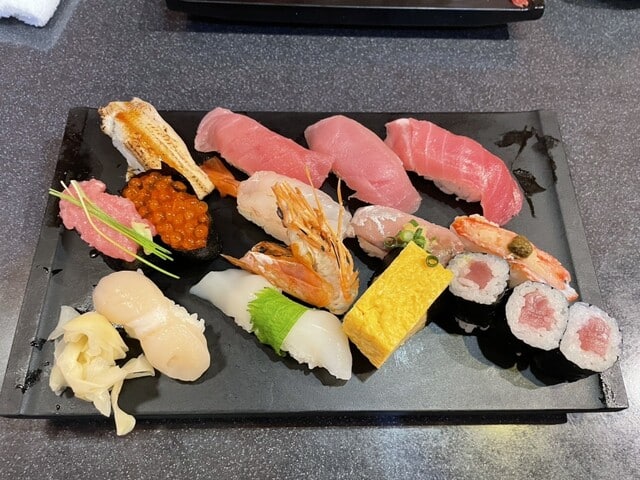

Sushizanmai is one of Tsukiji Market’s representative sushi shops, known for its 24-hour convenience and good value. The main shop is at the market entrance with a very eye-catching sign, and it is the first choice of many tourists.
The sushi ingredients here are fresh and varied, and we especially recommend their tuna series, from akami to otoro, with clearly layered textures. Besides single-piece sushi there are various set menus at friendly prices, making it a good introduction to Tsukiji sushi culture.
- 🍣 Must-order: Edomae nigiri sushi set
- 💰 Price: varies by menu; please check the shop’s announcement before you go
- 🚉 Access: about 3 minutes’ walk from Tsukijishijo Station on the Tokyo Metro Hibiya Line / Toei Oedo Line
Kitsuneya Gyudon (きつねや)
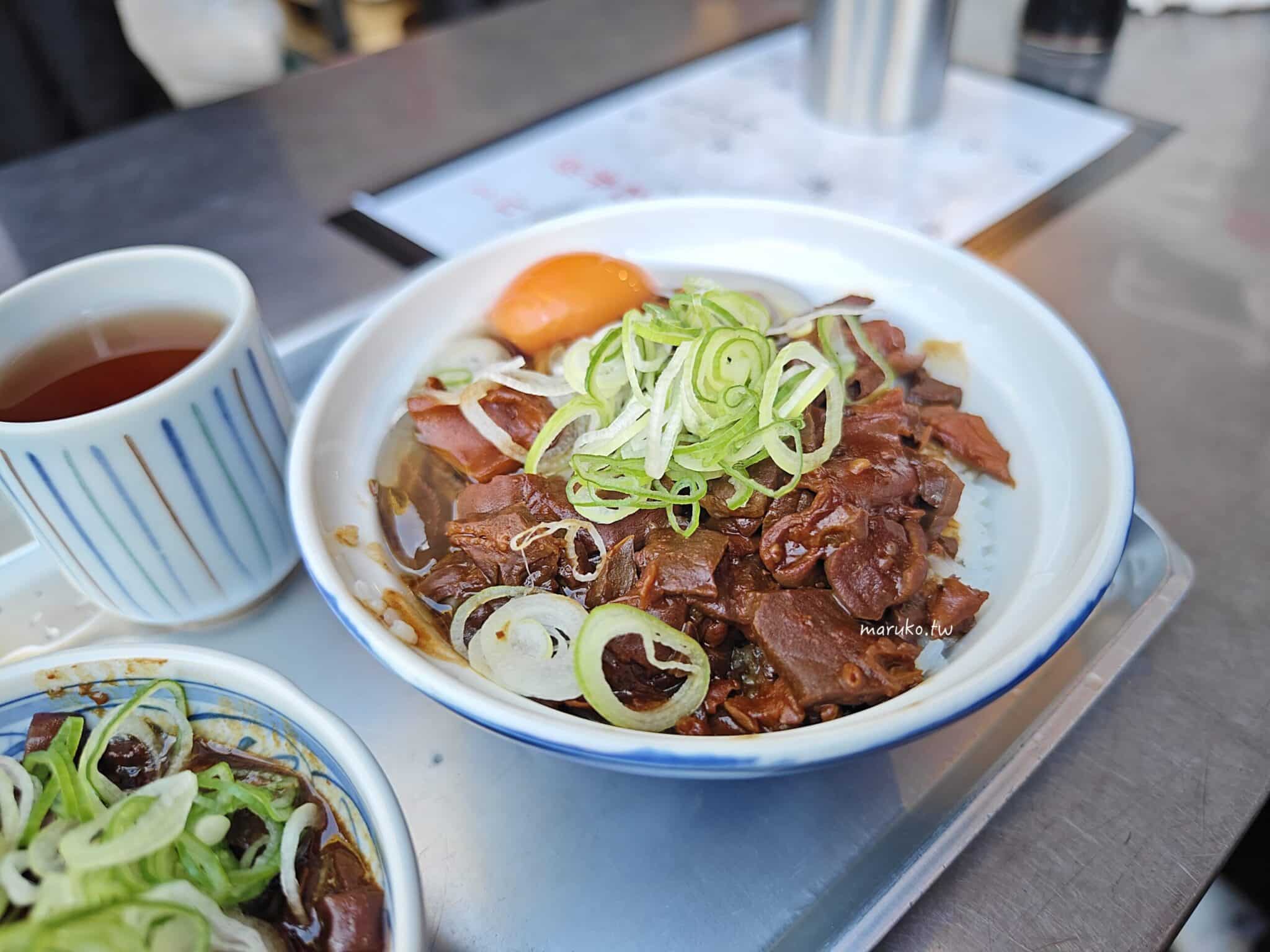
Kitsuneya Gyudon is a legendary shop at Tsukiji Market, famous for its rich, well-seasoned gyudon and beef-offal rice bowls. The shop is small and usually has a line, and dining is mostly standing or outdoor seating, full of the market’s everyday atmosphere.
The proprietress was once known for her stern manner; in recent years she has become friendlier, but we still recommend following the shop’s rules, such as one bowl per person and no eating while walking. Their gyudon sauce is a balanced salty-sweet, and the beef is stewed tender and well flavored; eaten in one bite with white rice, it is supremely satisfying.
- 🍚 Must-order: gyudon + raw egg
- 💰 Price: ¥820
- 🚉 Access: about 3-5 minutes’ walk from Tsukiji Station on the Tokyo Metro Hibiya Line
Toritoh Oyakodon (Toritoh Branch) (鳥藤 親子丼)
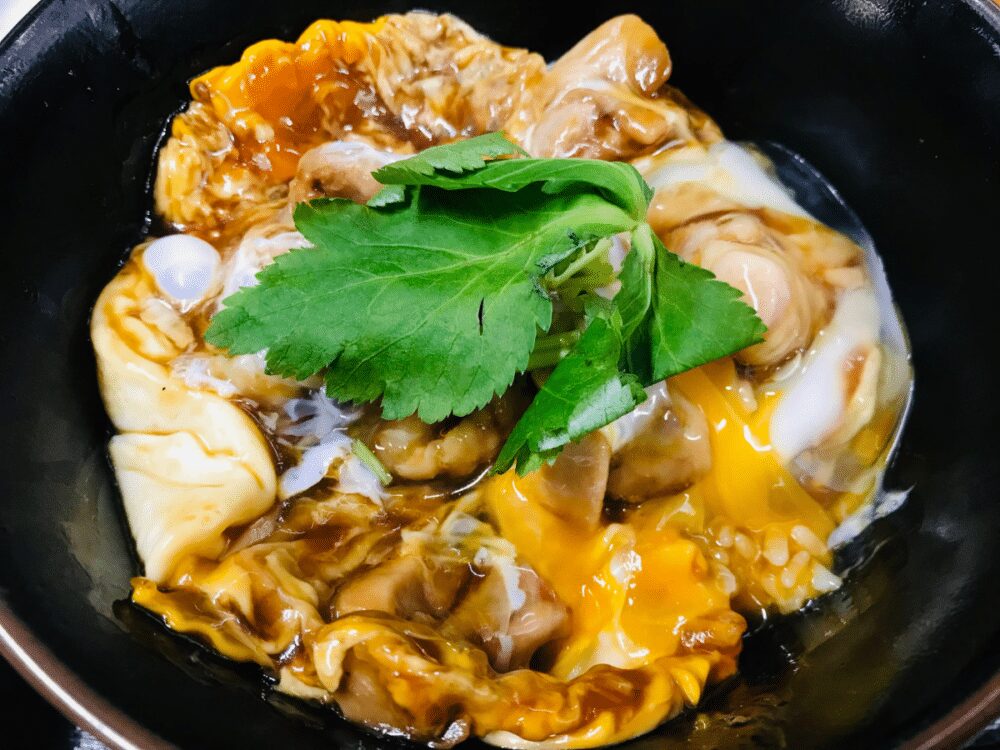
Toritoh is a long-established chicken wholesaler that has operated for a century in Tsukiji Market, and the oyakodon at its branch is a high-scoring shop on Tabelog. Their oyakodon uses fresh chicken and quality eggs cooked in a distinctive sauce, with tender chicken, half-set egg and rice that has soaked up the essence of the sauce, every mouthful a warm, happy taste.
Besides oyakodon, the chicken dishes here are also popular, such as grilled chicken skewers and fried chicken pieces, all delicious and not to be missed. Compared with seafood, Toritoh offers another kind of warm choice.
- 🍚 Must-order: oyakodon (the manager’s recommendation)
- 💰 Price: ¥950
- 🚉 Access: about 4 minutes’ walk from Tsukiji Station on the Tokyo Metro Hibiya Line
Tsukiji Yamacho Tamagoyaki (築地 山長)
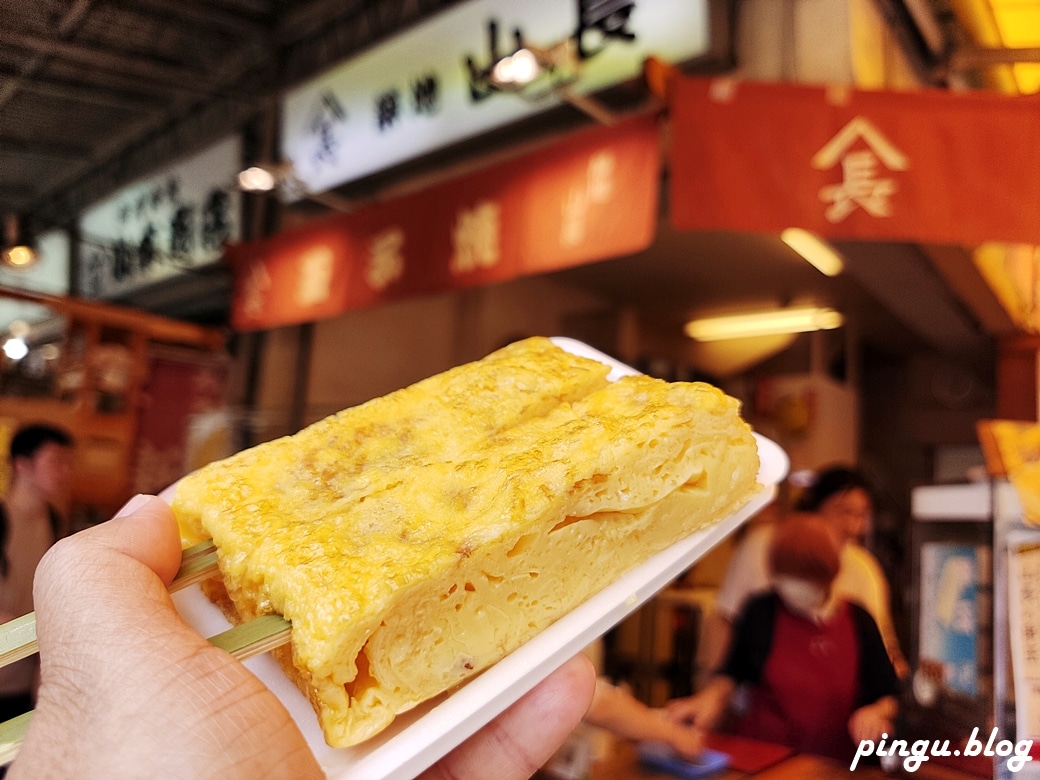
Tsukiji Yamacho is one of the most popular tamagoyaki shops in Tsukiji Market, known for its piping-hot tamagoyaki made to order. The tamagoyaki here is soft and moist with a light sweetness, and you can choose the plain flavor or one with dashi.
Best of all, they offer cup-style tamagoyaki at pocket-change prices that visitors can eat while walking, perfect as a snack in the market. Watching the chef skillfully roll the tamagoyaki layer by layer is a visual treat in itself. Its lightly sweet flavor suits breakfast, a snack or alongside a full meal.
- 🍥 Must-order: artisan-grilled tamagoyaki (single skewer)
- 💰 Price: about ¥100-200 per skewer
- 🚉 Access: about 5 minutes’ walk from Tsukiji Station on the Tokyo Metro Hibiya Line
Maguroya Kurogin Tsukiji Honten (まぐろや黒銀築地本店)
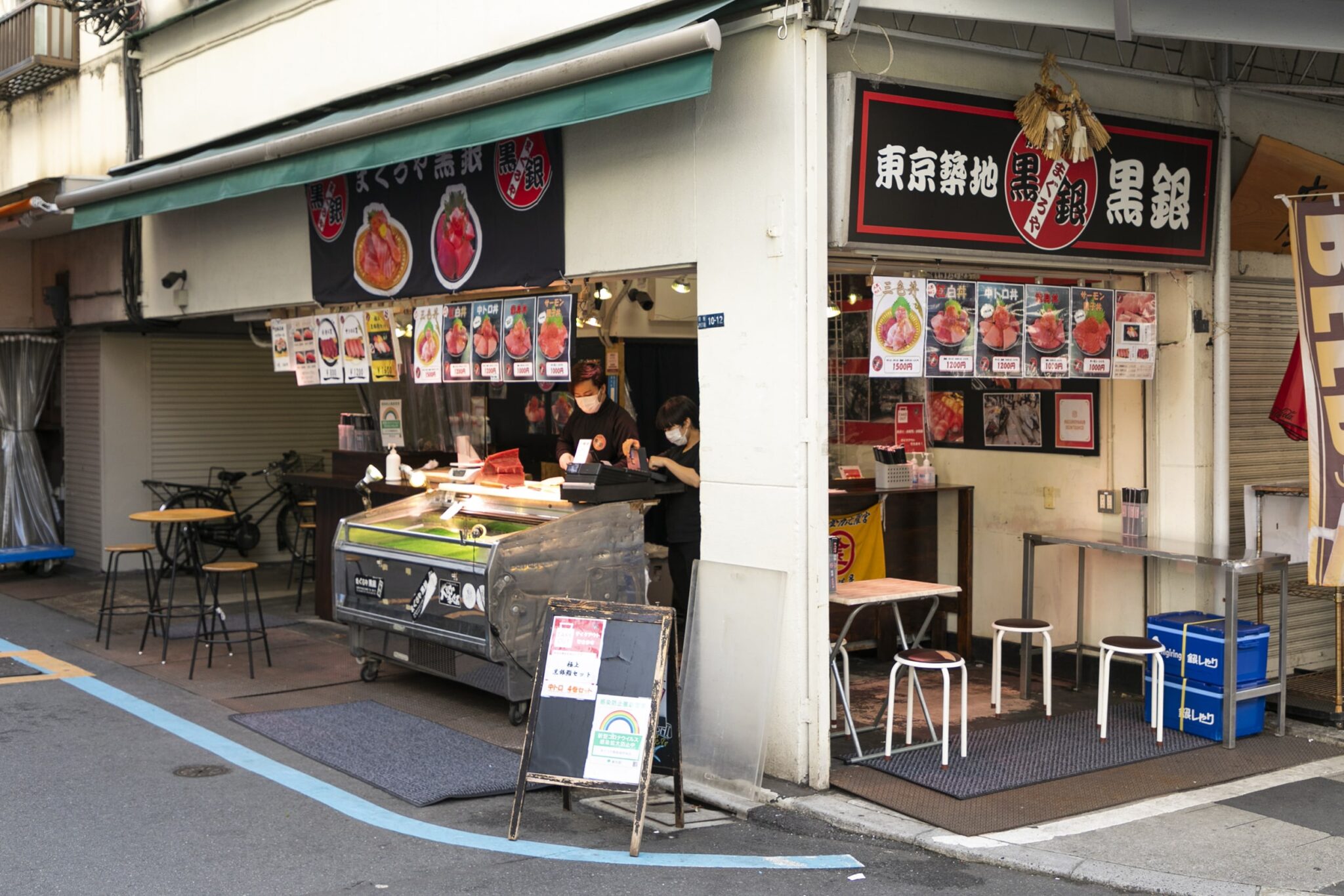
For tuna lovers, Maguroya Kurogin is an absolute must-visit at Tsukiji Market. The shop specializes in high-quality tuna, offering freshly cut tuna sashimi, nigiri and seafood rice bowls. Their tuna comes from around the world and is strictly selected for excellent quality.
We especially recommend trying their otoro and chutoro, whose melt-in-the-mouth fat and sweet fish flesh will leave you with lasting memories. The tuna here is usually sold in boxes, and you can also ask the shop to slice it on the spot, with impeccable freshness.
- 🍣 Must-order: Kurogin specialty Maguroru / akami chutoro don
- 💰 Price: about ¥1,000-1,200
- 🚉 Access: about 5 minutes’ walk from Tsukiji Station on the Tokyo Metro Hibiya Line
Tsukiji Itadori Uogashi Senryo (築地虎杖 魚河岸千両)
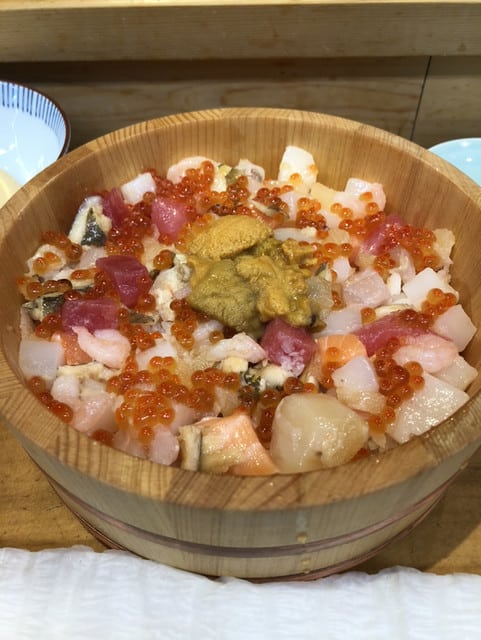
Tsukiji Itadori Uogashi Senryo is known for its unique “seafood hitsumabushi” (three ways to eat seafood), and is a very popular shop in Tsukiji Market. This dish lays a variety of fresh seafood over vinegared rice and offers three different ways to eat it: first taste it plain to feel the sweetness of the seafood; then add special sauce or toppings for extra flavor; and finally pour in dashi to make it ochazuke, warm and delicious.
This varied way of eating lets customers experience the rich layers of a seafood rice bowl all at once, a feature rarely seen at other shops.
- 🍚 Must-order: signature seafood hitsumabushi
- 💰 Price: ¥3,150
- 🚉 Access: about 5 minutes’ walk from Tsukiji Station on the Tokyo Metro Hibiya Line
Onigiriya Marutoyo (おにぎり屋 丸豊)
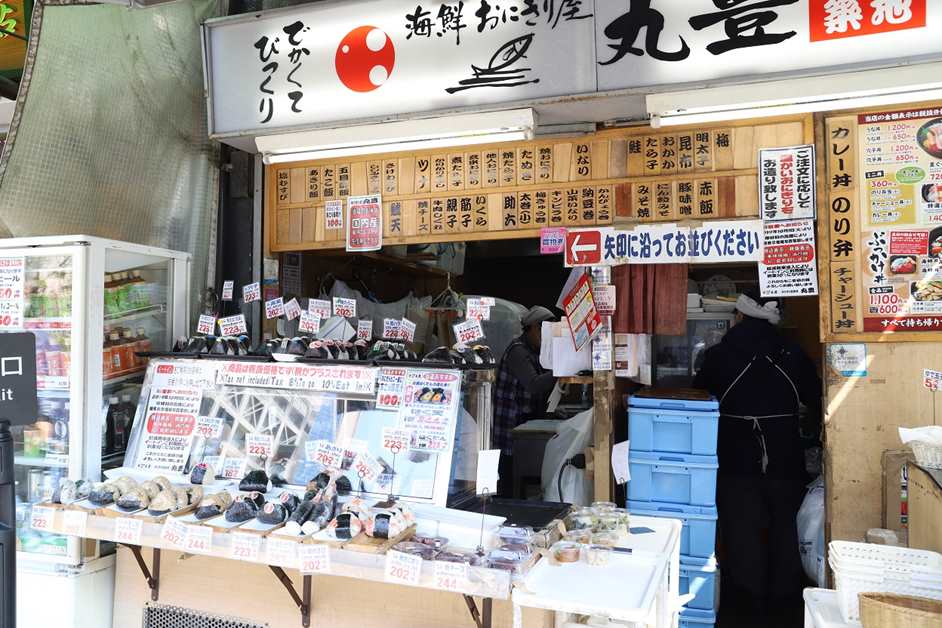
Onigiriya Marutoyo is a hugely popular onigiri specialist in Tsukiji Market, loved for its many flavors and generous portions. The onigiri here are all handmade to order, with distinct grains of rice and generous fillings, with dozens of choices from classic salmon and mentaiko to creative fried shrimp and soft-boiled egg.
Each onigiri is carefully wrapped in nori for easy carrying and eating, perfect as breakfast or a light bite in the market. Prices are friendly, making it one of the best-value foods in the market.
- 🍙 Must-order: Shachiten onigiri (鯱天おにぎり)
- 💰 Price: ¥298
- 🚉 Access: about 4 minutes’ walk from Tsukiji Station on the Tokyo Metro Hibiya Line
Tsukiji Soratsuki (築地そらつき): Strawberry Ice Cream / Daifuku and Awayuki Strawberries
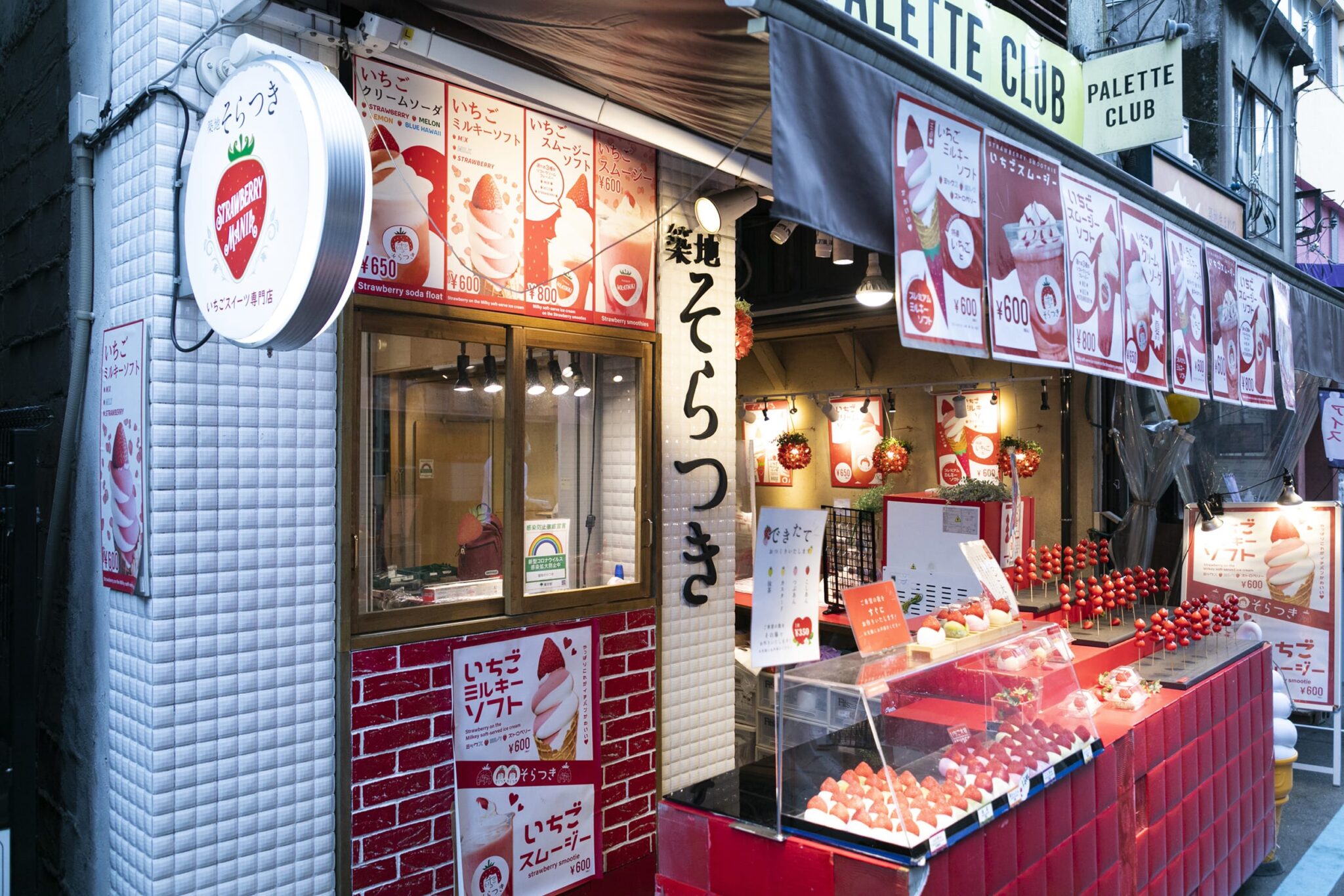
Tsukiji Soratsuki (築地そらつき) stands out in Tsukiji Market for its colorful strawberry daifuku and strawberry ice cream, favorites of many women visitors and dessert lovers. The strawberry daifuku here uses fresh, juicy strawberries wrapped in chewy mochi and sweet but not cloying red bean paste, balancing sweet and sour for an excellent texture.
The strawberry ice cream is made with fresh strawberries and has a rich flavor.
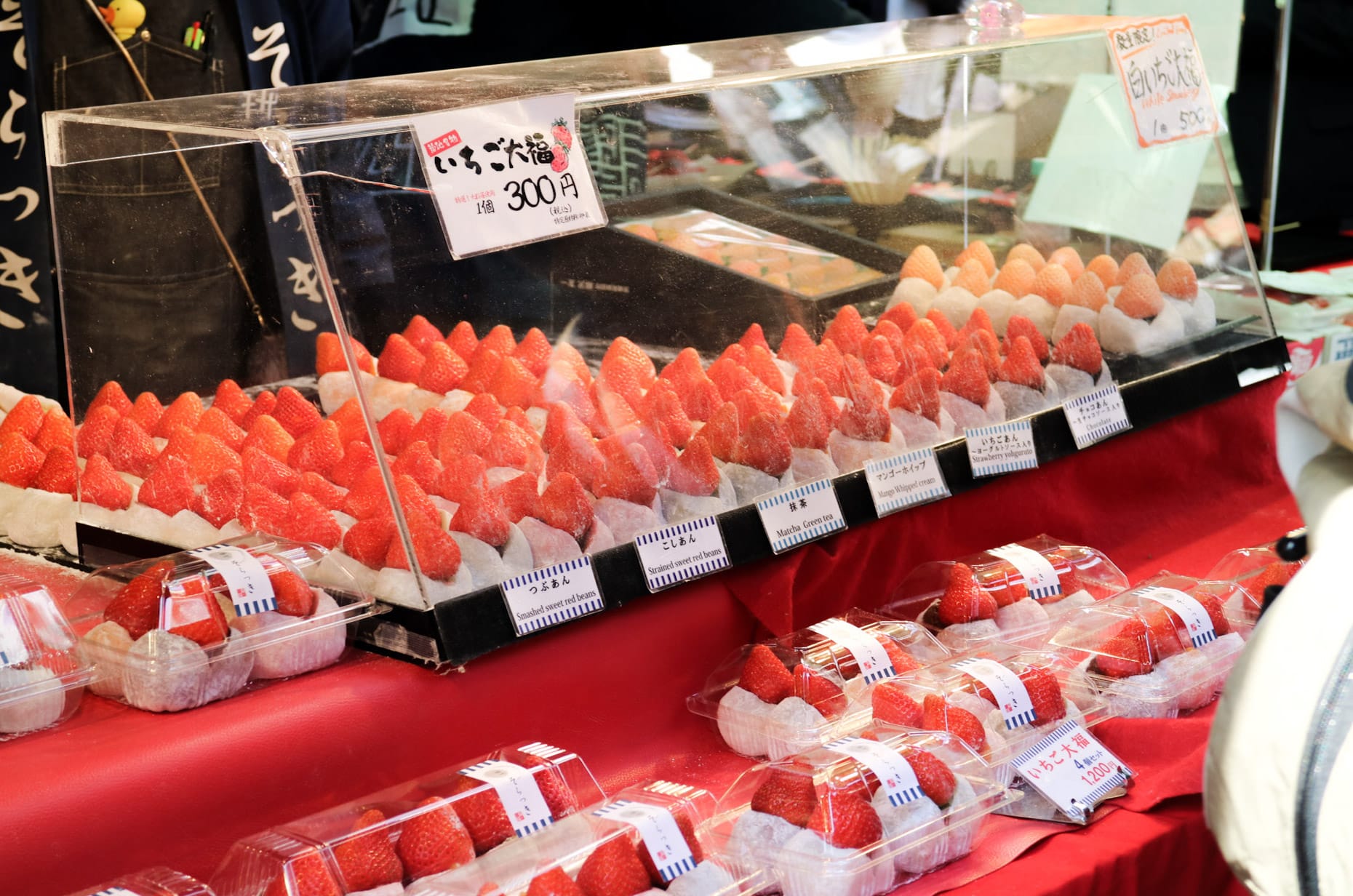
Awayuki strawberries:Besides its famous strawberry daifuku and ice cream, Tsukiji Soratsuki also sells high-quality seasonal fruit, the most popular of which is the “Awayuki strawberry.” Awayuki strawberries are white strawberries with a delicate texture and high sweetness.
- 🍓 Must-order: Amaou strawberry daifuku
- 💰 Price: about ¥500 each
- 🚉 Access: about 1 minute’s walk from Tsukijishijo Station on the Toei Oedo Line
Tsukiji Maguro-yaki (築地さのきや)
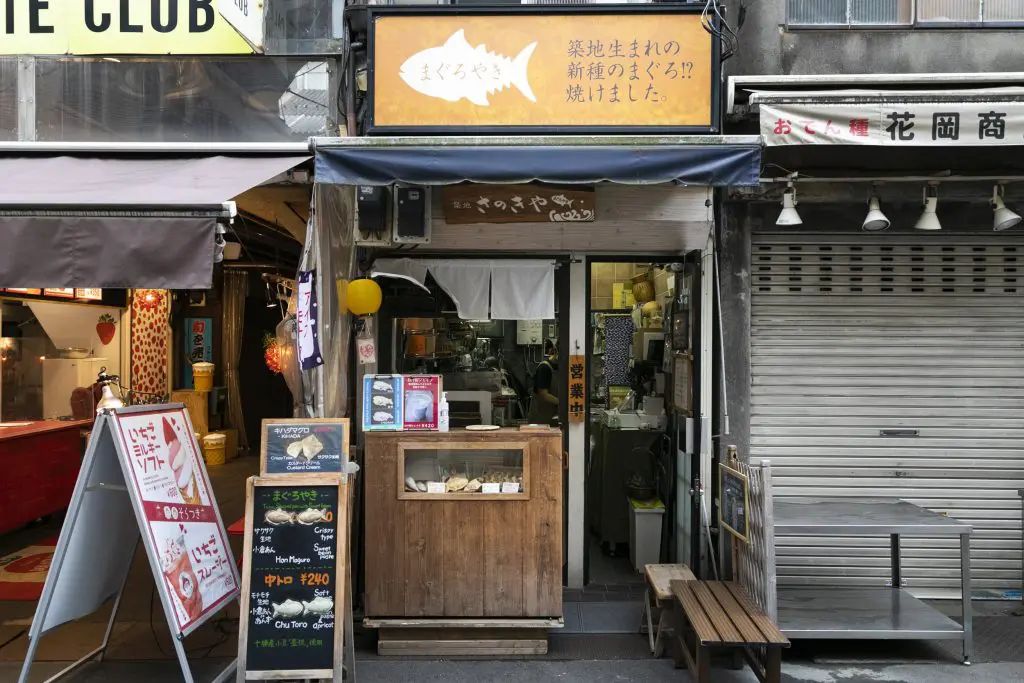
Tsukiji Maguro-yaki is a signature snack of Tsukiji Market, turning the traditional taiyaki into a cute tuna shape, with red bean and custard fillings. The shell is grilled golden and crisp, the filling sweet and rich, and the piping-hot maguro-yaki is especially popular in cold weather.
It is not only a delicious treat but also a souvenir full of Tsukiji character, and many visitors buy one specially to take photos. Watching the chef make maguro-yaki on the griddle is also a fun experience.
- 🐟 Must-order: Hon-maguro-yaki (Ogura red bean)
- 💰 Price: ¥280
- 🚉 Access: about 5 minutes’ walk from Tsukiji Station on the Tokyo Metro Hibiya Line (inside the Tsukiji Outer Market)
Tsukiji Croquette (築地コロッケ)
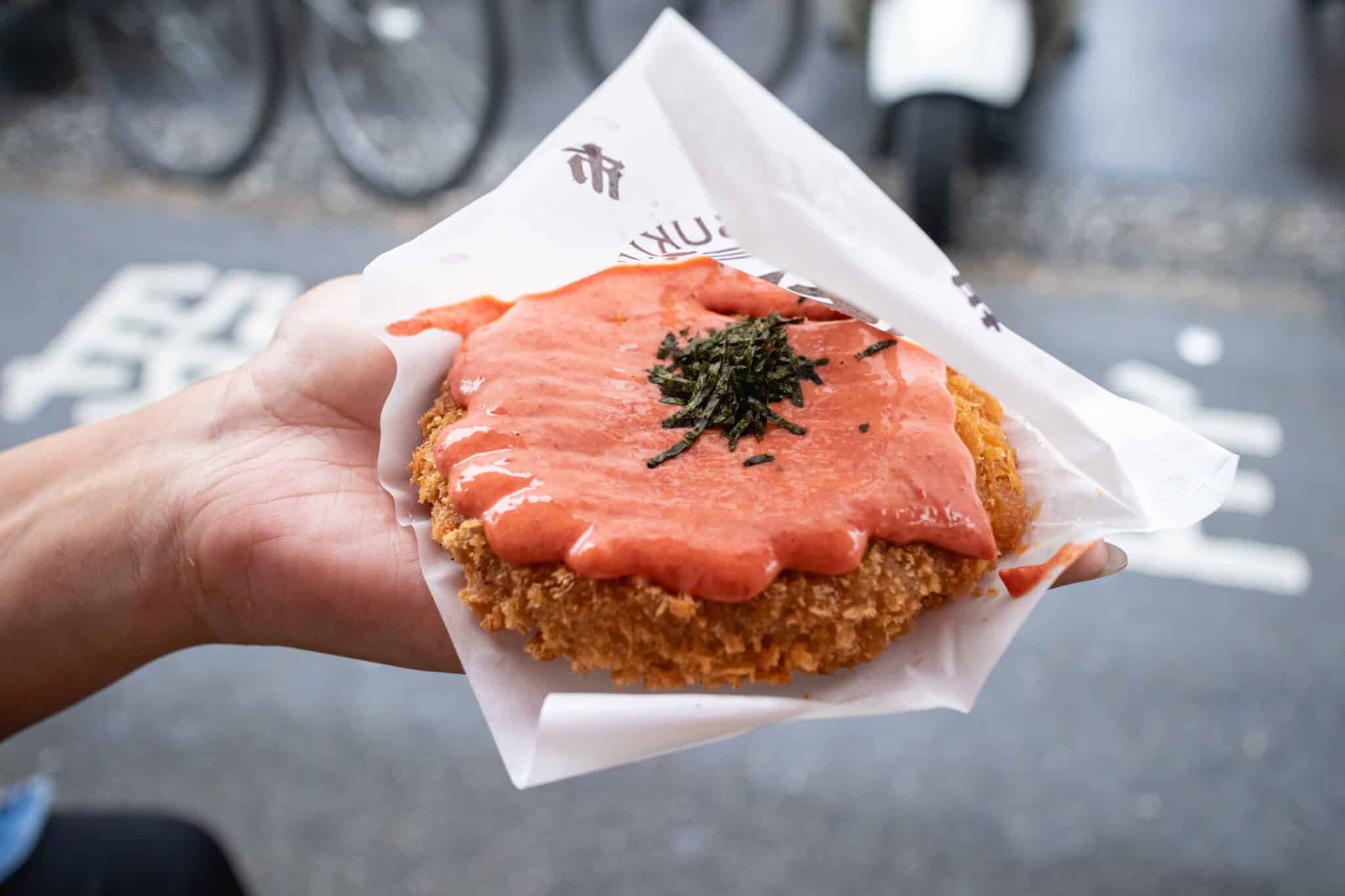
Tsukiji Croquette is one of the popular snacks in the market for its variety of flavors and crisp coating. Besides the classic potato flavor, the croquettes here come in creative flavors such as seafood, mentaiko and curry, each fried golden and crisp with a full filling and an enticing aroma.
We especially recommend the mentaiko flavor, where salty, savory mentaiko combined with creamy potato brings an unexpectedly delicious result. A piping-hot croquette is a great way to refuel while strolling.
- 🥔 Must-order: signature freshly fried croquette
- 💰 Price: about ¥1,000-1,999 (depending on the combination)
- 🚉 Access: about 3 minutes’ walk from Tsukijishijo Station on the Toei Oedo Line
Tsukiji Sushi Sei (築地寿司清)
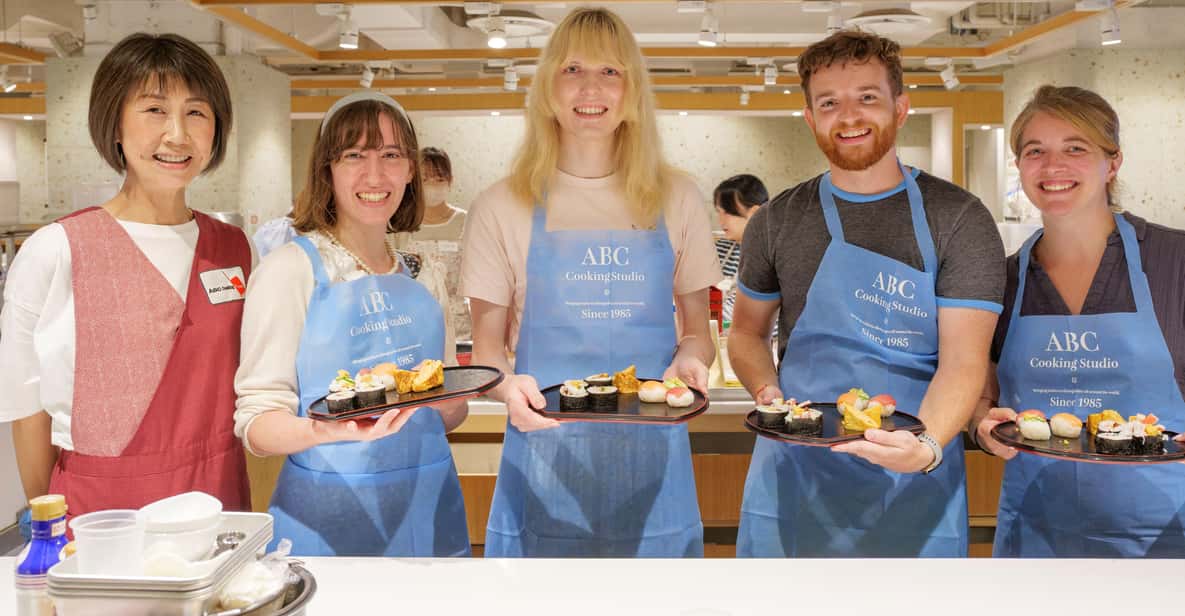
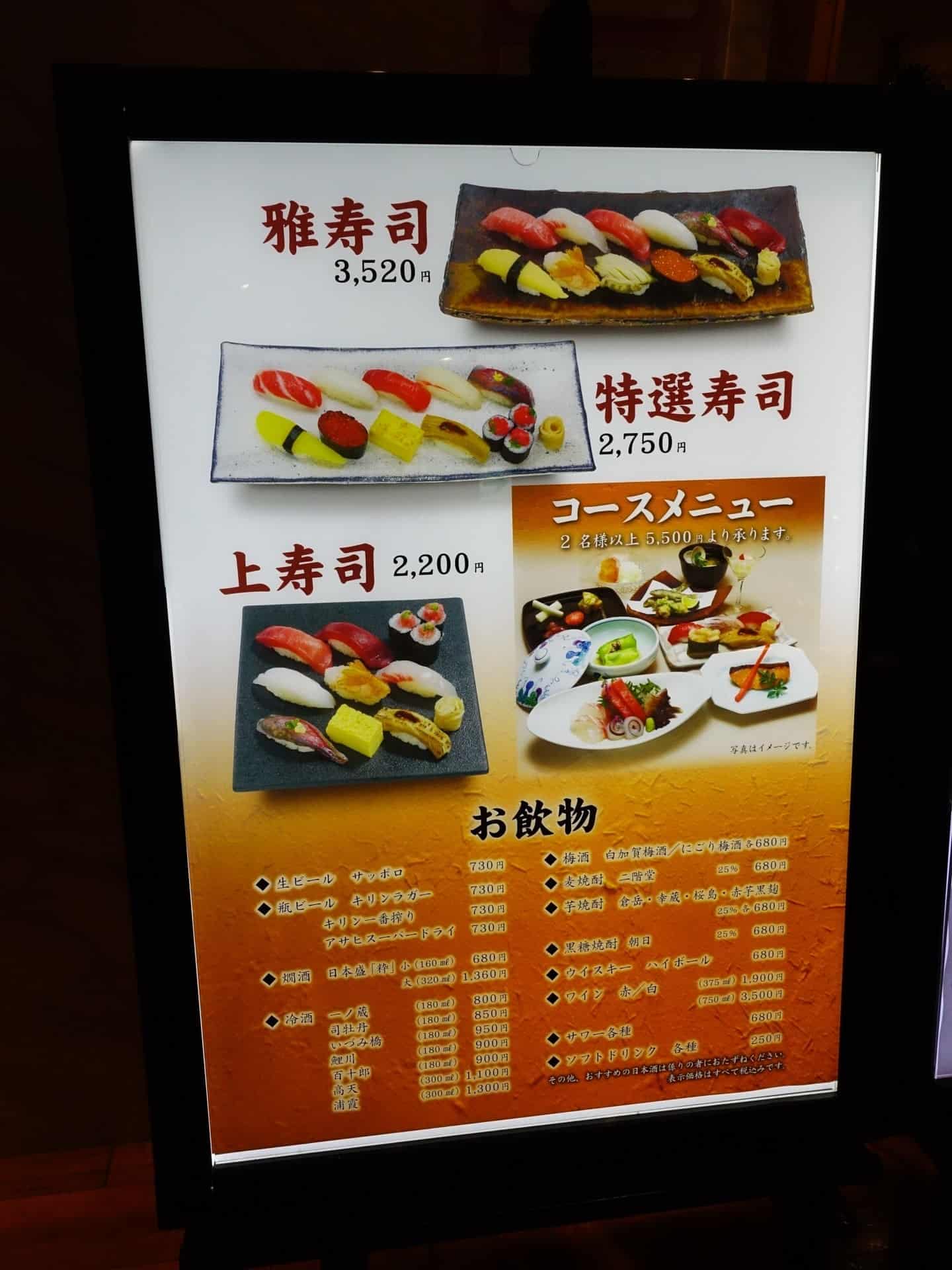
Tsukiji Sushi Sei is a historic old sushi shop, known since its founding in 1889 for its traditional Edomae sushi craft and fresh ingredients. Compared with the affordability and convenience of Sushizanmai, Sushi Sei pays more attention to the quality of the sushi and the dining experience, offering more refined choices.
The vinegared rice here has a moderate acidity and the fish is properly prepared, with every piece of sushi showing the craftsman’s care. Besides nigiri, they also offer various seafood rice bowls and seasonal specialties.
- 🍣 Must-order: Edomae nigiri (a century-old shop founded in 1889)
- 💰 Price: single pieces from a few hundred yen, sets depending on contents
- 🚉 Access: about 5 minutes’ walk from Tsukiji Station on the Tokyo Metro Hibiya Line
Tsukiji Donburi Ichiba (築地どんぶり市場)
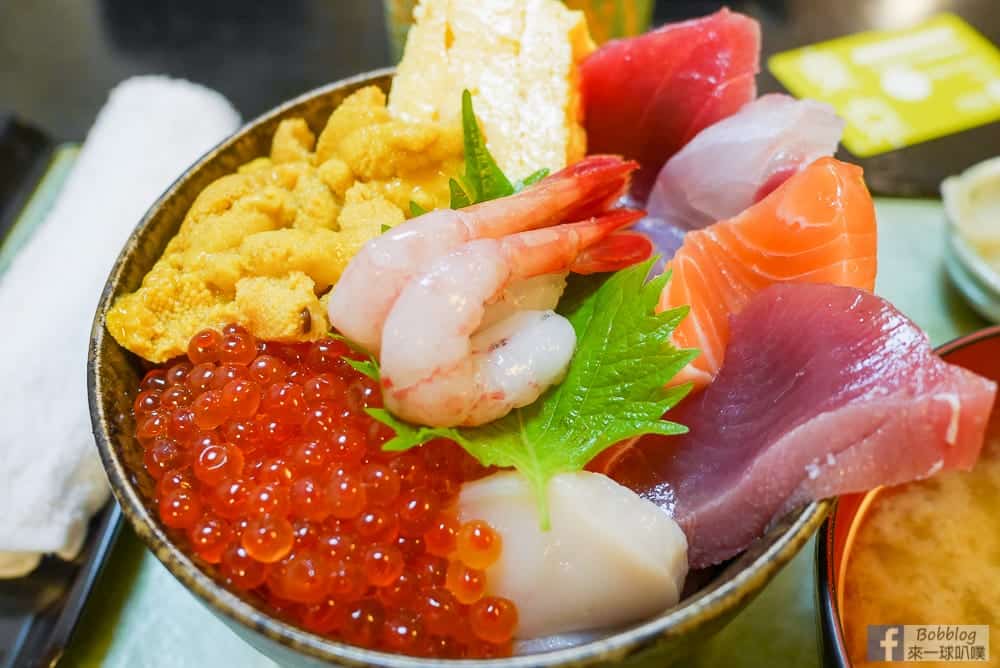
Tsukiji Donburi Ichiba is a shop specializing in seafood rice bowls, drawing crowds with its rich choice of ingredients and generous bowls. The bowls here come in many varieties, from classic tuna bowls and salmon roe bowls to luxurious sea urchin bowls and mixed seafood bowls, with everything you could want.
The ingredients are fresh and pile the bowl high, with great visual appeal, a paradise for seafood bowl lovers. We especially recommend their “tuna cheek rice bowl,” available in limited quantities daily, with a unique texture and a private favorite of many connoisseurs.
- 🍚 Must-order: sea urchin / seafood bowl
- 💰 Price: from about ¥1,000
- 🚉 Access: a short walk from Tsukijishijo Station on the Toei Oedo Line
Tsukiji Uni Tora (築地うに虎)
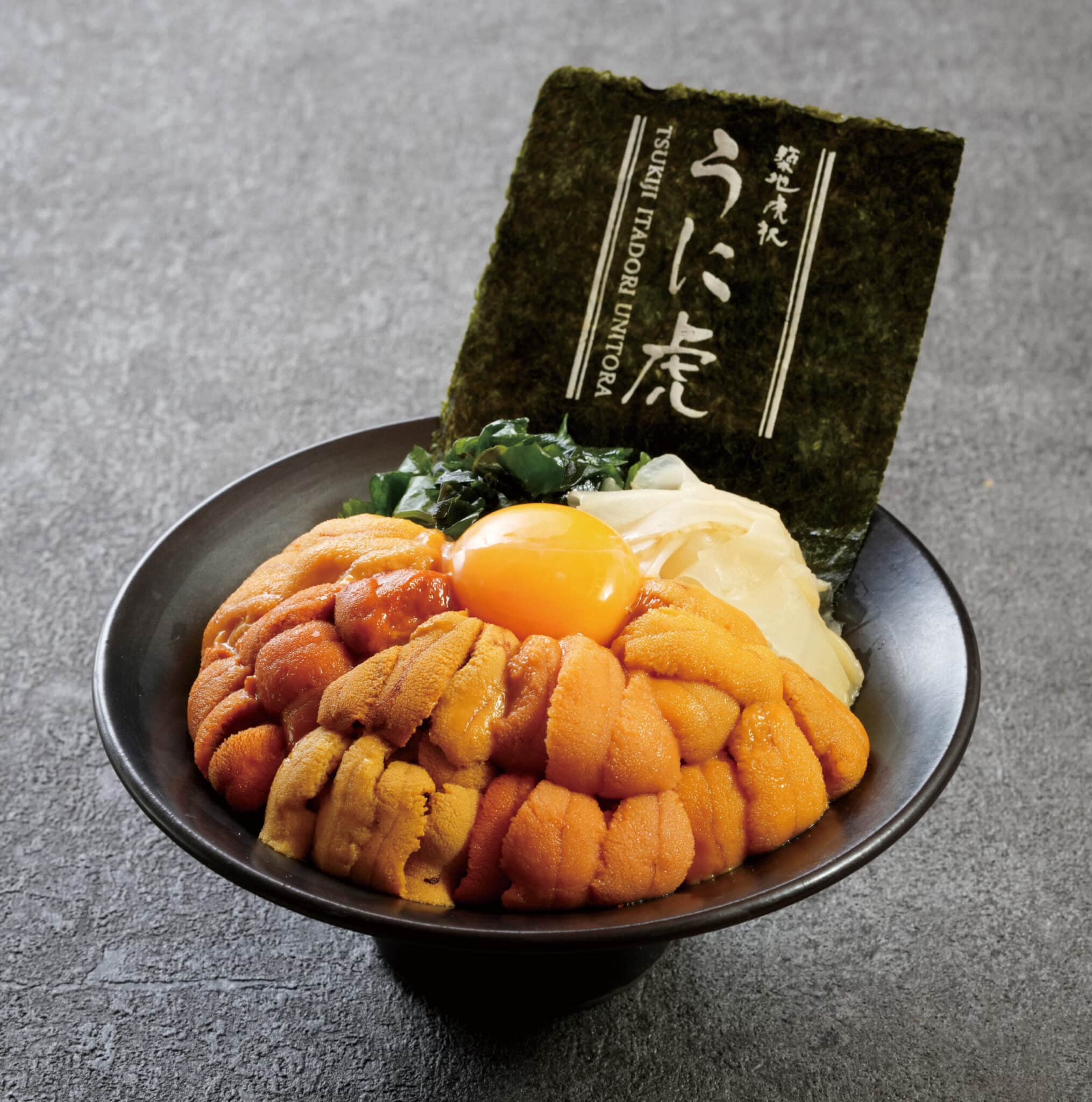
For sea urchin fanatics, Tsukiji Uni Tora is a shop you cannot miss. The shop specializes in high-quality sea urchin dishes, offering a variety of sea urchin bowls, from single-origin sea urchin bowls to the “emperor sea urchin bowl” combining several kinds, so you can taste different flavors at once.
Their sea urchin is fresh and sweet, melts in the mouth and has no trace of fishiness, the ultimate taste pleasure. Besides sea urchin bowls there are also options such as sea urchin sashimi.
- 🍚 Must-order: “Miyabi” Hokkaido 5-type sea urchin tasting bowl
- 💰 Price: ¥9,300
- 🚉 Access: in Nakadori of the Tsukiji Outer Market
Matcha Stand Maruni (抹茶スタンドまるに)
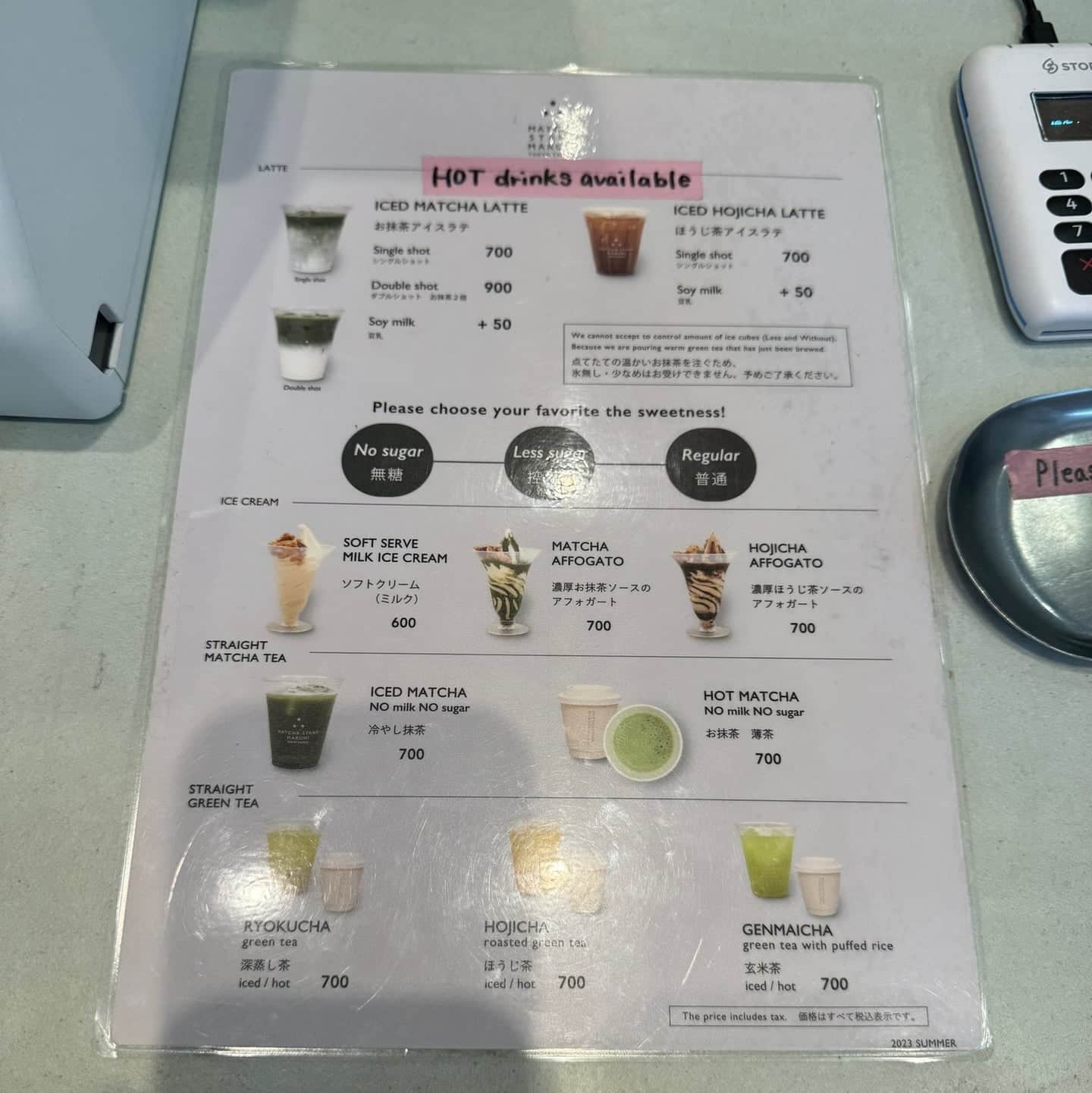
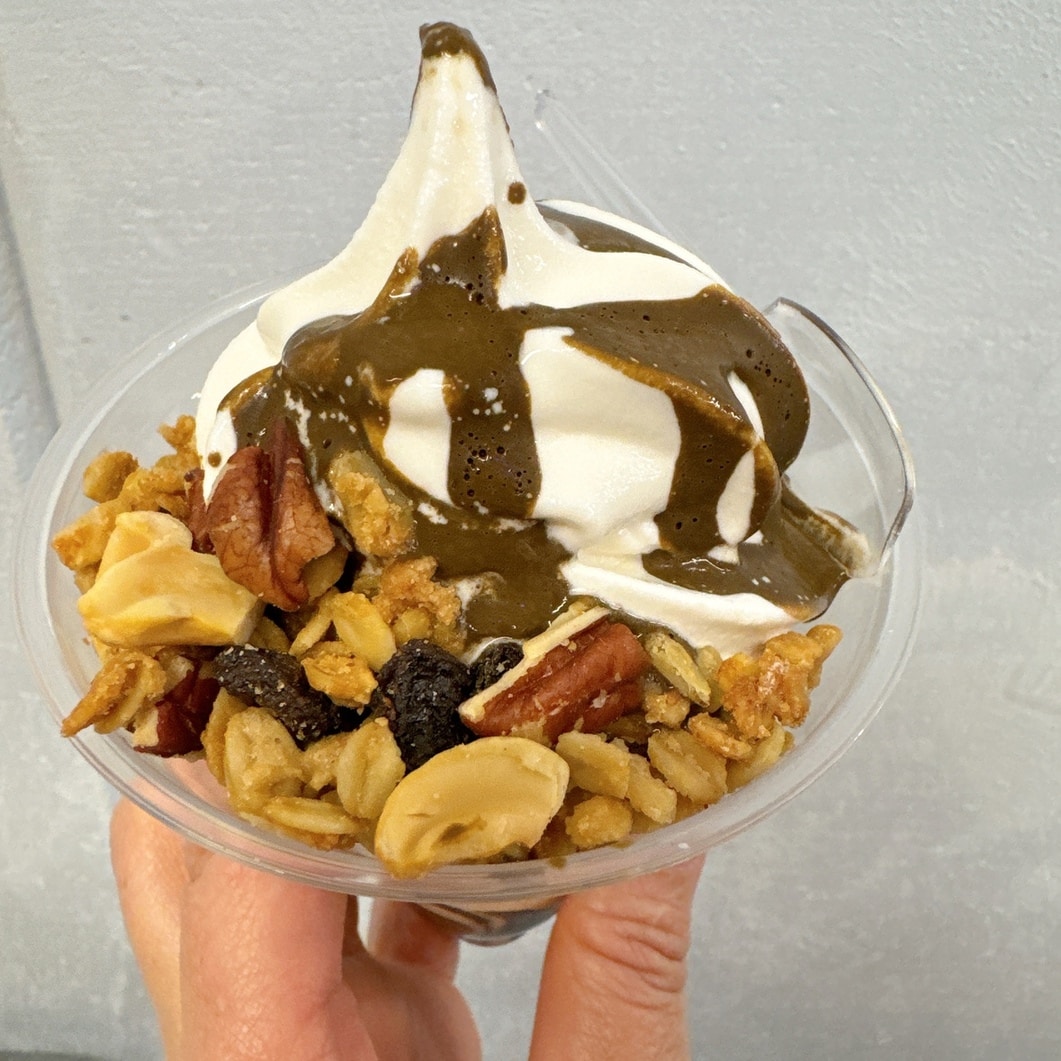
After a tour of Tsukiji Market and tasting all kinds of seafood and savory food, a refreshing matcha drink will definitely bring balance to your taste buds. Matcha Stand Maruni is a shop specializing in matcha drinks, offering high-quality hand-whisked matcha, matcha lattes and matcha desserts.
They use quality matcha powder from Uji, Kyoto, whisked by hand on the spot to make sure every drink shows matcha’s most original aroma and flavor. This is not only a good place to rest but also a small window onto Japanese tea ceremony culture.
- 🍵 Must-order: matcha latte (choice of single/double strength)
- 💰 Price: about ¥650-800
- 🚉 Access: inside the Tsukiji Outer Market (a brand of Maruni, an old nori shop founded in 1923)
Enoshima Maruyaki (江の島丸焼きたこせんべい)
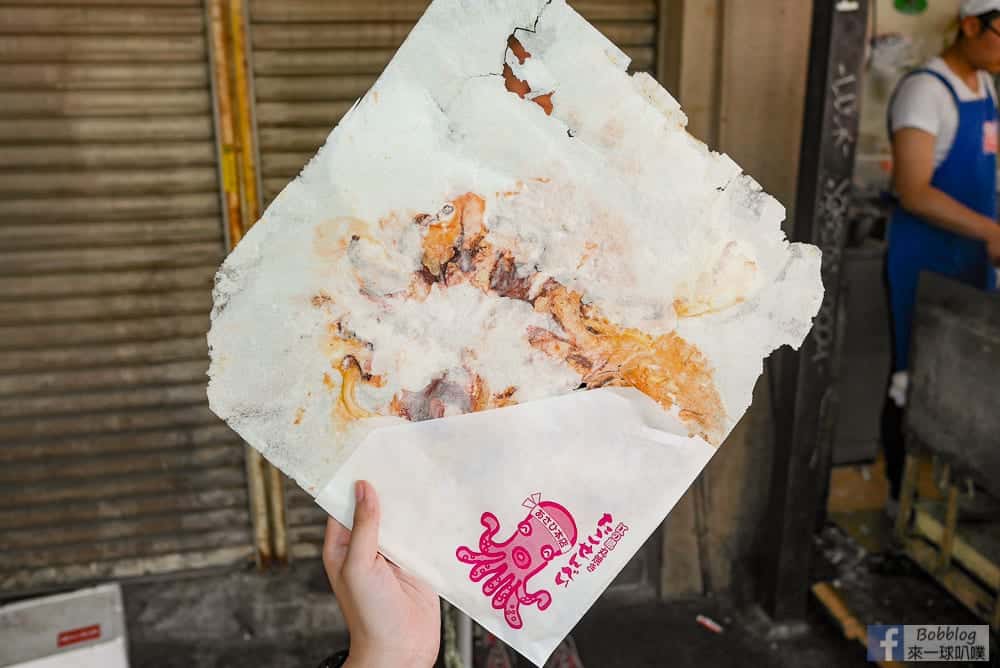
Although Enoshima Maruyaki originated in Enoshima, it also has a branch in Tsukiji Market, drawing much attention with its huge, thin and crisp octopus senbei. This snack is made by pressing a whole octopus into a thin sheet and then toasting it, with a crisp texture and rich octopus flavor.
The process is made in public view, and watching the chef put the octopus into the machine to press it is a fun visual experience. This unique senbei is not only delicious but also entertaining, and many visitors buy it to photograph and post.
- 🐙 Must-order: whole octopus senbei (丸焼きたこせんべい)
- 💰 Price: about ¥1,000-2,000
- 🚉 Access: inside the Tsukiji Outer Market
Tsukiji Ushitake (築地牛武) TSUKIJI USHITAKE
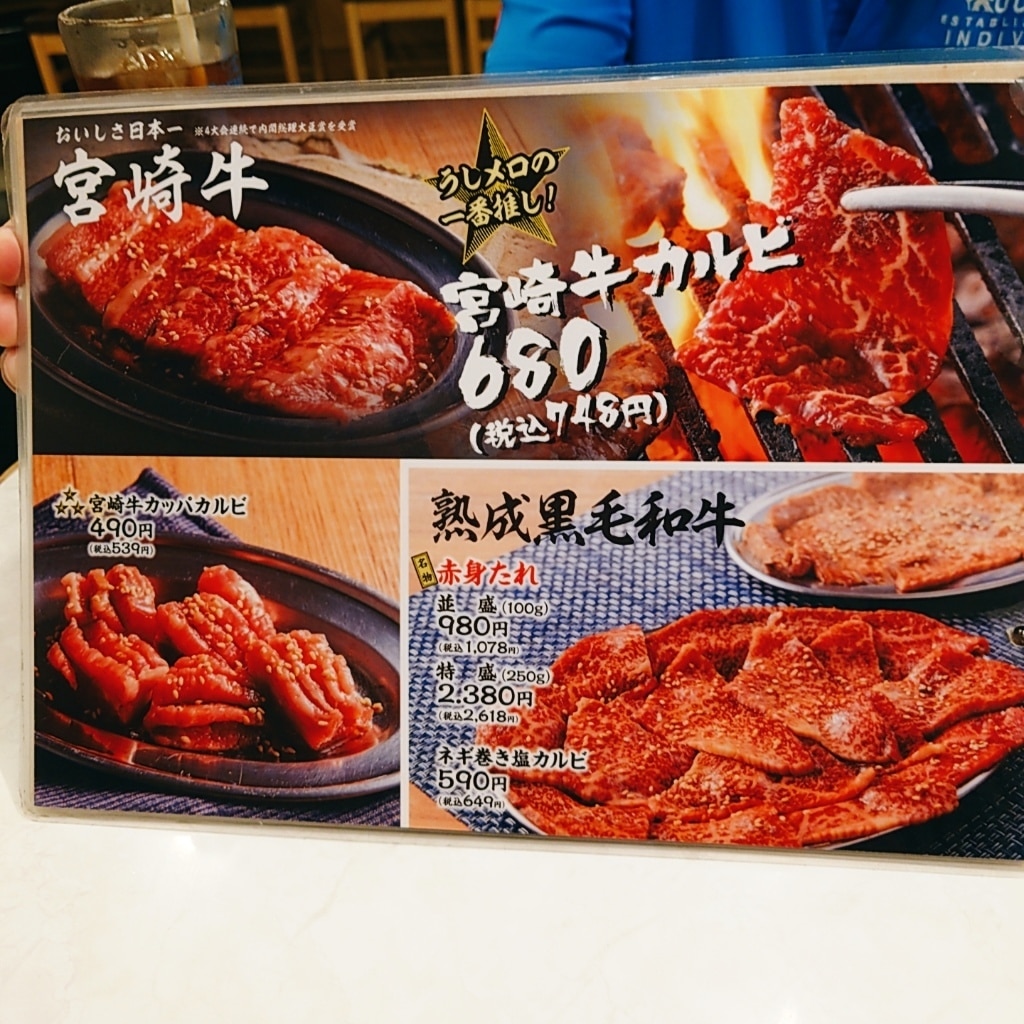
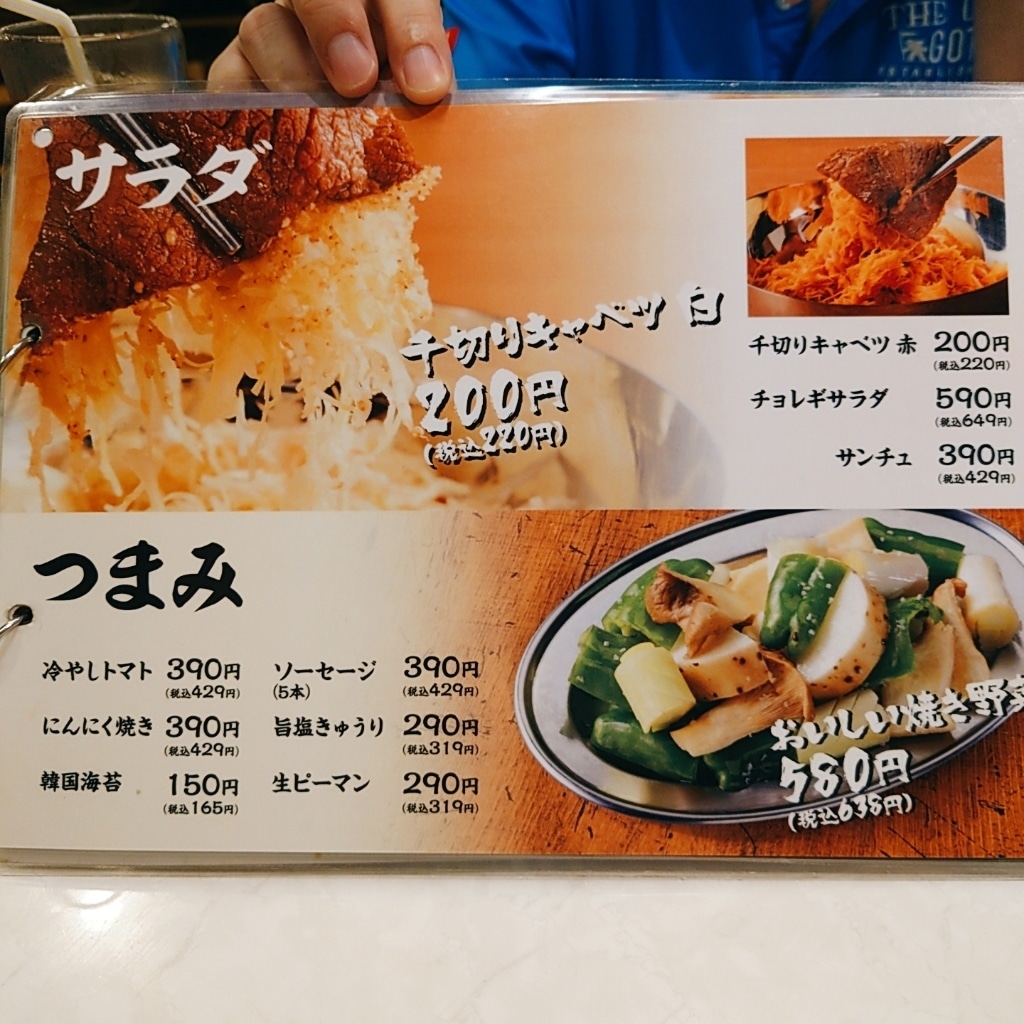
Tsukiji Ushitake is a shop focused on wagyu dishes, one of a kind in a Tsukiji Market famous for seafood. It offers high-quality Japanese wagyu, from wagyu skewers and wagyu bowls to wagyu croquettes, so you can taste top-quality meat beyond seafood.
Their wagyu is carefully cooked, tender and juicy with evenly distributed marbling that melts in the mouth. For visitors who do not eat raw food or want a change of taste, Tsukiji Ushitake is an excellent choice.
- 🥩 Must-order: Satsuma wagyu nigiri / wagyu curry
- 💰 Price: about ¥500-4,500
- 🚉 Access: inside the Tsukiji Outer Market
Tsukiji Kani Matsuri (築地かに祭り)
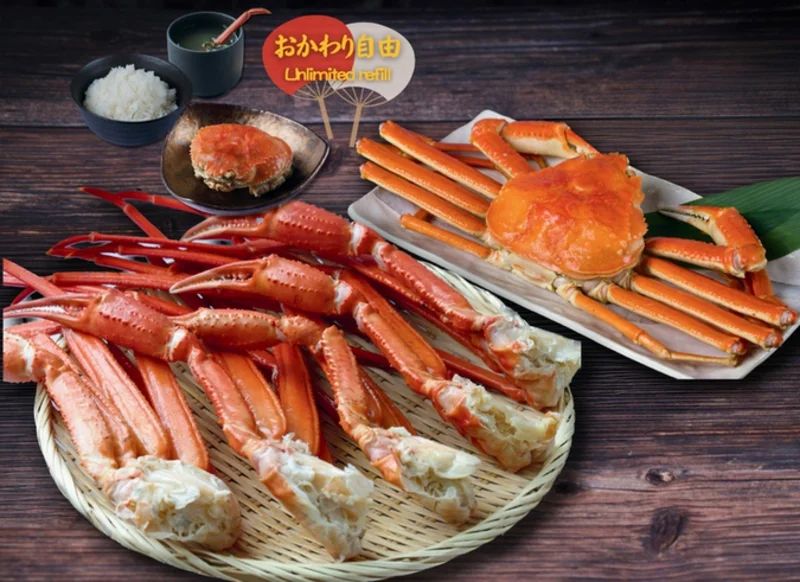
Tsukiji Kani Matsuri is a shop specializing in crab dishes, offering a variety of crab foods, from grilled crab and steamed crab to crab bowls, so crab lovers can eat their fill. The crab here is fresh and plump with full flesh, and whether steamed plain or charcoal-grilled, you can taste the sweetness of the crab.
Most special of all, they sometimes offer an all-you-can-eat crab plan, letting you enjoy crab to your heart’s content within a limited time. For visitors who love seafood, and especially crab, this is definitely heaven.
- 🦀 Must-order: all-you-can-eat crab set (90 minutes)
- 💰 Price: ¥7,000 (tax included)
- 🚉 Access: about 2 minutes’ walk from Tsukiji Station on the Tokyo Metro Hibiya Line
Tips for Shopping and Dining at Tsukiji Market
Although the Tsukiji Outer Market is lively and fun, it is still a wholesale market with frequent commercial activity, so to give all visitors a pleasant experience and respect how local merchants operate, there are some important rules to follow. Knowing this etiquette and these tips will not only make your trip go more smoothly but also avoid unnecessary misunderstandings. Here are the key points for shopping and dining at Tsukiji Market, to help you be a proper Tsukiji traveler.
Follow Tsukiji Market’s Visiting Etiquette
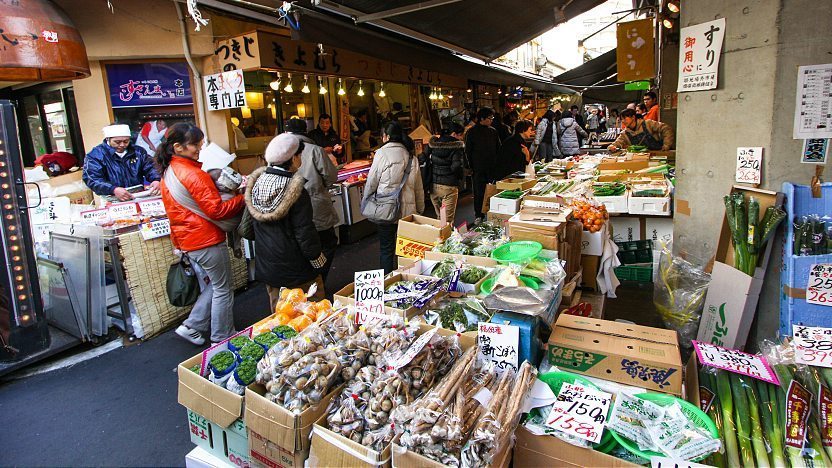
The Tsukiji Market official website and nearby shops have long promoted a few basic rules of etiquette, which all visitors are advised to follow:Before 9 a.m., buyers from the trade have priority, and visitors should avoid blocking their routes; do not eat while walking, so as not to bother others or make a mess; do not touch products casually, and tell the shop if you need something; do not haggle; if you carry a large suitcase, watch out for the narrow alleys and use the luggage storage services around the market if needed; keep a close hold on children so they do not get separated or bump into people in crowded passages; and do not photograph shops or other visitors without consent.
Tsukiji’s passages are narrow and crowded, so we recommend enjoying your food at the seating or standing area in front of the shop and returning your trash to the shop when you finish.
Check Opening Hours and Closing Days
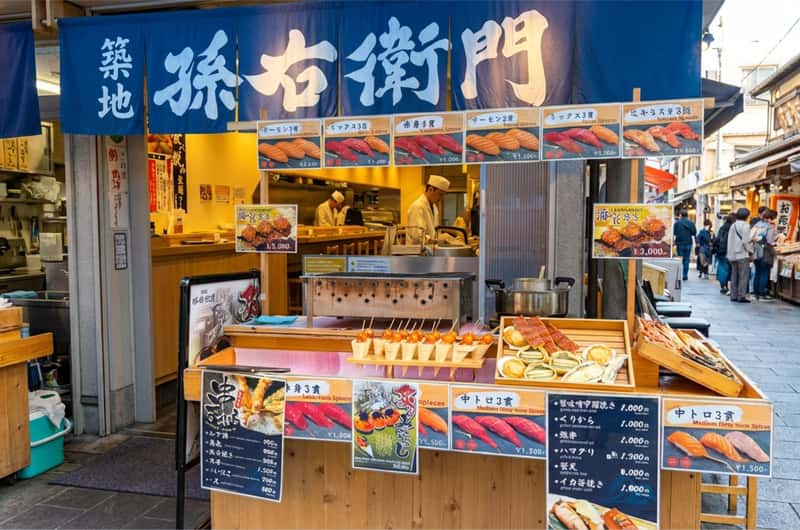
Most shops in the Tsukiji Outer Market open at dawn (about 6:00-7:00) and close one after another in the afternoon (about 14:00-15:00). Many popular shops may sell out or close soon after noon, so we recommend going in the morning if possible to experience the market at its liveliest and best stocked.
In addition, closing days at the Tsukiji Outer Market are not uniform. Many shops follow the Toyosu Market’s closing days (Sundays, national holidays and some Wednesdays), but some shops decide their own days off.
Cash Is King: Bring Enough Japanese Yen
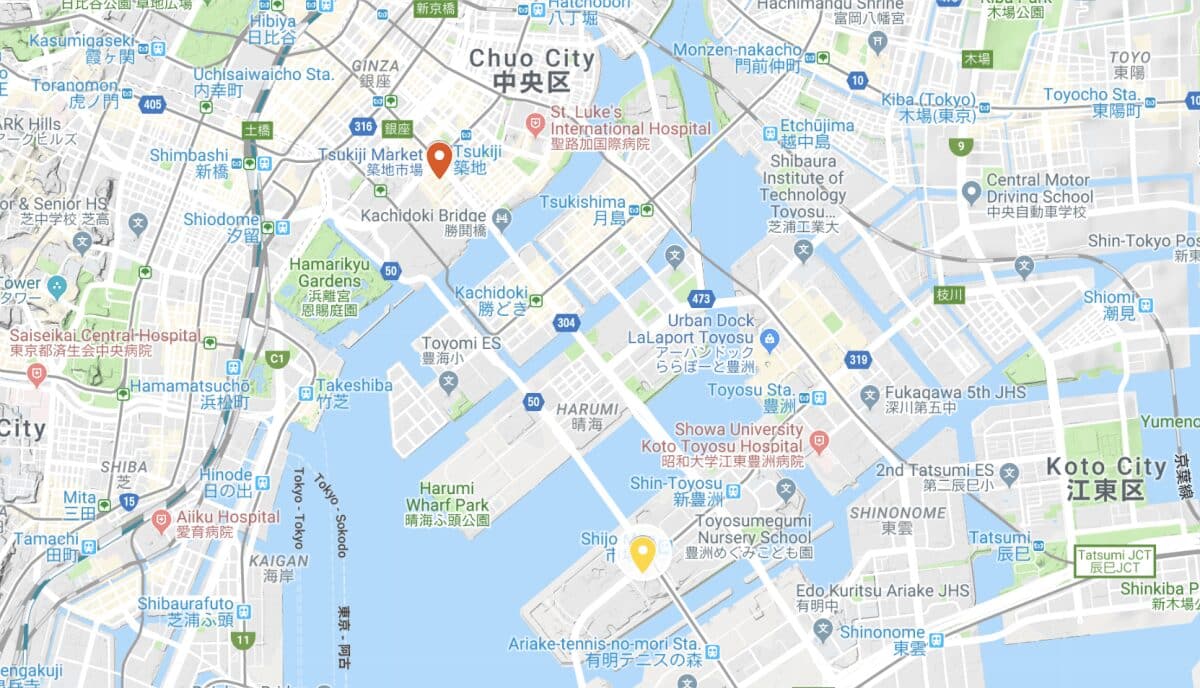
Although electronic payment is increasingly common in Japan, many traditional shops in the Tsukiji Outer Market still accept only cash. Snack stalls, souvenir shops and long-established shops in particular mostly deal in cash.
So we recommend bringing enough Japanese yen cash before going to Tsukiji Market. There are a few convenience stores or bank ATMs in the market, but not many, and you may have to queue, wasting your precious time. Without enough cash, you may miss many foods you wanted to taste or items you wanted to buy.
Make Good Use of the Market Map and Plan Your Route
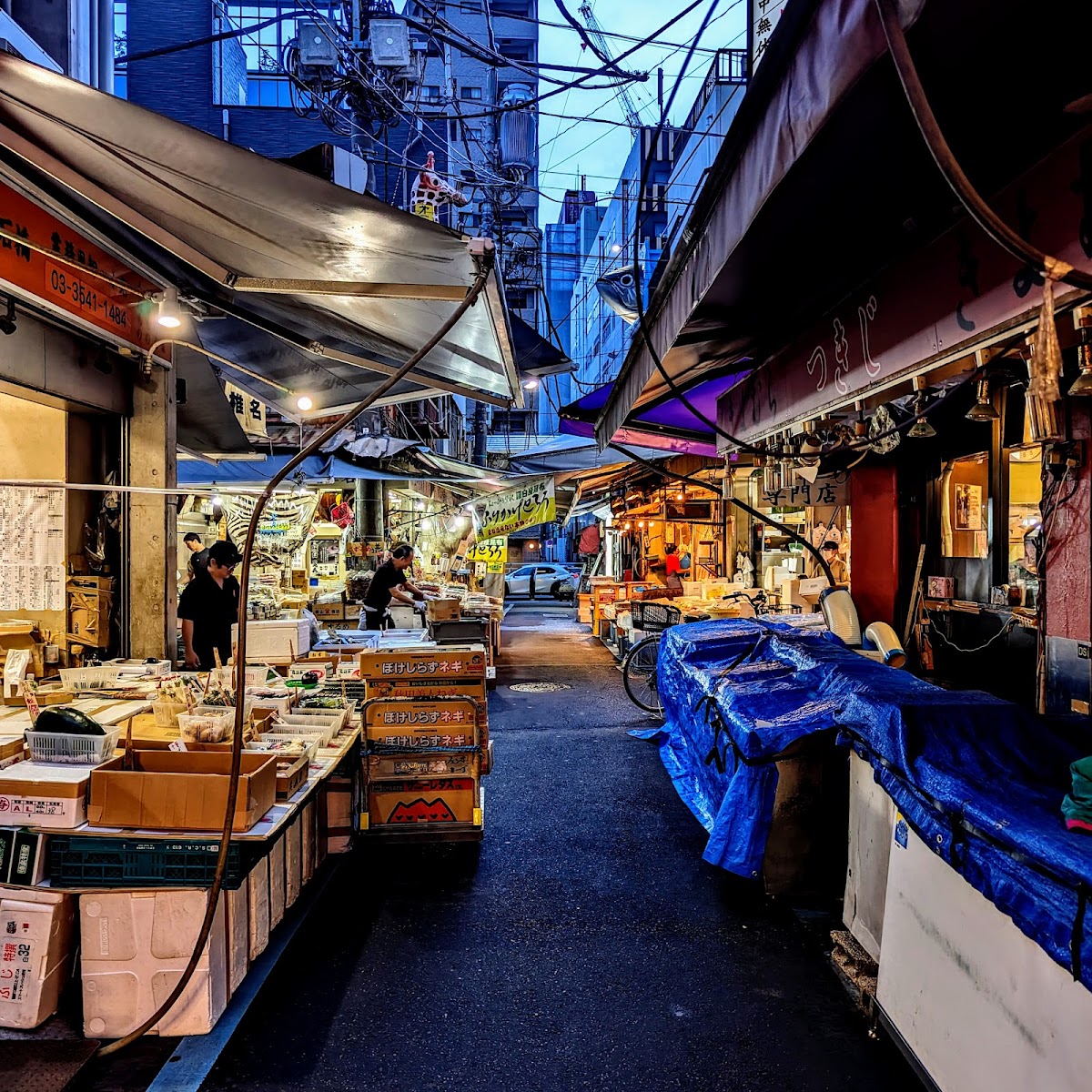
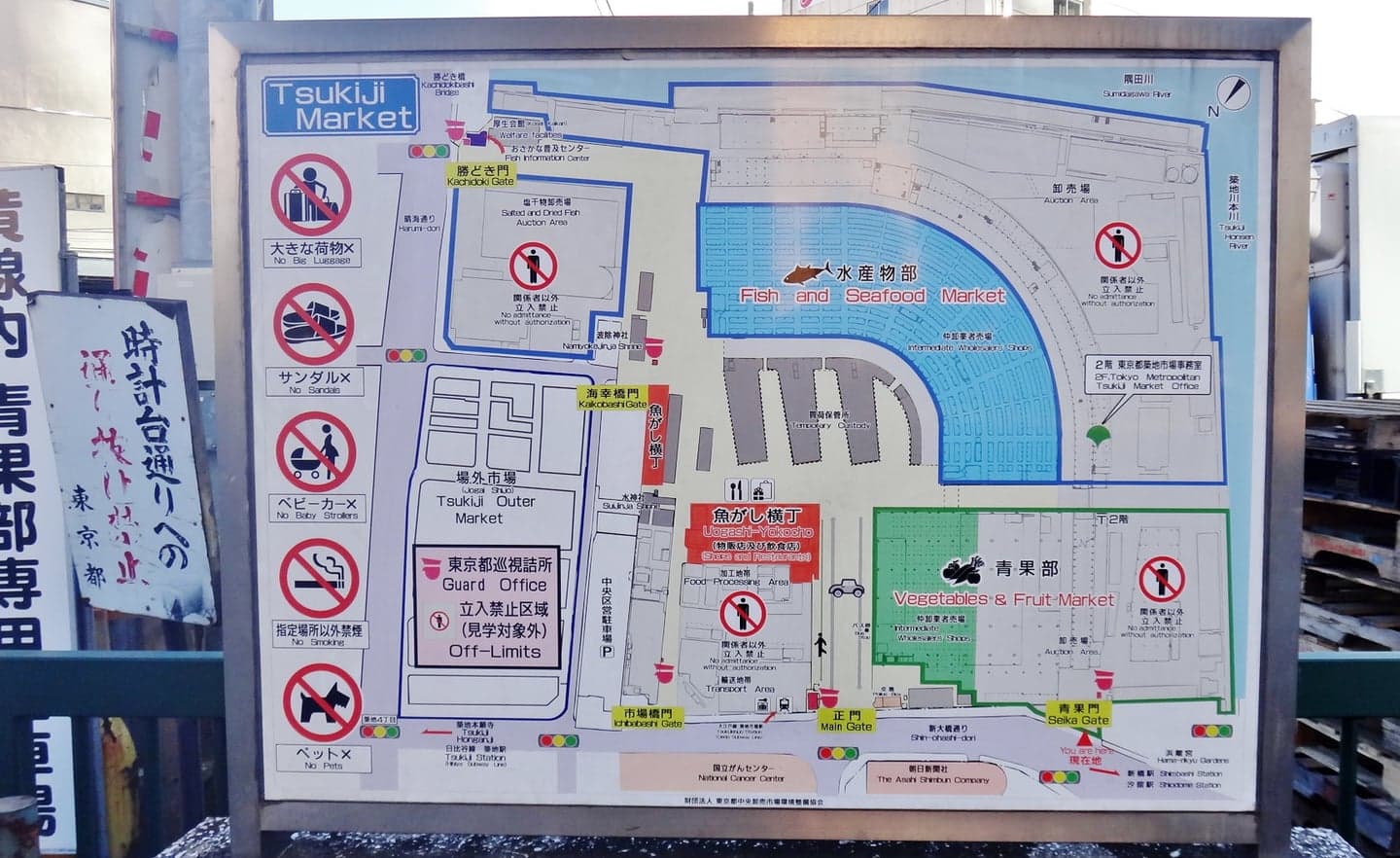
The alleys of the Tsukiji Outer Market are tangled and the number of shops is huge, so first-time visitors easily lose their way. We recommend picking up an official map at the visitor center after you arrive, or downloading an electronic map of the Tsukiji Outer Market on your phone.
The “Map and Access” page of the Tsukiji Outer Market official website (tsukiji.or.jp) lets you download a guide map PDF of the outer market for free (the official recommendation is to print it at A3 size for clarity). The on-site information center “Platto Tsukiji” (8:00-14:00 on weekdays and Saturdays; 10:00-14:00 on Sundays, national holidays and market closing days) can also provide a paper map, and has an ATM, a foreign currency exchange machine, a tax-free counter and coin lockers. Before you go, check the official site for temporary closures (for example, several Wednesdays in September 2026 are temporary closing days).
The map marks key information such as major shops, restrooms and smoking areas, so you can plan your route more efficiently. Planning the shops you want to visit in advance saves a lot of time searching.
Mind Dining Etiquette: No Sharing, No Holding Seats
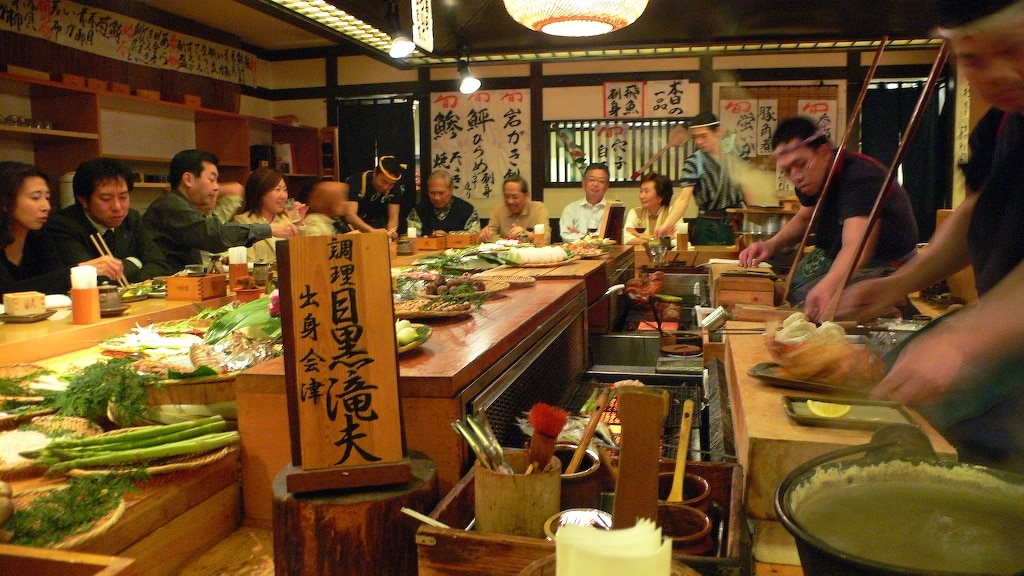
At many restaurants in Japan, especially small shops like those in Tsukiji Market, there are certain requirements for dining etiquette. Among them, “no sharing” and “no holding seats” are common rules.
Many popular shops, especially sushi or rice bowl shops with limited seating, require each customer to order at least one dish, to ensure that every waiting customer has a chance to eat. It is also a form of respect for the shop, since their income comes from each customer’s spending.
Tsukiji Market Transport Guide: Easily Reach the Food Paradise
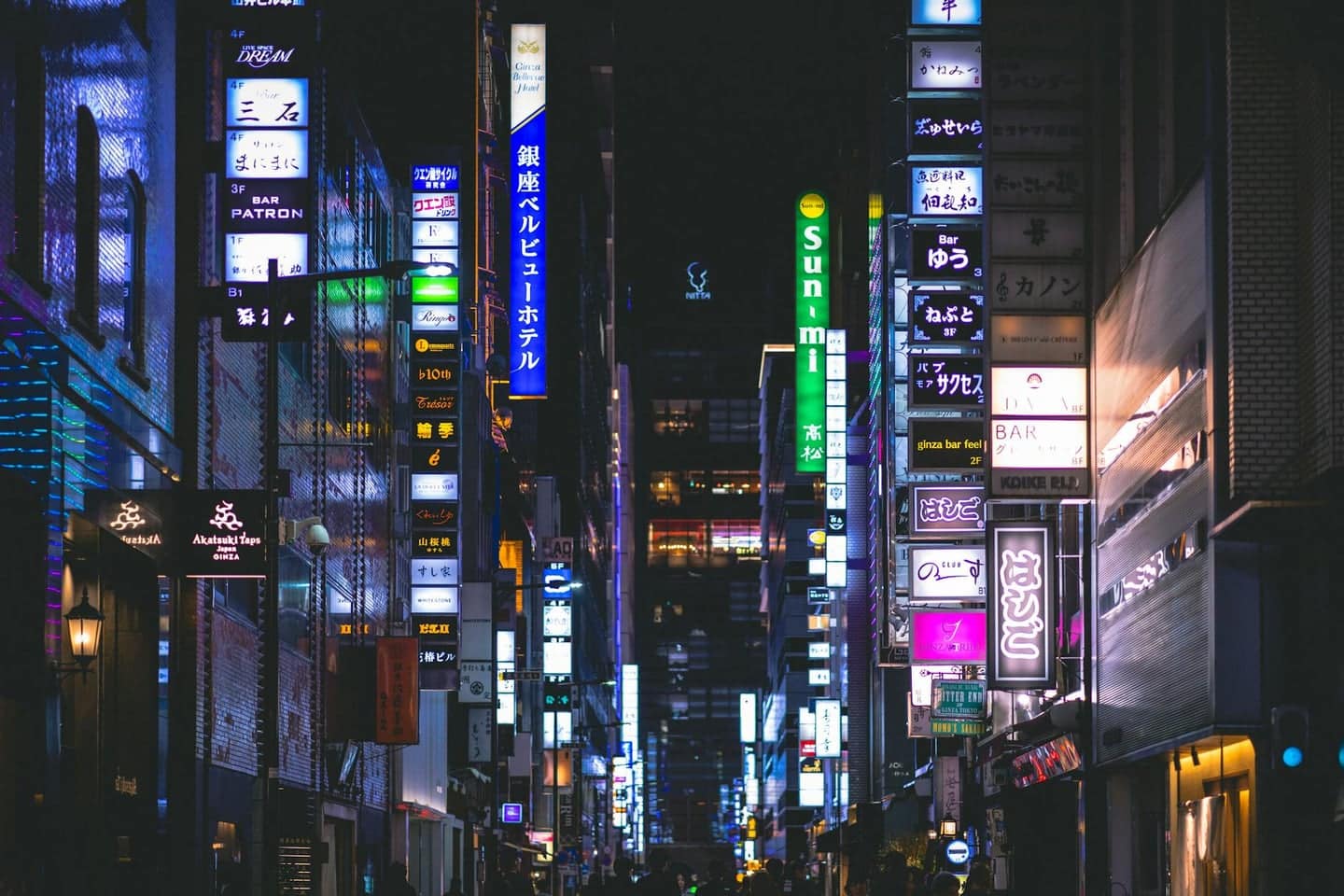
The most convenient way to reach the Tsukiji Outer Market is to take the Tokyo Metro Hibiya Line to “Tsukiji Station” and walk about 1 minute from Exit 1 or 2; you can also take the Toei Oedo Line to “Tsukijishijo Station” Exit A1, also about a 1-minute walk. Whether you depart from Ginza, Ueno or Shinjuku, access is very convenient.
Other routes: take the Tokyo Metro Hibiya Line or Toei Asakusa Line to “Higashi-Ginza Station” and walk about 5 minutes from Exit 5 or 6, suitable for those coming from Ginza; if you start from Tokyo Station and do not want to transfer to the subway, take a Toei bus from the “Tokyo Station Marunouchi South Exit” bus stop toward Toyomi Suisan Futo (Toei 04), Harumi Futo (Toei 05-1) or Tokyo Big Sight (Toei 05-2) and get off at “Tsukiji 3-chome.” The market has no dedicated parking lot; the official advice is to use the paid parking lots nearby, but with narrow alleys and crowds, the train is still the most convenient.
Tsukiji Market’s Deeper Cultural Experiences: Not Just Food but History and Craftsmanship
The Tsukiji Outer Market is not just a temple of food; it is also a cultural treasure trove full of historical depth and craftsmanship. Here you can feel the pulse of everyday Tokyo life, witness the passing down of traditional crafts and gain a deeper understanding of the essence of Japanese food culture. Besides tasting food, taking time to explore the market’s non-food shops and talk with locals will add more layers and meaning to your Tsukiji trip. Below are several ways to experience Tsukiji Market culture in depth.
Explore Century-Old Shops and Craftsmanship
The Tsukiji Outer Market has many shops that have operated for decades or even a century, witnesses to the market’s history and a microcosm of Japanese craftsmanship. For example, “Maruyama Nori-ten,” which specializes in all kinds of nori, offers many nori products from everyday use to high-end gifts, and you can taste nori from different regions and roasting methods.
Another example is “Yoshiokaya Sohonten,” which sells traditional pickles such as Nara-zuke and bettara-zuke, an indispensable part of experiencing Japanese food culture. These old shops not only sell goods but also hand down generations of skill and a commitment to quality.
Tsukiji Hongwanji: A Buddhist Temple With an Indian Look
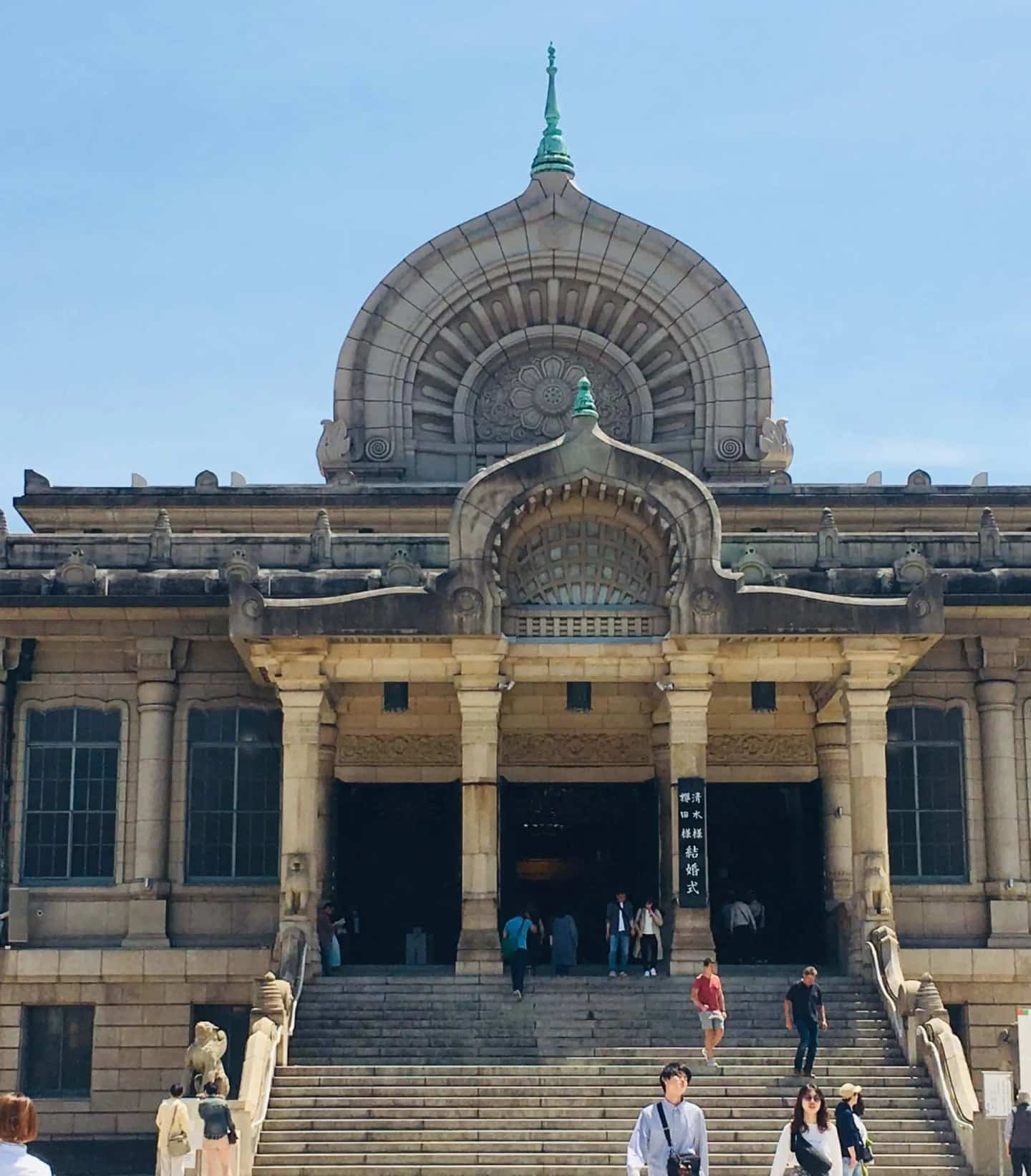
Amid the bustle of Tsukiji Market stands a temple of unique style, Tsukiji Hongwanji, which draws much attention with its exotic architecture. The temple was founded in the 17th century, but the current building was rebuilt in 1934, blending elements of ancient Indian Buddhist architecture and traditional Japanese temples, with a grand, magnificent exterior and a very distinctive interior.
Unlike the wooden structures of typical Japanese temples, Tsukiji Hongwanji is built of stone, and its dome and arch design is full of South Asian flavor, making you feel as if you were in India.
Tsukiji Hongwanji Worship Hours and the Tsumugi Cafe
The main hall of Tsukiji Hongwanji is open for worship from 6:00 to 16:00 and is within walking distance of the Tsukiji Outer Market, suitable for a visit after you finish the market. The grounds have the Tsumugi cafe and a bookstore where you can rest when tired. The temple also holds events such as pipe organ concerts; please rely on the official website for schedules and registration.
Join a Market Tour or Cooking Class
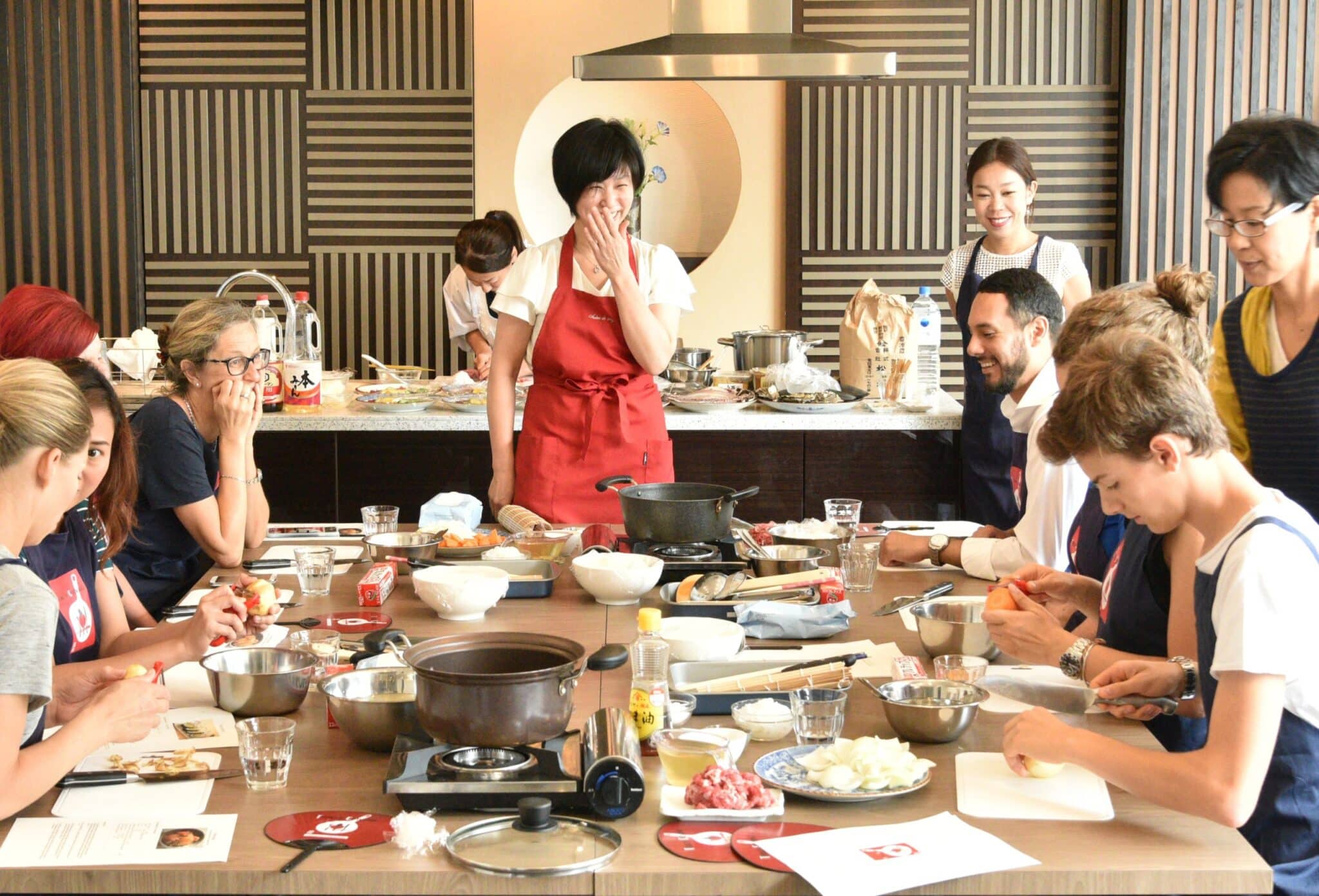
If you want to understand Tsukiji Market more deeply, consider joining a local market tour or cooking class. Some travel agencies or local organizations offer English-language tours led by guides who know the market, explaining its history, culture and ingredient knowledge and recommending popular local shops.
Through a tour you can explore the market more efficiently and gain exclusive information you cannot learn from books. Tours usually include some tastings, so you can eat your fill while you learn.

Pick Up Distinctive Souvenirs: Carry On the Taste of Tsukiji
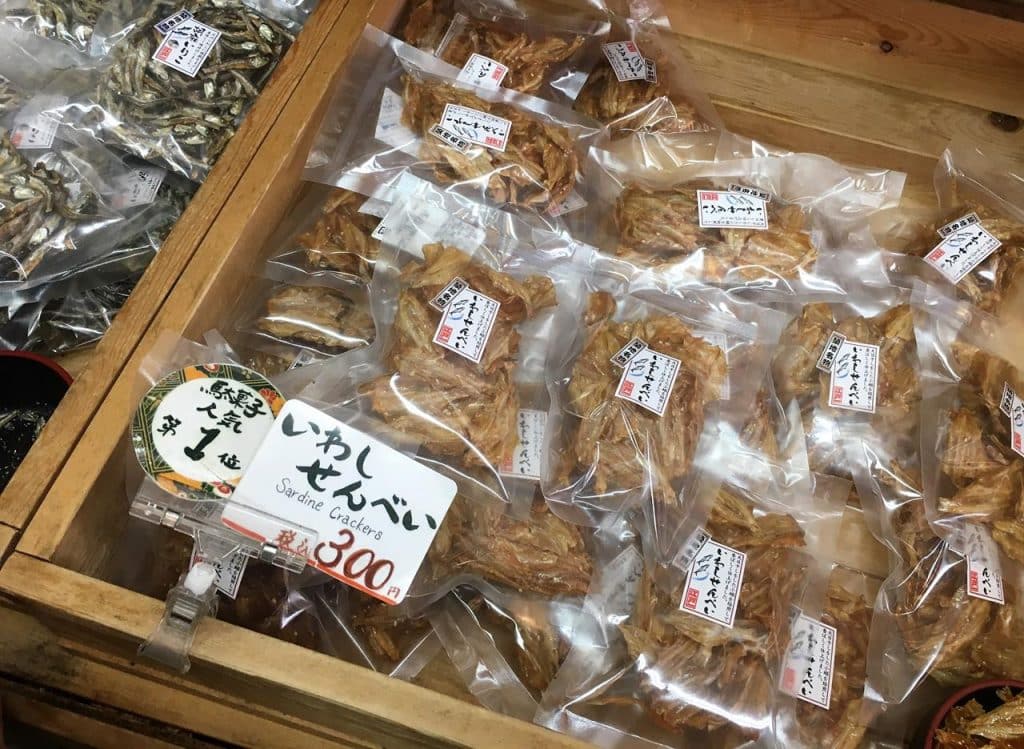
The Tsukiji Outer Market has many kinds of souvenirs, including processed seafood, Japanese seasonings, dried goods and tea.
Bonito flakes, kelp, pickles and Japanese kitchen knives are common souvenir choices.
Below are the souvenir categories and representative shops from the Tsukiji Outer Market’s official shop directory (we recommend checking the official shop pages for opening days before you go):
- 🥚 Tamagoyaki: Tsukiji Yamacho, Tsukiji Shoro, Marutake and other tamagoyaki specialists, with plain thick-rolled tamagoyaki and flavors with shrimp, eel and more.
- 🍵 Nori and tea: nori specialists such as Maruyama Nori-ten and Oshika, and Uogashi Meicha Tsukiji Honten, which sells sencha such as “Unubore.”
- 🐟 Bonito and dashi ingredients: dried bonito shops such as Akiyama Shoten, Fushitaka and Aji no Yonekura, where you can buy small packs of shaved bonito flakes, kelp or dashi packs.
- 🔪 Japanese kitchen knives: knife shops such as Tsukiji Aritsugu, Tsukiji Masamoto, Sugimoto Hamono and Tojiro Knife Gallery Tsukiji.
Conclusion: Tsukiji Market in 2026, a Journey of Taste and Culture That Never Ends
Although Tokyo’s Tsukiji Market in 2026 is no longer the center of the tuna auction as in the past, the appeal of its “outer market” has not diminished at all, and has become even more varied and rich. It is not only an excellent place to taste the freshest seafood and authentic Japanese snacks but also a place full of history, culture and human warmth. From the lively bustle of early morning to the relaxed atmosphere of the afternoon, every corner of the Tsukiji Outer Market is full of stories and surprises. Whether you are a food lover, a cultural explorer or a traveler seeking a unique shopping experience, Tsukiji Market can bring you an unforgettable feast for the five senses.
We hope this detailed 2026 Tsukiji Market guide helps you understand this charming place more deeply and plan a perfect trip of your own. Remember to respect local culture and etiquette while enjoying the food and shopping, so this good experience can continue. Bring your curiosity and an empty stomach, and get ready for everything Tsukiji Market has to offer! Have a wonderful time at Tsukiji Market, and may you come away with delicious food and memories!
Where to Stay Nearby
The Tsukiji Outer Market is next to Tsukiji Station on the Tokyo Metro Hibiya Line and close to Ginza, Higashi-Ginza and Shimbashi. If you stay around Ginza, you can take a train or walk there, making an early-morning market visit easy the next day. To compare nearby hotels, see our Ginza accommodation guide.