
2026 Tsutenkaku Food Guide: Shinsekai’s Kushikatsu and Local Snacks
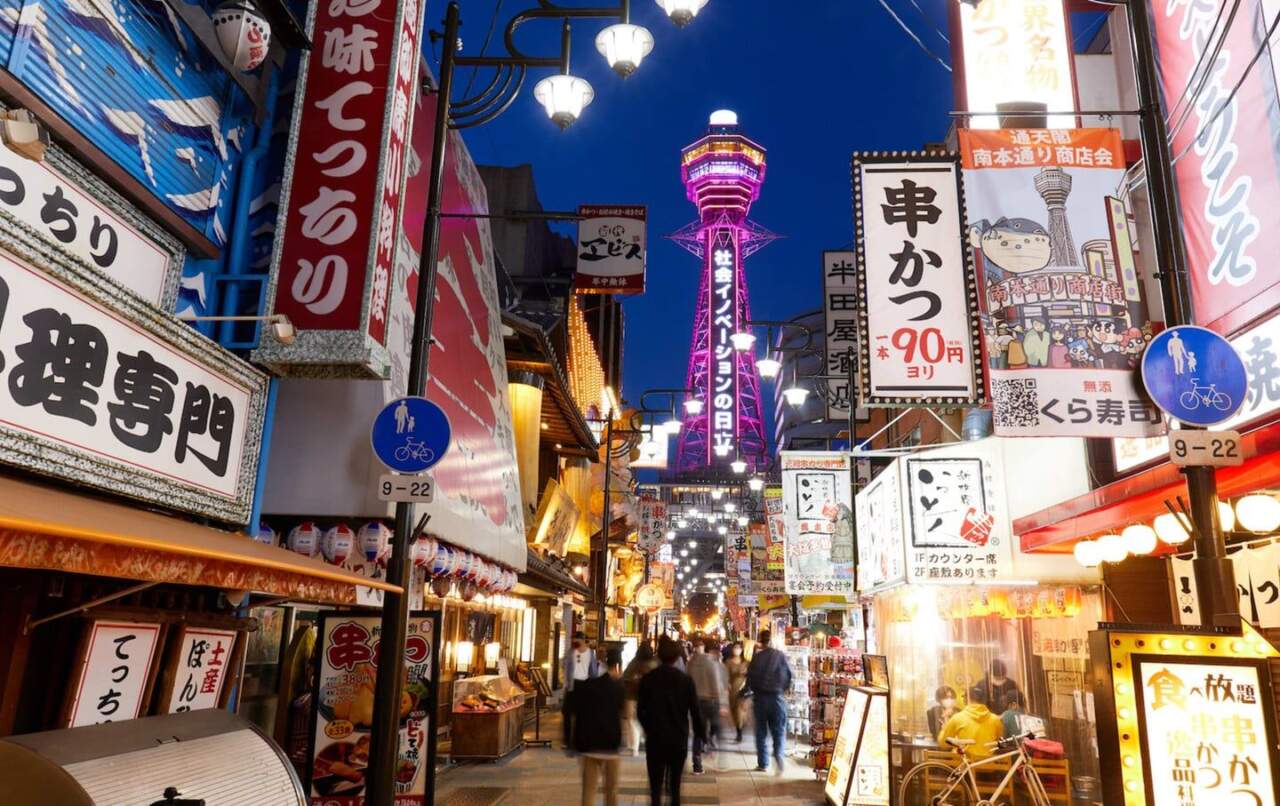
Tsutenkaku stands in Osaka’s Shinsekai, the birthplace of Kansai kushikatsu culture. The retro Showa-style shopping streets gather dozens of affordable famous shops, worth setting aside half a day to eat your way through.
Made-to-Order Takoyaki: Shinsekai Kankan
Below Tsutenkaku is “Shinsekai Kankan” (8 takoyaki balls for about ¥450 to 500, crisp outside and soft inside, closed Mondays and Tuesdays). It often has a line and is a food landmark of Shinsekai.
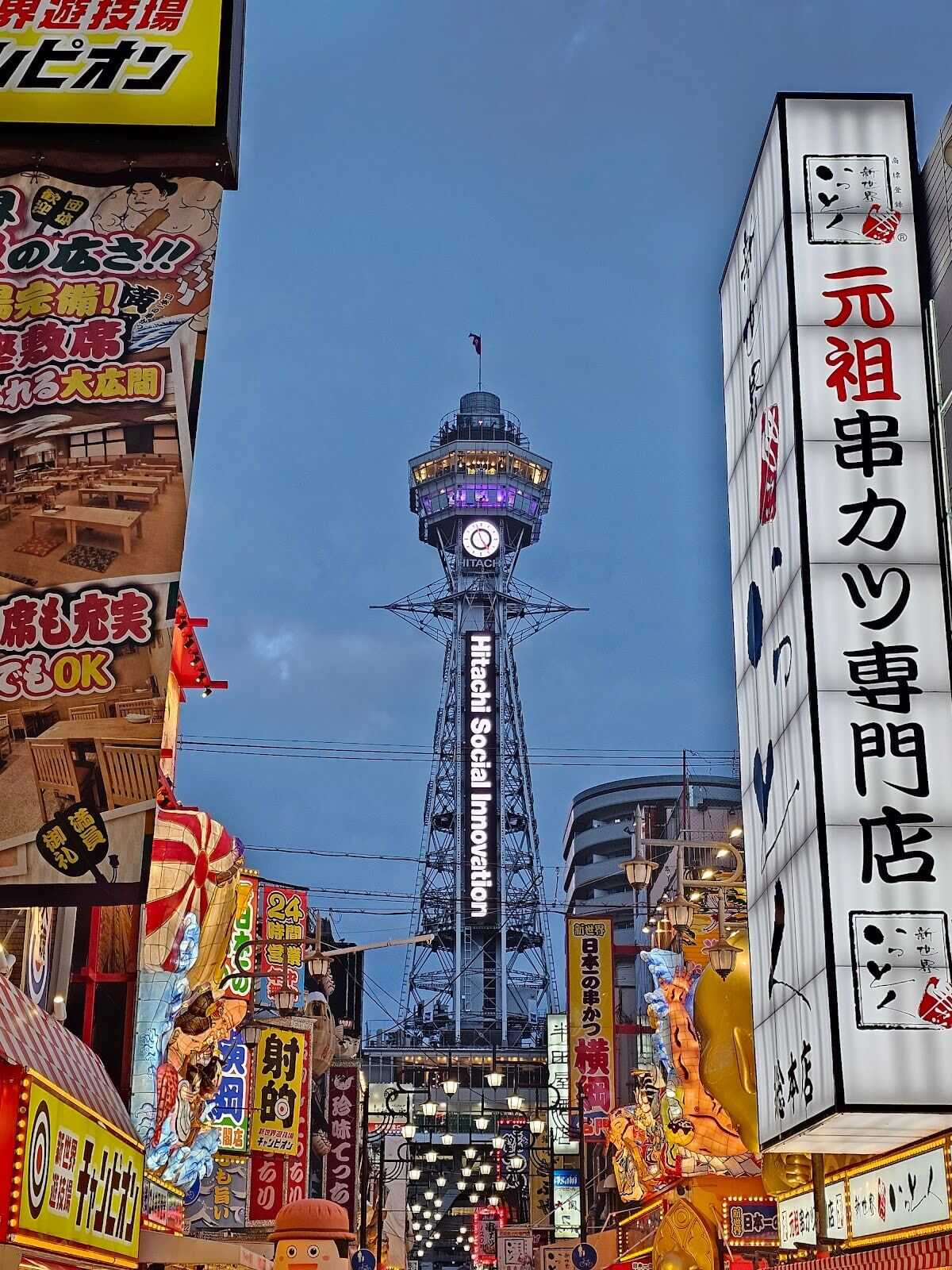
Tsutenkaku is 108 meters tall, a symbol of Osaka’s spirit and the landmark of Shinsekai, surrounded by many shops with long lines. The observatory looks over Shinsekai and downtown Osaka. According to the official “Tsutenkaku” website, the ticket (regular observatory plus special outdoor observatory) is ¥1,500 for adults, hours are 9:00 to 21:45 (last entry 21:15), and tickets require a reserved entry time. We suggest going up at dusk for the view, then trying local snacks such as takoyaki and dote-yaki after coming down.
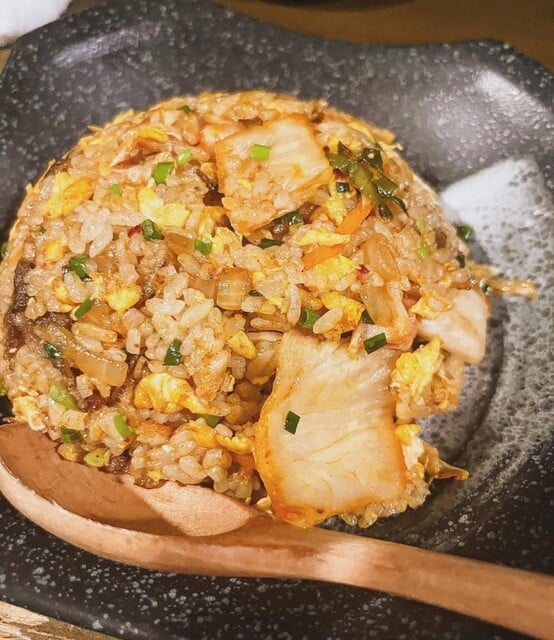

Shinsekai Hondori Shopping Street: A Street of Takoyaki and Kushikatsu
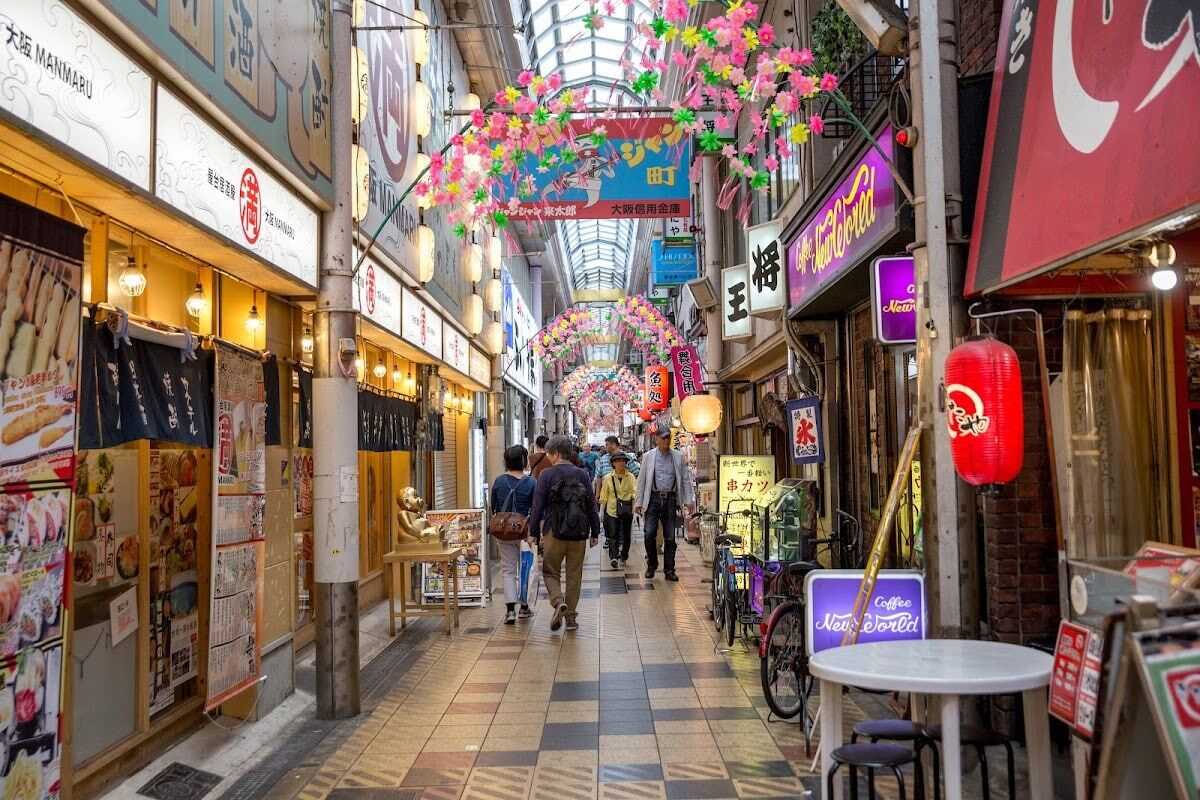
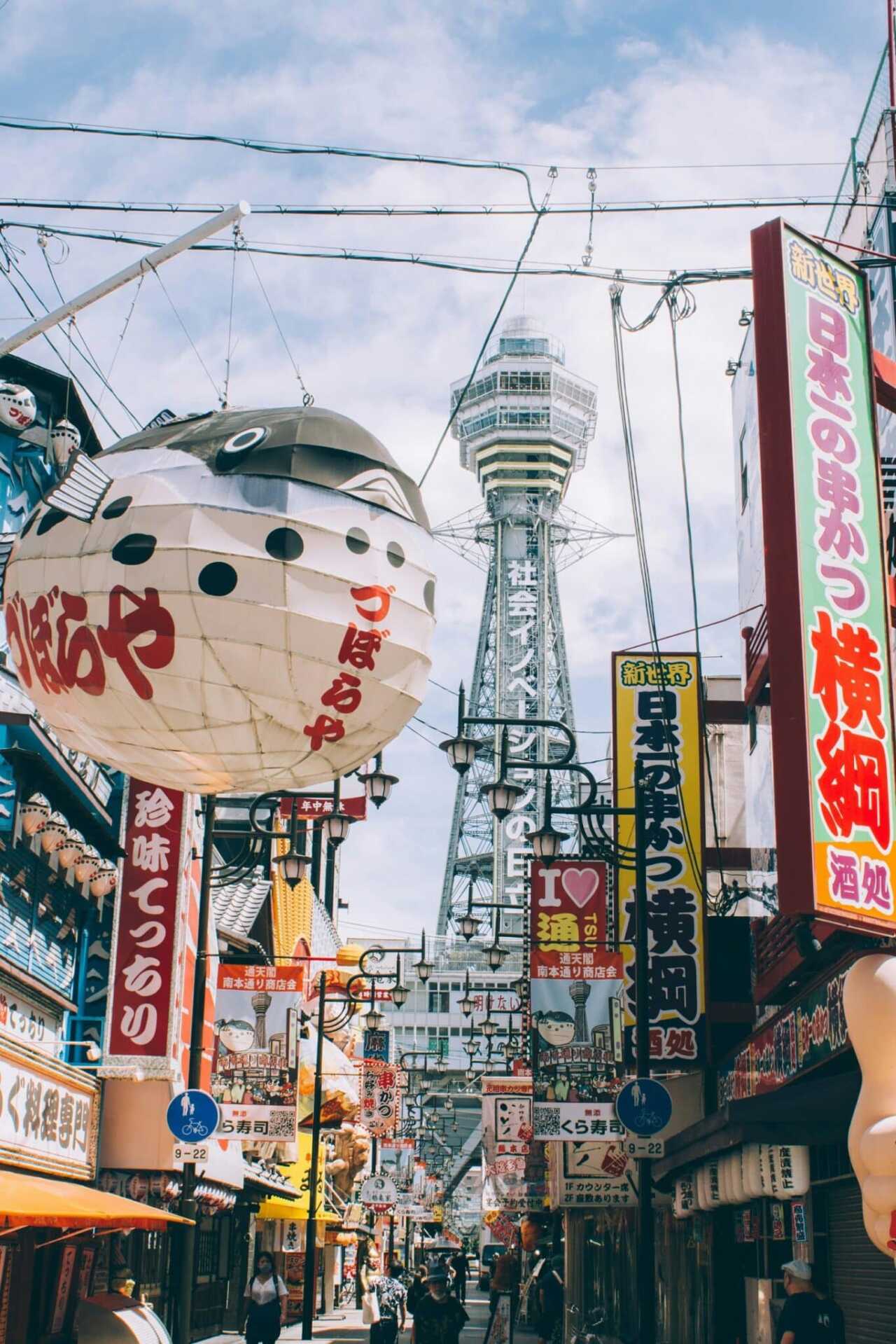
Shinsekai Hondori Shopping Street is about a 2-minute walk from Tsutenkaku, lined with old red-and-white signs and hand-painted boards, and the Daruma sign of the kushikatsu restaurant is a symbol of the area. The street gathers everyday snacks such as takoyaki, kushikatsu and dote-yaki, and we suggest leaving at least an hour to stroll. After the lanterns light up at dusk the nostalgic atmosphere deepens, good for photos and late-night snacks.
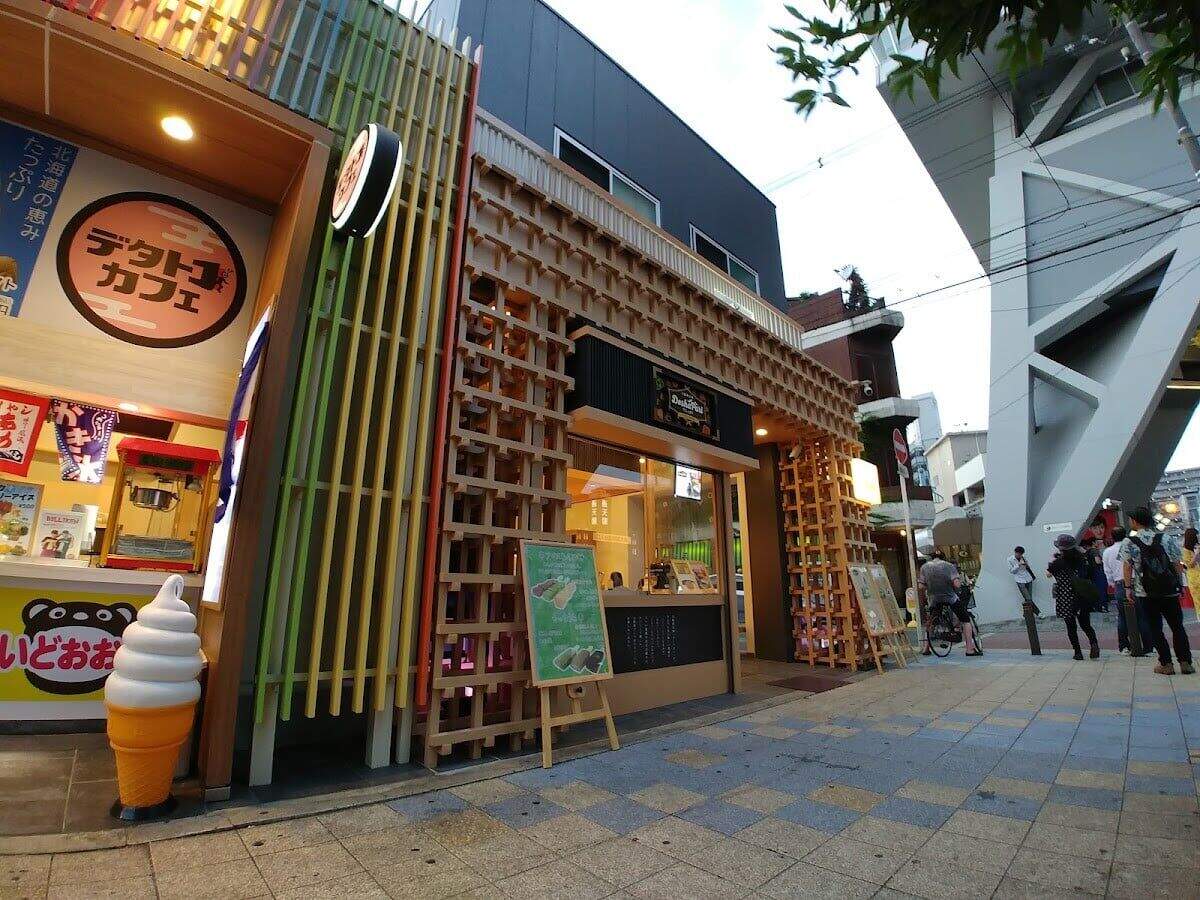
Kushikatsu Tengu: Popular Kushikatsu and Dote-yaki on Jan-Jan Yokocho
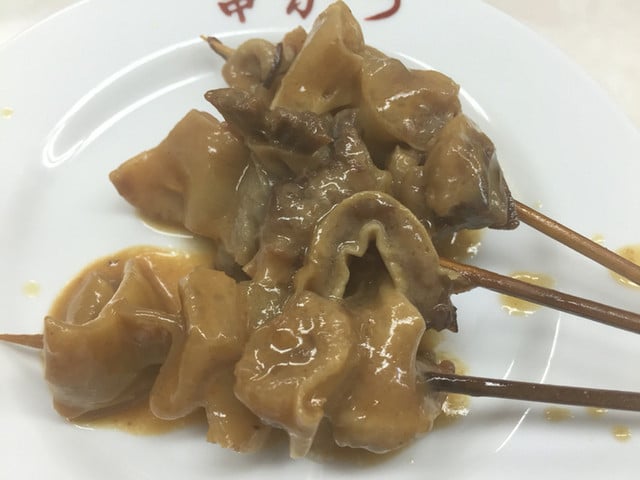
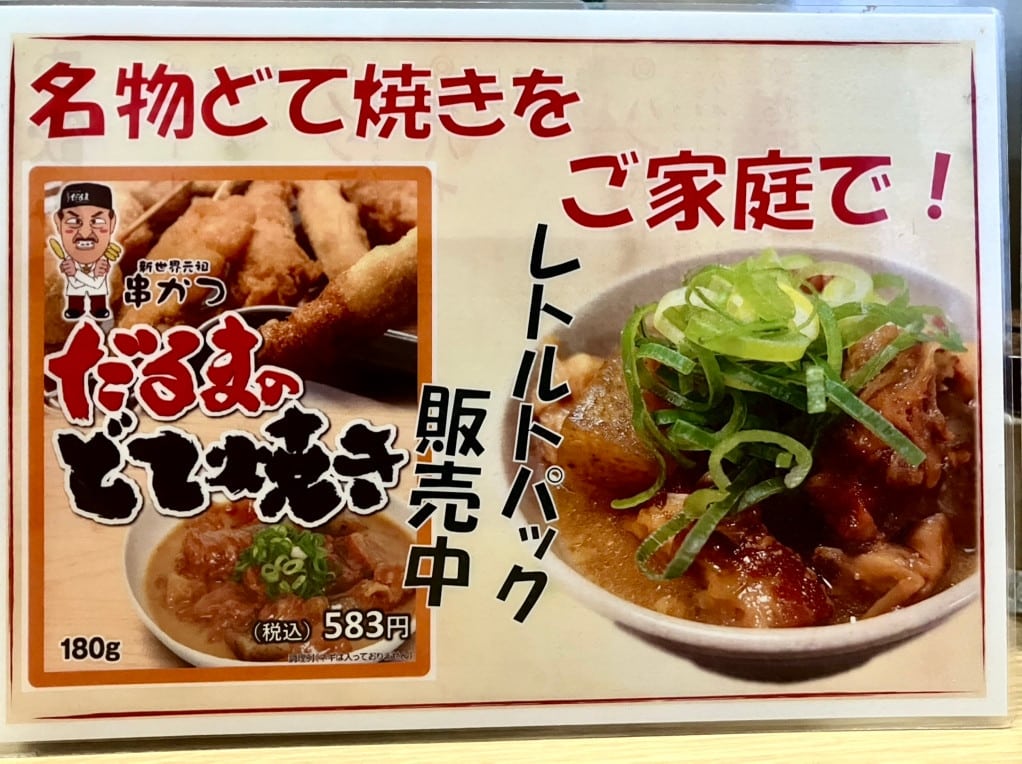
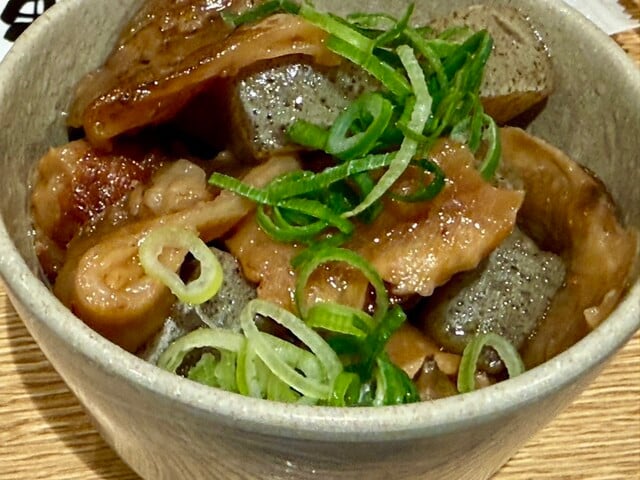
Jan-Jan Yokocho (Nanyo-dori Shopping Street) is tucked between Dobutsuen-mae Station and Tsutenkaku. This roughly 180-meter food lane is famous for its dense cluster of kushikatsu shops. Among them, “Kushikatsu Tengu” in Ebisu-higashi 3-chome has a solid batter and nostalgic flavor, and also serves dote-yaki, beef tendon simmered in white miso. Hours are 10:30 to 21:30, closed Mondays.
Jan-Jan Yokocho got its name from the “jan jan” sound of shamisen and taiko drums in the shops, and now gathers a shogi hall, standing kushikatsu counters and izakaya. The density of kushikatsu shops here is extremely high, including famous names such as Daruma and Yaekatsu. Hours vary by shop, single skewers start at about ¥100, and some shops offer standing counters, letting you experience how Osaka locals have a casual drink after work.
Beef and Lotus Root Kushikatsu: Kushikatsu Daruma Shinsekai Main Store
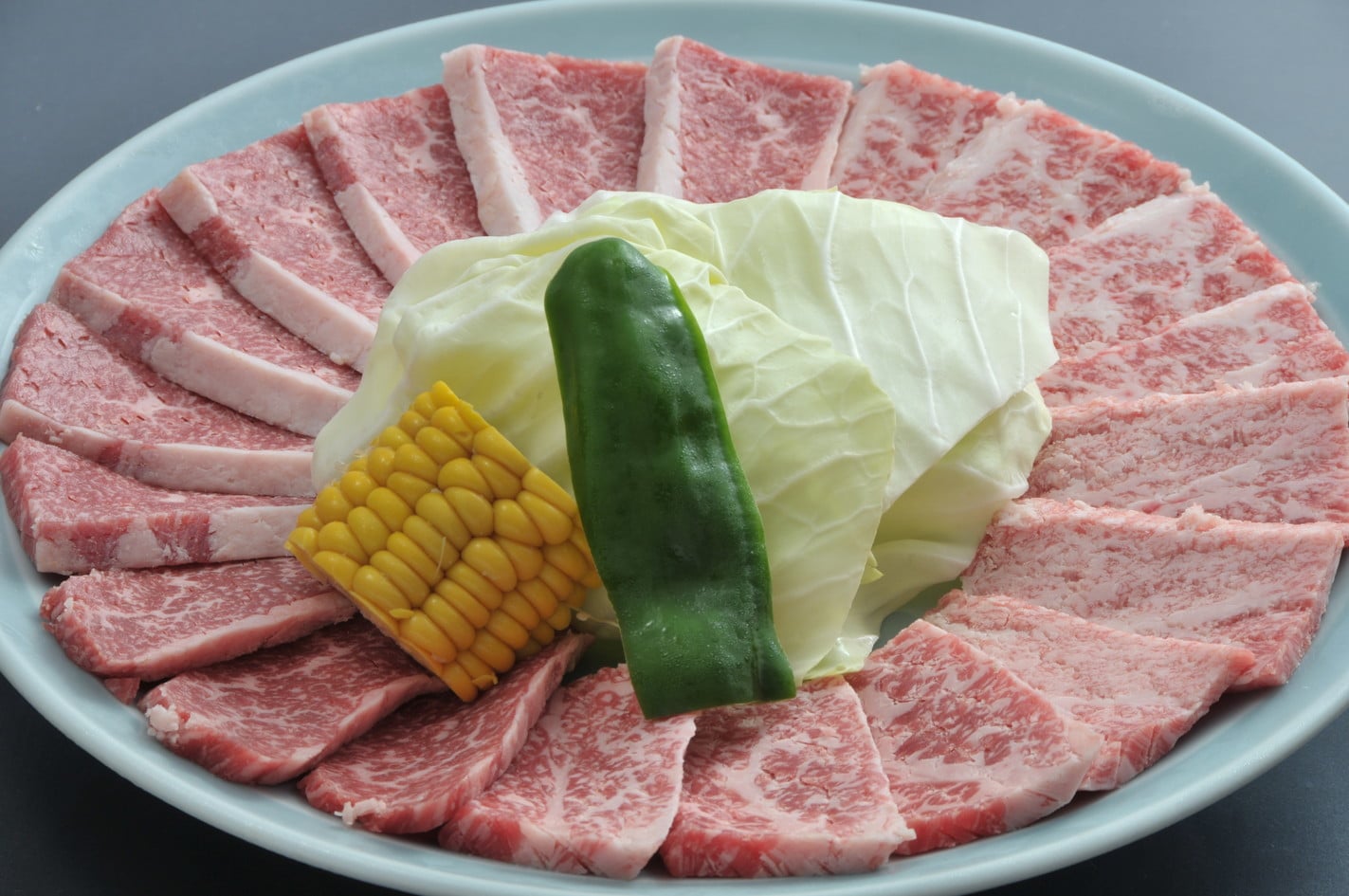
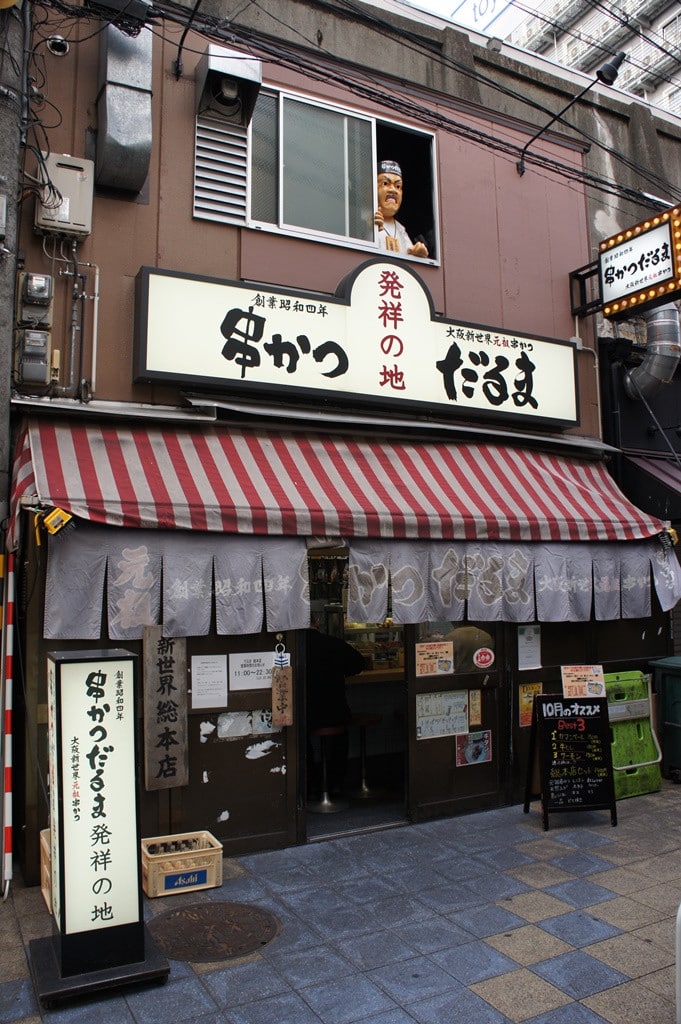
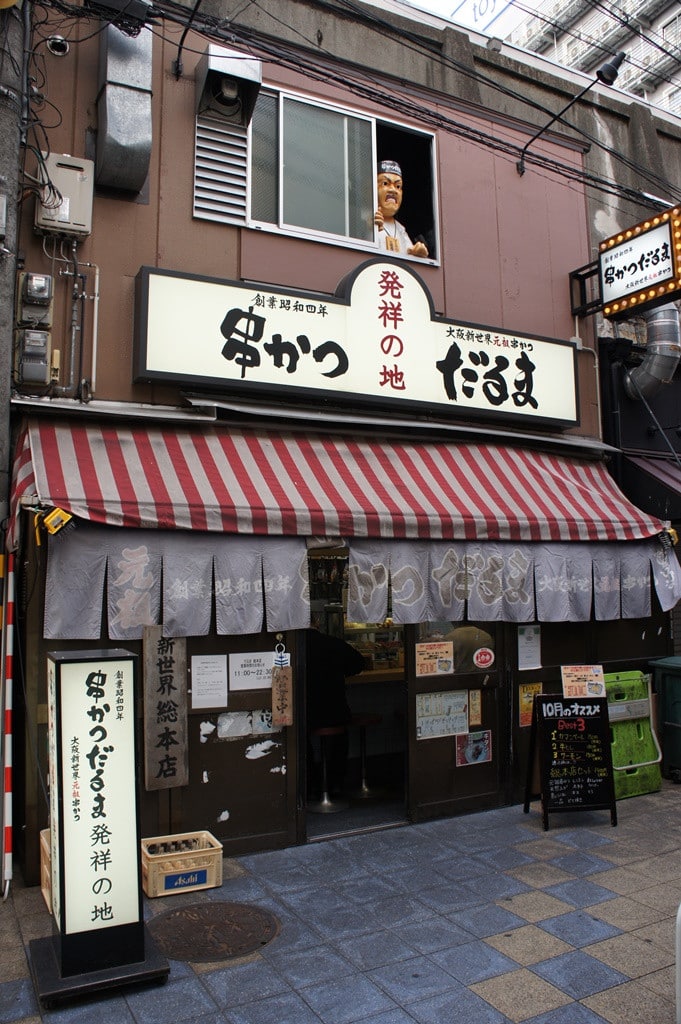
Founded in 1929, Kushikatsu Daruma is the originator of kushikatsu, and the Shinsekai main store is where it began, with the Daruma doll at the entrance as a landmark. The signature beef, lotus root and fried shrimp have crisp coatings and a rich dipping sauce. Hours are 11:00-22:30, single skewers cost about ¥120-¥250, and there are often lines at the peaks of 12:00 and 19:00, which we suggest avoiding.
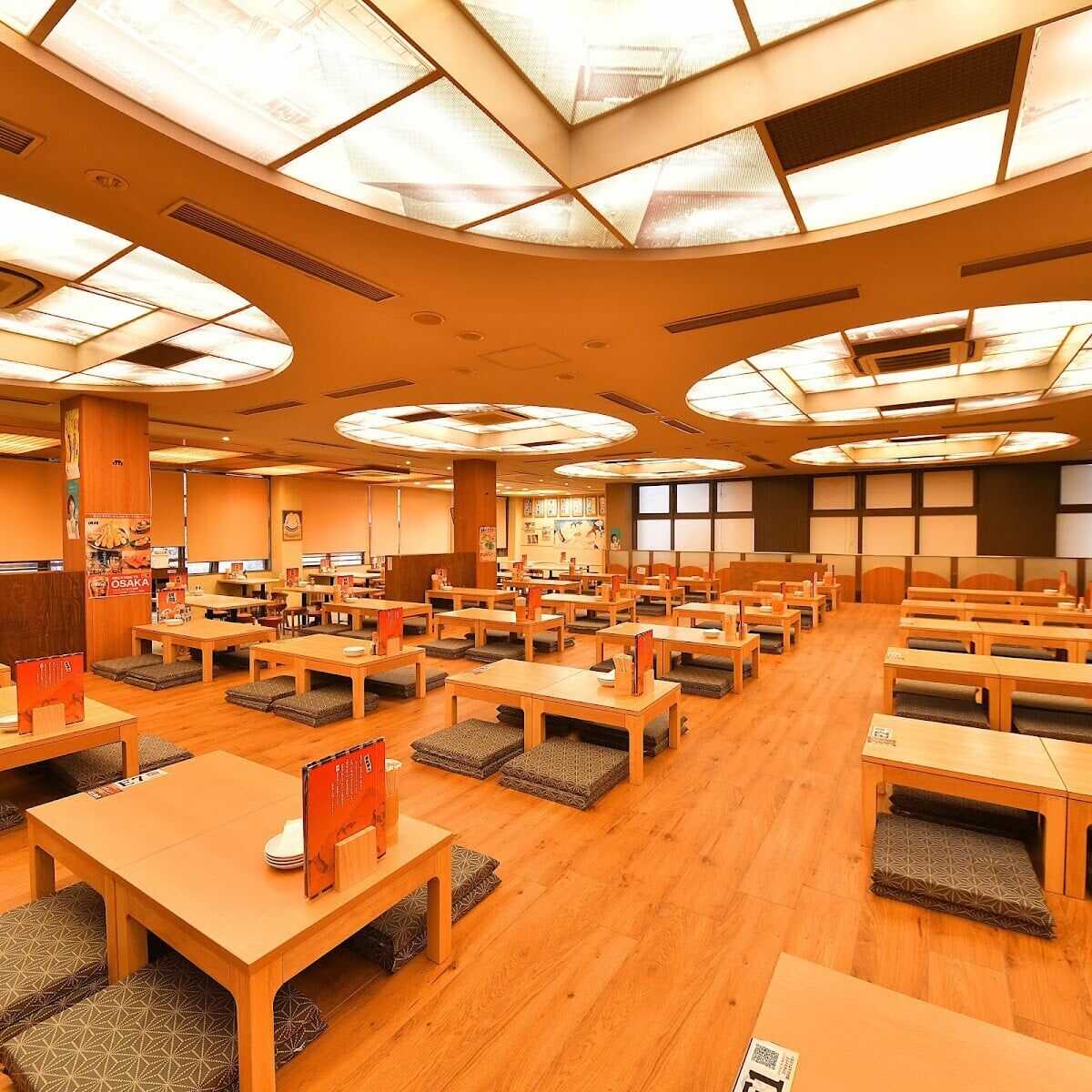
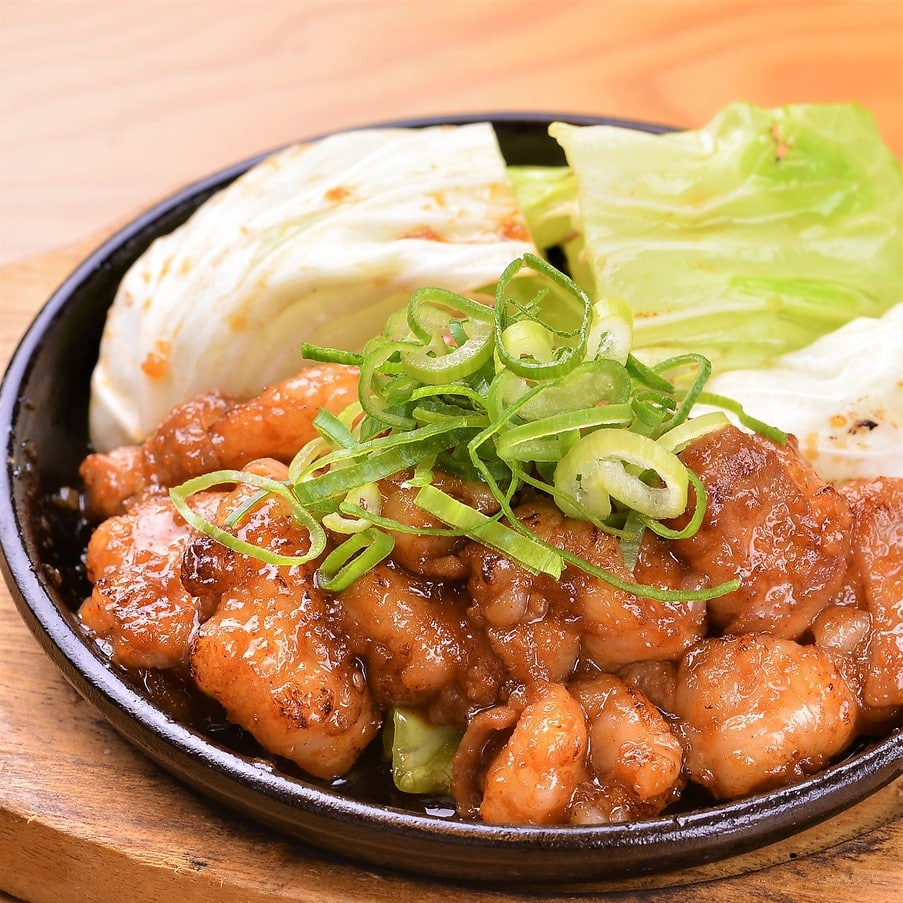
Cheese Pork Rolls and Mentaiko Quail Eggs: Yokozuna Tsutenkaku Branch
Yokozuna bills itself as “Japan’s number one kushikatsu,” using carefully selected ingredients and homemade sauce, with a thinner and crisper batter. Signature skewers include cheese pork rolls and mentaiko quail eggs, with more creative and varied flavors, much loved by locals.
The shop has a seating area suited to families and groups, with set meals from about ¥1,800 and single skewers at about ¥130 to ¥280. It is about a 3-minute walk from Exit 5 of Dobutsuen-mae Station on the subway, and its long opening hours let you go at late-night hours too. Please check the official website for actual hours.
Beef and Pork Kushikatsu Platter: Yaekatsu
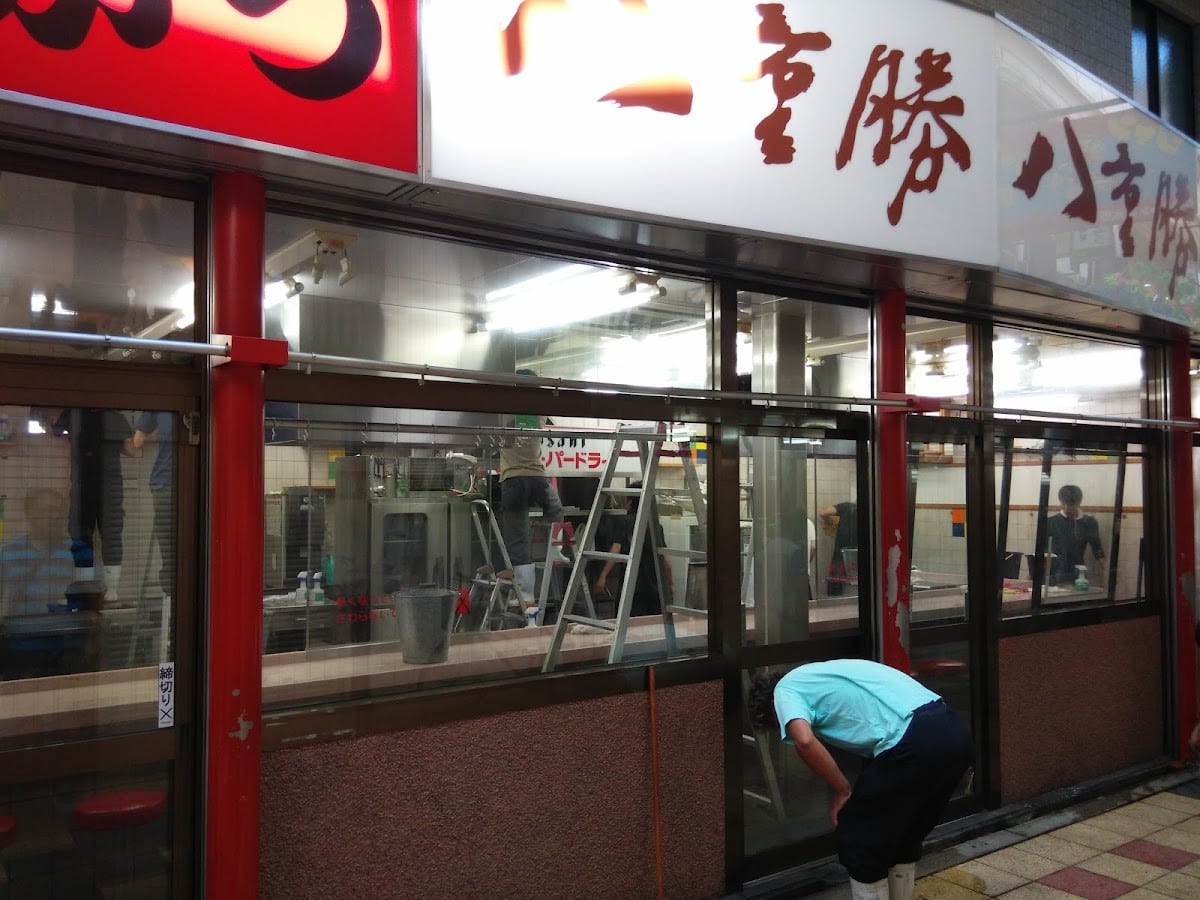
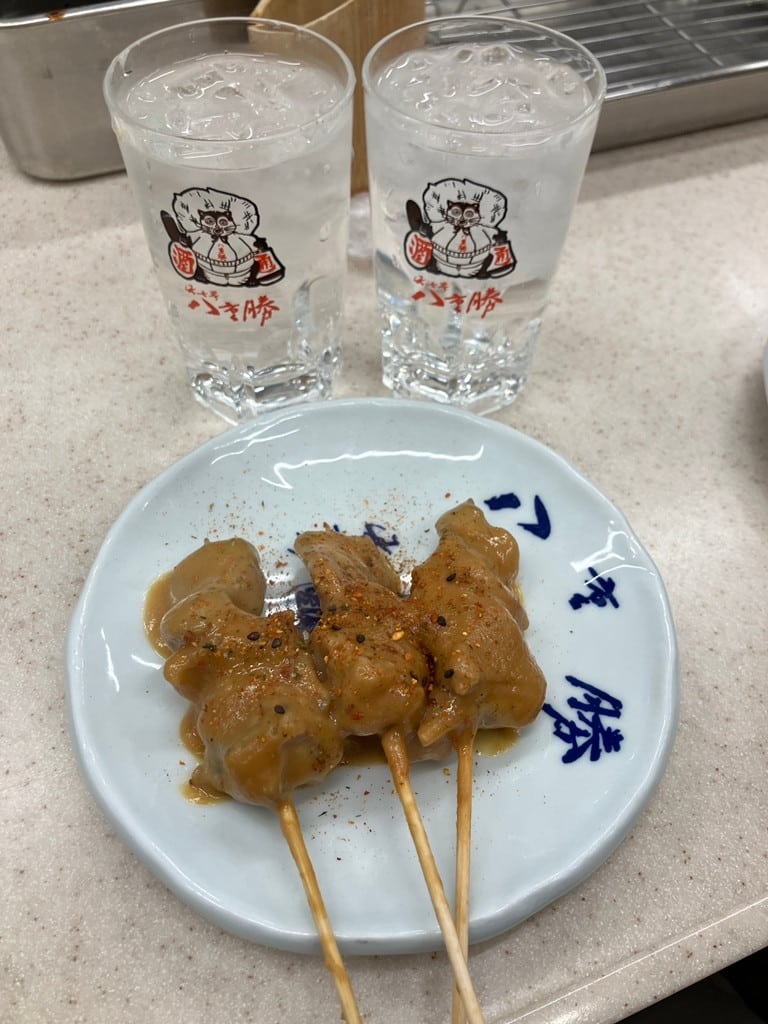
Although Yaekatsu is less famous than Daruma, it is number one in the hearts of many Osaka locals. The ratio of beef and pork skewers is just right, and the sauce has layers of flavor without being overly salty.
The shop is small and often has a line. Hours are 10:30 to 20:45 (last order), in Ebisu-higashi 3-chome, about a 5-minute walk from Dobutsuen-mae Station. We suggest avoiding weekend lunch and dinner peaks, as weekday afternoons make it easier to get a seat.
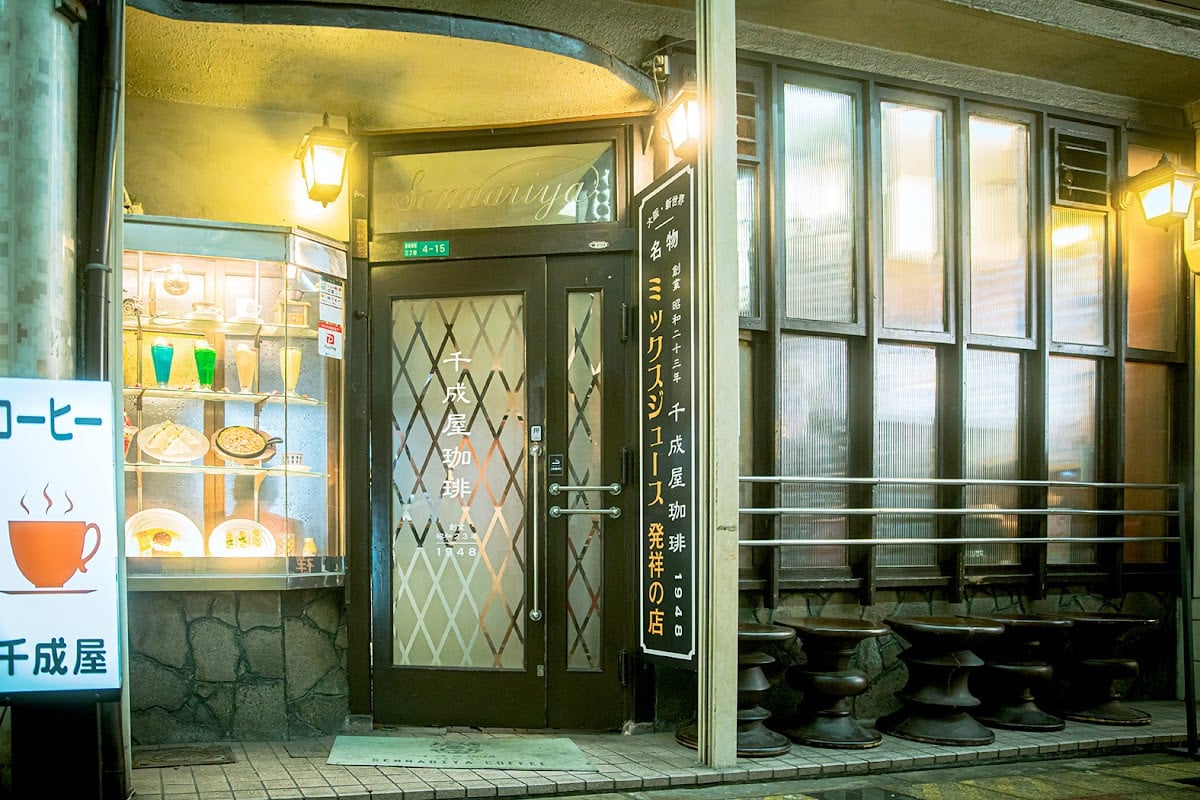
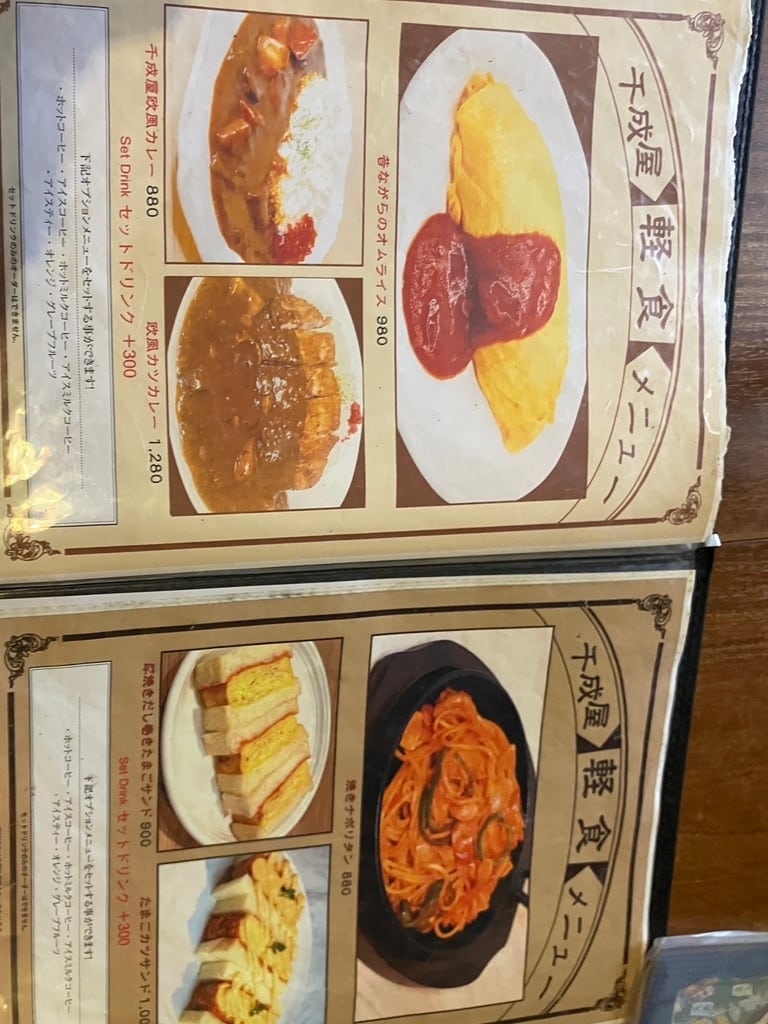
Nostalgic Mixed Juice: Sennariya Coffee
Sennariya Coffee was founded in 1948, and its first owner’s mixed juice blended from fully ripe fruit became an Osaka specialty, a must-drink nostalgic beverage near Tsutenkaku, regarded as the birthplace of mixed juice.
Hours are 11:30 to 19:00 on weekdays and 9:00 to 19:00 on weekends and holidays. It is about a 2-minute walk from Dobutsuen-mae Station and also serves coffee and light meals, a good place to rest while sightseeing.
How to Plan Food Near Tsutenkaku: Takoyaki, Kushikatsu and Sweet Drinks by Time of Day
Food around Tsutenkaku can be planned by time of day: from morning to afternoon, start with takoyaki at Shinsekai Kankan (closed Mondays and Tuesdays) and mixed juice at Sennariya Coffee, then head to kushikatsu shops such as Kushikatsu Daruma, Kushikatsu Tengu and Yaekatsu at dinner time. Most shops are within a 2 to 5 minute walk of Dobutsuen-mae Station on the subway, and each shop has different opening hours, so please check official announcements before going.
How to Get to Tsutenkaku? A Complete Guide to Transport and Fares
Tsutenkaku is in Osaka’s Shinsekai area, a fiercely competitive food zone surrounded by Kansai transport hubs, and there are many convenient ways to reach it whether you start from Namba, Shinsaibashi or Kansai Airport.
How to Get to Tsutenkaku: Transport Options at a Glance
🚇 Osaka Metro Sakaisuji Line “Ebisucho Station”: about a 5-minute walk from Exit 3, with fares depending on the starting station.
🚆 JR Shin-Imamiya Station: about 50 minutes from Kansai Airport and about 3 minutes from Tennoji, a multi-line transfer hub. Please check the JR West website for fares.
🚋 Hankai Tramway “Ebisucho” Station: a retro streetcar, with Shinsekai within walking distance after getting off. Please check the Hankai Tramway website for fares and timetables.
🎫 Osaka Amazing Pass: in 2026, the adult 1-day pass is ¥3,500 and the 2-day pass is ¥5,000, with unlimited rides on Osaka Metro and city buses plus free entry to about 40 attractions, better value if you visit three or more attractions.


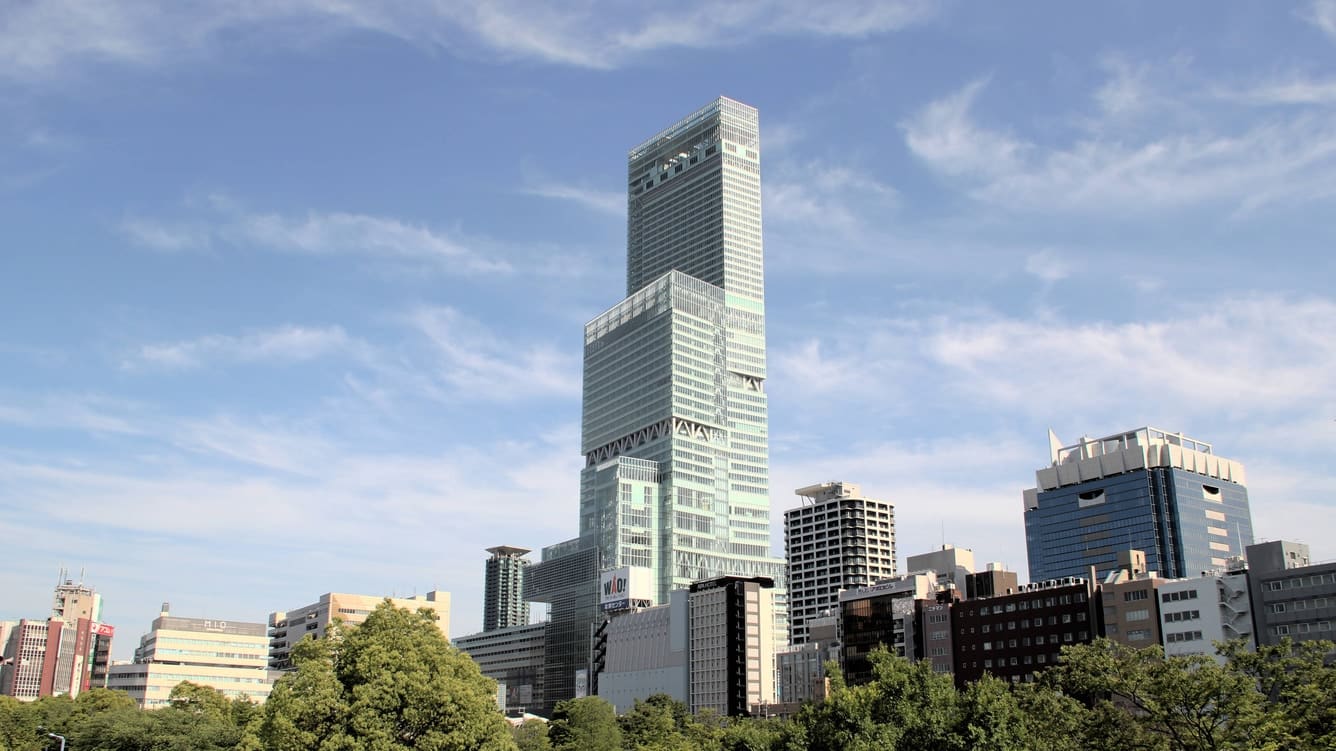
What Are the Must-Eat Local Restaurants and Signature Dishes Near Tsutenkaku?
The Shinsekai area where Tsutenkaku stands is one of the birthplaces of Osaka’s everyday food culture. Long-established kushikatsu (skewered fried food) shops in narrow alleys, the original takoyaki shop and izakaya known only to locals make up the most charming food scenery here. Below are 8 popular local shops and must-eat signature dishes to take you through the most authentic flavors around Tsutenkaku.
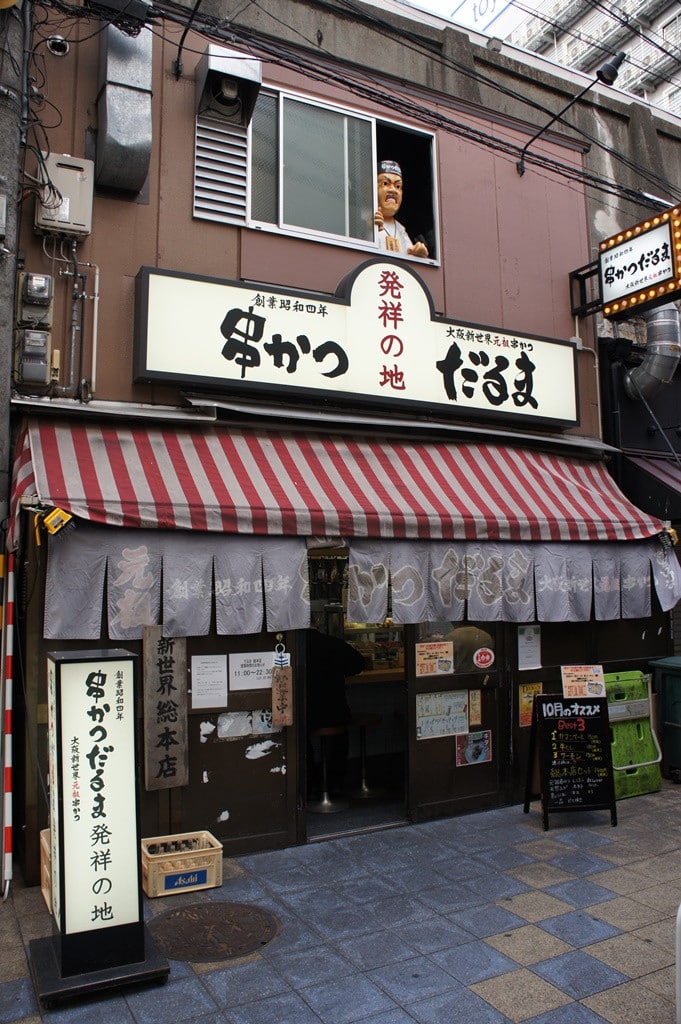
Kushikatsu Daruma Shinsekai Sohonten: The Sacred Birthplace of Kushikatsu Culture
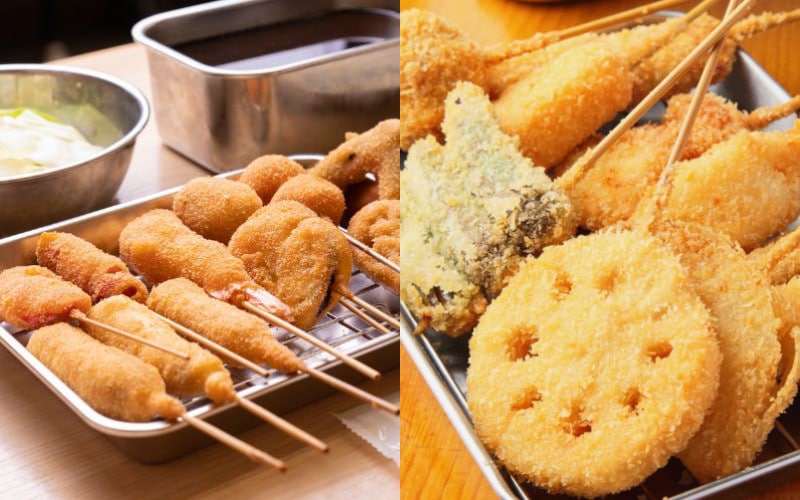
Kushikatsu Daruma was founded in 1929 and is Osaka’s representative long-established kushikatsu shop. The main store is on Shinsekai Hondori Shopping Street, at 2-3-9 Ebisu-higashi, Naniwa Ward, Osaka. Signature skewers (beef, shrimp, lotus root, cheese and more) cost about ¥110 to 250 each, crisp and juicy.
The shop’s “nidozuke kinshi” (no double-dipping of the sauce) rule is a symbol of hygiene and flavor. Hours are 11:00 to 22:30, open all year. We suggest avoiding peak times (weekends 12:00 to 13:00) and allowing about 1 hour.
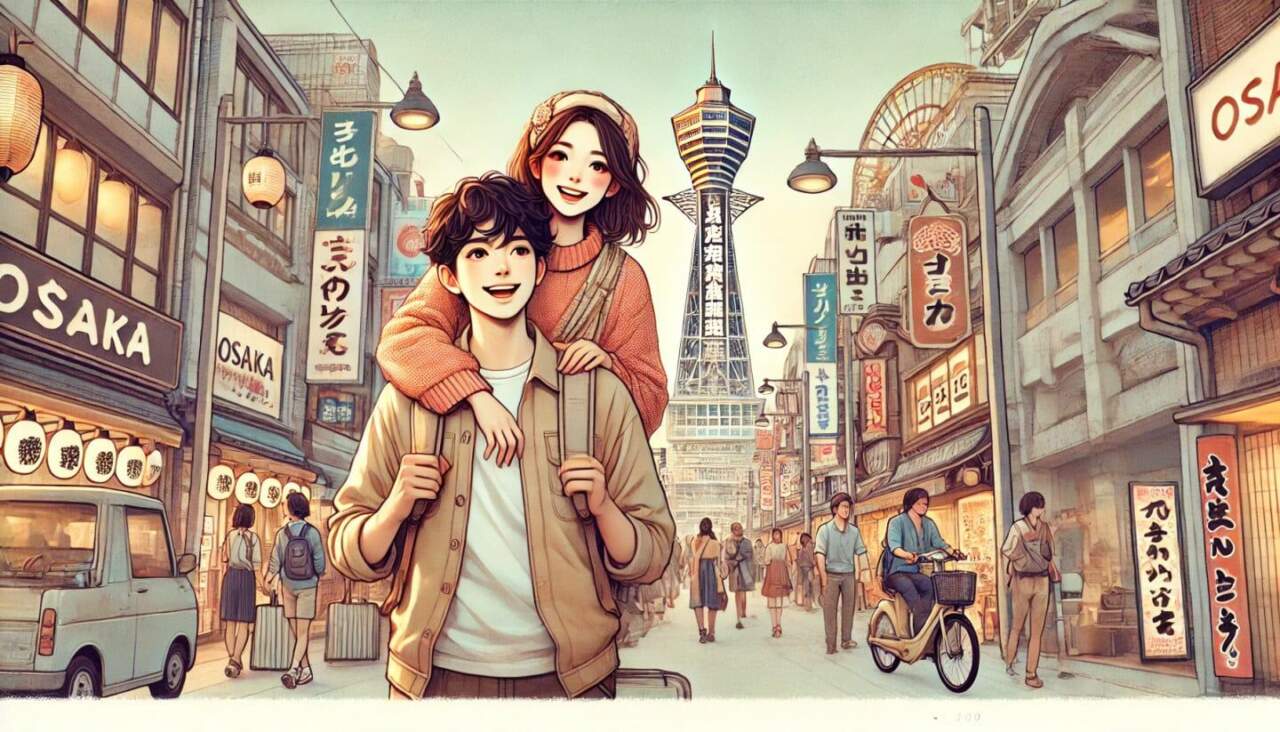
Shinsekai Kushikatsu Ittoku: A Long-Line Favorite Recommended by Locals
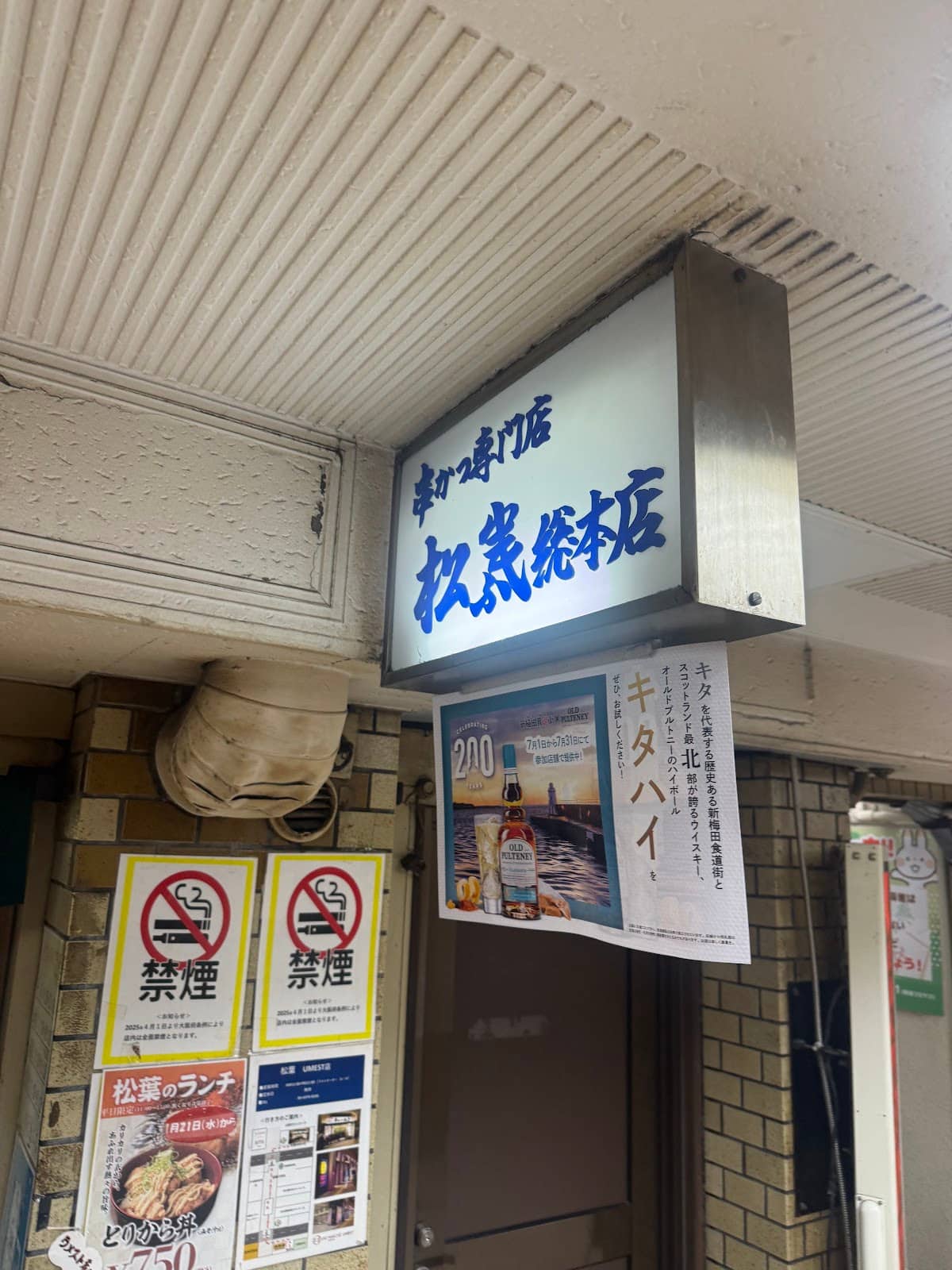
Shinsekai Kushikatsu Ittoku has several branches in Shinsekai and is a kushikatsu shop recommended by Osaka locals. Its signature is beef and pork skewers marinated in a secret sauce, crisp outside and juicy inside, at about ¥120 to 200 each. Also worth ordering are freshly fried potato skewers and fried mochi skewers. The atmosphere is local, with regulars often chatting with the staff. Hours vary by branch, so please check the official website or the notice at the shop. Lines form easily after 6 p.m., so we suggest going on a weekday afternoon and allowing about 1 hour. Please remember the single-dip rule and avoid double-dipping.
Grill Bon: A Nostalgic Showa-Era Curry Shop
Grill Bon is a long-established Western-style restaurant in Shinsekai with decades of history. Its signature “Fillet Cutlet Curry Stew” pairs crispy fried beef fillet with a homemade curry sauce simmered with over twenty kinds of vegetables and fruit and beef tendon stock, with a sweet, slightly sour flavor and spicy aroma, and excellent value.
The interior preserves a retro Showa atmosphere, and takeout “Fillet Beef Cutlet Sandwiches” are also available, good for a quick meal while sightseeing. Hours are 12:00 to 14:00 and 17:00 to 20:00, closed on the 6th, 16th and 26th of each month. A meal takes about 30 minutes, a good choice for recharging while exploring Shinsekai.
Shinsekai Kasu Udon Ebisuya Honten: The Original Kasu Udon Shop
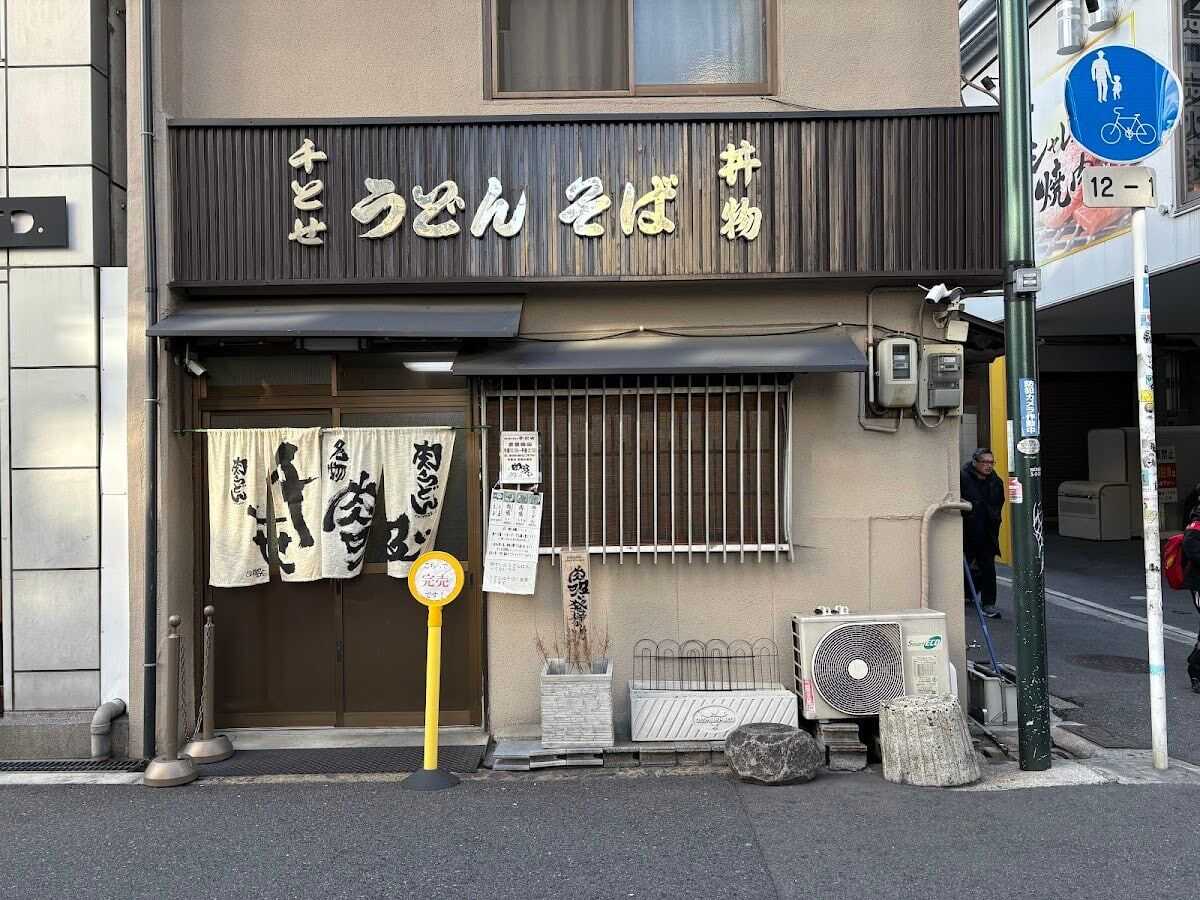
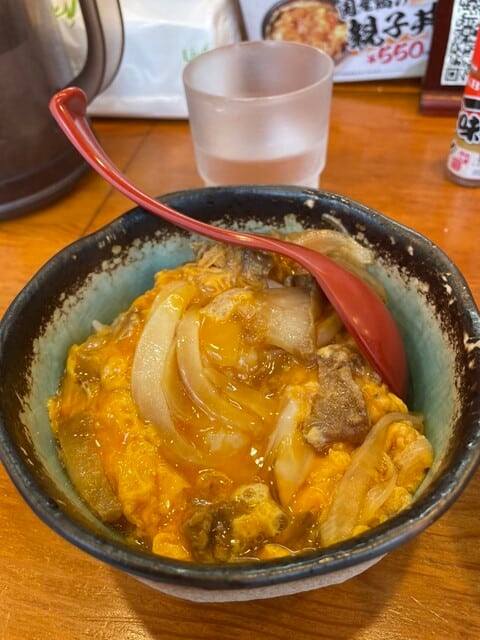
Shinsekai Kasu Udon Ebisuya Honten is next to Exit 3 of Ebisucho Station, directly across from Tsutenkaku. Its signature is “kasu udon” (oil-scrap udon), at about ¥900 to 1,000 a bowl. Kasu is made from beef intestine fried until crisp, adding oily aroma and chew to the broth, and is a representative food of Shinsekai. The dining space is traditional, and the shop also offers a variety of dishes such as seafood and wagyu, suiting travelers seeking local snacks. Hours are about 11:00 to 21:00, and we suggest going at midday. Allow 40 minutes to 1 hour, and after your meal you can continue sightseeing at nearby Jan-Jan Yokocho.
Aizuya Honten: The Birthplace of Takoyaki
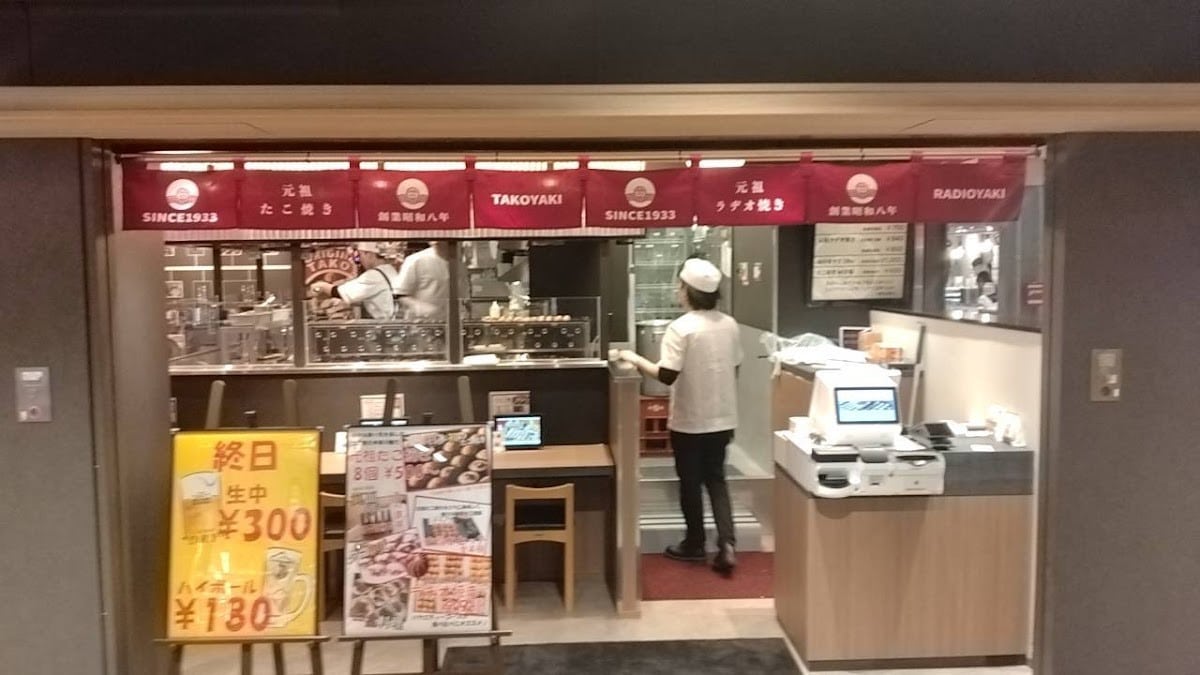
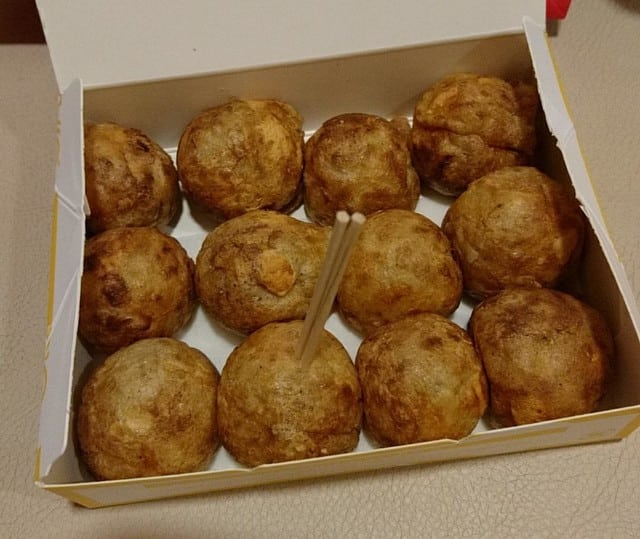
Aizuya (2-3-17 Taishi, Nishinari Ward, Osaka, near Tsutenkaku), the birthplace of Osaka takoyaki, was founded in 1935 and evolved from beef dumpling-yaki. Its feature is a pack of 8 for about ¥550 with a plain flavor seasoned only with a light soy-based sauce, with no mayonnaise or bonito flakes. The texture is a thin crisp shell with a soft filling, quite different from the thick-sauce versions in busy districts and worth comparing. Hours and closing days are as announced on the official website, so we suggest confirming it is open first, and allowing 20 to 30 minutes to take out and eat.
Prepared-Food Kushikatsu: Niku no Sakamoto
“Niku no Sakamoto” is a butcher and prepared-food stall on Tsutenkaku Hondori Shopping Street recommended by locals. Its freshly fried kushikatsu and croquettes made with quality meat are affordably priced, a hidden gem of high value near Tsutenkaku, good for eating while strolling and recharging, and for experiencing Shinsekai’s everyday food culture.
- 🍽️ Must-order: Freshly fried kushikatsu, croquettes
- 💰 Price: about ¥100-200 per piece
- 🚉 Access: about a 5-minute walk from Ebisucho Station, on Tsutenkaku Hondori Shopping Street
Tsutenkaku Food Guide: Recommended Experiences and Nearby Tours
Besides eating plenty of kushikatsu and fugu dishes in the Shinsekai shopping streets around Tsutenkaku, if you want to experience Osaka’s local food culture more deeply and its connection to nearby attractions, consider joining a food tour or package designed for travelers. It saves you the trouble of queuing and language barriers, and lets you eat at shops hidden in the alleys that few tourists find, through the introduction of local experts. Here are some food experiences and tours that combine Tsutenkaku, Shinsekai and nearby Dotonbori and Tennoji, suited to half-day to full-day plans.
Shinsekai Kushikatsu Food Tour: Eat the Original Kushikatsu Shops in One Go
In the Shinsekai area there are kushikatsu and izakaya tours led by local guides, which you can search on KKday or Klook. Tour content, duration, price and whether alcohol is included vary by operator, so please confirm the meeting point and cancellation rules before booking. It is less likely to cause offense if you learn beforehand about the “nidozuke kinshi” (no double-dipping) rule shared by kushikatsu shops, and a tour in the evening also lets you enjoy the Tsutenkaku night illumination.
Tsutenkaku Observatory Ticket: Reserved Entry and How to Buy
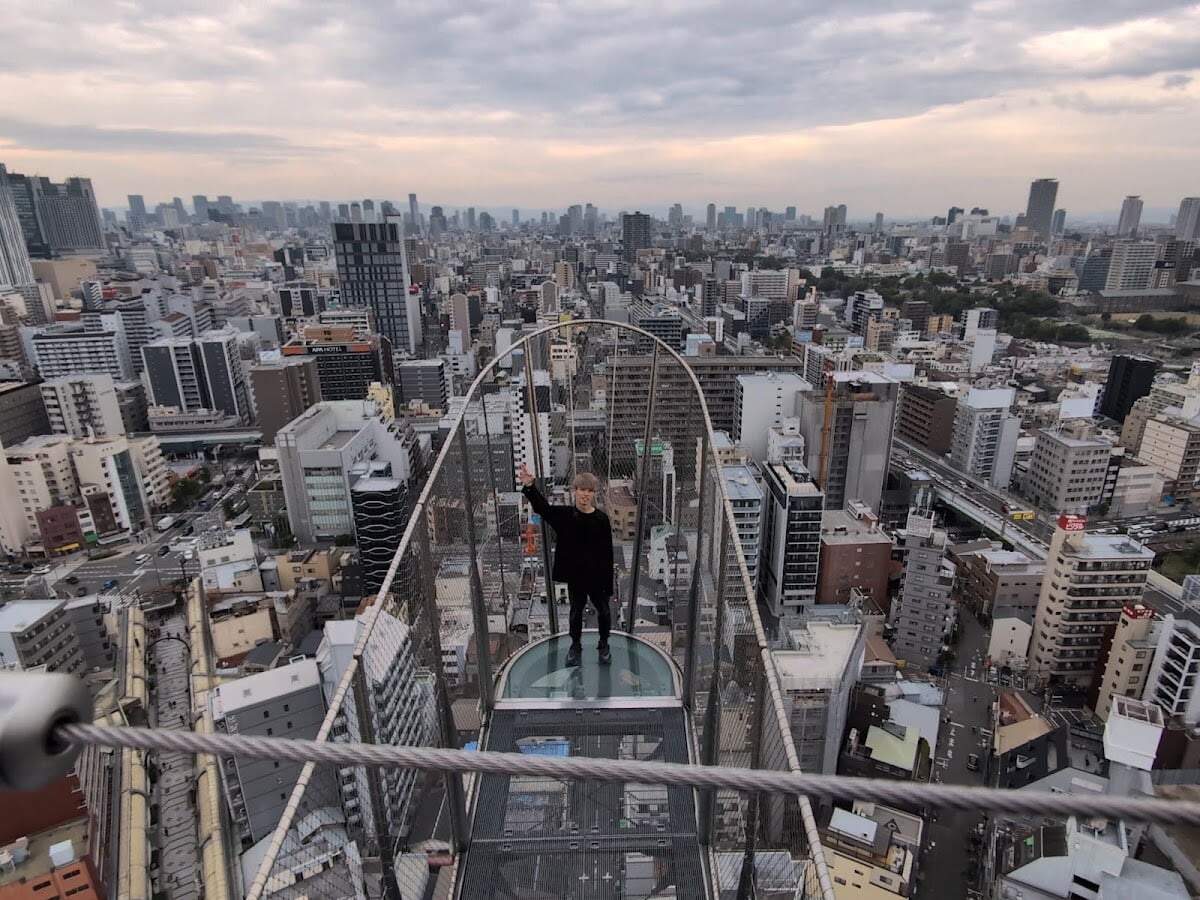
Tsutenkaku observatory tickets require a reserved entry time, at ¥1,500 for adults and ¥800 for ages 5 to 14 (from April 2026), and can be booked on the official “Tsutenkaku” website. Some passes can also be redeemed at the 1st-floor counter for entry, with types as announced on the official website. The Klook product below is a Tsutenkaku ticket, and the observatory overlooks Shinsekai and the Tennoji area.
We suggest booking your entry time online in advance, which is more useful in peak season when crowds are large.
Tennoji Zoo + Shinsekai Food Day Trip: The Top Route for Families
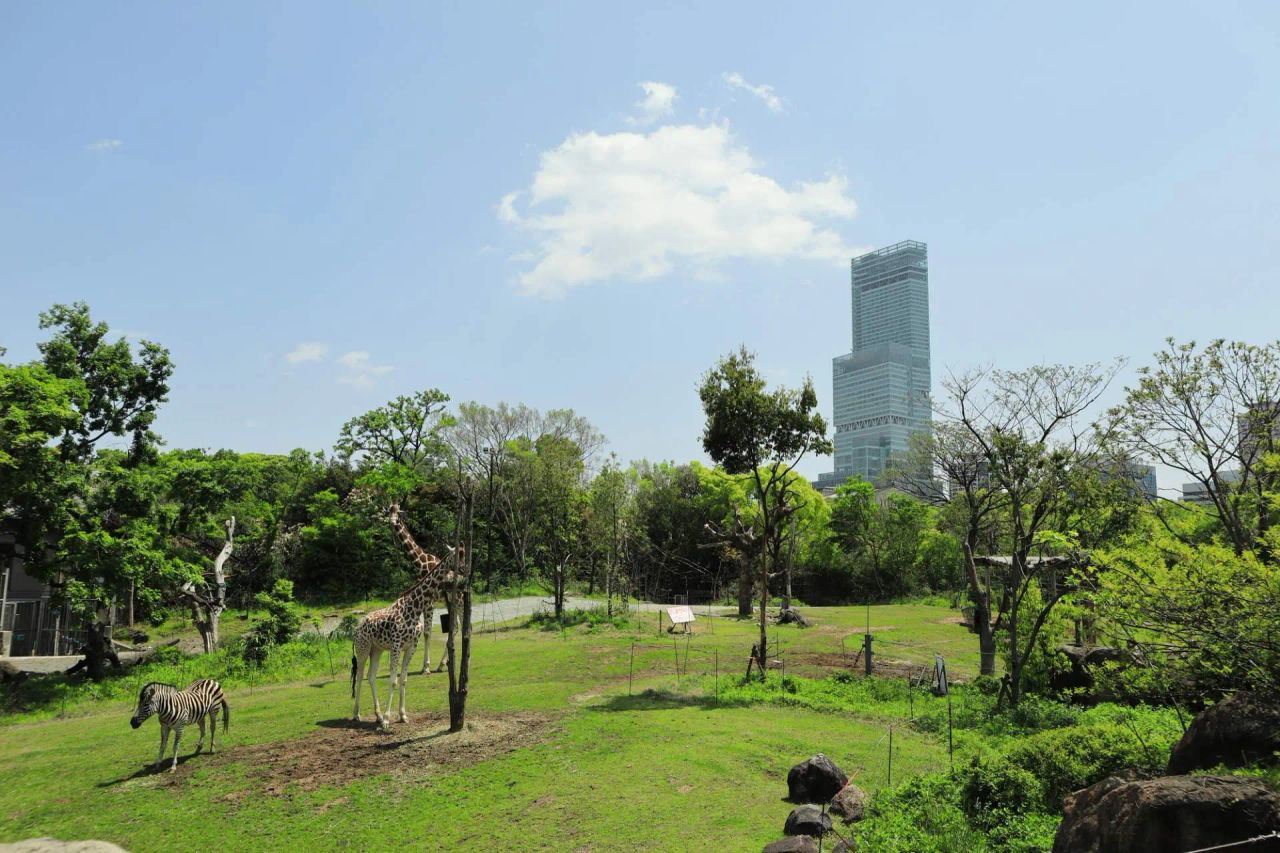
A family itinerary can combine Tennoji Zoo (9:30 to 17:00, last entry 16:00, ¥800 for adults and ¥200 for elementary and junior high school students, closed Mondays) with Shinsekai food. After the visit, it is about a 10-minute walk to the Tsutenkaku area for a meal.
You can plan your own route between the zoo and the kushikatsu shops around Tsutenkaku. Before eating, we suggest checking with the shop whether children’s meals are available.
We suggest going on a weekday to avoid crowds.
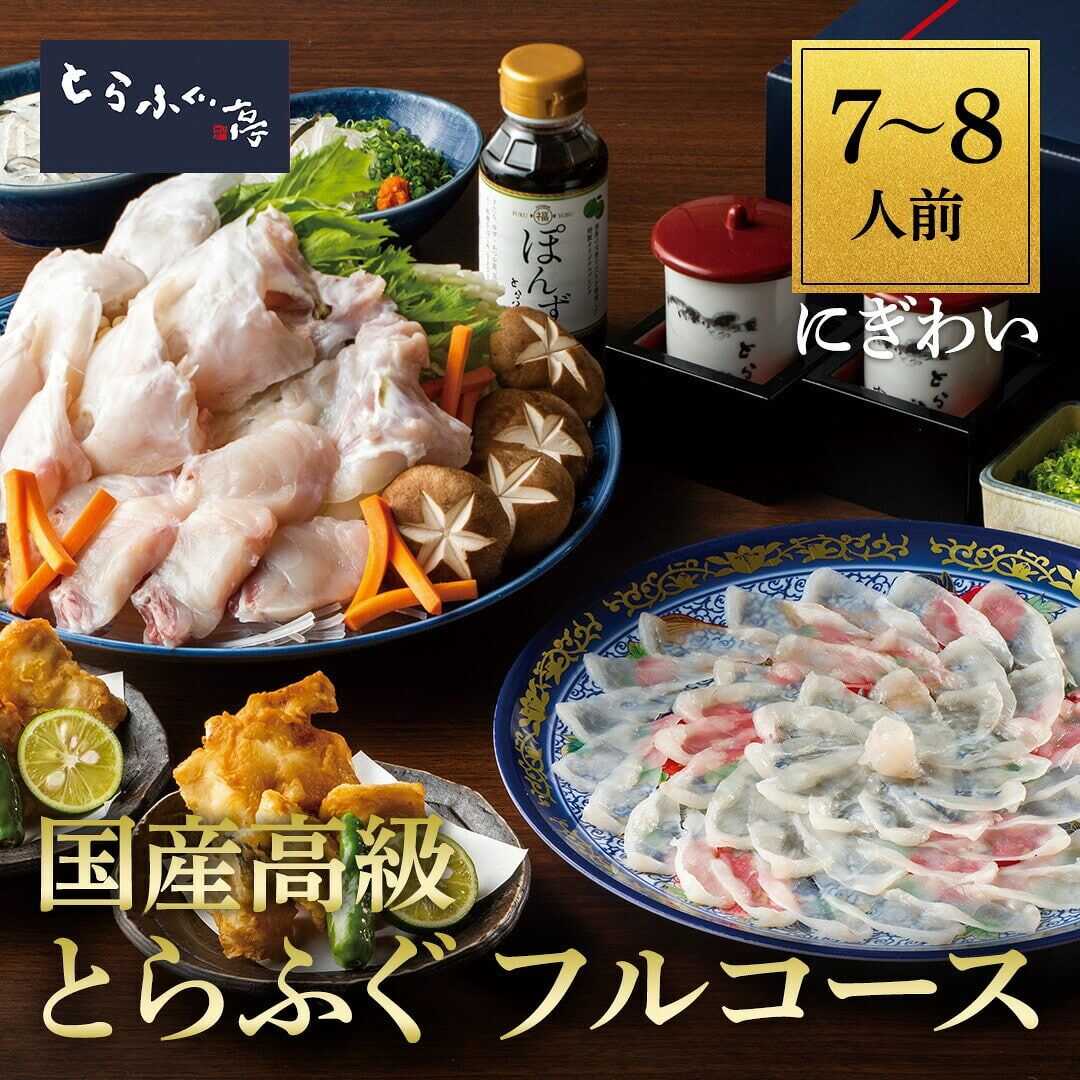
Fugu Dining Experience: Osaka’s Winter-Only Luxury Feast
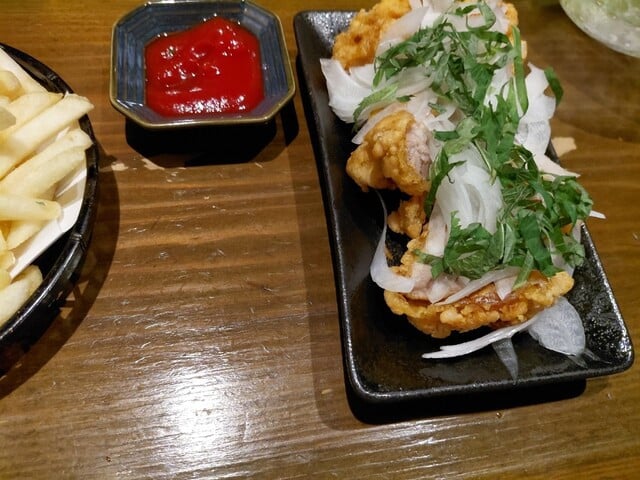
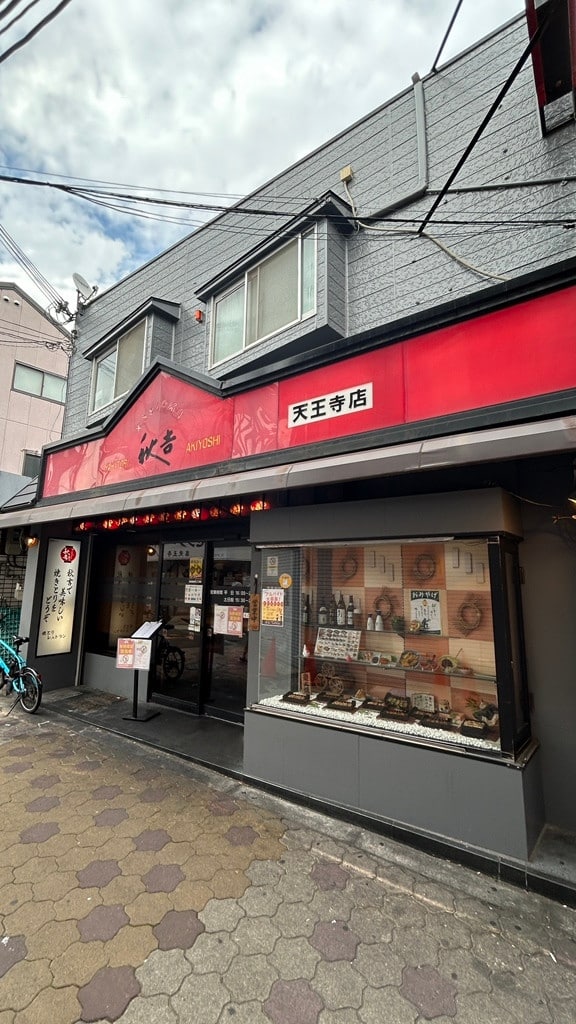
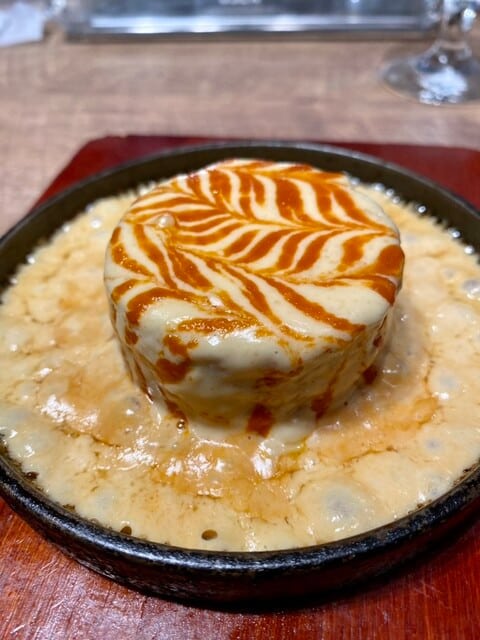
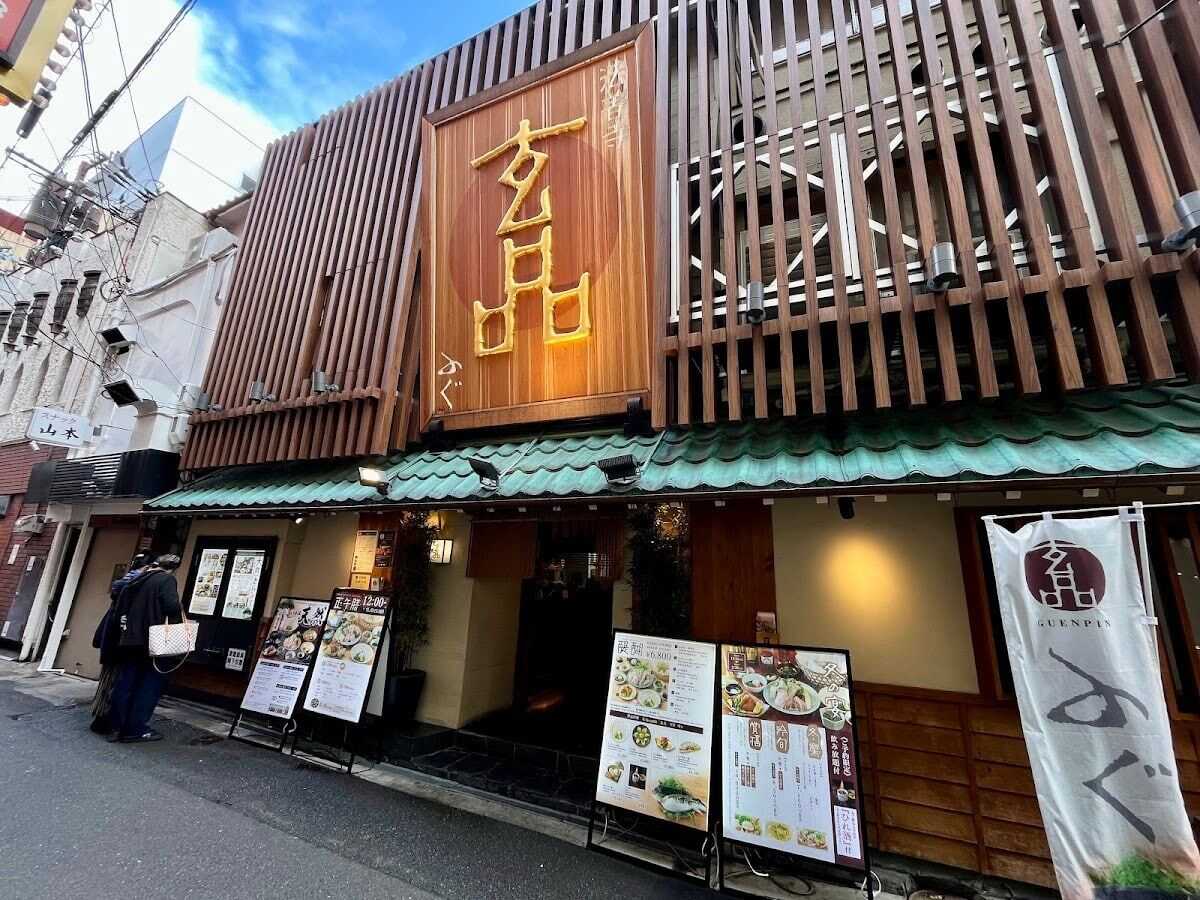
The area around Tsutenkaku used to be known for fugu (pufferfish) dishes, but Zuboraya Shinsekai Main Store closed in 2020. If you want to eat fugu, choose the winter months, and before booking confirm the set menu, price and cancellation rules with the restaurant.
Fugu must be prepared by a trained chef, so we suggest choosing a licensed restaurant and booking your seat in advance.
The best season to taste it is winter, from November to March, when fugu is plump and rich. We recommend adding it to your Tsutenkaku food itinerary to experience a truly luxurious Osaka feast.
Where to Stay Nearby
Shinsekai and the Tsutenkaku area are within walking distance of Ebisucho Station, Dobutsuen-mae Station and JR Shin-Imamiya Station. Kushikatsu shops stay open late, so staying nearby makes it easy to return to your hotel, and Tennoji and Namba are only a few minutes away by train. To compare hotels in southern Osaka, see our Tennoji and Namba accommodation guides on this site.

Tsutenkaku Food Guide FAQ
Q: How much does a kushikatsu skewer near Tsutenkaku cost?
A single skewer costs about ¥100 to ¥280, set meals about ¥1,200 to ¥2,500, and a full meal averages about ¥1,500 to ¥2,000 per person.
Q: Can I dip kushikatsu in the sauce a second time?
No. Kushikatsu shops generally allow only one dip in the sauce. It is an important dining etiquette rule for hygiene, and breaking it may get you a reminder from the shop.
Q: How long does it take to get to Tsutenkaku from Namba or Shinsaibashi?
The subway takes about 10 to 15 minutes to reach Dobutsuen-mae Station, and it is a 3 to 5 minute walk from the station to Tsutenkaku, so access is very convenient.
Q: When is the Tsutenkaku food area least crowded?
We suggest visiting on weekdays between 2 p.m. and 4 p.m., avoiding the meal peaks around 12 noon and 7 p.m., which greatly shortens waiting times.
Q: What is the best season to visit Shinsekai?
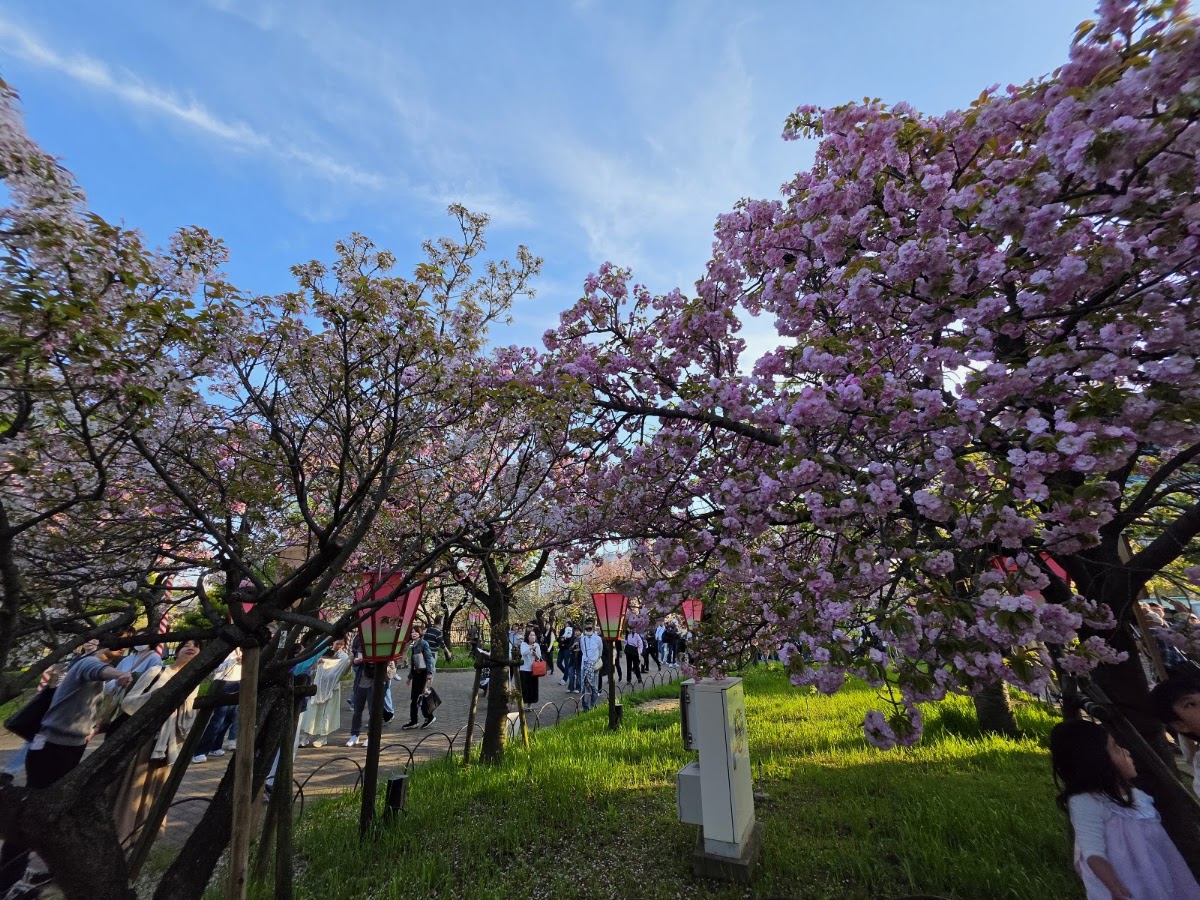
It is good all year, but cherry blossom season in spring and autumn leaf season have pleasant weather and make outdoor dining and sightseeing the most comfortable.
Q: Is there a restaurant near Tsutenkaku suitable for group dining?
Yokozuna kushikatsu has a seating area suited to families or large groups, and at dinner time we suggest checking with the shop whether reservations are possible.
Q: How is safety around Shin-Imamiya Station, and is it suitable for travelers?
Some parts around Shin-Imamiya Station are rather old. Daytime sightseeing is completely fine, and we suggest avoiding walking alone into darker alleys late at night. The main shopping streets and the area around Tsutenkaku are all safe.