
Yoro Park Autumn Foliage Guide 2026
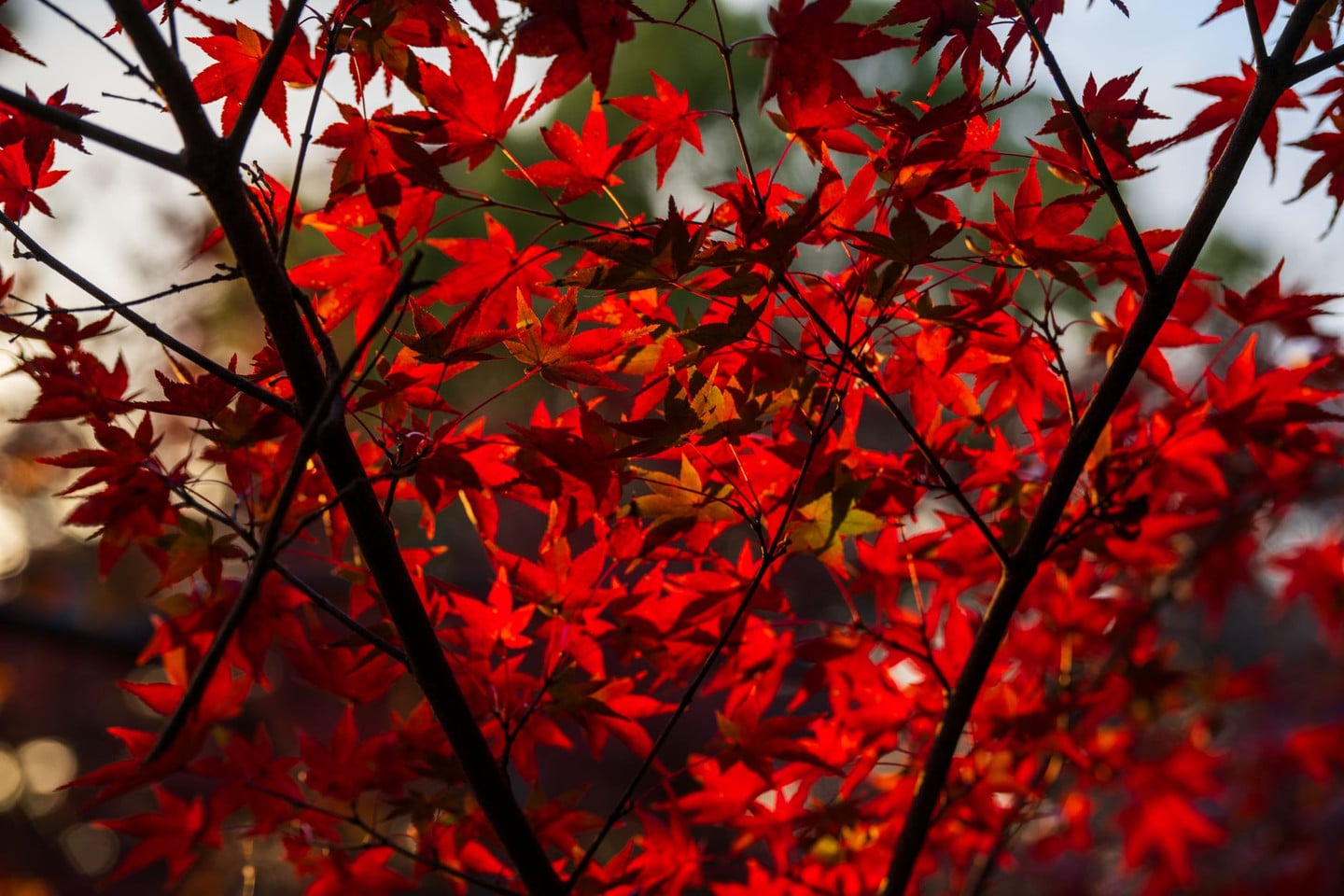
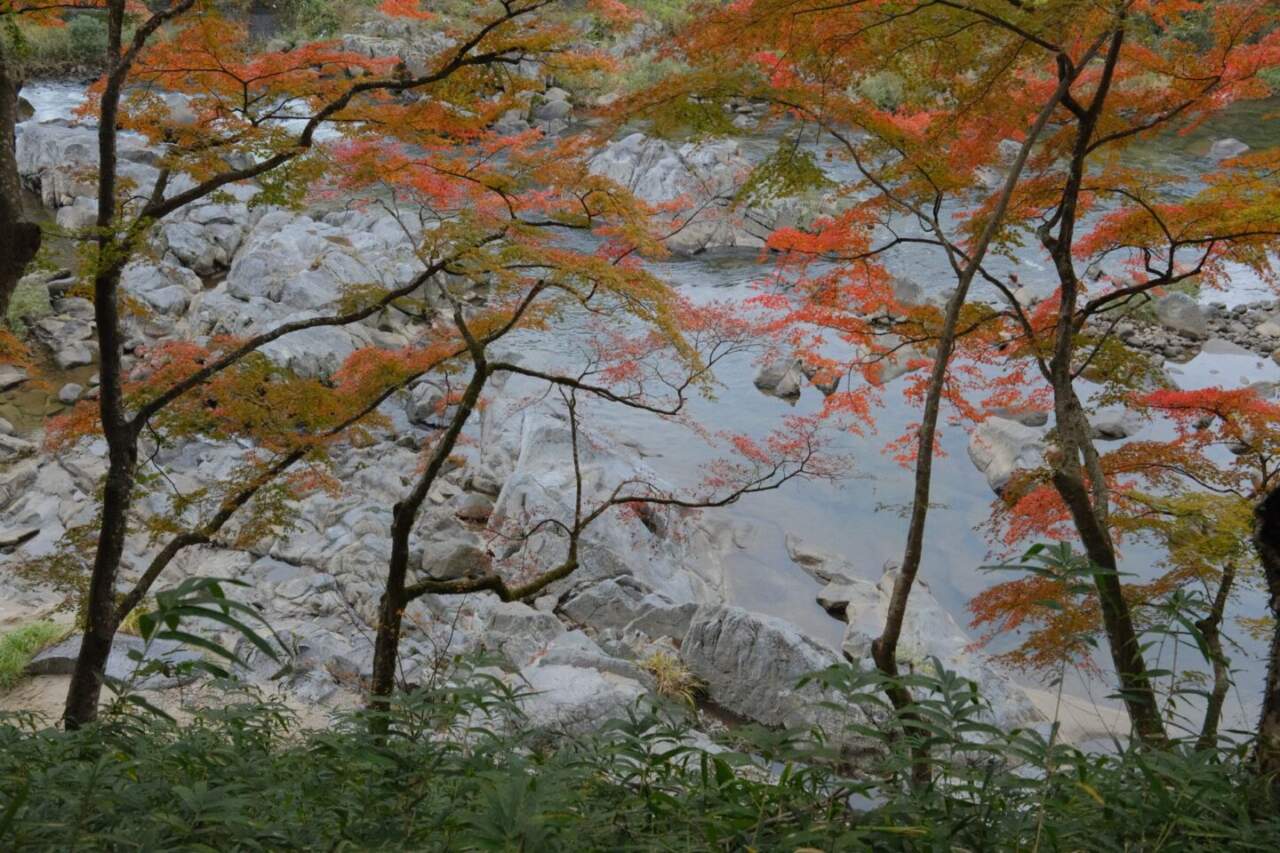
Yoro Park in Yoro Town, Gifu Prefecture, is a well-known autumn foliage destination in Japan’s Chubu region and was selected as one of the “Hida-Mino 33 Autumn Foliage Spots.” The park covers 78 hectares and has about 3,000 maple trees. When autumn arrives, layered gradients of red, orange and yellow stretch from the park entrance up toward the foothills.
The best time to see the foliage in 2026 is forecast for late November to early December (actual dates vary with the weather each year, so check official announcements before you go). From October 1 to November 30 every year, the park holds the Yoro Park Momiji Festival (Maple Leaf Festival), with workshops and a range of hands-on activities.
The park’s centerpiece is the 30-meter Yoro Falls, one of Japan’s 100 Famous Waterfalls. Its clear water against the blazing red leaves looks like a landscape painting, and the walking path along the way has 7 bridges, each with its own character, making this an excellent route for foliage photos.
Getting There: How to Reach Yoro Park
Yoro Park is in Yoro Town, Gifu Prefecture, and is easy to reach from Nagoya. Below are both public transportation and driving options.
Yoro Railway: The Most Direct Public Transit Option
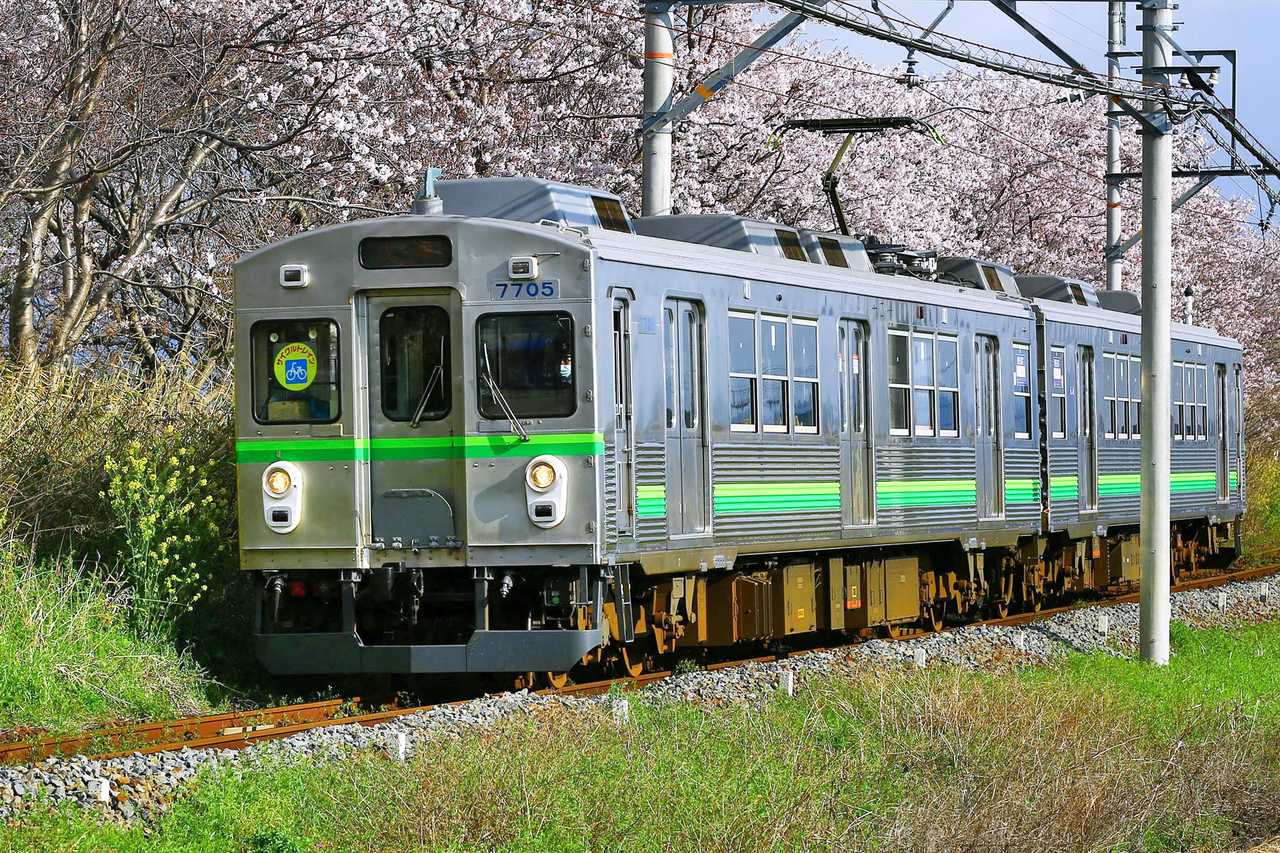
From JR Gifu Station, take a Rapid train to Ogaki and transfer to the Yoro Railway to Yoro Station, then walk about 10 minutes to the park entrance. From JR Nagoya Station, take the Rapid MIE to Kuwana Station and transfer to the Yoro Railway to Yoro Station, which is also about a 10-minute walk from the park entrance.
Yoro Railway trains are infrequent, so check the timetable first, and allow plenty of transfer time on festival weekends when it is crowded. From Chubu Centrair International Airport, take Meitetsu to Nagoya Station, then transfer to JR for Kuwana or Ogaki Station and continue on the Yoro Railway.
By Car: Exit the Tokai-Kanjo Expressway at Yoro IC
Drivers can leave the Tokai-Kanjo Expressway at Yoro IC and reach Yoro Park in about 10 minutes. The park has both free and paid parking lots. If a long walk is difficult for you, park at the paid Yoro Falls parking lot, from which the falls are only about a 5-minute walk, saving a lot of time and energy compared with hiking from the park entrance.
Parking lots fill up easily during the Maple Leaf Festival, so arrive early or consider visiting on a weekday to avoid the weekend traffic. The paid lots in particular are limited, and arriving too late may mean no space at all.

Hiking Note: About 30 to 50 Minutes from the Entrance to the Falls
Hiking from the railway station or an outer parking lot to Yoro Falls takes about 30 to 50 minutes one way, with uphill sections and stone steps along the way, so comfortable sneakers or non-slip shoes are strongly recommended. On the walk you pass the maple tunnel, Yoro Koshi-zaka (Filial Son Slope) and several bridges of different character. It is the route that shows the layers of red foliage most fully, and the scenery along the way is worth savoring.
If you are short on time or don’t want a long hike, you can drive and park at the paid Yoro Falls parking lot, which greatly shortens the walk and saves your energy for exploring around the falls.
Starting Point: Confirm Your Departure Station and Transfers
Whether you start from JR Gifu Station, JR Nagoya Station or Chubu Centrair International Airport, most travelers need to transfer to the Yoro Railway to reach Yoro Station, so look up your transfer route and timetable in advance.
Yoro Park is large and its sights are spread out, so after arriving at Yoro Station, check the park map and hiking routes in front of the station, and plan which sections you want to walk and how long to stay, so you can enjoy the foliage along the way at an unhurried pace.



Yoro Park Highlights
Yoro Park combines a natural waterfall, historical legend and modern art. Below are the key spots most worth stopping at during foliage season, plus local food recommendations.
Yoro Falls: The Heart of One of Japan’s 100 Famous Waterfalls
At 30 meters high and 4 meters wide, Yoro Falls is the park’s centerpiece and one of Japan’s 100 Famous Waterfalls. Clear water pours down the cliff, surrounded by blazing autumn leaves, a magnificent scene like a landscape painting and the finale you should not miss on your foliage trip. It has been loved by poets and artists since ancient times and is the most representative natural landmark on the west side of the park.
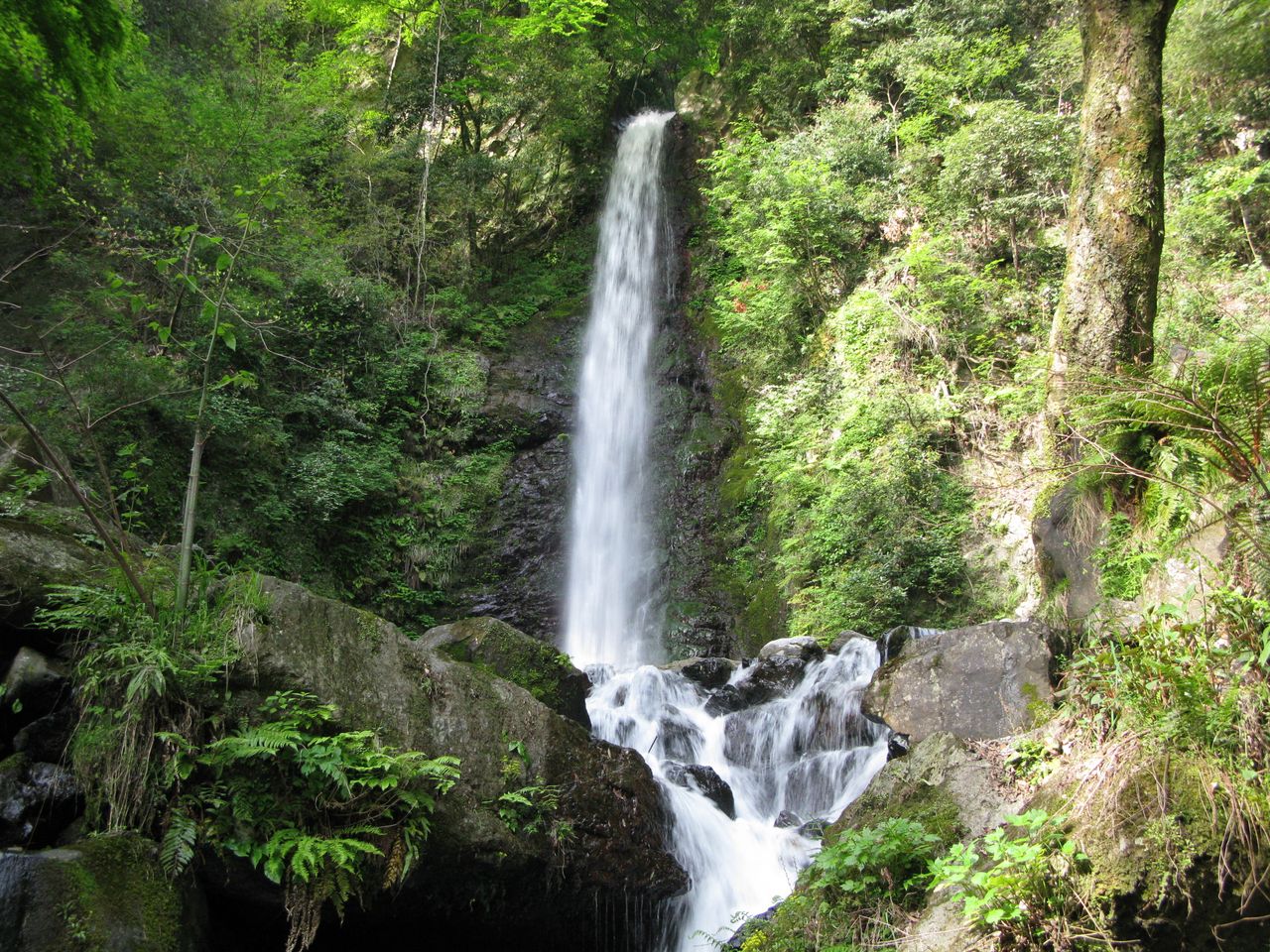

The area around the falls is open and good for lingering to enjoy the interplay of water and red leaves. Whether bright and refreshing in the daytime or hazy when mist drifts in, it has a different charm each time.
Maple Tunnel and Seven Bridges: The Best Photo Route
Along the walking path from the park entrance to the falls, maple branches interlace overhead to form a romantic “maple tunnel.” The stream is crossed by 7 bridges of differing character: Gyoko-bashi, Bandai-bashi, Momiji-bashi, Myoken-bashi, Togetsu-bashi, Fudo-bashi and Shofu-bashi. They are excellent photo spots and make up the park’s most representative foliage route.
On the way you pass a stretch called Yoro Koshi-zaka (Filial Son Slope), lined with snack stalls, souvenir shops and restaurants, a good place to rest and recharge when you get tired. Slow down as you cross each bridge and capture the stream, red leaves and bridges from different angles.
Night Park in Yoro Park: Nighttime Event for the 10th Anniversary of the Koshi-zaka Name
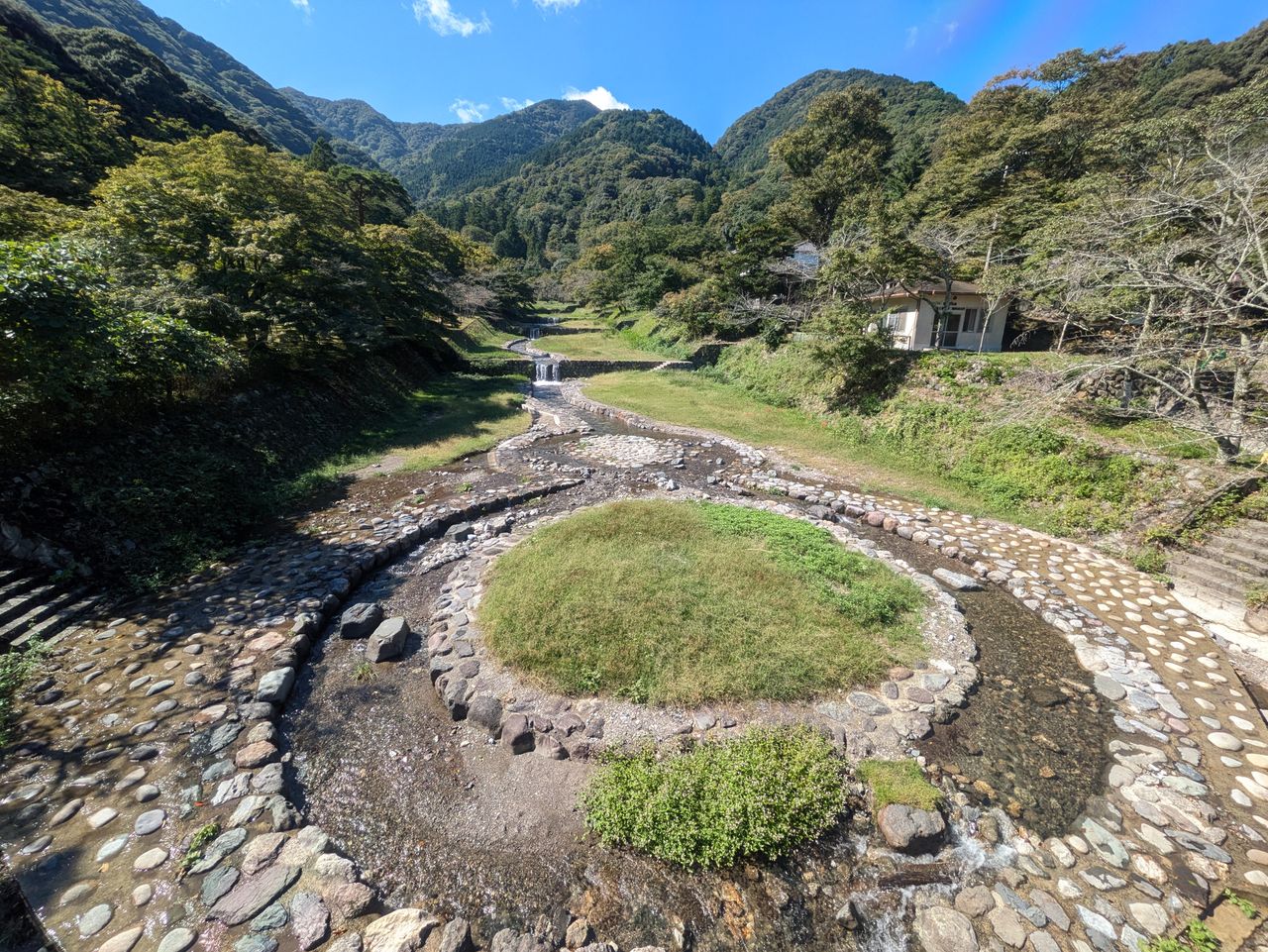
“Night Park in Yoro Park,” a commemorative event for the 10th anniversary of the naming of Yoro Koshi-zaka, takes place on Saturday, October 24 and Sunday, October 25, 2026, from 16:00 to 20:00, on the park’s lawn plaza and observation terrace. Admission is free. The venue is decorated with LED lights and glowing installations to create a “tunnel of light,” with LED artist performances at 17:00 and 19:00, a soap bubble area, and Rakuichi Rakuza and food trucks staying open into the evening. Parking lots tend to be congested during the event, and the organizers recommend public transportation.
Furo Pond: Autumn Leaves Reflected in Kikusui Spring Water
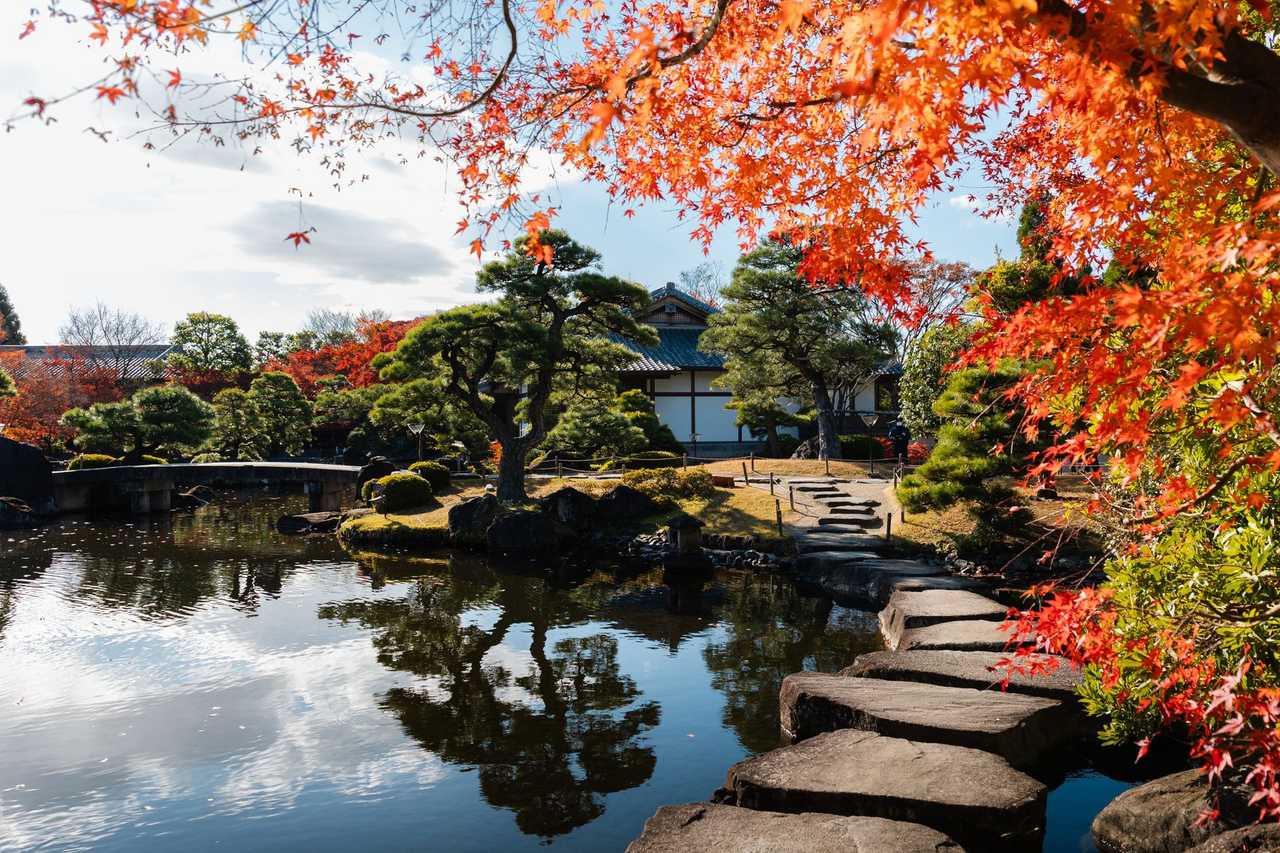
Furo Pond collects the clear water of the Kikusui Spring, one of Japan’s 100 Famous Waters, and in autumn it clearly reflects the red leaves along its banks. The water is crystal clear and beautiful, a tranquil scene beloved by photographers and one of the few corners of the park where you can enjoy both water and reflections at once.
Go when the wind is light and the water surface is calm to capture the clearest reflections of the red leaves. It contrasts strongly with the grandeur of Yoro Falls and shows the park’s many-layered natural beauty, an insider photo spot for travelers who love still compositions and long-exposure photography.
Yoro Shrine: The Filial Son Legend and the Origin of the “Yoro” Era Name
According to legend, during the reign of Empress Gensho, a filial son named Gennojo slipped while gathering firewood at the foot of Mt. Yoro, and the waterfall’s spring water turned out to be sake. He took it home for his elderly father to drink. When the Emperor heard of it, he took it as the gods’ praise for filial piety and changed the era name to “Yoro,” which is the origin of both the place name and the era name.
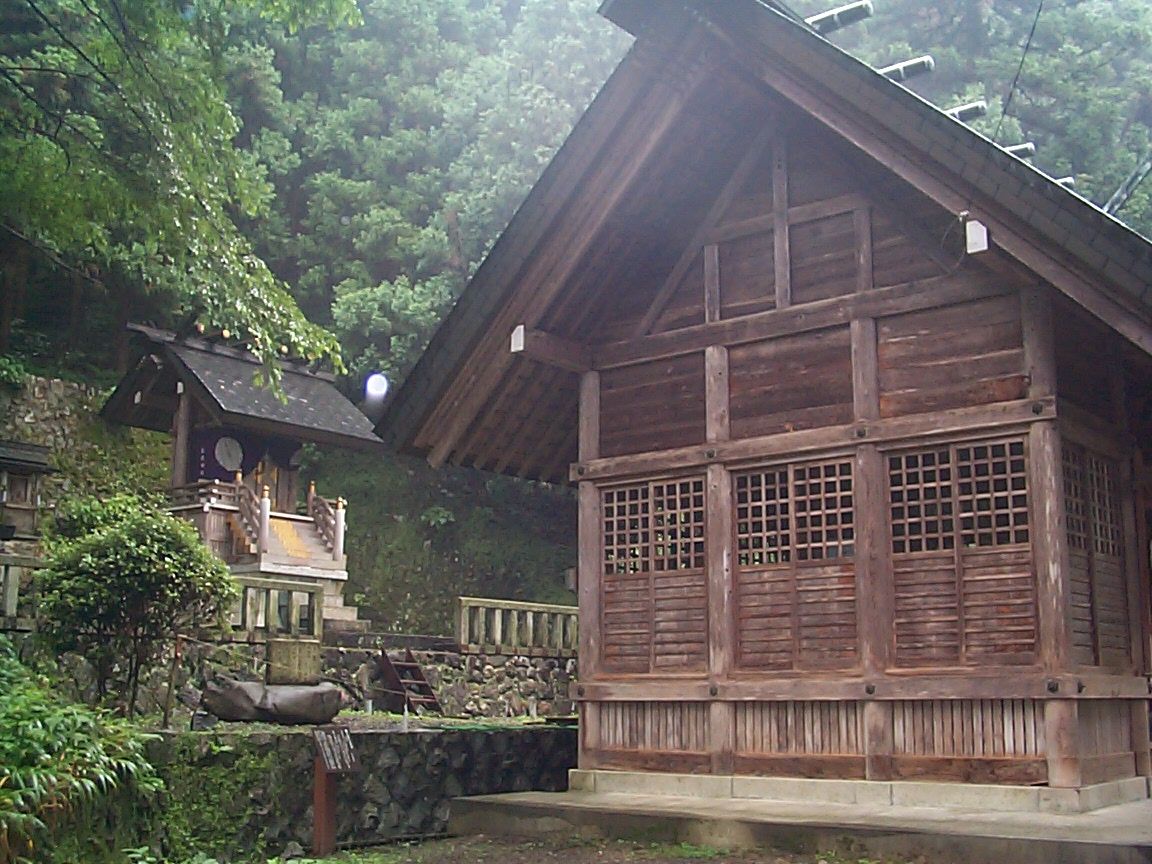
Yoro Shrine is a place to pray for longevity and academic success, and it is close to Kikusui Spring, one of Japan’s 100 Famous Waters. It is an important spot for learning about the park’s history and filial piety culture. The shrine itself does not issue goshuin (temple stamps); you have to get one at the nearby Shimizu restaurant, a tip only goshuin collectors tend to know.
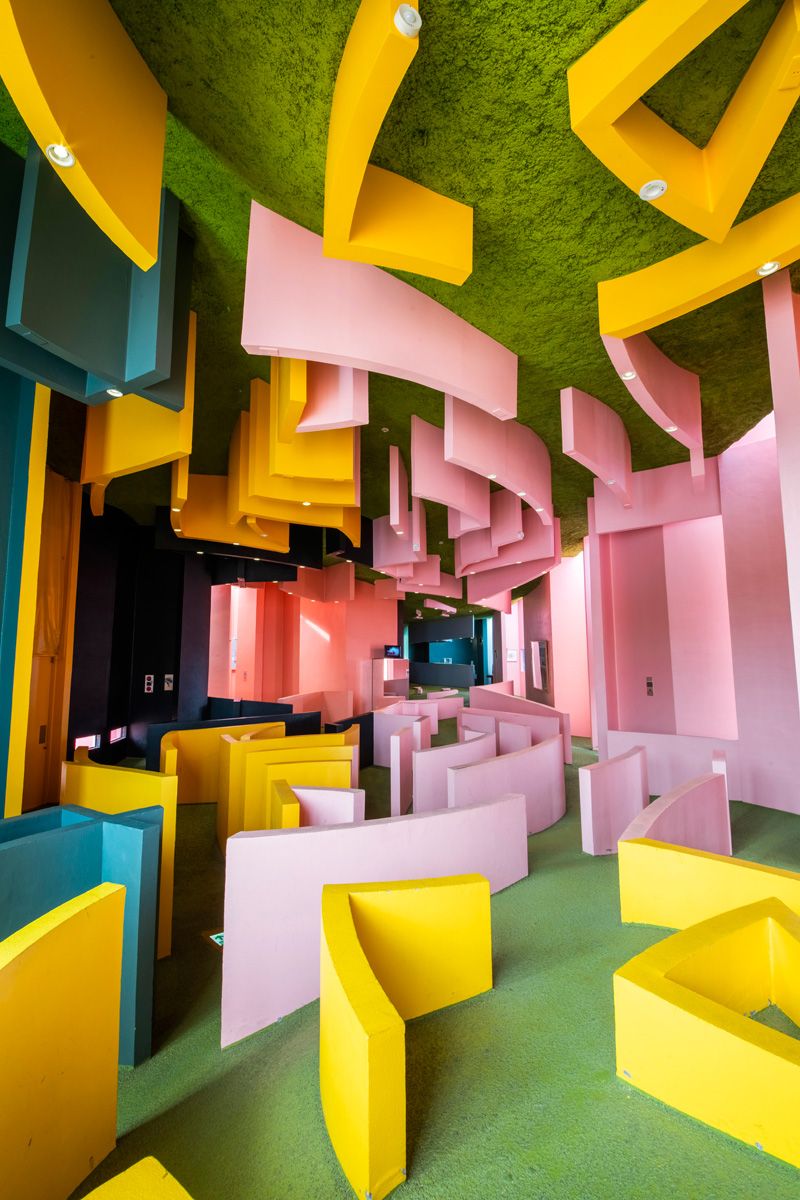
Site of Reversible Destiny, Yoro Park: A Sense-Defying Modern Art Park
The Site of Reversible Destiny, Yoro Park covers about 18,000 square meters and has drawn about 100,000 visitors a year since opening in 1995. It is known for terrain designed to upset your sense of balance, and its colorful landscape pairs nicely with the red leaves.
It is open 9:00 to 17:00 (last entry 16:30). Individual tickets are ¥850 for adults, ¥550 for high school students and ¥350 for elementary and junior high school students. It suits foliage travelers who like unusual architecture and art.
Gifu Prefecture Kodomo no Kuni: Free Play Area for Families
Gifu Prefecture Kodomo no Kuni (Children’s Land) is inside Yoro Park, with free admission. It is open 9:00 to 16:30 and, like the park, closed on Tuesdays (the next day if Tuesday is a holiday). The grounds have play equipment for families, and indoor play gear can be borrowed free of charge at “Kodomo no Ie,” so when visiting the foliage with kids you can fit in some time to burn off energy before or after the waterfall hike. To check that day’s opening status, see the official Yoro Park website, yoro-park.com.
Rakuichi Rakuza Yoro: A Local Food Market Overlooking the Nobi Plain
Marked by a large white tent, “Rakuichi Rakuza Yoro” gathers several stall-style shops, and you can eat on an observation deck overlooking the Nobi Plain. It serves dishes using local ingredients, including sausages made with Yoro-grown shiitake mushrooms, venison sausage, and house-made dote-don, a rice bowl topped with stewed beef tendon.
Besides food, it also sells Yoro’s local craft beer “Taki Beer” (Waterfall Beer), local sake, draft beer and other drinks. After a foliage hike, it is a great place to sit down with a cold beer and local snacks and enjoy the wide view of the Nobi Plain.
Shimizu Restaurant: Try “Yoro-meshi,” a Newly Created Local Dish
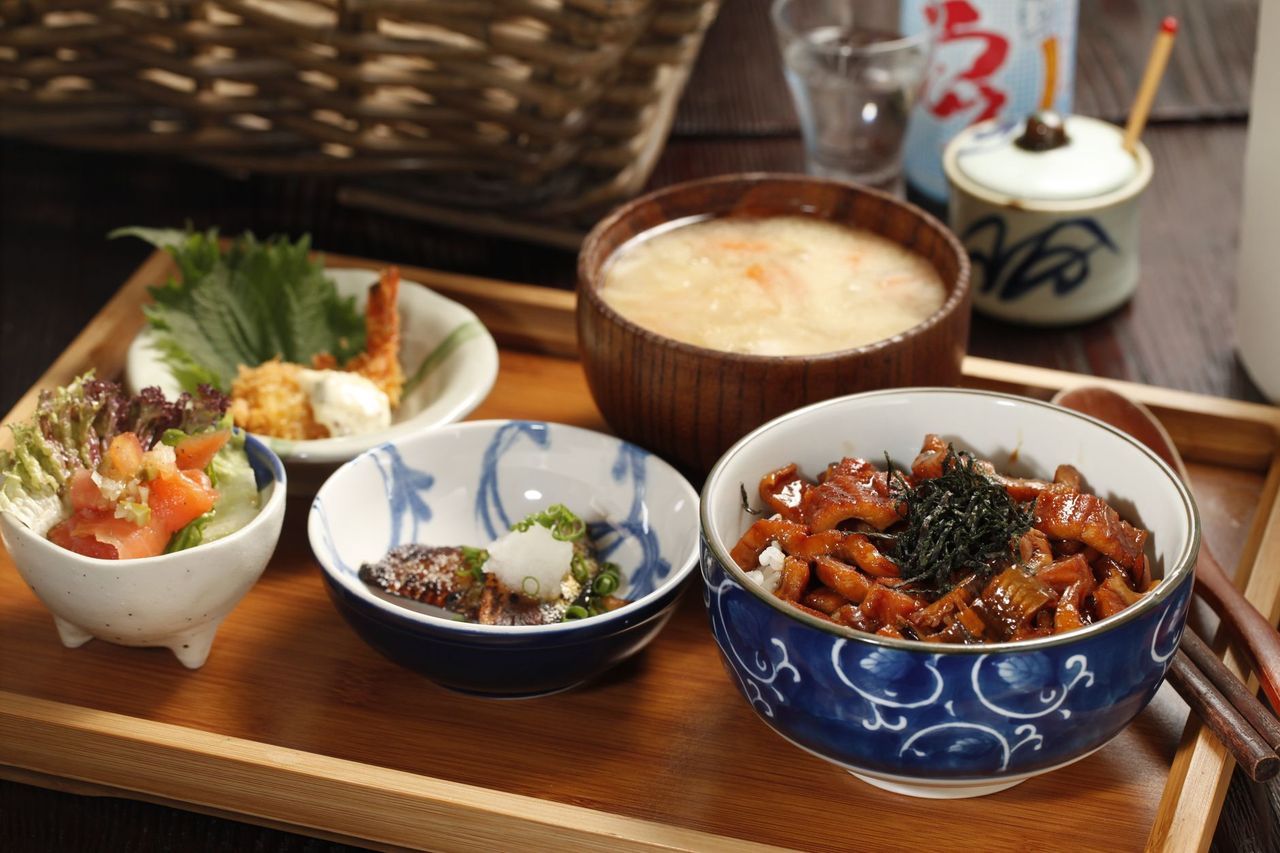
Shimizu, the restaurant inside Yoro Park, is known for its “Yoro grilled dango,” “Yoro mixed-grain pork udon,” “nagashi somen” (flowing noodles) and “live sweetfish grilled with salt.” “Yoro-meshi,” a new local dish of Yoro Town launched in 2023, is also served here: a rice bowl topped with Yoro’s signature sauce-grilled meat and a fried egg, with a gourd-shaped decoration that echoes the legend in which Gennojo carried the sake in a gourd, combining local history and food culture. It is also where you pick up the Yoro Shrine goshuin, so you can enjoy a meal and collect a stamp in one stop.
Recommended Tickets and Tours
When planning a Yoro Park foliage trip, these tickets can round out the experience.
Site of Reversible Destiny Ticket: A Sense-Defying Art Experience
Individual tickets to the Site of Reversible Destiny, Yoro Park are ¥850 for adults, ¥550 for high school students and ¥350 for elementary and junior high school students (free for preschoolers; group tickets for 20 or more are ¥600 per adult). The park grounds and the falls themselves are free to visit, so if you want to fully experience this modern art landscape that upsets your sense of balance, set aside separate time to buy a ticket and go in.
 KKdaySite of Reversible Destiny, Yoro Park tickets
 KLOOKSite of Reversible Destiny, Yoro Park tickets
Yoro Railway One-Day Pass: A Ticket Linking Ogaki and Kuwana
The Yoro Railway “1-Day Free Kippu” allows unlimited rides on the entire Yoro Line for a day, at ¥1,500 for adults and ¥750 for children. From April 9, 2026, mobile tickets can be purchased through the Jorudan Norikae Annai app. If you are also visiting sights along the line such as Ogaki and Kuwana that day, the day pass saves you from buying tickets repeatedly and makes your transportation budget easier to control.
Park Tips
Park and Transportation Tips
Yoro Park is closed on Tuesdays (the next day if Tuesday is a holiday), so confirm it is open first. The walk from the station or parking lot to the falls takes about 30 to 50 minutes, with many uphill stone steps, so wear non-slip shoes. Holidays are crowded in foliage season, so go early, and those with limited stamina can use the paid Yoro Falls parking lot. At the Site of Reversible Destiny the ground is sloped and the buildings are unusual, so be careful when taking photos. The park also has the free-admission Gifu Prefecture Kodomo no Kuni, and “Night Park in Yoro Park” takes place on October 24 and 25, 2026; see the official website, yoro-park.com, for other events.
Where to Stay Nearby
Yoro Park is in southwestern Gifu Prefecture, about an hour by car from Nagoya. For travelers who want to take their time with the park and the falls, staying near JR Ogaki Station is an option. From Ogaki Station you can transfer to the Yoro Railway for Yoro Station and head to the park the next day.

Frequently Asked Questions (FAQ)
Q: What are Yoro Park’s opening hours and admission fees?
Yoro Park is open 09:00 to 17:00 and closed on Tuesdays (the next day if Tuesday is a holiday). The park grounds and the falls are free to visit, while the Site of Reversible Destiny, Yoro Park requires a separate ticket (¥850 for adults, ¥550 for high school students, ¥350 for elementary and junior high school students).
Q: When is the best time to see Yoro Park’s autumn leaves in 2026?
According to the foliage forecast, the best viewing period in 2026 is expected to be late November to early December. Actual dates vary with each year’s weather, so follow the latest official announcements before you go.
Q: What events are held at the Yoro Park Maple Leaf Festival?
From October 1 to November 30 every year, the Yoro Park Momiji Festival (Maple Leaf Festival) is held, with workshops and a variety of hands-on activities in the park, suitable for families planning half a day to a full day.
Q: Is it inconvenient to get there without a car?
Not very. From Nagoya, take the JR Tokaido Main Line to Ogaki Station, transfer to the Yoro Railway to Yoro Station, and walk about 10 minutes to the park entrance. It is a fairly direct public transit route, and more convenient than many mountain foliage spots that require a car.
Q: How long does it take to walk from the entrance to the falls?
Hiking from the railway station or an outer parking lot to Yoro Falls takes about 30 to 50 minutes one way, with uphill sections and stone steps. If a long walk is difficult for you, you can drive and park at the paid Yoro Falls parking lot, from which the falls are only about a 5-minute walk.
Q: What local foods should I try at Yoro Park?
We recommend the Yoro-grown shiitake sausage, venison sausage and Taki Beer at Rakuichi Rakuza Yoro, the Yoro grilled dango and live sweetfish grilled with salt at Shimizu, and the newly created local dish “Yoro-meshi” from 2023. All combine Yoro’s local ingredients with its history and culture.