
About Katsurahama: A Bow-Shaped Beach Facing the Pacific and Ryoma’s Back
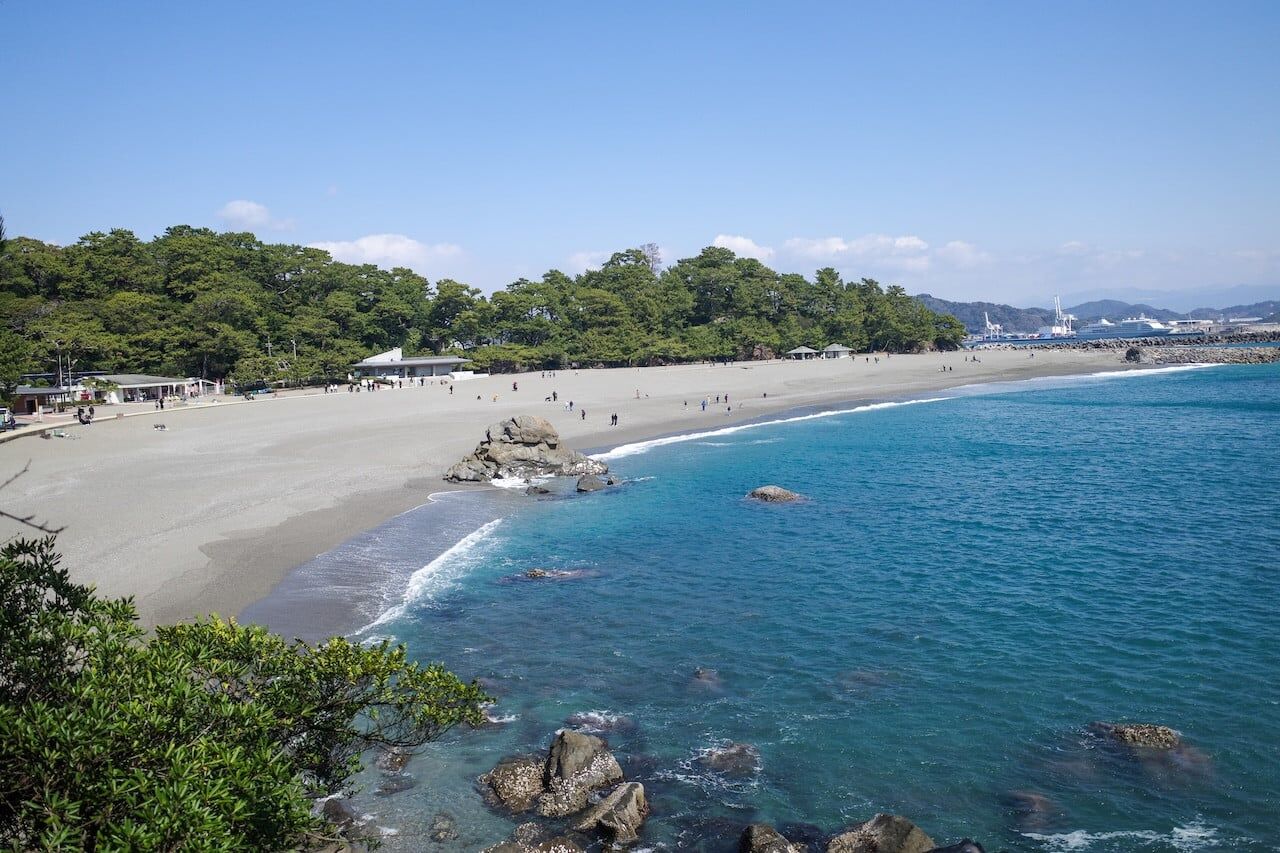
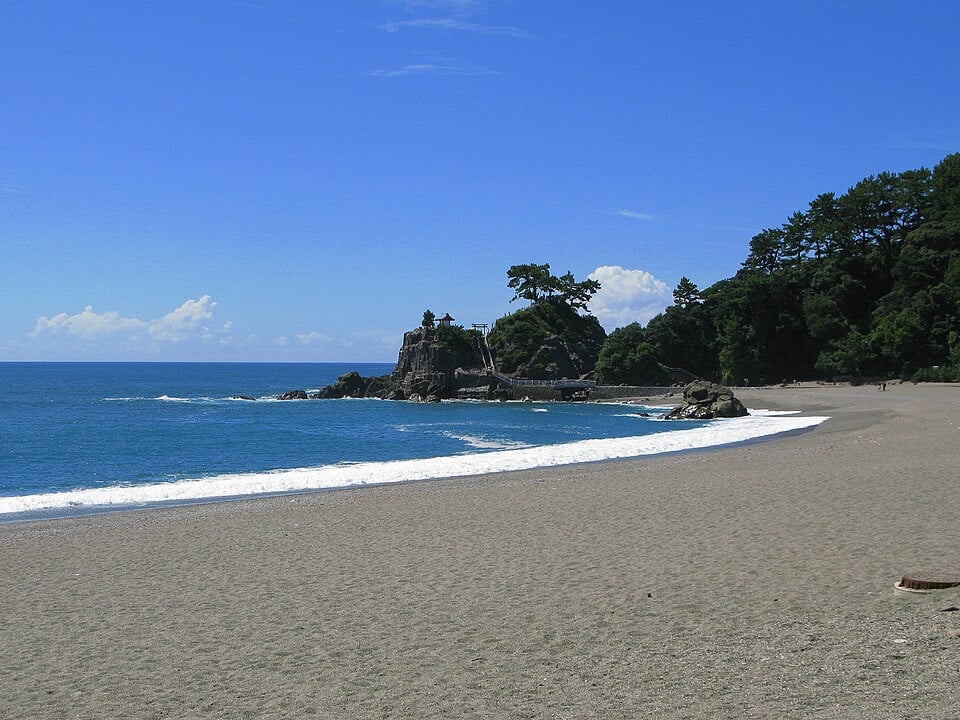
Katsurahama lies at the southern edge of Kochi City near the mouth of Urado Bay, a bow-shaped beach pinched between two headlands. The sand is yellowish and mixed with tiny five-colored pebbles, with a long row of pine trees behind it and the wide-open Pacific in front, where wave after wave crashes ashore with a loud roar.
On Ryuzu-misaki, the headland at the north end of the beach, stands the bronze statue of Sakamoto Ryoma gazing out to sea; at the south end, Ryuo-misaki holds a small bright-red shrine built on the rocks. These two points and the beach between them make up the scene that appears in almost every Kochi promotional photo.
There is one rule here that must never be ignored, though: swimming is prohibited at Katsurahama all year round and across the entire beach. The currents are strong, undertows are common and the beach drops off steeply, so it is dangerous even when it looks calm. Below we cover transport, sights, ticket prices and safety in one place.
What Katsurahama Is Like: Beach, Pine Forest and Headlands at Both Ends
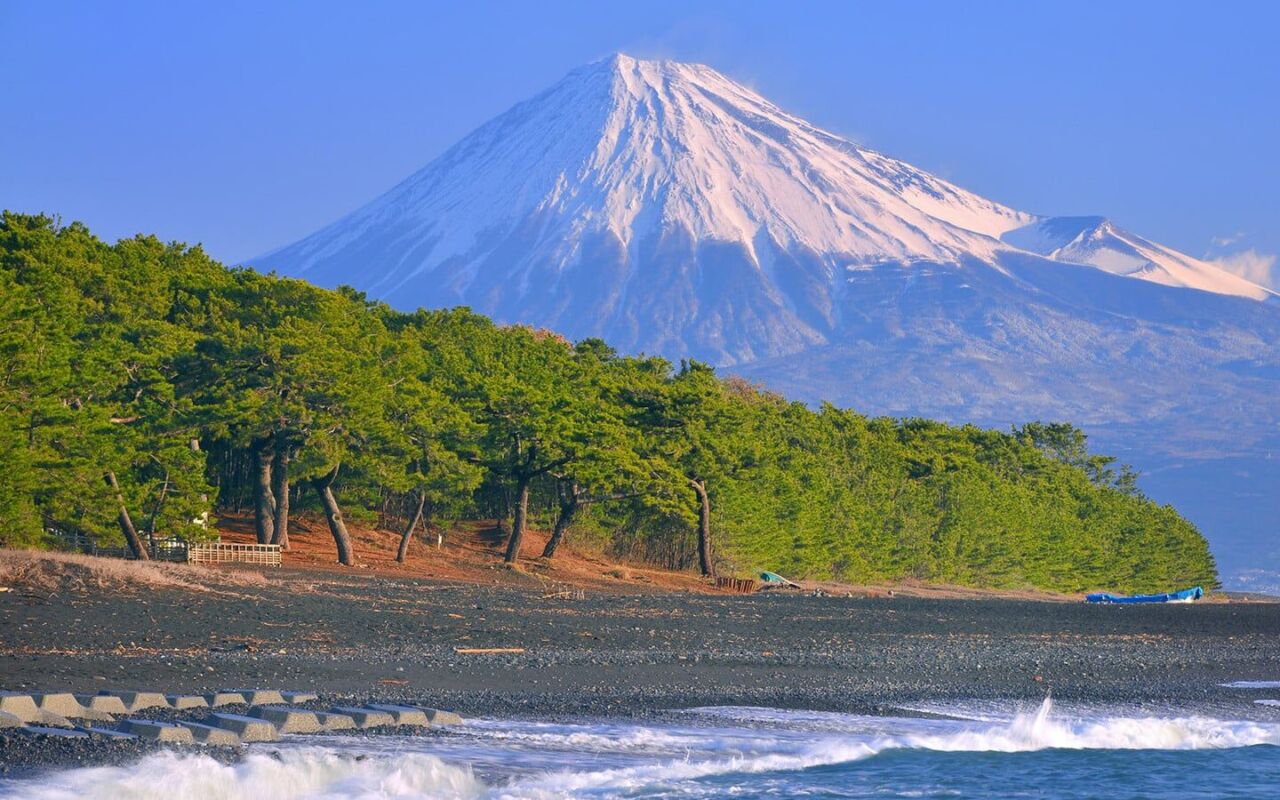
Katsurahama curves in an arc with a headland at each end, and the sand is mixed with small stones rounded by the waves, so picking up pebbles is part of the fun. The row of pines behind provides shaded paths, and layering pine branches, beach and Pacific is the classic composition.
The beach is part of Katsurahama Park with no admission fee and no restriction on hours, but the aquarium, memorial hall and commercial facilities inside each have their own business hours; go by on-site notices for actual opening status.
The Most Important Thing: No Swimming at Katsurahama, Year-Round
Katsurahama faces the Pacific directly with no breakwater or offshore island to block the waves. The currents are strong and undertows common, and the beach slopes steeply so the water deepens suddenly after a few steps and you can easily be swept away by backwash, so swimming is prohibited year-round and across the whole beach.
Signs are posted on site, and in peak season patrol staff use loudspeakers to tell visitors near the waterline to step back immediately; do not think “I’m only wading.”
The right way to enjoy it is to listen to the waves, take photos and stroll along the pine forest path and the safe areas above the beach; if you want to play in the water, go to another beach in Kochi Prefecture that is open for swimming.
Why Ryoma Is Everywhere: Kochi’s Greatest Spiritual Symbol
Sakamoto Ryoma came from the Tosa domain (present-day Kochi) in the late Edo period, had a profound influence on Japan’s modernization and is extremely famous, almost the face of Kochi Prefecture. His figure appears everywhere, from the airport name and souvenirs to street statues and events, and the statue facing the sea at Katsurahama is the core landmark; even if you are unfamiliar with the history of the period, standing under the statue and looking at the sea you can still feel the atmosphere. A memorial museum next to the park fully presents his life, letters and the background of his time, and seeing the statue after a visit gives a different understanding.
See It All in One Go: From Commercial Facilities to the Statue and the Shrine
Katsurahama Park is not large and every sight is within walking distance. A suggested route: enter from the parking lot or bus stop, pass the commercial facilities, go up the slope on the north side to see the Sakamoto Ryoma statue, then walk down along the beach to the south end and climb Ryuo-misaki to see the shrine. You pass the aquarium on the way and can look in; the Sakamoto Ryoma Memorial Museum is more separate and requires a walk, or you can take the bus and get on and off at the Memorial Museum stop.
A leisurely visit takes about two hours; including the memorial museum and aquarium, allow three to four hours to be comfortable. The headland steps are not long but are sloped, so wear comfortable shoes.
How to Get to Katsurahama: A Full Comparison of the Sightseeing Loop Bus, Route Buses and Driving
Katsurahama is south of central Kochi, about half an hour by car, with no direct rail, so you either take a bus or drive. From JR Kochi Station, both the tourist-oriented loop bus and ordinary route buses go there.
Below are the travel times, pros and cons and notes for each method, including parking fees and how to come from the airport. Timetables and fares change from year to year, so go by official notices.
Sightseeing Loop Bus: One Ticket Linking Katsurahama and City Sights
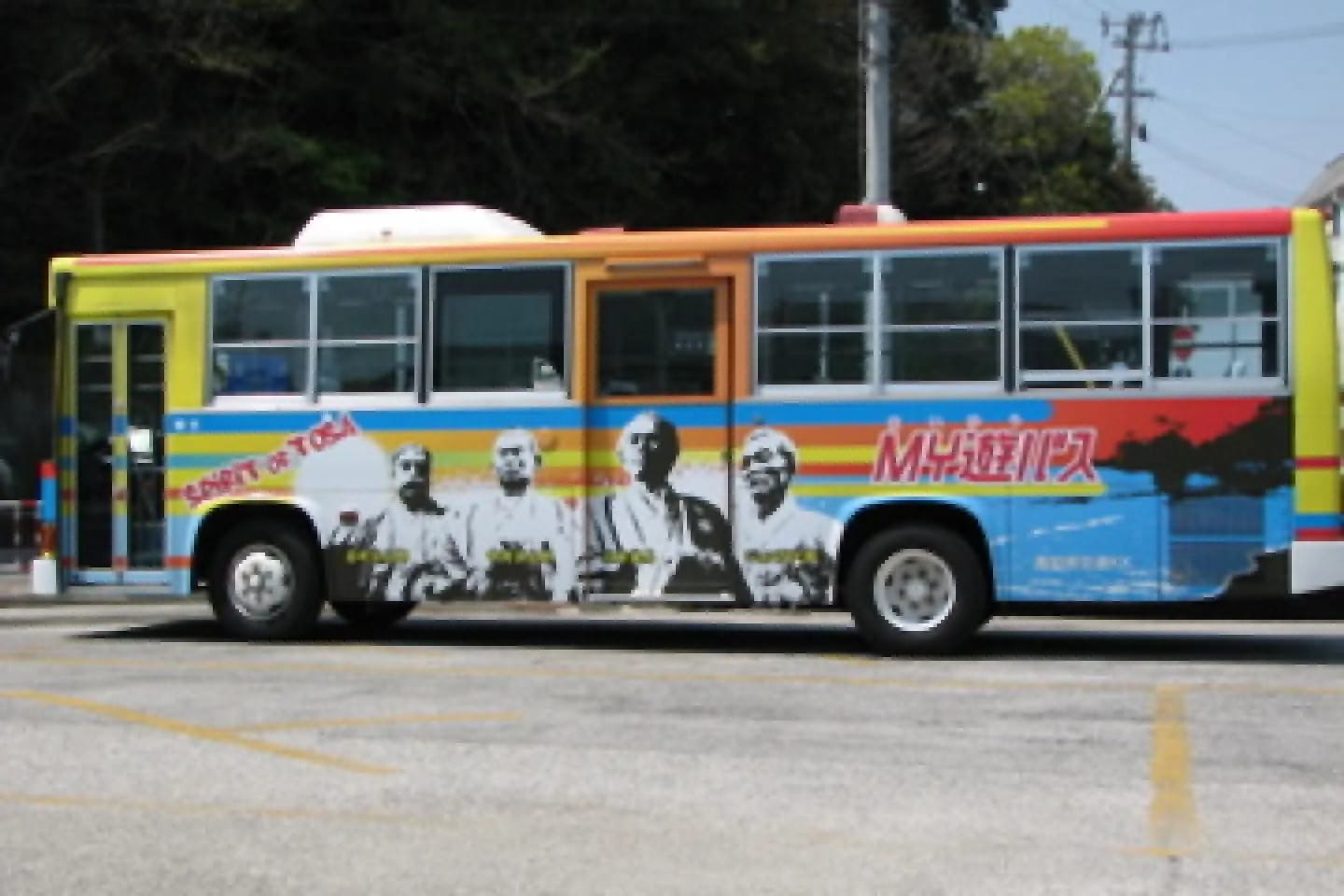
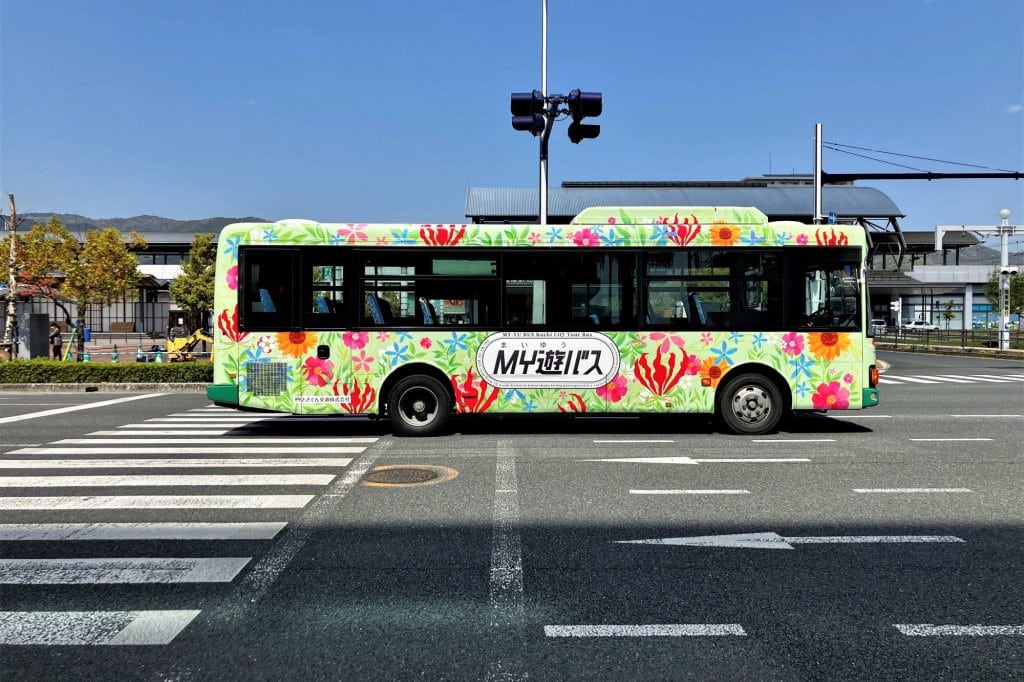
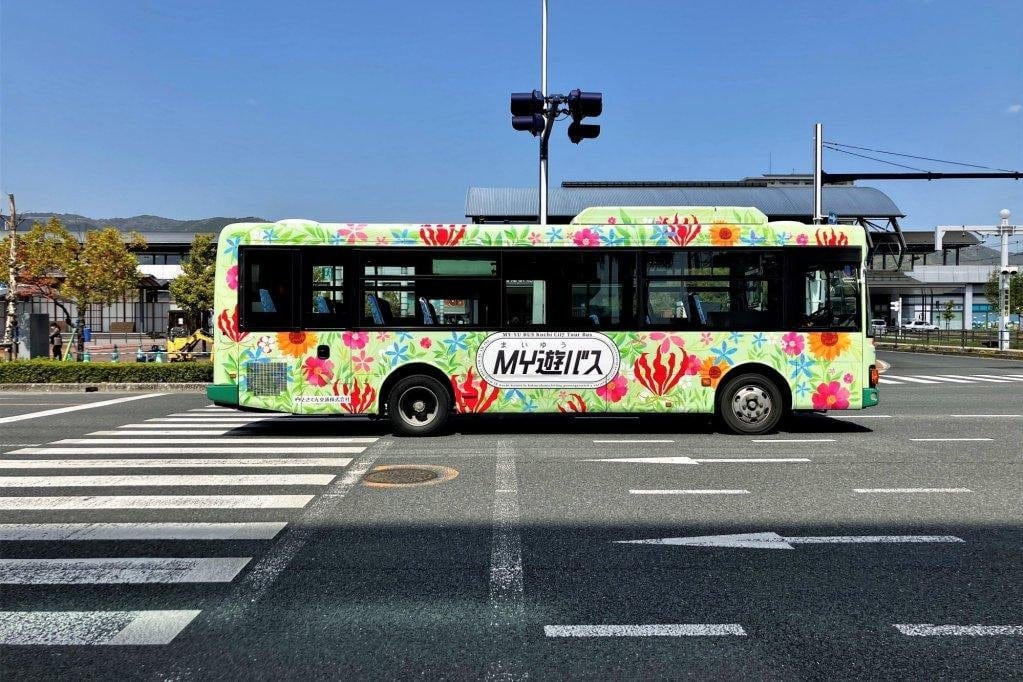
Kochi has a loop bus designed for tourists, departing from JR Kochi Station and Harimayabashi and linking Katsurahama with sights in the city, suited to first-timers who want to cover many places at once. One ticket allows free hop-on and hop-off during its validity period, and includes free rides within the flat-fare zone of the streetcar and a free one-way ride on the Katsurahama route bus, buying a full day of mobility cheaply, with sightseeing commentary on board. The downside is that service is less frequent than city buses, so missing one means a longer wait, and the last bus is earlier; check that day’s timetable and route before use, especially for the return.


Regular Route Bus: Direct to Katsurahama in 30 to 40 Minutes
Without the tourist bus, you can still take an ordinary route bus to Katsurahama. Board at Kochi Station or Harimayabashi; the ride takes about thirty to forty minutes, and the terminus is right next to the park entrance.
If you want to visit the Sakamoto Ryoma Memorial Museum first, get off early at the Memorial Museum stop and walk to the beach afterward; if you want to see the sea first, ride to the terminus, and the two stops are within walking distance of each other.
Route buses run more often than the loop bus, giving more flexibility. Fares are by zone: take a numbered ticket when boarding and pay cash when getting off, and a transport IC card may be usable on board; go by what you find on site.
Driving: About 30 Minutes from the City, Single-Fee Parking
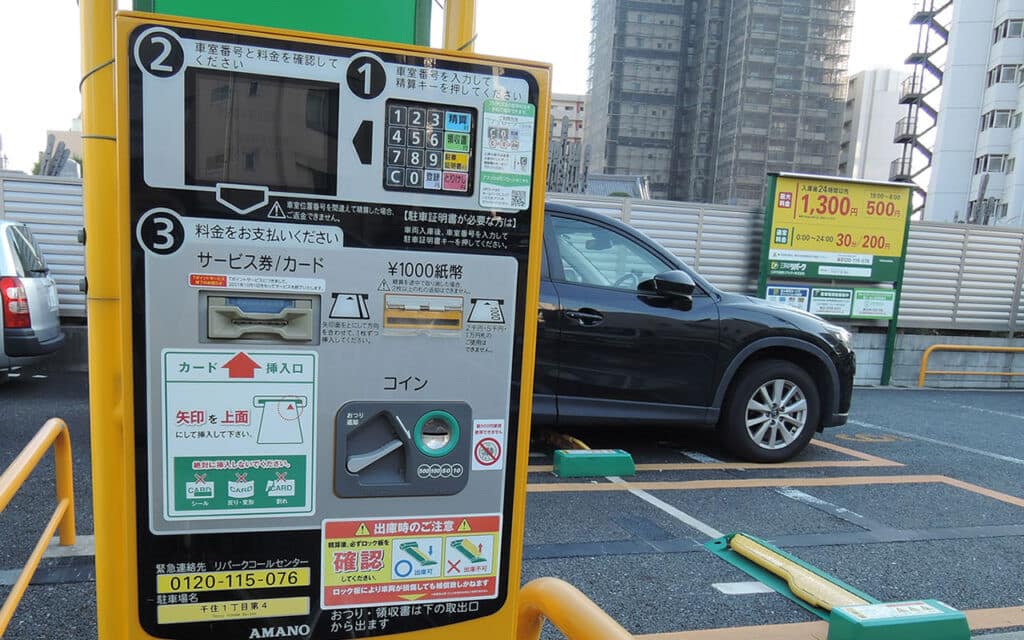
Driving from central Kochi or the airport to Katsurahama takes about thirty minutes, with simple road conditions and clear signs. The park has a large parking lot with a single charge of ¥500 for a regular car (raised from ¥400 on April 1, 2026), the same price for the whole day.
On holidays and long weekends it tends to fill around midday, so arrive early or come in the afternoon.
The surrounding roads are not wide; do not park on the roadside, and always use the proper parking lot, with fees and operating details as posted on site. The park has restrooms and vending machines for long-distance drivers to rest.
From the Airport: Go into the City and Transfer, or Rent a Car Directly
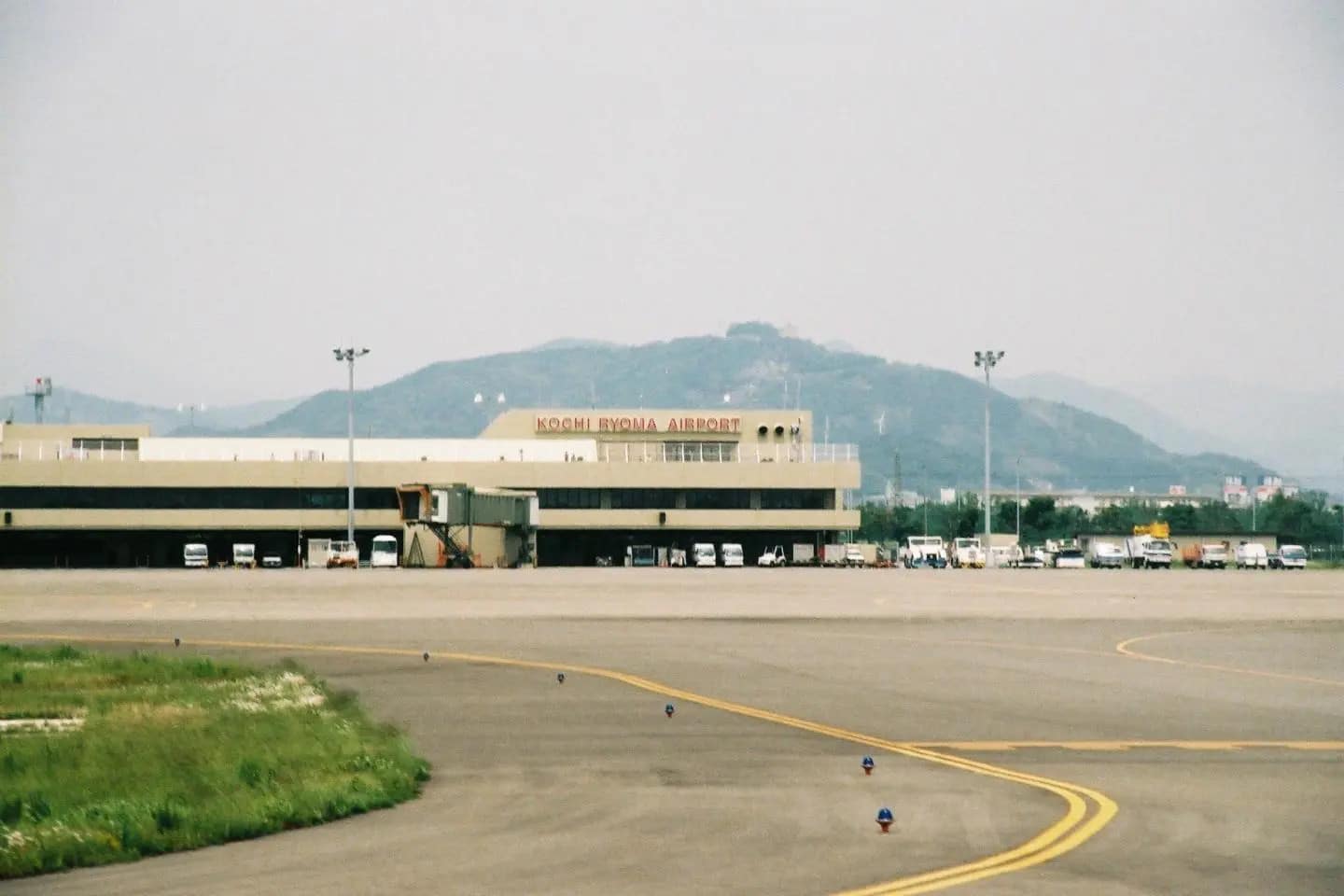
Kochi Airport is on the east side of the city, with a connecting bus to JR Kochi Station taking about half an hour, then the Katsurahama bus for a little over an hour more, the standard route for travelers without a rental car. If you also plan to visit the Shimanto River, Muroto and elsewhere, renting a car at the airport is recommended, and Katsurahama has ample parking. The connecting bus is timed to flights but does not run on demand, and late-night and early-morning services are limited, so if you arrive late, check the last bus first or arrange a taxi; rental car counters are mostly beside the terminal, and you can drive straight south to Katsurahama after pickup.
Putting Together Your Itinerary: Which Half of the Day for Katsurahama
Katsurahama usually takes up half a day. A common plan is to spend the morning in the city at Kochi Castle and Hirome Market and go to Katsurahama in the afternoon for the sea and the statue; putting Katsurahama in the morning and returning to the city for bonito in the afternoon works smoothly too.
If you especially want to photograph sunset or moonlight, put Katsurahama in the evening, but watch the last bus time. After dark the park has limited lighting and the return is hard to arrange, so driving is more reassuring.
If you want to go further south or east, the distances between Katsurahama and the prefecture’s other coastal sights are not short and usually cannot be done in the same half day, so split them over different days. Also, buses from the city to Katsurahama are more crowded during commuting hours, so if you have large luggage, leave it in a station locker or at your hotel before setting out. If your trip connects to a late flight, leave even more slack on the return.

What to See at Katsurahama: Ryoma Statue, Ryuo-misaki, Aquarium and Umi no Terrace Explained
The sights in Katsurahama Park are concentrated on one walking route: from the commercial facilities, the statue and the aquarium to the headland shrine, a single loop links them all, with the Sakamoto Ryoma Memorial Museum standing slightly apart on higher ground nearby.
Below, each point’s highlights, costs and notes are laid out clearly, including the best-known foods here and seasonal experiences.
Beach and Pine Forest: The Sound of the Whole Sea in Your Ears
Katsurahama faces the Pacific directly, with bigger waves than around the Seto Inland Sea, so standing on the beach and listening to the waves is almost overwhelming, and in good weather the color of the sea is lovely too.
A path runs through the pine forest behind the beach, cool in the shade and more comfortable than baking on the sand in summer, and looking through the pines at the sea makes a natural frame for photos.
The beach is for strolling only and no swimming; near the waterline is dangerous when the waves are big, so hold children’s hands throughout and follow staff instructions. The beach has no shade or seating and staying long is tiring, so you can rest in the pine forest or at the commercial facilities at the park entrance; making fires and barbecuing are prohibited.
Sakamoto Ryoma Statue: Looking Out at the Pacific from the Headland
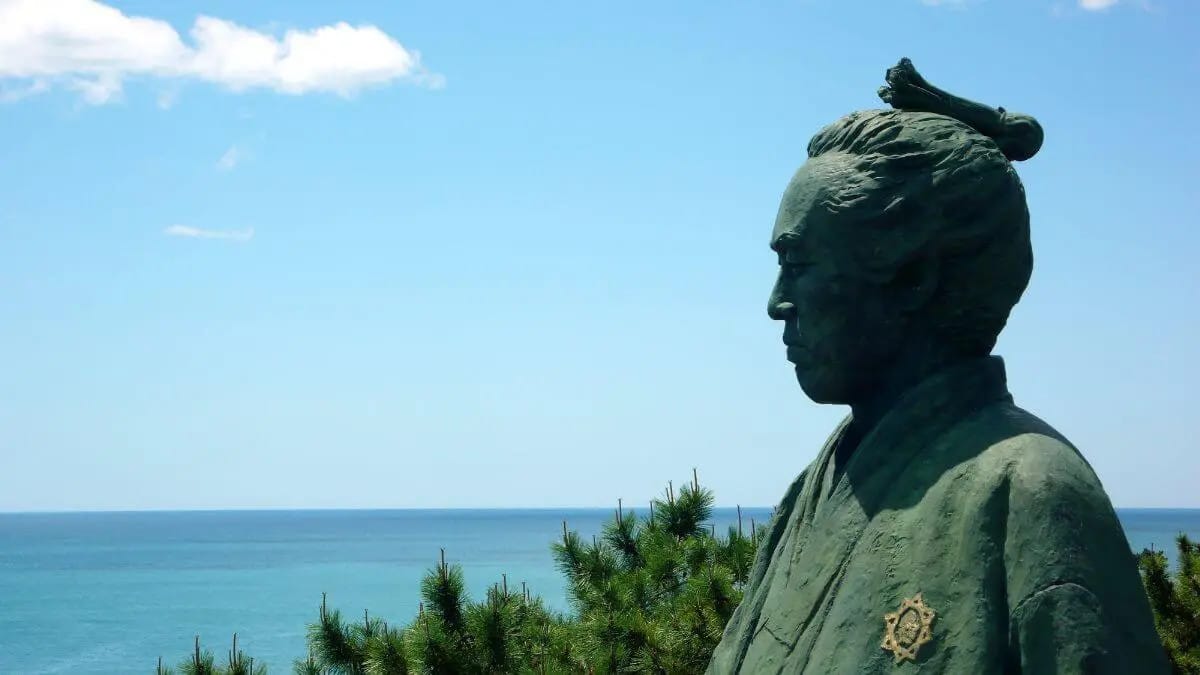
The statue stands on the hill of Ryuzu-misaki at the north end of the beach. It was built in the early Showa era with funds raised by local young people; wearing kimono with arms crossed and gazing at the Pacific, it stands over ten meters tall including the pedestal and is Kochi’s most representative landmark.
The slope of steps from the beach is short but steep, and the platform at the top lets you see the statue up close and look down over the whole bow-shaped beach, with excellent views.
For photos, walk around to the side so the statue and the horizon share the frame, which is more atmospheric; the platform is small, so give way to each other when it is crowded. The nearby information sign briefly explains why and when it was built and is worth reading before you shoot.

Ryoma Up Close: A Seasonal Temporary Observation Deck
During certain periods each year, a temporary elevated observation deck is built beside the statue, letting visitors climb up to almost eye level with the statue’s face. From that height you can see the statue’s details and expression clearly, and the view is also a notch higher than from the ground.
This event is held each spring and autumn, and the autumn run overlaps Ryoma’s birthday (November 15); children below school age are free. For the actual 2026 dates and the fee to go up, go by the official notice from Kochi City.
Because it is a temporary structure, the period and hours are announced each year, and it may close in strong winds. If you are making the trip specially for this, be sure to confirm the dates for the year first. The deck is a metal staircase structure, so hold the handrail going up and down, and take extra care if you wear a skirt or high heels. Keep your belongings secure so they do not fall below.
Ryuo-misaki and Watatsumi Shrine: The Little Red Shrine at the Other End of the Beach
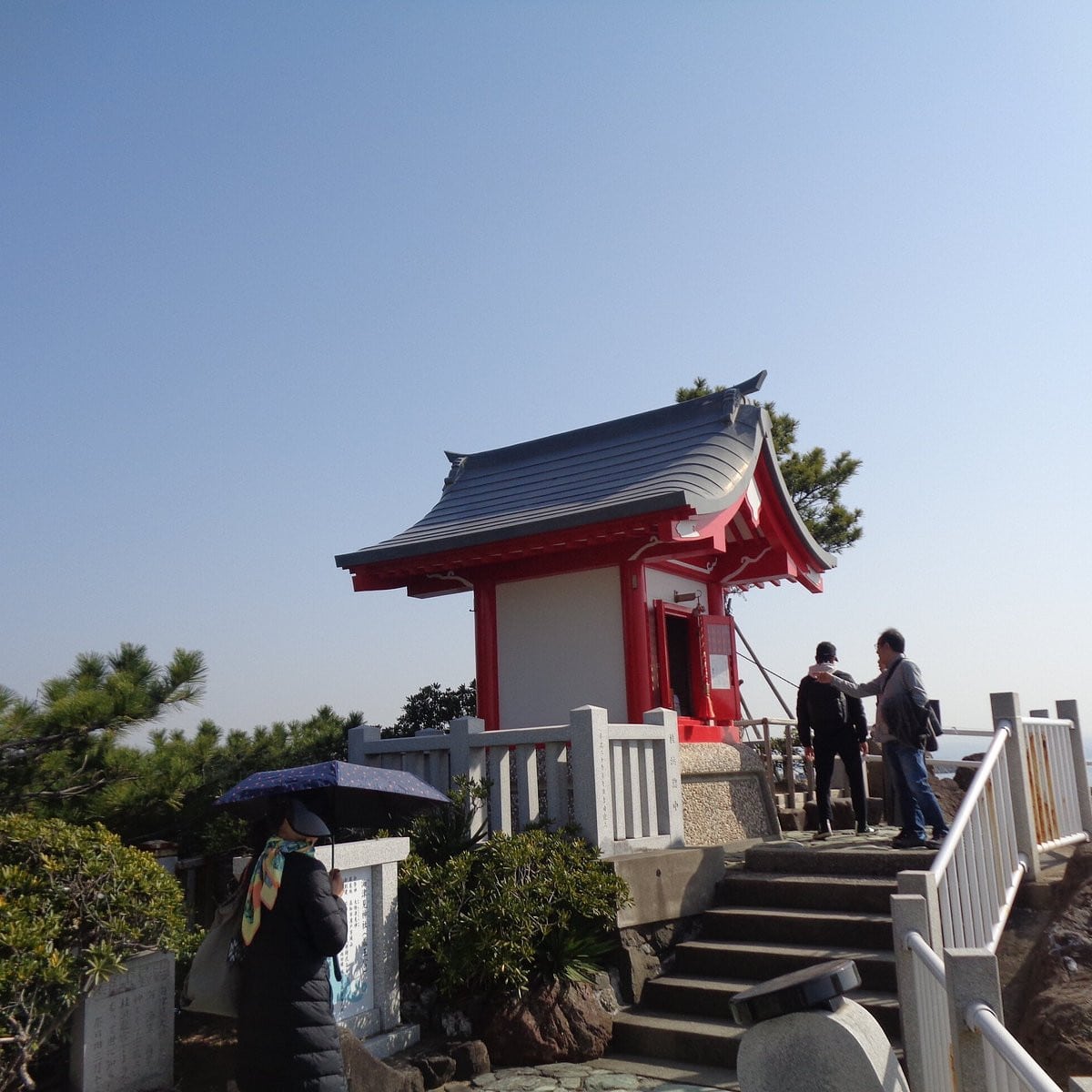
A small red shrine stands on Ryuo-misaki at the south end of the beach, a few minutes along the rock steps, enshrining the god of the sea, the place of worship for local fishermen.
Looking back north from the top, you can frame the pine forest, the beach and the distant statue together, an excellent angle for shooting the whole of Katsurahama, and the red torii against the blue sea photographs well too.
The steps are narrow and beside the sea; when waves are big or winds strong, spray reaches them and the surface is slippery, so take care, and the park may restrict access in heavy seas. The shrine grounds are small and hold few people, so go up and down in turn and do not linger on the steps for photos and block the way.
Katsurahama Aquarium: Small but Full of Character
The Katsurahama Aquarium beside the beach has a long history and a small scale, mainly exhibiting marine life from the sea near Kochi, with handwritten explanation signs by the staff adding to the atmosphere.
It has a touch zone for marine animals and feeding times for seals, penguins and others, and families often stay longer than expected; a visit takes about an hour overall.
On crowded holidays the passages are tight; go by official notices for admission, opening hours and the schedule of each experience. The aquarium is known for its unique promotional style, and the slogan signs inside and out draw quite a few people on a special pilgrimage.
Sakamoto Ryoma Memorial Museum: Seeing the Statue Again Afterward Feels Very Different
The memorial museum stands on high ground beside Katsurahama, a prefectural specialist museum centered on Sakamoto Ryoma’s life, letters and the background of the late Edo period. The exhibits are quite modern, with an introductory route for those unfamiliar with the history, and foreign-language information is more complete than at a typical local museum.
The museum has a viewing space facing the sea, where you can rest while looking at the Pacific, itself a fine viewpoint. The roof and terrace areas are also popular photo spots.
Permanent exhibition admission is ¥500, and free for high school students and younger. Opening hours are 9:00 a.m. to 5:00 p.m., with last entry at 16:30; go by the official notice for closing days. From the beach there is a stretch of slope and steps up to it, so if you are with older relatives, take the bus to the stop near the memorial museum, which is much easier.
Umi no Terrace: A Base for Meals, Souvenirs and Rest
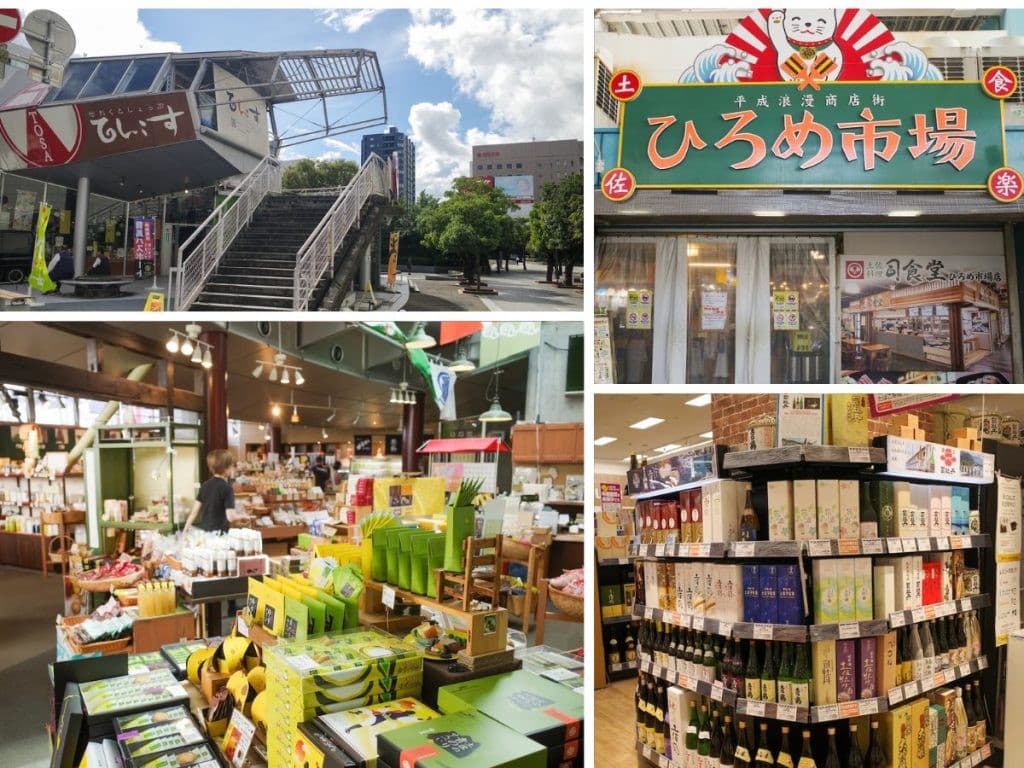
The commercial facility around the park entrance has been renovated and gathers souvenir shops and restaurants, the only place to eat properly and restock, passed first when entering from the parking lot or bus stop and good as the start or end of the visit. The shops sell Kochi specialties of all kinds, from food and alcohol to Ryoma goods, and there is a rest area and restrooms where you can escape the heat on a hot summer day. Opening hours vary by shop, and in winter and on weekdays some may close early, so if you want a proper meal, do not leave it too late, especially if you arrive in the evening. This is also the spot in the park with the most stable signal and seating, so you can wait here for a bus or sort out your plans before setting off.
Straw-Seared Bonito: A Dish You Must Eat in Kochi
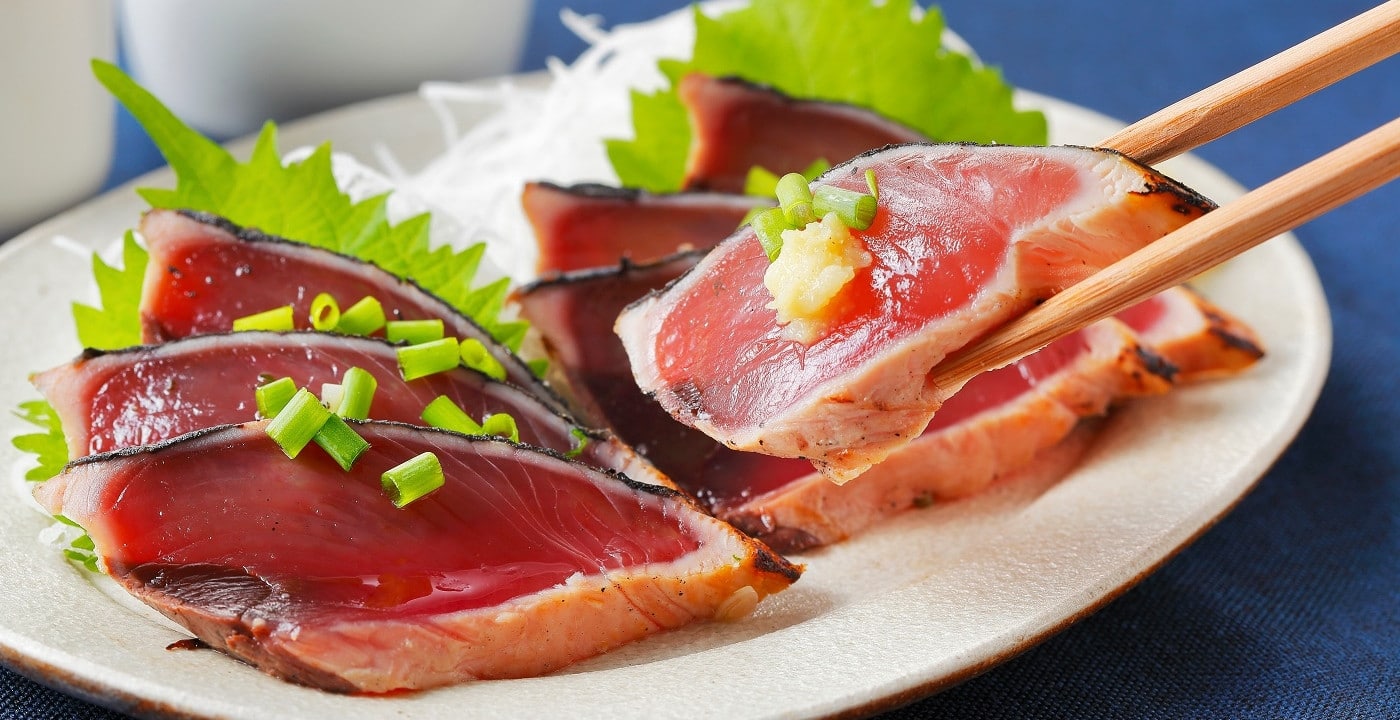
Kochi’s most famous dish is katsuo no tataki: a whole block of bonito seared over a big straw fire on the surface while the inside stays raw, then sliced and served with salt or sauce, with sliced garlic and green onion, the straw aroma being the key.
Most restaurants in Katsurahama Park serve this dish, and you can eat while looking at the sea. Two dips are offered, soy-vinegar sauce and salt, and locals recommend trying the salt first to best taste the fish itself.
Prices vary by cut and portion, you may have to wait at peak meal times, and there are more choices at the market-style food halls in the city. Bonito season has spring first bonito and autumn return bonito, with different fat content, so if you like a richer taste, come in autumn.
A Moon-Viewing Spot: The Moonlight Sung of in the Folk Song
Katsurahama has been a famous moon-viewing place since ancient times, and Kochi’s representative folk song also praises its moonlight. Because the sea is open and the southeast side is unobstructed, when the moon rises from the horizon it can be reflected across the whole water surface, a rare sight.
Each autumn during the moon-viewing season, the park holds related events and draws larger crowds. If you want to photograph the moon, first check the day’s moonrise time and phase, and bring night photography gear.
Note that after dark the park has limited lighting, the ground is uneven and buses are infrequent, so driving or arranging a pickup and traveling with a companion are recommended. Even without a full moon, the evening sky and the sea’s reflected light are worth stopping for, but be sure to confirm your return transport before deciding how long to stay.
Pebbles on the Beach: Scenery Under Your Feet Too
The sand at Katsurahama is mixed with many small stones rounded by waves, in shades of white, gray, reddish brown and green, called five-colored stones. Crouch down and look slowly, and you will find each has a different pattern, a detail unique to this beach.
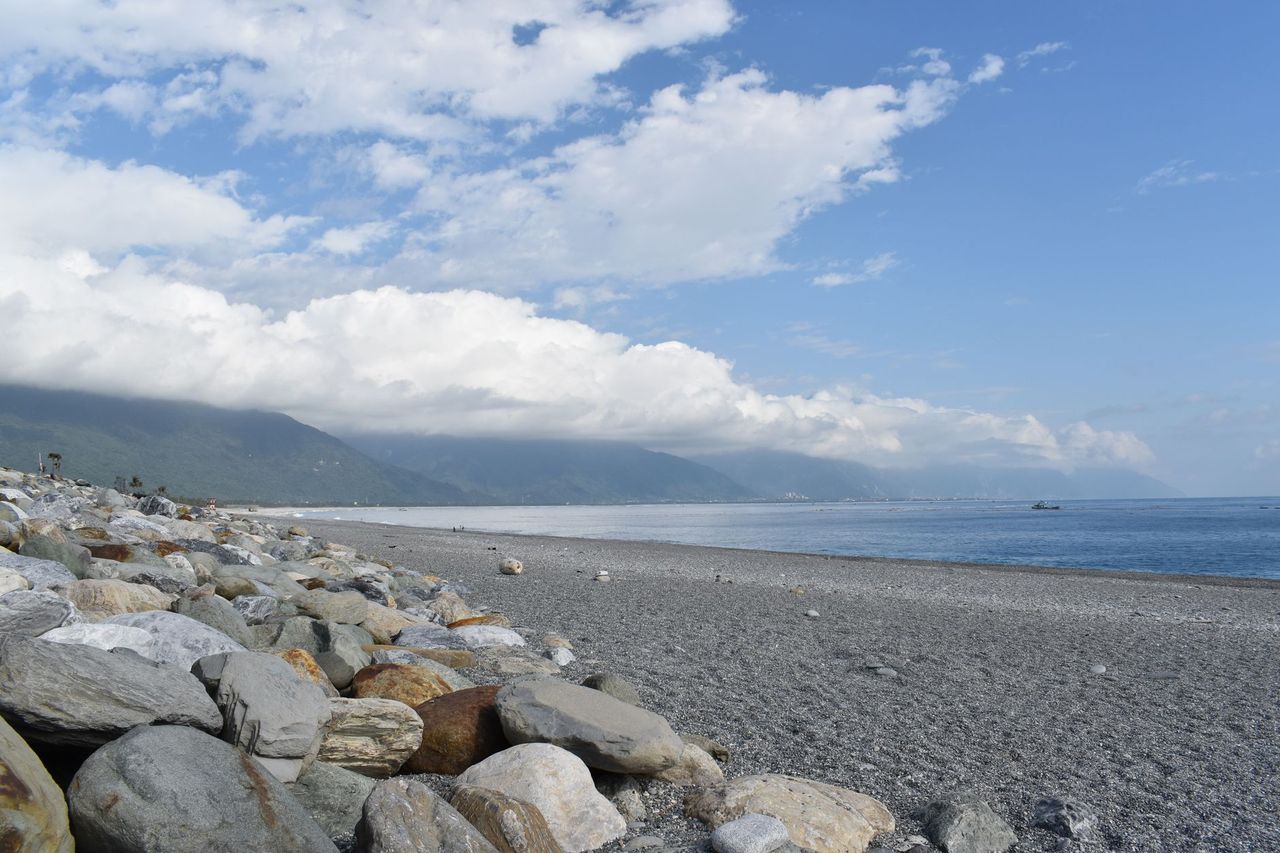
Many people spend time picking pebbles on the beach, a soothing activity. Note, though, that the park may have rules about collecting natural objects, and taking large amounts away is discouraged, so it is better to appreciate and photograph them.
Also, the point where the waves reach can change suddenly, so when crouching near the waterline to pick up stones, watch the waves behind you and do not stay long with your back to the sea. After rain or after big waves, more kinds of stones are turned up on the sand, a good time to pick them, but wave conditions in that weather are also more dangerous, so keep your distance.
The Headlands at Both Ends: The Best Spots to Photograph the Whole Bow-Shaped Beach
To capture Katsurahama’s famous curve, it is best to climb the headlands at either end and look back, rather than stand on the beach. Ryuo-misaki at the south end gives the most complete angle, taking in the beach, pine forest and the statue on the north side; the platform at Ryuzu-misaki to the north suits sea-and-statue shots. Morning light suits the south side, while from afternoon to evening the north side is better lit. Both have steps that are slippery after rain, do not climb past the railings, and in strong sea wind secure your camera with a strap and put away light items. The walk between the two headlands takes about a dozen minutes, so if you want the best light at each, plan more than two hours before the next stop.
Nearby Stops: Around Urado Bay and the Route Back to the City
Next to Katsurahama is the mouth of Urado Bay, spanned by a long bridge; from the bridge or nearby high ground you can see the calm inner bay and the open-sea waves together, an interesting contrast of water color. If driving, you can take the coastal road back, with scenic pull-offs along the way; by bus you mostly return to the city and can schedule Kochi Castle and the market for the second half of the day. If you have time, there are other museums and fishing port sights along the prefecture’s coast, but they are far away, so plan a separate day. Some stretches of the coastal road are narrow and winding, and with the evening glare visibility is poor, so drive slowly and watch for pedestrians and bicycles.
How Much Does Katsurahama Cost? Admission, Parking and Transport Tickets
The beach and the statue at Katsurahama are free to visit, and the main costs are facility admission and transport. If you only look at the sea and take photos, it costs almost nothing; visiting the memorial museum and the aquarium together costs about ¥2,000 per adult.
Below are the common costs. All amounts and times may change, so go by each facility’s official notice.
Memorial Museum Admission: ¥500 for the Permanent Exhibition, Free for High School Students and Younger
Permanent exhibition admission to the Sakamoto Ryoma Memorial Museum is ¥500, free for high school students and younger, good value for a prefectural museum of its scale.
Special exhibitions usually go deeper into a theme with more content, so check the current exhibitions on the official website first.
Opening hours are about 9:00 a.m. to 5:00 p.m., with an earlier last entry and closing days as well, so going in the evening may not leave time to finish. The museum has a shop and rest area, and after the exhibition you can sit a while in the sea-facing space, a good buffer in your itinerary.
Aquarium Admission: A Small but Lovely Choice for Families
The Katsurahama Aquarium charges separately: ¥1,600 for adults, ¥600 for elementary and junior high students and ¥400 for children aged 3 and over. Small as it is, its touch and feeding experiences are highly interactive, good for visiting with children.
Some experiences require buying a separate feed ticket or joining a fixed session; the schedule is posted on site, so check it when you enter.
Admission, opening hours and sessions change with the season, so check the latest official information before you go. Passages inside are narrow and some areas have level changes, so strollers must detour or be folded; visiting the memorial museum as well involves a slope, so consider your stamina.
Seasonal Observation Deck: The Ryoma Up Close Add-On
The temporary deck beside the statue opens only during the event period, with the fee going by the notice for that year. It is the cheapest add-on and lets you look at the statue at eye level from close up, something you cannot see normally, worth queuing for if you like photos.
Tickets are mostly bought on site with no reservation needed; when crowded there is a queue, but stays are short so the line moves quickly.
The period, hours and fee are announced each year and it closes in poor weather, so check first. The queue area has no shelter, so protect yourself from the sun and hydrate in summer, and in strong winds check whether it is open as usual to avoid a wasted trip.
Parking and Bus Tickets: Cost Comparison for Driving vs. Taking the Bus
Parking is a single charge, ¥500 per regular car (after the April 2026 increase), with no time limit, suited to those staying half a day or more.
Bus fares are by zone, and a round trip usually costs more than the ¥500 parking fee, so driving is cheaper; if you are visiting other sights that day, the loop bus day pass is better value.
The day passes come as a Katsurahama ticket and a Godaisan ticket, with different coverage; go by the Tosaden Kotsu official site for prices. Confirm your return time first, as the last bus is early.
If You Don’t Want to Plan It Yourself: Day Tour Options from Kochi City
If you don’t want to work out bus timetables, you can choose a day tour or chartered car service linking Katsurahama, Kochi Castle and the market, with guiding and transport included. You keep good control of time, suited to short stays or traveling with older relatives, but the time at each stop is fixed and changing the order on the spot is hard, so those who prefer their own pace should take the bus independently.
Such tours mostly require reservations and places are limited in peak season; before signing up confirm the departure point, whether meals are included and facility admission. Most do not include meals or some admission fees, which must be counted separately.
![[Kochi Charter] Katsurahama + Makino Botanical Garden + Chikurin-ji + Godaisan Observatory / One-Day Charter (Customizable / Free Itinerary)](https://res.klook.com/images/w_300,h_300,c_fill,q_75/w_80,x_15,y_15,g_south_west,l_Klook_water_br_trans_yhcmh3/activities/hqh2vraakhirwj9s20lb/【高知包車】桂濱+牧野植物園+竹林寺+五臺山展望臺一日遊包車(客製化行程自由安排)-Klook.jpg)
What to Know Before Going to Katsurahama: Lodging Suggestions and Pre-Trip Reminders

Katsurahama itself has no lodging, and most travelers use Kochi City as a base and make a day trip. Below are lodging directions, things to check before you go and on-site safety notes.
Where to Stay: Kochi City Is the Most Convenient Base
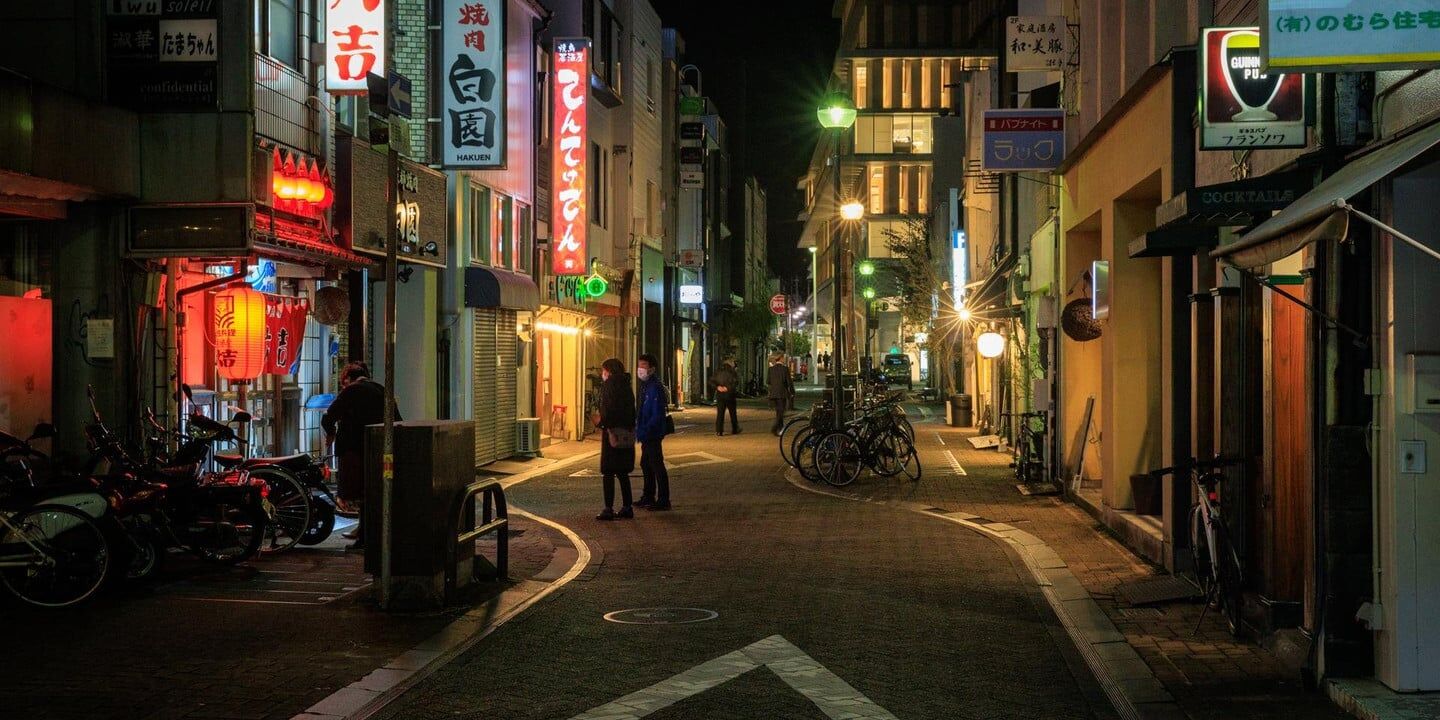
There is almost no lodging near Katsurahama, and most people stay in Kochi City, where the area around JR Kochi Station or Harimayabashi is the most convenient, since the buses all depart from there, and in the evening you can eat bonito at the market or an izakaya.
Lodging in the city is mostly business hotels, with prices friendlier than in the other Shikoku prefectures; if your itinerary includes other parts of the prefecture, pick a suburban hotel with a parking lot, which makes driving smoother.
During the Kochi Yosakoi Festival each summer, city rooms get tight and prices rise, so book early; city trams and buses have fewer evening services, so choose lodging within walking distance of the dining areas.
Check Before You Go: Weather, Last Bus and Facility Hours
Before setting out, confirm three things: that day’s weather and sea conditions, the last bus time for the return, and the opening hours and closing days of the memorial museum and the aquarium. When a typhoon approaches the waves at Katsurahama are dangerous and the park may be partly closed.
Kochi has a relatively high chance of typhoons and heavy rain, especially in summer and autumn, and if a warning is issued, put safety first and cancel the trip.
If you want to see the seasonal observation deck or moon-viewing events, be sure to check the dates for the year first, as they are not open year-round. Save the official notice page on your phone beforehand, since signal is weak in some parts of the park and a last-minute lookup may not load.
On-Site Preparation: Sun and Wind Protection, Comfortable Shoes and Staying Away from the Waterline
The beach and headlands have almost no shelter, so in summer bring a hat, sunscreen and water; in winter the sea wind is strong and cold, and a windproof jacket is more useful. Climbing the headlands involves steps, so wear comfortable shoes; the beach surface gets hot in summer, so avoid thin-soled shoes or sandals. Never go into the water; even if the waves look small, the backwash is strong, and when taking photos near the waterline do not crouch with your back to the sea or stay long. Do not climb on rocks or cross railings in the park, and take your trash with you or put it in the designated bins. When traveling with children and older relatives, stay on paved paths throughout.
Katsurahama FAQ
Below are the questions travelers ask most often; check them once before you go.
Q: Is swimming really completely off limits at Katsurahama?
Yes, it is prohibited year-round across the whole beach. The currents are strong, undertows common and the beach drops off steeply, so even when the waves do not look big you can be carried away by backwash. If you want to play in the water, go to another open swimming beach in Kochi Prefecture.
Q: How long should I plan for Katsurahama?
If you only see the beach, statue and shrine, two hours is plenty. To include the aquarium and the Sakamoto Ryoma Memorial Museum, allow three to four hours to be comfortable. Most people plan it as a half-day trip.
Q: Do I need to buy a ticket to enter Katsurahama?
No. The beach, pine forest path, Sakamoto Ryoma statue and the shrine on Ryuo-misaki are all free. You pay for the aquarium, the memorial museum and the seasonal observation deck, and if you drive there is also a parking fee.
Q: What is the easiest way to get there without a car?
Take a bus toward Katsurahama from JR Kochi Station or Harimayabashi; it goes directly in about thirty to forty minutes. If you also plan to visit other sights that day, the sightseeing loop bus day ticket (Katsurahama ticket) is better value.
Q: What is the best time to visit Katsurahama?
In the morning the light is soft and the crowds are smaller, good for photos; from afternoon to evening the front-lit angle is good for photographing the statue. At night there is moonlight but little lighting and buses stop running, so it is not recommended unless you drive.
Q: Is it suitable to bring children?
Yes. The aquarium’s touch experiences are very popular with children, and the park paths are easy to walk. But because swimming is prohibited and the waves are big, hold children’s hands throughout near the beach and do not let them run alone toward the waterline.
Q: How should I combine Katsurahama with Kochi City sights?
The most common plan is half a day at Katsurahama and half a day in the city. Kochi Castle and the market in the morning and Katsurahama in the afternoon works, or the reverse. If it is a Sunday, you can visit the Sunday Market on Ote-suji in the morning, then follow with the other sights in order.