
Shimonada Station: A Staffless Seaside Stop Where the Platform Faces Iyo-nada Sea
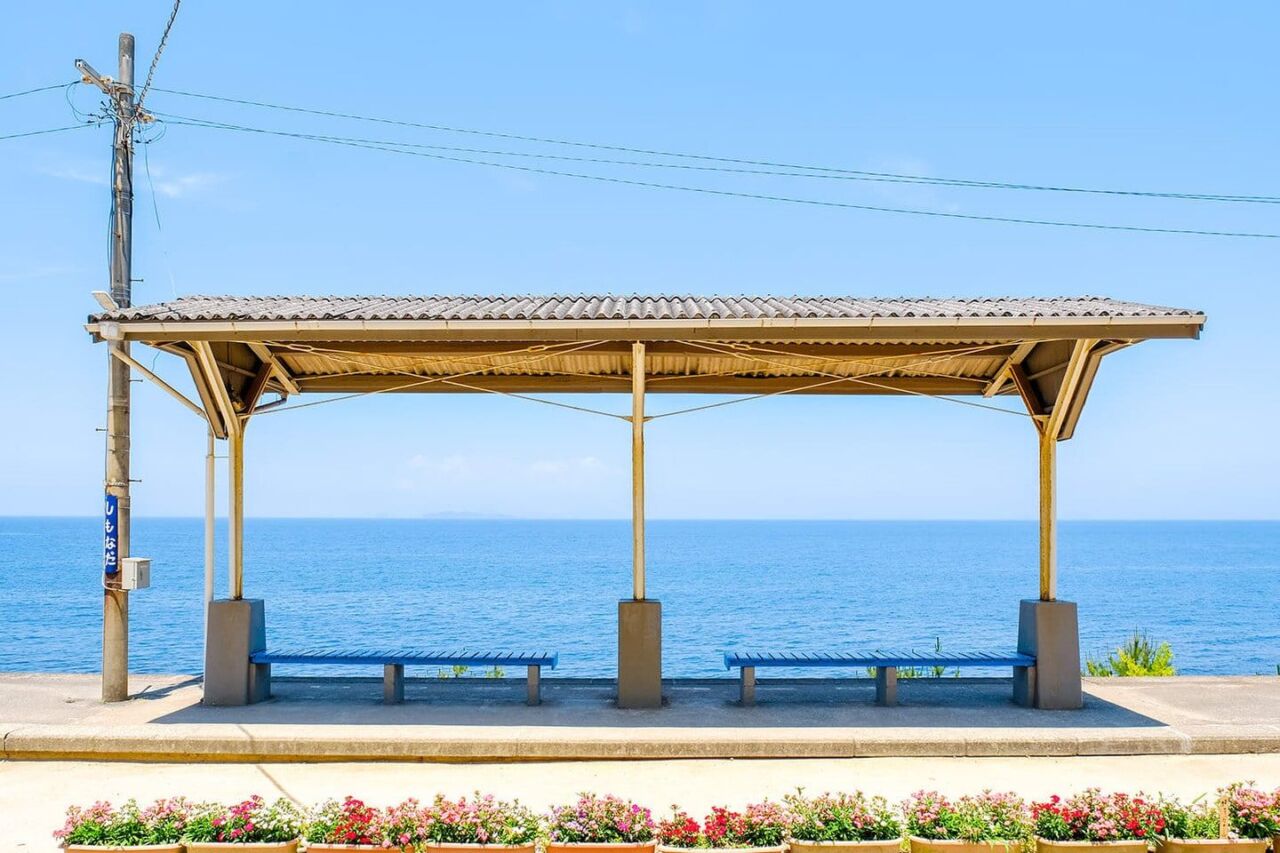
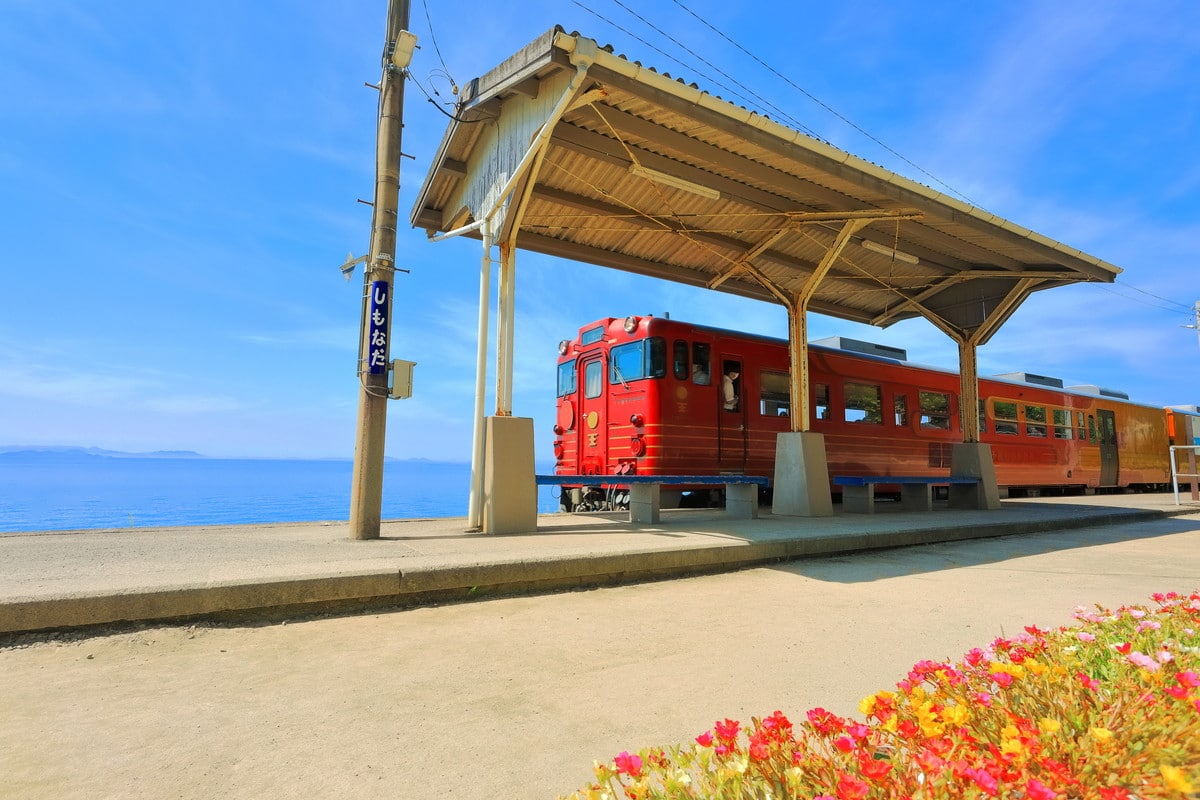
Shimonada Station is in Futami, Iyo City, Ehime Prefecture, a small unstaffed station on the JR Yosan Line. There is no station attendant, no ticket machine and no shop. The station building is an old wooden structure, there is only a single platform, and nothing blocks the view: just beyond the platform lies the open water of the Iyo-nada Sea. The whole charm of the station lies in this purity of “having nothing at all.”
The station is still famous in Japan and abroad because JR’s “Seishun 18 Kippu” posters have used it as their main visual several times, fixing the image of “a platform that ends at the sea” in people’s minds. In recent years the sightseeing train “Iyo-nada Monogatari” has also added it as a stop, turning Shimonada from a hidden favorite of railway fans into a regular on Ehime must-visit lists.
Still, it is a real, working local station, not a tourist facility. Trains are very infrequent, there are no shops, and the toilet is basic, so you need to work out the timetable first for the trip to come together. This guide covers transportation, sightseeing-train reservations, photo spots and on-site tips in one place.
An Unstaffed Station: No Staff, No Shops, Just the Sea
Shimonada is a completely unstaffed station, with no attendant, no ticket machine and no ticket gates. Inside the wooden station building there are only a few benches and a timetable board, and the walls carry handwritten notices and traces left by visitors over the years. To pay, take a numbered ticket (seiriken) from the dispenser when you board, then pay the fare in cash according to the ticket number when you get off.
Precisely because there are no facilities, nothing stands between you and the sea. Looking out from under the shelter, the platform, rails, guardrail and horizon stack up almost layer by layer in parallel. This composition is hard to reproduce at other seaside stations, where roads, breakwaters or power lines usually cut across the view.
Note that you cannot rely on a convenience store or vending machine at the station. We recommend buying water and snacks in Matsuyama or Iyo City beforehand, especially because staying hydrated matters when you wait for a train on an unsheltered platform in summer.
Why It Is So Famous: The Legendary Scene From the Seishun 18 Poster
A large part of Shimonada Station’s nationwide fame comes from JR’s “Seishun 18 Kippu” promotional posters. Every year this seasonal ticket picks one image to represent “taking your time on a train and watching the scenery” as its main visual, and Shimonada has been chosen several times. The version with the sunset falling onto the sea right in front of the platform is the most widely circulated.
Beyond the poster effect, the station has long been a regular location for railway photography and advertising shoots in Japan, and the many check-in photos on social media in recent years have turned it from a small local station into a nationally known spot. On site, you will find that most of the passengers stepping off a train are travelers holding cameras.
It is rumored online that the station was the model for a scene in a certain anime, but claims like this mostly have no official basis, so take them lightly. What is truly worth the trip is the horizon, which looks beautiful even without a filter.
Iyo-nada Monogatari Does Not Stop at Every Run: Understand How the Two Relate
Many people assume that “going to Shimonada Station” means “riding Iyo-nada Monogatari,” but these are two different things. Shimonada Station itself is an ordinary station that is free to enter and can be reached on a regular local train or by car. Iyo-nada Monogatari is a paid sightseeing train operated by JR Shikoku that requires advance reservations and runs only on specific dates.
The sightseeing train stops briefly at Shimonada Station so passengers can get off and take photos, but the stop is short, usually from a few minutes to around ten minutes, and the stopping arrangement is not the same for every run or every operating day. If you want to linger on the platform, a regular local train is actually more practical.
A better approach is to combine the two: ride the sightseeing train for one direction to enjoy the carriage and the meal, and use a regular train for the other direction so you can stay at Shimonada for an hour or more and take photos properly. Whether the connections work depends on the current timetable announced on the official website.
Before You Go: Trains Are Sparse, So Check the Return Trip First
The biggest hurdle at Shimonada is not the distance but the train frequency. Trains on this coastal section of the Yosan Line are few, and in off-peak hours there is often only one every one and a half to three hours. Missing one pushes your whole itinerary back two to three hours, and there is almost nothing around the station to pass the time.
So plan in reverse: first check which trains run on the return trip, then work backward to decide which train to take on the way out and how long you can stay. Setting out after checking only the outbound train is the most common mistake at this station, especially because after photographing the sunset, the last train is often earlier than you expect.
If you are traveling with older relatives or children, or your schedule is tight, driving is much more practical than the train. Only if you purely want the ritual of “taking a train to see the sea” is it worth wrestling seriously with the timetable.
How to Get to Shimonada Station: A Full Comparison of Local Trains From Matsuyama, the Sightseeing Train and Driving
The main starting point for Shimonada is Matsuyama. Take the Yosan Line south from JR Matsuyama Station and choose the route along the coast, and you will pass Shimonada. The ride takes roughly 45 minutes to an hour, and a one-way fare is a little over ¥600. The fare is cheap, but trains on this route are very infrequent.
The easiest thing to get wrong here is that the Yosan Line splits into two routes after Iyo-Shi Station, at the next station, Mukaibara. One follows the coast via Nagahama to Iyo-Ozu (JR Shikoku gave this coastal section the nickname “Aru Iyo-nada Line,” often shortened to the Iyo-nada Line), and the other runs inland via Uchiko. Limited express trains almost all take the inland Uchiko route, which is fast but never passes Shimonada. To get to Shimonada, you can only take a local train on the coastal line or a specific sightseeing train.
If you drive, take National Route 378 south along the coast from central Matsuyama. With smooth traffic it takes under an hour, and the drive itself is a beautiful coastal road. The differences between the options are explained below.
Local Train From Matsuyama: About 45 to 50 Minutes, a Little Over ¥600 One Way
The standard way is to take a Yosan Line local train from JR Matsuyama Station toward Iyo-Shi and Shimonada. The ride takes about 45 to 50 minutes, and a one-way fare is around ¥600-something. The trains are mostly short one- or two-car sets with seats facing the sea, and after Iyo-Shi the line hugs the coast the whole way, so the ride itself is well worth it.
Shimonada is an unstaffed station, so remember to take a numbered ticket (seiriken) when you board, and drop the ticket and the fare together into the fare box next to the driver when you get off. If you board at a staffed station and want to use an IC card, first check whether this section supports tap-in, and when in doubt, buying a paper ticket is the safest option.
Take special note that some trains only run as far as Iyo-Shi Station and turn back, without continuing to Shimonada. When checking the timetable, confirm the terminal station of the train rather than looking only at the departure time.

Don’t Take the Wrong Train: Inland Limited Expresses Do Not Pass Shimonada
South of Iyo-Shi Station, the Yosan Line splits into two routes at Mukaibara Station: the “coastal line,” which runs along the Iyo-nada coast via Nagahama to Iyo-Ozu and has Shimonada Station on it, and the inland route via Uchiko, the “mountain line” on which limited express trains mainly run. Both lines end up at Iyo-Ozu, but only the coastal line gives you a view of the sea.
Because limited expresses are frequent and fast, route search tools often recommend the limited express via Uchiko automatically, and you end up heading into the mountains without ever stopping at Shimonada. When booking tickets or searching in a transfer app, make sure the route runs via Nagahama and the train type is a local train.
A simple way to judge: if the search shows a Matsuyama to Iyo-Ozu travel time of only thirty or forty minutes, it is almost certainly an inland limited express. A local train on the coastal line is much slower, and that slowness is exactly what you want.
Riding Iyo-nada Monogatari: Weekends and Holidays, Advance Reservation Required
Iyo-nada Monogatari is a JR Shikoku sightseeing train that runs between Matsuyama and Iyo-Ozu and Yawatahama. It operates mainly on weekends and public holidays, with two round trips a day, four services in total, each with its own name and meal theme.
All seats are reserved, so you must book in advance. Meals need to be reserved separately. According to the official announcement, meal reservations go on sale one month before the travel date, and JR Shikoku green windows and similar counters close four days before boarding at the latest (10 days for Tabi no Yoyaku Center and JR Shikoku Tour). You can also buy only a reserved-seat ticket and skip the meal.
Operating days and services are adjusted every season, and the operating days of each service differ from month to month. Before departure, check the monthly calendar under “Operating days and seat availability” on the official JR Shikoku Iyo-nada Monogatari page.
The Four Iyo-nada Monogatari Services: Times and Meals
Based on the official website’s announcement for September 2026, the Ozu and Yawatahama services are outbound, and the Futami and Dogo services are return trips. Every service stops at Shimonada Station so passengers can get off for photos.
- Ozu (down): departs Matsuyama 8:28, stops at Shimonada for about 11 minutes, arrives Iyo-Ozu 10:28; brunch ¥3,500
- Futami (up): departs Iyo-Ozu 10:57, stops at Shimonada for about 12 minutes, arrives Matsuyama 13:03; lunch ¥6,000
- Yawatahama (down): departs Matsuyama 13:38, stops at Shimonada for about 8 minutes, arrives Yawatahama 15:56; mini French course ¥6,000
- Dogo (up): departs Yawatahama 16:27, stops at Shimonada for about 8 minutes, arrives Matsuyama 18:30; afternoon tea set ¥3,500. This is the only service that lets you see the Iyo-nada Sea at dusk from Shimonada Station.
Meal prices are the announced prices for the limited September and October 2026 menus, and do not include the boarding fare or the limited express Green Car ticket. Green Car charges have been revised for travel from October 2, 2026, so please refer to the latest fare table when purchasing.
Driving There: National Route 378 Coastal Road and the Reality of Parking
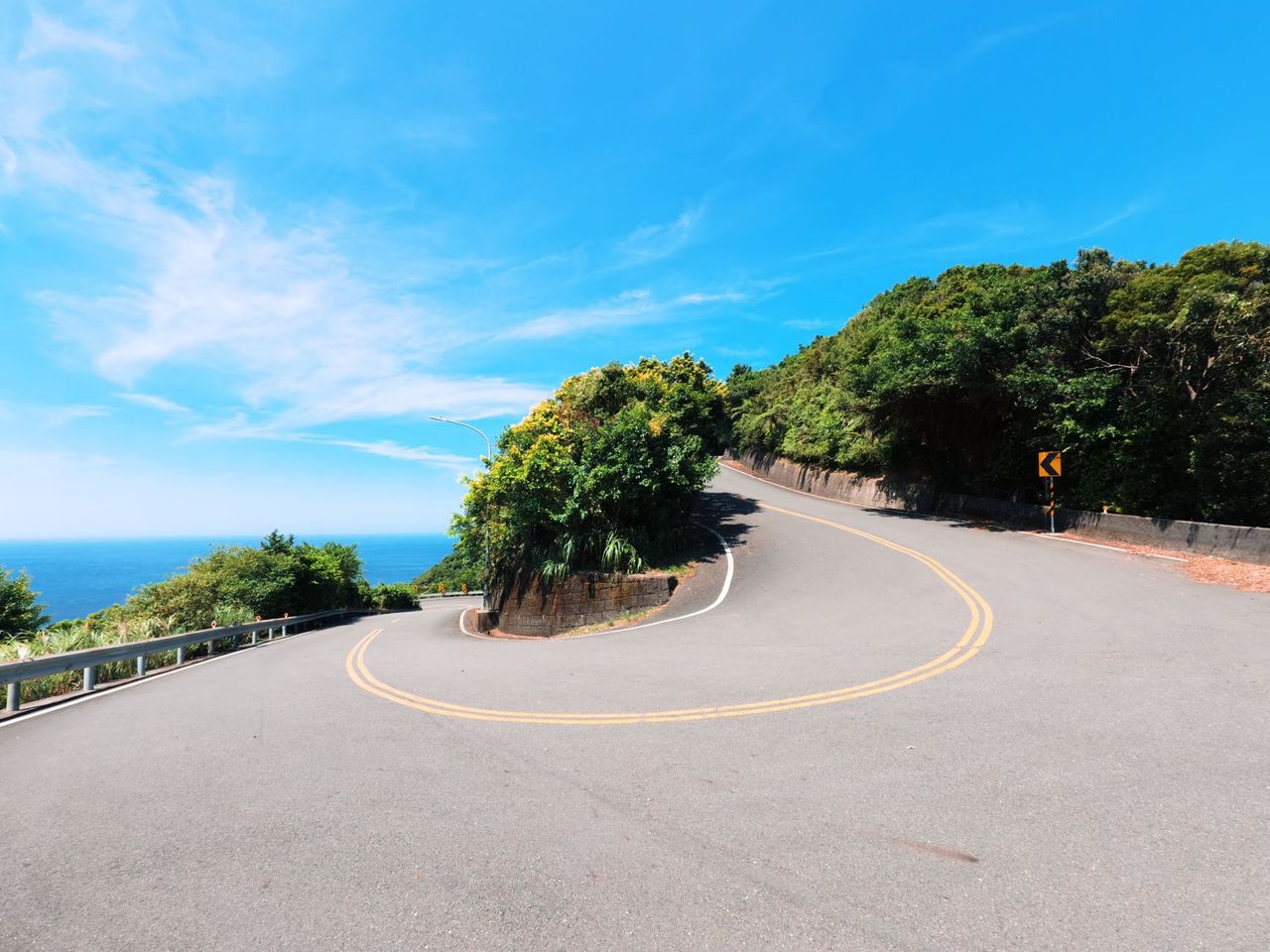
If you do not want to wrestle with train times, driving is the more practical choice. From central Matsuyama, take National Route 378 south, a coastal road that hugs the Iyo-nada Sea the whole way, with simple road conditions and superb scenery. You can stop to look at the sea at any time along the way, and you control your own arrival time at Shimonada Station.
The problem is parking. Shimonada Station has no proper large parking lot, only a very few spaces for brief stops in front of the station. On weekends and at sunset you almost certainly will not find a spot, and parking in front of the station anyway blocks local residents and other vehicles. We recommend parking in a public parking area or a roadside station (michi-no-eki) in the Futami area before walking to the station, and checking the on-site parking rules.
Also note that the coastal road has glare in the evening and many visitors, so slow down near the station. Parking locations and the rules on temporary stopping change with local announcements, so if you see a no-parking sign on site, please obey it.
Planning Your Trains: Decide the Return Trip First, Then Work Backward
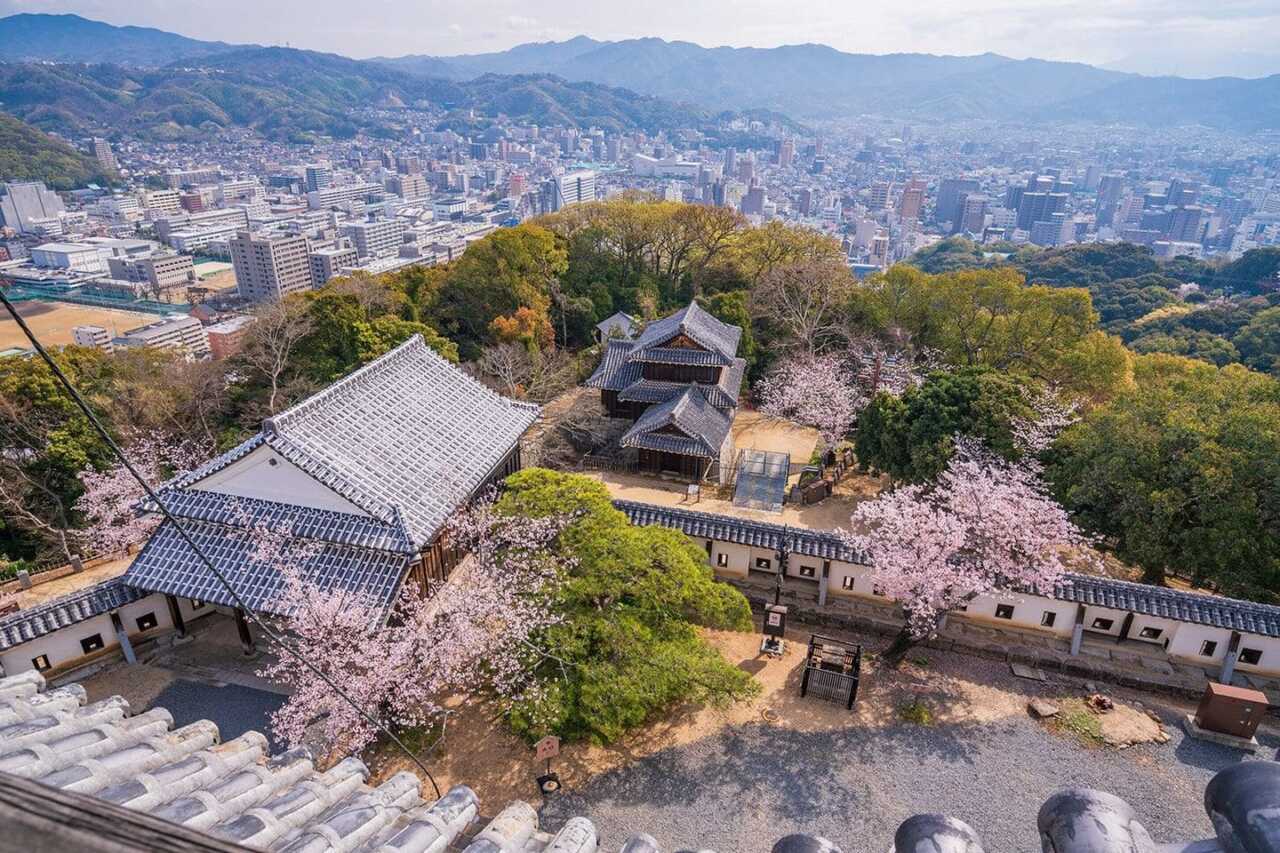
In practice there are two common ways to plan. One is a daytime quick visit: leave Matsuyama in the morning, arrive at Shimonada before noon, stay on the platform for about an hour taking photos, then take a train back to Matsuyama in the afternoon, leaving time for Matsuyama Castle or Dogo Onsen. The other is the sunset plan: leave in the afternoon, arrive in the evening, wait for the sun to drop onto the sea, then take the last local service back.
The sunset plan is riskier, because sunset times vary greatly by season. In winter the sky starts turning red at just after four, while in summer you wait until after seven, and the last train does not run later to fit the sunset. Be sure to check that day’s sunset time first, then compare it with the return trains to confirm there is enough time for photos in between.
Because timetables change every year, this article does not list fixed train times. Please rely on the current timetable on the JR Shikoku website or in a transfer app, and check again on the day of travel for any temporary suspensions.


What to Photograph at Shimonada Station: Blue Bench, Horizon and Sunset Spots Explained
The sights at Shimonada Station are concentrated in a very small area: one platform, one wooden station building, one railway line, and the whole Iyo-nada Sea in front of you. So rather than saying there are “many attractions,” it is the same landscape in different forms at different times and from different angles.
Below are the spots on site most worth your time and nearby stops, including the classic bench spot, details of the wooden station building, the coffee truck across the way, and a few places you can extend to on foot or by car. We also clearly mark places that circulate online but should not actually be visited.
The Platform Bench: The Most Classic Photo at the Station
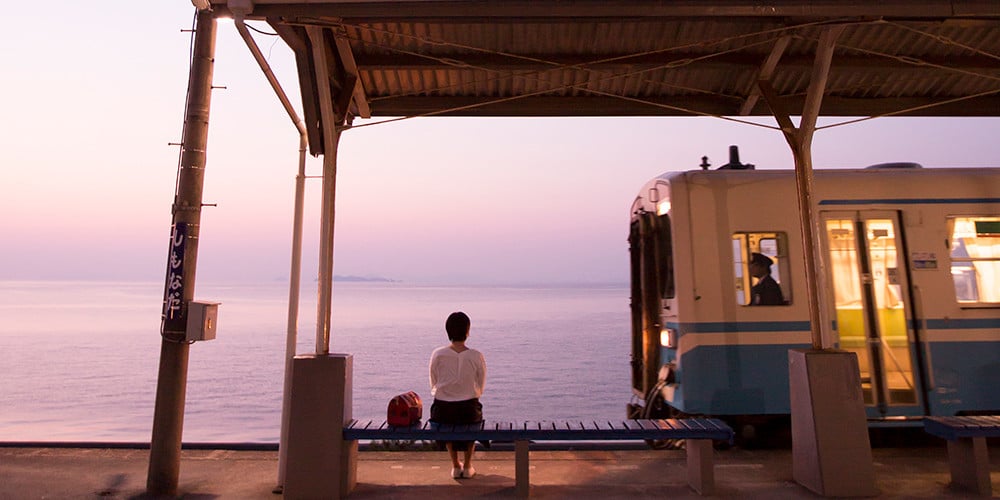
The bench on the platform facing the sea is the soul of Shimonada Station. It sits at the edge of the platform, facing the Iyo-nada Sea with nothing behind it. Once a person sits down, the whole frame is just one person, one bench and the whole sea, the shot everyone most wants to take here.
The trick is to hold the camera low, as close to platform height as possible, and shoot toward the sea, so the horizontal line of the bench runs nearly parallel to the horizon behind and the picture looks stable. On a phone, turning on the level guide is very helpful, because the slightest tilt makes the horizon visibly slope.
On weekends and at sunset there is almost always a line, and the unspoken rule on site is to take turns, one group at a time, and give up the spot after your shot. Please do not occupy it for long, and do not step onto the tracks or cross the white safety line to get your framing.
The Horizon: A Layered Composition Shot From Under the Shelter
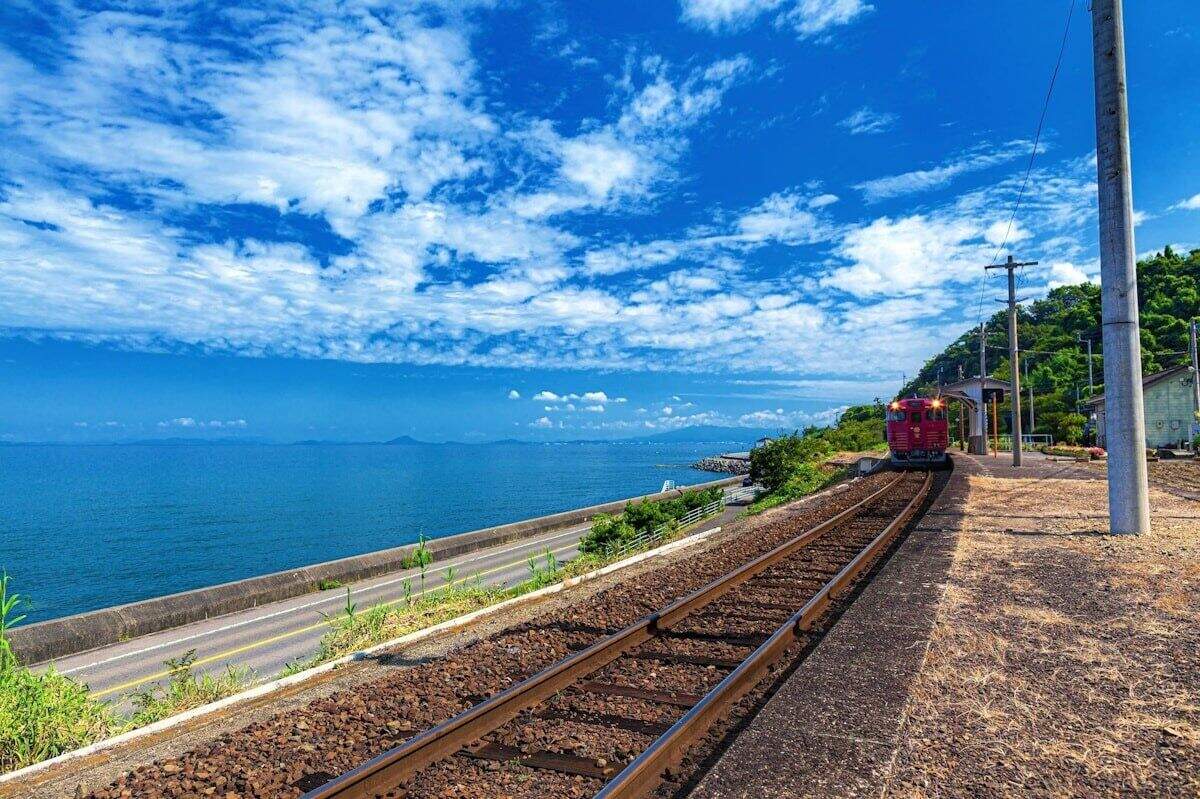
Besides the bench, Shimonada Station’s other famous view is the one shot from under the wooden shelter. This angle uses the station’s posts and eaves as a natural frame, with the platform paving in the foreground, the tracks and guardrail in the middle ground and the sea and sky in the distance, pushing back layer by layer for a wonderful sense of space.
If you happen to get an overcast or misty day, the sea and sky blur into one color, and the feeling of “sea merging into sky” is actually stronger than on a bright sunny day, so don’t give up just because of the weather. Conversely, overhead light at midday is usually the hardest time to shoot, with harsh light and heavy reflections on the water.
The shelter is also the most practical place to escape the sun and rain while you wait for a train. The platform has no cover at all, so it is very sunny if you stand outside for long in summer, and the sea wind is quite cold in winter.
Sunset: The Sun Sinking Into the Sea Right in Front of the Station
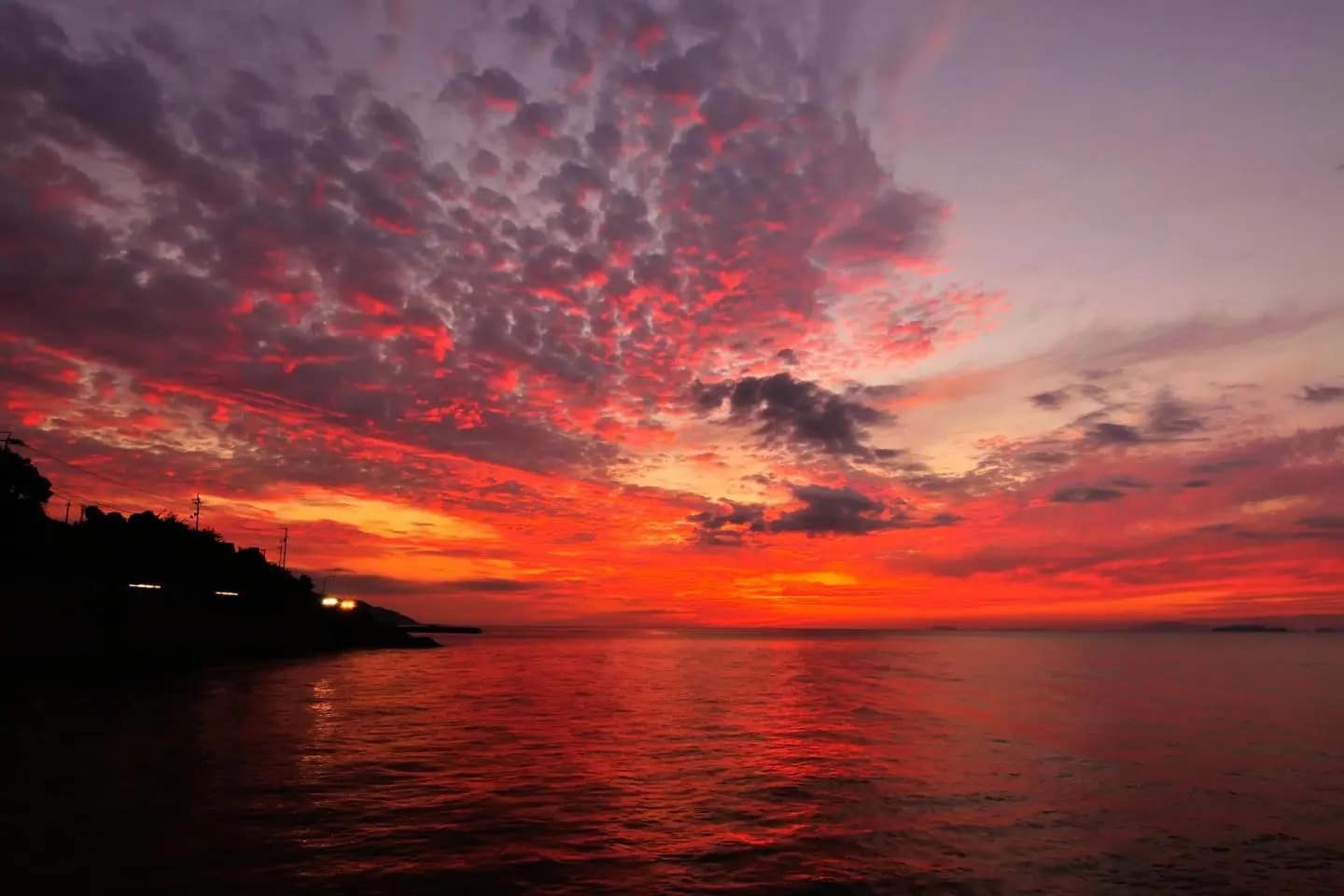
Shimonada Station faces the Iyo-nada Sea to the west, so on a clear evening you can watch the sun sink straight into the horizon, which is its most famous scene. The sea is dyed a golden orange, and the rails and bench become backlit silhouettes. Many people plan a whole afternoon around waiting for this moment.
The sunset direction and time shift with the seasons. In autumn and winter the sun sets closer to the point directly in front of the station, giving the most concentrated view, while in summer it sets somewhat farther north. To time it precisely, check that day’s local sunset time before leaving, and arrive about forty minutes before sunset to leave time to find a spot.
The biggest problem after photographing the sunset is the return trip. Once it gets dark the station has little lighting and few trains remain, so be sure to confirm the last train time first, or arrange a pick-up if you drive, rather than only thinking about how to get back once you have finished shooting.
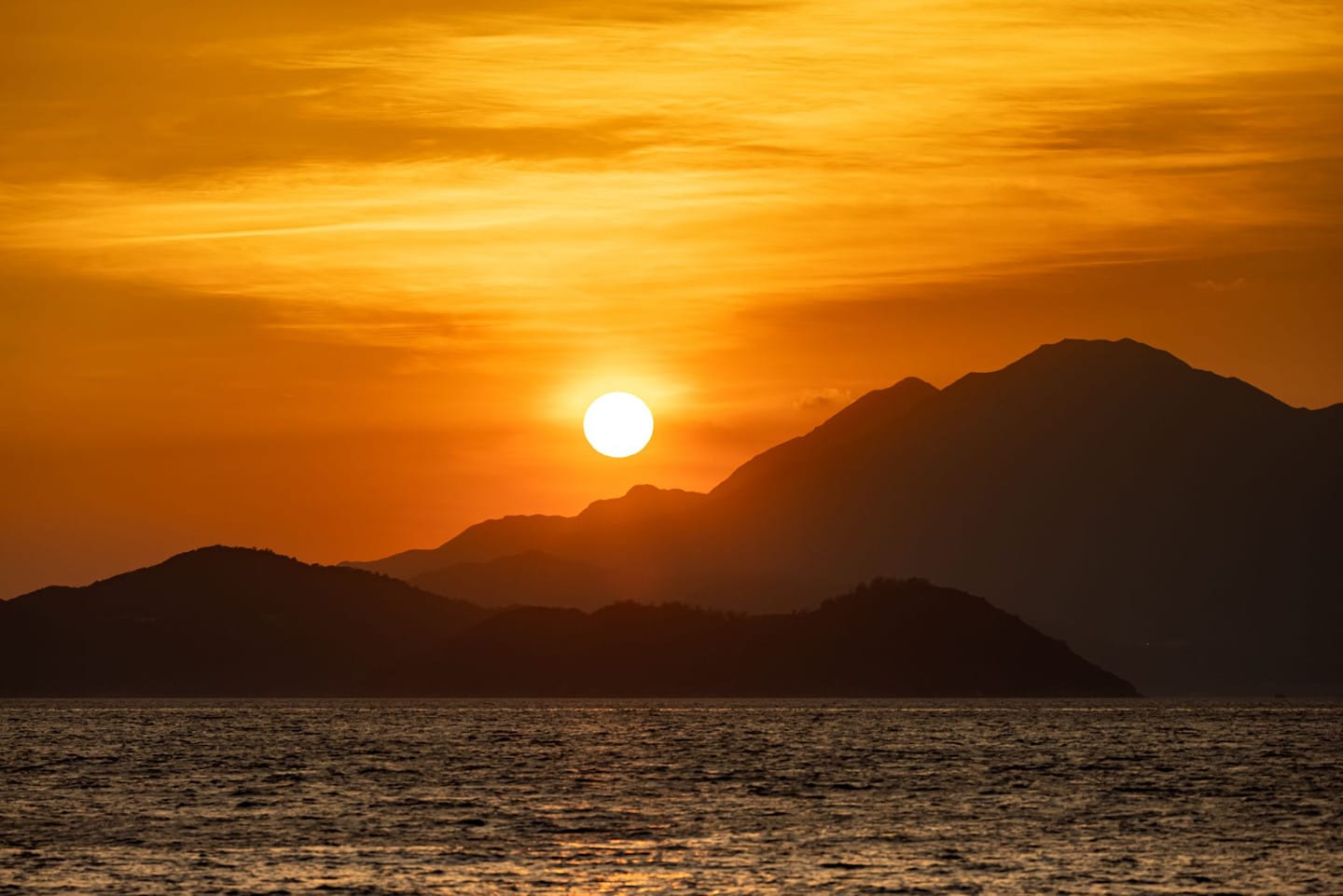
Shimonada Sunset Times: Reference Times for November and December
Based on the Matsuyama sunset times published by the National Astronomical Observatory of Japan’s Computing Division: about 17:17 on November 1, 2026, about 17:06 on November 15, about 17:00 on December 1, and about 17:02 on December 15. Shimonada differs from Matsuyama by only a few minutes. We recommend arriving at the platform about 40 minutes before sunset and checking the return trains first. Please rely on the sunset times published by the National Astronomical Observatory of Japan (eco.mtk.nao.ac.jp).
Train Arrivals: Putting the Train and the Sea in One Frame
Because trains are so infrequent, a train arriving here becomes a kind of “limited-time event.” When a one- or two-car local train slides slowly into the platform from around the bend, the carriage, tracks and the sea behind all appear together, a completely different picture from an empty platform. Railway fans usually time it carefully and wait for this moment.
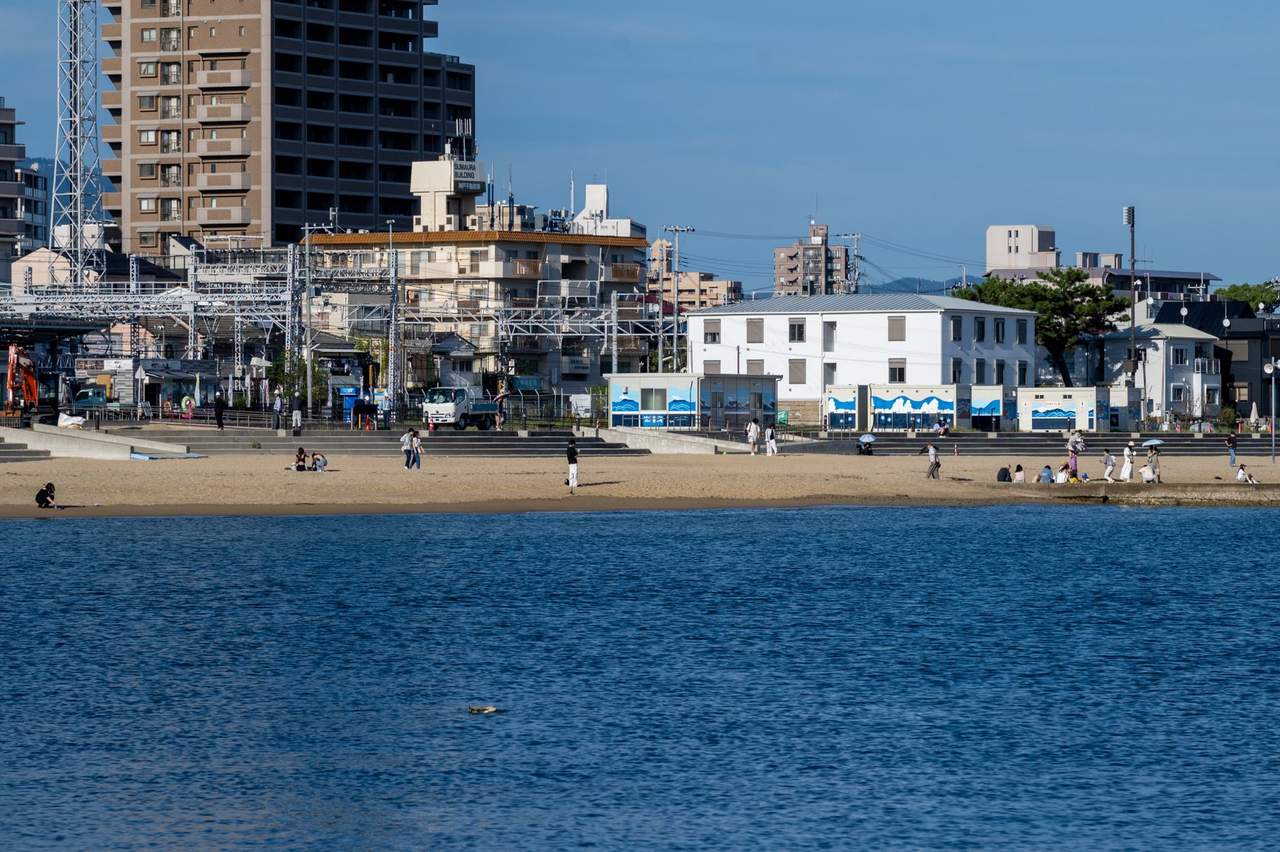
If a sightseeing train happens to pull in, its body color scheme is very different from the local trains, making the picture even more distinctive. However, many passengers pour onto the platform at once when the sightseeing train stops, so if you want shots of an empty scene, avoid that time or claim your spot early.
For safety, always stand behind the white safety line on the platform, and do not cross it or walk next to the tracks for an angle. This is an operating line, and the sight lines and braking distance when a train arrives leave no room for risk.
The Wooden Station Building: Details of an Old Station and Notes Left by Travelers
Many people head straight for photos of the sea as soon as they reach the platform and overlook the old station building behind them. The wooden beams and pillars, the faded station sign, handwritten notices and yellowed timetable are all traces this station has accumulated over the years. They have a lot of character up close and are well suited to detail shots.
Inside the building there is a simple waiting area with benches, and the walls often show notes and mementos left by travelers. These are scenery that formed naturally over time, so just enjoy them, and please do not write or carve on the walls, pillars or facilities yourself.
Also, the station’s toilet and other facilities are quite basic and unattended, so bring your own tissue and keep it clean. Please take all your trash with you, as the station has no regular trash collection.

Shimonada Coffee: The Coffee Truck Across From the Station and Mikan Juice
At the roadside in front of the station there is often a mobile coffee truck in business, with a sign reading Shimonada Coffee. The menu centers on hand-drip coffee, lattes and local Ehime mikan (mandarin) drinks. Buying a cup and drinking it on the platform in the sea breeze is a part many people describe as “full of ritual.”
Because it is a mobile stall, its operating days and hours are not fixed and are affected by weather, season and the owner’s own arrangements, so it is normal to sometimes find it closed. If this is a highlight of your trip, we recommend checking the shop’s social media announcements before you go.
There is no convenience store nearby, so this coffee truck is almost the only place to resupply on site. To be sure of having something to eat and drink, it is still safer to prepare in Matsuyama or Iyo City beforehand.
A Seaside Stroll: The Coastline on Both Sides of the Station
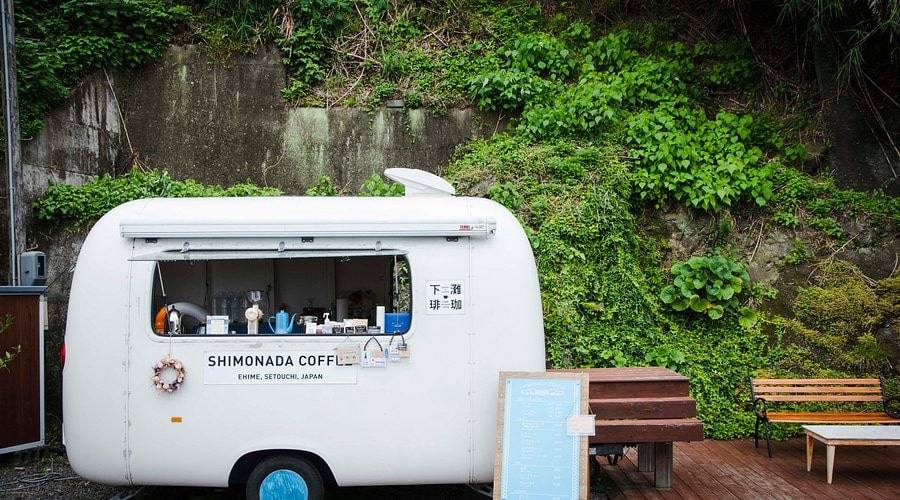
If you have time while waiting for a train, you can walk a short way along the road outside the station in either direction. This area is a typical Seto Inland Sea coastal settlement, with houses and citrus orchards on the hillside on one side and the seawall and sea on the other. There is little traffic, and the walk is very pleasant.
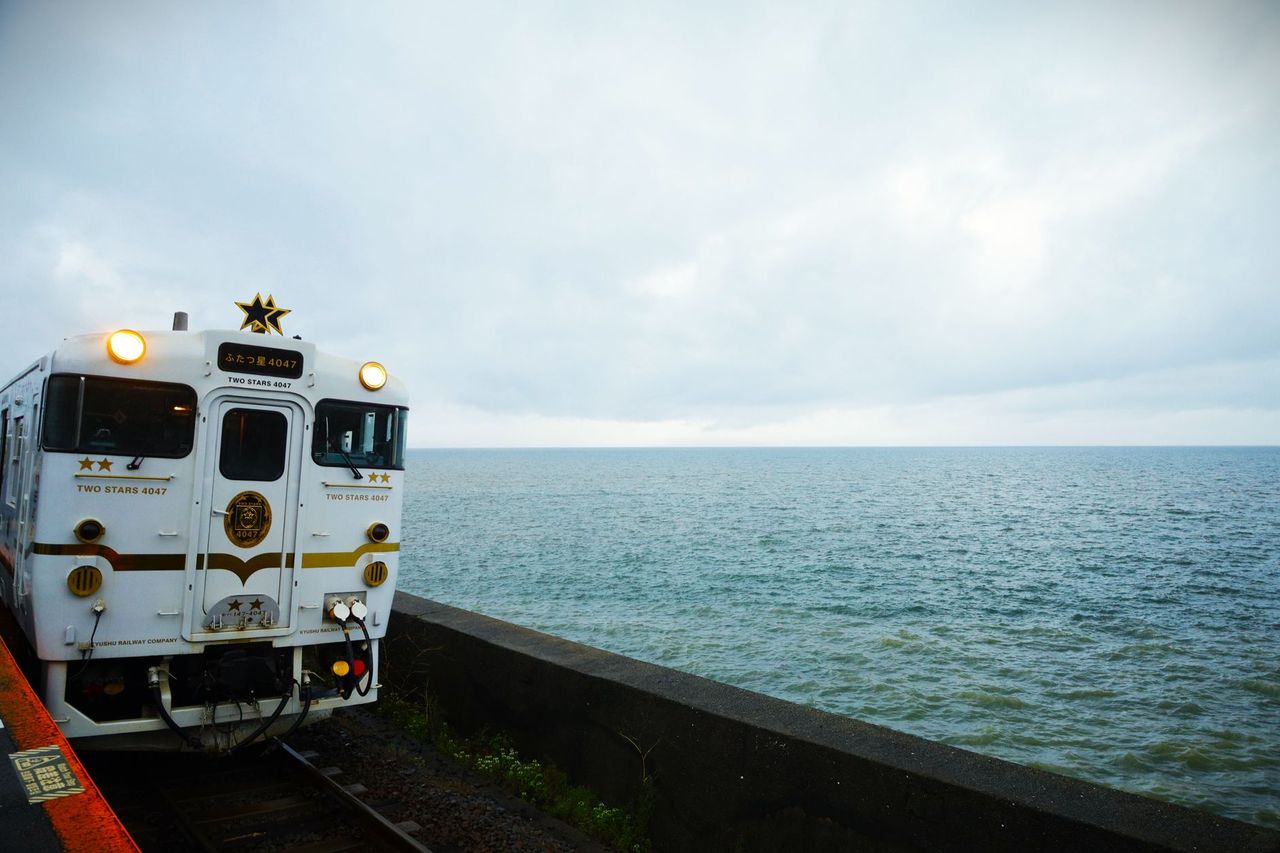
If you go a little farther you can find a few vantage points above the station and coastline, which put the whole railway and the sea in one frame, and are where many people take their “panoramic Shimonada” shots. But these are ordinary public roads and residents’ daily routes, so walk at the edge and watch for cars.
Remember that this whole area is where local residents live, so when taking photos, avoid capturing the inside of homes, license plates or residents, and do not enter private land or citrus orchards.
The Rumored Tracks in the Sea: Actually a Shipyard, and Off Limits
A set of photos of “rails sinking into the sea” circulates online, often described as a hidden spot beside Shimonada Station and even given the name of an anime scene. In fact it is not a railway but private shipyard equipment some distance from the station, used to slide finished ships into the sea.
It is a private work area and dangerous in itself, and the owner has already put up signs forbidding entry and photography. In recent years visitors trespassing there have caused trouble, so the rules will only become stricter, and you should not go there because of an old article.
If you want a shot combining the sea and the tracks, staying on the Shimonada platform is enough. Respecting local residents and private land is what allows small attractions like this to stay open.
Nearby in Futami: The Roadside Station and Sunset Spots
Futami, where Shimonada Station is located, is a coastal area famous overall for its sunsets, and there are good places to see the sea all along National Route 378. The area with a roadside station (michi-no-eki) has a parking lot, toilets and a shop selling local farm and seafood products, making it a very useful waypoint on a driving trip.
For drivers, a smoother plan is to restock and park at the roadside station first, then go to Shimonada Station for photos. This avoids the parking problem in front of the station, and you do not have to worry about finding a toilet or drinks when you leave.
Business hours and closing days of each facility change by season, and especially in winter and on weekdays they may close early, so check that day’s opening status before you go.
On Board: Sea-Facing Seats, Local Ingredients and Waving Along the Route
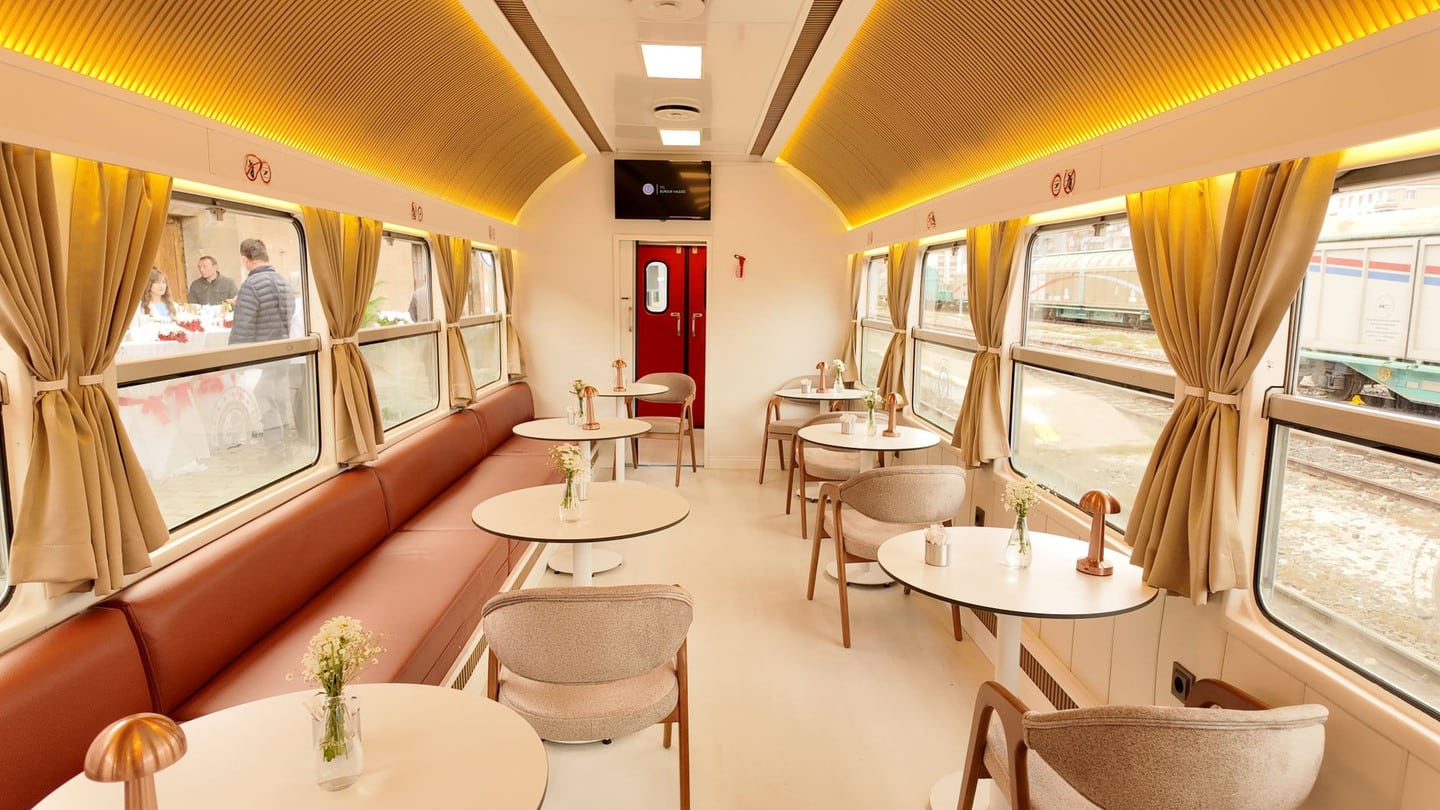
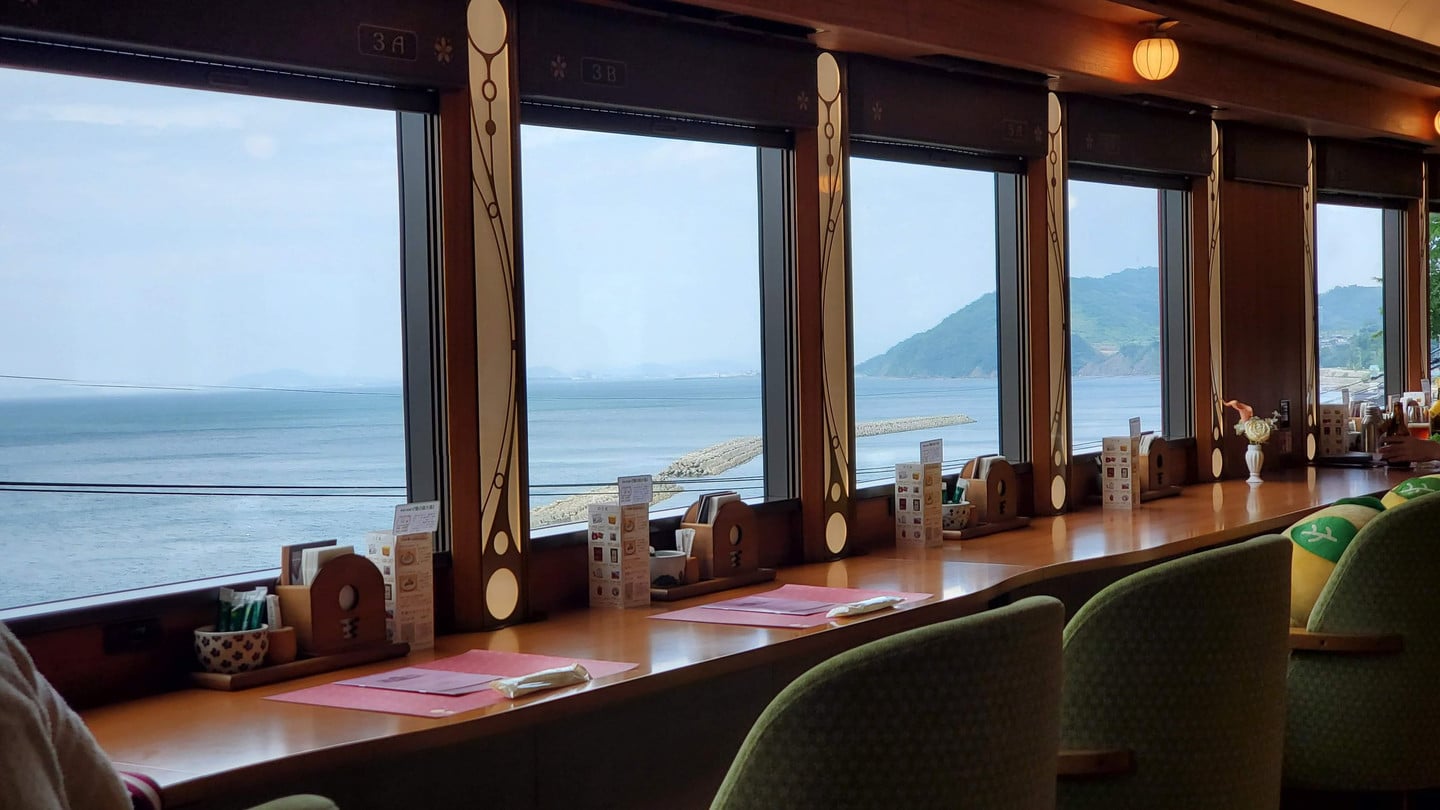
If your itinerary includes Iyo-nada Monogatari, the inside of the train is an attraction in itself. The carriages feature warm wooden interiors, large windows and seats arranged to face the sea, and along the coastal sections the train slows down so passengers can enjoy the view and take photos.
The meals use local Ehime ingredients and come in different themes such as breakfast, lunch and afternoon tea depending on the service, prepared by restaurants and businesses along the route. Meals must be reserved in advance, with reservations opening one month before the travel date and closing at the latest four days before boarding, and you cannot get a meal if you simply board on the day.
There is also a famous scene along the route: as the train passes certain communities, local residents come out to wave at the train, and passengers wave back. This interaction is not a performance but local affection built up over many years on this line.
Extending the Trip: Add Iyo-Ozu or Yawatahama to the Same Day
An hour at Shimonada Station itself is quite enough, so many people make it one scenic stop along the way, connecting other places before and after. Continuing south to Iyo-Ozu is the most common route, with Ozu Castle, which has a reconstructed wooden keep, and an old town district that can fill half a day.
The other direction is Yawatahama, known for its fishing port and seafood and the terminus of two of the Iyo-nada Monogatari services. If you ride a service bound for Yawatahama, having a meal there and then turning back is a natural plan.
Note that local trains in this area are also not frequent, so be sure to match up the times before moving between stations. Linking them by car is far more flexible, and a loop through Shimonada, Ozu and Uchiko in a single day is feasible.
How Much Does It Cost to Go to Shimonada Station? Fares, Sightseeing Train Costs and Rail Passes
Shimonada Station itself charges no admission and has no opening-hour restrictions, so the main cost is transportation. A round trip to Matsuyama by local train costs ¥630 one way and ¥1,260 round trip, the lowest-barrier way to go.
If you want to ride the Iyo-nada Monogatari sightseeing train, the fare structure is more complex: on top of the basic fare you add a limited express ticket and a Green Car ticket, meals are charged separately, and everything must be reserved in advance. The common costs and ticket options are listed below. Please rely on official announcements for the actual amounts.
Local Train Fare: About ¥1,260 Round Trip
The local train fare from JR Matsuyama Station to Shimonada Station is ¥630 one way and ¥1,260 round trip. Most services require a transfer at Iyo-Shi Station. For an attraction that can fill half a day, this cost is a good value, which is also why many backpackers include it in their itineraries.
Because Shimonada is an unstaffed station, take a numbered ticket (seiriken) when boarding for the return trip from Shimonada and pay when you reach a staffed station. For the outbound trip from Matsuyama you can buy a ticket at the ticket window or a ticket machine. If you carry large luggage, note that the carriage is small and has no dedicated luggage area.
Fares change with JR Shikoku fare revisions, so we recommend rechecking the current amount in a transfer app before you go.
Iyo-nada Monogatari Cost: Limited Express and Green Car Tickets on Top of the Fare
Iyo-nada Monogatari is a sightseeing train with all Green Car seating, so the fare is not a single number but a combination of “basic fare + limited express ticket + Green Car ticket,” plus an optional meal fee. The actual amount varies by section, and Matsuyama to Iyo-Ozu is not the same as Matsuyama to Yawatahama.
Meals are charged separately and must be reserved in advance, with prices varying by the service theme (breakfast, lunch, afternoon tea). If you just want to ride and see the scenery, you can buy only the train ticket without a meal, which costs noticeably less, but you will miss the dining experience along the route.
Fares and meal prices may be adjusted every year and the reservation rules can also change, so please rely on the official JR Shikoku Iyo-nada Monogatari page.
-Klook.jpg)
-Klook.jpg)
What to Know Before Going to Shimonada Station: Accommodation Tips and Pre-Trip Reminders
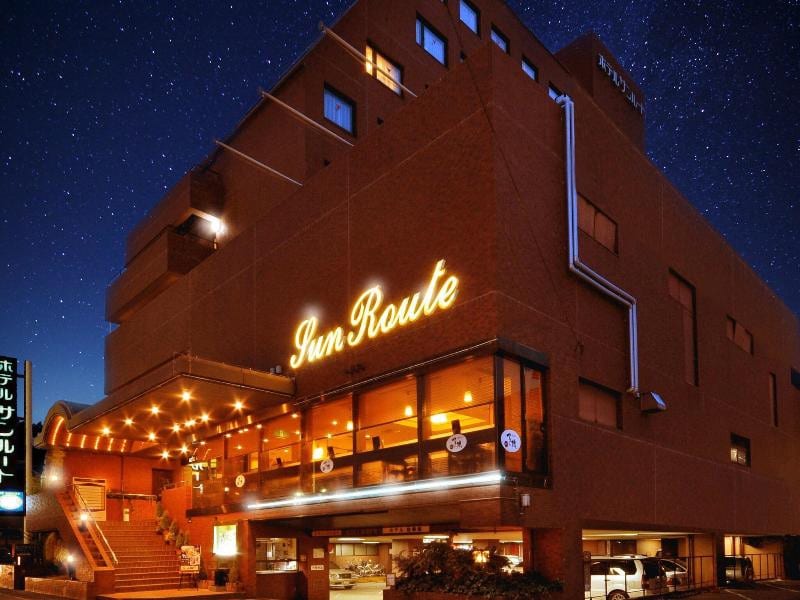
There is almost no accommodation or dining near Shimonada Station, so the vast majority of travelers use Matsuyama as a base and make a day trip. Below are accommodation options, things you must check before leaving and basic etiquette on site.
Where to Stay: Use Central Matsuyama or Dogo as Your Base
Shimonada Station has no lodging, and nearby Futami has only a scattering of guesthouses, so the most practical approach is to stay in Matsuyama and make a round trip in a day. Staying near Matsuyama Station or along the city tram lines is the most convenient for catching a train in the morning. If you want to enjoy a hot spring too, staying at Dogo Onsen also works, though you need to allow extra time for a tram transfer.
If your itinerary continues south, you can also consider staying in Iyo-Ozu or Yawatahama and fitting Shimonada in along the way. The benefit is that you do not have to backtrack, but the downside is that these two places have far fewer lodging options than Matsuyama, so in peak season you need to book earlier.
Wherever you stay, we suggest first confirming the time of the train you will take the next day, then deciding where to stay, to avoid staying so far from the station that you miss the early train.
Check Before You Go: Timetable, Sunset Time and Temporary Suspensions
Three things must be checked before departure. First is the current timetable, especially the last train on the return trip. Second is that day’s sunset time, if your goal is the sunset. Third is whether there are temporary suspensions or timetable changes due to weather or construction, which is not rare on a local branch line.
Also, the sightseeing train does not run every weekend, and during inspection periods it may stop running for an entire stretch. If your itinerary is built around it, confirm the operating days before booking flights and accommodation, not the other way around.
During typhoon season and in winter during strong winds, the coastal section may be suspended because of wind speed limits. Keeping a backup of driving or a chartered car makes the trip much more reassuring.
On-Site Etiquette: Take Photos in Turn, Take Your Trash With You, Mind the Safety Line
Shimonada is a working station and a transport facility that local residents genuinely use. When taking photos, stand inside the white safety line, do not cross it or walk onto the tracks, and do not occupy the bench for long to get your framing, because everyone on site takes turns.
The station has no regular trash collection, so please take all your trash with you. Do not write or carve on the station building or facilities, and if you want to use a drone, be sure to check local and aviation-related regulations first, and avoid it especially when it is crowded.
As for gear, the platform has no cover at all, so bring a hat and water in summer, and dress against the wind and cold in winter when the sea wind is strong. Lighting at the station is limited after dark, so if you stay past sunset, we suggest bringing a flashlight or using your phone light.
Shimonada Station FAQ
Below are the questions travelers ask most often, so you can confirm everything in one place before you go.
Q: How long should I stay at Shimonada Station?
For simply taking photos and sitting for a while, forty minutes to an hour is plenty. If you want to wait for the sunset, you need to fit the sunset time, and you will usually stay one to two hours. In practice, the length of your stay is mostly decided not by you but by the gap between the trains before and after.
Q: Do I need to buy an admission ticket at Shimonada Station?
No. It is an ordinary railway station, not a paid attraction, and both the platform and station building are free to enter. All you pay is the train fare. If you drive, there is nothing to pay at all, but you need to solve the parking problem yourself.
Q: Do I have to ride Iyo-nada Monogatari to get there?
No. You can get there by local train or by car, and a local train lets you stay longer. The sightseeing train is an added experience that requires advance reservations, runs only on specific days, and actually gives you a very short stay at Shimonada. You can choose either one, or combine them on one trip.
Q: Can I get to Shimonada on a limited express train?
No. Limited express trains mainly take the inland route via Uchiko and do not pass the coastal line where Shimonada is, and even for a service that does run on the coastal line, Shimonada is not a limited express stop. Be sure to take a local train on the coastal line toward Nagahama.
Q: What is the best season to visit Shimonada Station?
If you want to photograph the sunset, in autumn and winter the sun sets closer to the point directly in front of the station and the air is clearer, though sunset is early and the sea wind is cold. In summer the days are long and the itinerary is easy to plan, but the unsheltered platform gets quite hot. Overall there is no clear low or high season, and the weather matters far more than the season.
Q: Is it convenient with children or older relatives?
The attraction itself involves very little walking on flat ground, so it is not tiring. The real difficulty is that trains are few, the wait is long, and there is no indoor space for resting or dining on site. When traveling with older relatives or children, we suggest driving or chartering a car instead, which gives far more flexibility in timing.
Q: How do I combine Shimonada with attractions in central Matsuyama?
A common plan is a quick visit to Shimonada in the morning, then back in Matsuyama in the afternoon for Matsuyama Castle and Okaido, and a soak in Dogo Onsen in the evening. If you plan Shimonada for the evening sunset, visit the city attractions first during the day. It takes about an hour one way between the two, so remember to include the waiting time for trains.