
Shodoshima Guide: A Seto Inland Sea Island Shaped by Olives, Soy Sauce and Tides
Shodoshima belongs to Kagawa Prefecture and is the second-largest island in the Seto Inland Sea after Awaji Island. It is completely different from an island like Naoshima, which is built around contemporary art: here the stars are industry and nature, the birthplace of olive cultivation in Japan, 400-year-old wooden-barrel soy sauce, Kankakei Gorge, ranked among Japan’s three most beautiful gorges, and a sandbar that surfaces only at low tide.
Because the island is big, Shodoshima is not one where you “rent a bike and loop around.” The main sights are spread across Tonosho, Ikeda, Kusakabe and the Uchinomi area, so how you get around directly decides how many places you can see in a day. Below we first meet the four core sights, then cover ferries, getting around the island and costs.
Angel Road: A Sandbar in the Sea That Appears Only Twice a Day
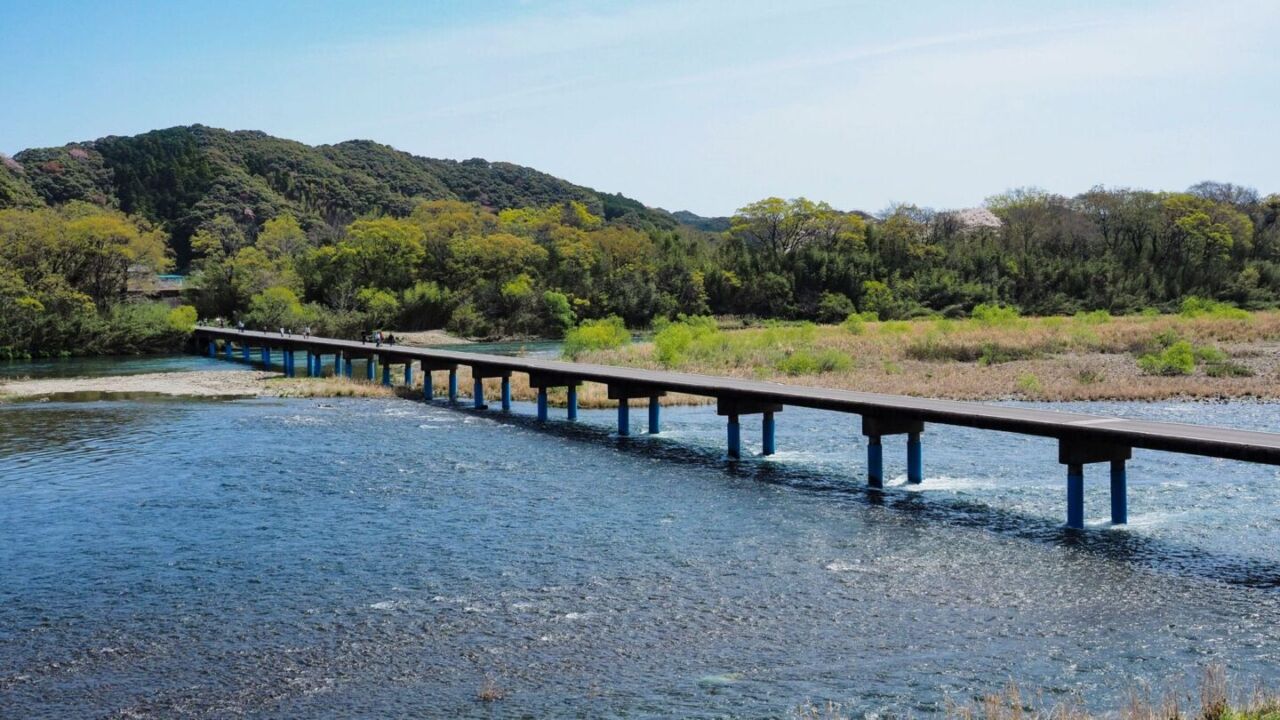
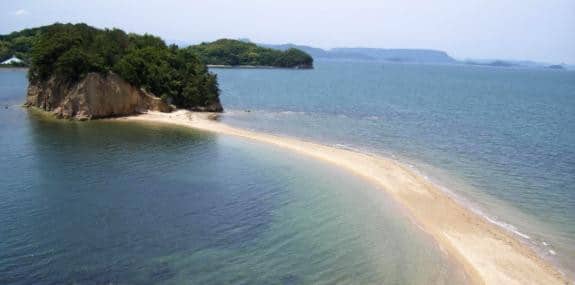
Angel Road is in Tonosho on the west side of the island, a sandbar connecting the Yoshima island group. It is normally under the sea and surfaces only around low tide, about twice a day, so walking on it means stepping on what is usually sea.
Local lore says that walking the path hand in hand with someone important makes a wish come true, so the observation deck by the sandbar is hung with shell ema (wish plaques). Note that whether you can walk it depends entirely on the tide, so always check the day’s tide table before you go.
![[10% Off] Departing Osaka, Shodoshima Greek Windmill and Angel Road Bus Sightseeing Tour](https://travel.williamlion.tw/wp-content/uploads/sites/7/2026/08/image-316.jpg)


Shodoshima Olive Park: Greek Windmill and Magic Brooms
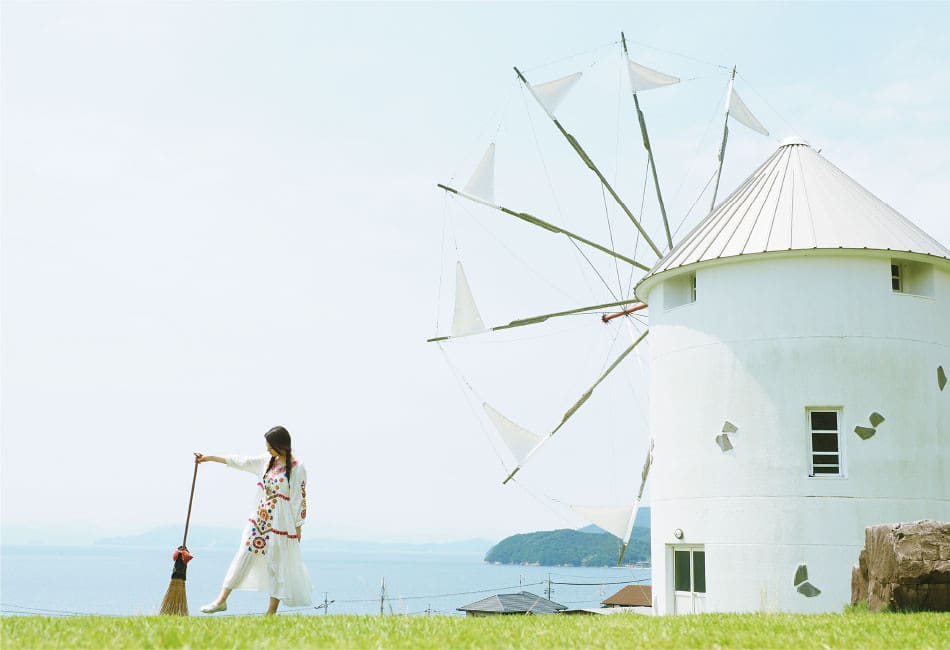
Olive cultivation in Japan began on Shodoshima, and Olive Park showcases that history and is the most photogenic spot on the island. Olive trees fill the park’s slopes, and at the highest point stands a white Greek windmill with the Seto Inland Sea behind it.
It is also a filming location of the live-action film Kiki’s Delivery Service. The Olive Memorial Hall in the park lends out magic brooms for free, and visitors can straddle a broom and jump in front of the windmill for a “flying photo,” the most widely shared picture of Shodoshima.
Kankakei: A Foliage Landmark Ranked Among Japan’s Three Most Beautiful Gorges
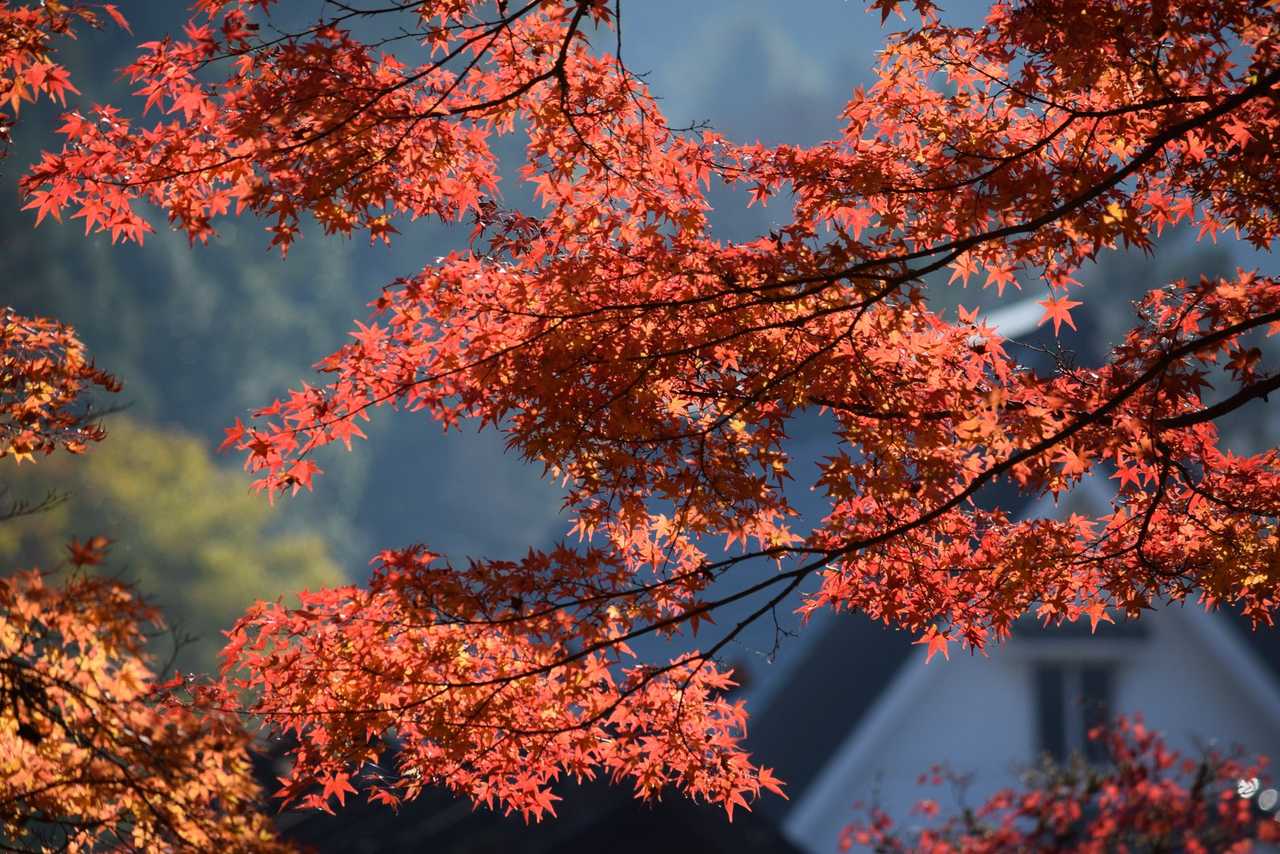
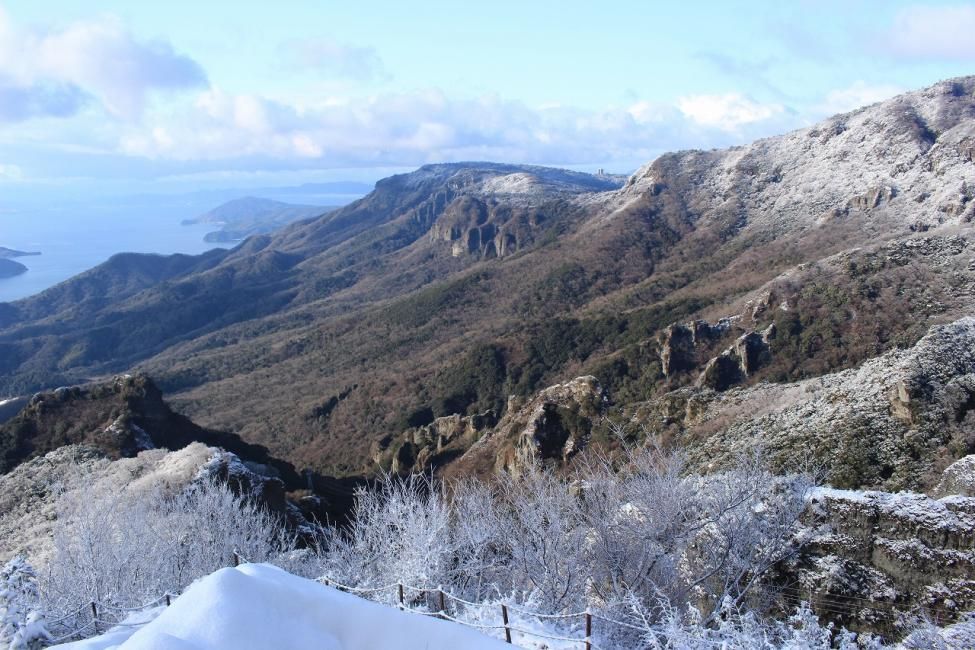
Kankakei is in the center of the island, a gorge carved by volcanic activity and long erosion, with layers of strange rocks and cliffs, ranked among Japan’s three most beautiful gorges. In autumn the whole valley turns a mix of red and yellow, one of the best-known foliage spots in Shikoku.
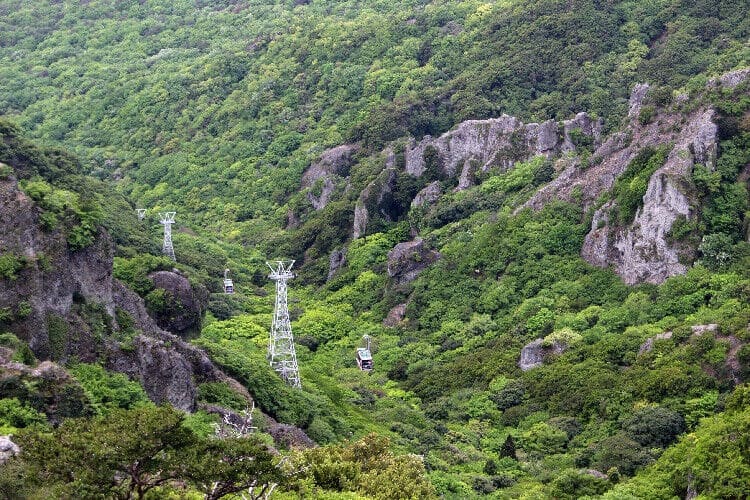
The easiest way is to ride the Kankakei ropeway up the mountain; the short aerial route of just a few minutes takes in both the gorge and the Seto Inland Sea, a “mountain and sea in one frame” view that is rare in Japan. The summit has an observation deck and a shop, and there are trails for walking back down.
Soy Sauce Village: An Industrial Landscape of 400 Years of Wooden-Barrel Brewing
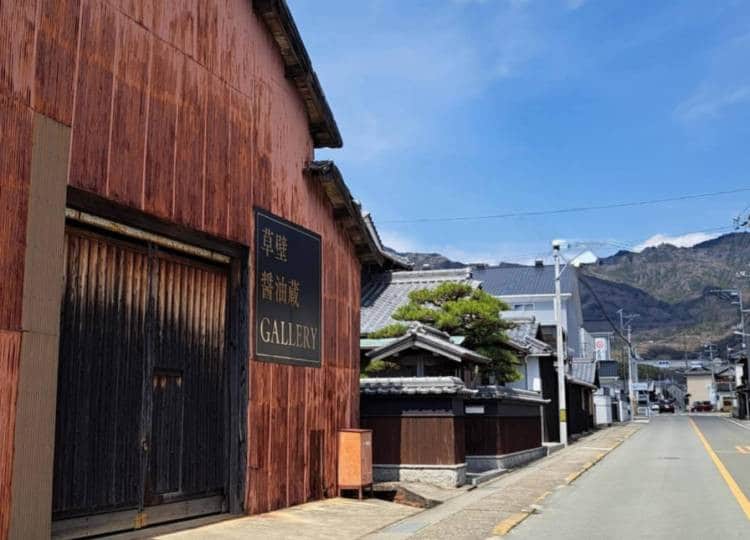
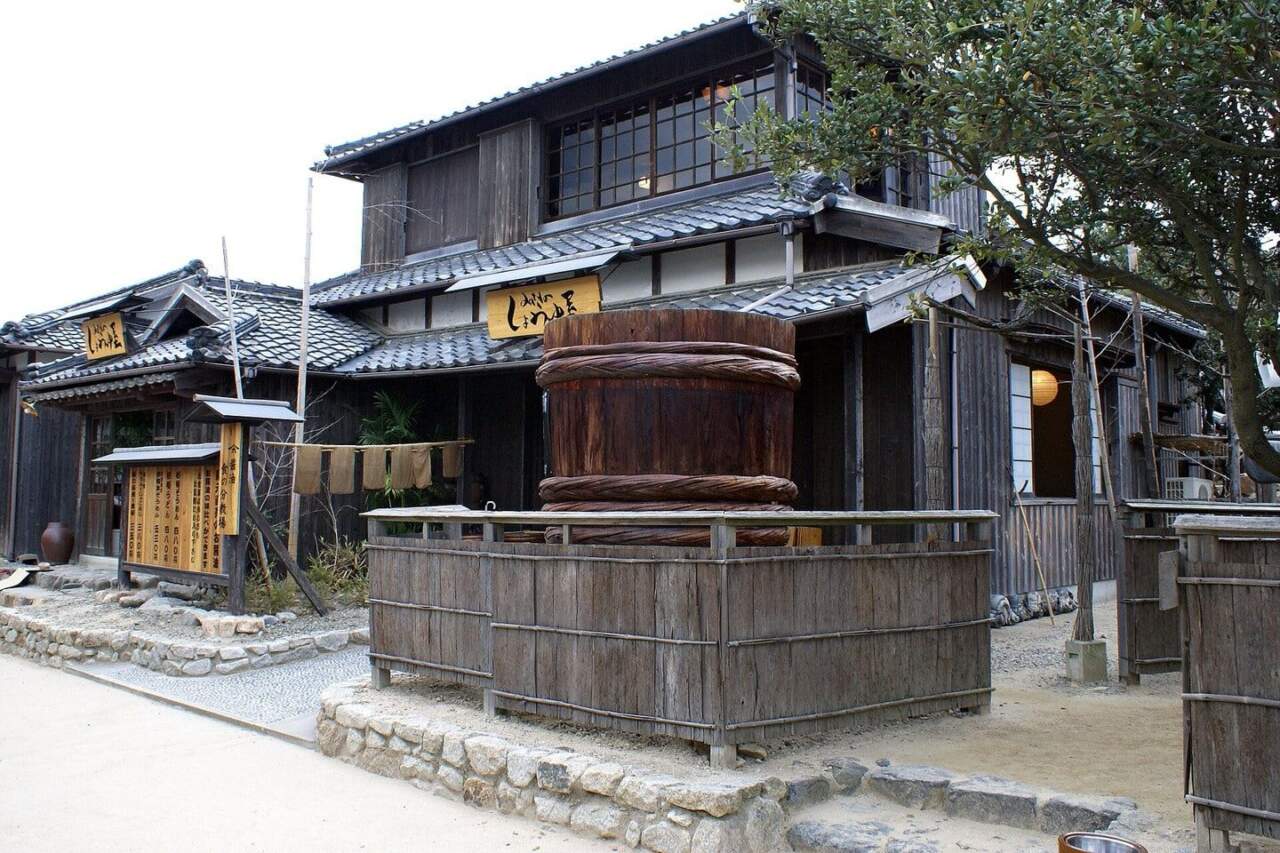
Soy sauce brewing on Shodoshima has a history of around 400 years, and the Umaki area on the east side of the island still has several soy sauce breweries, known as “Hishio no Sato” (Soy Sauce Village). Walking this street, the air really does smell of fermenting soy sauce, and the wooden brewery walls are shiny black.
Among them, the Marukin Soy Sauce Museum is open to visitors, with displays of traditional giant wooden barrels and the brewing process. The soy sauce soft-serve at the shop outside is a must-try, with a salty-sweet taste surprisingly close to caramel. Incidentally, tsukudani (simmered preserves) is another Shodoshima specialty derived from soy sauce.
How to Get to Shodoshima: Takamatsu Port Ferries, Other Routes and Getting Around the Island
Shodoshima has no airport and no bridge, so you can only go by boat. The island has six ports, and choosing the wrong one means a long detour, so decide before you leave where you will board and which port you will disembark at.
Takamatsu Port to Tonosho Port: Ferry About 60 Minutes, High-Speed Boat About 35 Minutes
The most common route is by boat from Takamatsu Port to Tonosho Port on the west side of the island. The ferry takes about an hour, is cheap and can carry cars, with plenty of deck space and a seating area; the high-speed boat takes about thirty-five minutes, faster but a notch more expensive and with far fewer sailings.
Tonosho Port is the island’s biggest gateway, with car rental companies, the bus terminal, the tourist information center and coin lockers all concentrated here, and Angel Road is also within walking distance. Ferries on this route are relatively frequent, making it the easiest combination to arrange for a day trip. Actual schedules and fares are as announced by the operators on the day.
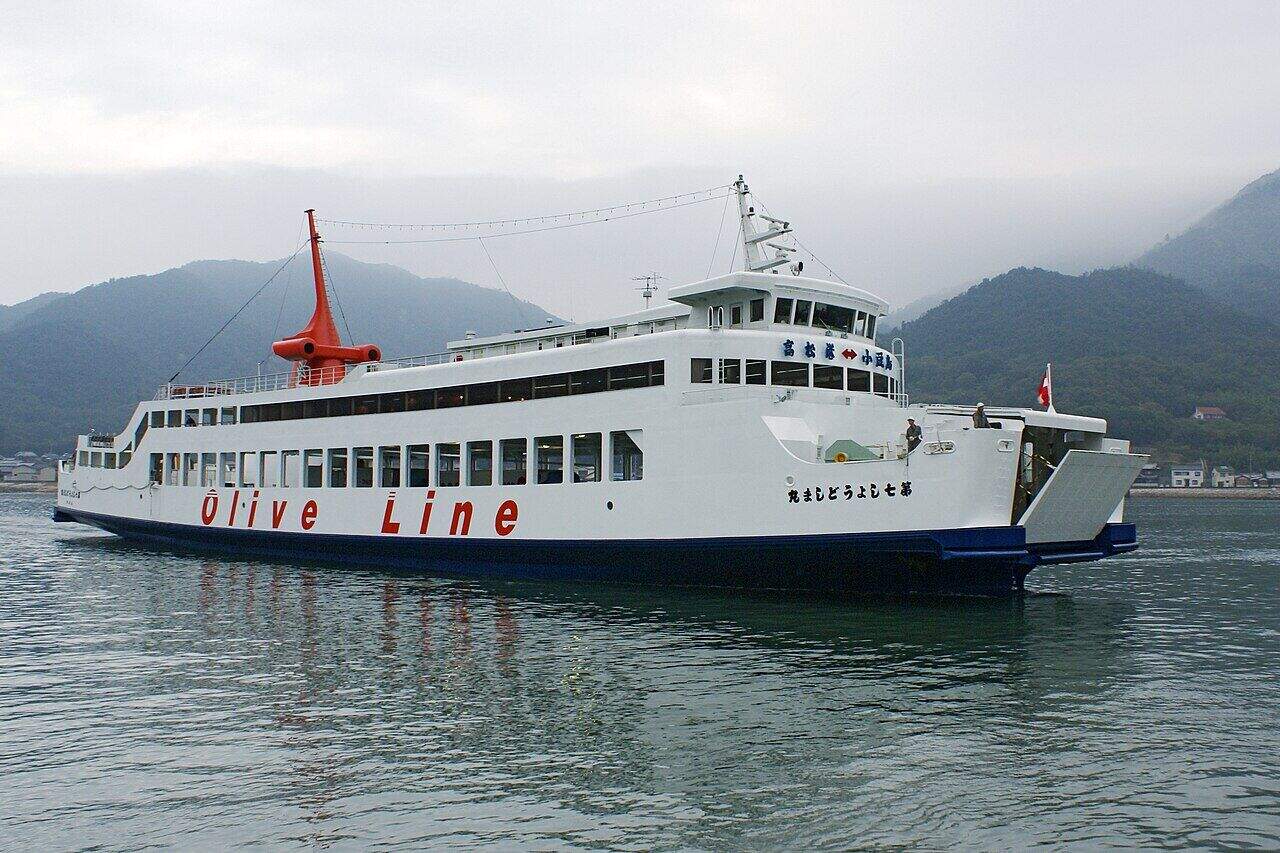
Other Routes: Options from Shin-Okayama, Himeji and Kobe
Besides Takamatsu, there are several routes between Shodoshima and Honshu: Shin-Okayama Port to Tonosho Port, Himeji Port to Fukuda Port, Kobe to Sakate Port, Hinase to Obe Port and more, each calling at a different port. For travelers coming from the Kansai direction, going via Himeji or Kobe saves time compared with detouring to Takamatsu.
The key point is that the ports are spread around the island, north, south, east and west, and where you disembark determines the order of your itinerary. For example, entering through Fukuda Port puts you closer to Kankakei and Soy Sauce Village, while entering through Tonosho Port you meet Angel Road first. Before booking, lay out the sights you want to see that day on a map.
Getting Around the Island: A Rental Car Saves the Most Time
Shodoshima is not small, and drives between the main sights often take twenty or thirty minutes, so driving is the most efficient way. There are car rental companies near Tonosho Port and Kusakabe Port, and some let you pick up a car right at the port, so you can set off the moment you disembark and control your time completely.
Foreign visitors need an international driving permit that meets Japanese rules or a designated translation, and you must reserve a rental car in advance, since the number of cars on the island is limited in peak season. Island roads are mostly mountain and coastal roads with plenty of curves but little traffic, so driving is not difficult, and most parking is free.
Shodoshima Olive Bus: You Can Visit Without a Car, but Watch the Timetable
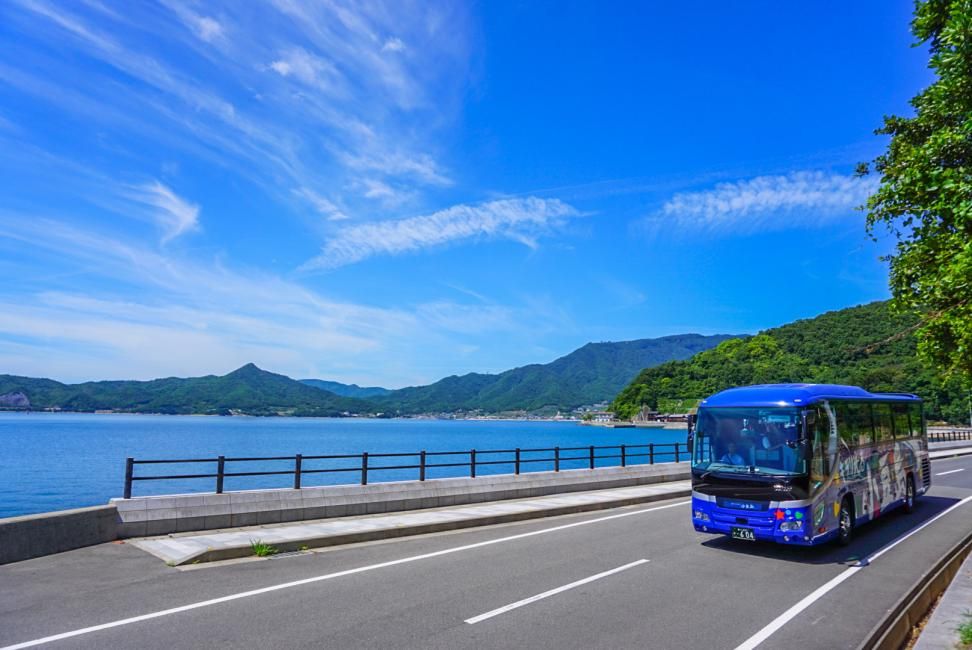
If you do not drive, the island has the “Shodoshima Olive Bus” route network, linking main sights such as Tonosho Port, Olive Park, Soy Sauce Village, the Kankakei ropeway base station and the Twenty-Four Eyes Movie Village, with one-day or two-day unlimited-ride passes also sold.
But services are quite sparse, with some routes running only once an hour or even less, and missing one bus can upset the whole day. The key to touring Shodoshima by bus is to “plan the timetable first and the sights second,” not the reverse. Timetables and pass details are as announced by the operator on the day.
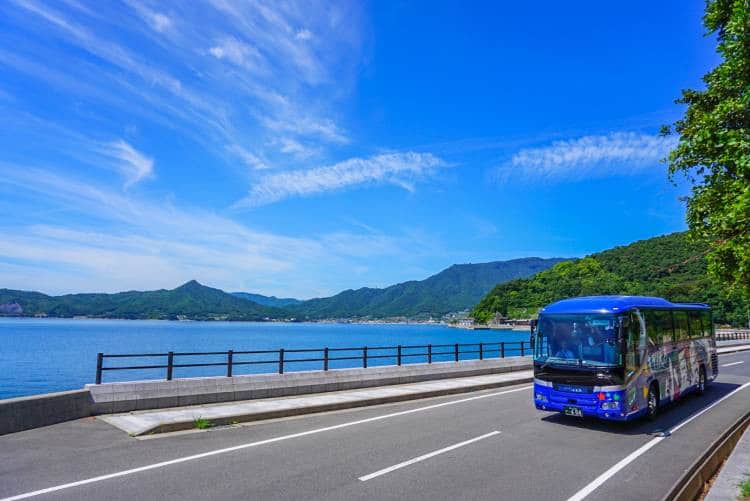
Sightseeing Bus and Chartered Car: The Easiest Option If You Do Not Want to Do Homework
If you do not want to study tides and timetables, you can book a round-the-island sightseeing bus or a chartered car tour directly. These tours usually already fit the Angel Road visit within the tide window and then link Olive Park, Kankakei and Soy Sauce Village, outsourcing the most troublesome part.
The downside is fixed stop times, so you cannot linger at a spot, and the price is higher than taking the bus yourself. They suit day-trippers with tight schedules, or travelers with older relatives or children for whom driving is inconvenient. Actual tour contents, departure times and prices are as announced by each operator.

What Are Shodoshima’s Must-See Sights? Angel Road, Kankakei and Soy Sauce Village Explained
The following are arranged by area: Tonosho in the west, Kankakei and Olive Park in the center, and Soy Sauce Village and the Movie Village in the east. Covering everything in one day is rushed, while two days is quite relaxed.
Angel Road: Walking on a Sea Path That Appears Only at Low Tide
Angel Road is a natural sandbar connecting the shore to the Yoshima island group. At low tide the whole path surfaces from under the sea, several hundred meters long with sea on both sides. Walking on it feels strange, because the sand underfoot will sink back into the sea in a few hours.
The walkable window is roughly 3 hours either side of low tide, appearing twice a day, with different times every day. The Tonosho tourism office publishes that day’s tide table, so check it before you go; this is the one sight on Shodoshima where “getting the timing wrong means you won’t see it at all.”
Yakusoku-no-Oka Observation Deck: Looking Down on the Whole Angel Road from Above
On a small hill beside the sandbar is the “Yakusoku-no-Oka Observation Deck,” a few minutes’ climb along a path. Looking down from here, you can see the whole arc of Angel Road and the line between the seawater on both sides, the angle of the iconic photos you see online, and the bluer the water, the better the effect.
On the deck is a bell hung with shell ema, where couples ring the bell and make a wish. Because it is high up, even if you arrive too late for low tide and the sandbar is still underwater, you can at least see the faint outline of the route under the surface, so the trip is not a complete waste.
Shodoshima Olive Park: Borrow a Magic Broom and Take Off in Front of the Greek Windmill
Olive Park is built on a gentle slope facing the sea, with about two thousand olive trees in the park. The white Greek windmill at the highest point was built to commemorate the sister-island relationship with Milos in Greece, and against the blue sky and sea it has a completely Mediterranean feel.
The main attraction is photos: the Olive Memorial Hall in the park lends out magic brooms for free, and straddling one and jumping in front of the windmill makes the classic Kiki’s Delivery Service flying photo. The park also has an olive-green “Happiness Mailbox” and a shop selling olive oil and skincare products.
Kankakei Ropeway: The Only Aerial Route That Shows Both Gorge and Sea
The Kankakei ropeway connects Kounteii and the summit station, a ride of just a few minutes, yet it is called Japan’s only ropeway route with views of both a gorge and a strait. As the car climbs, below are layers of strange rocks and a sea of trees, and above are the Seto Inland Sea and distant island silhouettes.
The summit station has an observation deck, a shop and a restaurant, with signature snacks of freshly fried “kawara nage” and olive products. Those who want to go deeper can ride up and walk down along the Omote or Ura hiking trails, a hike of a little over an hour one way.
Kankakei Through the Seasons: Foliage Season Is the Busiest of the Year
Kankakei’s most famous season is autumn, with peak foliage around mid to late November, as the whole gorge turns red in sequence from the summit down, and the image of the ropeway car passing through red leaves is the classic promotional photo here. During this period ropeway queues stretch long.
But other seasons are just as worth seeing: spring’s fresh green, summer’s deep green and sea of clouds, and the occasional light winter snow each have their own look, with far fewer visitors. If you go in foliage season, head up the mountain first thing in the morning, and confirm the ropeway’s operating hours and possible temporary changes in advance.
Marukin Soy Sauce Museum: Wooden-Barrel Brewery and Soy Sauce Soft Serve
The Marukin Soy Sauce Museum was converted from a Taisho-era soy sauce factory, and keeps giant wooden barrels, koji rooms and old brewing tools, with display panels explaining the history of Shodoshima’s soy sauce industry from the Edo period to today, the fastest way to understand “Hishio no Sato.”
The soy sauce soft serve at the shop outside is a famous must-try across the island. With soy sauce drizzled on top, the saltiness draws out the creaminess and it ends up tasting like caramel, with surprisingly high acceptance. The shop also sells various soy sauces, tsukudani and souvenirs. Opening hours and admission are as announced by the museum.
Hishio no Sato: A Stroll Down an Old Street Filled with Fermentation Aromas
The Naba and Umaki areas where the Marukin Museum stands are known as “Hishio no Sato,” with several still-operating soy sauce breweries and tsukudani factories gathered along a short stretch. The wooden buildings’ walls are deep black from years of yeast clinging to them, and the whole street’s air is full of fermentation fragrance.
Some breweries are open for visits or have direct-sales shops, where you can taste and compare how soy sauce from different barrels differs, and buy saishikomi soy sauce that is rare on the market. The area is small enough to walk, and about an hour for a stroll plus shopping is plenty.
Twenty-Four Eyes Movie Village: A Wooden Schoolhouse and Village from Early Showa
The Movie Village is on the coast at Tanoura on the south side of the island, a location built to film the adaptation of the novel Twenty-Four Eyes, faithfully recreating an early Showa wooden schoolhouse, village streets and seaside scenery, and the whole area is now preserved and open to the public.
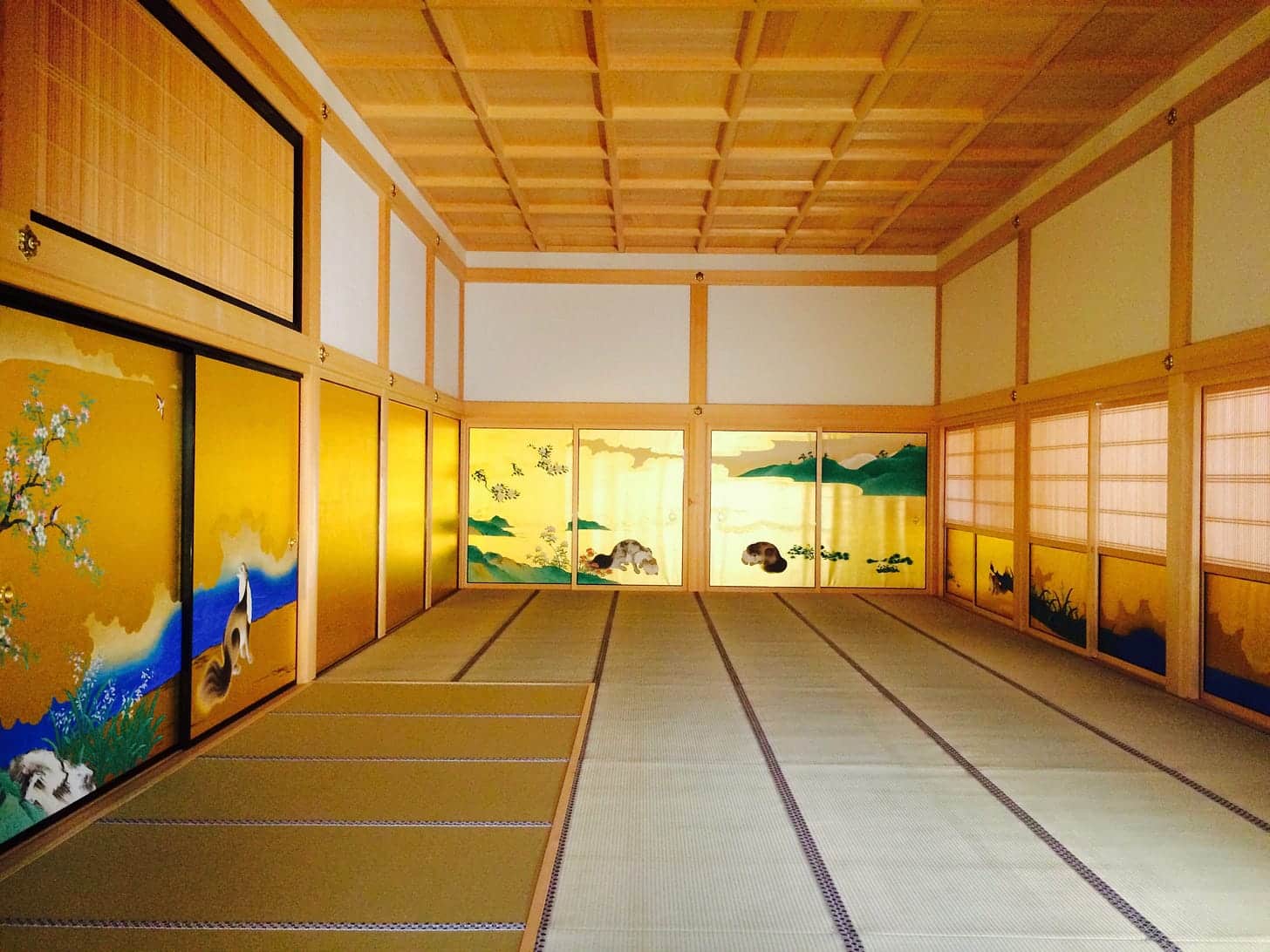
The site has a classroom, a bookshop, a movie hall and a nostalgic dagashi (old-style candy) shop, and you can sit at the wooden desks of the old classroom for photos. It is also one of the island’s most open coastlines, and paired with retro buildings it is the most atmospheric stop on Shodoshima for many people.
Misaki Branch School: The Real Schoolhouse Behind the Novel
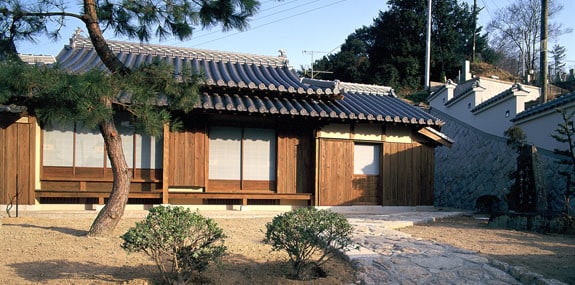
The “Misaki Branch School” near the Movie Village is a real former schoolhouse, built in the late Meiji era and actually used until it closed in the Showa era, and the original setting of the Twenty-Four Eyes story. Unlike the Movie Village’s sets, everything here was genuinely left behind.
Inside the wooden classroom are the desks, chairs and organ of the time, the corridor creaks underfoot, and old photos hang on the walls. It is small and takes twenty minutes to see, but together with the Movie Village it gives the whole story a completely different depth.
Nakayama Senmaida: Terraced Rice Fields Layered in the Valley
Nakayama Senmaida is a group of terraced rice fields in an inland valley of Shodoshima, hundreds of paddies of varying sizes stacked up the slope, selected for Japan’s 100 Best Terraced Rice Fields. When flooded in spring the whole valley becomes a mirror, with green in summer and gold in autumn, so the look changes greatly with the seasons.
Above the terraces, the grounds of Nakayama Kasuga Shrine hold an Edo-period farm kabuki stage, still performed by local residents every autumn, a living heritage designated an Important Tangible Folk Cultural Property. The area is entirely rural scenery, and driving is the most convenient way to get there.
Dobuchi Strait: The World’s Narrowest Strait, Certified by Guinness
The Dobuchi Strait separates the town center of Tonosho from Maejima, and at its narrowest it is only about ten meters wide, certified by Guinness World Records as the world’s narrowest strait. Standing on the bridge, it looks like an ordinary waterway, and that contrast is exactly what makes it fun.
The Tonosho town office offers a “crossing certificate,” which for a small fee gives you a piece of paper proving you crossed the world’s narrowest strait, a popular souvenir. It is near Tonosho Port, so a gap before your boat is just right for walking over and getting one stamped.
Labyrinth Town: Narrow Lanes of Tonosho Honmachi and the Saikoji Pagoda
The old town near Tonosho Port is called “Labyrinth Town” (Meiro no Machi). Its lanes were deliberately made narrow and winding, full of dead ends and corners, said to have been formed to defend against pirates and typhoons, and it is easy to lose your way inside.
Hidden in the lanes are cafes converted from old houses, general stores and works left over from the art festival, and the easiest landmark to spot is the vermilion three-story pagoda of Saikoji, visible from afar on high ground. This area suits slow, aimless wandering and is the best place to pass time near Tonosho Port.
Choshikei Natural Zoo: A Kingdom of Wild Monkeys in the Valley
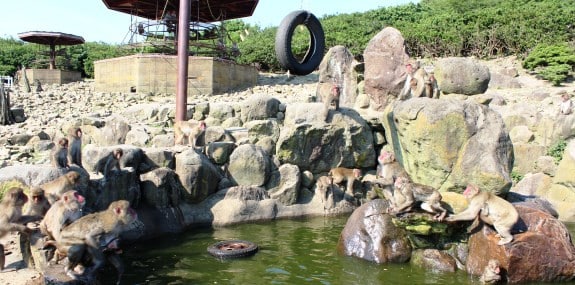
Choshikei Natural Zoo is on the mountain road to Kankakei, home to large troops of wild Japanese macaques. They are not caged but roam freely across the whole valley, and visitors walking among them are surrounded by monkeys at very close range.
The park feeds them at set times, when the monkeys gather in large numbers, the liveliest scene. Note that you should not stare monkeys in the eye, feed them yourself or carry exposed food or plastic bags. The park is in the mountains and driving is the most convenient way there; opening hours are as announced by the park.
Gift of the Sun: The Golden Olive Wreath That Welcomes Travelers at Tonosho Port
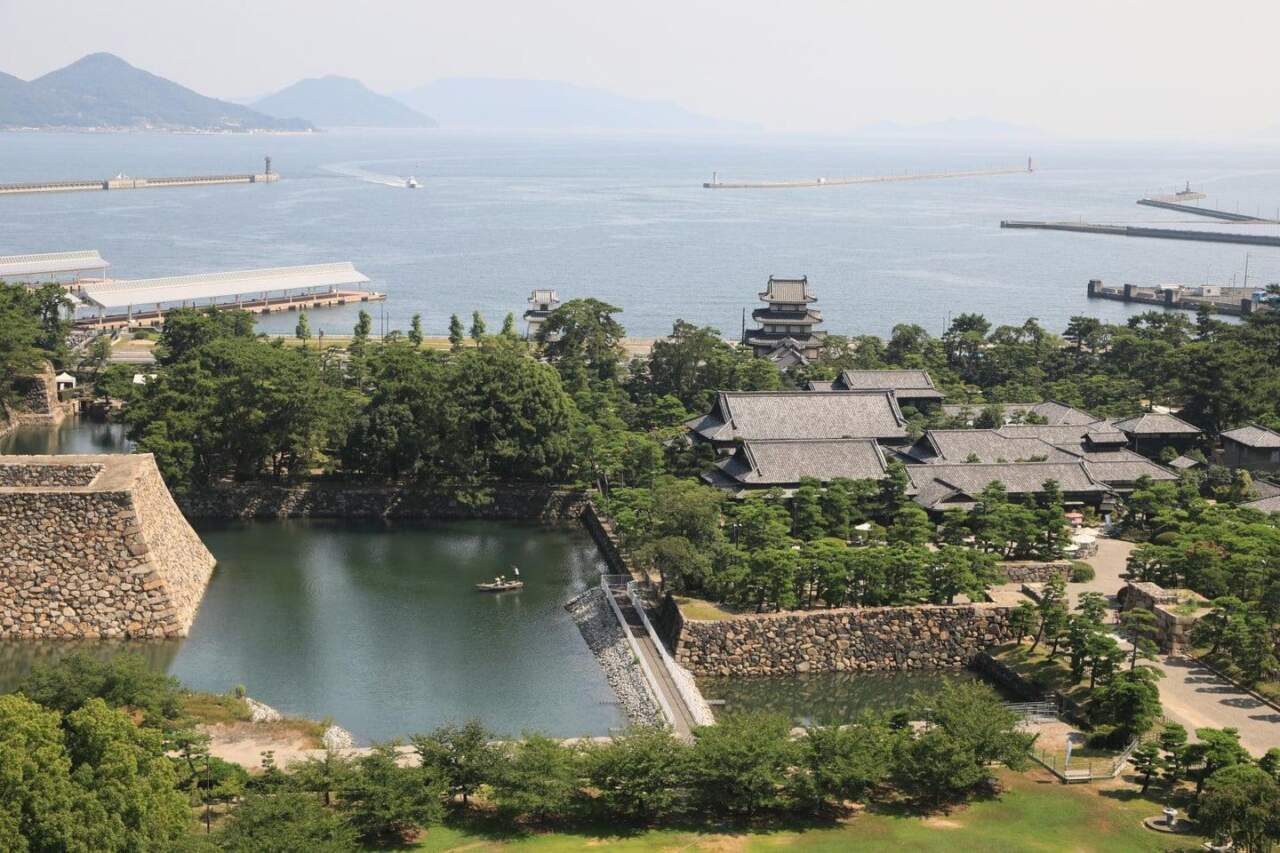
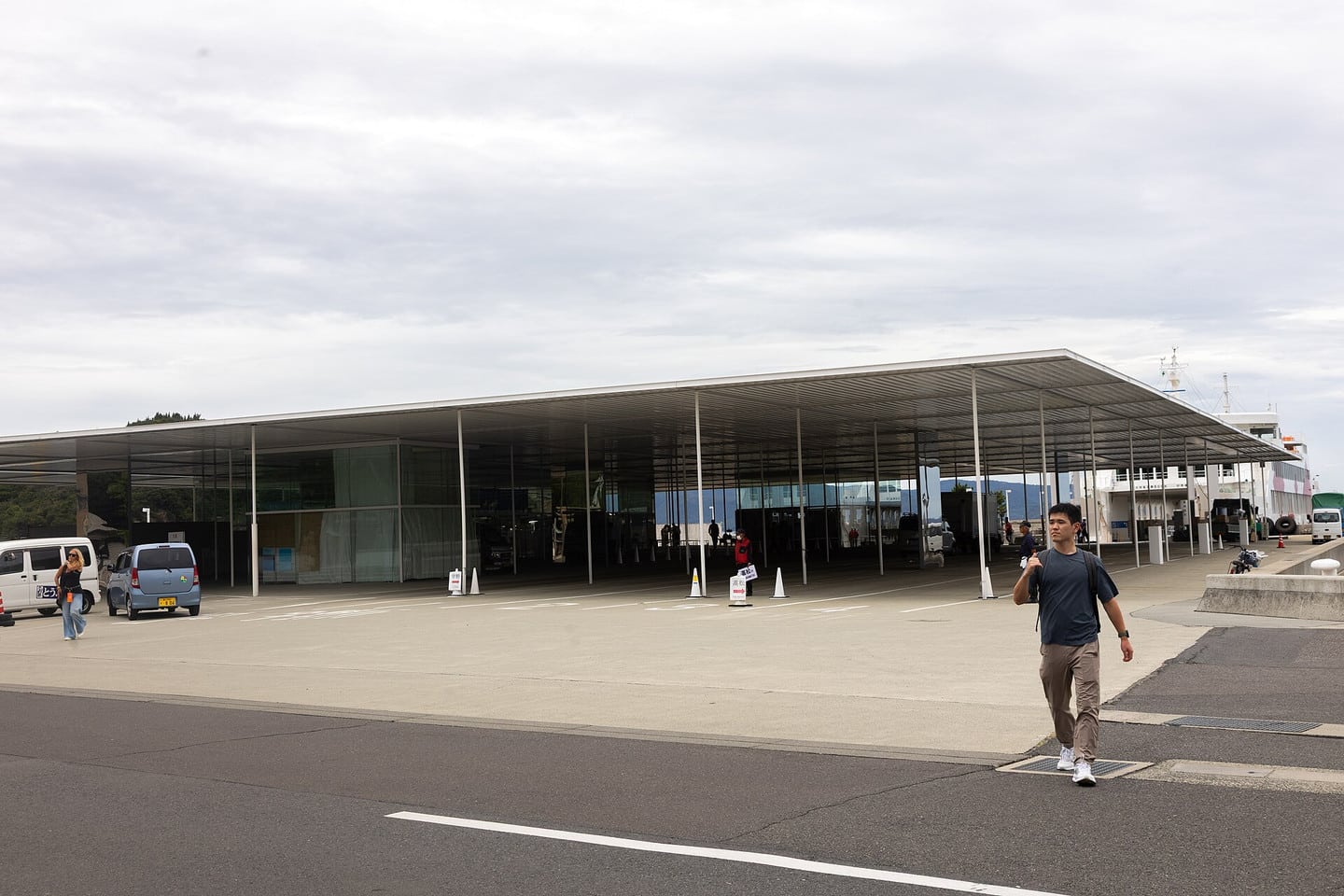
As soon as you step off at Tonosho Port you see a giant golden olive-leaf wreath, the work “Gift of the Sun” by Korean artist Choi Jeong Hwa, installed for the Setouchi Triennale and left permanently at the harbor, becoming Shodoshima’s most recognizable face.
The wreath is made of many golden leaves, each engraved with messages written by the island’s children. Standing in the center of the ring and shooting toward the sea frames the harbor and sea together, a spot well worth stopping at both on arrival and departure.
How Much Does a Trip to Shodoshima Cost? Ferry, Ropeway and Activity Fees
Shodoshima’s main costs are ferry fares, car rental and the Kankakei ropeway, while attraction admission is mostly cheap and many places are even free. The amounts below are as announced by each operator on the day.
Ferry and High-Speed Boat Fares: Big Difference with a Car or Without
The one-way ferry fare from Takamatsu Port to Tonosho Port is at the small-change level, and the high-speed boat is roughly twice the ferry or more. If you plan to take a rented car aboard, it is charged separately and is clearly higher, so most travelers choose to “go to the island on foot and rent a car there.”
Boat tickets are mostly bought at the pier window on the day, and high-speed boats may be full in peak season and holidays. Round-trip tickets and bundles with buses or attractions are offered from time to time, so check the operator’s website before you go to see if there is a better-value combination that year.
Kankakei Ropeway: Round-Trip Tickets Are Better Value Than One-Way
The Kankakei ropeway sells one-way and round-trip tickets, and the round-trip unit price is clearly better value. Most people take the round trip, but those with good stamina can also buy a one-way ticket up and walk down the hiking trail, saving one fare while going deeper into the gorge.
Foliage season is the busiest of the year, and on some dates operating hours are extended or extra runs added, with queues possibly very long. The ropeway stops for strong wind, thunderstorms or regular maintenance, and weather on the mountain changes much faster than below, so on the day check the operating status on the Kankakei ropeway website (kankakei.co.jp) or by phone before deciding whether to go up.
Olive Park Admission and Activities: Photos Are Free, Activities Cost Extra
Olive Park itself is open to enter with no admission fee, and the magic brooms are lent for free, which is why it offers such high value. The Olive Memorial Hall in the park is also free to visit, and only some hands-on activities and the hot spring facility cost extra.
Common paid items include classes such as olive soap-making and herb wreaths, most requiring advance reservation. Olive oil, skincare products and olive tea at the shop are popular souvenirs, in a wide price range. Activity details, fees and whether reservation is needed are as announced by the park on the day.
Marukin Soy Sauce Museum Admission and Soy Sauce Souvenir Budget
The Marukin Soy Sauce Museum charges admission, at the small-change level, and some plans include a small bottle of soy sauce. The shop outside and the soft-serve stand can be used without admission, and a soy sauce soft serve costs about several hundred yen, one of the island’s most famous snacks.
For souvenirs, wooden-barrel soy sauce, tsukudani and somen noodles are the three mainstays. Soy sauce bottles are heavy, so put them in checked luggage; somen is light and easy to carry, and the island-made “Shima no Hikari” is a common choice. Actual prices are as announced by each shop.
Twenty-Four Eyes Movie Village and Nearby Facilities Admission
The Twenty-Four Eyes Movie Village charges admission at around ¥1,000, with the movie hall and some facilities included in the ticket price. The nearby Misaki Branch School charges a separate small fee, and the two are usually visited together, with a yearly combined-ticket plan also sold.
Choshikei Natural Zoo also requires a ticket at a modest price, and the Dobuchi Strait crossing certificate is a small-change souvenir. Overall, single-attraction admission on Shodoshima is cheap, and the real costs are transport and time.
Twenty-Four Eyes Movie Village Admission and Opening Hours
The Twenty-Four Eyes Movie Village is open daily from 9:00 to 17:00. Admission for junior high school students and older varies by season: ¥900 from March 15 to July 20, ¥1,000 from July 21 to November 30, and ¥850 from December 1 to March 14, including the Tsuboi Sakae Literature Museum, the Shochikuza movie hall and Kinema no Iori. It takes about 49 minutes by Shodoshima Olive Bus from Ikeda Port, or about 15 minutes by car from Sakate Port, with an on-site parking lot for 150 cars.
Dining Budget: Olive Beef, Somen and Notes on Eating on the Island
The island’s most representative dish is “olive beef” from cattle raised on olive fruit, a high-priced meal; a more everyday choice is hand-stretched somen, about several hundred to a thousand yen per bowl, hot or cold, with cold especially suited to summer.
Note that Shodoshima has very few restaurants, and many close after lunch and shut even earlier in the evening, especially in the mountains and on the east side. When touring, settle your lunch time and place first and check the opening hours, or you can easily drive around the mountain roads for ages without finding a place to eat and end up relying on a convenience store.
What to Watch Out for on Shodoshima: Lodging Tips and Must-Read Pre-Trip Reminders
There is only one thing that goes wrong most easily on Shodoshima: time. Tides, ferry schedules and sparse bus services all squeeze your itinerary at once.

Stay on Shodoshima or Make a Day Trip? Lodging Tips
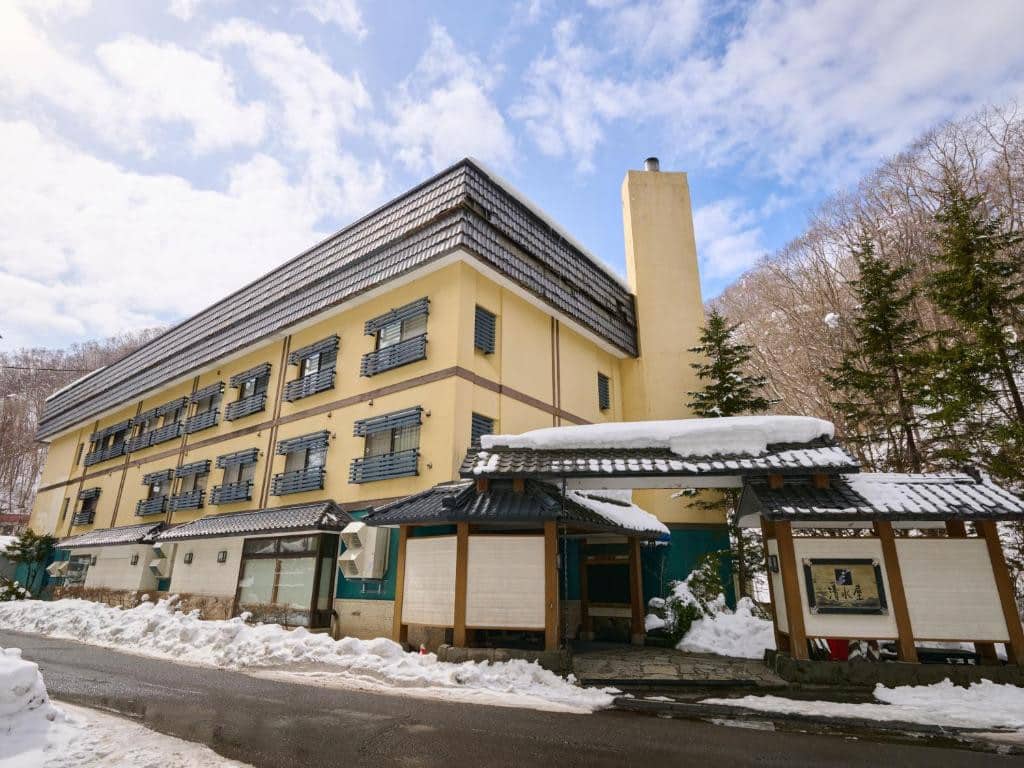
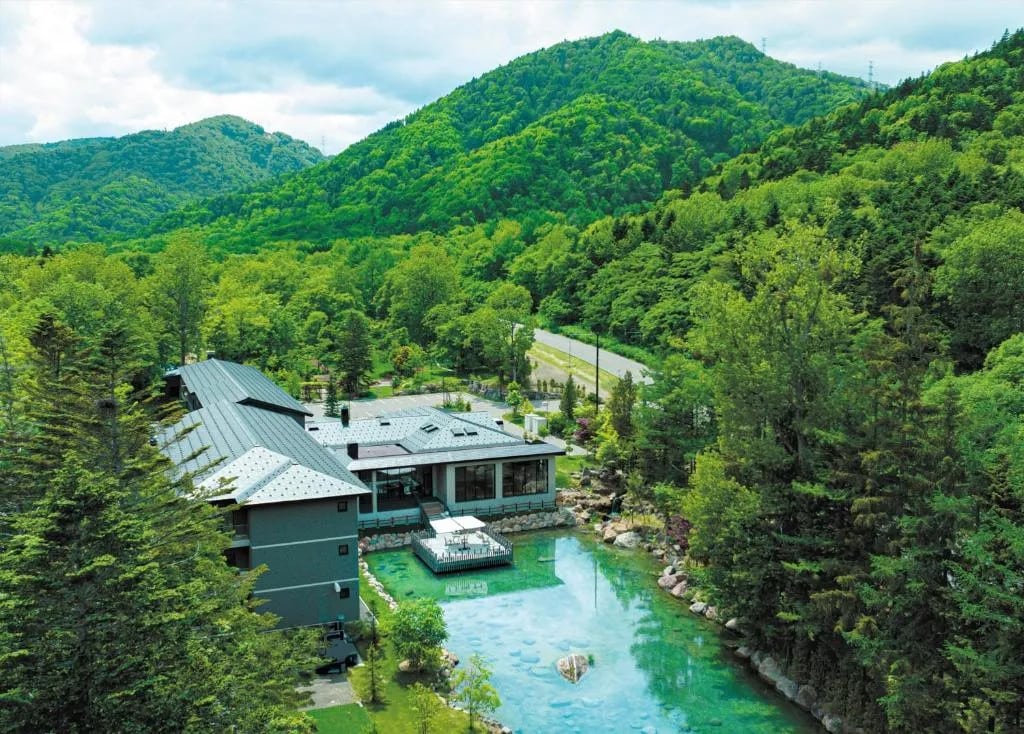
Lodging on Shodoshima is concentrated around Tonosho and the Uchinomi area (Kusakabe, Sakate), with hot spring inns and sea-view hotels, and the benefit of staying a night is being completely free of ferry and tide constraints; if the next morning happens to have a low tide, you can walk Angel Road at leisure.
If you plan only a day trip, staying in Takamatsu is of course more convenient, but it squeezes the trip between the first and last boats, and after subtracting two hours of round-trip boat time, the actual time you can play is quite limited. To see both Angel Road and Kankakei, two days and one night is the more reasonable plan.
Two Things to Check Before You Go: The Tide Table and the Last Boat
First is the tide. Angel Road appears only for a few hours around low tide, at a different time each day, and the Tonosho tourism office publishes the day’s tide table. It is best to lock in this time window first and then fill other sights into the gaps before and after.
Second is the last boat. Shodoshima’s last boat is earlier than you might think, and if you miss it you must find lodging on the island, while booking a room at the last minute in peak season is nearly impossible. Getting back to Tonosho Port from Kankakei or the Movie Village also means driving a mountain road, so be sure to leave extra buffer time on the way back.
Angel Road Tide Times 2026: How to Read the Official Tide Table
Shodoshima’s Angel Road tide times are based on the “Angel Road Tide Table (2026)” published by the Tonosho town office, with a 12-month table available as a PDF download. The table does not list low-tide times but directly lists the “expected time the sand path surfaces,” with each cell covering about 3 hours either side of low tide, a 6-hour window, usually two windows a day.
- Each day is split into “morning” and “afternoon” columns, each a walkable window; windows spanning midnight (for example 20:20-2:20) continue into the early hours of the next day.
- A “-” in a column means there is no walkable window that half-day, and on such days only one window a day is available.
- On the table, light-blue cells are Saturdays and pink cells are Sundays and national holidays, to help weekend travelers cross-check.
- The official note says the times are forecasts and can be off with weather and tide level; rather than the low-tide moment when the sandbar is widest, the time when it has just surfaced or is starting to disappear is actually the recommended time for photos.
Below are the weekend windows for October to December 2026 excerpted from the official tide table; before you go, still check the latest version published by Tonosho. Windows in the early morning or after dark are dim, and the usable one is usually the one falling in daytime.
| Date (2026) | Morning column window | Afternoon column window |
|---|---|---|
| 10/10 (Sat) | 1:59–7:59 | 14:13–20:13 |
| 10/11 (Sun) | 2:25–8:25 | 14:47–20:47 |
| 10/17 (Sat) | 5:26–11:26 | 19:08–1:08 |
| 10/18 (Sun) | 6:14–12:14 | 20:35–2:35 |
| 10/24 (Sat) | 0:51–6:51 | 13:07–19:07 |
| 10/25 (Sun) | 1:20–7:20 | 13:48–19:48 |
| 10/31 (Sat) | 5:04–11:04 | 18:53–0:53 |
| 11/1 (Sun) | 6:07–12:07 | 20:19–2:19 |
| 11/7 (Sat) | 0:55–6:55 | 13:21–19:21 |
| 11/8 (Sun) | 1:26–7:26 | 14:01–20:01 |
| 11/14 (Sat) | 4:21–10:21 | 17:46–23:46 |
| 11/15 (Sun) | 5:01–11:01 | 18:40–0:40 |
| 11/21 (Sat) | 0:00–5:26 | 11:47–17:47 |
| 11/22 (Sun) | 0:04–6:04 | 12:43–18:43 |
| 11/28 (Sat) | 4:06–10:06 | 17:42–23:42 |
| 11/29 (Sun) | 5:01–11:01 | 18:44–0:44 |
| 12/5 (Sat) | 0:00–5:28 | 12:16–18:16 |
| 12/6 (Sun) | 0:19–6:19 | 13:11–19:11 |
| 12/12 (Sat) | 3:30–9:30 | 16:45–22:45 |
| 12/13 (Sun) | 4:06–10:06 | 17:25–23:25 |
| 12/19 (Sat) | 0:00–3:34 | 9:49–15:49 |
| 12/20 (Sun) | 0:00–4:27 | 11:14–17:14 |
| 12/26 (Sat) | 3:14–9:14 | 16:37–22:37 |
| 12/27 (Sun) | 4:05–10:05 | 17:25–23:25 |
Transport and Seasons: Sparse Buses and Foliage-Season Crowds
If you do not drive, sparse Olive Bus service is the biggest challenge, with some routes more than an hour apart, so the itinerary must be worked backward entirely from the timetable. With older relatives or children, or if you want to cover several sights in a day, renting a car or booking a chartered car directly is much easier.
Seasonally, November’s Kankakei foliage season is the peak of the year for crowds and prices, so be prepared for ropeway queues and road congestion. In summer the sun is strong by the sea and it is stuffy in the mountains, so bring plenty of sun protection and water; in winter attractions and ferries may be reduced, so check operating status first.
Shodoshima FAQ
Q: Should I plan one day or two on Shodoshima?
In one day you can cover Angel Road, Olive Park and Soy Sauce Village, but it is quite rushed, and whether you can see Angel Road depends entirely on the tide cooperating. If you also want the Kankakei ropeway and the Twenty-Four Eyes Movie Village, plan two days and one night.
Q: When can I walk across Angel Road?
Roughly 3 hours either side of low tide, usually twice a day, at a different time each day. The Tonosho town office publishes a full-year tide table every year (the 2026 edition can be downloaded as a PDF from the town office website, and the second-half weekend windows are also compiled above), so check it before you go and plan the whole day around it; if the timing does not match, you will not see the sandbar at all.
Q: Can I visit Shodoshima without renting a car?
Yes, but be prepared. The Shodoshima Olive Bus reaches the main sights, but service is sparse, so you must look at the timetable first and then plan the itinerary. For ease, you can also book a round-the-island sightseeing bus or a chartered car directly and leave the tide and timetable issues to the operator.
Q: Which port should I use to enter Shodoshima?
Coming from the Shikoku direction, take Takamatsu Port to Tonosho Port, the route with the most sailings and the most complete connections. From the Kansai you can consider Himeji to Fukuda Port or Kobe to Sakate Port; from Okayama, it is Shin-Okayama Port to Tonosho Port. The port where you disembark determines the order of your itinerary.
Q: Do I pay extra for the magic brooms at Olive Park?
No. Olive Park itself is free to enter, and the magic brooms are lent free at the Olive Memorial Hall in the park, with just a sign-up at the counter. In peak season there are plenty of people lining up for photos in front of the windmill, so avoid midday, when the light and crowds will both be better.
Q: Do I have to take the ropeway at Kankakei?
Not necessarily. You can drive up the Kankakei road to near the summit, and those with good stamina can also hike up and down the Omote or Ura trails. But the ropeway is the only angle from which you see the gorge and sea together from the air, so if time allows, we still recommend at least a one-way ride.
Q: Is Shodoshima good for children?
Very good. At Olive Park they can borrow a broom for photos, at Choshikei they can see monkeys up close, and children will like the old classrooms and dagashi shop at the Movie Village, with most sights being gentle outdoor spaces. But drives between sights are long, so driving is much easier than taking buses.