
Awa Odori Guide: The Dance Festival That Sets All of Tokushima in Motion Every August
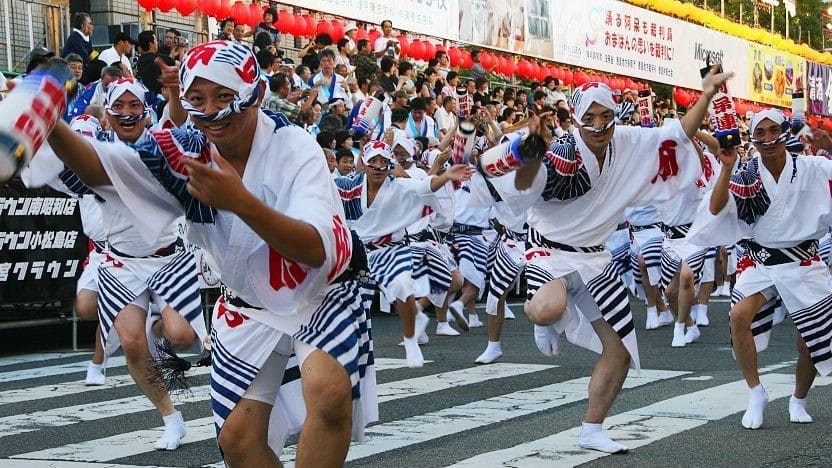
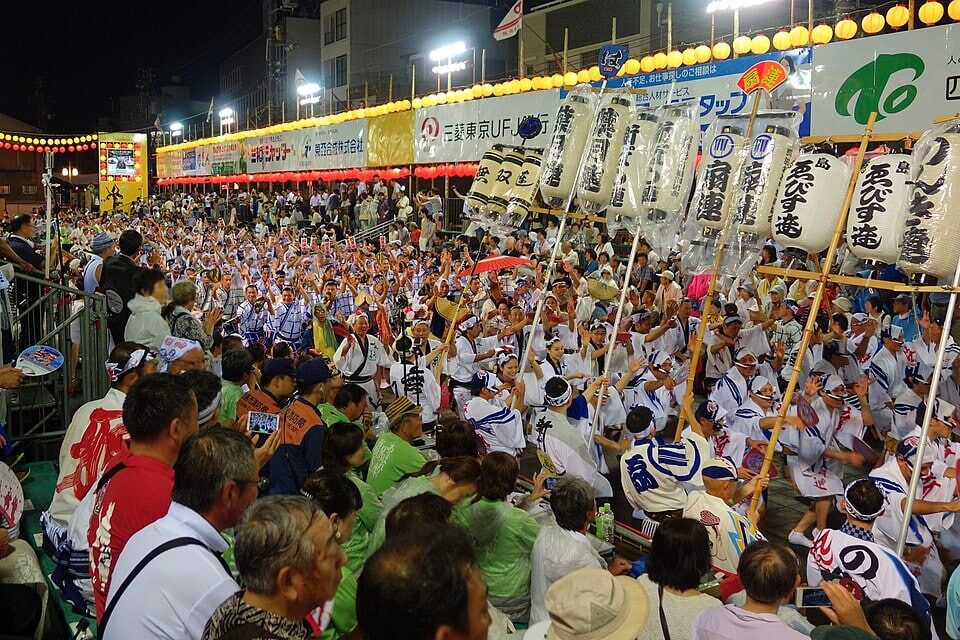
Awa Odori is Tokushima Prefecture’s signature traditional dance festival, and “Awa” is the old name for the province of Tokushima. From August 12 to 15 every year, the center of Tokushima City is divided into multiple stages and parade routes, where dance groups called “ren” take turns performing, with drums and flutes carrying on from evening deep into the night.
In scale it ranks in the very top tier of Japan’s summer festivals, drawing visitors by the millions over the four days, with the city’s streets, parks and riverbanks almost entirely turned into festival grounds. For travelers, these are the liveliest four days of the year in Tokushima, and also the hardest to book a room.
If you’re not visiting Tokushima in August, don’t be disappointed. The Awa Odori Kaikan hall in the city holds permanent performances almost all year round (suspended only during the festival period, August 11-15), where you can also see professional dancers. This article covers how to experience the festival, tickets, transportation and lodging, and alternatives outside the festival period, all in one place.
What Is Awa Odori: A Tokushima Summer Dance Centuries in the Making
Awa Odori is a traditional dance passed down around Tokushima, performed in teams called “ren,” dancing as they move forward to the accompaniment of the shamisen, flute, kane gong and taiko drums. Its rhythm is simple and repetitive, which is exactly why a thousand people can dance at once and why someone who has never learned it can pick it up in a few minutes.
There are several theories about its origin, including celebrations when a castle was completed, an evolution of the bon dance of the Obon festival, and the even earlier furyu dance tradition. Scholars have no single settled answer, and local introductions usually present several theories side by side.
The most widely known saying is “The dancers are fools, the watchers are fools, and since we’re all fools anyway, it’s a loss not to dance.” This rhyming slogan is almost the spirit of the whole festival: rather than watching from the side, jump in and dance yourself.
When It Takes Place: August 12-15 Each Year, Central Tokushima City
Tokushima City’s Awa Odori is held every year from August 12 to 15, four days in all, and does not shift with the day of the week. Performances are concentrated from evening into the night, while the daytime brings related events around the city and the lively atmosphere of the shopping streets.
The venues are all concentrated in the city center south of JR Tokushima Station, including several main performance venues with spectator seating and a number of open free-viewing areas. From the station, just follow the crowds and the drums and you’ll find them, and even the farthest venue is within a walk of a dozen or so minutes.
In addition, there are usually pre-festival events before the official four days, and indoor selection-style performances may be arranged after the four days end. The dates and venues of these side events are adjusted each year, so please check the official announcements.
Paid vs. Free: Decide Whether to Sit or Stand in the Crowd
During the festival the venues fall into two types. Paid performance venues have tiered spectator seating and require tickets bought in advance, with fixed seats and good views, and the groups appearing are mostly the highest-level famous ren, suited to those who want to sit comfortably and watch the whole performance.
Free performance venues allow free entry and exit, with spectators standing along both sides of the street for an atmosphere closer to the street, and the immediacy of dancers passing one meter in front of you is something seats cannot match. The trade-off is that you have to claim a spot early, and in a crowd your view is easily blocked.
In practice, the best approach is to try both: first watch one full performance in the paid seats, then go to the free areas in the streets to feel the crowded heat. If your budget or tickets are limited, the free areas alone can still be a lot of fun.
What to Know Beforehand: Rooms Sell Out and Prices Double
The most practical problem during Awa Odori isn’t tickets but lodging. Tokushima City is not a big city and has a limited total number of hotel rooms, yet these four days bring in several times the city’s population, so rooms book up very early and prices are clearly higher than usual.
If you want to stay in central Tokushima, start checking rooms about six months ahead, and expect prices higher than usual.
If you can’t book a room, the most common alternative is to stay in Takamatsu in Kagawa. During the festival, extra trains are usually added between Tokushima and Takamatsu so that people who have watched the night shows can still return that evening. Details are covered in the transportation and lodging sections below.
How to Get to Awa Odori: Walking from Tokushima Station, Highway Buses and Festival-Period Transport Tips
The good news is that all the main Awa Odori venues are within walking distance of JR Tokushima Station, the nearest five minutes away and even the farthest only a dozen or so minutes, so once you arrive at Tokushima Station you basically don’t need to transfer again.
What takes more planning is how to get in and out of Tokushima, and how to leave after the night shows. There is no direct rail link between Shikoku and Kansai, so highway buses are actually the main option, and during the festival there are traffic controls in the city, making driving harder than usual. Each is explained below.
After Arriving at Tokushima Station: Follow the Crowd
The main performance venues are spread across the city center south of Tokushima Station, along the Shinmachi River and the shopping streets, about five to fifteen minutes on foot. During the festival there are plenty of signs and staff along the way, and with drums sounding from every direction it is hard to get lost.
Note that the venues let out at around the same time in the evening, so the crowds all surge toward the station at once and traffic at intersections becomes very slow. If you need to catch the last train, allow more than twice your usual walking time.
Convenience stores and drink vending machines in the city are often cleaned out during the night shows, so prepare water and simple food ahead of time rather than waiting to buy on site. After the shows, the taxi line in front of the station is also long, and waits of an hour or more are not unusual, so walk if you can.
From Osaka and Kobe: Highway Bus Is the Most Direct Option
Since there is no direct rail bridge from Kansai to Tokushima, highway buses are the main means of transport. The buses cross the sea via Awaji Island and the Onaruto Bridge and go straight into the bus stop in central Tokushima, right next to the station, so you step off within the festival area.
This route normally runs frequently, but during Awa Odori it is in very high demand, and the closer to the festival, the harder it is to book a good time, with late-night return services especially popular. Once your itinerary is set, reserve as early as possible and don’t count on standby at the stop.
Also note that during holiday weekends the Awaji Island section is prone to traffic jams, and actual arrival times can be well behind schedule. If you’re going straight to a performance that day, plan to take an earlier bus. Some operators add late-night services during the festival so that travelers can return to Kansai that night after the last show, but these also need to be booked early.
From Takamatsu and Okayama: Take the Limited Express into Tokushima
If you’re coming from within Shikoku or from the Okayama direction on Honshu, the railway is very handy. From Takamatsu, the JR Kotoku Line limited express takes a bit over an hour to Tokushima; from Okayama you cross the sea to Takamatsu first or transfer via another route, about two to three hours in all.
Because many people can’t book Tokushima rooms and stay in Takamatsu instead, this route gets especially crowded during the festival. Extra evening trains are usually added so that people can return that night after the shows, but whether they are added is announced each year.
Travelers with rail passes should note that reserved seats on the limited express sell out quickly during these days, so reserve a seat as soon as you get your pass, or take unreserved seats and line up early. Those with a lot of luggage can use the station’s coin lockers, but they are also hard to get during the festival, so deposit your bags first thing in the morning.
Traffic Controls: City Roads Close, Check the Last Trains First
From evening to late night on the four festival days, many roads in the city center are under vehicle control and become pedestrian-only or performance routes. This means taxis cannot enter the core area, bus routes are diverted or suspended, and basically all movement is on foot.
The areas and times of the controls are adjusted slightly each year, and the official map is published before the festival. If your lodging is within the controlled area, be sure to confirm in advance how to move luggage in and out, especially if you check in in the afternoon or check out early the next morning.
Check the last train and last bus times in advance as well. Performances usually run late into the evening, and if you stay for the whole show and then walk to the station, you may well miss your planned departure. Controls on some roads start from the early evening, so buy what you need during the day and drop off your luggage first, and the evening will be much easier.
Driving: Not Recommended into the City Center During the Festival
If your Shikoku itinerary is a driving trip, please don’t take the car into central Tokushima during the festival days. Controls plus crowds will completely clog the surrounding roads, and city parking lots fill up early, so finding a space often takes longer than watching a performance.
The more practical approach is to park at a large parking facility on the outskirts or at your accommodation’s own spaces, and then enter by train, bus or on foot. In some years temporary parking and shuttle arrangements are set up, so check the official announcements before you go.
Never drive after drinking; it is a serious offense in Japan. Rental car offices may change their hours during the festival, so confirm before picking up or returning a car.


Awa Odori Highlights: Each Venue, Joining the Dance and Facilities Open All Year
Awa Odori’s highlights fall into three layers: first, the different character of each performance venue; second, the details of the dance itself and its instruments; and third, the permanent facilities where you can experience it outside the festival period.
Below we go through the main venues, the highlights worth noticing and nearby side trips one by one, noting which require tickets in advance and which can be seen for free. Venue layouts and times may change from year to year, so please check the official announcements.
Aibahama Performance Venue: The Largest Main Venue and the Easiest to Get Tickets For
Aibahama is the largest of the paid performance venues, set in a park by the Shinmachi River, with many seats and therefore relatively easier tickets. Its stage lane is long, so the groups can unfold fully, making it good for watching a whole ren’s changing formations.
Because there are so many seats, the atmosphere here is more open than at the smaller venues, and it is good for bringing family and sitting back to watch at a leisurely pace. If it is your first Awa Odori and you want a guaranteed seat, this is usually the safest choice.
Seats come in different grades, and those closer to the middle of the lane with a direct view are in greater demand. When buying, look at the venue map first rather than just choosing the cheapest seats. There are restrooms and vendors around the venue for use during the break, but the lines are long, so take care of that before the show starts.
Minami-Uchimachi Performance Venue: The Closing Sodori of Part Two Is the Peak of the Whole Show
Minami-Uchimachi is best known for the “Sodori” mass dance at the end of the second part of each night, performed by the Awa Odori Promotion Association (it is not only on the last day). Many famous ren pour onto the stage at the same moment, with hundreds of dancers and musicians performing together, and the power and density of the scene is the high point of the whole festival, with many people planning their entire trip around this one show.
For this reason Minami-Uchimachi tickets are the hardest to get of the whole festival, especially for the last day, which usually sells out the moment sales open. If the Sodori is your main goal, treat the ticket sale day as the starting point of your trip planning and arrange everything else around it.
If you don’t get tickets, you still have a chance: during the Sodori the surrounding streets are just as lively, and you can feel the wave of sound from the outside, though you can’t see the full stage. Even with tickets, entry and exit crowds for this show are extremely dense, so take your seat early and check the route out and the last train times in advance.
Konyacho Performance Venue: Close Enough to See the Dancers’ Expressions
Konyacho’s venue is relatively compact, with spectator seats close to the dancers, so you can clearly see the details of the footwork, the angle of the fingers and the expressions on faces. For those who want close-up photos of people or to study the dance technique, the experience here feels stronger than at the large venues.
A small venue also means fewer seats, and competition for tickets is just as tough. If you get tickets here, enter early to find a good angle and check which side your seat faces, since the view differs quite a bit between the two sides.
The surrounding district also has many shops, so before and after the show you can grab something to eat nearby, and the flow is somewhat more convenient than at other venues. Because it is so close, shutter clicks and voices easily disturb nearby spectators, so mind your volume when taking photos and avoid standing for long and blocking those behind. The seating area is also narrow, so bringing large luggage in is not recommended.
Only Three Paid Venues: Understand That Year’s Layout First
Note that the paid performance venues are not fixed. In 2026 there are only three paid venues: Aibahama, Minami-Uchimachi and Konyacho; the City Hall front venue that once existed is no longer in the lineup. If you see a fourth paid venue in your research, it is probably leftover information from an earlier year.
The three differ considerably in scale: Aibahama has about 4,600 seats, Minami-Uchimachi about 2,700 and Konyacho about 2,200, at about 5, 12 and 15 minutes on foot from JR Tokushima Station respectively. If you want to sit comfortably without walking too far, Aibahama is the safest choice.
Crowds let out all at once, so if you plan to move on to another venue, allow more walking time than you estimate. There is often an information desk and information board here, and first-timers can pick up the day’s program and venue map first, then decide which venue to head to next. Convenience stores nearby are often out of stock at night, so stock up early.
Free Venues and the Streets: Plenty to Enjoy Without a Ticket
The city has several other free-viewing areas that need no tickets, mainly around Ryogoku Honmachi, near Shinmachi Bridge and in several riverside parks. These are open for free entry and exit, and the closer to the front you want to be, the earlier you need to claim a spot, with popular time slots already full an hour before the show.
The advantages of the free areas are being close, the lively atmosphere, and being able to move and change positions at any time, even following a group along its route. The drawback is that there is almost no shelter, Tokushima’s August nights are still muggy, and standing for two or three hours takes a lot of stamina.
The free-viewing locations open each year are adjusted, so check that year’s announcement before you set out rather than going by old information. Free areas along the riverbank usually have more open views and the crowds are more spread out than on the shopping streets, so first-timers who don’t want to be squeezed can look for these spots first. Also, please don’t climb onto flower beds, guardrails or roadside fixtures to get a shot.
Beginners’ Ren: Join a Group and Dance Without Signing Up
The most special thing about Awa Odori is that visitors can join in without signing up beforehand. During the festival, a so-called beginners’ ren gathers at set times each night, with a staff member teaching a few basic moves on the spot, and then the whole group dances a stretch of the route together, open to anyone.
The moves really are simple: right hand and right foot forward together, then left hand and left foot forward together, and repeating that rhythm is all there is to it. With dancers leading alongside, no one cares even if you get it completely wrong, and it is the best way to understand the festival slogan.
In 2026 the “Niwaka Ren” is held at the Shinmachi Bridge East performance venue, with three time slots every day from August 12 to 15 (18:30, 19:30, and the odori-komi at around 21:30), free and with no reservation needed. If you want to join, wear comfortable shoes, bring water and arrive at the meeting point a few minutes early. Clothes are usually soaked afterward and Tokushima’s August nights are very humid, so bring a change of shirt and a towel in your bag.
Men’s and Women’s Dance: Understanding the Two Styles Means Understanding Half of It
Awa Odori has two main dance styles. In the men’s dance (otoko odori) the center of gravity is very low, the knees are deeply bent and the movements are bold and unrestrained, valuing power and improvised variation, and there is often an especially standout dancer in the group striking exaggerated poses.
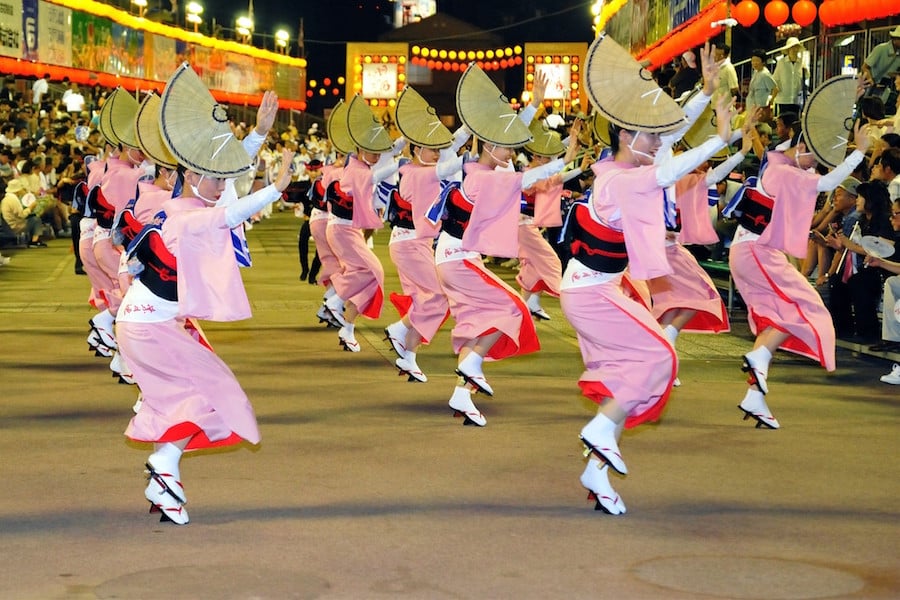
The women’s dance (onna odori) is the complete opposite: dancers wear woven amigasa hats that almost cover the face and move forward on tiptoe in geta clogs, in neat formation and with elegant bearing, emphasizing the unified lines of the whole team. The same ren usually has both, appearing in turns to create a strong contrast.
When watching a performance, pay special attention to the women’s dance footwork: holding a tiptoe stance on geta while advancing in unison is far harder than it looks, and it is one of the key points for judging a ren’s skill. Each ren also differs in costume colors and family crests, and after watching enough you start to tell who is who, which is one of the things long-time spectators enjoy most.
Instruments: The Rhythm of Taiko, Kane, Flute and Shamisen
Besides the dancers, each ren has a group of musicians providing live accompaniment. The ensemble roughly includes the large taiko and shime-daiko for the basic beat, the kane for crisp accents, and the flute and shamisen for melody, all performed live by real musicians, not played from recordings.
This is why the sound is so dense at the venues: each ren has its own band, and the rhythms of different groups layer on one another, so walking down the street you often hear two or three different drum groups at the same time.
Each ren’s melody and rhythm treatment actually differ, and after listening a while you’ll notice some lean faster and some steadier. Paying attention to these differences gives more depth than watching only the dancers. The musicians mostly walk at the back of the group, so if you want to see the ensemble clearly, don’t leave as soon as the front of the group passes; waiting until the whole ren has gone by is more complete.
Pre-Festival and Selection Performances: The Best of Each Ren in an Air-Conditioned Hall
Besides the official four days, Tokushima usually also arranges indoor pre-festival events or selection-style performances, gathering representative performances of several famous ren into one show in a large hall, with commentary. It is very efficient for anyone who wants to understand the differences between ren in one go.
The biggest advantage of indoor shows is air conditioning and fixed seating, with no jostling outdoors, which is a good choice for families with elders or children. The downside is losing the enveloping wall of sound of the street.
Such performances require separate tickets, and the dates and venues are adjusted each year. If your trip happens to bring you to Tokushima a day before the festival, check whether there is a matching show. Indoor seats are limited and mostly need to be bought in advance, so you may not be able to buy on the spot; if you want to go, plan it together with the tickets for the official four days.
Awa Odori Kaikan: Professional Performances Outside the Festival Period
If you’re not visiting in August, the Awa Odori Kaikan hall in the city is the best alternative. It is about a ten-minute walk straight along the main road from JR Tokushima Station, with several dance performances every day, the resident troupe performing during the day and different famous ren taking turns in the evening.
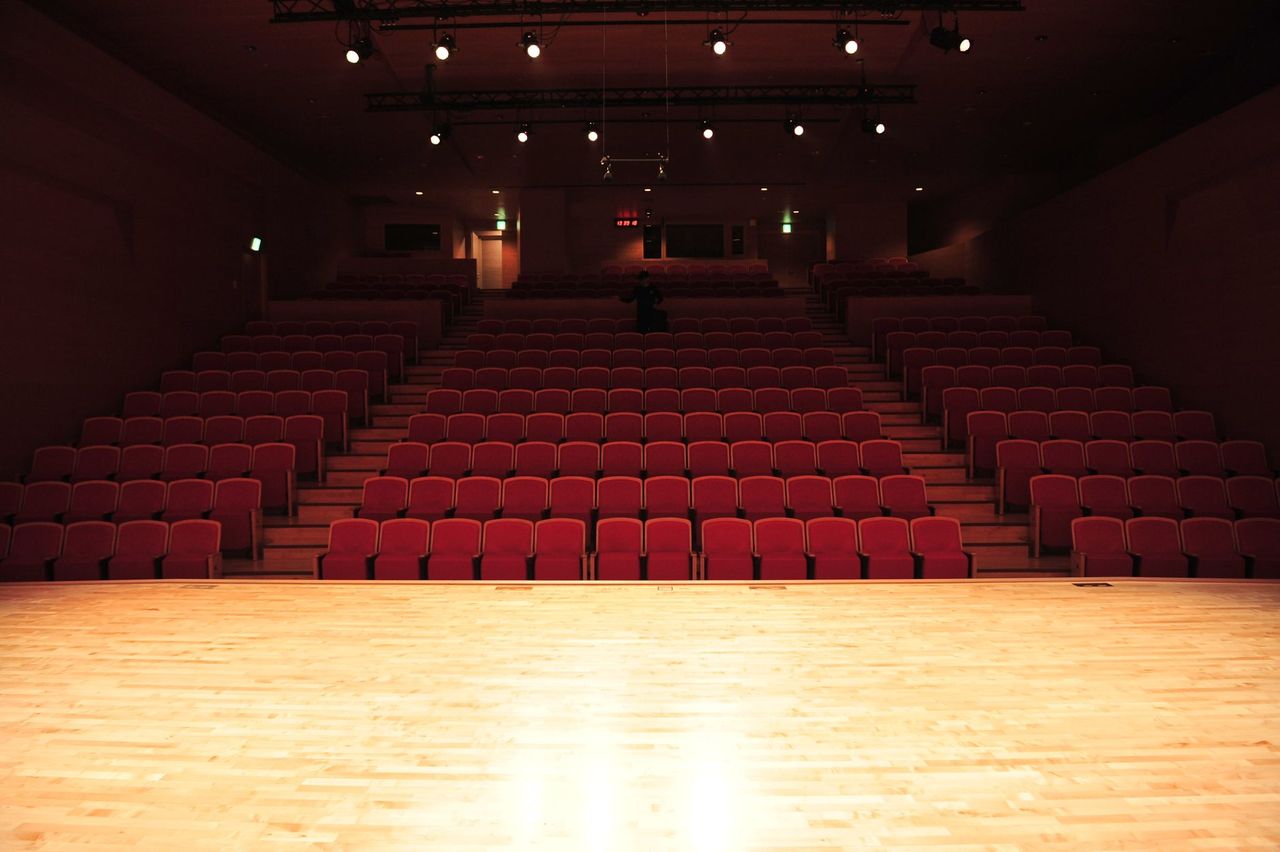
During the show, audience members are usually invited onstage and the dancers teach basic moves on the spot, in effect condensing the festival’s join-in experience indoors. The hall also has an exhibit area on the history, costumes and instruments of Awa Odori, so you can see the exhibits before the show.
Daytime and evening performance tickets are priced differently, and the museum exhibit area is charged separately. Show times and closing days are adjusted by season, so please check the day’s performance schedule before you go.
-Klook.jpg)
Mt. Bizan Ropeway: Go Straight Up for Tokushima’s Night View After the Show
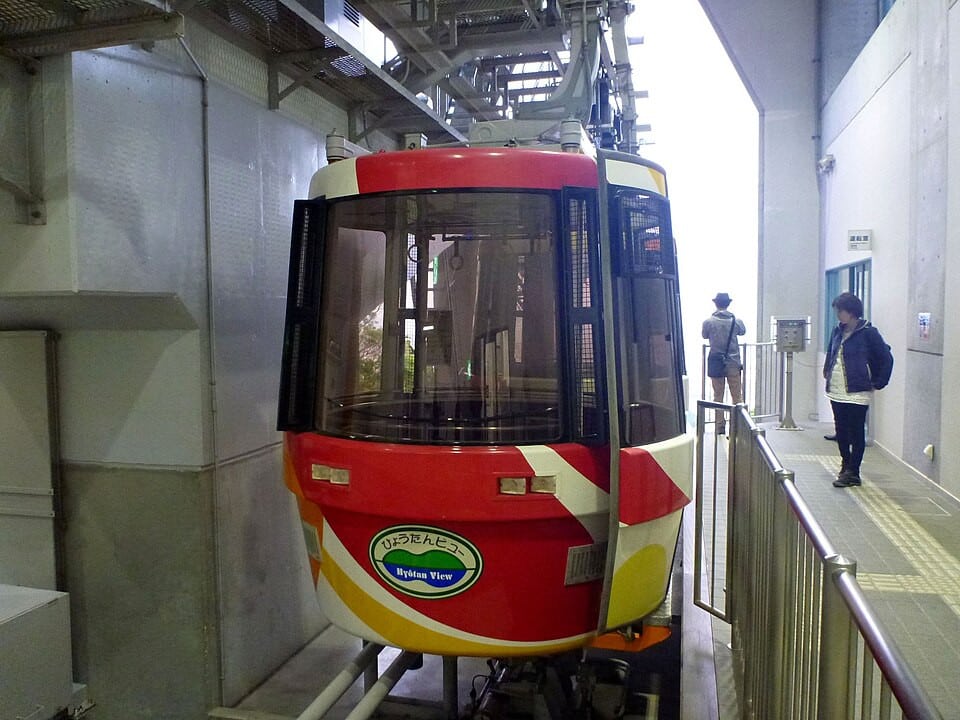
The Mt. Bizan Ropeway’s base station is right upstairs from the Awa Odori Kaikan, so after a performance you can take the ropeway straight up and reach the summit in a few minutes. Mt. Bizan is Tokushima City’s symbolic hill, and from the top you can look over the whole city and the mouth of the Yoshino River, and on clear days even see the Kii Channel.
The night view after dark is the most popular time here, with city lights spreading along the river, making it the most easily reached viewpoint in Tokushima. The summit has an observation space and rest facilities, so you can stand at this vantage point without climbing the mountain.
The ropeway’s operating hours are adjusted by season, and the evening operating periods and last-car times differ each year, and it may stop in bad weather. Check the last car time before going up so you don’t get stuck at the top.
Daytime Activities: Tokushima Castle Ruins and a Riverside Stroll
Awa Odori performances concentrate in the evening and after, so there is plenty of time in the daytime. Chuo Park beside Tokushima Station is the site of the old Tokushima Castle and preserves stone walls and gardens, with lots of shade and room, the most comfortable place to stroll in the city and also a good way to avoid the midday heat.
The city center is surrounded by the Shinmachi and Sukumo rivers, with well-maintained banks, and a walk along the water shows Tokushima’s character as a “city of water.” In some seasons small sightseeing boats also run on the rivers.
If you want to go farther, the Naruto whirlpools and the Otsuka Museum of Art are about an hour’s drive away, well suited as a daytime outing before returning to the city to watch the dance in the evening. Daytime temperatures are quite high, so schedule outdoor activities for the morning or evening, and around noon rest in an air-conditioned building or cafe to save your energy for the night.
How Much Does Awa Odori Cost? Ticket Schedule, Where to Buy and Facility Fees
Awa Odori costs are very flexible: using only the free areas means zero ticket cost and only transportation and lodging; if you want to sit, ticket prices vary by seat grade and date.
Below is a general ticket schedule and prices, where to buy, and fees for facilities such as the Kaikan and the ropeway. All amounts and dates may change from year to year, so please follow the official announcements.
Paid Seat Prices: From ¥1,000 Up to Special Seats
For regular seats at the paid performance venues, the 2026 advance ticket prices are C seats (unreserved) ¥1,000, B seats ¥2,000, A seats ¥2,500, S seats ¥3,000 and SS seats ¥6,000, with the price rising the closer you are to the front view. From July 8, the prices of some seat types vary with demand.
There are also special viewing seats with meals, priced clearly a tier higher, usually including the best position and a bento, suited to travelers who want everything in one go and don’t want to worry about eating.
Ticket types and prices are announced each year, and pricing differs between venues. Once you’ve decided which venue to go to, check that venue’s ticket description for that year directly. Some venues sell remaining tickets on site on the day of the show, but popular dates almost never have any, so don’t make same-day tickets your main plan.

When Tickets Go on Sale: Usually More Than a Month Before the Festival
For 2026, general sales started at 10 a.m. on July 1 (advance sales ran from noon on June 13 to June 21). The 2026 festival ended on August 12-15, and the official ticket schedule for 2027 has not yet been announced. Sales usually begin more than a month before the festival, that is, on a morning in early July. Popular sessions and dates often sell out within a very short time after sales open, especially the last-day Sodori session.
The recommended approach is to confirm that year’s sale date and time ahead of time, register an account on the ticketing platform and fill in payment details beforehand, and go straight for it the moment sales open. If you don’t get tickets in the first round, returned tickets are sometimes released later, so keep watching.
Because sale dates differ each year, follow the official Tokushima City Awa Odori announcements rather than copying last year’s dates. Also note that some platforms limit the number of tickets per order, so if you have a large group, decide beforehand who will go for which session so that everyone isn’t crowding the same page.
Where to Buy: Official Site, Japanese Ticketing Systems and Overseas Platforms
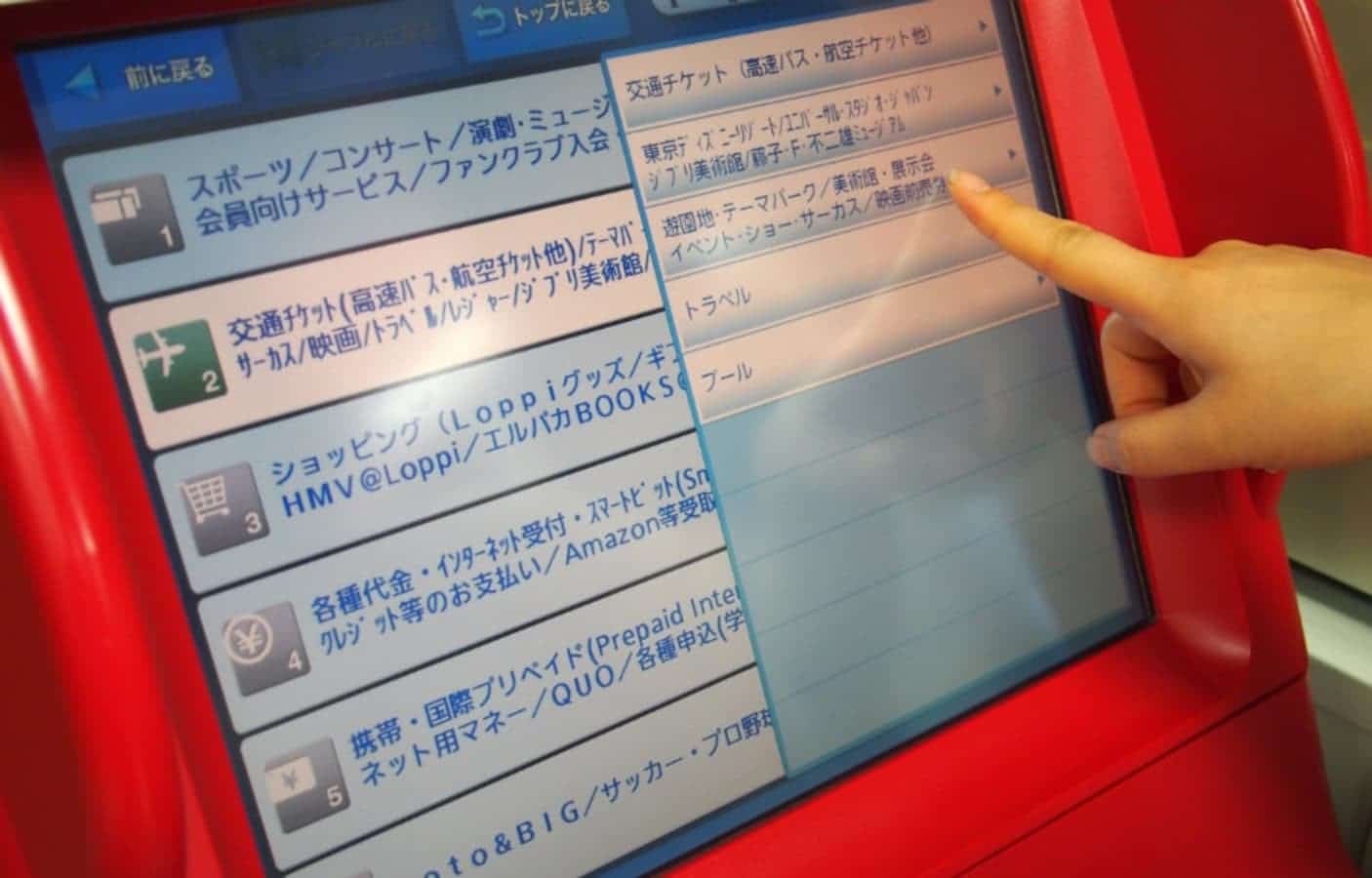
There are three main ways to buy. The first is the official Awa Odori website; the second is Japan’s large ticketing systems (such as Ticket Pia) and convenience store kiosks, though the interfaces are mostly in Japanese; the third is overseas travel platforms, which package the tickets as products.
Prices through official channels are the most direct, but first confirm whether payment and ticket pickup support overseas credit cards and e-tickets. Overseas platforms are convenient, but stock is limited, prices may include fees, and they don’t necessarily cover every session.
Whichever you use, make sure before buying which day, which venue and which session it is, because a day is usually split into two sessions, and buying the wrong one means you can’t get in.
Awa Odori Kaikan: Daytime and Evening Performances Have Different Ticket Prices
The Awa Odori Kaikan’s performances have two ticket prices: daytime performance ¥1,300 for adults and evening performance ¥1,600 for adults (the evening shows feature famous ren). The Awa Odori Museum exhibit area is charged separately, ¥500 for adults. Note that the Kaikan’s scheduled performances are suspended during the festival period, August 11-15.
As for show times, according to the Awa Odori Kaikan website: the daytime performance “Odoranasonson Awa Odori” is performed by the hall’s resident ren “Awa no Kaze,” four shows daily at 11:00, 14:00, 15:00 and 16:00, each about 40 minutes; the evening performance “Mainichi Odoru Awa Odori” is one show daily at 20:00, about 50 minutes, with different famous ren taking turns, and both include an onstage participation segment. On prices, the daytime performance is ¥700 for elementary and junior high school students and the evening performance ¥800; tickets are bought at the first-floor tourist information counter, where tickets for the performances, the museum and the Mt. Bizan Ropeway can all be bought in one place. The hall is closed on the second Wednesday of February, June, September and December (the next day if it falls on a national holiday) and from December 28 to January 1, and each show has about 250 seats.
Tickets for the exhibit area, performances and ropeway can all be bought at the first-floor counter in one go.
Scheduled performances are suspended during the festival period, August 11-15; on other dates, show times, prices and closing days are adjusted by season, so please check the Awa Odori Kaikan official website before you go.
Ropeway Tickets and Shuttle Transport: Practical Options When Staying in Takamatsu
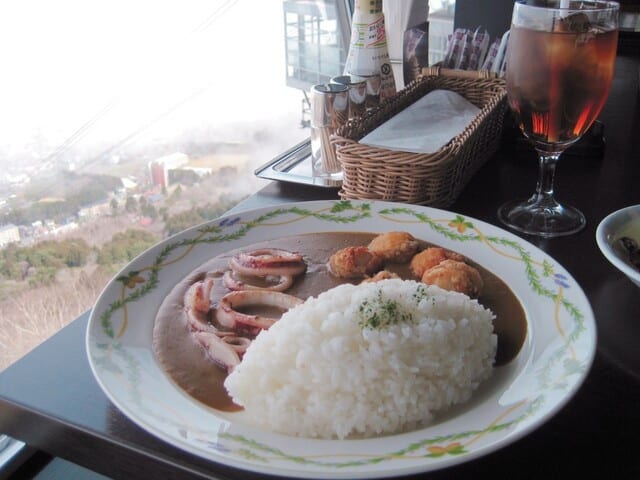
The Mt. Bizan Ropeway is priced as round trip or one way: adults ¥1,500 round trip and ¥900 one way, children ¥800 round trip and ¥500 one way, and it can be combined with a Kaikan performance. If you only want the night view, you can also drive or take a taxi straight up the mountain, but the mountain road is narrow at night, so those unfamiliar with it are better off taking the ropeway.
For travelers who can’t book a Tokushima room and stay in Takamatsu, besides rail there are operators offering round-trip transfers and shared-ride tours. The advantage is not having to worry about the last train; the drawback is fixed times and the need to book early.
These shuttle services are mostly offered only during the festival, with limited spots that fill up very early. If you plan to use this option, book as soon as your itinerary is set. If you choose rail to and from Takamatsu, confirm first whether extra late trains are added that year, and sort out your return seat the day you arrive in Tokushima.
What to Know Before Watching Awa Odori: Lodging Advice and Pre-Trip Reminders
Awa Odori is the tightest four days of the year for lodging in Shikoku, and the key points of preparation almost all revolve around booking rooms and managing your energy. Here are the three most important areas.
Lodging: Book Very Early, or Stay in Takamatsu
Tokushima City has limited lodging capacity, and August 12-15 are almost the hardest days of the year to book, with room rates clearly higher than usual. If you want to stay in the city, start checking as soon as your plans are fixed, and watching from six months ahead is not an exaggeration.
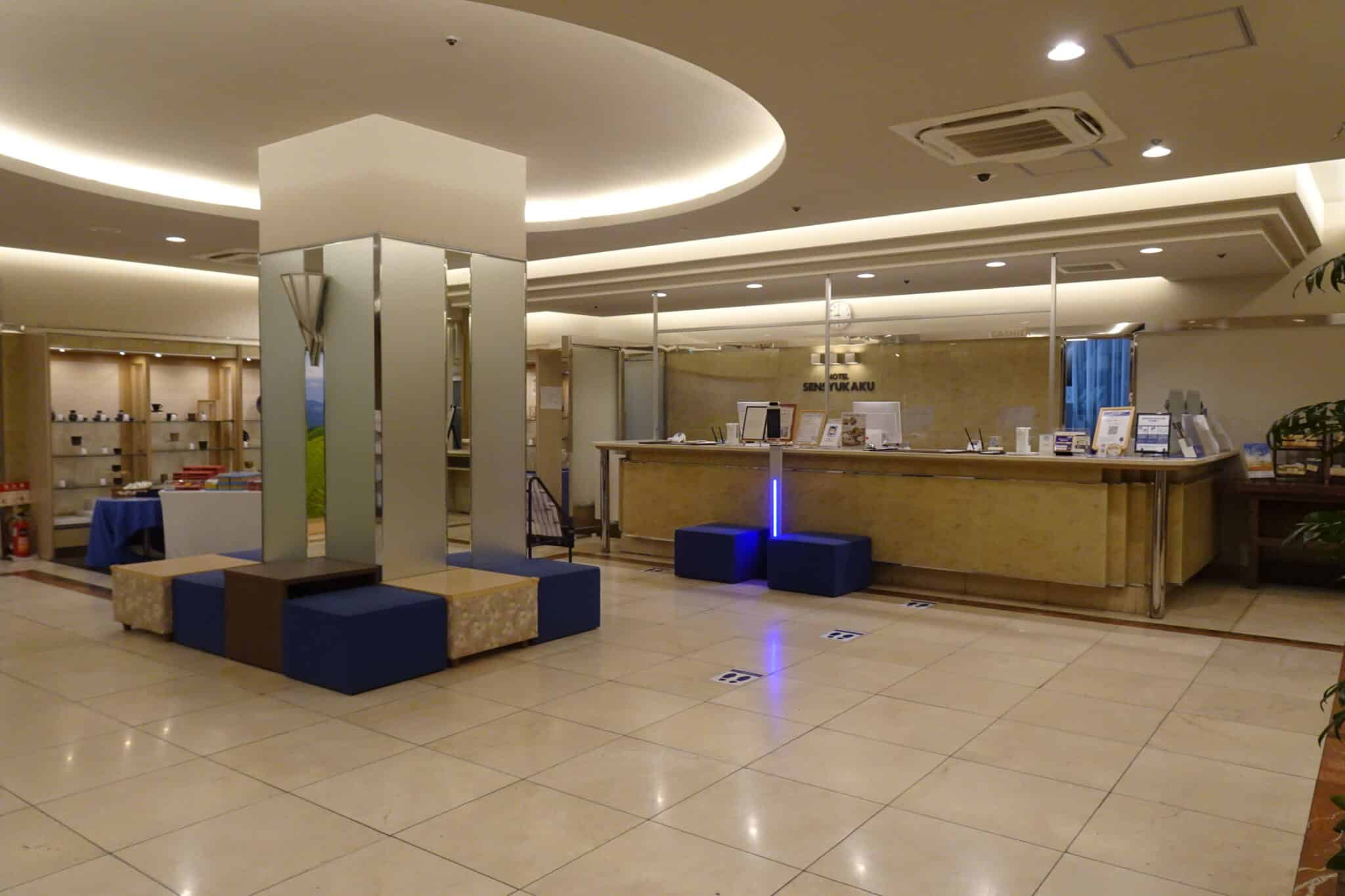
If you can’t book, you needn’t give up the trip. A common alternative is to stay in Takamatsu in Kagawa and return on the extra trains after the night shows, or to look in nearby areas such as Naruto and Anan and then come into the city by rail or bus.
Also note that rooms on these days are mostly on non-cancellable plans requiring full prepayment, so confirm that your dates are final before booking and read the cancellation rules. For larger groups, consider booking a whole guesthouse or an apartment-style stay at once, as these sometimes get booked later than business hotels.
Check Before You Go: Venue Layout, Show Times and Traffic Controls
Each year the venue layout, session times, ticket types and free-viewing areas may change, so rely on official announcements before you go rather than reusing old-year information. The meeting time and place of the beginners’ ren in particular change often.
Look over the areas and times of the traffic controls first, especially if you’re staying in the city center and need to pull luggage in and out. Also confirm the last train and last bus times in advance; checking after the last show is too late.
In addition, in a typhoon or bad weather some sessions may be canceled or shortened. If your trip falls in typhoon season, keep an eye on weather information and official cancellation notices. It is also a good idea to download that year’s official venue map to your phone, since mobile data on site often slows to the point that web pages won’t load at peak crowd times.
On-Site Preparation: Heatstroke Prevention, Comfortable Shoes and Photo Etiquette
August in Tokushima is muggy and humid, and the temperature doesn’t drop much even after dark. Those standing for long periods should bring drinking water, a fan or small handheld fan, and take breaks in air-conditioned shops from time to time, since heatstroke is not rare on these days.
Choose comfortable shoes. Free areas mostly have no seats, so you stand for two or three hours, and after the show you walk back to the station with the crowd, so sandals and new shoes are both likely to cause trouble.
For photography, do not point a flash directly at dancers, and don’t cross the cordon or block spectators behind you to get a shot. Tripods are generally not allowed in the crowd, and please follow the staff’s instructions on site. Also, the area around the venues is mostly residential and commercial, so keep your voice down after the show, don’t linger by the roadside, and take your trash to the designated collection points.
Awa Odori FAQ
Below are the questions travelers ask most, so you can confirm everything in one go before you leave.
Q: Which of the four days is best to go?
Choose the last day to see the climactic Sodori, but tickets are the hardest to get and the crowds the biggest. For a more relaxed time, pick one of the first two days, when tickets are relatively easier to buy and the streets are less crowded. If you just want to feel the atmosphere, you won’t be disappointed on any day.
Q: Can I see Awa Odori without a ticket?
Yes. The city has several free-viewing areas and street performances that need no ticket at all, and you can even be closer than in the seats. The downsides are that you stand, you have to claim a spot early, and your view is easily blocked when it’s crowded.
Q: Can ordinary visitors join the dance?
Yes, and no sign-up is needed. During the festival there is a beginners’ ren at set times every night, gathering on the spot and taught on the spot, and you can join in ordinary clothes. In 2026 it is held at the Shinmachi Bridge East performance venue, three time slots every night, free with no reservation; the actual location and times follow that year’s announcement.
Q: How many days should I plan for Awa Odori?
One evening is enough to see the performances themselves, but considering daytime city sightseeing and transportation, at least two days and one night are recommended. If you want to see both the paid seats and the street and also join the dance, two nights will be more comfortable.
Q: Can I see Awa Odori if I don’t come in August?
Yes. The Awa Odori Kaikan in the city holds permanent performances almost all year round (suspended only during the festival, August 11-15, and closed on the second Wednesday of February, June, September and December and over the year-end and New Year period), with shows at 11:00, 14:00, 15:00 and 16:00 in the daytime and 20:00 in the evening, and you can go onstage to learn basic moves from the dancers. If you want an authentic performance while avoiding the crowds, it is a good choice.
Q: Is it suitable to bring children?
Yes, but buying paid-seat tickets is recommended to avoid standing for long in the crowd. The performance runs late into the night and the weather is hot, so small children may not last; they can watch only the first half. In the crowd, hold hands tightly and agree on a meeting point in case you get separated.
Q: What can I visit nearby during the day?
In the city you can walk the castle ruins and the riverbanks; to go farther, the Naruto whirlpools and the Otsuka Museum of Art are about an hour’s drive. Note that traffic may be heavy on the return trip in the evening, so leave plenty of time to make the evening sessions.