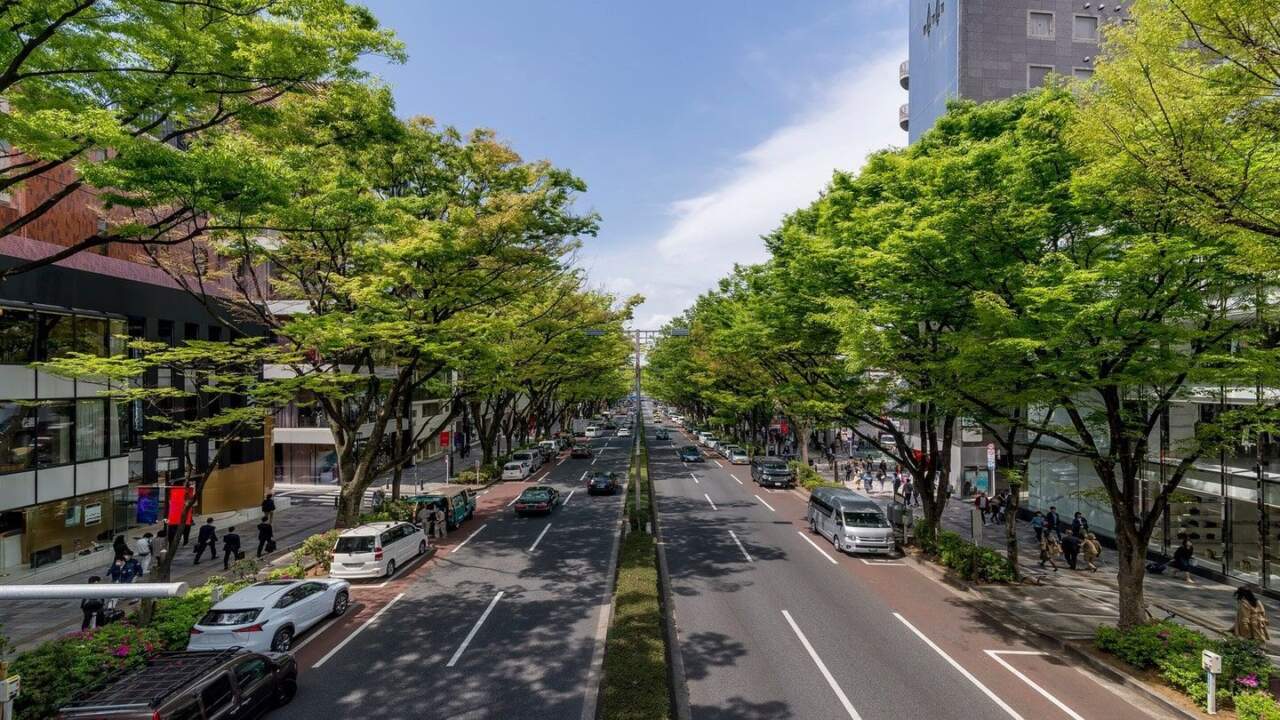

Hibiya: The Heart of Tokyo, Where History Meets the Modern City
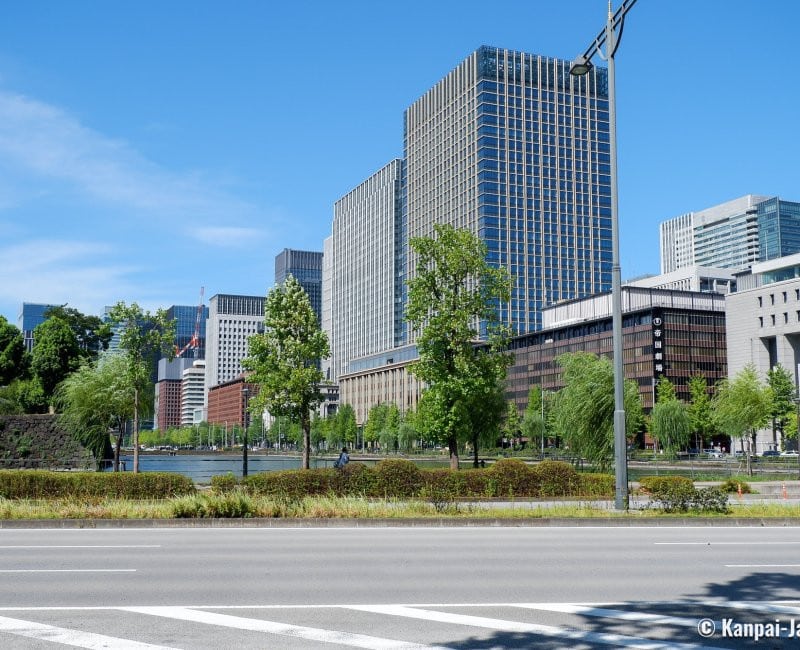
Tokyo’s Hibiya district has been a center of Japanese politics, business and culture since long ago, and today it has grown into an urban hub that blends historical depth with modern bustle. Here you will find historic buildings that have witnessed changing eras and the green expanse of Hibiya Park, alongside top-class theaters, luxury hotels and the newest commercial complexes, making it an ideal place to experience the many sides of Tokyo. This guide walks you through Hibiya’s past and present and explores its distinctive cultural atmosphere and latest developments.
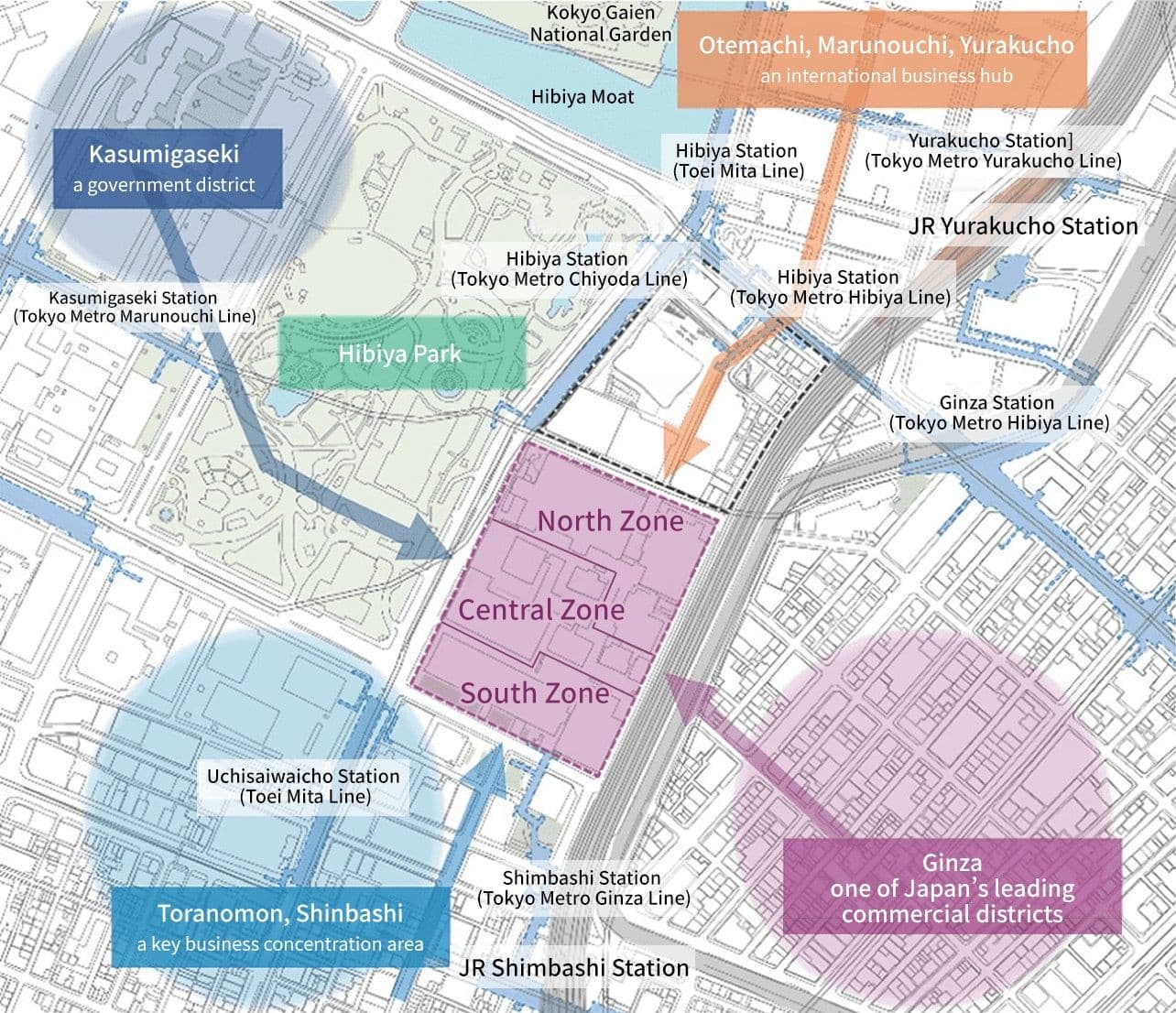
Hibiya enjoys an excellent location, right next to Ginza, Marunouchi and Kasumigaseki, which makes it a prime area for both business and leisure. From the Rokumeikan of the Meiji era to today’s Tokyo Midtown Hibiya, this area has always stayed ahead of its time and set trends for Tokyo. Whether you want to seek out historic sites, enjoy a performing-arts show, or indulge in upscale shopping and dining, Hibiya offers rich and refined choices for every kind of traveler.
The History of Hibiya: From Wetland to Urban Core
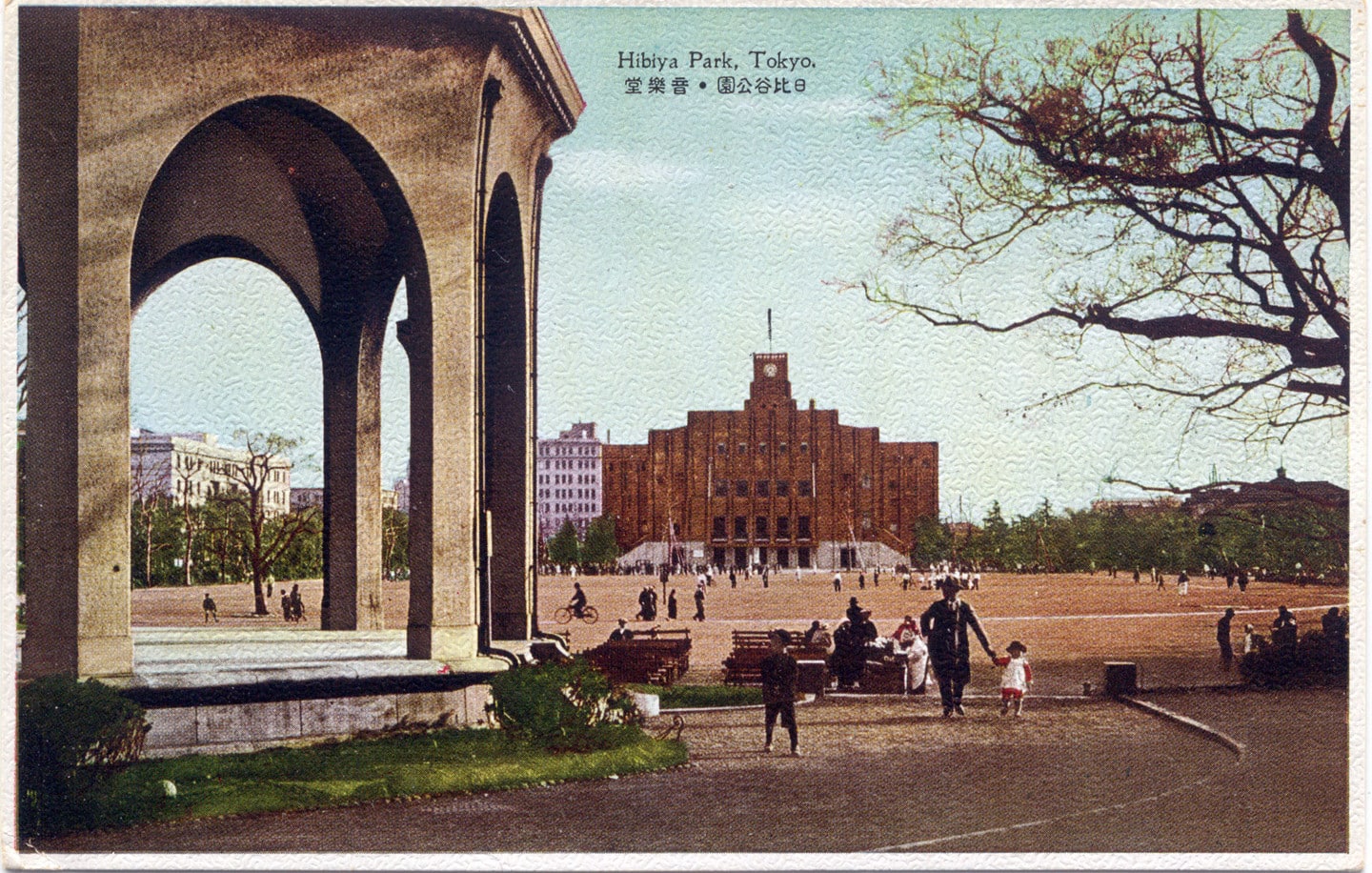
Hibiya has a long history. It was originally a wetland fishing village in the Edo period, and was later laid out as a district of samurai residences under Tokugawa Ieyasu. After the Meiji Restoration, Hibiya became a symbol of modernization, and the construction of Western-style buildings such as the Rokumeikan opened the way to exchange between Japan and the West. Hibiya Park, which opened in 1903, was Japan’s first Western-style modern park and added greenery to the area. After World War II, Hibiya turned into an important transport hub and business district, and in recent years large facilities such as Tokyo Midtown Hibiya have moved in, showing the appeal of old and new blended together.
Hibiya’s Location and Surroundings: A Prime Spot in Central Tokyo
Hibiya sits in the middle of Tokyo, with Ginza to the east, Kasumigaseki to the west, Marunouchi to the north and Shimbashi to the south, making it a node that links Tokyo’s key districts. From Hibiya you can walk to the Imperial Palace Outer Gardens and Tokyo Station.
Hibiya is easy to reach, with several subway lines meeting here: the Tokyo Metro Hibiya Line and Chiyoda Line, and the Toei Mita Line. JR Yurakucho Station is also close by, reinforcing its role as a transport hub and making it convenient to get around Tokyo, which makes it an ideal starting point for sightseeing.
Hibiya Attractions: A Half-Day Walking Route
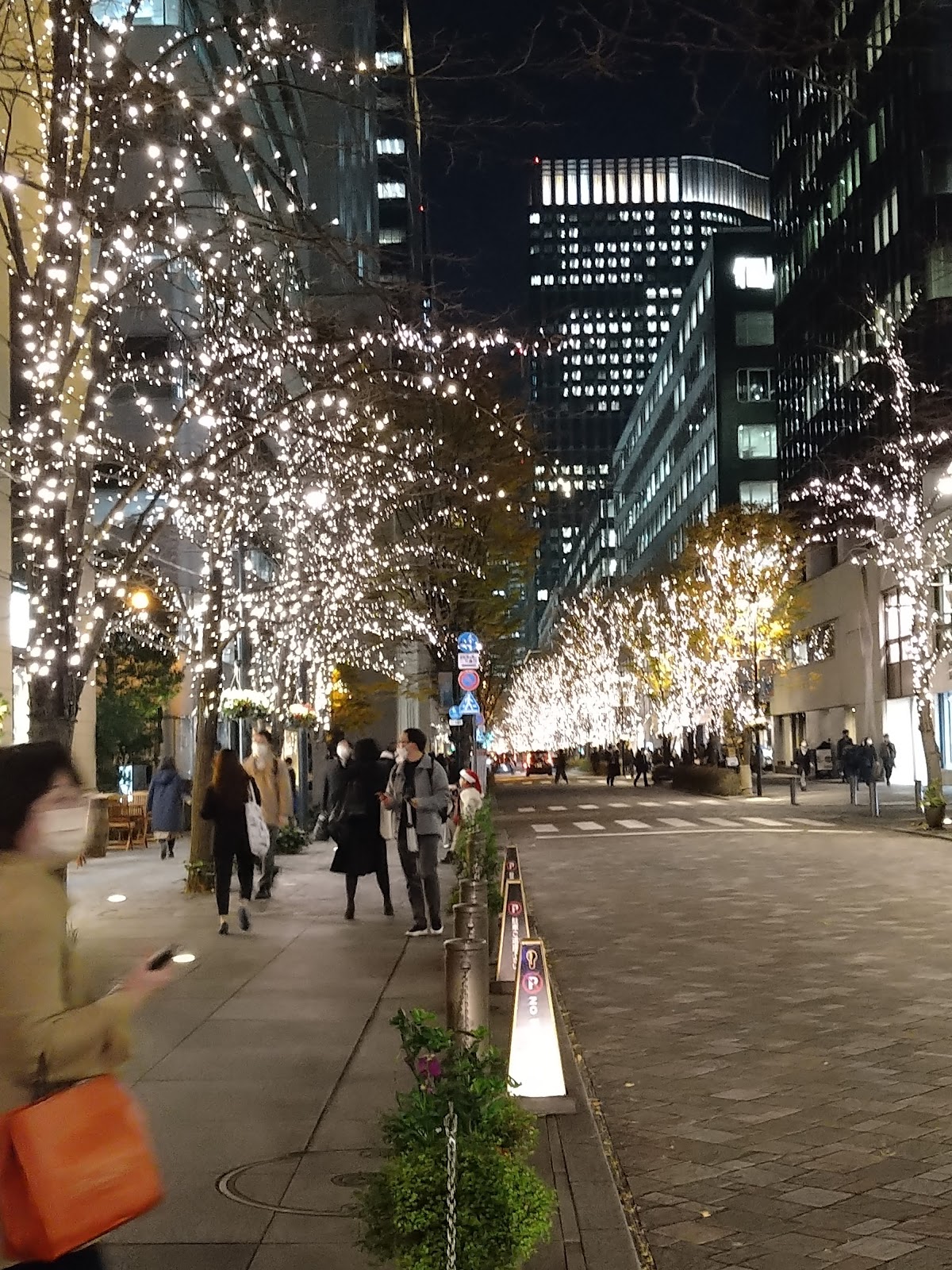
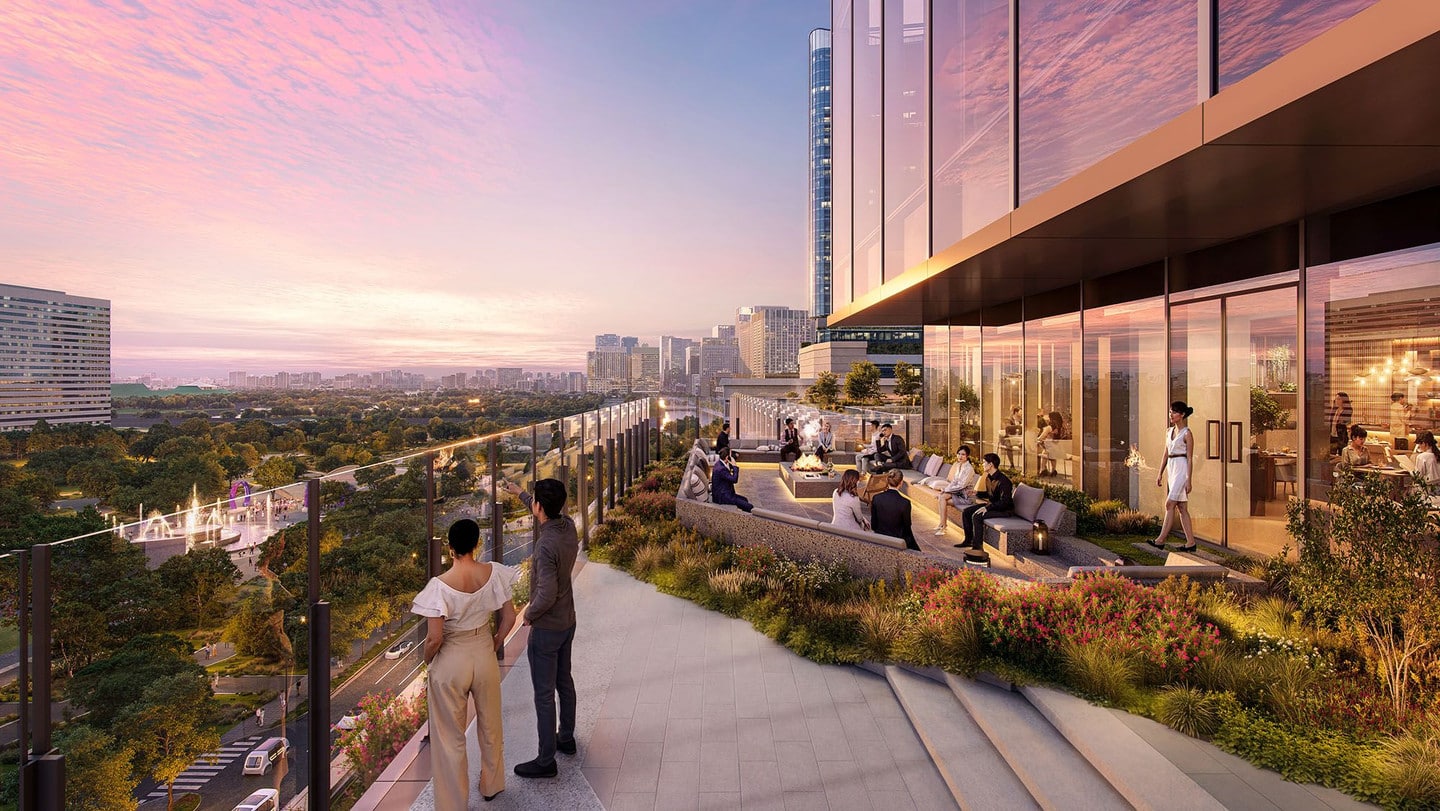
This half-day route can start from Hibiya Station: first visit Hibiya Park to see the Grand Fountain (running daily from 8:00 to 21:00) and the huge ginkgo tree thought to be 400 to 500 years old, then have lunch at Hibiya Matsumotoro in the park and order its ハイカラビーフカレー (Haikara Beef Curry, about ¥1,350), and then walk to Tokyo Midtown Hibiya, where the Park View Garden on the 6th floor opens from 8:00 and overlooks the greenery of the park.
![[Tokyo Travel Essential] Suica Card | The Most Convenient Transit Card](https://res.klook.com/images/w_300,h_300,c_fill,q_75/w_80,x_15,y_15,g_south_west,l_Klook_water_br_trans_yhcmh3/activities/umbkzsnq3ftwmq5zcdrx/【東京旅遊必備】Suica西瓜卡|最便利的交通卡-Klook.jpg)

Getting There
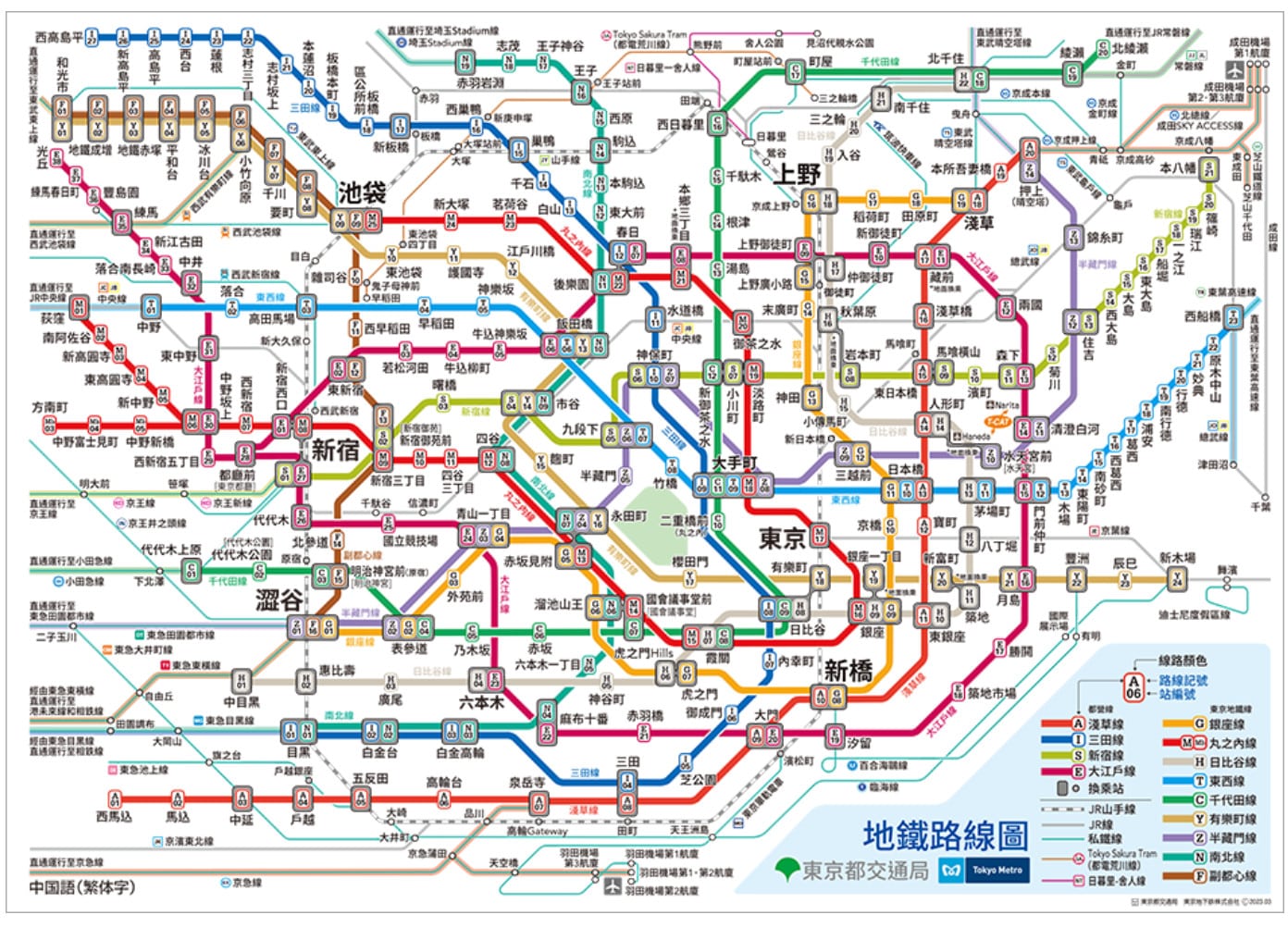
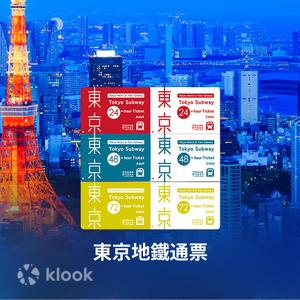
The easiest way to reach Hibiya is to take the subway directly to Tokyo Metro “Hibiya Station” (日比谷駅), where the Chiyoda Line, Hibiya Line and Toei Mita Line all meet; as soon as you exit you connect to Tokyo Midtown Hibiya and the entrance to Hibiya Park, with no need to hurry along the street above. If you are transferring from another line, Tokyo Metro Yurakucho Line “Yurakucho Station” (有楽町駅) is about a 4-minute walk, JR Yamanote Line and Keihin-Tohoku Line “Yurakucho Station” is about a 6 to 8-minute walk, and Tokyo Metro Ginza Line, Marunouchi Line and Hibiya Line “Ginza Station” (銀座駅) is also an easy walk of about 5 minutes, which makes it convenient to link the Ginza shopping district with the Imperial Palace Outer Gardens sightseeing route. Because the area has a dense transport network, we suggest getting a subway day pass in advance: one ticket gives unlimited rides on several subway lines, which is more economical and time-saving for trips between Hibiya, Ginza, Asakusa and other popular spots.
Highlights and Experiences
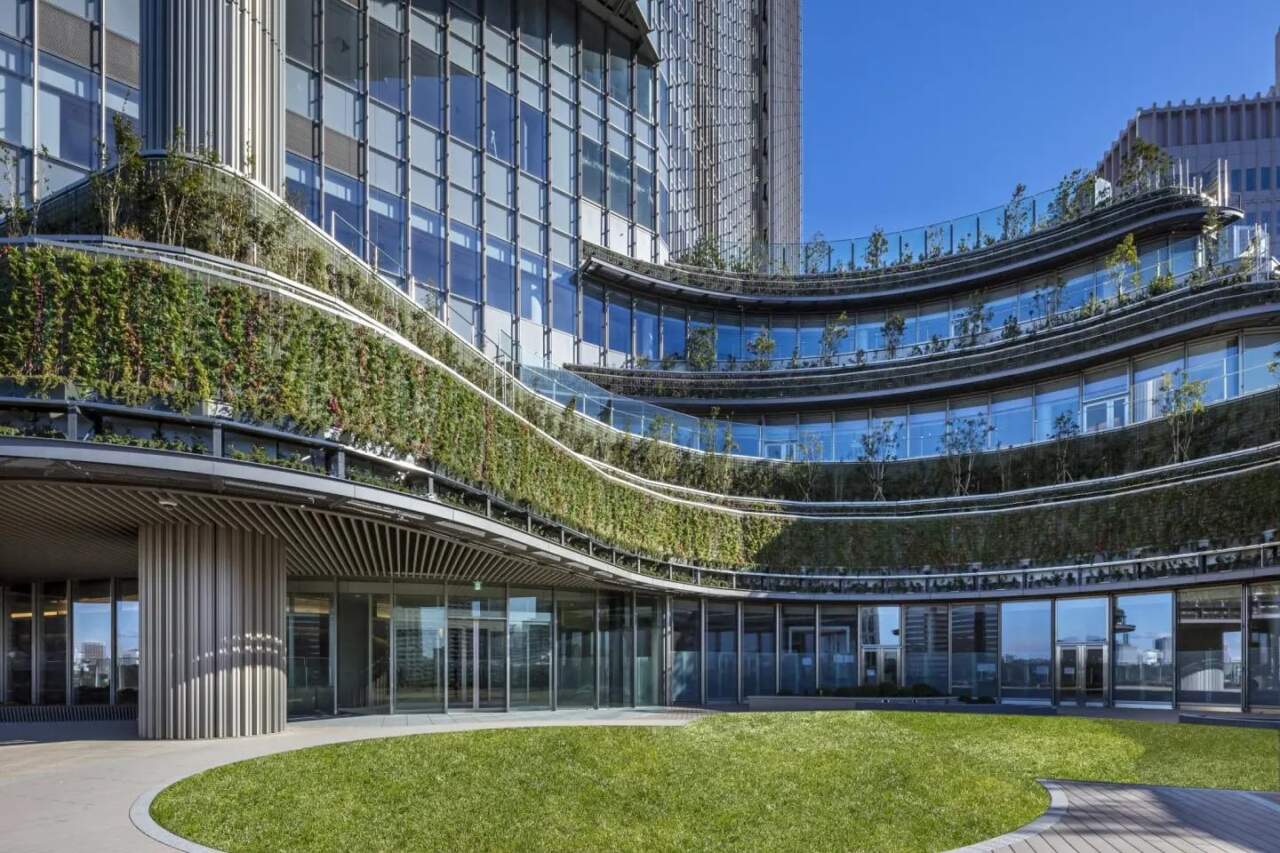
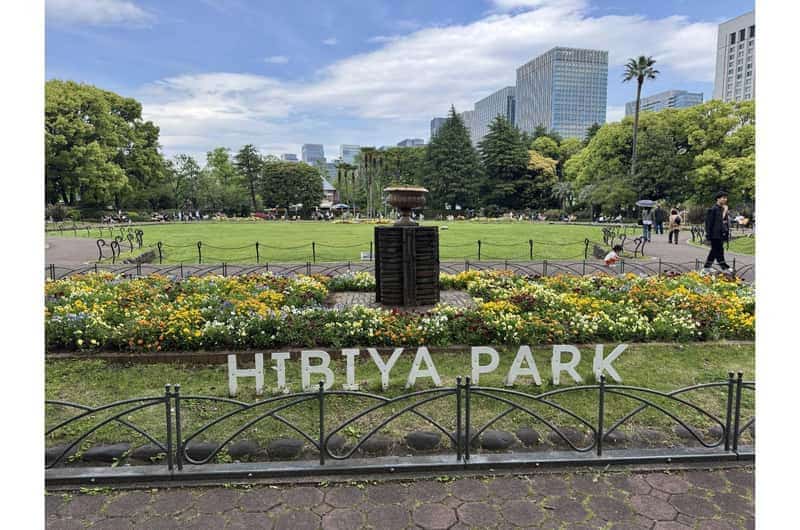
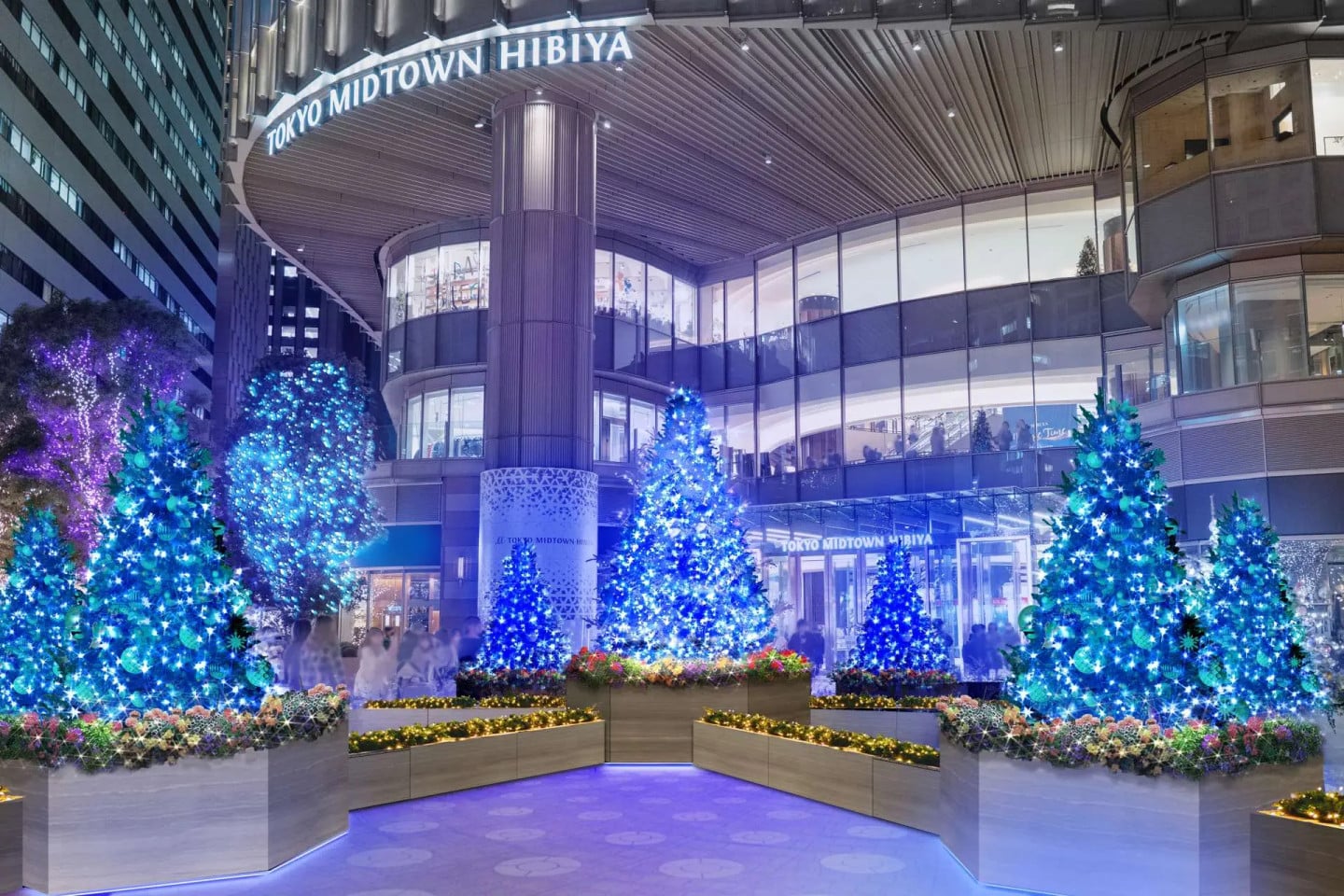
Hibiya Park is Japan’s first Western-style modern park, and its best-known landmark is the “Grand Fountain,” about 30 meters in diameter with a water jet 12 meters high; scattered around it are smaller fountains of varied design, such as the Crane Fountain and the Gull Fountain, which are popular photo corners. A huge ginkgo tree in the park, thought to be 400 to 500 years old with a trunk more than 7 meters around, has been a symbol of the park since it was moved here in the 35th year of Meiji (1902); in spring you can see cherry blossoms and tulips, while in summer and autumn hydrangeas, roses and the plum grove bloom in turn. When you get tired, step into the Hibiya Library & Museum next to Hibiya Public Hall for a rest, or head to Tokyo Midtown Hibiya (東京ミッドタウン日比谷), a complex right beside the park that opened in 2018; its “Hibiya Park View Garden” on the 6th floor is an outdoor garden overlooking the greenery of Hibiya Park (open from 8:00), and the Hibiya STEP Plaza in front of the 1st floor is a courtyard plaza used for events and illuminations.
Dining Nearby
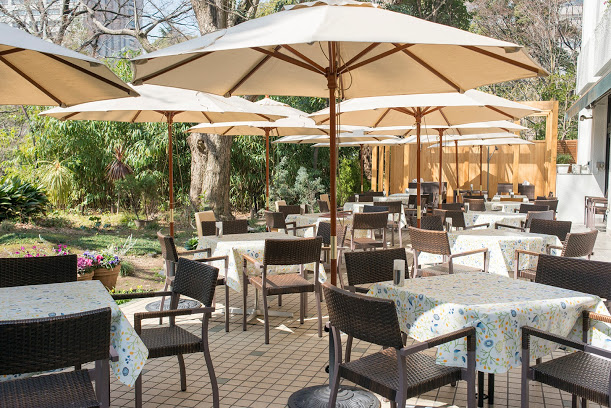
Around Hibiya Park you will find many long-established and stylish restaurants and cafes, so whether you want the nostalgic flavors of a traditional yoshoku (Western-style Japanese) institution, or to relax over a French bistro or Japanese tea sweets, there is a suitable choice. Here are a few highly rated local restaurants and cafes.
Hibiya Matsumotoro: A Century-Old Yoshoku Restaurant in Hibiya Park
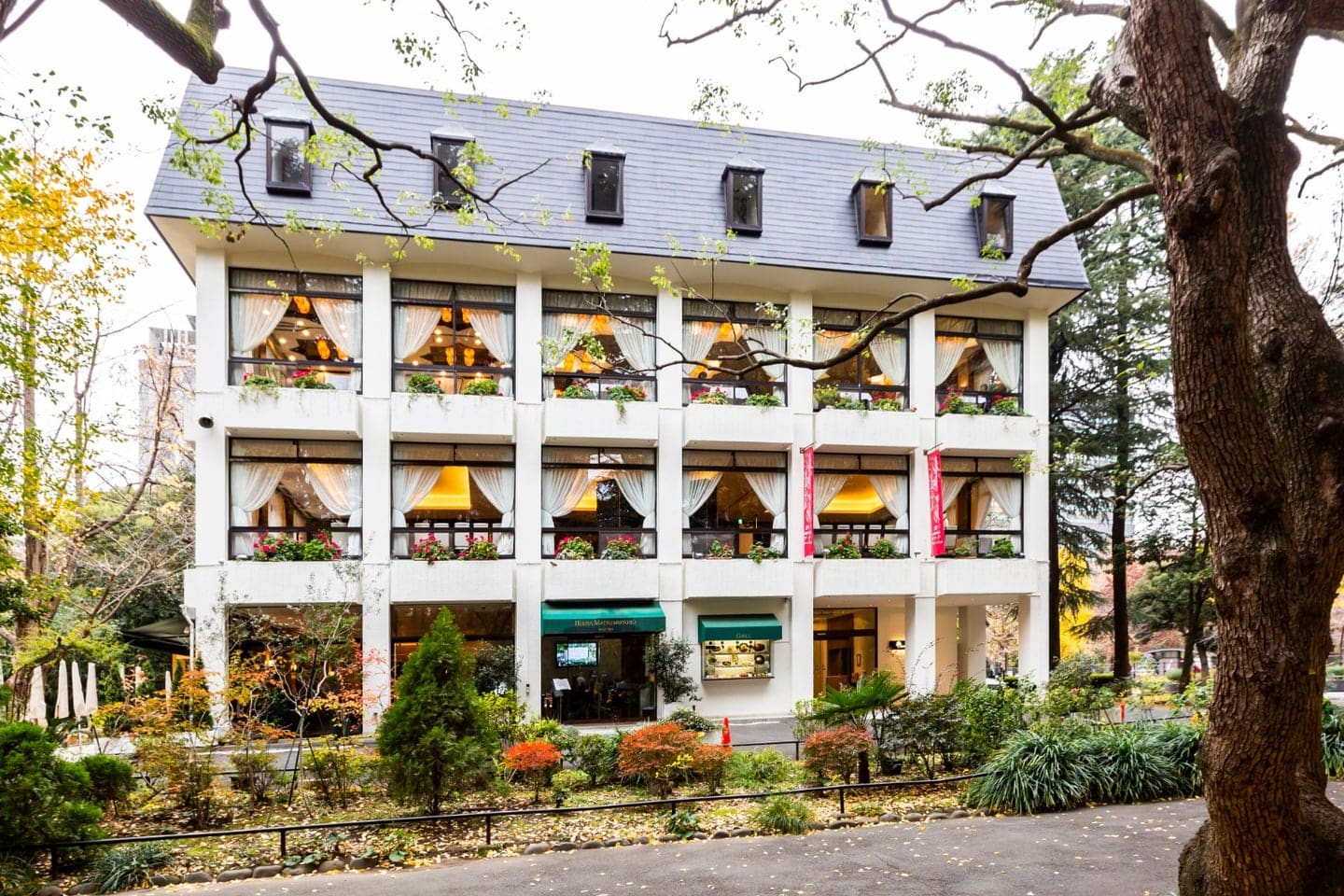
Hibiya Matsumotoro (日比谷松本楼) was founded in 1903, the same year Hibiya Park opened, and is one of the oldest yoshoku restaurants in Tokyo. The restaurant has open-air seating surrounded by greenery, the dining atmosphere is relaxed and pleasant, and it is also suitable for guests who bring pets.
- 🍛 Must-order: the signature “ハイカラビーフカレー” (Haikara Beef Curry, English-style curry)
- 💰 Price: curry rice about ¥1,350
- 🚉 Access: about a 3-minute walk from Exit A10 of Tokyo Metro “Hibiya Station”
Address: 1-2 Hibiya Park, Chiyoda-ku, Tokyo
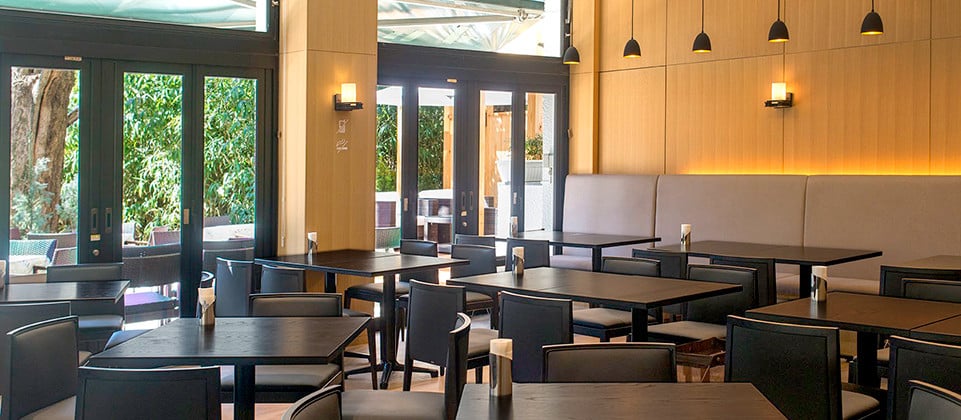

Buvette: A French Bistro-Style Cafe
Buvette is a French bistro on the 1st floor of Tokyo Midtown Hibiya, founded by New York chef Jody Williams, blending the feel of a bar with that of an old-fashioned cafe.
- 🍽️ Must-order: the weekday-only Lunch Formula set
- 💰 Price: lunch set from about ¥1,500 (before tax); on weekends and holidays it opens from 9:00
- 🚉 Access: directly connected to Tokyo Metro Hibiya Station; 4-minute walk from JR Yurakucho Station
Address: Tokyo Midtown Hibiya 1F, 1-1-2 Yurakucho, Chiyoda-ku, Tokyo
Hayashiya Shinbei: A Japanese Sweets Shop Supervised by a Century-Old Kyoto Tea House
Supervised by the long-established Kyoto tea house Kyo Hayashiya (京はやしや), founded in 1753, Hayashiya Shinbei serves desserts and drinks made with carefully selected Uji matcha, pleasing to both the eye and the palate, and is a good place to experience authentic Japanese tea culture; it is located on the 2nd floor of Tokyo Midtown Hibiya.
- 🍵 Must-order: 抹茶わらび餅あんみつ (matcha warabi-mochi anmitsu)
- 💰 Price: about ¥1,200 to ¥1,800
- 🚉 Access: Tokyo Metro “Hibiya Station” is directly connected to the 2nd floor of Tokyo Midtown Hibiya
Address: Tokyo Midtown Hibiya 2F, 1-1-2 Yurakucho, Chiyoda-ku, Tokyo
Tickets and Tours
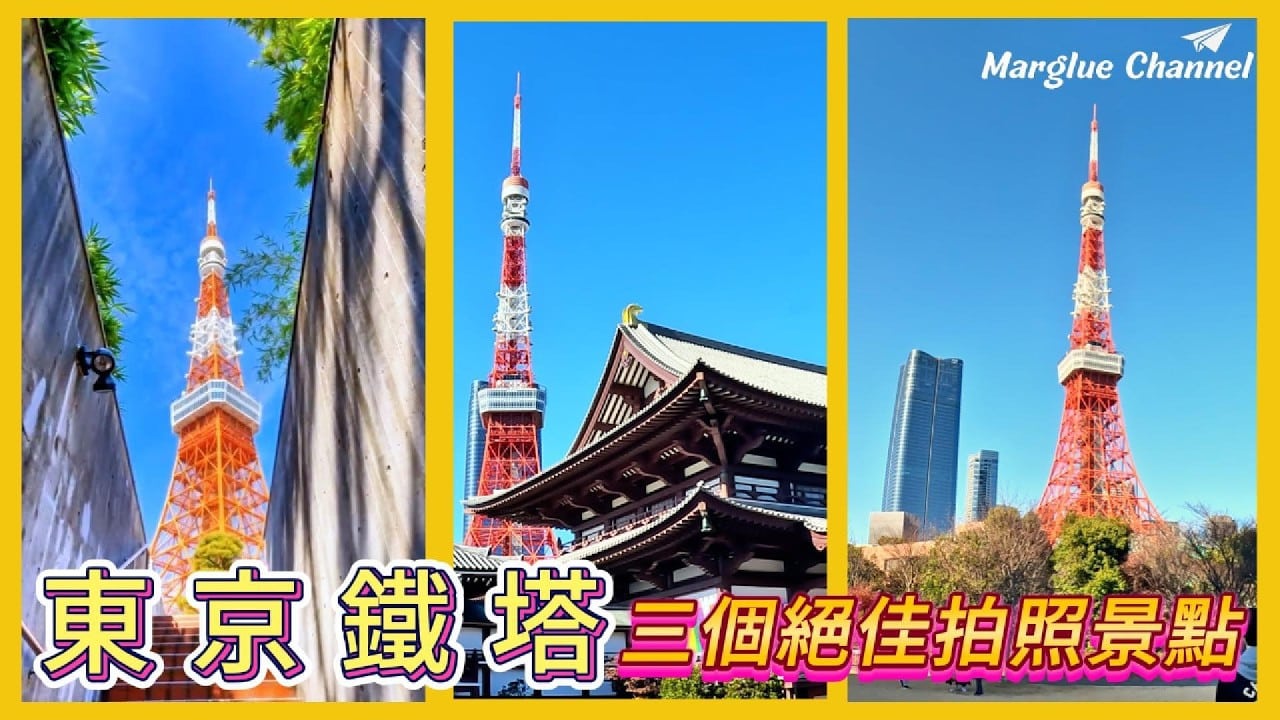
Hibiya Park itself is free to enter, and strolling, flower viewing and photography all need no ticket; however, if you want to learn more about the history and architecture of the area, you can join a guided tour focused on the nearby Imperial Palace Outer Gardens and Nijubashi Bridge, where a local guide explains the stories of the Edo Castle ruins and Meiji-era Western-style buildings. If your itinerary also includes Tokyo Tower, Asakusa or nearby cities, we suggest buying subway transit tickets first, so that getting around Hibiya, Ginza and Yurakucho will be smoother and more convenient.

Where to Stay Nearby
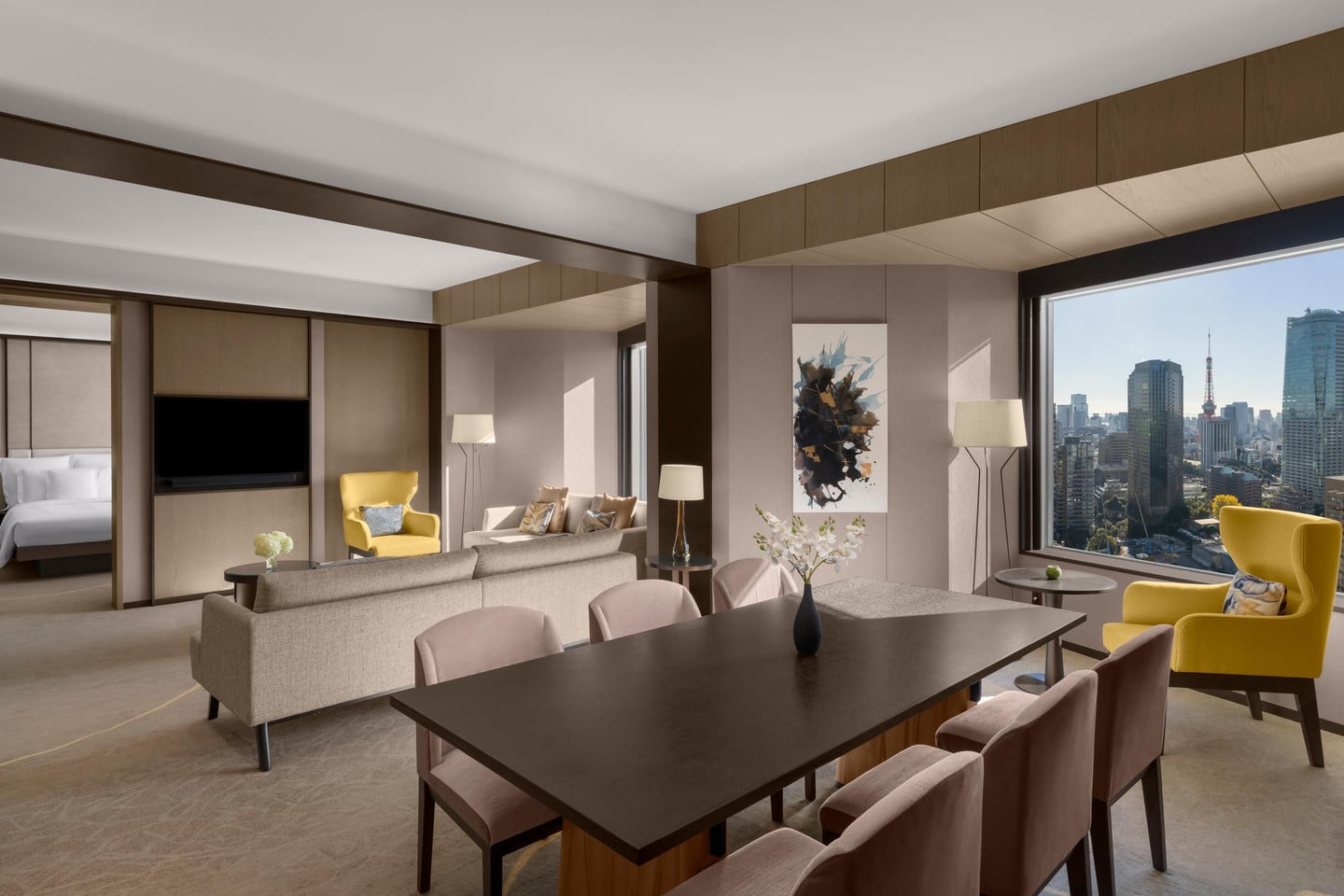
Hibiya is next to Ginza and Yurakucho and is one of the most transport-convenient areas in central Tokyo; whether you choose a luxury hotel or an affordable business hotel, you can walk straight to a subway station. Here are 3 hotels, each with its own character, selected by budget:

Top Pick for Luxury: Imperial Hotel Tokyo
Imperial Hotel Tokyo was founded in 1890 and is one of the oldest top-class hotels in Japan. It stands right next to Hibiya Park and the Imperial Palace Outer Gardens, only about a 3-minute walk from Hibiya Station, and is also convenient for landmarks such as the Tokyo Takarazuka Theater and Hibiya Chanter. The hotel is known for more than 130 years of refined hospitality, and its rooms are spacious and comfortable, making it an excellent choice for a Tokyo stay that blends tradition and modernity.
Address: 1-1-1 Uchisaiwaicho, Chiyoda-ku, Tokyo
Mid-Range Pick: Mitsui Garden Hotel Ginza Premier
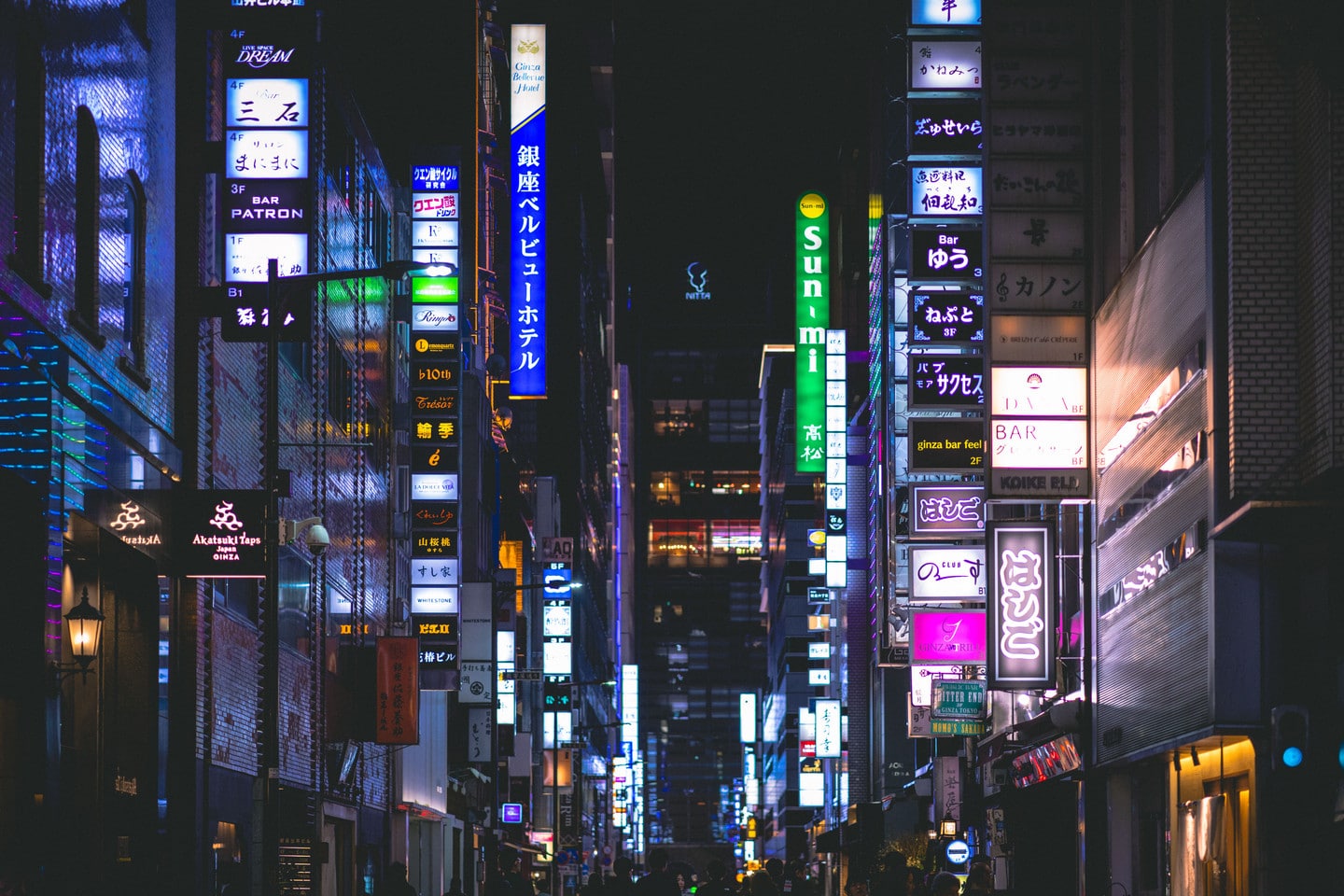
Mitsui Garden Hotel Ginza Premier is in the heart of Ginza at Ginza 8-chome, close to several subway lines, and very convenient for shopping or heading to Tsukiji or the Higashi-Ginza theater district. It has a public bath on site and suits travelers who want a high-quality Ginza stay on a reasonable budget.
Address: 8-13-1 Ginza, Chuo-ku, Tokyo
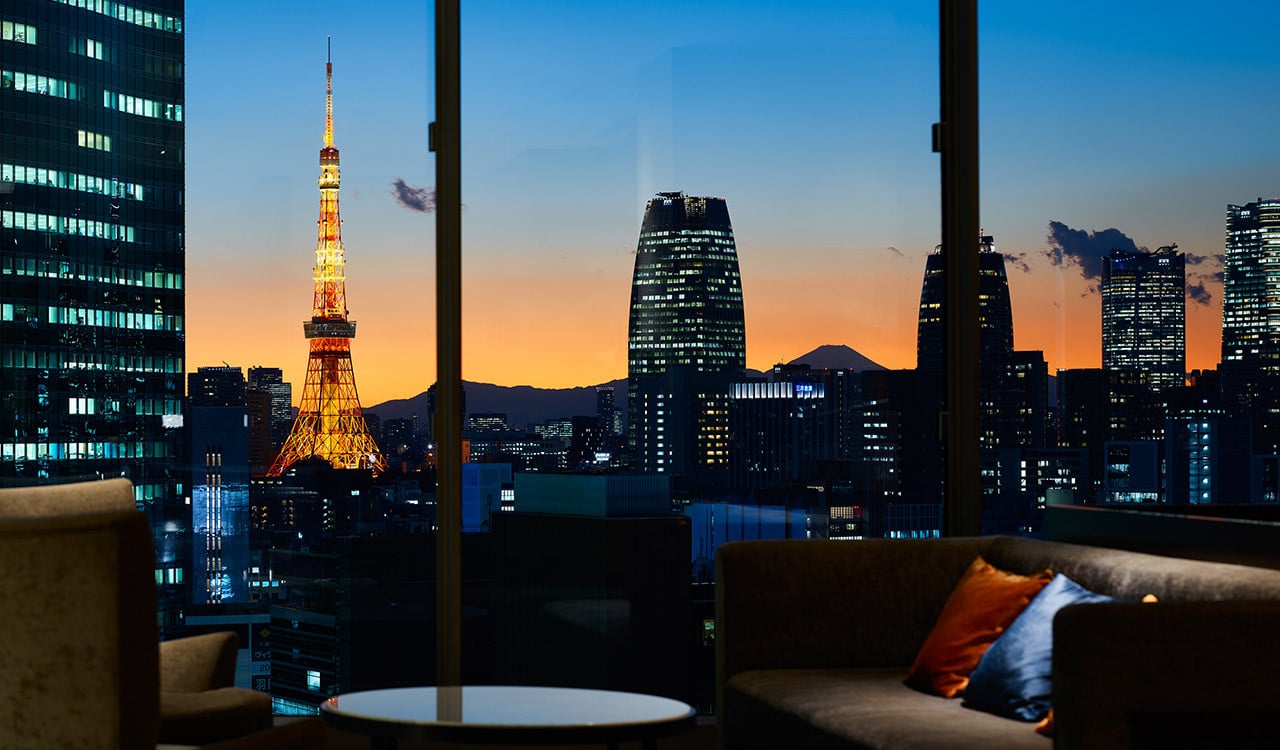
Budget Choice: Sotetsu Fresa Inn Ginza-Sanchome
Sotetsu Fresa Inn Ginza-Sanchome is a business hotel with excellent value, about a 3-minute walk from Exit A13 of Tokyo Metro Ginza Station and only 2 minutes from Toei Subway Higashi-Ginza Station, with Hibiya Park and Tokyo Midtown Hibiya both within walking distance. The rooms are not large but fully equipped, a practical choice for budget-conscious travelers staying in central Tokyo.
Address: 3-8-4 Ginza, Chuo-ku, Tokyo
Hibiya’s Main Landmarks and Cultural Facilities in Depth
The Hibiya area is not only a business center but also a gathering place for Tokyo’s important cultural and historical landmarks. From Japan’s first Western-style park to top theaters and the newest mixed-use commercial complexes, every corner of Hibiya is full of stories. This section takes you deeper into several of Hibiya’s most representative landmarks, exploring their historical significance and modern functions and the district’s unique cultural charm.
These landmarks are not only tourist attractions but also an indispensable part of the daily lives of Tokyo residents, carrying countless memories and feelings. Whether you stroll through a green park, immerse yourself in a temple of the arts, or feel the pulse of the modern city, Hibiya offers rich and varied experiences. By understanding these landmarks in depth, you will gain a fuller sense of the essence of Hibiya.
Hibiya Park: An Urban Oasis and Witness to History
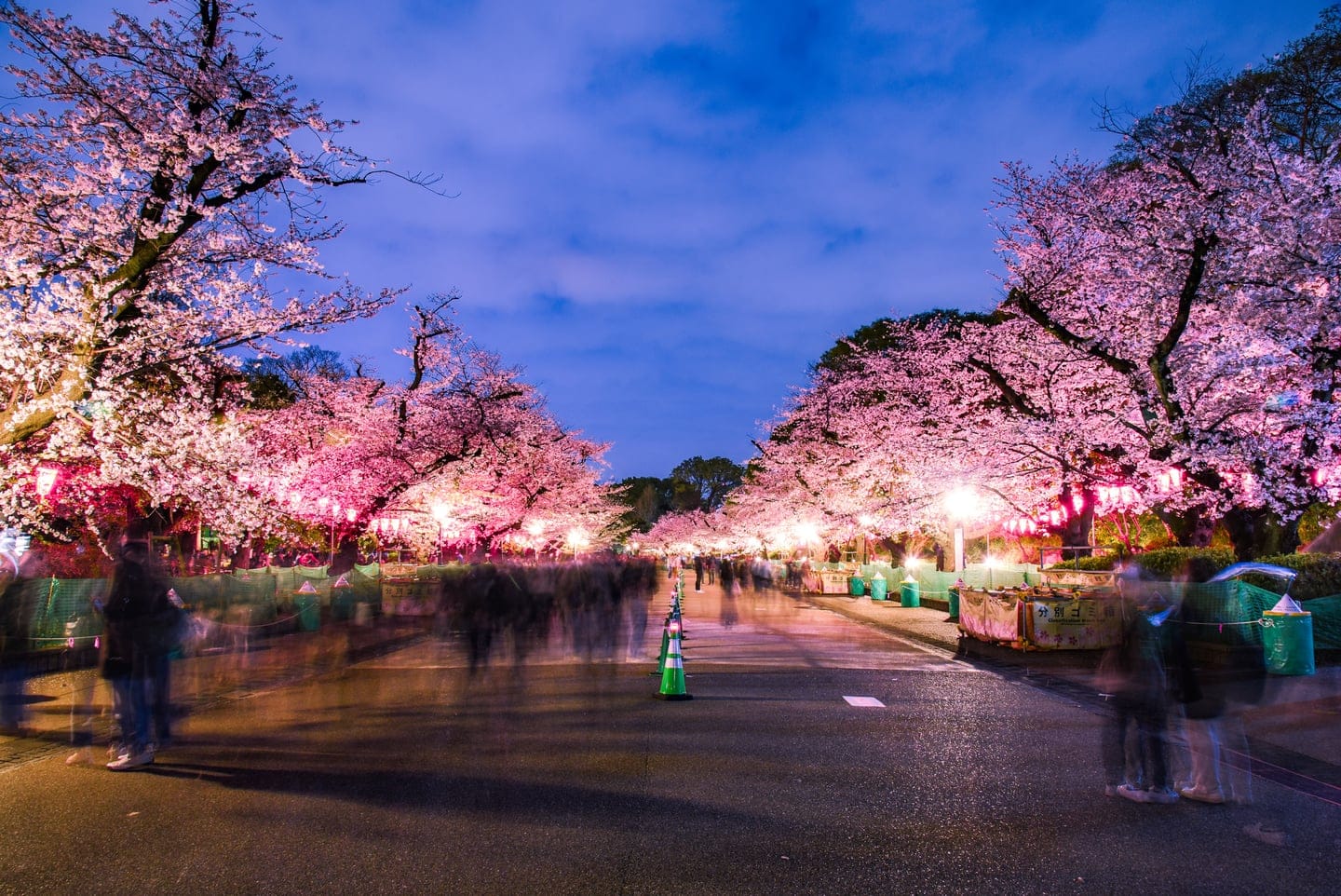
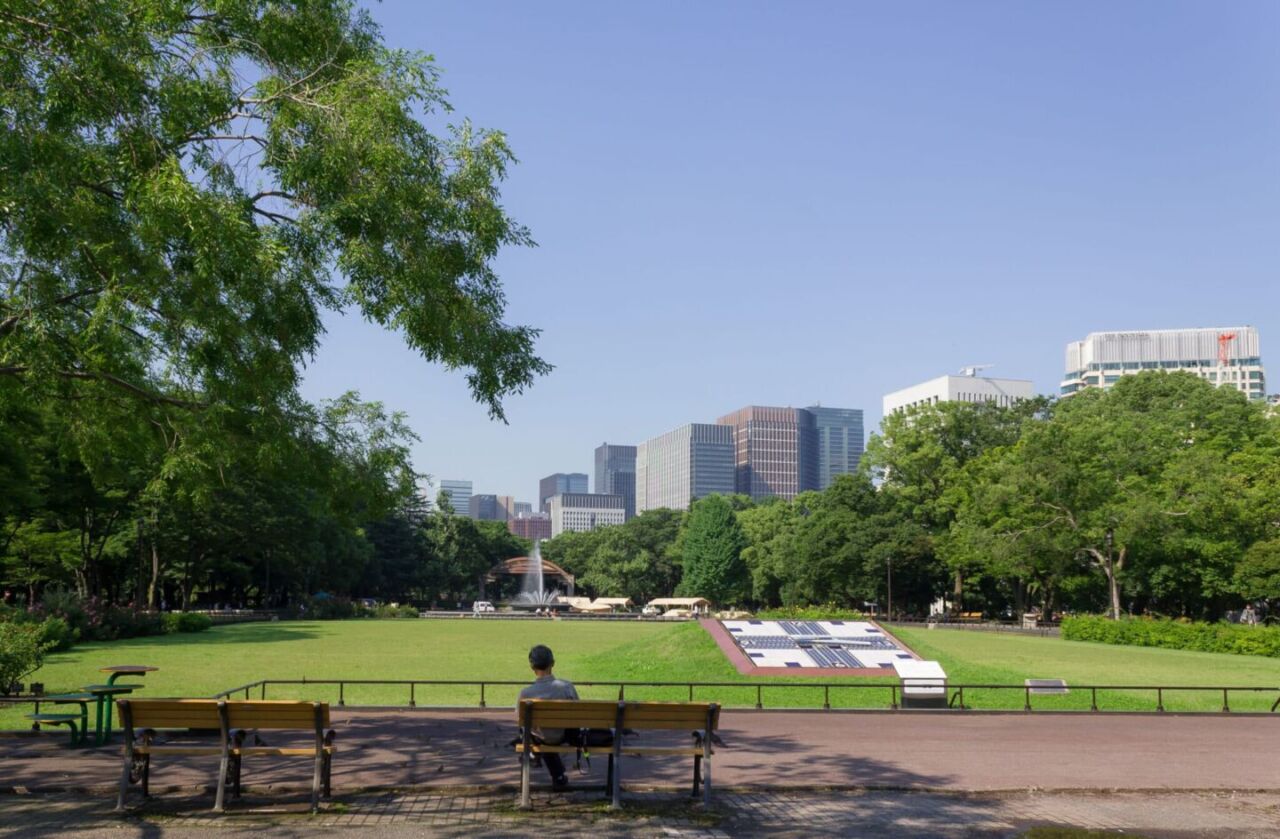
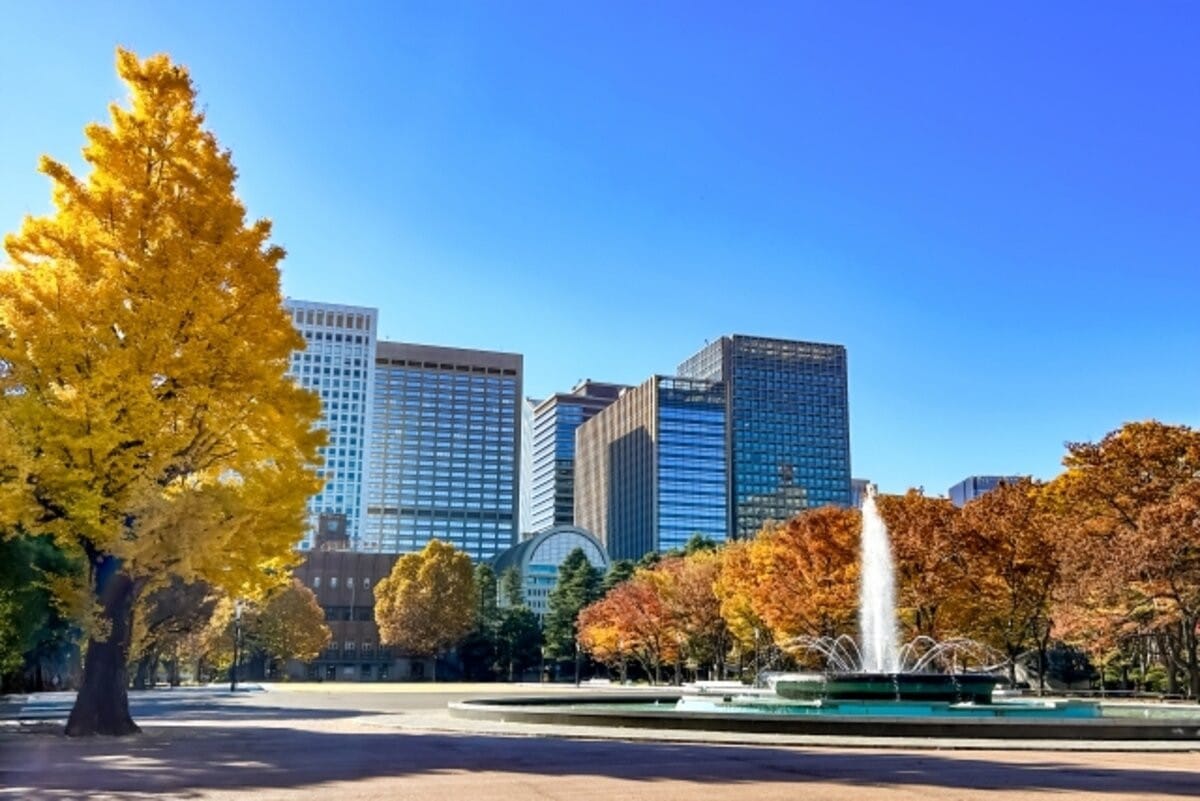
Hibiya Park is Japan’s first Western-style modern park. It opened in 1903 and has more than a hundred years of history, offering a quiet green space in central Tokyo. Its plants and flowers change with the seasons, and the cherry blossoms in spring and maple leaves in autumn especially attract visitors.
The pond of the park’s “Grand Fountain” is about 30 meters across and its main jet is about 12 meters high, running daily from 8:00 to 21:00; historic buildings such as Matsumotoro offer dining, so visitors can enjoy the scenery and good food, and the park has also witnessed many chapters of Tokyo’s history.
Tokyo Midtown Hibiya: A New Landmark of Modern Commerce and Culture
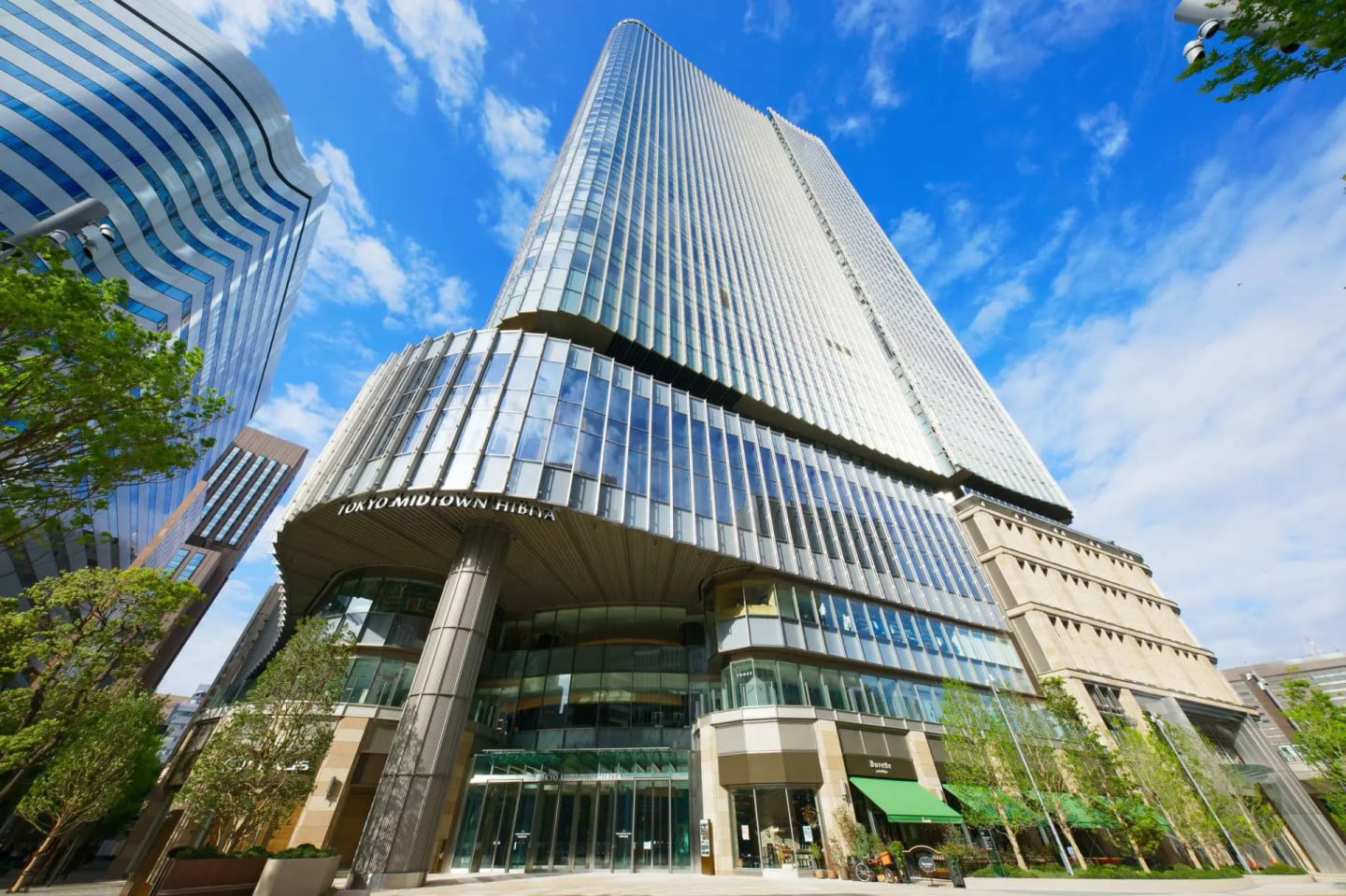
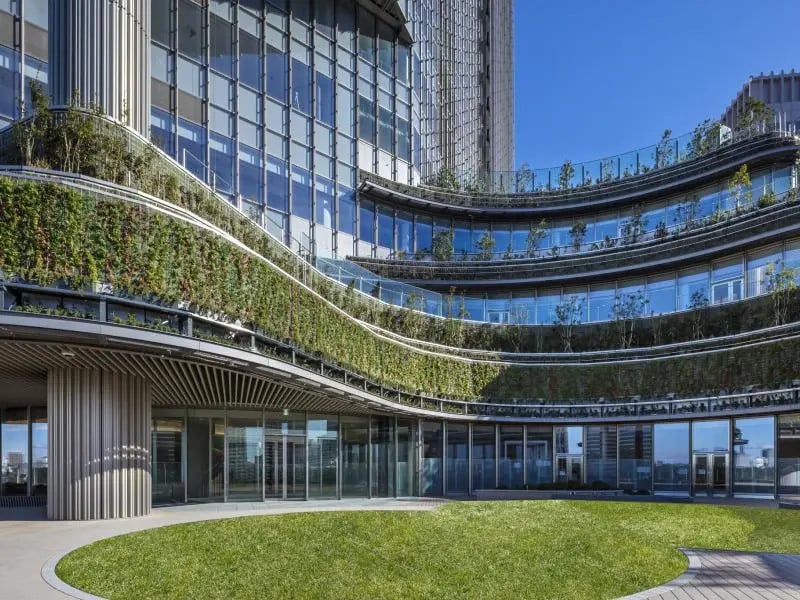
Tokyo Midtown Hibiya, which opened in 2018, is Hibiya’s newest landmark, combining offices, shops and entertainment. Its design blends into Hibiya Park, creating an open and lively space.
Inside are boutiques, restaurants, cafes and “TOHO CINEMAS Hibiya.” The “Park View Garden” on the 6th floor overlooks the greenery of Hibiya Park. Through varied shopping, dining and cultural events, Tokyo Midtown Hibiya shows the face of modern Tokyo life.
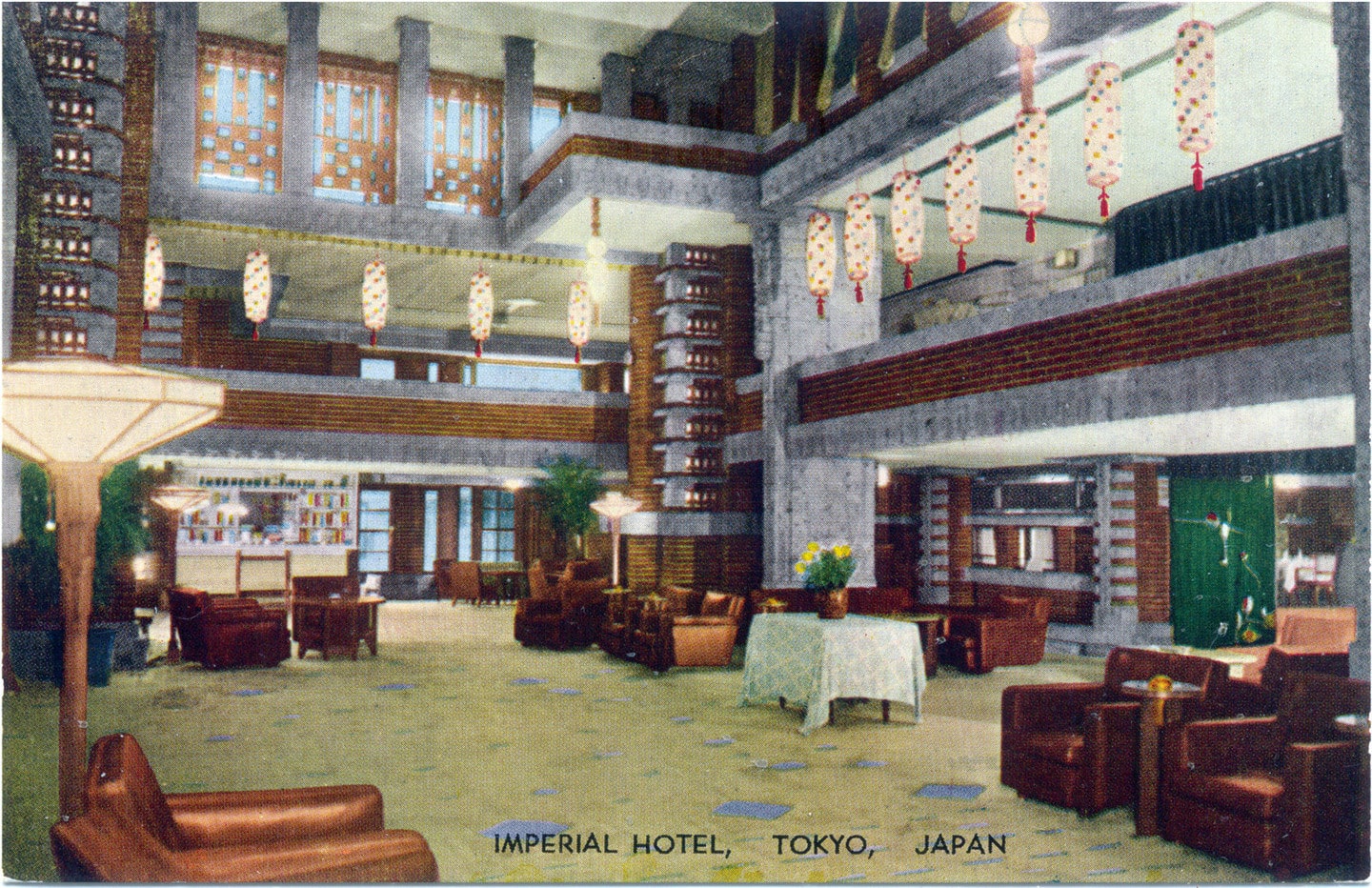
Imperial Hotel: A Luxury Symbol with a Century of History
The Imperial Hotel, which opened in 1890, is a representative luxury hotel of Japan, known for outstanding service. It stands in the heart of Hibiya, next to Hibiya Park and the Imperial Palace. Over the years it has received countless heads of state, members of royal families and international celebrities, and has witnessed modern Japanese history. Its architecture blends the classical and the modern, its interior is elegant and refined, and it has a variety of high-end restaurants, bars and banquet facilities. The Imperial Hotel is not just a place to stay but a way to experience Japan’s highest standard of hospitality and its history and culture; even if you do not stay, you can still feel its atmosphere at its cafes or restaurants.
Nissay Theatre and Tokyo Takarazuka Theater: Temples of the Arts
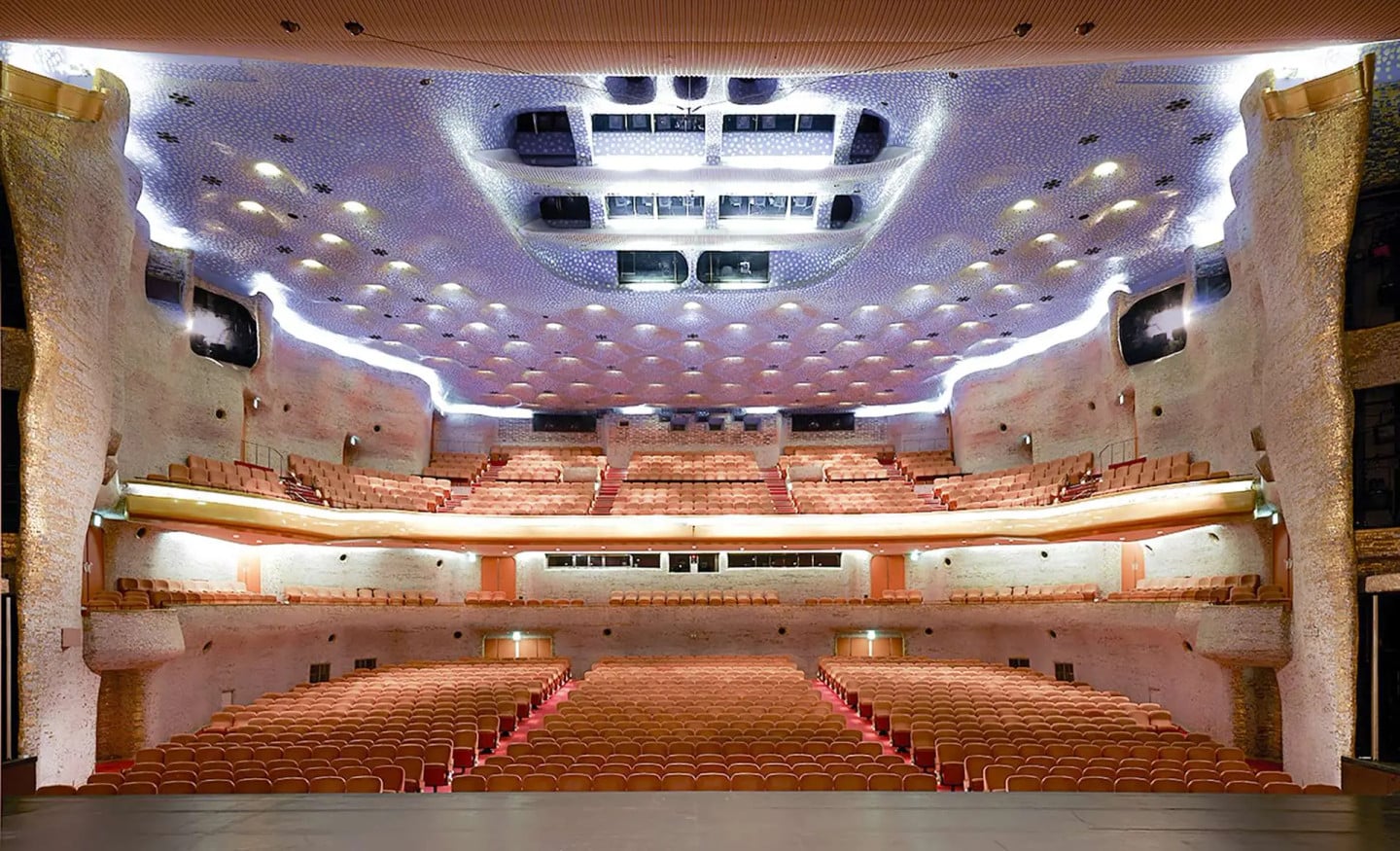
Hibiya is an important theater district in Tokyo, gathering several well-known performing-arts venues. Nissay Theatre (日生劇場), designed by Togo Murano, is known for its unique architecture and high-quality musicals and operas; its interior is richly artistic and it often stages world-class musicals. Tokyo Takarazuka Theater is the Tokyo home of the Takarazuka Revue, renowned worldwide for its gorgeous stage, all-female cast and a distinctive style that merges singing, dancing and drama. Together the two theaters form Hibiya’s rich arts landscape.
Shopping and Commerce in Hibiya: From Luxury to Distinctive Select Shops
Hibiya is not only a meeting point of culture and history but also an important commercial and shopping center in Tokyo. It gathers a wide variety of stores, from international luxury brands to Japanese specialty select shops, offering rich shopping choices. Whether you are a fashionista chasing the latest trends or a lover of creative goods looking for unique souvenirs, Hibiya can meet your needs. This section introduces Hibiya’s commercial facilities in depth and takes you on a refined shopping trip.
Besides the large mixed-use complexes, there are many hidden small shops and distinctive stores around Hibiya waiting to be discovered. These shops offer high-quality goods and also carry Hibiya’s unique cultural atmosphere, so shopping becomes not just spending but a way to enjoy life and experience culture. Let us explore Hibiya’s commercial charm together.
Shopping Highlights at Tokyo Midtown Hibiya: Where Taste and Trends Meet
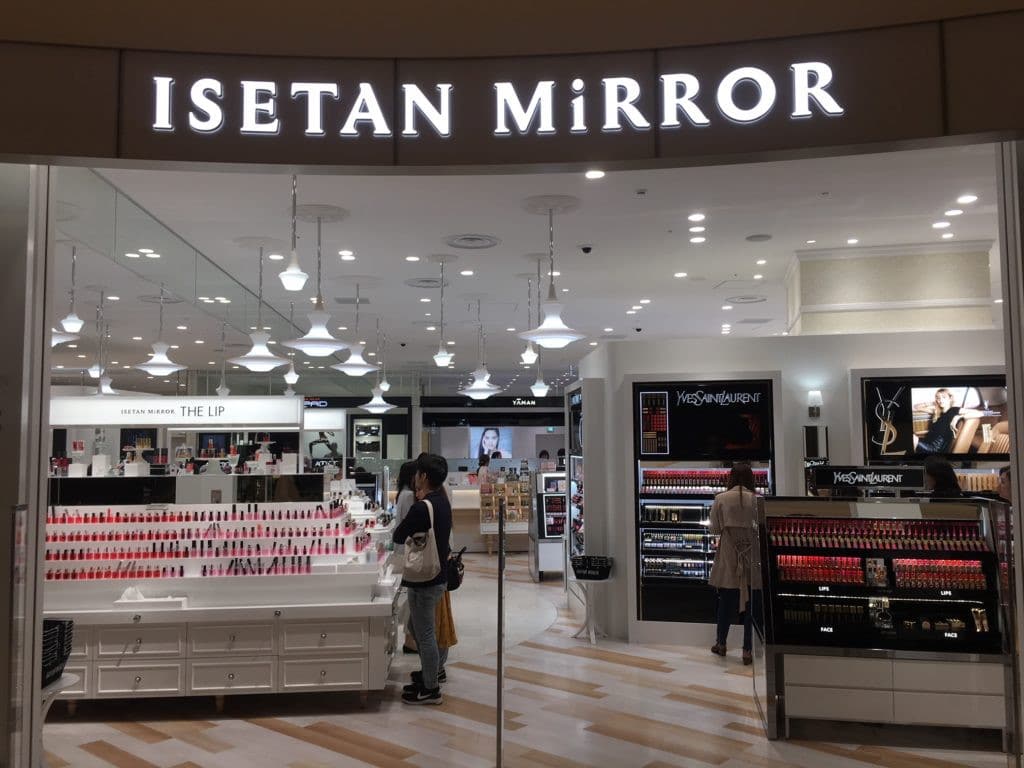
Tokyo Midtown Hibiya gathers distinctive stores and offers varied shopping experiences. “ISETAN MIRROR” brings together about 40 international beauty brands. “HIBIYA CENTRAL MARKET” creates the feel of a small traditional market selling books, sundries, clothing and more. “LEXUS MEETS…”, Japan’s first LEXUS brand experience facility, displays new cars and has a cafe and a select shop. The French photo gallery “YellowKorner” exhibits artworks by more than 200 photographers from around the world. Together these shops create a unique shopping landscape.
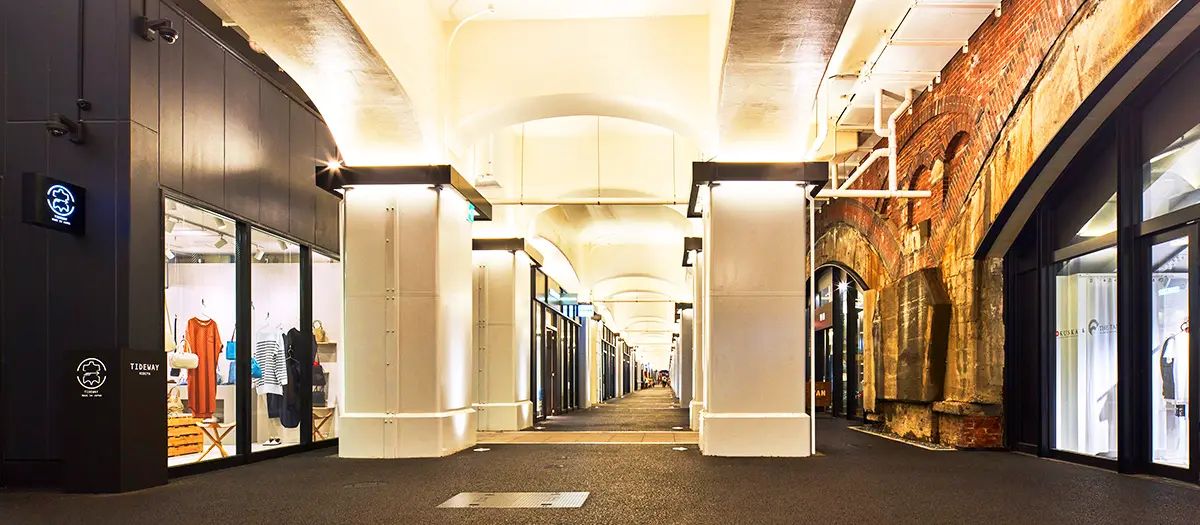
Hibiya OKUROJI: A Hidden Treasure Under the Railway Arches
Hibiya OKUROJI opened in September 2020 under the elevated tracks between JR Yurakucho Station and Shimbashi Station, turning unused space into a nostalgic shopping street. The name “OKUROJI” means “deep alley,” emphasizing the fun of discovering a hidden place.
It gathers distinctive restaurants, bars, handicraft shops and sake specialty stores, and many shops hold to a craftsman spirit and local character, offering high-quality goods and services. Strolling through OKUROJI feels like traveling through time and experiencing Tokyo’s unique urban flavor, an excellent place to hunt for special goods and enjoy good food.
Nearby Department Stores and Boutique Streets: The Extension of Ginza and Yurakucho
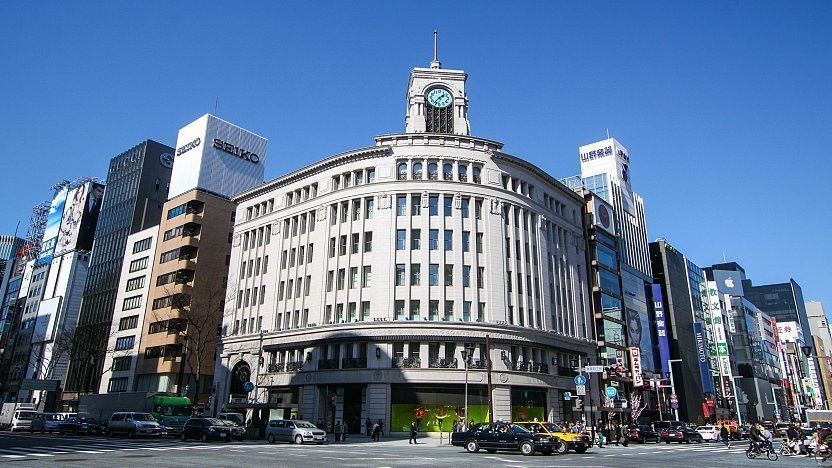
Hibiya is close to the Ginza and Yurakucho commercial districts and both are within walking distance. Ginza gathers flagship stores of top international brands and upscale department stores such as Ginza Wako and Ginza Mitsukoshi, where you can buy fashion, jewelry and Japanese crafts. Yurakucho has LUMINE Yurakucho, Hankyu MEN’S TOKYO and electronics retailers such as BIC CAMERA, covering clothing and electronics. As an extension of these areas, Hibiya lets visitors enjoy Tokyo’s varied shopping in a short time.
Hibiya’s Dining Culture: From Michelin Stars to Local Snacks
As the core of Tokyo, Hibiya has a rich and varied dining culture too, from top Michelin-starred restaurants to distinctive snacks hidden in back alleys. Here you can taste refined Japanese cuisine as well as international food from around the world, to satisfy every kind of palate. This section takes you through Hibiya’s dining appeal and the food experiences not to be missed.
Hibiya’s restaurants care not only about the quality of ingredients and the skill of cooking but also about the atmosphere of the dining space. Many restaurants have unique designs and beautiful views, making a meal a pleasure in itself. Whether for a business dinner, a family gathering or a romantic date, Hibiya offers a perfect dining choice, letting you feel Tokyo’s urban charm as you enjoy good food.
French Cuisine: French Restaurant Bois de Boulogne (Matsumotoro)
On the third floor of Matsumotoro, the century-old restaurant in Hibiya Park, “仏蘭西料理 Bois de Boulogne” serves French cuisine with a view of the park’s greenery; the chef uses seasonal ingredients to reinterpret classic dishes, and private rooms are available for gatherings or business meals. Reservations are recommended.
- 🍽️ Must-order: the chef’s seasonal course (appetizer, main, dessert)
- 💰 Price: lunch about ¥4,000-6,000, dinner from about ¥8,000
- 🚉 Access: about a 3-minute walk from Exit A10 of Tokyo Metro “Hibiya Station”
Japanese Matcha Sweets: Hayashiya Shinbei (Tokyo Midtown Hibiya)
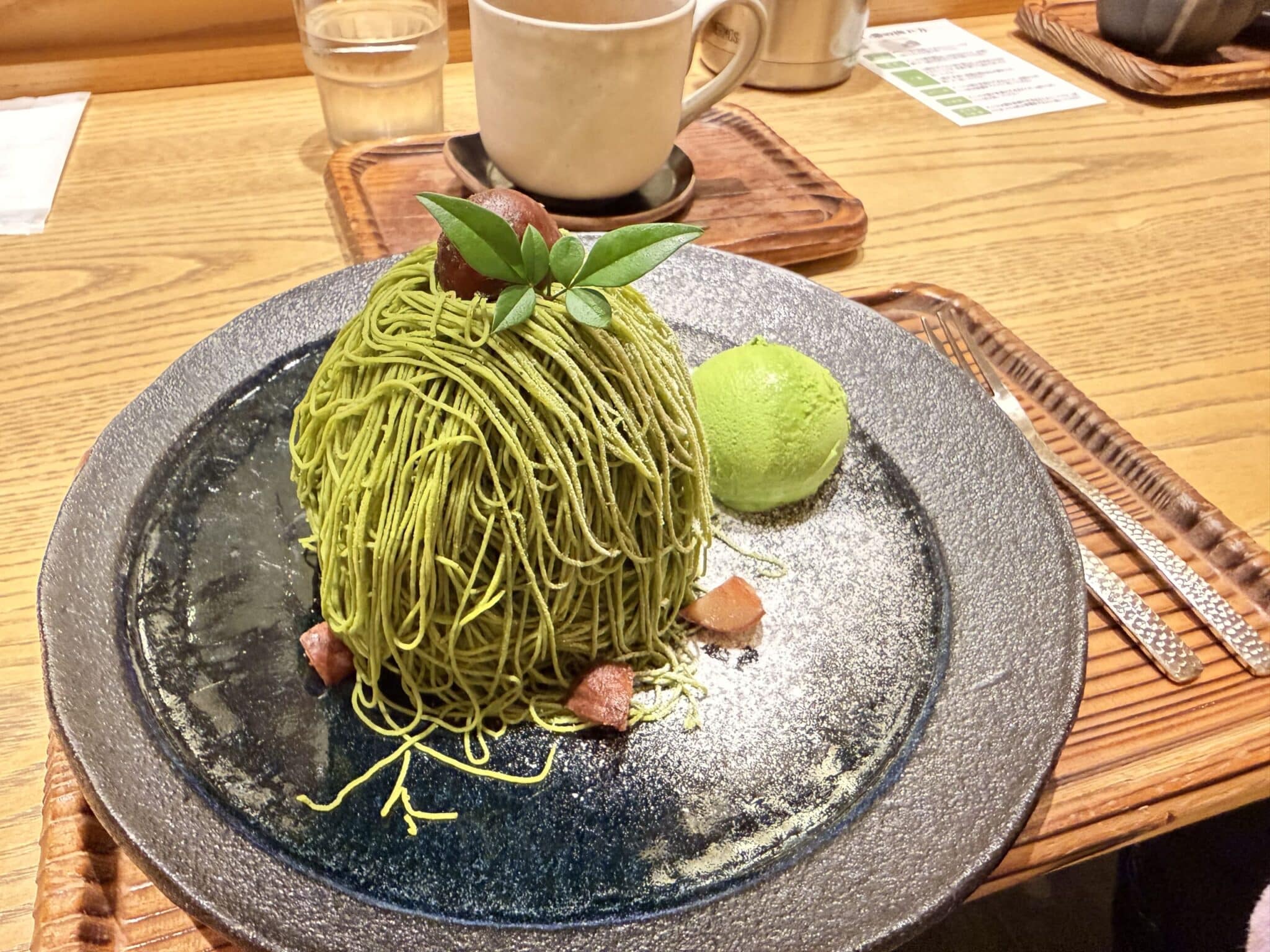
For matcha lovers, “Hayashiya Shinbei” on the 2nd floor of Tokyo Midtown Hibiya is an absolute must. This long-established Kyoto tea house is known for high-quality Uji matcha, and its elegant interior lets customers enjoy the refinement of Japanese style while savoring matcha.
- 🍨 Must-order: matcha parfait, 抹茶わらび餅あんみつ (matcha warabi-mochi anmitsu)
- 💰 Price: about ¥1,200 to ¥2,000
- 🚉 Access: Tokyo Metro “Hibiya Station” is directly connected to the 2nd floor of Tokyo Midtown Hibiya
A Fresh Seafood Feast: BOSTON Seafood Place (Tokyo Midtown Hibiya, HIBIYA FOOD HALL)
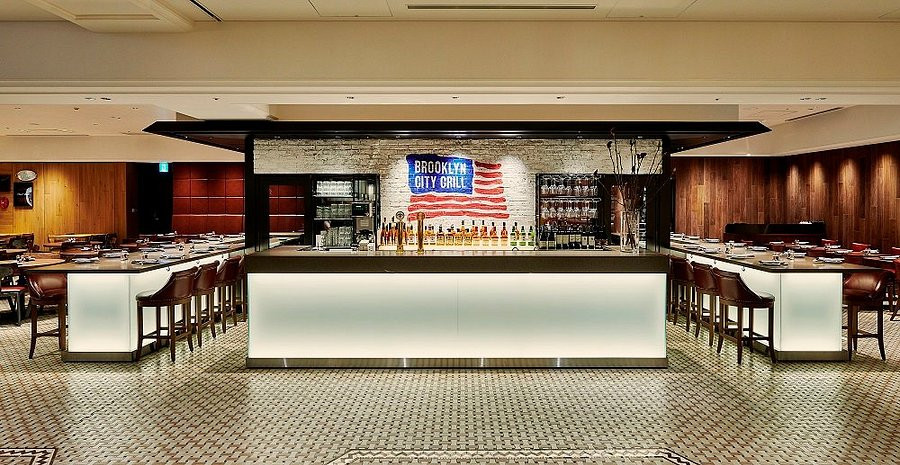
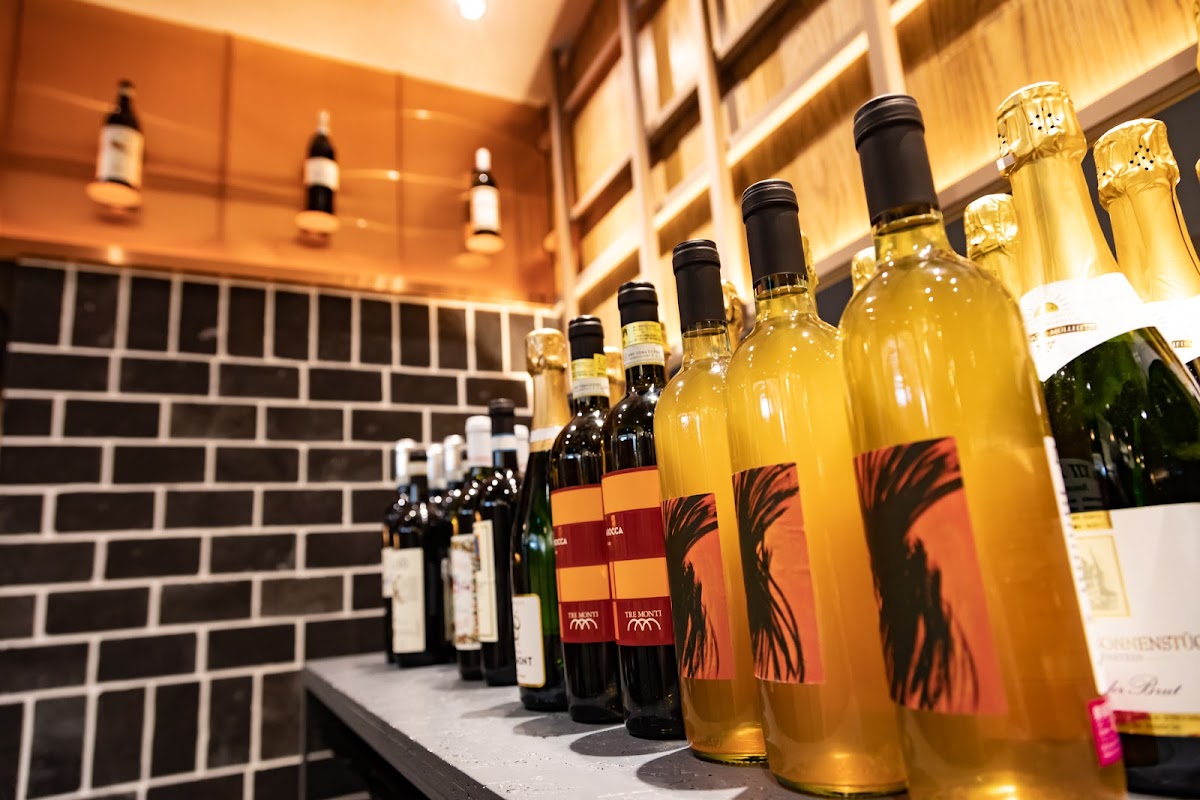
“BOSTON Seafood Place” is in the basement 1st floor of “HIBIYA FOOD HALL” at Tokyo Midtown Hibiya, offering seafood platters and California-style sushi rolls with a selection of wines. It was formerly “BOSTON OYSTER&CRAB” and is open daily from 11:00 to 23:00.
- 🍤 Recommended: assorted seafood platter (shrimp, crab, scallops), California-style sushi rolls
- 💰 Price: sushi rolls about ¥1,500, main dishes from about ¥1,700
- 🚉 Access: Tokyo Metro “Hibiya Station” is directly connected to B1F of Tokyo Midtown Hibiya
Distinctive Izakaya: Hidden Bars in Hibiya OKUROJI
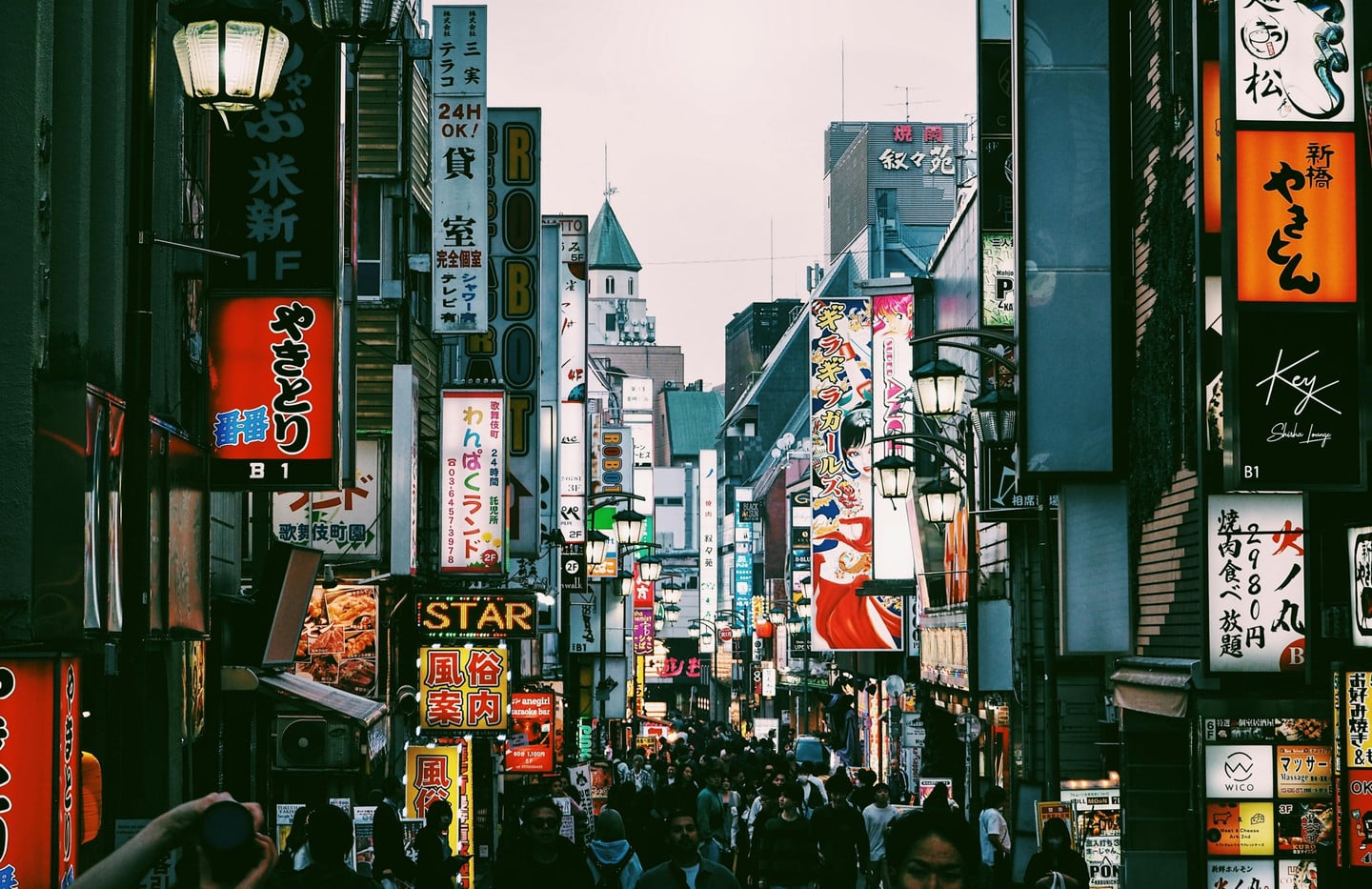
Hibiya OKUROJI is a treasure for both shopping and sampling distinctive izakaya and bars. In the unique space under the railway arches, many characterful bars are tucked away, serving sake, shochu and creative dishes. These izakaya are small but warm in atmosphere, a great place to experience Japanese nightlife. You can find shops serving fresh seafood, specializing in particular sake, or offering unique skewers and drinking snacks. Many shops stress seasonal ingredients and combine traditional and modern cooking methods. At an izakaya in Hibiya OKUROJI, have a drink with friends and enjoy Tokyo’s distinctive night mood.
Getting Around Hibiya and Suggested Nearby Routes
Hibiya Station is where the Tokyo Metro Hibiya Line, Chiyoda Line and Toei Mita Line meet, and it is linked by underground passages to JR Yurakucho Station and Tokyo Metro Ginza Station, giving direct access to areas such as Ginza, Roppongi, Ebisu and Omotesando; nearby sights can be reached on foot after exiting.
Hibiya: A Microcosm of Tokyo’s Urban Development and Its Outlook
With its unique historical depth, rich cultural facilities and ever-innovating business models, the Hibiya area has become one of Tokyo’s most attractive districts. From Edo-period wetland to modern urban core, Hibiya’s development is itself a microcosm of Tokyo’s urban change. It has successfully blended historic buildings with modern skyscrapers, creating a unique space that holds nostalgia without losing modern vitality.
Looking ahead, Hibiya will keep evolving, bringing Tokyo more surprises through continuing urban renewal and cultural activities. Whether as a business center, a temple of culture and the arts, or a place for leisure and entertainment, Hibiya will continue to play an important role. For any visitor who wants to understand Tokyo in depth and experience its varied charm, Hibiya is a wonderful destination not to be missed.
Hibiya’s Unique Charm and Value
Hibiya blends diverse cultures and shows a distinctive charm in which old and new are interwoven. It has historic landmarks such as Hibiya Park and the Imperial Hotel, as well as modern facilities such as Tokyo Midtown Hibiya and Hibiya OKUROJI, meeting the needs of both historical exploration and urban fashion. Hibiya is a meeting point of politics, economy and culture, rich in theaters, museums and performance spaces, and fertile ground for the development of the arts in Tokyo. Its excellent location and convenient transport make it an important platform for business exchange and international cooperation. Hibiya’s diversity and vitality are an indispensable part of Tokyo.
Hibiya’s Future Development and Outlook
The Hibiya area continues to develop and is expected to welcome more new commercial facilities and cultural projects; the development of Toranomon Hills will strengthen its position as a center of international business and cultural exchange, attracting more people and vitality.
At the same time, Hibiya will pay more attention to living in harmony with the environment, highlighting Hibiya Park’s role as the city’s green lung. Future development will emphasize green space, pedestrian-friendly surroundings and smart-city technology, creating a modern urban district that is good to live in, work in and visit. Hibiya’s future potential is limitless and worth watching.