
Kyoto Railway Museum: A Century of Railways from Steam Locomotives to the Shinkansen
Three quick angles to help you decide whether this attraction belongs in your Kyoto itinerary.
Japan’s Largest-Class Railway Museum: 53 Real Vehicles in One Place
The Kyoto Railway Museum is in the Umekoji area of Shimogyo Ward, Kyoto. Built around the concept of “see, touch and experience,” it is one of Japan’s largest railway museums, with 53 real vehicles ranging from Meiji-era steam locomotives and Showa-era sleeper trains to the Series 0 and Series 500 Shinkansen, showing more than a century of Japanese railway technology.
The museum retains the roundhouse of the former Umekoji Steam Locomotive Museum, where steam locomotives still fire up, sound their whistles and carry passengers, one of the few places in Japan where cultural-property-level facilities and working operation can be seen together.
Who Is It Best For? Rail Fans, Families and a Rainy-Day Backup in Kyoto
The audience is broader than you might expect. Hardcore rail fans can spend a whole day studying vehicle specs and the roundhouse, while families with children have a kids’ play area, a model show and ticket-selling and ticket-checking experiences, so boredom is hardly a worry. The museum lends strollers and wheelchairs free of charge in the entrance hall, and there are nursing rooms and diaper-changing stations throughout, making it among the most family-friendly attractions in Kyoto.
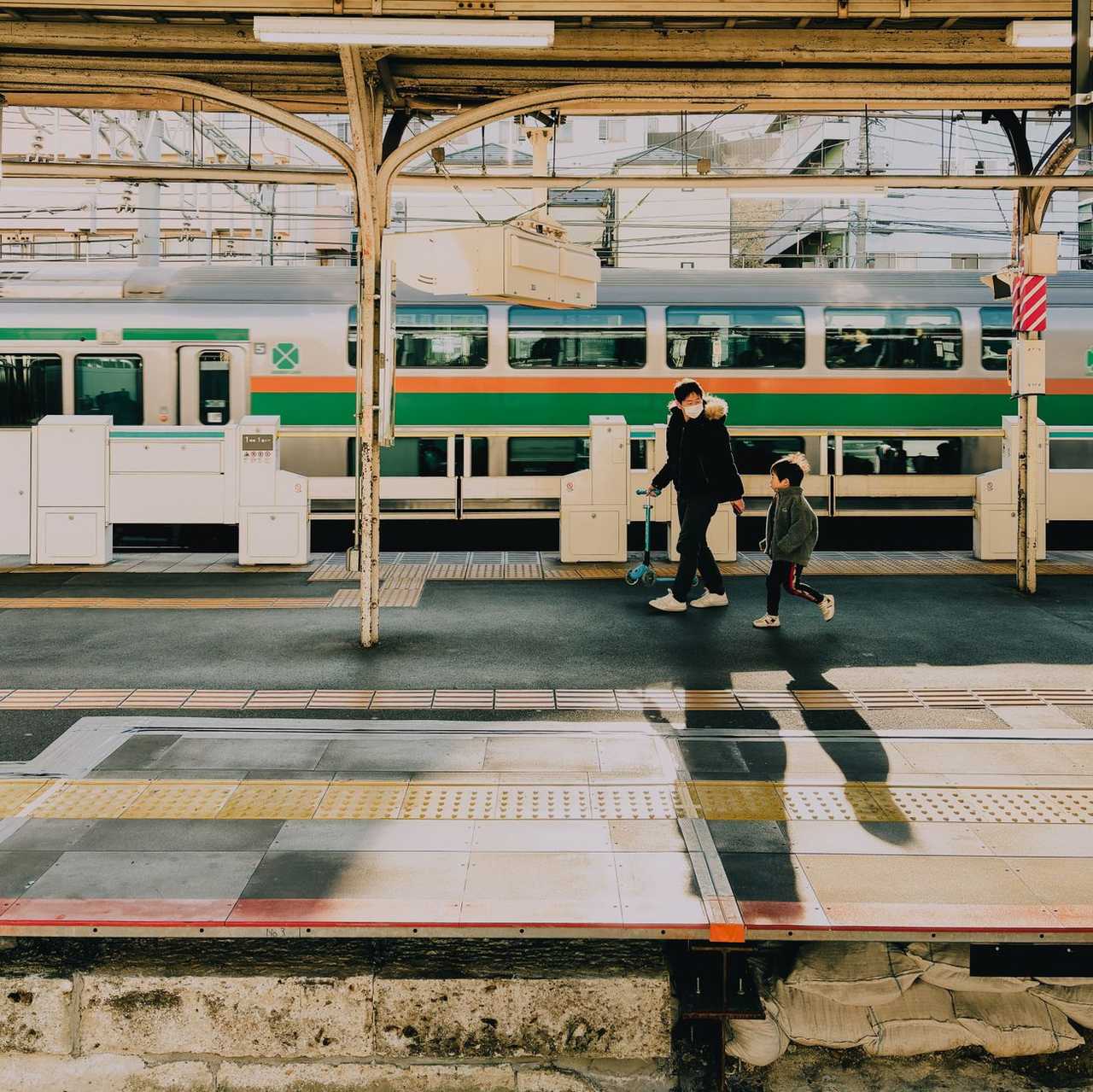
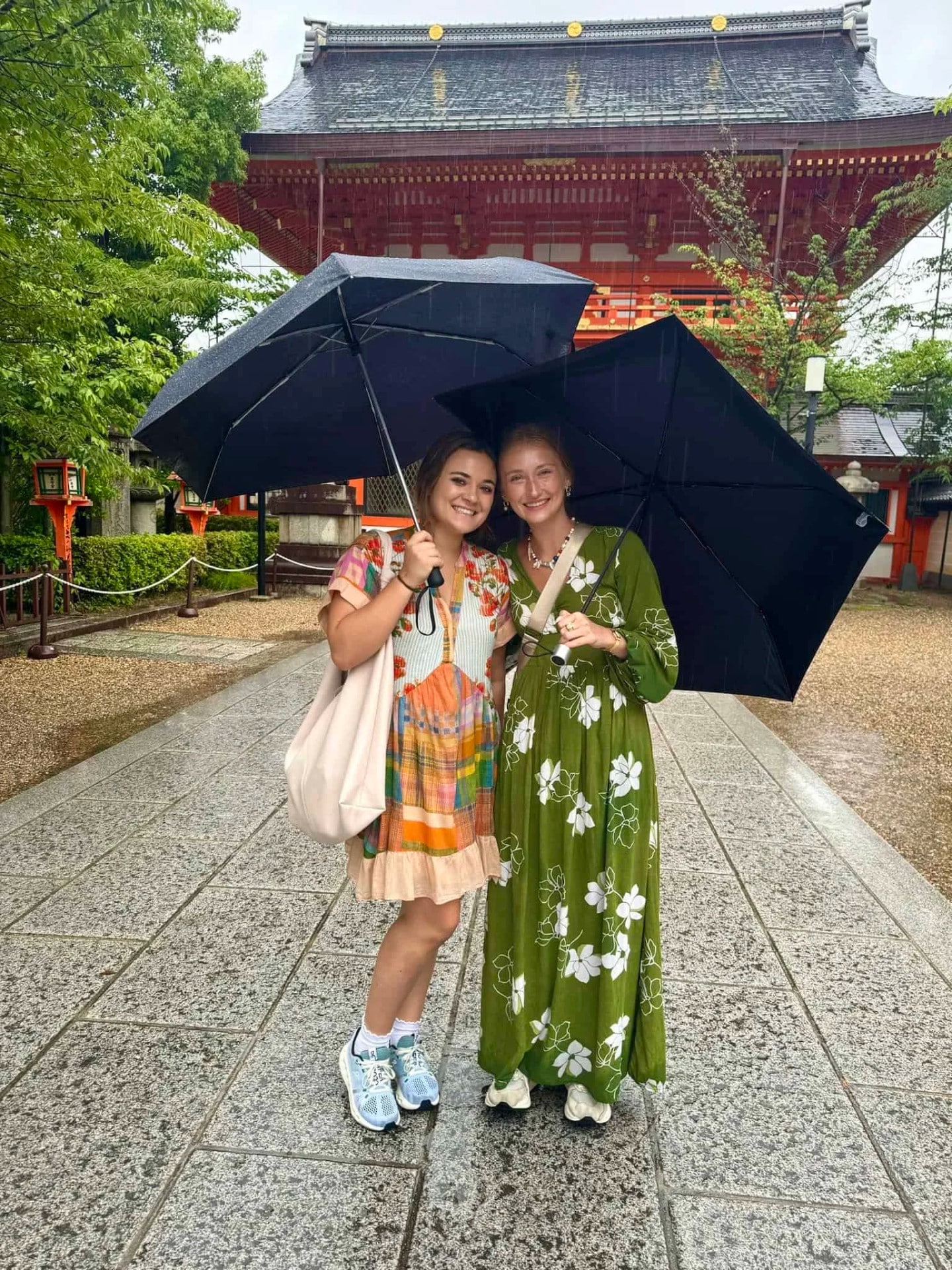
In addition, the main exhibition areas are indoors or under eaves, so in Kyoto’s rainy season, typhoons or damp winter cold it is a reliable rainy-day option. Since it sits right next to Kyoto Station, a last-minute change of plans will not disrupt your day’s route.
Planning Your Visit: Suggested Time and Nearby Stops in the Same Area
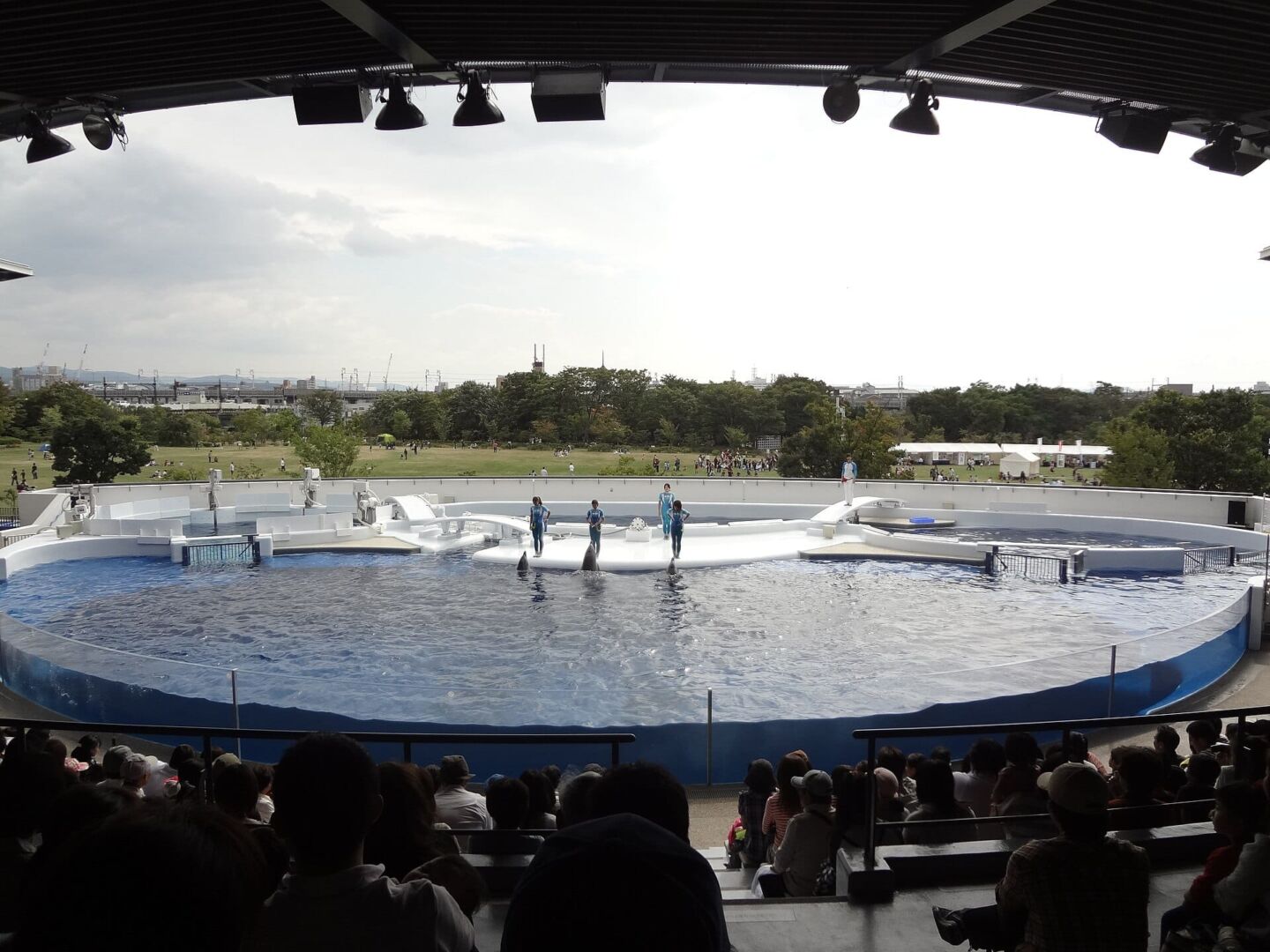
A quick walkthrough takes about 2 hours; for interactive exhibits, a meal and the model show, allow 3 to 4 hours; if you also want to ride the SL Steam and try the driving simulator, half a day is more comfortable. The easiest way to plan is to combine the Umekoji area (the museum, Umekoji Park and Kyoto Aquarium), all a few minutes’ walk apart. A common combination: the aquarium in the morning, lunch in the area, the whole afternoon for the Railway Museum, and an evening stroll in the park. The museum is closed every Wednesday, while the aquarium is open year-round, so avoid Wednesday if you plan to visit both.
How to Get to the Kyoto Railway Museum: Transport Options and Travel Times
The Kyoto Railway Museum is in the Umekoji area just west of Kyoto Station. The transport options are simple, and all three methods take under 20 minutes.
How to Get to the Kyoto Railway Museum: Transport from Kyoto Station
Ways to reach the museum are below; the museum has no dedicated parking lot:
- JR Sagano Line (San-in Main Line) – most recommended: One stop from Kyoto Station to Umekoji-Kyotonishi Station, about 2 minutes, then about a 2-minute walk from the station.
- Kyoto City Bus routes 205 / 208 / 86: From Kyoto Station boarding area B3, take route 205 or 208 for about 10 minutes; route 86 drops you right at the museum.
- Keihan Kyoto Kotsu Bus: Board at Kyoto Station boarding area C2 and walk about 3 minutes from the stop.
- On foot: About 20 minutes west from the Central Exit.
- Keihan Railway “Shichijo Station”: See the access page on the official website for details.
- JR Kyoto Line “Nishioji Station”: From the north exit, walk east along the tracks for about 15 minutes.
- Hankyu Kyoto Line: From Saiin Station, take City Bus route 205 for about 15 minutes.
See the official website for details.


Must-See Highlights at the Kyoto Railway Museum: Area-by-Area Guide
Following the actual visitor route, here are the 12 highlights most worth stopping for.
Umekoji Roundhouse and Turntable: A Living Engine Shed Designated a National Important Cultural Property
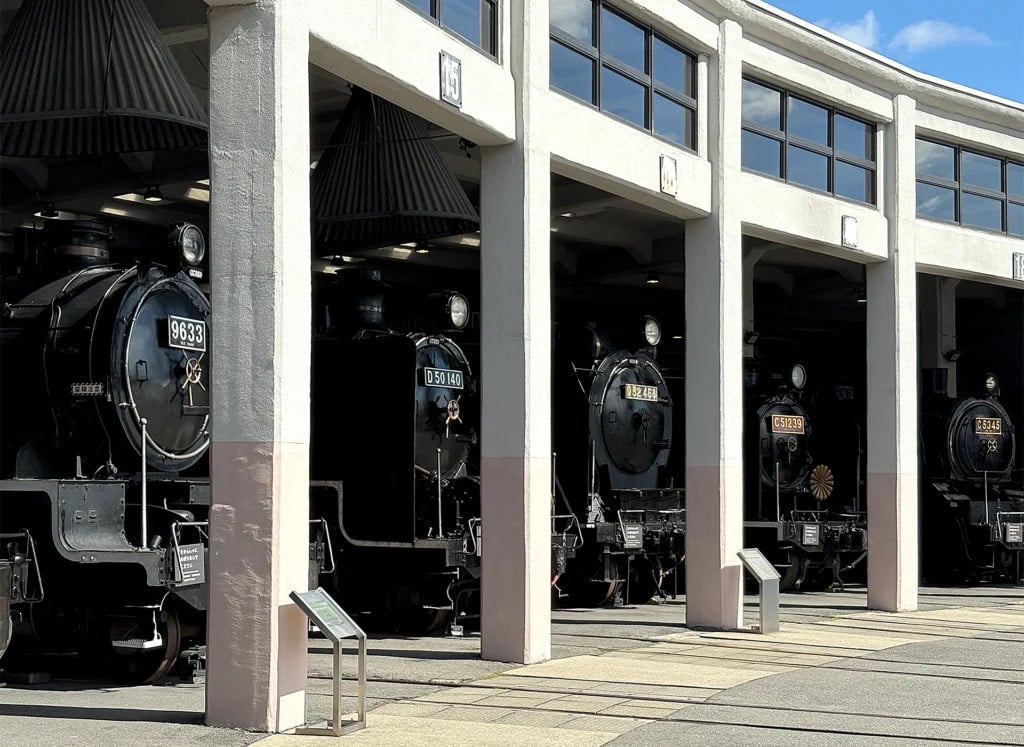
The roundhouse at the back of the main building dates from the Taisho era and is designated a National Important Cultural Property. Twenty bays fan out around a central turntable, housing steam locomotives from the Meiji to Showa periods, including the C62, Japan’s largest passenger steam locomotive.
The turntable has scheduled daily rotation demonstrations, in which staff turn a locomotive and drive it out of its bay, with the smell of coal smoke and machine oil hitting you for a very immediate feel. Pick up the day’s schedule inside the museum and arrive at the demonstration time, otherwise you will only see stationary locomotives.

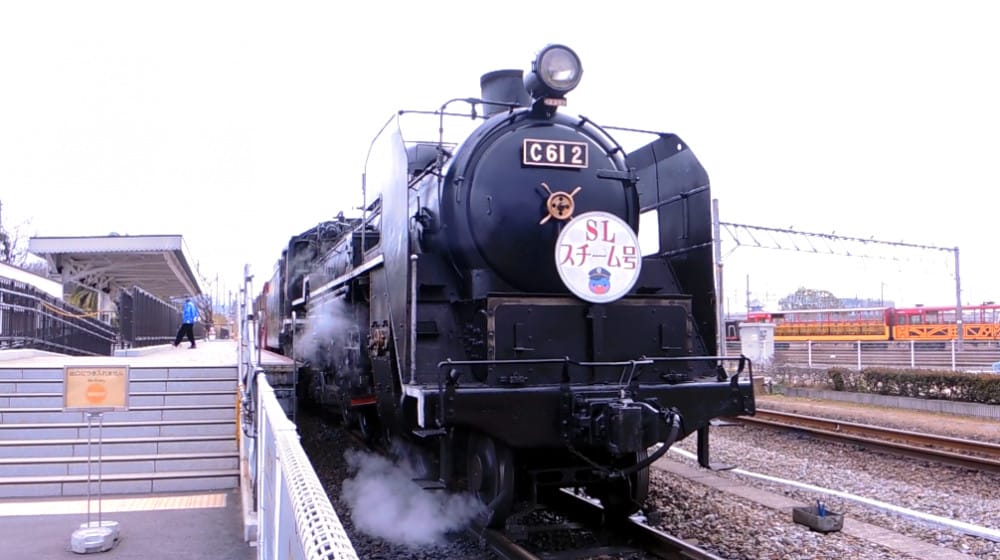
SL Steam: A Real Coal-Burning, Whistle-Blowing Steam Train
SL Steam is the museum’s most popular paid experience. A genuine coal-burning steam locomotive pulls vintage-style coaches back and forth on a dedicated track outside the museum, about 10 minutes per trip.
Ride tickets are bought separately after entering. Official prices are ¥300 for general visitors, university and high school students, and ¥100 for junior high and elementary school students and children aged 3 and up. Buy your ticket as soon as you enter.
The locomotive pulling the train rotates, so check at the museum’s service desk or on the official website for which one runs that day and each departure time.
Ride tickets are tied to a specific departure, cannot be refunded or rescheduled, and strollers cannot be taken on board.
Main Building 1F Vehicle Exhibition Area: Series 0, Series 500 Shinkansen and Showa Classics Lined Up
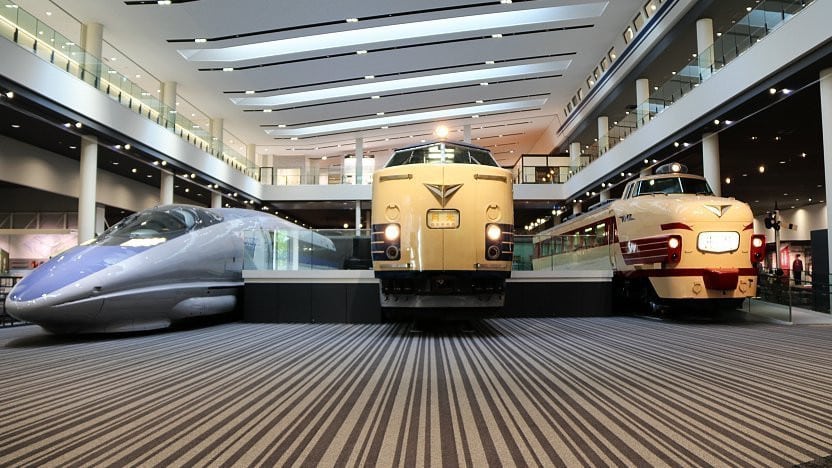
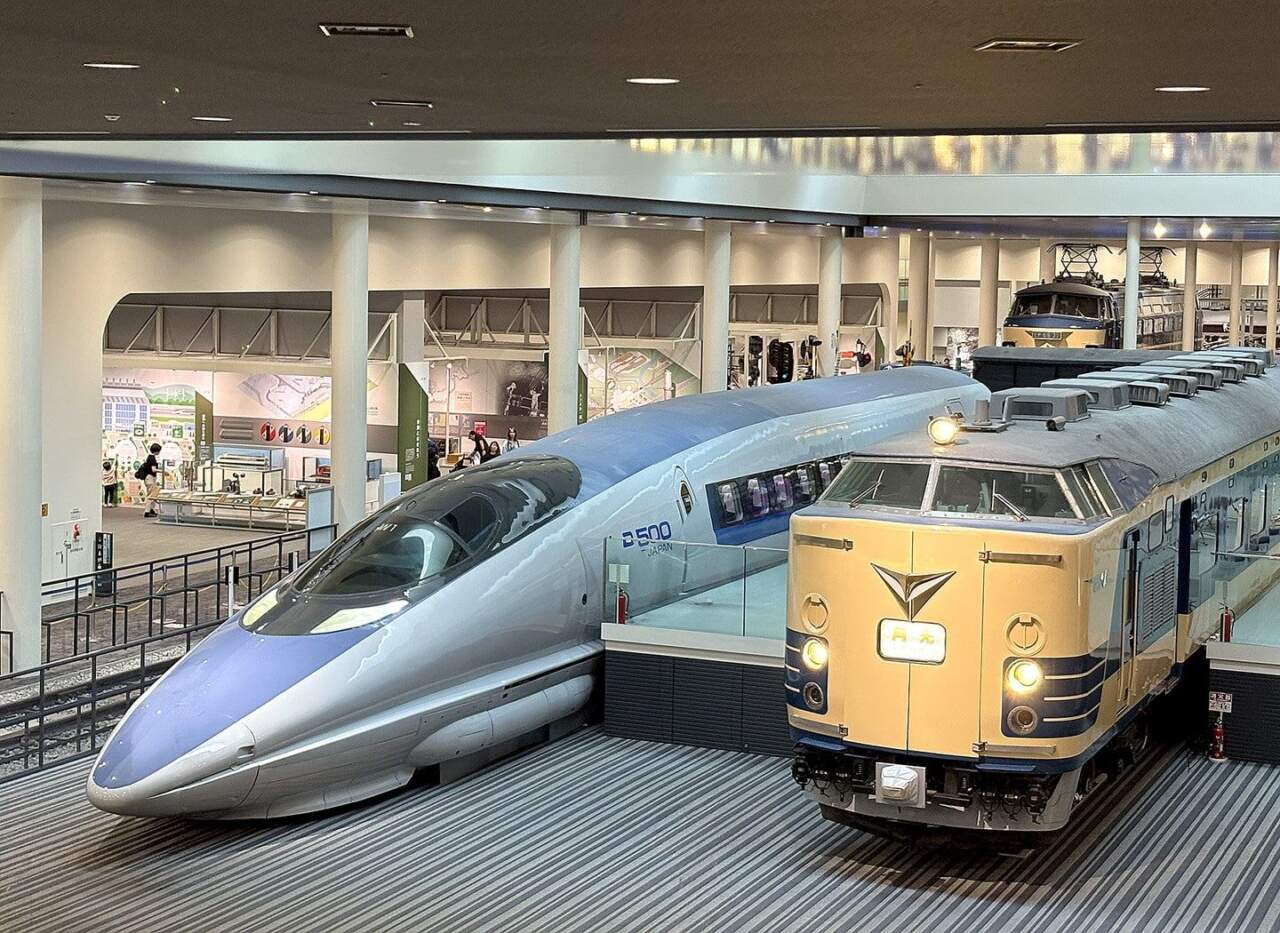
The high-ceilinged first floor of the main building is the museum’s core hall and the best photo spot. It displays the original Series 0 round-nosed Shinkansen, the Series 500 pointed-nose Shinkansen that set a 300 km/h Guinness World Record, the C62, the largest passenger steam locomotive, and the Series 583 day-and-night sleeper train. Most cars can be entered so you can experience Showa-era berths and seats. Photo-angle markers are on the floor; go right after opening, before crowds gather, to shoot a symmetrical head-on composition of the front.
The Promenade and the Nashi 20 Dining Car: Railway Time That Starts Before You Enter
The semi-outdoor “promenade” between the entrance and the main building is often walked through in a hurry, but it holds a Series 0 Shinkansen and a C62 steam locomotive, giving you a jolt before you even enter.
The most atmospheric item beside the promenade is the “Nashi 20” dining car, which actually served on Blue Train limited express services and now serves as a bento stand and eat-in space. You can buy the museum’s special railway bento and sit in a retro car to recreate the picnic atmosphere of long-distance rail trips of the past, one of the few places in the museum where you can “experience history with your mouth.”
Driving Simulator: Drive a Train with JR Driver-Grade Equipment
The driving simulators on the 2nd floor (driver training simulators) are the museum’s most sought-after experience. They use the same specification of equipment as real JR driver training, and you can operate either a conventional-line train or a Shinkansen. One session costs only ¥100, which is excellent value.
The key is how to secure a slot. Electronic tickets are currently used: asoview! e-tickets go on sale at 20:00 the day before your experience, while Seven Ticket at 7-Eleven goes on sale one month before the experience date, and discounts presented on site are never applicable. If you buy an asoview! e-ticket, the start time and the choice, change or cancellation of the driver’s seat must all be done before 10:20 on the day; late arrivals cannot cancel or get a refund. If you want to play, remember to go online and grab tickets the night before you leave.
Railway Diorama: Japan’s Largest-Class Miniature Railway Show
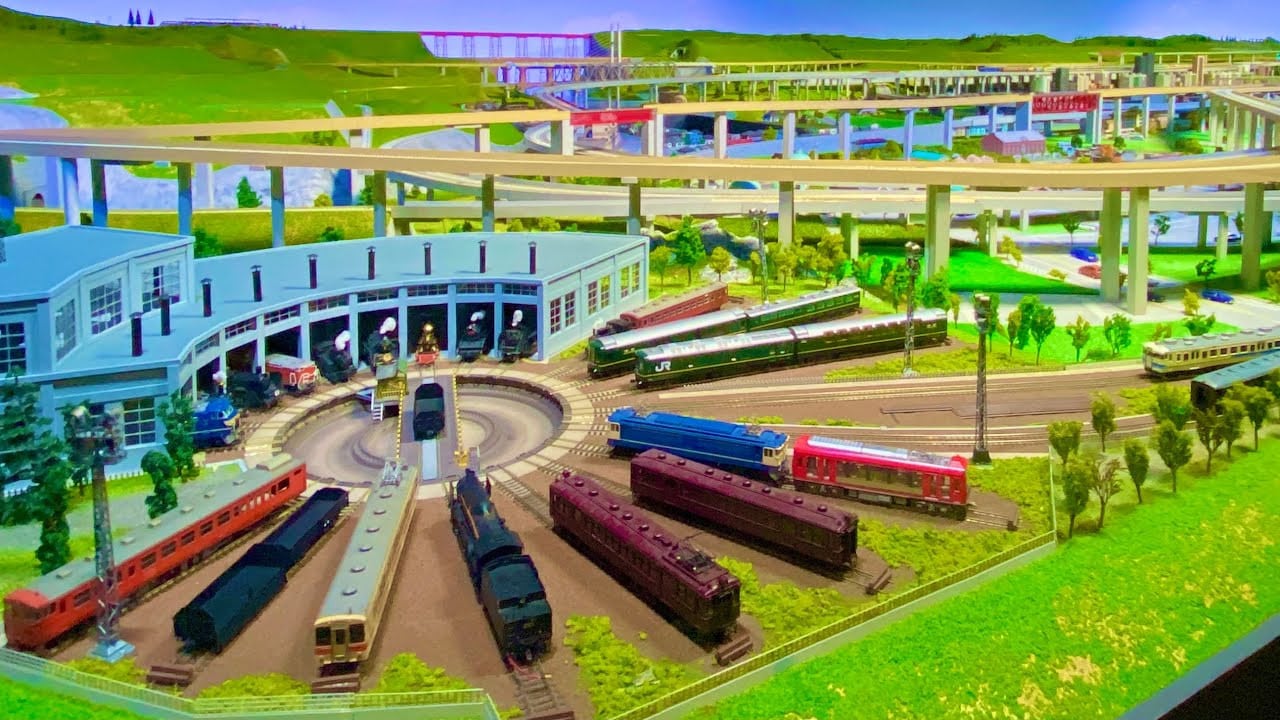
The railway diorama on the 2nd floor is a miniature railway scene among Japan’s largest, filling an entire exhibition hall. Staff operate multiple model trains live, with lighting depicting a day of railway operation from early morning to late at night.
It is one of the few programs you can watch seated, about 15 to 20 minutes per show, making it a good rest for tired children. Showtimes are fixed and seats are limited, so in busy periods arrive 10 minutes early to claim a seat. The show aims to convey the precision of Japan’s railway signaling, dispatching and timetable systems.
2F Railway Culture Area: Print Your Own Ticket and Punch It Yourself
Besides the simulators and the model show, the 2nd floor has a whole area of interactive displays built around “understanding railways with your hands.” The most popular is the automatic ticket vending and checking experience: you operate a retro ticket machine to print a special ticket, then feed it into a ticket gate with a transparent housing, so you can clearly see the whole process of the ticket flipping, traveling, being stamped and ejected at high speed inside the machine.
The same area also has working stations for a real railway level crossing, wheel bogies, pantographs and switch points, where pressing a button lets you see the machinery actually work. These exhibits lay out principles you can’t see when you ride a train, and adults often play longer than the kids, making it the most interactive section of the museum.
Kids Park: A Children’s Play Area with the Sagano Line Right Outside the Window
Kids Park is a dedicated play space the museum has prepared for preschool children, with many toy trains and safe soft play equipment so little ones can play freely and burn off energy, while parents rest in the seating area nearby.
The thoughtful touch in this area is the window position: through the large glass panes you can see Sagano Line trains pass by up close, and children playing will often dash over to press against the window and watch, so toys and real trains are both on hand. When visiting with toddlers, schedule this after the model show so the children can burn off energy during a mid-visit break, which makes the second half of the visit go much more smoothly. The museum lends strollers free in the entrance hall, and nursing rooms and diaper-changing stations are located throughout.
3F Sky Terrace: Shinkansen, Kyoto Tower and Toji’s Five-Story Pagoda in One Frame
The Sky Terrace on the 3rd floor has the best view in the museum and is also a prime battleground for railway photographers. Directly below the terrace are the Tokaido Shinkansen and JR conventional-line tracks, with all kinds of trains frequently crossing in and out of Kyoto Station, and with luck you can shoot a Shinkansen and a conventional train passing in the same frame.
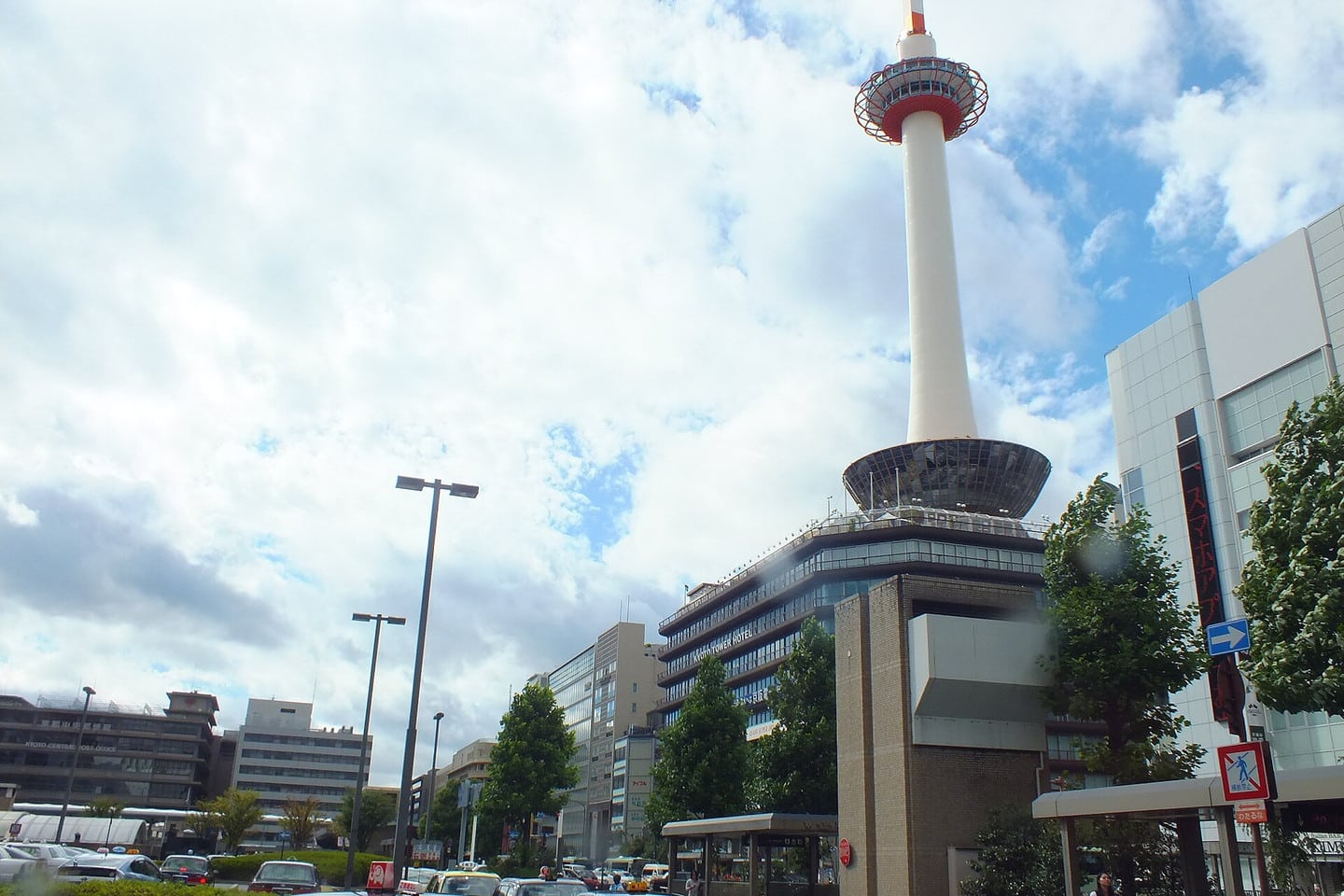
Looking farther out, you can also see Kyoto Tower and the five-story pagoda of the World Heritage site Toji at the same time, compressing “modern railways” and “the thousand-year capital” into one composition, a framing advantage unique to this museum. The terrace is outdoors, quite sunny at midsummer noon and windy and cold in winter, so bring a hat or a coat. The light is most beautiful toward closing time in the evening, so if you plan to come specifically for photos, save this for the last half hour.
3F Library: A Reservation-Only Treasury of Railway Literature
The 3rd floor of the main building has a library, a section almost never mentioned in Chinese-language travel information but a real surprise for rail fans. The collection centers on railways and covers transport-related books and materials, including specialist magazines such as Tetsudo Fan, Tetsudo Pictorial and Tetsudo Journal, as well as overview books on vehicles, technology, history and culture, and statistical materials such as the Tetsudo Yoran.
It is open 11:30 to 16:30. Note that on weekdays it is by reservation only, and you must contact them 5 business days before your visit; when booking you can choose a morning (10:30 to 12:00) or afternoon (13:00 to 16:30) slot. It may not be useful for a pure sightseeing trip, but if you are doing railway research or want to look up information on a specific vehicle type, this is a rare specialist resource in Kyoto.
Former Nijo Station Building: A Wooden Station Shop You Can Browse Without a Ticket
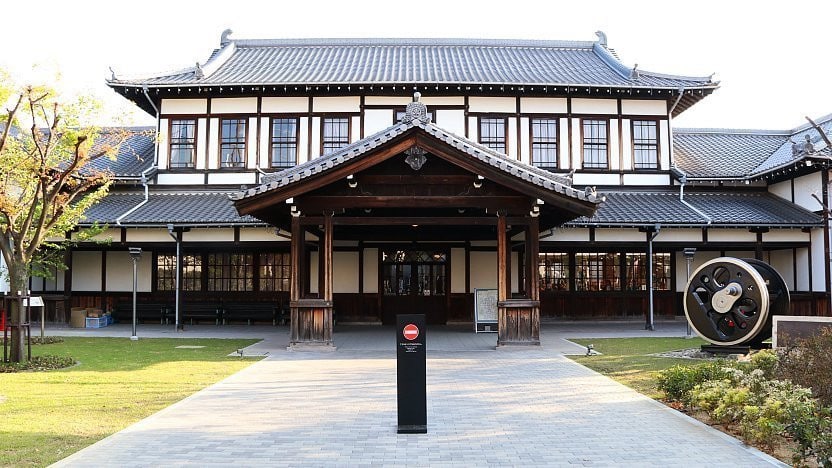
The last stop on the visitor route is the “Former Nijo Station Building,” a wooden structure that is itself an exhibit. Completed in 1904 (Meiji 37), it was one of Japan’s oldest wooden station buildings, and in 1996 (Heisei 8) the whole building was moved to Umekoji for preservation and designated a Kyoto City Designated Tangible Cultural Property, with its dark timber frame and old-style station layout well preserved.
It now serves as the museum shop, selling many museum-exclusive items. Items announced on the official website include a brake-handle-shaped bottle opener for ¥1,100, a Plarail Yoshitsune set for ¥3,960, and a plush of the museum mascot Umetetsu for ¥2,800 (all tax included). Notably, the shop is outside the museum, so you can browse it even without an admission ticket, handy when you suddenly need a souvenir.
Toji (Kyoogokokuji): The World Heritage Five-Story Pagoda Seen from the Sky Terrace
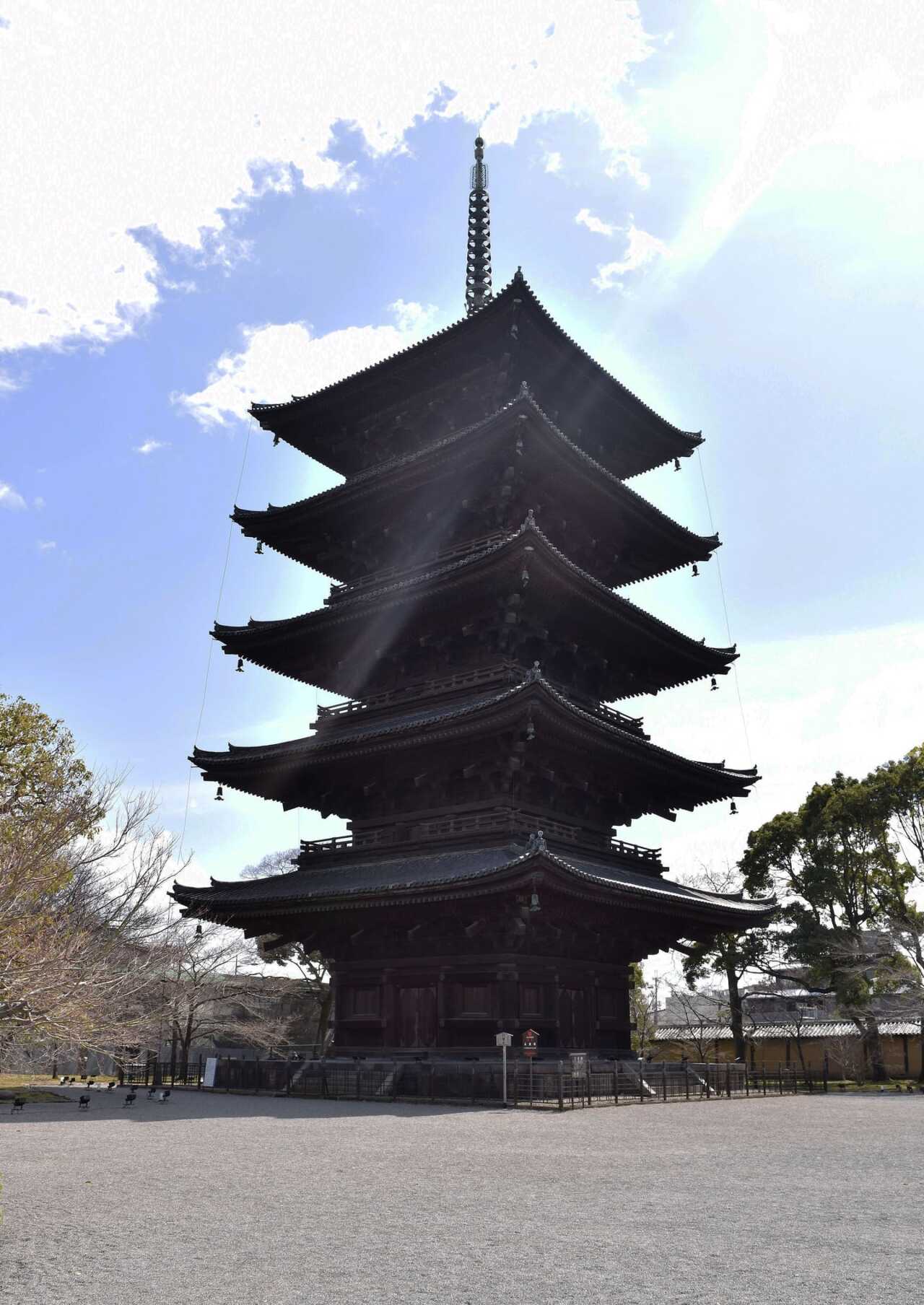
After leaving the museum, you can visit Toji, formally named Kyoogokokuji, founded by Kobo Daishi Kukai as the head temple of the Shingon school and registered as a World Cultural Heritage site. The five-story pagoda stands about 55 meters, the tallest surviving wooden pagoda in Japan, and is the pagoda you see in the distance from the Sky Terrace.
It is about a 15 to 20 minute walk southeast of the museum. You can get omamori charms and goshuin stamps on the grounds, and the Kobo-san market held on the 21st of each month is one of Kyoto’s liveliest antique markets, so it is worth a visit if your schedule lines up.
How Much Are Kyoto Railway Museum Tickets? Prices, How to Buy and Add-Ons
Beyond the admission ticket, there are a few experiences that cost extra and tickets you can book ahead.
Admission Ticket: The Standard ¥1,500 Ticket Covers All 53 Vehicles
The admission ticket is the only one you must buy, and it lets you walk through the promenade, floors 1 to 3 of the main building, the roundhouse and the Sky Terrace. Current official individual prices are ¥1,500 for general visitors, ¥1,300 for university and high school students, ¥500 for junior high and elementary school students, and ¥200 for children aged 3 and up; children 2 and under are free. University and high school students (including vocational schools, junior colleges and technical colleges) and junior high students must show a student ID on entry, or they will be asked to pay the difference up to the general ticket.
Groups of 20 or more qualify for group rates of ¥1,200, ¥1,040, ¥400 and ¥100 respectively, and the museum asks for advance reservations to speed up entry. Visitors with a disability certificate pay ¥750, ¥650, ¥250 and ¥100, for the holder and one companion, and must show the original certificate on entry.
Queuing for tickets on site is fine, but in spring and autumn peak seasons and on long weekends the lines are often long. Buy an e-ticket or advance ticket online first, then use the “early-bird advance ticket” lane to exchange and enter, which can save more than twenty minutes. Admission does not include SL Steam or the driving simulator, which are paid separately.

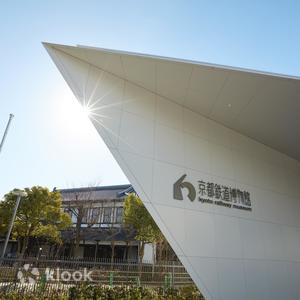
Do You Need a Ticket for the Kyoto Railway Museum? Admission and Add-Ons Summarized
Yes. Visiting the main building, the roundhouse and the Sky Terrace all requires an admission ticket: ¥1,500 for general visitors and ¥200 for children aged 3 and up, tax included. The SL Steam ride ticket (¥300 general) and the driving simulator (¥100) are bought separately and are not included in admission. The Former Nijo Station Building shop, located outside the museum, can be entered without an admission ticket.
SL Steam Ride Ticket: Board a Real Coal-Burning Steam Train for ¥300
SL Steam is an add-on bought after entering the museum. The official price is ¥300 for general visitors, university and high school students, and ¥100 for junior high and elementary school students and children aged 3 and up. A trip takes about 10 minutes, with a genuine coal-burning steam locomotive pulling vintage-style coaches back and forth on a dedicated track outside the museum.
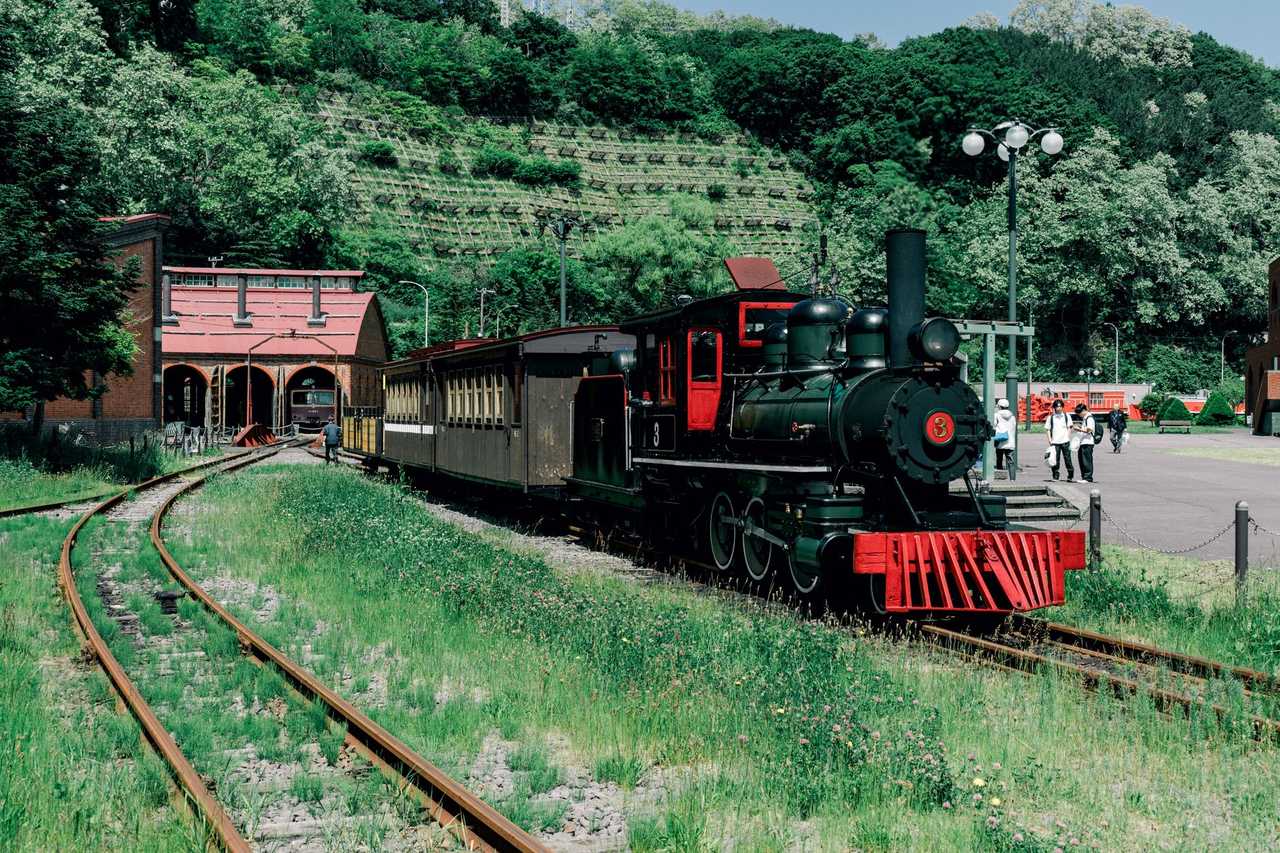
White smoke pours continuously from the chimney while the whistle echoes across Umekoji, the museum’s most immersive experience and the ¥300 you shouldn’t skip when bringing children. Tickets are sold beside the SL platform inside the museum and can be bought with cash.
Popular departures often sell out before noon on weekends and long weekends, so we strongly recommend buying your ticket first thing after entering and confirming the departure times, then going back to browse the main building and the roundhouse at leisure. The coal smell is quite noticeable and fine soot occasionally drifts in, so be prepared if you wear light colors; the coaches are semi-open, so dress warmly in winter.
Driving Simulator Ticket: The ¥100 E-Ticket Scramble
The driving simulator costs ¥100 per session, with equipment of the same specification as JR training machines, and you can operate a conventional-line train or a Shinkansen. It is the cheapest and hardest-to-get item in the museum.
There are two kinds of e-tickets: asoview! goes on sale at 20:00 the day before, and Seven Ticket at 7-Eleven one month before; on-site discounts do not apply.
For asoview! tickets, time and driver’s seat changes or cancellations must be completed before 10:20; Seven Ticket cannot be changed, late arrivals cannot cancel or get a refund, and you check in on the 2nd floor 15 minutes early.
Museum Restaurant and Dining-Car Bento: Eat While Shinkansen Trains Speed Past
The 2nd-floor view restaurant has floor-to-ceiling windows overlooking the JR Kyoto Line and the Tokaido Shinkansen passing by. Menu items include hayashi rice for ¥1,300 and Rail Cheese Meat Sauce for ¥1,100, plus a Shinkansen kids’ meal.
The bento stand also sells the Doctor Yellow Lunch Box for ¥1,800, the Series 0 Shinkansen bento for ¥1,600 and the Kobe Sukiyaki Freight Bento for ¥1,800, which you can take into the Nashi 20 dining car to eat. Peak time is 12:00-13:00, so be seated before 11:30.
Former Nijo Station Building Shop: A Treasure Trove of Railway Souvenirs You Can Browse Without a Ticket
The last stop on the route is the Former Nijo Station Building, completed in 1904 (Meiji 37) and moved to Umekoji in 1996. It is a Kyoto City Designated Tangible Cultural Property and now serves as the museum shop.
Products include a brake-handle bottle opener for ¥1,100, a Plarail Yoshitsune set for ¥3,960 and a Umetetsu mascot plush for ¥2,800 (tax included), plus train models and railway-themed stationery, a rare railway souvenir shop in Kyoto.
The shop is outside the museum and can be entered without an admission ticket. Crowds are heaviest before closing, so come early.
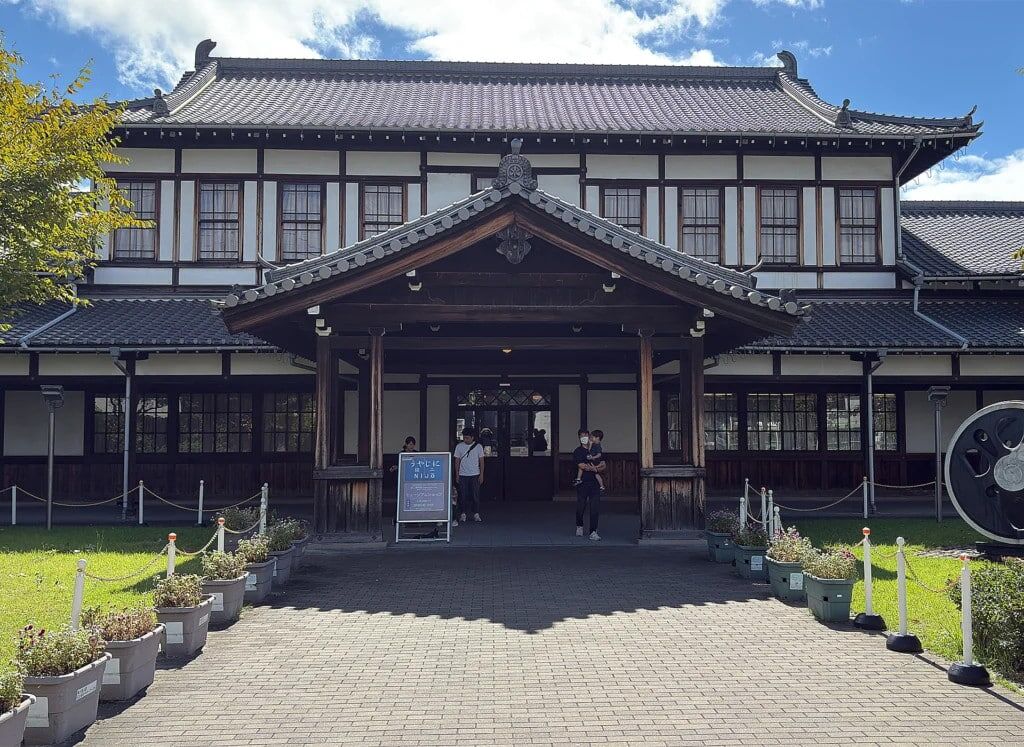
Kyoto Day-Trip Packages and Passes: Linking the Umekoji Area into a Half-Day Plan
Since the museum is just one stop from Kyoto Station, the most common pairing is a Kansai rail pass that covers the JR Sagano Line: spend the morning in the Umekoji area, then in the afternoon take the Sagano Line straight on to Arashiyama or Nijo Castle, covering a whole day on one ticket.
If you are traveling with older relatives or children and don’t want to change trains in the city, consider a Kyoto day tour that includes tickets. These usually bundle the Railway Museum with nearby sights, saving the time of queuing for tickets and checking schedules on site.
One reminder: the museum is closed every Wednesday (it stays open when Wednesday falls on a national holiday or during Japanese school spring and summer breaks), and also closes December 30 to January 1 over the New Year. Before buying any package that includes admission, check it against the opening-day calendar published on the official website, so the ticket doesn’t go to waste.
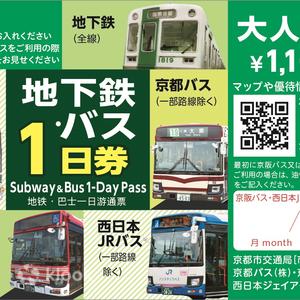
Where to Stay Near the Kyoto Railway Museum: Accommodation Suggestions
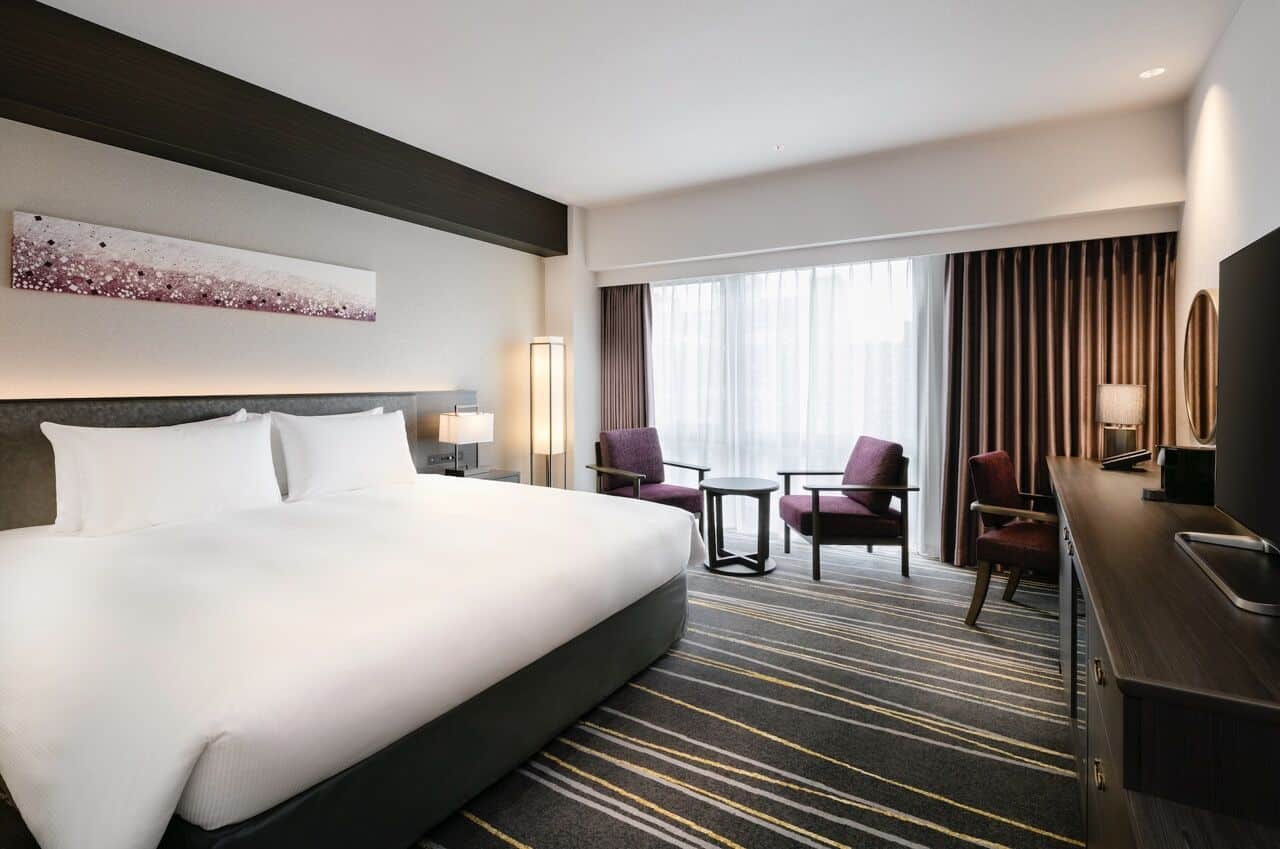

Staying Around Kyoto Station: The Least-Effort Choice, One Stop from Umekoji
The Kyoto Railway Museum is in the Umekoji area, only one JR stop from Kyoto Station, so the area around Kyoto Station is the best base. It concentrates business hotels, chain hotels and hostels in a wide price range, and it is the main hub for JR, the Shinkansen, Kintetsu, the subway and airport buses, making it easy to reach Arashiyama, Uji or Osaka the next day without dragging luggage through transfers.
If you are bringing children and want to spend two full days in the Umekoji area, consider lodging around Shichijo-Omiya or Nishi Hongwanji, within walking distance of the park, so children can burn off energy before the museum opens. For a quieter stay, look toward Nishioji or Tambaguchi, where prices are usually lower and the JR ride back to Kyoto Station takes only a few minutes.
Kyoto Railway Museum FAQ
Q: How much are Kyoto Railway Museum tickets?
Current official individual prices are ¥1,500 for general visitors, ¥1,300 for university and high school students, ¥500 for junior high and elementary school students, and ¥200 for children aged 3 and up. Students must show a student ID, and holders of a disability certificate pay half price.
Q: Which day is the Kyoto Railway Museum closed?
It is closed every Wednesday, but stays open when Wednesday falls on a national holiday or during Japanese school spring and summer breaks. It also closes December 30 to January 1 over the New Year, so before you go, check the opening-day calendar PDF published on the official website.
Q: What time does the Kyoto Railway Museum close?
It is open 10:00 to 17:00, with last entry at 16:30. To fully enjoy the SL steam train and simulators, arrive right at opening; arriving in the afternoon is too late to get the popular items.
Q: How do I get to the Kyoto Railway Museum from Kyoto Station?
The fastest is the JR Sagano Line, one stop to Umekoji-Kyotonishi Station, about 2 minutes by train and about 2 minutes on foot from the station. You can also take Kyoto City Bus route 205 or 208 for about 10 minutes, or walk 15 to 20 minutes from Kyoto Station’s Central Exit.
Q: How long should I spend at the Kyoto Railway Museum?
A quick visit takes about 2 hours; to play with interactive exhibits, watch the model show and eat, allow 3 to 4 hours. Adding the SL steam train and the driving simulator, half a day is most comfortable.
Q: How do I reserve the driving simulator?
It uses e-tickets: asoview! goes on sale at 20:00 the day before your experience, while Seven Ticket at 7-Eleven goes on sale one month before the experience date, ¥100 each time. Late arrivals cannot cancel or get a refund, so be there on time.
Q: Is the Kyoto Railway Museum good for children?
Very much so. The museum has the Kids Park play area, a railway model show and ticket-selling and ticket-checking experiences, strollers are lent free in the entrance hall, and there are nursing rooms and diaper-changing stations throughout.
Kyoto Railway Museum: A Century of Railways from Steam Locomotives to the Shinkansen
Three quick angles to help you decide whether this attraction belongs in your Kyoto itinerary.
Japan’s Largest-Class Railway Museum: 53 Real Vehicles in One Place
The Kyoto Railway Museum is in the Umekoji area of Shimogyo Ward, Kyoto. Built around the concept of “see, touch and experience,” it is one of Japan’s largest railway museums, with 53 real vehicles ranging from Meiji-era steam locomotives and Showa-era sleeper trains to the Series 0 and Series 500 Shinkansen, showing more than a century of Japanese railway technology.
The museum retains the roundhouse of the former Umekoji Steam Locomotive Museum, where steam locomotives still fire up, sound their whistles and carry passengers, one of the few places in Japan where cultural-property-level facilities and working operation can be seen together.
Who Is It Best For? Rail Fans, Families and a Rainy-Day Backup in Kyoto
The audience is broader than you might expect. Hardcore rail fans can spend a whole day studying vehicle specs and the roundhouse, while families with children have a kids’ play area, a model show and ticket-selling and ticket-checking experiences, so boredom is hardly a worry. The museum lends strollers and wheelchairs free of charge in the entrance hall, and there are nursing rooms and diaper-changing stations throughout, making it among the most family-friendly attractions in Kyoto.
In addition, the main exhibition areas are indoors or under eaves, so in Kyoto’s rainy season, typhoons or damp winter cold it is a reliable rainy-day option. Since it sits right next to Kyoto Station, a last-minute change of plans will not disrupt your day’s route.
Planning Your Visit: Suggested Time and Nearby Stops in the Same Area
A quick walkthrough takes about 2 hours; for interactive exhibits, a meal and the model show, allow 3 to 4 hours; if you also want to ride the SL Steam and try the driving simulator, half a day is more comfortable. The easiest way to plan is to combine the Umekoji area (the museum, Umekoji Park and Kyoto Aquarium), all a few minutes’ walk apart. A common combination: the aquarium in the morning, lunch in the area, the whole afternoon for the Railway Museum, and an evening stroll in the park. The museum is closed every Wednesday, while the aquarium is open year-round, so avoid Wednesday if you plan to visit both.
How to Get to the Kyoto Railway Museum: Transport Options and Travel Times
The Kyoto Railway Museum is in the Umekoji area just west of Kyoto Station. The transport options are simple, and all three methods take under 20 minutes.
How to Get to the Kyoto Railway Museum: Transport from Kyoto Station
Ways to reach the museum are below; the museum has no dedicated parking lot:
- JR Sagano Line (San-in Main Line) – most recommended: One stop from Kyoto Station to Umekoji-Kyotonishi Station, about 2 minutes, then about a 2-minute walk from the station.
- Kyoto City Bus routes 205 / 208 / 86: From Kyoto Station boarding area B3, take route 205 or 208 for about 10 minutes; route 86 drops you right at the museum.
- Keihan Kyoto Kotsu Bus: Board at Kyoto Station boarding area C2 and walk about 3 minutes from the stop.
- On foot: About 20 minutes west from the Central Exit.
- Keihan Railway “Shichijo Station”: See the access page on the official website for details.
- JR Kyoto Line “Nishioji Station”: From the north exit, walk east along the tracks for about 15 minutes.
- Hankyu Kyoto Line: From Saiin Station, take City Bus route 205 for about 15 minutes.
See the official website for details.
Must-See Highlights at the Kyoto Railway Museum: Area-by-Area Guide
Following the actual visitor route, here are the 12 highlights most worth stopping for.
Umekoji Roundhouse and Turntable: A Living Engine Shed Designated a National Important Cultural Property
The roundhouse at the back of the main building dates from the Taisho era and is designated a National Important Cultural Property. Twenty bays fan out around a central turntable, housing steam locomotives from the Meiji to Showa periods, including the C62, Japan’s largest passenger steam locomotive.
The turntable has scheduled daily rotation demonstrations, in which staff turn a locomotive and drive it out of its bay, with the smell of coal smoke and machine oil hitting you for a very immediate feel. Pick up the day’s schedule inside the museum and arrive at the demonstration time, otherwise you will only see stationary locomotives.
SL Steam: A Real Coal-Burning, Whistle-Blowing Steam Train
SL Steam is the museum’s most popular paid experience. A genuine coal-burning steam locomotive pulls vintage-style coaches back and forth on a dedicated track outside the museum, about 10 minutes per trip.
Ride tickets are bought separately after entering. Official prices are ¥300 for general visitors, university and high school students, and ¥100 for junior high and elementary school students and children aged 3 and up. Buy your ticket as soon as you enter.
The locomotive pulling the train rotates, so check at the museum’s service desk or on the official website for which one runs that day and each departure time.
Ride tickets are tied to a specific departure, cannot be refunded or rescheduled, and strollers cannot be taken on board.
Main Building 1F Vehicle Exhibition Area: Series 0, Series 500 Shinkansen and Showa Classics Lined Up
The high-ceilinged first floor of the main building is the museum’s core hall and the best photo spot. It displays the original Series 0 round-nosed Shinkansen, the Series 500 pointed-nose Shinkansen that set a 300 km/h Guinness World Record, the C62, the largest passenger steam locomotive, and the Series 583 day-and-night sleeper train. Most cars can be entered so you can experience Showa-era berths and seats. Photo-angle markers are on the floor; go right after opening, before crowds gather, to shoot a symmetrical head-on composition of the front.
The Promenade and the Nashi 20 Dining Car: Railway Time That Starts Before You Enter
The semi-outdoor “promenade” between the entrance and the main building is often walked through in a hurry, but it holds a Series 0 Shinkansen and a C62 steam locomotive, giving you a jolt before you even enter.
The most atmospheric item beside the promenade is the “Nashi 20” dining car, which actually served on Blue Train limited express services and now serves as a bento stand and eat-in space. You can buy the museum’s special railway bento and sit in a retro car to recreate the picnic atmosphere of long-distance rail trips of the past, one of the few places in the museum where you can “experience history with your mouth.”
Driving Simulator: Drive a Train with JR Driver-Grade Equipment
The driving simulators on the 2nd floor (driver training simulators) are the museum’s most sought-after experience. They use the same specification of equipment as real JR driver training, and you can operate either a conventional-line train or a Shinkansen. One session costs only ¥100, which is excellent value.
The key is how to secure a slot. Electronic tickets are currently used: asoview! e-tickets go on sale at 20:00 the day before your experience, while Seven Ticket at 7-Eleven goes on sale one month before the experience date, and discounts presented on site are never applicable. If you buy an asoview! e-ticket, the start time and the choice, change or cancellation of the driver’s seat must all be done before 10:20 on the day; late arrivals cannot cancel or get a refund. If you want to play, remember to go online and grab tickets the night before you leave.
Railway Diorama: Japan’s Largest-Class Miniature Railway Show
The railway diorama on the 2nd floor is a miniature railway scene among Japan’s largest, filling an entire exhibition hall. Staff operate multiple model trains live, with lighting depicting a day of railway operation from early morning to late at night.
It is one of the few programs you can watch seated, about 15 to 20 minutes per show, making it a good rest for tired children. Showtimes are fixed and seats are limited, so in busy periods arrive 10 minutes early to claim a seat. The show aims to convey the precision of Japan’s railway signaling, dispatching and timetable systems.
2F Railway Culture Area: Print Your Own Ticket and Punch It Yourself
Besides the simulators and the model show, the 2nd floor has a whole area of interactive displays built around “understanding railways with your hands.” The most popular is the automatic ticket vending and checking experience: you operate a retro ticket machine to print a special ticket, then feed it into a ticket gate with a transparent housing, so you can clearly see the whole process of the ticket flipping, traveling, being stamped and ejected at high speed inside the machine.
The same area also has working stations for a real railway level crossing, wheel bogies, pantographs and switch points, where pressing a button lets you see the machinery actually work. These exhibits lay out principles you can’t see when you ride a train, and adults often play longer than the kids, making it the most interactive section of the museum.
Kids Park: A Children’s Play Area with the Sagano Line Right Outside the Window
Kids Park is a dedicated play space the museum has prepared for preschool children, with many toy trains and safe soft play equipment so little ones can play freely and burn off energy, while parents rest in the seating area nearby.
The thoughtful touch in this area is the window position: through the large glass panes you can see Sagano Line trains pass by up close, and children playing will often dash over to press against the window and watch, so toys and real trains are both on hand. When visiting with toddlers, schedule this after the model show so the children can burn off energy during a mid-visit break, which makes the second half of the visit go much more smoothly. The museum lends strollers free in the entrance hall, and nursing rooms and diaper-changing stations are located throughout.
3F Sky Terrace: Shinkansen, Kyoto Tower and Toji’s Five-Story Pagoda in One Frame
The Sky Terrace on the 3rd floor has the best view in the museum and is also a prime battleground for railway photographers. Directly below the terrace are the Tokaido Shinkansen and JR conventional-line tracks, with all kinds of trains frequently crossing in and out of Kyoto Station, and with luck you can shoot a Shinkansen and a conventional train passing in the same frame.
Looking farther out, you can also see Kyoto Tower and the five-story pagoda of the World Heritage site Toji at the same time, compressing “modern railways” and “the thousand-year capital” into one composition, a framing advantage unique to this museum. The terrace is outdoors, quite sunny at midsummer noon and windy and cold in winter, so bring a hat or a coat. The light is most beautiful toward closing time in the evening, so if you plan to come specifically for photos, save this for the last half hour.
3F Library: A Reservation-Only Treasury of Railway Literature
The 3rd floor of the main building has a library, a section almost never mentioned in Chinese-language travel information but a real surprise for rail fans. The collection centers on railways and covers transport-related books and materials, including specialist magazines such as Tetsudo Fan, Tetsudo Pictorial and Tetsudo Journal, as well as overview books on vehicles, technology, history and culture, and statistical materials such as the Tetsudo Yoran.
It is open 11:30 to 16:30. Note that on weekdays it is by reservation only, and you must contact them 5 business days before your visit; when booking you can choose a morning (10:30 to 12:00) or afternoon (13:00 to 16:30) slot. It may not be useful for a pure sightseeing trip, but if you are doing railway research or want to look up information on a specific vehicle type, this is a rare specialist resource in Kyoto.
Former Nijo Station Building: A Wooden Station Shop You Can Browse Without a Ticket
The last stop on the visitor route is the “Former Nijo Station Building,” a wooden structure that is itself an exhibit. Completed in 1904 (Meiji 37), it was one of Japan’s oldest wooden station buildings, and in 1996 (Heisei 8) the whole building was moved to Umekoji for preservation and designated a Kyoto City Designated Tangible Cultural Property, with its dark timber frame and old-style station layout well preserved.
It now serves as the museum shop, selling many museum-exclusive items. Items announced on the official website include a brake-handle-shaped bottle opener for ¥1,100, a Plarail Yoshitsune set for ¥3,960, and a plush of the museum mascot Umetetsu for ¥2,800 (all tax included). Notably, the shop is outside the museum, so you can browse it even without an admission ticket, handy when you suddenly need a souvenir.
Toji (Kyoogokokuji): The World Heritage Five-Story Pagoda Seen from the Sky Terrace
After leaving the museum, you can visit Toji, formally named Kyoogokokuji, founded by Kobo Daishi Kukai as the head temple of the Shingon school and registered as a World Cultural Heritage site. The five-story pagoda stands about 55 meters, the tallest surviving wooden pagoda in Japan, and is the pagoda you see in the distance from the Sky Terrace.
It is about a 15 to 20 minute walk southeast of the museum. You can get omamori charms and goshuin stamps on the grounds, and the Kobo-san market held on the 21st of each month is one of Kyoto’s liveliest antique markets, so it is worth a visit if your schedule lines up.
How Much Are Kyoto Railway Museum Tickets? Prices, How to Buy and Add-Ons
Beyond the admission ticket, there are a few experiences that cost extra and tickets you can book ahead.
Admission Ticket: The Standard ¥1,500 Ticket Covers All 53 Vehicles
The admission ticket is the only one you must buy, and it lets you walk through the promenade, floors 1 to 3 of the main building, the roundhouse and the Sky Terrace. Current official individual prices are ¥1,500 for general visitors, ¥1,300 for university and high school students, ¥500 for junior high and elementary school students, and ¥200 for children aged 3 and up; children 2 and under are free. University and high school students (including vocational schools, junior colleges and technical colleges) and junior high students must show a student ID on entry, or they will be asked to pay the difference up to the general ticket.
Groups of 20 or more qualify for group rates of ¥1,200, ¥1,040, ¥400 and ¥100 respectively, and the museum asks for advance reservations to speed up entry. Visitors with a disability certificate pay ¥750, ¥650, ¥250 and ¥100, for the holder and one companion, and must show the original certificate on entry.
Queuing for tickets on site is fine, but in spring and autumn peak seasons and on long weekends the lines are often long. Buy an e-ticket or advance ticket online first, then use the “early-bird advance ticket” lane to exchange and enter, which can save more than twenty minutes. Admission does not include SL Steam or the driving simulator, which are paid separately.
Do You Need a Ticket for the Kyoto Railway Museum? Admission and Add-Ons Summarized
Yes. Visiting the main building, the roundhouse and the Sky Terrace all requires an admission ticket: ¥1,500 for general visitors and ¥200 for children aged 3 and up, tax included. The SL Steam ride ticket (¥300 general) and the driving simulator (¥100) are bought separately and are not included in admission. The Former Nijo Station Building shop, located outside the museum, can be entered without an admission ticket.
SL Steam Ride Ticket: Board a Real Coal-Burning Steam Train for ¥300
SL Steam is an add-on bought after entering the museum. The official price is ¥300 for general visitors, university and high school students, and ¥100 for junior high and elementary school students and children aged 3 and up. A trip takes about 10 minutes, with a genuine coal-burning steam locomotive pulling vintage-style coaches back and forth on a dedicated track outside the museum.
White smoke pours continuously from the chimney while the whistle echoes across Umekoji, the museum’s most immersive experience and the ¥300 you shouldn’t skip when bringing children. Tickets are sold beside the SL platform inside the museum and can be bought with cash.
Popular departures often sell out before noon on weekends and long weekends, so we strongly recommend buying your ticket first thing after entering and confirming the departure times, then going back to browse the main building and the roundhouse at leisure. The coal smell is quite noticeable and fine soot occasionally drifts in, so be prepared if you wear light colors; the coaches are semi-open, so dress warmly in winter.
Driving Simulator Ticket: The ¥100 E-Ticket Scramble
The driving simulator costs ¥100 per session, with equipment of the same specification as JR training machines, and you can operate a conventional-line train or a Shinkansen. It is the cheapest and hardest-to-get item in the museum.
There are two kinds of e-tickets: asoview! goes on sale at 20:00 the day before, and Seven Ticket at 7-Eleven one month before; on-site discounts do not apply.
For asoview! tickets, time and driver’s seat changes or cancellations must be completed before 10:20; Seven Ticket cannot be changed, late arrivals cannot cancel or get a refund, and you check in on the 2nd floor 15 minutes early.
Museum Restaurant and Dining-Car Bento: Eat While Shinkansen Trains Speed Past
The 2nd-floor view restaurant has floor-to-ceiling windows overlooking the JR Kyoto Line and the Tokaido Shinkansen passing by. Menu items include hayashi rice for ¥1,300 and Rail Cheese Meat Sauce for ¥1,100, plus a Shinkansen kids’ meal.
The bento stand also sells the Doctor Yellow Lunch Box for ¥1,800, the Series 0 Shinkansen bento for ¥1,600 and the Kobe Sukiyaki Freight Bento for ¥1,800, which you can take into the Nashi 20 dining car to eat. Peak time is 12:00-13:00, so be seated before 11:30.
Former Nijo Station Building Shop: A Treasure Trove of Railway Souvenirs You Can Browse Without a Ticket
The last stop on the route is the Former Nijo Station Building, completed in 1904 (Meiji 37) and moved to Umekoji in 1996. It is a Kyoto City Designated Tangible Cultural Property and now serves as the museum shop.
Products include a brake-handle bottle opener for ¥1,100, a Plarail Yoshitsune set for ¥3,960 and a Umetetsu mascot plush for ¥2,800 (tax included), plus train models and railway-themed stationery, a rare railway souvenir shop in Kyoto.
The shop is outside the museum and can be entered without an admission ticket. Crowds are heaviest before closing, so come early.
Kyoto Day-Trip Packages and Passes: Linking the Umekoji Area into a Half-Day Plan
Since the museum is just one stop from Kyoto Station, the most common pairing is a Kansai rail pass that covers the JR Sagano Line: spend the morning in the Umekoji area, then in the afternoon take the Sagano Line straight on to Arashiyama or Nijo Castle, covering a whole day on one ticket.
If you are traveling with older relatives or children and don’t want to change trains in the city, consider a Kyoto day tour that includes tickets. These usually bundle the Railway Museum with nearby sights, saving the time of queuing for tickets and checking schedules on site.
One reminder: the museum is closed every Wednesday (it stays open when Wednesday falls on a national holiday or during Japanese school spring and summer breaks), and also closes December 30 to January 1 over the New Year. Before buying any package that includes admission, check it against the opening-day calendar published on the official website, so the ticket doesn’t go to waste.
Where to Stay Near the Kyoto Railway Museum: Accommodation Suggestions
Staying Around Kyoto Station: The Least-Effort Choice, One Stop from Umekoji
The Kyoto Railway Museum is in the Umekoji area, only one JR stop from Kyoto Station, so the area around Kyoto Station is the best base. It concentrates business hotels, chain hotels and hostels in a wide price range, and it is the main hub for JR, the Shinkansen, Kintetsu, the subway and airport buses, making it easy to reach Arashiyama, Uji or Osaka the next day without dragging luggage through transfers.
If you are bringing children and want to spend two full days in the Umekoji area, consider lodging around Shichijo-Omiya or Nishi Hongwanji, within walking distance of the park, so children can burn off energy before the museum opens. For a quieter stay, look toward Nishioji or Tambaguchi, where prices are usually lower and the JR ride back to Kyoto Station takes only a few minutes.
Kyoto Railway Museum FAQ
Q: How much are Kyoto Railway Museum tickets?
Current official individual prices are ¥1,500 for general visitors, ¥1,300 for university and high school students, ¥500 for junior high and elementary school students, and ¥200 for children aged 3 and up. Students must show a student ID, and holders of a disability certificate pay half price.
Q: Which day is the Kyoto Railway Museum closed?
It is closed every Wednesday, but stays open when Wednesday falls on a national holiday or during Japanese school spring and summer breaks. It also closes December 30 to January 1 over the New Year, so before you go, check the opening-day calendar PDF published on the official website.
Q: What time does the Kyoto Railway Museum close?
It is open 10:00 to 17:00, with last entry at 16:30. To fully enjoy the SL steam train and simulators, arrive right at opening; arriving in the afternoon is too late to get the popular items.
Q: How do I get to the Kyoto Railway Museum from Kyoto Station?
The fastest is the JR Sagano Line, one stop to Umekoji-Kyotonishi Station, about 2 minutes by train and about 2 minutes on foot from the station. You can also take Kyoto City Bus route 205 or 208 for about 10 minutes, or walk 15 to 20 minutes from Kyoto Station’s Central Exit.
Q: How long should I spend at the Kyoto Railway Museum?
A quick visit takes about 2 hours; to play with interactive exhibits, watch the model show and eat, allow 3 to 4 hours. Adding the SL steam train and the driving simulator, half a day is most comfortable.
Q: How do I reserve the driving simulator?
It uses e-tickets: asoview! goes on sale at 20:00 the day before your experience, while Seven Ticket at 7-Eleven goes on sale one month before the experience date, ¥100 each time. Late arrivals cannot cancel or get a refund, so be there on time.
Q: Is the Kyoto Railway Museum good for children?
Very much so. The museum has the Kids Park play area, a railway model show and ticket-selling and ticket-checking experiences, strollers are lent free in the entrance hall, and there are nursing rooms and diaper-changing stations throughout.