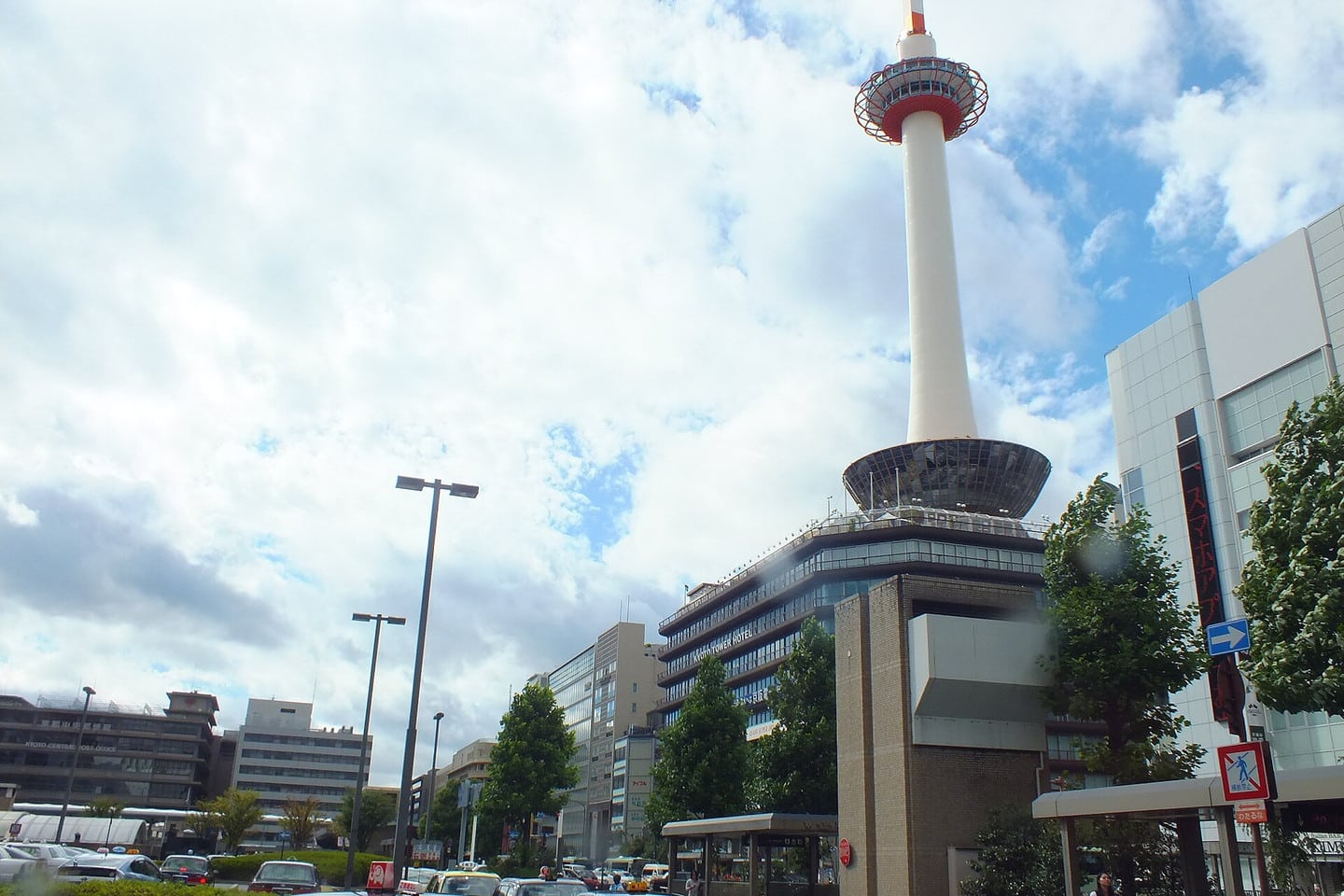

Kyoto Aquarium and Umekoji Park: An Oasis of Water and Green Beside Kyoto Station
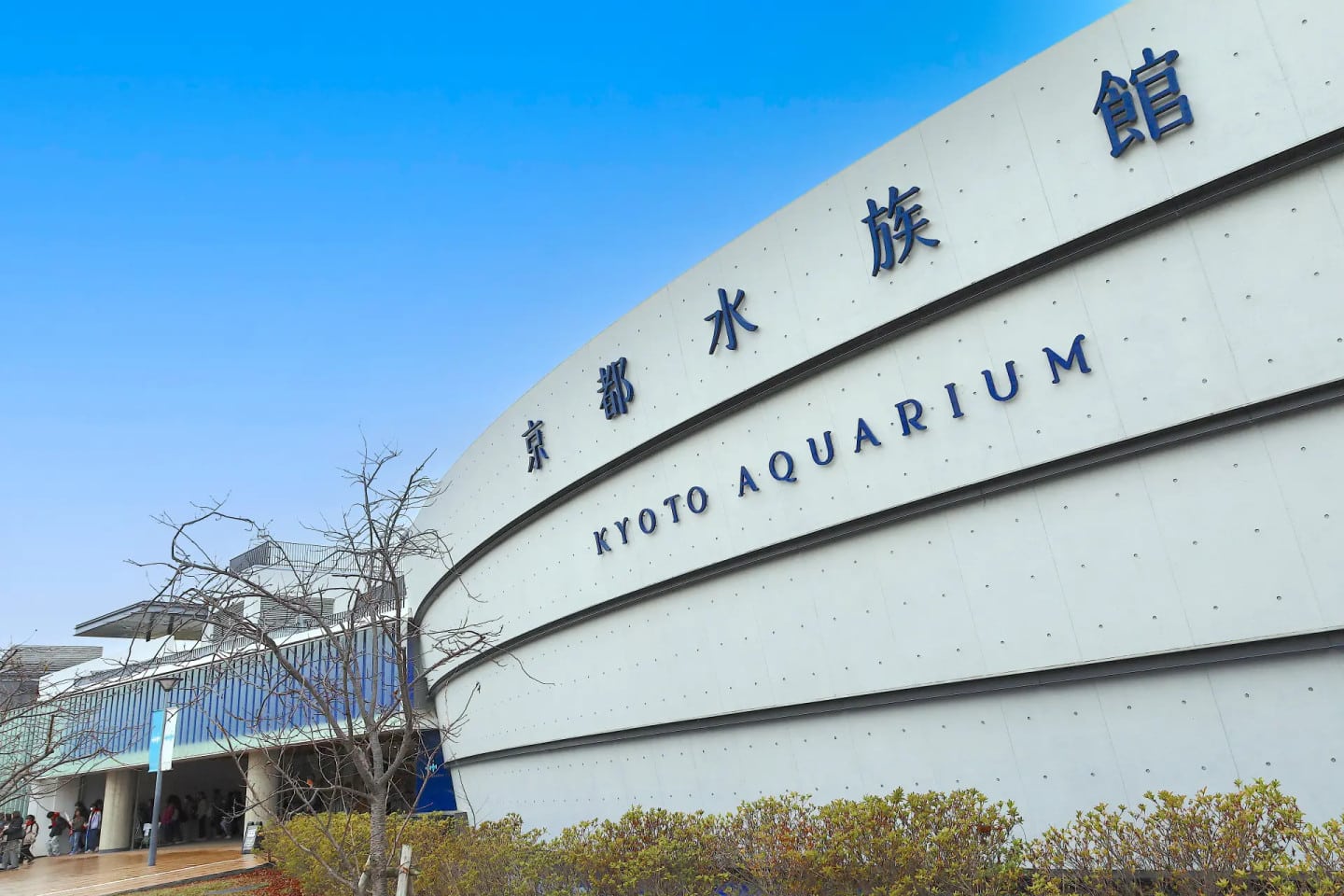
Three quick angles to decide whether this spot belongs in your Kyoto itinerary.
Japan’s First 100% Artificial Seawater Aquarium: What Kyoto Aquarium Is Like
Kyoto Aquarium sits inside Umekoji Park at 35-1 Kankiji-cho, Shimogyo Ward, Kyoto. Opened in 2012, it was the first inland aquarium in Japan to use 100% artificial seawater, and it remains one of the largest inland aquariums in the country. Its theme is “Inochi, connected with water” (life linked by water): rain that falls in the Tamba mountains turns into springs, gathers into rivers and flows out to the Sea of Japan, and the whole waterway, together with the ecosystem living in it, has been brought indoors.
Because of this theme, Kyoto Aquarium feels very different from aquariums built around coral reefs and tropical fish: you meet Kyoto’s rivers and satoyama countryside first, and only reach the sea at the end. The aquarium keeps about 200 species and roughly 10,000 animals, and its “Kyo no Kawa” (Kyoto Rivers) zone, home to Japanese giant salamanders, is the largest of its kind in Japan.
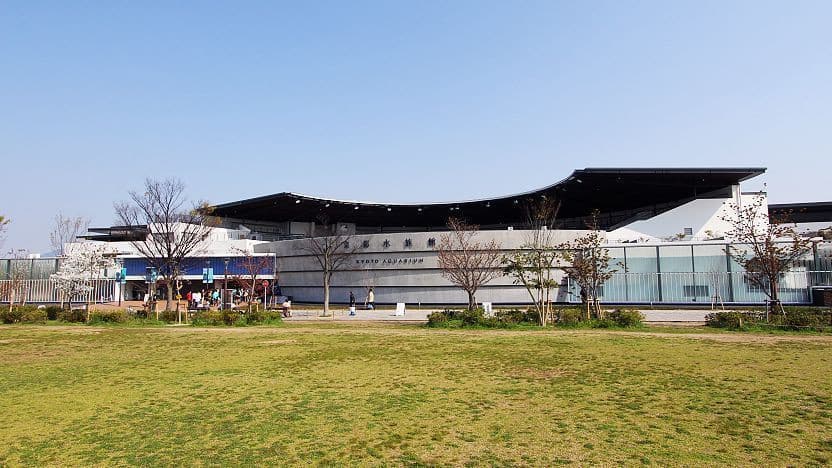
Who Will Enjoy It Most? Families, Couples and a Kyoto Rainy-Day Plan B
This is one of the few Kyoto attractions that suits all ages in any weather. Families with children can plan around the feeding talks, the dolphin show and the workshops; couples get atmospheric photo spots like the jellyfish panorama tank; and repeat visitors tired of temples and shrines can use it as a change of pace.
The official FAQ gives a typical visit time of about 1 hour 30 minutes to 2 hours, so the size is manageable and you will not end up exhausted. Nearly all exhibits are indoors or under eaves; only the outdoor “Kyo no Satoyama” and a few uncovered passages call for an umbrella, which makes this a very dependable rainy-day option in Kyoto.
One reminder: scooters, Striders, tricycles and large suitcases are not allowed inside, and pets cannot come along, so if you are arriving from Kyoto Station with luggage, leave it in a locker first.
A Day at Umekoji: How to Combine the Aquarium, the Park and the Railway Museum
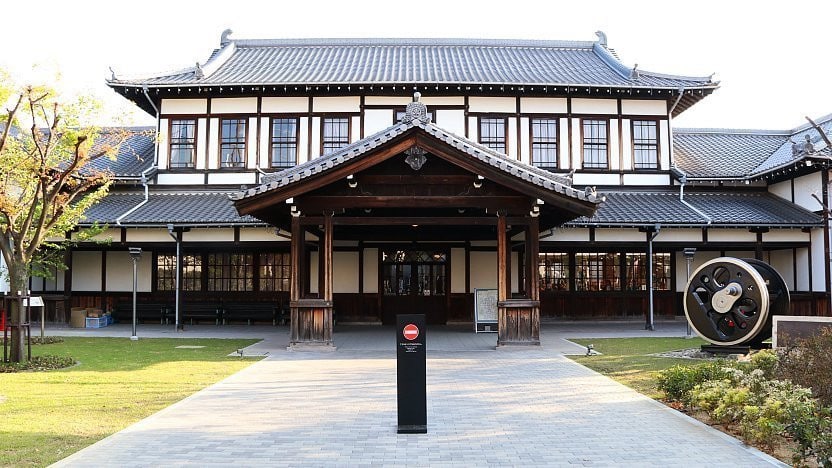
Kyoto Aquarium is entirely surrounded by the 13.7-hectare Umekoji Park, and the Kyoto Railway Museum lies on the other side of the park. All three are within a few minutes’ walk of each other, making this the easiest place in central Kyoto to do everything in one stop.
The smoothest order is to enter the aquarium right at the 10:00 opening to beat the afternoon crowds, visit the Railway Museum in the afternoon, and finish with a stroll on the park lawns or in Suzaku Garden in the evening.
One key difference to remember when pairing the two museums: Kyoto Aquarium is open year-round, but the Railway Museum is closed every Wednesday and Suzaku Garden is closed every Monday. To fit all three in one day, avoiding Mondays and Wednesdays is the safest choice.
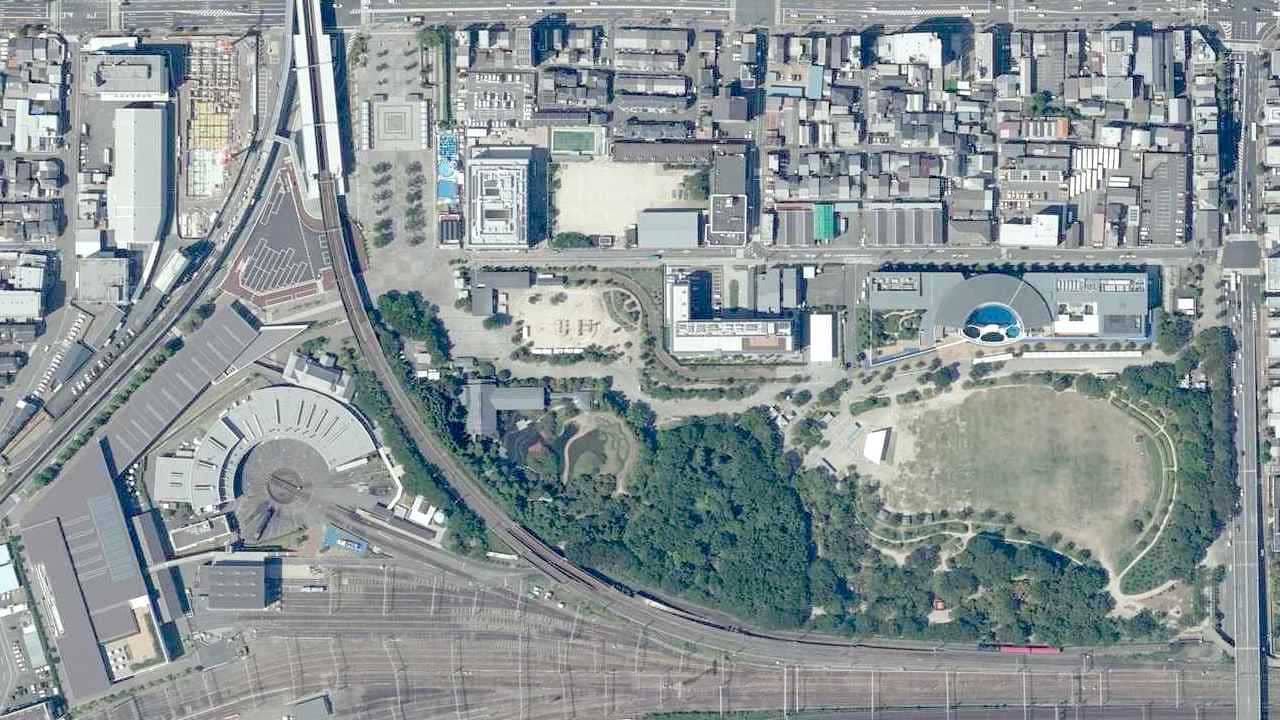
How to Get to Kyoto Aquarium: Transport Options and Travel Times at a Glance
From Kyoto Station, all three options take under 15 minutes.
How to Get to Kyoto Aquarium and Umekoji Park: Three Routes from Kyoto Station
The aquarium’s address is 35-1 Kankiji-cho, Shimogyo Ward, Kyoto, inside Umekoji Park just west of Kyoto Station. There is no parking lot, so please use public transport:
- JR Sagano Line (San-in Main Line): the top recommendation: Take the train one stop from JR Kyoto Station to Umekoji-Kyotonishi Station (about 2 minutes, ¥150), then walk about 7 minutes through the park from the exit.
- Kyoto City Bus routes 205 / 208 / 86: Board at stop B3 in front of Kyoto Station and get off at Shichijo Omiya / Kyoto Aquarium-mae. The flat fare is ¥230.
- Keihan Kyoto Kotsu Bus: From stop C2 at Kyoto Station, routes 2, 14, 15, 26, 26B and 28A also stop at Shichijo Omiya / Kyoto Aquarium-mae.
- On foot: From the Central Exit of Kyoto Station, follow the signs west for about 15 minutes. If you are traveling with older relatives or a stroller, taking the JR line is the better choice.
From Kansai International Airport, the JR limited express Haruka reaches Kyoto Station in about 75 minutes; from Osaka Itami Airport, the Limousine Bus takes about 55 minutes.



Must-See Highlights at Kyoto Aquarium and Umekoji Park: A Zone-by-Zone Guide
Following the official route, here are the 15 highlights most worth lingering over.
Kyo no Kawa: Japan’s Largest Japanese Giant Salamander Exhibit
The very first zone is also the most striking in the whole aquarium: “Kyo no Kawa” recreates the upstream habitat of rivers like Kyoto’s Kamo River. The stars are Japanese giant salamanders, a Special Natural Monument; dozens of these living fossils, which can grow up to a meter long, lie piled on the tank floor and against the glass, and almost no one sees the scene for the first time without gasping.
It is the largest giant salamander exhibit in Japan and the aquarium’s signature attraction. The animals move extremely slowly and stay still most of the time, which gives you plenty of time to study their rough skin and flat heads, and keepers often give talks nearby about their conservation status.
Don’t rush off afterward: the giant salamander plushies in the exit gift shop are the most popular souvenir in the whole aquarium, ranging from palm-sized key chains to pillows as big as a person. Meeting the real thing first makes choosing a plush more meaningful.

Fur Seals: Up-Close, 360-Degree Viewing in a U-Shaped Tank
The first-floor fur seal zone uses a distinctive open, U-shaped tank design. Visitors can stand in the recess surrounded by the tank and watch the animals from the left, right and front at the same time, as if you were swimming with them.
Fur seals swim with agility and power, often racing along the glass, turning sharply and stopping suddenly, and you will often see them climbing onto the rocks to sunbathe or jostling and squabbling with each other. Every day the aquarium holds a fixed “Fur Seal Feeding Time” talk, where keepers explain individual differences and behavior as they feed them.
The benches here are also among the few places in the aquarium where eating is allowed. You can sit and eat a boxed lunch or a light snack from the cafe while watching the seals, making it a very pleasant rest stop.
Spotted Seals: Goofy Faces Popping Up from the Cylinder at Your Feet
The most famous feature of the seal zone is the transparent cylindrical tank. Plump spotted seals suddenly swim straight up from the pool below into the cylinder, press their faces against the glass to meet visitors eye to eye, and then slowly drift back down. It is wonderfully soothing and the easiest spot in the aquarium to get a viral photo.
The timing of the cylinder visits is completely random, so you need some patience. Watch their expressions at the nearby viewing window first, and raise your camera once a seal approaches the bottom of the cylinder.
Next to the zone is the Kaiju Cafe (Sea Beast Cafe), whose signature items are the quirky but popular giant salamander-shaped bread and garden eel bread. It is a good place to sit down after the seal zone, and the benches here also allow eating.
Penguin Cave and the Penguin Zone: Underwater Flight and Waddling on Land
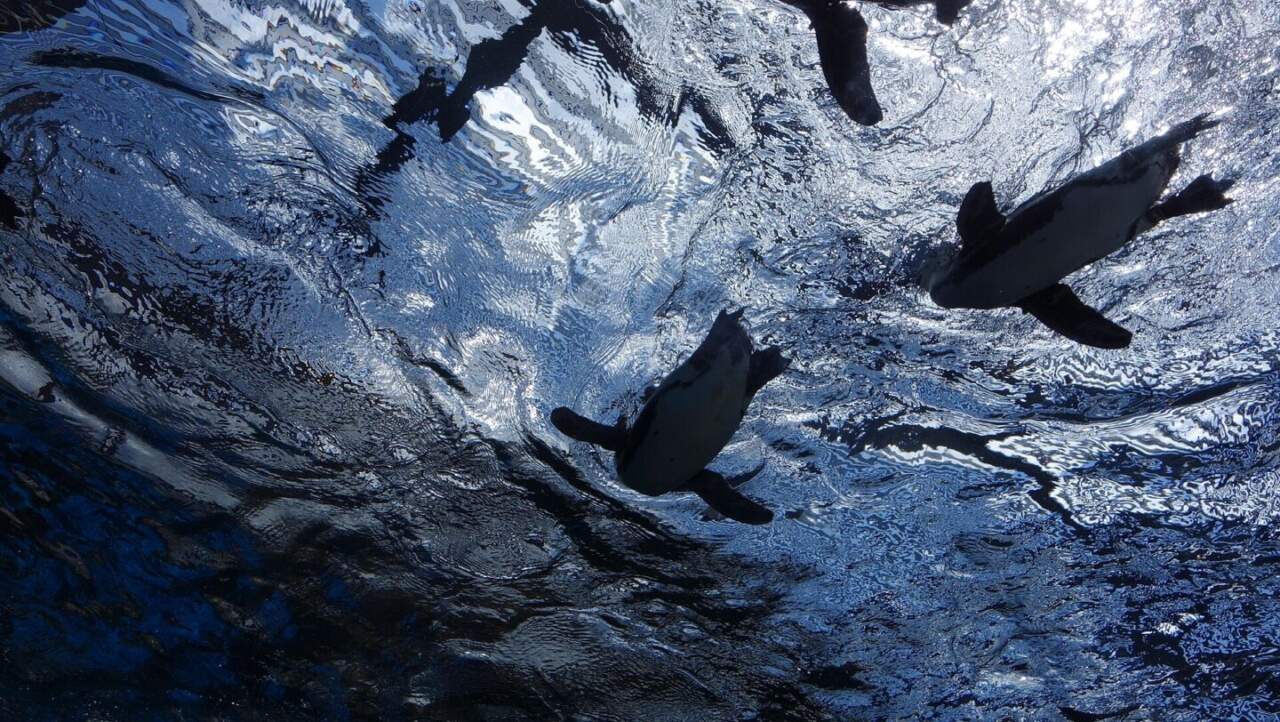
Kyoto Aquarium shows its penguins from two angles. On the first floor, the Penguin Cave lets you watch from the side underwater as they flap their wings and fly through the water like birds; on the second floor, the penguin zone gives a land-level view of African penguins from southern Africa, where you can see them use the force of the waves to leap onto shore.
The wall also displays a hand-drawn “penguin love-and-hate relationship chart” made by the keepers, mapping each penguin’s partners, rivals and drama on a single diagram. It is updated frequently and has become an unexpectedly popular hidden highlight.
Twice a day there is a “Penguin Feeding Time” talk, where keepers call out names as they feed so you can tell who is who. For a clear view, claim a spot at the railing about 5 minutes early.
Kyo no Umi Main Tank: A Miniature Sea of Japan Built with 500 Tons of Artificial Seawater
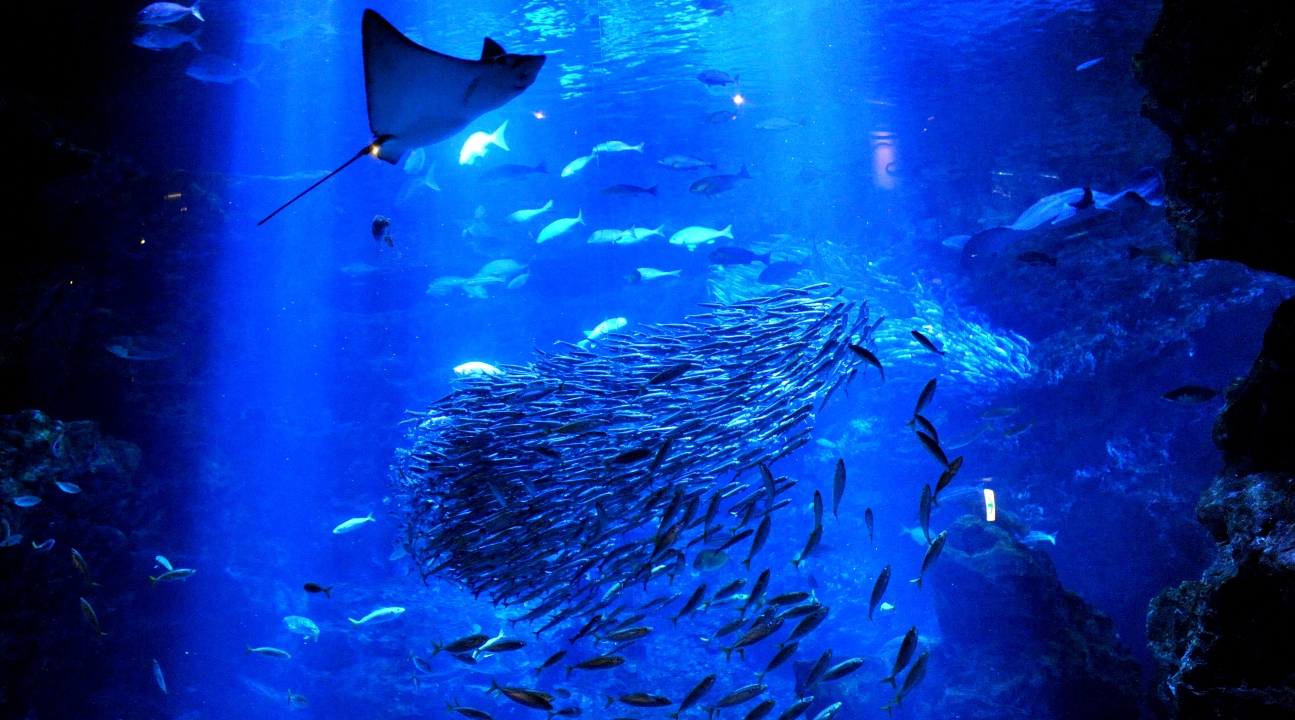
“Kyo no Umi” (Sea of Kyoto) is the aquarium’s core giant tank, built with 500 tons of artificial seawater and spanning two floors with a double-height ceiling, faithfully recreating the Sea of Japan ecosystem off Kyoto Prefecture. About 50 species are displayed in it, including red sea bream, bluehead wrasse, sharks and rays, and the sight of a large ray gliding slowly overhead is especially striking. Side viewing windows such as the Sea Cave and Shark Cave let you look from different angles.
The first-floor front is the best viewing spot; sitting on the steps in front of the tank and zoning out for ten-plus minutes is deeply relaxing. The second floor looks down over the whole tank, showing the three-dimensional structure of the schools of fish. The two heights give completely different views, so it is worth stopping at both.
Every day there is a fixed “Main Tank Feeding Time,” where a diver-keeper enters the water to feed the fish and explains through a microphone. It is one of the most spectacular programs in the aquarium. Showtimes follow the day’s schedule, so the safest approach is to photograph the program board at the entrance when you arrive.
Jellyfish Wonder: A 360-Degree Panorama Tank Surrounded by 5,000 Jellyfish
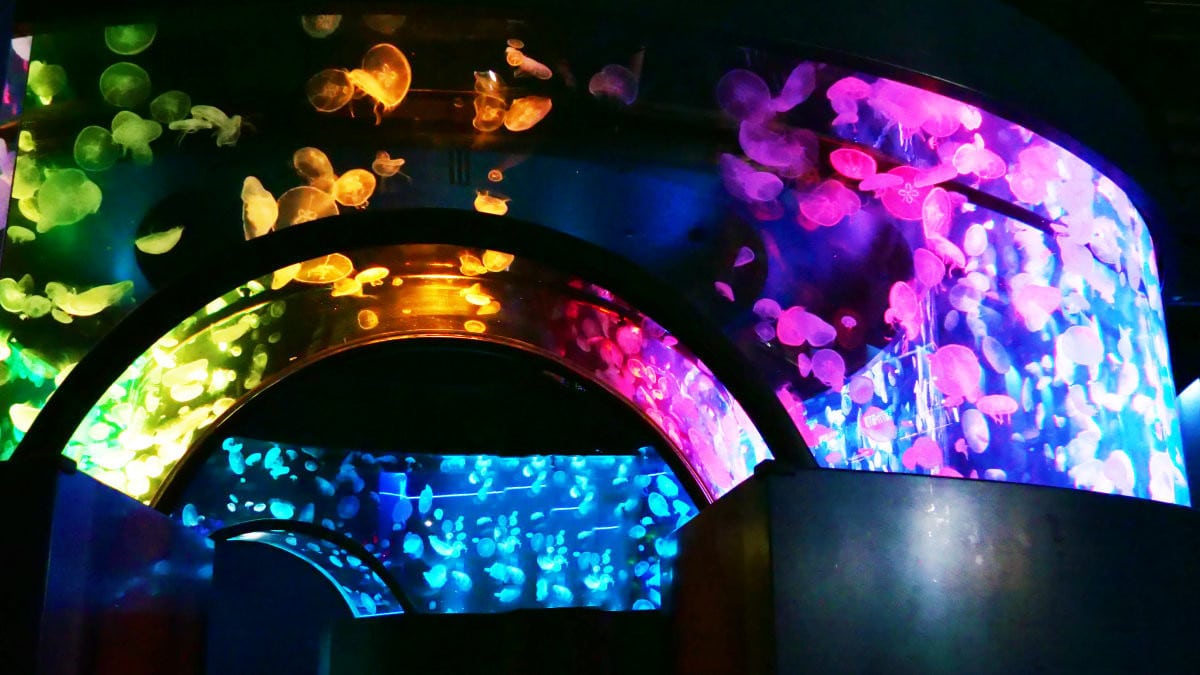
“Jellyfish Wonder” on the second floor is the dreamiest zone in Kyoto Aquarium, displaying about 30 species and as many as 5,000 jellyfish in tanks designed around each species’ habitat. The centerpiece is the 360-degree panorama tank “GURURI”: walk into the middle of the circular passage and you are surrounded by drifting jellyfish and flowing blue light, as if you had sunk into the sea.
This is almost the most popular photo spot in the aquarium, but the light is dim and the jellyfish keep moving, so set a faster shutter speed on your phone or camera and turn off the flash (flash also disturbs the animals). Crowds peak in the afternoon; to photograph an empty scene, head upstairs as soon as the aquarium opens.
Beside it is the open-plan Kyoto Jellyfish Research Department, where you can watch keepers breeding and rearing jellyfish through the glass. Showing the work usually hidden backstage is a rare approach to exhibition.
Mitette: A Learning Base Combining a Coral Reef Exhibit and Workshops
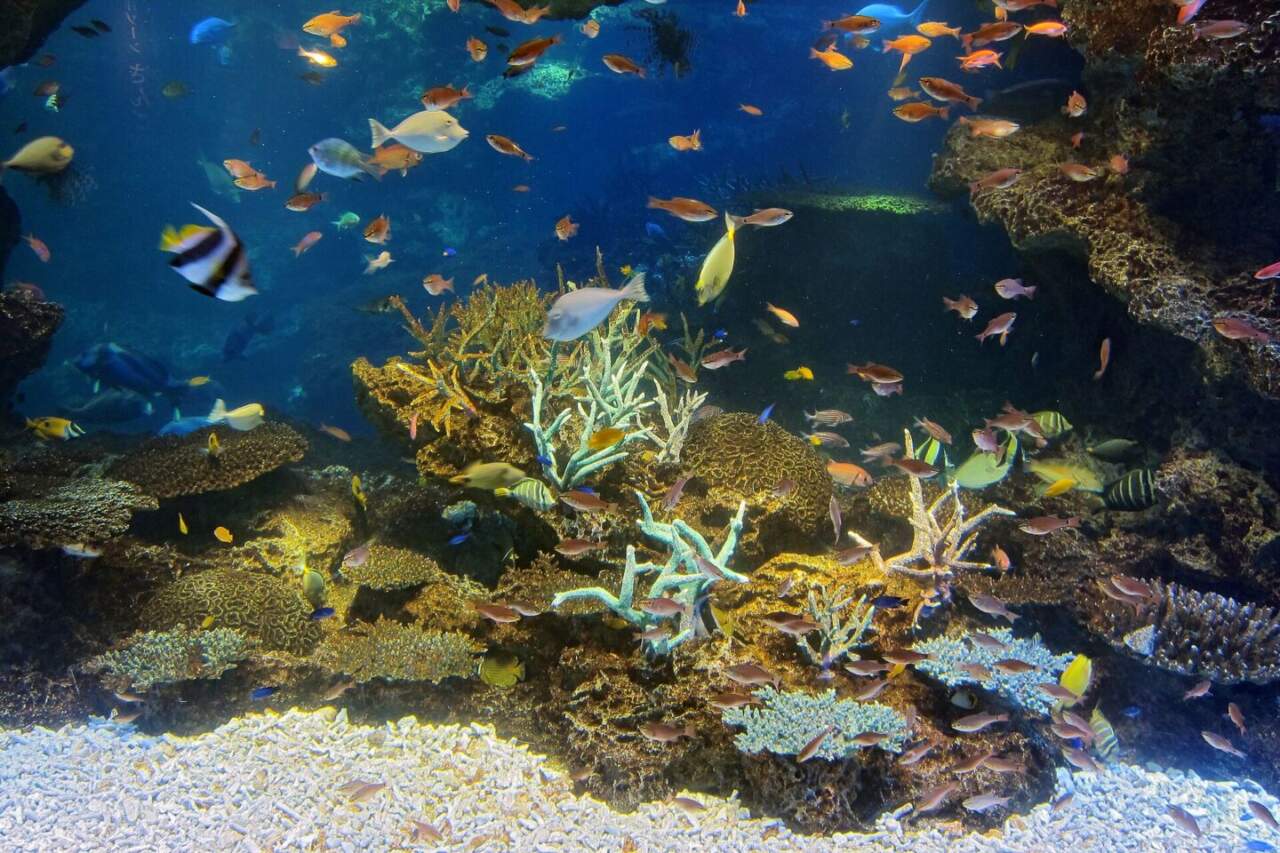
“Mitette” on the second floor is a zone that is easy to miss in many travel guides but is genuinely fun. Besides colorful coral reef animals, it combines a workshop space with information display cases, and the aquarium describes it as a “base for learning and healing information.”
Workshops are scheduled every day, ranging from jellyfish-themed crafts to seasonal animal-observation classes, mostly with on-site sign-up or advance lottery, and they are well worth adding to a family itinerary. The aquarium also announces its latest research and conservation results here.
This zone also holds “Feeding Time” talks. The display cases are updated often, so even second- and third-time visitors see a different theme each time.
Dolphin Stadium: The Dolphin School Set Against Kyoto’s Mountains
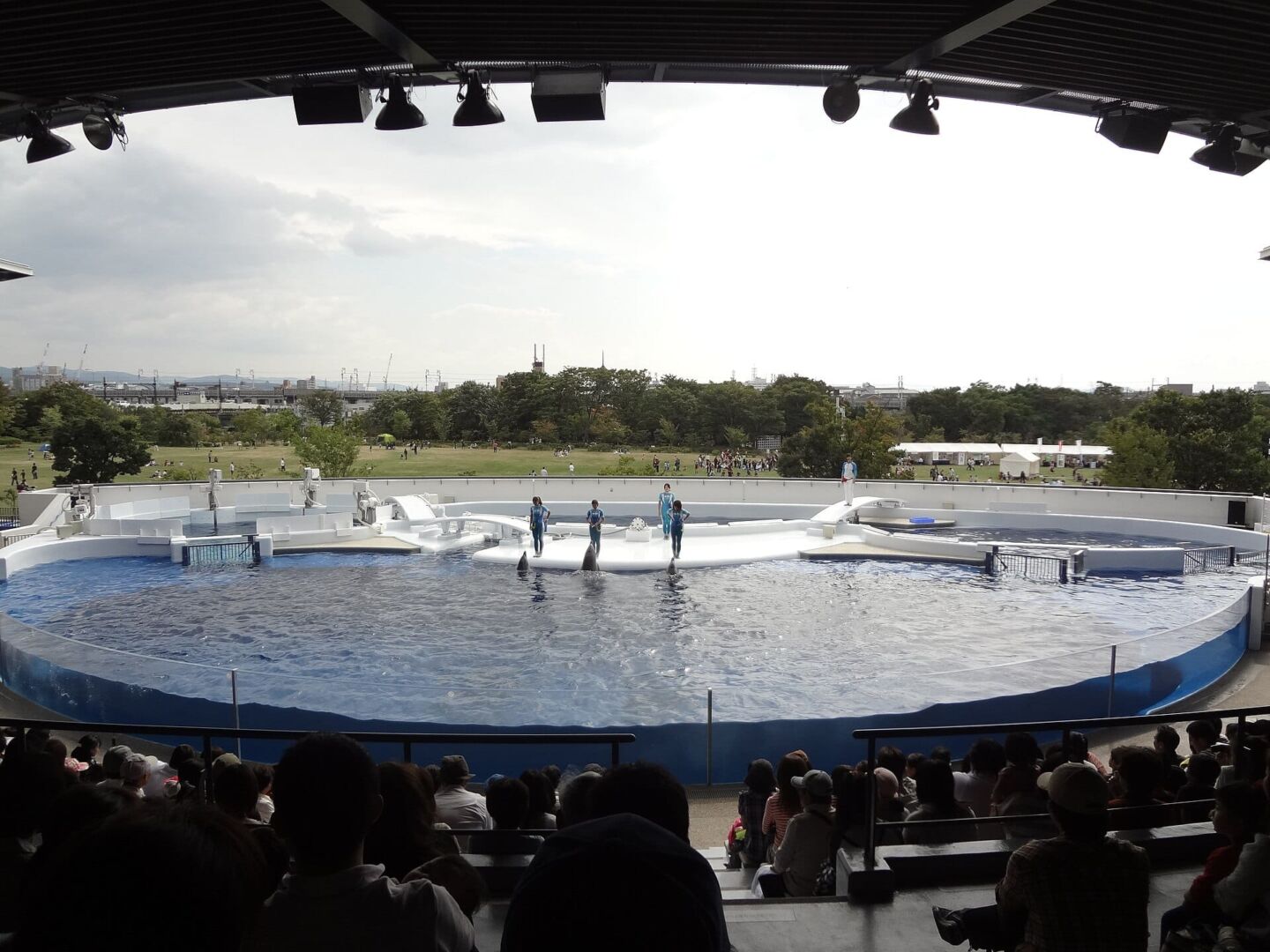
The second-floor dolphin theater is semi-open, with Kyoto’s natural mountains and city skyline as the stage backdrop, which already makes it completely different from an ordinary indoor dolphin pool. The show’s official name is now “Dolphin School” (Iruka no Gakko); many older articles still call it a “dolphin show” or “dolphin performance,” so look for the new name when checking the schedule on site.
The show emphasizes interaction and communication between people and dolphins, and you can see them leap high out of the water up close. There are usually several shows a day; arrive 15 to 20 minutes early to claim a good seat, as the front rows may get splashed.
The seating has a roof, so shows run in the rain, but in strong winds rain can blow in from the side, so bring a light jacket. The benches here also allow eating, making this one of the few places in the aquarium where you can eat your own boxed lunch.
Kyoto Aquarium Dolphin Show Times: How to Check the Dolphin School Schedule
The official website homepage posts the day’s Dolphin School schedule. Common slots are 11:30, 13:30 and 15:30, with additional times on weekends and certain dates; the actual schedule follows the day’s announcement. The dolphin theater is on the second floor. After entering, check the program board at the entrance first, then take your seat 15 to 20 minutes early to get a better view.
Sanshi Suimei: Freshwater Life and Endangered Species of the Water City of Kyoto
“Sanshi Suimei” (Scenic Mountains and Clear Waters) is another second-floor zone that often gets skipped, yet it best represents the aquarium’s philosophy. It is devoted to the freshwater creatures living in the water city of Kyoto, including several endangered rare species, and gathers the “Kyoto water” theme that began upstream at Kyo no Kawa.
The pace is quiet and the tank lighting soft, so it is a good place to come down from the lively atmosphere of the dolphin theater. Visitors who like reading the information panels should spend extra time here to understand why the aquarium devotes so much space to river ecology.
Next to this zone is the Harvest Cafe, with big lawn-view windows, selling Kyoto specialties such as the Kujo green onion burger, soy milk soft serve and penguin mochi ice cream. The benches in this zone also allow eating.
Kyo no Satoyama: The Only Outdoor Zone Where You Need an Umbrella, Recreating Kyoto’s Satoyama Scenery
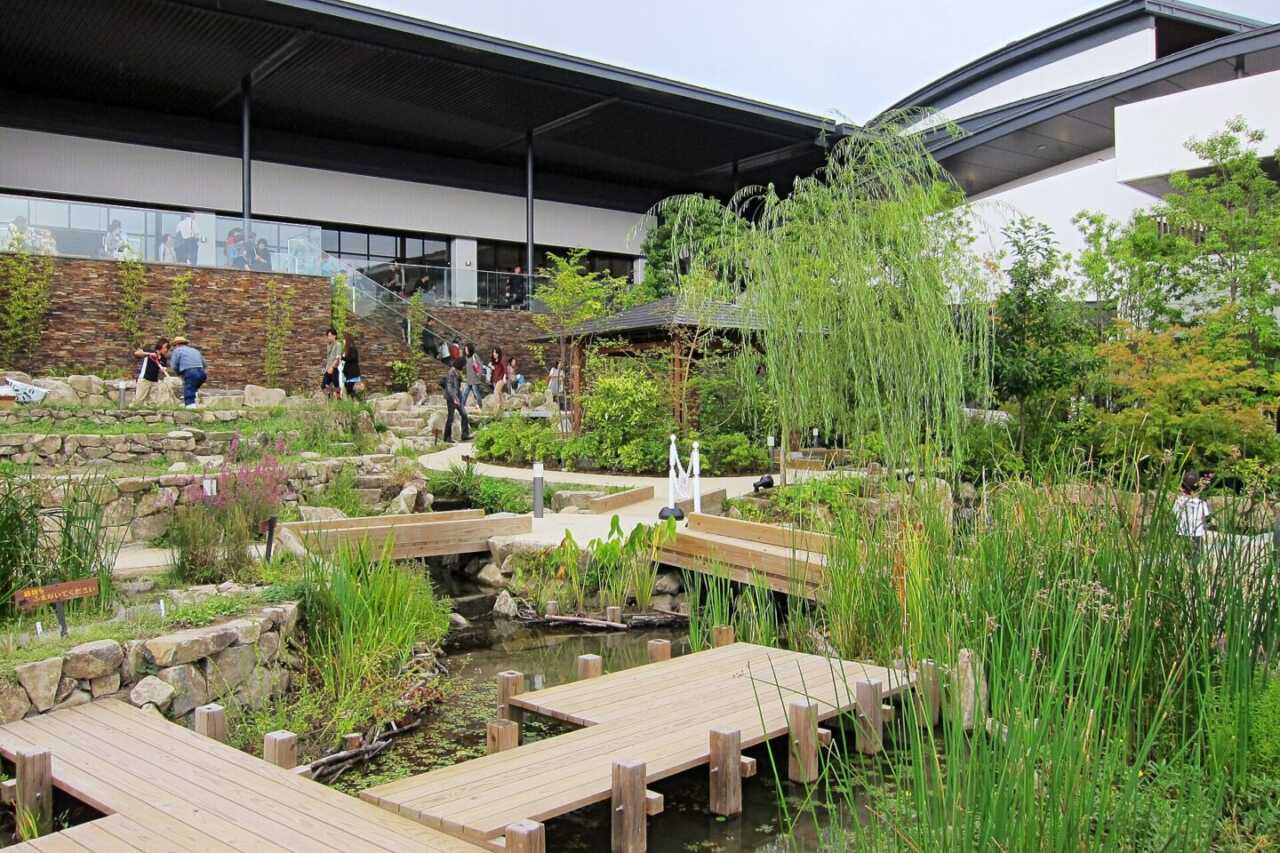
“Kyo no Satoyama” is the outdoor zone you reach back on the first floor, using waterways, rice paddies and plants to recreate the satoyama landscape near Kyoto. There are no giant tanks here; instead there are small ecosystems you can crouch down and observe: fish and shrimp in the channels, insects by the paddies and plantings that change with the seasons.
It is also the only area in the aquarium where you need an umbrella in the rain, a point the official FAQ specifically notes. If it rains and you would rather not hold an umbrella, skipping this area will not hurt the overall visit, since nearly all exhibits are indoors or under eaves.
On a sunny day, though, it is strongly recommended: stepping out from the deep blue of the indoor tanks into sudden greenery and cicada song, the contrast echoes the aquarium’s theme of “Inochi, connected with water.”
The Three Cafes and the Gift Shop: Giant Salamander Plushies and Nishijin-Weave Goshuincho
The aquarium’s three themed cafes turn its star animals into food: the Kaiju Cafe beside the seal zone features giant salamander-shaped bread and garden eel bread; the Harvest Cafe offers Kyoto’s Kujo green onion burger, soy milk soft serve and penguin mochi ice cream; and the Stadium Cafe at the dolphin theater entrance is best known for its blue ocean soda topped with dolphin cookies.
Note the aquarium’s rule: food bought here can only be eaten on the benches in the four zones of fur seals, spotted seals, Sanshi Suimei and the dolphin theater. Eating is prohibited everywhere else, and the same rule applies to your own boxed lunches and snacks. Please take your trash with you.
The museum shop at the exit is a wallet trap. The top seller is the giant salamander plush, from key chains to huge pillows. There are also jellyfish and giant salamander goshuincho (temple stamp books) woven with Kyoto’s long-established Nishijin textile makers, and Japanese wagashi sweets shaped like giant salamanders and penguins, so exquisite you hardly want to eat them.
Umekoji Park Lawn and Suzaku Yume Hiroba: A 13.7-Hectare Urban Oasis
Umekoji Park covers a vast 13.7 hectares at 56-3 Kankiji-cho, Shimogyo Ward, Kyoto, a rare large green space in the city. The central lawn and tree-lined paths are ideal for a picnic mat; in spring you can see early cherry blossoms, in February and March plum blossoms, and in autumn the trees turn red and are just as lovely.
Families should leave time for Suzaku Yume Hiroba, which has large climbing equipment and an extra-long roller slide, all completely free, the best place to burn off a child’s energy, with a cafe and the boarding point for the Chin-Chin Densha tram nearby.
Note the park rules: open fires are banned entirely (no barbecues, campfires or fireworks), kite flying is prohibited (the west side borders the JR tracks and is very dangerous), tents are not allowed (except simple sunshades), and bicycles and dogs are not permitted on the lawn or planted areas. The park has 4 bicycle parking areas, free for 3 hours for bicycles and 1 hour for motorbikes.
Suzaku Garden and Inochi no Mori: A ¥200 Hidden Spot for Autumn Leaves in the City
Suzaku Garden is a pond-strolling garden built to commemorate the 1,200th anniversary of the founding of Heian-kyo, covering about 9,000 square meters. Admission is only ¥200 (elementary school age and up), and the same ticket also gets you into the neighboring Inochi no Mori, which is excellent value. Opening hours are 9:00 to 17:00 with last entry at 16:30; it is closed every Monday (the next day if Monday is a holiday) and also from December 28 to January 4.
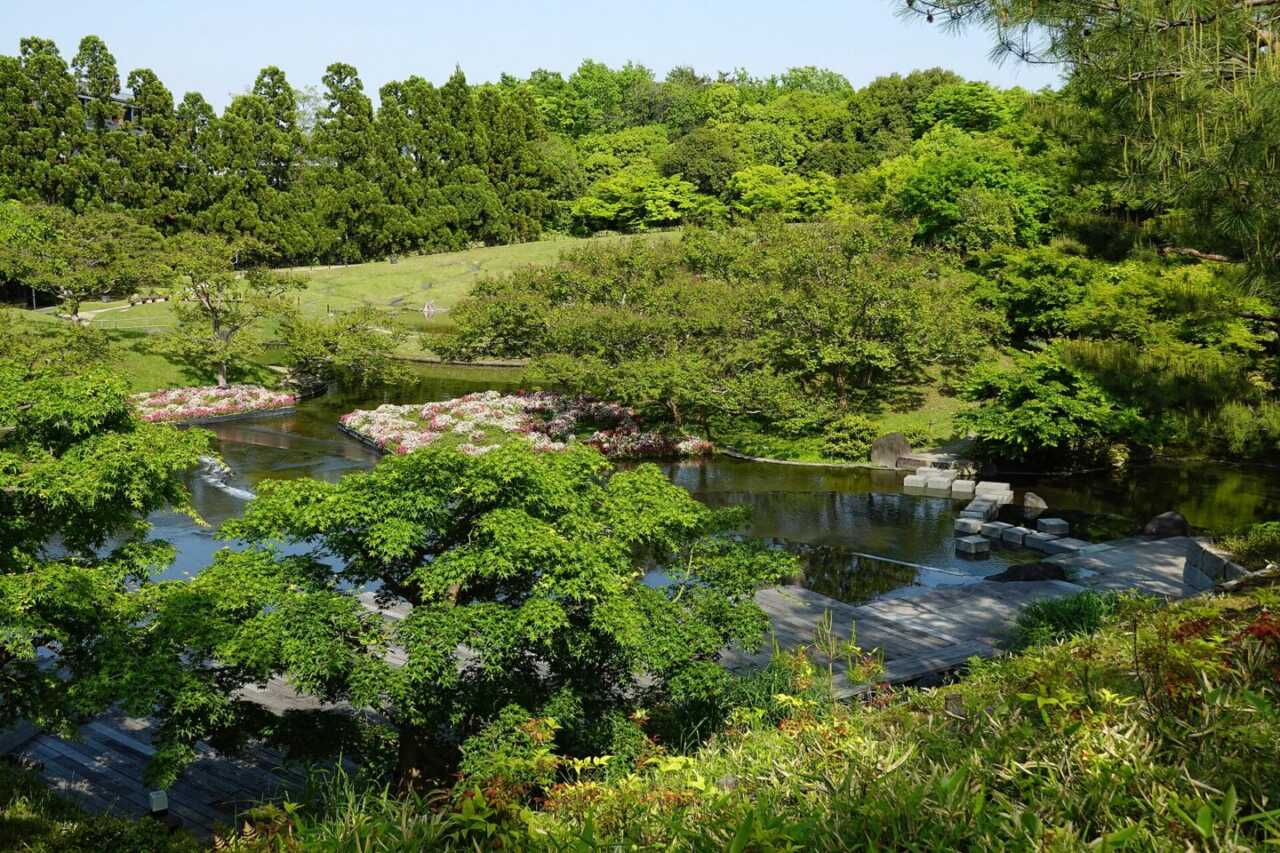
The garden’s most famous feature is the central pond, the “Mizukagami” (water mirror): water only 1 cm deep over Indian black granite turns the whole pond into a mirror, reflecting the surroundings by day and moonlight and illuminated trees at night. There is also the “Nosuji” grass-slope stream that winds down from above the waterfall, and the largest artificial waterfall in Kyoto city, with a drop of about 6 meters.
The garden has many maple trees and is a well-known spot for autumn leaves and night illuminations in the city. Inochi no Mori is the result of restoring the former freight yard, where nothing used to grow, into wildlife habitat, deliberately limiting human intervention so that plenty of insects and birds can be observed in every season. The entrance is on the second floor of the Midori no Kan building, which has an elevator.
Streetcar Square and the Chin-Chin Densha: A Retro Tram That Really Runs
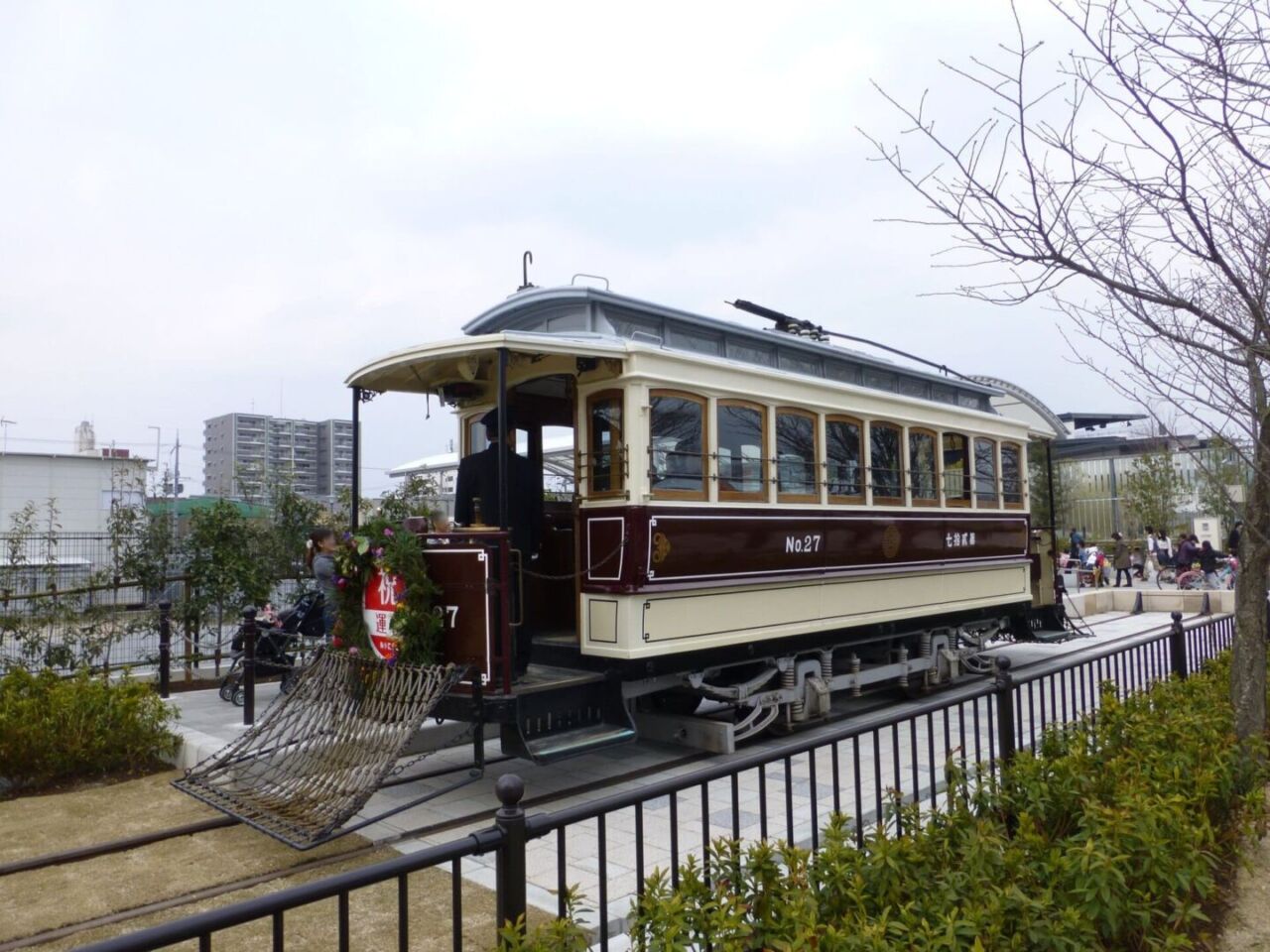
Streetcar Square preserves and displays 4 Kyoto City streetcars and platforms built in the Taisho and Showa eras, recreating the nostalgic scene of trams once running through Kyoto’s streets. Two of the cars have been converted into the “Streetcar Cafe” and the “Streetcar Shop,” with the retro wooden Showa-era interiors kept intact. The Streetcar Cafe is effectively a dining-car cafe in the park, and its signature treat, the “tram strap bread” (tsuriwa pan), is shaped exactly like a tram hand strap, fun and photogenic.
Even more fun is the Chin-Chin Densha, which still runs. Powered by a lithium battery, it travels between Suzaku Yume Hiroba and Streetcar Square, a single trip of about 210 meters. It runs on Saturdays, Sundays and national holidays from 10:00 to 16:00, departing Suzaku Yume Hiroba on the hour and every 20 minutes (after 12:40 the next departure jumps to 13:40, with a break in between).
Fares are ¥310 for a day pass and ¥150 for a single trip, free for children below elementary school age, and tickets can be bought from the ticket machine at Suzaku Yume Hiroba or directly from the conductor. Note that only cash is accepted here; credit cards and IC cards cannot be used, so prepare small change in advance.
Nishi Hongan-ji: A World Heritage Head Temple Within Walking Distance
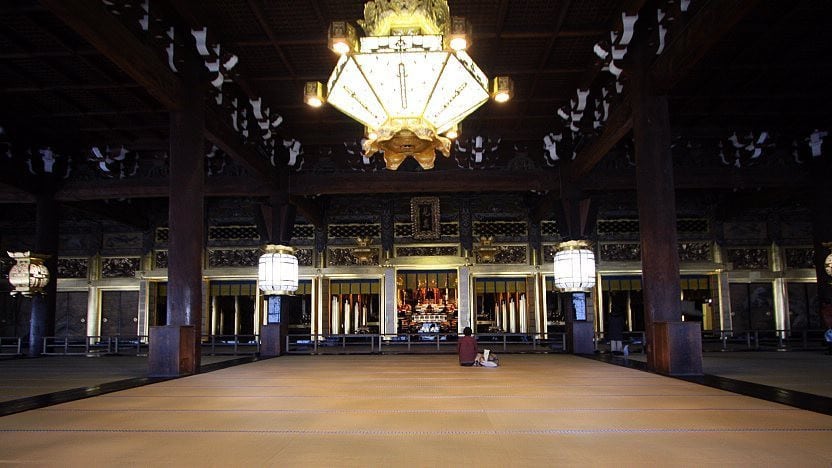
Walk east from Umekoji Park for about 10 to 15 minutes and you reach Nishi Hongan-ji, a UNESCO World Heritage site. Its formal name is Ryukozan Hongan-ji, and it is the head temple of the Jodo Shinshu Hongan-ji school, enshrining Amida Nyorai. The Goei-do and Amida-do halls on the grounds are both National Treasure-class buildings, grand in scale yet free to enter.
The temple’s Kara-mon gate is known for its exquisite carvings, said to be so captivating that you lose track of time, which is why it is also called the “Higurashi-mon” (Sunset Gate);
One reminder: the Jodo Shinshu Hongan-ji school does not issue goshuin stamps or sell omamori charms. However, since April 2022 the temple has given out a free “visit commemorative stamp” at the Ryuko-den hall and the east tea house on the grounds, with a design that changes each season, which you can stamp in your own notebook as a keepsake. Opening times change with the season, so check the Nishi Hongan-ji website before you go.
How Much Are Kyoto Aquarium Tickets? Prices, How to Buy and Nearby Passes
Besides the aquarium, the Umekoji area has a few cheap and useful tickets.
Admission: Adults ¥2,600, and No Ticket Windows on Site
The current admission on the official website is ¥2,600 for adults (university students and up), ¥2,000 for high school students, ¥1,400 for junior high and elementary school students and ¥900 for children aged 3 and over; children under 3 are free. High school students should show a student ID at the counter or entrance. Holders of a disability certificate and one companion pay half the standard price.
The most important practical point: the official website states there is no sale at a window, so there is no staffed ticket counter on site and on the day you can only use the automatic ticket machines at the entrance. How to buy online tickets, 7-Eleven advance tickets and combo tickets is covered in the next section. You may still find the old price of “adults ¥2,400” online; always go by the current notice on the official website.
Admission, ticket purchase and annual pass procedures are all accepted until 1 hour before closing, so arriving close to closing time may mean you cannot get in. In peak season and holidays, always buy an e-ticket in advance; scanning the code at the gate saves the most time.
Kyoto Aquarium Ticket Information: How to Buy Online Tickets, Machine Tickets, 7-Eleven Tickets and Combo Tickets
There are four ways to buy Kyoto Aquarium tickets. The most recommended is the online ticket (Web Ticket) on the official site: sales begin 30 days before your visit, and on ordinary dates you only need to pick a date, but on certain dates during Obon, Golden Week and the Japanese autumn holidays (Silver Week) you must choose a date plus a time slot. At entry, just show the QR code emailed to you. Online tickets accept only credit cards and barcode payments.
If you buy on the day, there are automatic ticket machines at the entrance that accept cash, credit cards, transport IC cards, barcode payments and e-wallets, selling until 1 hour before closing; however, for dates and time slots where online tickets are sold out, the machines will not sell either. You can also buy a dated advance ticket at 7-Eleven, and entering with an advance ticket does not require a time slot.
The official site also offers three combo tickets: Kyoto Railway Museum plus Aquarium, Kyoto Tower (Nidec Kyoto Tower) plus Aquarium, and the “admission plus round-trip bus fare” ticket from Keihan Kyoto Kotsu. None require a time slot for entry and can be used within the validity period. If you leave to eat or walk in the park that day, show your ticket at the entrance to re-enter.
Annual Pass: The Local’s Choice That Pays for Itself in Two Visits
Kyoto Aquarium’s annual pass costs ¥5,800 for adults, ¥4,400 for high school students, ¥3,100 for junior high and elementary school students and ¥2,000 for children aged 3 and over, so visiting just twice a year nearly pays for it, a common choice among Kansai locals.
There are two ways to get one: for the card version, pay at the counter, then complete the registration and photo at the nearby registration computer; the digital version can be bought online on Webket, and you simply show the screen with the QR code on your phone when you visit. The digital pass is valid for one year from your first entry, not from the purchase date.
Note that the pass is for the holder only and cannot be refunded, renamed, transferred or lent; if you forget it, you must buy a regular admission ticket. A disability certificate holder can get the annual pass at half price.
Suzaku Garden Admission: Step into a Heisei-Era Japanese Garden for ¥200
Suzaku Garden admission is ¥200 (elementary school age and up), and the same ticket also gets you into the neighboring Inochi no Mori, making it one of the most affordable Japanese gardens in central Kyoto. The entrance is on the second floor of the Midori no Kan on the west side of Umekoji Park, and there is an elevator.
Opening hours are 9:00 to 17:00 with last entry at 16:30; it is closed every Monday (the next day if Monday is a national holiday) and from December 28 to January 4. This closing day differs from the aquarium, which is open year-round, so keep it in mind when planning a same-day itinerary.
The garden covers about 9,000 square meters, and a slow loop takes about 30 to 40 minutes. During the autumn foliage season there are often evening illuminations, when the “Mizukagami” pond reflects the lit-up red maples, a rare and uncrowded leaf-viewing experience in central Kyoto.
Chin-Chin Densha Ticket: ¥150 for a Retro Tram Ride, Cash Only
The Chin-Chin Densha in Umekoji Park runs between Suzaku Yume Hiroba and Streetcar Square, a single trip of about 210 meters, in retro cars converted to run on lithium batteries. Tickets are a ¥310 day pass or a ¥150 single-ride ticket, free for children below elementary school age.
It runs only on Saturdays, Sundays and national holidays, from 10:00 to 16:00. Departures from Suzaku Yume Hiroba are on the hour and every 20 minutes, the first at 10:00 and the last at 16:00, with the departure after 12:40 jumping to 13:40; departures from Streetcar Square are about 5 minutes after those times.
Buy tickets at the ticket machine at Suzaku Yume Hiroba or directly from the conductor. Note that credit cards and IC cards cannot be used here; it is cash only, so bring small change. Service was suspended for a time in mid-March 2026 and resumed on April 29 of the same year.
Cafes and Boxed Lunches Inside: Eating Is Allowed Only in Four Designated Areas
The three themed cafes each have a specialty: the Kaiju Cafe’s giant salamander bread and garden eel bread, the Harvest Cafe’s Kujo green onion burger and penguin mochi ice cream, and the Stadium Cafe’s blue ocean soda with dolphin cookies. They lean toward light bites and sweets, suited to a mid-visit energy boost rather than a full meal.
The aquarium allows you to bring your own boxed lunch and snacks, but eating is strictly limited to the benches in four zones: the fur seals, the spotted seals, Sanshi Suimei and the dolphin stadium. Eating is prohibited everywhere else, and please take your trash with you.
Families on a budget can buy a boxed lunch at Kyoto Station, then come and sit on the benches in the fur seal zone or dolphin theater to have a picnic while watching the animals; in good weather, the lawn in Umekoji Park is a completely free picnic spot.
Kyoto Day-Trip Combo Tickets and Passes: Fitting Umekoji into a Full Day
Since the aquarium is just one stop from Kyoto Station, the most common pairing is a Kansai Area Pass that covers the JR Sagano Line: spend the morning at Umekoji, then continue along the Sagano Line in the afternoon to Nijo Castle or Arashiyama, covering a whole day with one pass.
If you are traveling with older relatives or small children and do not want to change trains repeatedly in the city, you might also consider a Kyoto day tour that includes admission, which usually bundles the aquarium with nearby attractions such as the Railway Museum, saving the time of checking timetables and queuing on site.
Before buying tickets, confirm the closing-day differences between the facilities: Kyoto Aquarium is open year-round (closing only temporarily for facility maintenance), the Kyoto Railway Museum is closed every Wednesday and Suzaku Garden is closed every Monday. Avoiding Mondays and Wednesdays makes a three-stop day run most smoothly.
Where to Stay Near Kyoto Aquarium: Accommodation Suggestions
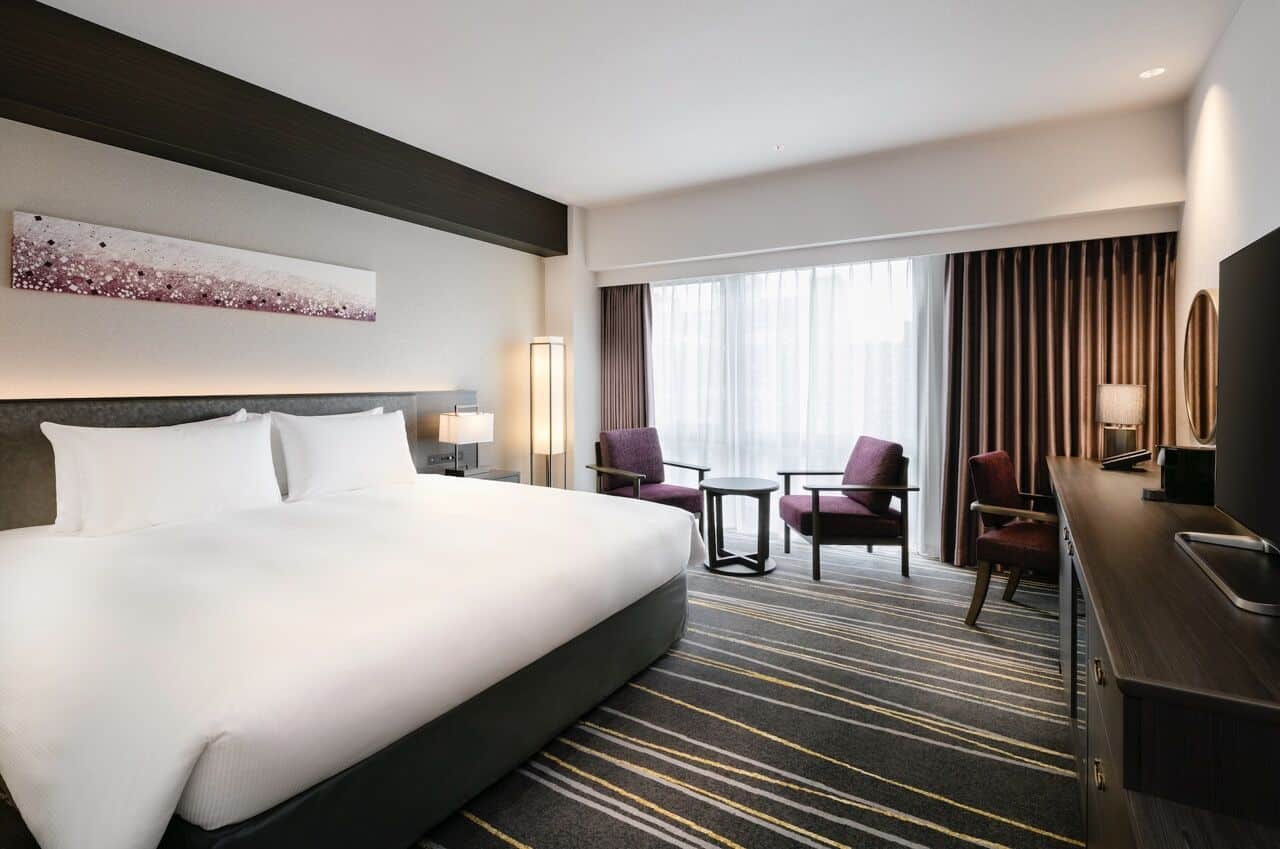

Staying Around Kyoto Station and Umekoji: The Best Bases Within Walking Distance of Your Room
Kyoto Aquarium and Umekoji Park are just one JR stop or a 15-minute walk from Kyoto Station, so the most sensible base is around Kyoto Station. The area is packed with business hotels, international chains and hostels at every price level, and as the main hub for JR, Shinkansen, Kintetsu, the subway and airport buses, it makes next-day trips to Arashiyama, Uji or Osaka very easy.
If you plan to spend two full days at Umekoji, or are traveling with small children who need to go back to the room for a nap, consider lodging around Shichijo Omiya and Nishi Hongan-ji, from where you can walk into the park and let the kids burn off energy at Suzaku Yume Hiroba before the aquarium opens. To keep room rates down, look toward Nishioji and Tambaguchi, which are only a few minutes back to Kyoto Station by JR.
Kyoto Aquarium and Umekoji Park FAQ
Q: How much are Kyoto Aquarium tickets?
The current official prices are ¥2,600 for adults (university students and up), ¥2,000 for high school students, ¥1,400 for junior high and elementary school students and ¥900 for children aged 3 and over. There is no staffed ticket window on site; use the automatic machines at the entrance, or buy an online ticket from the official site or a 7-Eleven advance ticket beforehand.
Q: Does Kyoto Aquarium have closing days?
Kyoto Aquarium is open year-round with no regular closing day, closing temporarily only for special circumstances such as facility maintenance. By contrast, the neighboring Kyoto Railway Museum is closed every Wednesday and Suzaku Garden every Monday, so check them separately when planning.
Q: What are Kyoto Aquarium’s opening hours?
Normal hours are 10:00 to 18:00, with admission and ticket sales accepted until 1 hour before closing. There are extended-hours periods in summer, so go by the official daily calendar for actual times.
Q: How do I get to Kyoto Aquarium from Kyoto Station?
Take the JR Sagano Line one stop to Umekoji-Kyotonishi Station, then walk about 7 minutes through the park from the exit; or take bus 205 or 208 from stop B3 at Kyoto Station to Shichijo Omiya / Kyoto Aquarium-mae. Walking from the Central Exit of Kyoto Station also takes only about 15 minutes.
Q: How long should I spend at Kyoto Aquarium?
The official FAQ gives a visit time of about 1 hour 30 minutes to 2 hours. If you want to see the dolphin show, several feeding talks and rest at a cafe, plan for 2.5 hours; adding Umekoji Park and Suzaku Garden takes half a day.
Q: Can I bring a boxed lunch into Kyoto Aquarium?
You may bring food and drink in, but you can only eat on the benches in the four zones of fur seals, spotted seals, Sanshi Suimei and the dolphin theater. Eating is prohibited everywhere else, and please take your trash with you. Scooters, tricycles and large suitcases are not allowed.
Q: Is Kyoto Aquarium a good choice on a rainy day?
Very much so; it is a dependable rainy-day option in Kyoto. Nearly all zones are indoors or under eaves, and only the outdoor Kyo no Satoyama and a few uncovered passages need an umbrella; the dolphin theater seating has a roof, but rain can blow in at an angle in strong winds.
Q: How much is Suzaku Garden admission?
Admission is ¥200 (elementary school age and up), and the same ticket also covers Inochi no Mori. It is open 9:00 to 17:00 with last entry at 16:30, closed every Monday (the next day if Monday is a holiday) and from December 28 to January 4.