
Gion Hanamikoji in Kyoto: Where Tradition Meets the Modern
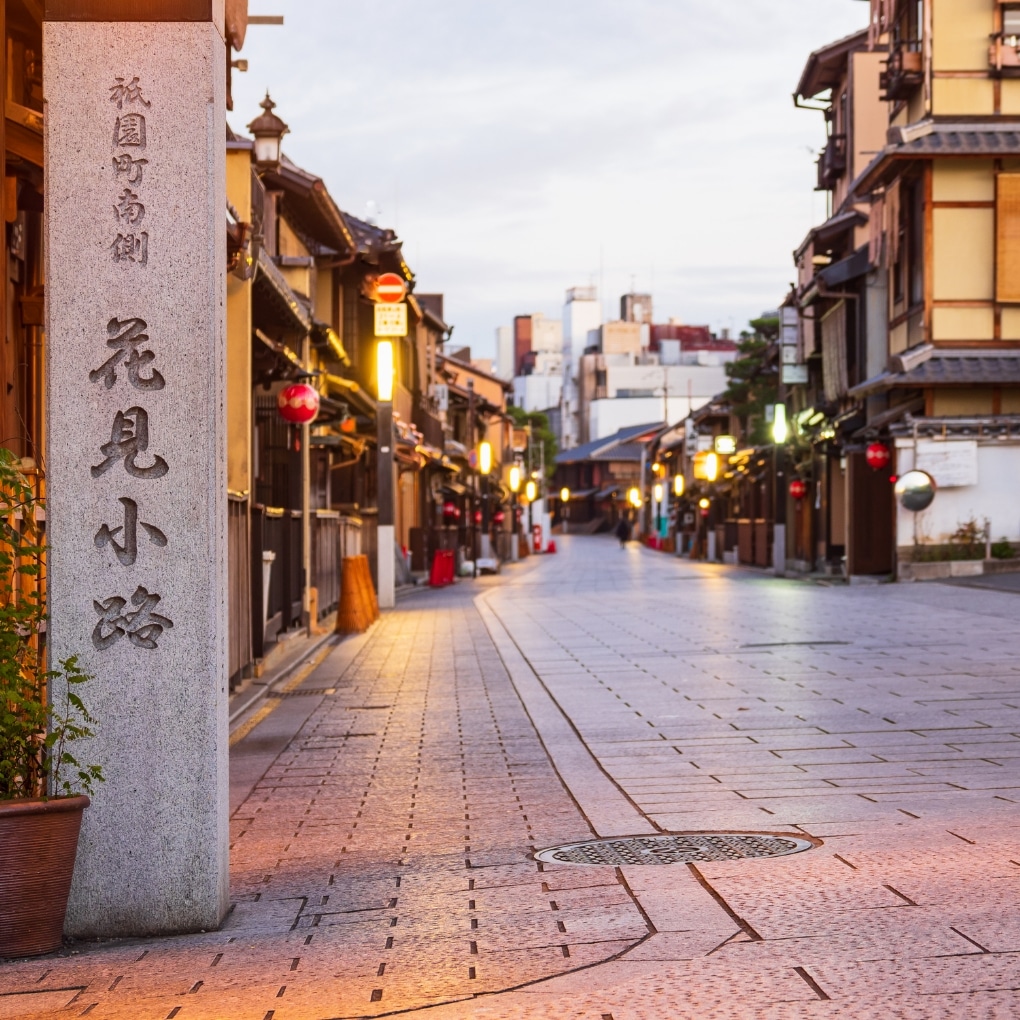
Hanamikoji in Gion, Kyoto, is one of the signature sights of traditional Japanese culture, located in Gionmachi in Kyoto’s Higashiyama Ward. It is not only the center of geisha culture but also a place full of traditional Japanese atmosphere. Historic buildings, traditional crafts and local food all make it hard to leave.
This article gives you a detailed 2026 guide to Gion Hanamikoji, covering must-see sights, geisha and kimono experiences, and photo etiquette on Hanamikoji, so you can plan your Kyoto trip better.
What Are the Must-See Sights Around Gion Hanamikoji in 2026?
Gion Hanamikoji is a famous traditional district in Kyoto with rich culture and history. Every spring the cherry blossoms draw large crowds of visitors. This article introduces the must-see sights of Gion Hanamikoji so you can plan your itinerary better.
Yasaka Shrine

![[Classic Kyoto Deep Dive] Kinkaku-ji, Kiyomizu-dera, Ninenzaka, Gion Hanamikoji, Yasaka Shrine and Fushimi Inari Taisha Slow Travel Day Tour (Departing from Osaka/Kyoto)](https://res.klook.com/images/w_300,h_300,c_fill,q_75/w_80,x_15,y_15,g_south_west,l_Klook_water_br_trans_yhcmh3/activities/spqfe6yhv087ha5pj8vr/【京都經典深度遊】金閣寺清水寺二年坂祗園·花見小路八坂神社伏見稻荷大社深度慢旅行一日遊(大阪京都出發)-Klook.jpg)

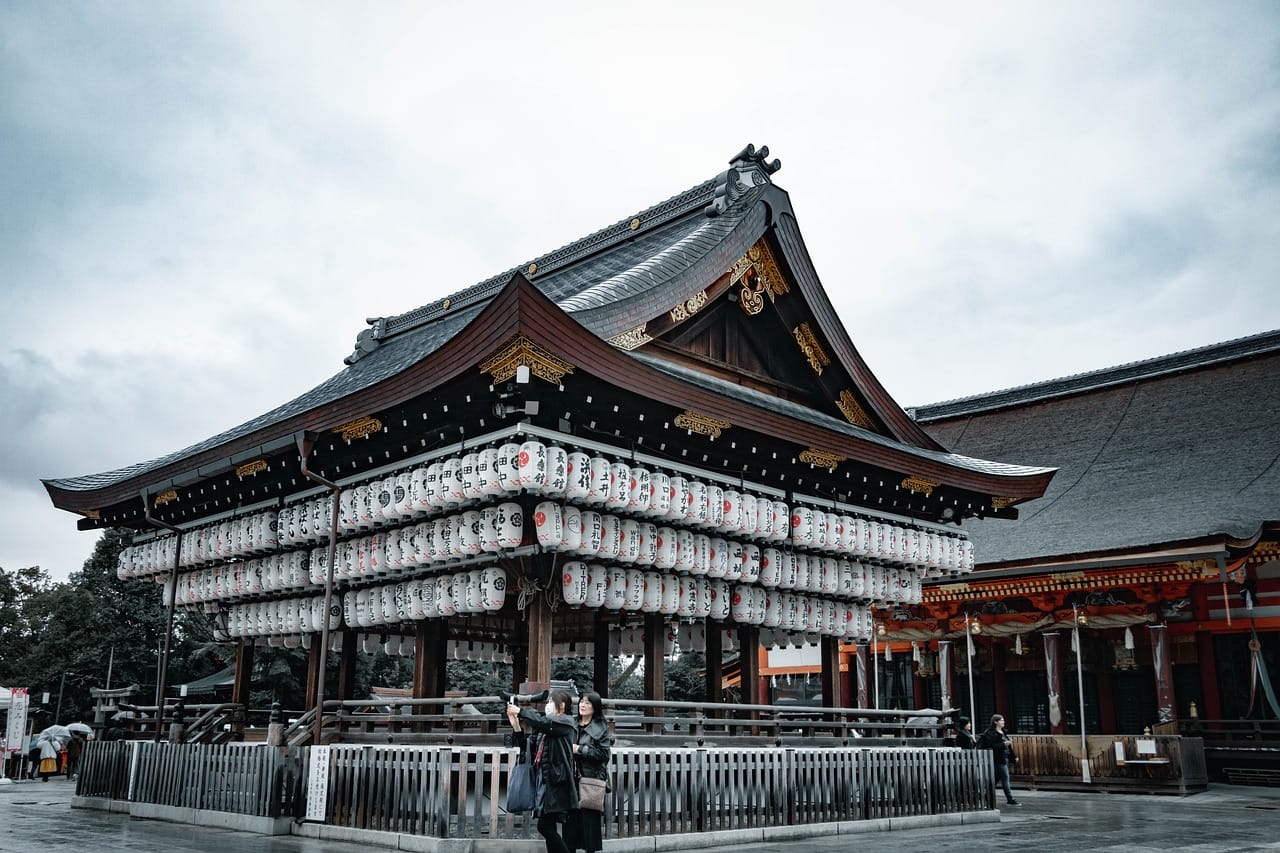
Yasaka Shrine is the head shrine of the Gion faith. Its main deity is Susanoo no Mikoto, and it is the shrine that hosts the Gion Matsuri. The main hall is built in the unique “Gion-zukuri” style. When the cherry blossoms bloom in spring, nearby Maruyama Park is also a good place for viewing them.
The official website says the shrine stood here even before the capital moved to Heian in 794, giving it a long history. The grounds include the main hall and the dance stage, and after dark the lanterns on the dance stage are lit, creating a special atmosphere.
We suggest spending 1-2 hours. Admission is free, though some special events or rituals may require a fee. The best times to visit are early morning or evening, to avoid the crowds.
Gion Shirakawa
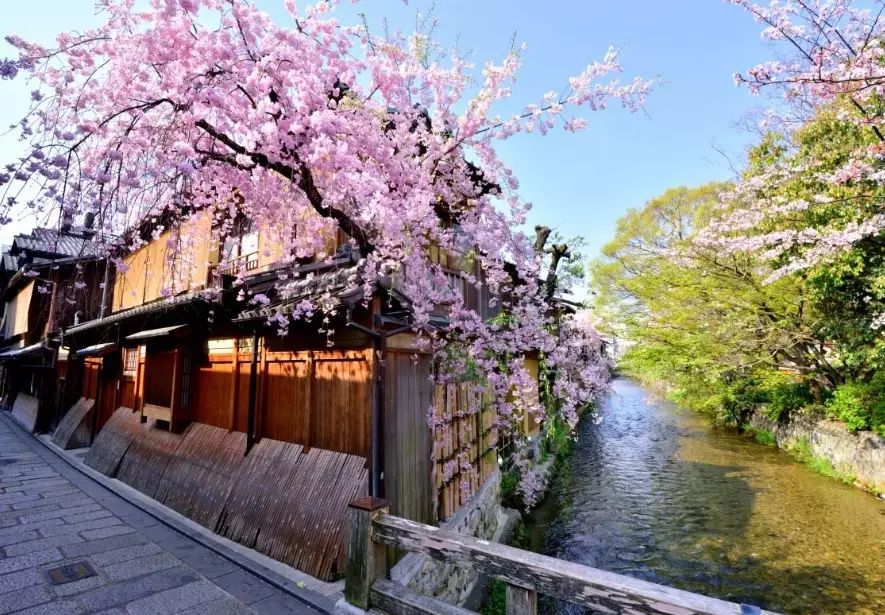
Gion Shirakawa is the area along the Shirakawa stream that flows through Gion. The banks hold machiya teahouses and cherry trees, and when the blossoms bloom in spring the scenery is especially beautiful.
Strolling along the Shirakawa, you can enjoy the cherry blossoms and see traditional Japanese architecture at the same time. The Shirakawa is also an ideal place for photos.
We suggest about 1 hour; it is free to visit. After the lights along the bank come on at night the atmosphere becomes even more elegant, making it a good time for night cherry blossom viewing.
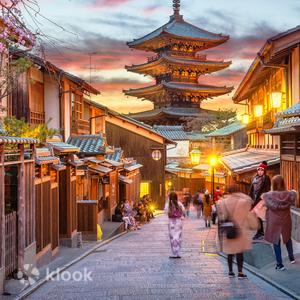
Minamiza
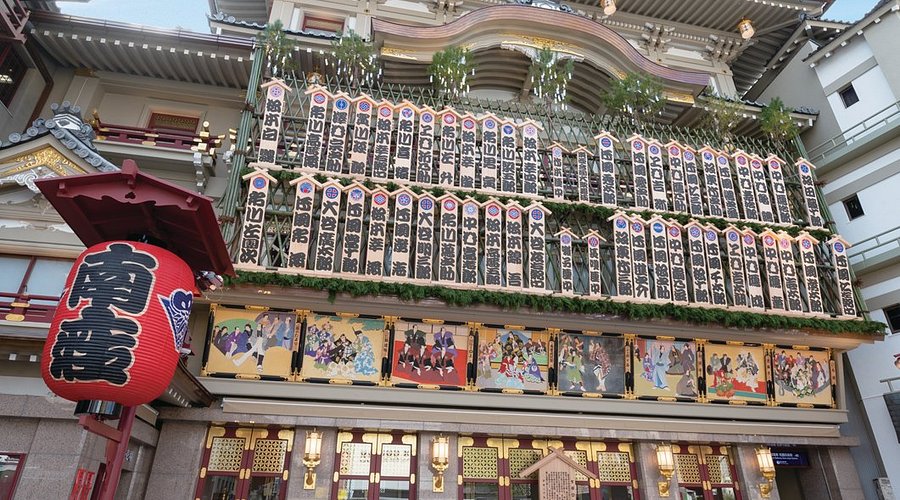
Minamiza stands on the east side of Shijo Ohashi Bridge and is Kyoto’s traditional kabuki theater, officially said to have a history of about 400 years. Every December it hosts the “Kaomise” performances (December 1 to 24 in 2026).
Minamiza’s exterior is classical and ornate, a striking landmark on Shijo-dori. To go inside the theater you need to buy a performance ticket to see a show; prices vary by program and seat.
It is a short walk from Keihan Gion-Shijo Station. For performance and ticket information, see the Shochiku official website (shochiku.co.jp).
Hanamikoji-dori
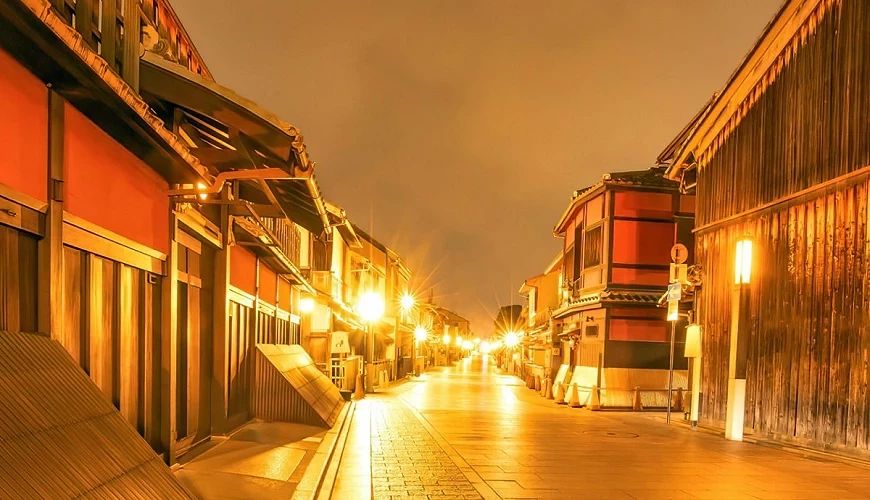
Hanamikoji-dori is Gion’s main street, lined with teahouses and machiya townhouses on both sides.
Walking through it gives you a strong sense of Kyoto’s geisha-district atmosphere.
Hanamikoji is generally written in English as “Hanamikoji Street,” and you also often see “Hanamikoji-dori” (dori is the Japanese word for “street”), pronounced “はなみこうじどおり” in Japanese. The road is divided into north and south sections by Shijo-dori. The stone-paved lane and teahouse and machiya streetscape people usually mean is the section south of Shijo-dori, running all the way to Kennin-ji. It takes about 3 minutes on foot from Keihan Gion-Shijo Station.
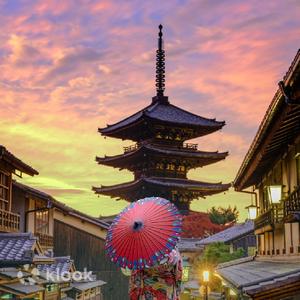
Yasaka Koshindo
-Klook.jpg)
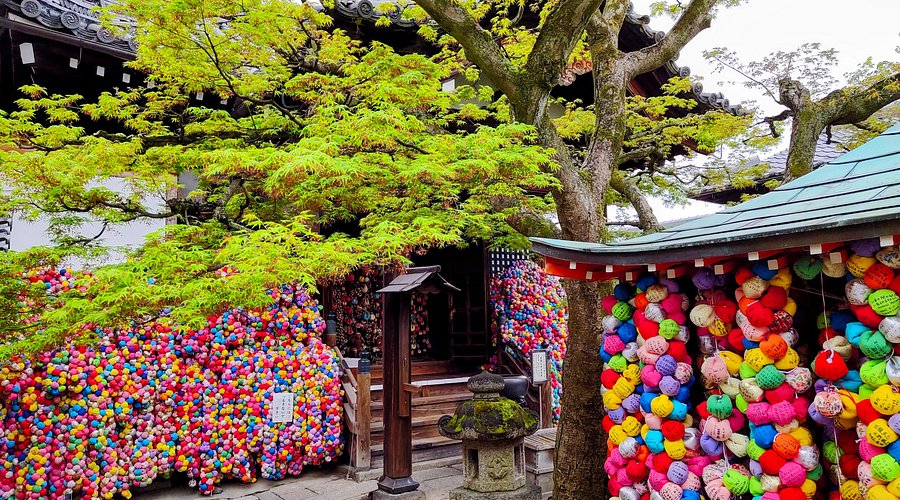
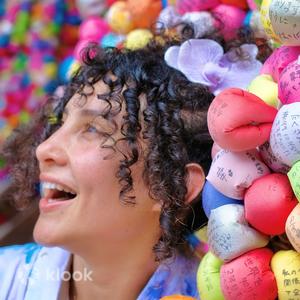
Yasaka Koshindo is the Koshindo of Kongo-ji, a Buddhist temple known for its colorful handmade “kukuri-zaru” (括り猿, bound monkey) amulets.
The kukuri-zaru is an amulet of a monkey with its hands and feet tied, symbolizing restraining one desire; you make your wish after dedicating it to the principal deity Shomen Kongo. The hall enshrines the three monkeys, and the central seal in the goshuin is also the three monkeys of “see no evil, speak no evil, hear no evil.”
We suggest about 1 hour. Entry to the grounds is free, and you can buy amulets and goshuin.
Gion Kobu Kaburenjo
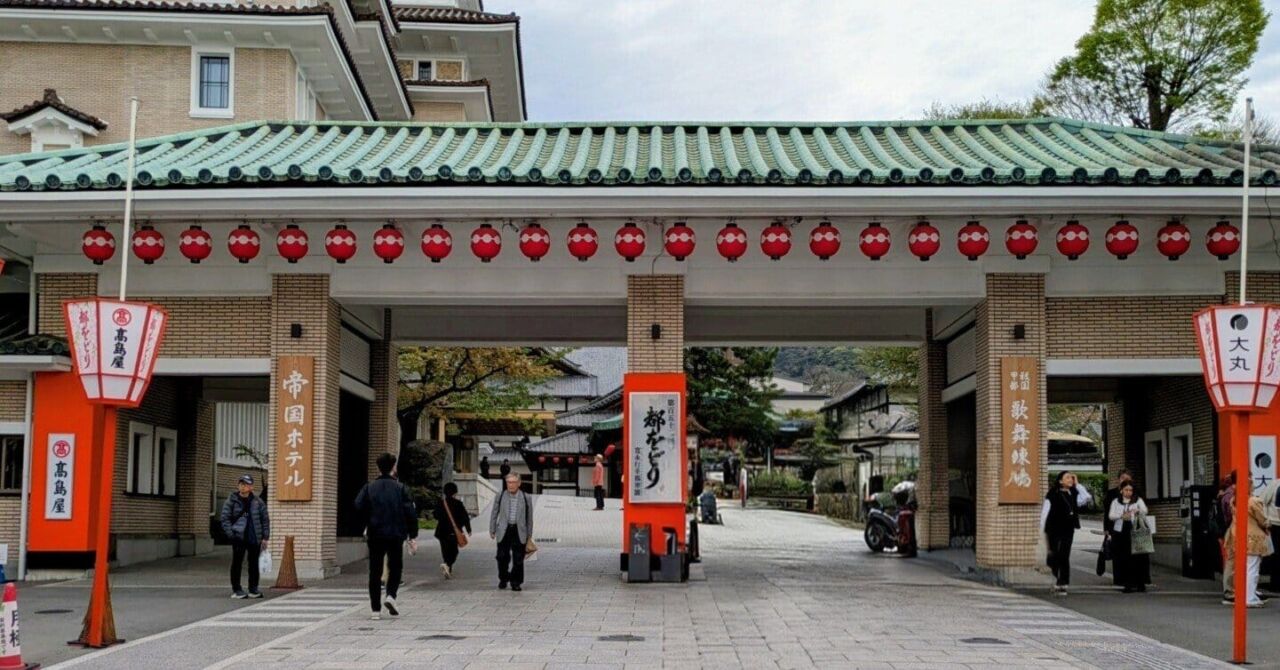
The Gion Kobu Kaburenjo is the theater of the Gion Kobu geisha district. Every April it hosts the “Miyako Odori” (都をどり), performed by about 50 geisha and maiko (April 1 to 30 in 2026, three shows a day).
The theater is on the south side of Gionmachi, about 8 minutes on foot from Keihan Gion-Shijo Station and about 10 minutes on foot from Hankyu Kyoto-Kawaramachi Station. Miyako Odori tickets in 2026 are ¥4,000 to ¥7,000 (from second-class seats to first-class seats with a tea ticket), with a student ticket at ¥2,000, available on the official website or by phone.
Gion Odori: The Autumn Maiko Dance Held at Gion Kaikan from November 1 to 10
Gion Odori is hosted by the Gion Higashi geisha district and is the only one of Kyoto’s five hanamachi dances staged in autumn. In 2026 it takes place at Gion Kaikan from November 1 to 10, with two shows a day starting at 13:30 and 16:00. Tickets are ¥7,000 with tea seating and ¥6,000 for viewing only. Online sales run until October 28, after which tickets can be bought at the venue window.
What Else Is Fun Near Gion Hanamikoji in 2026? Selected Experiences and Tours
Gion Hanamikoji is a famous cherry blossom spot in Kyoto, drawing large crowds every spring. Beyond the blossoms, the Gion area has many other activities and sights worth exploring. Here are a few selected experiences and tours near Gion Hanamikoji to enrich your trip to Kyoto.
Traditional Kyoto Geisha Experience
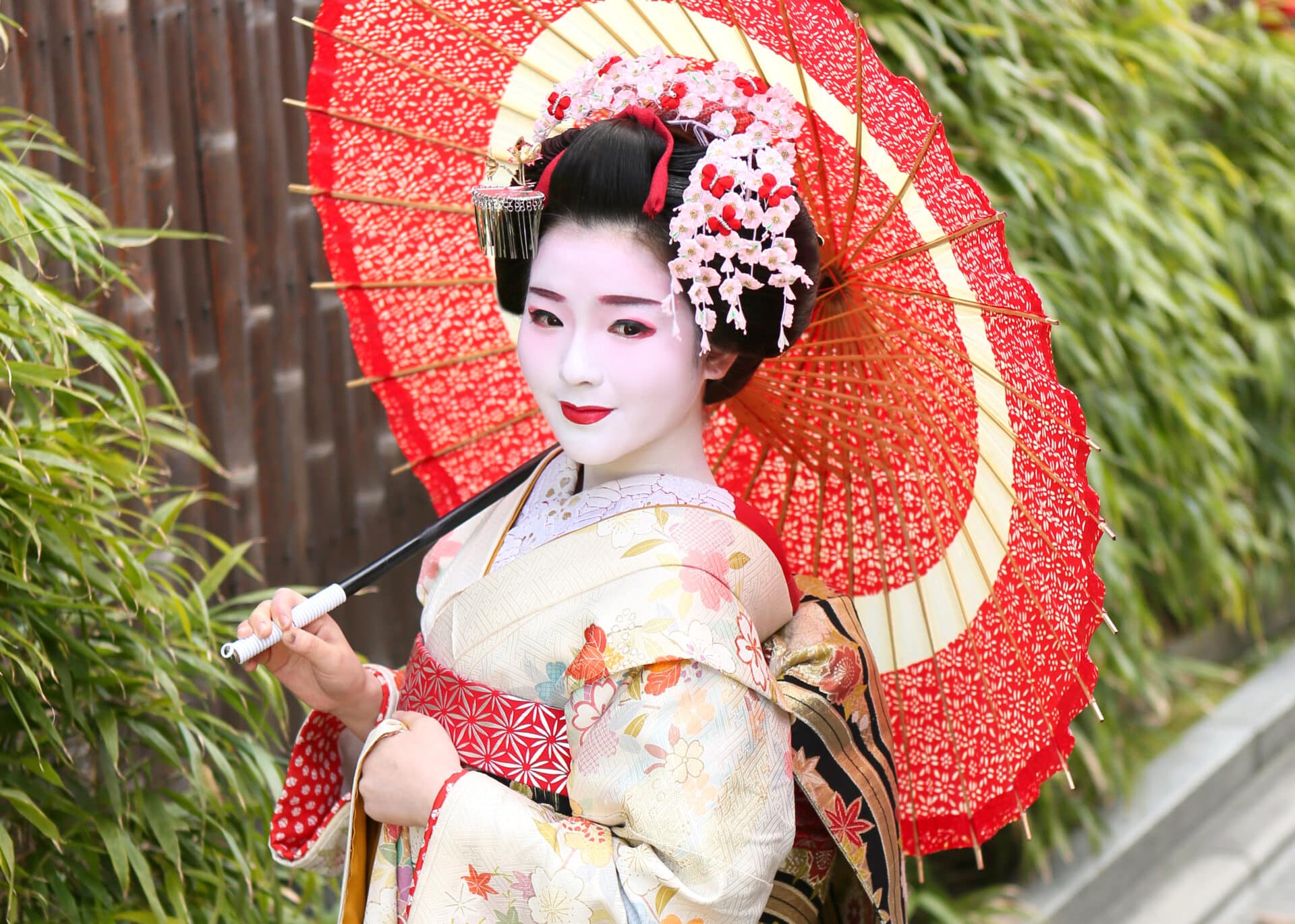
Around Gion there are tours offering maiko performances, zashiki games and tea ceremony culture experiences, where you can watch dance up close in a traditional Japanese space and try a tea ceremony. Content, duration and price vary by tour, so check the booking page.
Zashiki games are traditional games played together with a maiko, in a relaxed atmosphere, and suit travelers encountering hanamachi culture for the first time.
Seats are limited in peak season, so book in advance on platforms such as Klook.

Traditional Japanese Kimono Experience
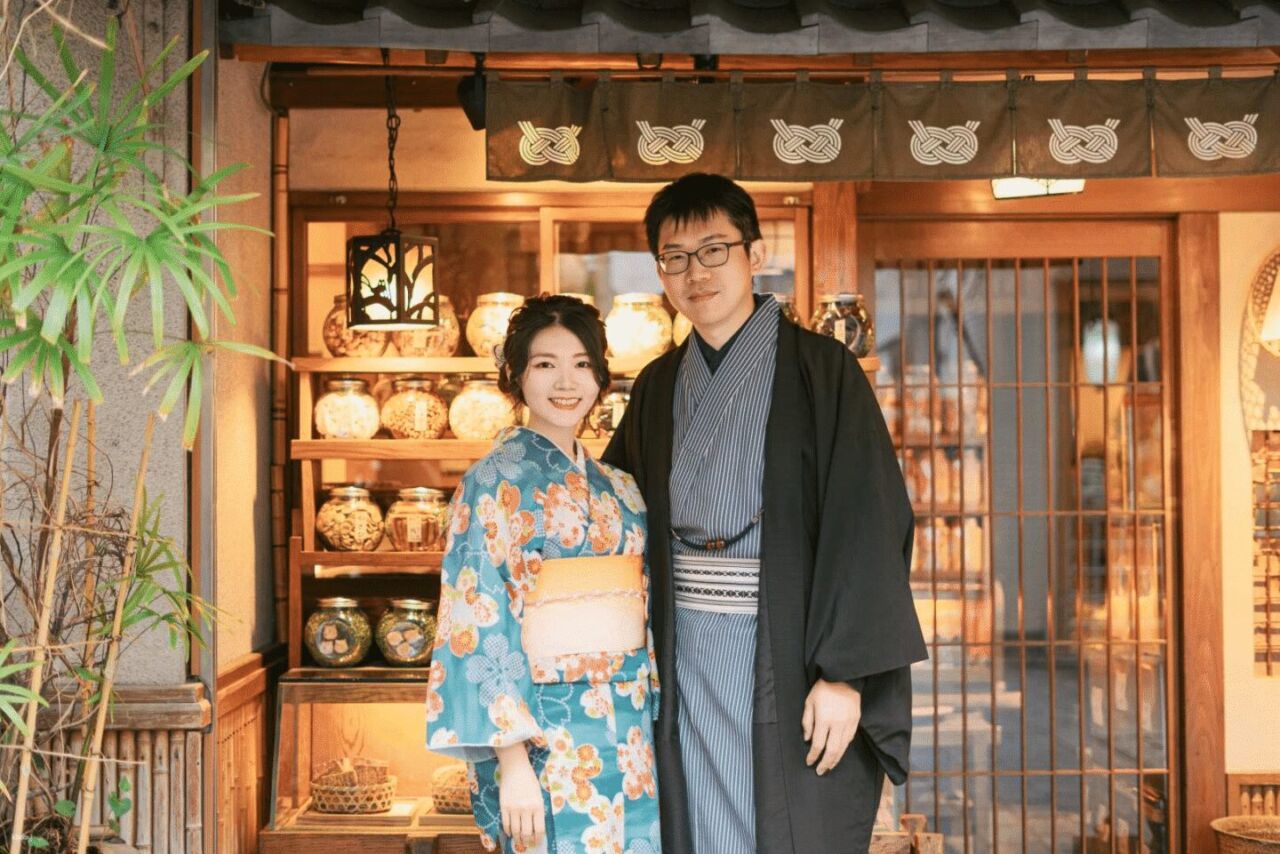
Around Gion and Hanamikoji there are many kimono rental shops, and strolling the stone-paved lanes in a kimono is a popular activity. Plans, prices and return times vary by shop, so check the booking page.
Common options for kimono rental include hairstyling and photography services; whether they are included in the plan depends on the shop.
When visiting Hanamikoji in a kimono, please note the rule against photography on private roads (see the photo etiquette section below).
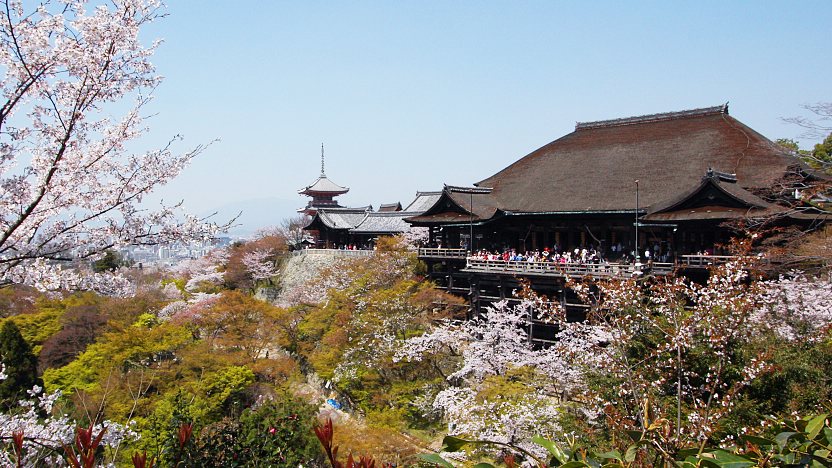
Photo Etiquette on Gion Hanamikoji: No Photography on Private Roads and Rules on Geisha Portrait Rights
On the south side of Gion Hanamikoji (the Gion Kobu area), the Gionmachi South Side District Council has since 2019 posted signs on private roads stating that photography without permission is prohibited on private lanes, and violators will be asked to pay a “fine” of ¥10,000 (the notice is meant as a deterrent and has no legal force). From April 2024 the area added signs reading “This is a private road; no entry” that also state the ¥10,000 fine. The signs are in Japanese, English and Chinese, and were put up mainly in response to rude behavior by visitors such as following geisha and maiko, forcing photos of them, and even touching their kimono.
- The private roads are mainly the alleys east of Hanamikoji (such as Kiridoshi and the lanes inside Gion Kobu), and differ from public streets open to everyone such as Hanamikoji-dori itself and Shirakawa Minami-dori, where street photography is generally allowed.
- When a geisha or maiko passes by, keep at least 2 meters away, do not reach out to touch the kimono or hair ornaments, and do not follow them or block their way to ask for a photo.
- If you are not sure whether a road is private, look for a sign at the entrance reading “撮影禁止” (photography prohibited), or simply avoid entering narrow alleys with no other visitors.
- The time between 5 p.m. and 7 p.m. is when geisha and maiko head to teahouses for banquets, and it is also when visitors most easily cause trouble. We suggest watching from afar only on the main Hanamikoji-dori street during this time and avoiding the alleys.
Where to Stay Nearby
Gion is in the Kyoto Kawaramachi and Shijo area. If you want to stroll Hanamikoji and the Shirakawa in the evening and avoid the crowds early the next morning, staying around Gion or Kawaramachi is most convenient; both Keihan Gion-Shijo Station and Hankyu Kyoto-Kawaramachi Station are within walking distance. To compare hotels in this area, see our Kawaramachi-Gion accommodation guide on this site.