
2026 Kifune Shrine Guide: Water Fortune Slips and Summer Kawadoko Dining in Kyoto’s Most Romantic Water-God Retreat
Kifune Shrine enshrines the god of water and is one of Kyoto’s most romantic power spots. It is worth visiting in every season and is especially famous in summer for its cool riverside kawadoko dining.
Kifune Shrine: Head Shrine of About 2,000 Kifune Shrines Across Japan
Kifune Shrine stands in Kurama-Kibune-cho, Sakyo Ward, Kyoto, and enshrines Takaokami no Kami, the deity of rain and water sources. It is the head shrine of about 2,000 Kifune shrines across Japan. With a long history, it has been a center of worship for praying for rain and for an end to rain since ancient times. Surrounded by a cool mountain stream, it is a well-known place to escape the summer heat near Kyoto.
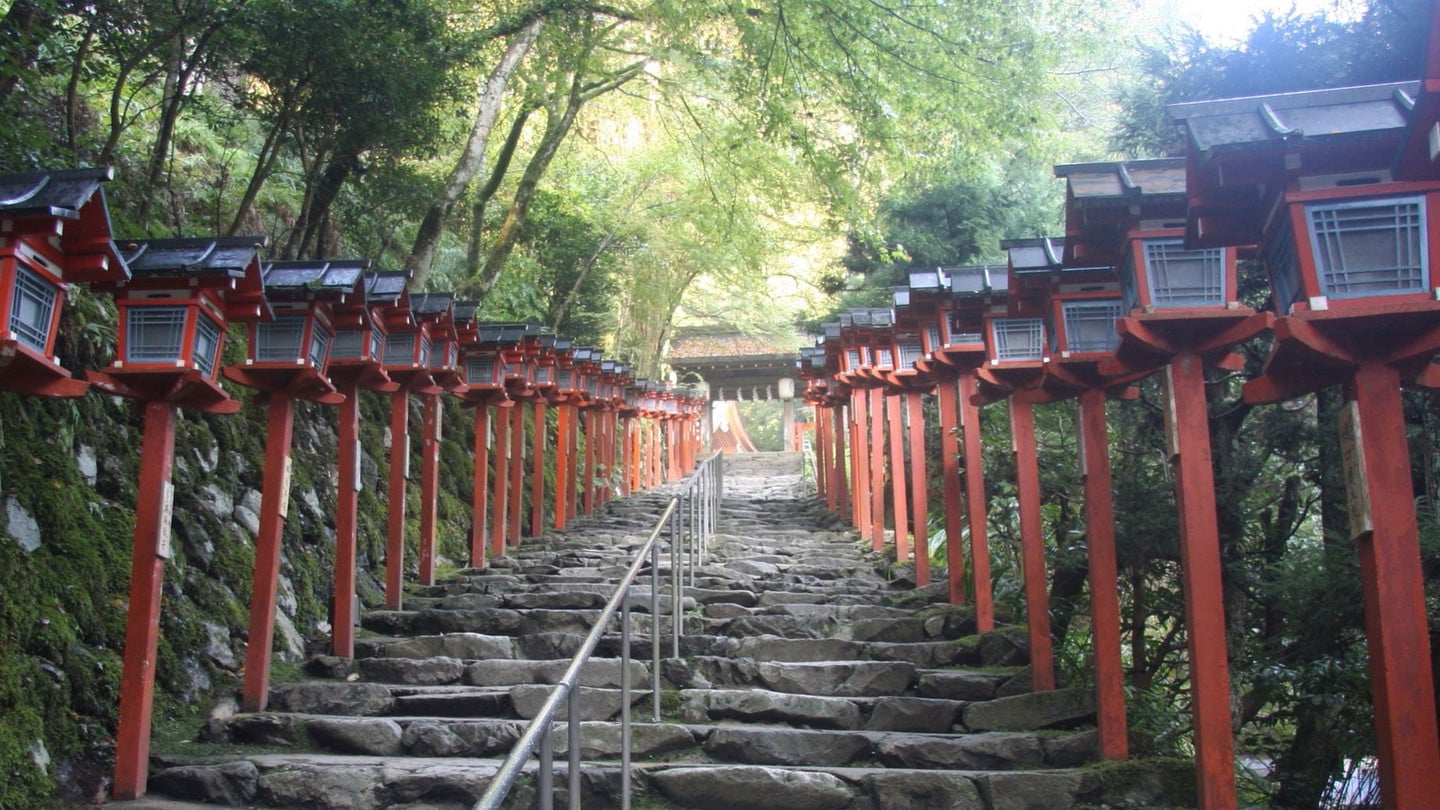
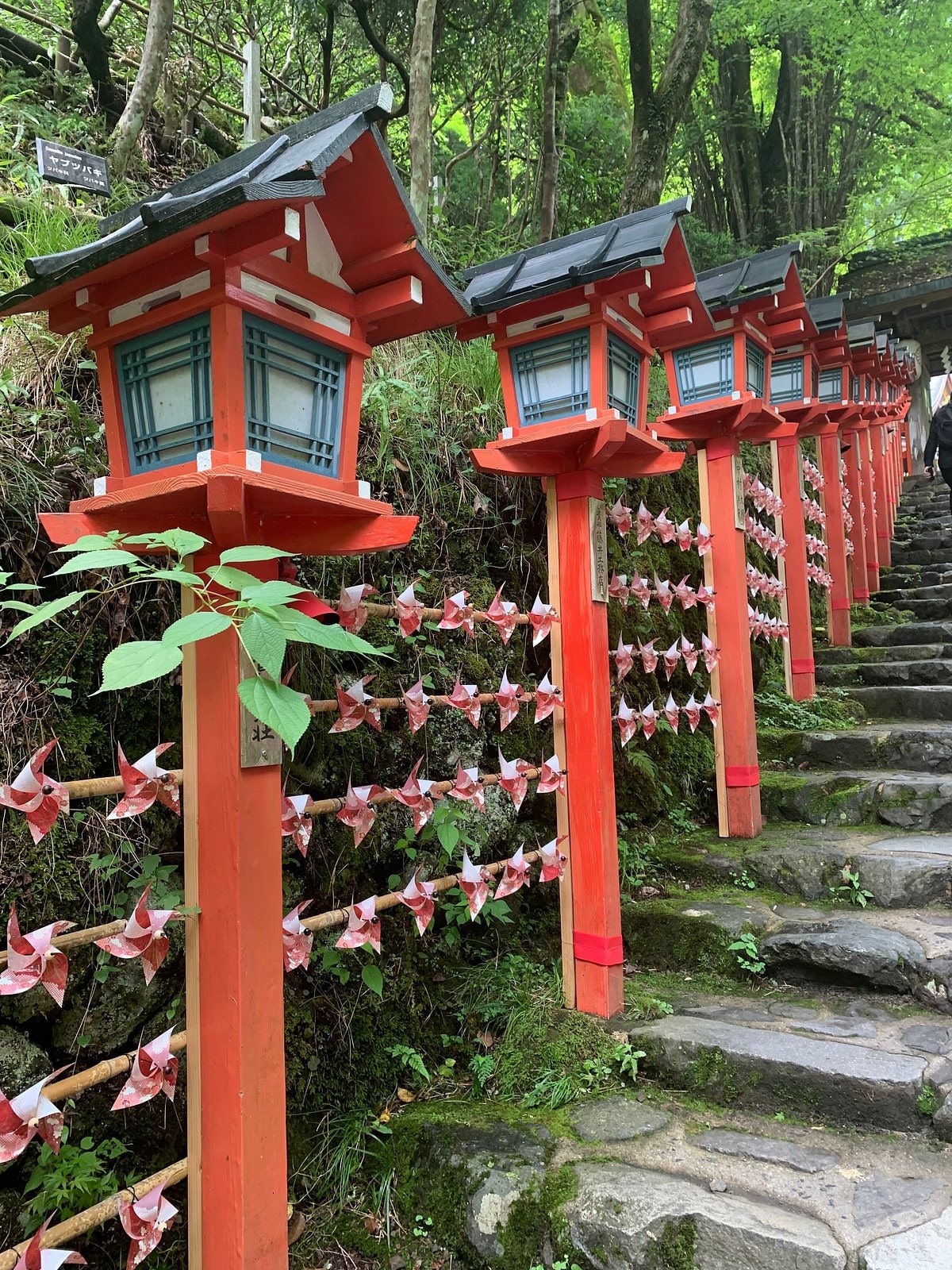
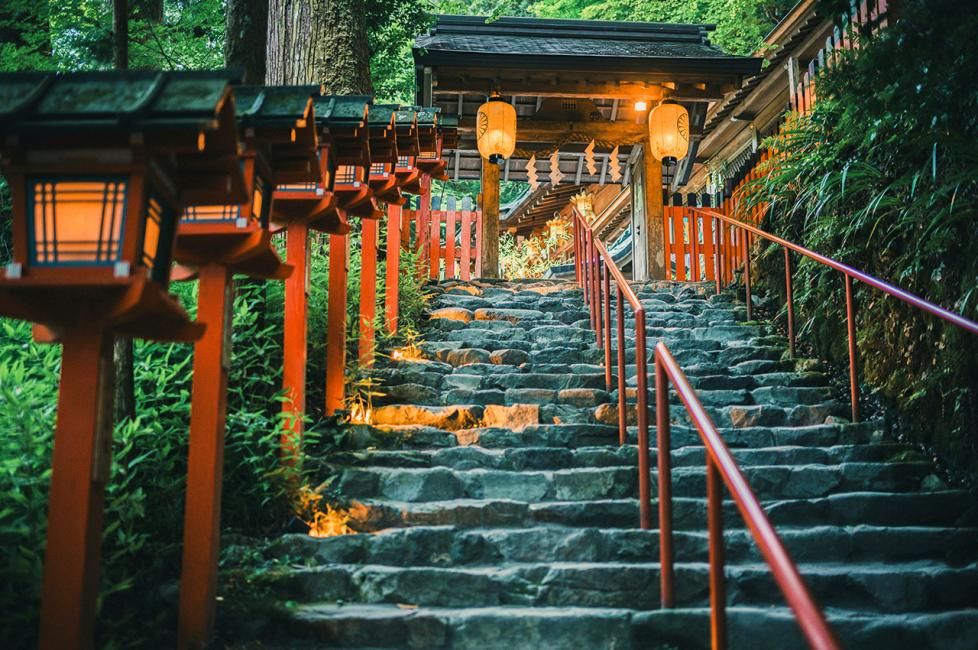
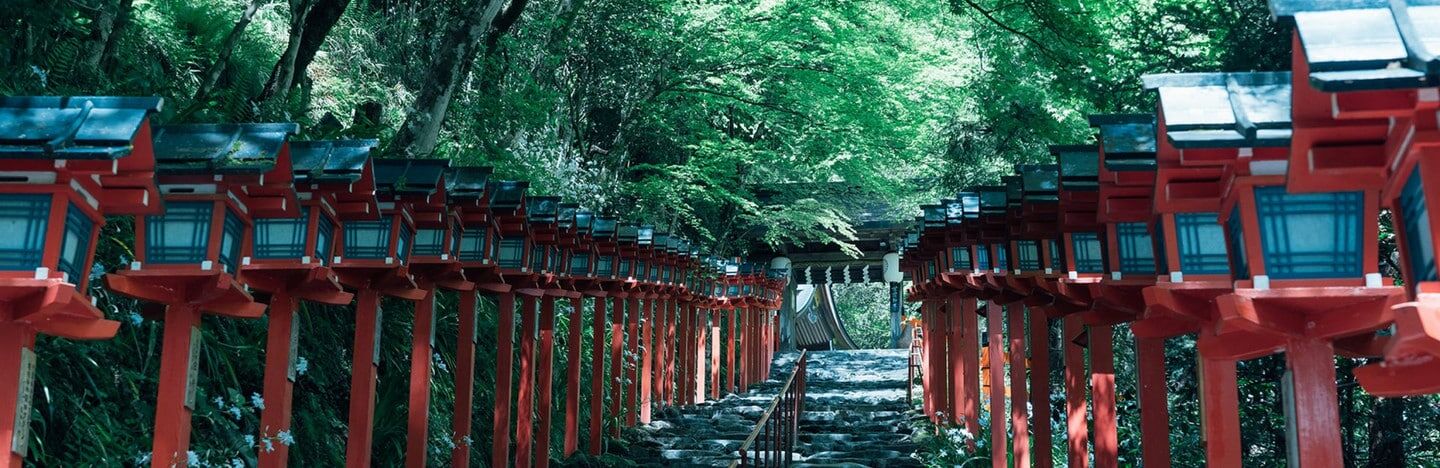
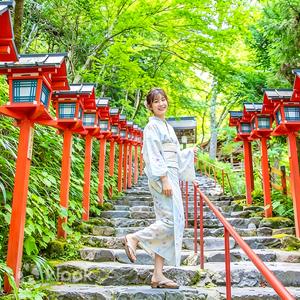
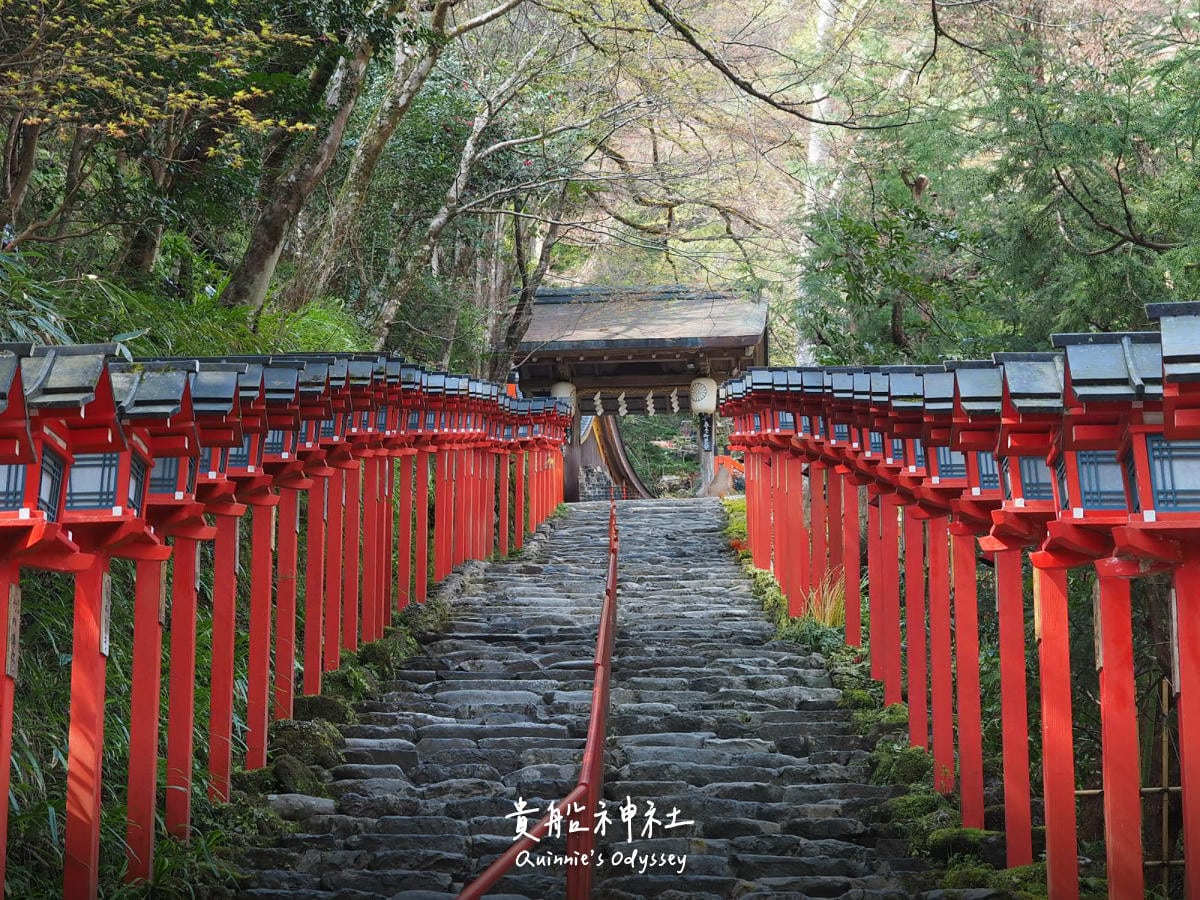
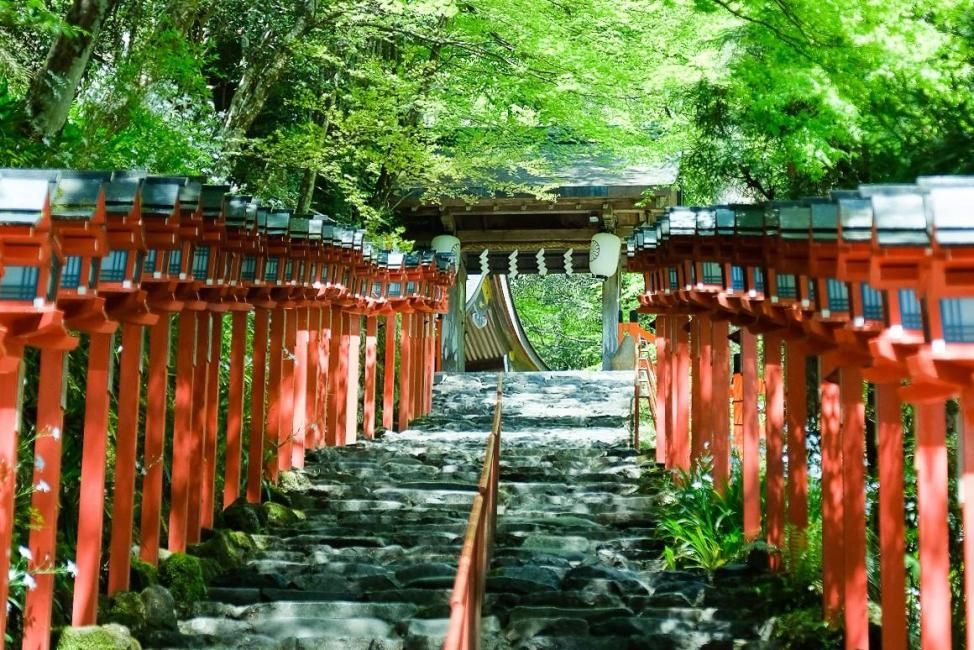
Kifune Shrine is also known for matchmaking worship. According to tradition, the poet Izumi Shikibu once prayed here to win back her husband, which ties the shrine closely to prayers for good relationships and draws many visitors hoping for love and marriage. The stone steps lined with vermilion lanterns on both sides of the approach are one of Kyoto’s signature views, and they look especially mysterious and dreamlike when lit at dusk.


Different Looks in Every Season: From Fresh Green to Snow
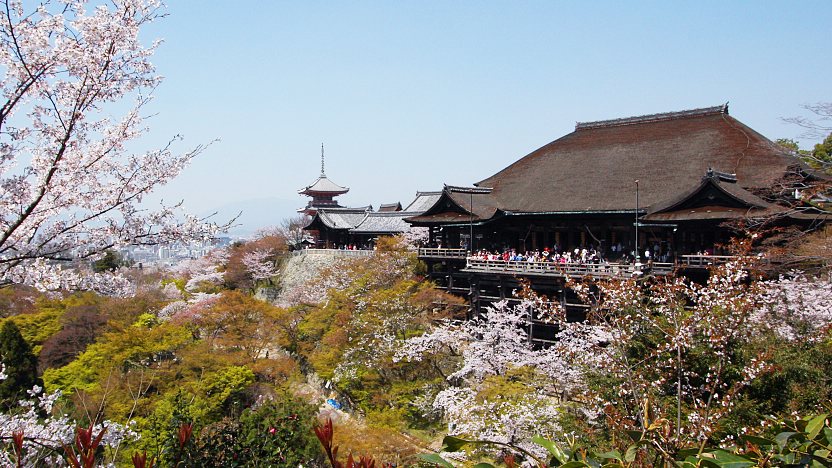
Kifune Shrine sits among mountain streams in a valley, with distinct scenery in each season. It is one of the few places near Kyoto where you can enjoy fresh greenery, summer coolness, autumn leaves and snow. Cherry blossoms bloom about one to two weeks later than in the city; in early summer in May, the green hills and the stream make for pleasant weather with relatively few visitors.
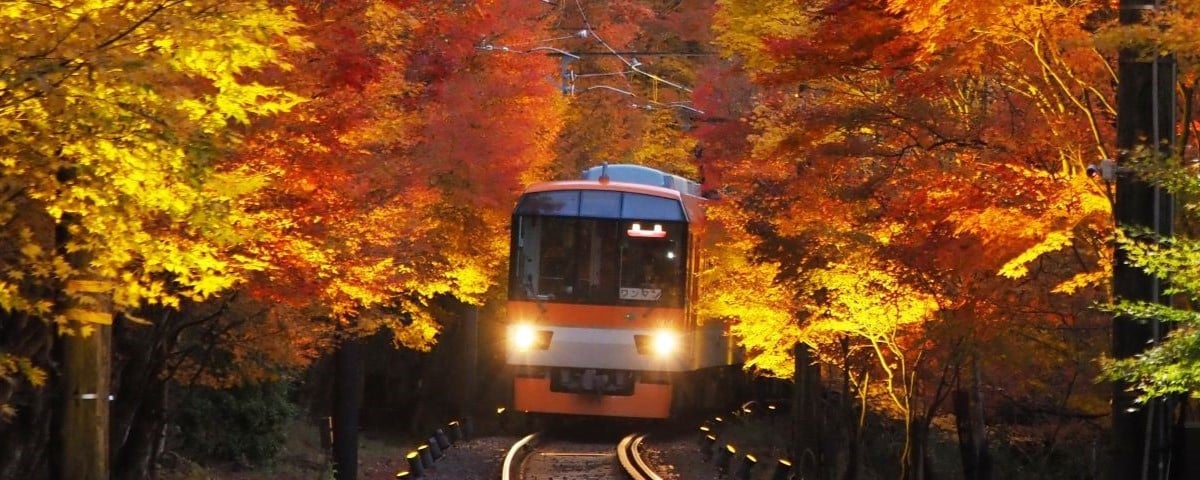
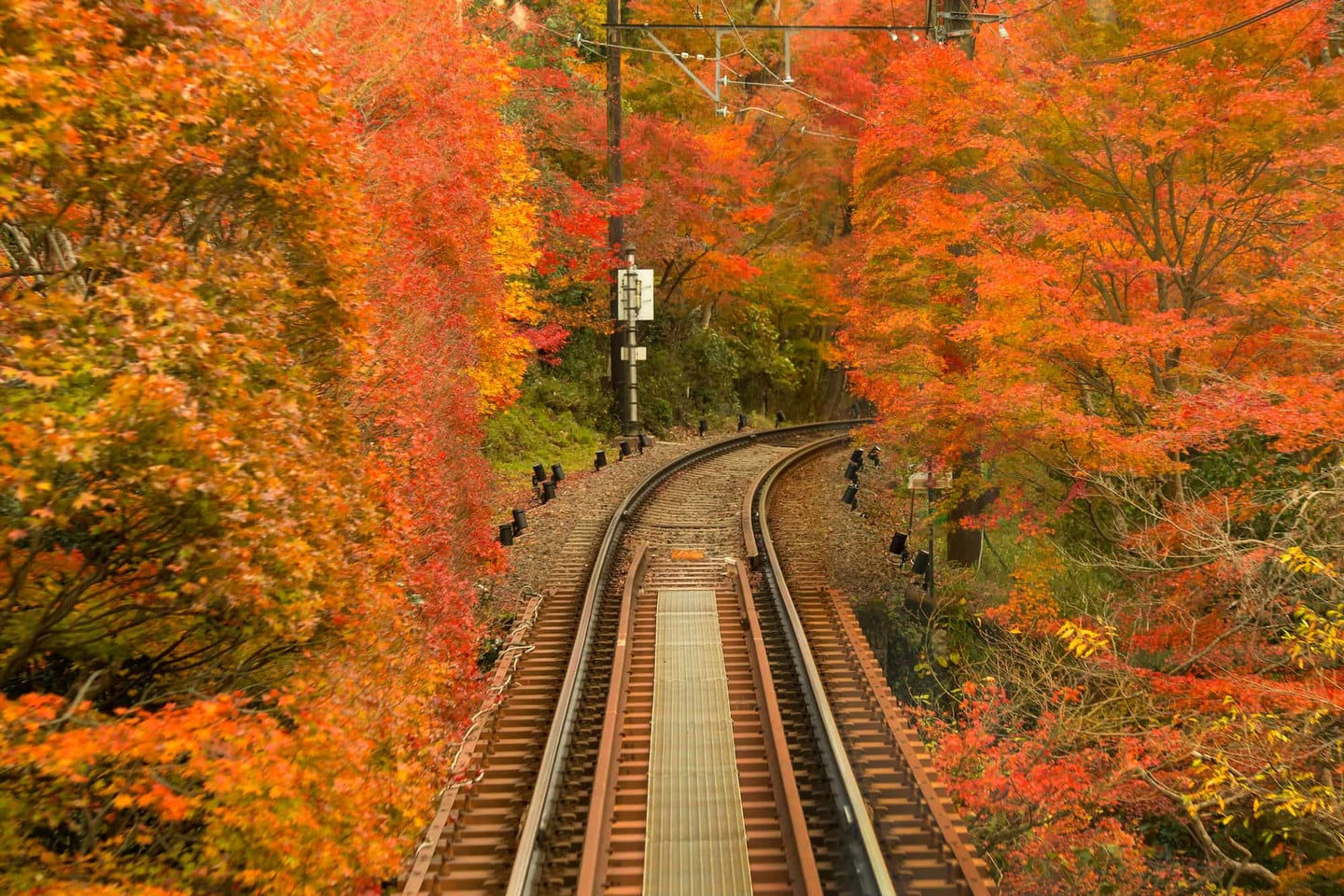
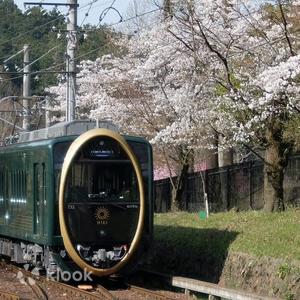
Summer is Kifune Shrine’s busiest season, with kawadoko dining and nagashi somen drawing many visitors. In autumn, red maples cover the valley, and together with the Eizan Electric Railway’s “Momiji Tunnel” they make a dreamlike autumn view near Kyoto. In winter it occasionally snows, and the “snow-dusted” scenery looks like a dream, making it a favorite time for photography enthusiasts.
Worship of the Water God: A Thousand-Year Faith in Praying for Rain and Its End
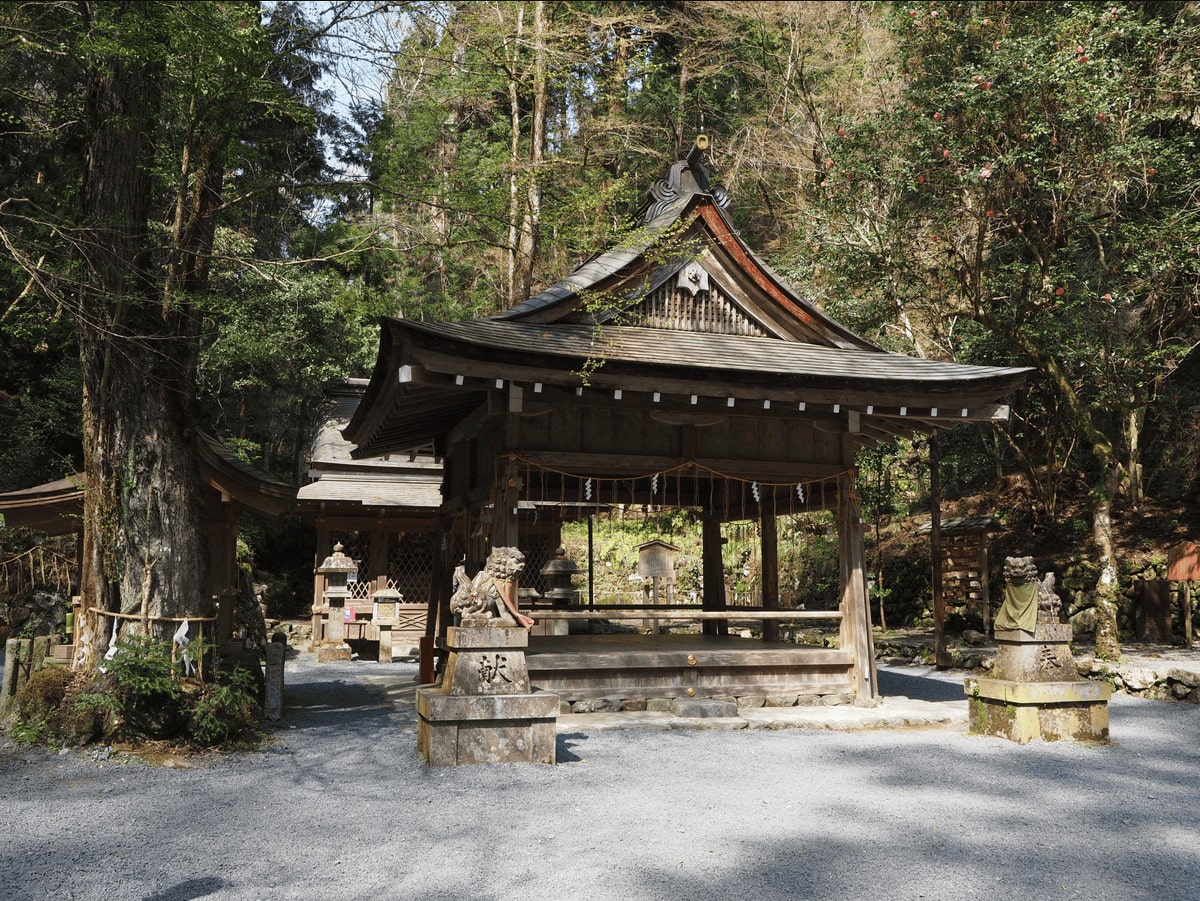
Kifune Shrine has long been where the imperial court prayed for rain and for its end. According to tradition, emperors offered black horses to pray for rain and white horses to stop it, which is said to be the origin of the “ema” (votive plaque) custom; because keeping live horses was difficult, wooden plaques gradually replaced them. For this reason Kifune Shrine is regarded as the birthplace of ema in Japan.
Near the Okumiya (inner shrine) there are several remains and legends of water-god worship, including a power spot said to be one of Japan’s three great dragon caves, which draws believers and power-spot fans who want to feel a thousand years of water-god faith.
God of Matchmaking: The Love Legend of Izumi Shikibu
Beyond water-god worship, Kifune Shrine is known across Japan for “en-musubi” (matchmaking) and is one of Kyoto’s most representative matchmaking shrines. The Yui-no-Yashiro (Musubi Shrine) within the grounds enshrines Iwanagahime no Mikoto, and it is said to answer prayers for love and good relationships, making it a must-visit spot for many young couples and solo travelers.
The shrine also sells a range of matchmaking amulets with refined, elegant designs that are popular with women travelers, making them among Kifune Shrine’s most popular souvenirs and helping the shrine build a distinctive image as a “love sanctuary” among Kyoto’s many shrines.
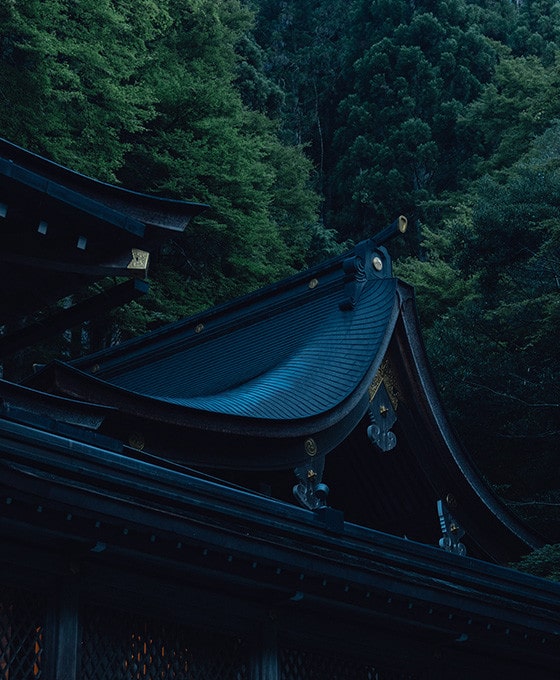
How to Get to Kifune Shrine: 2026 Guide to Transportation and Costs
Kifune Shrine lies at the foot of Mount Kurama in Sakyo Ward, Kyoto. There is no direct subway or JR line, so you need to transfer between a train and a bus to reach it. Visitor numbers surge during the summer kawadoko season, so it helps to know the schedules and transfer tips for each option in advance.
How to Get to Kifune Shrine: All the Options at a Glance
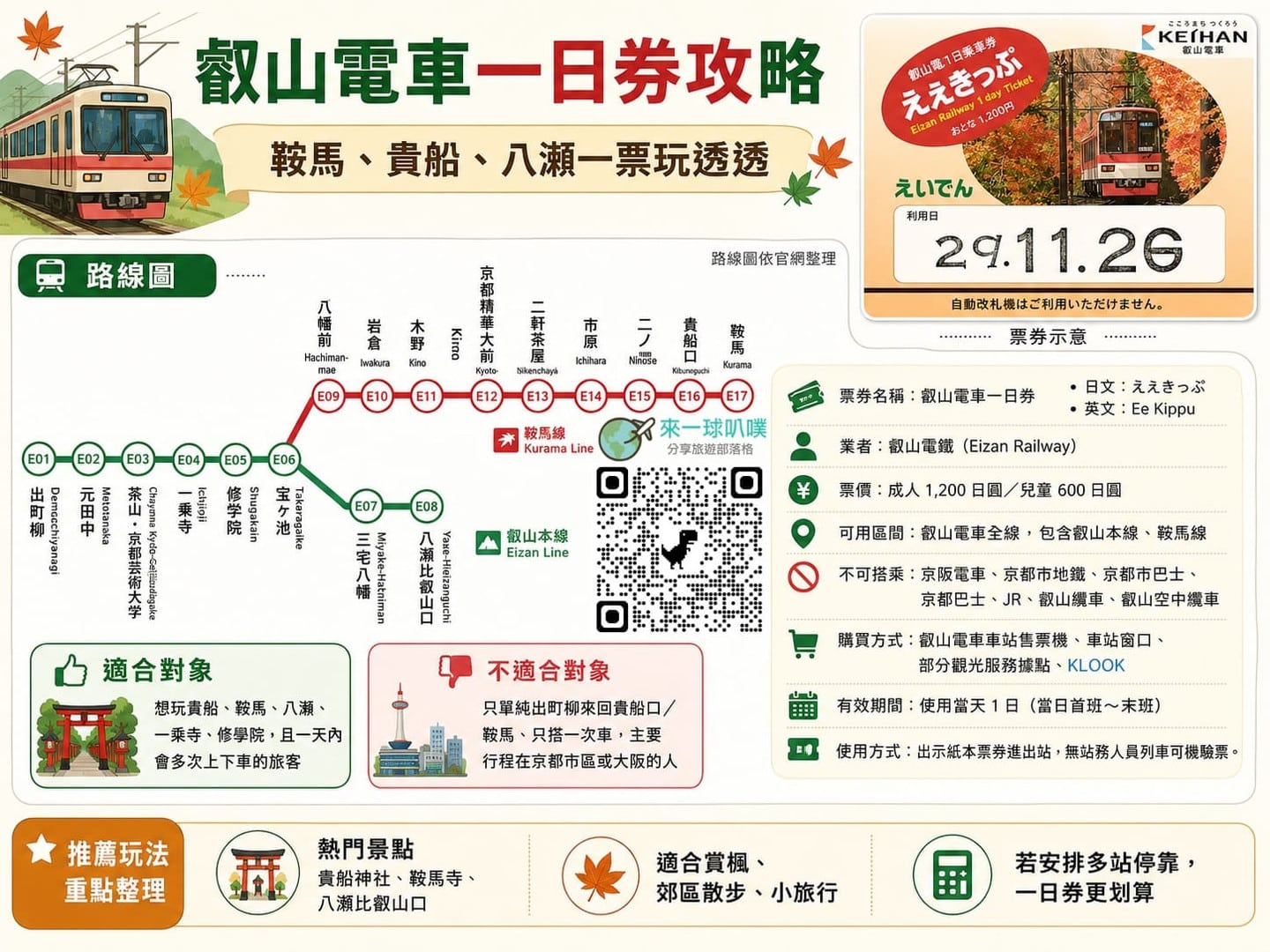
🚃 Eizan Electric Railway + shuttle bus: Take the Eiden from Demachiyanagi Station to Kibuneguchi Station (about 28 minutes), then transfer to Kyoto Bus Route 33 to Kifune (about 7 minutes), with classic scenery along the way.
🚶 On foot: From Kibuneguchi Station it is about a 30-minute walk north to Kifune, ideal for a leisurely stroll in the fresh-green and autumn-leaf seasons.
🚕 Taxi / chartered car: About 40-50 minutes from Kyoto Station, suitable for rainy days or when you are short on time. Ask the operator for chartered-car prices.
🎫 Eiden one-day pass “Ee Kippu”: ¥1,200 for unlimited rides on all Eiden lines. Combined with a Kurama-dera + Kifune Shrine traverse, a round trip already pays for itself.


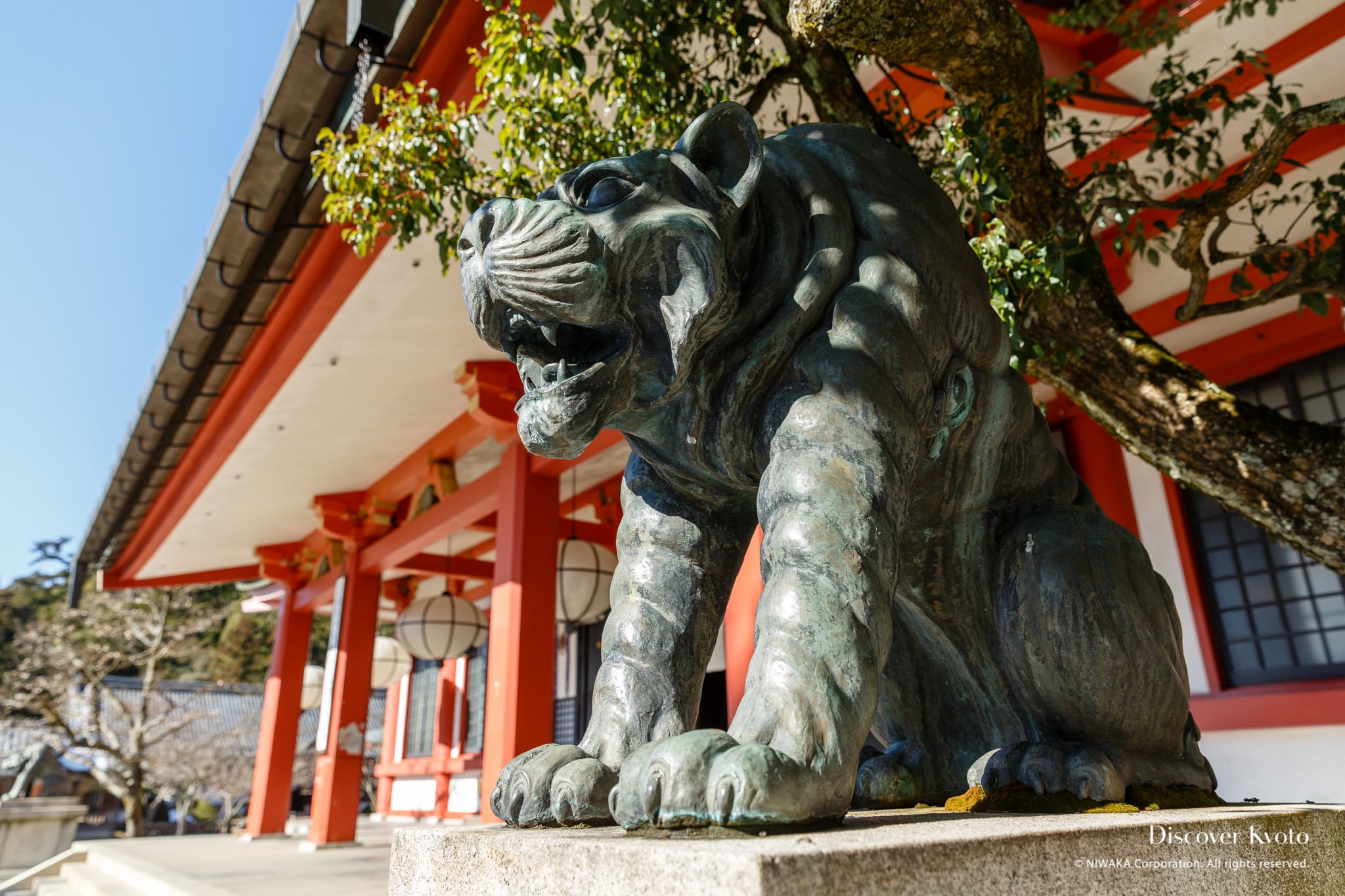
Must-See Sights and Experiences at Kifune Shrine: Water Fortune Slips, Kawadoko and Worship Route Explained
The highlights of a Kifune Shrine visit are the water fortune slip, the Honden, Yui-no-Yashiro, the Okumiya and summer kawadoko; none of them should be skipped.
Red Lantern Approach: Kyoto’s Most Iconic Fantasy Staircase
Vermilion stone lanterns line both sides of the stone steps at the entrance to Kifune Shrine and climb upward, a classic and photogenic Kyoto scene. In daylight the lanterns contrast with the greenery; after they are lit at dusk, the warm orange glow looks like a gateway to another world, a popular spot to share on social media.
We recommend visiting between 4 p.m. and sunset, when there are fewer visitors and the light is soft, which gives the most atmospheric photos. In summer (July 1 to August 15 in 2026), the “Tanabata Sasa-kazari Light-up” takes place, with bamboo decorations lit around the hall and the grounds, making the stone steps look even more dreamlike.
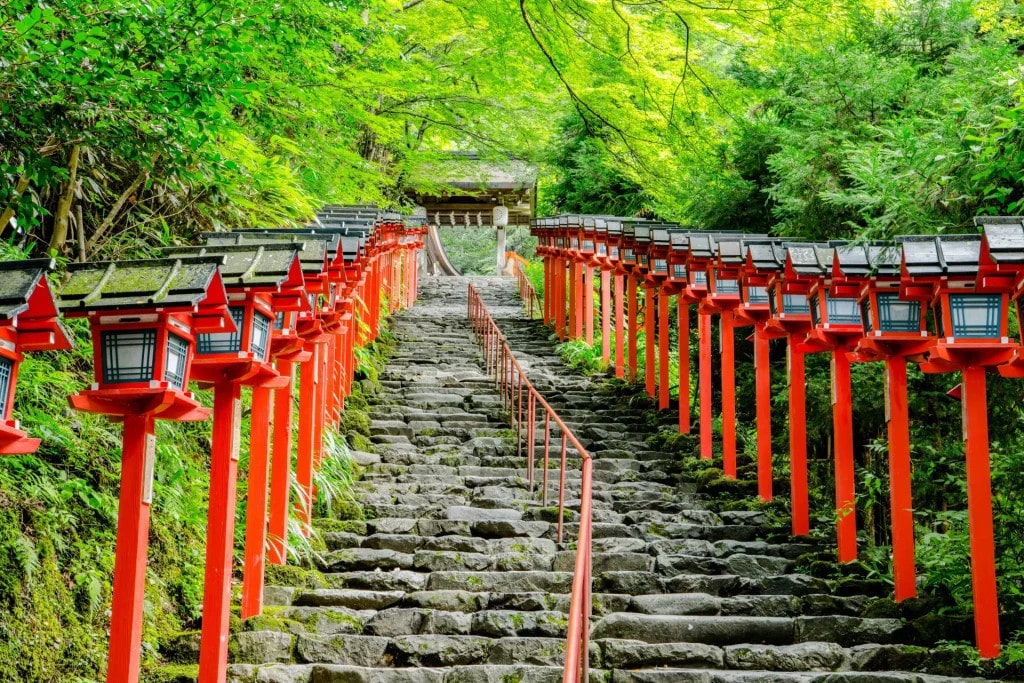
Water Fortune Slips: Kyoto’s Most Distinctive Fortune Experience
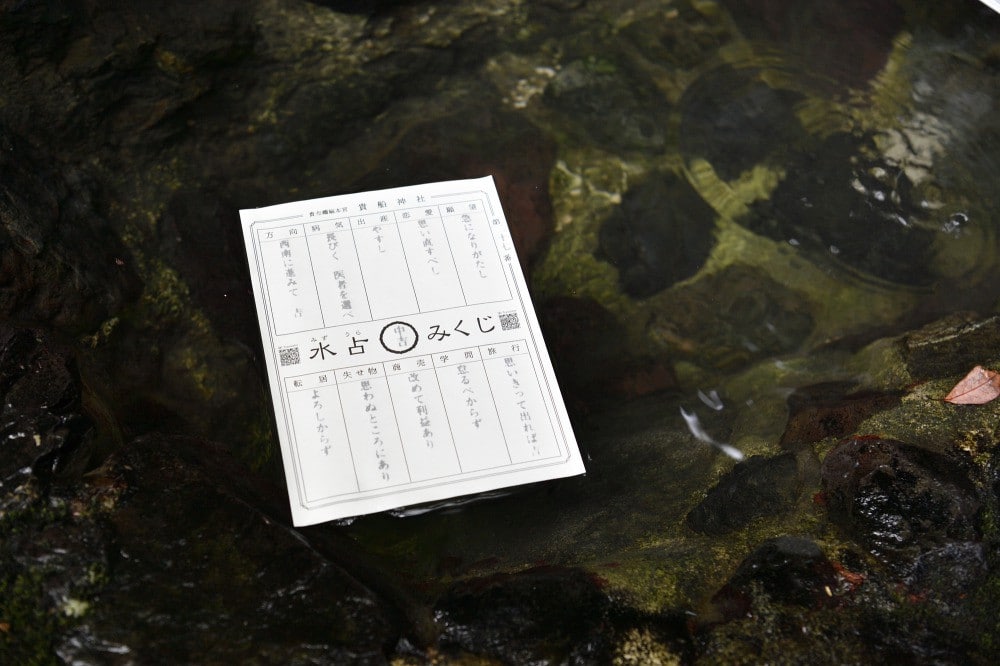
The water fortune slip (mizu-omikuji) is Kifune Shrine’s most famous experience: buy a blank slip at the amulet office for ¥200, lay it flat on the surface of the sacred water pool beside the Honden, and within about 1 minute your fortune appears in text. A QR code on the slip lets you switch to translations in several languages.
The text on the slip disappears once it dries, so take a photo as soon as it appears. The official website lists the water fortune slip within the Honden’s worship hours (6:00-20:00 from May 1 to November 30), while the amulet office is open 9:00-17:00.
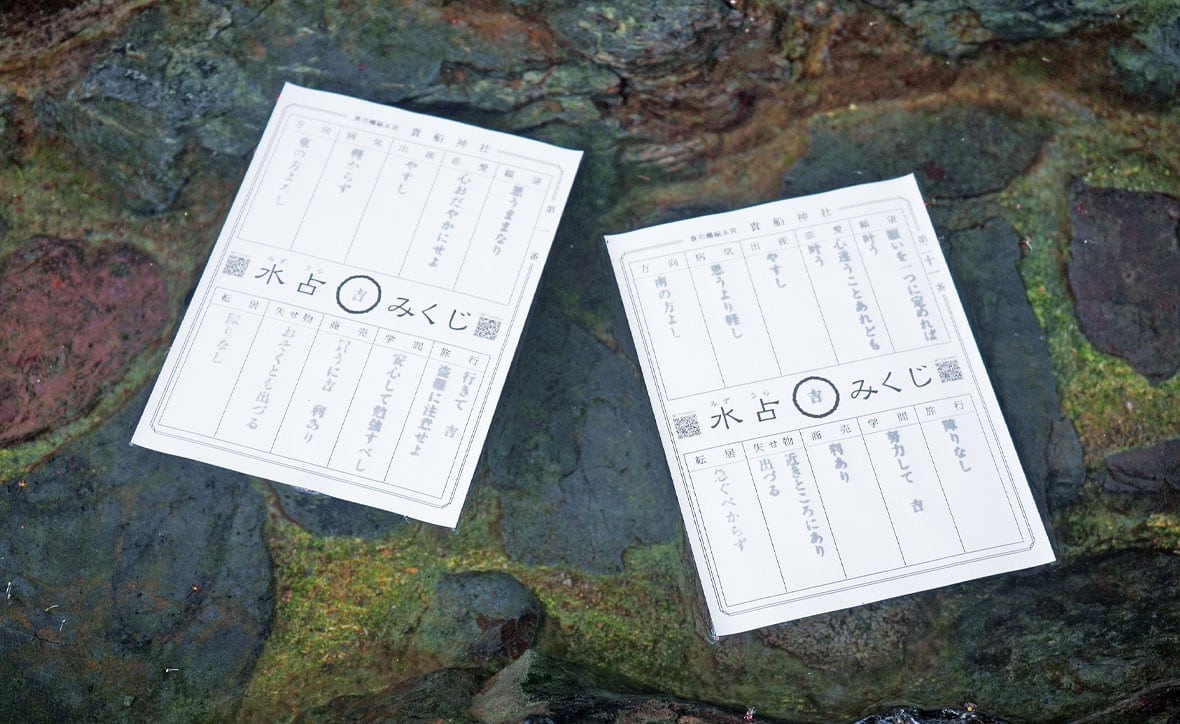
Reading Your Water Fortune: How to Interpret the Luck and Category Advice
About 1 minute after you place the slip on the sacred water, the text appears. First read the luck result in the central circle, then read the category advice below it for love, studies, business and more. After reading, you can tie the slip at the knotting spot set up by the shrine and make a wish, but remember to take a photo first. A sign beside the pool explains the steps, so first-timers need not worry about how it works.
Honden: The Starting Point of a Kifune Shrine Visit and Home of the Main Deity
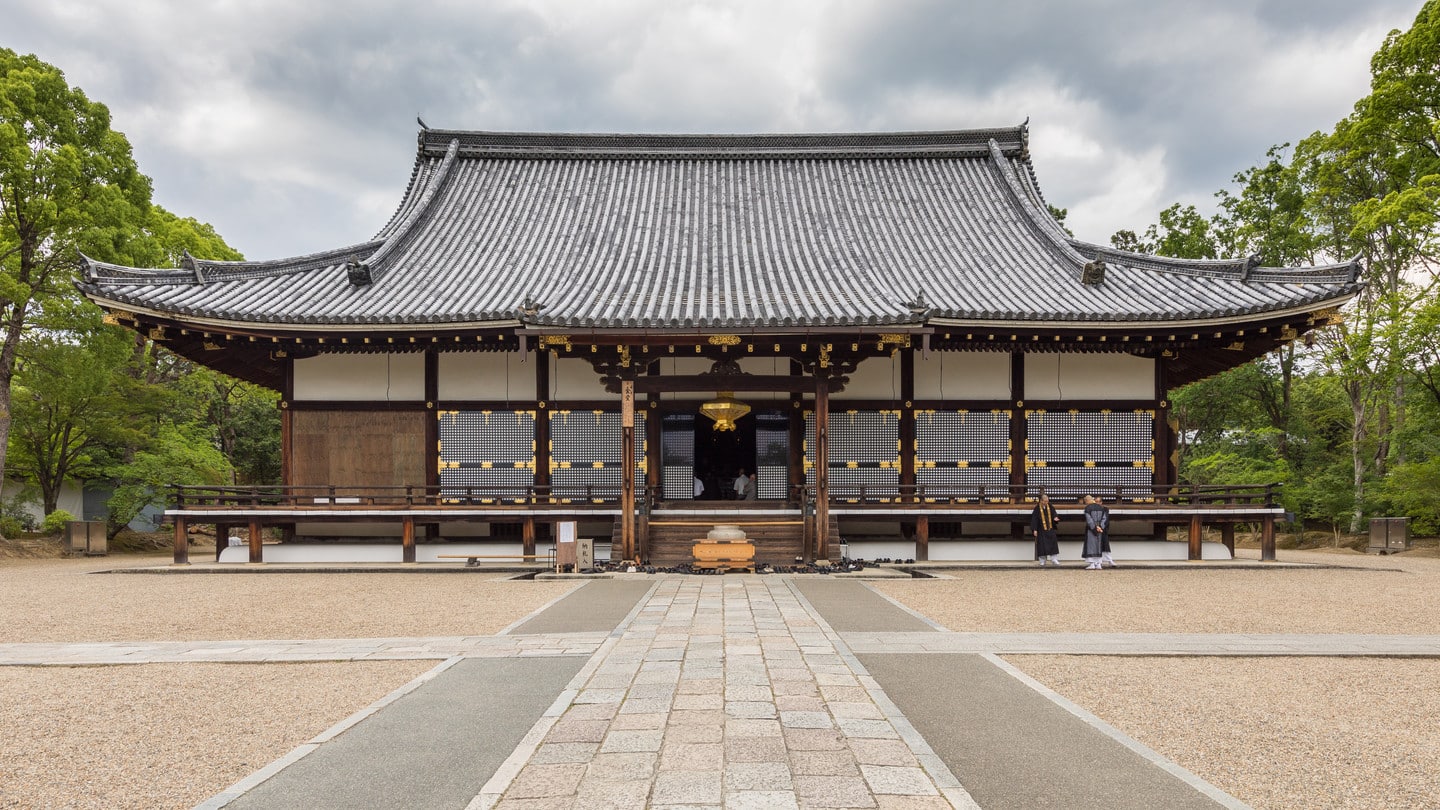
The Honden is the starting point of a visit to Kifune Shrine and enshrines the main deity Takaokami no Kami; the hall is solemn and rustic. The sacred water pool in front, used for the water fortune slip, is the first stop for most visitors. The grounds are lush green and surrounded by the sound of the stream, which gives the strongest sense of water-god worship. It is also the main place to get amulets and goshuin (temple stamps).
Suggested worship order: visit the Honden and try the water fortune slip first, then continue to Yui-no-Yashiro and the Okumiya to complete the “Sansha-mode” (three-shrine) route. The Honden is open all year. The amulet office accepts visitors from 9:00 to 17:00. Allow at least 30 minutes around the Honden.
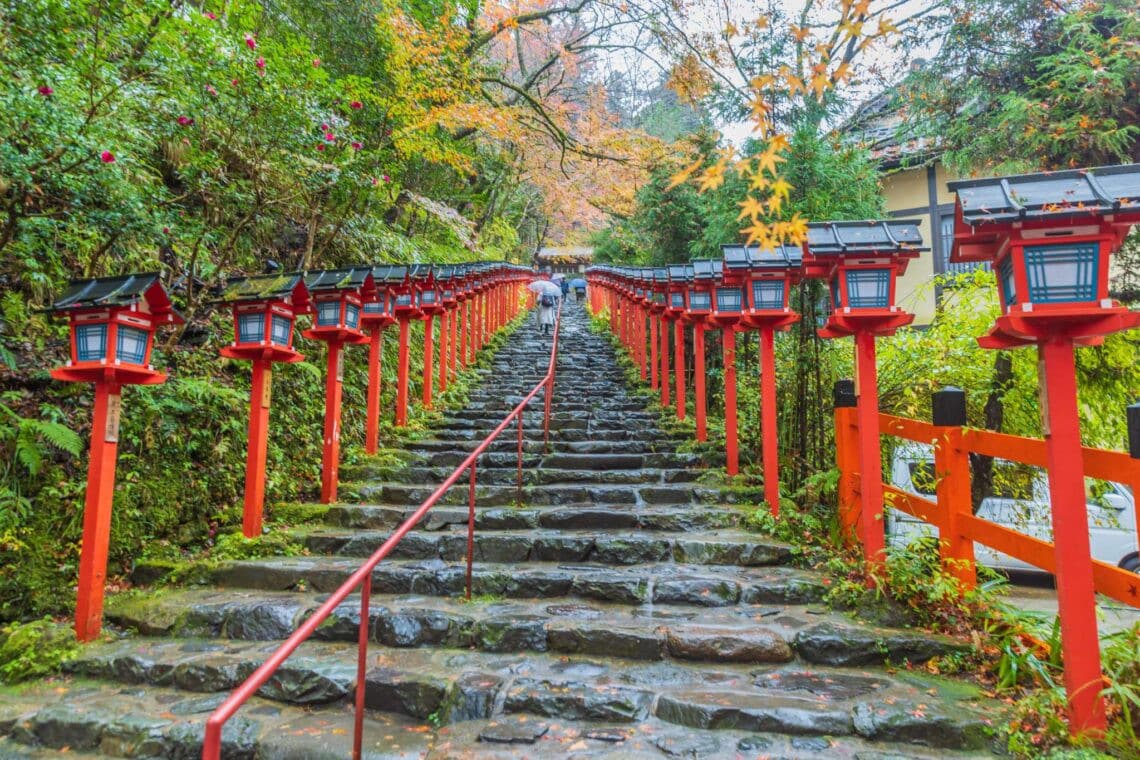
Yui-no-Yashiro: A Power Spot for Praying for Good Relationships
Yui-no-Yashiro lies between Kifune Shrine’s Honden and Okumiya and enshrines Iwanagahime no Mikoto, the deity of relationships, forming the core of the shrine’s matchmaking faith. The Heian-period poet Izumi Shikibu is said to have prayed here to win back her husband’s heart and had her prayer answered, so the shrine draws many visitors hoping for smooth love and mended relationships.
Around Yui-no-Yashiro, refined matchmaking amulets are sold for about ¥500 to ¥1,000, with elegant designs popular with women. If you follow the three-shrine route, Yui-no-Yashiro is often the midpoint between the Honden and the Okumiya and is reachable on foot; allow 15 to 20 minutes to worship and choose an amulet.
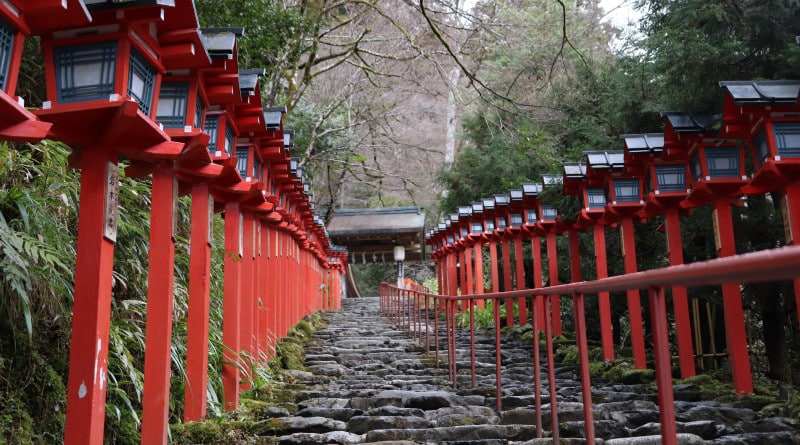
Okumiya: A Mysterious Power Spot With One of Japan’s Three Great Dragon Caves
Kifune Shrine’s Okumiya lies at the deepest part of the shrine and is the birthplace of Kifune worship. The “dragon cave” within the grounds is ranked among Japan’s three great dragon caves and is said to hold powerful energy, and it has long been a pilgrimage site for ascetics and believers. Compared with the Honden, the Okumiya feels quieter and more mysterious, surrounded by trees and the sound of flowing water, making it an excellent place to experience Kifune Shrine’s primal energy. The walk from the Honden to the Okumiya takes about 15 to 20 minutes, passing Yui-no-Yashiro and many kawadoko restaurants, with charming valley views. The Okumiya also has sacred trees such as the Renri-sugi (conjoined cedar) and a katsura tree; allow plenty of time for a visit to experience an atmosphere of calm that differs from the Honden.
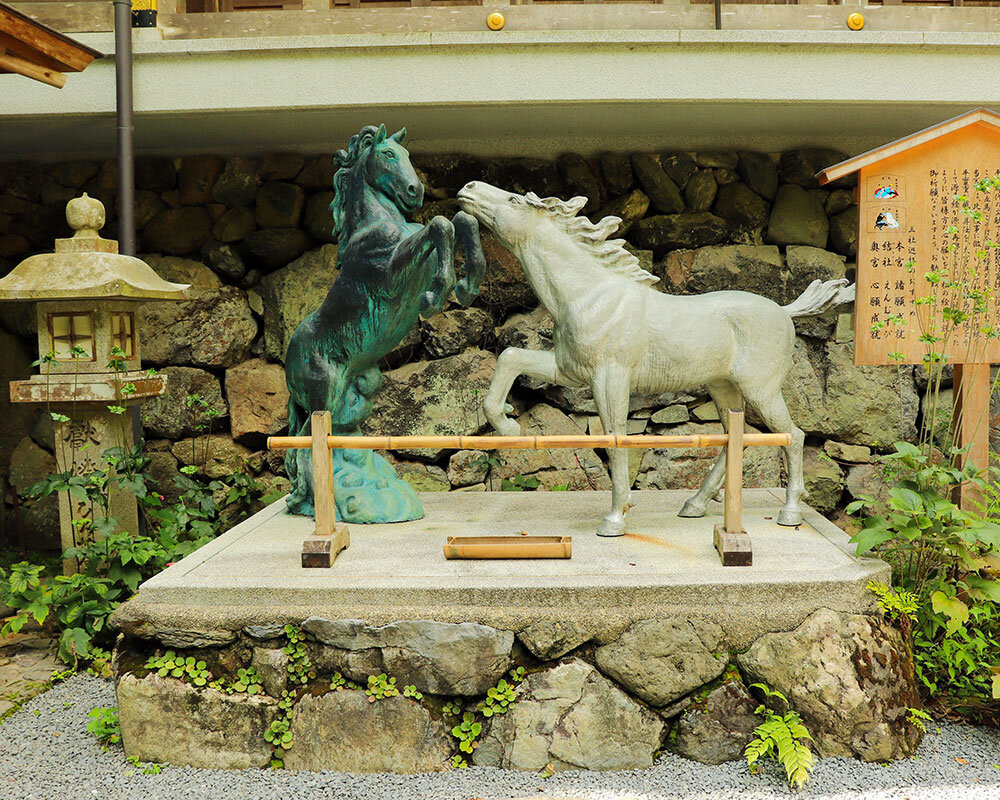
Black and White Spirit Horses and the Birthplace of Ema
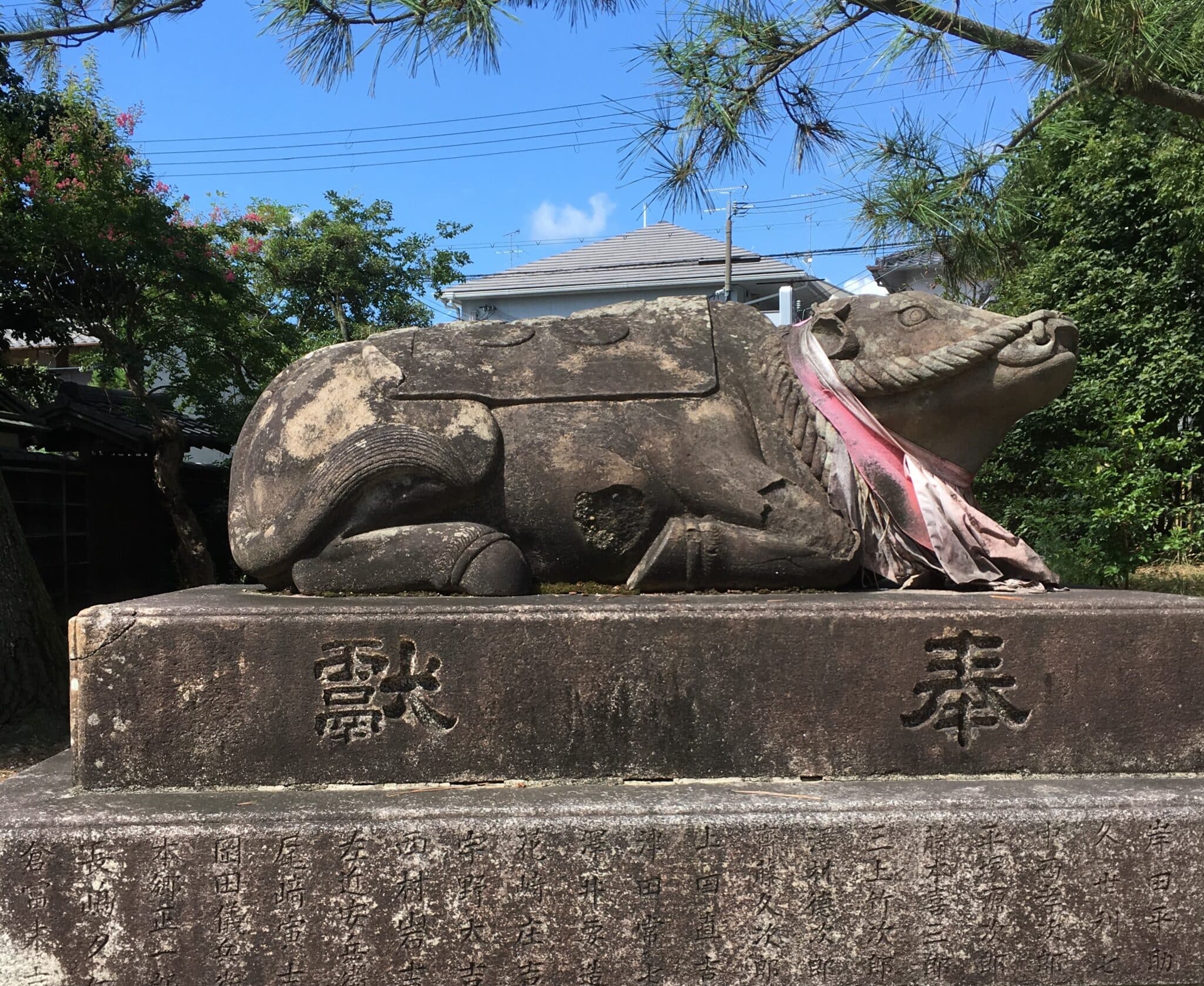
Statues of a black horse and a white horse stand within the grounds of Kifune Shrine, derived from the ancient tradition of emperors offering horses to pray for rain and its end: the black horse stands for praying for rain and the white horse for stopping it. Because keeping live horses over the long term was difficult, offering wooden ema gradually replaced the custom, so Kifune Shrine is regarded as the birthplace of ema culture in Japan, and the grounds have an ema rack where visitors can make wishes.
The black and white spirit horse statues stand near the Honden approach and are a must-see for understanding the origin of ema. Many travelers take photos here and buy ema to write their wishes, hanging them on the designated ema rack, making it a culturally meaningful stop on a Kifune Shrine visit.
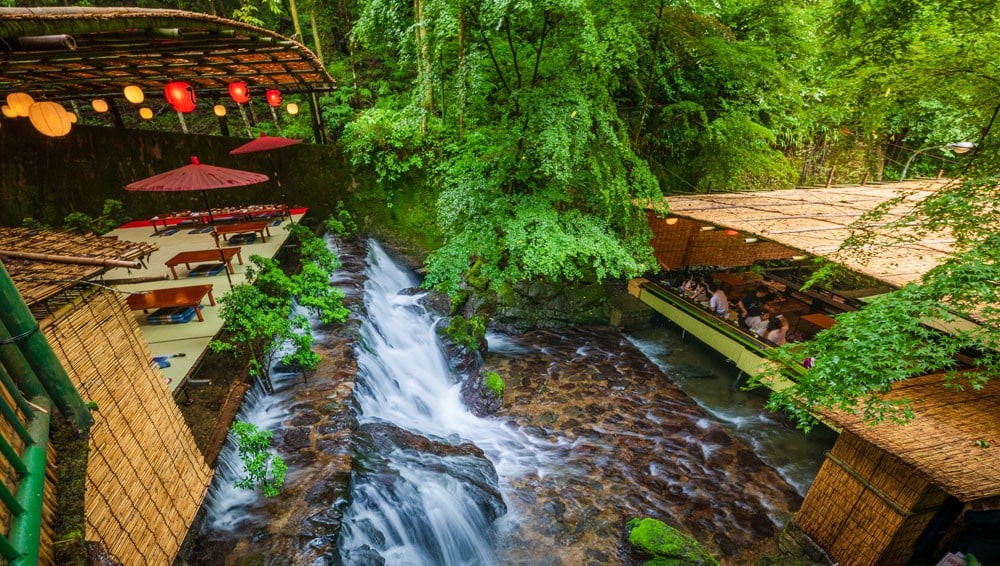
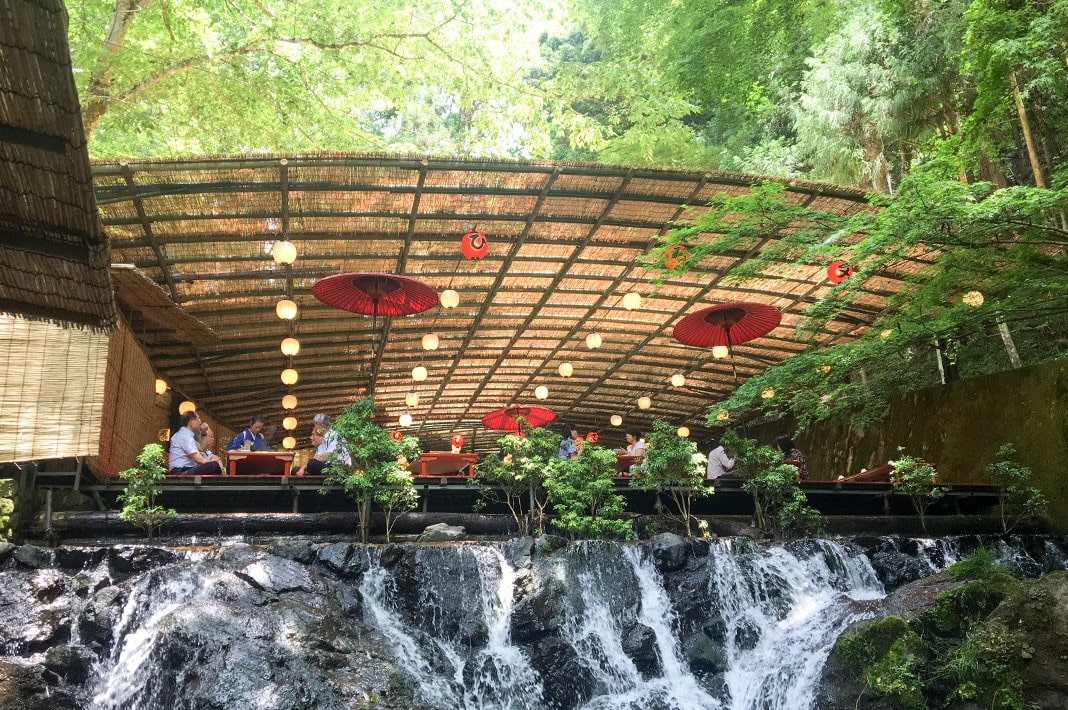
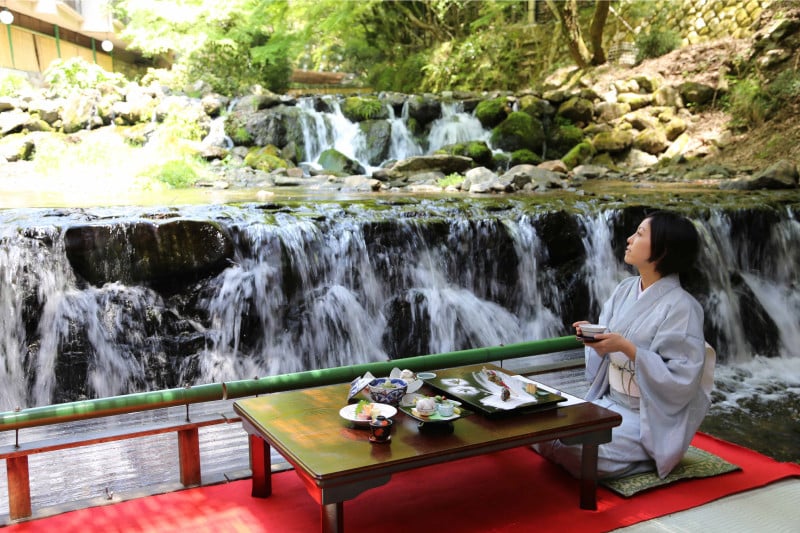
Summer Kawadoko: A Natural Air-Conditioned Dining Room Close to the Water
Kyoto’s summer Kibune kawadoko platforms are built over the stream, just tens of centimeters above the water. The icy stream makes it feel 5-10°C cooler than the city, like natural air conditioning. They are open from May 1 to September 30 each year, with some restaurants staying open until the end of October; we recommend going in fresh-green early summer or in midsummer when the stream is full.
Riverside ryotei lunch costs about ¥5,000-¥8,000 and dinner about ¥10,000-¥20,000. Reserve several days to a month ahead; summer vacation is especially popular. Last seating times differ by restaurant, so we recommend arriving before noon.
Top Pick for Nagashi Somen: Hirobun, Kifune’s Only Flowing-Noodle Experience
“Kyoto Kibune Ryori Ryokan Hirobun” is the only place in the Kifune area that offers nagashi somen (flowing noodles), at ¥2,000 per person, with the same price for children. Noodles flow down a bamboo channel and diners catch them with chopsticks, a popular way to cool off in summer Kifune. Nagashi somen does not take reservations, so you must go in person; it is available from May to mid-October, the same as the kawadoko season.
Nagashi somen guests cannot use Hirobun’s parking lot, so please go by public transportation. A kawadoko kaiseki course is also available; in peak season, avoid the weekend lunchtime rush.
Momiji Tunnel: A Seasonal Autumn Sight Along the Eizan Electric Railway
The Momiji Tunnel is a natural tunnel formed by maple trees interlacing over both sides of the Eizan Electric Railway’s Kurama Line between Niken-chaya and Ichihara. When the leaves peak from mid to late November each year, trains slow down or even turn off their lights so passengers can take in the red leaves outside the window, making it one of the most representative leaf-viewing routes near Kyoto.
If you visit Kifune Shrine in the leaf season, we suggest deliberately taking the Eizan Electric Railway rather than driving so you can experience this seasonal sight in person. During the night-illumination season, temporary lighting is also added along some sections, giving the Momiji Tunnel a completely different night-maple look that draws many photography fans who ride just for this.
-Klook.jpg)
Amulets and Goshuin: Souvenirs From the Amulet Office
Kifune Shrine’s amulet office (9:00-17:00) is located within the Honden grounds and offers matchmaking, water-god and traffic-safety amulets priced at about ¥500-1,000, with designs that incorporate water-drop and vermilion motifs, suitable as souvenirs or gifts.
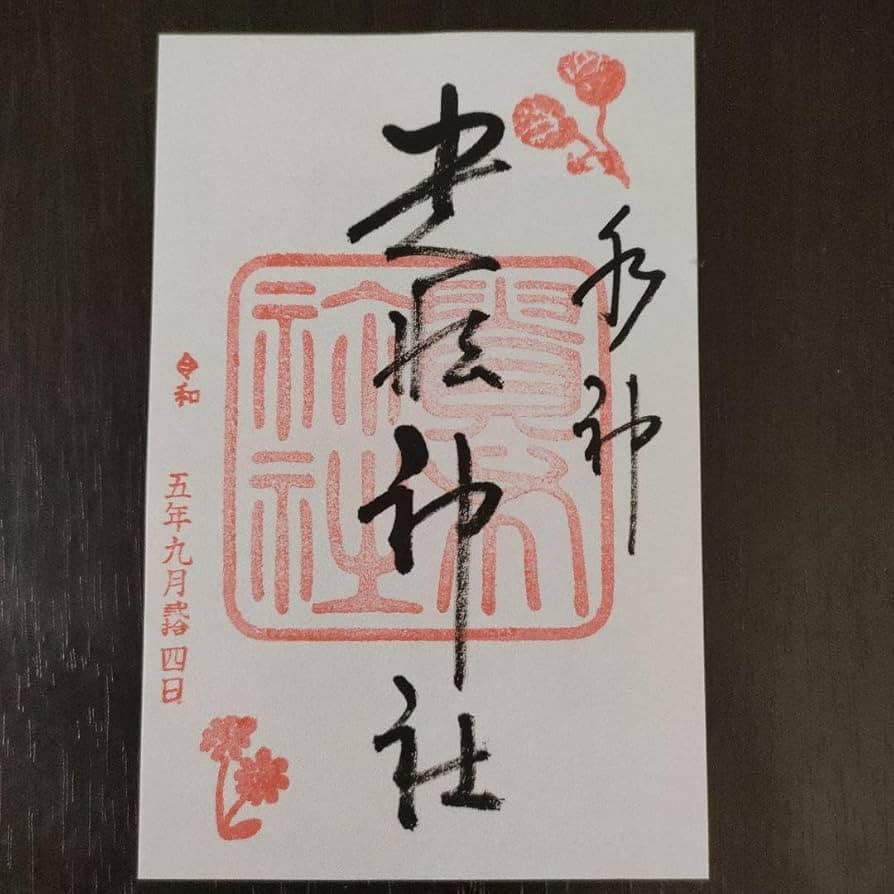
The Honden’s exclusive goshuin costs about ¥500, and you can bring your goshuin book to have a priest write it on the spot. In peak season crowds are heavy, so allow at least 15 minutes to get amulets and goshuin as a keepsake of your visit.
How Much Does a Visit to Kifune Shrine Cost? Admission, Water Fortune Slips and Activity Fees Summarized
Kifune Shrine is at 180 Kurama-Kibune-cho, Sakyo Ward, Kyoto. It is one of the few power spots near Kyoto that charges no admission, but if you want the full experience of water fortune slips, kawadoko dining and nearby transportation, it still pays to know your actual costs in advance. Below is the full cost breakdown from worship and fortune slips to dining and transport connections, so first-time visitors can set their budget accurately.
Kifune Shrine Honden Worship: A Rare Free Power Spot in Kyoto
Worship at Kifune Shrine is free, open 6:00-20:00 from 5/1 to 11/30 and 6:00-18:00 from December to April, every day of the year. The main deity is Takaokami no Kami, the center of Kyoto’s faith for praying for relationships and warding off misfortune. The stone approach in front of the Honden and the red lanterns at night are photo hotspots.
Allow about 1 hour on foot to visit Yui-no-Yashiro and the Okumiya; there are many steps, so bring drinking water and sun protection in summer. On peak-season weekends we suggest taking the Eizan Electric Railway to Kibuneguchi Station and transferring to Kyoto Bus Route 33 (about 7 minutes).
Water Fortune Slips (Mizu-omikuji): A Kifune Shrine Exclusive
The water fortune slip is Kifune Shrine’s most representative experience. The slip itself has no writing; you place the blank paper slip in the sacred water within the Honden grounds and, after about 1 minute of soaking, the text appears. It costs ¥200 per slip and can be bought directly at the Honden amulet office; paying in cash is the most convenient.
Because the sacred water stays cold and clear all year, it is also seen as an important symbol of why the water fortune slip is effective in Kifune belief. Many travelers plan to go in the morning to avoid the busier afternoon hours and get a better photo and experience. If you want to keep your fortune, bring a zip-lock bag, since the text fades once it dries and is hard to preserve.
Kawadoko Dining (Noryo-yuka): A Luxurious Summer-Only Experience
Kifune kawadoko dining is available only from May to September, letting you sit on riverside platforms and enjoy the cool (5-10 degrees lower than the city). Lunch kaiseki costs about ¥5,000-8,000 per person and dinner about ¥10,000-20,000. Recommended restaurants include “Kibune Fujiya” and “Ugenta”. In peak season, reserve 1-2 months ahead (by phone or on the website). Dining hours are 11:30-14:00 (lunch) and 17:00-20:00 (dinner). Restaurants may close due to weather, so call ahead to confirm. If your budget is limited, choose a ¥1,000-2,000 matcha dessert or nagashi somen to enjoy the kawadoko atmosphere.
Kibune-Kurama One-Day Transport Pass: A Money-Saving Plan Linking the Shrines and Nearby Sights
If you plan a day at Kifune Shrine, Kurama-dera and Kurama Onsen, you can buy the Eizan Electric Railway “Kurama-Kifune Day Return Ticket”, priced at about ¥1,200, which covers unlimited round trips between Demachiyanagi and Kibuneguchi and Kurama stations and comes with shop discount coupons, suitable for independent travelers. If you don’t want to handle transfers yourself, you can book a day tour through KKday or Klook; tour details and prices follow each platform’s product page. This is especially useful for families with elderly relatives or large luggage, saving you from looking up transit times.
Where to Stay Nearby
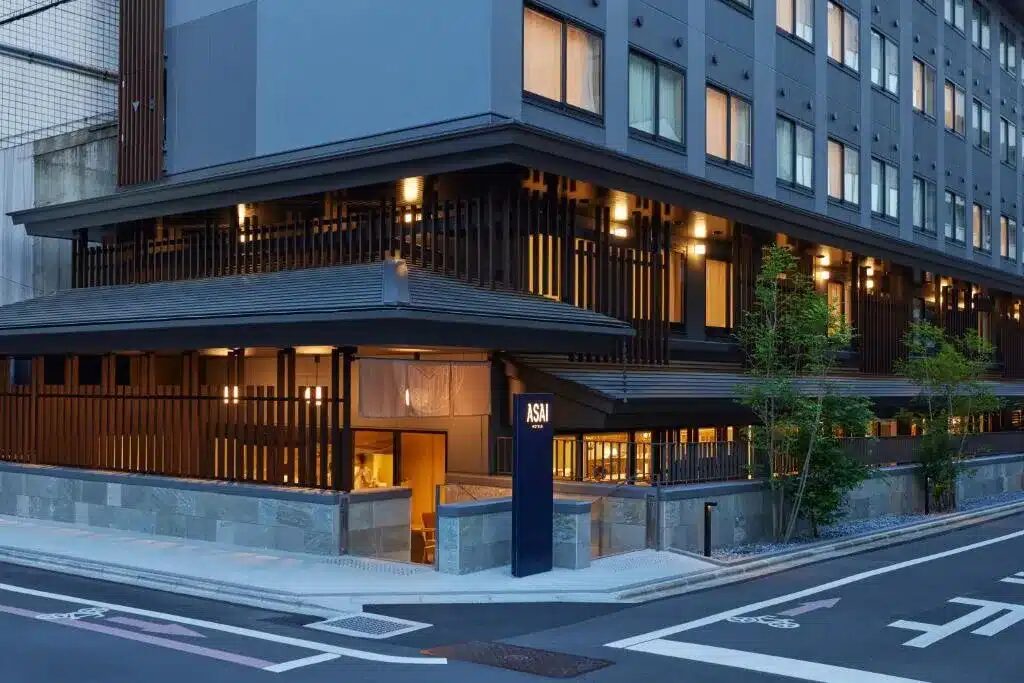
Kifune is in northern Kyoto; take the Eizan Electric Railway to Kibuneguchi Station and then a bus or a walk, and most travelers make it a same-day round trip. If you want to avoid the crowds in the morning or have dinner at a summer kawadoko in the evening, stay in central Kyoto around Kawaramachi, Shijo or Demachiyanagi and set out early the next morning.

Kifune Shrine FAQ
Q: How much is admission to Kifune Shrine?
Visiting Kifune Shrine is completely free. Only the water fortune slip costs ¥200, amulets cost about ¥500 to ¥1,000 and goshuin about ¥500.
Q: Until what time can I try the water fortune slip?
The official website lists the water fortune slip within the Honden’s worship hours, 6:00-20:00 from May 1 to November 30, while the amulet office (amulets and goshuin) is open 9:00-17:00. If you arrive in the evening, we suggest confirming the situation on site beforehand.
Q: What is the easiest way to get to Kifune Shrine?
We suggest taking the Eizan Electric Railway to Kibuneguchi Station and then Kyoto Bus Route 33 for about 7 minutes, or walking uphill for about 30 minutes.
Q: When is Kifune kawadoko open?
The kawadoko season runs from May 1 to September 30 each year, and some restaurants extend it to the end of October; fresh-green early summer is the best time to experience it. The actual closing date varies by restaurant; for example, Hirobun, known for nagashi somen, states on its website that it operates until mid-October.
Q: What is the best season to visit Kifune Shrine?
Summer for escaping the heat and fresh-green May are the top recommendations, while autumn leaves and winter snow each have their own charm, so choose the season that fits your needs.
Q: Can I reserve Hirobun’s nagashi somen?
Hirobun’s nagashi somen does not accept reservations; you can only line up on site and take a number ticket. We suggest arriving before opening to shorten the wait.
Q: Is September still worth visiting Kifune Shrine?
Yes. In September the Honden’s worship hours are still 6:00-20:00, the heat is easing and crowds are smaller than in midsummer. However, kawadoko platforms begin closing from the end of September to mid-October, with dates varying by restaurant, so check each restaurant’s website if you want to eat there. The shrine holds the “Kiku Shinji” (chrysanthemum ritual) for Chrysanthemum Day on September 9 and the “Autumn Equinox Festival” on the autumnal equinox; red leaves have to wait until mid to late November.
Q: What should I watch out for when visiting Kifune Shrine in the evening?
Evenings have fewer visitors and the lit lanterns create a lovely mood, but watch the last bus and train times. Temperatures drop sharply in the mountains after dark, so bring warm clothing and avoid shorts or sandals.