
Introduction to Kinkaku-ji
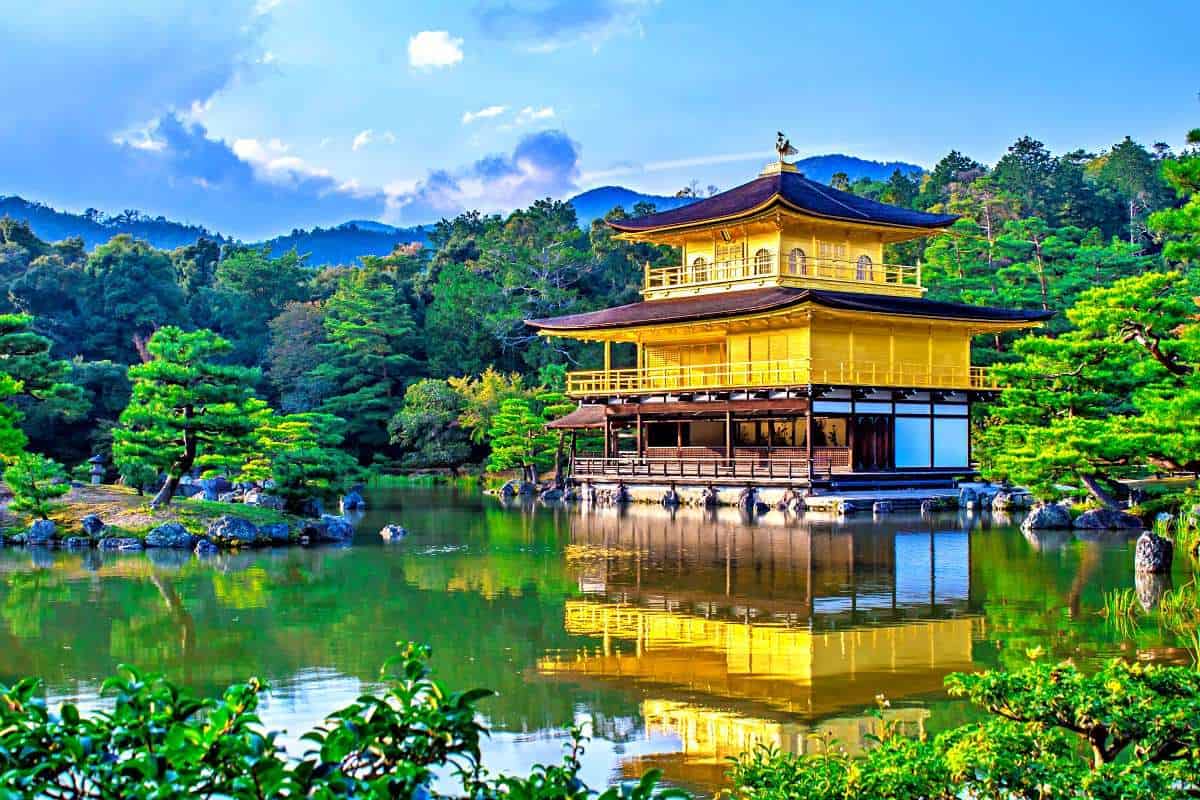
Kinkaku-ji stands in Kita Ward, Kyoto, and is one of Japan’s most iconic temples. Its official name is Rokuon-ji. It is a UNESCO World Heritage Site and a must-see stop for many visitors to Kyoto.
The official website is the Rokuon-ji page of the Shokoku-ji school (shokoku-ji.jp/kinkakuji). Opening hours and the admission donation are as announced there, so check it before you go.
History of Kinkaku-ji
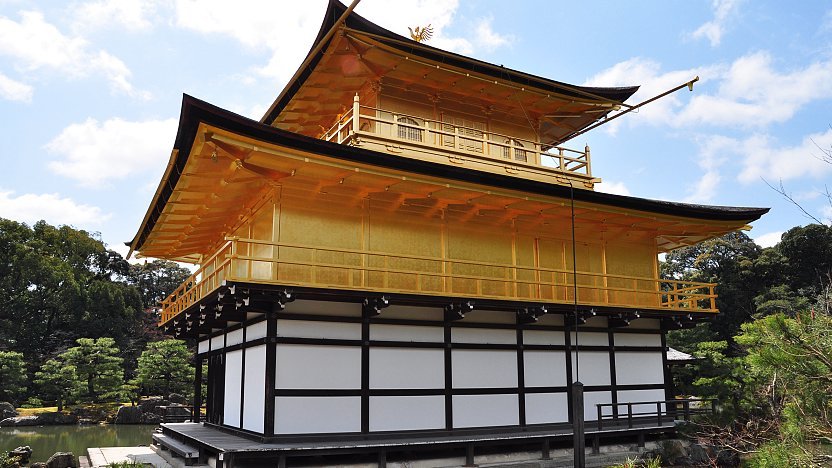
Kinkaku-ji was built in 1397 as a villa for Ashikaga Yoshimitsu and was later converted into a temple. Its Shariden (relic hall) is covered in gold leaf that glitters in the sunlight, which is how the temple got its name, the Golden Pavilion.
Kinkaku-ji is one of the component sites of the World Heritage listing “Historic Monuments of Ancient Kyoto,” and the grounds are designated a Special Historic Site and a Special Place of Scenic Beauty. The Kyoko-chi pond at the heart of the garden and the Shariden are its most representative views.
Highlights of Kinkaku-ji
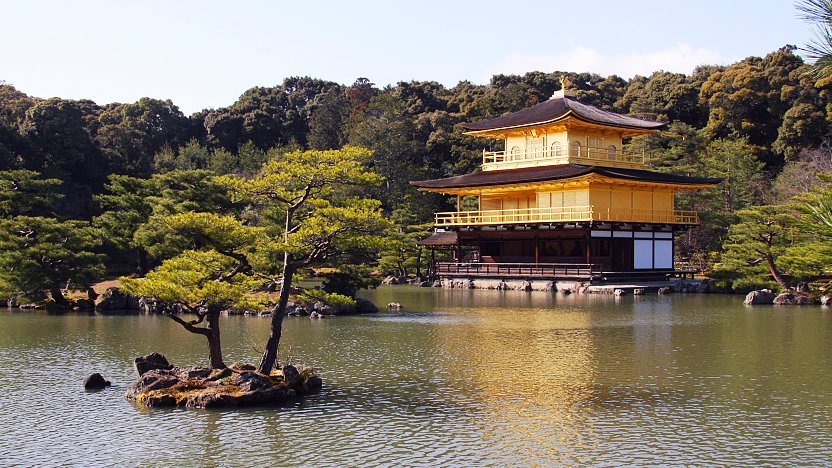
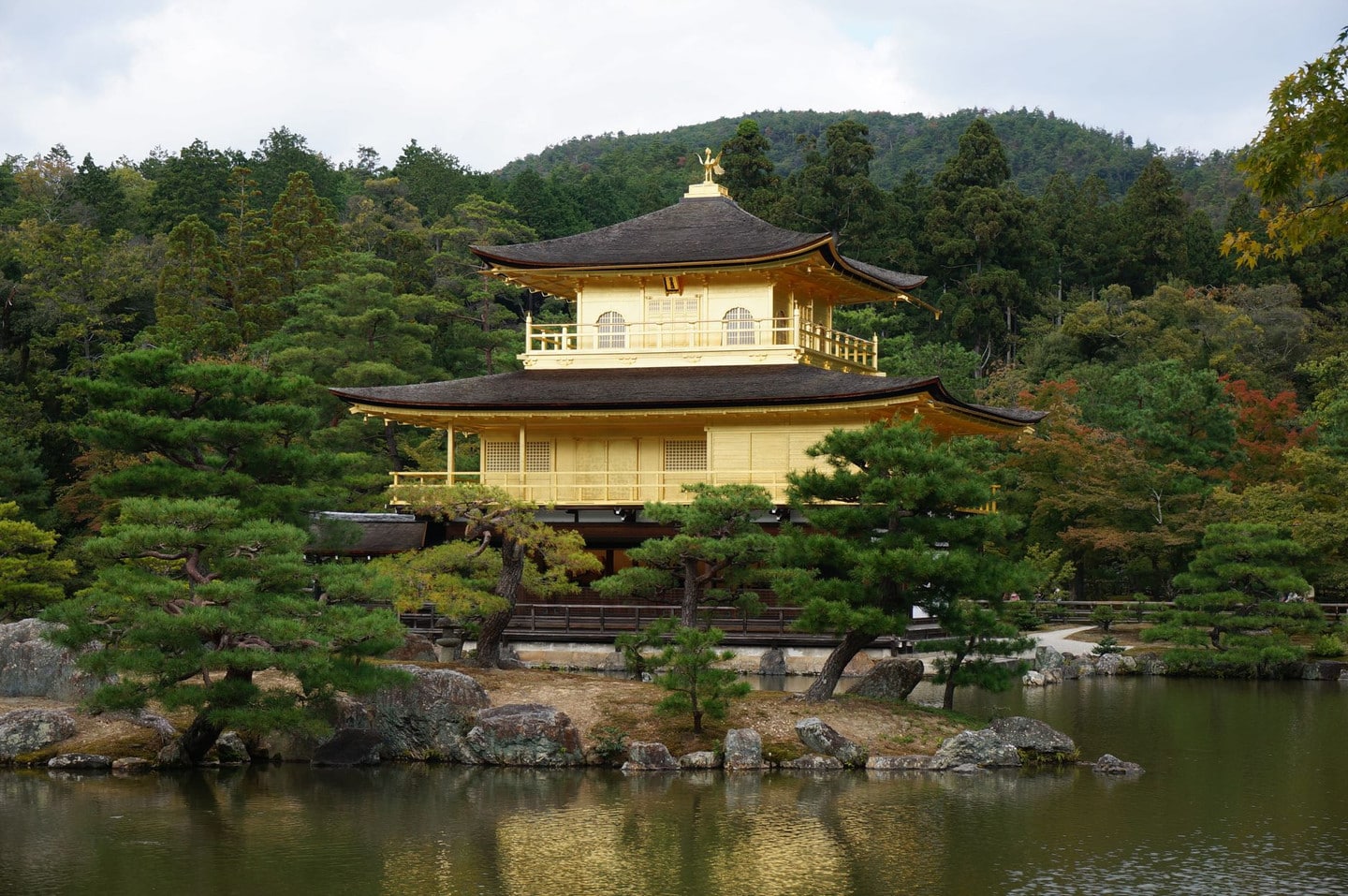
The best-known feature of Kinkaku-ji is the Shariden, whose exterior is covered in gold leaf that glitters in the sunlight. The grounds hold many other sights, such as Kyoko-chi pond and the Ryumon Waterfall.
The garden design is also outstanding, combining traditional Japanese landscape art with Zen thought. It is a place where visitors can experience the essence of Japanese culture.
Must-See Sights at Kinkaku-ji
Kinkaku-ji is one of the most iconic attractions in Kyoto, drawing millions of visitors every year. This radiant temple is both a Japanese national treasure and a World Heritage Site. Here you can admire superb Japanese architecture and sense the depth of Japanese culture.
The Golden Pavilion (Kinkaku)
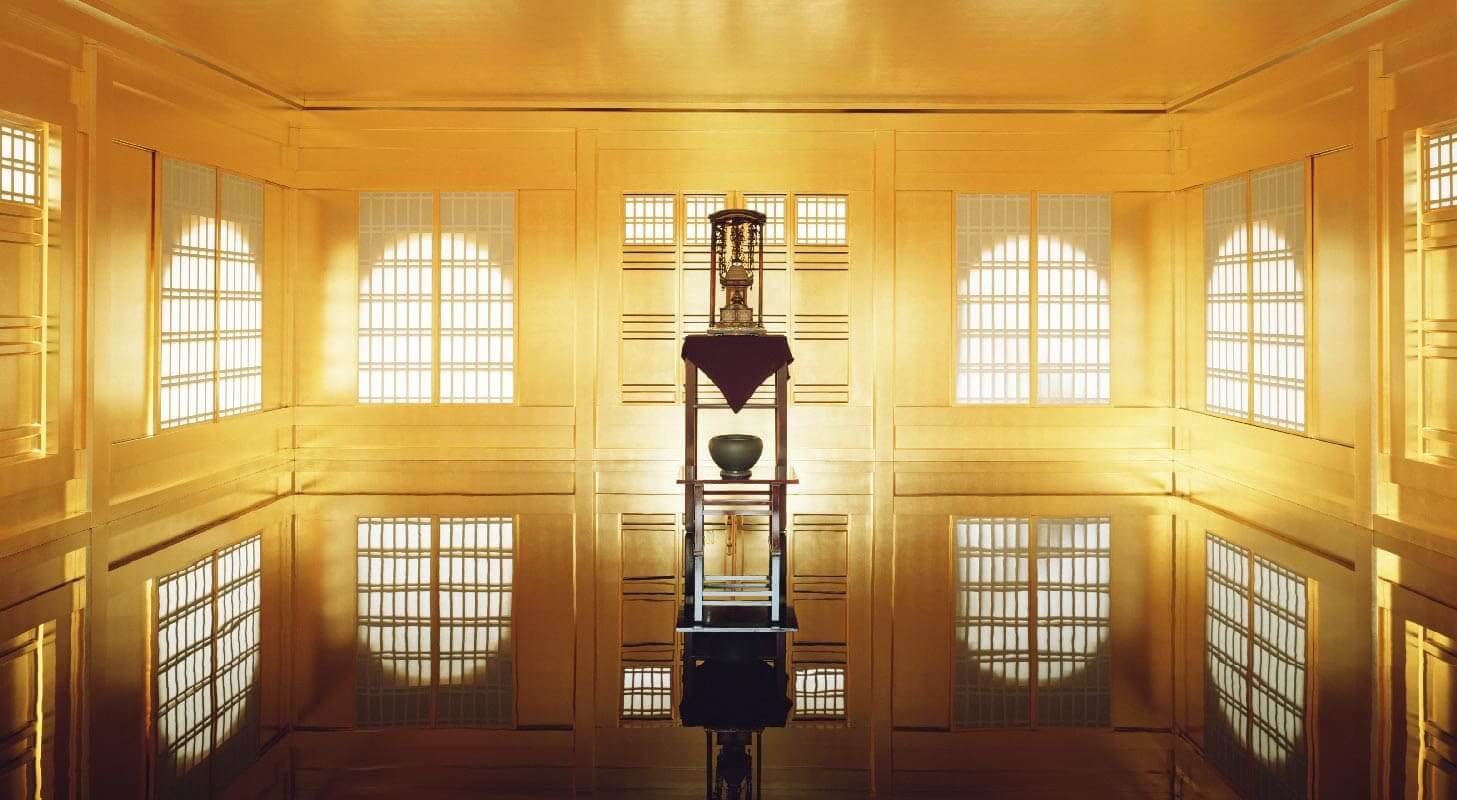

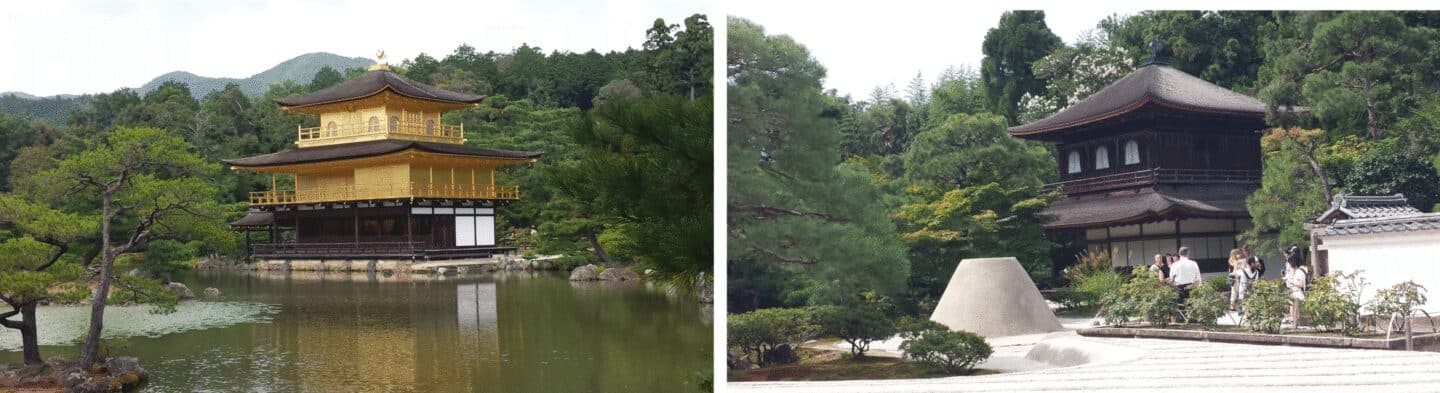
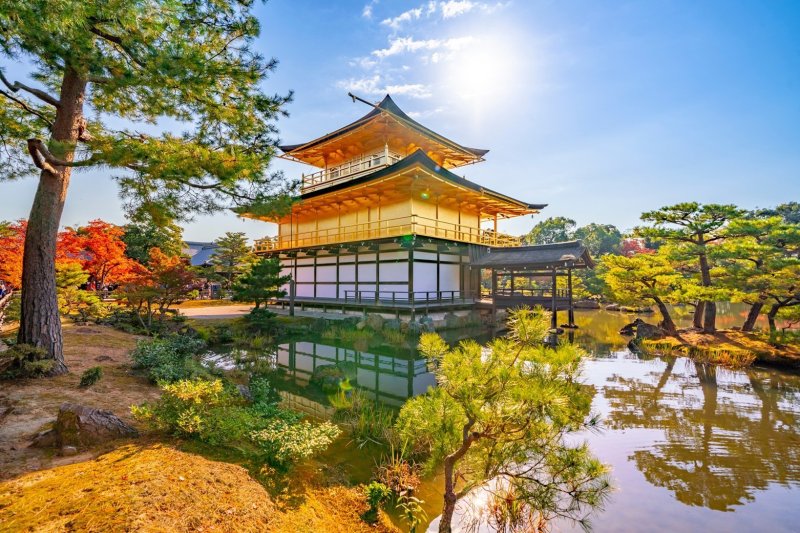
The Golden Pavilion is the core building of the whole temple, and its glittering exterior is why it is called “Kinkaku” (Golden Pavilion). Each of its three floors shows a different architectural style: the Japanese (wayo) style, the samurai-house (buke) style and the Zen style.
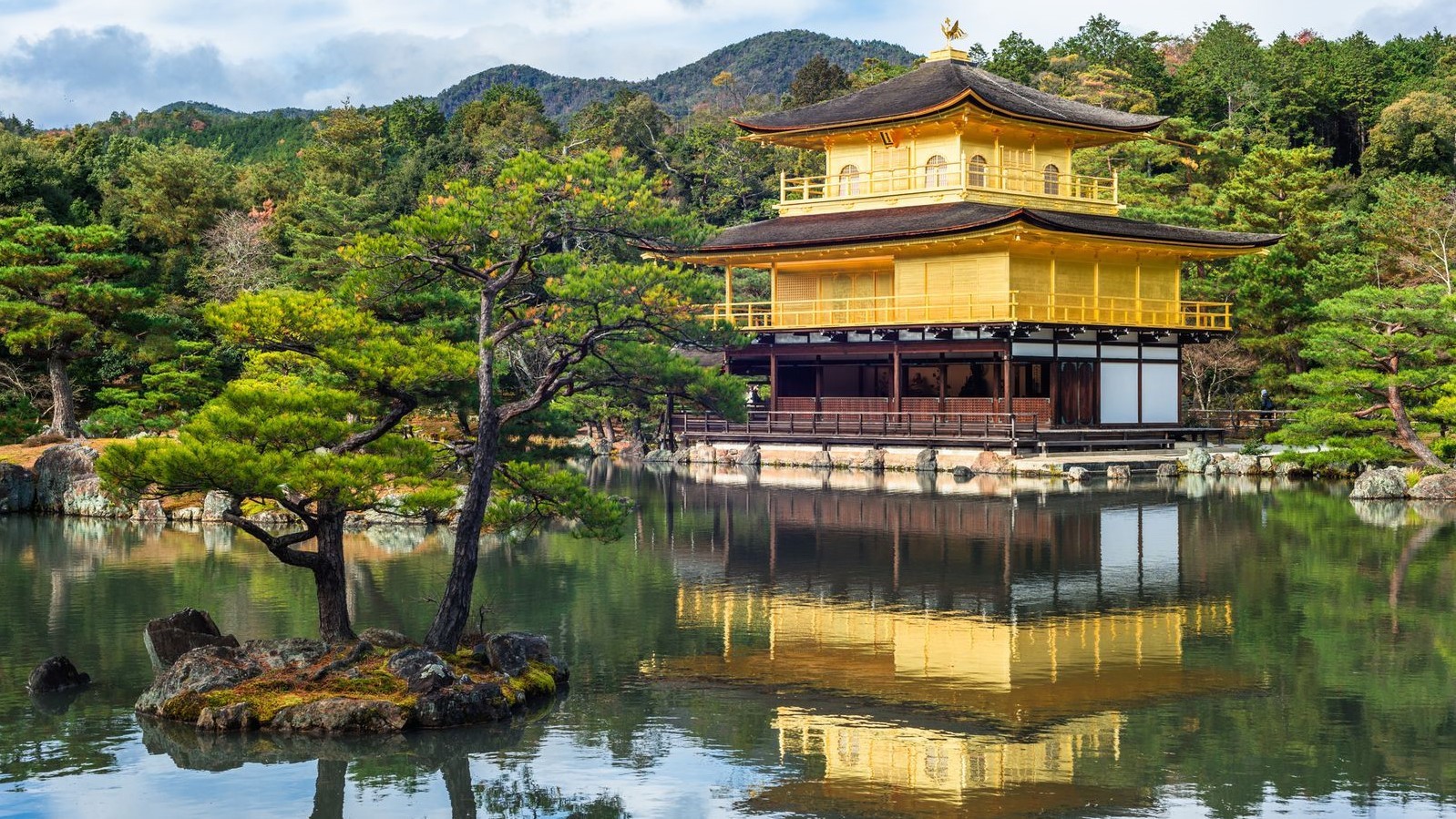
Visitors admire the pavilion from the shore of Kyoko-chi pond, where its reflection on the water makes the classic photo. Follow the visitor route and you can frame the pavilion from different directions.
Kinkaku-ji is open daily from 9:00 to 17:00, and the admission donation is ¥500 for adults, as announced officially. We recommend arriving soon after opening, when crowds are relatively light.

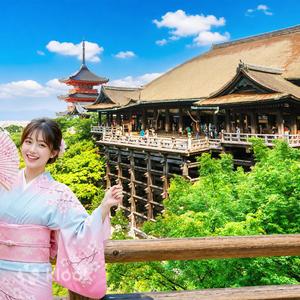-Klook.jpg)

Kinkaku-ji Opening Hours, Admission Ticket and Time Needed
Kinkaku-ji (Rokuon-ji) is open daily from 9:00 to 17:00. The admission donation is ¥500 for high school students and above and ¥300 for elementary and junior high students; the actual amount is as announced on the official website. At the entrance you receive an ofuda-style admission ticket that you can take home as a keepsake. Walking the whole visitor route takes about 40 minutes to 1 hour, and crowds are relatively light from 9:00 to 10:00 and again around 16:00.
Kyoko-chi Pond
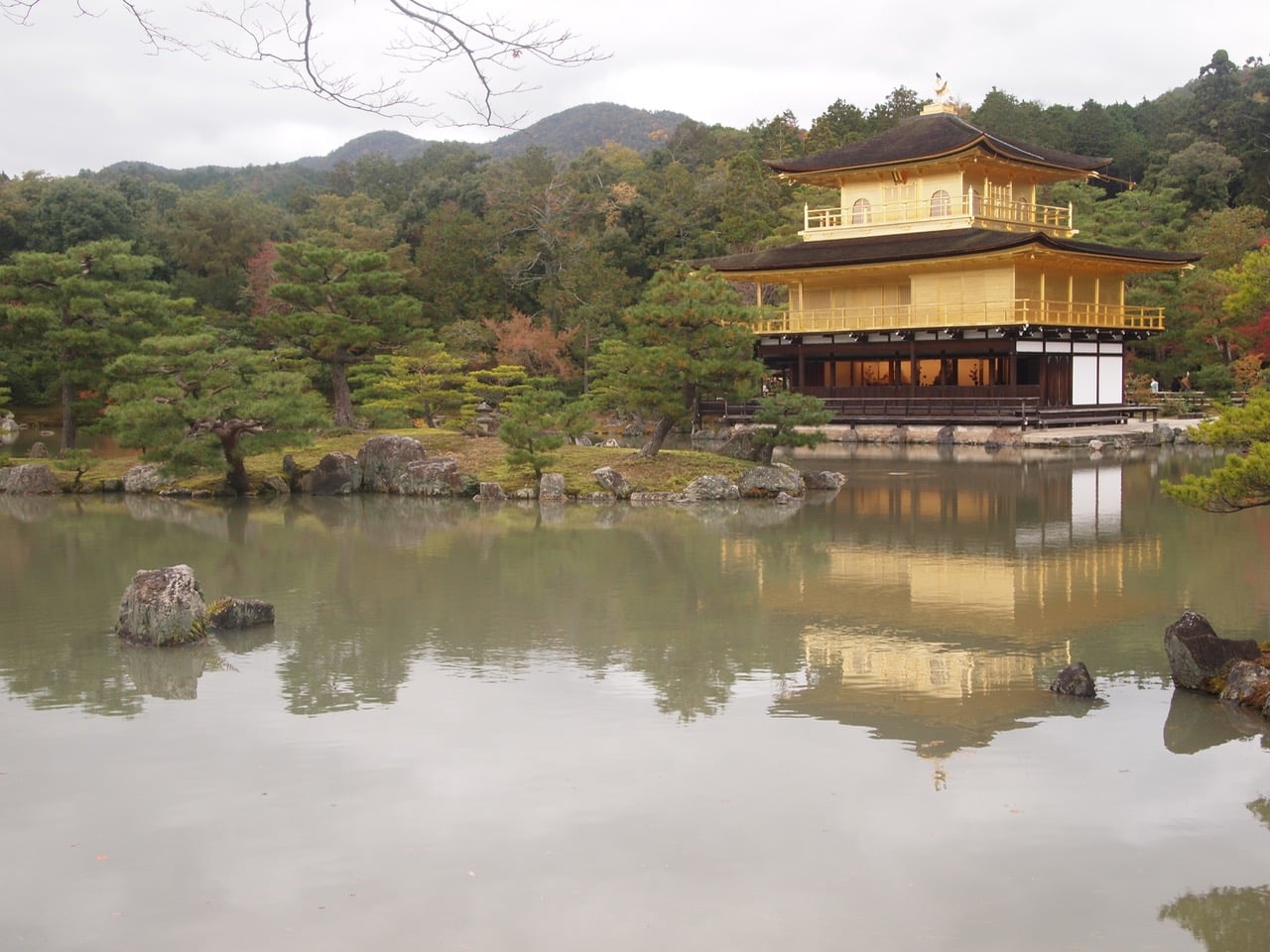
Kyoko-chi pond is the heart of the Kinkaku-ji garden. It covers about 6,600 square meters, and the islands and pine trees in the pond frame the reflection of the Golden Pavilion, making it the most popular photo spot on the visitor route.
You can stroll around the pond and enjoy its tranquil beauty, or sit on a bench by the water and simply soak up the calm.
The pond looks different in every season. In autumn the red maple leaves and in winter the snow, set against the reflection of the Golden Pavilion, give an especially rich scene.
Hakuja-zuka (White Snake Mound)
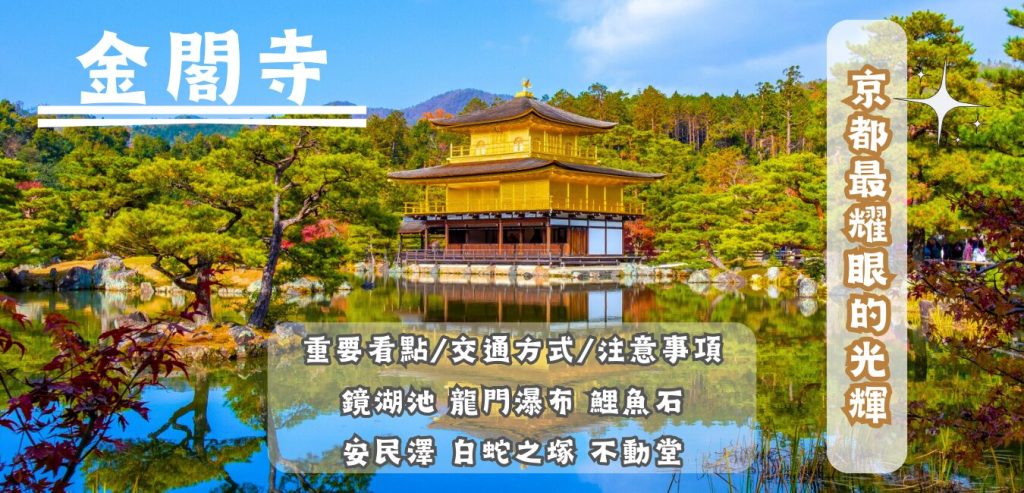
Hakuja-zuka stands by Anmintaku pond. The official guide records that Anmintaku never dries up, even in a drought, and many visitors make a wish here.
Anmintaku and Hakuja-zuka lie deeper in the garden. You reach them by following the visitor route past the Ryumon Waterfall, and along the way you also pass the Sekkatei teahouse and the Fudo-do hall.
The shop in the grounds sells omamori charms and souvenirs; designs and prices are as posted on site.
Kinkaku-ji Visitor Route and Omamori: From Kyoko-chi Pond and Ryumon Waterfall to Fudo-do
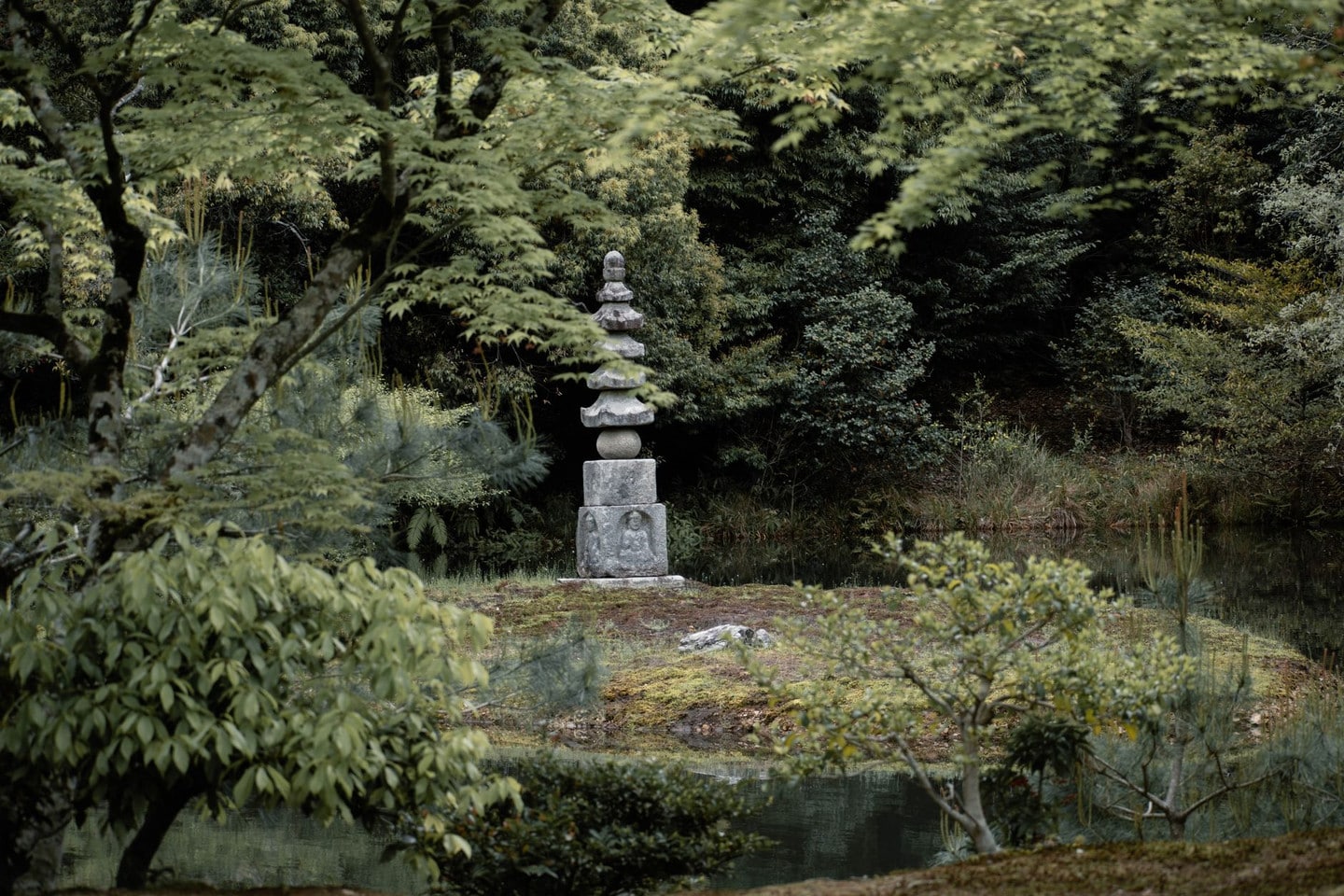
The visitor route at Kinkaku-ji passes Kyoko-chi pond, the Golden Pavilion, the Ryumon Waterfall, Anmintaku pond and Hakuja-zuka, then the Edo-period teahouse Sekkatei and the Fudo-do hall enshrining a stone Buddha, all in one direction. The Golden Pavilion is viewed from the pond’s edge, and its second and third floors are covered in pure gold leaf. The shop in the grounds has omamori charms and souvenirs; designs and prices are as posted on site.
A Walk Around Kinkaku-ji
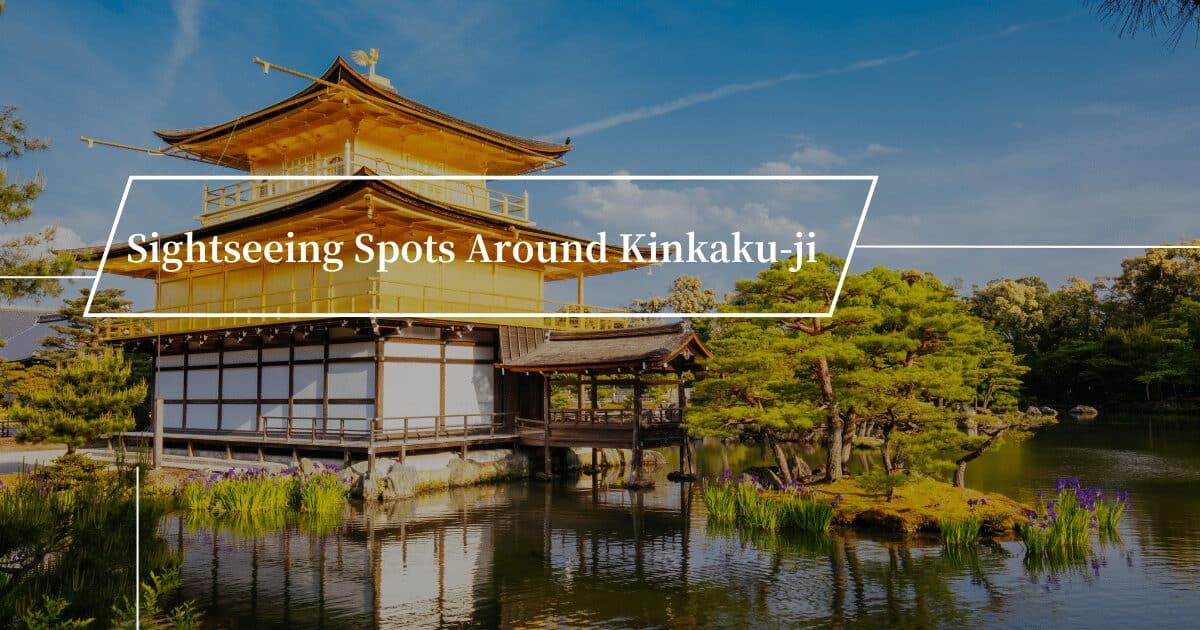
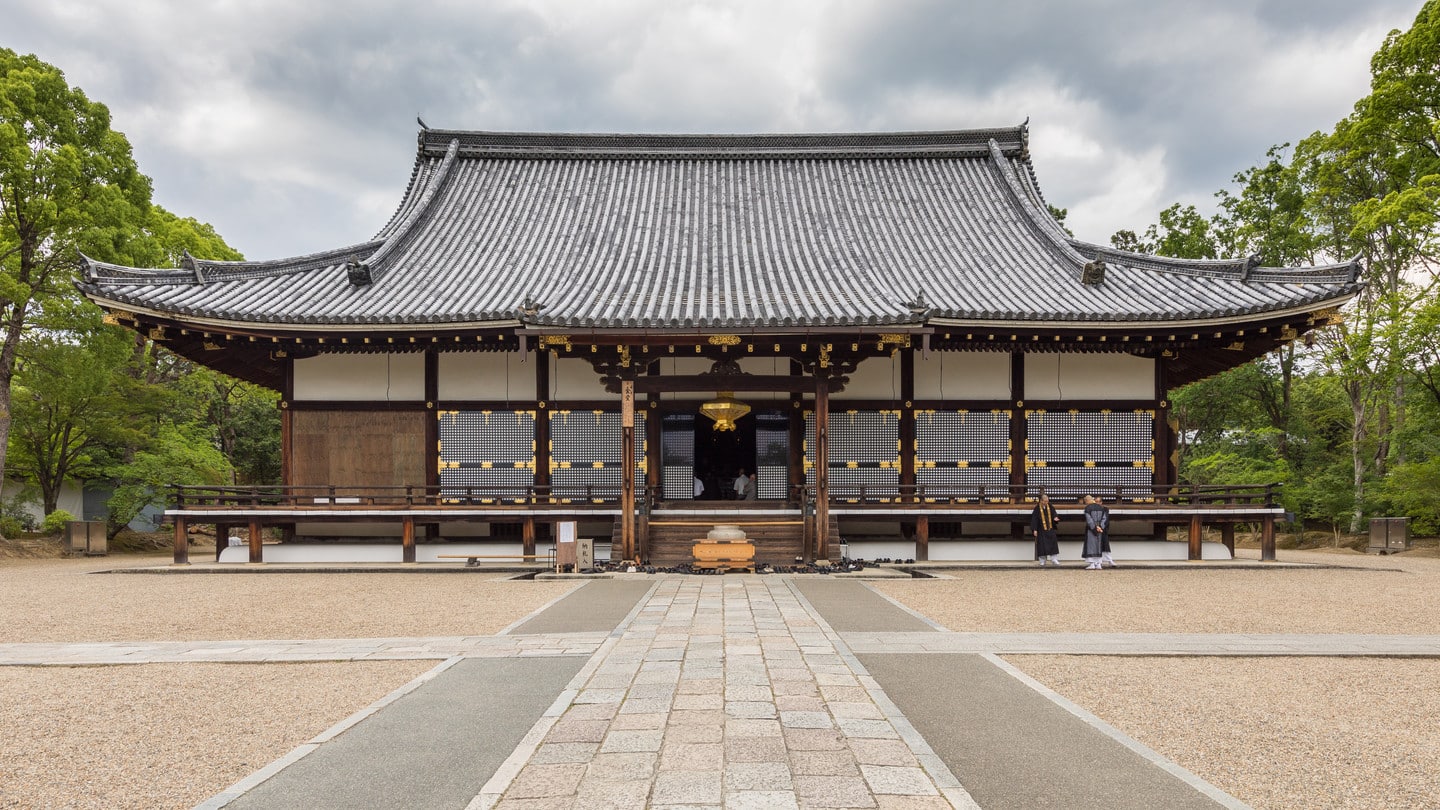
Between the three World Heritage temples of Kinkaku-ji, Ryoan-ji and Ninna-ji runs a walking route called the Kinugake-no-Michi, about 2.5 kilometers long, which you can walk or link by city bus.
After Kinkaku-ji you can continue to Ryoan-ji and then Ninna-ji, allowing about 1 to 1.5 hours per temple, so in one day you can finish a World Heritage tour of northwest Kyoto.
The area is busier during the cherry blossom and autumn leaf seasons, so allow more time.
Extension Trip: Jisho-ji (Ginkaku-ji)
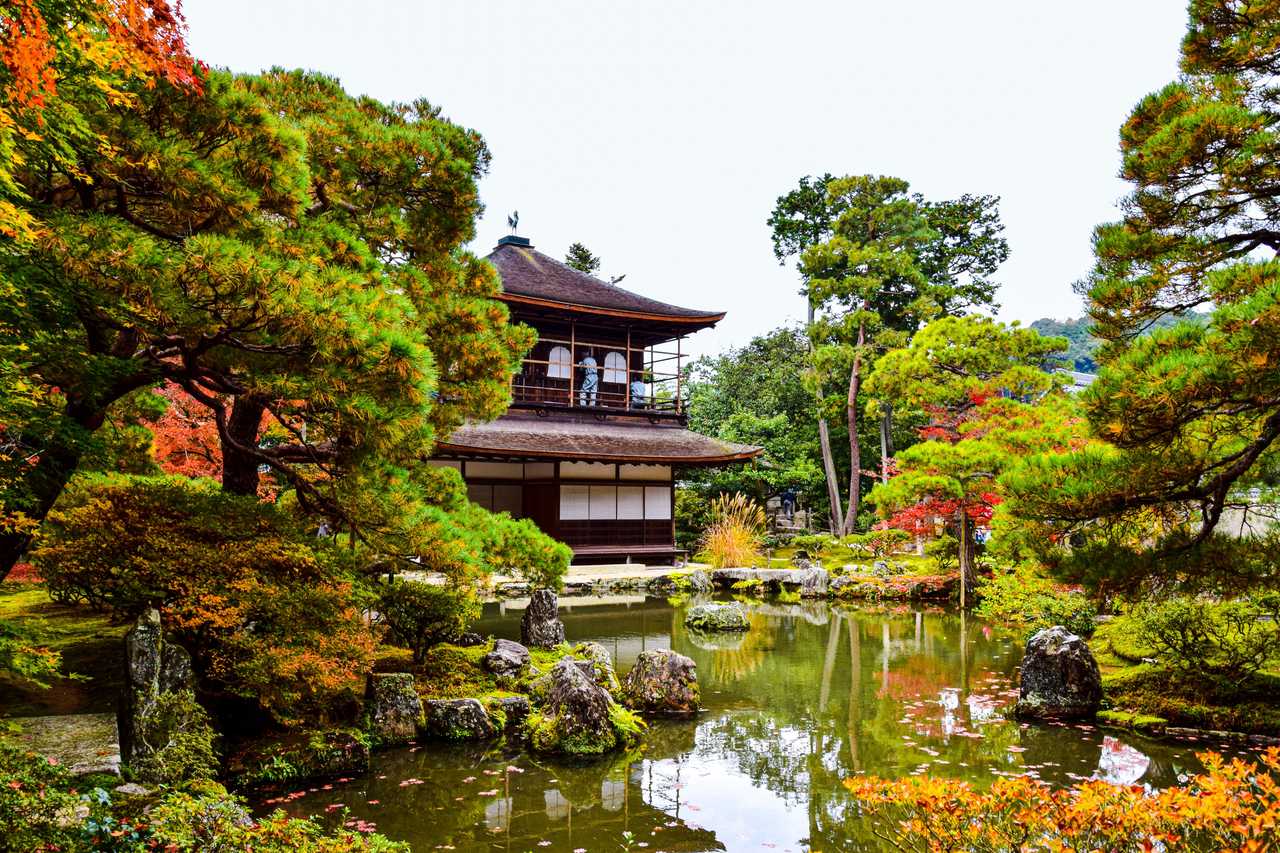
Jisho-ji (commonly called Ginkaku-ji, the Silver Pavilion) and Kinkaku-ji lie on the east and west sides of Kyoto, about 5.5 kilometers apart in a straight line, so plan it as a separate outing. From Kinkakuji-michi you can take city bus 204 to Ginkakuji-michi in about 40 to 50 minutes, or take a taxi. The temple’s main image is Shaka Nyorai (the Historical Buddha), and it is known for the Silver Pavilion (Kannon-den) and the karesansui garden known as the Sea of Silver Sand.
Admission to Jisho-ji is ¥500 for adults; we suggest visiting it at a different time of day from Kinkaku-ji.
Jisho-ji is open 8:30-17:00 in summer (March to November) and 9:00-16:30 in winter (December to February).
How to Get to Kinkaku-ji: From Central Kyoto
Kinkaku-ji has no railway station of its own, so you need to change to a bus. Below are the two main ways to get there from Kyoto Station, to make planning easy.
Option 1: Direct City Bus (Most Recommended)
Take the city bus route 205 from the bus terminal in front of Kyoto Station. The ride takes about 40 minutes and the adult fare is ¥230. Get off at Kinkakuji-michi and walk about 6 minutes to the temple entrance. Route 205 is the one most visitors use and runs frequently, though buses can be crowded at peak times.
Option 2: Karasuma Subway Line plus Bus
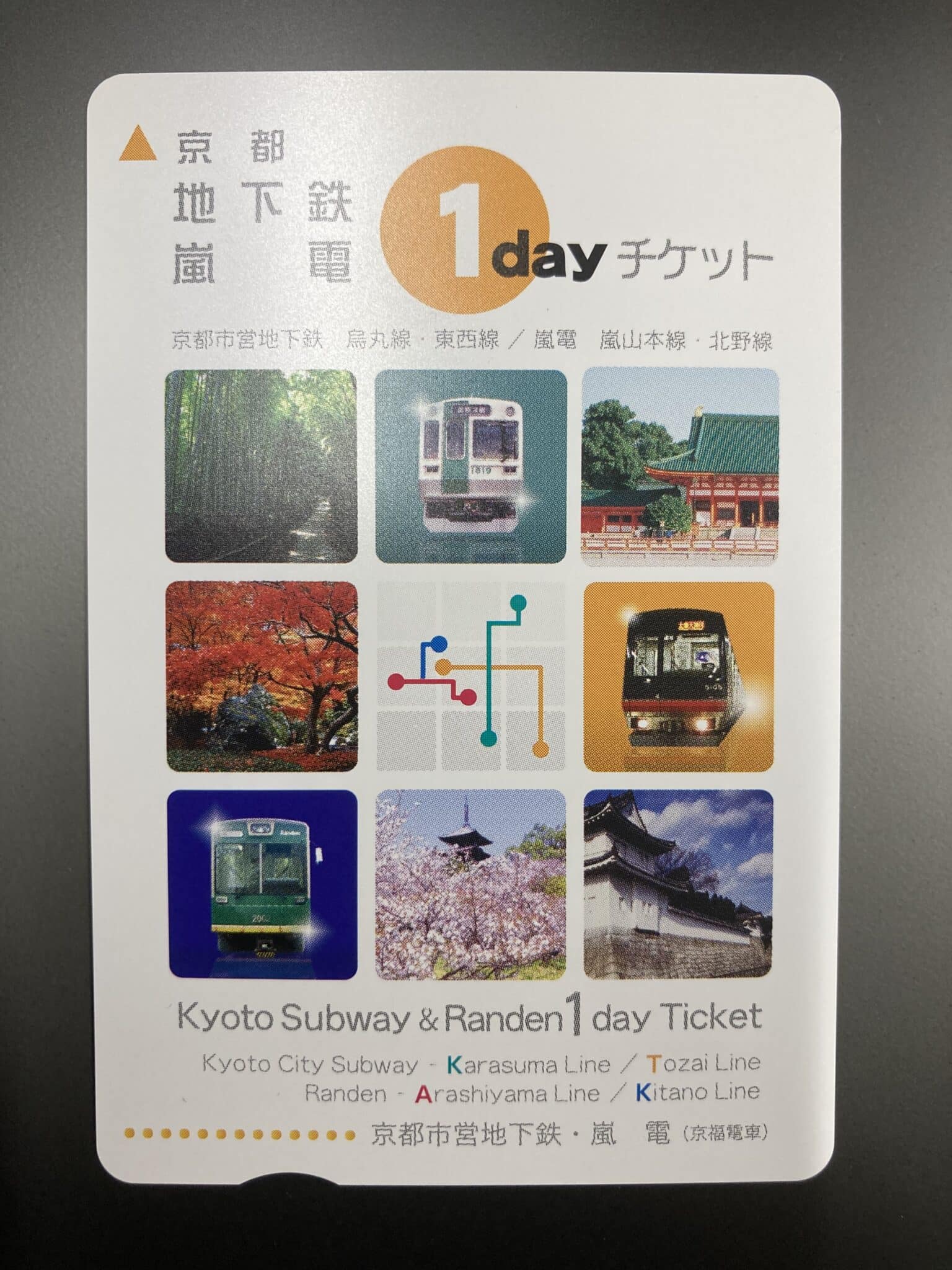
Take the Kyoto Municipal Subway Karasuma Line to Kitaoji Station, about 15 minutes, then change to city bus 204 or 205 outside the station and ride about 10 minutes for ¥230 to Kinkakuji-michi. This option suits travelers who already hold a subway one-day pass or who want to avoid the crowds at the bus terminal.
If your time is limited or you have a lot of luggage, you can also take a taxi from Kyoto Station, about 20 to 25 minutes; the actual fare depends on traffic and time of day. Kinkaku-ji is open daily from 9:00 to 17:00 all year round, and admission (including an omamori-style ticket) is ¥500 for adults and ¥300 for elementary and junior high students.
Kinkaku-ji Tickets and Guided Tours
Kinkaku-ji is one of Kyoto’s most famous attractions, drawing millions of visitors every year. To help you enjoy this beautiful temple even more, we have gathered the various ticket and guided tour options. Choose the one that suits your needs for a richer Kinkaku-ji trip.
Kinkaku-ji Tickets and Guided Tours
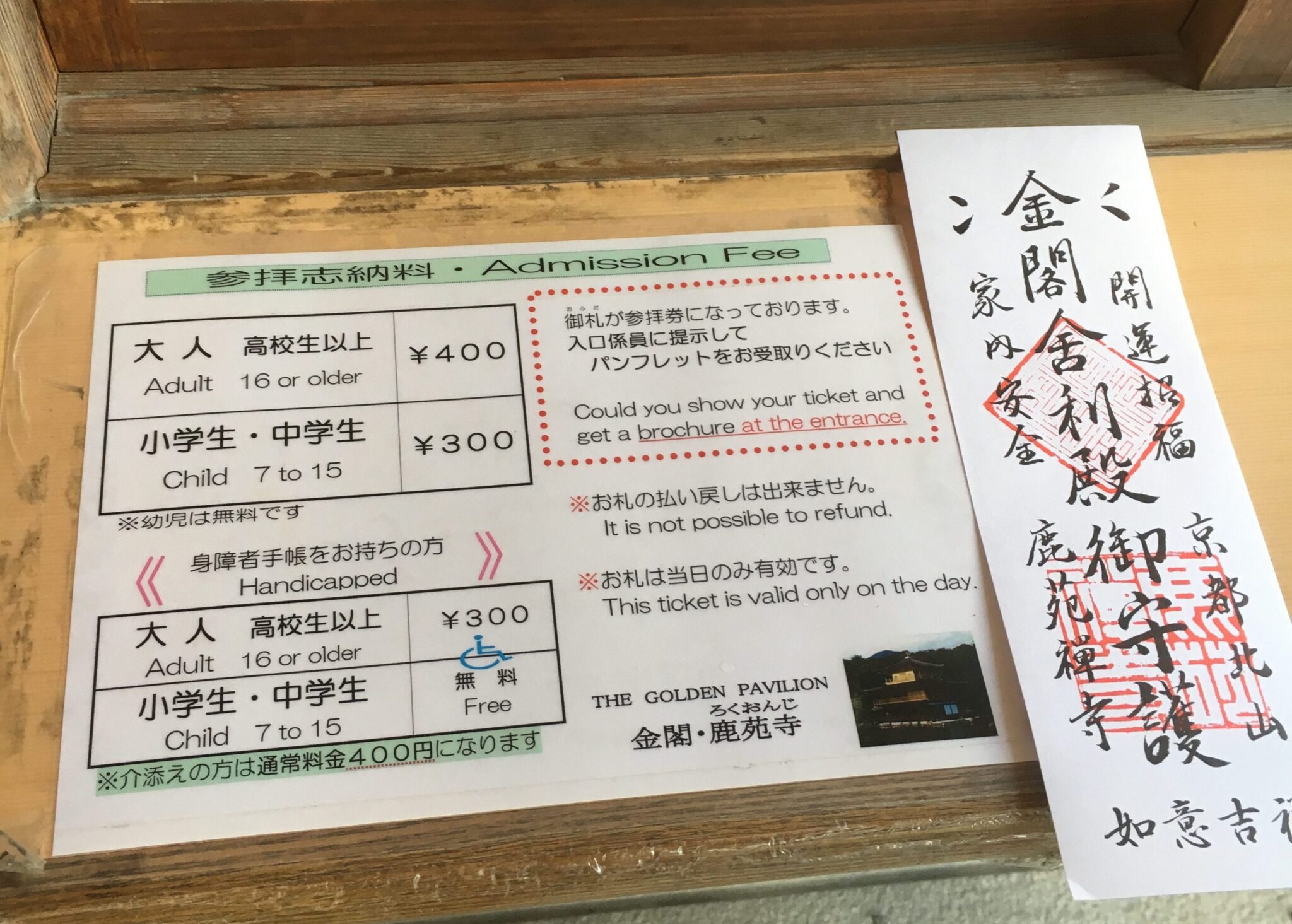
Kinkaku-ji admission is issued as an ofuda-style ticket. With it you follow the visitor route past the shore of Kyoko-chi pond, the Ryumon Waterfall, Anmintaku pond, Hakuja-zuka and Sekkatei, enjoying views of the Golden Pavilion and the garden along the way.
It is open from 9:00 to 17:00, and admission is ¥500 for adults and ¥300 for elementary and junior high students, as announced officially. If you want expert commentary, you can look up guided tours that include Kinkaku-ji on Klook or KKday; contents and prices vary by plan.

Half-Day Kinkaku-ji Tour from Kyoto
Klook offers a half-day Kyoto tour combining Kinkaku-ji, Arashiyama and Otagi Nenbutsu-ji, linking two popular areas of northwest Kyoto in half a day, which suits travelers short on time.
Itinerary details, meeting points and duration vary by departure date and plan. Check the full description on the product page before booking, then plan your transport before and after.
Prices and included admission fees are as shown on the product page on the day you book; in peak season, book early.
Kinkaku-ji and Kyoto City Day Tour
Klook offers a full-view Kyoto day tour combining Kinkaku-ji, Arashiyama, Nijo Castle, Senbon Torii and Fushimi Inari. It departs from Osaka or Kyoto and suits travelers short on time who want to see the main sights in one go.
Time spent at each stop, meeting points and total hours vary by plan. Check the itinerary details on the product page before departure.
Prices and included admission fees are as shown on the product page on the day you book.
![[Kyoto Highlights Day Tour] Kinkaku-ji & Arashiyama & Nijo Castle & Senbon Torii & Fushimi Inari (from Osaka / Kyoto)](https://res.klook.com/images/w_300,h_300,c_fill,q_75/w_80,x_15,y_15,g_south_west,l_Klook_water_br_trans_yhcmh3/activities/acwifmo5hrx60iesdtko/【京都全景一日遊】金閣寺嵐山二條城千本鳥居伏見稻荷(大阪京都出發)-Klook.jpg)
The 1950 Kinkaku-ji Fire and Yukio Mishima’s Novel The Temple of the Golden Pavilion
The Golden Pavilion (Shariden) visitors see today is actually a reconstruction from 1955, not the original Muromachi-period building. In the early hours of July 2, 1950, an arson attack shocked Japan. The culprit was a young trainee monk at the temple, and the Golden Pavilion, along with national-treasure-class items inside such as the wooden statue of Ashikaga Yoshimitsu, was burned to the ground. Reconstruction began in 1952 and was completed in 1955, and in 1987 the gold leaf was re-applied, giving the pavilion the glittering look it has today.
The fire also inspired the Japanese literary giant Yukio Mishima. Based on the incident, he serialized the novel The Temple of the Golden Pavilion in the magazine Shincho in 1956, delving into the arsonist monk’s obsession with “beauty” and his destructive urge. It became one of Mishima’s most representative works, and travelers who love Japanese literature may want to read it before or after visiting for a deeper appreciation of Kinkaku-ji.
Kinkaku-ji in Four Seasons: How to Photograph Snow, Cherry Blossoms and Autumn Leaves
- Winter snow Kinkaku (December to February): Snow is rare in central Kyoto, but a Golden Pavilion dusted with snow against its gold leaf makes a dreamlike photo. Enter right after opening to catch the short-lived snow scene.
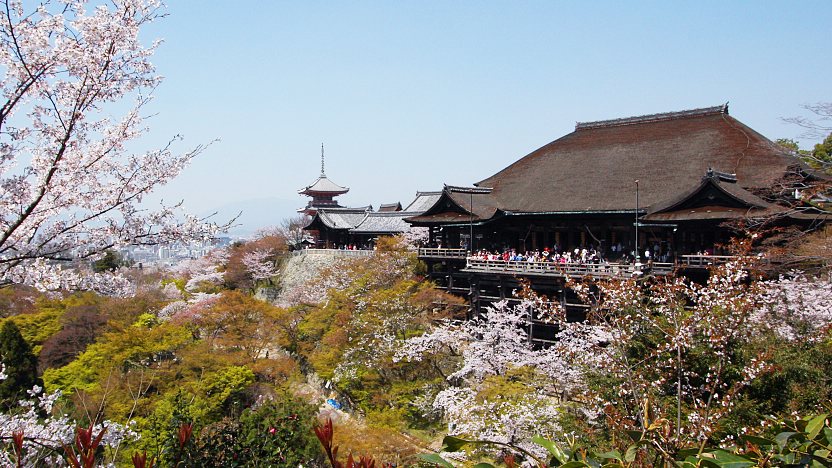
- Spring cherry blossoms (late March to early April): Cherry blossom reflections on the pond framed with the Golden Pavilion are a popular composition. The blossom season is crowded, so go early on a weekday.
- Autumn leaves (mid-November to early December): The area around the Golden Pavilion and the pond shore is rich in red maple leaves. Afternoon front light (after about 2 p.m.) is the best time to capture the pavilion, the leaves and the reflection on the water in one frame.
Where to Stay Nearby
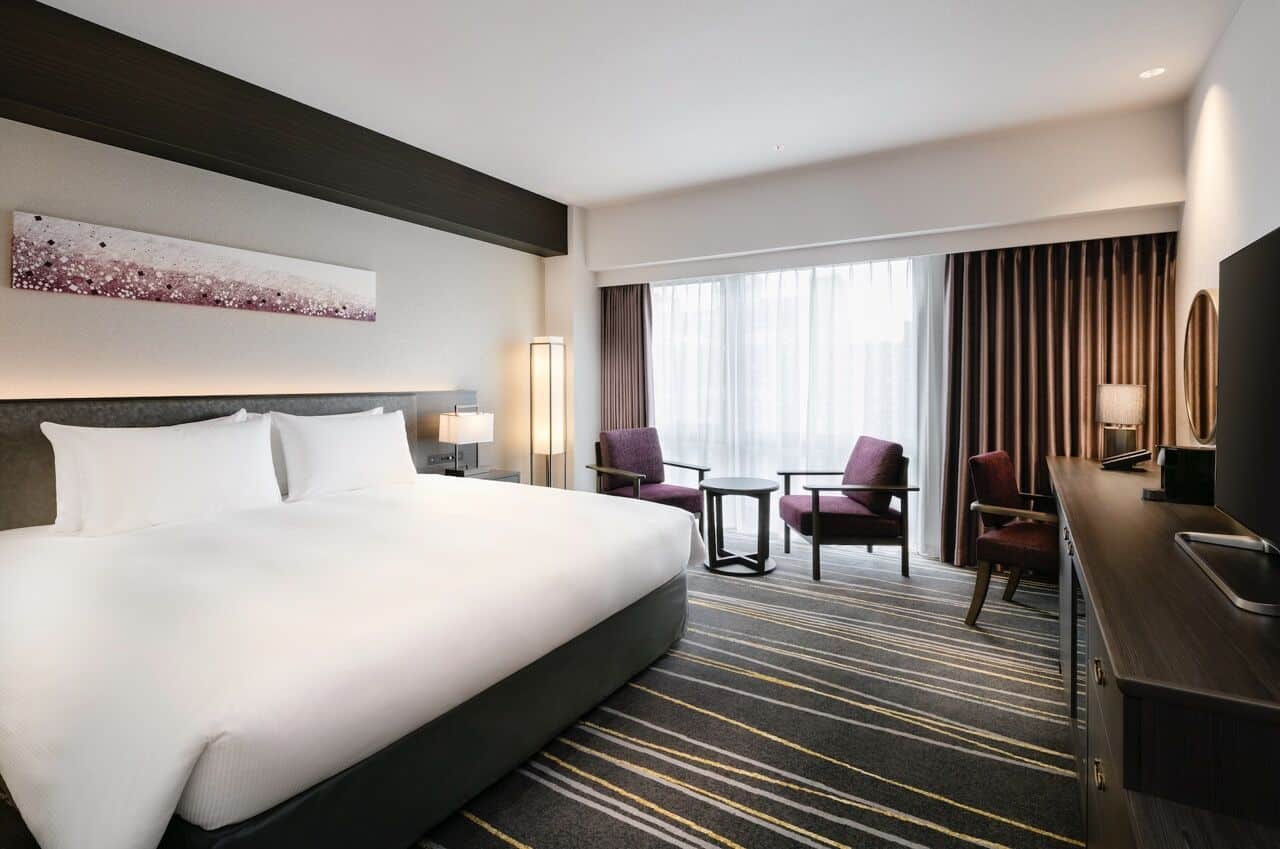
Kinkaku-ji is in Kita Ward, Kyoto, with no railway station of its own. From Kyoto Station, city bus 205 reaches Kinkakuji-michi in about 40 minutes, then it is about a 6-minute walk to the entrance. Kinkaku-ji opens at 9:00 every day, so to avoid the crowds we suggest staying near Kyoto Station, taking a bus early in the morning, and then continuing to Ryoan-ji and Ninna-ji.