
Nagoya Castle Complete Guide 2026: The Golden Shachi Legend of One of Japan’s Three Great Castles
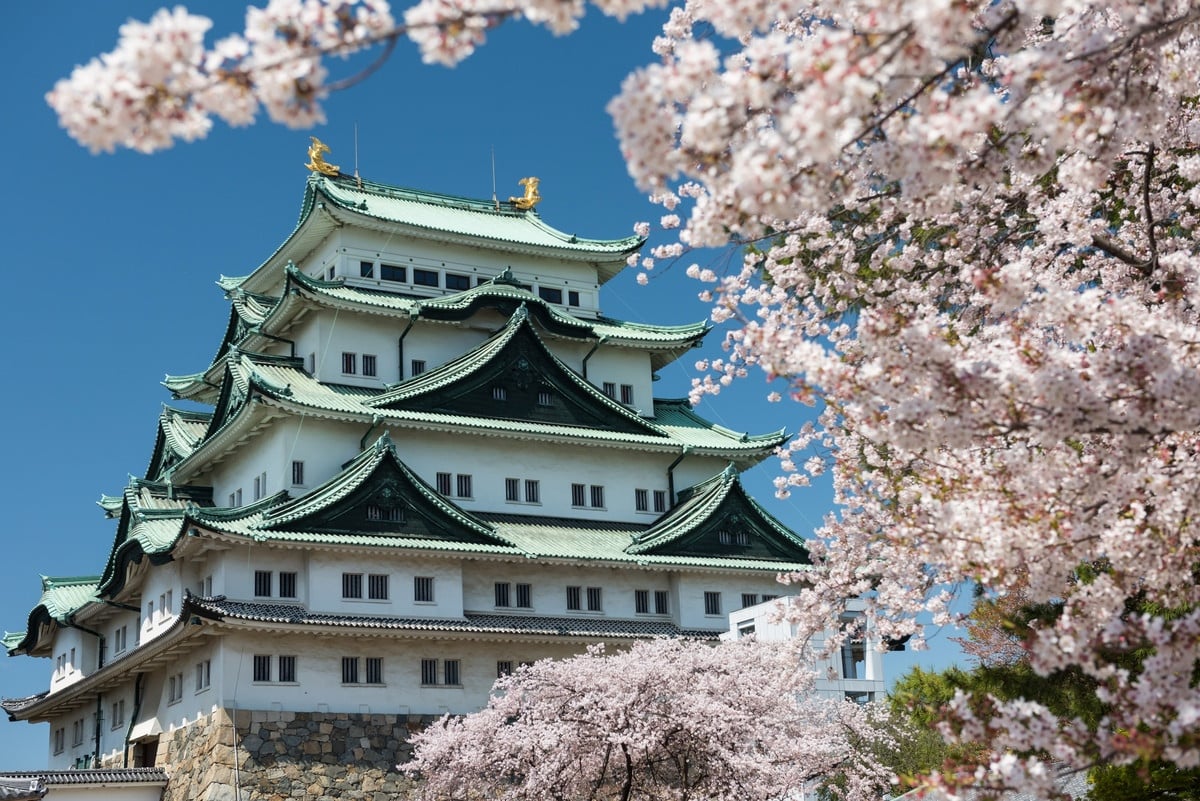
Nagoya Castle’s main keep is undergoing renovation (reconstruction in wood) and is closed, so you cannot go inside, but the rest of the castle grounds are open as usual and you can visit Honmaru Palace. Admission rises to ¥1,000 (from ¥500) starting October 1, 2026. Nagoya Castle was ordered built by Tokugawa Ieyasu in 1610; for details, follow the official announcements.
Key points first:
- 🕘 Opening hours: daily 9:00–16:30, with last admission to Honmaru Palace at 16:00.
- 🏯 Main keep: closed for renovation (wooden reconstruction) and currently not accessible; the official reopening date has not been announced, and Honmaru Palace remains open as usual.
- ⏱️ Time needed: about 1–1.5 hours including Honmaru Palace, and about 2–3 hours with Kinshachi Yokocho.
- 🌙 Night openings: evening illumination on 9/19–10/4 and 10/18–10/24 (details below).
Nagoya Castle Itself: The First of Japan’s Three Great Castles
Nagoya Castle ranks with Osaka Castle and Kumamoto Castle as one of Japan’s “Three Great Castles.” It was built by Tokugawa Ieyasu in 1610 to keep watch over the daimyo of western Japan and served as the residence of the Owari Tokugawa family, on a grand scale. The moats, stone walls and turrets are well preserved, making it an excellent example of Edo-period castle architecture. In 1930 it was designated Japan’s first “National Treasure” castle.
The main keep was destroyed in the 1945 air raids and rebuilt in 1959 in steel-reinforced concrete. Because of insufficient earthquake resistance and aging facilities, the interior is currently closed and cannot be entered. The City of Nagoya is pushing ahead with a plan to reconstruct it in wood, and you cannot climb it until that is done (see the schedule in “Nagoya Castle Main Keep Renovation Progress” below).
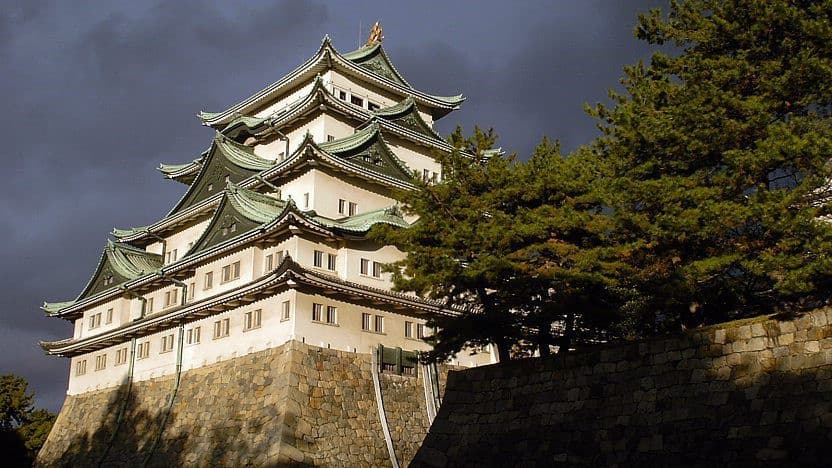

- 🕘 Opening hours: 9:00–16:30 (last admission to Honmaru Palace and the Nishinomaru Treasure Storehouse is 16:00); closed December 29 – January 1
- 🎫 Admission: from October 1, 2026, adults ¥1,000 (previously ¥500) / Nagoya city residents aged 65 and over ¥300 (previously ¥100) / free for junior high school students and younger / combined ticket with Tokugawaen ¥1,040
- 🔗 Nagoya Castle official website
The Golden Shachi: Nagoya Castle’s Golden Symbol
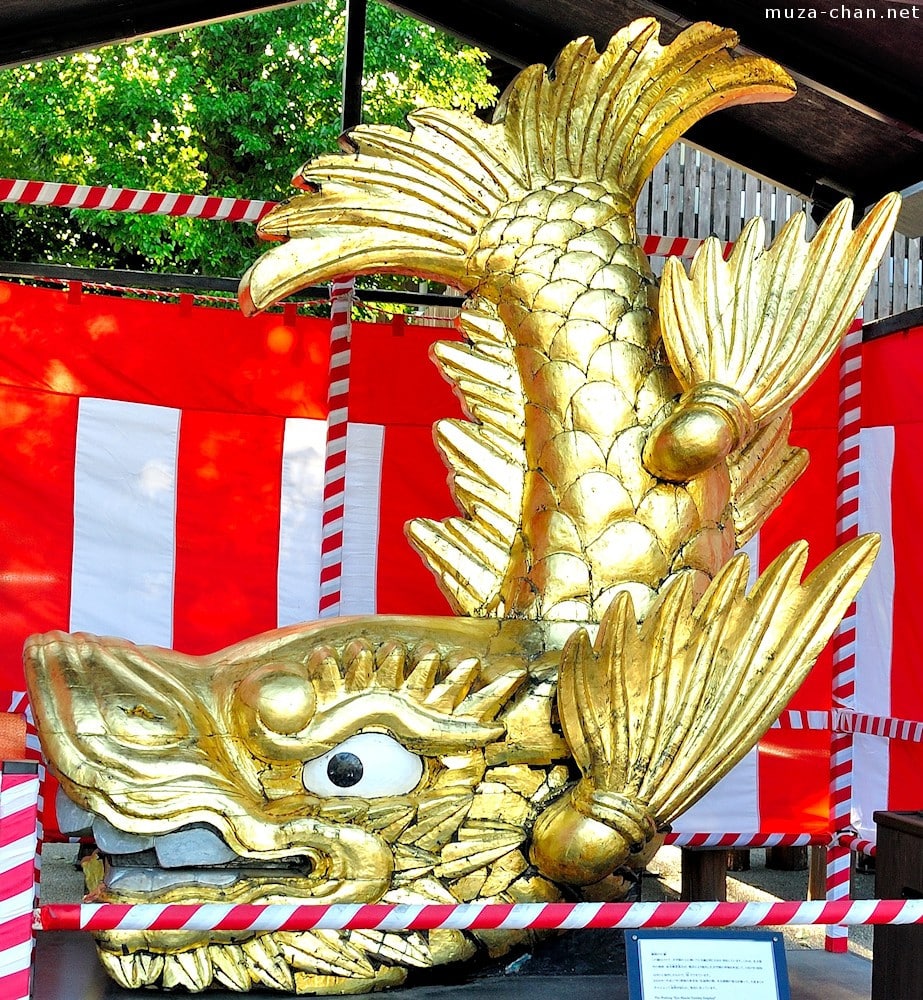
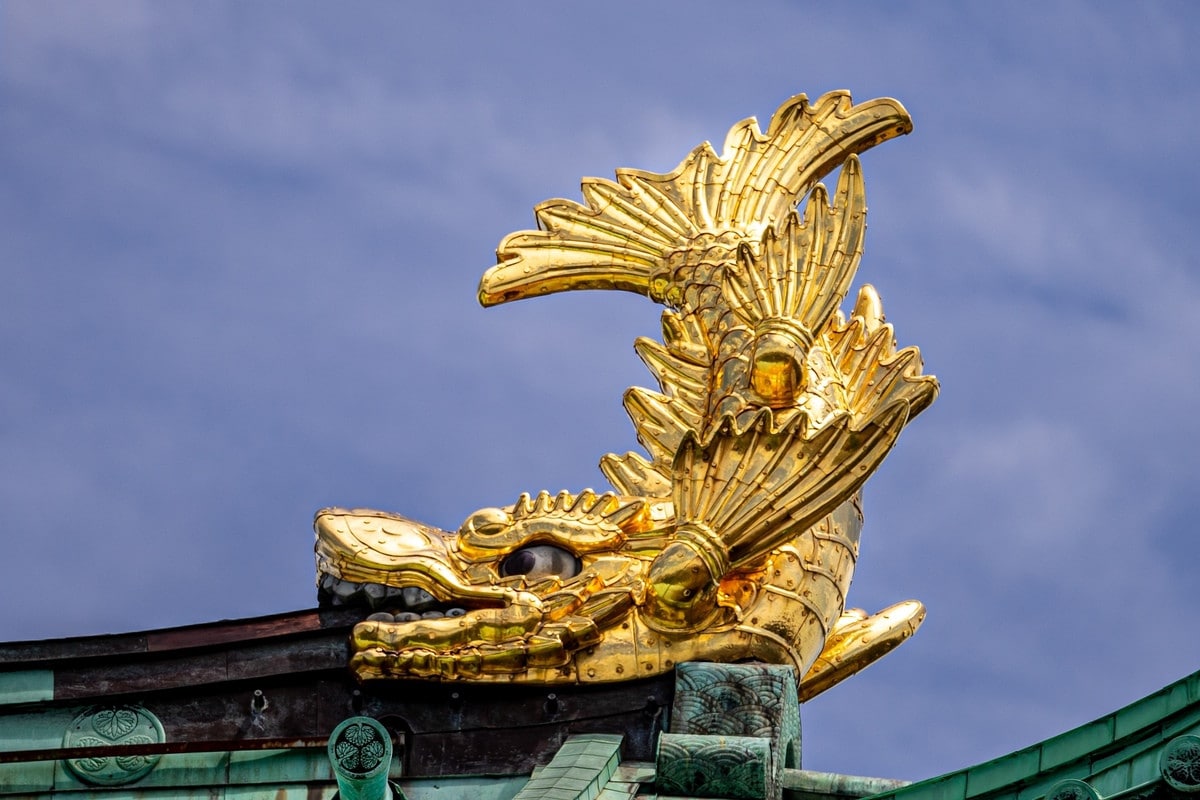
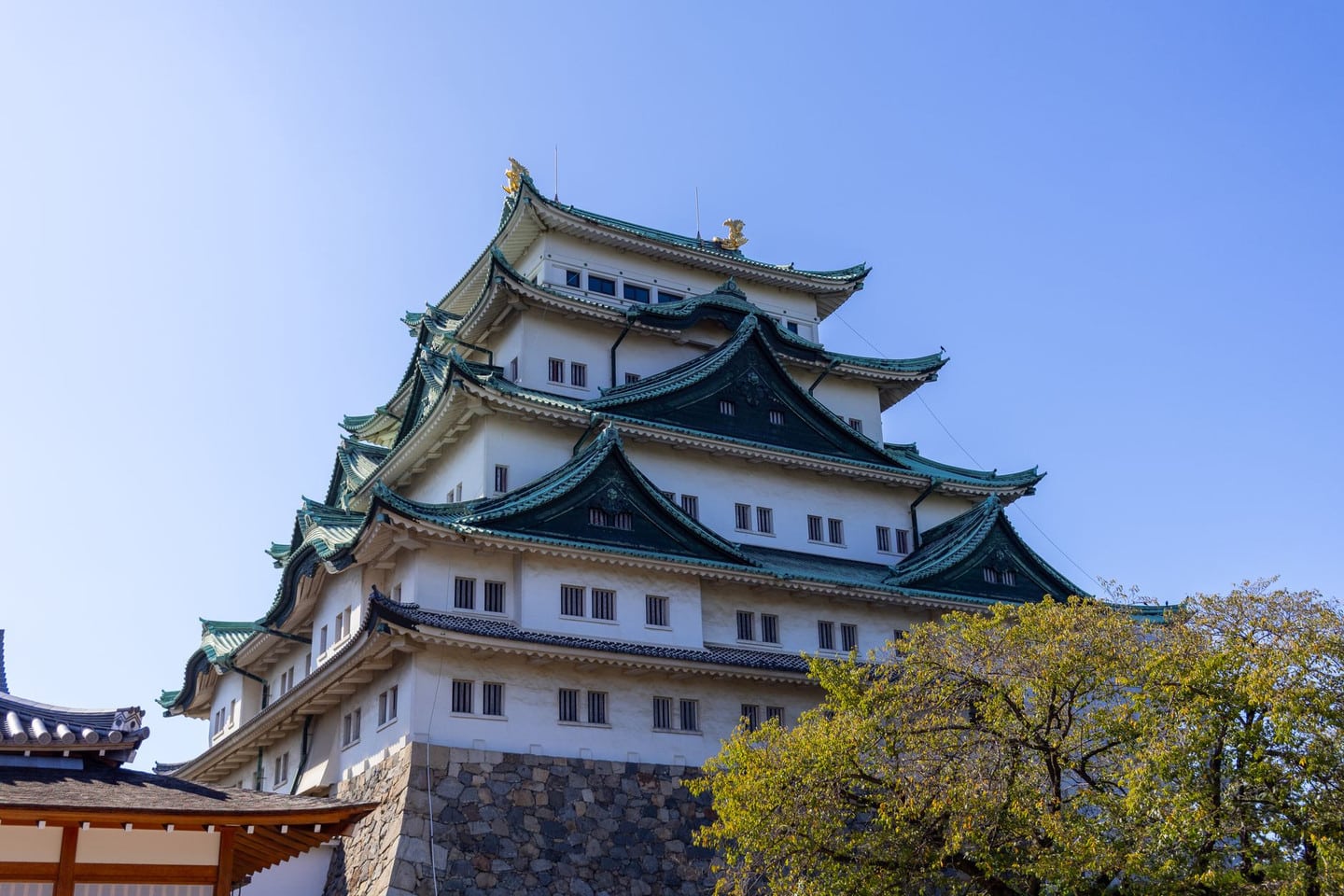
The pair of “kinshachi” (golden shachi) on the roof of the main keep is Nagoya’s most iconic landmark. Legend holds that the shachi fish protects against fire and disaster, symbolizing the power and prosperity of the Owari Tokugawa family. The current golden shachi are the second generation, rebuilt in 1959 and covered in 18K gold plate that glitters in the sun. Even though you cannot enter the keep, looking up at the golden shachi from the Honmaru Plaza is still a classic shot every visitor takes.
Kinshachi Yokocho (Muneharu Zone) is beside the East Gate and is the best food district to visit after seeing the golden shachi, where you can eat Nagoya specialties right after taking photos.
Honmaru Palace: An Edo Palace Restored at Great Expense
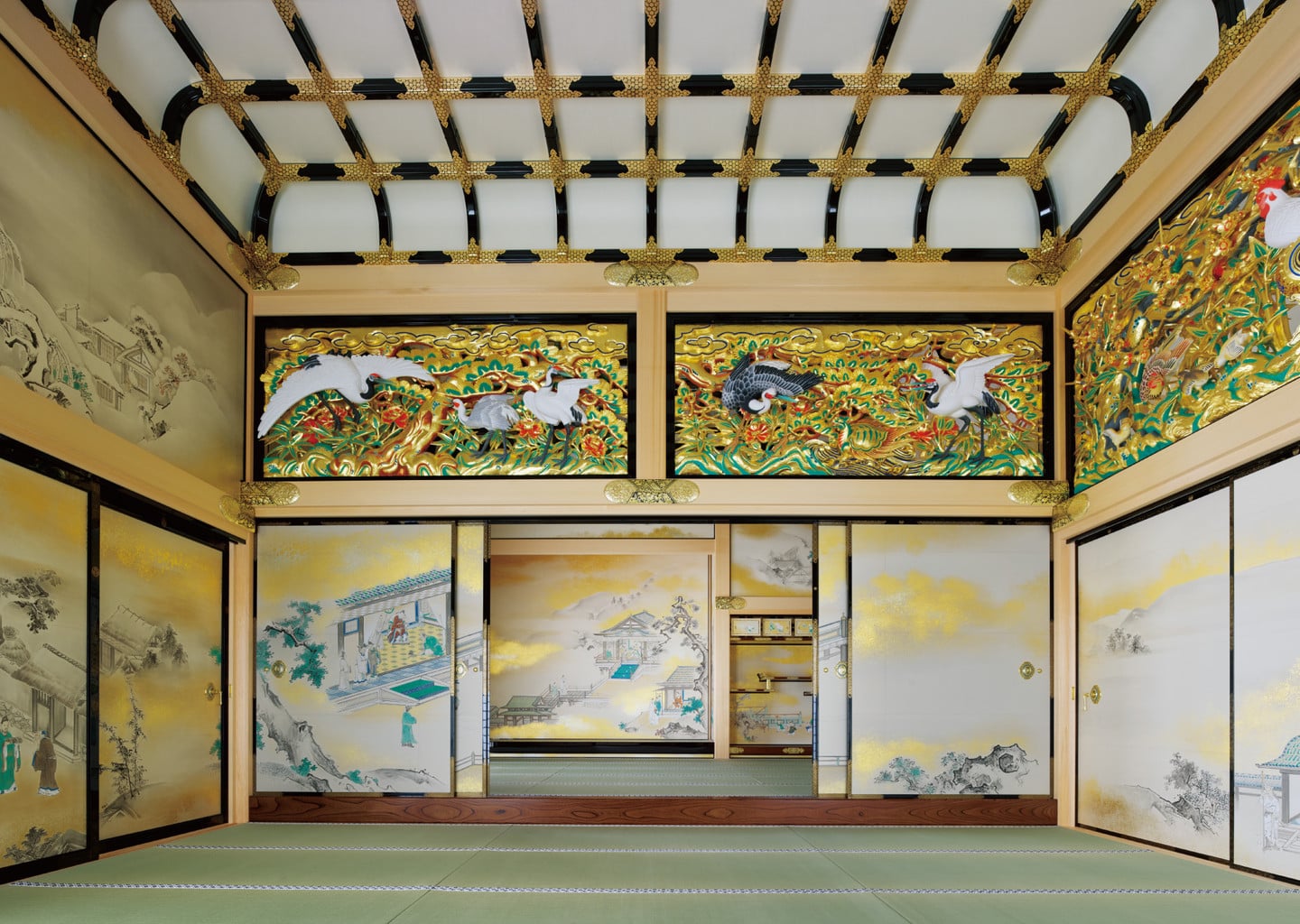
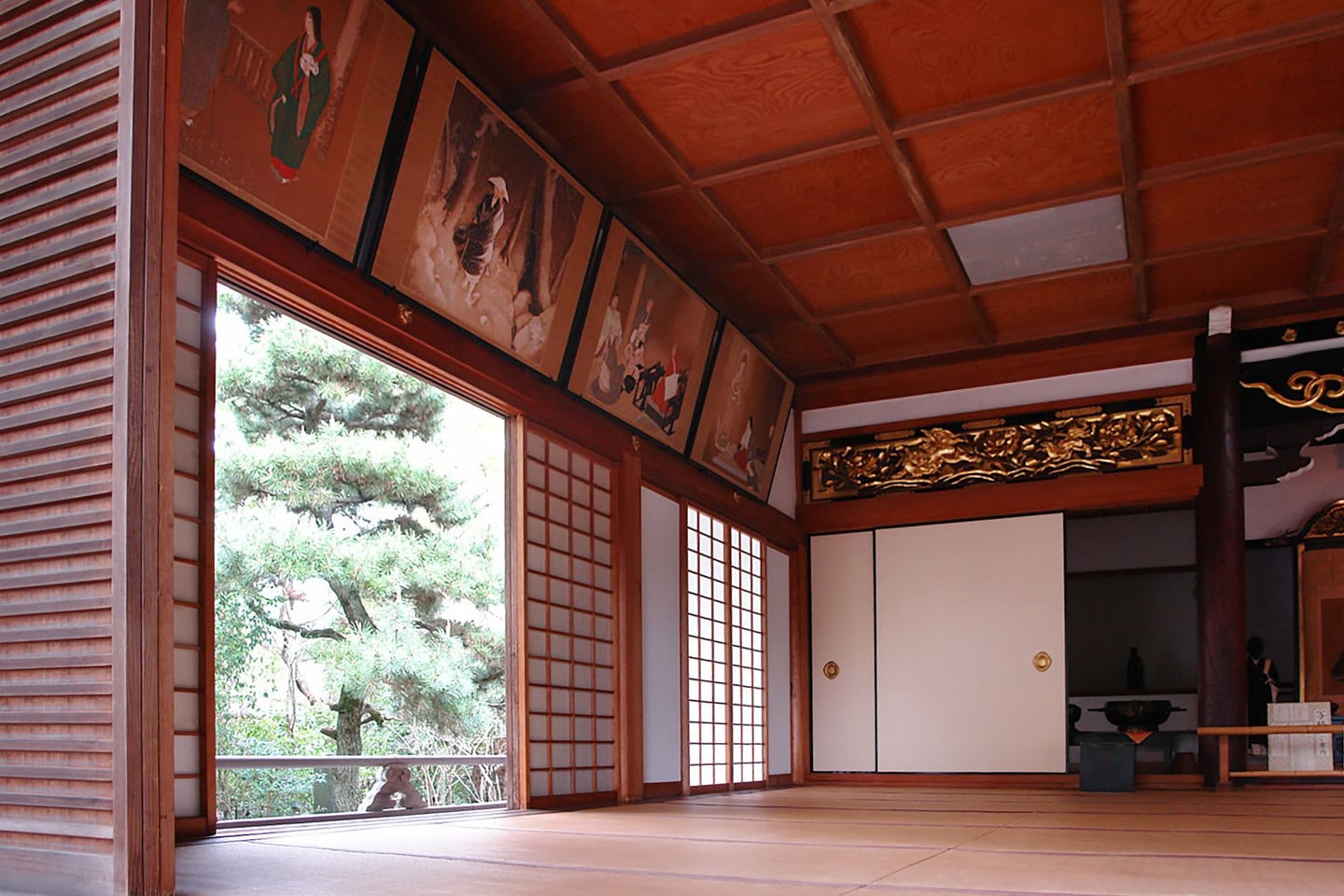
Honmaru Palace was fully restored in 2018, recreating the residence where the shogun stayed when visiting Nagoya Castle in the Edo period. Its gold-leaf-covered wall paintings, finely carved ranma transoms and magnificent wooden structure show the top level of early Edo craftsmanship, and it is the sight of highest artistic value in the whole park; it can be visited with a castle admission ticket.
The palace has multiple rooms to see in sequence, from the “Genkan” and “Omote Shoin” to the “Jorakuden,” each with wall paintings on a different theme; we suggest slowing down to appreciate the details and information plaques of each room.
Ninomaru Garden and Meijo Park: Castle Greenery Beautiful in Every Season
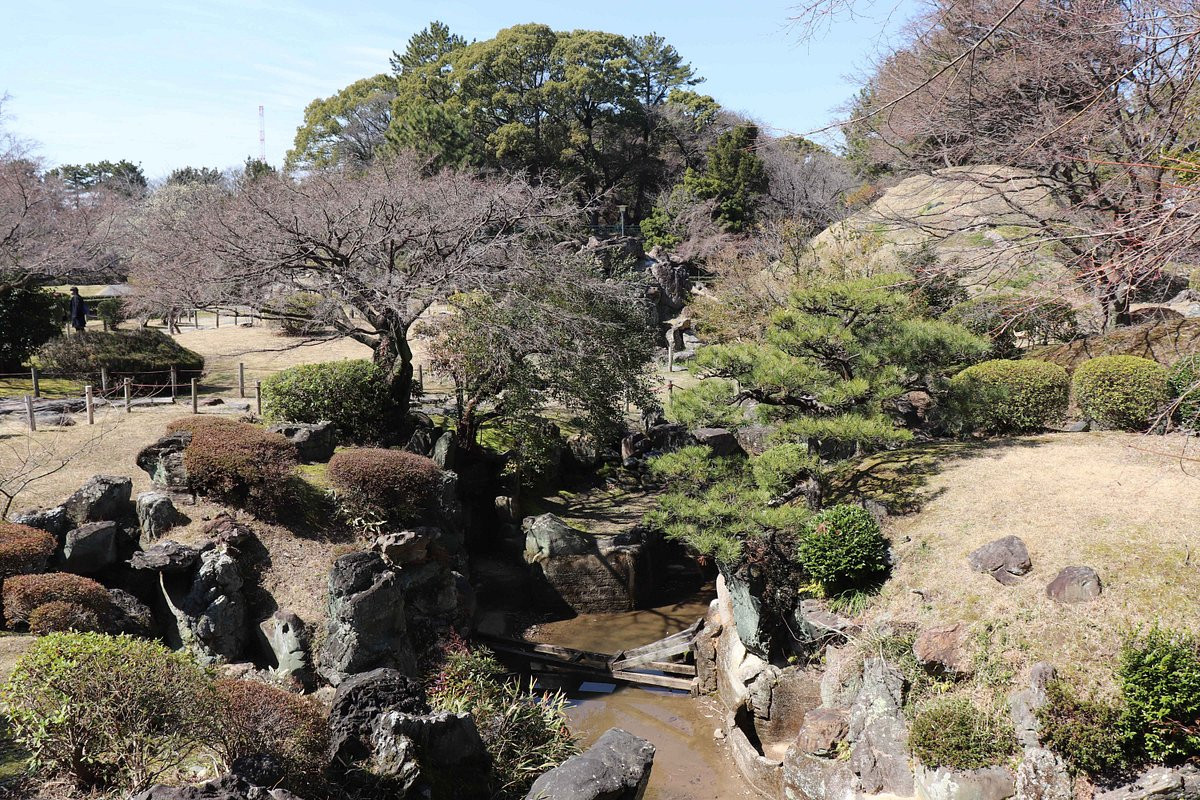
The Ninomaru Garden is a daimyo garden preserved from the Edo period, with rock arrangements and ponds well balanced; it is highly recommended for cherry blossoms in spring and maple leaves in autumn. Meijo Park is a large urban green space surrounding Nagoya Castle, with ample room, a daily walking and picnic spot for Nagoya residents, and an excellent place to photograph the old castle walls reflected in the moat.
Cherry blossoms bloom from late March to early April each year, and the best time for autumn leaves is late November to early December. The old castle walls set against seasonal colors are a sight photography lovers should not miss.
Comparison With Osaka Castle and Kumamoto Castle
Nagoya Castle, Osaka Castle and Kumamoto Castle are together called Japan’s Three Great Castles, each with its own character: Osaka Castle is famous for showcasing Toyotomi Hideyoshi’s power, and its main keep can currently be climbed and has elevators; Kumamoto Castle is known for its sturdy stone-wall defenses and is still being repaired after the earthquake; Nagoya Castle stands out most for the artistic value of Honmaru Palace and the splendor of the golden shachi, and although the main keep is temporarily closed, the fine detail inside the palace is among the best of the three.
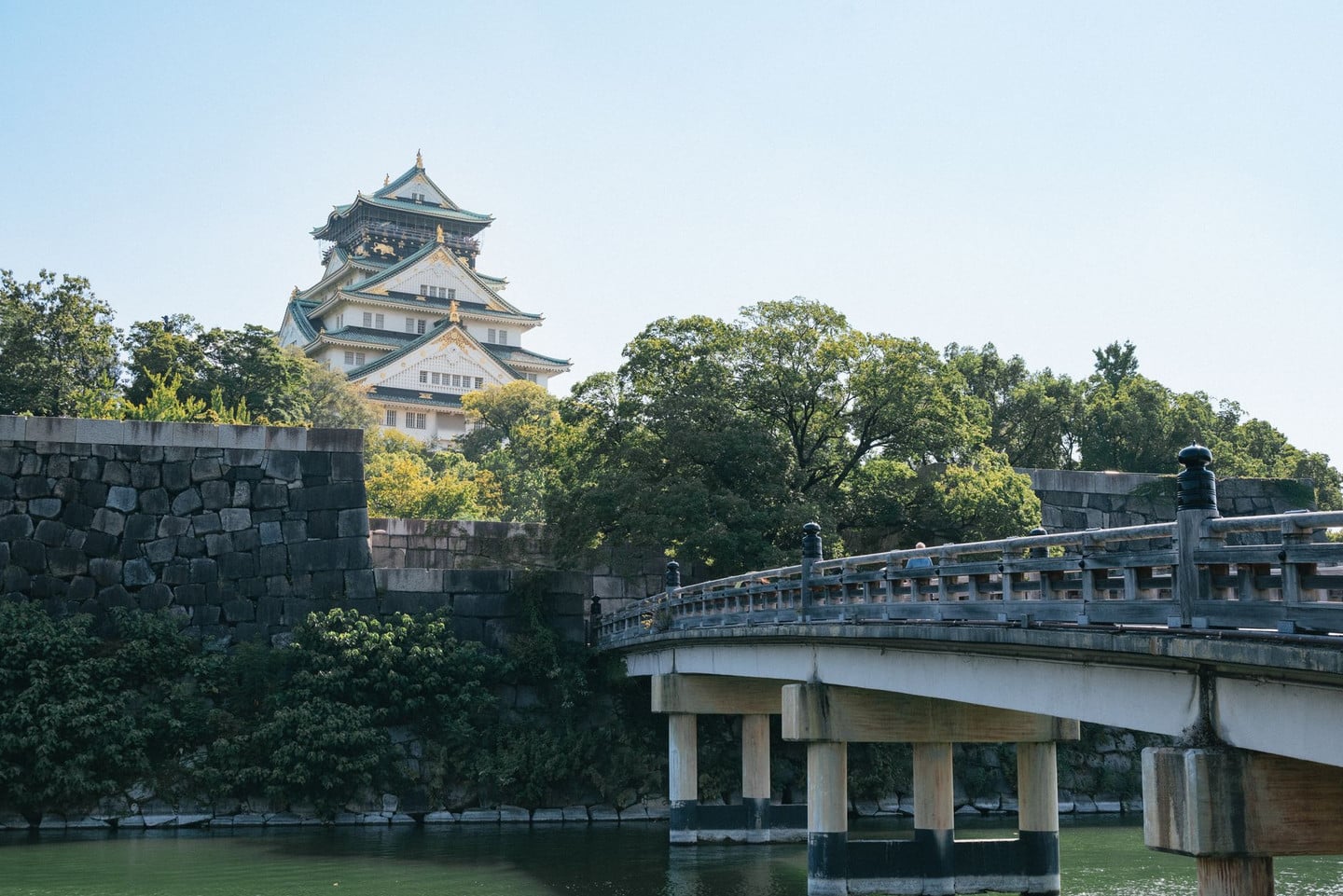
If you have limited time and can visit only one, travelers who love architectural art and fine craftsmanship will especially recommend Nagoya Castle; if you want to climb up for a panoramic view of the city, Osaka Castle is the alternative to consider.
2026 Asian Games and Admission Price Change Notice
The 2026 Asian Games will be held in Aichi-Nagoya from September 19 to October 4, greatly increasing demand for transport and accommodation in the area; even after the Games end, we still recommend taking public transport to Nagoya Castle. Adult admission rises from ¥500 to ¥1,000 starting October 1, 2026 (for Nagoya city seniors ¥100→¥300, the Tokugawaen combined ticket ¥640→¥1,040, the annual pass ¥2,000→¥4,000), so please budget with the new prices when entering the castle now.
Nagoya Castle Main Keep Renovation Progress: How Far Is the Wooden Reconstruction? Can You Go Inside in 2026?
What is being renovated at Nagoya Castle is the main keep: it is currently closed, cannot be entered, and has no reopening date. The castle itself is open as usual, and a ticket lets you visit Honmaru Palace, the Ninomaru Garden and other areas.
According to the Nagoya Castle website, the areas currently open are mainly the reconstructed Honmaru Palace, the Nishinomaru Treasure Storehouse, the Ninomaru Garden, and the surviving Edo-period corner turrets and stone walls; the main keep is closed because of insufficient earthquake resistance, and you can only admire its exterior and the golden shachi from Honmaru Plaza.
The official name of the main keep renovation is the “Tenshukaku Seibi Project.” It involves demolishing the concrete keep rebuilt in 1959 and restoring it in wood using historical materials such as Showa-era survey drawings and old photographs. Progress is as follows:
- 🏯 Completion date: the official completion schedule has not been announced.
- ⏸️ Delays and restarts: how to balance barrier-free facilities (such as elevators) with historical accuracy is still under discussion among citizens.
- 📅 Current status: as of October 2026, the website still shows the main keep as closed and inaccessible, and no reopening date has been announced. Follow the “Tenshukaku Seibi Project” announcements on the Nagoya Castle website for everything.
While the main keep is closed, you can admire its exterior and the golden shachi from Honmaru Plaza, which makes up somewhat for not being able to go inside.
Nagoya Castle Opening Hours, Closed Days and How Long to Spend
- 🕘 Opening hours: daily 9:00–16:30; last admission to Honmaru Palace and the Nishinomaru Treasure Storehouse is 16:00. The official site reminds visitors that it takes about 10 minutes to walk from the main gate or East Gate to Honmaru Palace, so to visit the palace you must reach its entrance by 16:00, not just the castle gate.
- 📅 Closed days: December 29–31 and January 1 (4 days in total), which may change for events. Be especially careful if visiting Nagoya around New Year’s Day 2027.
- ⏱️ How long to spend at Nagoya Castle: the official site suggests about 1 hour to 1 hour 30 minutes including a careful visit to Honmaru Palace; if you also want to eat at Kinshachi Yokocho and take photos at leisure, 2–3 hours is more comfortable.
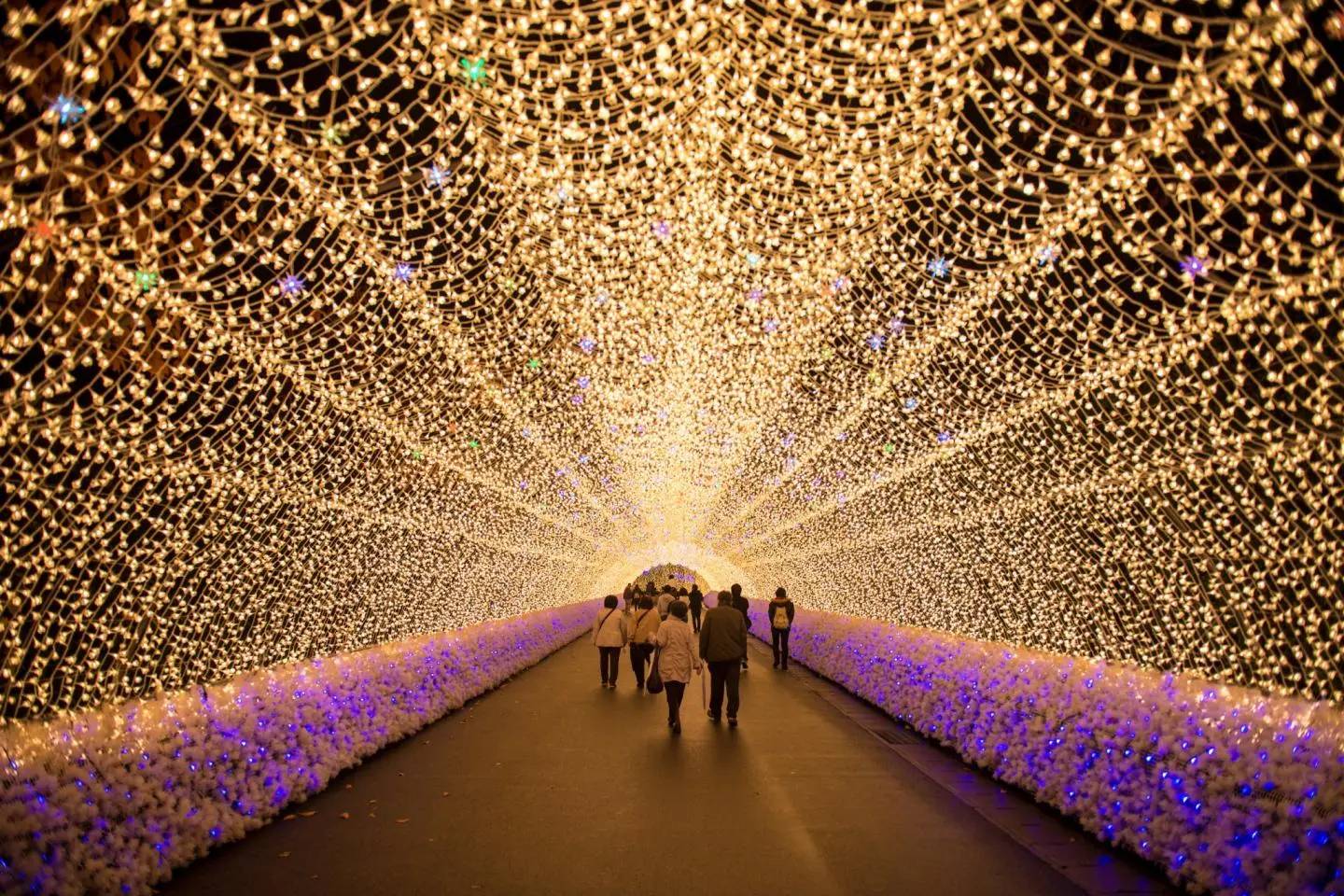
Nagoya Castle Night Openings: Be GOLD Evening Illumination (Autumn 2026)
Nagoya Castle normally closes at 16:30, but there are special night openings in autumn 2026. The night opening schedule is as follows:
- 📅 Dates: 9/19–10/4 and 10/18–10/24 (10/5–10/17 are regular opening hours).
- 🌙 Illumination hours: 17:00–20:00, best from around 18:30 after dark; the grounds are open until 19:30, with the gate closing at 20:00.
- 🏯 Honmaru Palace: open specially at night from 9/19 to 10/24, last admission 19:00; 10/5–10/17 remain regular hours.
- 🎫 Cost: no extra night charge has been announced, and castle admission is the same as the regular price (adults ¥1,000).
Events may change, so check the Nagoya Castle website announcements before you go.
Nagoya Castle Complete Guide 2026: How to Get There, Transport Options and Costs
Nagoya Castle is at 1-1 Honmaru, Naka Ward, Nagoya, one of the most conveniently reached sightseeing landmarks in the city, easy to reach by subway, bus or car.
How to Get to Nagoya Castle: Transport Options at a Glance
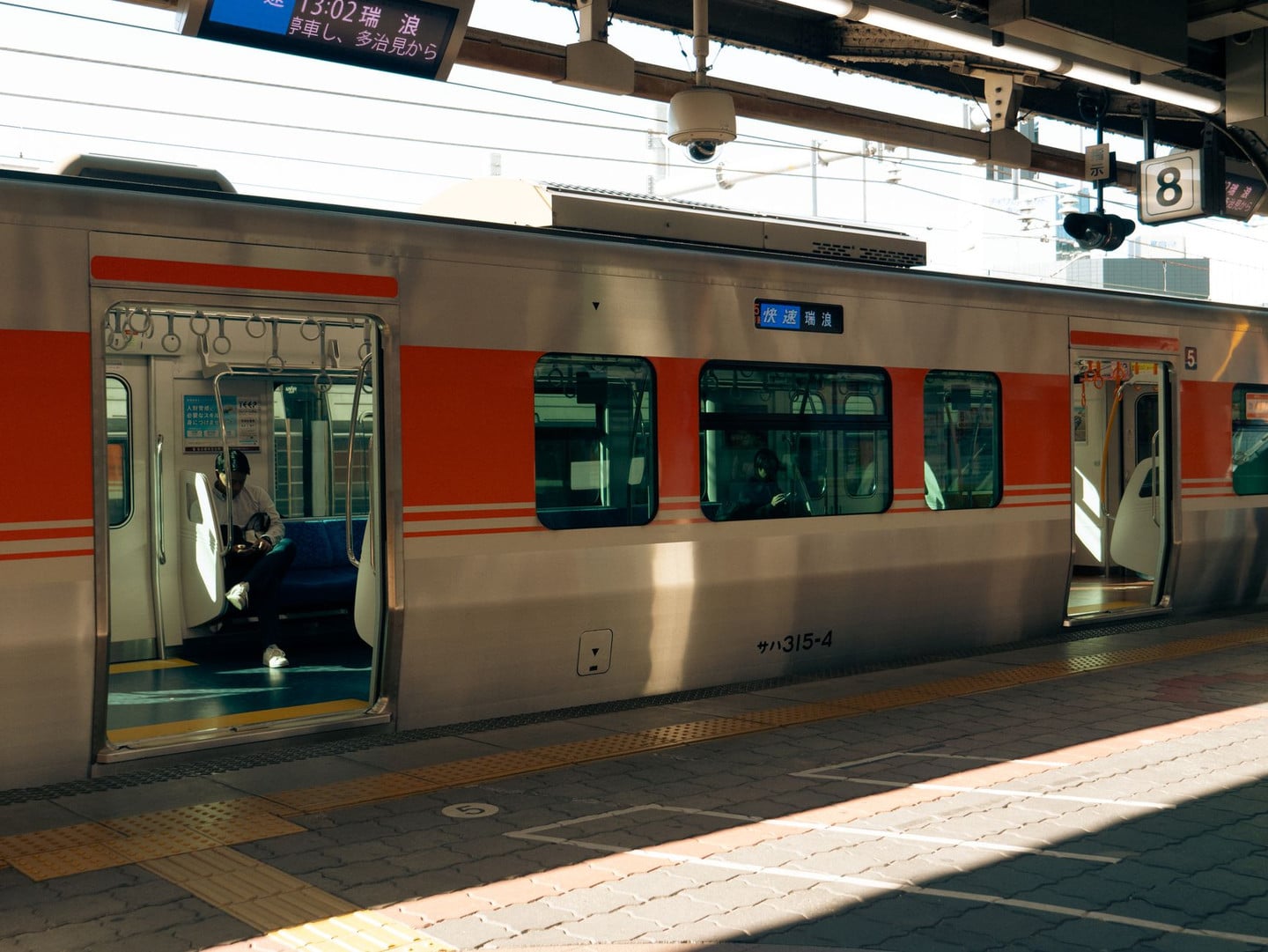
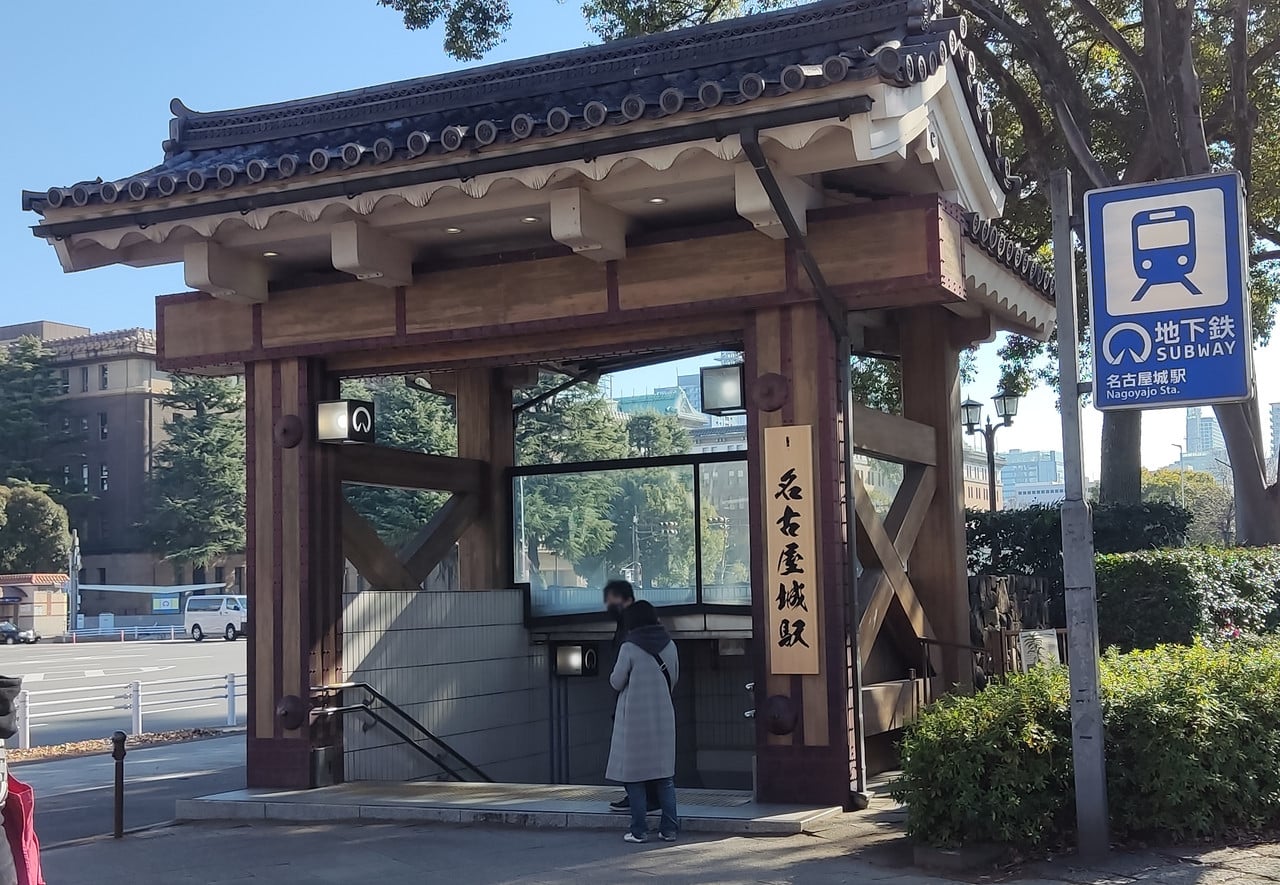
🚇 Subway Meijo Line: Nagoya-jo Station (renamed in January 2023 from the former Shiyakusho Station), about a 5-minute walk from Exit 7, ¥210–240 one way.
🚌 Me~guru sightseeing bus: departs from Nagoya Station, ¥210 one way or a ¥500 day pass that comes with facility discounts.
🚍 City bus: take the Sakae 13 route to the “Nagoya-jo Seimon-mae” stop, or the Kikan 2 route to “Shiyakusho” and walk about 5 minutes.
🚗 Driving / taxi: the parking lot in front of the main gate costs ¥250 per 30 minutes for a standard car (parking allowed January 2 – December 28, 8:45–21:30); a taxi costs about ¥1,200–1,500.
Nagoya Castle Complete Guide 2026: Must-See Sights and Highlights of Each Area
There are many sights in and around Nagoya Castle; here are the must-see highlights and nearby places worth extending your trip to.
Honmaru Palace Visitor Route: A Detailed Tour From the Genkan to the Jorakuden
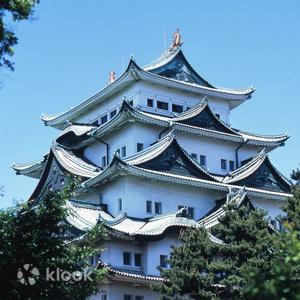
The visitor route through Honmaru Palace is one-way, starting at the Genkan and passing in order through the Omote Shoin and the Taimenjo, finally reaching the most ornately decorated Jorakuden. You must remove your shoes to enter, so wear clean socks; large bags and backpacks must be stored in the free lockers, and flash photography is strictly prohibited throughout the interior to protect historic items such as the wall paintings.
Walking the whole route takes about 40-50 minutes. We suggest avoiding the weekend peak from 10 AM to 2 PM, and if you want to learn more about each room’s history, you can use the web-based audio guide for Honmaru Palace on the Nagoya Castle website, tapping through rooms on your own phone (use headphones), which greatly adds depth and enjoyment to your visit.
門票-Klook.jpg)

Best Photo Spots for the Golden Shachi: Honmaru Plaza and the Ninomaru Garden Pond
The golden shachi is Nagoya Castle’s most iconic sight. The best photo spot is directly in front of Honmaru Plaza, where you can frame the main keep and the golden shachi together; another insider spot is beside the pond in the Ninomaru Garden, where you can capture the golden shachi reflected in the water. We suggest visiting between 9 and 10 AM, when the angle of the light best brings out the gold’s luster and crowds are relatively light.
Since the main keep cannot currently be entered, looking up and taking photos from the plaza has become the main way visitors experience the golden shachi and is the most common Nagoya Castle check-in shot on social media; we suggest going there first after entering, avoiding the backlit afternoon hours.
Main Keep Wooden Reconstruction: Current Status and Future Reopening Schedule
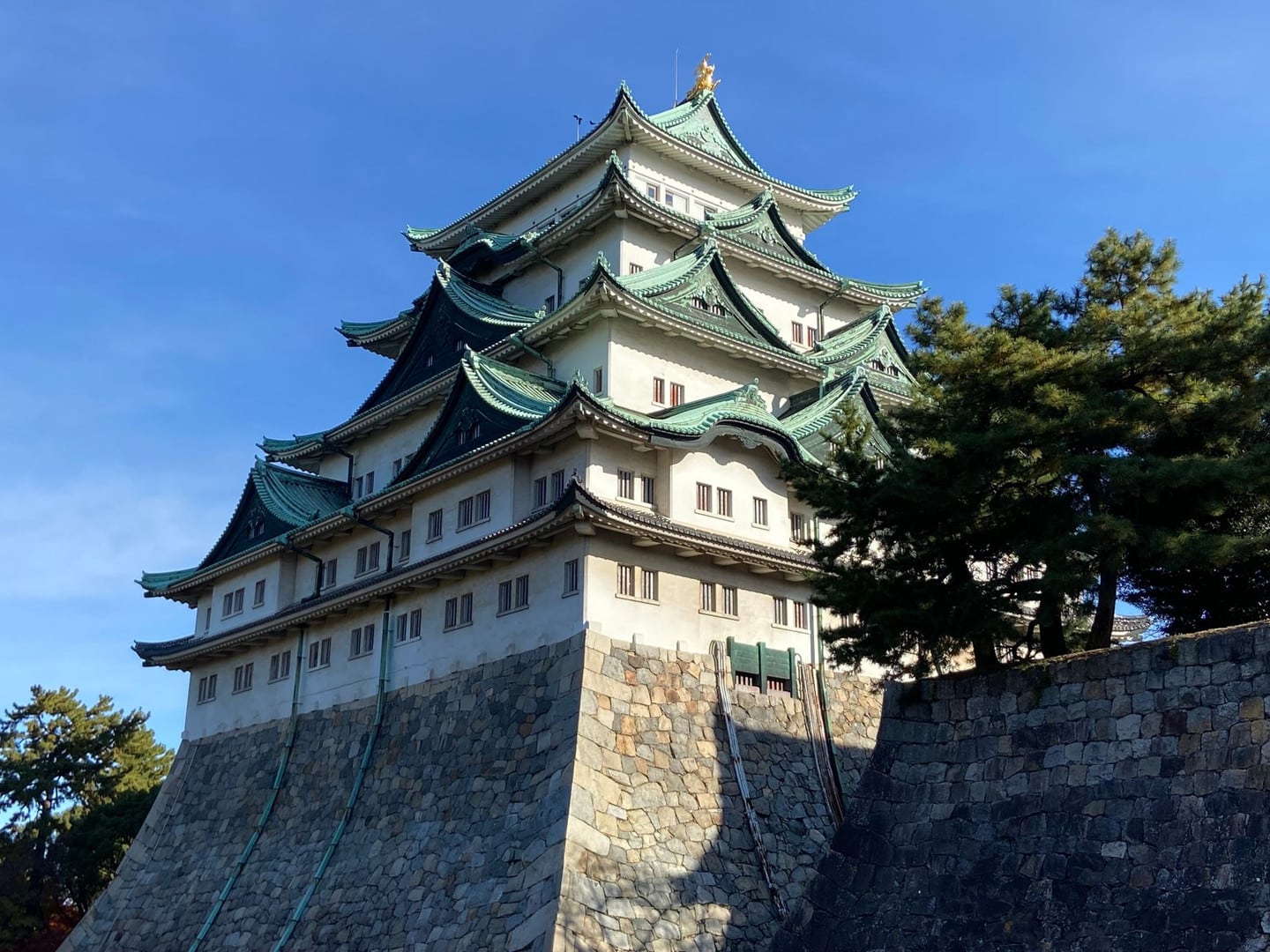
The main keep is fully closed because of insufficient earthquake resistance, and the wooden reconstruction plan is still being pursued. For the completion schedule and latest progress, see “Nagoya Castle Main Keep Renovation Progress” above.
Although you cannot enter to see the interior exhibits, the exterior of the main keep and the surrounding stone walls and moat are fully preserved, so visitors can still admire its imposing appearance up close and take commemorative photos in Honmaru Plaza, feeling the historic grandeur of this building that was Japan’s first National Treasure.
Stone Wall Marks: Decoding the Identities of the Castle-Building Daimyo
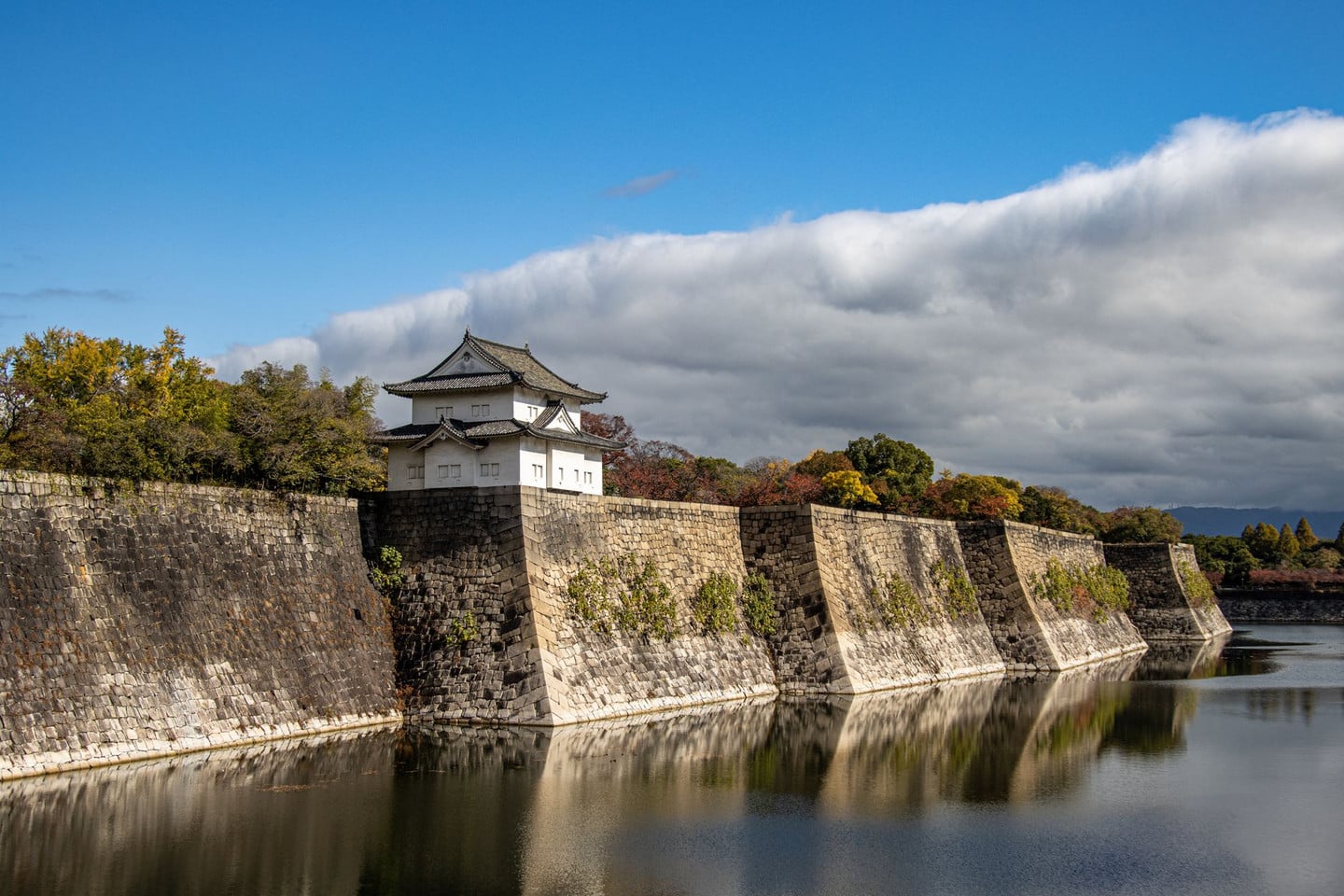
The stone walls of Nagoya Castle carry many “kokuin” (marks), family crests or symbols that the daimyo from across the country who took part in the “Tenka Bushin” (nationwide construction project) carved to identify the stones they delivered, in hundreds of varieties, and an important source for studying the early Edo daimyo mobilization system.
Visitors can find clearly legible marks on the stone walls around the Ninomaru and near the Southeast Corner Turret of the Honmaru; we suggest comparing them with the information plaques in the park for a deeper understanding of the vast labor and resource coordination behind this enormous castle.
Kiyomasa Stone: The Legendary Boulder Moved by Kato Kiyomasa
The Kiyomasa Stone is near the southeast corner of the Honmaru and is one of the largest stones in Nagoya Castle, said to have been moved under the personal supervision of the famed castle-builder Kato Kiyomasa, hence the name. This giant stone is a witness to the early Edo scene of castle construction mobilizing large numbers of workers and skilled civil engineering.
Although scholars still dispute whether Kato Kiyomasa actually moved it himself, the legend has become one of the most popular stories in Nagoya Castle tours, and the stone is a popular spot for souvenir photos and for feeling the spirit of a warring-states commander.
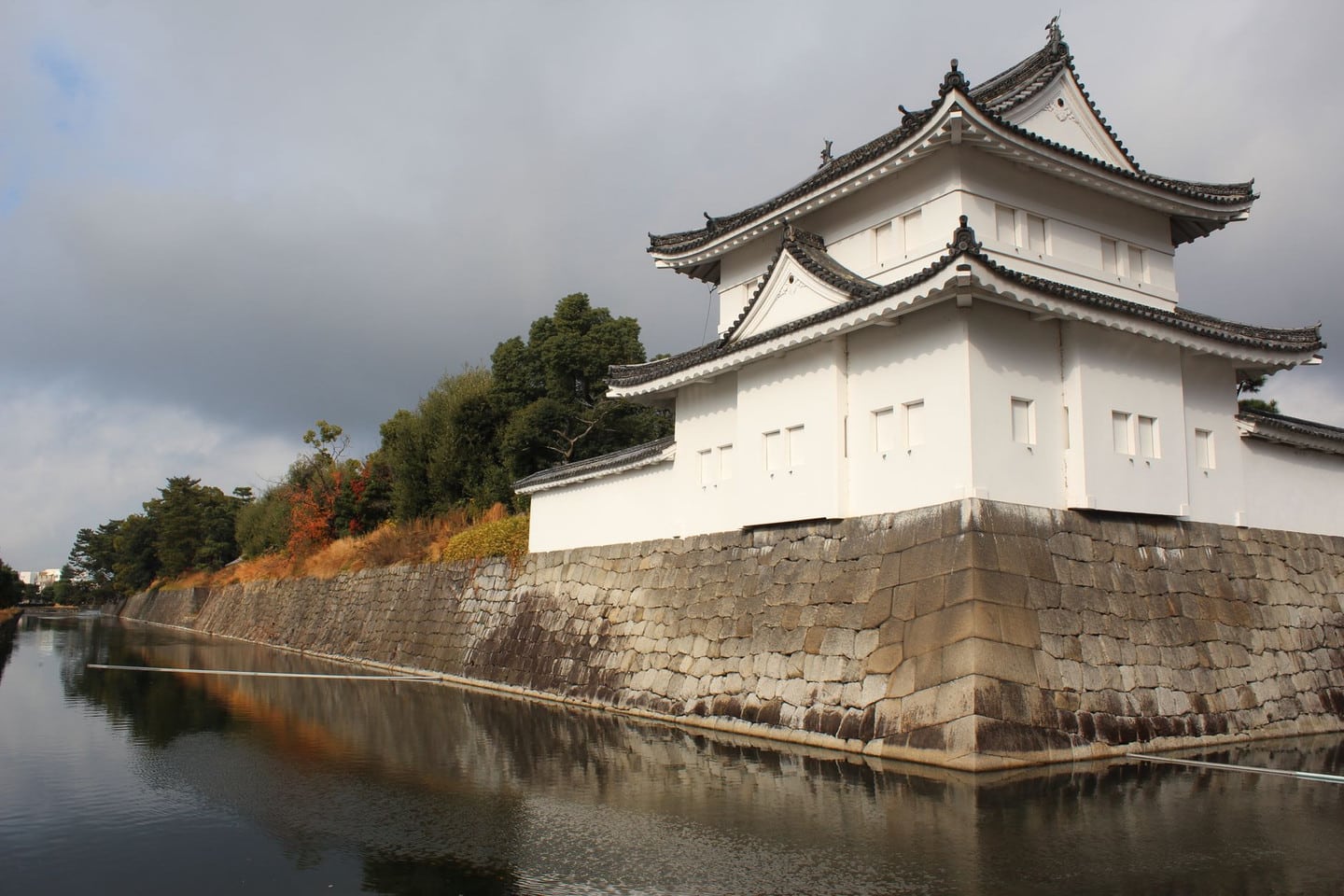
Tokugawaen: The Daimyo Garden of the Owari Tokugawa Family
Tokugawaen is the garden of the Owari Tokugawa family’s former domain residence, known for its pond-strolling garden design. Scenery such as the Ryumon Waterfall and the Kansenro changes with each season, and the autumn maples are especially spectacular, a local-recommended hidden spot for autumn color and the most common next stop when extending a Nagoya Castle trip.
From Nagoya Castle it takes about 20-30 minutes by Me~guru bus or by transferring on the subway; admission is ¥300 for adults (closed Mondays), and the garden is small but finely made, suited to a walk of about 1 hour, adjacent to the Tokugawa Art Museum so the two can be combined on the same day.
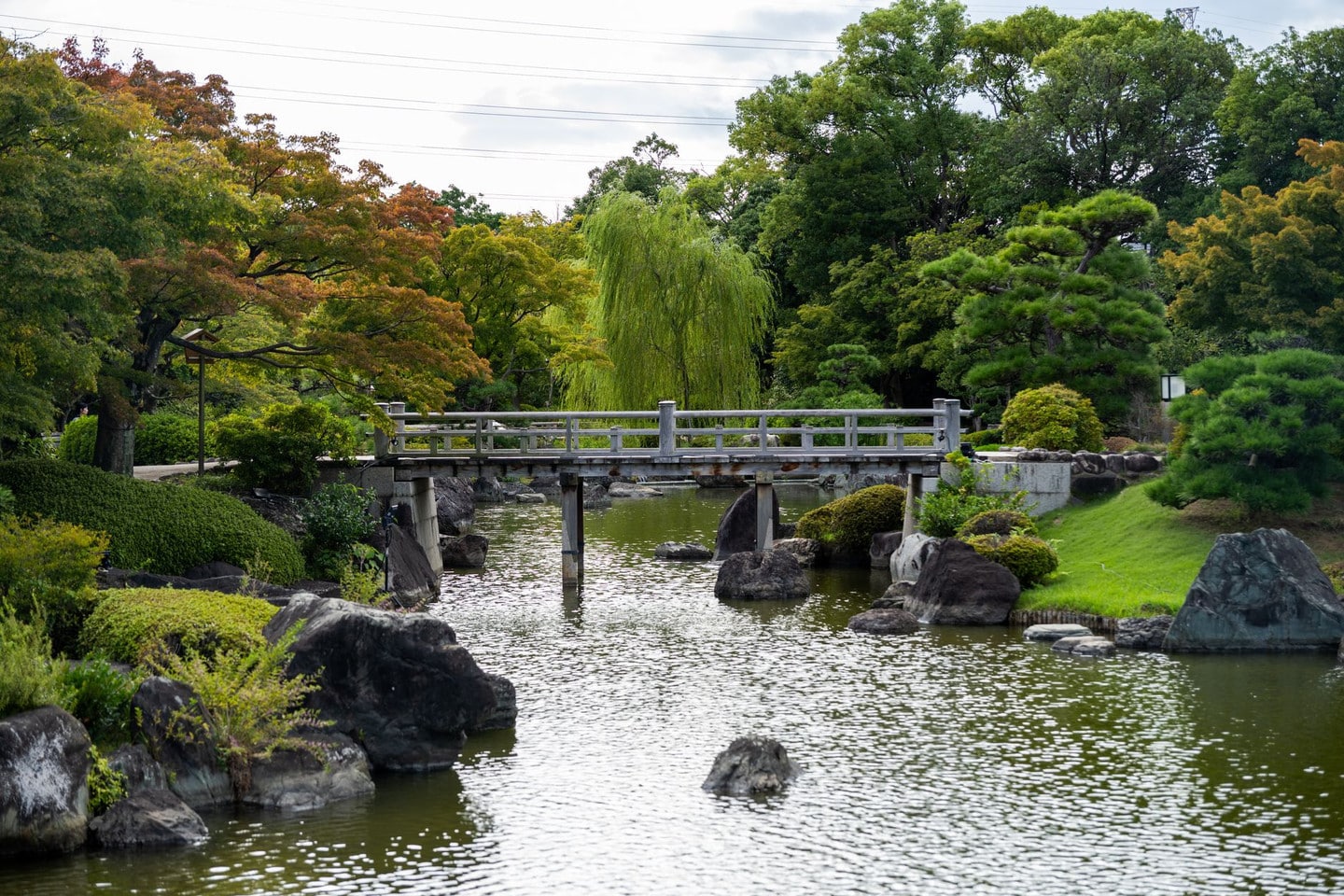

Tokugawa Art Museum: A Museum of Treasures Handed Down by the Daimyo Family
The Tokugawa Art Museum is right next to Tokugawaen and houses treasures handed down by the Owari Tokugawa family such as weapons and armor, tea ceremony utensils and picture scrolls; its most famous holding is the National Treasure “Tale of Genji Picture Scroll,” an important window into the life and culture of Edo-period daimyo.
Admission is ¥2,000 for adults (including the Hosa Library), and it is closed on Mondays. Some themed items on display are changed each season, so we suggest checking the current special exhibition in advance and allowing about 1-1.5 hours to take in the collection.
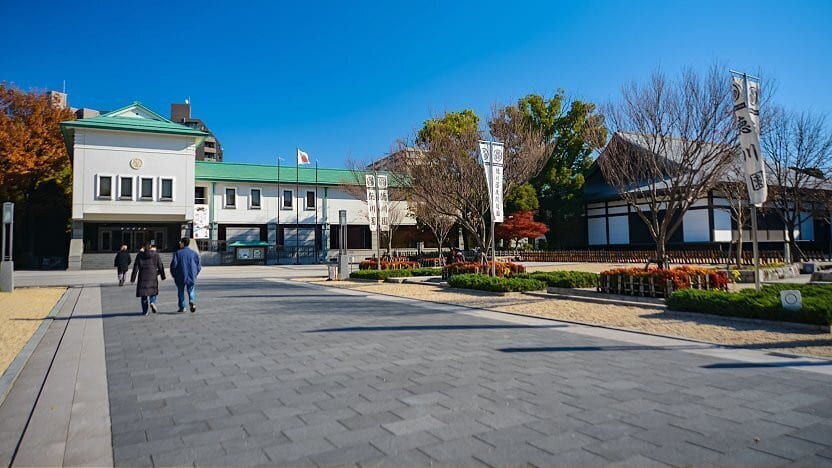
Atsuta Shrine: An Ancient Shrine Enshrining the Kusanagi Sword, One of the Three Sacred Treasures
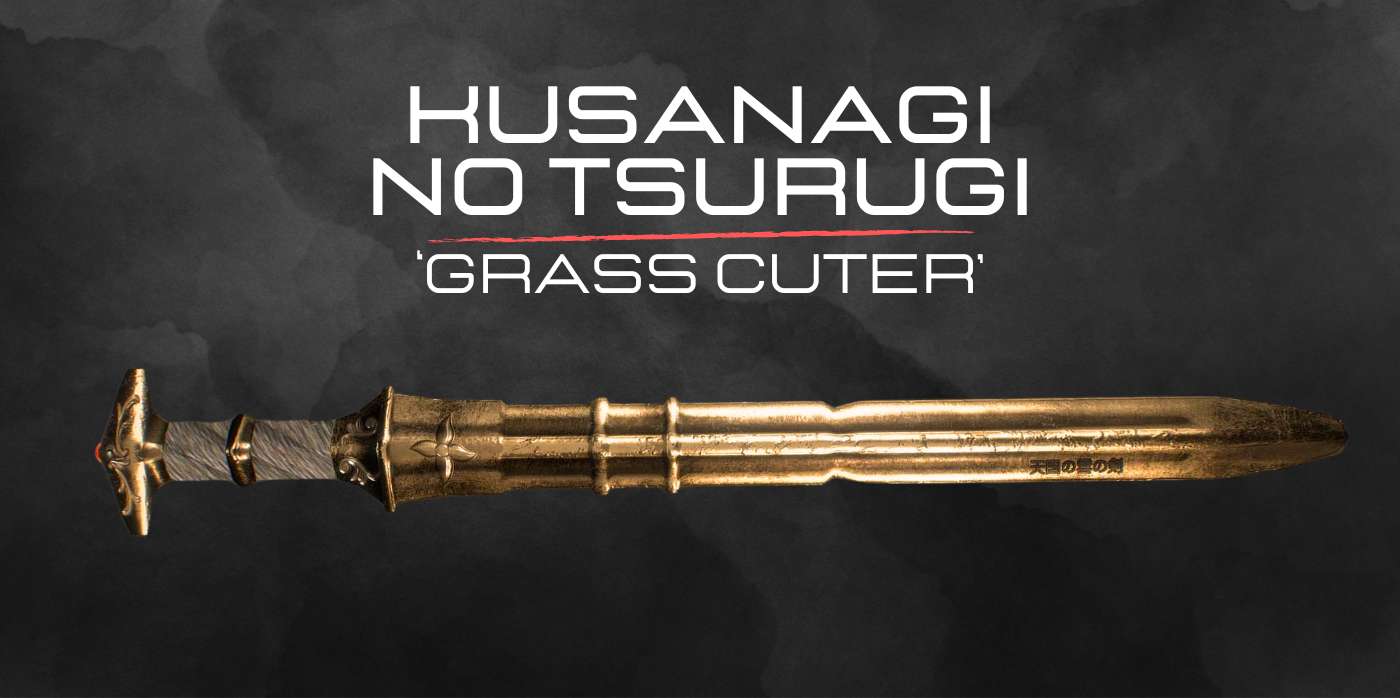
Atsuta Shrine is one of Nagoya’s most important shrines, enshrining the “Kusanagi Sword,” one of the Three Sacred Treasures of the Japanese imperial family. Its grounds are filled with towering old trees and a solemn atmosphere, and it is a common next stop paired with Nagoya Castle on a one-day Nagoya itinerary. The shrine has an amulet office offering omamori and goshuin for worshippers to take home as keepsakes.
From Nagoya Castle we suggest taking the subway with a transfer, about 30 minutes; the grounds are large, so allow about 1 hour for a visit, including worship at the main hall and the treasure hall, which displays precious artifacts related to the shrine’s history.
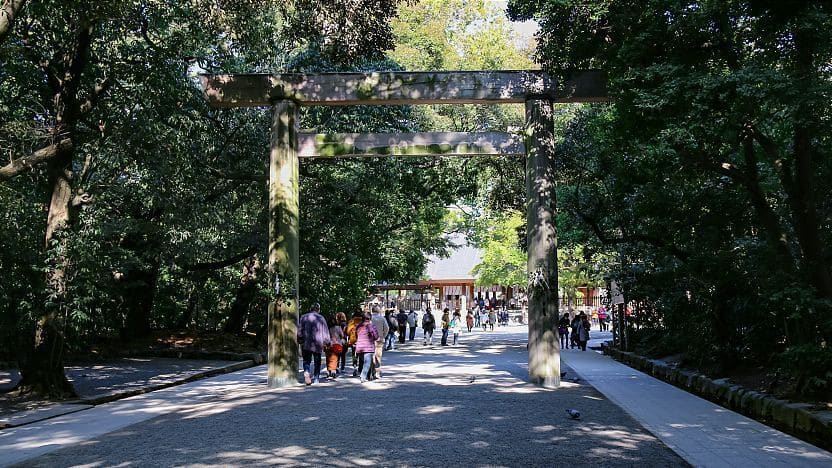
Osu Shopping Street: A Lively District of Local Food and Shopping
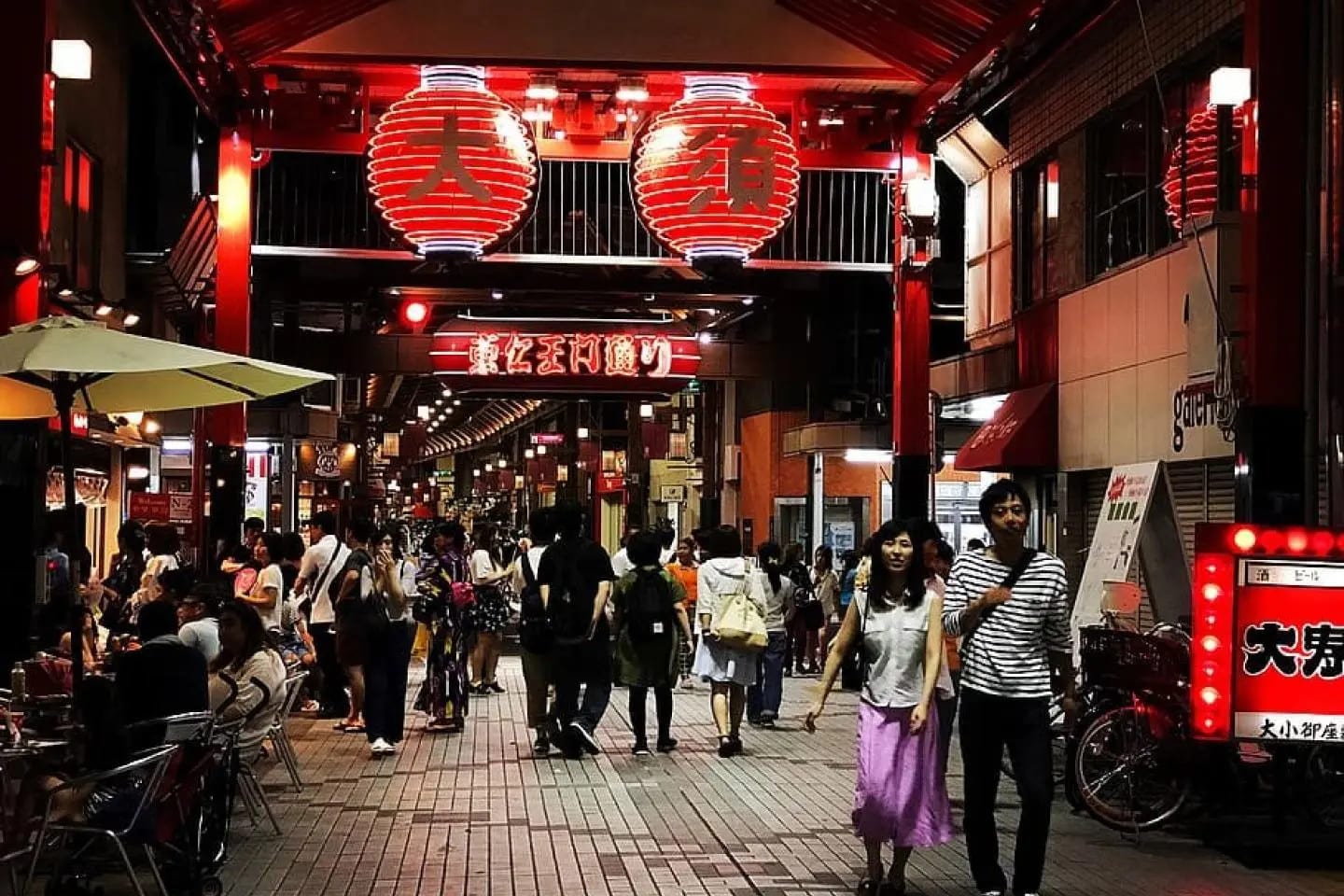
Osu Shopping Street is a famous downtown commercial area of Nagoya with more than 1,200 shops, from long-established wagashi stores to second-hand clothing and electronics shops popular with young people. It is also a popular place to try Nagoya foods such as Taiwan ramen and miso katsu, and is often scheduled on the same day as Nagoya Castle.
It is about 20 minutes from Nagoya Castle by subway; we suggest allowing 1-2 hours for shopping, and Osu Kannon Temple within the shopping street is also worth a visit, giving a feel of Nagoya’s local life and everyday culture.
Oasis 21: A Futuristic Landmark in the Sakae District
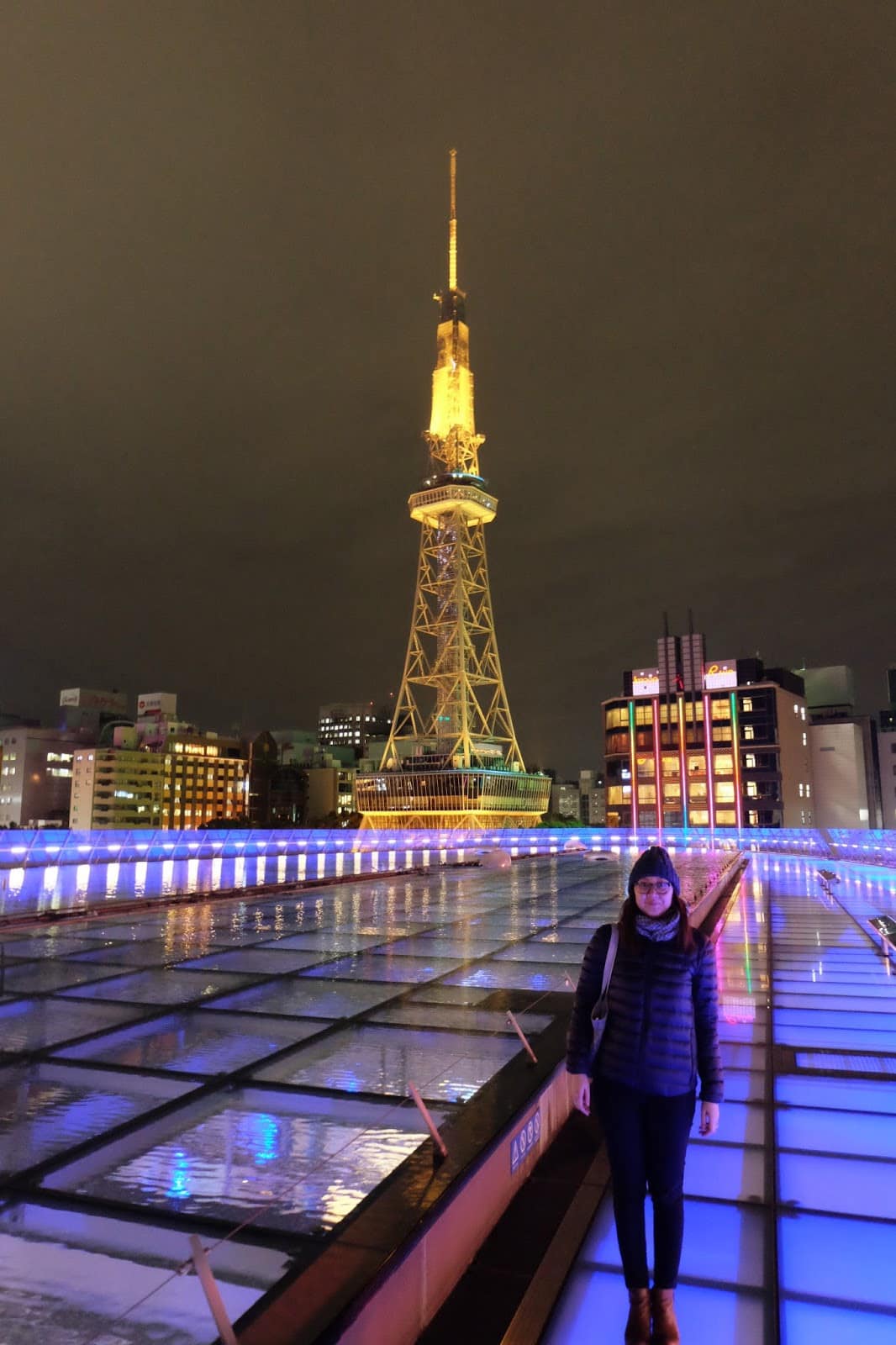
Oasis 21 is near Sakae Station, a complex combining a bus terminal, shopping mall and water plaza. Its most famous feature, the “Spaceship Aqua” glass roof, takes on a dreamy atmosphere when lit up at night and is a popular place for an evening stroll in Nagoya; it is near the Chubu Electric Power MIRAI TOWER and is suited to a visit around dusk.
It is about 15 minutes from Nagoya Castle by subway and free to enter, and the rooftop platform overlooks the Sakae night view; we suggest going around dusk to enjoy both the sunset and the night scene.
Chubu Electric Power MIRAI TOWER: The TV Tower That Witnessed Nagoya’s Growth
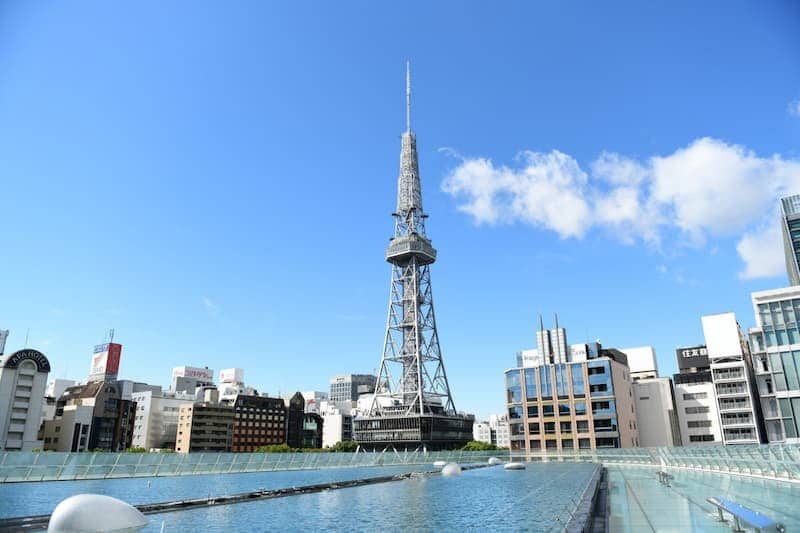
Japan’s first integrated broadcasting tower, opened in 1954, with an observation deck offering views of Nagoya Castle and the whole city. Admission is about ¥1,300; it is about 15-20 minutes from Nagoya Castle by subway, and we suggest climbing at dusk to enjoy the sunset and night view.
How Much Does a Nagoya Castle Trip Cost in 2026? Admission, Tours and Experiences
Before planning a Nagoya Castle trip, knowing the price ranges of admission and nearby experiences makes your schedule more efficient. Admission to Nagoya Castle itself is not expensive, but if you want to get to know the history of this “castle of the golden shachi” and nearby sights more deeply, we suggest pairing it with a guided tour, a kimono experience or a transport pass to make the trip richer. Below are four common experience options covering tickets, guided tours, kimono experiences and transport passes, with prices ranging from a few hundred yen to several thousand yen, so you can choose flexibly according to your budget and time.
Nagoya Castle Admission Ticket: Visiting Honmaru Palace and the Nishinomaru Treasure Storehouse
Admission is ¥1,000 for adults (from October 1, 2026, previously ¥500), free for junior high school students and younger.
- 🎫 What you can visit: park facilities such as Honmaru Palace and the Nishinomaru Treasure Storehouse; the interior of the main keep is closed and cannot be entered.
- ⏱️ Suggested time: about 1–1.5 hours including Honmaru Palace, and about 2–3 hours with meals and photos.
- 📲 You can also book e-tickets through KKday or Klook to skip the queue.
For opening hours and closed days, see “Opening Hours, Closed Days” above.
Chinese-Language Audio Guide or Private Guided Tour: Learn More About the Lords and Edo History
The Nagoya Castle website offers a free web-based audio guide for Honmaru Palace, letting you listen to explanations of each room on your own phone; the castle also has volunteer sightseeing guides. You can also book a half-day tour led by a professional Chinese-speaking guide, costing about ¥2,000-4,000 and lasting about 90 minutes, with anecdotes about Tokugawa Ieyasu and Kato Kiyomasa building the castle, suited to history fans on a first visit.
Kimono Experience Near Honmaru Palace: Stroll the Castle Town in Traditional Dress
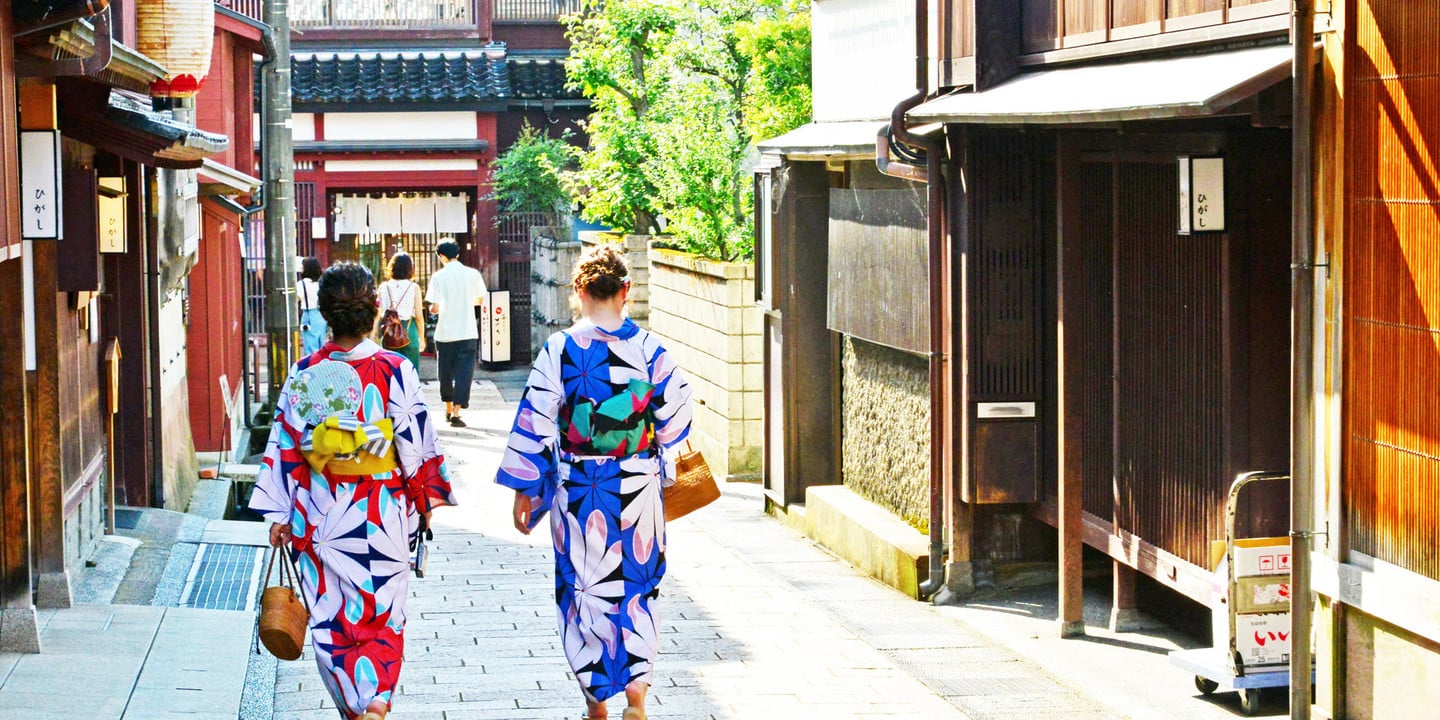
Rental shops are mostly clustered near Meijo Koen Station and Nagoya-jo Station, costing about ¥3,500-6,000 including the kimono, obi and hair accessories, for an experience of about 4-8 hours. Wearing a kimono for a stroll along the moat or in front of the main keep for photos is the most popular option, and we suggest booking a morning slot in advance through KKday or Klook.
Nagoya Subway One-Day Pass: A Money-Saving Transport Option Linking Nagoya Castle and Nearby Sights
The “Subway 24-hour Ticket” costs ¥760 (the Bus and Subway One-Day Ticket is ¥870, and on weekends and holidays you can buy the ¥620 Weekend Eco Ticket), allowing unlimited subway rides to Nagoya-jo Station, the closest to Nagoya Castle, and linking Osu Shopping Street, Nagoya TV Tower and the Sakae district. Showing the ticket also gets you admission discounts at Nagoya Castle and other facilities, which is better value than buying single tickets.
Nagoya Castle Complete Guide 2026: FAQ
Q: How much is admission to Nagoya Castle?
You need a ticket. From October 1, 2026, adult admission is ¥1,000 (previously ¥500), which already includes the Honmaru Palace visit fee; it is free for junior high school students and younger, and ¥300 for Nagoya city residents aged 65 and over.
Q: Can you climb Nagoya Castle’s main keep in 2026?
No. The main keep is undergoing renovation (wooden reconstruction) and is currently not open. Nagoya Castle is open as usual in 2026, and you can visit Honmaru Palace, the Nishinomaru Treasure Storehouse and the gardens, but the main keep is closed because of insufficient earthquake resistance and can only be seen from outside. As of September 2026, no completion schedule had been announced for the wooden reconstruction.
Q: What is the most convenient way to get to Nagoya Castle?
Take the Meijo Line subway to Nagoya-jo Station and leave by Exit 7; the East Gate is about a 5-minute walk away, the most recommended way to get there.
Q: What are Nagoya Castle’s opening hours?
It is open daily 09:00-16:30, with last admission to Honmaru Palace and the Nishinomaru Treasure Storehouse at 16:00; closed days are December 29 to January 1. The official site suggests about 1 hour to 1 hour 30 minutes for a visit including Honmaru Palace, and allowing 2–3 hours with photos and meals.
Q: Is Nagoya Castle open at night?
Yes, in autumn 2026. There is “Be GOLD” evening illumination on 9/19–10/4 and 10/18–10/24, 17:00–20:00, with the grounds open until 19:30; last admission to Honmaru Palace is 19:00.
Q: When is the best season to visit Nagoya Castle?
Late March to early April for cherry blossoms and late November to early December for autumn leaves are the two times when the old castle walls look best with seasonal colors.
Q: What should I know when visiting Honmaru Palace?
You must remove your shoes to enter and clean socks are recommended, large bags must be stored in lockers, and flash photography is prohibited throughout the interior.
Q: What other sights near Nagoya Castle can I add to my trip?
You can extend your trip with nearby attractions such as Tokugawaen, the Tokugawa Art Museum, Atsuta Shrine, Osu Shopping Street, Oasis 21 and the Chubu Electric Power MIRAI TOWER.