
Kodaiji Temple Guide: The Higashiyama Temple of Toyotomi Hideyoshi and Nene
Kodaiji Temple lies in Higashiyama between Kiyomizu-dera and Yasaka Shrine, and is Kyoto’s best-known spot for night illuminations and light projections.
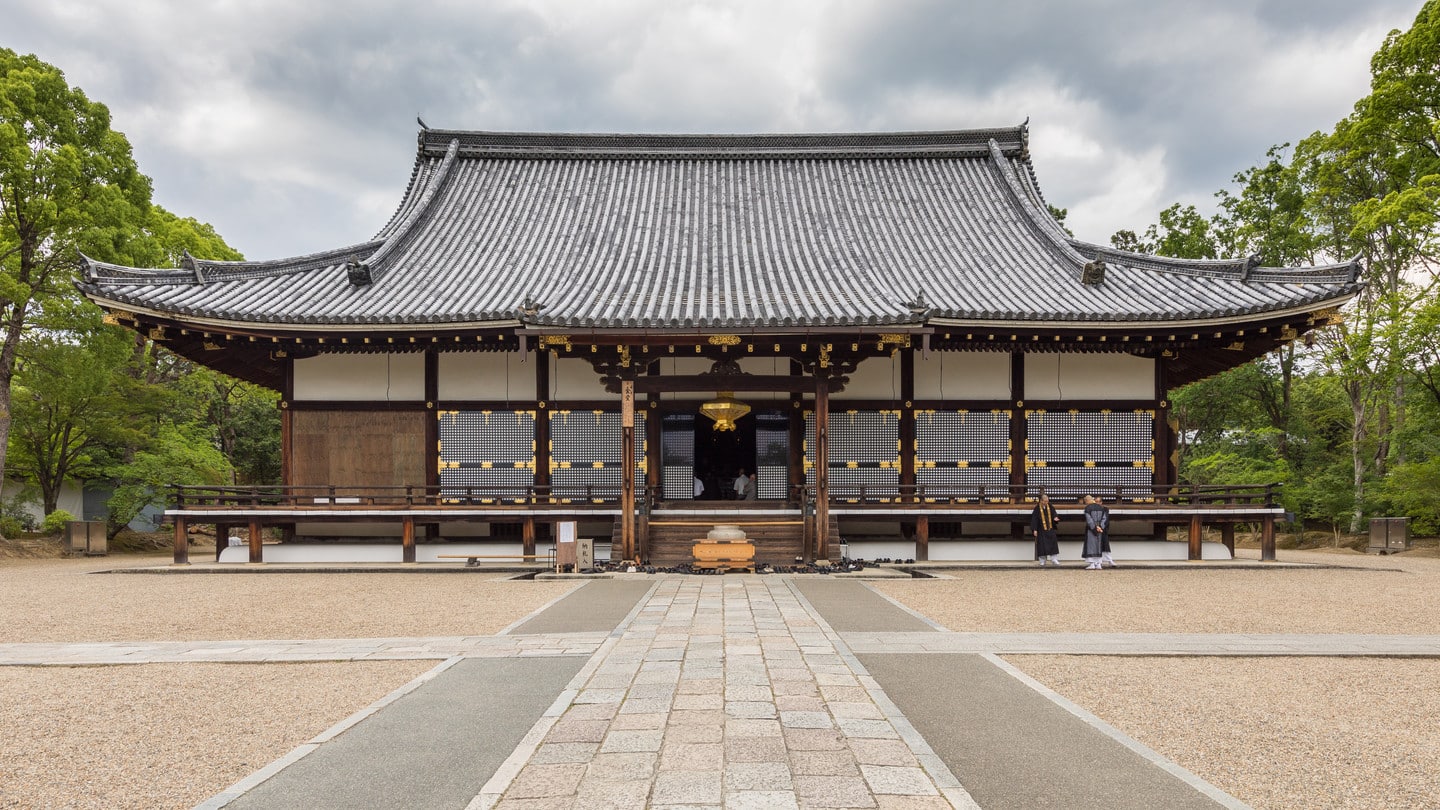
Formally named Jubuzan Kodaiji, it is a Zen temple of the Rinzai sect’s Kennin-ji school, founded in 1606 by Nene, the principal wife of Toyotomi Hideyoshi. By day you can see the Kaizando Hall, the Mausoleum (Otamaya) and two Momoyama-period teahouses, which show the height of craftsmanship of a great Sengoku family; after dark, the light projections on the Hashin-tei garden and the reflections on Garyu Pond show a completely different face. Standing right in the middle of Nene-no-Michi, Ninenzaka and the Yasaka Pagoda, it is nearly unavoidable on a Higashiyama stroll, and works well in the late afternoon so you can take in both the daytime and nighttime Kodaiji.
Kodaiji’s Special Night Viewing: A Light Projection Show on the Dry Garden
Kodaiji’s most famous experience is the special night viewing held during the cherry blossom and autumn foliage seasons. Lighting runs from about 17:00 to 22:00 (last entry 21:30), and the white sand of the Hashin-tei garden in front of the main hall becomes a giant screen, replaying a three-dimensional projection combined with music and lasers. The autumn 2026 special night viewing runs from October 23 to December 13; admission is the same day and night with no replacement system, but once you exit, the same ticket cannot be used to re-enter.
The theme differs each year, and past shows have included designs full of Kyoto imagination such as the Night Parade of One Hundred Demons, putting modern technology and a Momoyama-period dry garden in the same frame, which makes it the most recognizable of Kyoto’s night viewings. The actual dates are announced each year, so check the official site before you go.
For the best spot, we suggest sitting on the veranda of the hojo hall 15 minutes before the show starts; the whole place goes quiet during the projection, so please turn off your phone’s sounds.
Kodaiji and Nene: A Temple of Remembrance Built by Hideyoshi’s Principal Wife
Kodaiji was built in the 11th year of Keicho (1606) by Nene, the principal wife of Toyotomi Hideyoshi. After Hideyoshi’s death, Nene, who took the Buddhist name Kodai-in Gekkoni, poured her effort into this temple to pray for her late husband’s afterlife and to prepare a resting place for herself.
Interestingly, the man behind the scenes was Tokugawa Ieyasu: even after power had changed hands, Ieyasu, out of respect for Nene and for political reasons, strongly supported the temple in funding and construction. After the Toyotomi clan fell, Nene spent the rest of her life in this area, so the whole temple carries deep personal feeling.
Because of this history, Kodaiji’s grounds make extensive use of old building materials from Fushimi Castle and the Toyotomi family, making it an open-air museum where you can literally touch Sengoku history, with more stories to read than at an ordinary temple.
Kodaiji + Entokuin Combined Ticket: A Two-Temple Pass That Saves ¥100
Kodaiji adult admission is ¥800 and Entokuin is ¥500, ¥1,300 if bought separately. The two-temple “2-temple combined discount ticket” is ¥1,200, saving ¥100. The former three-site ticket (including Museum of Kodaiji Maki-e) at ¥900 has been discontinued.
More important is the route: at night the Kodaiji ticket office often has a queue, and the combined ticket can be bought at the ticket windows of both Entokuin and Kodaiji, so you can choose where to buy depending on the crowd.
The combined ticket covers both Kodaiji and Entokuin, and we suggest visiting both on the same day, which makes the most sense for route and energy. Please go by the notice at the ticket window for actual sales.
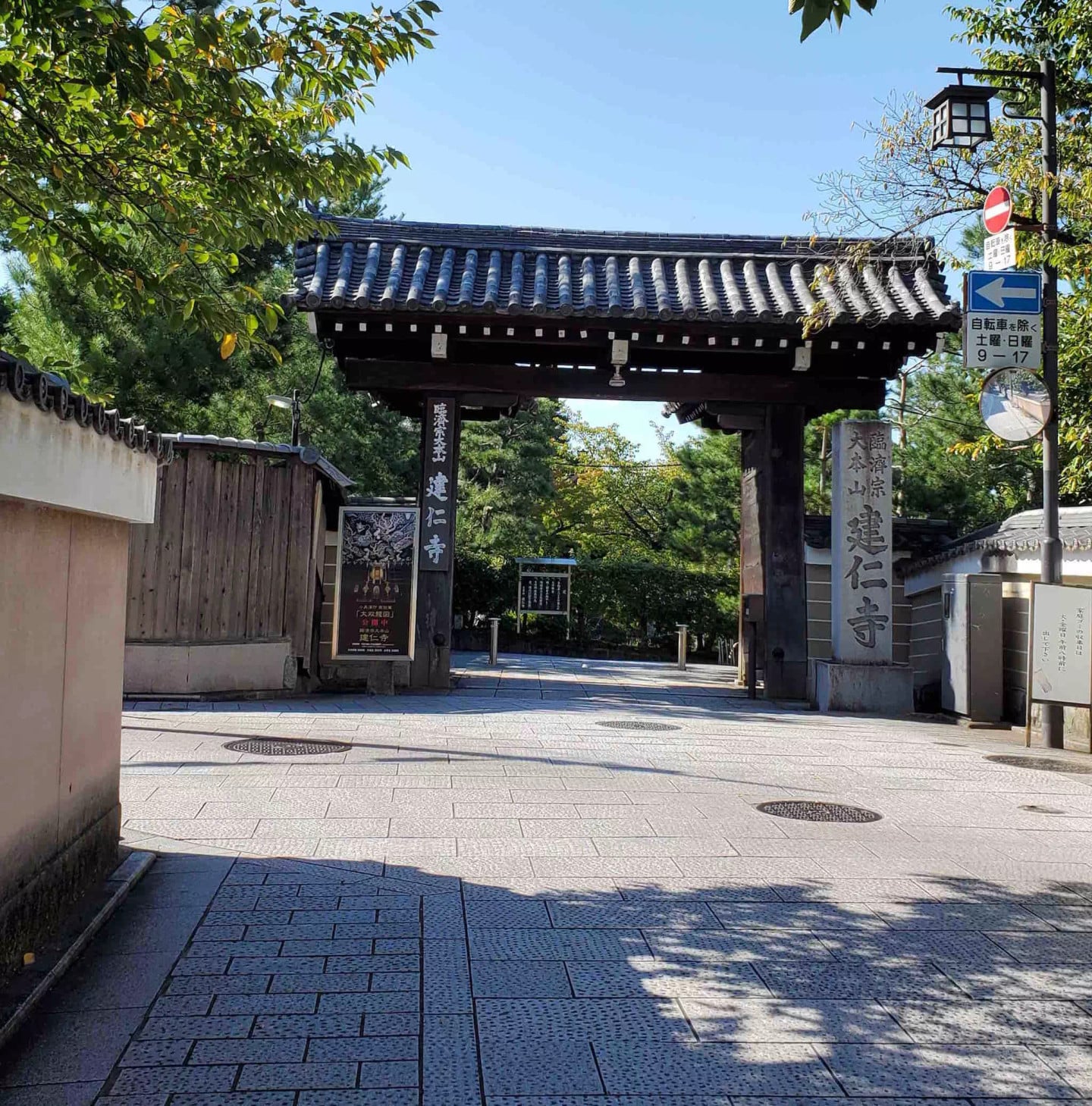
How to Get to Kodaiji? Bus and Train Routes Compared and Walking Routes
The fastest is Kyoto City Bus No. 206 or 207 to the “Higashiyama Yasui” stop and then a 7-minute walk; from Gion-Shijo Station it is about a 10-minute walk.
| Starting point | Method | Travel time |
|---|---|---|
| Kyoto Station | City Bus No. 206 to “Higashiyama Yasui” stop | About 20-25 minutes plus 5 minutes’ walk |
| Shijo-Kawaramachi / Gion | City Bus No. 207 to “Higashiyama Yasui” stop | About 10 minutes plus 5 minutes’ walk |
| Keihan Gion-Shijo Station | Walk | About 15-20 minutes |
| Hankyu Kyoto-Kawaramachi Station | Walk | About 15-20 minutes |
City Bus to “Higashiyama Yasui”: The Most Recommended Way
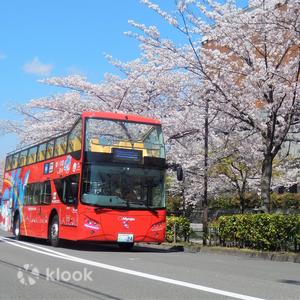
From Kyoto Station the most direct way is Kyoto City Bus No. 206; if you are around Shijo-Kawaramachi or Gion, take No. 207. Both get off at the “Higashiyama Yasui” stop, then it is about a 7-minute walk to Kodaiji.
After getting off, walk east up the slope and you will first pass Entokuin and Nene-no-Michi. One reminder: traffic in Higashiyama is heavy in peak tourist season, especially on afternoons in cherry blossom and autumn foliage seasons, when late buses are the norm, so allow extra travel time.
If you also plan to visit other Higashiyama sights such as Kiyomizu-dera and Ginkaku-ji that day, a bus one-day pass usually pays for itself; if unsure, count the rides you will take that day before deciding.


(1日/2日票)-Klook.jpg)
Walking from Keihan Gion-Shijo Station: Explore Gion on the Way
Take the Keihan Main Line to “Gion-Shijo” Station, walk east across Shijo-dori, pass Yasaka Shrine and turn right to head south; Kodaiji is about a 10-minute walk.
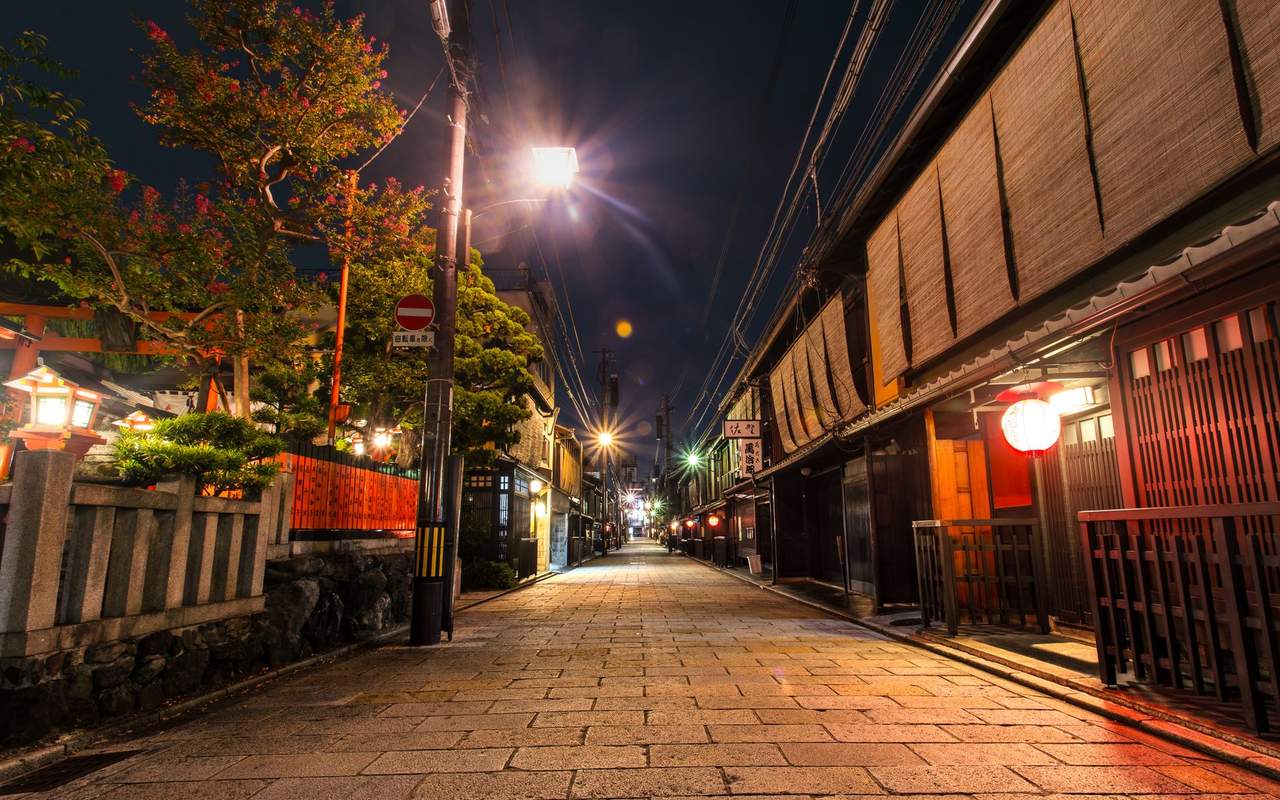
Though this route takes longer than the bus, it has the most atmosphere: you pass the Kamo River, Hanamikoji and Yasaka Shrine, covering Gion along the way. If you have time, we strongly recommend walking instead of riding, and you needn’t worry about traffic.
On Hanamikoji in the evening you may meet geiko hurrying to banquets, but please keep your distance and don’t chase them for photos. Photography on private roads is expressly banned on some stretches, with fines for violators. Gion in the early morning is nearly empty and the easiest time to walk.
Walking from Hankyu Kyoto-Kawaramachi Station: The Smoothest from the Osaka Direction
Travelers coming from Osaka Umeda can take the Hankyu Kyoto Line to the terminus “Kyoto-Kawaramachi” Station, walk east across Shijo Ohashi Bridge after exiting, then straight along Shijo-dori to Yasaka Shrine, about 15 minutes’ walk in all.
This stretch is almost all lively shopping streets and eateries, a good place to eat your fill at Kawaramachi before going uphill. If you are tired on the way back, take Bus No. 207 from the “Higashiyama Yasui” stop back to Shijo-Kawaramachi, with relatively frequent service.
Note that Shijo-dori is extremely crowded on holiday afternoons, so moving with luggage is hard; we suggest leaving it in a station locker or at your hotel first. Convenience stores and drugstores are dense along the way, so resupplying is easy.
Higashiyama Walking Route: From Yasaka Shrine All the Way to Kiyomizu-dera
The most recommended way to see Kodaiji is not a single out-and-back trip but a single line: Yasaka Shrine → Nene-no-Michi → Entokuin → Kodaiji → Ninenzaka and Sannenzaka → Kiyomizu-dera, about 2 to 3 hours on foot in all.
Much of the route is stone slopes and steps that are slippery in rain, so wear comfortable shoes. Walking down from Kiyomizu-dera in reverse takes less effort, but afternoon crowds concentrate in that direction and make framing difficult; if you want empty scenes, we still suggest walking north to south early.
Temples along the route mostly end daytime viewing before 5 p.m., so check each place’s last entry time when planning to avoid reaching the gate only to find it closed.
What to See at Kodaiji? Halls, Teahouses and the Higashiyama Area Explained
Kodaiji’s attractions fall into three layers: the garden night viewing, the Momoyama-period halls and teahouses, and the stone-paved streets of Higashiyama beyond the temple gate.
Hashin-tei: The Light-Projection Screen of White-Sand Dry Garden
The Hashin-tei garden in front of the hojo hall is a dry garden laid with white sand. By day it is a quiet Zen space, but during the special night viewing it turns into a giant projection screen. The light show, which loops every few minutes, combines music and lasers and treats the sand ripples as flowing water.
The most comfortable way to watch is to sit right on the hojo veranda, and people start claiming seats ten minutes before showtime. This is the biggest difference between Kodaiji and other Kyoto night viewings, and those who like a traditional, quiet atmosphere may prefer the lighting at neighboring Entokuin.
If you visit by day, the hojo is also open for sitting and resting, where you can gaze quietly at the white sand patterns, the best way to understand “one garden, two faces.”

Garyu Pond: The Absolute Star of Autumn Night Reflections
Garyu Pond is the core water feature of Kodaiji’s garden and the most classic scene of the autumn night viewing. On a windless night the pond surface is calm as a mirror, reflecting the golden and fiery red maples on the bank along with the night sky, so the real and the reflected are nearly indistinguishable.
The key to shooting is to wait for a completely windless moment and to lower your camera as close to the pond railing as possible. In spring this is replaced by reflections of night cherry blossoms, equally worth a special trip; please go by the official announcement for the actual lighting dates.
The path beside the pond is dim at night and crowds push, so we suggest putting away your tripod, shooting handheld at high ISO, and watching your step for level changes and tree roots. Garyu Pond is just as pretty by day, only with a completely different atmosphere.
Kaizando Hall: A Ceiling Made from the Ceiling of a Ceremonial Ship
Kaizando is one of Kodaiji’s soul buildings, enshrining Sanko Joeki, the founding abbot invited from Kenninji. The ceiling is the most worthwhile thing to look up at: it is said to be assembled from the ceiling of Hideyoshi’s ceremonial ship “Hoo-maru” and parts of Nene’s palanquin.
In front of the hall, east and west gardens flank each side, letting you see both pond-and-spring and dry-garden styles at once. This is also the best starting point for understanding Kodaiji’s character of “relics of Fushimi Castle and the Toyotomi family everywhere.”
Some areas inside the hall are off-limits and can be viewed only from outside, but precisely because of the distance, it is easier to make out the seams and painted details across the whole ceiling. The dry garden in front of the hall shows its lines especially clearly after rain.
Otamaya Mausoleum: The Shrine Where Hideyoshi and Nene Sit Together
Otamaya is the shrine honoring Toyotomi Hideyoshi and Nene. On the right of the altar sits a wooden statue of Hideyoshi and on the left a wooden statue of Nene, and the two have sat side by side like this for four hundred years.
Even more moving, Nene’s remains are buried about two meters directly below her wooden statue, so this is the resting place she prepared for herself. The hall is dim, so please walk slowly, stay quiet and follow the photography rules on site.
To reach Otamaya you must climb a flight of stone steps, the steeper part of the route; those with limited stamina can rest at Kaizando first and then come up, with plenty of time. The maples along both sides of the steps turn red in autumn, so the climb is almost a pleasure.
Kodaiji Maki-e: The Highest Representative of Azuchi-Momoyama Aesthetics
The Kodaiji maki-e inside Otamaya is the temple’s most famous craft art. Craftsmen painted intricate patterns of autumn grasses, chrysanthemums and paulownia crests in large amounts of gold and silver powder on the black lacquer of the altar and shrine.
Compared with the restrained reserve of traditional maki-e, Kodaiji maki-e is distinct in layers and dazzling, looking even more gorgeous in the faint light of the dim hall, and is regarded as the peak of the lavish aesthetics of the Azuchi-Momoyama period. This is why Kodaiji is called the “Temple of Maki-e.”
Because it is lacquerware, flash is banned in the hall to protect the objects. For a closer look, the Museum of Kodaiji Maki-e across the way shows related exhibits and replicas, much closer by. If you want a keepsake, shops in the grounds also sell small maki-e-style goods.
Garyuro Corridor: A Wooden Walkway That Undulates Like a Dragon’s Back
Garyuro, the corridor connecting Kaizando and Otamaya, is a covered wooden walkway that rises and winds along the hillside, looking from afar like a long dragon lying down, hence the name.
Tradition says it exists so that Nene would not get wet in the rain on her daily walk to worship at Otamaya. The corridor itself is usually closed to walking, but its lines seen from the side of the garden path photograph beautifully, and in autumn with maples on both sides it is a classic scene.
The best viewpoint is midway up the stone steps from Kaizando toward Otamaya, taking in the corridor’s curve together with the trees on both sides; in autumn foliage season there is almost always a queue here. The corridor’s roof uses the hiwadabuki technique, and up close you can see the layered bark texture, a refined detail of traditional Japanese architecture.
Kangetsudai: A Moon-Viewing Pavilion Moved from Fushimi Castle
Kangetsudai is a delicate little pavilion built over the pond, moved directly from Fushimi Castle and designated an Important Cultural Property. Four pillars support a hiwadabuki roof with an open center, designed precisely for looking up at the moon.
Nene once watched the bright moon reflected in the pond here, pouring out her longing for Hideyoshi, the most story-rich corner of Kodaiji. At night illumination the pavilion is silhouetted by the lights and forms a complete picture with the reflections of Garyu Pond.
At the full moon around mid-autumn each year, this is Kodaiji’s most evocative corner; even out of moon-viewing season, looking across the pond from the hojo by day gives an equally complete composition. Small as the pavilion is, it is an Important Cultural Property, so please don’t climb the fence to shoot, and framing from a distance better captures its relationship with the water.
Kasatei (Ankankutsu): A Thatched Teahouse Like an Opened Paper Umbrella
Kasatei, deep in the bamboo grove on the high eastern side of Kodaiji, is said to have been designed by the tea master Sen no Rikyu and moved from Fushimi Castle. It is a single-story thatched teahouse whose main feature is the absence of a ceiling inside.
Looking up, you can see the roof structure of bamboo woven in a radial pattern, which from inside looks like an opened paper umbrella, hence the alias “Ankankutsu.” This area is at the highest point of the visit route and noticeably less crowded, worth the extra steps up.
The teahouse interior is usually closed to entry, with only a peek from outside and the doorway, but the radial bamboo roof structure is clearly visible from the entrance, a detail photography lovers won’t miss. Thatched roofs need regular repair, so fences may be set up during construction.
Shiguretei: One of Japan’s Rare Two-Story Teahouses
Shiguretei is linked to Kasatei by an earthen-floored corridor and is an extremely rare two-story teahouse in Japan, likewise said to be by Sen no Rikyu and moved from Fushimi Castle.
In its day Hideyoshi and Nene often came here to look into the distance from a height, sip tea in the cool or watch the moon, which felt especially romantic in a turbulent age of war. The second floor is usually closed, but from outside you can sense its presence, quite different from an ordinary single-story teahouse.
The earthen-floored corridor between the two teahouses is also worth seeing, showing how tea gatherings flowed between spaces at the time. This area is the highest and windy in winter, so bring an extra layer. Looking back from here you can see Kyoto’s skyline over the treetops, the widest view in the grounds, and many people stop here to rest.
Kodaiji Bamboo Grove Path: A “Little Arashiyama” Quieter Than Arashiyama
Following the route toward the back hill, you pass a tall, lush bamboo grove path. This grove lies within Kodaiji’s garden area and can only be entered with a Kodaiji admission ticket; compared with the often packed Arashiyama bamboo grove, it is far more peaceful, and you can stop to take photos.
During the special night viewing, green light and drifting points of glow fill the grove, and walking through feels like countless fireflies flying among the bamboo shadows, the closing climax of the night route. The ground is dirt path and steps, slightly slippery after rain, so take care.
The end of the path leads back toward the exit as a one-way route, so it is hard to turn back once you pass; if you want photos, take enough on the way through rather than saving them for the return. There are many mosquitoes in the bamboo area, so in summer prepare mosquito repellent first.
Kodaiji Goshuin: The Main Temple, Kodaiji Tenmangu and Rishodo
Besides the main temple, Kodaiji Tenmangu in the grounds and the worship and lecture hall “Rishodo” each have their own goshuin. The main temple’s goshuin is written with the two characters meaning “Buddha-heart,” symbolizing the heart of the Buddha, and stamped with a paulownia crest; Kodaiji Tenmangu’s goshuin is written with the character “Dream” all year, echoing the story of Toyotomi Hideyoshi realizing his ambition. Please go by the notice at the temple’s amulet office for offering fees and amulet types.
Entokuin: The Subtemple Where Nene Spent Her Later Years
Entokuin, separated from Kodaiji by only Nene-no-Michi, is where Nene lived her later years and also where she died. It preserves Momoyama-period garden style, and its “North Garden,” planned with the participation of the master Kobori Enshu, is designated a National Place of Scenic Beauty.
During night viewing, Entokuin follows a quiet illumination route through a traditional Japanese garden, viewing the dry garden lit by lights through the long corridor and the sliding-door paintings of the Hasegawa Tohaku school, a more restrained atmosphere than Kodaiji and ideal for quiet appreciation.
The temple also has a space where you can pay for matcha, and sitting on the long corridor looking at the garden feels closer to “living here” than at Kodaiji. Please go by the notice on site for actual serving hours.
Museum of Kodaiji Maki-e: Getting to Know Momoyama Culture Through Nene’s Favorite Items
The Museum of Kodaiji Maki-e is right across the road from Entokuin, displaying historical artifacts and maki-e crafts related to Kodaiji and Nene. The space is small and takes about 20 to 30 minutes to see.
The museum is on the second floor of the Kyo-Rakuichi “Nene” building beside Kodaiji, open from 9:00 to 17:10, with closed days arranged for exhibit changes. From September 5, 2026 to January 27, 2027 it shows Hideyoshi’s personal Buddhist image “Daizuigu Bosatsu,” and during night viewing it is open until 21:10. Please go by the official announcement for admission fees. There is a shop inside selling maki-e-style goods.
Exhibits change from time to time, so even if you have seen it once, a return visit next year may still bring new content. Please follow on-site signs for areas where photography is banned. Because the space is small, it feels crowded when busy, so we suggest going right at opening or near closing to look at leisure.
Nene-no-Michi: A Wide Stone Path Named for Nene
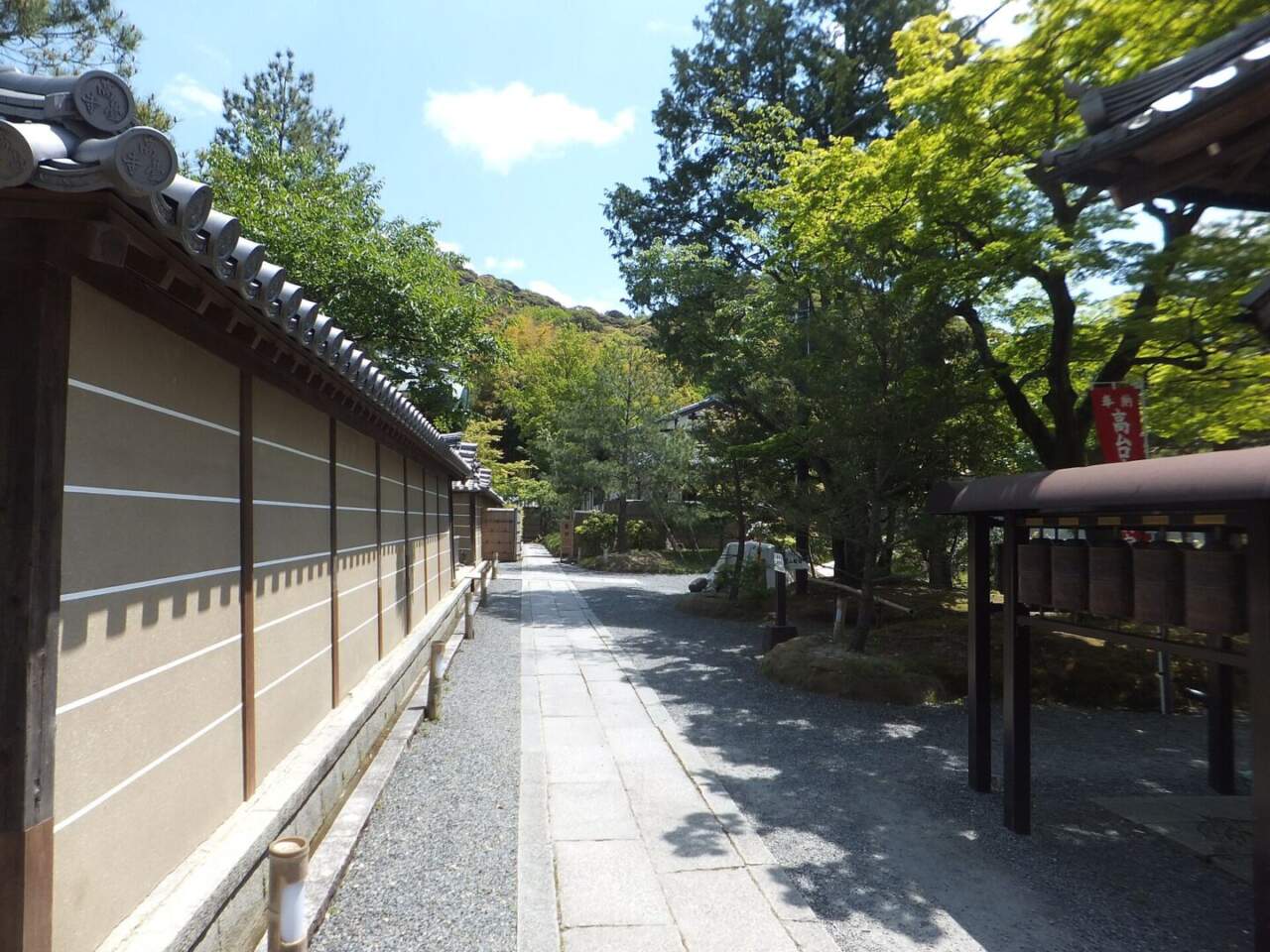
Nene-no-Michi, right on Kodaiji’s west side, is a wide, gentle stone path named directly for Nene. One side has traditional machiya and Entokuin and the other Kodaiji’s stone wall, comfortable to walk with an old-world feel.
With its flat surface and sufficient width, it is one of the few stretches in Higashiyama where you can push a stroller easily. Crowds are thinner at dawn and night, making it one of the best places to photograph an empty Kyoto stone road.
Along the way are a few teahouses and dessert shops, good places to rest during a Higashiyama stroll; next door, Maruyama Park is Kyoto’s famous cherry blossom spot in spring, worth a detour. The road is flat, but there are still gaps between the stones, so take care in high heels or geta.
Ishibei-koji: A Hidden Ryotei Lane Where Photography Is Banned
Ishibei-koji, which turns off Nene-no-Michi, is a winding, hidden narrow lane flanked by traditional wooden ryotei and black plank walls, with blue-black flagstones especially atmospheric after rain, considered by many to be Kyoto’s most beautiful alley.
Please note that photography is currently banned here so as not to disturb residents and shops, so be sure to follow the signs. Walking it with just your eyes takes only five minutes, yet it is the most atmospheric stretch of the whole Higashiyama walk.
Most shops in the lane are high-end ryotei requiring reservations, and small door lamps light up at night for a better mood. The lane is narrow and has residents, so keep your voice low and don’t linger in groups. The entrance is quite hidden and easy to overshoot on a first visit, so watch for the small lane sign beside Nene-no-Michi.
Ninenzaka: Ancient Stone Steps with Edo-Period Wooden Buildings
About a 2 to 3 minute walk southwest from Kodaiji brings you to Ninenzaka. This old sloping stairway keeps Edo-period wooden buildings and is lined with Kyoto confectionery shops, Japanese sundries and teahouses, and is also a gathering place for well-known coffee and souvenir brands.
The steps are fairly steep and heavily visited, so we suggest coming early. In Japan there is a legend that “falling on Sannenzaka brings bad luck,” so walk slowly and watch the steps, and don’t stop in the middle of the stairs to take photos.
Most shops along the way open gradually after 10 a.m., so the best time to avoid crowds and still shop is between 10 and 11 a.m. on a weekday. Some shops offer tax-free shopping, so checking the sign at the door before buying is more efficient.
(京都)體驗坐式茶道-Klook.jpg)
Hokanji Yasaka Pagoda: Kyoto’s Most Classic Photo Landmark
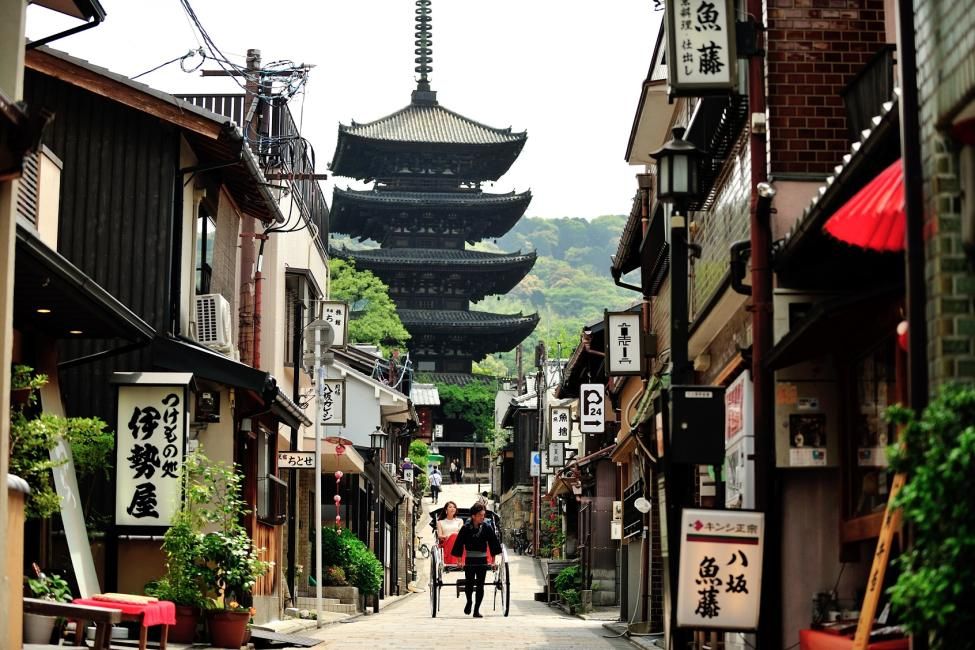
Looking from where Ninenzaka meets Yasaka-dori, the five-story pagoda pokes out from among the roof tiles at the end of the stone road, the scene that appears on nearly every Kyoto postcard and the most representative photo spot in Higashiyama.
The pagoda itself belongs to Hokanji, and its interior is open for climbing only during certain periods; please go by the on-site notice for dates and fees. The only way to get a shot without people is to arrive before 8 a.m., and the later it gets, the harder the crowds are to avoid.
Both sides of Yasaka-dori are an ordinary road, so when taking photos please stand at the roadside and not in the middle of the lane; in recent years visitors shooting in violation of the rules have caused much traffic controversy. Early morning and the blue hour after sunset have the softest light and the best contrast between the pagoda and the townhouses, the two times photographers prefer.
Yasaka Shrine: The Free Starting Point of the Higashiyama Walk
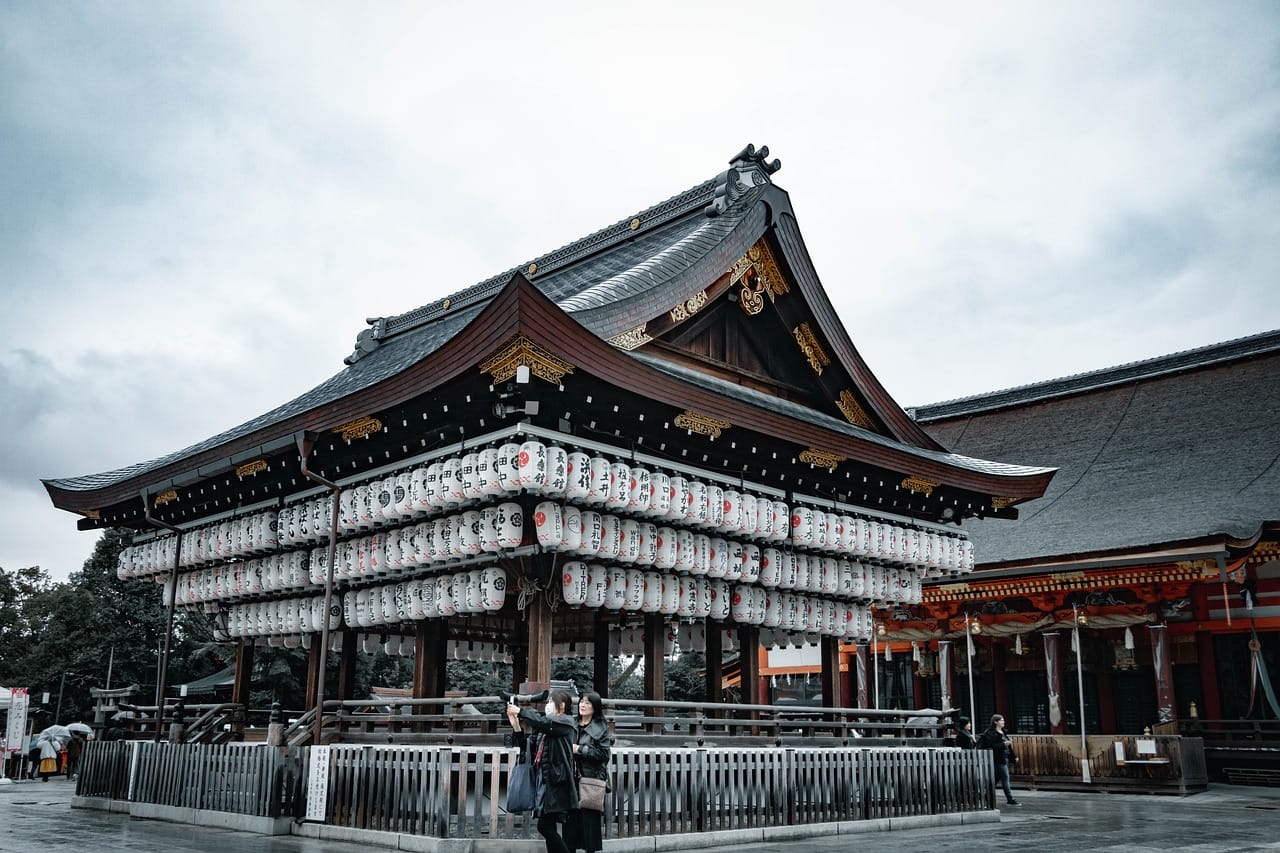
Yasaka Shrine stands at the east end of Shijo-dori, the smoothest starting point for a Higashiyama walk. It is open 24 hours with free worship, and its lantern-lit dance hall at night is a popular subject for night photography.
The shrine is known as the host shrine of the Gion Festival, and Utsukushi-gozen Shrine in its grounds is famous for beauty prayers, where many people pat a little beauty water onto their skin. From here it is about a 10-minute walk south along Nene-no-Michi to Kodaiji.
During the Gion Festival each July, the streets around the shrine are closed and huge crowds arrive; if you happen to hit it, we suggest moving your Kodaiji visit to early morning or taking another route. The shrine has an amulet and goshuin office with shorter hours than the shrine itself, so if you want to collect them, visit during the day to avoid a wasted trip.
Kiyomizu-dera: A World Heritage Site in One Line with Kodaiji
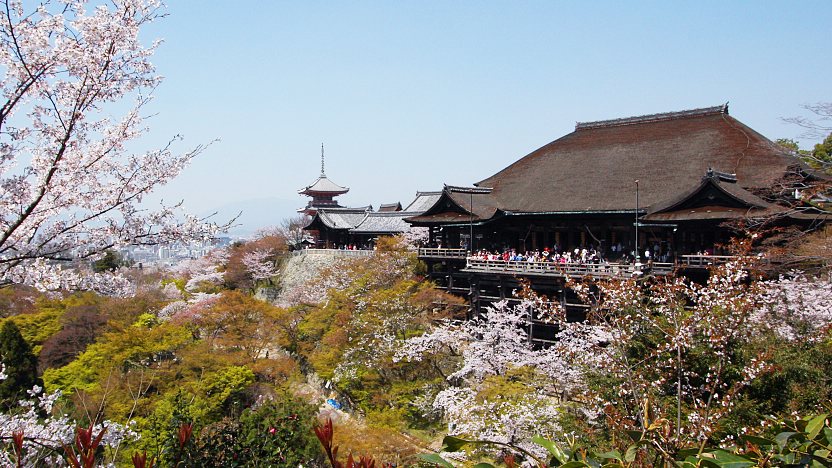
Going up along Ninenzaka and Sannenzaka brings you to Kiyomizu-dera, the end of the Higashiyama walk. Its suspended wooden stage is built with the “kakezukuri” technique without a single nail, and special night viewings are also held during the cherry blossom and autumn foliage seasons.
Because the night viewing periods often overlap with Kodaiji’s, doing both on the same night is quite rushed, so we suggest choosing one for more depth. If you plan to do both, check each place’s last entry time first and allow at least 20 minutes for the walk.
Kiyomizu-dera’s crowds concentrate in the afternoon, so if you want an easier day you can also stop at Ninenzaka and save Kiyomizu-dera for the next morning on its own. The Sannenzaka steps on the approach are steeper, so be especially careful walking down on the way back.
How Much Does Kodaiji Cost? Tickets, Combined Tickets and Night Viewing Fees
Buying Kodaiji and Entokuin separately costs ¥1,300, and the two-temple combined discount ticket is ¥1,200, the one ticket you should buy first for a Kodaiji trip.
| Ticket type | Adult price | What’s included |
|---|---|---|
| Two-Temple Combined Discount Ticket (Recommended) | ¥1,200 | Kodaiji + Entokuin |
| Kodaiji | ¥800 | 9:00-17:30 (ticket sales stop at 17:00) |
| Entokuin | ¥500 | 10:00-17:30 (ticket sales stop at 17:00) |
| Museum of Kodaiji Maki-e | See official announcement | 9:00-17:10, closed during exhibit changes |
Kodaiji Admission Ticket: ¥800 for Adults
A Kodaiji single admission ticket is ¥800 for adults and ¥400 for junior and senior high students. Visiting hours are 09:00 to 17:30 (ticket sales stop at 17:00), extended to 22:00 during special night viewing, with entry stopping at 21:30.
The ticket office is beside the stone steps at the temple entrance and sells on site only. In peak season and at night viewing the line gets very long, so if you are sure to visit Entokuin too, buying the combined ticket instead saves both time and money.
Some areas in the grounds require removing shoes, so wear shoes that are easy to take on and off; goshuin and amulets are mostly cash transactions, so have small change ready. There are restrooms in the grounds, but public toilets in Higashiyama are few, so we suggest taking care of it before you set out.
Two-Temple Combined Discount Ticket: The ¥1,200 Kodaiji + Entokuin Pass
The “2-temple combined discount ticket” covering Kodaiji and Entokuin is ¥1,200, ¥100 cheaper than buying two separate tickets at ¥1,300, the most practical ticket on a Kodaiji trip. Note that combined ticket sales are suspended during certain periods such as the summer night viewing.
The combined ticket can be bought at the ticket window of either Entokuin or Kodaiji, and after buying, just visit in the order of Entokuin, then Kodaiji.
If you only have time for one place, we recommend Kodaiji by day (with the most complete garden and teahouses), and Entokuin at night, with fewer people, a quiet atmosphere and much easier photography. The combined ticket is a paper ticket, so keep it safe until the last stop.
Special Night Viewing: Limited Sessions in Cherry Blossom, Summer Night and Autumn Foliage Seasons
Each year Kodaiji holds special night viewings in the spring cherry blossom season and the autumn foliage season, with entry from about 17:00 to 21:30 and stay until 22:00. Admission is the same day and night, and combined ticket sales are suspended in some periods; in 2026 spring runs from March 13 to May 6 and autumn from October 23 to December 13.
Because these are seasonal and announced year by year, please go by the official site for the actual dates, prices and whether online reservations are required. Peak-season weekends are very crowded, so we suggest a weekday or entering half an hour after opening, which noticeably shortens the queue.
During night viewing there is no replacement system: if you enter by day you may stay until night; once you exit, the same ticket cannot be used to re-enter, so confirm the rules at the ticket window before buying.
Kyoto Kimono Rental: Walk Ninenzaka and Nene-no-Michi in a Kimono
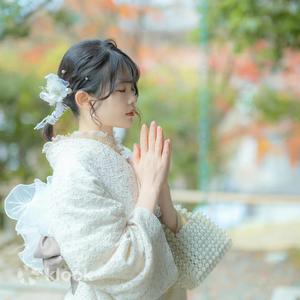
Higashiyama is the densest area for Kyoto kimono rental. Most plans include kimono, obi, accessories and simple hairstyling, with prices from about ¥3,000 to 6,000, returnable the same day.
Walking Nene-no-Michi and Ninenzaka in a kimono for photos is most popular, but geta are hard on stone slopes, so don’t over-schedule the day, and in peak season be sure to reserve in advance; plans and fees vary by shop.
Kyoto is muggy in summer, so we suggest a light yukata plan, carrying water and scheduling morning or evening. Most shops offer luggage storage so you can play lightly after changing, and the return time is usually set in the evening.
(Ookini和服租賃八坂神社袛園店)-Klook.jpg)
Higashiyama Night Illumination Tour: Kodaiji and Kiyomizu-dera in One Trip
In the cherry blossom and autumn foliage peak seasons, there are often Higashiyama night tours departing from the city, in which a guide walks you through Kodaiji, the Yasaka Pagoda and the Kiyomizu-dera area and explains the history of the Toyotomi family and Higashiyama, lasting about 2 to 3 hours.
The biggest benefit is that you needn’t research each temple’s different last-entry times, and you skip buying tickets and queuing. Whether temple admissions are included, the meeting point and language options vary by organizer, so read the tour description carefully before ordering.
Tours like this usually have limited numbers and fill up very early in peak season, so if your autumn foliage dates are set, we suggest booking early too, as the chance of signing up on site is quite low. Because it is a night outdoor tour, Higashiyama gets quite cold after dark in autumn and winter, so dress warmly and choose comfortable shoes.
Where to Stay near Kodaiji? Hotel Suggestions for Your Trip
Staying in Higashiyama or Gion lets you save the night illumination for the last minute and then walk back to your hotel at leisure.
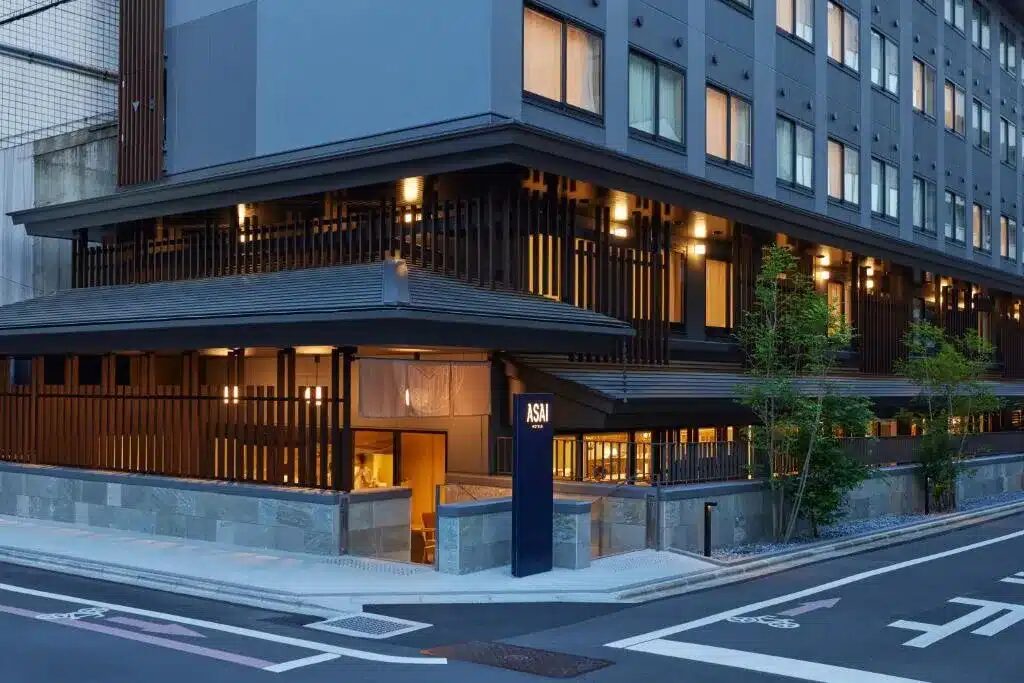

Where to Stay near Kodaiji? Hotel Directions in Higashiyama and Gion
To catch the Kodaiji illumination until 22:00, we suggest staying in Higashiyama or Gion, where you can walk to Yasaka Shrine, Nene-no-Michi and Kiyomizu-dera and walk back to your lodging afterward without worrying about the last bus. This area is mostly small inns converted from machiya and high-priced boutique hotels, with few rooms that sell out early in peak season, so book months ahead; on a limited budget, choose Shijo-Kawaramachi or around Kyoto Station and take Bus No. 207 or 206 uphill. Also note that Higashiyama’s lanes are mostly stone slopes and steps, awkward with luggage, so before booking check the route from the nearest station to the hotel.
Kodaiji FAQ
Here are the Kodaiji questions travelers search for most.
Q: How much is admission to Kodaiji?
Kodaiji is ¥800 for adults and ¥400 for junior and senior high students, and elementary school students and under are free of admission when accompanied by an adult. If you also plan to see Entokuin, we suggest buying the ¥1,200 two-temple combined discount ticket.
Q: When is Kodaiji’s special night viewing held?
It is held each year in the cherry blossom and autumn foliage seasons, with lighting at 17:00 and last entry 21:30; in 2026, autumn runs from October 23 to December 13 and spring from March 13 to May 6.
Q: How do I avoid the queue at Kodaiji’s night viewing?
The combined ticket can be bought at the ticket window of either Kodaiji or Entokuin. Note that the two have different hours: Kodaiji opens at 9:00 and stops ticket sales at 17:00 (closing at 17:30), while Entokuin opens at 10:00 and stops ticket sales at 17:00; to see both in one go, we suggest starting at Kodaiji.
Q: How do I get to Kodaiji from Kyoto Station?
Take City Bus No. 206 to the “Higashiyama Yasui” stop and walk about 7 minutes. From Shijo-Kawaramachi or Gion, take No. 207 and likewise get off at the “Higashiyama Yasui” stop.
Q: How long should I spend at Kodaiji?
About 60 to 90 minutes by day; including the night light projection and Entokuin, allow 2 to 3 hours. Linking in Ninenzaka and Kiyomizu-dera makes it a half-day to full-day trip.
Q: Can I take photos in Ishibei-koji?
No. Photography is currently banned in Ishibei-koji so as not to disturb local residents and the ryotei, so be sure to follow the signs on site and just enjoy it with your eyes.
Q: When is the autumn foliage time at Kodaiji?
It generally falls from mid-November to early December, similar to other famous spots in Kyoto. The night reflections of maples on Garyu Pond are the most worthwhile scene during this period.