
Kyoto Yase and Ohara Autumn Leaves: The Complete 2026 Guide
Why Go Leaf-Viewing in Yase and Ohara
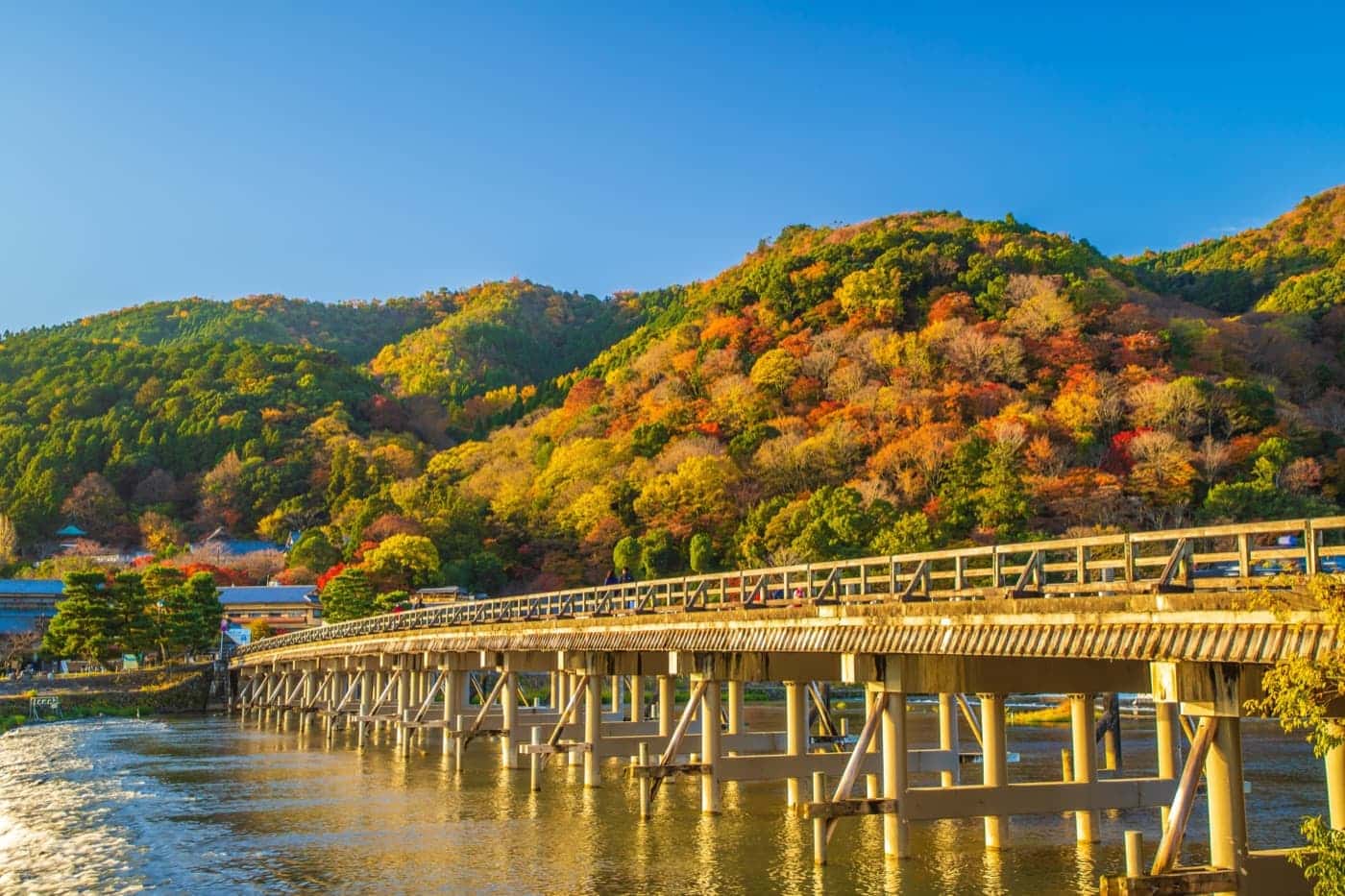
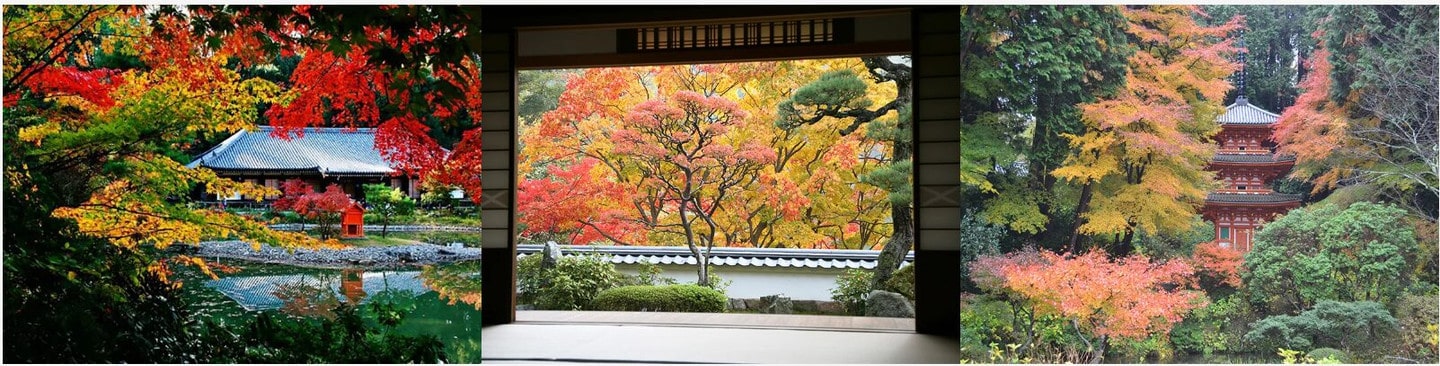
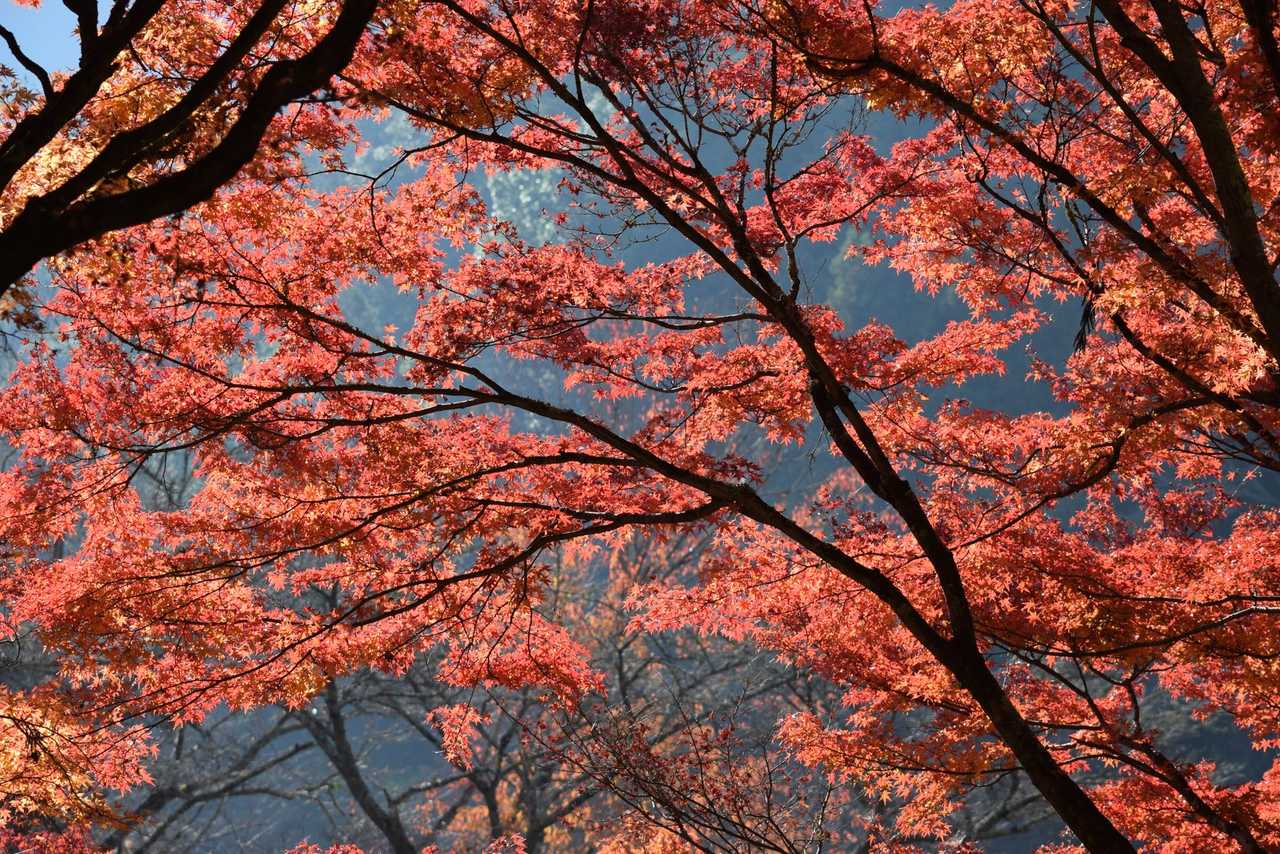
Yase and Ohara, in the northern part of Kyoto’s Sakyo Ward, sit in the mountains with big day-to-night temperature swings, so they are among the earliest places in Kyoto to reach peak color, usually turning red one to two weeks before the city center. Here you will find Rurikoin, world-famous for its “table reflection,” the free Yase Autumn Leaves Trail hidden in the forest, and, deeper in the mountains, Ohara, home to a cluster of thousand-year-old temples such as Sanzen-in, Hosen-in and Jakko-in. The two areas are neighbors, and along the Eizan Electric Railway and Kyoto Bus Route 17 you can link them into one complete day of leaf-viewing.
Best Viewing Period in 2026
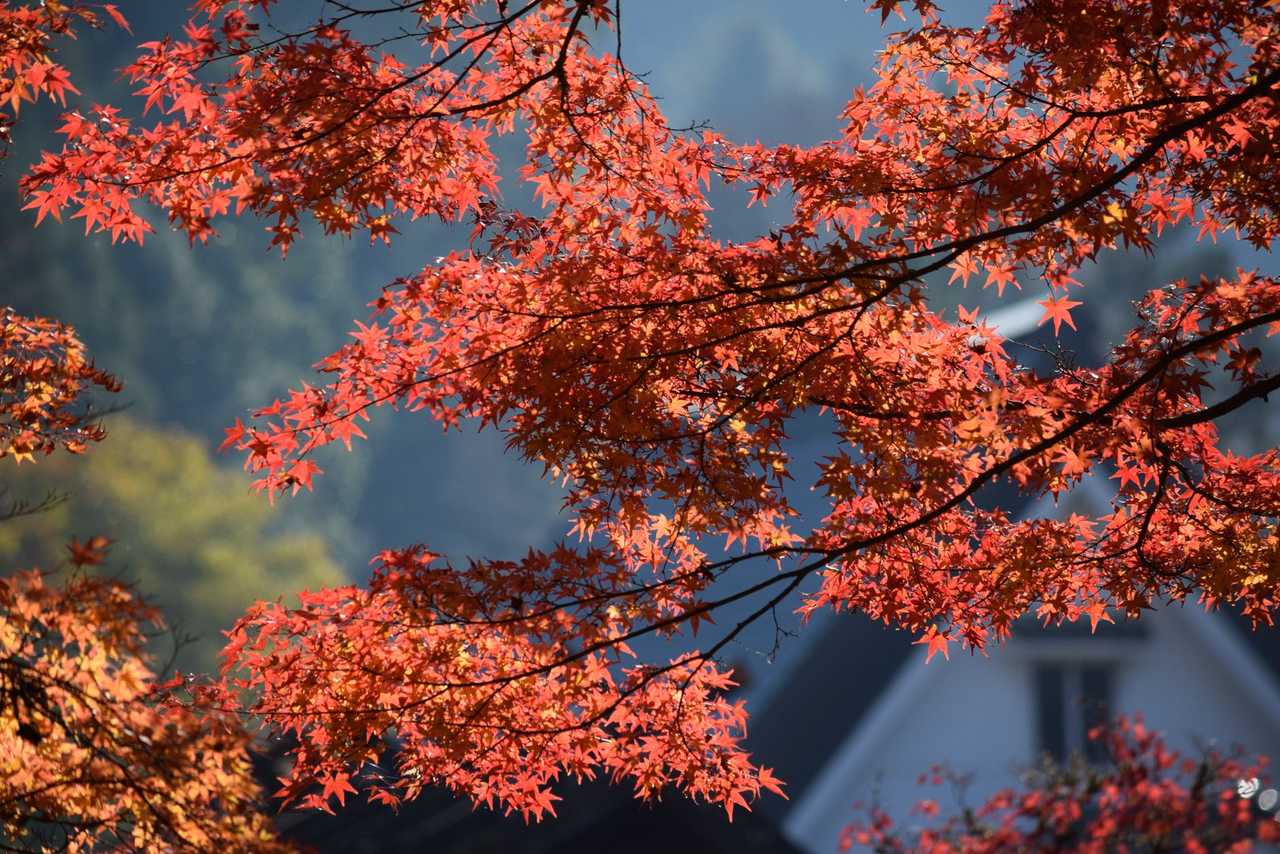
The best viewing period (miegoro) in the Yase-Ohara area falls roughly from mid-November to late November, slightly earlier than central Kyoto. Rurikoin’s special autumn opening runs from October 1 to December 13, 2026, with viewing hours of 10:00 to 17:00 (last entry 16:30); during the reservation period, viewing hours follow the reservation notice.
Know Before You Go: A Fully Reserved, Lottery-Based System
During Rurikoin’s popular 2026 autumn peak (November 13 to December 6), entry is by reservation, selected by lottery using return postcards. The application period has ended, so please check the latest availability on the official website “Rurikoin” (rurikoin.komyoji.com). Other opening periods (October 1 to November 12 and December 7 to 13) require no reservation. Although these are not the peak of full red, you can still enjoy the layered scenery of yellow, green and red.
Rurikoin Special Night Viewing: 2026 Dates and Package
In 2026 Rurikoin also holds special night viewings on November 14, 15 and from November 20 to December 6, in two sessions: Session 1 from 18:15 to 19:30 and Session 2 from 19:45 to 20:30. This plan is sold by JR Central’s “EX Tabisaki Yoyaku” for ¥6,000, including a night viewing ticket, an Eizan Electric Railway one-day ticket and a round-trip Eizan Cable Car and Ropeway ticket, and it must be reserved in advance.
Transport Guide: How to Get to Yase and Ohara
The most convenient way to reach Yase and Ohara is to take the Eizan Electric Railway and then transfer to a Kyoto Bus to link the Ohara area, enjoying the neighborhoods and mountain scenery outside the window along the way.
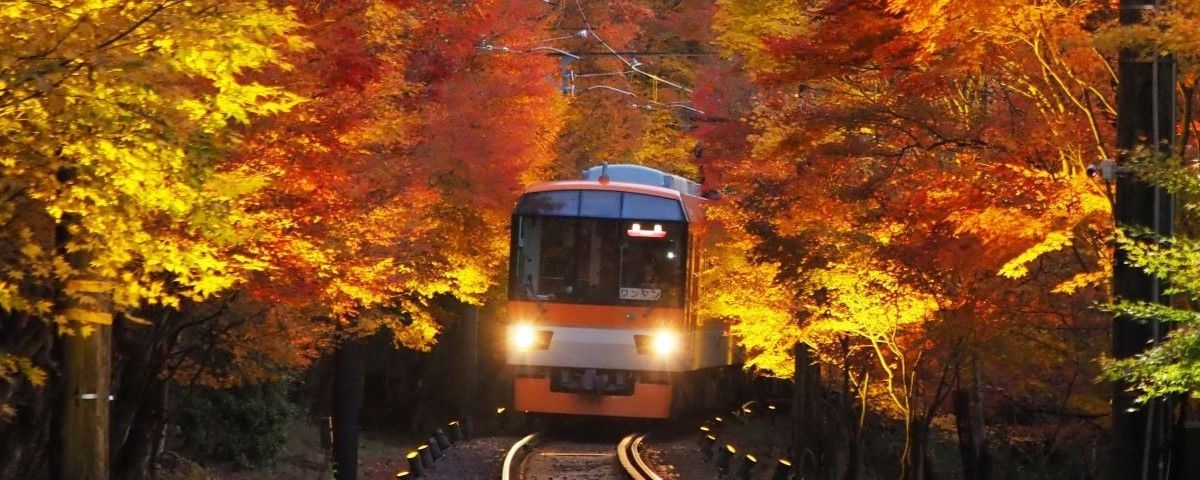
Eizan Electric Railway: The Autumn Leaf Train Straight to Yase
From Kyoto’s Demachiyanagi Station, take the Eizan Electric Railway Main Line for about 14 minutes to Yase-Hieizanguchi Station, the fastest way to reach Rurikoin and the Yase Autumn Leaves Trail.
From the station it is about a 5-minute walk to Rurikoin. For extra trains during leaf season, please follow announcements on the Eizan Electric Railway official website; you can already feel the strong mountain autumn atmosphere along the way.
Kyoto Bus No. 17: Linking Yase and Ohara
From Kyoto Station you can take Kyoto Bus No. 17 directly to “Yase-Ekimae,” then walk about 7 to 10 minutes to Rurikoin. The same route continues to the Ohara bus stop, connecting to Sanzen-in and Hosen-in.
During leaf season the Ohara area is prone to traffic jams, so we recommend taking the Eizan Electric Railway to Yase first and then transferring to the bus, which avoids most of the congested stretches. Rurikoin has no parking lot, and its official website clearly asks visitors to use public transport.
From Yase to Ohara: Bus Connections
From Yase-Hieizanguchi Station or near Rurikoin, you can transfer to Kyoto Bus No. 17 and continue to the Ohara bus stop, about a 20-minute ride; Sanzen-in and Hosen-in are both within walking distance.
We recommend scheduling Yase and Ohara on the same day, using the same bus route to see both areas at once, without going back to central Kyoto to rearrange transport.
Private Charter Service: Good for Seniors and Larger Groups
If you are traveling with seniors or carrying large camera equipment, consider a Chinese-speaking charter service that links Rurikoin, the Yase Autumn Leaves Trail, Sanzen-in, Hosen-in and more in one day, saving you the time of working out transfer routes.
Note that Rurikoin’s official website clearly asks visitors to use public transport. Charter cars and taxis may not drop passengers beside the temple gate; you must get out at a legal spot nearby and walk in.
Selected Yase and Ohara Sights
The Yase-Ohara area brings together Rurikoin, famous for its table reflection, a free forest leaf trail, and the long-established temple cluster in the Ohara basin, making it one of the most rewarding areas to explore during Kyoto’s leaf season.
Rurikoin: Kyoto’s Most Stunning Table Reflection
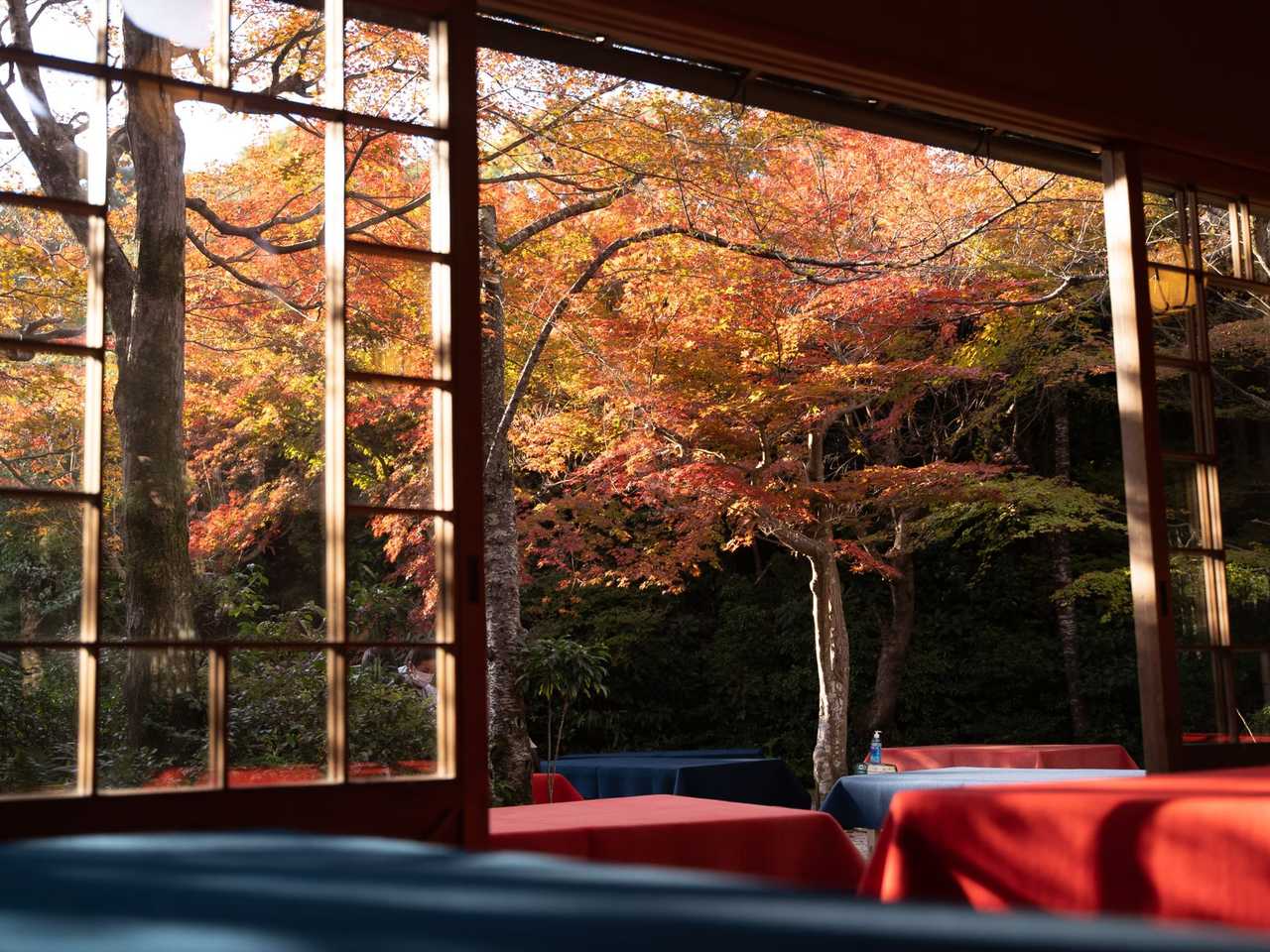
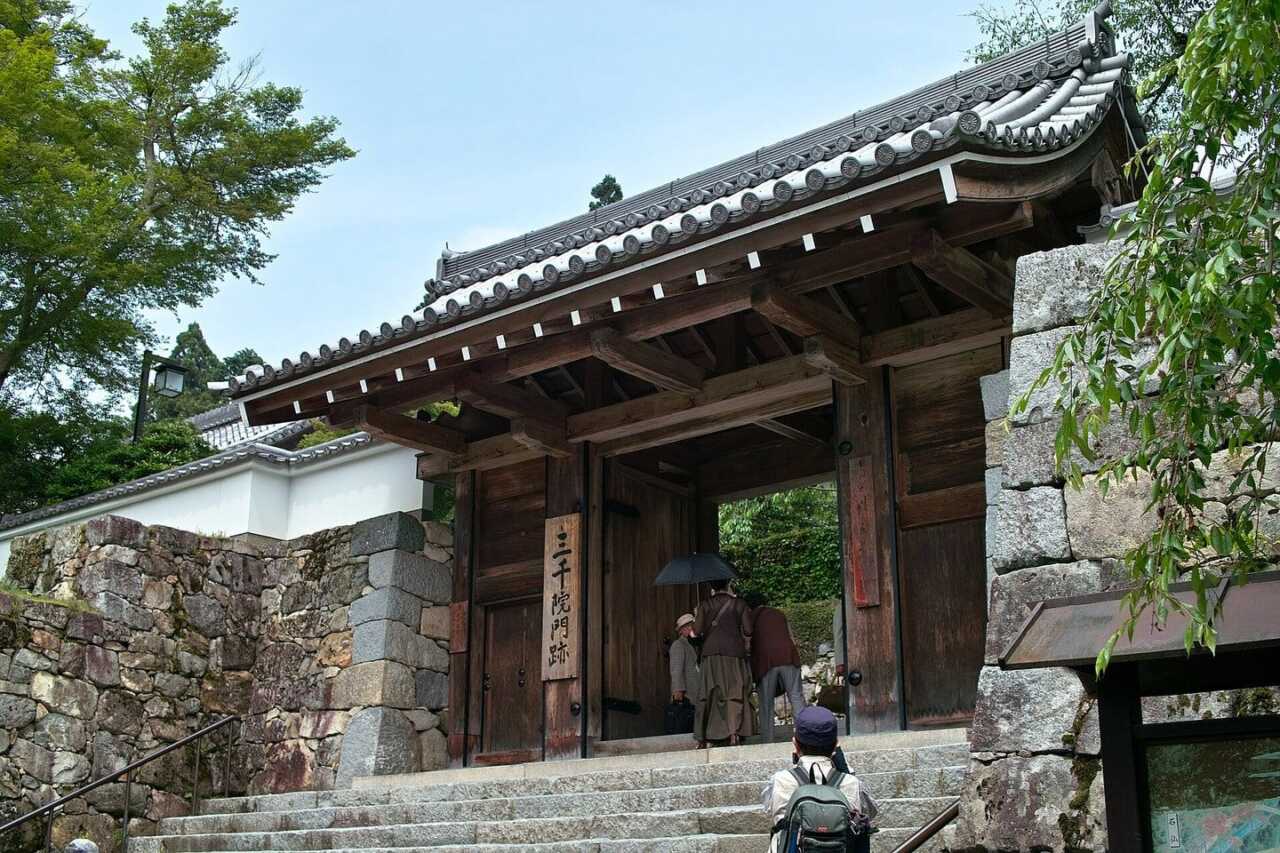
Rurikoin, officially “Muryojuzan Komyo-ji Rurikoin,” has a pitch-black wooden table and floor on the second floor of its study hall that reflect the mountainside ablaze with maple leaves outside the window, forming the famous “table reflection.” On the first floor you can admire the “Ruri Garden,” where moss and autumn leaves intertwine. Admission is ¥2,000 for adults and ¥1,000 for junior high and high school students (student ID required), cash only.
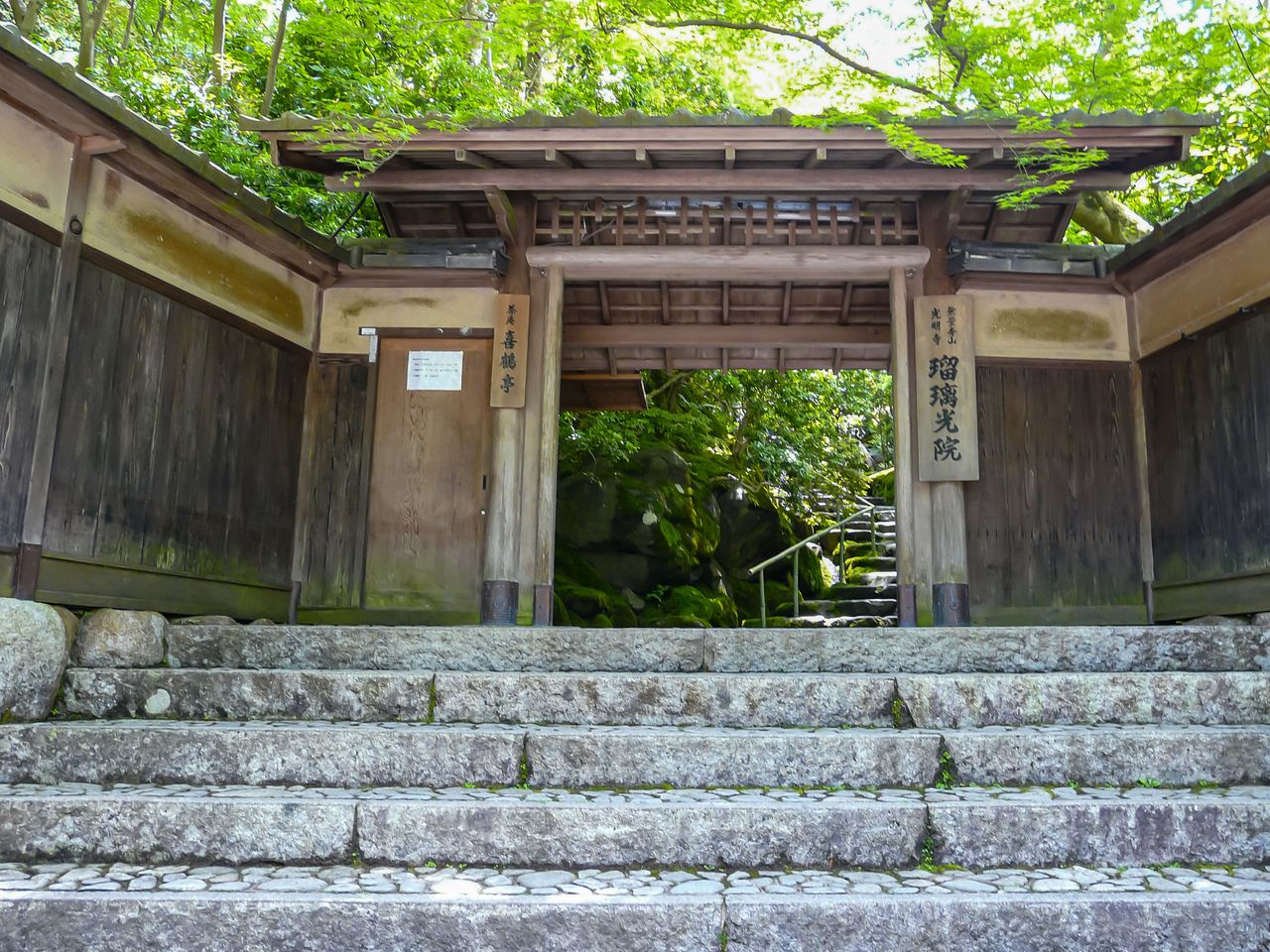
- 🎫 Admission: adults ¥2,000 / junior high and high school students ¥1,000
- 🕙 Viewing hours: 10:00-17:00 (last entry 16:30)
- 📅 Autumn opening: October 1 to December 13, 2026
Yase Autumn Leaves Trail: A Free Forest Tunnel of Red Leaves
Beside the Eizan Cable Car’s Cable-Yase Station, this is a 3,700-square-meter forest trail of autumn leaves, completely free to enter. Dense maple trees build a tunnel of red leaves against the sky while the ground is carpeted in fallen leaves. It is quiet and has fewer visitors, a hidden spot recommended by locals.
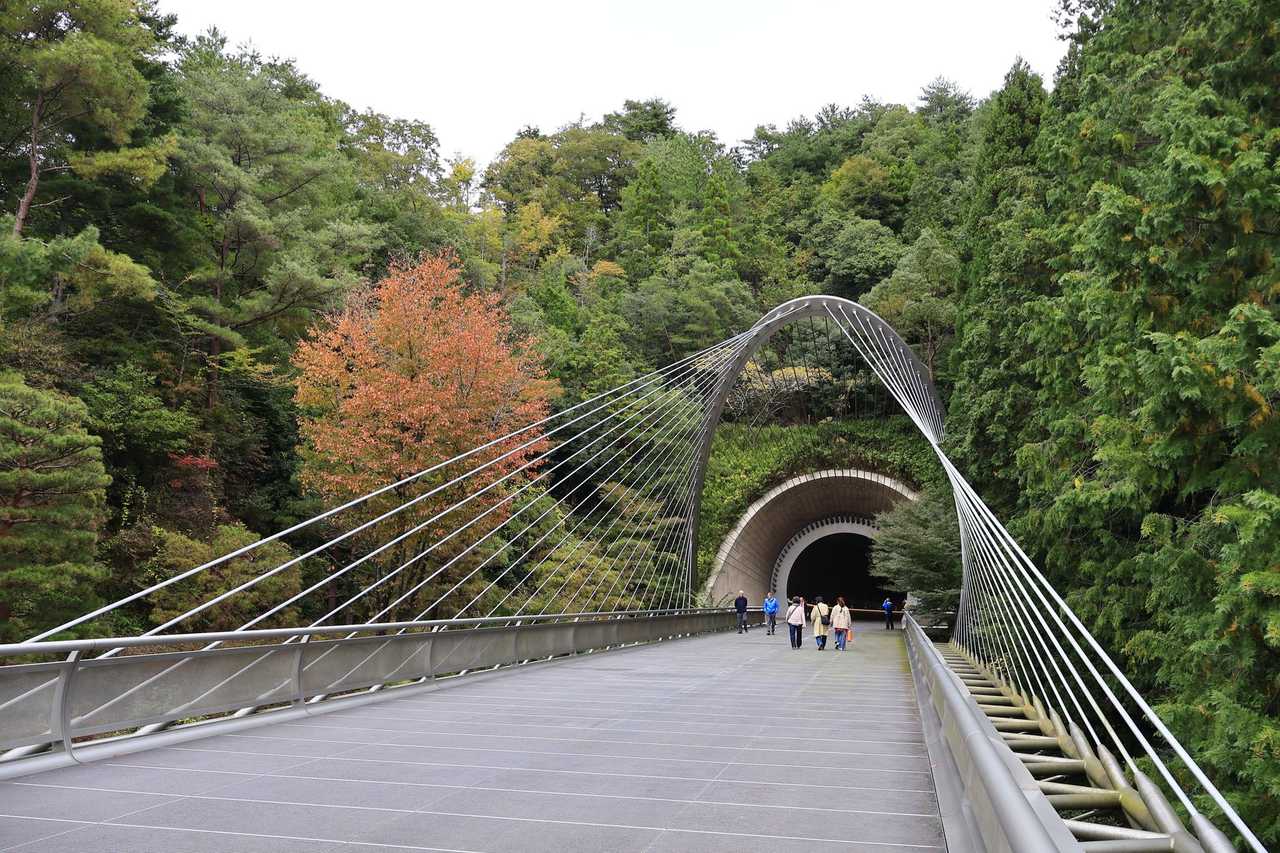
This is a great place for a stroll after visiting Rurikoin. No separate ticket is needed, and the trail is gentle and easy to walk, so even with seniors or children you can wander comfortably and feel the calm of a ground covered in red leaves.
Eizan Electric Railway Maple Tunnel: Autumn Beauty on the Move
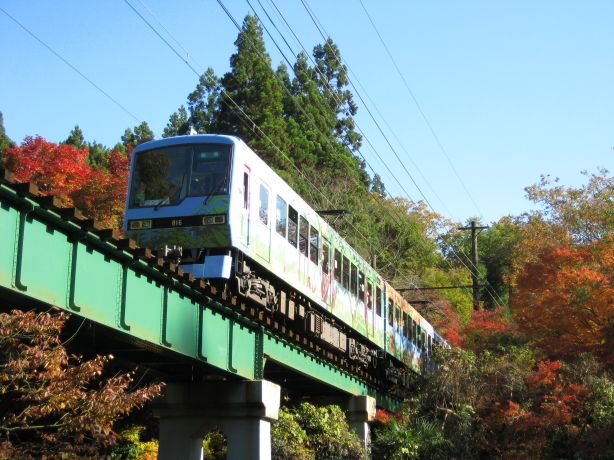
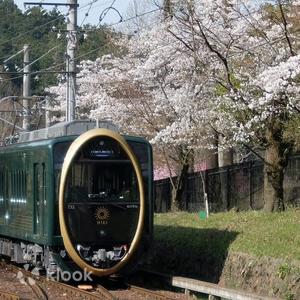
Where the Eizan Electric Railway passes between Ninose and Ichihara, the maple trees on both sides of the tracks form a natural tunnel of red leaves, and riding through feels like crossing a sea of red maples. Many rail fans and photographers ride this line specially for it.
The “Momiji Tunnel” lies between Ichihara and Ninose and is about 250 meters long. During the autumn leaf illumination period, trains passing through the tunnel turn off their interior lights and slow down, and the observation train “Kirara” adds extra runs. In 2025 the illumination ran from November 7 to 24; for 2026 dates, please see the Eizan Electric Railway official website.
Ohara Sanzen-in: A Thousand-Year-Old Temple Where Moss and Autumn Leaves Meet
Sanzen-in (Sanzen-in Monzeki) is Ohara’s most iconic thousand-year-old temple, with adult admission of ¥700. Its “Yusei-en” garden has a magnificent deep-green carpet of moss that contrasts sharply with the towering fiery maple leaves above, the classic leaf-viewing scene of Ohara.
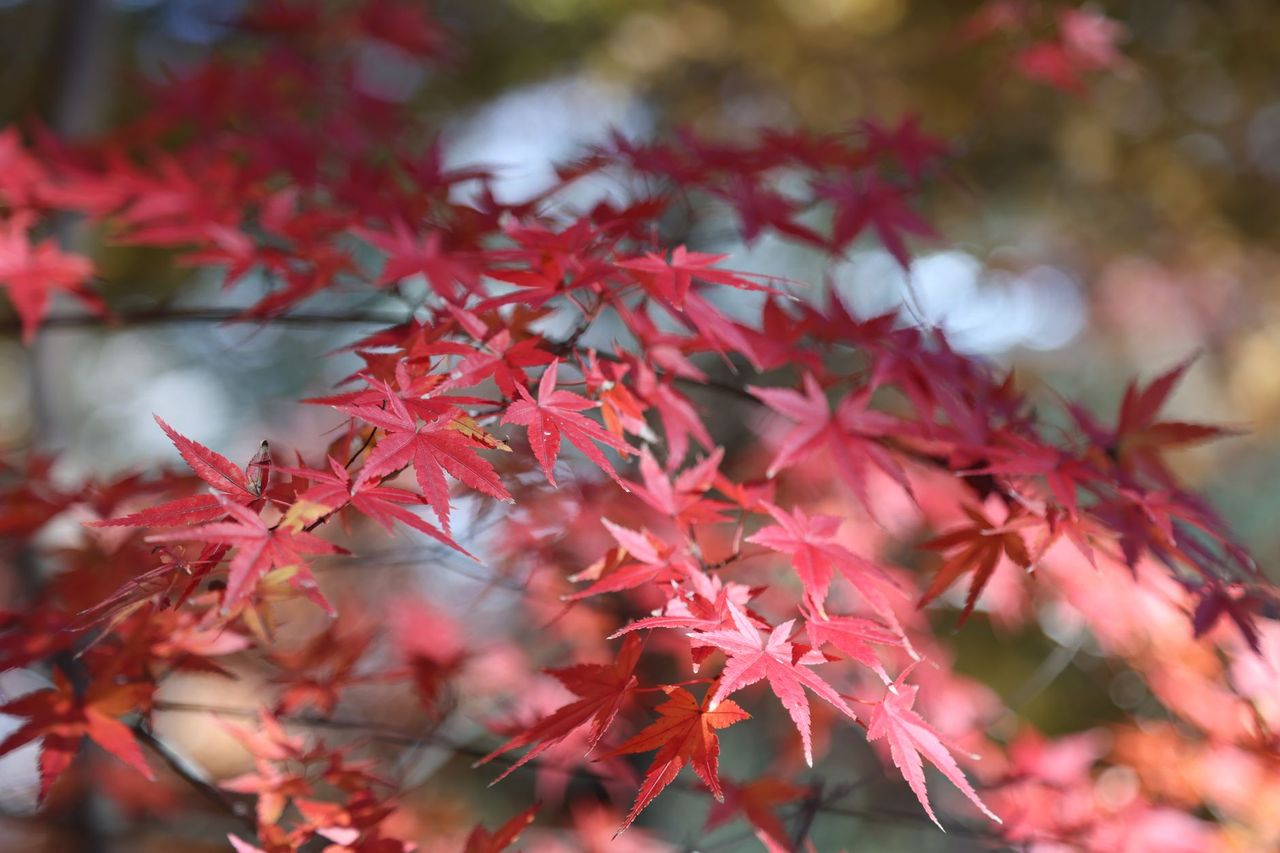
Among the fallen leaves you can also look for several “Warabe Jizo” smiling Jizo statues, each with a different expression and bowed head, a cute corner that many visitors seek out for photos. The temple also offers goshuin and omamori, so travelers who like collecting souvenirs may want to stop and pay their respects.
-Klook.jpg)

Sanzen-in Autumn Leaves: Opening Hours and Admission
Sanzen-in is open year-round, 9:00-17:00, with the opening moved up to 8:45 and the last closing at 16:45 in November, and 9:00-16:30 from December to February. Admission is ¥700 for adults, ¥400 for junior high and high school students and ¥150 for elementary school students, tickets bought on site. During peak leaf season visitors concentrate before noon, so we recommend entering around opening time and then walking on to Hosen-in and Shorin-in.
Hosen-in: The Picture-Frame Garden and Matcha Time
Hosen-in is only a 5-minute walk from Sanzen-in. Its most famous feature is the “Gakubuchi (picture-frame) Garden,” where the pillars and lines of the guest hall frame the garden’s autumn leaves and a 700-year-old five-needle pine like a living landscape painting, a viewpoint photographers regard as a hidden gem.
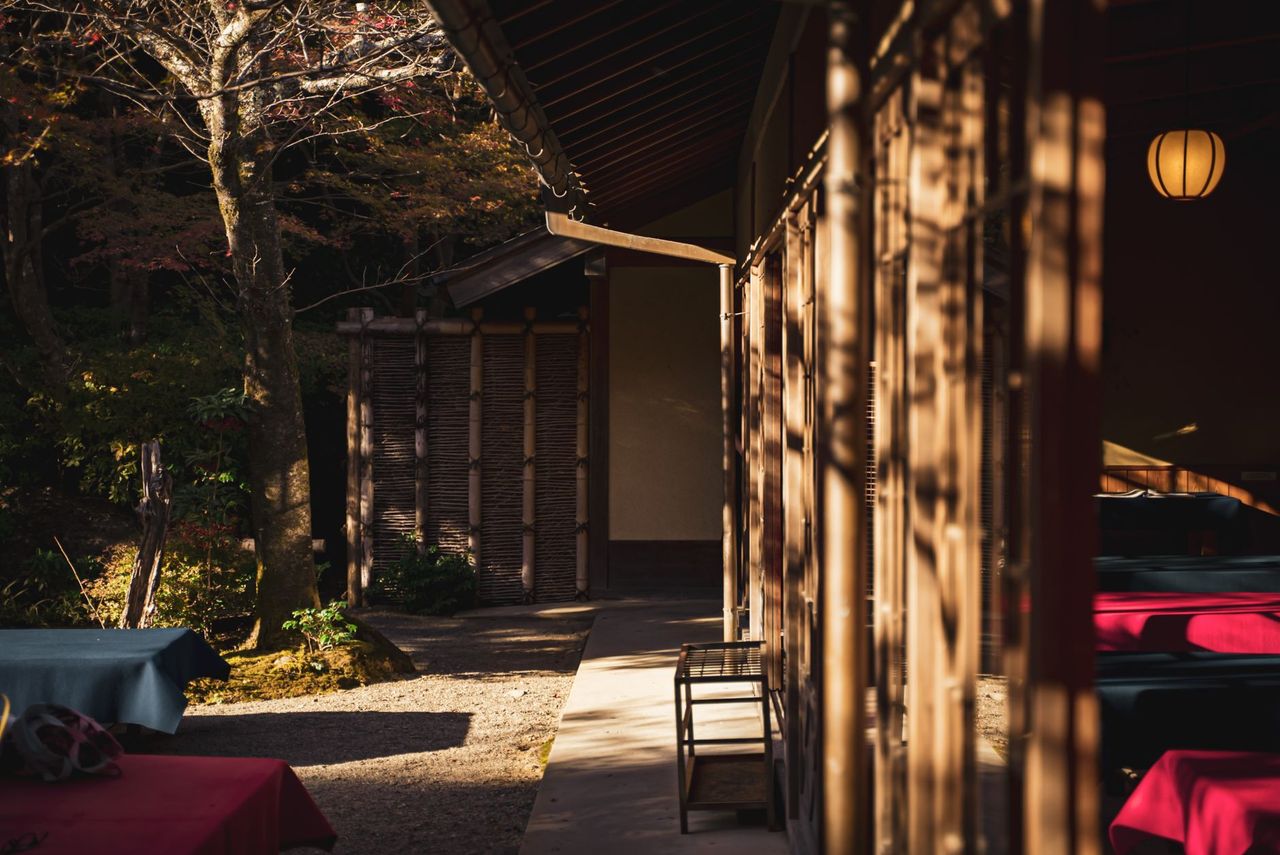
Admission includes a cup of freshly whisked matcha and a Japanese sweet, so you can sip tea and quietly watch the leaves. It makes a good rest stop in the middle of your Ohara tour, giving a tight itinerary some breathing room.
Jakko-in: The Quiet Red Leaves of the Tale of the Heike
Jakko-in lies on the other side of the village mountain path, in the opposite direction from Sanzen-in. It is a long-established nunnery and the retreat of Kenreimon-in, the tragic heroine of the Tale of the Heike, and its grounds still keep a strong historical atmosphere.
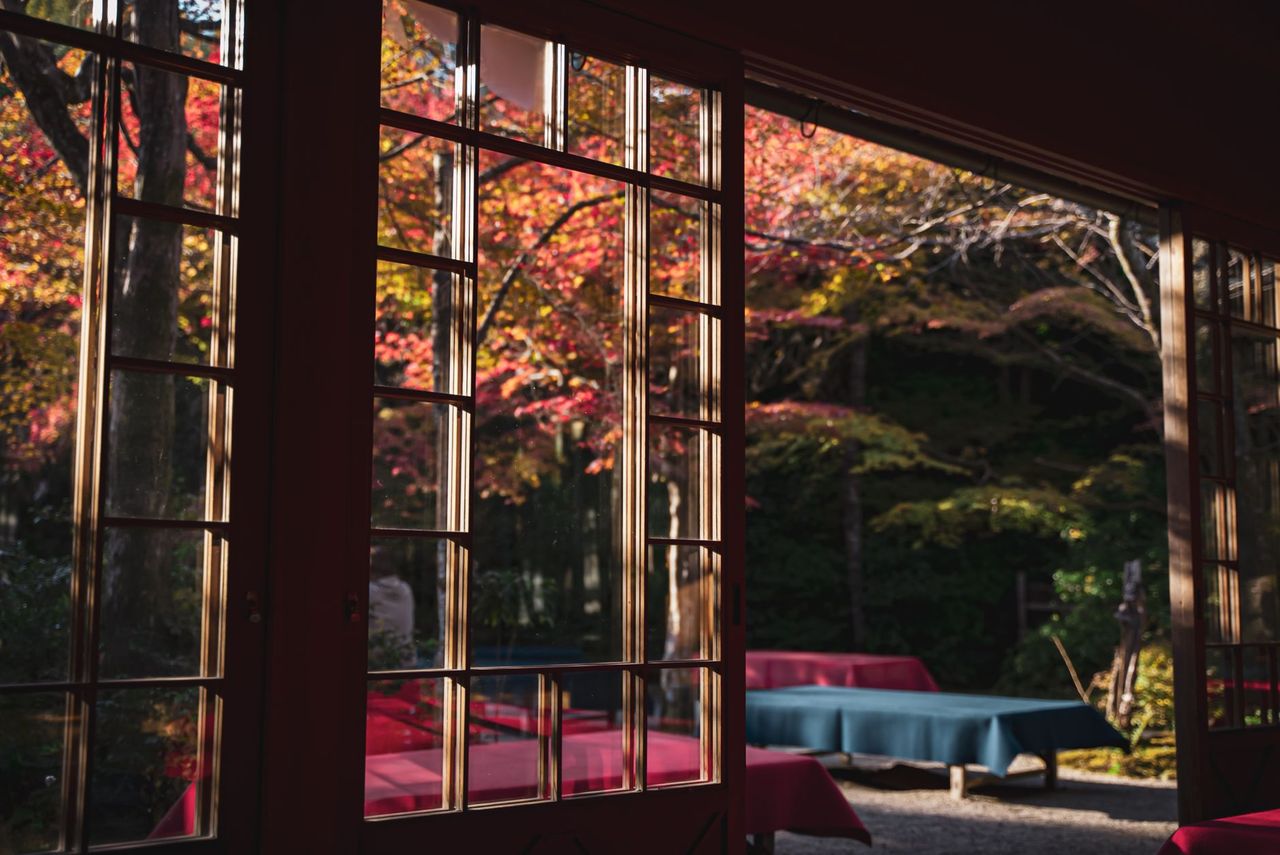
In autumn the steps around the temple gate are surrounded by dense red maples, giving off a Japanese aesthetic of stillness tinged with solitude and sorrow. Travelers who like quiet places and want to avoid crowds may want to add it to their route, and the temple also offers goshuin.
Shorin-in: A Peaceful Stop on the Ohara Leaf-Viewing Route
Shorin-in is right next to Hosen-in and is a temple often visited along the way on the Ohara leaf-viewing route. Maple trees surround its main hall and it has relatively few visitors, so you can enjoy the autumn red more leisurely.
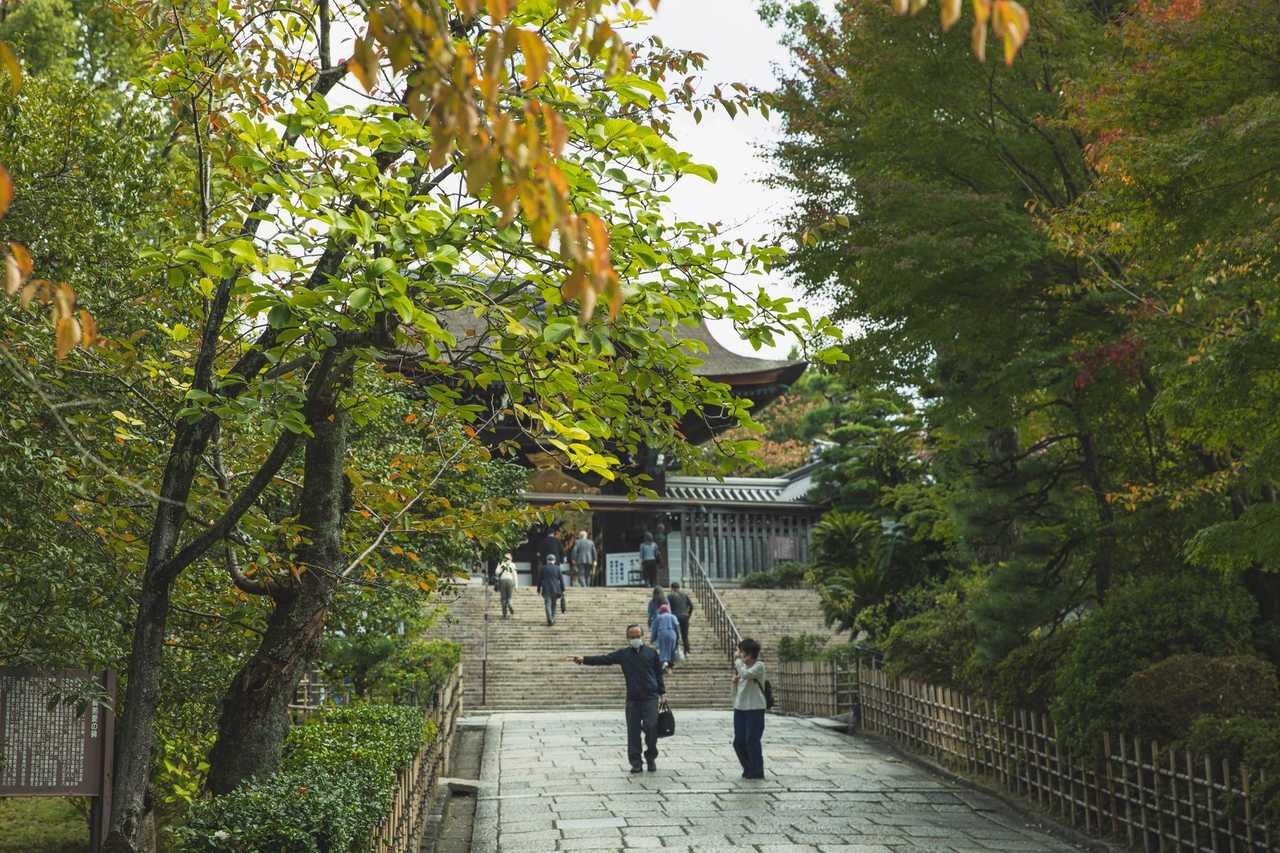
When Sanzen-in and Hosen-in are crowded, it is a good place to pause, slow down and enjoy the autumn colors, and also a good choice for photos with few people, making your whole Ohara trip more relaxed.
Mount Hiei Ropeway: A Panorama of Autumn Leaves from the Summit
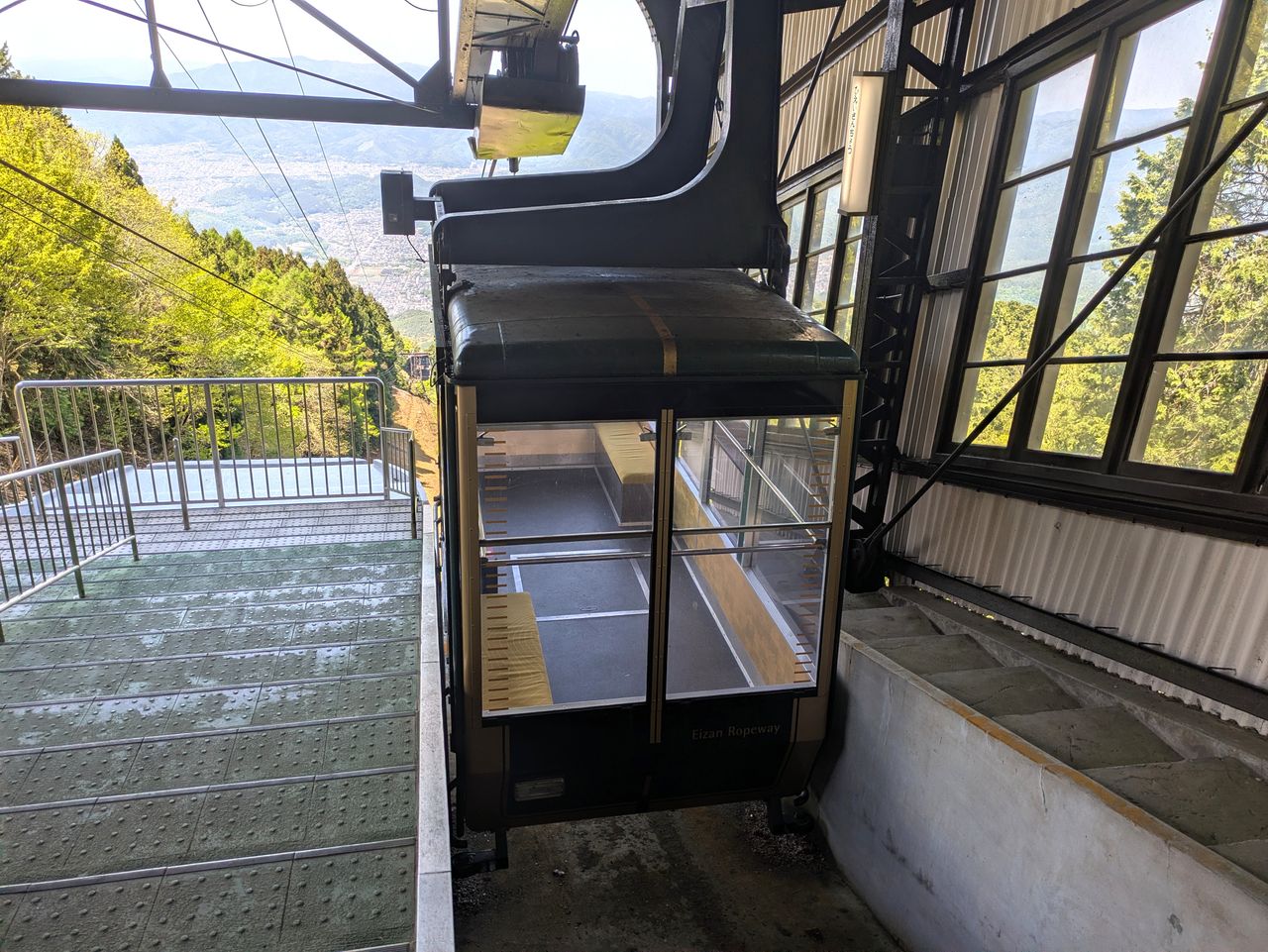
If you have time, you can take the Mount Hiei cable car (Eizan Cable) from Yase up to the summit of Mount Hiei, looking down on layer upon layer of autumn leaves across the mountains of northern Kyoto, and on a clear day you can even see Lake Biwa in the distance.
This leg suits travelers with half a day or more to spare, or those who have visited Kyoto’s city sights many times, as an extra add-on to a Yase-Ohara day trip for a completely different bird’s-eye view.
Recommended Tickets and Tours
If you would rather not work out complicated transfer routes yourself, these tickets and tours make a Yase-Ohara day trip faster and easier.
Eizan Electric Railway One-Day Pass: Unlimited Rides Along the Leaf Route
It allows unlimited rides on the full Eizan Electric Railway Main Line and Kurama Line, suiting travelers who plan several stops on the same day, such as Yase, Kibune and Kurama. The ticket (Ee Kippu) costs ¥1,200 for adults and ¥600 for children, can be bought at ticket machines at stations such as Demachiyanagi and Yase-Hieizanguchi, and is valid on the day of purchase. It is better value than buying single tickets one at a time and saves queuing for tickets at every station.
Kyoto Rakuhoku Ohara-Kurama-Kibune One-Day Ticket: Linking Yase and Ohara
The “Kyoto Rakuhoku Ohara-Kurama-Kibune Marugoto 1-Day Ticket” costs ¥2,600 and includes a round trip on the Keihan Line to Demachiyanagi, the full Eizan Electric Railway, and Kyoto Bus rides north of Imadegawa-dori. It must be bought on a phone through the official ticket site “Surutto QRtto,” and exchanged at Eizan Electric Railway’s Demachiyanagi Station for the “Kyoto Rakuhoku Mori to Mizu no Kippu” (Forest and Water Ticket). It is on sale until March 31, 2027, and suits linking Yase and Ohara on the same day.
Kyoto One-Day Charter: Easily Link Several Old Temples
A Chinese-speaking charter service can link Rurikoin, the Yase Autumn Leaves Trail, Sanzen-in, Hosen-in and more in one day without you working out transfer routes, especially suitable for seniors or travelers carrying large camera equipment. Prices vary by vehicle type and time, so before your trip please confirm with the charter company whether expressway tolls and parking fees are included.

Accommodation and Pre-Trip Tips

Where to Stay: Central Kyoto or a Yase Hot Spring Inn
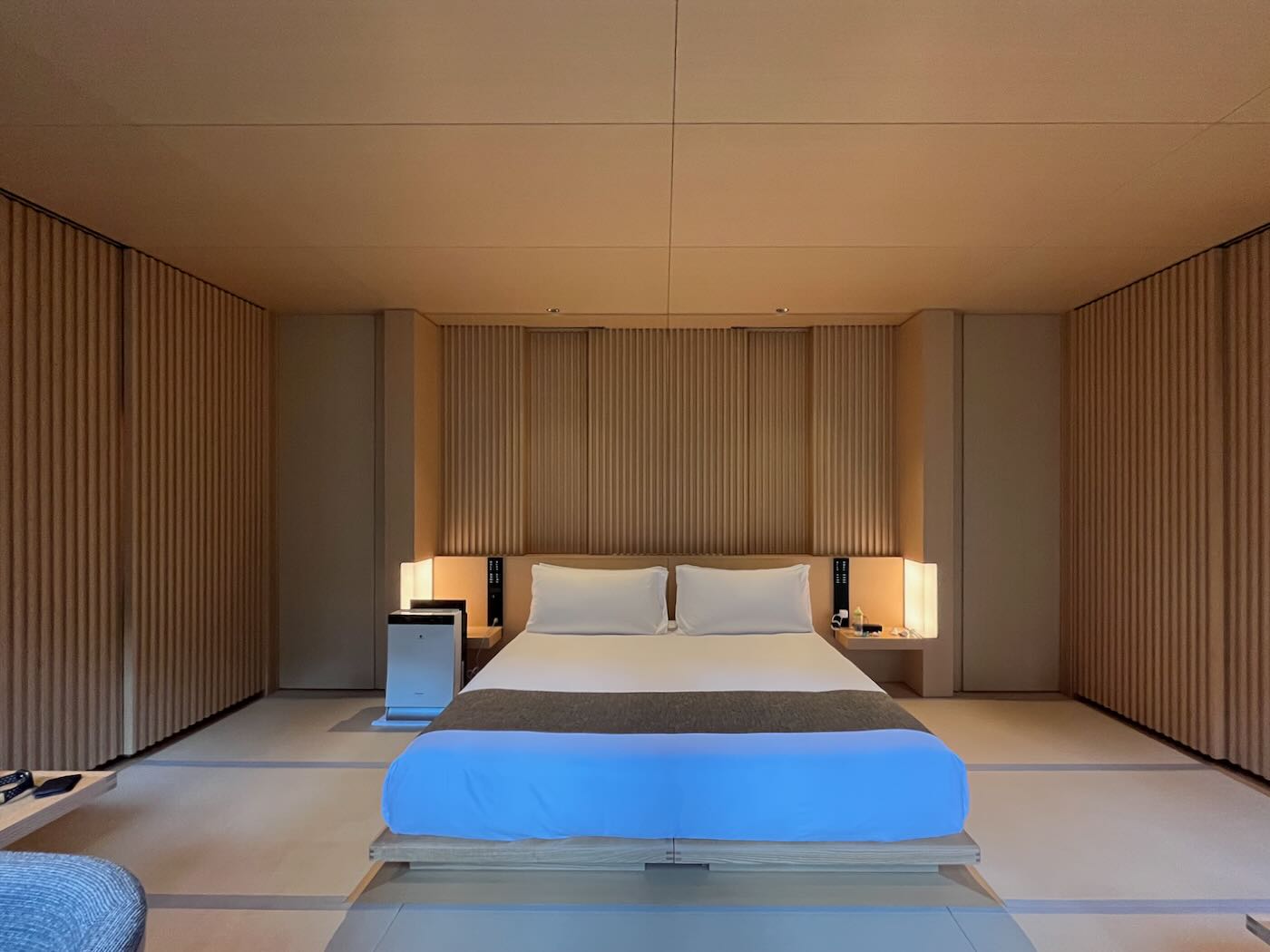
If your trip also includes other sights in central Kyoto, we suggest a conveniently located hotel around Kyoto Station or Kawaramachi. If you want to avoid commuting back and forth and enjoy a more leisurely pace, Yase itself also has hot spring inns where you can soak right after leaf-viewing. Keihan’s Demachiyanagi Station is next to the Eizan Electric Railway’s Demachiyanagi Station, so staying along the Keihan line (such as Gion-Shijo or Shichijo) also makes it easy to transfer to Yase.
FAQ
Q: Do I have to book Rurikoin in autumn?
Only November 13 to December 6 is by reservation. During the other opening periods (October 1 to November 12 and December 7 to 13) you can go without a reservation, but leaf color outside the peak is more scattered.
Q: Can I still go if I did not get a reservation?
Yes. Choose a non-reservation period. Although it is not the peak of full red, you can still enjoy the layered scenery of yellow, green and red, and you queue on site with no need to pay in advance.
Q: Can a charter car go straight into Rurikoin?
Rurikoin’s official website clearly states that it does not accept tours organized by travel agencies or group visits. Visitors must still enter under the individual reservation or on-site ticket rules; a charter can only arrange transport and cannot drop you beside the temple gate.
Q: Can I see Yase and Ohara in one day?
Yes. The two areas are on the same transport line, linked by taking the Eizan Electric Railway and then Kyoto Bus No. 17. We recommend allowing a full day: visit Rurikoin and stroll the Yase Autumn Leaves Trail in the morning, then head to Ohara in the afternoon for Sanzen-in and Hosen-in.
Q: How long should I spend at Rurikoin?
We generally recommend allowing 60 to 90 minutes, including waiting to enter, handling your shoes, moving through the interior and taking photos. It is busier at the peak of leaf season, so we suggest going in the earliest opening slot.
Q: Is there traffic in Ohara during leaf season?
Yes. During leaf season the Ohara area is prone to traffic jams. We strongly recommend taking the Eizan Electric Railway to Yase-Hieizanguchi Station and then transferring to a Kyoto Bus to Ohara, which avoids most of the congested stretches.