
Hakone Free Pass: The Must-Have Card for Exploring Hakone
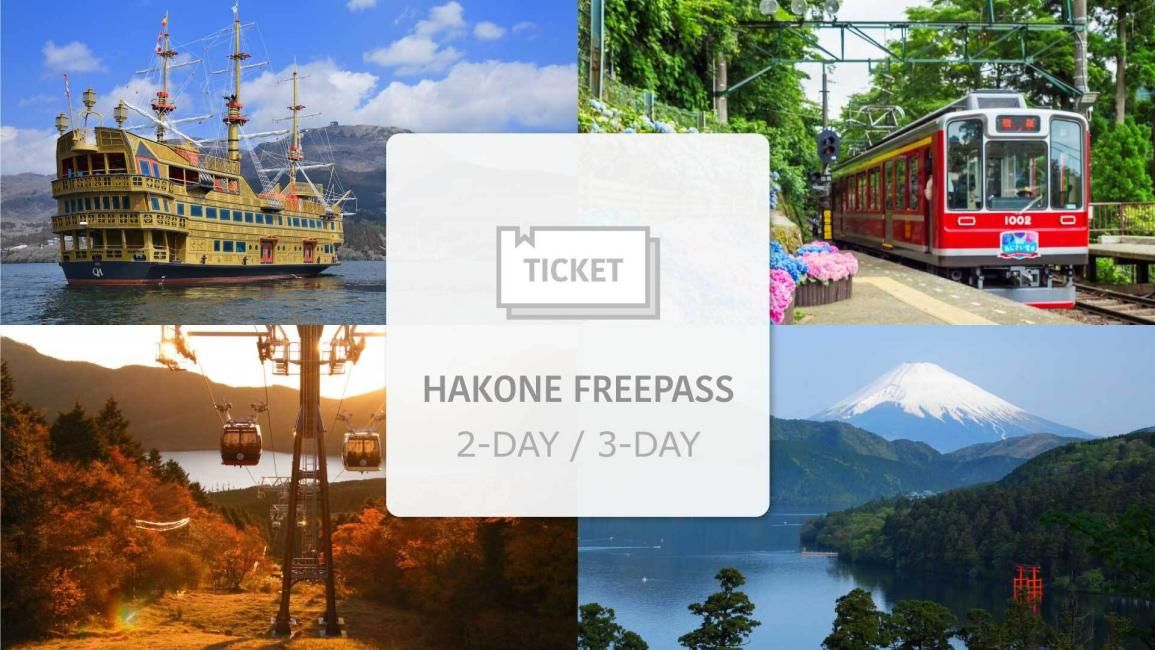
The Hakone Free Pass is the most popular and best-value transport ticket for traveling in the Hakone area. It covers unlimited rides on many of Hakone’s main modes of transport and also gives discounts on admission at about 70 tourist facilities, making your Hakone trip both economical and convenient.
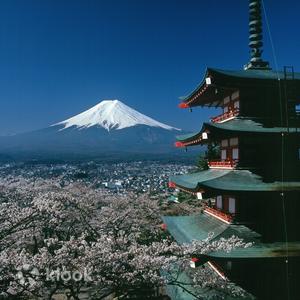
Hakone is famous for its magnificent views of Mount Fuji, hot springs, Lake Ashi and rich art and culture. The pass is designed to simplify getting around Hakone’s complicated transport network, so whether it is your first visit or a deeper exploration, you can plan your itinerary easily and fully enjoy Hakone’s natural beauty and culture.

The Appeal and Advantages of the Hakone Free Pass
The biggest appeal of the Hakone Free Pass is the convenience of “one ticket, no obstacles.” It combines many modes of transport, and the facility discounts it offers save budget-minded travelers a good amount, raising the overall value of the trip.
The pass suits 2-day-1-night or 3-day-2-night itineraries. You can hop on and off as you please, cruise the lake on the pirate ship and ride the ropeway to see Owakudani.
Latest 2026 Information and Fare Changes
In 2026, the Hakone Free Pass from Shinjuku costs ¥7,100 for adults for the 2-day pass and ¥7,500 for the 3-day pass; from Odawara it is ¥6,000 for the 2-day pass and ¥6,400 for the 3-day pass (prices after the October 1, 2025 increase). For the latest fares, please see the Odakyu Electric Railway official website.
Operating hours for the cable car, pirate ships and buses change with the season and weather, so please check running information on Hakone Navi before you leave.
Transport Covered by the Hakone Free Pass and Optional Add-Ons
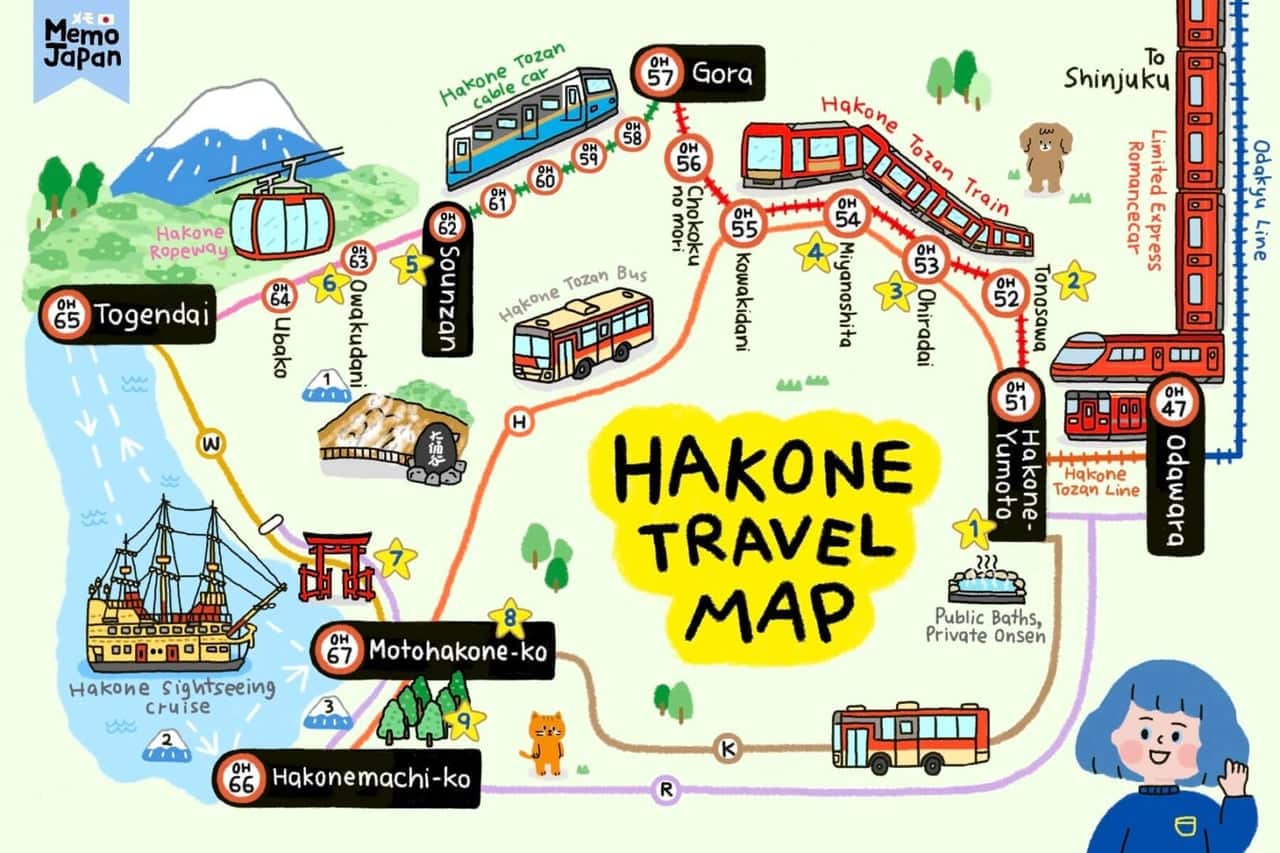
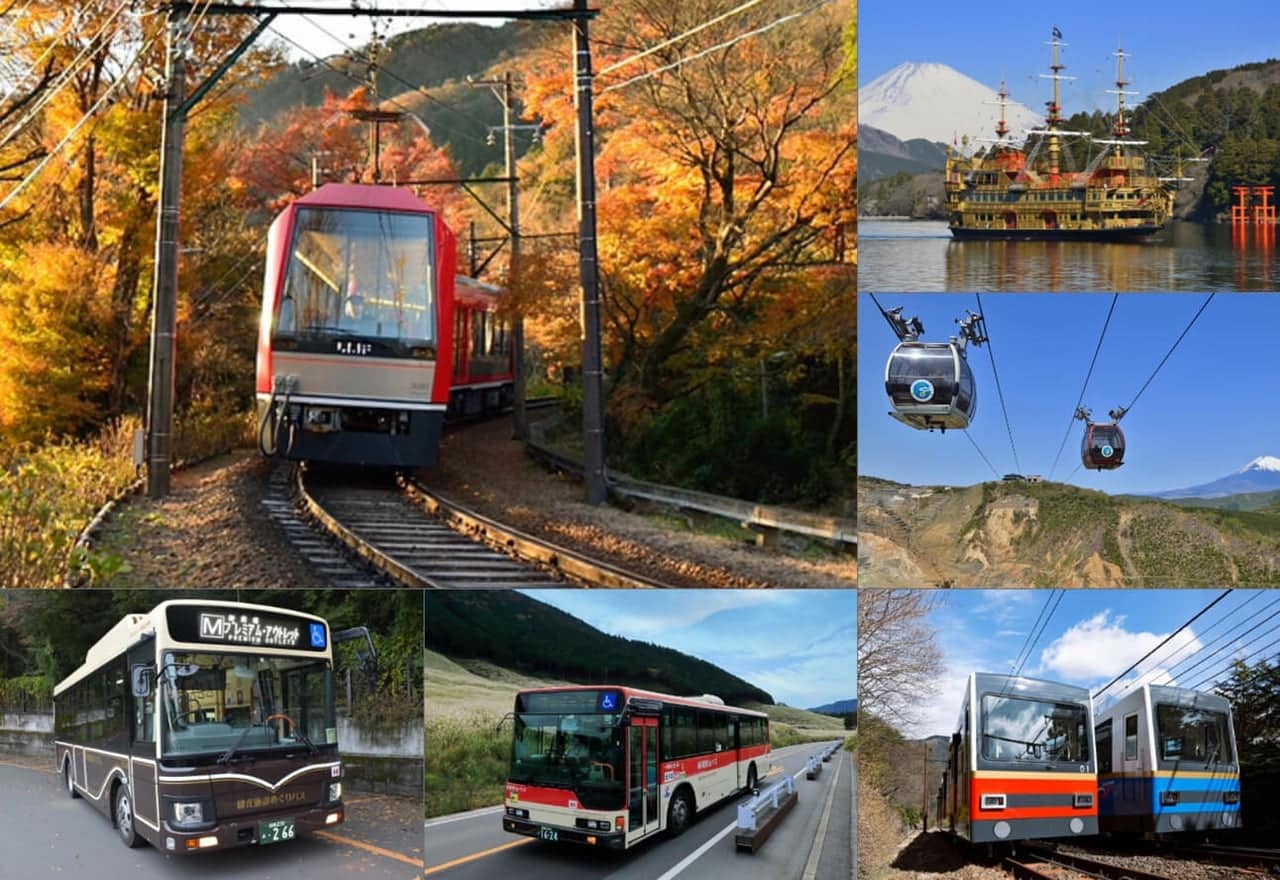
The essence of the Hakone Free Pass is that it covers up to eight main modes of transport in the Hakone area, letting you link the sights with ease. These include railway, cable car, ropeway, pirate ships and several bus routes, forming a complete transport network that lets you move freely among Hakone’s mountains and waters.
Whether you want to go straight from Shinjuku to Hakone-Yumoto or plan to enjoy a pirate ship ride on Lake Ashi, the pass meets your needs. Understanding the features and coverage of each mode of transport is the key to making full use of the pass, and it also helps you plan the most efficient route.
Odakyu Line: The Starting Point to and from Hakone
The Hakone Free Pass usually includes a round-trip ticket between a designated Odakyu Line station (such as Shinjuku or Odawara) and the Hakone area. The pass from Shinjuku includes one round trip on the Odakyu Line between Shinjuku and Odawara, with unlimited stopovers along the way. This makes getting from central Tokyo to Hakone extremely convenient.
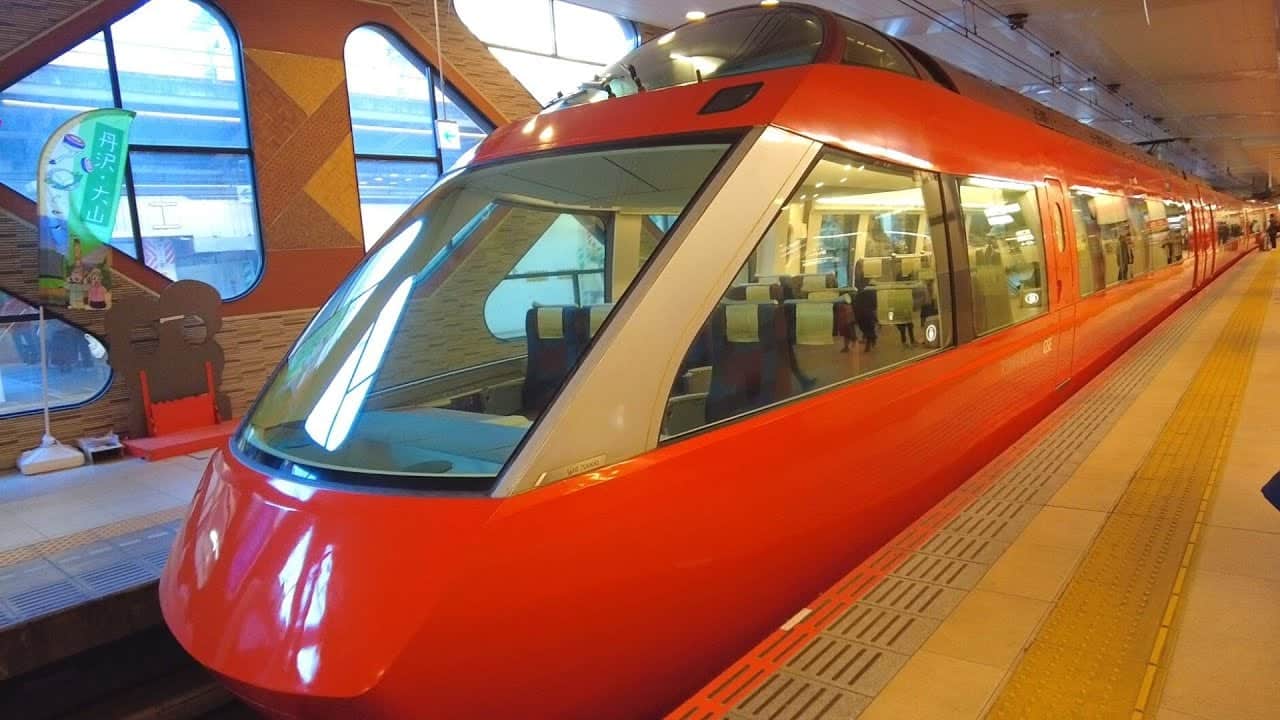
If you want a more comfortable and faster trip, you can buy an additional limited express ticket for the “Odakyu Romancecar.” The Romancecar offers roomier seats and faster travel, and some cars have observation seats, so you can start enjoying the views on the way to Hakone.

Hakone Tozan Train: Traveling Through the Mountain Forest
The Hakone Tozan Train is one of the few mountain railways in Japan, famous for its unique switchback climb. Starting from Hakone-Yumoto Station, it passes babbling streams and dense mountain forest on its way to Gora Station. In cherry blossom and autumn leaf seasons, the scenery outside the window is especially beautiful.
The train climbs slowly, letting you enjoy Hakone’s natural scenery along the way; on some sections the train reverses direction, a design used to overcome the steep gradient.
With the Hakone Free Pass you can ride the Tozan Train without limit along the whole line from Odawara to Gora, with no need to buy a separate ticket for each leg.
Hakone Tozan Train Fares: Odawara and Hakone-Yumoto to Gora
Adult one-way Hakone Tozan Train fares (revised October 1, 2022) are ¥360 from Odawara to Hakone-Yumoto and ¥770 from Odawara to Gora; the Tozan Cable Car from Gora to Sounzan costs ¥430 for adults. With the Hakone Free Pass you can ride the Tozan Train between Odawara and Gora as often as you like, which is better value for round trips and for itineraries with many stopovers.
Hakone Tozan Cable Car: Straight to Sounzan
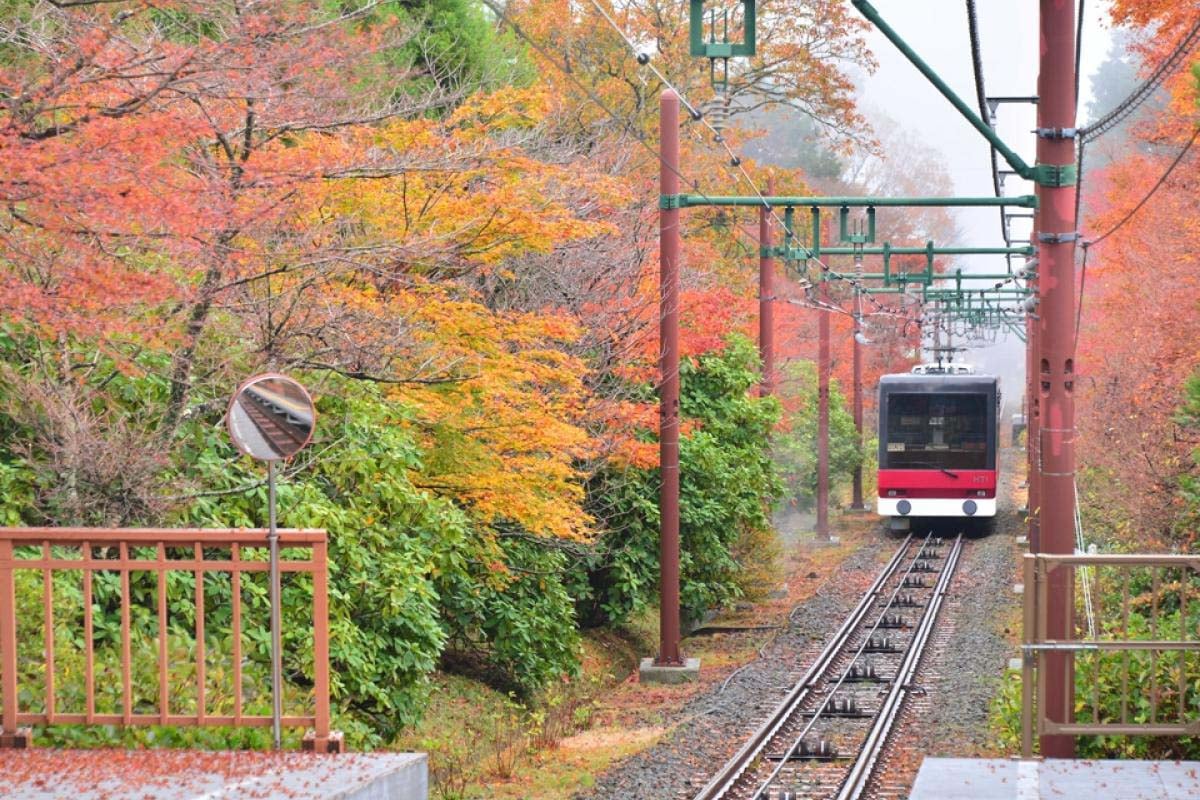
From Gora Station to Sounzan Station you can ride the Hakone Tozan Cable Car. The route is short but steep, getting you to the top quickly and offering a panoramic view of the Gora area. The cars are spacious with good views, and they are an important link between the Tozan Train and the ropeway.
The cable car runs frequently, so you can ride whenever you like. At Sounzan Station you can transfer to the Hakone Ropeway and continue to Owakudani and Lake Ashi. This seamless connection lets Hakone’s “Golden Route” run smoothly.
Hakone Ropeway: Overlooking Owakudani and Mount Fuji
The Hakone Ropeway is one of the highlights of a Hakone trip, connecting four stations: Sounzan, Owakudani, Ubako and Togendai. Riding it, you can look down from above on the sulfur vents formed by volcanic activity at Owakudani and feel the wonder of nature.
On clear days you can also see magnificent Mount Fuji and Lake Ashi in the distance from the gondola. This air journey of about 20 minutes offers excellent photo opportunities and is the best way to experience Hakone’s natural beauty. Please note that access to Owakudani may be restricted because of volcanic activity, so be sure to check the latest information before you go.
Hakone Pirate Sightseeing Ships: An Adventure on Lake Ashi
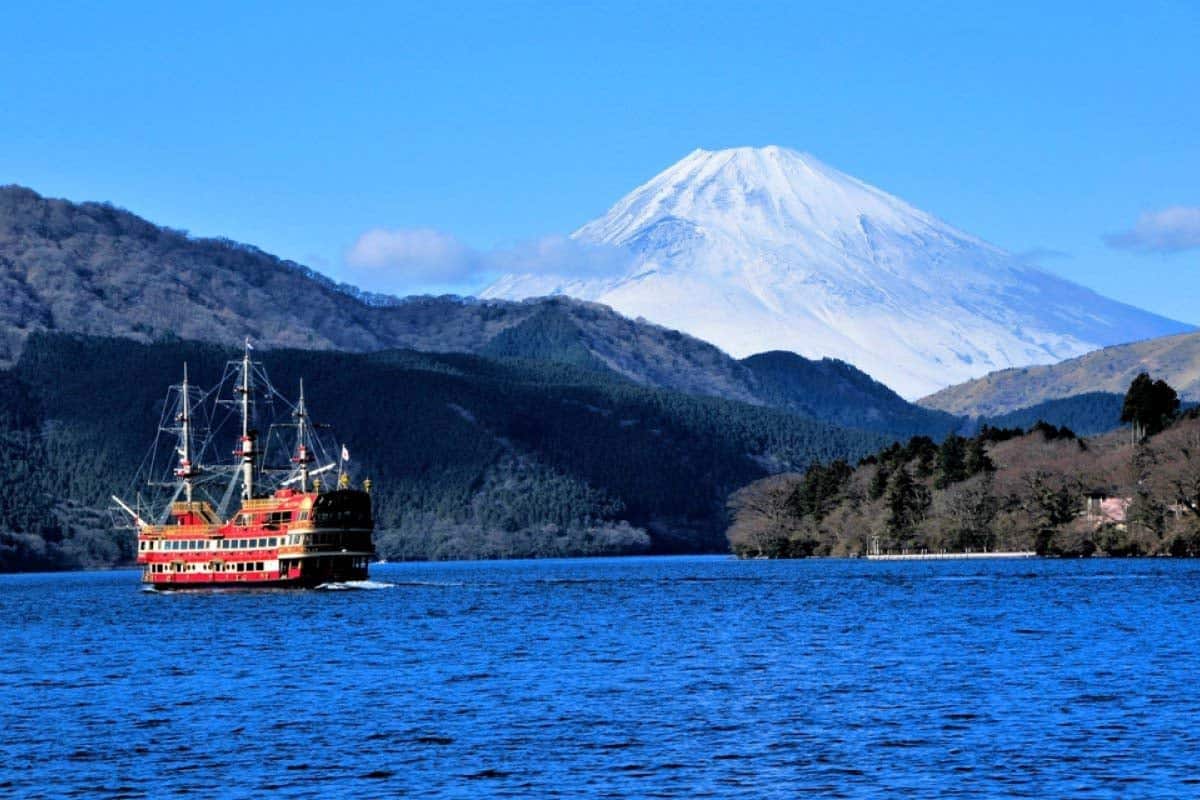
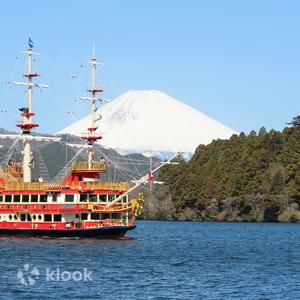
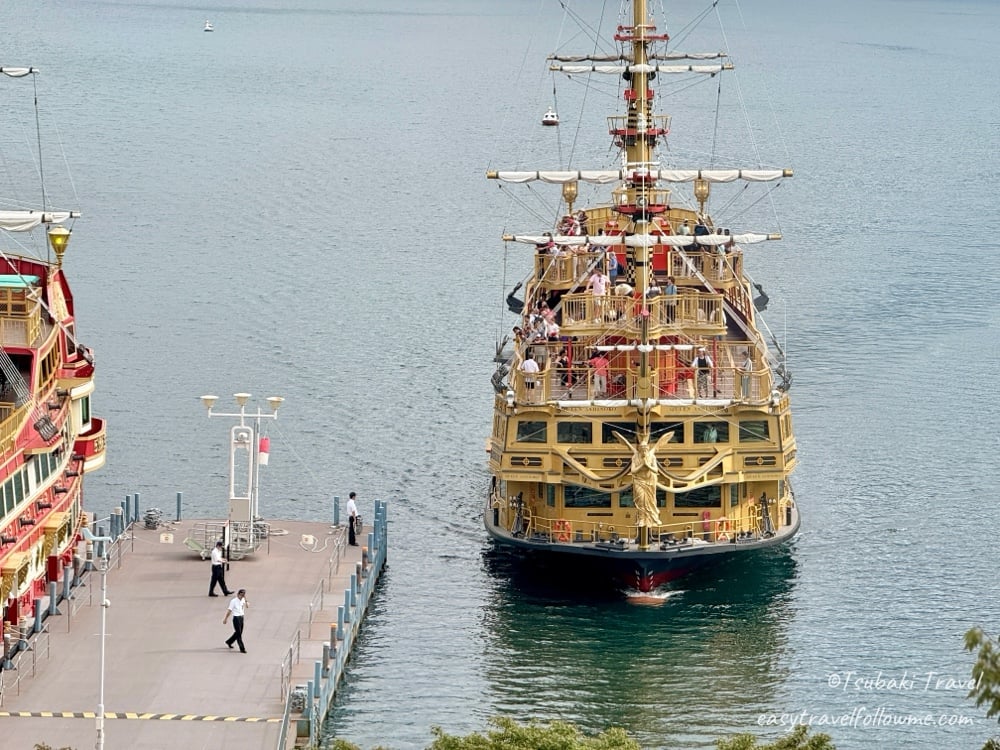
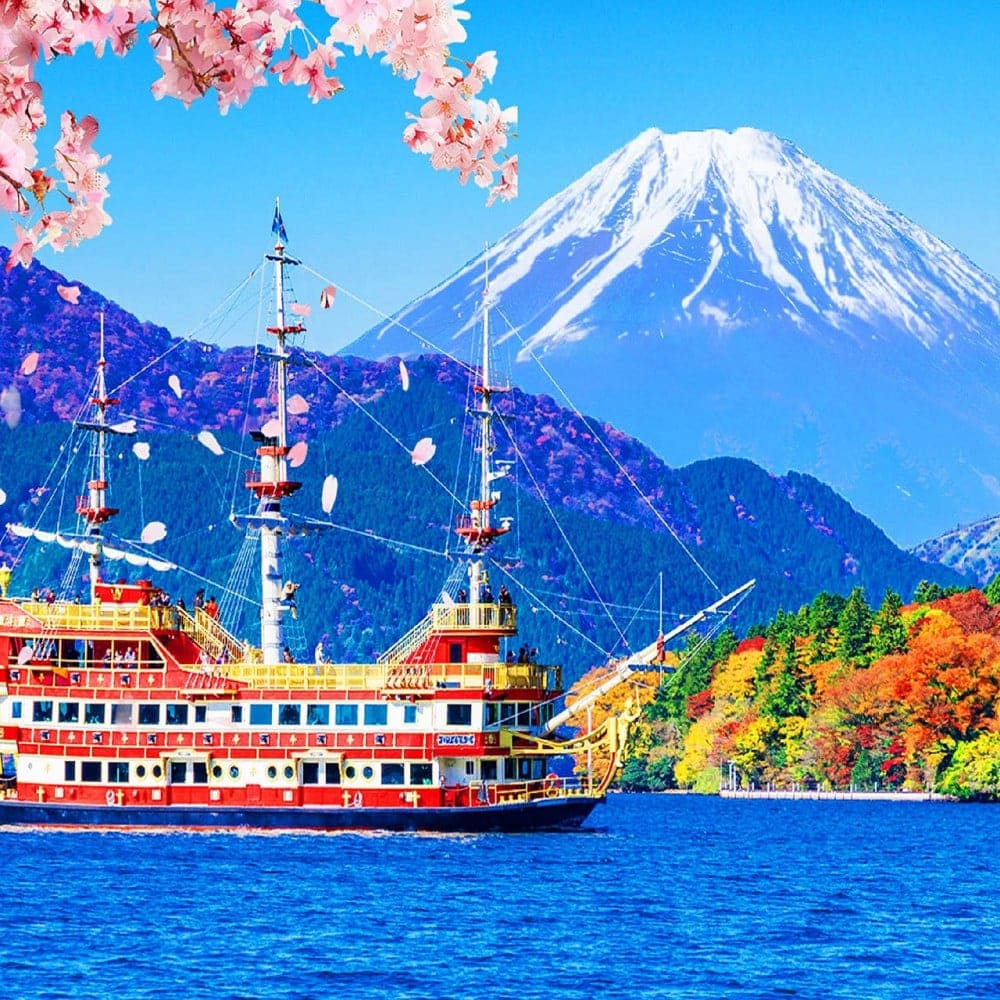
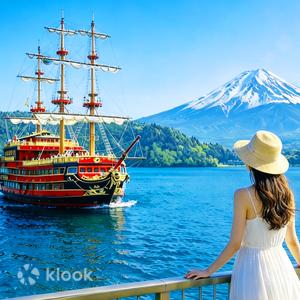
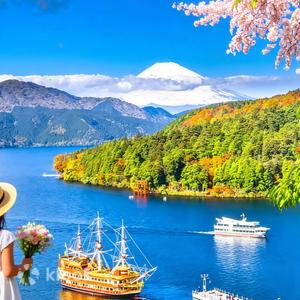
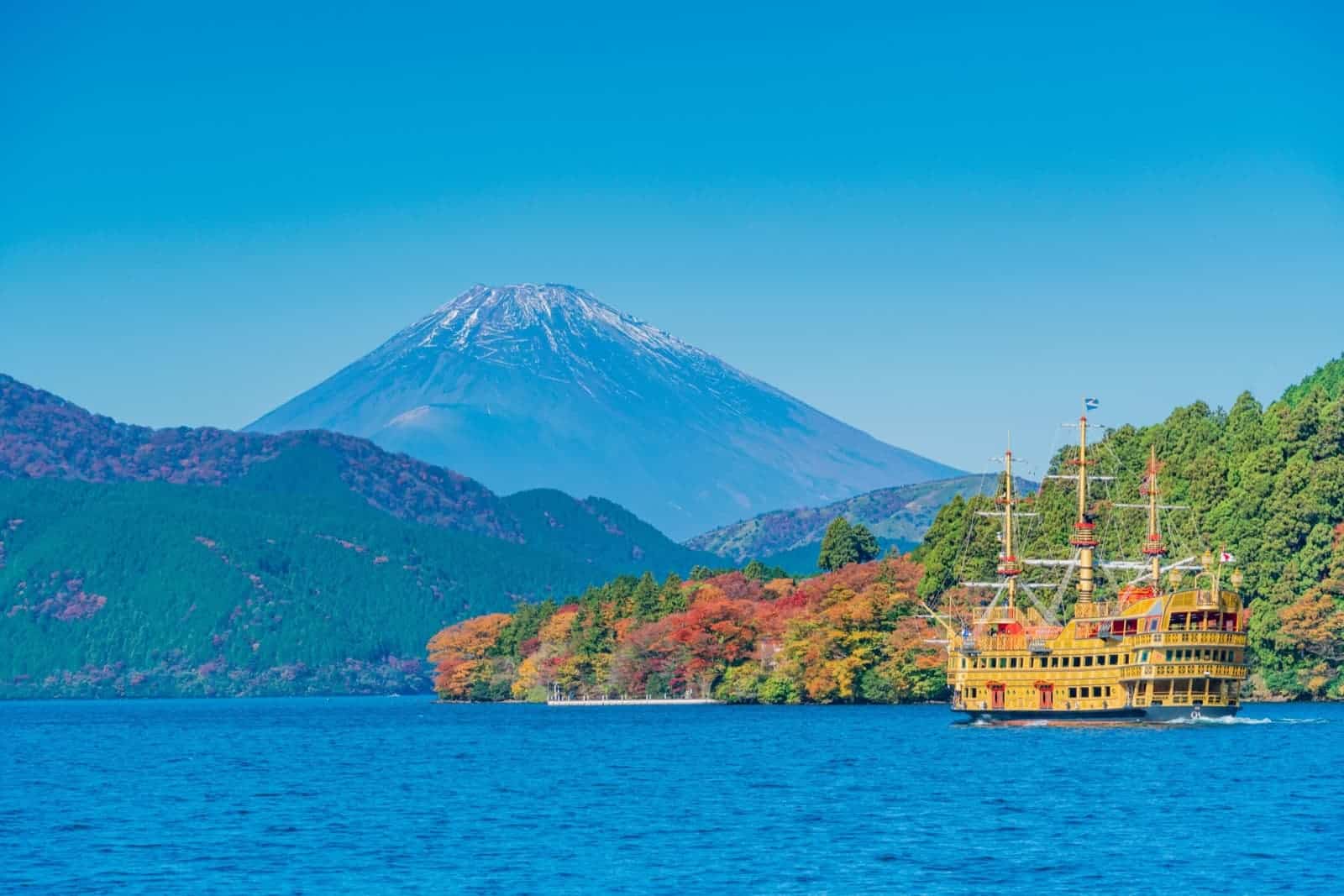
On Lake Ashi, the Hakone Pirate Sightseeing Ships are an experience not to be missed. These uniquely styled ships attract many visitors with their flamboyant appearance. They sail between Togendai, Hakone-machi Port and Moto-Hakone Port, letting you enjoy the lake and mountain scenery and look out toward Mount Fuji.
Riding the pirate ship lets you see Lake Ashi’s beauty from different angles and feel the pleasant breeze off the water. The ships have indoor and outdoor seating, so you can enjoy the cruise comfortably whatever the weather. This crossing is a key link between the Hakone Ropeway and the Hakone Tozan Bus.
Hakone Tozan Bus: Flexible Travel Between Sights
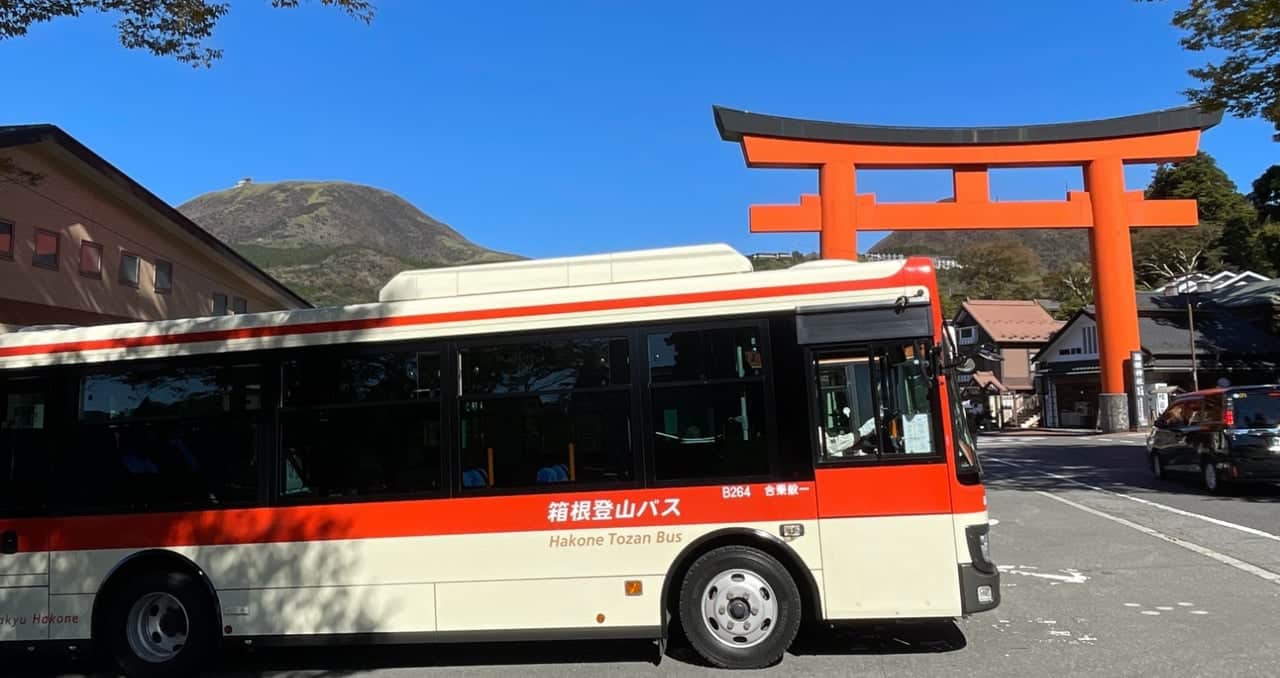
The Hakone Tozan Bus network spreads across the whole Hakone area and is the most flexible way to link the sights. The pass covers Hakone Tozan Buses, the sightseeing facility loop bus, Odakyu Highway Buses (designated sections) and Tokai Buses (designated sections) within the designated area, letting you reach museums, hot springs and shopping streets with ease.
With many bus routes covering a wide area, whether you are going to the Hakone Glass Forest Museum in Sengokuhara or the shopping street at Hakone-Yumoto, you can find a suitable bus. We recommend checking the bus route map and timetable in advance so you can plan your itinerary more efficiently.
Adding the Odakyu Romancecar: Upgrade Your Journey
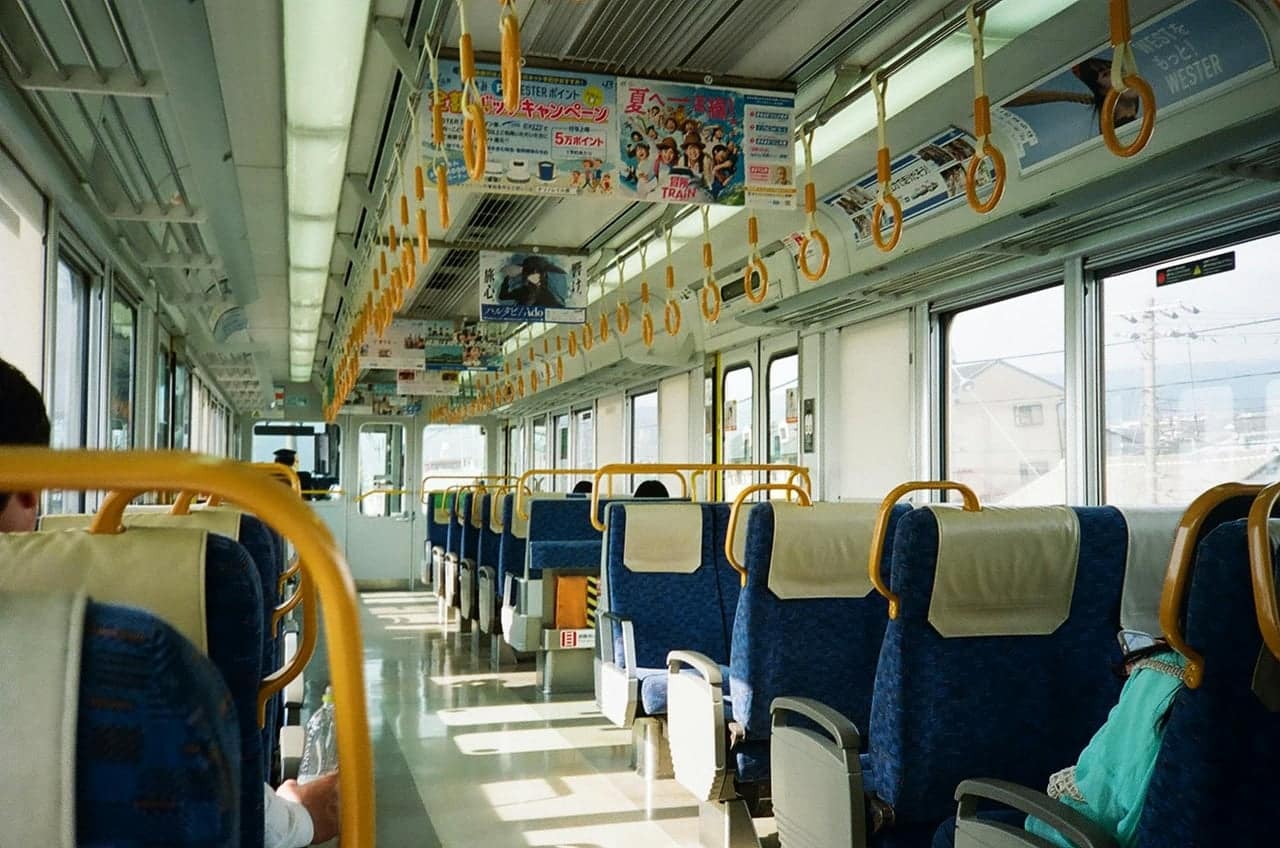
The Hakone Free Pass does not include a limited express ticket. If you want to reach Hakone faster and more comfortably, you can buy a separate limited express ticket for the Odakyu Romancecar, which has roomy seats and, on some train types, observation seats.
The limited express ticket from Shinjuku to Hakone-Yumoto is ¥1,200. Observation seats are at the front and rear of the train and are available only on GSE (Series 70000) trains. Reservations open at 10:00 one month before the travel date. Seats are limited, so we recommend booking as soon as sales begin.
Recommended Sights and Facility Discounts with the Hakone Free Pass
The Hakone Free Pass is not only convenient for transport but also a discount card that saves you money. With the pass, you get admission discounts or special offers at about 70 sightseeing facilities, museums, hot springs and restaurants in the Hakone area. This greatly improves the value of a Hakone trip, letting you experience more at a better price.
Making good use of these discounts can make your itinerary richer and more colorful. From world-class museums to historic shrines to lively hot springs, Hakone’s charms are endless. Below are a few popular sights that offer discounts with the Hakone Free Pass, to give your planning more direction.
Hakone Open-Air Museum: Where Art Meets Nature
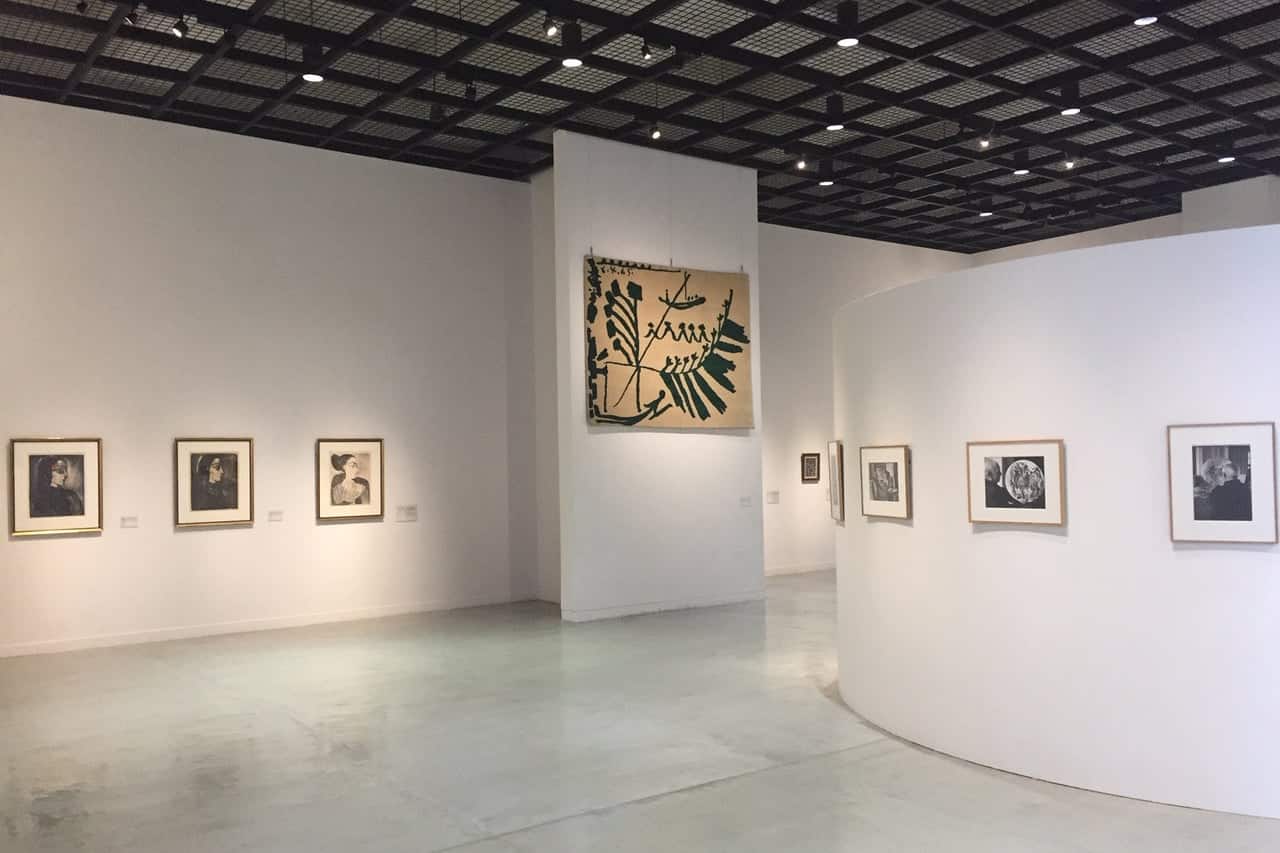

The Hakone Open-Air Museum is Japan’s first open-air art museum, skillfully blending artworks into the natural landscape. It houses sculptures by world-class masters such as Rodin and Henry Moore, so visitors can enjoy the beauty of art while strolling. The museum also has a Picasso Pavilion displaying Picasso’s ceramics and paintings.
Pass holders get an admission discount. The museum is designed to suit families with children, with a children’s play area and interactive installations so kids can find fun in art too. We recommend allowing at least 2-3 hours here.
Hakone Glass Forest Museum: The Brilliance of Venetian Glass
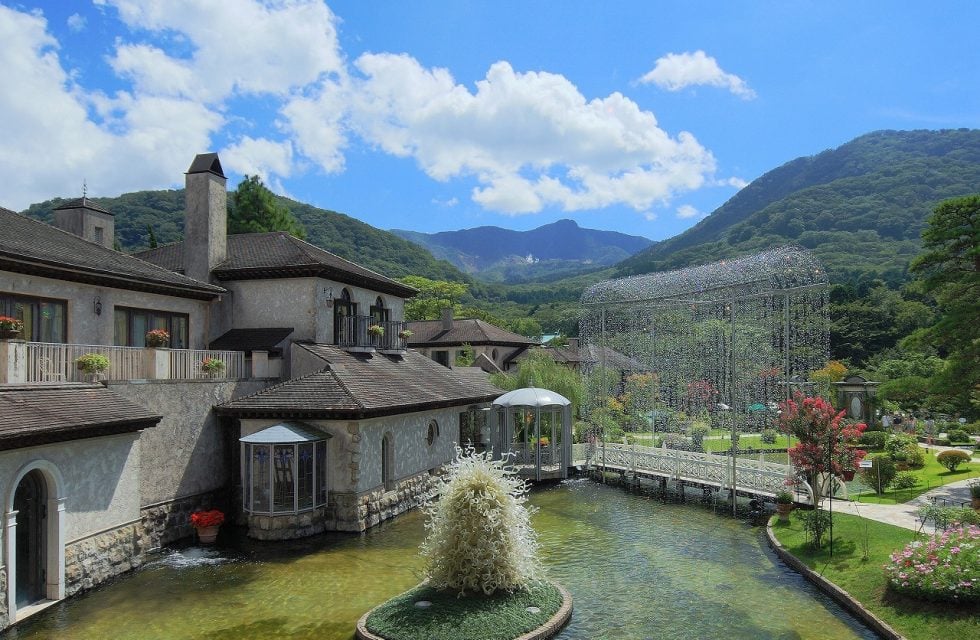
The Hakone Glass Forest Museum in Sengokuhara is famous for its exquisite Venetian glass art and European-style gardens. The museum holds a large collection of Venetian glass treasures from the 15th to 19th centuries, as well as modern glass art. The outdoor garden is dotted with glass art installations that sparkle in the sunlight.
The pass gives a discount on admission here. The museum also has a glass-craft workshop where visitors can make their own glass ornaments, adding a unique keepsake to the trip. In addition, the restaurant in the grounds serves Italian cuisine, so you can enjoy good food while taking in the scenery.
Owakudani: The Wonder of a Volcanic Landscape
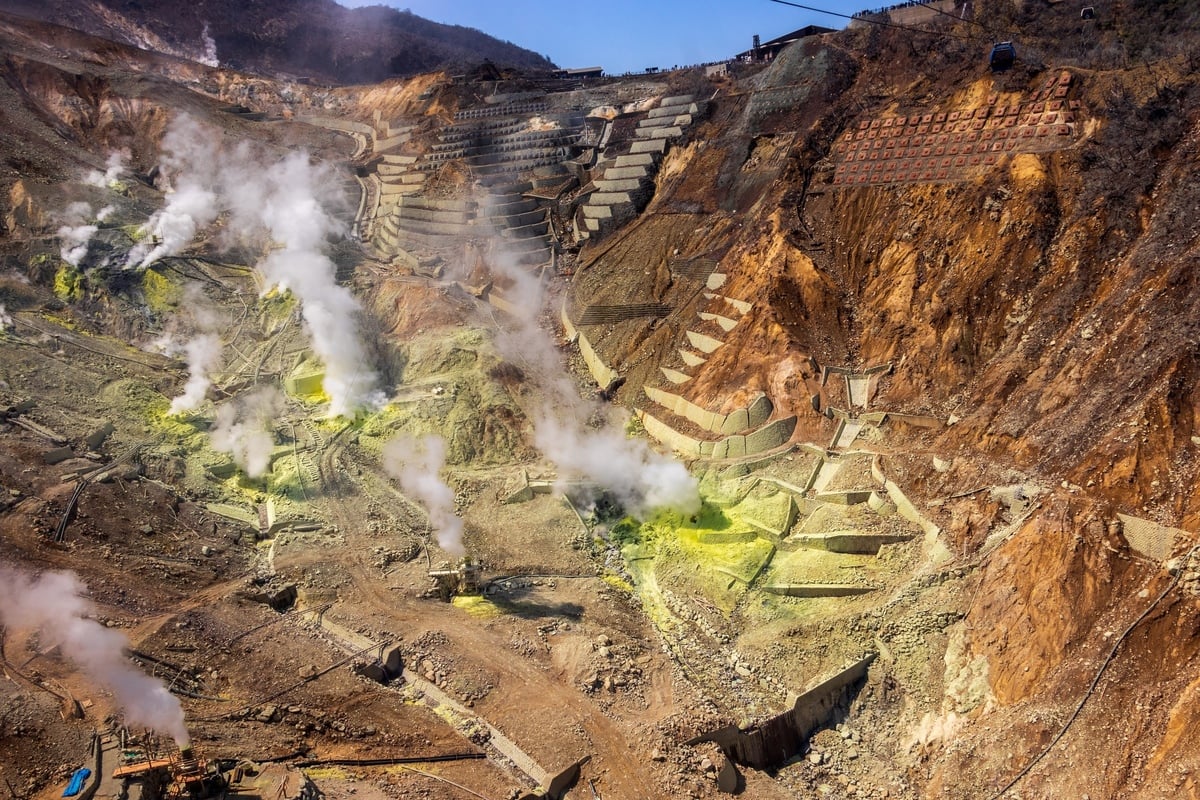
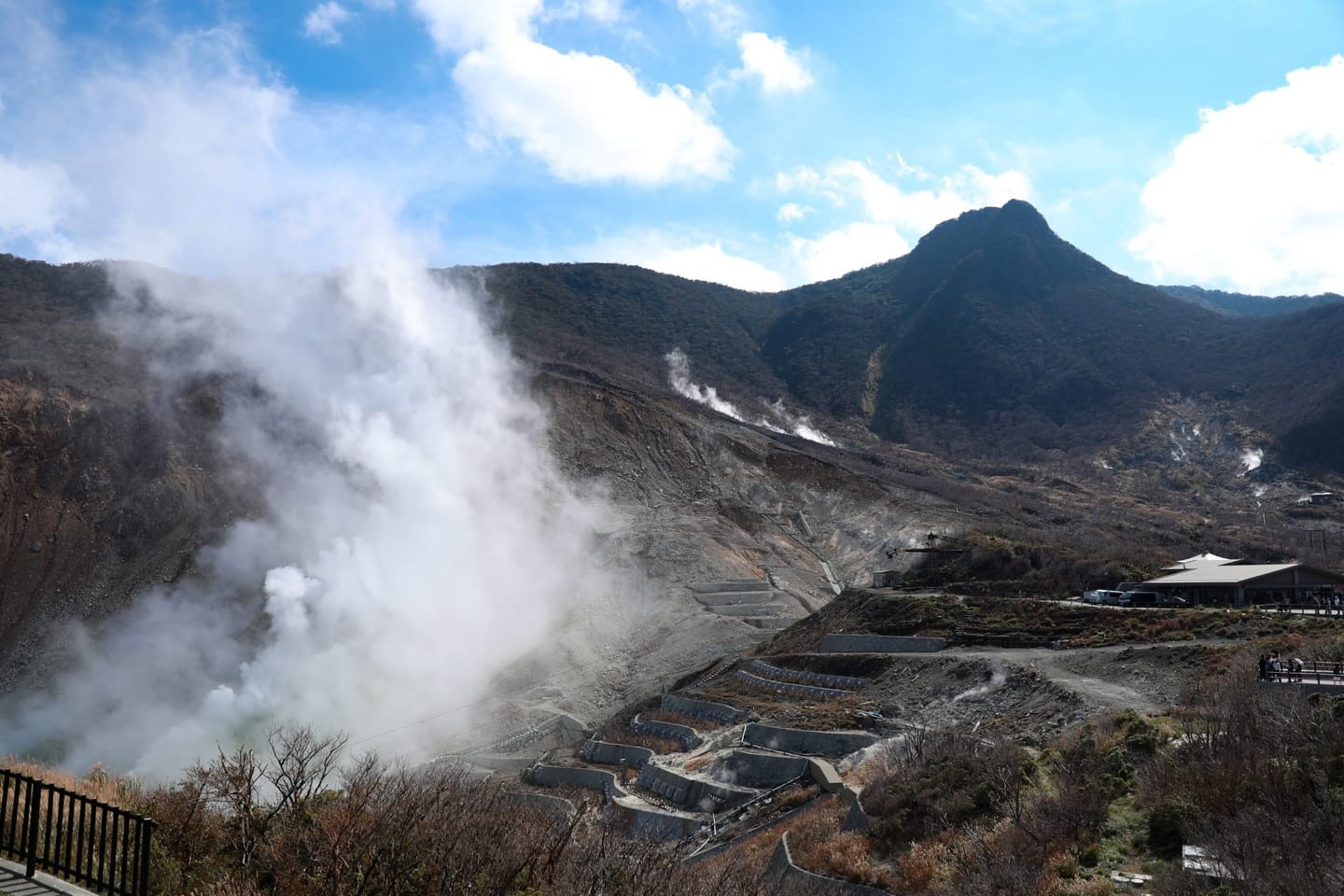
Owakudani is the remnant of a crater formed by Hakone’s volcanic eruption, and it still constantly emits sulfur steam and hot spring water. Its specialty is the “kuro-tamago” (black egg), said to add seven years to your life if you eat one. Looking down at Owakudani from the ropeway, you can clearly see the spectacular geothermal activity.
Although Owakudani itself requires no admission, the pass covers the ropeway to Owakudani. At Owakudani Station, besides tasting kuro-tamago, you can buy various sulfur-related souvenirs. Please note that because of volcanic activity, access to some areas is sometimes restricted, so be sure to follow official announcements.
Hakone Shrine: A Power Spot on the Shore of Lake Ashi
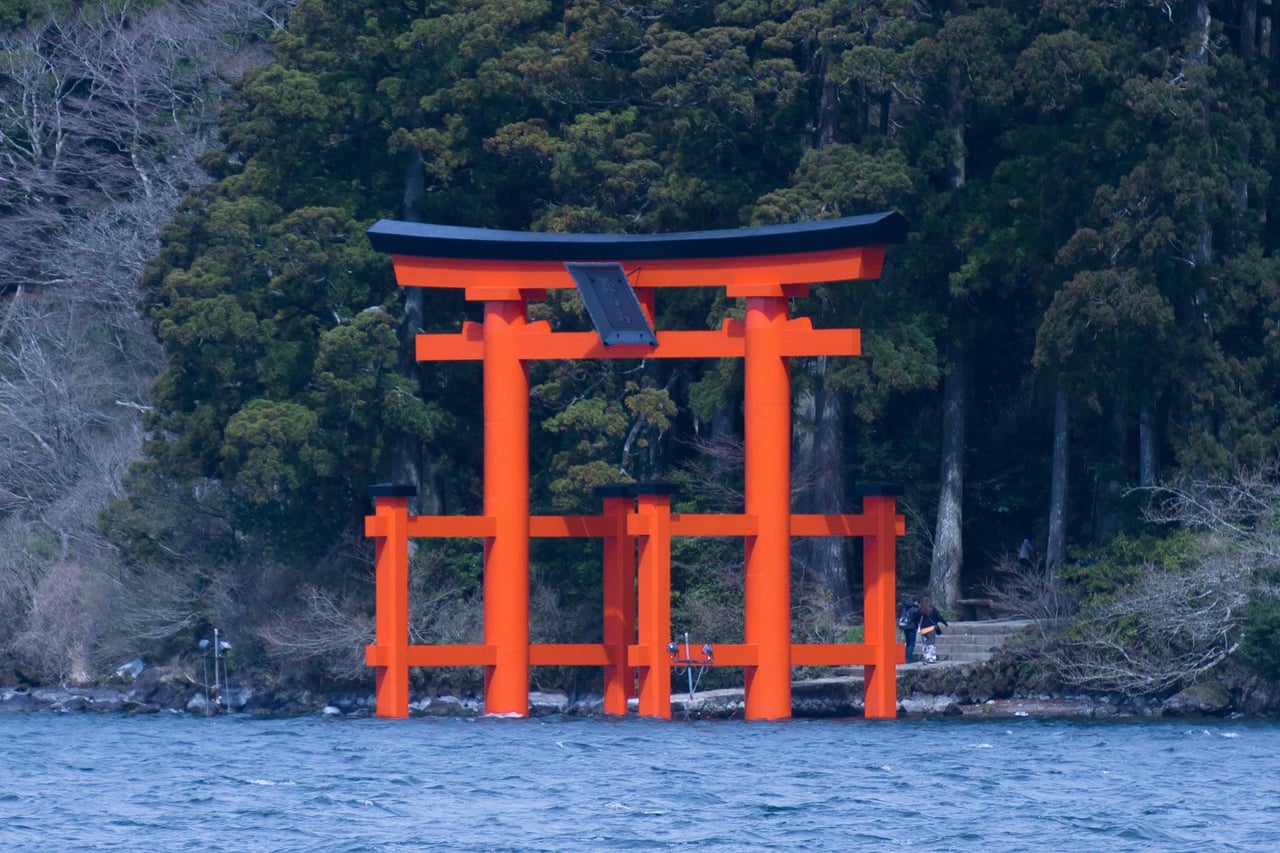
Hakone Shrine sits on the shore of Lake Ashi and has a history of over 1,200 years, a famous power spot in the Kanto region. Its “Peace Torii” stands in the lake and is one of Hakone’s iconic sights, drawing countless visitors to take photos. The shrine enshrines deities of traffic safety and good fortune.
Visiting the shrine is free, the pass gives a discount at the Hakone Shrine treasure hall, and it covers the Hakone Tozan Buses and Hakone Pirate Sightseeing Ships to the area around the shrine. After worshipping, take a stroll along the lake; the shrine’s omamori and goshuin are also worth collecting.
Hakone Kowakien Yunessun: A Variety of Hot Spring Experiences
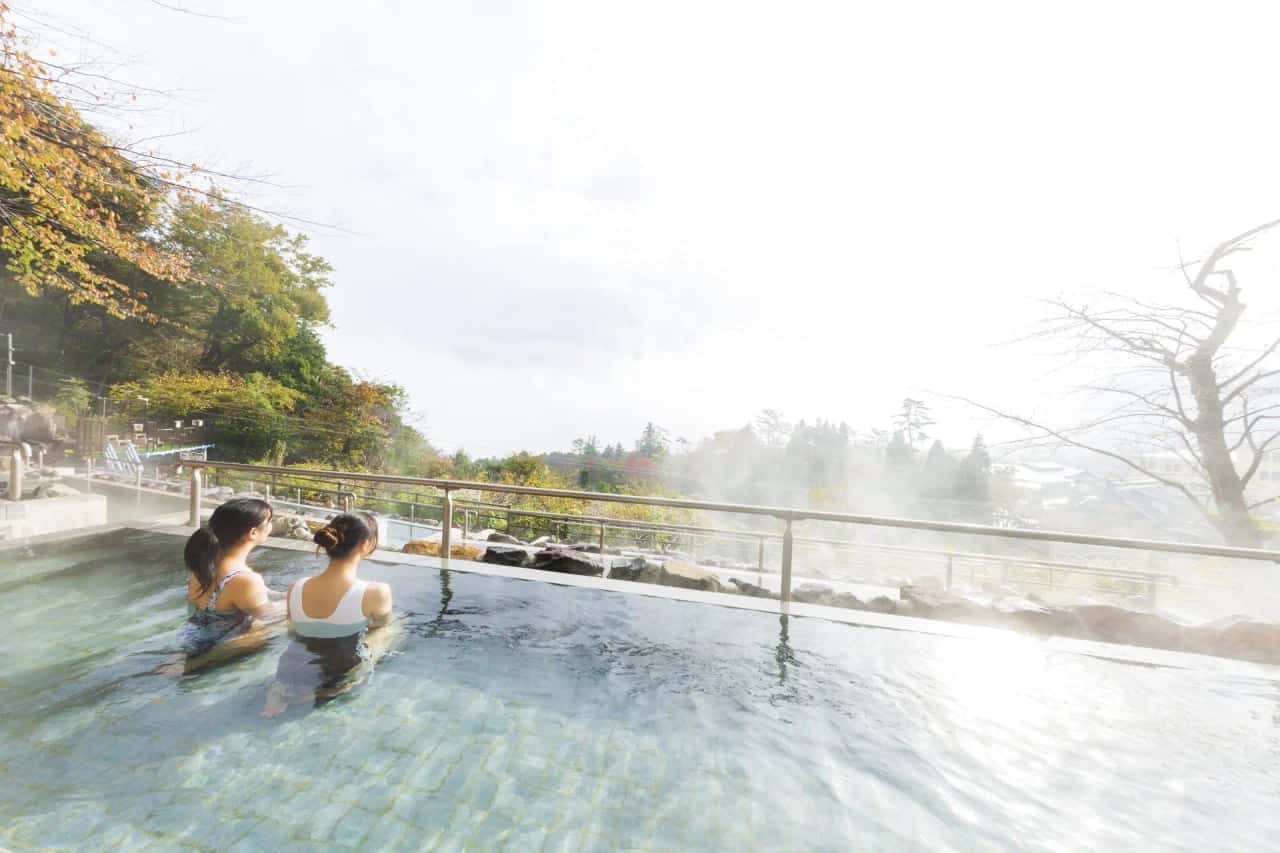
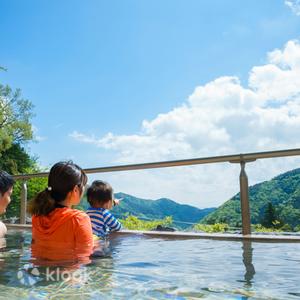
Hakone Kowakien Yunessun is a large hot spring theme park offering many unique hot spring experiences. It has creative baths such as red wine, coffee and green tea springs, as well as a traditional Japanese nude bathing area (Mori no Yu). Families, couples and friends can all find fun here.
Pass holders get an admission discount for Yunessun or Mori no Yu. We recommend choosing the combo ticket that covers both for a fuller hot spring experience. The grounds also have restaurants and shops, so you can enjoy food and shopping as well as soaking.
Gotemba Premium Outlets: A Shopping Paradise
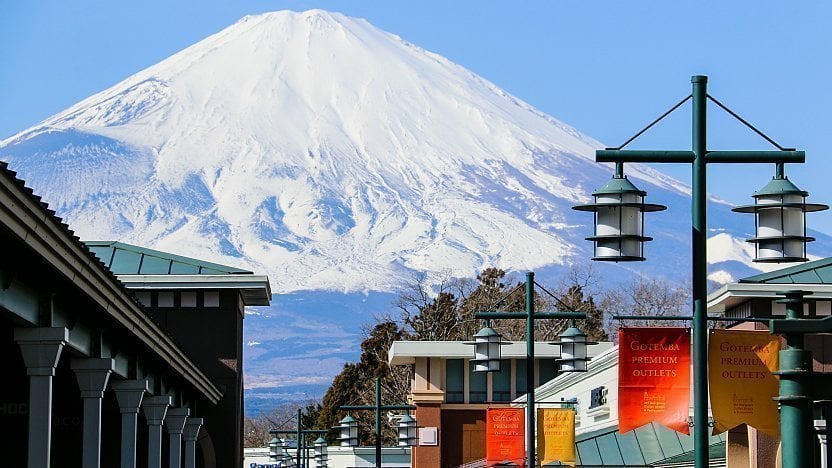
Gotemba Premium Outlets brings together many international luxury and Japanese brands and is on the Hakone Free Pass list of discounted facilities. With the Hakone Free Pass from Shinjuku, you can ride the Odakyu Highway Bus between Shinjuku and Gotemba at a discount, from the regular ¥2,000 one way to ¥1,400.
We recommend putting Gotemba Outlets on the last day of your Hakone trip, so you can head straight to Tokyo or elsewhere on the way back.
-Klook.jpg)
Hakone Free Pass Types, Prices and How to Buy
The Hakone Free Pass comes in several types to meet different travelers’ needs. It is mainly divided into a 2-day pass and a 3-day pass, and you can choose according to the length of your stay and your itinerary. In addition, purchase methods are increasingly varied, and whether you want a physical or an electronic ticket, it is easy to get.
Knowing the prices, coverage and places to buy the different passes is an important step in planning your Hakone trip. Buying ahead not only saves you the trouble of queuing on site but sometimes also gets you exclusive online discounts, making your trip smoother.
Hakone Free Pass Types and Prices (2026 Edition)
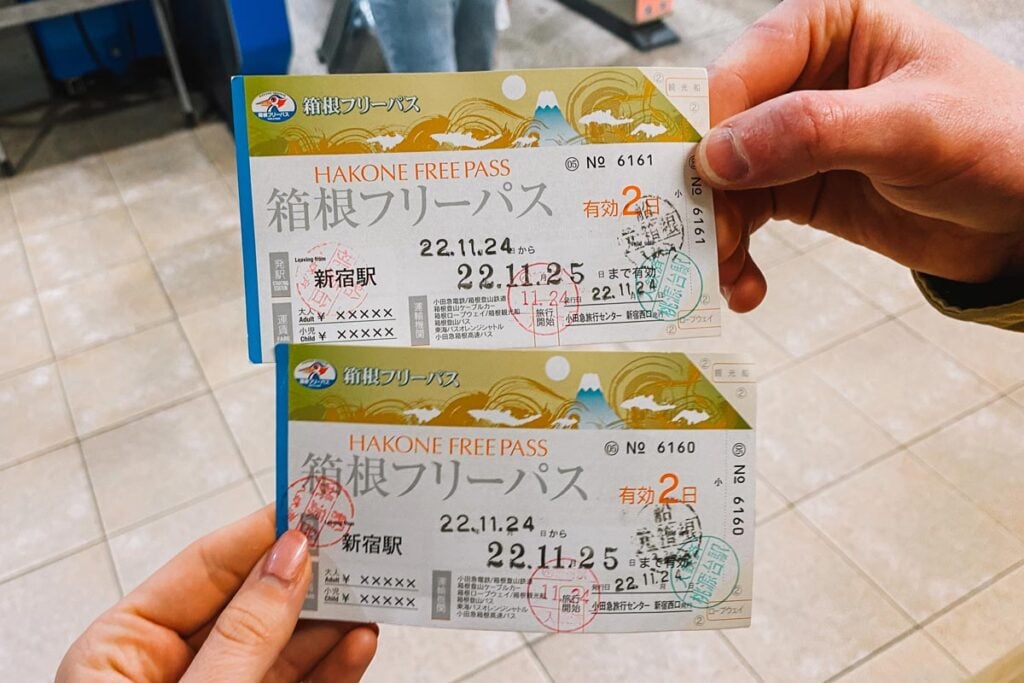
Prices differ by departure point: the pass from Shinjuku includes the round-trip Odakyu Line fare between Shinjuku and Odawara and costs more; the pass from Odawara costs less and suits travelers who have already reached Odawara.
Using the latest 2026 prices as an example, the adult 2-day pass from Shinjuku is ¥7,100 and the 3-day pass is ¥7,500; the child ticket (ages 6 to under 12) is ¥1,600 for the 2-day pass and ¥1,850 for the 3-day pass. From Odawara, the adult 2-day pass is ¥6,000 and the 3-day pass is ¥6,400 (prices after the October 1, 2025 increase).
Where to Buy Physical Tickets
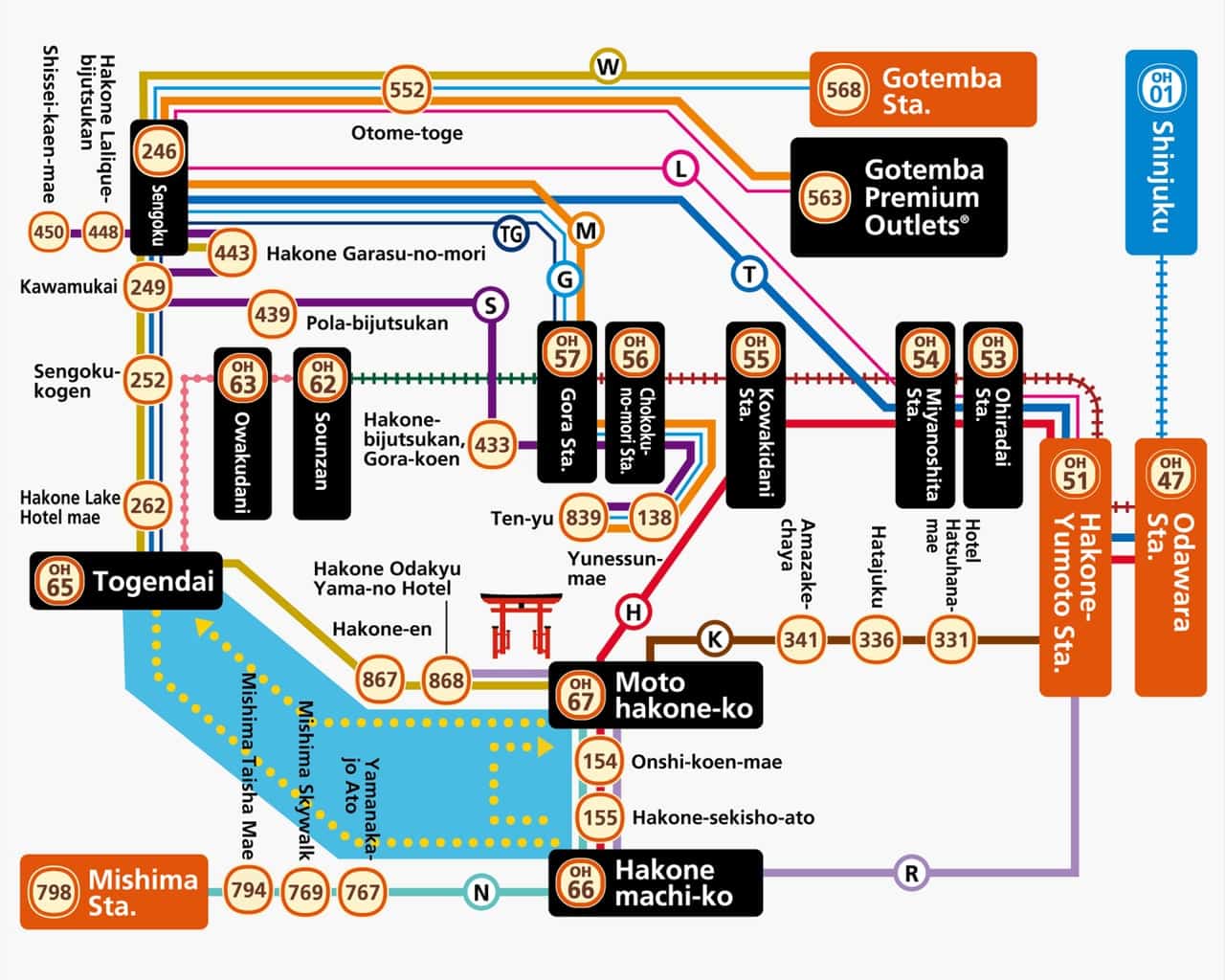
Physical Hakone Free Passes can be bought at many locations, convenient for travelers starting from different places. The most common places are the ticket offices at Odakyu Line stations, especially Shinjuku and Odawara stations. These stations have dedicated travel service centers offering multilingual service.
You can also buy them at the Odakyu Travel Service Center, at major stations in the Hakone area (such as Hakone-Yumoto and Gora) and at some large travel agencies (such as KNT and Nippon Travel Agency). Overseas, some partner travel agencies also offer advance sales, so you can get your ticket before you leave.
Buying and Using the Electronic Ticket (EMot)
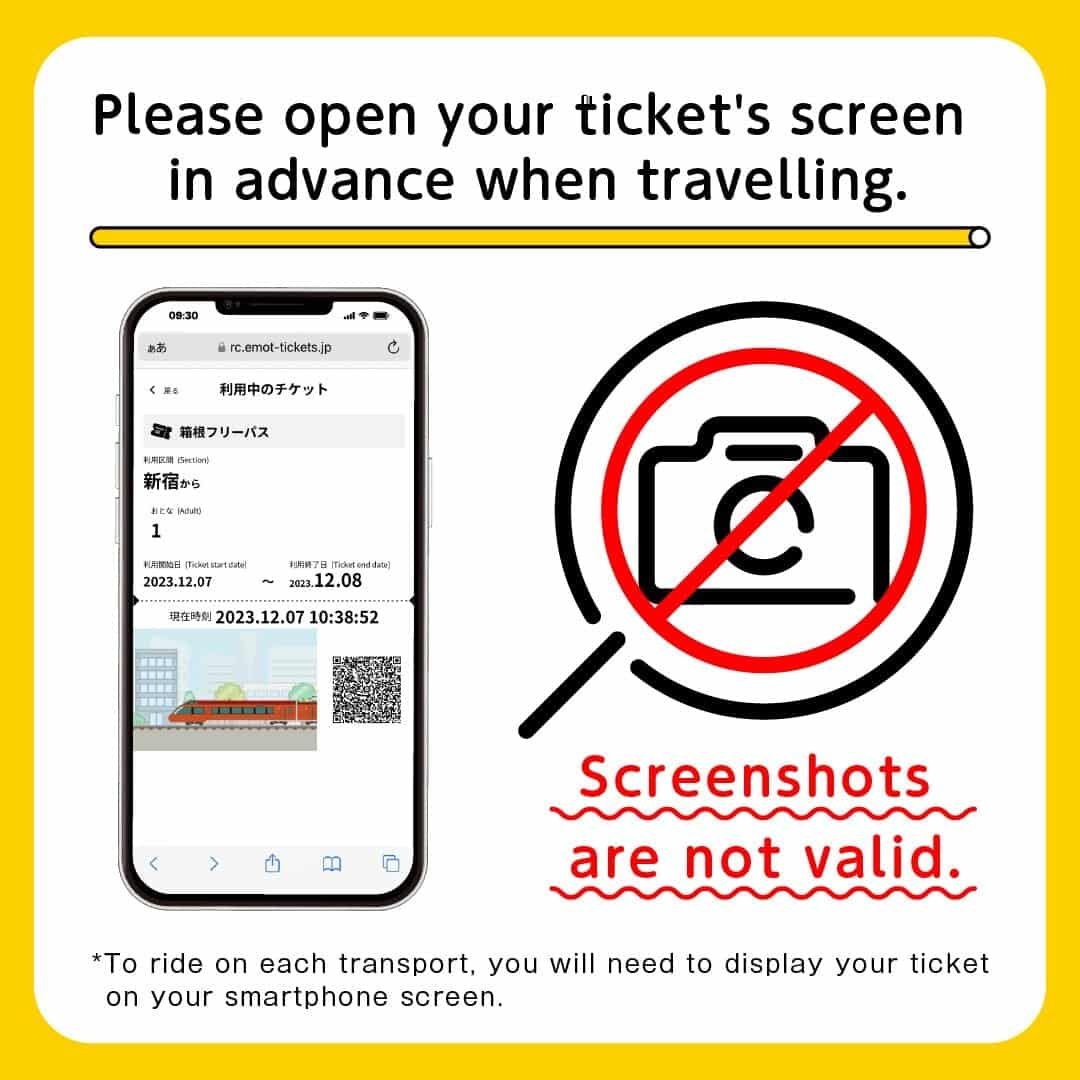
With advances in technology, the Hakone Free Pass also offers a convenient electronic ticket option that can be bought and used through Odakyu Electric Railway’s “EMot” app. The advantages of the EMot e-ticket are that there is no need to queue to buy it, you can buy it anytime and anywhere, and you show it directly on your phone, which is both eco-friendly and convenient.
After buying an EMot e-ticket, you just show your phone screen to station staff or the driver when boarding. A child version of the e-ticket is also available.
Another Related Pass: The Fuji Hakone Pass
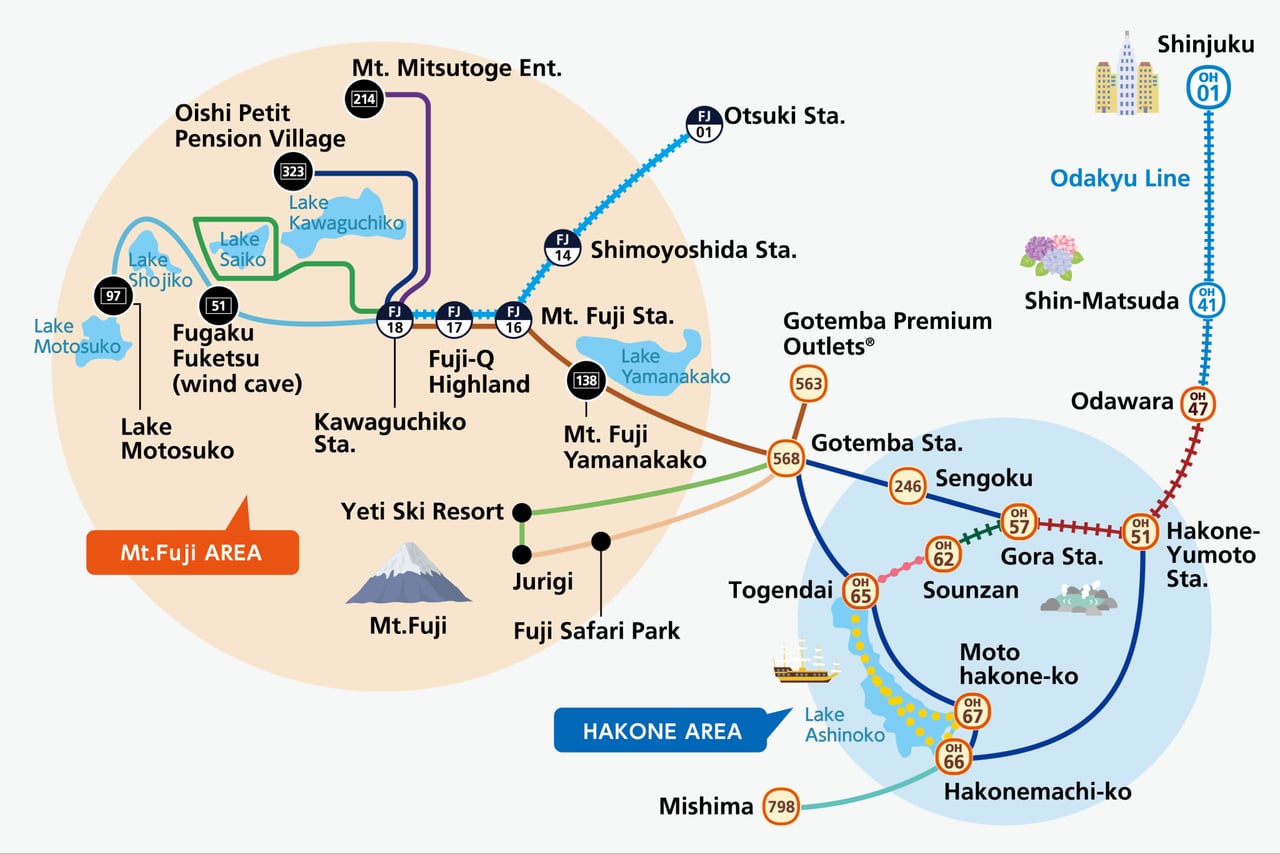
Besides the standard Hakone Free Pass, Odakyu Electric Railway also offers the “Fuji Hakone Pass,” designed for travelers who want to visit the Mount Fuji area (such as Lake Kawaguchi) together with Hakone. This pass covers round-trip transport from Shinjuku to the Hakone and Mount Fuji areas, plus designated transport within both areas.
The Fuji Hakone Pass is a 3-day pass, ¥11,100 for adults and ¥3,600 for children from Shinjuku. It is available only to overseas visitors and must be exchanged at the Odakyu Travel Service Center before use.
Food Around the Hakone Free Pass Area: Local Specialties and Popular Restaurants
Hakone has not only charming natural scenery and rich cultural attractions but also a food culture just as appealing. From street snacks in the hot spring town of Hakone-Yumoto to distinctive restaurants on the shore of Lake Ashi and the unique experience at Owakudani, Hakone has a wide variety of food to suit different tastes.
While you travel with the Hakone Free Pass, include these food experiences in your itinerary. Taste fresh local ingredients and feel Hakone’s distinctive food culture, adding more good memories to your trip. Below are a few distinctive restaurants around Hakone, so you can enjoy a good meal as well as the views.
Soba: Hatsuhana Soba Honten
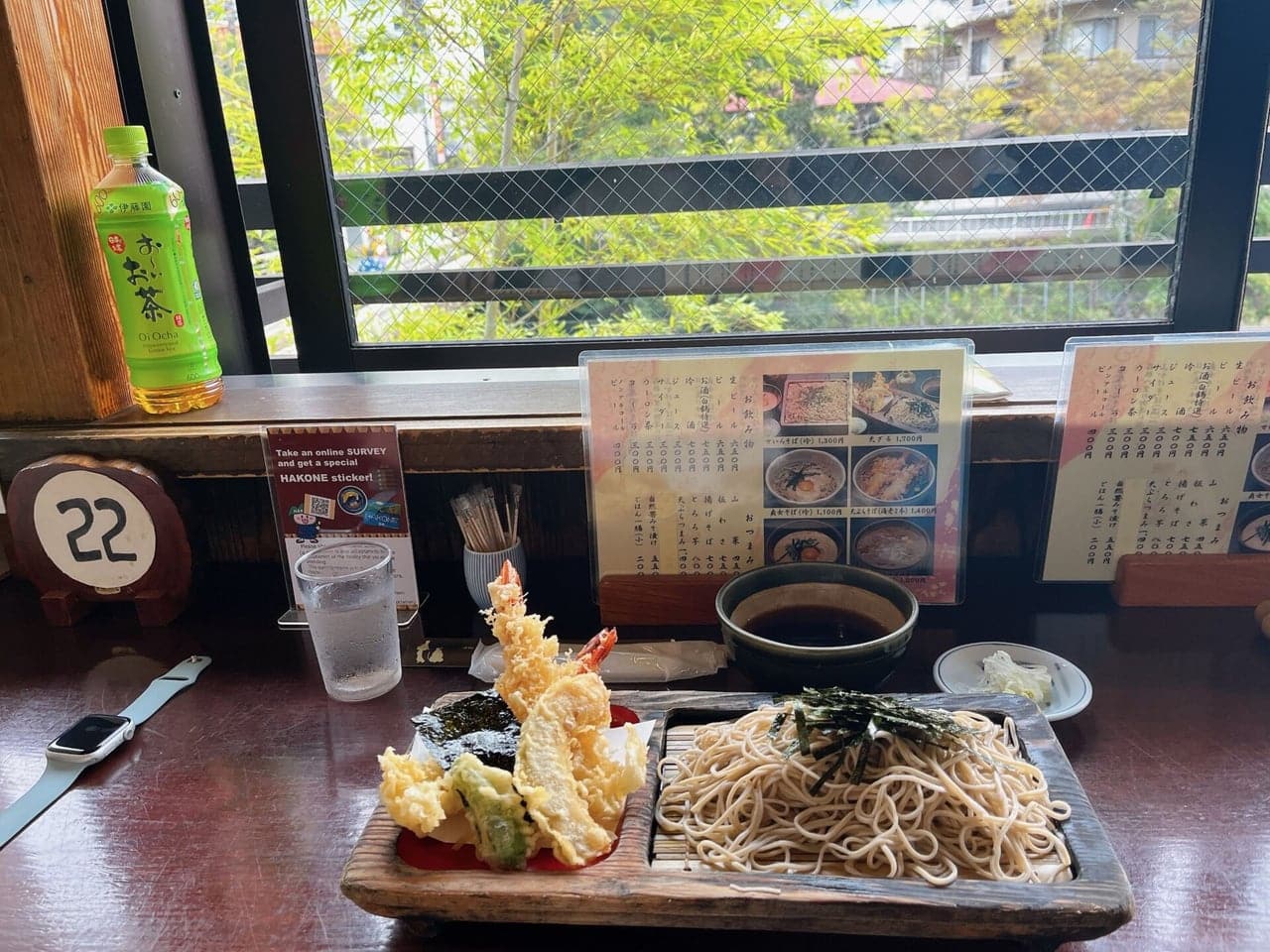
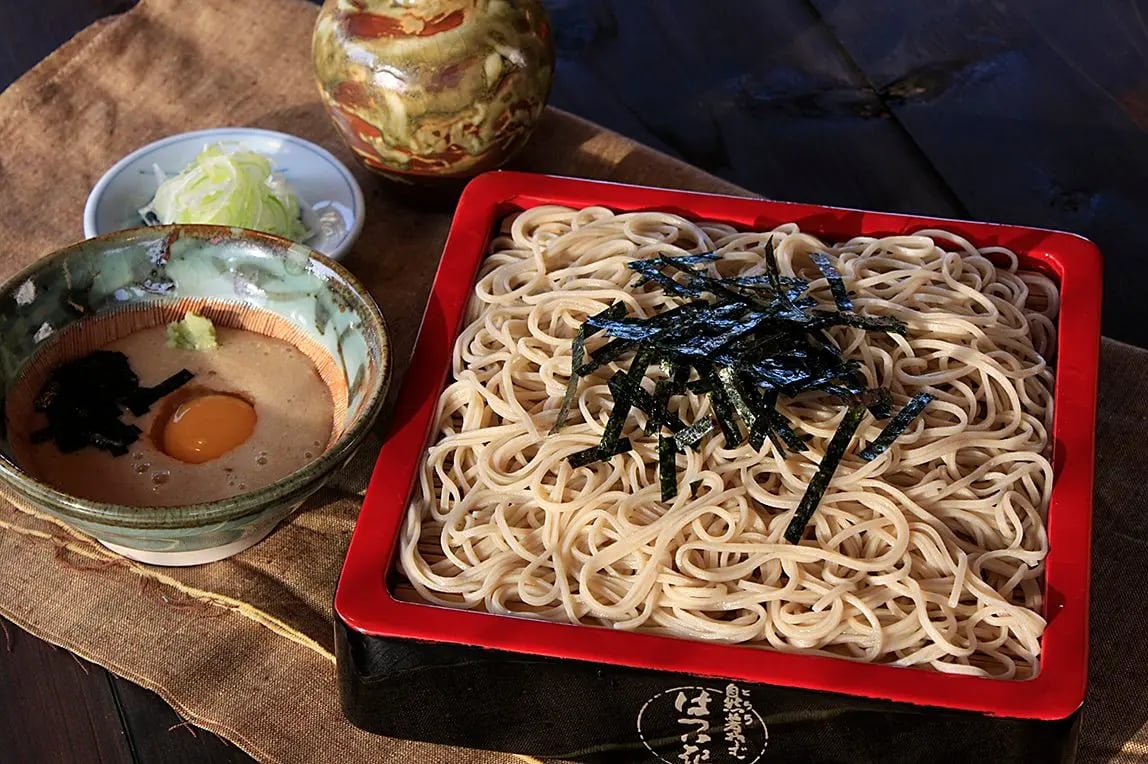
Hatsuhana Soba Honten in Hakone-Yumoto is a very famous soba shop in the Hakone area, known for its handmade soba and the distinctive “jinenjo soba.” The noodles have a springy texture, paired with a light broth and rich grated jinenjo (wild yam),
The soba here uses not a drop of water, kneaded only with egg and grated jinenjo, so the noodles have a distinctive aroma and a smooth texture (founded in 1934, it is the birthplace of “yam-paste soba”).
- 🍜 Must-order: jinenjo soba (yam-paste soba)
- 💰 Price: mid-range, about ¥1,200-¥1,800
- 🚉 Access: about a 5-minute walk from Hakone-Yumoto Station
Tofu Dishes: Tamura Ginkatsutei
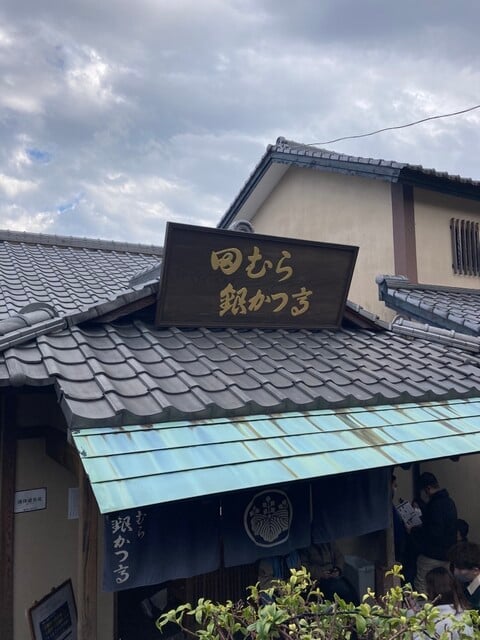
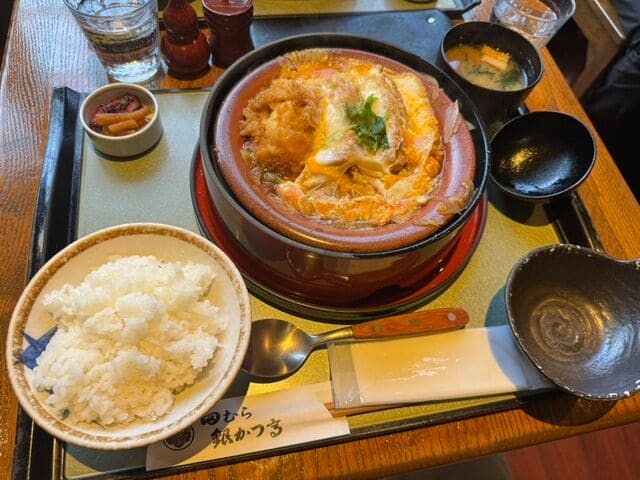
Tamura Ginkatsutei is a famous restaurant with queues in the Gora area, known for its signature “tofu cutlet stew.” This dish combines tender tofu with a juicy pork cutlet, simmered in a special sauce that is balanced between salty and sweet and goes very well with rice.
The restaurant’s architecture is full of nostalgia and offers a comfortable dining environment (founded in 1972, with over 50 years of history). Because it is extremely popular, we recommend avoiding peak meal times or making a reservation in advance to avoid a long wait.
- 🍢 Must-order: tofu cutlet stew (tofu katsu-ni)
- 💰 Price: mid-range, about ¥1,500-¥2,000
- 🚉 Access: about a 10-minute walk from Gora Station on the Hakone Tozan Train
Kuro-tamago: Owakudani’s Specialty
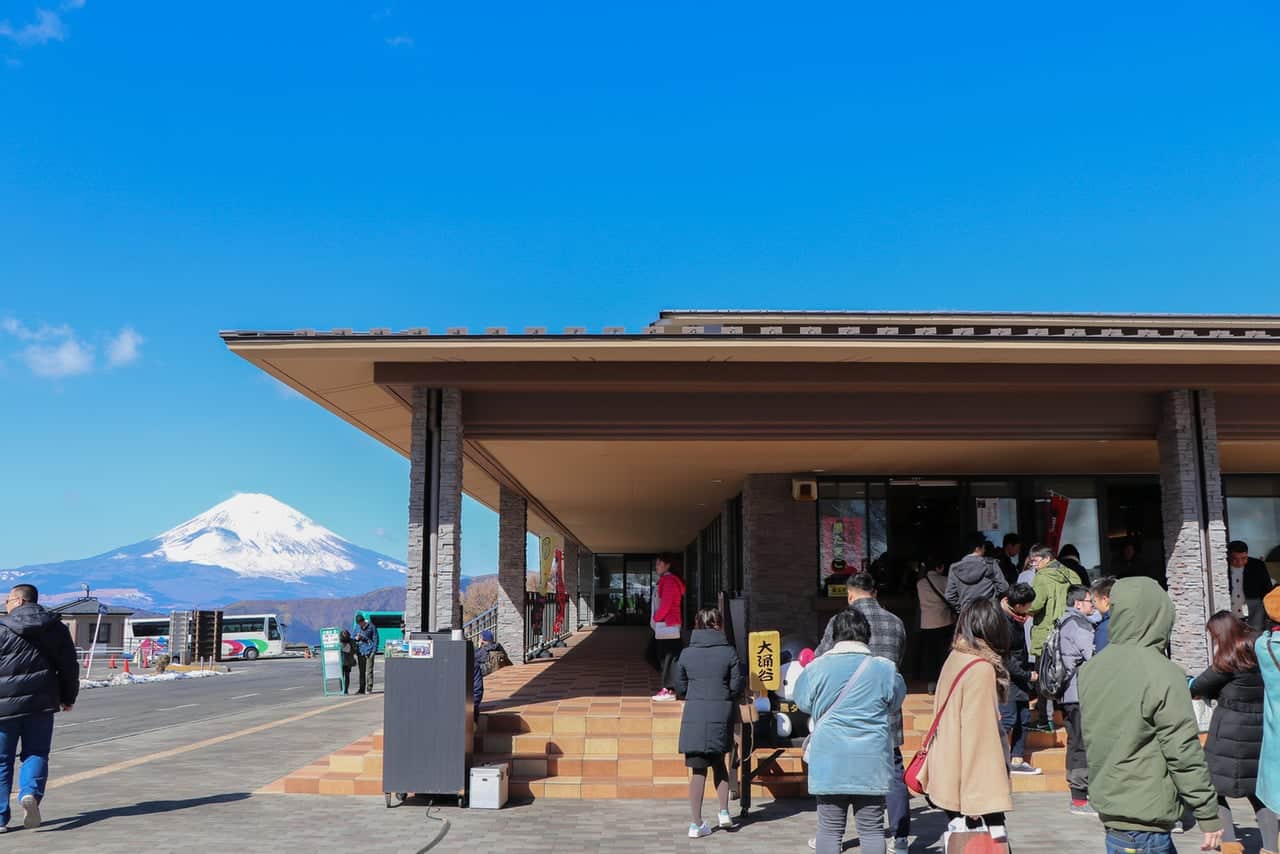
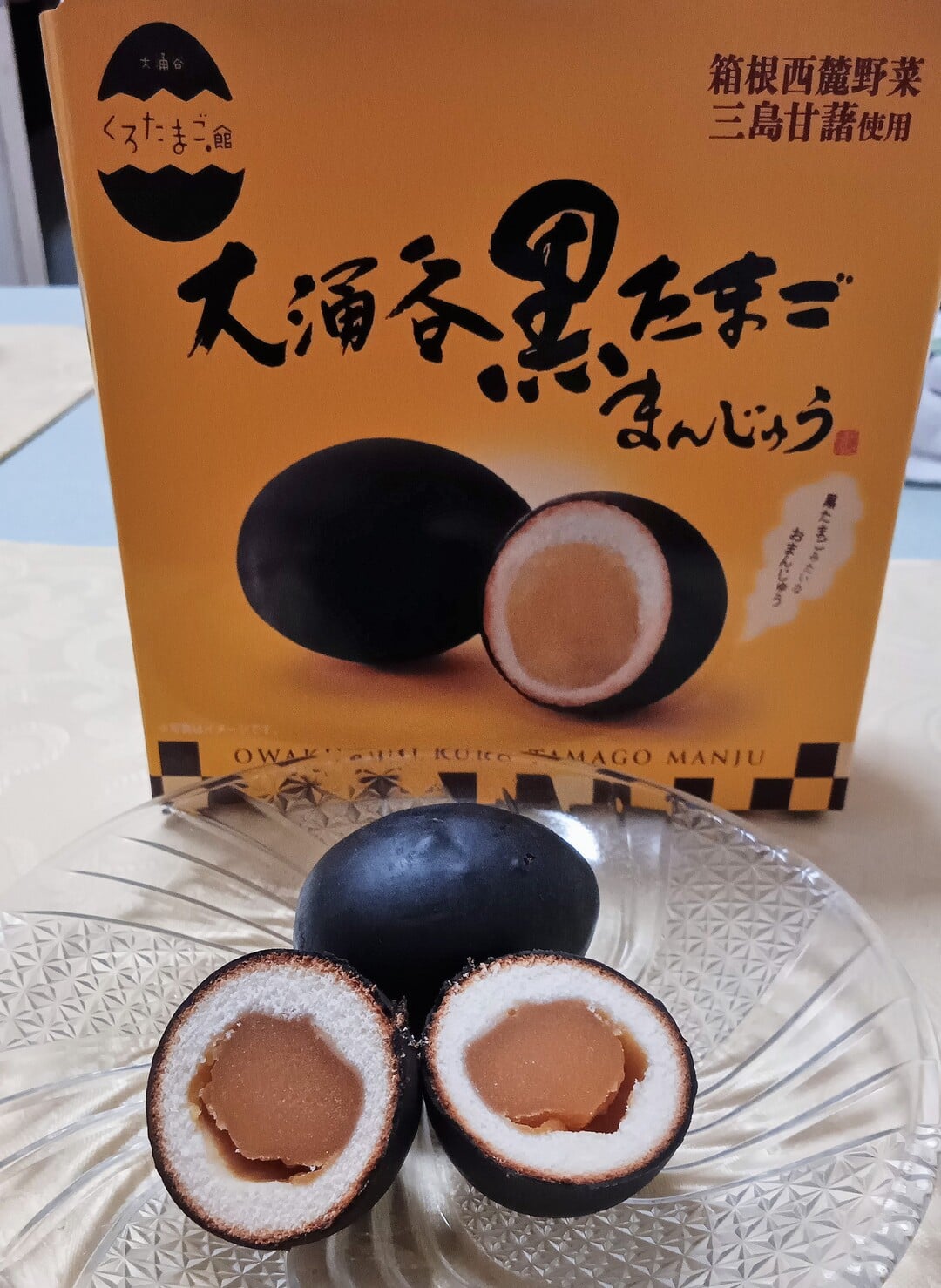
When you come to Owakudani, you absolutely must not miss the local specialty “kuro-tamago” (black eggs). These eggs are boiled in sulfur-rich hot spring water, and the shells turn black from the sulfur, yet the yolk and white taste even sweeter and more fragrant. It is said that eating one adds seven years to your life.
Kuro-tamago are usually sold in bags of five and make a must-buy souvenir when visiting Owakudani. In the shops at Owakudani you can also find all kinds of kuro-tamago-related souvenirs. Tasting kuro-tamago is not only a food experience but also a unique cultural custom.
Bread and Sweets: Bakery & Table Hakone
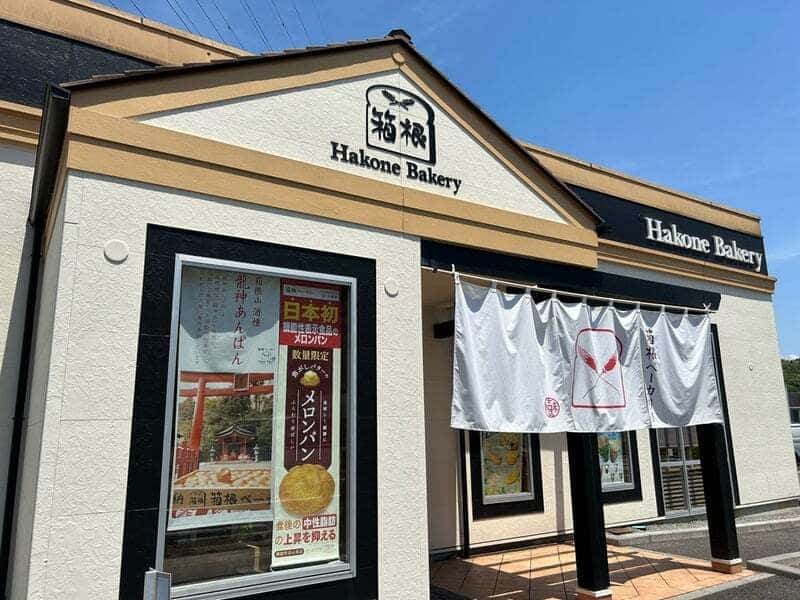
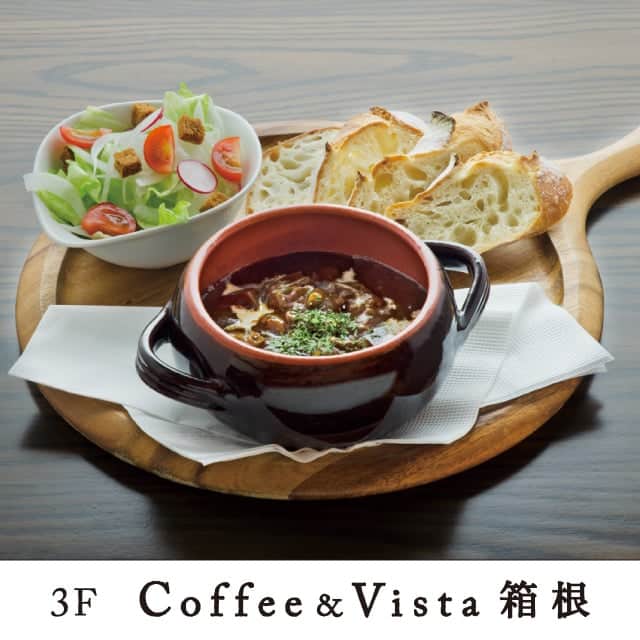
Bakery & Table Hakone, near Moto-Hakone Port on the shore of Lake Ashi, is a complex combining a bakery, cafe and restaurant, right next to the Hakone Pirate Sightseeing Ships’ Moto-Hakone Port. It has a wide variety of soft breads, especially its curry bread and assorted sweet breads, which are well reviewed. The second-floor cafe offers views of Lake Ashi.
- 🥐 Must-order: curry bread, Lake Ashi view sweet breads
- 💰 Price: mid-range, about ¥300-¥600 for a single bread, about ¥1,000-¥1,500 for a set with coffee
- 🚉 Access: get off the Hakone Tozan Bus at “Moto-Hakone Port” and you are there, or take the Hakone Pirate Sightseeing Ship to Moto-Hakone Port and walk about 1 minute
Best of all, there is a foot bath outside, where you can soak your feet while enjoying freshly baked bread and coffee and the lake and mountain scenery of Lake Ashi.
Tonkatsu: Tonkatsu Tonton
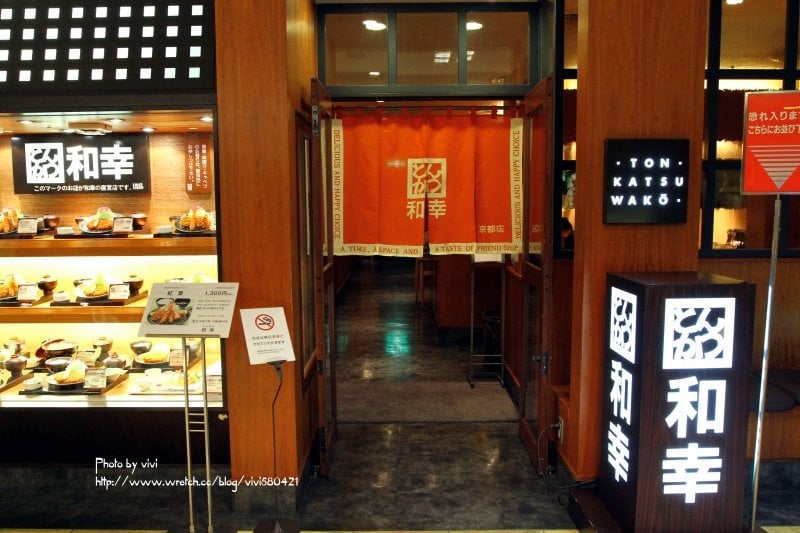
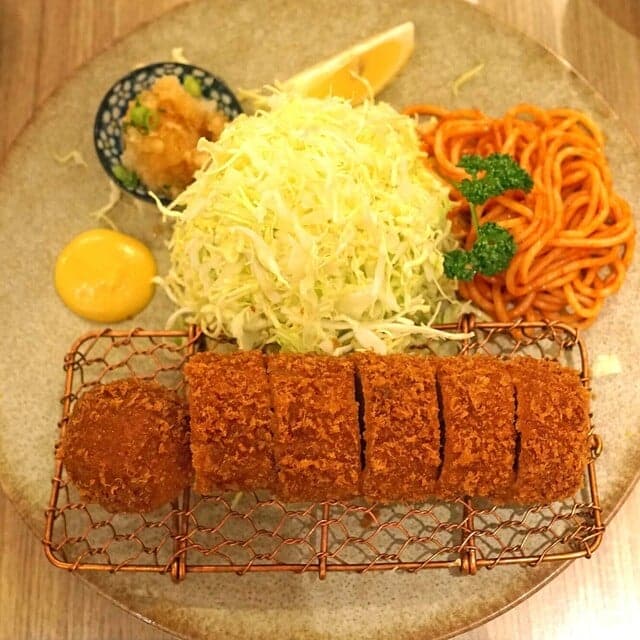
Tonkatsu Tonton, near Hakone-Yumoto Station, fries cutlets to order using the local brand pork “Hakone Sanroku Pork.” The coating is golden and crisp and the meat tender and juicy, and it is a popular local shop with queues.
- 🍖 Must-order: Hakone Sanroku Pork loin cutlet set meal
- 💰 Price: mid-range, set meals about ¥1,500-¥2,200
- 🚉 Access: about a 6-minute walk from Hakone-Yumoto Station
Where to Stay Nearby
Hakone lodging is concentrated around Hakone-Yumoto, Gora and the shore of Lake Ashi. Hakone-Yumoto is the starting point of the Tozan Train and has the most convenient transport; Gora sits where the Tozan Train and Tozan Cable Car meet and suits itineraries continuing to Sounzan and Owakudani. Staying in these two areas with the Hakone Free Pass lets you link the Tozan Train, cable car, ropeway and pirate ships in one go.