

A 7-Day Kyushu Itinerary: This Is a Grand Traverse, Not a Relaxing Loop
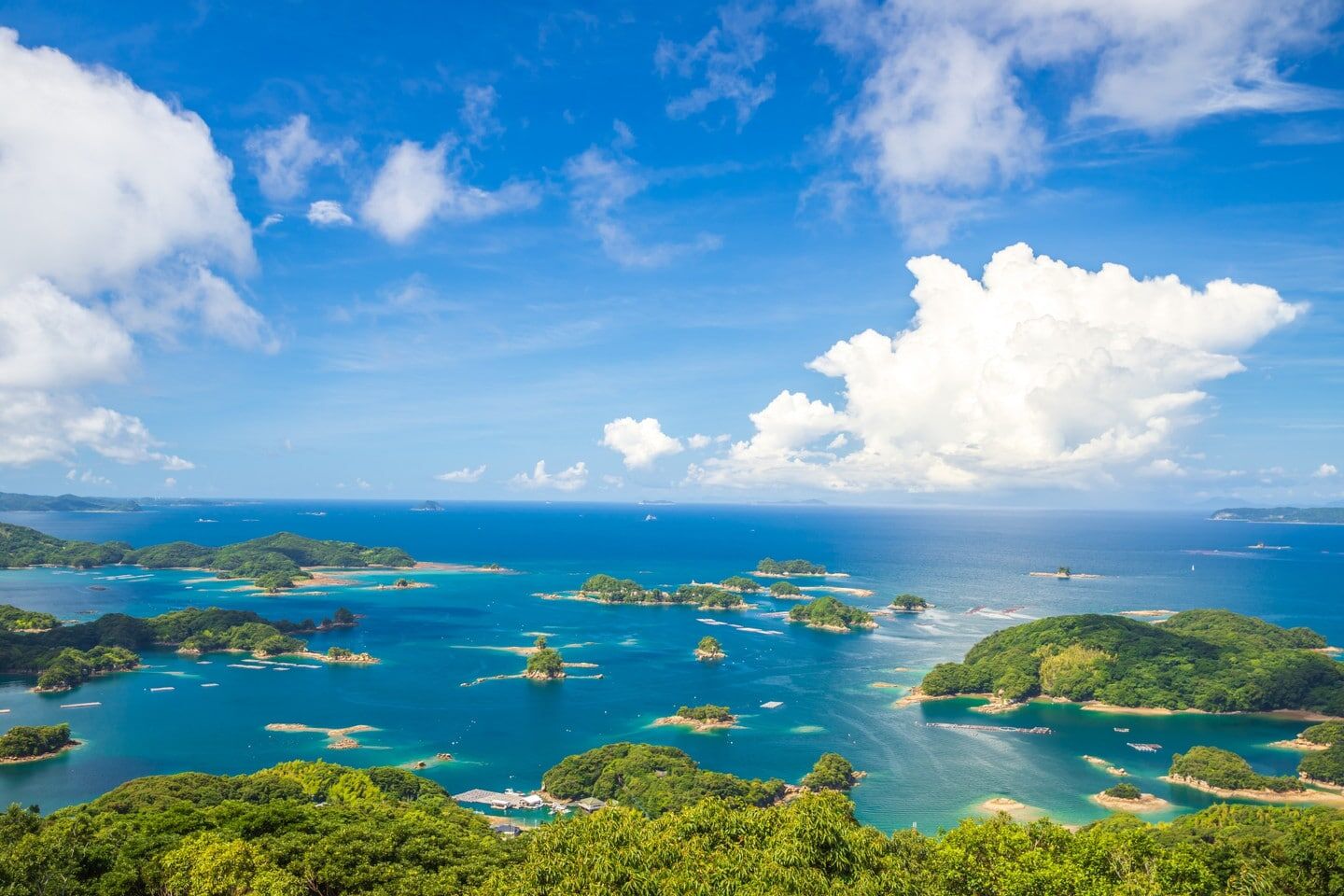
The bottom line first: covering Fukuoka, Nagasaki, Kumamoto, Kagoshima, Yufuin and Beppu in seven days is geographically a “grand traverse of all Kyushu.” Kyushu is bigger than it looks, and this itinerary spends an average of two to three hours a day on the move, which makes it a very intense schedule.
That doesn’t make it impossible, but you should know what you’re signing up for: which day will be rushed, which stretch the Shinkansen can shorten dramatically, and which sights can’t share a day. Below we first lay out the overall structure and the fork in transport options, then break it down day by day. All travel times and fares are reference values checked in August 2026; please rely on the official announcements of the day.
Intensity: Two to Three Hours of Travel Every Day
The six legs add up to about 1,000 km. Even with Shinkansen and limited express trains, after transfers and waiting you still spend two to three hours or more in transit each day. The longest leg is Kagoshima to Yufuin, about 300 km, which takes three and a half to four hours by car or rail.
This intensity suits fit travelers whose goal is to “see more sights.” If you travel with older relatives or preschool children, we suggest cutting back, and two variants follow later. The rule of thumb is simple: if you can’t stand a three-hour drive in a day when traveling at home, this route won’t get easier.
Why Counterclockwise: The Only Way to Avoid Backtracking
Kyushu’s main cities form roughly a ring: Fukuoka in the north, Nagasaki in the west, Kumamoto in the middle, Kagoshima in the south, and Yufuin and Beppu in the east. Starting from Fukuoka, going southwest around to the southern tip and then back north along the east side to Fukuoka makes a counterclockwise loop.
Going clockwise also works, since most flights come and go through Fukuoka and both Nagasaki and Beppu are about two hours from Fukuoka, so which way you start makes little difference. The key is not to double back midway: for example, going to Kagoshima, returning to Kumamoto and then heading to Beppu adds hours of wasted travel. When planning, spread out a map and draw a circle with no crossing lines.
The First Decision: JR or Self-Drive
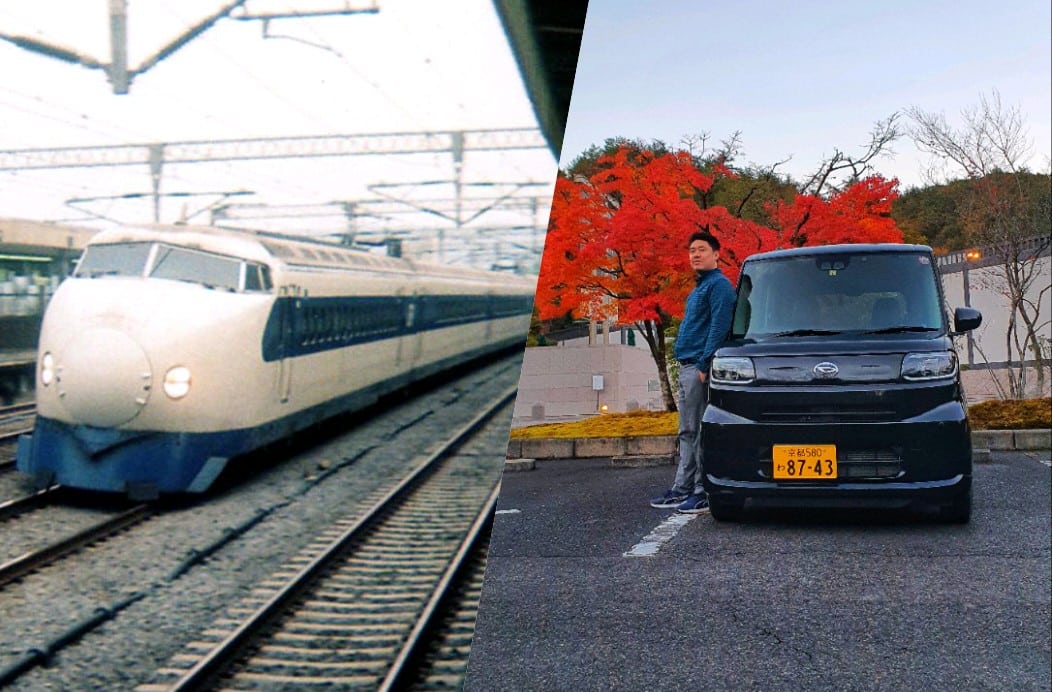
Half the success of this route depends on your choice of transport, and it has to be made before you book hotels. With JR, the Shinkansen from Kumamoto to Kagoshima takes only 45 minutes, far faster than the two hours 15 minutes by car, and you can nap on board.
Driving has its own advantages: the mountain road from Yufuin to Beppu is beautiful, you don’t have to drag luggage around, and you can reach places the rail network doesn’t, such as Aso and Takachiho. The downside is that the 300 km haul on Day 4 is a hard day for the driver, and tolls plus city parking add up to a considerable sum. A dedicated section later compares the two options.
Lodging Rhythm: How to Split Six Nights Across Five Cities
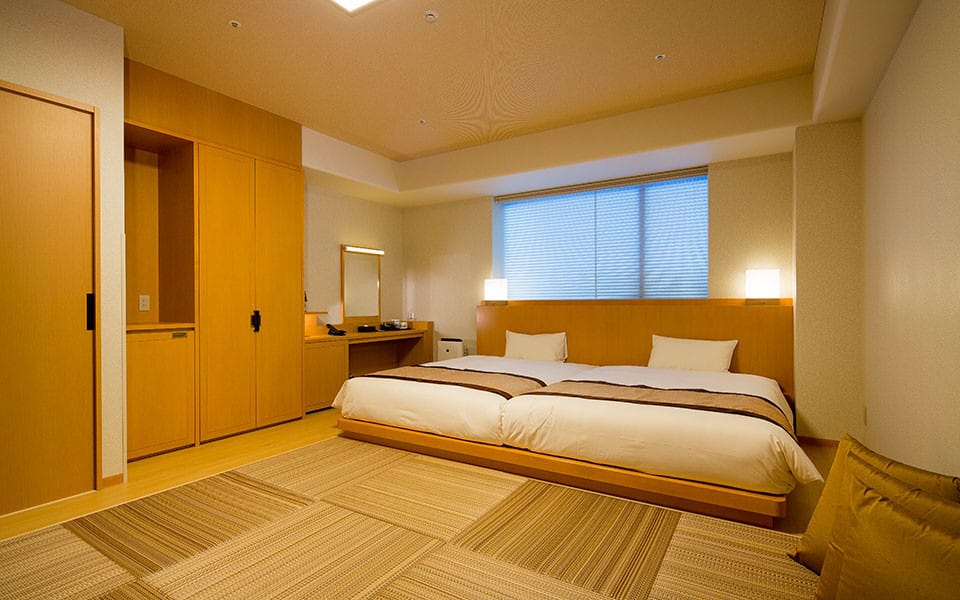
The standard split for seven days and six nights is: one night in Nagasaki, one in Kumamoto, one in Kagoshima, one in Yufuin and two in Fukuoka. For the first four nights you change hotels every night, which makes luggage tiring, but that is the price of not backtracking.
Two ways to improve it: first, be sure to book a hot spring ryokan with dinner and breakfast (ippaku nishoku) for the Yufuin night. It is the only truly relaxing night of the trip and the reward for the long-haul day. Second, book the same hotel for both Fukuoka nights so you don’t have to move luggage on the last two days. When booking, prioritize places within walking distance of the station, especially if you travel by JR.
How Far Apart Are Kyushu’s Cities? A Full Comparison of Six Legs by Distance and Travel Time
Before planning, look at the real distance and travel time of each leg. The figures below are estimated for the fastest transport (highways by car, Shinkansen or limited express by rail).
Times are affected by traffic, train frequency and transfers; please rely on the actual timetable on the day you check.
Fukuoka to Nagasaki: About 150 km, About 1 Hour 30 Minutes by Rail
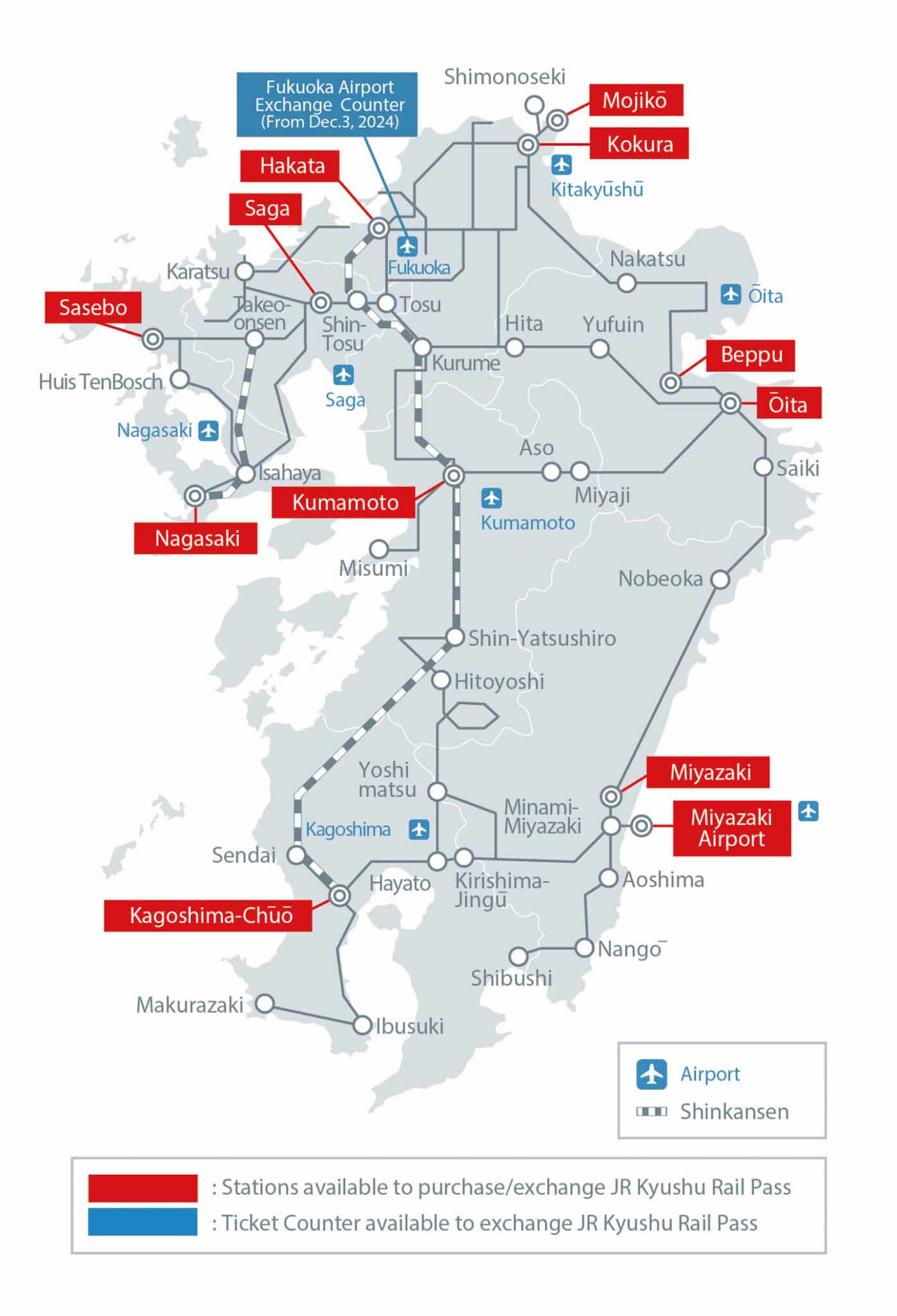
This leg is about 150 km, around two hours by car on the highway. By rail you take the “relay” route to the Nishi-Kyushu Shinkansen: first a limited express from Hakata to Takeo-Onsen, then a same-platform transfer to the Nishi-Kyushu Shinkansen to Nagasaki, about one hour 30 minutes in all.
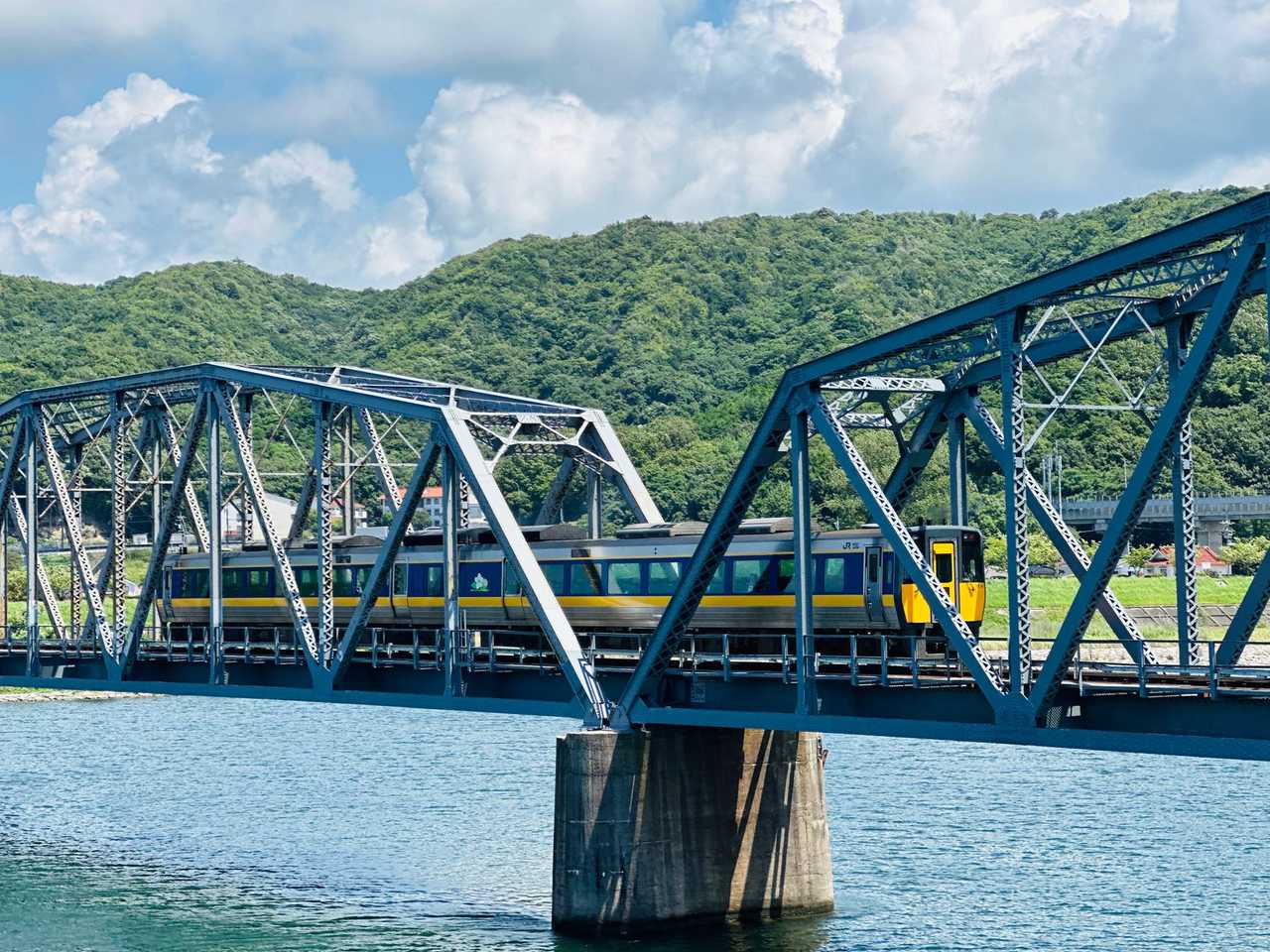
The transfer sounds like a hassle, but it is actually a cross-platform change that takes just a few minutes, and the flow is well designed. This is the easiest of the six legs and a good choice for the first day. One reminder: Nagasaki’s city trams are not covered by the JR pass, so you pay separately for getting around town after you arrive, and Nagasaki’s fares have been adjusted in recent years, so please go by the notices on site.


Nagasaki to Kumamoto: About 180 km, Two Very Different Ways
This leg is about 180 km. By rail it takes about two hours 15 minutes (with a transfer at Shin-Tosu or in the Hakata direction), and by car on the highway about two hours 30 minutes. Interestingly, driving has a second route: take a ferry with your car from Shimabara Port to Kumamoto Port. The high-speed boat takes about 30 minutes and the Kyusho ferry about an hour, saving the time of going all the way around the Ariake Sea.
The ferry route only makes sense for drivers, and the fee for taking a car across is charged by vehicle length; in peak season we suggest reserving. JR travelers just follow the usual route. This is the leg with the most complicated transfers of the six, so if you have a lot of luggage, check the platform layout of the transfer station in advance to save effort.
Kumamoto to Kagoshima: Only 45 Minutes by Shinkansen, the Biggest Gap
This is the leg where rail has the clearest advantage on the whole trip. The distance is about 170 km, two hours 15 minutes by car, but the Kyushu Shinkansen takes only 45 to 50 minutes, saving an hour and a half.
If you were hesitating over whether to buy a JR pass, this leg alone is worth serious thought. A practical tip: even drivers can consider returning the car in Kumamoto, taking the Shinkansen south to Kagoshima and renting another car there. You pay an extra one-way drop-off fee, but the time and driving fatigue saved may be worth more. Shinkansen trains run frequently, so you don’t need to reserve seats far in advance.
Kagoshima to Yufuin: About 300 km, the Hardest Leg of the Trip
This is the so-called “long-haul boss day.” At about 300 km, running the length of Kyushu from south to north, it takes about three hours 40 minutes by car and about four hours 10 minutes by rail (with a transfer via Hakata or Kumamoto, where train connections affect total time).
There are three ways to handle it: one is to just push through, leaving at 7 or 8 a.m. and reaching Yufuin before 3 p.m.; two is to split the day into two legs with a night in Kumamoto or Miyazaki along the way (but that takes eight days); three is to change the order of the route and swap Kagoshima for a closer city. Whichever you choose, don’t schedule any sights that day; treat it as a pure travel day, and a soak in a hot spring on arrival is the best plan.
Yufuin to Beppu and Back to Fukuoka: The Last Two Legs Are Relatively Easy
Yufuin to Beppu is only about 35 km, about 40 minutes by car, and the mountain road offers lovely scenery along the way. By JR you have to transfer at Oita, which takes longer than driving. The two places are very close, so a same-day round trip is entirely possible.
Beppu back to Fukuoka is about 150 km, about two hours by both car and rail. By rail you take the limited express “Sonic” directly to Hakata, with frequent service. One important note: the Shinkansen between Hakata and Kokura is run by JR West, and no JR Kyushu pass is valid on it. If your itinerary detours toward Moji Port, you must take the Sonic for that stretch.

How to Plan Each Day of 7 Days in Kyushu? Day-by-Day Itinerary and Two Lighter Variants Explained
Below is the day-by-day plan for the counterclockwise loop, with each day’s travel and main activities marked. Two lighter variants and the most commonly mis-planned combinations follow.
Opening hours and admission for each sight may change; please rely on official announcements before you go.
Day 1: Arrive in Fukuoka, Head Straight to Nagasaki, and See a World-Class Night View in the Evening
Travel time that day is about one and a half to two hours. Fukuoka Airport is very close to Hakata Station (two subway stops), so after arriving, go straight on to Nagasaki without stopping in Fukuoka city. If you land before noon, you can reach Nagasaki in the afternoon.
Nagasaki’s highlight is the Mount Inasa night view; take the ropeway up, and on a clear day the lights of the whole harbor spread out before you. If you have time, you can first walk to Oura Church and Glover Garden. One reminder: Nagasaki’s city tram fares were adjusted in recent years, so old information online may be wrong; please go by the notice on board. Stay in central Nagasaki to save time the next day.
Day 2: Nagasaki to Kumamoto, to See the Restored Main Keep
Travel time that day is about two hours 15 minutes to two hours 30 minutes. In the morning, finish the places you still want to see in Nagasaki (such as Peace Park), leave for Kumamoto before noon and arrive in the afternoon.
Kumamoto’s core is Kumamoto Castle. An earthquake on July 28, 2026 caused some stone walls to collapse, and the castle grounds reopened on August 13, with the main keep and the special tour route open again; the actual accessible areas are subject to the official announcement. For dinner you can have Kumamoto’s horse meat dishes or Kokutei ramen. Stay in central Kumamoto, and an early Shinkansen south the next morning is the smoothest.
Day 3: 45 Minutes South by Shinkansen, Sakurajima and Senganen
This is the easiest travel day of the seven: 45 minutes by Shinkansen to Kagoshima-Chuo Station, leaving the whole day for sights. The standard plan is to take the ferry to Sakurajima to see the still-smoking active volcano, then return to Senganen to look out over Kinko Bay and the volcano scenery; in the evening, have kurobuta (black pork) shabu-shabu in Tenmonkan and a bowl of shirokuma shaved ice afterward. A reminder: Kagoshima city tram fares have risen in recent years, so don’t copy figures from old articles; Sakurajima’s volcanic activity can affect some areas’ access, so check the notice of the day before you go.
Day 4: The Long-Haul Boss Day, Arrive Before 3 p.m.
This day is the watershed of the whole trip: a long 300 km journey that takes three and a half to four hours by car or rail. Set off right after breakfast, aiming to reach Yufuin before 3 p.m.
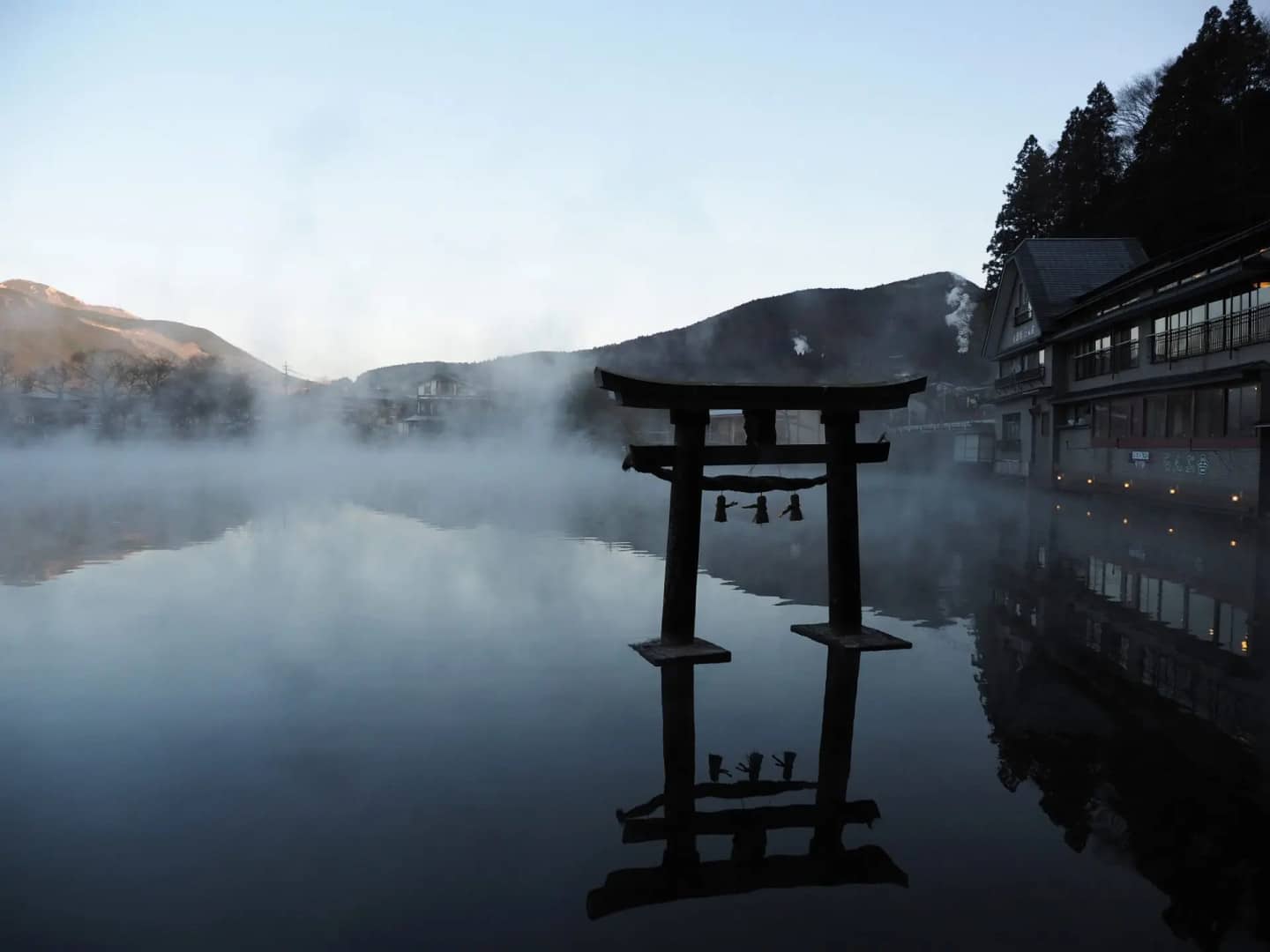
After dropping off your luggage, head out to Yunotsubo Street and stroll all the way to Kinrin Lake, then return to the ryokan for a soak and a kaiseki dinner. Don’t schedule anything else that day; most people underestimate how tiring a long journey is. JR travelers must reserve seats in advance, since the Yufuin no Mori train is one of the hardest to book in all of Kyushu; drivers should note that mountain roads get worse after sunset, so it is safest to be at the ryokan before dark.
Day 5: Kinrin Lake Morning Mist, Beppu Hells Tour, Back to Hakata in the Evening
Early morning is when Kinrin Lake is most beautiful: the difference between water and air temperature makes mist rise from the lake surface, worth getting up early for once. After checking out, head to Beppu, about 40 minutes by car.
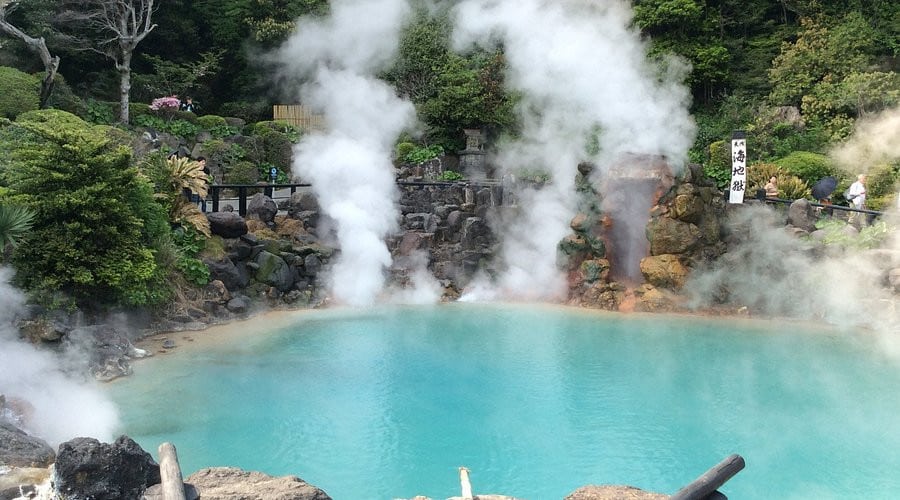
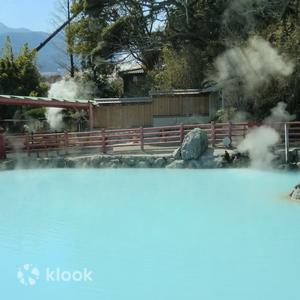
Beppu’s signature is the “Jigoku Meguri” (Hells Tour): Umi Jigoku, Chinoike Jigoku and several other high-temperature hot spring sights, not far apart but split into two areas. We suggest picking three or four; doing them all is rushed. Leave around 3 or 4 p.m. for Fukuoka, about two hours by car, and in the evening eat ramen and skewers at the yatai stalls in Nakasu. Combined tickets and individual ticket prices for the Hells may change; please go by the ticket office on site.
Day 6: Pick Two of Dazaifu, Yanagawa or City Shopping
Day 6 slows the pace: staying in Fukuoka city or a round trip to Dazaifu (about 40 minutes by car) is easy either way. There are three main options: Dazaifu Tenmangu (with umegae mochi on the approach), a Yanagawa river cruise (gliding through the water town with steamed eel rice), or big shopping around Tenjin and Hakata Station. We suggest choosing two. Dazaifu and Yanagawa require the Nishitetsu train, which is not covered by the JR pass and must be bought separately; Nishitetsu offers pass sets worth considering.
Day 7: A Last Meal in Hakata, Five Minutes by Subway to the Airport
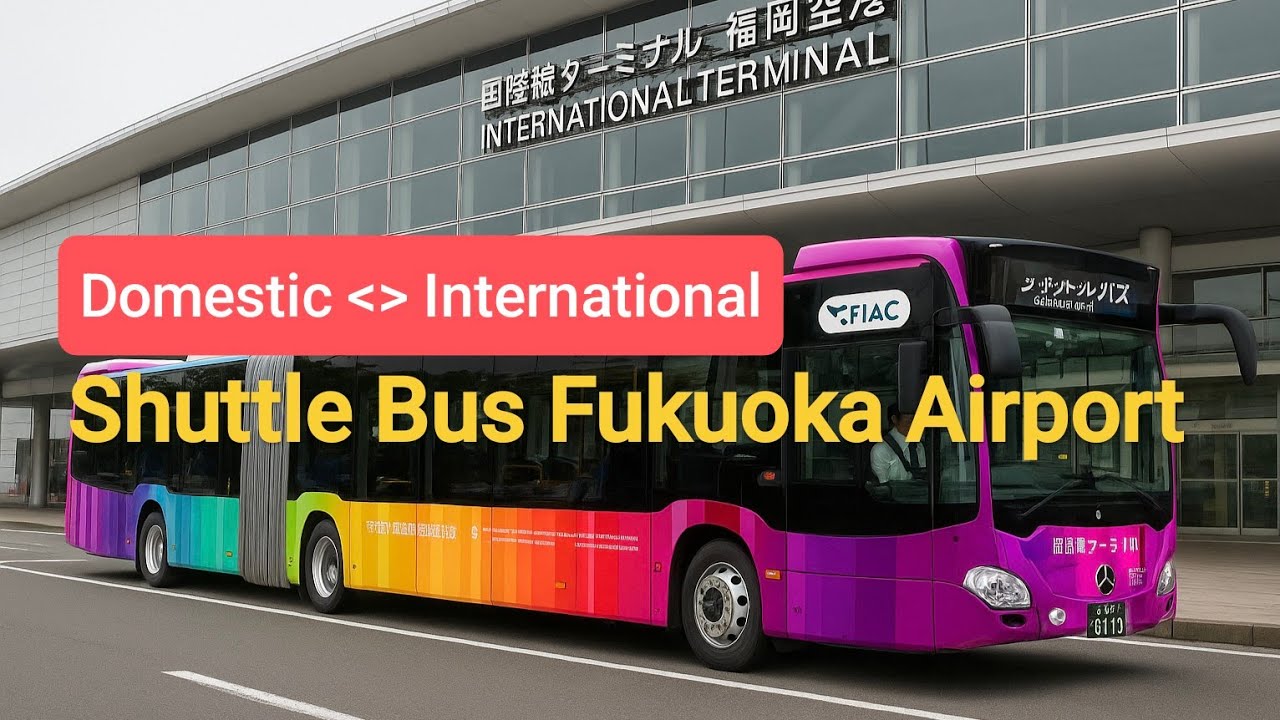
Fukuoka Airport is only a five-minute subway ride from Hakata Station (international terminal travelers then take a free shuttle bus), which makes the last day very relaxed. With an afternoon or evening flight, you can still have a meal of motsunabe (offal hot pot) or mentaiko dishes at Hakata Station in the morning.
One reminder about terminals: the subway only goes to the domestic terminal, and international travelers must take a free shuttle bus of 10 to 15 minutes after leaving the subway. With check-in and security, we suggest arriving at the airport three hours before departure. You can also take the airport bus from Hakata Bus Terminal directly to the international terminal, which is simpler with one ride all the way.
Variant A: Drop Kagoshima for a Relaxed Five-City Itinerary
If you travel with older relatives or young children, the most effective way to cut back is to drop Kagoshima, because it eliminates the 300 km long-haul boss day. Change it to “Fukuoka – Nagasaki – Kumamoto – Yufuin – Beppu – Fukuoka,” and every leg is within two and a half hours.
The two days saved can be used like this: one more night in Nagasaki (adding Huis Ten Bosch or Unzen) and one more night in Kumamoto (adding a day trip to Aso). Overall intensity drops a notch, and the pass can be downgraded from the all-Kyushu version to the northern Kyushu version, saving several thousand yen. This variant actually suits most first-time visitors to Kyushu better than the original.
Variant B: Self-Drive Only, Adding Aso and Takachiho
Aso and Takachiho are Kyushu’s most representative natural landscapes, but both lie outside the rail network and can only be reached by self-drive (or a bus tour). To fit them into seven days, you must sacrifice Kagoshima.
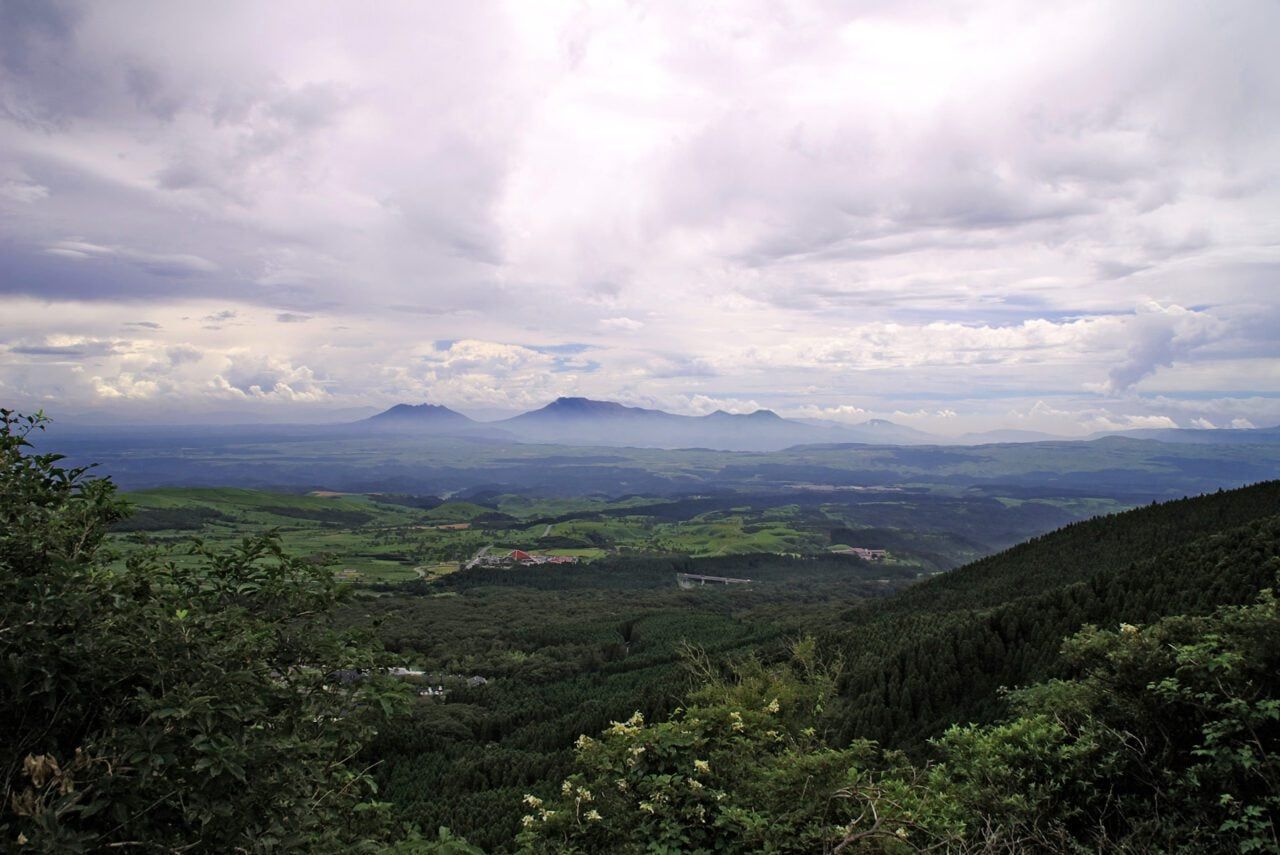
The route becomes: Fukuoka – Nagasaki – Kumamoto – Aso – Takachiho – Yufuin – Beppu – Fukuoka. At Aso, note that restrictions at the Nakadake crater change with volcanic activity, so check the notice of the day before you go; Takachiho Gorge’s parking lots have all become paid, boat rides often require queuing or reservations and are suspended when the water level rises. This route has a high share of mountain roads, so in winter confirm snow tires and road conditions.
The Most Common Mistake: Putting Nagasaki City and Huis Ten Bosch on the Same Day
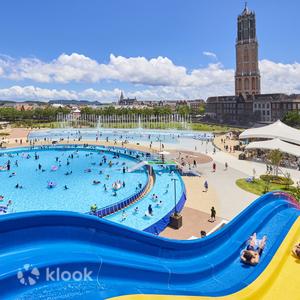
This is a common error in Kyushu itineraries. Huis Ten Bosch is in Sasebo City, over an hour by rail from central Nagasaki, and the park itself takes half a day to a full day, so putting it on the same day as Nagasaki often means rushing through both. We suggest choosing one, or giving it a whole day on its own and staying near the park.
Similar mistakes include: Kumamoto Castle and Aso on the same day (Aso needs more than half a day of travel and stops), and a same-day round trip from Fukuoka to Yufuin (four hours round trip). When planning, map out travel times first and then fill in the sights.
How Much Does 7 Days of Kyushu Transport Cost? JR vs. Self-Drive Compared
The same route has a completely different cost structure by JR and by self-drive. Below we lay out the pros, cons and cost logic of both options, then cover a few value-add options that can fill the gaps.
All amounts are reference values checked in August 2026; please rely on the official or platform announcements of the day.
Option A: All-Kyushu JR Pass 7-Day Ticket
This route is practically tailor-made for the all-Kyushu 7-day pass. Travel agencies sell it for about ¥26,000 and the JR Kyushu official site about ¥25,000 (adults), covering the Kyushu Shinkansen, the Nishi-Kyushu Shinkansen and all limited express trains in the region, with free reserved-seat bookings.
The Kumamoto-Kagoshima Shinkansen saves an hour and a half, and you can relax completely on long journeys. The downside is that departures are fixed, and limited express trains toward Yufuin, Beppu and Nagasaki need seats reserved in advance, especially the Yufuin no Mori train, which is in very high demand.
Option B: Rental Car Plus KEP Expressway Pass
With a car you don’t drag luggage, getting on and off is flexible, the Yufuin-Beppu scenery is something rail can’t show you, and Aso and Takachiho can only be done by car. But Kyushu’s expressway tolls are expensive and the full trip easily tops ¥10,000, so be sure to add the KEP (Kyushu Expressway Pass) made for foreign visitors. Rental companies usually require the KEP days to match the rental days, and the Fukuoka Urban Expressway and Kitakyushu Urban Expressway are outside the unlimited-use area. The biggest problem is Day 4: 300 km of continuous driving is tough for a single driver, and having two take turns is safer.
Option C: JR on the Long Axes, Local Car Rental in the Mountains as a Hybrid
Many people overlook a third choice: take JR between cities and rent a car only for the one or two days you need it. For example, use the pass for the whole trip but rent a car for a day in Kumamoto to go to Aso, or for a day in Yufuin to cover Kuju and Kurokawa.
The advantage is avoiding the most tiring long drives while keeping the ability to reach the mountains, and it saves a lot of parking fees. The downside is more time spent on rental pickup and return procedures, and the pass days need to be counted carefully (you may not use the pass on the rental-car day). If your itinerary has only one or two places that require a car, the hybrid is usually the lowest total-cost solution.
Chartered Cars: A Third Way for Aso and Takachiho
If you want to see Aso and Takachiho but don’t want to drive the mountain roads yourself, a chartered car or a local bus tour is the most practical gap-filler. Day trips from Kumamoto usually combine Aso and Takachiho into one day, with a driver who knows the roads.
The benefit of this arrangement is that your main itinerary still uses the JR pass between cities, and only the mountain day is left to someone else to drive. Costs are priced by vehicle and hours, and shared among four or more people it may not cost more than car rental plus fuel and tolls, and you don’t have to worry about parking or volcano restrictions. When booking, remember to confirm whether admission is included and whether the route is adjusted based on volcanic conditions.

The Yufuin Night: Booking Tips for a Ryokan with Dinner and Breakfast
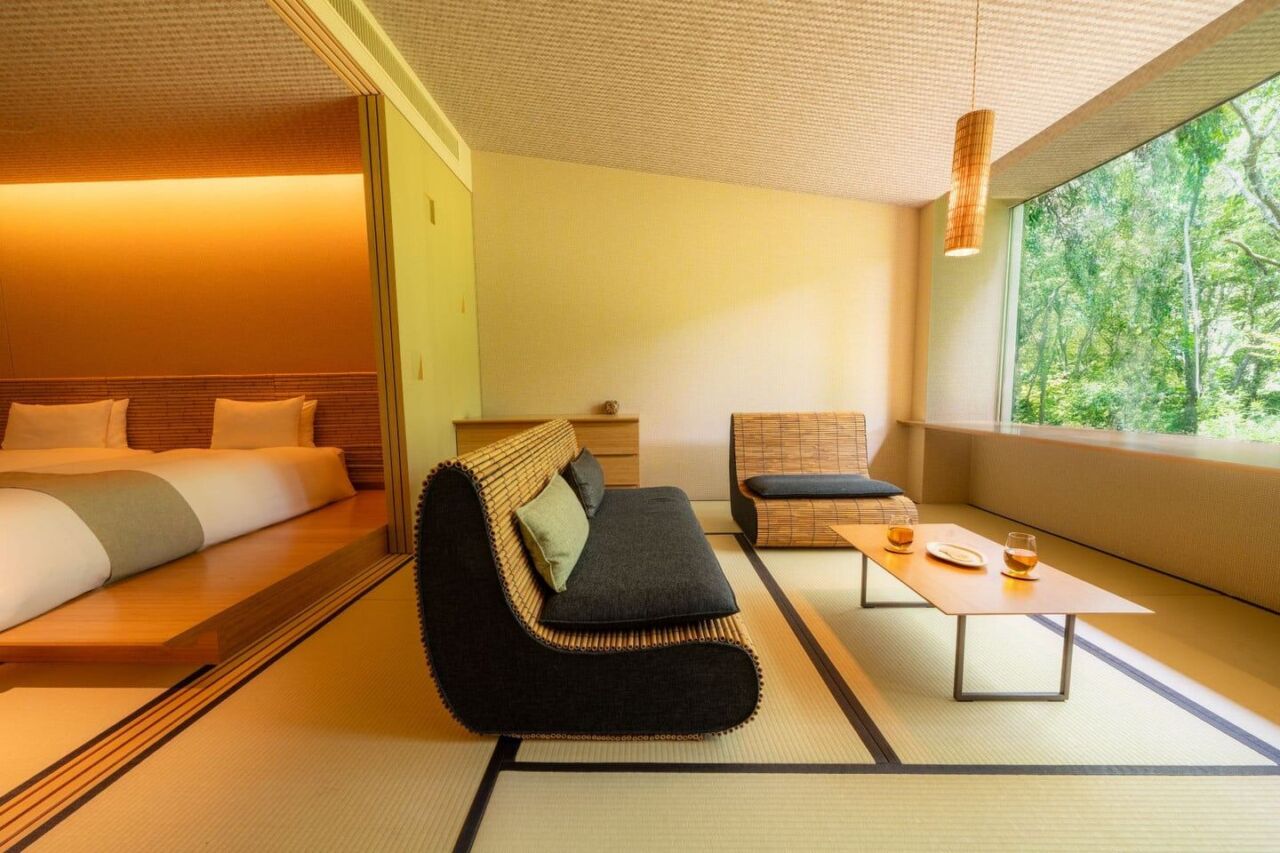
The night after the long-haul boss day is the one place on the whole trip worth spending money on. Most of Yufuin’s hot spring ryokan are ippaku nishoku: dinner is kaiseki and breakfast is a Japanese-style set meal, so you don’t have to go out looking for food, which is just right after a tiring day.
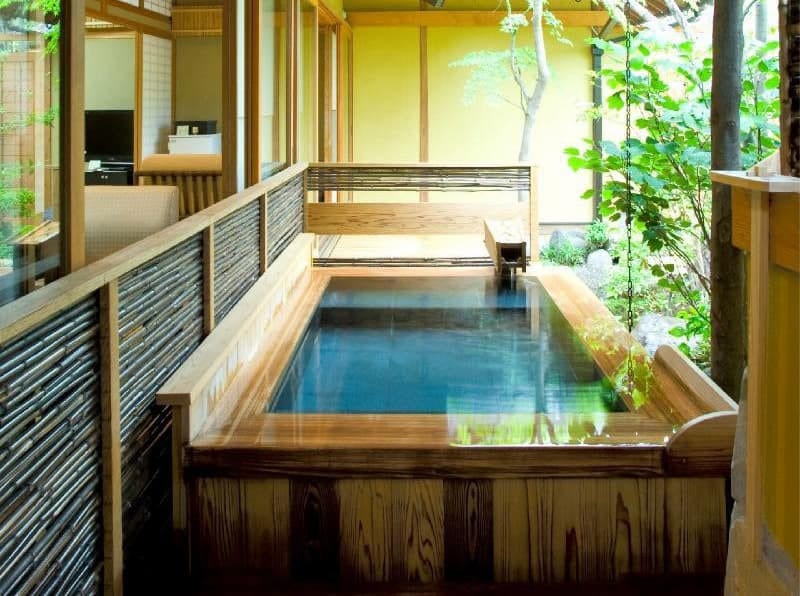
Watch three things when booking: first, whether there is a shuttle (the ryokan may be some distance from the station); second, the dinner start time (most ryokan require you to be seated by 6 or 6:30, and arriving too late means missing dinner); third, whether there is a private open-air bath in the room (worth the extra charge if you don’t want to bathe with others). In peak season and long holidays book far in advance; the autumn foliage season is especially competitive.
The Last Two Days: Half-Day and Full-Day Options from Fukuoka
On Day 6, stay in Fukuoka: you can take the Nishitetsu train to Dazaifu or Yanagawa on your own, or join a day tour from Fukuoka that links the two places and saves you the trouble of checking timetables.
The Yanagawa boat ride lasts about an hour, passing through the waterways of the old castle town on a flat-bottomed boat, with boatmen who sing and, in winter, kotatsu boats. Dazaifu is the head shrine of the god of learning, and the umegae mochi on the approach should be eaten hot. If it rains that day, switching to shopping and food in Hakata makes perfect sense too; after six days of constant travel, leaving one day with nothing scheduled is not a waste.
What to Watch for in a 7-Day Kyushu Trip? Season, Budget and Pre-Trip Reminders
Once the route is set, a few more things directly affect the experience: season, reservation timing, budgeting and managing your energy.
Season: Typhoons, Autumn Foliage and Winter Mountain Roads
Kyushu’s travel seasons differ greatly. Summer and autumn are typhoon season, when mountain roads and ferries may be suspended, so leave a backup plan. The November autumn foliage season is the most beautiful but also has the highest hotel prices and hardest-to-book tickets, and Yufuin ryokan may need booking half a year ahead.
In winter the lowlands are warm, but Aso, Kuju and Kurokawa freeze and get snow, so drivers must confirm snow tires. The cherry blossom season in spring (late March to early April) is also a peak for crowds and prices. If your timing is flexible, May to early June and October are relatively comfortable and not too expensive. In the rainy season (mid-June to July), be prepared for whole days of rain.
Booking Timing: Yufuin no Mori and the Ryokan Come First
This route has two “book it or lose it” items: the hot spring ryokan in Yufuin and seats on the Yufuin no Mori train. Book the ryokan as soon as your flights are confirmed; reserved seats generally open at 10 a.m. one month before the travel date, and popular departures fill up that same day.
If you buy the pass through the official Online Booking, you can reserve seats online before departure, which is its biggest advantage over buying through a travel agency. Other ordinary Shinkansen and limited express trains need less worry; after arriving in Japan, you can reserve the next few days’ seats all at once at a green ticket machine.
Budget: Fixed Costs Beyond Transport
The most underestimated item when budgeting is “transport outside the pass.” The trams in Nagasaki, Kumamoto and Kagoshima, and Fukuoka’s subway and Nishitetsu, are all outside the JR pass, and over seven days they add up to a sizable sum.
Also budget for: admission to sights (Kumamoto Castle, Senganen, Beppu Hells, the Mount Inasa ropeway), the Yufuin ryokan with dinner and breakfast (usually the priciest night of the trip), and meals. A reminder: tram fares in several Kyushu cities have been adjusted in recent years, so figures in old articles online are unreliable; the notices on site after arrival are the most accurate.
Energy Management: Use Luggage Delivery to Skip Four Days of Hauling Bags
With seven days and six nights across five lodging places, the most tiring part is not the ride but hauling luggage on and off trains and up and down stairs every day. A very effective solution is luggage delivery: send your large luggage from Fukuoka directly to the hotel for the last two nights and travel with only a small bag for the four days in between.
Delivery between Kyushu cities usually arrives the next day, priced by size, and the hotel front desk can arrange it. Another approach is to pack separately what you need for the Yufuin night and leave the rest at your Fukuoka hotel. Either is far easier than lugging a big suitcase onto limited-express unreserved cars four days in a row.
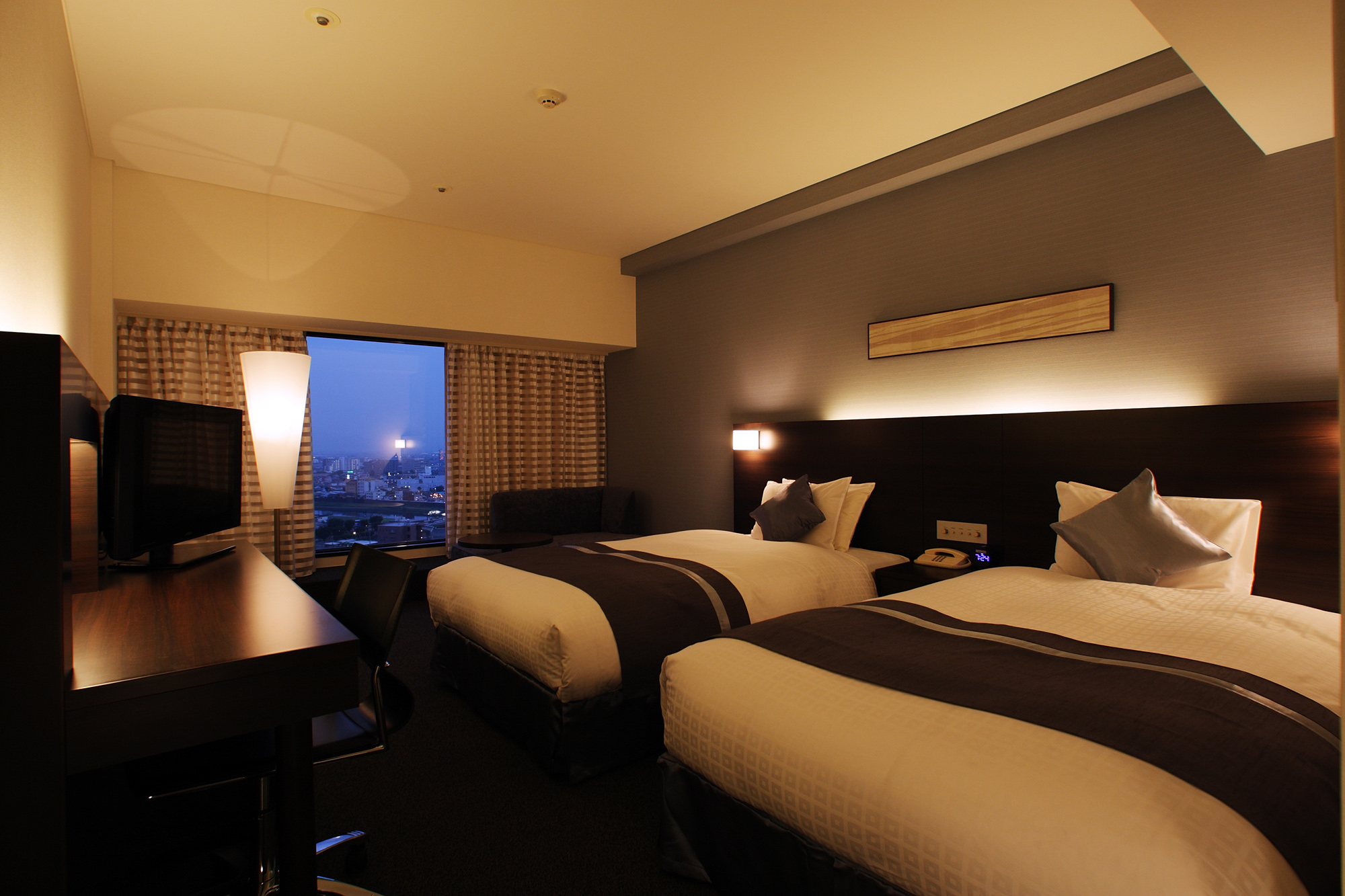
Hotel Suggestions for Your Trip
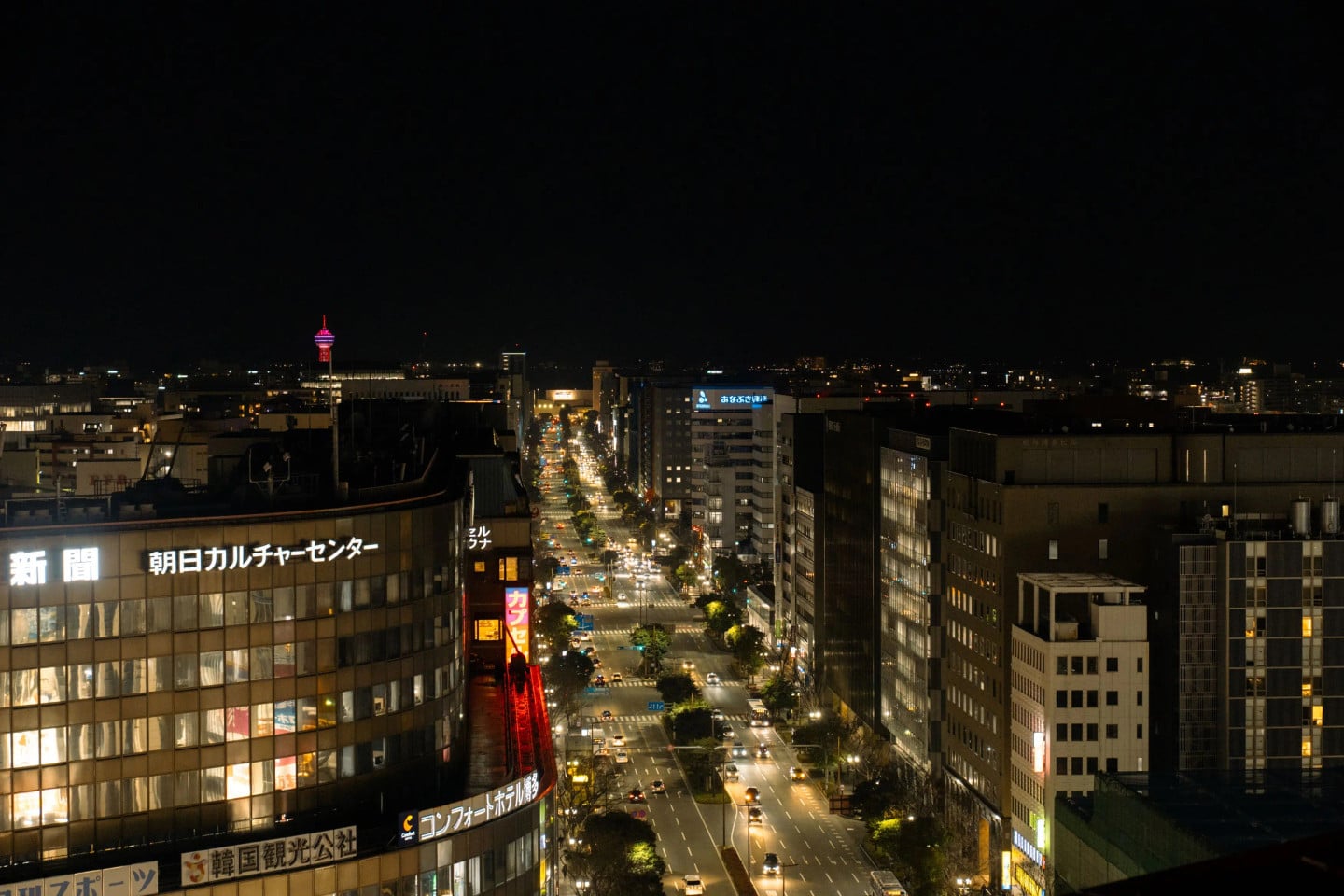
For the two Fukuoka nights, we suggest booking the same hotel within walking distance of Hakata Station: the subway from Fukuoka Airport to Hakata Station takes about 5 minutes, so you don’t have to move luggage on the last day, and the trip to the airport before departure is relaxed. For the one night each in Nagasaki, Kumamoto and Kagoshima, also prioritize the station area so the next morning’s train is smoothest; for the Yufuin night, book a hot spring ryokan separately so you can leave the fatigue of the long drive in the bath.

7-Day Kyushu Itinerary Planning FAQ
Here are the questions travelers most often ask when planning a 7-day Kyushu itinerary.
Q: Can you really cover all six places in seven days?
Yes, but you spend two to three hours a day traveling, making it an intense sight-hopping itinerary. If you travel with older relatives or young children, we suggest dropping Kagoshima for the relaxed five-city version; that one cut eliminates 300 km of long-distance travel and lowers the overall intensity a notch.
Q: Should I take JR or drive on this route?
If you only cover these six cities, JR is easier: the Kumamoto-Kagoshima Shinkansen alone is an hour and a half faster than driving, and you don’t have to drive 300 km yourself. But if you want to add Aso or Takachiho, you must drive or join a local tour. You can also mix: take JR between cities and rent a car only for the one or two days you need.
Q: Day 4’s 300 km is too tiring. Is there an alternative?
Three approaches: one, schedule no sights that day, leave in the morning and just reach Yufuin before 3 p.m.; two, extend to eight days with an extra night in Kumamoto or Miyazaki along the way; three, drop Kagoshima outright. If driving, having two drivers take turns is much safer, and a single driver should stop for a rest every two hours.
Q: Can I put Nagasaki city and Huis Ten Bosch on the same day?
Not recommended. Huis Ten Bosch is in Sasebo City, quite far from central Nagasaki, over an hour by rail, and the park itself takes at least half a day to a full day. Forcing them onto one day usually means you don’t enjoy either. Choose one, or give Huis Ten Bosch its own day and stay near the park.
Q: Which JR pass should I buy for this route?
If Kagoshima is included you must buy the all-Kyushu version (the 7-day pass is about ¥26,000 at travel agencies and about ¥25,000 on the official site). If you use the variant without Kagoshima, going south only as far as Kumamoto, the northern Kyushu 5-day pass is enough and saves several thousand yen. The test is simple: how far south your itinerary goes. Please go by the official announcement of the day for prices.
Q: When is the most comfortable time to visit Kyushu?
May to early June and October are relatively comfortable, with crowds and prices off peak. November has the most beautiful foliage but the hardest-to-book hotels and tickets; summer and autumn carry typhoon risk, and mountain roads and ferries may be suspended; in winter the lowlands are warm, but Aso and Kuju freeze and get snow, so drivers should confirm snow tires.
Q: With a new city every day, what about luggage?
Use luggage delivery. Send your large luggage from Fukuoka directly to the hotel for the last two nights and travel with only a small bag for the four days in between, which is much easier. Delivery between Kyushu cities usually arrives the next day, the hotel front desk can arrange it, and it is priced by size. If you bring oversized luggage on the Shinkansen, you also need to reserve a seat with a luggage storage area.
