
Atsuta Jingu Guide 2026: One of Japan’s Three Great Shrines and the Legend of the Kusanagi Sword
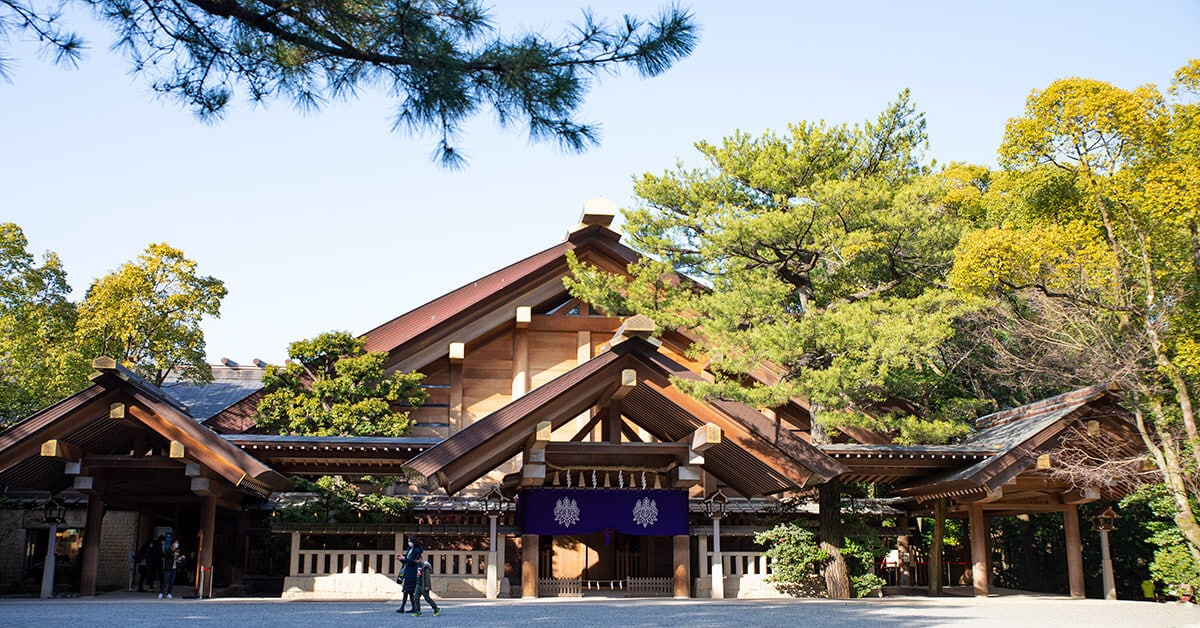
Atsuta Jingu stands in Atsuta Ward, Nagoya, and enshrines the Kusanagi sword, one of Japan’s Three Sacred Treasures. Second in standing only to Ise Jingu, it covers about 190,000 square meters of towering old trees and suits travelers who love history, power spots and local food, with a half-day to full-day itinerary.
Atsuta Jingu’s founding goes back to the reign of Emperor Keiko. According to tradition, Princess Miyazu enshrined the Kusanagi sword left behind by Yamato Takeru here, beginning a history of worship spanning about 1,900 years. The shrine bears the name “Jingu” because it houses the Kusanagi sword, one of the three sacred treasures. The principal deity is Atsuta no Okami (the spirit of Amaterasu Omikami, symbolized by the Kusanagi sword), enshrined together with Yamato Takeru, Princess Miyazu, Susanoo and five deities in all. Its faith blends imperial mythology with local legend, making it an important window into Japan’s Three Sacred Treasures and the history of its warriors.
A visit to Atsuta Jingu in 2026 includes the traditional worship at the main shrine, a prayer at the great camphor tree, and a tour of the swords and artifacts at the Treasure Hall and Kusanagi Hall. In addition, Atsuta nagAya, a commercial facility that opened in 2024 next to Meitetsu Jingu-mae Station, adds a new place to eat beside this thousand-year-old shrine, so the old shrine and a new landmark combine into a distinctive outing. Whether you are a history buff keen to learn the story of the Kusanagi sword or a food lover who just wants to try Miya Kishimen and the three-way eel rice, Atsuta Jingu has something for every traveler. We suggest setting aside at least half a day to explore at leisure.
Atsuta Jingu
Atsuta Jingu is Nagoya’s most important place of worship and enshrines the Kusanagi sword. Entry to the grounds is free, and it is the key place for understanding Japan’s Three Great Shrines.
The grounds are open for worship 24 hours a day (at night, please use the west gate parking lot). The amulet office is open from about 7:00 to sunset, and prayer and kagura requests are accepted daily from 8:30 to 16:00.


The Kusanagi Sword
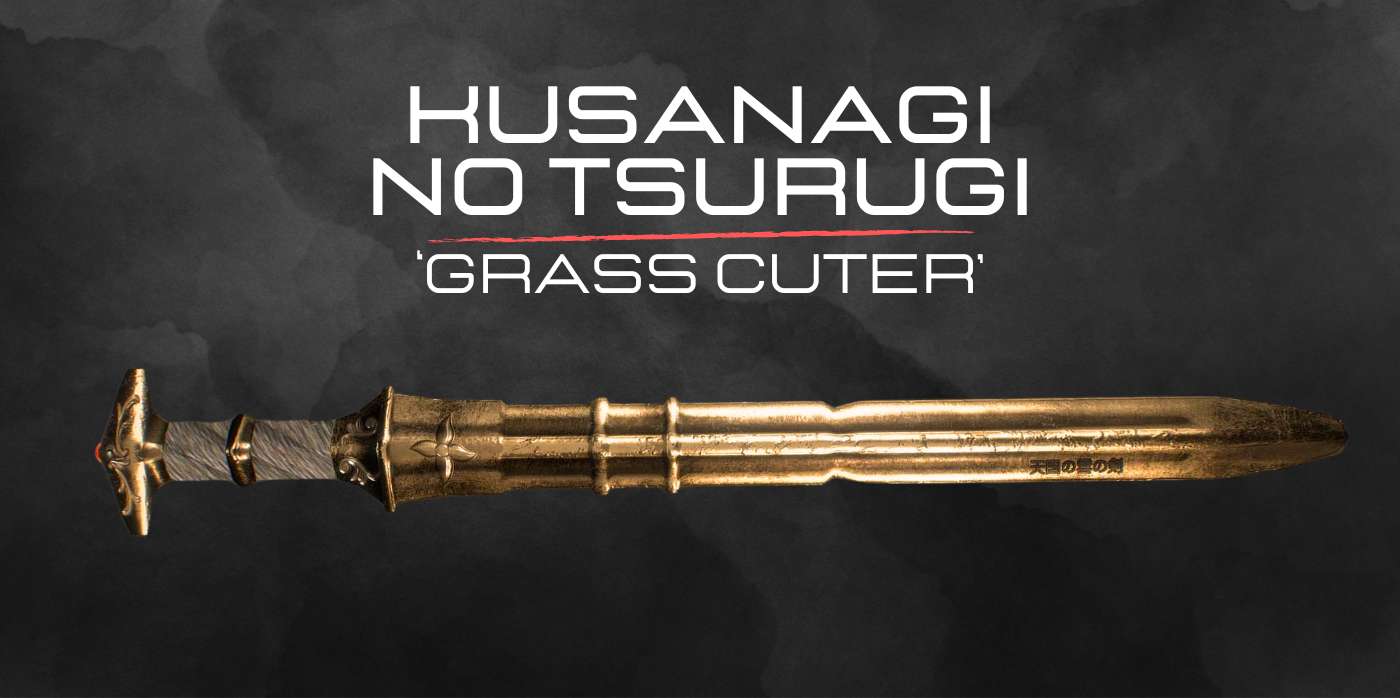
The Kusanagi sword is one of Japan’s Three Sacred Treasures and symbolizes the legend of Yamato Takeru’s campaigns in all directions. The sword itself rests in the main shrine and has never been put on public display.
Legend has it that when Yamato Takeru was campaigning in the east, enemies set fire to the grass around him, and he cut it down with the Ame-no-Murakumo sword given to him by Yamatohime, escaping the blaze. The sword has been called the “Kusanagi sword” ever since. After his death, Princess Miyazu enshrined the sword in the Atsuta area, which became the origin of Atsuta Jingu.
Atsuta nagAya
Atsuta nagAya is a commercial facility developed by Nagoya Railroad on the west side of Meitetsu Jingu-mae Station. It opened in two phases starting in September 2024, and its three wooden single-story buildings house about 15 Nagoya food and souvenir shops plus food trucks, a handy stop before or after your visit.
It is about a 3-minute walk from Meitetsu Jingu-mae Station to Atsuta Jingu’s south gate, so it can be combined into a half-day itinerary.

How to Get to Atsuta Jingu: Transportation and Parking Guide
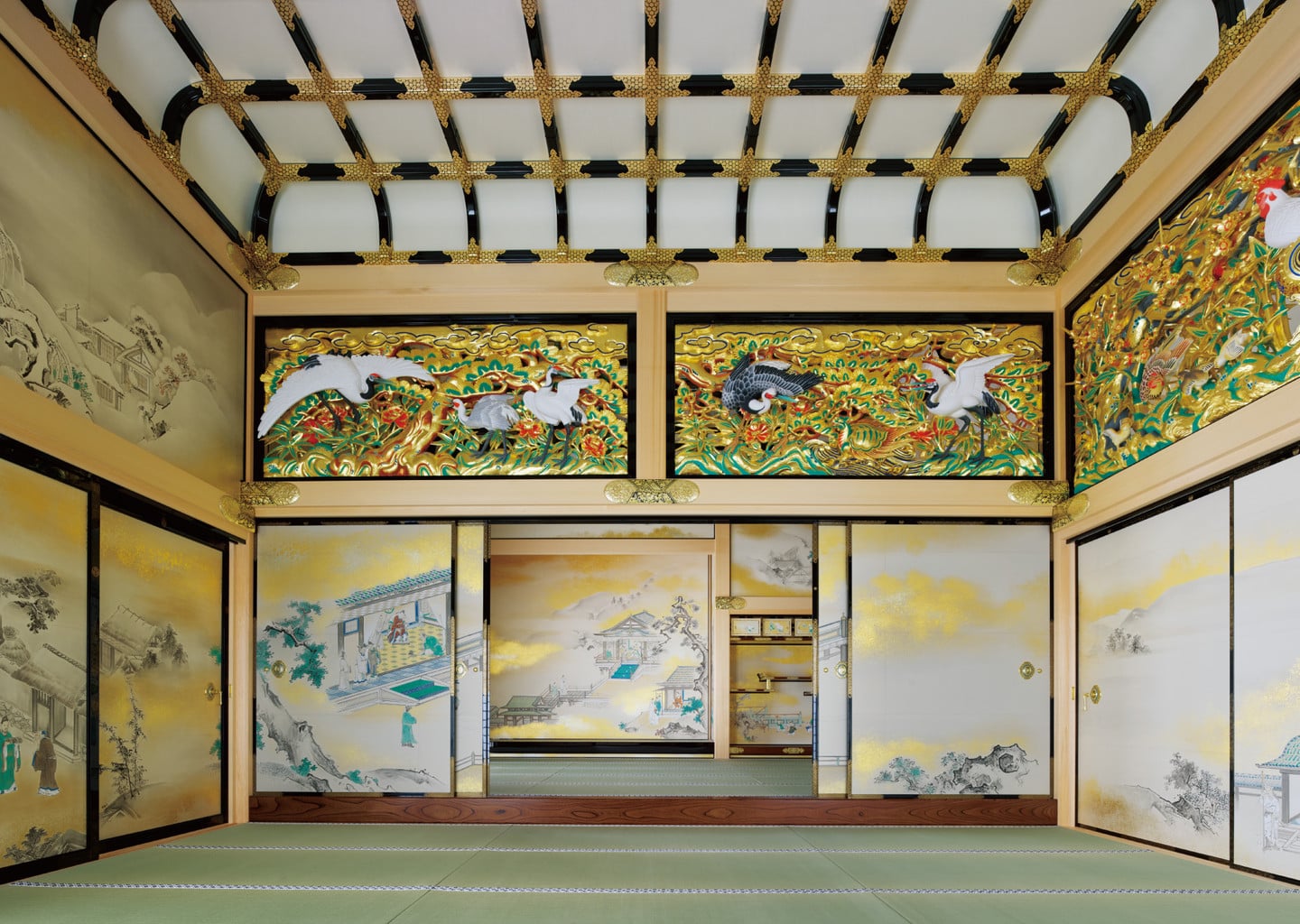
The fastest way to Atsuta Jingu is Meitetsu to Jingu-mae Station. Here are four common ways to get there, plus parking information.
Meitetsu Nagoya Main Line: Jingu-mae Station in as Little as 3 Minutes
Take the Meitetsu Nagoya Main Line from Meitetsu Nagoya Station to Jingu-mae Station, about 8 minutes, with a fare of about ¥250. From the station it is about a 3-minute walk to the south gate (the main gate). It is the fastest of all the options and the route most travel guides recommend first.
Jingu-mae Station is also a transfer station for the Meitetsu Tokoname Line, so if you are heading to Chubu Centrair International Airport, you can transfer to the airport train right here on the way back, a very smooth connection. It fits well after a visit to Nagoya Castle or the Osu shopping district.
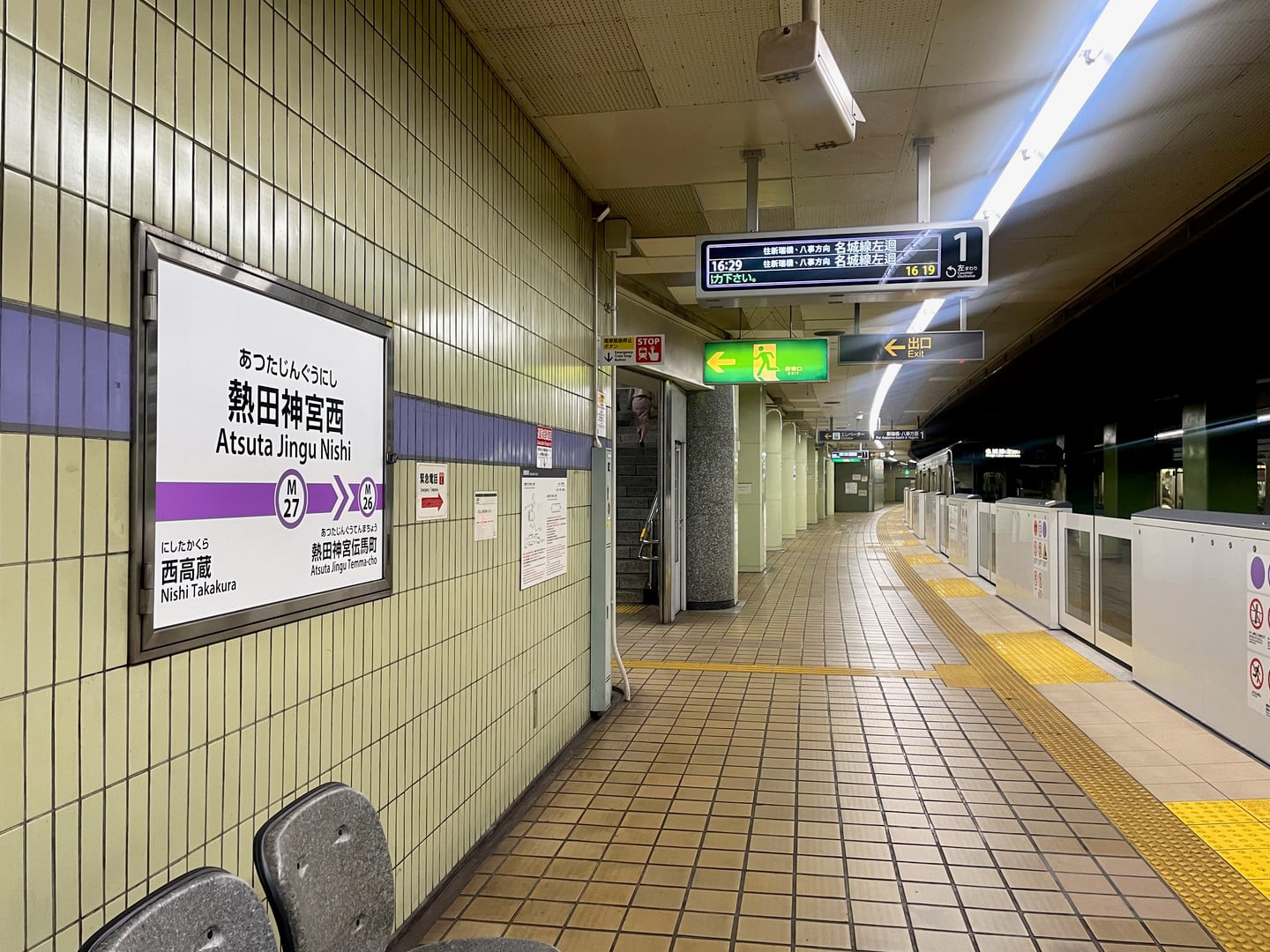
Subway Meijo Line: Two Choices, Atsuta Jingu-nishi and Atsuta Jingu-Denmacho
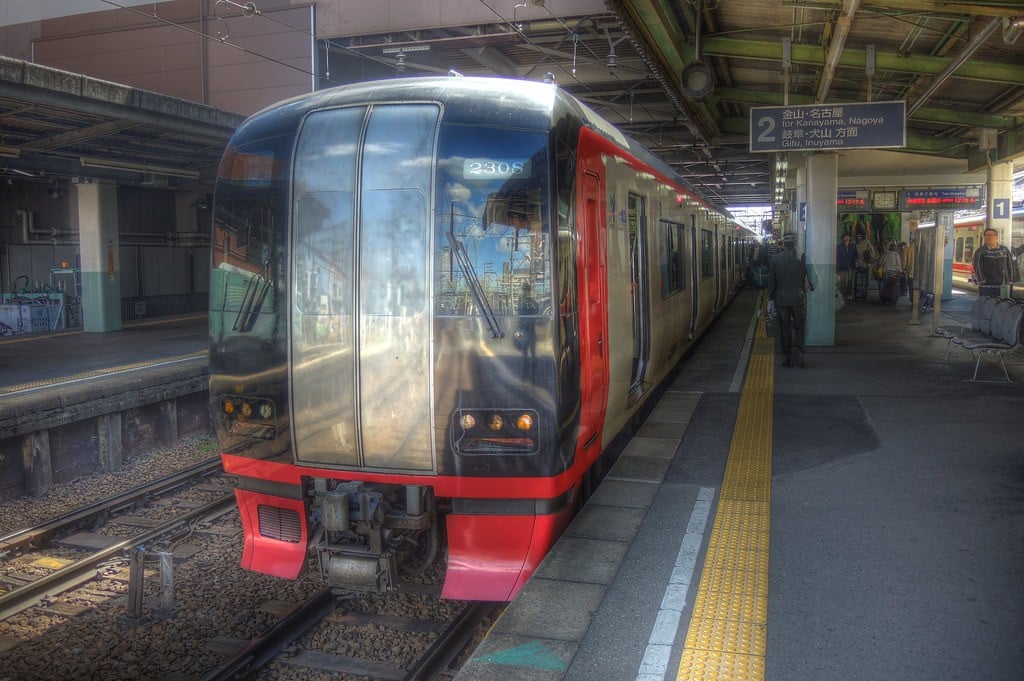
Take the subway Meijo Line and get off at either “Atsuta Jingu-nishi Station” or “Atsuta Jingu-Denmacho Station,” each about a 7-minute walk. The two stations correspond to the shrine’s west and east entrances, and suit travelers who already hold a subway one-day pass. The fare starts at about ¥240.

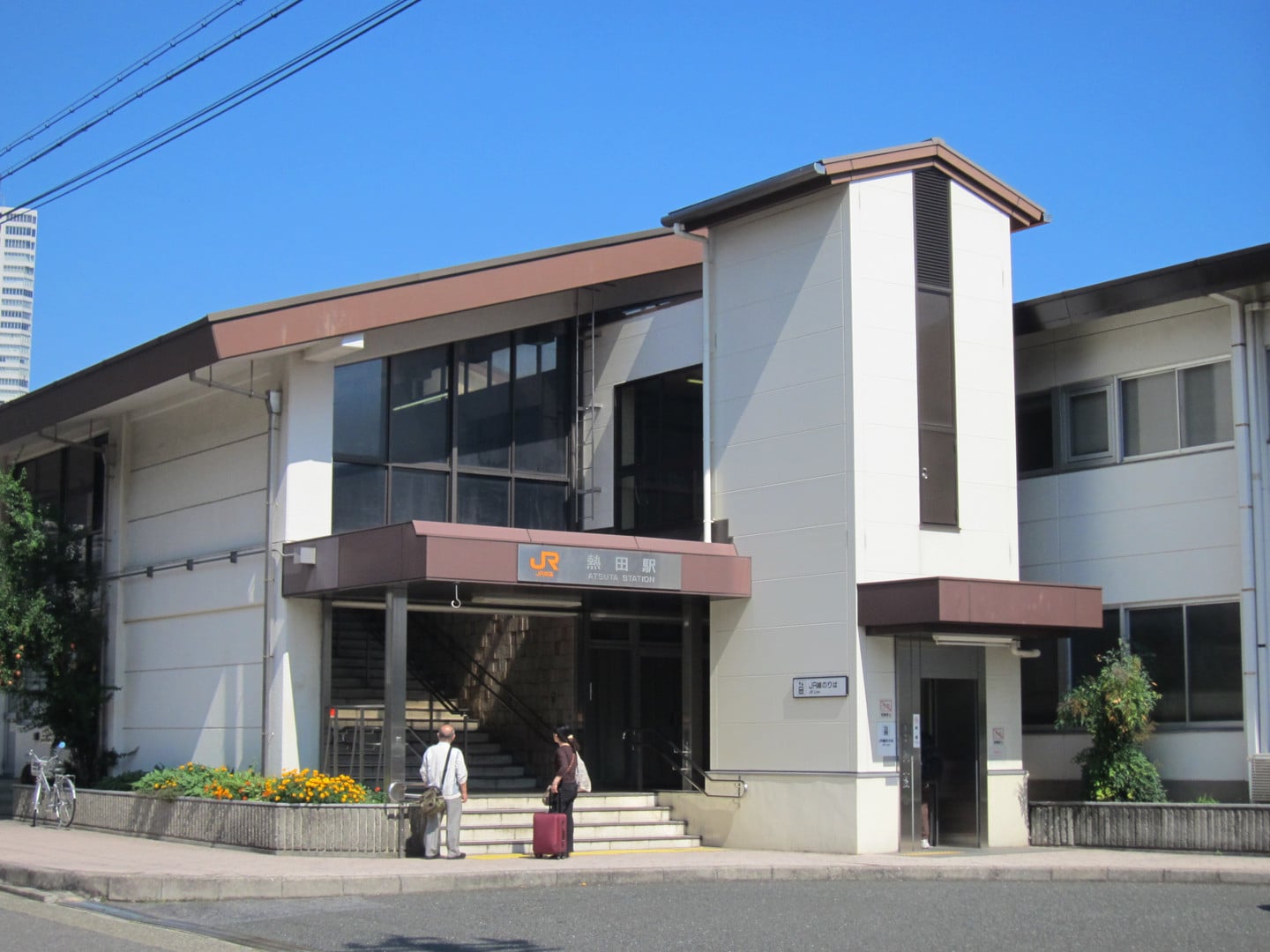
JR Tokaido Main Line: About an 8-Minute Walk from Atsuta Station
From JR Nagoya Station, the Tokaido Main Line to “Atsuta Station” takes only about 5 minutes, with a fare of about ¥190. From the station it is about an 8-minute walk to the shrine’s north entrance. It suits travelers who have a JR pass or are coming from other cities along JR lines, and is one of the most economical options.
Driving and Parking Information
Atsuta Jingu has free parking for worshippers within the grounds: about 300 spaces at the east gate, about 60 at the south gate and about 40 at the west gate, roughly 400 in total. In principle the lots close at 17:00. On weekends, holidays and during the New Year visit period they are often full all day, so we suggest taking public transport instead; for night worship, please use the west gate lot. Paid coin-operated lots are also available nearby.

What to See at Atsuta Jingu in 2026? The Main Shrine, Great Camphor and Kusanagi Hall Explained
Here are the 14 must-see sights and foods in and around Atsuta Jingu, introduced in order of importance.
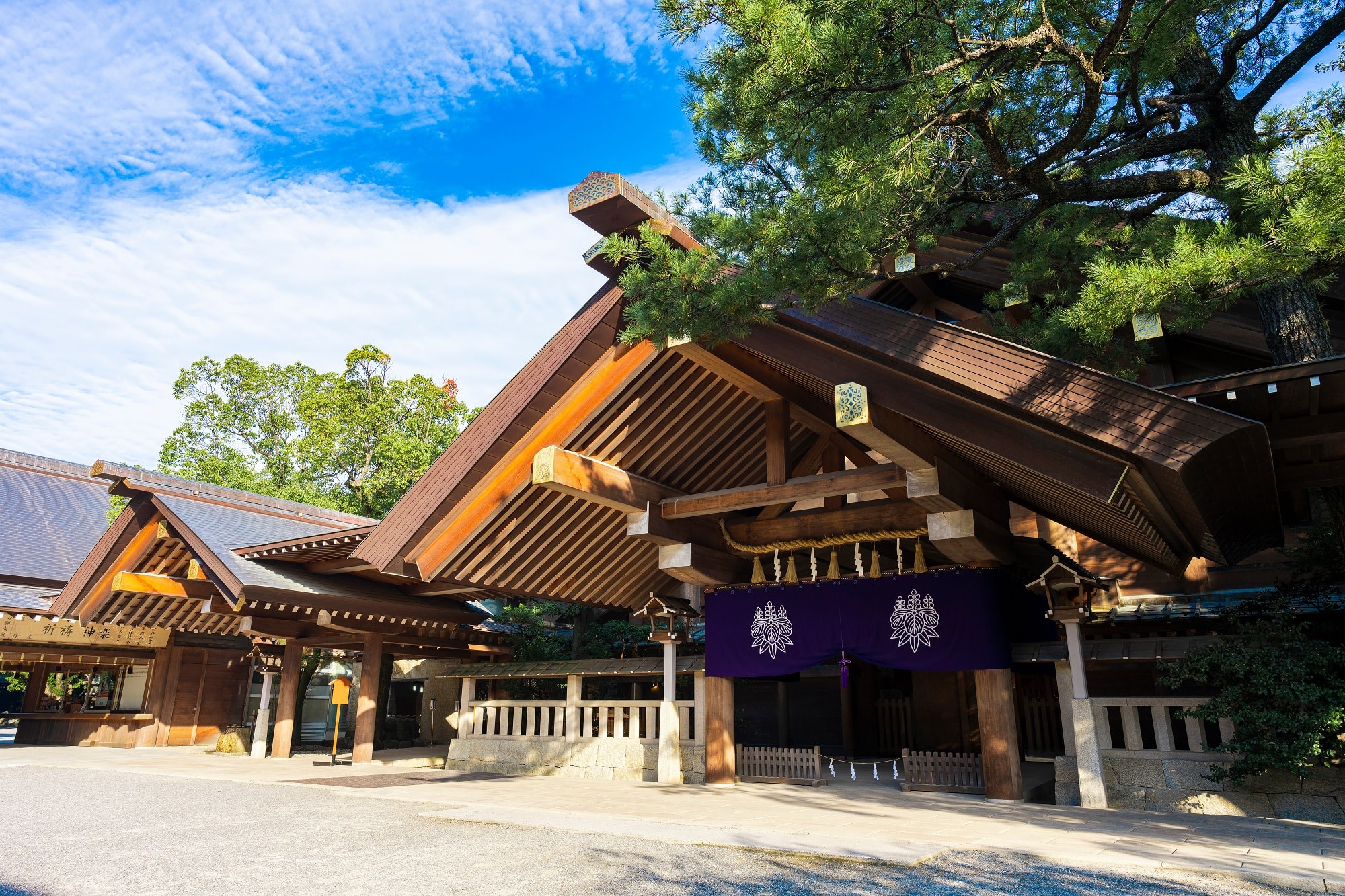
Main Shrine: The Heart of Japanese Mythology Where the Kusanagi Sword Rests
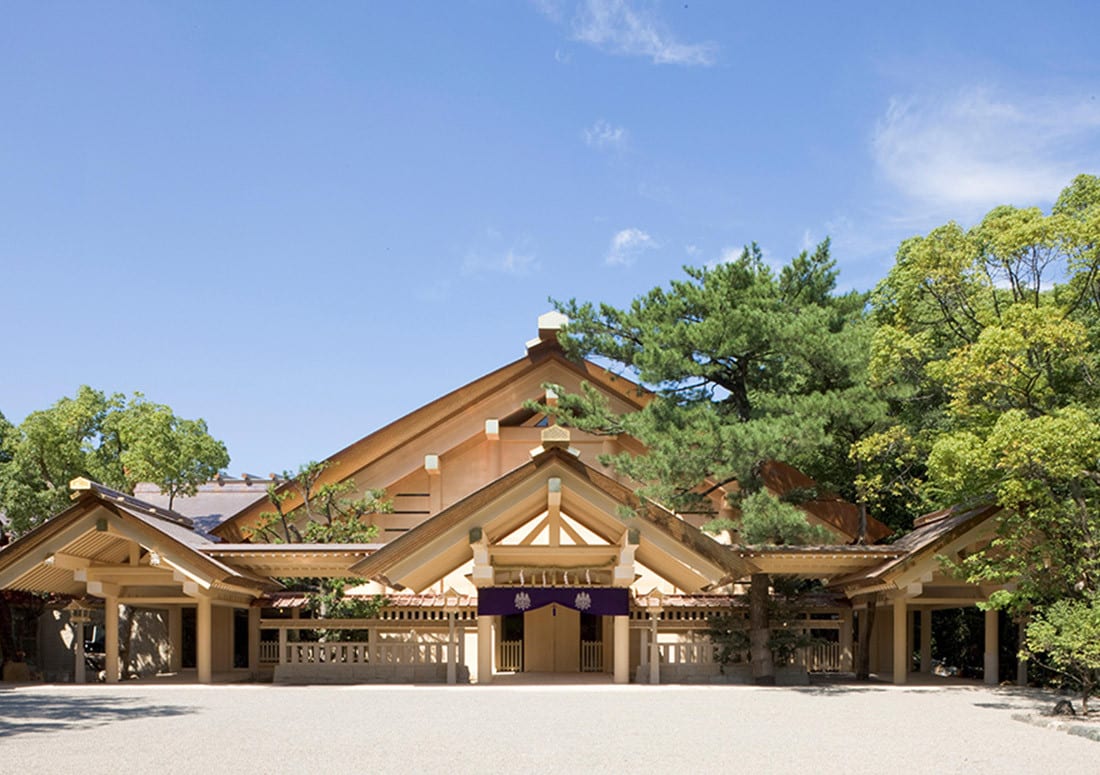
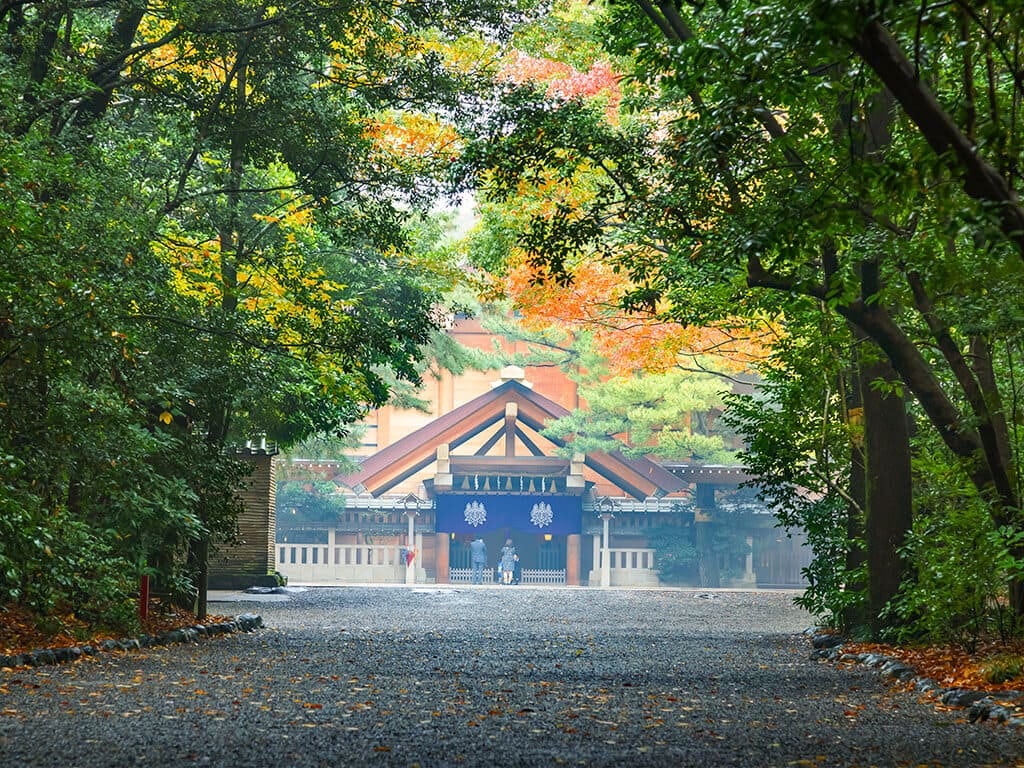
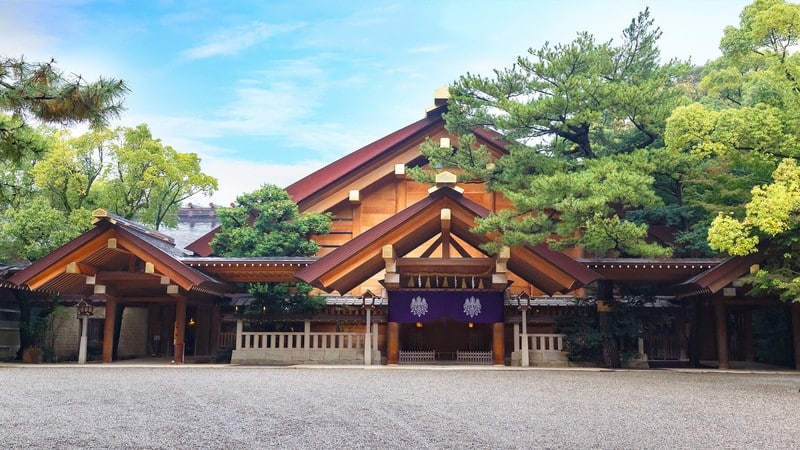
Atsuta Jingu enshrines the Kusanagi sword, one of the three sacred treasures. The blade rests deep within the inner sanctuary, the heart of its faith. The shrine buildings use the “shinmei-zukuri” style, the same as at Ise Jingu, showing the beauty of ancient shrine architecture. Legend says that about 1,900 years ago, Princess Miyazu enshrined the Kusanagi sword here, which gave Atsuta Jingu its standing as second only to Ise Jingu.
Please follow the etiquette of “two bows, two claps, one bow.” Photography is prohibited in front of the main hall. Allow 15 to 20 minutes for worship. At 7 a.m. the crowds are thin, making it the best time for photos and worship, and the first stop for understanding the faith of the shrine.
Great Camphor Tree: A Thousand-Year-Old Power Tree Planted by Kobo Daishi
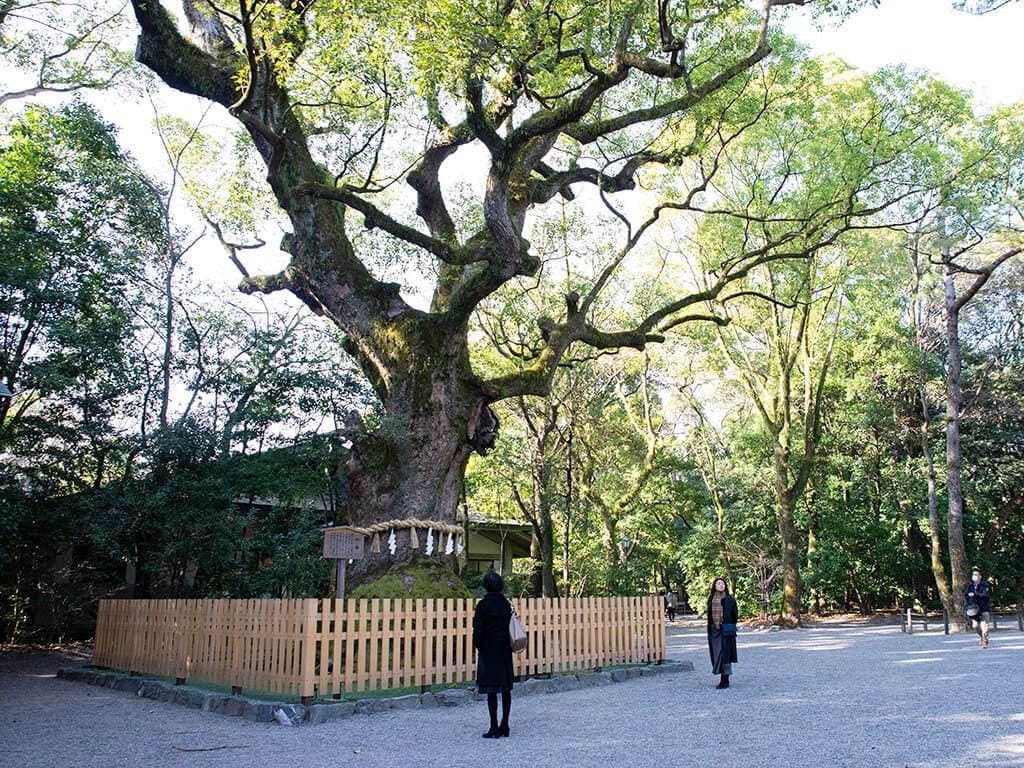
The thousand-year-old camphor tree beside the purification fountain is said to have been planted by Kobo Daishi (Kukai). Its trunk is thick, and it is widely regarded as the strongest power spot in the grounds. Legend says a white snake lives in its hollow and is seen as an incarnation of Daikokuten, the god of wealth; those who spot it are said to receive windfall luck and good fortune.
This camphor tree is the landmark of Atsuta Jingu and a photo hotspot, especially when morning light filters through its branches. Worshippers often look for signs of the white snake around the trunk.
We suggest visiting after the main shrine, staying about 10 minutes to feel its energy and quietly praying for fortune. It is a highlight to visit all year round.
Nobunaga-bei: One of Japan’s Three Great Earthen Walls, Offered by Oda Nobunaga in Thanks
Nobunaga-bei is one of the historic sites visitors ask about most at Atsuta Jingu. According to the shrine’s official site, in the 3rd year of Eiroku (1560), before marching to the Battle of Okehazama, Oda Nobunaga prayed here for victory, and after his great win he donated this tsuijibei (earthen wall) in gratitude. The wall is made of packed clay and lime kneaded with oil, topped with thick layers of roof tiles, and it is ranked together with the Oneri-bei of Nishinomiya Shrine in Hyogo and the Taiko-bei of Sanjusangendo in Kyoto as one of “Japan’s Three Great Earthen Walls.”
Nobunaga-bei stands beside the approach near the main shrine and is free to view. Pausing about 5 minutes on the way to the main shrine lets you see the layered tile cross-section and the texture of the wall up close, a good starting point for learning how warlords of the Sengoku period connect to Atsuta Jingu.
Kokoro no Komichi: A Quiet, Sacred Path to Shimizu Shrine
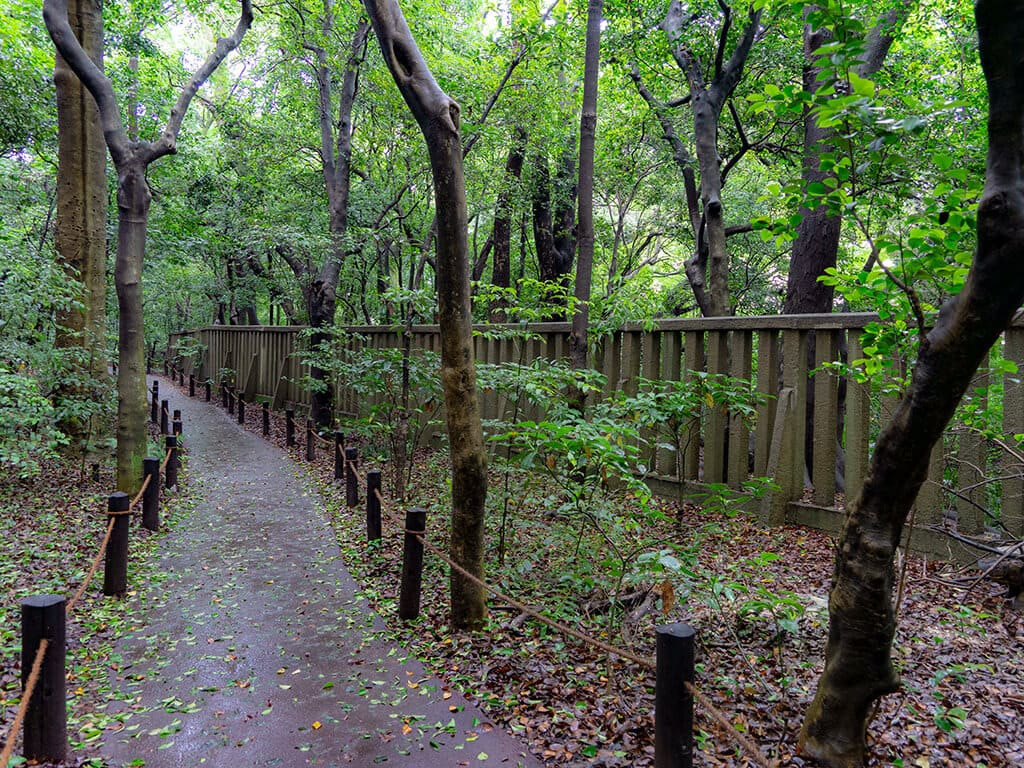
Kokoro no Komichi (Path of the Heart) lies deep in the Atsuta forest and is open daily from 9:00 to 16:00, with the entrance closed outside those hours. This worship path winds through dense woods with few visitors and leads to small, secluded shrines such as Shimizu Shrine and Ichi-no-Gozen Shrine.
The path is narrow and partly gravel, so wear comfortable shoes and allow 20 to 30 minutes on foot. Please stay quiet and refrain from eating or loud talk, out of respect for the sacred grounds.
Early-morning light through the treetops makes it a good place for photography and meditation, and a way to experience the original faith of Atsuta Jingu. It is an excellent route for exploring hidden corners.
Yakken-gu Auxiliary Shrine: Atsuta Jingu’s Auxiliary Shrine with Deep Samurai Faith
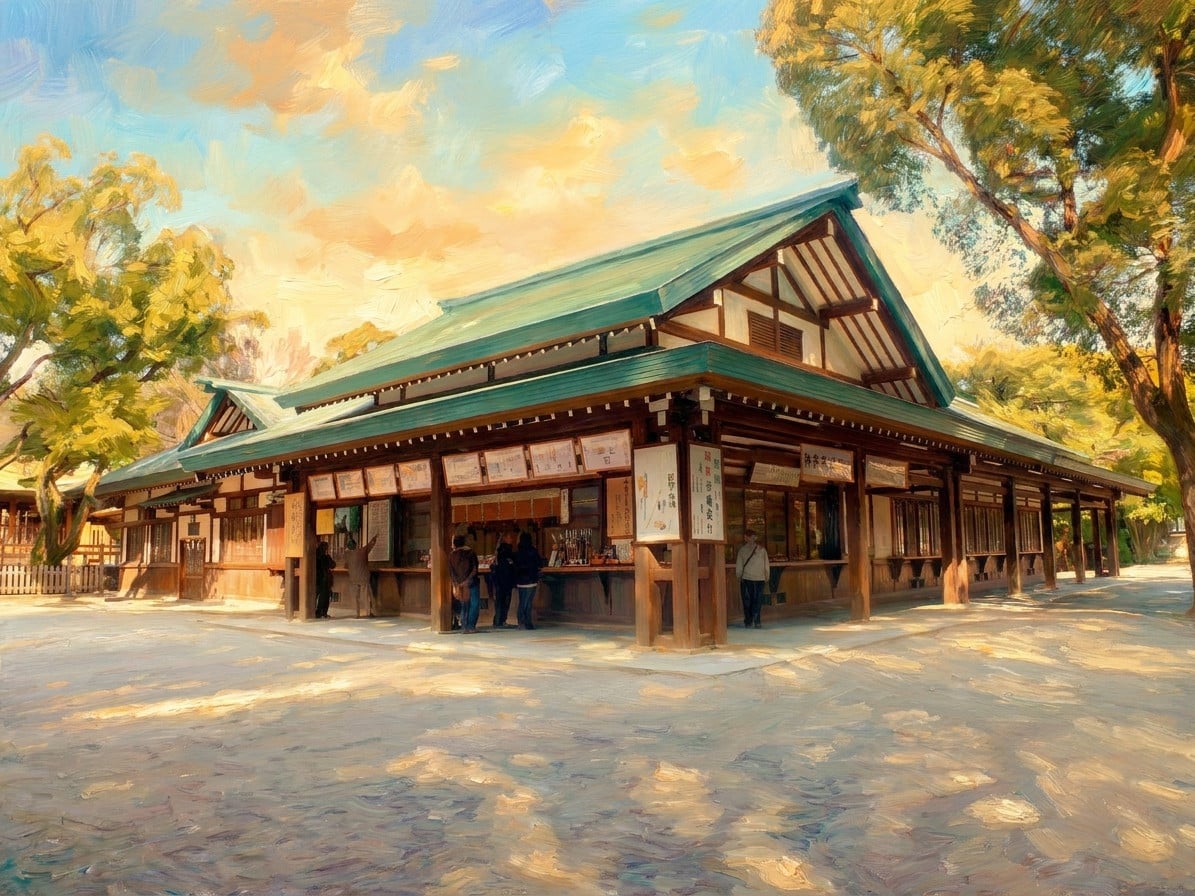
Yakken-gu, an auxiliary shrine second only to the main shrine, is the second most important building in Atsuta Jingu. Founded in 708, it stands west of the south gate torii and enshrines the same deities as the main shrine. Its samurai faith runs deep, and Oda Nobunaga, Tokugawa Tsunayoshi and others had its buildings repaired or rebuilt.
The “victory” amulet sold here is said to be especially effective for winning, passing exams and business success, and is popular with business people and students. The building is in shinmei-zukuri style, and though small, it is no less solemn.
We suggest visiting right after the main shrine; it is only a 5-minute walk. Spend about 10 minutes worshipping and buy a victory amulet to add confidence and good luck for your challenges.
Treasure Hall: A Shrine Storehouse of About 6,000 Artifacts
The Treasure Hall holds the precious artifacts Atsuta Jingu has accumulated over the ages, about 6,000 in all, including swords, mirrors, paintings, old documents and ritual implements. Some are designated National Treasures or Important Cultural Properties, showing more than a thousand years of faith and craftsmanship. Exhibits change regularly by season and theme.
Opening hours are 9 a.m. to 4:30 p.m. (last entry 4 p.m.). It is closed on the last Thursday of each month and the day before, and from December 25 to 31. Admission is ¥500 for adults and ¥200 for elementary and junior high students; a combined ticket with Kusanagi Hall is better value at ¥800 for adults (¥300 for elementary and junior high students). It is an essential stop for understanding the history of Atsuta Jingu.
Allow 30 to 40 minutes for a thorough visit.
Kusanagi Hall: A Sword-Focused Museum Opened in 2021
Kusanagi Hall is a sword museum that opened in 2021, displaying about 450 precious swords from Atsuta Jingu, including 20 famous blades designated National Treasures or Important Cultural Properties. It is a pilgrimage site for sword fans. The glass display cases let you view both sides of each blade.
The Kusanagi sword itself is not exhibited; only artifacts, replicas and research materials are shown, and exhibits rotate regularly to protect the objects.
Opening hours are the same as the Treasure Hall, 9:00 to 16:30. A single-museum ticket is ¥500 for adults and ¥200 for elementary and junior high students; the combined ticket for both museums is ¥800 for adults and ¥300 for elementary and junior high students. A visit of about 30 minutes is suggested, ideal for lovers of Japanese sword culture.
Sword Offerings at Atsuta Jingu: Over 450 Dedicated Swords and the Magara Odachi
Because Atsuta Jingu enshrines the Kusanagi sword, people have offered swords to it since ancient times, and it now holds more than 450, of which 20 are designated National Treasures or Important Cultural Properties. Many carry kirizuke-mei dedication inscriptions. Two great swords said to have been used by Magara Juro Zaemon and his son are on permanent display at Kusanagi Hall; one of them, “Sue no Aoe,” has a blade length of about 221.5 cm and a total length of about 303 cm.
Kamichikama Shrine: A Popular Shrine for Business Prosperity and Academic Success
Kamichikama Shrine mainly enshrines Owari no Kuni no Miyatsuko Oto-yo no Mikoto and is regarded as the local guardian deity of Atsuta. It is also prayed to by students as “Wisdom Monju” for exam success. The shrine houses Daikoku and Ebisu, and the Hatsu-Ebisu festival on January 5 each year is a major event where Nagoya merchants pray for business prosperity.
Students and entrepreneurs make a special trip to pray here. A visit takes about 10 minutes; during Hatsu-Ebisu we suggest arriving early to get fortune slips and lucky charms. It is an excellent chance to experience Nagoya’s local faith culture.
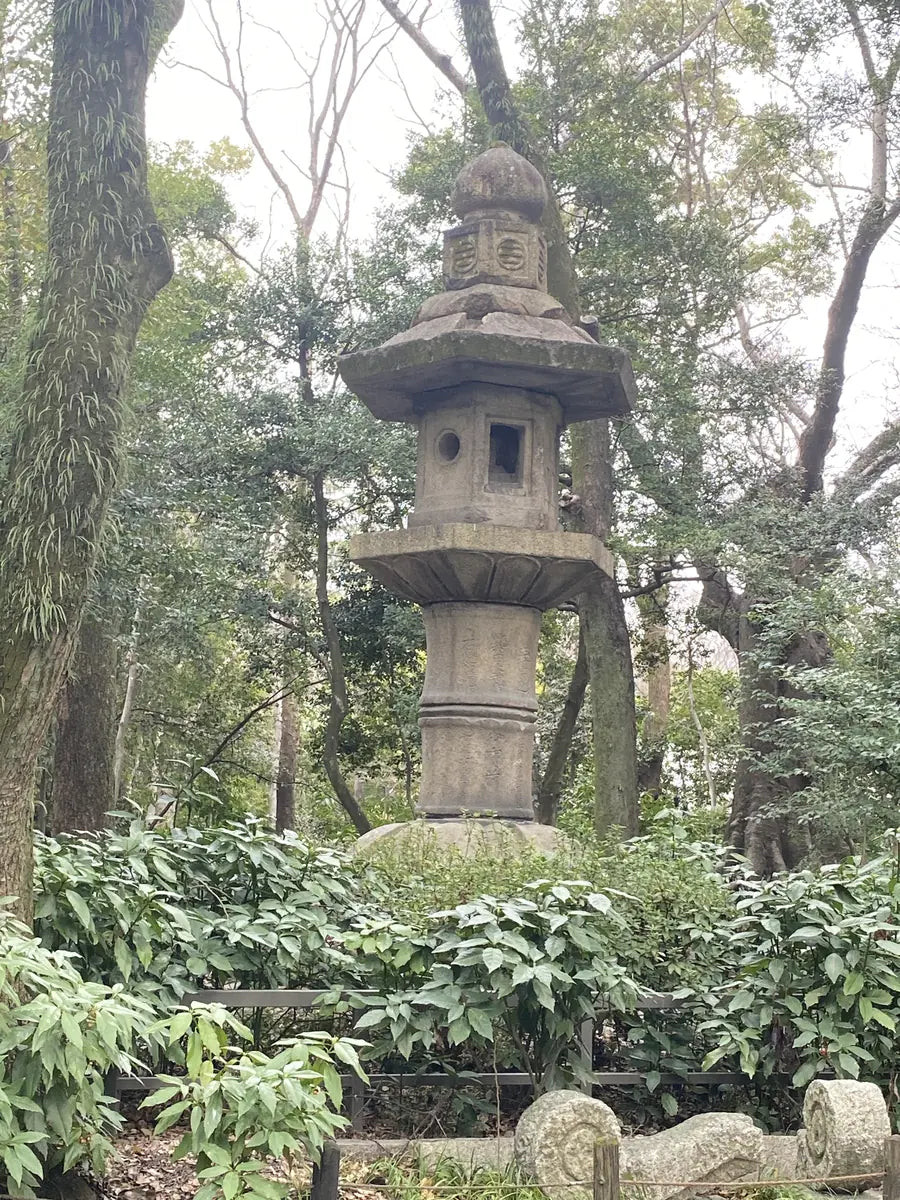
Sakuma Lantern: An Edo-Period Treasure, One of Japan’s Three Great Lanterns
The Sakuma Lantern is a stone lantern donated in the 7th year of Kan’ei (1630) by the warlord Sakuma Katsuyuki (Daizen no suke). About 7.45 meters tall, it is ranked with the lanterns at Nanzenji in Kyoto and Ueno Toshogu as one of “Japan’s Three Great Lanterns.” It has stood beside the Atsuta Jingu approach for nearly 400 years in excellent condition, showing the devotion of warlords of the time, and its fine details are worth a look.
We suggest pausing about 5 minutes on your way to admire its patterns and proportions and take a photo of this precious relic that has witnessed Nagoya’s religious history.
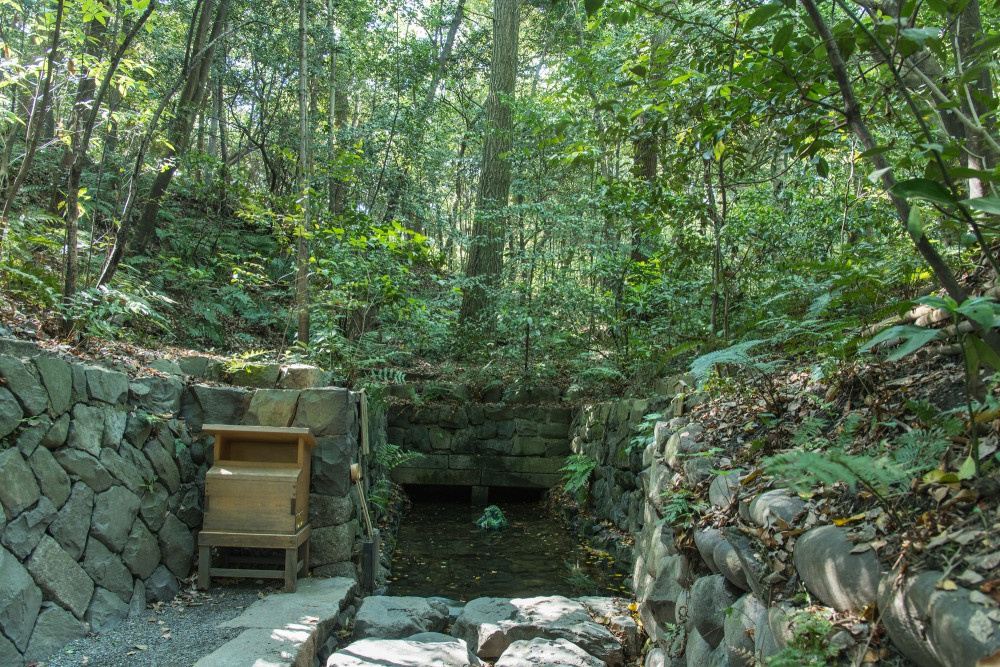
Shimizu Shrine: A Spring-Water Shrine Popular with Women for Beauty Prayers
Shimizu Shrine stands behind the main shrine at the end of Kokoro no Komichi, beside a spring that flows year-round. It is said that lightly splashing the spring water on your face three times brings beautiful skin and brighter eyes. It is popular with women and is linked to the legend of Yang Guifei’s beauty.
It is secluded, about a 10-minute walk away, with few visitors, so you can quietly enjoy this spirit-spring hideaway surrounded by greenery.
We suggest bringing a small towel and staying quiet to preserve the solemn atmosphere. Opening hours follow Kokoro no Komichi, 9 a.m. to 4 p.m. It is recommended for travelers who pray for beauty and health.
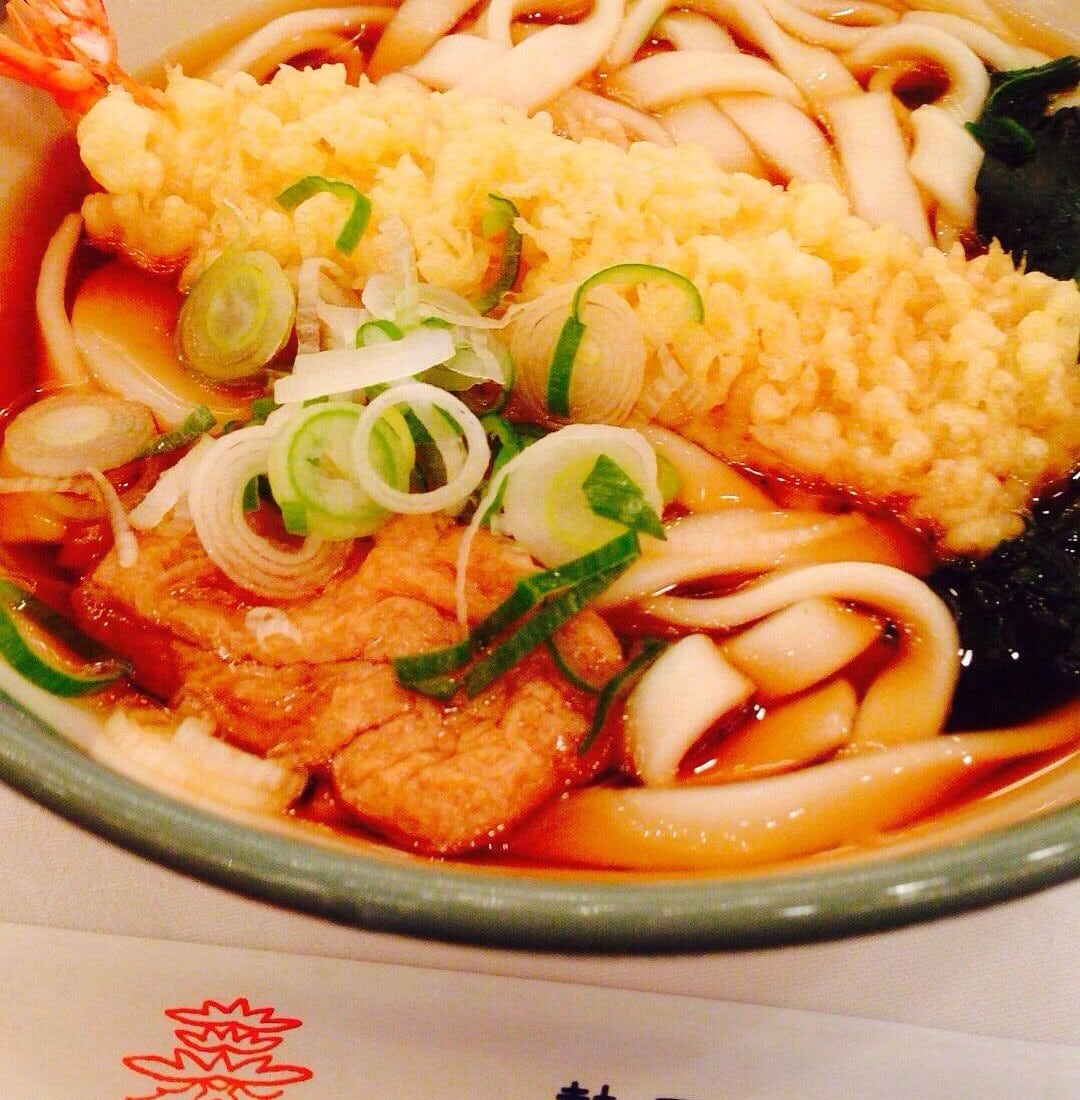
Miya Kishimen: Nagoya’s Signature Flat Noodles Within the Grounds
Miya Kishimen sits beside the shady path of the Atsuta forest inside the grounds, the most convenient place on your visit to try Nagoya’s local food. It features flat, wide kishimen noodles in a broth simmered from bonito and soy sauce, with a smooth texture and the noodles’ characteristic chew.
The signature “Miya Kishimen” is topped with a fish cake stamped with the character “Miya” as its trademark, for about ¥850. There is also “Osumashi Kishimen” for about ¥900. Hours are about 9:00 to 16:30 (last order).
The shop is within the Atsuta Jingu grounds, and on weekends and at peak worship times you often have to queue. We suggest avoiding the lunch rush from 12 p.m. to 1 p.m., or arriving before 11 a.m. for a smoother visit.
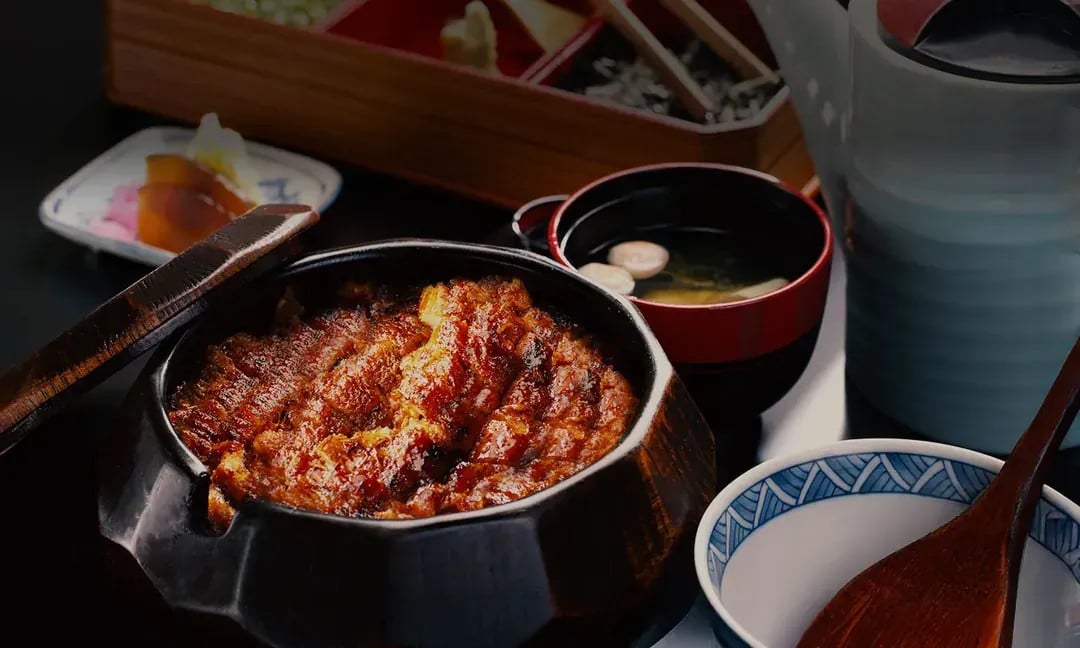
Atsuta Horaiken Main Branch: The Century-Old Shop That Invented Eel Rice Three Ways
Atsuta Horaiken Main Branch was founded in 1873 and is the original shop that created the “three ways” (hitsumabushi) way of eating eel rice. The signature eel is carefully grilled over binchotan charcoal, with a crisp skin and tender, juicy flesh, and a special sauce adds a rich aroma. Please check the shop’s menu for the day’s prices; while not cheap, it is considered a classic must-try in Nagoya.
The three-way method starts with tasting the eel’s natural sweetness plain; the second bowl adds scallions, nori and wasabi; the third is topped with broth to make ochazuke-style eel rice, giving three completely different flavors in one meal.
Because of its fame, long queues often form at peak mealtimes. We suggest arriving 2 to 3 hours ahead to take a waiting number, or going at weekday lunchtime to shorten the wait and keep your itinerary relaxed.
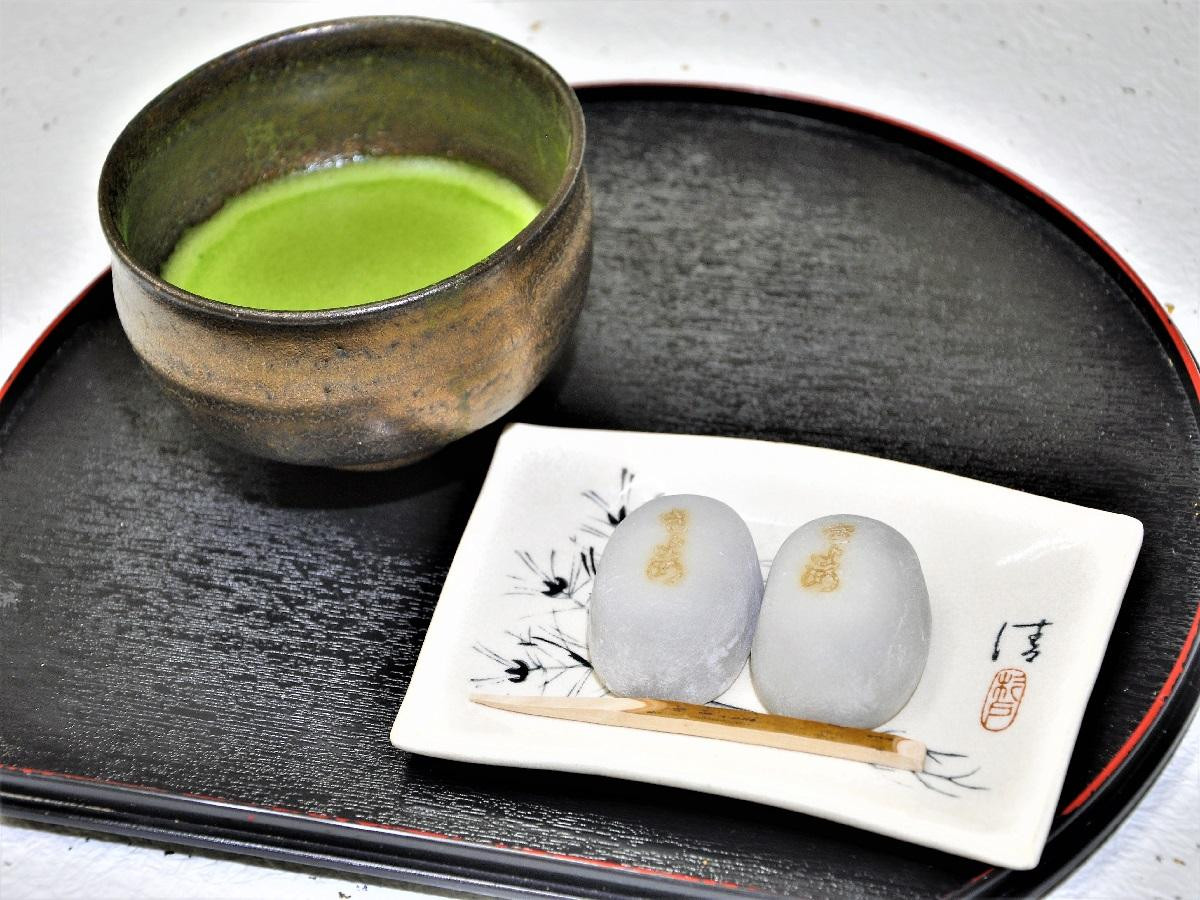
Kiyome Teahouse: A Resting Corner for Kiyome Mochi and Matcha Sweets
Within the Atsuta Jingu grounds, Kiyome Teahouse is known for its signature “Kiyome Mochi.” This chewy rice cake wraps sweet red bean paste, moderately sweet, and is a traditional treat symbolizing purification of body and mind, good for gifts or for yourself.
The teahouse also serves Japanese teas such as matcha and sencha, plus wagashi sets. Please check the shop’s menu for prices. It is a good place to rest and recharge after worship. The interior has a simple Japanese style with a quiet, relaxed mood.
We suggest taking 20 to 30 minutes here after the main shrine and the other sights to add a relaxed note to your trip.
Atsuta nagAya: A Wooden Commercial Facility Next to Meitetsu Jingu-mae Station
Atsuta nagAya stands beside the west exit of Meitetsu Jingu-mae Station and is a commercial facility developed by Nagoya Railroad. It consists of three wooden single-story buildings made of Aichi-grown cedar and cypress: the first two buildings opened in September 2024 and the third in December that year, with about 15 shops and food trucks. It is a good stop before or after your visit.
Opening hours and tenants may change, so please check Meitetsu’s official announcements before you go.
The facility is on the west side of Meitetsu Jingu-mae Station, right outside the exit, and fits well with worship and lunch as a half-day trip.
How Much Does Atsuta Jingu Cost? Tickets and Guided Tours
Worship within the grounds is completely free; only the Treasure Hall and Kusanagi Hall require separate tickets. Here are the tickets and related experiences.
Treasure Hall and Kusanagi Hall Combined Ticket: The Best Value for Both Museums
The combined ticket is ¥800 for adults and ¥300 for junior and senior high students, covering both the Treasure Hall and Kusanagi Hall. It saves about ¥200 compared with buying two single-museum tickets (¥500 each) and is the best choice for travelers who love historical artifacts and sword culture. The two museums are close, only a 2 to 3 minute walk apart.
The last sale time for the combined ticket is 15:30. There is also an annual pass for unlimited entry, priced at ¥5,000, available at the Treasure Hall or Kusanagi Hall counter.
Treasure Hall Single Ticket: A Tour of Artifacts and National Treasures
A single-museum adult ticket is ¥500 and ¥300 for junior and senior high students, free for elementary school children and under. It suits travelers who only want to see the mixed exhibits of treasures, paintings and old documents. Hours are 9 a.m. to 4:30 p.m. (last entry 4 p.m.); closed on the last Thursday of each month and the day before, and December 25 to 31.
Kusanagi Hall Single Ticket: For Sword Lovers
A single-museum adult ticket is ¥500, showing a rotating selection from the roughly 450 precious swords, including National Treasure blades. It suits travelers with a special interest in Japanese sword culture who want to buy a ticket for this museum alone, and the exhibits are updated regularly.
¥200 for elementary and junior high students. Hours are the same as the Treasure Hall (9:00 to 16:30, last entry 16:00), and the museum permanently displays two great swords said to have been used by Magara Juro Zaemon and his son.
Nagoya Castle and Atsuta Jingu One-Day Sightseeing Pass
If you plan a day covering Nagoya Castle, the Osu shopping district and Atsuta Jingu, consider a Nagoya city sightseeing bus pass, which pairs well with a subway one-day pass for better value, saving single-ticket fares and adding flexibility and efficiency to your plans.
Where to Stay near Atsuta Jingu? Hotel Suggestions for Your Trip

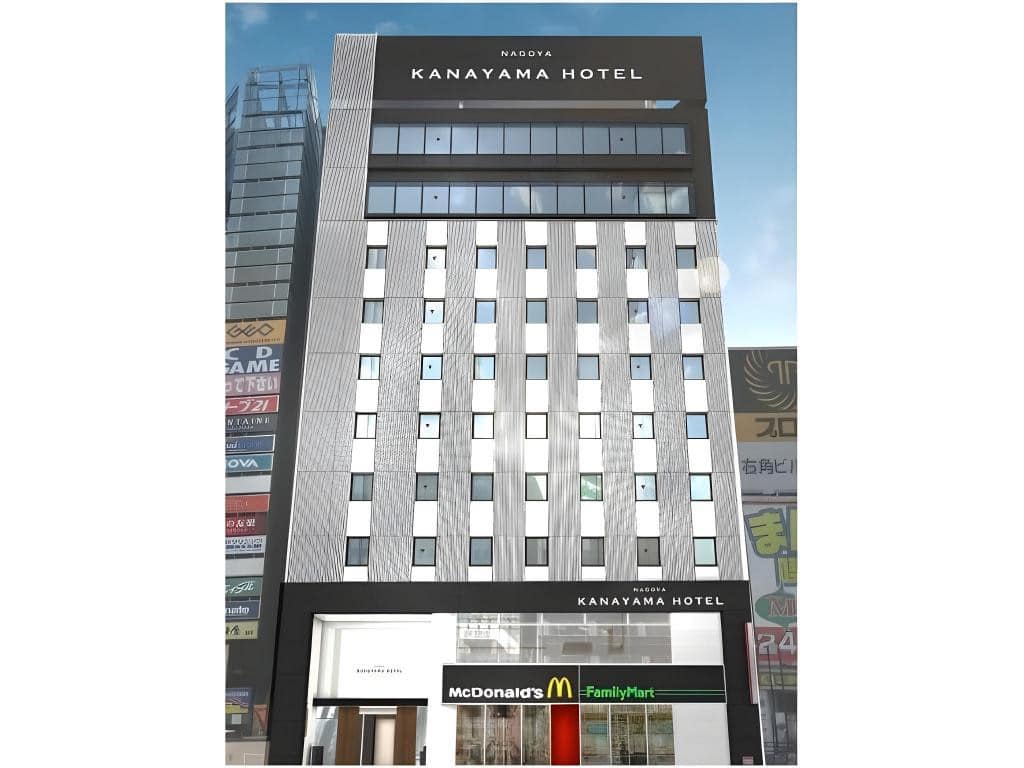
Around Jingu-mae and Kanayama Stations: The Top Choice for Convenient Access
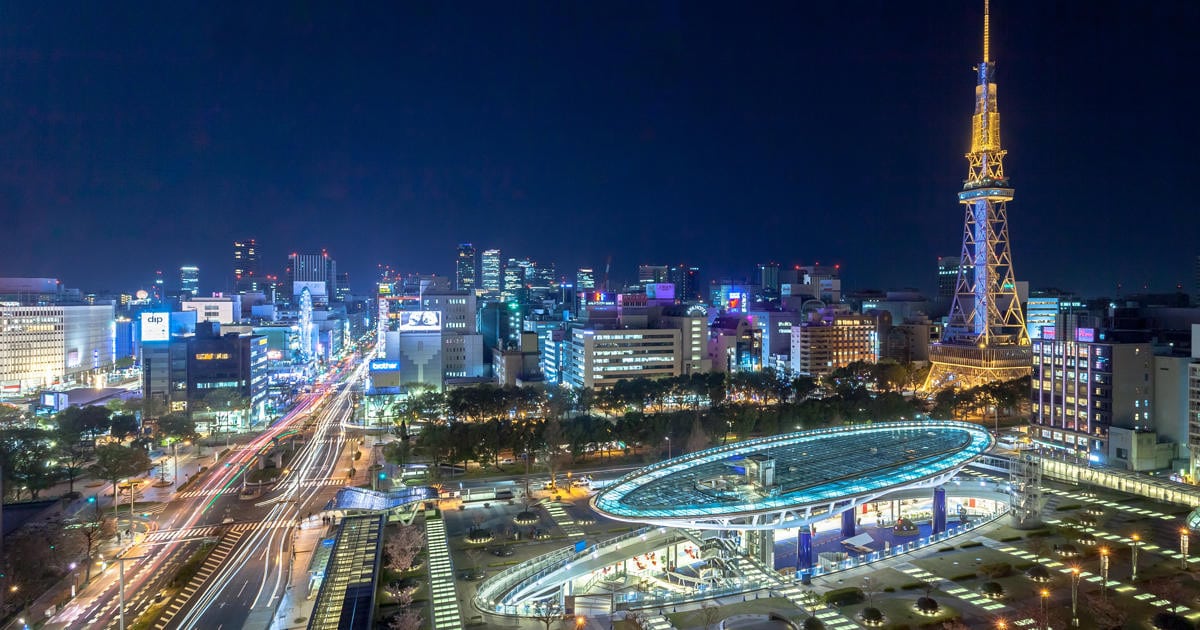
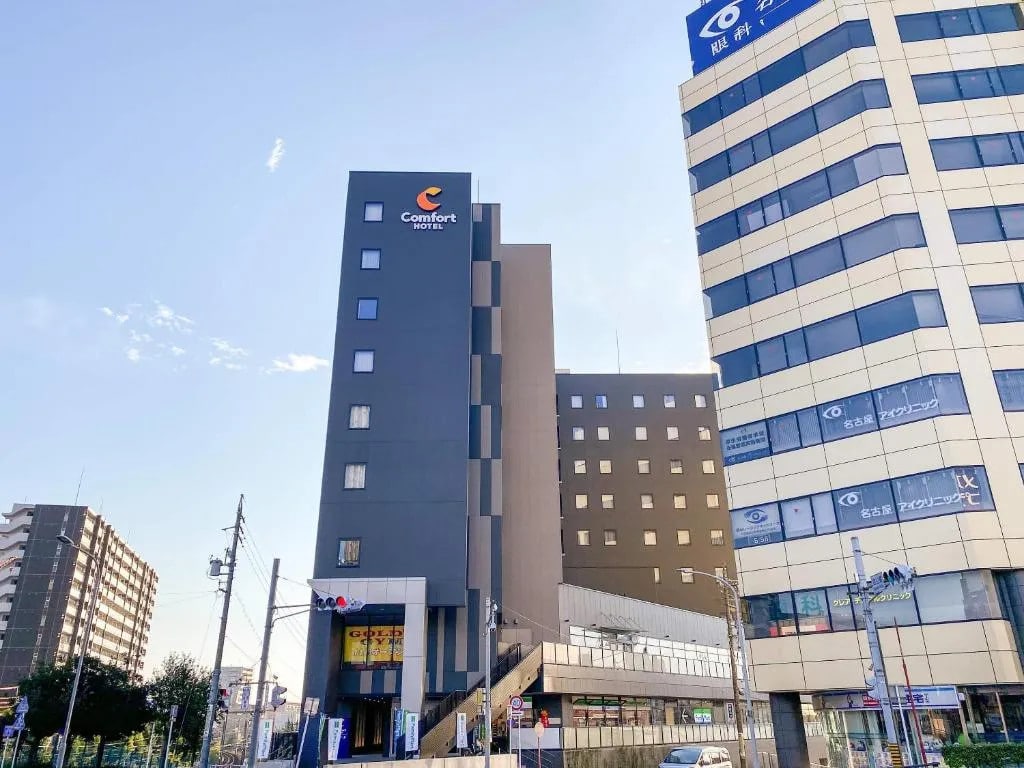
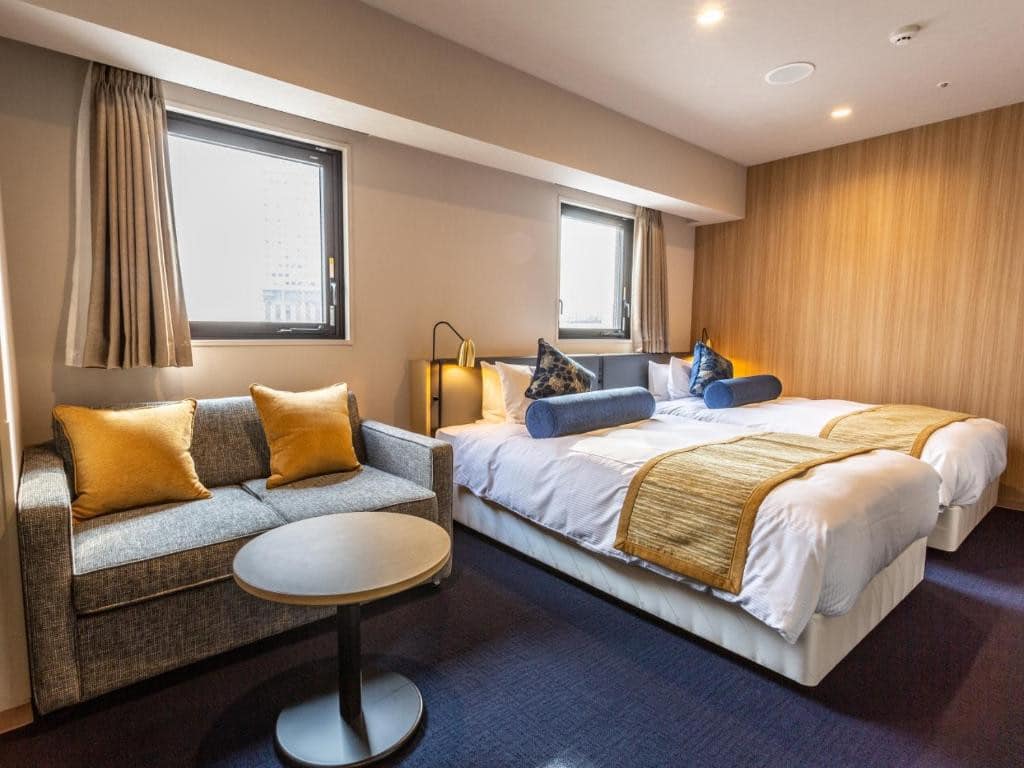
If you plan to stay near Atsuta Jingu, choose a hotel near Meitetsu Jingu-mae Station or JR Kanayama Station. Both have frequent trains straight to Nagoya Station and Chubu Centrair International Airport, with convenience stores and affordable eateries within walking distance, suited to early-start, late-return worship and sightseeing days. Around Kanayama Station there are many business hotels, and prices are friendlier than near Nagoya Station, making it an ideal base for travelers on a budget. For more lodging choices, see the Nagoya hotel guide for further planning.
Atsuta Jingu FAQ
Q: How much are tickets to Atsuta Jingu? Is worship free?
Worship within the Atsuta Jingu grounds is completely free; only the Treasure Hall and Kusanagi Hall charge admission. Kusanagi Hall single tickets are ¥500 for adults and ¥200 for elementary and junior high students, and the Treasure Hall and Kusanagi Hall combined ticket is ¥800 for adults and ¥300 for elementary and junior high students (combined ticket prices may change when the Treasure Hall holds a special exhibition).
Q: How do I get to Atsuta Jingu? What is the fastest way?
The fastest is the Meitetsu Nagoya Main Line to Jingu-mae Station, then about a 3-minute walk to the south gate. From Atsuta Jingu-nishi or Denmacho stations on the subway Meijo Line it is about a 7-minute walk, and from JR Atsuta Station about 8 minutes on foot. All can be reached with a transfer from Nagoya Station.
Q: What are the opening hours of Atsuta Jingu?
The official site says the grounds are open for worship 24 hours a day (for night worship, please use the west gate parking lot). The amulet office is open from around 7 a.m. to sunset, and prayer and kagura requests are accepted from 8:30 to 16:00. The Treasure Hall and Kusanagi Hall are open 9 a.m. to 4:30 p.m. (last entry 4 p.m.; last combined-ticket sale 3:30 p.m.). Closing days follow the official announcements (for the Treasure Hall, the last Thursday of each month and the day before, and December 25 to 31), and parking lot and facility hours are also adjusted around the year-end and New Year period.
Q: Where is the Kusanagi sword displayed? Can I see the sword itself?
As the sacred object of worship, the Kusanagi sword rests deep within the main shrine and has never been shown to the public. Ordinary worshippers can only pray in front of the main shrine and cannot see the blade itself; Kusanagi Hall displays related artifacts and historical research materials, not the sword itself. The sword is written “Kusanagi no Tsurugi” or “Kusanagi no Ken” in Japanese and is also called Ame-no-Murakumo. If you want to see Japanese swords with your own eyes, Kusanagi Hall holds swords dedicated to Atsuta Jingu through the ages, and its exhibits rotate regularly.
Q: When is the best season to visit Atsuta Jingu?
It is suitable all year round, but we recommend the Atsuta Festival on June 5 (fireworks at 19:45 that evening) or the New Year’s first visit in early January for the festive atmosphere. The grounds are also especially lovely during cherry blossom season in spring and autumn foliage in fall.
Q: Are there any taboos or things to watch out for when worshipping at Atsuta Jingu?
Photography is prohibited in front of the main hall. Follow the etiquette of two bows, two claps and one bow. Walk along the sides of the approach rather than the center, and keep quiet in Kokoro no Komichi, refraining from eating or loud talk.
Q: How much time and budget should I allow for visiting Atsuta Jingu?
Worshipping at the main shrine and nearby sights takes about 1.5 to 2 hours. Adding the Treasure Hall, Kusanagi Hall and nearby food, we suggest half a day to a full day. A budget of about ¥3,000 to 5,000 covering tickets, amulets and meals should be enough.