
Mifuneyama Rakuen Autumn Leaves and Night Illumination Guide 2026
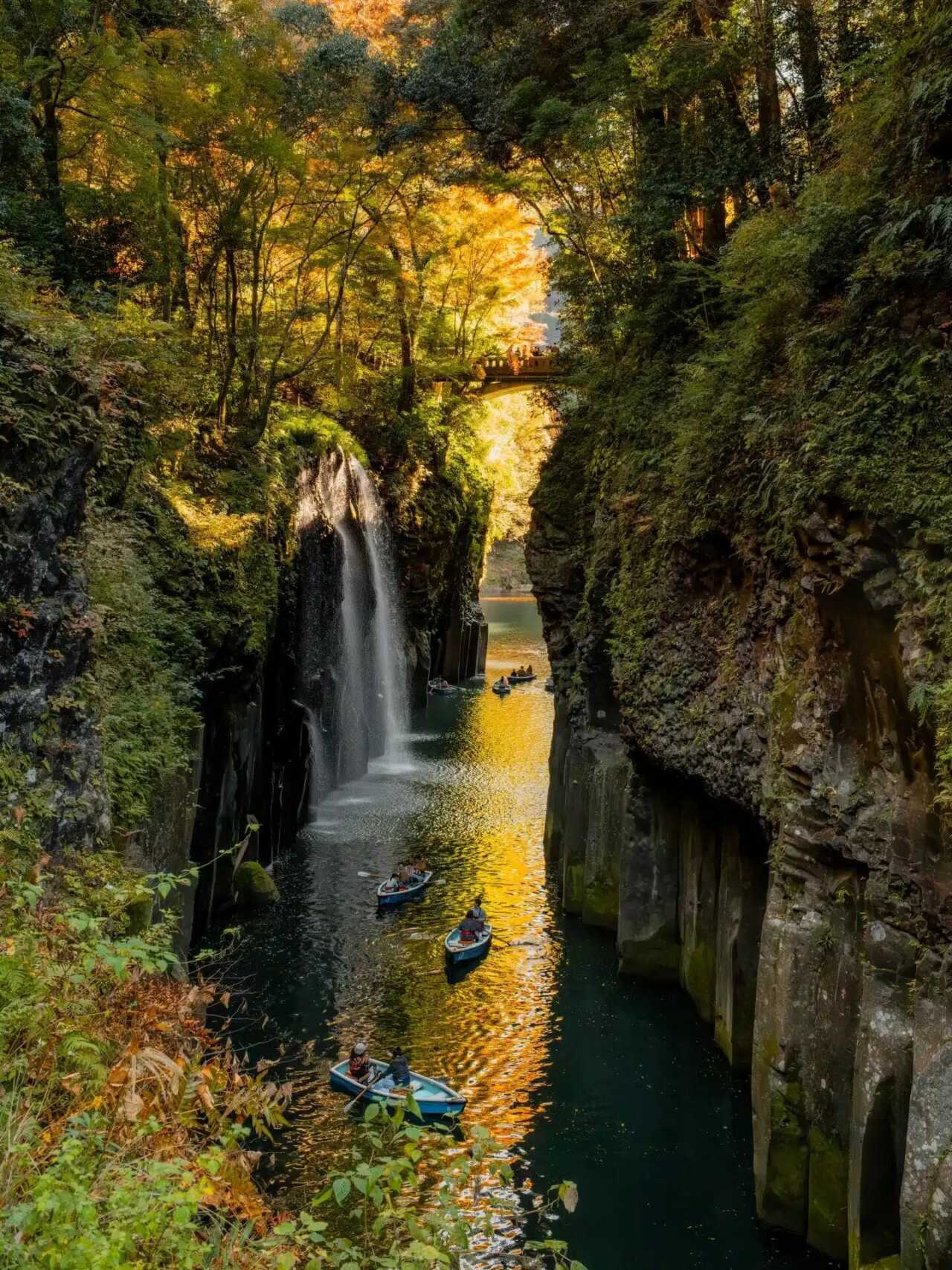
Mifuneyama Rakuen is in Takeo, Saga Prefecture. It is a pond garden created in 1845, in the late Edo period, by the Takeo domain lord Nabeshima Shigeyoshi, and is now a nationally registered monument of Japan. The park nestles against the western foot of Mount Mifune, 210 meters above sea level, and covers 150,000 tsubo. It makes good use of the natural terrain and elevation changes to create winding walking routes and richly layered tree arrangements, and is one of the best foliage spots in Saga Prefecture.
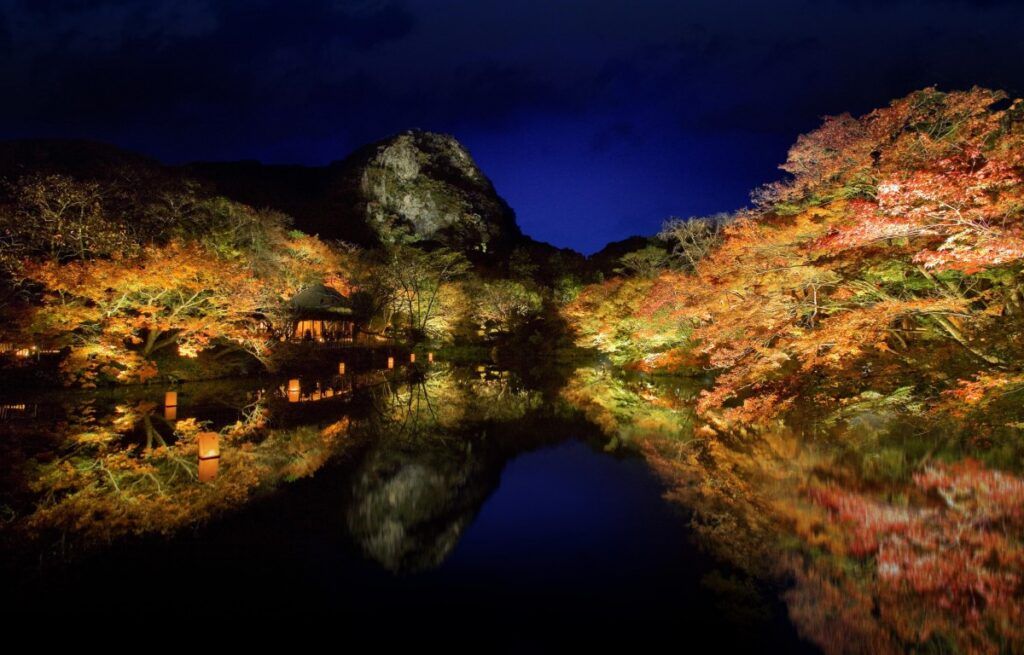
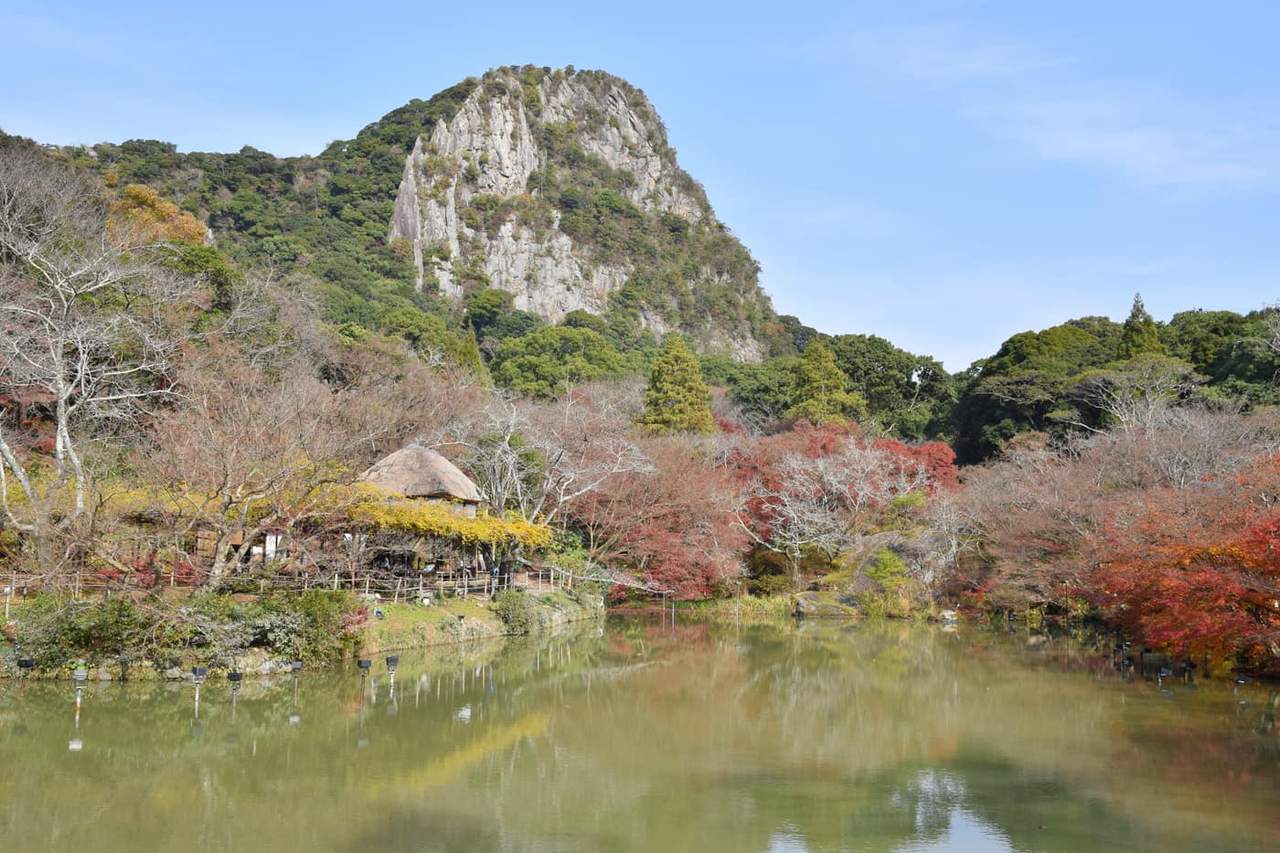
Every autumn, the park itself promotes this as “Japan’s largest autumn leaves illumination.” The lit maple leaves reflected in the water of Kagami-ike Pond, with the steep cliff of Mount Mifune as a backdrop, is the composition that sets it apart from other Kyushu foliage spots, and it draws large numbers of photography fans every year.
The 2026 Autumn Leaves Festival is scheduled from November 6 to December 6, with daytime hours 8:00-17:30 and the night illumination 17:30-22:00. Please check the official website for the latest announcements before you go.
Access Guide: How to Get to Mifuneyama Rakuen
Mifuneyama Rakuen is only about 2-5 minutes by car from JR Takeo-Onsen Station, with a variety of transport options. Below are the ways to get there from Hakata and to get around once you arrive.
Bus from the South Exit of JR Takeo-Onsen Station: The Most Economical Public Transport Option
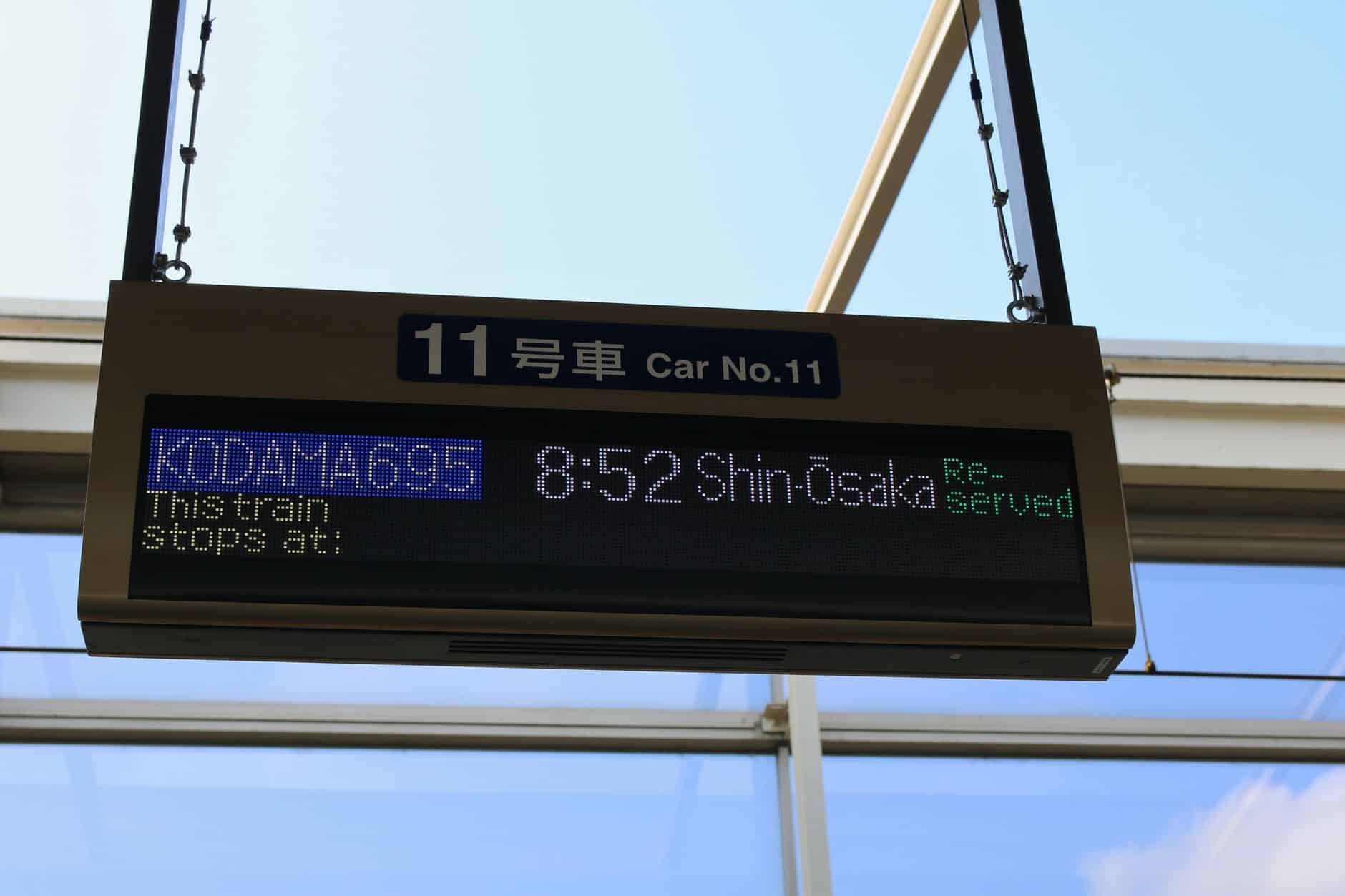
From the south exit of JR Takeo-Onsen Station, take the “Ureshino Line [Main Line]” bus to the “Mifuneyama Rakuen” stop. The ride takes about 10 minutes, with about one bus an hour, so check the timetable first, as buses often fill up during the night illumination hours of the Autumn Leaves Festival. If you miss a bus or are short on time, you can take a taxi from Takeo-Onsen Station, about a 5-minute ride at a modest fare, suited to travelers in a hurry, with luggage or in larger groups.
Taxi: The Fastest Direct Option
A taxi from Takeo-Onsen Station to Mifuneyama Rakuen takes about 5 minutes and is the fastest option, free of timetables. It suits travelers with luggage, traveling with elders, or who want to avoid bus stop queues during the night illumination of the Autumn Leaves Festival. There is always a taxi stand in front of the station, and you can ride without a reservation.
Because the trip is short and the fare is low, it pairs well with a Takeo hot spring soak: visit Mifuneyama Rakuen in the daytime, then take a taxi back to the hot spring town for dinner and lodging. The connection is smooth, with no need to fit bus times, saving time and effort.
From Hakata: JR Limited Express Direct to Takeo-Onsen Station
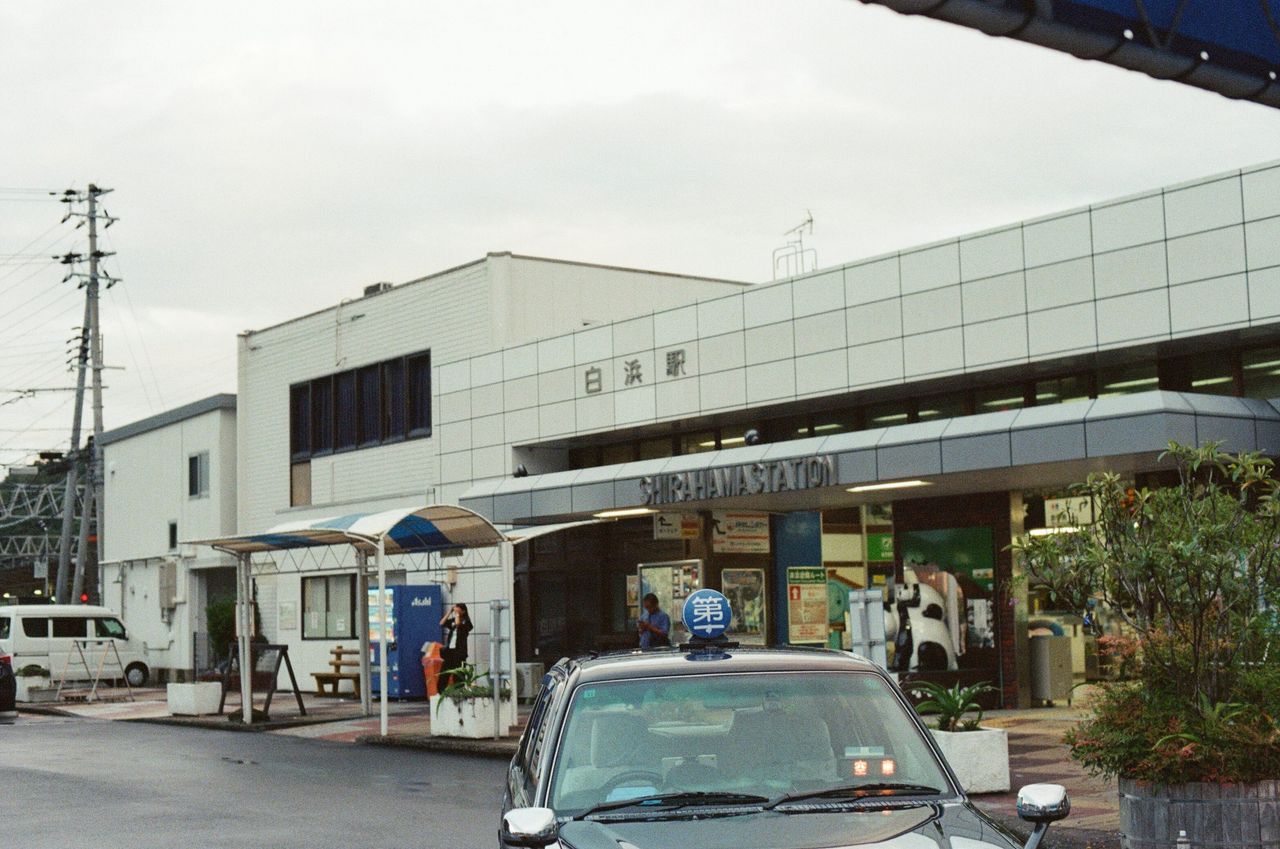
From Hakata Station in Fukuoka, a JR Kyushu limited express takes about 1 hour 10 minutes (about 81 km) to Takeo-Onsen Station, then you transfer to a bus or taxi for Mifuneyama Rakuen. The total distance is about 84 km and the whole trip takes about 1 hour 20 minutes, with convenient transit that suits a Kyushu rail trip without a rental car. The Autumn Leaves Festival is scheduled from November 6 to December 6 and fits well into a Kyushu rail itinerary departing from Fukuoka.
Weekend Shuttle Service During the Autumn Leaves Festival
A shuttle service may be offered on weekends and national holidays during the Autumn Leaves Festival; please check the Mifuneyama Rakuen official website for exact times and boarding points before you go. On weekdays or outside shuttle hours, you can take the bus from the south exit of JR Takeo-Onsen Station (about one bus an hour) or a taxi (about 5 minutes). Neither requires a reservation, suiting independent travelers who want flexibility.



Mifuneyama Rakuen Highlights
Mifuneyama Rakuen is known for “Japan’s largest autumn leaves night illumination.” The park’s three great foliage views each have their own character, and together with nearby sights in Takeo Onsen they make up a rich foliage itinerary.
Kagami-ike Pond Reflection: The Core Highlight of the Whole Park
The reflection in Kagami-ike Pond is the core highlight of Mifuneyama Rakuen. The calm water reflects the lit-up red leaves, forming a stunning picture with the steep cliff of Mount Mifune behind, and it is the representative scene of the “Japan’s largest autumn leaves illumination” the park promotes.
In the daytime, Kagami-ike shows layered autumn scenery in red, orange and yellow, and after the lights come on at night the reflection turns into fiery, dreamlike tones, so day and night feel like two different worlds. We suggest finishing the daytime views in the afternoon and waiting on the spot for the lighting at dusk, avoiding the jostling for spots at the entrance.

The 170-Year-Old Great Red Maple: A Giant Tree Above Tsutsuji Valley
The 170-year-old great red maple stands above Tsutsuji Valley and is the oldest foliage landmark in Mifuneyama Rakuen. In deep autumn the whole tree turns an intense red. Its form and age are beyond what newly planted maples can match, often astonishing visitors, and it is where photography fans wait for the right light angle to capture the most beautiful moment.
The garden’s creator Nabeshima Shigeyoshi made good use of the natural terrain and elevation changes to design the walking routes, letting visitors climb the slopes step by step and enjoy the layered interplay of the old tree and surrounding vegetation from different angles. It is the most representative autumn scene of the park’s “eight seasons a year.”
Furimuki-zaka (Look-Back Slope): A Panorama of Autumn Leaves Spreading Across the Pond
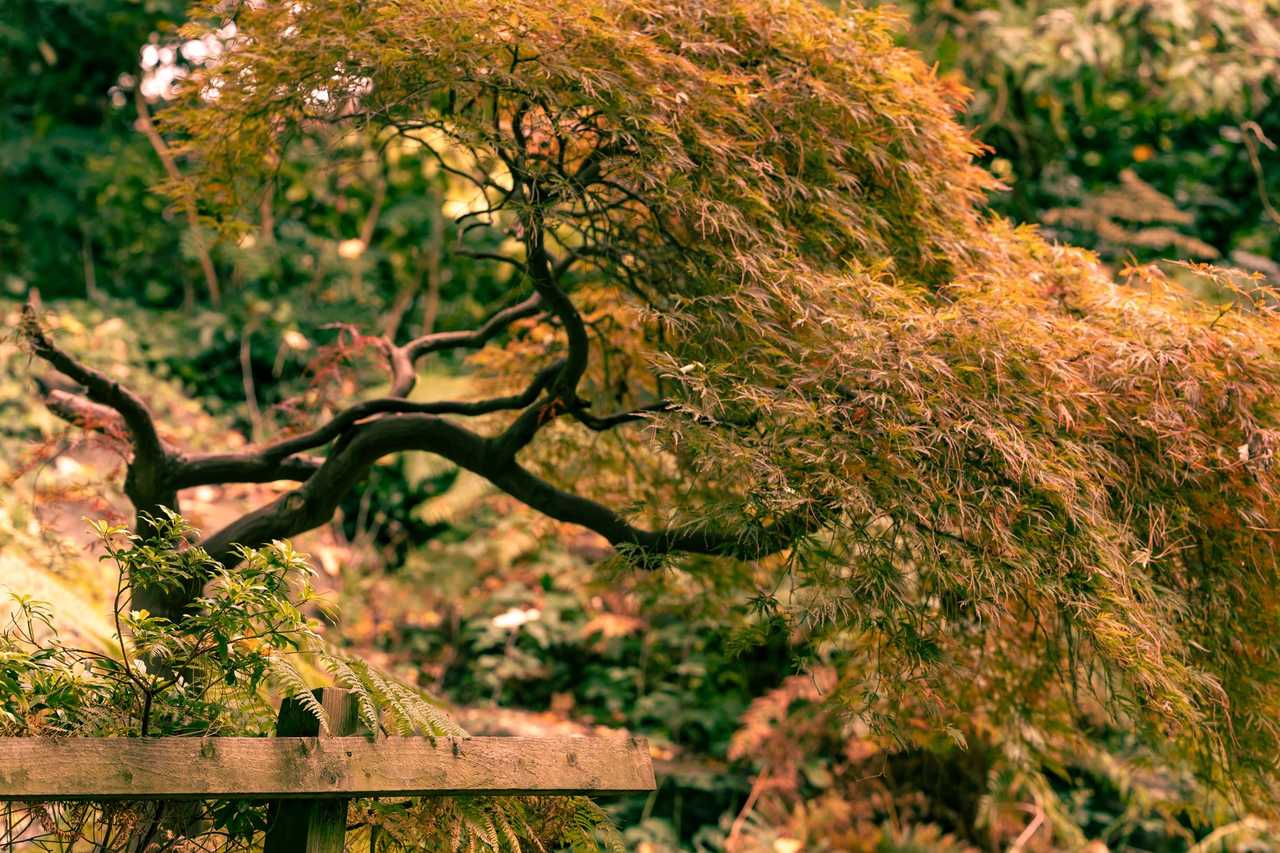
Furimuki-zaka (Look-Back Slope) is one of the famous spots the park specifically names. As the name suggests, when you climb the slope and look back, you can look across the pond at autumn leaves spreading over the whole hillside. It is one of the few surprise views in the park that you only see by turning around, and it is easily missed by travelers in a hurry.
We suggest slowing down as you tour the park. When you reach the top of the slope, do not rush to the next stop; pause and look back along the way you came. This elevated composition looking across the water at a whole hillside of red maples is completely different from the level view of the Kagami-ike reflection, and gives your phone or camera a different autumn picture, a private photo spot not to be missed for travelers who like trying multiple angles.
Tsutsuji Valley: A Dual-Purpose Valley for Spring Flowers and Autumn Leaves
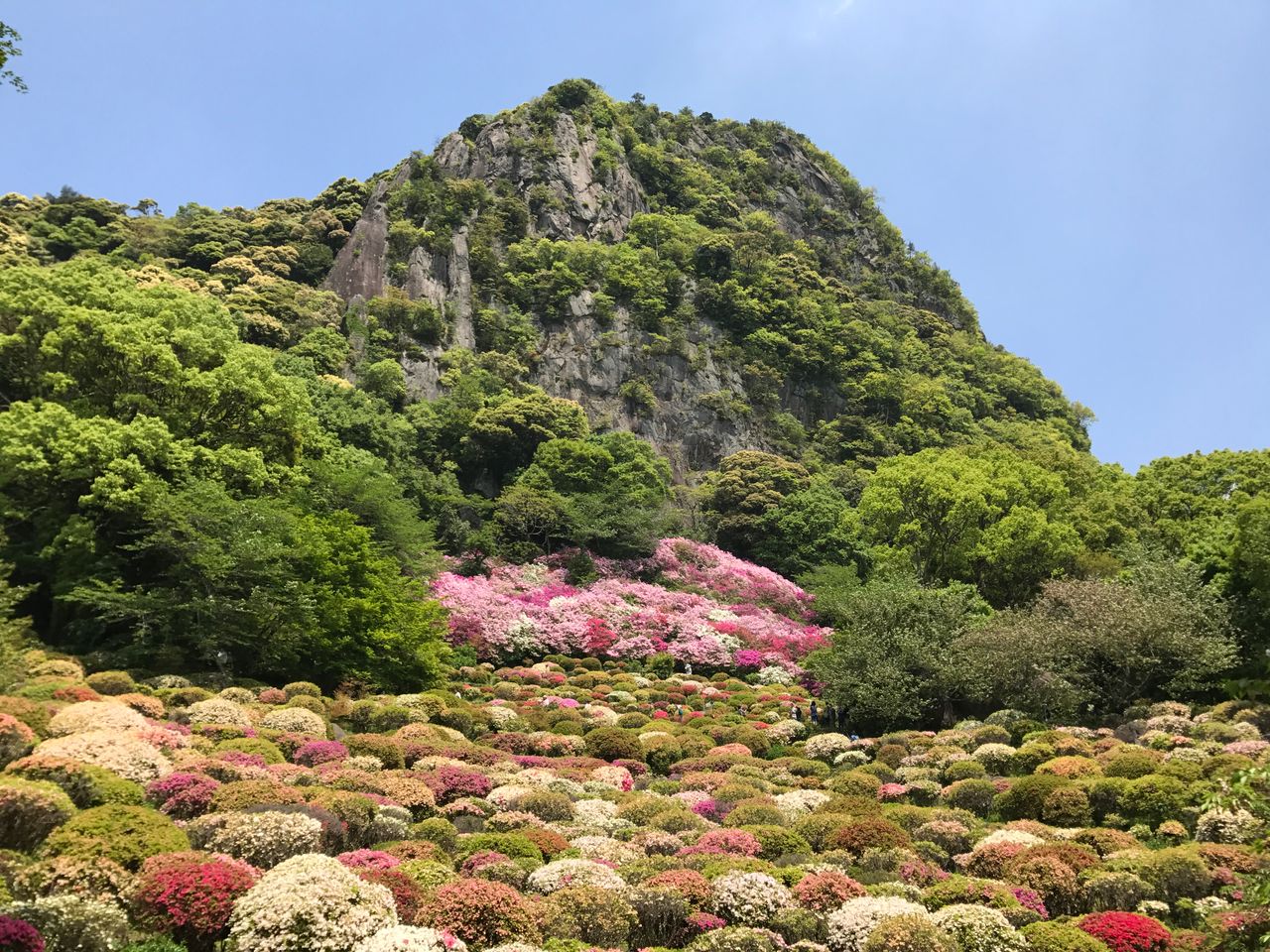
Tsutsuji Valley is the park’s signature spring spot. From early April to early May about 200,000 azaleas bloom together, alongside a 170-year-old great wisteria, one of the most spectacular flowering periods of the year; in autumn it changes into red maples and is the core foliage area where the 170-year-old great red maple stands.
The valley has considerable terrain changes, with steep slopes and stone steps. We suggest non-slip canvas shoes or sneakers, and moving slowly for both safety and the scenery of every season. It is one of the key areas where Mifuneyama Rakuen can be enjoyed in all of its “eight seasons a year.”
Haginoo Ochaya: A Rest Stop Open Only During the Foliage Period
Haginoo Ochaya is a thatched-roof teahouse open to the public only during the spring and autumn foliage periods, and a very popular resting spot after dusk. In the daytime it serves a “powdered tea and skewered dango” set, and after 17:30 a different evening menu is offered. Enjoying hot tea and sweets while quietly watching the night maple illumination is a seasonal pleasure you can only have during the Autumn Leaves Festival.
Takeo Onsen Romon Gate: A Century-Old Landmark Designed by Tatsuno Kingo (a Walk Away)
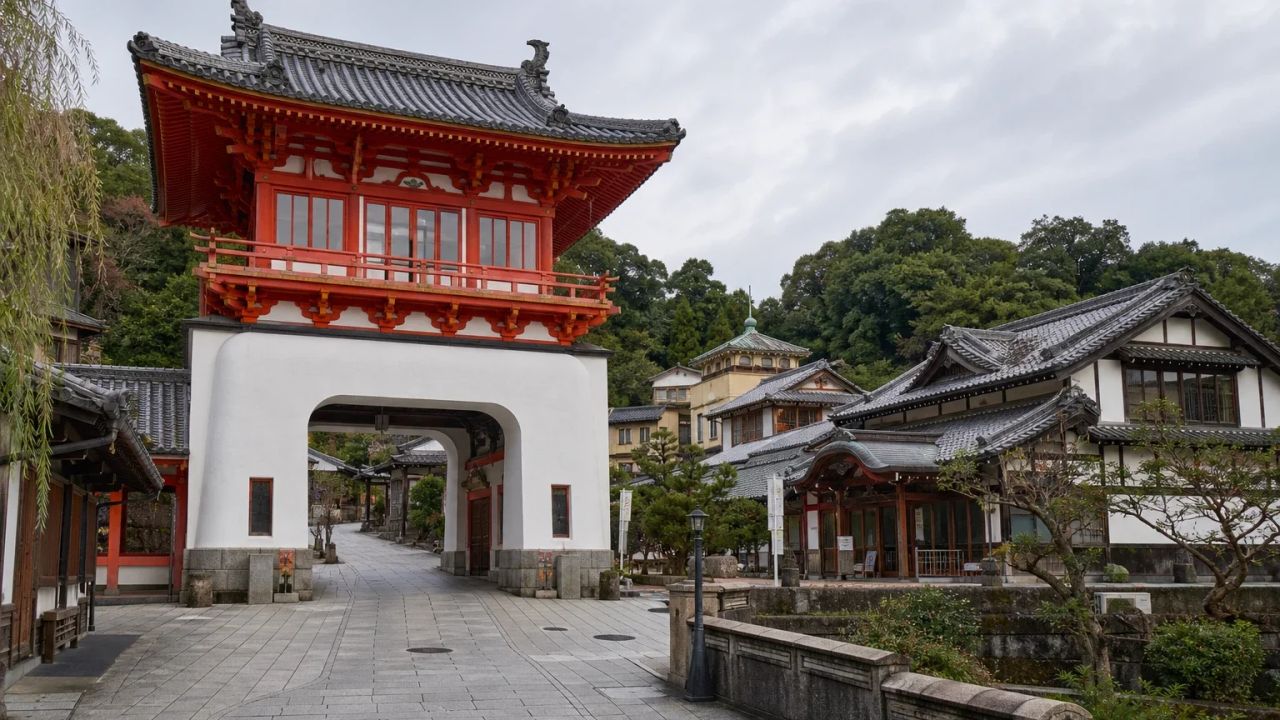
The Takeo Onsen Romon Gate is only a few minutes by car from Mifuneyama Rakuen. It is a century-old landmark built by Tatsuno Kingo, the architect who designed Tokyo Station, and its red wooden two-story gate is grand and imposing, the symbolic building of Takeo Onsen. Many travelers stop for photos here after visiting Mifuneyama Rakuen, and the red wooden structure stands out against a blue sky.
Behind the gate are Takeo Onsen’s public baths. After a day of foliage viewing, it is a good place for a hot spring soak to shed your fatigue, then nearby restaurants serve local Saga food and Saga beef dishes, linking foliage and hot springs seamlessly into one complete day trip.
Takeo City Library x Tsutaya Books: A Hybrid Bookstore Spot That Upends Expectations
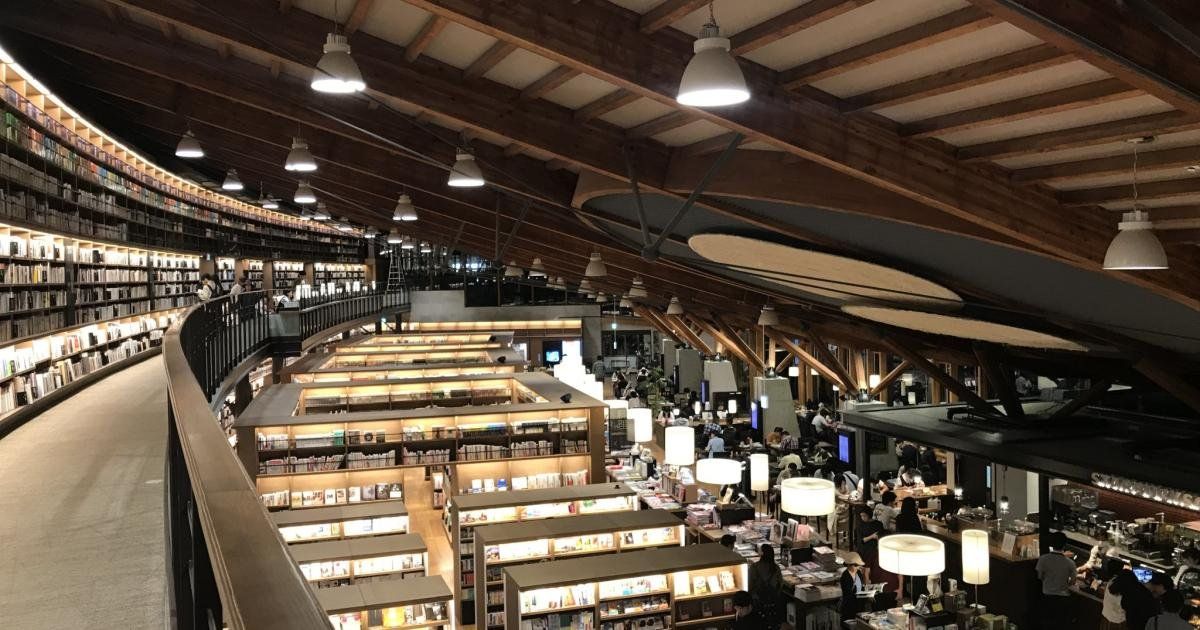
Takeo City Library partnered with Tsutaya Books to transform the city library into a hybrid space combining library, bookstore and cafe, with a stylish high-ceilinged design that upends the usual idea of a library. Three months after it reopened in 2013 it had drawn 260,000 visits, five times the local population, successfully turning a local library into a nationally famous tourist attraction.
The building keeps its original functions such as lending and reading rooms, and adds bookstore and DVD rental elements, along with a cafe where you can drink coffee while reading. Not far by car from Mifuneyama Rakuen, it fits well before or after a foliage trip, for a different kind of artsy spot.
Keishuen Garden: A Japanese Garden Suited to Spring Cherry Blossoms and Autumn Maples
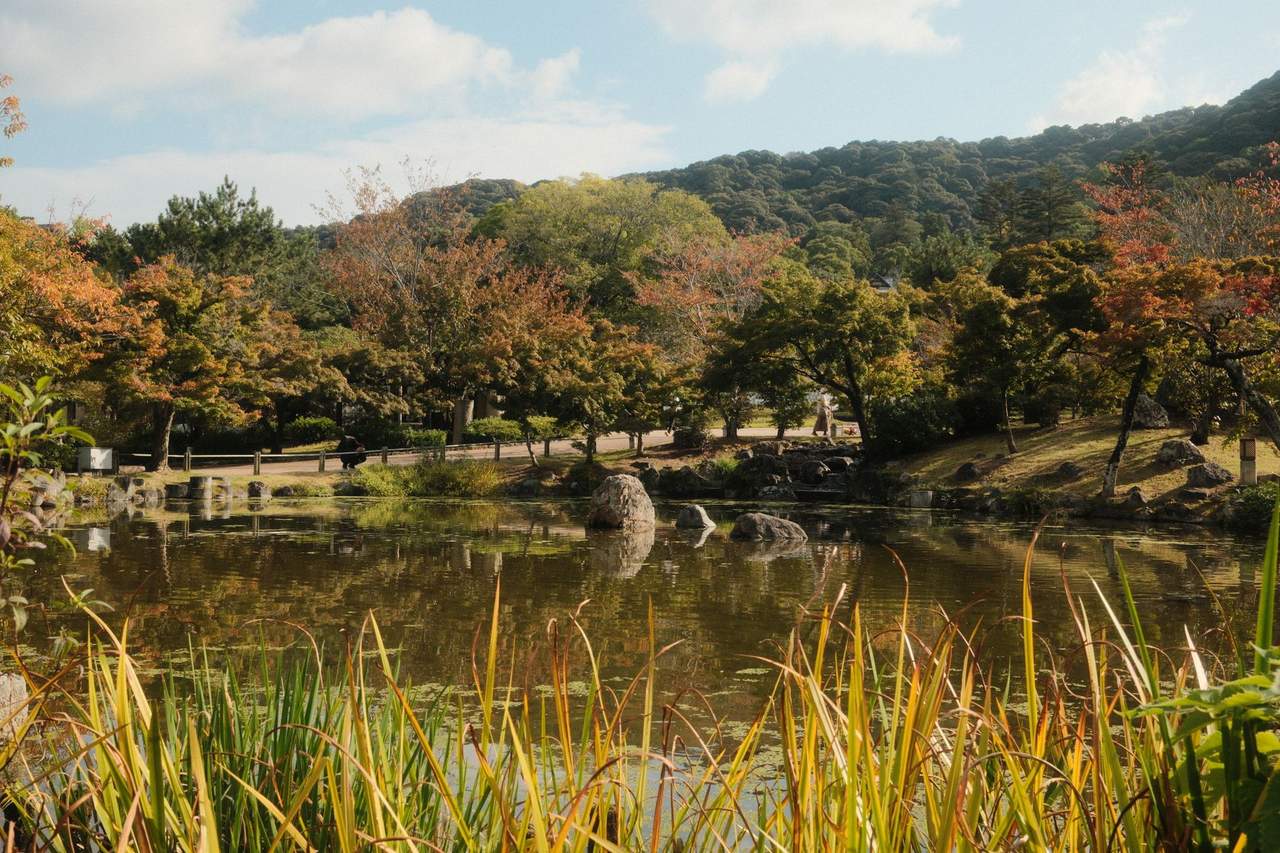
Keishuen Garden is in Takeo and is a pond-and-stroll Japanese garden designed by Nakane Kinsaku in Showa 54 (1979), borrowing Mount Mifune as scenery. Admission is ¥600 for adults, open 9:00-17:00, and peak foliage is around late November to early December.
Keishuen Garden is not far by car from Mifuneyama Rakuen and pairs well with a multi-day Saga itinerary, letting one Kyushu foliage trip take in the different charms of an Edo-period daimyo garden and a modern Japanese garden.
Recommended Tickets and Tours
When planning your Mifuneyama Rakuen foliage trip, these tickets and lodging options can make it easier.
Mifuneyama Rakuen Autumn Leaves Festival Tickets: The Day-and-Night Combo Ticket Is the Best Value
The 2026 Autumn Leaves Festival tickets come as single-session tickets and a day-and-night combo ticket. A single-session ticket is ¥600 for adults and ¥300 for elementary school students (daytime or night only, choose one); the day-and-night combo ticket is ¥900 for adults and ¥400 for elementary school students and lets you stay across sessions. If you plan to experience both daytime and the night maple illumination, the combo ticket is clearly better value. We suggest preparing yen cash to buy tickets.

九州秋冬限定一日遊:福岡御船山樂園紅葉祭・祐德稻荷神社秋季賞楓or佐賀草莓採摘體驗雙線可選-Klook.jpg)
Where to Stay Nearby

At the foot of Mifuneyama Rakuen there are two inns, each with its own character: “Oyado Chikurintei” and “Mifuneyama Rakuen Hotel.” Staying at either one gives you free entry to the park for foliage viewing, with no need to buy a ticket separately, a good choice for travelers who want to avoid the daytime crowds and spend a night enjoying the night illumination and the teahouse bar at leisure.
“Oyado Chikurintei” is known for its 11 rooms, each with a different tone and design, suited to travelers who like picking a distinctive room type and care about the lodging atmosphere; “Mifuneyama Rakuen Hotel” emphasizes feeling the four seasons of Mount Mifune change in the quiet, with garden views often available from rooms or public spaces, suited to travelers who want to slow down and savor the seasonal scenery.
If you do not plan to stay at an inn inside the park, there are also many hot spring inns and hotels around Takeo-Onsen Station, only about 2 to 5 minutes by car from Mifuneyama Rakuen. You can view foliage in the daytime and return to the hot spring town to soak and eat at night, a smooth connection and the main lodging choice for many travelers planning a one-night Takeo Onsen trip.
Because the Autumn Leaves Festival period is the local peak travel season, especially weekends during the illumination, we suggest planning lodging early. Travelers who want to stay at the two inns inside the park and enjoy the free-entry benefit should book especially early to avoid missing out.
FAQ
Q: Can I keep my daytime ticket and use it to see the illumination at night?
Not necessarily. In 2026 tickets come as single-session tickets (daytime or night only, choose one) and a day-and-night combo ticket. If you want to experience both the daytime scenery and the night illumination, we suggest buying the day-and-night combo ticket directly (¥900 for adults), which is better value than buying two single-session tickets and saves queuing again for ticket checks.
Q: When is the best time to see autumn leaves in 2026?
The 2026 Autumn Leaves Festival is scheduled from November 6 to December 6, and peak red is generally expected around mid to late November. The actual timing of color change will still vary a little with that year’s temperatures, so we suggest checking the official website’s latest foliage status announcement before you go so you do not make the trip for nothing.
Q: Is Mifuneyama Rakuen still open when it rains?
During the Autumn Leaves Festival it is open 8:00 to 17:30 in the daytime and 17:30 to 22:00 for the night illumination. Whether it operates as usual in rain should be confirmed with the official website’s announcement that day, and we suggest bringing rain gear.
Q: Will there be a teamLab exhibition at Mifuneyama Rakuen in 2026?
The lobby of the Mifuneyama Rakuen Hotel has teamLab lighting works, and the autumn scenery changes along with them. Whether a large-scale exhibition will be held in 2026 should be confirmed with the latest announcement on the Mifuneyama Rakuen official website.
Q: Can I pay by credit card for tickets and purchases in the park?
Please check the official website’s announcement for on-site payment methods, and we suggest preparing enough yen cash before you go, especially for tickets and teahouse treats.
Q: Is it very inconvenient without a rental car?
Not too inconvenient. From JR Takeo-Onsen Station you can take the Ureshino Line main-line bus (about 10 minutes) or a taxi (about 5 minutes), and on weekends and national holidays during the Autumn Leaves Festival watch the official website for shuttle service announcements. Overall, public transport access to Mifuneyama Rakuen is much friendlier than to Kyushu mountain foliage spots such as Unzen and Yabakei.