
2026 Osaka Summer Travel Guide: Weather, What to Wear and Festivals, a Hot Season Full of Energy
Osaka summers are hot and humid, with average temperatures of 25-35°C from June to August. Pack breathable, sun-protective clothing and keep an eye on typhoon forecasts.
June Rainy Season: A Muggy Transition Period
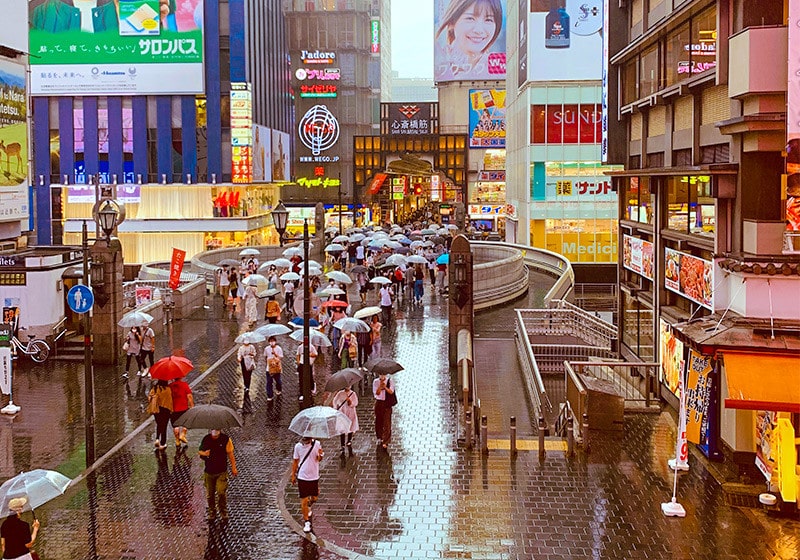
June is rainy season in Osaka, with temperatures of 23°C to 29°C and high humidity that feels as sticky as midsummer. Rain is likely, usually afternoon showers or several days of light drizzle.
Wear short-sleeved tops with quick-dry bottoms, choose waterproof sandals or breathable sneakers, and carry a light umbrella or rain jacket. Tanabata bamboo decorations and yukata festivals begin around this time. Even so, plan indoor backups such as department stores or underground malls so you are not stuck in humid air all day.
July Midsummer: Intense UV After the Rainy Season Ends
In mid-to-late July the rainy-season front moves north and Osaka enters midsummer, with temperatures of 25°C to 35°C. The UV index peaks for the year, sunny days come back to back, and heat reflected from the pavement in the afternoon pushes the felt temperature close to 40°C. Wear light, sweat-wicking clothes, and bring SPF 50+ sunscreen, a UV-blocking parasol and sunglasses. The Tenjin Festival falls in late July, so avoid long stretches in the sun during the day and save your energy for the evening boat procession and votive fireworks. It is the smarter way to plan the day.
August Peak Heat: Temperatures Above 38°C and Typhoon Alerts
According to the Japan Meteorological Agency’s 1991-2020 normals, August averages 29.0°C with an average daily high of 33.7°C, and clear afternoons can exceed 38°C. August is also typhoon season in western Japan, so check the JMA and flight updates before you leave.
Actual August 2026 weather in Osaka:According to data from the JMA’s Osaka observation station, August 2026 averaged 29.9°C, about 1°C above normal. The peak was 38.6°C on August 3, there were 18 extremely hot days of 35°C or above, and monthly rainfall was 83.5 mm.
What to Wear in Summer: Breathable, Sweat-Wicking Clothes and Sun Protection
The core rule for summer in Osaka is light, thin and breathable. For tops, choose cotton or technical sweat-wicking short sleeves; for bottoms, loose long skirts or breathable trousers work best, and skinny jeans will be stifling. If your evening plans include a department store or museum with strong air conditioning, bring a thin long-sleeved layer to adjust to the temperature difference.
For shoes, choose breathable sneakers or sandals that are comfortable for long walks and temple or shrine visits. A handheld fan, cooling wet wipes, sunscreen spray and a compact rain kit are also essentials for independent travel in Osaka in summer, and they help you cope with the fast-changing hot, humid weather.
Typhoon Season and Sudden Weather Changes
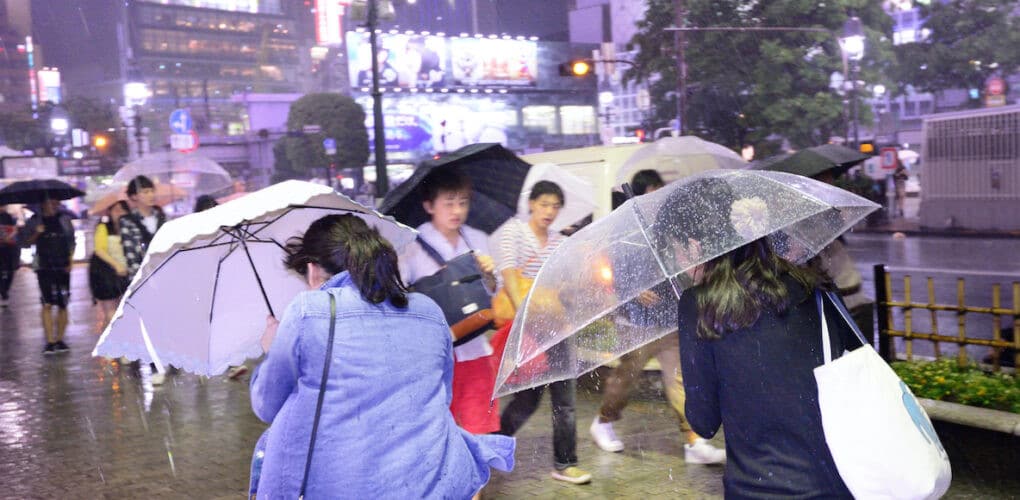
August and September are the peak of typhoon activity in western Japan, and Osaka and the Kinki region occasionally see suspended trains, delayed flights or temporarily closed attractions when a typhoon approaches. Start watching the Japan Meteorological Agency and airline announcements a week before departure, and leave one flexible buffer day in your itinerary.
If a typhoon does approach, cut back on outdoor plans and head for underground malls, department stores or indoor attractions such as Kaiyukan and the Umeda Sky Building. A power bank and offline maps also help you cope when transport is disrupted, so your summer trip feels calmer and less stressful.
How to Get to Osaka: Transport Options and Costs
For a trip to Osaka in summer 2026, transport planning is a key part of preparation, whether you are arriving at Kansai Airport, moving around the city, or heading to nearby cities such as Kyoto, Nara and Kobe for festivals. Crowds are heavy during festival season, so plan your routes early and use an IC card and sightseeing passes to save time queuing for tickets.
How to Get to Osaka: Transport at a Glance
🚄 JR Limited Express HARUKA: About 50 minutes from Kansai Airport to Osaka Station. Foreign visitors can buy discounted tickets on the JR-West website or at airport counters; check the official site for current prices.
🎫 Osaka Amazing Pass: A 1-day pass at ¥3,500 with unlimited rides on Osaka Metro, Osaka City buses and some private railway sections in the city, plus free entry to about 40 attractions. It suits a packed sightseeing schedule.
🚇 Osaka Metro and city buses: ¥180-370 one way. Consider the Osaka Metro One-Day Pass (¥820 on weekdays, ¥620 on weekends and holidays) or tap in with an ICOCA card; it pays for itself after four or more rides.
🚃 Kintetsu and Hankyu trains: The main lines to Nara, Kyoto and Kobe. Kintetsu offers 1-day, 2-day and 5-day e-passes, while on Hankyu you can simply ride with ICOCA. Head back before the last train.


Must-See Cool-Down Spots in Osaka in Summer: Indoor and Outdoor Highlights
Summer in Osaka centers on festivals, fireworks and indoor spots to escape the heat. Here they are one by one.
Osaka Tenjin Festival: A Thousand-Year-Old Boat Procession, One of Japan’s Three Great Festivals
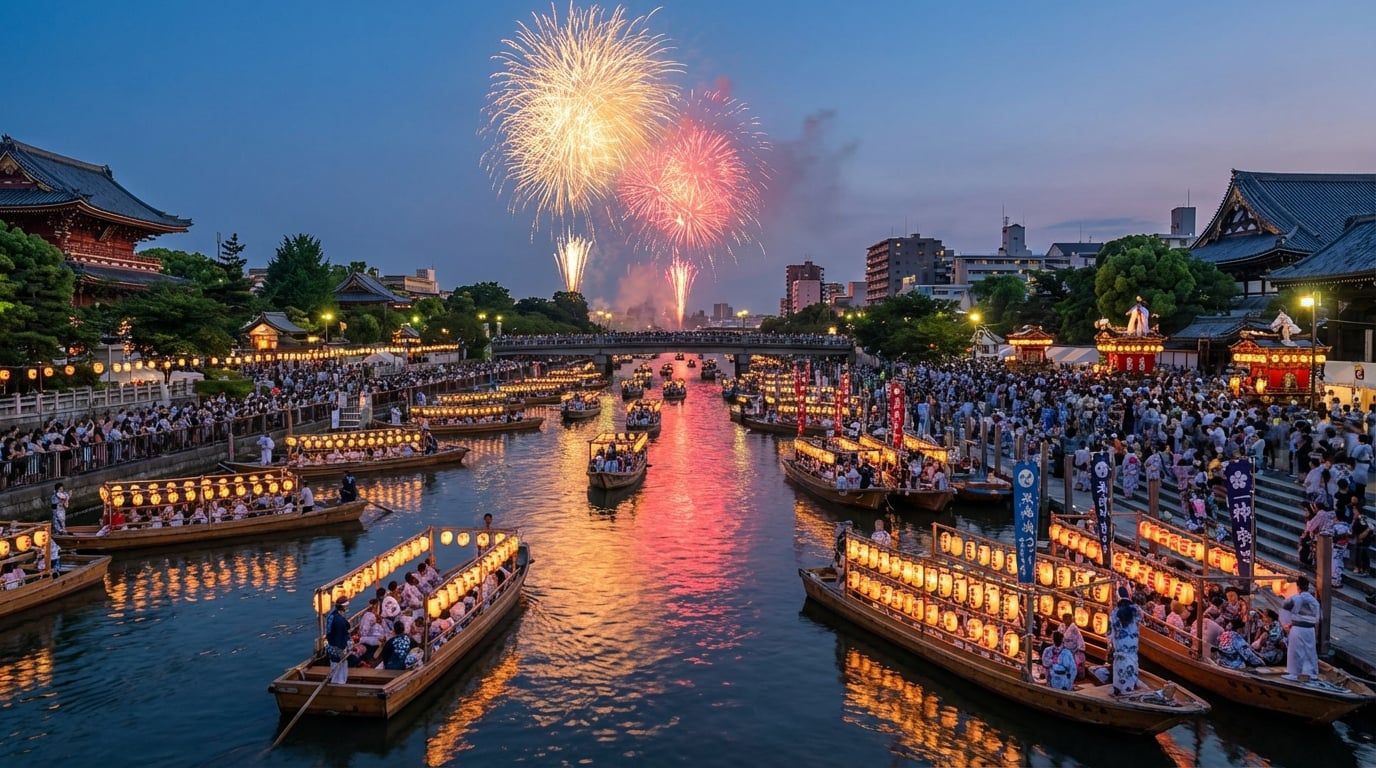
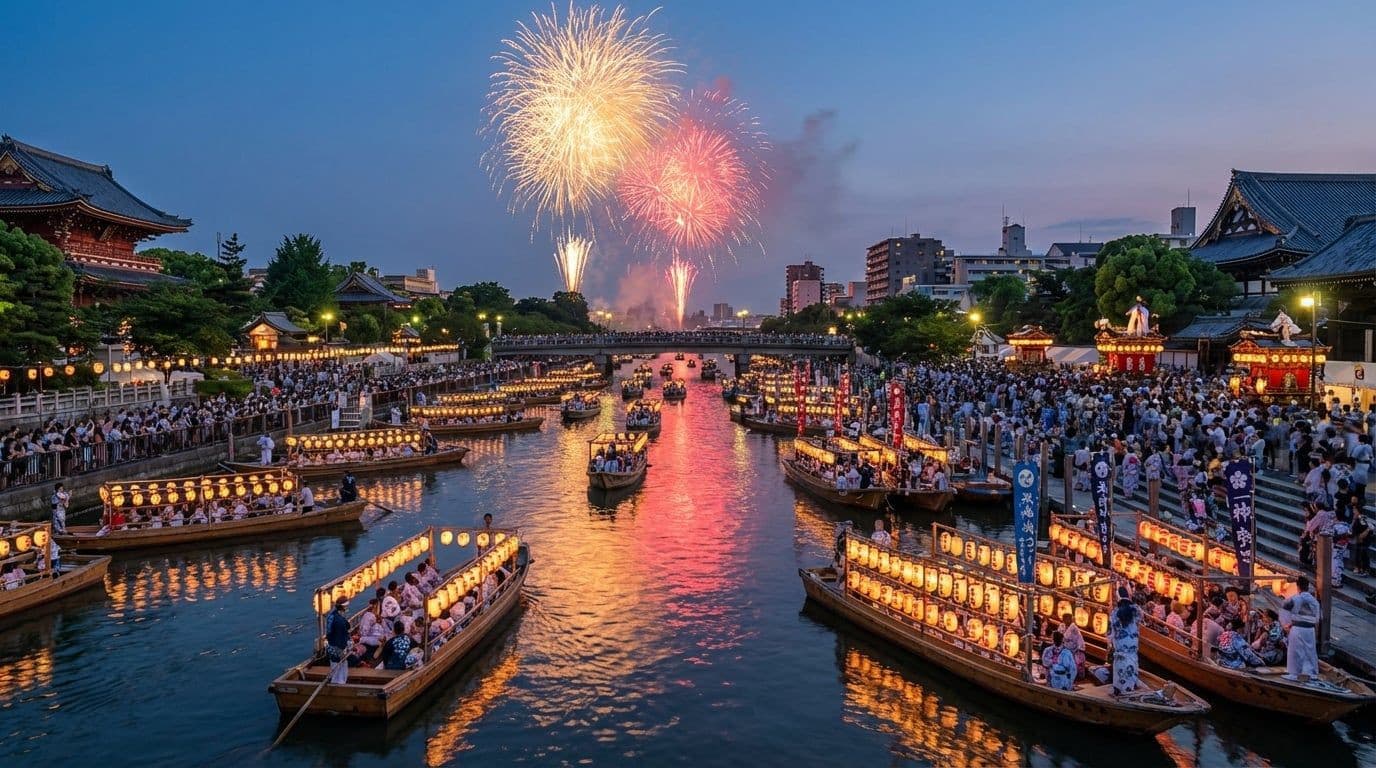
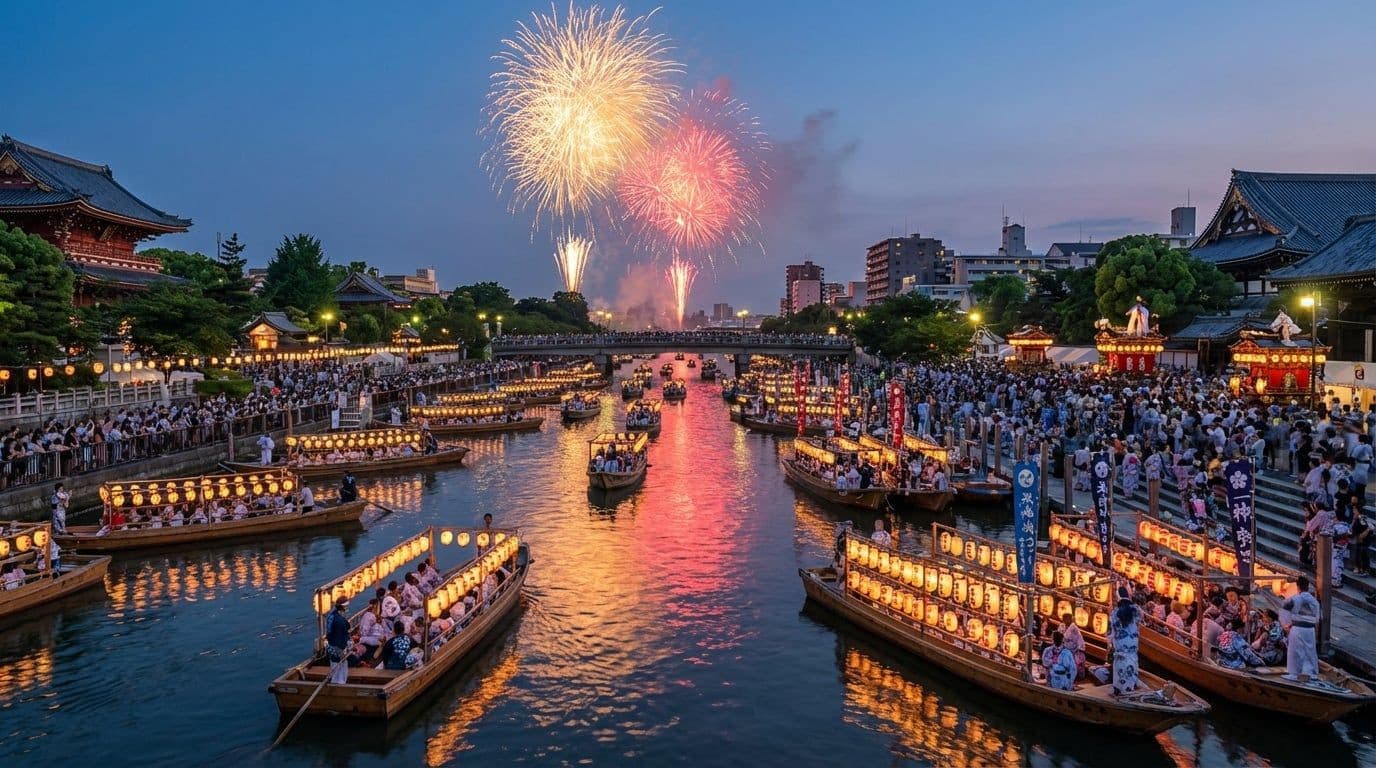
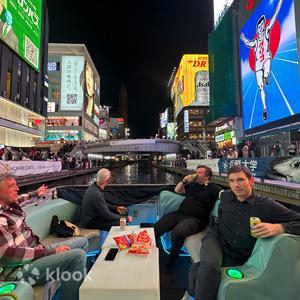
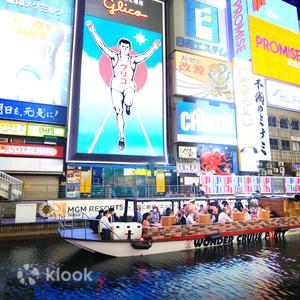
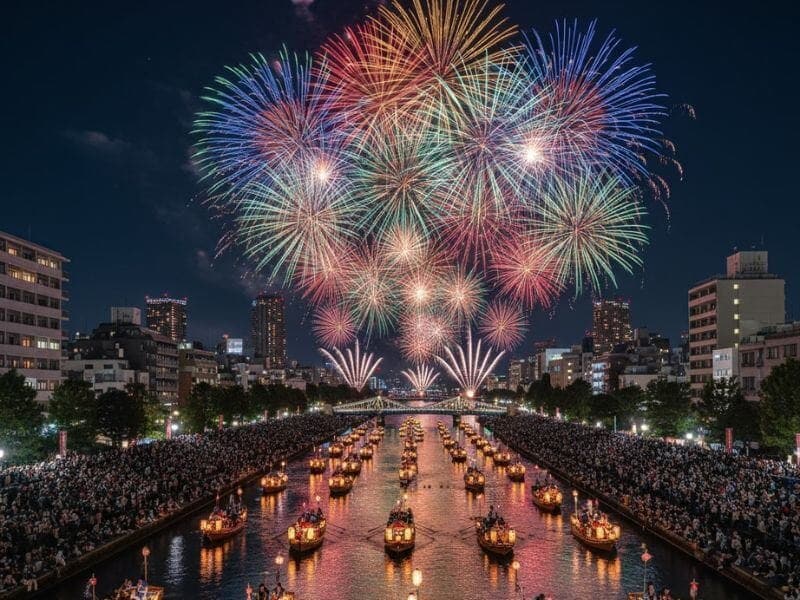
The Osaka Tenjin Festival takes place every year on July 24 and 25 at Osaka Tenmangu Shrine and along both banks of the Okawa River, and is one of Japan’s three great festivals with a history of a thousand years. The highlight, the Funatogyo boat procession, sends about 100 boats carrying portable shrines along the river, and at night the votive fireworks and lantern-lit boats reflected in the water make a spectacular scene.
Claim a spot on the riverbank 2-3 hours early, or reserve a seat at a riverside restaurant, to avoid the crowds. Plenty of yatai food stalls open during the festival, selling okonomiyaki, takoyaki and more, making it a great place to enjoy an authentic summer festival atmosphere.


Tenjin Festival 2026 Schedule: Yoimiya and Honmiya Timetable
In 2026 the Tenjin Festival holds its Yoimiya (eve festival) on July 24, with the ceremony starting at 7:45 and the boat procession departing at 16:30. July 25 is the Honmiya (main festival): the land procession departs at 15:30, about 100 boats cruise the Okawa River from 18:00, and about 3,000 votive fireworks are launched from 19:30 to 20:50. Each viewing area has free and paid seating, and arriving between 17:00 and 18:00 lets you avoid the most crowded period.
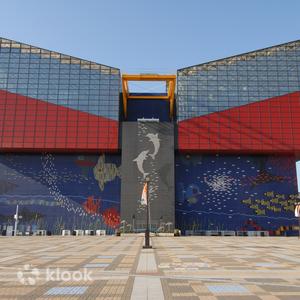
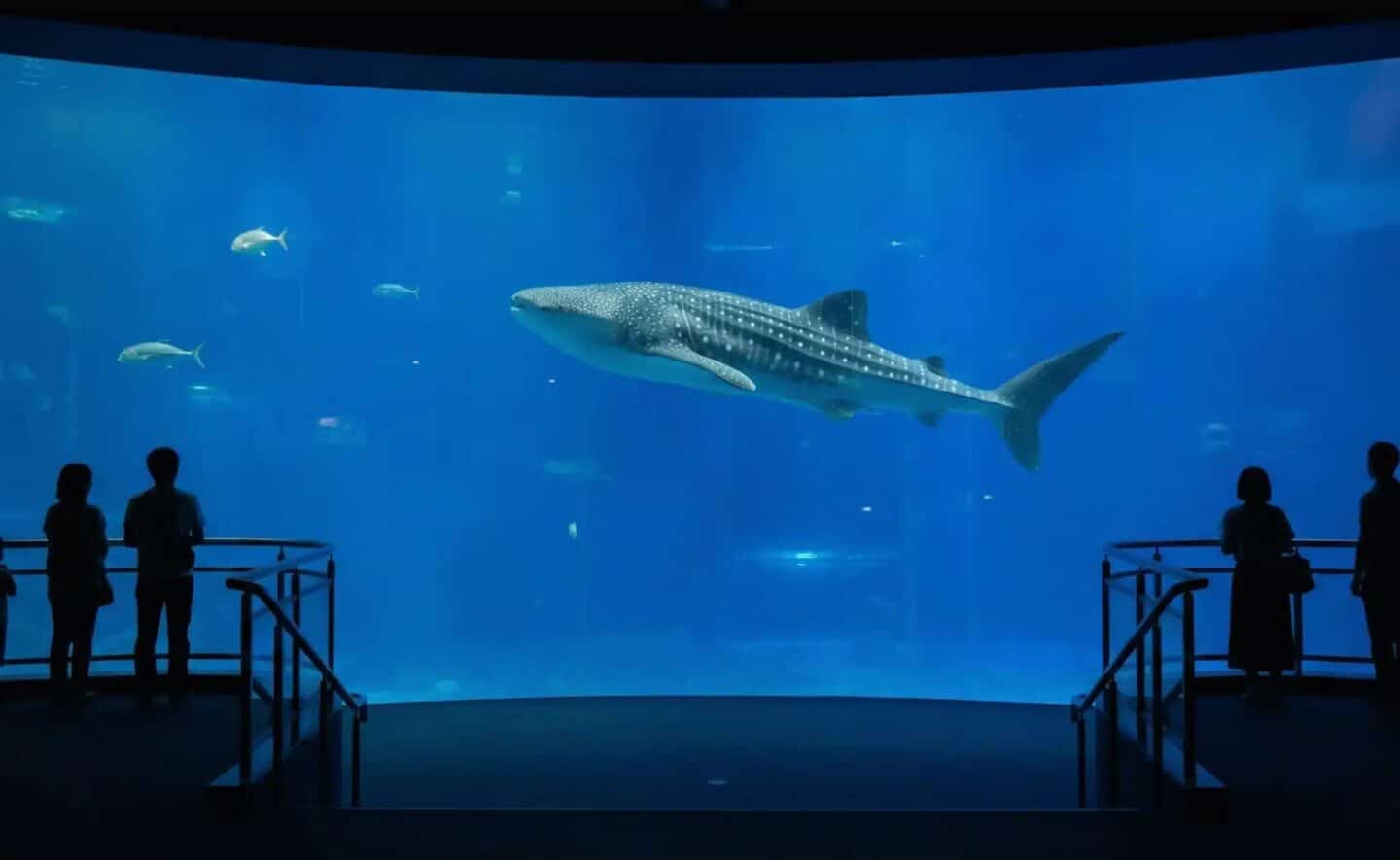
Kaiyukan: One of the World’s Largest Indoor Aquariums
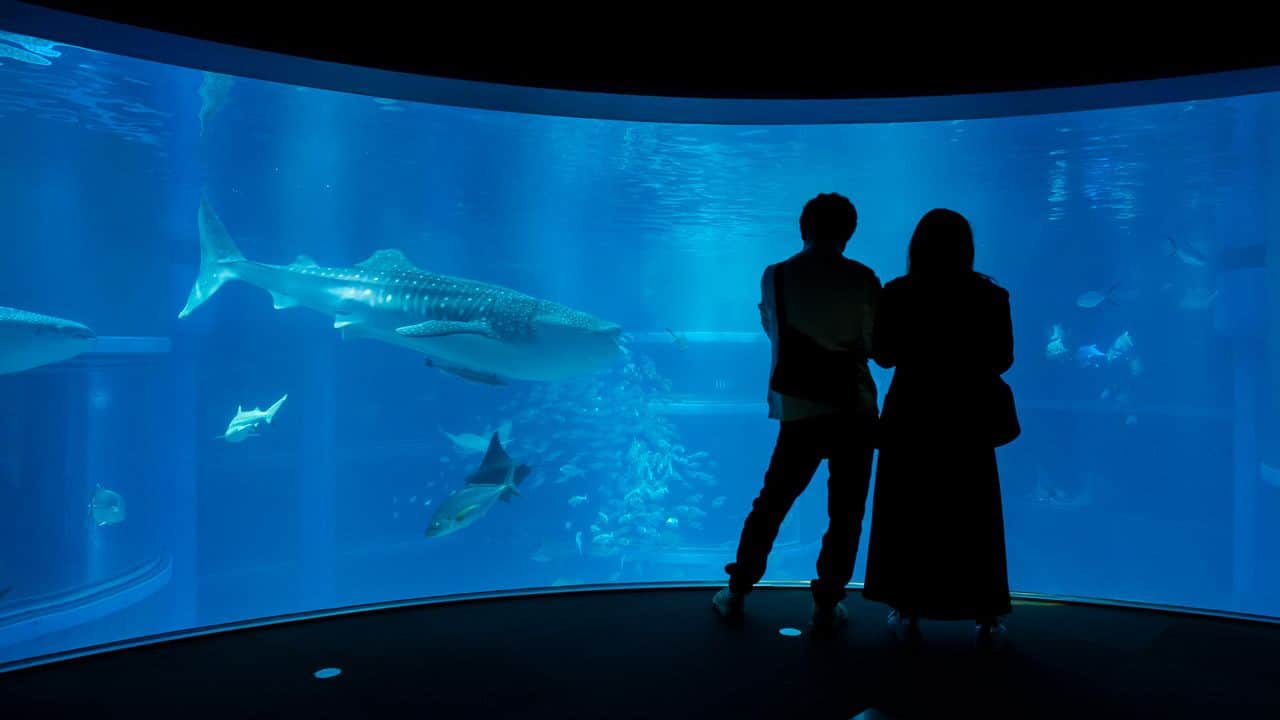
Kaiyukan is in Osaka’s port district and is one of the world’s largest indoor aquariums. Themed on the Pacific Ring of Fire, it shows more than 600 species of marine life including whale sharks, otters and penguins, and the whole building is air-conditioned, making it an ideal indoor escape from summer heat. Admission uses variable pricing: adult tickets change by date (usually from ¥2,700), opening hours are adjusted by date (mostly 10:00 to 20:00), and closing days are not fixed, so check the official calendar first.
The route spirals down from the top floor, passing different marine ecosystem tanks, and the whole visit takes about 2-3 hours. Hours and admission vary by date, so check the official calendar before you go; an evening entry lets you avoid the daytime heat and crowds.
Tsutenkaku: Shinsekai Landmark and Showa-Era Nostalgia
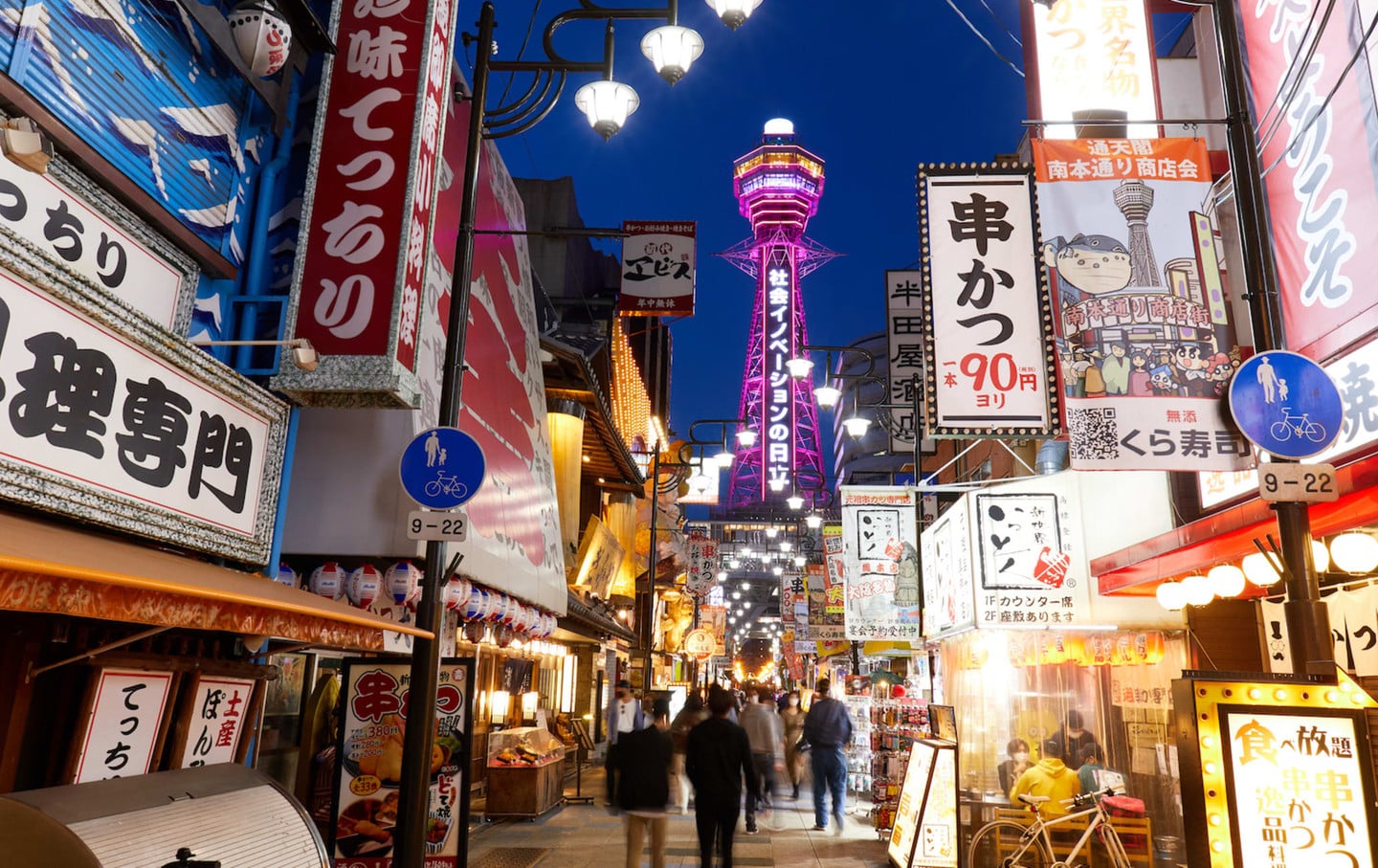
Tsutenkaku is one of Osaka’s signature landmarks, about 103 meters tall. The observation deck overlooks the city and, on clear days, the Rokko mountain range in the distance. Observation deck admission is ¥1,500 for adults, open 9:00-22:00 (last entry 21:30). Inside the tower is a statue of Billiken, the god of good fortune, whose feet you can rub for luck.
The surrounding Shinsekai shopping streets are full of Showa-era nostalgia and lined with kushikatsu restaurants, the birthplace of Osaka-style kushikatsu. The streets have little shade, so in summer go early in the morning or toward evening to avoid the heat. Tennoji Zoo is nearby, so you can combine them into a half-day trip.
Umeda Sky Building: Floating Garden Observatory Night Views
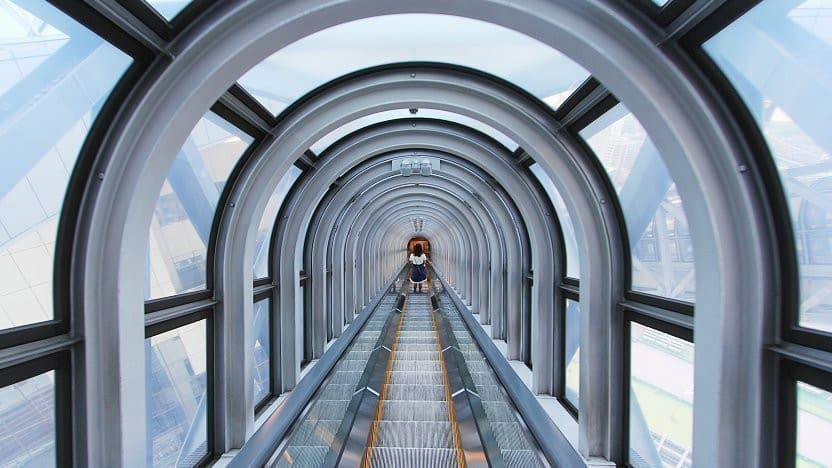
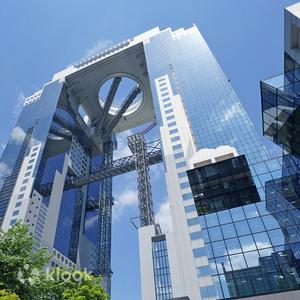
The Umeda Sky Building is an Osaka landmark whose two towers are connected at the top by the Floating Garden Observatory, about 173 meters high, with 360-degree views over the city and, on clear days, as far as the Akashi Kaikyo Bridge. Admission is ¥2,000 for adults, open 9:30 to 22:30 (last entry 22:00).
The observatory has an air-conditioned indoor area, making it a cool place to watch the sunset and night view in summer. The nearby Takimi-koji recreates a Showa-era street and has several restaurants, and a 2-3 hour visit suits the early evening.
Universal Studios Japan: An All-Weather Indoor Kingdom
Universal Studios Japan (USJ) brings together areas such as the Wizarding World of Harry Potter and Super Nintendo World, and indoor attractions such as Amazing Adventures of Spider-Man and Harry Potter and the Forbidden Journey are air-conditioned, making it a top summer pick. A 1-day pass costs about ¥8,400 and up for adults (prices vary by date), and opening hours are adjusted by date, so please check the official website.
Summer event content differs every year, so please check the official announcements. Ride the outdoor attractions in the morning, switch to indoor ones at midday, and return outdoors after dusk for the night shows. This spreads out your energy and lowers the risk of heatstroke.


Nakanoshima Museums: A Riverside Arts Escape from the Heat
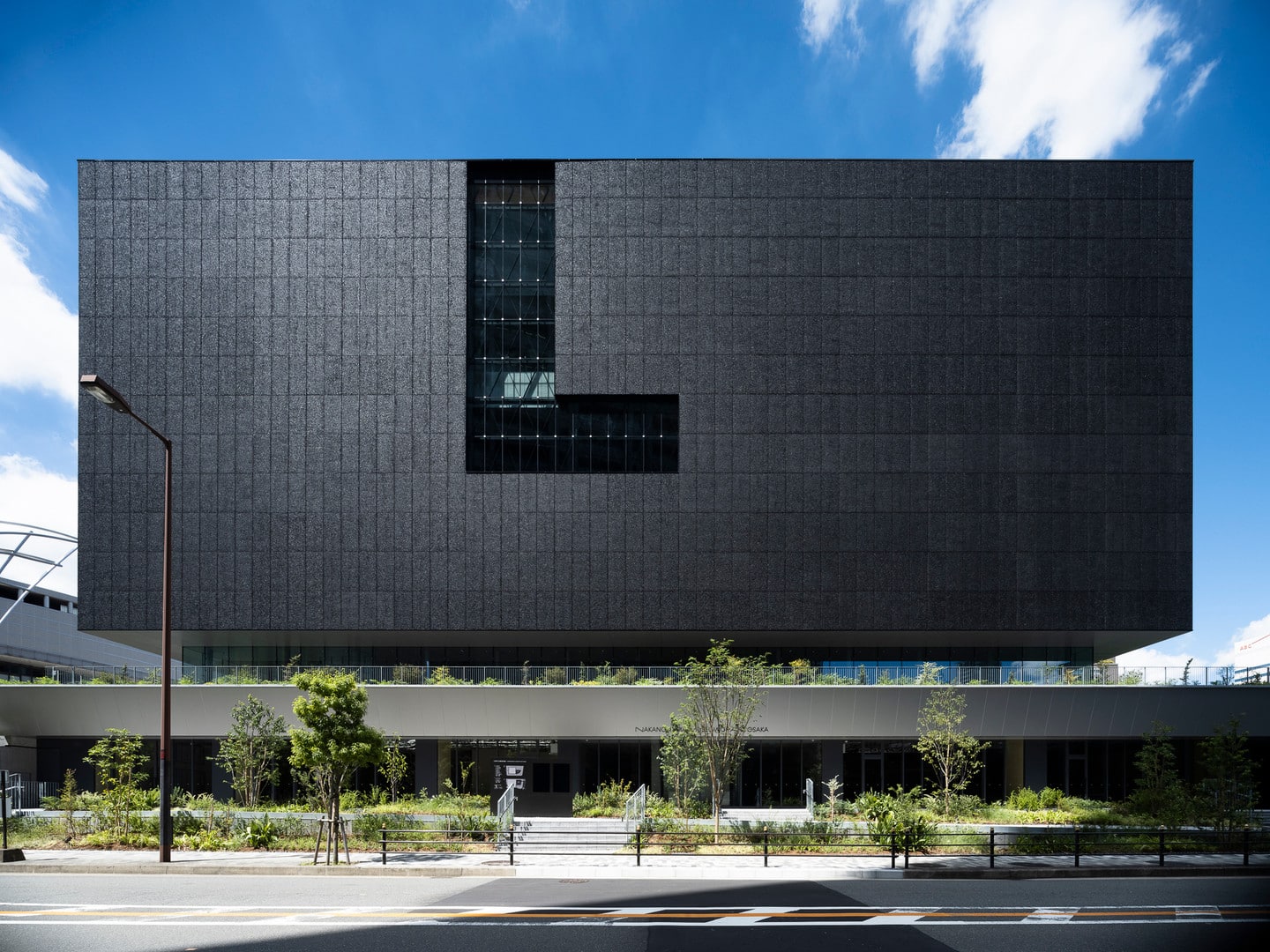
Nakanoshima is a key arts and culture district in Osaka, home to venues such as the Nakanoshima Museum of Art, Osaka and the Museum of Oriental Ceramics, Osaka, where constant air conditioning makes long summer visits comfortable. The Nakanoshima Museum of Art is known for its modern art collection; admission varies by exhibition, hours are usually 10:00 to 17:00, and closing days and exhibition dates are on the official website.
Strolling along the Dojima and Tosabori rivers, the shade and breeze ease the heat, and riverside cafes have open-air seating. A half-day plan works well: visit the museum exhibitions in the morning, then watch the sunset and the reflected lights along the river in the evening for a relaxed moment.
Namba Parks: A Rooftop Garden and Shopping Mall to Cool Off
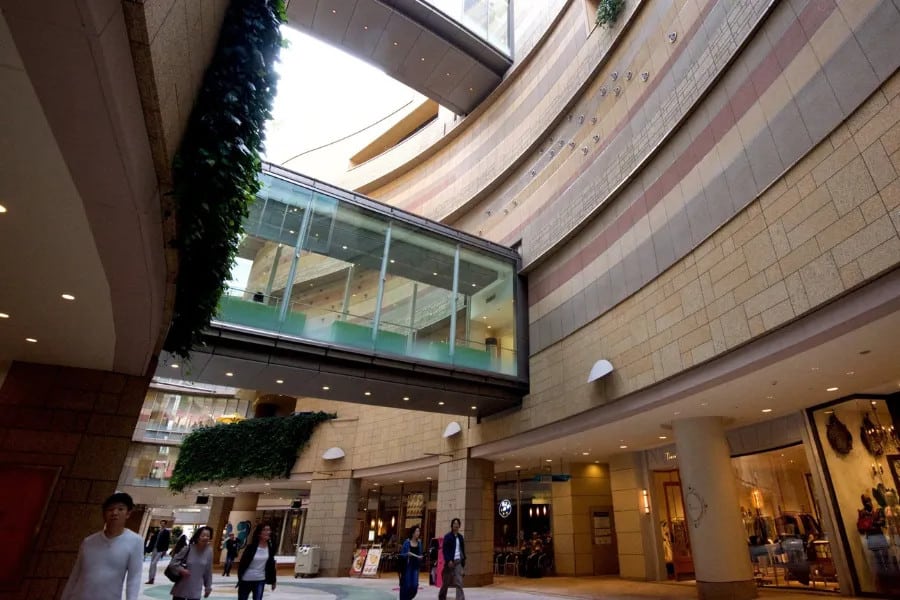
Namba Parks is a complex combining a rooftop park and a shopping mall. The mall has many brand shops and restaurants and comfortable air conditioning, making it a good place to shop out of the summer heat. Shops are open about 11:00 to 21:00, and restaurants stay open until 23:00.
The rooftop Parks Garden is free to enter and planted with a variety of vegetation, a rare multi-level oasis in the city. Eat and browse in the mall during the hottest hours at midday, then head up to the rooftop garden in the evening for a stroll and the sunset.
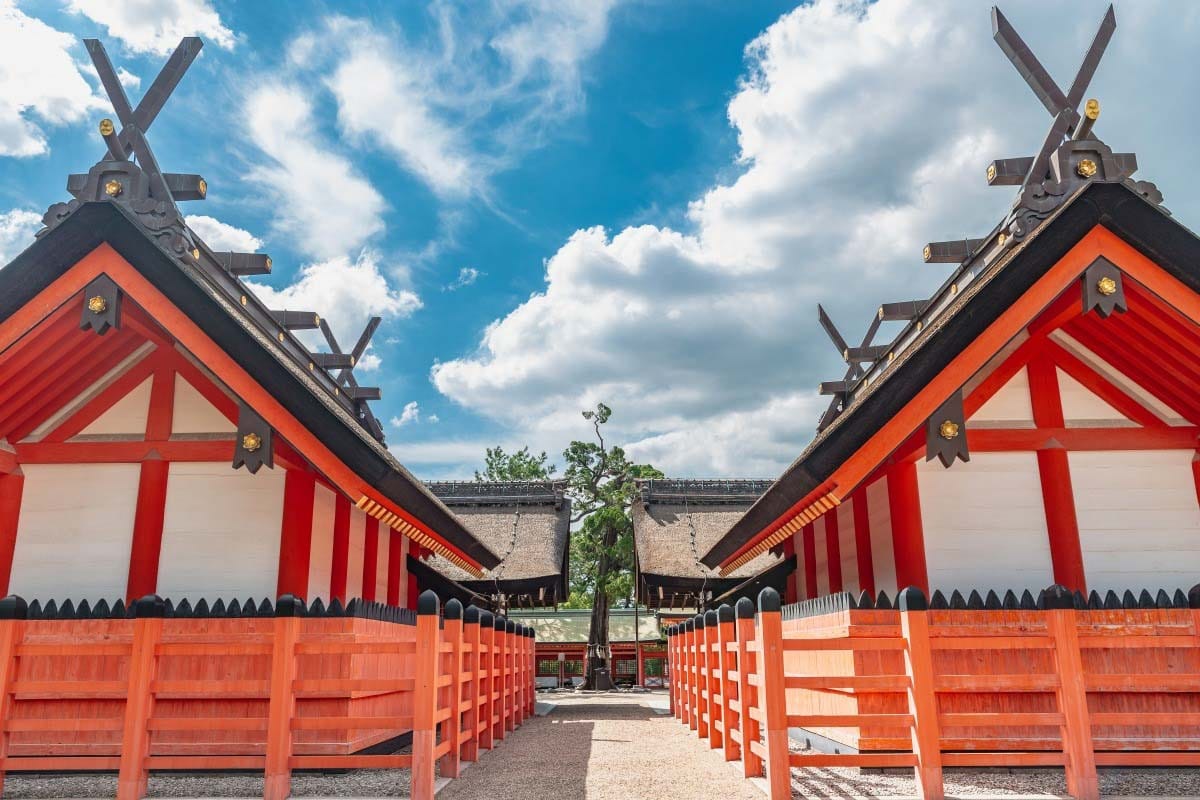
Sumiyoshi Taisha: Japan’s Oldest Sumiyoshi-zukuri Shrine
Sumiyoshi Taisha is the head shrine of Sumiyoshi shrines across Japan, founded in 211 CE and built in the Sumiyoshi-zukuri style, a National Treasure. Its main deities are the three Sumiyoshi deities and Empress Jingu, worshipped for safe sea voyages and the warding off of misfortune. Amulets and goshuin stamps are available, and the amulets commonly offer protection for traffic safety and business prosperity.
The Sumiyoshi Festival, held every year from July 30 to August 1, is a major annual event, with portable shrines paraded along the Yamato River. On ordinary days you can enjoy the old trees, the drum bridge and the Sorihashi arched bridge, which are good for photos. Visit early in the morning to beat the heat, and drop by the nearby Sumiyoshi Park.
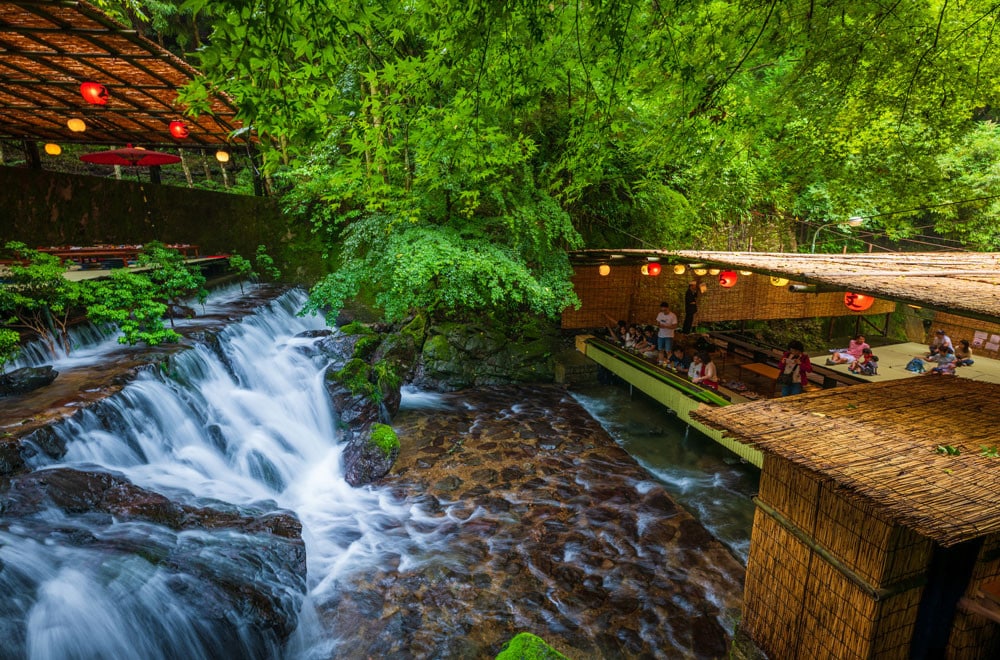
Kifune Shrine: A Cool Retreat with Kawadoko Dining and Nagashi Somen
Kifune Shrine stands in the Kurama mountain area near Kyoto, enshrining Takaokami and known for matchmaking and rain prayers. Its mizu-uranai fortune slips reveal their message when dipped in water. In summer, kawadoko restaurants line the Kibune River, where you can enjoy kaiseki meals or nagashi somen above the water.
Set in a stream valley, Kibune is cooler than the city center and a well-known summer retreat. A half-day or full-day trip in summer is recommended. Kawadoko meals must be reserved 1-2 weeks ahead, and prices depend on the restaurant and menu.
How Much Does a Summer Trip to Osaka Cost? Tickets and Experiences
When you visit Osaka in summer 2026, besides packing gear to cope with the heat and humidity, it also pays to plan key festival activities and tickets in advance so you are not stuck in crowds without a good spot. Below are the four most recommended summer experiences and ticket options, covering the Tenjin Festival, Universal Studios Japan, a kimono experience and an observation-deck night view. Prices and details are listed at 2026 reference rates to help you budget.
Osaka Tenjin Festival Votive Fireworks Special Viewing Seats: The Best Seat at the Top of Summer’s Three Great Festivals
The Tenjin Festival is one of Japan’s three great festivals, held July 24-25. On the evening of the 25th, votive fireworks are launched around the Okawa River from 19:30 to 20:50. You can reserve viewing seats or a fireworks viewing boat, with seating and prices depending on the plan.
Spots are limited, so book 1 to 2 months ahead and choose a seat with shade or an indoor seat.
It is ideal for watching the boat procession and votive fireworks without language or crowd-routing hassles, and suits first-time festival visitors with great value for money.
Universal Studios Japan 1-Day Pass (with Express Pass): The Best Indoor-Outdoor Combo for Scorching Heat
Universal Studios Japan (USJ) is in Konohana Ward’s Sakurajima and a must-visit for families in the school holidays. A 1-day pass costs about ¥8,400 and up for adults, and the Express Pass is extra depending on date and items; prices change with season and popularity and are higher in the summer holidays. The 1-day pass gets you into the park, but Super Nintendo World may require a separately obtained timed entry ticket depending on the day’s crowds, so see the official announcements.
Summer holiday crowds are heavy, so book a bundle with Express Pass through KKday or Klook to save 1-2 hours of queuing on site. The park has many indoor attractions and shaded rest areas, which helps in the heat. Mario Kart and Princess Peach’s Castle in Super Nintendo World also have air-conditioned rest areas, suiting the whole family, from grandparents to kids.
Shinsaibashi Kimono Experience: An Immersive Yukata Experience for the Summer Festival Atmosphere
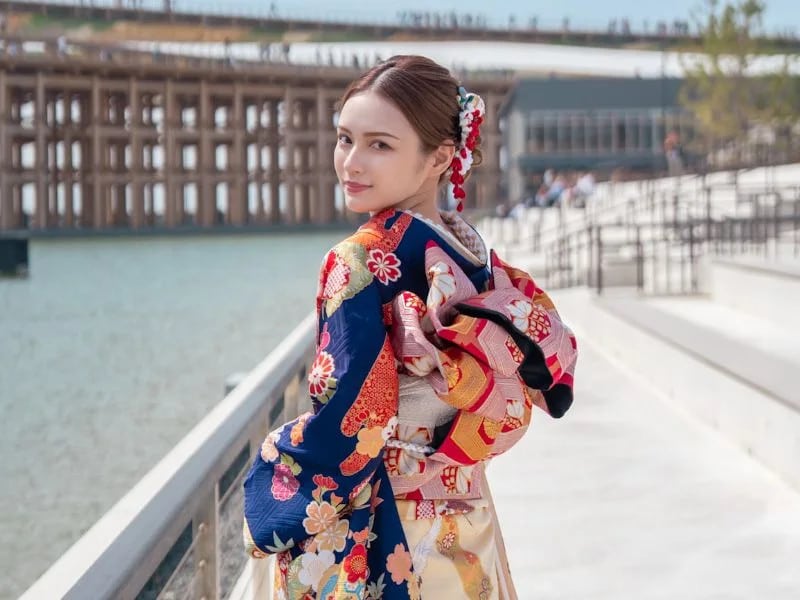
A five-minute walk from Shinsaibashi-suji shopping street, this is an Osaka summer-only yukata experience. Booked through KKday, prices depend on the plan and generally include the yukata, obi belt and geta sandals rental. Wear a yukata as you stroll Dotonbori and Shinsaibashi, or join the Tenjin or Sumiyoshi festivals. Summer yukata fabric is breathable, and shops suggest the right inner layer for the temperature. The experience helps you join in Japan’s summer festival culture and capture great moments.
Abeno Harukas 300 Observatory: The Best Vantage Point for Osaka’s Night View and Fireworks
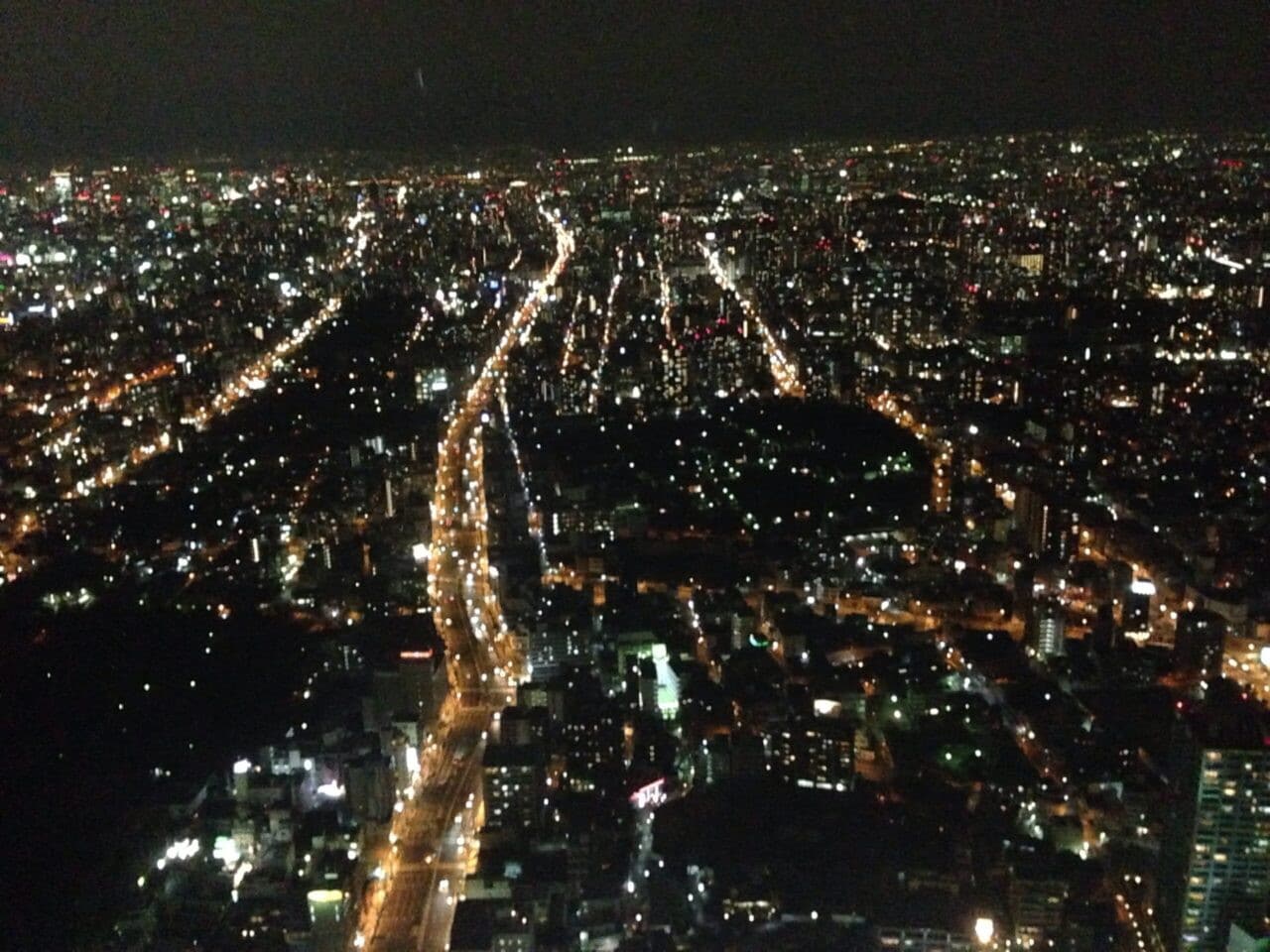
Abeno Harukas in Tennoji Ward is one of Japan’s tallest skyscrapers. Admission to the Harukas 300 observatory (floors 58-60) is ¥2,200 for adults on the day, or ¥1,980 for online advance tickets on the official website, covering the whole observation deck. It is open daily 9:00-22:00 (last entry 21:30). The air-conditioned interior offers 360-degree views of Osaka, out to Osaka Bay, Tsutenkaku, Osaka Castle and the Akashi Kaikyo Bridge, making it a good cool rest stop during the midday heat.
Where to Stay Nearby
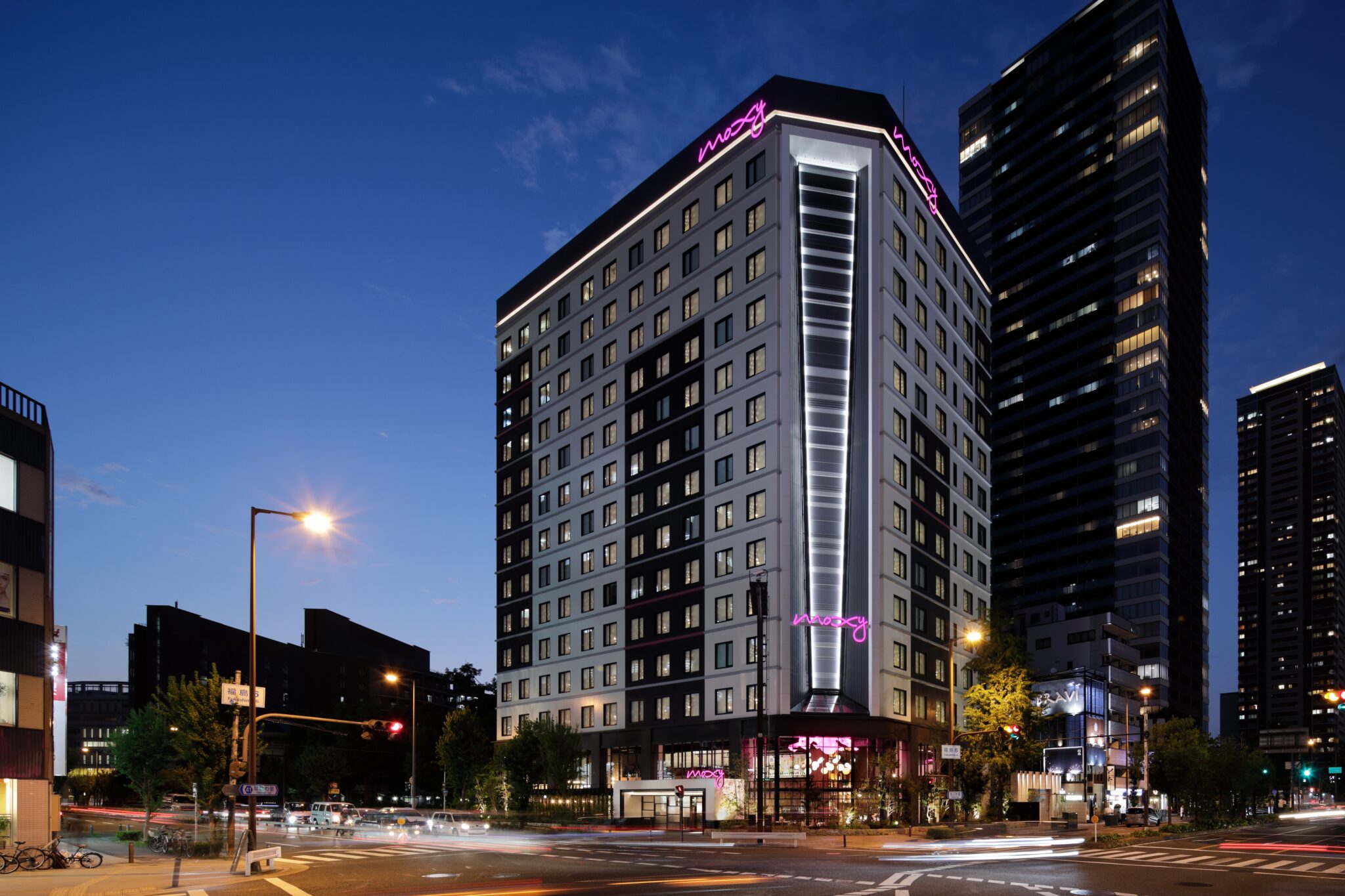
During summer festivals and fireworks, demand for accommodation in central Osaka is concentrated, so book early. Umeda, Namba and Shinsaibashi are where JR, subway and private railway lines meet, making it easy to get to the Tenjin Festival venue, Osaka Castle and Universal Studios Japan, and easy to catch a train back after evening events.

FAQ
Q: What is the average summer temperature in Osaka?
Osaka averages about 25°C to 35°C from June to August, and August can exceed 38°C; because of the high humidity, it often feels muggier than the actual temperature. By JMA normals, August averages 29.0°C with an average daily high of 33.7°C; in August 2026 the measured monthly average was 29.9°C, the peak was 38.6°C, and there were 18 extremely hot days of 35°C or above.
Q: Which fireworks festivals in Osaka are must-sees in summer?
The top pick is the Tenjin Festival votive fireworks (evening of July 25). The Naniwa Yodogawa Fireworks Festival has moved to October 17 in 2026, so for summer itineraries focus on the Tenjin Festival.
Q: How much is the Osaka sightseeing pass, and is it worth it?
The 1-day pass is ¥3,500 and the 2-day pass is ¥5,000, covering unlimited subway rides and free entry to more than 40 attractions. It is usually worth it if you plan three or more attractions.
The 2026 edition is a mobile e-ticket.
Q: Should I prepare for typhoons when visiting Osaka in summer?
August and September are active typhoon months, so closely watch weather and flight announcements before you go and leave one flexible buffer day to absorb delays.
If trains stop running during your trip, wait at your hotel or an indoor facility for announcements before moving.
Q: Should I bring a jacket for summer in Osaka?
Bring a thin long-sleeved jacket, since malls and subways have strong air conditioning and the indoor-outdoor temperature difference is large; you can put it on and take it off to adjust.
Choose a thin long-sleeved layer that fits into your day bag.
Q: What is the fastest way from Kansai Airport to Namba?
The Nankai Rapi:t limited express is fastest at about 38 minutes, with all-reserved seating and a separate limited-express ticket required, suiting travelers with large luggage; check the Nankai Electric Railway website for fares.
Q: Which indoor spots in Osaka are recommended for escaping the summer heat?
Kaiyukan, USJ’s indoor attractions, the Umeda Sky Building and Namba Parks are recommended, all with strong air conditioning and each with its own character.
Opening hours of each facility change by date, so check the official website before you go.