
2026 Osaka Shinsaibashi Guide: Shopping, Food and Dotonbori Sights Explained: The Full Picture of Kansai’s Best Shopping District
Shinsaibashi is the core shopping district of southern Osaka, right next to Dotonbori and Amerikamura, combining shopping, drugstores, dining and classic landmarks. Plan half a day to a full day.
How Long Do You Need in Shinsaibashi? When Do the Shops Close?
Shinsaibashi-suji Shopping Street itself is about 580 meters long with around 180 shops, so just strolling the street takes half a day. Most travelers add neighboring Dotonbori and Amerikamura, in which case we suggest setting aside a full day. Clothing and shoe stores and department stores along the street mostly close around 8 to 9 p.m., though actual hours vary slightly by shop; drugstores generally stay open later, and some close as late as 3 or 4 a.m., making them a good stop at the end of your day. We suggest arriving after 11 a.m., when shops are opening, and avoiding the peak crowds from weekend afternoons to early evening for a more relaxed outing.
Shinsaibashi-suji Shopping Street: An All-Weather Covered Shopping Arcade
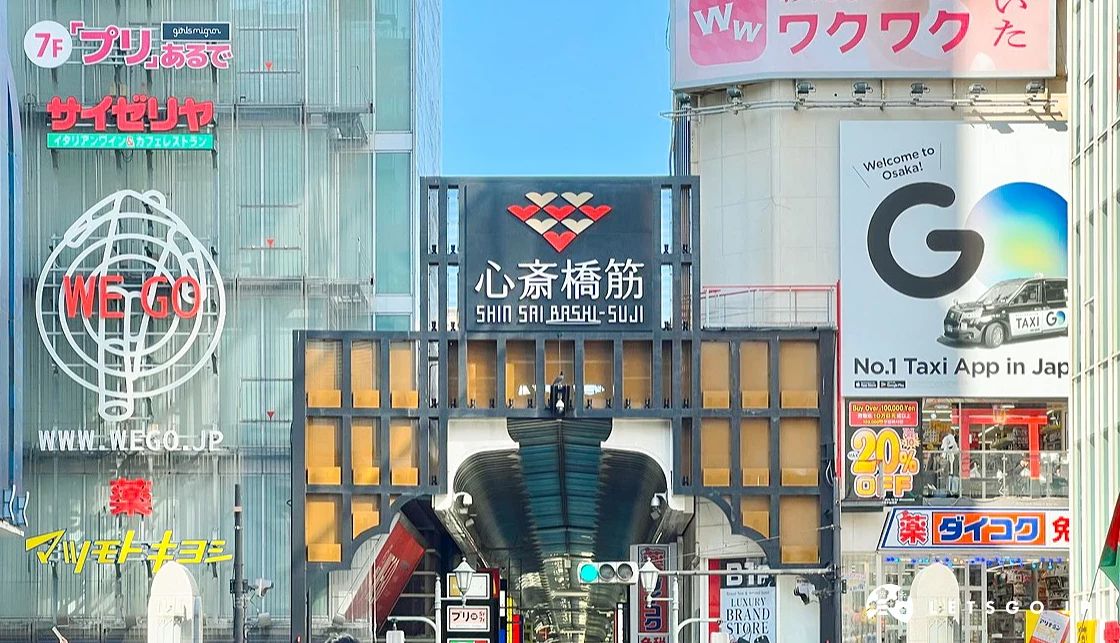
Shinsaibashi-suji Shopping Street is an arcade about 580 meters long that is covered along its entire length, so you can shop in rain or shine, making it one of Osaka’s most representative shopping streets. Chains such as Matsumoto Kiyoshi, Tsuruha Drug, Daiso, UNIQLO and GU line both sides, along with boutiques and souvenir shops, and covering it all takes at least two to three hours.
The street runs from south to north between the two subway stations of Namba and Shinsaibashi. It is crowded during the day, so we suggest going early in the morning to avoid the peak crowds for a more comfortable shopping experience.
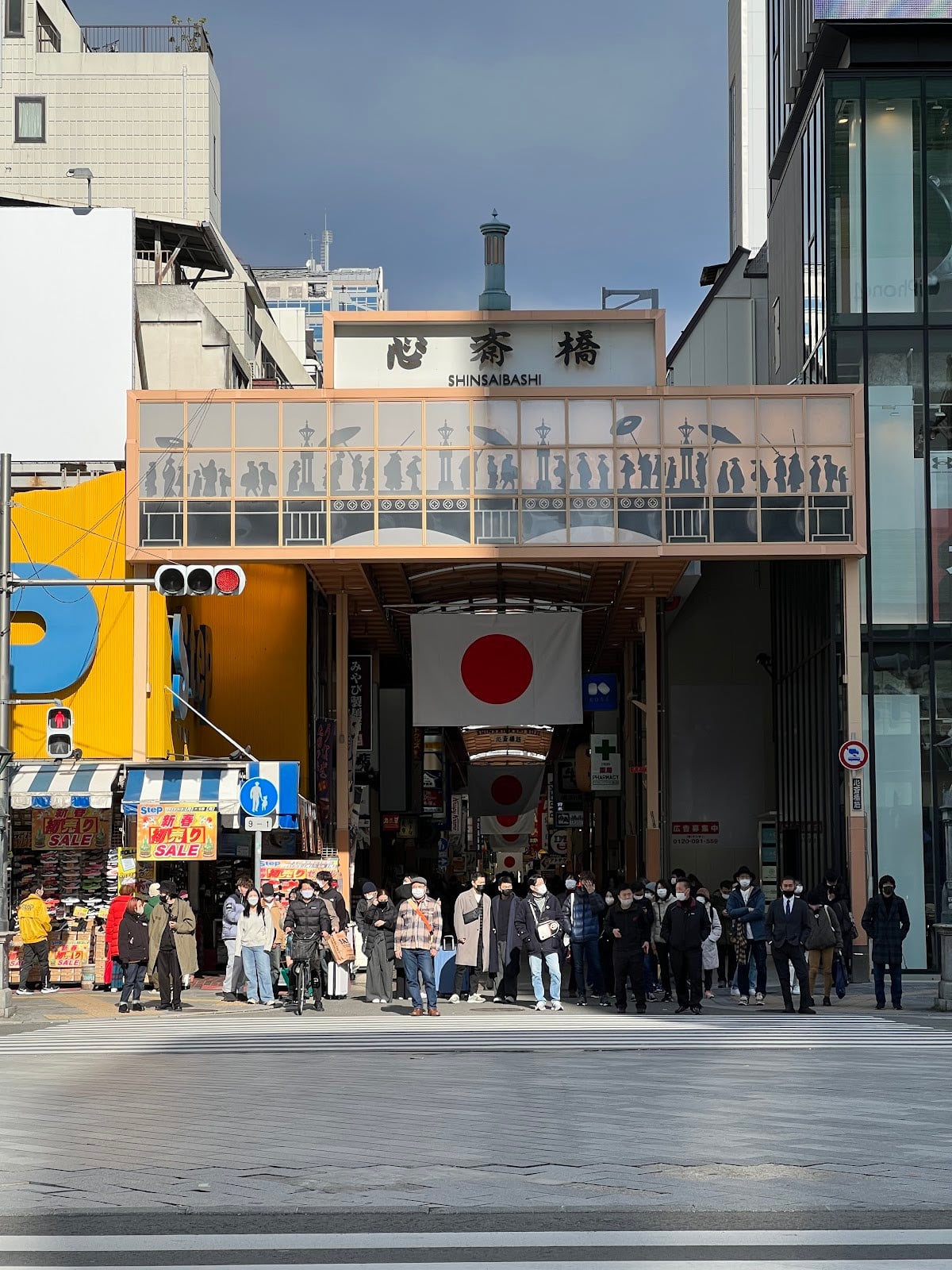
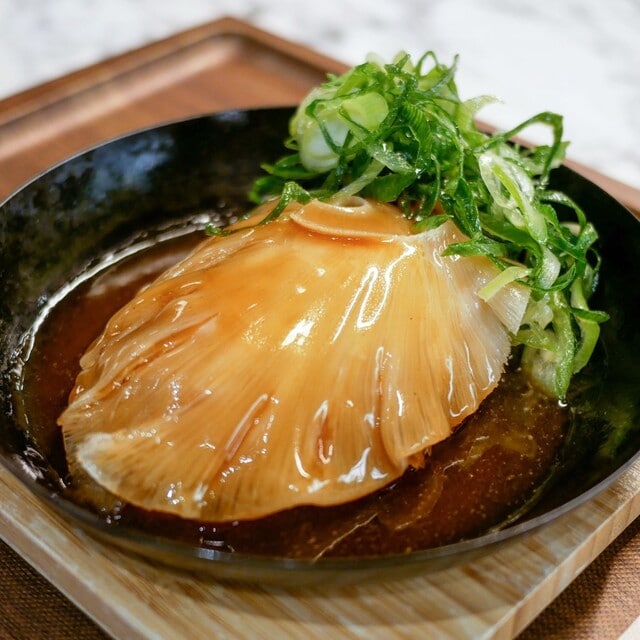

Shinsaibashi Shopping Street Crowds and Opening Hours: 60,000 on Weekdays, 120,000 on Holidays
Shinsaibashi-suji Shopping Street links about 180 shops along a north-south arcade of roughly 580 meters. According to the Osaka Tourism Bureau, about 60,000 people visit on weekdays and about 120,000 on weekends and holidays, so weekend crowds are clearly twice as large. The street has no common closing time and each shop keeps its own hours, so check the day’s hours for the shops you want on Google Maps before you set out. The nearest station is Shinsaibashi Station, about a 1-minute walk from the entrance to the street.
Dotonbori: Osaka’s Most Iconic Food Street
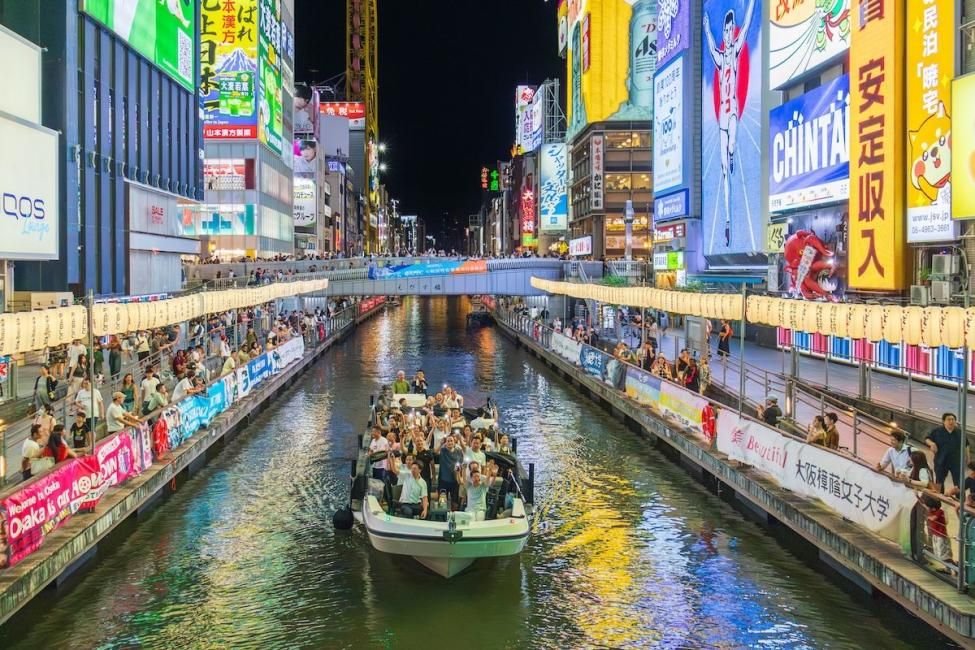
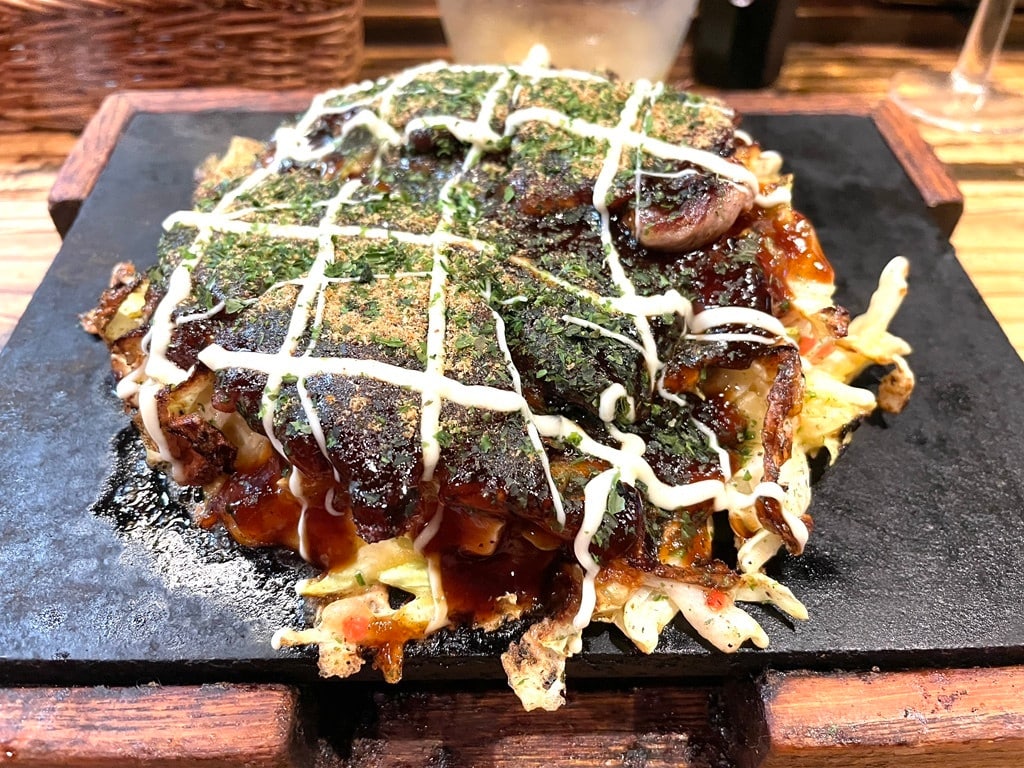
Dotonbori stretches along both banks of the Dotonbori River and is known for its giant signs, including the Glico Running Man, the crab and the pufferfish lantern, making it a must-visit photo spot. It brings together Osaka’s signature foods such as takoyaki, okonomiyaki, ramen and crab dishes, and the atmosphere gets even livelier after the neon lights come on at night.
Dotonbori is only one street away from Shinsaibashi Shopping Street and the two can be linked on foot, so it suits seeing both in a single day.
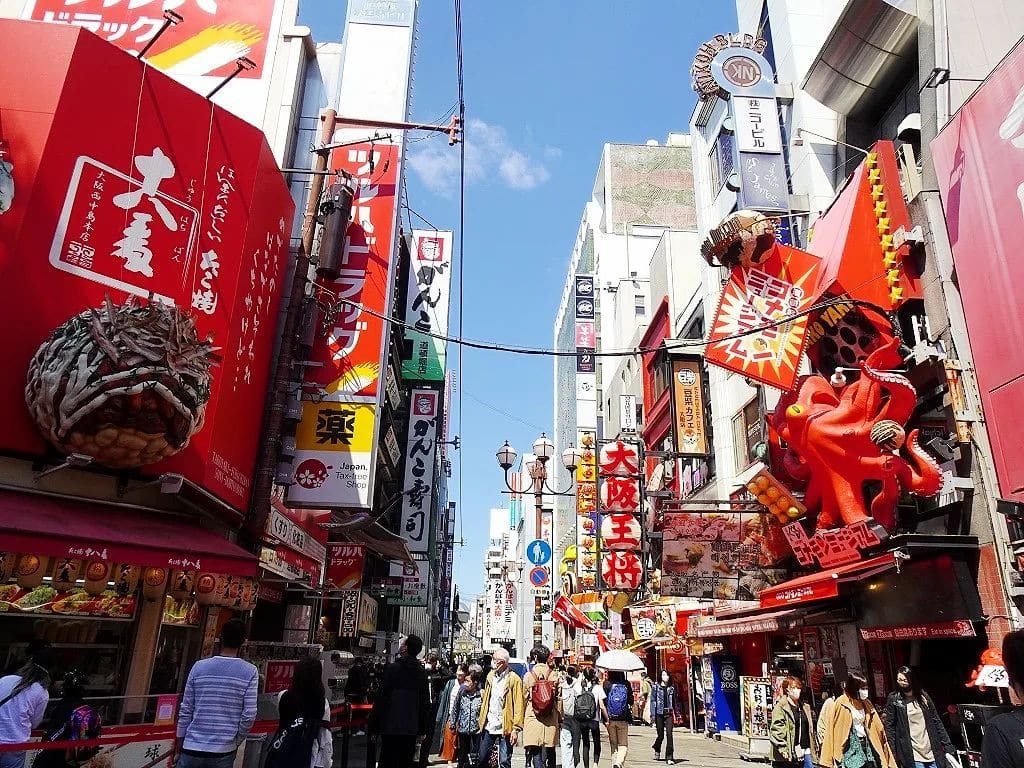
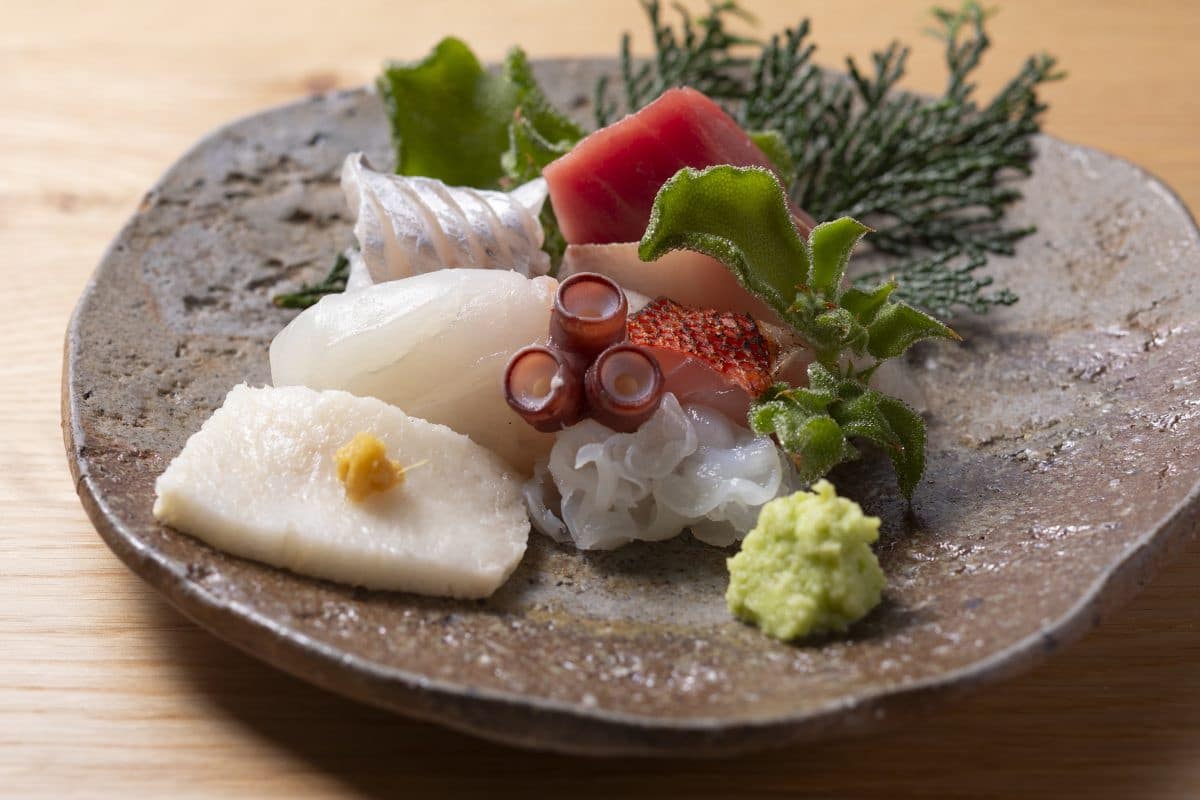

Amerikamura: Osaka’s Hub of Youth Trends
Amerikamura, also known as the area around “Triangle Park,” got its name from the used goods from the US West Coast sold there in the early days, and it is now a gathering place for vintage clothing, streetwear brands and quirky select shops. Its atmosphere is completely different from Shinsaibashi’s main street, full of graffiti walls and youth culture, and suits travelers who love vintage and trendy fashion and want to dig for finds.
The area also has many distinctive cafes and ramen shops, where you can rest when you get tired and feel a local daily life that differs from the traditional shopping street.
Hozenji Yokocho: A Nostalgic Stone-Paved Alley
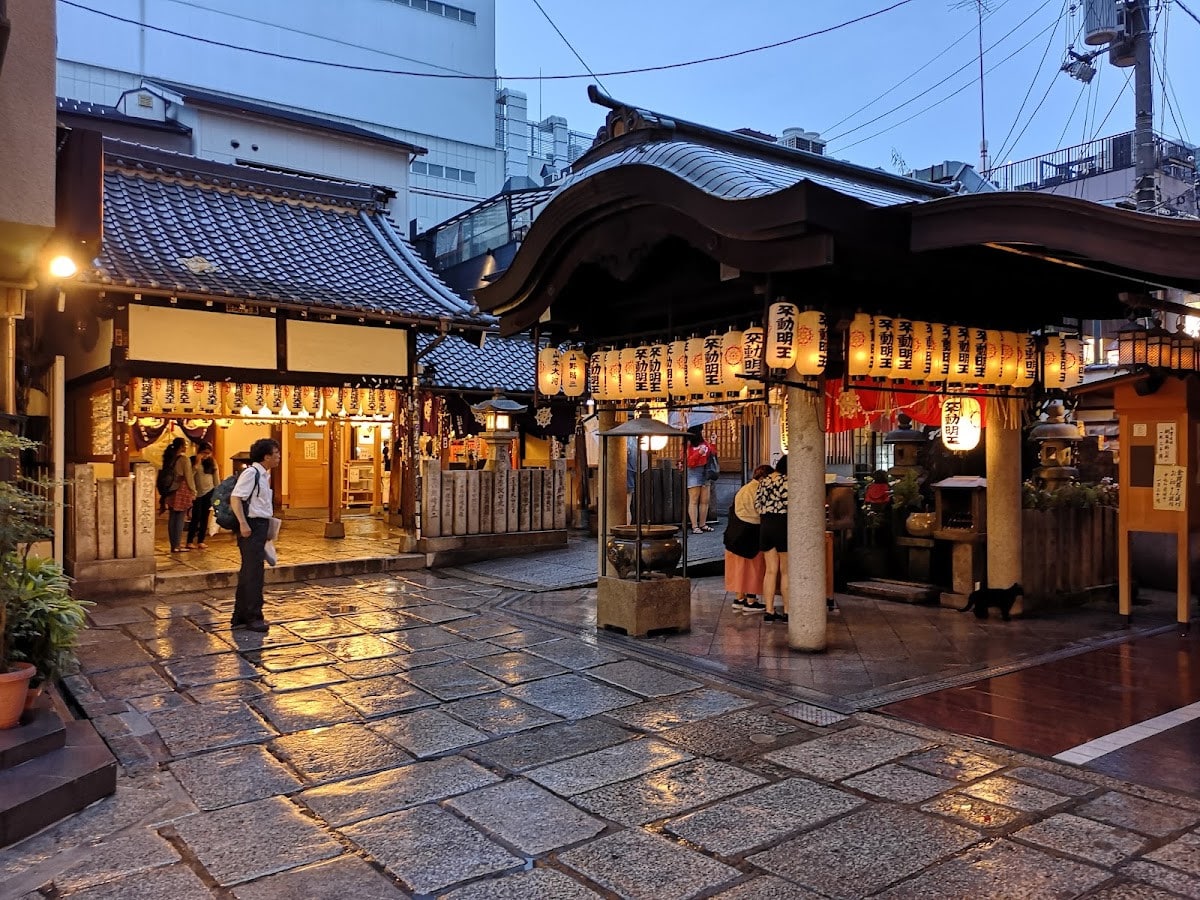
Hozenji Yokocho is a stone-paved alley hidden behind the busy Dotonbori street, lined on both sides with traditional izakaya and long-established restaurants that keep a Showa-era nostalgic atmosphere. Hozenji Temple inside the alley enshrines Fudo Myoo; worshippers splash water over the statue to pray for good fortune, and the statue has become covered in moss, making it a well-known worship spot.
It is a good place to experience Osaka’s everyday life and traditional food culture. We suggest going in the early evening to feel the retro mood once the lanterns are lit.
Daimaru Shinsaibashi: A Veteran Kansai Department Store Flagship
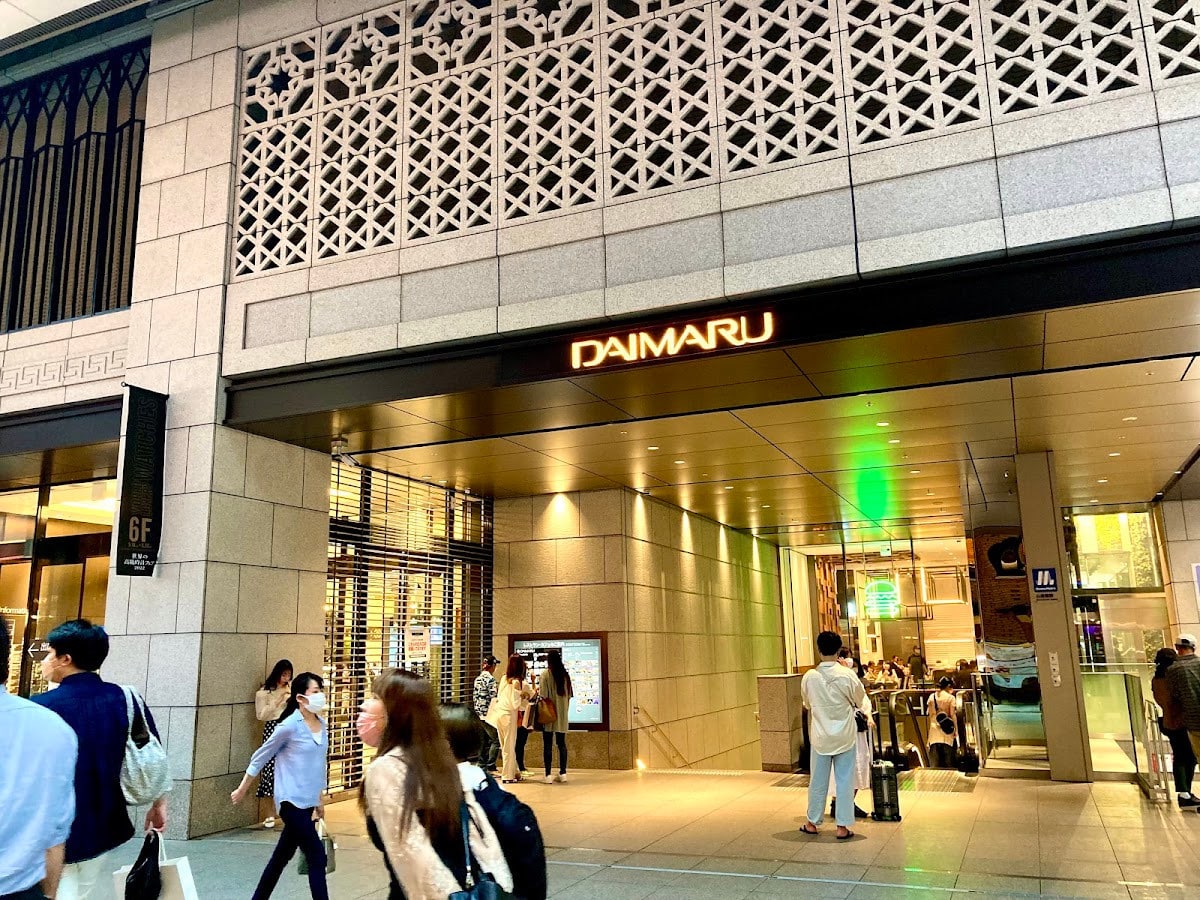
The Daimaru Shinsaibashi main building is itself a historic Osaka landmark that blends Art Deco style, and inside are popular specialty shops such as Pokémon Cafe Osaka Shinsaibashi and JUMP SHOP, as well as a tax-refund and foreign-visitor service counter. The basement food hall sells Japanese and Western sweets and bento boxes and is an important place to buy souvenirs.
The department store is usually open from 10 a.m. to 8 p.m., and spending over a certain amount earns discount coupons, making it a good break-and-shop stop in the middle of your itinerary.
Shinsaibashi PARCO: A Trend and Anime-Goods Complex
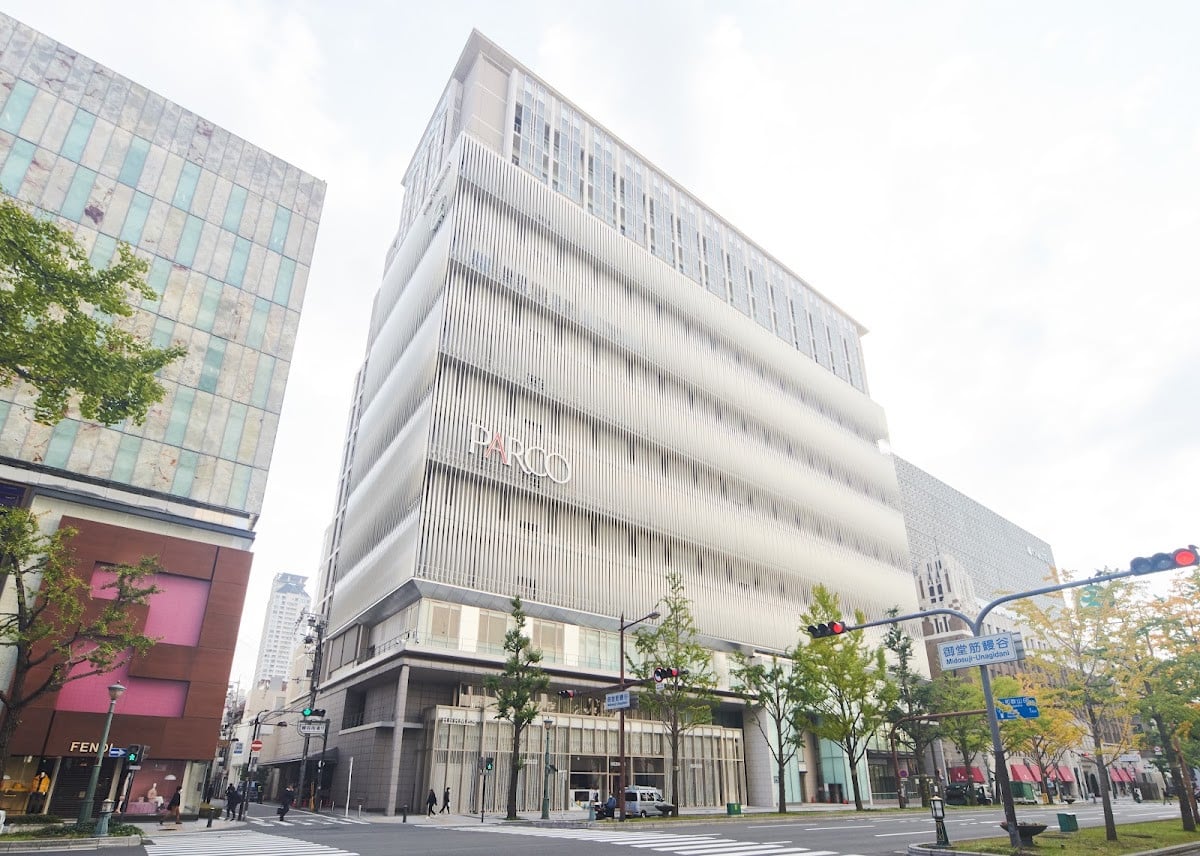
Shinsaibashi PARCO is connected to Daimaru and gathers Japanese fashion and anime-goods specialty shops such as Ghibli and Capcom; “POP CULTURE SHINSAIBASHI” on the 6th floor is a must for anime fans. On the 13th floor, “Mitaya Honten Yasuragi no Sato Shinsaibashi Parco” serves Western-style steak sets such as Kobe beef, and the first western-Japan “Starbucks Reserve Shinsaibashi PARCO” on B1 is a good place to rest. Allow at least one to two hours; fans of Japanese subculture and trendy brands in particular may spend most of a day here.
Don Quijote (Donki): A 24-Hour Store Full of Surprises
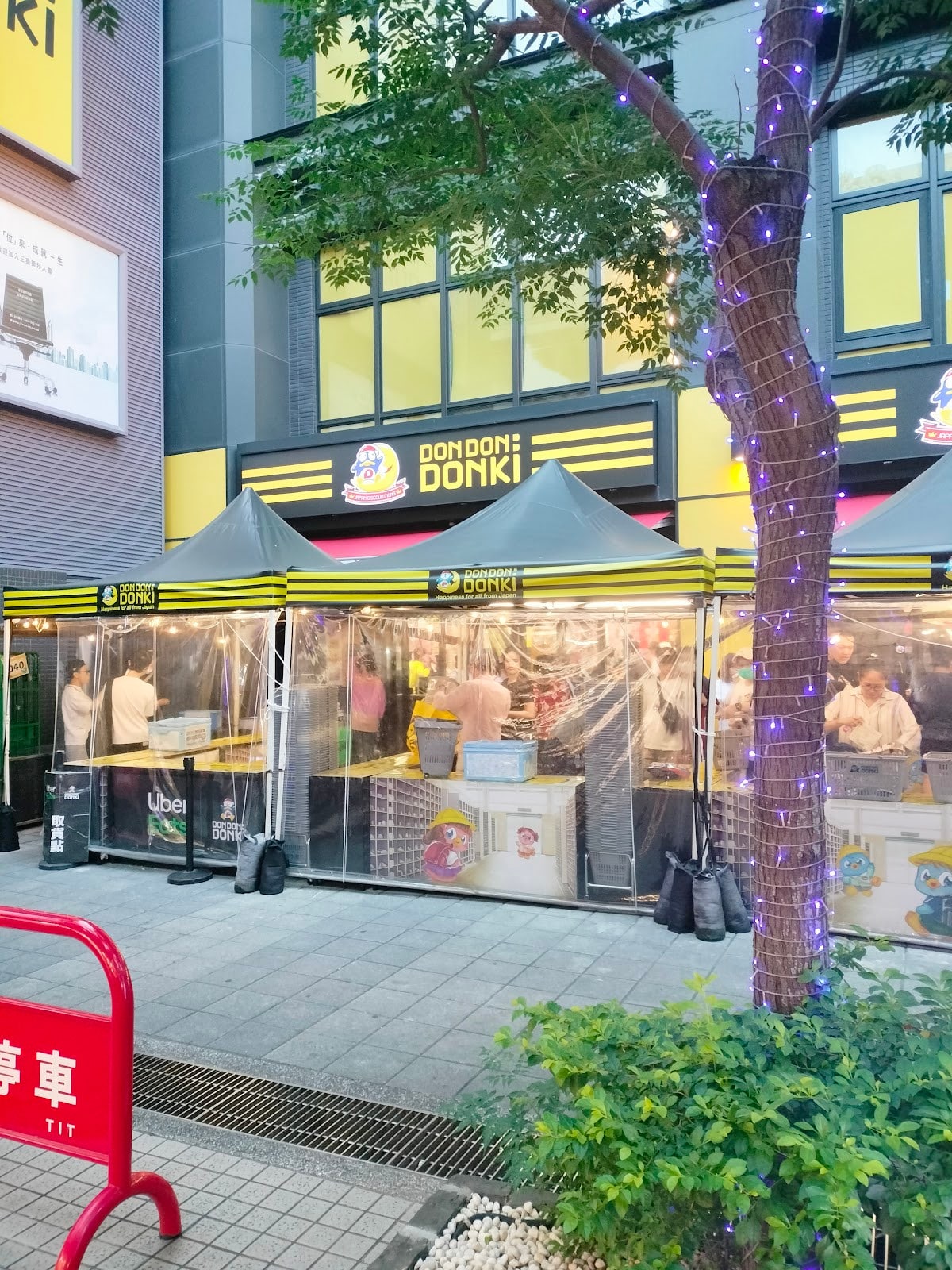
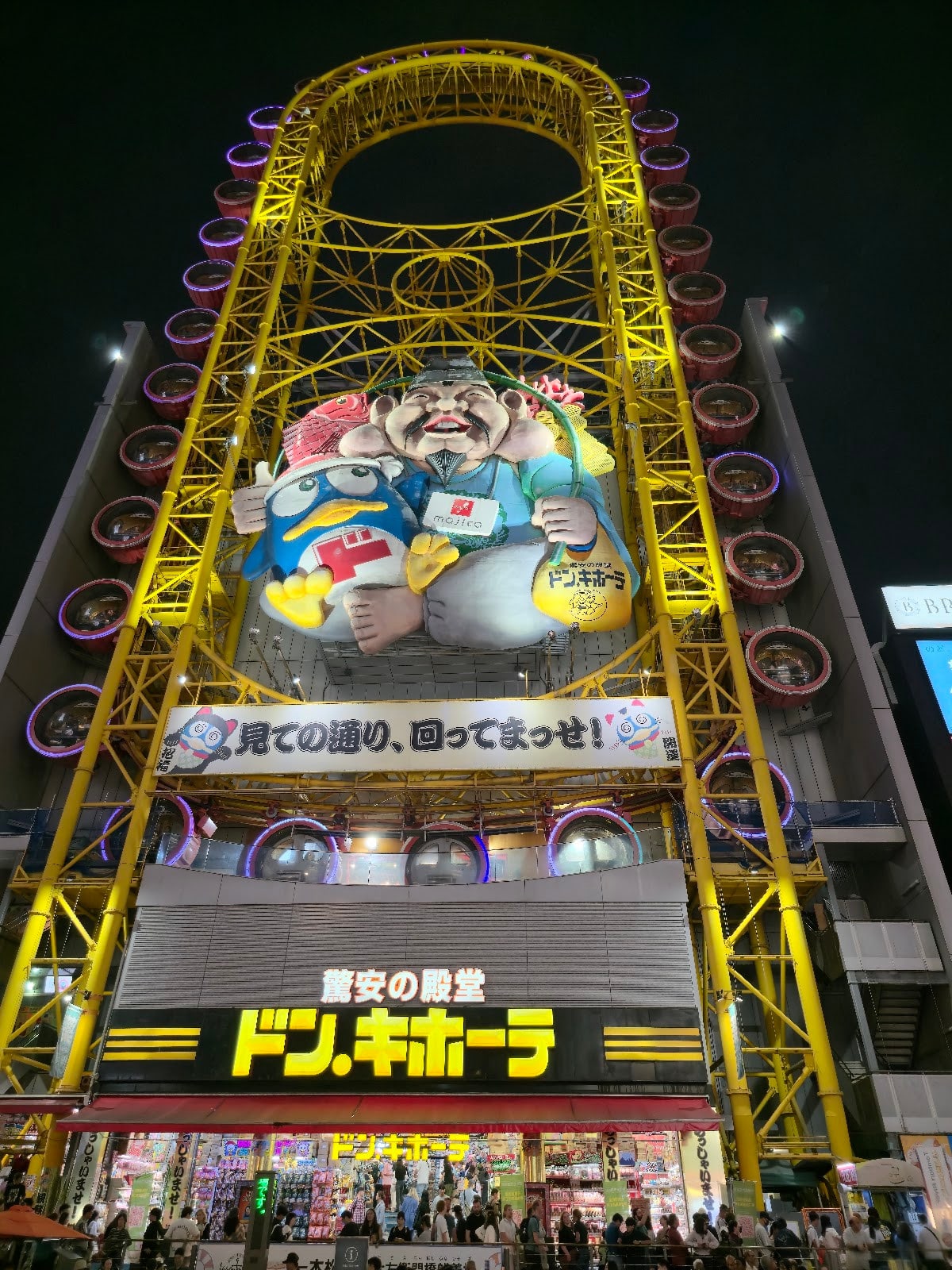
Don Quijote Shinsaibashi-Dotonbori is known for its over-the-top signage and 24-hour operation, with everything from snacks and drugstore items to electronics and souvenirs at affordable prices and frequent limited-time coupons. The layout inside is crowded and complicated, so allow plenty of time to browse.
The Ebisu Tower Ferris wheel is also on the roof; after shopping at Don Quijote you can ride it and take in the Dotonbori night view, a plan that suits both couples and families.
Bic Camera Osaka Namba: A Paradise for Electronics Fans
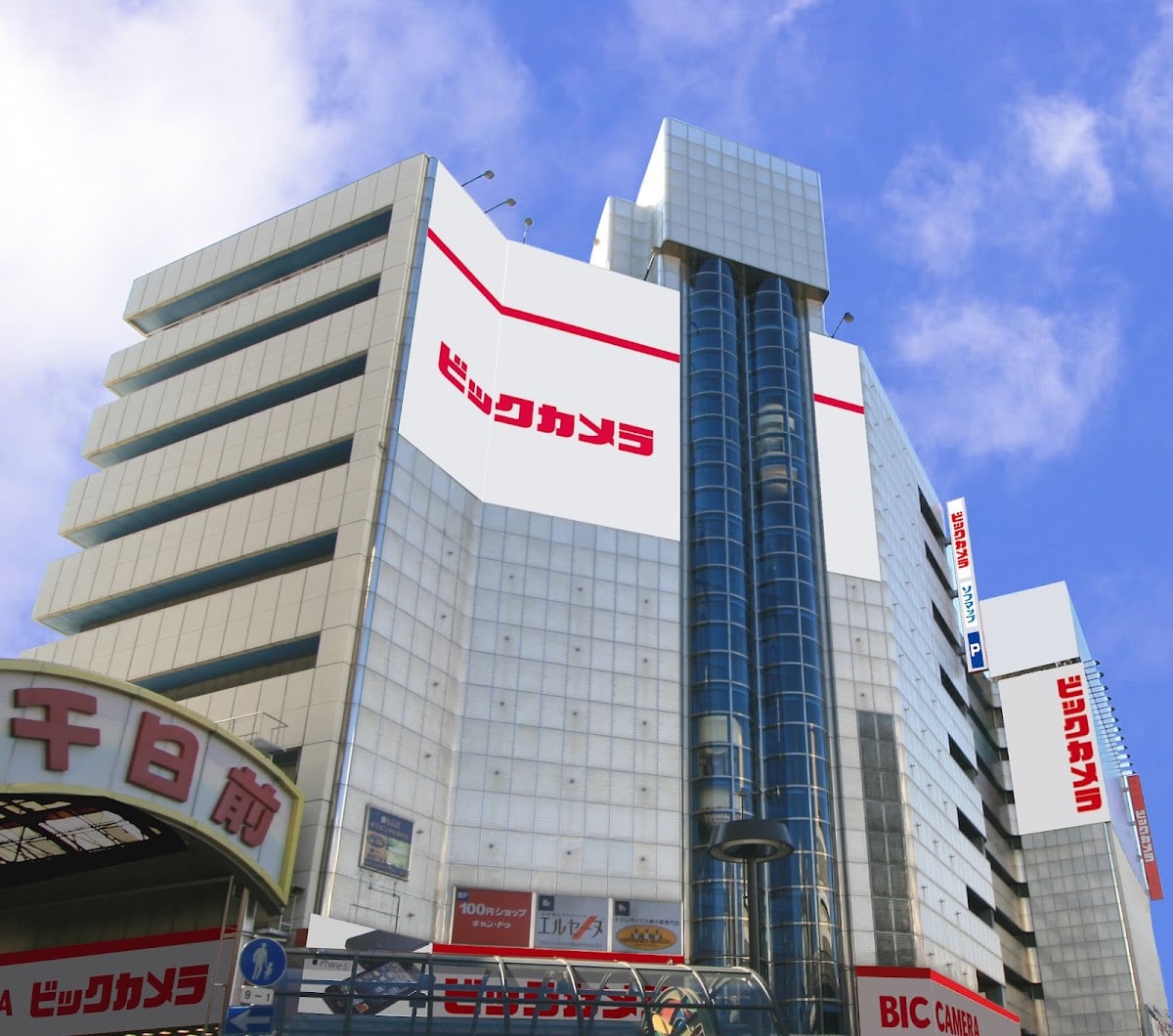
Bic Camera Osaka Namba is near Namba Station and is a popular place to buy cameras, appliances, small beauty gadgets and drugstore goods, with tax-free procedures available on site for most items. Staff can usually communicate in basic English and Chinese, which is friendly to travelers who don’t speak Japanese.
We suggest checking in advance whether the item you want to buy suits Japanese voltage, and you can combine in-store membership benefits with foreign-visitor discount coupons to cut costs further.
Akachan Honpo: A Must-Visit Baby and Maternity Store for Family Trips
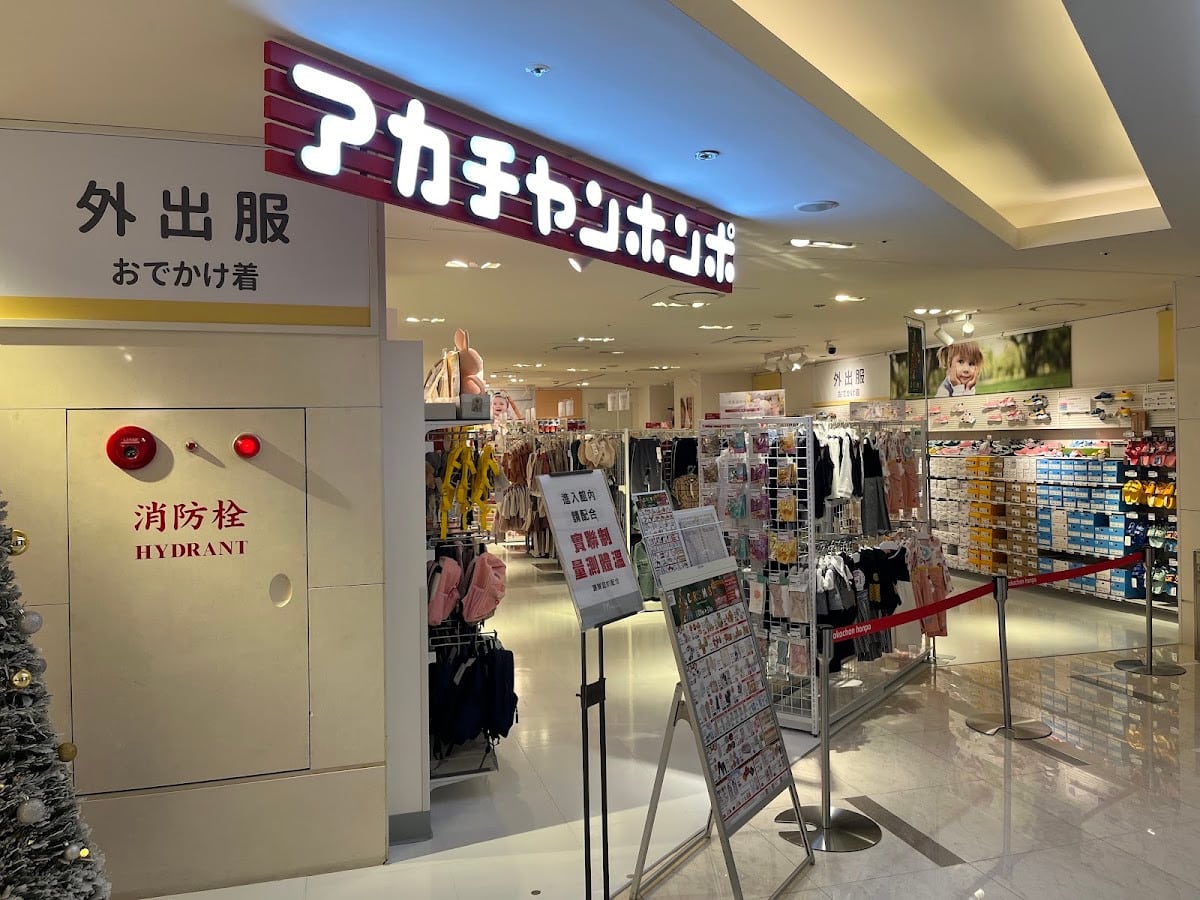
Akachan Honpo is a large Japanese chain of baby and maternity stores, covering diapers, baby food, toys and children’s clothing at friendly prices with a full range, and it is a must-visit for parents traveling with young children. The branches around Shinsaibashi are spacious and have nursing and baby-care rooms, which makes family travel very convenient.
We suggest avoiding the weekend-afternoon shopping peak so that browsing and checkout go more smoothly.
Kuromon Market: Osaka’s Kitchen
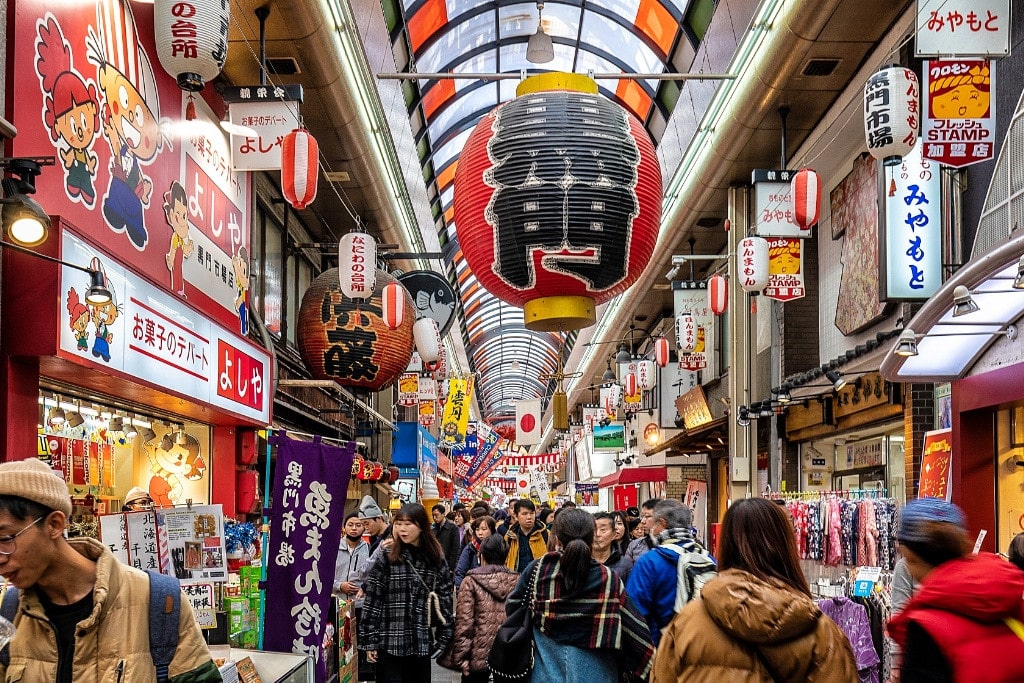
Kuromon Market is known as “Osaka’s Kitchen.” Inside, it sells fresh seafood, wagyu skewers and a variety of prepared snacks, and it opens from the morning, making it a good choice for breakfast or brunch. Many stalls let you order and eat on the spot, the best place to experience local food culture.
The market has a visitor service center offering currency exchange, luggage storage and restrooms, and from Kuromon Market it is only a ten-minute-plus walk to Shinsaibashi Shopping Street.

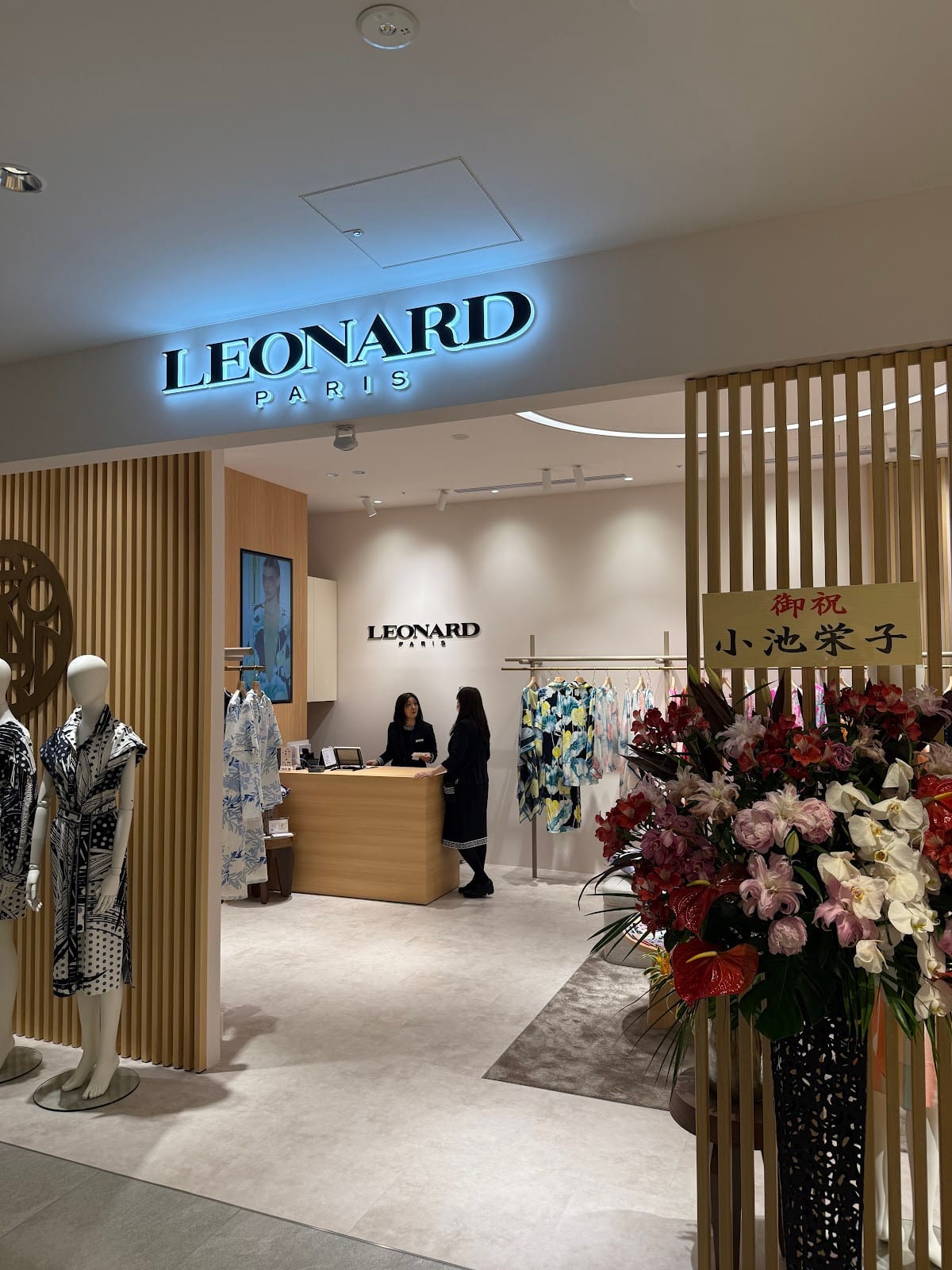
Quartz Shinsaibashi: A New Complex Opening in 2026
Quartz Shinsaibashi, a mixed-use commercial complex that opened on April 25, 2026, brings together 52 shops of fashion, food and services and is Shinsaibashi’s most closely watched new landmark in recent times, putting the district back in the spotlight. The facility combines trendy brands with local specialty shops and injects fresh energy into this long-established district.
We suggest following the official social media accounts for the latest shop list and promotions, and when planning your trip, include it as an important stop on your Shinsaibashi shopping route.
How to Get There: Transportation and Costs for the 2026 Osaka Shinsaibashi Guide to Shopping, Food and Dotonbori Sights
Shinsaibashi is very convenient to reach. Take the Osaka Metro Midosuji Line to “Shinsaibashi Station” and exit from Exit 1 or 7 to reach the entrance of Shinsaibashi-suji Shopping Street directly; from “Namba Station” it is about a 5-10 minute walk. You can tap in and out with transport IC cards such as ICOCA and Suica, which is very convenient.
How do you read the Shinsaibashi and Dotonbori map? It is easiest to think of the area as one north-south axis: at the north end is the Shinsaibashi subway station by Nagahori-dori (Midosuji Line and Nagahori Tsurumi-ryokuchi Line), and Shinsaibashi-suji Shopping Street runs about 580 meters south from the south side of Nagahori-dori to Soemon-cho-dori, about 10 minutes if you walk without stopping; after crossing Ebisubashi over the Dotonbori River you reach the Glico Running Man sign and Dotonbori food street, and continuing south onto Ebisubashi-suji Shopping Street leads to the Namba Station area. West of the shopping street, across Midosuji boulevard, are Amerikamura and Triangle Park; in the alleys south of Dotonbori is Hozenji Yokocho, and to the east near Nipponbashi Station is Kuromon Market. If you plan a one-way route, “enter at Shinsaibashi Station, exit at Namba Station,” you won’t have to backtrack.
What Are the Must-See Sights in the 2026 Osaka Shinsaibashi Guide to Shopping, Food and Dotonbori? Highlights and Food by Area
Around Shinsaibashi and Dotonbori you’ll find classic landmarks, shrines and queue-worthy food. Here are selected must-visit highlights and must-eat restaurants.
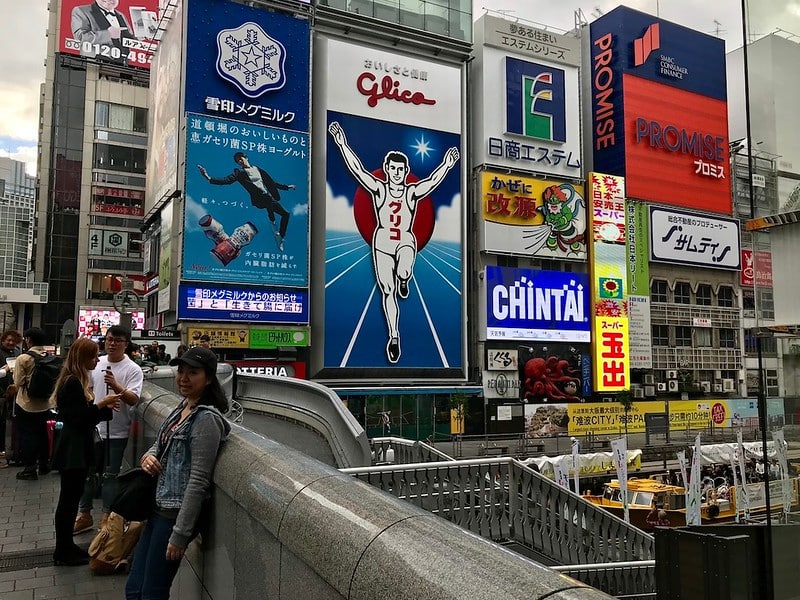
Glico Running Man Sign: Osaka’s Top Photo Landmark
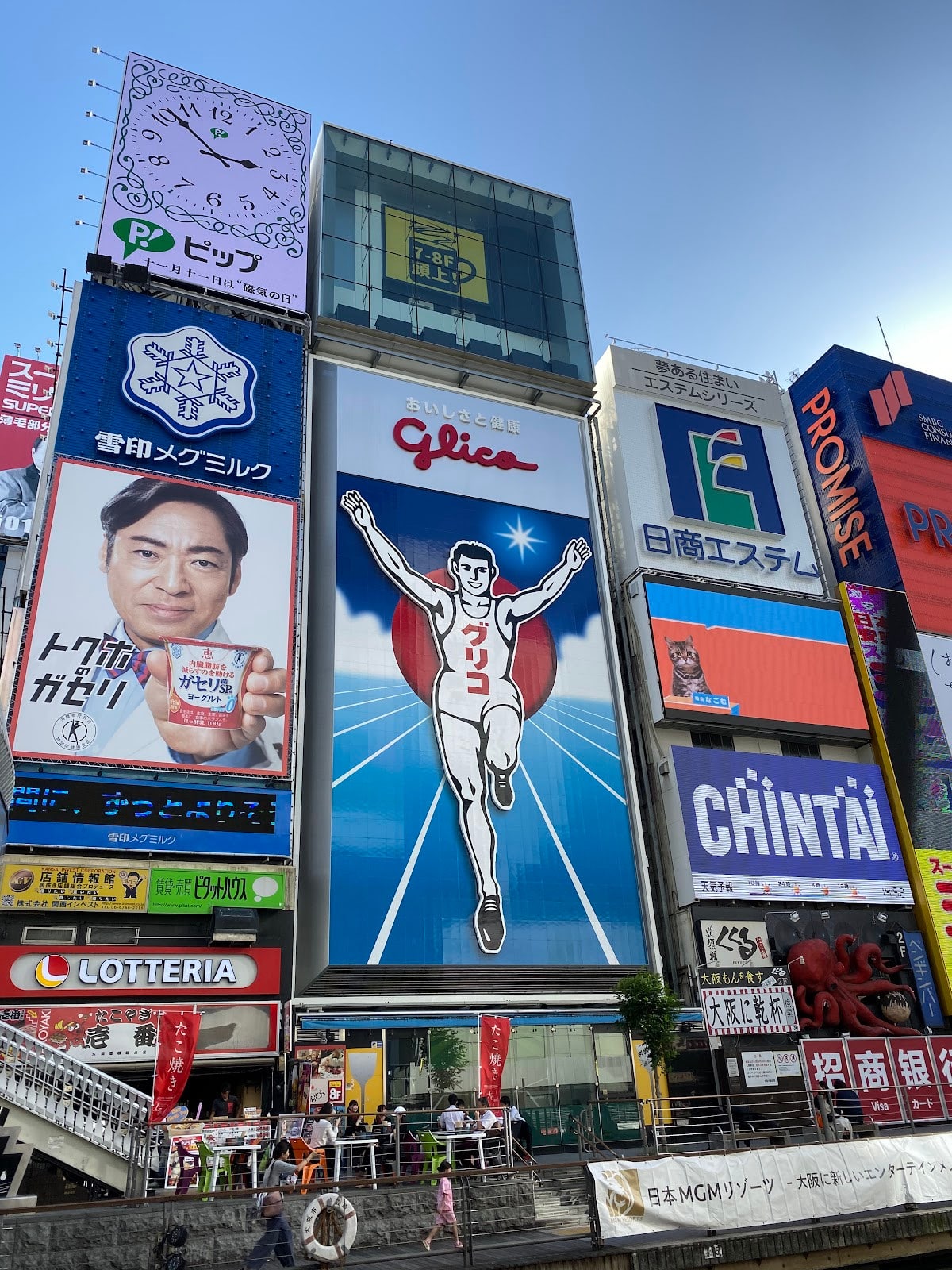
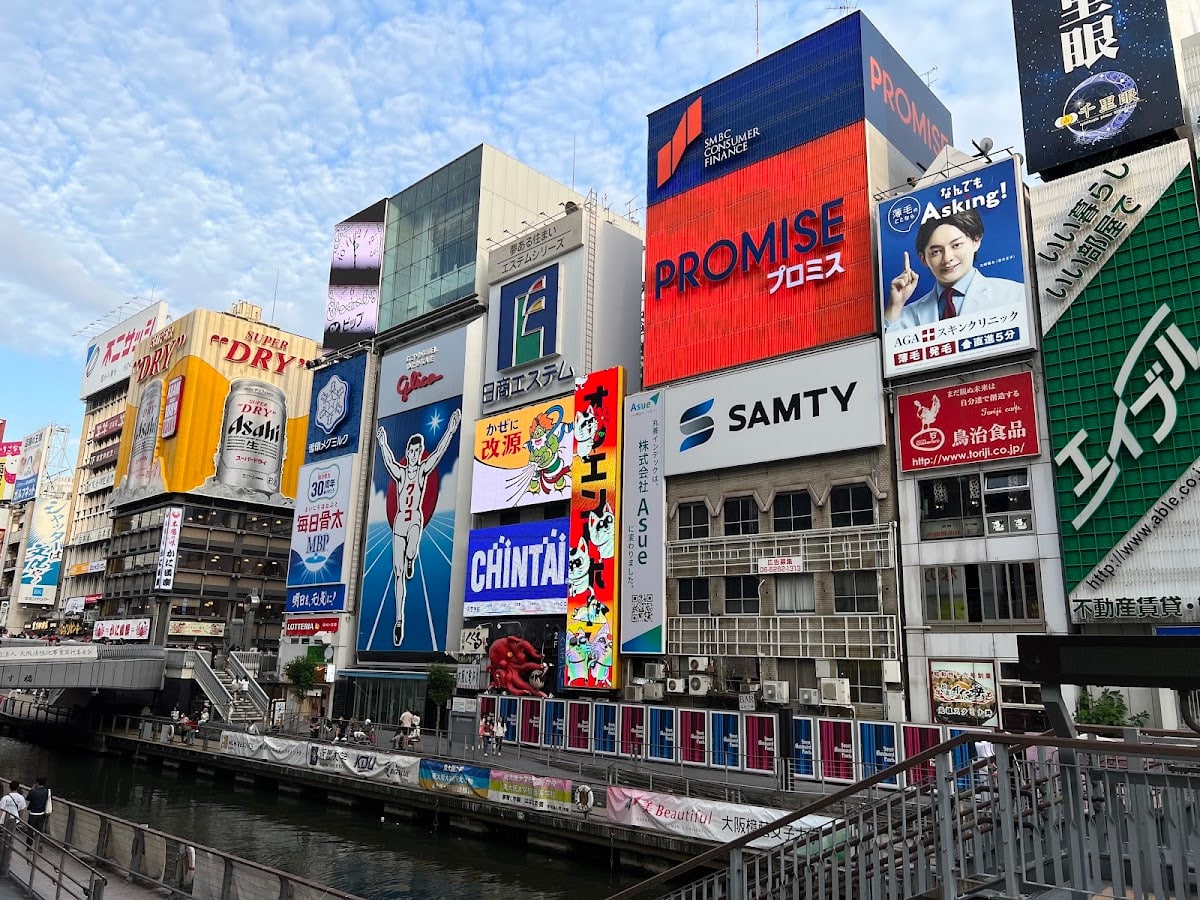
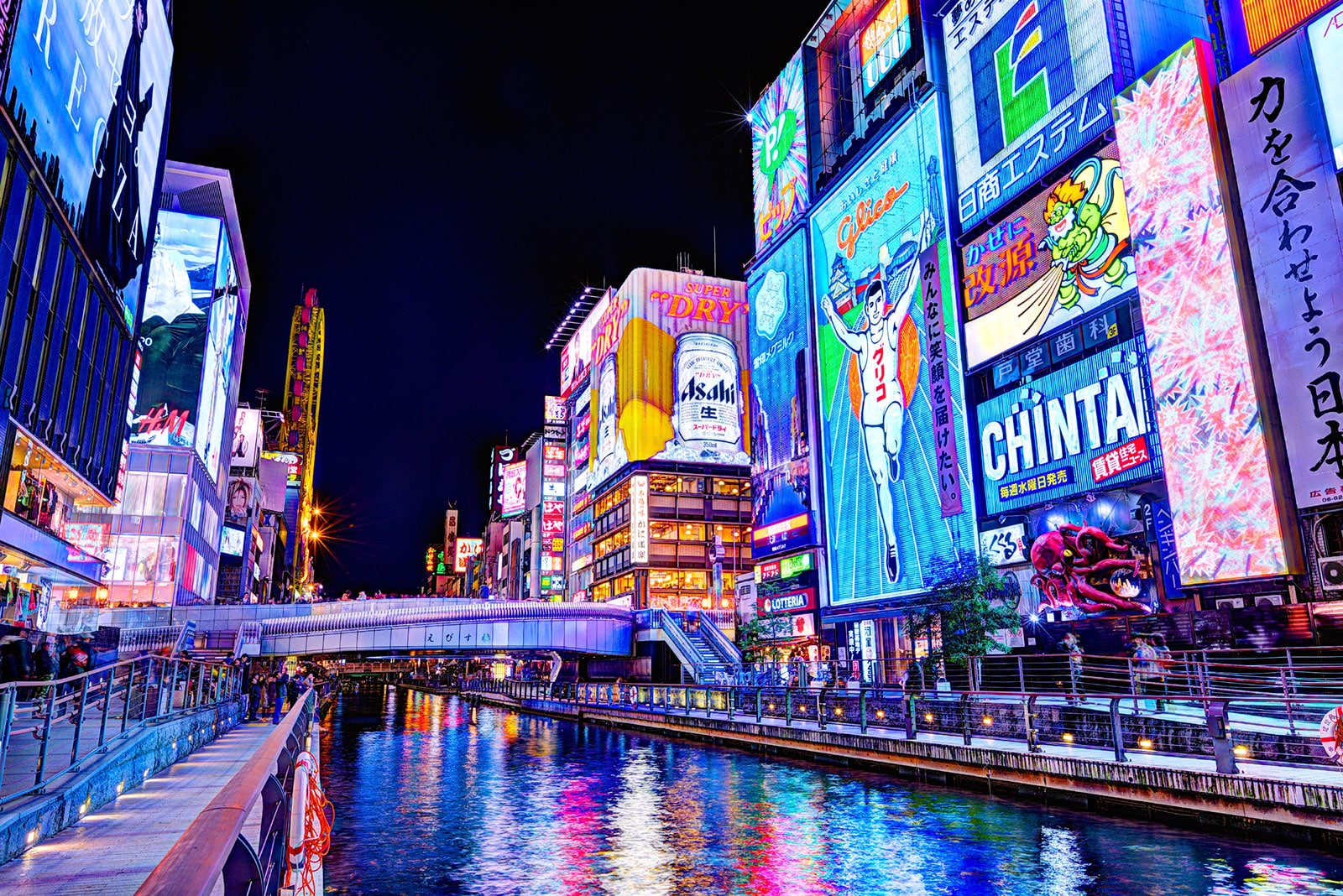
The Glico Running Man sign beside Ebisubashi has been updated several times since it was first put up in 1935 and is a classic shot every visitor to Osaka takes, especially at night when the neon lights up and, together with the Dotonbori River and the surrounding signs, forms Osaka’s most iconic city night scene.
We suggest going around dusk to capture the changing light from day to night. The bridge is crowded, so watch your belongings and surroundings while taking photos; weekend nights are especially packed.
Ebisubashi: The Landmark Bridge Linking Shinsaibashi and Dotonbori
Ebisubashi spans the Dotonbori River and is the key passage connecting Shinsaibashi Shopping Street with Dotonbori food street, and it is also where the so-called “Glico Bridge” is. The bridge deck is wide; in the daytime you can look down on sightseeing boats passing, and at night it is the best spot to enjoy the neon signs on both banks.
Street performers and travelers from around the world often gather around Ebisubashi, an excellent place to feel the energy of southern Osaka, so pause here for a photo while shopping.
Dotonbori River Cruise: A Tour of the Riverside Signs
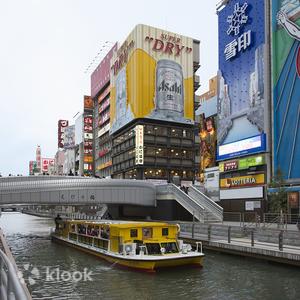
The Dotonbori River Cruise (Tombori River Cruise) sails along the Dotonbori River for about 20 minutes, letting you see landmarks such as the Glico sign and the crab sign up close, with a guide explaining the history and trivia along the banks in a light-hearted way, suitable for families and couples.
Tickets cost about ¥2,000 for adults and about ¥500 for children (elementary school), and are free with the Osaka Amazing Pass. We suggest riding at dusk to see Dotonbori in both daylight and the first lights of evening; boats leave about every 30 minutes.
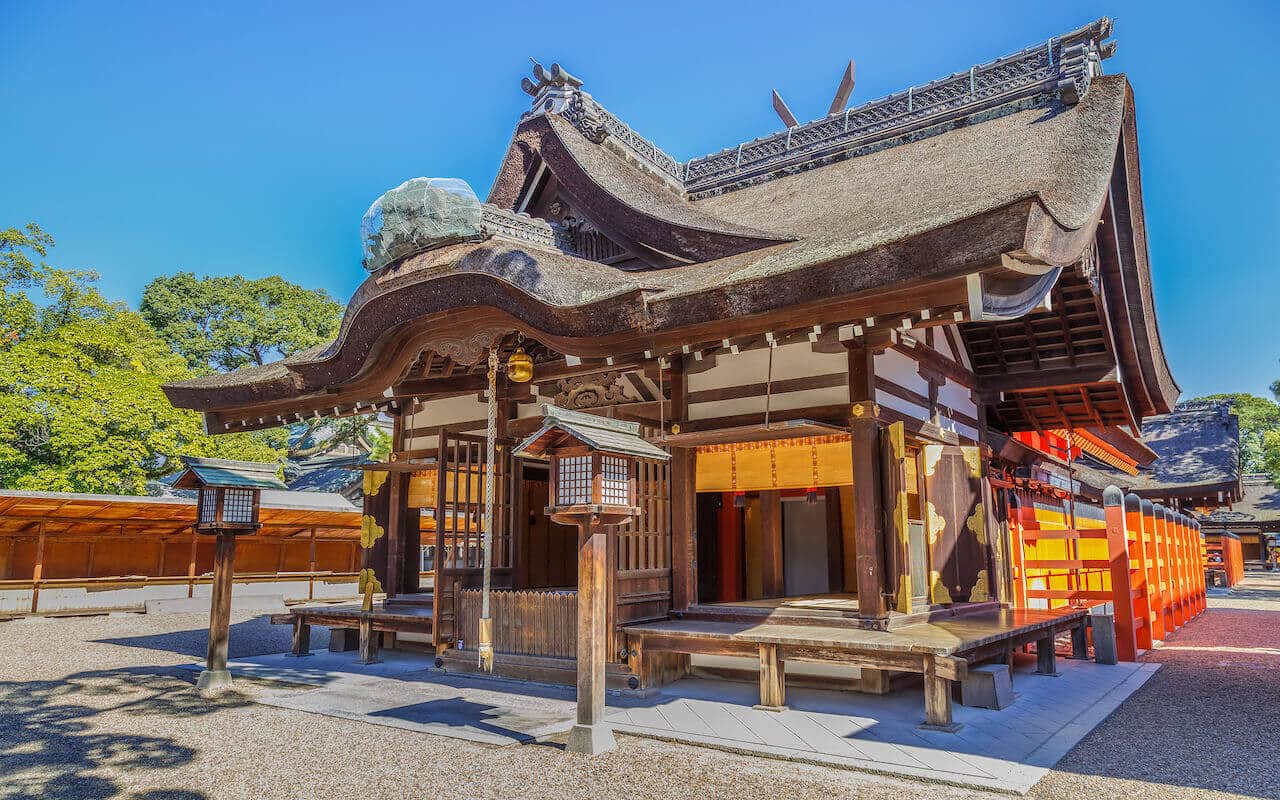
Naniwa Shrine: An Urban Old Shrine Honoring Emperor Nintoku
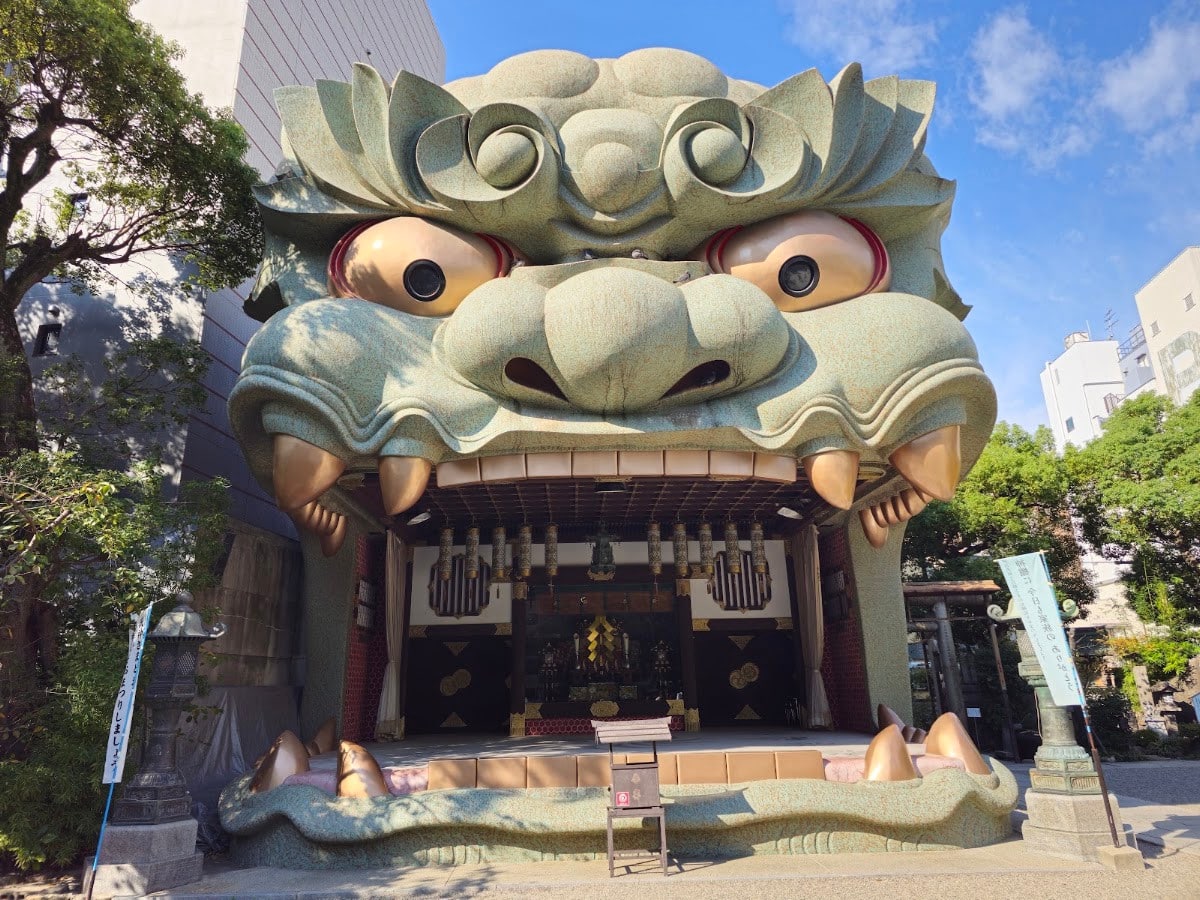
Naniwa Shrine is said to have been founded by Emperor Hanzei during his reign and mainly enshrines his father, Emperor Nintoku, and the local land deity of Naniwa. Every year on July 20 and 21 it holds the summer Himuro Festival, where worshippers can eat shaved ice symbolizing cooling off, drawing many local residents and travelers to pray for good fortune.
Amulets and goshuin are available within the grounds, and its quiet setting amid the bustle contrasts sharply with the busy shopping streets nearby, making it a good 15 to 20 minute stop for worship and rest while shopping.
-Klook.jpg)
Osaka Ukiyo-e Museum: An Art Space Tucked Into the Shopping Street
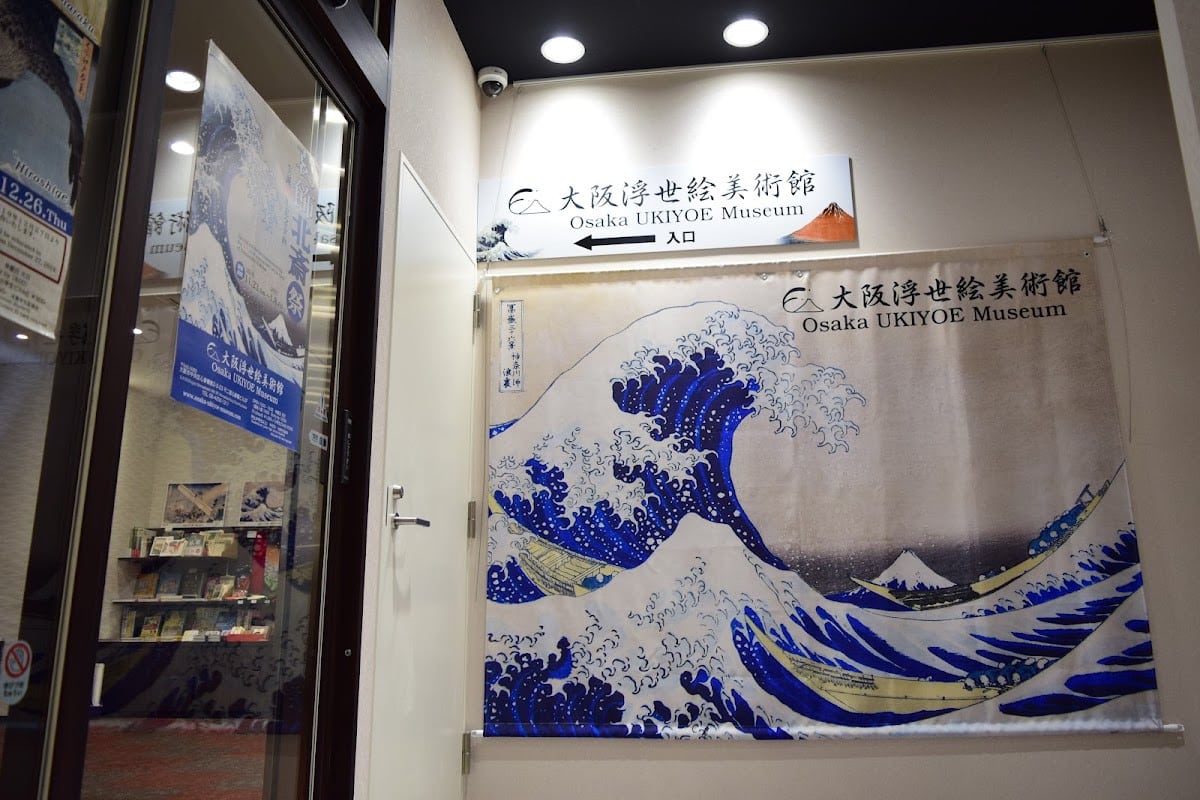
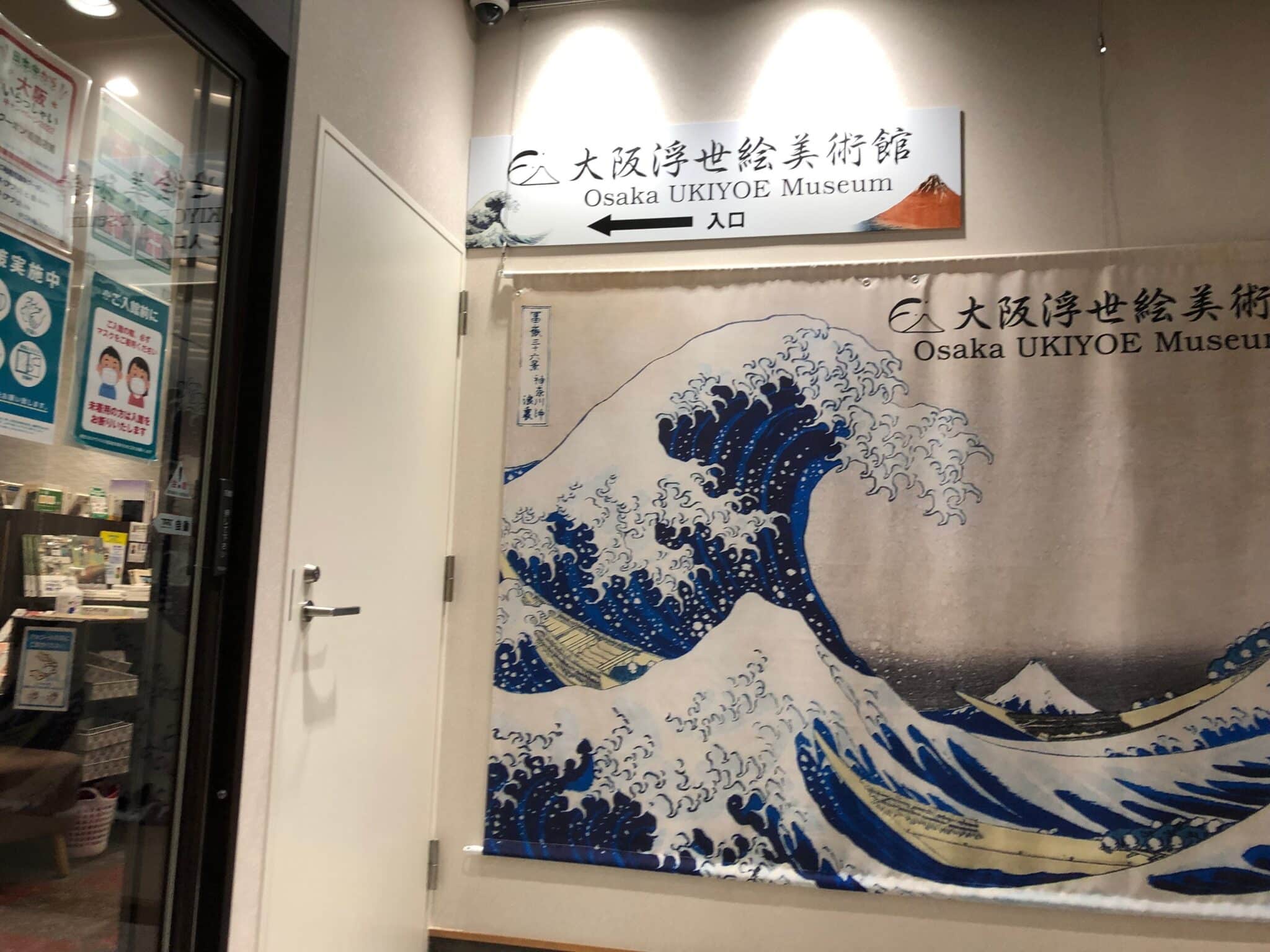
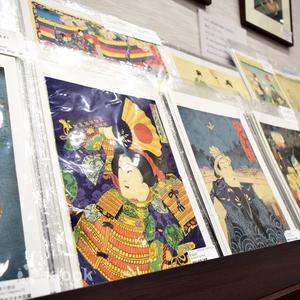
The Osaka Ukiyo-e Museum is located inside Shinsaibashi-suji Shopping Street and displays ukiyo-e woodblock prints handed down from the Edo period. The space is small, but it offers a glimpse of the delicate techniques and history of traditional Japanese printmaking, a convenient stop for travelers interested in Japanese culture.
Because it sits right on the main line of the shopping street, a visit takes just 15 to 30 minutes while you shop, making it one of the few attractions that lets you add an art experience to a shopping itinerary.
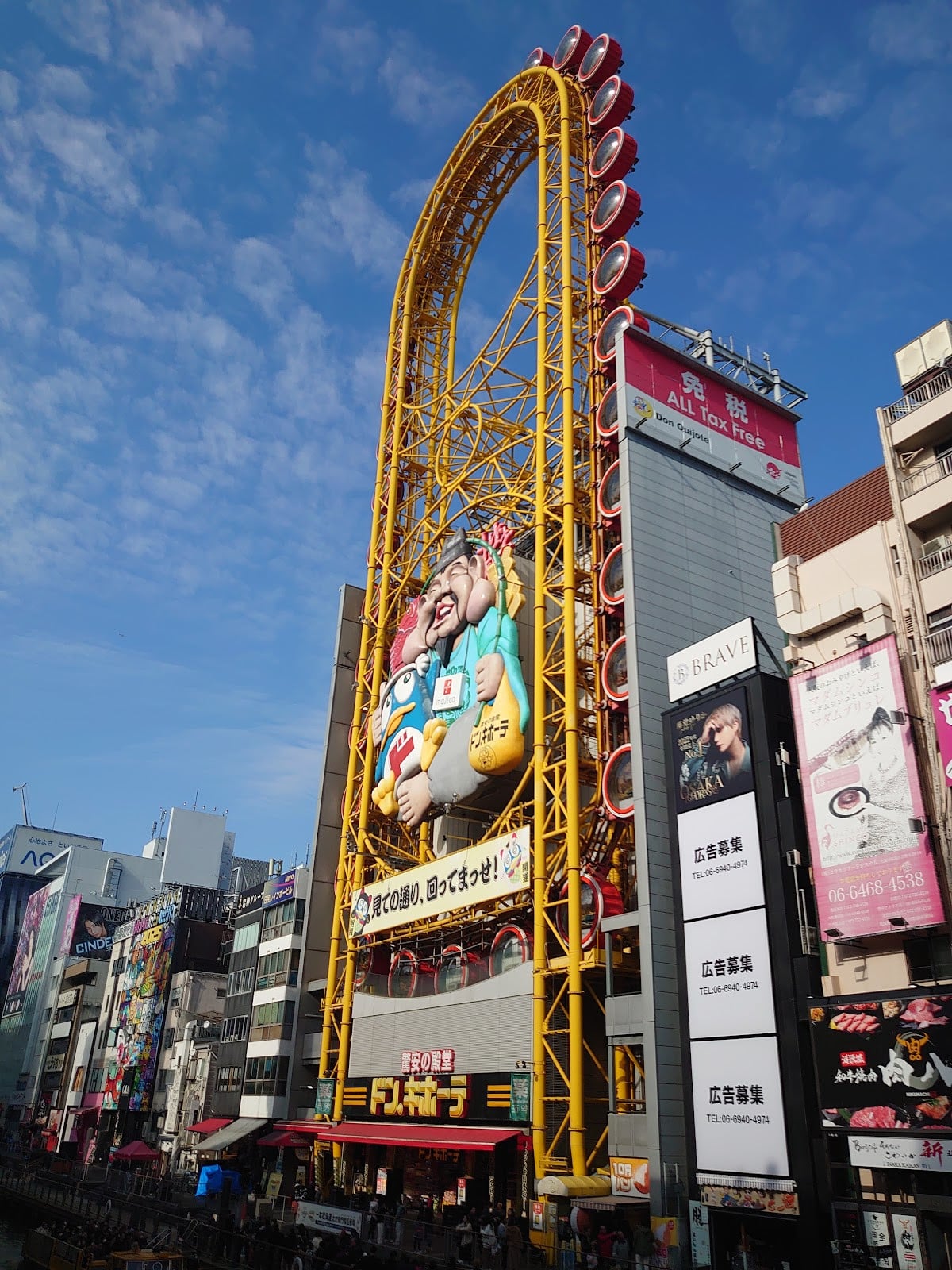
Ebisu Tower Ferris Wheel: The World’s Only Oval Ferris Wheel on Top of Don Quijote
The Ebisu Tower Ferris wheel sits on the roof of Don Quijote Dotonbori and is the world’s first horizontally rotating oval Ferris wheel. Its cabins slowly circle the building’s outer wall, letting you look down from above on the neon night view of Dotonbori and the endless flow of people, a very special experience.
A one-ride ticket costs about ¥600 and a loop takes about 10 to 15 minutes. We suggest riding at night for the best night view, and you can go straight up after shopping at Don Quijote, a perfect finish to a Dotonbori outing.
Hokkyokusei Omurice Shinsaibashi Main Branch: A Century-Old Western-Style Restaurant
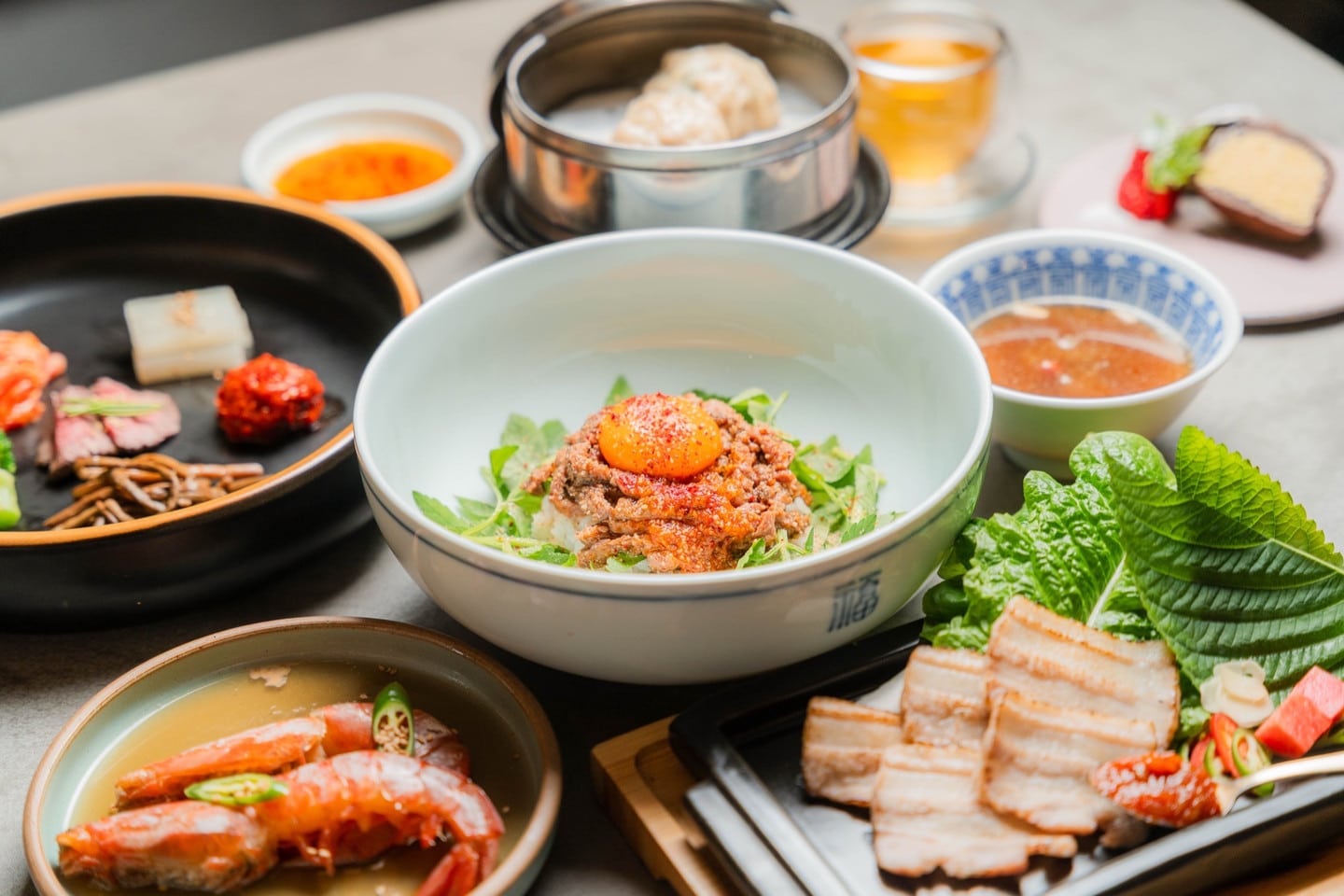
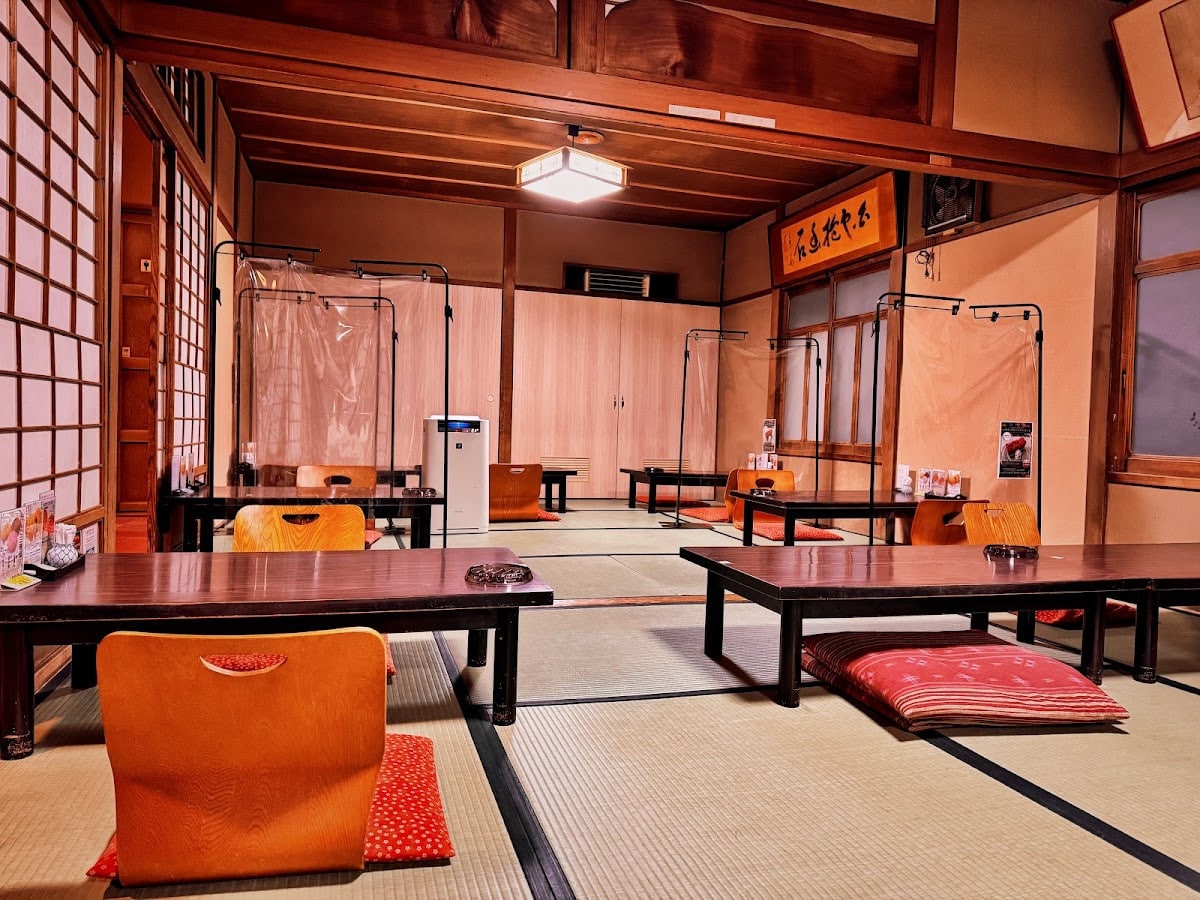
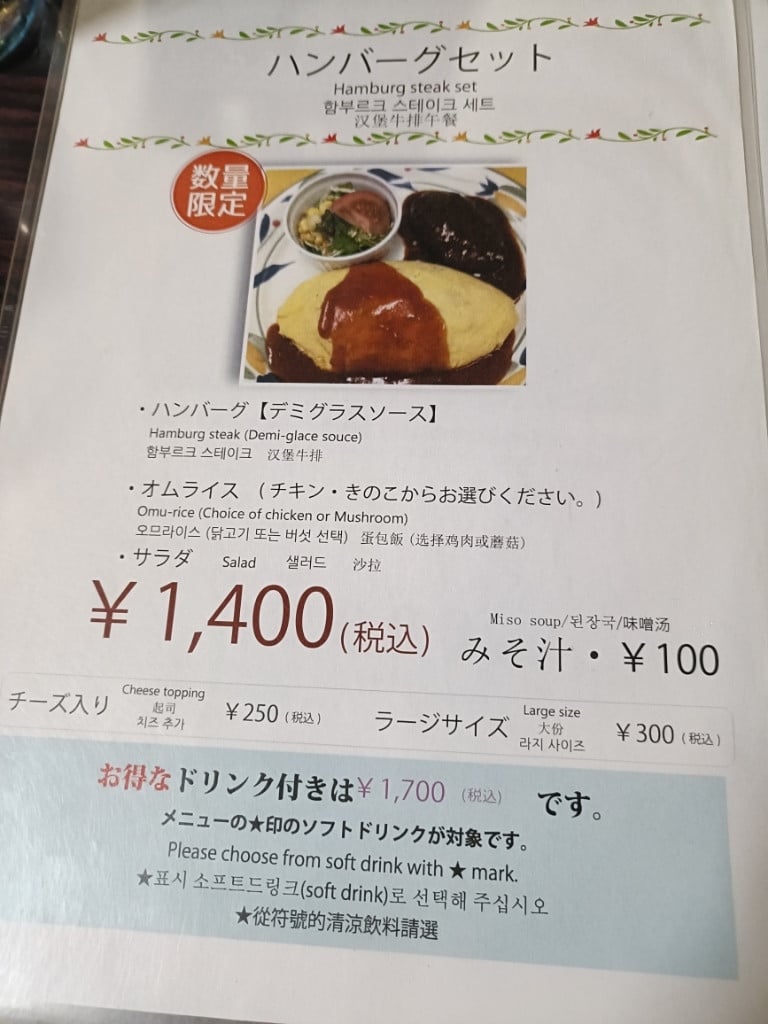
Hokkyokusei is one of the original omurice restaurants and has been in business for more than a century. Its signature omurice has a silky-smooth outer layer and a rich, sweet-and-sour tomato fried rice filling, a classic Japanese yoshoku dish you must eat in Shinsaibashi, and it is also a daily favorite of many local office workers.
The restaurant offers several omurice flavor options at roughly ¥1,000 to ¥1,800, and you often have to queue at mealtimes. We suggest avoiding the peak from 12 p.m. to 1 p.m., or going during the afternoon-tea hours to be more relaxed.
Kamukura Ramen Shinsaibashi: Signature White Broth and Plenty of Vegetables
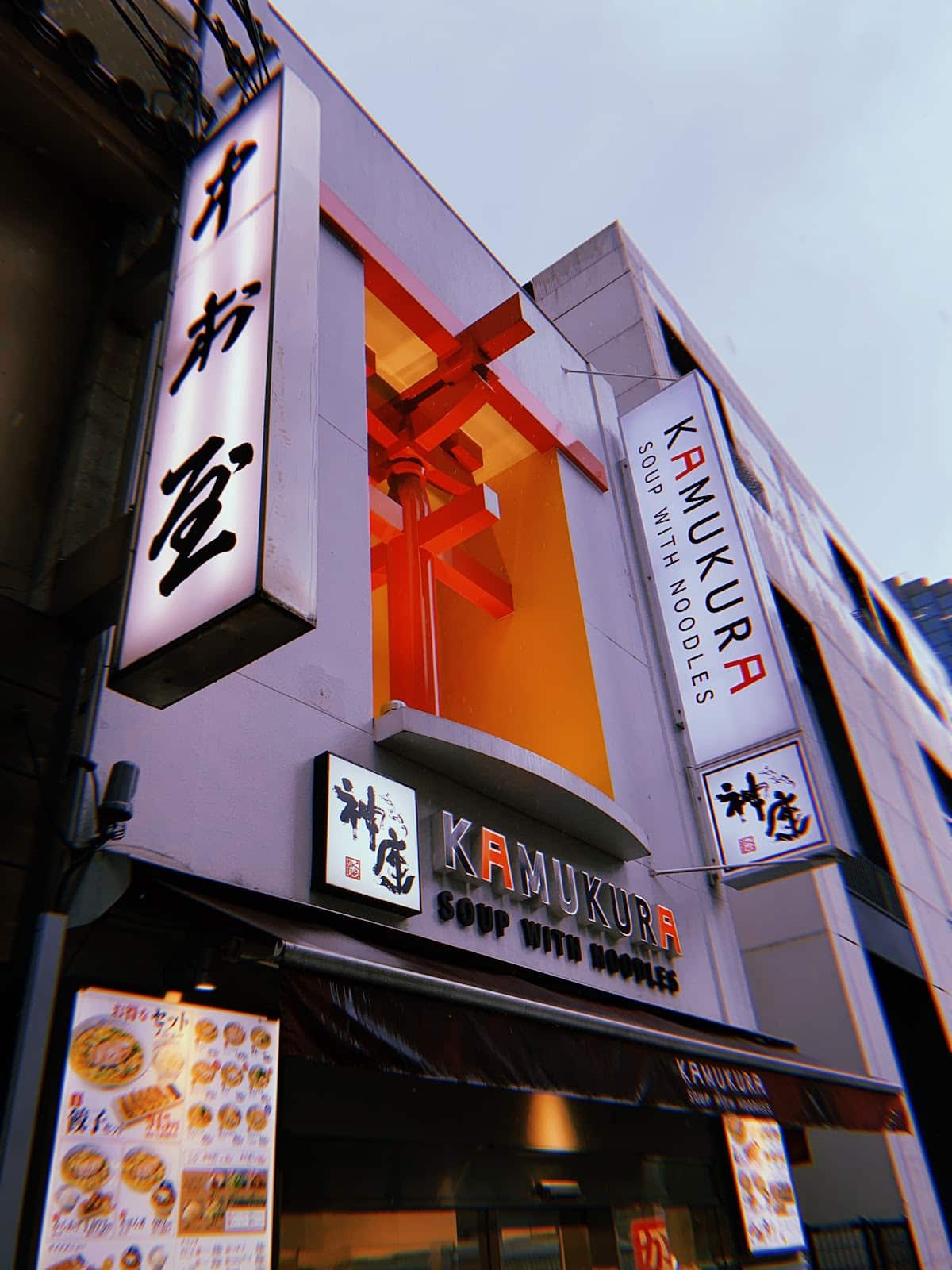
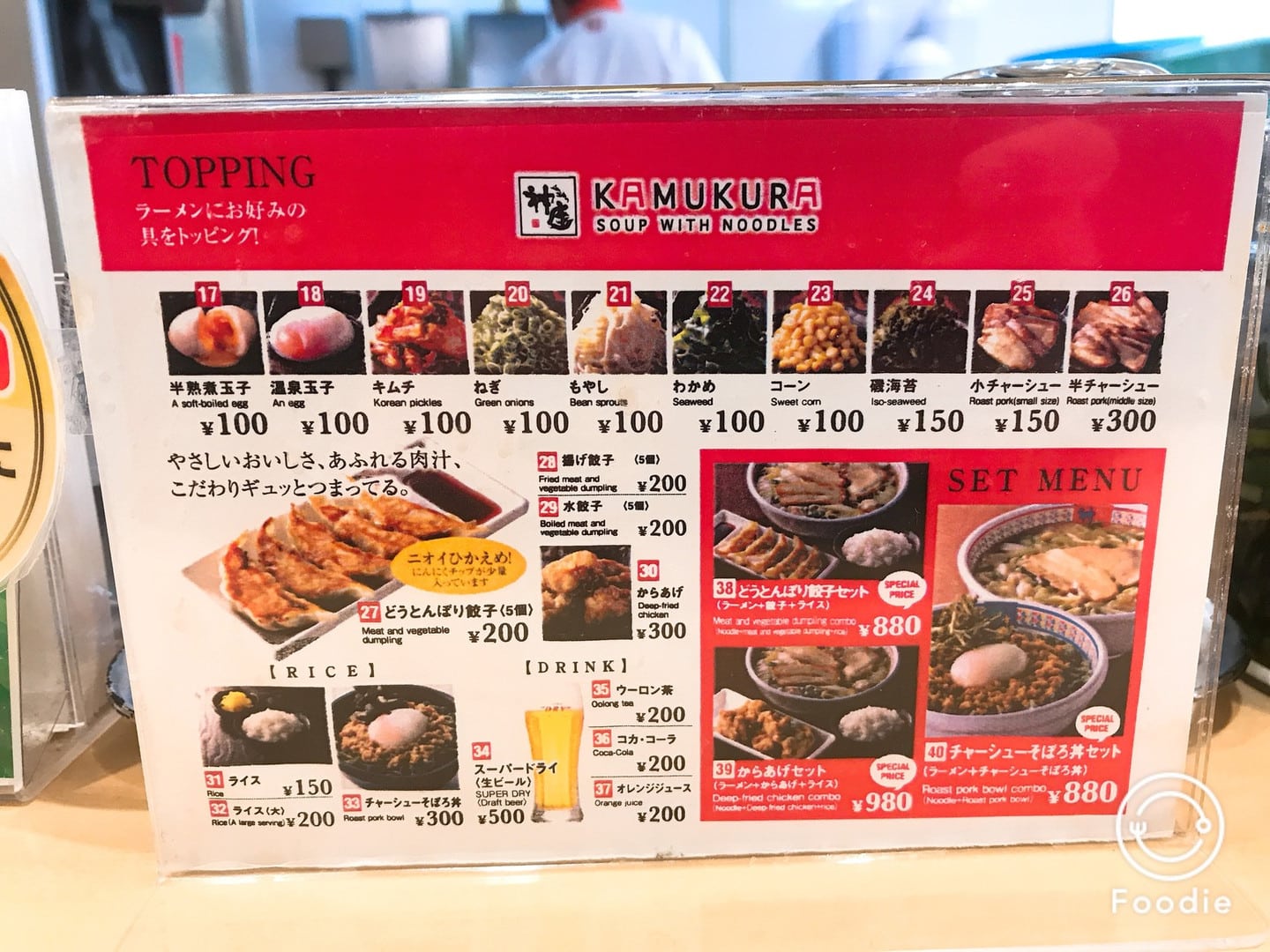
Kamukura Ramen is known for its light white broth with plenty of cabbage and Chinese chives. The broth is lighter than typical tonkotsu ramen yet still has rich layers, making it a top starter choice for many women travelers and first-time ramen eaters. Opening hours vary by branch, and some branches offer late-night hours, so confirm that shop’s hours before you go.
A bowl of ramen costs about ¥800 to ¥1,000, and seats turn over quickly, so even if there is a queue you usually don’t wait long, making it a great way to recharge while shopping.
Kani Doraku Dotonbori Main Branch: Osaka’s Synonym for Crab Dishes
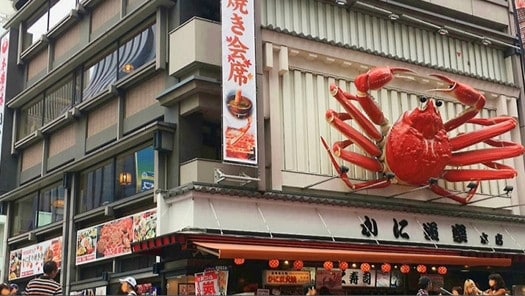
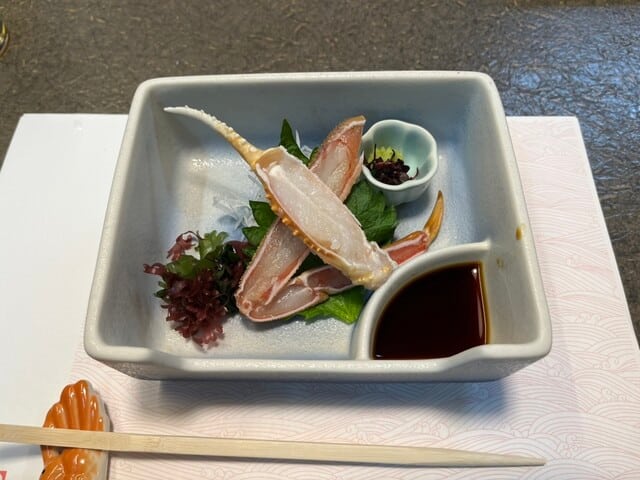
Kani Doraku is known for the giant three-dimensional crab sign at its entrance, one of Dotonbori’s most recognizable landmarks. It offers crab shabu-shabu, grilled crab, crab sushi and other ways to eat crab, with set meals from about ¥5,000, making it a representative place to experience Osaka’s high-end seafood.
We suggest reserving in advance through the official website or by phone, especially for dinner and holidays, so you can avoid long waits and enjoy a relaxed meal.
Teppanyaki Mahoroba: Teppanyaki a 5-Minute Walk From Shinsaibashi Station
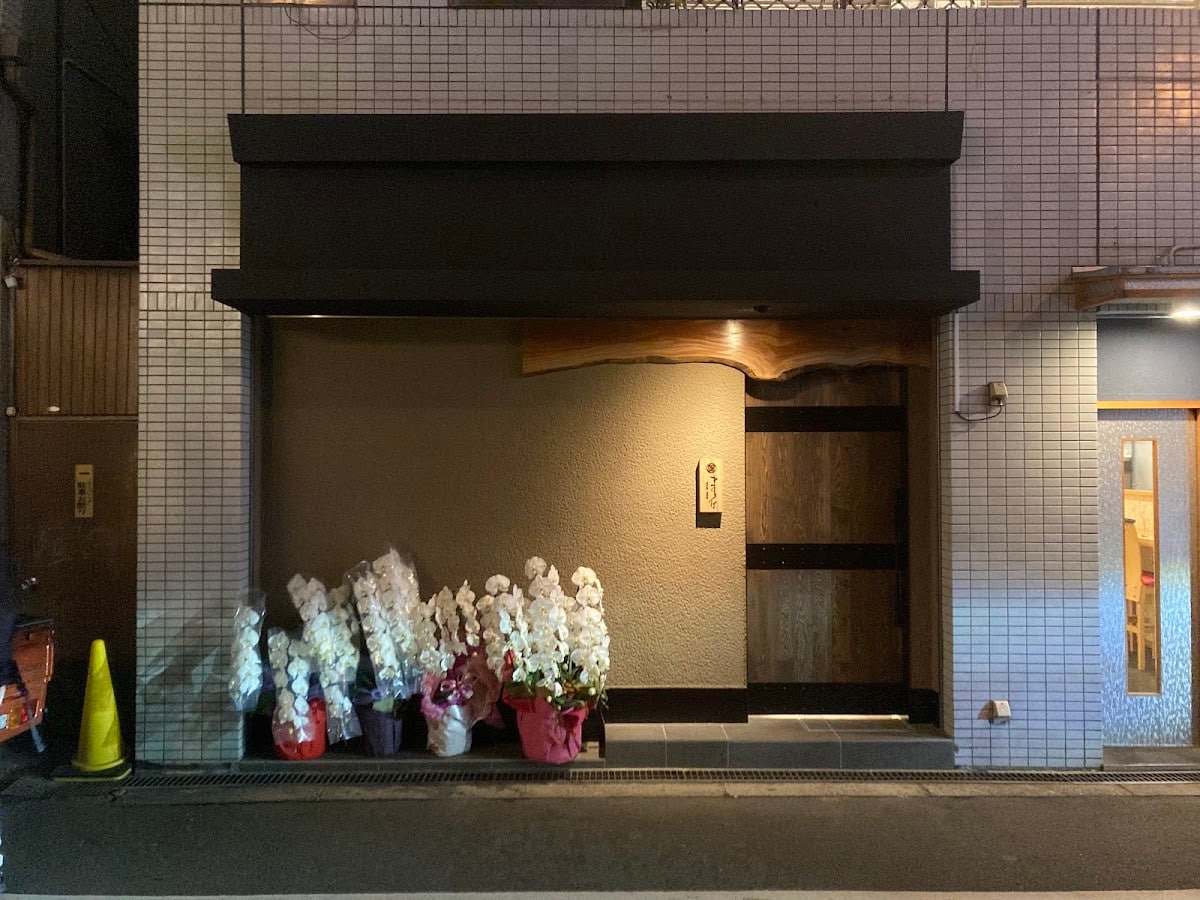
Teppanyaki “Mahoroba” is about a 5-minute walk from Shinsaibashi Station and offers counter seats and private rooms, serving Awaji beef, seasonal vegetables and seafood on the teppan and over a shichirin charcoal grill, and it feels more low-key than touristy Dotonbori.
Seating is limited, so we suggest reserving in advance and checking the Google Maps location beforehand, suitable for travelers who want to avoid the crowds.
How Much Does the 2026 Osaka Shinsaibashi Guide to Shopping, Food and Dotonbori Cost? Admission and Experience Fees Summarized
When planning a Shinsaibashi and Dotonbori trip, besides free shopping and browsing, many visitors add a few paid experiences to make the itinerary richer and more fun. From cruising the Dotonbori canal and going straight up to the Umeda observatory for the Osaka night view, to combo tickets for Osaka Castle and Universal Studios, prices range from roughly US$10 to US$100 or more. Below are some of the most popular and good-value tickets and experiences around Dotonbori and Shinsaibashi with approximate price ranges to help you set a budget. We suggest comparing and buying these tickets in advance on KKday or Klook, which is usually cheaper than buying on site and saves queuing time.
Dotonbori River Cruise: See the Glico Running Man and the Riverside Night View From the Water
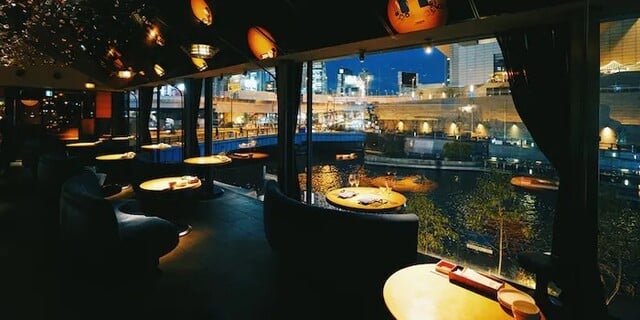
The Dotonbori River Cruise (Tombori River Cruise) offers a roughly 20-minute trip departing from Taizaemonbashi boat landing (in front of Don Quijote Dotonbori), sailing along the Dotonbori River past signs such as the Glico Running Man and Kani Doraku and the neon decorations. In the daytime you can see the riverside buildings, and at night it shows a charming night view. Tickets cost about ¥2,000 for adults and ¥500 for elementary school students. We suggest booking online, especially as weekend evening departures are hard to get. It is a unique view from the water around Shinsaibashi, suitable for first-time visitors to Osaka who want a special memory, or for families with elders and children who want something different from shopping.
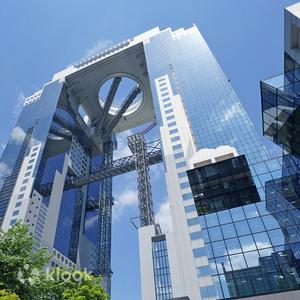
Umeda Sky Building Floating Garden Observatory: 360-Degree Views of Osaka and the Sunset
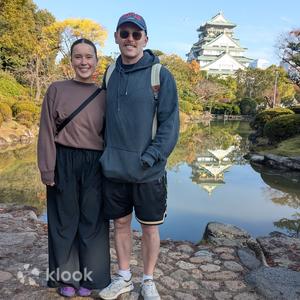
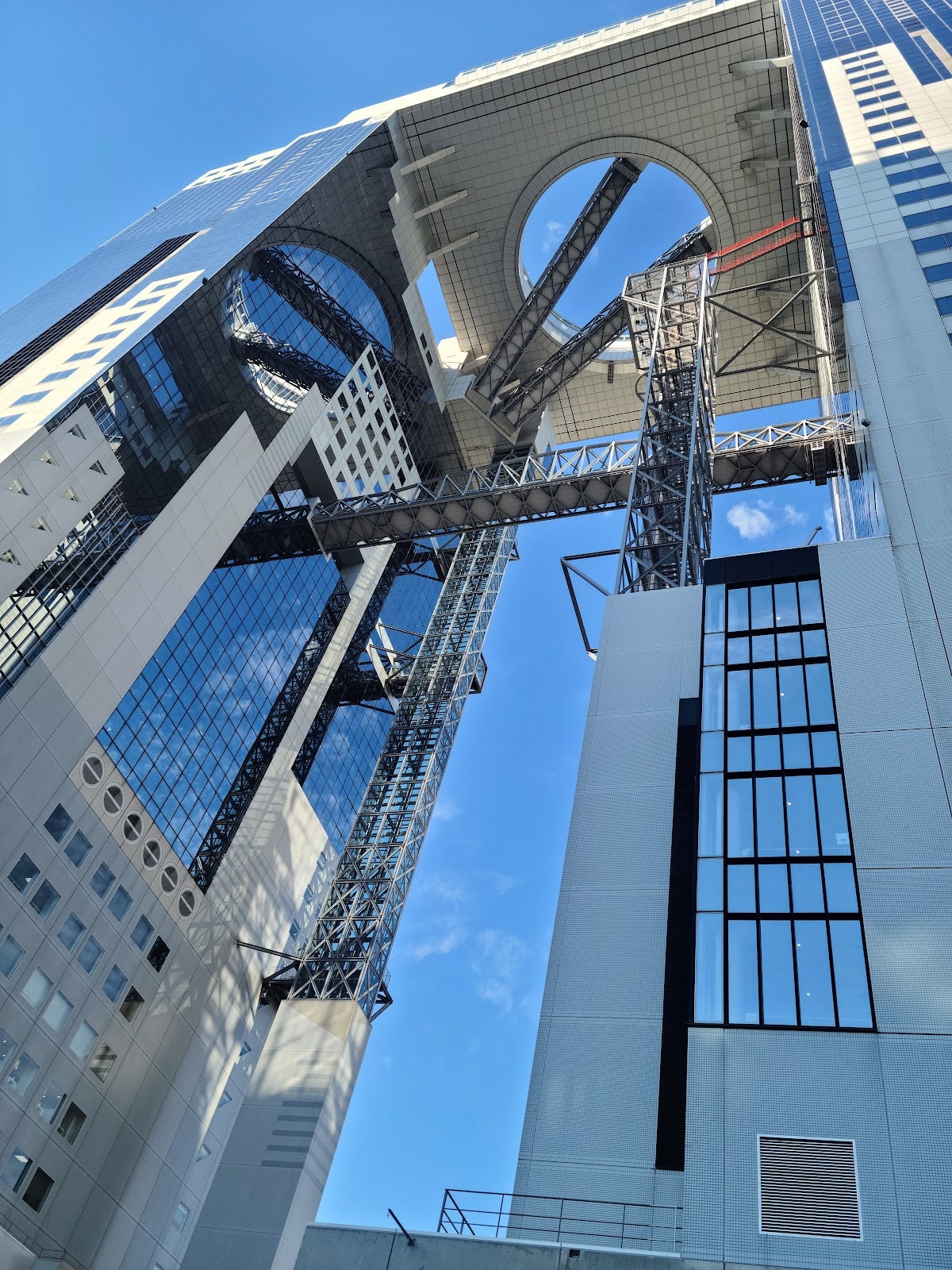
The Umeda Sky Building Floating Garden Observatory is about 10-plus minutes from Namba on the Midosuji Line. The observatory is on the 39th and 40th floors, and its open-air corridor offers 360-degree views of Osaka; on clear days you can see Mount Rokko and the Akashi Kaikyo Bridge in the distance. It is open 09:30-22:30 (last entry 22:00), and adult tickets cost ¥2,000; child fares follow the official website. We recommend going around dusk to enjoy both the sunset and the night view, good for dates. We suggest booking an e-ticket online to avoid queuing on site. It fits well after you finish Shinsaibashi-suji Shopping Street.
Osaka Castle Park Ticket: Castle Tower Admission Combined With Nishinomaru Garden for Cherry Blossoms and Autumn Leaves
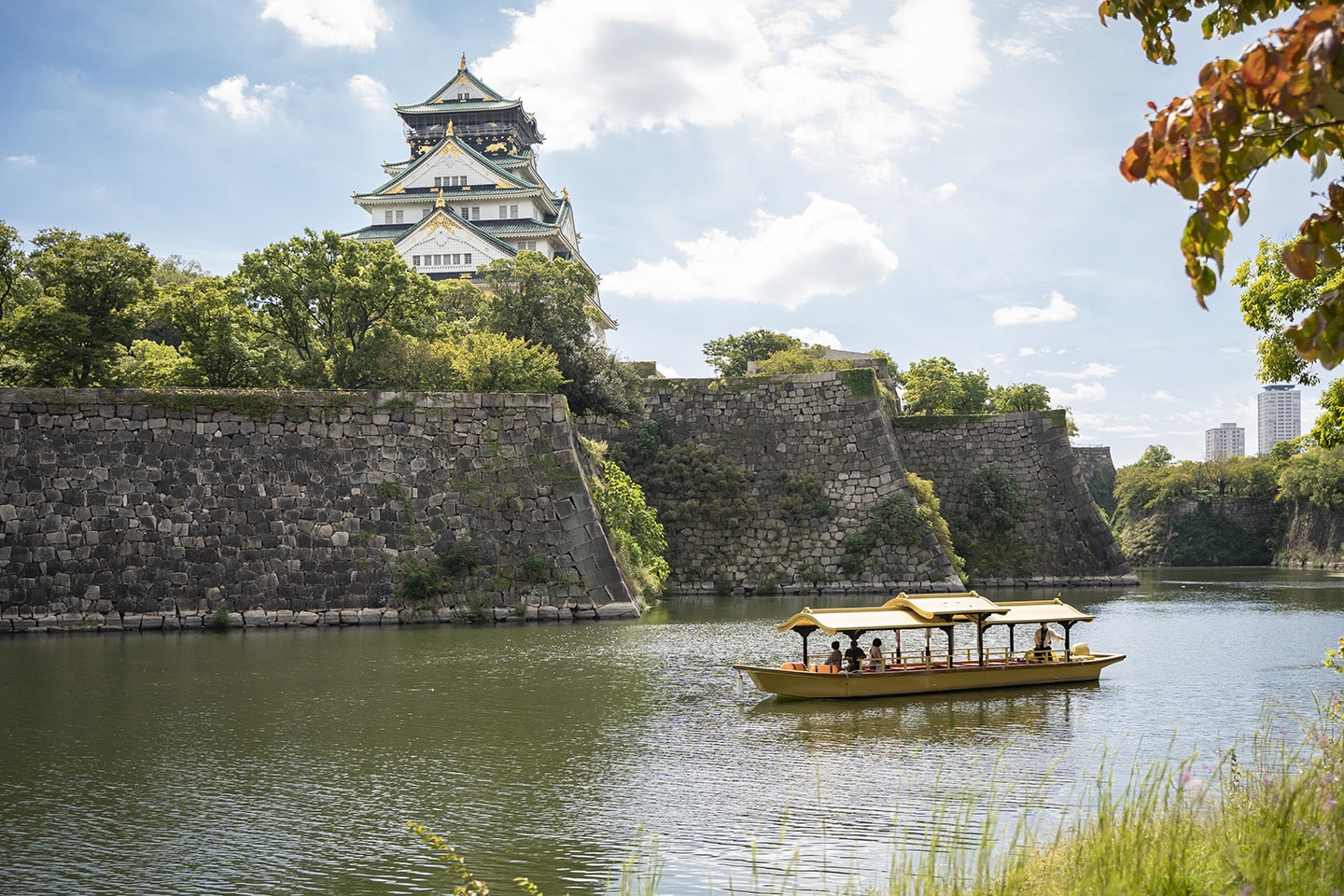
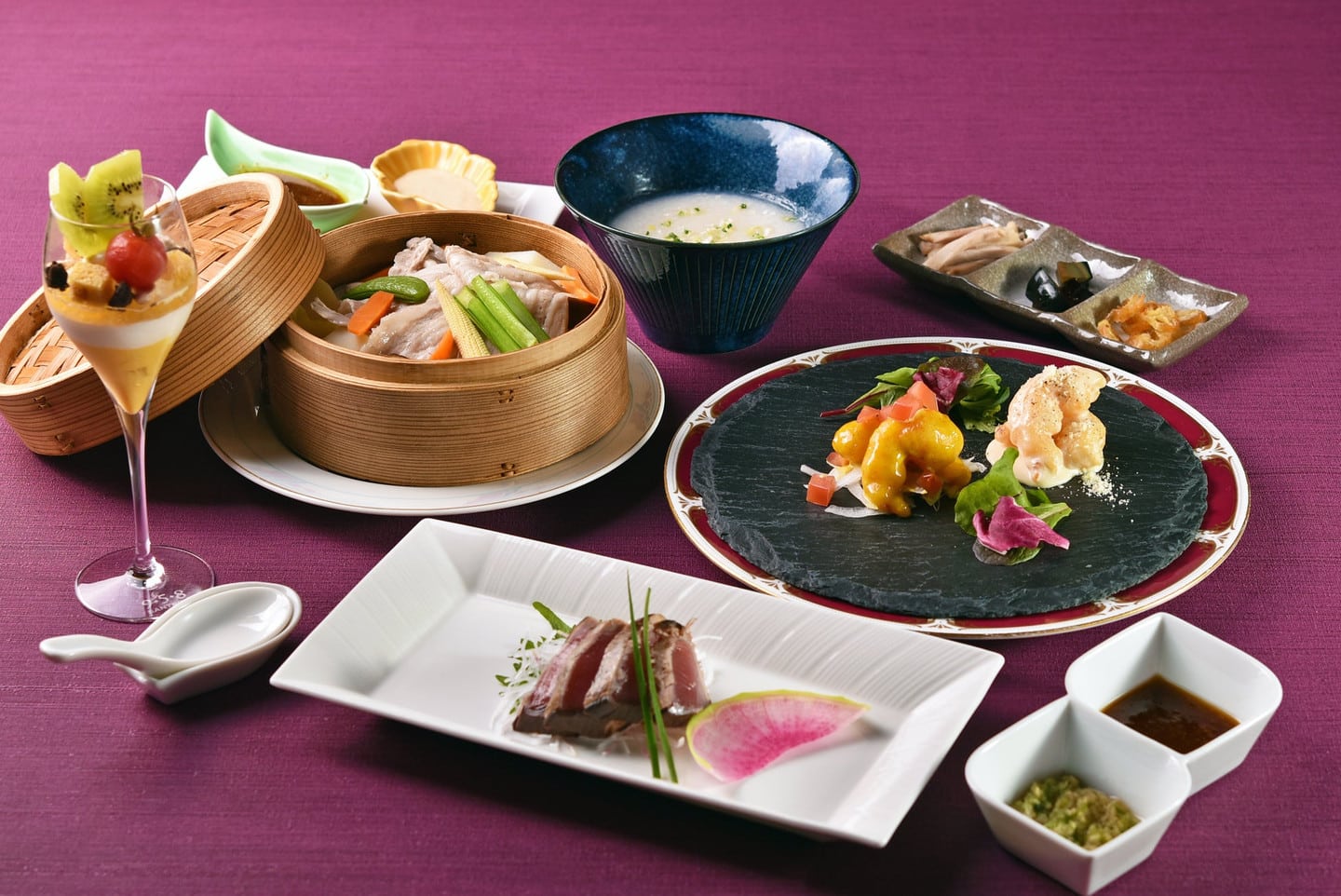
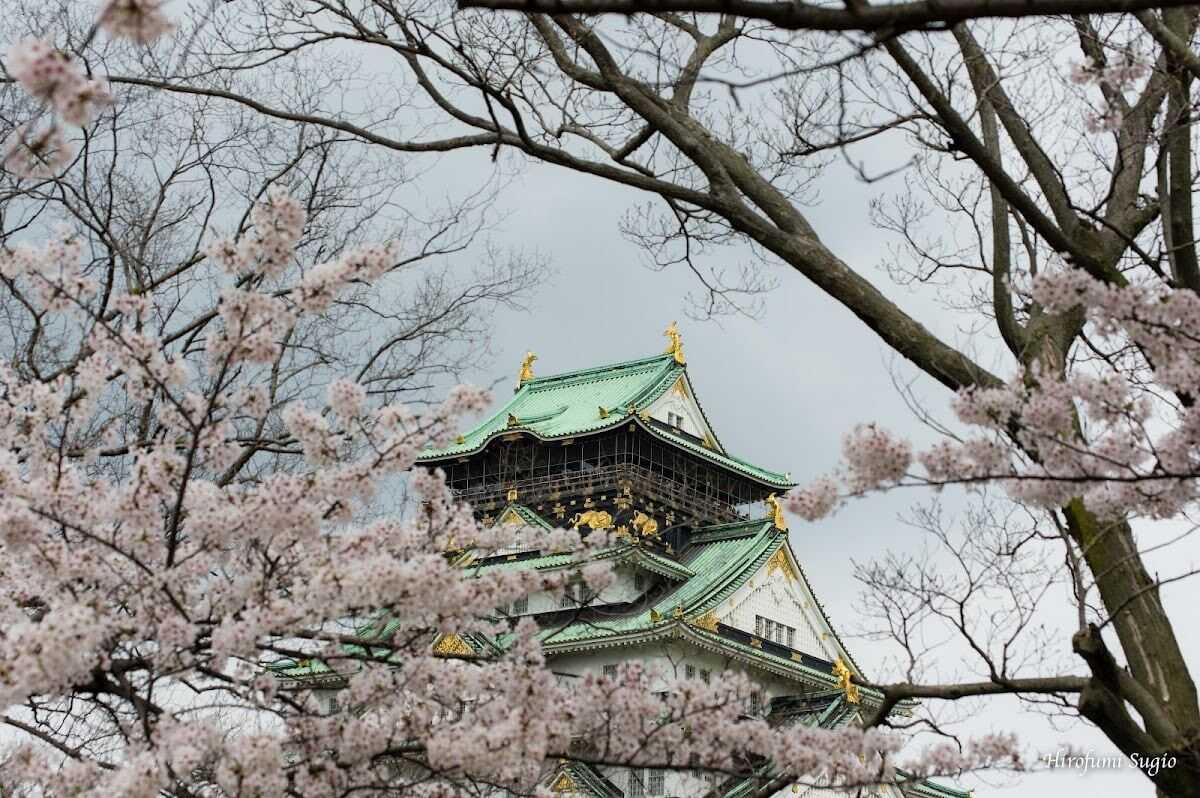
Osaka Castle is about 15-20 minutes from Shinsaibashi by subway (Tanimachi Line or Chuo Line) and is a popular pairing. Castle tower admission is ¥1,200 (raised from April 2025, including the Toyotomi Ishigaki Museum), and the exhibits cover Toyotomi Hideyoshi relics and the castle’s building history, while the top-floor observation deck looks out over Osaka Castle Park and the city.
We suggest adding Nishinomaru Garden admission (about ¥200). The garden has views in all four seasons, with cherry blossoms in spring and maples in autumn, and it is also a photo spot for capturing the whole castle tower. Some platforms offer combo tickets for the castle tower and Nishinomaru Garden at better prices.
Osaka Castle Park is vast, so allow at least half a day, and you can rent an electric-assist bicycle to tour it easily. It is an excellent complement for experiencing Osaka’s history and culture.
Kimono Experience Around Shinsaibashi: Wear a Kimono and Stroll Dotonbori and Hozenji Yokocho for Beautiful Photos
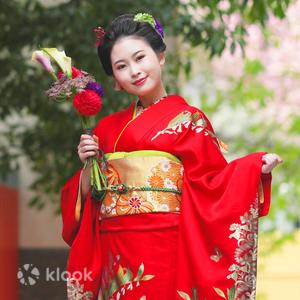
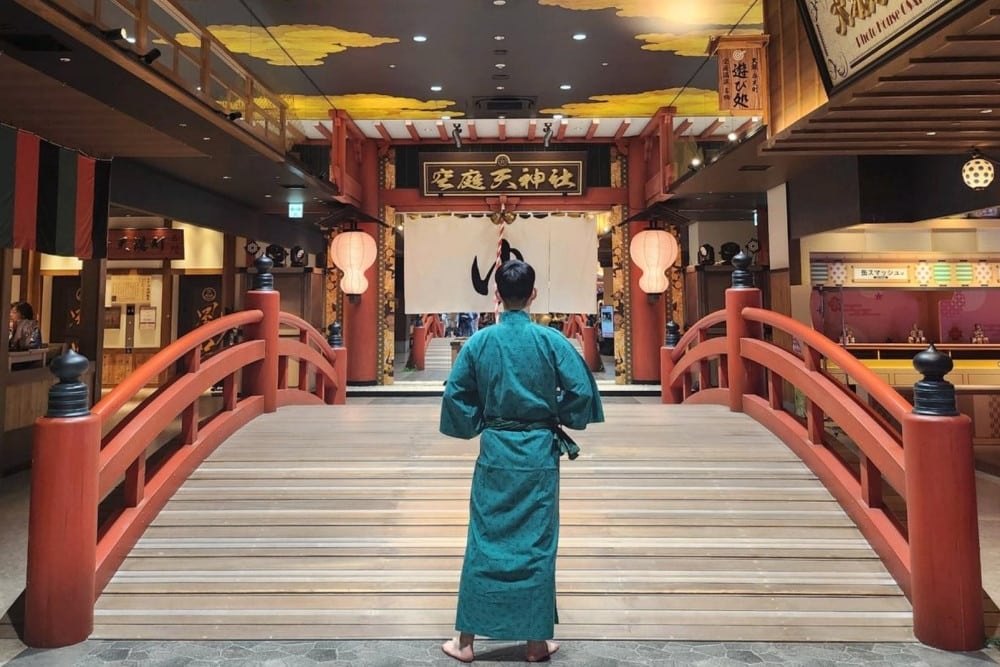
Shinsaibashi and Namba offer a variety of kimono and yukata rentals at about ¥3,000-6,000 (depending on kimono grade and hairstyle), including the rental, dressing and hairstyling. Many shops have plans for men, women, couples and families. Dressing takes about 1 hour, and you can wear it all day and return it in the evening. It suits strolling Dotonbori, Hozenji Yokocho and Shinsaibashi-suji Shopping Street, feeling the old-street atmosphere and taking distinctive photos. In peak season we suggest booking online and choosing a shop near Shinsaibashi subway station for convenience; it is a popular way to experience Osaka culture and take distinctive photos.
Where to Stay Nearby
Shinsaibashi and Dotonbori are in central Osaka, within walking distance of Shinsaibashi and Namba subway stations. If you stay around Shinsaibashi, Namba or Nipponbashi, shopping and late-night food are all within walking distance, and it is also convenient to take the Nankai Railway to Kansai Airport.

FAQ
Q: How long does it take to shop along Shinsaibashi-suji Shopping Street?
We suggest setting aside at least 2 to 3 hours; if you add nearby Dotonbori and Amerikamura, half a day to a full day is more comfortable.
Q: When is Shinsaibashi most crowded?
Crowds peak from 2 p.m. to 8 p.m., and the shopping street is often jam-packed. We suggest going early in the morning for a more comfortable shopping experience.
Q: Where can I find public restrooms in Shinsaibashi?
Shinsaibashi-suji Shopping Street itself has no public restrooms, so we suggest using the restrooms inside department stores such as Daimaru and Shinsaibashi PARCO, which are cleaner and more convenient.
Q: Is the Osaka Amazing Pass worth buying?
If you ride the subway several times in a day and visit several paid attractions, the pass is usually a better deal. We suggest estimating your itinerary first and then deciding whether to buy it.
Q: Do I need to know anything about tax refunds when shopping in Shinsaibashi?
A tax refund requires your passport and a single purchase above the threshold, and some shops have dedicated tax-free checkout counters. Keep your receipts and have your passport ready for customs inspection before leaving the country.
Q: What is the fastest way from Kansai Airport to Shinsaibashi?
Take the Nankai Railway Limited Express Rapi:t to Namba Station in about 38 minutes, then transfer to the subway for about 5 more minutes to Shinsaibashi Station, about 45 minutes in total.
Q: What is the best season to visit Shinsaibashi and Dotonbori?
It can be visited all year round; spring cherry blossoms and autumn leaves are the most scenic times, Dotonbori also has evening cool-down events in summer, and in winter you can enjoy the lit illuminations.