
Port of Nagoya Public Aquarium Guide 2026: Japan’s Largest Aquarium and Its Awe-Inspiring Ocean World
The Port of Nagoya Public Aquarium is Japan’s largest aquarium by area and number one by water volume, with orcas and a large outdoor dolphin pool. It suits families and couples for a half-day to full-day visit.
Port of Nagoya Public Aquarium: Japan’s Largest Aquarium by Area and Water Volume, a Temple of the Sea
The Port of Nagoya Public Aquarium stands at Garden Pier in the Port of Nagoya and is the largest aquarium in Japan by floor area and total tank capacity. It is divided into the North and South buildings and displays more than 500 species and about 30,000 marine animals. The North Building focuses on large marine mammals, with orca, dolphin and beluga shows; the South Building is laid out in five Antarctic ecological zones, taking visitors from the equator to the polar regions. We suggest allowing at least 4 hours, or more than 6 hours if you add nearby attractions. It suits families with children and couples.
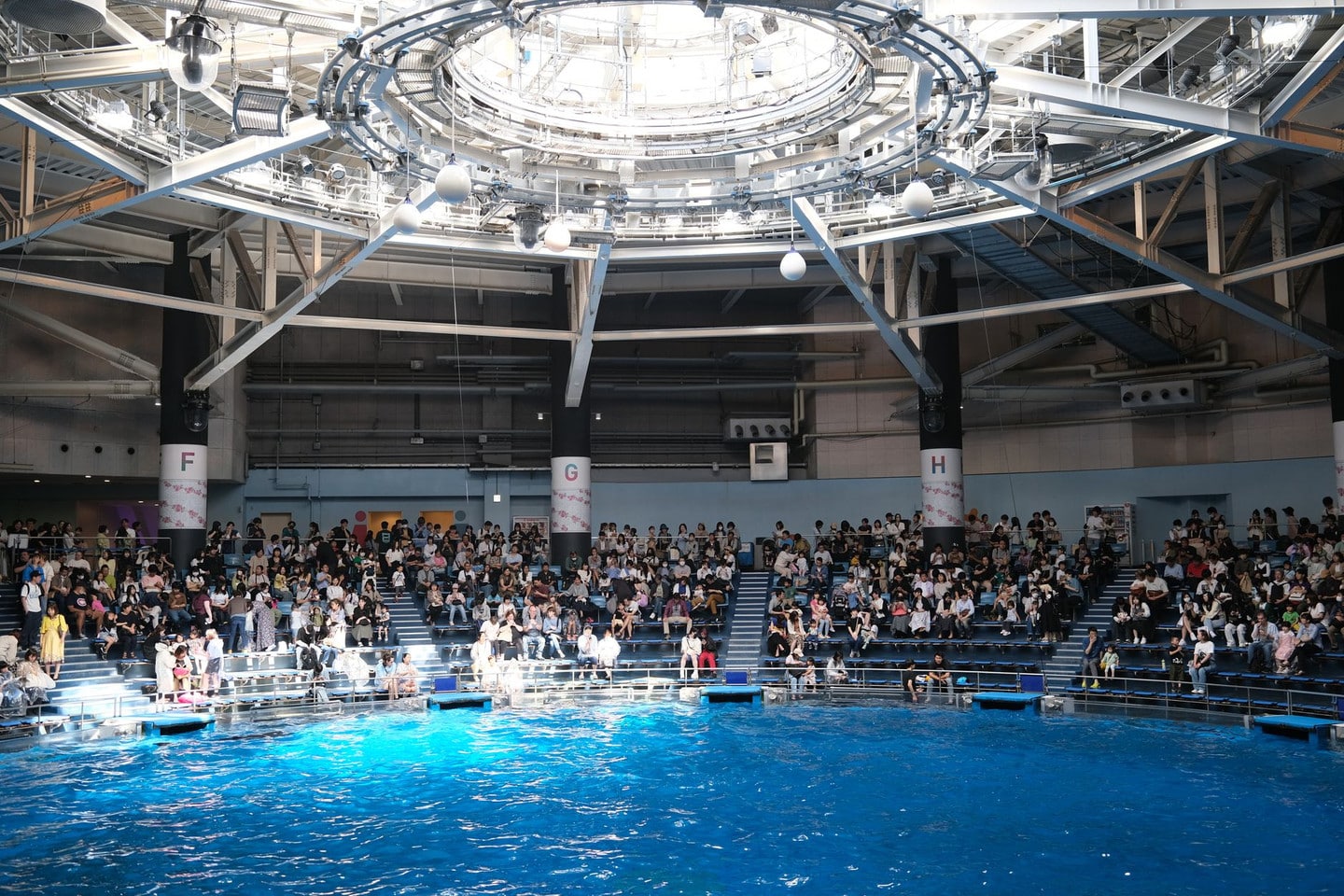
Visiting During the 2026 Asian Games: The Aquarium Stays Open as Usual
If you plan to visit between August 1 and November 30, 2026 (the period when some port-area facilities are closed), you only need to buy a “single-facility aquarium ticket” to enter. The aquarium itself operates completely as normal and is not affected by the games. We recommend checking the official announcements again before you go for the latest changes.
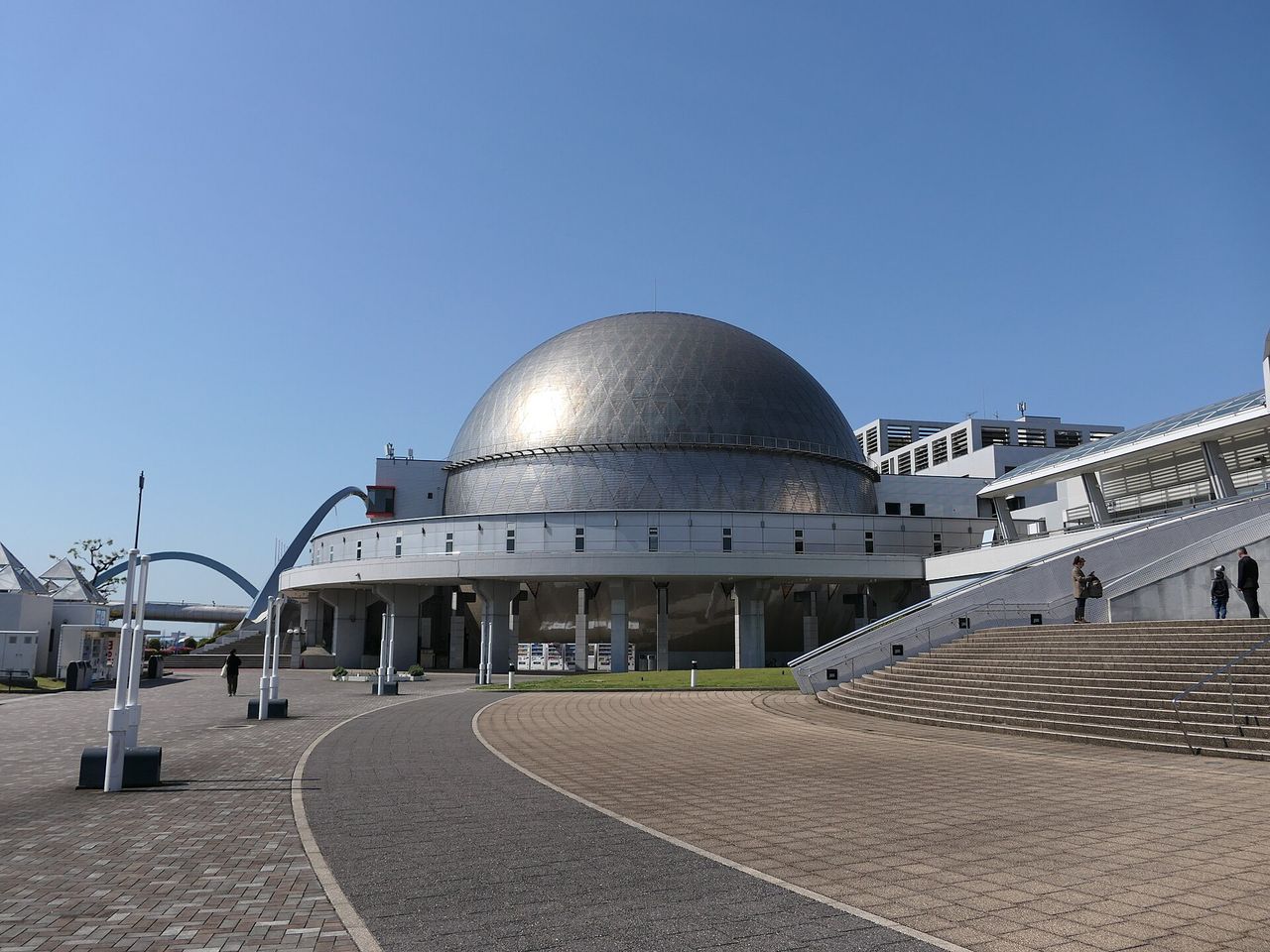
One of Only Two Orca Sanctuaries in Japan: The Spectacular Show in the North Building Main Pool
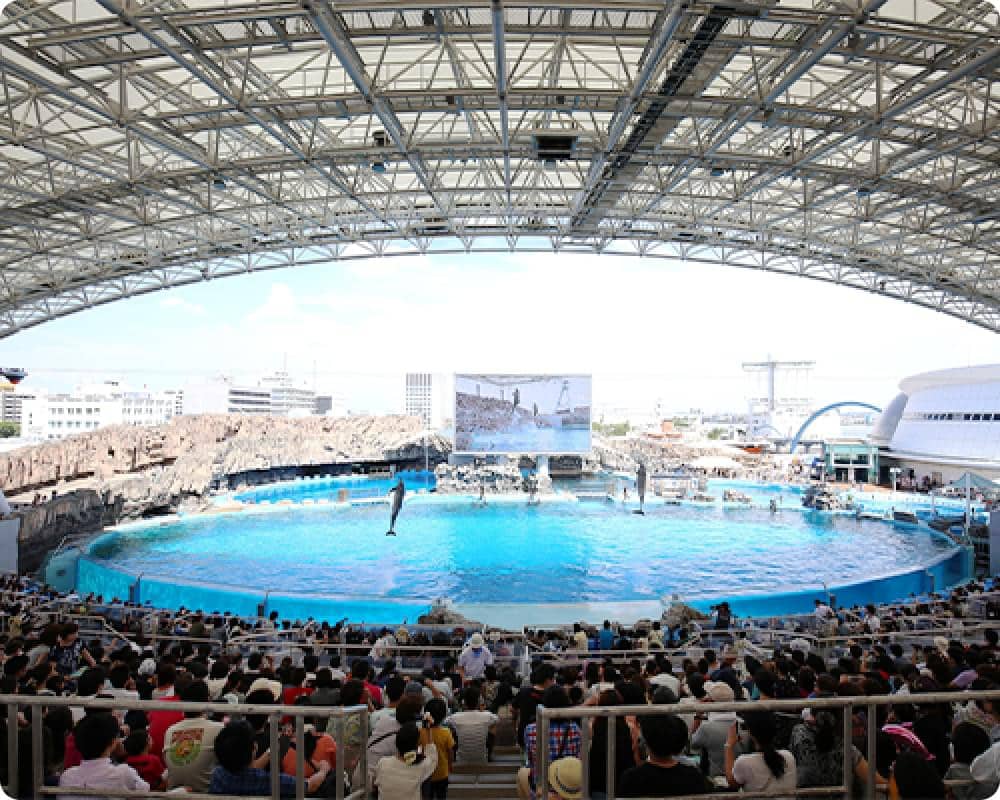
The Port of Nagoya Public Aquarium is one of only two venues in Japan where you can watch giant orcas (killer whales) perform. The huge main pool on the third floor of the North Building is also the largest outdoor dolphin show pool in Japan, able to hold a large group of cetaceans performing at once. The female orca Rin shows the explosive power of an orca leaping out of the water and her rapport with the trainers. The male orca Earth passed away in 2025 and remains an unforgettable memory for visitors.
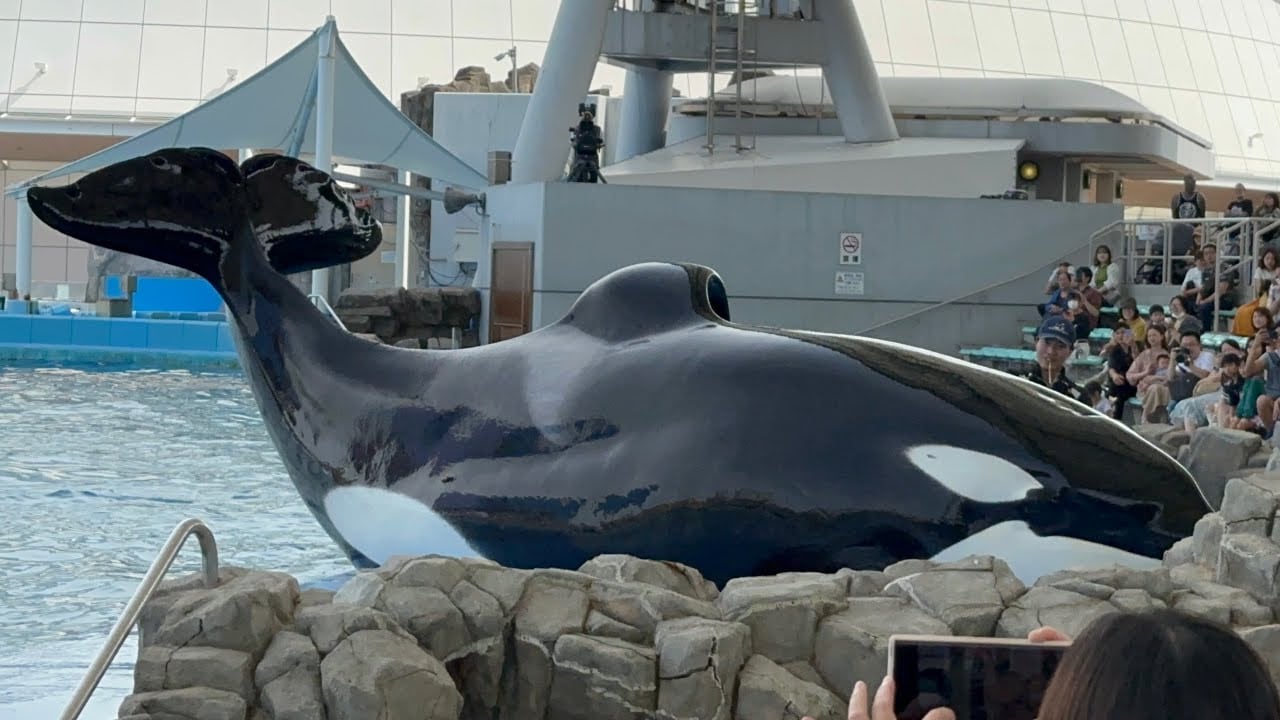
North Building orca and dolphin main pool
How to Get to the Port of Nagoya Public Aquarium in 2026: Subway, Bus and Driving Guide
The most recommended way to reach the Port of Nagoya Public Aquarium is the Meijo Line subway, with frequent trains that go straight to the aquarium’s front gate.
How to Get to the Port of Nagoya Public Aquarium: Subway, Bus and Driving at a Glance
Nagoya Municipal Subway Meijo Line: From Nagoya Station take the Higashiyama Line to “Sakae Station,” or transfer to the Meijo Line (toward Nagoya-ko), and get off at the terminus “Nagoya-ko.” From Exit 3 it is about a 5-minute walk, stroller-friendly.
Nagoya City Bus: Please check the Nagoya City Transportation Bureau’s announcements for whether there are services to Nagoya-ko.
Driving: About 30 minutes from the city center. Parking requires the “Garden Pier Parking Lot.” Some port-area facilities are closed from August 1 to November 30, 2026, and nearby parking may change, so check the official website first.
Money-saving tip: With the “Nagoya Municipal Subway One-Day Pass” or the “Weekend Eco Pass,” buy tickets at the staffed window on site and an adult ticket is discounted by ¥200.
Nagoya Station to the Port of Nagoya Public Aquarium: Detailed Transfer Steps
From JR / Meitetsu / Kintetsu “Nagoya” Station, the simplest way is to take the subway the whole way: take the Higashiyama Line (toward Fujigaoka) 2 stops to “Sakae Station,” transfer to a Meijo Line counterclockwise (左回り) train marked “Nagoya-ko,” and ride straight to the terminus “Nagoya-ko” Station. From Exit 3 it is about a 5-minute walk to the aquarium’s main gate, about 29 minutes in total, and the one-way subway fare from Nagoya Station to Nagoya-ko Station is ¥270. If you board a regular loop-running Meijo Line counterclockwise train, get off at “Kanayama” Station and change to the Meiko Line.
From Nagoya Station by JR or Meitetsu: Transfer to the Meiko Line at Kanayama Station
From Nagoya Station take the JR Tokaido Main Line (toward Toyohashi) to “Kanayama” Station, then transfer at Kanayama to the subway Meiko Line to “Nagoya-ko” Station. Including the transfer, the whole trip takes about 21 minutes, plus the JR local fare. Meitetsu passengers likewise ride to “Kanayama” Station (the aquarium’s website also recommends that Meitetsu and JR passengers transfer at Kanayama), then take the Meiko Line subway to the terminus. The one-way subway fare from Kanayama Station to Nagoya-ko Station is ¥240.
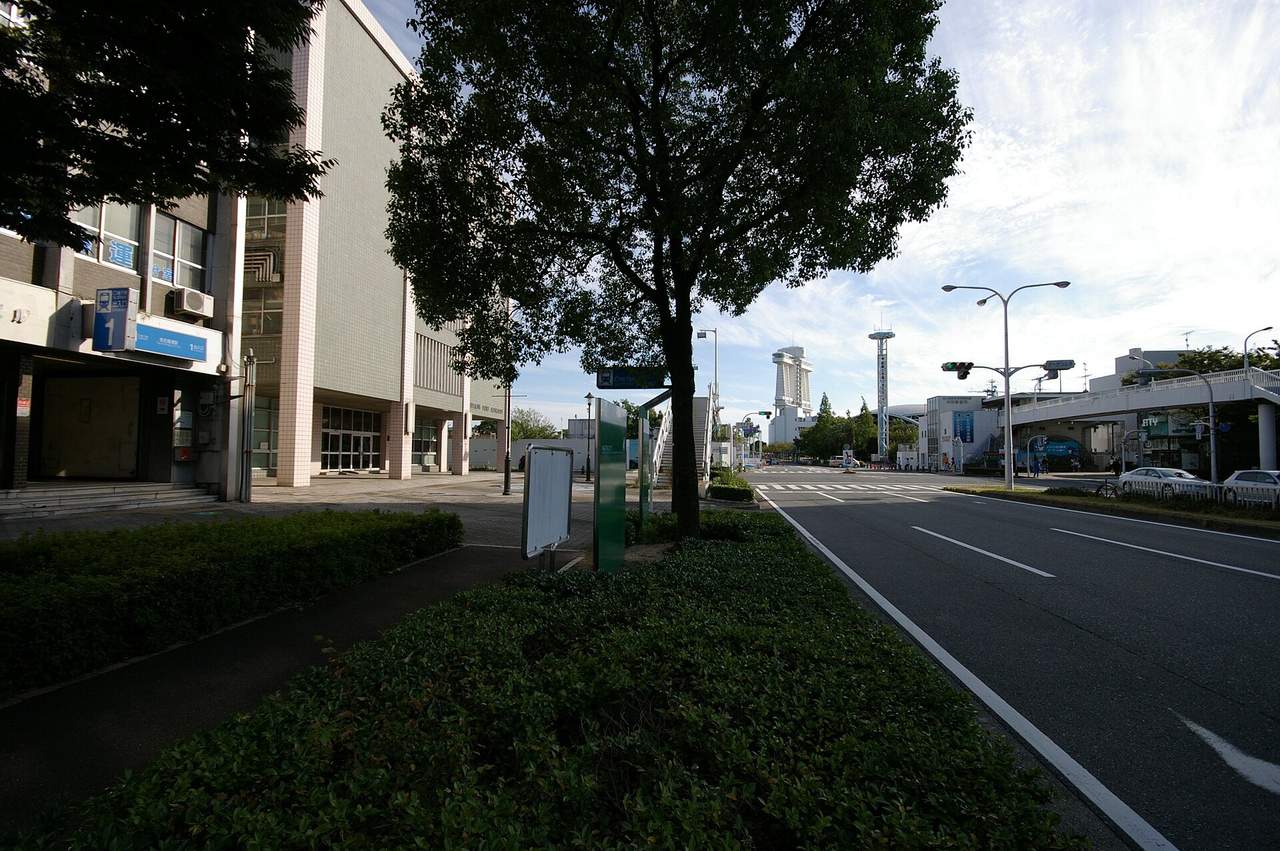
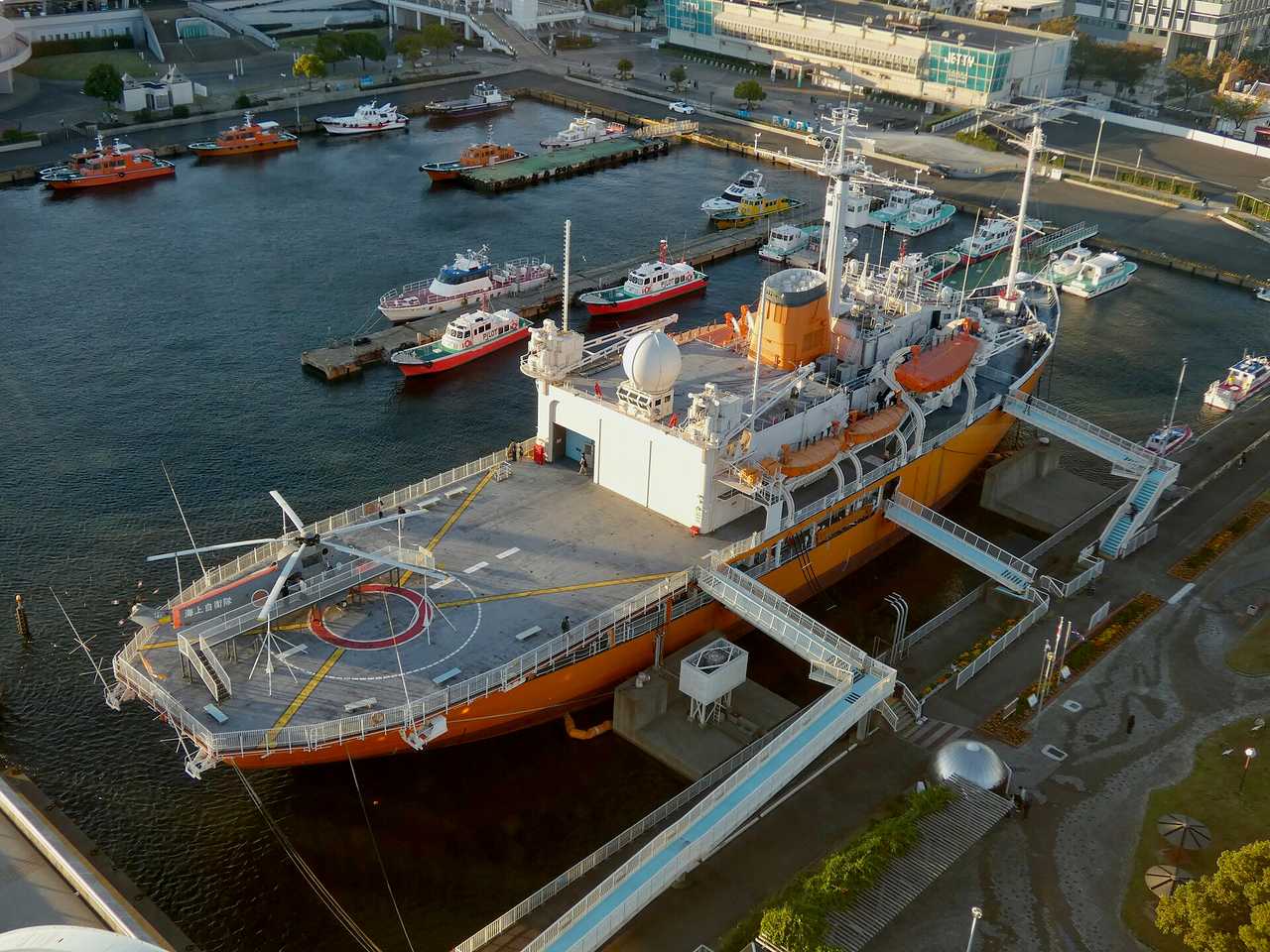
Whichever route you take, remember to check the exit direction on the signs at “Nagoya-ko” Station. After leaving by the Exit 3 escalator you can see the aquarium and the port-area landmark, the Antarctic research ship Fuji, and there are clear signs along the way so it is hard to go wrong.

What Are the Must-See Sights at the Port of Nagoya Public Aquarium in 2026? North and South Building Highlights
Below are 14 must-see exhibit zones and nearby attractions inside and outside the aquarium, covering all the highlights of the North and South Buildings.
Sea of Japan: A Spectacular Stage Where Orcas and Dolphins Perform Together
“Sea of Japan” is on the second floor of the North Building, where you can watch orcas, bottlenose dolphins and Pacific white-sided dolphins swim up close through a full wall of glass. It is the most popular zone in the whole aquarium. Their public shows take place upstairs in the main pool (メインプール) on the third floor of the North Building. Schedules for the orca public training (シャチ公開トレーニング) and the dolphin performance (イルカパフォーマンス, about 20 minutes each) vary by date, so before you go, click the day’s date on the official website calendar to check.

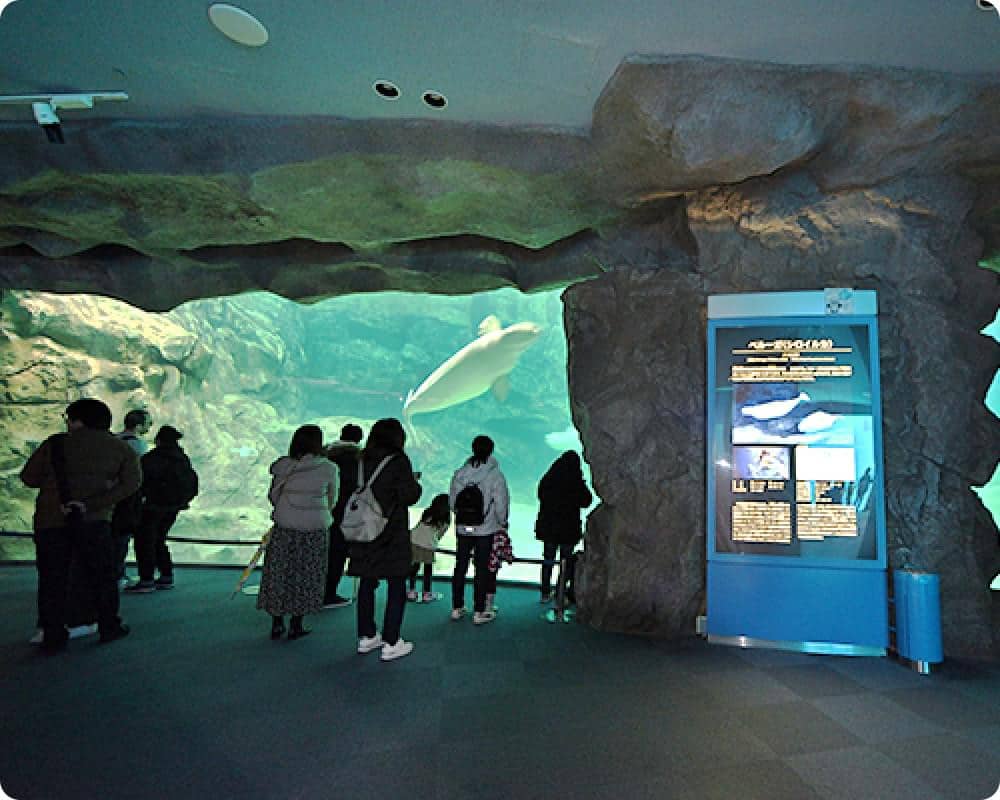
Aurora Sea: The Ultra-Popular, Heart-Healing Belugas
“Aurora Sea” recreates the blue icy seas of the Arctic Circle and keeps several snow-white belugas. Their round, cute faces and high-pitched calls have been called “healing angels” by many visitors, and they are also a very popular photo spot on social media. The aquarium schedules beluga training demonstrations, where feeding and obedience training show visitors the trust between trainers and cetaceans. The moment when a beluga leaps out of the water and spits water is especially eye-catching, nicknamed the “boiling splash show.”
We suggest going in the gaps between the orca and dolphin shows to avoid the peak crowds, giving you more time to watch their interactions and swimming up close.
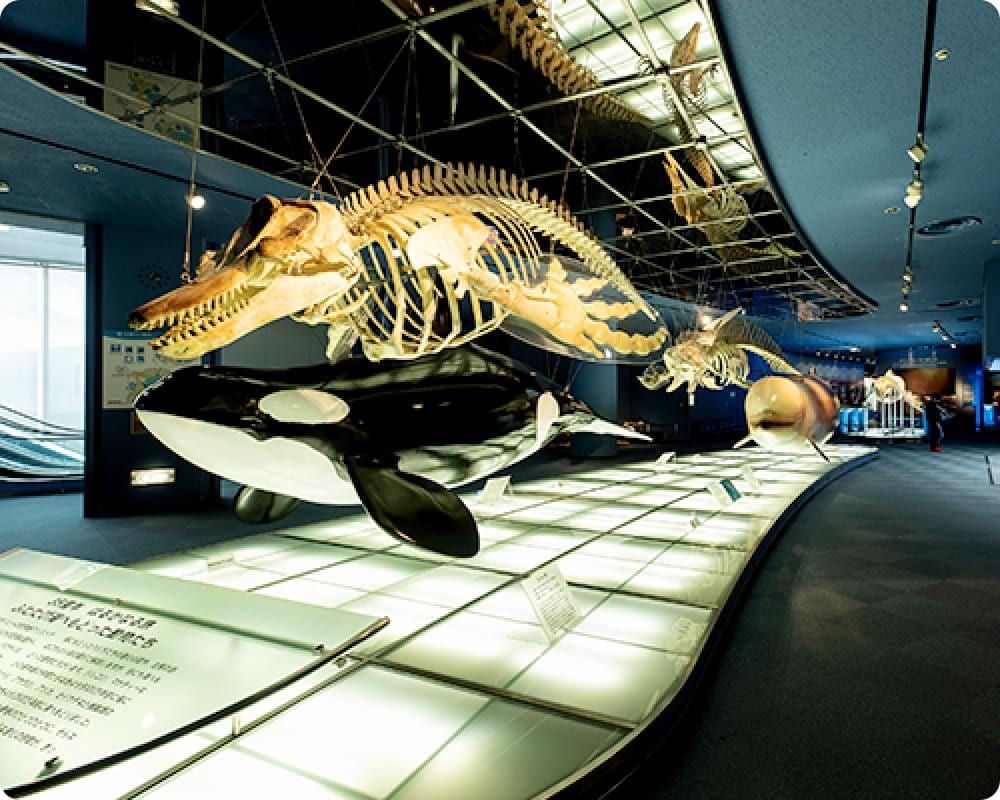
Evolution Sea: 3.5 Billion Years of Marine Life Evolution
The “Evolution Sea” zone on the second floor of the North Building takes as its theme “the 3.5-billion-year journey of animals returning to the sea,” displaying specimens related to the evolution of cetaceans and marine life, a good place to learn the evolutionary history of whales and dolphins.
The zone also displays several giant whale skeleton specimens, over ten meters in actual size, and standing beneath them gives a stronger sense of the astonishing size of ocean giants. Visitors who like natural science and evolution should stay at least 20 to 30 minutes here.
Kuroshio Large Tank: A Spectacle of Migratory Fish Simulating the Kuroshio Current
The Kuroshio Large Tank is a major visual feast in the aquarium, simulating the Kuroshio ecosystem off Japan’s coast, with schools of tuna, marlin and other migratory fish cruising in rhythm in a huge tank. Its high-ceiling design lets visitors watch from different floors and angles, and when the light falls the scales of the fish glitter like a galaxy under the sea.
It is also an excellent place to appreciate the aquarium’s architectural ingenuity: the cylindrical tank structure lets visitors on multiple floors watch at the same time, and it is a “must-photograph” spot.
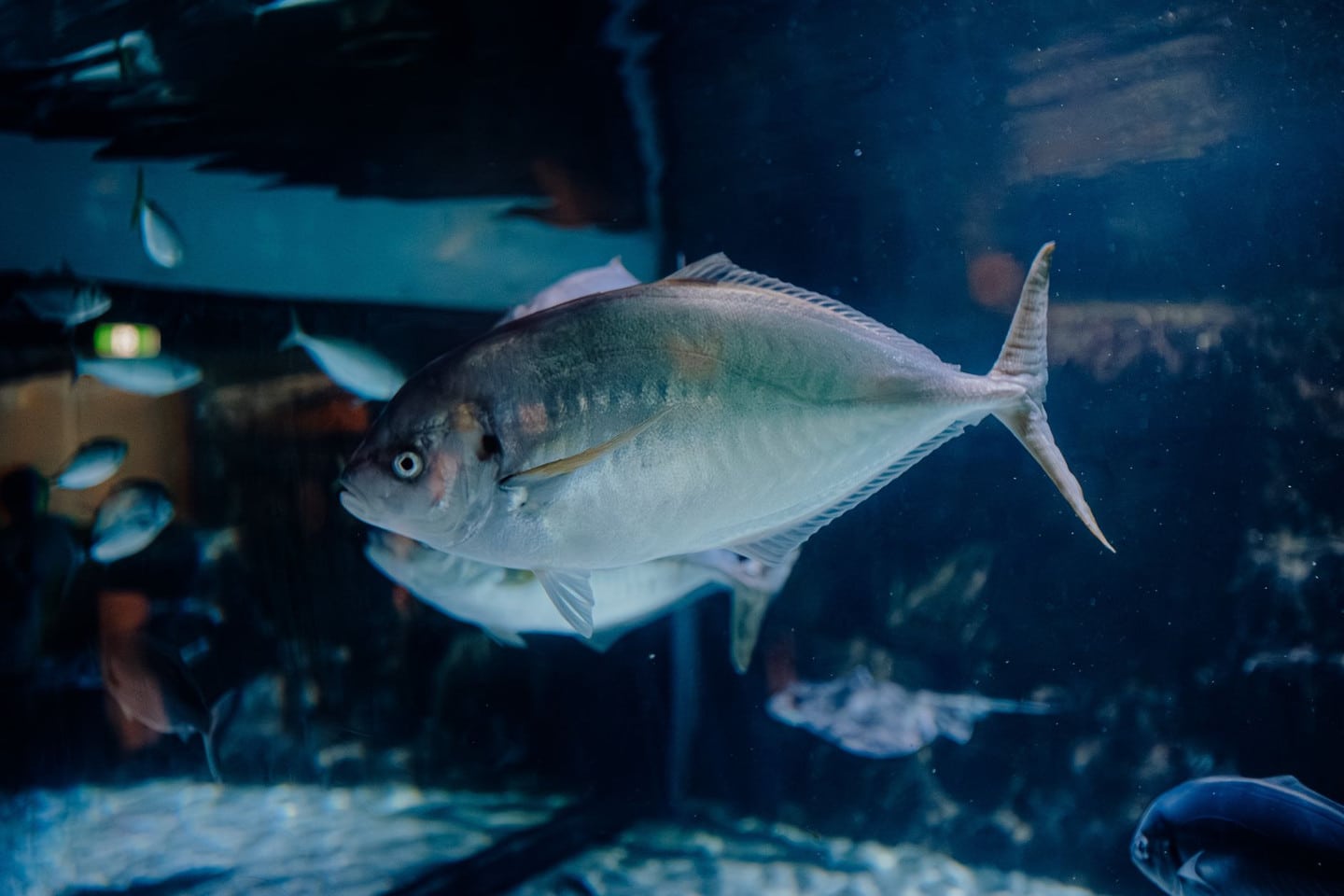
Kuroshio Large Tank
Deep Sea Corridor: Exploring the Mysterious Creatures of the Dark Deep
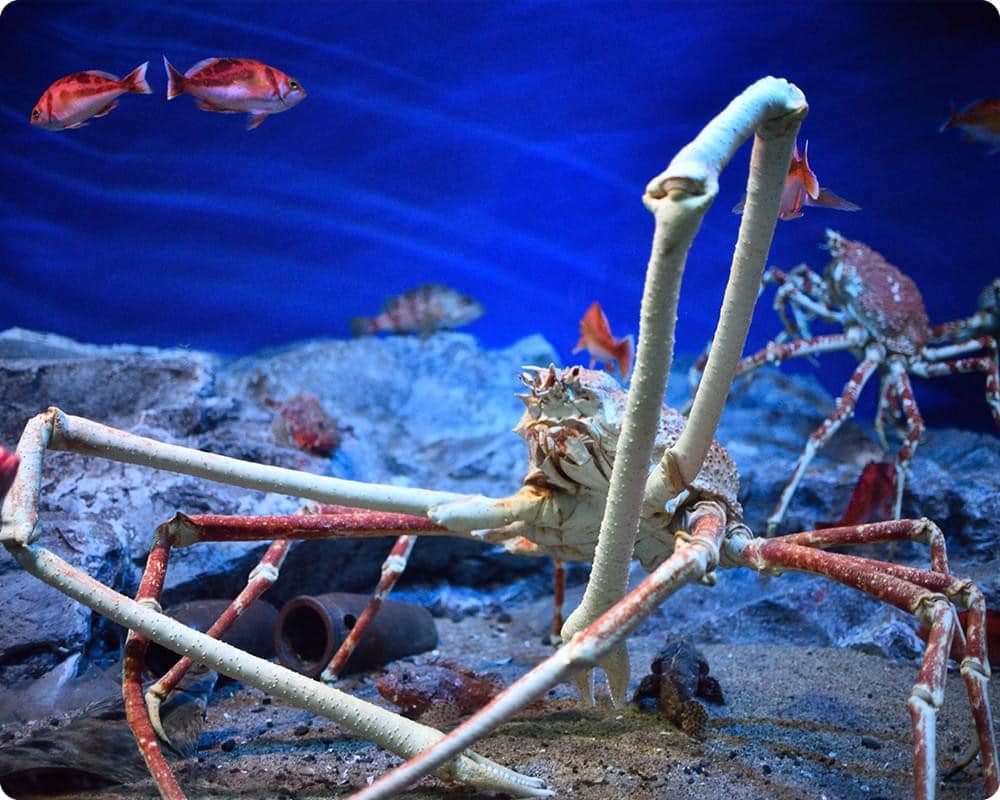
The Deep Sea Corridor recreates the extreme deep-sea environment of darkness, low temperature and high pressure, and keeps a variety of rare deep-sea creatures, including oddly shaped deep-sea fish and crustaceans. Dim lighting combined with faint bioluminescent effects in the tanks creates an immersive experience as if diving into the deep sea.
The pace here is slower and quieter, a good chance to spend a quiet stretch exploring deep-sea ecology after the lively orca and dolphin shows, giving the whole visit a good rhythm. We suggest reading the on-site information boards to learn each deep-sea creature’s unique survival strategy.
Equator Sea: A Tropical Coral Reef and Sea Turtle Tank
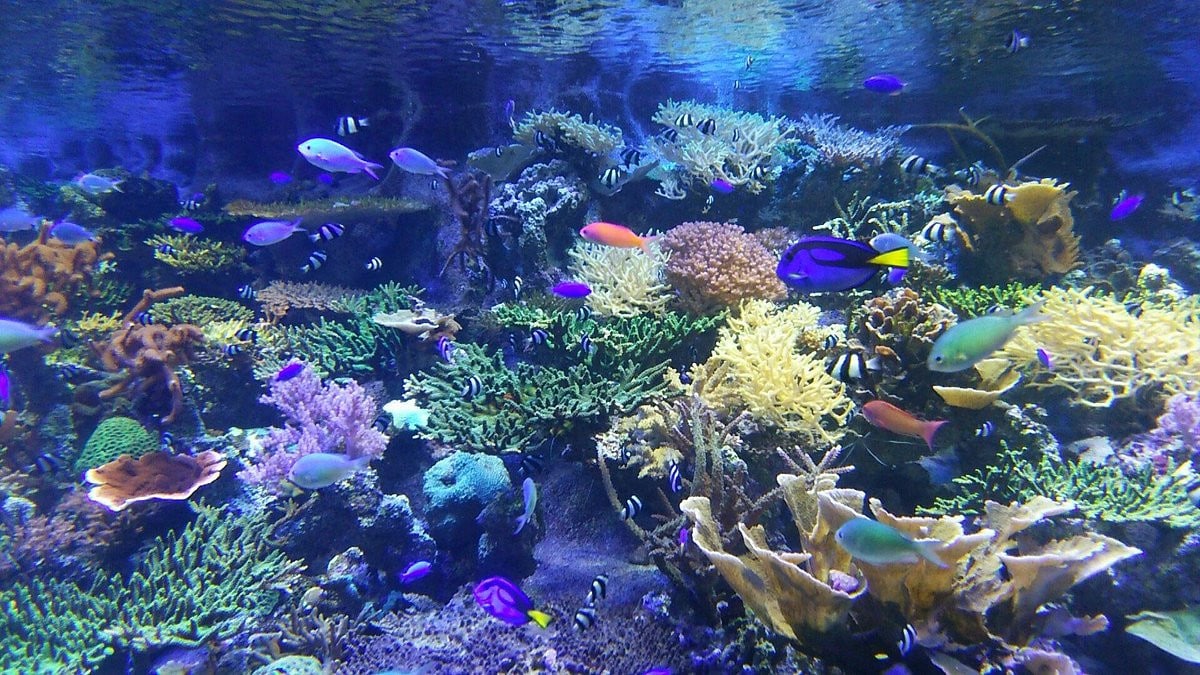
“Equator Sea” recreates the tropical coral reef ecology of the equator region, with colorful corals and tropical fish weaving a vivid underwater garden, one of the most colorful zones in the aquarium. The same area has a sea turtle tank, where the aquarium has built a sandy nesting area imitating a beach, recreating the natural scene of sea turtles coming ashore to lay eggs, and with luck you may also see turtles gliding gracefully through the water.
This zone is colorful and easy to walk through, one of the viewing routes in the South Building most loved by families with children.
Equator Sea
Antarctic Sea: The Penguin Hall and Recreated Polar Ecology
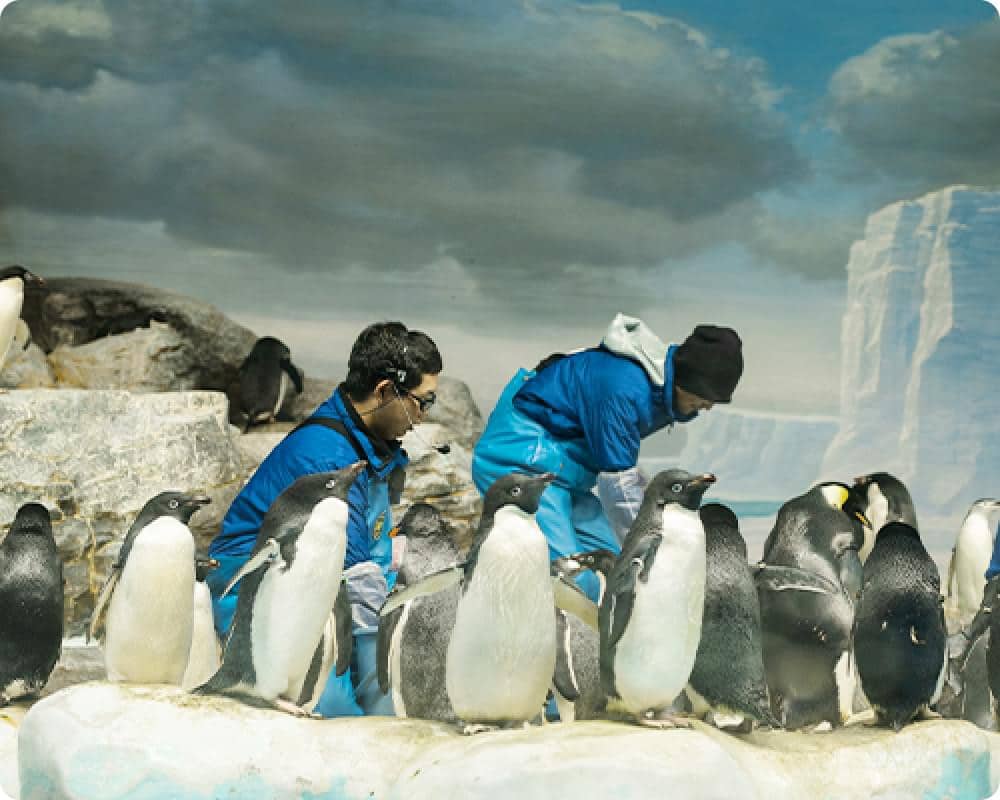
The Antarctic Sea zone simulates the ecology around Antarctica and keeps several penguin species such as African penguins, recreating the native habitat climate through a cold environment. The winter-only “Penguin Walk” was once a popular experience that let penguins interact with visitors up close. Please check the latest announcements on the Port of Nagoya Public Aquarium’s official website before you go to see whether it is held.
The aquarium has a baby penguin observation area, where you may have a chance to see recently hatched chicks, adding to the heartwarming fun.
Waterside of Australia: A Miniature of Diverse Waterfront Ecology
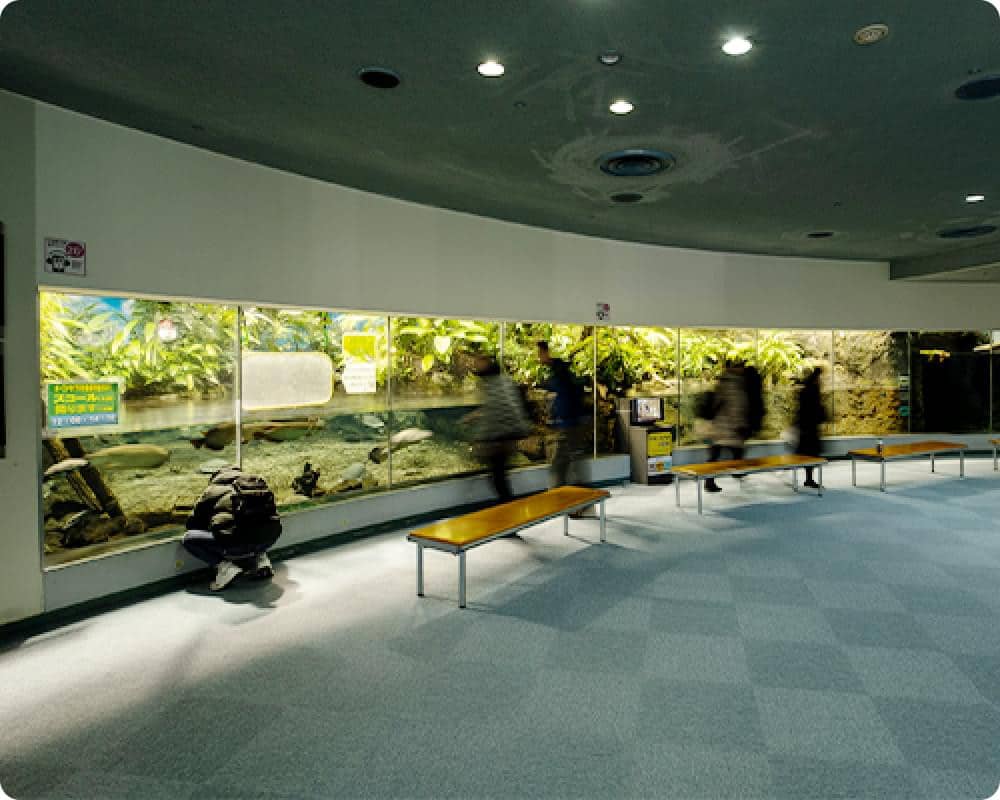
The “Waterside of Australia” zone takes Australia’s coastal wetlands as its theme, recreating the local unique waterfront ecosystem and displaying a variety of fish and amphibians living in Australian waters. Through highly faithful landscape design, it presents an exotic atmosphere quite different from the other zones.
Although this zone is not large, it is a corner many visitors call an “unexpected surprise.” Because there are relatively few people, you can observe the animals’ habits and details up close at a more relaxed pace. If you have time, we suggest fitting it in between the main shows as a stop to adjust the pace of your visit.
Sardine Tornado: A Light and Music Show of Huge Schools of Sardines
“Sardine Tornado” is a performance exclusive to the Kuroshio Large Tank in the South Building, in which tens of thousands of sardines, guided by lights and music, form a giant swirling school like a tornado. This show, lasting only about 5 minutes, the “Fantasy Sardine Music and Light Show,” is the aquarium’s signature performance.
Show times are adjusted according to the day’s schedule. After entering, check the timetable at each zone entrance and secure a spot 5 to 10 minutes early so you do not miss the most complete highlights of the school’s changes.
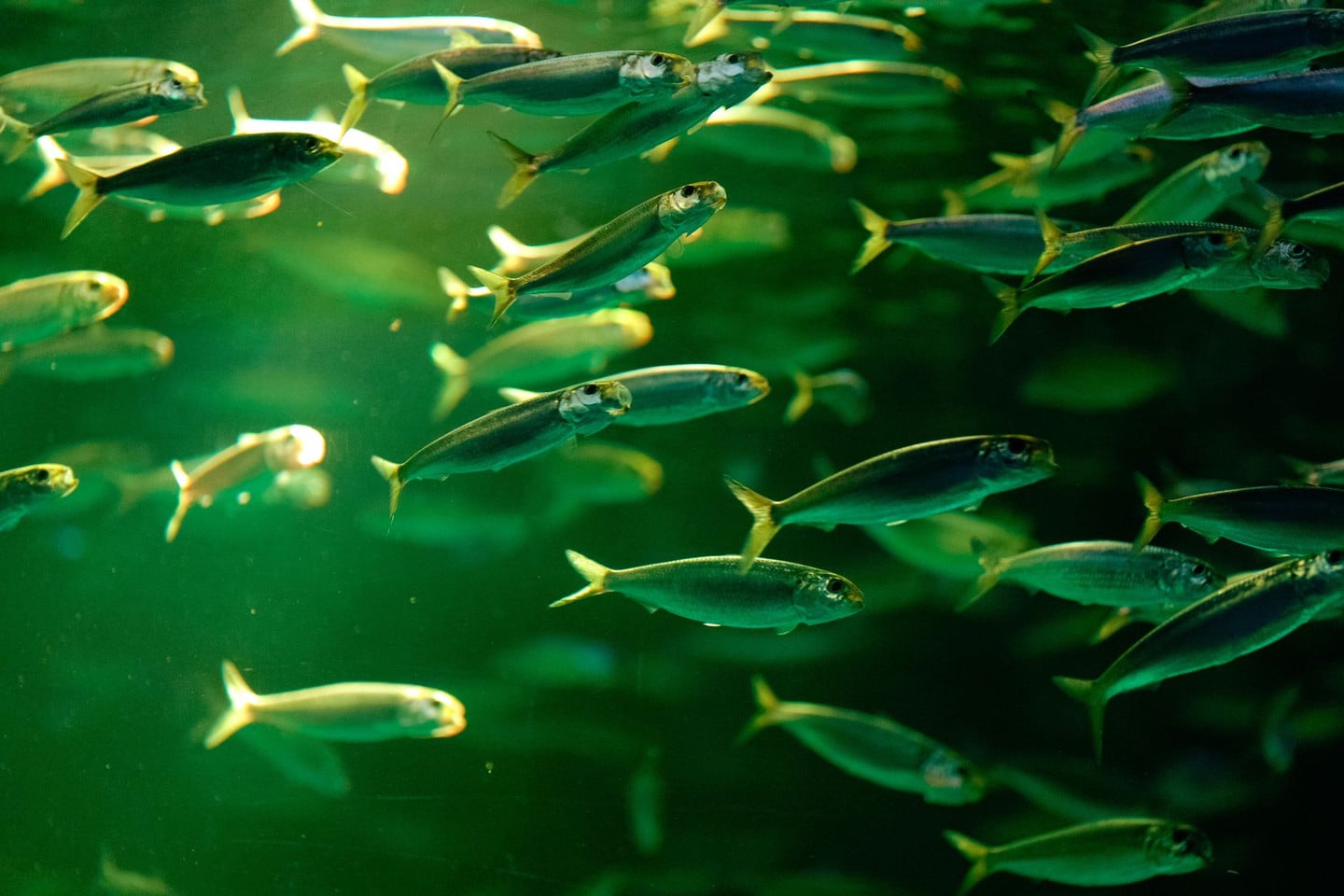
Sardine Tornado
Nagoya Port Building Observation Room: A Landmark with a Panorama of the Port of Nagoya
The Nagoya Port Building observation room, right next to the aquarium, is a 360-degree viewpoint over the Nagoya port area. On clear days you can look out over Ise Bay and the city skyline, good for photography. It once offered a “four-facility combination ticket” with the aquarium, the Antarctic research ship Fuji and the Nagoya Maritime Museum for touring the Garden Pier area.
Please note that, for the 2026 Asian Games, the observation room will be closed from August 1 to November 30, 2026, and during that time we suggest focusing on the aquarium alone.
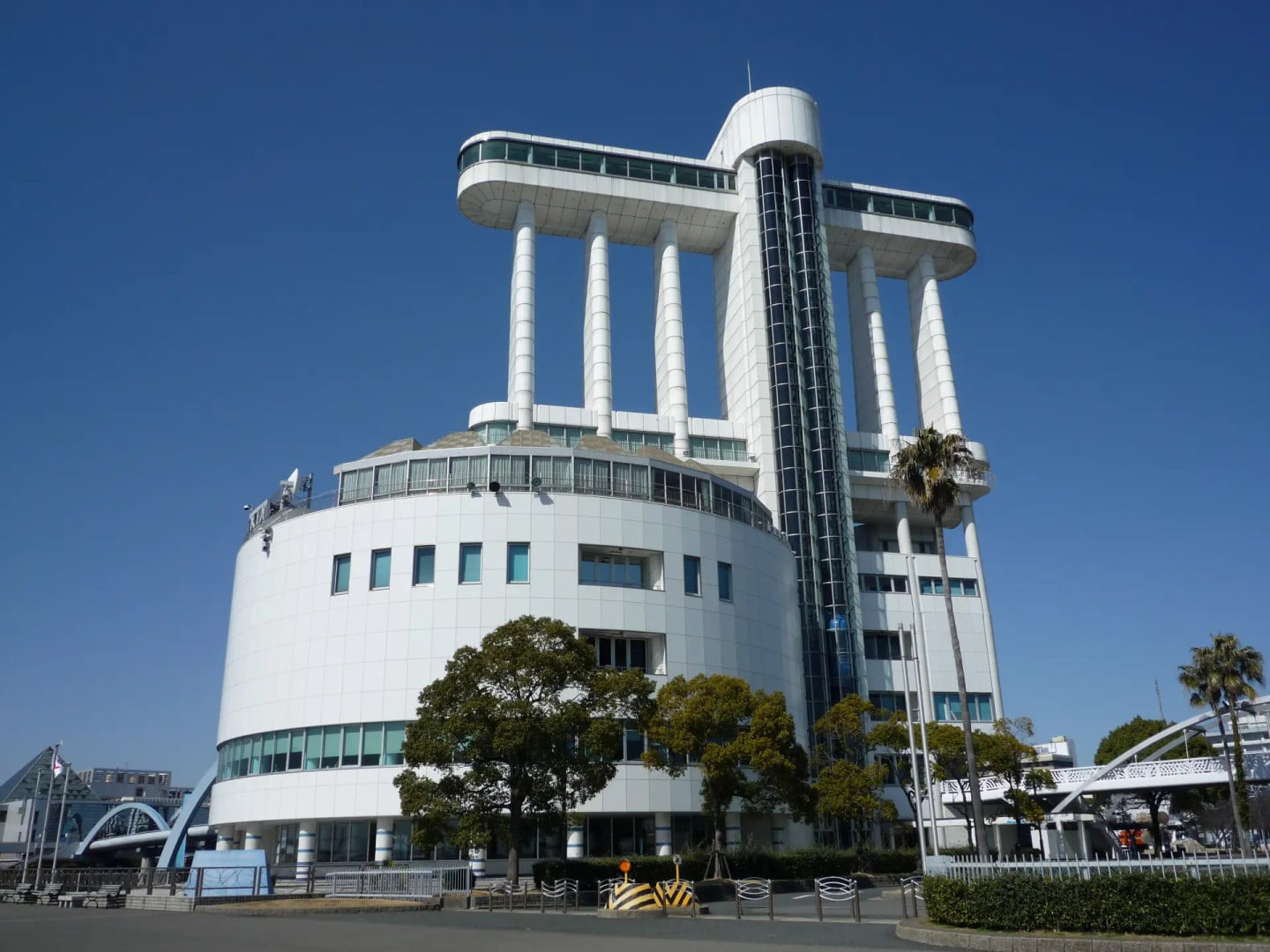
Nagoya Port Building Observation Room
Nagoya Maritime Museum: A Treasury of Knowledge on the History of the Port of Nagoya
The Nagoya Maritime Museum is near the aquarium and uses models, video and interactive displays to introduce the development of the Port of Nagoya and the history of Japanese shipping and trade, suiting those interested in harbor history and ships. It was once part of the “four-facility combination ticket” with the aquarium, observation room and Antarctic research ship Fuji.
Due to the 2026 Asian Games, the Maritime Museum will be closed from August 1 to November 30, 2026. Please check the official announcements before you go.
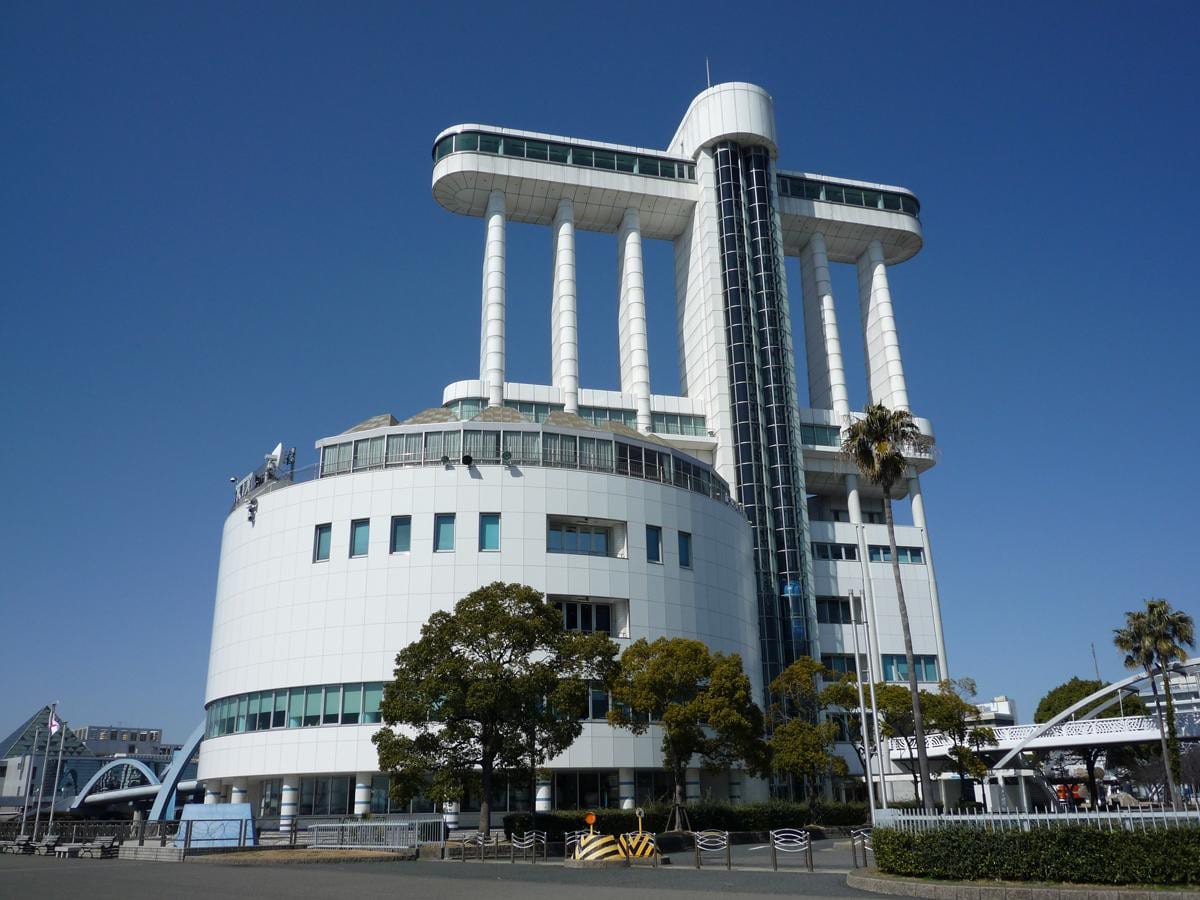
Nagoya Maritime Museum
Antarctic Research Ship Fuji: A Historical Visit to Japan’s First Icebreaker
“Fuji,” Japan’s first Antarctic icebreaker, is moored at the Port of Nagoya as an outdoor exhibit after retirement. Visitors can board and tour the cabins, bridge and living quarters, learning about the hardships of scientists and crew carrying out missions in the polar regions, which is meaningful for ship fans and children’s education.
In the past the “four-facility combination ticket” included this attraction, linking it with the aquarium, observation room and Maritime Museum into a one-day port culture trip. Because of venue arrangements for the 2026 Asian Games, Fuji will be closed from August 1 to November 30, 2026. Those planning a visit should check the official announcements.
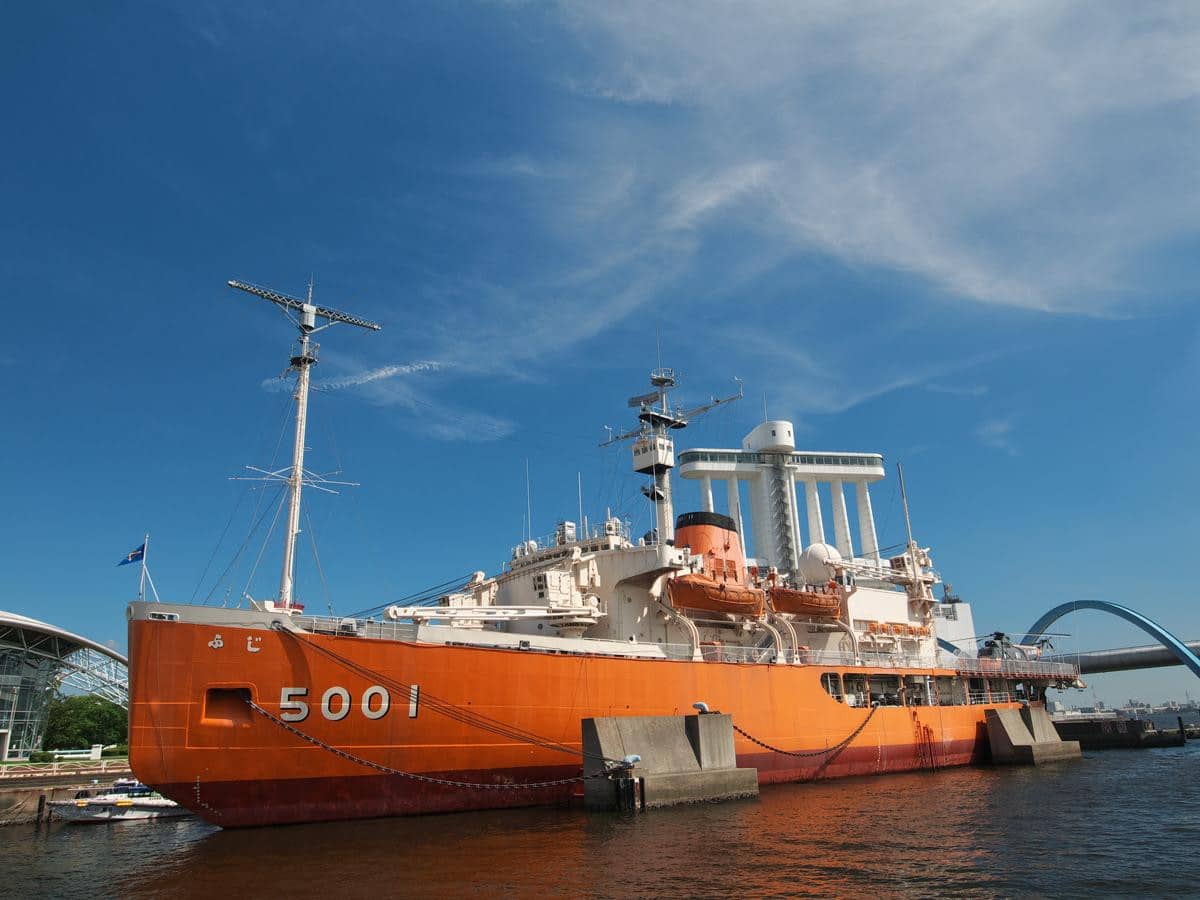
Antarctic Research Ship Fuji
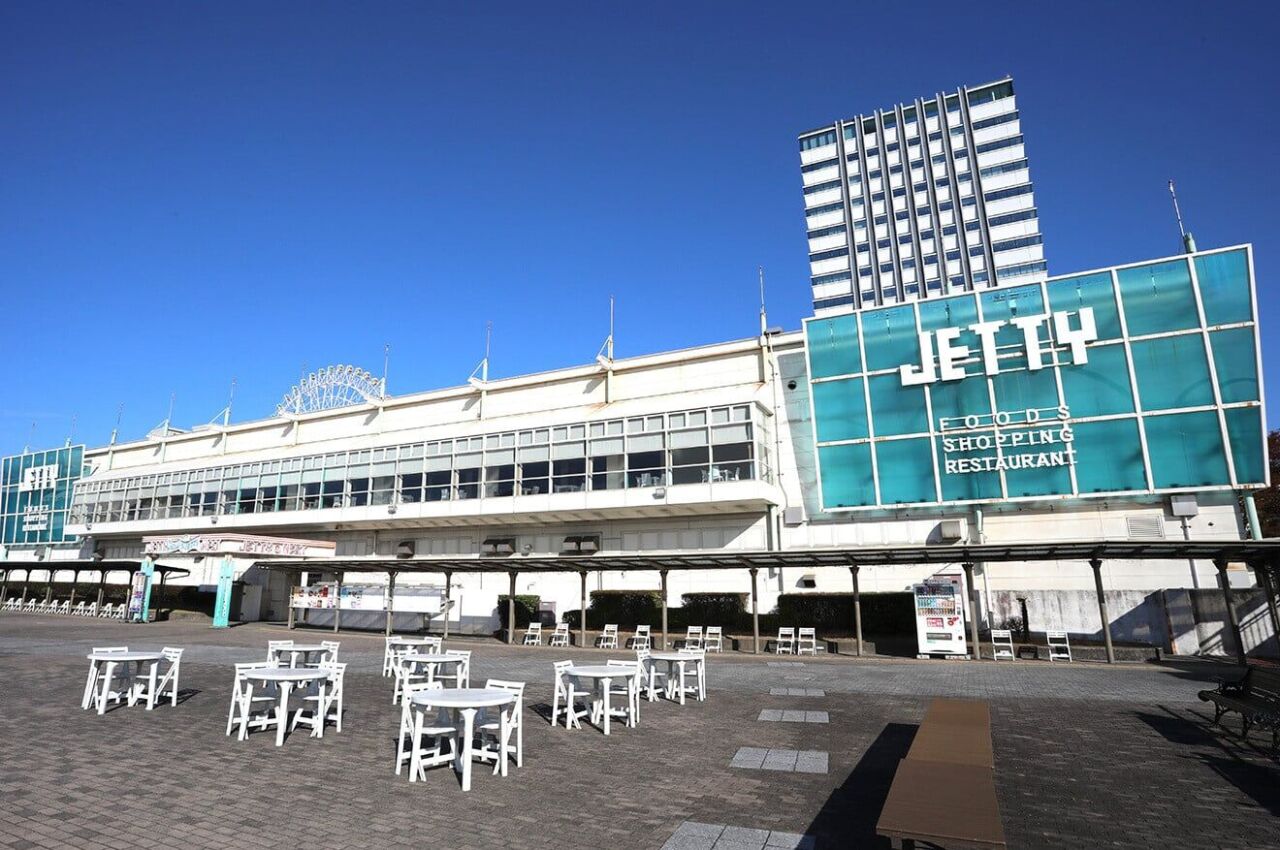
JETTY Mall Food Court: A Dining Stop Near the Aquarium
The JETTY Mall food court is about a 3-minute walk from the aquarium and offers Nagoya specialties such as miso katsu and tebasaki fried chicken wings, seafood rice bowls and light meals. After finishing the aquarium it is a convenient dining choice. Although the aquarium has light-meal stands, we suggest having a proper meal at the JETTY Mall, which has many options and lets you taste authentic Nagoya flavors.
Visitors can get a hand stamp inside the aquarium, go out to eat, and re-enter with the stamp, which makes it easy to plan your day.
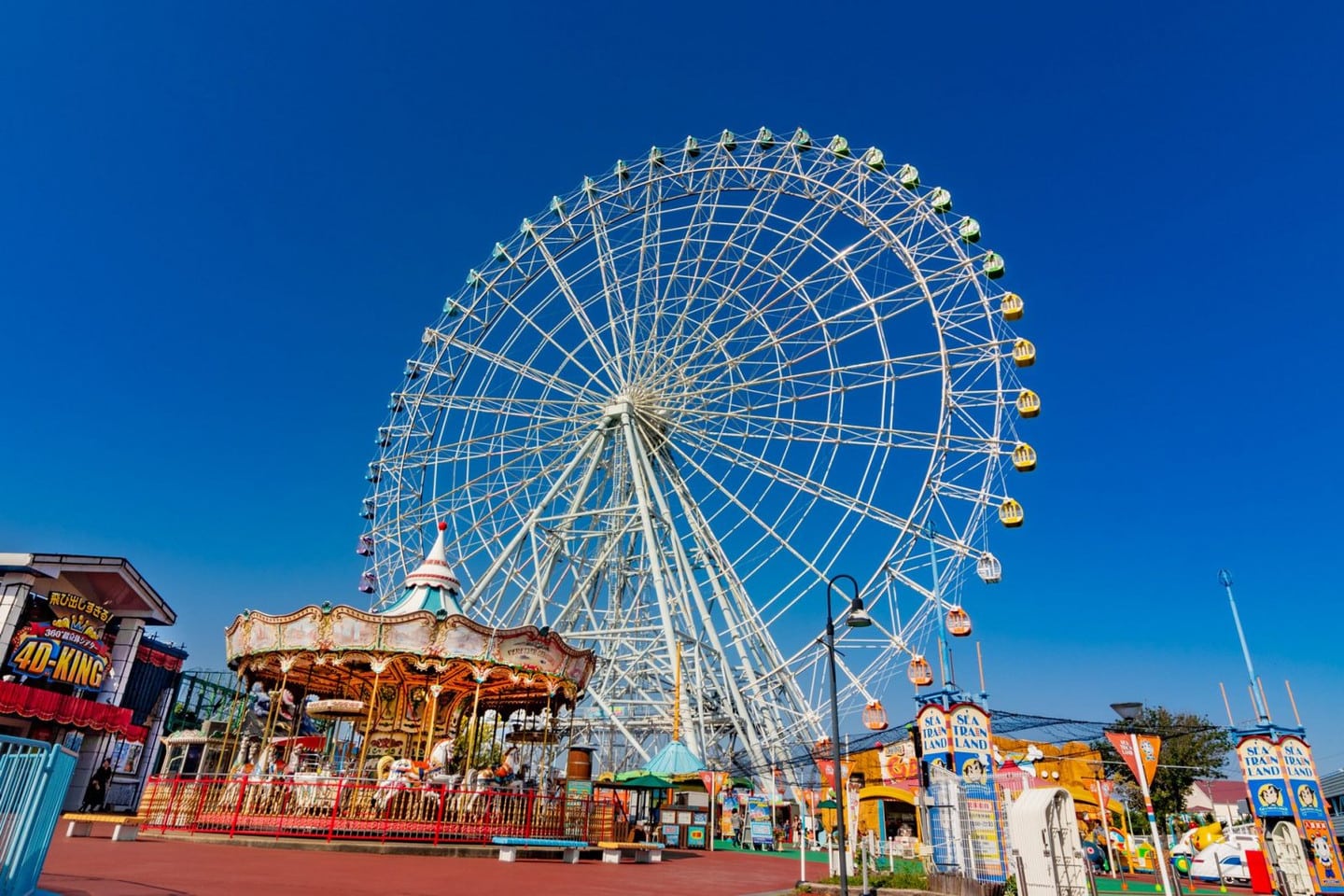
Sea Train Land: A Family Amusement Park at Garden Pier
Sea Train Land, near the aquarium, is a small amusement park with family rides such as a Ferris wheel and a merry-go-round. The Ferris wheel overlooks the Port of Nagoya and Ise Bay for about ¥700 per person (check the on-site notice), a reasonable price and a good way to relax after the aquarium. Admission to the park is free, with each ride charged individually so you can pay flexibly. Families with young children can burn off energy here and make memories.
Sea Train Land
How Much Does the Port of Nagoya Public Aquarium Cost in 2026? Tickets and Tour Fees, Fully Summarized
Below are the latest 2026 ticket options and purchase plans for the Port of Nagoya Public Aquarium.
Port of Nagoya Public Aquarium Single-Facility Ticket: Adult, Student and Child Prices at a Glance
| Ticket Type | Price | Notes |
|---|---|---|
| Adult / High school student | ¥2,030 | Available on site or online |
| Elementary / junior high student | ¥1,010 | Student ID required |
| Children aged 4 and over | ¥500 | Free for under 4 |
Regular on-site single-facility tickets at the Port of Nagoya Public Aquarium come in three tiers: adult / high school student ¥2,030, elementary / junior high student ¥1,010, and children aged 4 and over ¥500, with children under 4 admitted free. Tickets can be bought at the on-site ticket windows or automatic ticket machines. In peak season, arrive early to queue, or buy an e-ticket online in advance to save queuing time. If you hold the “Nagoya Municipal Subway One-Day Pass” or the “Weekend Eco Pass,” show it at the staffed window when buying and you get ¥200 off on the spot, so an adult ticket is only ¥1,830, a hidden perk that mostly locals know about.

Klook Online Pre-Purchase: A Time-Saving Way to Skip the Line
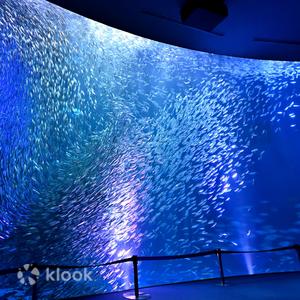
When you buy Port of Nagoya Public Aquarium tickets in advance on Klook, the price varies with exchange rates and dates (check the Klook page for the actual price), and it saves the time of queuing for tickets. After purchase you just show the QR code on your phone and scan at the gate to enter directly, especially suitable for visitors going in peak season or over consecutive holidays who want to avoid long lines.
We suggest confirming the night before departure that the e-ticket has finished downloading, so unstable network on site does not slow your entry.
Nagoya Subway One-Day Pass Discount: A Double Saving on Transport and Tickets
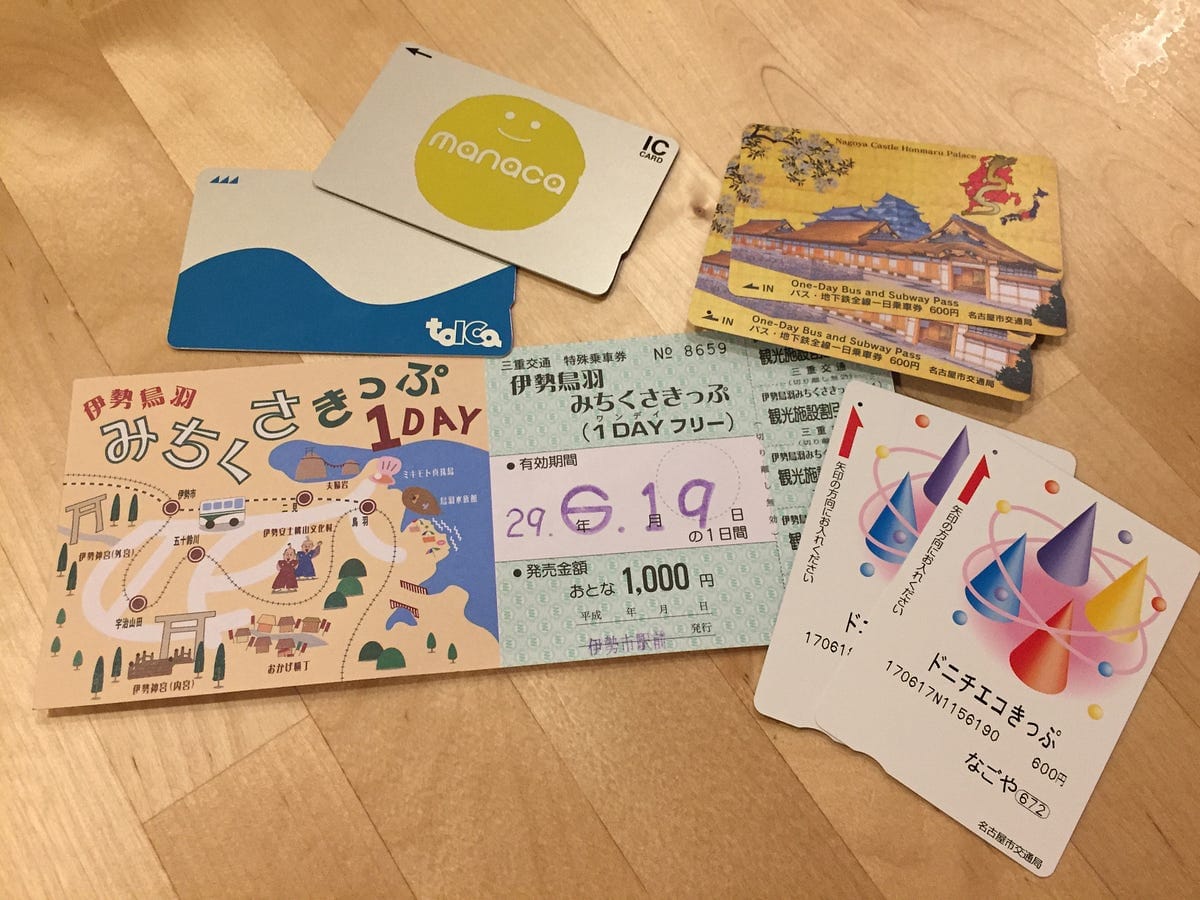
Besides unlimited subway rides to the aquarium and the city’s major sights, the Nagoya Municipal Subway One-Day Pass, when shown at the staffed ticket window at the aquarium, also gives an extra ¥200 off an adult ticket on the spot, saving on both transport and admission at once, a high-value choice for a deep day of sightseeing in Nagoya with multiple stops.
If you only plan a single-day port-area trip, you can also choose the “Weekend Eco Pass” for the same discount. We suggest planning the order of sights you want to visit in the day in advance, to get the most out of the one-day pass.
Nagoya Subway One-Day Pass Discount
2026 Asian Games Special: Four-Facility Combination Ticket Suspended and Alternatives
Visitors used to buy the “four-facility combination ticket” covering the aquarium, the Antarctic research ship Fuji, the Port Building observation room and the Nagoya Maritime Museum, one ticket to tour the entire Garden Pier area. But due to the schedule of the 2026 Aichi-Nagoya Asian Games, the Antarctic research ship, observation room and Maritime Museum will be closed from August 1 to November 30, 2026, and the four-facility combination ticket is suspended for that period as well.
Visitors going during this period should simply buy the “single-facility aquarium ticket,” with no need to consider a combination ticket, and can spend all the time saved on the aquarium’s rich shows and exhibit zones.
Night Aquarium: A Romantic Night Visit, Golden Week and Summer Only
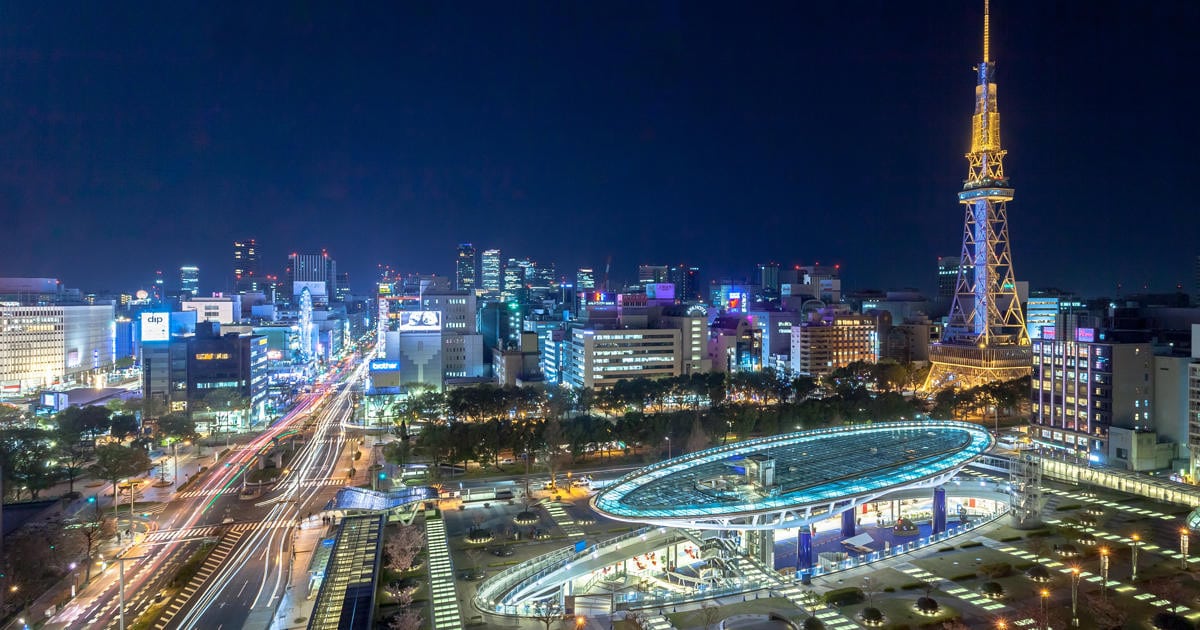
During certain periods such as Golden Week and summer, the Port of Nagoya Public Aquarium offers extended hours in its “Night Aquarium,” letting visitors explore after dark and see the nocturnal ecology and lighting atmosphere rarely shown by day. The aquarium also arranges special shows or events on night sessions, with an atmosphere completely different from daytime, and it suits a date at the aquarium with your partner.
Since night entry is only offered in certain periods, we suggest checking the official announcements before you go to see whether purchases are open for the year.
Where to Stay Near the Port of Nagoya Public Aquarium in 2026: Lodging Suggestions

Lodging Near the Port of Nagoya: Kanayama Station and Nagoya Station Are the Top Choices
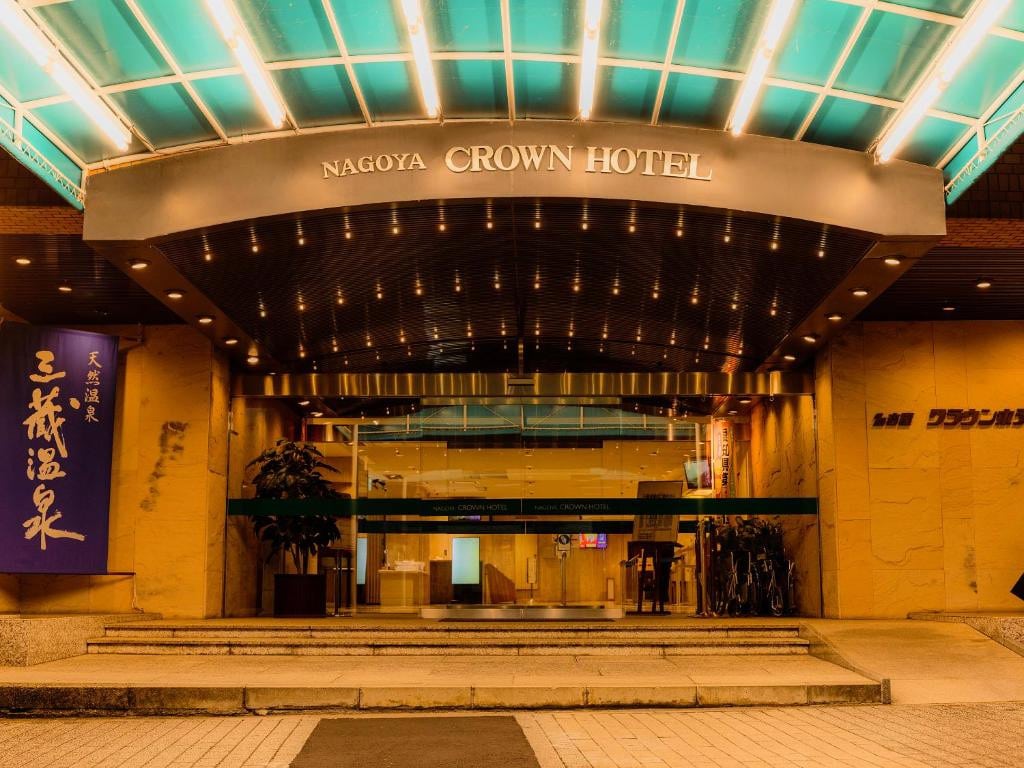
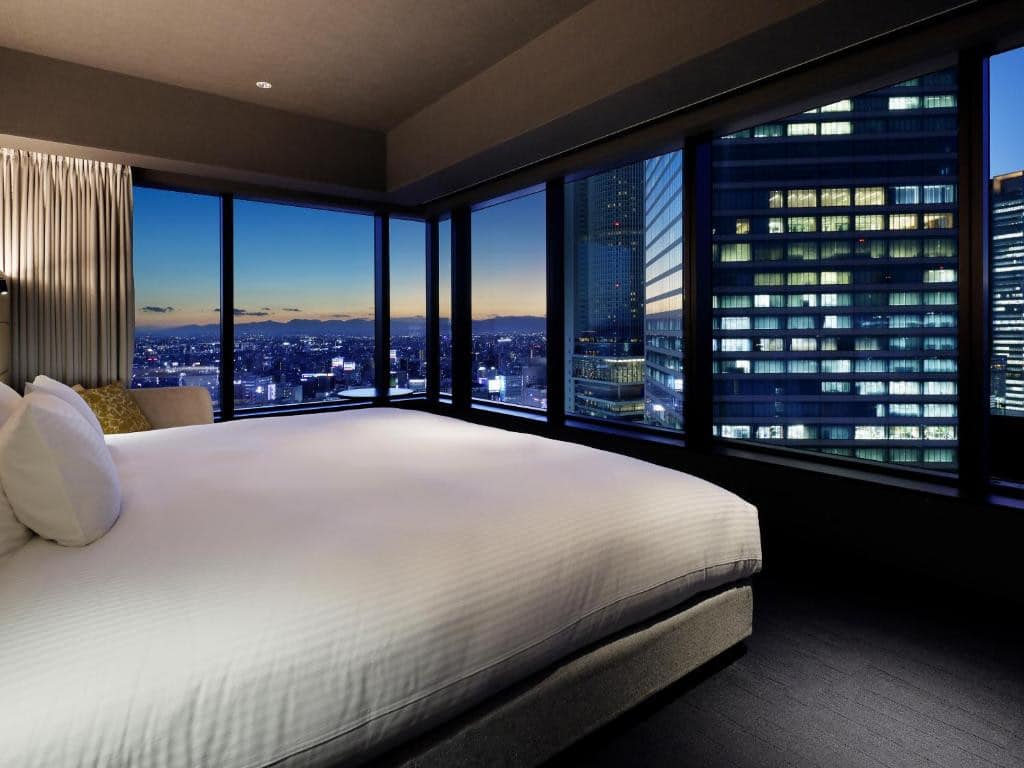
Lodging options right around the Port of Nagoya are limited, so we suggest basing yourself around “Kanayama Station” or “Nagoya Station,” which are convenient for transfers. Both have direct subway Meijo Line access to the aquarium in about 20 to 30 minutes, and both are close to the department stores and restaurants clustered around the stations, convenient for meals and shopping before and after the aquarium and for linking up with other popular Nagoya sights.
FAQ
Q: How much is admission to the Port of Nagoya Public Aquarium?
On-site single-facility tickets are ¥2,030 for adults / high school students, ¥1,010 for elementary / junior high students and ¥500 for children aged 4 and over, with children under 4 admitted free.
Q: What is the fastest way to get to the Port of Nagoya Public Aquarium?
Take the Meijo Line subway to “Nagoya-ko” Station and walk about 5 minutes from Exit 3. It is the fastest and most convenient way.
Q: What are the opening hours of the Port of Nagoya Public Aquarium? How long should I stay?
According to the official 2026 operating calendar, hours are basically 9:30 to 17:30, shortened to 9:30 to 17:00 in winter (January to March 23 and December in 2026), and extended to 20:00 in summer vacation (July 18 to August 31, 2026) and the September holiday weekend (September 19 to 23). Entry must be at least 1 hour before closing. Monday is the closing day (moved to the next day if it falls on a national holiday), so check the official website calendar before you go. We suggest allowing half a day or more, or a full day if you add nearby attractions.
Q: Can I still visit the aquarium as usual during the 2026 Asian Games?
The aquarium itself operates normally and is not affected. Only the Antarctic research ship, observation room and Maritime Museum are closed from August 1 to November 30.
Q: Where is the best place to sit for the dolphin show and orca performance?
We recommend front-row center seats for a close feel of the show’s energy, but you may get splashed. If you do not want to get wet, choose the middle or back rows and watch the big-screen feed.
Q: Will the Penguin Walk event be held in 2026?
Whether the Penguin Walk is held, when, and its availability are all subject to the day’s official announcement, so please confirm before you plan your trip.
Q: What season is best to visit the Port of Nagoya Public Aquarium?
You can visit all year, and the indoor zones are not affected by the weather. If the Penguin Walk resumes in winter it is even more worth seeing. We suggest weekday mornings to avoid crowds.