
Asakusa Shopping Guide 2026: Old Tokyo Charm and the Best Shopping Streets
Asakusa’s must-visit shopping areas are Nakamise-dori, Kappabashi Kitchen Town, Asakusa ROX (what locals call the Asakusa department store) and EKIMISE, and together they fit into a half-day or full-day outing. For a walking route, see the Asakusa ROX section below.
A note: “Asakusabashi” is a different neighborhood, known for its wholesale crafting-supply shops, and it is not near Senso-ji. This article covers the area around Kaminarimon and Senso-ji.
Senso-ji: Tokyo’s Oldest Temple, Founded in 628, with the Five-Story Pagoda and Kaminarimon
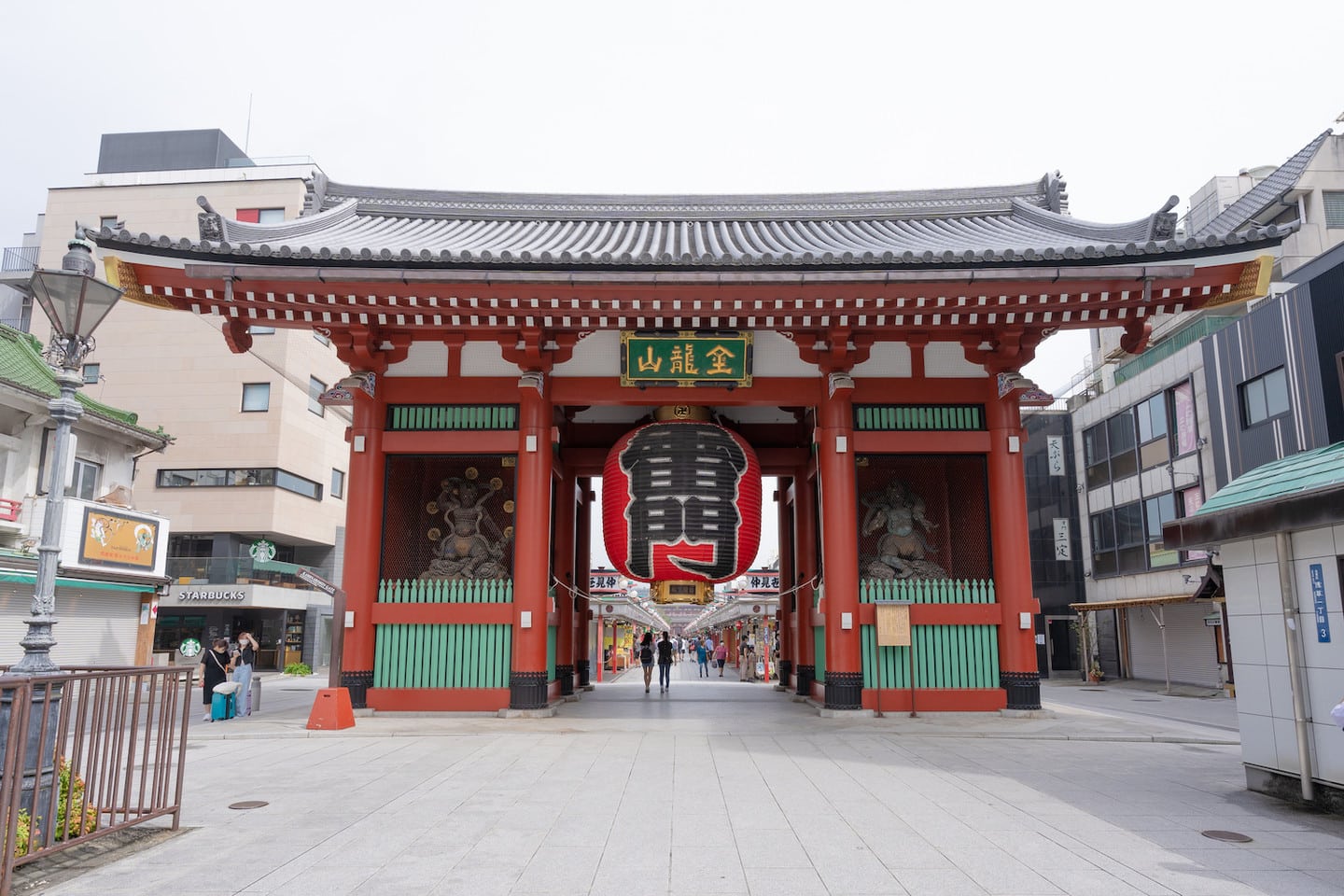
Senso-ji was founded in 628 and is the oldest temple in Tokyo. It enshrines Kannon, the bodhisattva of compassion, draws steady crowds of worshippers, and sits at the heart of Asakusa’s development. The main hall, the five-story pagoda and Kaminarimon form the classic scene, making it the first photo stop for most visitors and a good window into the folk faith of Edo-period commoners.
The best time to visit is before 9 a.m., when the crowds are thin and you can get a clean shot of Kaminarimon. Entry to the temple grounds is free, and it is open 6:00-17:00 (from 6:30 between October and March). A fortune slip costs ¥100, and if you draw a bad fortune, you can tie it to the designated racks on the grounds to ward off the bad luck.
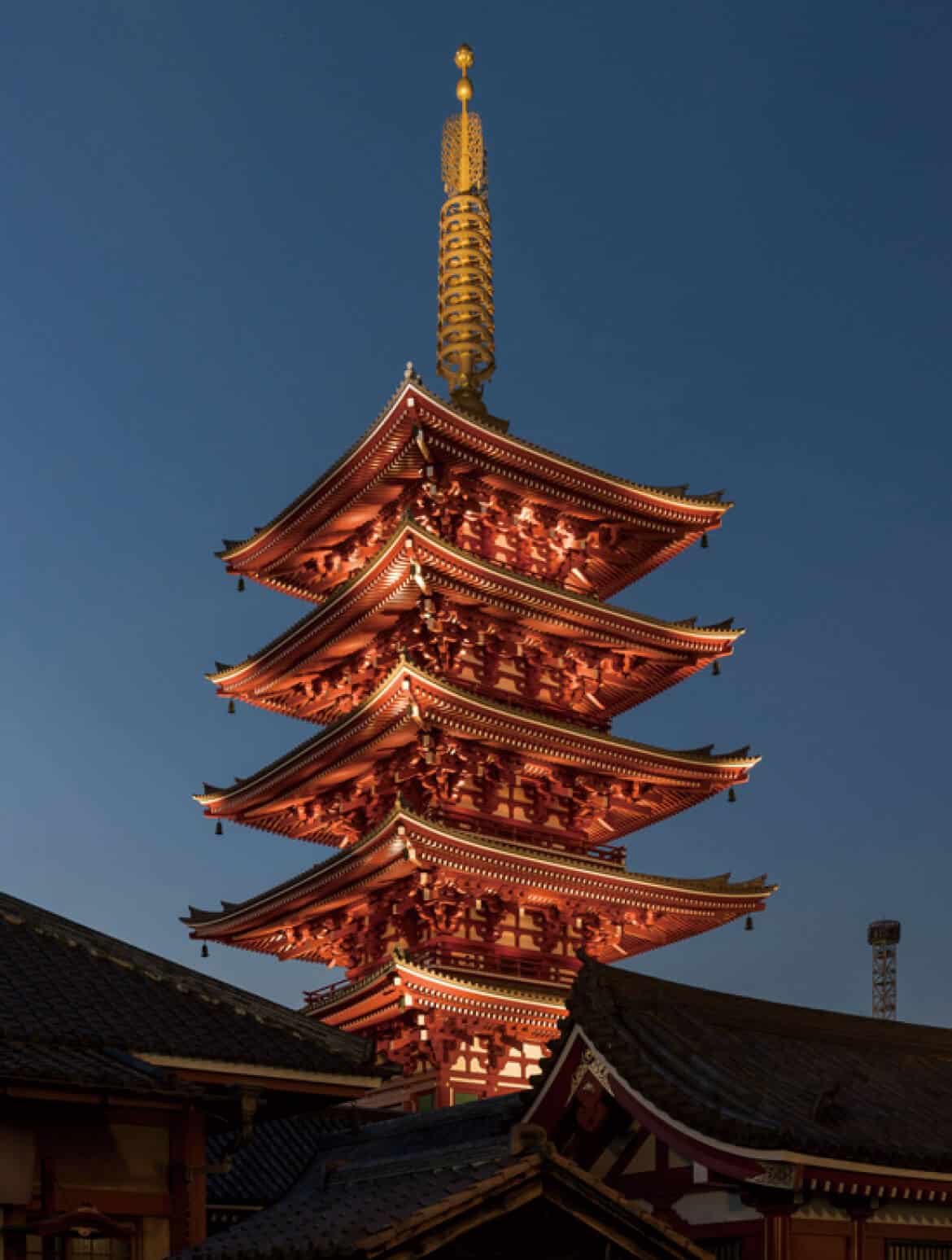
- 🕘 Main hall hours: 6:00-17:00 (opens at 6:30 from October to March)
- 🎫 Admission: Free
- 🔗 Senso-ji Official Website
Kappabashi Kitchen Town: A Kitchenware Paradise for Chefs and Travelers Alike
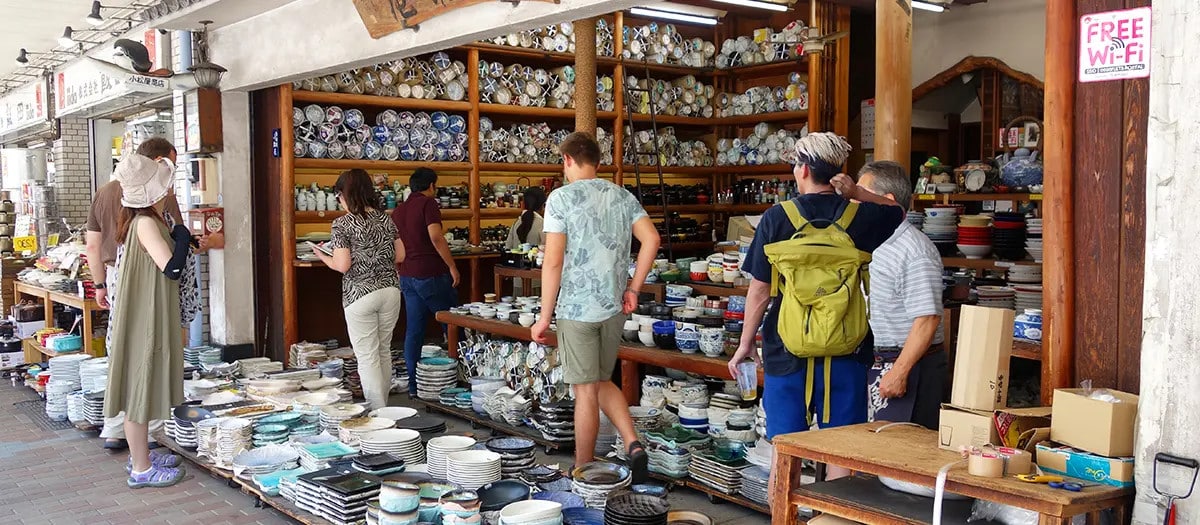
Kappabashi Kitchen Town runs about 800 meters and holds more than 170 shops selling cookware, plastic food models, packaging supplies and baking equipment, making it a go-to shopping spot for both professional chefs and tourists. The street is known for its giant chef’s head landmark, which is a popular photo spot.
The most popular activity with international visitors is making plastic food models, such as at Ganso Shokuhin Sample-ya, where you can craft a tempura or lettuce-salad keychain for about ¥1,500 and up. More than 70% of the shops close on Sundays, so go on a weekday or Saturday. Whether a shop offers tax-free shopping depends on the shop, so check each store’s signage. On November 1, 2026, Japan’s tax-free system will change to “pay the tax-inclusive price at the register, then get the tax refunded after customs confirms the goods at departure”; follow the notices posted in each shop for how it works.
Asakusa ROX: MUJI and Daiso Under One Roof, Plus a Hot Spring with a Skytree View
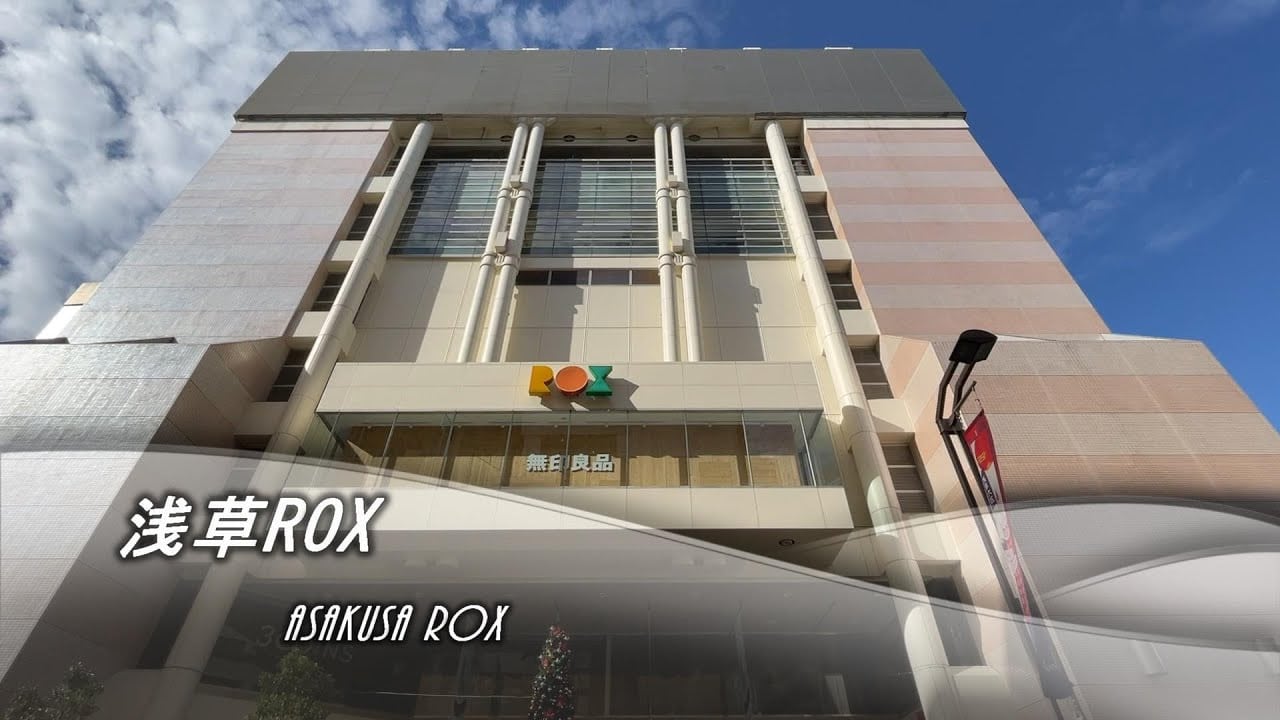
Asakusa ROX is made up of four buildings, ROX (the main building), ROX2G, ROX-3G and ROX DOME, and houses brands such as MUJI, DAISO, 3COINS+plus and GU. It is where local residents do their everyday shopping, and it also lets visitors pick up souvenirs and daily necessities in one stop. The complex even has a hot spring facility, “Matsuri-yu,” so you can soak and relax after shopping.
The official website lists the complex’s opening hours as 10:30-21:00 (the SEIYU supermarket on B1 is open 24 hours), with some restaurants and shops keeping different hours. Bath admission is about ¥2,750 for adults (¥2,200 discounted rate) and about ¥1,375 for children (¥1,000 discounted rate), with views of the Skytree. It is a good way to shake off the day’s fatigue, and the crowds are thinner in the early evening.
The main building is laid out like this: 3COINS+plus (sundries and accessories) on the 2nd floor, MUJI (clothing and home goods) on the 3rd floor, and DAISO (the ¥100 shop) on the 4th floor. You can ride the escalator floor by floor as needed instead of hunting back and forth across the whole building. If you want affordable sundries, quality everyday goods and a ¥100 shop in one trip, heading straight for these three floors is the most efficient plan.
Asakusa ROX Shops and Floor Guide: Everything in ROX, ROX2G, ROX-3G and ROX DOME
Asakusa ROX is the largest general shopping complex in the Asakusa area, the place locals call the “Asakusa department store,” and arguably Asakusa’s biggest shopping center. It consists of four buildings: the main building “ROX” focuses on a supermarket, drugstore, sundries and bathing facilities; “ROX2G” gathers fast food, cafes and yakiniku; “ROX-3G” is the home of budget fashion such as GU and Shimamura; and “ROX DOME” holds an arcade and a batting range. The list below summarizes the main shops on each floor based on the Asakusa ROX official floor guide (September 2026). Shops change from time to time, so check the official website again before you go.
| Building / Floor | Main shops |
|---|---|
| ROX B1F | SEIYU supermarket (open 24 hours) |
| ROX 1F | Ainz & Tulpe (beauty and drugstore), BE POP (sundries), Comme Ca Style, Doutor Coffee, St. Marc Cafe, Marion Crepes |
| ROX 2F | 3COINS+plus, JINS (eyewear), Perfumery K-crew (fragrance) and other fashion and accessory shops |
| ROX 3F | MUJI, ABC-MART |
| ROX 4F | DAISO, Libro (bookstore), Muteki Kura Sushi |
| ROX 5F | Photo studio, lesson schools and other local service facilities |
| ROX 7F | Asakusa ROX Matsuri-yu (bathing facility) |
| ROX 8-9F | ROX Fitness Club begin (gym) |
| ROX2G 1F | McDonald’s, Hitonigiri (rice ball specialty shop), Koppe Tajima |
| ROX2G 2F | Komeda’s Coffee |
| ROX2G 4F | Yakiniku King |
| ROX-3G 1F | Gong cha, Marugame Seimen, Dotonbori Kamukura, Ben’s Cookies, and ST |
| ROX-3G 2F | GU, Capsule Rakukyoku (capsule toy specialty shop), Shabu-shabu Tajimaya |
| ROX-3G 3F | WEGO, Gap Store (both new in September 2026), WonderREX (designer secondhand), Yofuku no Aoyama |
| ROX-3G 4F | Fashion Center Shimamura, Nishimatsuya |
| ROX DOME 1F | Taito Station (arcade) |
| ROX DOME 2F | Asakusa Batting Stadium (batting range) |
If you are looking for a DAISO in Asakusa, the most convenient one is “DAISO Asakusa ROX” on the 4th floor of the ROX main building, open 10:30-21:00, and you can browse 3COINS+plus on the 2nd floor and MUJI on the 3rd floor of the same building in one go. The DAISO website also lists “DAISO Seims Asakusa Kaminarimon-dori” on the 3rd floor of Asakusa Square at Asakusa 1-1-2, on the Kaminarimon-dori side; check the DAISO website for its opening hours. In addition, the official websites of some shops, including MUJI, GU and the SEIYU supermarket, state that they offer tax-free service, which has to be processed separately at each shop. From November 1, 2026, the system changes to paying the tax-inclusive price first and getting the refund after leaving the country.
Asakusa ROX is located at Asakusa 1-25-15, Taito City. Walking times listed on the official website:
- 🚉 Tsukuba Express (TX) Asakusa Station, Exit A1: about 1 minute
- 🚉 Tokyo Metro Ginza Line Tawaramachi Station: about 5 minutes
- 🚉 Ginza Line / Toei Asakusa Line / Tobu Skytree Line Asakusa Station: about 8 minutes
To plan a shopping route near Senso-ji, you can string the main shopping areas into one line:
- 🚶 Kaminarimon → Nakamise-dori → Senso-ji
- 🛍️ Head west to Asakusa ROX to stock up on drugstore goods, ¥100 shop items and budget fashion
- 🍳 Then go to Kappabashi Kitchen Town, west of Kokusai-dori, to pick out cookware
If you are driving, ROX has a 24-hour parking lot with 99 spaces on levels B2-B3. A purchase of ¥3,000 (tax included) or more at a single shop earns a coupon for 90 minutes of free parking (not valid at some shops).
EKIMISE: A Department Store Connected to Asakusa Station, with Handcrafted Goods at Megurite on the 7th Floor
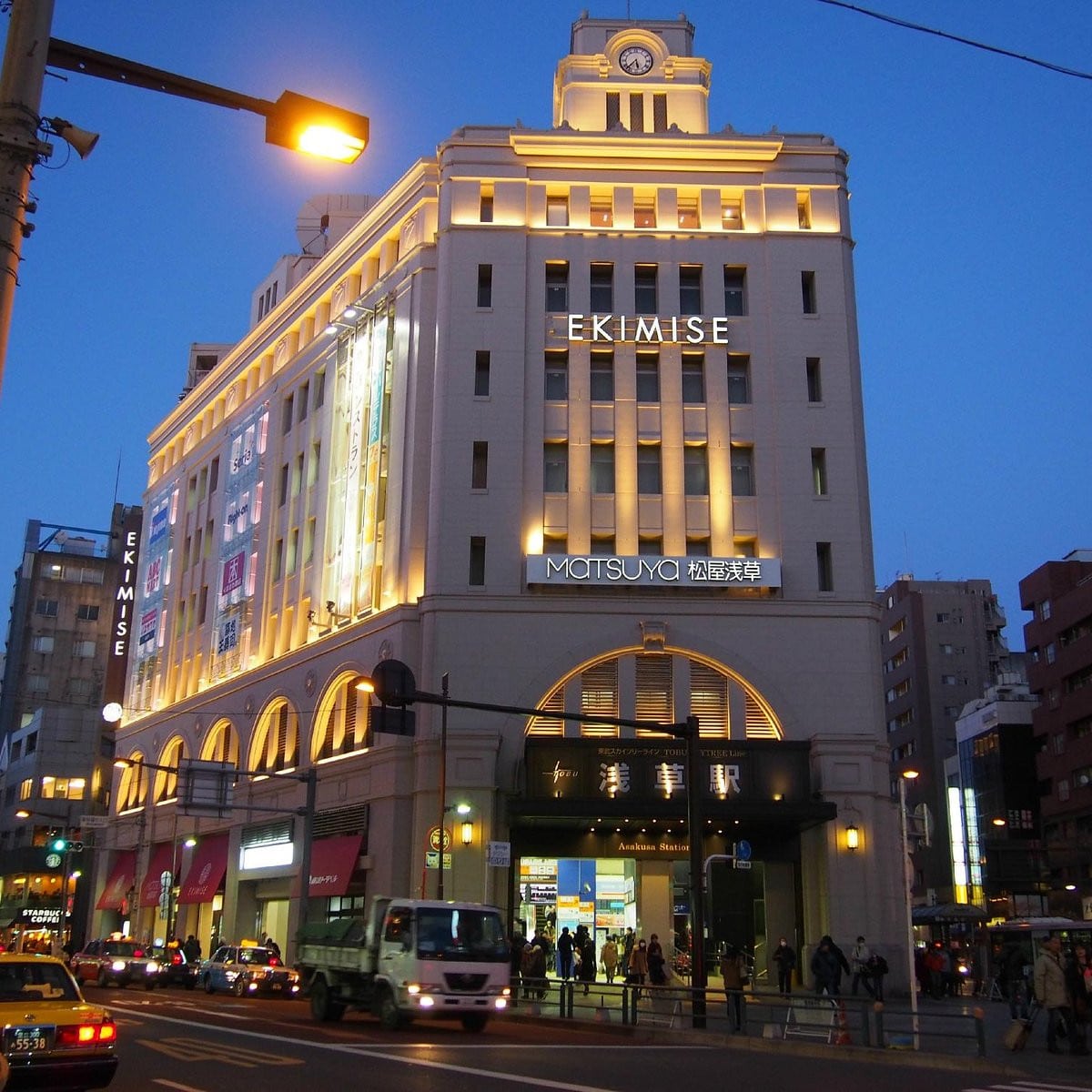
EKIMISE sits right next to Tobu Asakusa Station and is an indoor department store, so you can shop comfortably even in the rain. Megurite on the 7th floor gathers traditional crafts such as boxwood combs and bamboo kitchenware made by artisans, while the 5th floor has a ¥100 shop selling affordable souvenirs such as tableware and folding fans.
Shops are generally open about 10:00-20:00 and restaurants about 11:00-22:00, with slight differences from shop to shop, and the rooftop has an open-air terrace with views of the Skytree. With roughly 100 shops covering fashion, sundries, beauty and dining, it is the best choice as a rainy-day backup or when you want to browse many kinds of goods at once.
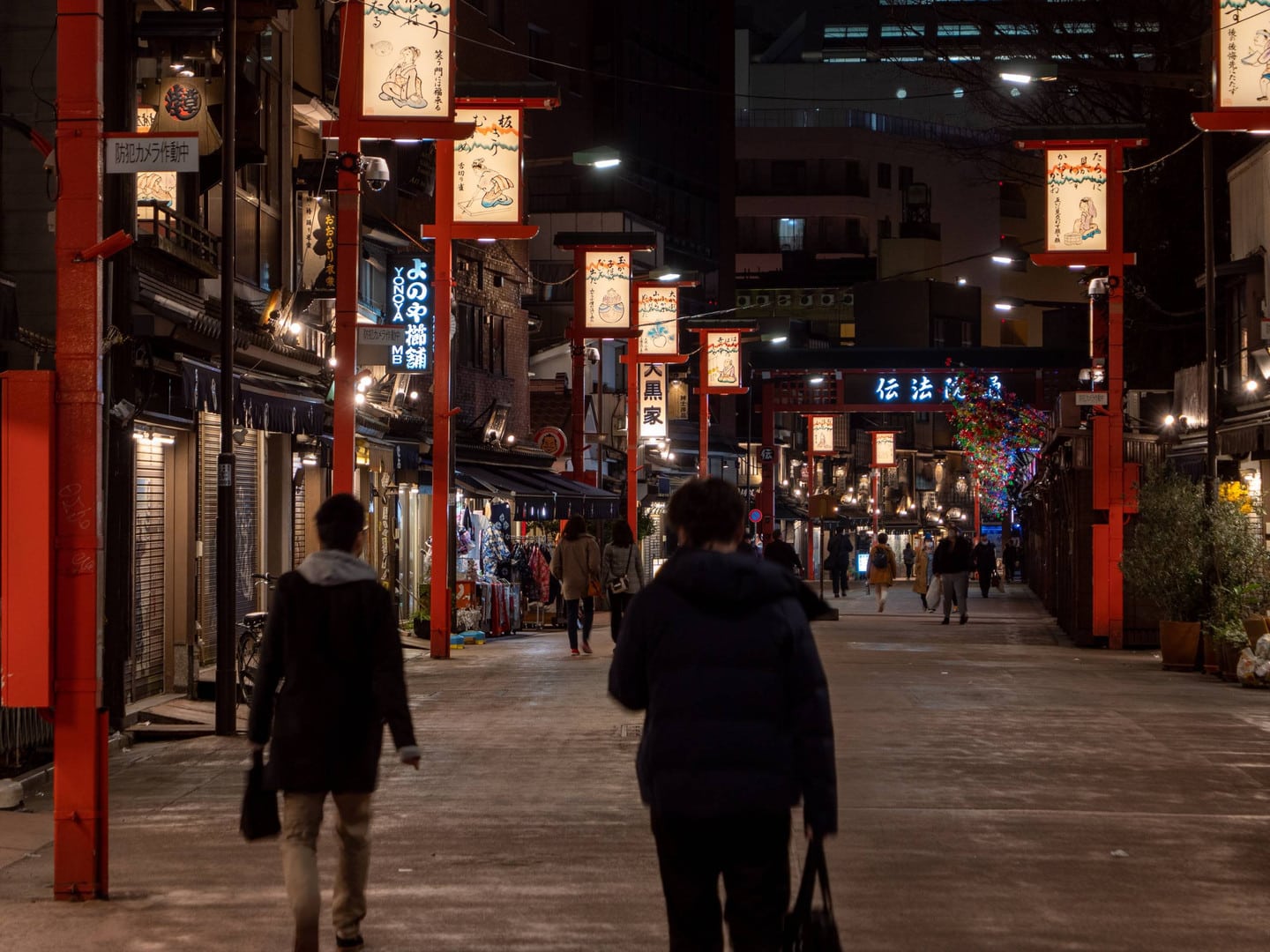
Dempoin-dori: 32 Old Shops Demolished, and the Old Machiya Streetscape Is Gone
Dempoin-dori was a nostalgic shopping street connecting Kaminarimon with the area around Senso-ji, lined on both sides with Edo-period-style machiya townhouses selling senbei rice crackers, Japanese sweets and small sundries. The shops have since been demolished and the street is no longer open to visitors.
Please note that on December 24, 2025, Taito City and the shop owners reached a settlement in a lawsuit, under which the 32 shops along Dempoin-dori, which had long occupied public road land, had to be demolished and the land returned by July 31, 2026. According to reports, the shops closed at the end of May 2026 and demolition began in June, so what you see on site is no longer the original machiya streetscape.
How to Get to Asakusa for Shopping: 2026 Transportation and Tickets Guide
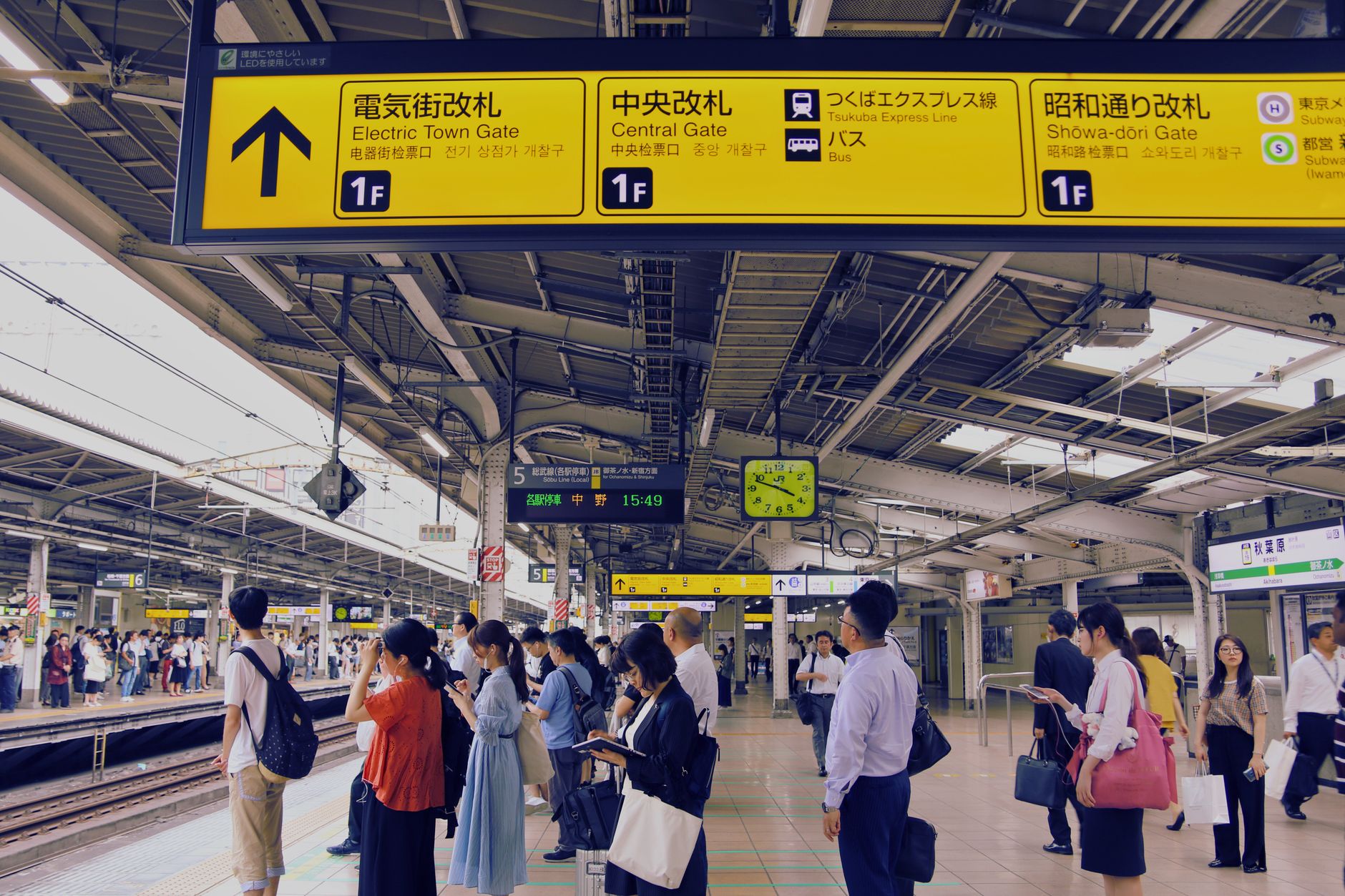
The main way to reach Asakusa is by subway, with three lines meeting at Asakusa Station, and you can also try the water bus and rickshaws for something more distinctive.
How to Get to Asakusa: Transportation at a Glance
🚇 Tokyo Metro Ginza Line: Asakusa is the terminus, and Kaminarimon is right outside the station. From Ueno it takes about 5 minutes and costs ¥170 to ¥240; Exit 1 is the closest to Kaminarimon.
🚇 Toei Asakusa Line: It runs through to the Keisei and Keikyu lines. From Narita Airport, the Keisei Access Express (no limited-express surcharge) takes about 1 hour; from Haneda Airport, the Keikyu Line takes about 40 minutes.
🚞 Tobu Isesaki Line: It runs through to Nikko and Kinugawa Onsen, and the Tobu Skytree Line takes about 3 minutes and ¥160 to Tokyo Skytree Station.
⛴️ Sumida River Water Bus: Asakusa to Hinode Pier takes about 40 minutes and costs ¥1,000; the direct boat from Asakusa to Odaiba takes about 55 to 60 minutes and costs ¥2,000 (ship types such as Himiko and Hotaluna were designed by Leiji Matsumoto).
🛺 Rickshaw experience: Ride through the back alleys around Kaminarimon and Nakamise-dori with a driver who gives guided commentary in Chinese and English; for one person, 10 minutes starts at about ¥4,000.


Top Sights and Popular Shops for Asakusa Shopping in 2026: Highlights of Each Area
The core shopping highlights in Asakusa are concentrated around Nakamise-dori, the Kaminarimon area and Hoppy Street, covering souvenirs, drugstore goods and traditional snacks.
Kaminarimon: Asakusa’s Signature Giant Red Lantern Landmark
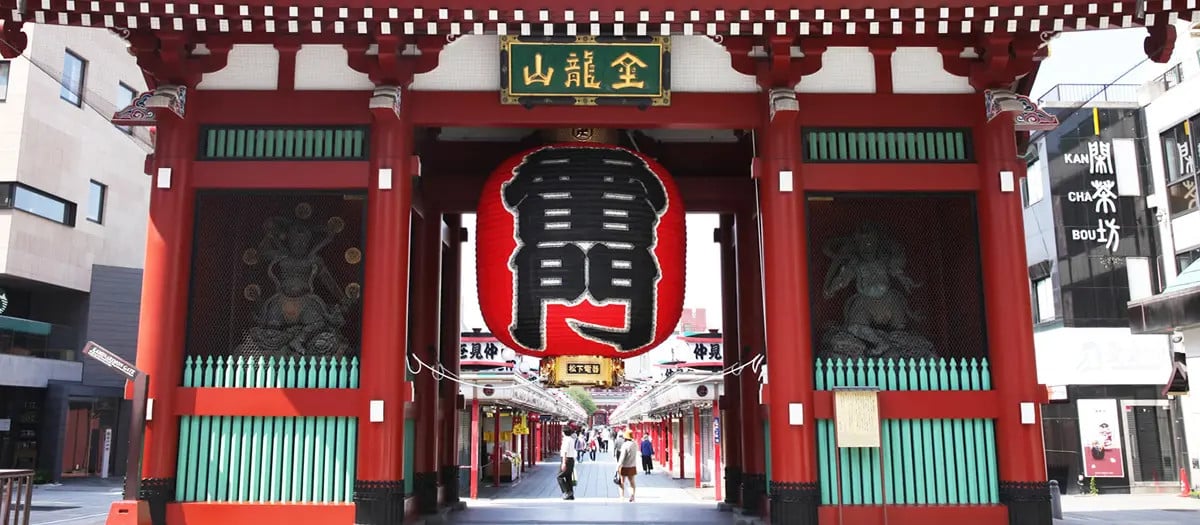
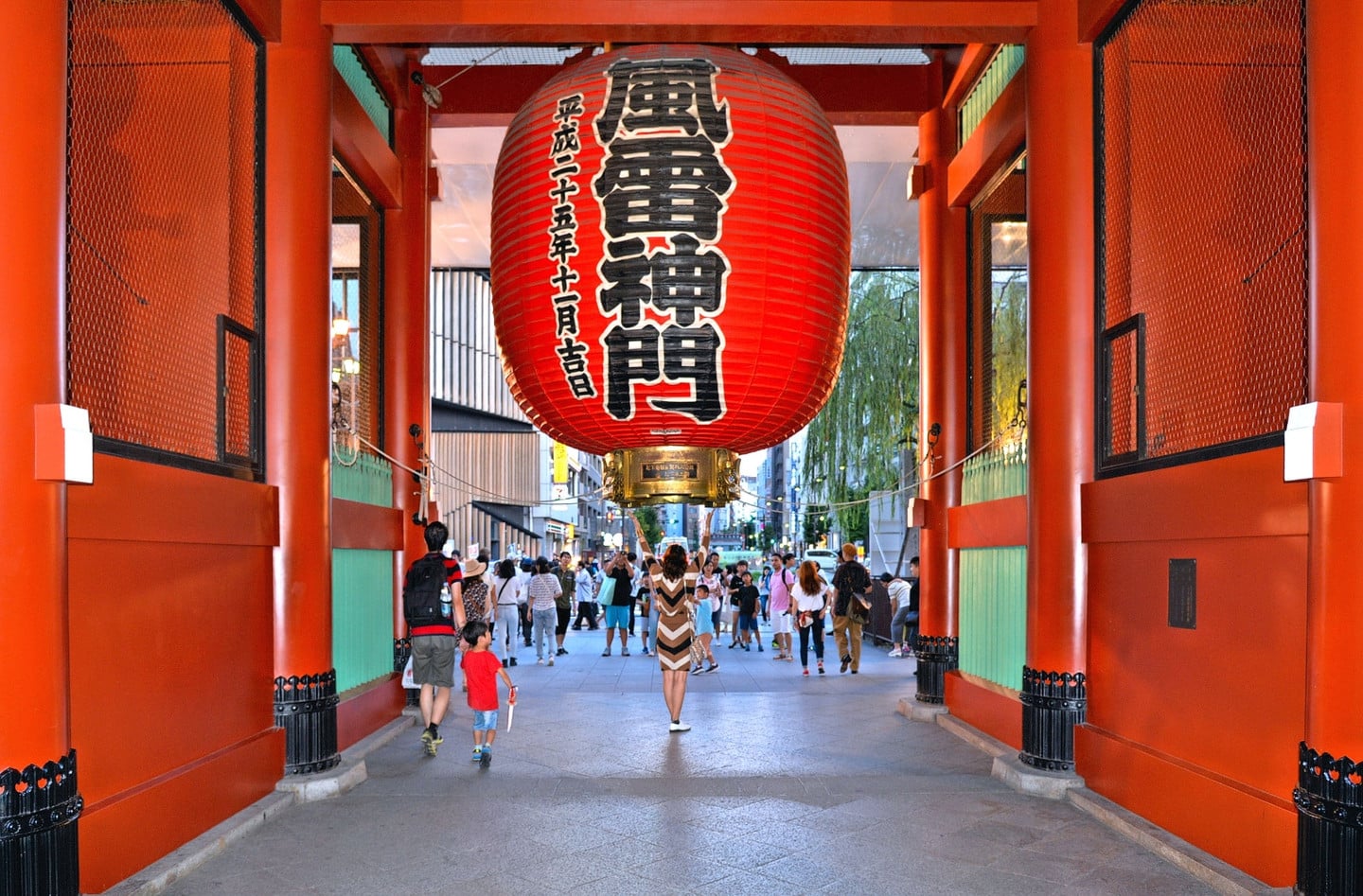
Kaminarimon is the main gate of Senso-ji, and its giant red lantern, about 3.9 meters tall, is one of Tokyo’s most iconic photo landmarks. The lantern was donated by Konosuke Matsushita, the founder of Panasonic, and statues of the wind god and thunder god are enshrined on either side, giving the gate a commanding presence. Almost every Asakusa itinerary starts at Kaminarimon.
Kaminarimon is open all year and free to visit, and going in the early morning lets you photograph the front of the lantern without the crowds. The underside of the lantern is carved with the characters for “Kaminarimon,” while the back reads “Furaijin-mon,” a small detail many visitors overlook and worth walking around to see up close.

Nakamise-dori Shopping Street: A Century-Old Shopping Street Continuing Since the Edo Period
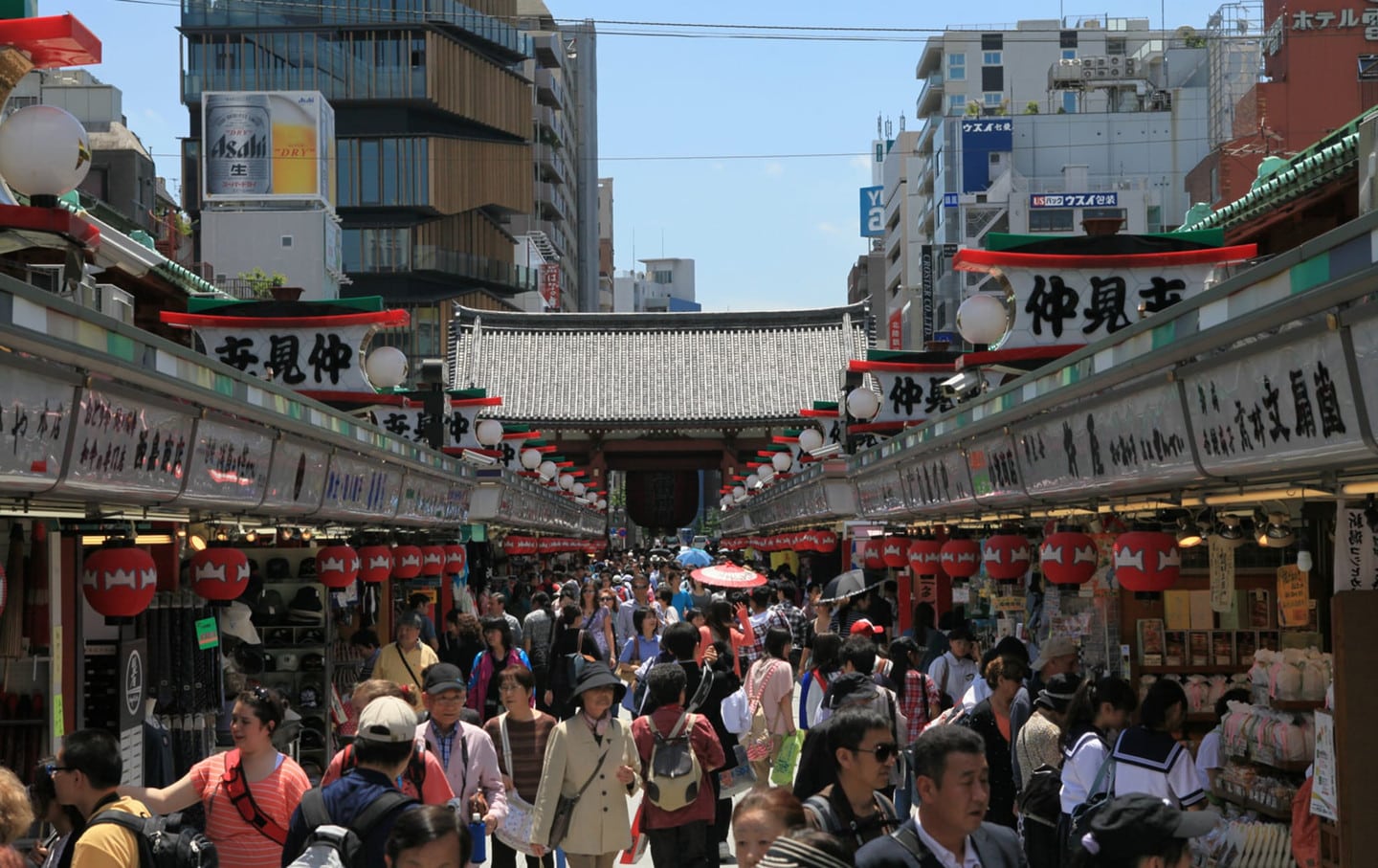
Nakamise-dori is about 250 meters long and is the approach street linking Kaminarimon with the main hall of Senso-ji. More than 90 shops line both sides selling traditional souvenirs such as ningyoyaki cakes, senbei rice crackers, folding fans and wooden geta sandals. It is one of the oldest shopping streets still existing in Japan, and its basic form took shape in the Edo period.
The best time to visit is between 10 and 11 a.m., which avoids the afternoon peak. Eating while walking is banned throughout the street, so you need to eat in the rest areas next to the shops. Opening hours vary by shop, with most open 9:00-19:00, and it is the most efficient one-stop area for buying traditional souvenirs.
Asakusa Shrine: The Spiritual Heart of the Sanja Festival
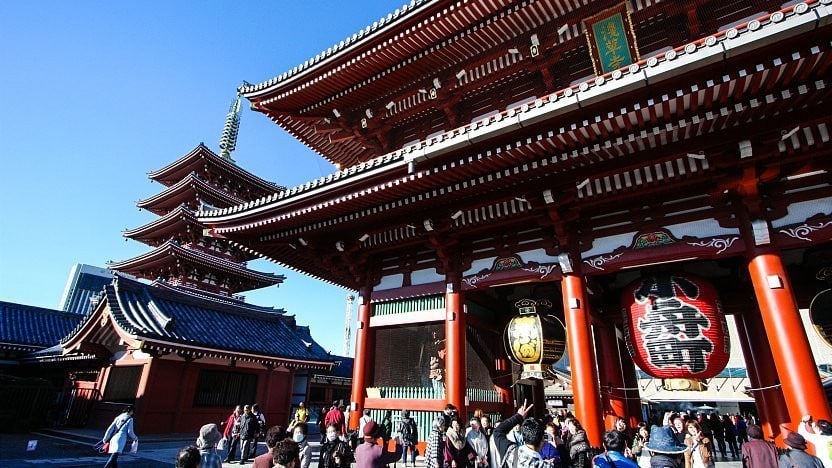
Asakusa Shrine stands right next to Senso-ji and enshrines three people who contributed to the founding of Senso-ji, which is why it is also called “Sanja-sama.” It is the birthplace of the grand Sanja Festival held every May, which draws more than 1.8 million people and is one of Tokyo’s three great festivals. The shrine buildings keep their early Edo-period style and are designated Important Cultural Properties.
The shrine is open all year and free to visit. Omamori charms in the traffic-safety and business-prosperity series are the most popular, with omamori from ¥500 and goshuin stamps at ¥500. The atmosphere on the grounds is much quieter than at the Senso-ji main hall, making it a good stop for a quick prayer, and early evening is especially recommended, when there are fewer visitors and the light is better for photos.
Imado Shrine: The Place for Lucky Cats and Prayers for Love
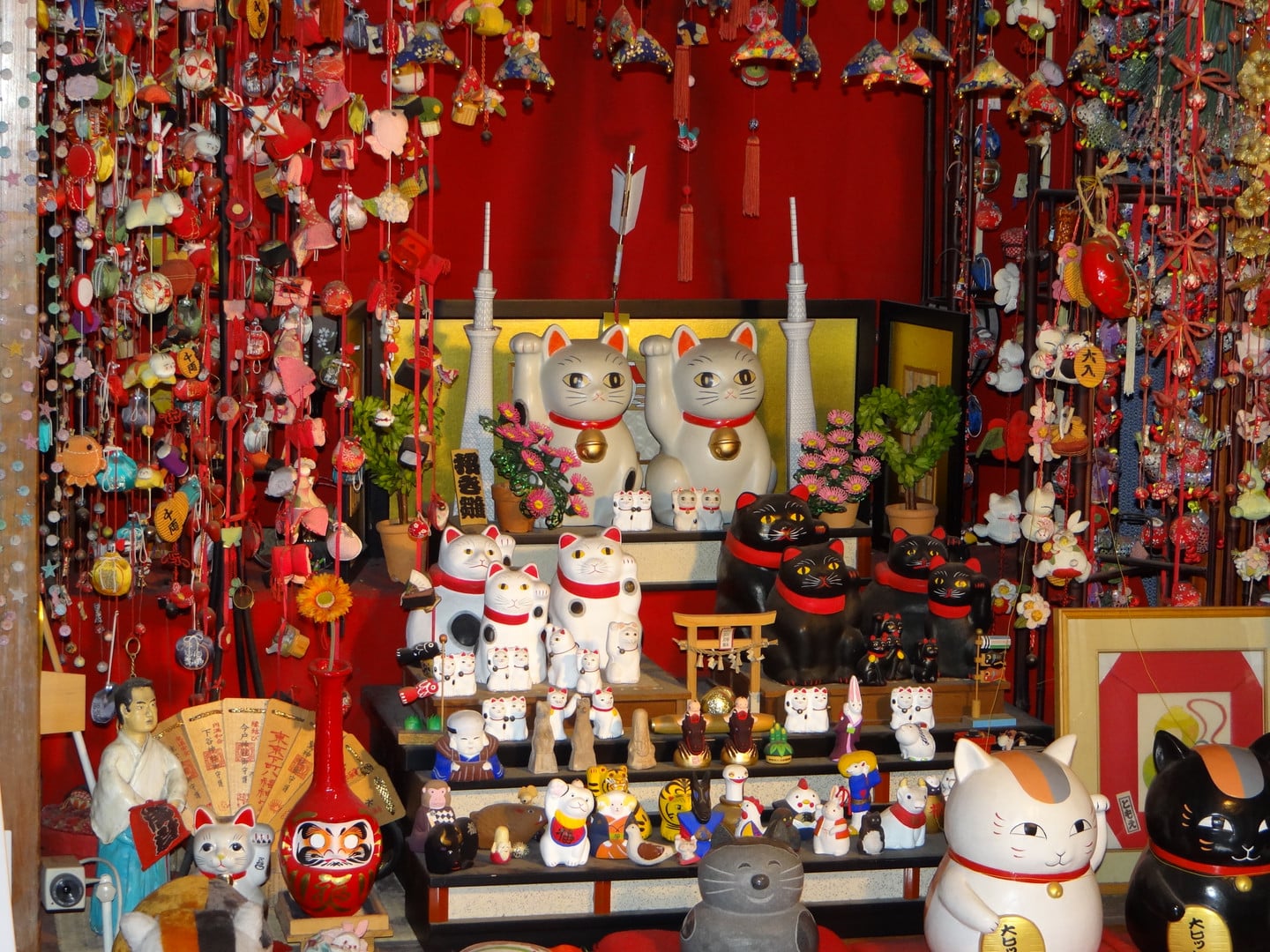
Imado Shrine enshrines Izanagi-no-Mikoto and Izanami-no-Mikoto and is said to be the birthplace of the maneki-neko (lucky cat). Cat-shaped ema plaques and charms are everywhere on the grounds, and because its main deities are a married divine couple, it is also famous for prayers for a good match, attracting many young couples and single women.
It is open 9:00-17:00, the “en-musubi” (good match) series of omamori is the most popular, and there is often a queue for goshuin stamps on weekends. The shrine is small and takes only about 20 minutes to walk through, so it fits easily on the same route as Hanayashiki or Sumida Park.
Asakusa Culture Tourist Information Center: A Free Observation Deck with a Panorama of Asakusa
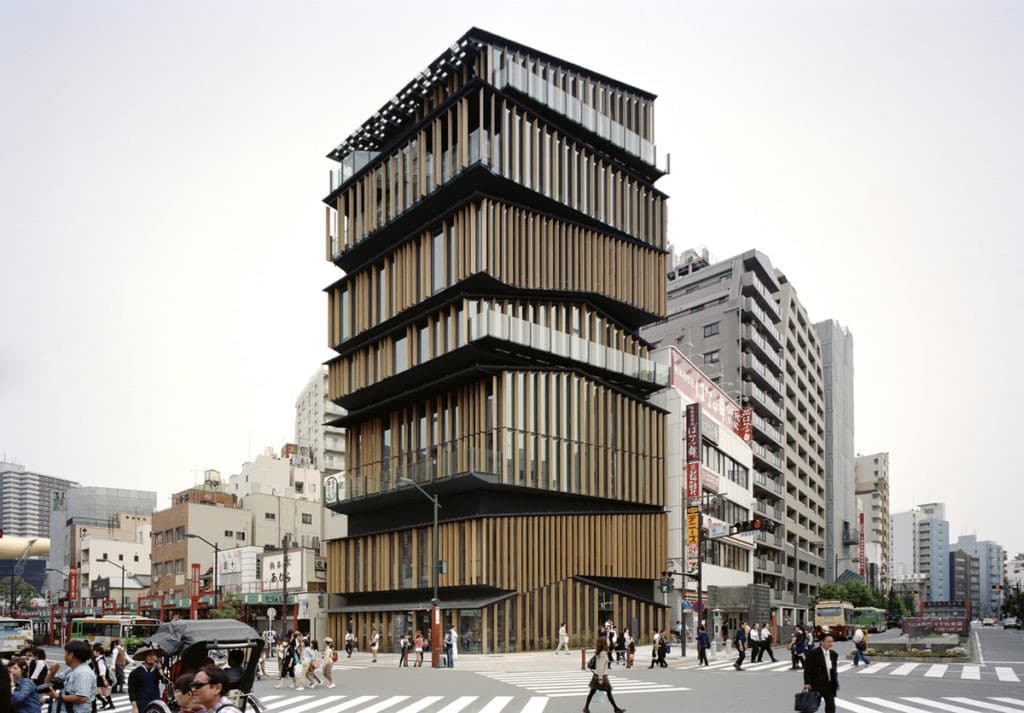
The Asakusa Culture Tourist Information Center was designed by the renowned architect Kengo Kuma, with an exterior of stacked wooden lattice, and its free observation deck on the 8th floor gives a 360-degree view over Kaminarimon, Senso-ji and the Skytree. It is Asakusa’s only free high vantage point with an excellent view.
It is open 9:00-20:00 (the observation deck until 22:00), and the building also offers multilingual tourist information, free Wi-Fi and currency exchange, with a rest area and lockers on the 1st floor. Going up at dusk lets you catch the triple view of the sunset, Senso-ji and the lit-up Skytree at the same time.
Asakusa Hanayashiki: Japan’s Oldest Surviving Nostalgic Amusement Park
Asakusa Hanayashiki, founded in 1853, is Japan’s oldest amusement park. It keeps its retro Showa-era roller coaster and Ferris wheel, and its nostalgic atmosphere attracts families and couples and makes it a popular Instagram spot.
Adult admission is ¥1,600. The unlimited ride ticket is ¥3,000 (admission not included and must be bought separately), and the One-Day Pass covering admission plus unlimited rides is ¥4,600. The park is small but packed with rides, so plan on 2-3 hours. It is open 10:00-18:00, and on winter weekdays it may close early, so check the official website in advance.
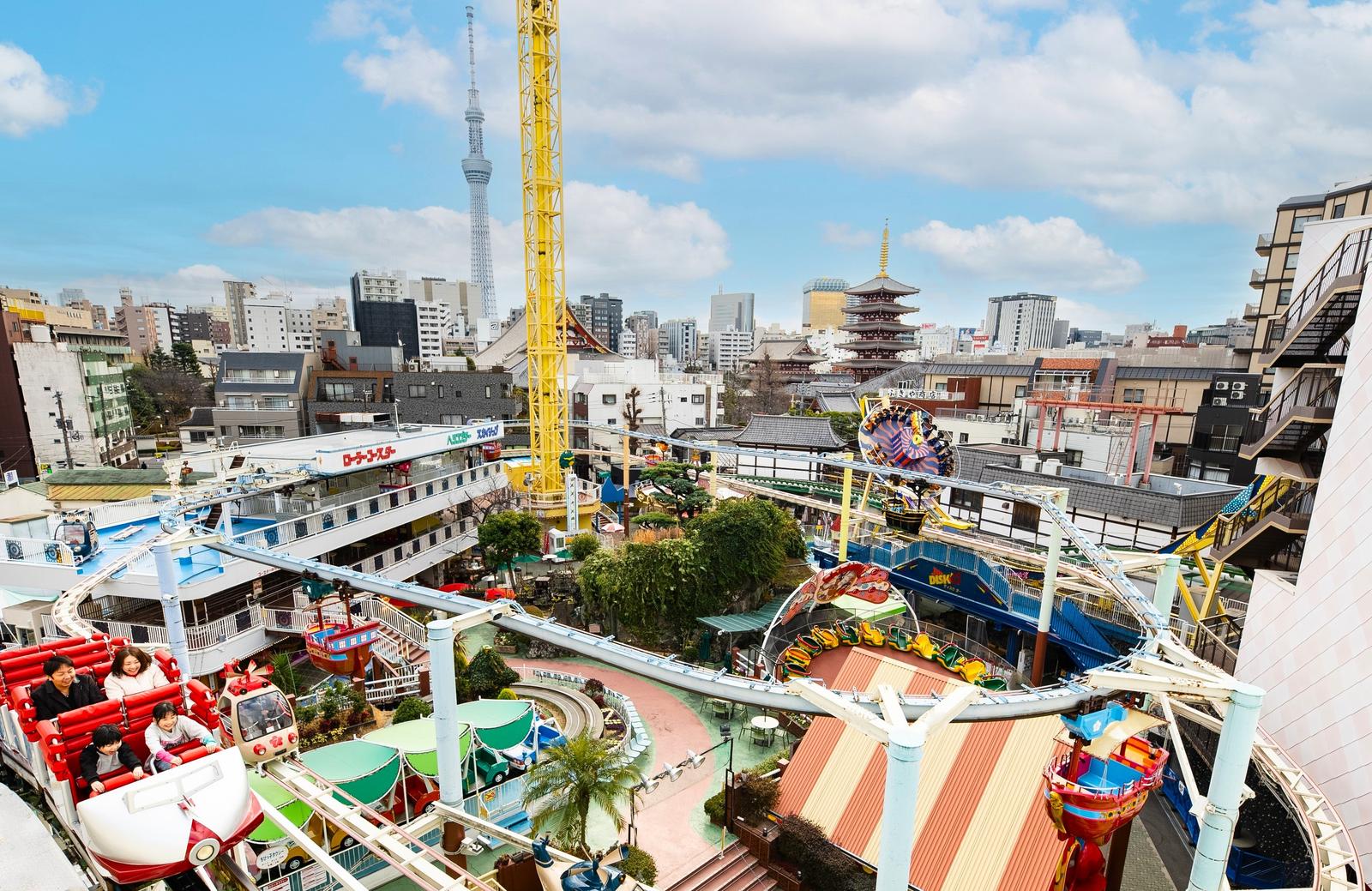
- 🕘 Hours: 10:00-18:00 (last entry 30 minutes before closing; varies by season and weather)
- 🎫 Admission: Entry fee: adults (junior high school students to age 64) ¥1,600 / children (age 5 to elementary school students) and ages 65 and over ¥800 / ages 0-4 free; One-Day Pass (admission plus unlimited rides) ¥4,600, children and seniors ¥3,400; unlimited ride ticket (admission not included) ¥3,000, children and seniors ¥2,600
- 🔗 Asakusa Hanayashiki Official Website (fee information)
Sumida Park: Riverside Strolls and a Prime Skytree Viewing Spot
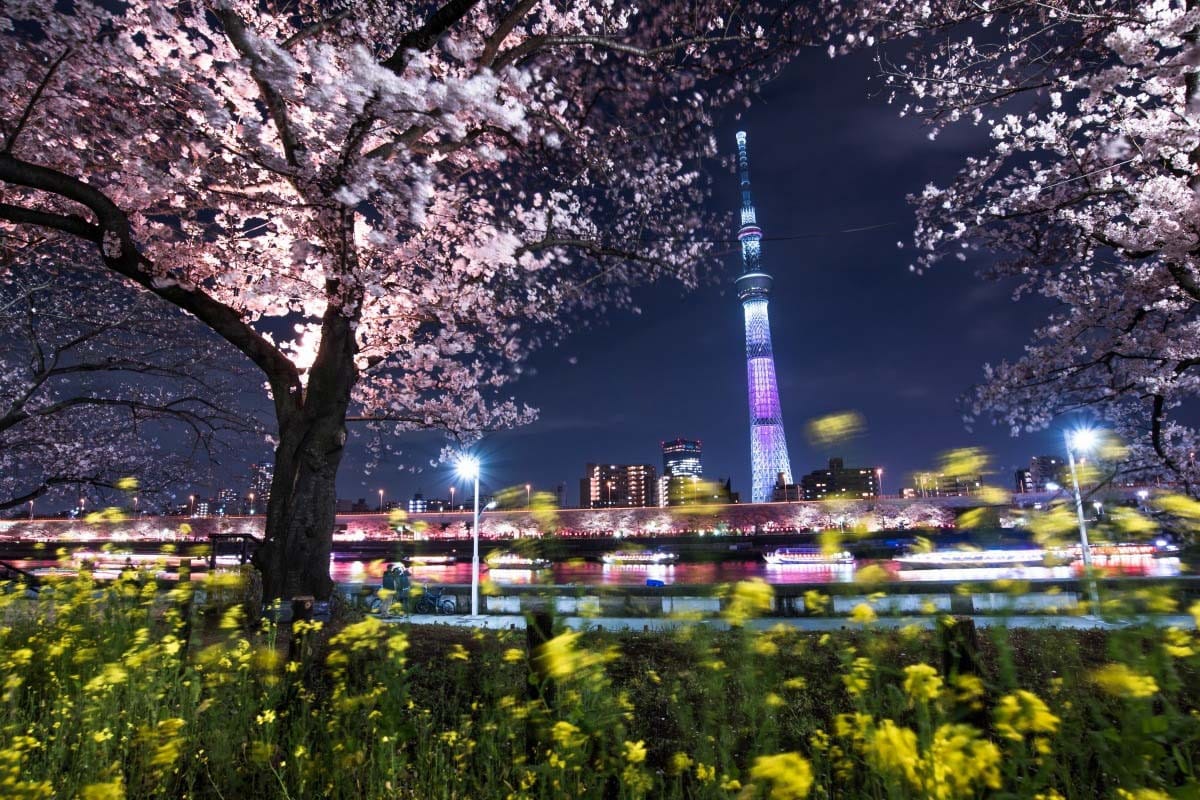
Sumida Park stretches along both banks of the Sumida River and is planted with about 600 cherry trees, making it one of Tokyo’s well-known cherry blossom spots. In spring, crowds of flower-viewers pour in around Azumabashi Bridge, and outside cherry blossom season the riverside path is still an excellent angle for viewing the Skytree.
The park is open all year and free to enter, and going in the early evening lets you enjoy both the sunset and the lit-up Skytree. The Sumida River Fireworks Festival is held here every July and is one of the oldest fireworks events in Tokyo; crowds and stall routes around the area are strictly controlled then, so it is best to claim a spot early.
Asakusa Kimono Experience: Aiwafuku and Other Shops, from ¥3,500 to Dress Up and Stroll Nakamise-dori
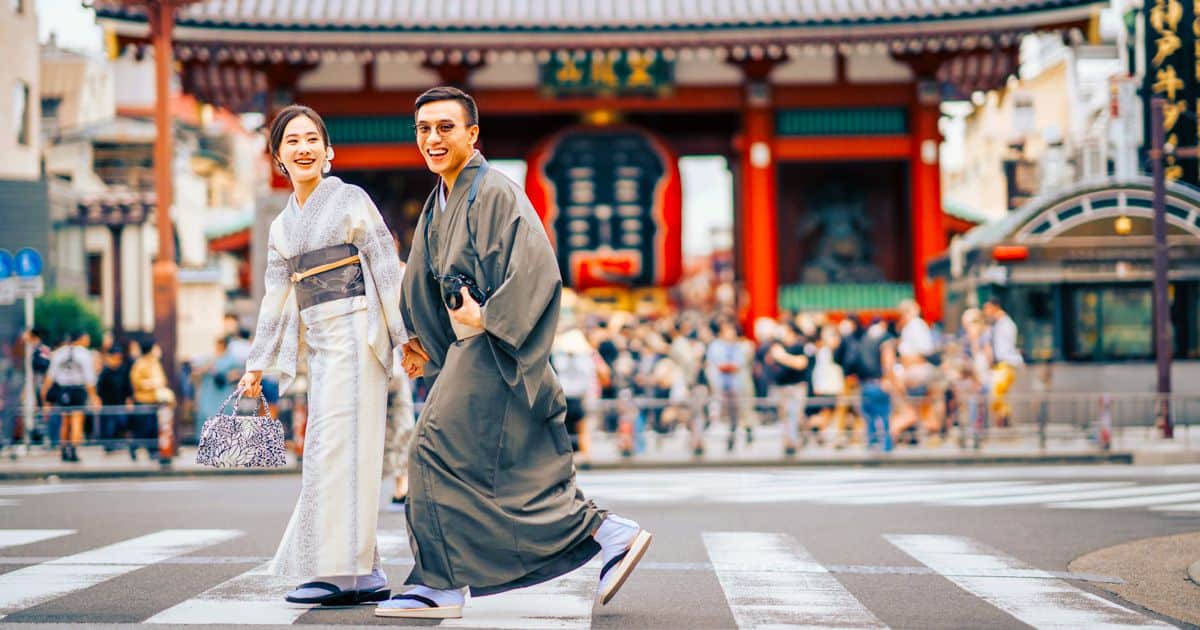
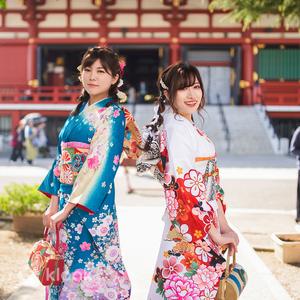
Asakusa has many kimono rental shops, such as Aiwafuku and Edo Wasou Koubou Miyabi, offering kimono rental plans for women, men and families. Once you are dressed, you can walk Nakamise-dori in your kimono and take souvenir photos full of Edo atmosphere.
Women’s kimono plans cost roughly ¥3,500-¥6,000, including dressing and a simple hairstyle, with rental periods mostly 6-8 hours, and you need to reserve online in advance so that popular designs do not sell out. In summer there are also yukata plans at lower prices, and going on a weekday morning helps you avoid the queues.
Asakusa ROX Matsuri-yu: One of Tokyo’s Few Hot Springs with a Skytree View
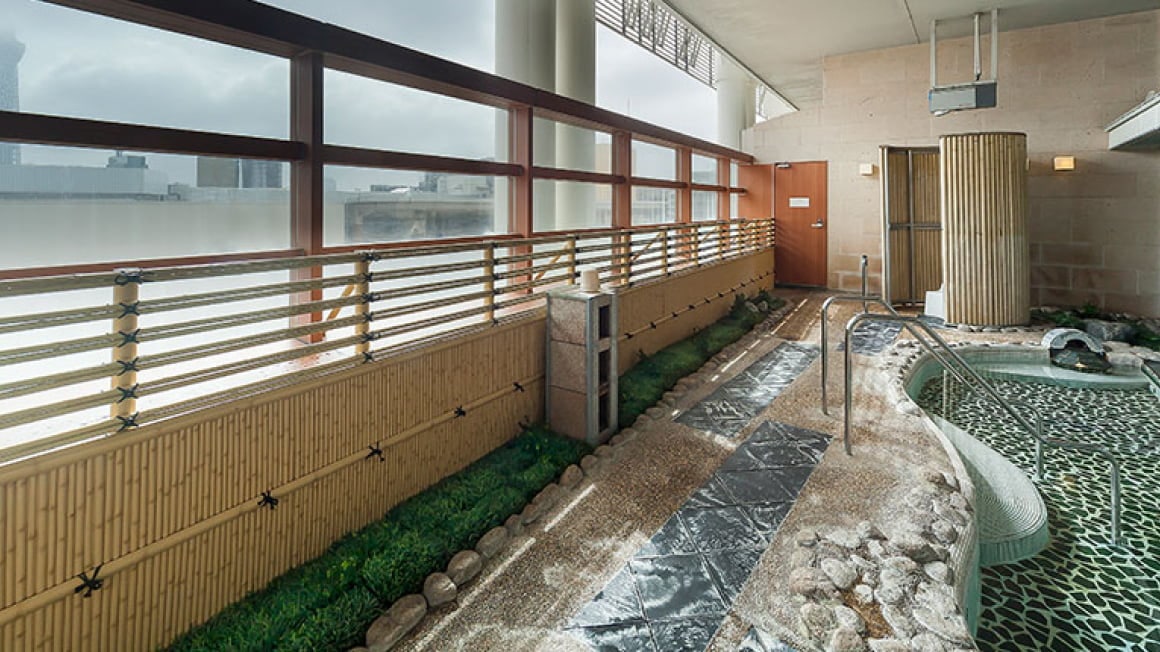
The 7th floor of the Asakusa ROX main building houses the “Asakusa ROX Matsuri-yu” bathing facility, one of the few places in Tokyo where you can soak in a hot spring while looking out at the Skytree. After Kappabashi or Nakamise-dori, it is a handy stop to ease your shopping fatigue, and it is a hidden gem that locals often visit too.
Bath admission is about ¥2,750 for adults (¥2,200 discounted rate) and about ¥1,375 for children (¥1,000 discounted rate), with towel rental and sauna facilities also available. Hours are 10:30 to 9:00 the next morning from Monday to Saturday and 10:30 to 23:00 on Sundays. Going in the early evening lets you enjoy the bath and the lit-up Skytree at night together, one of the few experiences in Asakusa that combines shopping and relaxation.
Asakusa Ningyoyaki and Croquettes: Kameju, Kimuraya and Freshly Fried Menchi
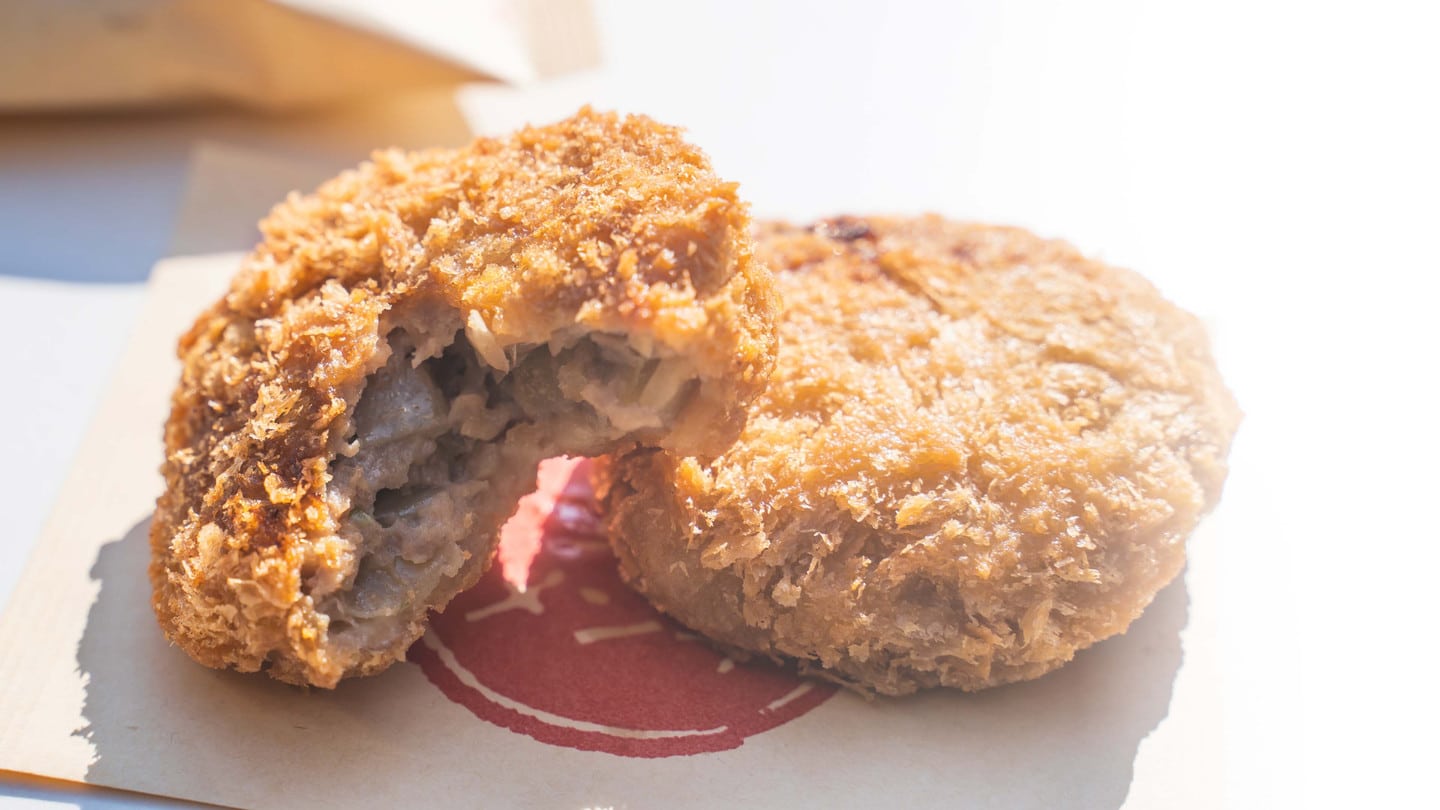
Around Nakamise-dori and Kaminarimon are several long-established ningyoyaki shops, such as Kameju and Kimuraya Ningyoyaki. The freshly baked cakes have a soft, fluffy outside and mostly sweet red bean paste inside, and a box of 8-10 starts at ¥800. Asakusa Menchi’s fried croquettes are famous for being fried to order and eaten on the spot, at about ¥400 per piece, and the queue never lets up through the year.
Because Nakamise-dori bans eating while walking, you need to finish what you buy in the designated rest areas next to the shop before you continue. Avoid the queue peak from noon to 2 p.m. and go around 10 a.m. instead to save a lot of waiting time and enjoy the food while it is hot and at its best.
- 🍡 Must-try items: Kameju / Kimuraya signature ningyoyaki, Asakusa Menchi freshly fried croquettes
- 💰 Price range: about ¥800 and up for a box of ningyoyaki, about ¥400 for one croquette
- 🚉 Access: Around Nakamise-dori and Kaminarimon, about a 3-minute walk from Asakusa Station
How Much Does Shopping in Asakusa Cost? Tickets and Experience Tours
Shopping in Asakusa itself costs nothing: walking through Kaminarimon, strolling Nakamise-dori and visiting Senso-ji are all free. But if you want the trip to feel deeper, consider adding one or two paid experiences, such as dressing up in a kimono for photos, riding a rickshaw through the back streets, or signing up for a Sumida River cruise, so that you leave with distinctive memories alongside your shopping. Below is a summary of the price ranges and content of some popular experiences and tours to help you set a budget.
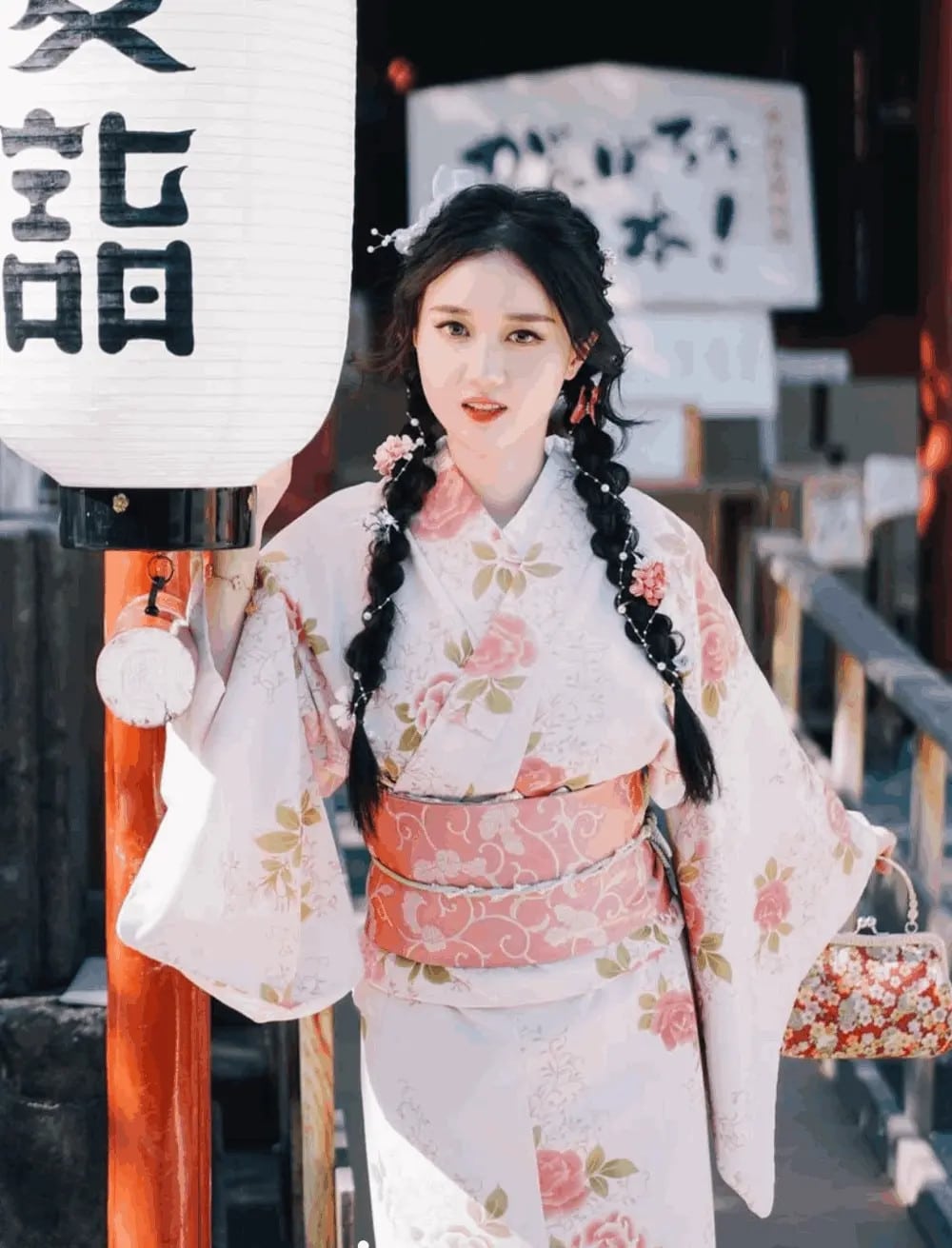
Asakusa Kimono Experience: Wagokoro, Kyoetsuya and Other Shops, Renting for a Full Day (Actual Prices Are Whatever the Booking Platform Shows That Day)
Asakusa has more than ten kimono rental shops, mostly clustered around Kaminarimon-dori, such as “Wagokoro (Nagomi) Asakusa” and “Kyoetsuya Kimono.” A one-day rental includes dressing and hairstyling, with yukata plans also available in summer, and actual prices are whatever the booking platform shows that day. Opening hours are about 9:00-18:00, enough time to tour Nakamise-dori, the five-story pagoda and Senso-ji.
The shops offer many patterns, along with add-ons such as hair accessories, hairstyling and (in winter) hand warmers. Booking through KKday or Klook is recommended, and on weekends and during cherry blossom and autumn leaf seasons you should definitely book early for popular time slots.
Note that returning late may incur extra charges, so leave a buffer in your itinerary. You can also fit in the free observation deck at the Asakusa Culture Tourist Information Center to photograph the kimono streetscape.
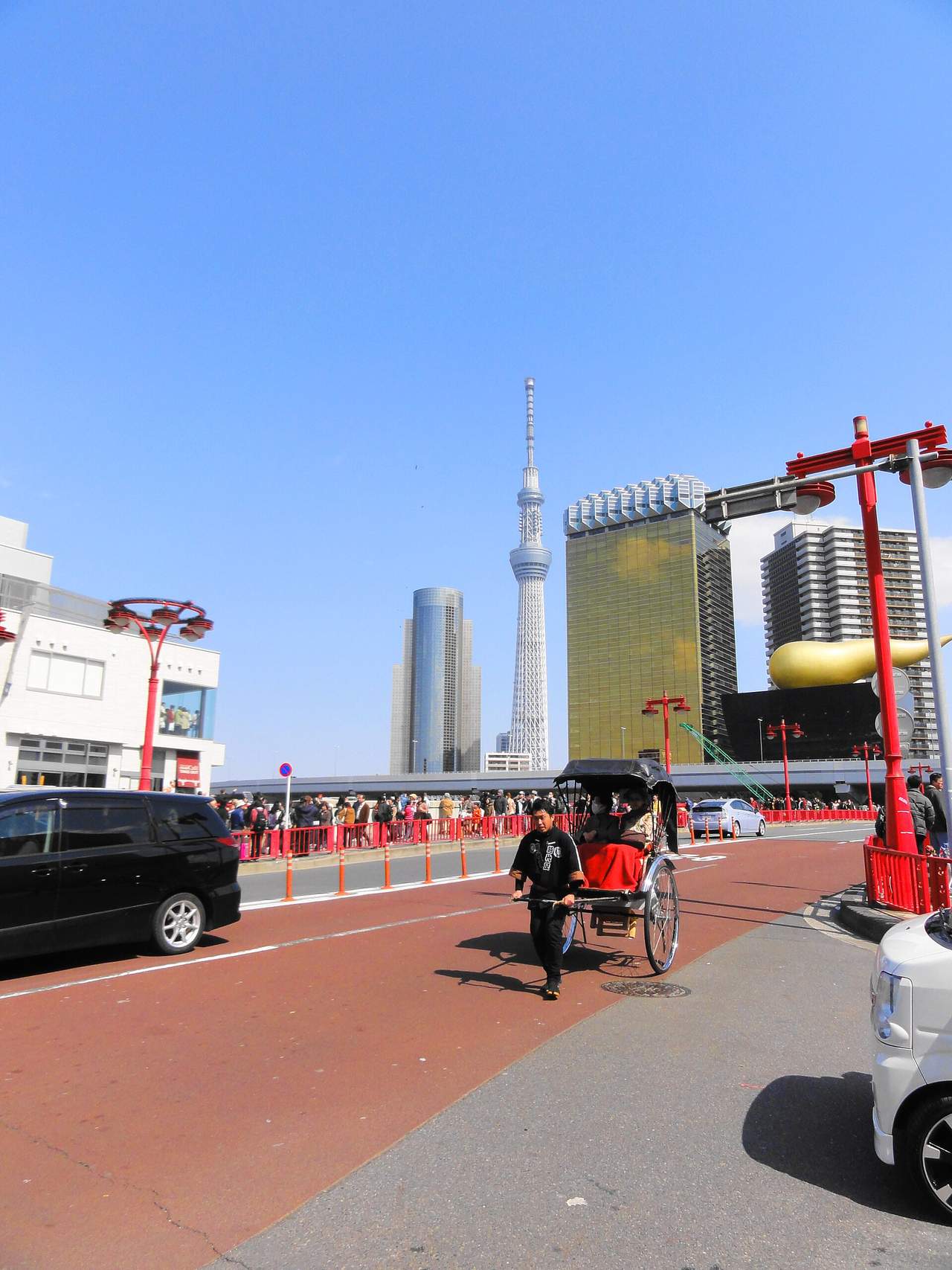
Asakusa Rickshaw Tour: A Veteran Puller Leads You Through Hidden Alleys with Stories
The classic Asakusa experience is the rickshaw, where the puller introduces the history of Senso-ji and Kaminarimon in Japanese and English. Prices depend on the number of people and the time, with 30-minute and 1-hour plans being common, and actual prices are whatever the booking platform shows that day.
Rickshaws can slip through small alleys to visit hidden shrines and old-style sweet shops, and the pullers also recommend photo spots. This immersive experience suits older travelers or those with limited mobility, giving an easy and in-depth introduction to Asakusa.
Booking through Klook or on the spot is recommended. In peak season, book online to avoid long waits and to make sure you get a puller who gives commentary in Chinese or English.
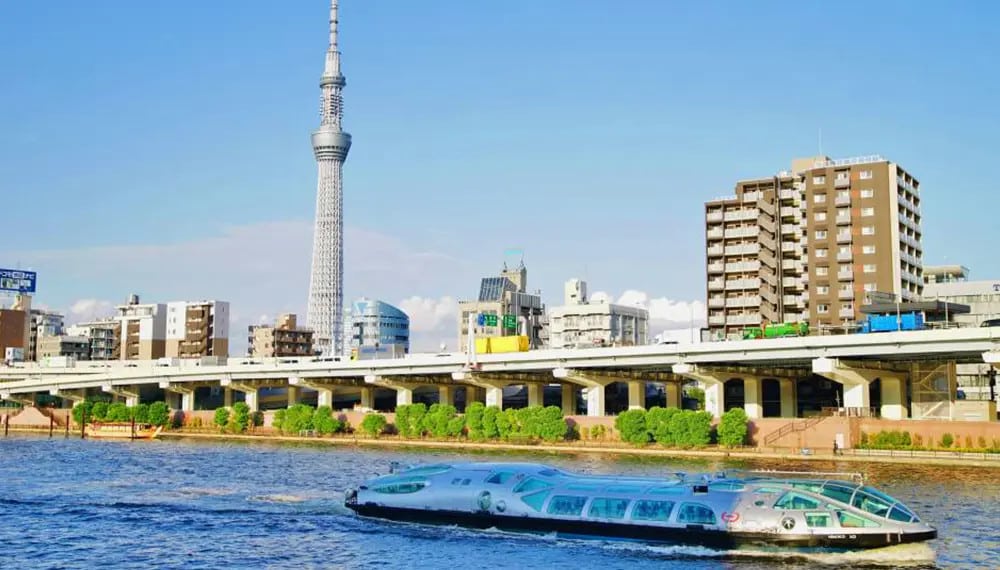
Sumida River Cruise: Futuristic Ships Designed by Leiji Matsumoto, with Skytree Views from the Water
Asakusa’s pier, “Asakusa Ichi-no-watashi Pier,” is the starting point for the water bus, where you can board a Tokyo Cruise boat to Odaiba, Hinode Pier or Hamarikyu. From Asakusa to Hinode Pier takes about 40 minutes and costs ¥1,000, and the direct boat to Odaiba takes about 55 to 60 minutes and costs ¥2,000. Some ship types, such as “Himiko” and “Hotaluna,” are futuristic vessels designed by Leiji Matsumoto and are a photo highlight in themselves.
From the boat you can view the Skytree, the bridges of the Sumida River and the old-town skyline from the water, and dusk or evening sailings have a special charm. It suits the stretch after Senso-ji and Nakamise-dori as both transport and sightseeing on the way to Odaiba or the Hamarikyu Gardens, two birds with one stone.
Check the sailing timetable in advance. Holiday departures are more frequent but also more crowded, so if you want quieter photos, choose a weekday morning or early evening sailing, and both the official website and Klook show real-time sailings and ticket discounts.
Asakusa Culture Tourist Information Center Observation Deck: Free Views Over Kaminarimon and the Skytree
Located directly across from Kaminarimon, the Asakusa Culture Tourist Information Center was designed by the renowned architect Kengo Kuma, and its free observation deck on the 8th floor is open from 9 a.m. to 10 p.m. It is an excellent vantage point for looking down on Kaminarimon and Nakamise-dori and out to the Skytree, and it costs absolutely nothing.
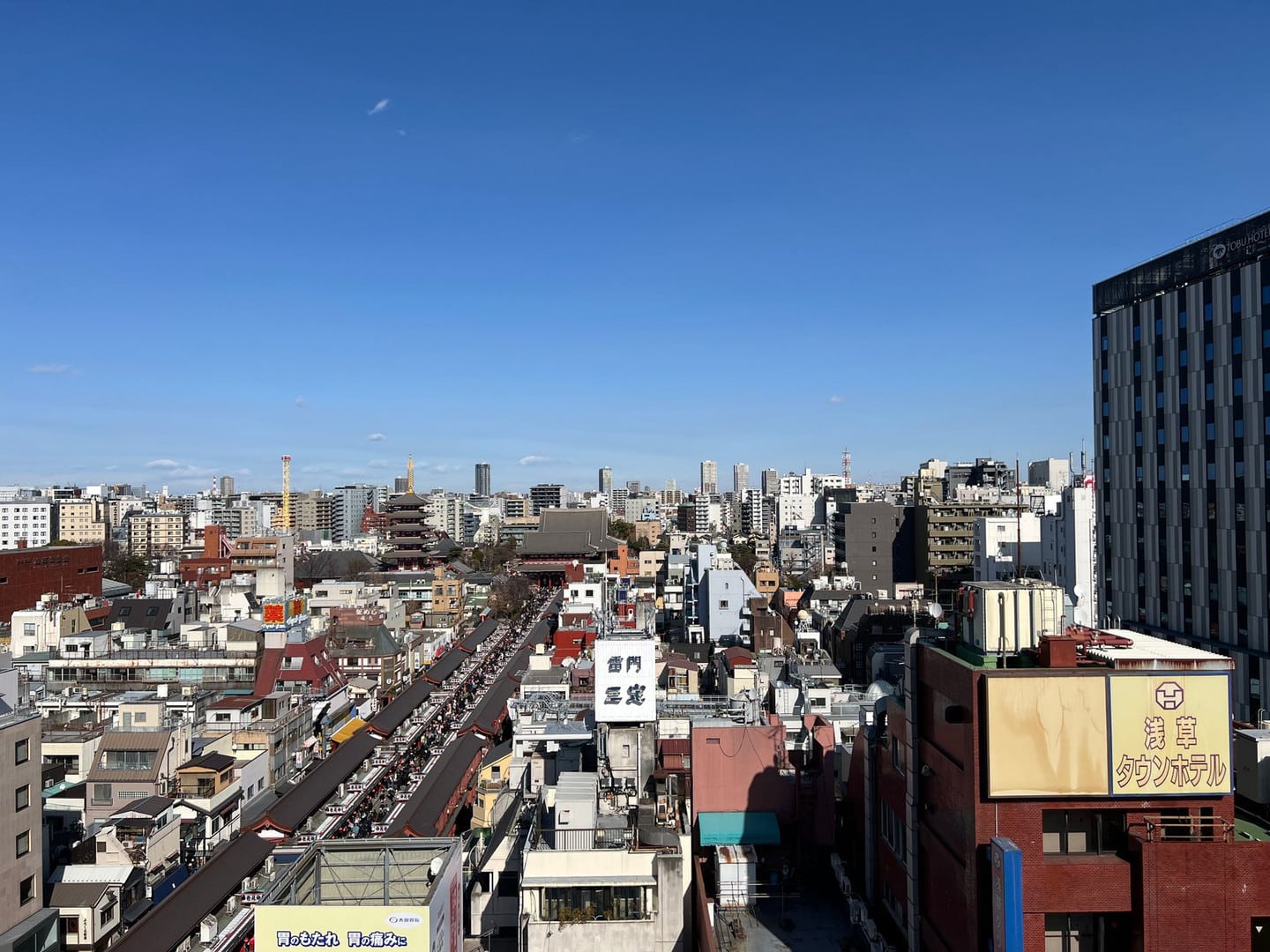
The observation deck is small but the view is excellent. In the early evening you can see the sunset and the Kaminarimon streetscape together, and the 1st floor also has a tourist information counter, free Wi-Fi and a currency exchange machine.
FAQ
Q: What are the must-visit shopping areas in Asakusa, and where should I start?
If time is short, start at Nakamise-dori for traditional souvenirs, then go to Kappabashi Kitchen Town for cookware and food models, and finish at Asakusa ROX or EKIMISE for sundries and daily goods.
Q: How much are admission tickets for Senso-ji and Kaminarimon?
Senso-ji and Kaminarimon are both free to visit. Only fortune slips at the temple cost ¥100, and omamori charms and goshuin stamps run about ¥500-¥800, so shopping around here needs almost no admission spending.
Q: Is it better to visit Kappabashi Kitchen Town on a weekday or a weekend?
Weekdays are recommended, because more than 70% of the shops close on Sundays and weekend visitors often find the doors shut. Weekdays and Saturday mornings are also less crowded, so you can shop for cookware at a relaxed pace.
Q: How much are tickets for Asakusa Hanayashiki?
Adult admission is ¥1,600, and the unlimited ride ticket is ¥3,000 (the One-Day Pass covering admission plus unlimited rides is ¥4,600) (it covers rides only, not admission, so you must buy an admission ticket separately). It is open 10:00-18:00, and 2-3 hours is recommended.
Q: Can I get a tax refund on shopping in Asakusa?
Yes, but the method is about to change. From November 1, 2026, foreign visitors must first pay the tax-inclusive price, and the tax is refunded after customs confirms the goods are being taken out at departure, and you must carry the goods out of the country yourself. For the rules that apply around November, follow the notices in each shop and the explanations from the Japan Tourism Agency, and remember to bring your passport.
Q: When is Asakusa least crowded for shopping?
Visit Nakamise-dori and Kaminarimon before 10 a.m. or after 5 p.m. to avoid the midday-to-afternoon peak of tour groups, so shopping and photos are both more relaxed.
Q: What souvenirs should I buy in Asakusa?
Recommended items are Kameju ningyoyaki, Kaminari okoshi rice crackers, Kappabashi food-model keychains and the traditional folding fans of Nakamise-dori, all souvenirs with strong local character.
Q: What shops are in Asakusa ROX, and what are its opening hours?
Asakusa ROX is made up of four buildings, ROX, ROX2G, ROX-3G and ROX DOME. In the main building, B1 has the 24-hour SEIYU supermarket, 2F has 3COINS+plus, 3F has MUJI and 4F has DAISO, while ROX-3G has GU and Shimamura. The official website lists the complex’s opening hours as 10:30-21:00, with some shops and restaurants differing.
Q: Is there a DAISO in Asakusa?
Yes. The 4th floor of the Asakusa ROX main building has “DAISO Asakusa ROX” (10:30-21:00), and the DAISO website also lists “DAISO Seims Asakusa Kaminarimon-dori” on the 3rd floor of Asakusa Square.