
Sumida River Fireworks Festival 2026 Guide: Tokyo’s Must-See Summer Fireworks
The Sumida River Fireworks Festival is one of Japan’s oldest and biggest fireworks shows, drawing hundreds of thousands of people every summer. The 49th festival was held on Saturday, July 25, 2026. This guide covers the viewing spots, transport and nearby information for that day and can serve as a reference for planning the next one; please rely on official announcements for next year’s date and rules.
History and Cultural Meaning of the Sumida River Fireworks Festival
The Sumida River Fireworks Festival began in 1733, originally to mourn those who died in that year’s famine and cholera outbreak. After several hundred years it has become one of Tokyo’s big summer events, a popular attraction for visitors from Japan and abroad and an important window into traditional Japanese culture.
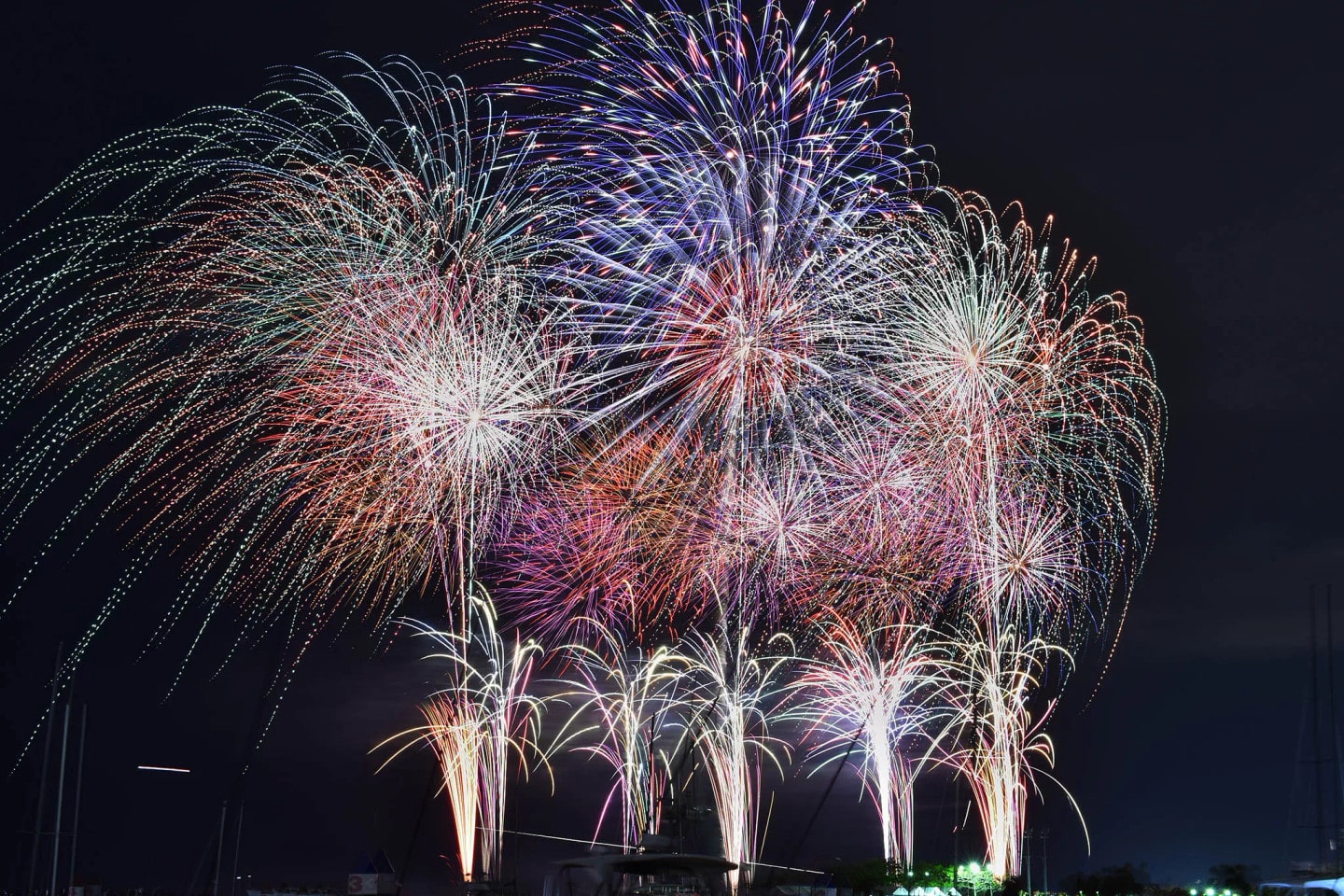
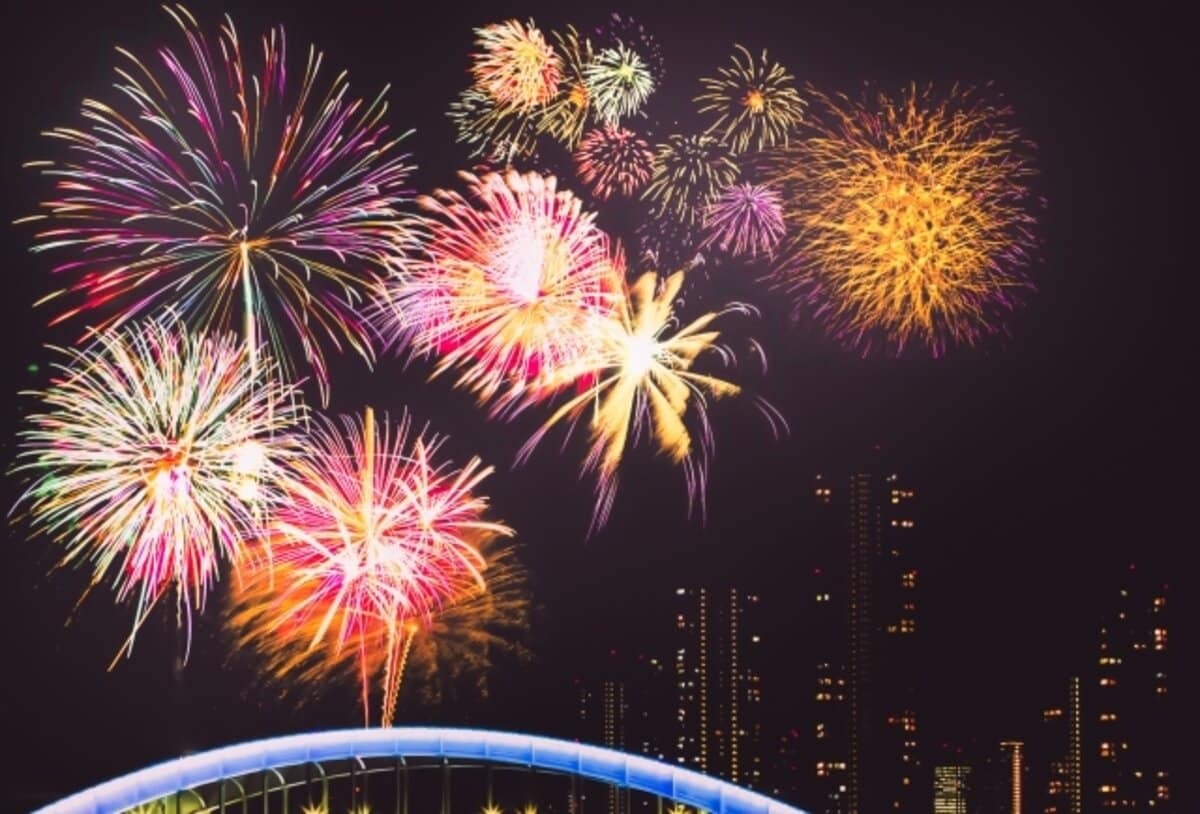
On the day, more than 20,000 shells are launched along the Sumida River, and the fireworks play off the light show at Tokyo Skytree for a one-of-a-kind visual feast.
How to Get to the 2026 Sumida River Fireworks Festival: Full Guide to Transport and Costs
The easiest way to reach the festival is to take the Tokyo Metro Ginza Line or the Toei Asakusa Line to “Asakusa Station,” then walk about 15-20 minutes from the exit to the viewing area. You can also take JR East lines to Ueno or Akihabara Station and walk from there. We recommend using a prepaid card such as Suica or Pasmo and leaving early, as some stations may restrict crowds on the day.
Traffic Control and Crowd Management on the Day
“Asakusa Station” and “Oshiage Station” are the two stations closest to the venue, and entrance control begins in the evening, with extreme crowding. We suggest getting off one or two stops earlier, at “Honjo-Azumabashi Station,” “Kuramae Station” or “Tawaramachi Station,” and walking to the venue, which saves the time spent queuing to enter a station.
To handle the crowds, Tokyo Metro usually adds close to a hundred extra Ginza Line trains on the day; parts of the nearby Metropolitan Expressway Route 6 Mukojima Line are fully closed from 18:30 in the evening. Please do not drive unless necessary, since public transport saves the most time.
Long congestion builds around the stations after the show. We suggest leaving about 10 minutes before the fireworks end, or waiting 40 minutes or more on the spot for the crowds to thin out. You can also walk 30-40 minutes to Kinshicho or Akihabara Station to board, where you can usually find a seat more easily.

2026 Sumida River Fireworks Festival Venues and Schedule: Venue 1 vs. Venue 2
The 49th Sumida River Fireworks Festival was held on Saturday, July 25, 2026, from 19:00 to 20:30, about 90 minutes in all. It is split into two launch areas, Venue 1 and Venue 2, each with different launch times, shell counts and highlights, so it helps to understand the differences before choosing where to watch.
| Venue | Launch time | Estimated shells | Location range | Highlights |
|---|---|---|---|---|
| Venue 1 | 19:00–20:30 | About 9,350 shells | Downstream of Sakurabashi Bridge to upstream of Kototoi Bridge | Hosts the elite fireworks competition, where you can see high-skill competition fireworks |
| Venue 2 | 19:30–20:30 | About 10,650 shells | Downstream of Komagata Bridge to upstream of Umaya Bridge | Creative fireworks launched in succession, with repeated climaxes and powerful impact |
The two venues together are expected to launch about 20,000 shells, making this one of the largest fireworks festivals in Tokyo. Attendance in past years has been roughly 900,000 to 1 million people, one of the most crowded events of the Tokyo summer.
What If It Rains? Cancellation and Postponement Rules
The Sumida River Fireworks Festival follows a “light rain goes ahead, stormy weather cancels” policy. In bad weather such as strong wind or heavy rain it is simply canceled, with no rain date. The organizer announces on the morning of the event, via the official website and official social media, whether it will go ahead as scheduled, so check the official website or official X (Twitter) account for the latest status before you leave.
Must-See Spots for the 2026 Sumida River Fireworks Festival: A Guide to Each Area’s Highlights
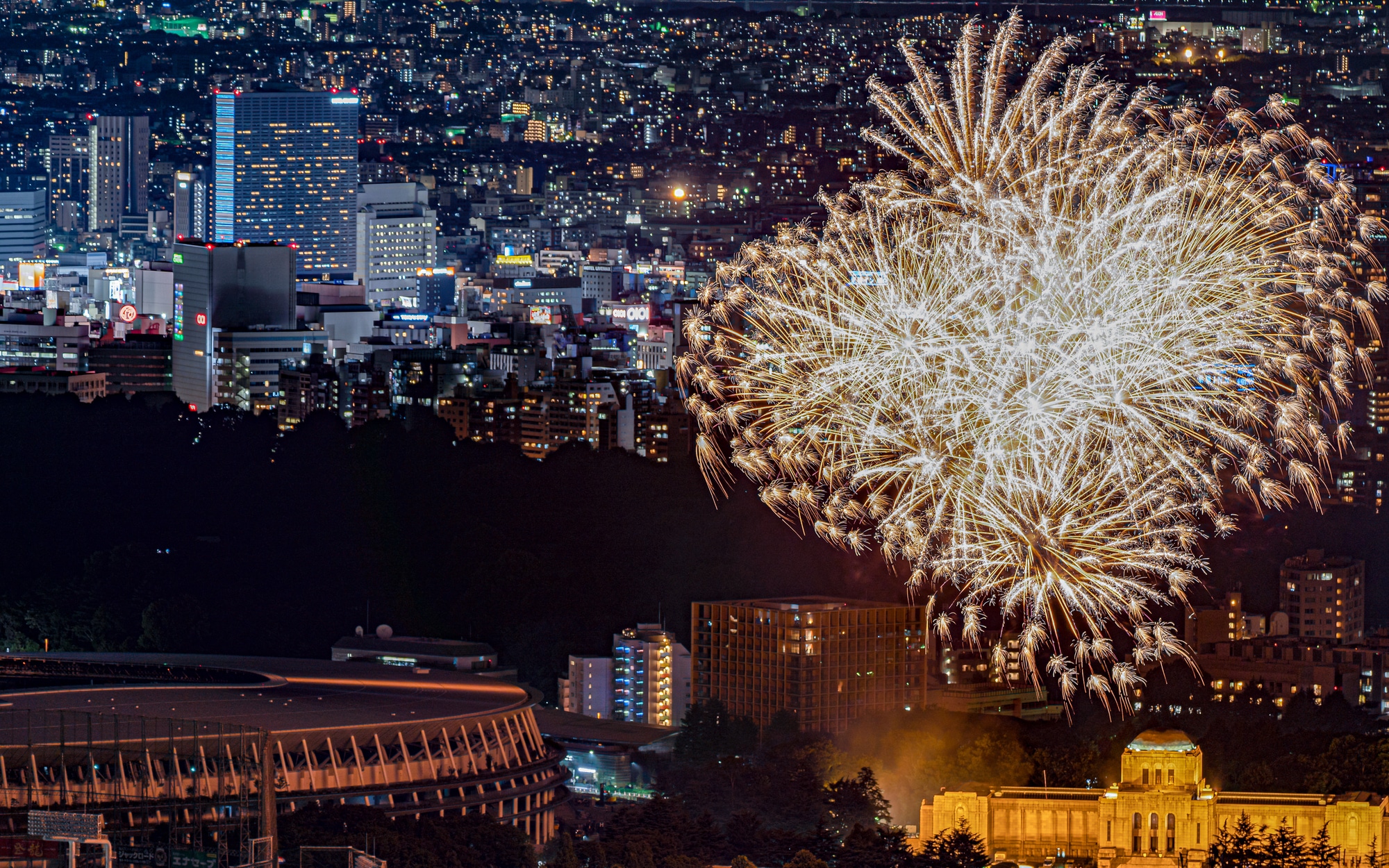
The 2026 Sumida River Fireworks Festival was held on July 25. As one of Tokyo’s most closely watched summer events, it drew visitors from around the world. Spots along the Sumida River become the best places to watch the fireworks, and here are detailed introductions to several must-see ones.
Asakusa Park

Asakusa Park is at the southern end of the Sumida River and is one of the best places to watch the fireworks. The park is shaded by trees and has many benches and open plazas, very suitable for families and young couples to watch the show.
The park is in Asakusa Koen, Taito City, Tokyo, within walking distance, and no ticket is needed. The best viewing time is 7 p.m. to 9 p.m., and we suggest staying 2-3 hours. Note that because of the heavy crowds, you should arrive 1-2 hours early to claim a spot.
Sumida Park
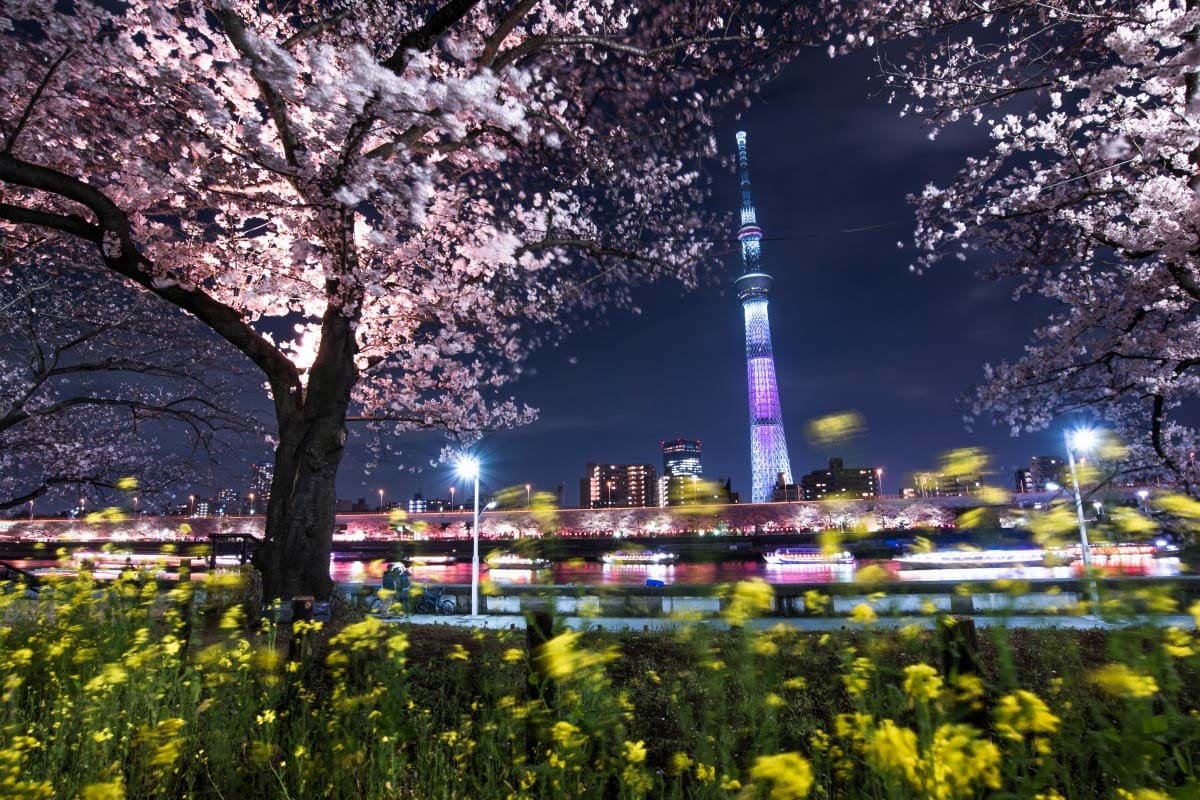
Sumida Park sits right next to the Sumida River and is another popular place to watch the fireworks. The park has walking paths and plazas where visitors can stroll at leisure and enjoy the show.
The park spans both banks of the Sumida River (Hanakawado in Taito City and Mukojima in Sumida City), is open year-round and needs no ticket. The best viewing time is 7 p.m. to 9 p.m., and we suggest staying 1-2 hours. The park also has several food vendors with plenty of choices.
Note that Sumida Park is fairly close to Tokyo Skytree, so you can enjoy the night view of Tokyo Skytree while watching the fireworks.

Tokyo Skytree
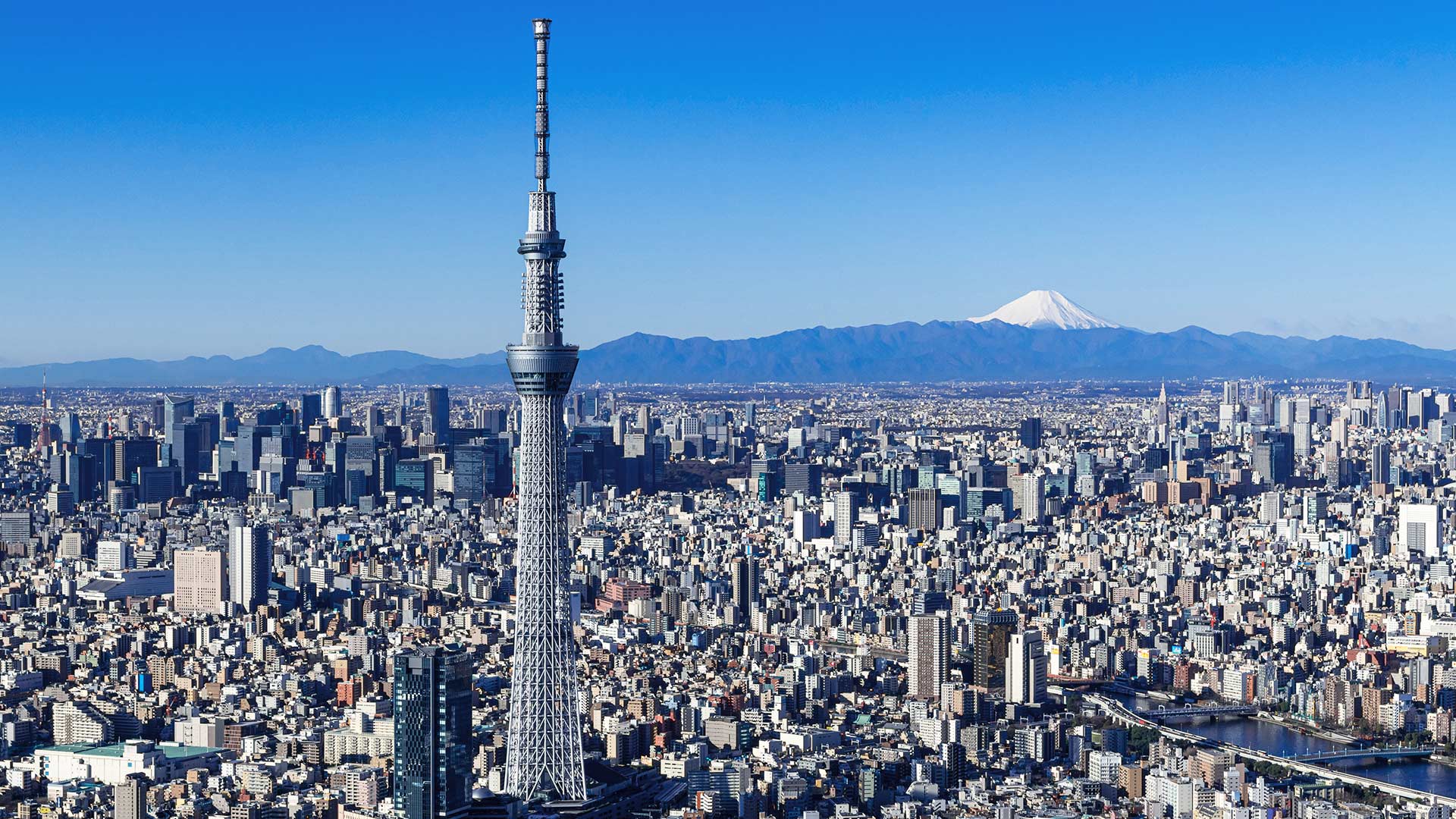
Tokyo Skytree is Tokyo’s landmark, standing 634 meters tall and one of the best places to see the Sumida River fireworks. Visitors can go up to the Skytree observation decks and look down over all of Tokyo and the fireworks above the Sumida River.
Tokyo Skytree is at 1-1-2 Oshiage, Sumida City, Tokyo. Opening hours differ slightly between weekdays and holidays, running until about 22:00 (last entry 21:00). From April 2026, individual admission tickets moved to variable pricing, and prices for the Tembo Deck (350 meters) and Tembo Galleria (450 meters) vary by date and time slot, so please check the official website.
Sensoji Temple
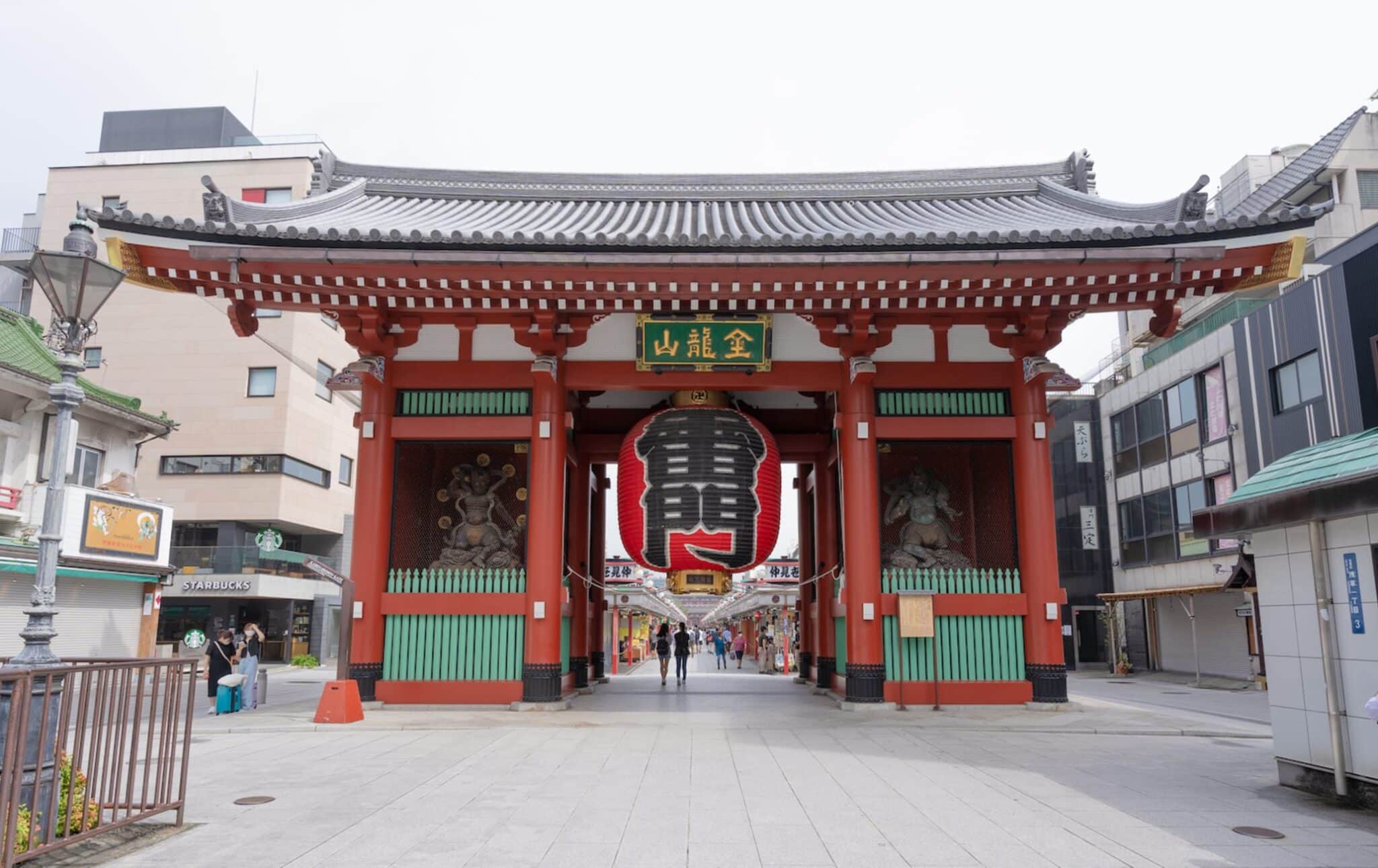
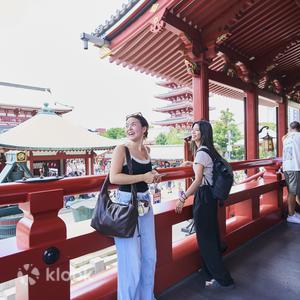
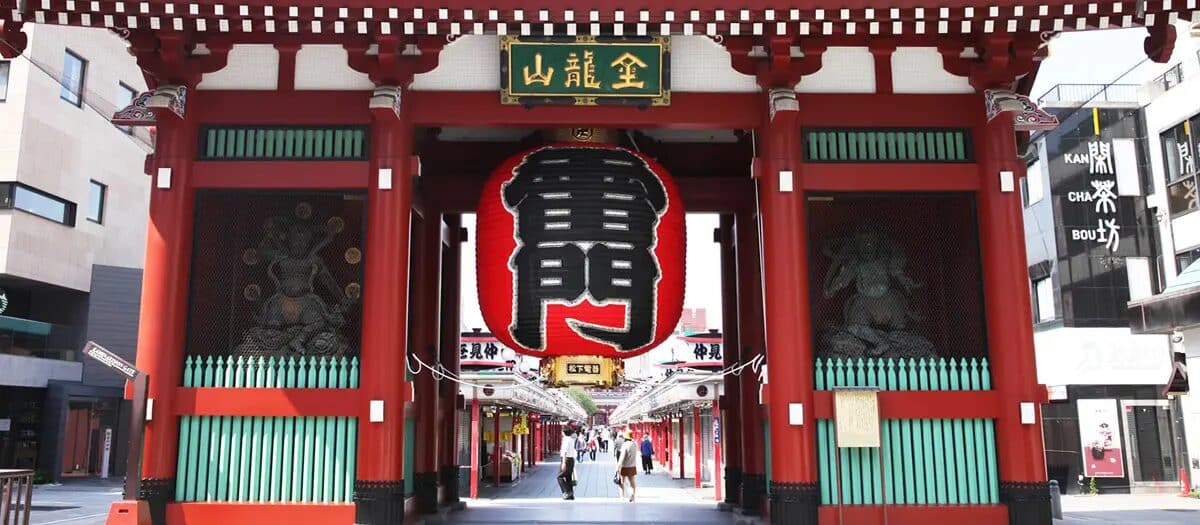
Sensoji is one of Tokyo’s oldest temples, with deep history and cultural roots. Visitors can pay respects at Sensoji before or after the fireworks, taking in its old buildings and beautiful gardens.
Sensoji is at 2-3-1 Asakusa, Taito City, Tokyo, open from 6 a.m. to 5 p.m., with no admission fee. Visitors can buy an omamori charm or get a goshuin stamp as a memento of the visit.
Sumida Hokusai Museum
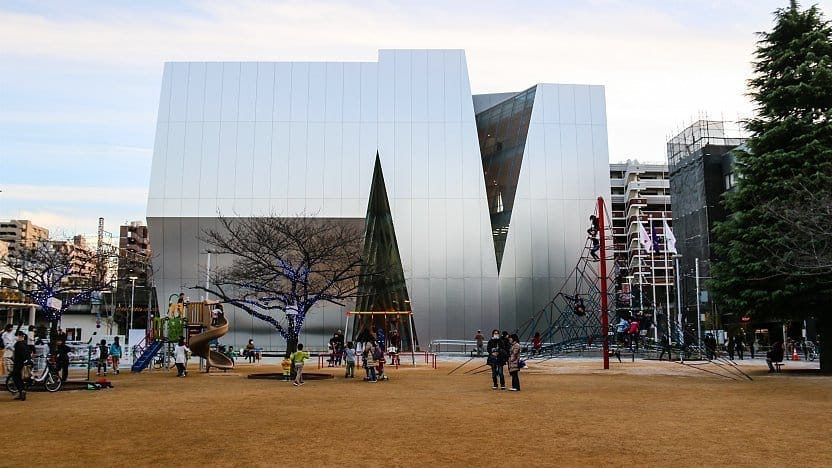
The Sumida Hokusai Museum is along the Sumida River and is devoted to the works of Katsushika Hokusai. Visitors can tour the museum before or after the fireworks and admire Hokusai’s ukiyo-e.
The museum is at 2-7-2 Kamezawa, Sumida City, Tokyo, open 9:30 a.m. to 5:30 p.m. (last entry 17:00) and closed Mondays. Admission to the permanent exhibition “AURORA” is ¥400 for general adults (¥300 for high school/university students and those 65 and over; free for junior high school students and under). We suggest staying 1-2 hours.
Kappabashi Kitchen Town
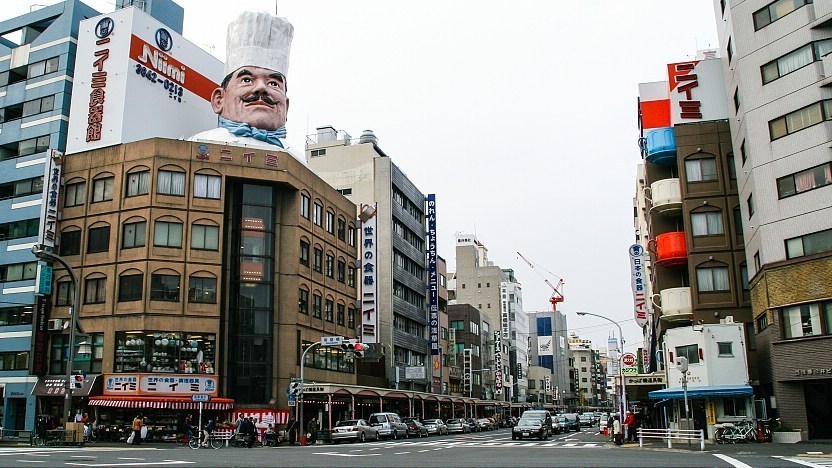
Kappabashi Kitchen Town is Tokyo’s famous street of restaurant supplies, where visitors can buy tableware and kitchen tools or browse all kinds of cookware before or after the fireworks.
Kappabashi Kitchen Town is about 800 meters long with around 170 shops, mostly food-service related. Hours vary by shop, mostly about 10:00 to 17:00, and most are closed on Sundays. Browsing needs no ticket, and we suggest staying 1 hour.
Shiohairi Park (Free Hidden Spot, Recommended for Venue 1)
Shiohairi Park is near Minami-Senju Station, about a 12-minute walk away, and is one of the most popular free viewing spots around Venue 1. The park is spacious with views not easily blocked by buildings, letting you see the full arc of the fireworks at once, and you don’t need to claim a spot hours early the way you do at Asakusa Park or Sumida Park.
We suggest arriving before 5 p.m. to claim a spot. The park has a large lawn and paths, suitable for sitting on a picnic mat, and is the top choice for travelers who want to avoid the Asakusa crowds and still keep a good view.
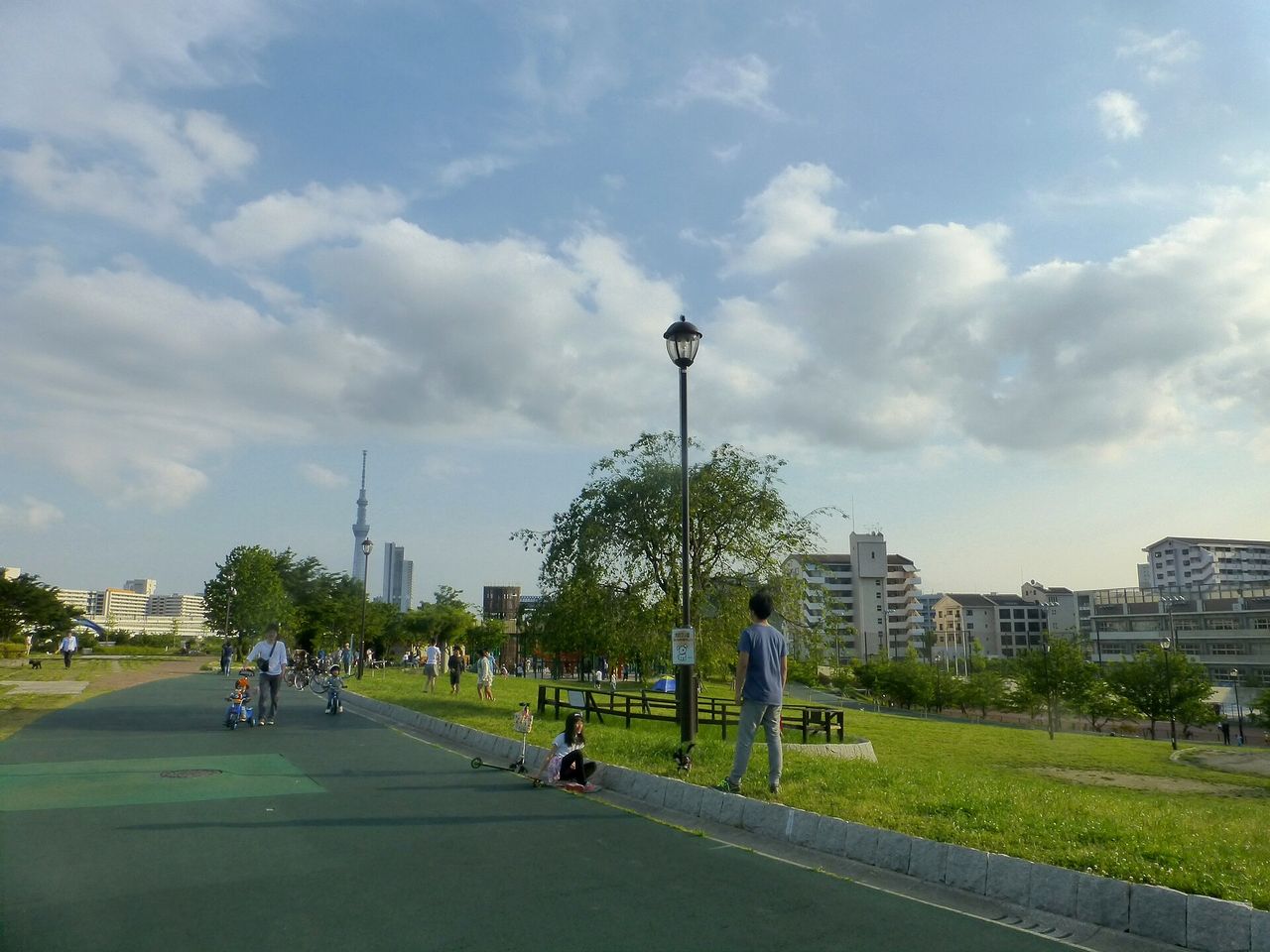
Doboribori Park (Free Hidden Spot, Up-Close Impact)
Doboribori Park is closer to the venue, letting you feel the thunder of shells rising and bursting up close, with sound and light more realistic than from a distance. Because the grounds are relatively small, crowds gather quickly, so set out earlier than for other viewing spots to claim a place.
No ticket is needed here and it is open year-round, suitable for those who want to feel closer to the fireworks atmosphere and don’t mind denser crowds.
2026 Sumida River Fireworks Festival Paid Seating (Citizen Sponsor Seats): Ticket Information
Besides claiming free riverbank spots or paid tours, the organizer also releases official paid “citizen sponsor seats” each year, sold through the Ticket Pay platform. They are divided into the Sumida City side and the Taito City side, with seat types including 2-person, 4-person and 5-person seats, another option for travelers who want a guaranteed place without queuing for hours to claim one.
In 2026, online sales of the citizen sponsor seats opened at noon on Sunday, May 10, on a first-come, first-served basis, with Sumida City side seats from ¥8,000 per person. Demand is extremely high, and they usually sell out shortly after sales open; by mid-July 2026 nearly all paid seat types were sold out. For next year’s ticket information, watch the official website announcements, and buying right on opening day gives a better chance.
In addition, on the day of the 2026 event Tokyo Skytree offered a special opening from 18:00 to 20:30 with a limited 634 seats for fireworks viewing, sold by lottery on the official website, letting guests watch both venues’ fireworks from the indoor observation deck. Whether it is held in later years is subject to official announcements.
What to Eat Near the 2026 Sumida River Fireworks Festival? Nearby Food Picks
The Sumida River Fireworks Festival is a grand event held every summer in Tokyo, Japan, drawing visitors from around the world. Besides enjoying the beautiful fireworks, tasting local food is an essential part. Here are some places to eat near the festival, so you can enjoy Tokyo’s food culture while watching the fireworks.
Sushi: Asakusa Sushi Sei
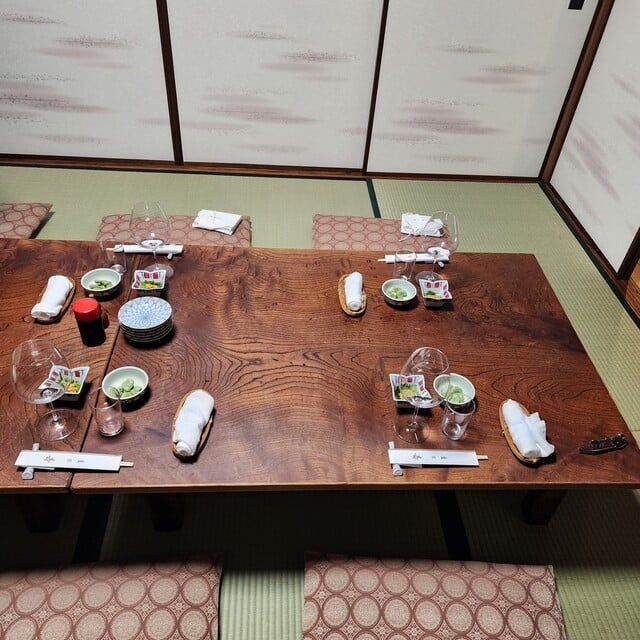

Sushi Sei is a long-established Asakusa sushi shop with more than a hundred years of history, about a 4-minute walk from Asakusa Station. It offers Edo-style nigiri sushi sets, with lunch sets from about ¥2,000 and evening nigiri sets ranging from about ¥4,000 to 8,000 depending on the contents.
- 🍣 Must-order: Edo-style nigiri sushi set
- 💰 Price: Lunch set from about ¥2,000 / evening set about ¥4,000-8,000
- 🚉 Getting there: Asakusa Station on the Tokyo Metro Ginza Line / Toei Asakusa Line, about a 4-minute walk
Sushi Sei is very particular about how its sushi is made, with every piece carefully crafted for excellent texture. The elegant interior also lets guests enjoy a refined atmosphere along with the food.
Sushi Sei is not far from the festival venue and is within walking distance, an ideal choice for dinner before or after the fireworks.
Eel Rice: Komagata Maekawa
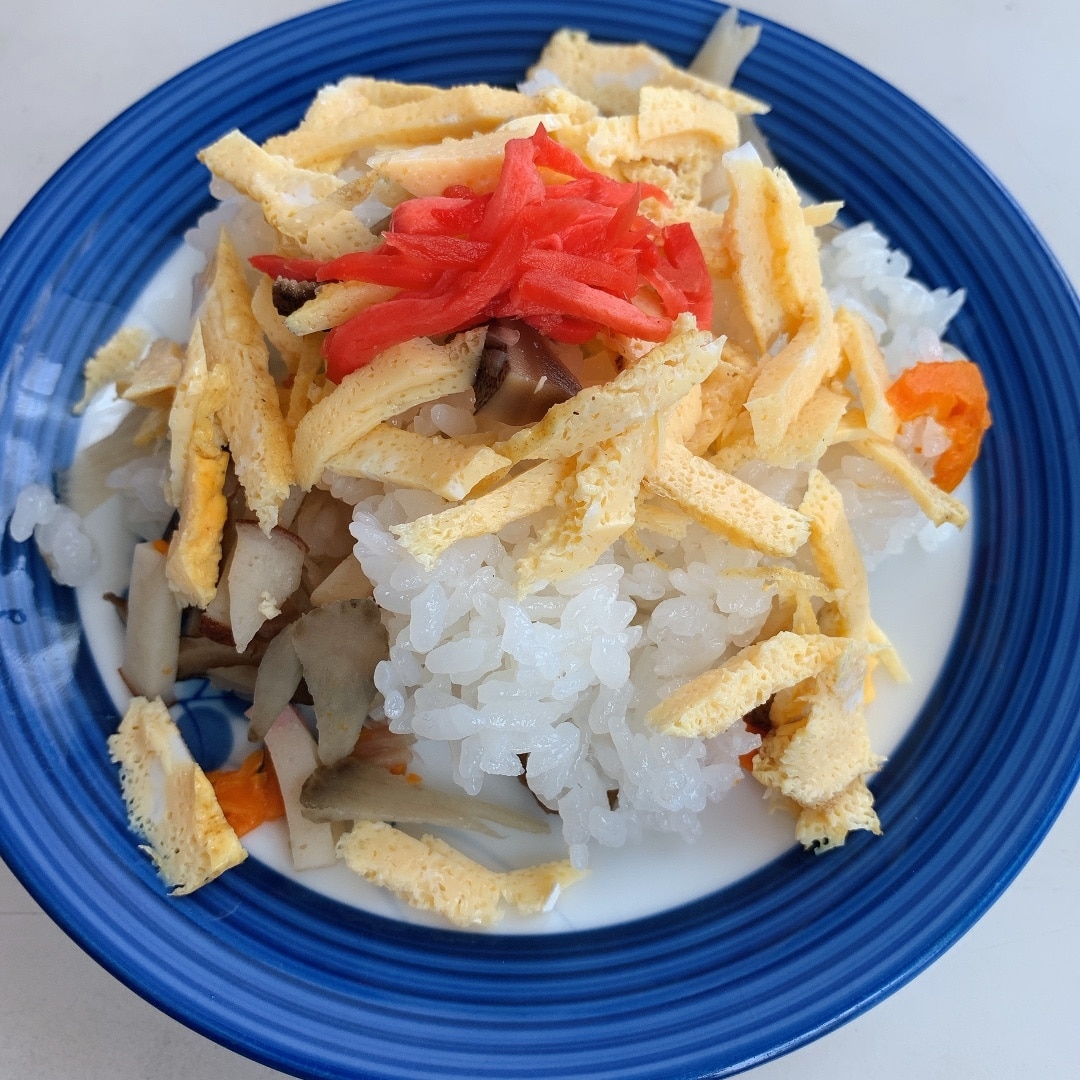
Komagata Maekawa is a long-established eel specialty shop on the Sumida River with more than 200 years of tradition, at 2-1-29 Komagata, Taito City, Tokyo, right beside the Sumida River, with some seats overlooking Tokyo Skytree.
- 🍱 Must-order: Unaju (grilled eel rice box)
- 💰 Price: Lunch from about ¥6,000 / dinner from about ¥9,000
- 🚉 Getting there: Honjo-Azumabashi Station on the Toei Asakusa Line, about a 7-minute walk, or about a 10-minute walk from Asakusa Station
Komagata Maekawa’s eel is prepared with charcoal-grilled kabayaki, with a crisp, fragrant surface and a tender inside. The shop keeps the old-establishment atmosphere handed down since the Edo period and is a leading place to experience traditional Japanese eel cooking.
Komagata Maekawa is about a 1-minute walk from the festival venue and is a recommended eel restaurant.
Matcha Sweets: Asakusa Umezono
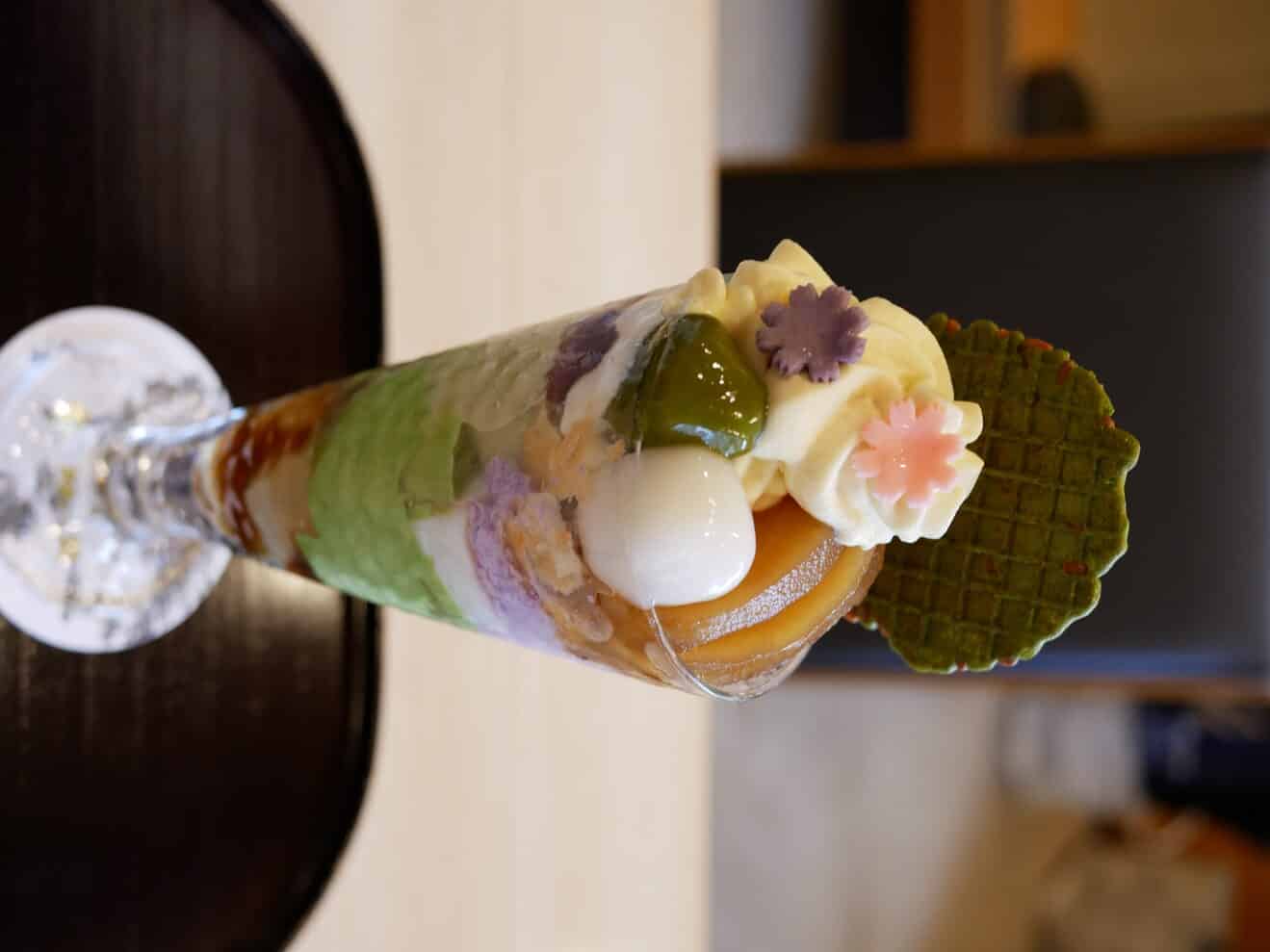

Asakusa Umezono was founded in the first year of Ansei (1854) and is a sweets shop with more than 160 years of Asakusa history, at 1-31-12 Asakusa, Taito City, Tokyo, right next to Sensoji.
- 🍡 Must-order: Shiratama cream anmitsu
- 💰 Price: ¥845-990
- 🚉 Getting there: About a 7-minute walk from Asakusa Station (next to Sensoji)
Asakusa Umezono’s matcha sweets and traditional anmitsu have a delicate texture, and the shop keeps the feel of an old shitamachi establishment, letting guests enjoy Asakusa’s nostalgic atmosphere along with the food.
Asakusa Umezono is within walking distance of the area around the festival venue, an ideal place for sweets before or after the fireworks.
Ramen: Raishuken
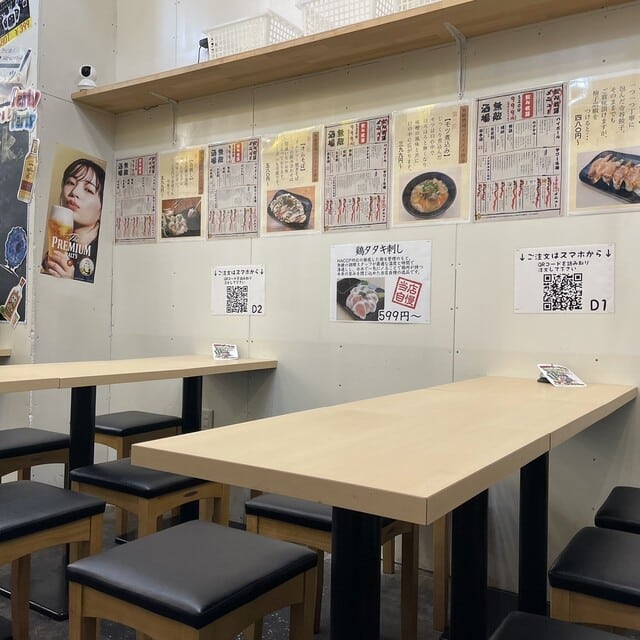
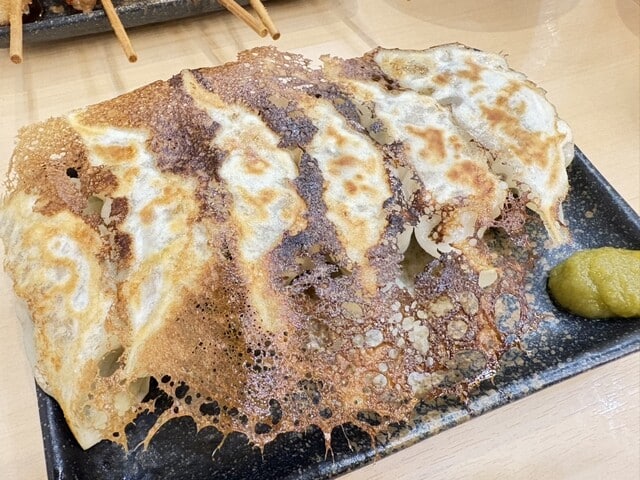
Raishuken is a long-established Asakusa ramen shop with more than a hundred years of history, tracing its roots to a Meiji-era noodle maker, at 2-26-3 Nishi-Asakusa, Taito City, Tokyo.
- 🍜 Must-order: Signature ramen
- 💰 Price: From ¥600 (wonton noodles about ¥850)
- 🚉 Getting there: Tawaramachi Station on the Tokyo Metro Ginza Line, about a 7-minute walk
Raishuken is known for a light, sweet broth made from pork bones, chicken bones and vegetables, and the Showa-retro interior lets guests enjoy the nostalgic atmosphere of Asakusa’s shitamachi along with the food.
Raishuken is about a 20-minute walk from the festival venue and is a recommended ramen shop.
Tempura: Kaminarimon Sansada
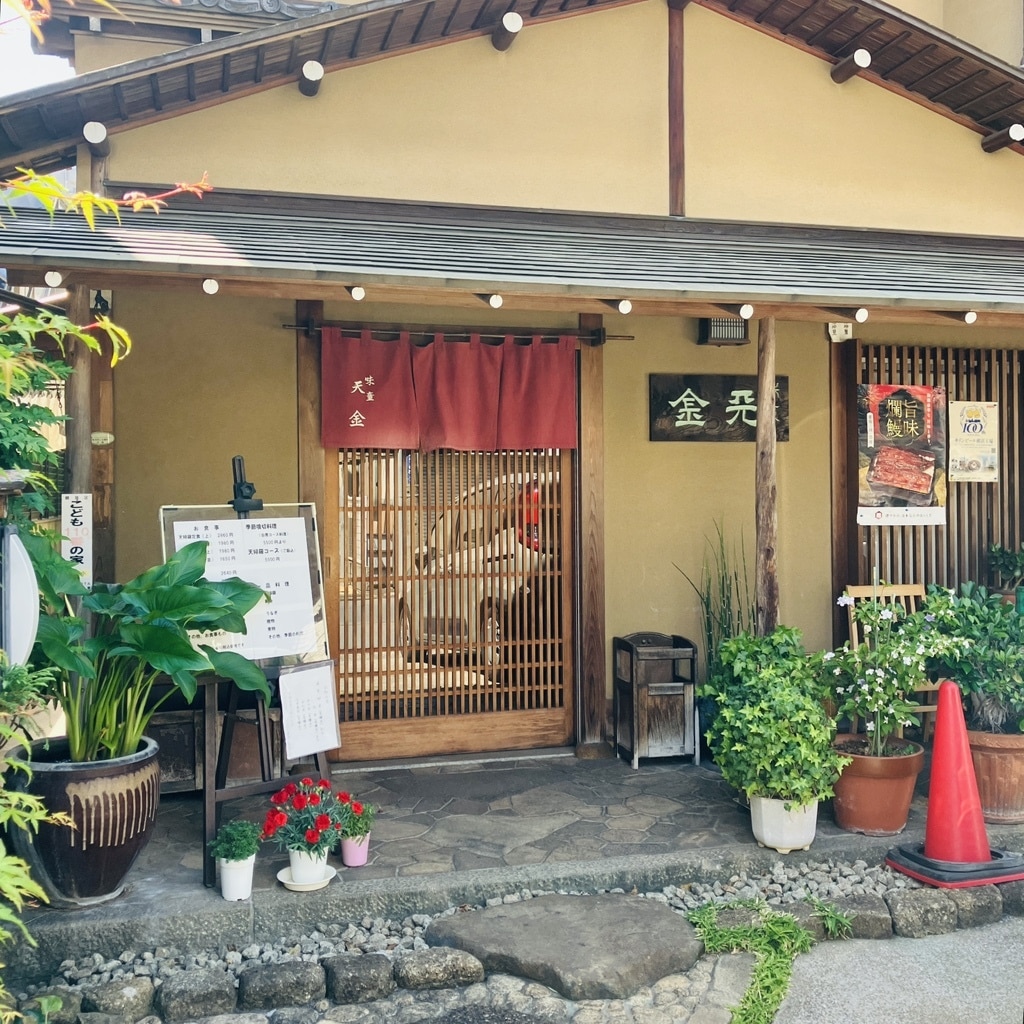
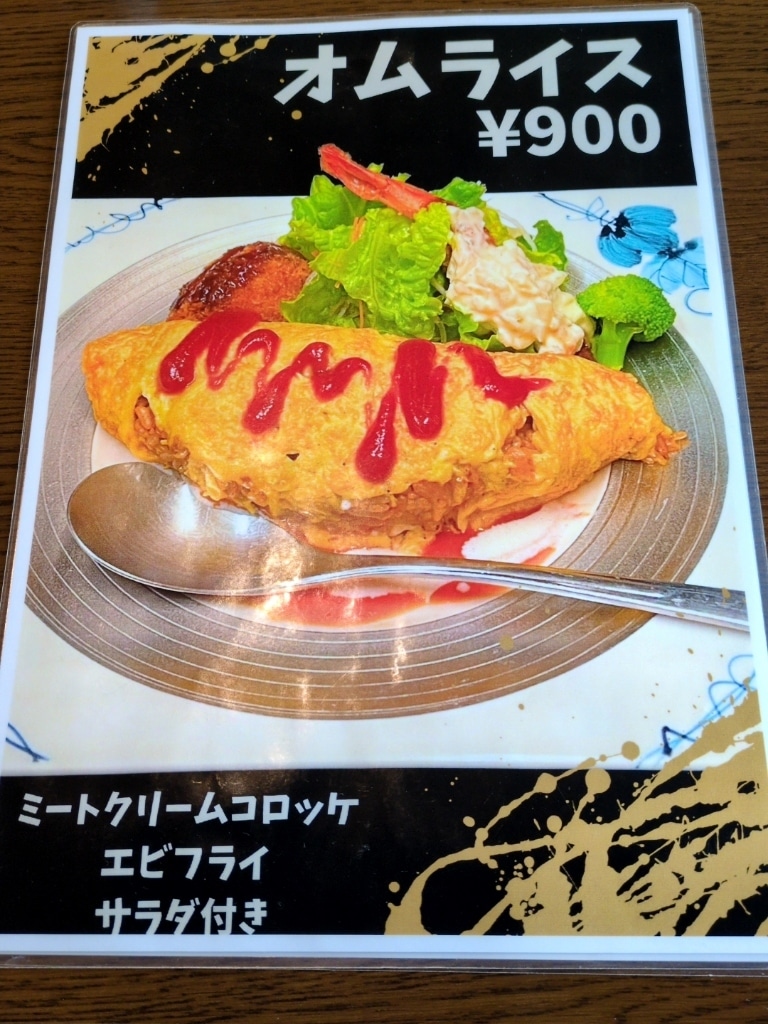
Sansada was founded in the 8th year of Tenpo (1837) and is widely regarded as Japan’s oldest tempura specialty shop, right next to Kaminarimon, at 1-2-2 Asakusa, Taito City, Tokyo (directly beside Kaminarimon).
- 🍤 Must-order: Tendon (tempura rice bowl)
- 💰 Price: From ¥1,560 (jo-tendon ¥1,950)
- 🚉 Getting there: About a 1-minute walk from Exit 1 of Asakusa Station (directly beside Kaminarimon)
Sansada’s tempura is made with great care, every dish carefully crafted for excellent texture. The shop keeps an old-establishment atmosphere, letting guests feel Asakusa’s century-long history along with the food.
Sansada is about a 15-minute walk from the festival venue and is a recommended tempura shop.
Yakitori: Torikizoku
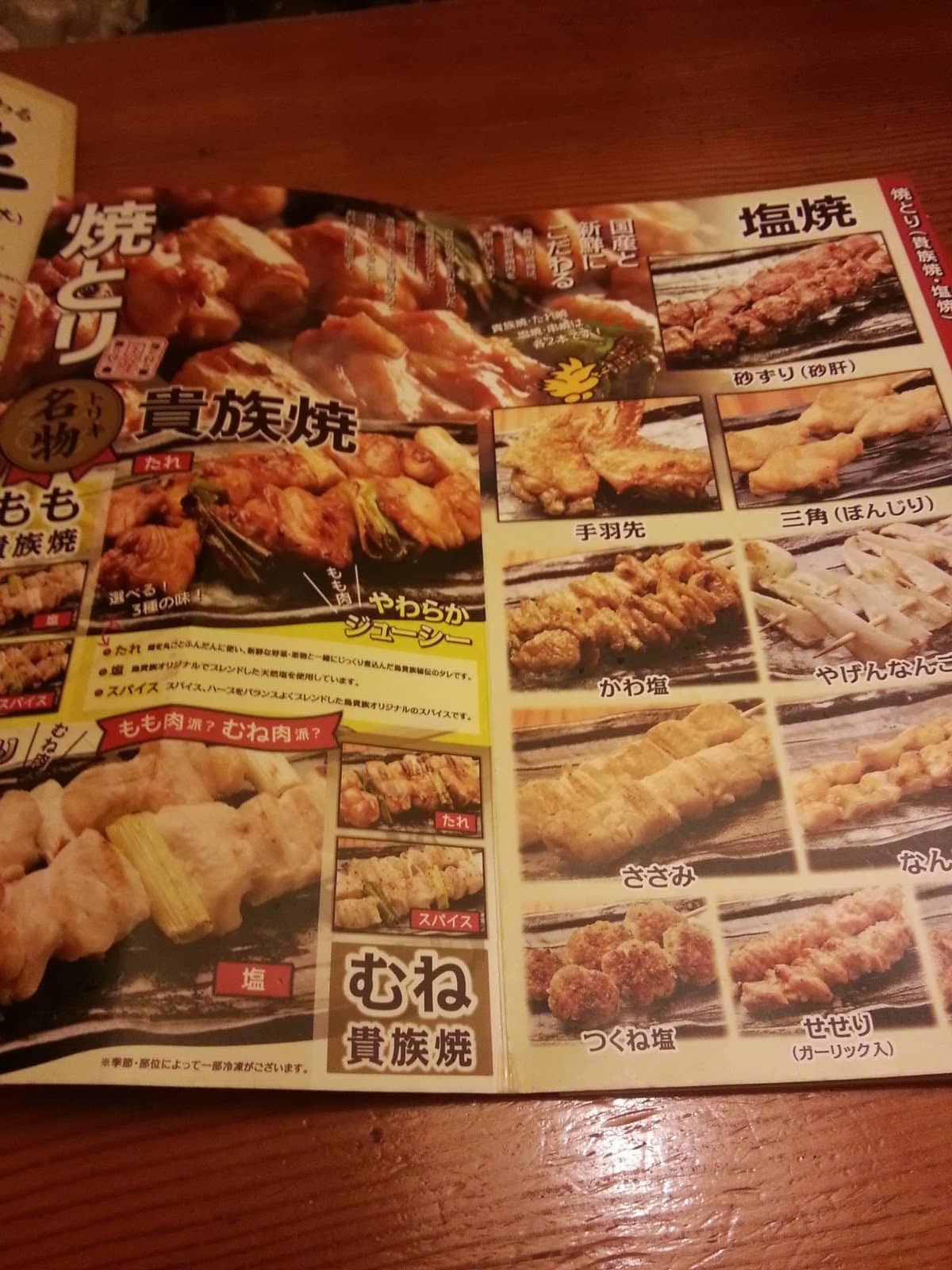
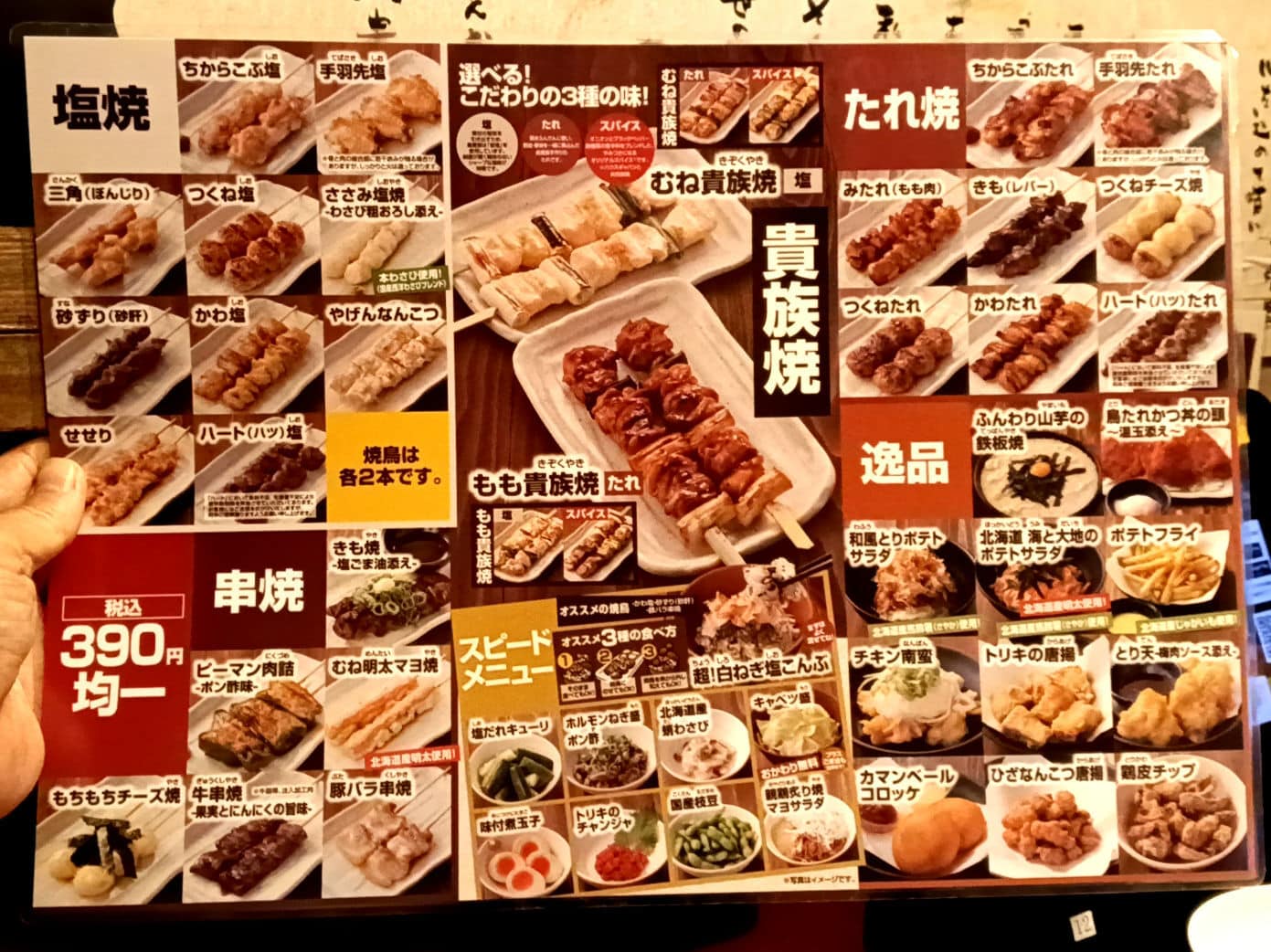
Torikizoku is a yakitori izakaya chain known across Japan. The Asakusa shop is on the 3rd floor of 1-1-1 Asakusa, Taito City, Tokyo, and uses chicken that is fresh that day.
- 🍗 Must-order: Assorted yakitori platter
- 💰 Price: Single flat price for every item; rely on in-store notices for prices
- 🚉 Getting there: About a 2-minute walk from Asakusa Station
Torikizoku’s yakitori is prepared with great care, every dish carefully crafted for excellent texture. The interior is also very simple, letting guests enjoy an unpretentious atmosphere along with the food.
Torikizoku is about a 20-minute walk from the festival venue and is a recommended yakitori shop.
Where to Stay Along the Way
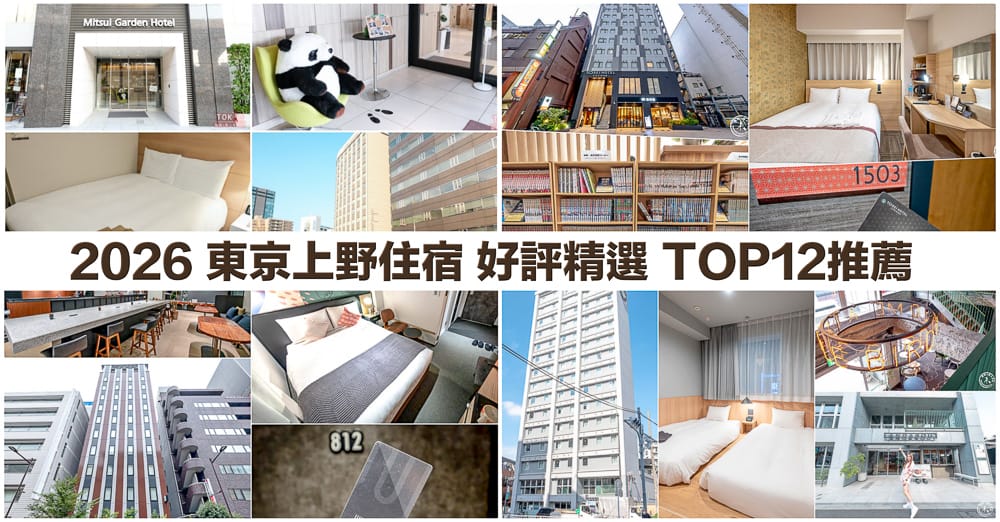
Accommodation around Asakusa and Sumida usually fills up very early on festival day. If you want to walk back to your room after the show, choose a hotel near Asakusa, Kuramae or Oshiage (Skytree) Station; you can also stay in Ueno and take the Ginza Line to Asakusa. Once the next event date is announced, book early.

2026 Sumida River Fireworks Festival FAQ
What are the exact date and time of the 2026 Sumida River Fireworks Festival?
The 49th Sumida River Fireworks Festival was held on Saturday, July 25, 2026, from 19:00 to 20:30. Venue 1 began launching at 19:00 and Venue 2 at 19:30, and both ended at 20:30.
Will it be canceled if it rains? Will it be postponed to the next day?
The festival follows “light rain goes ahead, stormy weather cancels,” so it still goes ahead unless the weather is severe, such as strong wind or heavy rain. If canceled for bad weather, it is not postponed to another date. The organizer announces on the morning of the event whether the show will go ahead as planned, so check the official announcement before you set out.
How many shells are launched in total?
The two venues together are expected to launch about 20,000 shells, with about 9,350 at Venue 1 and about 10,650 at Venue 2, one of the largest fireworks events in Tokyo.
I don’t want to be packed in a crowd. Which free viewing spots do you recommend?
Besides classic spots like Asakusa Park and Sumida Park, Shiohairi Park near Minami-Senju Station has an open view and relatively fewer people, the most recommended free hidden spot around Venue 1. If you want to feel the impact up close, Doboribori Park is another option, but you need to claim a spot early.
Can I still buy paid seat tickets?
Official citizen sponsor seats go on sale each year around mid-May through the Ticket Pay platform, first come first served, and usually sell out soon after. If you miss the sale, you can choose free viewing spots such as Shiohairi Park, or watch for Tokyo Skytree’s limited fireworks-viewing special opening; for both, plan your itinerary early.