
2026 Ginza Shopping Guide: A Complete Look at Japan’s Most Prestigious Shopping District
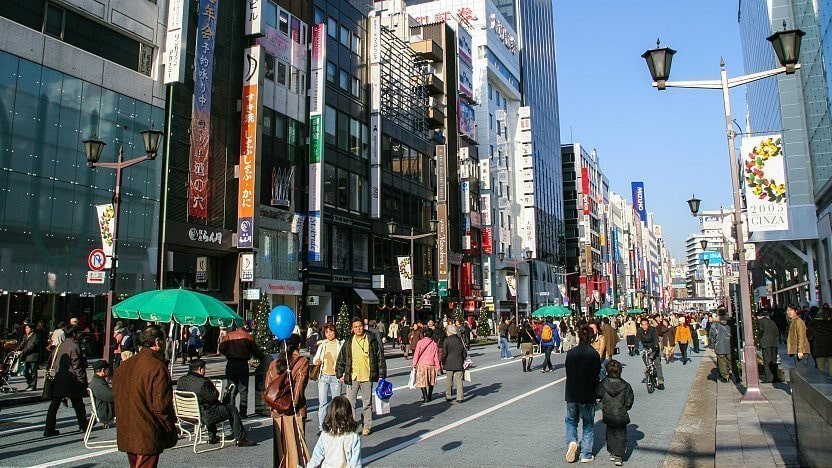
Ginza is Tokyo’s most iconic upscale shopping district, home to century-old department stores, international luxury flagships and long-established stationery shops, ideal for travelers who love refined shopping and dining.
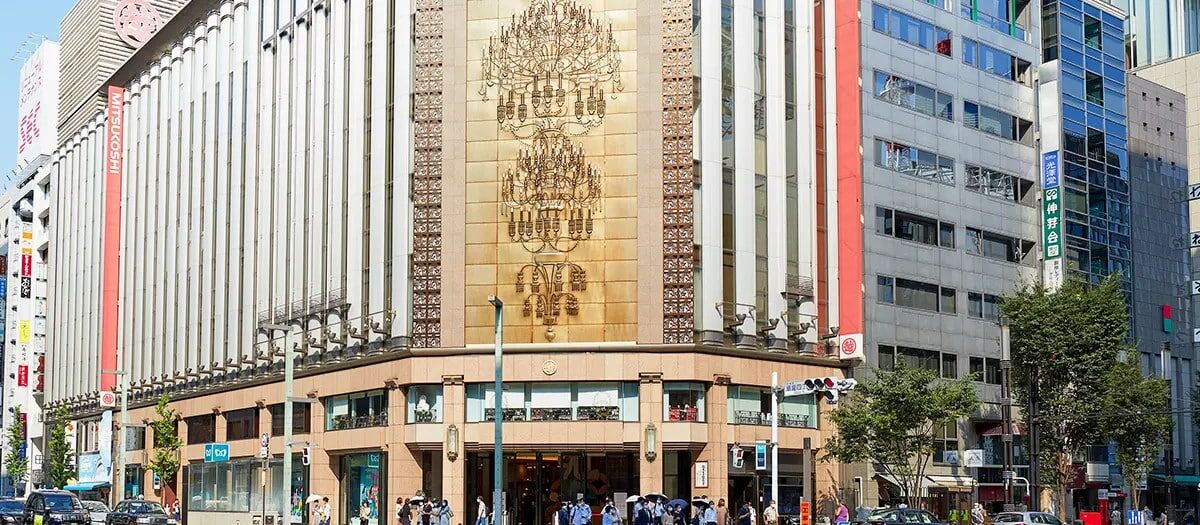
Ginza Mitsukoshi: The Shopping Heart of a Century-Old Department Store
Founded in 1673, Ginza Mitsukoshi is the eye-catching landmark at the Ginza 4-chome crossing. Its floors cover international luxury, Japanese brands and beauty, plus the ART AQUARIUM MUSEUM GINZA on the 8th floor. The store has a tax-free counter and is open about 10:00-20:00 (floors and restaurants vary slightly; please check the official website), making it a good place to buy souvenirs. Plan 1.5-2 hours for a visit, especially for the goldfish aquarium art exhibition on the 8th floor (scheduled to run until January 6, 2027).
Matsuya Ginza: A Century-Old Landmark and the Louis Vuitton Flagship
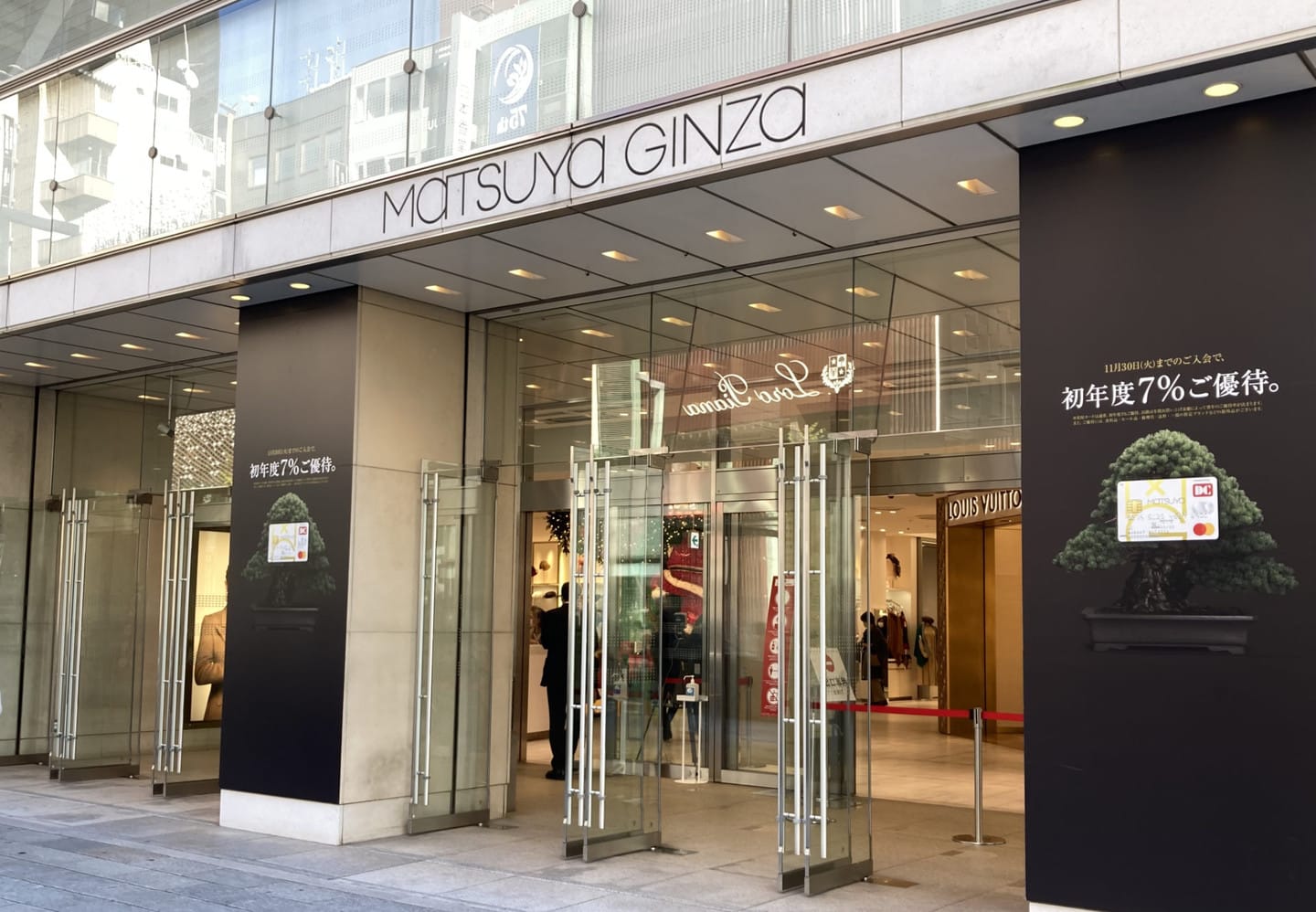
Matsuya Ginza opened in 1925 and is known for its refined window displays and high-end luxury floors. After expansion, the Louis Vuitton Matsuya Ginza store became one of LV’s largest stores in Japan. The building combines fashion, lifestyle goods and a basement food hall, suiting travelers who like to browse a department store at leisure, and it is an essential stop on any Ginza shopping map.
Sales floors are open 11:00-20:00 (until 19:30 on Sundays or the last day of a holiday weekend). For tax-free procedures, please ask at the store’s service counter. Japan’s tax-free system changes to a refund method from November 1, 2026.
Matsuya Ginza Floors and Hours: 8th-Floor Restaurants and the Basement Food Floors
Matsuya Ginza’s sales floors are usually open 11:00 to 20:00, until 19:30 on Sundays or the last day of a holiday weekend, with hours adjusted on special dates. The 8th-floor “Restaurant City GINZA” is open until 22:00 (last order 21:00), and the basement 1 to 2 food floors, “GINZA FOOD STAGE,” keep the same hours as the sales floors. Please check the official website announcements before you go.
GINZA SIX: Ginza’s Most Representative Luxury Shopping Complex
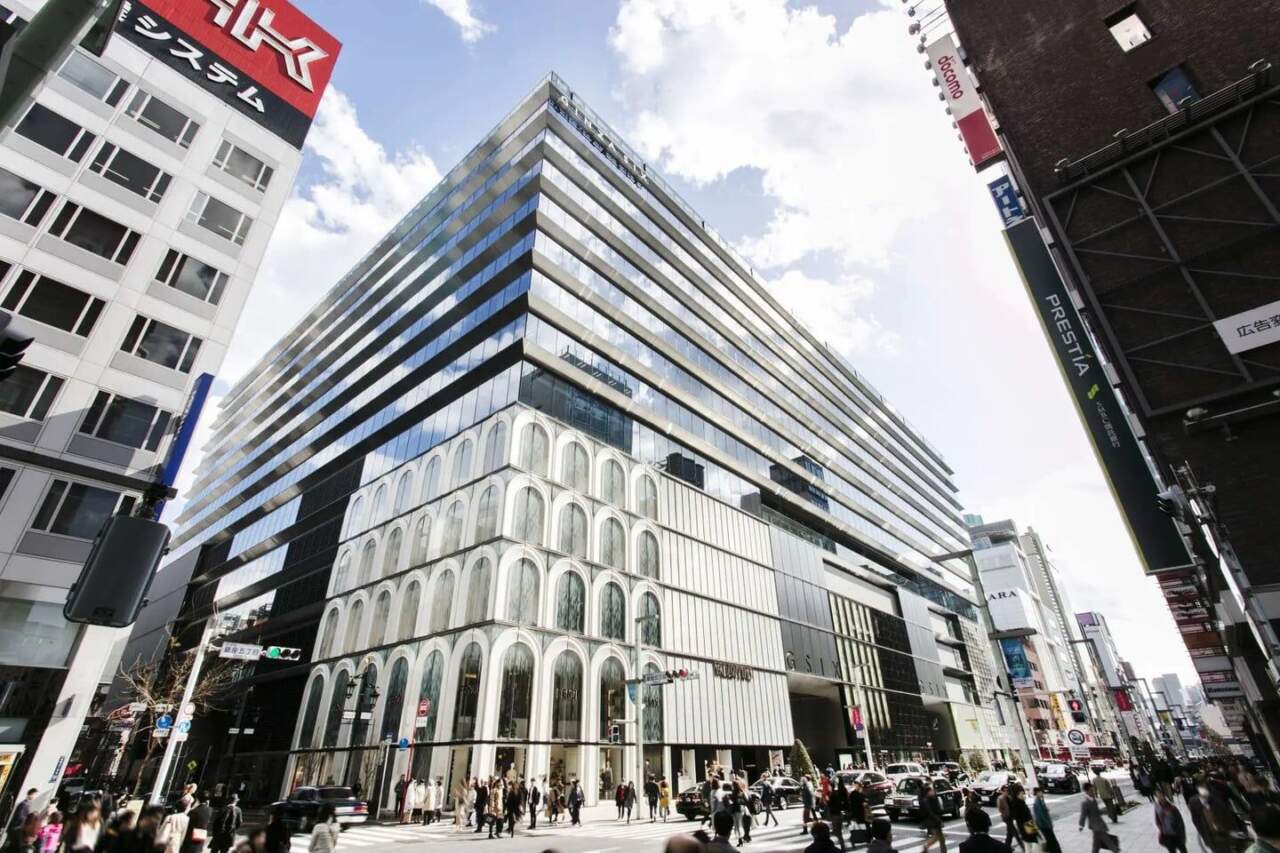
GINZA SIX is a Ginza landmark that opened in 2017, gathering 241 international luxury and buzzworthy brands. The atrium occasionally displays giant installation works by master artists, so it feels like an art museum itself. The Tsutaya Books inside is known for its art-themed selection, and the rooftop garden is an excellent vantage point over the Ginza streets.
It is open 10:30-20:30 (restaurants until 23:00). The B2 food street gathers popular sweets and delicatessens. Plan more than 2 hours to browse in detail; it is also a popular photo spot.
GinzaNovo (Formerly Tokyu Plaza Ginza): Glass Facade and Lotte Duty Free
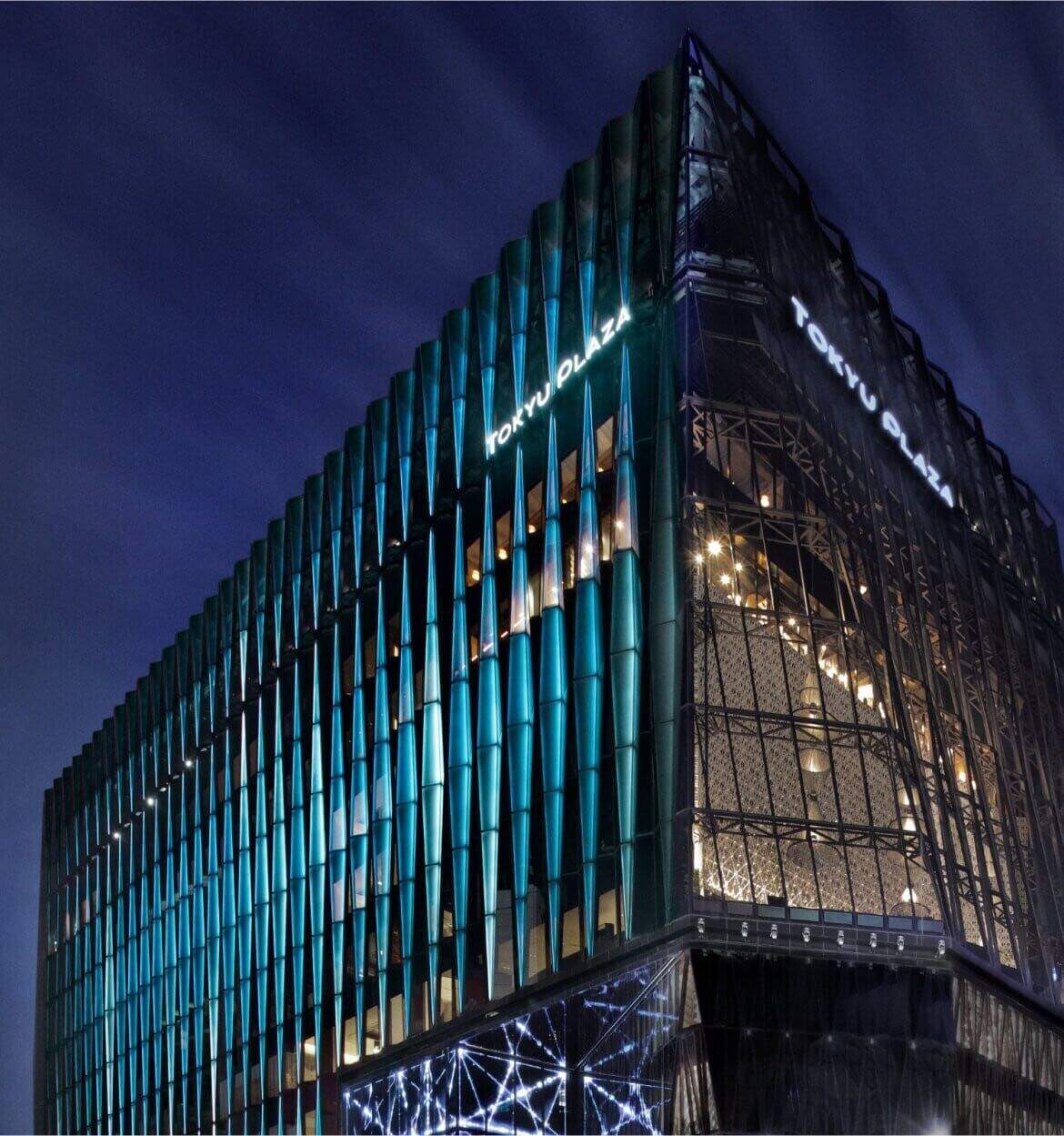
GinzaNovo (formerly Tokyu Plaza Ginza, renamed in December 2025) has a highly recognizable facade designed around the concept of “Edo Kiriko” glass craft, and the Lotte Duty Free store on floors 8 to 9 is a popular place for travelers to buy souvenirs.
Shops are open 11:00-21:00 and restaurants until 23:00. There is an observation terrace overlooking the Sukiyabashi crossing, where you can take a short rest when you get tired.
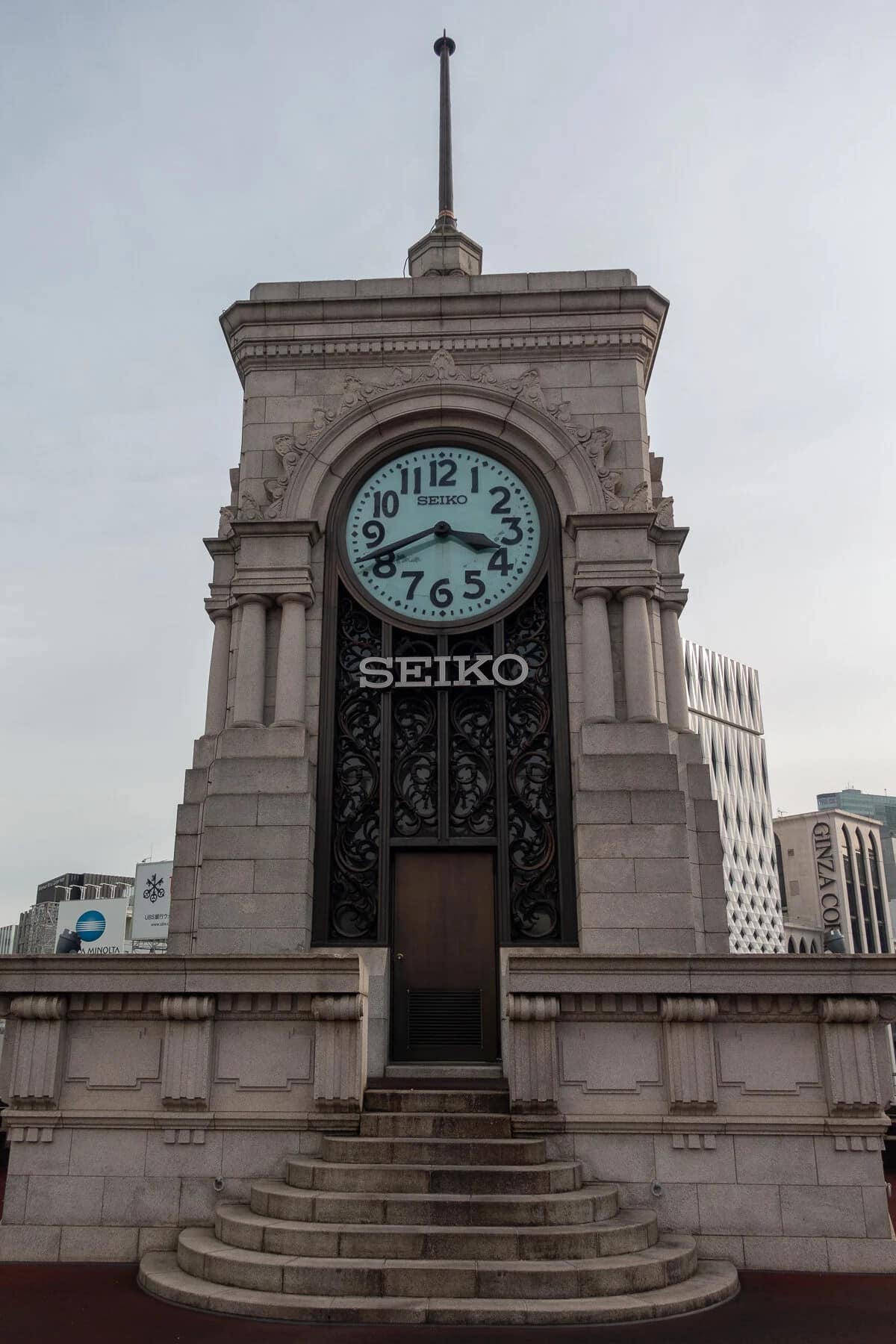
Wako Main Building: The Clock Tower Symbol of a Classic Ginza Landmark
The Wako main building stands at the Ginza 4-chome crossing, and its rooftop clock tower is Ginza’s most iconic landmark image. The building focuses on luxury watches, jewelry and craft goods, and the SEIKO flagship boutique also has a counter here, suiting travelers who love traditional Japanese crafts and fine goods.
It is open 10:30-19:00. Even if you don’t shop, standing at the crossing and taking a photo with the clock tower and department store facade is one of the things to do on a Ginza visit.
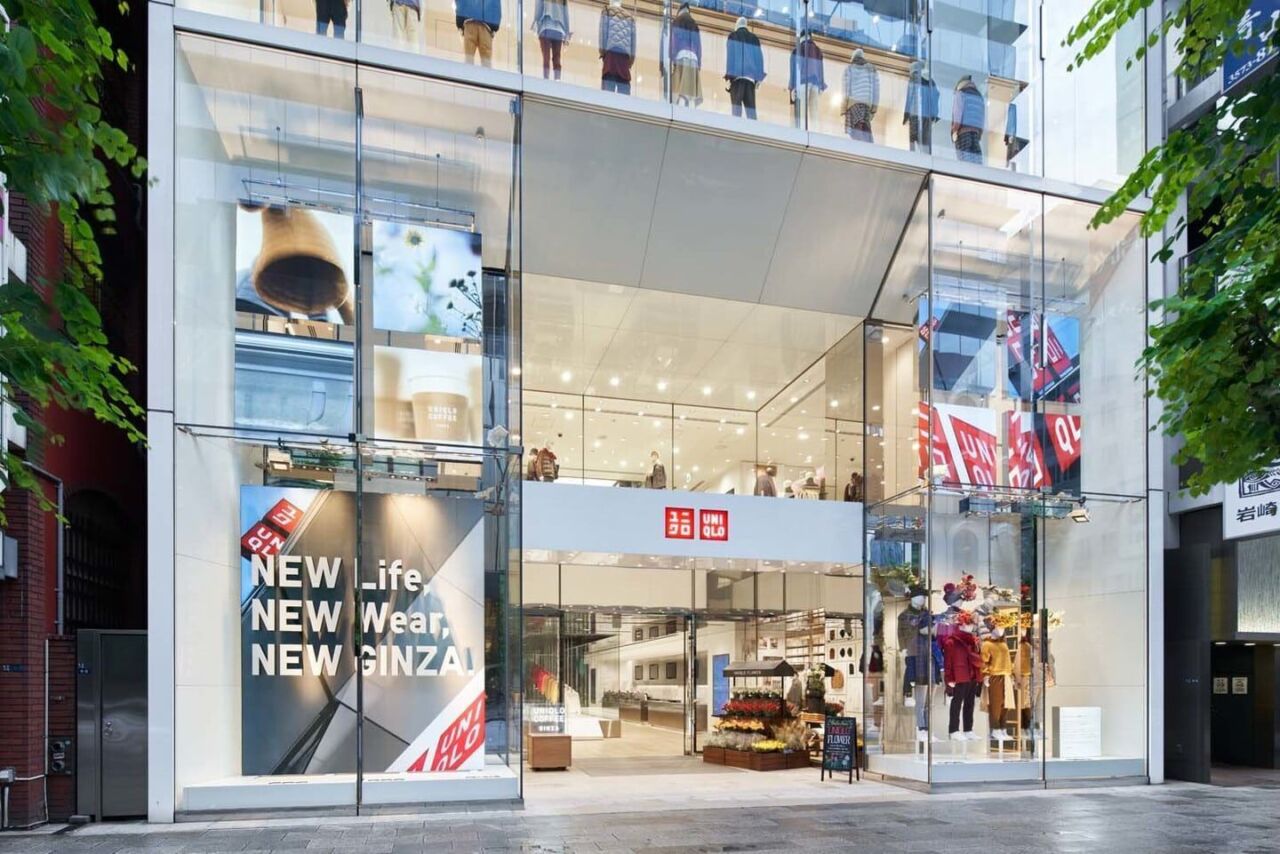
UNIQLO Ginza: A 12-Floor Global Flagship Shopping Experience
UNIQLO Ginza flagship is one of UNIQLO’s global flagship stores, with 12 floors. The store has a UNIQLO Coffee and a suit-tailoring service with same-day alterations, and its product range is far more complete than an ordinary branch. The neighboring GU Ginza store offers more youthful styles.
It is open 11:00-21:00, and foreign travelers can process tax-free purchases in the store. We recommend allowing more than 1 hour to browse the limited collaboration items at leisure.
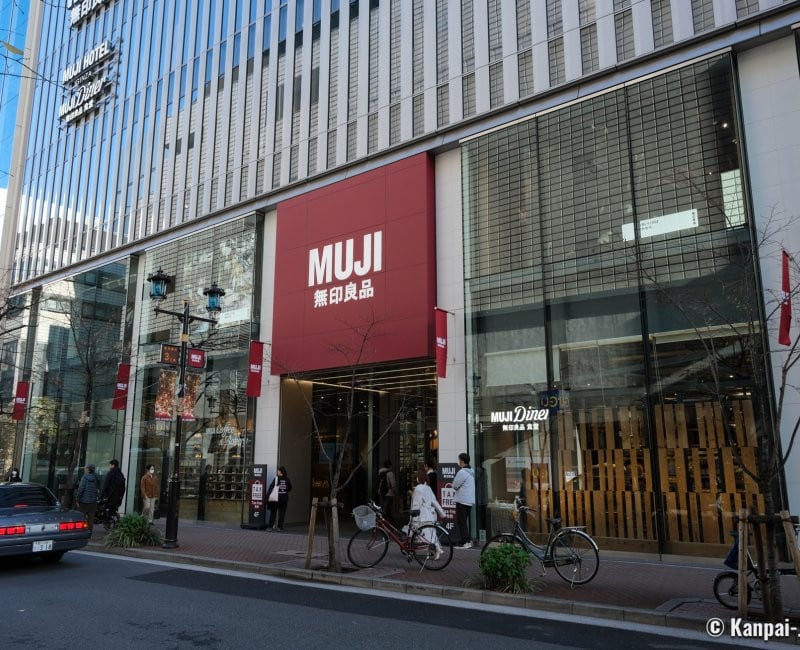
MUJI Ginza: The Global Flagship and MUJI HOTEL
MUJI Ginza is MUJI’s global flagship, combining MUJI Diner, a bakery, a coffee bar and Japan’s first MUJI HOTEL, so besides shopping you can experience a day of MUJI living. It is a must-visit for travelers who love Japanese lifestyle goods.
Please check the official website for opening hours. MUJI Diner serves set meals made mainly from local ingredients, and we suggest avoiding the peak mealtime of 12:00 to 13:00.
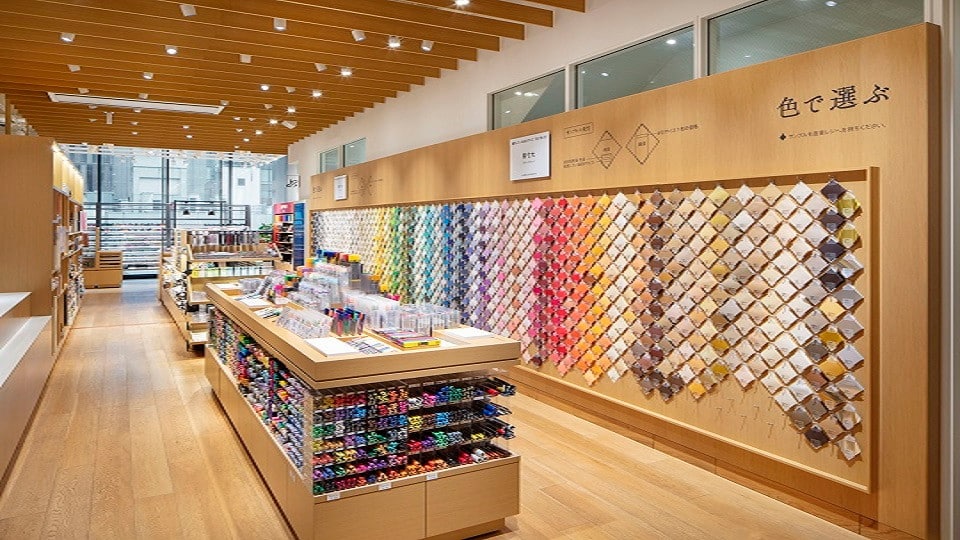
Ginza Itoya: A Multi-Floor Pilgrimage Paradise for Stationery Fans
Ginza Itoya’s G.Itoya main store has a history of more than 120 years, with many floors, each organized by theme and devoted to various stationery and paper products. The giant red paper clip at the entrance is a photo landmark, and the store also offers customizable stamps and a postcard mailing service, a pilgrimage site for stationery fans.
It is open 10:00-20:00. CAFE Stylo on the 2nd floor lets you take a short break with a cup of coffee before you continue shopping.
Hakuhinkan TOY PARK: A Toy Paradise Loved by Adults and Children
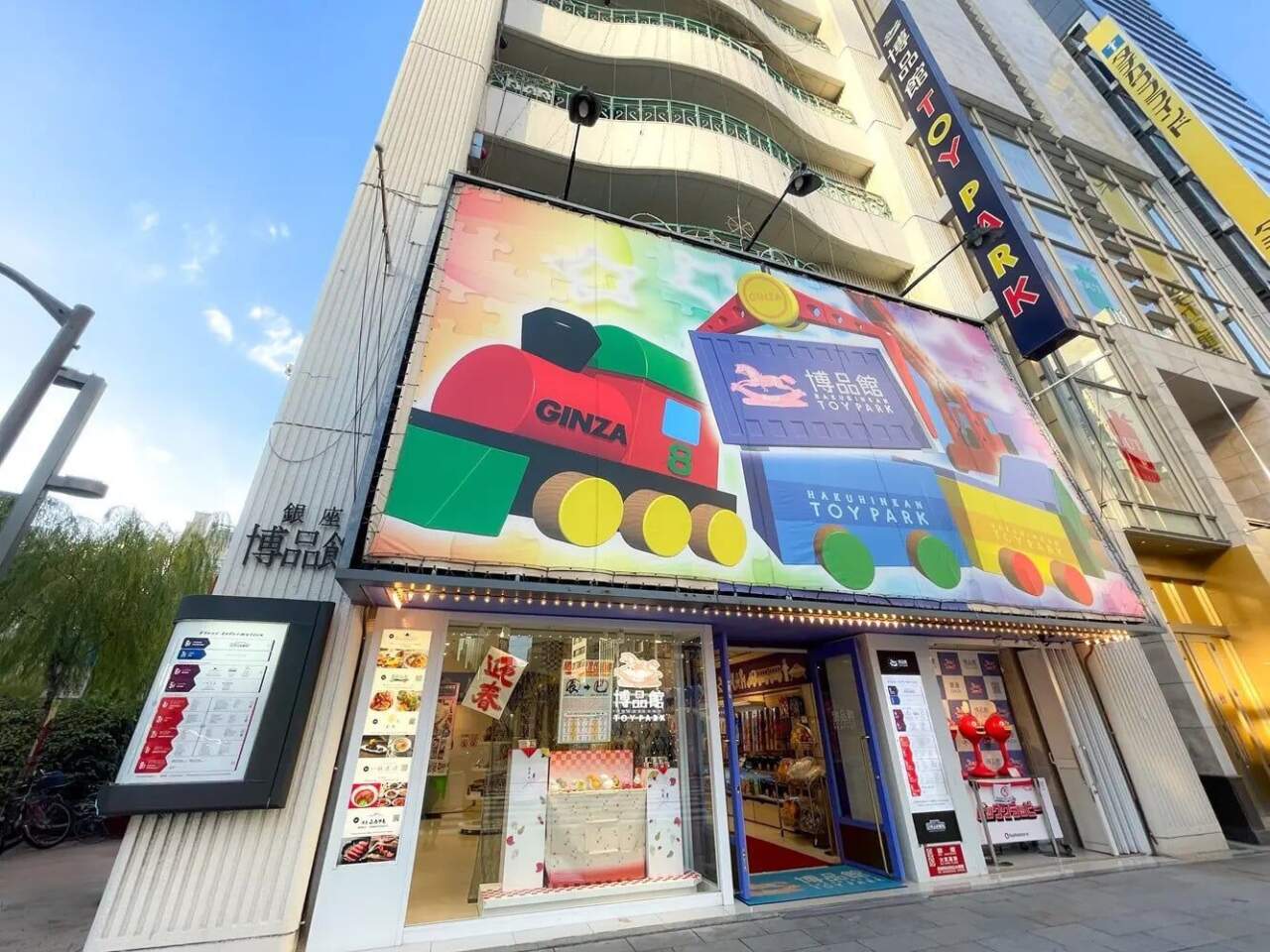
Hakuhinkan TOY PARK sells all kinds of Japanese toys, capsule toys and model figures from the basement 1 floor to the 5th floor, with a rich variety of products at relatively affordable prices. It suits travelers bringing children or looking for distinctive souvenirs.
It is open 11:00-20:00, and the store occasionally has limited character-themed pop-up zones, so check the current events before your visit.
How to Get There: A Complete Guide to Transport and Costs for the 2026 Ginza Shopping Districts
Ginza is in Chuo Ward, Tokyo, one of the areas with the densest transport network in central Tokyo. Whether you start from Narita Airport, Haneda Airport or elsewhere in the city, there are several ways to get there.
How to Get to Ginza at a Glance
🚇 Tokyo Metro Ginza Line: from Shibuya 16 minutes/from ¥210, from Asakusa 20 minutes/¥220. Ginza Station puts you right at Wako and Ginza Mitsukoshi.
🚆 JR Yamanote Line: Tokyo to Yurakucho 2 minutes/¥150, then a 5-8 minute walk from the exit to Ginza Chuo-dori and GINZA SIX.
🚇 Toei Asakusa Line/bus: Asakusa to Higashi-Ginza 15 minutes/from ¥220, good for an “Asakusa → Tsukiji → Ginza” route. Toei bus route Toh05 is ¥210.
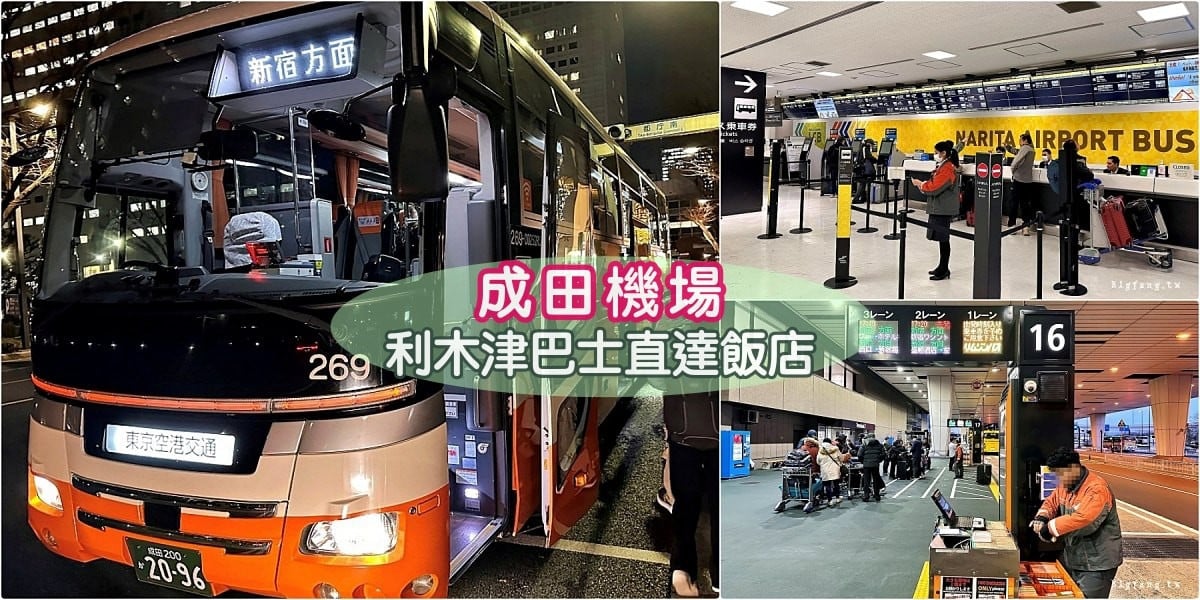
✈️ Airport access: Narita Airport Limousine Bus 75-100 minutes (check the official website for fares); from Haneda, monorail plus the Yamanote Line takes 35 minutes/¥660, the best value.


What Are the Must-See Spots in the 2026 Ginza Shopping Districts? Highlights by Area
Kabukiza Theatre: Home of Japan’s Traditional Kabuki Art
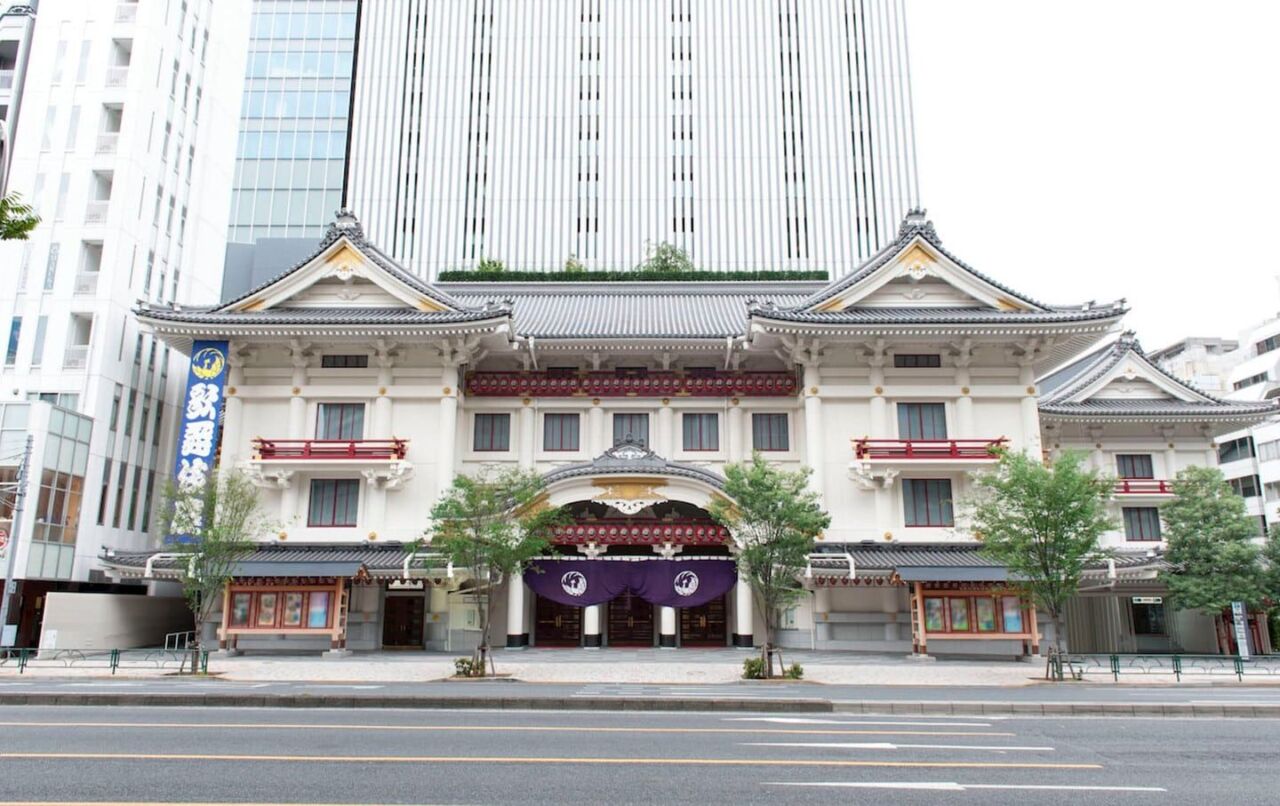
The Kabukiza is Japan’s leading kabuki theater. The current building was rebuilt in 2013, combining the traditional karahafu gable roof with modern facilities. Even if you don’t see a performance, its main entrance is an important cultural landmark on the east side of Ginza. Traditional programs are staged regularly, and you often see audience members in kimono coming and going, creating a distinctive atmosphere.
First-timers can buy a “hitomaku-mi seki” single-act ticket. Prices vary by program, so please check the Kabukiza website. It is short and low-commitment, good for a side trip between shopping, and we recommend arriving early to queue for tickets.


ART AQUARIUM MUSEUM GINZA: An Art Aquarium of Goldfish and Light
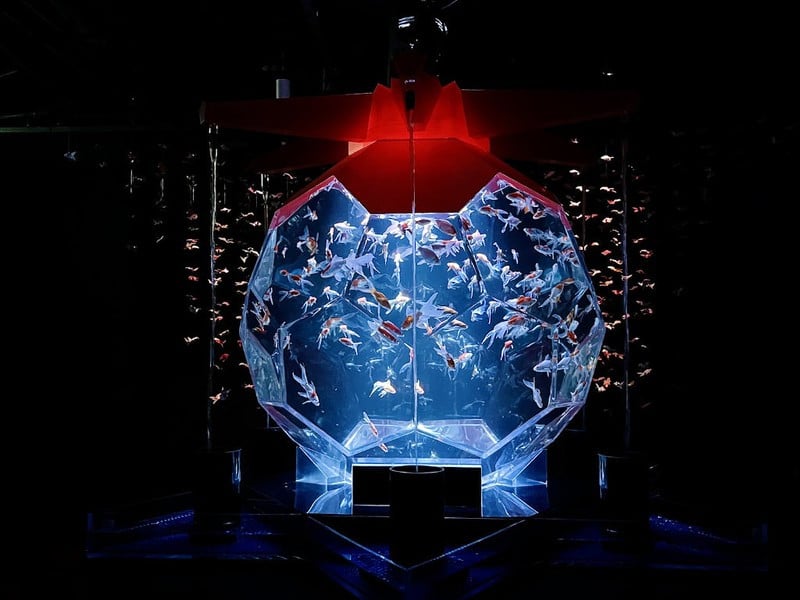
ART AQUARIUM MUSEUM GINZA is on the 8th floor of the Ginza Mitsukoshi annex. Themed around goldfish and combined with light-and-sound art installations, it turns traditional Edo goldfish culture into a dreamy immersive exhibition space, and has become one of Ginza’s popular photo spots in recent years.
Online tickets are ¥2,500 and same-day tickets ¥2,700. It is open 10:00-19:00 (last entry 18:00) and scheduled to run until January 6, 2027. The exhibition area is dim and the lighting themes change from time to time, so we recommend coming in the early evening to see the night version of the lighting effects. A full visit takes about 40 minutes to 1 hour.
Ginza Sony Park: An Urban Public Space with a Concept of Open Space
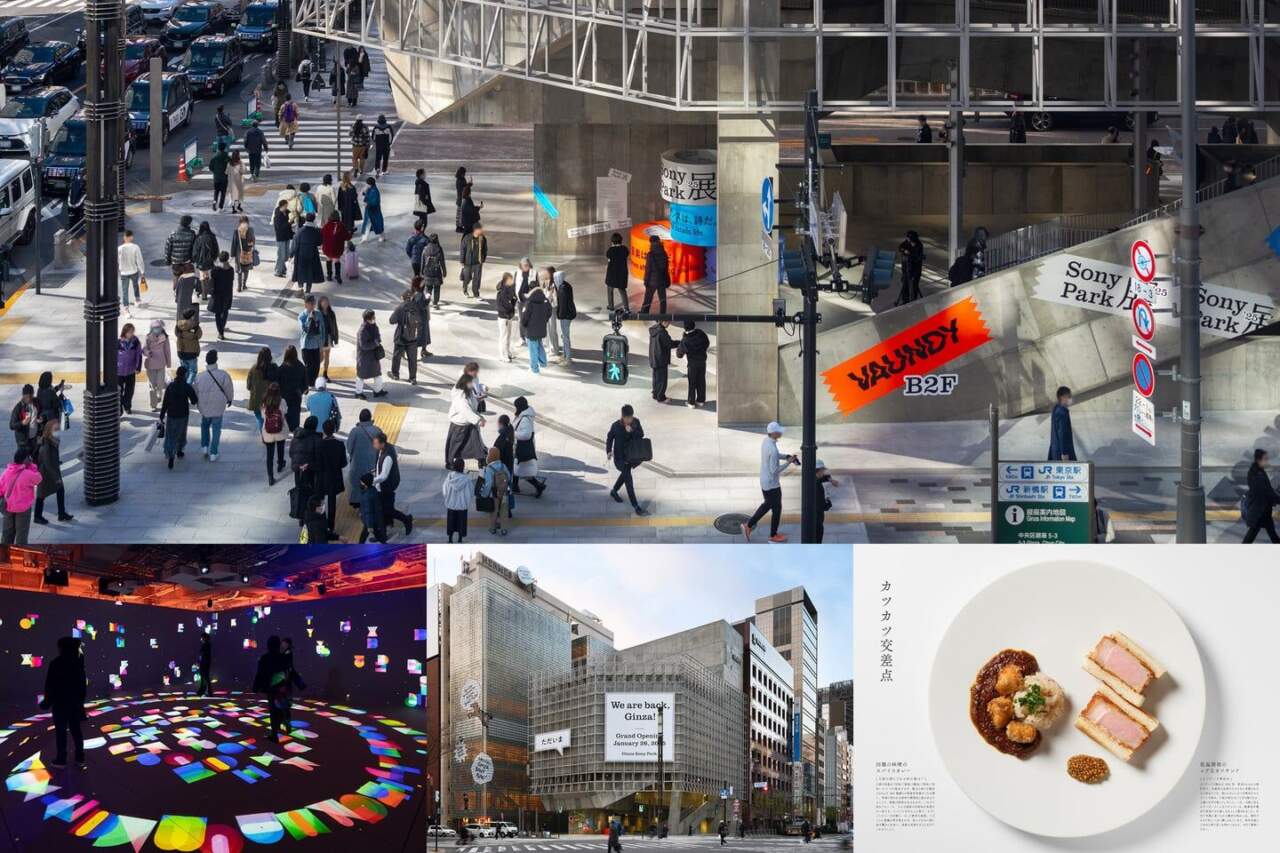
Ginza Sony Park is designed around the concept of “yohaku” (blank space), breaking the old idea that a commercial facility must be filled with shops. The space changes its exhibitions, pop-up stores and public events from season to season and project to project, creating a highly flexible, free-admission urban oasis and a unique place to feel Ginza’s contemporary creative energy.
Opening hours vary with the current exhibition, usually 11:00-19:00, and admission is free. The basement floors often have seating and light-food stalls, good for a short rest when you tire of shopping, and a chance to feel a relaxed public-space atmosphere rare in Ginza.
SEIKO MUSEUM GINZA: A Century of Japanese Watchmaking Craft in Miniature
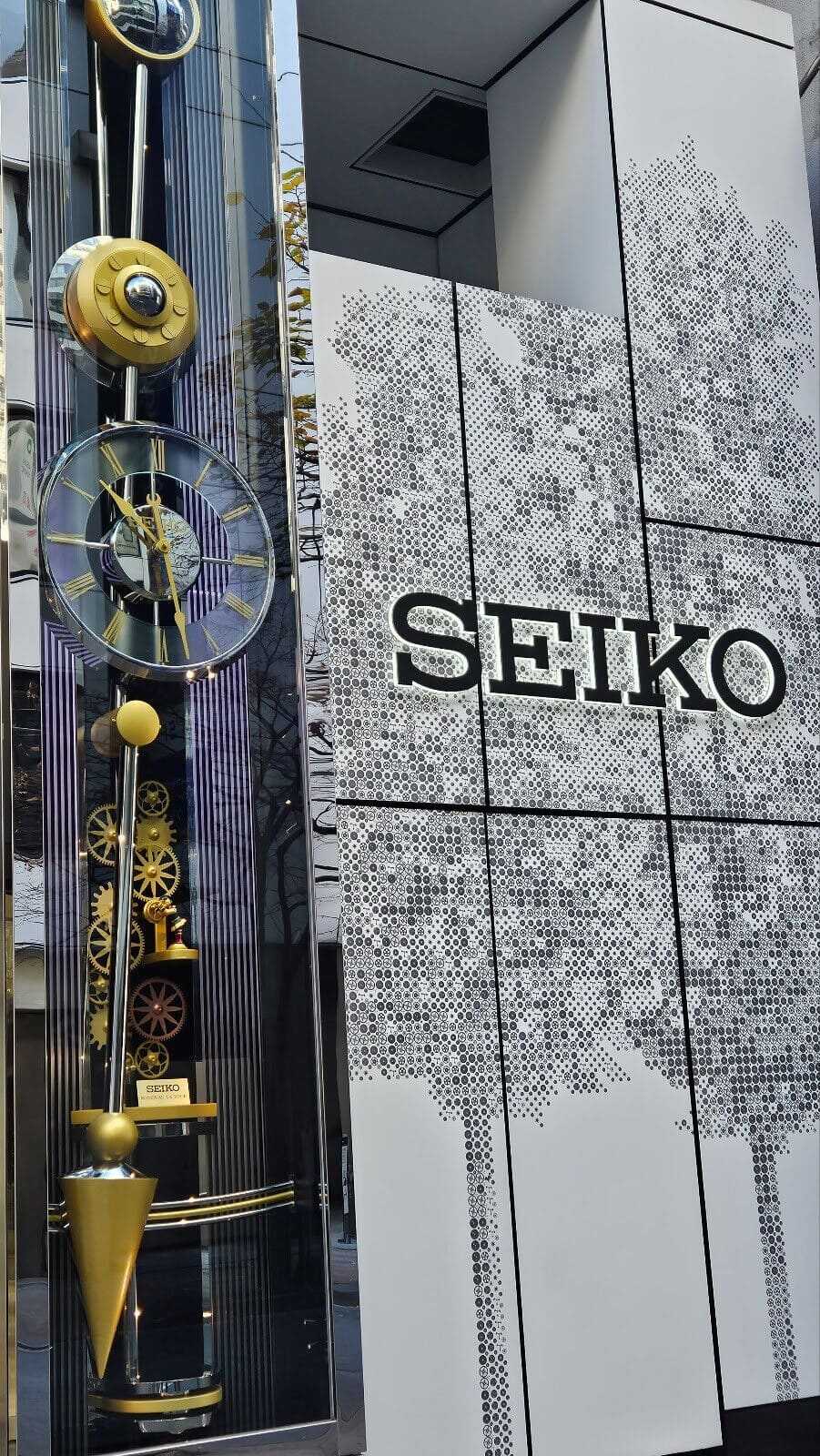
SEIKO MUSEUM GINZA shows SEIKO’s watch-development history since its founding in 1881. The museum holds hundreds of antique watches and watchmaking tools and gives a detailed account of the birth of Japan’s first domestically made wristwatch, suiting travelers interested in craft and history.
Admission is free and it is open 10:30-18:00 (closed Mondays), with reservations given priority, so we recommend booking on the official website in advance. The museum has also held watch-making workshops, making it one of the few free Ginza attractions that is both educational and interactive.
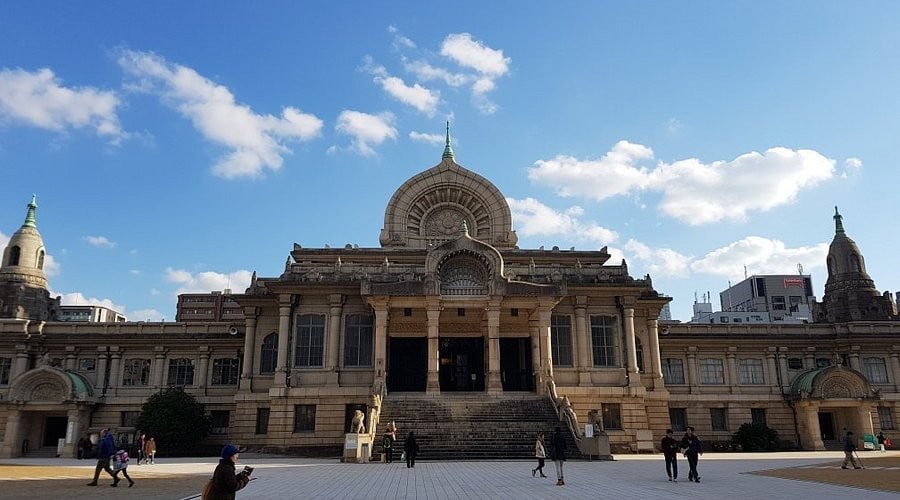
Tsukiji Hongwanji: Distinctive Buddhist Architecture in a South Asian Style
Tsukiji Hongwanji is near Ginza and enshrines Amida Nyorai, belonging to the Hongwanji school of Jodo Shinshu. Its stone exterior blends elements of ancient Indian Buddhist architecture, quite different from the look of an ordinary Japanese temple and rare among Tokyo’s many temples, a must-see for travelers who love architecture and religious culture. The grounds have an office where you can buy omamori charms and goshuin stamps.
It is open 6:00-16:00 and admission is free. The temple’s Tsumugi cafe serves an 18-grain porridge set inspired by the Buddhist “three offerings” (sangusoku), so you can enjoy a brunch that combines culture and food while you shop.
Hamarikyu Gardens: An Edo-Period Tidal-Pond Strolling Garden
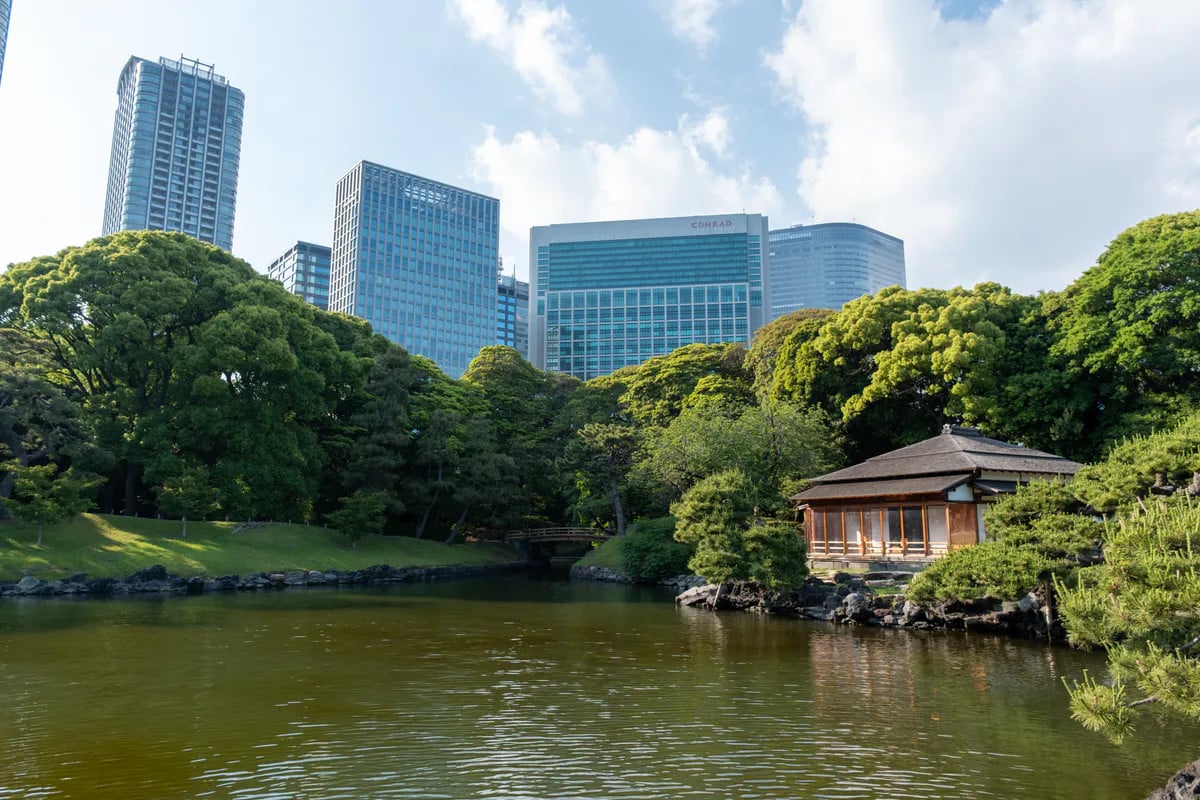
Hamarikyu Gardens was once a falconry hunting ground for the Edo shoguns. It is a rare “tidal-pond strolling garden” in Japan that draws in seawater and its tidal changes. The garden preserves 300-year-old pine trees and a teahouse on the water, and each season has its own look, with autumn maples and winter narcissus fields the most popular.
Admission is ¥300 and it is open 9:00-17:00 (last entry 16:30). The Nakajima Teahouse in the garden serves traditional matcha and wagashi sets, so you can rest while viewing the garden scenery. We suggest about 1 hour for a leisurely stroll.
Caretta Shiodome Observatory: A Free View of Tokyo Bay at Night
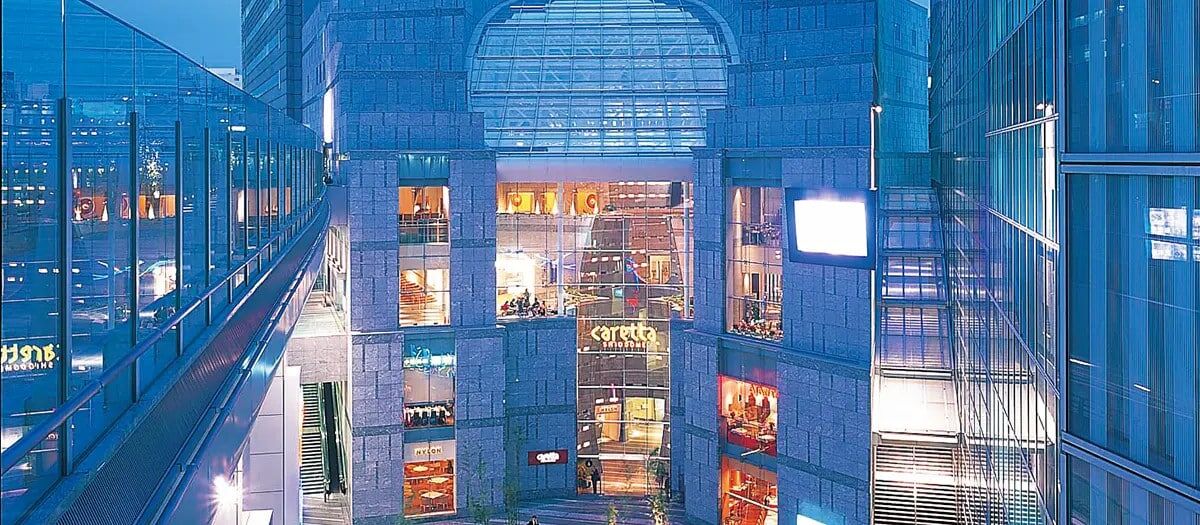
The Caretta Shiodome Observatory is on the 46th floor of the Dentsu headquarters building, with views of Tokyo Bay, Rainbow Bridge and the Ginza streets. Its greatest feature is that it is completely free, an excellent choice for budget travelers who want to see Tokyo’s night view, and the scenery is especially spectacular at dusk.
It is open 11:00-23:00 and about 10 minutes from Ginza on foot or by subway to Shiodome Station. The building has cafes and restaurants where you can dine with the night view, and in winter (roughly November to February) the plaza courtyard hosts a free light show, worth fitting in.
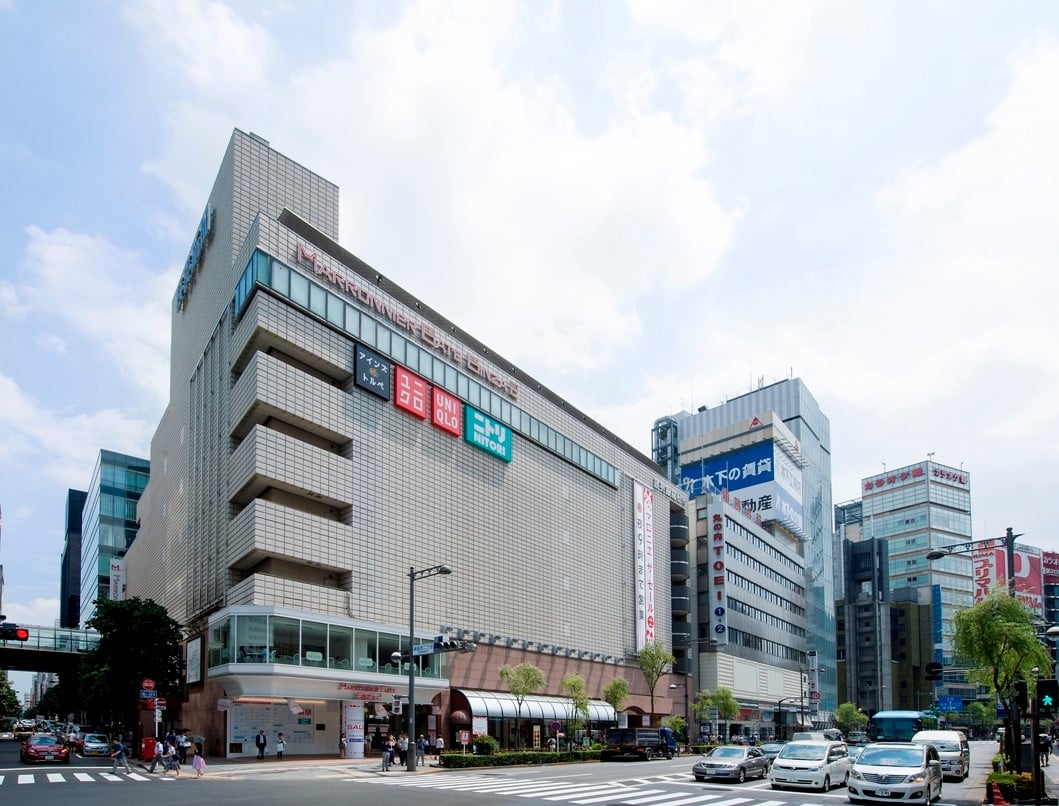
Marronnier Gate Ginza 2: A Mall Gathering Affordable Brands
Marronnier Gate Ginza 2 has UNIQLO TOKYO (floors 1 to 4), the GU global flagship, the Daiso global flagship and an OK supermarket (basement 1 to 2), a contrast with the surrounding luxury department stores, suited to buying daily necessities, snack souvenirs or affordable clothing.
The mall is open about 11:00-21:00, and OK supermarket is open 8:30-21:30, so it is very convenient for restocking after the upscale shopping streets.
Must-Book Ginza Experiences and Tax-Free Shopping
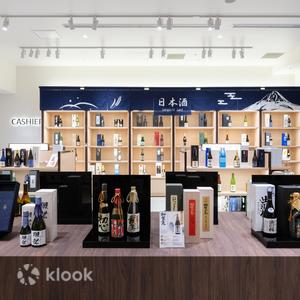
After the department stores and luxury streets of Ginza, you can also book an experience tour, such as the Ginza make-your-own-chopsticks experience on Klook, and handle your tax-free shopping all in one place at Lotte Duty Free.
![Tokyo - [¥800 → ¥400] Ginza Make-Your-Own Chopsticks Experience](https://res.klook.com/images/w_300,h_300,c_fill,q_75/w_80,x_15,y_15,g_south_west,l_Klook_water_br_trans_yhcmh3/activities/adm5a3hqcntaubtph7nd/【800日圓→400日圓】銀座自製筷子體驗-Klook.jpg)
Ginza Lotte Duty Free and the Tax-Free System: How to Buy from November 2026
Lotte Duty Free Ginza is on floors 8 to 9 of GinzaNovo (formerly Tokyu Plaza Ginza), where you can pick out souvenirs in one place. Japan’s tax-free system changes to a refund method from November 1, 2026: you pay the tax-inclusive price first, and the consumption tax is refunded after customs confirms on departure that you are taking the goods out of the country. Please follow the store and Japan Tourism Agency announcements for the procedure.
Where to Stay Nearby
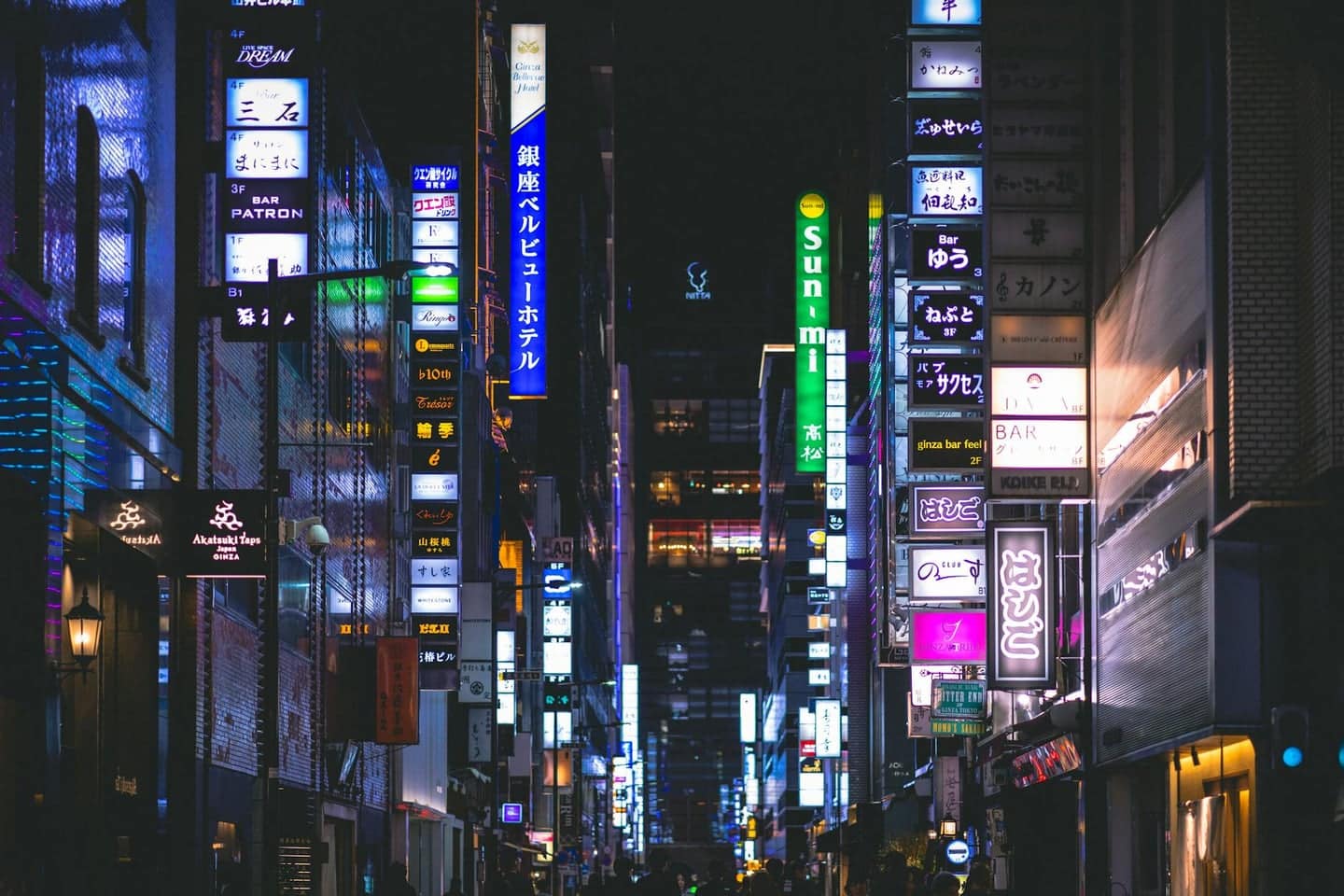
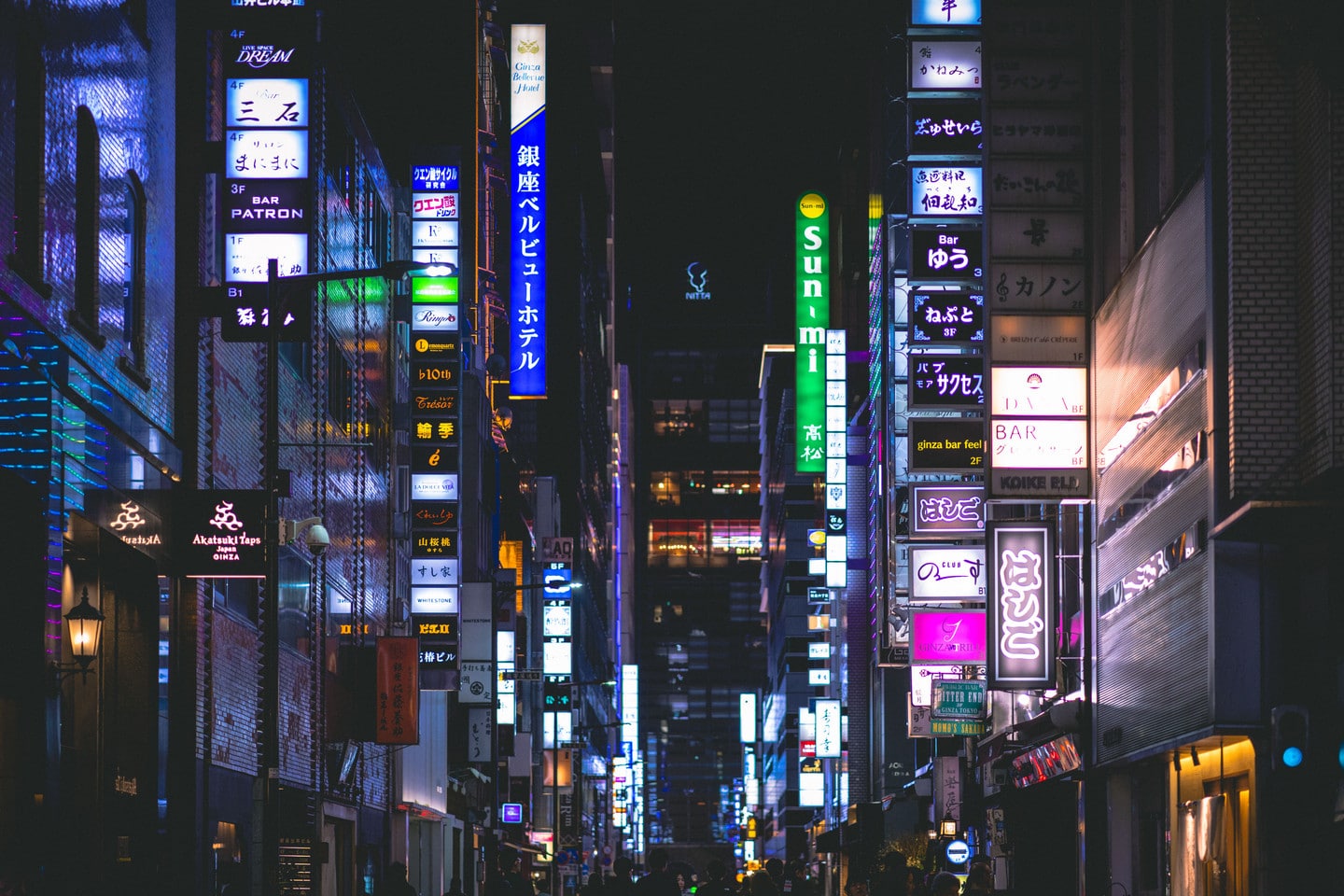
Ginza Station is the meeting point of the Tokyo Metro Ginza, Marunouchi and Hibiya Lines, with the department stores and luxury streets within walking distance. If you want an unhurried shopping day and a stroll to enjoy the night streetscape after the department stores close, consider staying around Ginza.

Ginza Shopping Guide FAQ
Q: How much does shopping in Ginza cost?
It depends on what you buy. If you only browse and don’t buy luxury goods, a budget of about ¥3,000 to ¥5,000 for transport and meals covers a day, while shopping spending has no upper limit.
Q: What is the easiest way to get to Ginza?
Taking the Tokyo Metro Ginza, Marunouchi or Hibiya Line to Ginza Station is the easiest, putting you right at the Ginza 4-chome crossing and the core shopping area.
Q: What time do the Ginza department stores open?
Mitsukoshi opens at about 10:00 and Matsuya Ginza at 11:00, both closing at about 20:00; GINZA SIX shops are open 10:30 to 20:30. Tokyu Plaza Ginza has been renamed “GinzaNovo.”
Q: When is the best time to shop in Ginza?
Ginza Chuo-dori becomes a pedestrian paradise on Saturdays, Sundays and holidays, from 12:00 to 18:00 from April to September and 12:00 to 17:00 from October to March. Vehicles cannot enter while the street is closed.
Q: How do I claim a tax refund when shopping in Ginza?
Bring your passport to the department store service counter; at GINZA SIX it is TERMINAL GINZA on the 1st floor (10:30 to 20:30). From November 1, 2026 the system changes to a refund method: pay tax-inclusive first, and receive the refund after customs confirms on departure.
Q: Are there more affordable places to shop in Ginza?
UNIQLO, GU and Daiso at Marronnier Gate Ginza 2 are all relatively affordable shopping options in Ginza.
Q: Is Ginza good for visiting with children?
Yes. Hakuhinkan TOY PARK, Hamarikyu Gardens and MUJI Diner are all family-friendly sights and dining options.