
Meiji Jingu, Tokyo: A Spiritual Sanctuary in an Urban Oasis
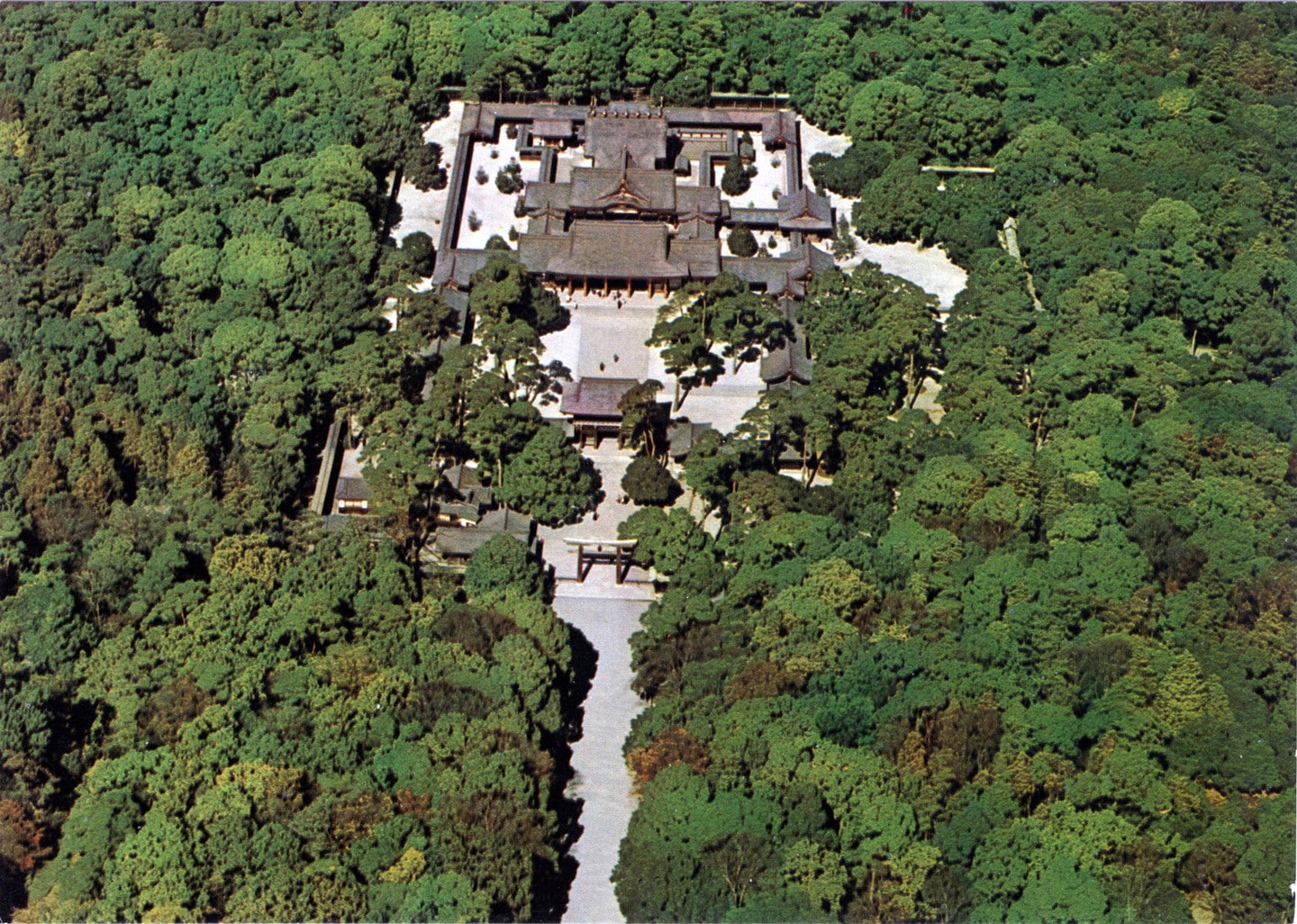
Meiji Jingu is a vast green forest in the heart of Tokyo. It is not only one of Japan’s most important Shinto shrines but also a sanctuary where many travelers and local residents come in search of inner peace. More than a sightseeing spot, it is dedicated to Emperor Meiji and Empress Shoken, and carries the history and spirit of Japan’s modernization. Millions of people visit each year, and over the New Year period it draws more worshippers than any other shrine in Japan. This article takes you through every corner of Meiji Jingu, from its history and worship etiquette to its distinctive highlights and recommended nearby itineraries, so that whether it is your first visit or a return trip, you come away with a richer and deeper experience.
Meiji Jingu was established to honor Emperor Meiji and Empress Shoken, who drove Japan’s modernization. The shrine grounds cover 70 hectares and hold about 100,000 trees donated from across Japan and overseas. After a century, they have grown into a lush forest that contrasts sharply with the bustling city around it, like an oasis in the city. This man-made forest is not only a treasure trove of biodiversity but also gives visitors a space to escape the noise and calm the mind. We will uncover the century-long afforestation plan behind this forest and the deep cultural meaning embedded in the shrine’s architecture, so that your visit to Meiji Jingu is more than a quick walk-through and becomes a deep exploration of culture and history.
The History and Unique Charm of Meiji Jingu
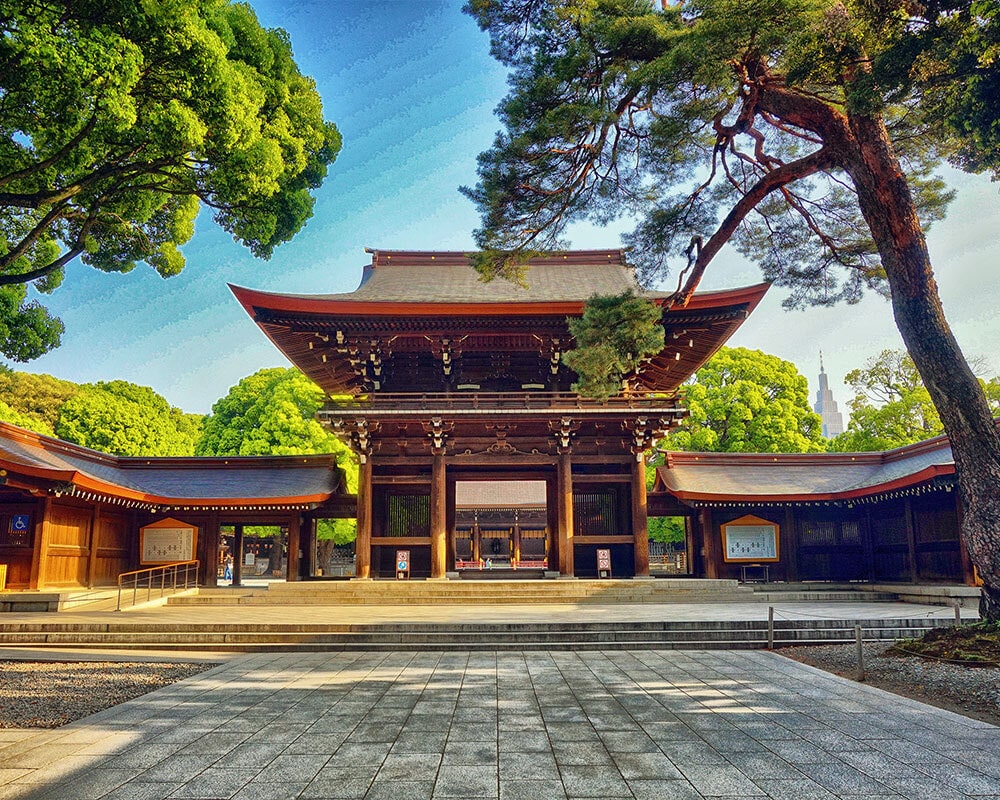
The history of Meiji Jingu dates back to 1920, when it was established to honor Emperor Meiji and Empress Shoken. During his reign the emperor drove the Meiji Restoration, which transformed Japan from a feudal society into a modern nation, and his achievements are remarkable. Building the shrine was not just a construction project but a nationwide afforestation program: people across the country donated trees, and young volunteers took part in planting them, and it took a century to form the dense forest we see today. The forest is both a symbol of the shrine and an expression of the Japanese people’s respect for nature and the imperial family. Although the shrine was damaged during World War II, it was quickly rebuilt after the war through the efforts of many people, preserving its solemnity and sanctity.
The Century-Long Afforestation Plan: A Miracle from Barren Land to Forest
The forest of Meiji Jingu did not form naturally; it was carefully planned and planted by people. Construction began in 1915, when the forestry scholars Seiroku Honda, Takanori Hongo and Keiji Uehara planned an evergreen broadleaf forest that would need no human maintenance and could regenerate itself generation after generation.
At the time, about 100,000 trees were donated from across Japan and from Japan’s overseas colonies, mainly evergreen broadleaf species such as shii and oak. In total, about 110,000 young-association volunteers took part in the planting. They planted not only saplings but also their respect for the emperor and their hopes for the future.
The Deities of Meiji Jingu and the Imperial Connection
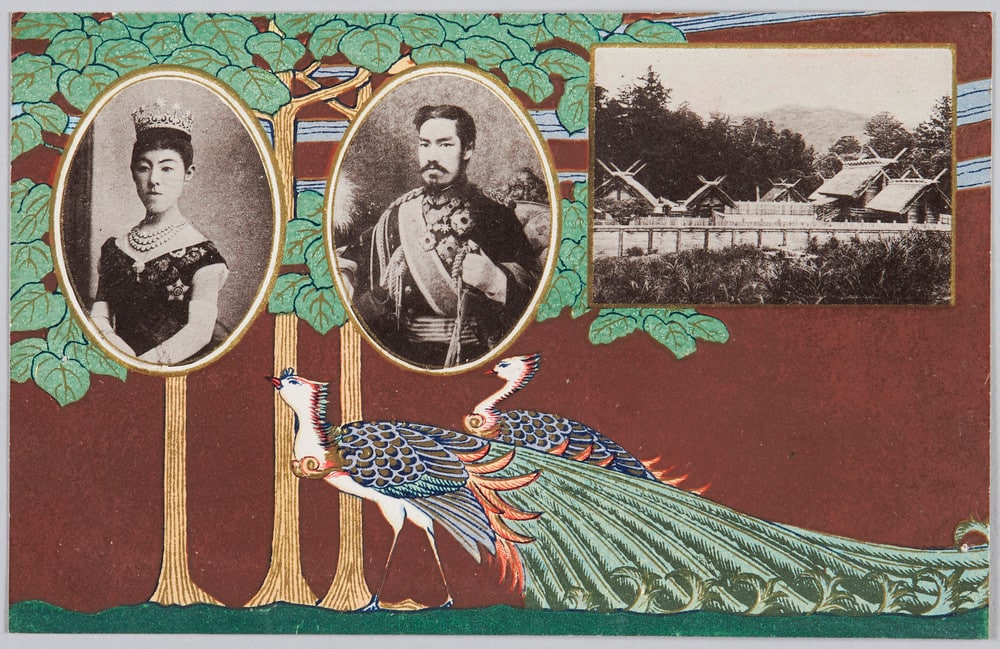
Meiji Jingu is mainly dedicated to Emperor Meiji (Prince Mutsuhito) and Empress Shoken (Ichijo Haruko). During Emperor Meiji’s reign (1867-1912), Japan underwent sweeping change, moving from isolation to opening up and reform, achieving the goal of a rich country and strong military and laying the foundation for modern Japan.
Empress Shoken made great contributions to education, charity and raising the social status of women, and was deeply loved by the people. They were not only rulers of Japan but also symbols of the national spirit.
Architectural Features: Nagare-zukuri Halls and Cypress Construction
The main halls of Meiji Jingu are built in the nagare-zukuri (ながれづくり) style, constructed of cypress with a copper-plate roof whose front slope extends outward, a representative form of Japanese shrine architecture. The current halls were rebuilt in 1958 after being destroyed in air raids during World War II.
From the torii and the temizuya to the inner worship hall, the route of worship unfolds in order along the approach through the forest.
Meiji Jingu Worship Procedure and the Top 10 Highlights
Stepping into Meiji Jingu feels like entering another time and place, and body and mind settle. To make your visit more complete and meaningful, it is important to understand the correct worship procedure and the ten must-see sights inside the shrine. From the majestic torii to the spiritually charged power spots, every detail carries deep cultural meaning. Follow us step by step as we explore this green heart of Tokyo.

South and North Approaches: Choosing an Entrance and Purification on the Gravel Path
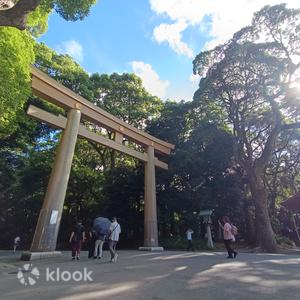
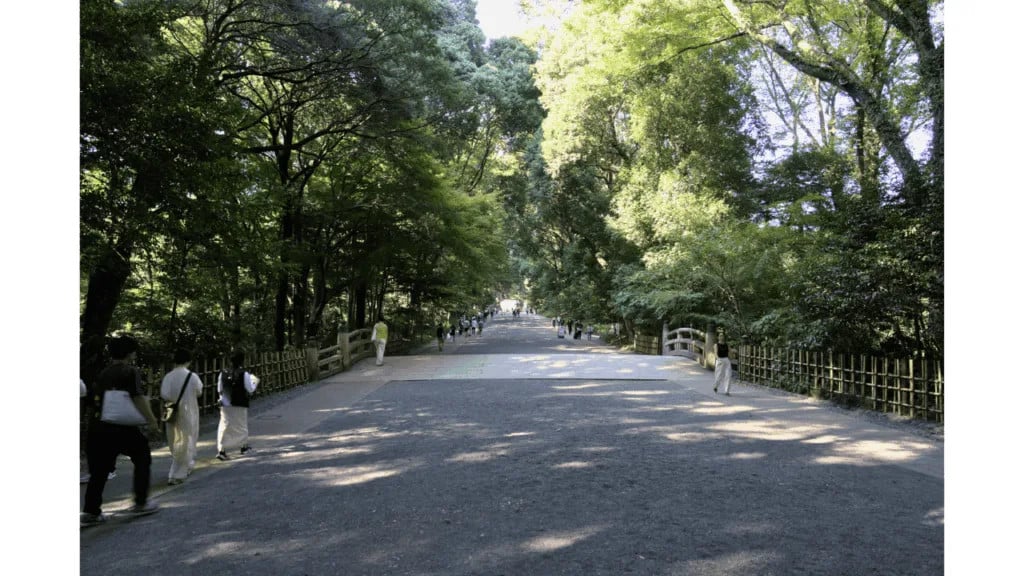
Meiji Jingu has three main entrances: the South Approach (Harajuku entrance), the North Approach (Yoyogi entrance) and the West Approach (Sangubashi entrance). The South Approach is the most popular and the most convenient, reached on foot from JR Harajuku Station or Tokyo Metro Meiji-jingumae Station.
Whichever entrance you choose, once inside you will find the approach paved with gravel. This is not only to keep down dust but also carries a meaning of purifying body and mind. It is said that the sound of footsteps on the gravel drives away distracting thoughts, letting worshippers enter the sacred realm with a more reverent mind.

The Giant Torii: Japan’s Largest Wooden Myojin Torii
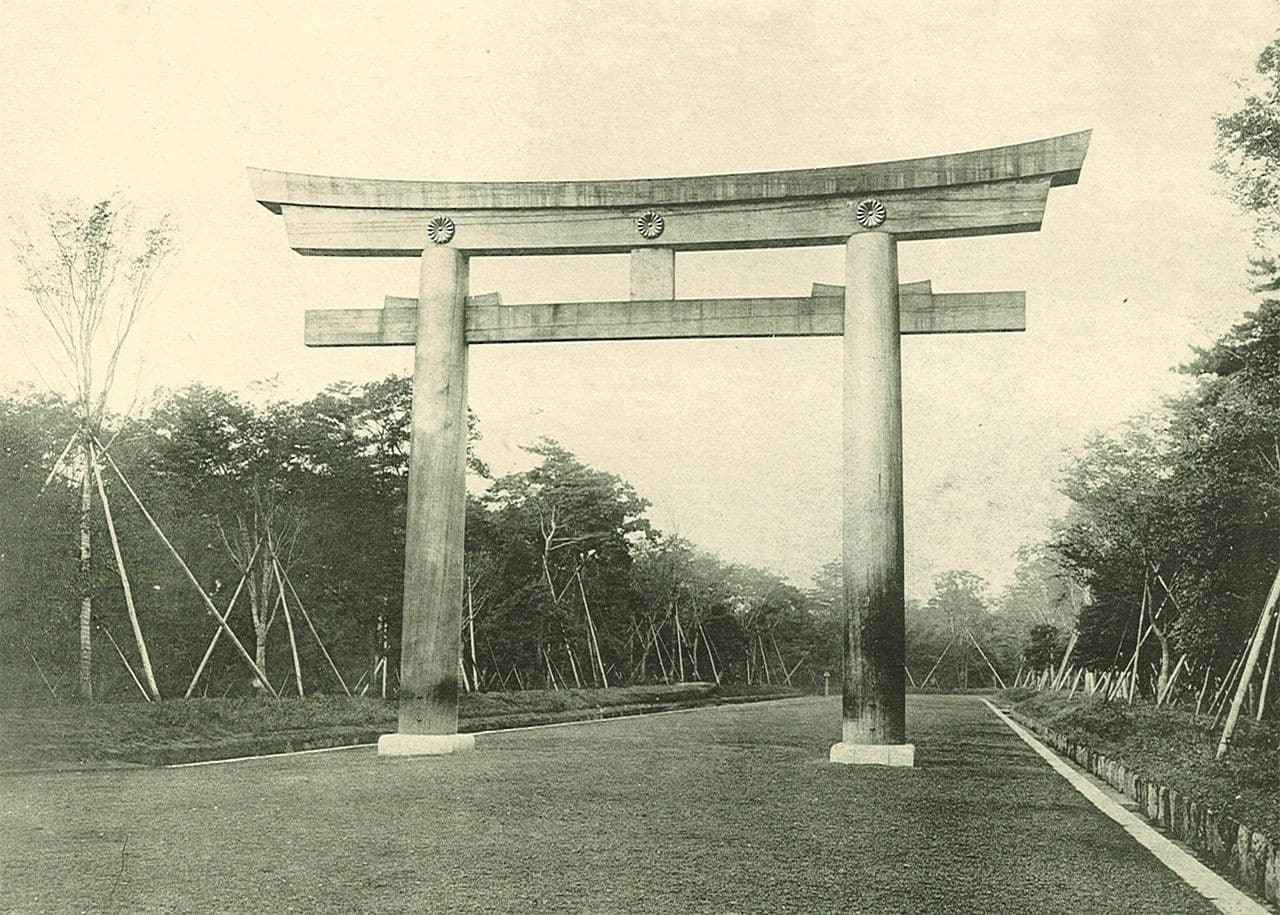
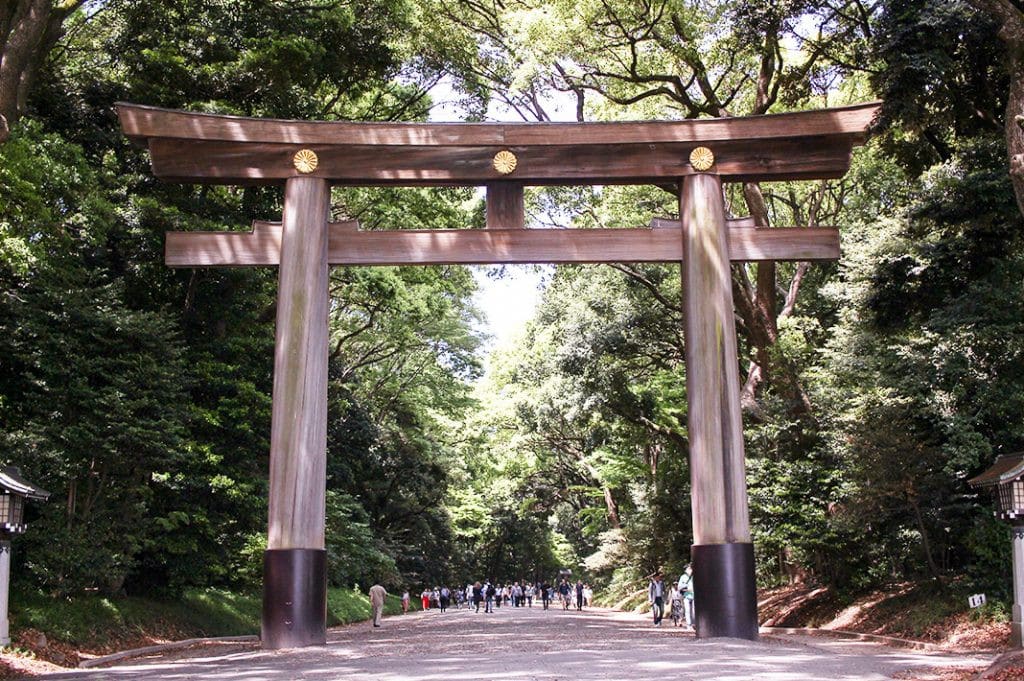
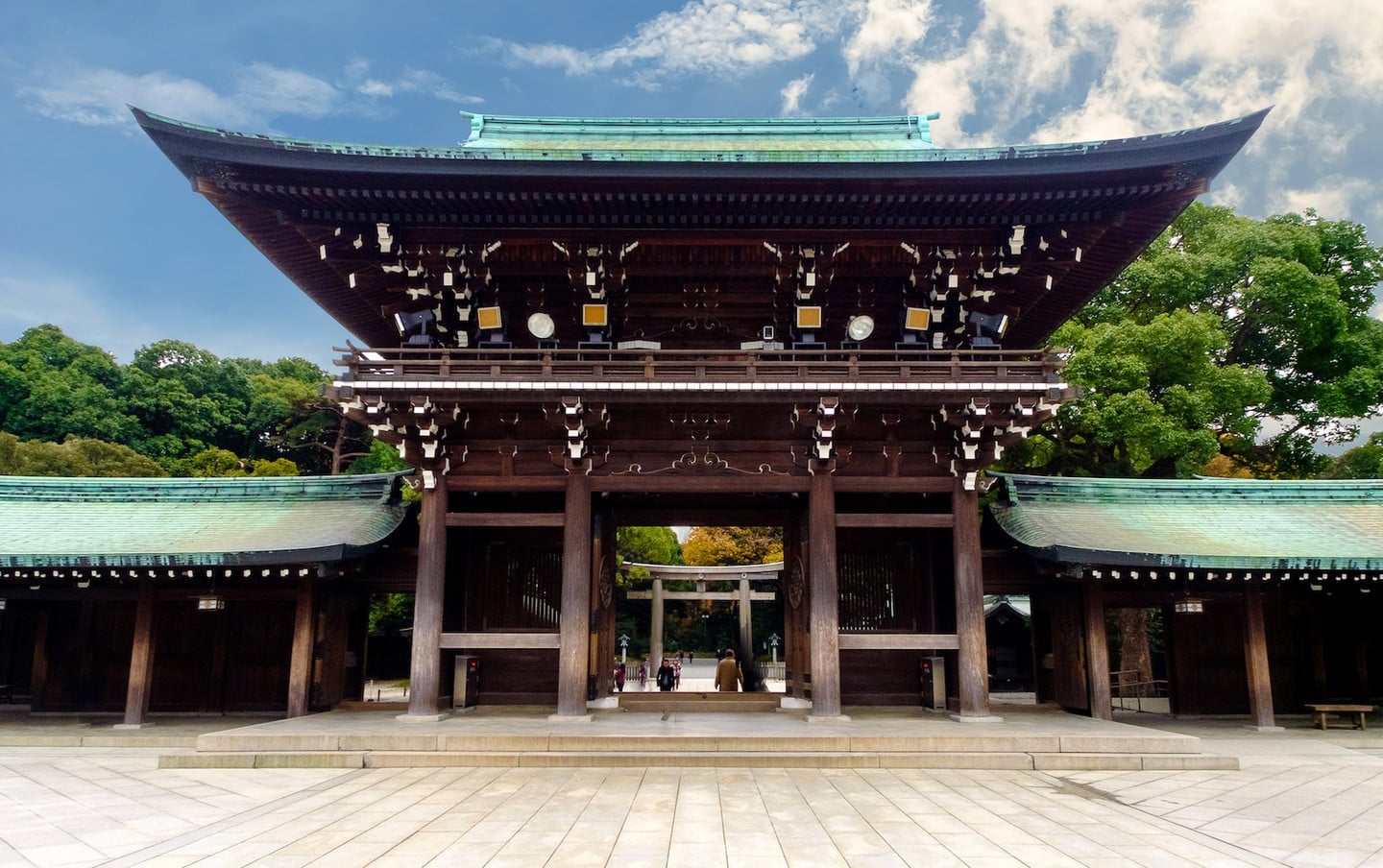
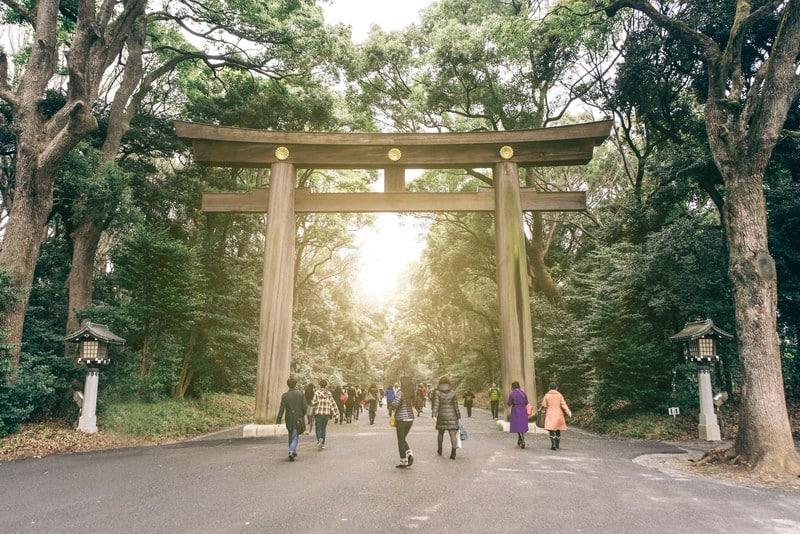
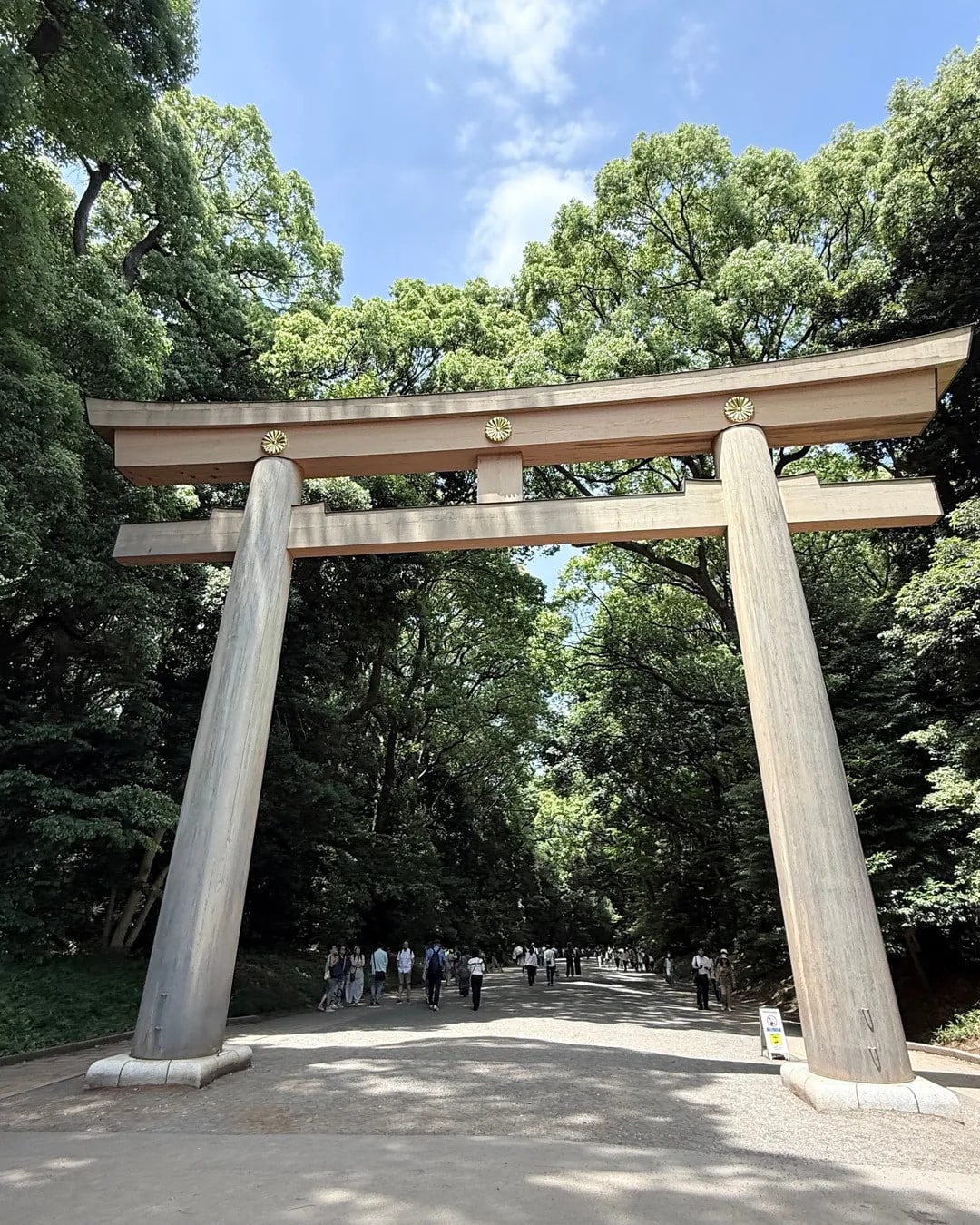
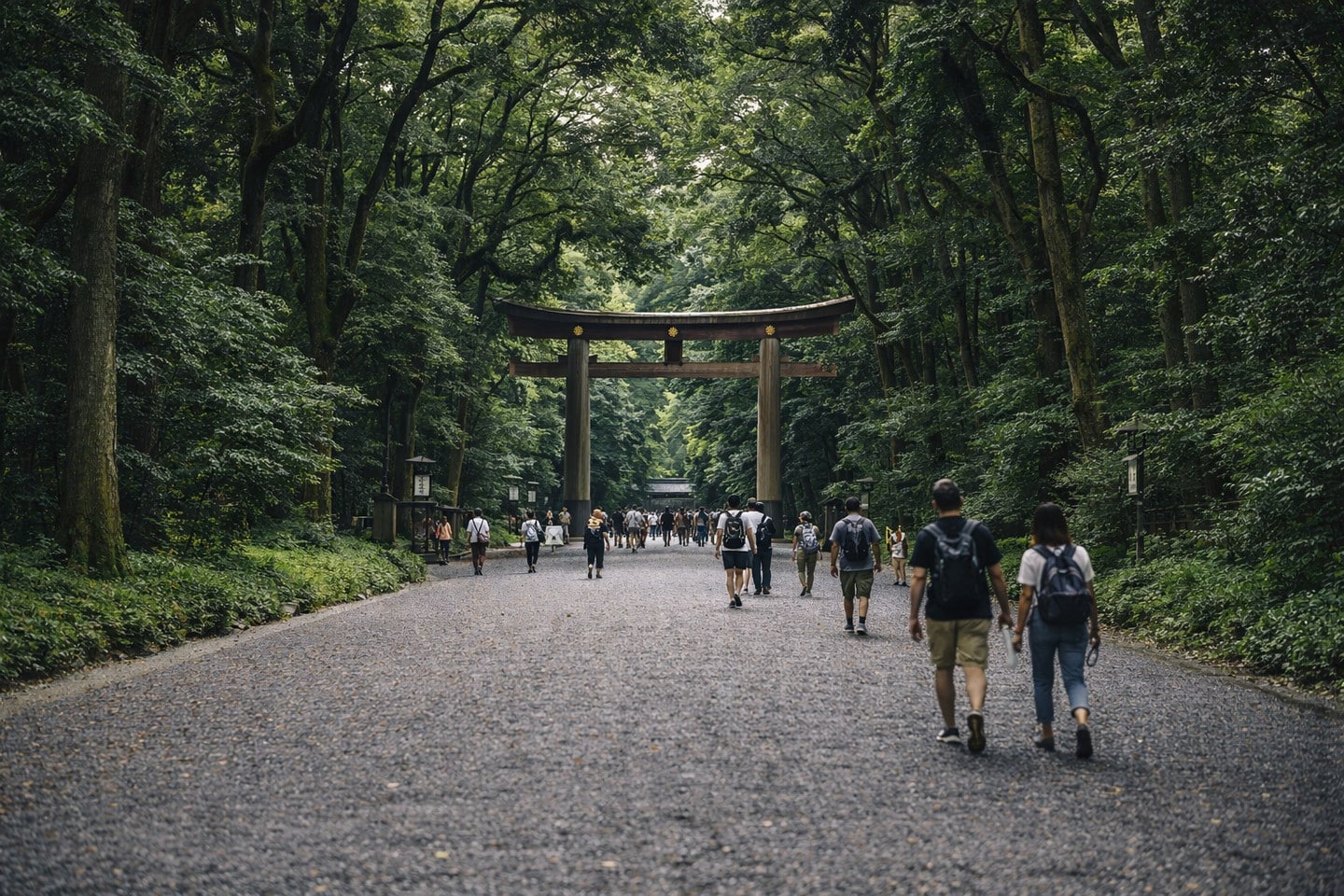
The torii of Meiji Jingu is its most striking landmark and is the largest wooden myojin-style torii in Japan. The current Great Torii was completed in 1975, built from cypress about 1,500 years old from Taiwan’s Mount Danda.
The torii is about 12 meters high and about 17.1 meters wide, and its grand presence and solemn atmosphere inspire reverence. The torii is not just the entrance to a shrine but also the boundary between the divine and the everyday world; passing through it means entering a sacred realm.
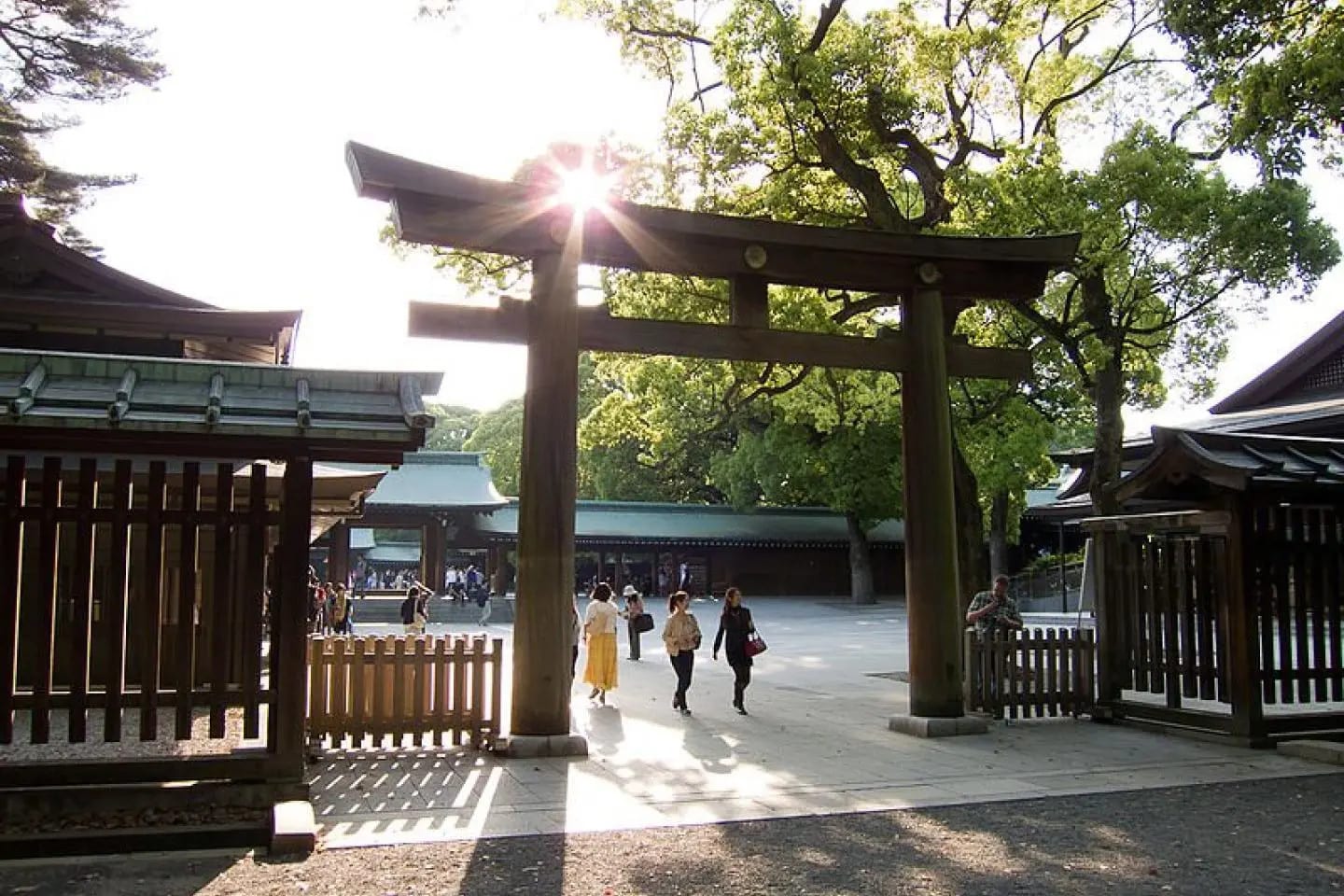
Sake Barrel Walls and Wine Barrels: A Testament to the Blending of Japanese and Western Cultures
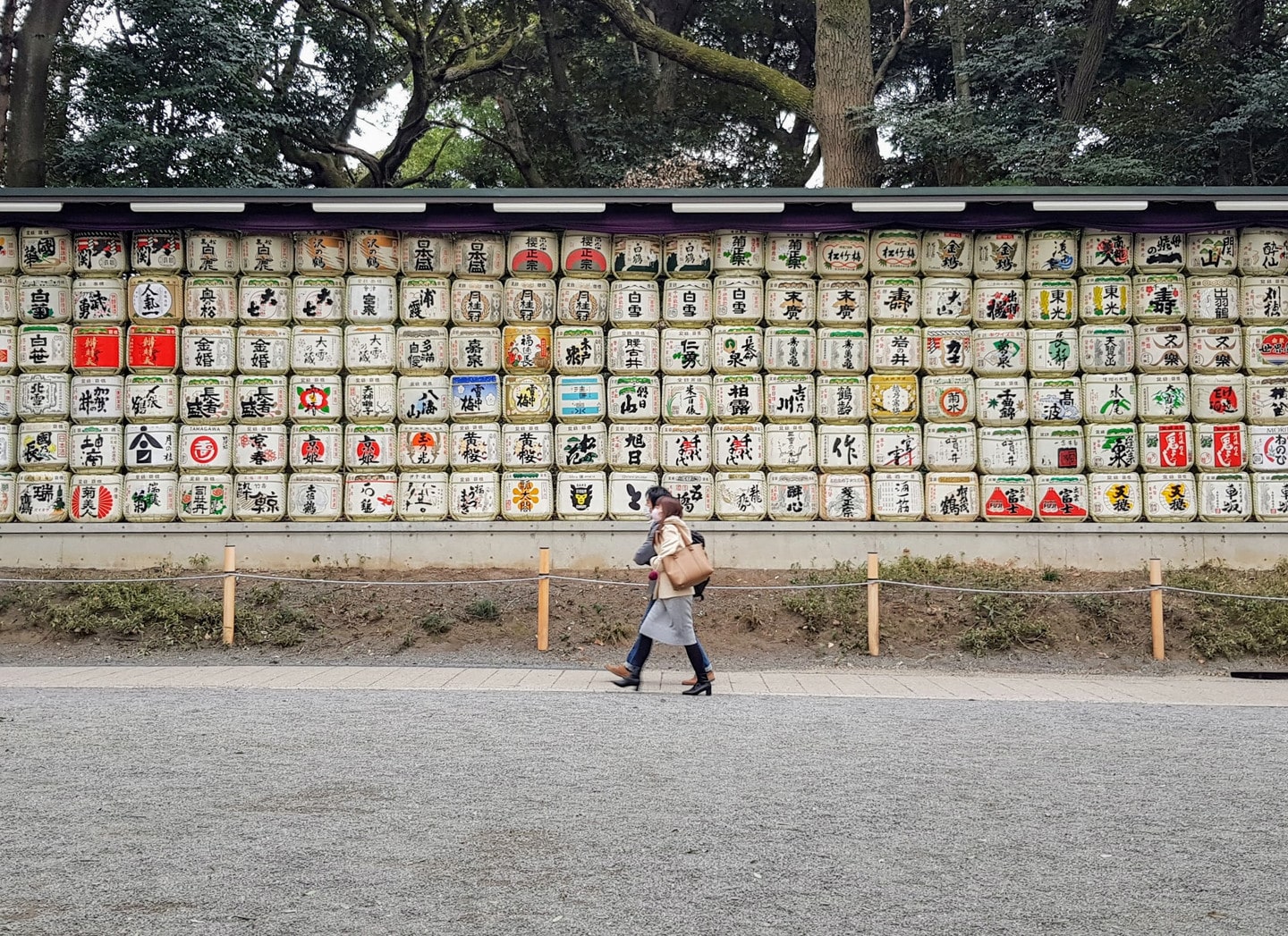
On either side of the approach to the main hall you will see two unique “sake barrel walls.” One is made of sake barrels donated by breweries across Japan, stacked into a spectacular sight that symbolizes respect for the deities and prayers for a bountiful harvest.
The other is made of wine barrels from Burgundy, France, a very rare sight at a traditional Japanese shrine. Side by side, the two barrel walls perfectly embody the spirit of blending Japanese and Western influences promoted during Emperor Meiji’s reign, when he was both a guardian of traditional Japanese culture and an active adopter of Western civilization.
Temizuya: The Purification Ritual Before Worship
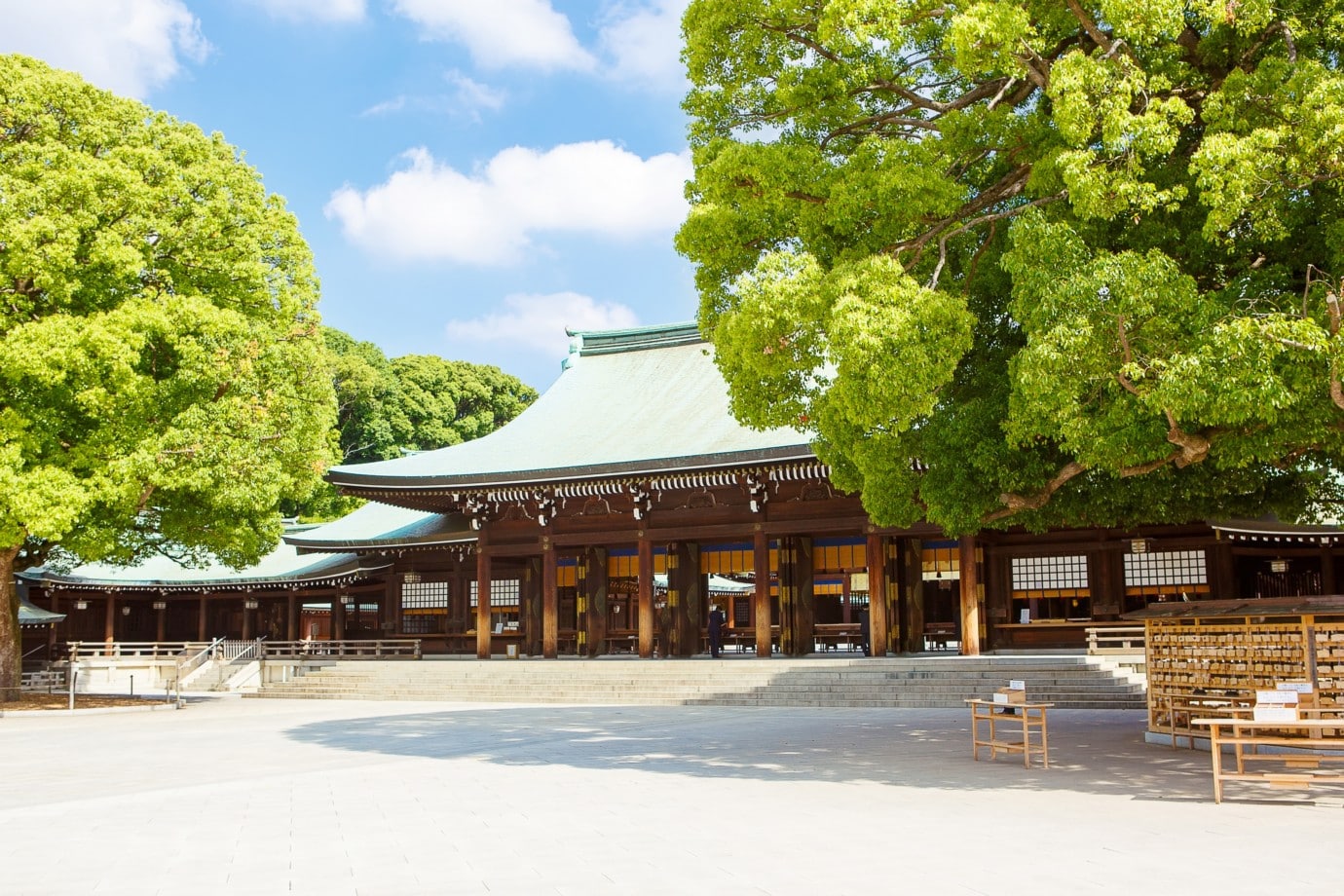
Before entering the main hall to worship, you must pass the temizuya. This is where the purification ritual is performed, cleansing body and mind and showing respect to the deities. There is specific etiquette for using it: first take the ladle in your right hand and scoop water to wash your left hand; then switch the ladle to your left hand and wash your right hand; next, holding the ladle in your right hand, pour water into your left palm and rinse your mouth (the water must not touch the mouth directly or be swallowed), then spit the water onto the ground beside the temizuya; finally, stand the ladle upright so the remaining water runs down the handle and cleans it, then return the ladle to its place.
The Main Hall of Meiji Jingu: A Solemn Place of Prayer
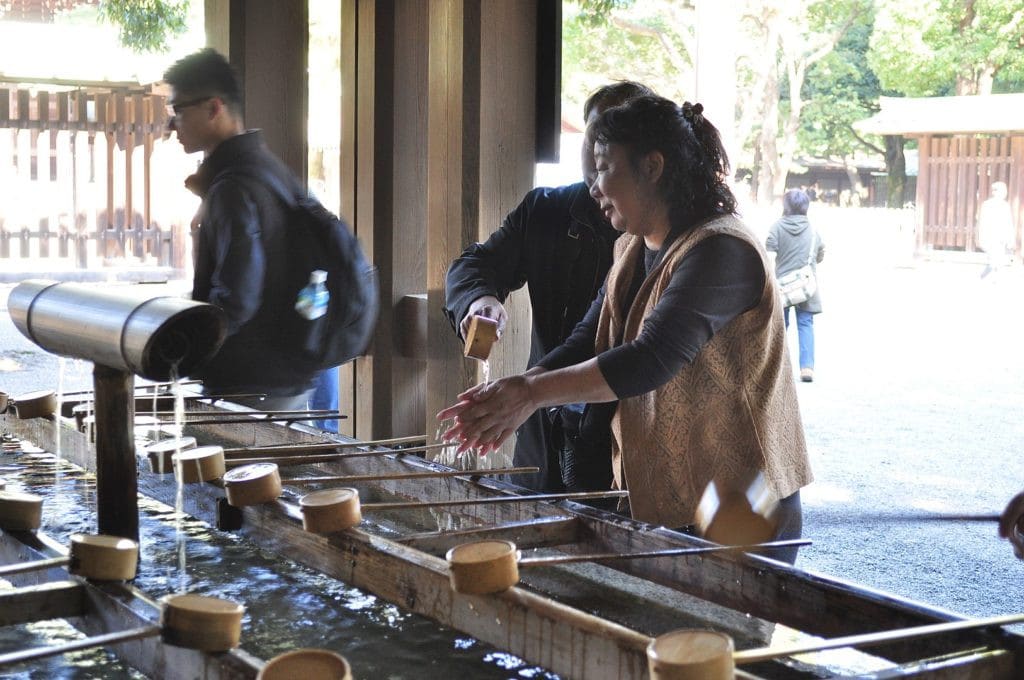
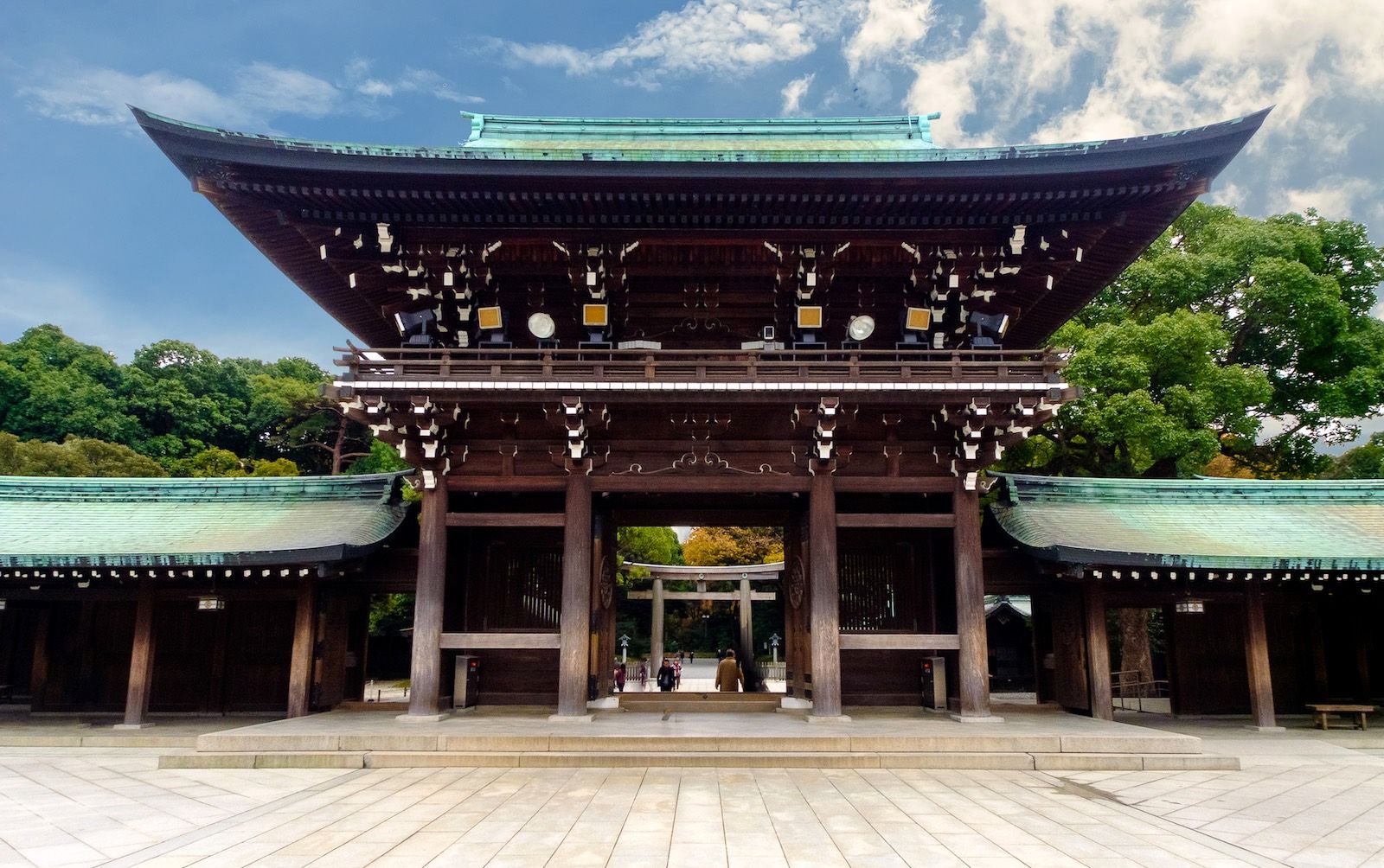
After passing through successive torii and the purification ritual, you arrive at the main hall of Meiji Jingu. The main hall is the core of the shrine and enshrines Emperor Meiji and Empress Shoken.
The architecture is solemn and dignified, built of cypress that gives off a quiet, ancient fragrance. Before the main hall you usually pass through the South Shrine Gate, which is also decorated with the imperial chrysanthemum crest. The courtyard in front of the main hall is wide and is where various festivals and ceremonies are held.
The Married Couple Camphor Trees: A Power Spot for Good Matches and Family Harmony
To the left of the main hall of Meiji Jingu stand two giant camphor trees known as the “Meoto Kusu” (Married Couple Camphor Trees). Their roots are closely intertwined and their branches and leaves interlace, symbolizing a loving couple and a harmonious family, which has made them a popular power spot for praying for good matches, a happy marriage and family fulfillment.
Many couples and married pairs come specially to take a commemorative photo in front of the trees and make a silent wish. A shimenawa rope is usually tied around the Meoto Kusu, a straw rope used in Shinto to mark a sacred area.
Meiji Jingu Gyoen: A Serene and Elegant Imperial Garden
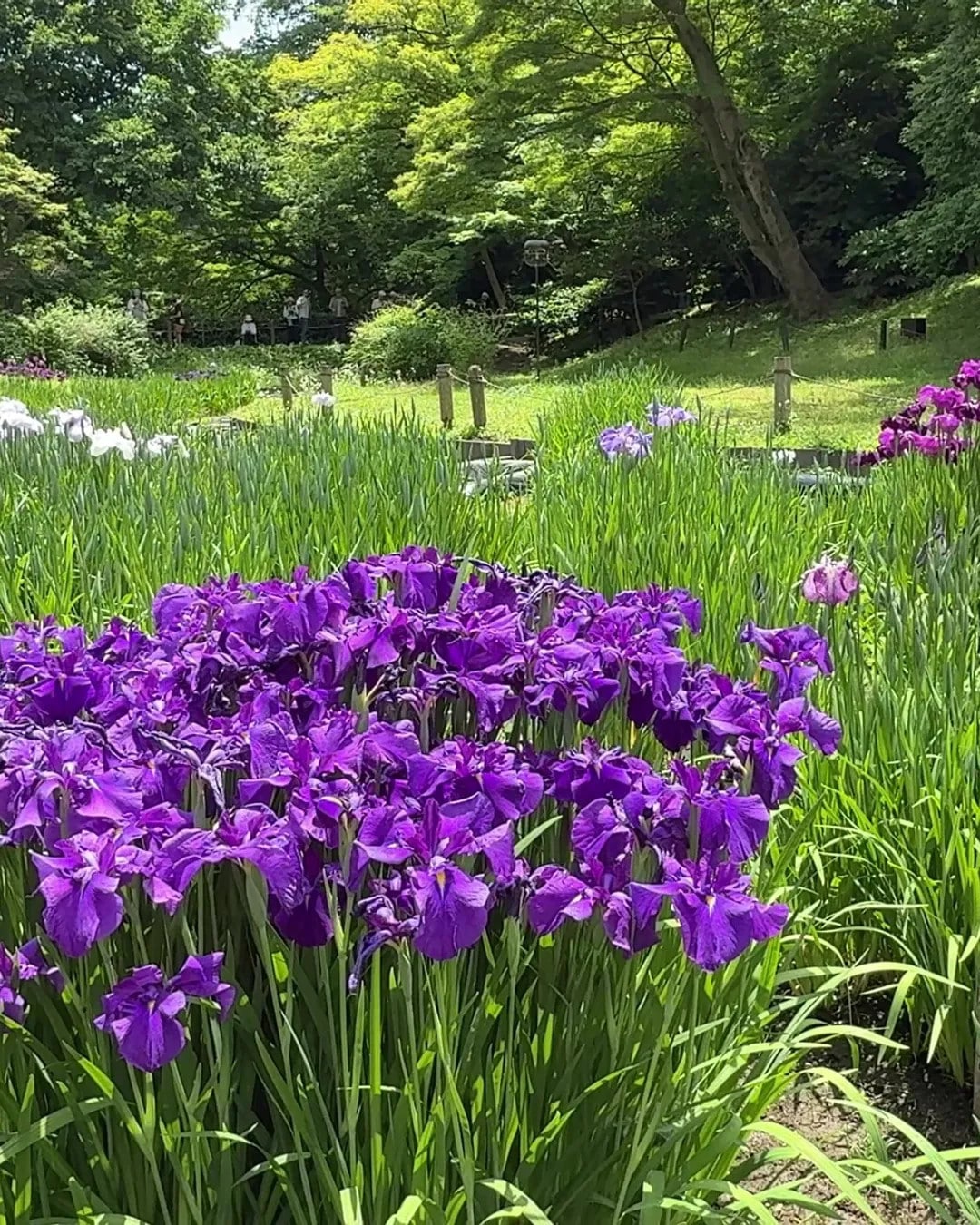
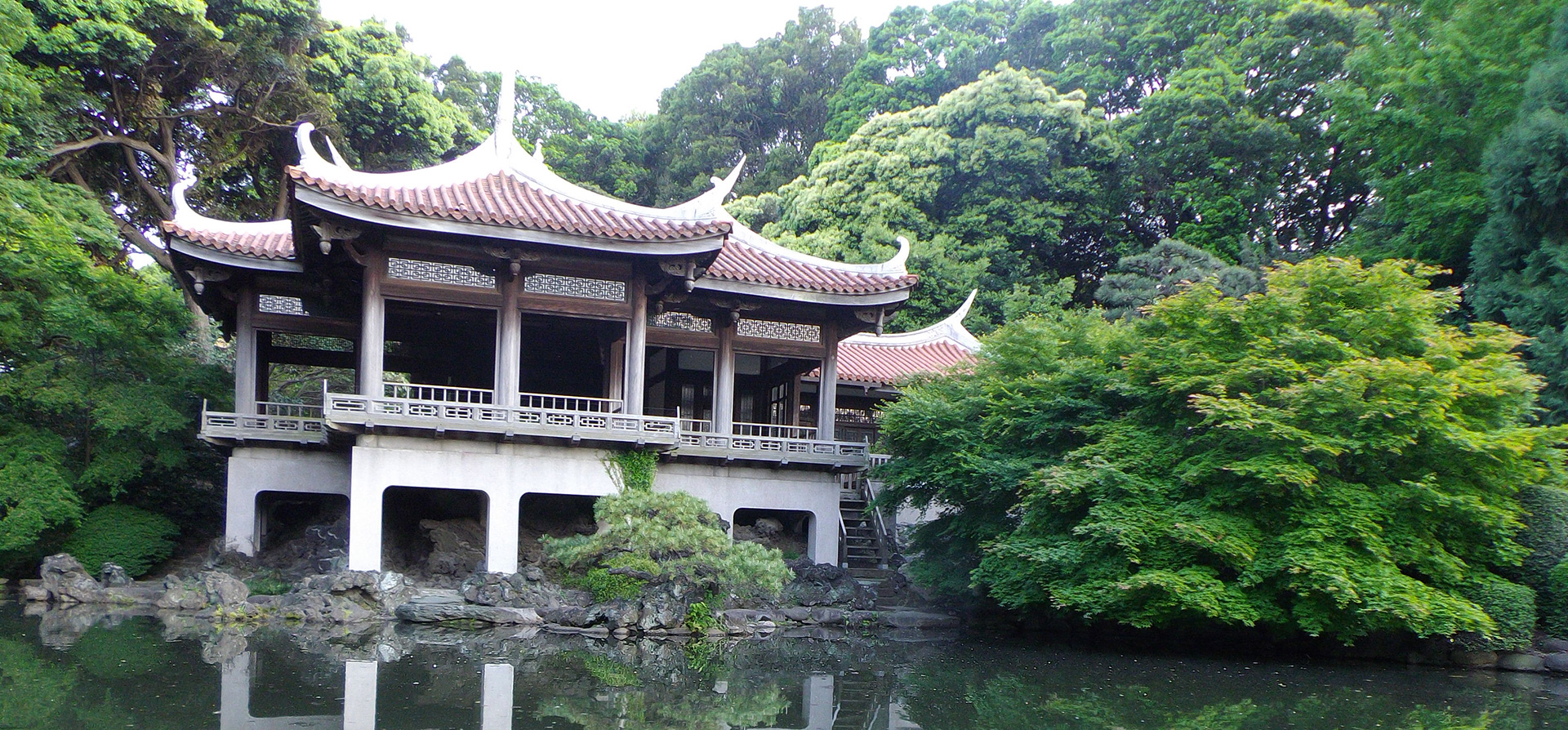
Meiji Jingu Gyoen is a separately ticketed area within the shrine grounds. It was once the secondary residence of the Kato and Ii families in the Edo period, and later became a resting place for Emperor Meiji and Empress Shoken. Attractions in the garden include the South Pond, Kakuun-tei teahouse, the iris garden and Kiyomasa’s Well, each with a different look in every season. Admission is ¥500 for adults (free for junior high school students and younger), and tickets can be bought on site or with the annual pass (valid for the Gyoen and the Meiji Jingu Museum). The June iris season, when hundreds of varieties bloom in a colorful and spectacular display, is a popular time to visit.
Kiyomasa’s Well: A Mysterious Power Spot in Central Tokyo
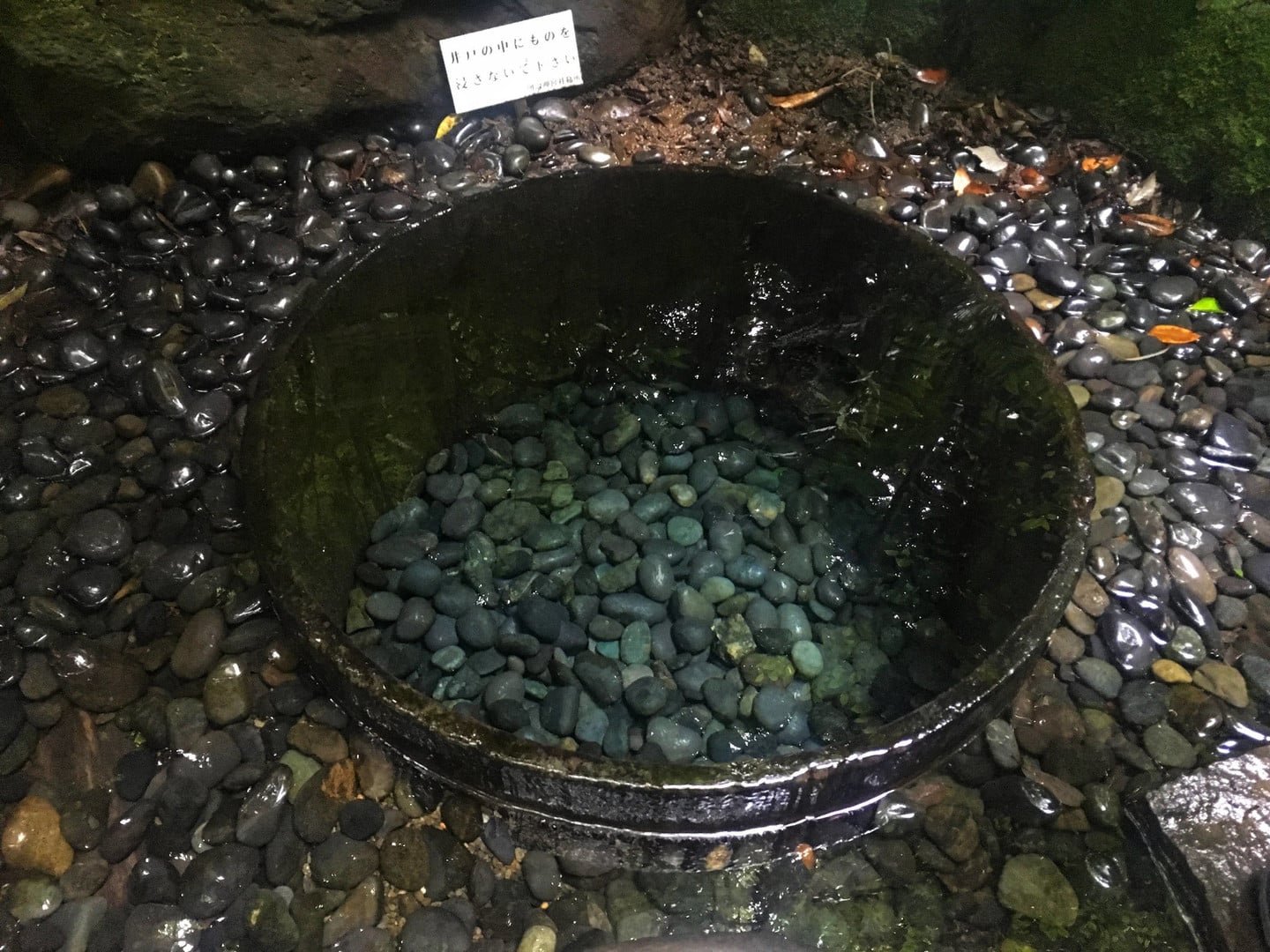
Kiyomasa’s Well, inside Meiji Jingu Gyoen, has been drawing a lot of attention in recent years as a power spot. The well is said to have been dug by the Sengoku-period warlord Kato Kiyomasa himself, and its water stays crystal clear all year round at a constant temperature of around 15 degrees.
Many people believe the well is where the essence of Mount Fuji’s ley lines gathers, carrying strong positive energy that can bring good luck and fortune with money. As a result, many people come specially to feel its spiritual energy.
Meiji Jingu Museum: Kengo Kuma’s Modern Design
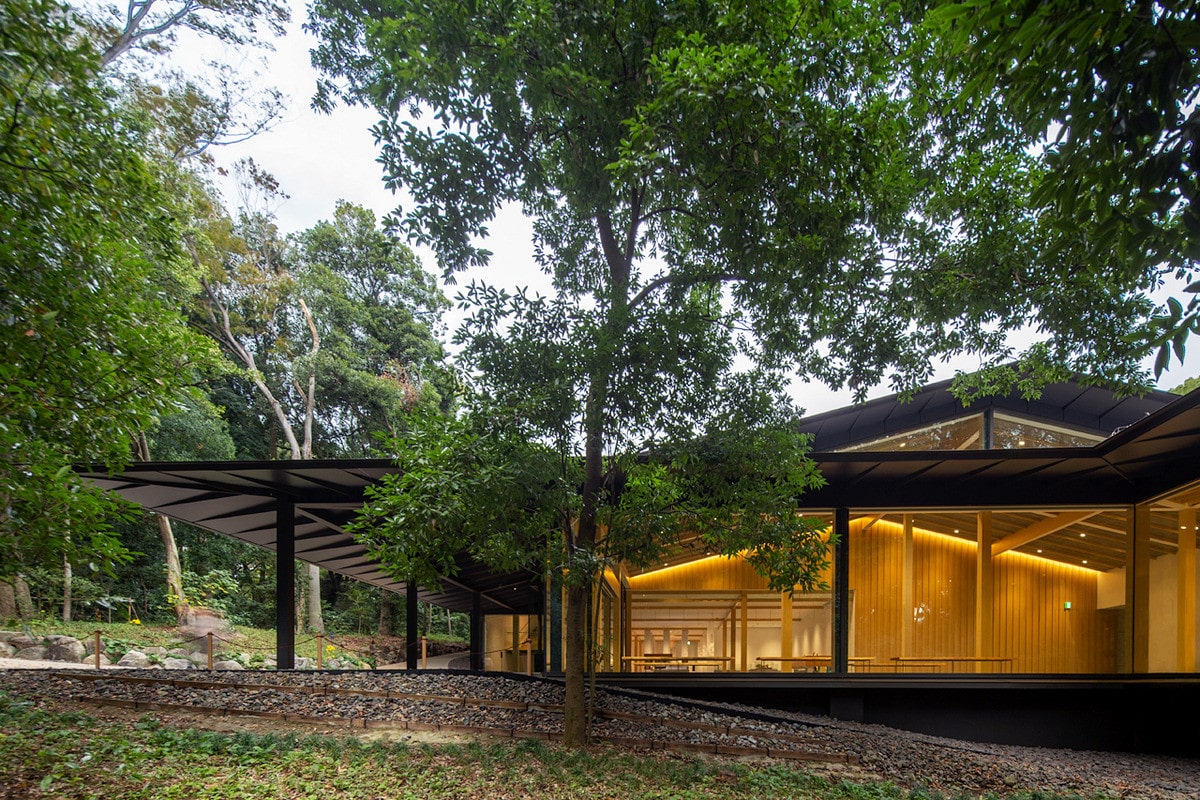
The Meiji Jingu Museum near the South Approach is a new building completed in 2019 to celebrate the 100th anniversary of the shrine’s founding. Designed by the renowned Japanese architect Kengo Kuma, the building blends skillfully into the surrounding nature and makes extensive use of wood, presenting a warm yet modern Japanese aesthetic.
The museum collects and displays items used by Emperor Meiji and Empress Shoken in their lifetimes, imperial robes and precious artifacts related to the history of Meiji Jingu. It is open 10:00 to 16:30, admission is ¥1,000, and it is closed on Thursdays (open if Thursday is a public holiday).
Omamori and Ema: Taking Home Good Luck and Wishes
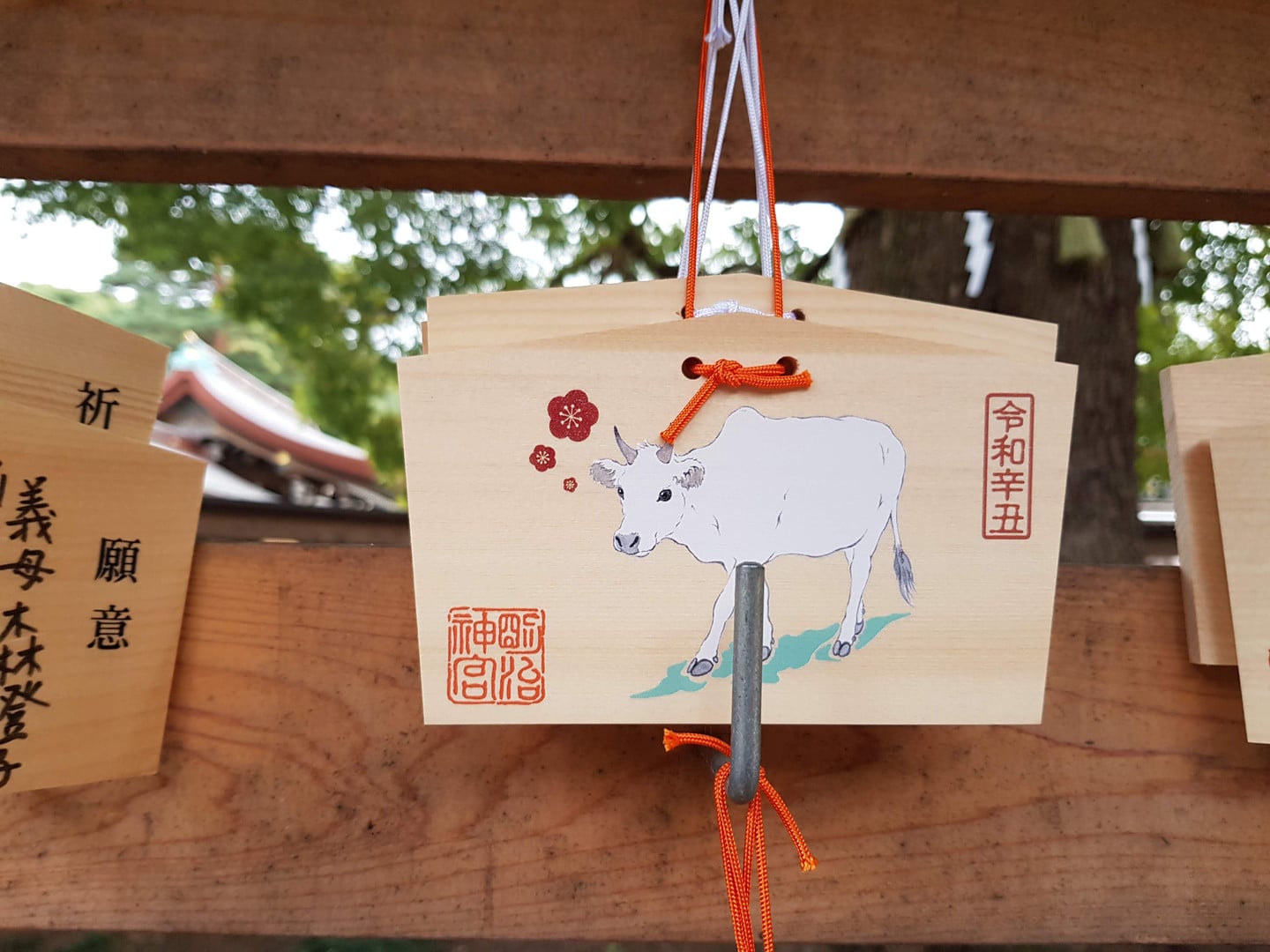
After worshipping at the main hall, don’t forget to head to the Kagura-den or the amulet office to pick up Meiji Jingu’s distinctive omamori and ema. Omamori are the protective charms commonly found at Japanese shrines, in a wide variety including good luck, academic success, health, traffic safety and good matches, and each carries its own meaning and blessing.
The shrine’s signature omamori, “Aiwa-mamori,” is modeled on the Meoto Kusu and carries the scent of the camphor trees on the grounds, a popular choice for praying for good matches and a fulfilling marriage.
Types of Meiji Jingu Omamori and Where to Get Them
Omamori and ema are available at the amulet office opposite the Kagura-den, and when crowds are large, an additional counter is set up in front of the South Shrine Gate. Common wishes include health and safety, traffic safety, academic success, good matches and good fortune. The shrine’s signature omamori, “Aiwa-mamori,” is modeled on the Meoto Kusu and carries the scent of the camphor trees on the grounds, suiting married couples and couples. Prices and the latest items are as announced on site.
Practical Information for Visiting Meiji Jingu: Transport, Opening Hours and Etiquette
To plan a perfect trip to Meiji Jingu, beyond knowing its history and highlights, it is equally important to know the practical transport information, opening hours and worship etiquette. This will help you arrange your itinerary more smoothly and experience this sacred place in the most fitting way. Here is the most detailed practical information we have put together, so your Meiji Jingu visit goes without a hitch.
The Best Way to Get There: Reaching Meiji Jingu with Ease
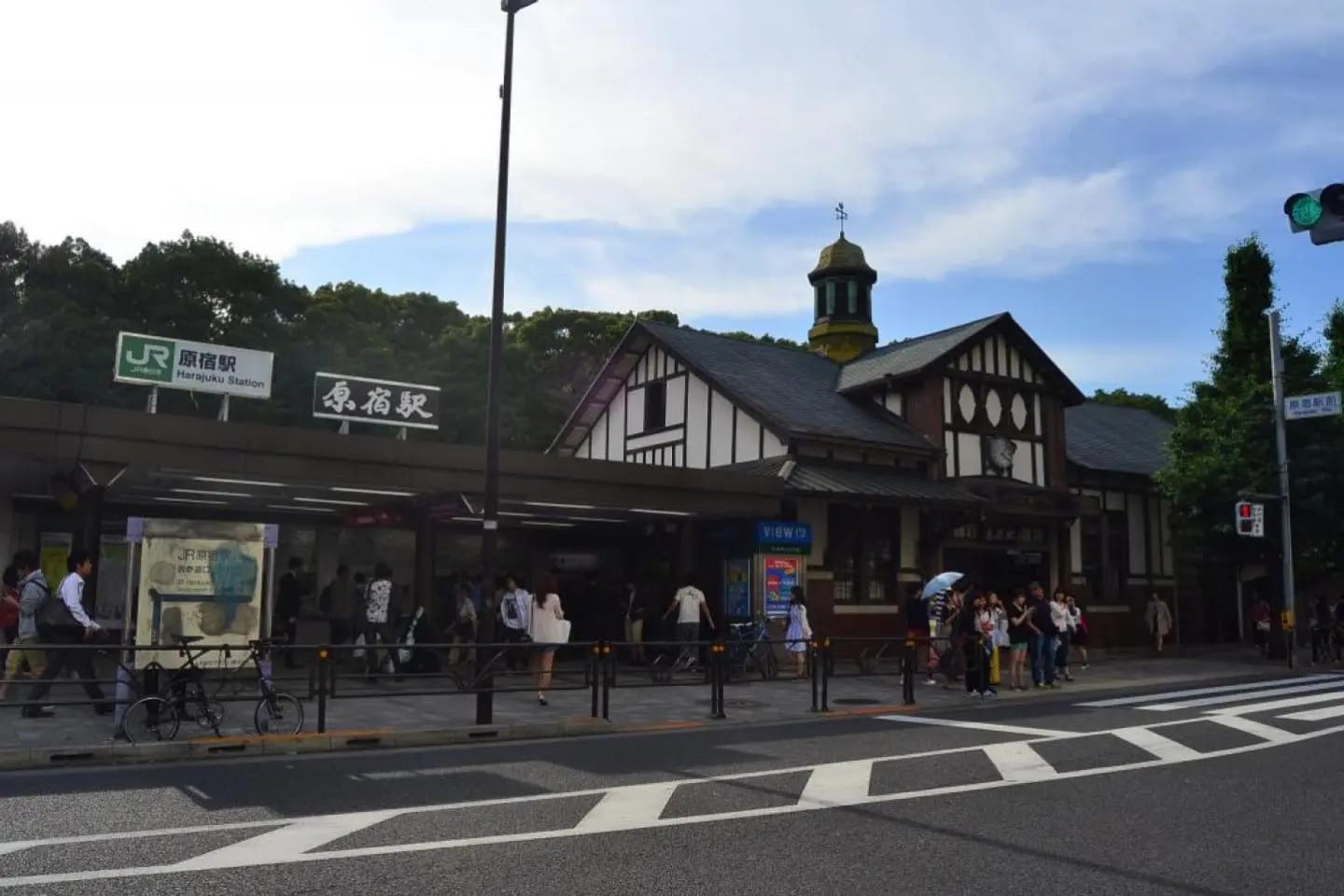
Access to Meiji Jingu is very convenient. The most recommended route is the JR Yamanote Line to Harajuku Station, or the Tokyo Metro Chiyoda Line / Fukutoshin Line to Meiji-jingumae (Harajuku) Station, from which the South Approach entrance is about a 1-minute walk. To enter from the quieter North Approach, take the JR Yamanote Line to Yoyogi Station, about a 5-minute walk.
Opening Hours and the Best Times to Visit: Avoid the Crowds and Enjoy the Quiet
Meiji Jingu’s opening hours follow sunrise and sunset and differ each month. Opening and closing times are adjusted with sunrise and sunset: from May to August it opens at about 5:00 and closes between 18:00 and 18:30; in December and January it opens at about 6:40 and closes between 16:00 and 16:20. For details, check the official website (meijijingu.or.jp).
We recommend visiting in the early morning or late afternoon to avoid the crowds and enjoy the quiet. In the early morning the sunlight filters down and the air is fresh; in the late afternoon the setting sun makes the scenery enchanting. Weekends and holidays at midday are the busiest, so try to avoid them. The Gyoen’s opening hours are usually shorter than the main hall’s, so please take note.
Meiji Jingu Opening and Closing Times by Month
Meiji Jingu opens and closes with sunrise and sunset, which differs each month: January 6:40 to 16:20, March 5:40 to 17:20, May 5:00 to 18:10, June 5:00 to 18:30, August 5:00 to 18:00, October 5:40 to 16:40, December 6:40 to 16:00; for the remaining months, follow the official website. Entry to the grounds is free, while facilities such as the Gyoen and the museum have shorter opening hours, so please check before you go.
Worship Etiquette and Notes: Respect the Culture and Experience It Deeply
Clothing:Dress neatly and appropriately, avoiding revealing or overly casual clothes.
Torii:Bow before entering, and walk along the edge when passing through, not down the center of the approach.
Purification:Wash your hands and rinse your mouth in order at the temizuya.
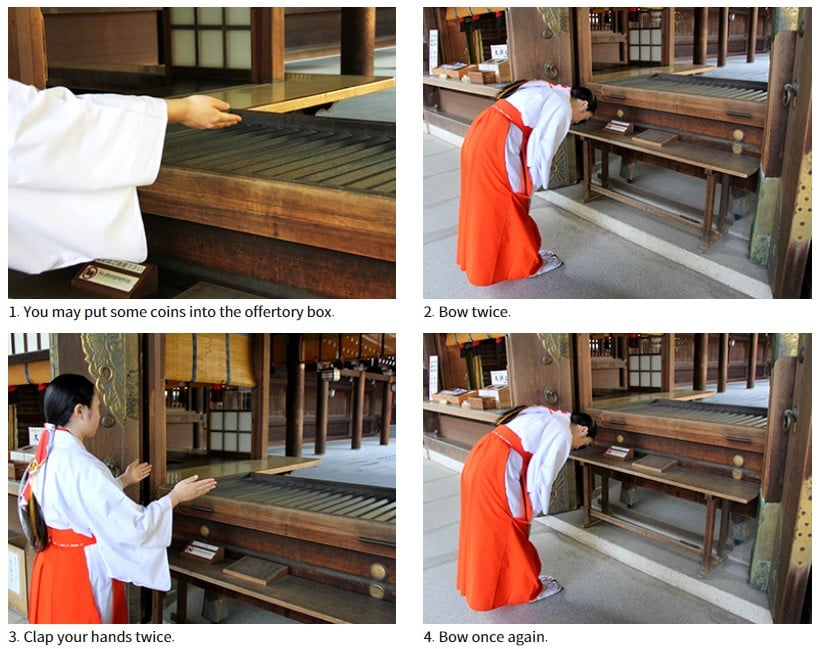
Worship:At the main hall, perform “two bows, two claps, one bow,” and after clapping, press your palms together and pray silently.
Photography:Do not disturb others, do not use flash near the main hall, and do not interfere with weddings.
Quiet:The shrine is a sacred place, so please keep quiet.
Environment:There are few trash bins, so please take your trash with you when you leave.
The Cultural Significance and Modern Influence of Meiji Jingu
Meiji Jingu is not only a religious site but carries deep cultural meaning and continues to exert influence in modern society. It witnessed Japan’s journey from tradition to modernity and has become an important symbol uniting the national spirit. Understanding these deeper meanings gives you a fuller appreciation of Meiji Jingu.
Shinzen Weddings: Where Tradition Meets Romance
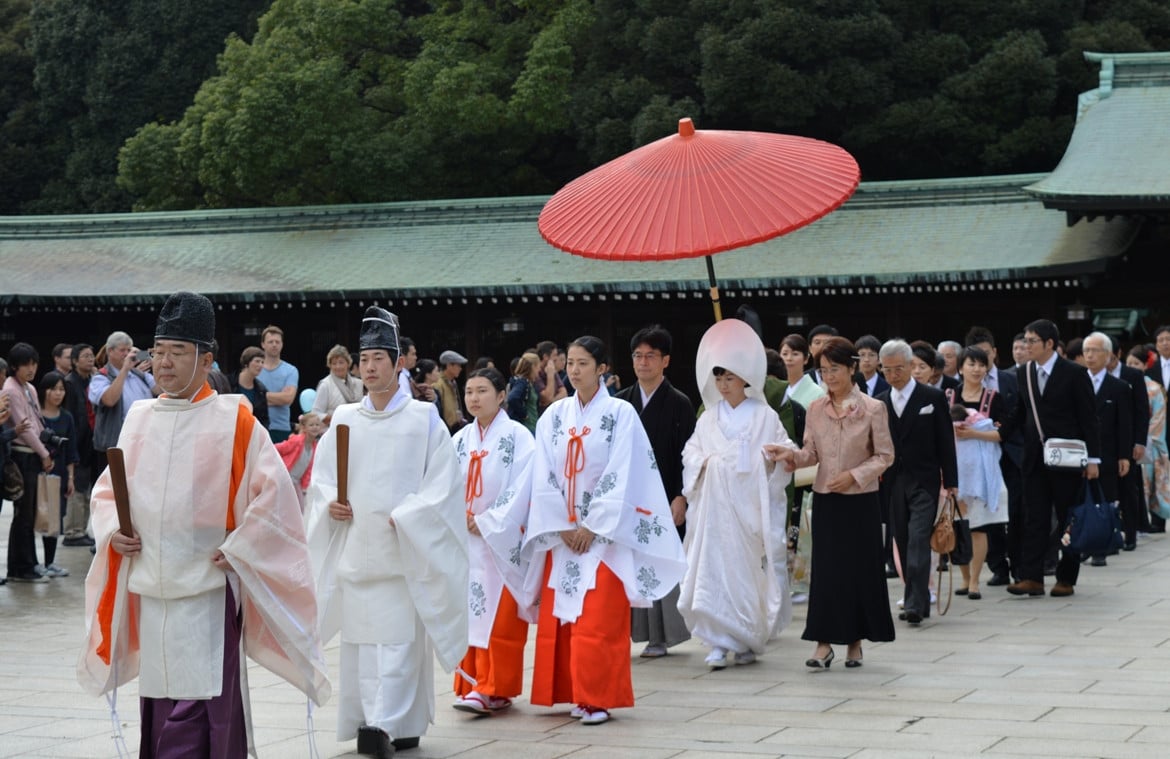
At Meiji Jingu, you have a good chance of witnessing a traditional and solemn “shinzen-shiki” wedding. This ceremony originated in the imperial family in the Meiji era and gradually spread among the public, becoming the representative form of the traditional Japanese wedding.
The groom wears the kimono “montsuki haori hakama,” while the bride wears the pure white “shiromuku” or the gorgeous “iro-uchikake,” and, guided by priests and shrine maidens, they walk slowly along the approach to the main hall for the ceremony. The heart of a shinzen wedding is to report the happy news to the deities and pray for a happy and fulfilling marriage.
New Year Worship (Hatsumode): Japan’s Annual National Event
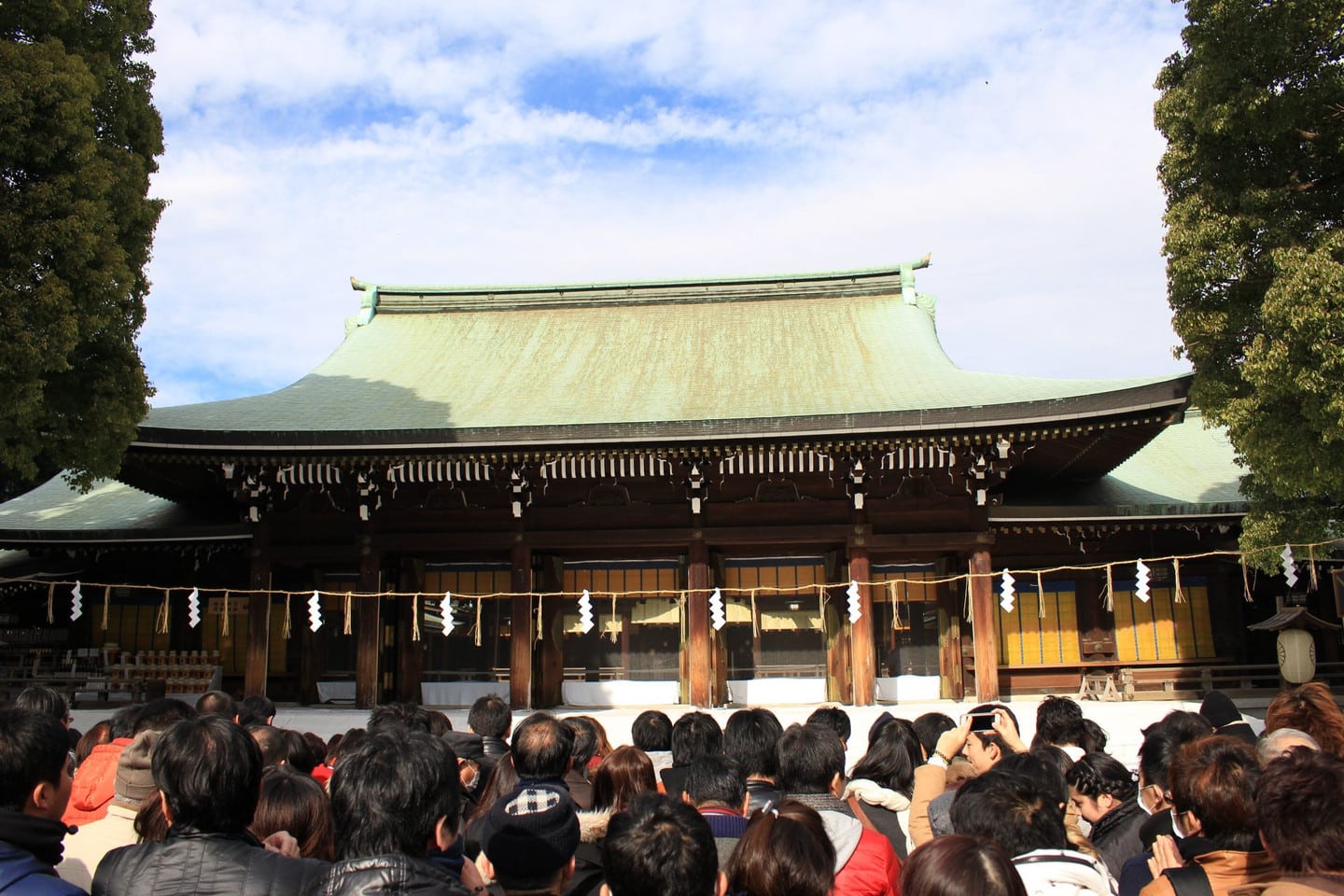
Meiji Jingu is the shrine with the most New Year worshippers (hatsumode) in all of Japan, drawing millions of people each year over the New Year’s Day period to pray for blessings. Hatsumode is one of the most important traditions for Japanese people welcoming the new year: people go to a shrine or temple to thank the deities for the protection of the past year and pray for a peaceful and successful new year.
Hatsumode at Meiji Jingu is on a grand scale, with crowds beginning to pour in from New Year’s Eve and stretching for kilometers. If you visit Tokyo over the New Year, experiencing hatsumode at Meiji Jingu will be a very special experience.
Cultural Events and Festivals: Experience Japan’s Four Seasons
Besides daily worship, Meiji Jingu holds a rich variety of cultural events and festivals throughout the year, giving visitors a chance to experience Japan’s four seasons and traditional culture.
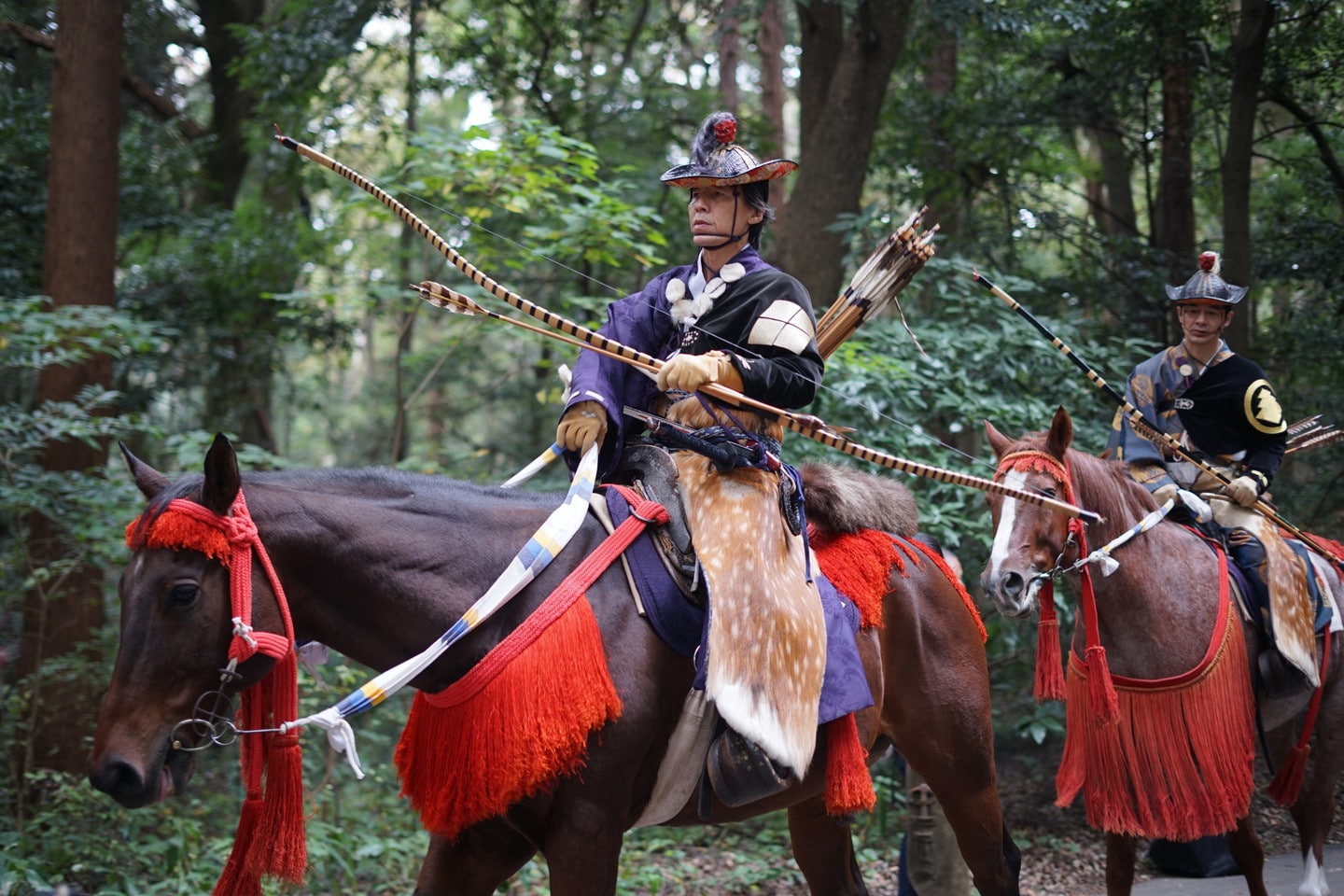
For example, the Spring Grand Festival begins on April 29, with offerings of traditional performing arts such as bugaku court dance and noh-kyogen; the Autumn Grand Festival begins on October 31, and November 3 (Emperor Meiji’s birthday) is the most important festival day, when yabusame (mounted archery) is offered in addition to bugaku and noh-kyogen. The shrine also regularly holds cultural events such as flower arrangement and bonsai exhibitions, showcasing the essence of traditional Japanese arts.
Insider Tips for a Deeper Visit to Meiji Jingu and Nearby Extensions
![Meiji Jingu Worship Guide! The Shrine with the Most New Year Worshippers in Japan Is Rich in Nature and Full of Varied Charms! [Rakuten Travel]](https://travel.williamlion.tw/wp-content/uploads/sites/7/2026/02/unnamed-file-116.jpg)
Want to make your Meiji Jingu trip even more memorable and full of discoveries? Beyond the classic highlights and practical information above, we have prepared some insider tips and nearby extension itineraries so you can experience the charm of this urban oasis more deeply and combine it seamlessly with Tokyo’s other great attractions.
The Turtle Stone in Front of the Treasure Museum: A Small Inspiration Spot
Besides the Married Couple Camphor Trees and Kiyomasa’s Well, the grounds of Meiji Jingu have a few lesser-known small spots worth looking for as you stroll.
On the open ground in front of the Treasure Museum is a “Turtle Stone” shaped much like a tortoise, regarded in Japanese power spot guides as a small spot for boosting inspiration. This area sees fewer visitors than the Meoto Kusu and Kiyomasa’s Well, making it suited to a slow walk after worship; the Treasure Museum holds imperial items related to Emperor Meiji and Empress Shoken and can be visited along the way.
Meiji Jingu Gaien: Ginkgo Avenue and Sports Facilities
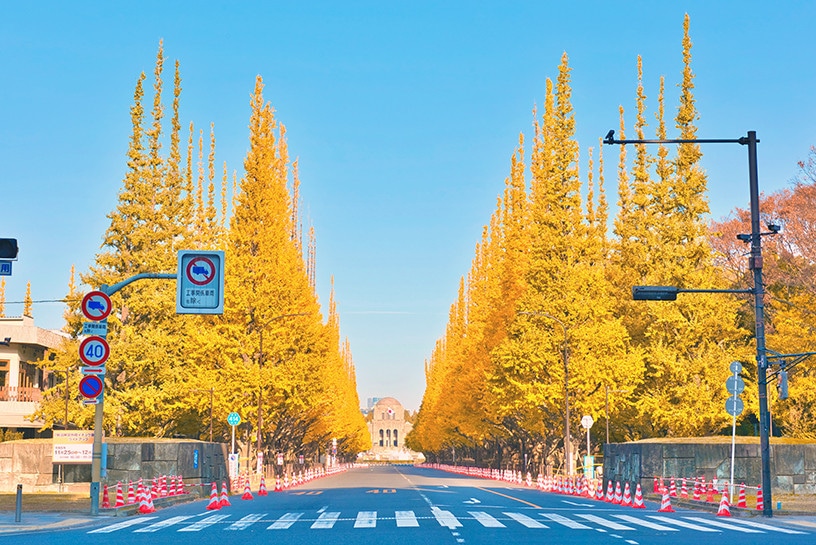
Meiji Jingu Gaien and Meiji Jingu are two different places, but they are not far apart, so consider visiting both. Gaien is famous for its “Ginkgo Avenue,” where every autumn (roughly late November to early December) the golden ginkgo trees on both sides form a golden tunnel stretching several hundred meters, a stunning sight and a popular place to see autumn color in Tokyo.
It is also a filming location for many Japanese dramas and films, full of romantic atmosphere.
Nearby Extensions: Harajuku, Omotesando and Yoyogi Park
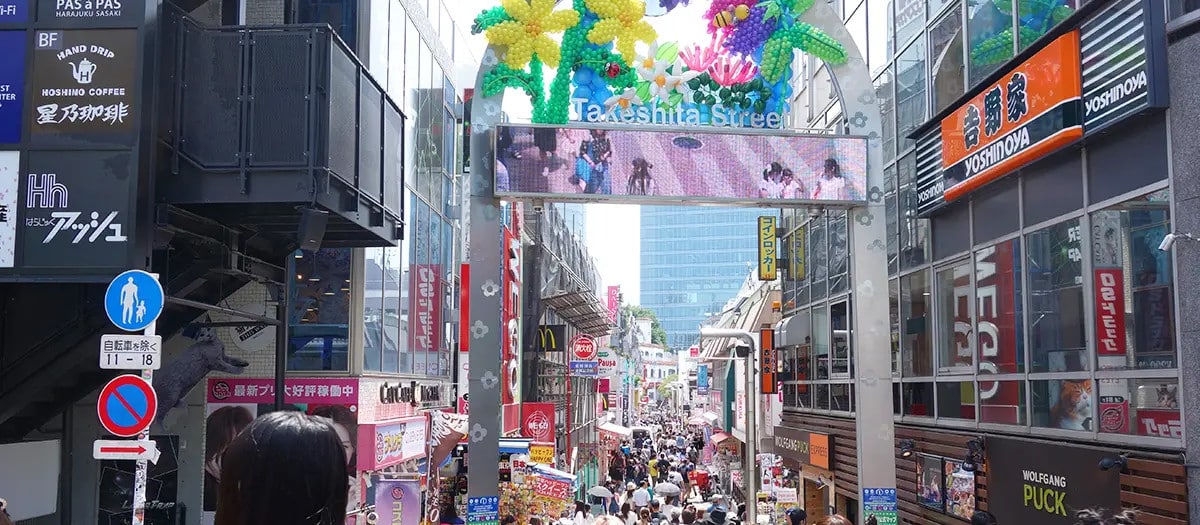
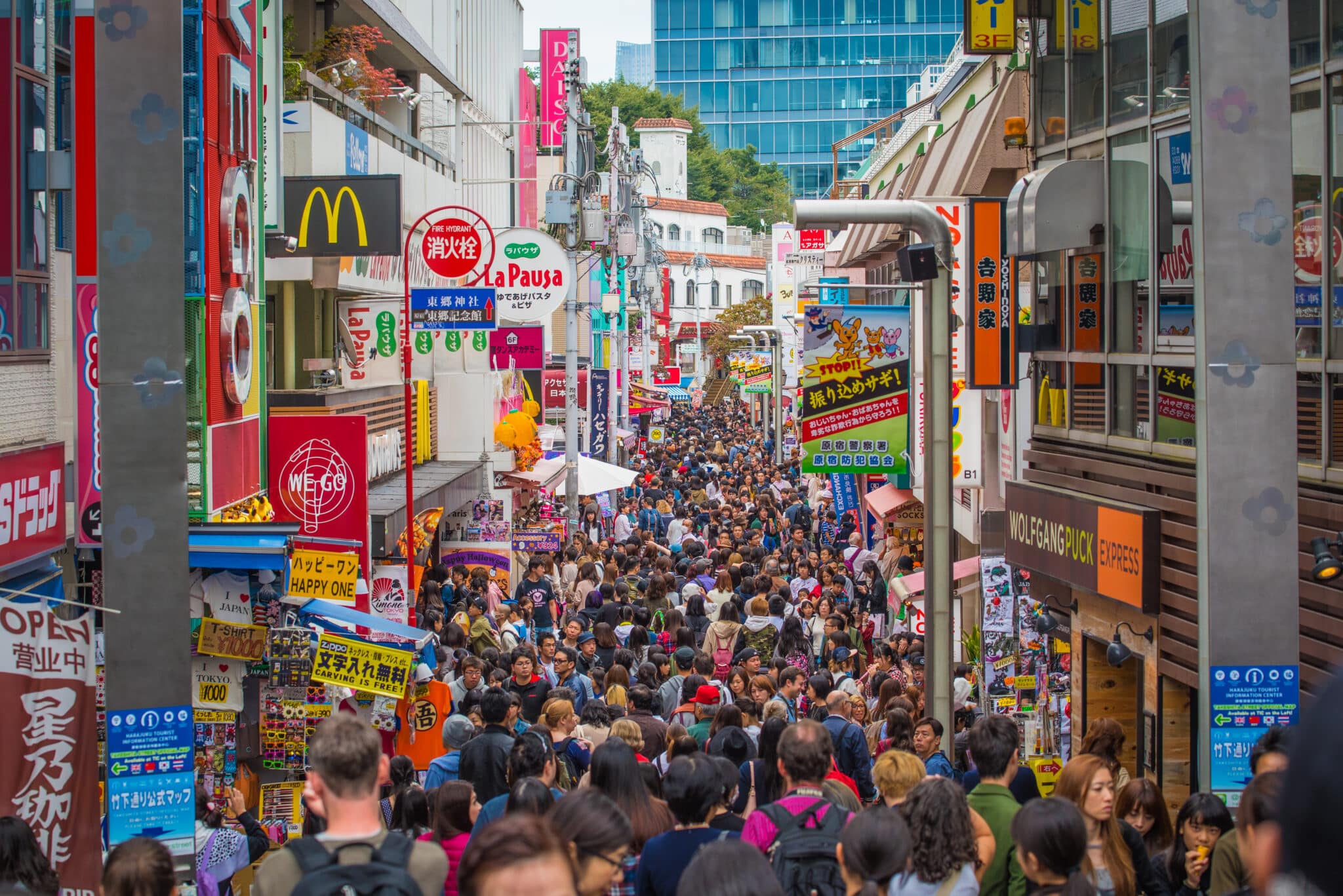
Meiji Jingu’s location is excellent, with many of Tokyo’s popular sights around it, making it ideal for a day trip. From the South Approach exit you can walk straight into the youthful “Harajuku Takeshita Street,” which has all kinds of trendy clothing shops, general goods stores and distinctive street snacks, a good place to feel Tokyo’s youth culture.
Heading south along Takeshita Street brings you to “Omotesando,” a gathering place of fashionable boutiques with flagship stores of internationally known brands, designer labels and upscale cafes, a great place to shop and enjoy fashion.
Conclusion: A Soul-Cleansing Trip to Tokyo
Meiji Jingu is not only the green heart of Tokyo but also a sacred place full of history, culture and spiritual energy. From the majestic torii and the solemn main hall to the serene Gyoen and the mysterious Kiyomasa’s Well, as well as the unique sake barrel walls and Meoto Kusu, every spot deserves to be savored. Through this in-depth guide, we hope you gain a fuller understanding of the charm of Meiji Jingu and have all the practical information you need to plan a meaningful visit.
Whether you are seeking inner peace, feeling Japan’s traditional culture, or simply looking for an oasis amid busy Tokyo, Meiji Jingu will meet your expectations. Don’t forget to take home a distinctive omamori after worship, or write your wish on an ema. Combining Meiji Jingu with nearby Harajuku, Omotesando, Yoyogi Park or Meiji Jingu Gaien will enrich your Tokyo itinerary even more. We hope this article becomes your best guide to exploring Meiji Jingu, and we wish you a pleasant trip and a rewarding one!
Where to Stay Nearby
The South Approach entrance of Meiji Jingu is about a 1-minute walk from JR Harajuku Station and Tokyo Metro Meiji-jingumae Station, and the North Approach is about a 5-minute walk from Yoyogi Station. Staying in Harajuku, Shibuya or Shinjuku makes it easy to catch the early-morning opening; in summer the shrine opens as early as about 5:00, and an early visit avoids the crowds.