
Tokyo Nihonbashi: A Business Hub Where History Meets Modernity
Nihonbashi is an important commercial district in Chuo Ward, Tokyo, where history and modern life blend together. A commercial center in the Edo period, it still keeps its traditional character today while also housing modern shopping centers and high-end office towers.
Historical Background
From 1603 to 1867, the Edo period, Nihonbashi was a major commercial center and the starting point of the five main highways. Many historic buildings and cultural assets remain here, such as Nihonbashi Honcho and Nihonbashi Muromachi.
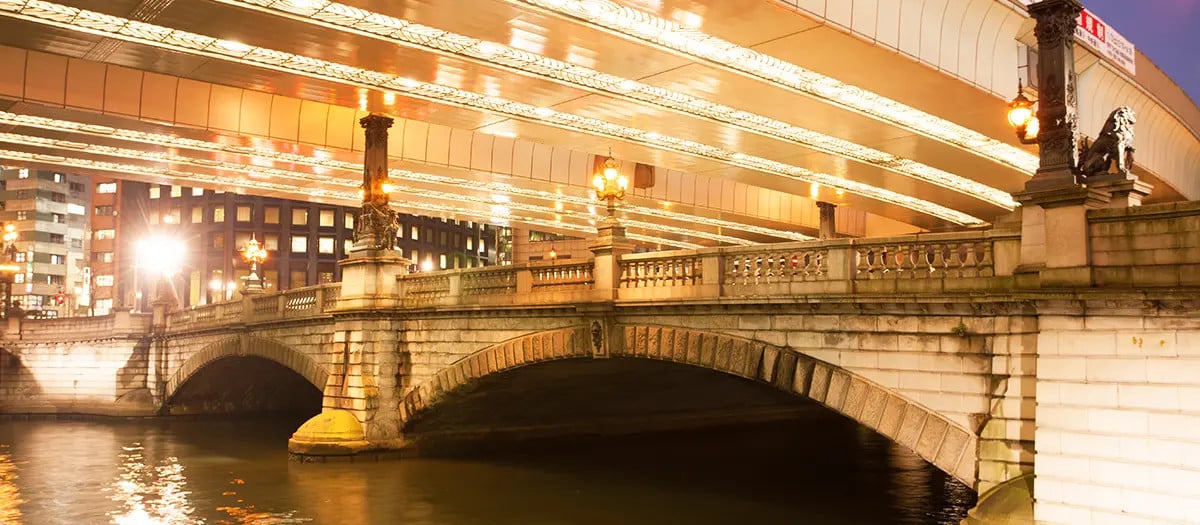
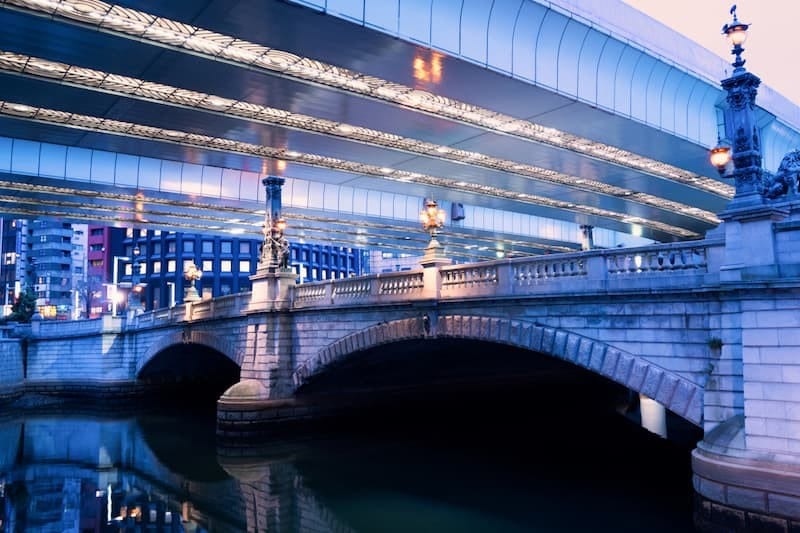
Nihonbashi is the starting point of Japan’s five highways, and the bronze lion and kirin statues on the bridge are worth a look. The stone bridge you see today opened to traffic on April 3, 1911 (Meiji 44). Designed by architect Tsumaki Yorinaka in a blend of Japanese and Western styles, it is the 20th bridge on the site since the Edo period.
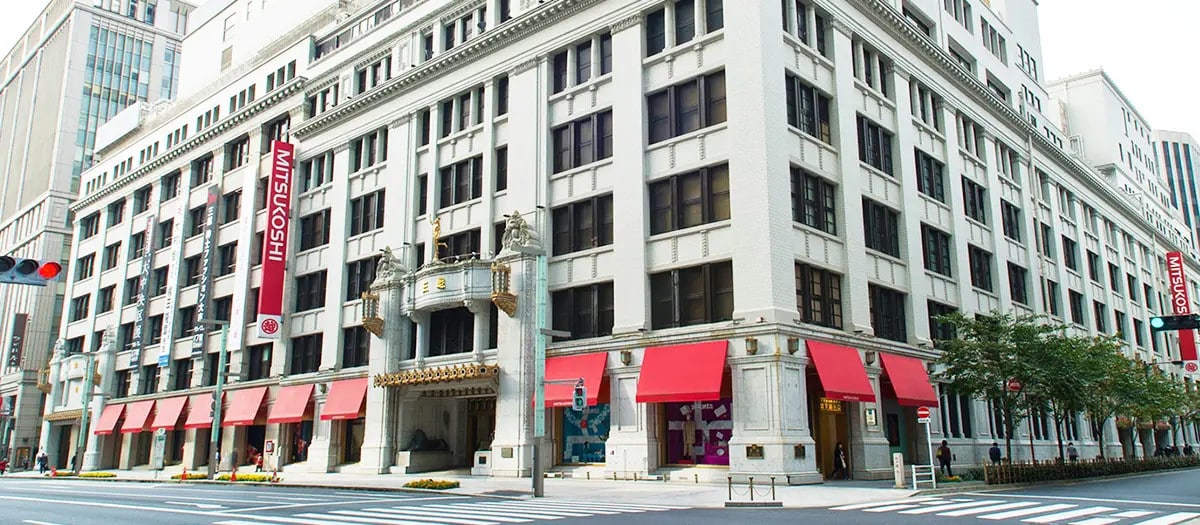
Modern Development
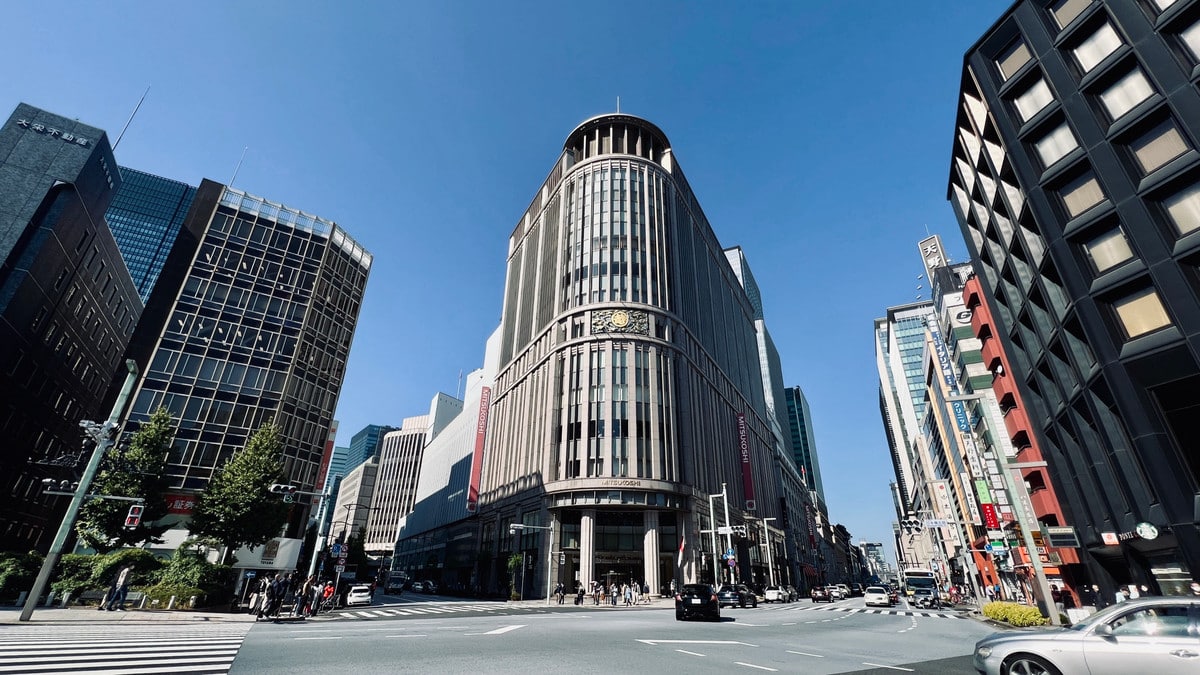
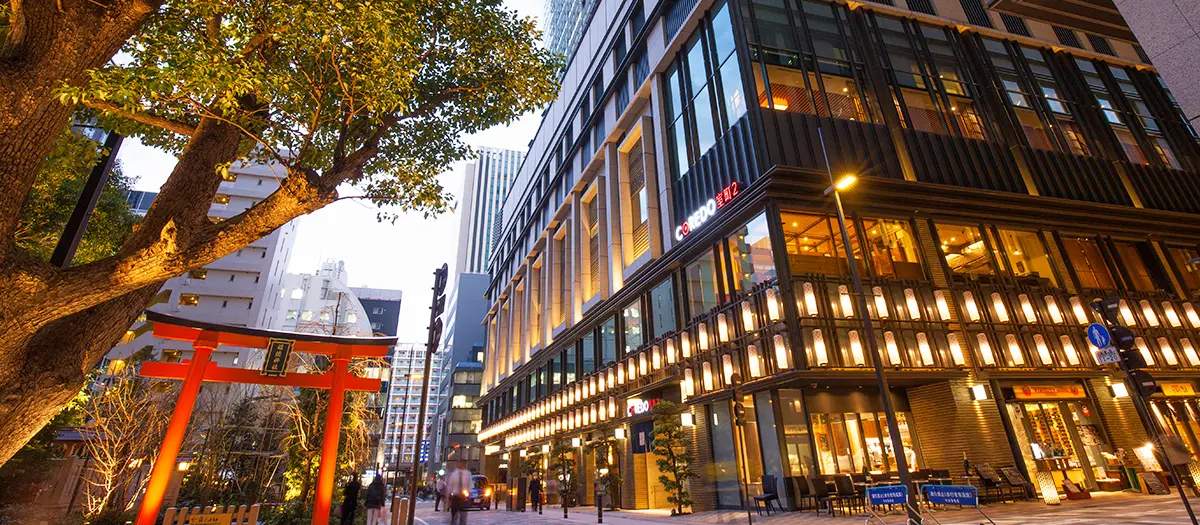
Over the years Nihonbashi has kept developing into a modern commercial district. Many large department stores, shopping centers and office buildings gather here, such as Nihonbashi Mitsukoshi and COREDO Muromachi.
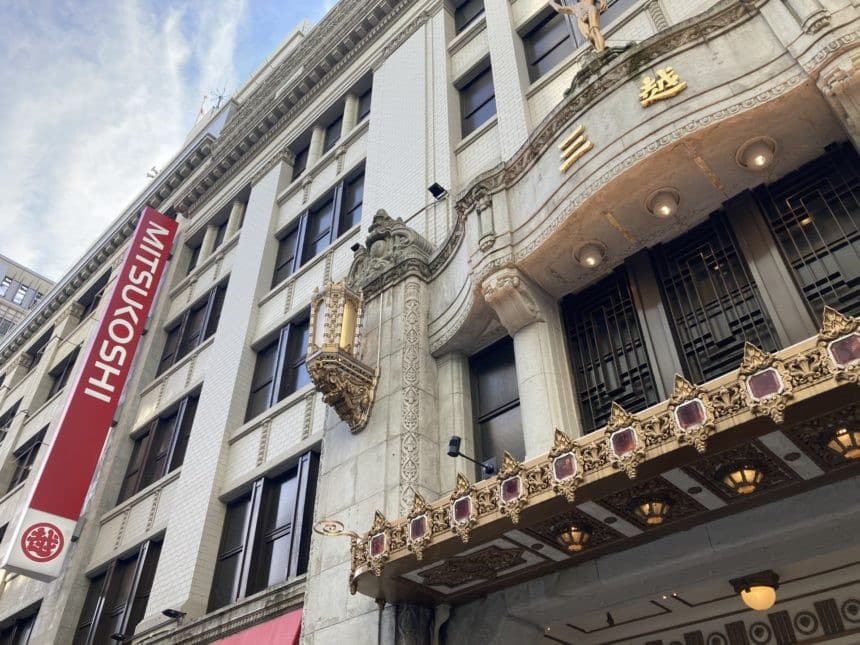
Nihonbashi Mitsukoshi Main Store sits right next to Mitsukoshimae Station and is open 10:00 to 19:00. COREDO Muromachi 1, 2 and 3 connect with COREDO Muromachi Terrace, and most shops there open 11:00 to 20:00, making the area a good fit for half a day of shopping and strolling.
What Is the History of Tokyo’s Nihonbashi? Cultural Background You Should Know
A Commercial Center of the Edo Period
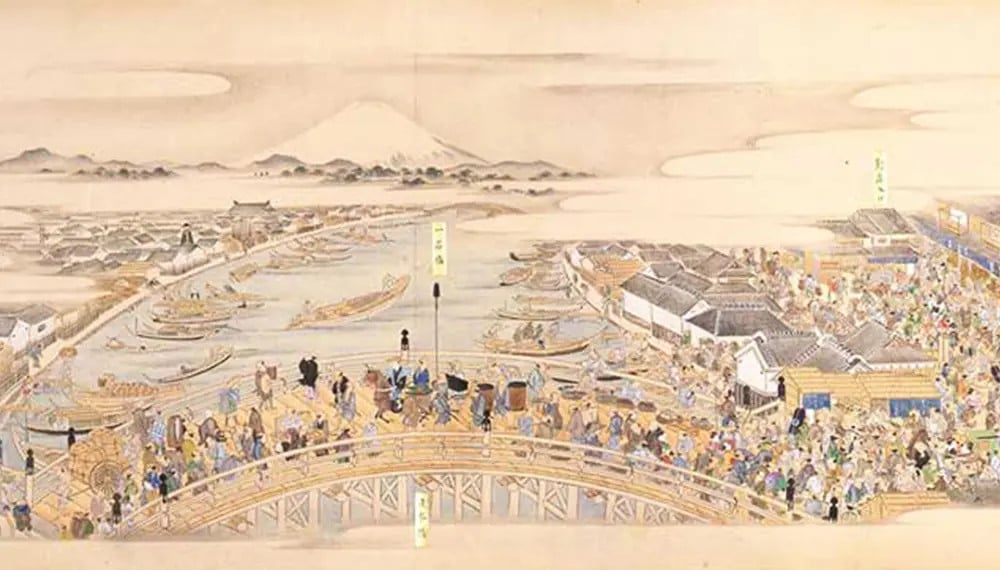
During the Edo period (1603-1867), Nihonbashi was an important commercial center where many merchants and traders gathered. As the starting point of the five highways, it linked Edo (present-day Tokyo) with the rest of the country.
The Uogashi fish market on the north side of the bridge was the center of fish trading in Edo and supplied catches to the shogunate. After the Great Kanto Earthquake, the market moved to Tsukiji. In the middle of the bridge stands the Japan Road Origin Marker.
Cultural Heritage and Attractions
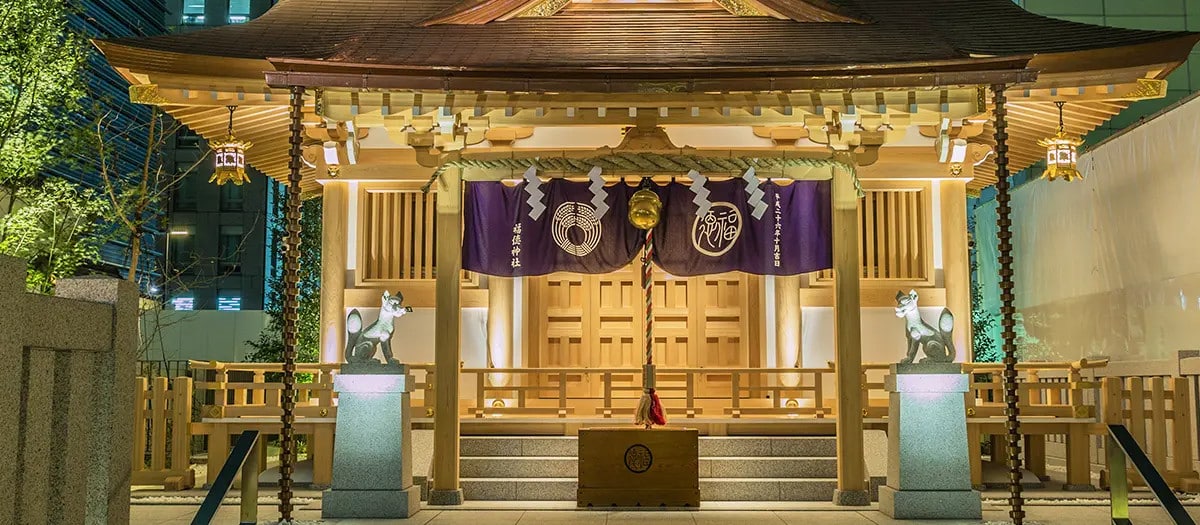
Nihonbashi is rich in cultural heritage, including historic buildings (such as the Bank of Japan Head Office Main Building and Mitsui Main Building), museums and traditional craft shops. Fukutoku Shrine (Mebuki Inari) is said to have been founded in the Jogan era of the Heian period (859-877). Tokugawa Hidetada visited in the 19th year of Keicho (1614) and gave the shrine its name, and the current shrine building was rebuilt in 2014. It is a popular spot for experiencing local faith and praying for a “fresh start.” Various cultural events and festivals are also held in the area, showing the depth of Tokyo’s culture.
What Are the Must-See Spots in Tokyo’s Nihonbashi? Highlights by Area
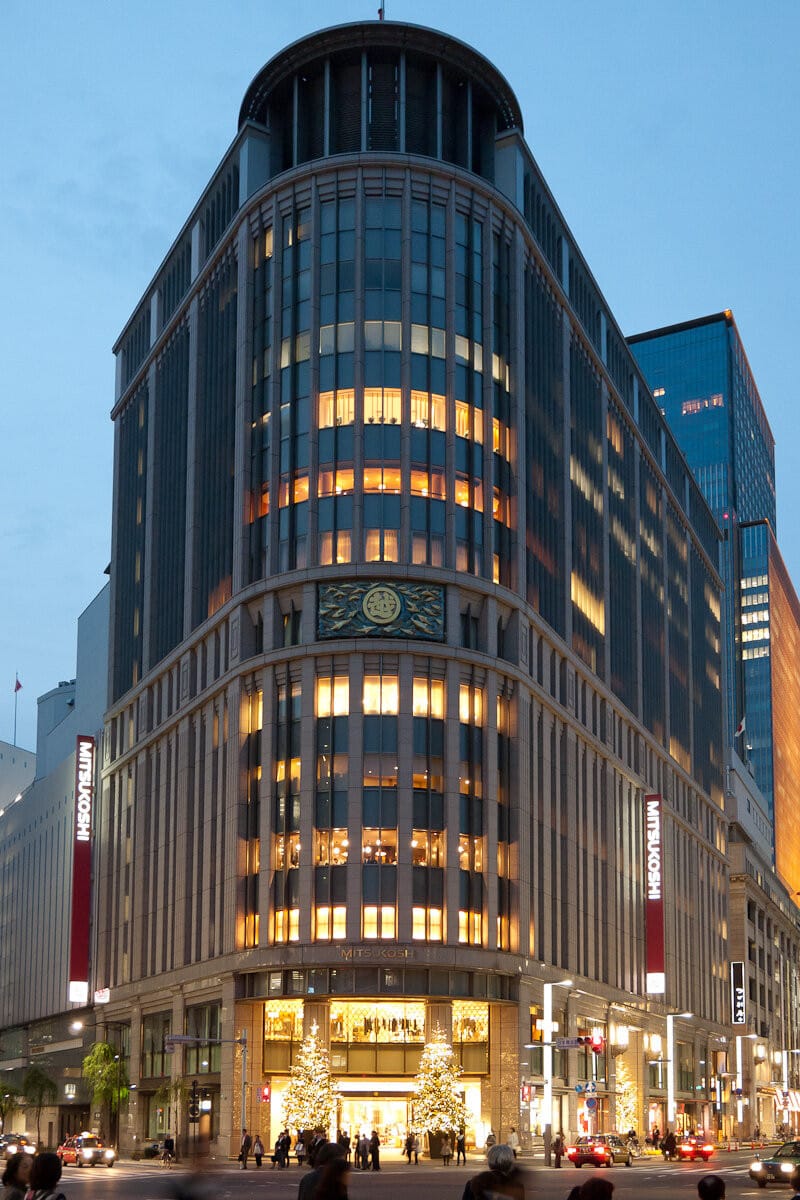
Nihonbashi Mitsukoshi Main Store
Nihonbashi Mitsukoshi Main Store is a landmark Tokyo department store with everything from luxury goods to home items. Its architecture blends the traditional and the modern, and the building is an attraction in itself. Hours: main building and new building 10:00-19:00; basement food floors until 19:30; some restaurants in the new building until 22:00. Please check the official website for year-end and New Year hours.
Address: 1-4-1 Nihonbashi Muromachi, Chuo-ku, Tokyo (next to Mitsukoshimae Station on the Ginza and Hanzomon lines)

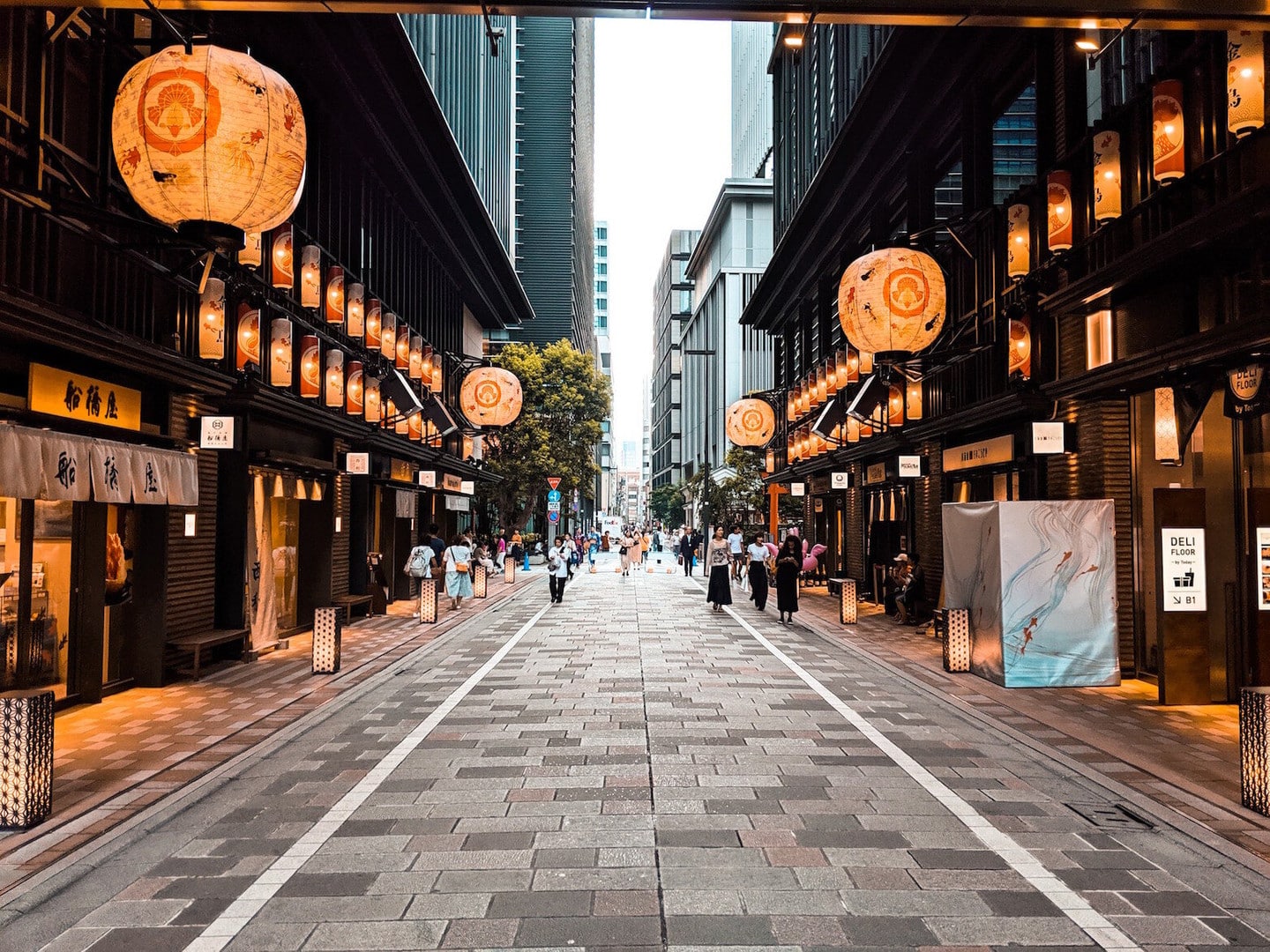
COREDO Muromachi
COREDO Muromachi is a large commercial complex in Nihonbashi offering a wide range of shopping and dining. Its modern, elegant design makes it a popular shopping spot. Shops are open 11:00-20:00 on weekdays and 10:00-20:00 on weekends and holidays. Restaurant floors mostly stay open until 23:00 (COREDO Muromachi 2 B1 until 21:00); please check each shop’s official website for actual hours.
Address: 2-3-1 Nihonbashi Muromachi, Chuo-ku, Tokyo
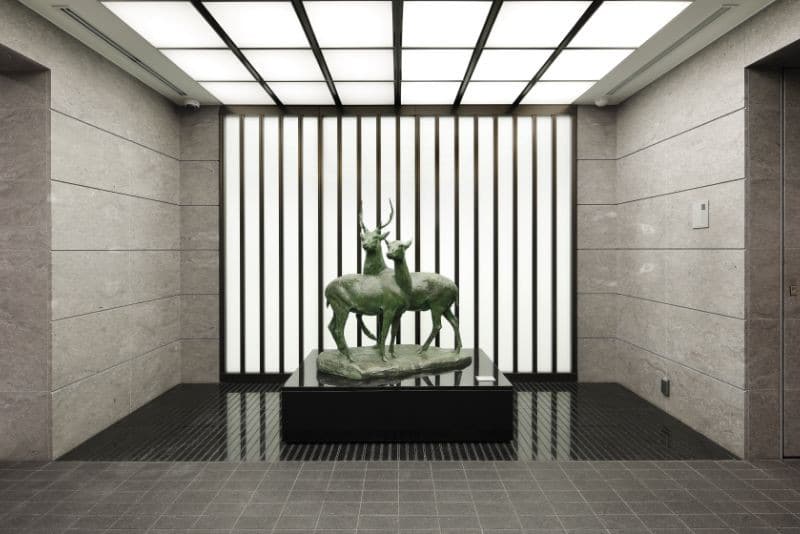
Mitsui Memorial Museum
The Mitsui Memorial Museum mainly displays tea ceremony utensils, paintings, calligraphy and crafts collected by generations of the Mitsui family. The museum’s building is itself a work of art, giving visitors a quiet setting in which to enjoy the exhibits.
Address: 2-1-1 Nihonbashi Muromachi, Chuo-ku, Tokyo
Open 10:00 to 17:00 (last entry 16:30), closed Mondays (if Monday is a holiday, it opens and closes the next weekday). The galleries are on the 7th floor of the Mitsui Main Building. Please check the official website for ticket prices and photography rules for each exhibition.
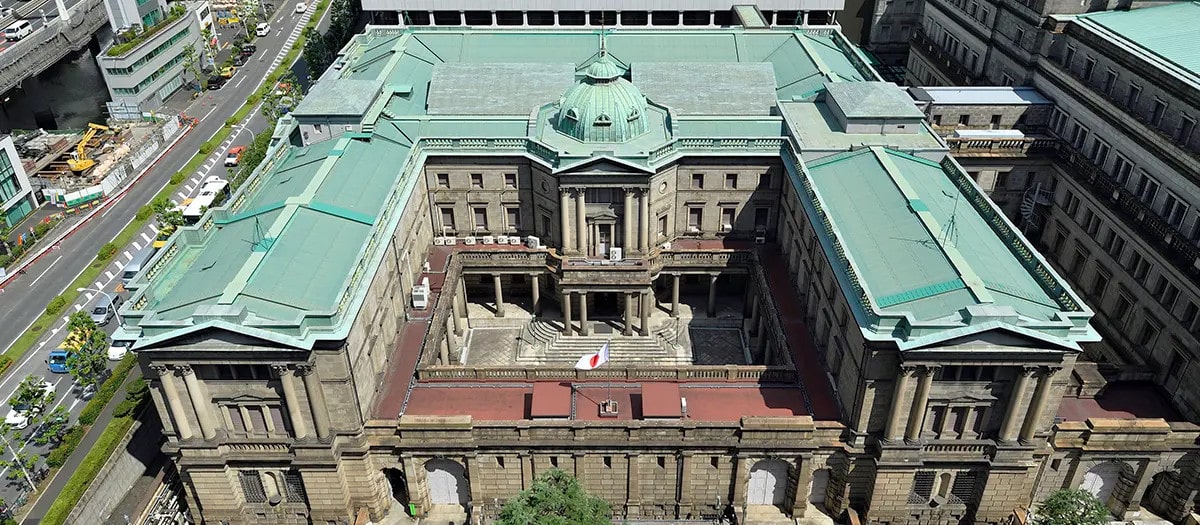
Bank of Japan Head Office Main Building
The Bank of Japan Head Office Main Building was designed by Tatsuno Kingo and completed in 1896 (Meiji 29). It is a nationally designated Important Cultural Property. The main building tour is a free 60-minute visit that must be reserved in advance on the official website. The neighboring annex houses the Currency Museum (1-3-1 Nihonbashi Honkokucho), which has free admission and is open 9:30 to 16:30 (last entry 16:00), closed Mondays.
Address: 2-1-1 Nihonbashi Honkokucho, Chuo-ku, Tokyo
Nihonbashi One-Day Route: Walking from Nihonbashi to Mitsukoshimae
For a one-day Nihonbashi walk, start at Nihonbashi Station and first see the Japan Road Origin Marker and the kirin statue in the middle of the bridge. Then walk north to the Currency Museum (free, closed Mondays), and come back to the Mitsukoshimae area to browse Mitsukoshi Main Store and COREDO Muromachi. The Mitsui Memorial Museum is on the 7th floor of the Mitsui Main Building and is also closed on Mondays, so keep that in mind when planning. After lunch, you can pick out souvenirs at the long-established shops around Nihonbashi Station.
Tickets and Tours
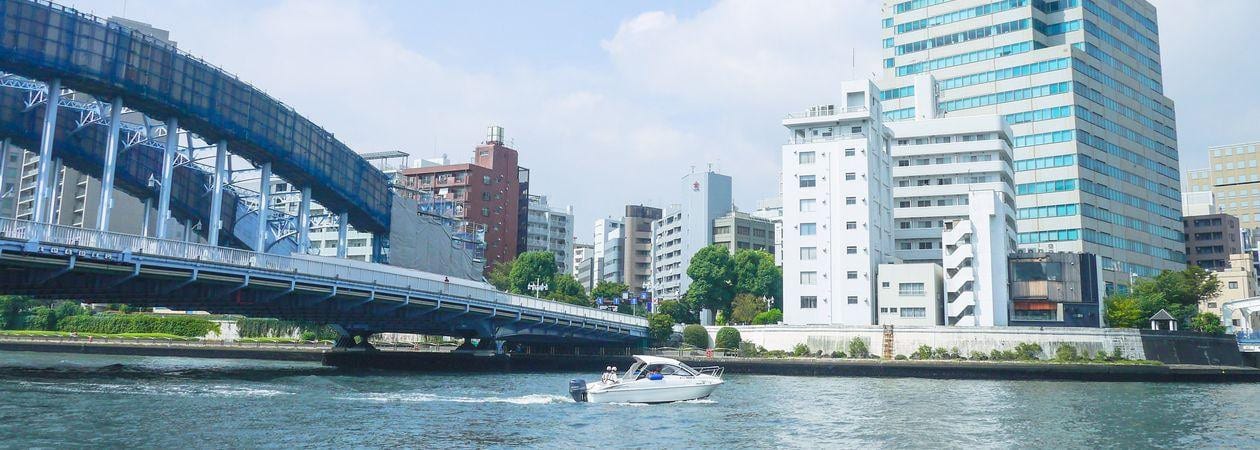
One of the most characteristic experiences around Nihonbashi is a Sumida River cruise on a yakatabune (traditional houseboat) departing from a nearby pier. Traditional yakatabune sail along the Sumida River, with views of landmarks such as Tokyo Tower, Rainbow Bridge and Tokyo Skytree. Some tours include sukiyaki or kaiseki meal sets, making them a good evening plan for dining while enjoying the night view. We recommend booking ahead on platforms such as KKday and Klook to secure a spot.
If you would rather learn about Nihonbashi’s history and architecture in depth, you can also join a local guided tour in Chinese or English that takes you through COREDO Muromachi, the Bank of Japan Head Office and the Currency Museum (Okane no Hakubutsukan), tracing how this “starting point of Japan’s highways” developed over the centuries as Edo’s commercial center. The Currency Museum has free admission, and the tour of the Bank of Japan Head Office Main Building is also free but must be reserved in advance on the official website.


Where to Shop in Tokyo’s Nihonbashi? Top Department Stores and Specialty Shops
Nihonbashi is a shopper’s paradise, home to many top department stores and specialty shops. Whether you are looking for high-end fashion or traditional crafts, you will find it here.
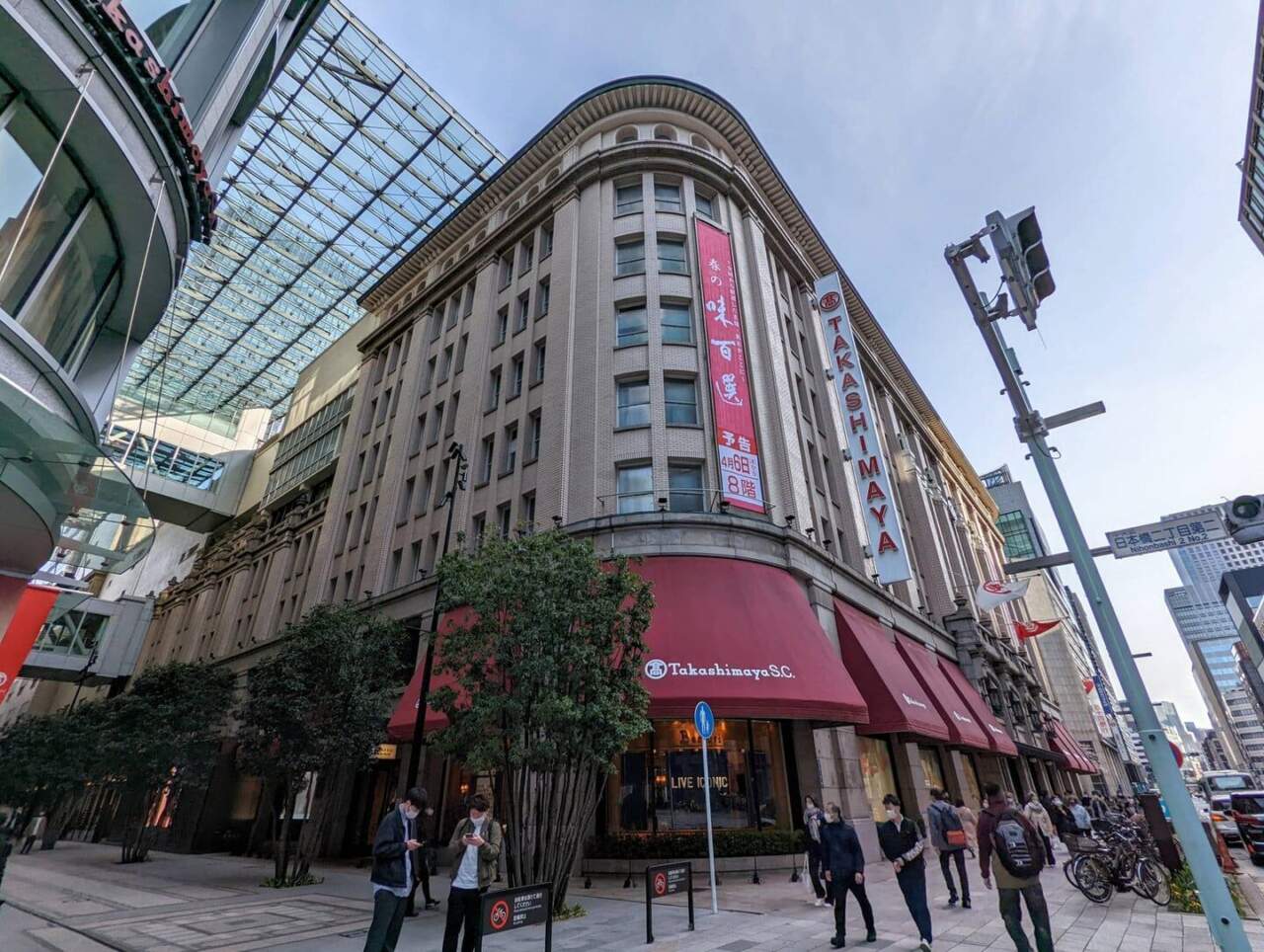
Nihonbashi Takashimaya S.C.
Nihonbashi Takashimaya S.C. consists of the Main Building (Nihonbashi Takashimaya), the New Building and the East Building. The Main Building is open 10:30 to 19:30 (hours vary by floor and section), and the building is a nationally designated Important Cultural Property. Whether you want fashion, beauty or food, there is plenty to choose from.
Address: 2-4-1 Nihonbashi, Chuo-ku, Tokyo
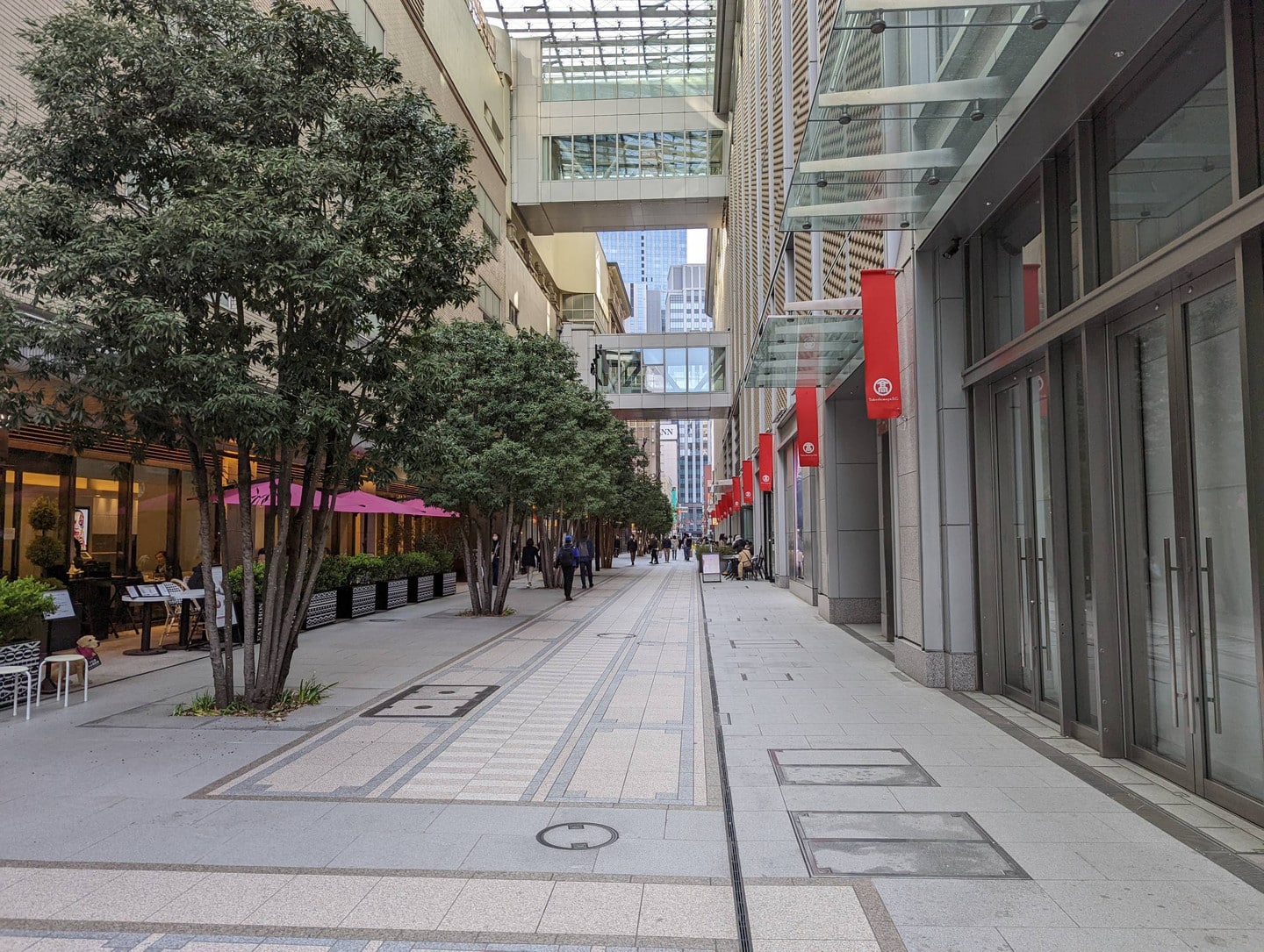
How to Shop in Nihonbashi: Century-Old Souvenir Shops Beyond the Department Stores
Mitsukoshi Main Store, Takashimaya and shops that have survived since the Edo period are all within walking distance. These are representative shops for souvenirs:
- Ninben Nihonbashi Main Store: a dried bonito specialist founded in 1699, with its main store in COREDO Muromachi 1.
- Nihonbashi Kiya Main Store: a cutlery shop founded in 1792, known for everyday kitchen knives.
- Nihonbashi Haibara: a washi paper shop founded in 1806, located directly above Exit B6 of Nihonbashi Station, selling chiyogami paper, stationery and small washi goods.
Pack knives in checked luggage. From November 1, 2026, Japan’s tax-free system changes to pay the tax first and get a refund after confirmation at departure.
What to Eat in Tokyo’s Nihonbashi? Must-Visit Restaurants and Food Picks
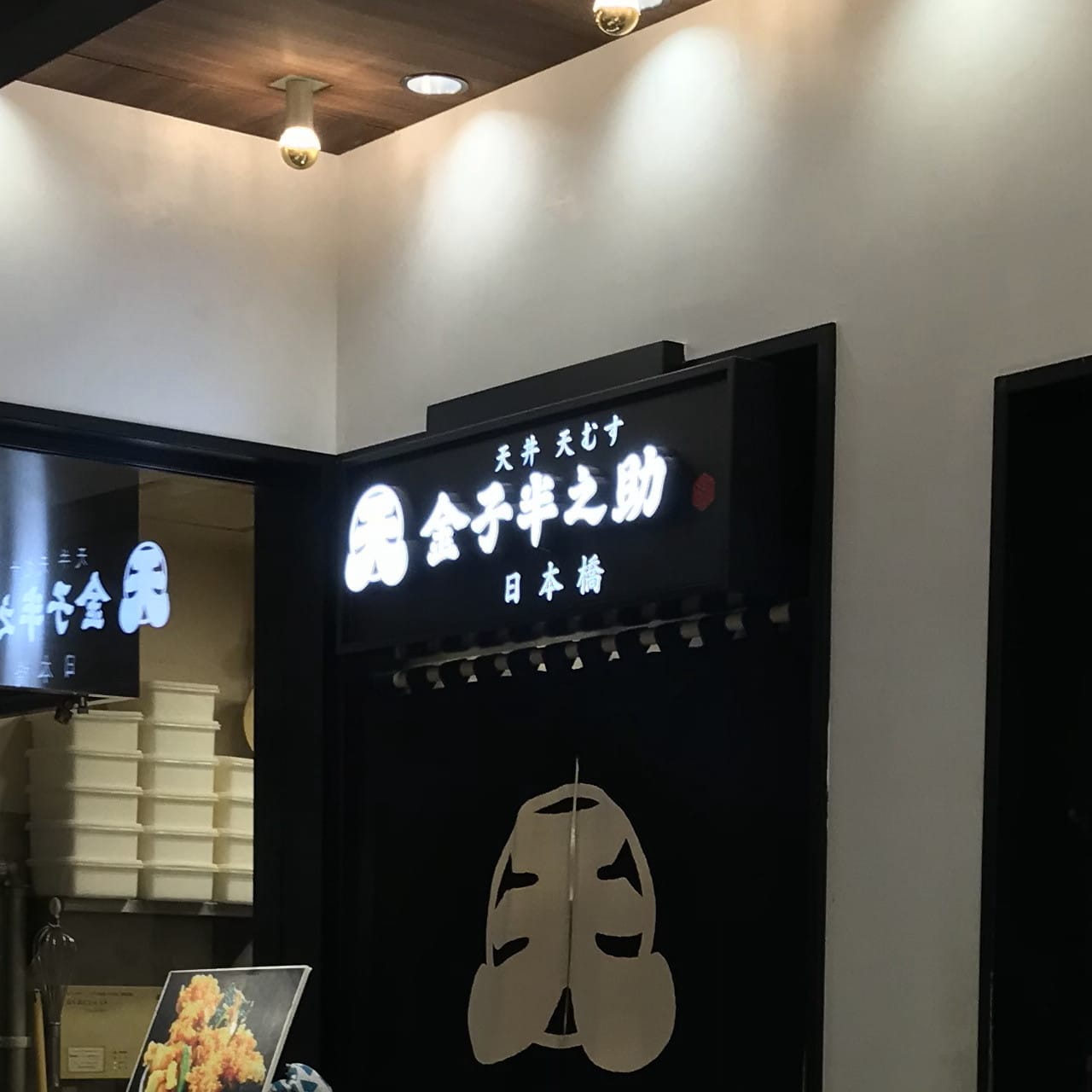
Kaneko Hannosuke: A Famous Tokyo Tendon Shop
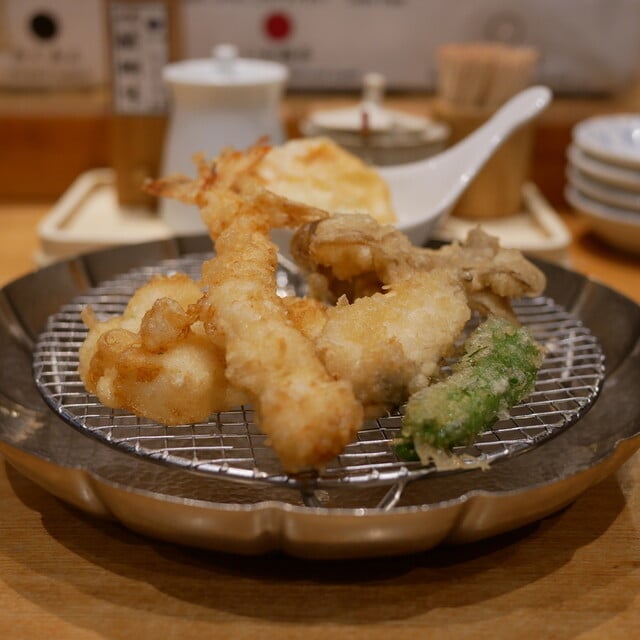
Kaneko Hannosuke is a well-known Edomae tendon (tempura rice bowl) specialist in Tokyo. Its signature tendon is topped with about six ingredients, including conger eel, fried shrimp and mixed tempura, and it is the shop’s main dish. The old-fashioned, elegant interior creates a strong Edo atmosphere.
Address: 1-11-15 Nihonbashi Muromachi, Chuo-ku, Tokyo (Nihonbashi Main Store); open 11:00 to 21:30 on weekdays and 10:00 to 20:30 on weekends and holidays. Please check official announcements for actual hours.
La Paix: French Restaurant
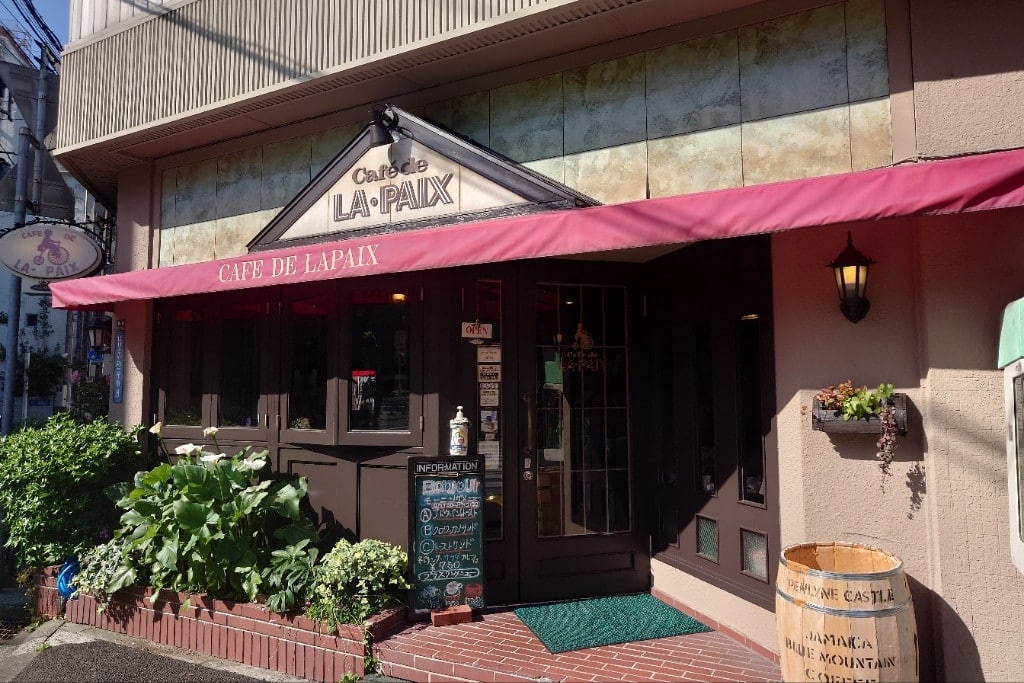
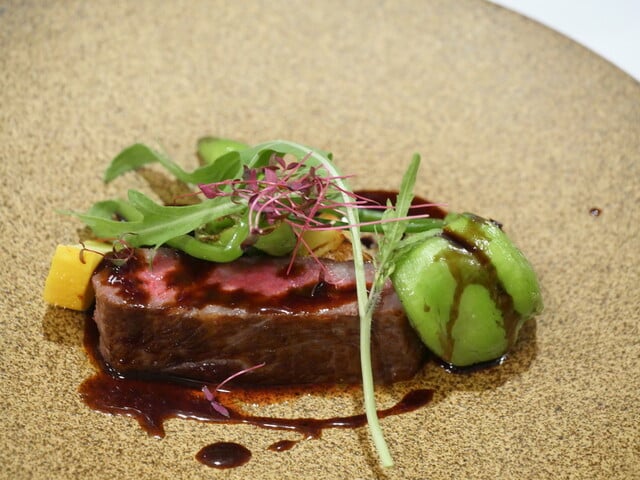
La Paix is a French restaurant in Nihonbashi Muromachi listed in the Michelin Guide Tokyo. It serves set menus built around seasonal ingredients. Tucked away in a quiet corner of Nihonbashi with an elegant setting, it suits an unhurried, formal lunch or dinner.
Address: 1-9-4 Nihonbashi Muromachi, Chuo-ku, Tokyo, B1F
MIKADO Coffee: A Long-Established Cafe
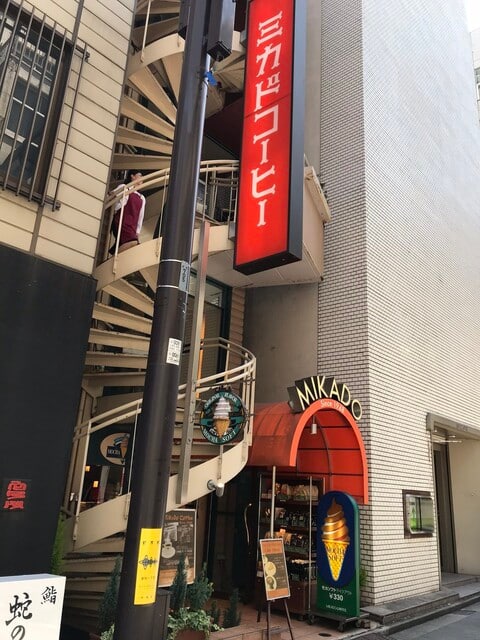
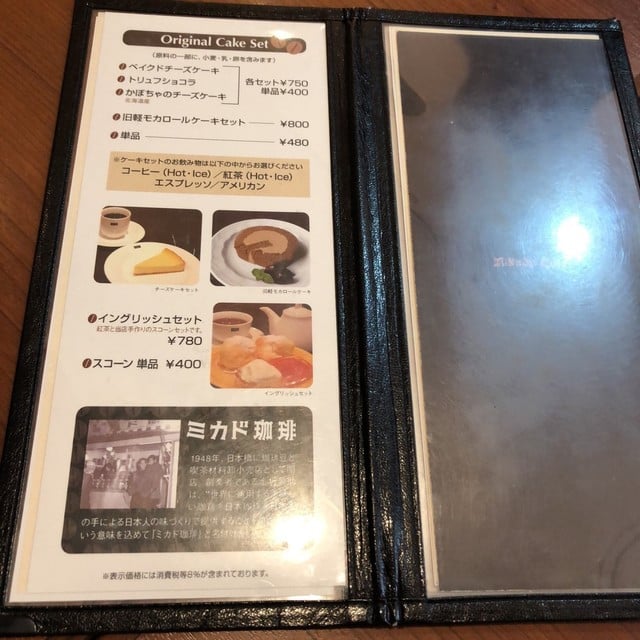
MIKADO Coffee’s Nihonbashi Main Store opened in 1948 and is presented as Japan’s first standing coffee shop. One of its signature items is the mocha soft-serve ice cream. It is a great place to rest between bouts of shopping and enjoy a rich cup of coffee.
Address: 1-6-7 Nihonbashi Muromachi, Chuo-ku, Tokyo (Nihonbashi Main Store)
Bunmeido: Traditional Sweets in Nihonbashi
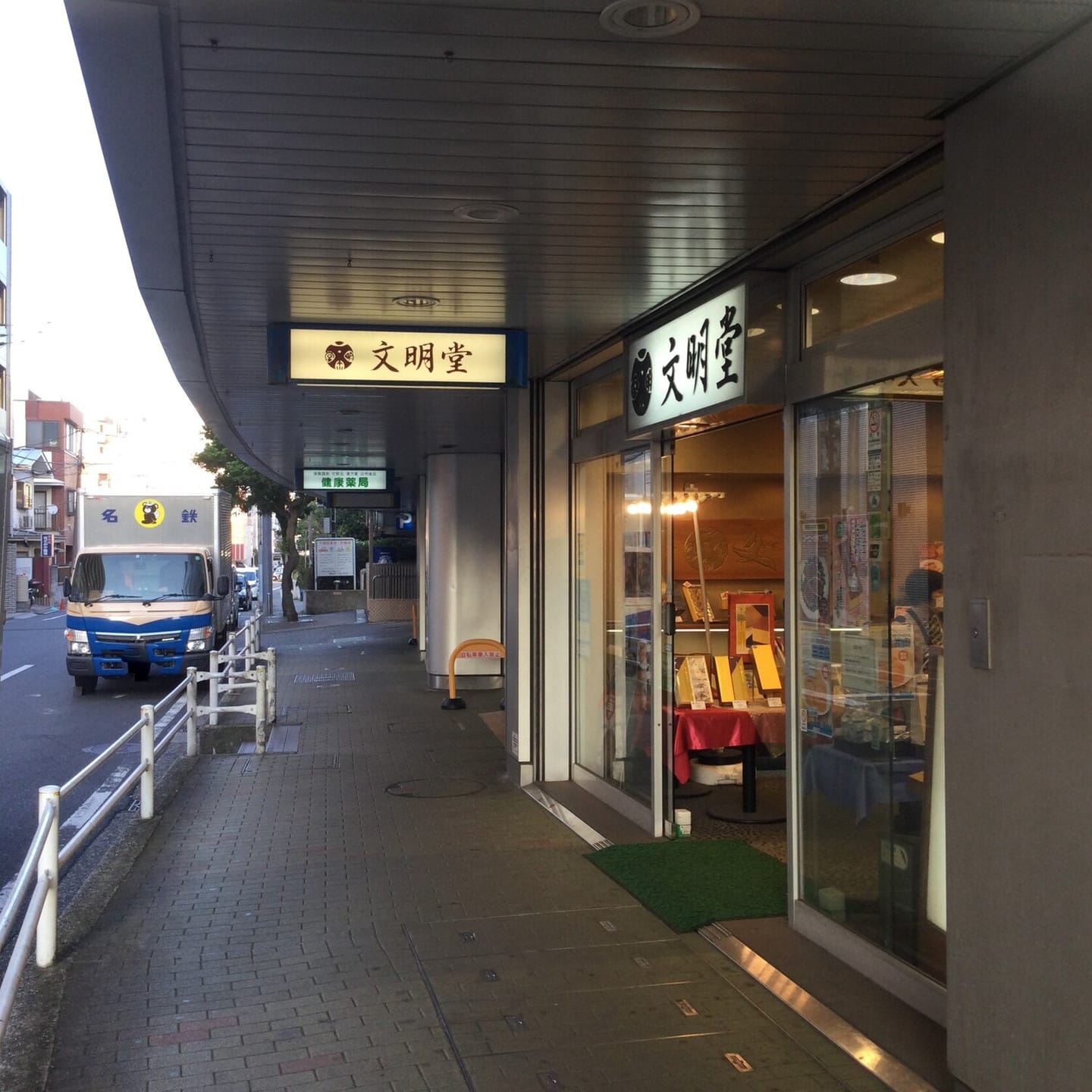
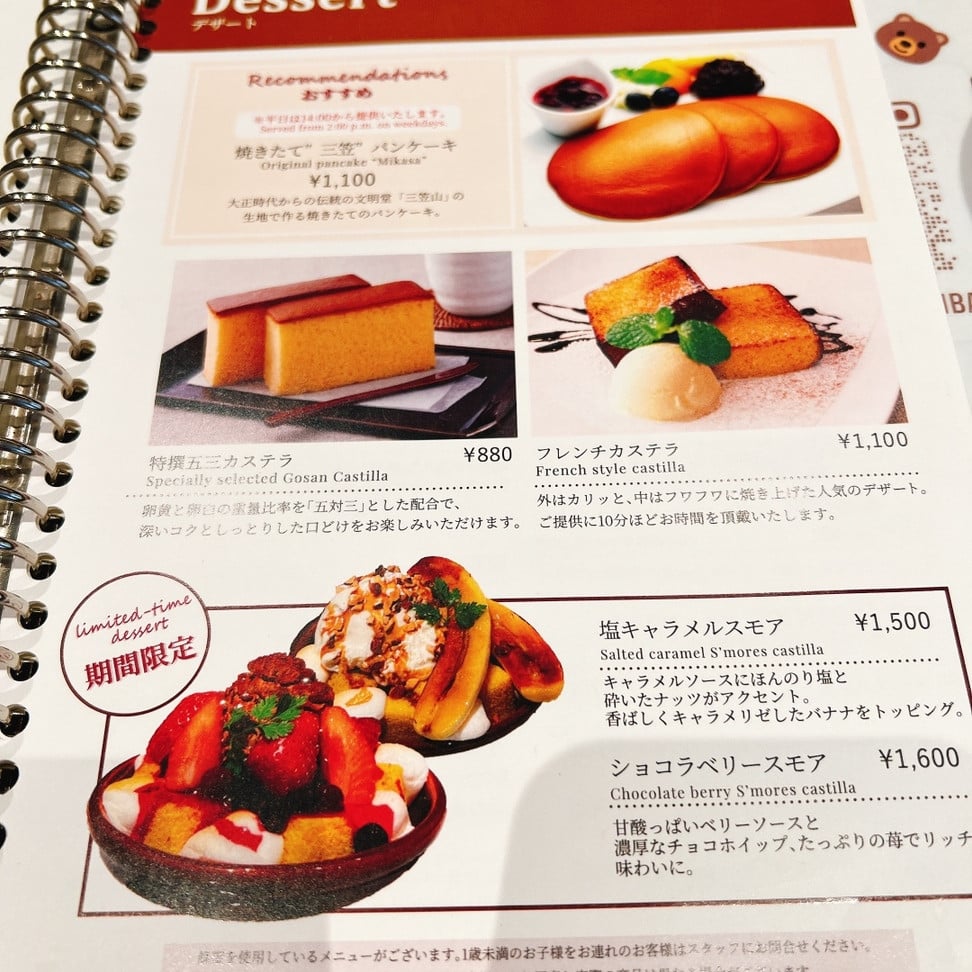
Bunmeido is a long-established confectionery known for its castella (Nagasaki sponge cake), and its main store has a dining area. The elegant, comfortable interior makes it an ideal place to try traditional Japanese sweets.
Address: 1-13-7 Nihonbashi Muromachi, Chuo-ku, Tokyo, Pmo Building (Nihonbashi Main Store, about a 1-minute walk from Mitsukoshimae Station)
How to Get to Tokyo’s Nihonbashi? A Complete Guide to Transport and Costs
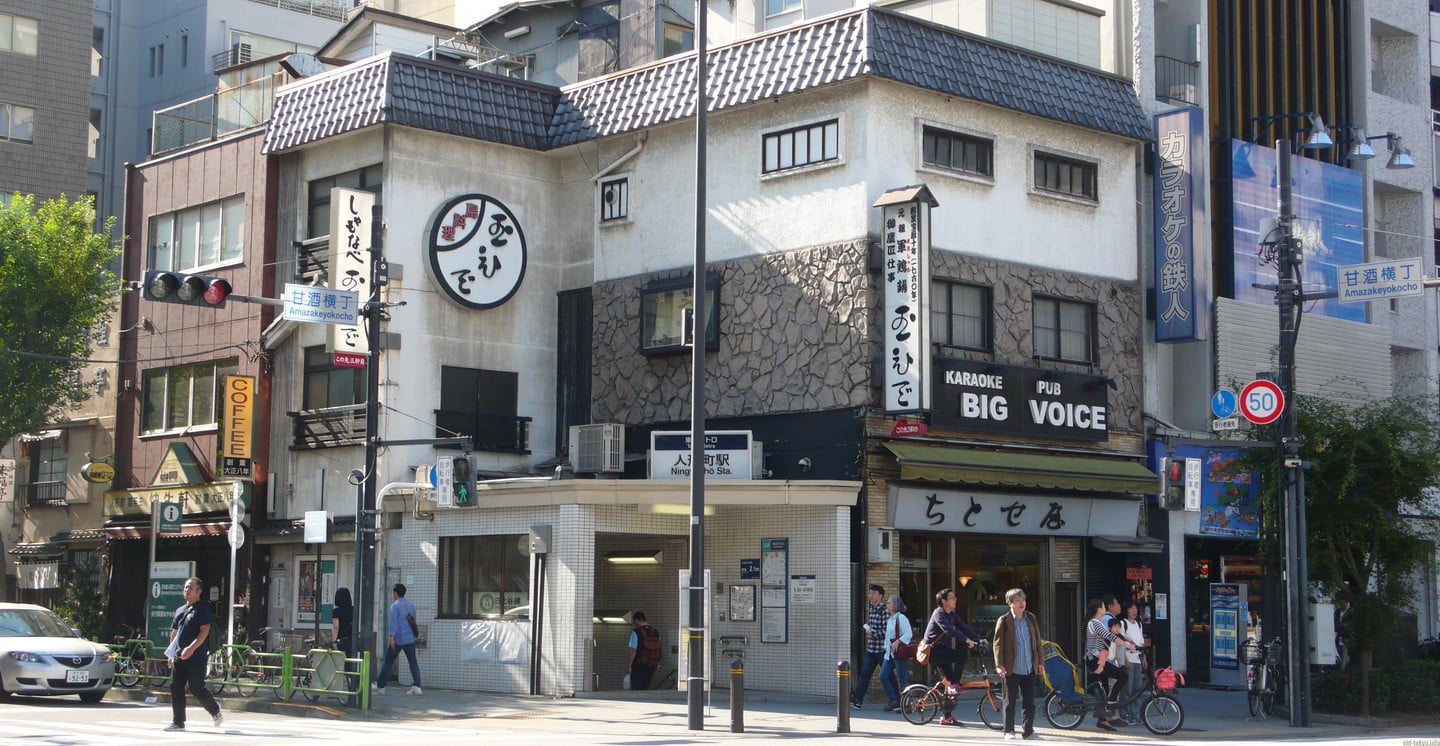
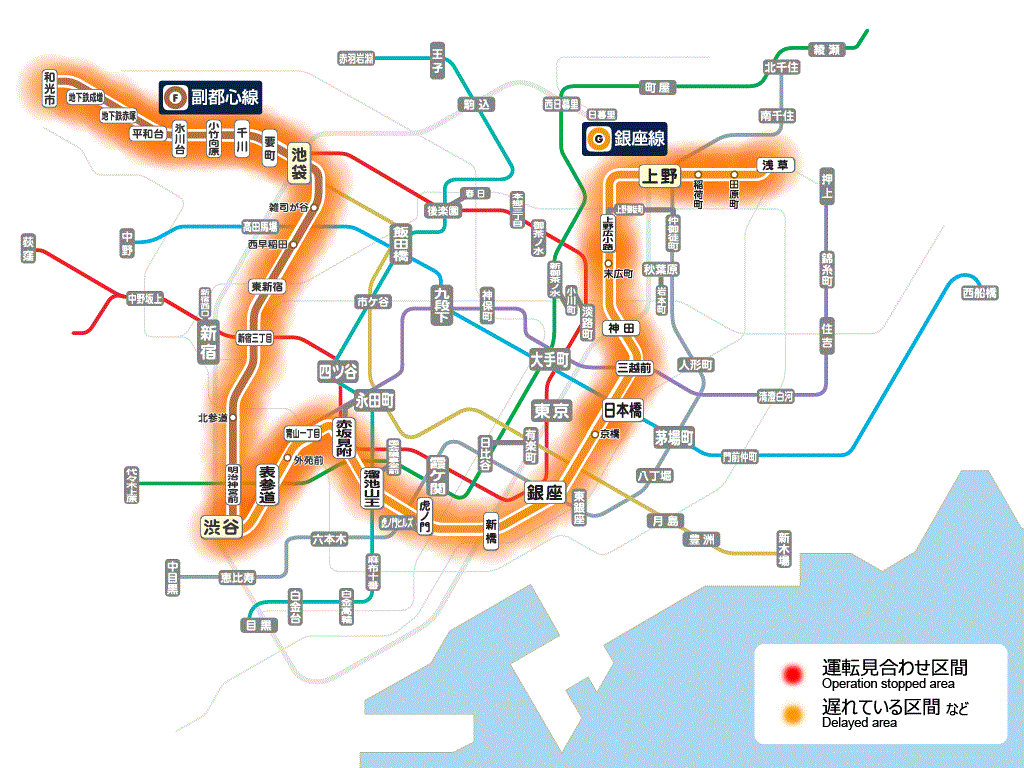
Getting to Nihonbashi is very convenient. The Ginza Line, Tozai Line and Toei Asakusa Line meet at Nihonbashi Station, while Mitsukoshimae Station (Ginza and Hanzomon lines) is right next to Mitsukoshi Main Store. From Tokyo Station it is about a 15 to 20 minute walk.

What to Know Before Visiting Tokyo’s Nihonbashi? Practical Information and Travel Tips
Transport and Navigation
The Nihonbashi area has several subway stations, including Nihonbashi Station and Tokyo Station, so transport is convenient. Visitors can easily reach each attraction by subway or on foot.
Exit Mitsukoshimae Station (Ginza and Hanzomon lines) and you are at Mitsukoshi Main Store. At Nihonbashi Station you can transfer between the Ginza Line, Tozai Line and Toei Asakusa Line. Linking the sights on foot works best.
You can visit in the rain too, as some indoor facilities offer good shelter.
The Currency Museum is about a 1-minute walk from Exit B1 of Mitsukoshimae Station, making it the free attraction closest to the starting point.
Shopping and Dining
Nihonbashi has many high-end department stores and specialty shops where visitors can shop to their heart’s content. There are also many quality restaurants offering a wide range of choices, from traditional Japanese cuisine to modern creative dishes.
The basement food floor of Nihonbashi Mitsukoshi Main Store is open until 19:30, and most restaurants in COREDO Muromachi 1 to 3 stay open until 23:00. Century-old shops are concentrated around COREDO Muromachi and Nihonbashi Station. For lunch, try tendon, and for afternoon tea, pick a cafe or a wagashi shop.
Things to Note
When visiting the Nihonbashi area, please follow local rules and etiquette, such as keeping quiet when praying at a shrine.
We suggest planning a half-day route that includes nearby attractions so you make good use of travel time.
Fukutoku Shrine (Mebuki Inari) is in Fukutoku no Mori next to COREDO Muromachi. After visiting, you can easily stroll through COREDO Muromachi.
Around Nihonbashi, link the sights by subway and on foot. Mitsukoshimae Station, Nihonbashi Station and Tokyo Station are all within walking distance of each other.
Where to Stay Nearby
Nihonbashi lies east of Tokyo Station. Mitsukoshimae Station (Ginza and Hanzomon lines) and Nihonbashi Station (Ginza, Tozai and Toei Asakusa lines) connect to many routes, and Mitsukoshi Main Store, COREDO Muromachi and the Currency Museum are all within walking distance. If you want to fit shopping, old shops and historic sights into one day, staying in the Nihonbashi area saves the most travel time. For details on accommodation, see our recommended Nihonbashi hotel article.

FAQ
Q: What are the opening hours in Tokyo’s Nihonbashi?
Nihonbashi Mitsukoshi Main Store is open 10:00 to 19:00, and most shops in COREDO Muromachi open 11:00 to 20:00. Hours differ by shop, so please check the official websites before you go.
Q: What transport options are there near Tokyo’s Nihonbashi?
There are several ways to get to Nihonbashi, including the subway, JR and buses. You can easily reach it from Tokyo Station or Ginza Station. Nihonbashi Station on the subway sits at the heart of the area and is extremely convenient.
Q: What are the must-visit attractions in Tokyo’s Nihonbashi?
The must-visit spots in Nihonbashi include Nihonbashi Mitsukoshi Main Store, COREDO Muromachi and the Bank of Japan Head Office Main Building. These places offer shopping and food, and also let you experience Tokyo’s history and culture.
Q: What accommodation options are there near Tokyo’s Nihonbashi?
Near Nihonbashi there are many kinds of accommodation, from luxury hotels to budget inns. Popular choices include Mitsui Garden Hotel Nihonbashi Premier and Mandarin Oriental Tokyo. Choose according to your budget.