
Nihonbashi Shopping Guide 2026: Old-Established Department Stores Meet Edo Culture in Tokyo’s Historic Shopping District
Nihonbashi is one of Tokyo’s oldest commercial districts, blending century-old department stores, long-established washi paper and stationery shops and shrine worship, a place to stroll that balances shopping and culture.
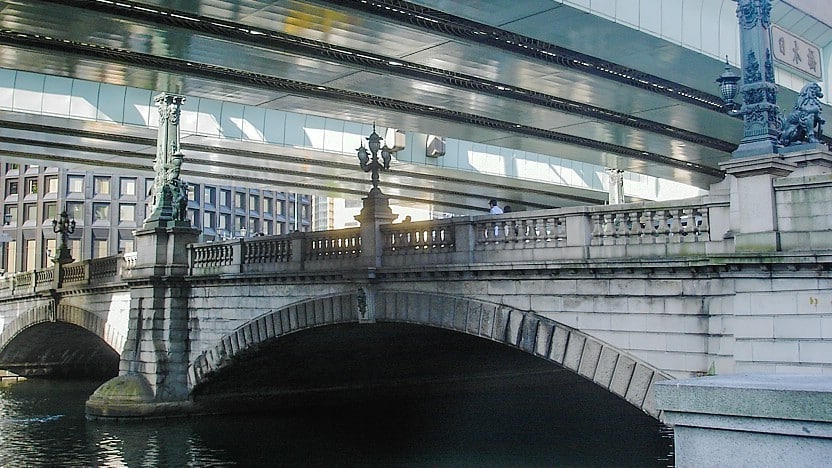
Nihonbashi Bridge (Starting-Point Marker): The Origin of Japan’s National Roads
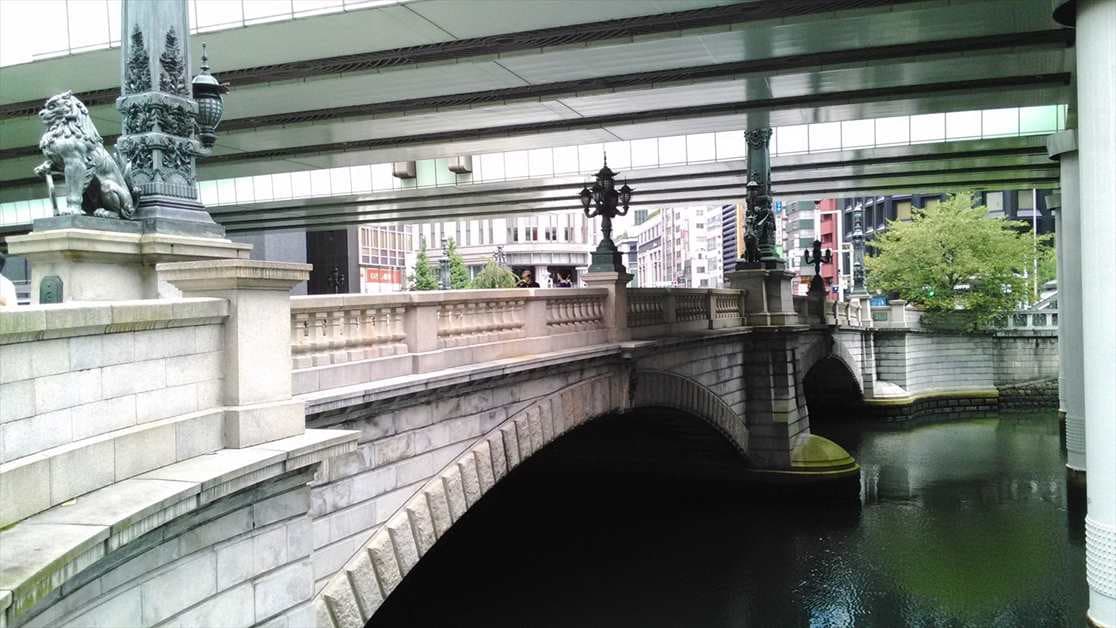
The Nihonbashi bridge itself carries the “Japan Road Origin Marker,” symbolizing the starting point from which all road distances have been measured since the Edo period, and the bronze qilin and lion statues on the bridge are also important landmarks. The bridge is now covered overhead by the Shuto Expressway, but work has begun to move the elevated expressway underground, with completion expected in 2040 to restore Nihonbashi’s skyline.
Early morning or evening is the best time to visit Nihonbashi, with fewer visitors and a better chance to appreciate the carved details of the bridge and the surrounding Edo-era buildings. The bridge itself is open all year and free to visit, and within a five-minute walk you can link up the main districts such as Mitsukoshi Main Store and COREDO Muromachi.

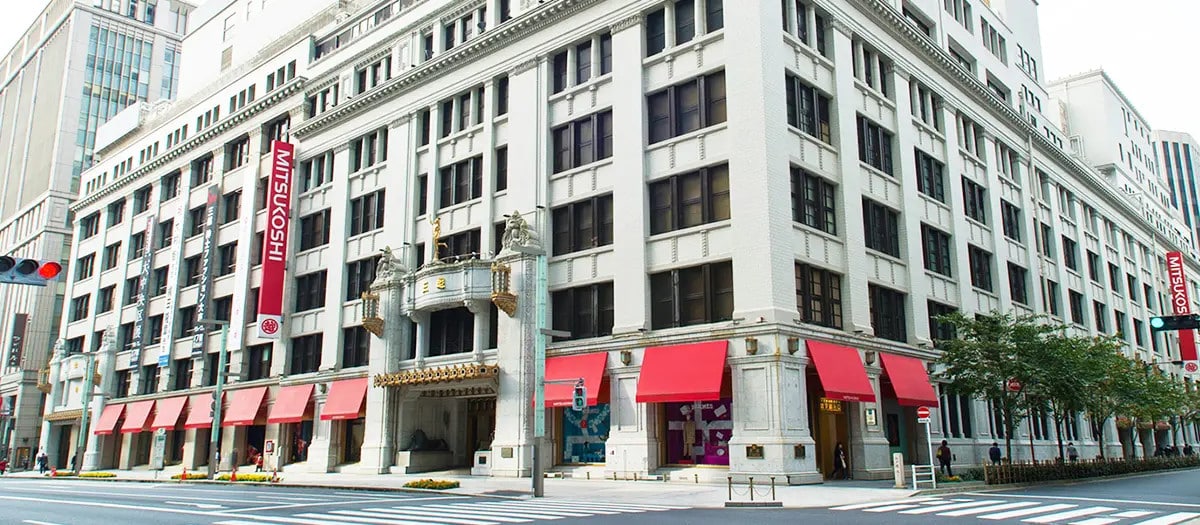
Nihonbashi Mitsukoshi Main Store: Japan’s First Department Store
Mitsukoshi Main Store was founded in 1673 (its predecessor was the Echigoya kimono shop) and is Japan’s first modern department store. The main building is designated an Important Cultural Property, and the “Tennyo” (celestial maiden) sculpture in the central hall and the Art Nouveau-style domed ceiling are well worth seeing. The store gathers kimono, traditional crafts and international luxury brands, and the basement food hall is a popular place to buy souvenirs.
The main building is open 10:00 to 19:00 (basement 1 to floor 1 until 19:30), with irregular closing days, so check the official website. Allow 1 to 2 hours to visit the main building and the new building.
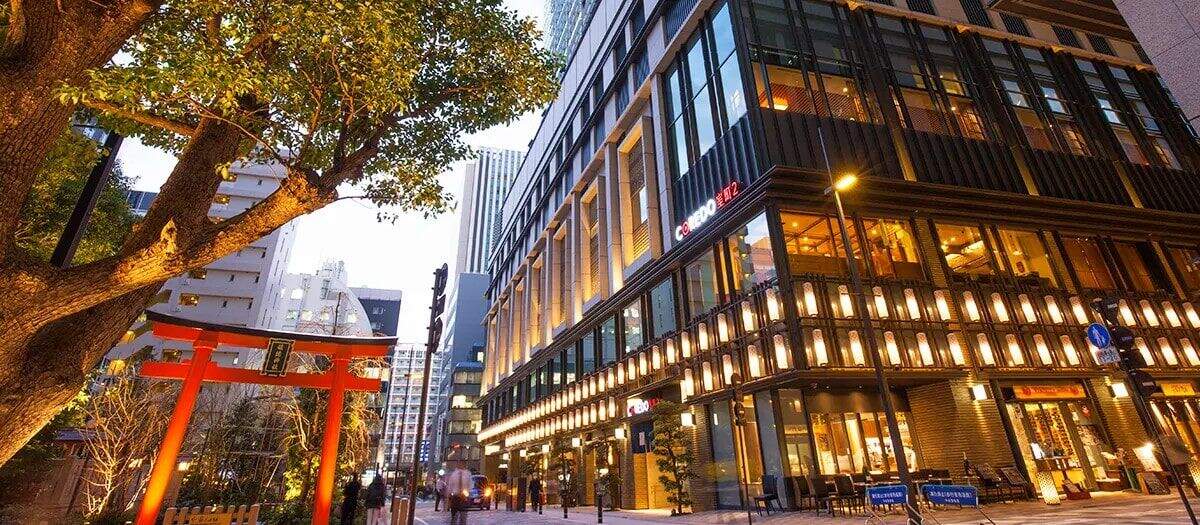
COREDO Muromachi: An Edo-Culture-Themed Commercial Complex
COREDO Muromachi consists of buildings 1, 2 and 3 and is the core landmark of Nihonbashi’s recent redevelopment, recreating Edo atmosphere and gathering traditional crafts, Japanese sweets and modern dining. Building 1 gathers long-established food shops, Building 2 has lifestyle goods and a food hall, and Building 3 has the Noh-dedicated theater “Nihonbashi COREDO Muromachi Noh Theater.”
Opening hours are mostly 11:00 to 20:00, with slight differences by shop. Nearby there are free rest areas and a tourist information office, making it a good waypoint for a Nihonbashi stroll. Allow half a day to see all three buildings.
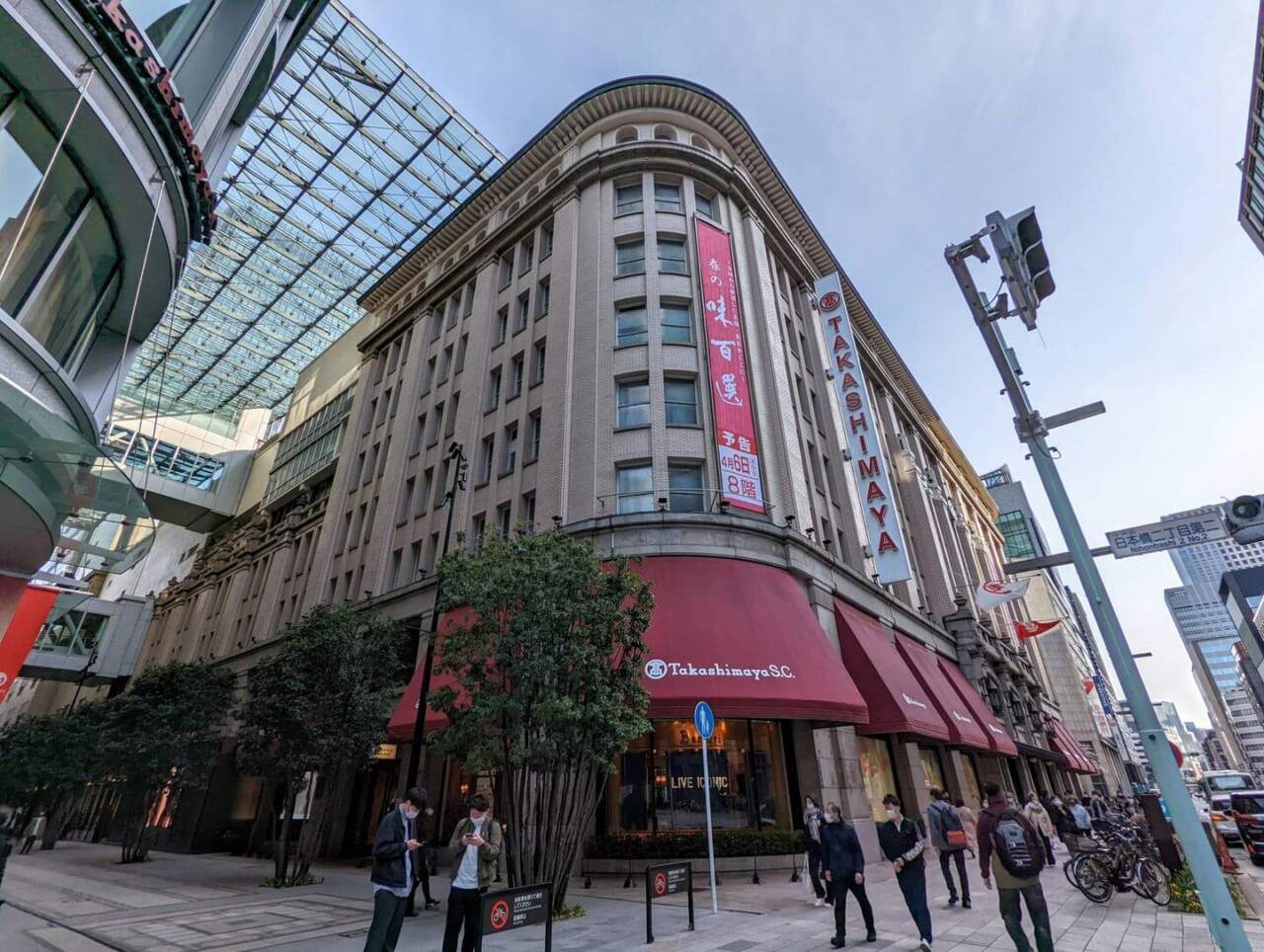
Nihonbashi Takashimaya: A Classic Benchmark of Japanese Department Stores
The Nihonbashi Takashimaya main building (completed in 1933) is one of the few department store buildings in Tokyo designated as an Important Cultural Property, blending Eastern and Western decorative art styles and preserving early Showa-era elevator and staircase details. The new building, Takashimaya S.C., houses the Pokemon Center and international brands and is a popular spot for families.
Hours: 10:30 to 19:30, restaurant floors until 21:00. Allow 2 hours to visit the historic main building and the new shopping center. Weekday mornings are less crowded for a more relaxed experience.
Choosing a Nihonbashi Department Store: Mitsukoshi Main Store vs. Takashimaya Hours Compared
Nihonbashi’s department stores are represented by Mitsukoshi Main Store and Takashimaya. Mitsukoshi Main Store was founded in 1673 and the main building is open 10:00 to 19:00 (basement 1 to floor 1 until 19:30), suited to traditional crafts, kimono and the basement food hall. Takashimaya is open about 10:30 to 19:30 (slightly different by floor), its main building is an Important Cultural Property completed in 1933, and the new building has the Pokemon Center. Allow about 2 hours for each.
Nihonbashi Mitsui Tower and Mitsui Main Building: Landmarks of Finance and Culture
The Mitsui Main Building was built in 1929 and is a representative neoclassical building, once headquarters of the Mitsui zaibatsu. It is now connected to the modern skyscraper “Nihonbashi Mitsui Tower” and houses the Mitsui Memorial Museum. The Mitsui Tower’s lower floors gather boutiques and restaurants, while the upper floors are the Mandarin Oriental hotel, forming a distinctive skyline where classical and modern coexist.
The exterior of the Mitsui Main Building is free to see; the museum inside requires a ticket. Allow about 1 hour to see the exterior and lobby of the main building, and if you are interested in art collections, extend your visit to the Mitsui Memorial Museum to learn more about the Mitsui family’s art collection.
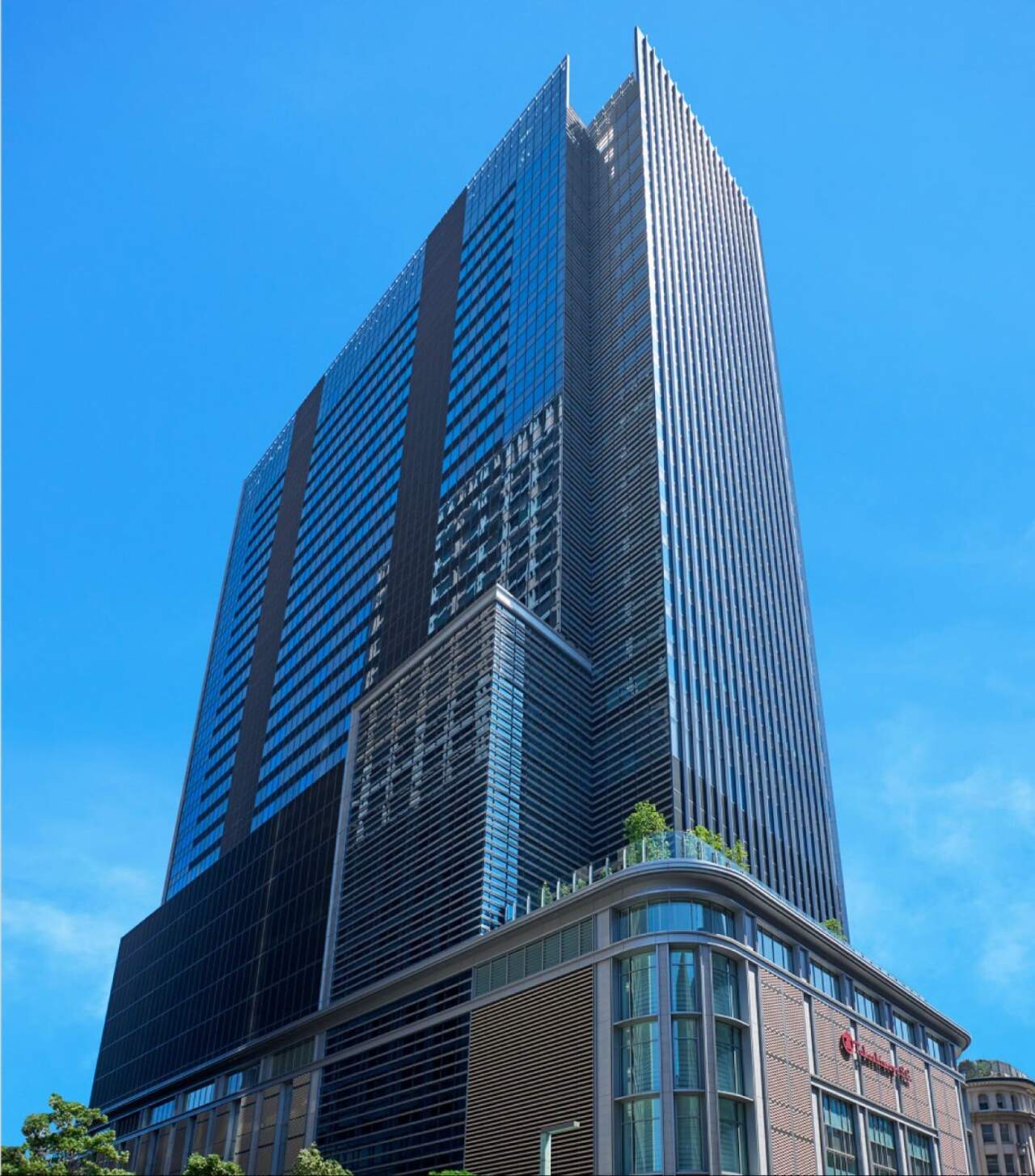
Mitsui Memorial Museum: The Mitsui Family’s Century-Old Art Collection
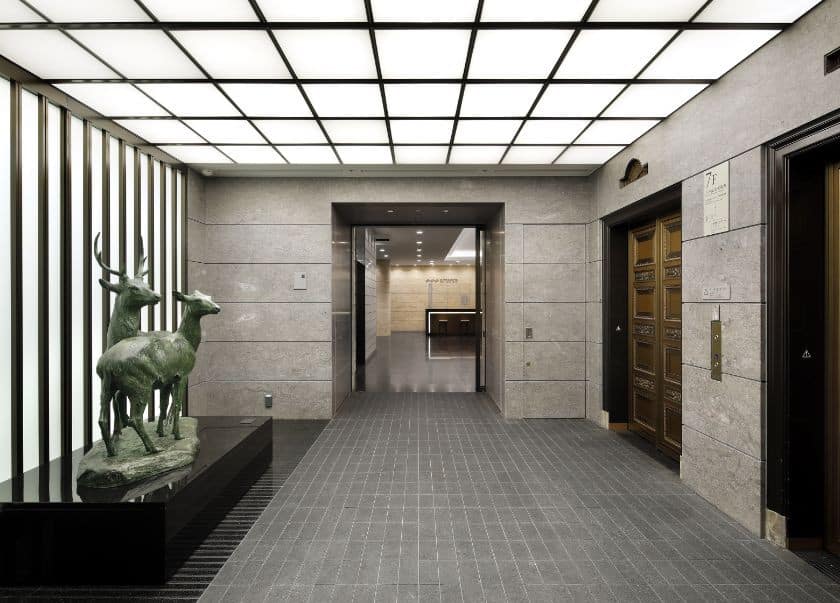
The Mitsui Memorial Museum is on the 7th floor of the Mitsui Main Building. Its collection includes tea ceremony utensils, calligraphy and paintings, and national-treasure-level artifacts handed down by the Mitsui family for centuries. Exhibitions rotate by seasonal theme, with about 4 to 5 special exhibitions a year. The museum space preserves the heavy door of an early Showa-era bank vault, and the visitor route is cleverly designed.
Opening hours are 10 am to 5 pm (last entry 4:30 pm), closed Mondays (next day if a holiday). General admission is about ¥1,500 (¥1,000 for high school and university students, varying by special exhibition). Allow 1 hour, suited to travelers interested in Japanese traditional crafts and tea ceremony culture.
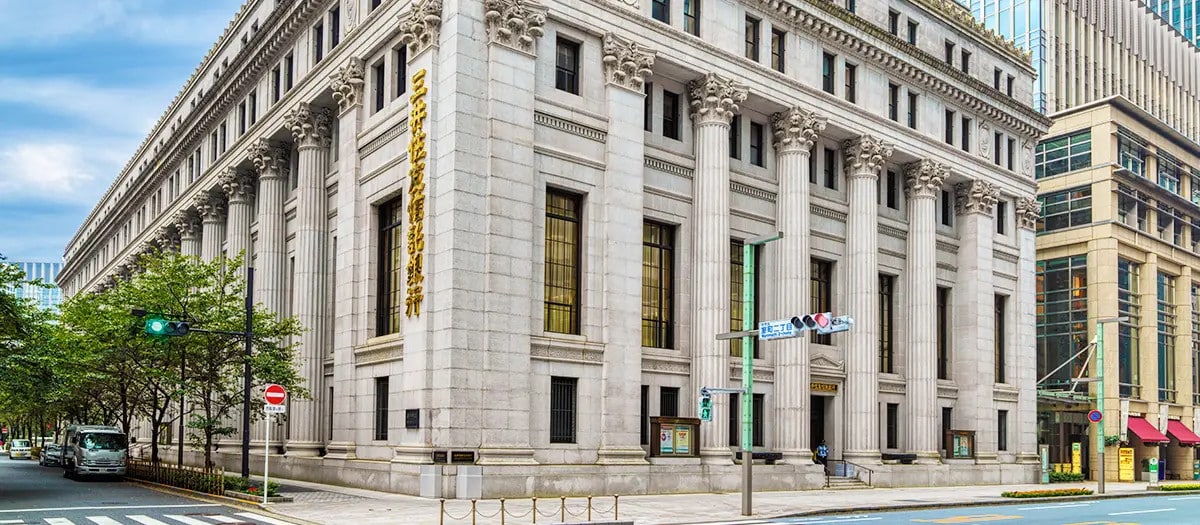
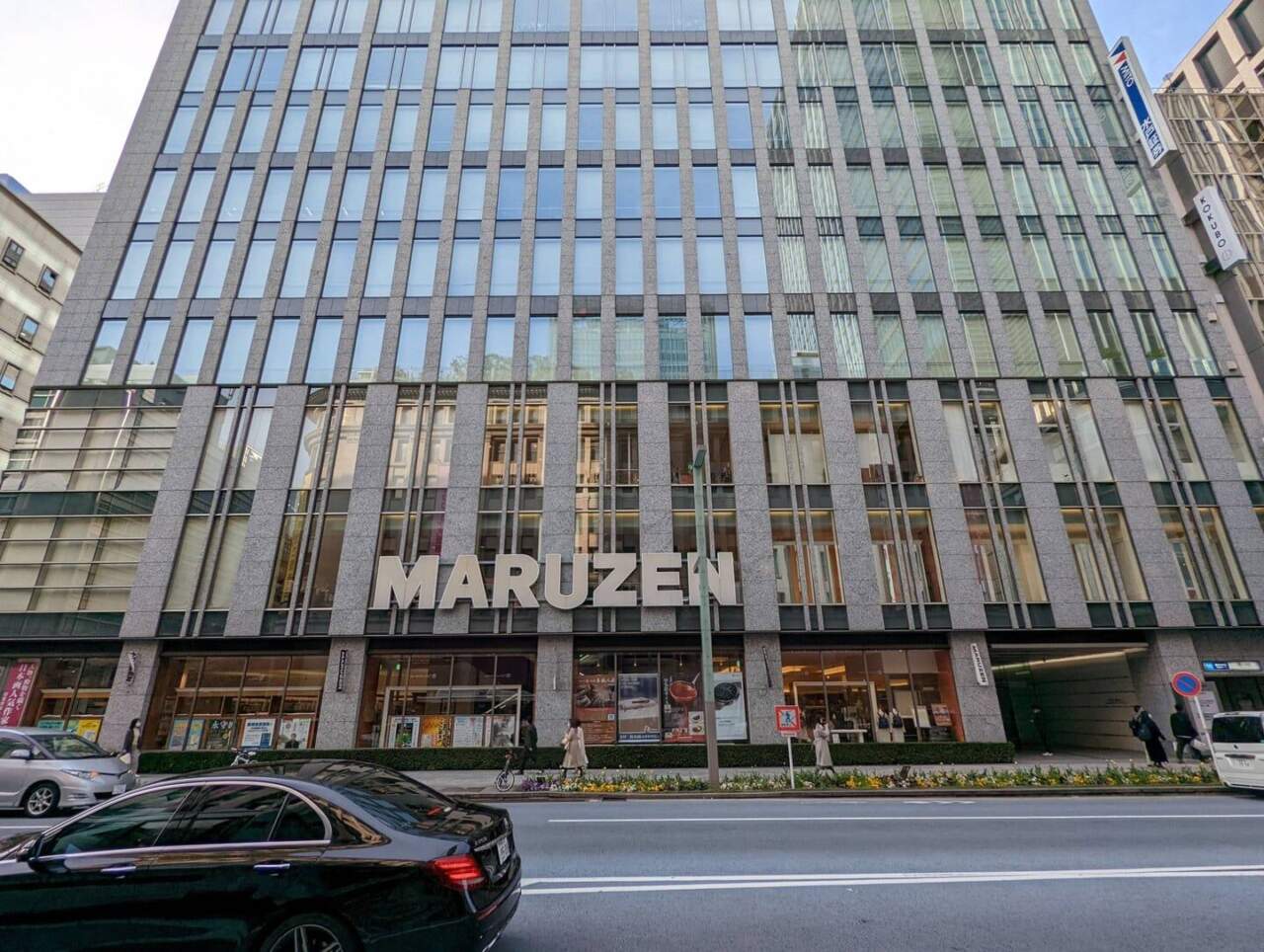
Maruzen Nihonbashi: A Century-Old Home of Stationery and Books
Maruzen Nihonbashi was founded in 1869 and is one of the first bookstores in Japan to introduce Western stationery and books. It is known for its rich collection of fountain pens and ink, and the stationery floor on the 2nd floor displays many limited-edition pens and Nihonbashi-store-exclusive ink colors. The store also has a cafe where you can rest in a reading atmosphere.
Opening hours are 9:30 am to 8 pm, open all year (except New Year’s Day). Allow 30 to 45 minutes for the stationery section and books. Pen lovers can ask staff for help trying out pens to find one with a personal style.
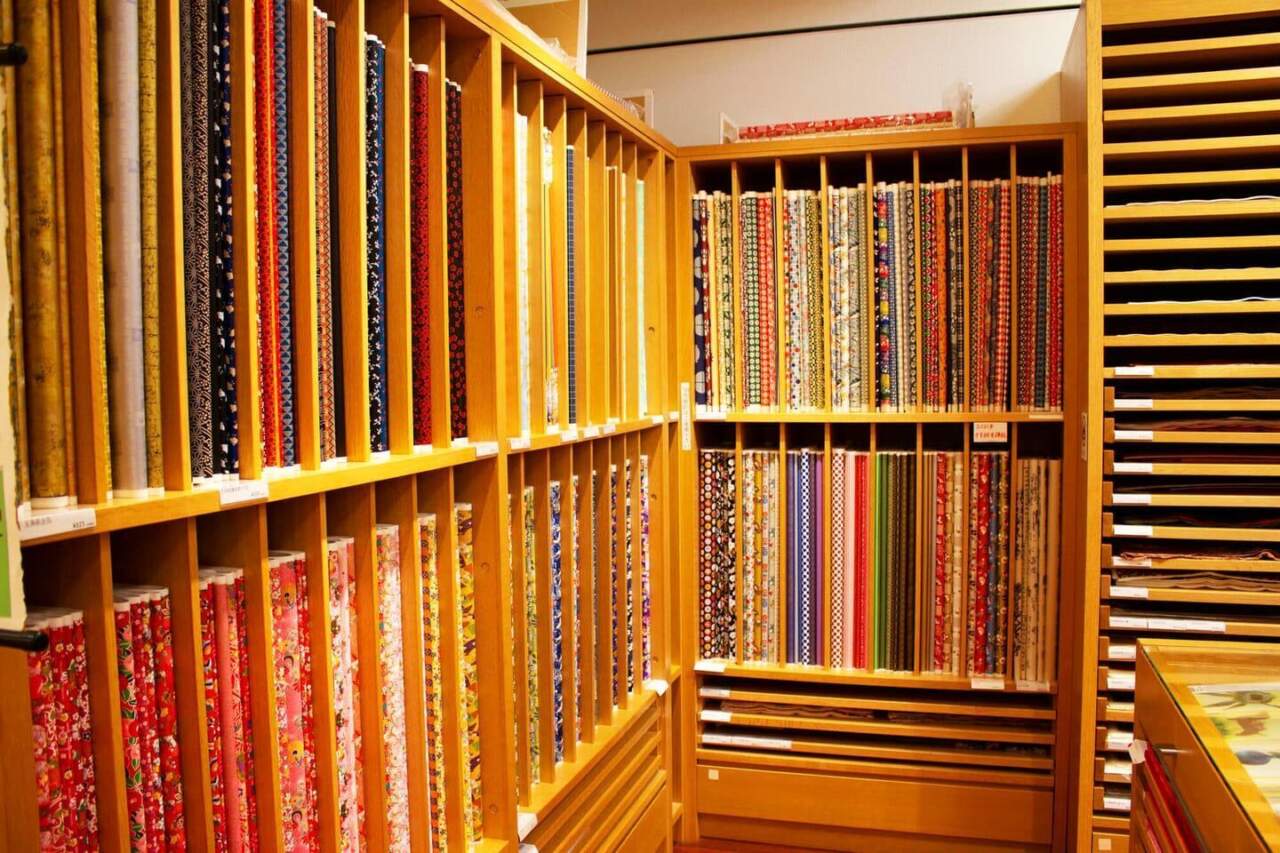
Ozu Washi: A Washi Specialty Shop Passed Down Since the Edo Period
Ozu Washi was founded in 1653 and is one of Japan’s oldest washi paper specialty shops. The shop sells washi hand-made by artisans from all over Japan, from calligraphy and painting paper to lampshades and card materials, and it has the Ozu Archive (Chuo-ku Machikado Exhibition Hall), displaying washi-making processes and historical artifacts.
Opening hours are Monday to Saturday, 10 am to 6 pm, closed Sundays and over the New Year holidays. Allow 30 minutes to visit the archive and pick out washi souvenirs. It is an excellent place to experience traditional Japanese craft culture and also to buy distinctive gifts.
Fukutoku Shrine: A Wish-Making Spot for Wealth Luck in the City
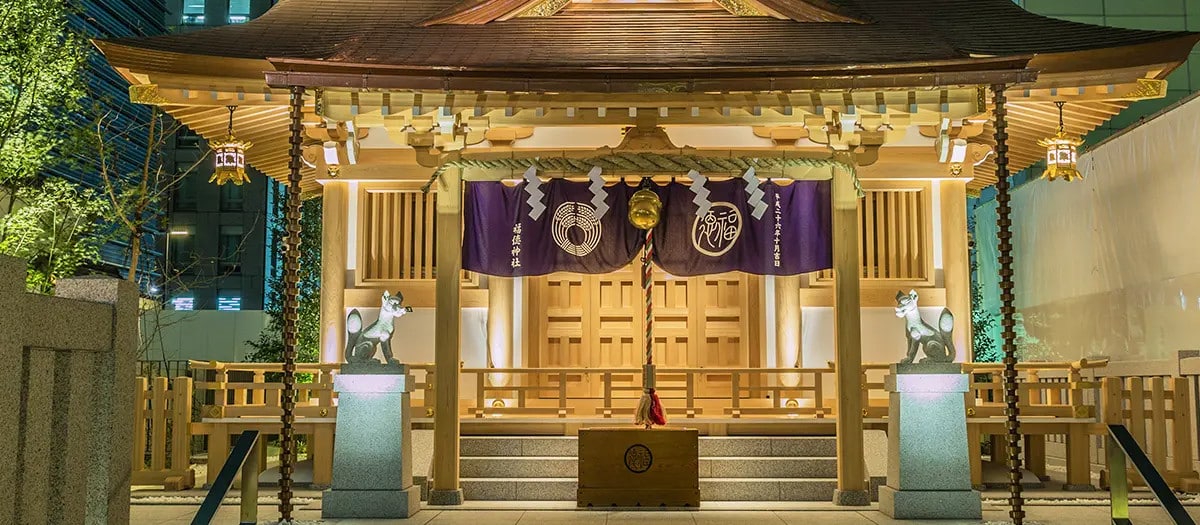
Fukutoku Shrine, also called “Mebuki Inari,” is said to have been visited in person by Tokugawa Ieyasu and is a famous shrine around Nihonbashi for praying for wealth and good fortune. Though small, it is well attended, with a rich variety of omamori charms including money-luck and health charms, and its goshuin stamps are popular with collectors.
Every summer the shrine holds a wind chime festival, with hundreds of glass wind chimes hung throughout the grounds that ring crisply in the breeze, a soothing summer-only scene in Nihonbashi. The shrine is open all year and free to visit, and evening is the best time to go, when the interplay of light and wind chimes is especially moving.
Koami Shrine: A Rare Strong-Luck Shrine in Tokyo
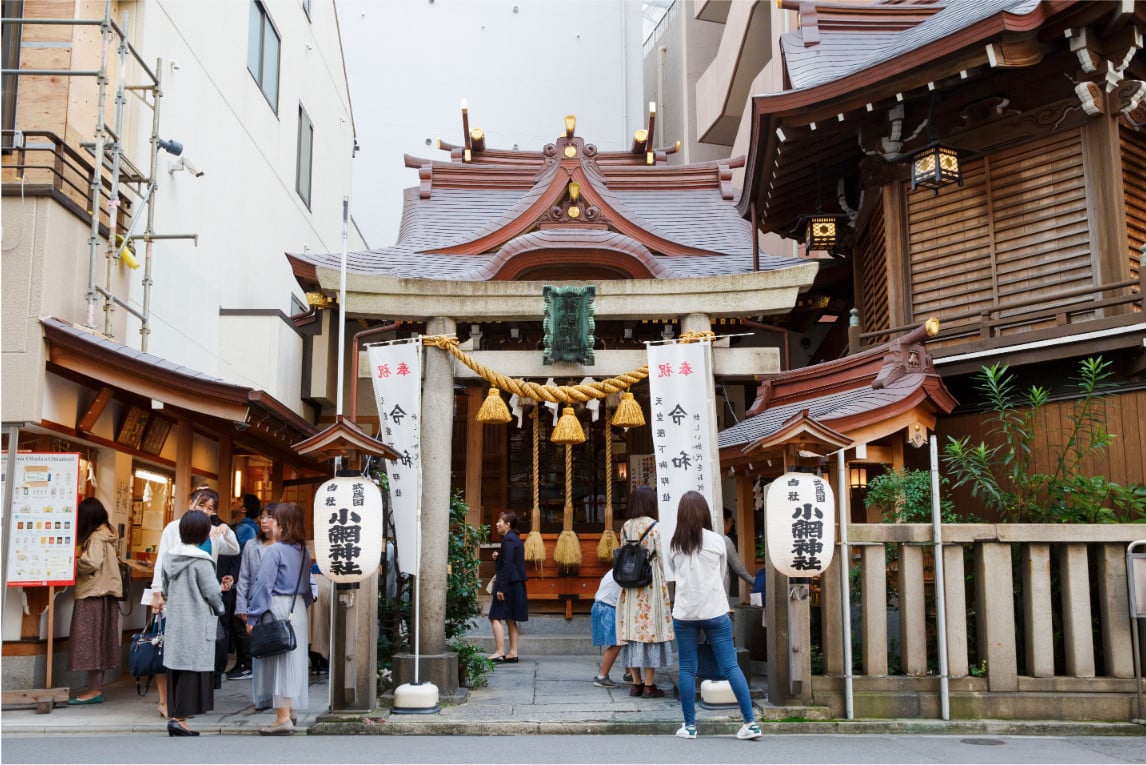
Though Koami Shrine occupies very little land, it is known for “strong luck, protection from misfortune, health and longevity.” The shrine was spared by air raids during the war, so it is regarded as an efficacious place for warding off disaster and protecting life. Its shrine hall has fine carvings and the grounds include a Zeniarai Benten, where legend says money washed in the sacred water brings multiplied wealth luck.
The shrine is open daily for worship, with omamori and goshuin issued in limited numbers and often a queue on holidays. Go on a weekday morning when it is less crowded to better feel the shrine’s spiritual presence and the faith atmosphere that has survived since the Edo period.
How to Get to Nihonbashi: Complete Guide to Transport Options and Costs
Nihonbashi is easy to reach, with many subway lines and JR lines going directly there. Below are the most practical ways to get there.
How to get to Nihonbashi at a glance
🚇 Tokyo Metro Ginza Line “Mitsukoshimae” Station: Exits A6 and A7 connect to Mitsukoshi Main Store, fare ¥170 to ¥320, frequent trains (every 2 to 3 minutes).
🚇 Tokyo Metro Tozai Line “Nihonbashi” Station: Exit B10 is a 1-minute walk to COREDO Muromachi, fare from ¥170, recommended with a Tokyo Subway Ticket.
🚇 Toei Asakusa Line “Nihonbashi” Station: Direct through-service via Keikyu to Haneda Airport (about 35 to 40 minutes, about ¥590), suited to airport trips with some shopping on the way.
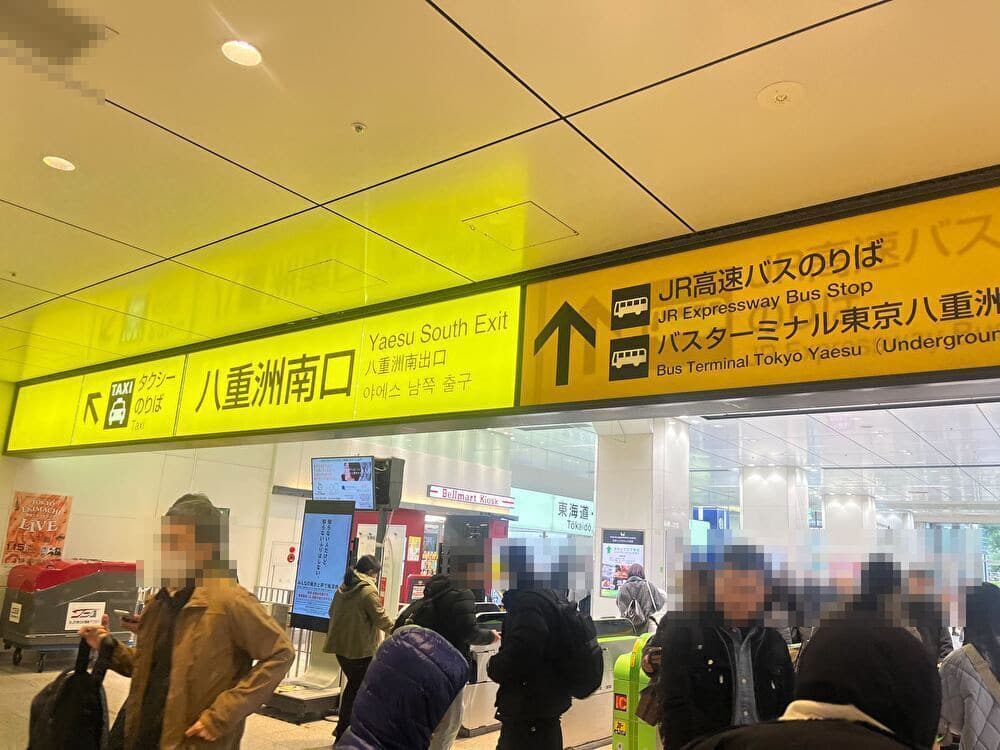
🚶 JR Tokyo Station Yaesu Exit: 8 to 10 minutes’ walk, suited to Shinkansen travelers, with Marunouchi architecture and the Yaesu underground mall along the way.
🚌 Metro Link Nihonbashi free bus: stops at Tokyo Station Yaesu Exit, Mitsukoshimae Station, Nihonbashi Muromachi 1-chome, Nihonbashi Takashimaya and more, operating 11:00 to 19:00 (a bus every 15 to 25 minutes, about 40 minutes for a full loop, suspended January 1).



In-Depth Look at Nihonbashi’s Sights and Must-Visit Highlights
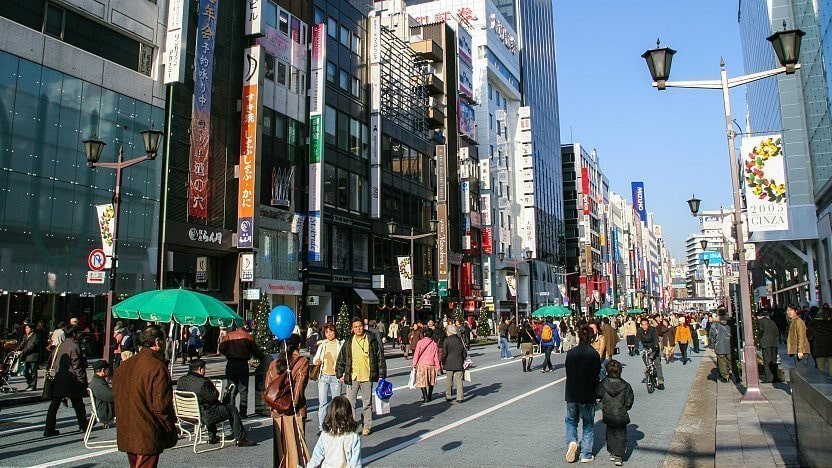
Besides department stores and shrines, Nihonbashi has many distinctive small shops and artisan craft stores worth savoring.
ESLITE Bookstore (Eslite Spectrum Nihonbashi): A Complex Bookstore Blending Taiwanese Culture
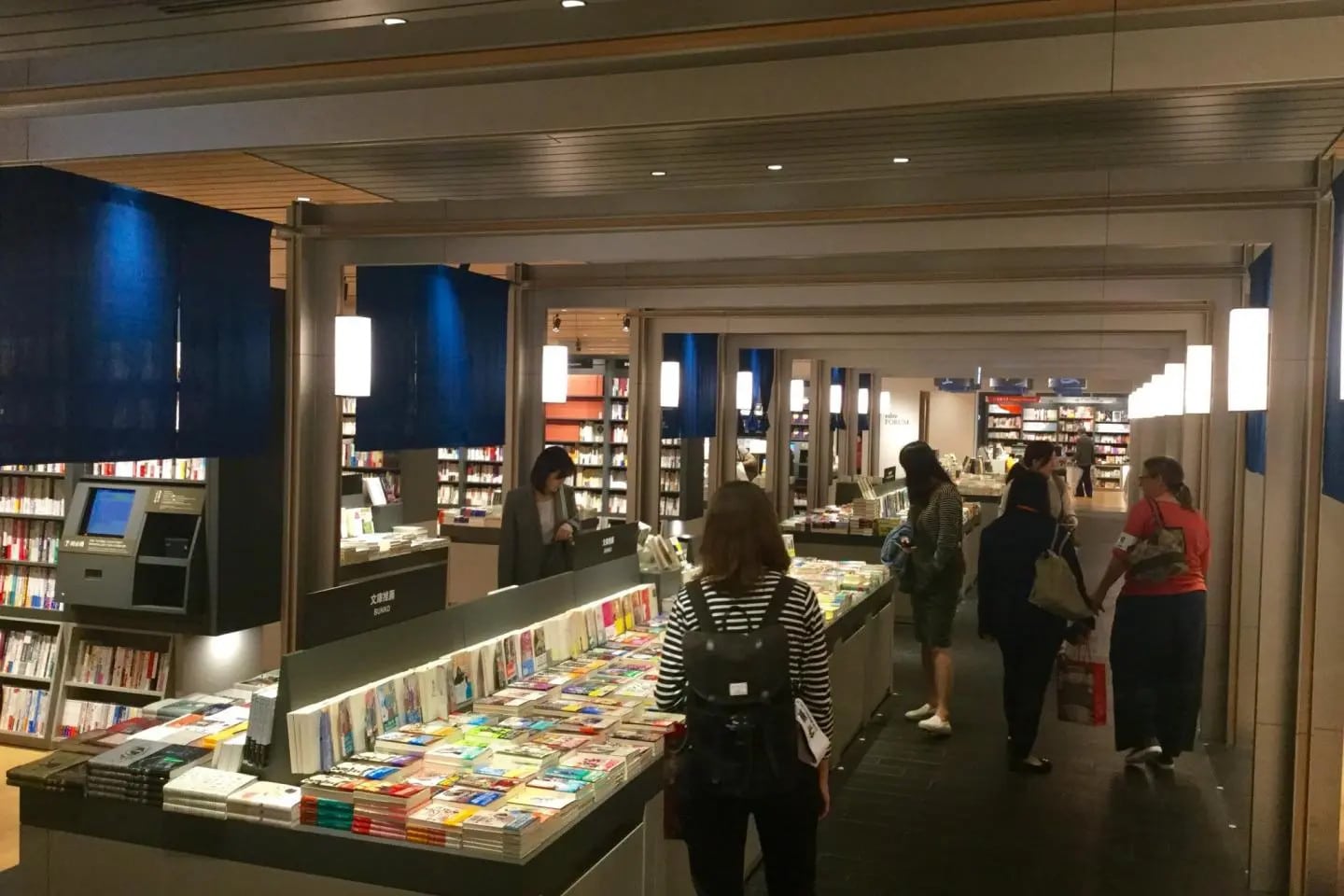
Eslite Spectrum Nihonbashi is Eslite’s first branch in Japan, on the 2nd floor of COREDO Muromachi Terrace (Muromachi Terrace). It combines books, curated goods and Taiwanese-style tea drinks, showing the distinctive appeal of Taiwan-Japan cultural exchange, and it is a nostalgic corner many visitors from Taiwan seek out in Nihonbashi.
Opening hours are 11:00 to 20:00 on weekdays and 10:00 to 20:00 on weekends and holidays. Allow 30 to 45 minutes to browse books and creative goods. Some areas display works by Taiwanese designers, suited to finding gifts that have both quality and conversation value.
Kiya: A Long-Established Knife and Kitchenware Shop Passed Down Since the Edo Period
Kiya was founded in 1792 and is a well-known knife and household tool specialty shop in COREDO Muromachi, selling hand-forged kitchen knives, scissors and small kitchen items made by artisans. Its quality is trusted by professional chefs and home cooks, and it also offers knife sharpening.
Opening hours are about 11 am to 8 pm. Allow 20 to 30 minutes to choose products. If you buy a knife as a gift, staff can help wrap it and explain care, an excellent place to experience the spirit of Japanese artisan craft.
Nihonbashi Dashiba: A Specialty Dashi Stock Shop
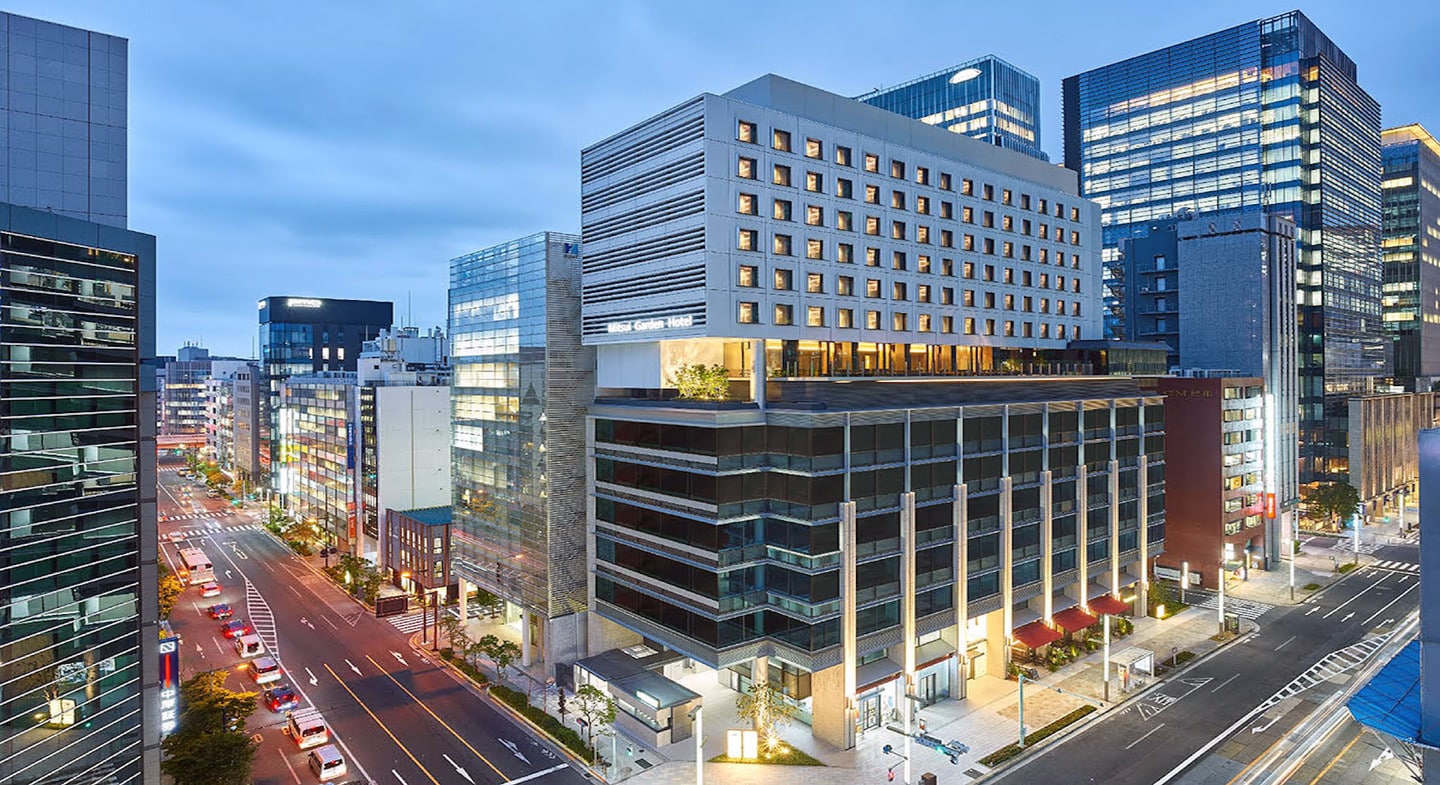
Nihonbashi Dashiba is in COREDO Muromachi 1 and is run by the long-established katsuobushi shop Ninben. It specializes in bonito flakes, kombu and various dashi packs, and offers on-site dashi tasting so travelers can experience firsthand the flavor foundation of authentic Japanese cooking.
Opening hours are about 11 am to 8 pm. Allow 15 to 20 minutes to taste and choose souvenirs. Dashi packs are light and easy to carry, and also suit travelers who love Japanese cooking and want to brew them at home.
Imoya Kinjiro: An Artisan Sweet Potato Dessert Shop
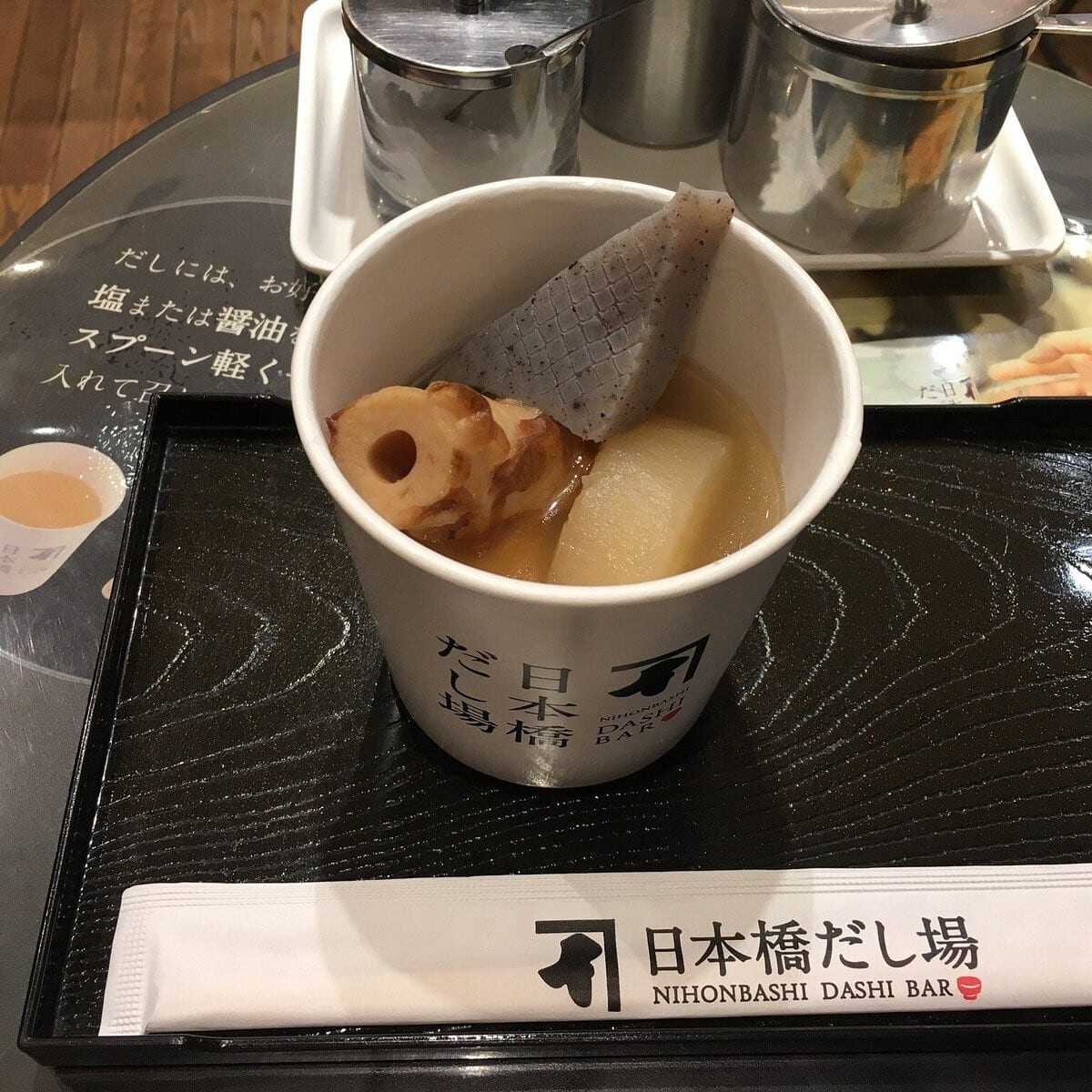
Imoya Kinjiro is known for desserts made from carefully selected Japanese-grown sweet potatoes. Signature items include the sweet potato Mont Blanc and freshly baked sweet potato sticks, and there is often a long queue, making it a consistently popular dessert shop in COREDO Muromachi.
Opening hours are about 10 am to 8 pm. Avoid weekend lunchtime to shorten the queue. Freshly baked items taste best eaten on the spot, and they also make a small snack to recharge while shopping.
Kayanoya: A Japanese Seasoning Shop Known for Dashi Packs
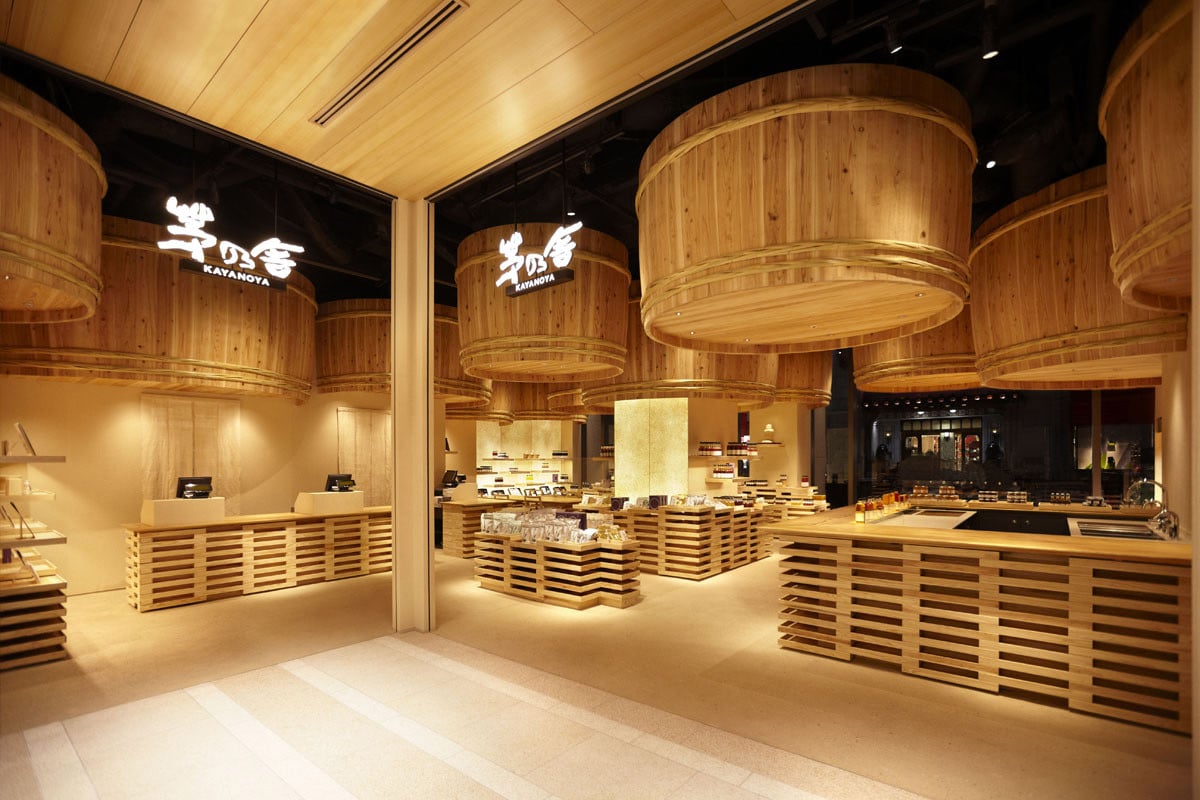
Kayanoya is on the 1st floor of COREDO Muromachi 3, a Japanese food specialty shop known for dashi packs and soy sauce and other seasonings. The shop was designed by architect Kengo Kuma, with large soy sauce barrels hanging in a wooden space, and its packaging is refined, making it a top choice for gifts.
Opening hours are about 11 am to 8 pm. Allow 20 to 30 minutes to choose at leisure. Dashi packs are light and easy to carry and make good souvenirs.
Iori Towel: An Imabari Towel Specialty Shop
Iori Towel specializes in premium towels from the famous Japanese production area of Imabari, emphasizing absorbency and soft touch. Products range from baby items to adult bath towels, and it is a household goods shop loved by Japanese housewives and travelers in COREDO Muromachi.
Opening hours are about 11 am to 8 pm. Allow 15 to 20 minutes to choose products. For gifts, choose the gift-boxed styles, which combine quality and practicality and are a very popular souvenir option.
Nakagawa Masashichi Shoten: Crafts From Across Japan From a Nara Old-Timer
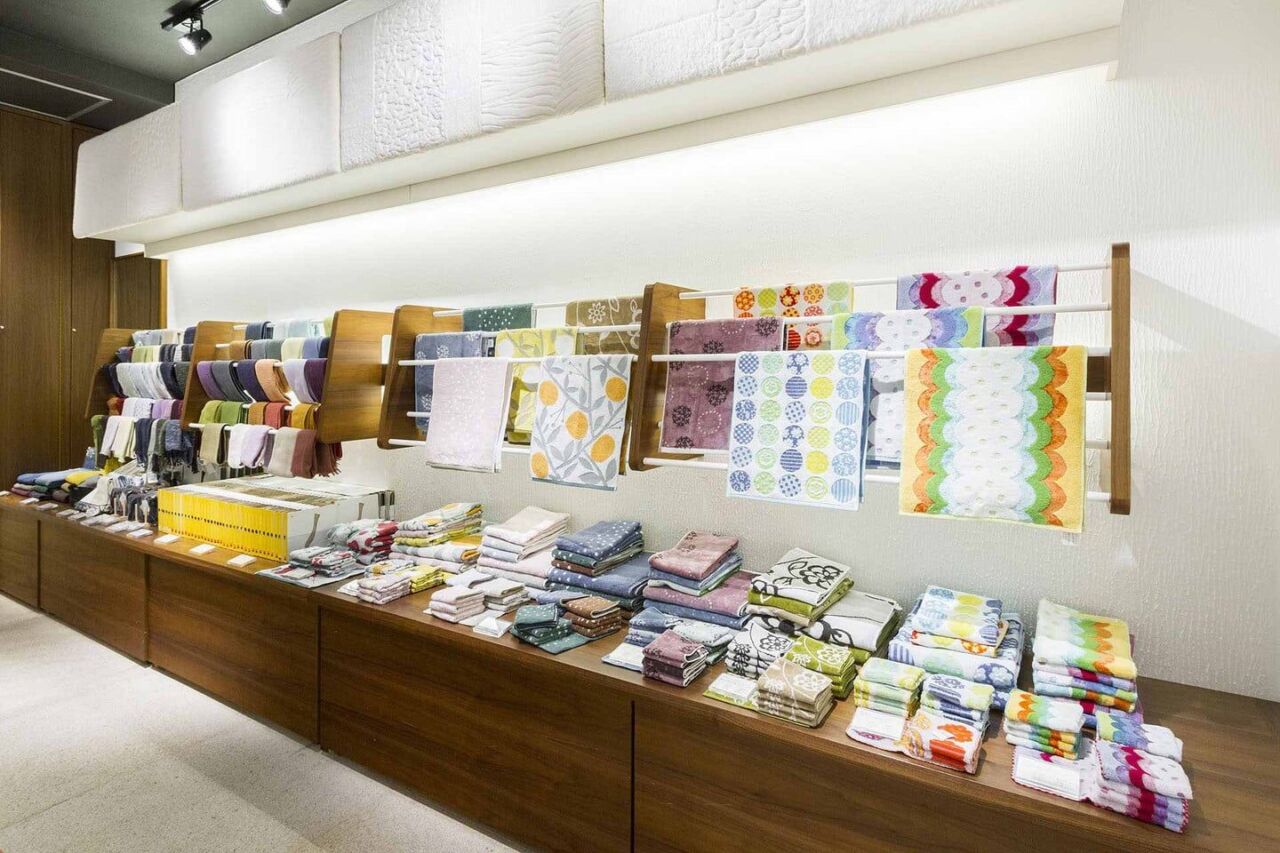
Nakagawa Masashichi Shoten was founded in 1716 and is a long-established Nara shop with a branch on the 2nd floor of COREDO Muromachi 3, selling lifestyle goods, textiles and craft items made by artisans around Japan. It is a good place to choose Japan-made gift items.
Opening hours are about 11 am to 8 pm. Allow 20 to 30 minutes to browse at leisure, and take home any style you like right away.
Yubendo: A Century-Old Calligraphy and Painting Supplies Shop Across From Mitsukoshi Main Store
Yubendo was founded in 1912 and stood directly across from Nihonbashi Mitsukoshi Main Store. It is an old-timer specializing in calligraphy and painting supplies such as washi, brushes, ink and inkstones, and its original stationery and letter paper designs are elegant and loved by calligraphy and stationery fans.
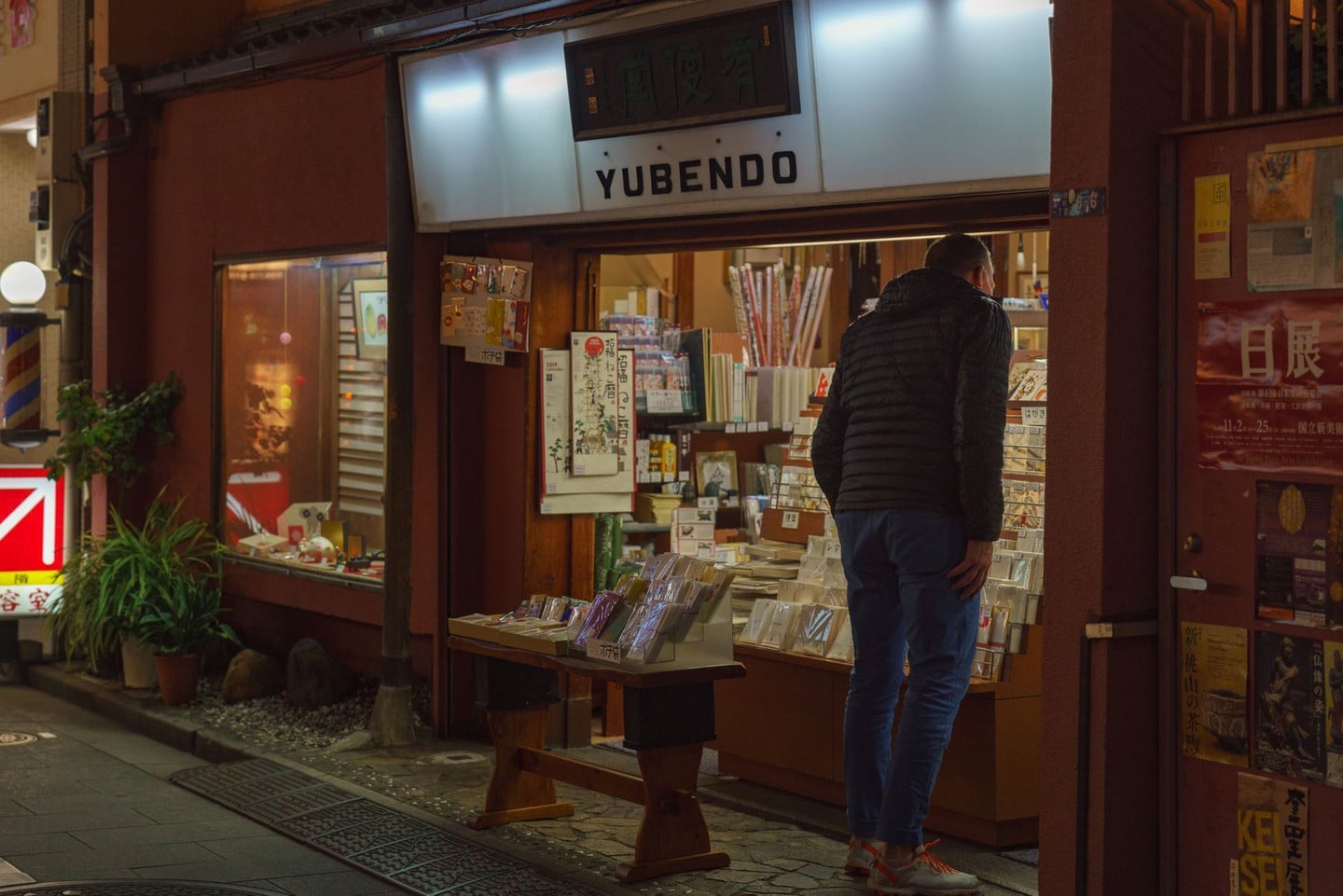
Due to the Nihonbashi 1-chome redevelopment, Yubendo ended business at its original storefront at the end of July 2024. It currently has no physical shop and takes orders only by phone and its official website. A new shop is expected to reopen around the original site after the redevelopment is complete (about 2031), so for now you cannot visit or shop in person, and if you want to collect its products, order through the official website.
How Much Does a Nihonbashi Trip Cost? Admission and Experience Fees
Besides strolling on your own, you can choose paid guided tours or experience tours to learn more about Nihonbashi’s artisan culture.
Nihonbashi Edo Culture Artisan Experience Tour: Learn Washi Crafting From the Artisans
This tour has travelers visit old shops such as Ozu Washi in person, where artisans guide simple washi-making on site, letting you experience the delicacy of traditional processes. It suits travelers with a deep interest in Japanese craft culture.
The tour takes about 2 hours, including materials and a souvenir to take home. It is best to reserve in advance on KKday or Klook to make sure a Chinese- or English-speaking guide accompanies you, making the experience smoother and easier to follow.
Mitsui Memorial Museum Special Exhibition Tickets: Reserve Ahead to Avoid Queues
Special exhibition tickets for the Mitsui Memorial Museum can be bought in advance on the official website or at local convenience stores. During popular special exhibitions (such as when national treasures are displayed), queues on site can exceed 30 minutes.
General admission is about ¥1,500, ¥1,000 for high school and university students and ¥1,200 for ages 70 and over (varying by special exhibition). Visit on a weekday morning when the galleries are more spacious, letting you appreciate the details of the exhibits at ease.
Tokyo Subway Ticket: The Transport Essential for Linking Sights Around Nihonbashi
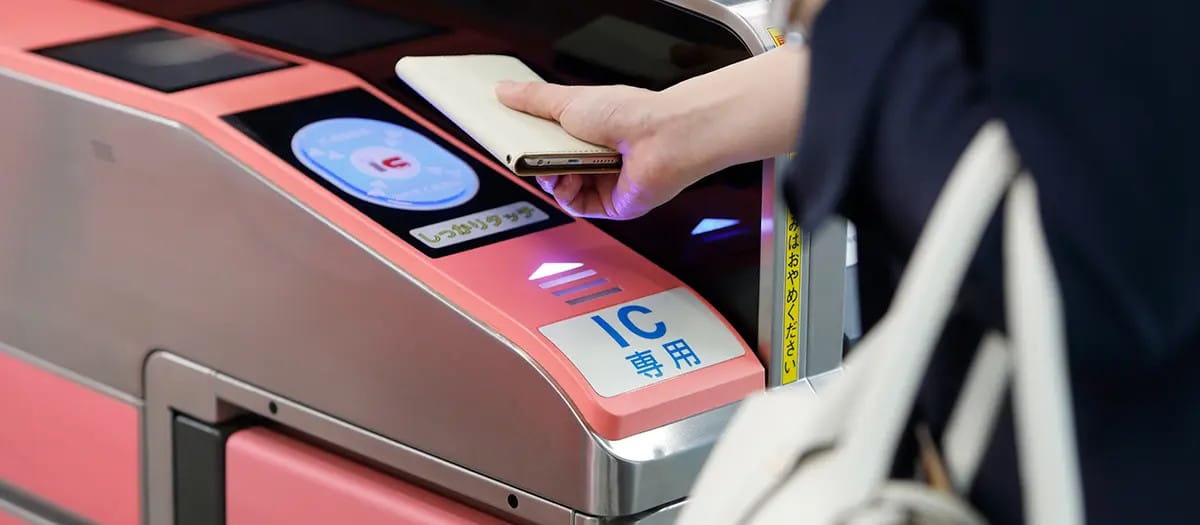
The Tokyo Subway Ticket covers the entire Tokyo Metro and Toei Subway networks and suits a one-day plan combining Nihonbashi with Asakusa, Ginza or Akihabara, saving you the hassle of buying single tickets and also saving transport costs.
24-hour ticket ¥1,000, 48-hour ticket ¥1,500, 72-hour ticket ¥2,000 (new prices from March 14, 2026). They can be bought at airports and major subway station windows, and it is recommended to book an e-voucher in advance on KKday and redeem it on arrival, which saves time.
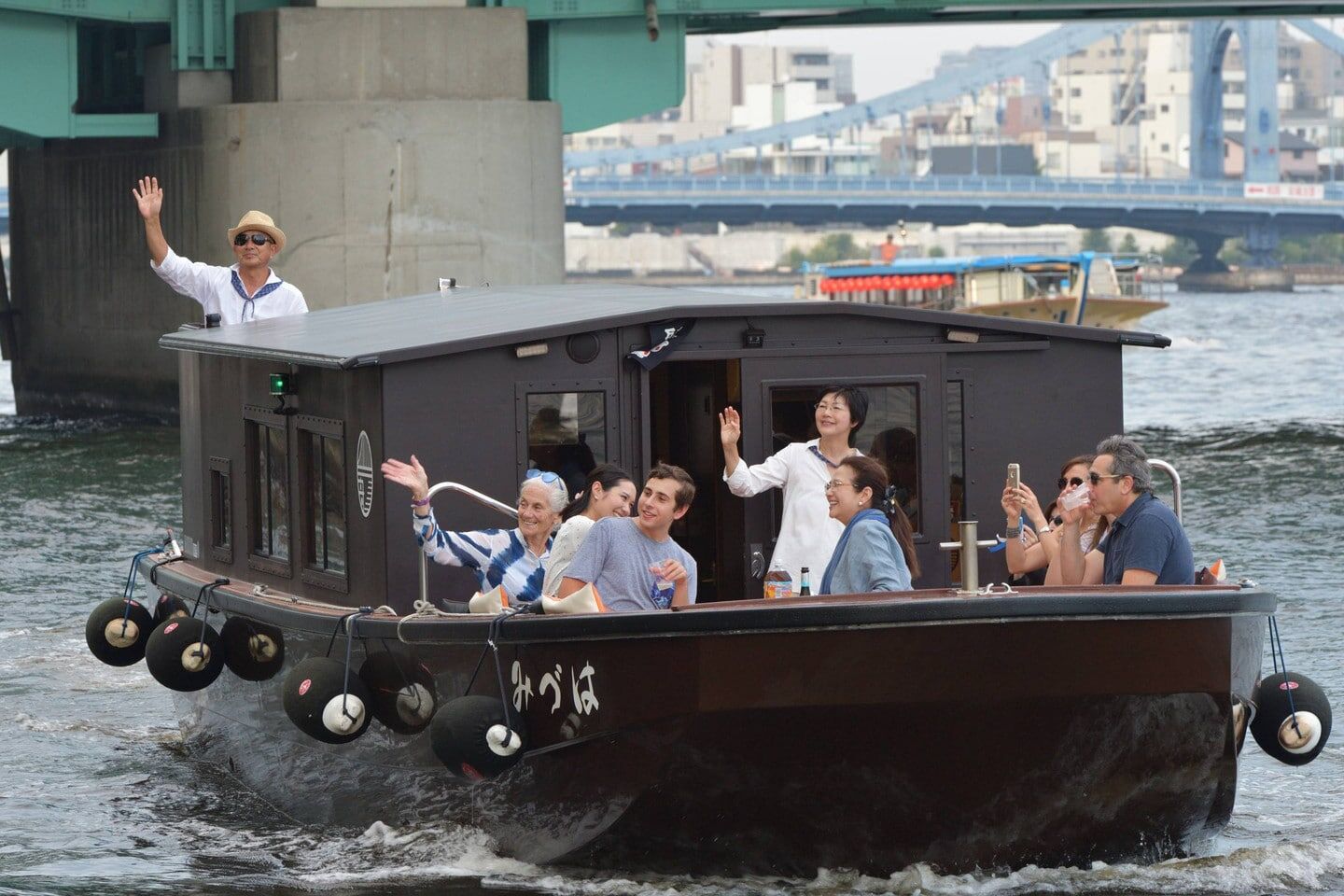
Kanda River Yakatabune Boat Experience: Enjoy Nihonbashi’s Night View From the Water
Taking a yakatabune boat around the Kanda River and the waterways near Nihonbashi lets you see the night-lit reflections of COREDO Muromachi and the Mitsui buildings from the water, a special way to experience a different face of Nihonbashi. Most boats offer light food and drink service.
The trip takes about 90 minutes, and the price varies by boat company and whether meals are included, from about ¥3,000. Reserve about a week ahead on KKday or Klook; evening departures are especially popular, so confirm your spot early.
Where to Stay Nearby
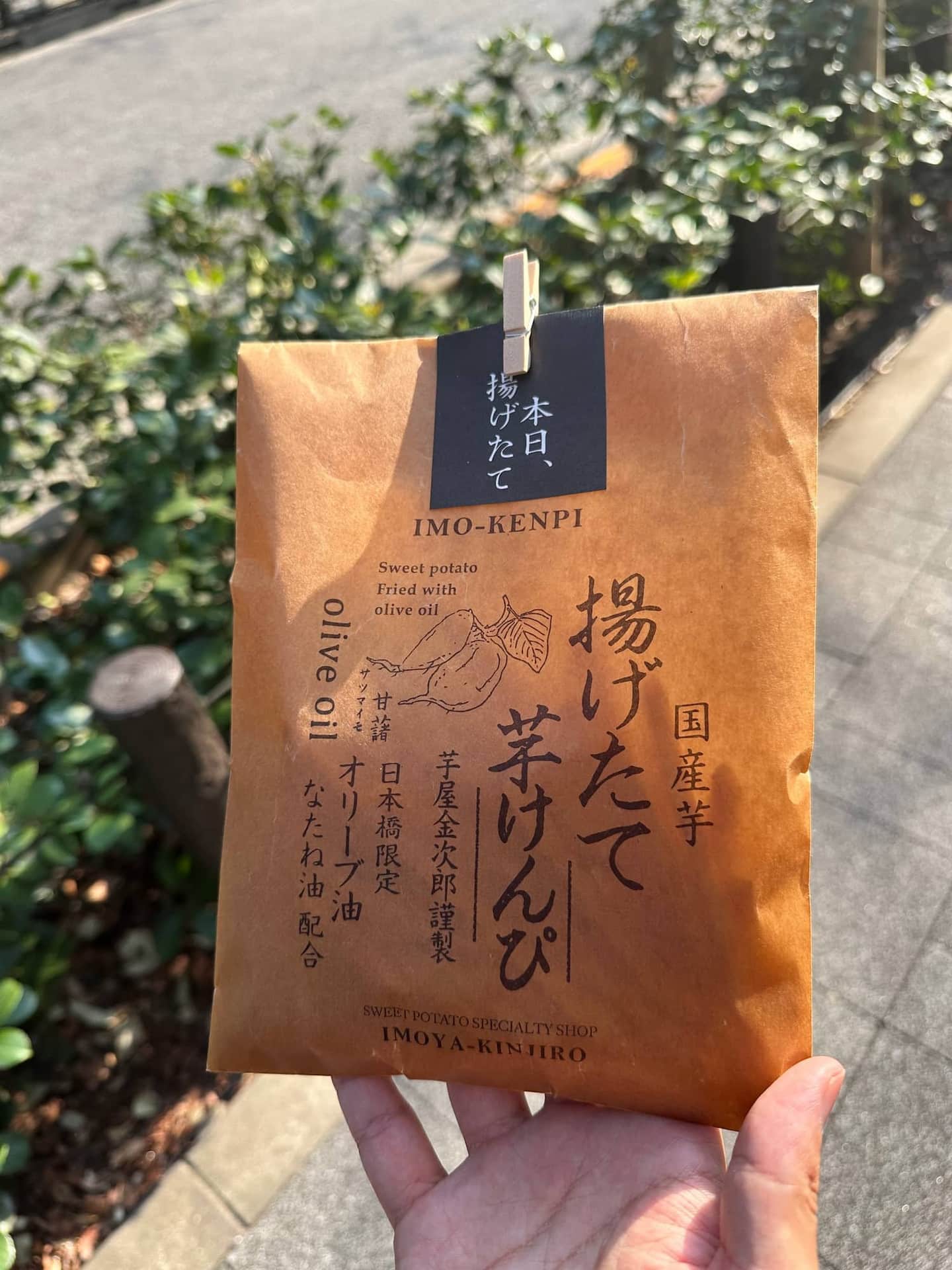
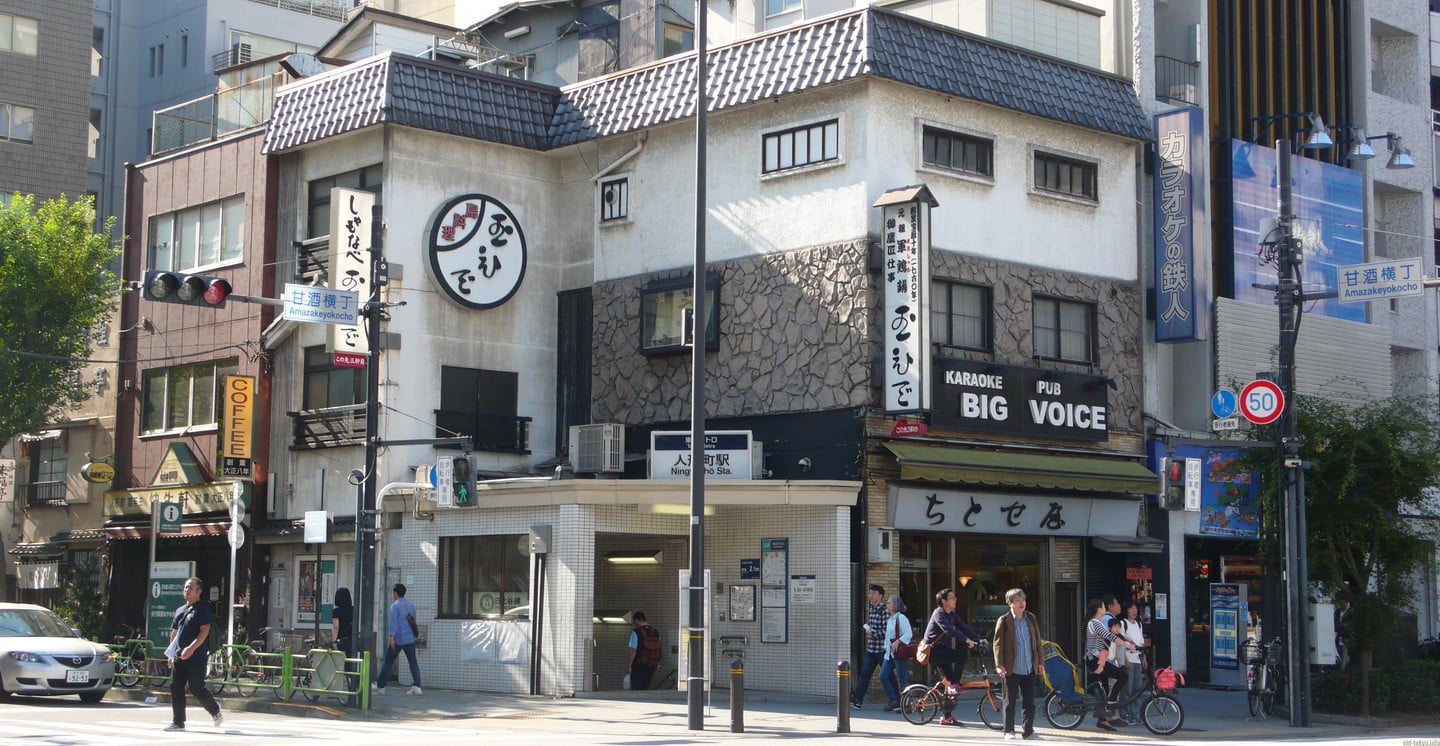
Nihonbashi is within about an 8 to 10 minute walk of Tokyo Station’s Yaesu Exit. Staying in Nihonbashi, Mitsukoshimae or around Tokyo Station means you can head straight back to rest after department stores and COREDO Muromachi, and departing by subway or JR is also easy. Below you can search hotels around Nihonbashi by date; for detailed comparisons, see this site’s Nihonbashi lodging guide.

FAQ
Q: How long should I spend shopping at COREDO Muromachi in Nihonbashi?
Allow at least half a day (3 to 4 hours). If you add Mitsukoshi Main Store and Takashimaya, a full-day plan is more comfortable.
Q: What is the most convenient way to shop in Nihonbashi?
Take the Tokyo Metro Ginza Line or Tozai Line to Mitsukoshimae Station or Nihonbashi Station. From the station it is within a 3-minute walk to the main shopping areas.
Q: What are the typical opening hours of Nihonbashi’s major department stores?
Most department stores are open from about 10 am to 7 pm (Mitsukoshi to 7:30 pm on some floors, Takashimaya about 10:30 to 19:30), while COREDO Muromachi shops are mostly open until 8 pm.
Q: What season is best for shopping in Nihonbashi?
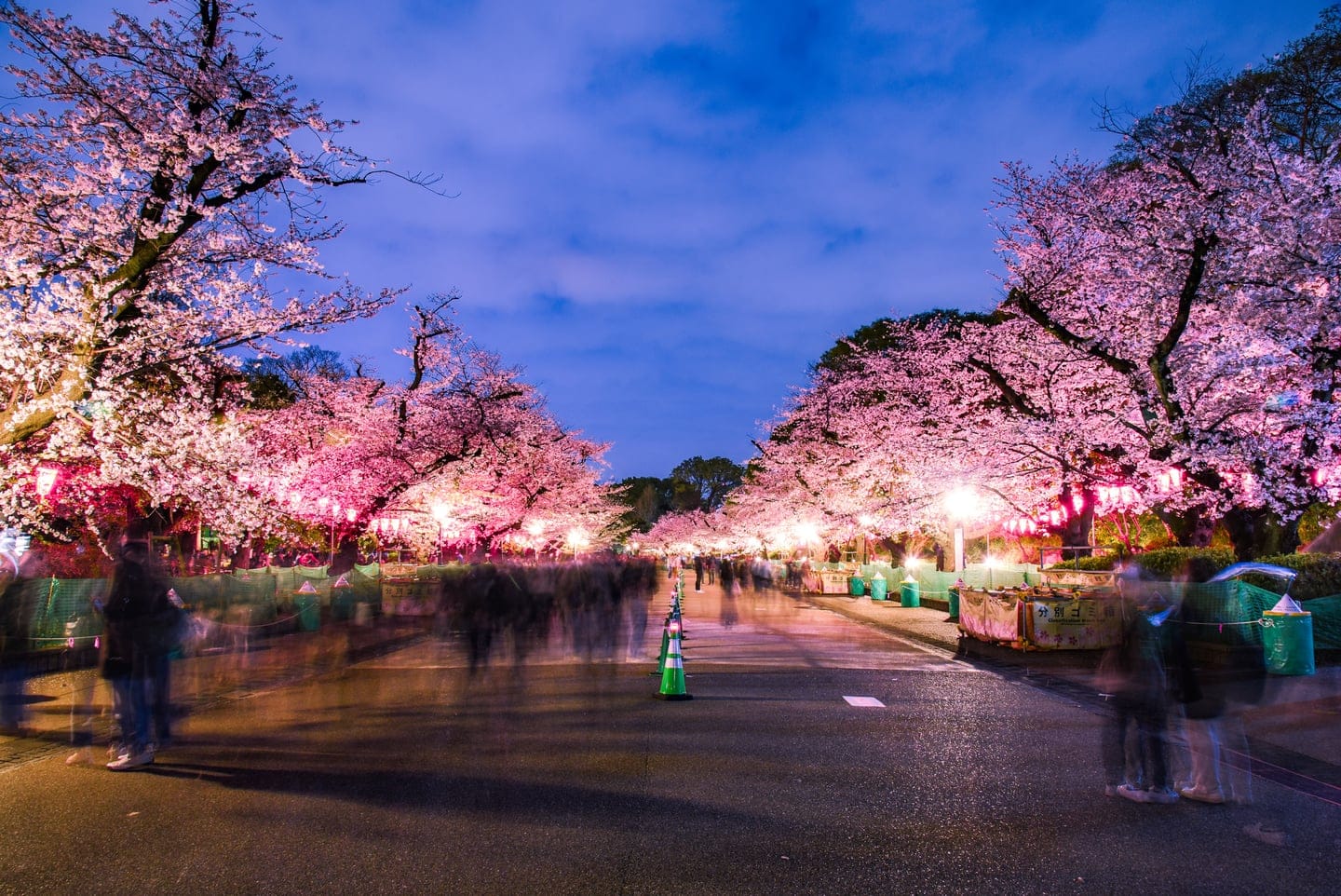
In spring, March to April, you can see night cherry blossoms, and in summer, July to August, Fukutoku Shrine holds a wind chime festival. Autumn and winter are less crowded, and since the department stores and COREDO Muromachi are indoors, they suit relaxed shopping.
Q: What traditional crafts are must-buys in Nihonbashi?
Recommended are Ozu Washi’s washi products, Kiya’s artisan knives, Maruzen’s limited-edition fountain pens and ink, and Nakagawa Masashichi Shoten’s crafts and goods from around Japan.
Q: What food souvenirs are must-buys in Nihonbashi?
Eitaro Sohonpo’s (founded 1857) Eitaro candy, Yamamoto Nori-ten’s nori gift boxes, and Ninben’s katsuobushi and dashi packs at COREDO Muromachi 1 are all good choices; the basement food halls at Mitsukoshi and Takashimaya also have wagashi.
Q: After Nihonbashi, where else nearby can I shop?
Nihonbashi is about an 8 to 10 minute walk from Tokyo Station’s Yaesu Exit, so you can stop by the Yaesu underground mall on the way. For luxury department stores, take the Ginza Line 3 stops from Mitsukoshimae Station to Ginza.
Q: Can I still eat at Taimeiken?
The original Nihonbashi 1-chome main store closed in 2020 because of redevelopment, and the temporary shop in Nihonbashi Muromachi has been open since 2021. Please confirm the latest location and hours before you go.
Q: Are there any etiquette points or things to watch out for when shopping in Nihonbashi?
Keep quiet when visiting Fukutoku Shrine and Koami Shrine. Some old shops prohibit photos inside, so ask staff before shopping.