
Introduction
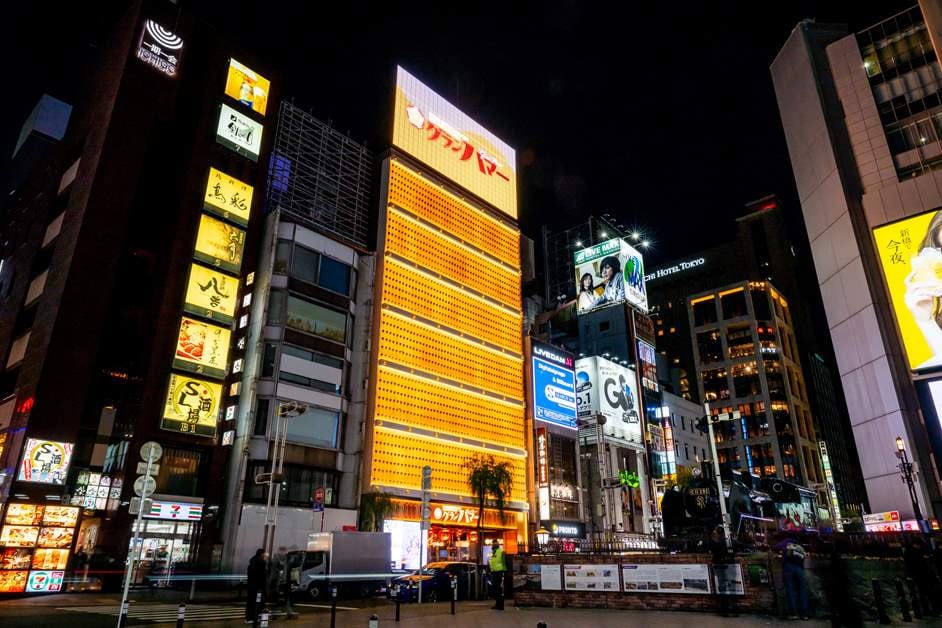
Shimbashi in Tokyo’s Minato Ward is a bustling district, both the birthplace of Japan’s railways and a snapshot of modern Tokyo’s pulse. It blends the weight of history with modern energy, from a busy transport hub and the after-work nightlife of office workers to attractions with deep cultural roots, offering all visitors a varied experience. Whether you want food, history, shopping or convenient lodging, Shimbashi can deliver.
Shimbashi draws visitors from around the world with its distinctive charm. It has the steam locomotive that symbolizes the development of Japan’s railways, the retro Showa-era charm of the New Shimbashi Building, and the modern skyscrapers of Shiodome. This guide goes in depth on Shimbashi’s convenient transport, must-try food, rich cultural sights and lodging at every budget, so you can fully experience what Shimbashi has to offer.
Shimbashi’s History and Modern Appeal
As the starting point of Japan’s first railway, Shimbashi carries a wealth of historical memory. It was once the key transport hub linking Tokyo and Yokohama, witnessing Japan’s modernization. Today Shimbashi remains an important business district and transport artery in Tokyo, while also preserving many traditional elements.
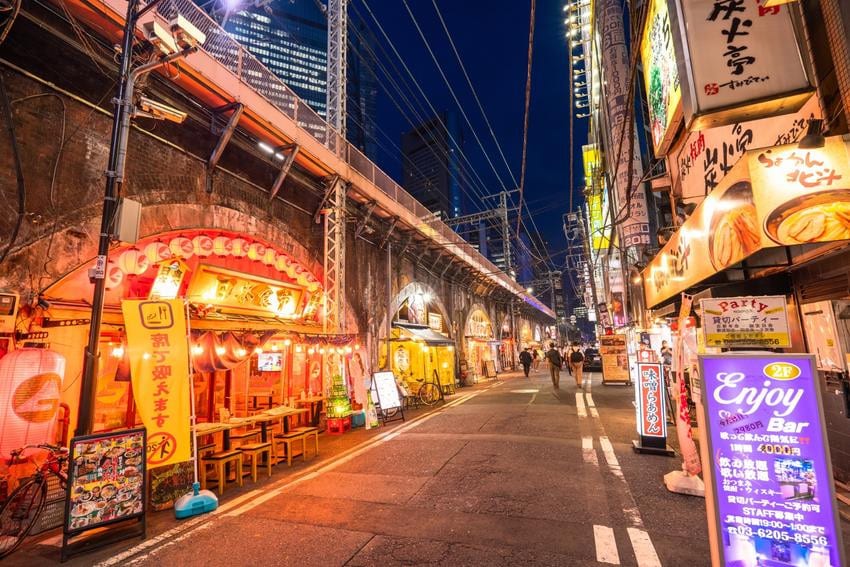
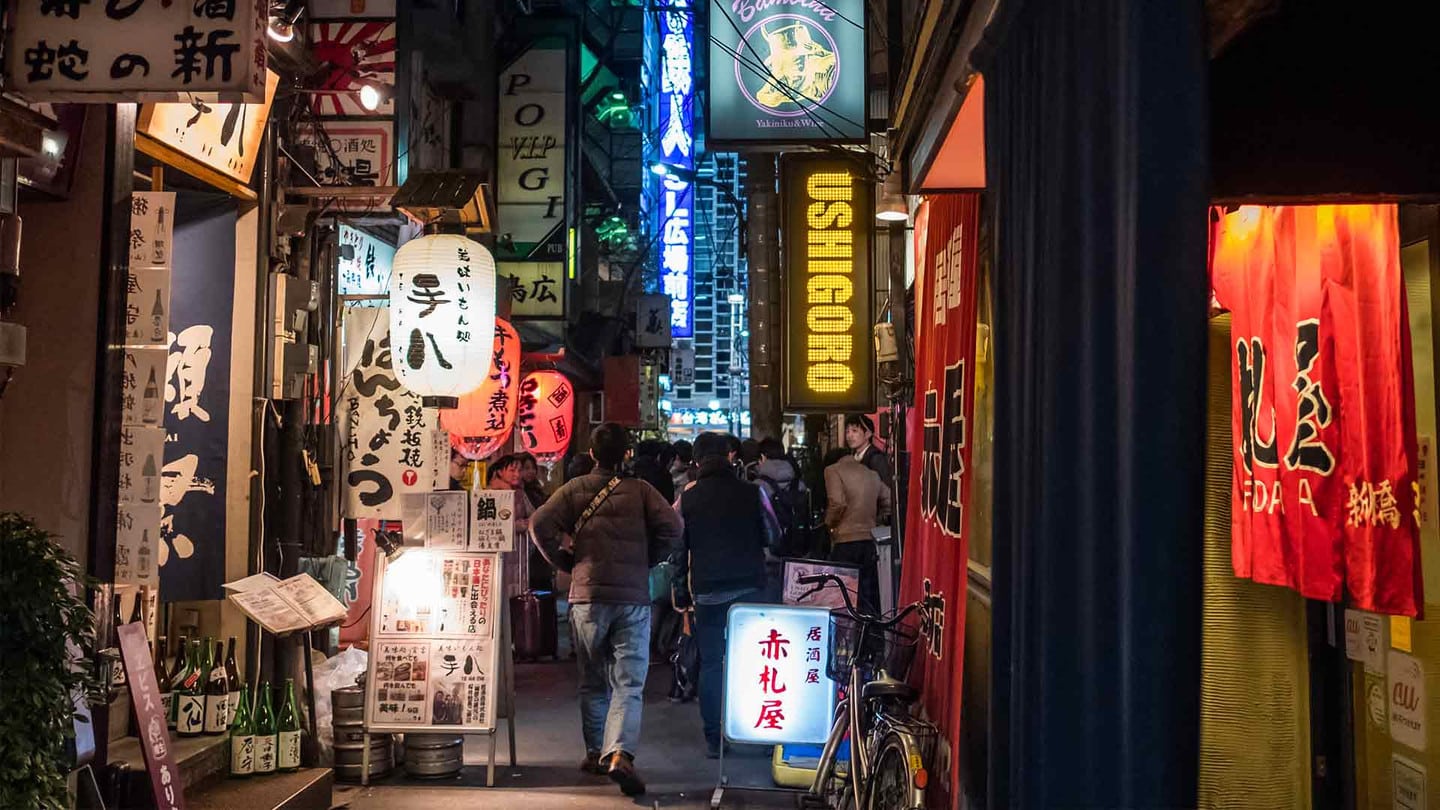
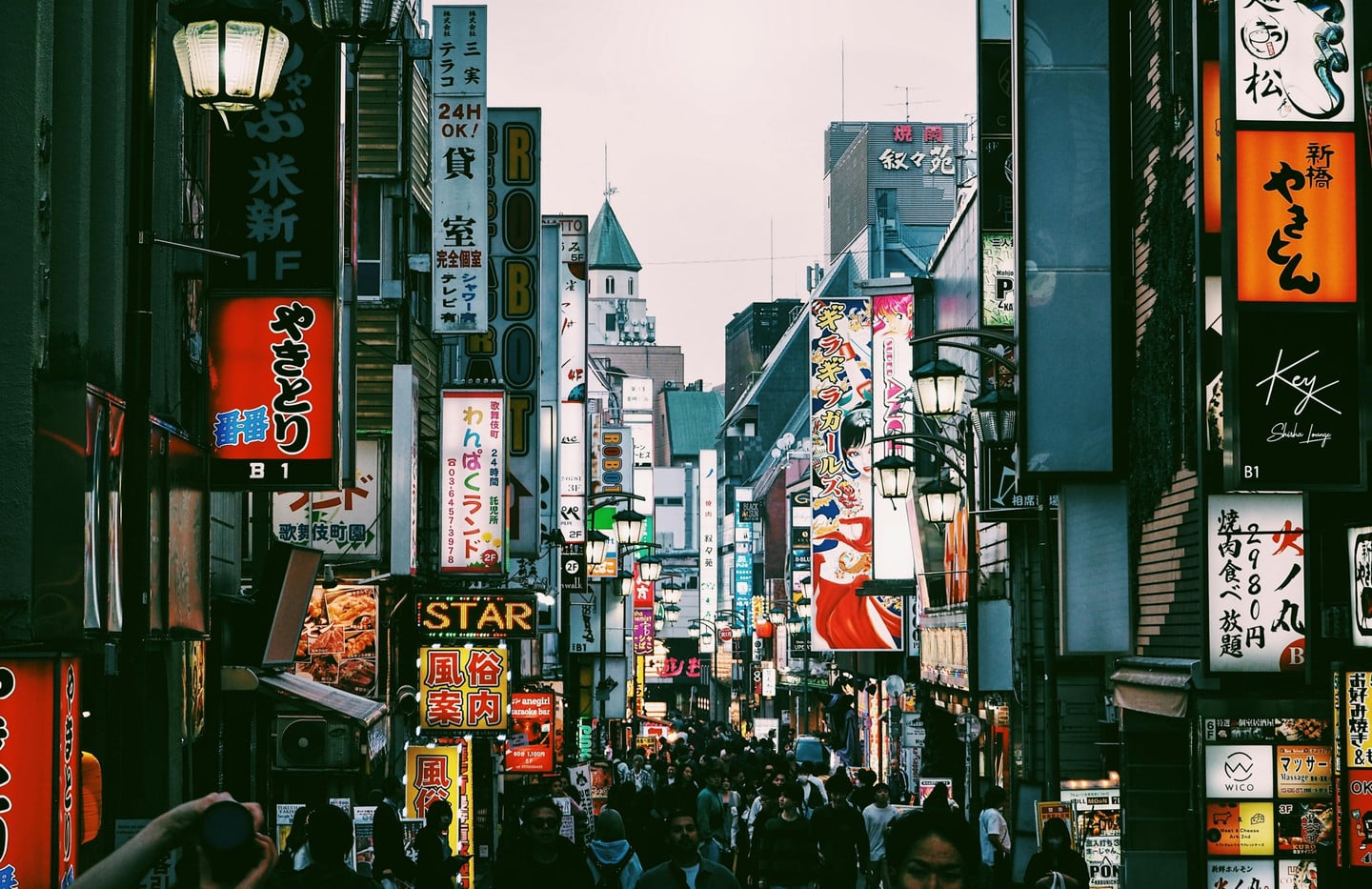
From the nostalgic SL Square to the lively izakaya alleys, Shimbashi shows many faces. By day it is a busy business center; by night it transforms into a lively nightlife district. This blend of history and modernity makes Shimbashi an area full of the joy of exploration.
Location and Area Layout
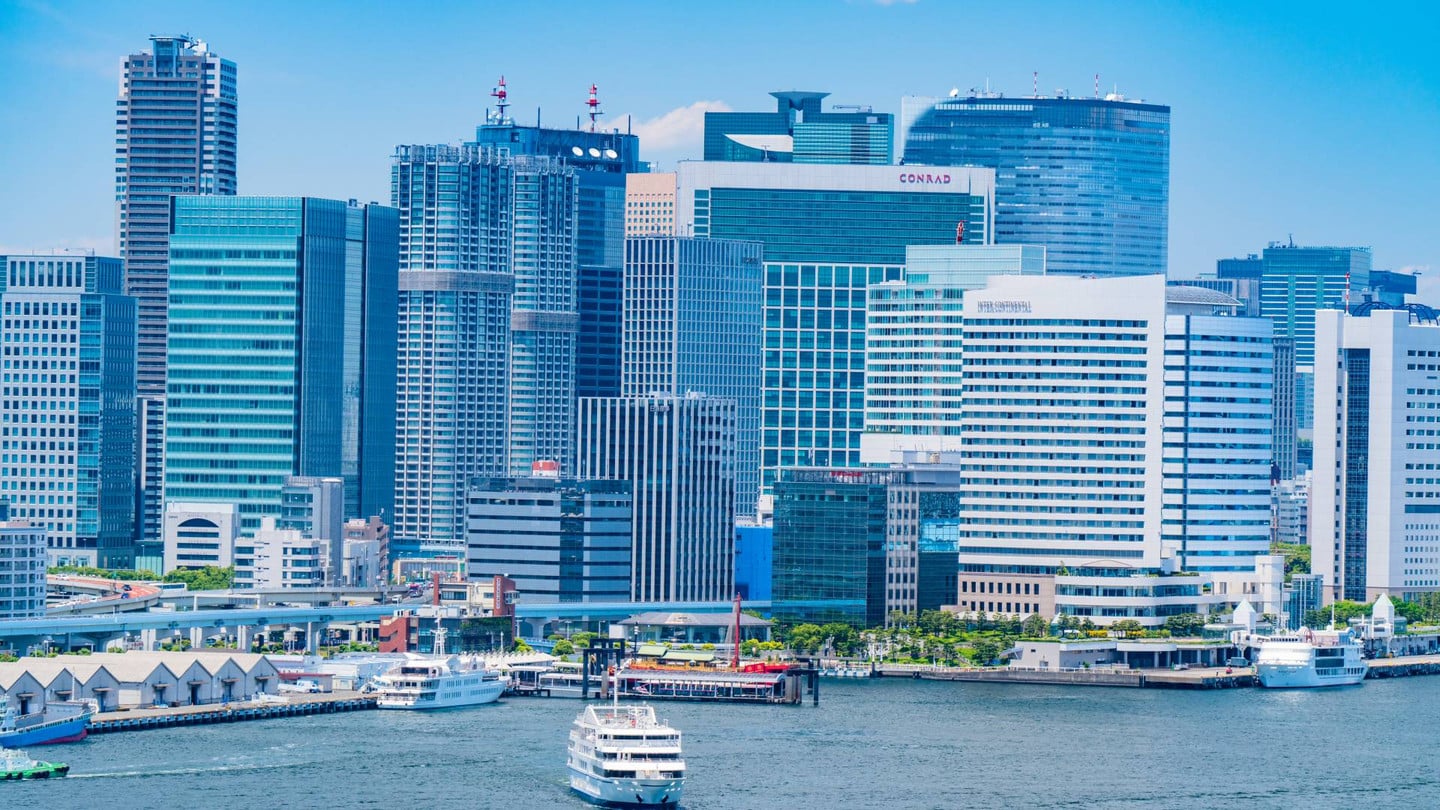
Shimbashi is in Minato Ward, Tokyo, right next to key areas such as Ginza, Shiodome and Toranomon. Broadly, the Shimbashi area covers the surroundings of Shimbashi Station, Shiodome and parts of Toranomon.
Shiodome is known for its skyscrapers, shopping centers and cultural facilities, while Toranomon is a new business and cultural center. Shimbashi sits between the two, making it easy to reach popular sights nearby.
Getting There
Shimbashi Station is one of the few hub stations in Tokyo where multiple lines meet, including the JR Yamanote and Keihin-Tohoku lines, the Tokyo Metro Ginza Line and the Toei Asakusa Line. It is one stop from Tokyo Station via Yurakucho, and Shibuya is a direct ride on the Tokyo Metro Ginza Line. From Narita Airport, take the Keisei Electric Railway (the Access Express on the Narita Sky Access Line), which runs through to the Toei Asakusa Line to Shimbashi; from Haneda Airport, take the Keikyu Line, which runs through to the Toei Asakusa Line to Shimbashi Station.
Highlights and Experiences
The Shimbashi area is more than a transport hub; it holds rich cultural sights and unique experiences. From the steam locomotive that symbolizes Japan’s railway history to old Showa-style buildings, modern art spaces and traditional shrines, Shimbashi’s variety is enough to make every visitor linger. This section takes you deep into the must-see sights in and around Shimbashi to feel the area’s unique charm.
Whether you are a history lover, a cultural explorer or a traveler seeking modern art and a natural break, Shimbashi offers pleasant surprises. We introduce Shimbashi SL Square, Karasumori Shrine, Shimbashi Enbujo, Hama-rikyu Gardens, Ad Museum Tokyo, the Shiodome Ghibli Giant Clock and Atago Shrine, each adding color to your Shimbashi trip.
Shimbashi Station West Exit Plaza (SL Square)
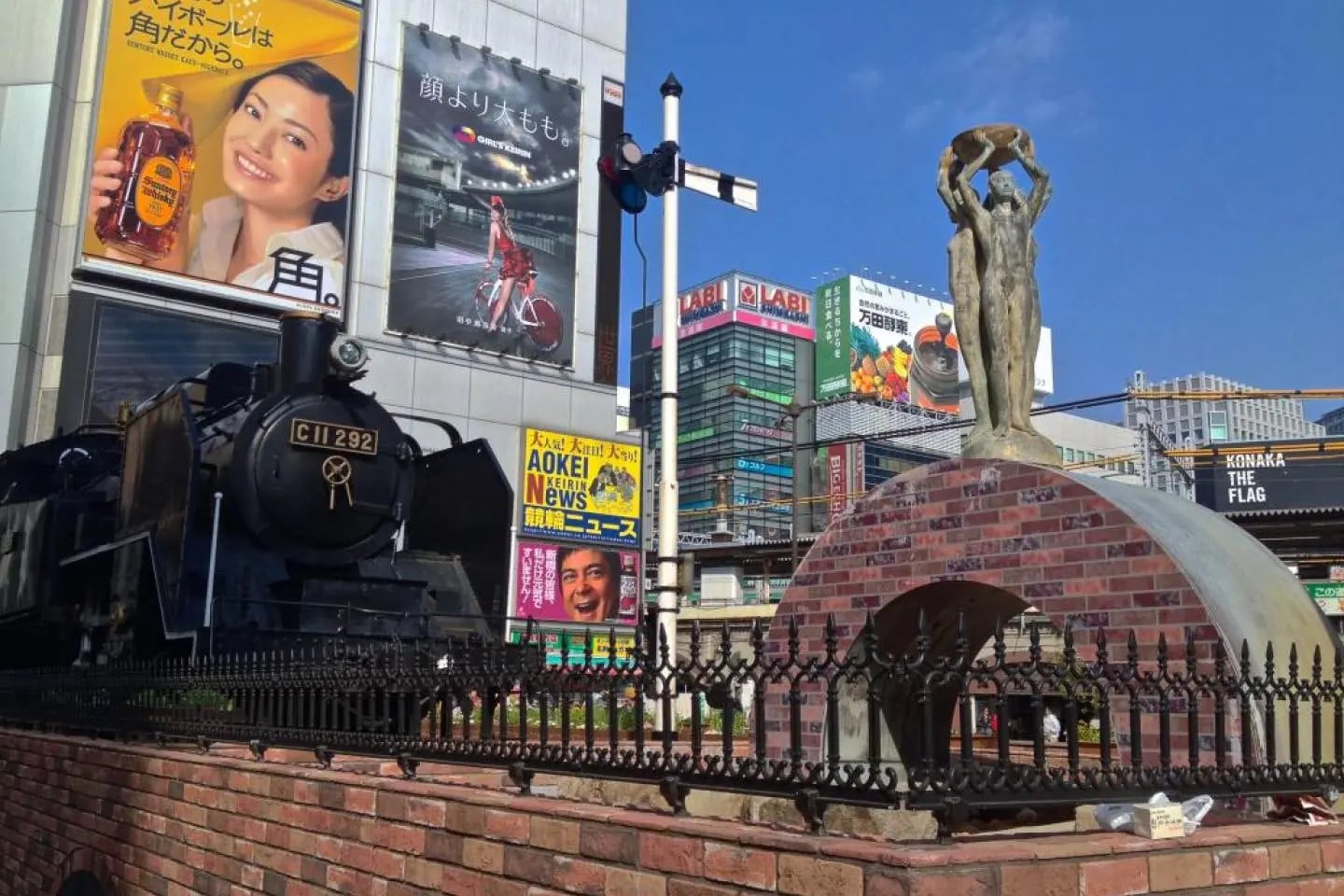
Shimbashi SL Square is the landmark of the Shimbashi area, at the west exit of JR Shimbashi Station, centered on a Class C11 steam locomotive. The locomotive symbolizes the birthplace of Japan’s railways and sounds its whistle at 12:00, 15:00 and 18:00 every day, drawing many visitors to stop for photos.
The plaza often hosts street performers or events, a great place to feel Shimbashi’s energy. SL Square is not only a meeting point but also a popular gathering spot for Shimbashi office workers before a drink after work. Izakaya and restaurants line the surroundings, full of lively atmosphere.

Karasumori Shrine
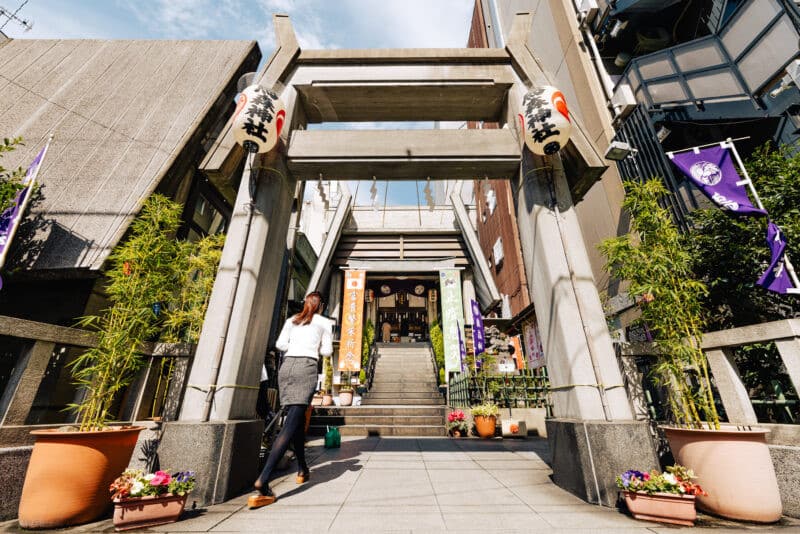
Karasumori Shrine, near Shimbashi Station, is an old shrine with an air of mystery. It is known for its colorful goshuin (temple stamps) and prayers for good luck and business prosperity, and is loved by Shimbashi’s office workers. The shrine is small but peaceful, an oasis in a busy city.
Karasumori Shrine’s wish-color omikuji (fortune slips) are also distinctive, with different colors of slips matched to different kinds of wishes. Many people come specially to get its unique amulets and goshuin, hoping for good luck in career and love. After worship, explore the small alleys around the shrine to see another side of Shimbashi.
Shimbashi Enbujo
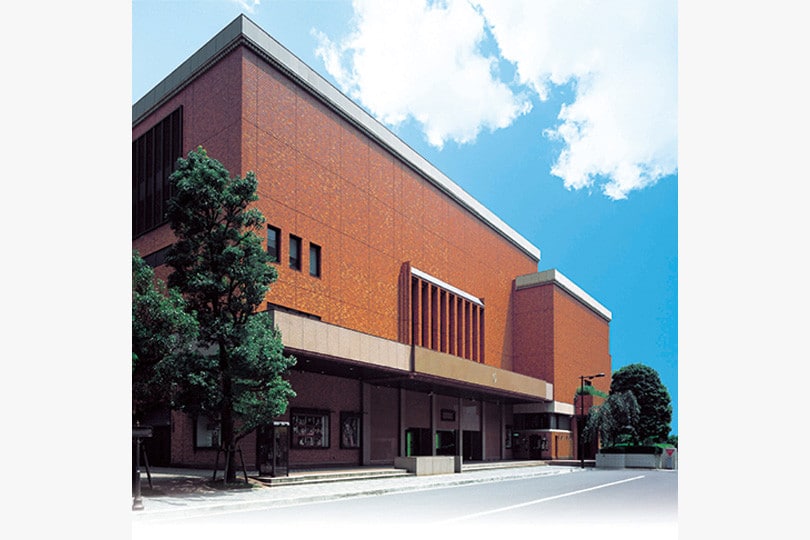
Shimbashi Enbujo is a long-established theater that has been an important stage for traditional Japanese performing arts since it opened in 1925. It mainly presents kabuki, shinpa drama, enka concerts and other traditional performing arts. The interior is gorgeous and full of classical Japanese aesthetics.
For visitors who want to experience traditional Japanese culture, Shimbashi Enbujo is not to be missed. Even without Japanese, you can feel the charm of kabuki through the actors’ superb performances and the magnificent costumes and props. Buy tickets in advance to be sure of seeing a great show.
Hama-rikyu Gardens
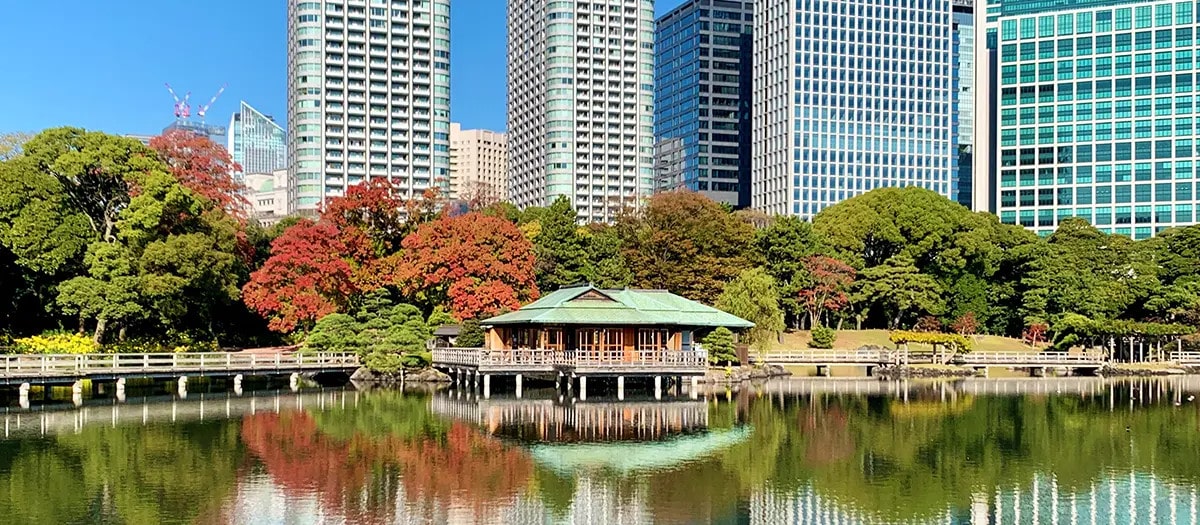
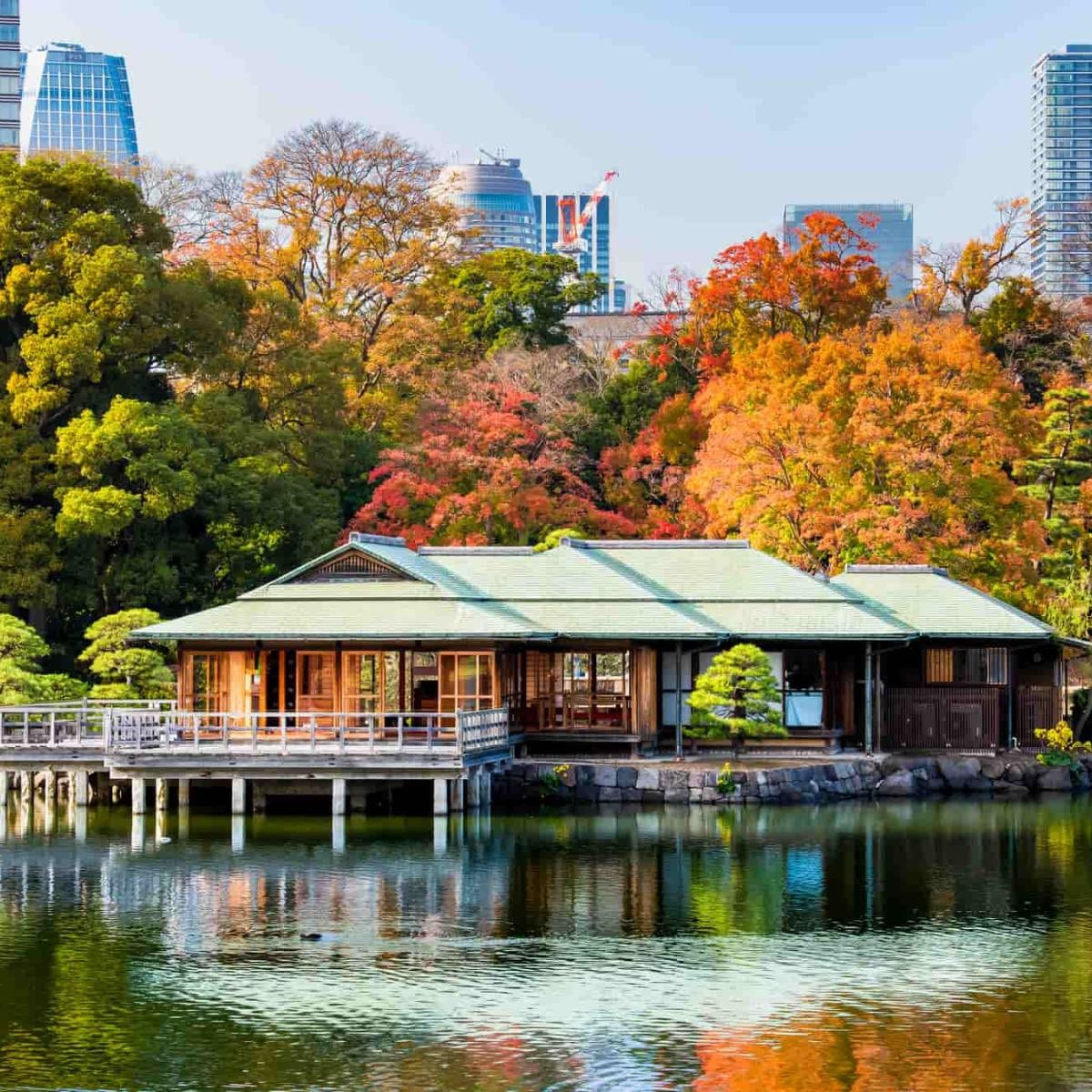
Hama-rikyu Gardens is a large Japanese garden in the Shiodome area, once a villa of the Tokugawa shogun family and the imperial family. The garden’s biggest feature is the Shiiri-no-ike tidal pond, the only pond on Tokyo Bay that draws in seawater and changes its scenery with the tide. The garden has wide lawns, a beautiful pond and traditional tea houses.
Strolling the garden, you can enjoy different flowers and trees in each season and feel nature’s calm and beauty. The view from Nakajima-no-Ochaya across Tokyo Bay to the Shiodome skyscrapers is especially unique. It is also an ideal place to escape the city bustle and enjoy a moment of quiet.
- 🕘 Opening hours: 9:00 to 17:00 (last entry 16:30); closed December 29 to January 1
- 🎫 Admission: General ¥300 / age 65 and over ¥150 / free for elementary school children and younger and for junior high school students who live or study in Tokyo
- 🌕 Extended evening hours, autumn 2026: October 21-23, the Hama-rikyu Moon-Viewing Walk is open until 21:00; October 30 to November 3, the 80th-anniversary events run 9:00 to 21:00. No separate night-viewing ticket is required for either.
- 🔗 Tokyo Metropolitan Park Association: Hama-rikyu Gardens official page
Ad Museum Tokyo (Advertising Museum)
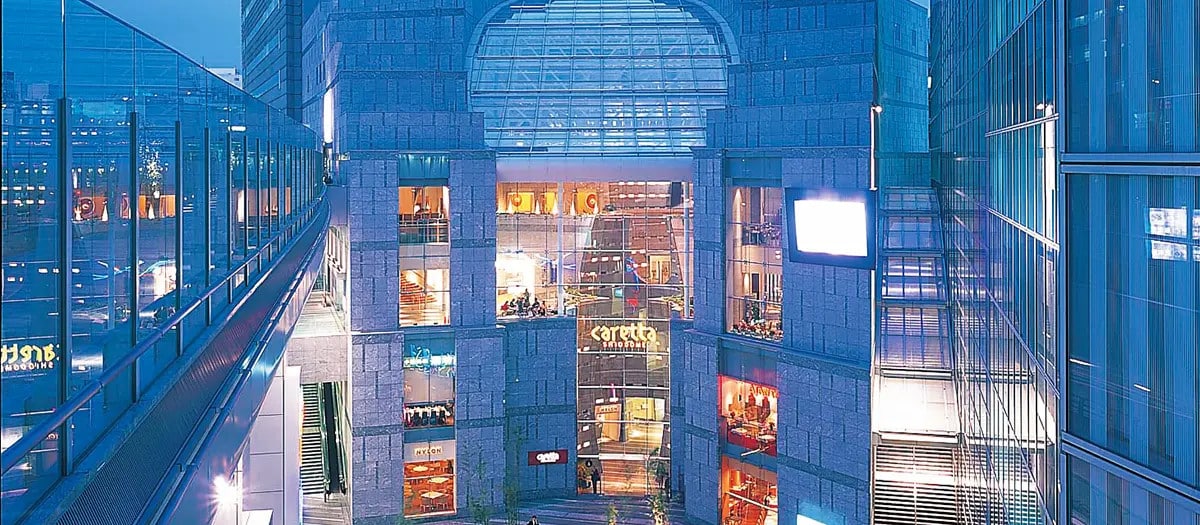
Ad Museum Tokyo is Japan’s only advertising museum, in the Caretta Shiodome building in Shiodome. It exhibits the history of Japanese advertising from the Edo period to today, with a large collection of valuable advertising materials, posters and footage.
Through interactive exhibits, visitors can learn how advertising has evolved and how it affects society. It shows not only the creativity and artistry of advertising but also explores its relationship with culture and the economy.
- 🕘 Opening hours: Tuesday to Saturday 12:00 to 18:00 (closed Sundays and Mondays)
- 🎫 Admission: Free
- 🔗 Ad Museum Tokyo official website
Shiodome Ghibli Giant Clock
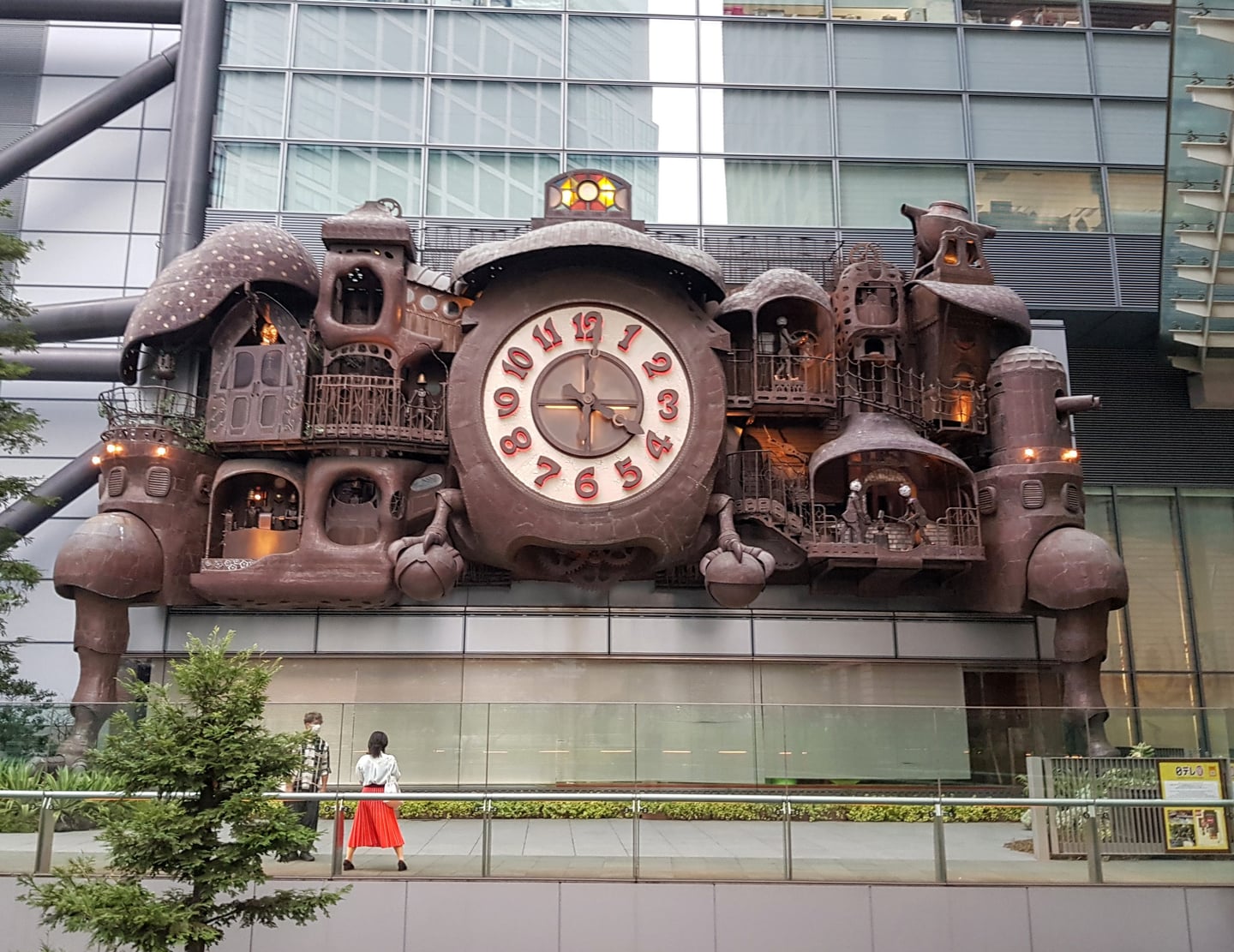
The Shiodome Ghibli Giant Clock is on the outer wall of the Nippon Television building, a giant mechanical clock designed personally by Hayao Miyazaki. The clock, 12 meters high and 18 meters wide, performs a mechanical show at set times each day, with its cute characters moving to music, full of the fantasy atmosphere of Ghibli animation.
On weekdays the shows are at 12:00, 13:00, 15:00, 18:00 and 20:00, with an extra 10:00 show on weekends and holidays. Arrive early to find a good spot for this unique mechanical show. It is a must-visit photo spot for Ghibli fans and families.
Atago Shrine
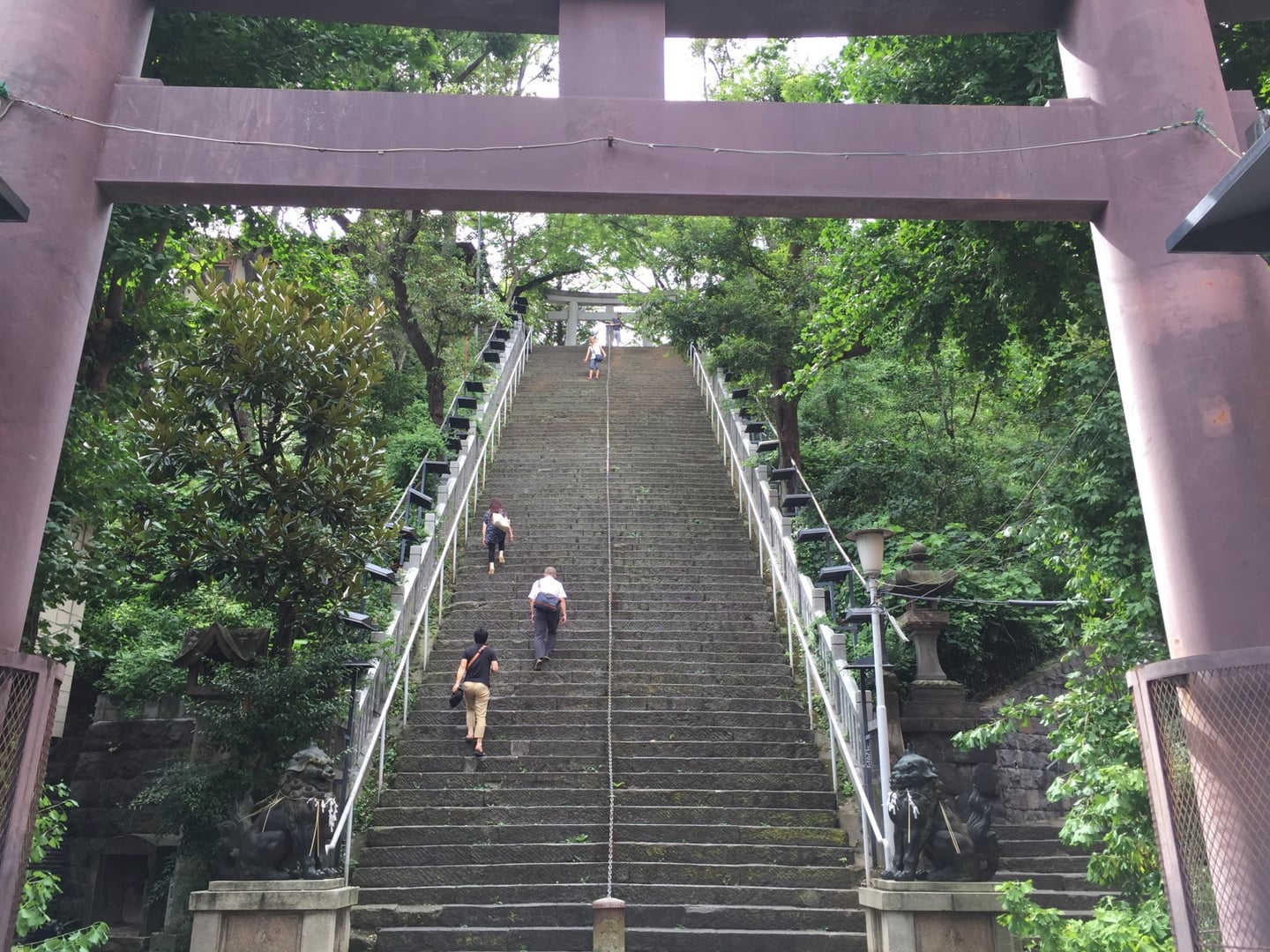
Atago Shrine is in the Toranomon area, on the summit of Mt. Atago, the highest natural hill in Tokyo’s 23 wards. The shrine is known for its famous Shusse-no-Ishidan (Stairway to Success); it is said that anyone who climbs this steep stairway will find success in their career. The shrine enshrines the god of fire and also protects against fire and brings commercial prosperity.
The shrine has a small pond with koi, and its quiet setting suits visitors who want to pray for career success or enjoy a calm atmosphere.
Sights Around Shimbashi Station: Historic and Modern Landmarks Within Walking Distance
From Shimbashi Station, several signature sights can be linked on foot: SL Square at the Hibiya exit in front of the station is the meeting landmark; Karasumori Shrine is about a 2-minute walk from the station; Ad Museum Tokyo toward the Shiodome exit is about a 5-minute walk, and the Ghibli Giant Clock is on the outer wall of the Nippon Television building. Mt. Atago, home of Atago Shrine, stands 25.7 meters high and is the highest natural hill in Tokyo’s 23 wards; the Shusse-no-Ishidan has 86 steps at a slope of about 40 degrees, so pick a clear day to go.
Shimbashi Food: Local Restaurant Recommendations
When it comes to Shimbashi food, the area is known for its rich variety, from good-value izakaya and refined yakiniku to distinctive ramen and traditional eel rice bowls. It is not only an after-work haven for office workers but also a treasure trove for food lovers. This section picks must-try experiences on the Shimbashi food map, from cheap eats to fine dining, to satisfy your taste buds.
Whether you want Shimbashi’s unique izakaya culture, top wagyu or late-night ramen, Shimbashi offers impressive choices. We recommend several well-regarded restaurants with their signature dishes and dining tips, to make your Shimbashi food trip richer.
Yakiniku: Yakiniku Kokokara Shimbashi Main Branch
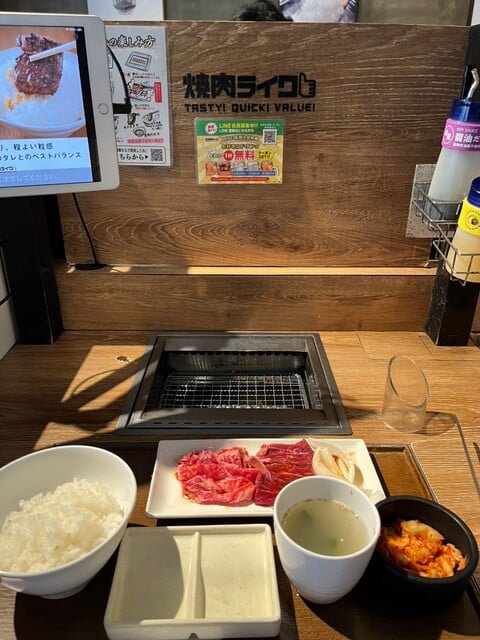
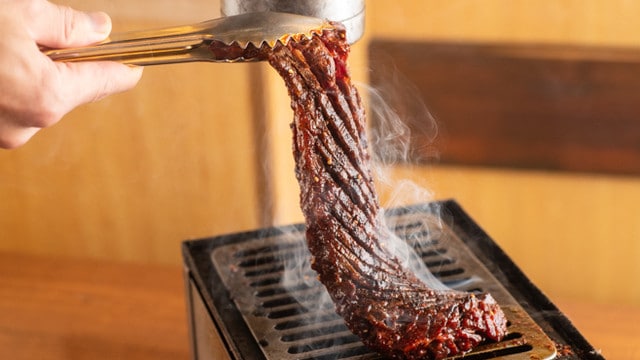
Yakiniku Kokokara Shimbashi Main Branch is known for high-quality domestic wagyu and its signature Legend Platter. It serves many rare cuts of yakiniku, tender and melt-in-the-mouth. The atmosphere is relaxed, ideal for a meal with friends or colleagues; reserve in advance.
- 🍖 Must-order: Legend Platter (Densetsu Mori), a sampling of several selected wagyu cuts in one go
- 💰 Price: about ¥5,000-8,000 per person
- 🚉 Access: about a 1-minute walk from the JR Shimbashi Station Hibiya exit (SL Square)
Izakaya: YAKITON MAKOCHAN Main Branch
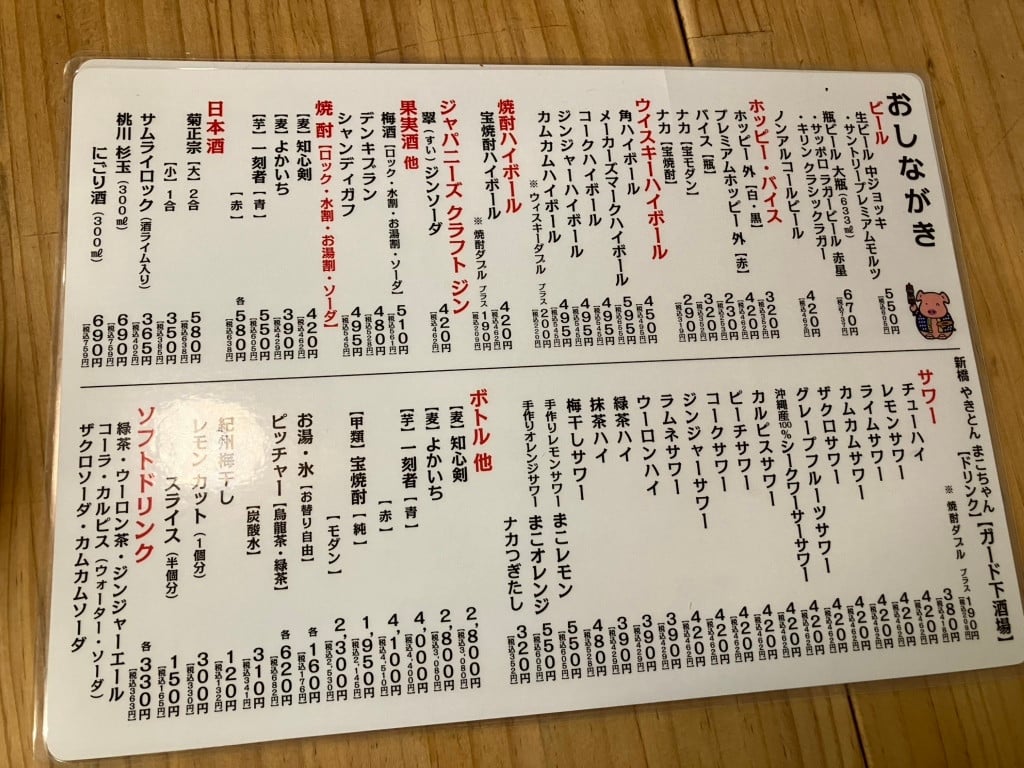
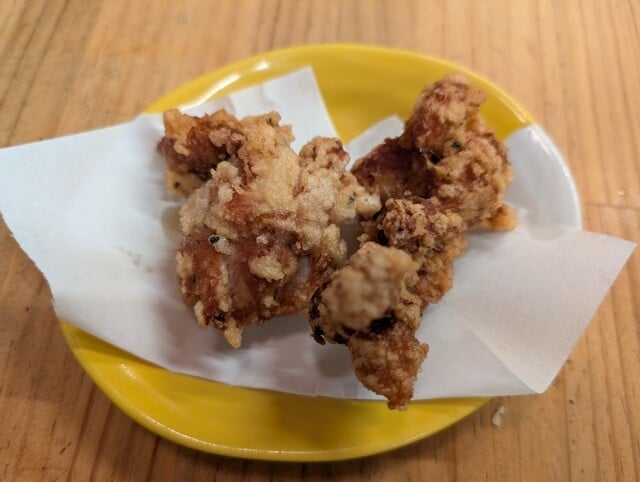
YAKITON MAKOCHAN Main Branch (Shimbashi Yakiton Mako-chan) opened in 1968 and is a very popular long-established izakaya in Shimbashi, known for its tasty grilled pork skewers (yakiton) and offal stewed in a secret sauce. The atmosphere is lively and full of common-folk warmth, a great place to experience Shimbashi’s izakaya culture.
- 🍢 Must-order: signature grilled pork skewers (yakiton, from ¥160 per skewer), secret-recipe stewed offal (motsu-ni)
- 💰 Price: about ¥3,000-5,000 per person
- 🚉 Access: about a 1-minute walk from the JR Shimbashi Station Karasumori exit
Ramen: Menya Shuhgo
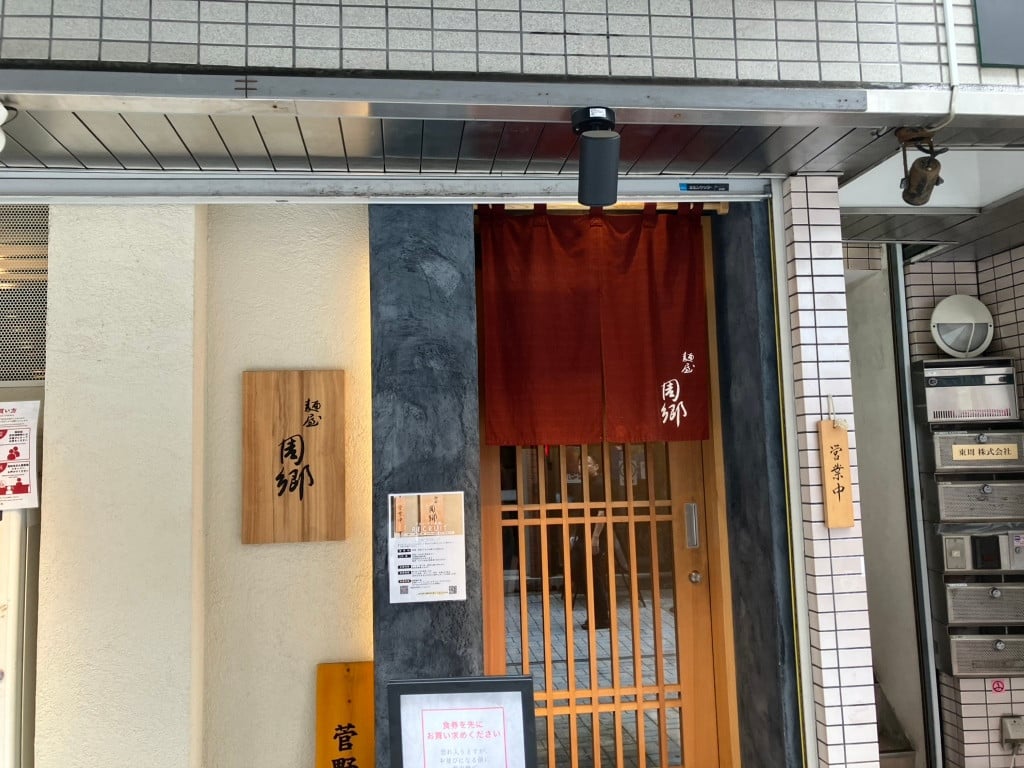
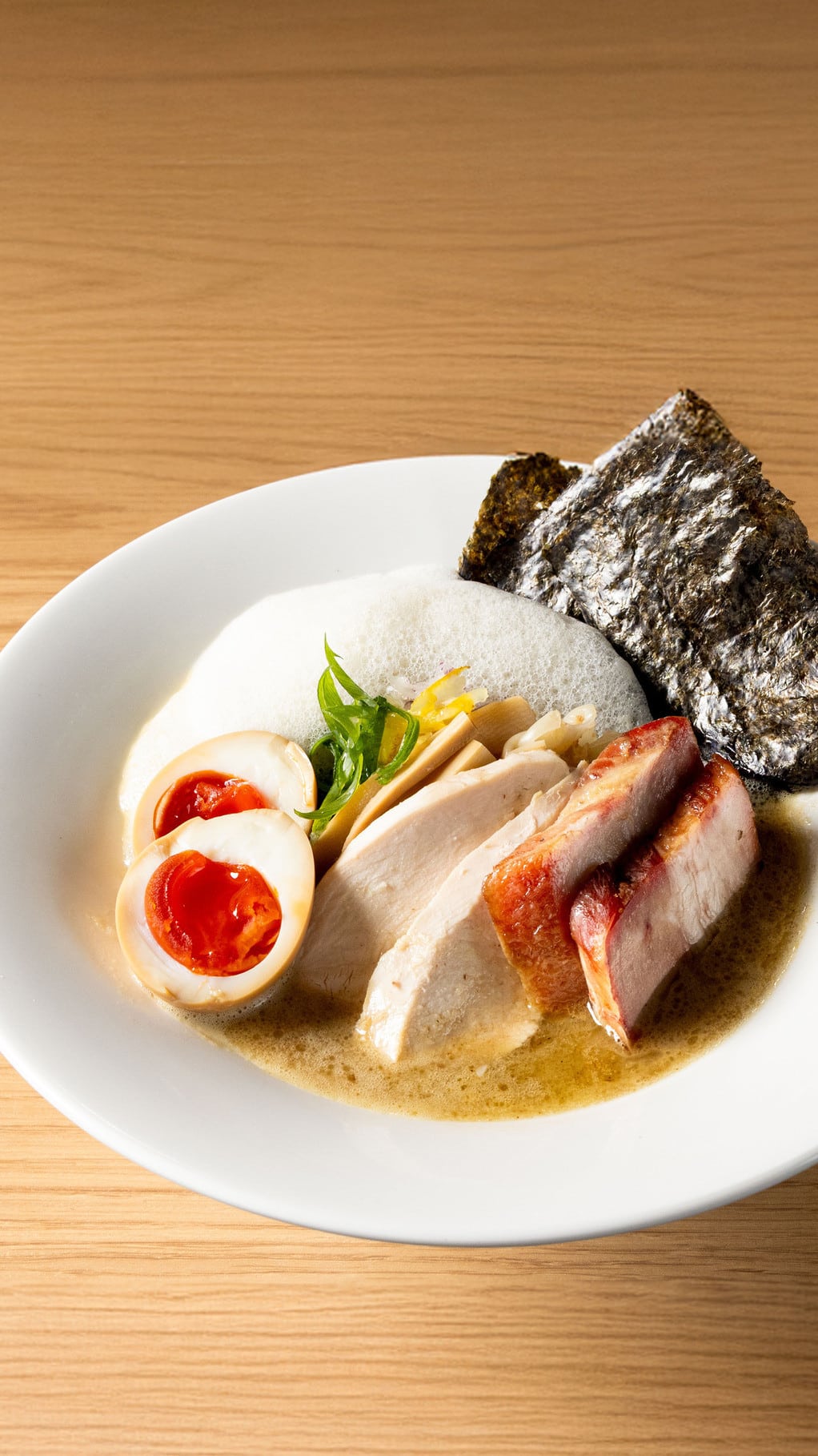
Menya Shuhgo is a renowned tsukemen (dipping noodle) shop in a Shimbashi back alley, with a rich fish-and-pork-bone broth and thick, chewy noodles that soak up the soup. It has few seats and often a queue, a must-visit for ramen fans. The shop is the successor to the popular Koiwa shop Menya Kotobuki, and lunch queues are long, so avoid the noon peak.
- 🍜 Must-order: special tsukemen (with chashu, soft-boiled egg and bamboo shoots)
- 💰 Price: from about ¥1,000
- 🚉 Access: 3-5 minutes on foot from the JR Shimbashi Station Karasumori exit
Eel Rice Bowl: Unagi Ichimatsu
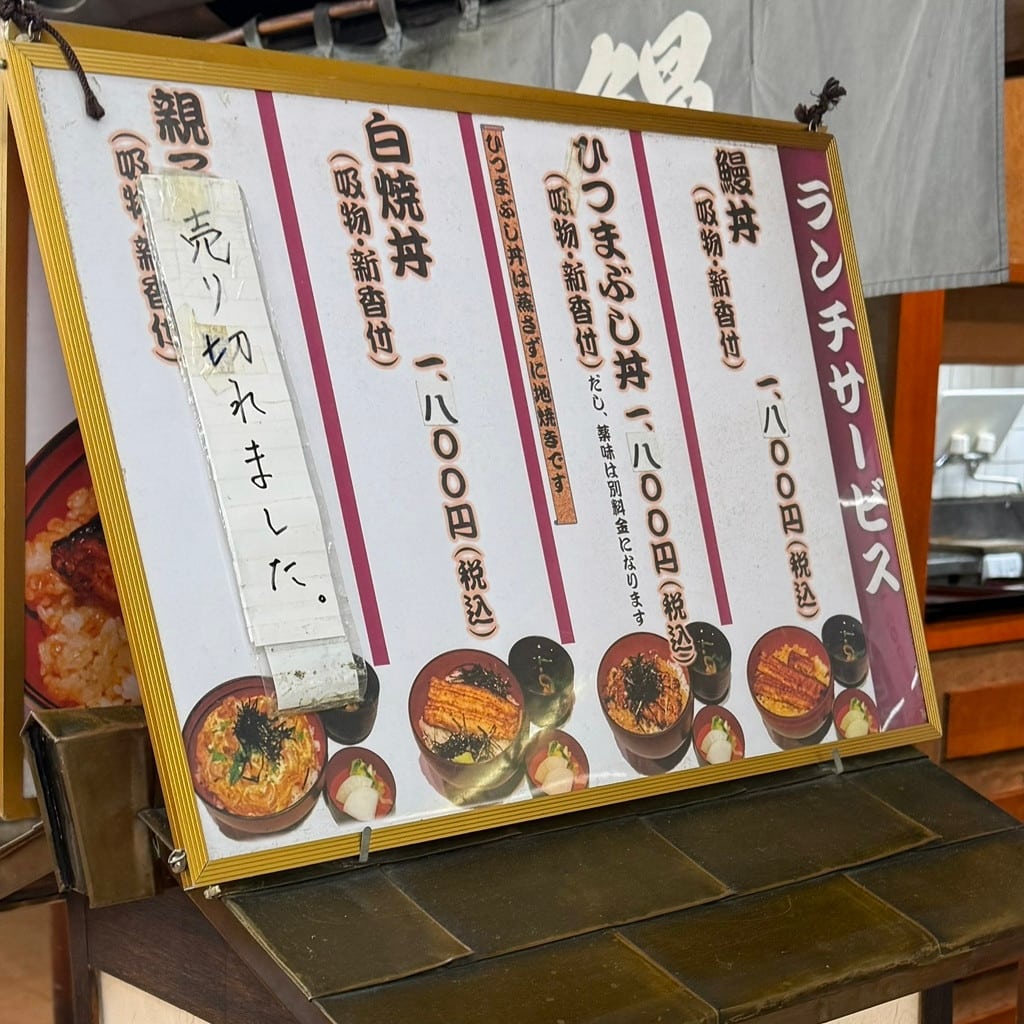
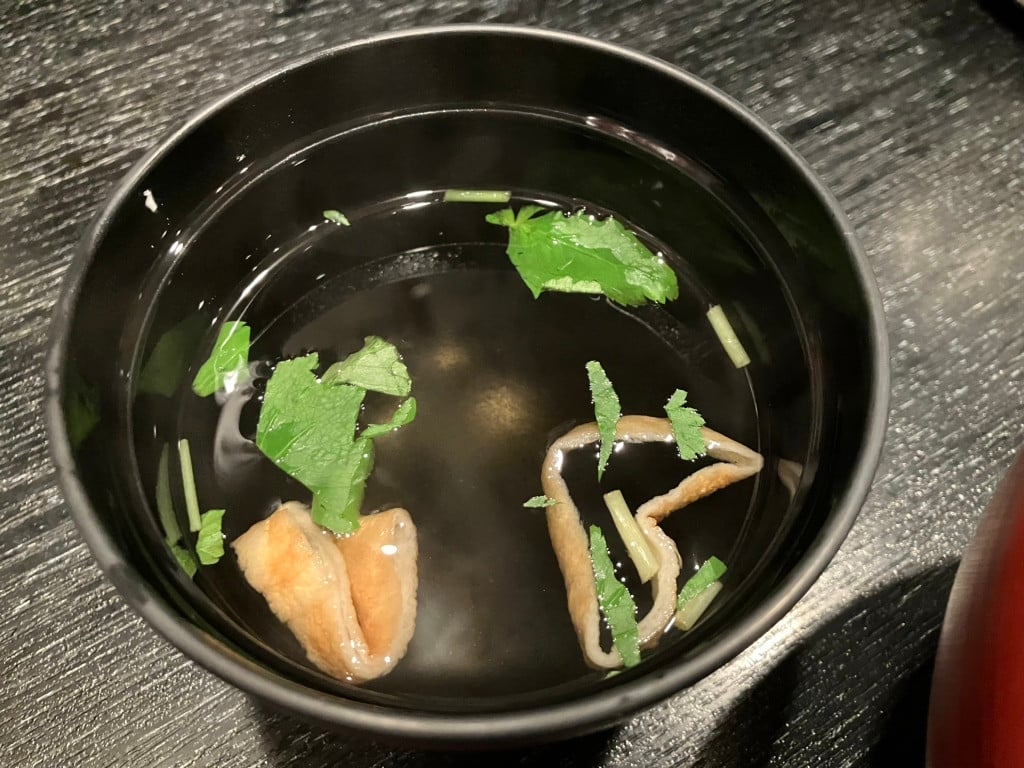
Unagi Ichimatsu is on the basement level of Shimbashi Ekimae Building No. 1, a specialist in high-quality domestic eel rice bowls, with queues often forming before opening. The eel has a lightly charred skin and tender flesh, paired with a secret sauce and fragrant, springy rice, a good-value choice for eel rice in Shimbashi.
- 🍚 Must-order: domestic grilled eel rice bowl (unadon)
- 💰 Price: lunch eel bowl from about ¥1,800, dinner sets about ¥3,000-6,000
- 🚉 Access: about a 1-minute walk from Exit A3 of Shimbashi Station on the Toei Asakusa Line
Sushi and Ramen Combo: Sushi and Ramen Uogashi
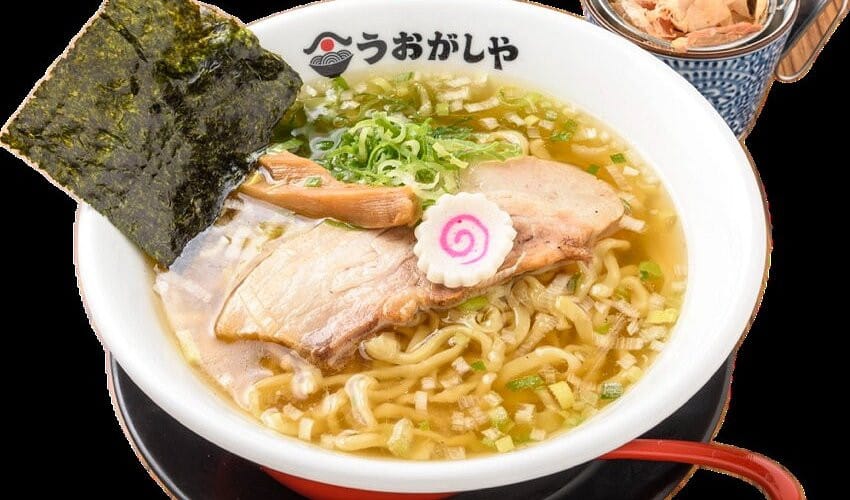
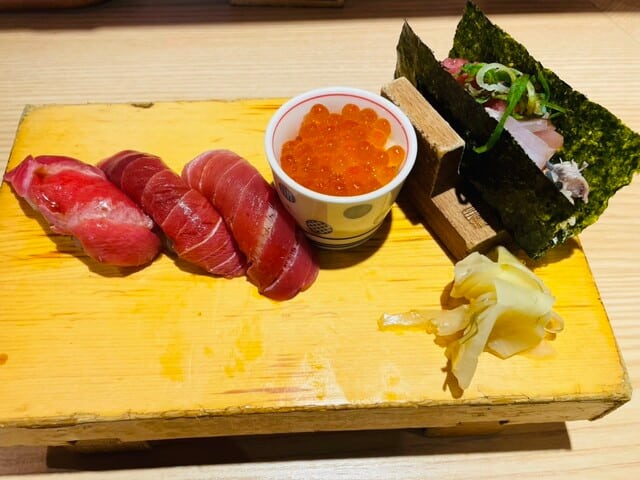
Sushi and Ramen Uogashi (Sushi to Ramen Uogashiya) offers a unique dining concept combining fresh sushi and tasty ramen. Seafood arrives fresh daily from the Toyosu and Yokohama markets for the sushi, and it also serves ramen in several flavors, open around the clock and popular with office workers and late-night diners.
- 🍣 Must-order: sushi plus ramen combo set
- 💰 Price: sets from about ¥1,000
- 🚉 Access: about a 1-minute walk from Exit 5 of Shimbashi Station on the Tokyo Metro Ginza Line (right at the exit)
Izakaya Alleys: Shimbashi Station Exits and the New Shimbashi Building
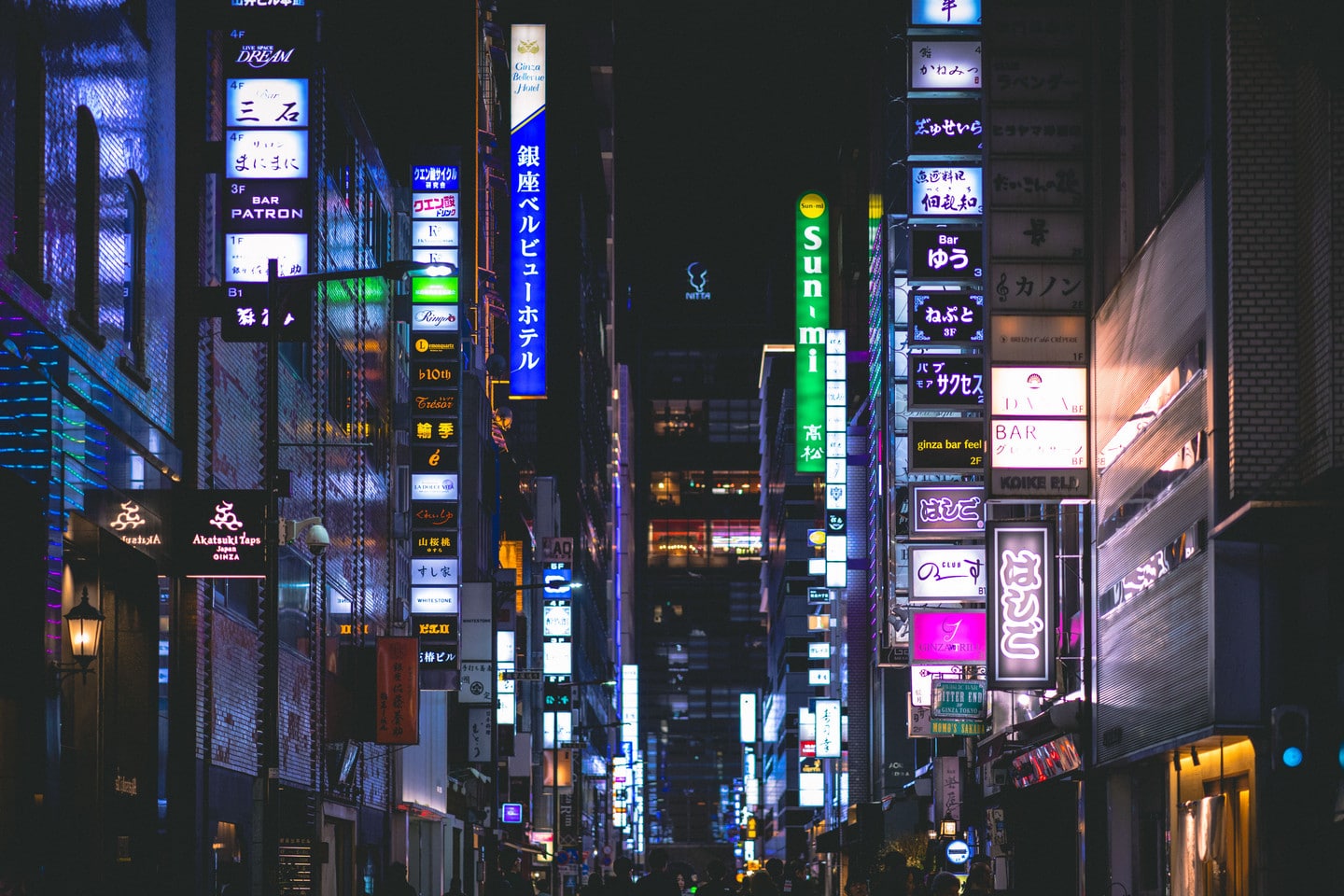
Shimbashi Station (Ginza exit, Hibiya exit, Shiodome exit and Karasumori exit) is the starting point for food. Outside the Hibiya exit, SL Square is the landmark, with traditional izakaya hidden in the surrounding alleys; the Shiodome exit leads to the skyscraper dining area. The representative nostalgic izakaya cluster is the New Shimbashi Building, completed in 1971, whose basement level (the Ikoi no Chikagai arcade) gathers Showa-style izakaya, skewer shops and standing bars, a taste of office-worker culture.
How to Choose Shimbashi Food: By Budget and Time of Day
Choose Shimbashi food by budget and time: for cheap skewers, YAKITON MAKOCHAN’s grilled pork skewers start at ¥160 each; for a lunch budget of about ¥1,000, pick Menya Shuhgo’s tsukemen or the sets at Sushi and Ramen Uogashi; Unagi Ichimatsu’s lunch eel bowl starts around ¥1,800; for yakiniku in the evening, Yakiniku Kokokara costs about ¥5,000-8,000 per person. Popular shops often have lunch queues, so avoid the noon peak.
Tickets and Tours
To explore Tokyo’s Shimbashi and its surroundings, beyond free wandering, using various tickets and guided tours can make your trip richer and more efficient. From transport passes to special experiences, booking ahead not only saves queuing time but sometimes gets a better price. This section introduces useful tickets and tour options for the Shimbashi area.
Whether you want unlimited subway rides or a professional guide to take you deeper into Shimbashi’s history and culture, there is a suitable choice. We recommend several popular transport passes and special tours to help you experience Tokyo’s Shimbashi more easily and in more depth.
Tokyo Subway Ticket
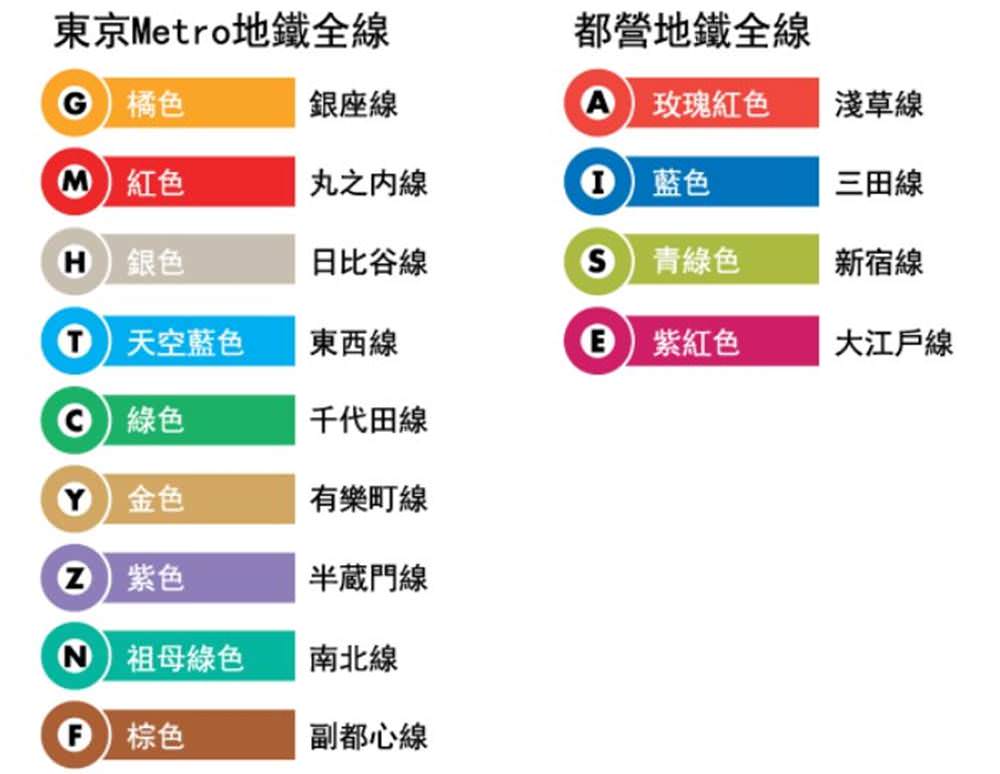
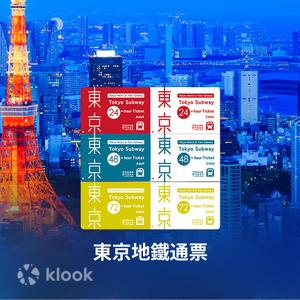
The Tokyo Subway Ticket is one of the most economical ways to tour Tokyo, offered in 24, 48 and 72-hour versions for unlimited rides on all Tokyo Metro and Toei Subway lines within the validity period.
With Shimbashi Station a junction of several subway lines, the ticket is very convenient. It is an excellent choice for travelers planning to explore Shimbashi and nearby areas (such as Ginza, Ueno and Asakusa) in depth.


Hama-rikyu Gardens Ticket
Hama-rikyu Gardens is one of the must-visit sights of the Shimbashi-Shiodome area with reasonable admission: according to the official site, general admission is ¥300 and ¥150 for age 65 and over, with free entry for elementary school children and younger and for junior high and high school students who live or study in Tokyo. This long-established Japanese garden is known for its unique tidal pond and beautiful scenery, an oasis in the city.
Matcha is served at the tea house in the garden. Tickets can be bought at the entrance with no reservation needed. The garden is open 9:00 to 17:00 all year (last entry 16:30) and closed only December 29 to January 1; hours are occasionally extended during events, so check the official site again before you go. An annual pass (general ¥1,200) and the En-musubi Ticket linking Kyu-Shiba-rikyu Gardens (general ¥400) are also available.
In-Depth Cultural Tour of the Shimbashi Area
For visitors who want to learn more about Shimbashi’s history and culture, joining a local in-depth cultural tour is a good option. The tour visits Shimbashi SL Square, Karasumori Shrine, Shimbashi Enbujo and more.
Tour content and prices vary by organizer. Book through a travel platform or a local tourist information center, and confirm the meeting point and time before you go.
![Tokyo Itinerary] 4 Days 3 Nights In-Depth Trip: 72 Hours of Insider Spots and an Arty Walking Map, Wanderlust Annie](https://travel.williamlion.tw/wp-content/uploads/sites/7/2026/03/unnamed-file-284.jpg)
Nearby Lodging
With its outstanding transport convenience, the Shimbashi area is a popular choice for lodging in Tokyo. It is right next to the business and tourist districts of Ginza and Shiodome and gives easy access to Tokyo’s major sights and airports. Shimbashi has plenty of lodging, from luxury hotels to budget business hotels, to suit different budgets and needs.
This section picks recommended hotels in the Shimbashi area at different price points, including high-end luxury hotels, upper mid-range refined hotels, mid-range comfortable choices, budget convenient inns and distinctive Airbnb stays, to help you find the best place to stay in Shimbashi and enjoy a convenient, comfortable Tokyo trip.
High-End Shimbashi Hotel Recommendation: Imperial Hotel Tokyo
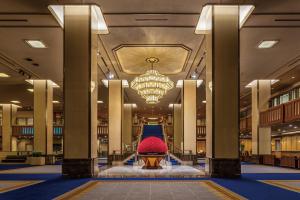
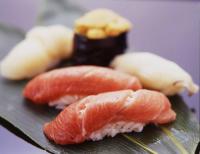
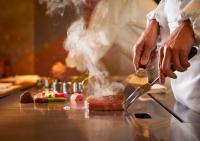
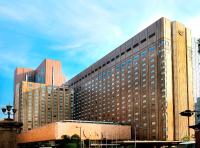
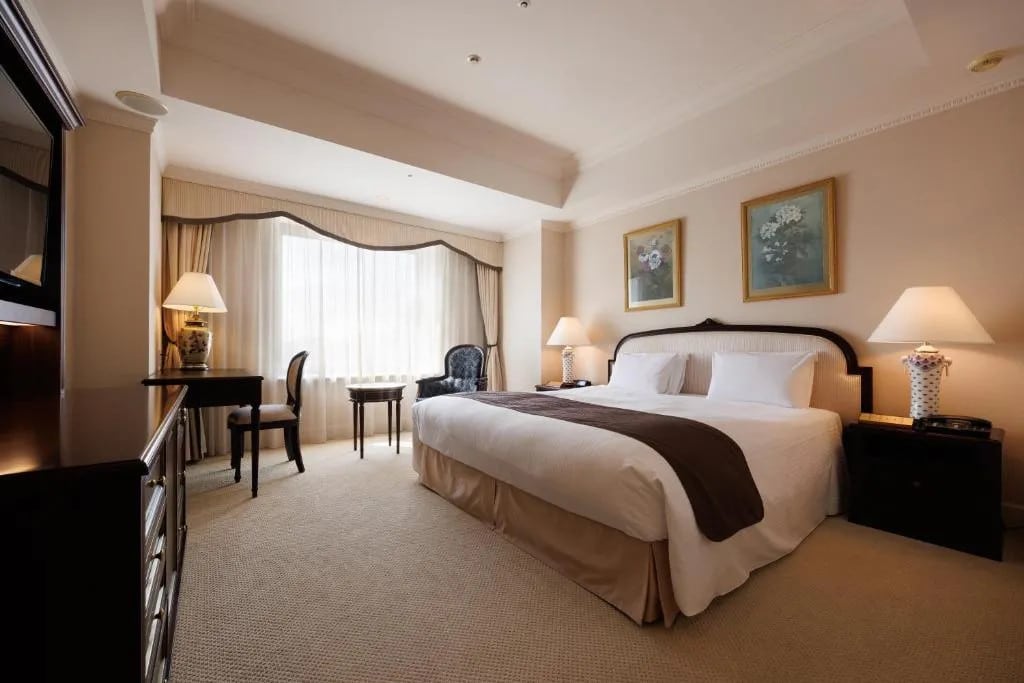
Imperial Hotel Tokyo is one of Japan’s most iconic top-tier hotels, known since opening in 1890 for its excellent service, luxurious facilities and superb location.
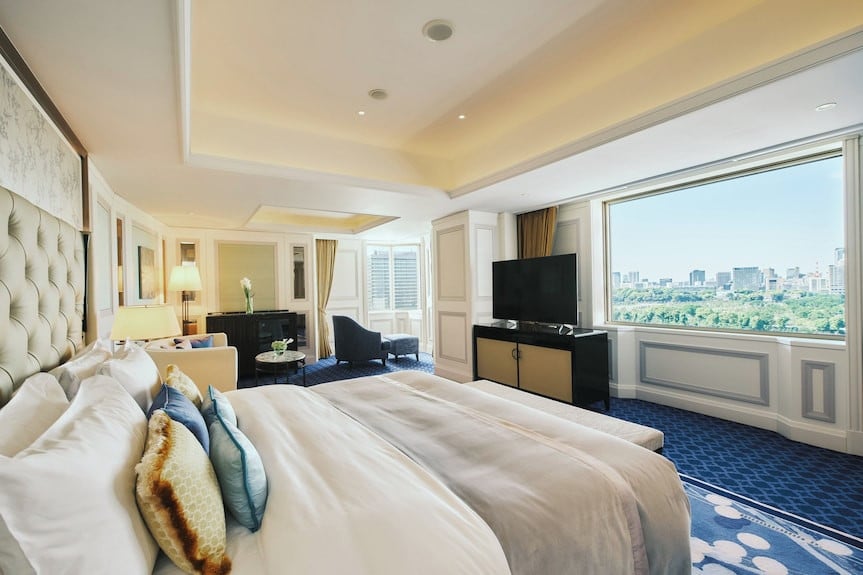
The hotel is in Hibiya, within walking distance of Shimbashi and Ginza, extremely convenient. It offers several refined rooms and suites with top facilities, and some rooms overlook the Imperial Palace or Hibiya Park.

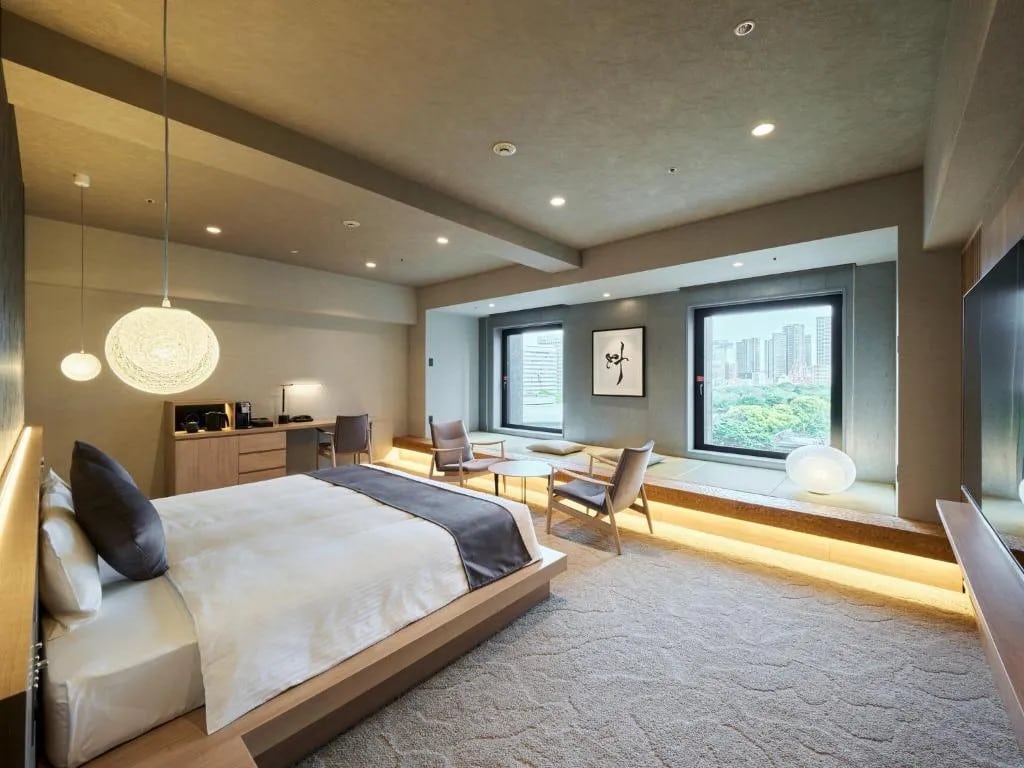
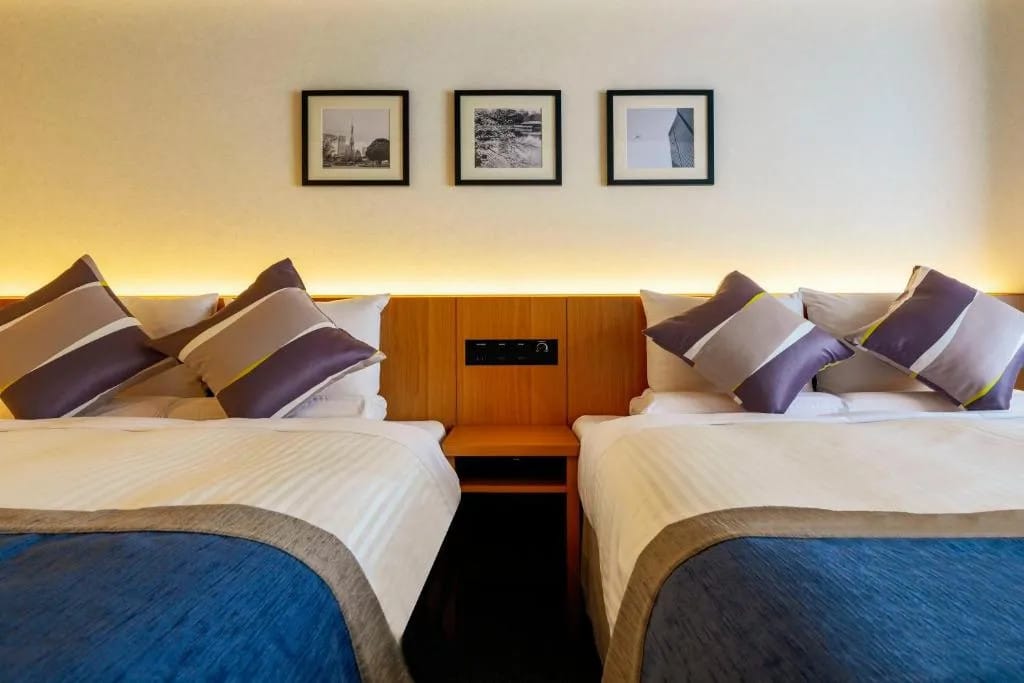
Upper Mid-Range Shimbashi Hotel Recommendation: Mitsui Garden Hotel Shiodome Italia-gai
Mitsui Garden Hotel Shiodome Italia-gai is in Shiodome’s Italia-gai district, an elegant, exotic setting.
The hotel is stylish and modern, with comfortable, spacious rooms, some with night views of Tokyo Tower. It has a large public bath so guests can relax after a busy day.



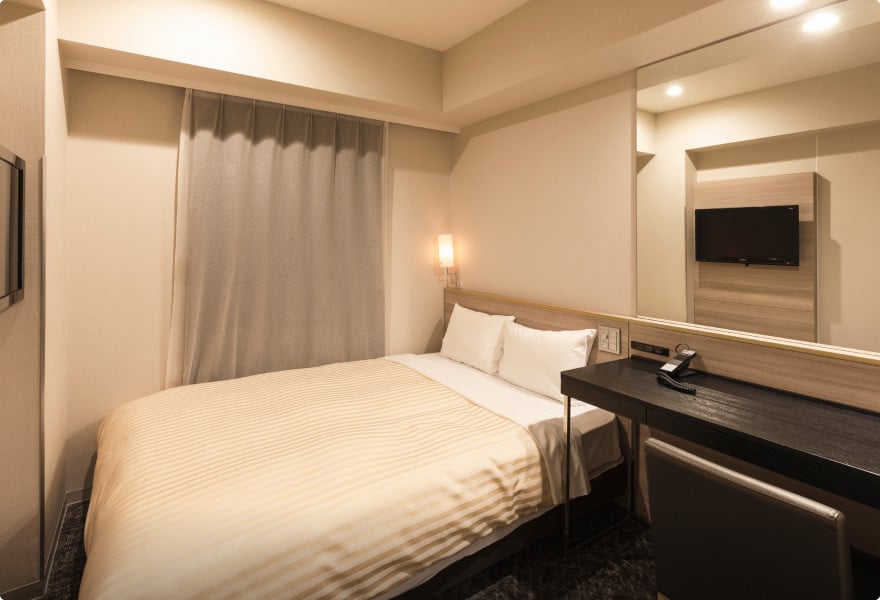
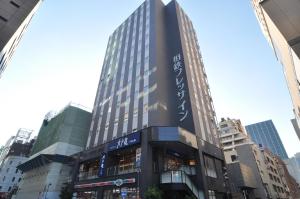
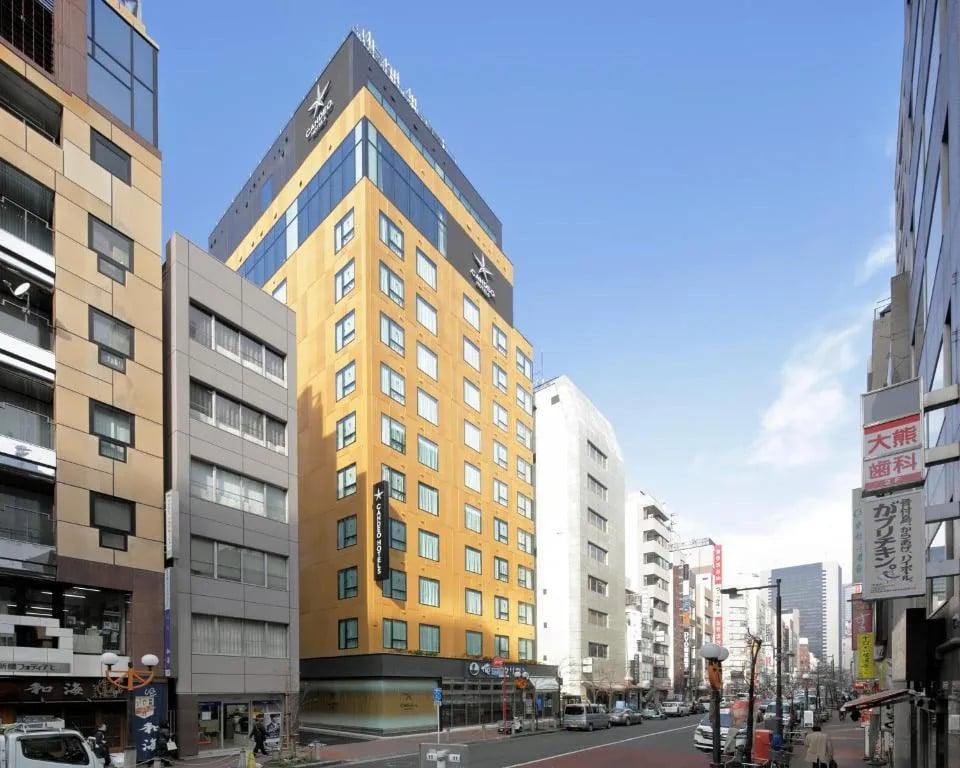
Mid-Range Shimbashi Hotel Recommendation: Sotetsu Fresa Inn Shimbashi Hibiyaguchi
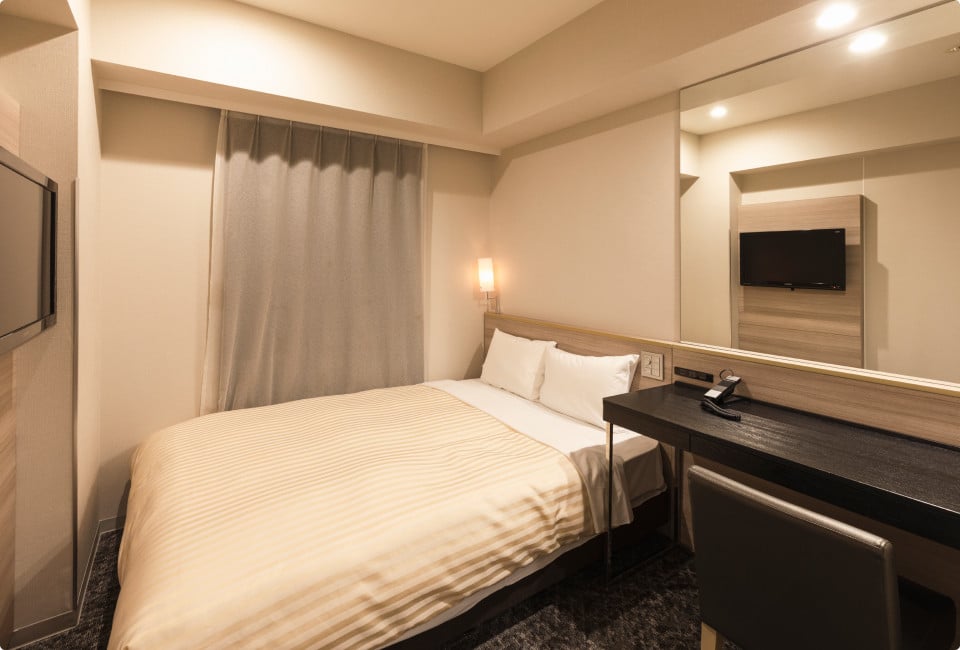
Sotetsu Fresa Inn Shimbashi Hibiyaguchi is near the Hibiya exit of Shimbashi Station with convenient transport. The hotel offers simple, comfortable rooms with free Wi-Fi, self-service laundry and a 24-hour front desk, suitable for business and independent travelers. There are many dining options nearby, with several izakaya and restaurants within walking distance.
Budget Shimbashi Hotel Recommendation: Daiwa Roynet Hotel Shimbashi
Daiwa Roynet Hotel Shimbashi is a good-value business hotel about a 5-7 minute walk from Shimbashi Station. It offers modern, fully equipped rooms that are compact but well designed and meet basic lodging needs.
The hotel has coin laundry machines, vending machines and free Wi-Fi. Daily conveniences nearby are plentiful, with many restaurants and convenience stores. For travelers on a limited budget who still want Shimbashi’s transport convenience, it is a very affordable and comfortable choice.
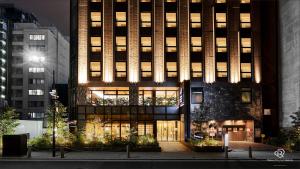
Airbnb Stays: Japanese Apartments Near Shimbashi Station
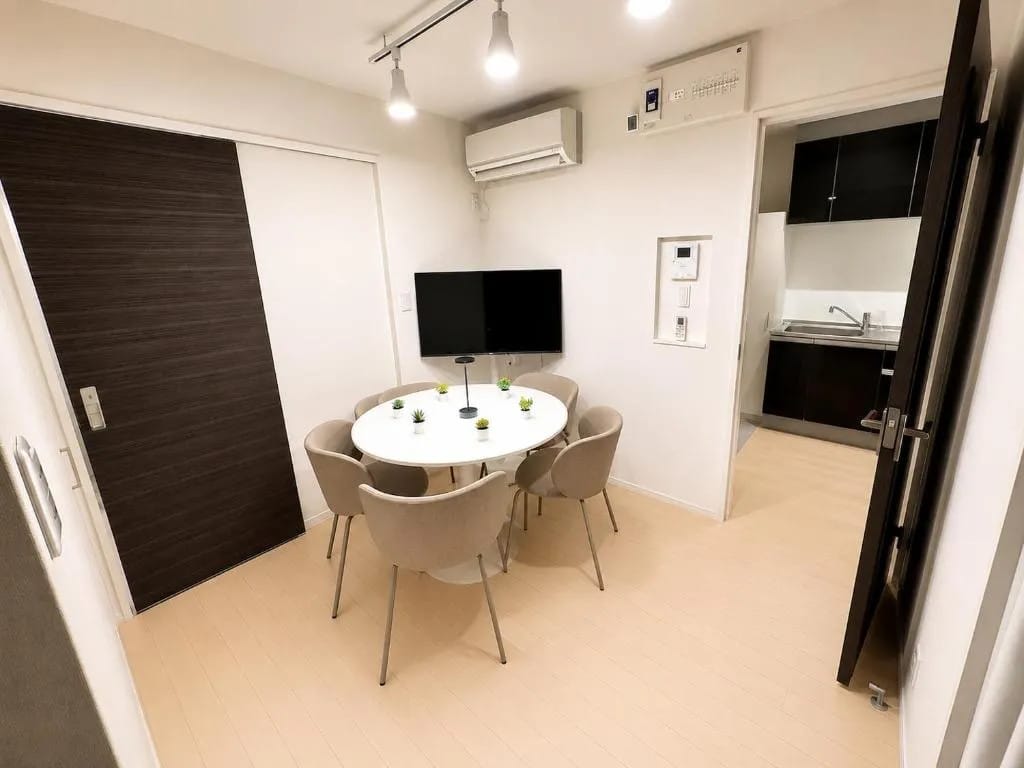
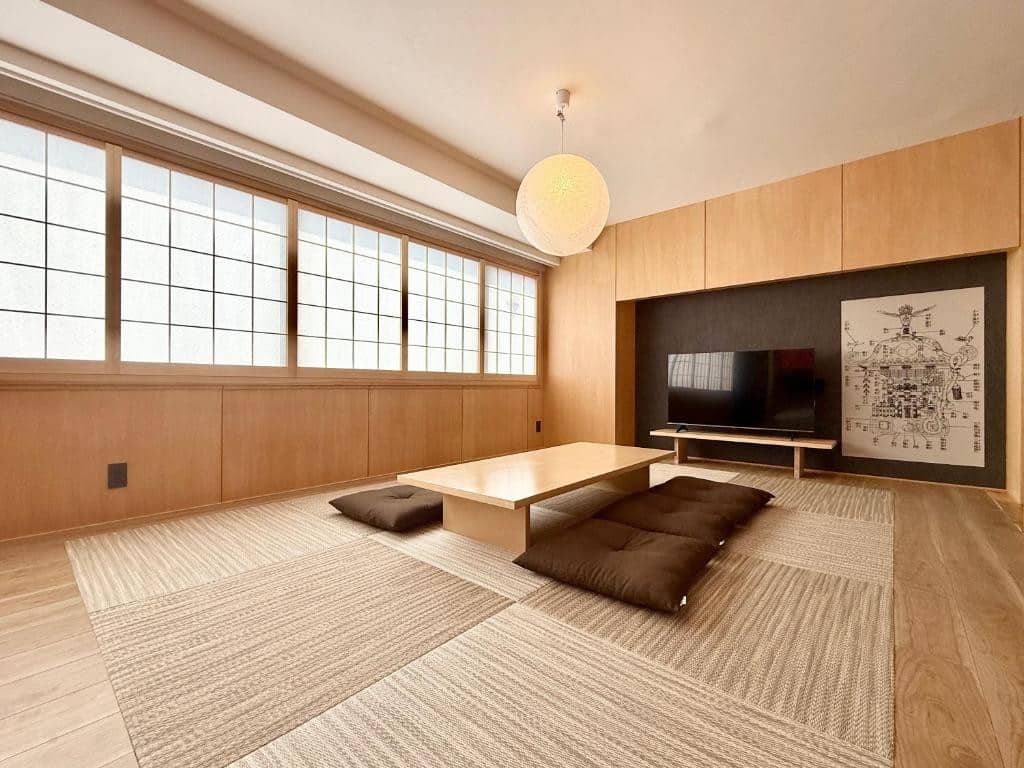
Around Shimbashi Station you can find many distinctive Airbnb Japanese apartments, offering a more homelike stay than a traditional hotel. They are usually in residential areas, letting you experience local life more deeply while still enjoying Shimbashi’s transport convenience.
Many Japanese apartments come with a kitchen and washing machine, ideal for family trips or long stays. You can choose apartments of different sizes and styles according to your party and budget, enjoying more flexible and private space. Book in advance on the Airbnb site and read the listing reviews carefully.
Is It Worth Visiting?
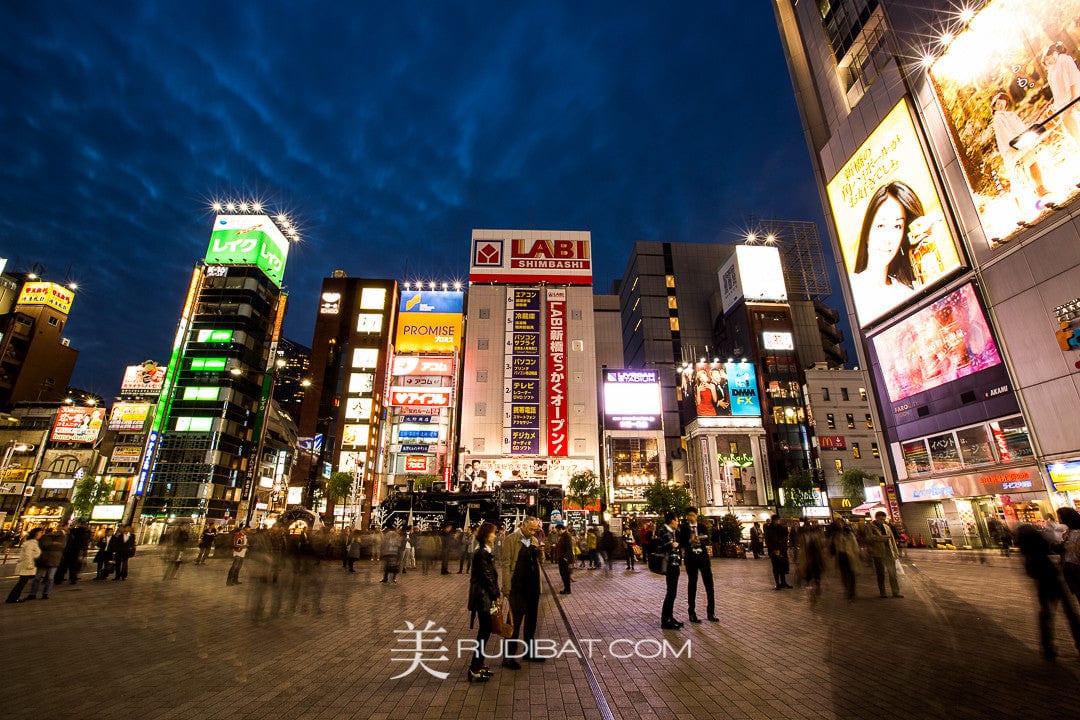
All in all, Tokyo’s Shimbashi area is definitely a treasure worth exploring in depth. It is not only an important transport hub in Tokyo but also a varied district blending history, culture, food and modern life. From the busy SL Square to the quiet Hama-rikyu Gardens, from the lively izakaya alleys to the unique advertising museum, Shimbashi offers rich and varied experiences for different kinds of travelers.
Shimbashi’s transport convenience is unmatched, easy to reach from the airports and from anywhere in central Tokyo. Its food choices are impressive too, from top yakiniku to cheap ramen, and every meal can be a treat. Its varied lodging also makes Shimbashi an ideal place to stay in Tokyo. Whether it is your first visit to Japan or a deep dive into Tokyo, Shimbashi can give you an unforgettable trip, and we strongly recommend adding it to your Tokyo itinerary!
A Summary of Shimbashi’s Unique Charm
Shimbashi, with its unique charm, perfectly blends Japan’s historical traditions with the energy of a modern city. It is not only the birthplace of Japan’s railways, with the iconic SL Square, but also a snapshot of Tokyo’s office-worker culture, with lively izakaya and dazzling food choices. The modern buildings of Shiodome and the natural beauty of Hama-rikyu Gardens add further layers to Shimbashi.
Whether you seek cultural experiences, food exploration, or convenient transport and comfortable lodging, Shimbashi offers plenty of choices. This variety makes Shimbashi an area full of surprises, with something new to discover on every visit. Its uniqueness makes it stand out among Tokyo’s many districts.
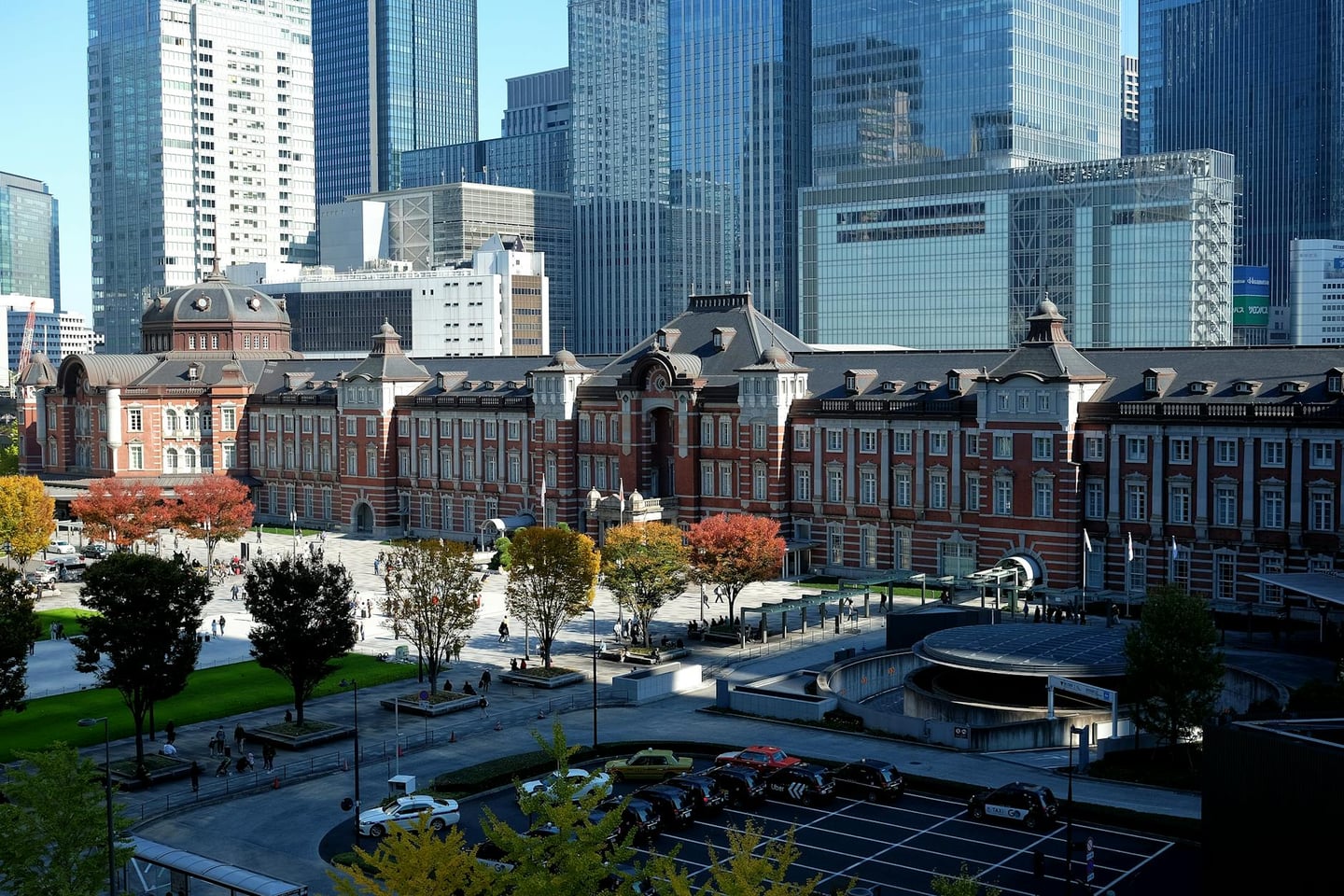
Why Shimbashi Is an Ideal Choice for Travel in Tokyo
The main reason Shimbashi is an ideal choice for Tokyo travel is its unmatched transport convenience. Multiple JR and subway lines meet here, making it extremely easy and fast to reach Tokyo’s major sights and airports. This saves travelers a great deal of transit time and lets you plan your itinerary more efficiently.
In addition, Shimbashi’s rich food choices, varied cultural sights and lodging from budget to luxury can meet different travelers’ needs. Whether you want to experience traditional Japanese culture, taste authentic food or enjoy the conveniences of a modern city, Shimbashi offers a comprehensive and satisfying travel experience.