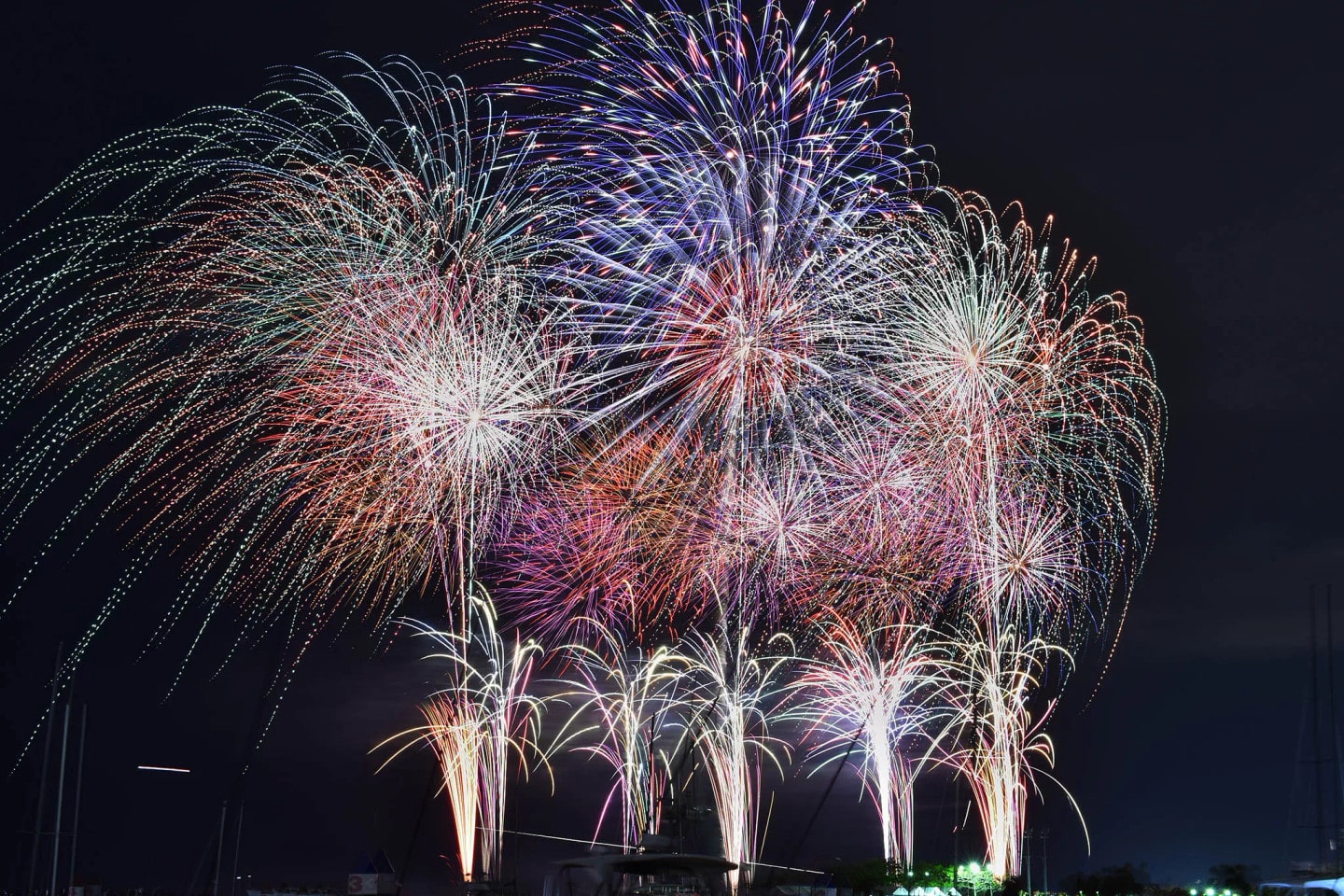

Adachi Fireworks Festival 2026 Guide: Dates, Access, Claiming a Spot and Viewing Locations
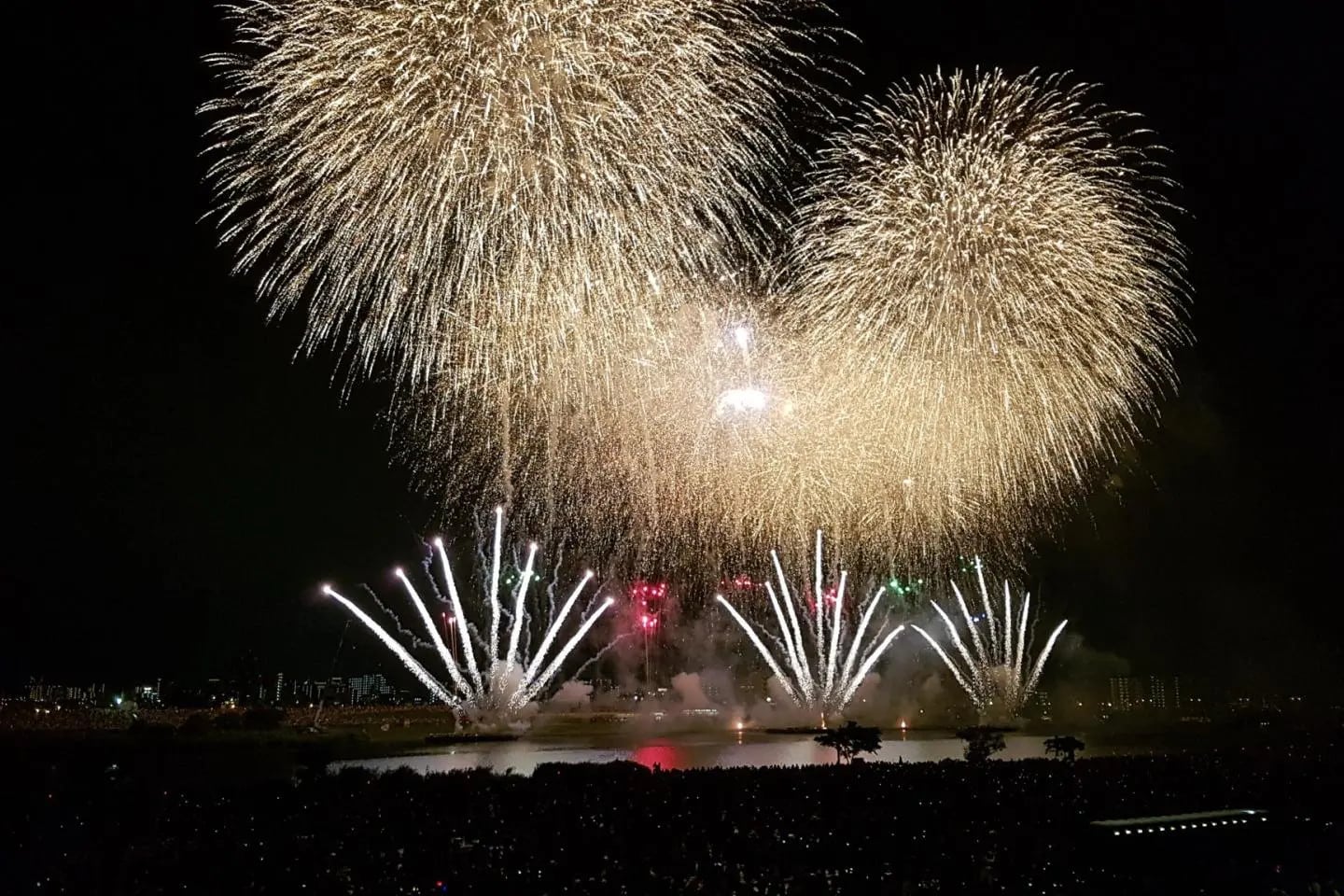
The Adachi Fireworks Festival was held on Saturday, May 30, 2026, from 19:20 to 20:20, launching about 13,000 fireworks over the Arakawa riverbed. It opens Tokyo’s summer fireworks season, with free viewing and easy access.
Event Basics: The 48th Adachi Fireworks Festival
The 48th Adachi Fireworks Festival in 2026 was held on May 30, going ahead smoothly after a three-year gap; to avoid the risks of high heat, thunderstorms and typhoons, the event has moved from July to the end of May since 2025. Please check official announcements for the 2027 date. It is one of the largest events in Adachi Ward, drawing about 700,000 visitors each year. The venue is on the Arakawa riverbed, stretching from the Tokyo Metro Chiyoda Line railway bridge to Nishiarai Bridge, with large free viewing areas along the banks. The nearest station is Kita-Senju Station. Although the show lasts only one hour, its dense, rapid-fire design keeps it exciting from start to finish.
Organizers and Local History: Adachi Ward’s Signature Summer Event
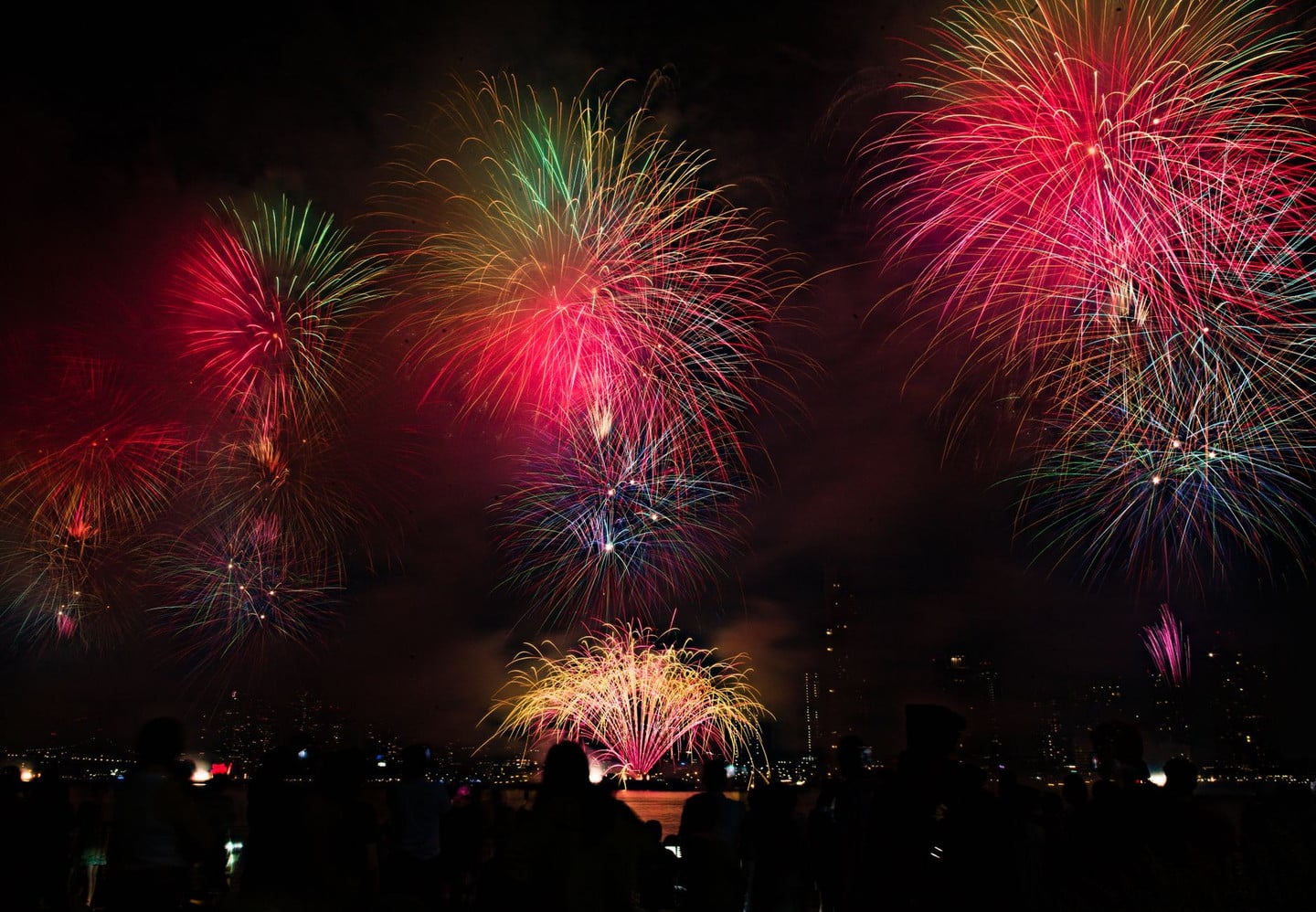
The Adachi Fireworks Festival is organized by the Adachi Ward Tourism and Exchange Association together with Adachi Ward. It is the ward’s signature summer event, the 48th edition in 2026, and one of the best-known fireworks shows in Tokyo. Senju, where the launch site lies, was the first post town on the Nikko Kaido in the Edo period and is still the historical and cultural center of Adachi Ward.
Is It Worth Seeing? High-Density Launches and the Double Niagara
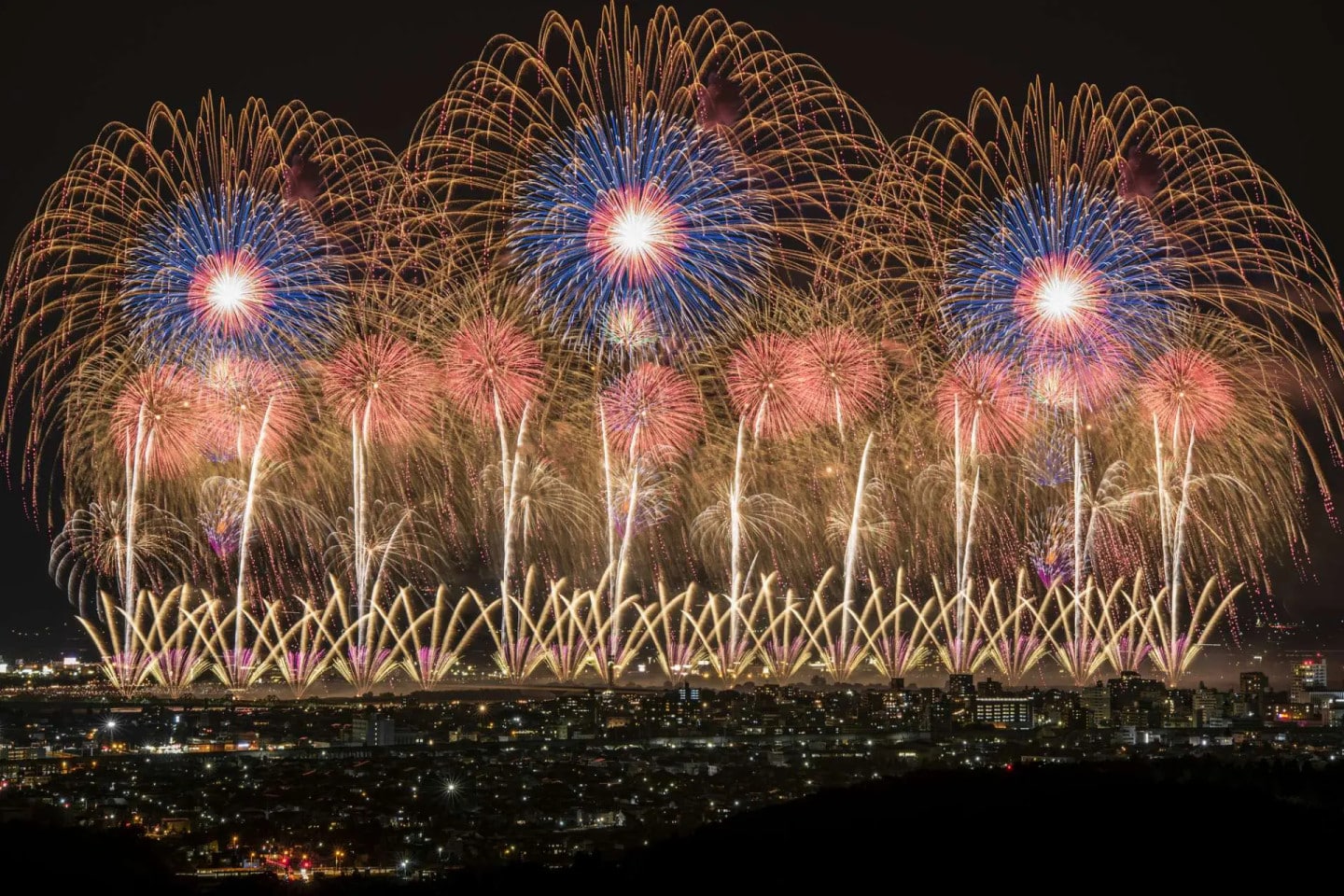
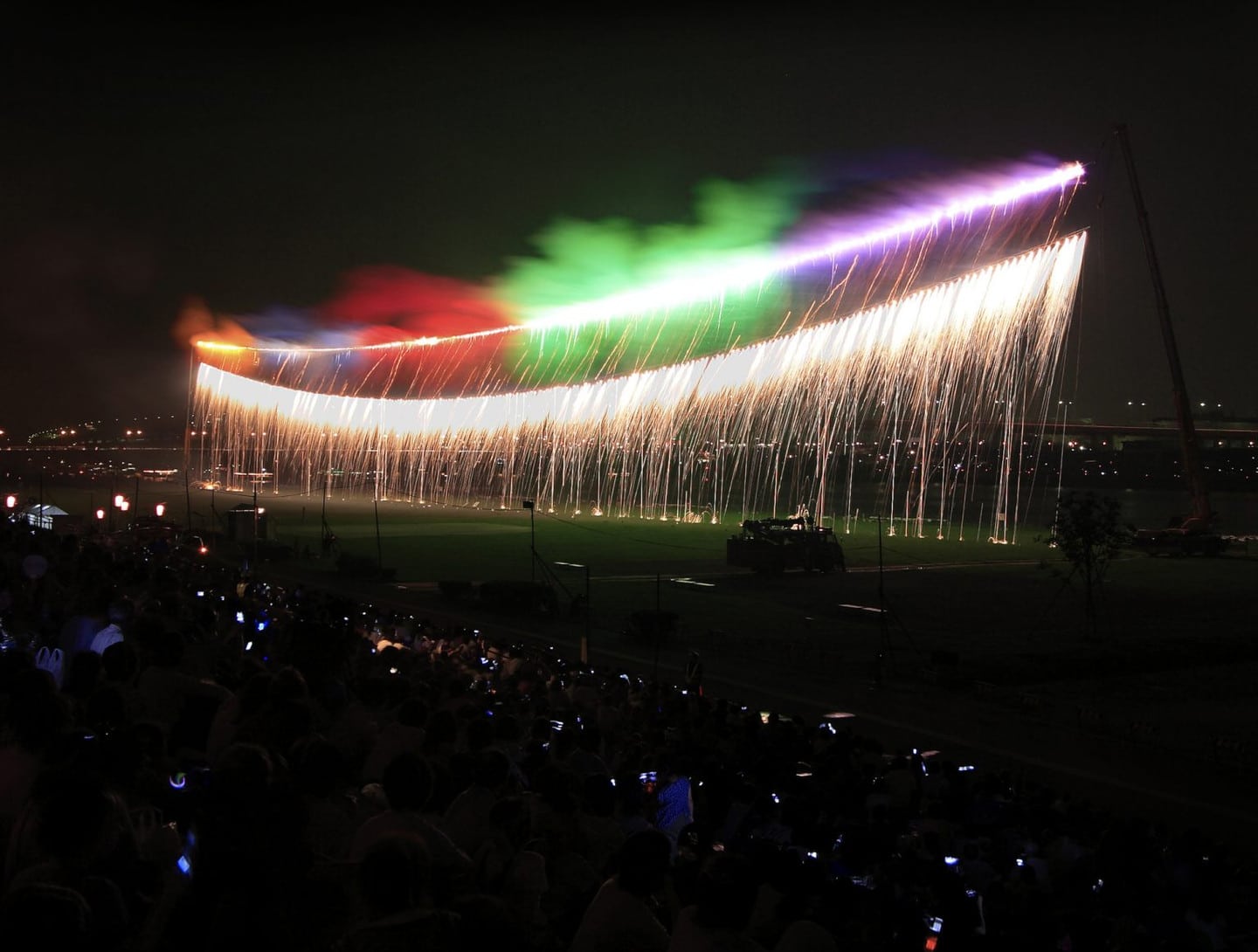
The festival’s biggest draw is its “high-density launch” approach: about 13,000 fireworks in just one hour, far denser than most festivals of similar scale, with almost no gaps, so the sights and sounds hit hard and it suits viewers who like a tight pace. The climax, the “Double Niagara” waterfall fireworks, stretches 250 meters, and the program also includes laser and music-synchronized segments. With plenty of free viewing areas close to central Tokyo, it is a good choice for a first Japanese fireworks festival.
How to Get to the 2026 Adachi Fireworks Festival: Transport, Station Choices and Leaving the Venue
The nearest station to the venue is Kita-Senju Station, about a 15-minute walk. Nishiarai, Machiya, Senju-Ohashi and Adachi-Odai stations can also spread out the crowds when the show ends.
How to Get to the 2026 Adachi Fireworks Festival: Transport at a Glance
🚉 Kita-Senju Station: a hub where JR, Metro, Tobu and Tsukuba Express meet, 15-25 minutes from central Tokyo and about a 15-minute walk to the Senju-side viewing area; it is the most crowded on the day.
🚉 Machiya / Senju-Ohashi / Adachi-Odai stations: alternative stations to use when leaving, to avoid the crowds at Kita-Senju Station.
🚉 Nishiarai Station: the starting point for the Nishiarai-side viewing area, a 15-20 minute walk; the organizers recommend using it first to spread out the crowds.
📱 Navitime transit app: track train times and crowds in real time; we suggest preloading it and linking your Suica or PASMO.
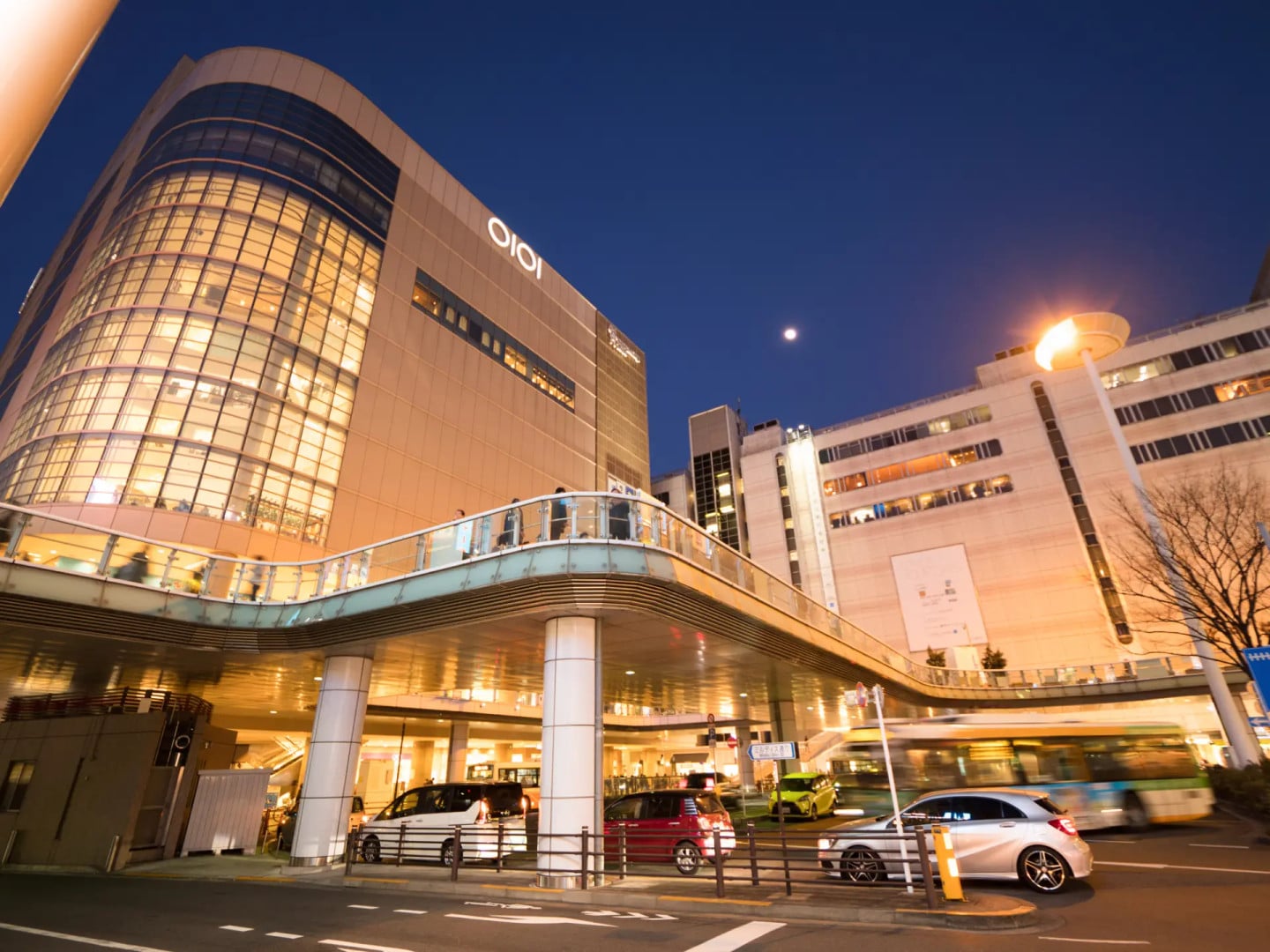
2026 Adachi Fireworks Festival Highlights: Viewing Areas and What to Watch For
Of the free viewing areas, Niji-no-Hiroba on the Senju side and Shiohairi Park are the most popular, and the Double Niagara waterfall is the most iconic highlight.
Niji-no-Hiroba (Senju Side): A Free Lawn Area Close to the Launch Zone
Niji-no-Hiroba is near Arakawa Nature Park. It is somewhat farther from the launch site and is one of the viewing areas outside the official venue where you can avoid the crowds. The lawn is spacious, suited to spreading a picnic mat and sitting on the ground, with few obstructions to the view, though low-altitude fireworks are harder to see, so arrive early in the afternoon to claim a spot. Note that the organizers prohibit claiming spots a day in advance: mats may be laid out only on the day of the event, and items left the night before are removed by the organizers, so you must arrive on the day to secure a place.
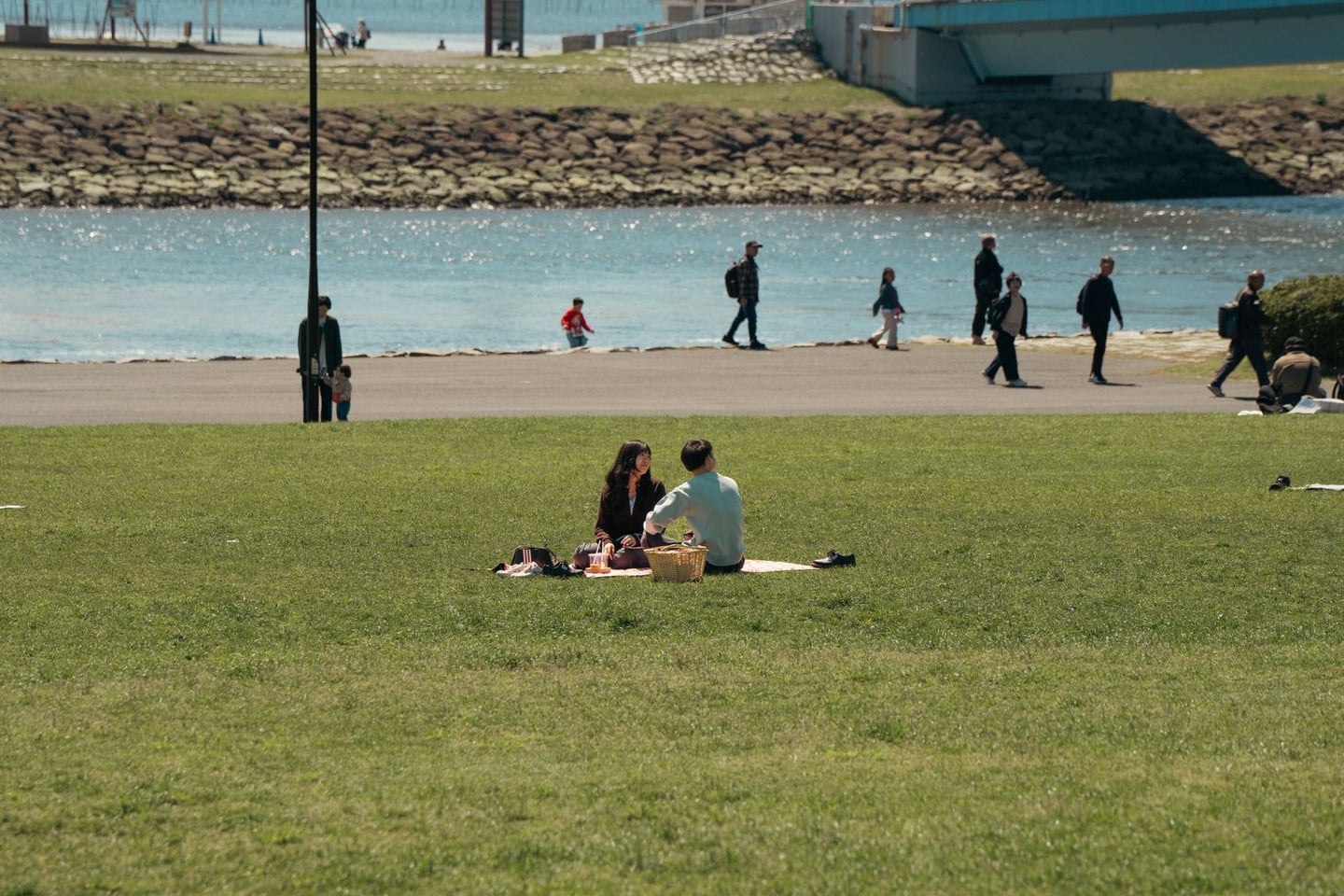

Shiohairi Park and Around Ogi Ohashi: A Relaxed Hidden Viewing Spot Along the Arakawa
Shiohairi Park and the area around Ogi Ohashi are both hidden spots along the Arakawa, with wide grass where you can lay a picnic mat and watch at ease, and both are easy to reach from Minami-Senju Station or along the Nippori-Toneri Liner. On the day, the surrounding area has heavy crowds and traffic controls, so bring enough water and snacks and allow extra time for the round trip. After the show ends, you can also stay put for about 30 minutes before leaving.
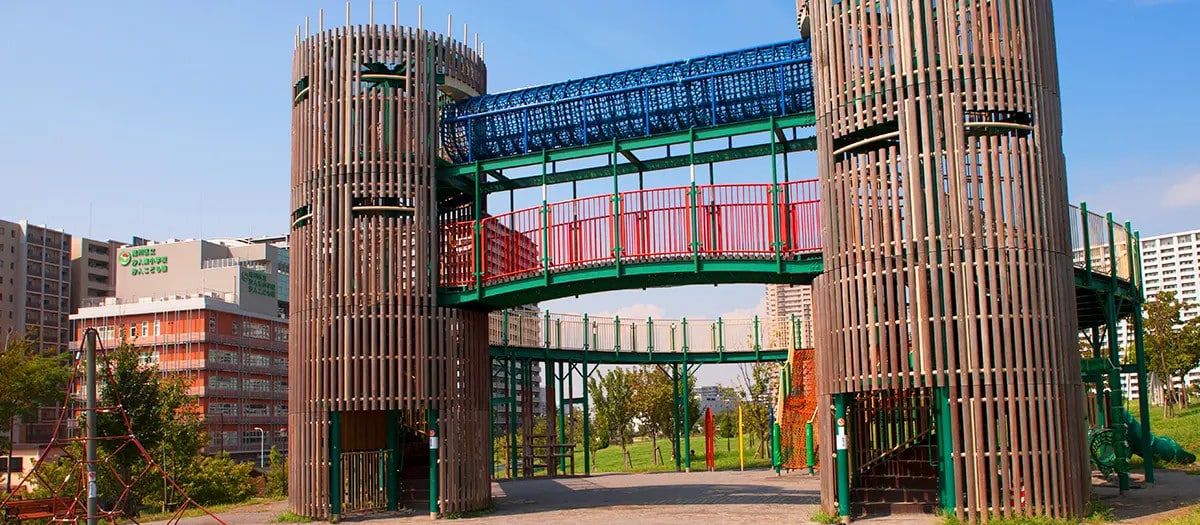
Nishiarai Bridge Side: A Western Viewing Point with Thinner Crowds and Wide Views
The Nishiarai Bridge side is an extension of the Nishiarai-side viewing area, with a wide riverbank and crowds that are much thinner than on the Senju side, suited to travelers who want a comfortable viewing experience or are with family or older relatives. It is slightly farther from the center of the launches, so the impact is a little weaker than on the Senju side, but in exchange you get more room to move and an easier route out after the show, and using Nishiarai Station keeps the overall transport pressure much lower.
The Double Niagara Fireworks: A 250-Meter Visual Finale
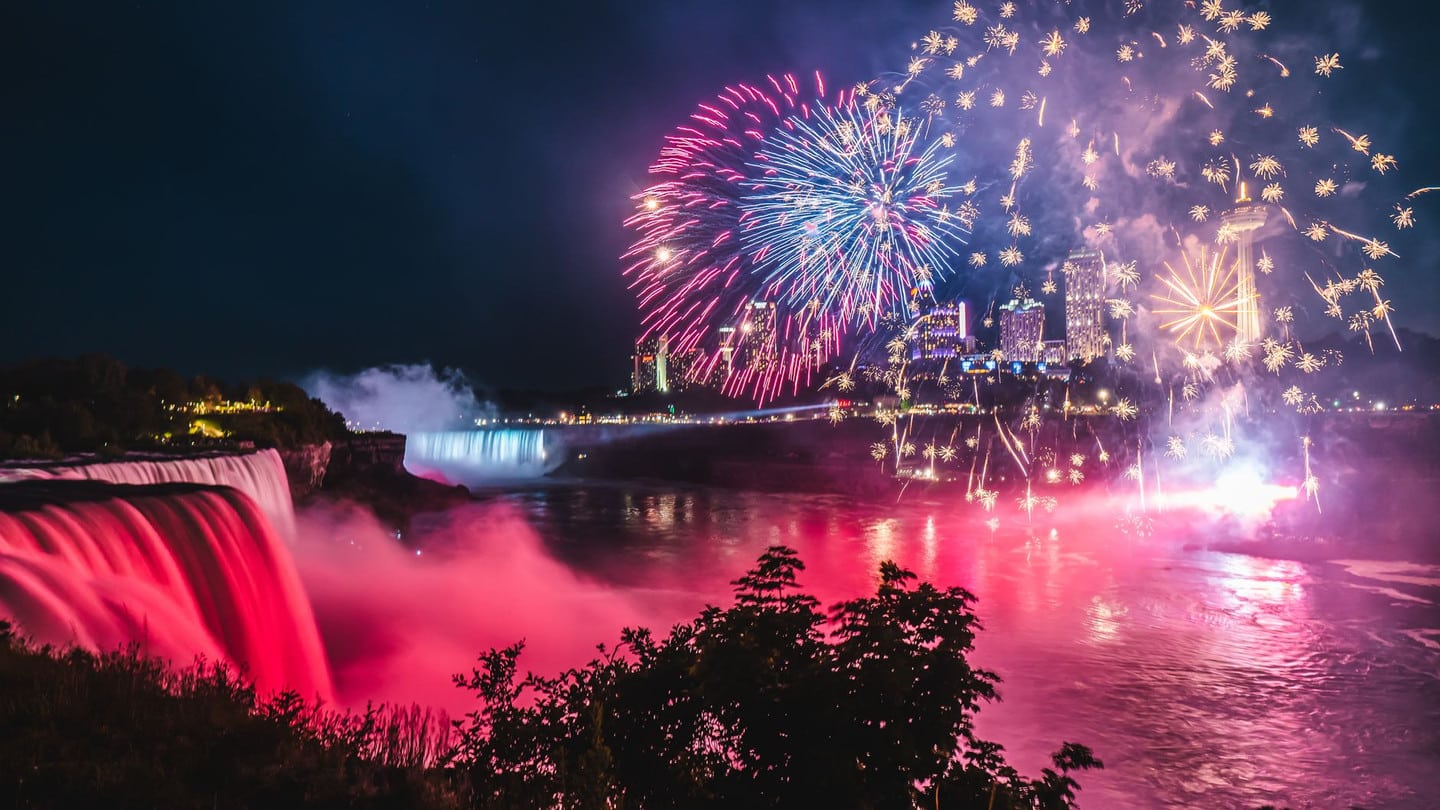
The “Double Niagara” has been the festival’s signature climax in recent years. Silver waterfall-style fireworks stretching 250 meters span the night sky, recreating the sight of water pouring down like Niagara Falls, and it is the most visually striking segment of the whole event. It appears in Act 3, “Light of Bonds,” and many spectators wait specifically for this climax.
Act 1 and the Star Mine Barrages: The High-Density Opening
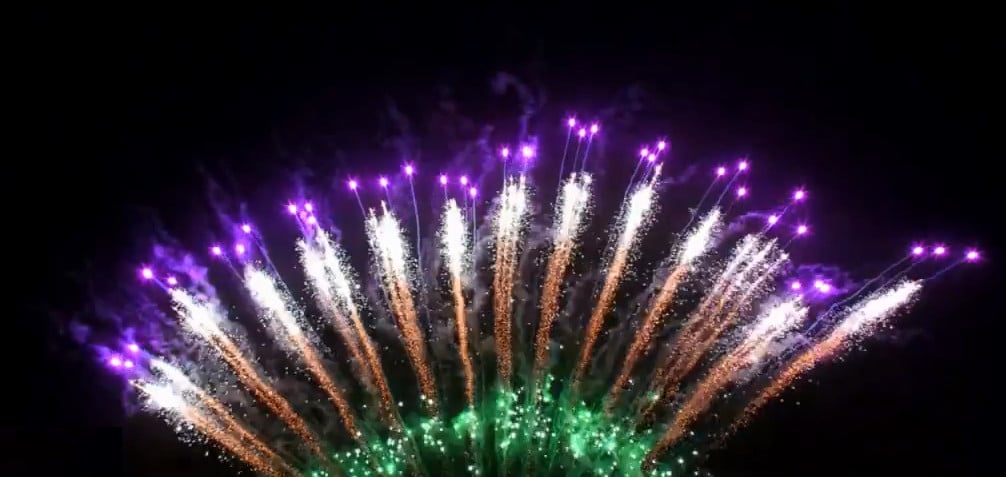
A “mine” (star mine) is a style of show in which large numbers of fireworks are fired in rapid succession, and it is the core of the Adachi festival’s “high-density” style. In 2026 the show was divided into five acts. Act 1, “Passion,” opens with whistling and thunder-effect fireworks and vividly colored barrages, starting at 19:20 and setting the rhythm for the next hour. Arrive early to claim a spot so you can enjoy the opening in full.
Japanese-Style Fireworks and the Golden Weeping Cherry: Highlights from Act 3 to the Finale
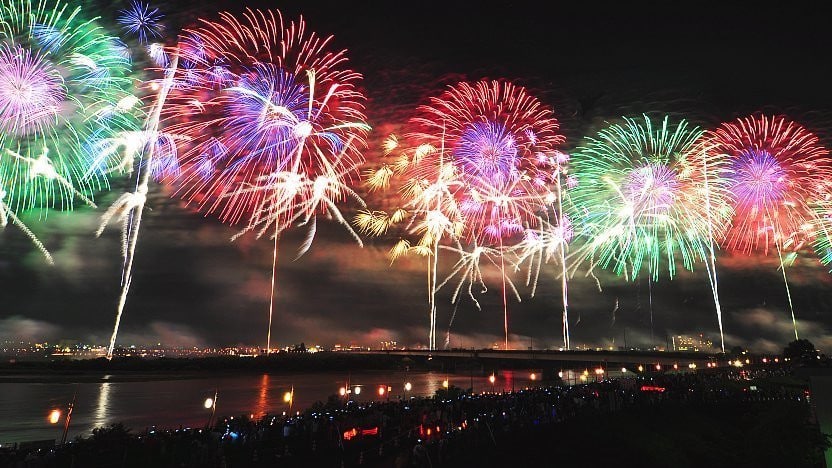
Japanese-style fireworks (wabi) are traditional fireworks in charcoal-fire tones, with a warm, subdued color quite different from ordinary colorful fireworks. In 2026 they appeared in Act 3, “Light of Bonds,” together with the 250-meter Double Niagara, symbolizing the Arakawa that has protected Adachi’s history. The final Act 5 is the customary “Golden Weeping Cherry,” closing with “Pomp and Circumstance.”
How Much Does the 2026 Adachi Fireworks Festival Cost? Paid Seats, Viewing Plans and Where to Buy
The Adachi Fireworks Festival draws more than 600,000 people to the Arakawa embankment every year. Free areas exist, but you need to go early in the afternoon to claim a spot, which is not easy for visitors with older relatives, children or lots of luggage. The organizers offer several paid viewing plans, priced from ¥5,000 to ¥20,000, differing in seat quality, viewing angle and extra services. Below are the most common ticket channels and plans.
Official Paid Viewing Seats: The Best-Value Entry Option
The “paid viewing seats” are sold by the Adachi Ward Tourism Association and are located on the Arakawa Senju and Nishiarai sides.
Sales opened in late April 2026, through CN Playguide or FamilyMart. Prices:
Senju-South single: ¥6,000
Nishiarai-North single: ¥5,000
Nishiarai pair: ¥10,000
Nishiarai group of three: ¥15,000
Nishiarai 4-person table: ¥20,000
Sold out in 2026; only official resale is available, and do not buy through unofficial channels or the ticket will be invalid. The 2027 schedule has not been announced, so watch for announcements.
Arakawa Riverbed Picnic Seating: A Flexible Option for Families and Friends
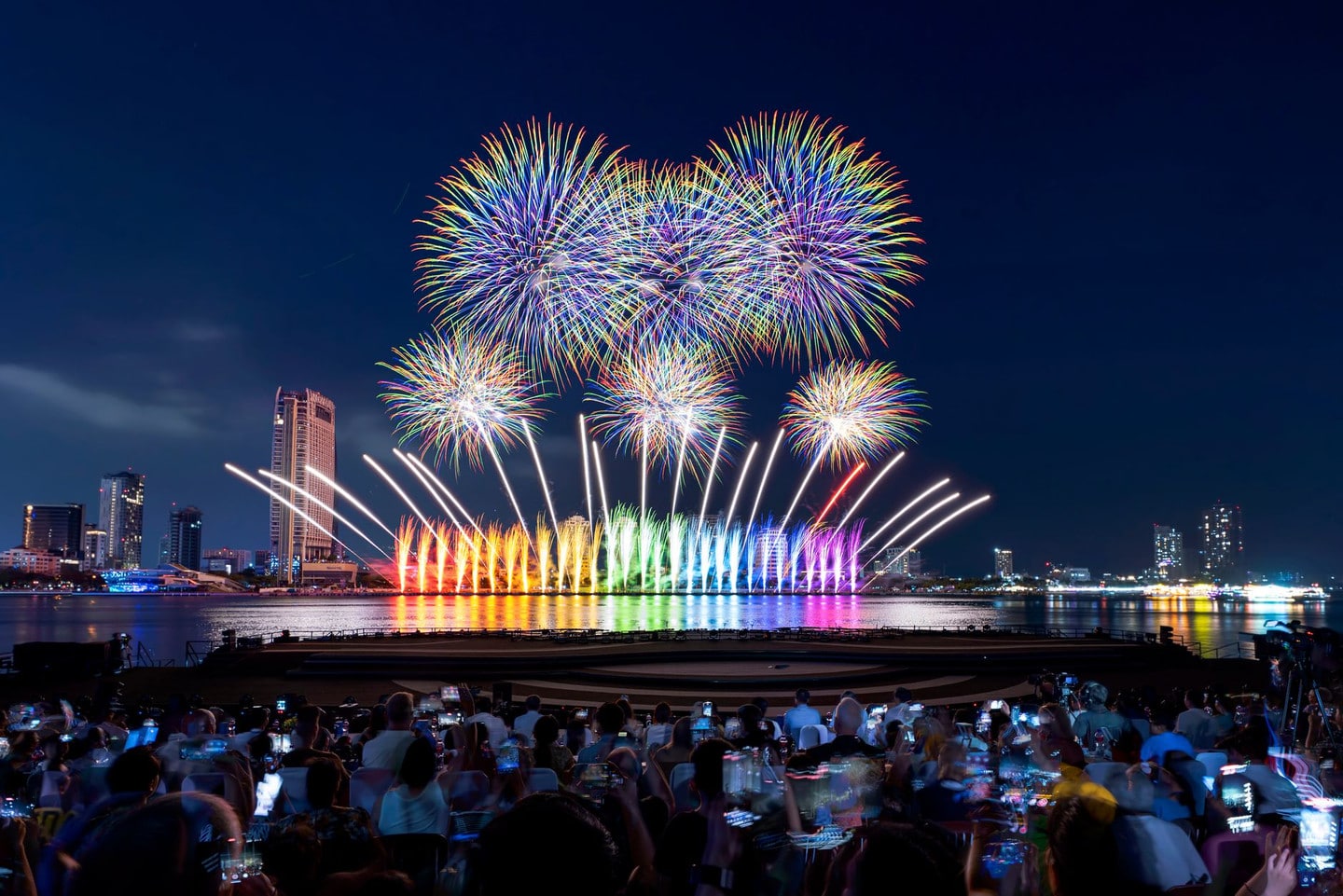
The “area” type of official paid seat is a ground-seating zone with blue plastic sheets laid out and the space marked off. Using 2026 prices as an example, a Senju-side single area is ¥6,000, a Nishiarai-side pair area is ¥10,000, and a group-of-three area is ¥15,000, suited to friends or whole families sitting on the ground to watch. There are no fixed chairs, and the downside is that your view may be slightly affected by nearby spectators standing; the purchase channels are the same as for the official paid seats above, announced and sold through Adachi Kanko Net.
Adachi Fireworks Festival Tickets 2026: Where to Buy, Official Resale and Refund Rules
In 2026, paid viewing seats could be bought on the CN Playguide website or at FamilyMart multifunction copiers, with a handling fee added, and picked up at FamilyMart or 7-Eleven after payment. You cannot choose your seat location, and resale is allowed only on the official resale platform “Chikepura Trade”; resale through other channels is prohibited. A refund is available if the event is canceled due to bad weather, but not if it is stopped after the launches have begun.
Where to Stay
The station nearest the Adachi Fireworks Festival venue is Kita-Senju Station, where JR, Metro, Tobu and Tsukuba Express meet, about 15 to 25 minutes from central Tokyo. Crowds gather at the station right after the show, so to avoid the exit rush, you can stay near Kita-Senju Station and head back at leisure the next day.

FAQ
Q: When is the Adachi Fireworks Festival in 2026?
The 2026 Adachi Fireworks Festival was held on May 30 (Saturday), with launches from 19:20 to 20:20, about one hour in total. Please check official announcements for the 2027 date.
Q: Do I need a ticket for the Adachi Fireworks Festival?
The free areas need no ticket and anyone can go to watch; the official paid viewing seats require advance tickets, priced in 2026 from ¥5,000 (Nishiarai-side single chair seat) to ¥20,000 (4-person table seat), on sale from late April and now all sold out.
Q: Is it canceled in the rain? Will it be postponed?
Light rain normally goes ahead as planned, but strong wind (over 7 m/s sustained for more than 10 minutes), a heavy rain warning or lightning risk leads to outright cancellation, with no postponement to the next day.
Q: Which station is the most convenient?
The nearest station is Kita-Senju Station, about a 15-minute walk; when leaving, we suggest using Nishiarai, Machiya or Adachi-Odai stations to spread the crowds and shorten the wait in line.
Q: Is the Adachi Fireworks Festival suitable for children or older relatives?
Yes. We suggest viewing from the less crowded Nishiarai side or Nishiarai Bridge side, bringing earplugs, food and a ground mat, and avoiding the most crowded core area on the Senju side.
Q: How do I avoid the crowds after the fireworks end?
Stay put for 20-30 minutes to let the first wave of people leave, and head for stations such as Machiya or Adachi-Odai, which can greatly shorten the wait in line.
Q: Can I claim a spot a day in advance?
No. The organizers prohibit claiming spots a day in advance; picnic mats may be laid out only on the day of the event, and items left the day before are removed by the organizers.