
2026 Hibiya Shopping Guide: Highlights of Yurakucho, Hibiya and Ginza
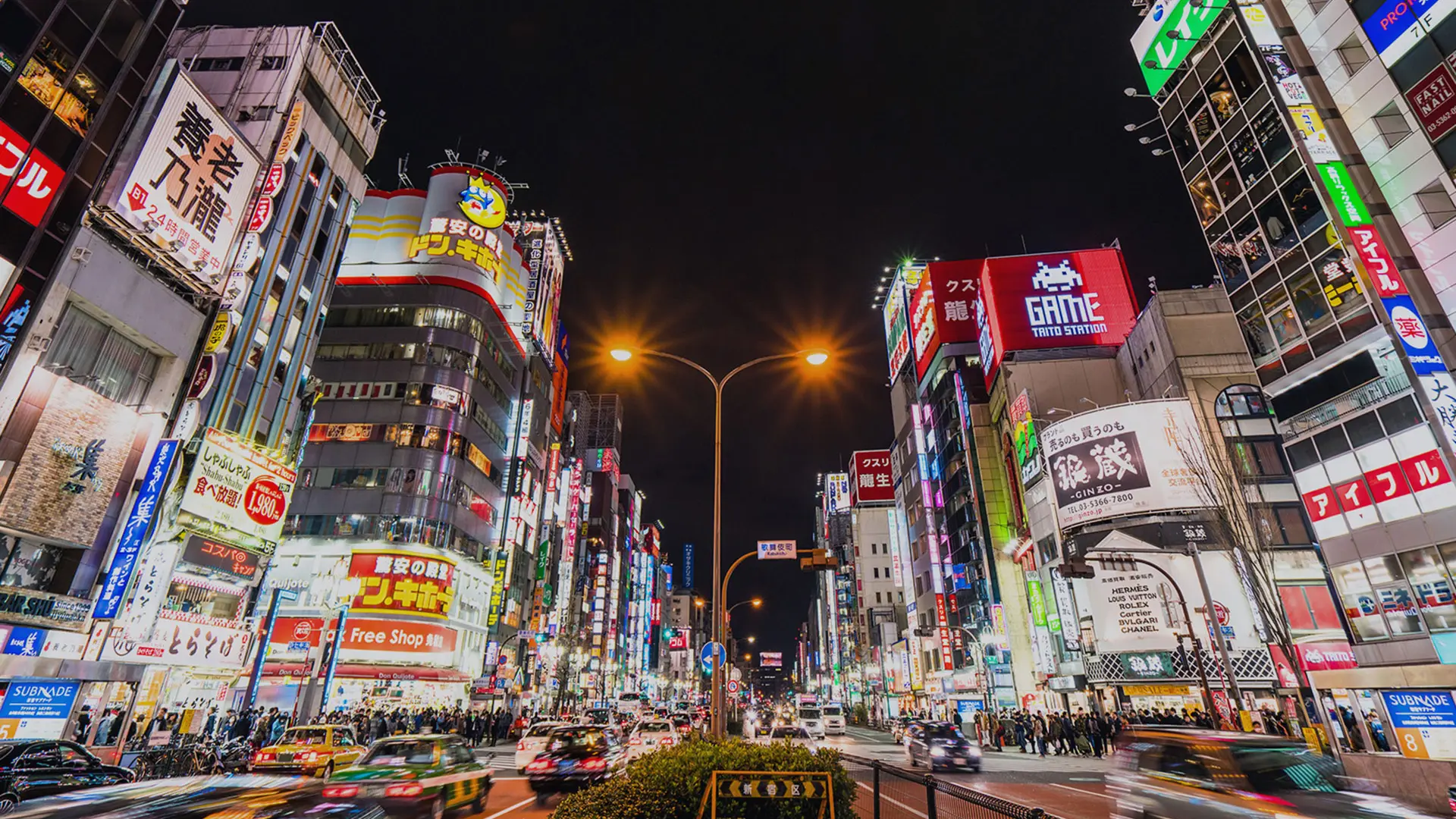
Hibiya, Yurakucho and Ginza sit side by side and form Tokyo’s most polished mix of shopping and business districts, ideal for a half-day or full-day outing.
Yurakucho: A Shopping and Dining Hub with LUMINE Yurakucho and Yurakucho Marui
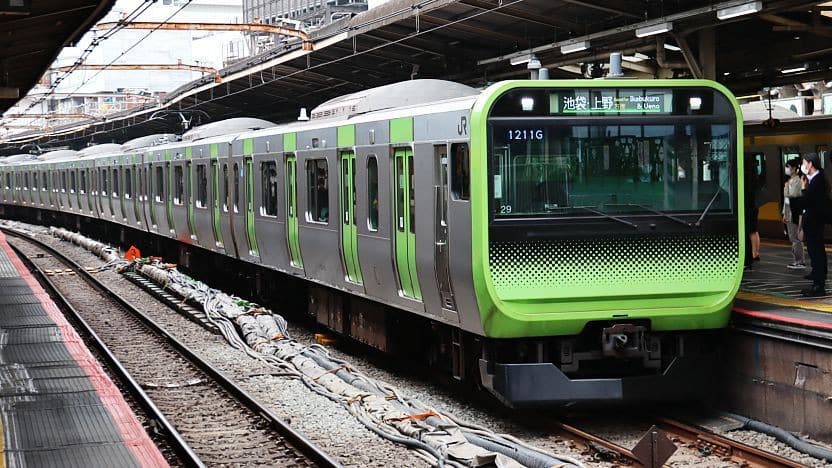
Yurakucho sits right next to Tokyo Station and Ginza and is known for department stores such as LUMINE Yurakucho and Yurakucho Marui. It is also an important transfer point where the JR Yamanote Line meets the Tokyo Metro. During the day office workers fill the restaurants, and at night the izakaya alleys under the elevated tracks create a distinctive blend of old and new.
From Yurakucho Station you can reach Hibiya Park and the Tokyo International Forum within a five-minute walk, which makes it an excellent starting point for a day trip. Go on a weekday morning to avoid weekend crowds and shop and eat at an easy pace.
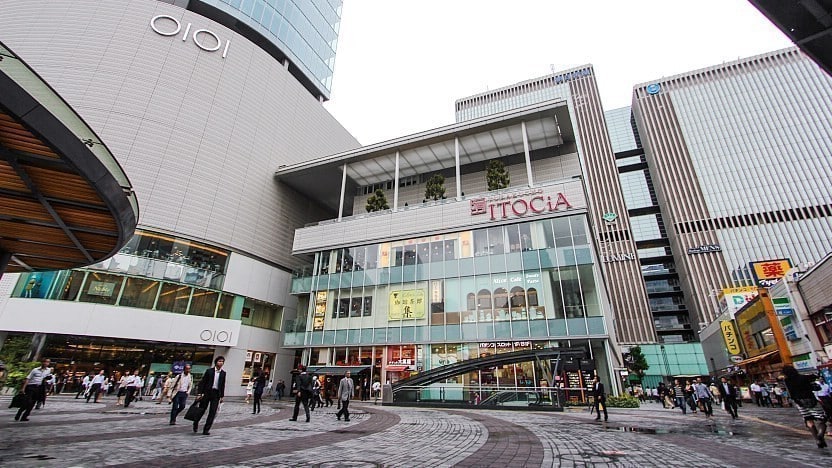
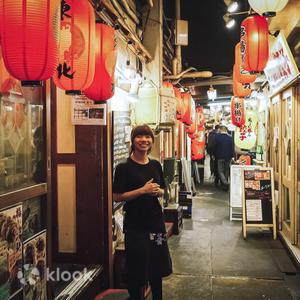

Shopping in Yurakucho: Highlights Around Yurakucho Station
The shopping area begins right outside Yurakucho Station, and the nearby facilities are a few minutes’ walk away, which is convenient on rainy days too.
- 🛍️ LUMINE Yurakucho: A fashion department store near Yurakucho Station with a concentration of women’s fashion, lifestyle goods and beauty brands. The official website lists store-wide hours of 11:00-21:00 (some shops differ), so you can still shop after work.
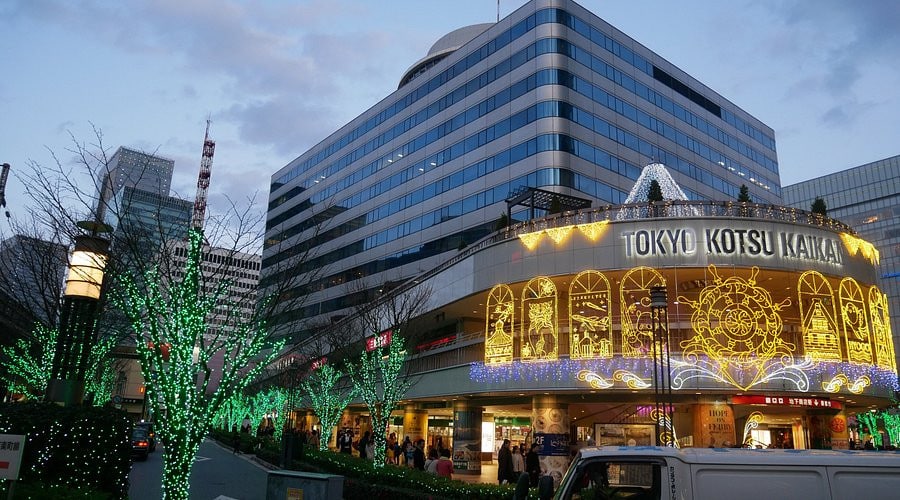
- 🎁 Tokyo Kotsu Kaikan: A long-established building in front of the station. The basement level and first floor hold regional specialty shops such as Hokkaido Dosanko Plaza, which are good for souvenirs. On Saturdays, Sundays and national holidays, a farmers’ market is held from 11:30 to 17:30 in the first-floor arcade.
Extending Your Yurakucho Walk: UNIQLO TOKYO and Hibiya OKUROJI
- 👕 UNIQLO TOKYO: The UNIQLO global flagship store opened in 2020 on floors 1-4 of Marronnier Gate Ginza 2 in Ginza 3-chome. Official information puts it about a 4-minute walk from Yurakucho Station.
- 🏮 Hibiya OKUROJI: Running beneath the JR viaduct, it is easy to link up by strolling from Yurakucho toward Shimbashi, and it is a good place to look for artisan crafts and handmade goods.
Suggested route: Start at JR Yurakucho Station, then go through Tokyo Kotsu Kaikan, LUMINE and UNIQLO TOKYO, and finish in Hibiya, in about half a day.
Hibiya: A Mature Neighborhood Where Tokyo Midtown Hibiya Meets the OKUROJI Artisan Arcade
Hibiya is centered on Hibiya Park, and nearby are new-meets-old facilities such as Tokyo Midtown Hibiya and Hibiya OKUROJI. It is a rare central Tokyo district that keeps a large stretch of greenery. It lacks the bustle of Shibuya and Harajuku and has a calmer, more grown-up shopping atmosphere, which suits travelers who like a relaxed pace.
YURAKUCHO PARK (Yurakucho Park), in front of Yurakucho Station, began construction in September 2026 and is expected to open in 2027, bringing new energy to the area. Hibiya can usually be linked to Yurakucho and Ginza on foot, which makes it ideal for a one-day walking route.
Ginza: Japan’s Top Luxury Shopping Destination and Home to Century-Old Shops
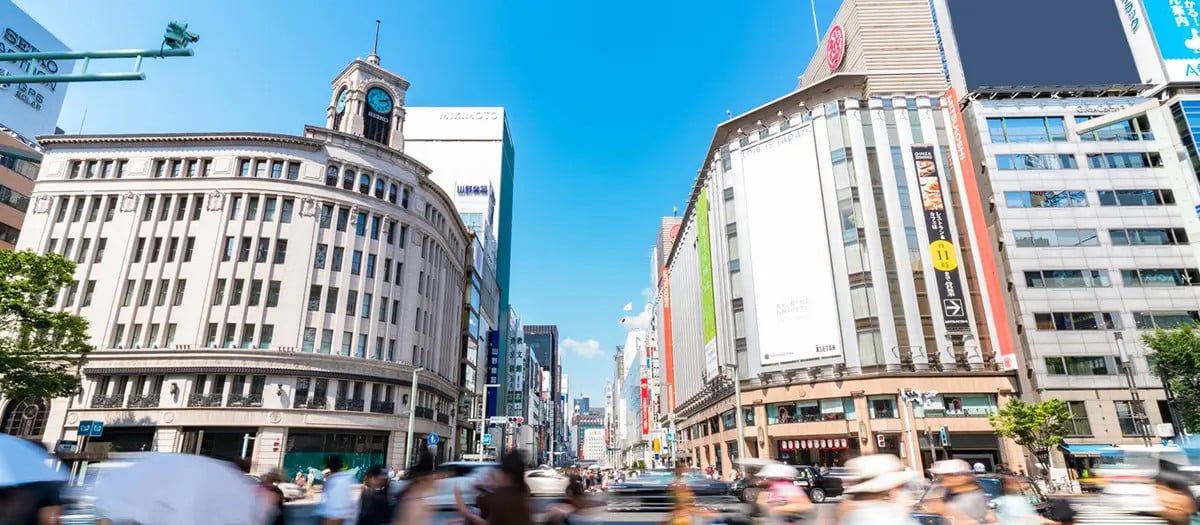
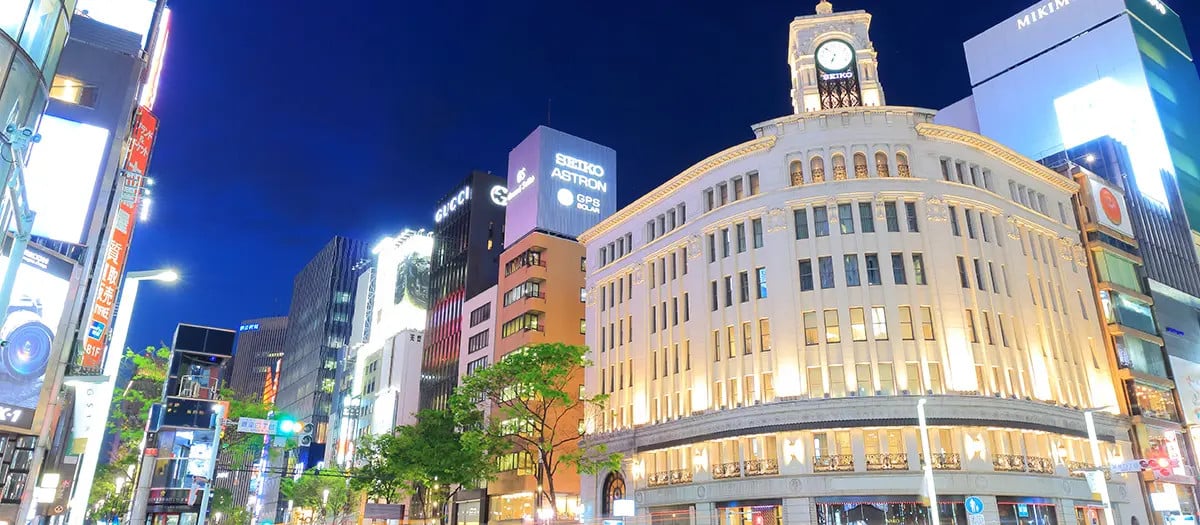
Ginza is Japan’s most iconic upscale shopping street, with GINZA SIX and century-old names such as Matsuya Ginza and Wako lining both sides of Chuo-dori. It brings together flagship stores of international luxury brands such as Louis Vuitton, Hermes and Chanel, as well as large Japanese flagships such as UNIQLO and MUJI.
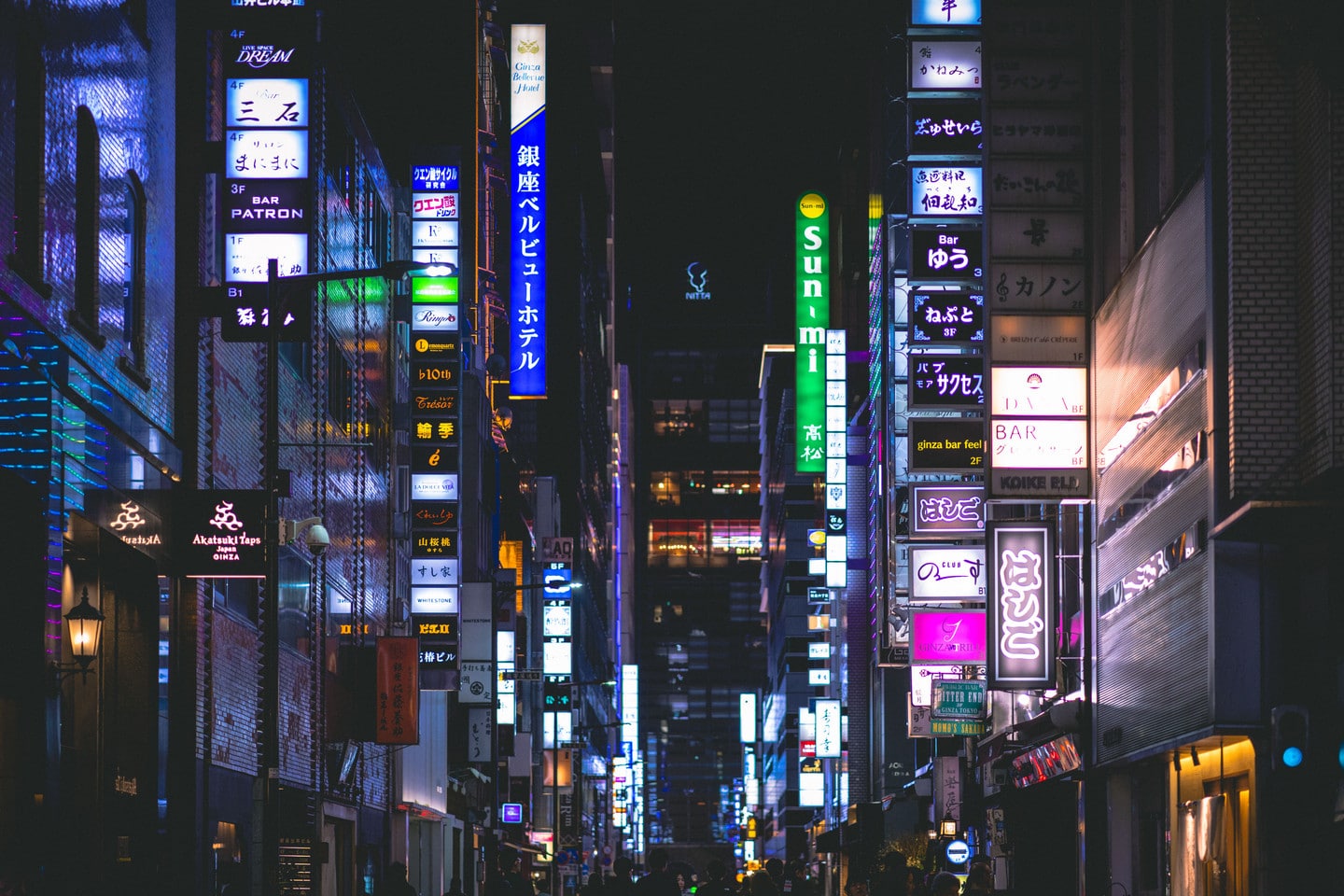
On weekends Chuo-dori becomes a “pedestrian paradise,” closed to vehicles so visitors can stroll and take photos at leisure. Ginza Station is served by the Ginza, Hibiya and Marunouchi lines, making it very convenient, and it is the last stop connecting the Yurakucho and Hibiya route.
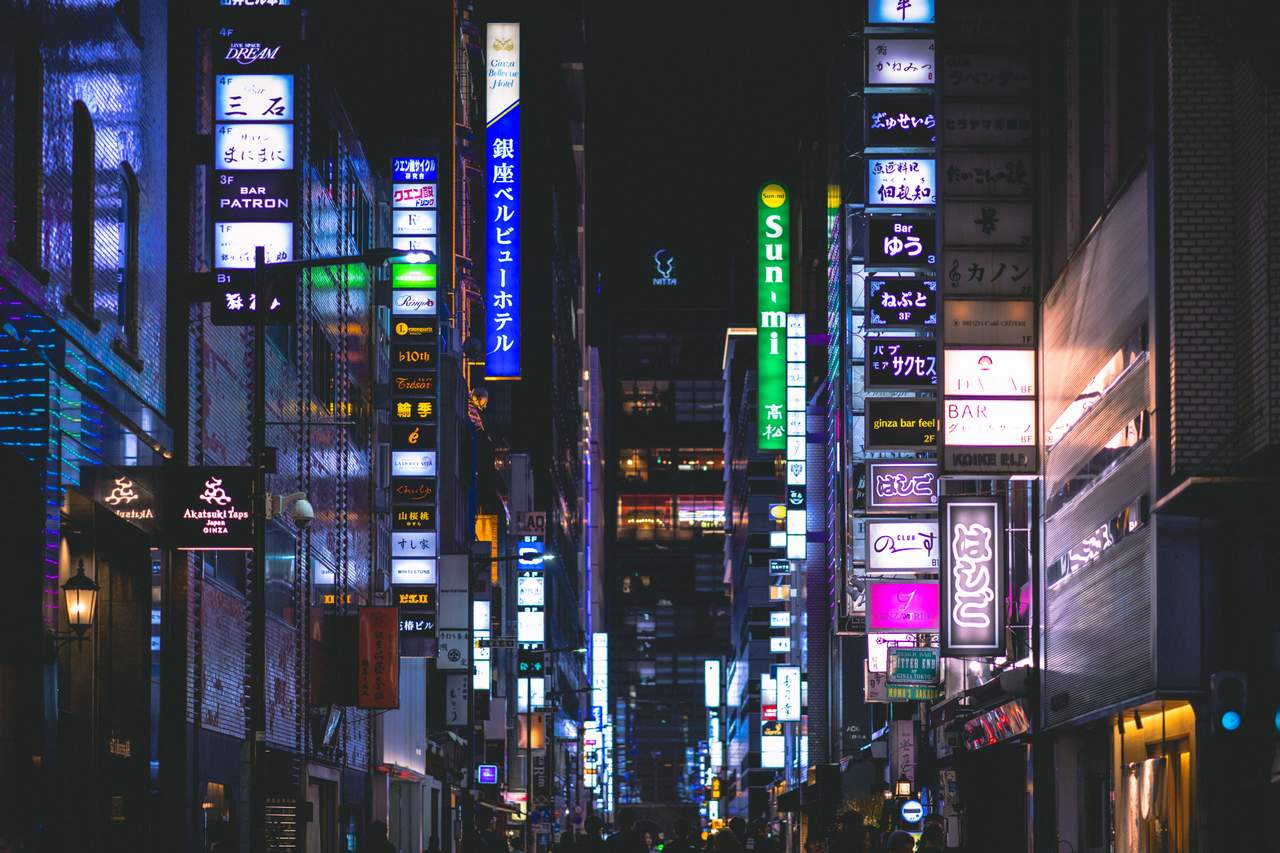
Shibuya: The Birthplace of Youth Trends, Led by SHIBUYA 109 and PARCO
Shibuya is not part of the Hibiya area, but because of easy transport it is often added to the same day’s itinerary. It is known for fashion department stores such as SHIBUYA 109 and Shibuya PARCO. It is the birthplace of youth subculture and the latest trends, in sharp contrast to Hibiya’s calm.
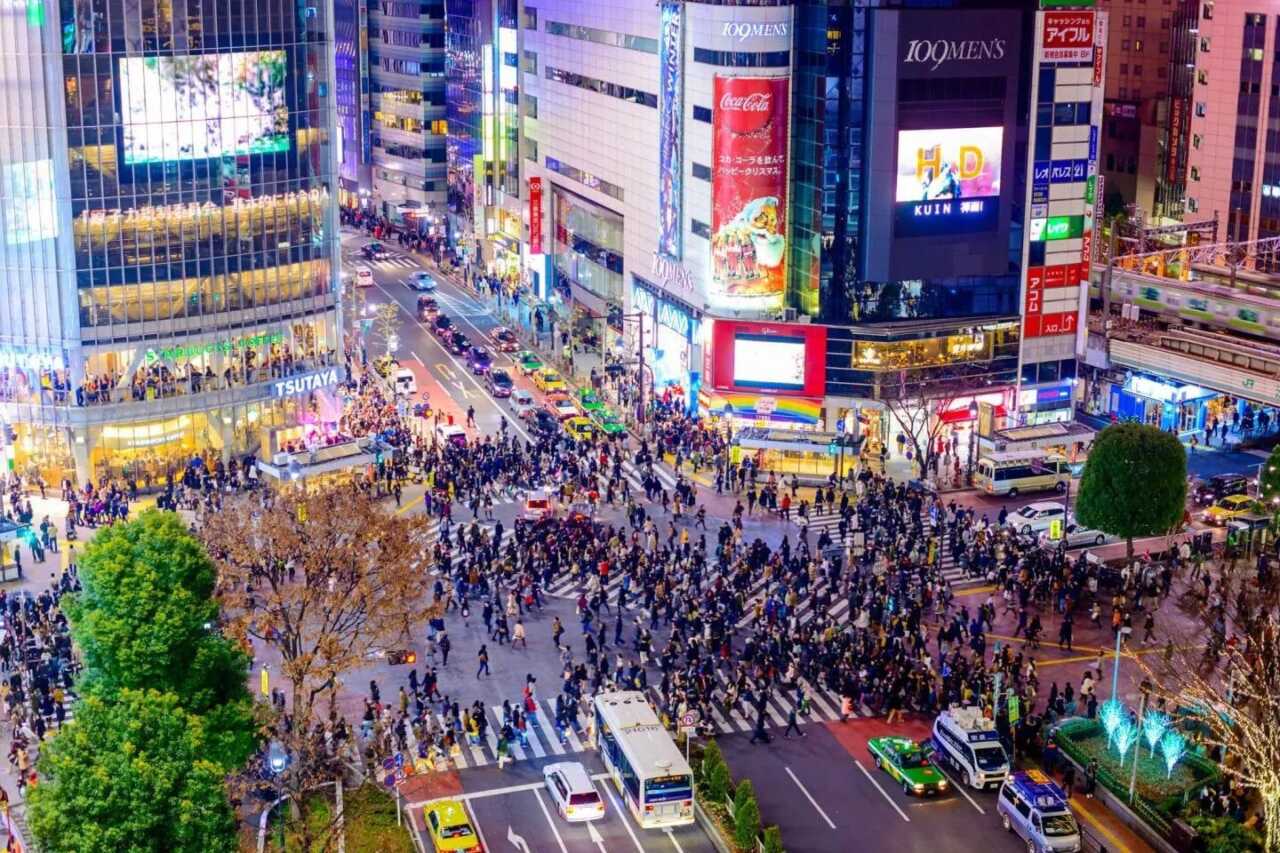
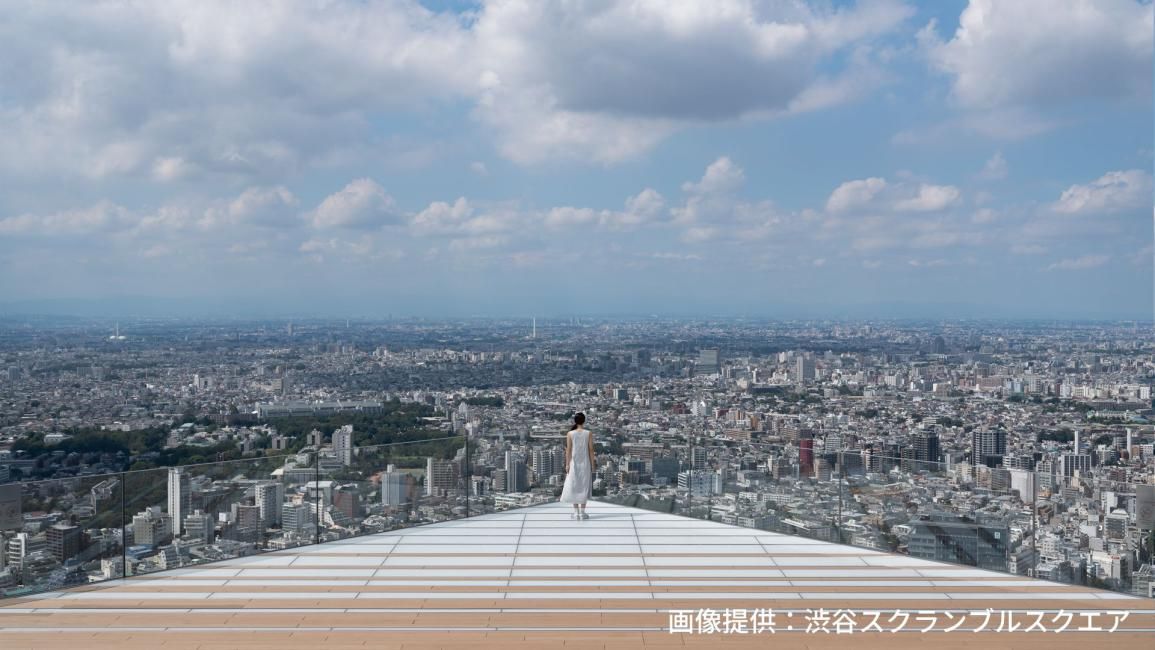
The Shibuya Scramble Crossing and the Hachiko statue are must-photograph landmarks, and the SHIBUYA SKY observation deck offers a superb view over central Tokyo. If you have plenty of time, we suggest saving Shibuya for the end of the day as an energetic finale.

Kokyo Gaien (Imperial Palace Outer Gardens): A Historic Green Space Linking the Three Districts
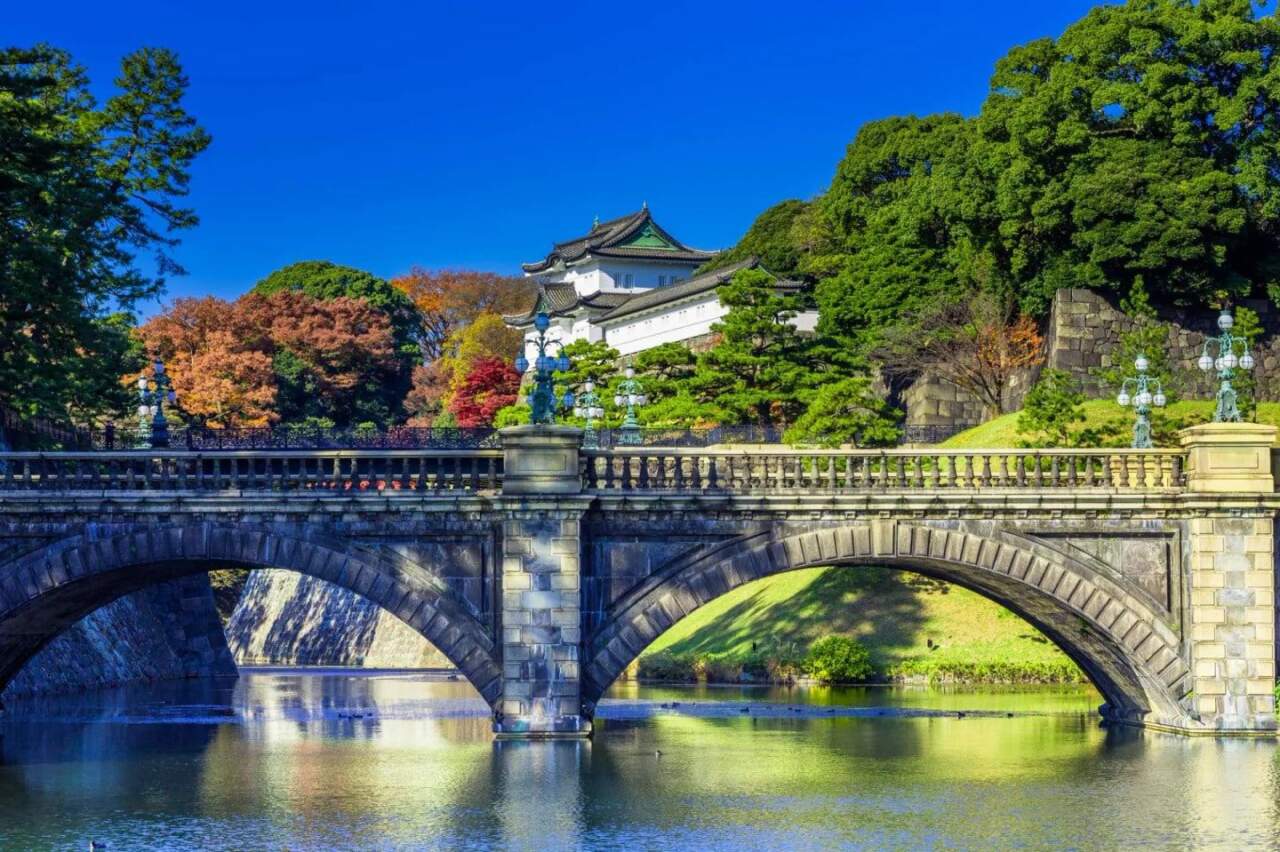
Kokyo Gaien lies between Yurakucho and Tokyo Station and is an open park in front of the main gate of the Imperial Palace, free to enter and open year-round. The broad Pine Tree Lawn and Nijubashi Bridge are classic photo spots and a good introduction to the history of Japan’s imperial family.
We suggest stopping by before you start in Yurakucho. It is about a ten-minute walk, and the park has benches where you can rest briefly before starting your shopping.
Tokyo Station Marunouchi Exit: A Retro Red-Brick City Landmark
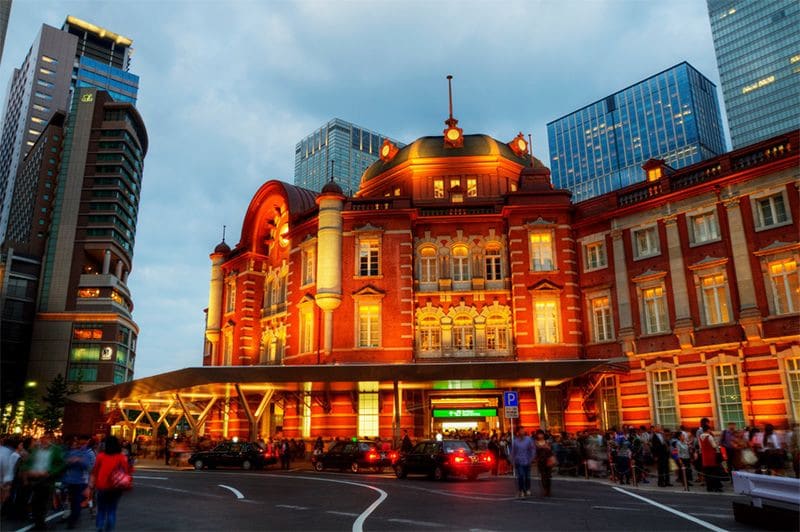
The red-brick station building at Tokyo Station’s Marunouchi exit was built in 1914 and is an Important Cultural Property of Japan, and a landmark that connects seamlessly with the Yurakucho district. Tokyo Station Ichibangai inside the station has many souvenir shops, handy for last-minute souvenir shopping at the end of your trip.
It is about a ten-minute walk from Yurakucho Station. Go around dusk to see the red-brick building lit up at night, which has its own charm.
Tokyo Kotsu Kaikan (東京交通會館): A Gathering Place for Regional Products from All Over Japan
Tokyo Kotsu Kaikan stands in front of Yurakucho Station, and its basement level and first floor are filled with shops for products from around Japan, so you can pick up specialty souvenirs from Hokkaido, Okinawa and elsewhere in one place without running around. The building also has several restaurants serving regional cuisine, good for sampling local home cooking.
Opening hours vary by floor and shop, so please check official announcements before you go. Allow about an hour to look through the specialty counters on each floor.
Marunouchi Nakadori: An Elegant Tree-Lined Boulevard of Luxury Boutiques
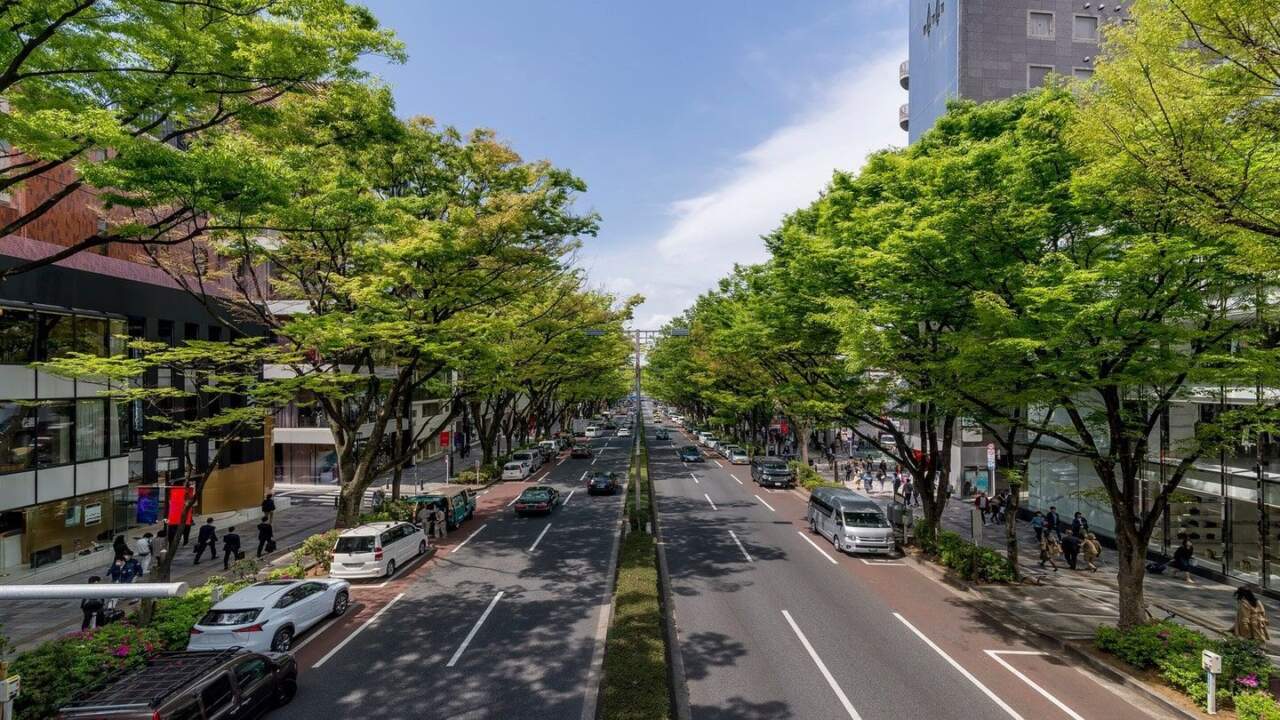
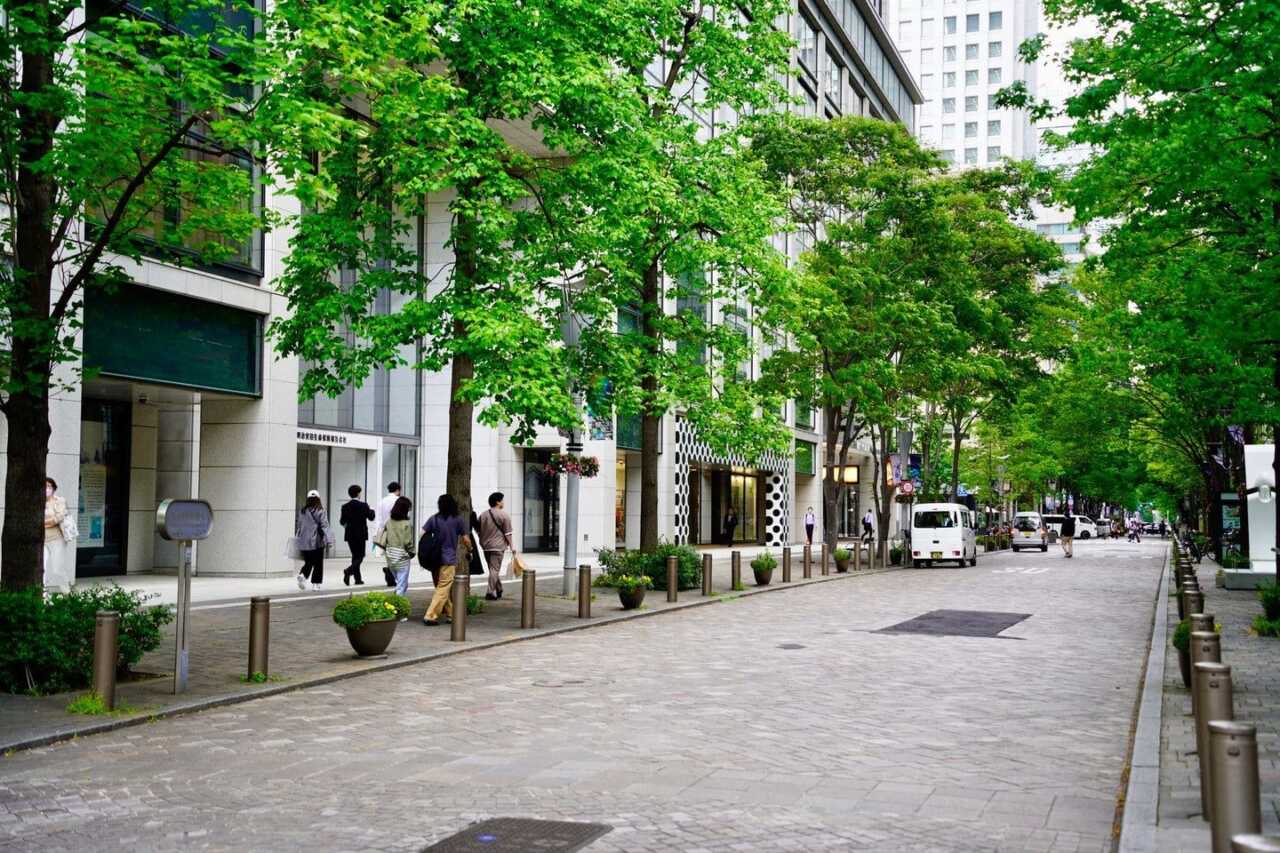
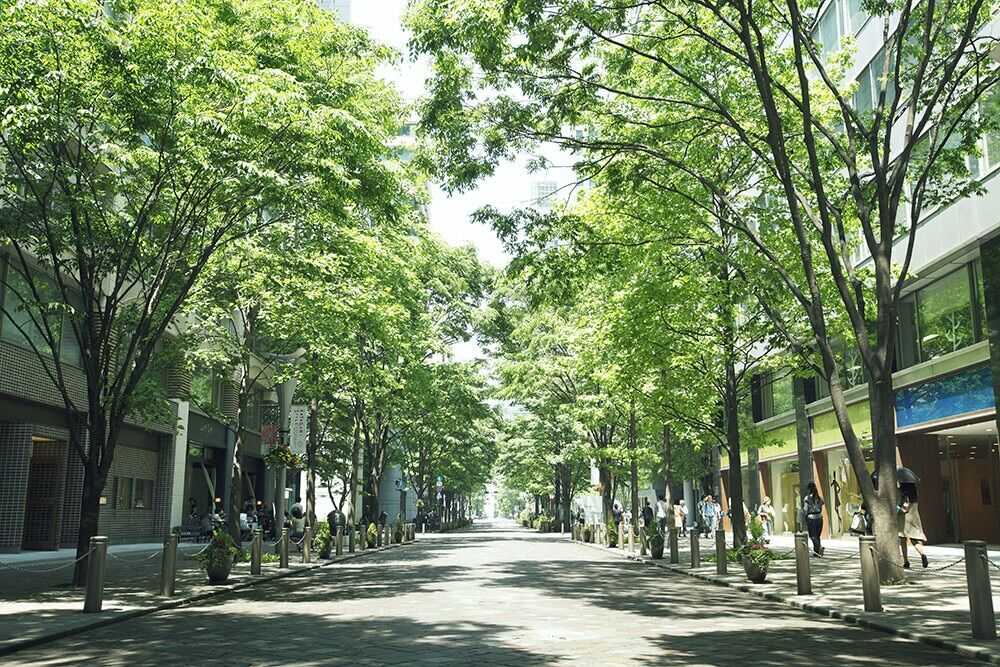
Marunouchi Nakadori is as famous as Ginza’s Chuo-dori, a high-end shopping street between Tokyo Station and Yurakucho. Neatly planted trees line both sides, and outdoor artworks are often on display. It has many international luxury boutiques and fine restaurants, and the mood is quieter and more elegant than in Ginza.
Street market events are often held on holiday afternoons. We suggest strolling here after shopping in Yurakucho to experience another elegant side of Tokyo’s business district.
How to Get to Hibiya in 2026: Transport and Pass Guide
Getting to the three districts of Yurakucho, Hibiya and Ginza is easy, with many lines going directly. Here are the most useful options.
How to Get to Hibiya: Transport at a Glance
🚃 JR Yamanote Line: To Yurakucho Station, about 13 minutes, fare ¥150-210.
🚇 Hibiya Line: To Hibiya Station Exit A13, fare ¥180-330.
🚇 Ginza Line: Shibuya to Ginza in about 15 minutes, direct to GINZA SIX, fare ¥180-240.
🚇 Hanzomon Line: Through-running with the Den-en-toshi Line, fare ¥180-300.
🚇 Fukutoshin Line: Shibuya to Ikebukuro in about 20 minutes, fare ¥180-280.
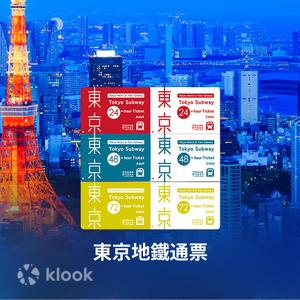
🎫 Metro & Toei One-Day Pass: Adults ¥900, unlimited rides on 13 lines.
Must-See Spots for a 2026 Hibiya Shopping Trip: Nearby Highlights
From Yurakucho to Shibuya, here are ten top picks covering new openings and classic landmarks.
YURAKUCHO PARK (Yurakucho Park): A New Station-Front Hub Expected to Open in 2027
YURAKUCHO PARK is an interim-use project promoted by Mitsubishi Estate on the former site (about 10,000 square meters) of the Yurakucho Building and Shin-Yurakucho Building in front of Yurakucho Station, which have been demolished. According to Mitsubishi Estate’s announcement of August 28, 2026, new construction began on September 1, 2026, with restaurants, retail shops and event space as the main uses, and both completion and opening are expected in 2027.
It is still under construction, so it cannot be entered or visited in 2026. Please check Mitsubishi Estate’s official announcements for the actual opening date and tenants.

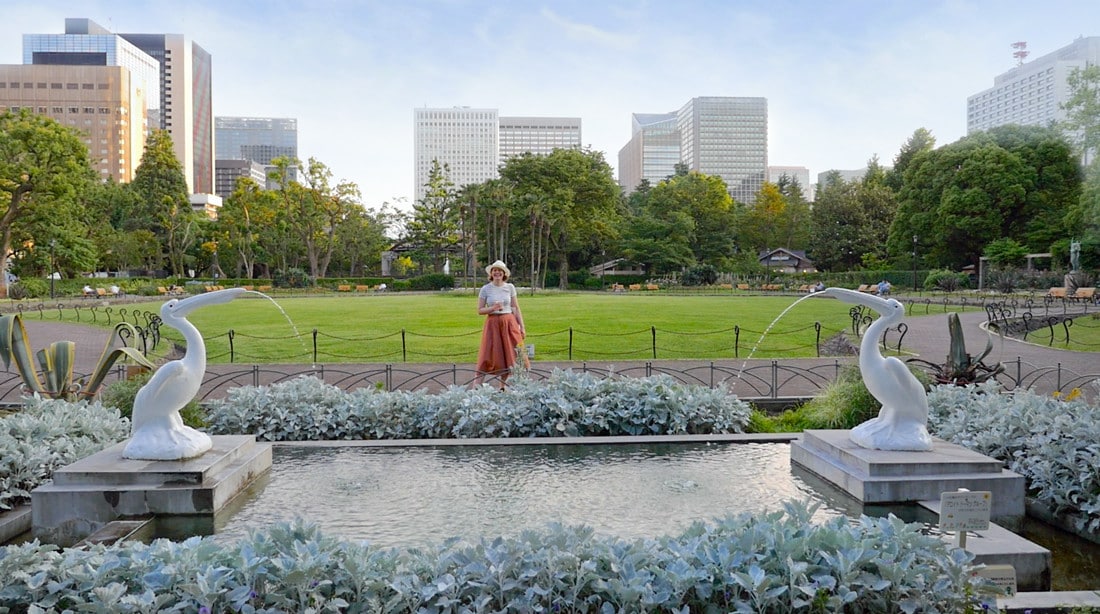
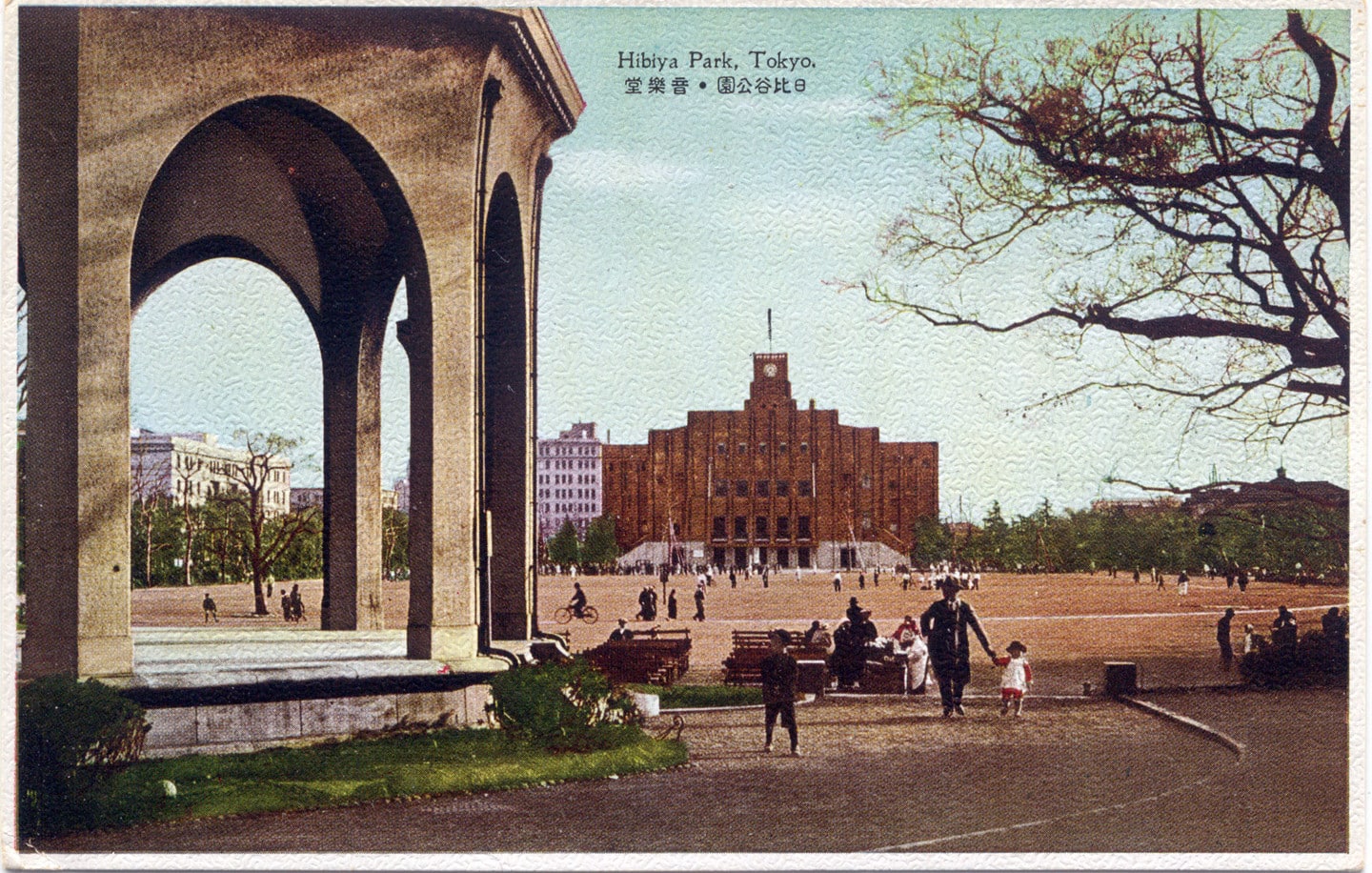
Hibiya Park: A Century-Old Green Oasis in the City Center
Hibiya Park was established in 1903 and was Japan’s first Western-style modern park. It has a fountain, a rose garden and an open-air concert hall, and it is free and open year-round. Whether on a weekday lunch break or a weekend picnic, you will see locals relaxing here, a quiet corner in sharp contrast to the surrounding office towers.
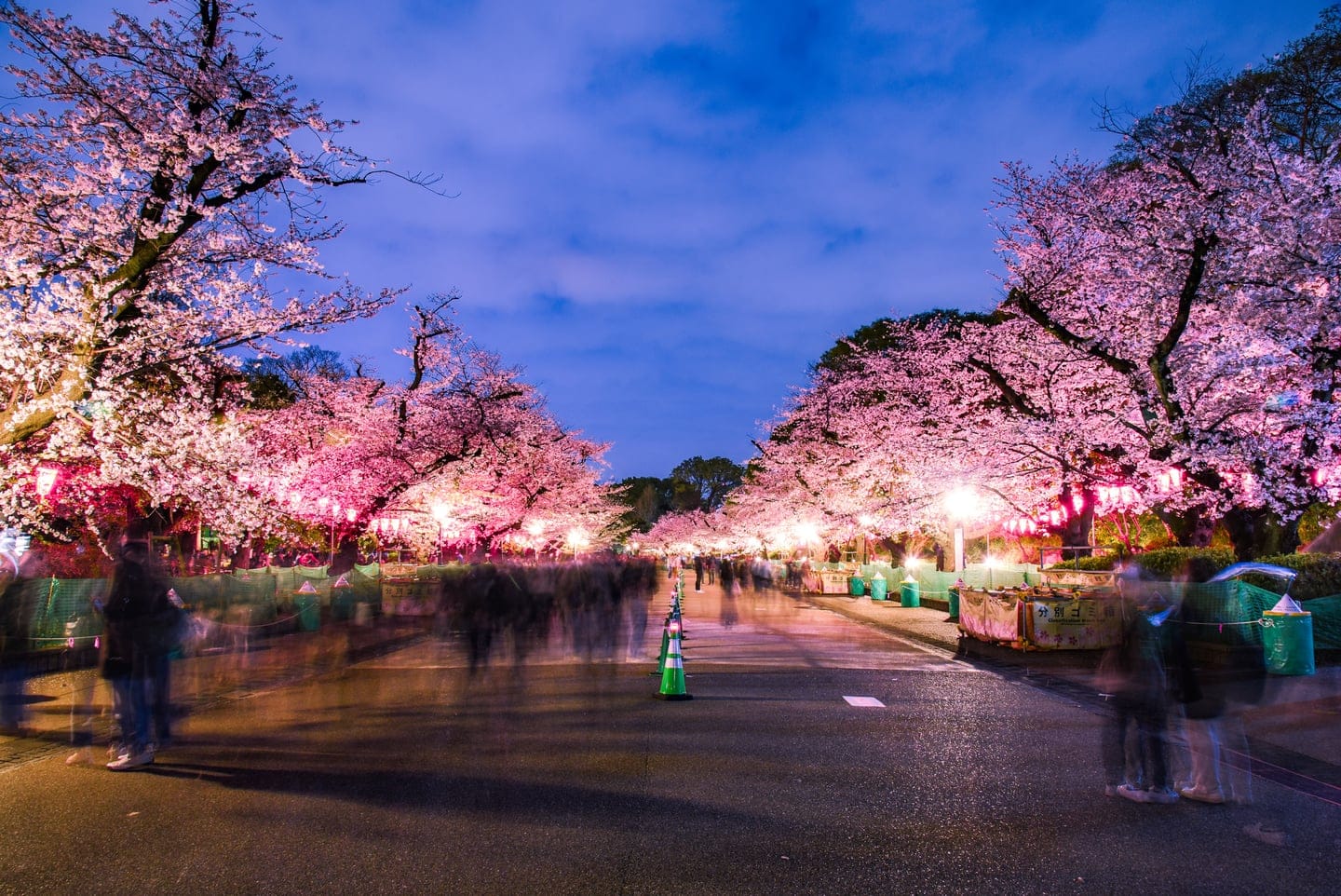
Cherry blossoms in spring and ginkgo leaves in autumn are the popular seasons for viewing. We suggest allowing about 1 hour, and you can stop at the Matsumotoro restaurant in the park for curry rice. The park is right next to Hibiya Station and is an excellent midpoint connecting Yurakucho and Ginza on a day trip.
Tokyo International Forum: An Architectural Wonder Like a Glass Ship
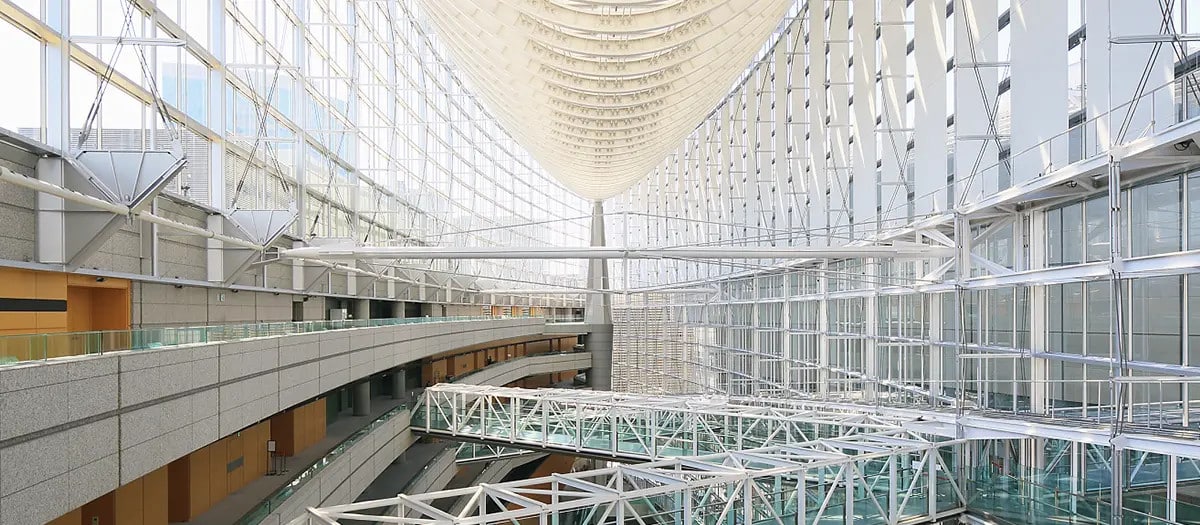
The Tokyo International Forum was designed by architect Rafael Vinoly. Its glass atrium spans the air like a giant ship’s hull, and it is one of Tokyo’s most iconic modern buildings and an important venue for exhibitions and concerts. A regular monthly flea market, the “Ooedo Antique Market,” is held inside and draws many antique lovers hunting for finds.
The building is free to visit, and the glass atrium is especially good for photos. We suggest allowing about 30-45 minutes. It is only a 3-minute walk from Yurakucho Station, making it an ideal first stop.
Hibiya OKUROJI: An Artisan Craft Community Under the Railway Viaduct
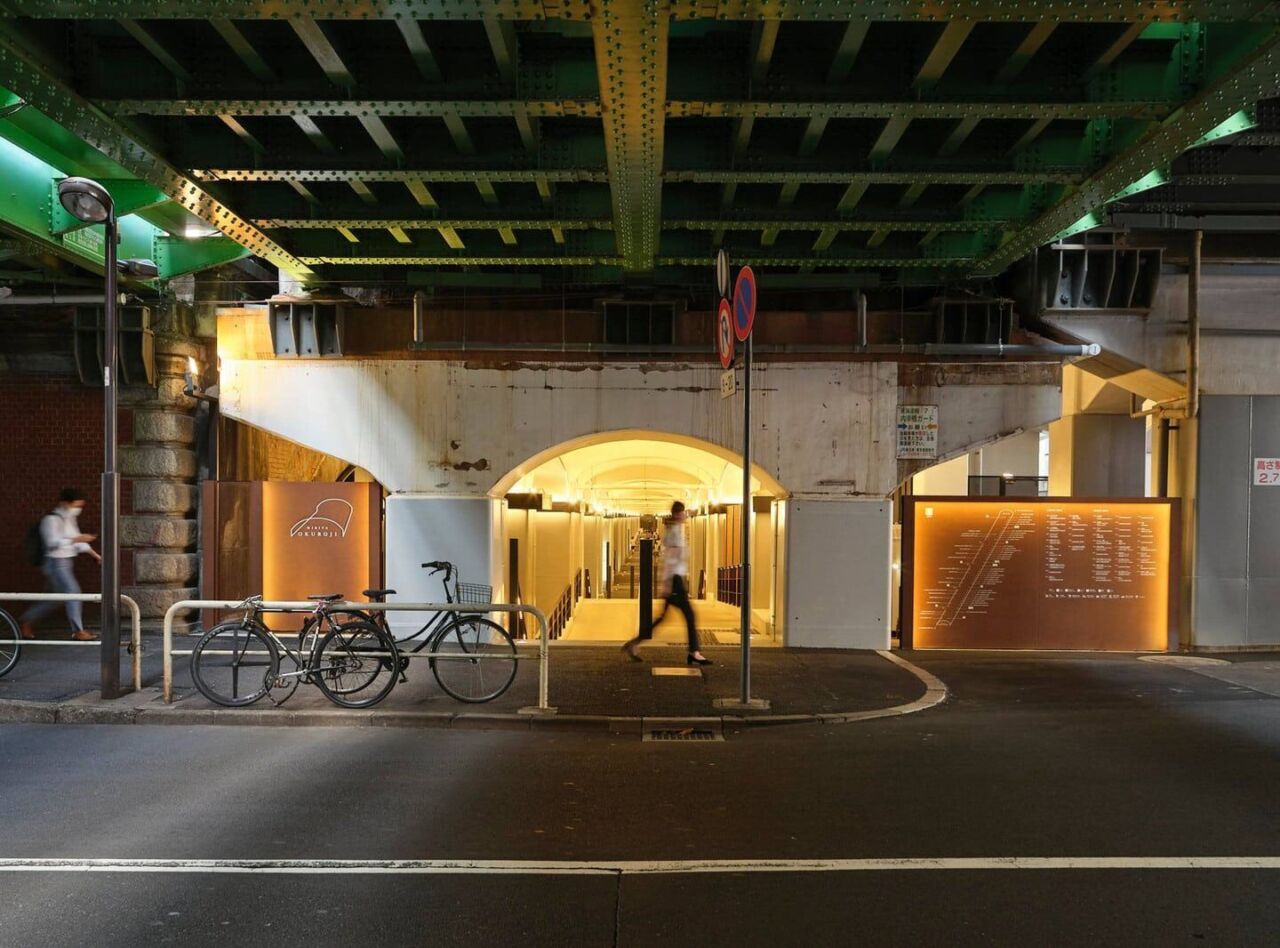
Hibiya OKUROJI was converted from nearly 300 meters of corridor space beneath the JR viaduct and gathers small shops for handmade leather goods, traditional crafts and distinctive food and drink. The brick arched ceilings create a retro atmosphere, an interesting contrast to the modern high-rises nearby.
Opening hours and closing days vary by shop, and some restaurants stay open late. We suggest allowing about 40 minutes. It is about a 5-minute walk from Hibiya Station and fits well after visiting Hibiya Park, a place to look for one-of-a-kind artisan souvenirs.
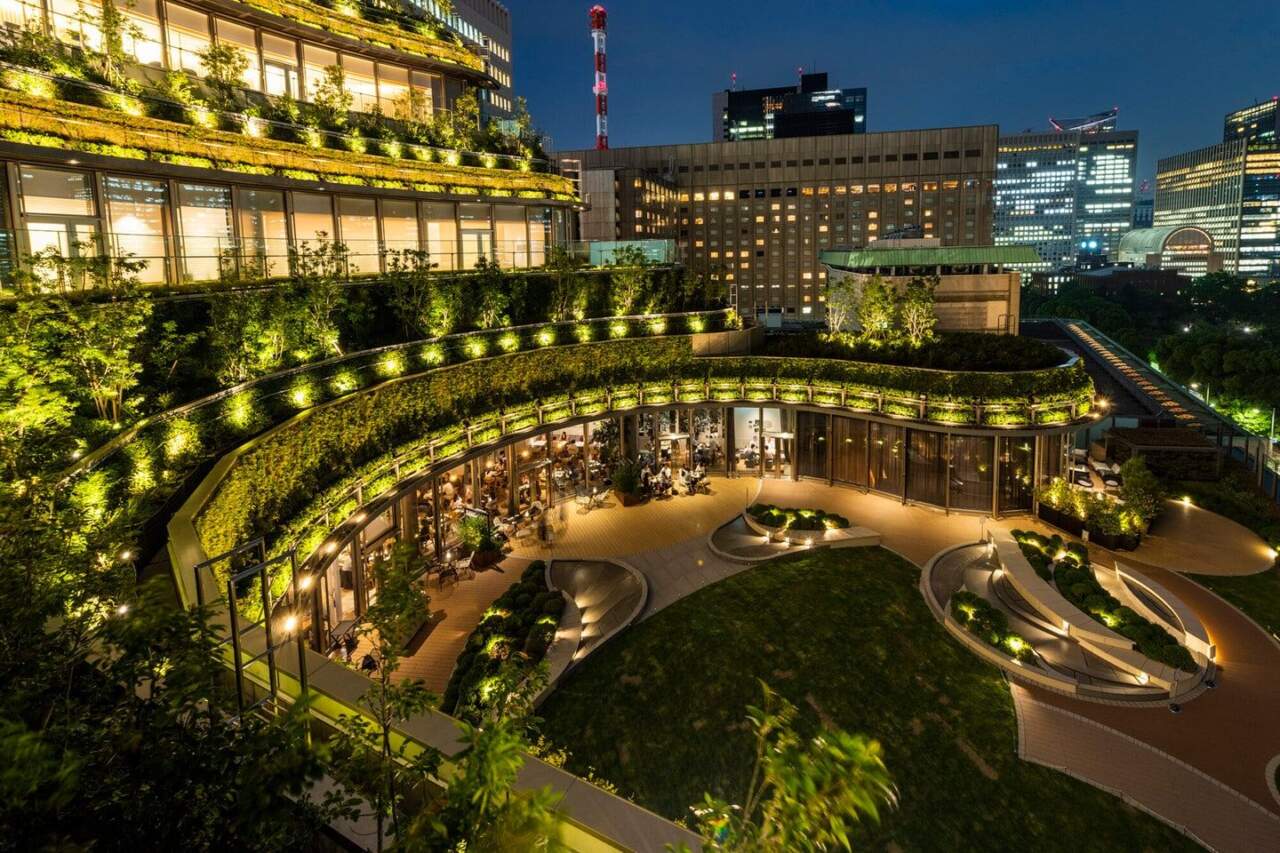
Tokyo Midtown Hibiya: A Complex Combining Gardens and Boutiques
Tokyo Midtown Hibiya opened in 2018 and is 35 floors tall. Its lower floors hold nearly 60 shops and restaurants, and the rooftop garden, “Hibiya STEP GARDEN,” offers a superb view over Hibiya Park, with different flower landscaping in every season.
Shops are open from 11 a.m. to 9 p.m. (restaurants until 11 p.m.), but please rely on each store’s own announcements. We suggest allowing about 1 hour. It is a popular photo spot during cherry blossom season, and it is directly reachable in about 3 minutes’ walk from Hibiya Station.
How to Walk from Hibiya to Ginza: Walking Distances Between Hibiya, Yurakucho and Ginza
Hibiya, Yurakucho and Ginza are adjacent to one another. Using Tokyo Midtown Hibiya as the reference point, its official website states that Hibiya Station (Chiyoda Line, Hibiya Line, Toei Mita Line) connects directly to the building, Yurakucho Station on the Tokyo Metro Yurakucho Line is about a 4-minute walk, and JR Yurakucho Station and Tokyo Metro Ginza Station are each about a 5-minute walk. After Hibiya Park and Tokyo Midtown, you can therefore continue on foot to shopping in Yurakucho and Ginza.
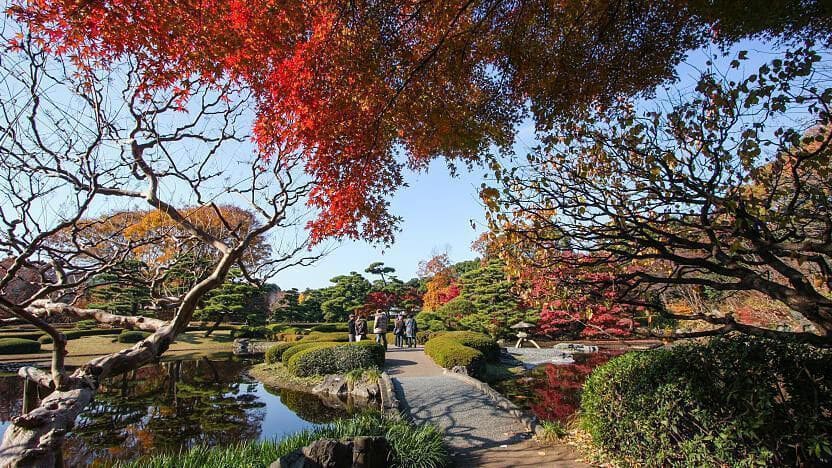
Imperial Palace East Gardens: A Tranquil Garden on the Ruins of Edo Castle
The Imperial Palace East Gardens are an open garden built on the site of the former Edo Castle main compound. Admission is free, and the stone walls of the keep foundation and the Ninomaru Garden are preserved, a great place to feel the atmosphere of the Edo period. Opening is from 9 a.m., and closing time is between 4 p.m. and 5 p.m. depending on the season (4:30 p.m. in September and October). The gardens are closed on Mondays and Fridays and over the New Year holidays.
We suggest allowing about 1-1.5 hours. It is about a 10-minute walk from Tokyo Station or Otemachi Station, and it fits early in a Yurakucho itinerary as the start of a deeper history and culture experience.
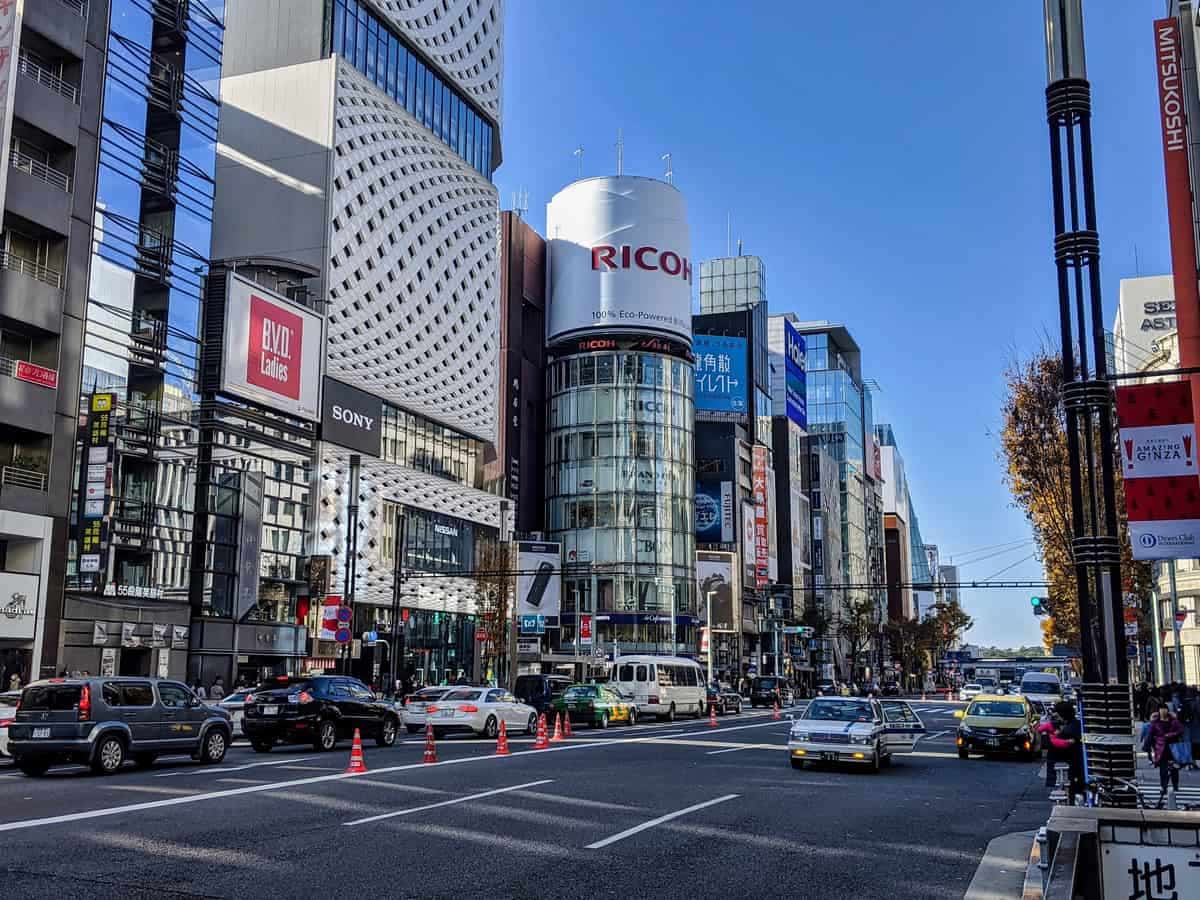
Ginza Chuo-dori: A Luxury Boulevard with a Weekend Pedestrian Paradise
Ginza Chuo-dori is Tokyo’s most iconic luxury shopping street, lined on both sides with department stores such as GINZA SIX and Matsuya Ginza and flagship stores of international luxury brands. On Saturday, Sunday and holiday afternoons it becomes a “pedestrian paradise,” closed to vehicles so visitors can stroll the middle of the roadway to take photos and shop.
We suggest at least 2 hours. Several exits such as A1 and A2 at Ginza Station lead directly here, and it is the best closing stop for tying together the end of your Hibiya and Yurakucho route. The streetscape at dusk, when the lights come on, has its own charm.
Shibuya Scramble Crossing: The World’s Busiest Pedestrian Crossing
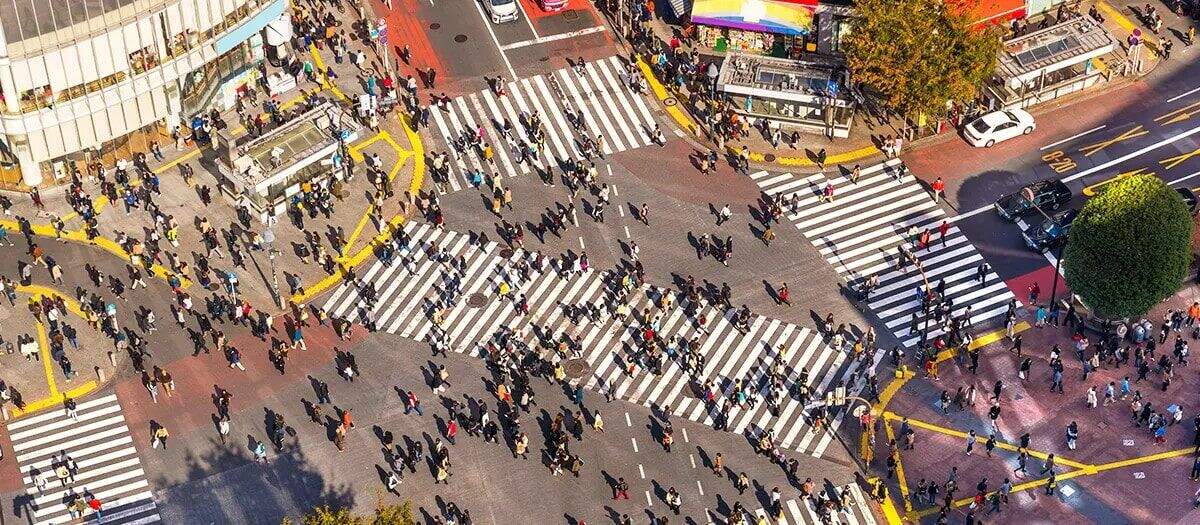
The Shibuya Scramble Crossing is known as the busiest pedestrian crossing in the world. At peak times, nearly 3,000 people can cross at once on a single signal, making it Shibuya’s most iconic urban spectacle and a classic setting for countless films and media.
We suggest pairing it with the SHIBUYA SCRAMBLE SQUARE observation deck for a view over the whole scene, which is even more impressive. It is open year-round with no ticket needed, and you can see it as soon as you leave the Hachiko Exit of Shibuya Station, a must-visit starting point for a Shibuya extension.
SHIBUYA SKY: A 360-Degree Observation Deck in Central Tokyo
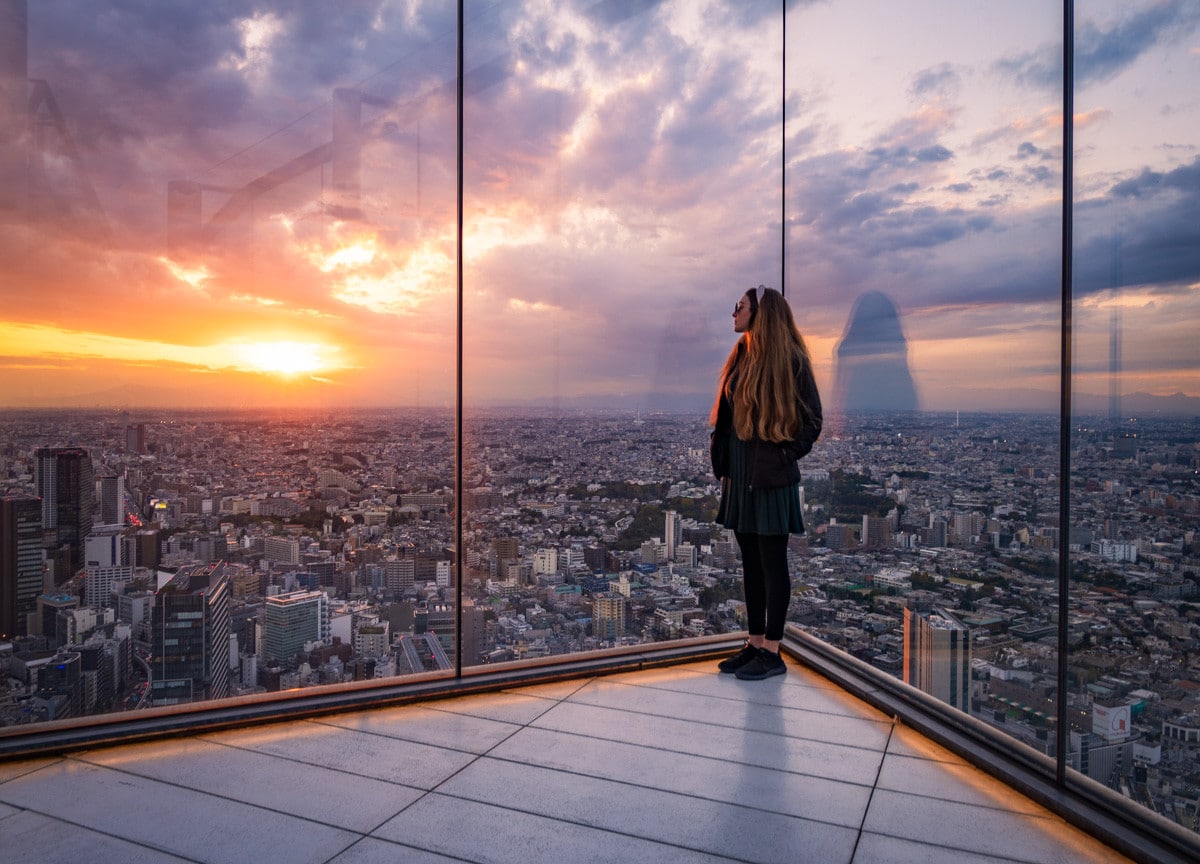
SHIBUYA SKY is on the roof of SHIBUYA SCRAMBLE SQUARE, with an indoor observation gallery and an open-air deck, SKY EDGE, giving 360-degree views of Tokyo Tower, Tokyo Skytree and even Mt. Fuji, one of Tokyo’s best high-altitude viewpoints.
Adult daytime tickets booked online start at about ¥2,700, and same-day window tickets at about ¥3,000. It is open from 10 a.m. to 10:30 p.m. (last entry 21:20). We suggest going in the evening to see both sunset and night views, and allowing 1.5 hours.
SHIBUYA 109: The Landmark Where Japan’s Gyaru Culture Began
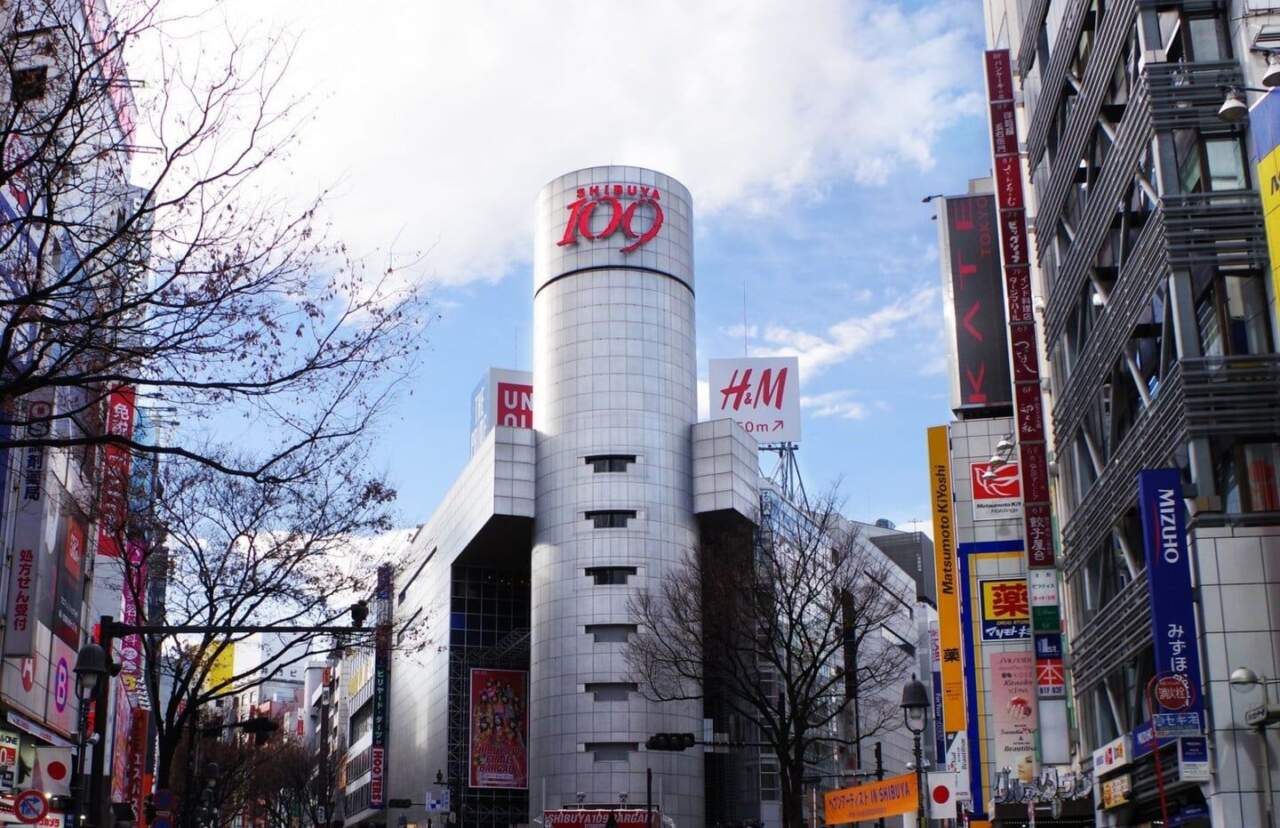
Since opening in 1979, SHIBUYA 109 has been a trendsetter for young Japanese women’s fashion. It gathers many domestic trend brands and fast-fashion brands, has witnessed the rise and evolution of “gyaru culture,” and is a landmark not to be missed if you want to understand Japanese subculture.
It is open from 10 a.m. to 9 p.m., every day of the year. The building’s rounded exterior is easy to recognize, and it is about a 1-minute walk from Shibuya Station’s Hachiko Exit. It fits well between the Shibuya Scramble Crossing and SHIBUYA SKY, giving you the shopping atmosphere closest to the younger generation.
How Much Does a 2026 Hibiya Shopping Trip Cost? Tickets and Guided Experiences
Besides shopping, the area around Hibiya hides many paid experiences and tickets worth trying, from Tokyo Tower night views and rickshaw tours around the Imperial Palace to food tours of Ginza and Marunouchi, all of which can enrich your trip. Below are several good-value experiences and tickets that fit before or after a Hibiya shopping trip. Prices and times can be mixed and matched flexibly with your own plans, and we suggest booking early on KKday or Klook, which may bring early-bird deals and spares you queues or sudden sell-outs on the day.
Tokyo Tower Observation Deck Ticket: The Best Vantage Point over Hibiya and the Whole City
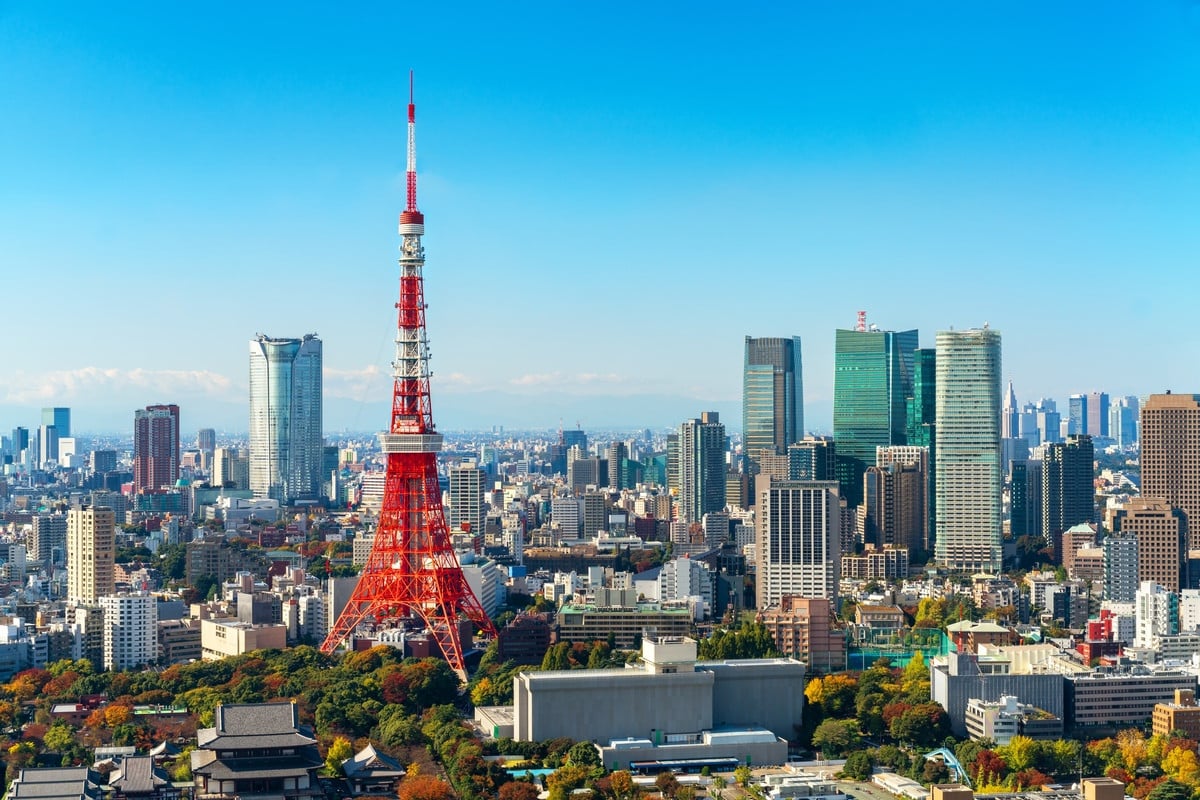
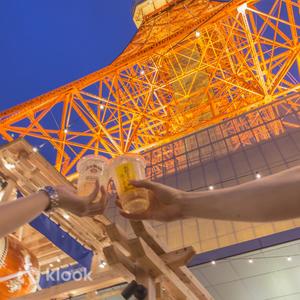
Tokyo Tower (4-2-8 Shibakoen, Minato City, Tokyo) is about 2 km from Hibiya Park. The observation decks are the 150-meter Main Deck and the 250-meter Top Deck, open daily 09:00-23:00, with last entry at 22:30.
You can book a Main Deck and Top Deck combo ticket online, with prices per official announcements, and skip the line. Going up around dusk lets you see sunset and night views over the Hibiya and Ginza high-rises, good for photography.
We suggest going after afternoon shopping and before dinner to avoid crowds and capture dusk through the night view.
Rickshaw Tour Around the Imperial Palace: An In-Depth Experience Through Hibiya’s Historic Streets
Hibiya Park is close to Kokyo Gaien and retains an Edo atmosphere. The rickshaw tour departs from in front of Nijubashi, and the driver explains the Imperial Palace, Hibiya Park and the historic buildings of Marunouchi, with 30- to 60-minute options.
Prices differ between the 30-minute and 60-minute plans, and the actual price is whatever the booking platform shows on the day. Drivers can communicate in simple English or Japanese with the help of a translation app, which suits travelers who want to learn about local culture in depth without walking too much.
This experience fits at the start of a shopping trip: a rickshaw gives you a quick grasp of the area’s geography and history, and you then walk to Hibiya’s shopping complexes with a better sense of direction.
Marunouchi and Ginza Food Tour: A Local Eat-as-You-Walk Route
Marunouchi and Ginza are a 10- to 15-minute walk from Hibiya and are home to century-old shops and popular dessert spots. Half-day “Marunouchi and Ginza food tours” are available, led by Chinese- or Japanese-speaking guides, visiting 3 to 5 recommended local snack or dessert shops.
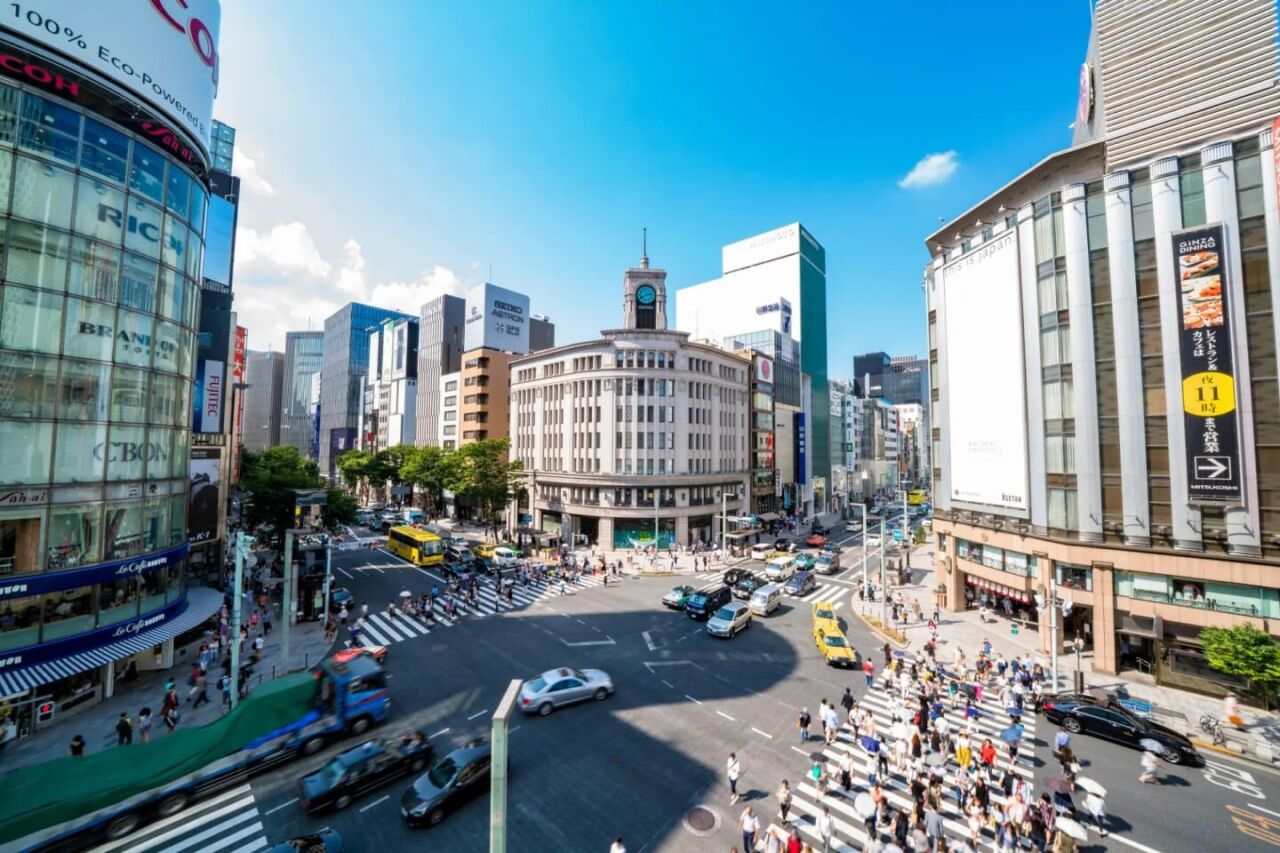
The tour lasts about 3 hours, with prices as shown on the booking platform on the day. It usually includes tasting fees, saves you the time of researching and queuing yourself, and lets you learn the stories behind the dishes from the guide.
We suggest scheduling it at lunch or afternoon-tea time during your shopping, to refuel and sample several popular, queue-heavy shops in one go without queues delaying your trip.
Hibiya Park Entry and Nearby Museum Combo: A Flexible Choice for Rest and Culture
Hibiya Park is free, open 24 hours a day all year round, and its fountain and rose garden are good for photos. Nearby is the Mitsubishi Ichigokan Museum, whose special exhibition tickets are priced per official announcements.
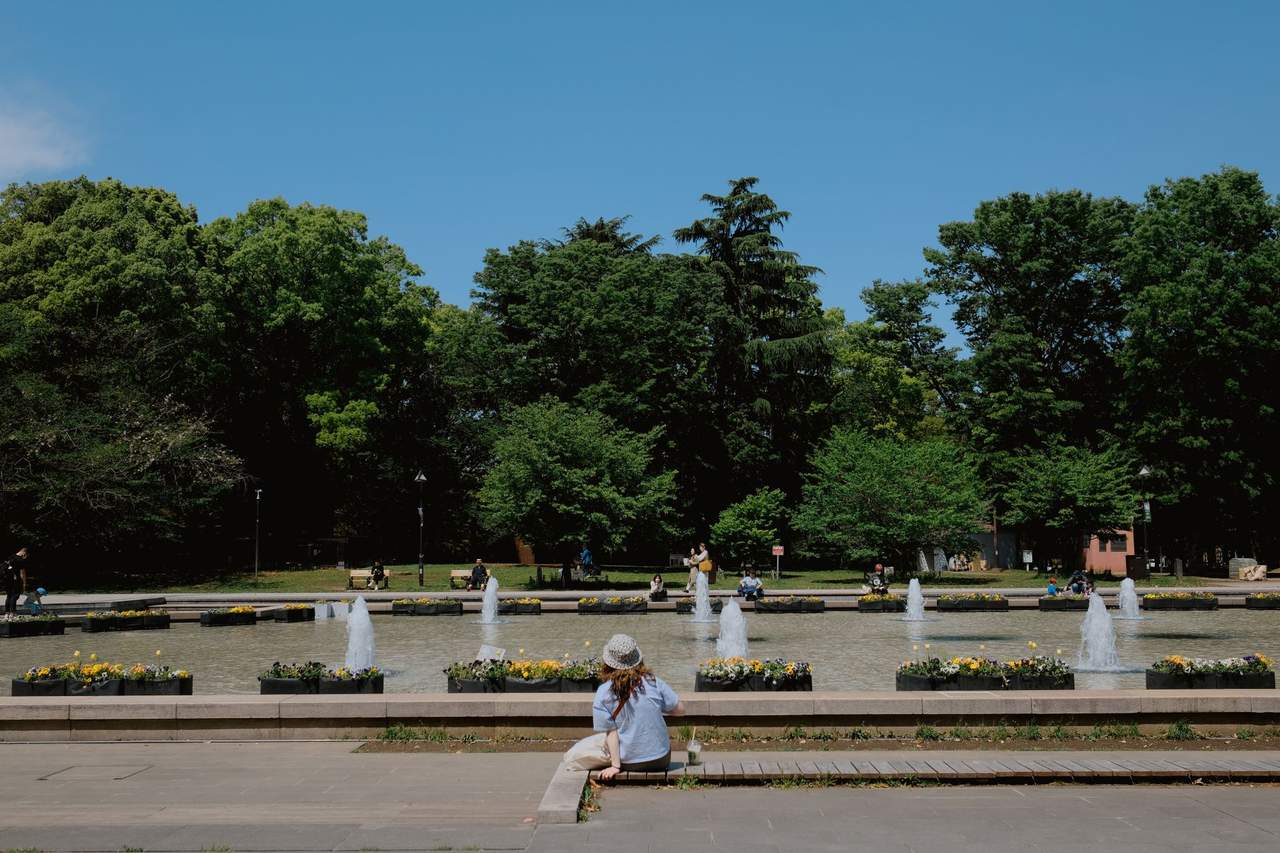
The Mitsubishi Ichigokan Museum (2-6-2 Marunouchi, Chiyoda City, Tokyo) has opening hours that vary by exhibition (generally 10:00-18:00, closed Mondays). Please check official announcements before you go. It makes a good rest stop during shopping.
Pairing the park with the museum enriches a Hibiya itinerary with art and relaxation, and is recommended for slow-paced travelers.
Where to Stay Nearby
Hibiya, Yurakucho and Ginza can be linked on foot. Staying around Ginza, Yurakucho or Tokyo Station makes it easy to return to your hotel after an evening of shopping and dining, and you can also take the Hibiya and Marunouchi subway lines to other areas.

FAQ
Here are the questions readers search for most, with answers.
Q: How much does transport cost for a one-day Hibiya, Yurakucho and Ginza trip?
If you buy the Tokyo Metro & Toei Subway common one-day pass for ¥900, you can ride the subway lines covering all three districts without limit, which is better value than single tickets.
Q: How do I get from Shibuya to Yurakucho?
We suggest taking the JR Yamanote Line, about 12-13 minutes direct, or taking the Tokyo Metro Ginza Line to Ginza Station and walking from there. Both are very convenient.
Q: What time does Hibiya Park open? How much is admission?
Hibiya Park is open year-round and free to enter, with no regular closing day, making it the most flexible free attraction when planning your trip.
The fountain, rose garden and Matsumotoro restaurant are all within the park, reachable on foot from Hibiya Station.
Q: When will YURAKUCHO PARK open?
According to Mitsubishi Estate’s August 2026 announcement, construction on YURAKUCHO PARK began on September 1, 2026, and it is expected to open in 2027. The exact date has not been announced, so please check official announcements.
Q: Where can I shop near Yurakucho Station?
Right outside Yurakucho Station you can shop at LUMINE Yurakucho (11:00-21:00) and the regional specialty shops of Tokyo Kotsu Kaikan, and UNIQLO TOKYO is about a 4-minute walk away, so you can cover it all in half a day.
Q: What should I know about Ginza Chuo-dori on weekends?
On Saturday, Sunday and holiday afternoons, Ginza Chuo-dori becomes a pedestrian paradise closed to vehicles, the best time for photos and shopping.
Q: What is the best season to visit the Hibiya and Yurakucho area?
The scenery is at its best during cherry blossom season in March-April and autumn foliage in November, but those are also the most crowded times, so a weekday visit is better.
Q: What is the best time to visit the SHIBUYA SKY observation deck?
We suggest entering about an hour before sunset, so you can see day, dusk and night views in one visit, the most popular time slot.