
Motomachi and Hachimanzaka Churches Guide 2026: Hakodate’s Port History and Exotic Slopes
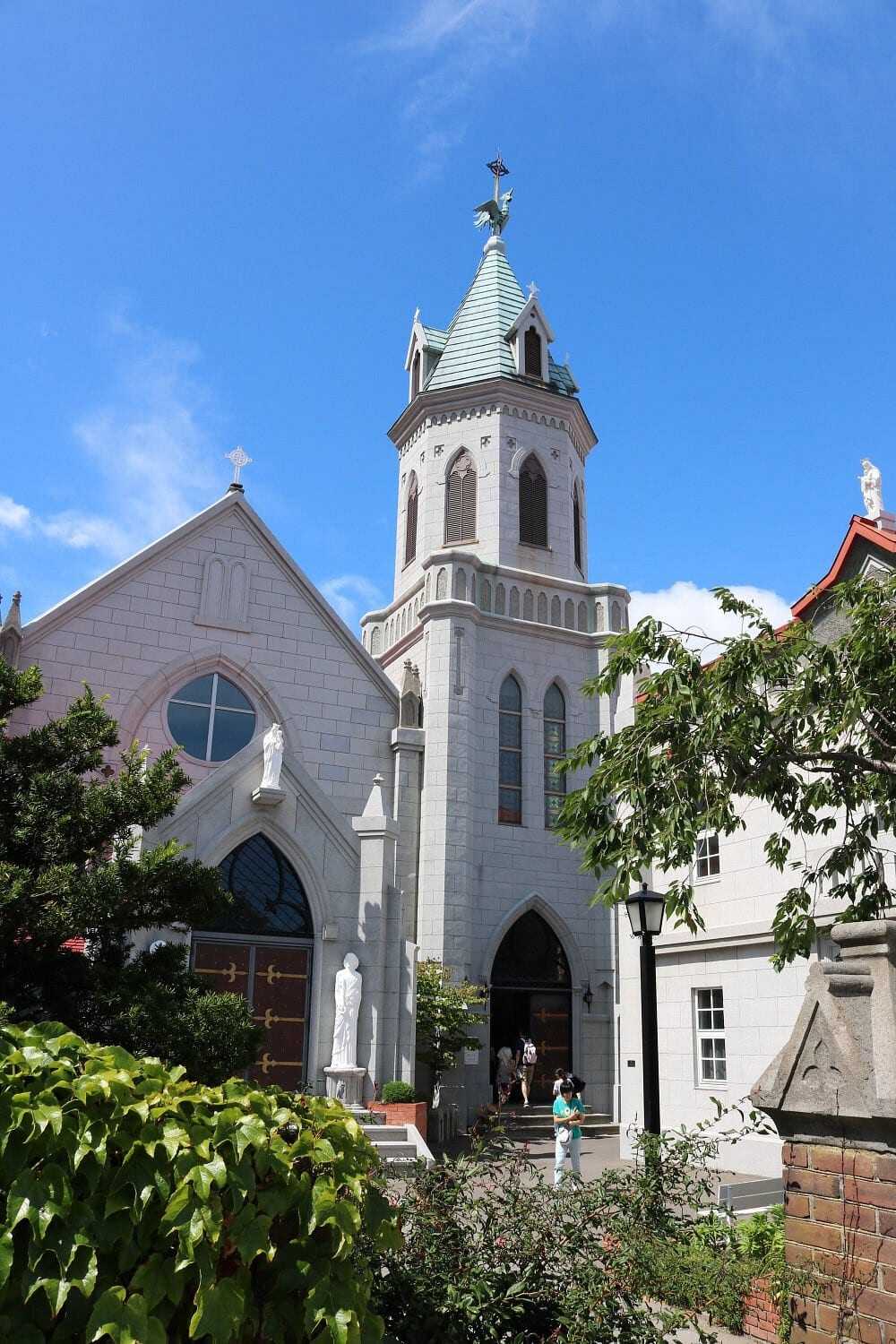
The Motomachi-Hachimanzaka church area lies in the Motomachi district of western Hakodate. It is Hokkaido’s most exotic collection of church buildings and cobbled slopes, can be covered at a leisurely pace in half a day, and suits travelers who like historic architecture and seascape photography.
Hakodate was one of the first ports opened to trade in Japan at the end of the Edo shogunate, ranking with Yokohama and Nagasaki as one of Japan’s three great treaty ports. Since the port opened in the Ansei era, Western missionaries, Russian consulate officials and merchants from many countries moved into the Motomachi area, bringing Western-style architecture and Orthodox and Catholic faiths. The streets blend Japanese slope terrain, Russian domes and Western stone mansions, and it is one of the few places in Japan where from a single slope you can see the spires of three different denominations at once.
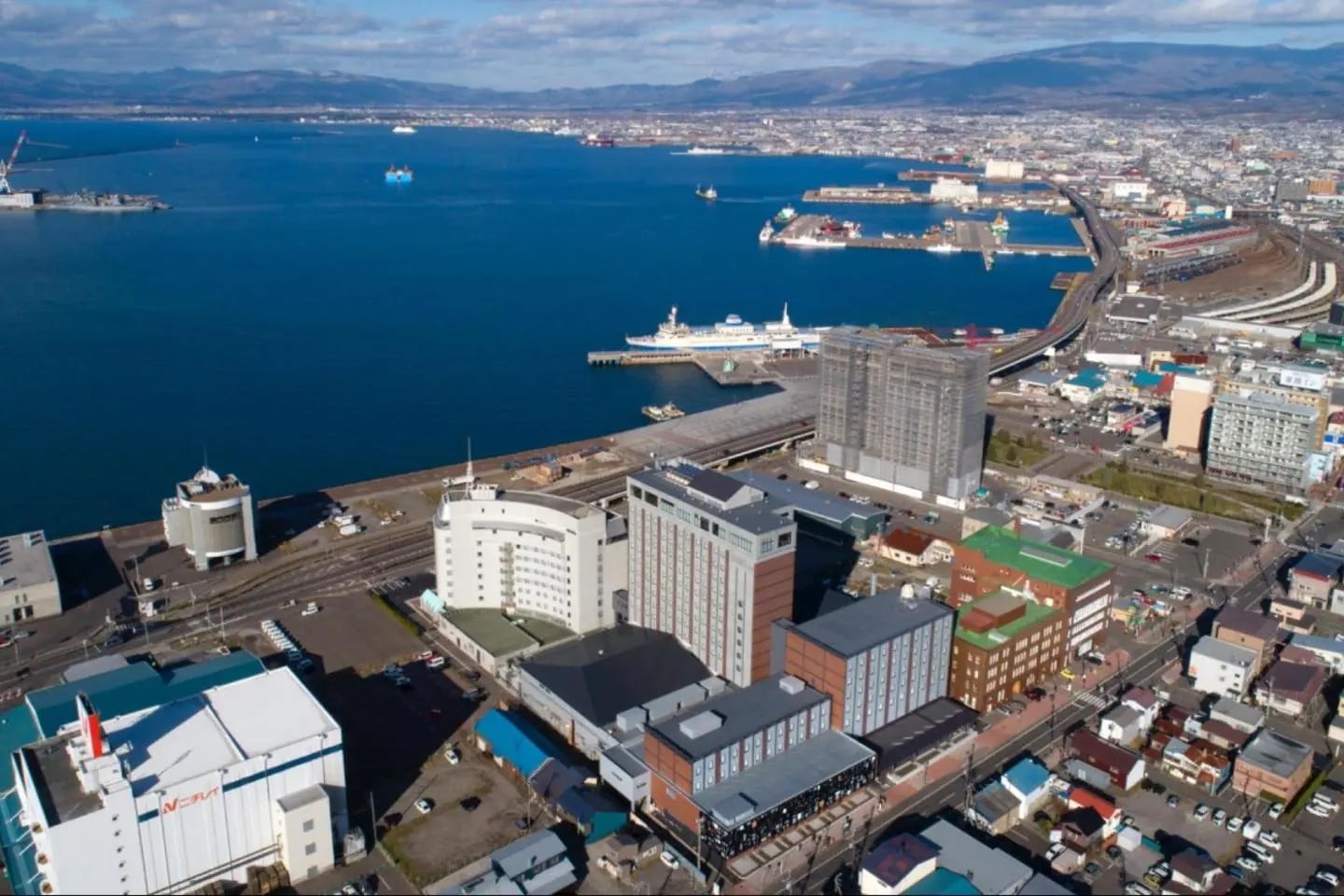
The whole Motomachi district slopes from high ground down to the harbor, giving rise to as many as nineteen distinctive “saka” (slopes), of which Hachimanzaka is the most famous and the core axis of a visit. A suggested route: get off the Hakodate tram at Suehirocho Station, then Motomachi Park, the Former Public Hall of Hakodate Ward, a photo at the top of Hachimanzaka, Hakodate Orthodox Church (Haristos), Motomachi Catholic Church and Hakodate St. John’s Church, then walk or transfer to the Kanemori Red Brick Warehouse and the night view from Mt. Hakodate. The whole route takes about 2-3 hours at an easy pace, a must for a one-day or half-day Hakodate itinerary.
Whether it is Motomachi Park with spring cherry blossoms, summer blue seascapes, or winter slopes and church domes under snow, the area looks different in every season. We especially suggest going in the evening, when you can catch both the afterglow of sunset and the romantic mood of the lights coming on.
Motomachi Churches
The Motomachi churches gather representative buildings of three denominations, Orthodox, Catholic and Anglican, the most direct witness to the history of Hakodate’s opening to trade and a rare district in Japan where buildings of several religions coexist. All three churches are in Motomachi and can be linked on foot. Interior visiting hours differ, so see the details for each spot below.
Hachimanzaka
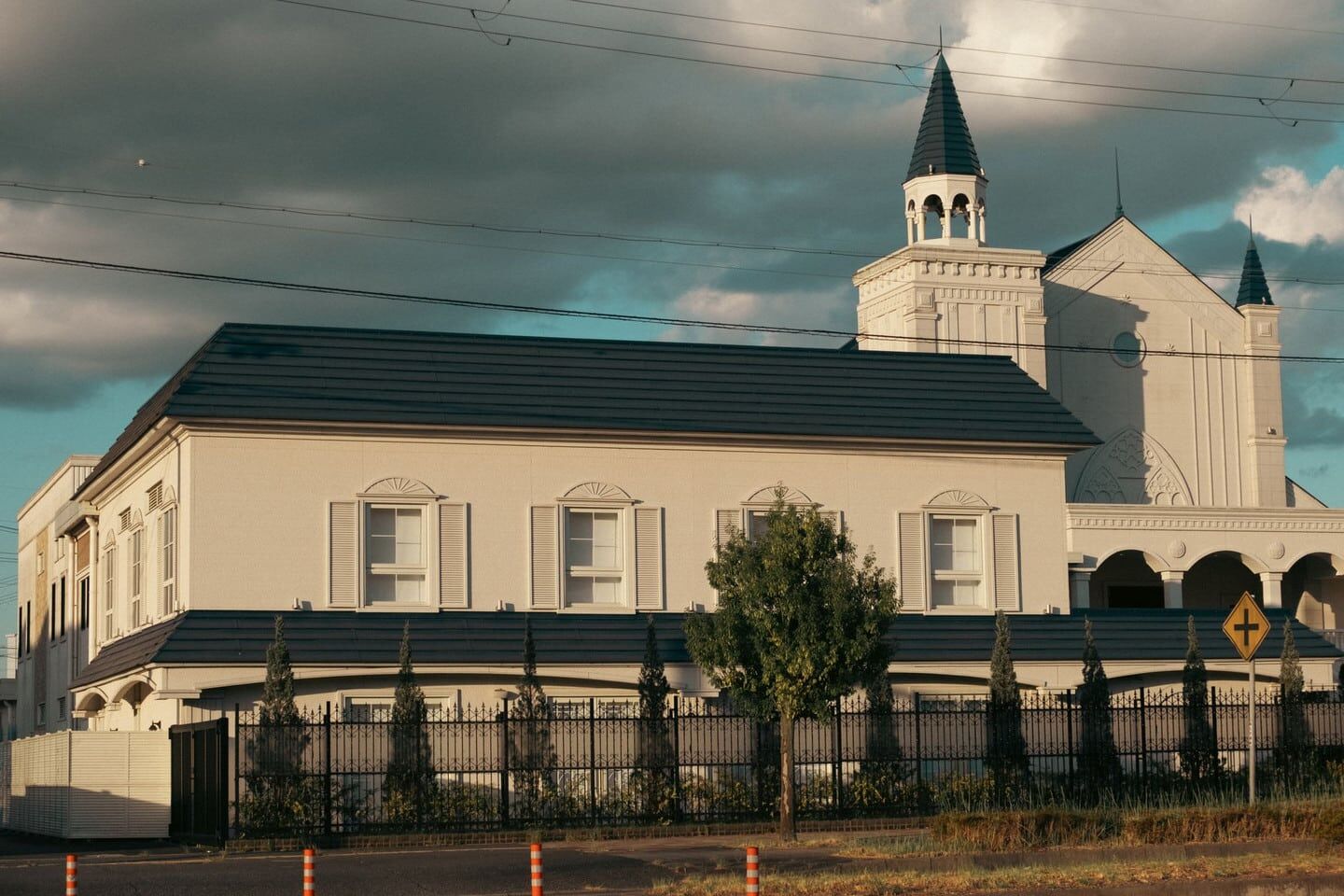
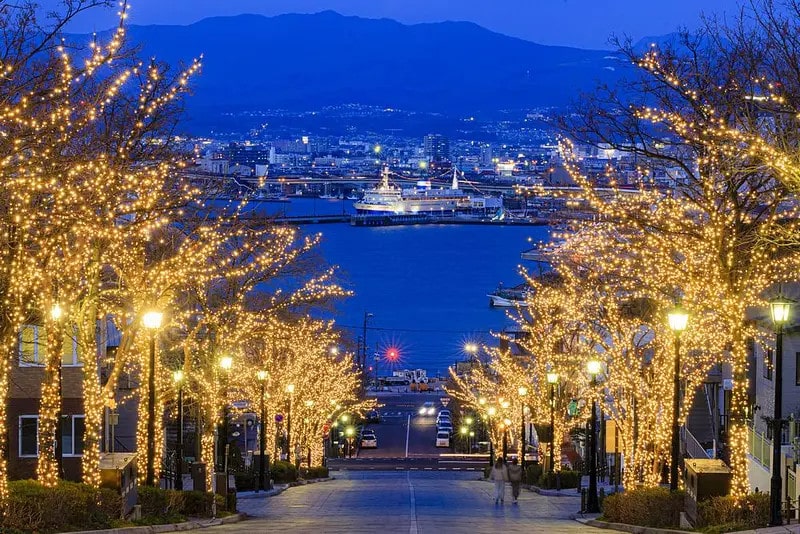
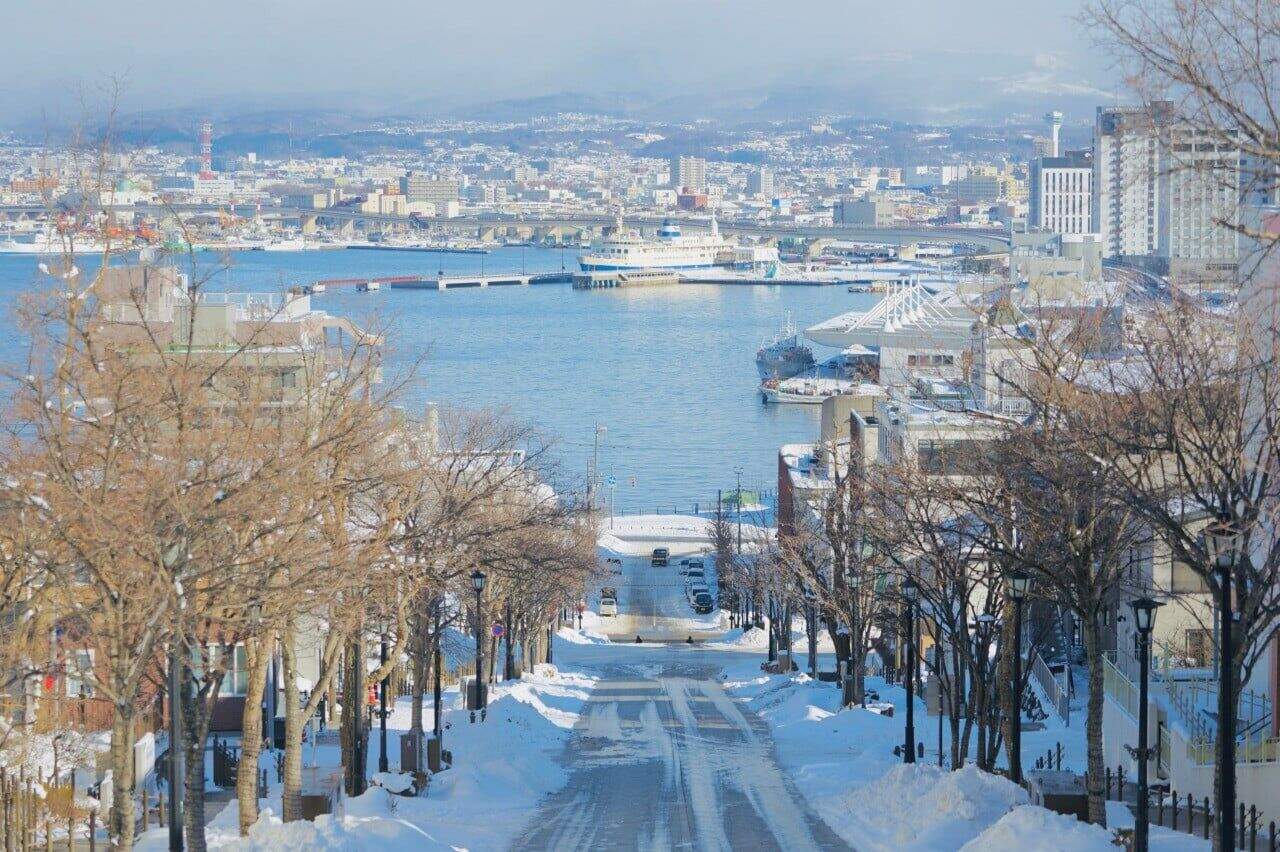
Hachimanzaka is Hakodate’s most representative cobbled slope. Its top faces Hakodate Port and the Mashu Maru memorial ship, and it is regarded as one of the most beautiful slopes in Japan and a photo spot often listed in Hakodate travel guides. The slope is named after the Hakodate Hachimangu shrine that once stood here; the shrine was moved after the great fire of 1880, but the name remains.
History of Hakodate’s Opening to Trade
Hakodate opened to trade in 1859 (Ansei 6) and since the end of the shogunate has been the gateway through which Western culture entered Hokkaido. The Western-style houses and churches preserved in Motomachi are precious legacies of this history of cultural blending.
How to Get to the Motomachi and Hachimanzaka Churches: Transport and Costs
From Hakodate Station you can easily reach the Motomachi churches by tram or on foot, and transport is very convenient.
Getting to the Motomachi and Hachimanzaka Churches: Transport at a Glance
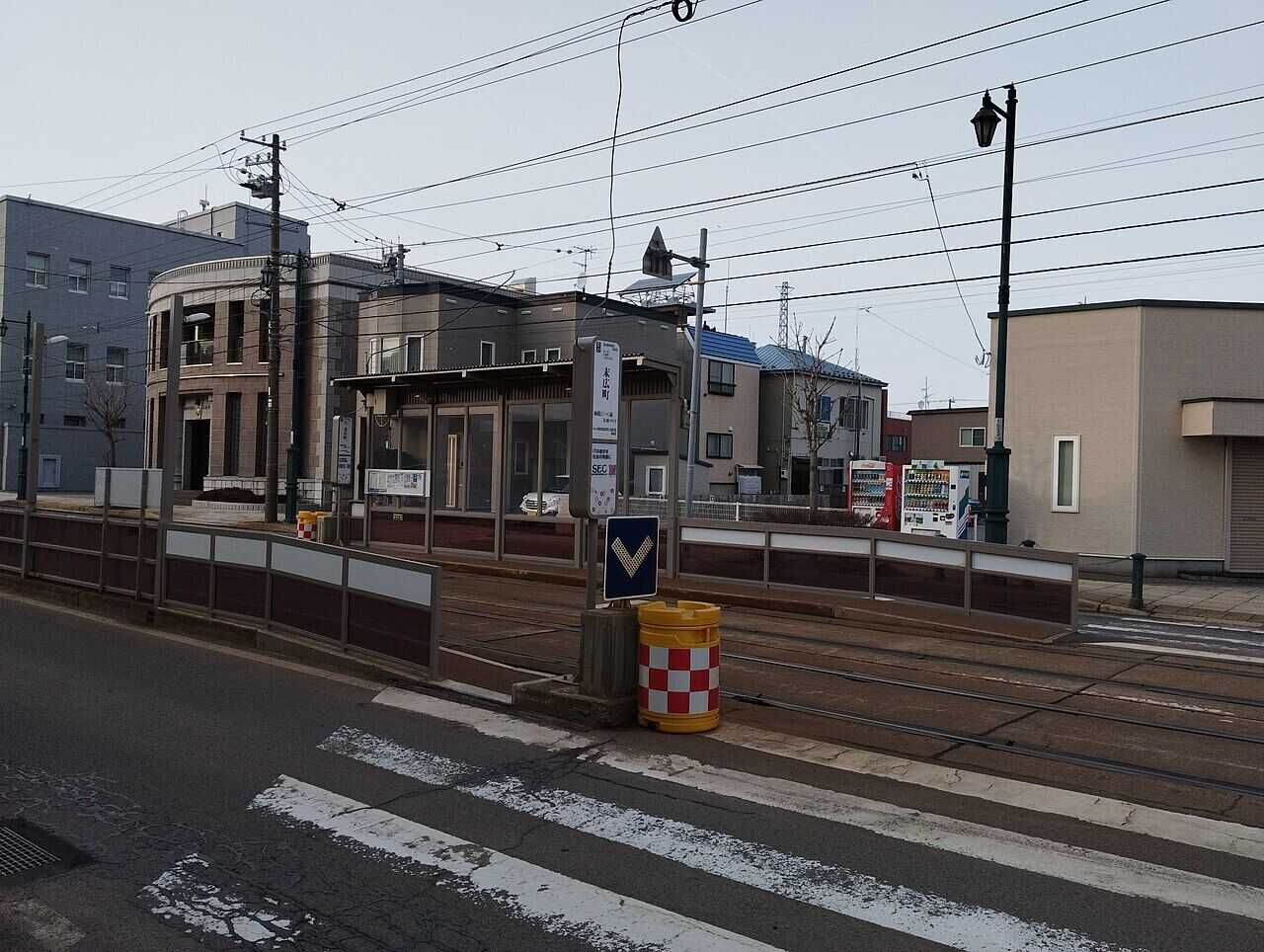
Take the Hakodate tram to “Jujigai Station” or “Suehirocho Station” and walk 5 to 10 minutes to Hachimanzaka and the churches. Tram fares depend on distance and are ¥250 to 300 for adults. We suggest getting off at Suehirocho, visiting Motomachi Park and the Former Public Hall, then walking downhill to Jujigai Station or the Kanemori Red Brick Warehouse.
The prices and purchase locations for the tram one-day pass and the combined tram and Hakodate Bus one-day pass are explained in the next section.
| Transport | Cost | Time / Notes |
|---|---|---|
| Hakodate tram (Suehirocho / Jujigai Station) | from ¥210 | About 10 minutes from Hakodate Station, then a 5-10 minute walk |
| Motomachi and Waterfront Loop Bus | from ¥210 | Infrequent service, goes directly near the sights |
| Tram one-day pass | ¥800 (adult) | Suits a one-day itinerary with many stops |
| On foot (from Hakodate Station) | Free | About 25-30 minutes, with the Kanemori Warehouses on the way |



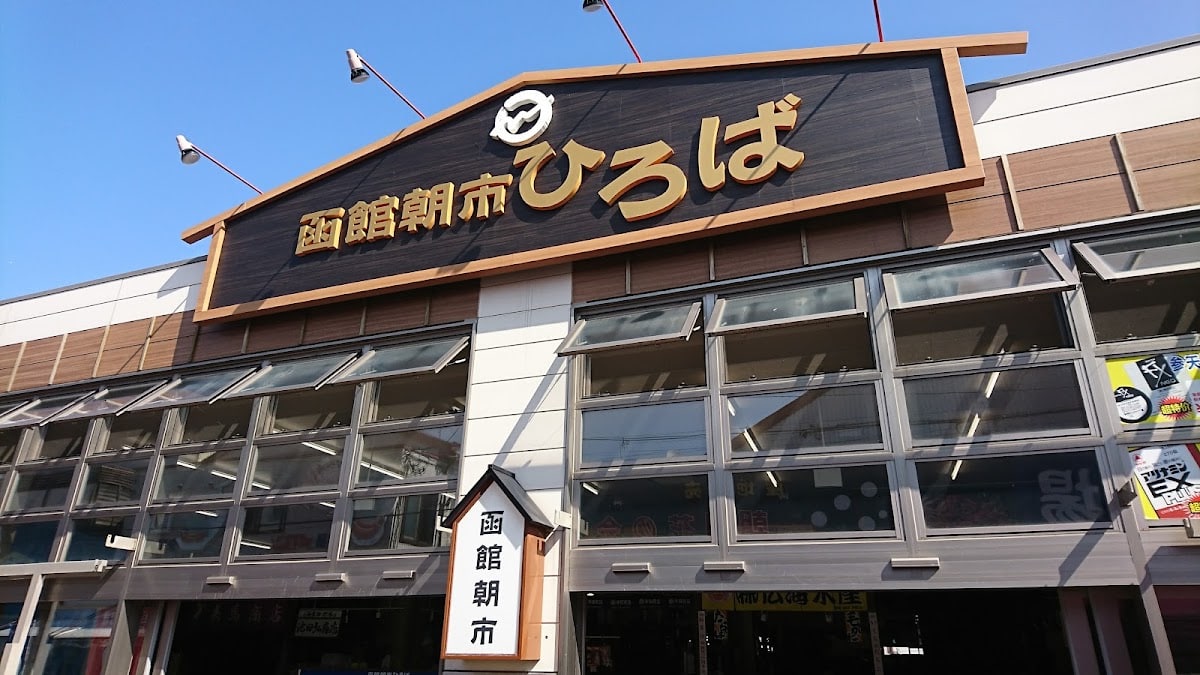
Hakodate Tram One-Day Pass: Price, Where to Buy and When It Pays Off
The Hakodate tram one-day pass is ¥800 for adults. Single-ride fares depend on distance, ¥250 to 300, so it pays off after three rides. You can buy it on the tram (from the conductor), at the Hakodate City Tourist Information Office inside JR Hakodate Station, and at the Hakodate Bus information office in front of Hakodate Station. The combined tram and Hakodate Bus one-day pass is ¥1,600 for adults and is currently offered only as a smartphone version.
Must-See Spots in the Motomachi and Hachimanzaka Churches Area 2026: Churches, Slopes and Nearby Highlights Explained
Below are the 12 spots most worth visiting in the Motomachi-Hachimanzaka area, in order of importance.
Hakodate Orthodox Church (Haristos): Japan’s Oldest Russian Orthodox Church
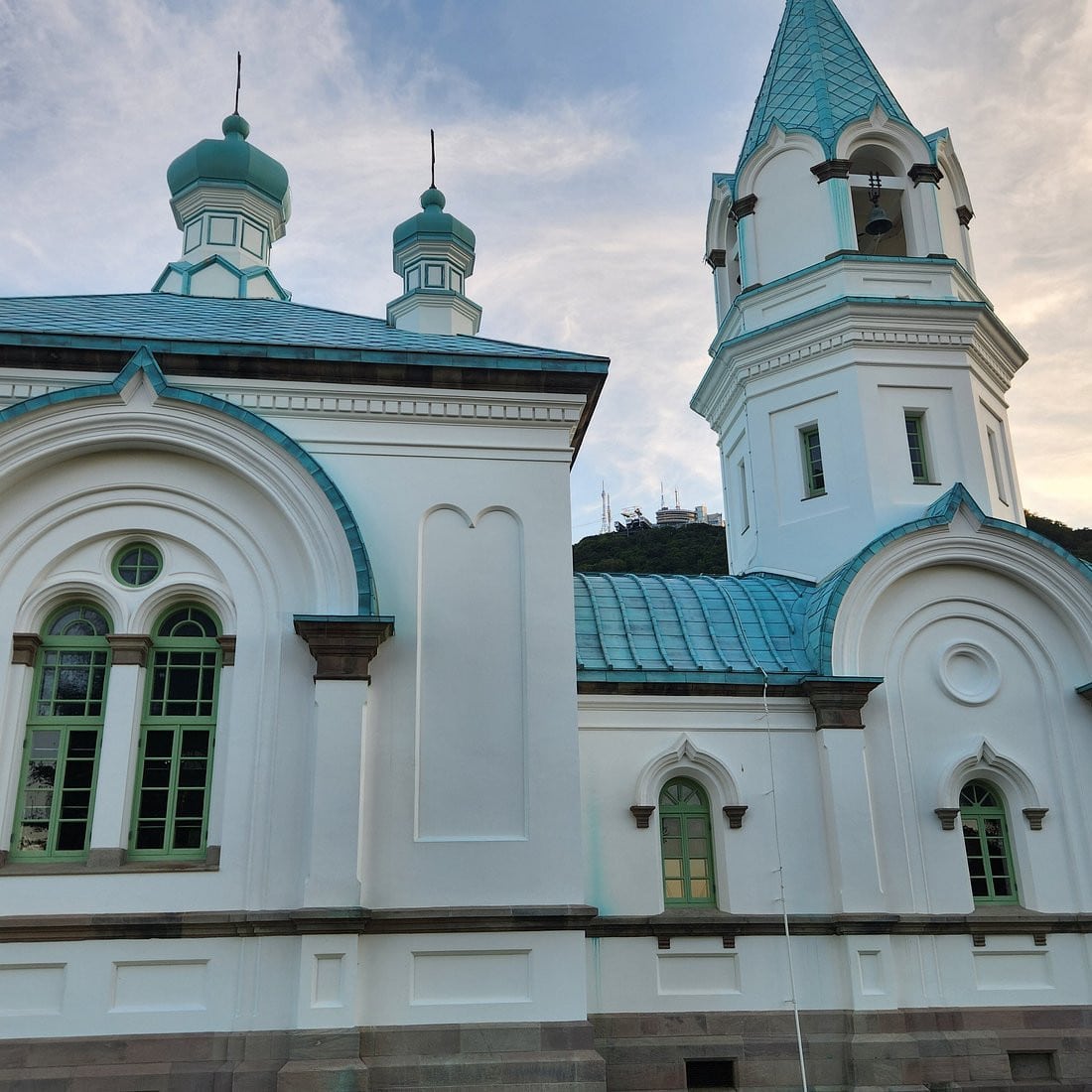
The present building of Hakodate Orthodox Church (Haristos) was built in 1916 and is the most prominent landmark in Motomachi. Its pure white walls and green domes are distinctive, and inside are icons and religious artifacts from Russia. The church bells were chosen for the “100 Soundscapes of Japan”.
Location: 3-13 Motomachi, Hakodate. Interior visiting hours are 10:00 to 17:00 Monday to Friday, 10:00 to 16:00 on Saturday and 13:00 to 16:00 on Sunday; it is closed in winter (December 26 to mid-March). The visiting fee is ¥200 for adults.

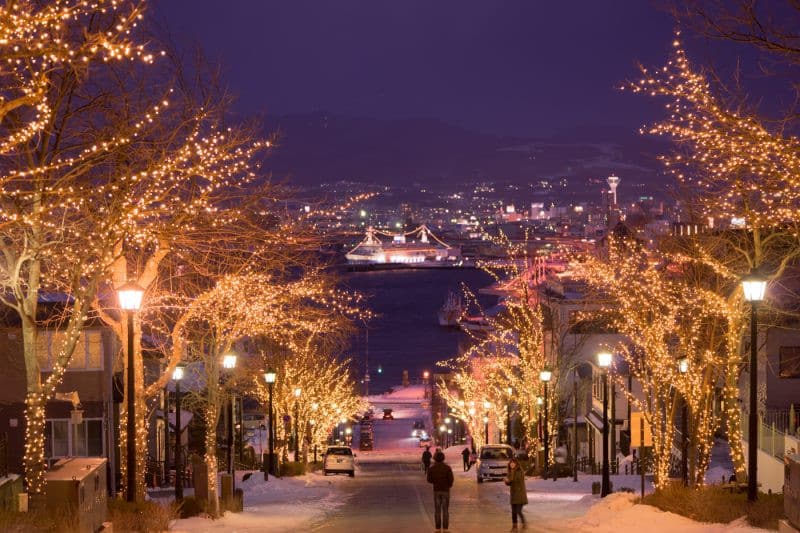
Hachimanzaka: A Romantic Cobbled Slope Overlooking Hakodate Bay
Hachimanzaka is the most famous slope in Motomachi, named after the Hakodate Hachimangu shrine that once stood at its top. Standing in the middle at the top of the slope and looking toward the harbor, you can capture a three-layer visual corridor of “mountain, town and sea” in one shot, Hakodate’s classic postcard view and a popular social media photo spot. By day you can shoot the clear blue sea and the white Mashu Maru; after sunset the street lamps, churches and Kaiko-dori light up one after another and the romantic mood peaks, so we suggest visiting in the evening. In winter (December to March) the cobbles ice up easily and sea winds are strong, so wear non-slip shoes and dress warmly. It is open 24 hours all year and free.
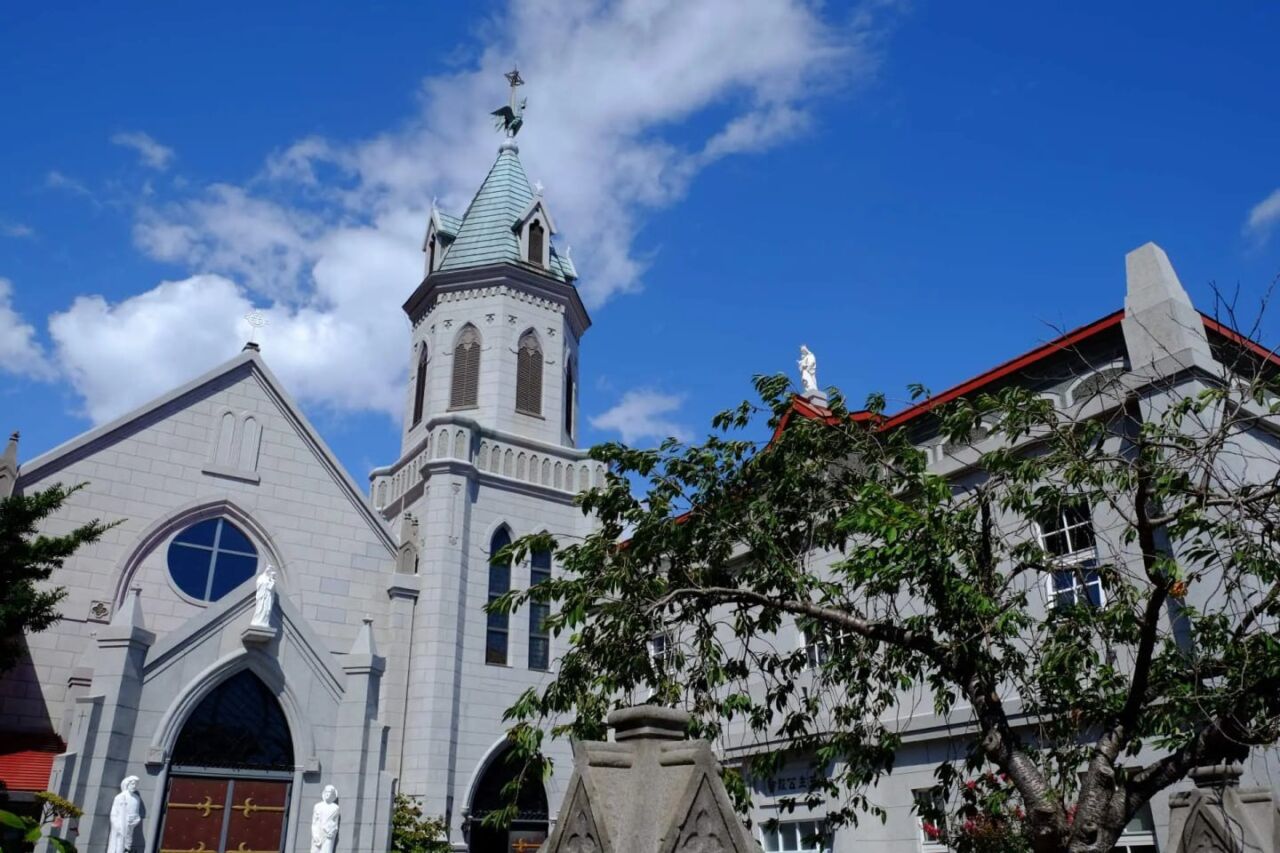
Motomachi Catholic Church: Gothic Spire and an Altar Gifted by the Pope
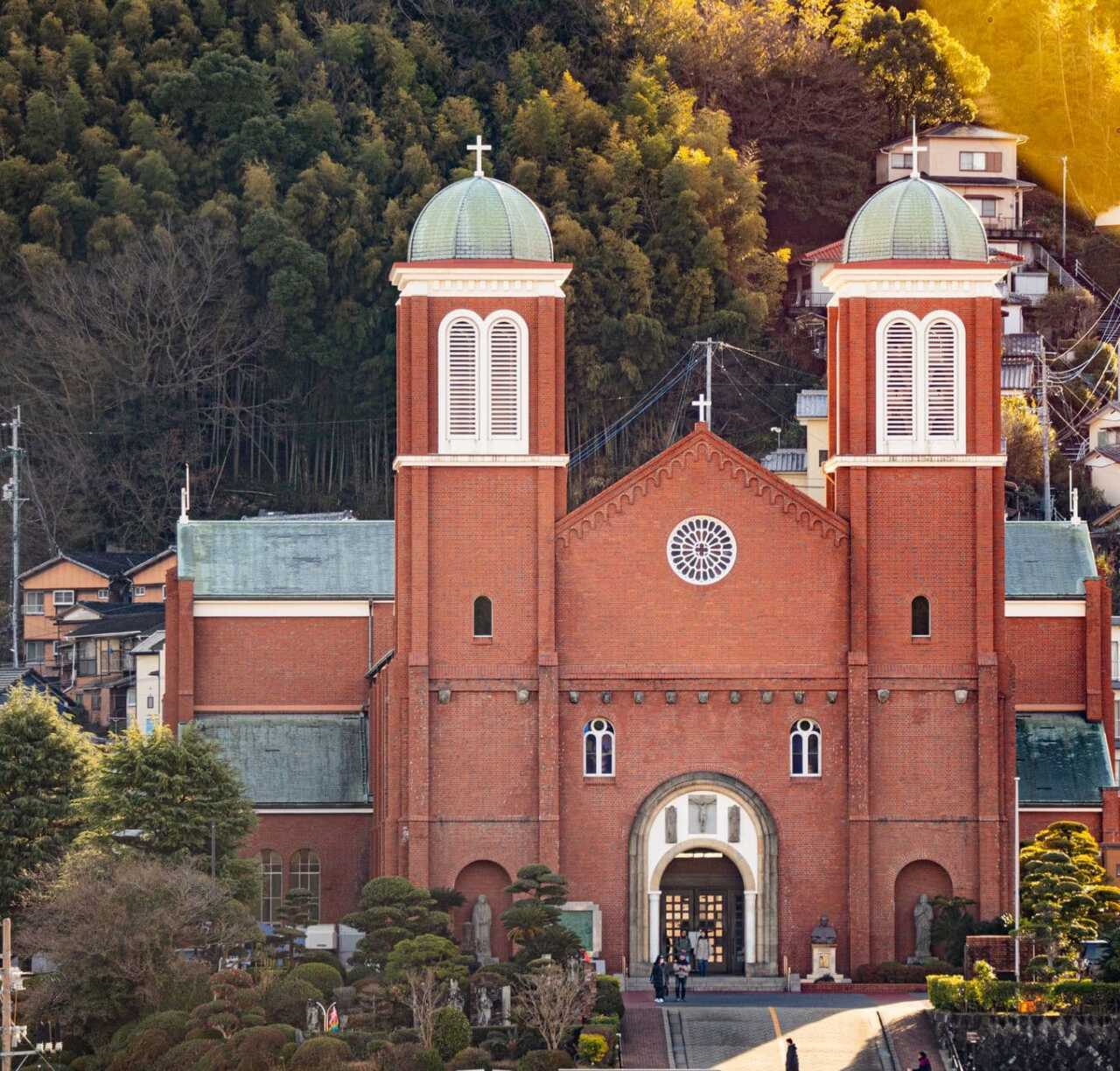
Formally the Catholic Motomachi Church, it is the Gothic building with the tallest spire among the Motomachi churches. Its altar is said to have been a gift from the Pope in Rome, giving it important religious and historical value, and it is also a pilgrimage site for Catholics.
Its exterior is grayish white, only a few dozen meters from the green dome of Haristos, forming a sharp contrast and a great spot for photographing both churches in one frame. Interior visiting hours are 10:00 to 16:00 (except Sunday mornings and service times), free to visit. We suggest staying 15 to 20 minutes, and it suits a visit together with St. John’s Church.
Hakodate St. John’s Church: A Modern Western-Style Church with a Cross-Shaped Roof
Hakodate St. John’s Church belongs to the Nippon Sei Ko Kai (Anglican Church in Japan) and has the most modern architectural style of the three churches. Seen from above, its roof forms a cross, combining classical Western style with modern simplicity, and it is nicknamed the “Cross Church”.
The church uses white and dark brown wooden structure as its main colors, complementing the surrounding cobbled slopes and red brick mansions, and is a popular photo spot. Interior visits require advance reservation and are limited to certain periods (about 10:00 to 15:00, closed from early November to early May). The exterior can be photographed freely. We suggest staying 10 to 15 minutes, and a 3 to 5 minute walk links it with the other two churches.
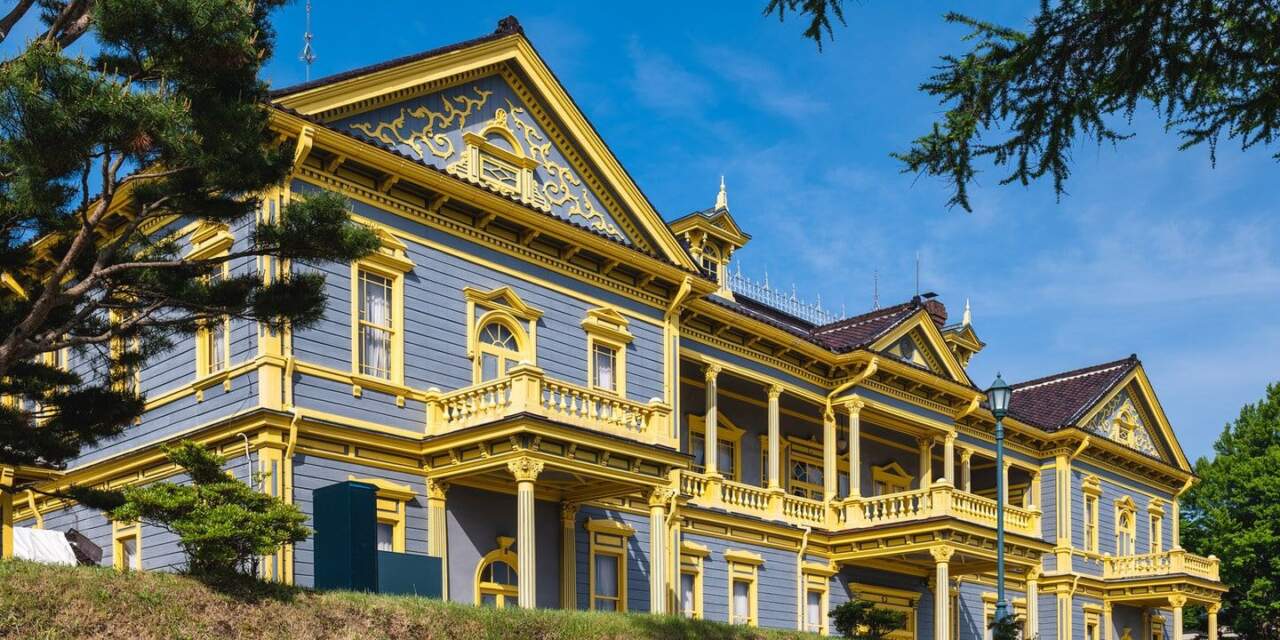
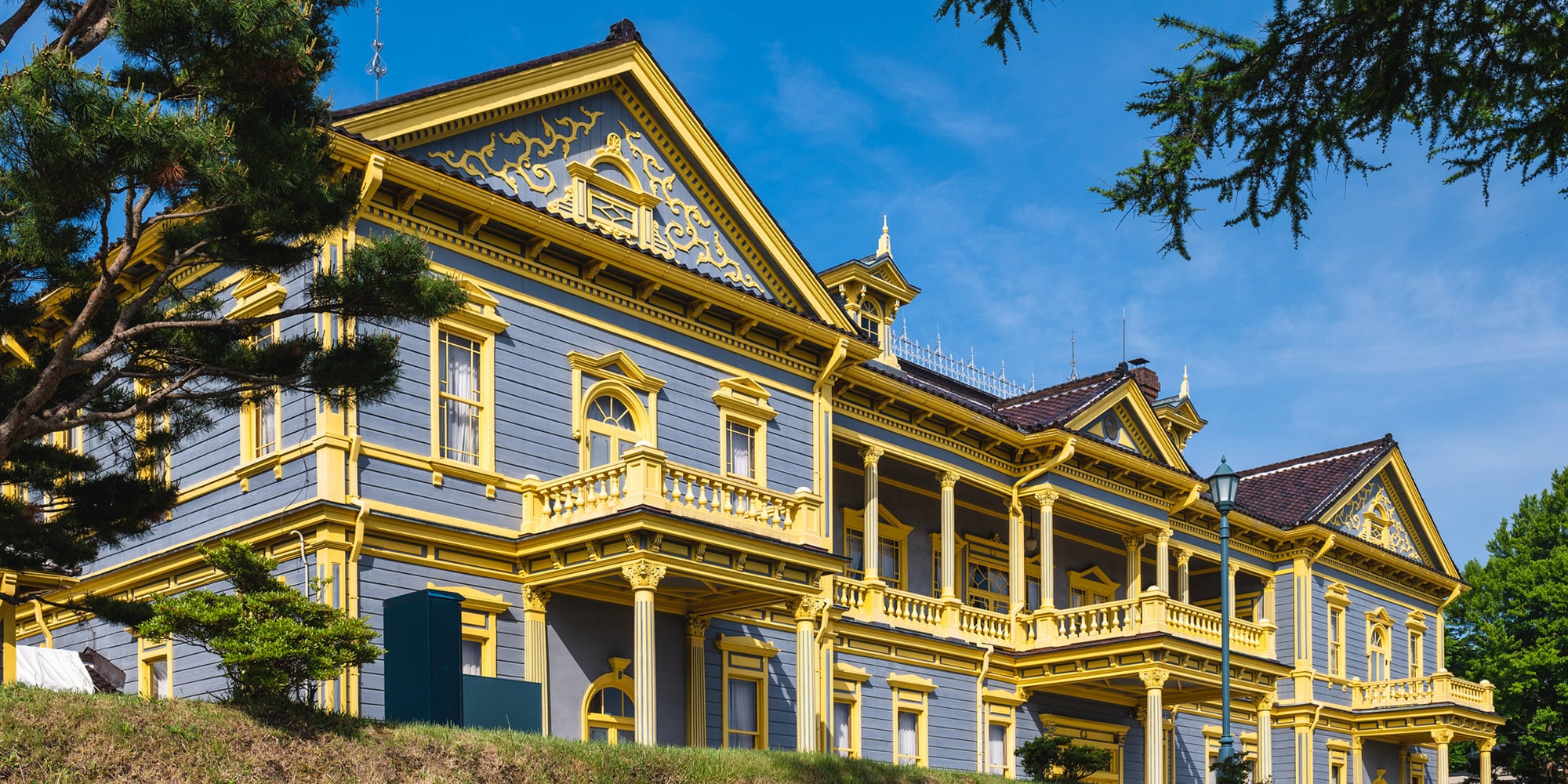
Former Public Hall of Hakodate Ward: A Blue-and-Yellow Wooden Guest Hall
The Former Public Hall of Hakodate Ward was built in 1910, a blue-and-yellow wooden building in the Baroque style, once used for gatherings of local notables and as a residence for imperial guests, and now designated as an Important Cultural Property. The hall preserves its banquet hall, guest rooms and furniture, recreating Western-style life of the Meiji era.
The hall offers Victorian-style dress rental for photos, which is very popular with women visitors. It is open 9:00-19:00 (until 17:00 from November to March), with admission of ¥300 for adults and ¥150 for students. We suggest 30-40 minutes, a must-see next to Motomachi Park.
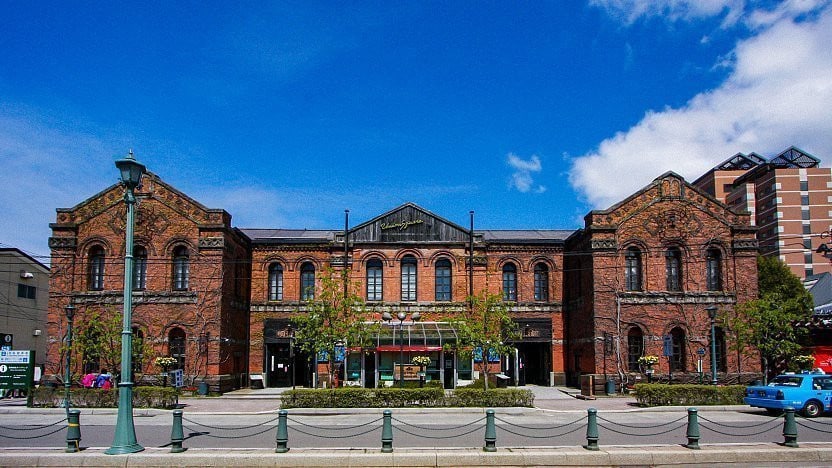
Kanemori Red Brick Warehouse: Shopping and Dining by the Harbor
The Kanemori Red Brick Warehouse is a complex converted from a group of Meiji-era warehouses by Hakodate Port, with shops for sundries, glass crafts and dining, an important sight on Hakodate Bay.
The warehouses face the sea and suit photographing the sunset and red brick silhouettes in the evening. Afterward you can walk to the Lucky Pierrot main shop in Suehirocho to try Hakodate’s famous fast food. Hours are about 9:30-19:00, open year-round, with free entry. We suggest 1-1.5 hours; Hachimanzaka is about a 10-minute walk away, a common pairing.
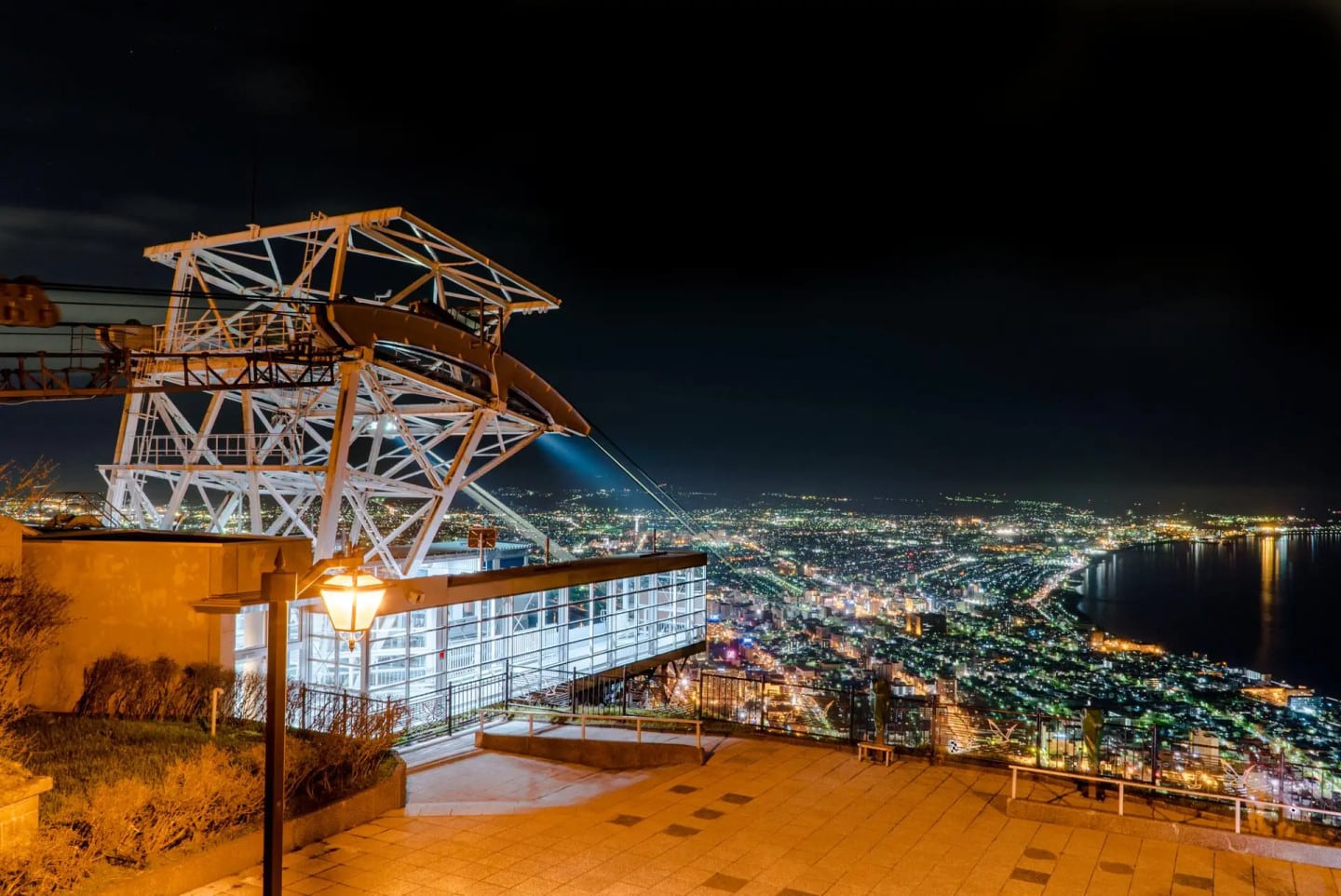
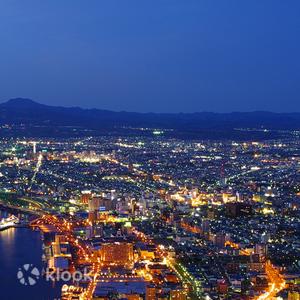
Mt. Hakodate Night View: One of the World’s Three Great Night Views
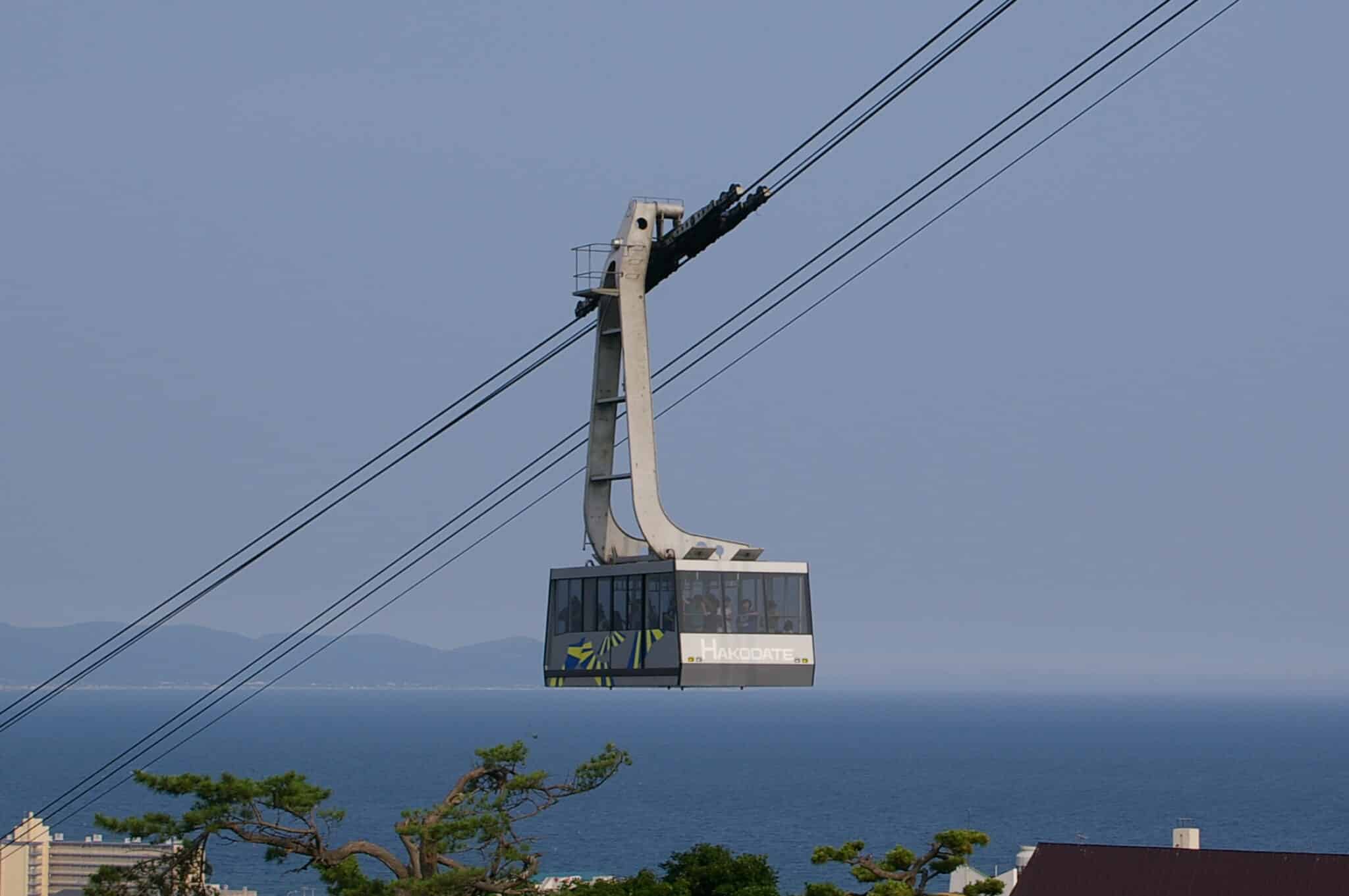
Mt. Hakodate stands 334 meters high, and its summit observatory looks down on the distinctive “bow” night view formed by the bays on both sides, ranked with Hong Kong’s Victoria Peak and Naples as one of the world’s three great night views, and a must-see in Hakodate.
We suggest taking the Mt. Hakodate Ropeway, round trip ¥1,800 for adults and ¥900 for children, a ride of about 3 minutes, running 10:00 to 22:00 (until 21:00 from October 1 to April 19 of the following year). It is suspended for statutory inspection from October 20 to November 8, 2026, so check the official website before you go. Sunset comes early in winter, so we suggest arriving early at the observatory.
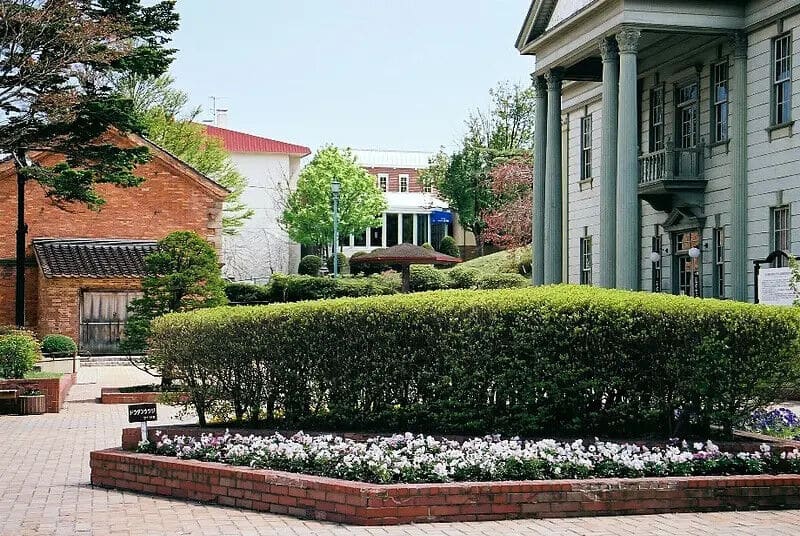
Motomachi Park: A Green Rest Area with Spring Cherry Blossoms and a Western-Style Garden
Motomachi Park is right next to the Former Public Hall of Hakodate Ward and keeps its Meiji Western-style garden design, with stone steps, a fountain pond and an observation deck overlooking Hakodate Port, a good place to rest during your stroll.
Cherry blossoms bloom from late April to early May, with pink-white petals complementing the surrounding Western houses and church spires, a hanami spot recommended by locals. The park is open 24 hours and free to enter. We suggest 15-20 minutes, and it links easily with the Former Public Hall and Hachimanzaka.
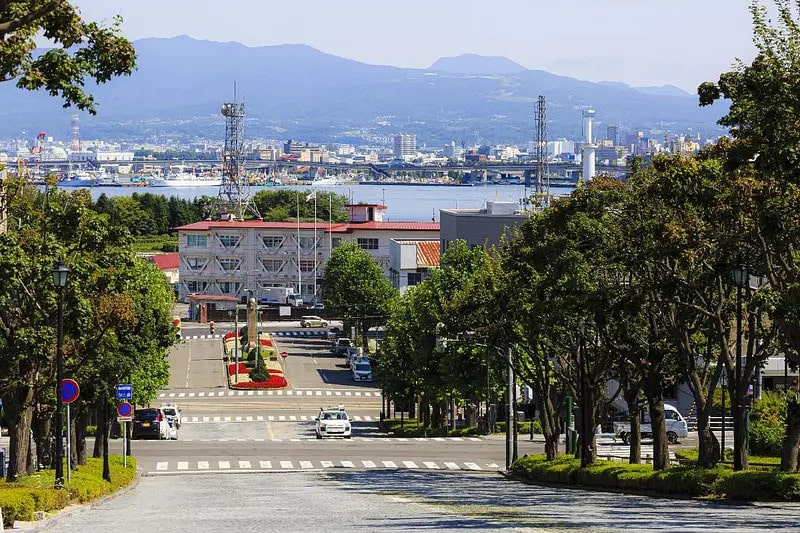
Motoizaka-dori: Another Nostalgic Slope Overlooking the Bay
Motoizaka-dori, like Hachimanzaka, is one of Motomachi’s famous slopes. Western-style buildings and nostalgic street lamps line both sides, and it also overlooks Hakodate Bay. It has relatively few visitors, suiting travelers who like to look for their own photo angles.
Walking along Motoizaka-dori links historic buildings such as the former Hokkaido Government Hakodate Branch Office, the best complementary route for exploring the culture of Motomachi’s nineteen slopes. The slope is open all year and free to walk. We suggest combining it with other slopes such as Daisanzaka and Hiyoriza to feel the unique terrain of Motomachi as a “town of slopes”.
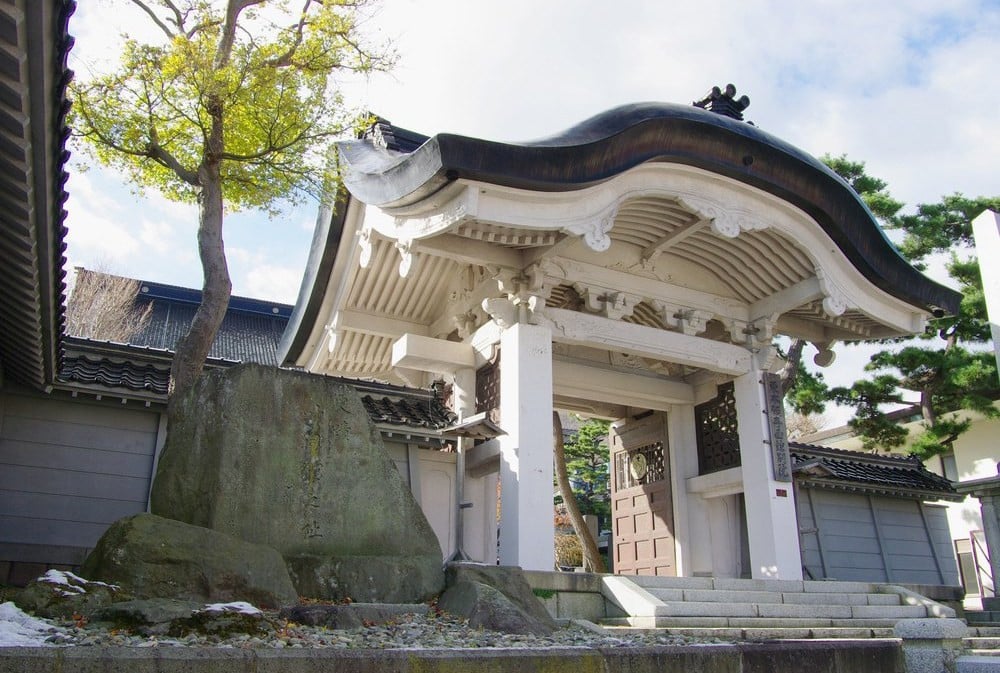
Higashi Honganji Hakodate Betsuin: A Century-Old Jodo Shinshu Temple
Higashi Honganji Hakodate Betsuin is a rare Japanese Buddhist temple in Motomachi, belonging to the Jodo Shinshu Otani sect. It bears witness to Hakodate’s unique history as a city where several faiths coexist: Orthodox, Catholic and Anglican churches and a Buddhist temple living peacefully in the same district is very rare.
The temple combines traditional Japanese wooden construction with some Western methods. We suggest 15 to 20 minutes, and it can be visited right after touring the churches. Please follow the temple’s announcements for opening hours and worship rules.
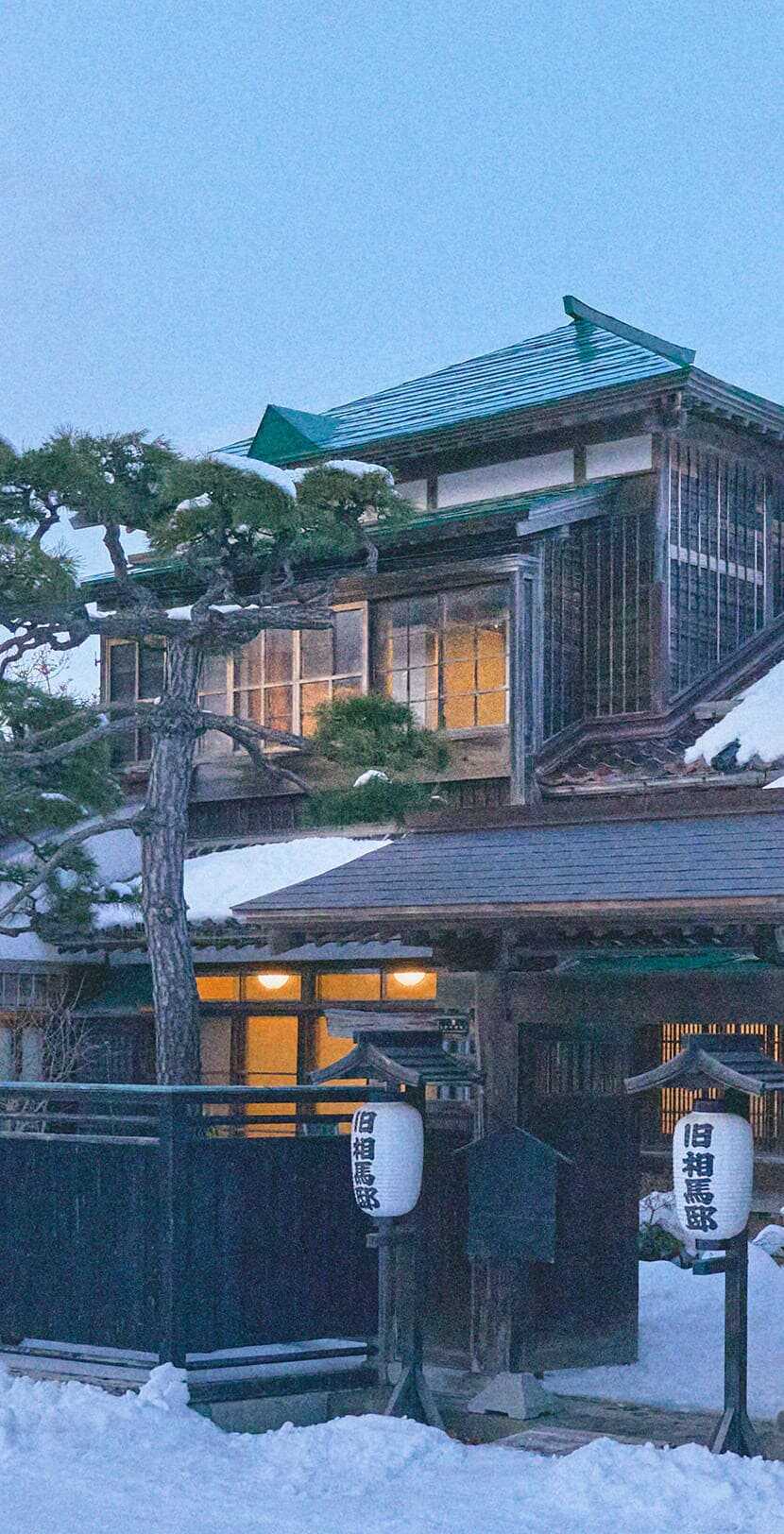
Former Soma Residence Kazeno Heritage: A Cultural-Property Stay Opened in March 2026
The Former Soma Residence was converted into the lodging “Kyu Soma-ke Kazeno Heritage” on March 1, 2026. It is a nationally designated Important Cultural Property, and guests can stay in a historic building for a deeper stay than an ordinary hotel.
The rooms were converted from the Important Cultural Property storehouse building and the original private-residence section added in later years, with 3 rooms in total, all suites, so book early.
Where to Stay Near the Motomachi and Hachimanzaka Churches in 2026? Hotel Suggestions

Where to Stay Around Motomachi: Three Choices, the Bay Area, Hakodate Station and Goryokaku
When planning the Motomachi-Hachimanzaka churches itinerary, the most convenient base is the “Hakodate Bay area (around Suehirocho and Jujigai)”, where you can walk to the Kanemori Red Brick Warehouse, the churches and the Mt. Hakodate ropeway station, suiting travelers who want to stroll at leisure without moving around often. The downside is that most options are small or mid-sized hotels, and rates tend to rise in peak seasons (cherry blossom season, Christmas and New Year).
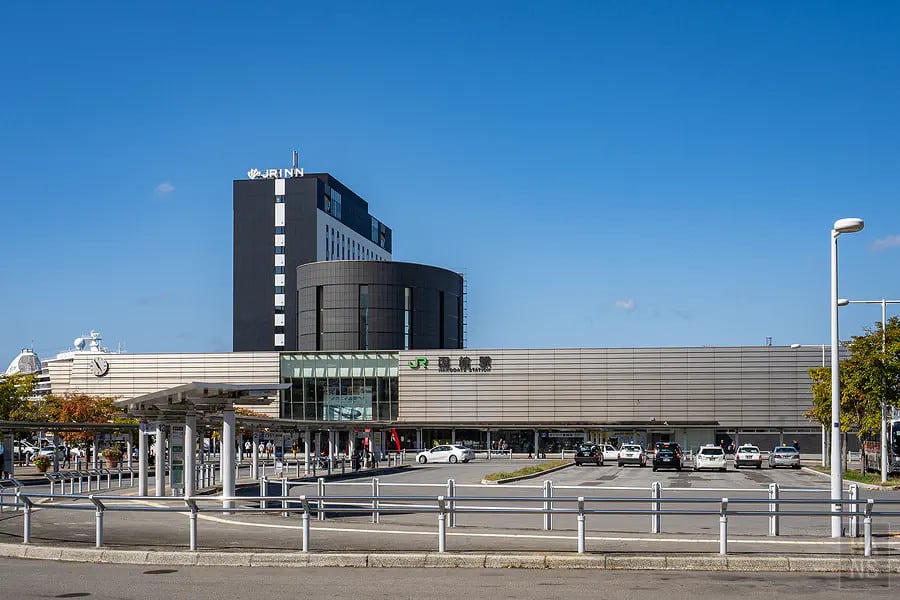
If you want more chain hotels and department store dining, “in front of Hakodate Station” is another popular area, with the easiest transfers; the tram to Motomachi takes only about 10 minutes, suiting multi-day Hokkaido itineraries and travelers who go back and forth to the station often. Travelers who prefer nightlife and shopping can also consider the lodging area near Goryokaku Tower, where you can try the nearby izakaya and ramen shops in the evening and take the tram to the Motomachi churches the next day. If you have time, you can also extend to a night in Yunokawa Onsen, the hot spring option closest to the airport, good for a relaxing stay at the end of the trip.
FAQ
Q: How long does it take to walk the Motomachi and Hachimanzaka churches?
We suggest 1-2 hours. If you add nearby spots such as the Former Public Hall and the Kanemori Red Brick Warehouse, half a day (about 3 hours) is more comfortable.
Q: Do the three churches need tickets?
Hakodate Orthodox Church (Haristos) charges ¥200 for adults to enter; Motomachi Catholic Church is free inside; St. John’s Church is free inside, but requires advance reservation and is open only in certain periods.
Q: How do I get to Hachimanzaka from Hakodate Station?
Take the Hakodate tram from in front of Hakodate Station to Suehirocho or Jujigai Station, then walk 5 to 10 minutes to Hachimanzaka. The fare depends on distance and is ¥250 to 300 for adults.
Q: How much is the Mt. Hakodate ropeway round-trip ticket?
¥1,800 round trip for adults and ¥900 for children. We suggest arriving at the summit observatory 30 minutes before sunset to get a spot. The ropeway is suspended for inspection from October 20 to November 8, 2026.
Q: What season is best for the Motomachi churches?
Late April to early May with cherry blossoms in bloom is the most romantic, summer has clear sea views, and winter has beautiful snow scenes, but the slopes ice up easily so watch your footing.
Q: What should I watch for when visiting Hachimanzaka in winter?
From December to March the cobbles are icy and slippery and the sea wind is strong. Be sure to wear non-slip snow boots and watch for warmth and your footing.
Q: How much is admission to the Former Public Hall of Hakodate Ward?
¥300 for adults and ¥150 for students, open 9:00-19:00 (until 17:00 in winter), with Victorian-style dress rental for photos inside.