
Todai-ji Temple Guide 2026: The World’s Largest Wooden Building and Nara’s Great Buddha
Todai-ji is a World Heritage landmark in Nara, famous for the Great Buddha Hall and the Kongorikishi guardian statues at Nandaimon Gate. Admission starts at ¥800, and it is worth half a day for a proper visit.
Daibutsuden: The World’s Largest Wooden Building
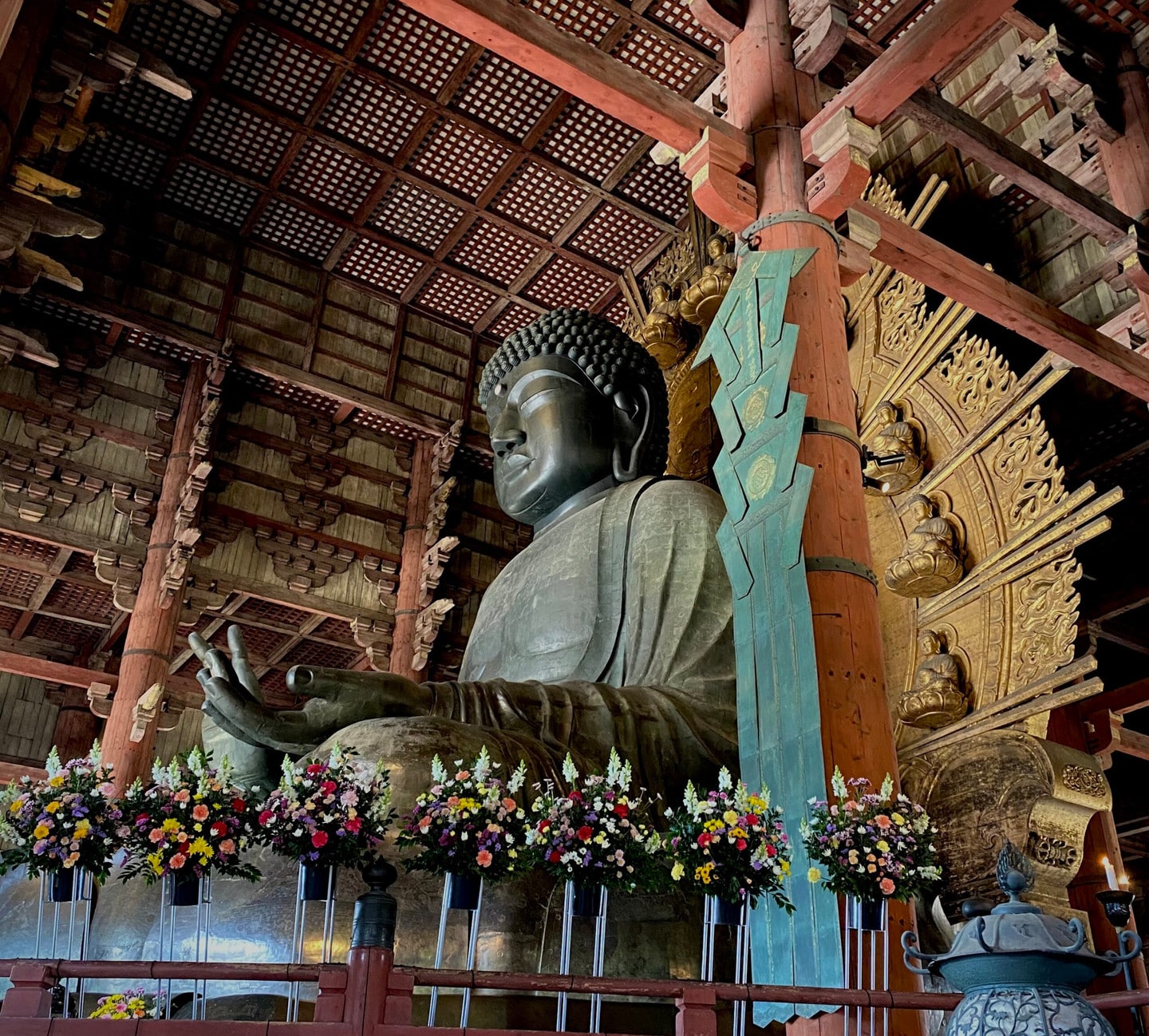
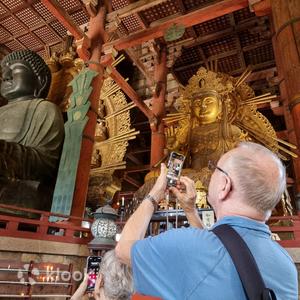
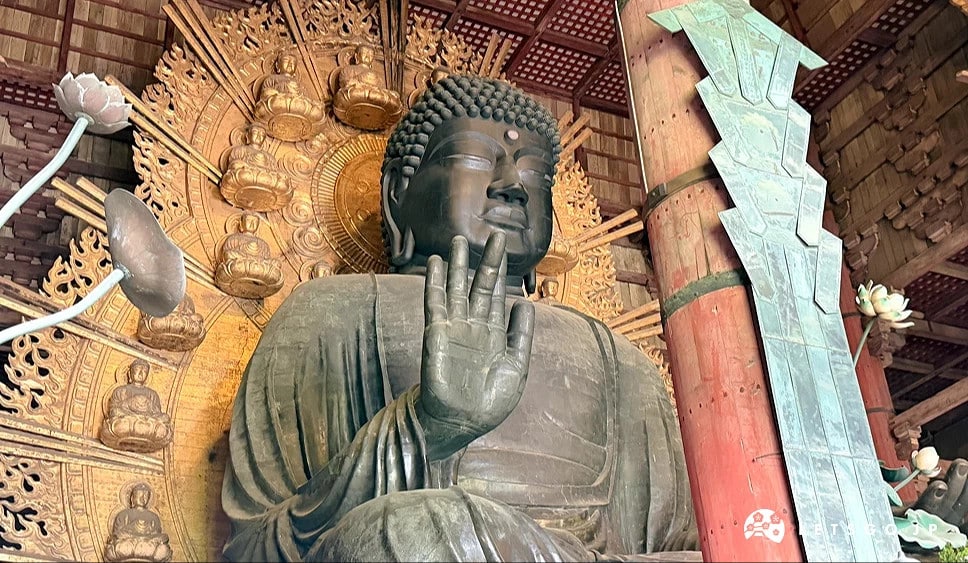
The Great Buddha Hall (Daibutsuden, or Kondo) is the largest wooden building in the world today, about 48 meters high and 57 meters wide, housing the 15-meter-tall Great Buddha of Nara. The present building was rebuilt in the Edo period and is smaller than the original, but it is still astonishing, and the huge statue and soaring interior are stunning.
At the base of a pillar on the right side of the hall is a hole the same size as the Great Buddha’s nostril. It is said that crawling through brings good fortune and health, and it is a popular activity for visitors, especially families. Adults must turn sideways to squeeze through, which makes it great fun.

Nandaimon: A National Treasure Gate from the Kamakura Period
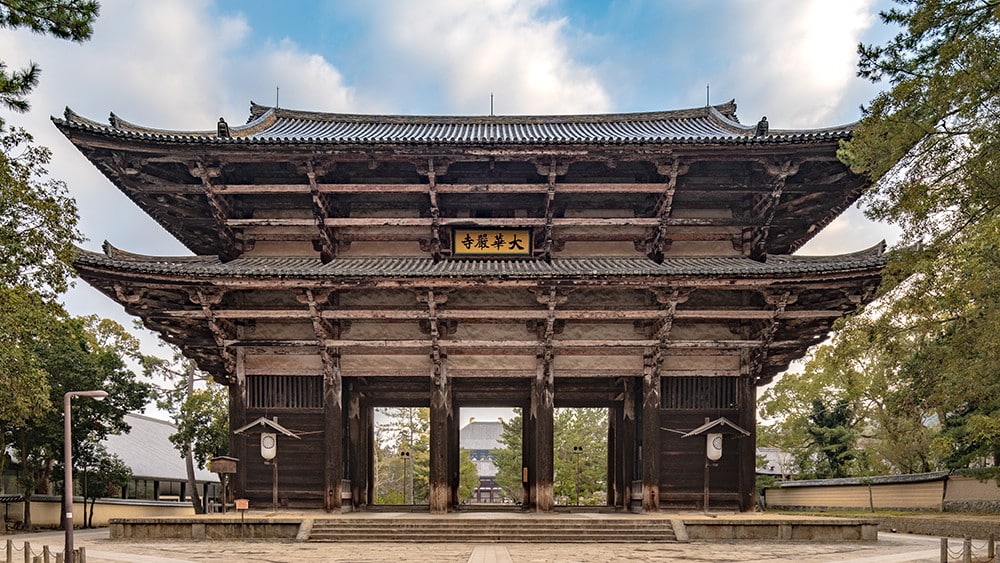
Nandaimon is the main gate of Todai-ji, about 25 meters high, rebuilt in 1199 in the Kamakura period. It uses the Daibutsuyo (Tenjikuyo) style introduced from China, with a bold system of through-beams in place of traditional bracketing, showing mighty strength. It is one of the largest temple gates in Japan today and is designated a National Treasure.
Passing through Nandaimon, you can see the roof of the Great Buddha Hall in the distance, an excellent photo angle. Nara deer often stroll leisurely on both sides of the approach in front of the gate, a unique scene of an ancient temple coexisting with nature, and the setting for the covers of many travel guides.
The Kongorikishi: Masterpieces Completed by Unkei and Kaikei in 69 Days
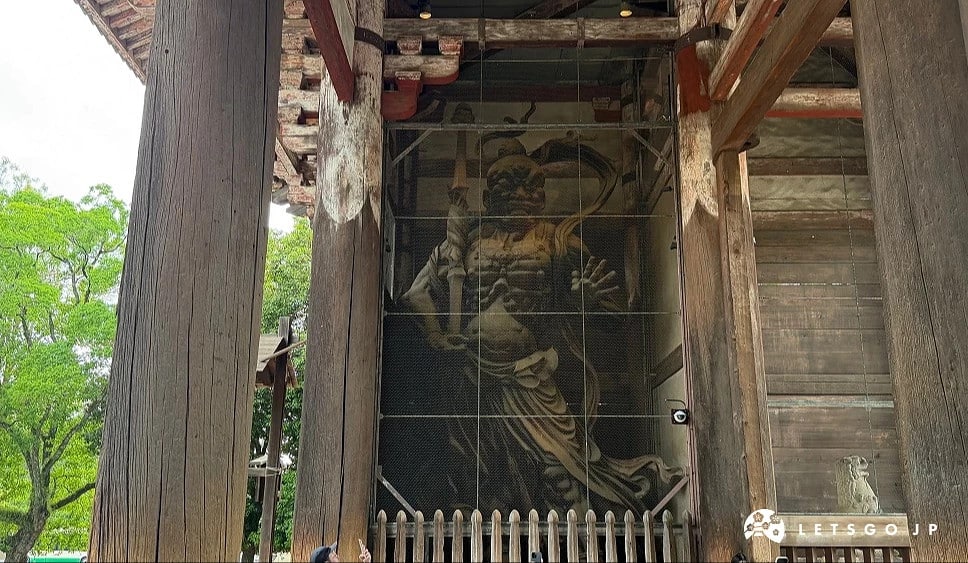
The Kongorikishi (Nio) statues on either side of Nandaimon are nearly 8.4 meters tall, the largest wooden statues in Japan and National Treasures, completed in 1203 in just 69 days by sculptors including Unkei and Kaikei.
The Agyo on the left roars with open mouth and the Ungyo on the right holds power with mouth closed, symbolizing “a-un,” the beginning and end of all things in the universe.
During the major restoration from 1988 to 1993, ink-written documents were found inside the statues, confirming that Agyo was mainly made by Unkei and Kaikei and Ungyo mainly by Jokaku and Tankei, between July 24 and October 3, 1203. Viewing is free, and the statues stand behind lattice at Nandaimon.
Wakakusayama: The Grassy Hill with a View over Nara
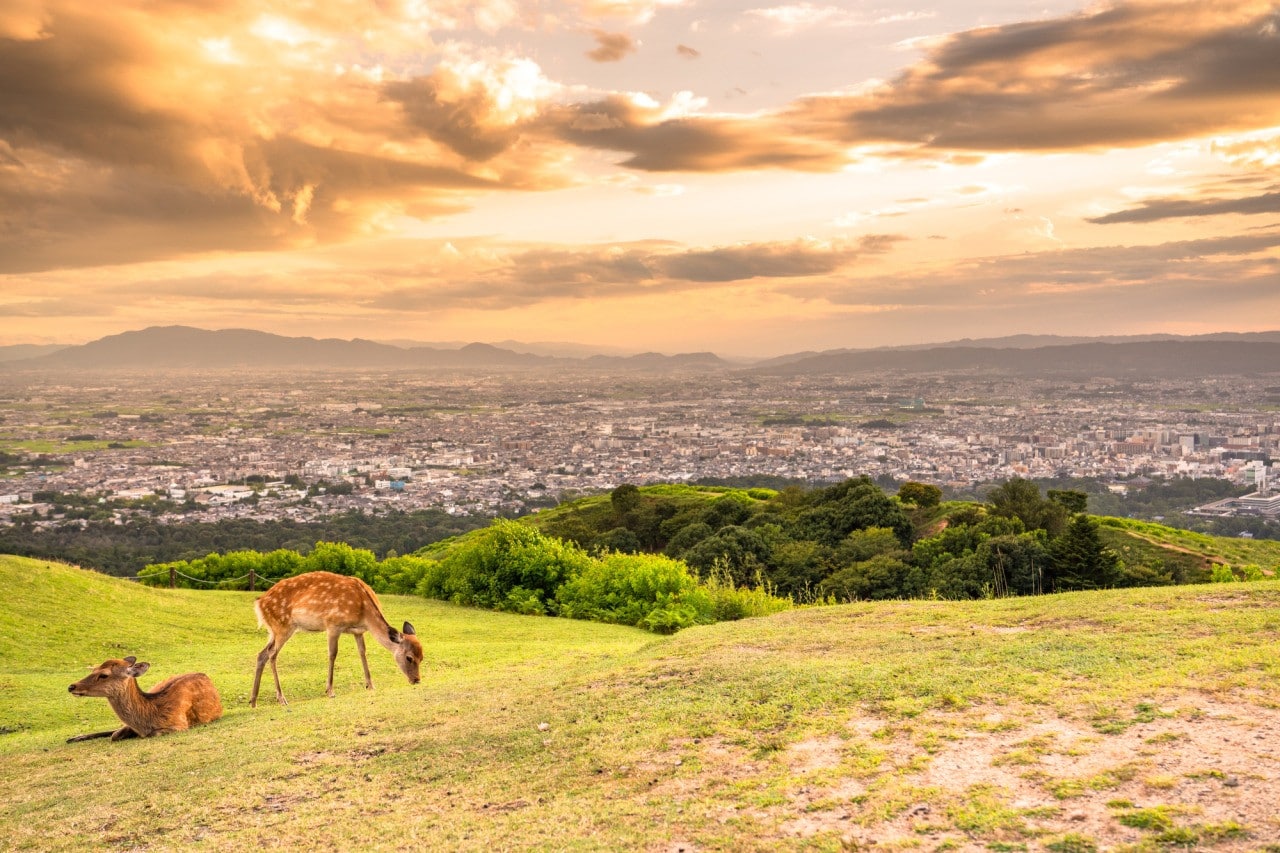
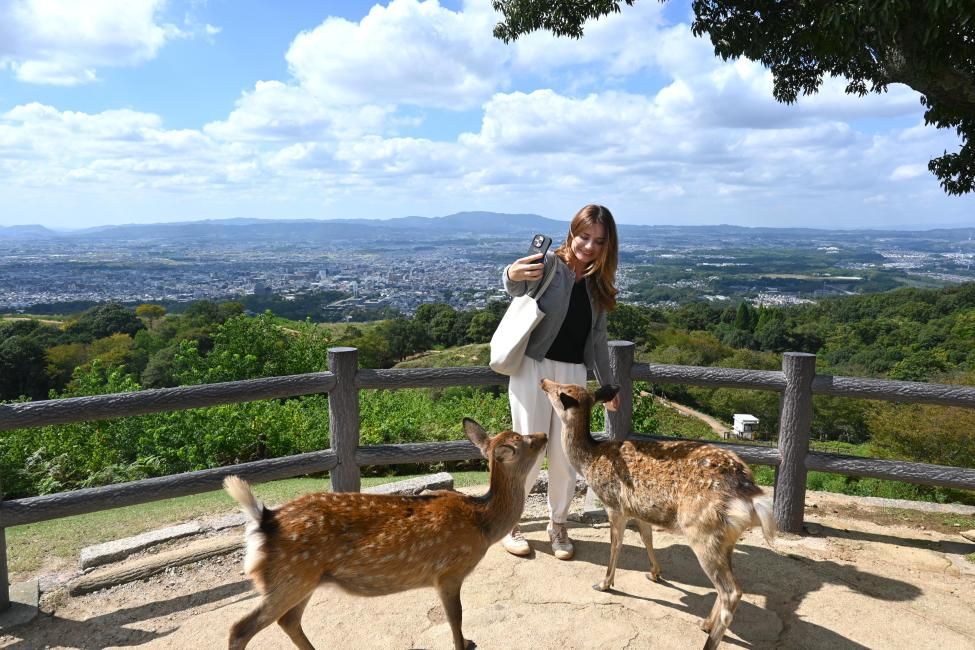
Wakakusayama is 342 meters above sea level and made of three stacked grassy slopes, which is why it is also called “Mikasayama.” From the summit you get a 360-degree view over the Nara basin, the roof of Todai-ji and the deer below the hill, a rare open viewpoint near Nara, especially lovely at dusk when the golden grass glows in the sunset.
The mountain is open from the third Saturday of March to the second Sunday of December each year, 9:00 to 17:00 (adjusted slightly by season). Entry is ¥150 for adults and ¥80 for children, with a ticket office at the trailhead partway up. Fit hikers reach the summit in about 40 minutes on foot, and the mountain is closed in winter.

How to Get There: Todai-ji Guide 2026 Covering the Great Buddha Hall, Nandaimon Kongorikishi and Wakakusayama, with Transport and Costs
Todai-ji is in the heart of Nara Park. Nandaimon is about a 20-minute walk from Kintetsu Nara Station and about 25 to 30 minutes on foot from JR Nara Station, passing through Nara Park and its deer on the way. If you do not want to walk, take the Nara Kotsu city loop bus (about ¥250 one way) from in front of the station to the “Todaiji Daibutsuden / Kasuga Taisha-mae” stop, then walk about 5 minutes. From Kintetsu Nara Station you can also take the Gurutto Bus (¥100 one way) to “Daibutsuden Mae Parking Lot.”
-Klook.jpg)
Todai-ji Guide 2026 Covering the Great Buddha Hall, Nandaimon Kongorikishi and Wakakusayama: Top Sights, Highlights by Area and Recommended Routes
Besides the Great Buddha Hall and Nandaimon, there are several more places inside and outside Todai-ji worth exploring in depth.
Nigatsudo: A Free Sunset Spot Overlooking Nara
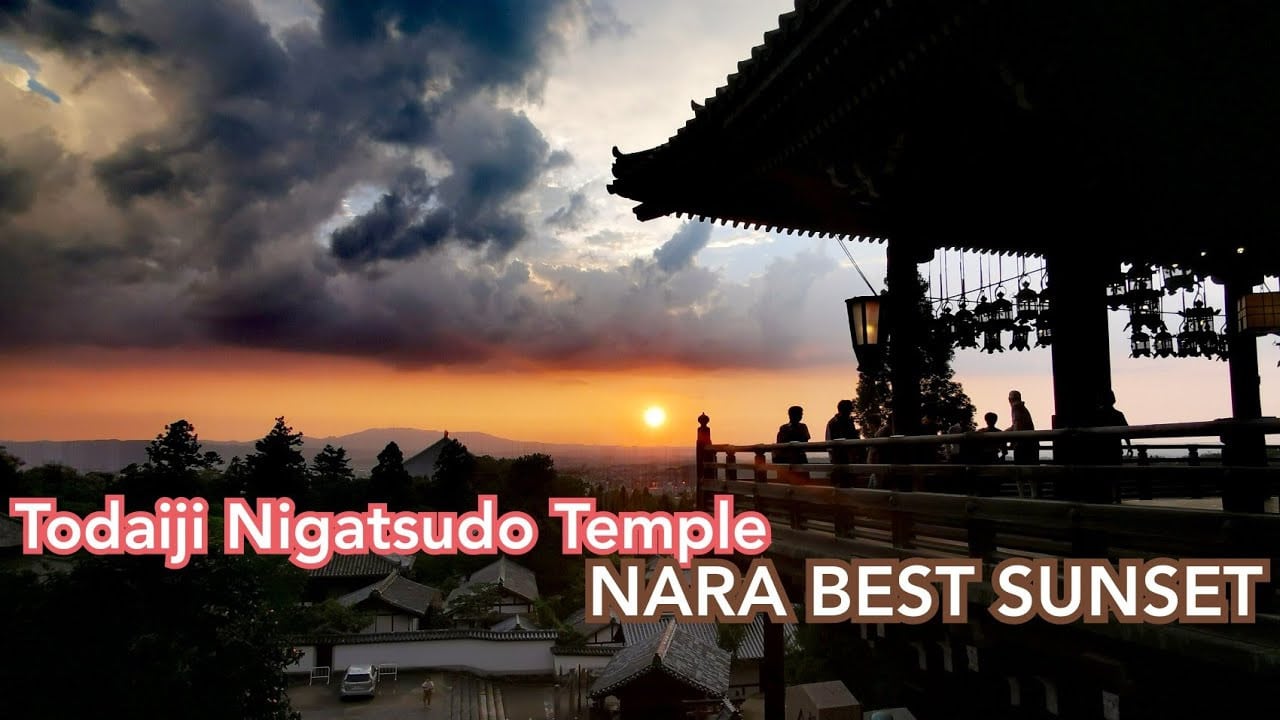
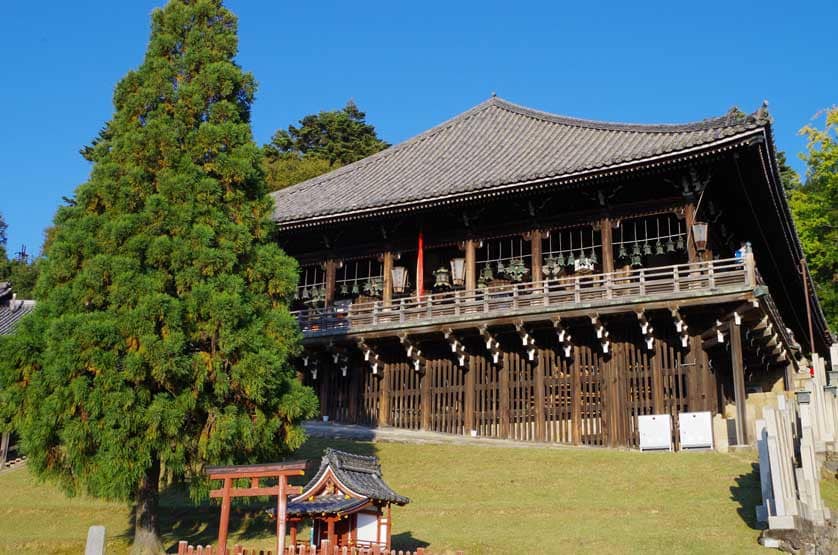
Nigatsudo stands on a raised platform and is an excellent spot at Todai-ji for looking out over Nara. At dusk the wooden stage and the afterglow of the sunset blend. It is free and relatively uncrowded, a spot locals recommend. The Shuni-e (Omizutori) ritual held each March, in which huge torches are swung around the stage in the “datto” spectacle, is the signature festival of early spring in Nara. Nigatsudo can be visited all day; please stay quiet at night. Arrive before 17:00 to see the sunset, and on ordinary days 20 to 30 minutes is enough. During Shuni-e, you need to claim a spot several hours ahead.

Sangatsudo (Hokkedo): The Oldest Building at Todai-ji
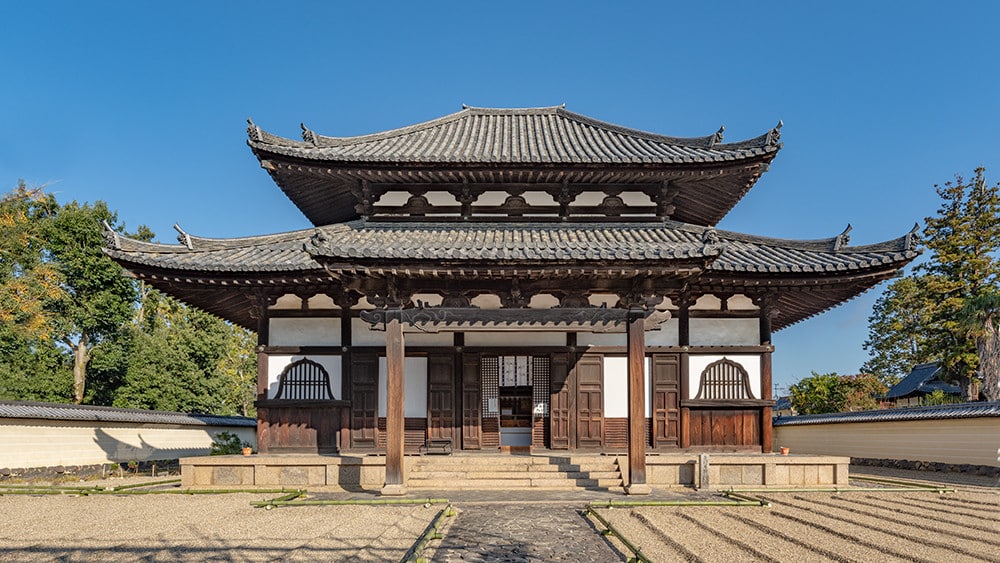
Sangatsudo, also called Hokkedo, was built in the Nara period (8th century) and is the oldest surviving building at Todai-ji. It enshrines the Fukukenjaku Kannon standing statue and several other National Treasure Buddhist statues from the Tenpyo era. The solemn space and fine craftsmanship of the statues are a highlight not to be missed by lovers of Buddhist art.
Open 8:30 to 16:00, admission ¥800 for junior high school students and older and ¥400 for elementary students. Photography is not allowed inside. Take your time to appreciate the details and expressions of each statue, for about 15 to 20 minutes.
Kaidan-in Kaidando: Home of Japan’s Most Beautiful Shitenno Statues
Kaidan-in Kaidando is the sacred place where monks receive the precepts, and the four Shitenno (Four Heavenly Kings) statues of the Tenpyo era inside are called the most beautiful in Japan, with stern expressions and realistic musculature showing the high skill of Nara-period sculpture.
Admission to the Kaidando is ¥800 for junior high school students and older and ¥400 for elementary students, ticketed separately from Hokkedo, open 8:30 to 16:00. The interior is small but the artistic value of the statues is very high, and it suits a visit after the Great Buddha Hall, about a 10-minute walk away.
Todai-ji Museum: National Treasure Buddhas and Temple Treasures
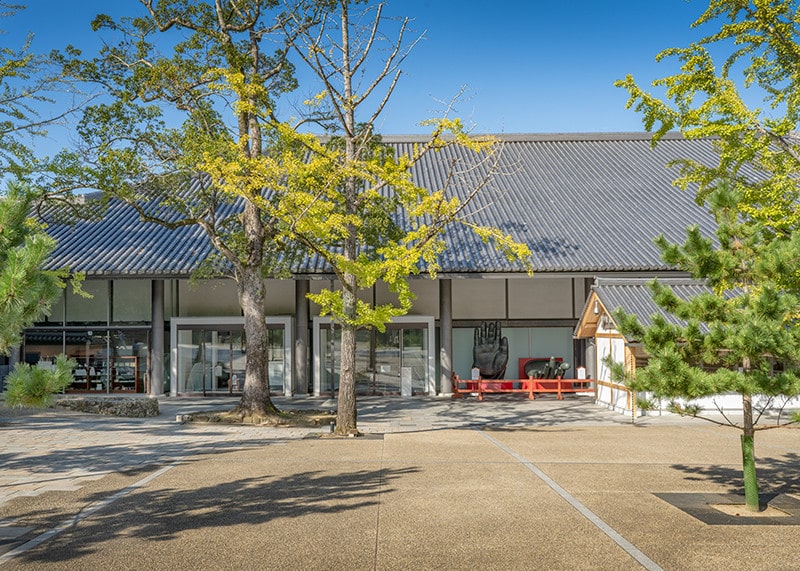
The Todai-ji Museum is near Nandaimon and displays National Treasure-level artifacts such as statues once enshrined in Hokkedo and the temple’s paintings and sutras handed down through the ages. The exhibition halls are clearly organized with explanations in Chinese and English, suiting travelers who want to understand history and culture in depth.
Open 9:30 to 17:30 from April to October and 9:30 to 17:00 from November to March (last entry 30 minutes before closing). Admission is ¥800 for junior high school students and older and ¥400 for elementary students, and a combination ticket with the Great Buddha Hall saves ¥400. The museum has air conditioning and seating, a good escape from summer heat or rain.
Todai-ji Omamori and Goshuin: Which Halls Offer Them
Todai-ji’s goshuin are offered at several halls including the Great Buddha Hall, Nigatsudo, Sangatsudo and Kaidando. The main “Kegon” goshuin bears the “Todai-ji Daibutsuden” seal, and each hall has its own design. The temple also has original omamori charms and goshuin books themed on the Great Buddha Hall and the Great Buddha. Fees and varieties follow on-site notices at each hall.
Kagami-ike Pond: A Reflection Spot in Front of Nandaimon
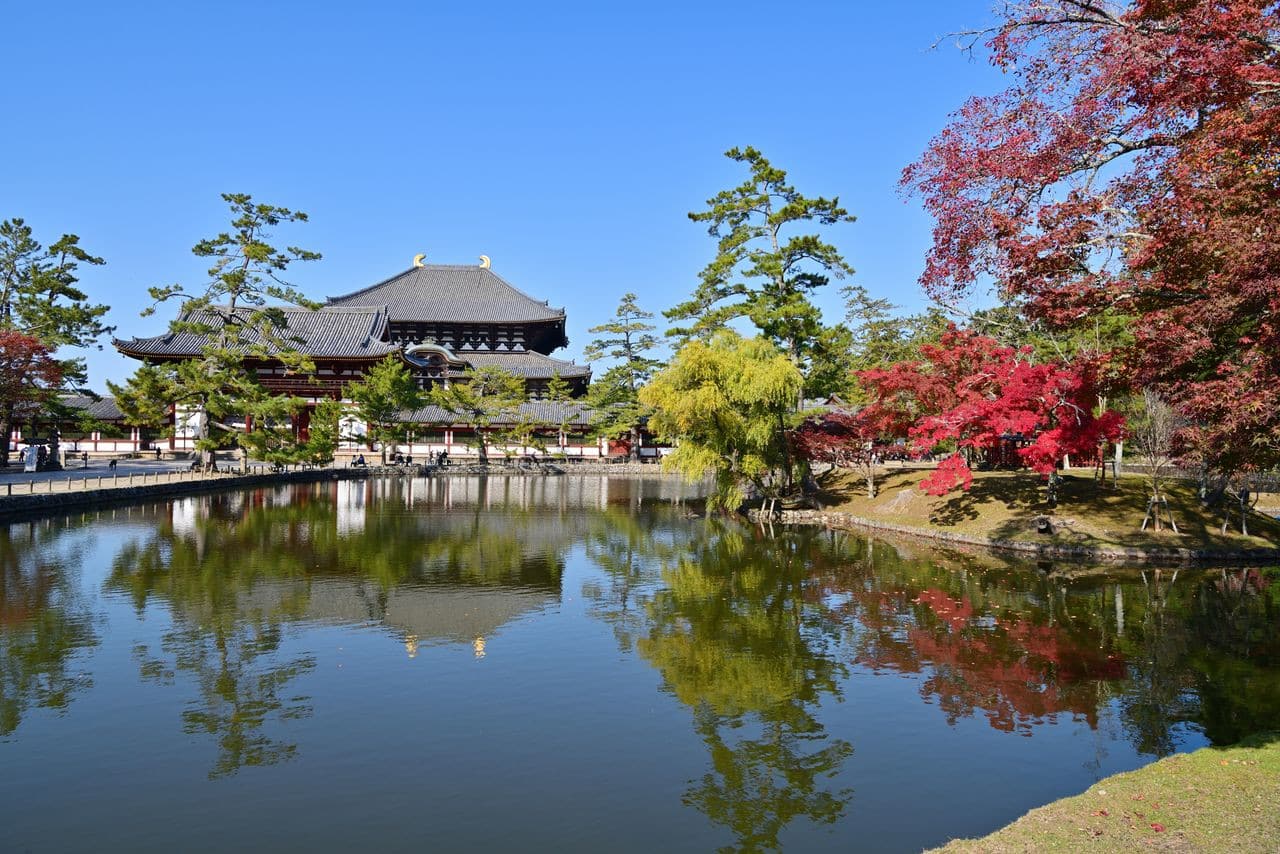
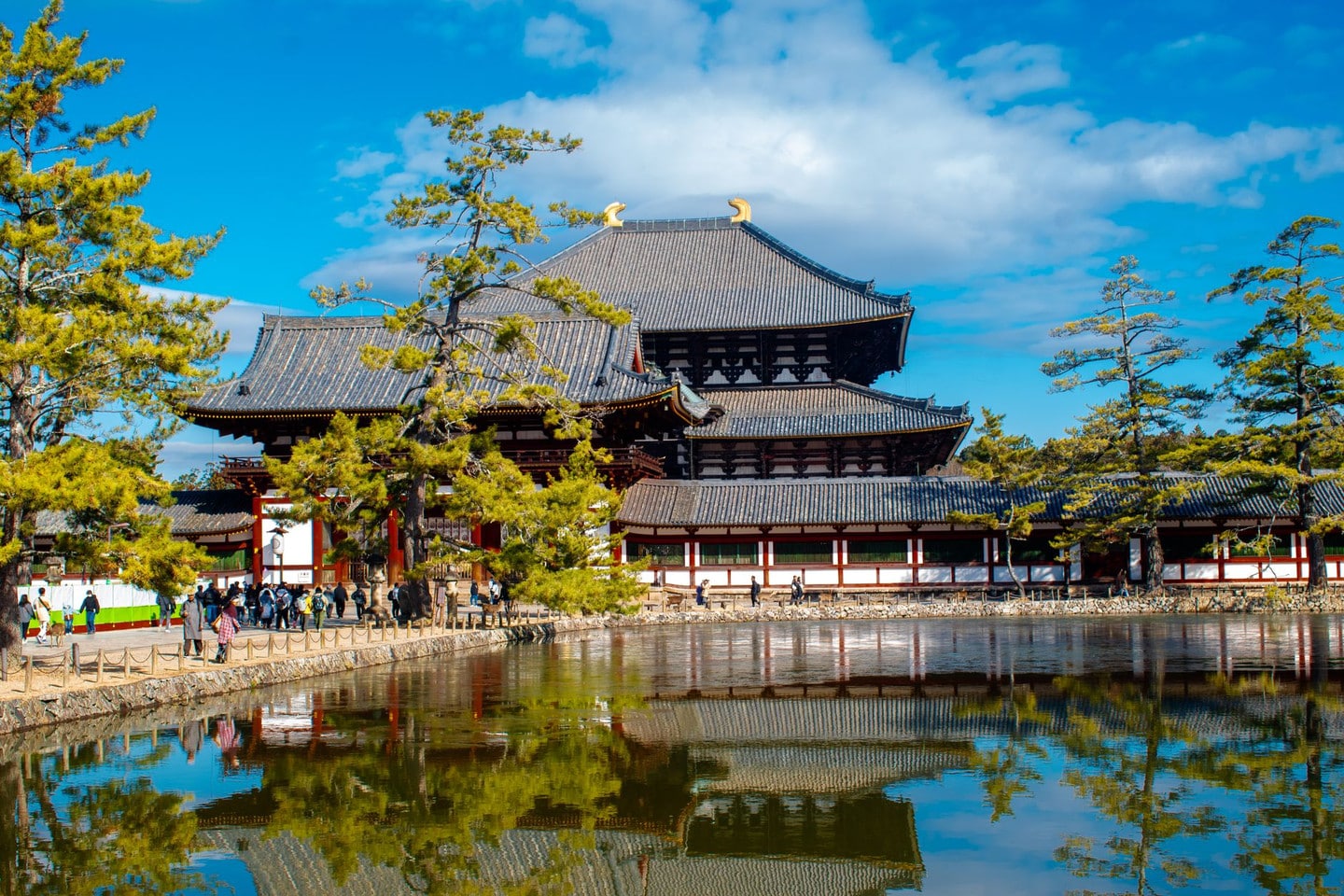
Kagami-ike Pond lies between Nandaimon and the Great Buddha Hall, and when the water is still it fully reflects the outline of the Great Buddha Hall, a classic photo spot recognized by photographers, best on a windless early morning or evening, with autumn leaves reflected on the water adding poetry.
Kagami-ike is free to visit all year, with no ticket needed to enjoy it and take photos. Go outside the midday crowds, and try shooting from a low angle so the reflection and the real building form a symmetrical composition. It is the easiest spot to overlook at Todai-ji and very much worth the stop.
Nara Park: A Natural Park Shared with Wild Deer
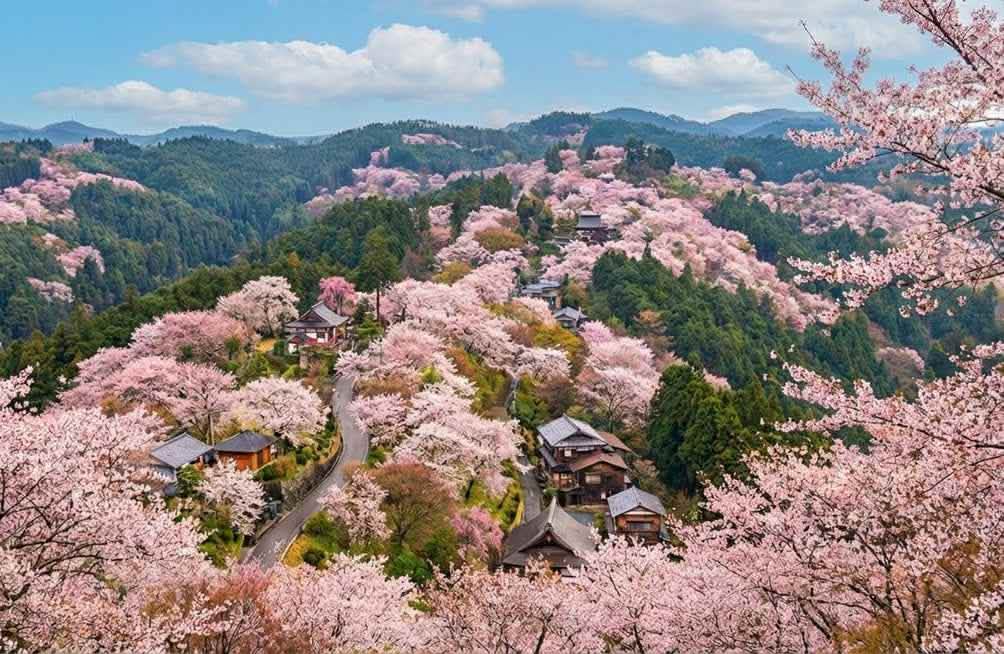
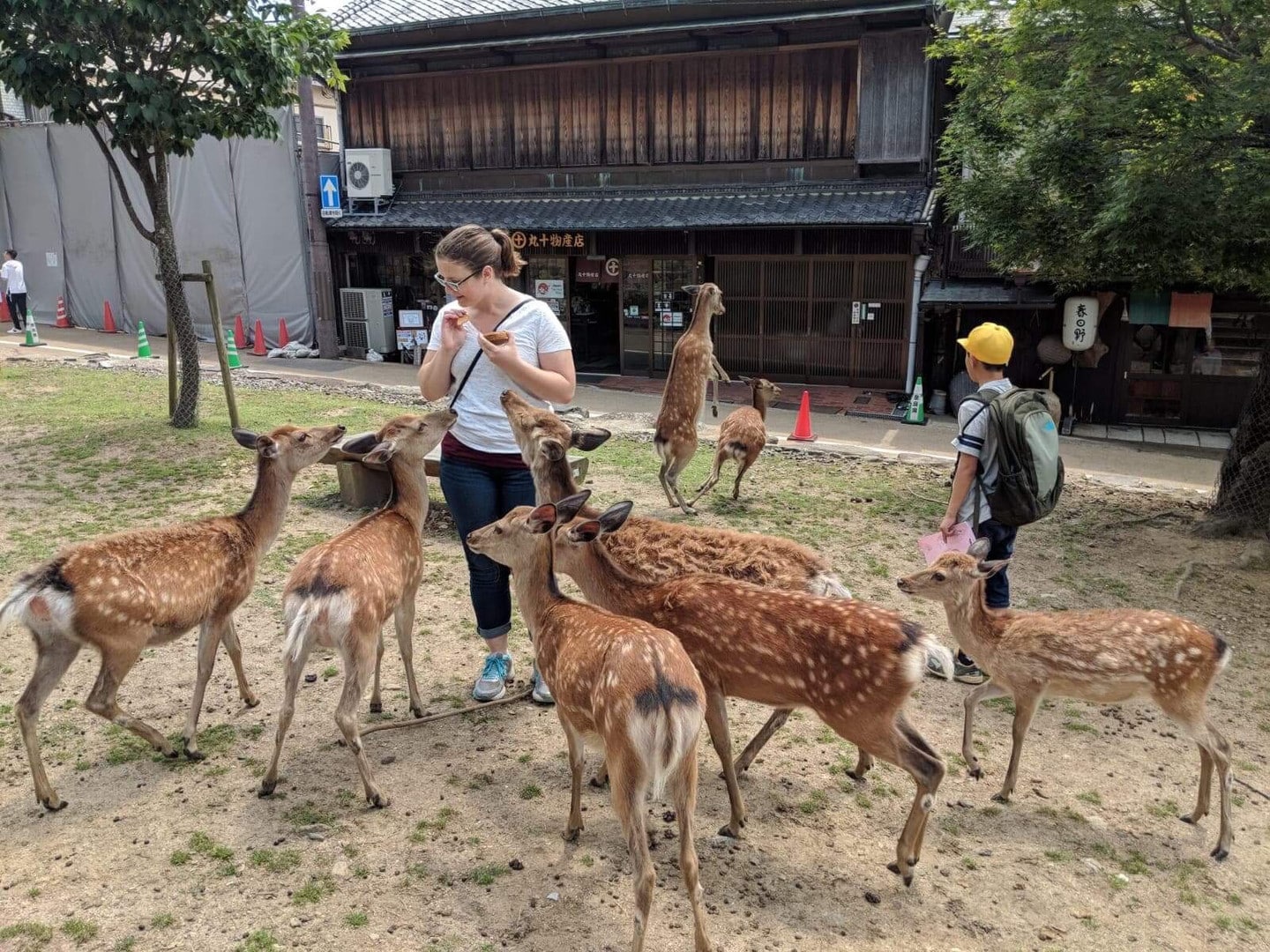
Nara Park covers a vast 660 hectares, the green space shared by Todai-ji, Kofuku-ji and Kasuga Taisha. About 1,200 wild sika deer, regarded as messengers of the gods, roam freely, and visitors can buy deer crackers (¥200 per set) to feed them up close, one of Nara’s most iconic experiences.
The park is open 24 hours all year and free to enter. Plan on 1 to 2 hours for a stroll. Cherry blossoms in spring and autumn leaves in fall are the most beautiful times but also the most crowded. When feeding, hold the crackers out from above to avoid deer rushing and bumping you as they compete for food.
-Klook.jpg)
Kasuga Taisha: A Vermilion Shrine with 3,000 Stone Lanterns
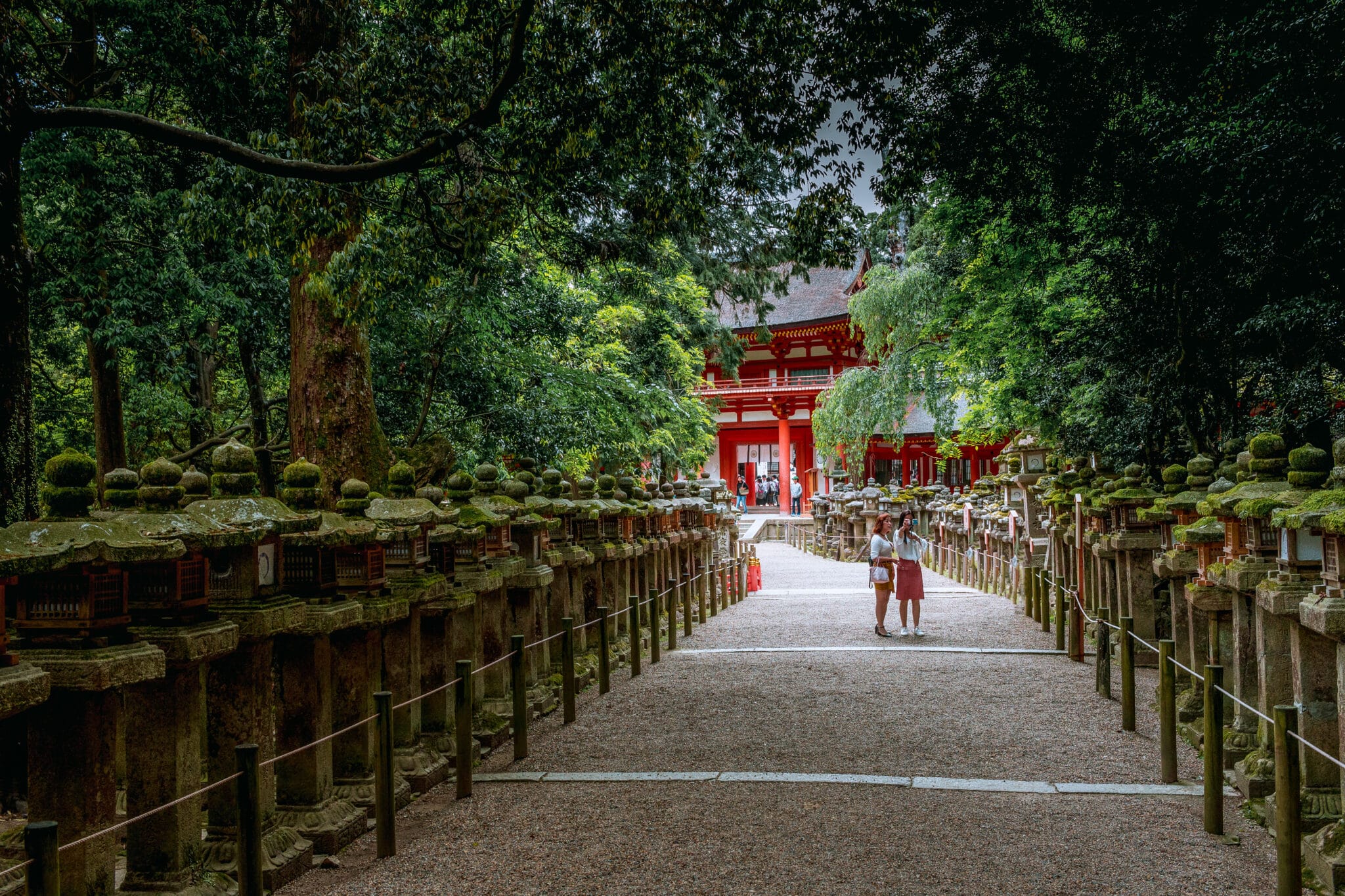
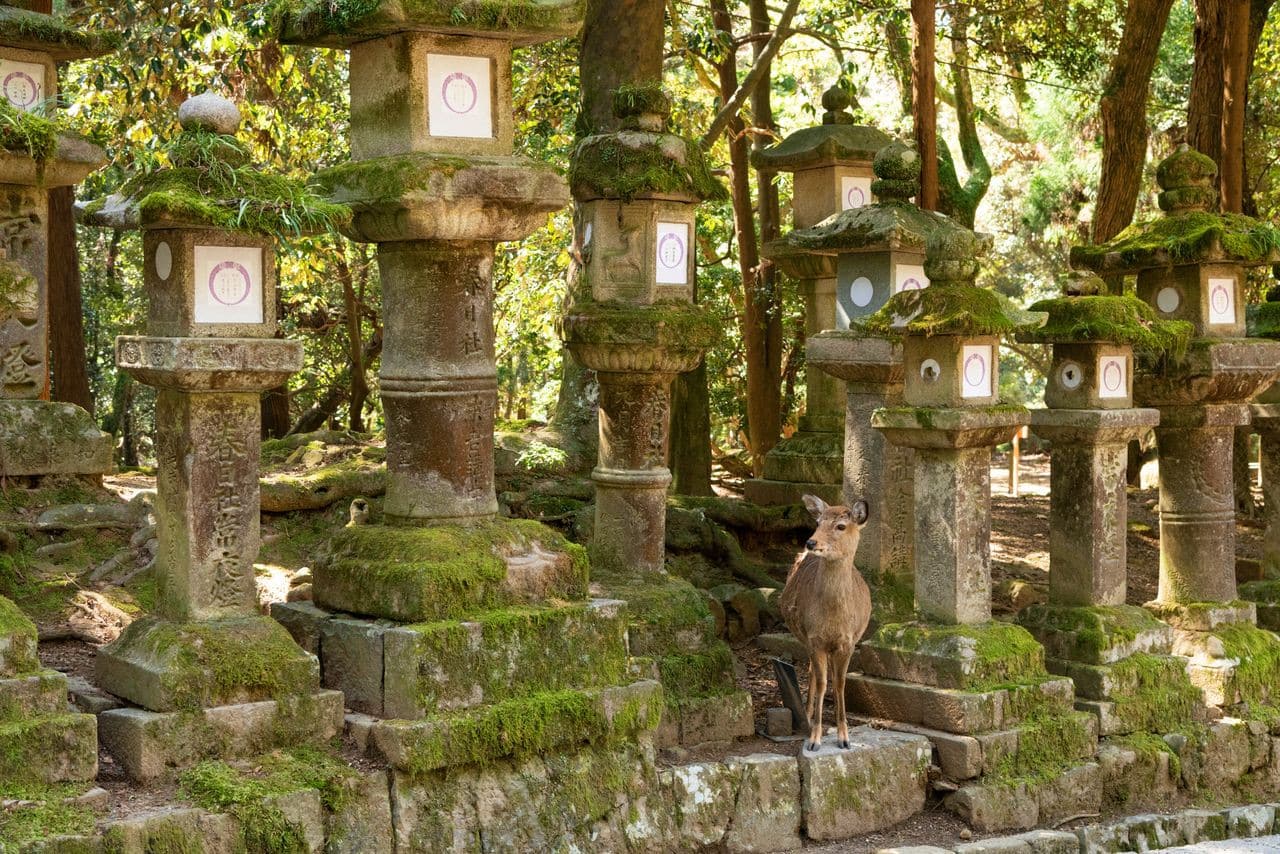
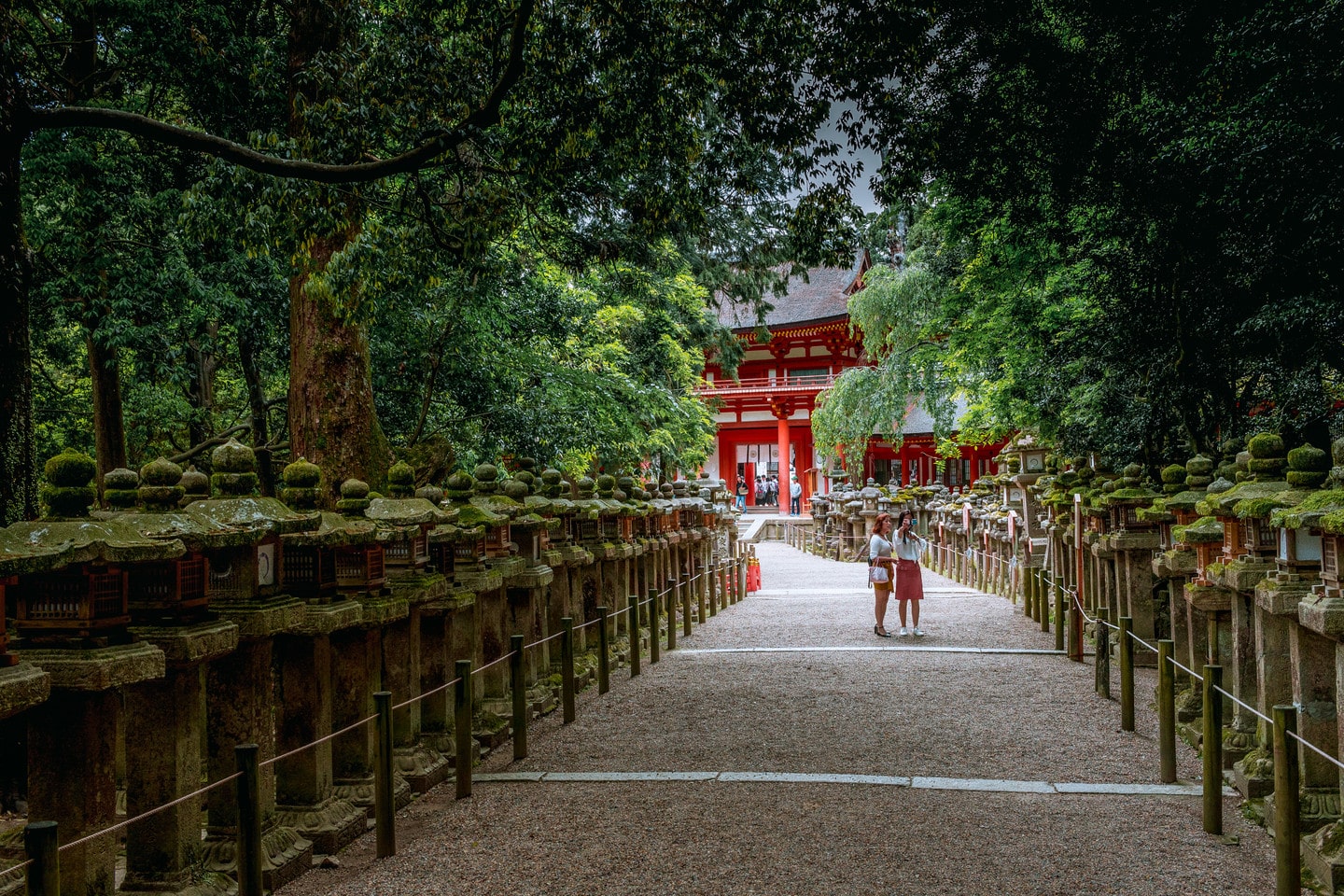
Kasuga Taisha was founded in 768 and enshrines four deities including Takemikazuchi no Mikoto. It is famous for nearly 3,000 stone and hanging lanterns inside and outside the grounds, all lit at the Setsubun festival in February and the Mantoro festival in mid-August, a dreamlike and solemn sight and one of the World Heritage shrines in Nara not to be missed.
Special worship at the main hall costs a ¥700 offering, and the Treasure House is ¥700 for adults. The shrine also offers omamori and goshuin, and opens about 6:30 to 17:30 (later opening and earlier closing in winter). It is about a 15 to 20-minute walk from Todai-ji, passing through the primeval forest along the Kasuga Taisha approach.
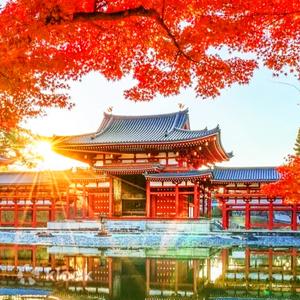-Klook.jpg)
Kofuku-ji: Home of Nara’s Landmark Five-Story Pagoda
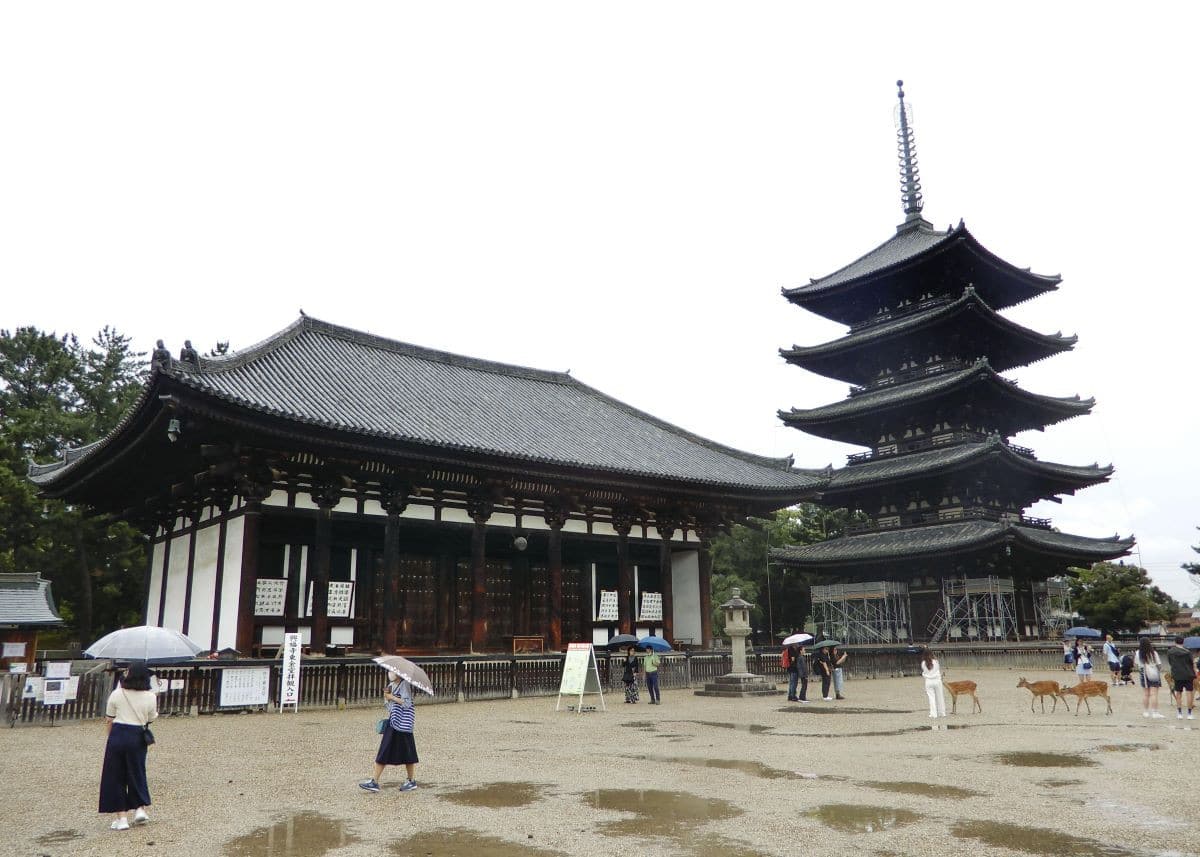
Kofuku-ji (founded in 710) is the family temple of the Fujiwara clan. Its five-story pagoda, 50.1 meters tall, is the second tallest wooden pagoda in Japan and a Nara landmark. The temple’s National Treasure Museum holds Tenpyo-era Buddhist statues including Ashura, of very high art-historical value.
Note: The five-story pagoda has been undergoing its first major restoration in 120 years since June 2022, expected to last until March 2034, and its exterior cannot currently be seen.
National Treasure Museum admission is ¥900 for adults, ¥800 for junior and senior high students and ¥500 for elementary students, open 9:00 to 17:00. It is about a 5-minute walk from Kintetsu Nara Station, and we suggest allowing 30 to 40 minutes for the museum.
Yoshikien: A Quiet Japanese Garden with Free Entry
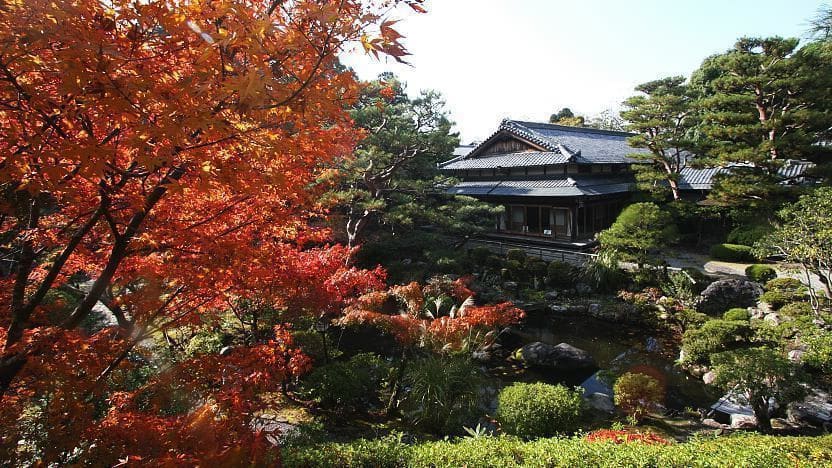
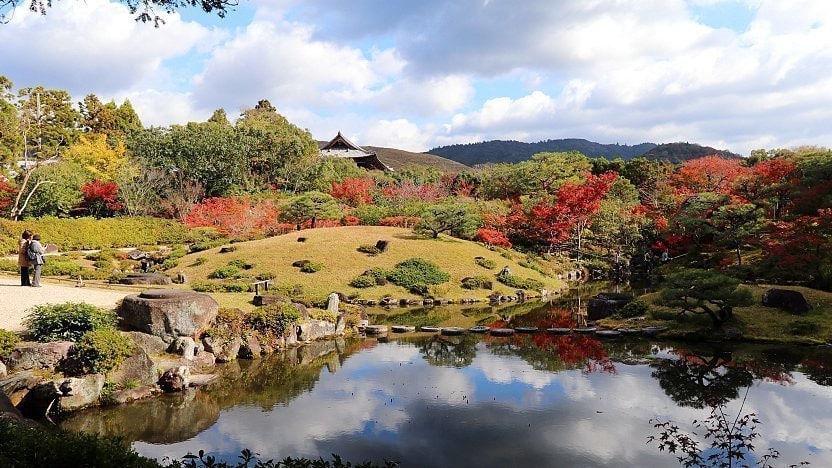
Yoshikien is west of Todai-ji’s Nandaimon and is a Japanese garden managed by Nara Prefecture. The current buildings were refurbished in 1919, and it consists of three parts: a pond garden, a moss garden and a camellia garden. With lush trees and clear water, it is much quieter than the area around Todai-ji, a good place for a breather in a crowded itinerary.
Open 9:00 to 17:00 (last entry 16:30, closed February 24 to 28). Entry is free (including for foreign visitors), and there is a tea room where you can pay for tea. The scenery is especially beautiful in autumn leaf season, a hidden spot worth adding for in-depth travelers with spare time.
Isuien: A Famous Garden Combined with a Museum
Isuien is also west of Todai-ji’s Nandaimon, built along the Yoshiki River, and consists of a front garden and a back garden. The front garden pairs with a thatched pavilion, and the back garden skillfully borrows the scenery of Wakakusayama and Todai-ji’s Nandaimon, a leading example of Nara’s famous borrowed-scenery gardens, with the attached Neiraku Museum displaying East Asian antiquities.
Open 9:30 to 16:30 (last entry 16:00), closed Tuesdays, at year end and during maintenance in late September. Admission is ¥1,200 for adults (including the Neiraku Museum), and we suggest staying 40 to 60 minutes.
Recommended Todai-ji Visiting Route: Just Follow It on Your First Visit
Suggested route: Kintetsu Nara Station, Nara Park (feed the deer), Nandaimon (Kongorikishi), Kagami-ike, Great Buddha Hall (the pillar hole), Nigatsudo (sunset view), Sangatsudo / Kaidando, then Kasuga Taisha. It takes about 3 to 4 hours on foot in total, a golden route balancing efficiency and depth, and first-time visitors to Nara can follow it with confidence.
If time is limited, shorten it to the highlight route of “Nandaimon, Great Buddha Hall, Nigatsudo,” done in about 1.5 to 2 hours. With more time, extend it to Yoshikien, Isuien and Kofuku-ji for a complete Nara World Heritage day, and avoid the peak crowds from 10 a.m. to 2 p.m. on weekends.
How Much Does Todai-ji Cost? Todai-ji Guide 2026 Covering the Great Buddha Hall, Nandaimon Kongorikishi and Wakakusayama: Tickets and Guided Tours
Todai-ji is at 406-1 Zoshicho, Nara, and is the most representative World Heritage site in Nara Park and the core of many one-day Nara itineraries. The overall cost is not high: adult admission to the Great Buddha Hall is just ¥800, and with the Wakakusayama entry fee, deer crackers near Nandaimon and a guided tour, a daily budget of roughly ¥3,000 to ¥6,000 lets you enjoy the day fully. Below are the four most practical ticket and tour combinations so you can grasp the full costs and planning points before you go.
Todai-ji Great Buddha Hall Tickets: See the World’s Largest Wooden Building and the Great Buddha Rushana Up Close
The Todai-ji Great Buddha Hall is the largest wooden building in the world and enshrines the 14.98-meter Rushana Great Buddha. Admission is ¥800 for junior high school students and older and ¥400 for elementary students (¥1,200 with the museum combination ticket). Open 7:30 to 17:30 from April to October and 8:00 to 17:00 from November to March.
Through Nandaimon (Kongorikishi) and the Chumon gate you can see the full view of the Great Buddha Hall, and inside there are also statues of Kokuzo Bosatsu, Nyoirin Kannon and the Shitenno.
The “pillar hole” inside is said to bring good fortune and health if you crawl through, and is loved by families.
Touring the Nandaimon Kongorikishi: Peerless Masterpieces of Kamakura Sculptors Unkei and Kaikei
Todai-ji’s Nandaimon is 25.46 meters high, a National Treasure gateway, with 8.4-meter Kongorikishi statues on both sides, completed in 1203 in only 69 days by the team of Unkei and Kaikei, showing the peak of Kamakura sculpture.
Viewing is free and open 24 hours. Allow 10 to 15 minutes on the way to the Great Buddha Hall. The statues stand behind lattice, so bring a telephoto lens or use your phone’s zoom.
The area is where deer gather, and you can buy deer crackers for ¥200 to feed them. Watch out for deer competing for food, feed in small portions with the crackers held high, and keep an eye on your belongings.
Climbing Wakakusayama: A Hidden Viewpoint Over Nara and Todai-ji
Wakakusayama is a three-tiered stepped hill behind Todai-ji, about 342 meters above sea level. It is open from the third Saturday of March to the second Sunday of December (adjusted by weather; check the Nara Prefecture website before you go). Entry is ¥150 for adults and ¥80 for children, open 9 a.m. to 5 p.m., an excellent vantage point over the roof of the Todai-ji Great Buddha Hall and Nara’s cityscape.
The climb from the foot takes about 30 to 40 minutes on a gentle slope suited to ordinary travelers and families, with wide views from the summit. The Wakakusayama Yamayaki (mountain burning) festival, held on the fourth Saturday of January each year, is a major annual Nara event and a spectacular sight.
-Klook.jpg)
Half-Day Cultural Tour of Todai-ji: Chinese Audio Guide App vs. Local Professional Guide Tours
To learn more about Todai-ji’s history and Buddhist art, you can book a Nara Todai-ji and Nara Park tour with Chinese-language guiding on KKday or Klook; tour content and prices follow each product page.
Independent travelers can download an audio guide app beforehand for more flexibility. For guide services and fees, see the Nara City Tourism Association website (narashikanko.or.jp).
Where to Stay Nearby
Todai-ji is inside Nara Park, about a 20-minute walk from Kintetsu Nara Station. Staying around Kintetsu Nara Station or JR Nara Station lets you walk between Todai-ji, Kasuga Taisha and Kofuku-ji, and early mornings and evenings with the deer and the sunset at Nigatsudo need no rushing for trains. Kintetsu Nara Station has trains to Kyoto and Osaka Namba, which also makes Nara a convenient base in Kansai.

FAQ
Q: How much is Todai-ji admission?
The Great Buddha Hall is ¥800 for junior high school students and older and ¥400 for elementary students, cash only. A combination ticket with the museum is ¥1,200, saving ¥400. Hokkedo and Kaidando are ¥800 each separately. See the official site todaiji.or.jp.
Q: What is the easiest way to get to Todai-ji?
Take the Kintetsu line to Kintetsu Nara Station and walk about 20 minutes. You can also take the city loop bus to “Todaiji Daibutsuden / Kasuga Taisha-mae” and then walk about 5 minutes.
Q: What are Todai-ji’s opening hours?
The Great Buddha Hall is open 7:30 to 17:30 from April to October and 8:00 to 17:00 from November to March. Nigatsudo can be visited all day for free.
Q: When is the best season to visit Todai-ji?
The March Shuni-e, April cherry blossoms and October to November autumn leaves are the highlights, and autumn’s pleasant weather is also best for a half-day visit.
Q: What etiquette applies when interacting with Nara’s deer?
Do not tease deer while holding deer crackers. Feed only officially sold deer crackers, and after feeding, show your open hands to signal no food is left, so you are not butted by the deer.
Q: What are the Wakakusayama ticket price and hours?
¥150 for adults and ¥80 for children, open from the third Saturday of March to the second Sunday of December, 9:00 to 17:00, closed in winter.
Q: Where is the Todai-ji pillar hole?
At the base of a pillar on the right side inside the Great Buddha Hall, the hole the same size as the Great Buddha’s nostril. It is said that crawling through brings good fortune and health. It is free but there may be a queue.