
2026 Osaka Kuromon Market Guide: Osaka’s Kitchen, with Seafood and Street Food All in One Place
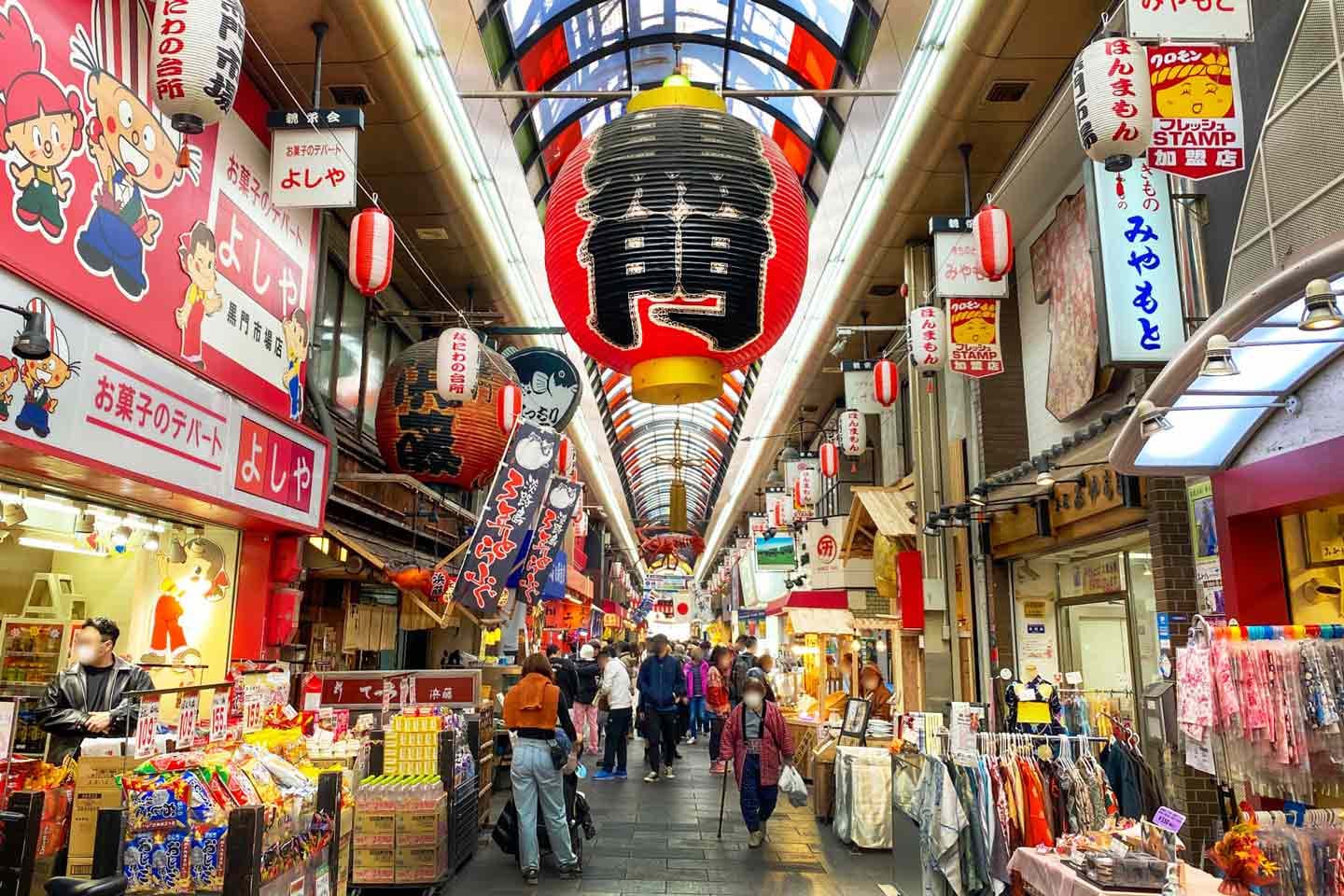
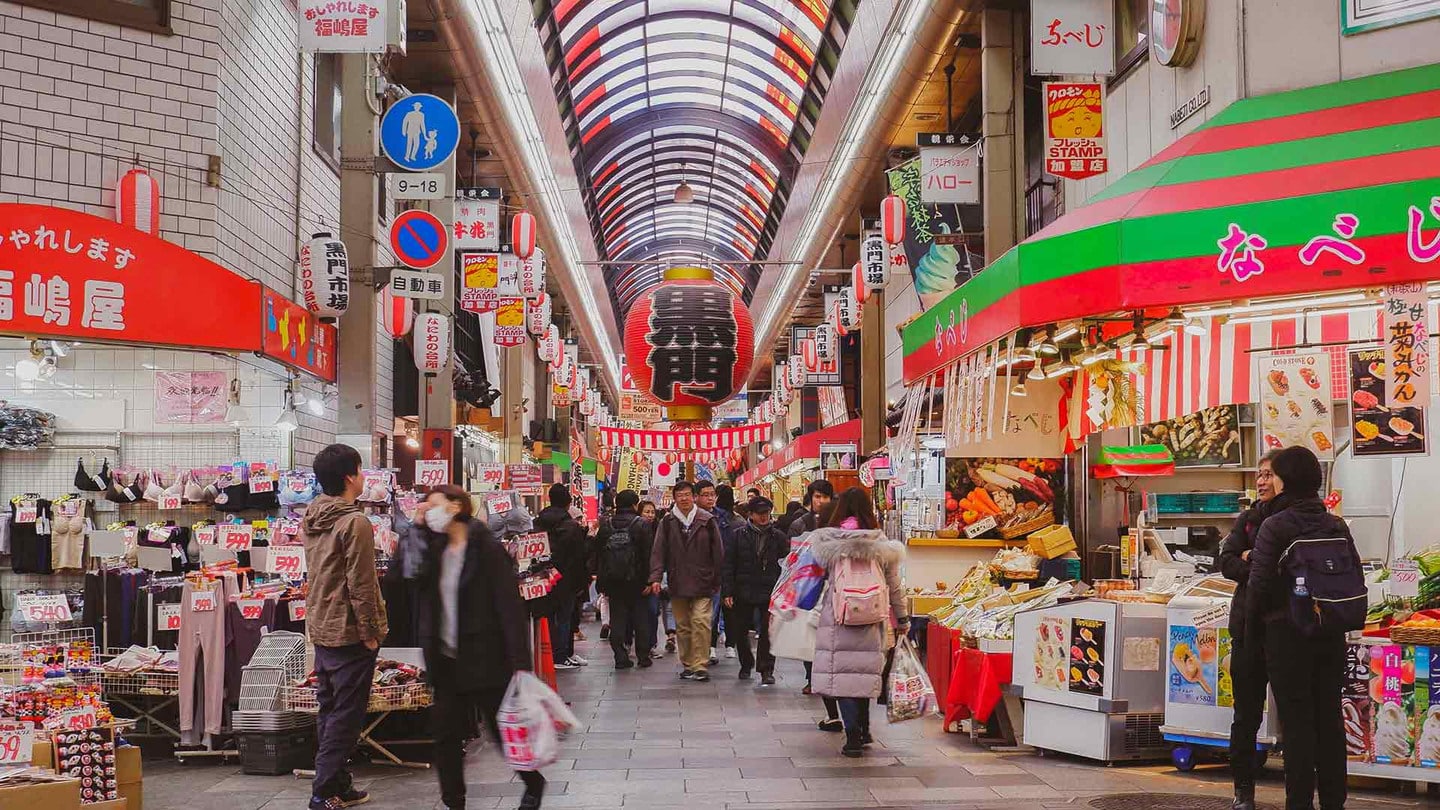
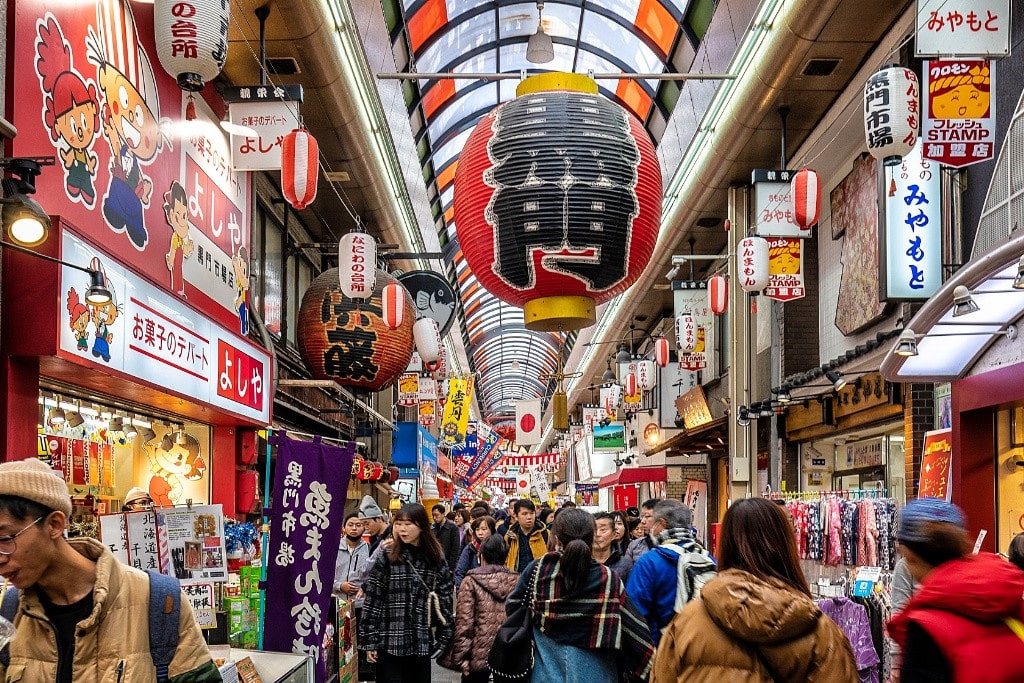
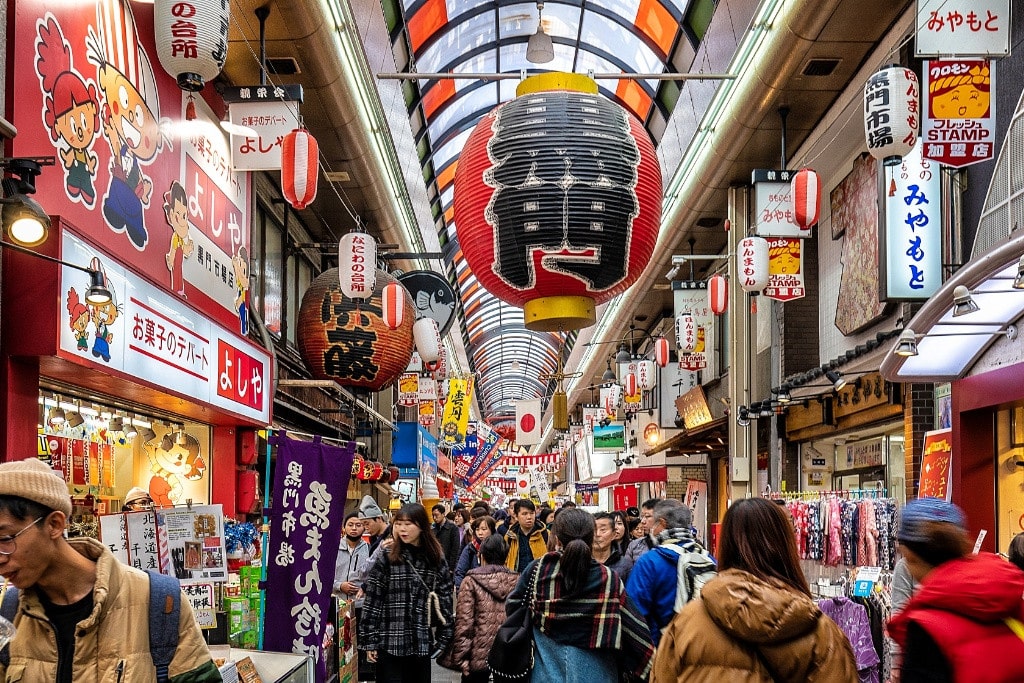
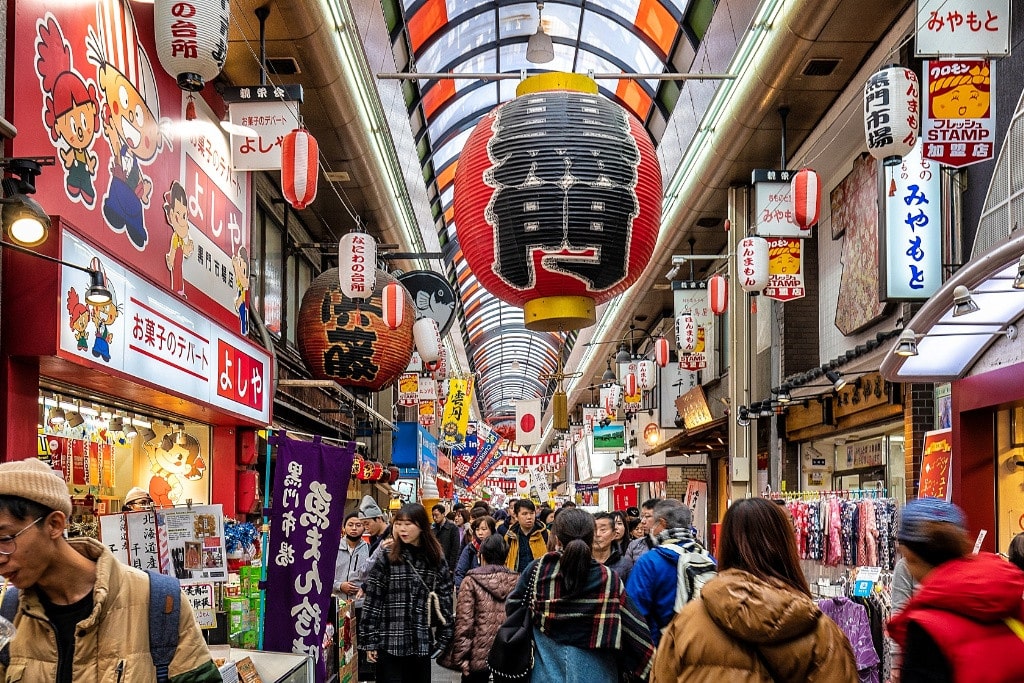
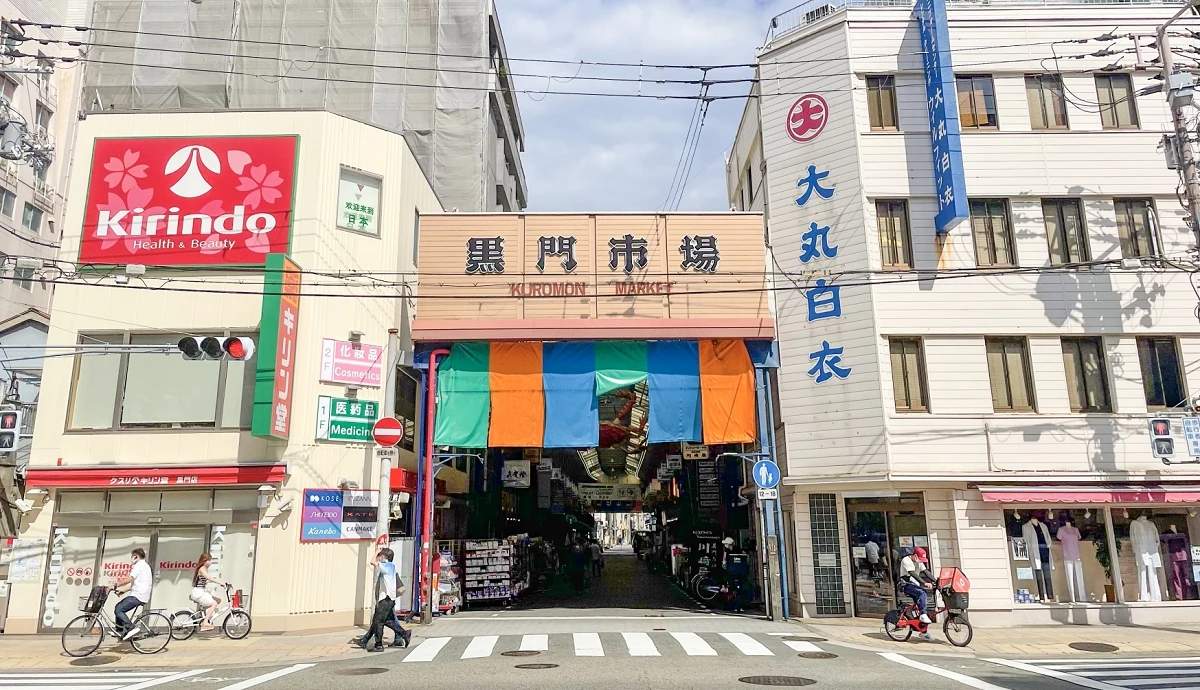
Kuromon Market is a must-visit food market in Osaka, about 580 meters long with about 150 shops. Known as “Osaka’s Kitchen”, it puts fresh seafood, wagyu and local street food all in one place.
Kuromon Market: A 580-Meter Food Arcade, Osaka’s Kitchen
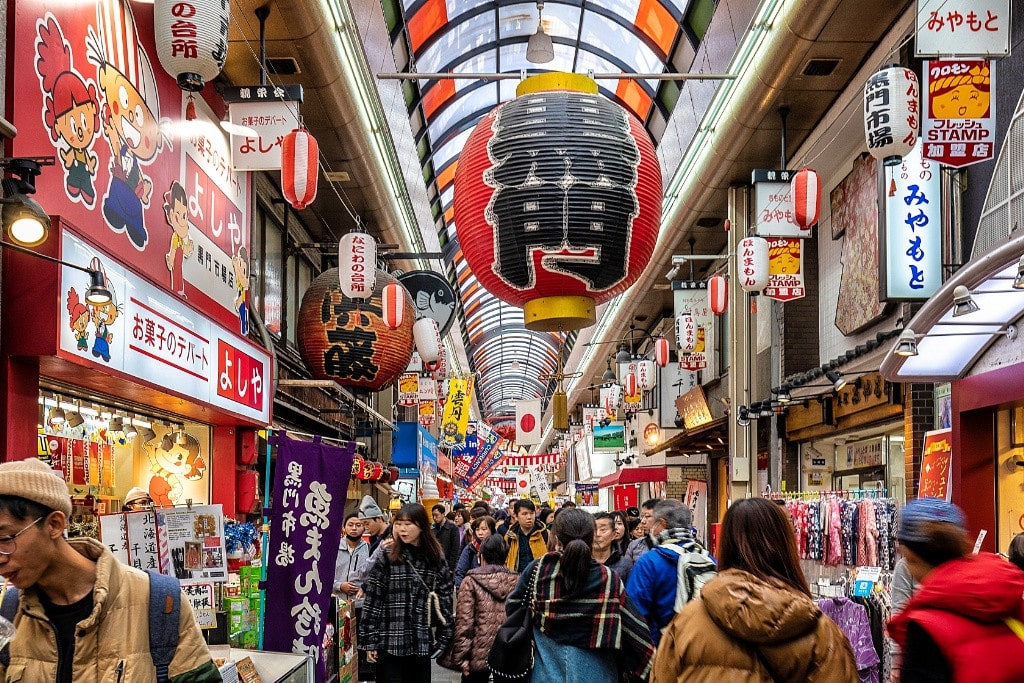
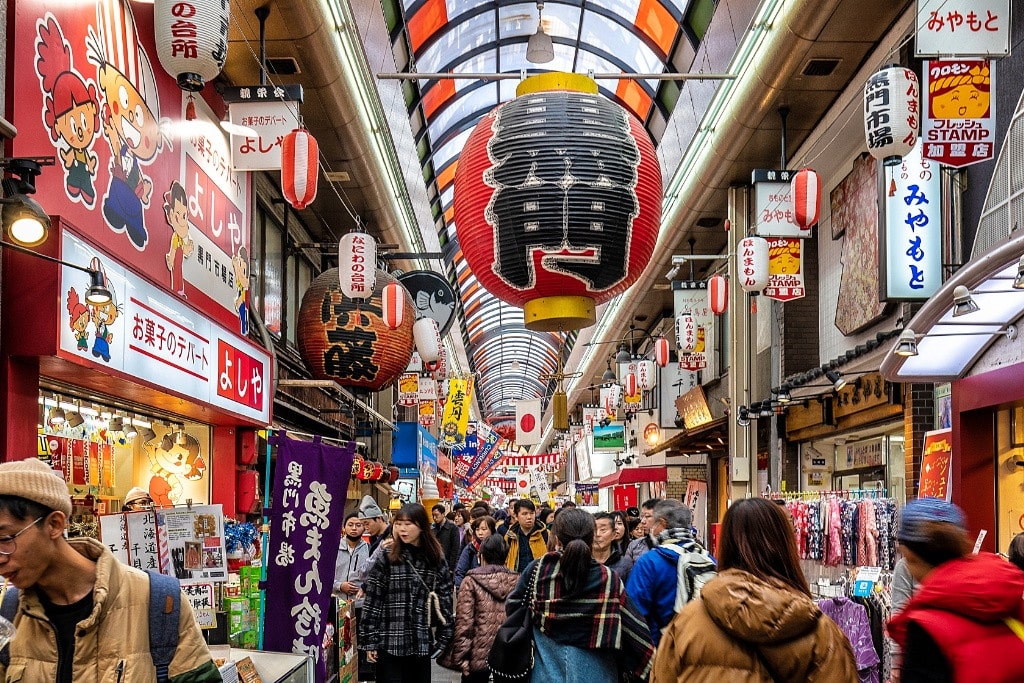
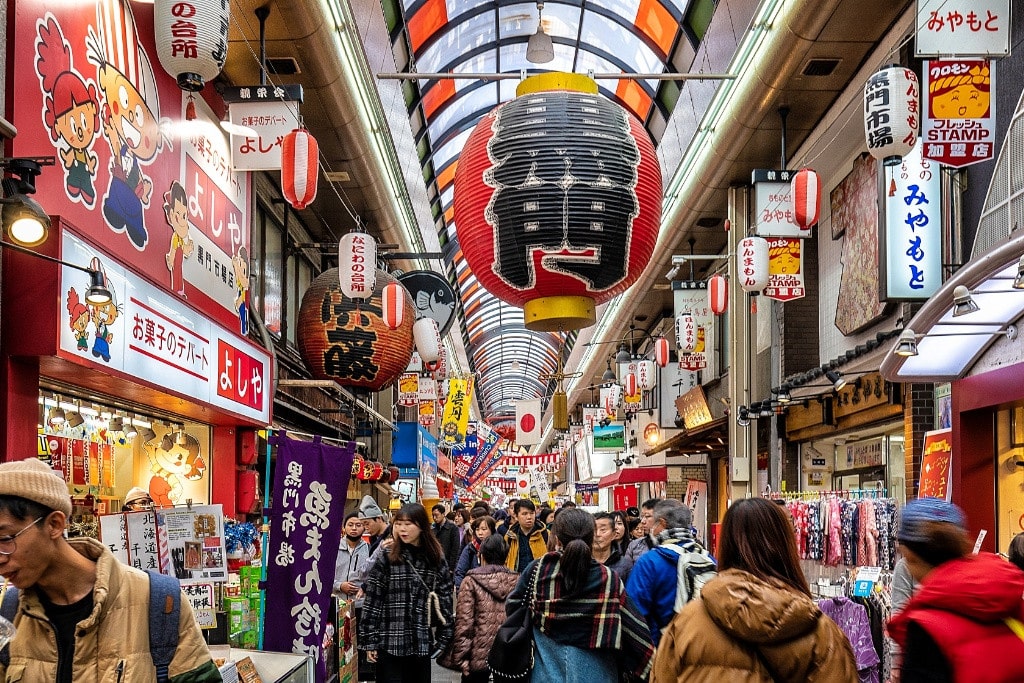
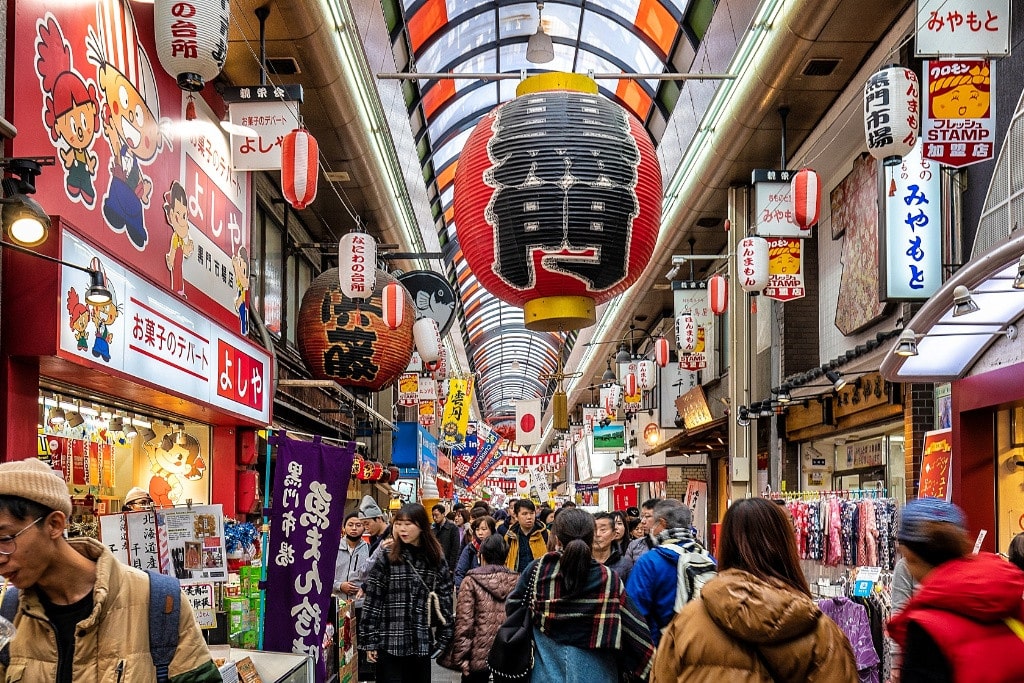
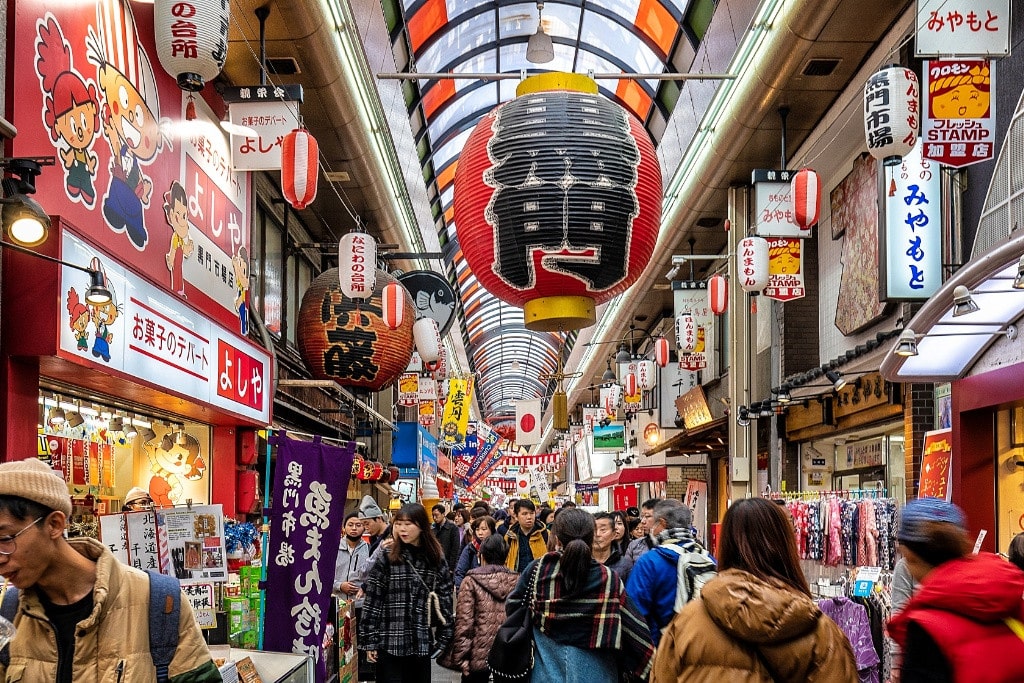
Kuromon Market is near Nipponbashi Station and is a north-south covered arcade about 580 meters long with about 150 shops. From fresh fish, Kuroge wagyu and pufferfish to takoyaki and oden, it has everything, and has earned the nickname “Osaka’s Kitchen”.
The name comes from the black temple gate of nearby Enmyoji Temple, and the arcade roof lets visitors shop rain or shine. Opening hours vary by shop and most are concentrated from morning to late afternoon. We recommend going between 10 a.m. and 2 p.m., when more shops are open, and you can check each shop’s hours on the official website kuromon.com.


Kuromon Market Food Culture: The Appeal of Eating Standing Up and Food Made to Order
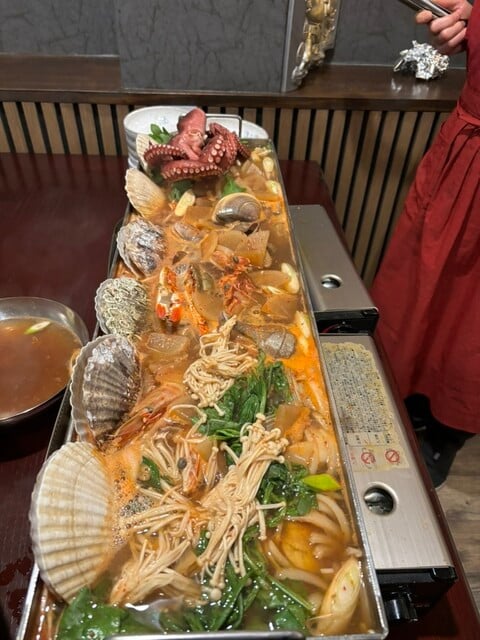
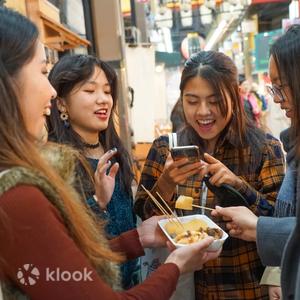
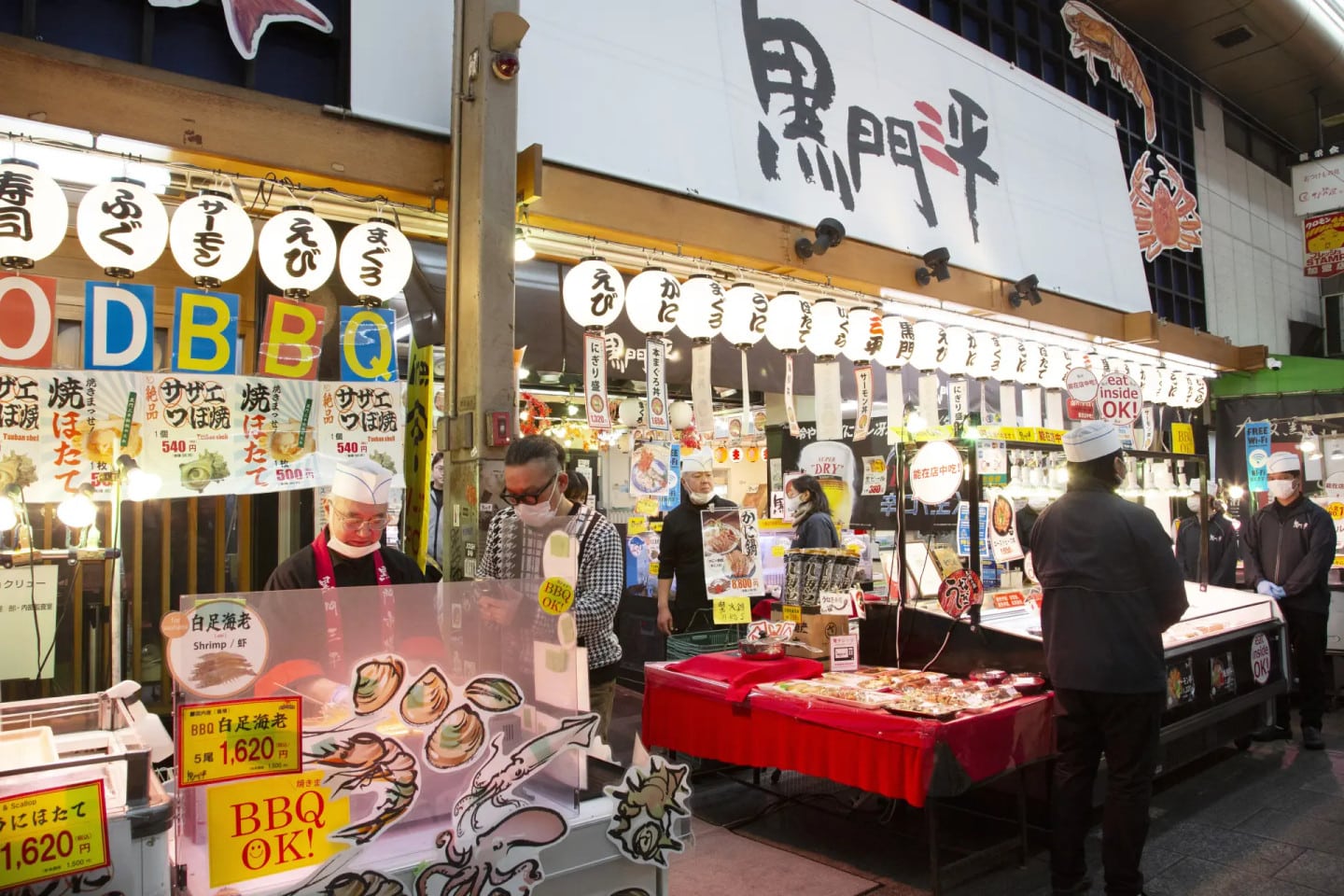
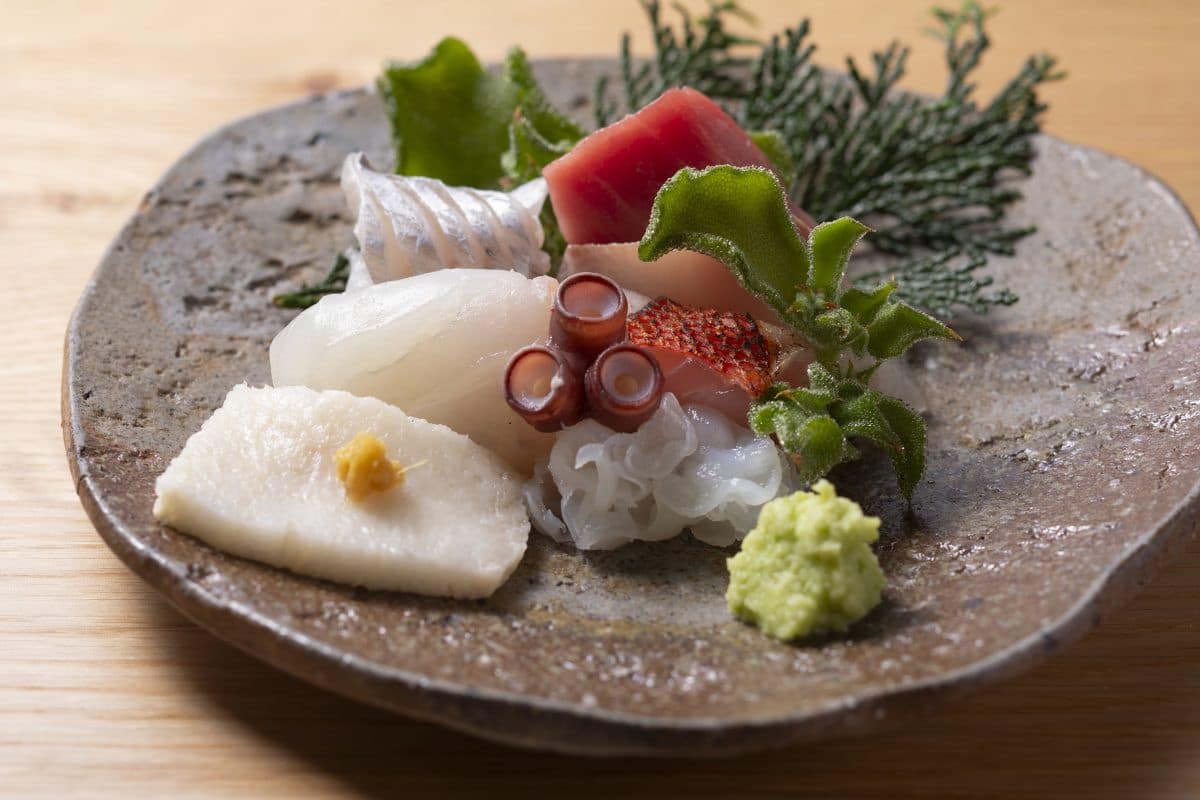
Kuromon Market’s specialty is food made to order. Most seafood stalls slice sashimi, grill scallops or fry food right in front of you, so you can see the ingredients at their freshest. The market is filled with the smell of grilled seafood and soy sauce. After buying, we recommend eating at the shop’s dine-in area or standing seating area, and following each shop’s and the market’s posted notices. At peak mealtimes (about 12:00-13:00) the dine-in areas can be hard to get a seat in, so we suggest going at an off-peak time, or choosing a stall without a dine-in area and taking the food back to your hotel.
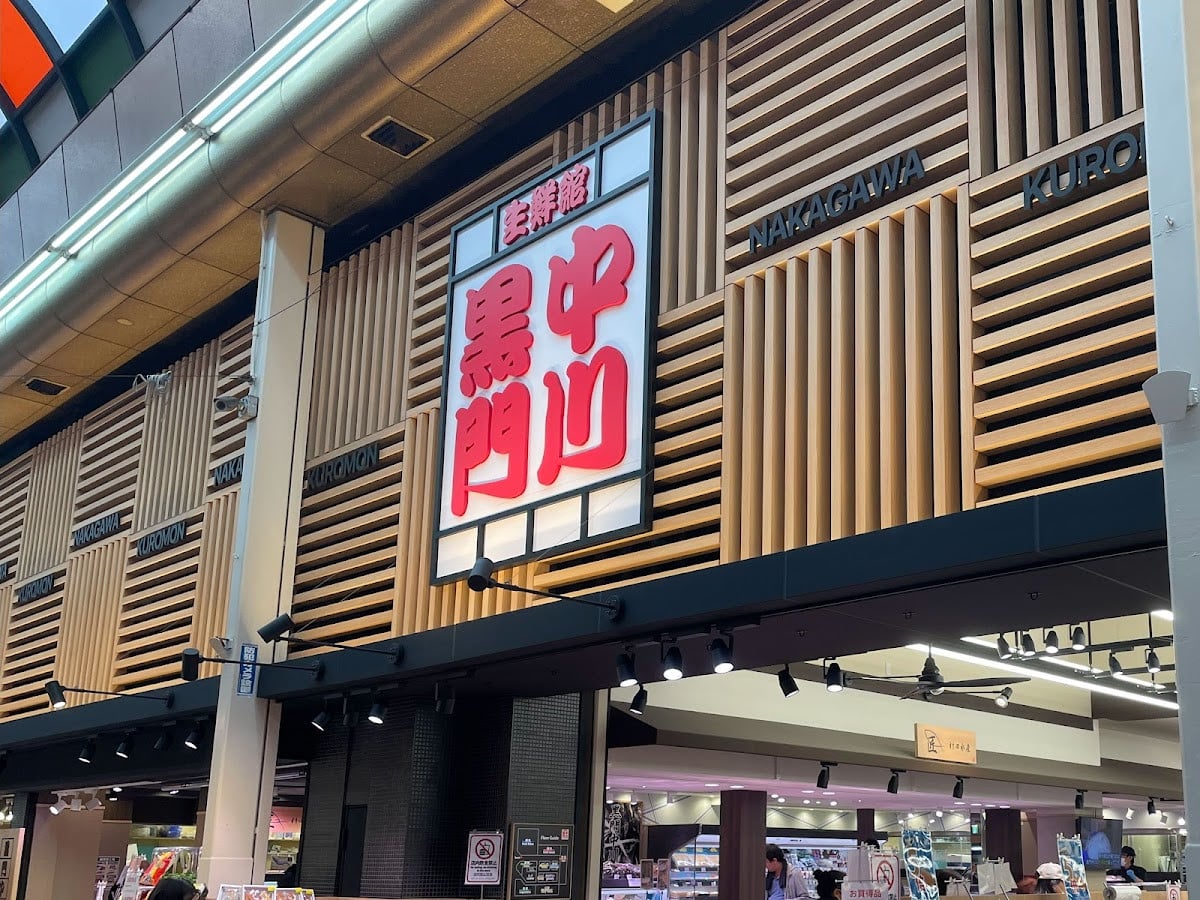
How Do Locals Shop? Kuromon Nakagawa Supermarket and Freshly Grilled Scallops
Besides the famous shops, Kuromon Nakagawa is the largest supermarket in the market and is open 24 hours, offering fresh fish, dried and salted fish, fruit and vegetables, fresh meat, daily goods and prepared foods, good for self-catering and buying souvenirs.
Scallop lovers can try large scallops grilled over charcoal at seafood shops such as Uofuku. When buying, check the menu and how items are priced, and confirm whether the shop has a dine-in area.
Kuromon Market Must-Eats: A Selection of Sashimi, Wagyu and Oden Shops
Below is a selection of Kuromon Market’s most popular must-visit shops, covering classic flavors such as sashimi, tuna, wagyu and oden.
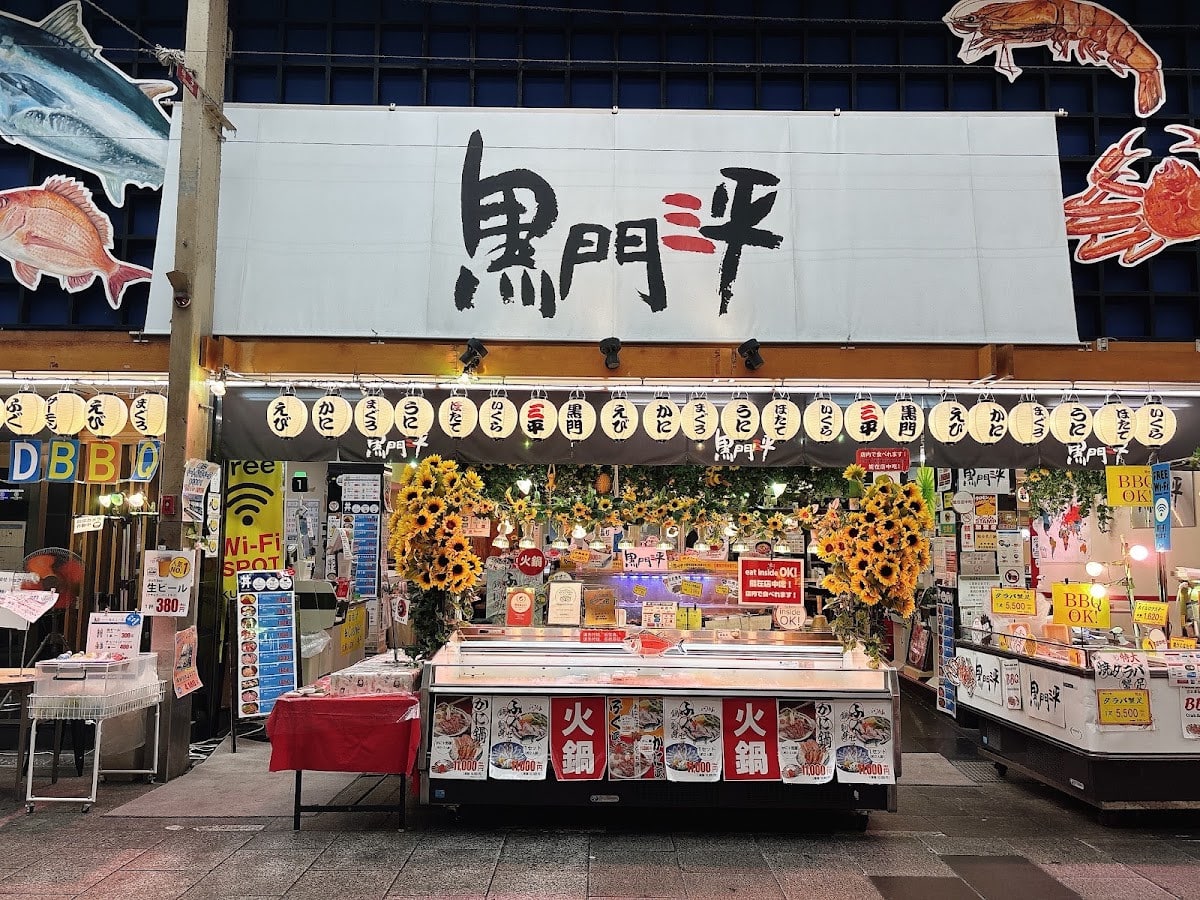
Sashimi and Seafood Rice Bowls: Kuromon Sanpei
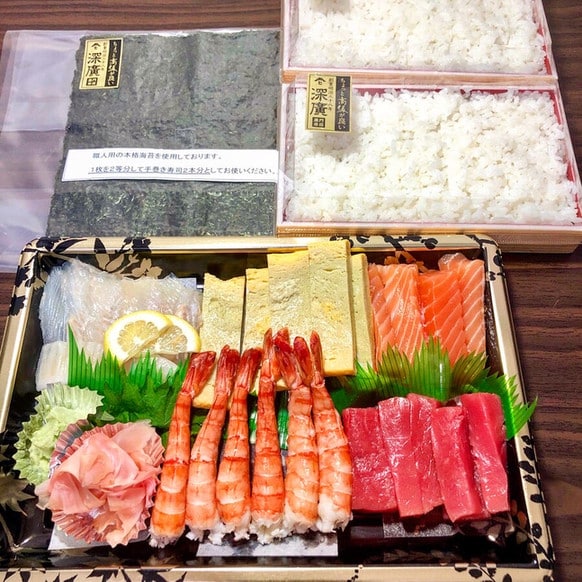
Kuromon Sanpei is at 1-22-25 Nipponbashi, a fishmonger in Kuromon Market where you can eat on the spot. Sushi, sashimi, seafood rice bowls and grilled seafood bought at the shop front can be enjoyed in the dine-in area, and you can also choose crab, shrimp and shellfish to be grilled fresh. It is open 8:00 to 20:00 and closed January 1 to 4. The dine-in area may be unavailable in peak season, so check with the staff before eating, and we also recommend avoiding the noon peak.
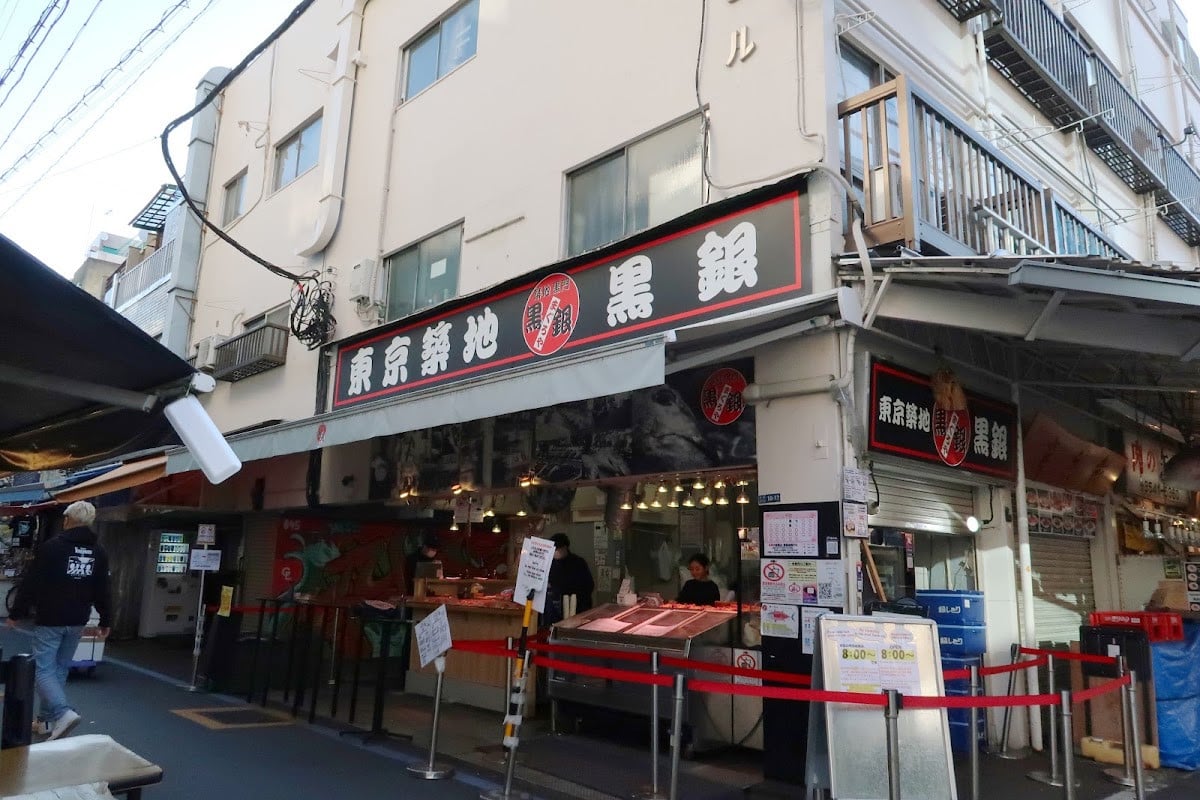
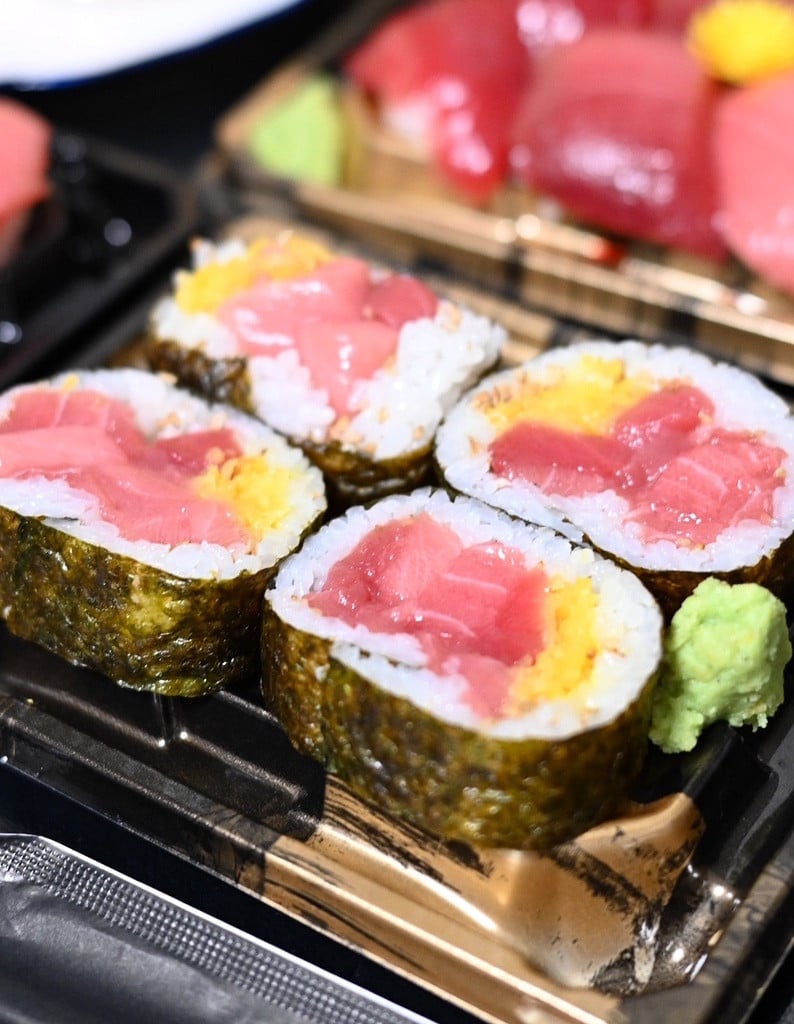
Premium Bluefin Tuna Sashimi: Maguroya Kurogin
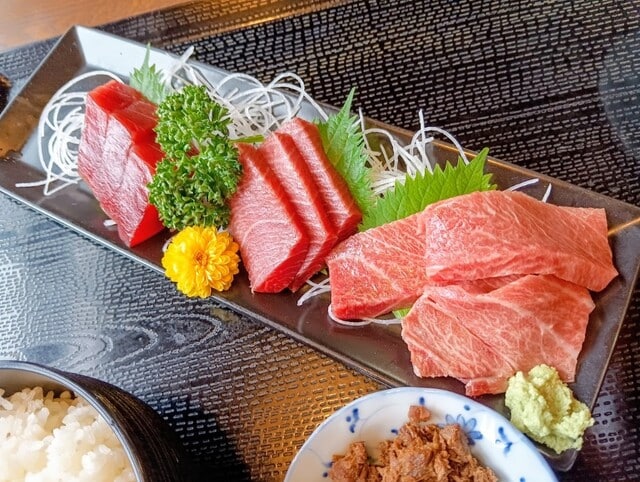
Maguroya Kurogin is a specialist in hon-maguro (bluefin tuna) in Kuromon Market. It serves seasonal bluefin tuna nigiri and rice bowls, with seating inside the shop, and the most popular order is the three-color bowl, which lets you try several cuts.
It is open 9:00 to 21:00 (adjusted by season, closing once sold out), with irregular closing days and closed January 1 to 4, and is a must-visit shop for tuna fans at Kuromon Market.
Charcoal-Grilled Scallops and Sea Urchin: Uofuku
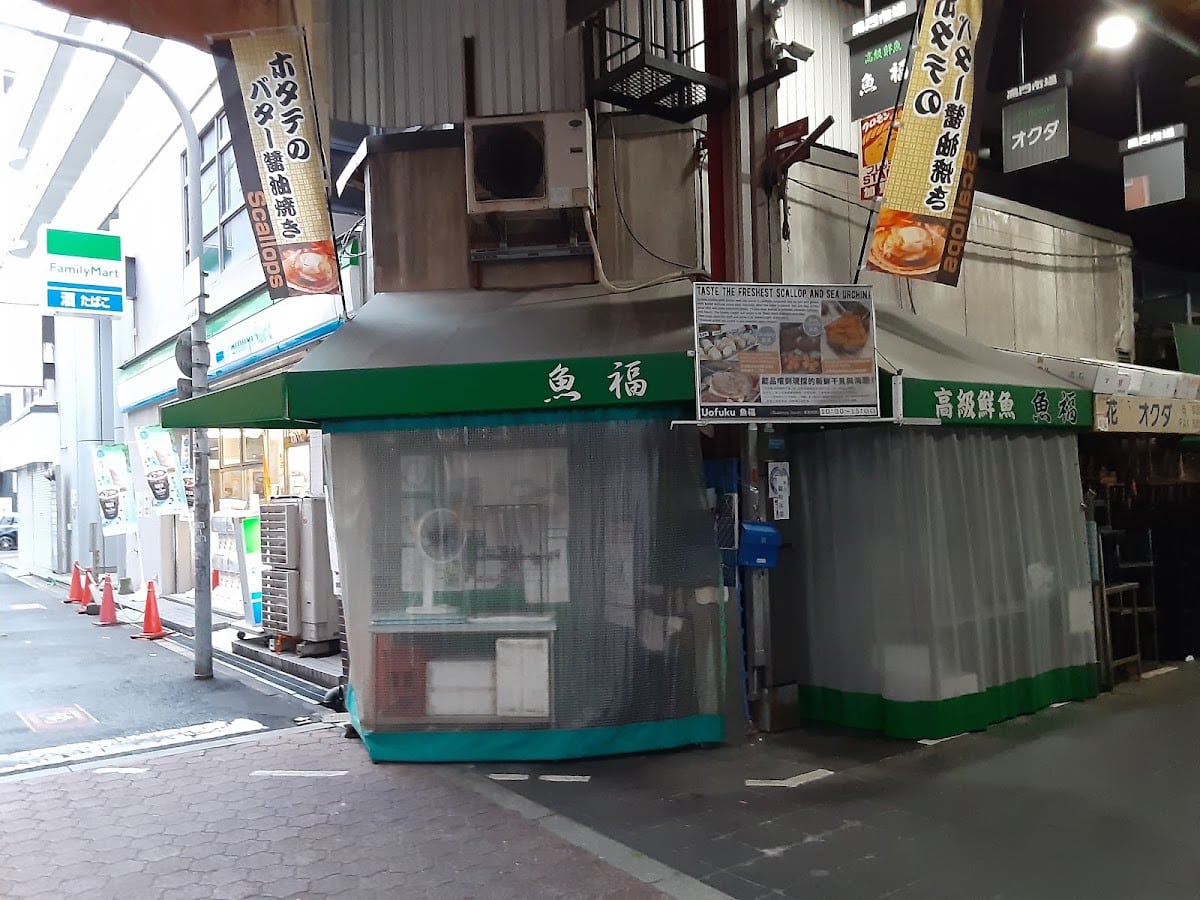
Uofuku specializes in seafood grilled over charcoal. Its signature is a large scallop grilled over an open flame in butter and soy sauce, thick and juicy. The shop also sells freshly opened sea urchin shipped directly from Hokkaido, and your order comes with nori to wrap it in.
It is open 9:00 to 16:00, with irregular closing days and closed January 1. Prices depend on the size of the seafood, and it is one of the representative grilled-seafood shops in Kuromon Market.
Giant Oysters and Sea Urchin: Nishikawa Fish Shop
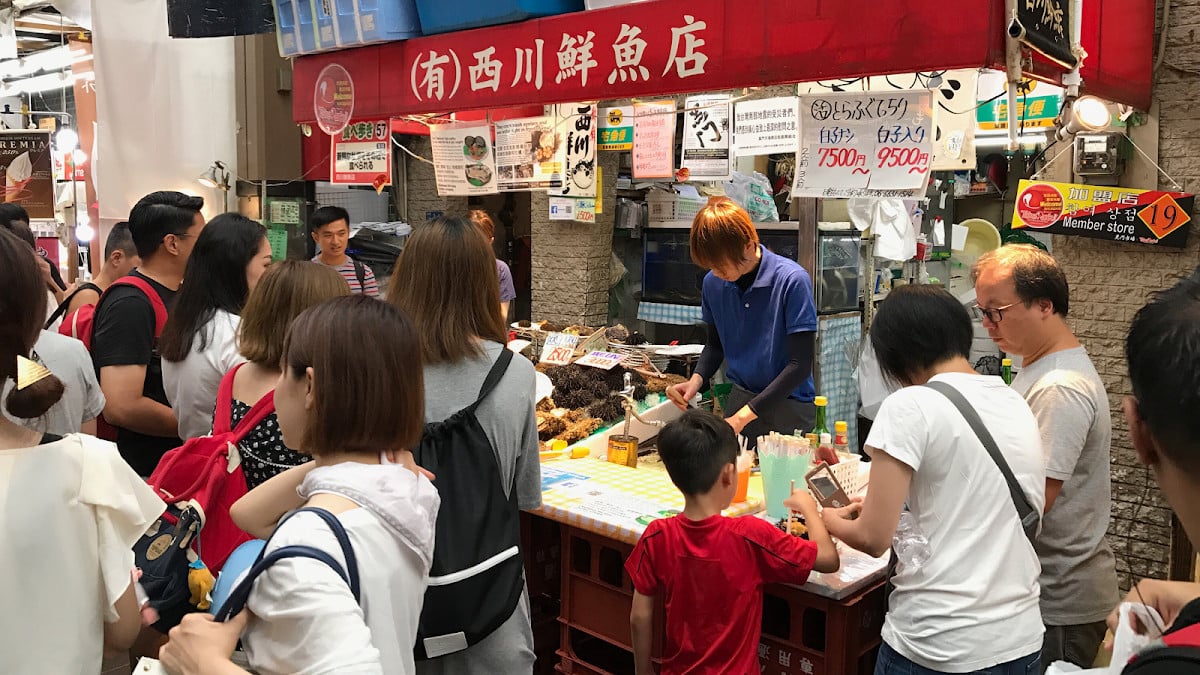
Nishikawa Fish Shop is in Kuromon Market and specializes in freshly opened giant oysters and sea urchin, priced by size. It is open 10:30 to 18:00, every day of the year (closed on New Year’s Day), and is a fishmonger worth visiting for seafood lovers.
Before buying, check the pricing method and the dine-in or takeaway rules with the staff, and if you plan to take food back to your hotel, keep in mind how long the seafood keeps.
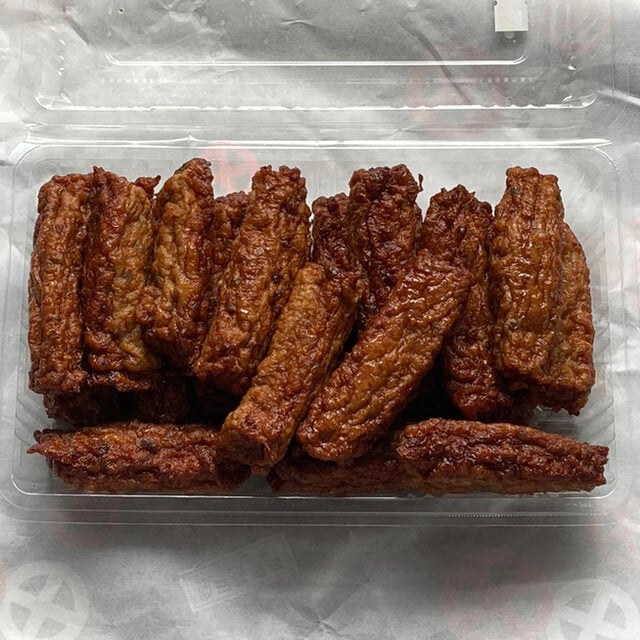
Handmade Tofu and Soy Milk: Takahashi Shokuhin
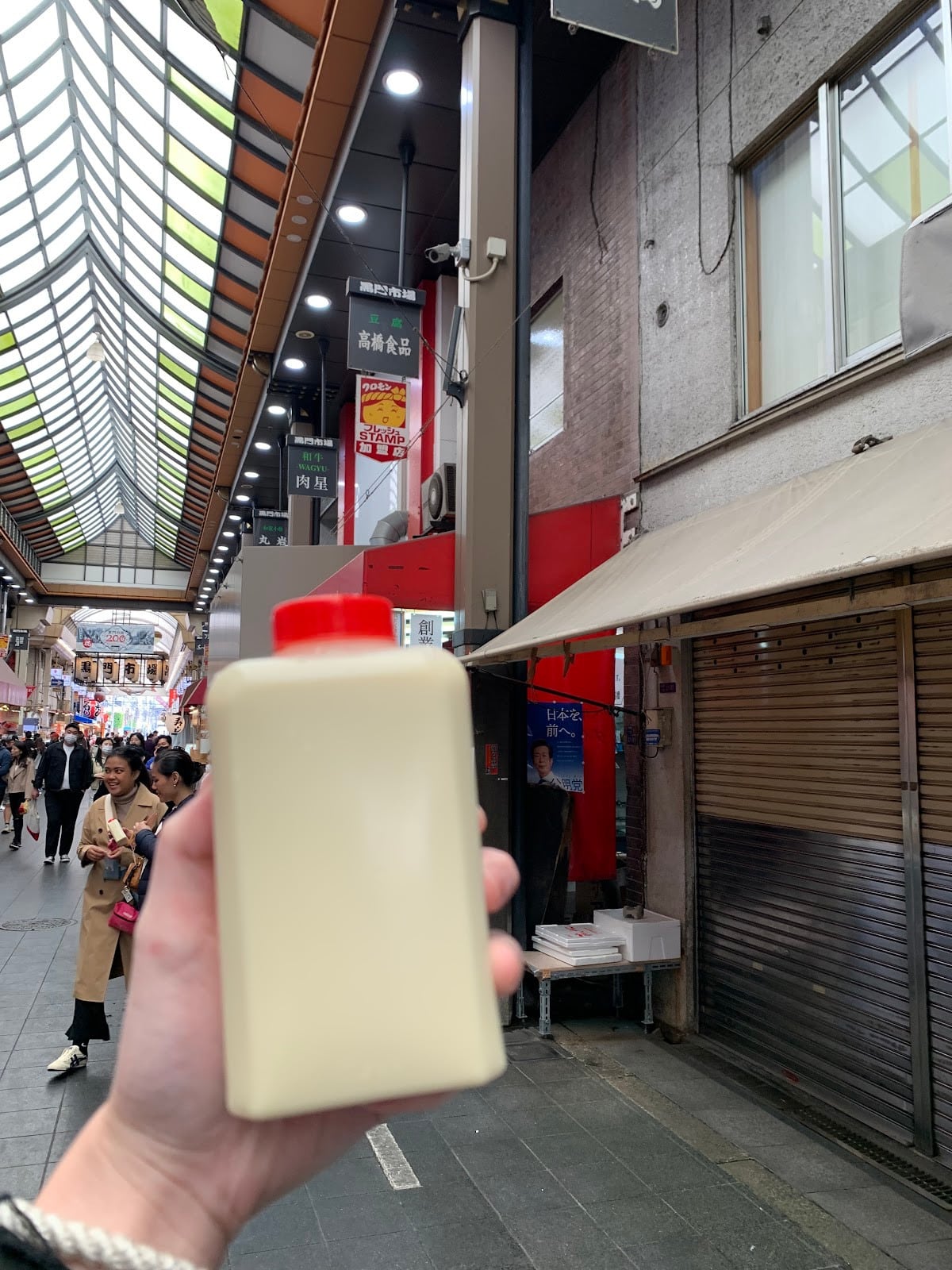
Takahashi Shokuhin is a tofu specialist founded in Taisho 14 (1925), at 1-21-31 Nipponbashi. It makes tofu by hand from domestic soybeans and natural nigari (bittern), made fresh each morning and midday, and also sells sesame tofu, egg tofu and fresh yuba. Its soy milk is also popular, and it makes a good first stop to line your stomach before browsing the market. It is open 8:00 to 17:00 and closed Sundays; please go by official announcements for actual opening hours.
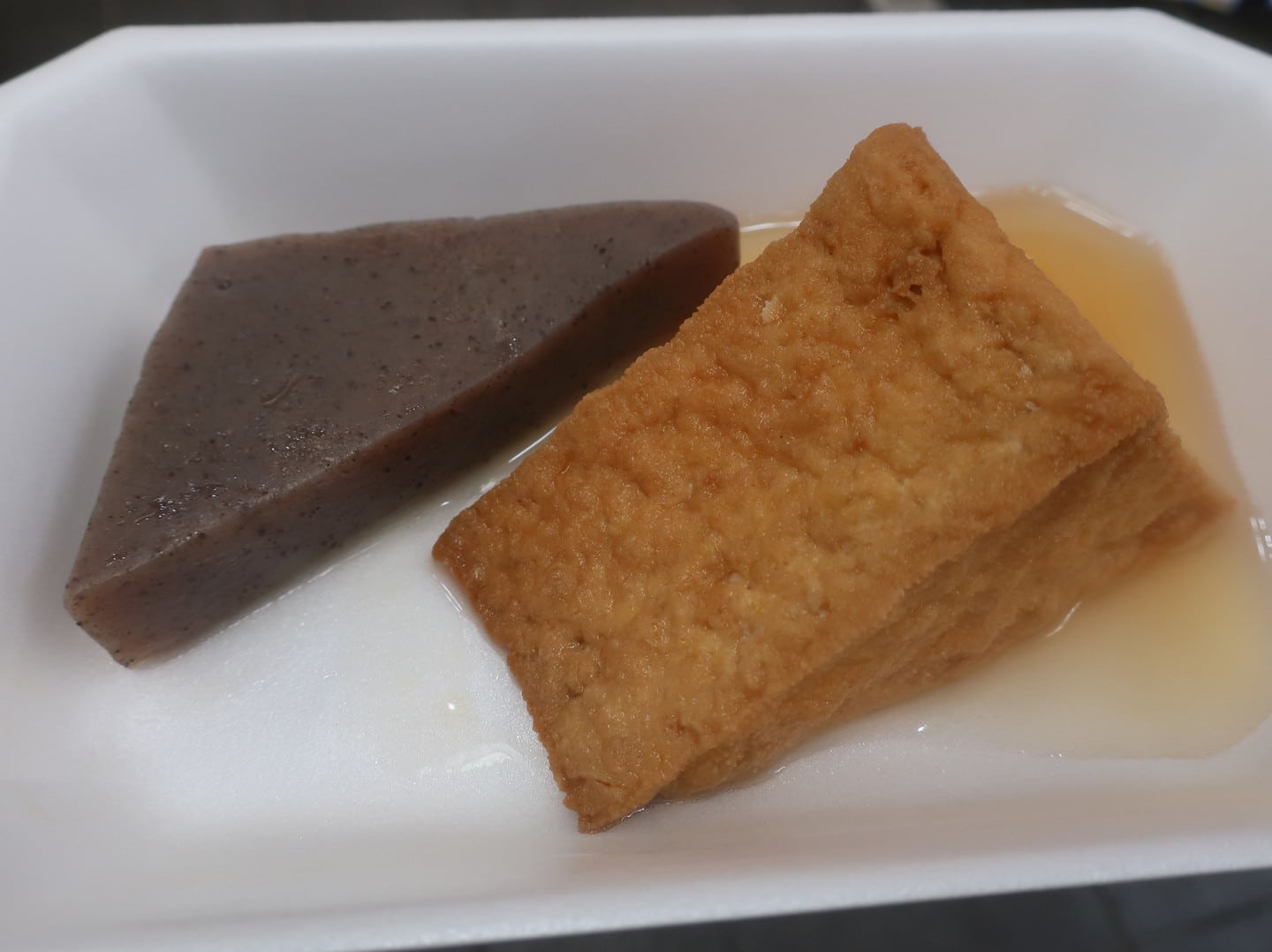
Traditional Handmade Oden: Ishibashi Shokuhin
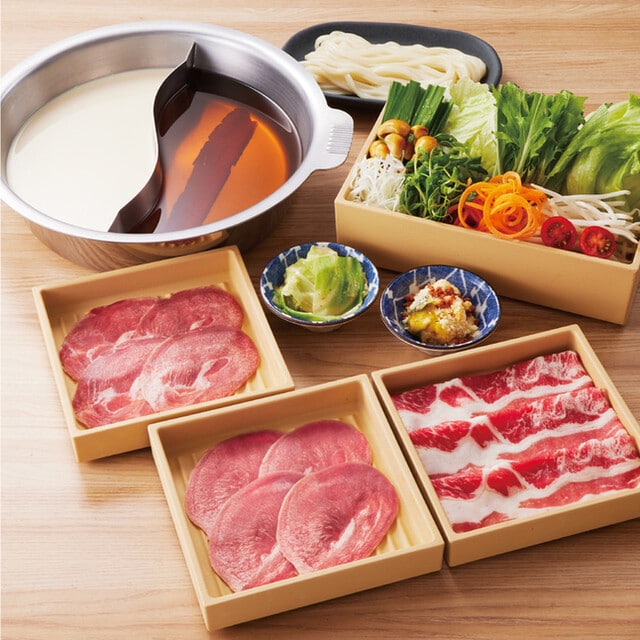
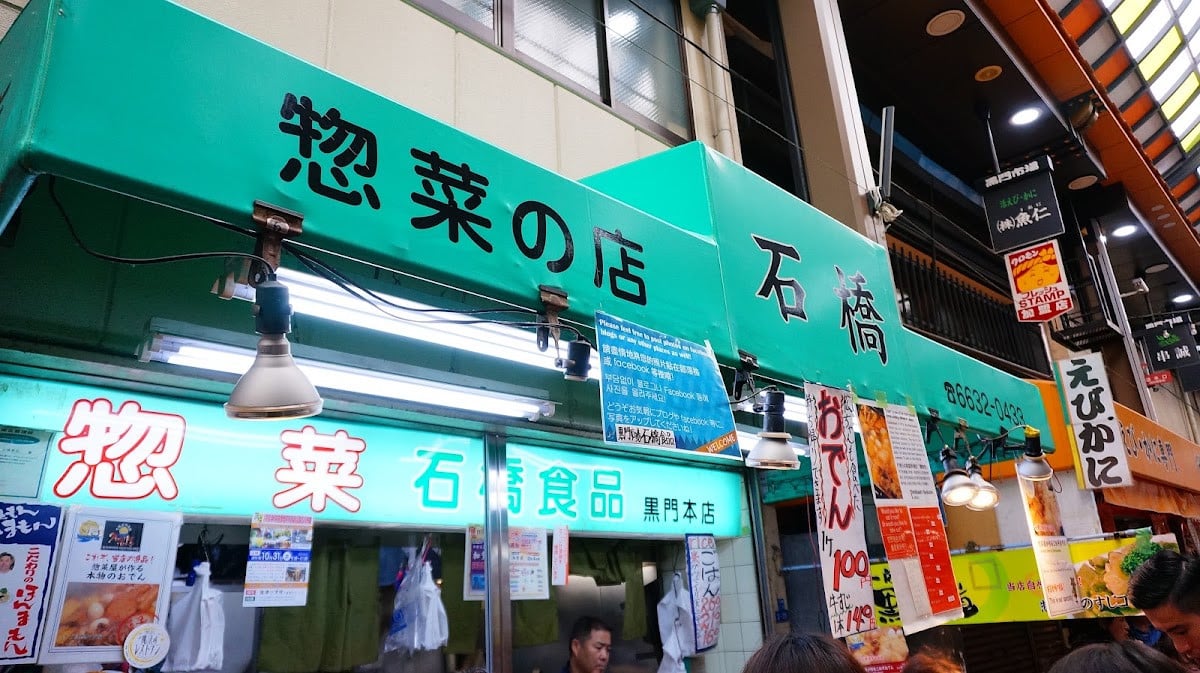
Ishibashi Shokuhin is at 2-2-20 Nipponbashi, a deli in Kuromon Market selling oden, various side dishes and bento boxes. Oden pieces start at about ¥100 each, beef tendon is ¥140 each, and there are also bento from ¥600. It is open 9:00 to 17:00, closed on Sundays, national holidays and the 1st and 3rd Wednesdays of each month, and goes well with other seafood snacks.
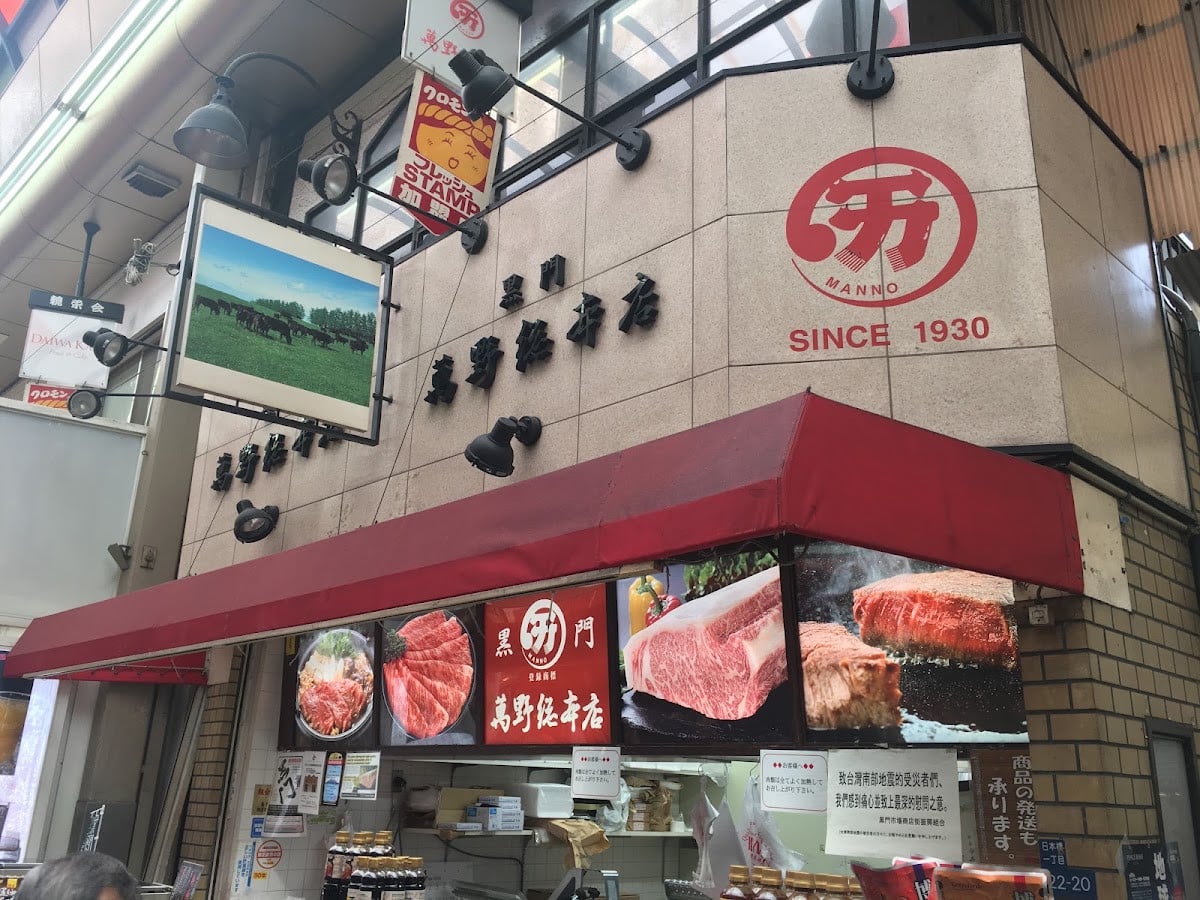
A Paradise for Wagyu Fans: Kuromon Mano Main Store
Kuromon Mano Main Store is a well-known wagyu specialty shop in Kuromon Market, offering Kuroge wagyu in several grades. It is open 9:00 to 18:00 and closed on New Year’s Day. Prices vary by cut and grade, and it suits travelers who want to try wagyu without spending a lot at an upscale yakiniku restaurant, and you can also choose small portions to taste on the spot.
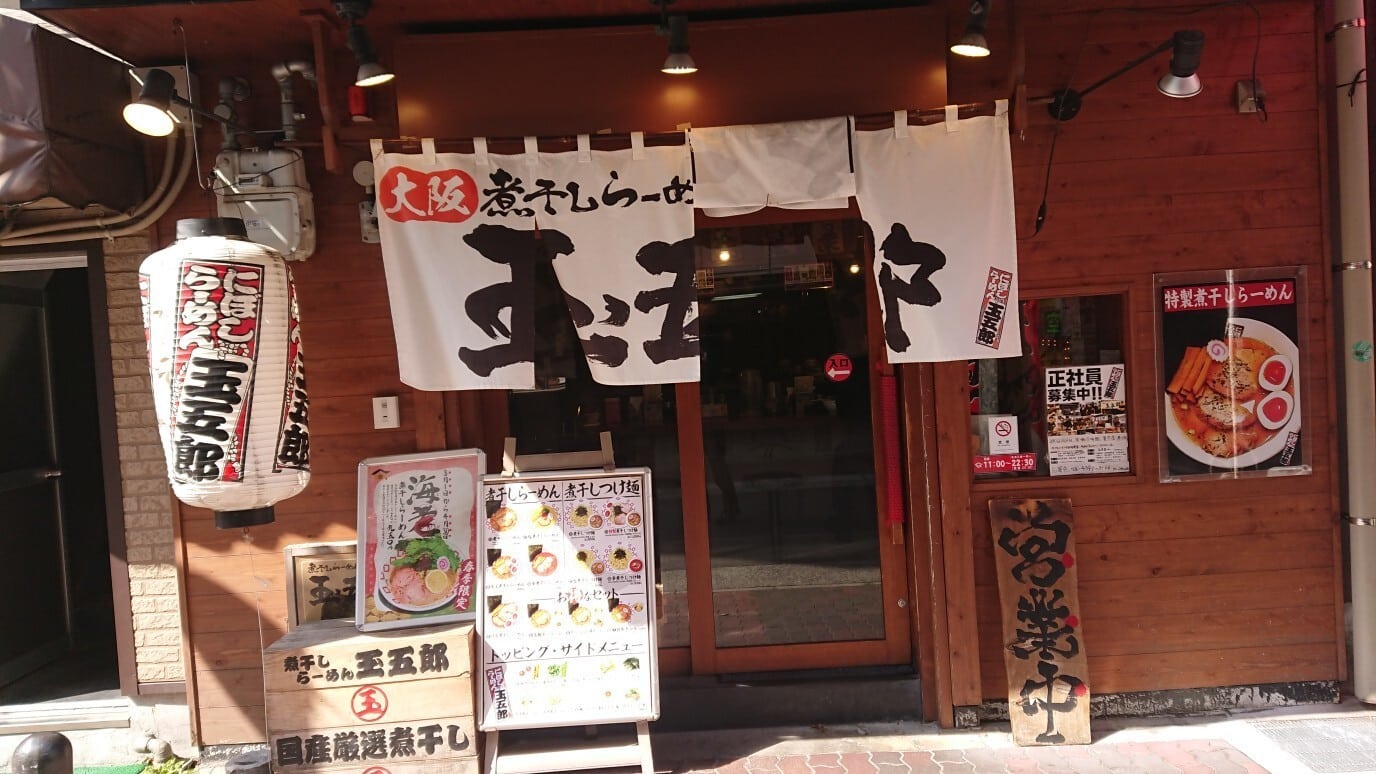
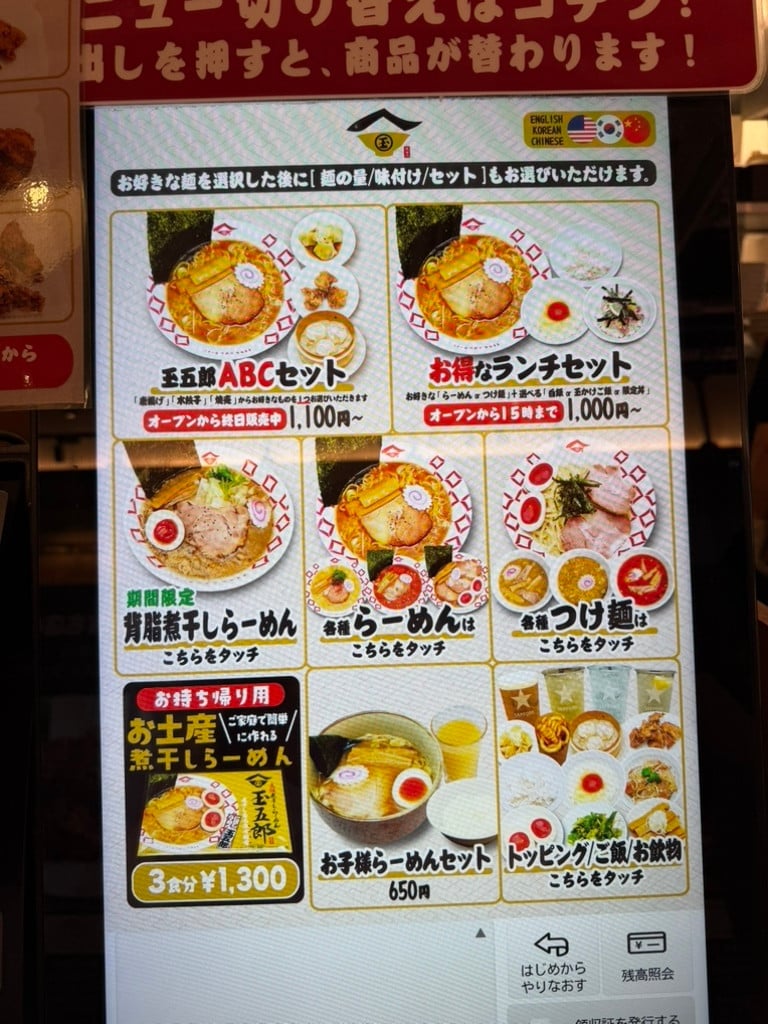
Niboshi Ramen: Tamagoro Ramen
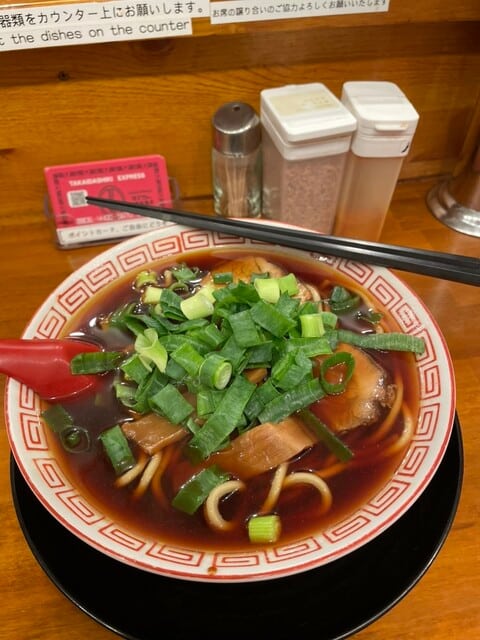
Tamagoro Ramen (Niboshi Ramen Tamagoro) is known for ramen with a niboshi (dried baby sardine) broth, and is one of the few places in Kuromon Market where you can sit down to a hot, proper meal. Its recent hours are 11:00 to 21:00; please go by official announcements for actual hours. There are not many seats, and sitting down to a bowl of hot soup after a long walk is especially restorative, making it a good midway rest during a shopping route.
2026 Osaka Kuromon Market Guide: Fresh Seafood, Food and Shopping, Which Foods and Shops Are Must-Visits? A Complete Guide to Every Kind of Food
Besides the classic famous shops, Kuromon Market has more must-visit eel rice, pufferfish and dessert shops, so here is the rest of the full list.
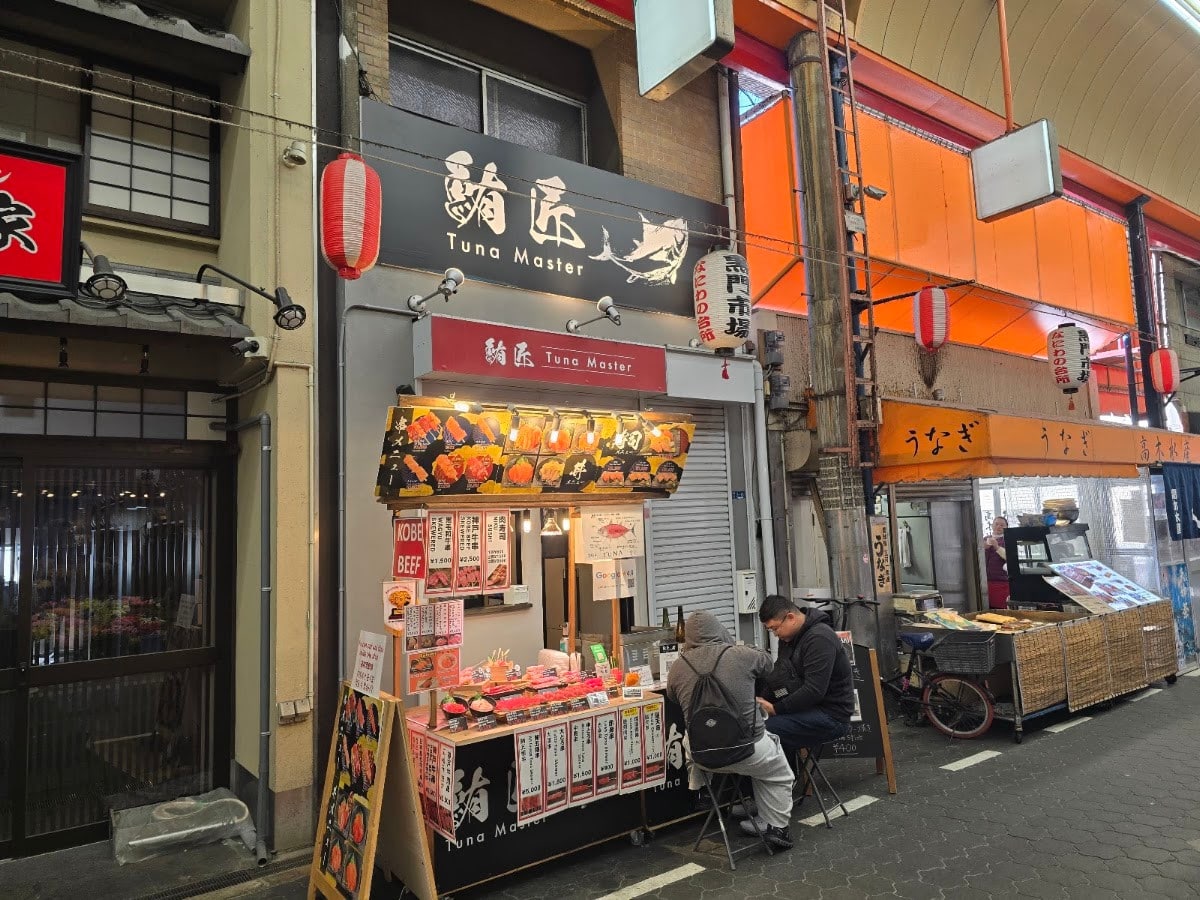
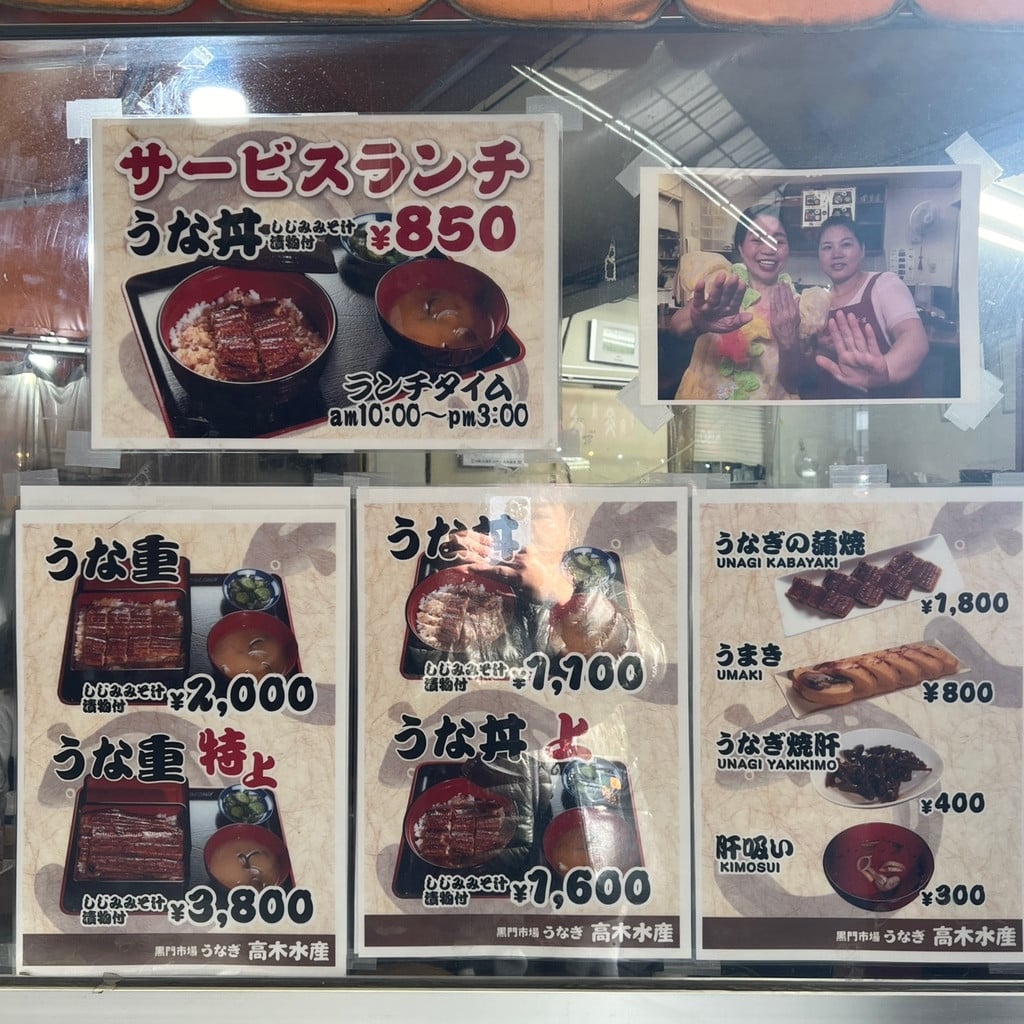
Domestic Eel Rice: Takagi Suisan
Takagi Suisan is an eel specialist in Kuromon Market, at 2-3-18 Nipponbashi. It is open 10:00 to 17:00 (10:00 to 15:00 on Sundays and holidays), with irregular closing days. You can buy eel dishes at the shop front, and prices and items depend on what is available on the day. Before you go, check opening hours on the official website kuromon.com. Recommended for eel fans.
Osaka-Born Pufferfish Cuisine: Genpin Namba
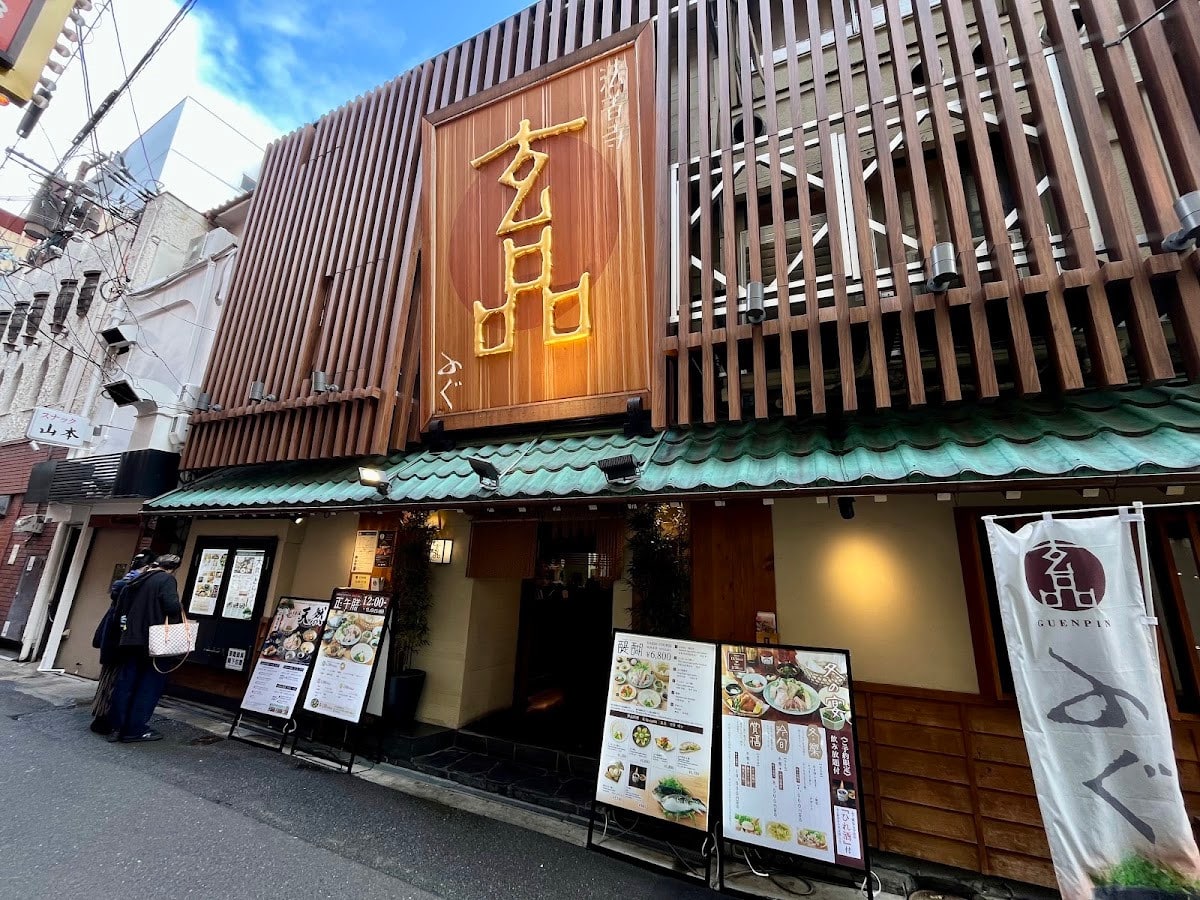
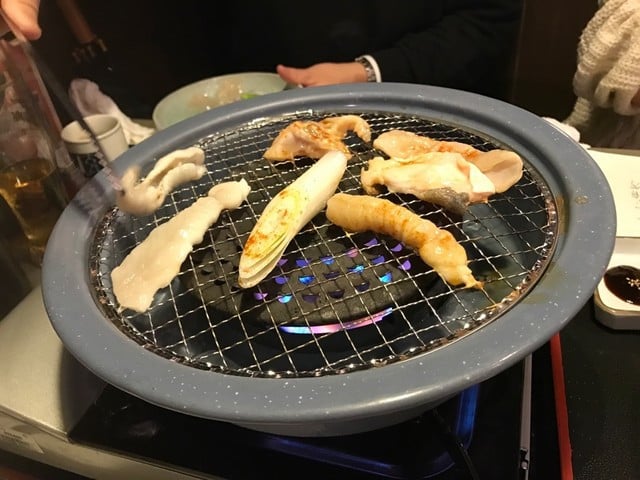
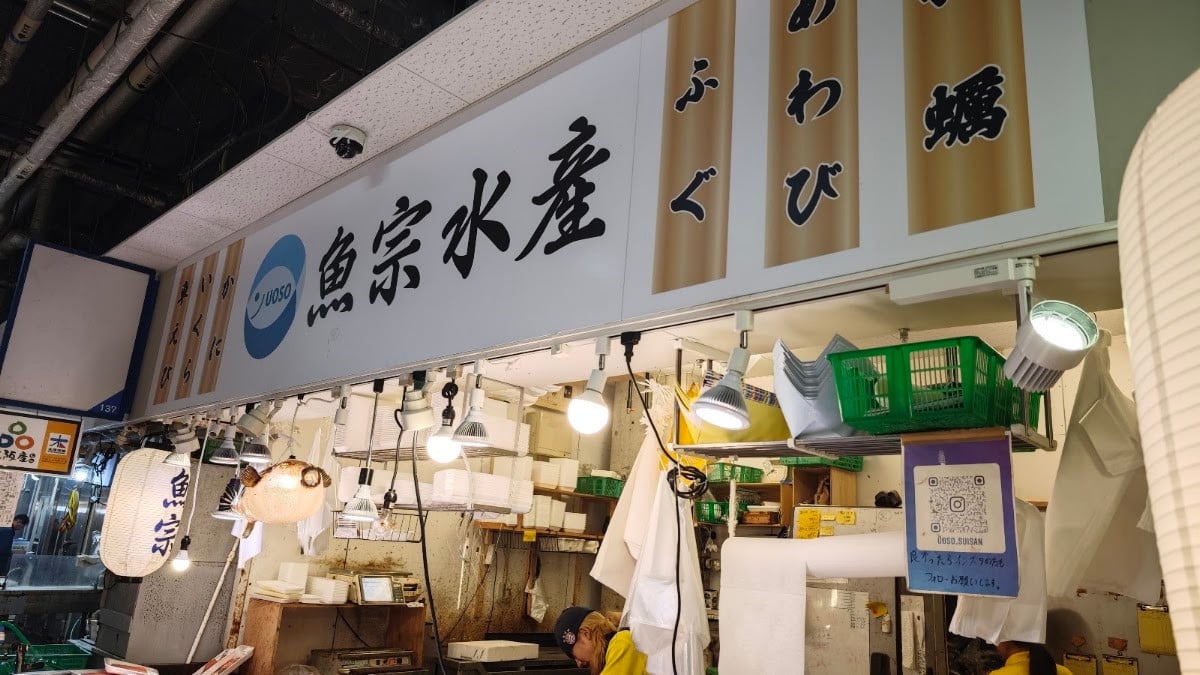
Genpin Namba is a pufferfish restaurant chain that originated in Osaka, offering fugu sashimi, hot pot and fried fugu. The flesh is delicate and springy with a faint sweetness, and it is a representative name for premium Osaka fugu. The Kuromon Market branch has closed, so we recommend going to the nearby Genpin Hozenji Main Branch, about a 10-15 minute walk away. Set meal prices depend on the contents, and it suits a half-day set aside just to enjoy it.
![Osaka - [Famous Japanese Fugu Restaurant] Genpin Fugu](https://res.klook.com/images/w_300,h_300,c_fill,q_75/w_80,x_15,y_15,g_south_west,l_Klook_water_br_trans_yhcmh3/activities/dvtprkybfkshtzjrq9ch/【日本河豚料理名店】玄品ふぐ(玄品河豚)-大阪-Klook.jpg)
Premium Fugu Cuisine: Minami Fugu
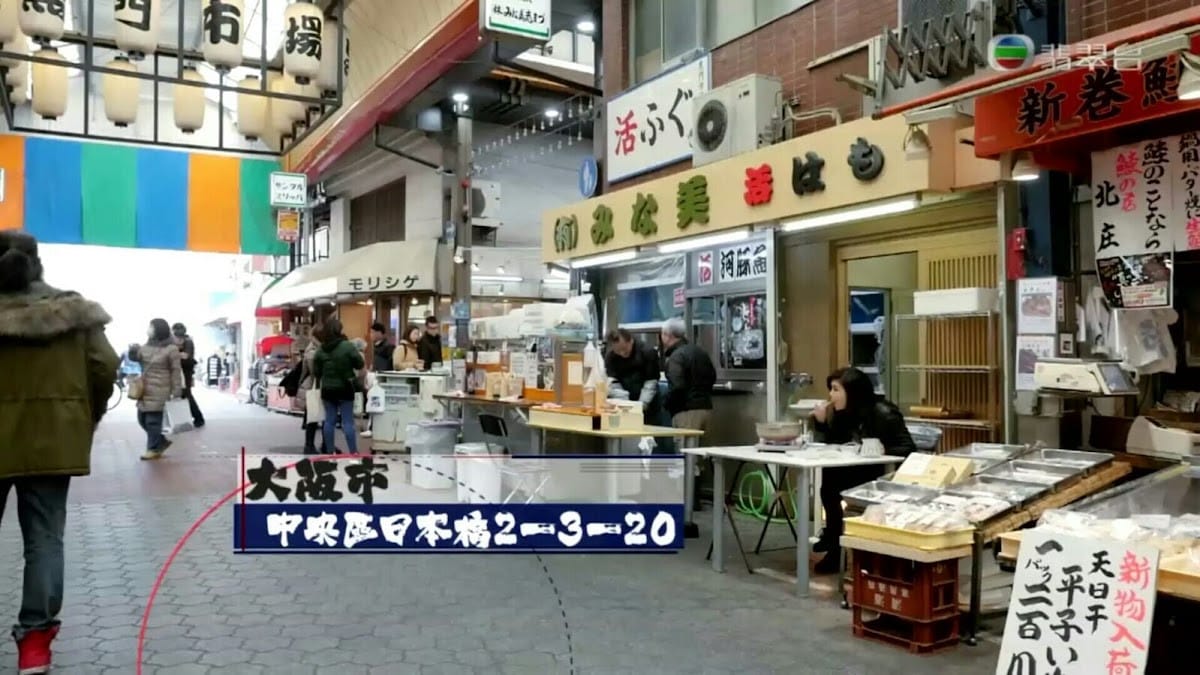
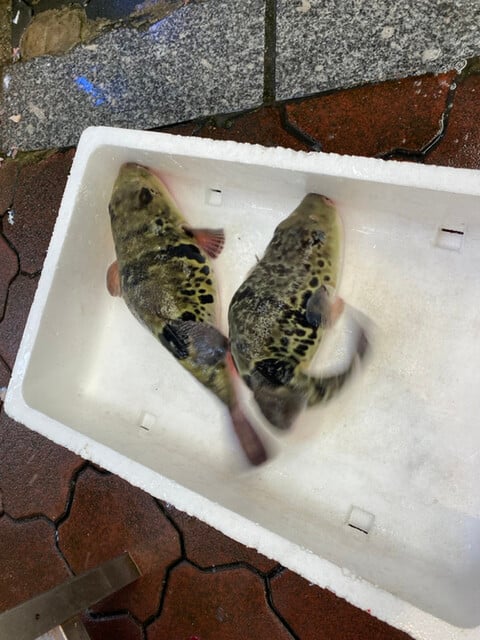
Minami is a pufferfish and fresh fish specialist in Kuromon Market, at 2-3-20 Nipponbashi. It is open 8:00 to 16:30, closed Sundays and holidays (open every day from October to March) and January 1 to 4. Fugu is a winter specialty of Kuromon Market, and the official introduction says about one in ten fishmongers specializes in fugu, so we recommend confirming opening hours before you go.
Meat Shop KOBEYA: A Butcher and Yakiniku Restaurant
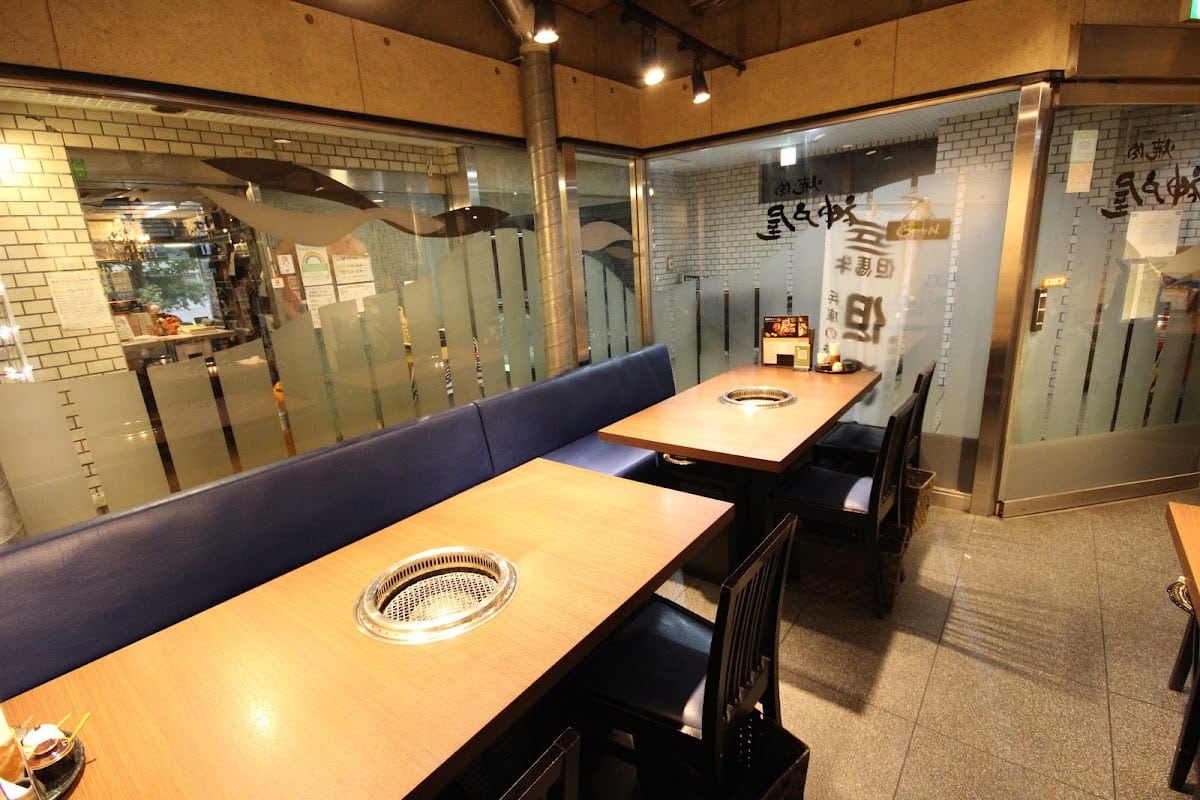
Meat Shop KOBEYA (Kobeya) is a butcher in Kuromon Market that sells meat by day and also has a yakiniku restaurant attached. The butcher is open 8:00 to 17:00, and the yakiniku restaurant is open 17:00 to 23:00 on weekdays and 12:00 to 15:00 and 17:00 to 23:00 on Sundays and holidays.
Prices vary by cut and grade, so we recommend choosing a cut and portion that fits your budget, and checking the day’s opening hours before you go.
Classic Takoyaki: Wanaka
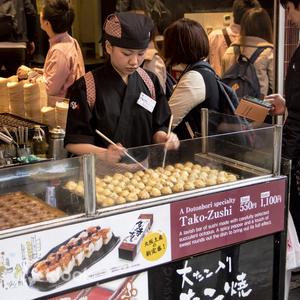
Wanaka is a well-known Osaka takoyaki chain with a crisp batter shell and a thick, silky filling, with big pieces of octopus that are springy to bite into, a representative local classic snack you should not miss in Osaka.
The Kuromon branch is open 9:00 to 19:00 (last order 18:45) every day of the year. It suits a quick bite during your walk, and is a signature shop that always has a queue.

Popular Local Snacks: Kawamine
Kawamine is an eatery in Kuromon Market, open 9:00 to 18:00 every day of the year, inside the market arcade, a practical choice for a quick meal during your walk.
Please go by the on-site notices for the actual menu and prices. It suits travelers who want to feel the everyday atmosphere of the market as they browse.
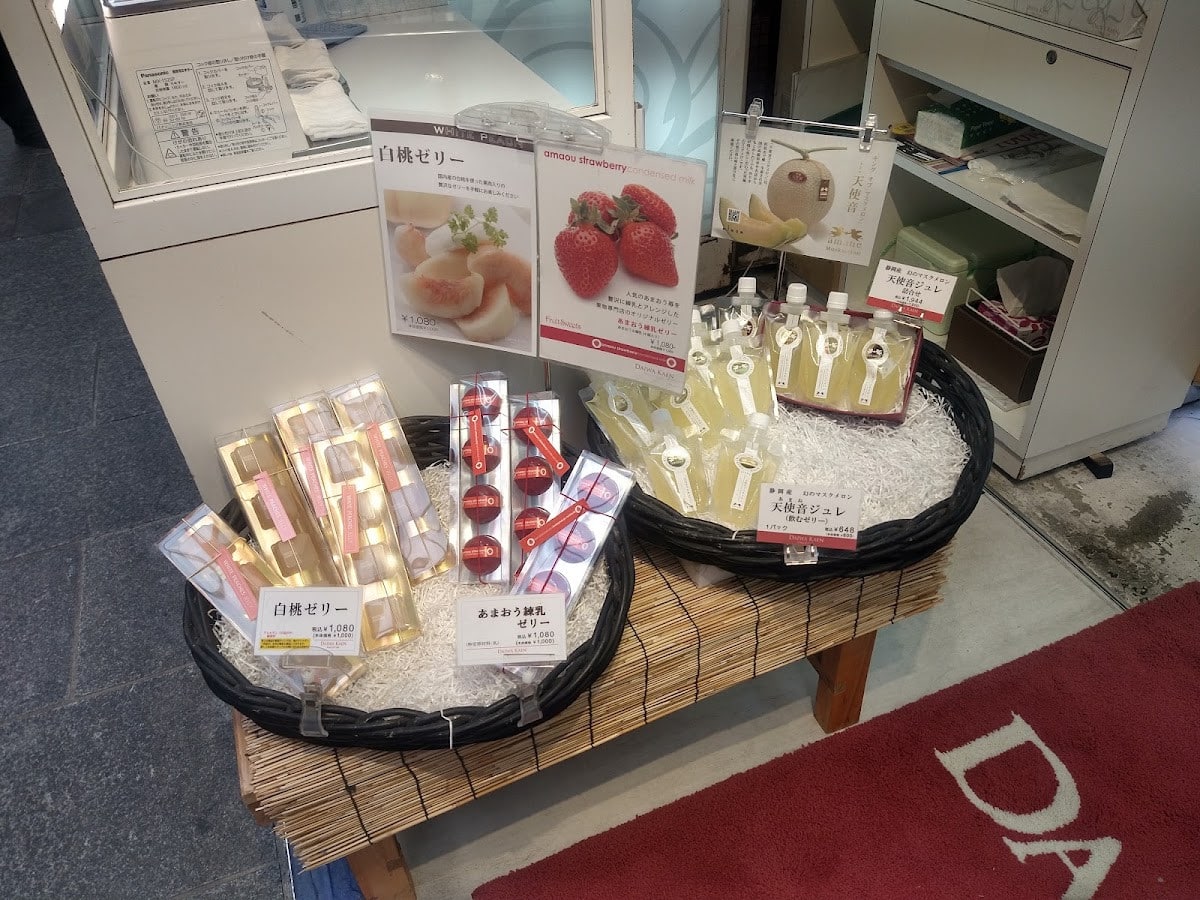
Fresh Fruit Specialist: DAIWA Fruit Garden
DAIWA Fruit Garden (Daiwa Kaen) is a high-end fruit specialty shop in Kuromon Market, selling seasonal fruit and gift boxes from across Japan. It is open 9:00 to 17:00 and closed Sundays and January 1 to 4. Prices depend on the type of fruit and the season, and some gift boxes are pricey, making them ideal as souvenirs to bring home and share Osaka’s seasonal flavors with family and friends.
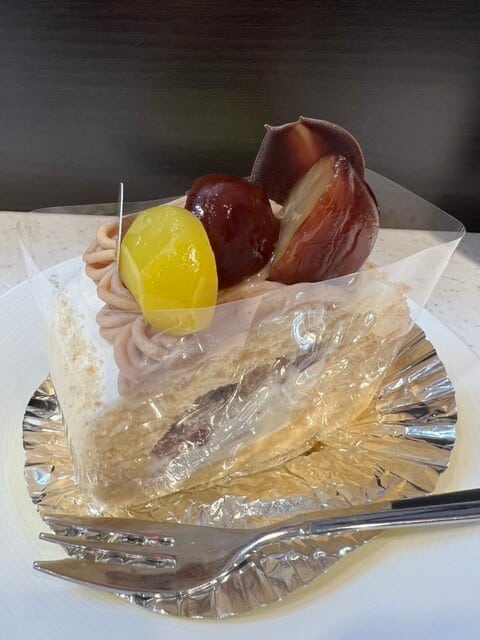
Popular Strawberry Daifuku: Santoya
Santoya is the most popular strawberry daifuku specialist in Kuromon Market. It wraps fresh seasonal strawberries in smooth red bean paste and a chewy mochi skin, and the tart, juicy strawberry balanced with a sweet but not cloying filling is the most soothing dessert choice after the market.
It is open 8:30 to 18:30 and closed Sundays and January 1 to 4. We recommend going in the morning, as popular flavors may sell out early.
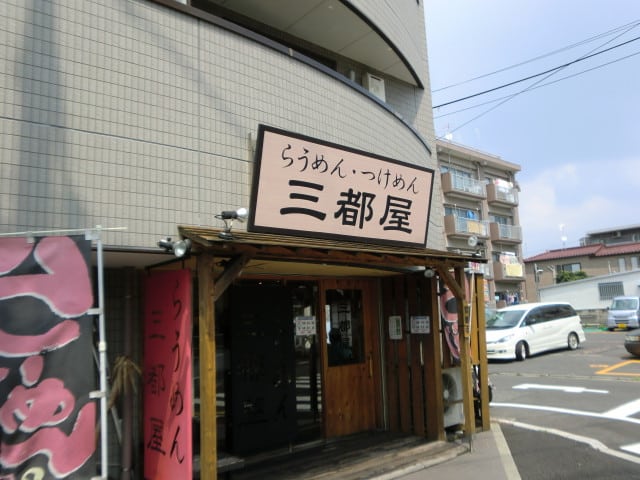
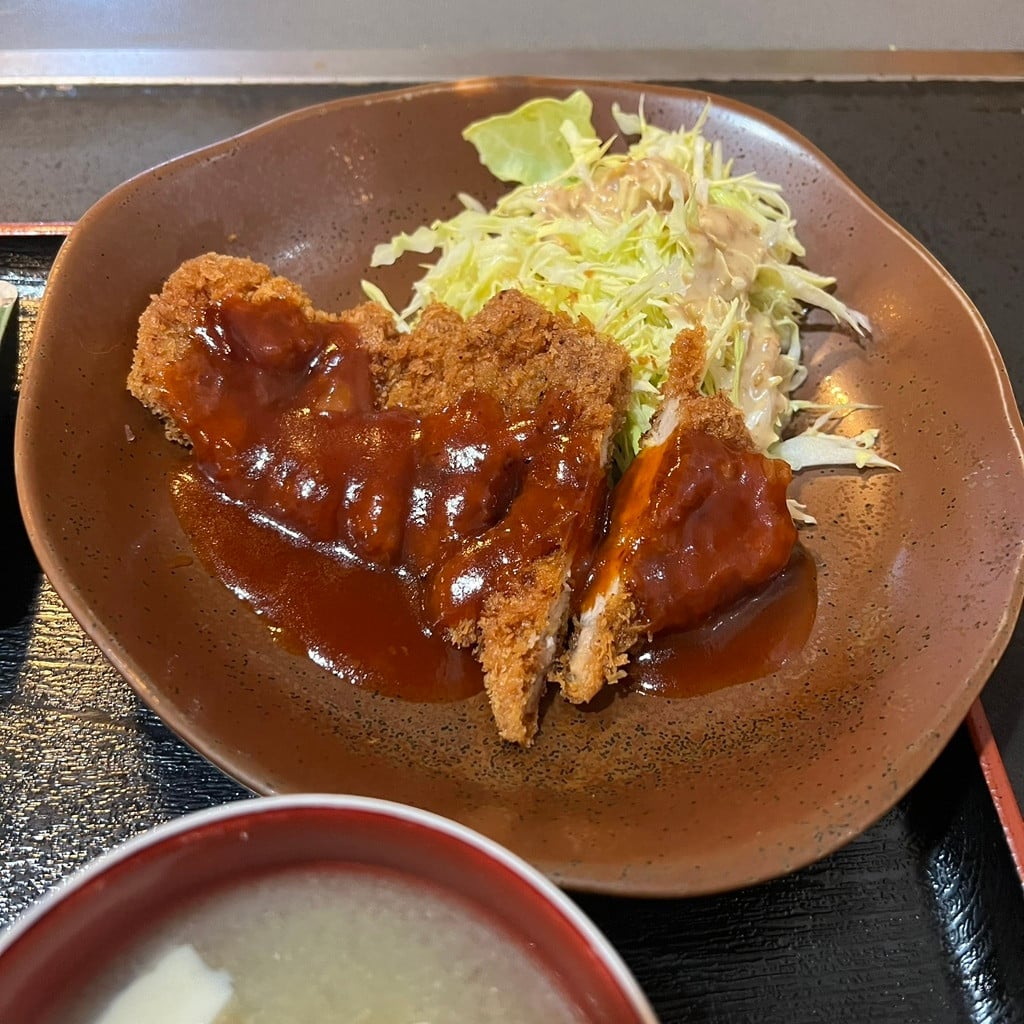
Snack and Souvenir Specialist: YOSHIYA
YOSHIYA is a snack and souvenir specialty shop in Kuromon Market, selling all kinds of traditional Japanese snacks, rice crackers and regional-limited sweets in lovely packaging, perfect for buying souvenirs to share with family and friends back home.
It is open 9:00 to 20:00 every day of the year, a good place to pick up souvenirs near the end of your market visit.
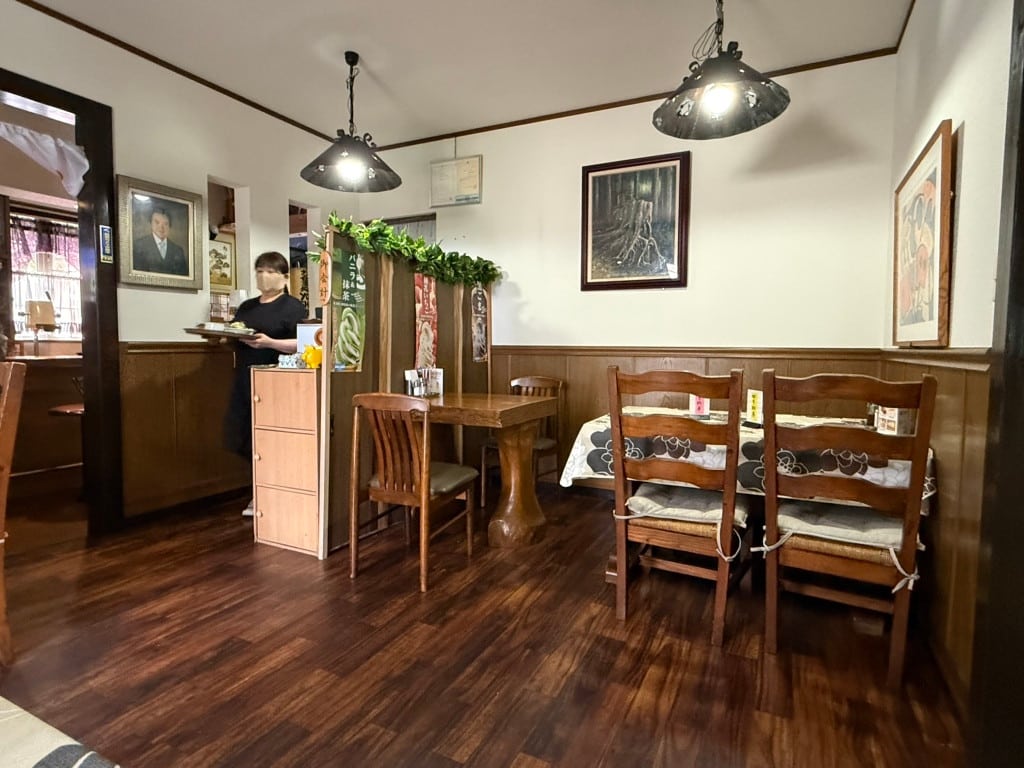
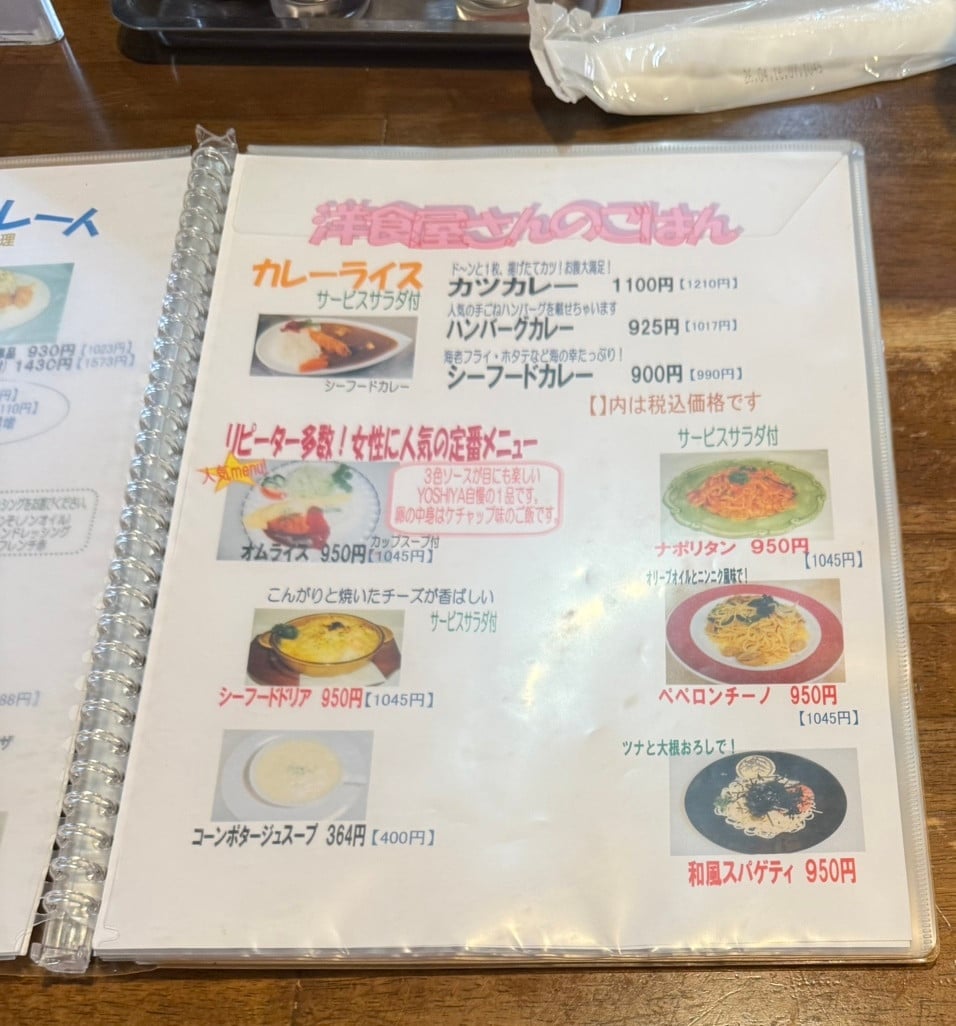
Shopping Recommendations: A Complete Guide to Drugstores, Supermarkets and Transport Around Kuromon Market
Besides being a seafood paradise, the side streets around Kuromon Market hide plenty of drugstores, fresh-food supermarkets and convenient transport connections, an excellent place for visitors to buy souvenirs and restock daily items. Below are several shops around Kuromon Market that you can actually browse and buy from, plus transport information, so you can plan your trip more efficiently and fit in shopping and good food in one go.
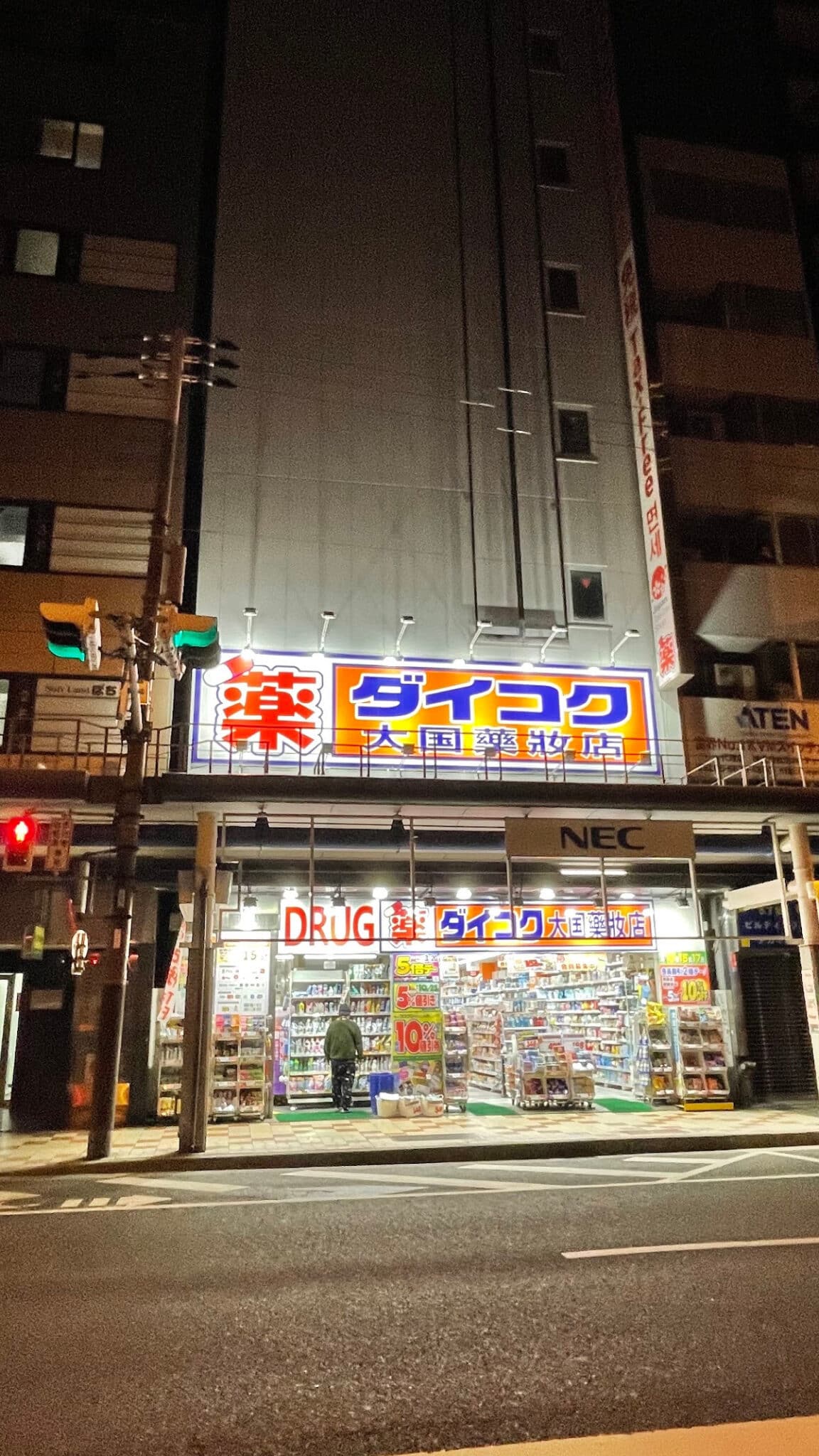
Daikoku Drug: A Drugstore Restock Option Near Kuromon Market
Daikoku Drug has several branches around Nipponbashi and Namba and is a popular drugstore chain for visitors buying medicine, skincare and snack souvenirs. Please go by official announcements for actual branch locations and opening hours. The shops stock everything from cold and stomach medicine to face masks and shampoo, and offer tax-free service, available once you spend ¥5,000 at the same shop on the same day.
From November 1, 2026, the tax-free system changes to paying the tax-inclusive price first and getting the tax refunded when you leave the country; please go by the shop’s notices for how to apply. After finishing the seafood at Kuromon Market, dropping in here to restock supplements and small beauty items is a fixed stop for many independent travelers.
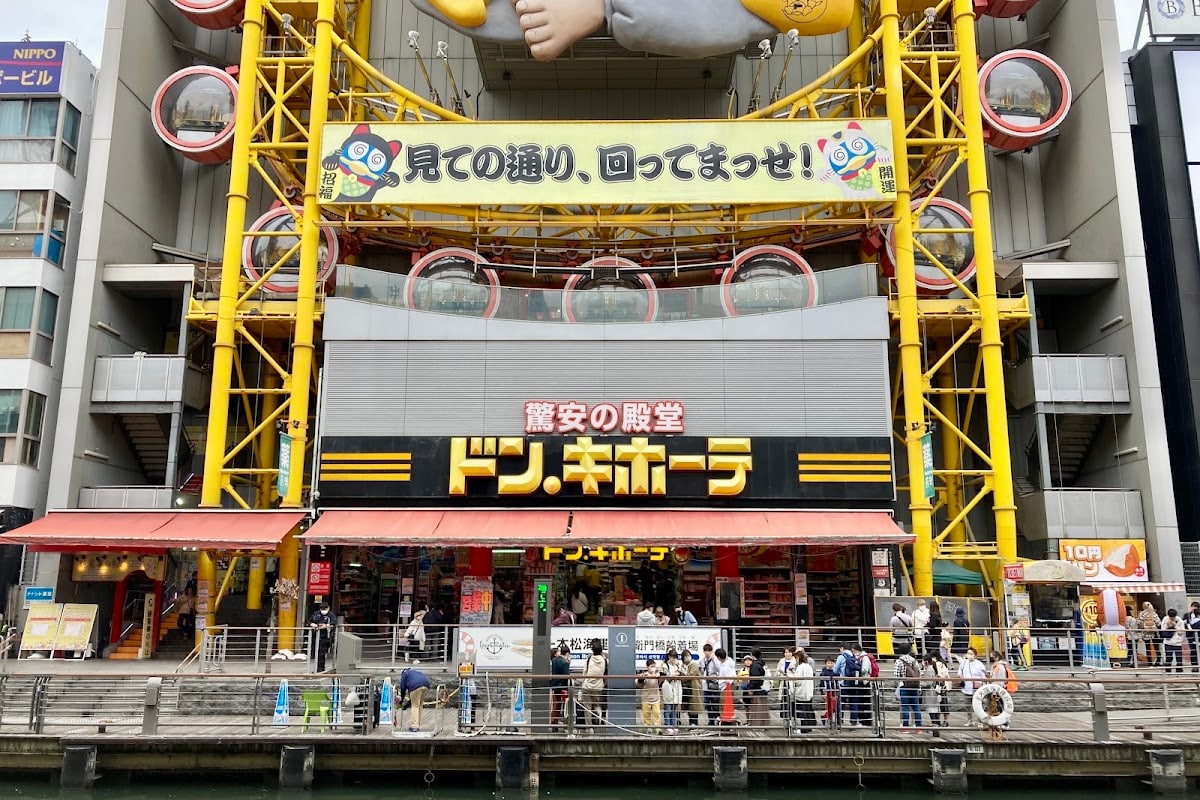
Don Quijote Dotonbori: A Discount Wonderland to Extend Your Shopping from Kuromon Market
Don Quijote Dotonbori is at 7-13 Soemon-cho, Chuo Ward, Osaka, about a 5-minute walk from Exit 14 of Namba Station on the Osaka Metro. It is a 24-hour mixed discount store with everything from drugstore goods, snacks and electronics to quirky novelties. Its signature Ferris wheel facade is also a popular photo spot, and you can add it to your plans after a tiring day at Kuromon Market.
Tax-free service is available for purchases of ¥5,000 or more at the shop on the same day, which suits buying souvenirs and household goods in one go. We recommend going in the evening, when crowds are more spread out than by day and checkout queues are shorter, so you can browse at a more relaxed pace.

Kuromon Market General Information Center: Rest Area, Restrooms and Luggage Storage
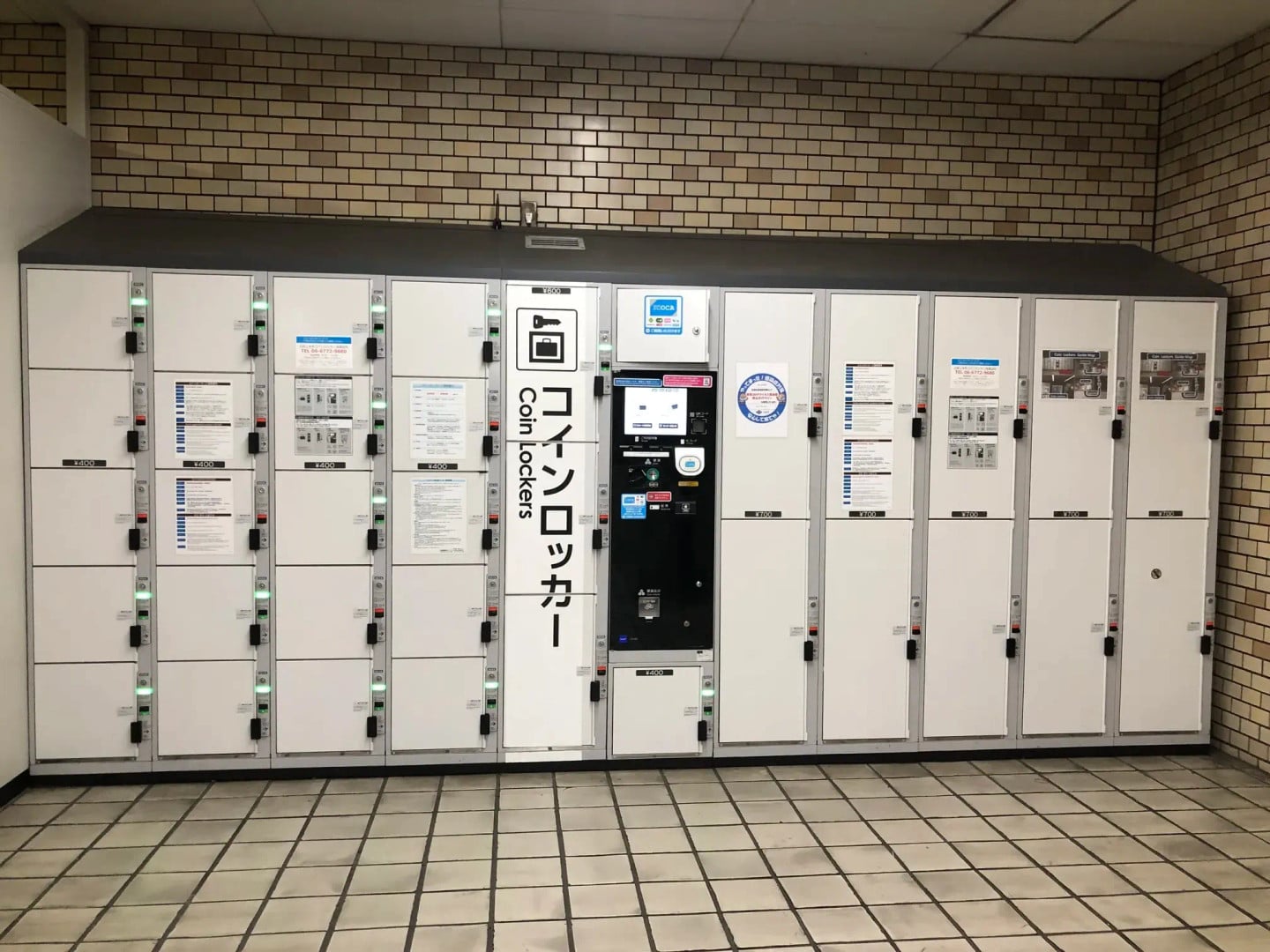
The Kuromon Market General Information Center (Kuromon Information Center) is at 2-12-23 Nipponbashi, open 9:00 to 18:00 every day of the year, with a free rest area where you can eat and drink, a currency exchange machine and restrooms, and luggage can be stored for a fee. For first-time visitors, this is a good starting point for planning a shopping route.
If you are carrying large luggage before browsing, you can use the paid storage service here to shop with a lighter load. The market is a pedestrian-only covered arcade where cycling and motorbike riding are not allowed, so please walk your bike when entering.
Osaka Metro Nipponbashi Station: The Transport Hub Linking the Market and the City
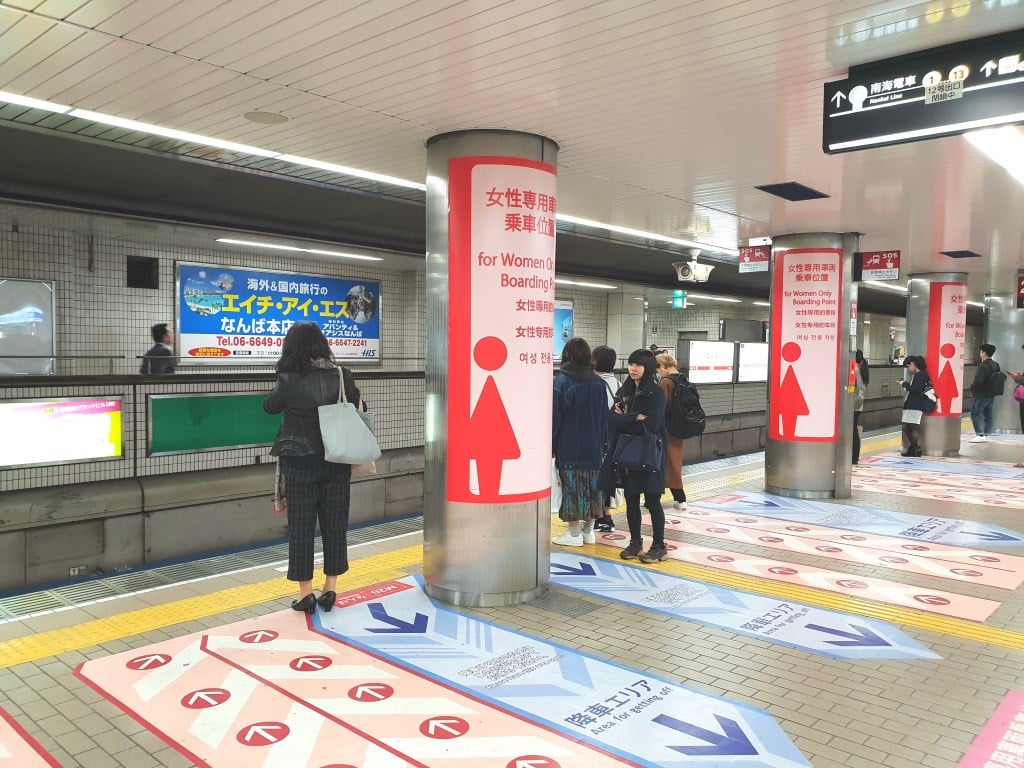
Nipponbashi Station, where the Osaka Metro Sakaisuji Line and Sennichimae Line meet, is the most convenient station for Kuromon Market, about a 2-minute walk from Exit 10 to the market entrance. From Namba Station it is 1 stop, about 2 minutes by train, with a fare of about ¥190, and it fits in between shopping trips to Dotonbori and Shinsaibashi. At Nipponbashi you can also change to popular shopping areas such as Shinsaibashi and Namba, tying together the shopping map of southern Osaka so your route is smoother and tighter, with no need to backtrack.
Kuromon Sanpei: A Long-Established Shop for Dried Seafood Souvenirs Inside the Market
Kuromon Sanpei is at 1-22-25 Nipponbashi, Chuo Ward, Osaka, open 8:00 to 20:00 and closed January 1 to 4. Besides enjoying nigiri and sashimi on the spot, it also sells souvenirs such as salt-dried fish and can ship them nationwide within Japan, making it easy to take them back to where you are staying or share them with family and friends, a good place to shop before you wrap up your outing.
What to Know Before Visiting Kuromon Market: Opening Hours, Money-Saving Tips and Nearby Itinerary Planning
Knowing the opening hours, pitfalls to avoid and nearby itinerary options makes your Kuromon Market trip go more smoothly.
Opening Hours and the Best Time to Visit
Kuromon Market has no single set of opening hours; each shop has its own, for example Kuromon Sanpei is open 8:00 to 20:00 and Uofuku 9:00 to 16:00, and some shops close once they sell out. Closing days such as Sundays and around New Year (about January 1 to 4) vary by shop, so we recommend checking the information for the shops you want to visit on the official website kuromon.com before you go, to avoid a wasted trip.
The best time to visit is between 10 a.m. and 2 p.m., when more shops are open. To avoid the crowds, go earlier in the morning to browse and take photos at a relaxed pace.
| Time of day | Crowd level | Shop status |
|---|---|---|
| 09:30-10:00 | Fewest crowds | Some shops have just opened |
| 10:00-14:00 | Moderate crowds | Most shops open |
| 14:00-17:00 | Busier | Some shops sell out and close early |
Budget and Money-Saving Tips
Near closing time, some seafood stalls at Kuromon Market may offer discounts to clear the day’s stock. If you are not in a hurry to get the very freshest goods, going later may let you pick up a bargain, though there will be fewer choices.
When buying large seafood (such as scallops or crab legs), pay attention to how it is priced: some items are priced per piece and some per gram. Be sure to ask for the total price before paying, to avoid spending more than you meant to by misunderstanding the pricing, a common pitfall for many travelers.
Kuromon Market vs Kizu Market: Which to Choose?
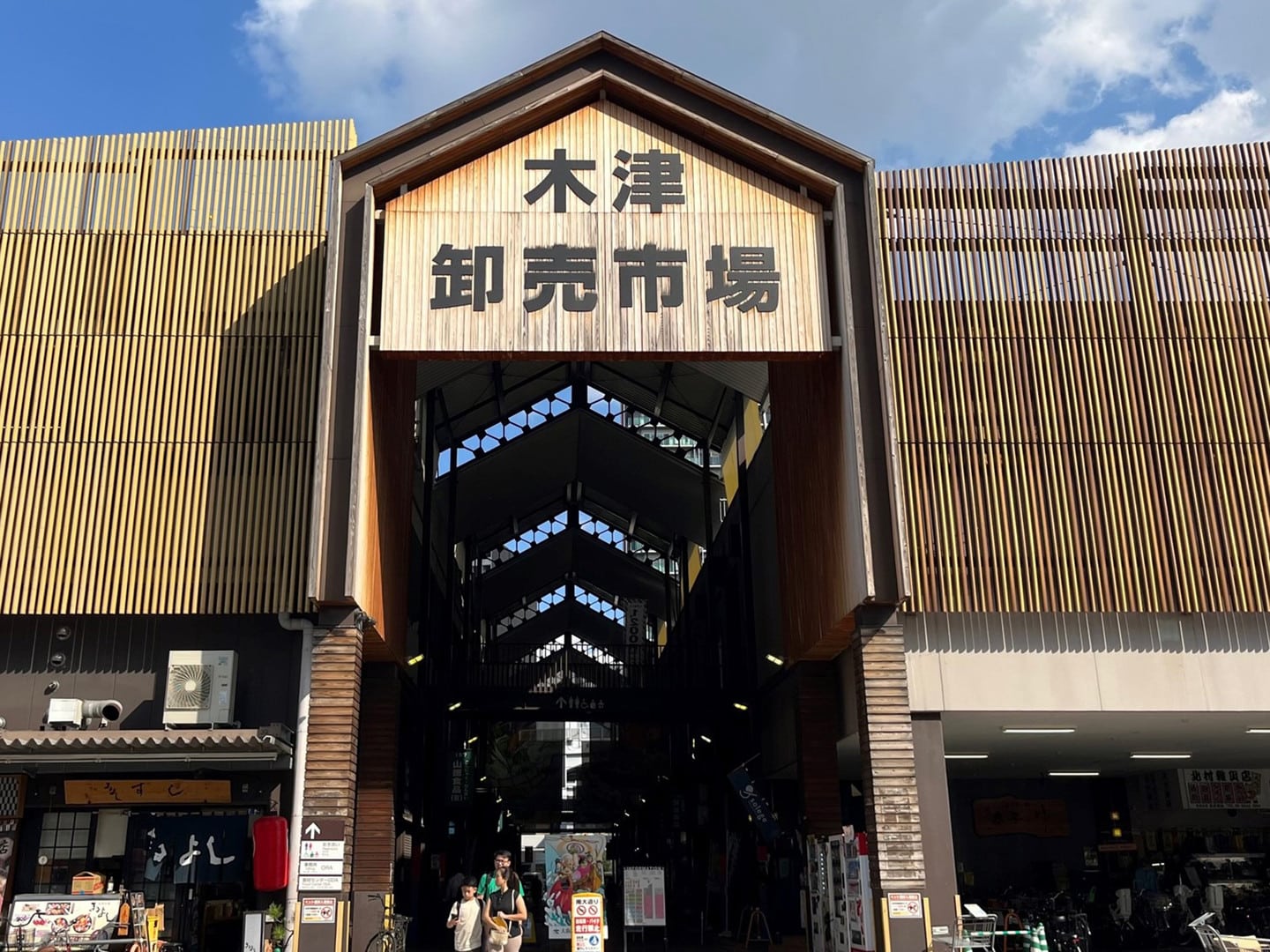
Kuromon Market has a more touristy atmosphere, a wide variety of shops and longer opening hours, and suits a morning-to-afternoon food and shopping trip. Kizu Market keeps more of a traditional morning-market character, with hours of about 6:00 to 11:00, closed Sundays and holidays, and a strong wholesale atmosphere, which suits travelers who like experiencing local morning-market culture.
If your time is limited, we recommend choosing Kuromon Market first, because it has more variety, convenient transport and longer hours, covering seafood, wagyu, sweets and other needs at once. If your schedule is relaxed, you could visit Kizu Market in the early morning first and feel a completely different market atmosphere.
Luggage Storage and Transport Connections
We recommend making use of the paid luggage storage at the Kuromon Market General Information Center (2-12-23 Nipponbashi, 9:00 to 18:00) to make browsing easier. If your plans for the day also include Dotonbori or Shinsaibashi, put Kuromon Market early in the day and then walk to the nearby shopping districts, which gives the smoothest and most time-saving route.
If you want to keep eating or shopping in Dotonbori in the evening, you can leave the souvenirs you bought at Kuromon Market in a locker and pick them up when the day is done, avoiding browsing with bags in hand.
Dining Etiquette and Things to Note
Kuromon Market is mainly a covered shopping arcade. After buying food, we recommend finishing it at the shop’s dine-in area or a designated standing area, and following the on-site notices and staff instructions.
Also, not every stall accepts credit cards and some small shops take cash only, so carry enough yen in cash so you are not caught out at checkout.
Kuromon Market Food Tours and Nearby Experiences
If you would rather not hunt for shops and risk a miss, consider the following Kuromon Market food tours and nearby experiences.
Kuromon Market Food Tour: Eat Your Way Through Famous Shops with a Guide
A Kuromon Market food tour is led by a guide who takes you through several shops in the market in turn, tasting wagyu, mochi, matcha and seafood pancakes, with the guide helping to order and explaining along the way. It suits first-time visitors who are not sure how to choose shops.
The Klook food tour of Kuromon Market and Sennichimae Shopping Street takes about 2 hours, meets at Kintetsu Nipponbashi Station and ends with takoyaki and fried dumplings in Dotonbori. Please go by the product page for languages and the detailed itinerary.

Dotonbori and Shinsaibashi Food and Shopping Half-Day Trip: The Next Stop to Carry On the Market Flavors
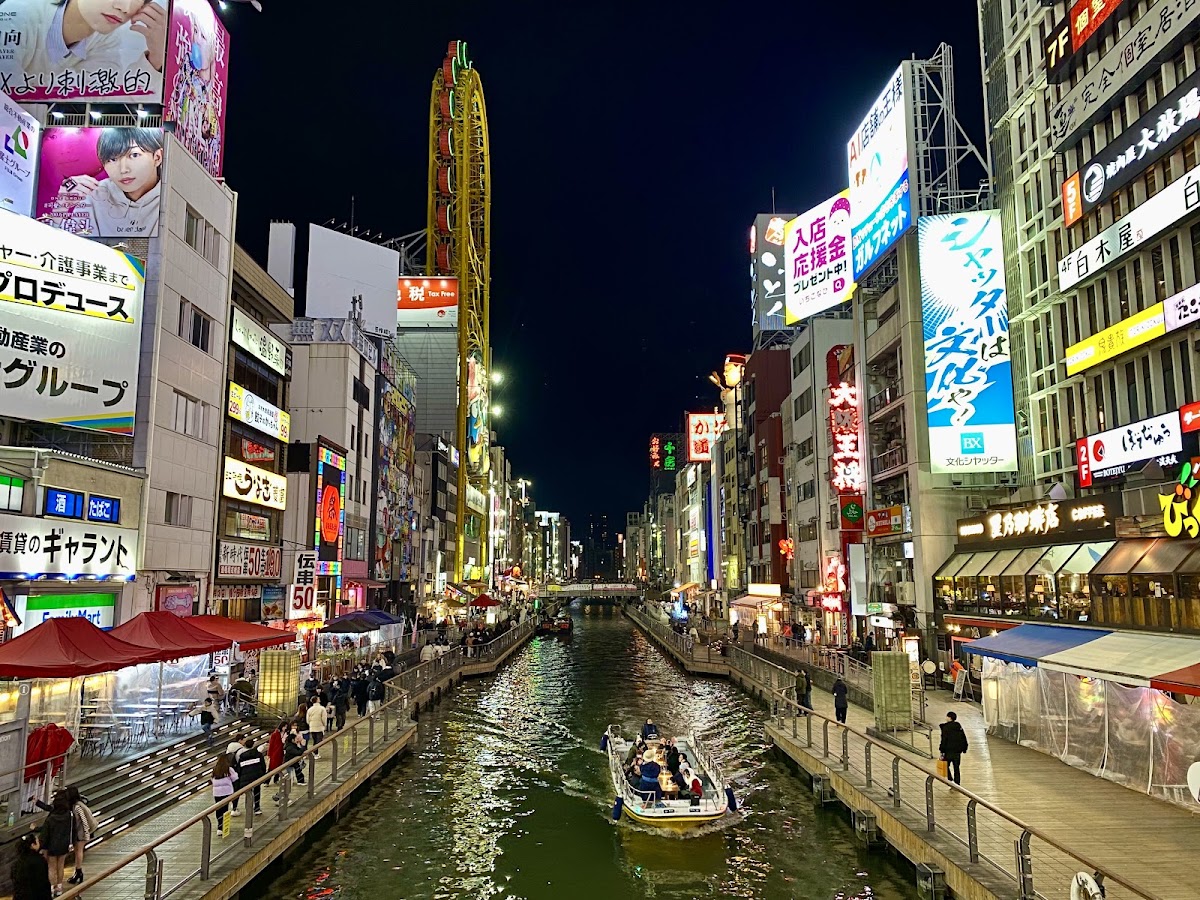
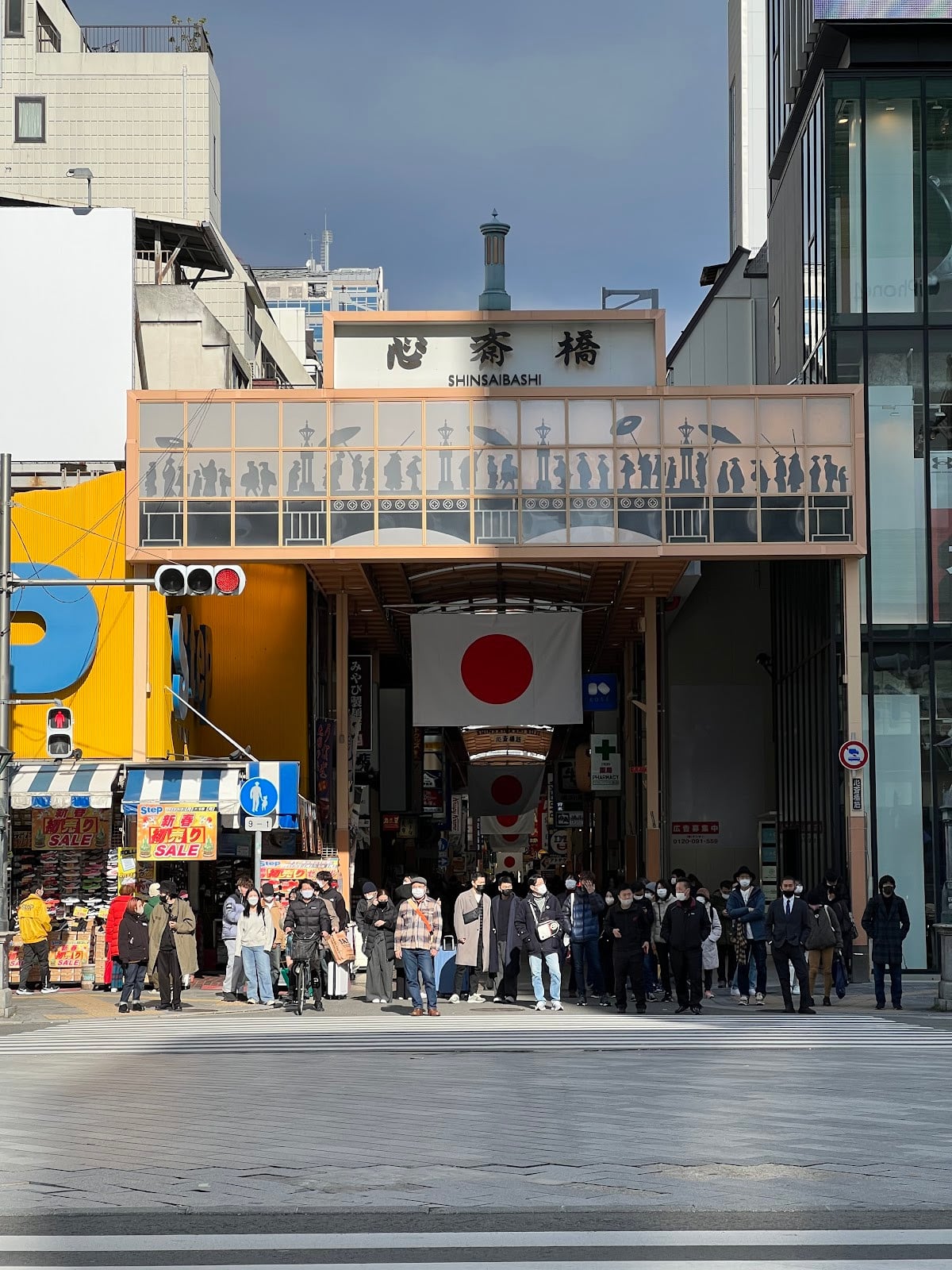
After finishing at Kuromon Market, you can head on to Dotonbori and Shinsaibashi, from the Glico Running Man sign and famous takoyaki shops to the clothing and drugstores of the Shinsaibashi-suji shopping street.
This route is a similar walking distance from Kuromon Market and suits the same afternoon. If you have the energy, you can save it for the evening night views, and a subway day pass makes getting around easier.

Itadakimasu! A Perfect Finish to Your Kuromon Market Food Trip
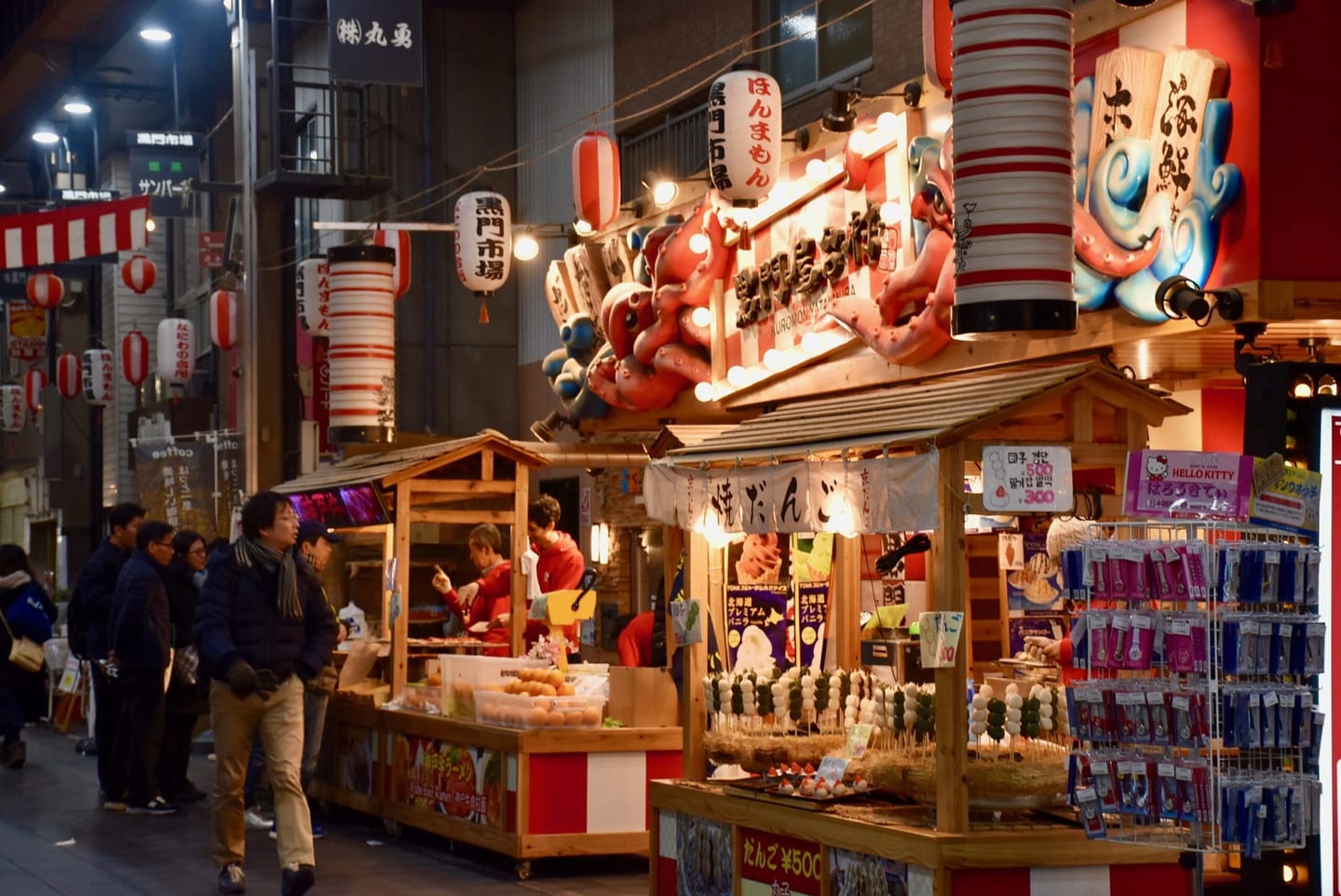
Kuromon Market brings together fresh seafood, top-grade wagyu and local street food in one place. Know the opening hours, avoid the pricing pitfalls and follow the notices of each shop and the market, and you can easily plan a rich and good-value food trip. From the seafood rice bowls at Kuromon Sanpei and the premium tuna at Maguroya Kurogin to the handmade tofu at Takahashi Shokuhin and the strawberry daifuku at Santoya, every stop is worth savoring.
We recommend going during the golden window of 10 a.m. to 2 p.m., when the most shops are open, and watching for half-price deals after 4 p.m. to pick up a bargain. After the food, be sure to drop by Daikoku Drug and Kuromon Nakagawa for souvenirs, then walk on to Dotonbori and Shinsaibashi to continue your Osaka food adventure and make the trip a full one.
Q: Do I need a ticket to enter Kuromon Market?
No. Kuromon Market is a free-to-enter public market, and you only pay for the food you buy at each stall, with no entry fee at all.
Q: What is the easiest way to get to Kuromon Market?
Take the Osaka Metro Sakaisuji Line or Sennichimae Line to Exit 10 of Nipponbashi Station, about a 2-minute walk; from Namba Station it is about a 10 to 15 minute walk.
Q: What time does Kuromon Market open, and when is the best time to go?
Opening hours differ by shop (for example Kuromon Sanpei is 8:00 to 20:00). We recommend going between 10 a.m. and 2 p.m., when more shops are open.
Q: Can you eat while walking in Kuromon Market?
Please follow the on-site notices and each shop’s rules, and we recommend finishing your food at the shop’s dine-in area or standing area after buying.
Q: Do Kuromon Market shops accept credit cards?
Not every shop accepts credit cards, and some small shops take cash only, so carry enough yen so you are not caught out at checkout.
Q: Which do you recommend, Kuromon Market or Kizu Market?
Kuromon Market has a wide variety of shops and long hours, and suits most travelers; Kizu Market suits seasoned travelers who like the early-morning market atmosphere.
Q: Are there any money-saving tips for Kuromon Market?
Near closing time some seafood stalls may offer discounts, and before buying be sure to check whether the price is per piece or per gram, to avoid misunderstanding the price.
Where to Stay Nearby
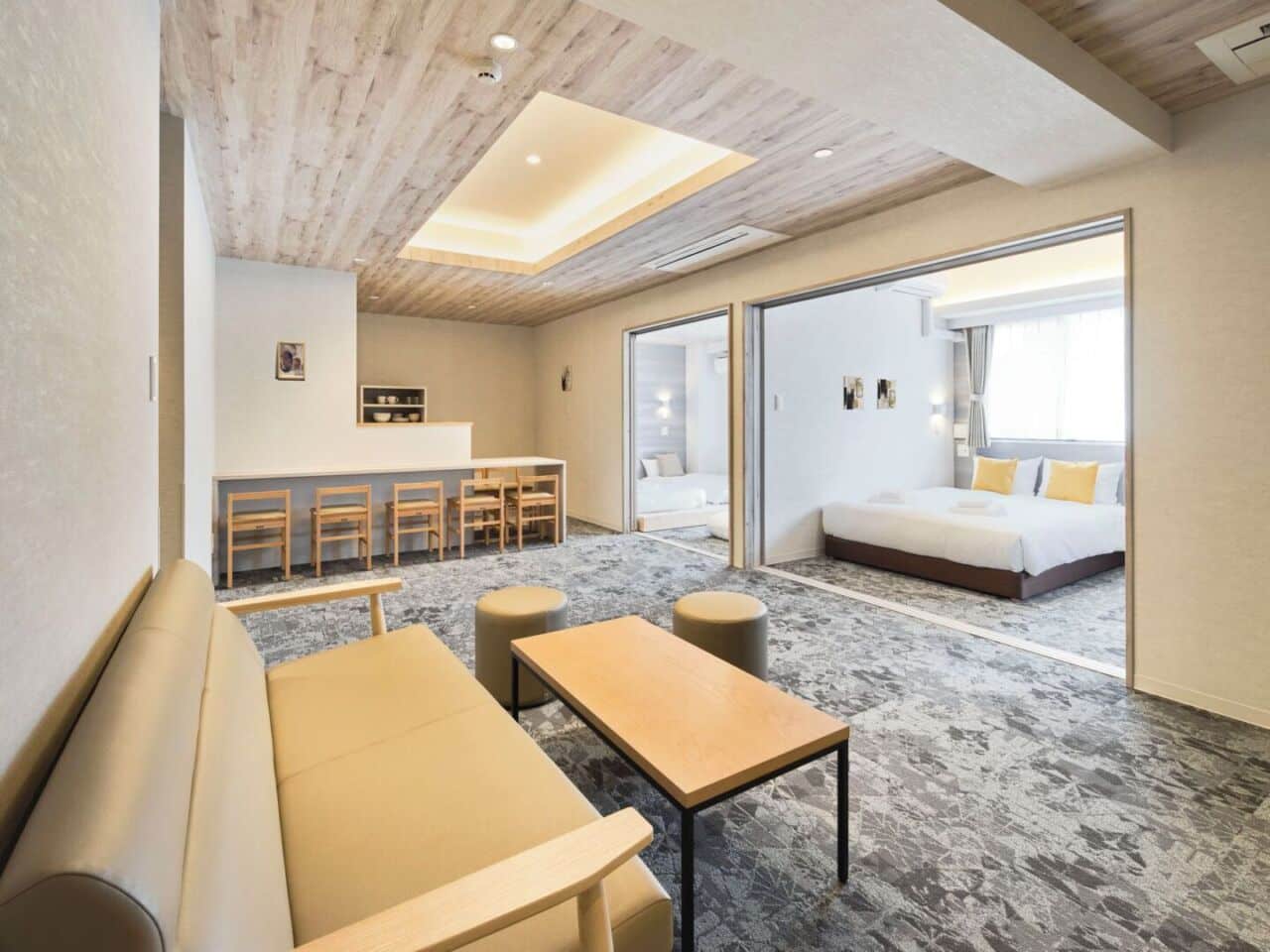
If you want Kuromon Market early in your itinerary and seafood first thing in the morning, choose a hotel around Nipponbashi or Namba, from which the market is about a 2-minute walk from Exit 10 of Nipponbashi Station. Staying in this area also makes it easy to continue to Dotonbori and Shinsaibashi, for a smoother route.