
What Are the Must-See Highlights at Sanjusangendo? The National Treasure Main Hall and Thousand-Armed Kannon Explained
Sanjusangendo is officially called the “Rengeo-in Main Hall.” Located in Kyoto’s Higashiyama Ward, it is a National Treasure wooden building and the longest wooden building in the world. First-time visitors often focus only on photographing the Thousand-Armed Kannon and miss many details. Below are eight key highlights, from the main hall’s architecture and the groups of statues to the neighboring temples and museum, to help you plan a rewarding visit.
Sanjusangendo Main Hall (Rengeo-in Main Hall)
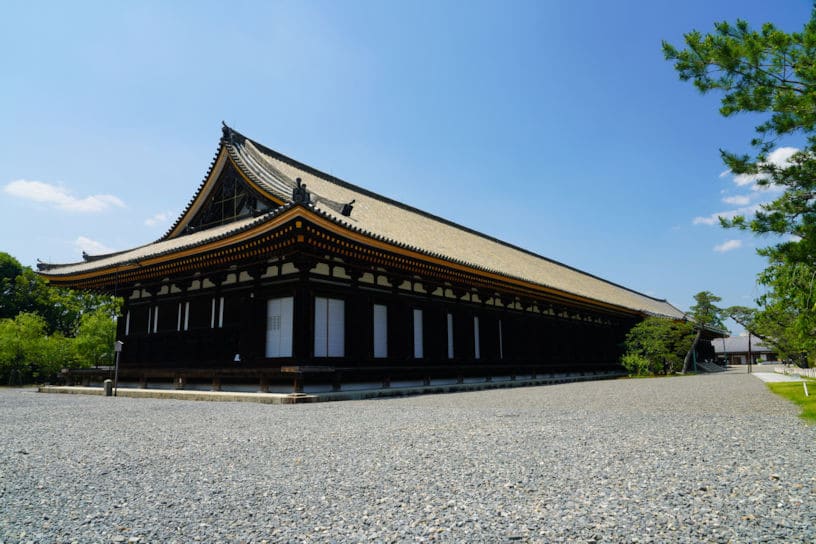
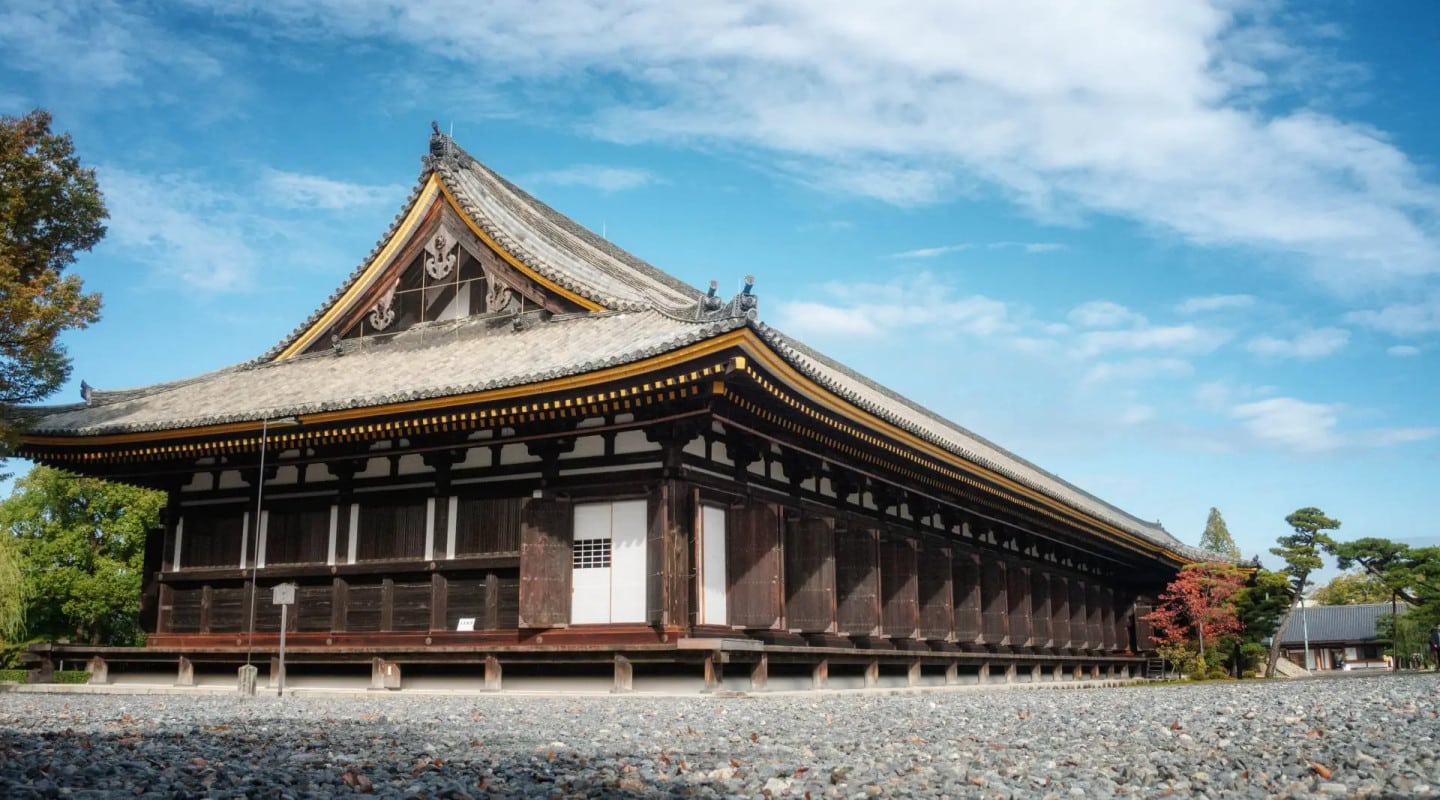
The main hall was built in 1164 and rebuilt in 1266. It is a National Treasure about 120 meters long, and it takes its name from the 33 bays formed by its 33 columns.
Address: 657 Sanjusangendo Mawari-cho, Higashiyama Ward, Kyoto. Hours: April 1 to November 15, 8:30-17:00; November 16 to March 31, 9:00-16:00. Last admission is 30 minutes before closing.
Admission: ¥600 for general visitors, ¥400 for junior high and high school students, ¥300 for elementary school students. The Kyoto National Museum is nearby, a 5-minute walk away, and requires a separate ticket.
What Is Rengeo-in? The Official Name and Origins of Sanjusangendo
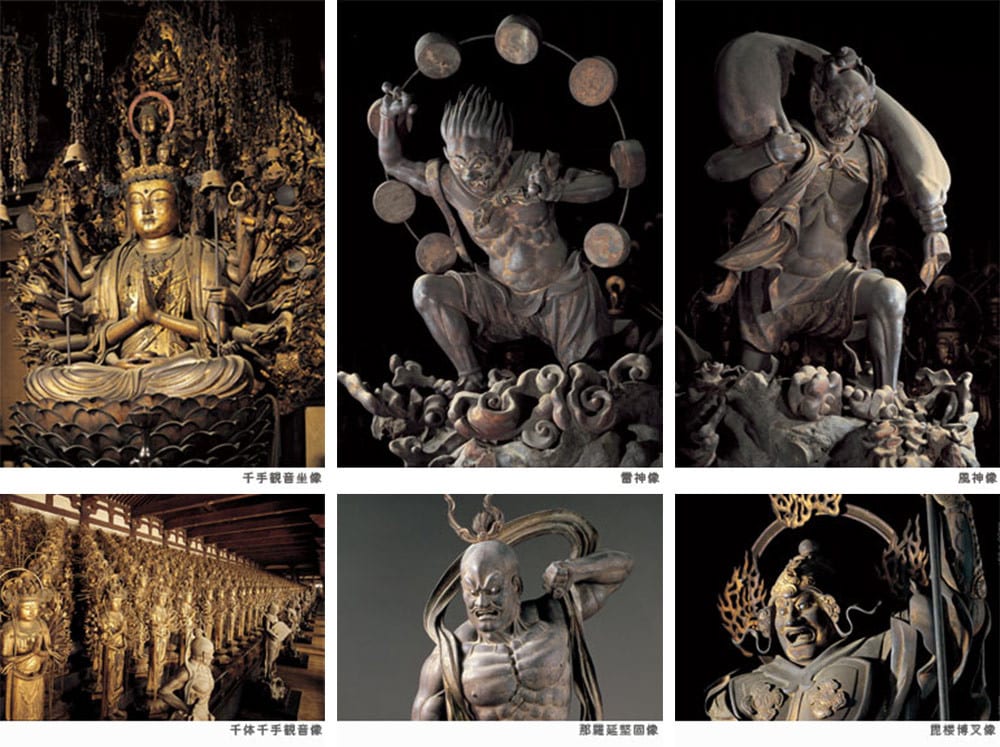
Rengeo-in is the official temple name of Sanjusangendo. It belongs to the Tendai school and is located in Sanjusangendo Mawari-cho, Higashiyama Ward, Kyoto. In 1164 (the 2nd year of Chokan), Retired Emperor Go-Shirakawa had this hall built within his own palace grounds. It burned down about 80 years later and was then rebuilt by Retired Emperor Go-Saga. The main hall that stands today is a National Treasure rebuilt in the Kamakura period. The principal image inside is the seated Thousand-Armed Kannon, and the hall also houses 1,001 standing Thousand-Armed Kannon statues, the Twenty-Eight Guardian Deities and the statues of the wind god and thunder god, all of which are National Treasures.
Seated Thousand-Armed Kannon (Central Image)
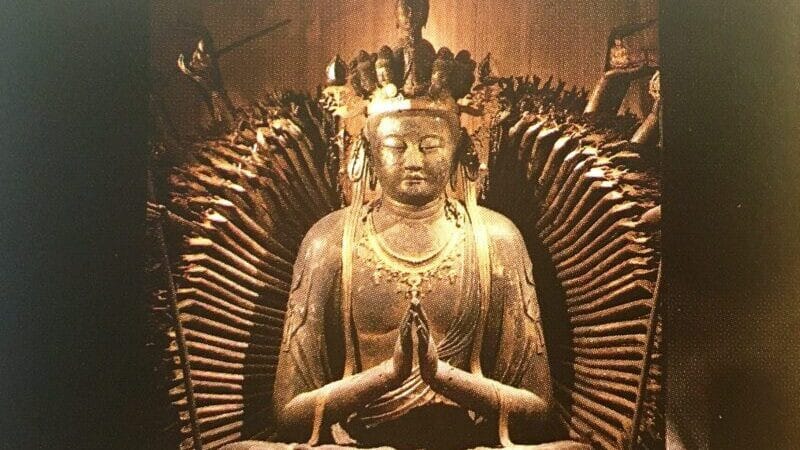
The huge seated Thousand-Armed Kannon at the center of the hall stands about 335 cm tall. It was completed by the Kamakura-period master sculptor Tankei at the age of 82 and is a representative work of Japanese sculpture, designated a National Treasure. Its expression is solemn and compassionate, and after more than 700 years the grain of the carved wood is still clearly visible. For the best view, stand on the central axis directly facing the statue, where you can see the implements held in the Kannon’s hands and the delicate carving on the pedestal. We suggest pausing here for 5 to 10 minutes to take in its presence. Many worshippers press their palms together in prayer here, and visitors can also put their hands together and bow as a sign of respect for this religious space.
The 1,001 Standing Thousand-Armed Kannon Statues
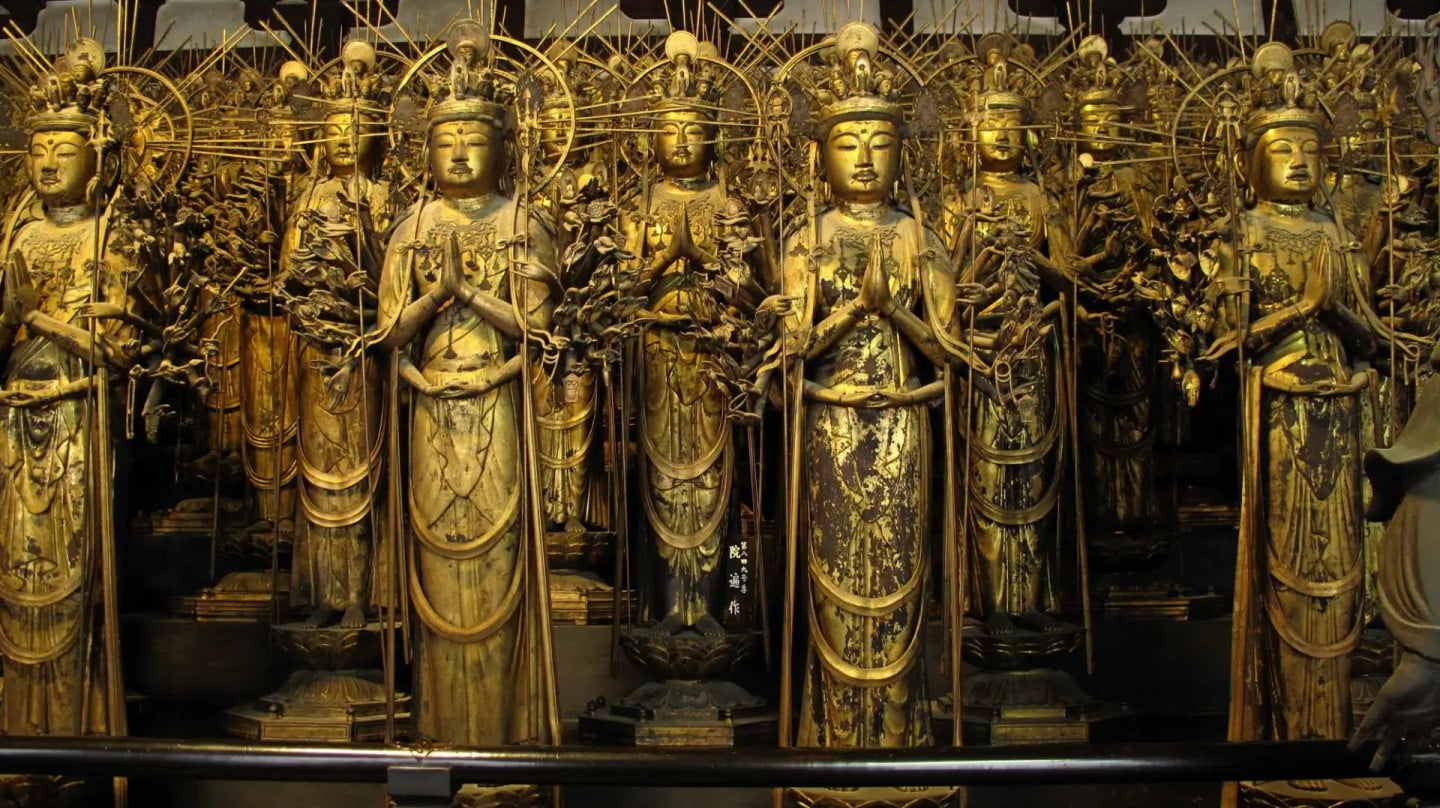
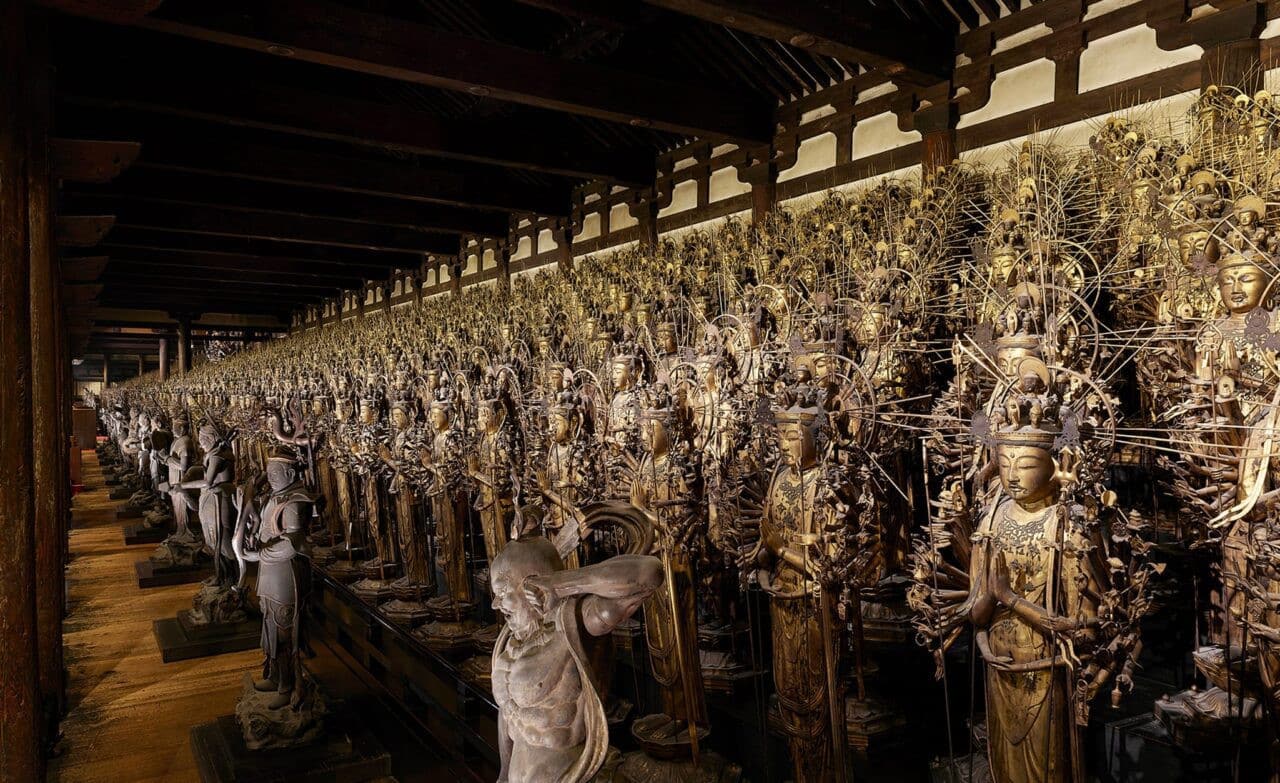
On both sides of the central image stand 1,001 gold-leafed cypress statues of the Thousand-Armed Kannon, each about 165-166 cm tall and every one a National Treasure. This is the most striking sight at Sanjusangendo. It is said that each statue’s face, hair and robes differ slightly, so you are sure to find one that resembles someone you know, which is part of the fun for visitors. Walking slowly along the corridor, you can see them all in about 20-30 minutes.
The corridor is dimly lit and the statues are packed closely together. We recommend going on a weekday shortly after opening, when crowds are thin and you have plenty of time to examine the details and the condition of the gold leaf up close.
The Wind God, Thunder God and the Twenty-Eight Guardian Deities
In front of the Thousand-Armed Kannon stand statues of the wind god and thunder god, their exaggerated, lively poses making them early landmark examples of the Fujin-Raijin theme in Japan, which later inspired painters.
The Twenty-Eight Guardian Deities line both sides, including protective figures such as Naraen Kengo-o, the Kongo Rikishi and the Karura-o. Each has a different pose and expression, showing the realistic, dramatic tension of Kamakura-period sculpture, and they are a highlight of Buddhist art.
After viewing the Thousand-Armed Kannon, pay attention to the poses and implements of these 28 statues. To go deeper, you can buy a Chinese or English guidebook for about ¥500 at the entrance.
Toshiya and the Omato Taikai (Kyudo Experience and Traditional Event)
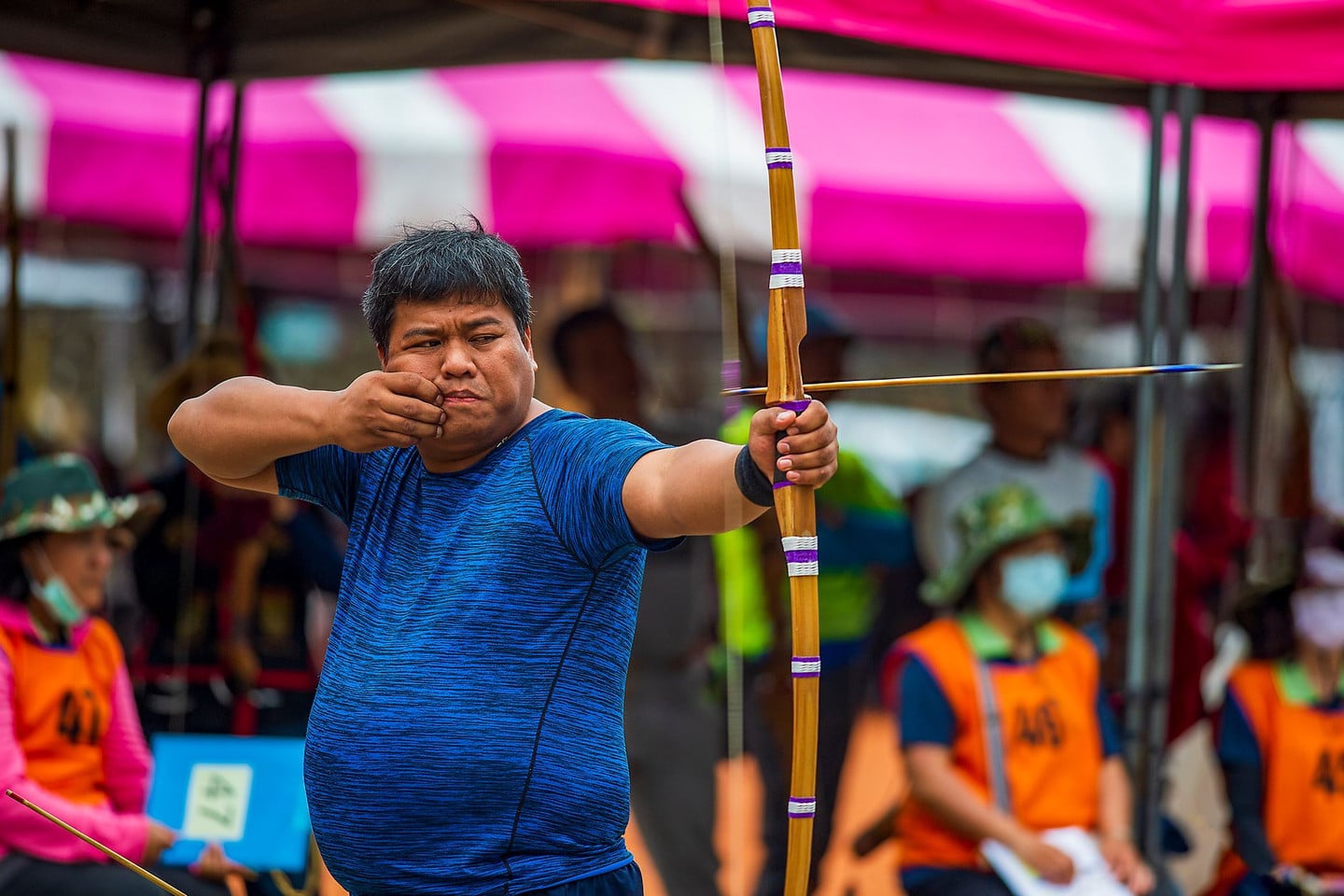
Each year on the Sunday around January 15 (the same day as the Yanagi no Ogaji ceremony), Sanjusangendo holds the “Omato Taikai.” It has its roots in “Toshiya,” an archery contest that Edo-period samurai held along the outer veranda of the main hall. Today about two thousand people from across Japan take part, and the sight of new adults competing in furisode kimono has become a New Year tradition in Kyoto. The grounds are open free of charge that day.
Even if you are not visiting during the event, you can still see the corridor used for the Toshiya contests outside the main hall, along with explanatory signs, and imagine this 120-meter veranda as the stage where samurai tested their archery and endurance.
Event dates are as announced under “Notices” on the official website each year.
Goshuin and Omamori Sales Counter
The goshuin counter at Sanjusangendo offers a “Daihi-den” goshuin for ¥500 each. Collectors are welcome to bring their own goshuin book or buy one on site.
The amulet counter sells omamori for relationships, good fortune, academic success and more, priced at about ¥800 to ¥1,000. Most designs feature the Thousand-Armed Kannon or lotus motifs, making them good souvenirs.
We recommend getting your goshuin and buying amulets at the counter near the exit after you have seen the main hall. This keeps the flow smooth and avoids backtracking and queues interfering with your visit.
Hojuji (Neighboring Temple)
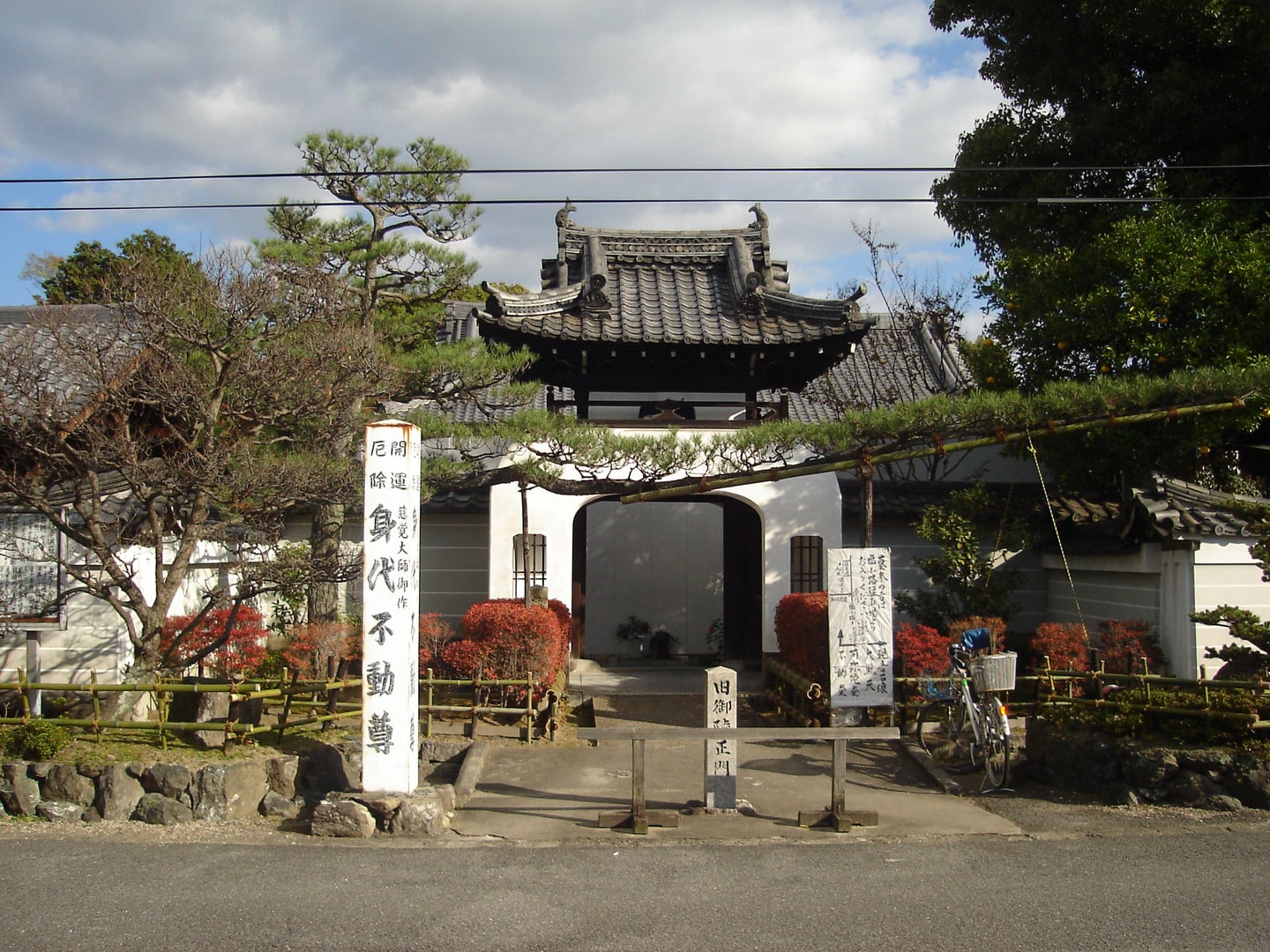
Hojuji stands on the east side of Sanjusangendo and is an old Tendai temple. The “Hojuji-dono” palace of Retired Emperor Go-Shirakawa once stood around here, and Sanjusangendo was built in 1164 within that palace. It is a small, locally venerated temple, so please check on-site notices to see whether it is open to visitors. If you pass by after visiting Sanjusangendo, you can learn about this historical connection.
Kyoto National Museum (Nearby Attraction)
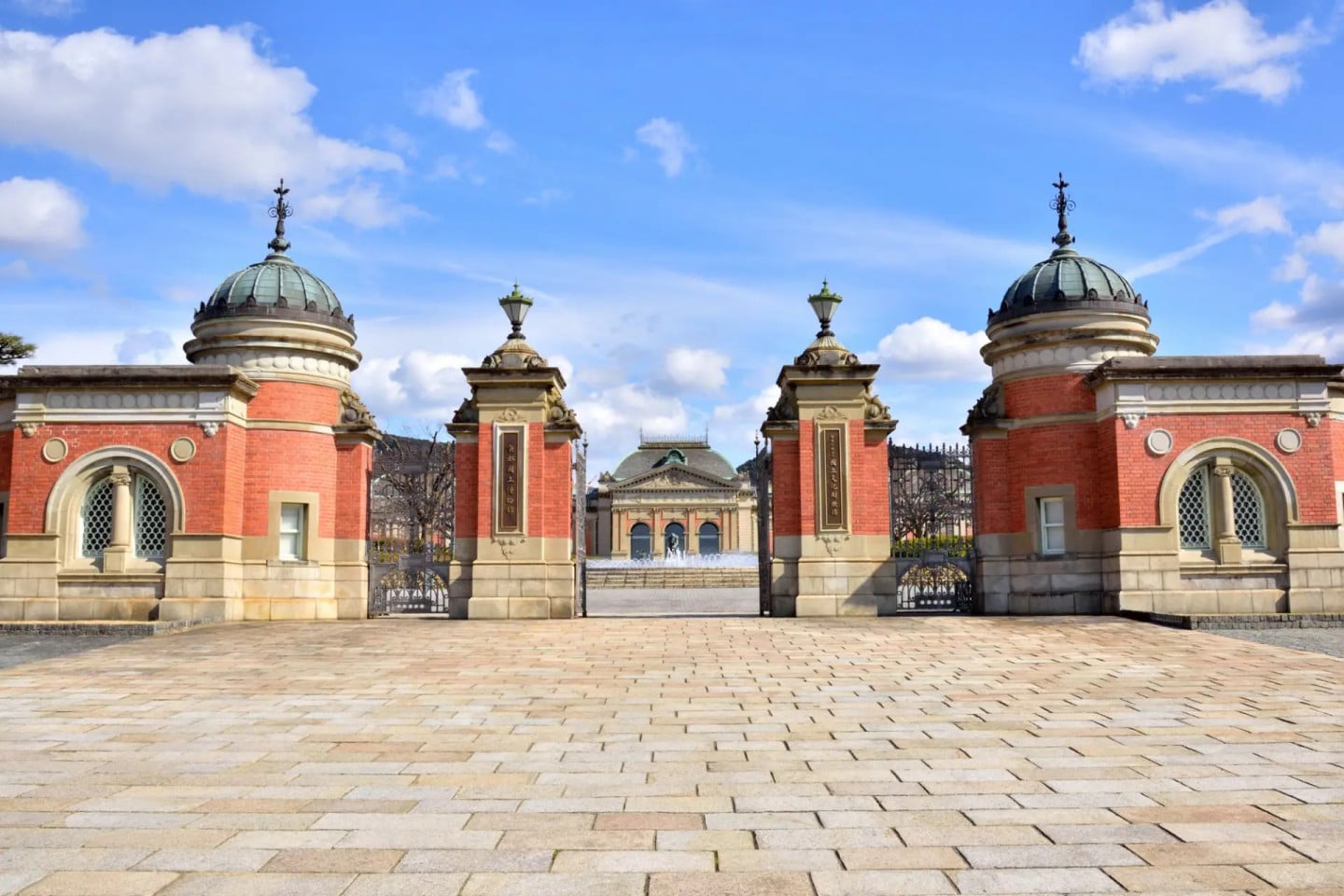
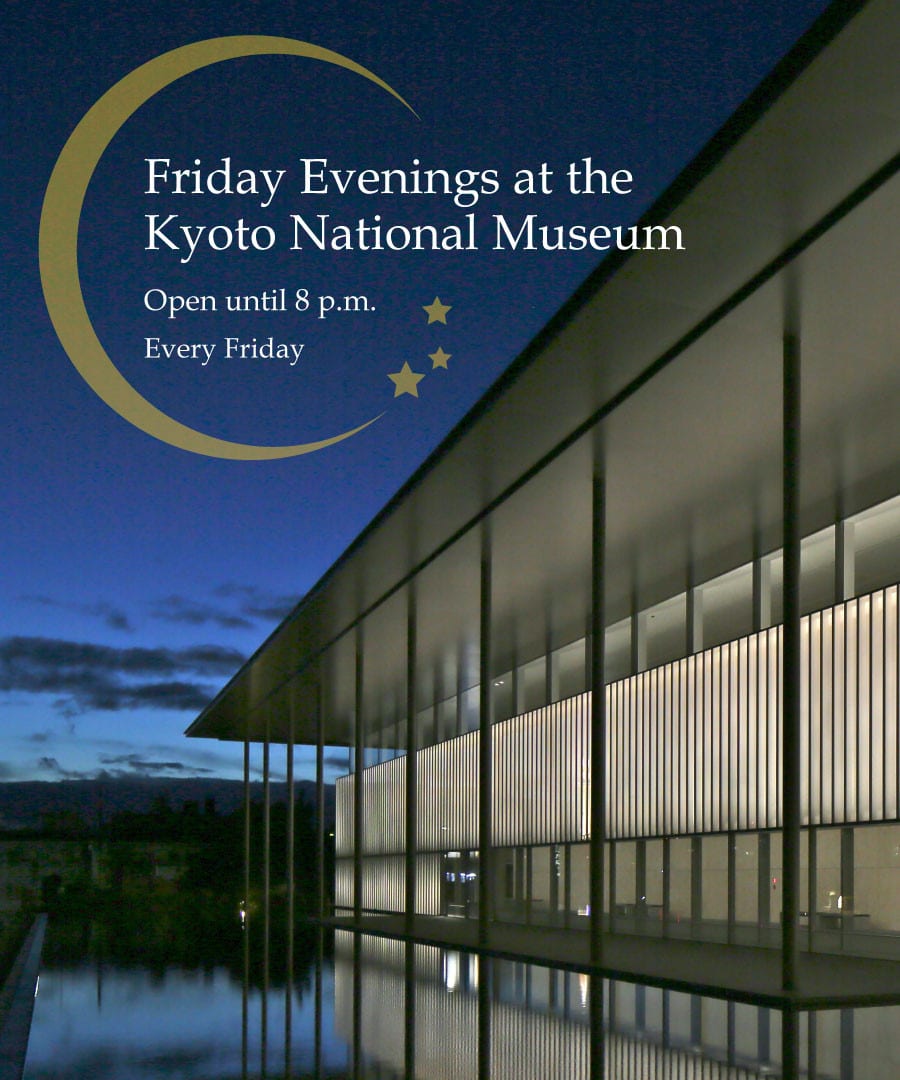
The Kyoto National Museum is directly across from Sanjusangendo, about a 3-5 minute walk. Its rich collection covers Buddhist art, paintings and archaeological artifacts.
The Meihin Gallery (permanent collection) costs ¥700 for adults and ¥350 for university students, and is free for high school students and younger. It is open 9:30-17:00 and closed on Mondays. During special exhibitions the Meihin Gallery is temporarily closed, and special exhibition tickets are priced separately.
We recommend scheduling Sanjusangendo and the Kyoto National Museum for the same morning or afternoon, since they are close together and easy to combine.
How Much Does a Visit to Sanjusangendo Cost? Admission, Tours and Nearby Experiences
Sanjusangendo is located at 657 Sanjusangendo Mawari-cho, Higashiyama Ward, Kyoto, close to the Kyoto National Museum and Toyokuni Shrine, and is one of the must-visit World Heritage sights in Kyoto’s Higashiyama area. To plan a trip that is both in-depth and good value, it helps to know the admission fees and also make use of guided tours and nearby combo tickets, which make the itinerary smoother and the experience richer. Below are practical notes on admission, recommended tours and nearby experiences to help you get the most out of a limited budget.
Sanjusangendo Admission Only
Admission is ¥600 for adults, ¥400 for high school students and ¥300 for elementary school students. Hours are 8:30-17:00 from 4/1 to 11/15 and 9:00-16:00 from 11/16 to 3/31. Tickets are bought on site.
Ticket notes:
Tickets are sold on site at the Fumon-kaku, with no reservations.
Groups of 25 or more pay ¥550/¥350/¥250.
Half price with a disability certificate; free for kindergarten teachers and pupils.
Free admission during the January Yanagi no Ogaji ceremony and the March Spring Peach Festival.
Shoes are not allowed inside; shoe lockers are provided.
Inside are 1,001 Thousand-Armed Kannon statues and the National Treasure seated statue; photography is prohibited. A visit takes about 40 minutes to 1 hour.
Close to the Kyoto National Museum and Toyokuni Shrine, so it suits a half-day itinerary.
Kyoto Regular Sightseeing Bus: Higashiyama Cultural Heritage Day Tour
Kyoto regular sightseeing bus tours (¥7,000-9,000, 6-8 hours) are run by Kyoto Bus or travel agencies and cover Sanjusangendo, Kiyomizu-dera and Kinkaku-ji, with admission fees and Chinese/Japanese guiding included. Professional guides explain the architectural features and religious meaning in depth, and describe the value of these National Treasures and World Heritage sites. There are no transfers, which suits seniors or families with children. We recommend booking through platforms such as KKday or Klook, and during peak season booking at least a week ahead. Before booking, please confirm that the tour language is English or Chinese.
Private Charter Day Tour of the Kyoto Higashiyama Area
A private charter is recommended for travelers with seniors, lots of luggage or a need for flexibility. A one-day (8-hour) tour of the Kyoto Higashiyama area costs about ¥25,000-35,000 (5-seat vehicle), and you can freely combine Sanjusangendo, Kiyomizu-dera, Fushimi Inari Taisha and other sights. Many charters offer Chinese-speaking drivers and save transfer time, which suits tight schedules; some plans let you add a kimono or matcha experience.
We recommend booking through KKday or a local charter company, and telling the driver to allow at least 1 hour at Sanjusangendo so you can appreciate the thousand Kannon statues.

Kyoto National Museum Combo Tickets and Nearby Packages
The Kyoto National Museum, across from Sanjusangendo, holds Japanese Buddhist art and National Treasures that echo the culture of Thousand-Armed Kannon worship. General exhibition admission is ¥700, special exhibitions are priced separately, and there is currently no combo ticket with Sanjusangendo, so you need to buy separate tickets.
Nearby Toyokuni Shrine and Hoko-ji are mostly free or charge only a token fee, so you can easily link them into a Higashiyama historical route. We recommend visiting the museum together with Sanjusangendo in the morning of the same day to avoid afternoon crowds, and checking the current exhibitions and ticket prices on the official website beforehand.

Where to Stay Nearby
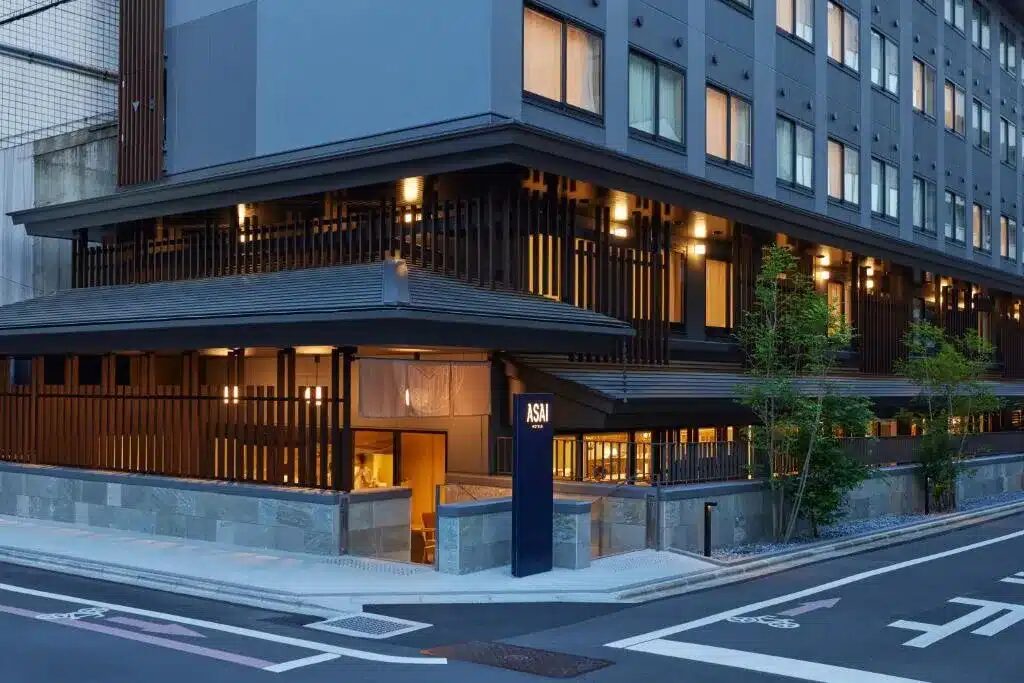
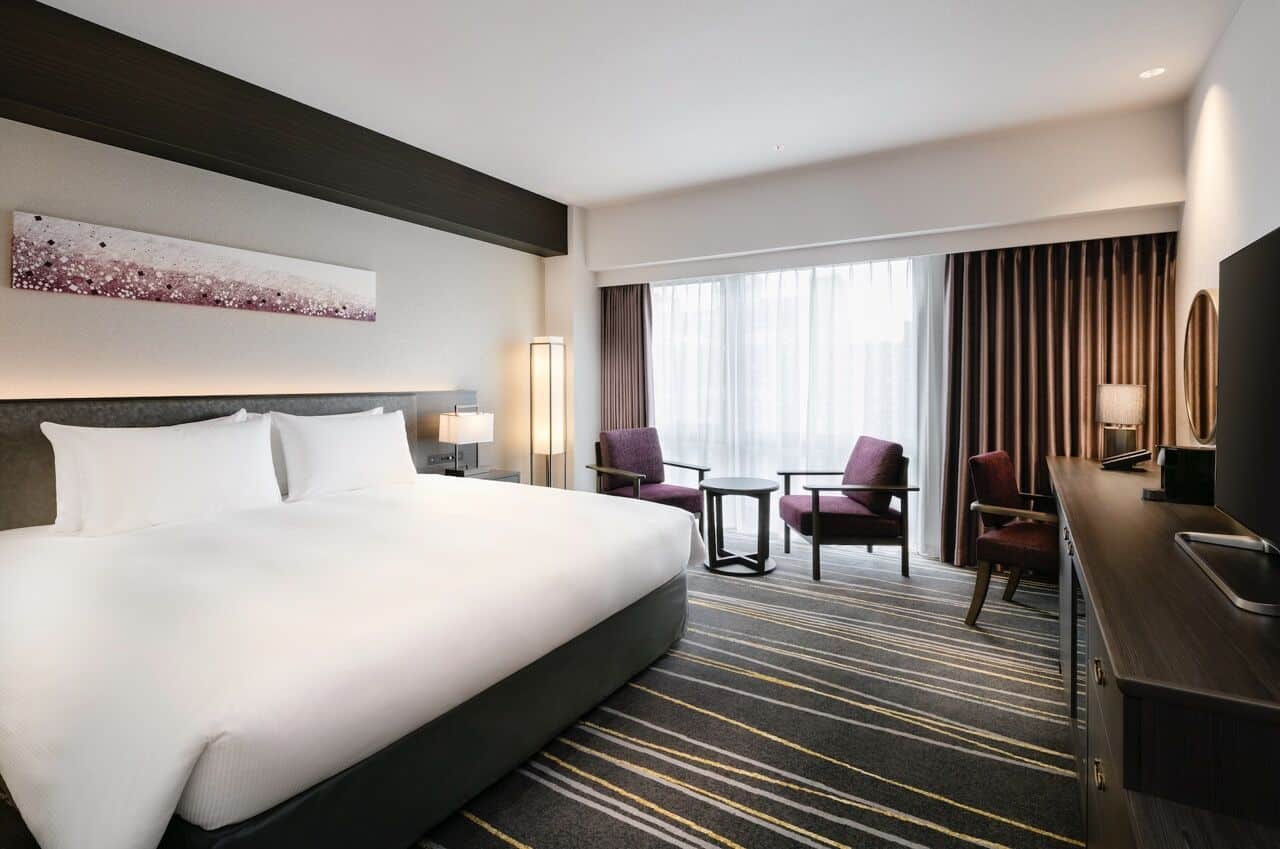
Sanjusangendo is east of Kyoto Station, about 10 minutes by city bus No. 100, 206 or 208. If you stay around Kyoto Station or Keihan Shichijo Station, you can reach the main hall as soon as it opens (8:30 from April to November 15, 9:00 from November 16 to March 31), and it also makes it easy to continue to Higashiyama and Fushimi.

FAQ
Q: How much is admission to Sanjusangendo?
Adults pay ¥600, junior high and high school students ¥400, and elementary school students ¥300; groups of 25 or more get ¥50 off per person. Tickets are sold only at the on-site ticket office. No reservation is needed, and there is no official online ticket.
Q: What is the easiest way to get to Sanjusangendo?
The fastest is the Keihan Main Line to Shichijo Station and a 7-minute walk, or city bus No. 100, 206 or 208 from Kyoto Station for about 10 minutes to the “Hakubutsukan Sanjusangendo-mae” stop.
Q: What are the opening hours of Sanjusangendo?
Summer (4/1-11/15) 08:30-17:00, winter 09:00-16:00, with last entry 30 minutes before closing.
Q: When is the best season to visit Sanjusangendo?
The scenery is loveliest during cherry blossom season in spring and autumn leaf season, but going on a weekday morning right at opening is the best way to avoid crowds.
Q: What are the rules about removing shoes at Sanjusangendo?
You must take off your shoes at the entrance to enter the main hall. The temple provides shoe racks and plastic bags, so we suggest bringing clean socks and wearing shoes that are easy to take on and off.
Q: Can I take photos at Sanjusangendo?
Photography and video recording are completely prohibited inside the main hall; you can only take souvenir photos in the outdoor garden and of the building’s exterior.
Q: When can I visit Sanjusangendo for free?
Admission is free for the public on the day of the Toshiya archery tournament in mid-January and on the March 3 Spring Peach Festival.
Sanjusangendo Guide 2026: The 1,001 Thousand-Armed Kannon Statues and Japan’s Longest Wooden Building. What Are the Must-See Highlights? A Walkthrough of Each Area
Sanjusangendo, officially the Rengeo-in Main Hall, stands in Kyoto’s Higashiyama district. At about 120 meters long, it is the longest wooden building in Japan, and it enshrines 1,001 National Treasure statues of the Thousand-Armed Kannon, making it well worth a half day of unhurried sightseeing.
Nearby Sights: Reachable on Foot or with One Bus Ride from Sanjusangendo
Within a 10-minute walk of Sanjusangendo you will find four temples and shrines: Yogen-in, Toyokuni Shrine, Hoko-ji and Chishaku-in. Add Kiyomizu-dera, Kennin-ji, Yasui Konpira-gu and Shosei-en, each 15 to 20 minutes away by bus or on foot, and you can build a half-day to full-day itinerary through southern Higashiyama. Here they are, organized by distance and admission fee:
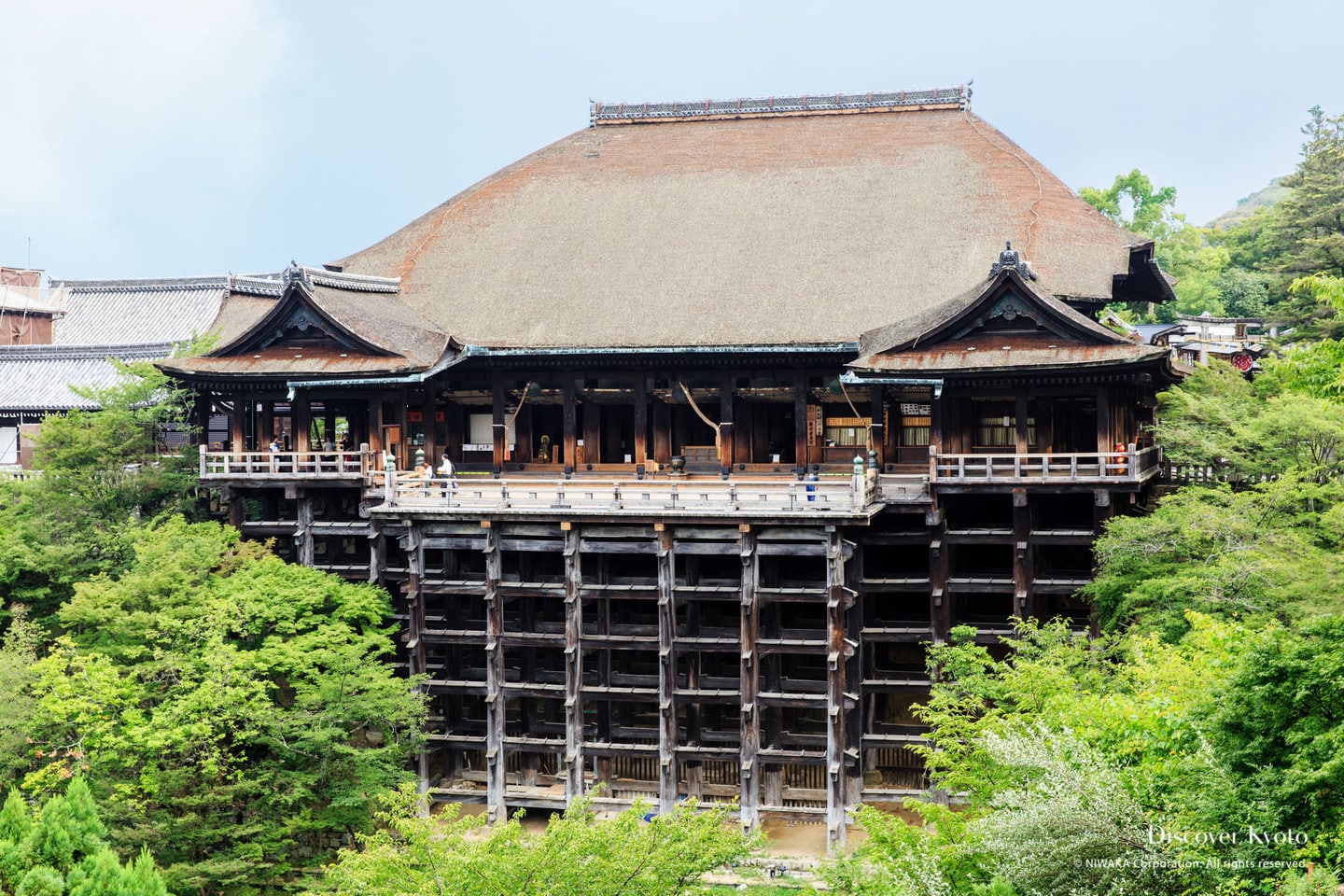
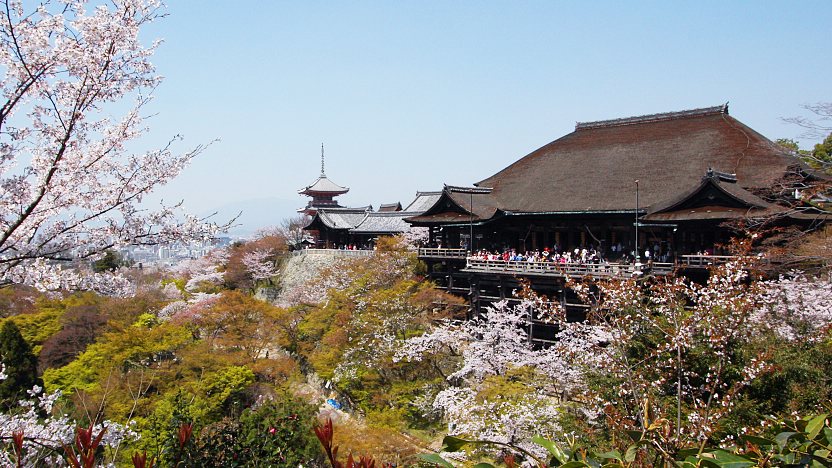
- Kiyomizu-dera: a little over 20 minutes by city bus or on foot; adult admission ¥500. The temple’s famous stage jutting out over the hillside and the three streams of the Otowa Waterfall; allow 1.5 hours.
- Yogen-in: a 3-minute walk; adult admission about ¥600. Known for the “blood ceiling” made from Fushimi Castle floorboards and the cedar-door paintings by Tawaraya Sotatsu; allow 20-30 minutes.
- Toyokuni Shrine: a 5-minute walk; treasure hall admission about ¥300 for adults. It enshrines Toyotomi Hideyoshi, and its Kara-mon gate is a National Treasure; allow 20-30 minutes.
- Hoko-ji: about a 5-minute walk; the temple bell can be viewed for free. This is the site of the “Kokka Ankō” bell inscription incident; allow 15-20 minutes.
- Chishaku-in: about a 10-minute walk; adult admission ¥500. National Treasure wall paintings by Hasegawa Tohaku and a garden in the style favored by Sen no Rikyu; allow 40-60 minutes.
- Kennin-ji: about a 15-minute walk or a bus transfer; adult admission ¥800. Kyoto’s oldest Zen temple, with the twin dragons painted on the Dharma Hall ceiling and the Daiyuen dry landscape garden; allow 1 hour.
- Yasui Konpira-gu: about 15 minutes by bus; free to visit. The “Enkiri Enmusubi” stone is said to cut bad ties and bind good ones; allow 20-30 minutes.
- Shosei-en (Kikoku-tei): about 15-20 minutes by bus or train; admission is by donation, with ¥500 suggested. A stroll-style pond garden; allow 30-40 minutes.

How to Get to Sanjusangendo: A Complete Guide to Transport and Costs
From Kyoto Station, take city bus No. 100, 206 or 208 to the “Hakubutsukan Sanjusangendo-mae” stop. The ride takes about 8 to 10 minutes, and the temple is just a 1-minute walk from the stop. You can also take the Keihan Main Line to Shichijo Station and walk about 7 minutes. The bus costs ¥230 one way and the Keihan Main Line ¥160, and both run frequently, so getting here is very convenient.
What Are the Must-See Highlights at Sanjusangendo? The National Treasure Main Hall and Thousand-Armed Kannon Explained
Sanjusangendo is officially called the “Rengeo-in Main Hall.” Located in Kyoto’s Higashiyama Ward, it is a National Treasure wooden building and the longest wooden building in the world. First-time visitors often focus only on photographing the Thousand-Armed Kannon and miss many details. Below are eight key highlights, from the main hall’s architecture and the groups of statues to the neighboring temples and museum, to help you plan a rewarding visit.
Sanjusangendo Main Hall (Rengeo-in Main Hall)
The main hall was built in 1164 and rebuilt in 1266. It is a National Treasure about 120 meters long, and it takes its name from the 33 bays formed by its 33 columns.
Address: 657 Sanjusangendo Mawari-cho, Higashiyama Ward, Kyoto. Hours: April 1 to November 15, 8:30-17:00; November 16 to March 31, 9:00-16:00. Last admission is 30 minutes before closing.
Admission: ¥600 for general visitors, ¥400 for junior high and high school students, ¥300 for elementary school students. The Kyoto National Museum is nearby, a 5-minute walk away, and requires a separate ticket.
What Is Rengeo-in? The Official Name and Origins of Sanjusangendo
Rengeo-in is the official temple name of Sanjusangendo. It belongs to the Tendai school and is located in Sanjusangendo Mawari-cho, Higashiyama Ward, Kyoto. In 1164 (the 2nd year of Chokan), Retired Emperor Go-Shirakawa had this hall built within his own palace grounds. It burned down about 80 years later and was then rebuilt by Retired Emperor Go-Saga. The main hall that stands today is a National Treasure rebuilt in the Kamakura period. The principal image inside is the seated Thousand-Armed Kannon, and the hall also houses 1,001 standing Thousand-Armed Kannon statues, the Twenty-Eight Guardian Deities and the statues of the wind god and thunder god, all of which are National Treasures.
Seated Thousand-Armed Kannon (Central Image)
The huge seated Thousand-Armed Kannon at the center of the hall stands about 335 cm tall. It was completed by the Kamakura-period master sculptor Tankei at the age of 82 and is a representative work of Japanese sculpture, designated a National Treasure. Its expression is solemn and compassionate, and after more than 700 years the grain of the carved wood is still clearly visible. For the best view, stand on the central axis directly facing the statue, where you can see the implements held in the Kannon’s hands and the delicate carving on the pedestal. We suggest pausing here for 5 to 10 minutes to take in its presence. Many worshippers press their palms together in prayer here, and visitors can also put their hands together and bow as a sign of respect for this religious space.
The 1,001 Standing Thousand-Armed Kannon Statues
On both sides of the central image stand 1,001 gold-leafed cypress statues of the Thousand-Armed Kannon, each about 165-166 cm tall and every one a National Treasure. This is the most striking sight at Sanjusangendo. It is said that each statue’s face, hair and robes differ slightly, so you are sure to find one that resembles someone you know, which is part of the fun for visitors. Walking slowly along the corridor, you can see them all in about 20-30 minutes.
The corridor is dimly lit and the statues are packed closely together. We recommend going on a weekday shortly after opening, when crowds are thin and you have plenty of time to examine the details and the condition of the gold leaf up close.
The Wind God, Thunder God and the Twenty-Eight Guardian Deities
In front of the Thousand-Armed Kannon stand statues of the wind god and thunder god, their exaggerated, lively poses making them early landmark examples of the Fujin-Raijin theme in Japan, which later inspired painters.
The Twenty-Eight Guardian Deities line both sides, including protective figures such as Naraen Kengo-o, the Kongo Rikishi and the Karura-o. Each has a different pose and expression, showing the realistic, dramatic tension of Kamakura-period sculpture, and they are a highlight of Buddhist art.
After viewing the Thousand-Armed Kannon, pay attention to the poses and implements of these 28 statues. To go deeper, you can buy a Chinese or English guidebook for about ¥500 at the entrance.
Toshiya and the Omato Taikai (Kyudo Experience and Traditional Event)
Each year on the Sunday around January 15 (the same day as the Yanagi no Ogaji ceremony), Sanjusangendo holds the “Omato Taikai.” It has its roots in “Toshiya,” an archery contest that Edo-period samurai held along the outer veranda of the main hall. Today about two thousand people from across Japan take part, and the sight of new adults competing in furisode kimono has become a New Year tradition in Kyoto. The grounds are open free of charge that day.
Even if you are not visiting during the event, you can still see the corridor used for the Toshiya contests outside the main hall, along with explanatory signs, and imagine this 120-meter veranda as the stage where samurai tested their archery and endurance.
Event dates are as announced under “Notices” on the official website each year.
Goshuin and Omamori Sales Counter
The goshuin counter at Sanjusangendo offers a “Daihi-den” goshuin for ¥500 each. Collectors are welcome to bring their own goshuin book or buy one on site.
The amulet counter sells omamori for relationships, good fortune, academic success and more, priced at about ¥800 to ¥1,000. Most designs feature the Thousand-Armed Kannon or lotus motifs, making them good souvenirs.
We recommend getting your goshuin and buying amulets at the counter near the exit after you have seen the main hall. This keeps the flow smooth and avoids backtracking and queues interfering with your visit.
Hojuji (Neighboring Temple)
Hojuji stands on the east side of Sanjusangendo and is an old Tendai temple. The “Hojuji-dono” palace of Retired Emperor Go-Shirakawa once stood around here, and Sanjusangendo was built in 1164 within that palace. It is a small, locally venerated temple, so please check on-site notices to see whether it is open to visitors. If you pass by after visiting Sanjusangendo, you can learn about this historical connection.
Kyoto National Museum (Nearby Attraction)
The Kyoto National Museum is directly across from Sanjusangendo, about a 3-5 minute walk. Its rich collection covers Buddhist art, paintings and archaeological artifacts.
The Meihin Gallery (permanent collection) costs ¥700 for adults and ¥350 for university students, and is free for high school students and younger. It is open 9:30-17:00 and closed on Mondays. During special exhibitions the Meihin Gallery is temporarily closed, and special exhibition tickets are priced separately.
We recommend scheduling Sanjusangendo and the Kyoto National Museum for the same morning or afternoon, since they are close together and easy to combine.
How Much Does a Visit to Sanjusangendo Cost? Admission, Tours and Nearby Experiences
Sanjusangendo is located at 657 Sanjusangendo Mawari-cho, Higashiyama Ward, Kyoto, close to the Kyoto National Museum and Toyokuni Shrine, and is one of the must-visit World Heritage sights in Kyoto’s Higashiyama area. To plan a trip that is both in-depth and good value, it helps to know the admission fees and also make use of guided tours and nearby combo tickets, which make the itinerary smoother and the experience richer. Below are practical notes on admission, recommended tours and nearby experiences to help you get the most out of a limited budget.
Sanjusangendo Admission Only
Admission is ¥600 for adults, ¥400 for high school students and ¥300 for elementary school students. Hours are 8:30-17:00 from 4/1 to 11/15 and 9:00-16:00 from 11/16 to 3/31. Tickets are bought on site.
Ticket notes:
Tickets are sold on site at the Fumon-kaku, with no reservations.
Groups of 25 or more pay ¥550/¥350/¥250.
Half price with a disability certificate; free for kindergarten teachers and pupils.
Free admission during the January Yanagi no Ogaji ceremony and the March Spring Peach Festival.
Shoes are not allowed inside; shoe lockers are provided.
Inside are 1,001 Thousand-Armed Kannon statues and the National Treasure seated statue; photography is prohibited. A visit takes about 40 minutes to 1 hour.
Close to the Kyoto National Museum and Toyokuni Shrine, so it suits a half-day itinerary.
Kyoto Regular Sightseeing Bus: Higashiyama Cultural Heritage Day Tour
Kyoto regular sightseeing bus tours (¥7,000-9,000, 6-8 hours) are run by Kyoto Bus or travel agencies and cover Sanjusangendo, Kiyomizu-dera and Kinkaku-ji, with admission fees and Chinese/Japanese guiding included. Professional guides explain the architectural features and religious meaning in depth, and describe the value of these National Treasures and World Heritage sites. There are no transfers, which suits seniors or families with children. We recommend booking through platforms such as KKday or Klook, and during peak season booking at least a week ahead. Before booking, please confirm that the tour language is English or Chinese.
Private Charter Day Tour of the Kyoto Higashiyama Area
A private charter is recommended for travelers with seniors, lots of luggage or a need for flexibility. A one-day (8-hour) tour of the Kyoto Higashiyama area costs about ¥25,000-35,000 (5-seat vehicle), and you can freely combine Sanjusangendo, Kiyomizu-dera, Fushimi Inari Taisha and other sights. Many charters offer Chinese-speaking drivers and save transfer time, which suits tight schedules; some plans let you add a kimono or matcha experience.
We recommend booking through KKday or a local charter company, and telling the driver to allow at least 1 hour at Sanjusangendo so you can appreciate the thousand Kannon statues.
Kyoto National Museum Combo Tickets and Nearby Packages
The Kyoto National Museum, across from Sanjusangendo, holds Japanese Buddhist art and National Treasures that echo the culture of Thousand-Armed Kannon worship. General exhibition admission is ¥700, special exhibitions are priced separately, and there is currently no combo ticket with Sanjusangendo, so you need to buy separate tickets.
Nearby Toyokuni Shrine and Hoko-ji are mostly free or charge only a token fee, so you can easily link them into a Higashiyama historical route. We recommend visiting the museum together with Sanjusangendo in the morning of the same day to avoid afternoon crowds, and checking the current exhibitions and ticket prices on the official website beforehand.
Where to Stay Nearby
Sanjusangendo is east of Kyoto Station, about 10 minutes by city bus No. 100, 206 or 208. If you stay around Kyoto Station or Keihan Shichijo Station, you can reach the main hall as soon as it opens (8:30 from April to November 15, 9:00 from November 16 to March 31), and it also makes it easy to continue to Higashiyama and Fushimi.
FAQ
Q: How much is admission to Sanjusangendo?
Adults pay ¥600, junior high and high school students ¥400, and elementary school students ¥300; groups of 25 or more get ¥50 off per person. Tickets are sold only at the on-site ticket office. No reservation is needed, and there is no official online ticket.
Q: What is the easiest way to get to Sanjusangendo?
The fastest is the Keihan Main Line to Shichijo Station and a 7-minute walk, or city bus No. 100, 206 or 208 from Kyoto Station for about 10 minutes to the “Hakubutsukan Sanjusangendo-mae” stop.
Q: What are the opening hours of Sanjusangendo?
Summer (4/1-11/15) 08:30-17:00, winter 09:00-16:00, with last entry 30 minutes before closing.
Q: When is the best season to visit Sanjusangendo?
The scenery is loveliest during cherry blossom season in spring and autumn leaf season, but going on a weekday morning right at opening is the best way to avoid crowds.
Q: What are the rules about removing shoes at Sanjusangendo?
You must take off your shoes at the entrance to enter the main hall. The temple provides shoe racks and plastic bags, so we suggest bringing clean socks and wearing shoes that are easy to take on and off.
Q: Can I take photos at Sanjusangendo?
Photography and video recording are completely prohibited inside the main hall; you can only take souvenir photos in the outdoor garden and of the building’s exterior.
Q: When can I visit Sanjusangendo for free?
Admission is free for the public on the day of the Toshiya archery tournament in mid-January and on the March 3 Spring Peach Festival.