
Tenryu-ji Temple Guide 2026: Sogenchi Garden’s Borrowed Scenery and Arashiyama’s World Heritage Sites Explained, Kyoto’s Foremost Zen Temple
Tenryu-ji, in Arashiyama, Kyoto, is a Zen temple founded in 1339 and a UNESCO World Heritage Site. Its Sogenchi Garden blends the Arashiyama scenery into the design through borrowed scenery, and deserves a relaxed half day.
Tenryu-ji: The World Heritage Zen Temple Ranked First Among Kyoto’s Five Great Zen Temples
Tenryu-ji was founded in 1339 by Ashikaga Takauji to console the spirit of Emperor Go-Daigo, with Muso Soseki invited as its founding abbot. As the head temple of the Tenryu-ji branch of the Rinzai school, it ranks first among the “Kyoto Gozan” (Five Great Zen Temples of Kyoto), and in 1994 it was inscribed as part of the World Heritage Site “Historic Monuments of Ancient Kyoto.” After repeated disasters, most of the surviving buildings date from the Meiji-era rebuilding, but the garden design has remained unchanged since the founding, preserving Zen aesthetics more than 700 years old.
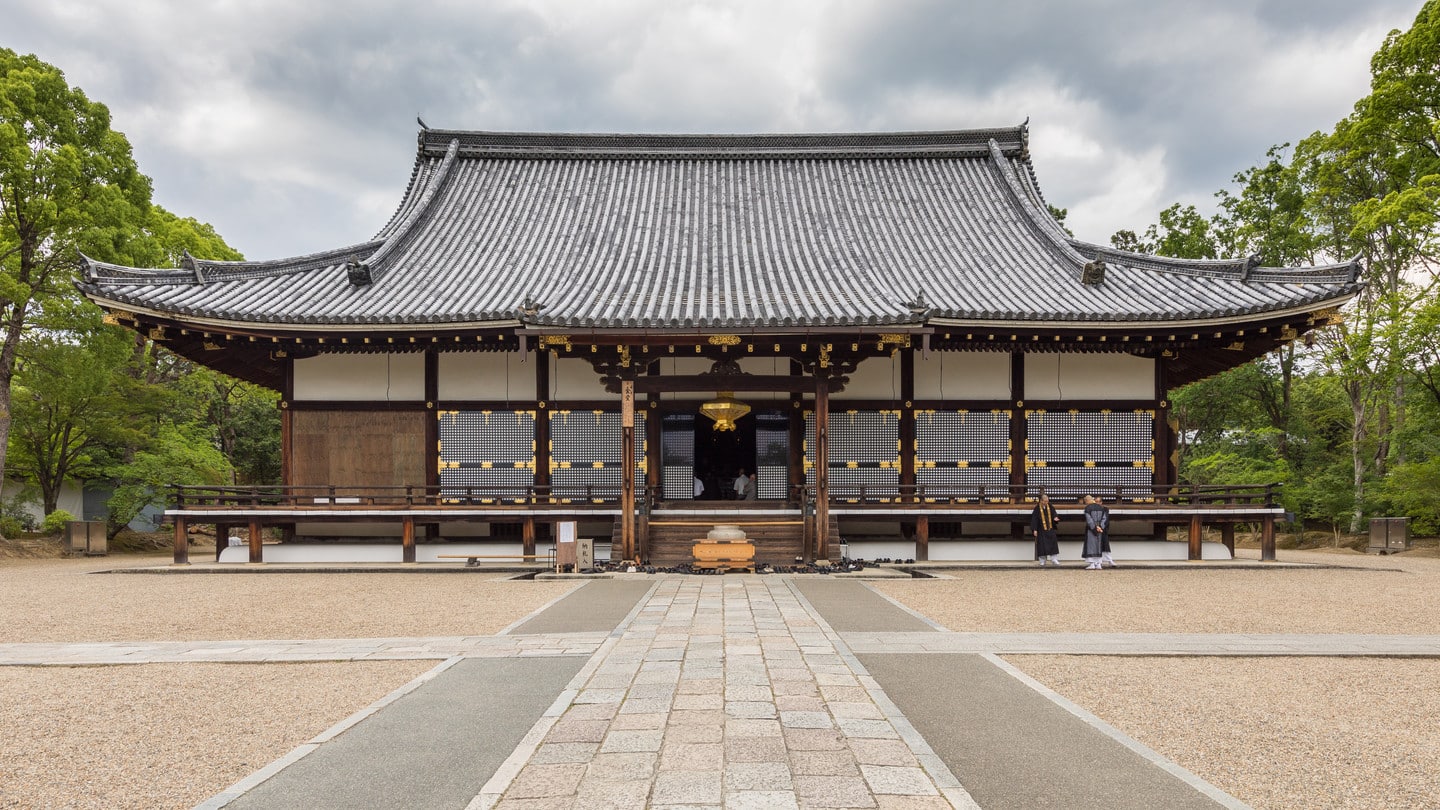
Although the grounds were reduced by the Meiji-era land confiscation order, the temple still keeps Sogenchi Garden, the Daihojo (main hall), the Hatto (dharma hall), the Tahoden and Hyakkaen, the highlights of an Arashiyama day trip.
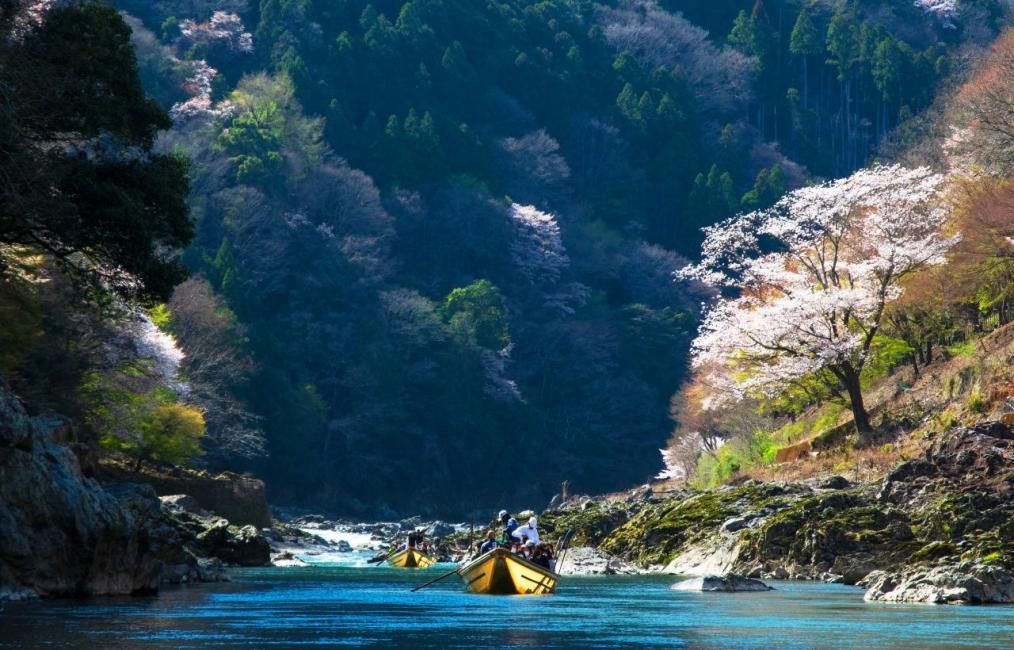

Sogenchi Garden: A Masterpiece of Borrowed Scenery and Japan’s First Special Place of Scenic Beauty
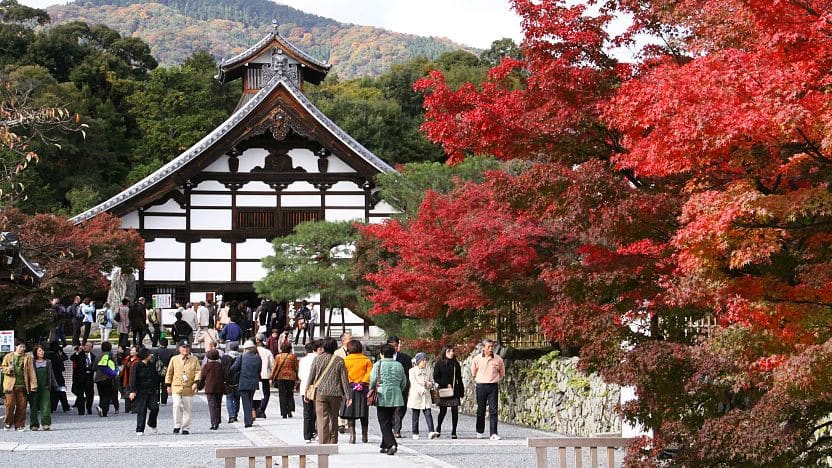
Sogenchi Garden was designed by Muso Soseki and was the first garden in Japan to be designated a “Special Historic Site and Place of Scenic Beauty.” It is a pond-strolling garden centered on Sogenchi Pond, using the “borrowed scenery” technique: the walls are kept low so that Arashiyama, Kameyama and Mt. Ogura become part of the view, creating the feel of a deep mountain valley, and it is a representative work of Japanese garden aesthetics.
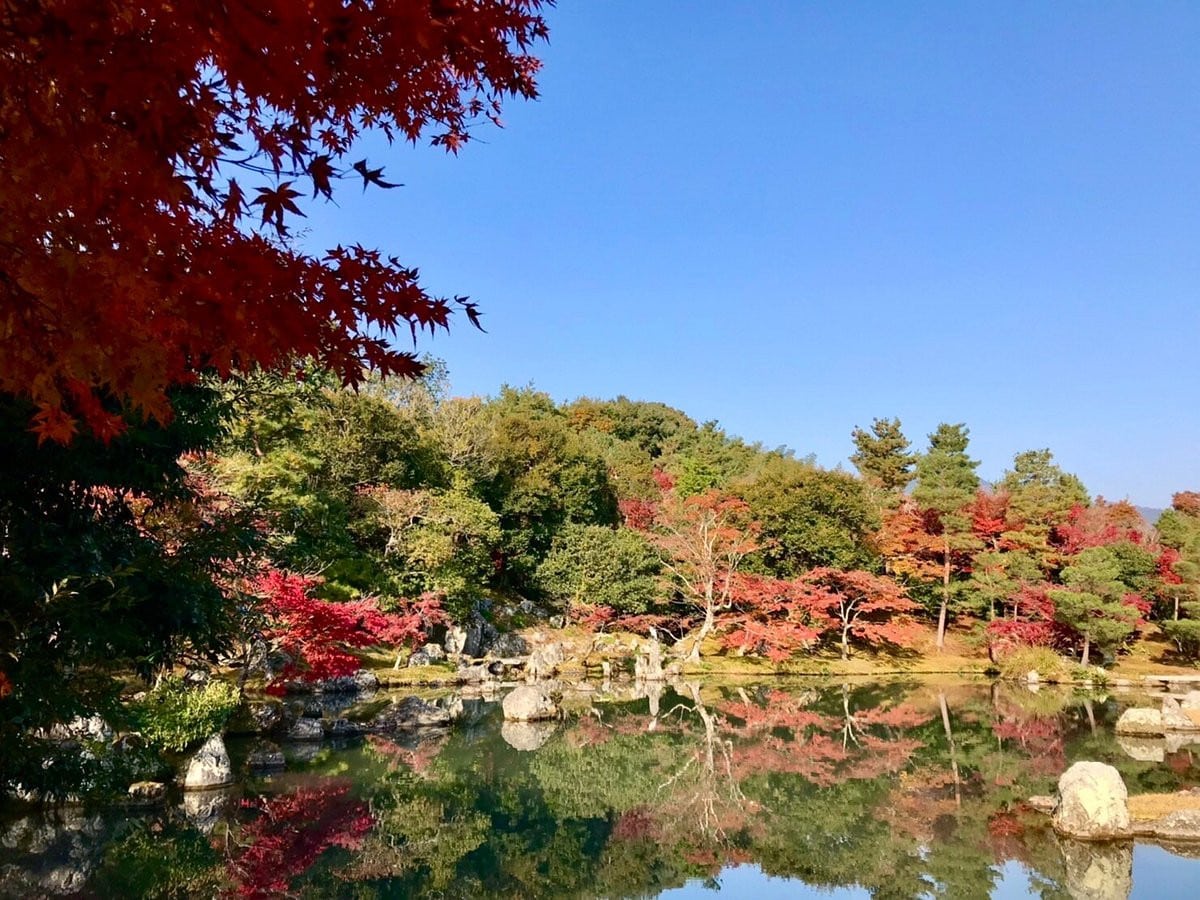
The Ryumon waterfall stones in the pond symbolize the carp leaping the dragon gate, representing the trials a Zen practitioner goes through to reach enlightenment. In the Daihojo, the eaves and wooden pillars frame the view like a picture frame, fixing the scenery of each season into a landscape painting, with spring cherry blossoms, summer greenery, autumn maples and winter snow each having their own charm.
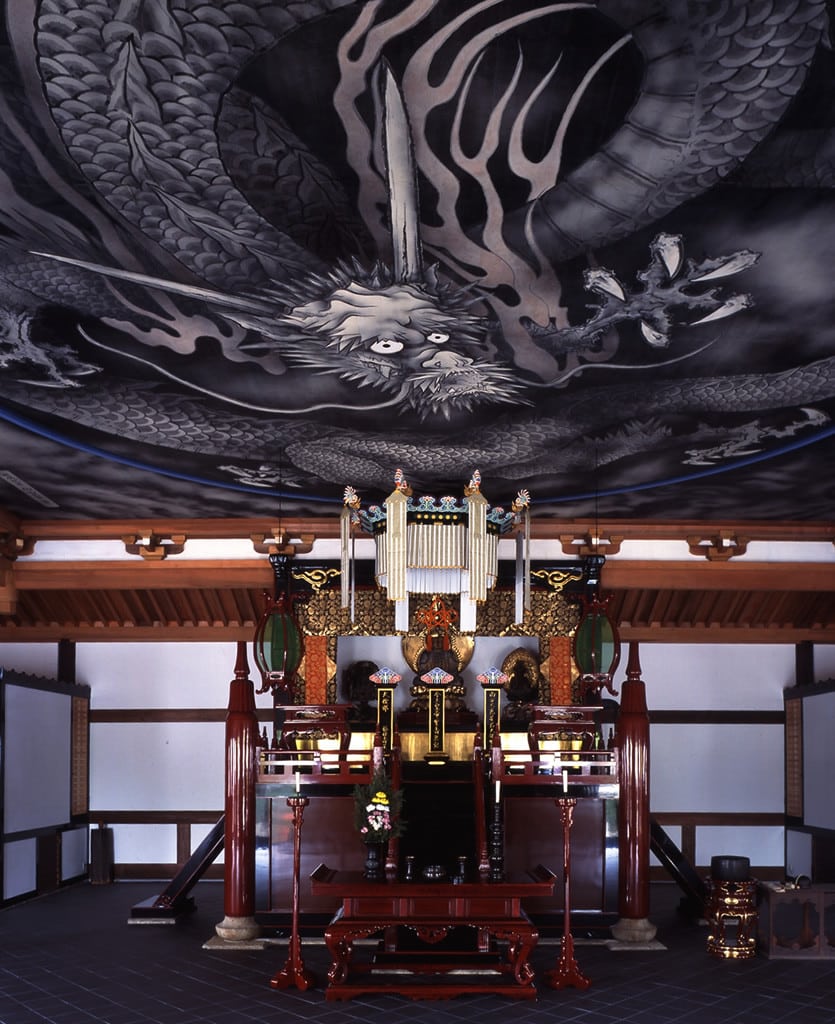
The Cloud Dragon and the All-Direction Glaring Dragon: Stunning Art on the Dharma Hall Ceiling
The ceiling of the Hatto is painted with the 9-meter-diameter “Cloud Dragon” (Unryu-zu), created in 1997 by the Japanese painter Matazo Kayama, replacing the damaged original. This “all-direction glaring dragon” (happo-nirami no ryu) seems to stare down at you from whatever angle you look up, an awe-inspiring effect and one of Tenryu-ji’s most talked-about sights.
The Cloud Dragon is open to view only on weekends, holidays and during specific periods, and photography inside the hall is prohibited. We suggest checking the current opening schedule before you visit so you don’t make a wasted trip.
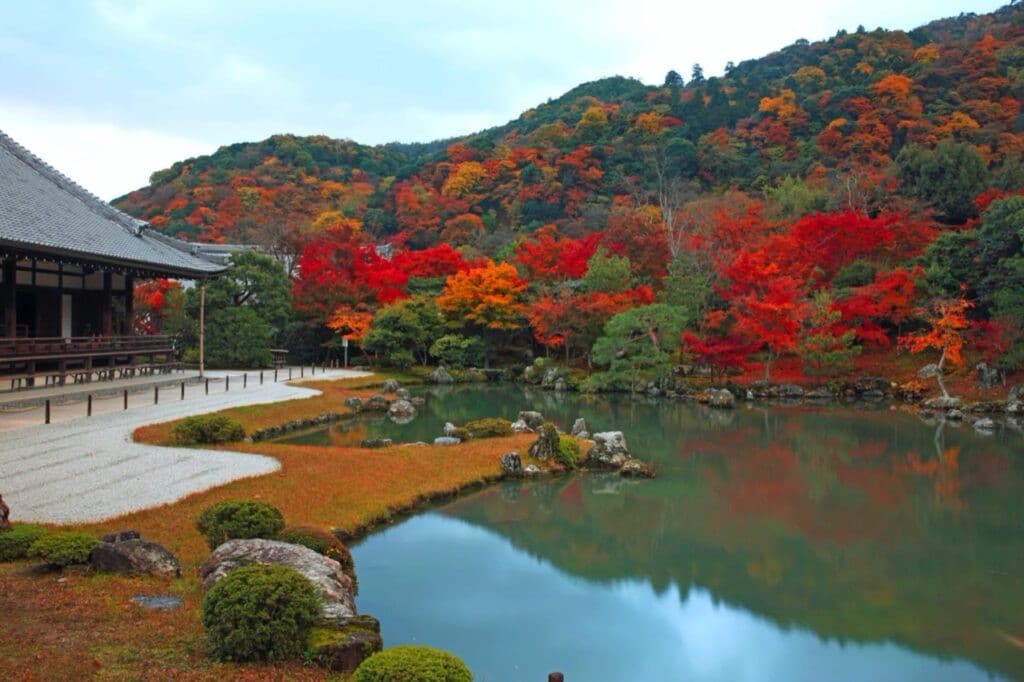
Daihojo and Hyakkaen: Living Spaces of Zen Aesthetics
The Daihojo is Tenryu-ji’s largest building and enshrines a seated statue of Shaka Nyorai (Shakyamuni Buddha). Visitors can sit on the floor and view Sogenchi Garden framed by the door pillars, experiencing the Zen aesthetic of “one scene, one picture.” Nearby Hyakkaen is planted with seasonal flowers and maple trees, especially brilliant in autumn, a quiet hidden spot for foliage viewing.
The Tahoden enshrines a statue of Emperor Go-Daigo and has a solemn atmosphere. We suggest allowing 1.5 to 2.5 hours to experience the full visiting route.
How to Get to Tenryu-ji: Complete Guide to Transport and Costs
To reach Tenryu-ji you can take the Randen, JR or Hankyu to Arashiyama Station and walk, or take a bus or drive. Arashiyama is congested in peak season, so public transport is the first choice.
How to Get to Tenryu-ji: Transport Options at a Glance
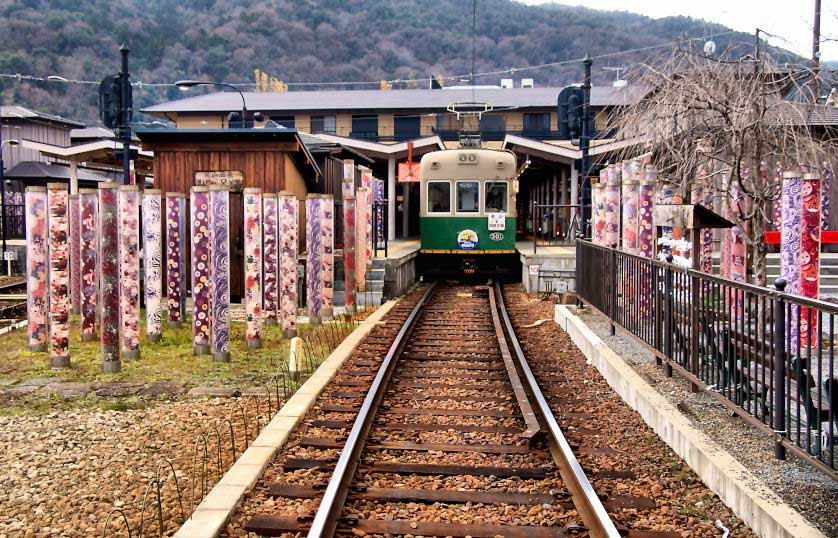
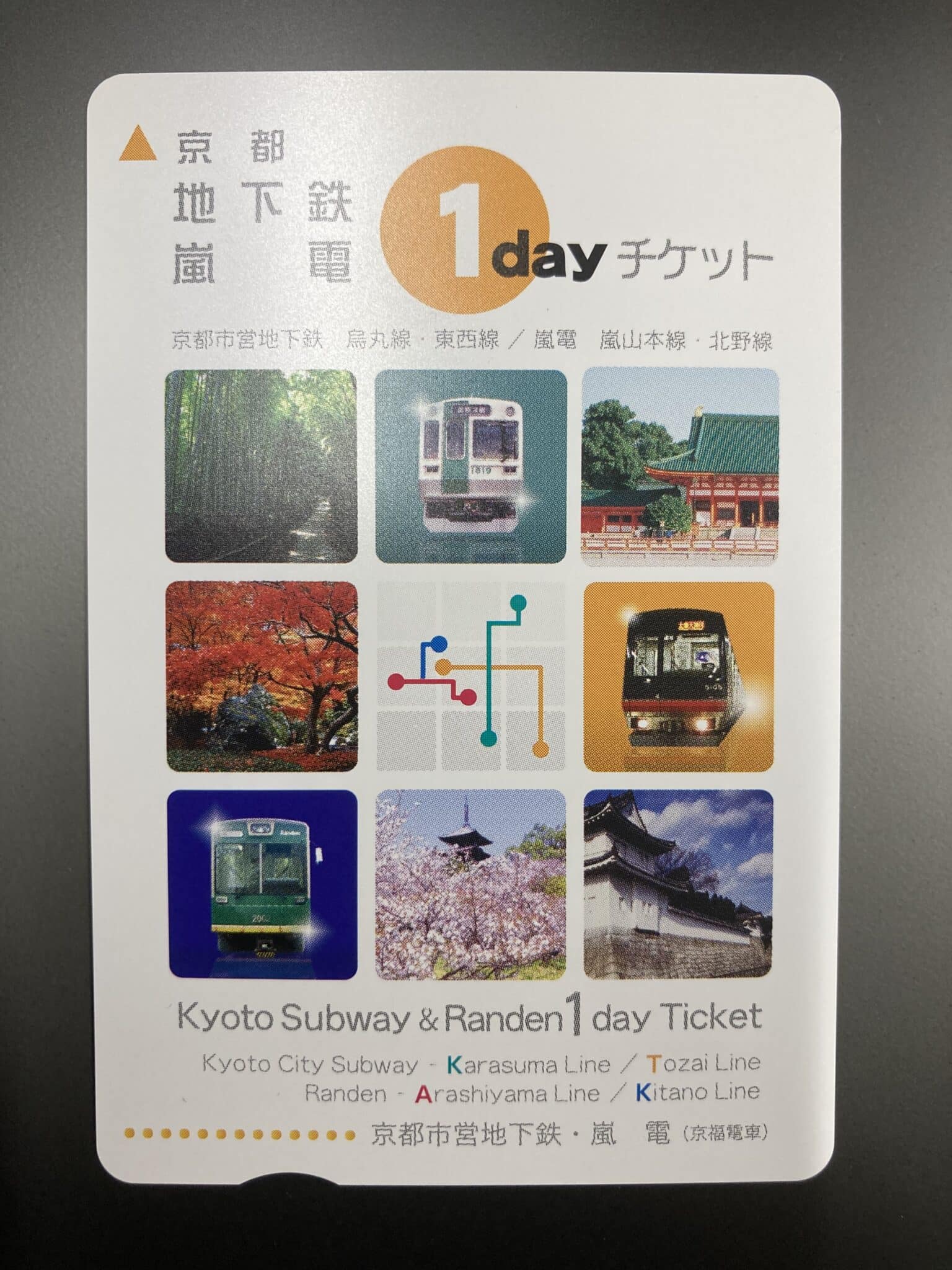
🚃 Randen (Keifuku Electric Railroad): Shijo-Omiya Station to Arashiyama Station takes about 24 minutes, ¥250 one way, and the terminus is right at the main gate.
🚄 JR Sagano Line: Kyoto Station to Saga-Arashiyama Station takes about 16-20 minutes, ¥240 one way, then about a 13-minute walk from the station.
🚈 Hankyu Arashiyama Line: from Osaka-Umeda, transfer at Katsura Station to Arashiyama Station, about 50-60 minutes and about ¥400 one way, then about a 15-minute walk via Togetsukyo Bridge.
🚌 Kyoto City Bus No. 11/28/93: to “Arashiyama Tenryuji-mae” stop, about 30-40 minutes and ¥230 one way.
🚗 Driving: the Tenryu-ji car park (100 spaces) charges ¥1,000 per car per visit. In peak season, public transport is preferable.


What to See Around Tenryu-ji: Highlights of Each Area and the Surroundings
Around Tenryu-ji are the best of Arashiyama’s World Heritage sites and temple clusters, ideal for a half-day to full-day in-depth stroll.
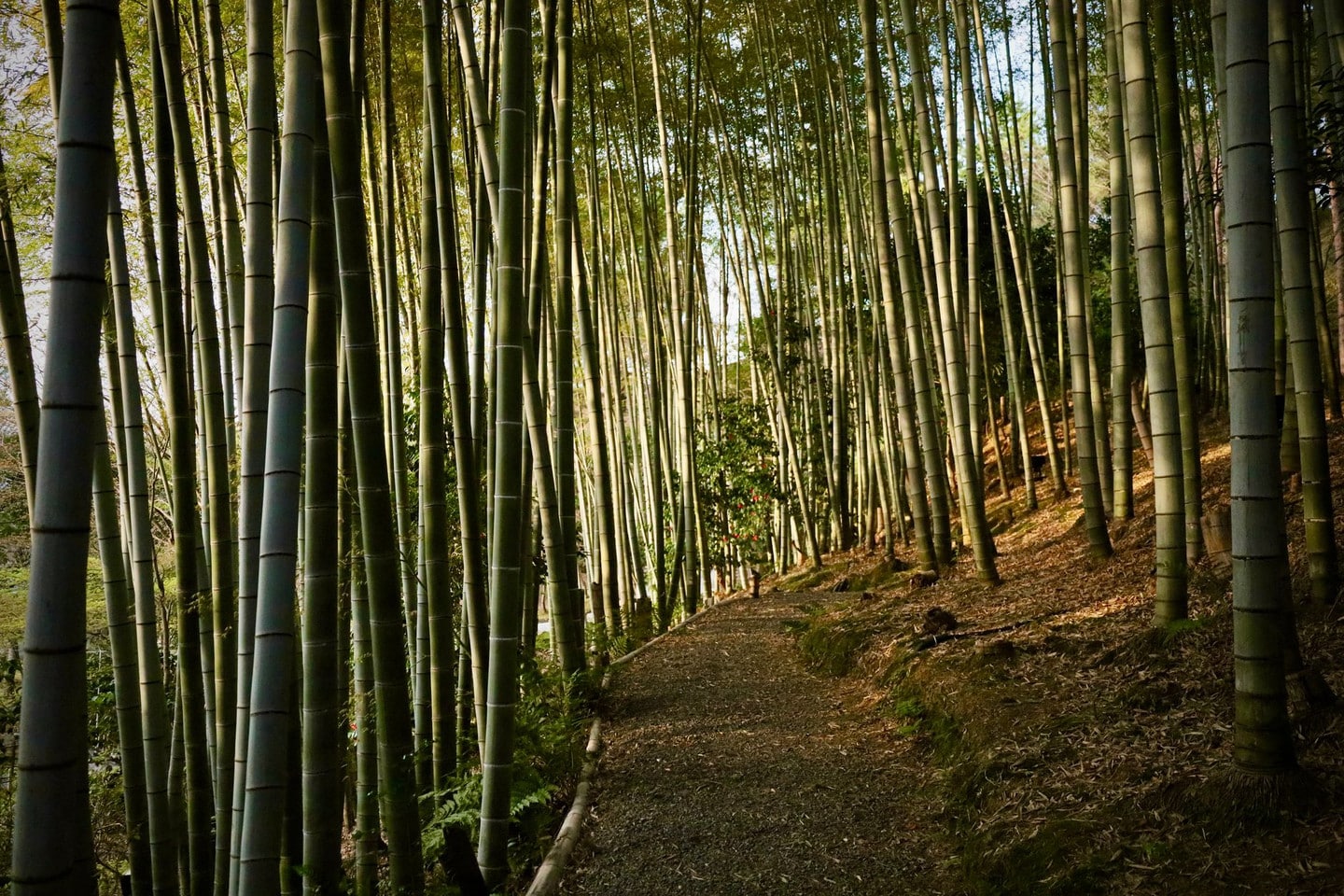
Sagano Bamboo Grove Path: A Green Tunnel of Light and Shadow
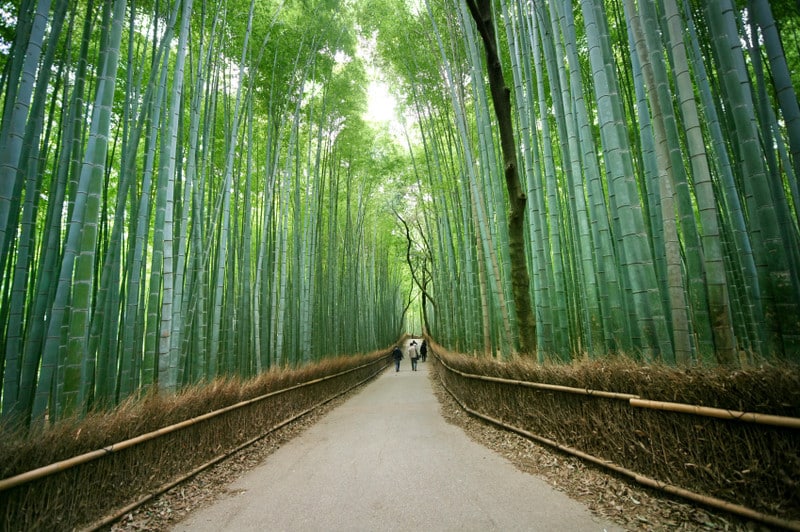
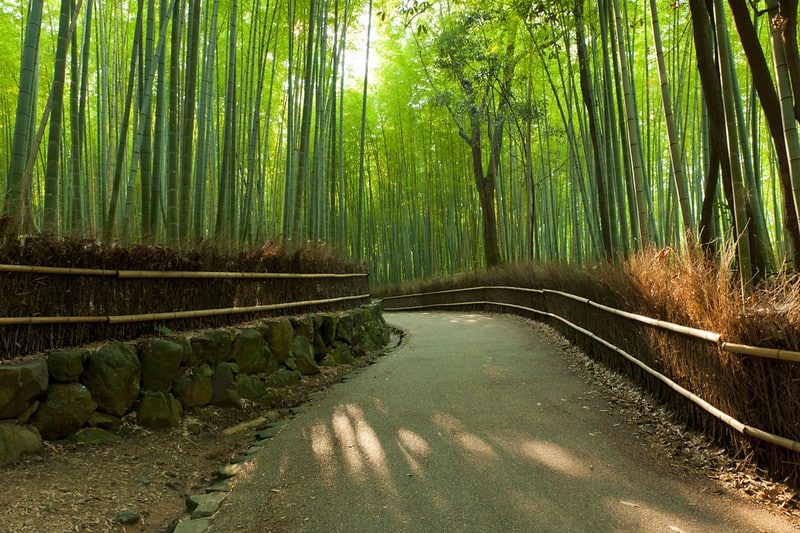
Leaving through Tenryu-ji’s north gate, you can walk directly on to the Sagano Bamboo Grove Path, Arashiyama’s most iconic photo spot. The tall bamboo creates dappled light as the sun filters through, and the leaves rustle in the breeze. It is listed by Japan’s Ministry of the Environment among the “100 Soundscapes of Japan,” and morning light is the softest and clearest, and also the time with the fewest photo-takers.
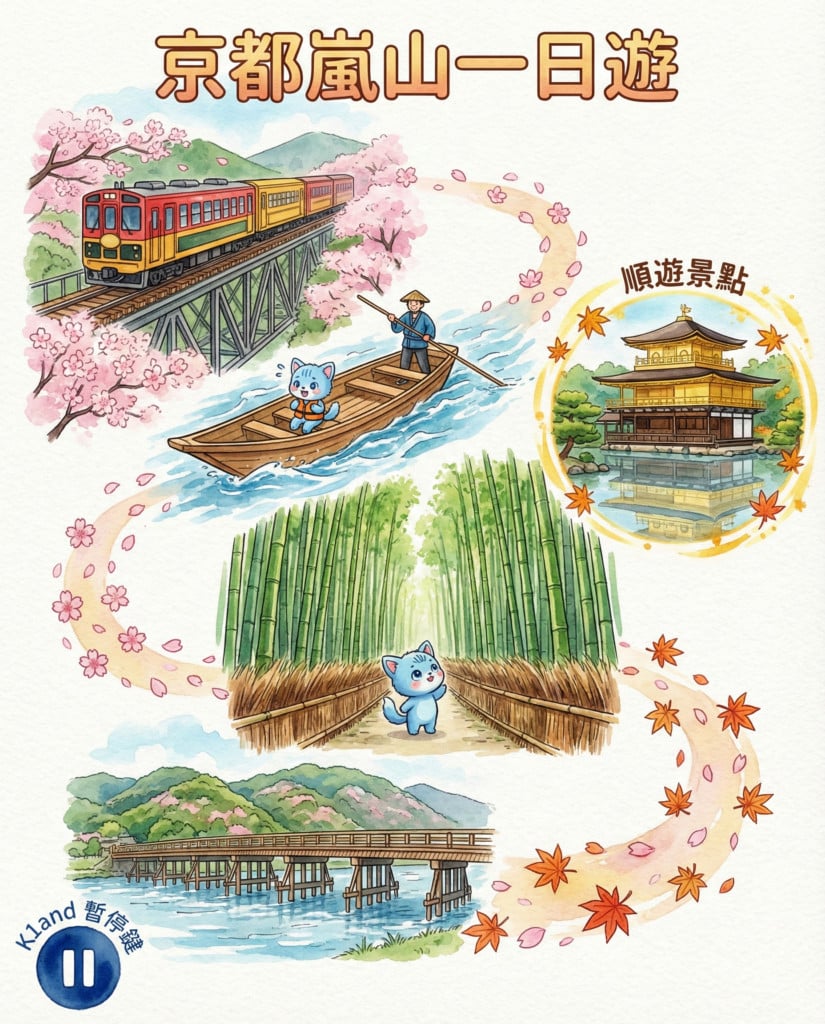
The path is about 400 meters long and takes about 10-15 minutes to walk, with Nonomiya Shrine on the way. It is open all year and free, and we suggest fitting it in after Tenryu-ji on the way to Togetsukyo Bridge, forming a complete Arashiyama walking route.

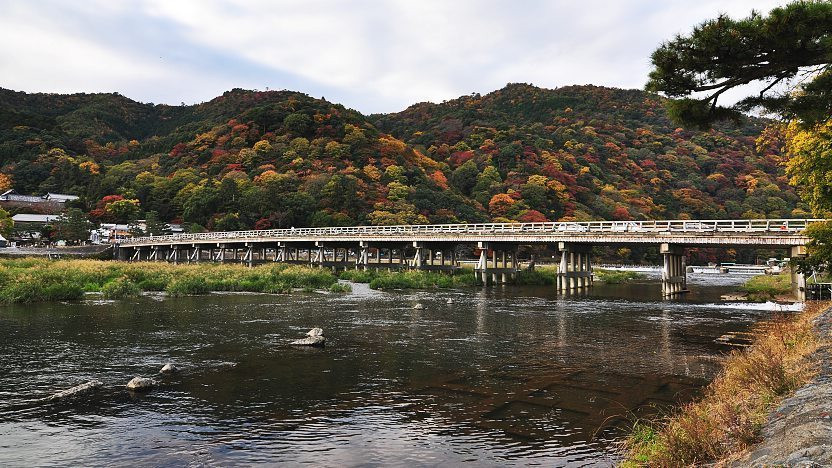
Togetsukyo Bridge: Arashiyama’s Landmark Spanning the Oi River
Togetsukyo Bridge is Arashiyama’s most symbolic landmark, spanning the Oi River (Katsura River). The name is said to come from Emperor Kameyama in the Heian period, who marveled that the moon seemed to move across the bridge. The bridge is about 155 meters long, with the Arashiyama peaks as a backdrop, and looks different in every season, with spring cherry blossoms and autumn foliage reflected beside it, a classic photo for visitors.
The bridge itself is free to cross and open all year. Beside it are several tea houses and boat rentals, where you can take a yakatabune boat to see the Oi River scenery. We suggest going around dusk, when the bridge in the setting sun has a special poetry, and it is also a popular spot on social media.
Nonomiya Shrine: An Ancient Shrine in the Bamboo Grove for Love and Safe Travel Prayers
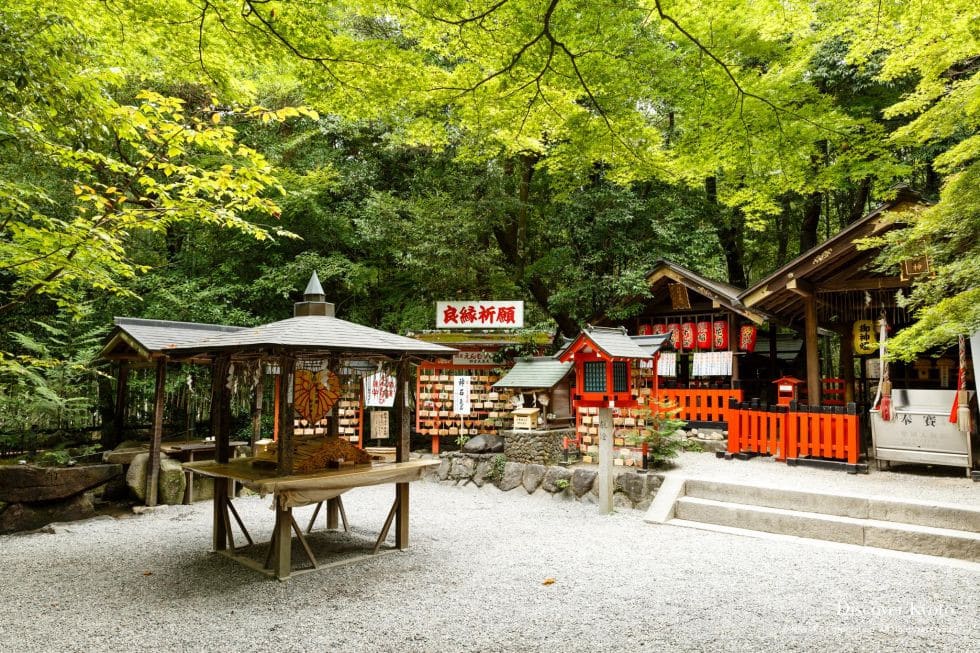
Nonomiya Shrine stands beside the Bamboo Grove Path and is an ancient shrine mentioned in The Tale of Genji. It enshrines the Nonomiya deity and is known for blessings of good matches and safe travels. The kuroki torii gate at the entrance preserves the original Heian-period form, a rarity in Kyoto. The shrine’s love-match charms and traffic-safety charms are popular.
The shrine is open all year and visiting is free. We suggest combining it with the Bamboo Grove Path, a walk of only 5 minutes. Although the grounds are small, they are full of rustic spirit, and you can buy a goshuin stamp as a souvenir, a spiritual stop well worth making on an Arashiyama trip.
Okochi Sanso Garden: A Film Star’s Private Villa and Its Views
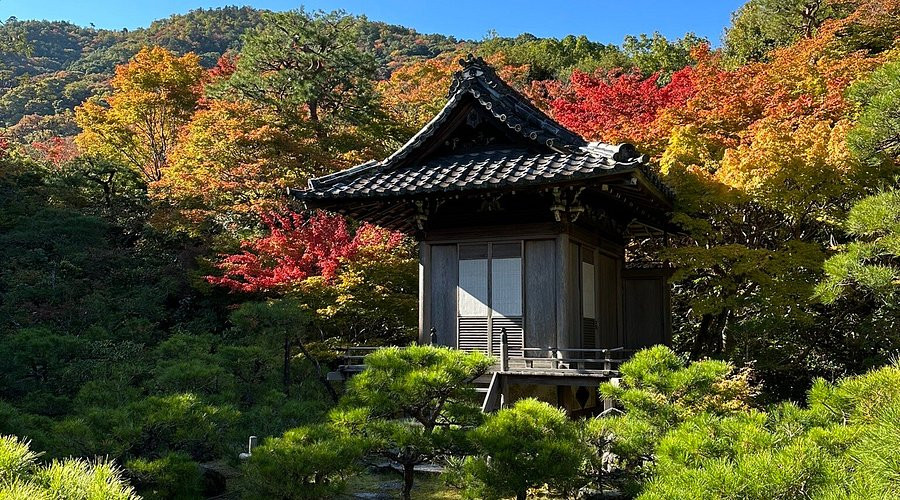
Okochi Sanso was built over more than 30 years by the Showa-era film actor Denjiro Okochi. The garden is built on the hillside with views of the Arashiyama peaks and Kyoto city, one of the most open private gardens in Arashiyama. Tea houses and pavilions are scattered through the grounds with lovely seasonal flowers and trees, and admission includes matcha and a sweet.
Admission is ¥1,000 for adults, open 9:00-17:00 (last entry 16:30), about a 10-minute walk from the Bamboo Grove Path, and the whole garden takes about 30-40 minutes. It suits travelers who enjoy quiet mountain views and garden art.
Kameyama Park: A Spectacular View of the Hozu River Gorge from Arashiyama’s Highest Point
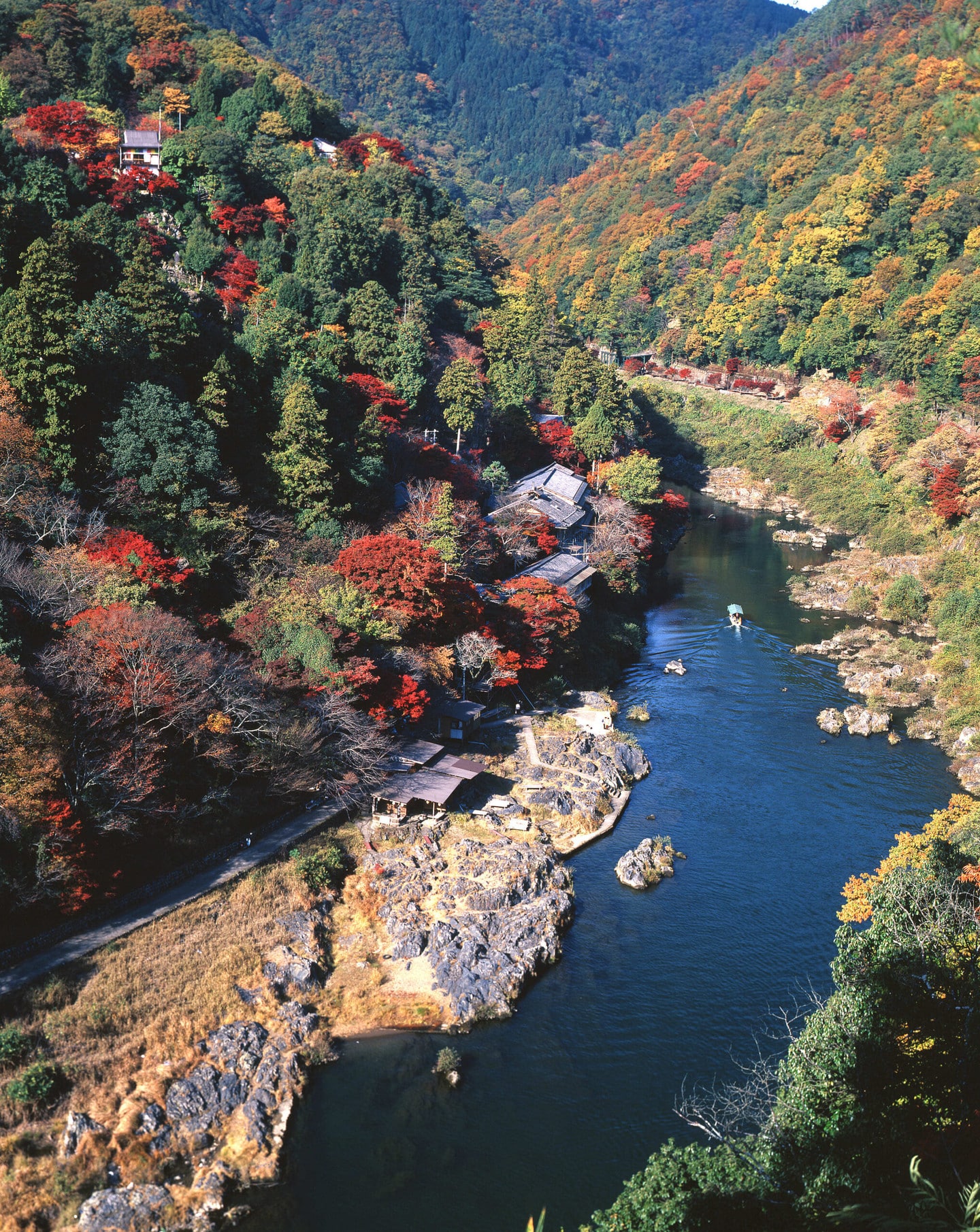
Kameyama Park is above Okochi Sanso and is the highest viewpoint in the Arashiyama area, overlooking the Hozu River gorge winding among the mountains. On a clear day the view is excellent, and it is the best place to enjoy the scenery of the Sagano and Hozukyo area. The park has a poem monument commemorating Premier Zhou Enlai, a witness to the history of Sino-Japanese cultural exchange.
The park is open all year and free to enter. The path has some ups and downs, so wear comfortable shoes. A round trip on foot takes about 30 minutes, and it fits nicely between the Bamboo Grove Path and Okochi Sanso, a quiet spot with relatively few visitors among the well-known sights.
Hogon-in: A Hidden Gem with the Autumn “Shishiku-no-niwa” Garden
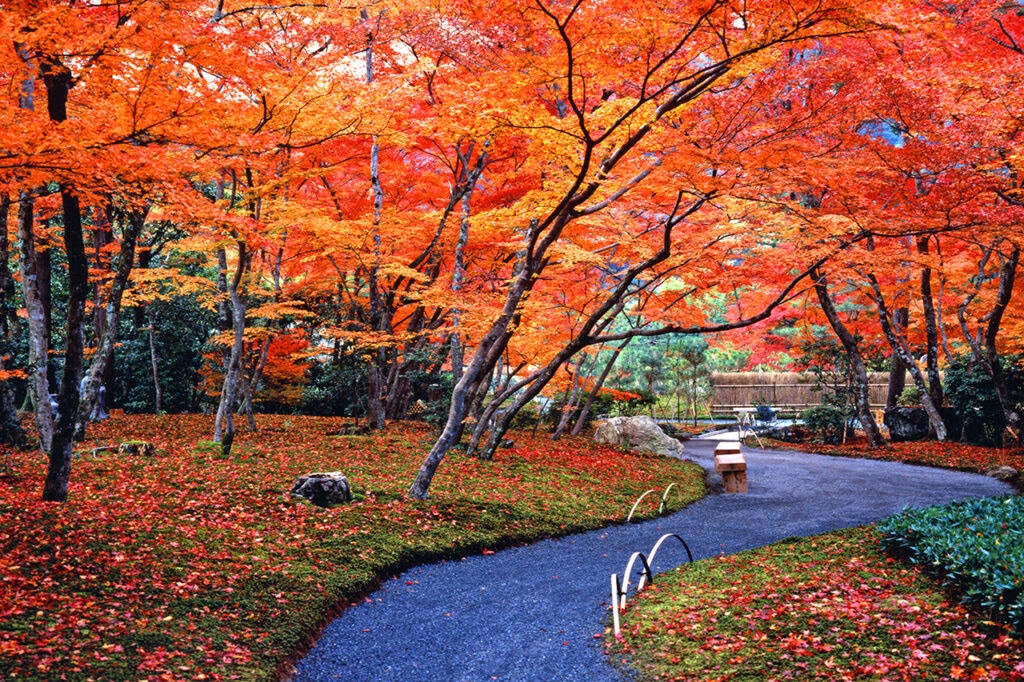
Hogon-in is one of Tenryu-ji’s sub-temples. Its “Shishiku-no-niwa” (Lion’s Roar Garden) is known for its dry landscape combined with a grove of maples, a hidden autumn foliage spot in Arashiyama. It has fewer visitors than Tenryu-ji itself, so you can enjoy the garden more leisurely. The design blends pond-strolling and dry-landscape elements, and the lion’s roar symbolizes the teachings of Buddhist law.
It is open only during special viewing periods (October 3 to December 6 in autumn 2026). For admission and hours, rely on Hogon-in’s official website announcements. It is only a 3-minute walk from Tenryu-ji.
Jojakko-ji: An Autumn Foliage Temple Hidden in the Bamboo
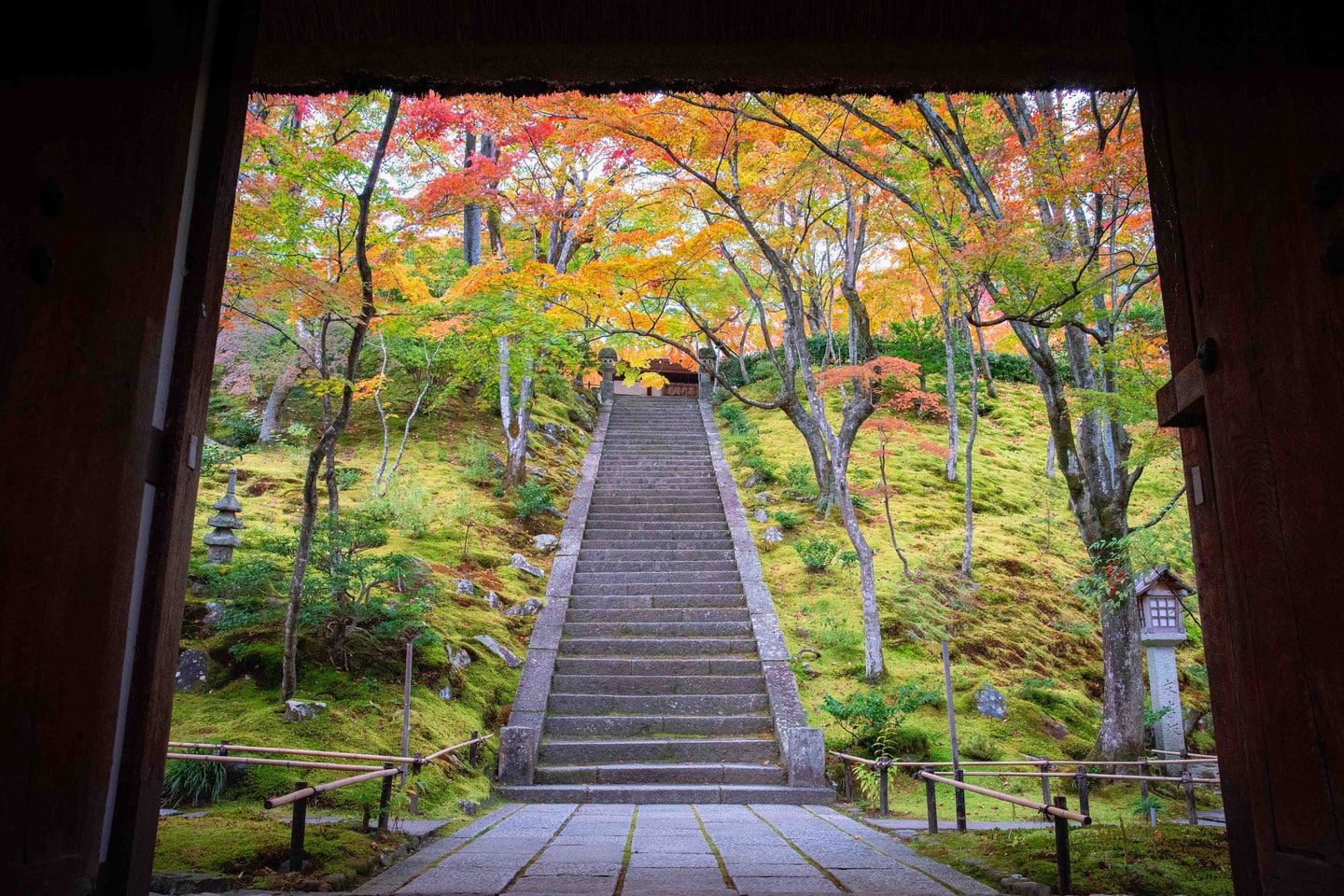
Jojakko-ji sits on the slope of Mt. Ogura and is known for its thatched-roof Niomon gate and the maple colors among its layered stone steps, recognized by Arashiyama photography enthusiasts as one of the area’s autumn foliage holy places. The temple’s name comes from the Buddhist “Jojakko-do” (Land of Eternal Tranquil Light), symbolizing the ideal pure land where the Buddha dwells, and its pagoda looks out over the Sagano countryside.
Admission is ¥600 for adults, open 9:00-17:00 (last entry 16:30), and it takes about 15-20 minutes on foot from Tenryu-ji, passing historic sites such as Rakushisha along the way. We suggest linking it with Nison-in and Gio-ji for a half-day tour of the temples at the foot of Mt. Ogura.
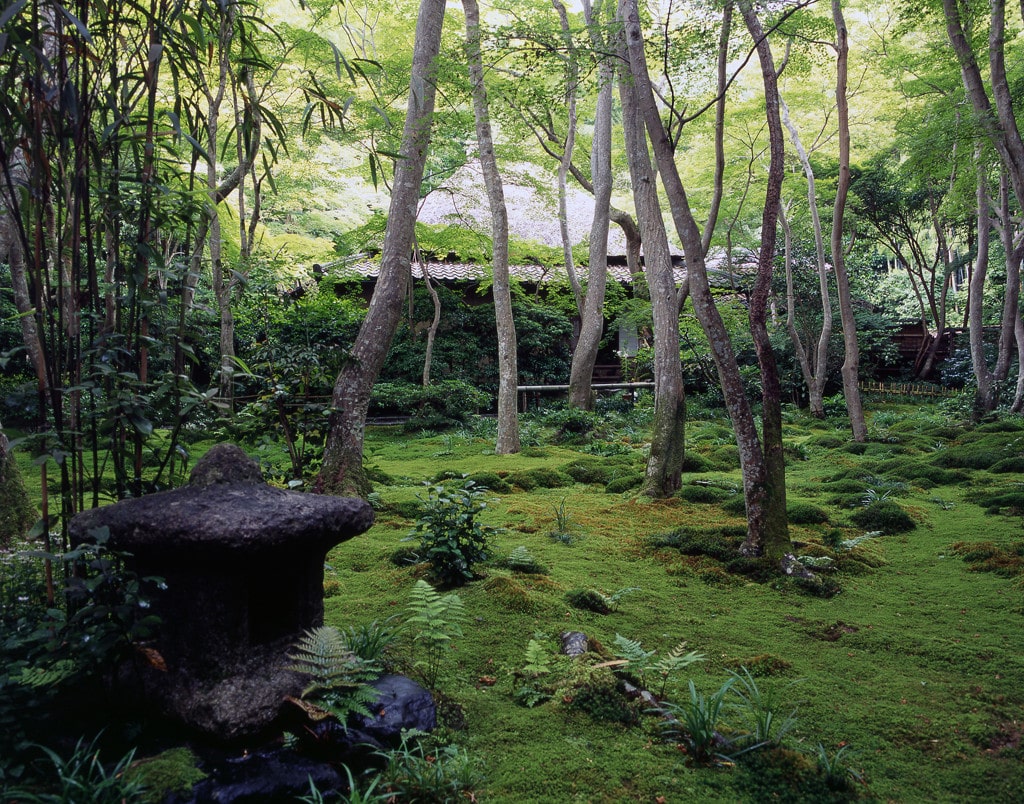
Gio-ji: A Moss Garden and the Tragic Love Story from the Tale of the Heike
Gio-ji is a nunnery linked to the tragic love story of the shirabyoshi dancer Gio in the Tale of the Heike. Its grounds are covered with moss and maples, and the thatched-hermitage-style building is quiet and deep, a strong contrast to bustling Tenryu-ji and a personal favorite of travelers who like a tranquil atmosphere. The garden is small, but it is a representative work among Arashiyama’s moss gardens.
Admission is ¥500 for adults, open from 9:00 with last entry at 16:30, and it is about a 20-minute walk from Tenryu-ji. We suggest visiting at the end of a Sagano day trip to feel the shift from bustle to stillness, a hidden gem not to be missed on an in-depth Arashiyama itinerary.
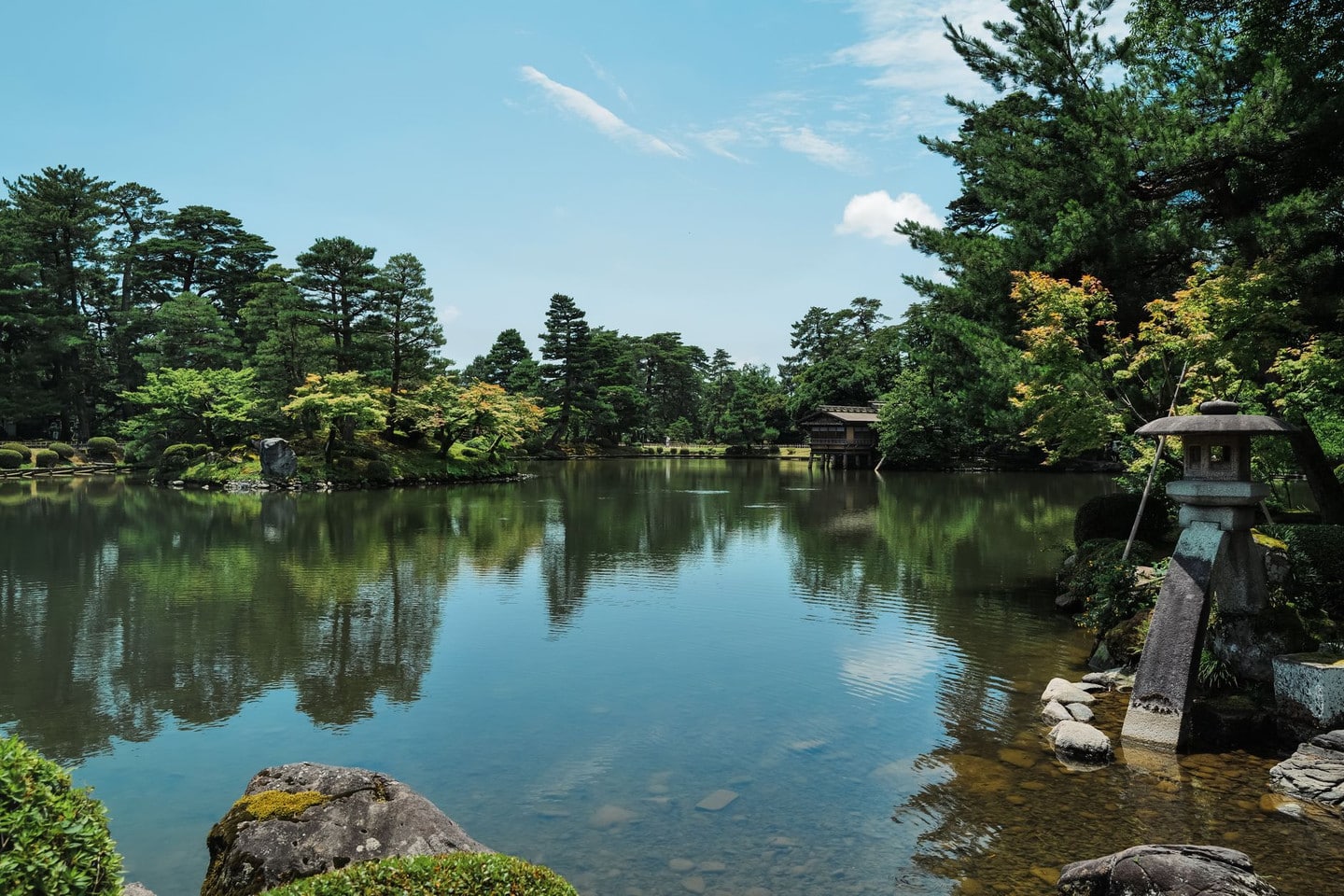
Arashiyama Yusaitei: A Mirror-Like Autumn Gallery on the Oi River
Yusaitei is an exhibition space converted by the textile artist Yusai Okuda from a building about 150 years old, formerly a ryotei restaurant, where Yasunari Kawabata is said to have written The Sound of the Mountain. The tatami room facing the Oi River has a round window, and maple red and the light of the sky are reflected on the low table, creating a vertically symmetrical mirror view.
Yusaitei is by reservation only, with an admission fee of about ¥2,000, open 10:00-17:00 and closed on Thursdays. Please book in advance through the official website. It is about a 10-minute walk from Randen Arashiyama Station.
What Does It Cost? Ticket Types and Recommended Guided Tours for Tenryu-ji
Tenryu-ji is in the Arashiyama area of Kyoto, the first of Kyoto’s Five Great Zen Temples and a UNESCO World Heritage Site. Its grounds are known for the “borrowed scenery” aesthetic of Sogenchi Garden, which cleverly blends the Arashiyama and Kameyama scenery behind it into a pond-strolling garden, looking different in every season. Before visiting Tenryu-ji, it helps to understand the ticket combinations and guide options so that you can plan the best-value and most in-depth trip for your time and budget. Below are four common ways to visit, from free-form worship to professional guides and private charters, so you can choose the Arashiyama World Heritage trip that suits you best.
Tenryu-ji Garden + Daihojo Admission: The Basic Introduction to Sogenchi’s Borrowed Scenery
Tickets come in two types, “garden” and “garden + halls (Daihojo, Shoin, Tahoden)”: the garden ticket is ¥500 for high school students and above, ¥300 for elementary and junior high students, and free for preschool children. Adding the halls costs another ¥300, and the Cloud Dragon in the Hatto costs another ¥500. The garden is open 8:30 to 17:00 (last entry 16:50), all year.
The halls are not open every day: they are open daily during the special spring, early-summer and autumn opening periods, and otherwise only on Saturdays, Sundays and national holidays. Check the opening schedule on Tenryu-ji’s official website before you go.
Tenryu-ji Special Early-Morning Viewing: Opens at 7:30 from November 14 to 30, 2026
Tenryu-ji’s special early-morning viewing period in 2026 is from November 14 to November 30, opening at 7:30, with only the garden open. The usual garden hours are 8:30 to 17:00 (last entry 16:50). If you want to avoid the crowds and see Sogenchi Garden in the morning light, you can choose this period in autumn.
Arashiyama Bamboo Grove Path + Tenryu-ji Half-Day Chinese-Language Guided Tour: In-Depth Commentary on World Heritage History
To learn more about Tenryu-ji’s historical background and garden design philosophy, you can book a half-day Chinese-language Arashiyama tour on KKday or Klook. Content and duration follow each tour’s description, and usually include guide commentary and a visit to Tenryu-ji.
The guide explains how Muso Soseki designed Sogenchi Garden, the historical background of Ashikaga Takauji’s founding of the temple, and Tenryu-ji’s repeated burnings and rebuildings, helping visitors understand the Zen thought behind each element of the landscape.
Suited to first-time visitors who are interested in history and culture and worried about the language barrier.
Arashiyama Full-Day Private Charter: Tenryu-ji, Sagano and the Hozu River Boat Together
A full-day private charter in Arashiyama is very popular. The 6-hour option can be shared by 3 to 4 people, with the price depending on the vehicle and operator, usually including the driver, vehicle and tolls but not admission or meals.
The itinerary can link Tenryu-ji, the Sagano Bamboo Grove, Jojakko-ji, Nison-in and the Hozu River boat pier, saving bus transfers and queuing time, especially helpful when crowds are heavy in peak season.
It suits families with older relatives or young children, or travelers who want to collect Arashiyama’s World Heritage sights in one go, free of public transport limits and with flexible time at each stop.
Shojin Ryori in the Tenryu-ji Garden: Shigetsu’s Hours and Reservations
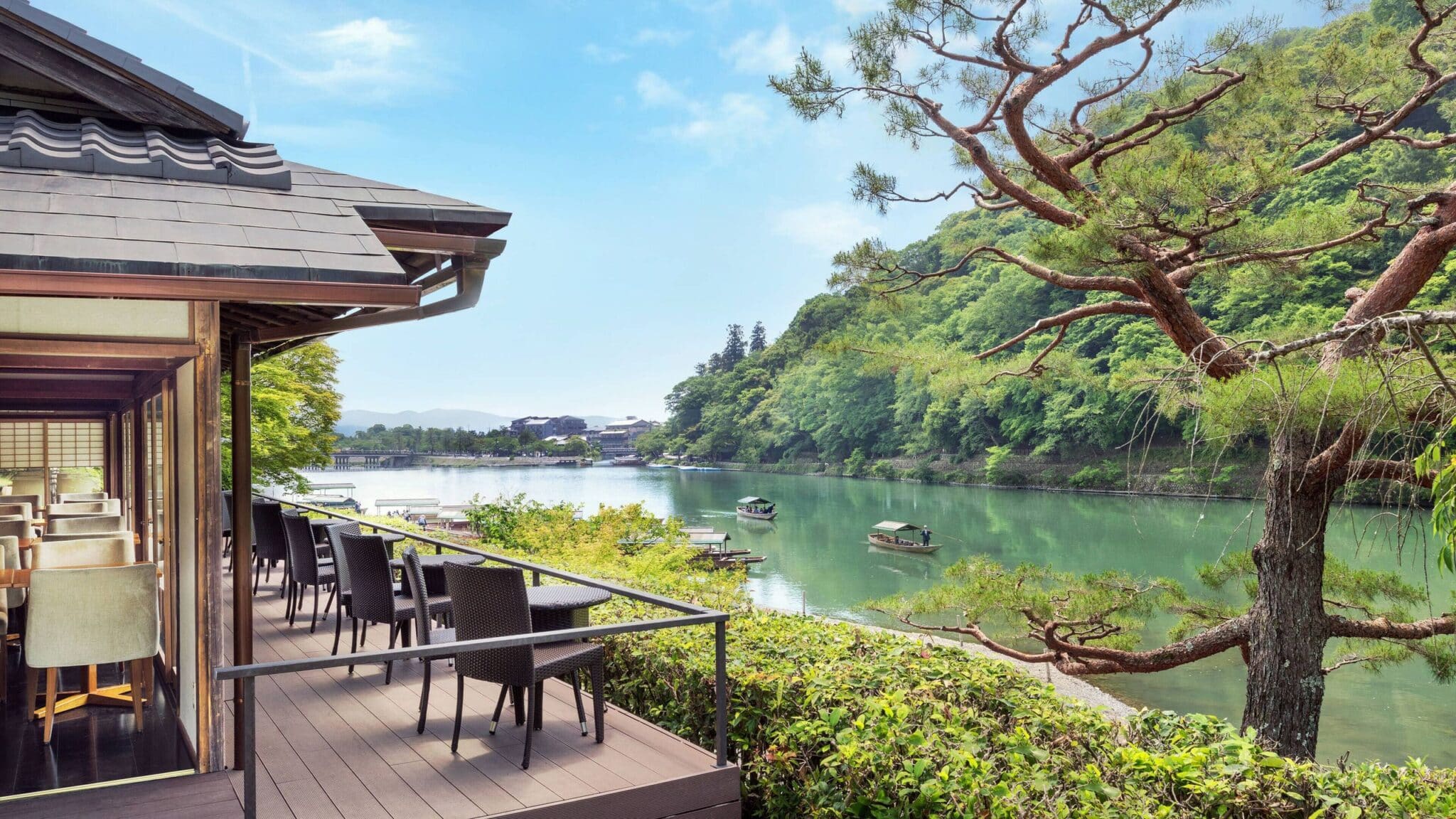
Tenryu-ji’s own shojin ryori (Buddhist vegetarian cuisine) restaurant “Shigetsu” is inside the garden, open from 11:00 to 14:00 and closed on Thursdays. Dining requires a separate garden admission ticket (¥500 for adults). The “Tsuki” and “Hana” set meals require a minimum of 2 people and a reservation the day before, with lunch starting from about ¥3,300; actual prices follow the restaurant’s announcements.
Where to Stay Nearby
Tenryu-ji’s garden opens at 8:30, with a special 7:30 early-morning viewing from November 14 to 30, 2026. If you stay near Arashiyama Station, you can walk to Tenryu-ji and Togetsukyo Bridge and also avoid the daytime peak crowds. Randen Arashiyama Station and JR Saga-Arashiyama Station are both within walking distance of Tenryu-ji, and it is easy to move into central Kyoto the next day.

FAQ
Here are the questions readers most often search about visiting Tenryu-ji. Knowing them before you go saves time figuring things out on site.
Q: How much is admission to Tenryu-ji?
Garden ticket: ¥500 for adults (high school and above), ¥300 for elementary and junior high students, free for preschool children. Halls cost an additional ¥300 and the Cloud Dragon in the Hatto an additional ¥500, and you can buy each part separately as needed.
Q: What time does Tenryu-ji close?
The garden is open 8:30-17:00 (last entry 16:50) and the halls 8:30-16:45 (last entry 16:30), all year round. The halls are closed during temple events.
Q: What is the easiest way to get to Tenryu-ji?
Take the Randen to “Arashiyama” Station and you are there as soon as you exit, or take the JR Sagano Line to “Saga-Arashiyama” Station and walk about 13 minutes. Neither requires a bus transfer.
Q: Which season is Tenryu-ji most beautiful?
Spring cherry blossoms and autumn foliage are the most spectacular, but also the most crowded. Winter snow is quiet and unique with fewer crowds, an advanced recommendation.
Q: When can I see the Cloud Dragon?
The Cloud Dragon is open only on Saturdays, Sundays, national holidays and during the daily spring and autumn opening periods, with an additional ¥500 viewing fee. Check Tenryu-ji’s official website for the current announcement before you go.
Q: What etiquette should I observe when visiting Tenryu-ji?
You must remove your shoes to enter the halls, so wear shoes that are easy to take on and off and bring a light shoe bag. Photography is prohibited in the Hatto, and please stay quiet.
Q: Where can I buy goshuin stamps and omamori charms?
It is more convenient to buy goshuin and omamori at the reception desk before entering the garden. Limited-edition goshuin are offered during some special periods.