
2026 Kyoto Sanjo-dori Guide: The Appeal of Old Western-Style Buildings and a Tour of Select Shops
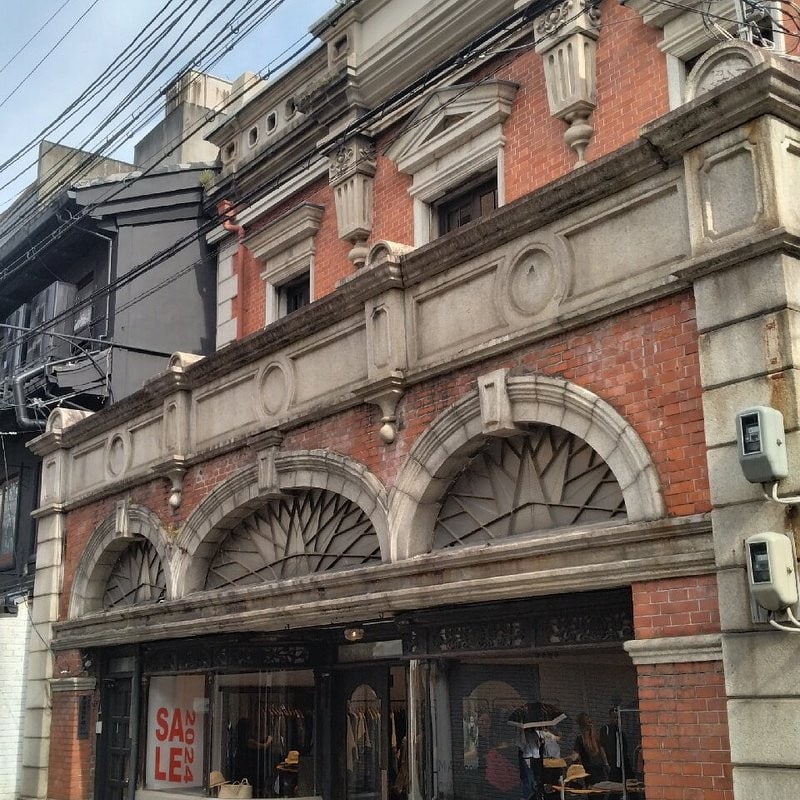
Sanjo-dori brings together Meiji- and Taisho-era Western-style buildings and shops converted from old banks, making it Kyoto’s most design-minded walking route and well worth half a day of in-depth exploration.
Sanjo-dori: A Street Where Century-Old Western Buildings Meet Modern Select Shops
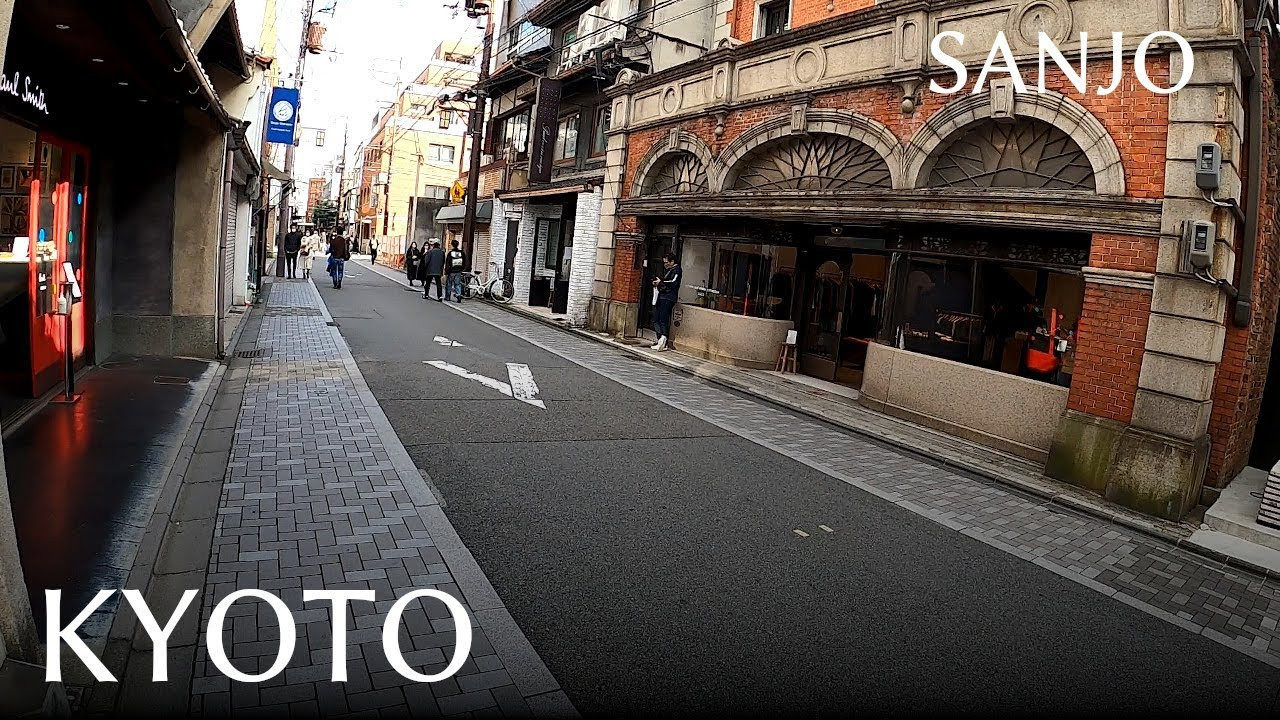
Running from Karasuma-Oike to the Kamo River, Sanjo-dori was Kyoto’s financial and commercial center in the Meiji period and preserves Western-inspired architecture with brick arched windows and stone facades. Today the old buildings house stationery and general-goods shops, cafés and select shops, creating a streetscape where tradition and the contemporary coexist, ideal for photography and architecture fans. The best time to visit is between 10 a.m. and 5 p.m. on weekdays, when most shops are open and visitors are few; crowds are heavier on holiday afternoons. It is open all year and free to walk, with separate admission for individual exhibition halls or museums. Allow 2 to 3 hours.
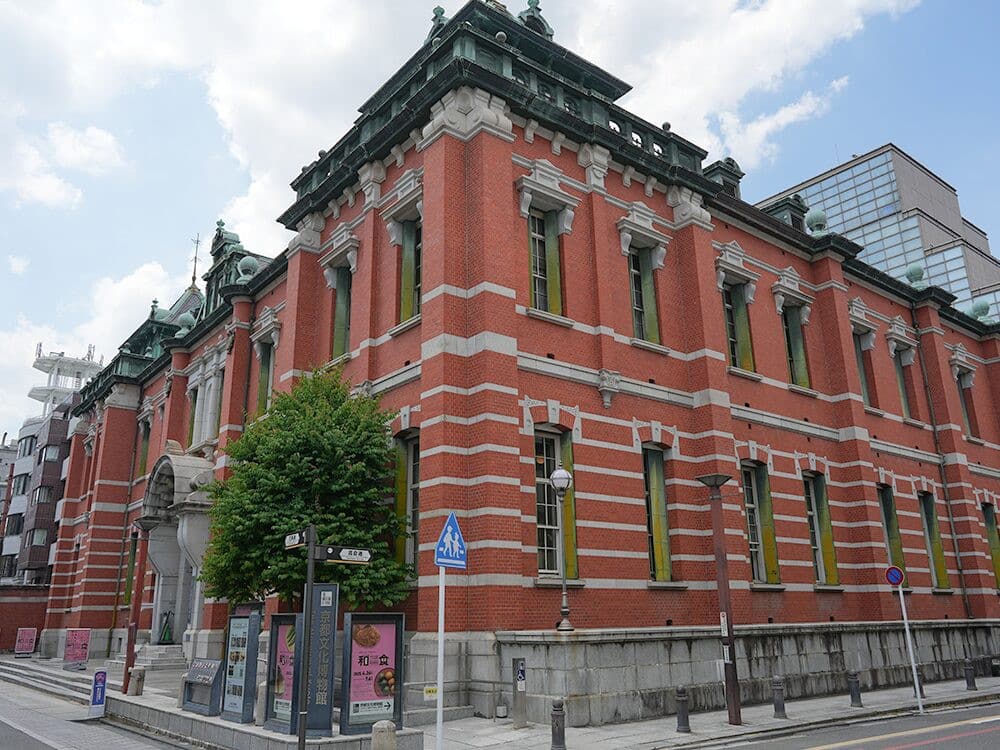
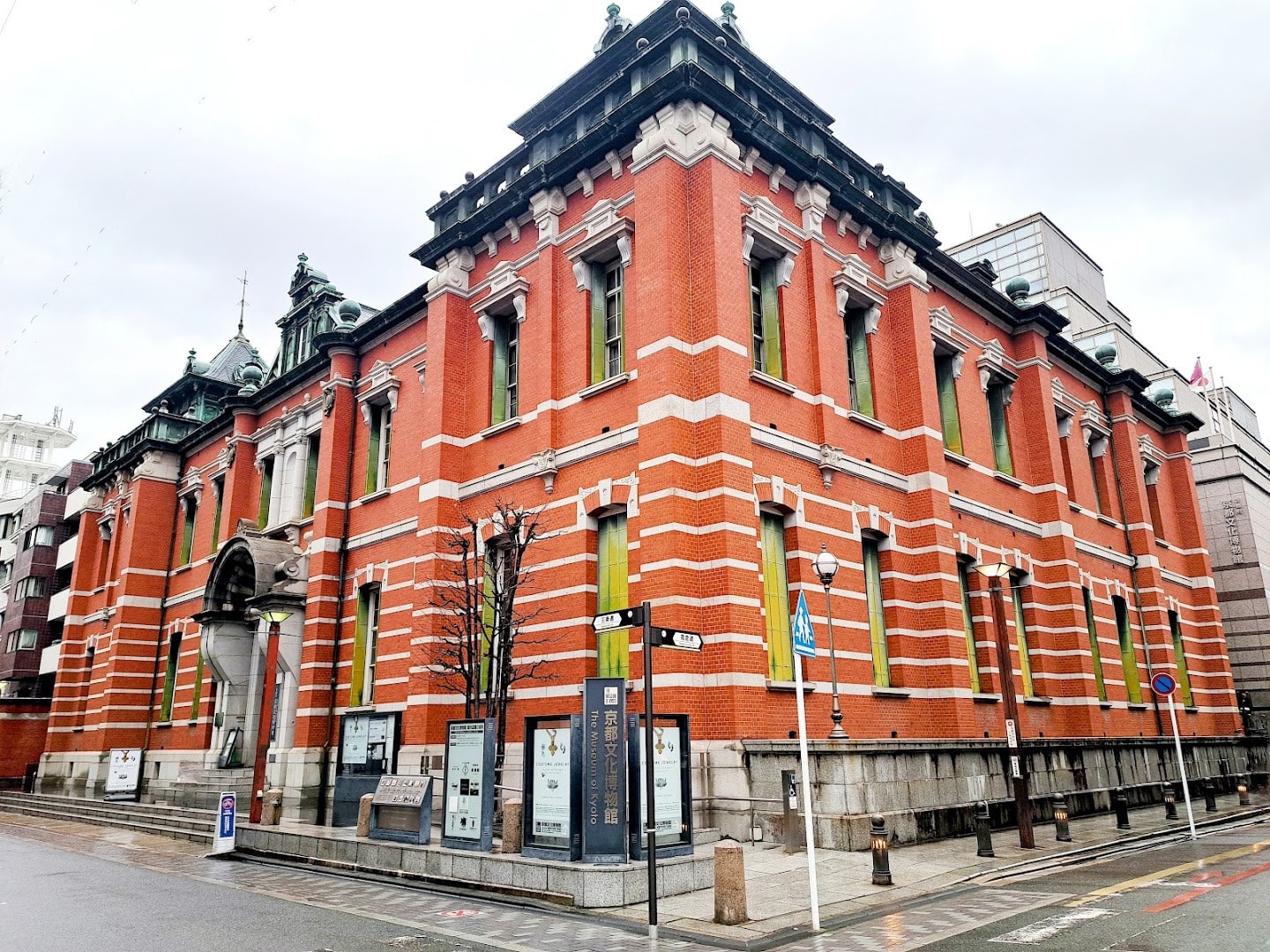
Former Bank of Japan Kyoto Branch (Annex of the Museum of Kyoto): A Masterpiece of the Neo-Renaissance Style
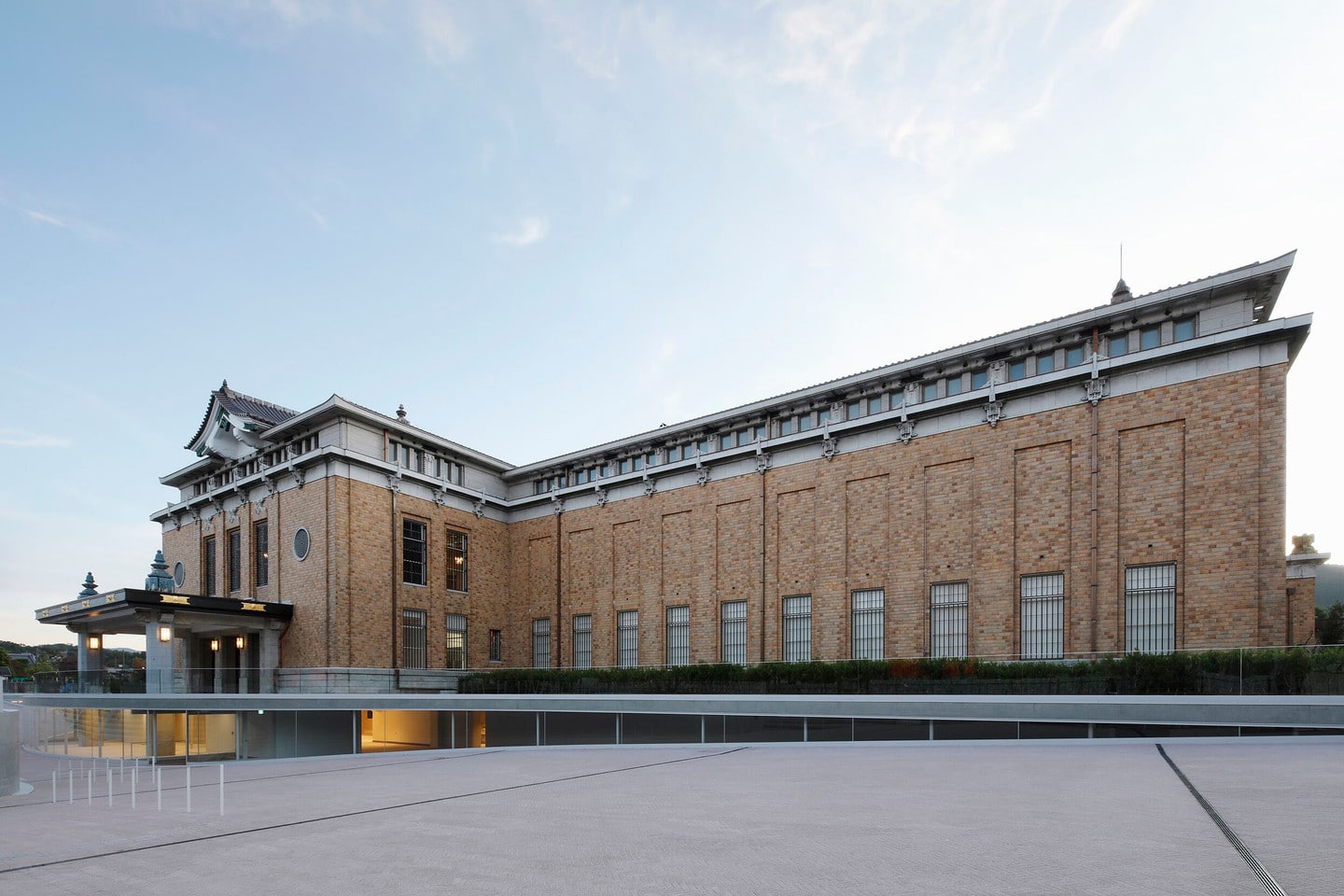
Built in 1906 and designed by Kingo Tatsuno, this building pairs red-brick walls with stone decorative lines and is one of Sanjo-dori’s most representative modern buildings. It now serves as the annex of the Museum of Kyoto, with some exhibition areas open to visit free of charge. The high-ceilinged interior hall preserves the original bank counter structure, and the carved ceiling and chandeliers keep their original appearance, as if you were walking into a time tunnel.
Plan about 30 minutes for a visit. It is open from 10:00 to 19:30 (closed Mondays), with free admission, and fits before or after your ANGERS select-shop visit, letting you see how the design language of buildings from the same era has continued to this day.
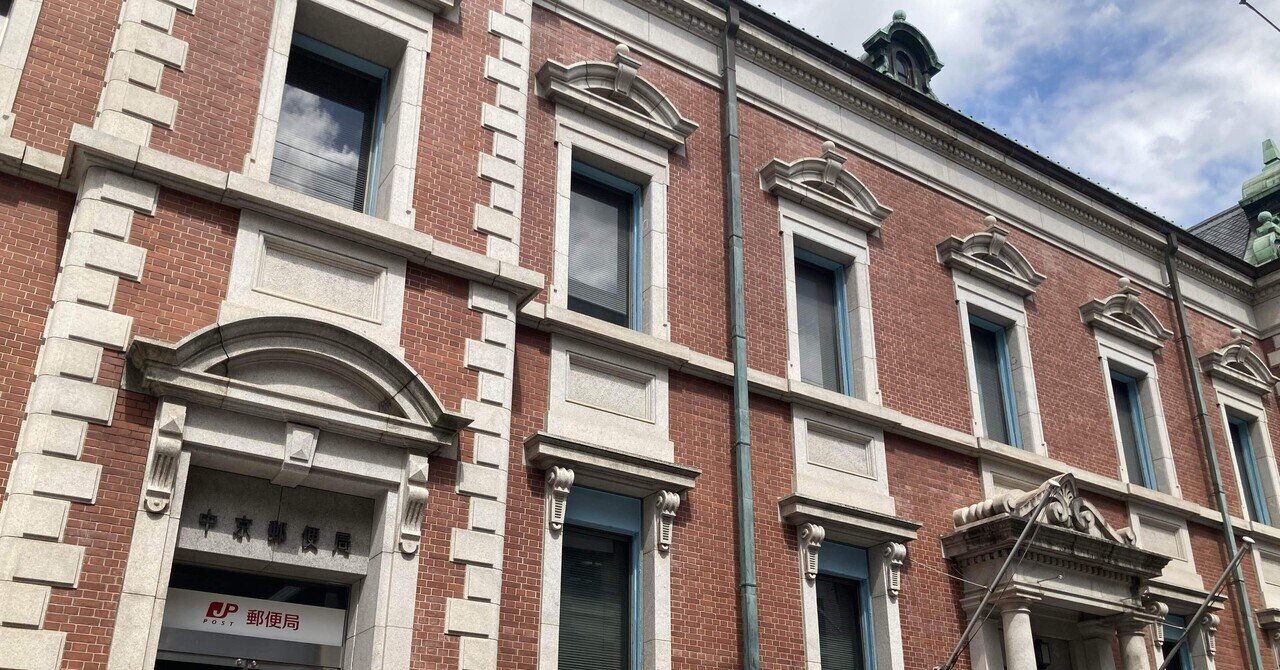
Nakagyo Post Office: A Red-Brick Western Building Still in Active Use
Built in 1902, Nakagyo Post Office is one of the few Western-style buildings on Sanjo-dori still used for its original purpose, with a red-brick facade and arched window frames showing the typical European design of the late Meiji period. As a working post office, travelers can actually go in and mail postcards, experiencing the everyday function of a century-old building, a very special travel memory.
The mail counter is open 9:00 to 17:00 on weekdays, and on weekends and holidays a Yu-Yu window handles some services (hours per Japan Post announcements). Stop by to buy commemorative stamps or postcards as souvenirs.
SACRA Building and 1928 Building: Two Landmarks of Revitalized Modern Architecture on Sanjo-dori
On Sanjo-dori, the SACRA Building (the former Fudo Chokin Bank Kyoto Branch, completed in 1915 in Renaissance style, a nationally registered tangible cultural property) and the 1928 Building (the former Osaka Mainichi Shimbun Kyoto Bureau, completed in 1928 and designed by architect Goichi Takeda) are both examples of revitalized modern architecture. The SACRA Building is at Nakano-cho, Sanjo-dori Tomikoji Nishi-iru, Nakagyo-ku, Kyoto, and now houses general-goods and select shops. The 1928 Building keeps the newspaper’s star-pattern windows on its exterior and is now an arts and culture complex, with regular exhibitions at the second-floor “Dojidai Gallery” and a basement café that is a gathering place for arts people. The two buildings are near Sanjo-Gokomachi and can be linked with the former Bank of Japan and Nakagyo Post Office into a modern-architecture walking route.
The exterior of the SACRA Building can be viewed free, and the shops and café inside are open during business hours. Some exhibitions at the 1928 Building require a separate ticket. Allow 20-30 minutes for a visit.
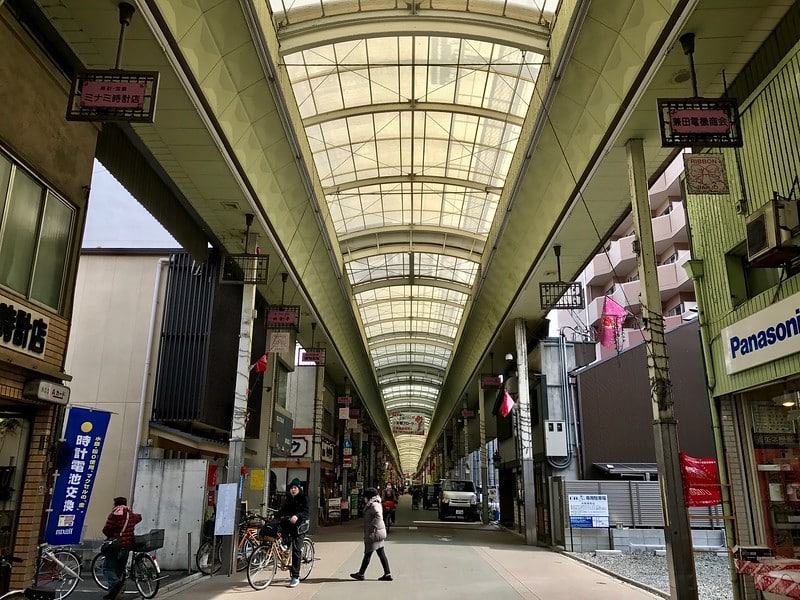
Sanjo-dori Shopping Street (Covered Arcade): Shop with Peace of Mind Even in the Rain
Parts of Sanjo-dori Shopping Street are covered by a glass arched roof, so you can comfortably stroll and browse select goods even in rain or the scorching midsummer sun, making it one of the few shopping streets in Kyoto that combines historic character with modern convenience. Along the way are stationery shops, general goods, cafés and traditional old shops, with a clear route, suiting a continuous itinerary without having to move around often.
It is open all year with no fixed closing day (varies by shop). Go in the early evening, when the light and shadow cast by the setting sun through the arched roof is especially charming and a hot Instagram spot.
Shinpuukan: A Former Telephone Office Complex Remodeled by Kengo Kuma
Shinpuukan was remodeled by the master architect Kengo Kuma from the former Kyoto Central Telephone Office into a new landmark blending red-brick Western buildings with Japanese wooden lattices, and it houses distinctive shops such as Ace Hotel Kyoto and TRAVELER’S FACTORY KYOTO. The courtyard garden incorporates the image of a Kyo-machiya townhouse and suits a walk and photos. Shop hours are mostly 11:00-20:00 and restaurants until 23:00, per each shop’s announcements. Plan an hour; the hand-made stamp area at TRAVELER’S FACTORY is recommended.
Kyoto Kyukyodo Main Store: A 350-Year-Old Washi Paper Shop Building
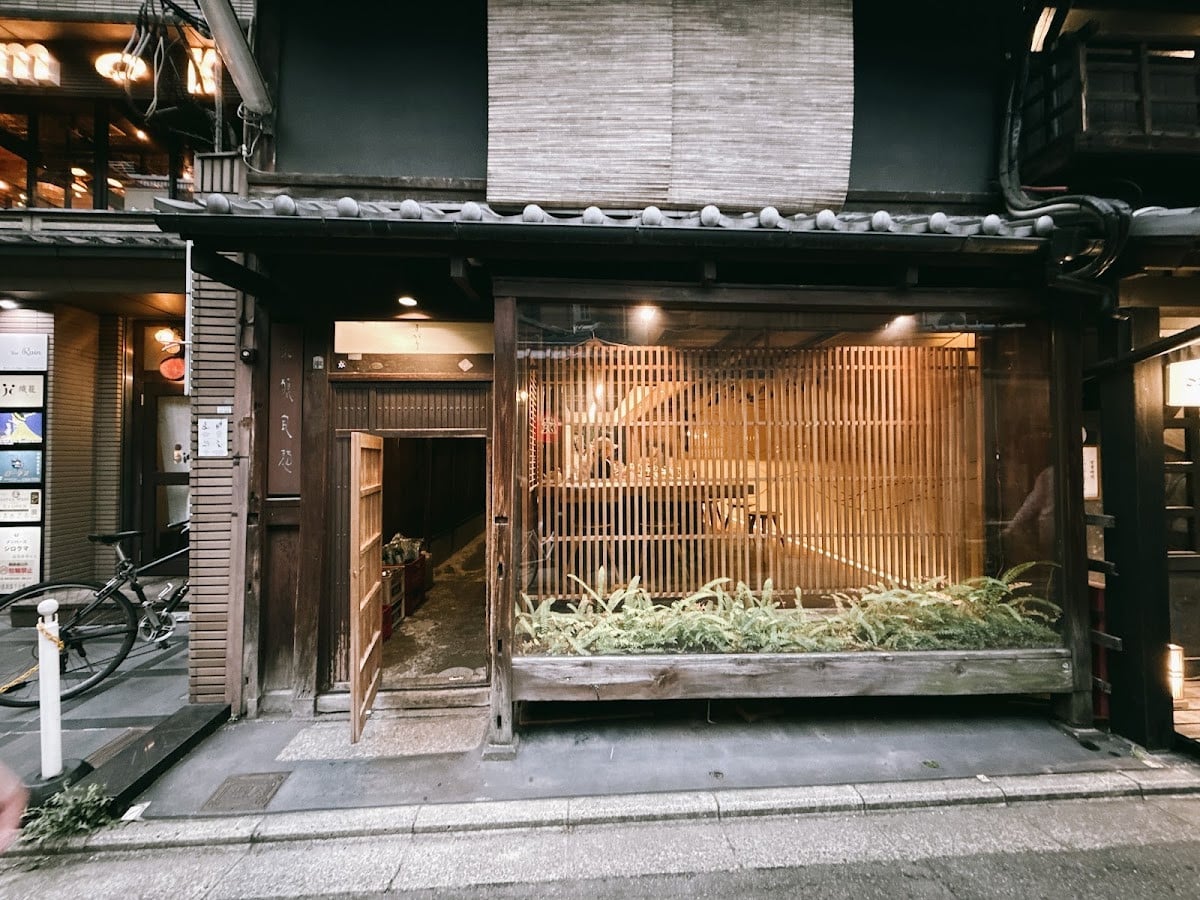
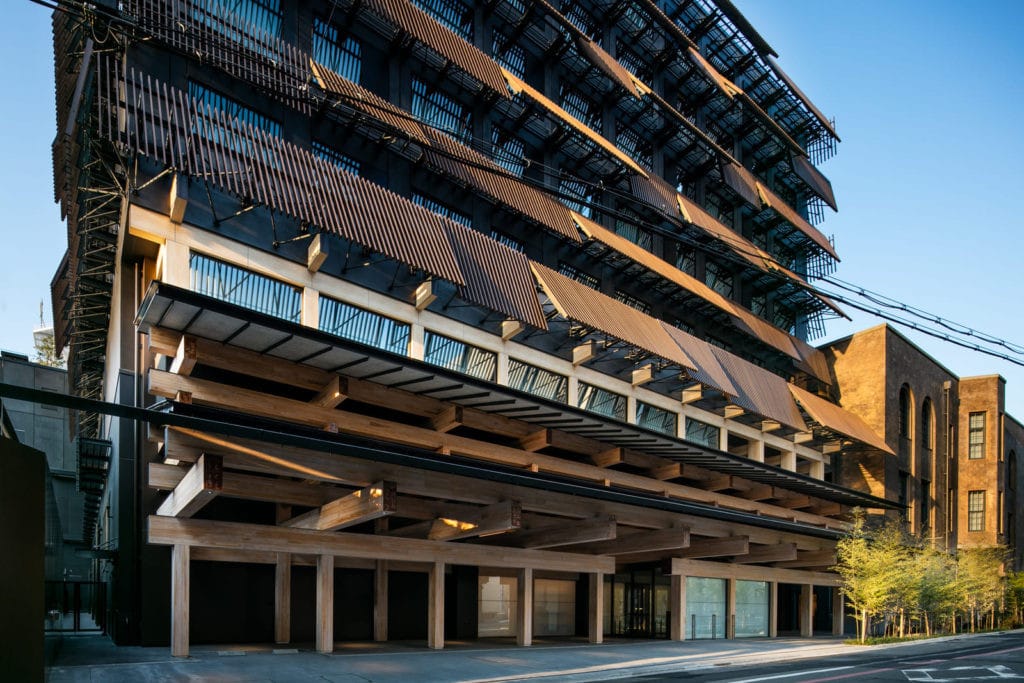
Kyukyodo was founded in 1663, and its present site was redesigned by architect Hiroshi Naito as a steel-reinforced concrete building that still keeps the elegance of a traditional machiya and its wooden lattice windows. The shop sells fine washi paper, incense and traditional letter paper and stationery, and also offers a “letter paper buffet” (レターバイキング) experience, where you choose your favorite letter paper and envelopes yourself and enjoy the pleasure of selecting paper.
It is open 10:00 to 18:00, closed January 1 to 4 each year. Plan 30 to 40 minutes for a visit; it is a must-visit century-old shop at the intersection of Sanjo-dori and Teramachi-dori.
Stationery Shop TAG: A Famous Modern Stationery Shop in Kyoto
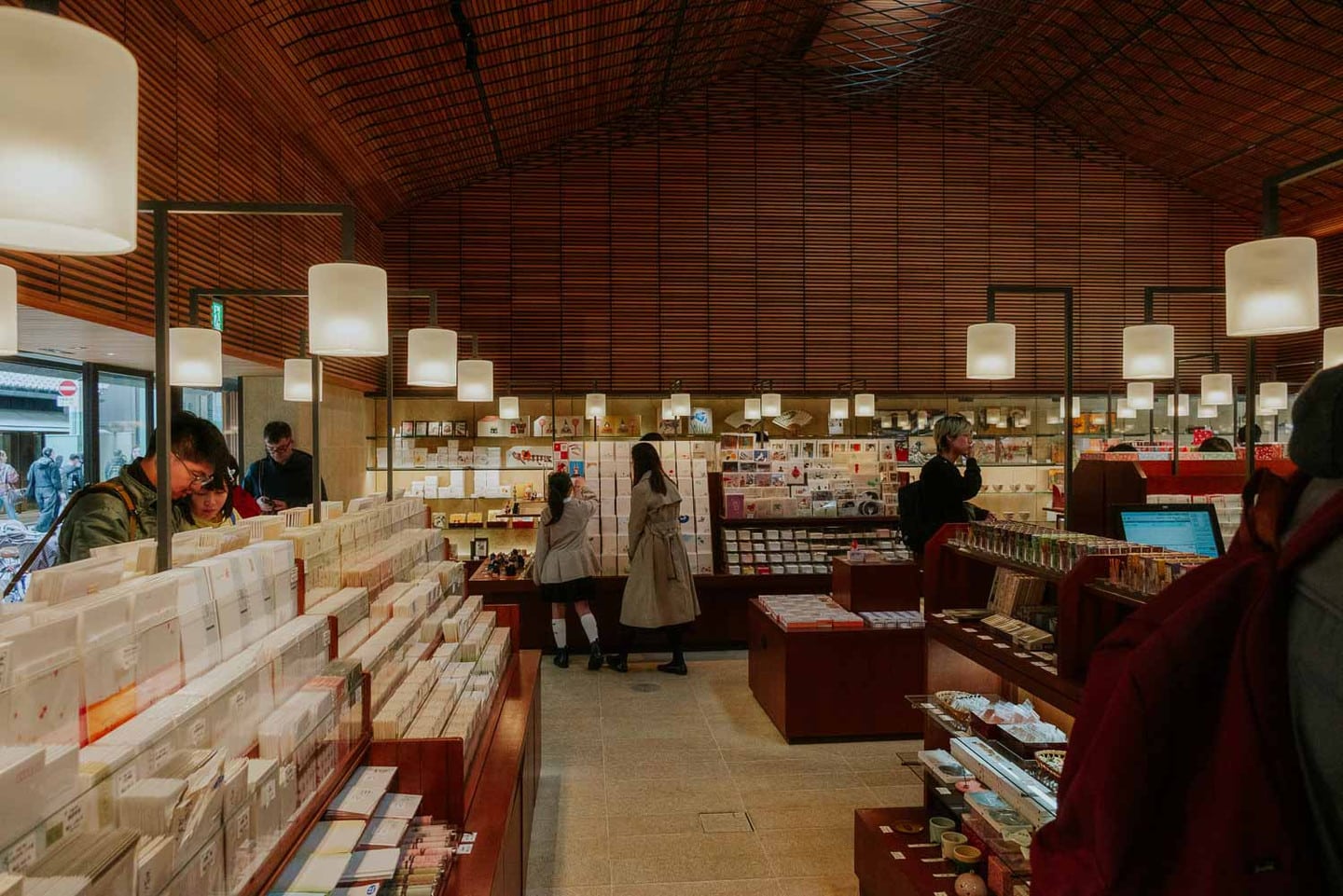
Stationery Shop TAG is a leading modern stationery shop in Kyoto, with everything from functional pens and planners to Kyoto-exclusive original inks and washi masking tape, combining design and practicality. It also develops many original postcards and stationery goods featuring Kyoto scenery, and is a widely recognized pilgrimage site for stationery fans.
Please rely on the shop’s official announcements for opening hours. Allow 45 minutes to 1 hour to browse carefully, and the original ink series is especially recommended as an exclusive souvenir.
Sanjo Ohashi Bridge: A Historic Landmark on the Kamo Riverbank
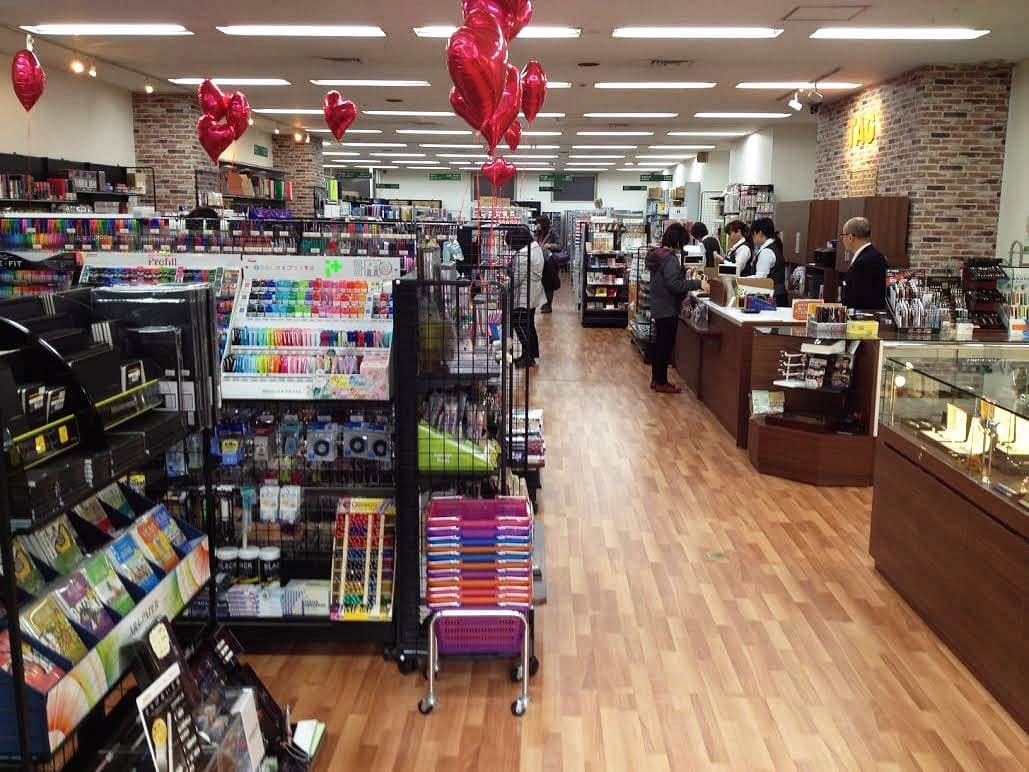
Sanjo Ohashi Bridge spans the Kamo River and has been an important landmark as the terminus of the Tokaido since the Edo period. Stone monuments related to Toyotomi Hideyoshi stand at the end of the bridge, and the riverside path is a resting place where Kyoto locals take everyday walks and picnics. In the evening, the setting sun reflects on the surface of the Kamo River against the outline of the distant Higashiyama peaks, a superb vantage point for watching a Kyoto sunset.
It is open all year with no ticket required. The best time is 17:00 to 18:30, and you can walk here from Sanjo-dori, making it the perfect end to a half-day itinerary.
How to Get to Kyoto Sanjo-dori in 2026: Transportation and Fares
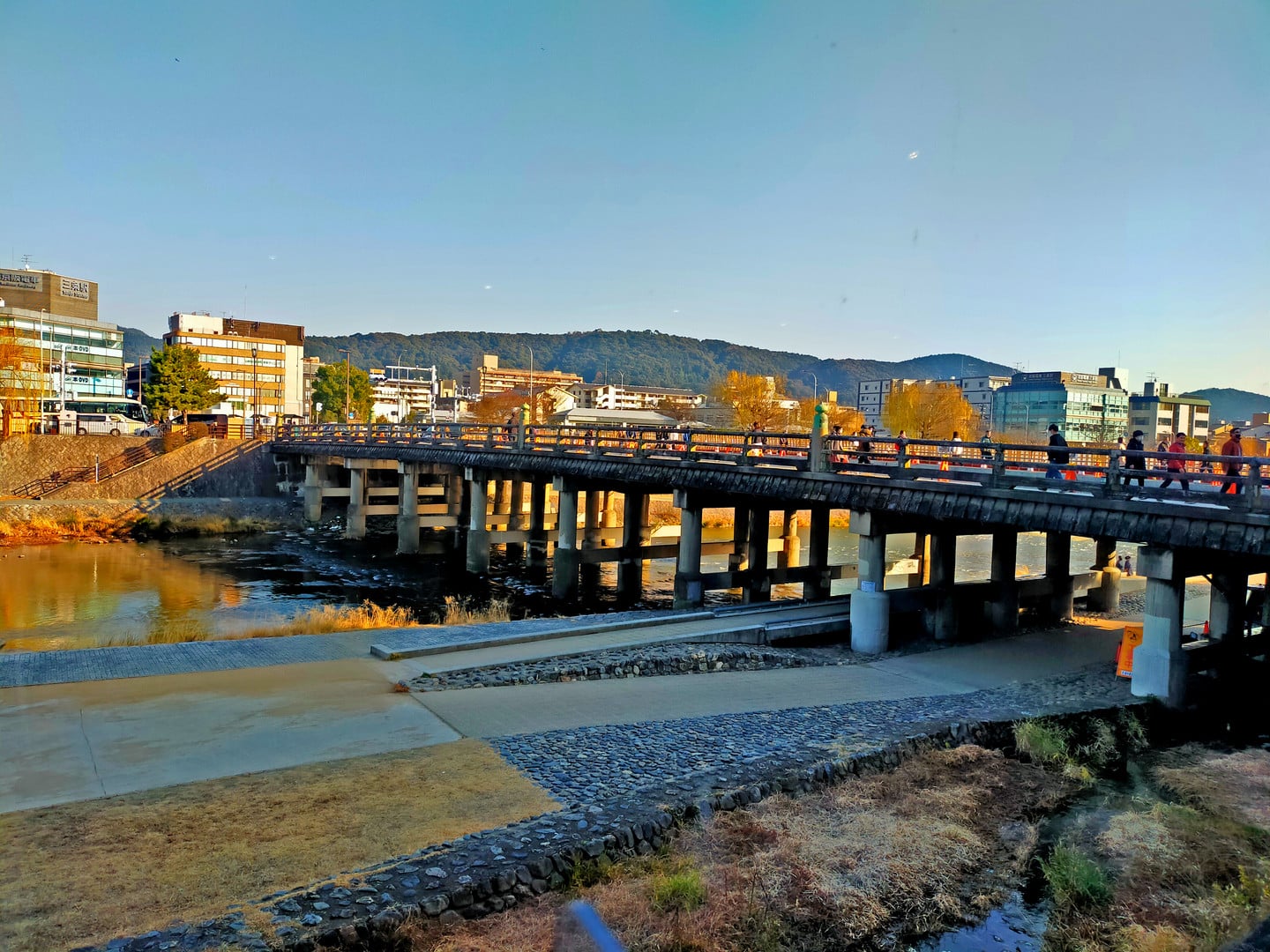
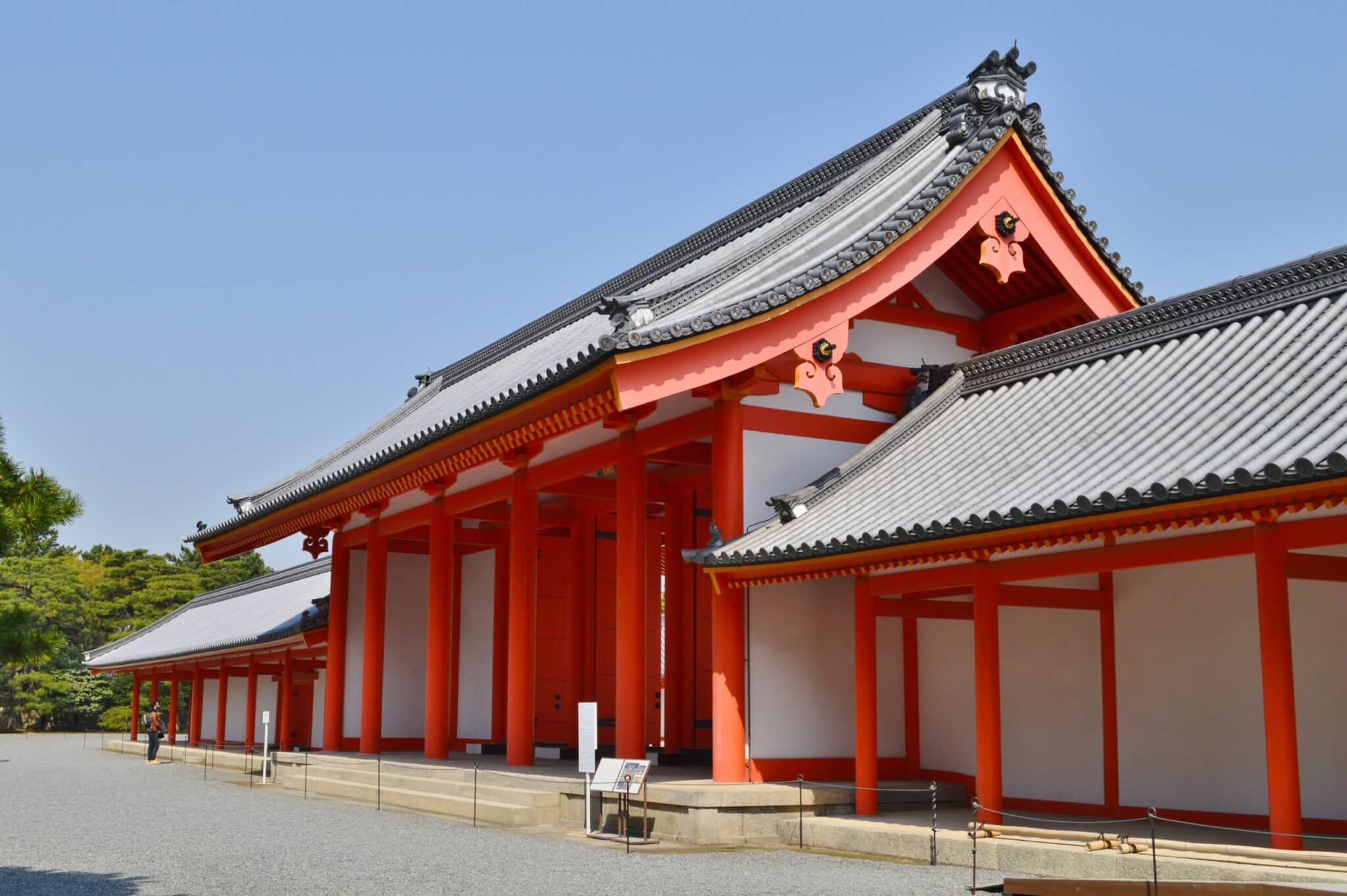
Sanjo-dori is in Nakagyo-ku, Kyoto, and is easily reached by subway, private railway and city bus. Take the Kyoto Municipal Subway Karasuma Line to “Karasuma-Oike” Station, and it is about a 5-minute walk from the exit to the west entrance of Sanjo-dori; if coming from Osaka or the Arashiyama direction, take the Hankyu Kyoto Line or the Keihan Main Line to “Kyoto-Kawaramachi” or “Sanjo” Station, about 5 to 10 minutes on foot.
What Are the Must-Visit Select Shops and Stationery Shops on Kyoto Sanjo-dori in 2026? Highlights of Each Shop
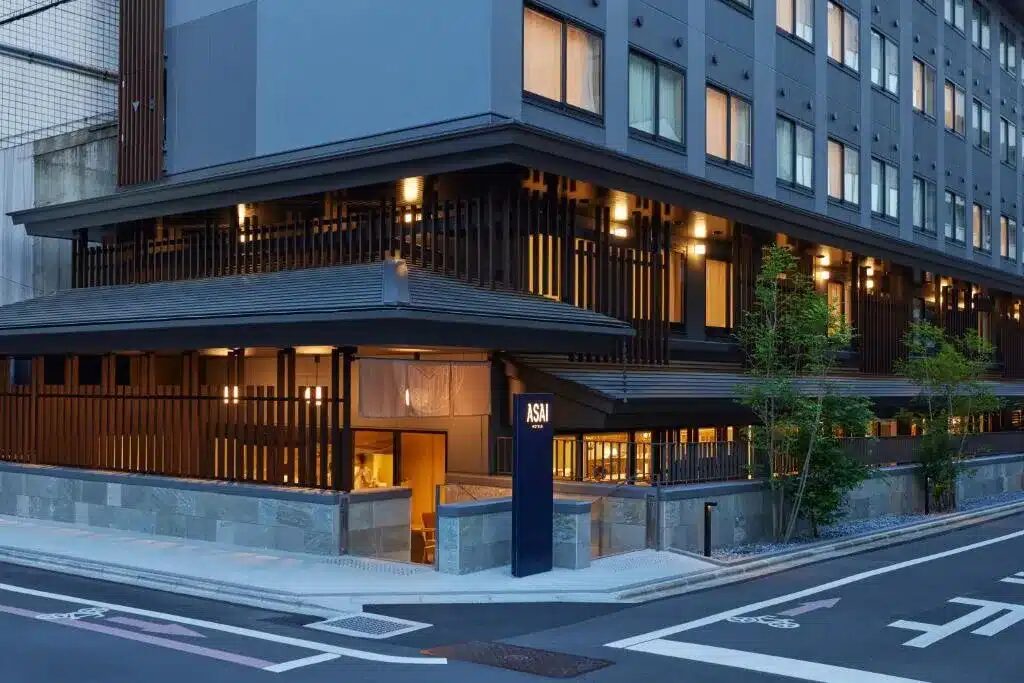
Several landmark select shops and stationery shops cluster at the intersection of Sanjo-dori and Teramachi-dori, each with a distinct style worth visiting one by one.
To quickly compare Kyoto’s select shops and stationery shops first, here is official opening information for several representative shops around Sanjo-dori (confirmed September 2026; rely on each shop’s announcements for actual hours):
- ANGERS Kawaramachi Main Store (lifestyle select goods): 11:00-20:00, about 1 minute on foot from Kyoto Shiyakusho-mae Station on the subway
- ANGERS bon repas Karasuma Store (kitchen and tableware select goods): 10:00-21:00, 2F of Kyoto Ouoichi Main Building
- Stationery Shop TAG (stationery): please rely on the shop’s official announcements for hours; located around Teramachi-Sanjo
- TRAVELER’S FACTORY KYOTO (traveler’s notebooks): 11:00-20:00, 1F of Shinpuukan
- Kyukyodo Kyoto Main Store (washi, incense, letter paper): 10:00-18:00, closed January 1 to 4 each year
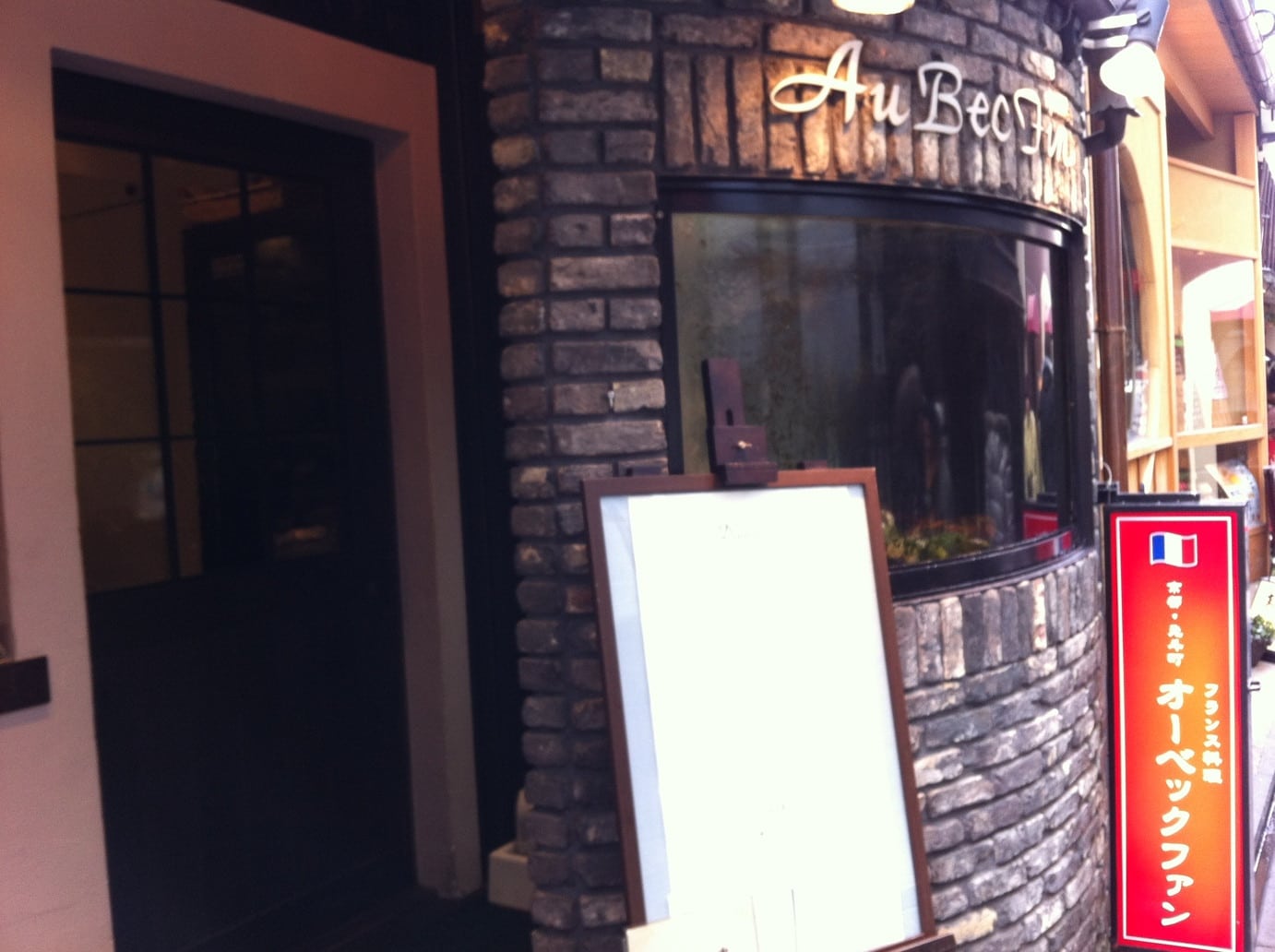
ANGERS Kawaramachi Main Store: A Nordic-Style Select-Shop Temple Converted from an Old Bank
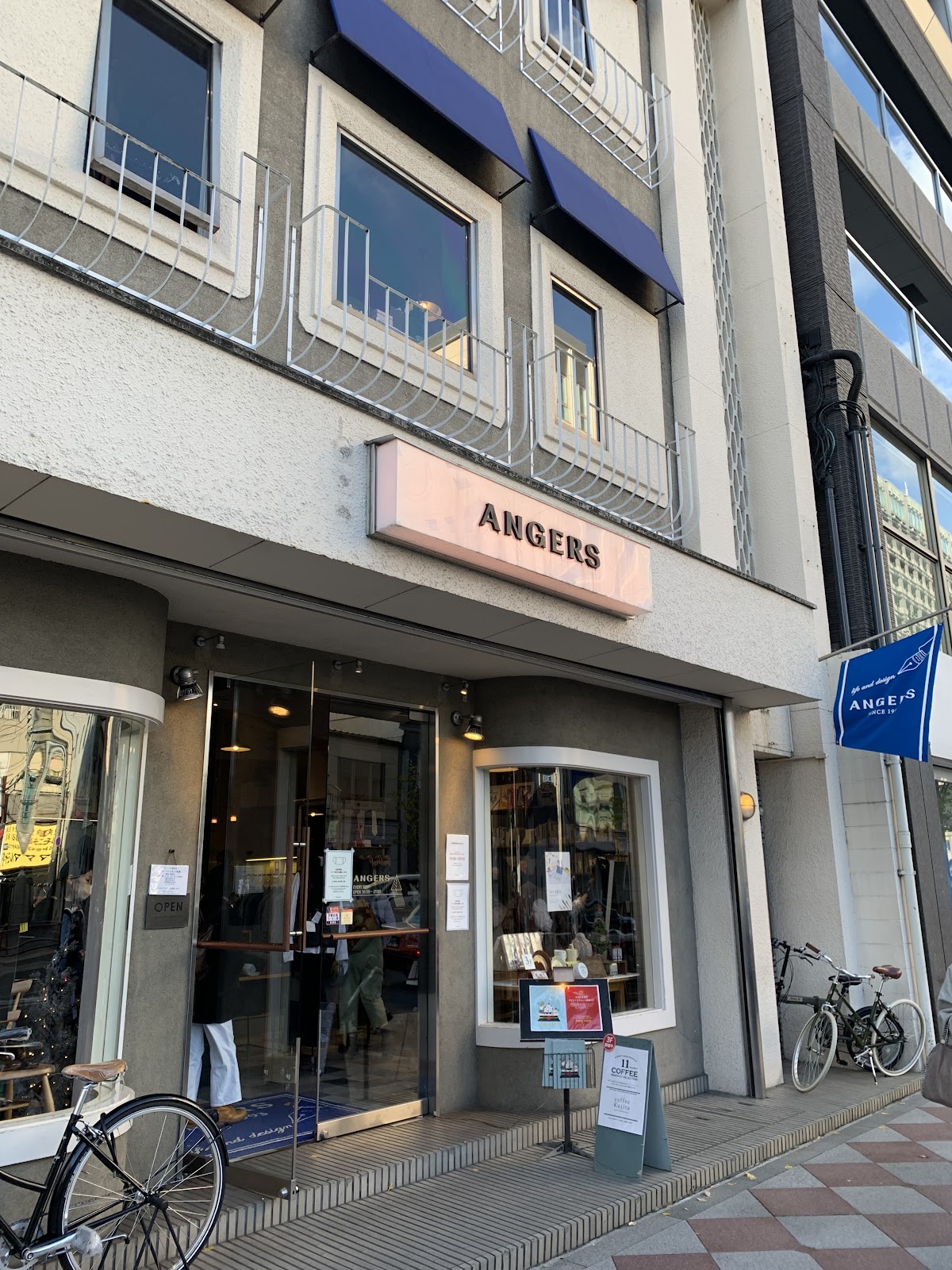

ANGERS Kawaramachi Main Store is a select shop converted from an old bank building on Kawaramachi-dori, and is the one most often mentioned when searching “ANGERS Kyoto.” Officially themed “上質な暮らし・美しいデザイン” (quality living, beautiful design), it selects products from Japan, Northern Europe and around the world across three floors: the first floor has design goods, stationery, interior decor, bags and clothing accessories, plus jazz CDs and books; the second floor has clothing, bath and body care, baby goods and picture books; and the third floor has tableware, coffee equipment, kitchen goods, crafts and food.
- Hours: 11:00-20:00 (the official website says open daily, with possible adjustments at year-end and New Year)
- Address: West side of Kawaramachi, Sanjo agaru, Nakagyo-ku, Kyoto
- Access: About 1 minute on foot from Kyoto Shiyakusho-mae Station on the Tozai Subway Line; about 5 minutes on foot from Exit 7 of Keihan Sanjo Station; about 12 minutes on foot from Exit 3 of Hankyu Kyoto-Kawaramachi Station
Allow more than an hour to browse all three floors at leisure; it is Kyoto’s must-visit landmark for European-style select goods. If your itinerary is around Karasuma, ANGERS has another food-themed shop in Kyoto, “ANGERS bon repas Karasuma Store,” on the 2nd floor of the Kyoto Ouoichi Main Building at Higashinotoin Sanjo sagaru, open 10:00-21:00, featuring kitchen tools and handmade artisan ware.
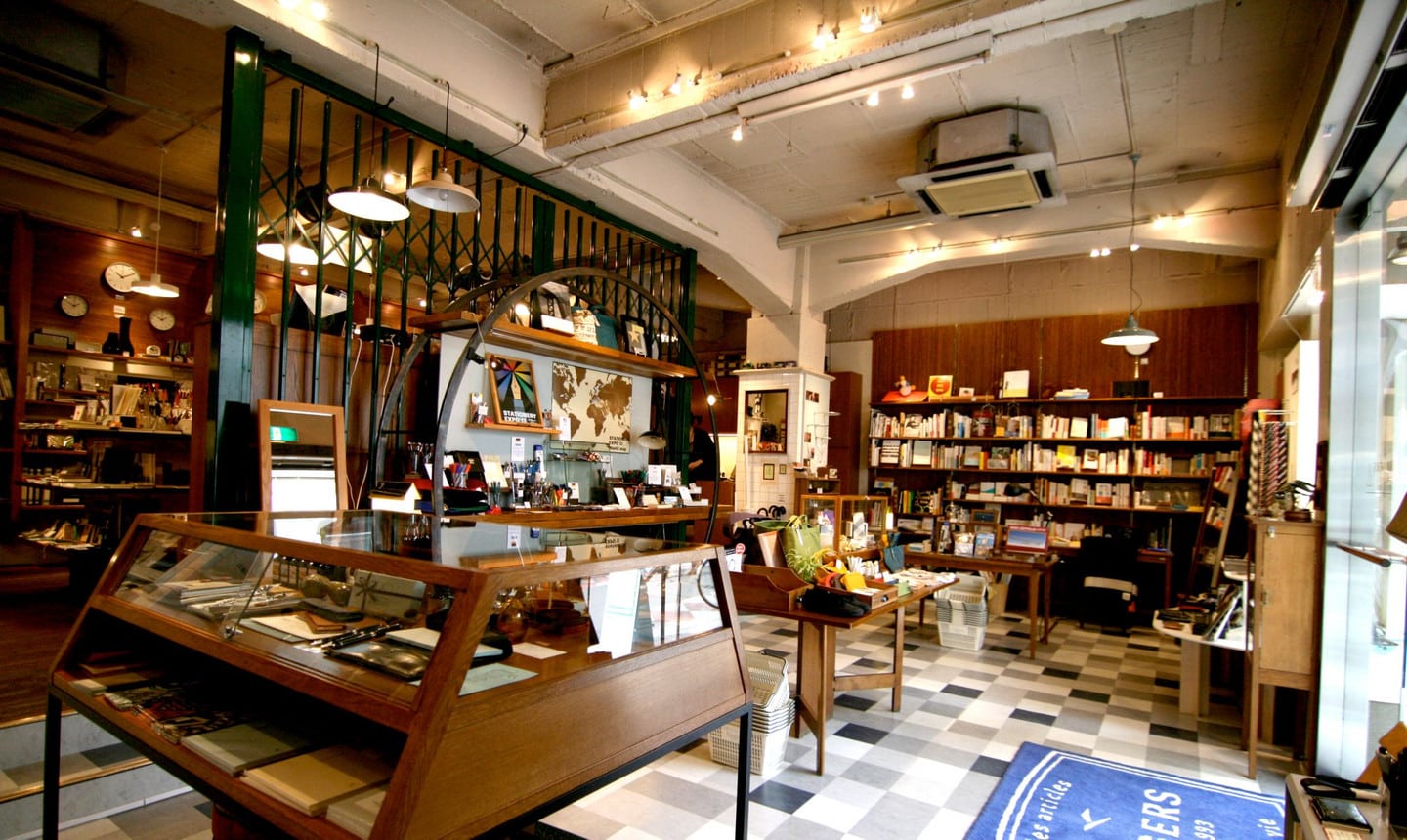
TRAVELER’S FACTORY KYOTO: A Traveler’s Notebook Specialty Store in Shinpuukan
Located in Shinpuukan, remodeled by Kengo Kuma, it blends red-brick Western buildings with Japanese wooden aesthetics. The store sells Traveler’s Notebook, Kyoto-exclusive stationery, stamps and custom cards, and has a hand-made stamp area where you can try custom binding on site. Open 11:00-20:00; address: 586-2 Bannocho, Karasuma-dori Anegakoji sagaru, Nakagyo-ku, Kyoto, Shinpuukan 1F. Plan to stay 40 minutes. It suits fans of planner culture and travel journaling, who can choose an exclusive leather cover.

LOFT Kawaramachi Store: A World of Trendy Stationery and Goods Loved by Young People
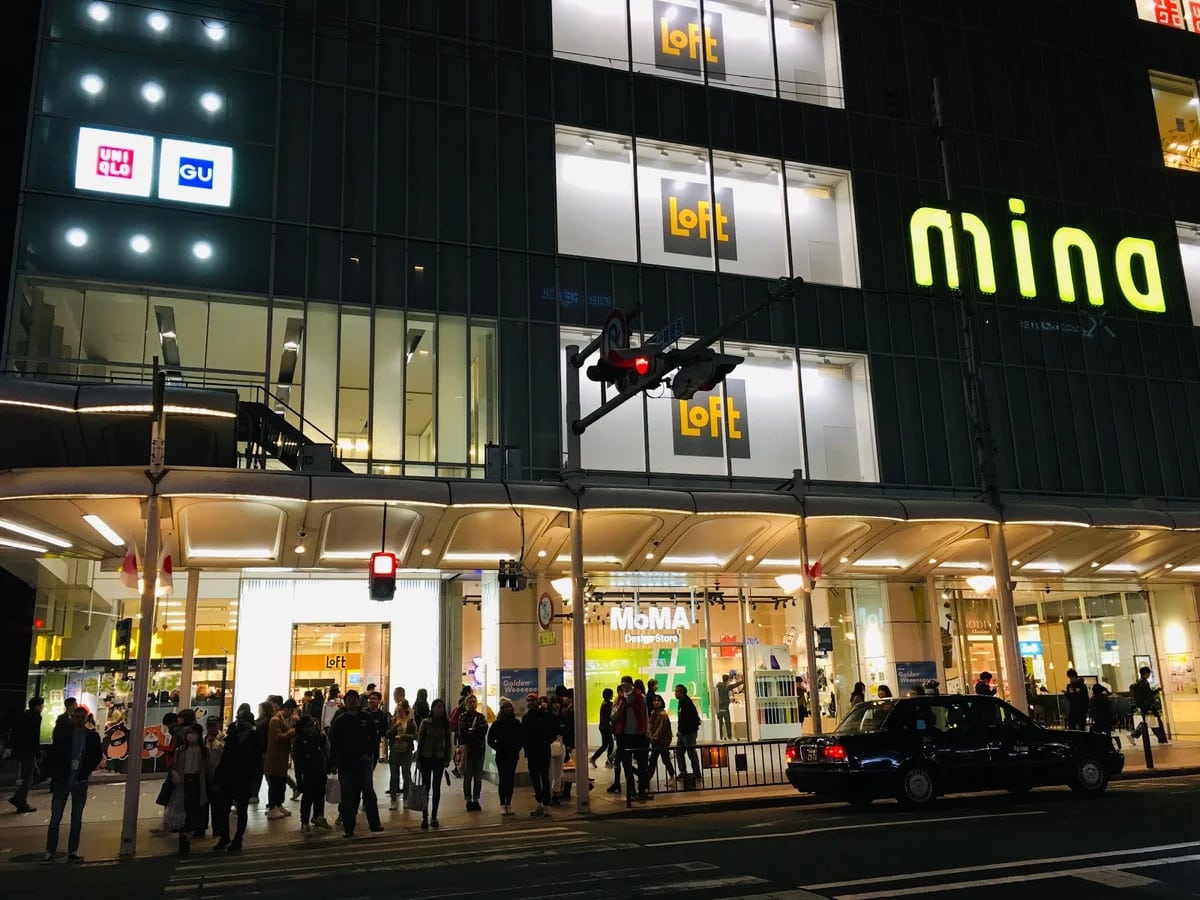
LOFT is a well-known Japanese chain of stationery and general-goods stores, and the Kawaramachi store is famous for trendy stationery, lifestyle goods and beauty accessories, with fast-changing stock that appeals to younger customers. The floors are clearly laid out, with soothing stationery, seasonal limited-edition goods and travel items, and a smooth flow.
Open 10:00-21:00; rely on official announcements for closing days. It is near the Shijo-Kawaramachi shopping area, so it is best to route it together with ANGERS and Fujii Daimaru. If you are looking for budget souvenirs or the latest Japanese-style small goods, LOFT is a high-value choice and a popular spot among students.
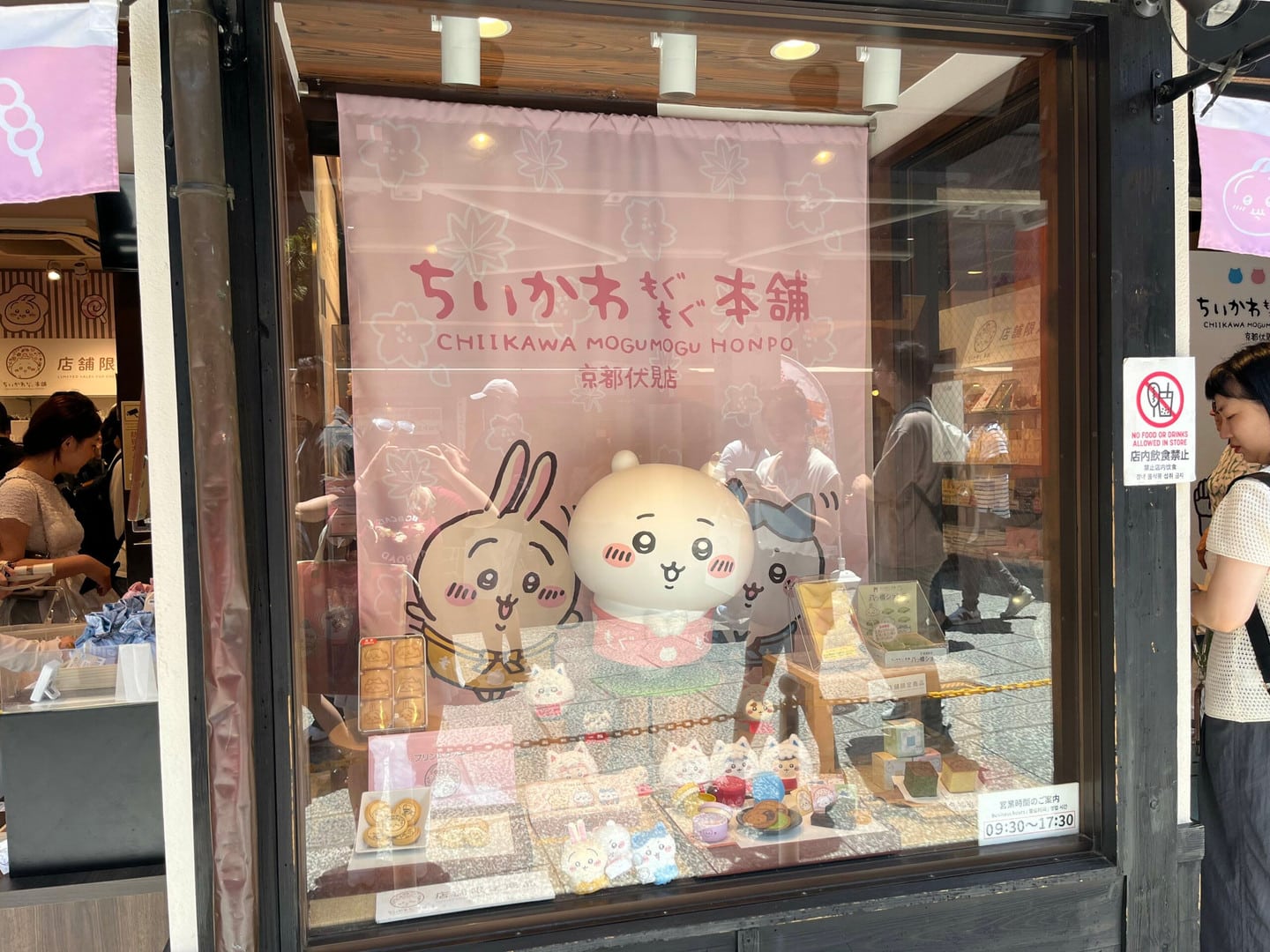
Chiikawa Merchandise Shop: A Pilgrimage Site for a Soothing Character IP
Chiikawa (ちいかわ) is hugely popular in Japan, and the Kiddy Land store at Kyoto’s Shijo-Kawaramachi has “Chiikawa Land” (ちいかわらんど), opened in 2022 (check official announcements for its current status), selling limited-edition plush toys, stationery and lifestyle goods, a must-visit spot for fans. The store often carries Kyoto-exclusive goods in old-capital Japanese-style packaging, drawing fans who queue to snag them.
Before you go, check the official social media accounts for the current location and product information, since popular pop-up shops change often and stock is limited. In peak season, arrive before opening to shorten the queue and successfully get the limited-edition goods.
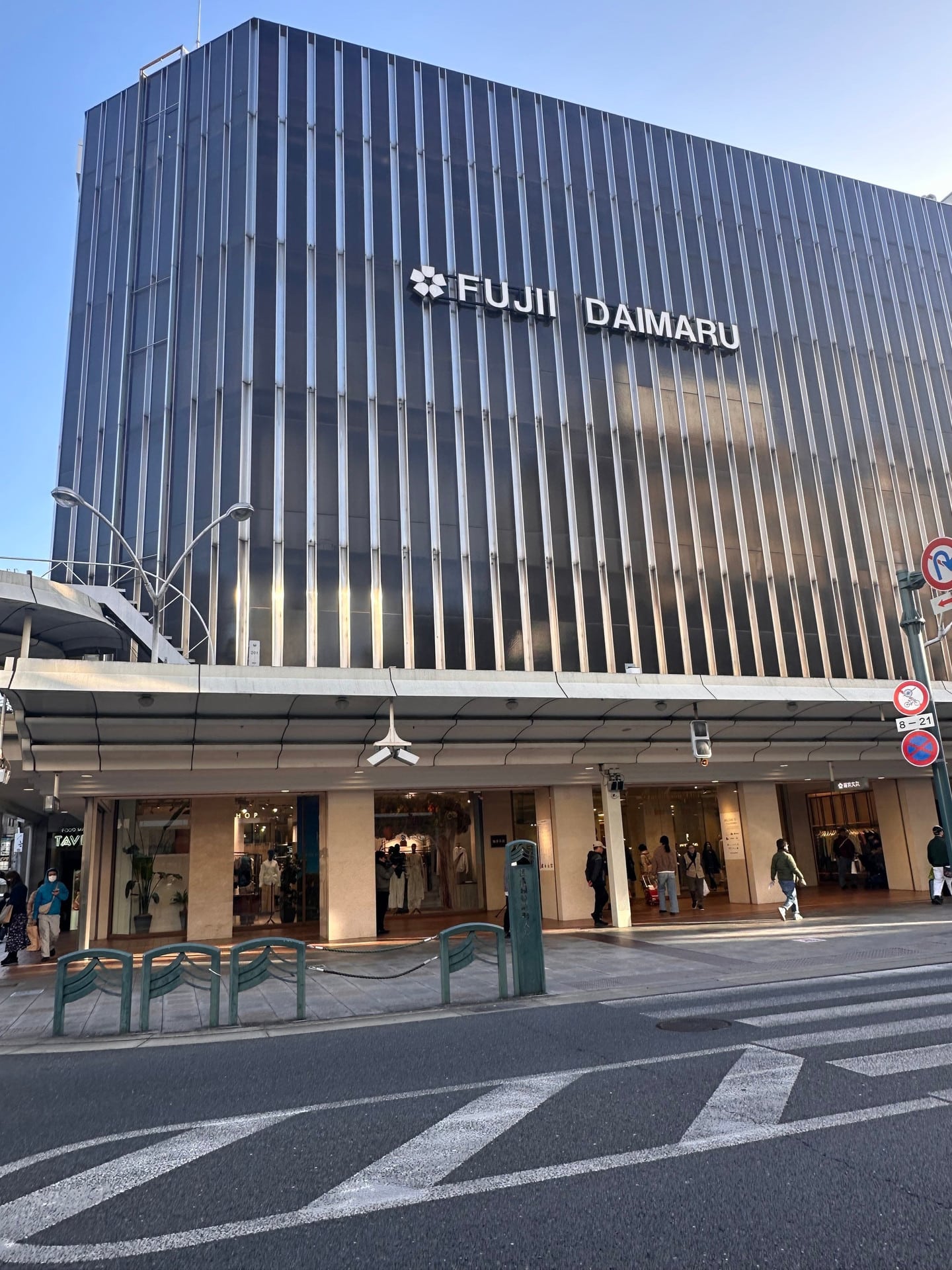
Fujii Daimaru: A Young Department Store Featuring Trendy Design Selections
Fujii Daimaru is in the Shijo-dori shopping area and is Kyoto’s department store for trendy designer selections. It gathers popular select shops, stationery brands and distinctive cafés, with a strong style that is loved by young travelers who like Japanese and Korean fashion. The floors are clearly laid out, with everything from clothing accessories to lifestyle goods, and browsing is easy and uncrowded.
Open 11:00-20:00; rely on official announcements for closing days. It is near Sanjo-dori and Kawaramachi Station, within walking distance. Plan an hour of in-depth browsing, and the basement-level sweets and cafés are especially recommended as a place to rest and refuel along the way.
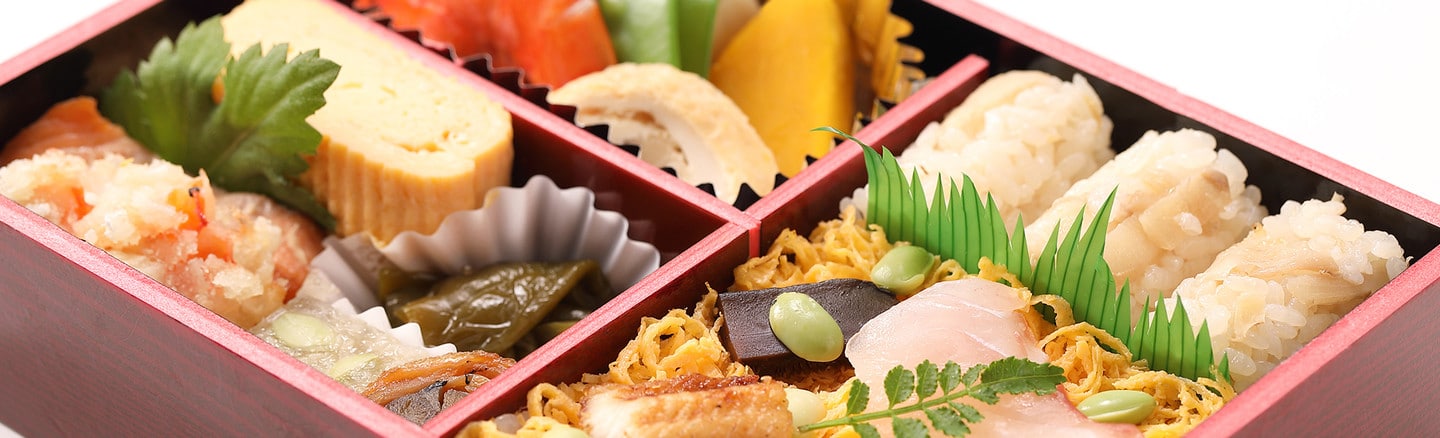
Daimaru Kyoto Store: Basement Food Hall and Souvenirs All in One Stop
Daimaru Kyoto Store is on Shijo-dori and is a long-established, historic department store in Kyoto. Its B1 food hall gathers many famous Kyoto local sweets and prepared-food shops, the best place to shop for souvenirs, with food discounts often available close to closing time. The store offers tax-free service for foreign visitors, and often has combined offers of spend-based discounts plus food vouchers. Hours are 10:00 to 20:00, with closing days per the official website. It is about a 10-minute walk from Sanjo-dori, suiting a souvenir stop after a stationery tour. Head first to the B1 food floor, where you can pick up classic Kyoto specialties such as yatsuhashi and matcha sweets in one go.
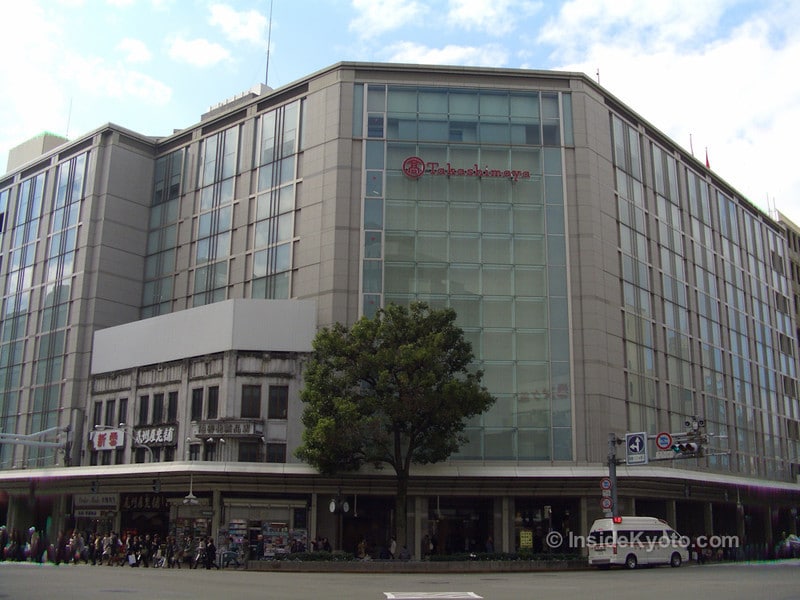
Takashimaya Kyoto Store: The Summer Beer Garden Is a Kyoto Seasonal Tradition
Takashimaya Kyoto Store stands on Shijo-dori and is a landmark high-end department store in Kansai, with a full range of brands and top-quality service and displays, loved by both locals and international travelers. From May to September each year, the rooftop “Beer Garden” is a Kyoto summer seasonal tradition, with terrace seating and draft beer, a popular way to beat the heat.
Hours are 10:00-20:00, with closing days per the official website. The beer garden is open from May 1 to September 30 in 2026, roughly 17:00 to 22:00, suspended in rain, with some closing days; check the official website for details and reservations for next year. Go in the early evening to enjoy the night view of the city of Kyoto.
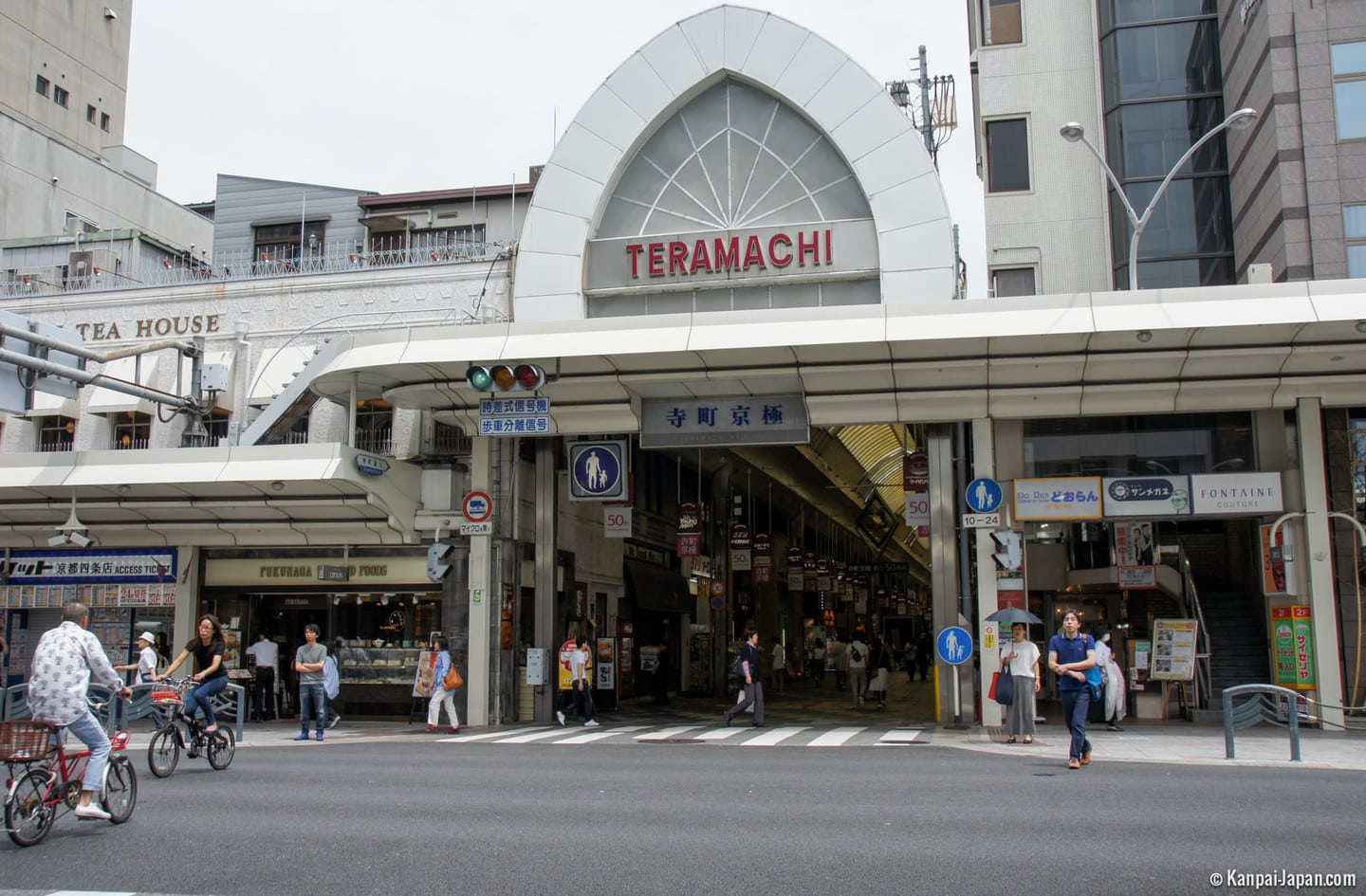
Teramachi-dori Shopping Street: A Covered Arcade Where Old Shops and Trendy Select Stores Coexist
Teramachi-dori Shopping Street is right next to Sanjo-dori and is one of the oldest shopping streets in Kyoto. Its arcade shades you from sun and rain, and along it are famous old shops such as Kyukyodo and Stationery Shop TAG, as well as many new select shops and cafés, creating a strong blend of old and new. It is also the best place to find traditional washi paper products and modern design stationery.
Plan 30 minutes to 1 hour to stroll through it. It is open all year with no fixed closing day (varies by shop). When you are tired, pick a nearby café along the way for a short rest; it is an important extension that links the parts of a Sanjo-dori itinerary.
How to Link Kyoto’s Select Shops and Stationery Shops: From ANGERS and Kyukyodo to TAG and Shinpuukan
To see Kyoto’s select shops and stationery shops in one go, start at ANGERS Kawaramachi Main Store beside Kyoto Shiyakusho-mae Station on the subway, then walk along Teramachi-dori to Kyukyodo, stopping at Stationery Shop TAG on the way, and finally head to TRAVELER’S FACTORY KYOTO in Shinpuukan. The first three are clustered around Sanjo-dori and Teramachi-dori, while Shinpuukan is on Karasuma-dori and needs separate travel time. Hours differ by shop, so check each shop’s announcements before departure.
2026 Kyoto Sanjo-dori Experience and Guided Tour Recommendations
Sanjo-dori is not only an old street suited to free strolling; if you want a deeper understanding of the history of its Western-style buildings, the artisan stories behind the select shops, or the hidden highlights of a stationery tour, joining a professional guided tour or booking an experience is the more efficient way. Below are four Sanjo-dori-related experiences suited to a Kyoto itinerary, from architecture tours and artisan workshops to stationery selection lessons, letting travelers get to know this street, which blends Meiji Western style and Kyoto craftsmanship, from a deeper angle.
Sanjo-dori Western Architecture Walk: A Time Journey from the Former Bank of Japan to Nakagyo Post Office
Along Sanjo-dori you can link up on your own the Meiji- and Taisho-era Western buildings such as the “Former Bank of Japan Kyoto Branch (now the Museum of Kyoto Annex),” “Nakagyo Post Office” and the “SACRA Building,” learning about brick-and-stone construction and Kyoto’s financial history, about 2 to 2.5 hours on foot. Whether guided tours are available, and their languages and fees, should follow the current announcements of KKday, Klook or the organizers; in peak seasons (April cherry blossoms, November autumn leaves), booking early is recommended.
A Tour of ANGERS and Nearby Select Shops: Artisan Ware and Lifestyle Goods
As Sanjo-dori’s landmark lifestyle select shop, ANGERS Kawaramachi Main Store can be visited freely, and can also be linked with select shops around Kawaramachi-dori, Teramachi-dori and Shinpuukan for your own tour of Kyoto independent brands and handmade artisan ware.
If you want to join a guided tour or experience class, whether it is offered, its content and its fee should follow the current announcements of KKday, Klook or the organizers.
Recommended for travelers who love lifestyle aesthetics and want to bring back souvenirs with a story.
Kyukyodo Incense Listening Room and Letter Paper Buffet: An Experience of Incense and Washi
Kyukyodo, founded in 1663, has an “incense listening room” at Teramachi-dori Nijo sagaru where you can try incense appreciation: aloeswood ¥1,080, kyara ¥1,728, about 15 to 30 minutes, 11:00 to 17:00 (last seating 16:00), closed Wednesdays, Sundays and holidays, no reservation needed. The main store also has a “letter paper buffet” for choosing letter paper.
Suited to travelers who want to experience Kyoto’s incense culture and traditional paper crafts.
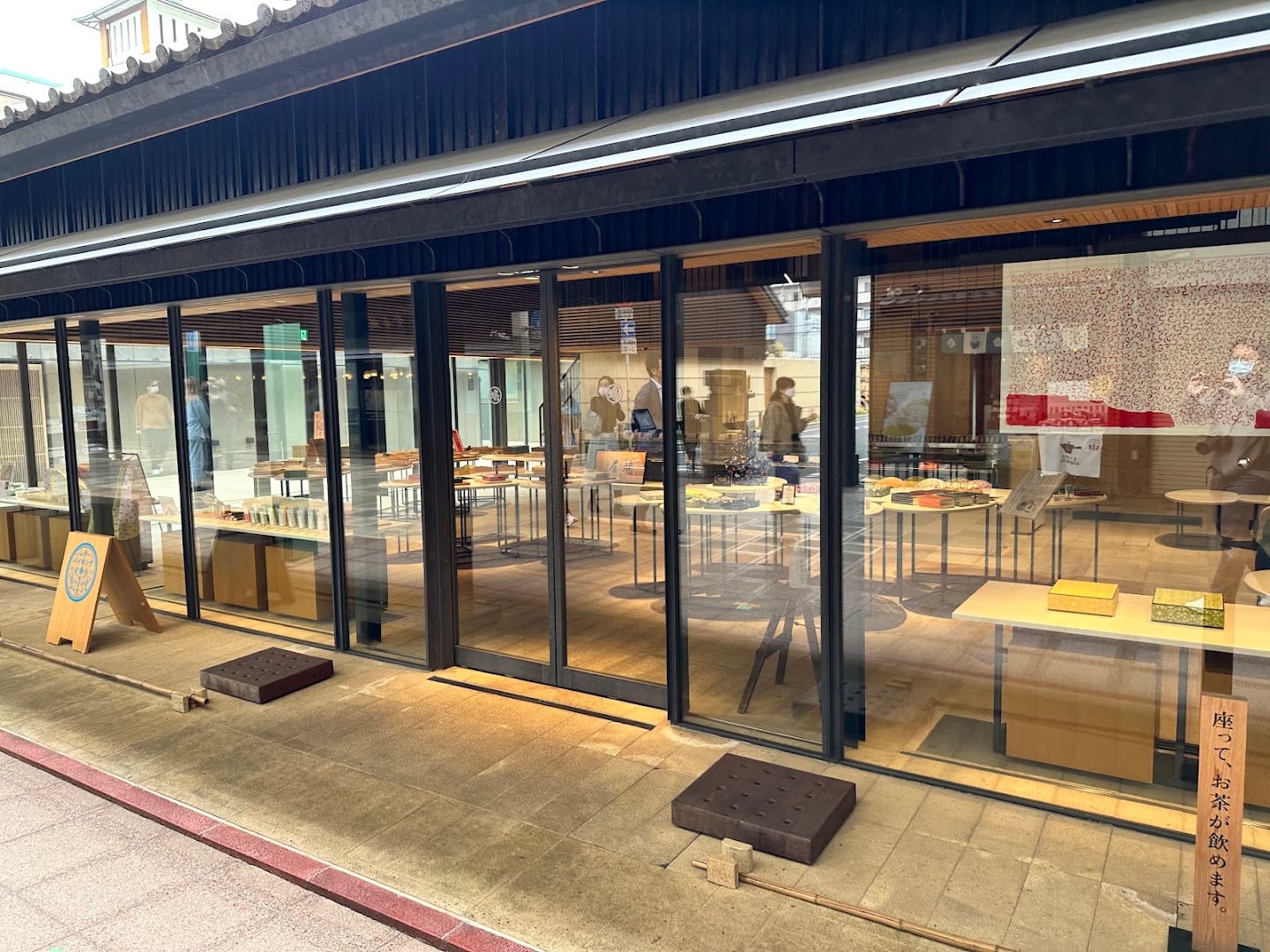
A Tour of Old-Shop Sweets and Cafés Around Sanjo-dori
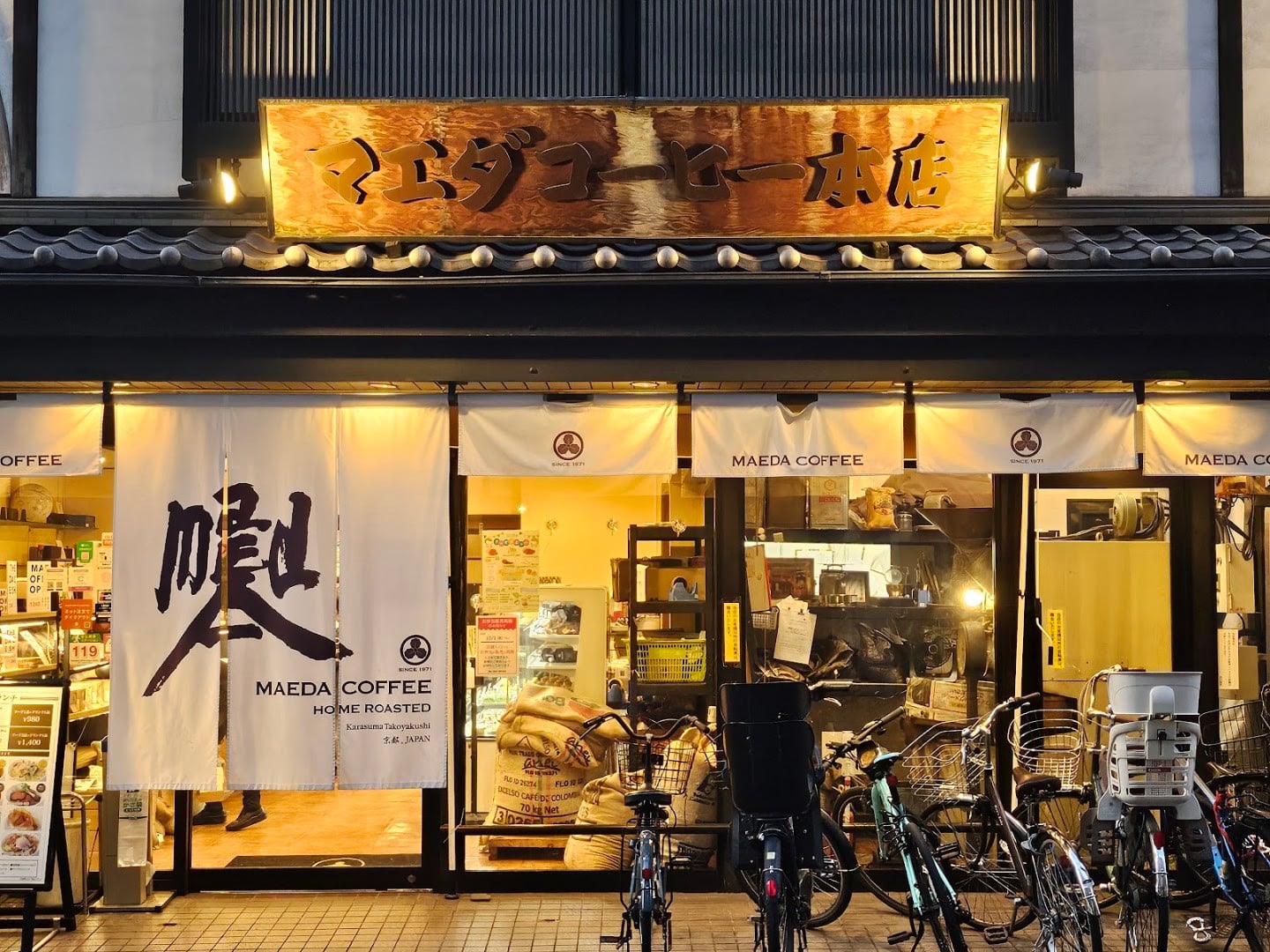
Teramachi-dori and the Kawaramachi area around Sanjo-dori have many old-style cafés and sweets shops, suited to arranging your own café and sweets tour after you finish the architecture and select shops.
If you want to join a café and sweets tour, whether it is offered and its fee should follow the current announcements of KKday, Klook or the organizers.
For travelers who want to slow down and feel the pace of everyday life in Kyoto, this kind of tour adds a taste and space experience beyond pure shopping, and also suits a relaxed finish after an architecture tour or select-goods shopping.

Where to Stay Nearby
Sanjo-dori runs east-west through the center of Kyoto, joining Keihan Sanjo Station and the Kamo River on the east and connecting to Teramachi, Shinkyogoku and Kawaramachi on the west. Staying around Kawaramachi, Sanjo or Karasuma lets you link stationery shops, select shops and cafés on foot.

FAQ
Q: What are the hours and address of the ANGERS select shop on Sanjo-dori?
ANGERS Kawaramachi Main Store is open 11:00 to 20:00 (the official website says open daily), and the address is on the west side of Kawaramachi, Sanjo agaru, Nakagyo-ku, Kyoto, near Keihan Sanjo Station.
Q: How much will transportation cost for an architecture tour of Sanjo-dori?
From Kyoto Station, taking the subway to Karasuma-Oike costs about ¥220, and with a walk you reach Sanjo-dori, so the total transport cost is under ¥300, quite economical.
Q: Is it better to visit Sanjo-dori on a weekday or a weekend?
Weekday mornings are recommended, when crowds are smaller and it is easier to take photos and pick out goods; on weekend afternoons the Teramachi-dori intersection is more crowded and the shopping experience is slightly affected.
Q: Which months is the Takashimaya Kyoto beer garden open?
The beer garden is a summer-only event, usually open between May 1 and September 30 each year (closed in rain); actual dates should follow the official website, and a reservation in advance is recommended.
Q: Do the buildings on Sanjo-dori require tickets?
Most old Western-style buildings can be viewed free from the outside; only some special exhibitions at the Museum of Kyoto Annex require a separate ticket, and the other shops and streets can be entered and visited free of charge.
Q: Which station is the most convenient starting point for getting to Sanjo-dori?
Keihan Sanjo Station or Karasuma-Oike Station is a good starting point; both are within 10 minutes on foot of Sanjo-dori, so you can choose flexibly by your lodging location and transfer route, making your itinerary smoother and more efficient.
Q: How long should I plan for Sanjo-dori?
Allow half a day (about 3 to 4 hours), which lets you cover the architecture tour, ANGERS select goods and the Teramachi-dori stationery street in full, and those with more time can extend to shopping at Shijo-Kawaramachi.