
2026 Shinjuku Food Guide: Popular Local Restaurants and Must-Eat Dishes
Shinjuku packs in famous yakiniku, ramen, beef tongue and dessert shops, and its east, west and south exits each have their own character, making it one of Tokyo’s most densely packed food battlegrounds. Below we first introduce the food personality of four areas, Kabukicho, Omoide Yokocho, Shinjuku-sanchome and the area around the Tokyo Metropolitan Government Building, and then pick the must-eat shops across areas.
Kabukicho: Late-Night Eateries and Midnight-Snack Mecca in the City That Never Sleeps
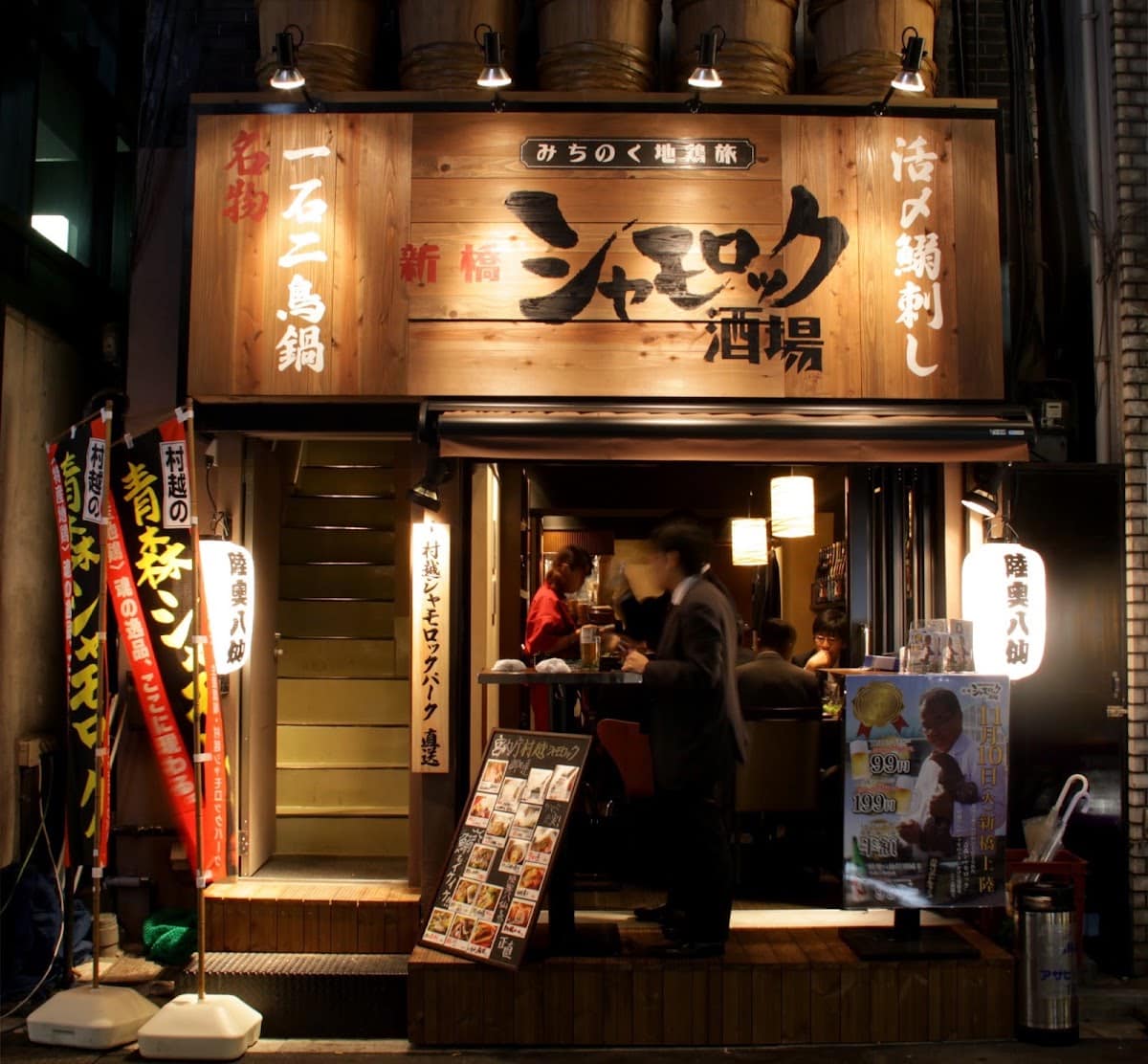
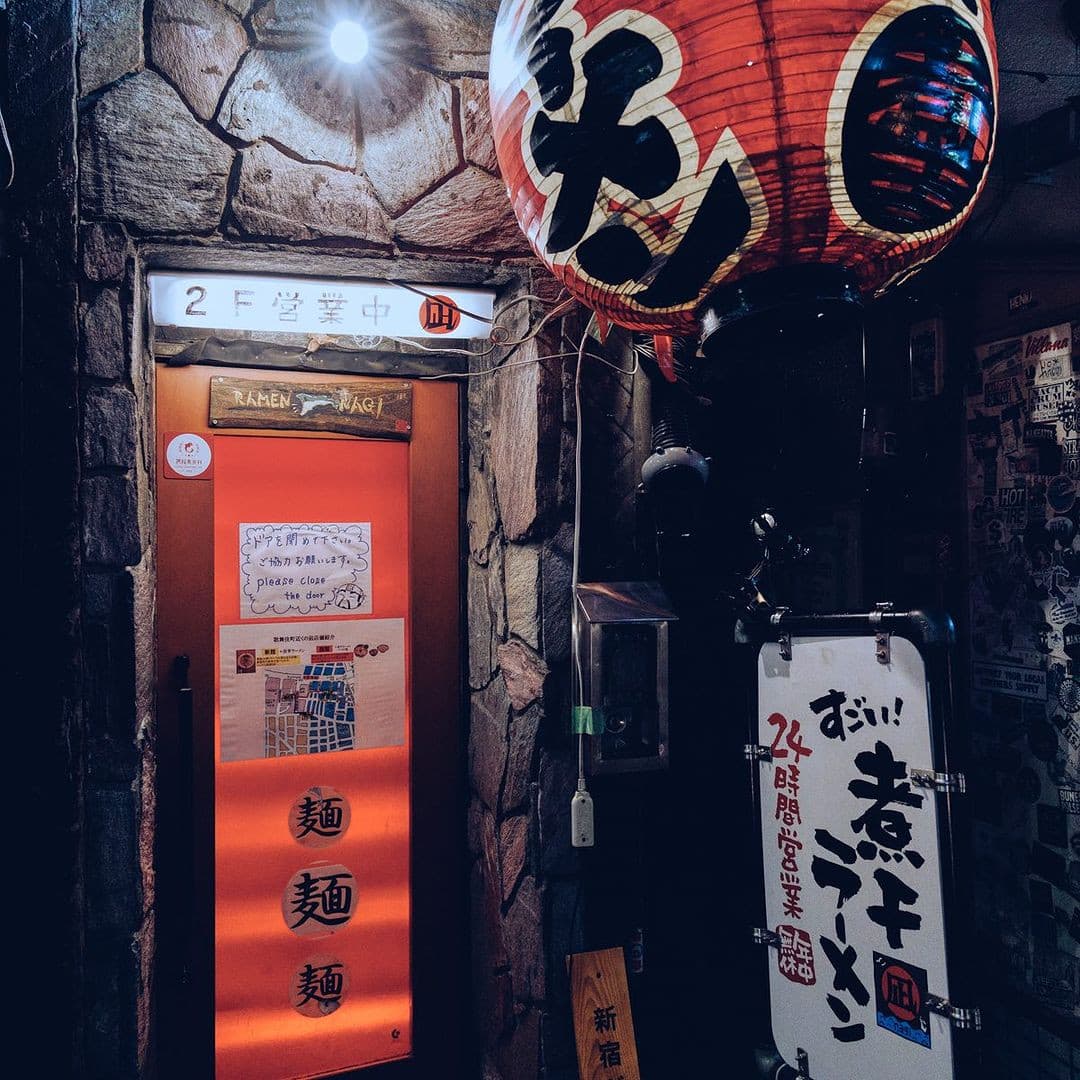
Kabukicho is the city that never sleeps on Shinjuku’s east side, where izakaya, ramen shops and standing bars stay open all night, one of the few Tokyo areas where it is easy to find food in the small hours. “Sugoi Niboshi Ramen Nagi” (すごい煮干ラーメン凪), open almost around the clock, hides in the Kabukicho alleys near Kabukicho Ichibangai and is known for a rich broth simmered from more than 20 kinds of niboshi (dried sardines), a pilgrimage for late-night ramen fans; there is also “Tachigui Yakiniku Jiromaru” (立喰い焼肉治郎丸), which serves domestic wagyu yakiniku standing up, with friendly prices and fast turnover that late-night crowds love.
Because safety is relatively complicated, we suggest avoiding walking the alleys alone late at night and choosing places with clear menus and prices at the entrance. Most izakaya and ramen shops stay open until 2 to 5 a.m., making this the only area in Shinjuku where you can get a “breakfast-grade midnight snack.”
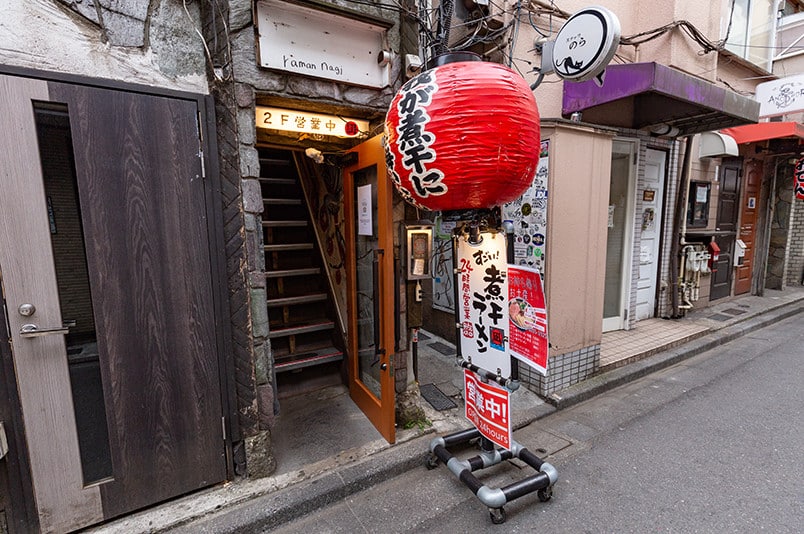
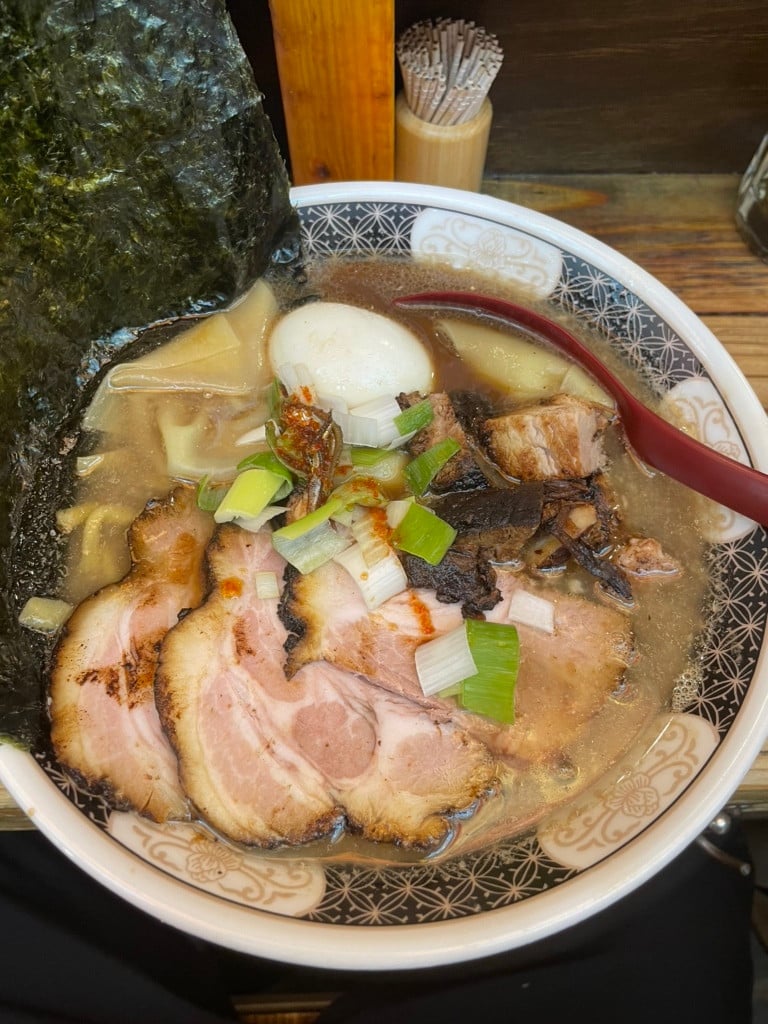
Niboshi Ramen: Sugoi Niboshi Ramen Nagi Shinjuku Golden Gai Branch (すごい煮干ラーメン凪 新宿ゴールデン街店)
Hidden in Shinjuku Golden Gai, “Sugoi Niboshi Ramen Nagi” is known for a rich broth made from more than 20 kinds of niboshi, a must-visit for late-night ramen fans, open almost around the clock (shorter hours on Wednesdays and Thursdays; follow the shop’s announcements).
The shop has only 10 counter seats and often has a queue at peak times; we suggest going in the early morning hours to get in more easily and enjoy the rare Tokyo “breakfast-grade midnight snack.”
- 🍽️ Must-order: Sugoi! Niboshi Ramen (rich niboshi broth)
- 💰 Price: about ¥900-1,200
- 🚉 Access: about a 5-8 minute walk from Seibu-Shinjuku Station / Shinjuku Station East Exit, inside the Shinjuku Golden Gai main building

Standing Yakiniku: Tachigui Yakiniku Jiromaru Kabukicho Branch (立喰い焼肉治郎丸 歌舞伎町店)
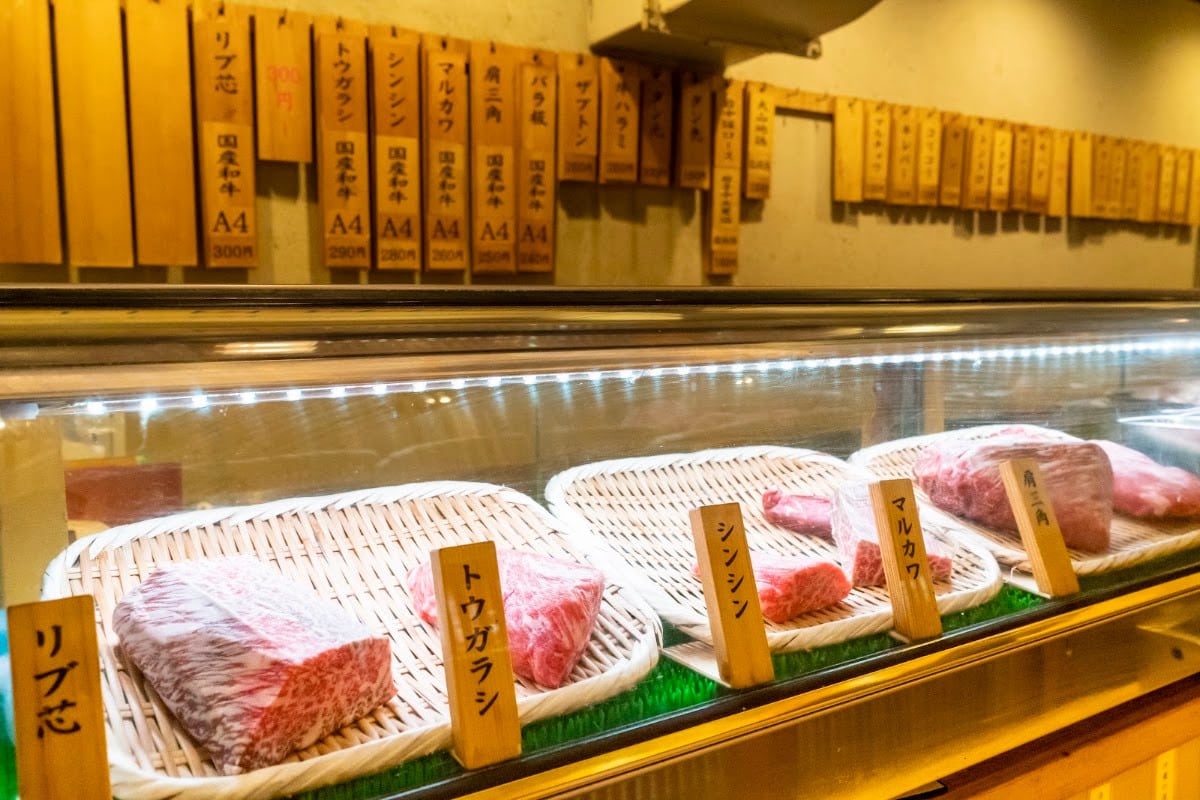
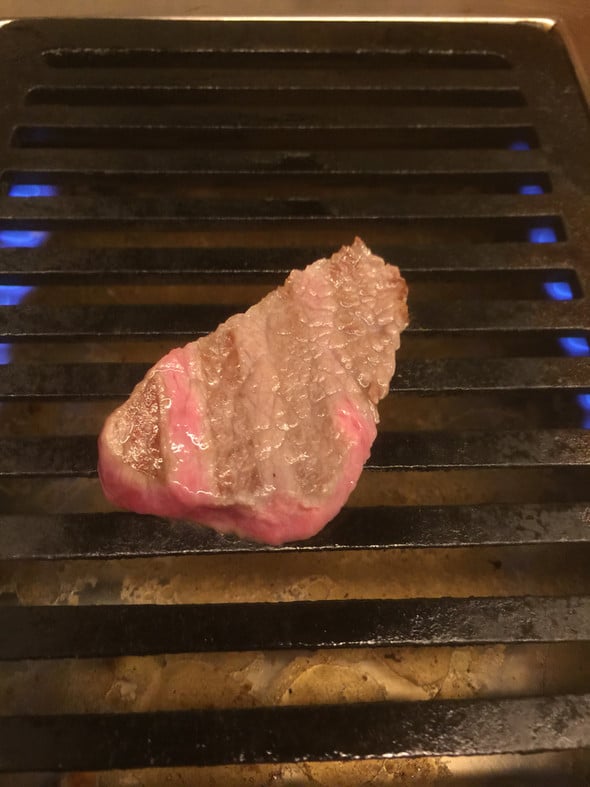
“Tachigui Yakiniku Jiromaru” is the original famous standing yakiniku shop, serving domestic wagyu and offal skewers, with prices starting at ¥50 and even A5 wagyu at only about ¥150-300. The value is excellent, making it Kabukicho’s most representative budget yakiniku experience.
There are no chairs, only a standing counter, with fast turnover and a lively atmosphere, open until 5 a.m., ideal for a midnight snack or late-night drink. The menu changes daily, so check the day’s cuts when you arrive.
- 🍽️ Must-order: domestic beef belly / A5 wagyu skewers
- 💰 Price: about ¥50-300 per piece
- 🚉 Access: about a 3-minute walk from Seibu-Shinjuku Station, inside Kabukicho Ichibangai
Omoide Yokocho: Showa-Era Yakitori and Smoky Alleys
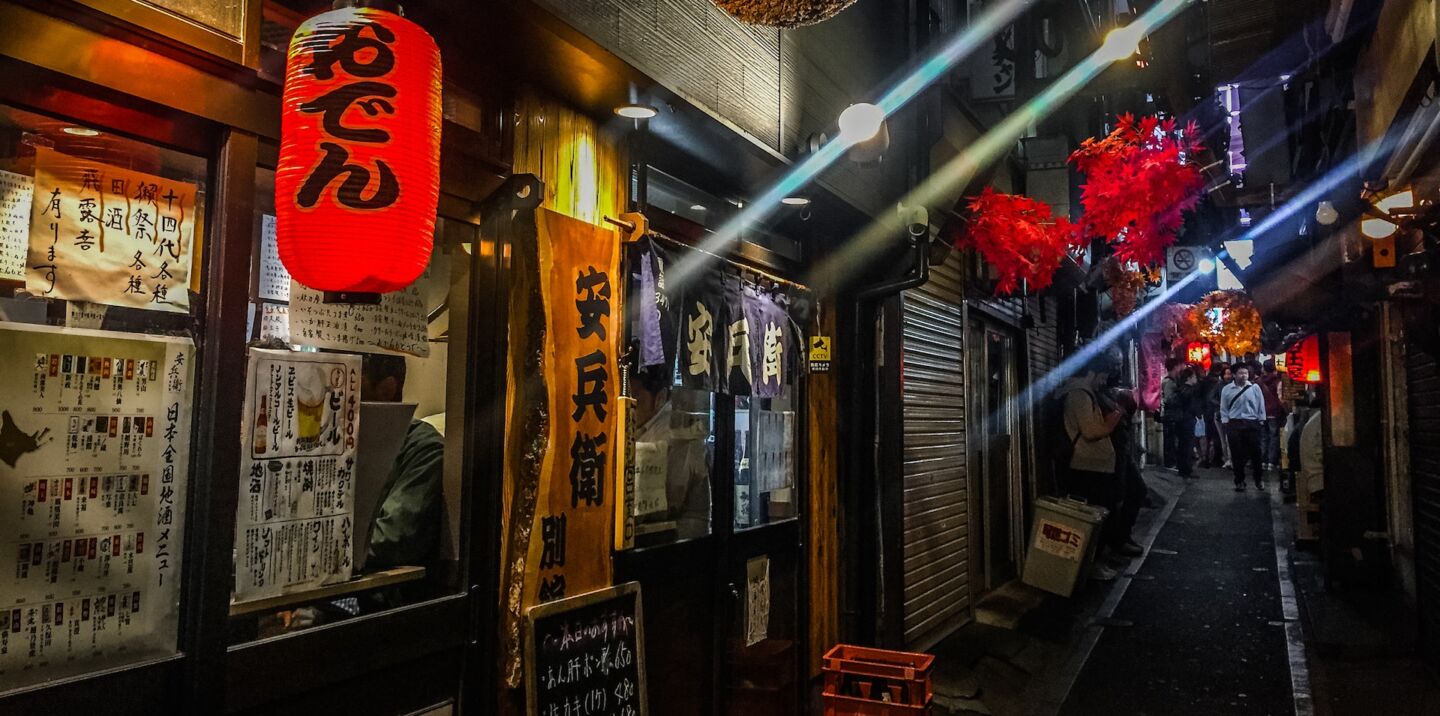
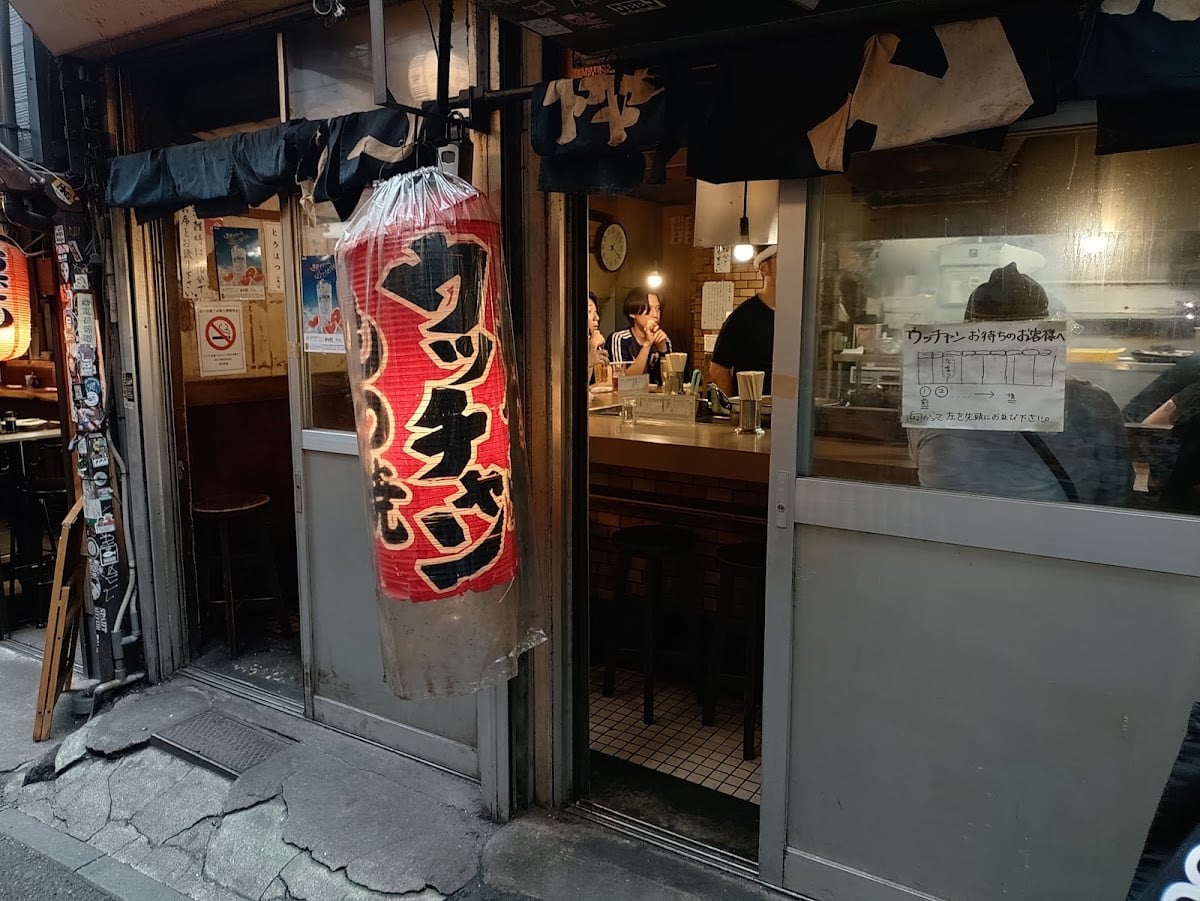
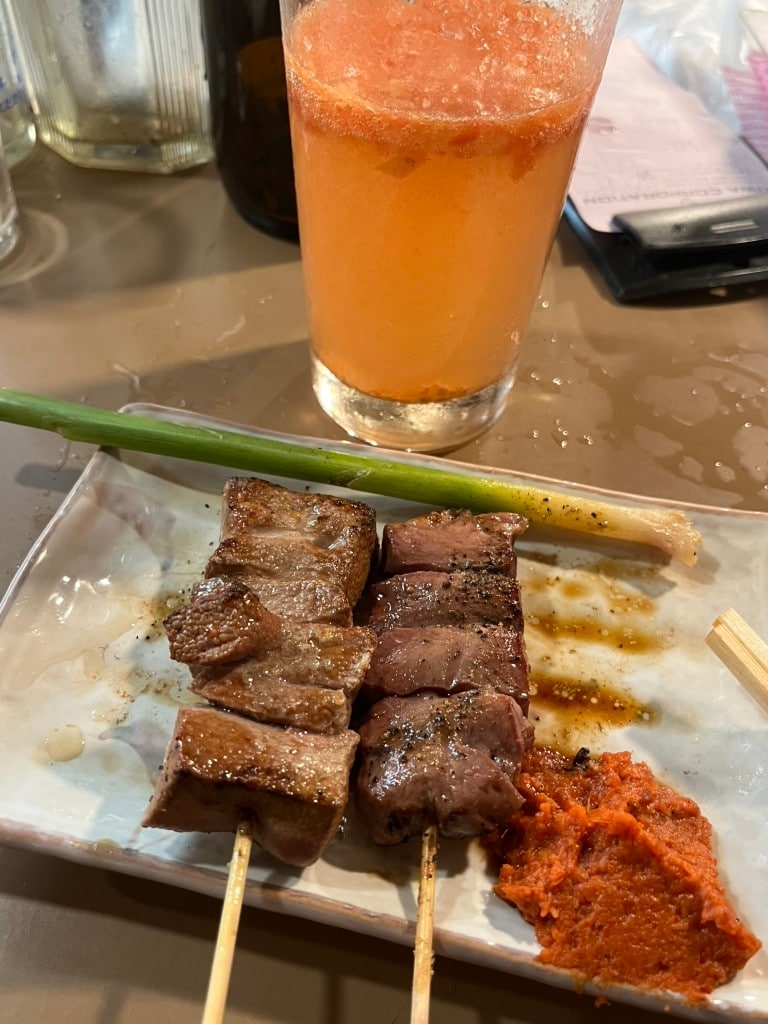
Omoide Yokocho (思い出横丁, also known as “Piss Alley”), the nostalgic food alley on Shinjuku’s west side, is home to about 60 izakaya, with the smell of grilled meat in the air all day. Be sure to try motsuyaki (grilled offal) and yakitori. At the popular “Motsuyaki Uchan” (もつ焼きウッチャン), the “Negireba” is crisp outside and soft inside; the 70-year-old “Daiichi Horaiya” (第一宝来家) and “Daini Horaiya” (第二宝来家) are known for charcoal-grilled tonton and fresh offal, an authentic place to experience Showa-era working-class food culture.
The alley is mostly narrow counters, where office workers drink in the early evening. Most shops accept cash only, and first-timers should pick a shop with Chinese or English menus to get in more easily.
Grilled Offal: Motsuyaki Uchan Shinjuku Omoide Yokocho (もつ焼きウッチャン 新宿思い出横丁)
“Motsuyaki Uchan” is the most popular grilled offal shop in Omoide Yokocho, with about 25 counter seats full every day. The signature “Negireba” (grilled liver with scallion) is crisp outside and soft inside and well loved, and there are also a three-cut set (gatsu, tan, kobukuro) and cartilage among many other offal cuts.
Skewers start at about ¥170 each and side dishes at about ¥500. The crowds start to gather in the early evening, so we suggest sitting early to avoid the busiest queue time.
- 🍽️ Must-order: Negireba (grilled liver with scallion)
- 💰 Price: skewers from about ¥170, side dishes from about ¥500
- 🚉 Access: about a 3-minute walk from Shinjuku Station West Exit, inside Omoide Yokocho
Charcoal-Grilled Tonton: Horaiya (Daiichi and Daini Horaiya) (宝来家)
“Horaiya,” founded in 1947 (Showa 22), is the oldest shop in Omoide Yokocho to sell motsuyaki (grilled offal). It has two sister shops, Daiichi Horaiya and Daini Horaiya. The signature charcoal-grilled tonton uses fresh pork offal slaughtered the same day, with a secret sauce that has been aged for more than 70 years.
With friendly prices and an authentic atmosphere, it is one of the most representative places to experience Tokyo’s Showa-era working-class food culture. Most shops accept cash only; we suggest going in the early evening to see the everyday scene of office workers having a drink after work.
- 🍽️ Must-order: Charcoal-grilled tonton (grilled pork offal skewers)
- 💰 Price: about ¥150-300 per skewer
- 🚉 Access: about a 3-minute walk from Shinjuku Station West Exit, inside Omoide Yokocho
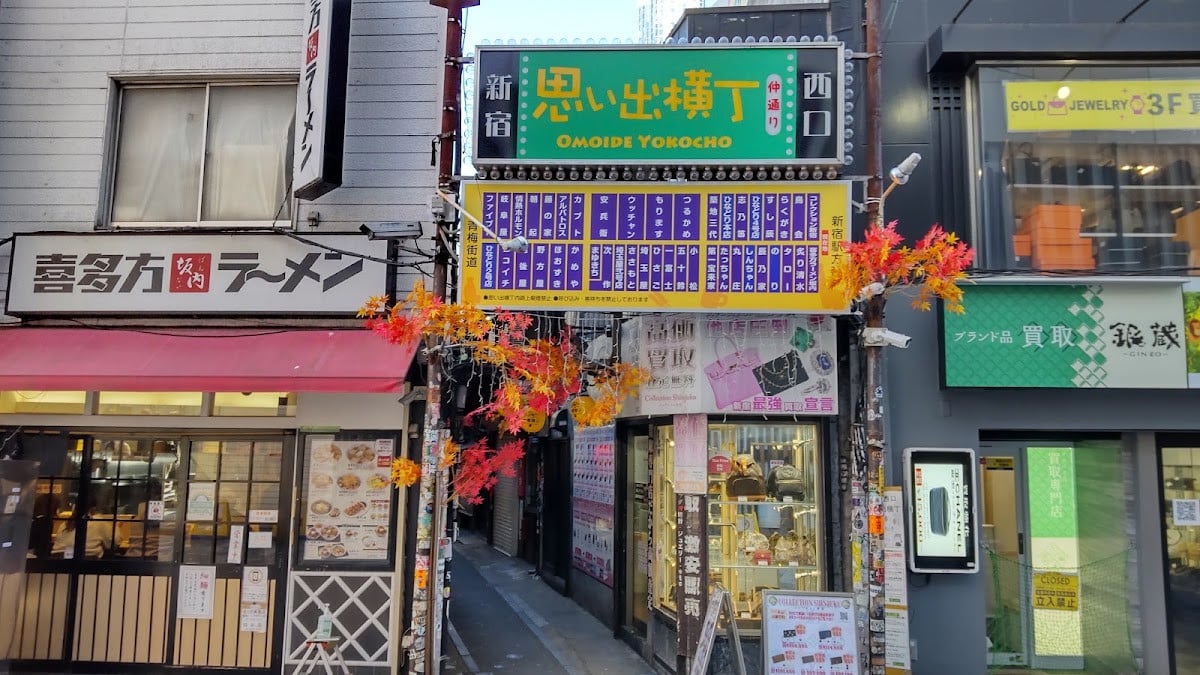
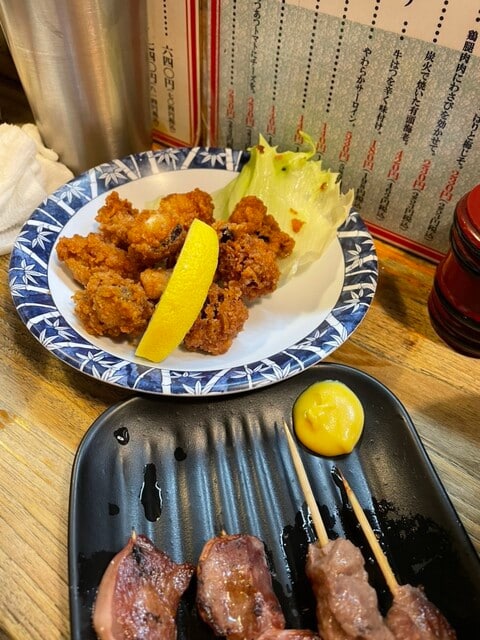
Omoide Yokocho Opening Hours: Uchan and Daini Horaiya
Motsuyaki Uchan is open 16:00 to 22:00 (closes when sold out), with about 25 seats, cash only. Daini Horaiya is open until 23:15 (last order), from 14:30 on Saturdays and from 13:00 on Sundays and national holidays, closed Mondays. Most shops only get lively in the evening, so we suggest going after 4 p.m. and having cash ready.
Shinjuku-sanchome: Isetan’s Food Hall and a Cluster of Craft Shops
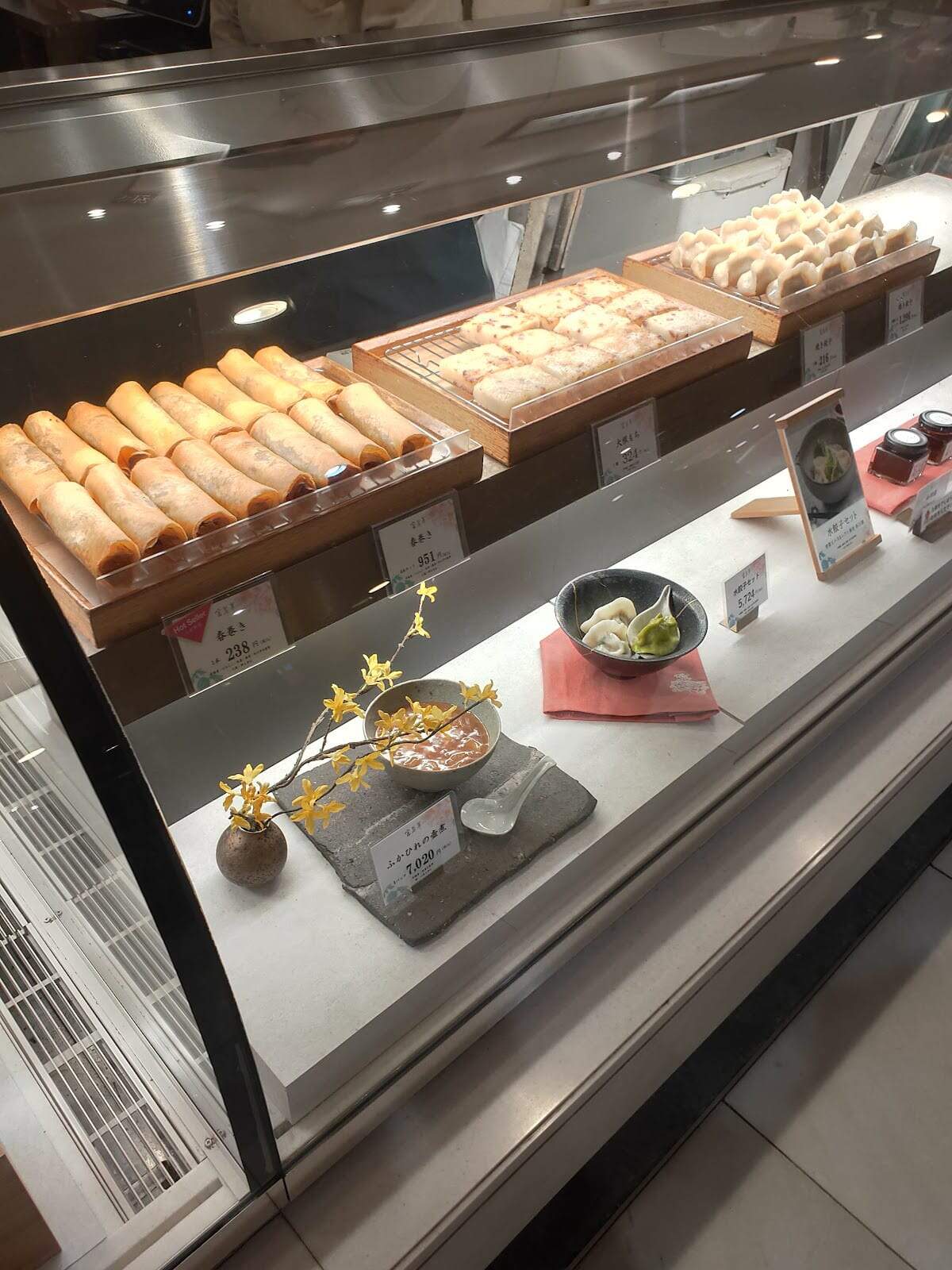
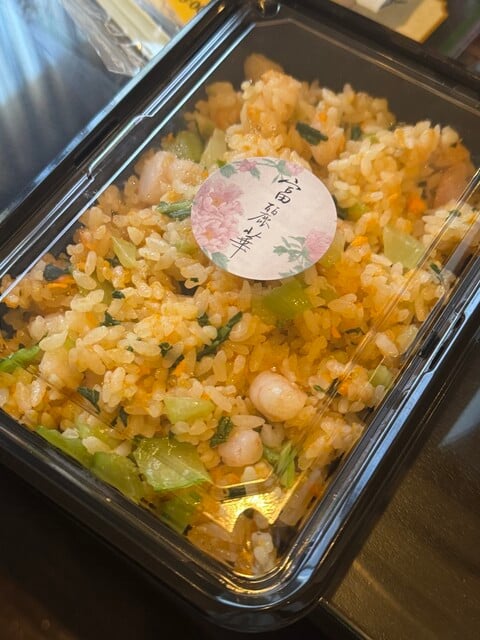
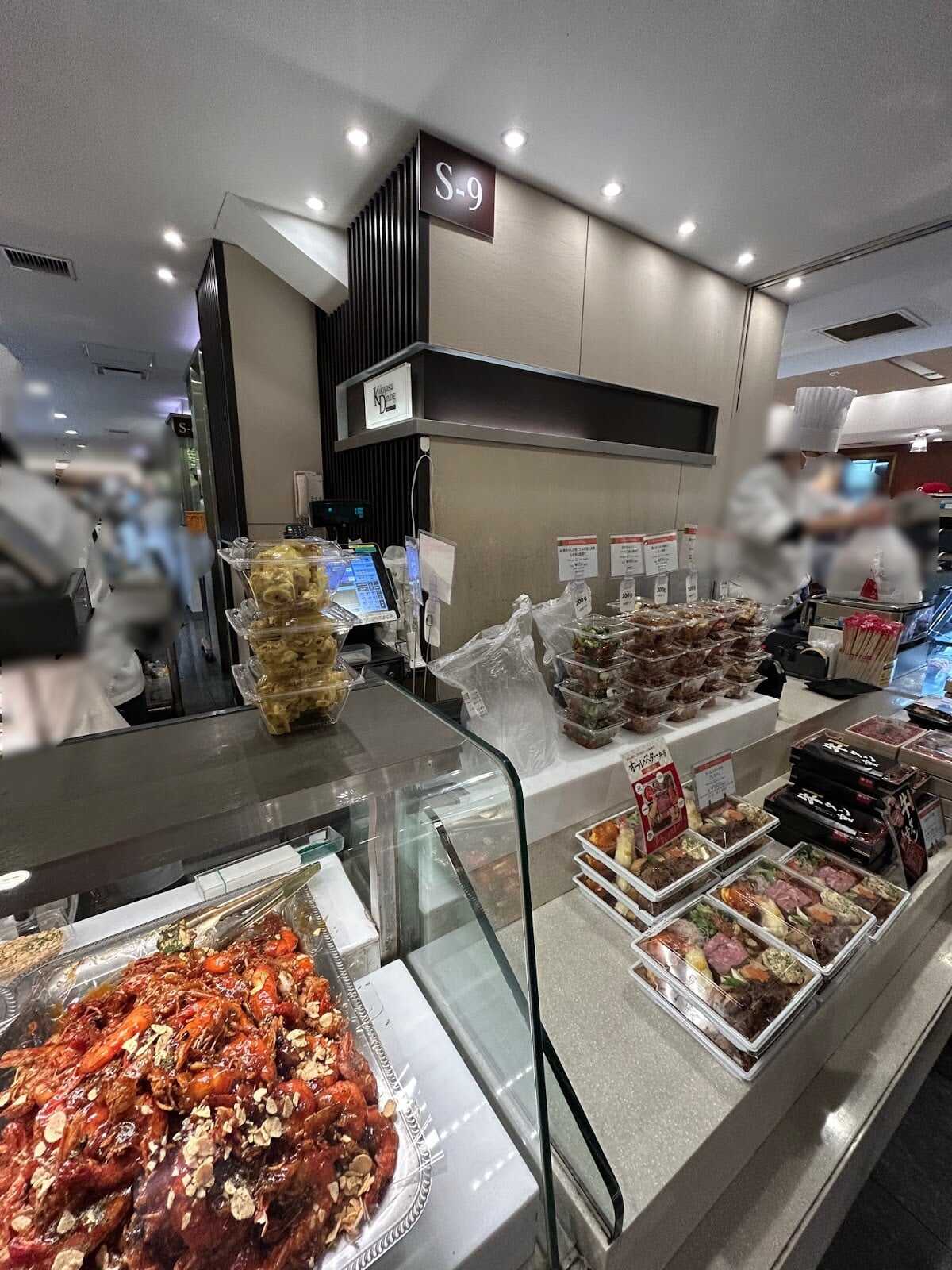
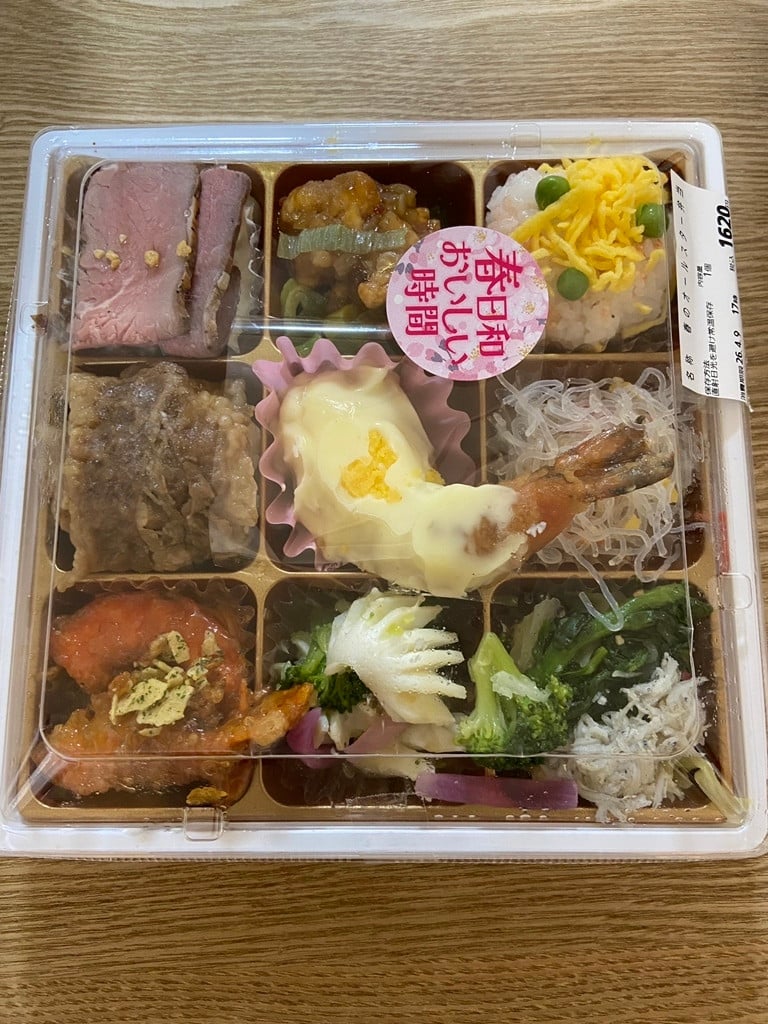
Shinjuku-sanchome is centered on Isetan Shinjuku, whose basement food floor (depachika) gathers top-class prepared foods and sweets of Japanese, Western and Chinese styles, such as the black vinegar sweet-and-sour pork from “Chinese Restaurant Fu Li Hua” (中国飯店 富麗華) and the Matsusaka beef croquettes from “Kakiyasu Dining” (柿安ダイニング), signature items people line up for, ideal for taking back to your hotel or as gifts.
The area is also home to artisan izakaya and famous yakiniku and sukiyaki restaurants. The alleys are mostly small, finely decorated shops at mid-to-high prices, best for savoring a proper dinner. Isetan is open until 8 p.m., so shopping and buying prepared foods can be scheduled for after afternoon tea.
Black Vinegar Sweet-and-Sour Pork: Chinese Restaurant Fu Li Hua Isetan Shinjuku (中国飯店 富麗華 伊勢丹新宿店)
The one-Michelin-star “Chinese Restaurant Fu Li Hua” has a counter on the basement food floor of Isetan Shinjuku. Its signature black vinegar sweet-and-sour pork has a deep color and a rich but not overly salty flavor, a popular prepared dish with queues.
It is good for taking back to your hotel or as a gift. Isetan is open until 8 p.m., so you can pick it up while shopping.
- 🍽️ Must-order: Black vinegar sweet-and-sour pork (kurozu subuta)
- 💰 Price: about ¥1,200-2,000 per serving (priced by weight)
- 🚉 Access: directly connected to Shinjuku-sanchome Station, Isetan Shinjuku B1F
Matsusaka Beef Croquette: Kakiyasu Dining Isetan Shinjuku (柿安ダイニング 伊勢丹新宿店)
“Kakiyasu Dining,” opened in 1998, is a pioneer of depachika Western-style delicatessens. Its signature Matsusaka beef croquette and Matsusaka beef premium menchi-katsu are hand-cut and made to order, juicy and often sold out. The shop also has prepared foods such as black wagyu gyumeshi and large shrimp mayo, with 30-40 items on hand, and is a good match to shop for together with Fu Li Hua.
🍽️ Must-order: Matsusaka beef croquette
💰 Price: about ¥400-800 each
🚉 Access: directly connected to Shinjuku-sanchome Station, Isetan Shinjuku B1F
Around the Metropolitan Government Building (Nishi-Shinjuku): High-Altitude Dining in the Skyscrapers
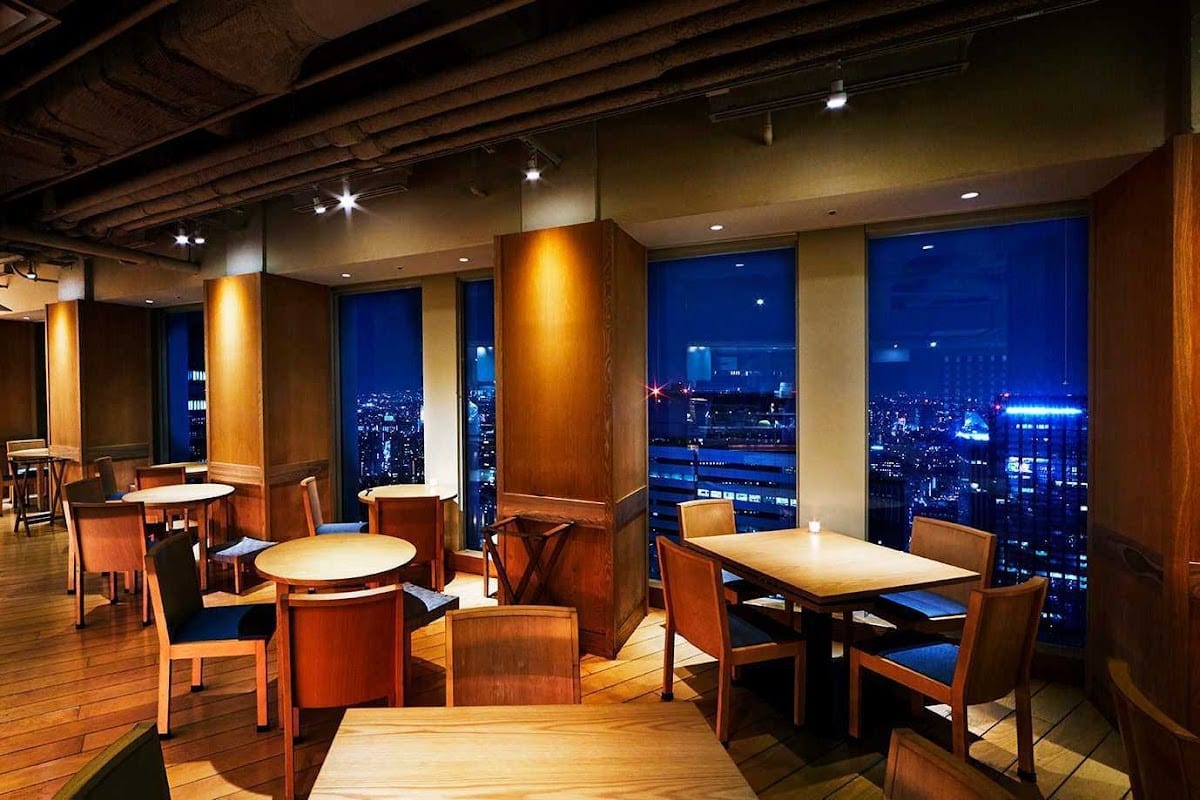
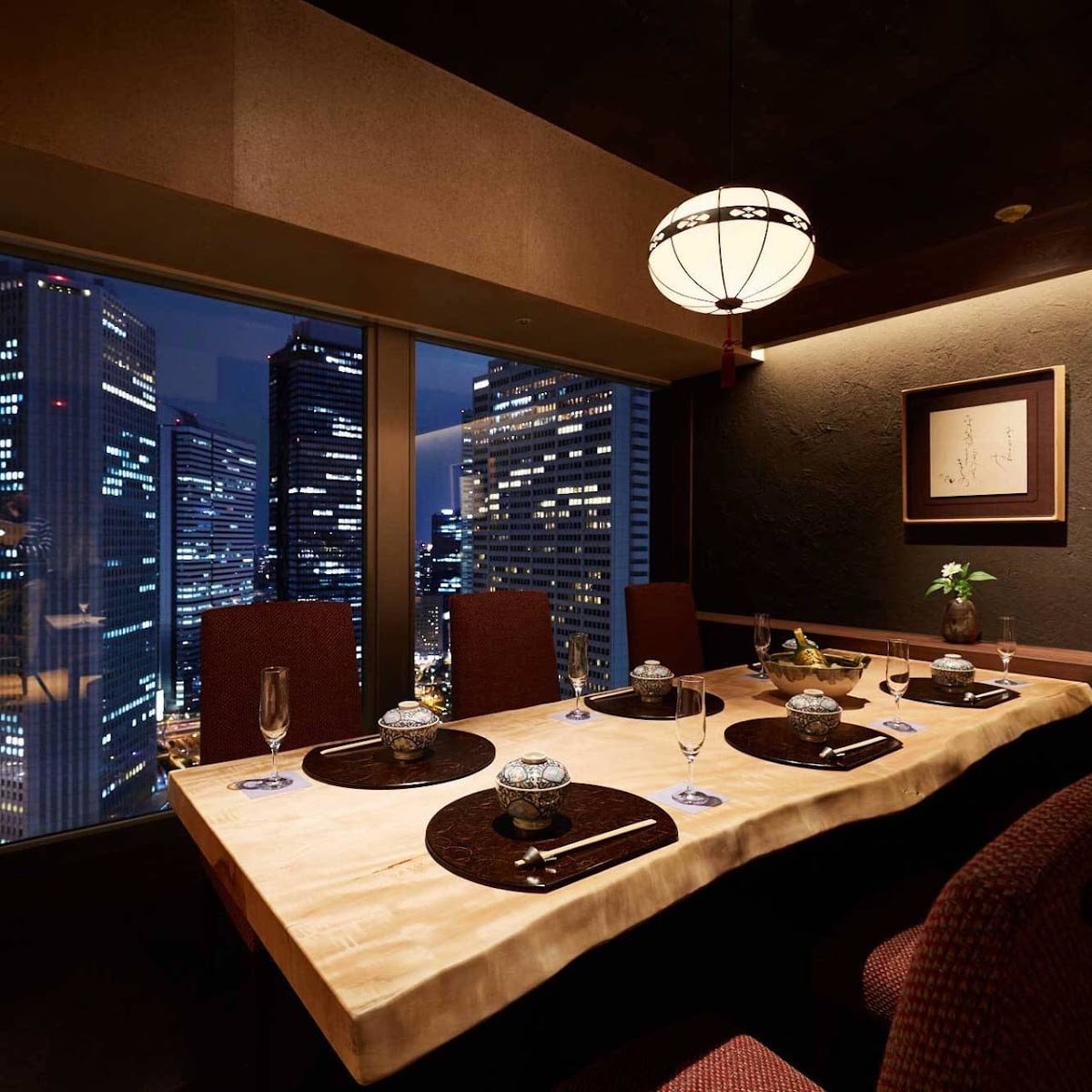
Nishi-Shinjuku, home to the Tokyo Metropolitan Government Building and skyscrapers, has several rooftop restaurants with superb night views. “Hibiki” (響) on the 49th floor of the Shinjuku Nomura Building sits 200 meters up, overlooking the city lights and serving creative Japanese cuisine; on the 50th floor of the same building, “Wine & Dining Duke” (ワイン&ダイニング デューク) is run by the Hotel Okura Tokyo team and serves French cuisine. On the 29th floor of the Shinjuku NS Building beside Tochomae Station, “Kosshitsu Washoku Higashiyama” (個室和食 東山) offers an all-private-room black wagyu kaiseki, well suited to business dining. Lunch sets here are friendly in price, while evenings turn into high-altitude view restaurants; we suggest reserving a window seat to enjoy both the night view and the food.
High-Altitude Creative Japanese: Hibiki Nishi-Shinjuku Nomura Building (響 西新宿野村ビル店)
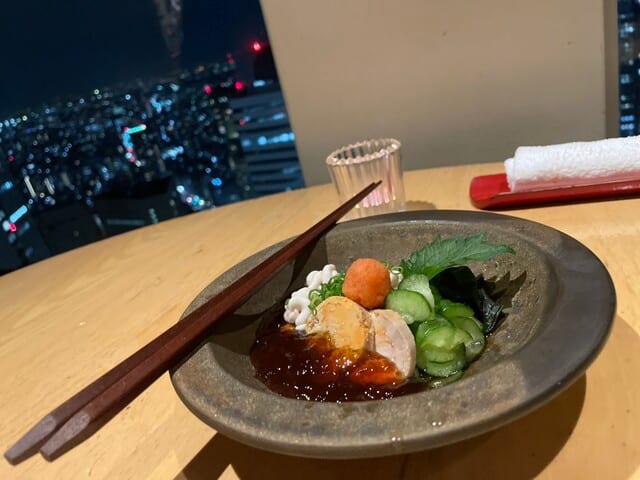
“Hibiki,” on the 49th floor of the Shinjuku Nomura Building, overlooks the city’s night view from about 200 meters above ground, serving refined creative Japanese dishes with Japanese whisky and other drinks, with sofa private-room seating that lets you enjoy the night view.
Lunch sets start at about ¥1,000 and dinner averages about ¥5,000 and up, with weekday lunch 11:30-14:30 and dinner 17:00-23:00; on Saturdays only dinner is served, and it is closed Sundays and national holidays. We suggest reserving a window seat in advance.
- 🍽️ Must-order: Creative Japanese course
- 💰 Price: lunch from about ¥1,000 / dinner from about ¥5,000
- 🚉 Access: about a 3-minute walk from Tokyo Metro Nishi-Shinjuku Station, Shinjuku Nomura Building 49F
High-Altitude French Cuisine: Wine & Dining Duke (ワイン&ダイニング デューク)
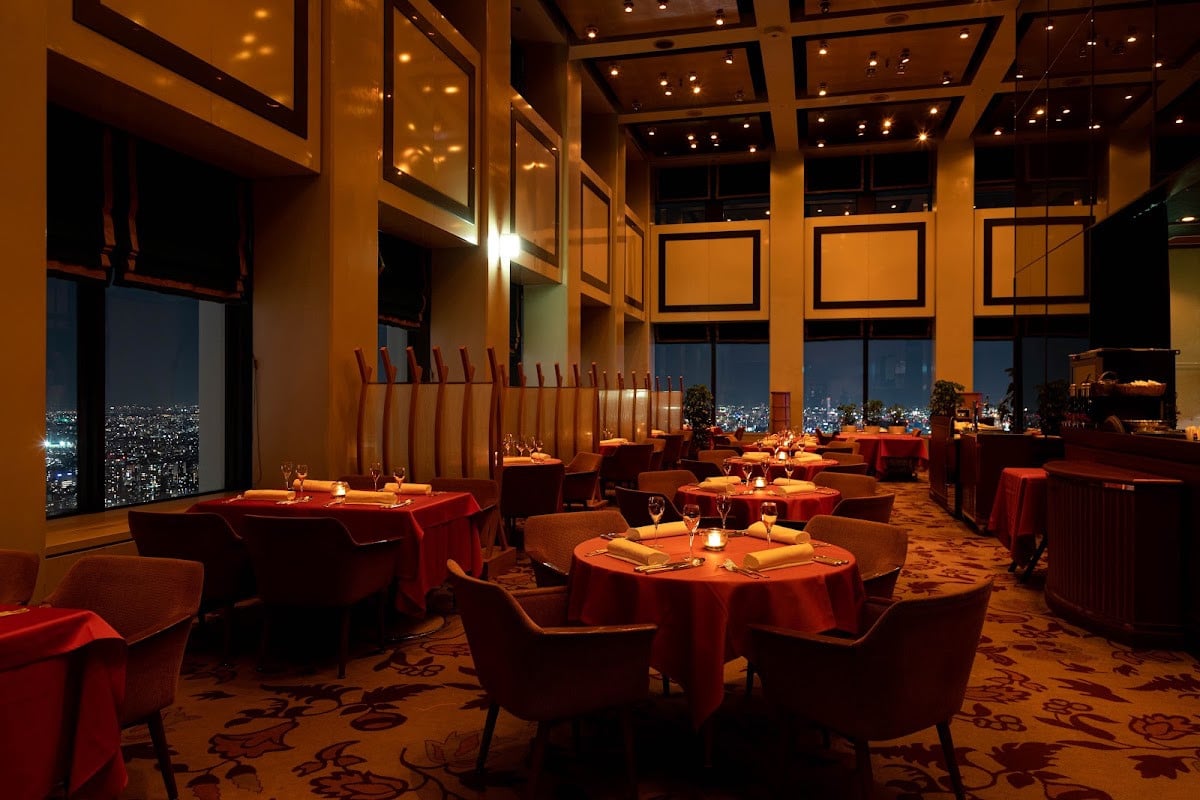
Run by the Hotel Okura Tokyo group, “Wine & Dining Duke” is on the 50th floor, the top floor, of the Shinjuku Nomura Building, about 210 meters above sea level, serving authentic French cuisine, with a professional sommelier recommending a suitable wine for each dish.
The weekday-only dinner course “Étoile” starts at about ¥7,700, suitable for anniversaries or business dinners. Reservations are required, and we suggest booking a window seat in advance to enjoy the Shinjuku night view.
- 🍽️ Must-order: Special French course (Étoile course, etc.)
- 💰 Price: from about ¥7,700 (weekday-only dinner course)
- 🚉 Access: about a 5-minute walk from Shinjuku Station West Exit, Shinjuku Nomura Building 50F
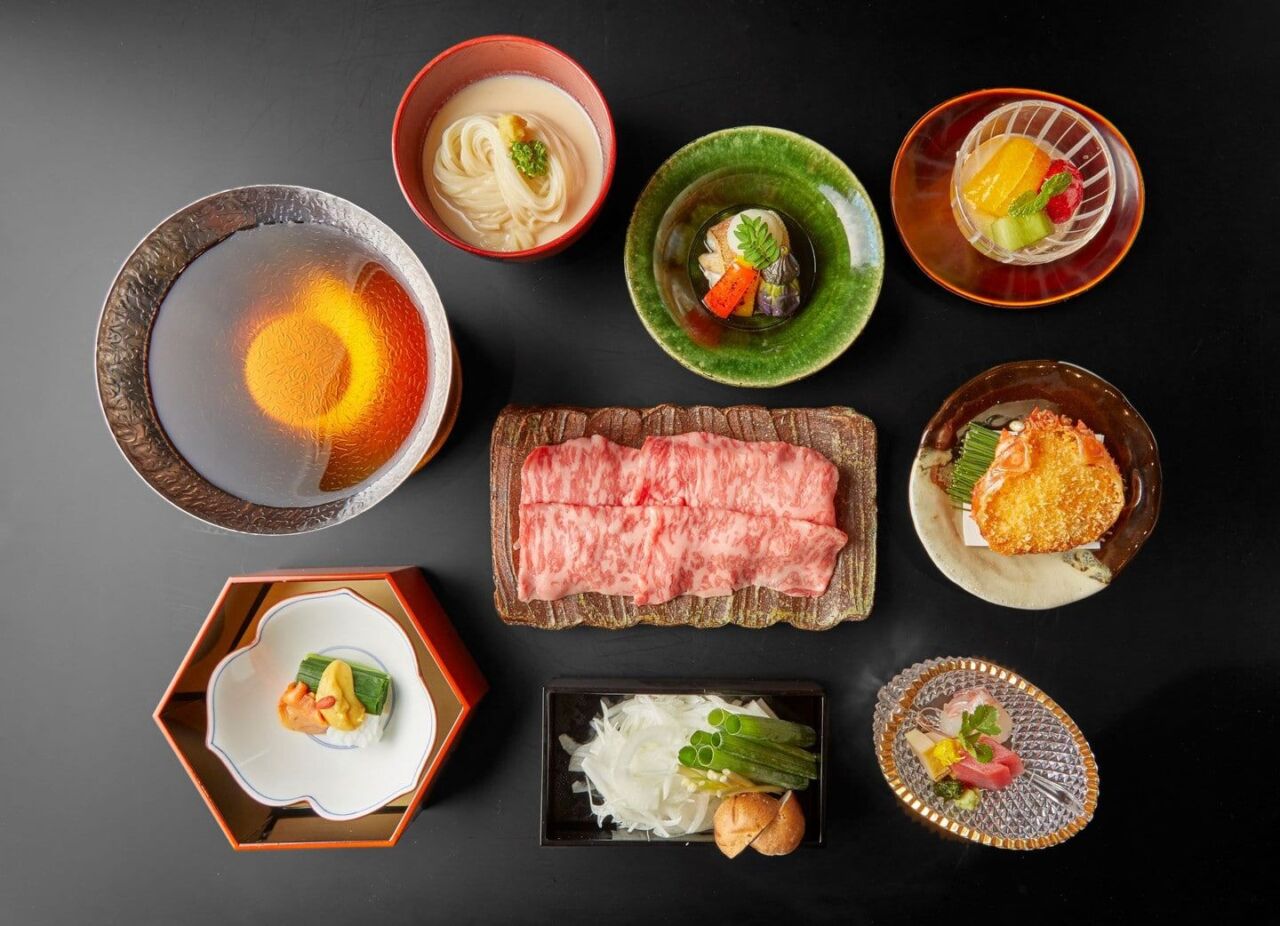
All-Private-Room Black Wagyu Kaiseki: Kosshitsu Washoku Higashiyama Shinjuku Main Branch (個室和食 東山 新宿本店)
The 90-year-old traditional Japanese restaurant “Kosshitsu Washoku Higashiyama” Shinjuku main branch is on the 29th floor of the Shinjuku NS Building, with all 29 rooms and 188 seats completely private. It uses domestic A5-grade black wagyu, with a chef trained at a high-end Kyoto ryotei, suitable for business dinners or family gatherings.
The signature “Golden Dashi Shabu” simmers wagyu in a special golden broth, sweet and not heavy, with courses from about ¥4,400. We suggest reserving ahead to secure a private room.
- 🍽️ Must-order: A4 black wagyu sukiyaki / golden dashi shabu-shabu kaiseki
- 💰 Price: about ¥4,400-7,150 per person
- 🚉 Access: about a 5-minute walk from Tochomae Station, Shinjuku NS Building 29F
Rokkasen Yakiniku: A Long-Established Shinjuku Spot for All-You-Can-Eat Black Wagyu
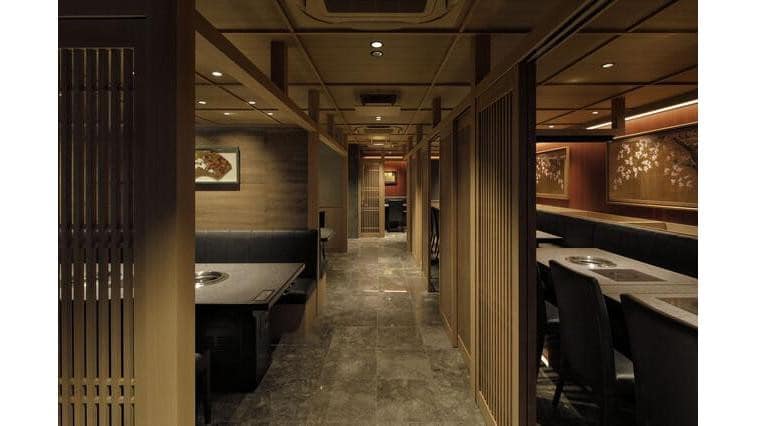
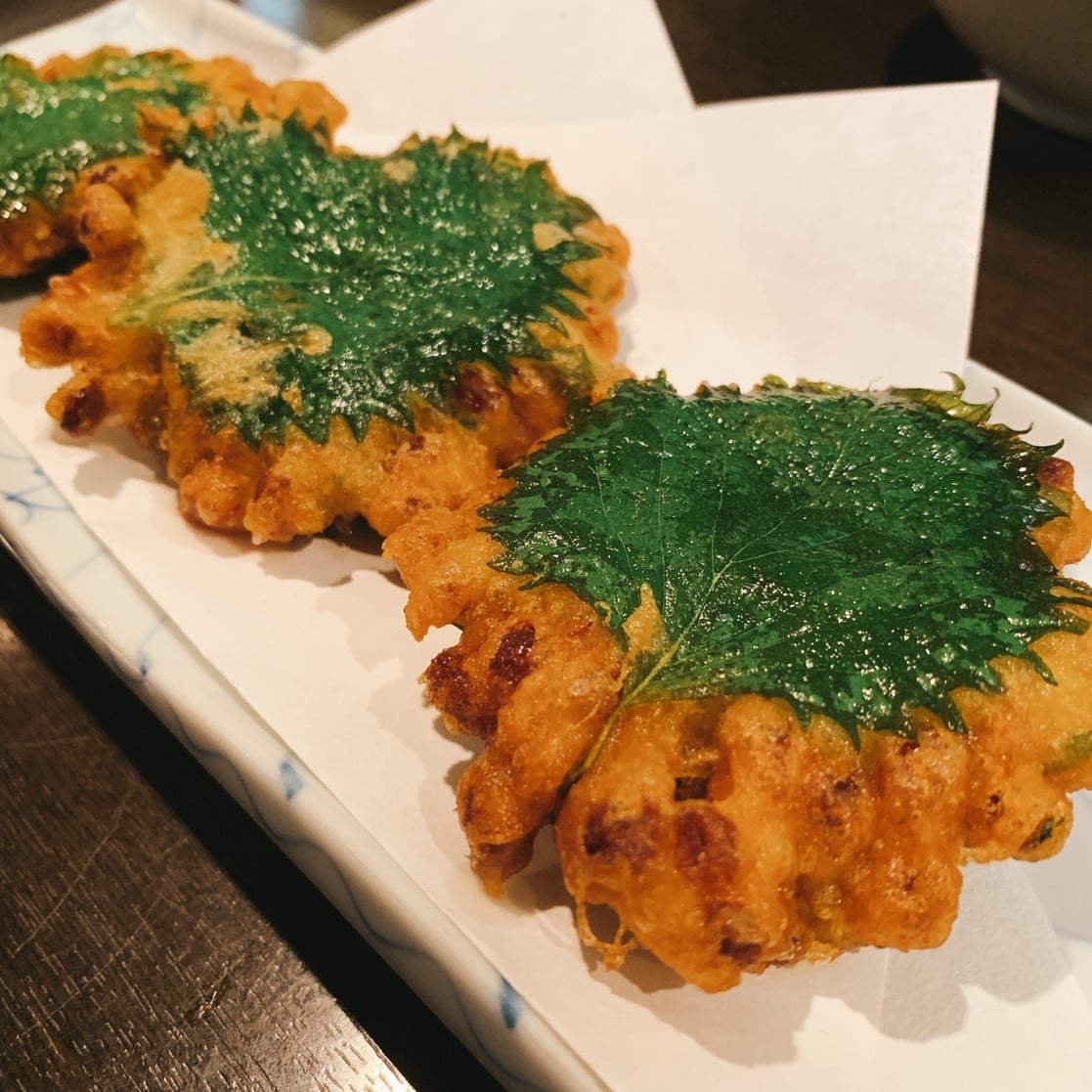
Rokkasen is a representative all-you-can-eat yakiniku shop in Shinjuku, featuring black wagyu and winter-only crab and scallop plans, with prices depending on the plan. Charcoal grilling with house-made sauces makes it a popular choice for family dinners and anniversaries. It is extremely popular, so book at least a week ahead on the official website or by phone, especially for the dinner slot. Located in Nishi-Shinjuku, about a 3-minute walk from Shinjuku Station, it suits dinner after a shopping outing.
![Tokyo - [All-You-Can-Eat Japanese BBQ] Yakiniku-tei Rokkasen - Shinjuku](https://res.klook.com/images/w_300,h_300,c_fill,q_75/w_80,x_15,y_15,g_south_west,l_Klook_water_br_trans_yhcmh3/activities/gvxi6nsrwftogpzd60hf/【日式烤肉吃到飽】燒肉亭六歌仙-新宿-Klook.jpg)

Afuri Ramen: The Refreshing Face of Yuzu Shio Ramen
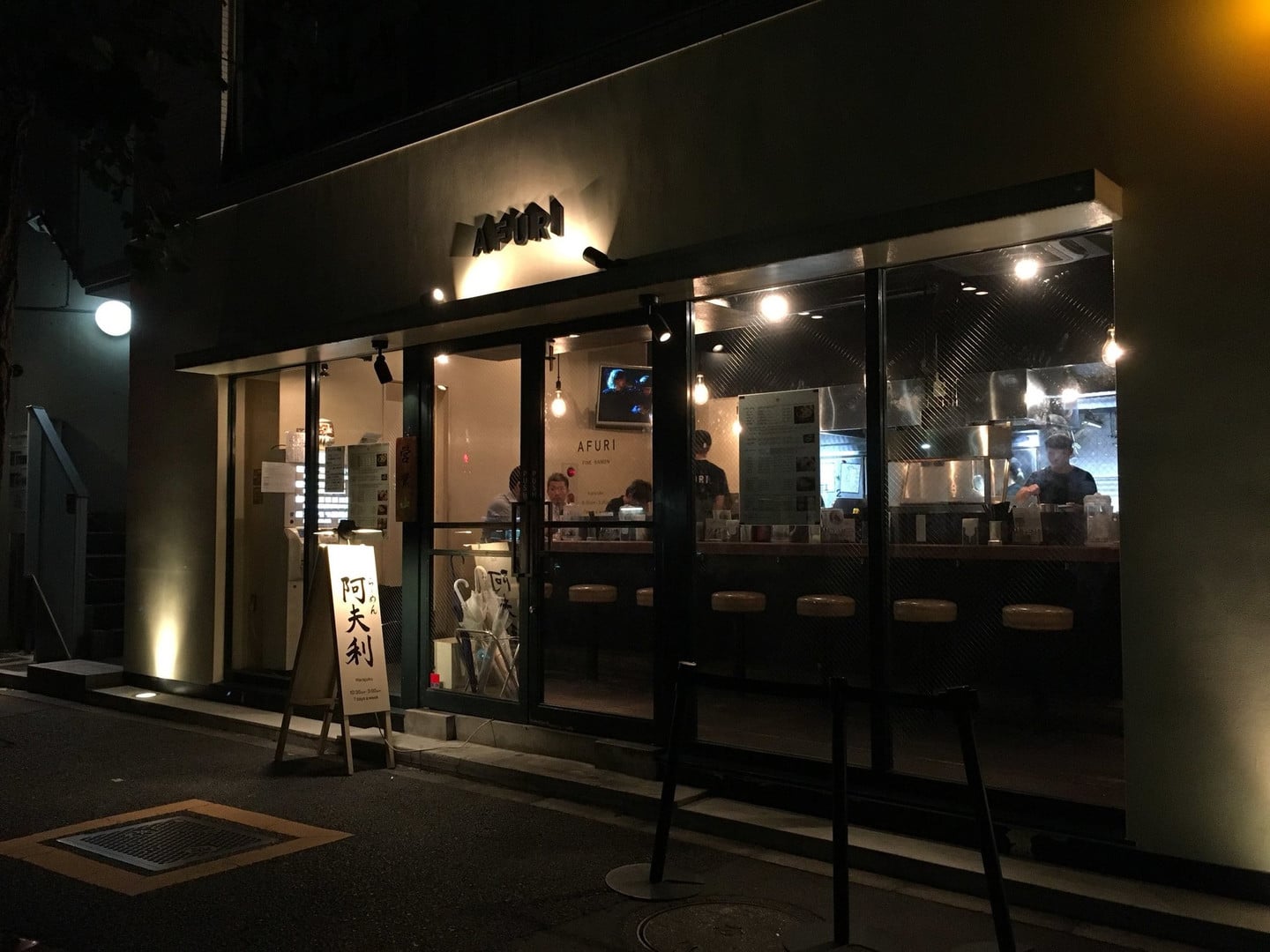
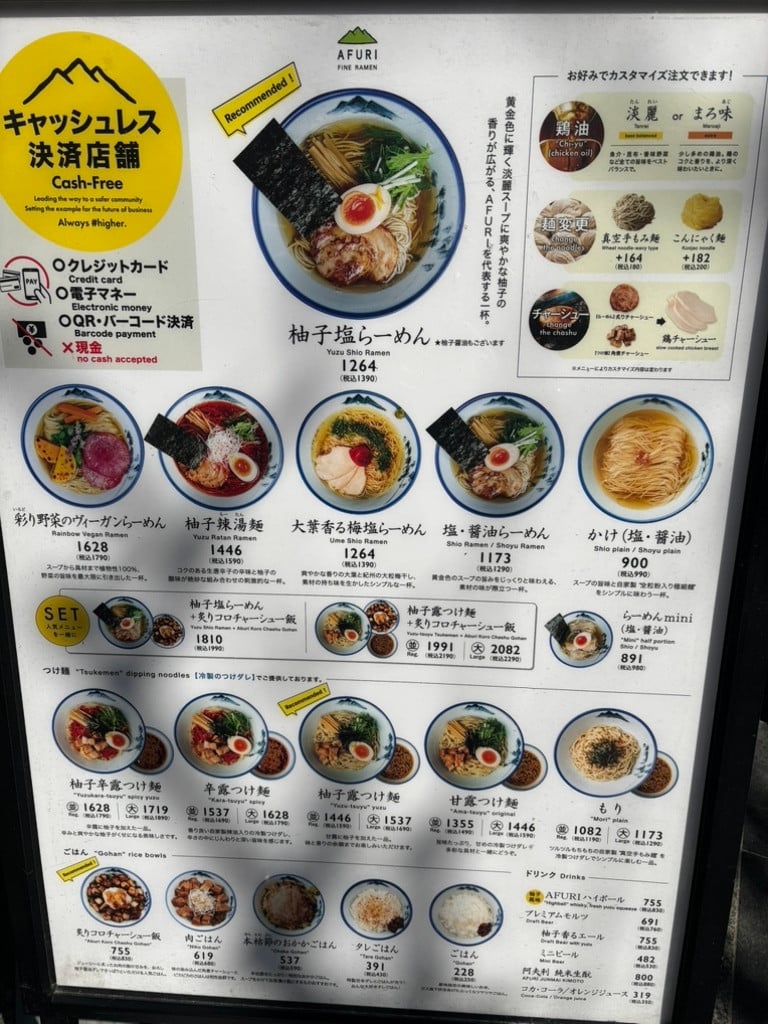
AFURI is known across Japan for yuzu shio ramen, a light chicken and pork broth with yuzu zest adding a fruity aroma, a breath of fresh air among rich ramen, with yuzu shoyu ramen also available. A bowl costs about ¥1,000-1,200, with good value.
The Shinjuku Sumitomo Building branch is open 11:00 to 20:00 (last order 19:30) and uses a ticket-machine ordering system, so travelers who do not read Japanese can order easily, making it a top pick for first-time ramen in Tokyo.
Menya Sho: A Shinjuku Queue Favorite for Rich Tonkotsu-Seafood Tsukemen
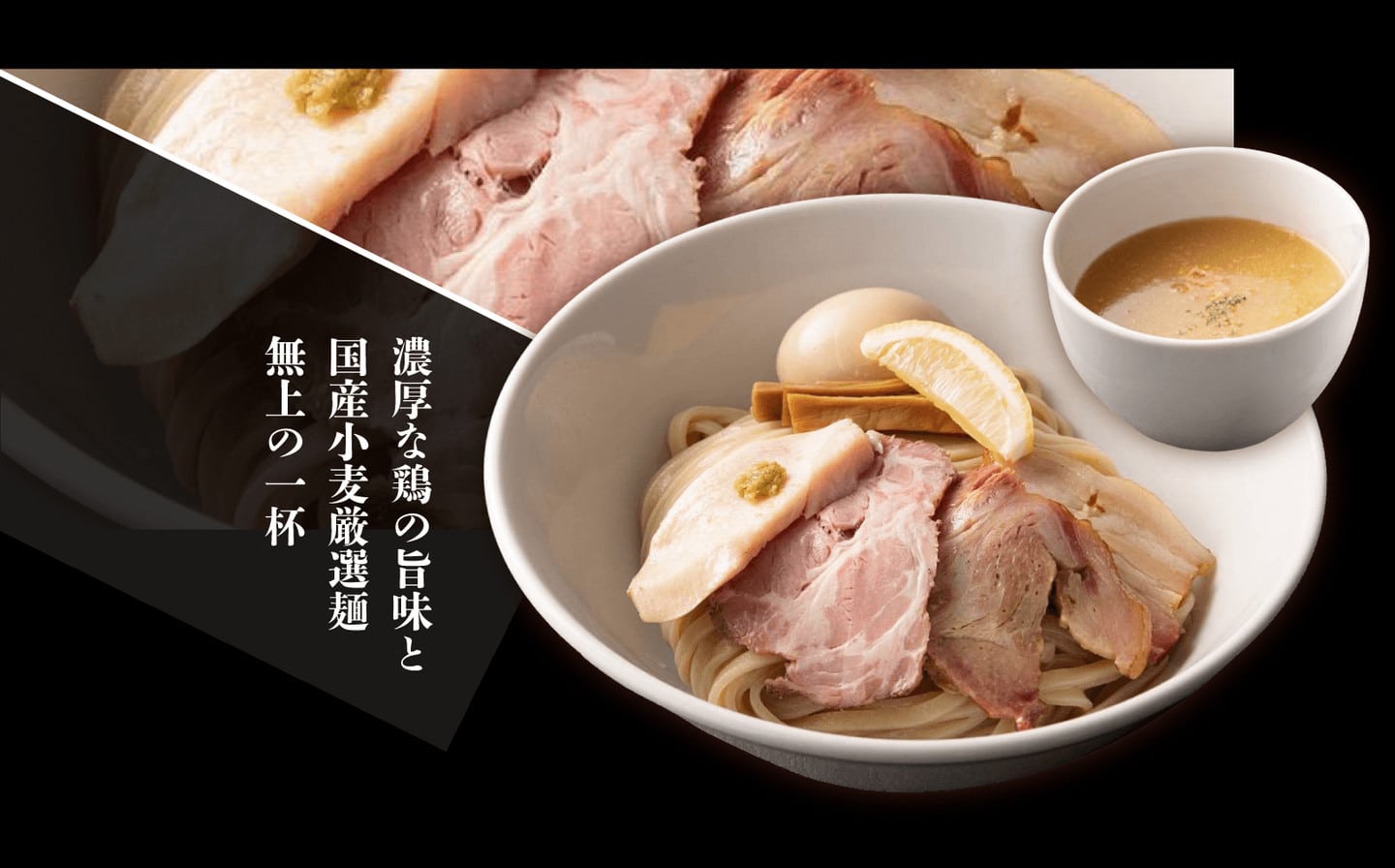
Menya Sho is known for a rich tonkotsu-seafood broth simmered more than ten hours, paired with thick, medium and thin noodles that soak up the broth superbly, and the signature tsukemen costs about ¥950 per bowl. The shop is small but turns tables quickly, and the wait is usually under 20 minutes.
We suggest ordering the “special tsukemen” with a soft-boiled egg and chashu, a hearty portion suited to a big appetite. The Nishi-Shinjuku “Menya Sho Minato branch” is open 11:00 to 20:00 (last order 19:45).
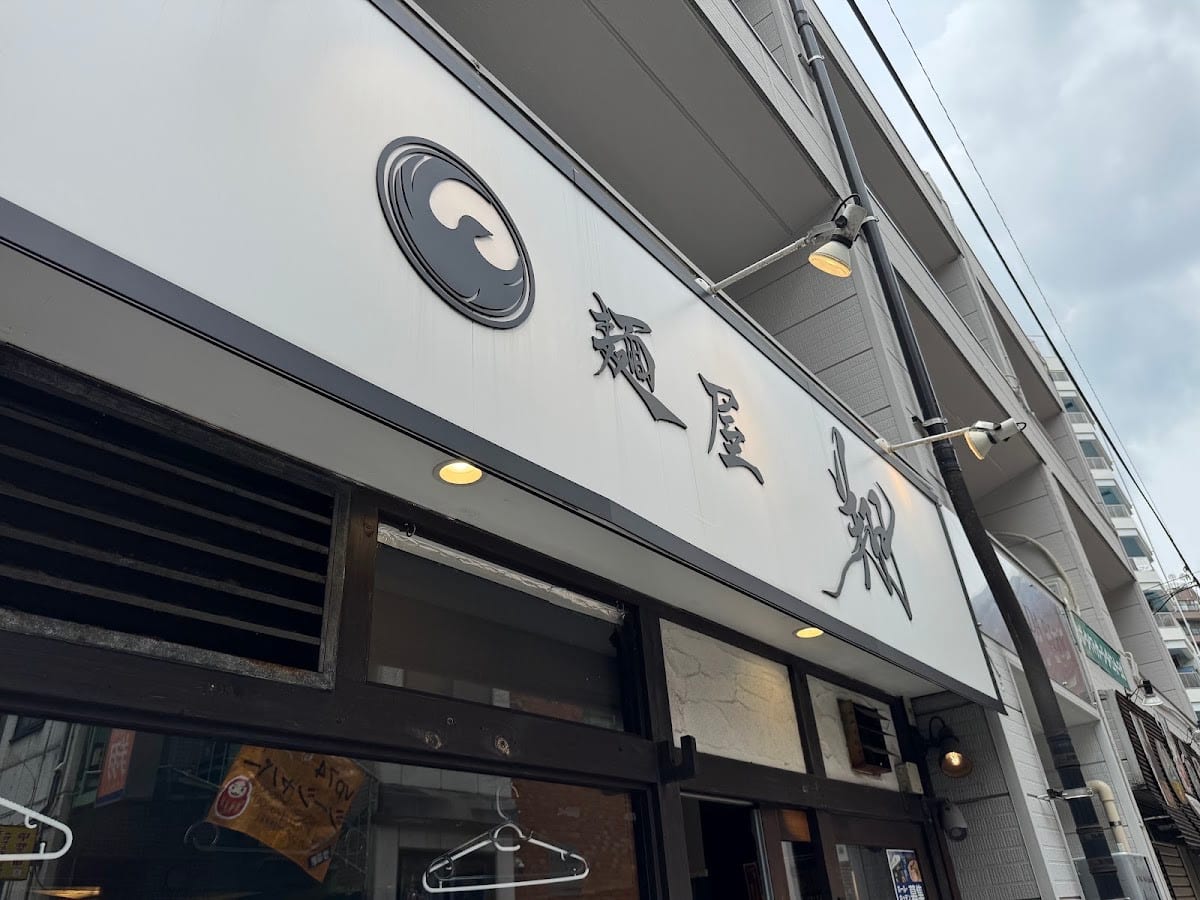
Menya Kaijin: A Famous Shop for Sea Bream Offal Shio Ramen
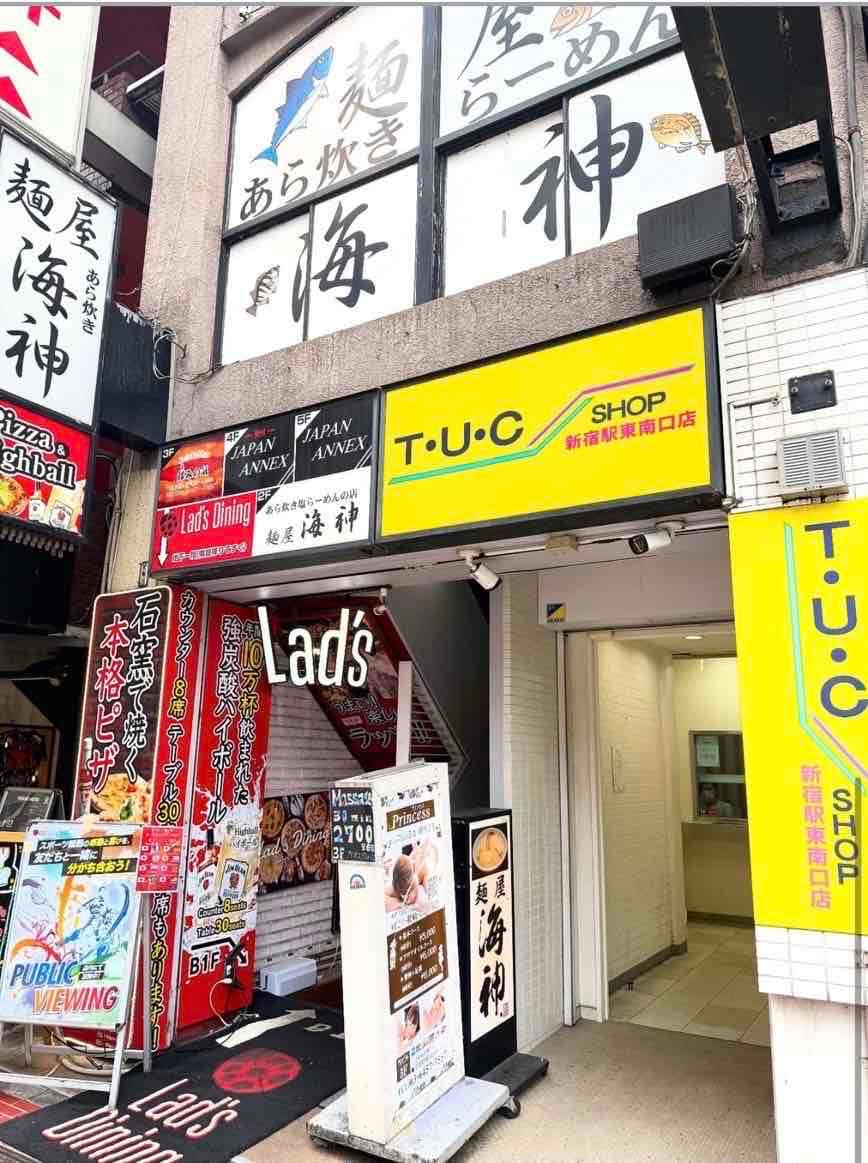
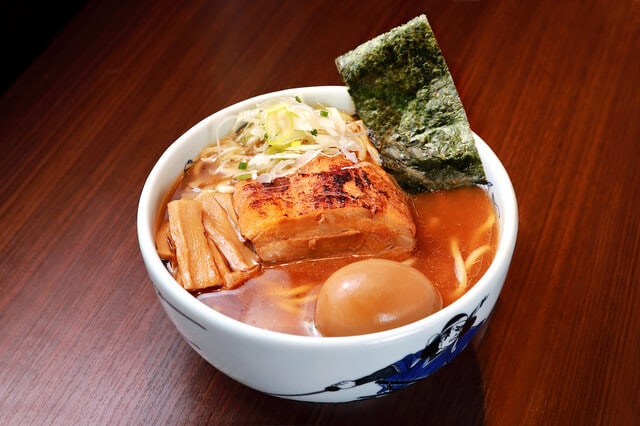
Menya Kaijin is known for a shio ramen simmered from the bones and offal of about 7 kinds of fish (such as sea bream), with a sweet, clean broth. Ramen lovers regard it as a hidden gem, and the signature shio ramen costs about ¥1,100.
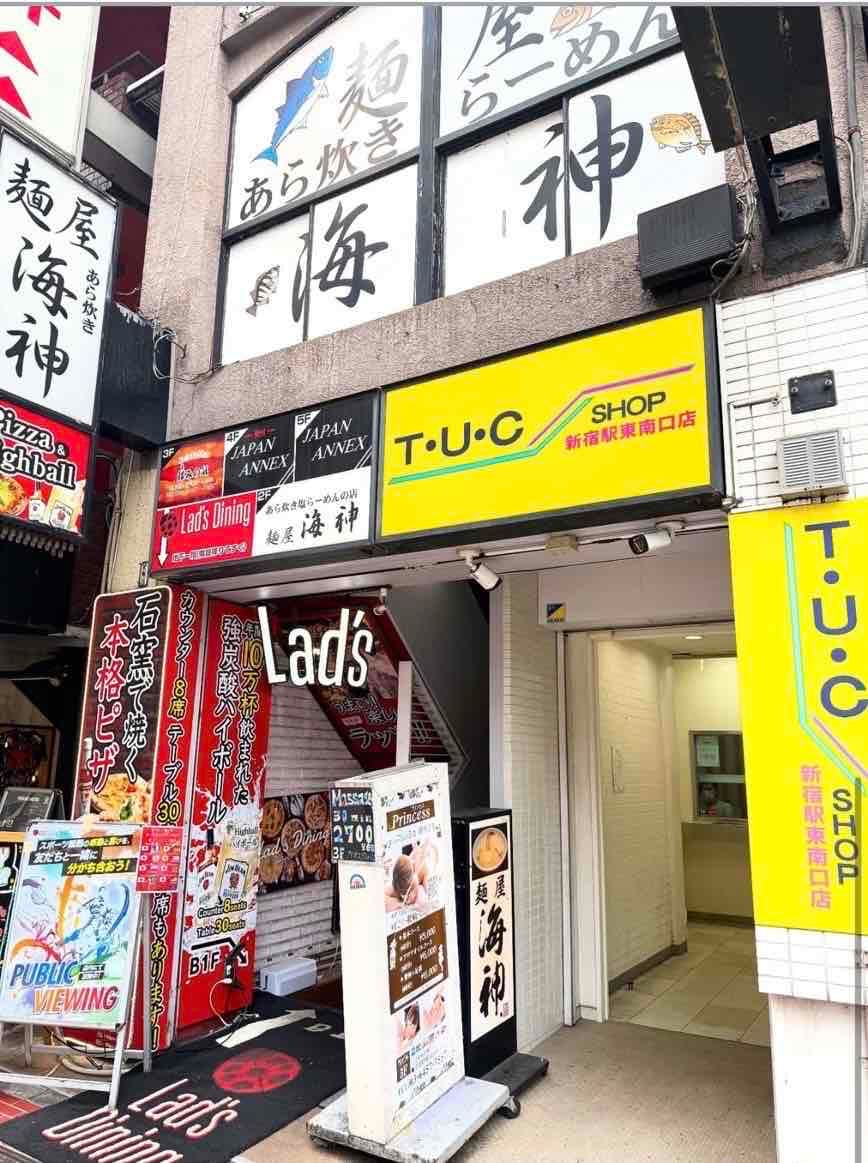
The shop has only a dozen or so seats, and peak meal times often mean a wait of 30 minutes or more, so avoid the 12:00-13:00 lunch rush. Menya Kaijin is about a 30-second walk from Shinjuku Station’s southeast exit and is open until 23:00 or 23:30 (closed 15:00-16:30 on weekdays), a good stop in the middle of a shopping trip.
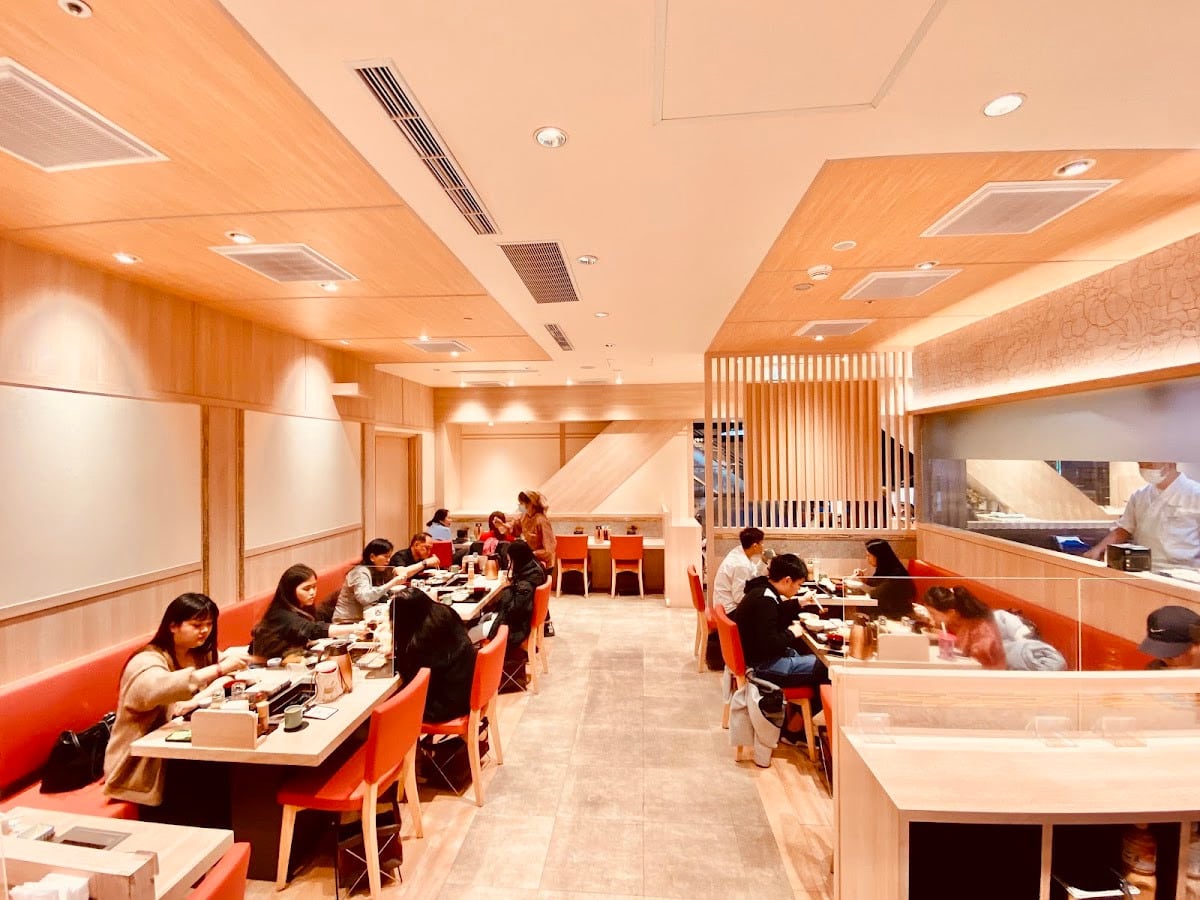
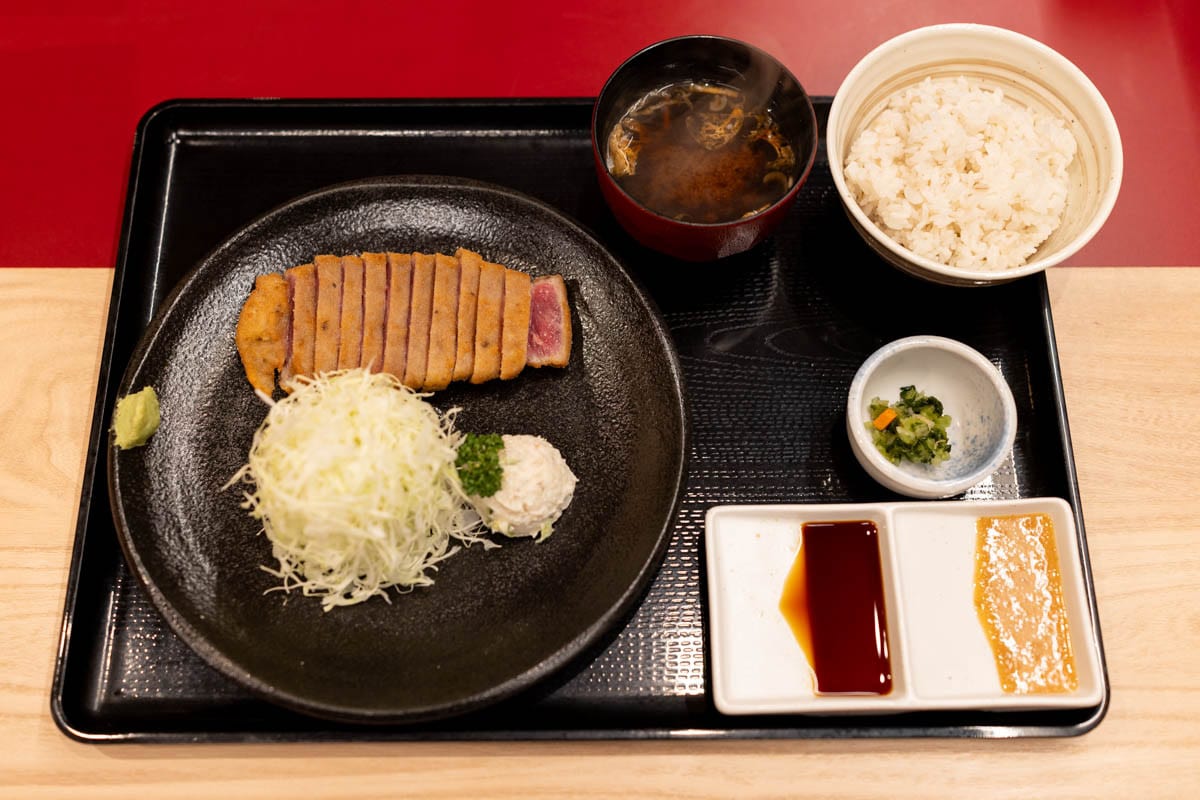
Gyukatsu Motomura: Freshly Grilled, Freshly Cut Fried Beef Cutlet
Gyukatsu Motomura serves a whole breaded, deep-fried beef cutlet that customers grill on a hot plate to their preferred doneness, which is great fun, with sets from about ¥1,800 including unlimited rice and miso soup.
This “semi-self-service” way of dining is very popular in Shinjuku, especially suited to meat lovers who like to control the doneness. Avoid the 7 p.m. weekend-evening peak, when the wait can exceed 40 minutes.
HARBS Cake: A Dessert Temple for Fruit Mille Crepe Cake
HARBS is known for its signature “fruit mille crepe cake,” layers of thin crepes filled with fresh strawberries, kiwi and whipped cream, about ¥900 a slice, sweet but not cloying and loved by women customers.
The Shinjuku shop often has a queue, so we suggest going before 3 p.m. or on a weekday to get a seat more easily. The shop also offers savory light meals, good for fitting into an afternoon tea break.
USHIGORO S. Shinjuku: A Black Wagyu Yakiniku Specialist
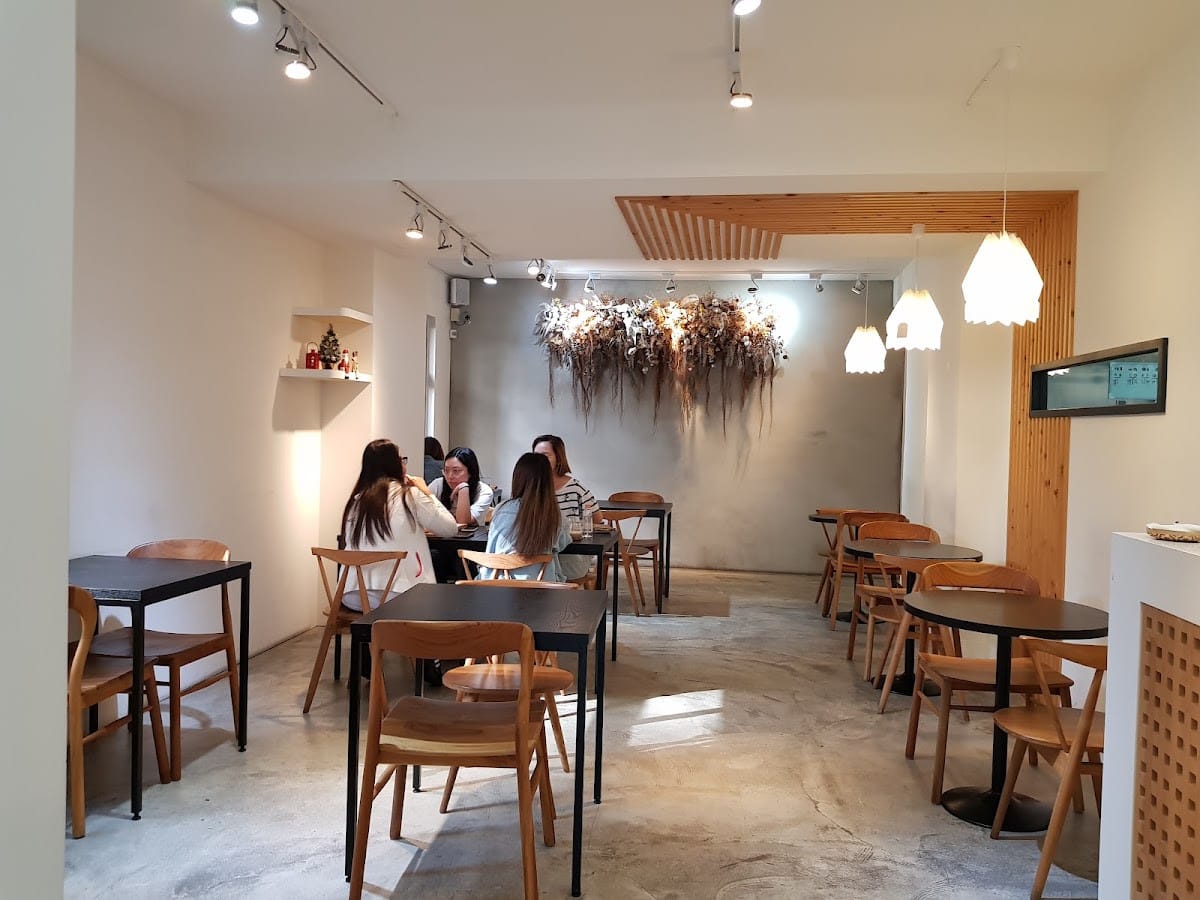
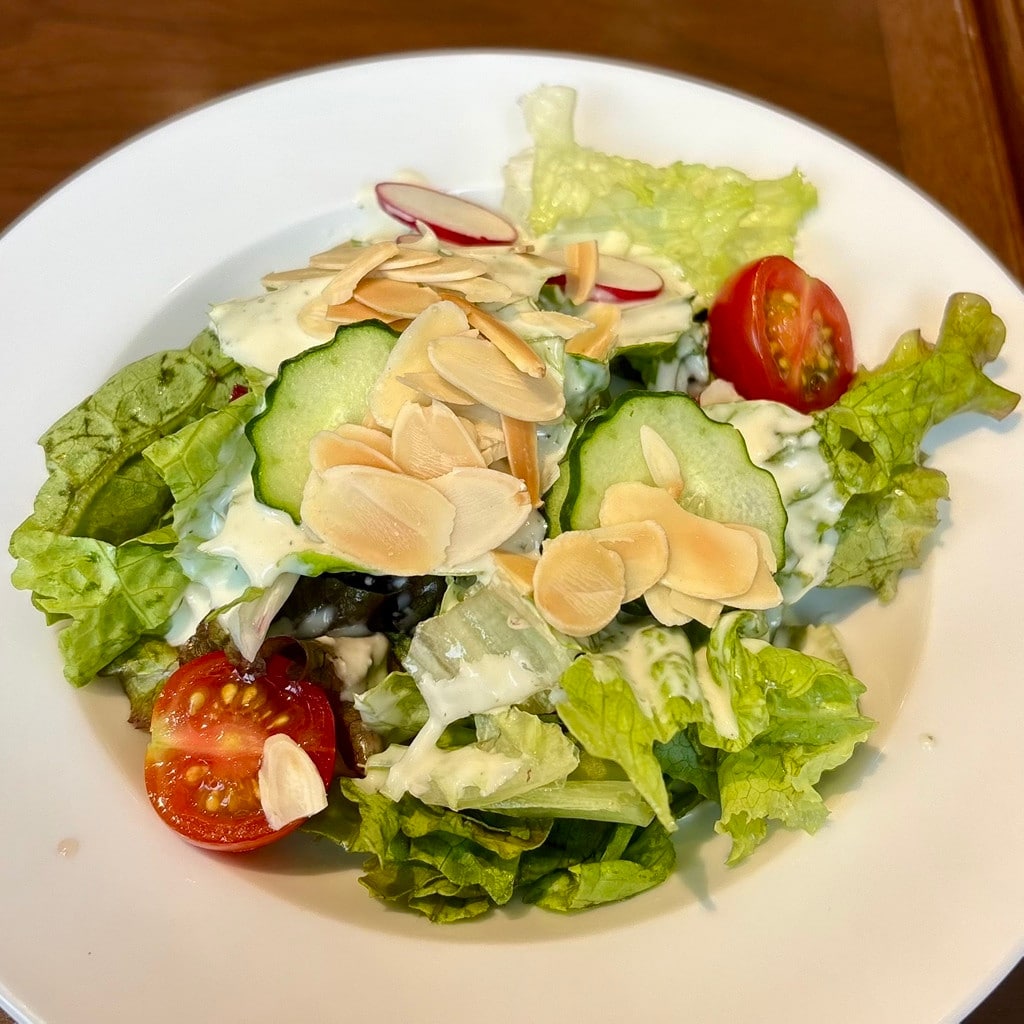
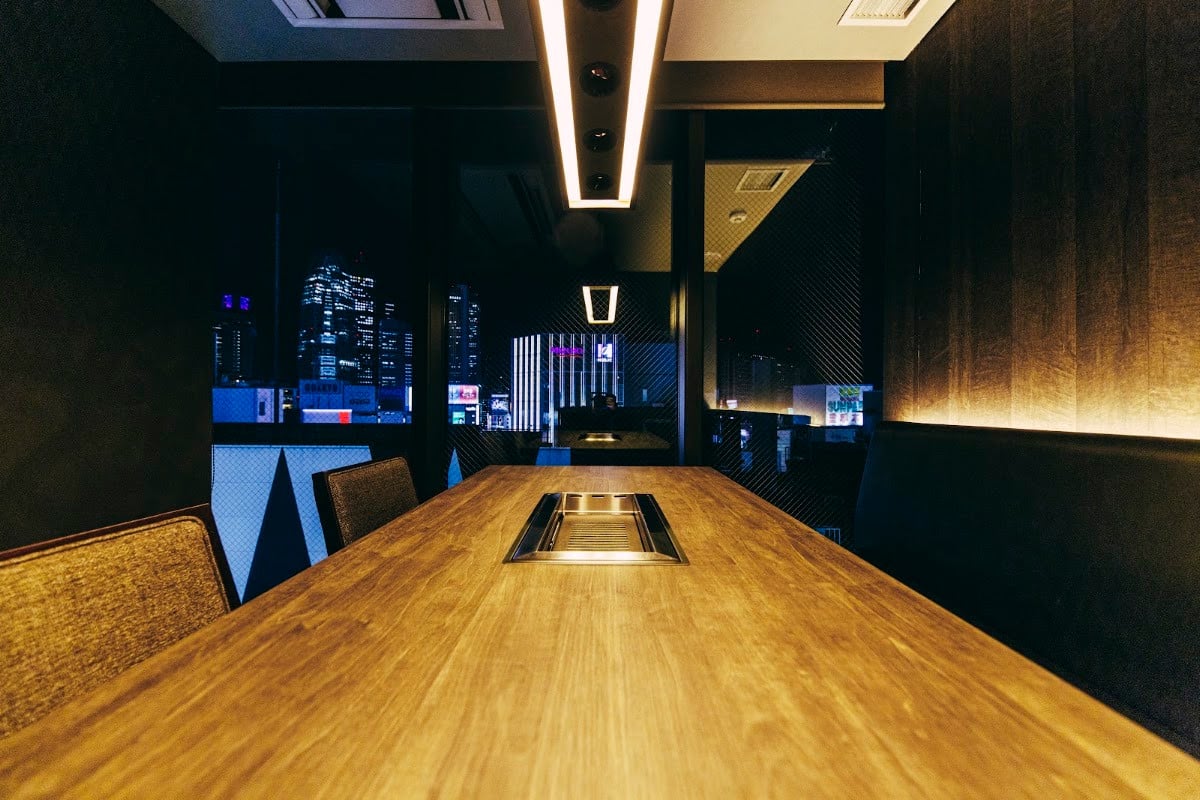
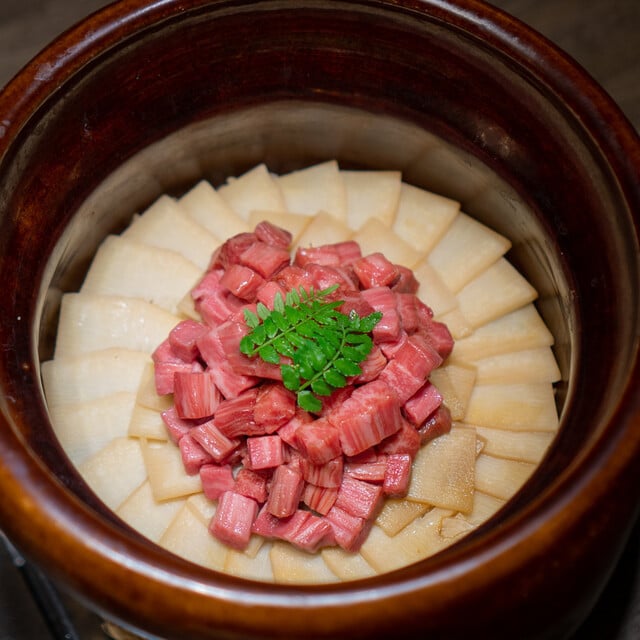
USHIGORO S. features A5-grade black wagyu, with creative dishes such as shabu-shabu slices and yakiniku nigiri sushi as signatures, and sets priced at about ¥6,000-10,000, suited to celebrations.
Located on the 11th floor of HULIC & New SHINJUKU, directly connected to Exit B9 of Shinjuku-sanchome Station, with all seats in private rooms, it suits dates or business dinners. We suggest reserving ahead through the official website, especially since seats on Friday and Saturday evenings are hard to get.
Black Wagyu Yakiniku SHIROKAKURO: A Low-Key Shop for Top-Grade Wagyu
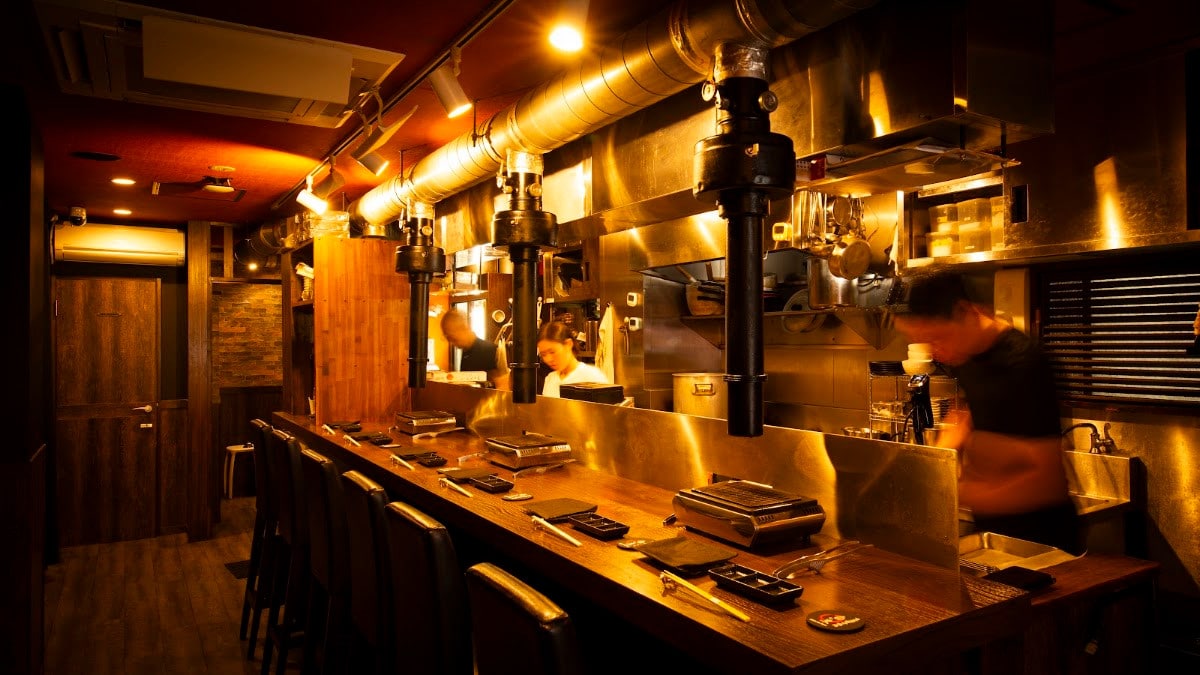
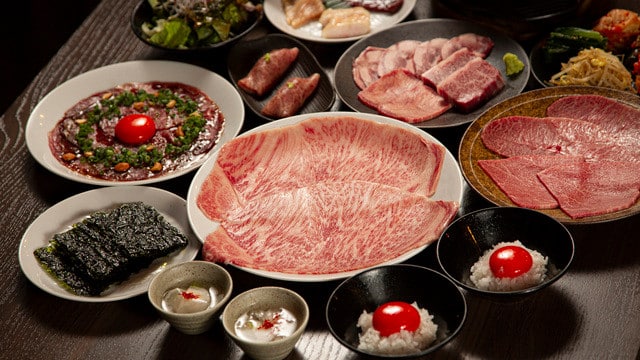
SHIROKAKURO is known for its selected black wagyu cuts, including rare cuts such as skirt steak and inside round, with sets from about ¥8,000, and the meat melts in your mouth.
Located in Nishi-Shinjuku, about a 1-minute walk from Tokyo Metro Nishi-Shinjuku Station, closed Sundays and national holidays. The shop emphasizes transparent sourcing history for its ingredients, suiting gourmets who value quality; we suggest visiting in the evening with a reservation and asking staff to recommend the day’s best cuts.
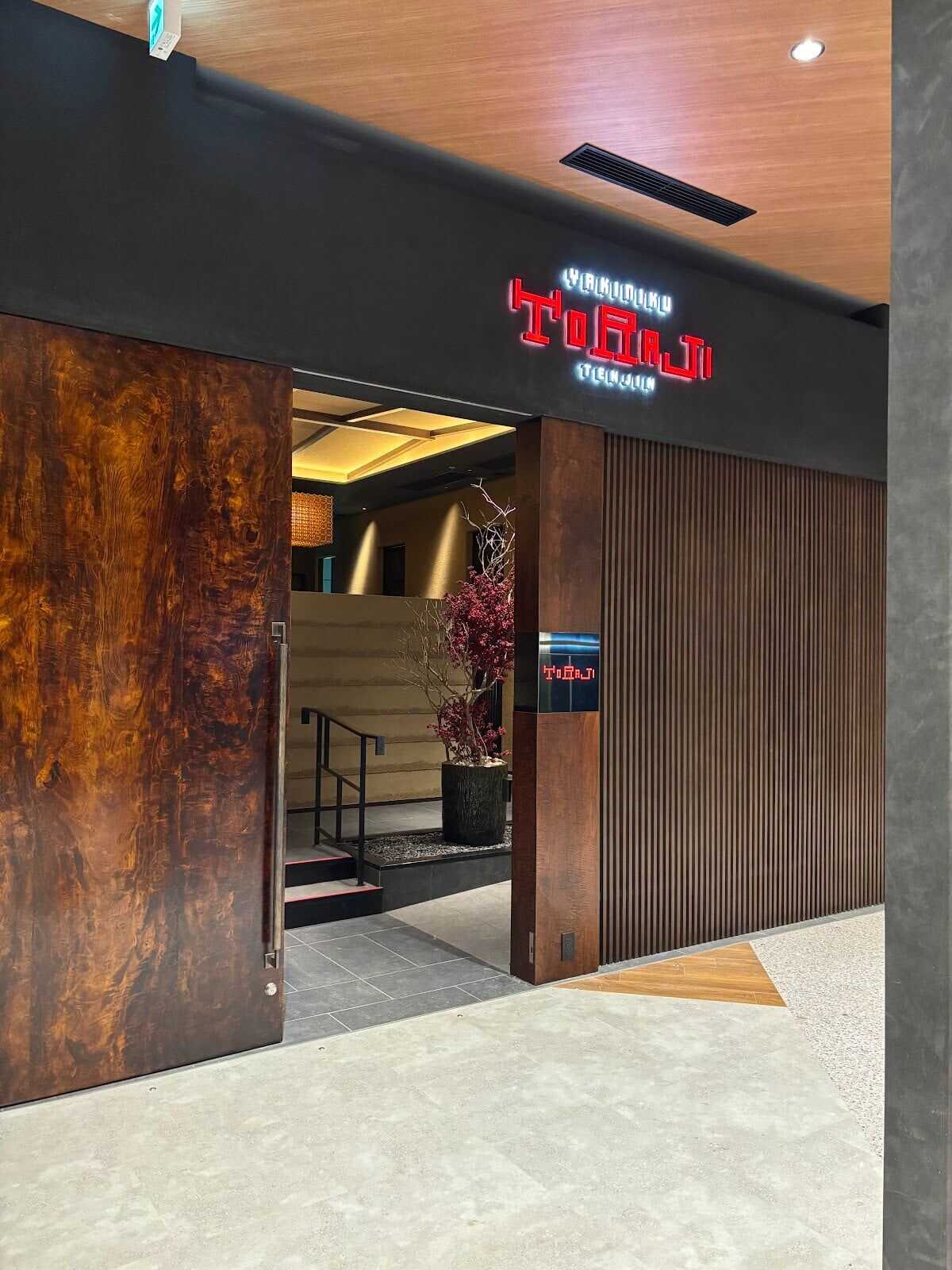
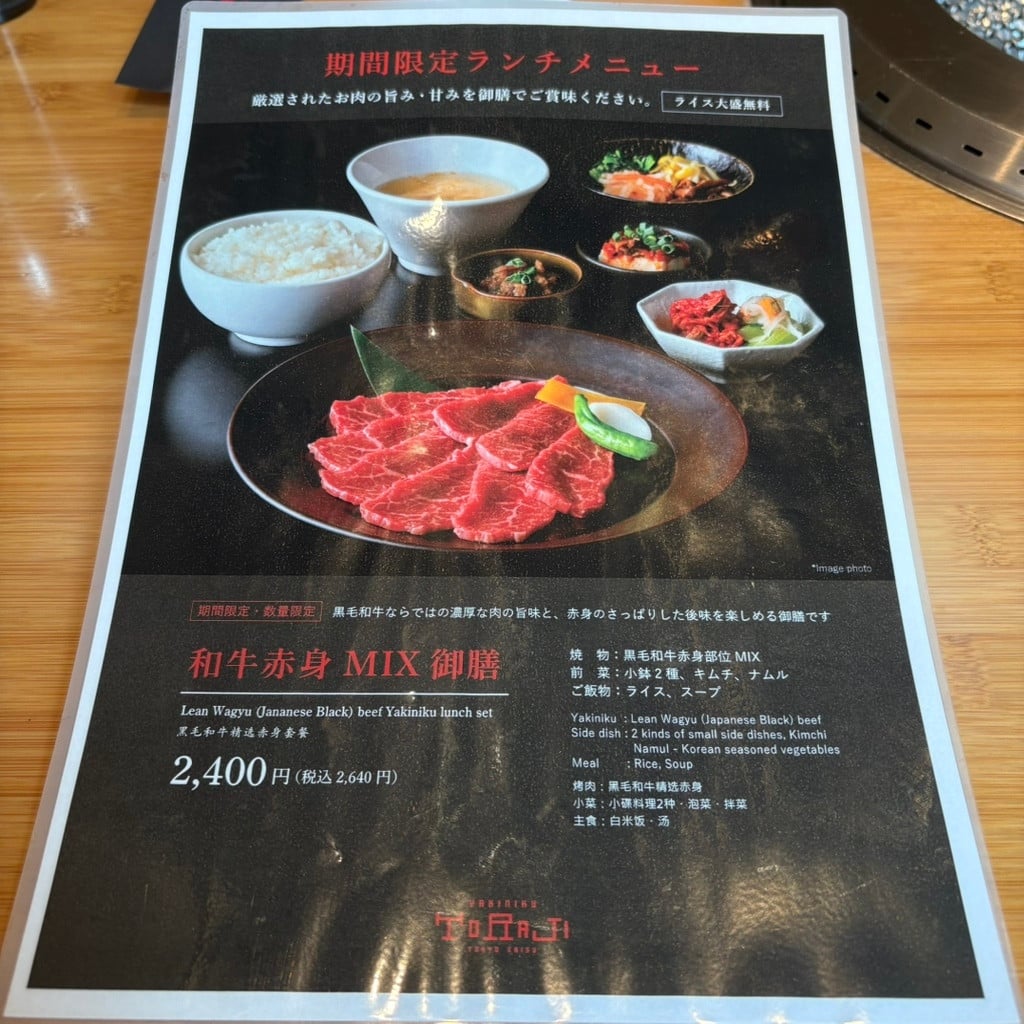
Yakiniku TORAJI: A Popular Shinjuku Yakiniku Shop With Spicy Marinated Beef Belly and Korean Cold Noodles
TORAJI features Korean-style yakiniku, and its signature spicy marinated beef belly with Korean cold noodles is well received, with lunch sets at about ¥1,500.
The name “TORAJI” means bellflower in Korean, symbolizing honesty and beauty. The Shinjuku West Exit shop is in Nishi-Shinjuku 7-chome, about a 2-minute walk from Toei Oedo Line Shinjuku-nishiguchi Station, with great value, good for a quick weekday lunch.
MO-MO-PARADISE: All-You-Can-Eat Domestic Beef Shabu-Shabu
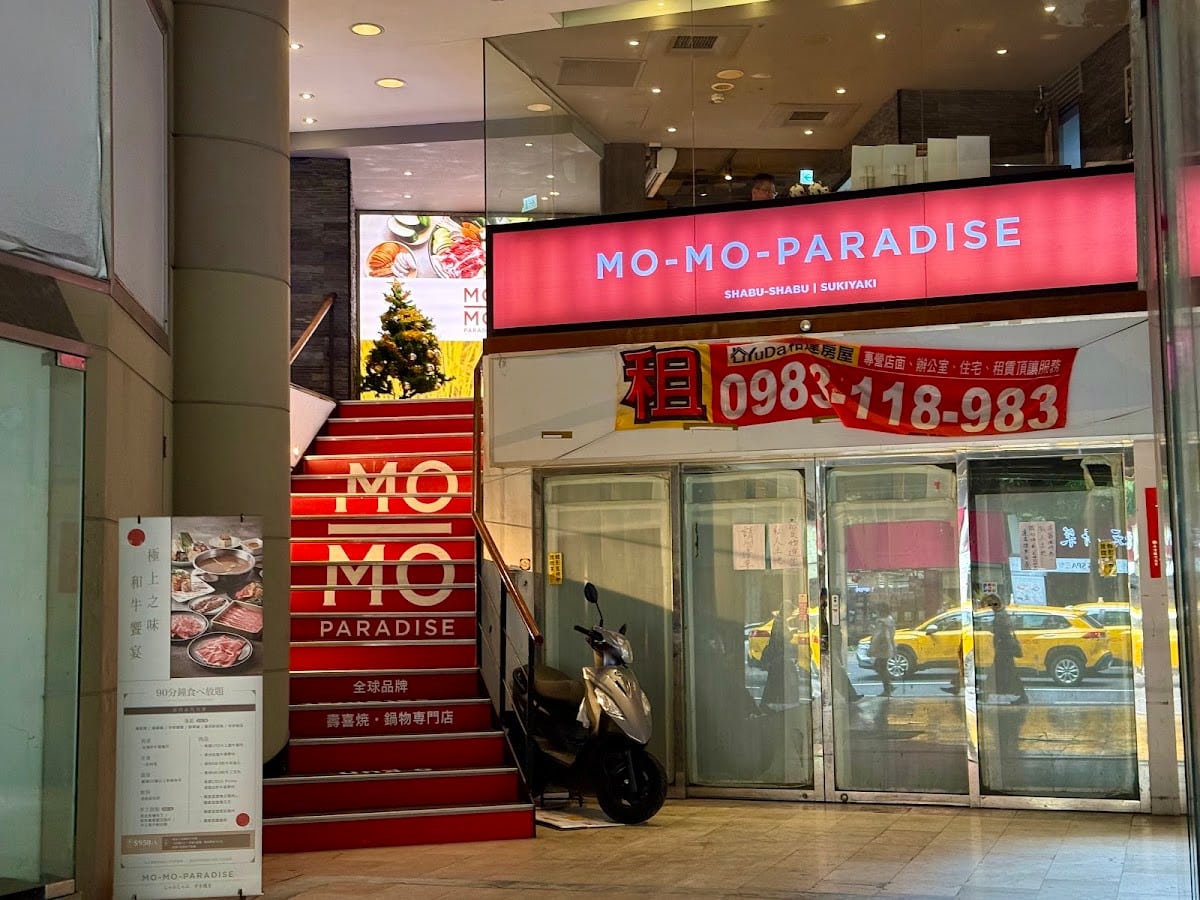
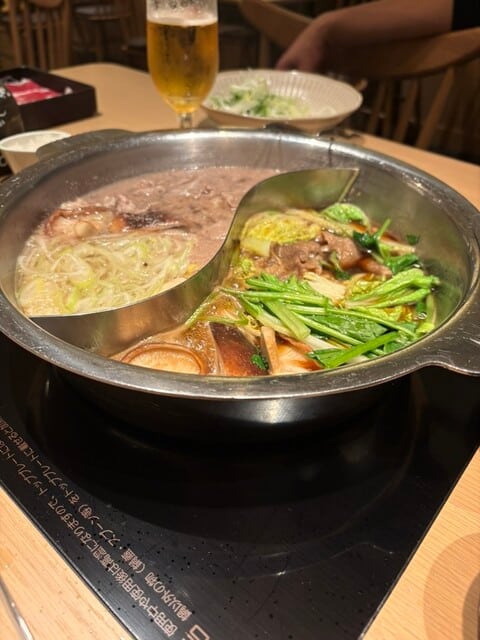
MO-MO-PARADISE features all-you-can-eat domestic beef shabu-shabu, with two soup bases and a self-service salad bar, priced at about ¥6,000-6,600, combining portion and quality.
The dining time limit is about 100 minutes. We suggest booking ahead on the official website to avoid waiting on site, a popular choice for family and friend gatherings.
Kisoji: A Famous Place for Anniversary Sukiyaki and Shabu-Shabu
Kisoji is known for black wagyu sukiyaki, with lunch sets at about ¥3,500 and dinner courses from ¥6,000. The classic way to eat is the rich sweet-salty sauce with raw egg for dipping.
The Japanese-style private rooms suit family dinners or anniversary celebrations. We suggest booking a private room a week ahead, and the staff will help adjust the sukiyaki sauce ratio.
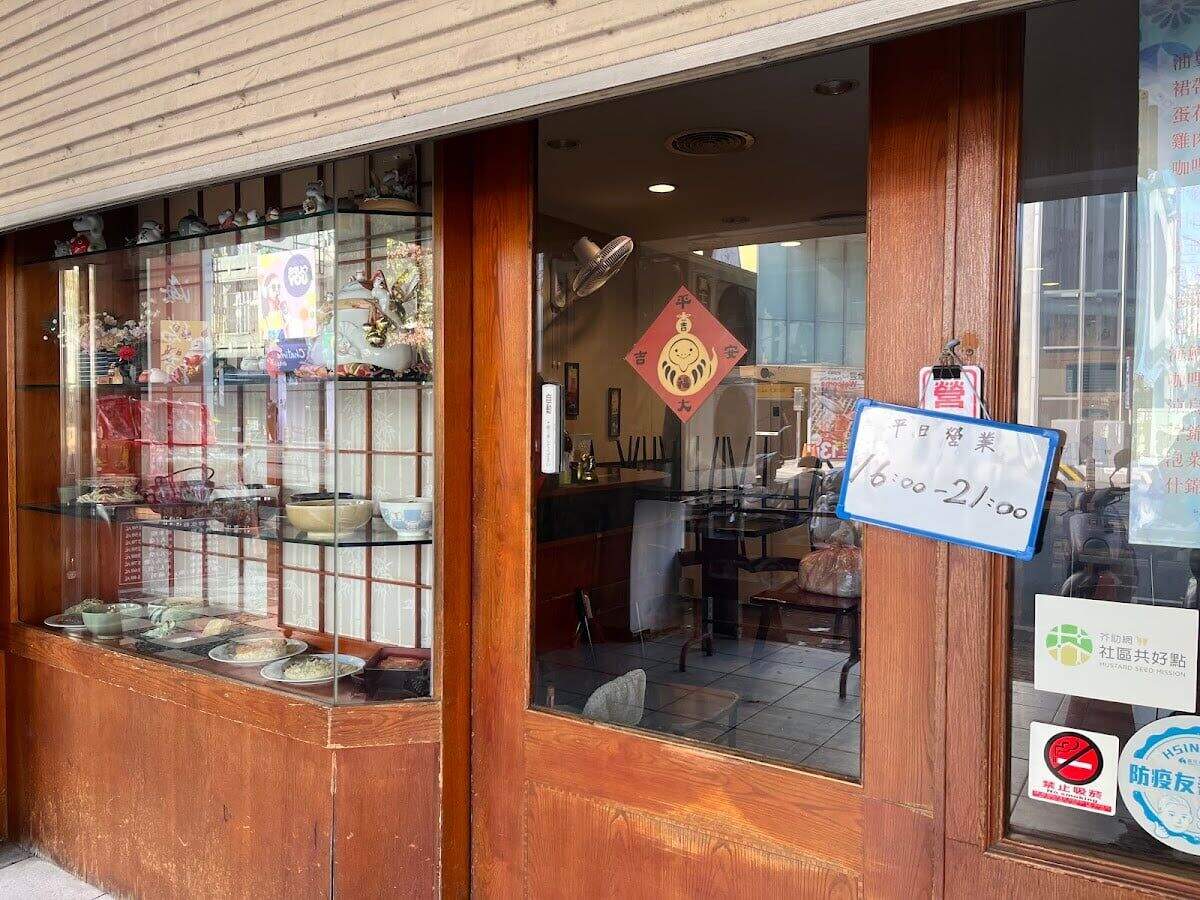
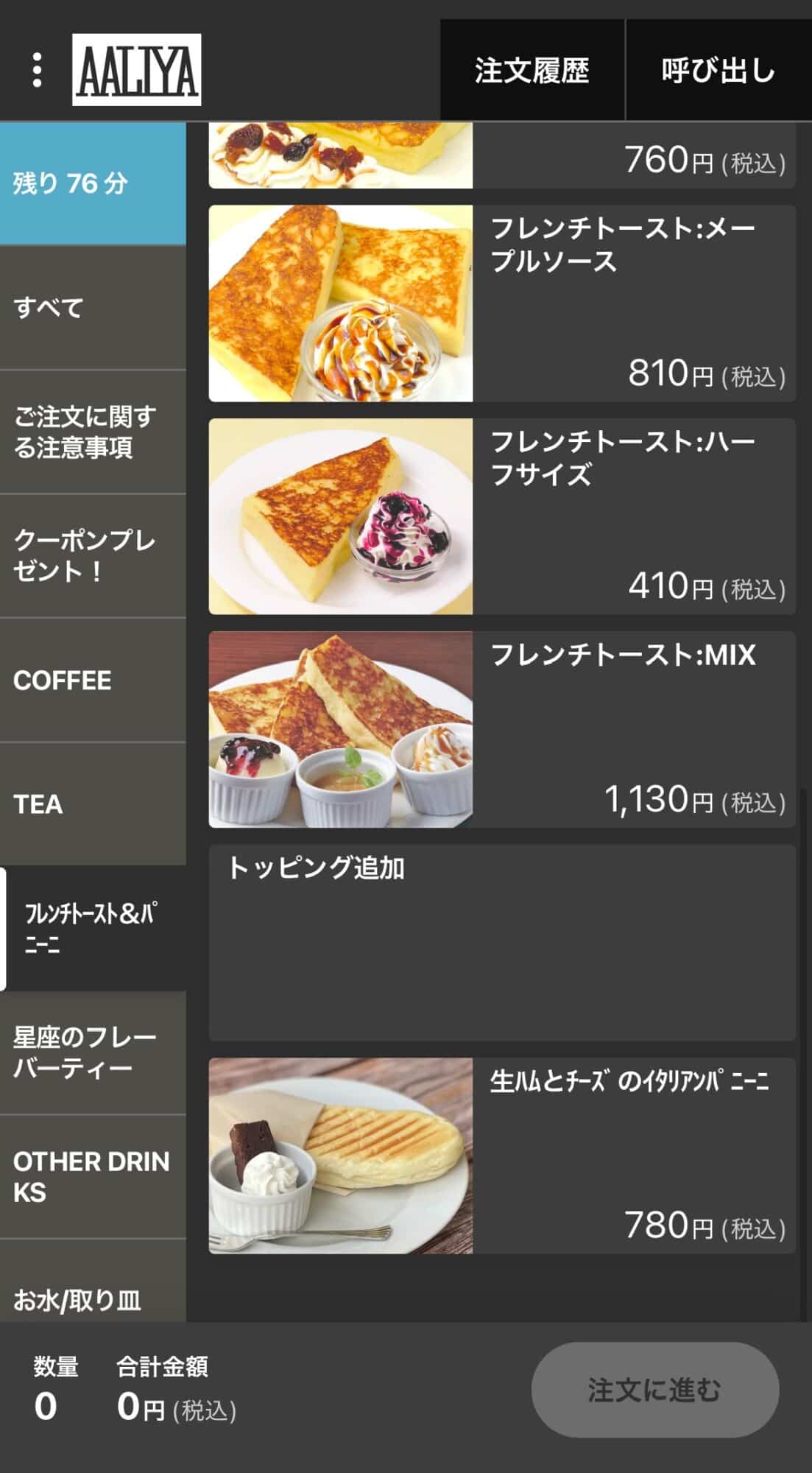
Cafe Aliya: A Famous Shinjuku Spot for French Toast
Cafe Aliya is known for thick-cut French toast, crisp outside and soft inside with maple syrup and whipped cream, with the signature set at about ¥1,300, a popular choice for afternoon tea or brunch.
About a 1-minute walk from Shinjuku-sanchome Station, open 10:00 to 20:00 (to 20:30 on Fridays and Saturdays), no reservations accepted, and mealtimes often mean a 20-30 minute wait; going on a weekday morning avoids the queue.
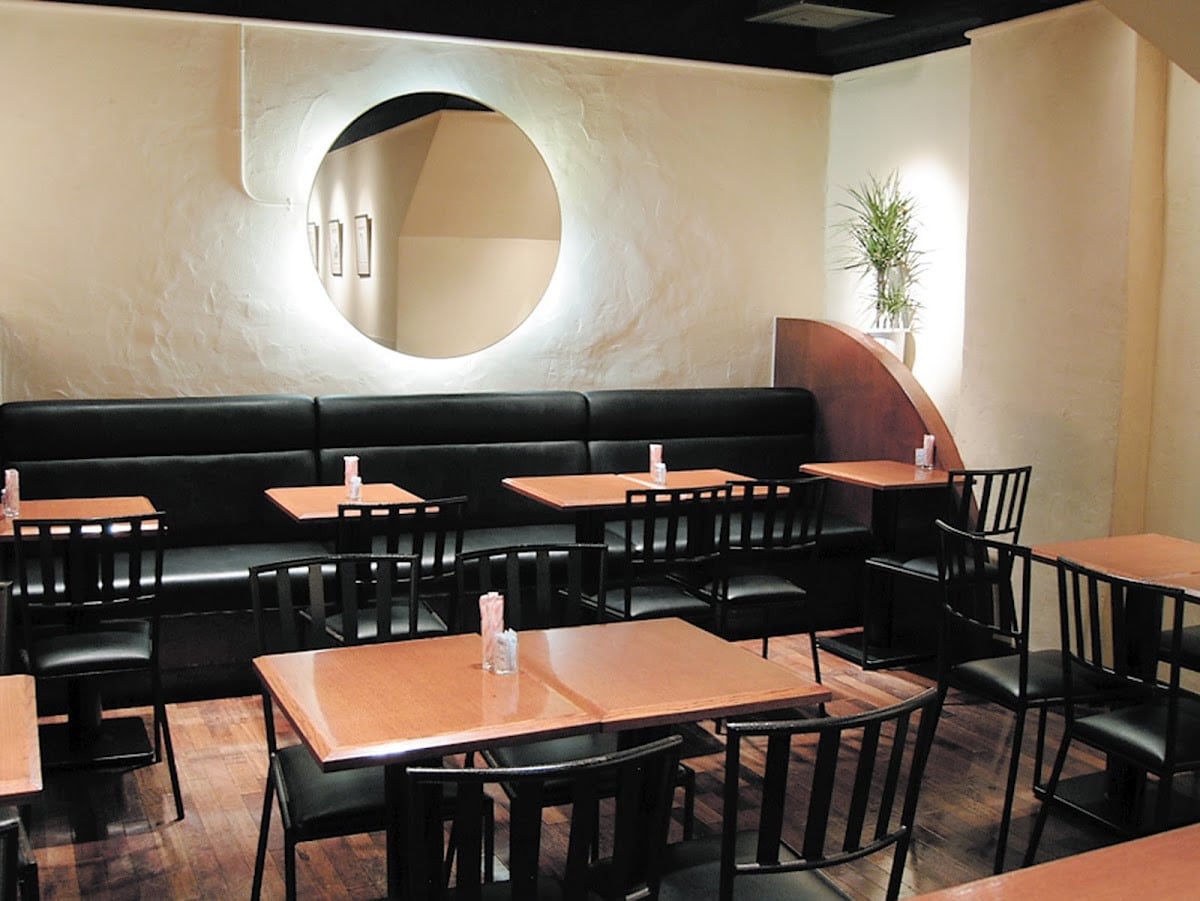
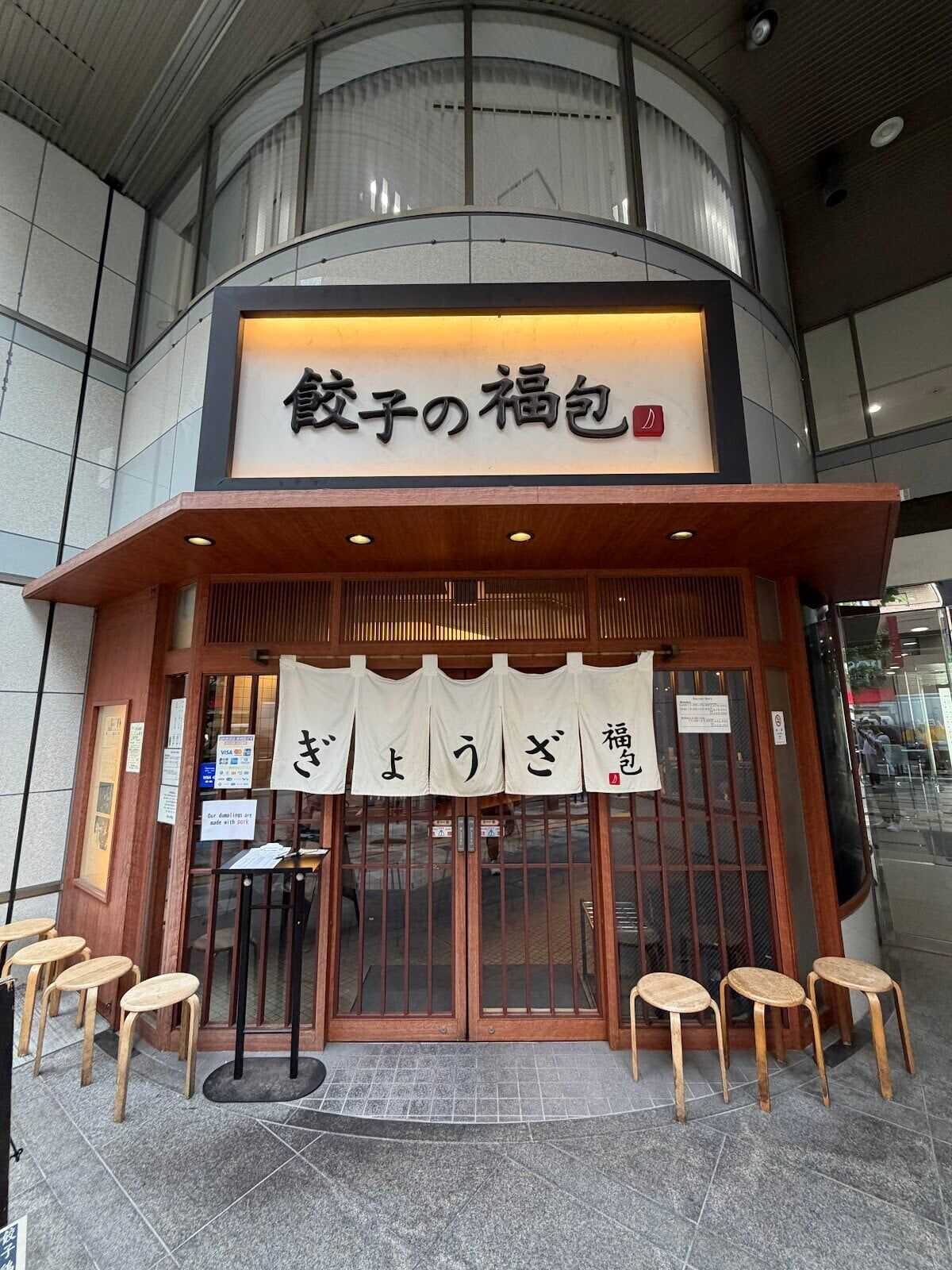
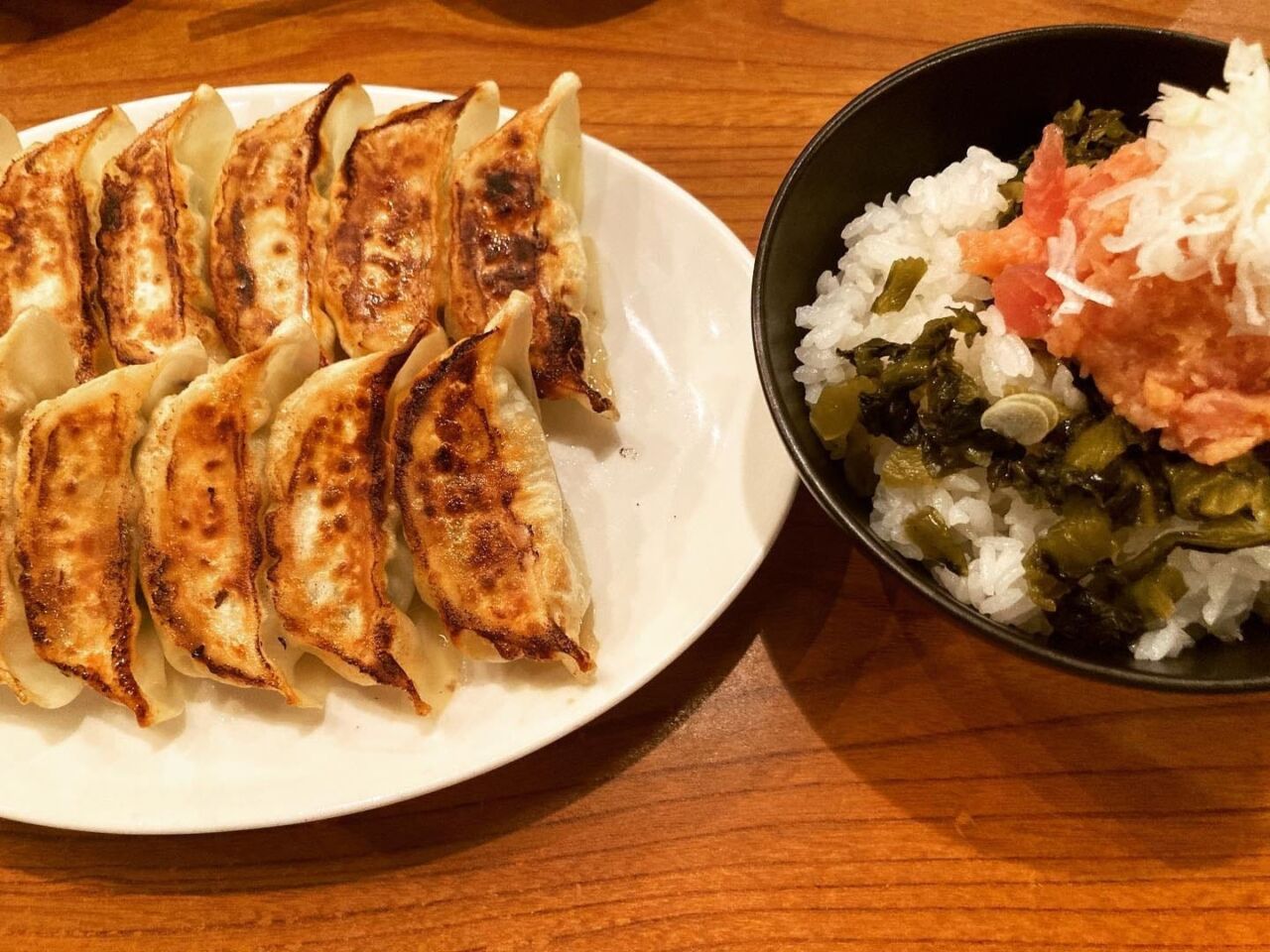
Gyoza no Fukubao: A Popular Shinjuku Pan-Fried Gyoza Specialist
Gyoza no Fukubao features handmade, freshly wrapped pan-fried gyoza with a crisp, juicy skin, 8 pieces for about ¥500, with friendly prices and generous portions, a great choice for a midnight snack or with drinks.
The shop also offers several flavors of pan-fried gyoza, such as garlic, chive and shrimp, good for sharing among several people, and it stays open late into the night, a refueling stop after Shinjuku’s nightlife.
How to Get to Shinjuku for Food: Full Guide to Transport and Passes
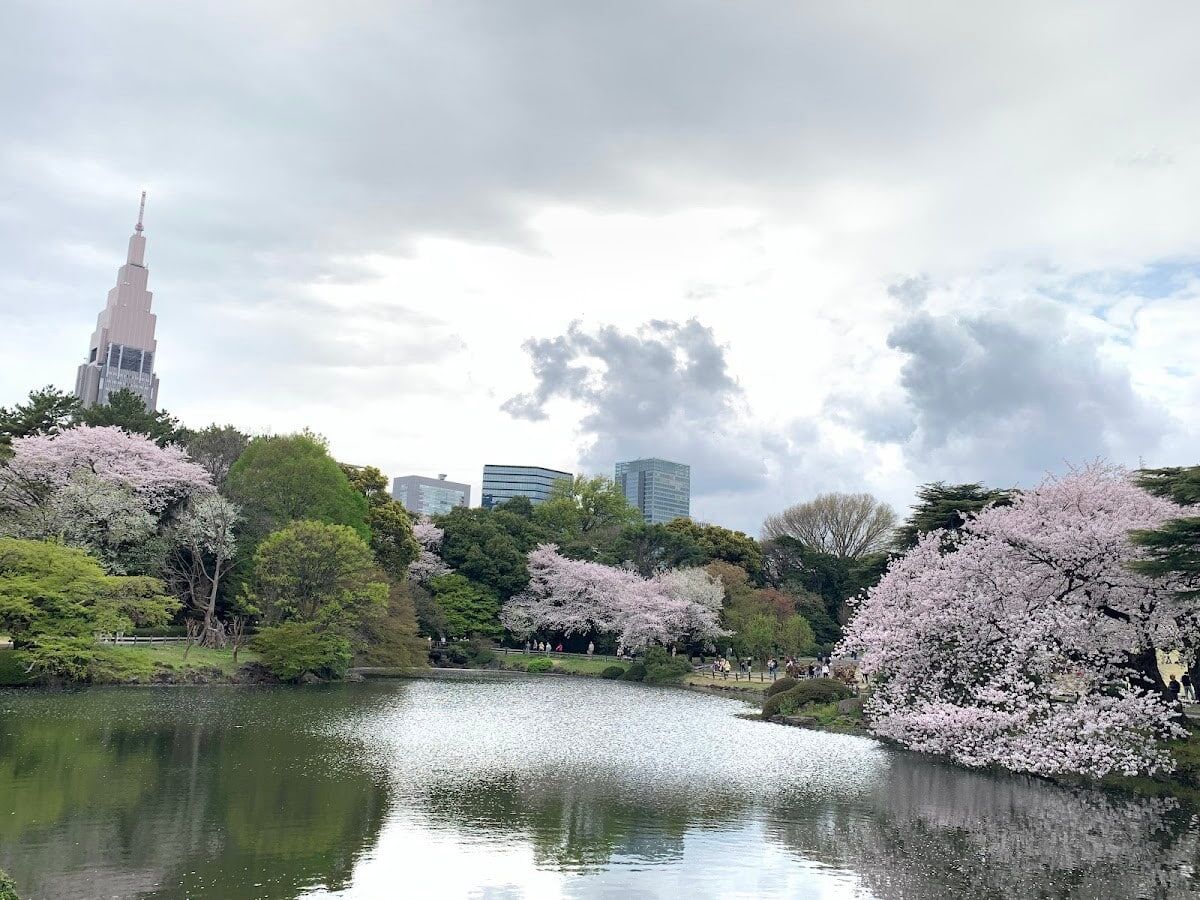
Shinjuku is one of Tokyo’s biggest transport hubs, and JR Shinjuku Station handles more than 3.5 million passengers a day, arguably the world’s busiest station, so there are many easy ways to reach Shinjuku for a meal.
How to Get to Shinjuku for Food at a Glance
🚉 JR Yamanote Line: Links popular areas such as Shibuya, Harajuku and Ikebukuro, fares from ¥150, trains every 2-3 minutes, recommended as your main transport.
🚇 Tokyo Metro Marunouchi Line / Toei Oedo Line: Reach Shinjuku-sanchome and the alley food around the Metropolitan Government Building. Pair with the “Tokyo Subway Ticket” (24 hours ¥800) or the “Toei One-Day Pass” to save money.
🚌 Airport Limousine Bus: ¥3,200 from Narita (90-120 minutes), ¥1,500 from Haneda (55-75 minutes), direct to hotels near Shinjuku West Exit, good for lots of luggage or traveling with older relatives.
2026 Shinjuku Food Guide: Which Popular Local Restaurants Have Must-Eat Dishes? Signature Dishes and Themed Restaurants Explained
From all-you-can-eat yakiniku to midnight gyoza, Shinjuku’s food types are diverse and cover every budget and dining situation.
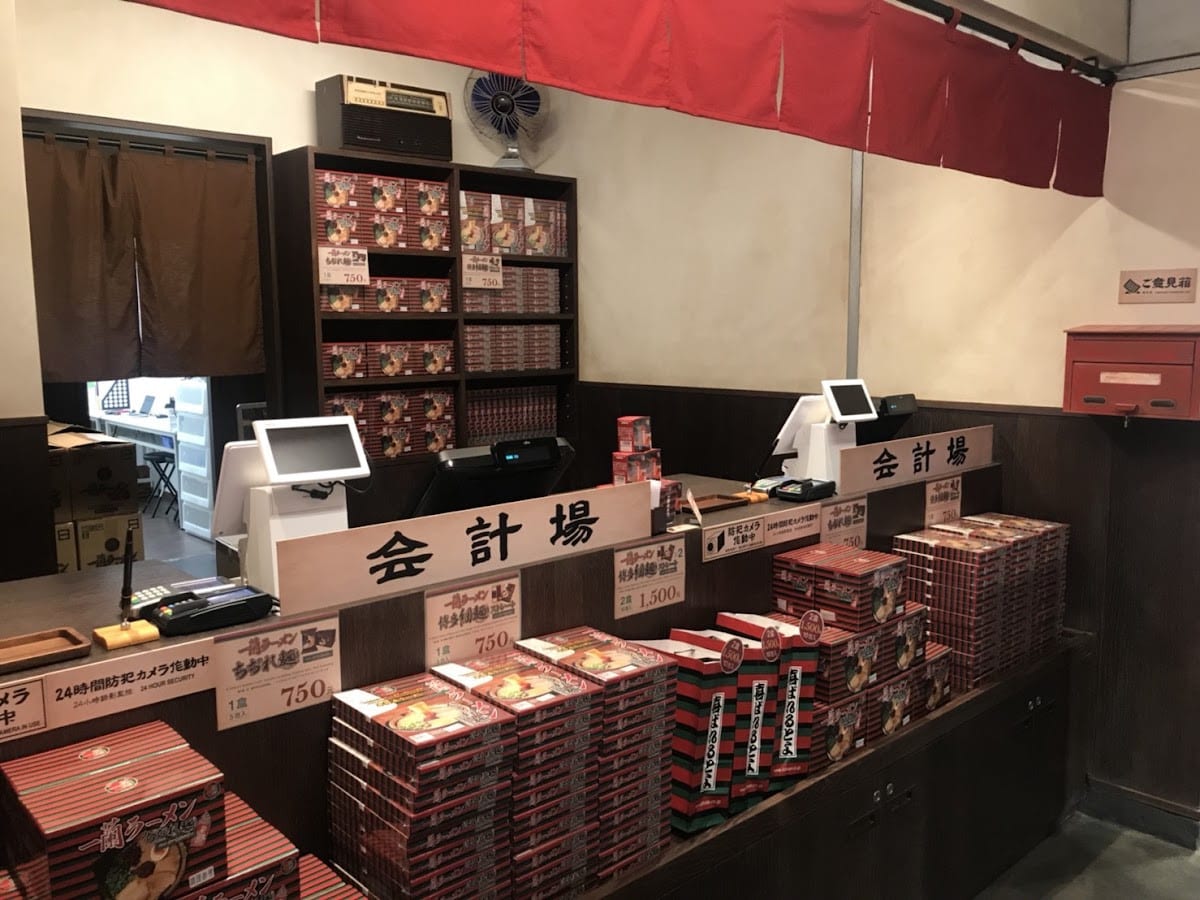
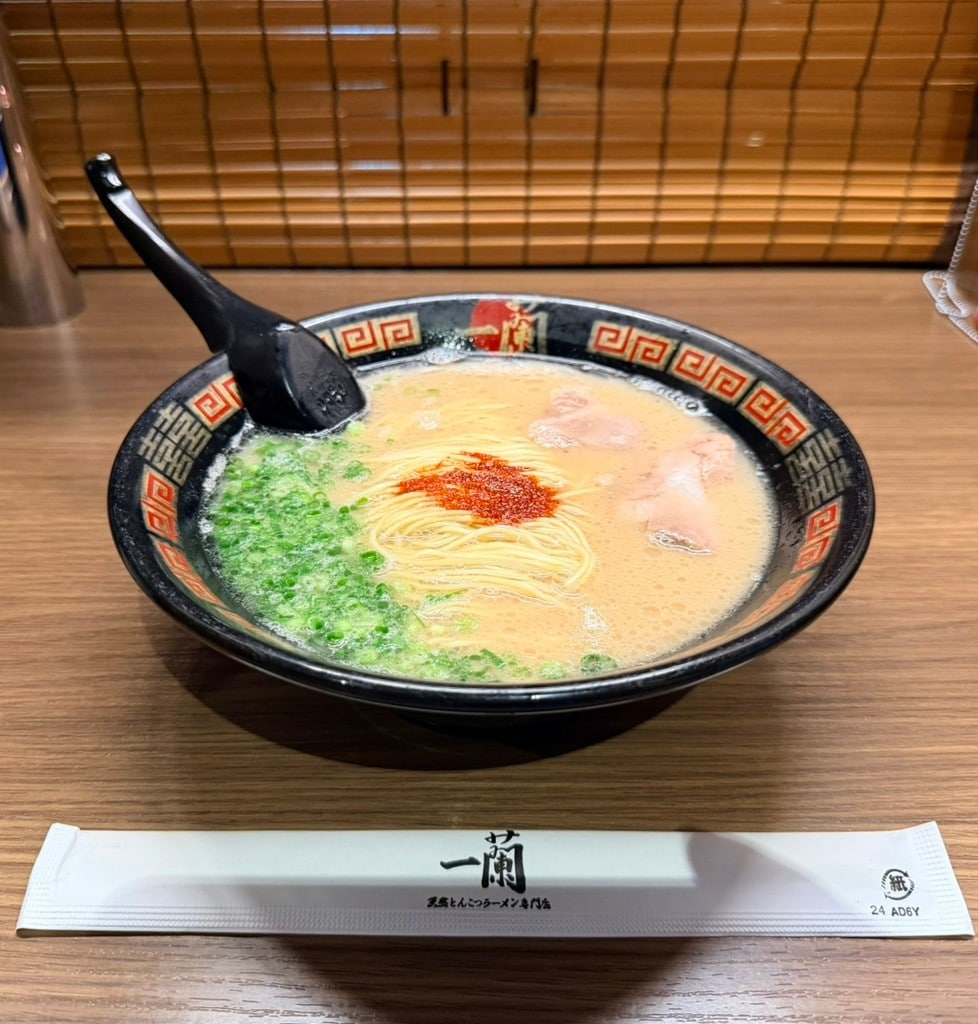
Ichiran Ramen: Customizable Rich Tonkotsu Ramen
Ichiran is known for its original “secret spicy sauce” and an ordering system that lets you adjust the broth richness, garlic level and oil. Its solo-booth seating suits dining alone, with a bowl at about ¥980-1,200.
The Shinjuku shop is open 24 hours and the crowds stay strong late at night. It is one of Tokyo’s representative ramen shops and the first stop for many travelers meeting Japanese ramen culture.
Ramen Kamo to Negi: An Innovative Take on Duck Ramen
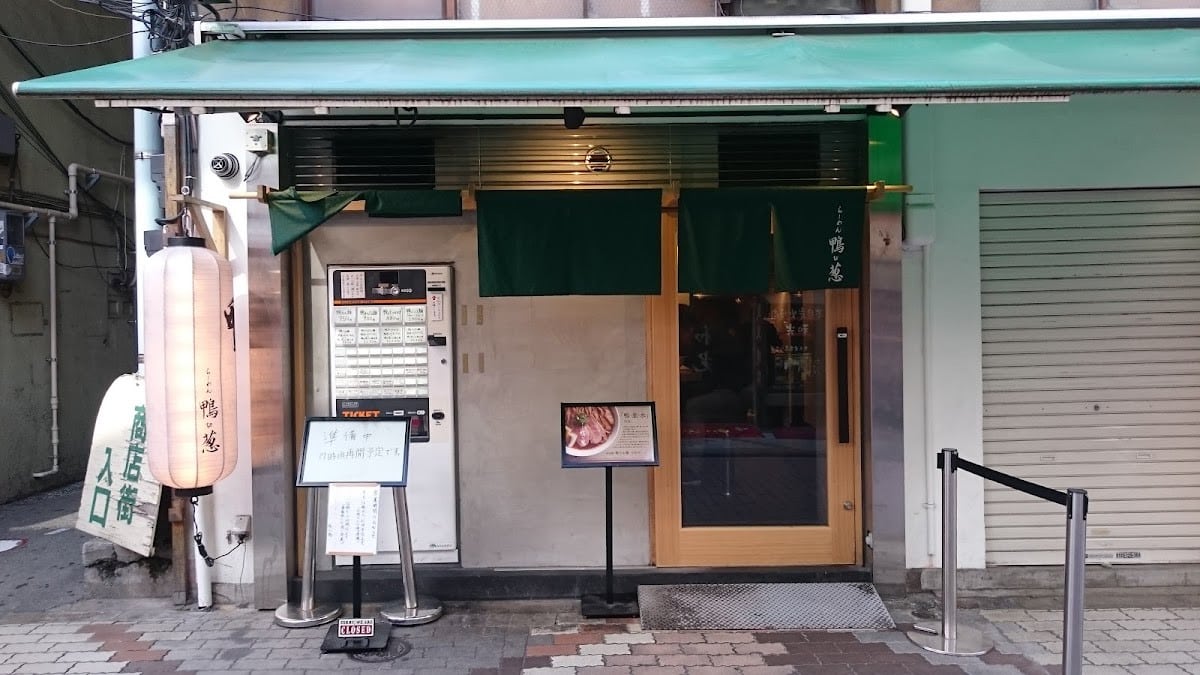
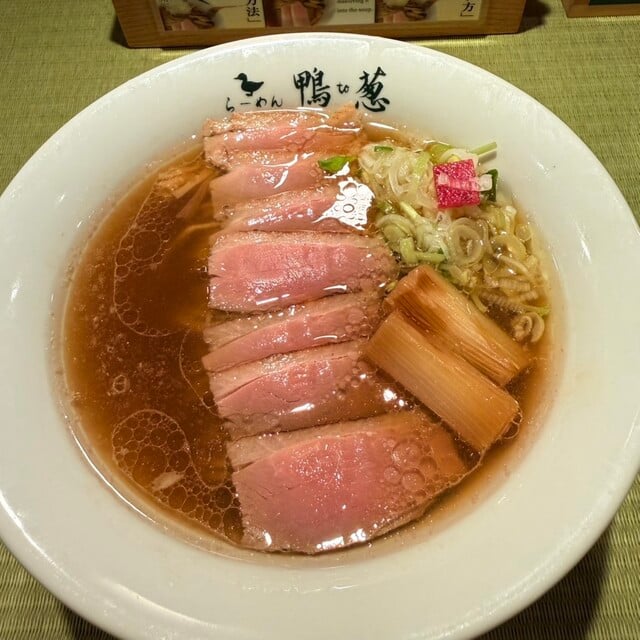
This shop is on B1F of “Iitoru Lumine Shinjuku” inside Shinjuku Station, open 7:00 to 23:00. It simmers its broth from “duck, scallion and water,” with signature duck ramen at about ¥1,480 and duck-broth tsukemen also available, a rich broth with duck-fat aroma.
Being inside the station, it is extremely convenient for transfers and good for a meal before or after a train, but seats are limited at peak hours, so we suggest avoiding about half an hour either side of the lunch and dinner rush.
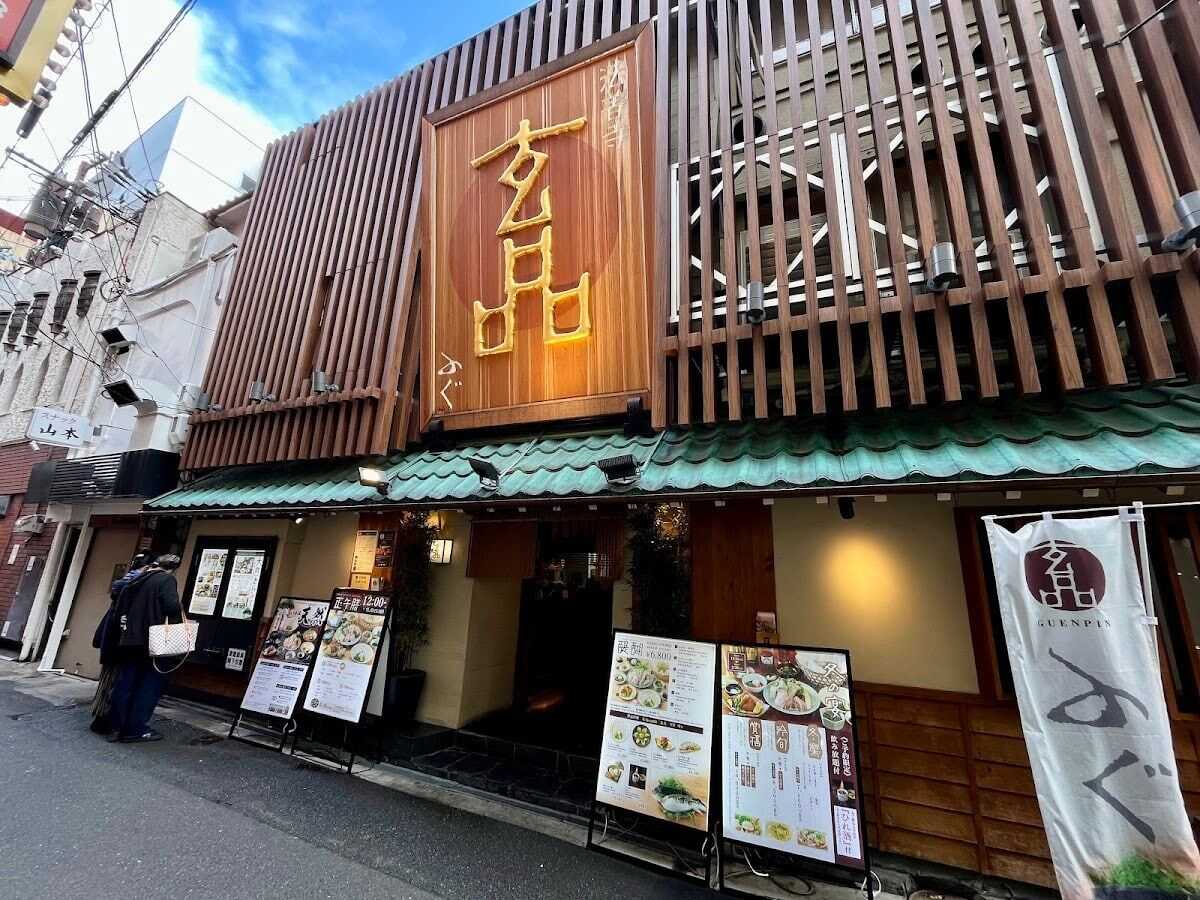
Genpin Fugu: A Collagen-Rich Pufferfish Hot Pot Feast
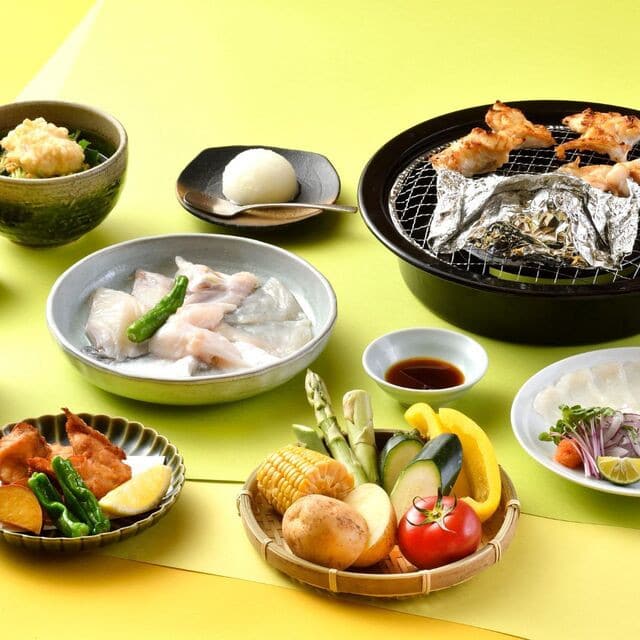
Genpin specializes in fugu (pufferfish) dishes. The signature fugu hot pot (tecchiri) has a collagen-rich broth, with sets at about ¥5,300-8,500, and the paper-thin, translucent fugu sashimi is a feast for the eyes and the palate.
Fugu must be prepared by chefs holding a special license, and Genpin is strict about food safety, making it suitable for special anniversaries or business dinners. We suggest reserving private-room seating in advance.
![Tokyo - [Tokyo Branch Reservation] Genpin Fugu - Delicious Tiger Pufferfish Dishes](https://res.klook.com/images/w_300,h_300,c_fill,q_75/w_80,x_15,y_15,g_south_west,l_Klook_water_br_trans_yhcmh3/activities/xcc1mtdrwgttvccn3ko5/【東京店預約】玄品ふぐ-河豚料理-美味的虎河豚料理-Klook.jpg)
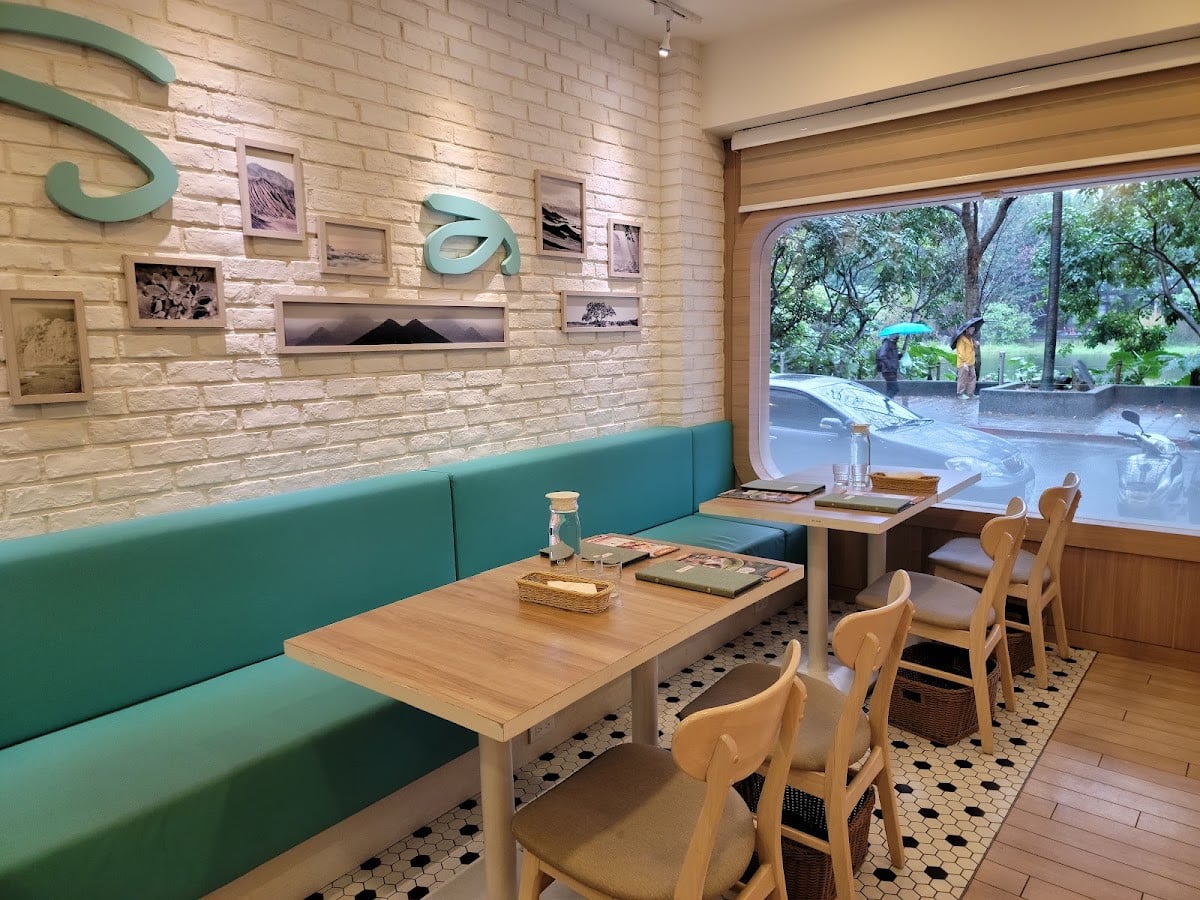
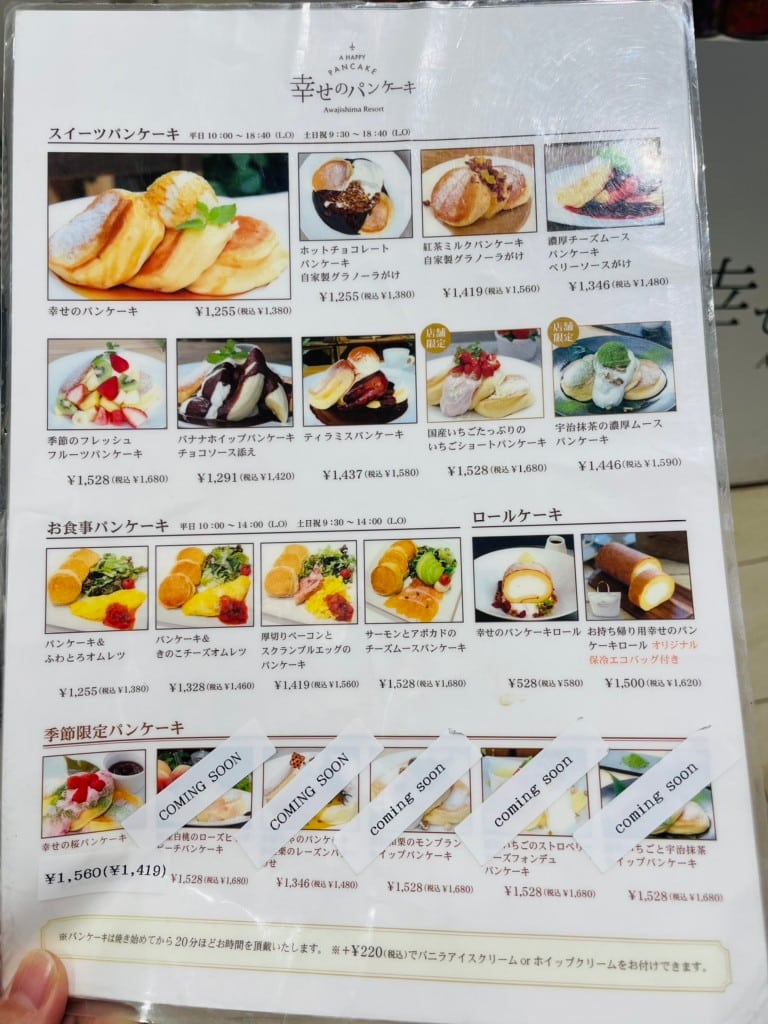
Shiawase no Pancake: A Famous Shinjuku Spot for Souffle Pancakes
This pancake specialist is known for fluffy, moist souffle pancakes. The signature combination comes with whipped cream and maple syrup, about ¥1,400 a serving, and the melt-in-the-mouth texture is loved by women customers.
Weekend queues often exceed 40 minutes, so we suggest going on a weekday morning or in the gap before afternoon tea to cut the wait considerably.
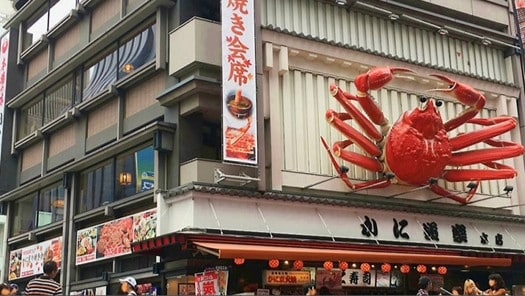
Kani Doraku: A Hokkaido King Crab Specialist
Kani Doraku features king crab and snow crab full courses, including crab sashimi, crab miso hot pot and crab chawanmushi among many dishes, with courses at about ¥8,000-15,000, good for family gatherings.
The interior is grand, and staff will help crack the crab shells so even customers who are not good at shelling crab can enjoy it easily. We suggest booking in advance through the official website to avoid waiting on site.
Tempura Shinjuku Tsunahachi: Freshly Fried Tempura by Master Craftsmen
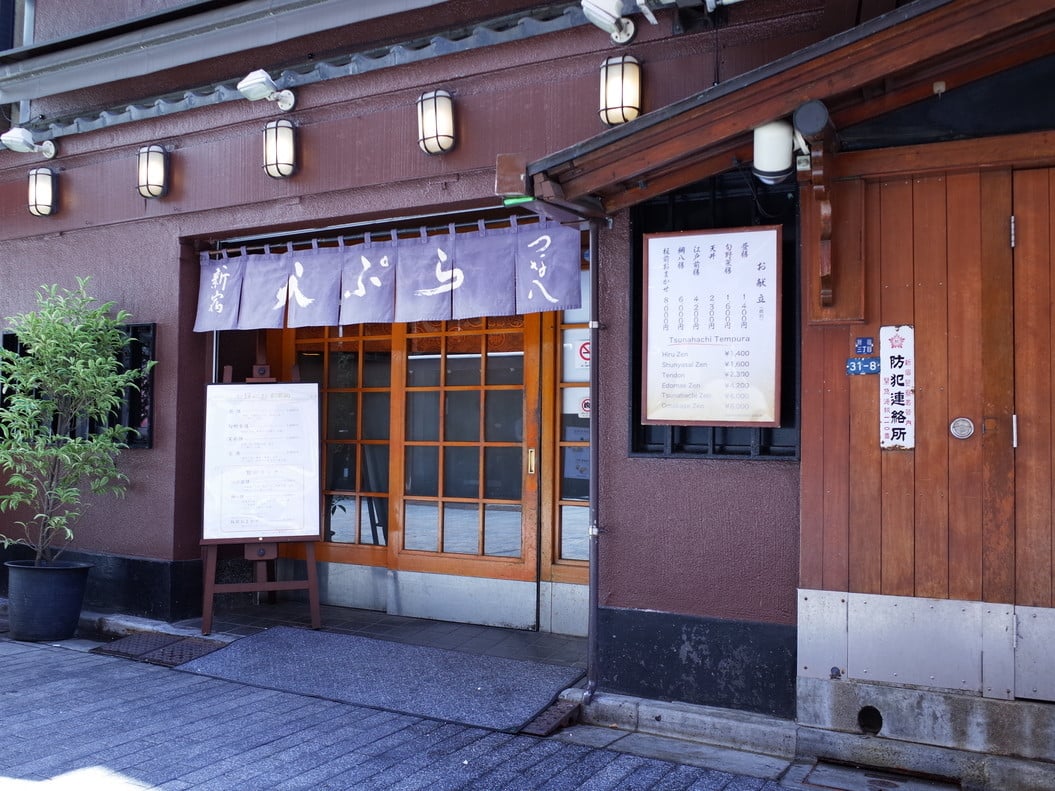
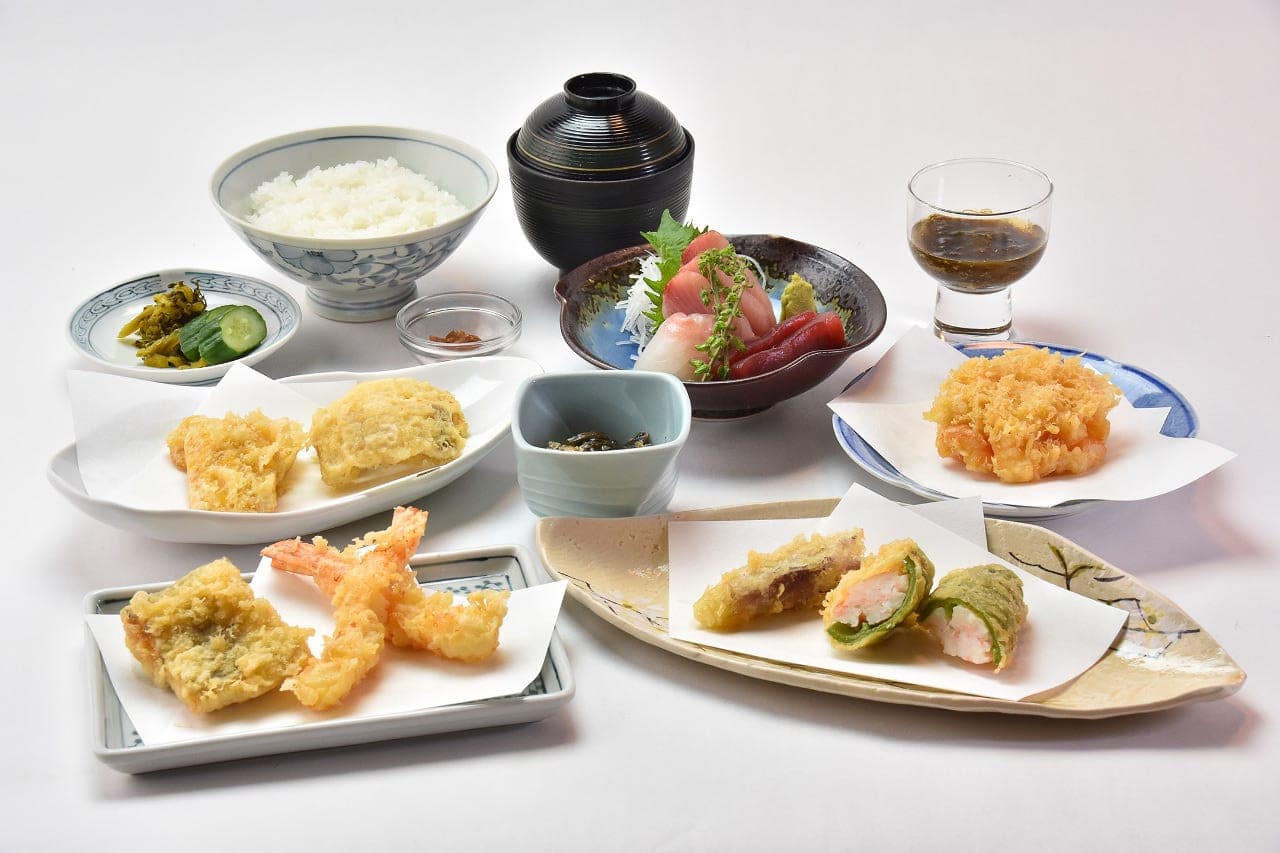
At Tsunahachi, tempura craftsmen fry seasonal ingredients on the spot, from shrimp and conger eel to seasonal vegetables, with lunch sets from about ¥1,500, crisp and not greasy as their signature.
The Shinjuku-sanchome main shop was founded in Taisho 13 (1924) and is open 11:00 to 22:00 (last order 21:00); the counter seats let you watch the craftsmen fry up close, an excellent choice for experiencing Japanese craftsmanship in cooking. We suggest reserving a counter seat for dinner.
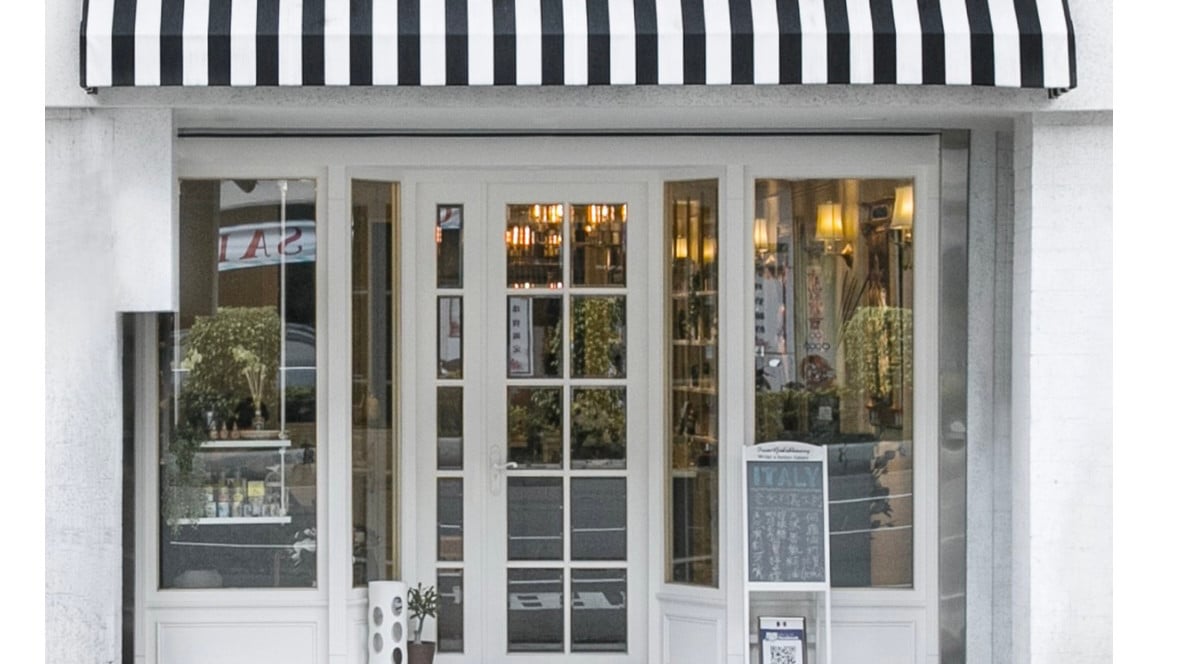
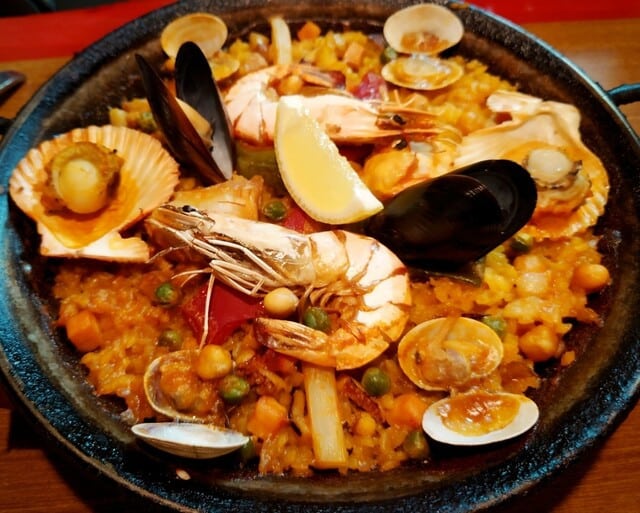
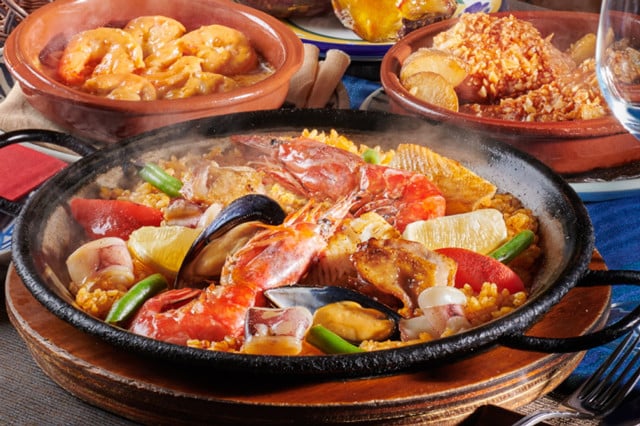
CASA BELLA: A Shinjuku Spanish Bar With Seafood Paella and Cured Ham
CASA BELLA serves authentic Spanish seafood paella, cured ham and tapas, paired with many Spanish red and white wines, with courses at about ¥4,000-6,000, good for casual drinks with friends.
Located near Nishi-Shinjuku Station and founded in 1972, it suits groups of friends or couples on a date. We suggest booking ahead.
Sungari: A Foreign Food Experience With Georgian Cheese Bread Khachapuri
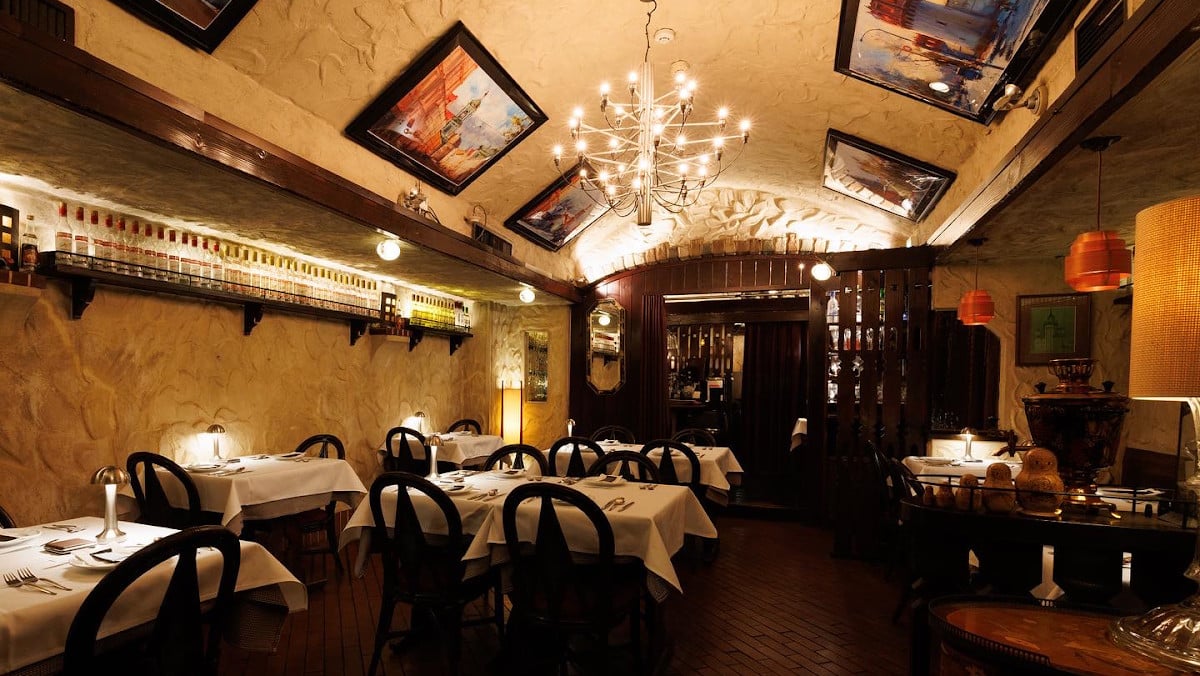
Sungari (スンガリー) is a long-established Shinjuku restaurant serving Russian and Georgian cuisine, with signature cheese bread khachapuri and stewed meat dishes that are very distinctive, with courses from about ¥3,500.
For travelers who have tried plenty of Japanese and Korean food, this is a fresh foreign dining experience. The Shinjuku East Exit main shop was founded in 1957, and there is also a Shinjuku-sanchome shop.
Shinjuku Saboten: Long-Established Tonkatsu Set Meals
Shinjuku Saboten is known for thick-cut tonkatsu set meals, using selected pork fried at a low temperature until crisp outside and tender inside, with sets at about ¥1,500-2,200 including rice, miso soup and unlimited shredded cabbage.
The shop has been open for more than thirty years and is a nostalgic favorite among Shinjuku locals, with a plain setting but friendly service, good for travelers who want to experience a Showa-era atmosphere.
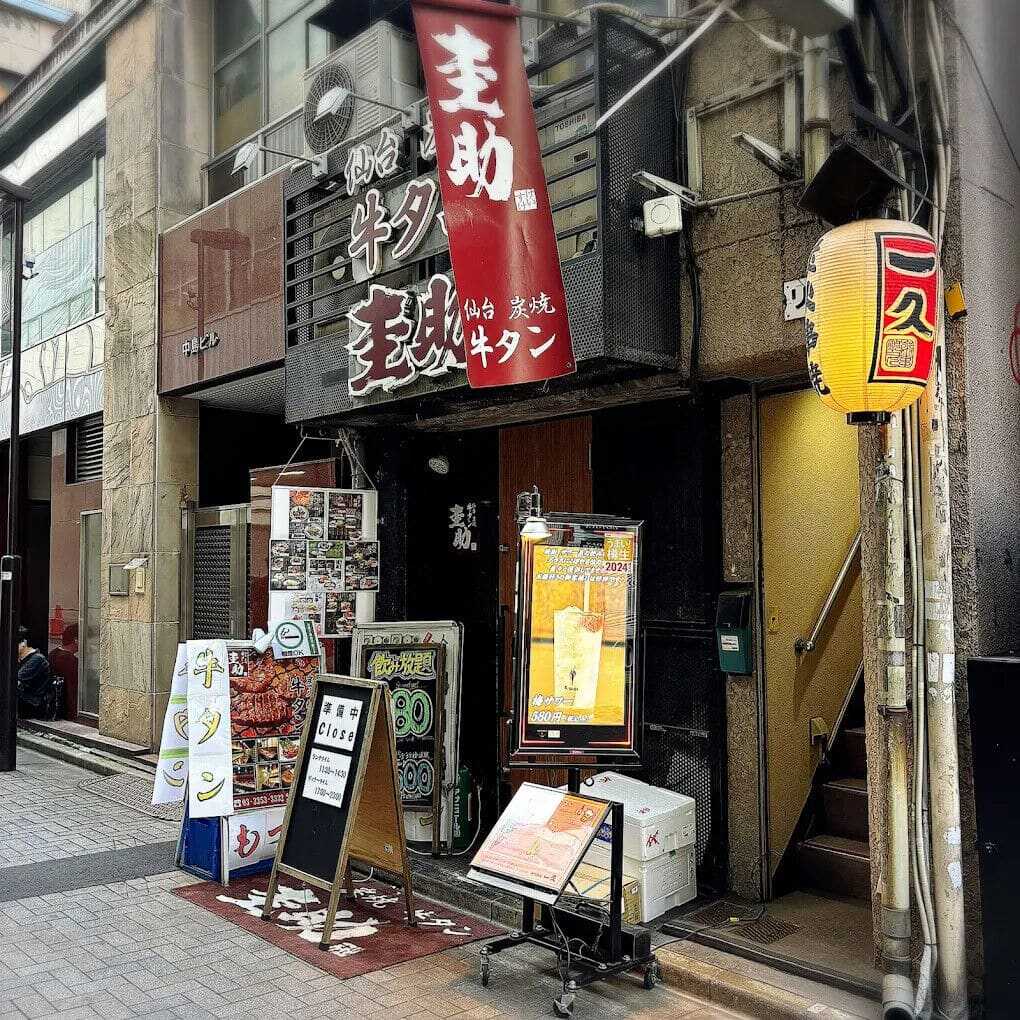
Shinjuku-sanchome Keisuke: Thick-Cut Beef Tongue Grilled by Craftsmen
Keisuke beef tongue is known for thick-cut charcoal-grilled beef tongue seasoned with house-made lemon salt, with sets at about ¥2,000-2,800,
About a 2-minute walk from Shinjuku-sanchome Station, the shop has private rooms for 4 to 8 people and is open 11:30 to 23:00 (follow the shop’s announcements). The Sendai-style thick-cut beef tongue can be warmed over a hida brazier. We suggest booking ahead.
How Much Does a Shinjuku Food Tour Cost? Experience Tours and How to Book
To eat authentically in Shinjuku without missing, the easiest way is to book local food experiences through KKday or Klook, from izakaya crawls and late-night Omoide Yokocho shop hopping to all-you-can-eat at a sky-view restaurant, with prices ranging from about US$32 to US$190, suited to different budgets and schedules. Below are the four most popular food experience tours in Shinjuku, with content, duration, cost and reasons to recommend, so you can choose flexibly for your itinerary.
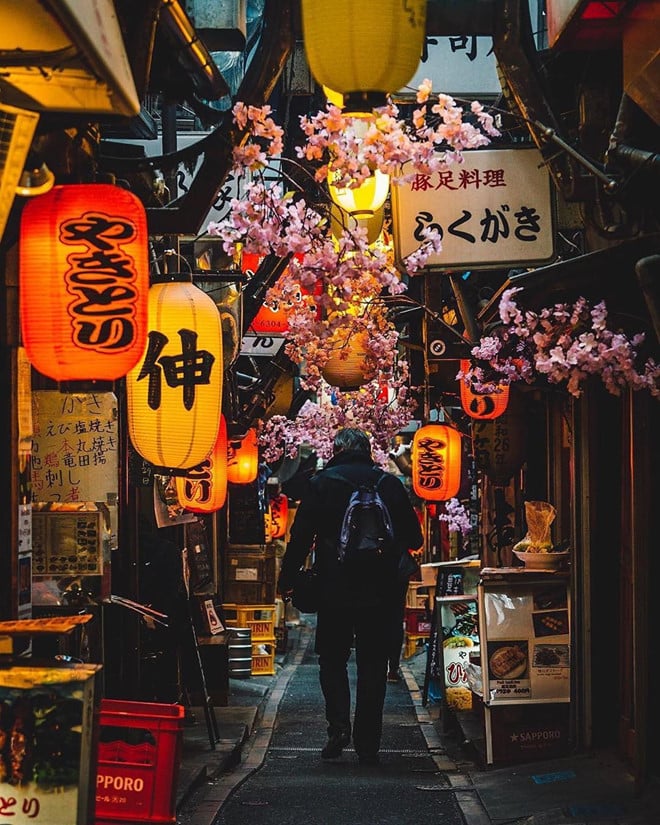
Shinjuku Omoide Yokocho Izakaya Crawl: A Late-Night Eatery Experience Through Showa-Era Alleys
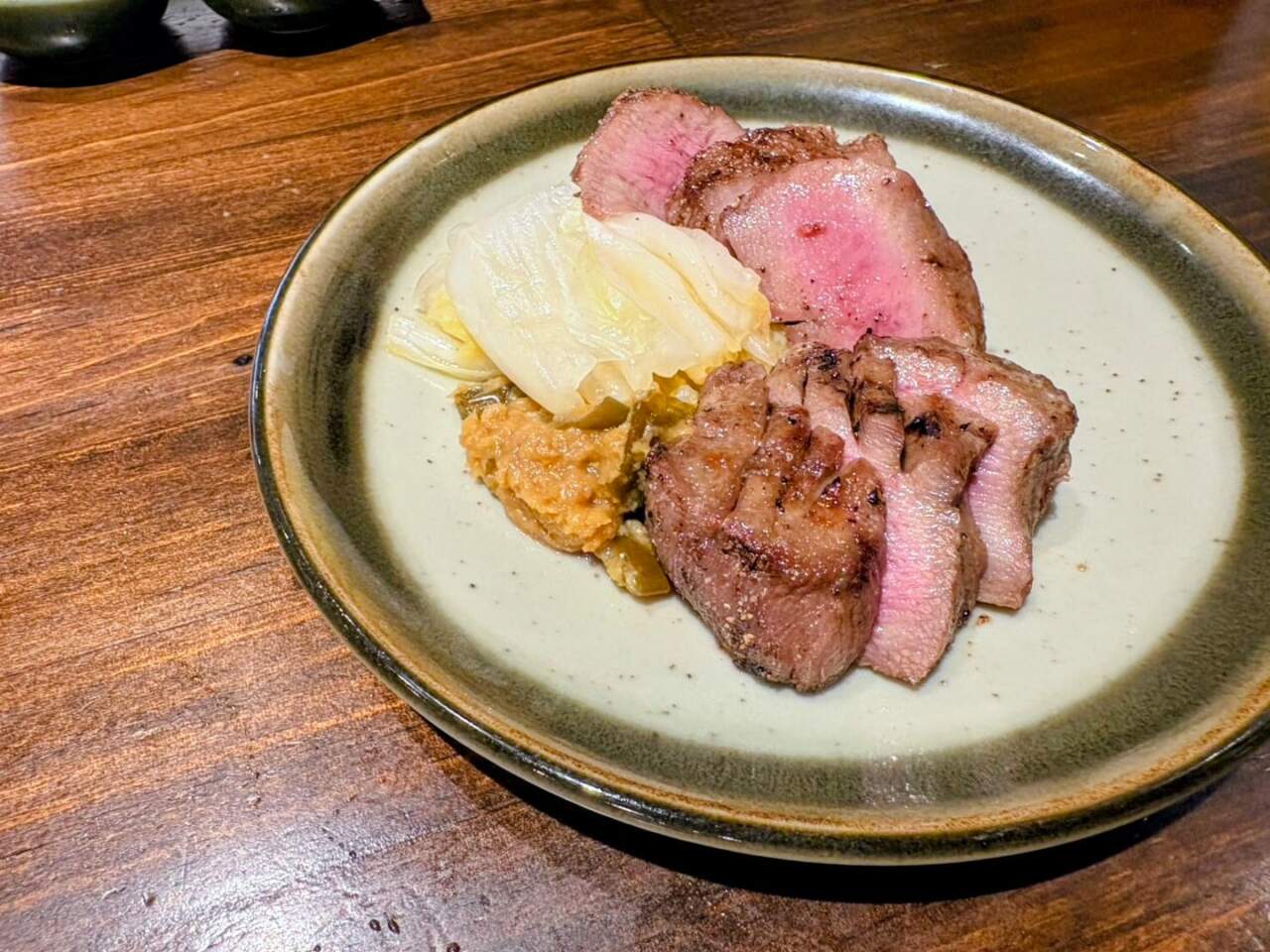
Omoide Yokocho (想い出横丁) is at the west exit of Shinjuku Station, a nostalgic alley wide enough for only two people side by side, gathering more than 60 long-established yakitori shops and izakaya. The guided tour lasts about 2.5 to 3 hours and visits 3 to 4 hidden gems, with charcoal-grilled skewers, black pork, shochu and draft beer, costing about US$69 to US$110, including the guide’s commentary and a cleaning fee.
It solves the language barrier and the “regulars only” problem, mostly departing at 17:00 or 19:00, and afterward you can continue to Kabukicho, an entry-level choice for experiencing Showa-era night food culture.
Shinjuku Kabukicho Izakaya All-You-Can-Eat Plan: Unlimited Drinks With Japanese Home Cooking
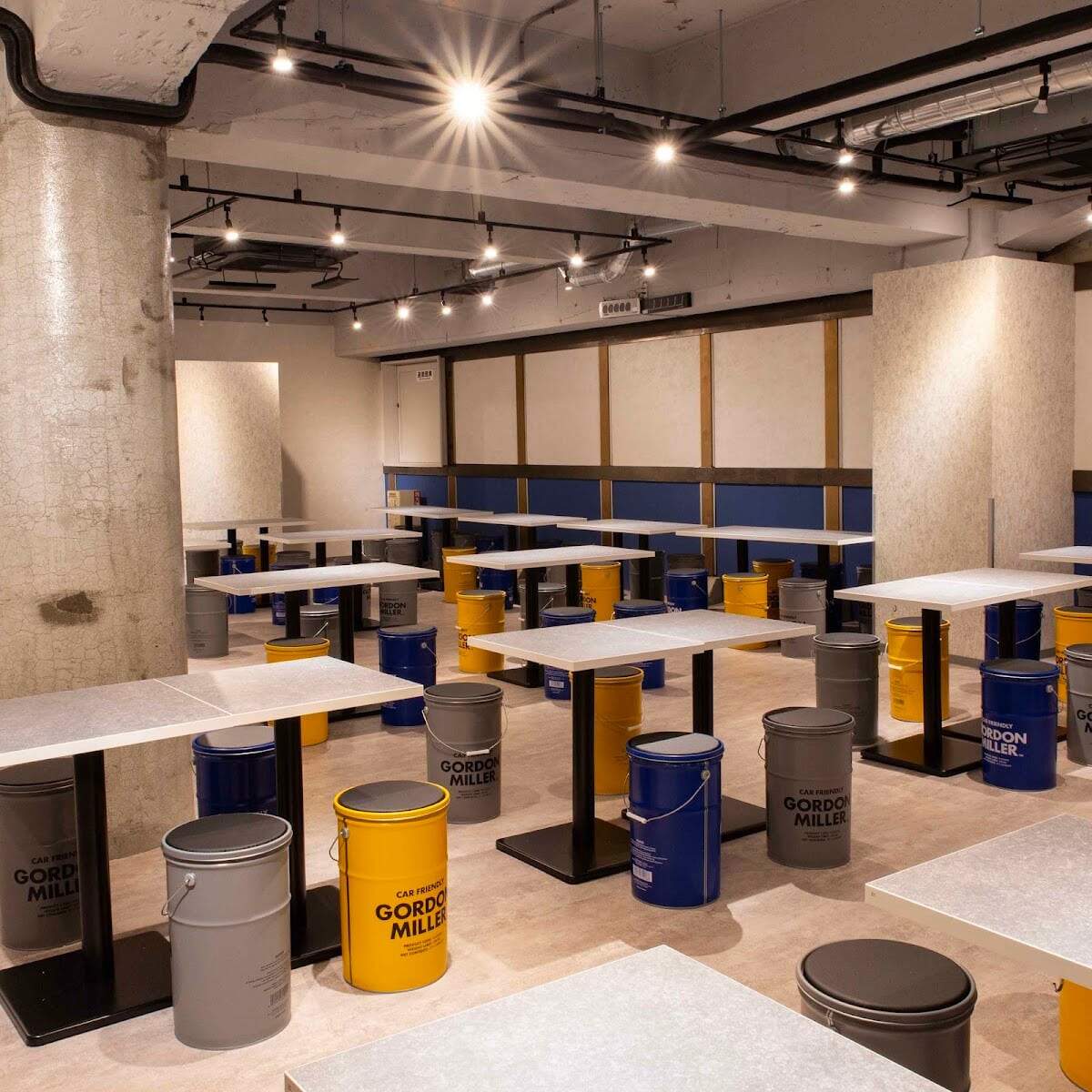
For those on a limited budget, Kabukicho offers 2-hour all-you-can-eat plus unlimited drinks plans at about US$50 to US$82 per person (booked on KKday), including fried food, skewers, salad, fried noodles and more than 30 drinks (draft beer, highball, shochu and more). The shops are mostly around Kabukicho Ichibangai and Yasukuni-dori, such as chains like “Domadoma” and “Uotami,” open about 17:00 to 05:00 the next day. This plan saves you from looking for a shop and dealing with language; just show your voucher to be seated, a high-value way to experience Japanese izakaya culture.
Shinjuku Sky-View Dinner: French or Fusion Cuisine With a Night View
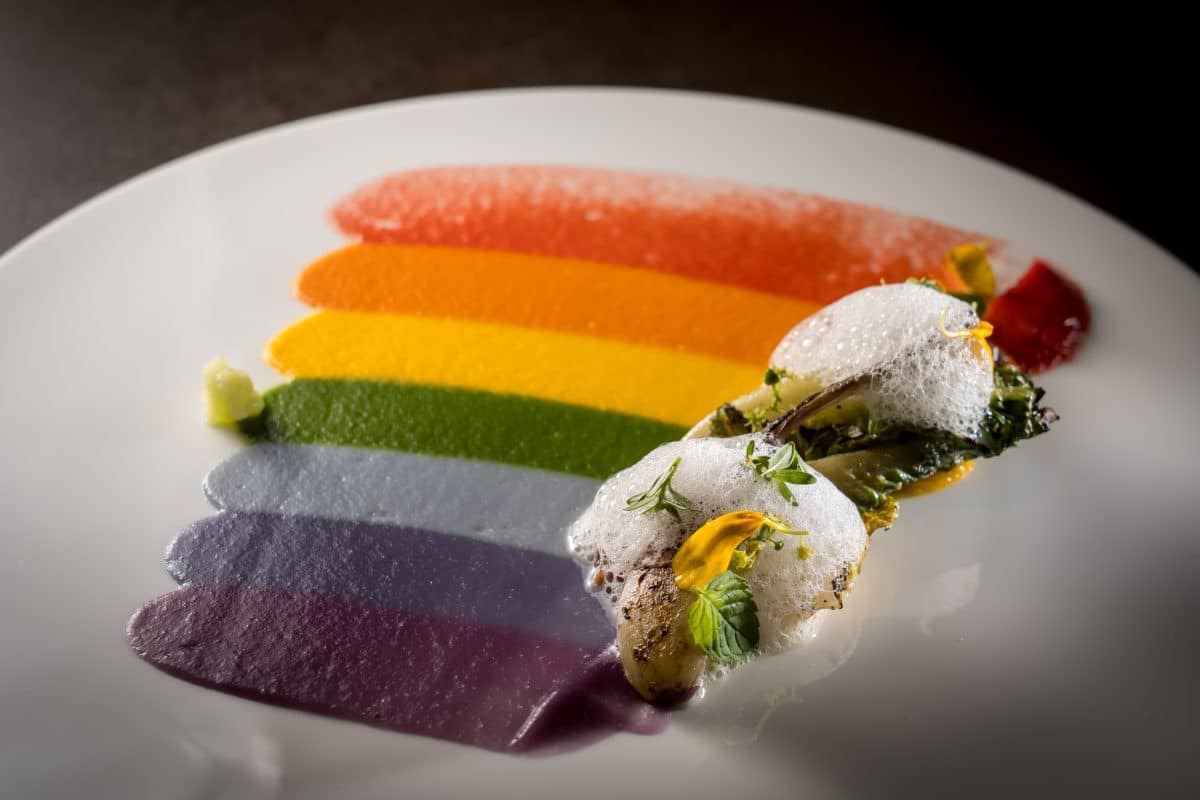
“Shinjuku Sky View Dining” on the 52nd floor of the Shinjuku Sumitomo Building, or sky-view restaurants around the Metropolitan Government Building, are popular choices for commemorating a Shinjuku dinner. Klook sets cost about US$88 to US$173, including appetizer, main course (steak, seafood or fusion cuisine), dessert and drinks, with dining of 90 to 120 minutes and views of the Metropolitan Government Building and Shinjuku skyscraper night view. We suggest being seated between 18:00 and 19:00 for dusk and night views; some plans add champagne or red wine, suited to couples, families or business hosting, and reservations can note vegetarian or allergen needs.
Shinjuku Food Streets and Craft Ramen Tour: Taste Tsukemen, Tonkotsu and Soba Shops in One Go
Shinjuku and the Shin-Okubo area gather famous queue shops, such as “Nagi” niboshi ramen, the “Rokurinsha” tsukemen main shop and century-old soba shops. There are 3-hour food tours with tastings at 2 to 3 shops, costing about US$57 to US$88, with guides leading you around the queue peaks.
The tours depart at off-peak times, 11:00 a.m. or 2:00 p.m., with only a half portion or small bowl at each shop, and the guide explains the broth and noodle details, suited to first-time visitors to Shinjuku with limited time who want to eat at many shops.
Nearby Accommodation Suggestions
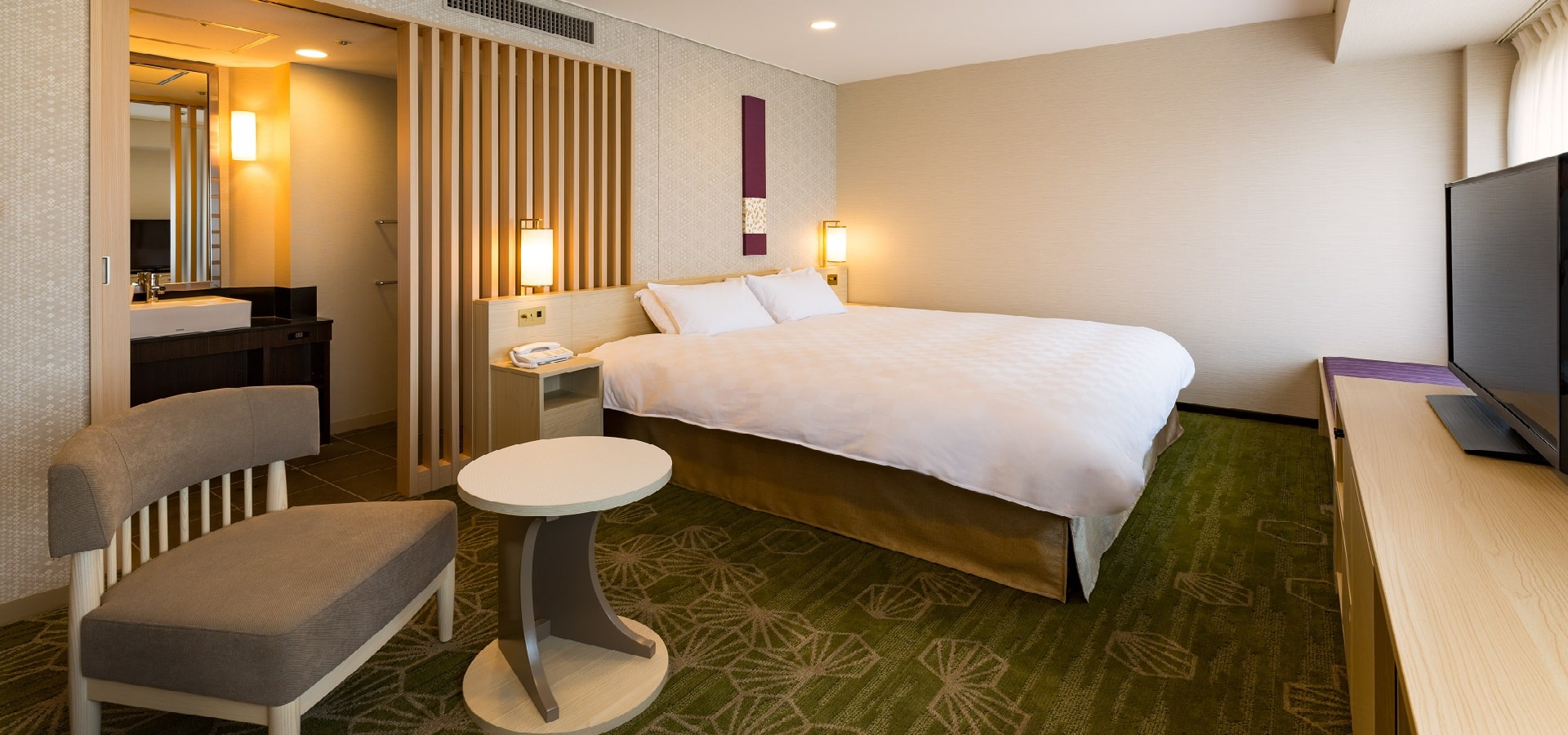
Shinjuku Station is where multiple JR, Tokyo Metro and Toei Subway lines meet, with hotels around both the West and East Exits, and the Limousine Bus goes directly to hotels around Shinjuku’s West Exit. If you want to fit Kabukicho midnight snacks, Omoide Yokocho drinks and Nishi-Shinjuku sky-high dining into the same day, staying around Shinjuku Station reduces transfers on the late-night trip back.

Shinjuku Food FAQ
Q: About how much does a meal in Shinjuku cost?
Budget choices such as ramen and beef tongue sets are about ¥1,000-2,000, while all-you-can-eat yakiniku or wagyu specialists are about ¥6,000-15,000, so you can mix to suit your budget.
Q: What is the difference between food at Shinjuku’s East and West Exits?
The East Exit mainly has izakaya alleys, yakiniku and ramen, the West Exit underground arcade concentrates beef tongue and casual snacks, and the South / New South Exit has more stylish restaurants and dessert shops.
Q: Are there recommended 24-hour or late-night foods in Shinjuku?
Sugoi Niboshi Ramen Nagi (Kabukicho) is open almost around the clock, Ichiran Shinjuku Chuo Higashiguchi is open 24 hours, and Gyoza no Fukubao is also open late into the night, all good for late-night food.
Q: Do I need to reserve for all-you-can-eat yakiniku?
Popular shops such as Rokkasen and MO-MO-PARADISE should be booked at least a week ahead through their official websites, especially for weekend dinners.
Q: What season is best to visit Shinjuku for food?
In autumn and winter you can enjoy Rokkasen’s winter-only crab all-you-can-eat and Kani Doraku’s king crab courses, the best time for seasonal specialties.
Q: What etiquette should I know when dining in Shinjuku?
Most izakaya charge a seating fee (otoshi-dai), ramen shops mostly use ticket machines, and you should avoid speaking loudly to respect other customers.
Q: Can I dine smoothly in Shinjuku without Japanese?
Most chain restaurants offer picture menus or ticket machines, and staff can usually manage simple communication, so with a translation app you can order smoothly.