
Nanzen-ji Guide 2026: Complete Guide to Suirokaku, the Sanmon Gate and the Hojo Garden
Nanzen-ji, in Keage in Kyoto’s Higashiyama area, is a famous Zen temple ranked “above the Five Mountains of Kyoto.” Walking the grounds is completely free, only certain buildings require a separate ticket, and we suggest allowing 1.5 to 3 hours.
What Kind of Temple Is Nanzen-ji?
Nanzen-ji was founded in 1291 when Retired Emperor Kameyama converted his detached palace into a Zen temple, and it is the head temple of the Nanzen-ji school of Rinzai Zen. In the Muromachi period it was ranked “above the Five Mountains,” placing it higher than the Five Mountains of Kyoto and Kamakura, and it is one of the most prestigious temples in the Japanese Zen world.
The precinct is vast, covering the Sanmon gate, the Dharma Hall, the Hojo garden, Suirokaku and several sub-temples. The pace of a stroll is unhurried, and each season brings its own scenery, with cherry blossoms in spring and autumn leaves in fall both famous.
Nanzen-ji Opening Hours and the Best Time to Visit
Walking the grounds is possible year-round with no closing day and no ticket needed. The paid areas (the Hojo garden, the Sanmon gate and Tenju-an) have opening hours that shift slightly by season, closing earlier in winter (December to February), with the last admission 20 minutes before closing. General visits are not accepted from December 28 to 31. For details, check the official Nanzen-ji website (nanzenji.or.jp).
We suggest avoiding weekend mornings; weekdays or early mornings are the most peaceful. The autumn leaf season (mid to late November) and the cherry blossom season (late March to early April) are the busiest, so plan your time in advance.
Nanzen-ji Tickets: Which Areas Are Free and Which Are Paid?
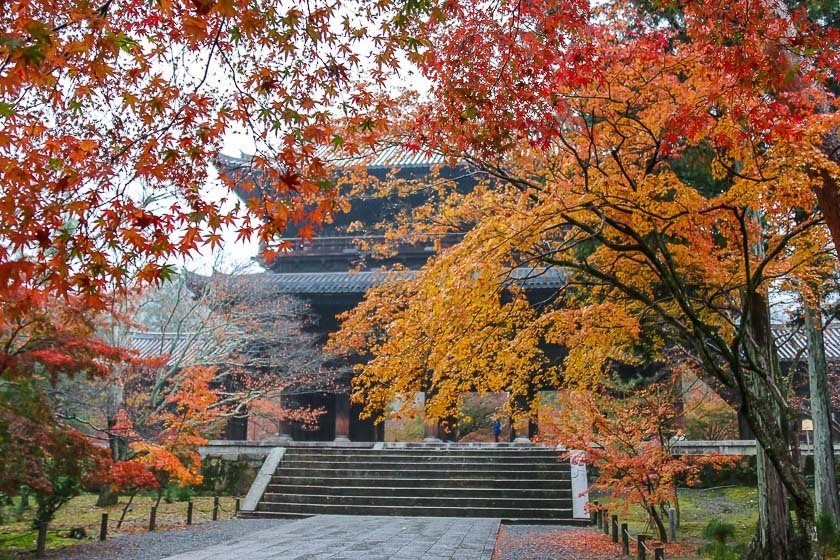
The stone steps, tree-lined paths, the exterior of the Sanmon gate and Suirokaku can all be visited and photographed for free. If you want to climb the Sanmon’s Gohoro tower for a view of Higashiyama, or go inside to see the Hojo garden’s dry landscape, you need to buy a separate ticket.
The Hojo garden and the Sanmon each cost ¥600 for adults, ¥500 for high school students and ¥400 for elementary and junior high school students, and tickets can be bought on site. Tenju-an and Konchi-in cost about ¥500 each. In peak season, allow time for lines, especially at the Sanmon ticket window.
How to Get to Nanzen-ji: A Complete Guide to Transport and Costs
Nanzen-ji is close to the Kyoto Municipal Subway Tozai Line. From Keage Station, walk about 10 minutes along the remains of the Keage Incline to reach the Sanmon entrance. From Kyoto Station, take the subway and transfer to the Tozai Line at Karasuma Oike Station; fares are as announced by the Kyoto City Transportation Bureau. A Kyoto Subway 1-Day Pass with unlimited rides is better value.
What Are the Must-See Sights at Nanzen-ji? A Guide to the Highlights of Each Area
Nanzen-ji is in Nanzenji Fukuchi-cho, Sakyo Ward, Kyoto. It is the head temple of the Nanzen-ji school of Rinzai Zen and the highest-ranked of the Zen temples “above the Five Mountains” in Japan. The whole precinct is vast, and every spot from the Sanmon gate and Dharma Hall to the Hojo garden and Suirokaku deserves a closer look. Below are the eight must-see sights inside and around Nanzen-ji, giving you the key points of a visit, their historical significance and practical information, so you can plan your route in order and avoid wasted steps.
Nanzen-ji Sanmon Gate
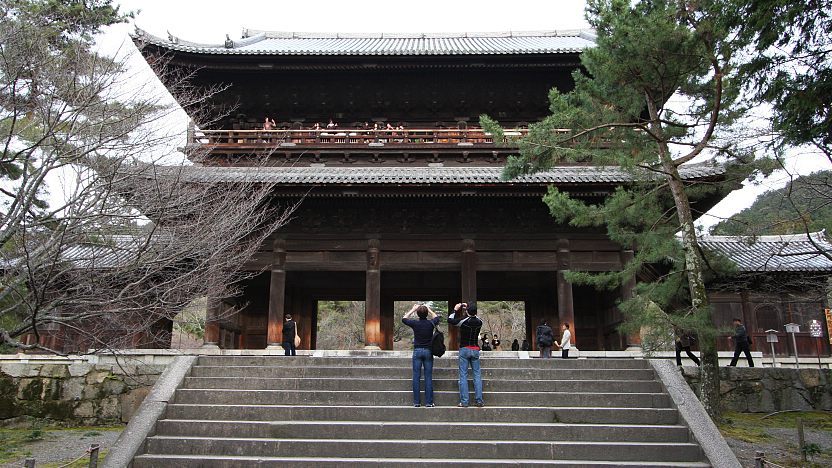
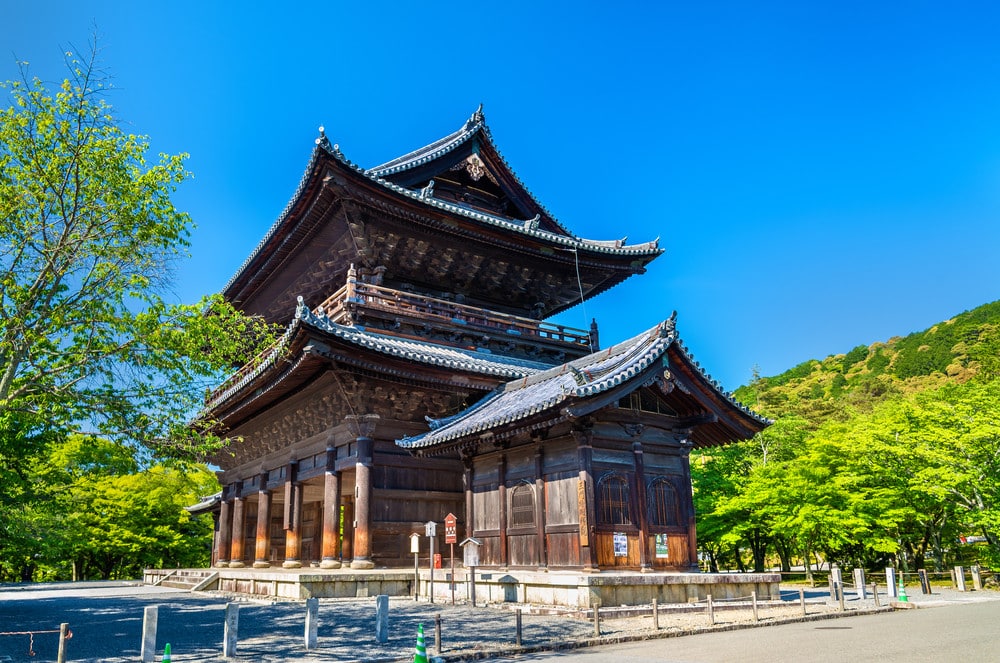
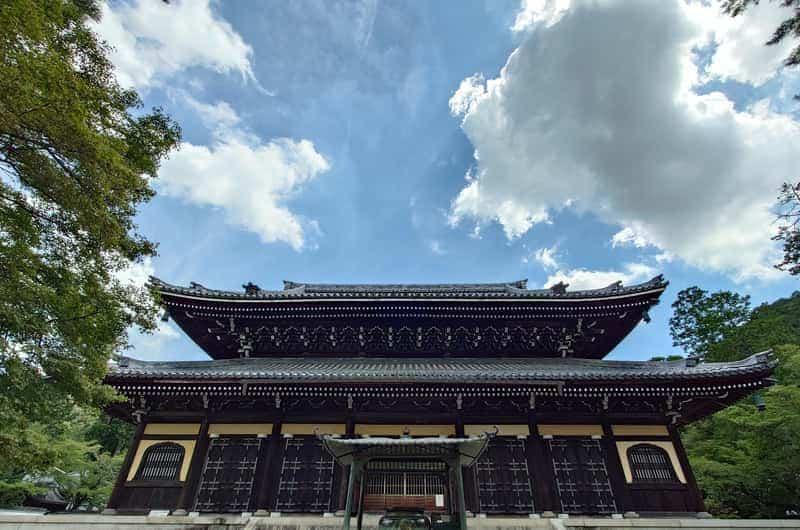
The Nanzen-ji Sanmon gate is about 22 meters tall and was built in 1628 to commemorate those who died in the Summer Siege of Osaka. It is also the setting of the famous “Zekkei kana” scene in the kabuki play Sanmon Gosan no Kiri.
From the second floor of the Sanmon you can look down over the approach and the autumn maple forest. Inside are an enshrined seated Shaka Buddha with a crown and statues of the Sixteen Arhats, with painted decoration between the pillars and beams.
Climbing up requires a separate ticket: ¥600 for adults, ¥500 for high school students and ¥400 for elementary and junior high school students. It is open 8:40 to 17:00 (until 16:30 from December to February), and we suggest staying 30-40 minutes. Early morning has fewer crowds and is the best time for photos.


Suirokaku
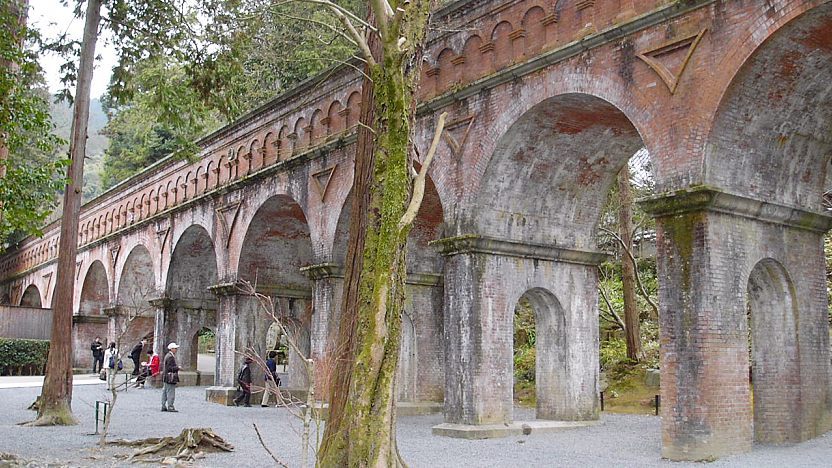
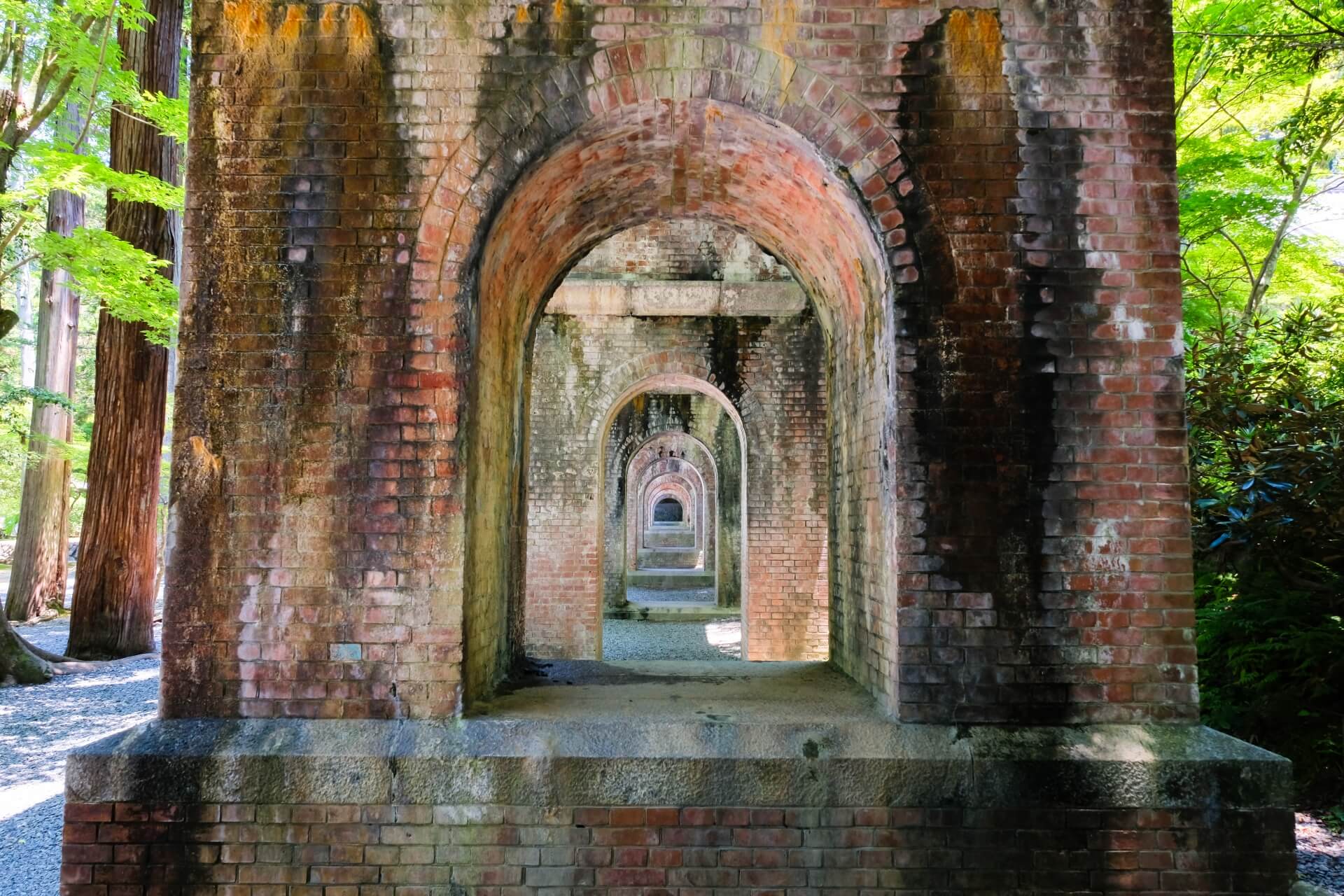
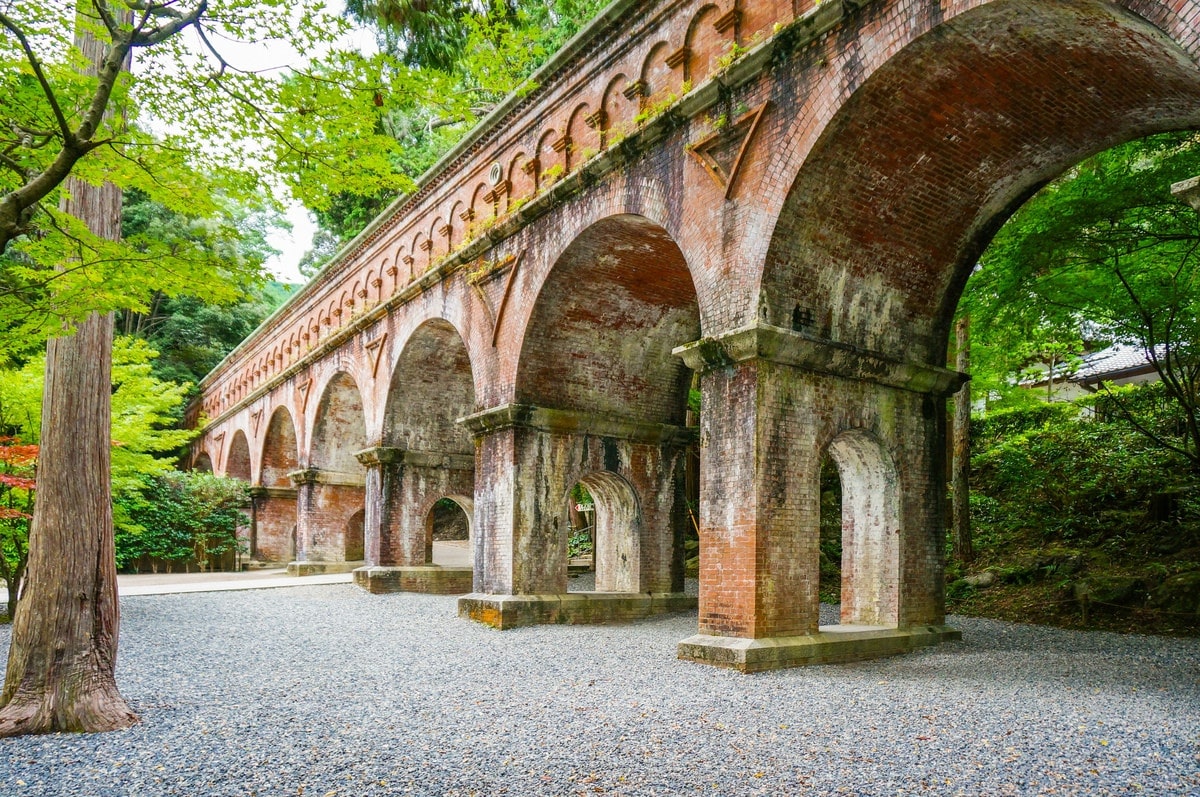
Suirokaku was built in the Meiji era to bring water from Lake Biwa to Kyoto. This red-brick arched aqueduct, about 93 meters long, is a popular photo spot within Nanzen-ji. It is a drainage canal still in operation, with water flowing quietly over the top and the arched brick passage beneath blending with the trees. It is scenic in every season, loveliest in fresh green and autumn leaves, and is also a popular spot for wedding photography.
Suirokaku is open year-round and free to visit, and we suggest staying 20-30 minutes. Early morning or weekday afternoons have fewer crowds, suiting people who want shots without people in them, and it is a must for architecture lovers.
Nanzen-ji Hojo Garden
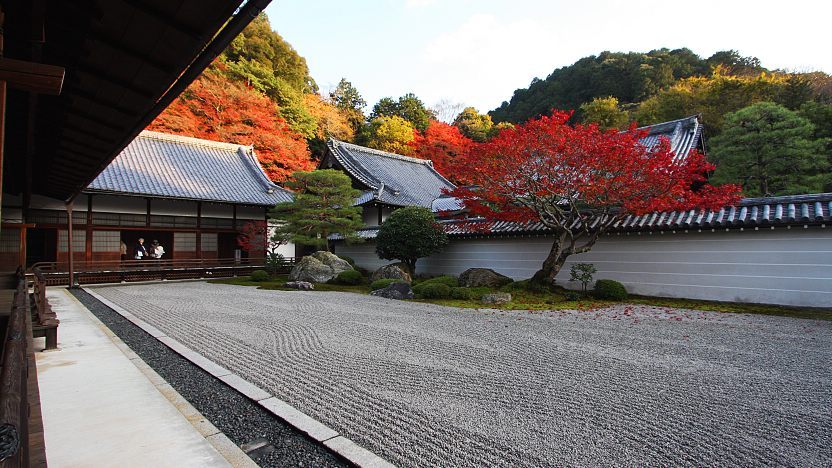
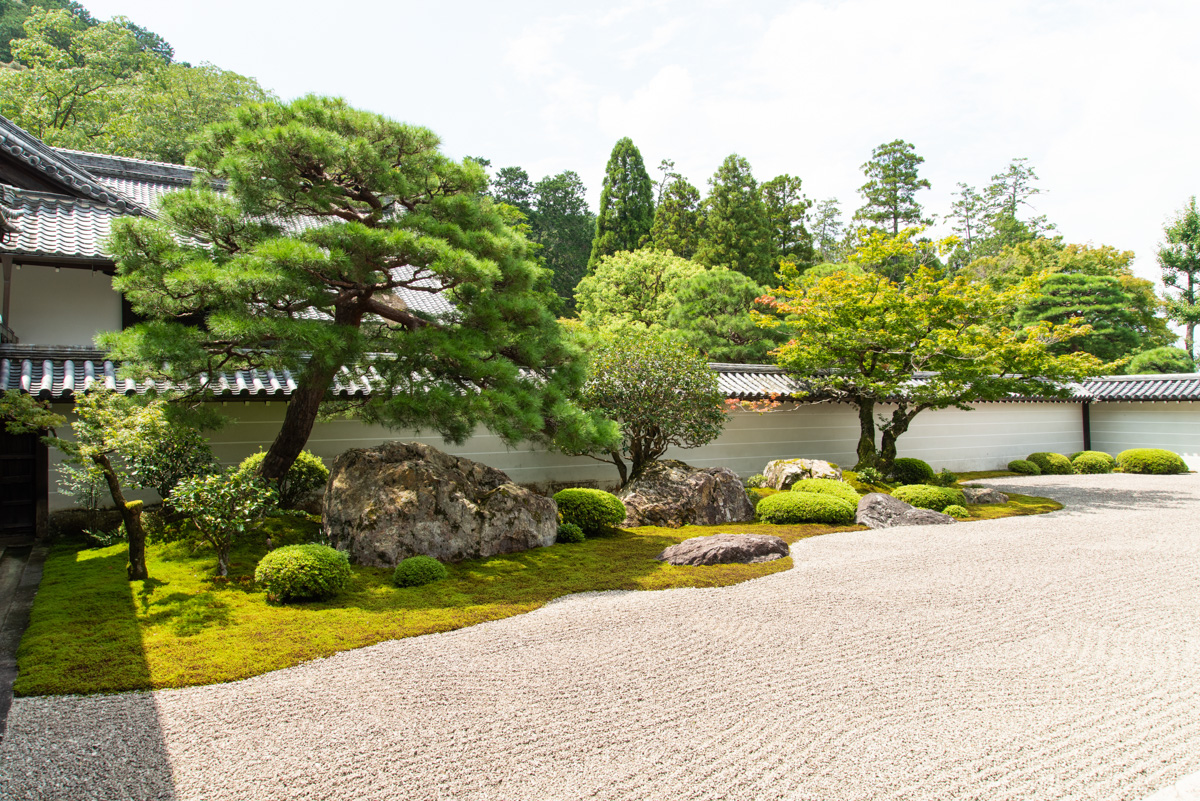
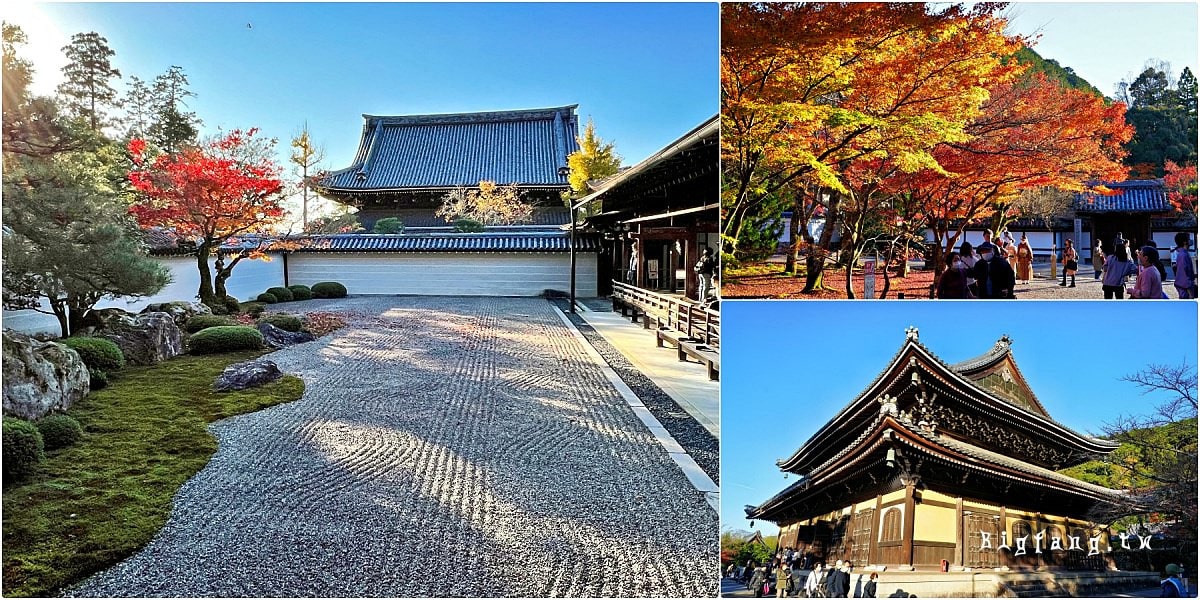
The Hojo garden is divided into the Large and Small Hojo. “Tora no Ko Watashi” (Tiger Cubs Crossing the River) is a representative Edo-period dry landscape garden, made of white sand and unusual stones symbolizing a tiger leading its cubs across a river, with a simple composition and profound meaning. The garden was designed by Kobori Enshu, and from the veranda you can quietly contemplate the patterns in the white sand and the borrowed scenery of Higashiyama, feeling the Zen “wabi-sabi” aesthetic, an excellent place to experience Kyoto’s Zen spirit.
Visiting the Hojo garden requires a combined admission ticket: ¥600 for adults. It is open 8:40 to 17:00 (until 16:30 in winter), and we suggest staying 40-60 minutes to savor the changing light through the seasons.
Nanzen-ji Hojo: The Large Hojo, Small Hojo and the Tiger Paintings
The Nanzen-ji Hojo consists of the Large Hojo and the Small Hojo connected behind it, and the building is a National Treasure. The Large Hojo is said to have been moved from the Seiryoden of the Imperial Palace and holds 124 wall and sliding-door paintings designated Important Cultural Properties. The Small Hojo is said to be a remnant of Fushimi Castle, and its “Tiger Room” holds the “Group of Tigers” painting, said to be by Kano Tanyu, also an Important Cultural Property. In front of the Large Hojo is the “Tiger Cubs Crossing the River” dry landscape garden said to have been created by Kobori Enshu, where you can sit on the veranda and quietly take in the white sand and the borrowed scenery of Higashiyama.
Nanzen-in Garden
Nanzen-in is the site of Retired Emperor Kameyama’s detached palace, later turned into the birthplace of Nanzen-ji. It is a pond-strolling garden designed by Muso Soseki, one of Kyoto’s three famous scenic gardens, located deep along a path beside Suirokaku.
The garden is centered on a pond, surrounded by maples and pines, and in autumn the red leaves reflect in the water like a painting, full of the lively spirit of natural landscape and very different in style from a dry landscape garden.
Nanzen-in is currently closed to visitors for renovation; the reopening date is as announced officially. When open, the admission fee is ¥500 for adults, ¥450 for high school students and ¥350 for elementary and junior high school students, with hours of 8:40-17:00.
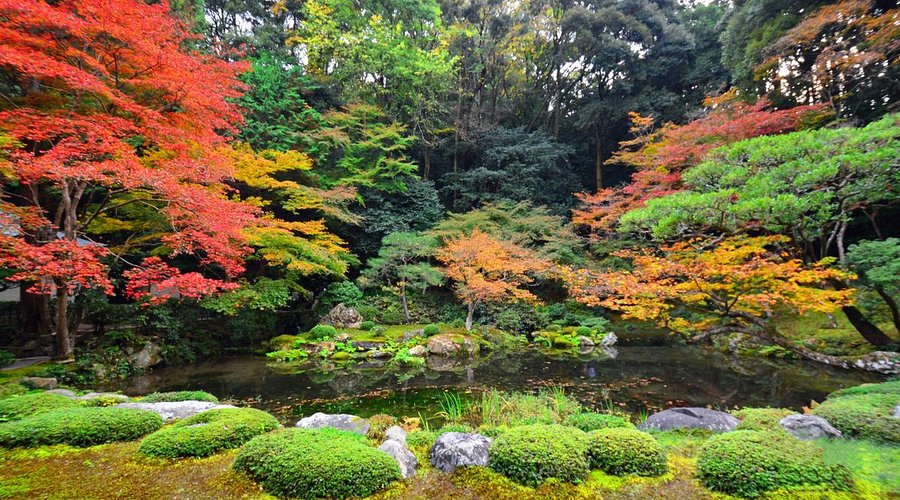
Nanzen-ji Dharma Hall
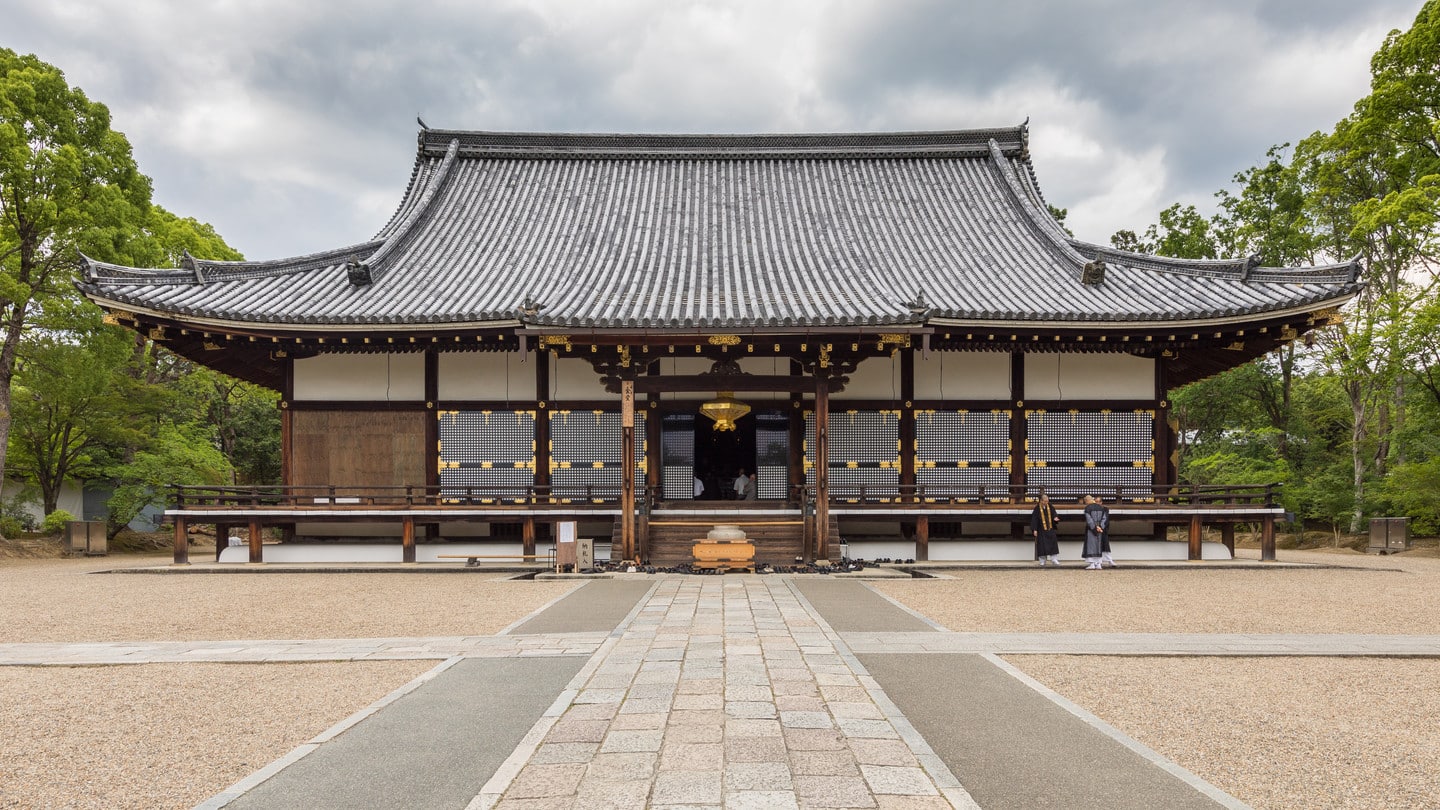
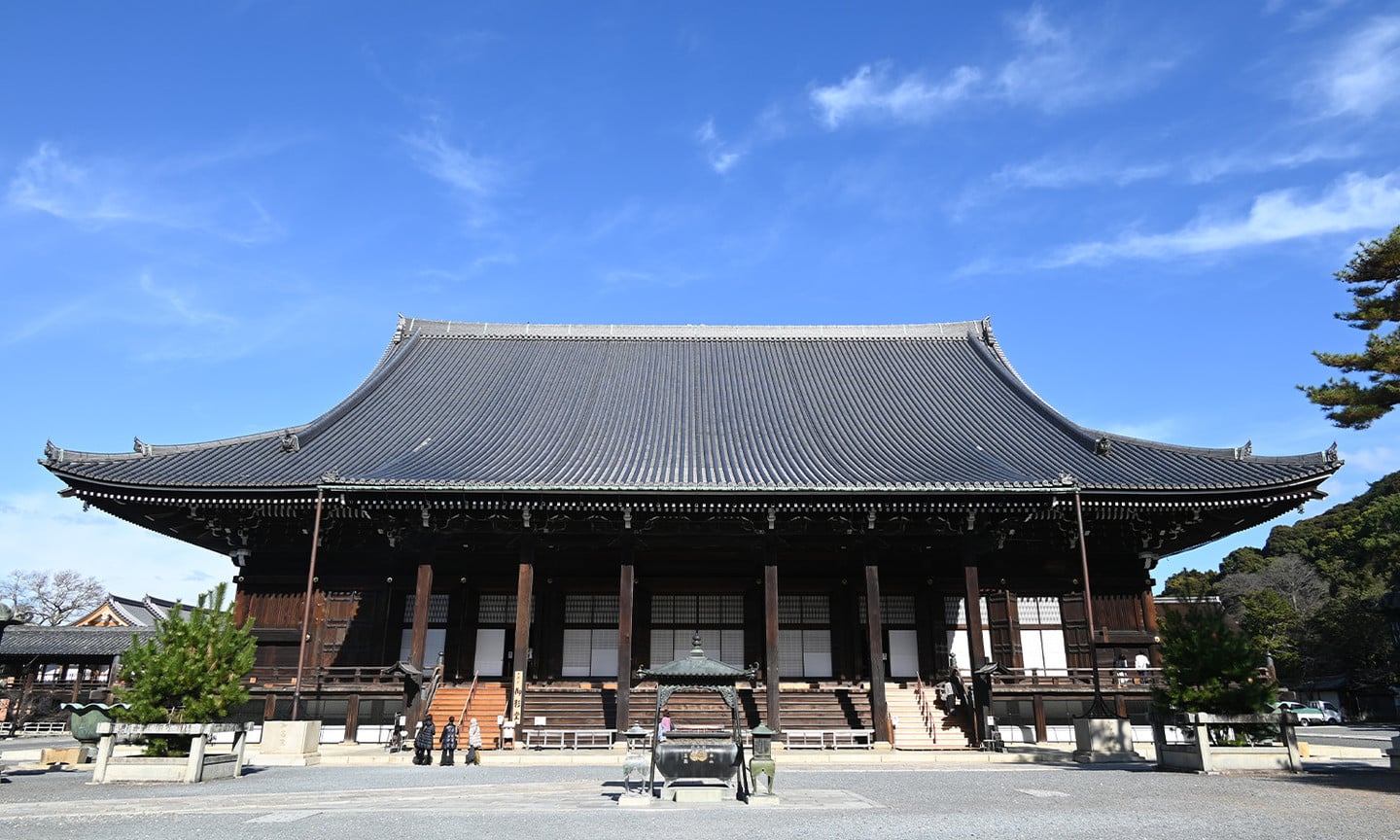
The Dharma Hall is where important Buddhist services and ceremonies are held. The current building was rebuilt in 1909 (Meiji 42), and the ceiling inside bears a painting of a giant dragon, the “Cloud Dragon,” by Imao Keinen, with a powerful presence.
The exterior of the Dharma Hall is solemn and antique. Although the interior is not normally open to the public, you can appreciate the beauty of the architecture from the outside, with the curves of the eaves echoing the old pines around it and the tranquil atmosphere unique to a Zen temple.
The area around the Dharma Hall is free to enter. We suggest staying 10-15 minutes, and it fits most smoothly into a route combined with the Sanmon gate and the Hojo garden.
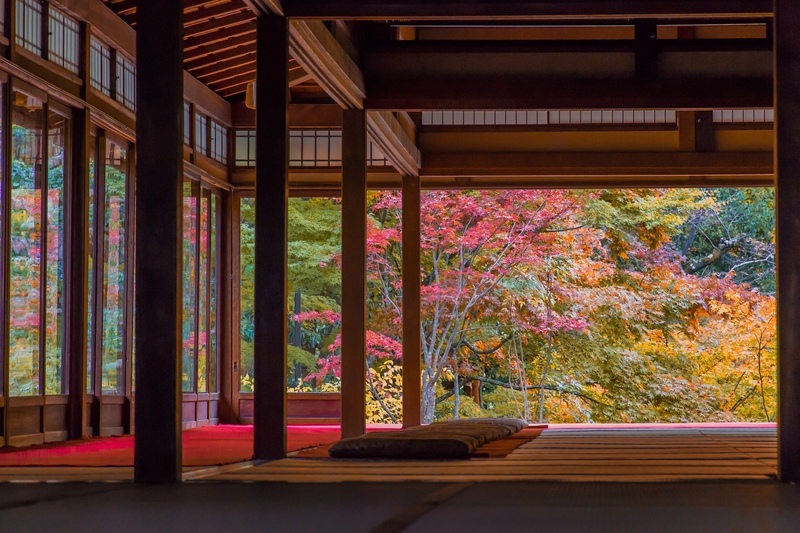
Tenju-an
Tenju-an is a sub-temple of Nanzen-ji, built in 1339 to honor the founding abbot Muhon Fumon. Its garden is divided into a dry landscape front garden and a pond-strolling rear garden, in sharp contrast of styles.
The rear garden has many maples around the pond, and in autumn the red maples make it one of Nanzen-ji’s best autumn leaf spots, with early-morning light drawing photographers. Admission is ¥500 for adults, with hours of 9:00-17:00 (until 16:30 from November to February), and we suggest staying 30-40 minutes. Goshuin seal service is available.
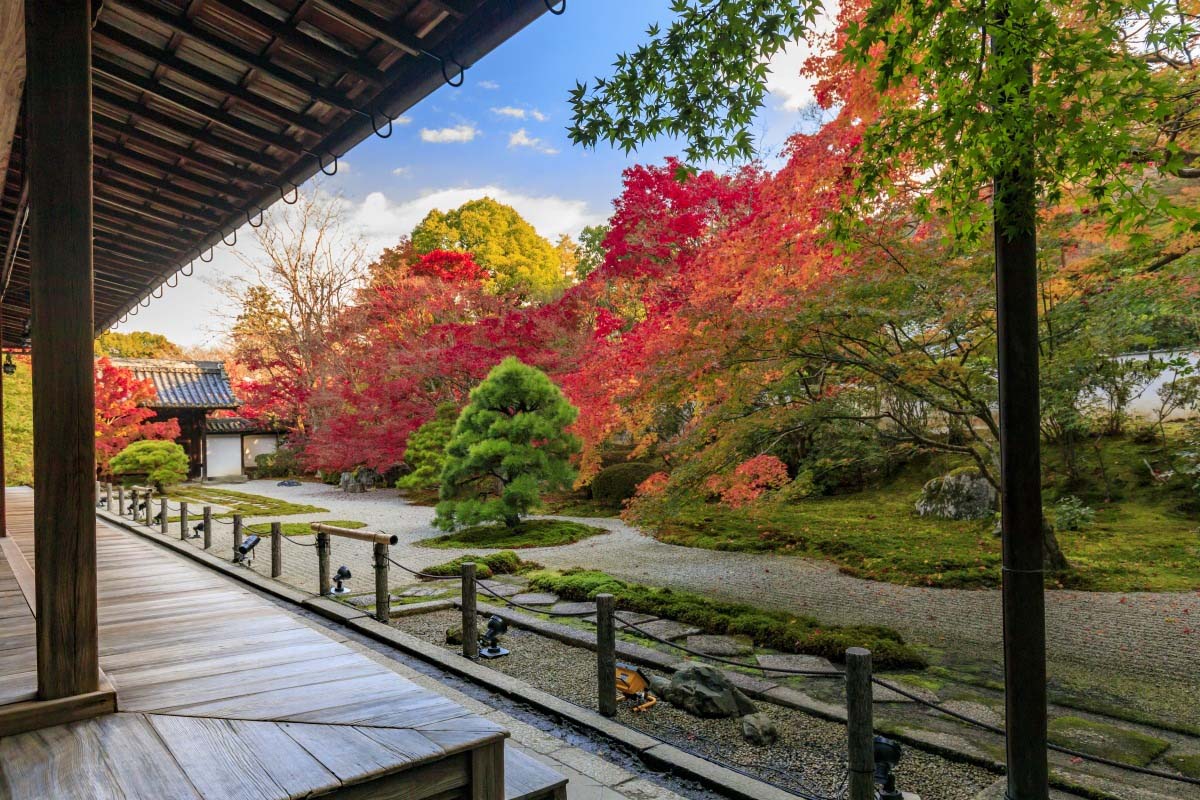

Konchi-in
Konchi-in is likewise a Nanzen-ji sub-temple, famous for its “Crane and Turtle Garden,” designed by Kobori Enshu, a masterpiece of early Edo-period dry landscape gardens and designated a National Place of Scenic Beauty.
The Toshogu shrine inside enshrines a divided spirit of Tokugawa Ieyasu, a rare shrine building in Kyoto that honors Tokugawa Ieyasu, and the temple also holds precious sliding-door paintings by Kano school artists, of very high historical and artistic value.
The admission fee is ¥500 for adults, with hours of 9:00 to 17:00 (until 16:30 from December to February). We suggest staying 40 minutes, and the staff at the amulet office can help you obtain a goshuin seal and omamori.
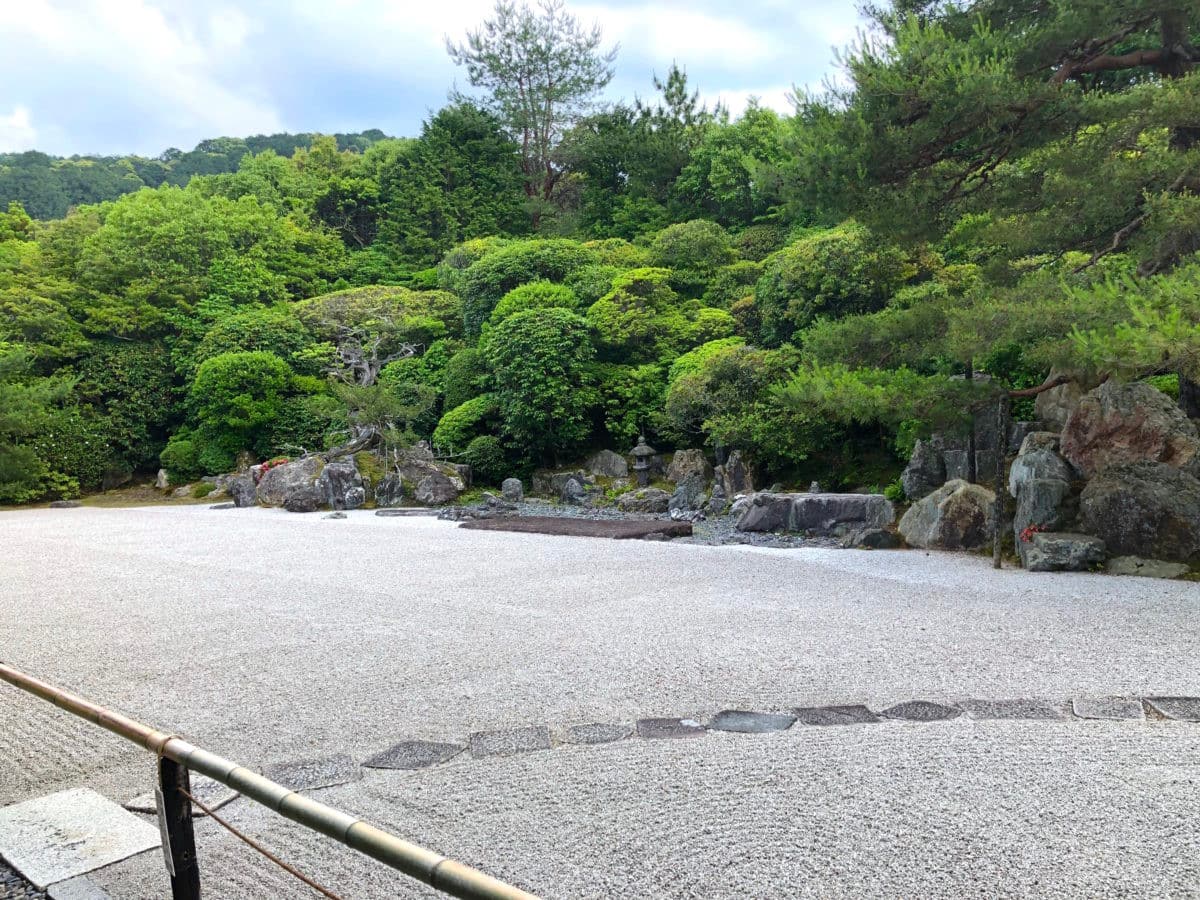
Nanzen-ji Approach and the Middle Gate
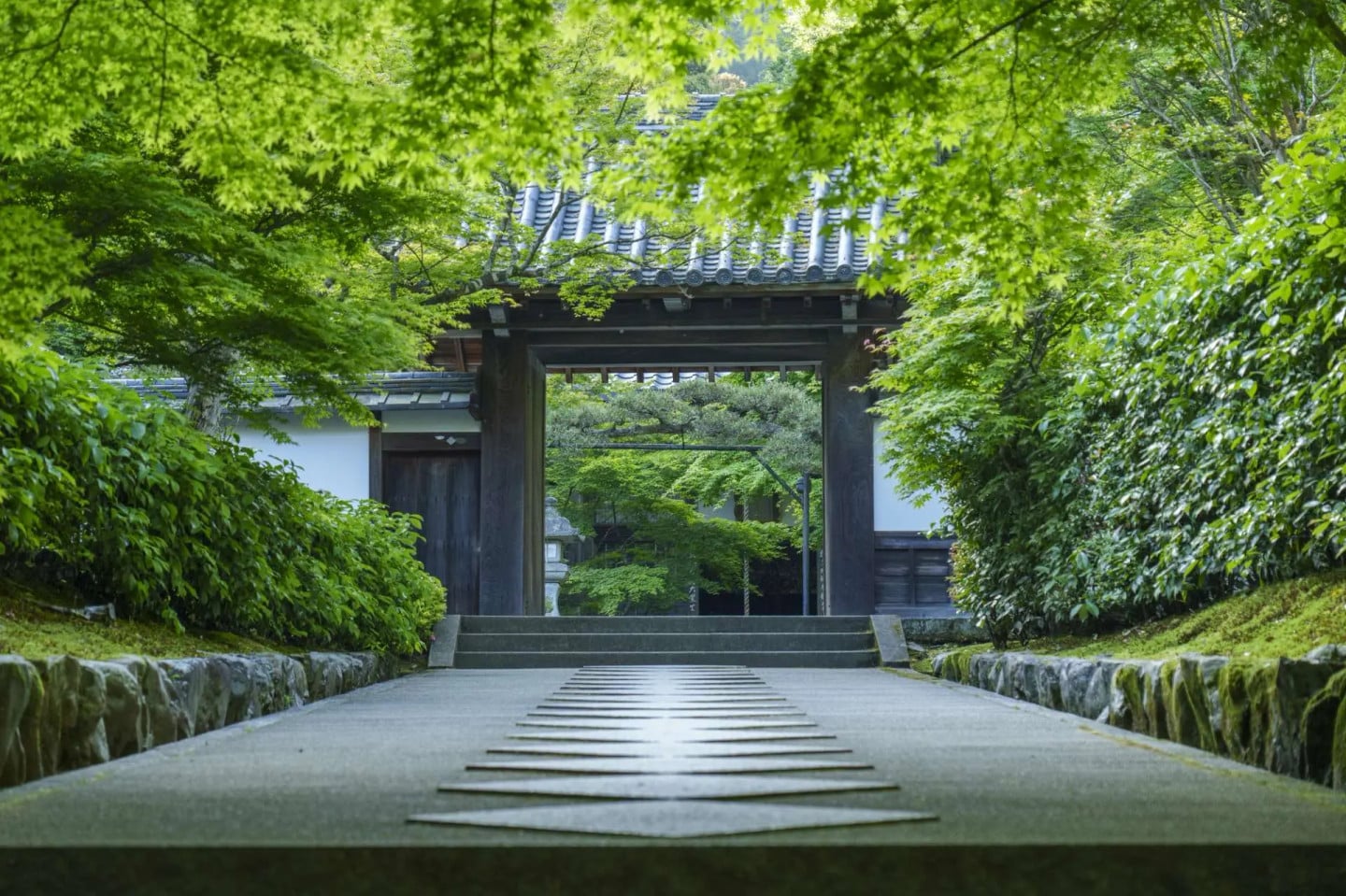
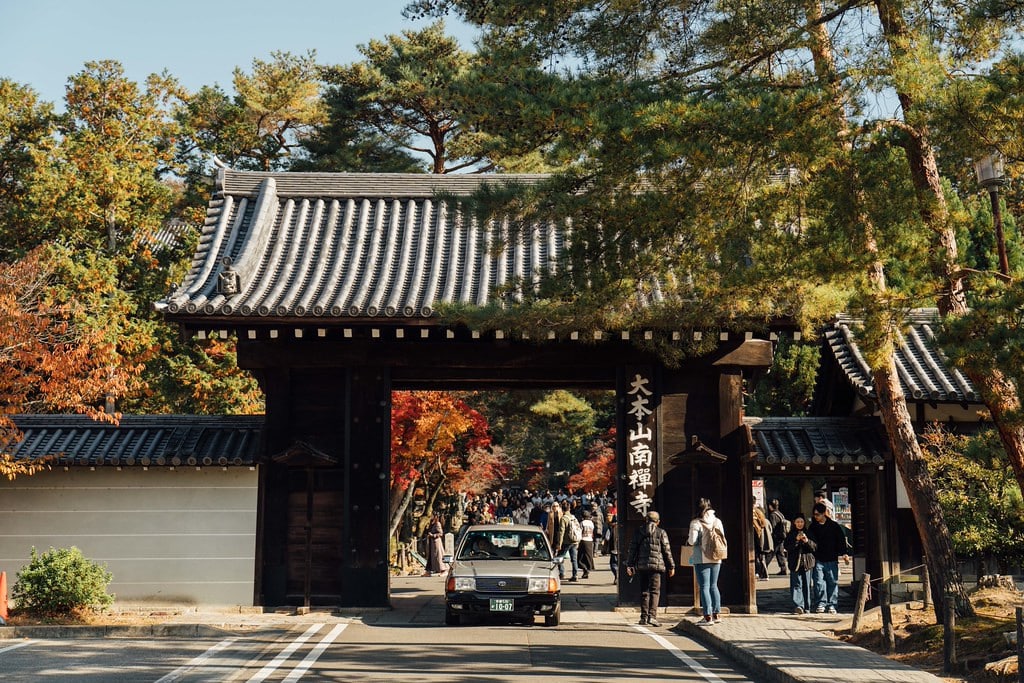
The approach to Nanzen-ji on foot from Keage Station on the subway is lined with old pine trees and stone lanterns, and along the way you can see several long-established yudofu restaurants, an excellent walking route for soaking up the atmosphere of old Kyoto.
Passing through the Middle Gate takes you into the core area of the Nanzen-ji precinct. The gate is simple and antique in style, a popular angle for photographing the whole temple and the visitors coming and going, and many travel bloggers also use it as a backdrop to introduce Nanzen-ji.
The approach is open year-round and free to walk. Including the walk to the Sanmon gate and the Hojo garden, allow 15-20 minutes for a stroll, feeling the shift in mood from the bustle into a Zen realm.
How Much Does Nanzen-ji Cost? Tickets and Guided Experiences
Nanzen-ji is in Nanzenji Fukuchi-cho, Sakyo Ward, Kyoto, and is the head temple of the Nanzen-ji school of Rinzai Zen, also holding the special rank of “above the Five Mountains” in Kyoto. The precinct is large and charged by zone, so visitors often can’t tell which areas require payment and which are free. In fact, the “Hojo garden” and the “Sanmon gate” at Nanzen-ji are key attractions that require separate tickets, while the famous landmark “Suirokaku” is completely free and can be visited and photographed at any time as an outdoor structure. Below are the latest 2026 ticket prices and opening hours, along with guided experiences and nearby combo tickets worth arranging, to help first-time visitors pin down their budget and itinerary pace.
Nanzen-ji Hojo Garden (National Treasure Hojo and Dry Landscape Garden)
The Nanzen-ji Hojo garden is a dry landscape classic designed by Kobori Enshu in the early Edo period, themed on “Tora no Ko Watashi” (Tiger Cubs Crossing the River), where white sand, large rocks and moss depict a tiger carrying its cubs across a river. Admission is ¥600 for adults, ¥500 for high school students and ¥400 for elementary and junior high school students, open 8:40-17:00 (until 16:30 from December to February), and closed December 28 to 31.
The ticket gives access to the National Treasure Hojo building, where you can enjoy the garden and the Kano school wall paintings, with autumn leaves especially lovely. The Hojo garden and the Sanmon gate have different ticket offices, so tickets must be bought separately.
Climbing the Nanzen-ji Sanmon Gate (Tenka Ryumon)
Nanzen-ji’s “Tenka Ryumon” is one of Japan’s three great gates, 22 meters tall, and the setting of the “Zekkei kana” scene by Ishikawa Goemon in the kabuki play Sanmon Gosan no Kiri. Tickets: ¥600 for adults, ¥500 for high school students, ¥400 for elementary and junior high school students; open 08:40-17:00.
You climb a wooden staircase to find the enshrined crowned Shakyamuni Buddha and statues of the Sixteen Arhats, with a ceiling painted with heavenly beings and flying dragons, and from the corridor you can look out over the green of Higashiyama, with a sweeping view in the autumn leaf season.
The stairs are steep and narrow and you must remove your shoes; it takes about 20-30 minutes and pairs well with a visit to the Hojo garden.
Free Visits to Nanzen-ji’s Suirokaku and a Stroll Nearby
Suirokaku, Nanzen-ji’s most talked-about sight, is part of the Lake Biwa Canal built in the Meiji era. This red-brick Western-style arched aqueduct still carries water today, and is one of Kyoto’s rare free, all-day-accessible structures blending Japanese and Western styles. The strong contrast between its red-brick arches and the old stone path has made it a popular filming location for movies, TV dramas and Instagram. We suggest going in the early morning or late afternoon when crowds are thin, for quiet shots. You can walk along the canal path at the top, feeling the flowing water and the shade of the trees. Suirokaku is free, and fits well after buying a Hojo garden or Sanmon ticket, linking sub-temples such as Nanzen-in and Tenju-an into a good-value half-day Nanzen-ji trip.
Kyoto Small-Group Day Tour (Including Nanzen-ji and Eikando)
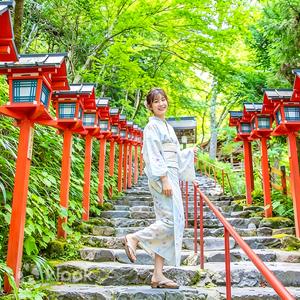
You can book “Kyoto Small-Group Day Tour: Kifune Shrine, Nanzen-ji / Eikando, Sanzen-in and Eizan Railway Experience” on Klook, departing from Kyoto or Osaka, with Nanzen-ji and Eikando among the stops. Prices, meeting points and itinerary order are as stated on the product page.
The small-group tour suits travelers who want to visit several sights in northern Kyoto and Higashiyama in one day without arranging transport between them.
Around the Nanzen-ji approach there are long-established yudofu restaurants such as Junsei and Okutan Nanzen-ji, where you can arrange lunch separately.
-Klook.jpg)
Where to Stay Nearby
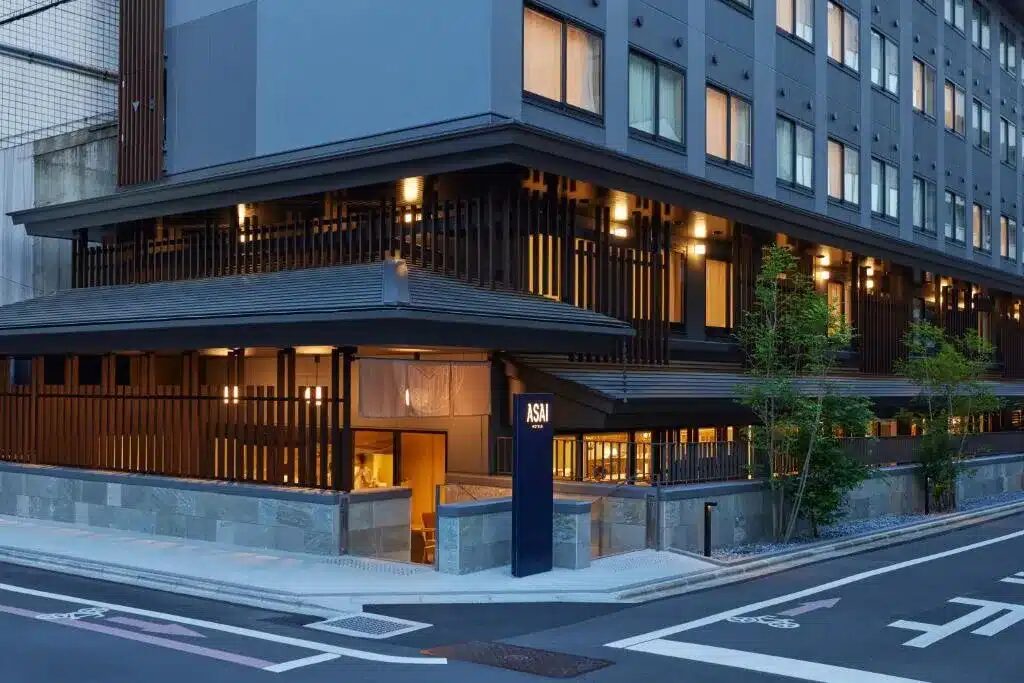
Nanzen-ji is in Keage in Kyoto’s Higashiyama area, about a 10-minute walk from Keage Station on the Kyoto Subway Tozai Line. Staying around Gion, Kawaramachi or Sanjo, you can take the Tozai Line there, and after visiting the paid areas it is easy to return to the city for a meal and a rest.

FAQ
Q: How much is a ticket to Nanzen-ji?
Walking the grounds is completely free. In the paid areas, the Sanmon gate and the Hojo garden cost about ¥600 each, Tenju-an about ¥500 and Nanzen-in about ¥500 (currently closed to visitors).
Q: What is the most convenient way to get to Nanzen-ji?
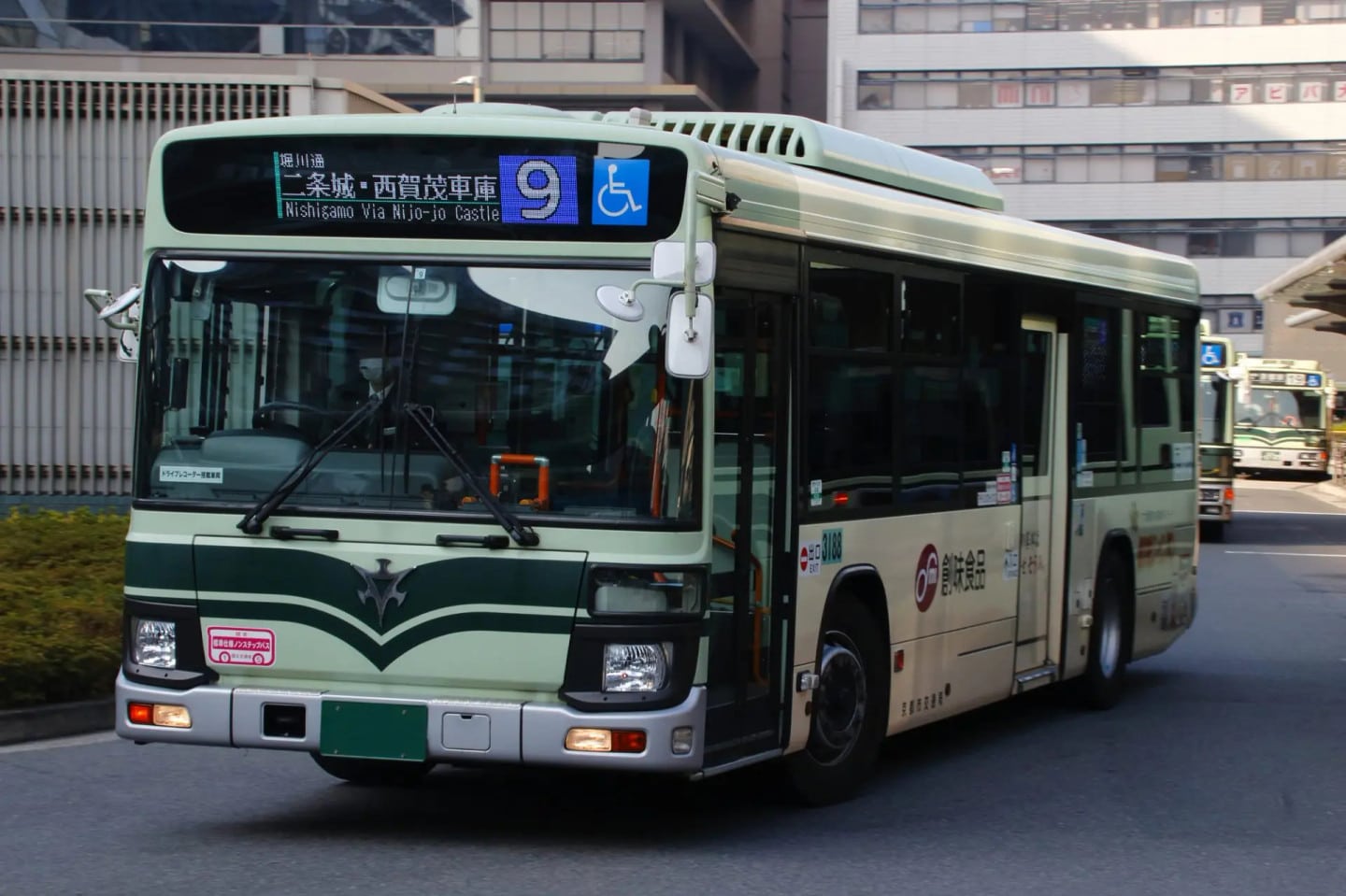
Take the subway Tozai Line to Keage Station and walk about 10 minutes from the exit. This is the fastest and most reliable way. You can also take city bus No. 5 to the Nanzenji-Eikando-michi stop.
Q: What are Nanzen-ji’s opening hours?
The grounds are open all day for free visits. The paid areas are generally open 8:40 to 17:00, closing earlier at 16:30 in winter (December to February), with last admission 20 minutes before closing; closed December 28 to 31.
Q: When is the best season for autumn leaves and cherry blossoms at Nanzen-ji?
The best time for cherry blossoms is late March to early April, and for autumn leaves mid to late November, when the scenery around Suirokaku and the Hojo garden is at its most brilliant.
Q: What should I watch out for when climbing the Sanmon gate?
The Sanmon stairs are very steep and narrow, so hold the handrail firmly going up and down and wear comfortable flat shoes. Those with limited mobility are advised to skip the climb.
Q: How long should I plan to stay at Nanzen-ji?
If you only walk the free areas, about 1 to 1.5 hours; if you add the paid Sanmon gate and Hojo garden, we suggest allowing 1.5 to 3 hours to be unhurried.
Q: What nearby sights can I combine with Nanzen-ji?
You can link Eikando, the Philosopher’s Path, Heian Jingu and the Keage Incline, all reachable on foot, which suits a half-day to full-day itinerary.