
Introduction to the Naruto Whirlpools: A Sea Wonder Created by Tidal Difference
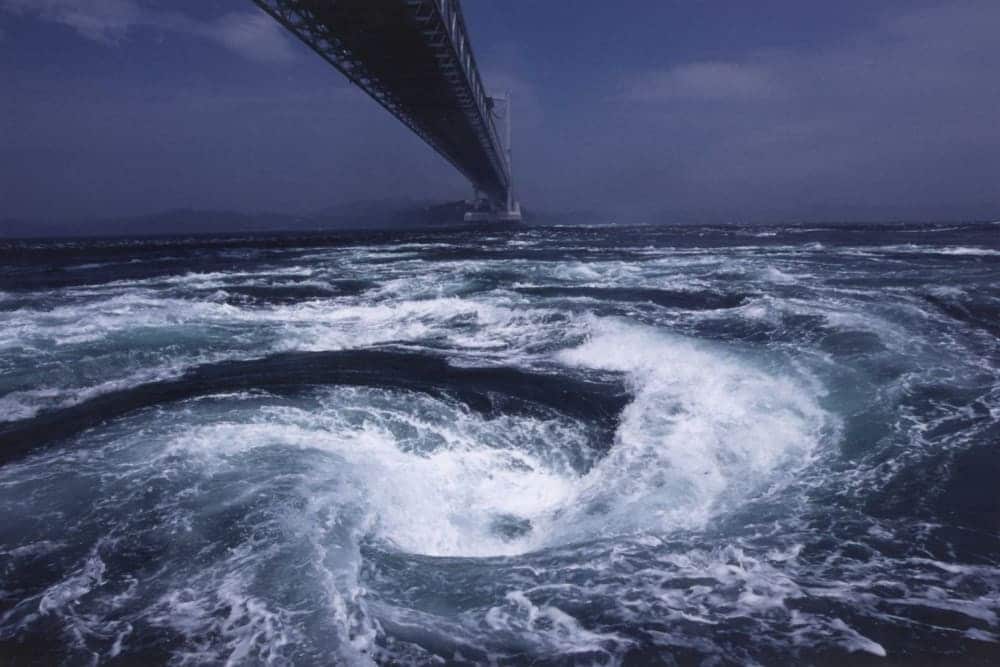
The Naruto whirlpools appear in the Naruto Strait, a channel barely over a kilometer wide between Naruto City in Tokushima Prefecture and Awaji Island in Hyogo Prefecture. The tide levels of the Seto Inland Sea and the Kii Channel differ markedly here, so seawater is squeezed through the narrow strait at astonishing speed, and with the uneven seabed it curls up into whirlpool after whirlpool on the surface.
One idea to establish first: the whirlpools are not a permanent sight. They are noticeable only during two windows a day, the times differ every day, and on some days they are simply small. The dramatic photos online of whirlpools ten or twenty meters across were mostly taken on spring-tide days at peak current speed, and do not mean you will see them on just any day.
So planning a Naruto trip works in the opposite order from an ordinary sight: check the day’s tide times first, then decide when to leave and which boat to take. This article explains how to read the tide table, how to choose between the two ways to view, and transport, fares and nearby sights, all in one place.
Why They Form: A Strait Too Narrow and a Tidal Difference Too Big
The Naruto Strait connects the Seto Inland Sea with the Kii Channel on the Pacific side. On the rising and falling tide the sea levels on the two sides differ in height, and water is forced through a narrow, shallow passage with sharply increased speed, making it one of the fastest tidal currents in Japan.
The strait is deep in the middle and shallow at the sides. Where the fast main current meets the slower surrounding water, strong shear rolls up whirlpools. They usually form in roughly fixed positions near the bridge, while their size and number vary with current speed.
In other words, watching the whirlpools really means choosing the time when the current is strongest that day; miss that window and the sea is just a slightly choppy ordinary seascape.
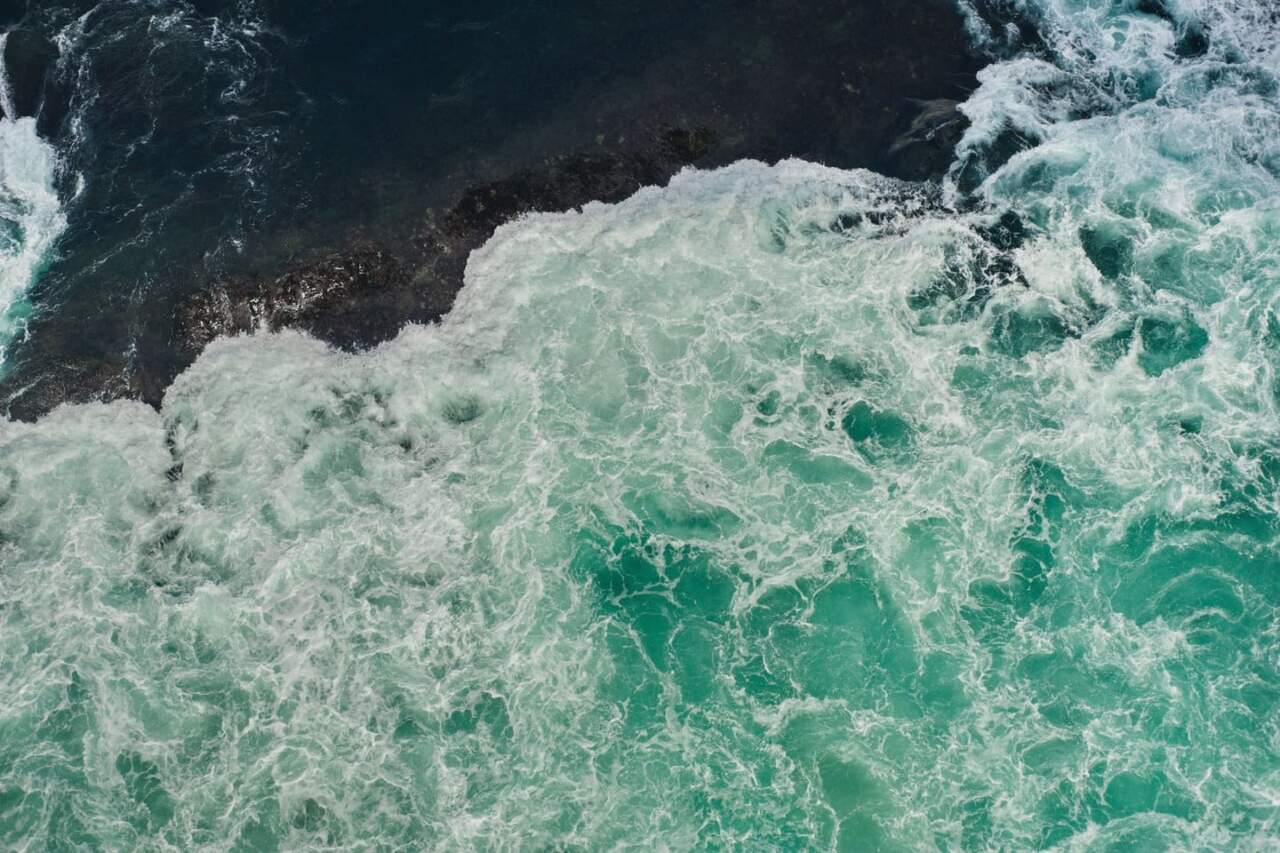
How Big Are They: On Spring-Tide Days, Whirlpools Can Reach Tens of Meters Across
The Naruto whirlpools are said to be among the largest in the world. Under the best spring-tide conditions a single whirlpool can reach about 20 meters across, a commanding sight from the bridge, and boats that get close clearly feel the pull of the water.
But that is only the upper limit. On most days the whirlpools are only a few meters across. They are numerous but small, appearing as churning white turbulence. Still worth seeing, but they fall short of the promotional photos, so go in prepared.
To see the largest ones, pick a spring-tide period around a new or full moon and combine it with the fastest-current window of the day. You need both to have a chance.
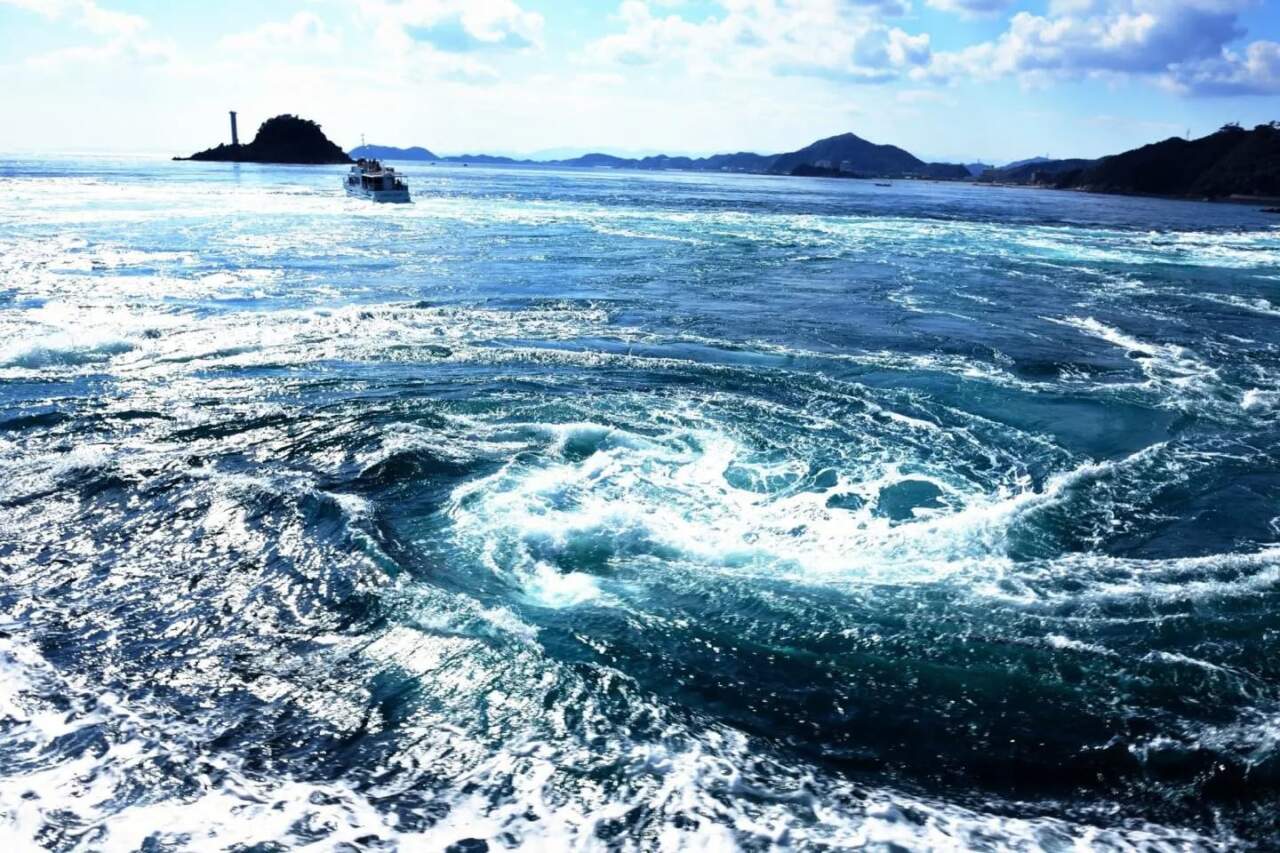
The Tide Table: Build the Whole Trip Around It
The official websites of the whirlpool-cruise operators and Uzu-no-Michi publish day-by-day viewing schedules, listing the best viewing windows and whether each day is a spring, medium or neap tide.
The tide times shift later each day, so yesterday’s good afternoon window may be tomorrow’s evening.
Check which days have spring tides first, then decide which day to visit Naruto, and only then arrange lodging and other sights.
Take the tide table on the official site of Naruto Kanko Kisen (Naruto Sightseeing Steamship), which operates Wonder Naruto and Aqua Eddy, as an example of how to read one. Each day lists two peak-current times, marked North Flow (high-tide side) and South Flow (low-tide side). The operator says the whirlpools can be seen for about an hour and a half either side of that time; depending on weather it is sometimes only an hour, sometimes up to two. Dates in red are spring-tide days, when whirlpools are most promising. For example, if the south flow on a given day peaks at 16:30, the best viewing is roughly 15:00 to 18:00, but the last cruise departs a little after 16:00, so you can only catch the earlier sailings.
How to Check the Naruto Tide Table: North Flow, South Flow and Spring-Tide Days
The Naruto whirlpool tide table is called a shiomi-hyo in Japanese, and day-by-day data is available on the official sites of Naruto Kanko Kisen and Uzu-no-Michi. Each day lists two peak-current times, north flow and south flow, and about an hour and a half either side of each is the best viewing window. Dates in red are spring-tide days, when whirlpools are most promising. When searching, try Naruto shiomi-hyo or Uzu-no-Michi shiomi-hyo.
Viewing From the Sea or From the Bridge: Pick a Side First
There are two ways to see the Naruto whirlpools. One is to take a whirlpool cruise close to the water, where you feel the sound of the sea and the sway of the boat; the sense of presence is strong, but you may get seasick and sailings are cancelled in bad weather. The other is to walk Uzu-no-Michi, the walkway beneath the Onaruto Bridge, through the bridge girder corridor out over the strait and look down through the glass floor. It is stable and safe and shows the overall shape, but it is distant and less thrilling. The two do not conflict, so if time allows, try each on the same day: go up on the bridge for the full view first, then go out on the water to feel the power. Details and costs for each follow.
How to Get to the Naruto Whirlpools: JR, Bus and Driving, Including From Kansai
The viewing sites for the Naruto whirlpools are concentrated around Naruto Park, which is the Tokushima-side end of the Onaruto Bridge. Whether you take a whirlpool cruise or walk Uzu-no-Michi, this area is the destination.
By public transport, go first to JR Naruto Station and transfer to a route bus bound for Naruto Park. By car, take the Kobe-Awaji-Naruto Expressway and exit at Naruto-kita Interchange; the park is very close. From Kansai, the expressway bus is actually more direct than rail. Details follow.
By Train: Get Off at JR Naruto Station and Transfer to a Route Bus
Take the JR Naruto Line to its terminus, Naruto Station. Most services require a change at Ikenotani Station, then a bus toward Naruto Park, which reaches the sightseeing area in about twenty minutes.
Neither the Naruto Line nor the connecting buses run frequently, with long waits off-peak. Be sure to check the last bus time for the return trip, as leaving Naruto Park at night is not easy.
Fares and schedules are adjusted every year, so check the current timetable with a transfer app before you leave, and confirm that the bus stops at the stop on the whirlpool-cruise pier side or the Uzu-no-Michi side.
From Tokushima City: A Direct Bus Is the Easiest
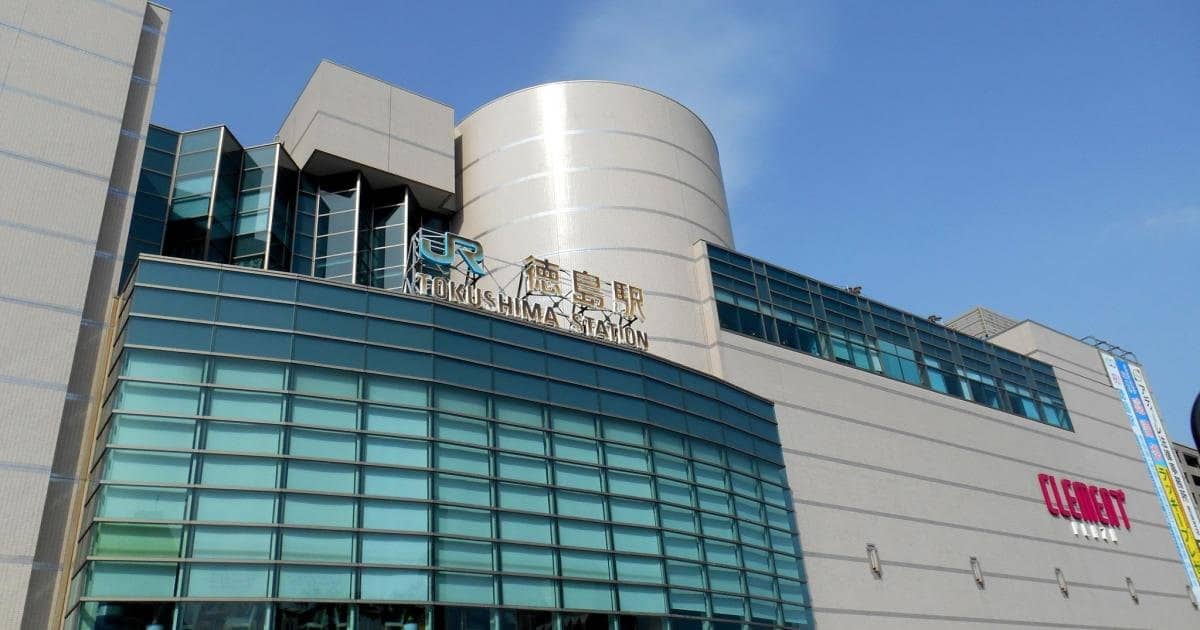
If you are staying in Tokushima City, the simplest way is to take a bus toward Naruto Park from in front of Tokushima Station. No transfer is needed and the ride takes about an hour. This route is handy for travelers without a rental car and spares you the trouble of changing trains.
Tokushima and Naruto are not far apart in a straight line, but because the bus loops through the city and stops along the way, the actual trip takes longer than you might expect. Count the round-trip time and compare it with that day’s viewing window.
Services are likewise infrequent, and weekend and weekday timetables may differ. Check the times in both directions the day before you go and leave a buffer for delays.
Driving: A Few Minutes From the Naruto-kita Interchange
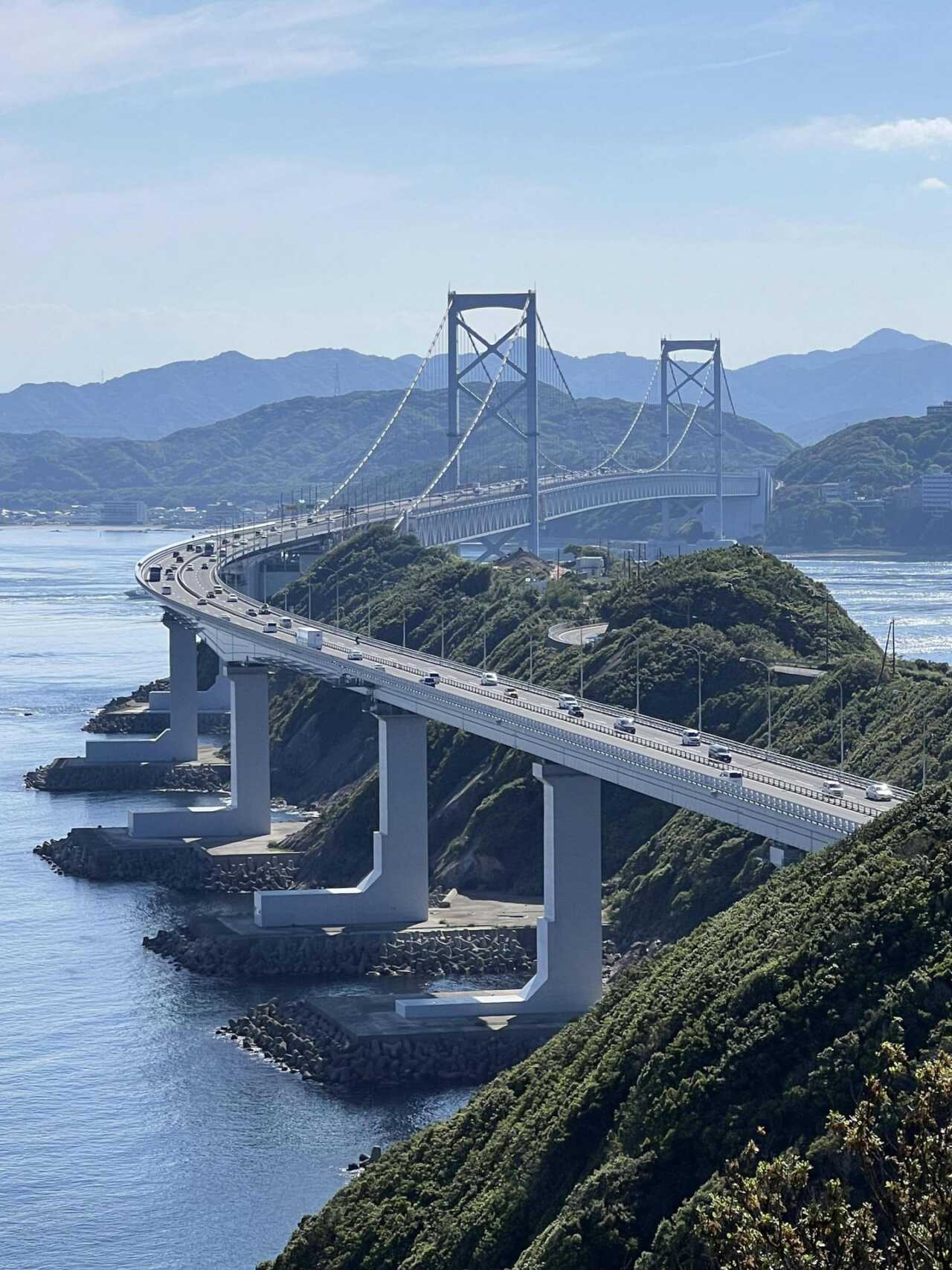
Take the Kobe-Awaji-Naruto Expressway and exit at the Naruto-kita Interchange; set your navigation to Naruto Park or Uzu-no-Michi and you will arrive. On the bridge section you can see the strait and the bridge towers, but you cannot take photos while driving; shoot from the observation decks in the park instead. Coming from Kansai, you can stop at the Awaji Island service area on the way. Crossing the bridge on the expressway costs a toll that varies by section and vehicle type. The park’s parking lot is paid, about ¥500 for a passenger car; follow the figure posted on site.
From Osaka or Kobe: The Expressway Bus Is More Direct Than Rail
From Osaka or Kobe, the expressway bus that goes overland via Awaji Island is usually much faster than going around by rail, because there is no direct rail bridge between Shikoku and Kansai. The bus stops at an expressway bus stop in the Naruto area, and you then transfer or walk to the sights.
Buses on this route are relatively frequent and are the most common way for Kansai travelers to make a day trip to Naruto. The downside is that during long weekends or traffic jams your arrival time becomes uncertain, and the whirlpool cruises will not wait for you.
If you are already spending a few days in Shikoku, renting a car in Kansai and driving over also makes sense, and it makes linking Tokushima and Takamatsu easy afterward. Boarding points and fares for each bus company follow the official announcements.

The Awaji Island Side: Another Set of Cruises and Observation Facilities
On the other side of the Naruto Strait is Awaji Island in Hyogo Prefecture. Separate whirlpool cruises, run by a different operator, depart from Fukura Port at the southern tip of Awaji Island. They view the same strait, only from a different departure port and on a different route.
If you come south from Kansai and do not cross the bridge into Shikoku, the Awaji Island side is smoother; if Tokushima is your main destination, use the Naruto Park side.
Sailings on each side are scheduled by tide times, so check each operator’s official site for that day’s times.


Fukura Port Whirlpool Cruises: Fares and Times for Kanrin Maru and Nippon Maru
The Uzushio Cruise from Fukura Port at the southern tip of Awaji Island is run by Joyport Awaji Island, using the sailing-ship-styled Kanrin Maru (30-meter mast) and Nippon Maru (23-meter mast). Adults are ¥3,000 and children ¥1,500, and the service runs from 9:00 to 17:00. Nippon Maru was refurbished in 2026 and added a whole-ship charter service; check the official site for that day’s tide times and sailings before you go.
What to See in Naruto? Uzu-no-Michi, Whirlpool Cruises, Observation Decks and Nearby Sights
Naruto Park is a whole seaside sightseeing area. Besides the two main whirlpool-viewing facilities, there are several observation decks, memorial halls and museums, all within walking distance or a short shuttle ride.
Below we break down the best things to plan on site, including the differences between the cruise types, the glass floor of Uzu-no-Michi, several free and paid viewpoints, the local specialties worth eating, and nearby sights worth adding.
Uzu-no-Michi: Walk Inside the Bridge and Look Down Through a Glass Floor
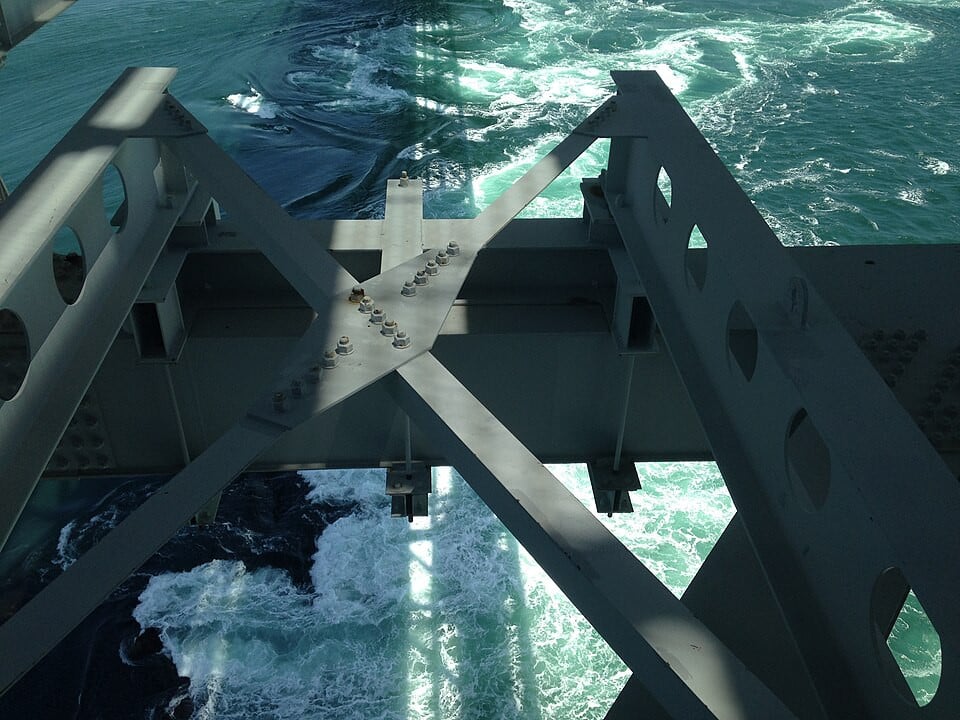
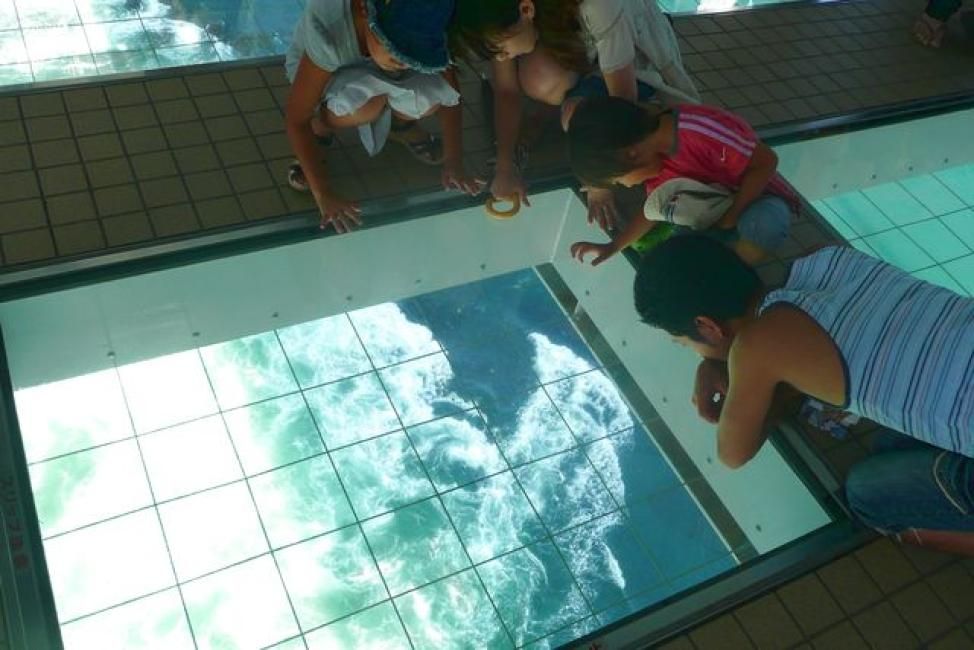
Uzu-no-Michi is a seaside walkway built inside the girder of the Onaruto Bridge, about 450 meters long, running from the Tokushima-side bridgehead to an observation room above the strait. The corridor has grated sides, so the sea wind blows straight in.
Several transparent glass floor panels along the way let you look down about 40-plus meters at the sea and whirlpools, roughly the height of a dozen-plus stories, with solid railings and structure.
Hours are 9:00 to 18:00 in summer and 9:00 to 17:00 in winter, closed the second Monday of March, June, September and December. In strong wind entry may be restricted, so confirm that day’s opening status before you go.

Onaruto Bridge Memorial Museum: Understand the Bridge and Strait Before You See the Whirlpools
Right by the entrance to Uzu-no-Michi, the Bridge Memorial Museum covers the construction of the Onaruto Bridge and the natural environment of the Naruto Strait. Exhibits are mostly models, video and hands-on displays, helping you understand how the bridge spans such a fast-flowing strait.
For families with children it is a good supplementary stop, especially when sailings are cancelled or the tide times are not ideal, at least filling in your knowledge of the strait. It is an indoor facility, unaffected by rain.
A combined ticket for the museum and Uzu-no-Michi is available and costs less than buying separately. For ticket types and prices, follow the notices at the ticket counter on site.
Large Whirlpool Cruise: Stable and Easy to Ride, Good for Seniors and Those Prone to Seasickness
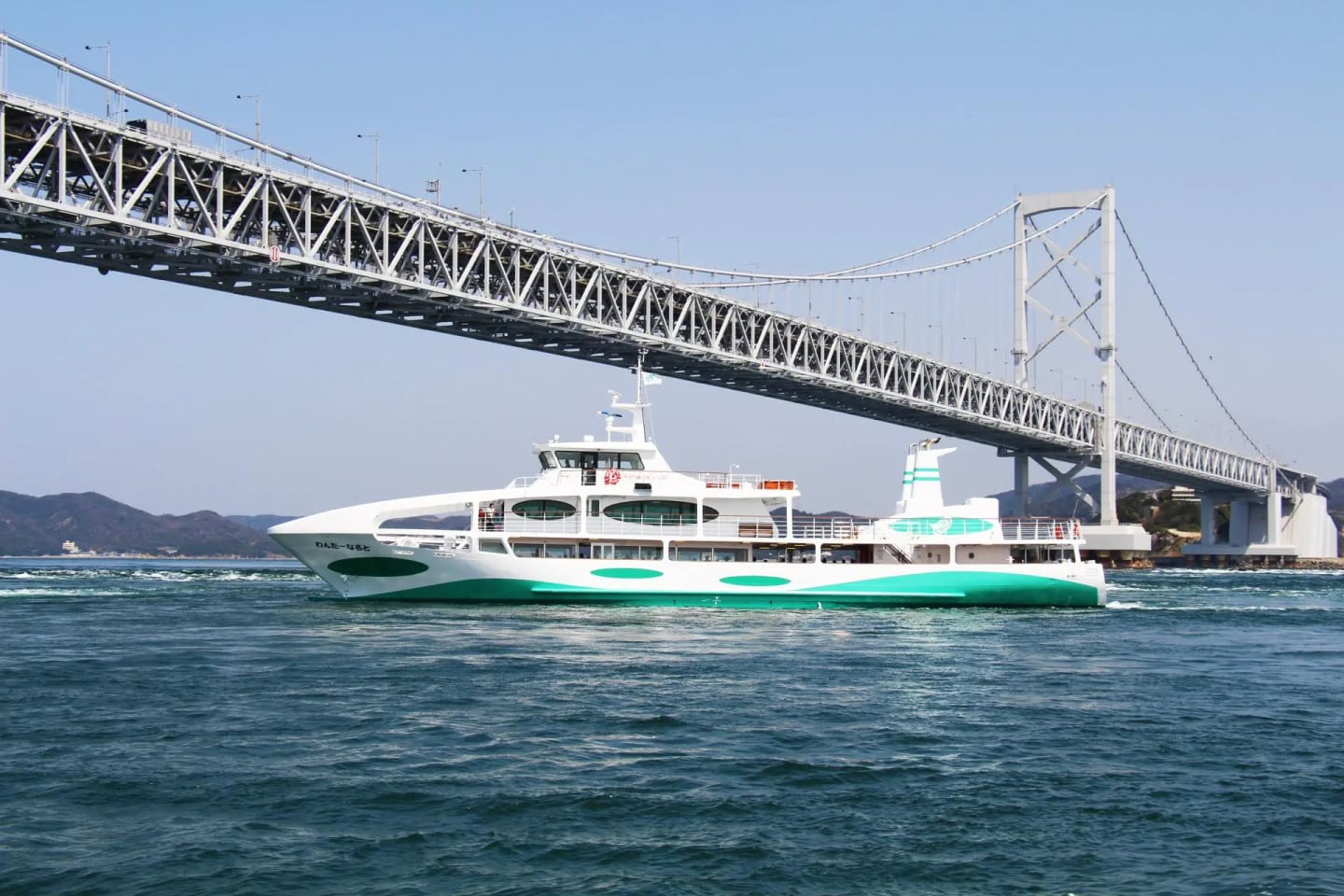
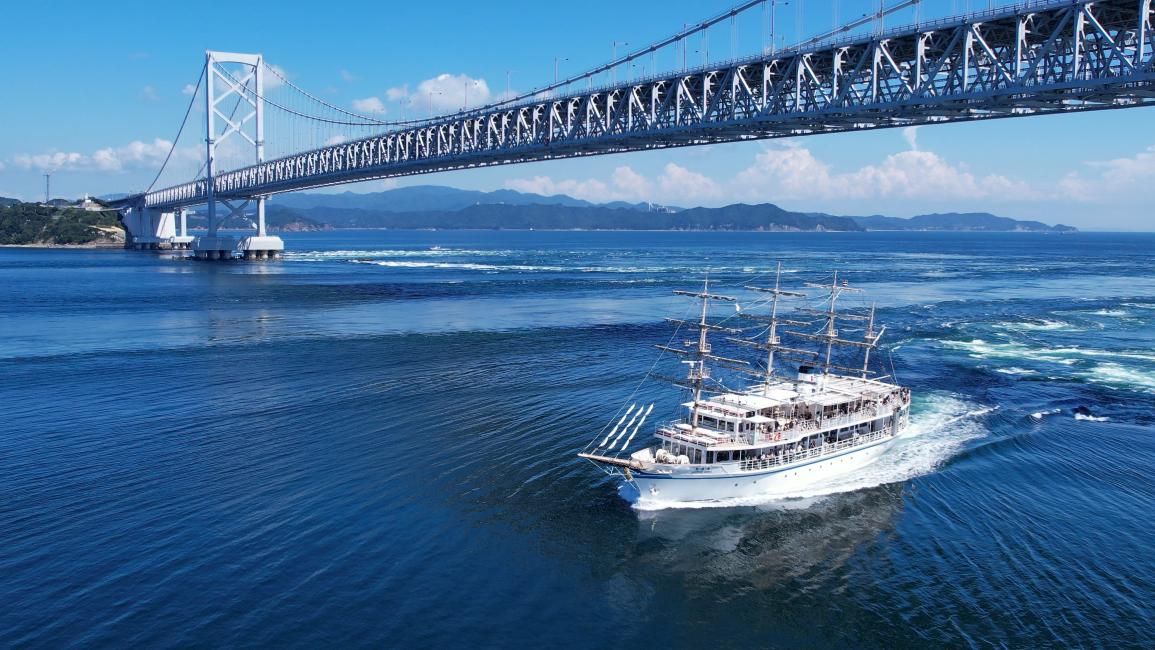
The large whirlpool cruise ship on the Naruto side is a two-deck passenger liner. With a big hull and deep draft, it is relatively stable in the strait and has roomy decks, making it the safest choice for seniors or children. In most cases no reservation is needed; just buy a ticket at the pier for that day’s sailing.
The ship goes around near where the whirlpools form, so passengers on both sides have a chance to photograph them, for about half an hour in all. The upper deck has the best view but is windy, so hold on to your hat and light items.
Sailing times are set by that day’s tide times rather than departing on fixed hours, and sailings are cancelled in strong wind and high waves. Check the official site for that day’s schedule and operating status before you go.
Underwater Observation Boat: See the Bubbles of the Whirlpool From Below the Surface
Another option is a small observation boat with an underwater viewing room. Glass windows below the cabin let you see the bubbles and turbulence the whirlpool pulls in under the surface, a view you cannot get from the deck at all, appealing to those who want to see “deeper”.
Because the boat is small and carries few passengers, it usually must be reserved in advance and fills up easily in peak season and on spring-tide days. A smaller boat also means more noticeable rocking than the large ship, so those prone to seasickness should think twice.
Fares are a little higher than the large ship and the sailing time differs. Reservation methods, opening hours and whether same-day standby is accepted follow the ship operator’s official site.
Small Speedboat: Rushing Right Up Beside the Whirlpools at Water Level
The third type is a small high-speed boat. The hull is low and the deck almost touches the water. It moves fast, and the sense of presence near the whirlpools is the strongest of the three boats, with waves splashing aboard common, making it the more thrilling option.
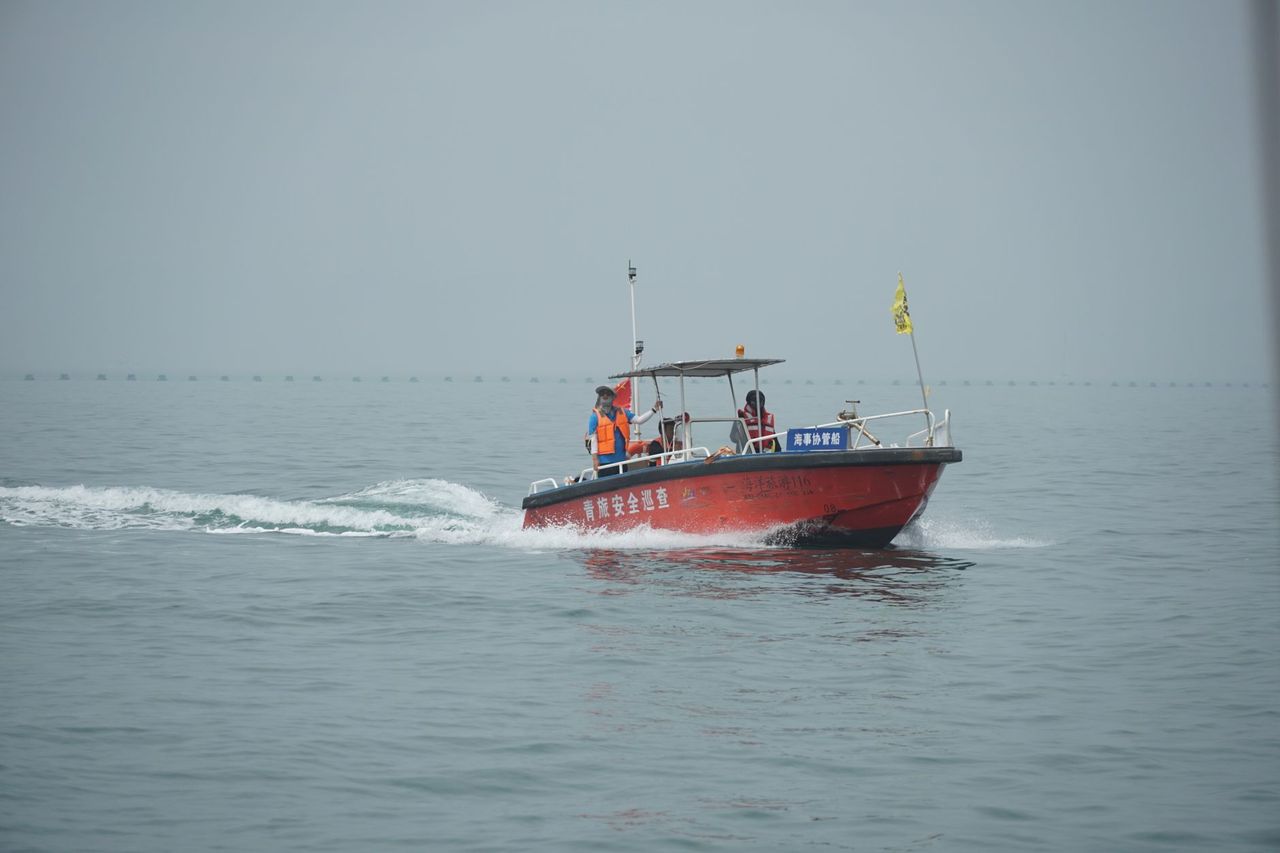
The trip is usually shorter than the large ship, about twenty minutes, and the fare is the same as the large ship (¥2,000 for adults), cash only. Since the rocking is the most noticeable, it is not recommended for those prone to seasickness.
When boarding, secure your camera and phone with a strap, and avoid clothes and shoes you do not want wet. In bad weather, these small boats are the first to cancel.
Senjojiki Observation Deck: See the Whole Onaruto Bridge for Free
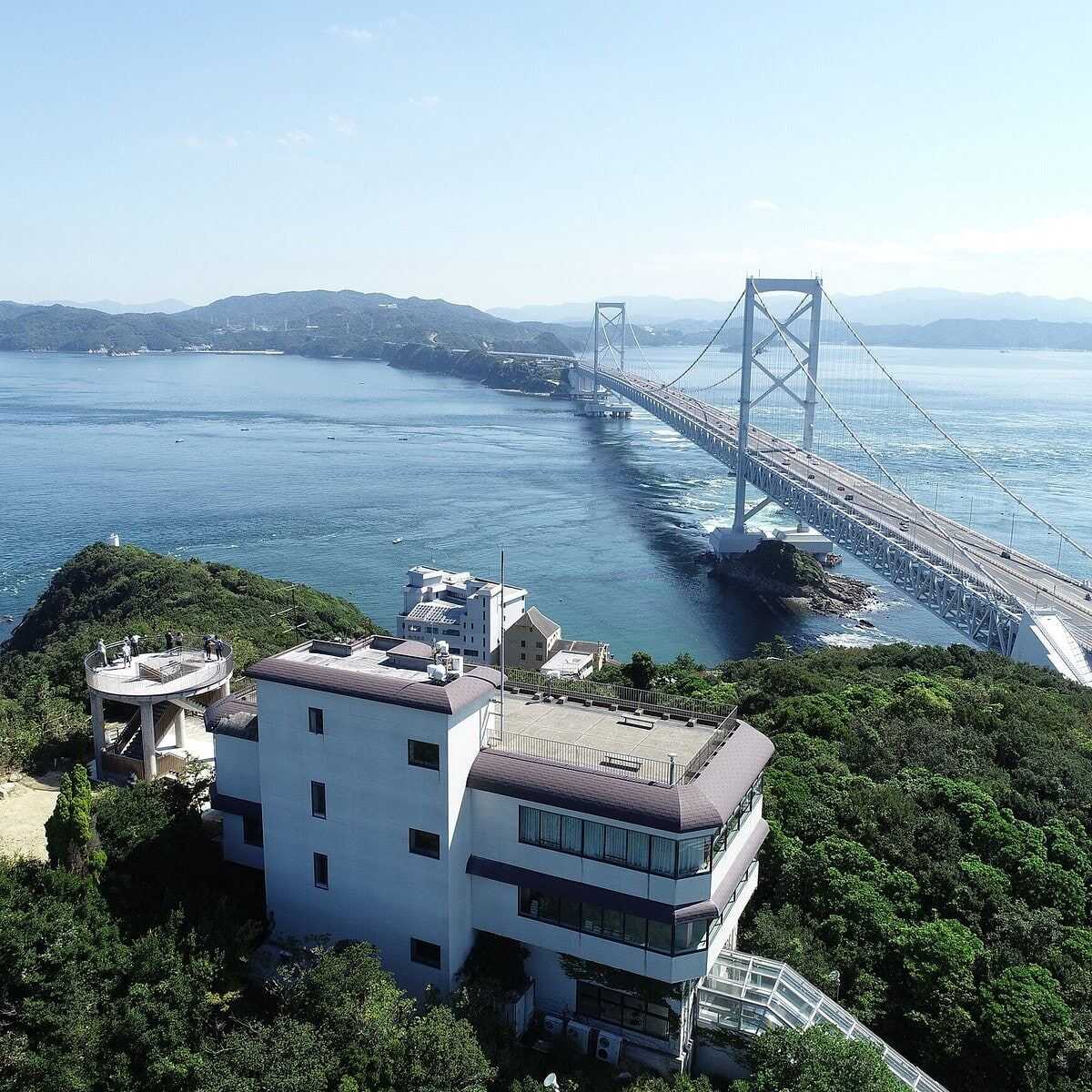
Naruto Park has several free viewpoints. The Senjojiki area has an open view that puts the Onaruto Bridge, the strait and distant Awaji Island in one frame, the most convenient spot for a full bridge shot, with a shop and rest area nearby.
You cannot make out whirlpool details from here, but you can feel the overall flow of the strait, especially at spring tide when the texture of the whole sea surface is different. It is the best-value stop for a view that costs nothing.
The area around the deck is an outdoor trail with many slopes and steps, so those with limited mobility should watch the conditions, and sun protection is advised in summer.
Naruto-yama Observation Deck: A High Vantage Point Reached by a Long Escalator
On a small hill beside Naruto Park there is another observation deck, reached by a fairly long indoor escalator that saves you the climb. At the top there is a 360-degree view, taking in not only the strait and the bridge but also the islands of the Seto Inland Sea and all of Naruto City.
It is higher than Uzu-no-Michi and suits panoramic shots and sunsets, but again you cannot see whirlpool details; it is more a spot to understand the whole terrain at once. On clear days the distant ridgelines are very sharp.
The escalator facility needs a separate ticket, and hours and closing days vary by season, so follow the notices on site.
Otsuka Museum of Art: A Huge Museum Within Walking Distance
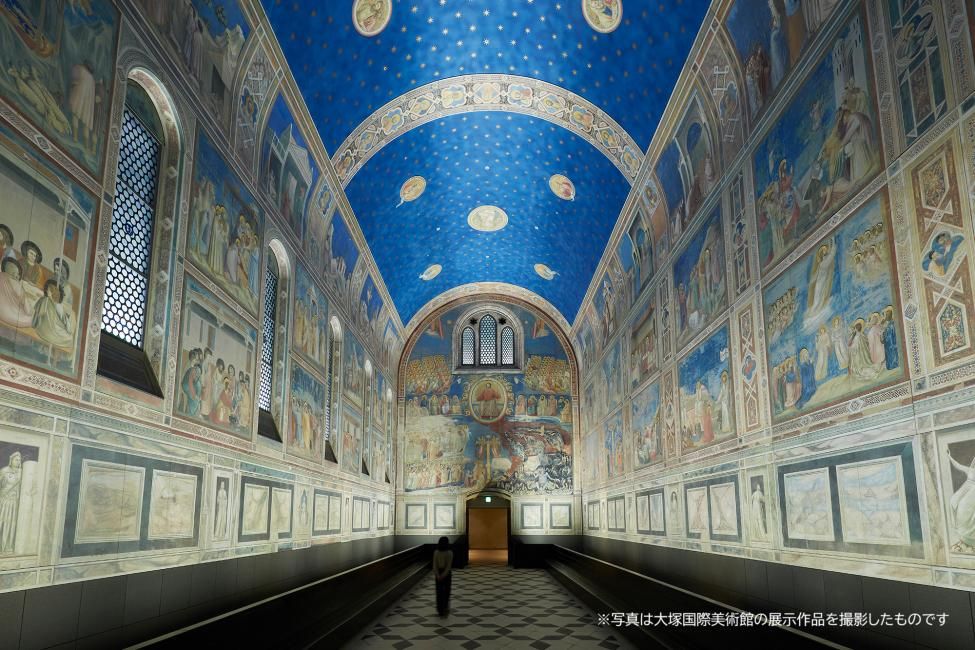
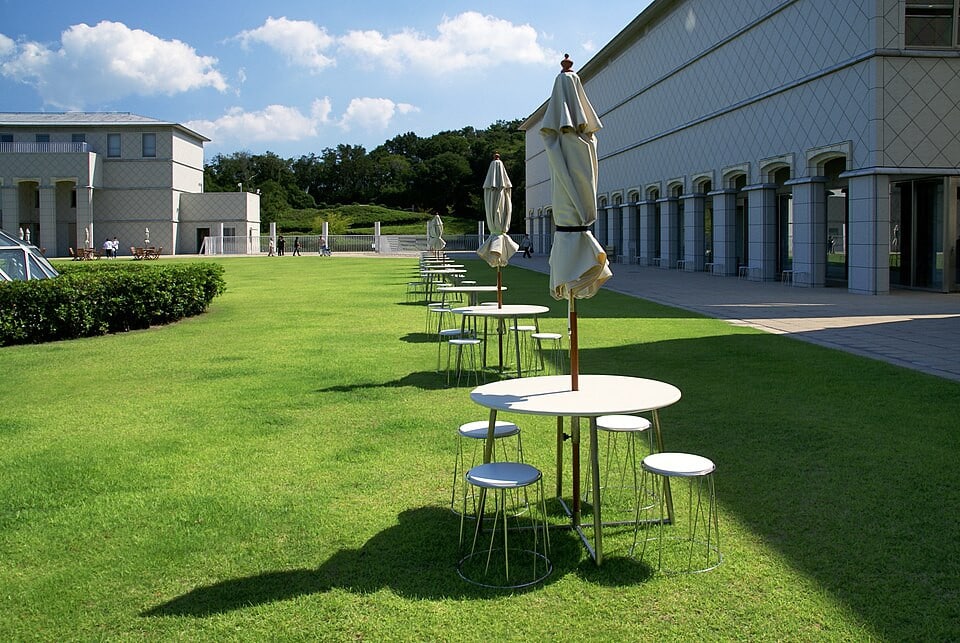
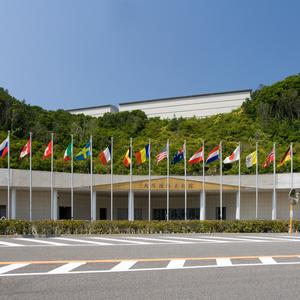
Right next to Naruto Park, the Otsuka Museum of Art is one of the largest museums in Japan. Its specialty is reproducing famous paintings from around the world on ceramic boards, including life-size recreations of large spaces such as the Sistine Chapel, which you can view up close and even photograph.
Because the exhibition area is huge, seeing it seriously takes at least half a day, and many people plan it as museum in the morning, whirlpools in the afternoon, which fills the time when tide times are not ideal. The museum has a restaurant and cafe, so there is no need to worry about meals.
Admission is on the high side for Japanese museums, and there are closing days and possible entry time limits, so check the official site first and allow enough time.
Naruto Specialties: Sea Bream, Wakame and Naruto Kintoki
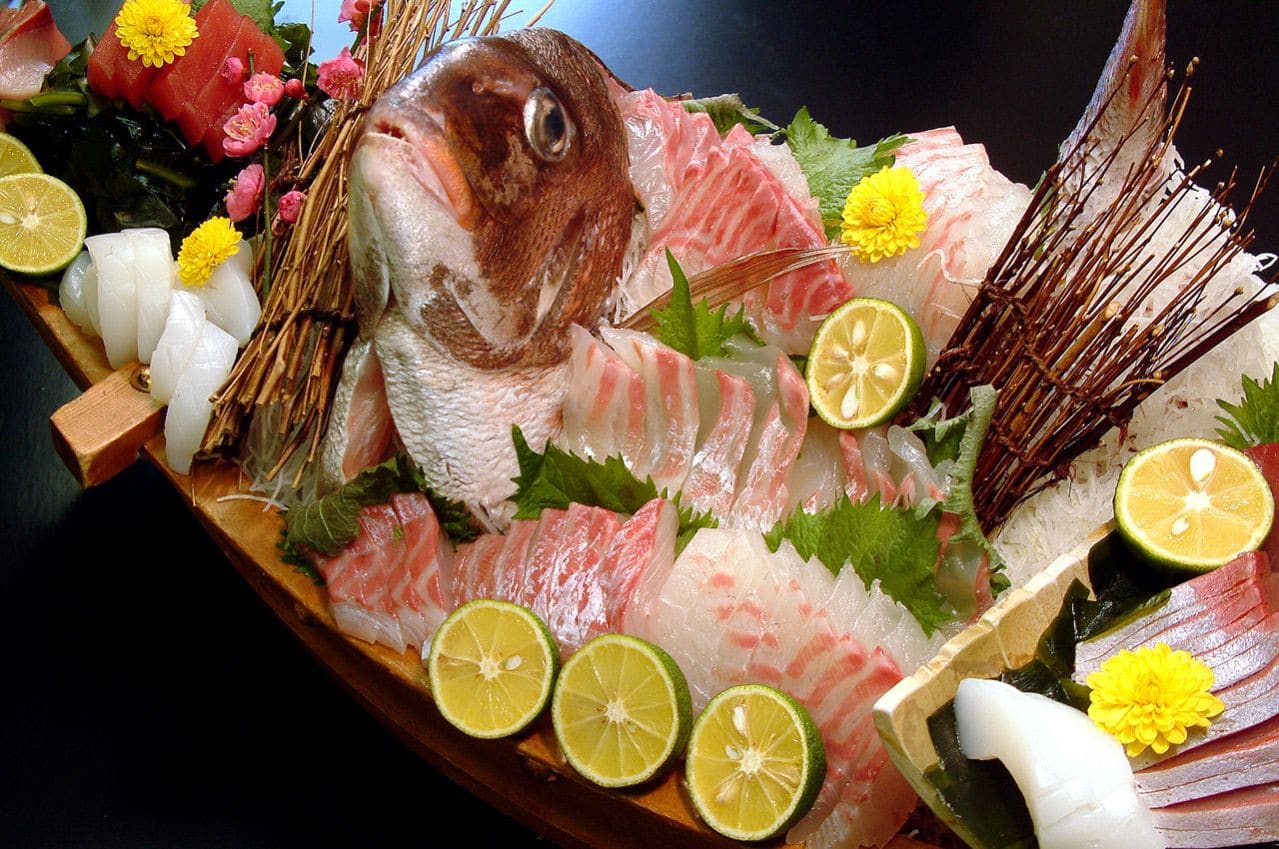
The swift currents also produce Naruto’s specialties. Sea bream raised in these waters has firm flesh and is the signature ingredient at local restaurants, commonly served as sashimi, sea bream rice and salt-grilled. Naruto wakame seaweed is just as famous, with a thick texture, and is a popular souvenir.
Another signature item is the sweet potato Naruto Kintoki, grown in coastal sandy soil, with high sweetness and a fluffy texture. Besides being sold whole, it is made into roasted sweet potatoes, Western-style sweets and ice cream.
Shops and restaurants around Naruto Park are mostly clustered near the observation decks and the parking lot and close fairly early, so do not leave a proper meal too late.
A Temple Stop: The Start of the Shikoku Pilgrimage Is in Naruto City
Naruto City holds a spot of special meaning for Shikoku travel: Temple No. 1 of the 88-temple Shikoku Pilgrimage is on one side of the city. Many people who walk the pilgrimage start here and buy their gear, such as the sedge hat, white clothing and stamp book, at the temple.
Even if you do not plan to walk the pilgrimage, it is worth a stop to get a sense of how this centuries-old pilgrimage route begins. The atmosphere in the grounds is quiet, entirely unlike the bustle of the seaside sights.
When visiting, remember this is a place of worship, not a tourist facility. Be courteous when taking photos and in your conduct, and do not disturb pilgrims preparing to set out.
A Park Walk: Link the Viewpoints Into a Loop
Naruto Park has several trails linking the viewpoints, passing through woods and along coastal cliffs. You can walk Senjojiki, the bridgehead and other viewing spots as a loop, about an hour at an easy pace, a good way to fill the gap while waiting for a sailing.
In spring the area has cherry blossoms, and in autumn you can see the contrast of sea and tree colors, so the scenery differs quite a bit by season. The trails are well maintained overall but still have ups and downs and steps, so wear comfortable shoes.
Because it is on seaside cliffs, the wind is usually strong. Keep your hat and light items secure, and do not cross the railing to get close to the cliff edge for photos.
How Much Does It Cost to See the Naruto Whirlpools? Admission, Cruise and Combo Tickets
Costs at Naruto come down to three things: admission to walk Uzu-no-Michi, a whirlpool cruise ticket, and parking and bridge tolls if you drive. If you do both ways of viewing, a budget of roughly ¥2,000 to ¥3,000 per adult is reasonable.
Below are the common ticket types and costs. All amounts may change from year to year, so follow the official ticket information.
Uzu-no-Michi Admission: Just Over ¥500 for Adults
Walking Uzu-no-Michi requires a ticket: ¥510 for adults, ¥410 for junior and senior high school students and ¥260 for elementary school children, the cheapest experience on the whole Naruto trip. From the entrance to the farthest observation room and back takes about forty minutes at an easy pace.
Tickets can be bought at the ticket counter on site, and reservations are usually unnecessary, but on weekends and spring-tide days with many visitors you may have to queue. The last entry time is earlier than closing, so if you arrive just before closing you will not have time to finish the walk.
Prices, hours and closing days vary by season, and the walkway may close temporarily in strong wind, so check before you go.
Choosing a Ticket: Prices and Differences Among the Three Boats
The three whirlpool boats view the same strait; they differ in angle, price and how they feel.
The official information on the three boats compares as follows:
- Large whirlpool cruise ship Wonder Naruto (Naruto Kanko Kisen): capacity 399, about 30 minutes, departing every 40 minutes from 9:00 to 16:20 (12 sailings a day), no reservation needed; adults ¥2,000, elementary school children ¥1,000, first-class cabin an extra ¥1,000 per adult
- Underwater whirlpool boat Aqua Eddy (Naruto Kanko Kisen): capacity 46, about 25 minutes, departing every 30 minutes from 9:15 to 16:15 (15 sailings a day), reservation required in advance; adults ¥2,500, elementary school children ¥1,200
- High-speed whirlpool boat (Uzushio Kisen): adults ¥2,000, elementary school children ¥1,000, one infant free per adult, cash only, and the nearest route bus stop to the boarding point is Kamoura-guchi
Choose the large ship if you have seniors, children or are prone to seasickness, the high-speed boat for thrills, and the observation boat if you want to see below the surface and can reserve early.
Fares, child discounts and whether a reservation is needed differ for each operator and are subject to change, so check each operator’s official page directly before buying.
Combo Tickets: Buying the Museum and Walkway Together Costs Less
Uzu-no-Michi and the neighboring Bridge Memorial Museum offer a combined ticket, which is a little cheaper than buying them separately. If you plan to see both, or worry that Uzu-no-Michi may close at short notice in bad weather, knowing the combo contents gives you more flexibility.
In addition, some transport operators or tourism bodies also offer combo tickets bundling a bus with facility admission, which may be better value for those using public transport, but they usually have date or route restrictions.
Combo contents and prices change every year and may not be available all year; follow the ticket counter on site or official announcements.
Driving Costs: Parking and Expressway Tolls
Naruto Park has a large parking lot, about ¥500 per passenger car per visit, right next to the sightseeing area and a few minutes’ walk from the Uzu-no-Michi entrance and the observation decks. It fills up around midday in peak season and on spring-tide days, so arrive early.
If you are driving from Kansai, add the tolls on the Kobe-Awaji-Naruto Expressway, which vary by entry and exit interchange and vehicle type. The sea-crossing section is not cheap, so include it in your budget.
Parking fee methods and hours may change, and some nearby facilities have their own lots and rules, so follow the signs on site.
How to Plan the Day: Make Tide Times the Backbone of the Itinerary
The most efficient plan is to fix the viewing window first, fit it to a sailing, and then fill in the rest: if viewing is in the afternoon, visit the museum in the morning; if in the morning, go to an observation deck or eat Naruto sea bream in the afternoon.
If you do not want to plan it yourself, there are also day tours and private-car services from Tokushima or Kansai linking the sights around Naruto. The advantage is good control of time; the drawback is a fixed length of stay.
Leave a backup for days when sailings are cancelled in bad weather, for example by putting indoor facilities such as the memorial museum and the art museum on your shortlist.
What to Watch For at the Naruto Whirlpools? Lodging Tips and Pre-Trip Reminders
Naruto is a classic make-or-break-by-timing sight, and how well you prepare directly affects what you see. Below are lodging, must-check items and on-site points.

Where to Stay: Naruto or Tokushima City Each Has Advantages
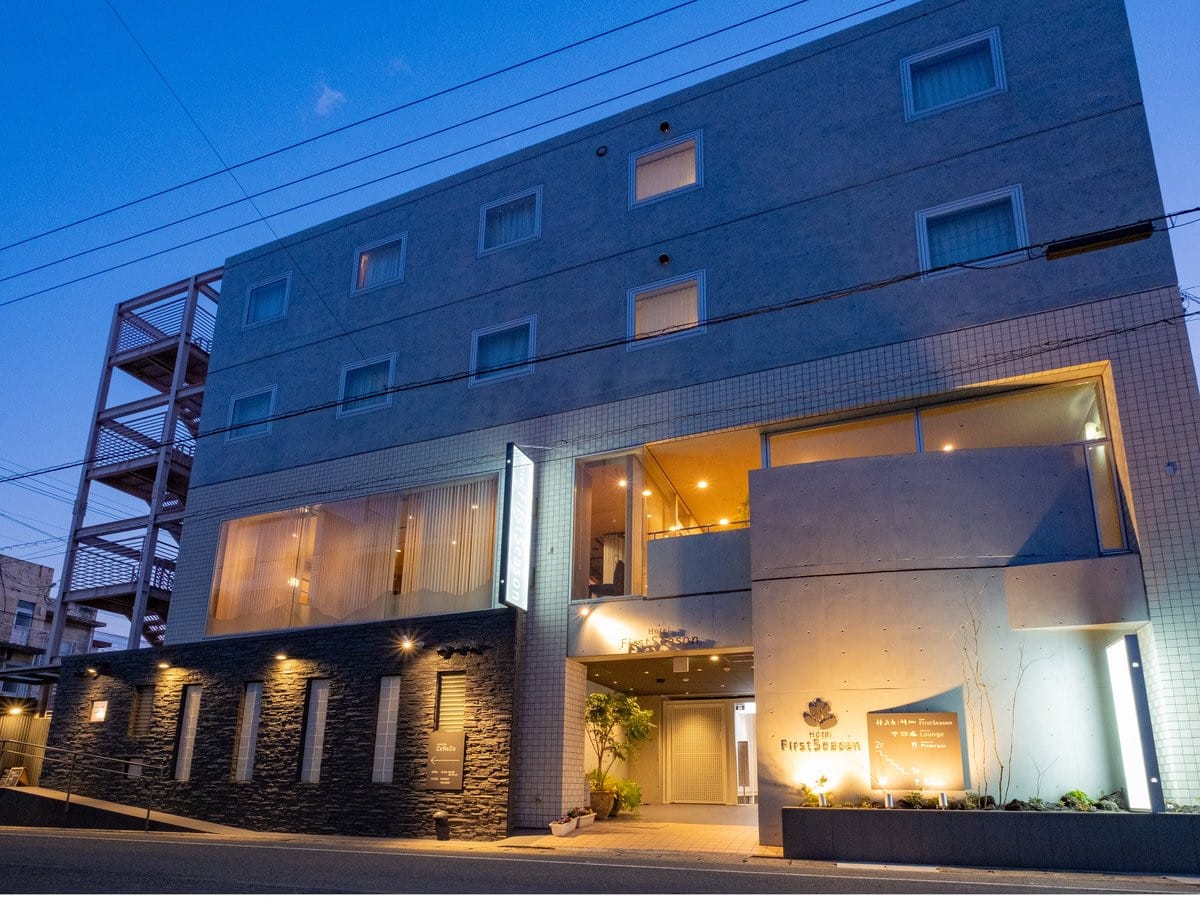
If that day’s viewing window falls in early morning or evening, staying in Naruto City is much more convenient, especially in sea-facing lodging around Naruto Park, where you wake up to the strait and do not have to rush to a bus. The downside is that dining and nightlife options in the city are limited.
For city conveniences and transport, staying in Tokushima City is also a common choice, with easy dining and transfers, though it adds about an hour of round-trip travel each day. If your trip continues to Takamatsu or Awaji Island, choose lodging by the overall route.
During the Awa Odori festival, rooms across Tokushima are extremely tight, so if your trip falls in that period, book much earlier.
Check Before You Go: Tide Times, Sailing Status and Weather
Always check three things before you go: that day’s viewing window, whether sailings are operating normally, and the weather forecast. If any of the three has a problem, the plan has to be reworked, and it usually cannot be fixed at the last minute.
In strong wind, high waves or an approaching typhoon, whirlpool cruises are cancelled and Uzu-no-Michi may restrict entry. The winter sea wind is quite strong, and even when open, walking the corridor inside the bridge is colder than you expect.
Also note that even on the same day, the scale of the morning and afternoon windows can differ greatly. The official tide table usually marks the strength, so pick the stronger window.
On-Site Preparation: Windproofing, Warmth, Seasickness Pills and Securing Belongings
The wind on the strait is much stronger than on shore, so bring a windproof jacket whether you take a boat or walk Uzu-no-Michi, plus a hat and gloves in winter. In summer, note the decks have no shelter at all, so take care of sun protection and hydration.
If you are prone to seasickness, take seasickness medicine early, choose the large ship first, and sit in the more stable midship area. An empty stomach or a heavy meal both make you more likely to feel ill; a light meal beforehand is ideal.
Decks and the glass floor area are crowded, so secure your phone, hat and camera with a lanyard; if one falls into the sea you really cannot get it back. Please also follow the instructions of the crew and on-site staff.
Naruto Whirlpools FAQ
Below are the questions travelers ask most often; check them before you go.
Q: Will I definitely see the whirlpools if I go?
Not necessarily. The size of the whirlpools depends on that day’s tide and time. On neap-tide days or outside the strongest-current window you may see only calm water. Pick your time by the official tide table and prefer spring-tide days.
Q: If I can only choose one, should I take a boat or walk Uzu-no-Michi?
Choose the boat for thrills; choose Uzu-no-Michi if you want to see the whirlpool’s shape clearly, do not want to get seasick or have a limited budget. With seniors or children, or in unsettled weather, Uzu-no-Michi is the safer choice, while sailings risk cancellation.
Q: How long should I allow around Naruto Park?
If you only see the whirlpools, the cruise plus Uzu-no-Michi takes about two to three hours. To add the museum and observation decks, you need a whole day. The length mostly depends on how much time you are willing to spend waiting for the tide.
Q: Do I need to reserve whirlpool cruises in advance?
In most cases you can buy tickets on site for the large ship, but the small underwater observation boat usually must be reserved in advance. On spring-tide days and long weekends it is crowded and even the large ship may mean waiting for the next sailing, so book ahead if you can.
Q: Can I still see the whirlpools in the rain?
Plain rain usually still allows sailing, but with strong wind and high waves sailings are cancelled. Uzu-no-Michi is a semi-outdoor corridor, passable in rain but possibly restricted in high wind. For a rainy-day backup, plan indoor facilities such as the art museum or memorial museum.
Q: Is it suitable with children?
Yes. The large cruise ship is stable, the glass floor at Uzu-no-Michi is something children love, and the trails and facilities in the park are well equipped. Note the strong sea wind and wet decks: hold their hands throughout and bring windproof clothing.
Q: How do I fit Naruto and Tokushima City into the same trip?
The two are about an hour apart, and the most common plan is to stay in Tokushima City and make a round trip to Naruto in the daytime. If that day’s viewing window is in the morning, go back to the city in the afternoon for Mt. Bizan and the Awa Odori Kaikan; if in the afternoon, put the city sights in the morning.