
How to Get There: 2026 Nishiki Market Transportation Guide: Kawaramachi and Shijo-Karasuma Attractions and Top Picks in One Place? A Complete Guide to Transport and Fares
The fastest way to Nishiki Market is by subway or Hankyu train, and it is only a 3- to 5-minute walk from the nearest station.
How to Get to Nishiki Market: Transport Options at a Glance
Hankyu Kyoto Line “Karasuma Station,” Exits 16/15, 3-5 minutes on foot.
Hankyu Kyoto Line “Kyoto-Kawaramachi Station,” Exits 4/5, 4-5 minutes on foot.
Subway Karasuma Line “Shijo Station,” 2 stops and 4 minutes from Kyoto Station, ¥220 one way, 5 minutes on foot.
Bus “Shijo Takakura / Shijo Kawaramachi,” take No. 5, 17 or 205, ¥230 one way.
Keihan Railway “Gion-Shijo Station,” about 8 minutes on foot, ¥220-350 one way, suited to a Higashiyama day trip.

![[Transport Pass] Kyoto - Osaka Sightseeing 1-Day / 2-Day Pass](https://res.klook.com/images/w_300,h_300,c_fill,q_75/w_80,x_15,y_15,g_south_west,l_Klook_water_br_trans_yhcmh3/activities/nfvdy9glv3pjnadlduur/【交通票券】京都-大阪觀光一日券/二日券-Klook.jpg)

2026 Nishiki Market Transportation Guide: Kawaramachi and Shijo-Karasuma Attractions and Top Picks in One Place: What Are the Must-See Attractions? Highlights of Each Area
Besides browsing the market, this area also has shrines, temples, experience venues and extended old streets worth half a day or more of careful exploration.
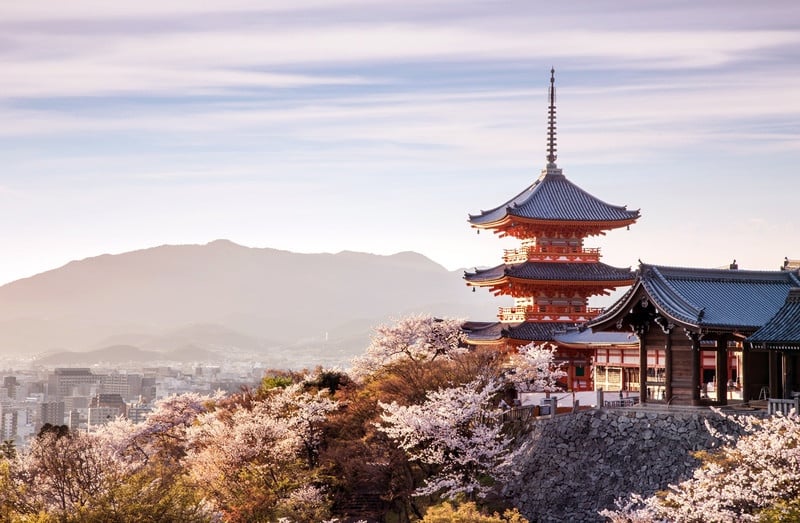
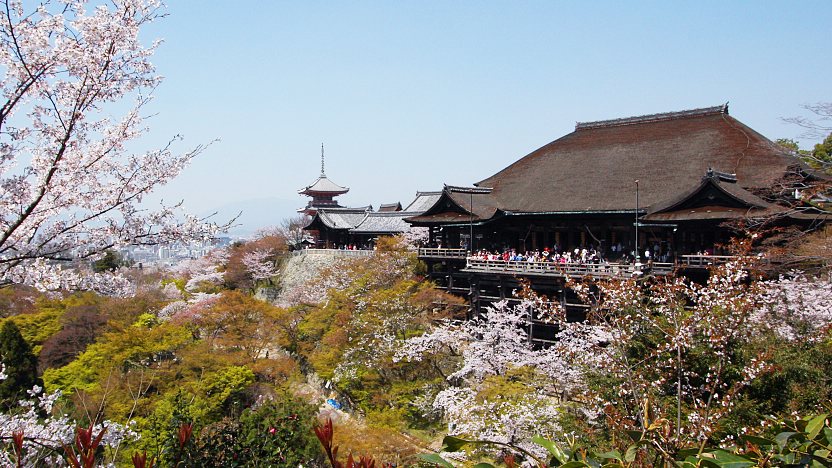
Kiyomizu-dera: Kyoto’s Oldest Wooden Stage
Kiyomizu-dera was founded in 778 and is Kyoto’s most representative World Heritage site. Its main hall’s “Kiyomizu Stage” is known for its wooden structure built out over the slope without a single nail, and from the stage you can look out over the whole city of Kyoto. The temple enshrines the Eleven-Headed Thousand-Armed Kannon and is a popular place to pray for love, academic success and safety.
It is open 6:00 to 18:00 (varies slightly by season), adult admission is ¥500, and we suggest allowing 1 to 1.5 hours. Reaching it from Nishiki Market requires a bus transfer, so we suggest planning half a day on its own after your Nishiki Market itinerary, where you can buy amulets and goshuin as keepsakes.

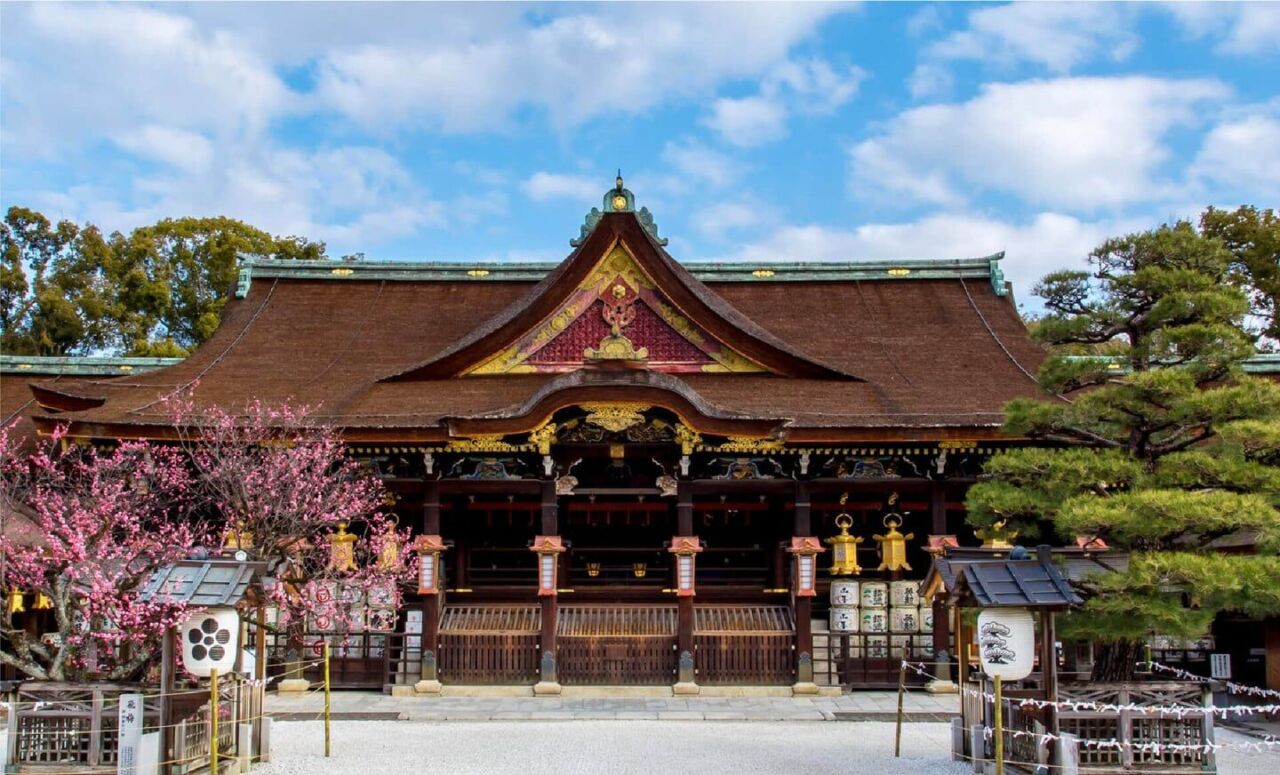
Kitano Tenmangu: The Head Shrine of the God of Learning
Kitano Tenmangu also enshrines Sugawara no Michizane and is the head shrine of Tenmangu worship across Japan. About 1,500 plum trees are planted in the grounds, beautiful when in bloom each year from February to March, and the autumn foliage is also spectacular.
Entry is free, hours are 5:00 to 18:00, and on the 25th of each month the “Tenjin-san” flea market is held, selling antiques, kimono and snacks, a good chance to experience Kyoto’s local life, with amulets and goshuin available at the shrine office.
Kyoto Ebisu Shrine: A Wealth God Devoted to Business Prosperity
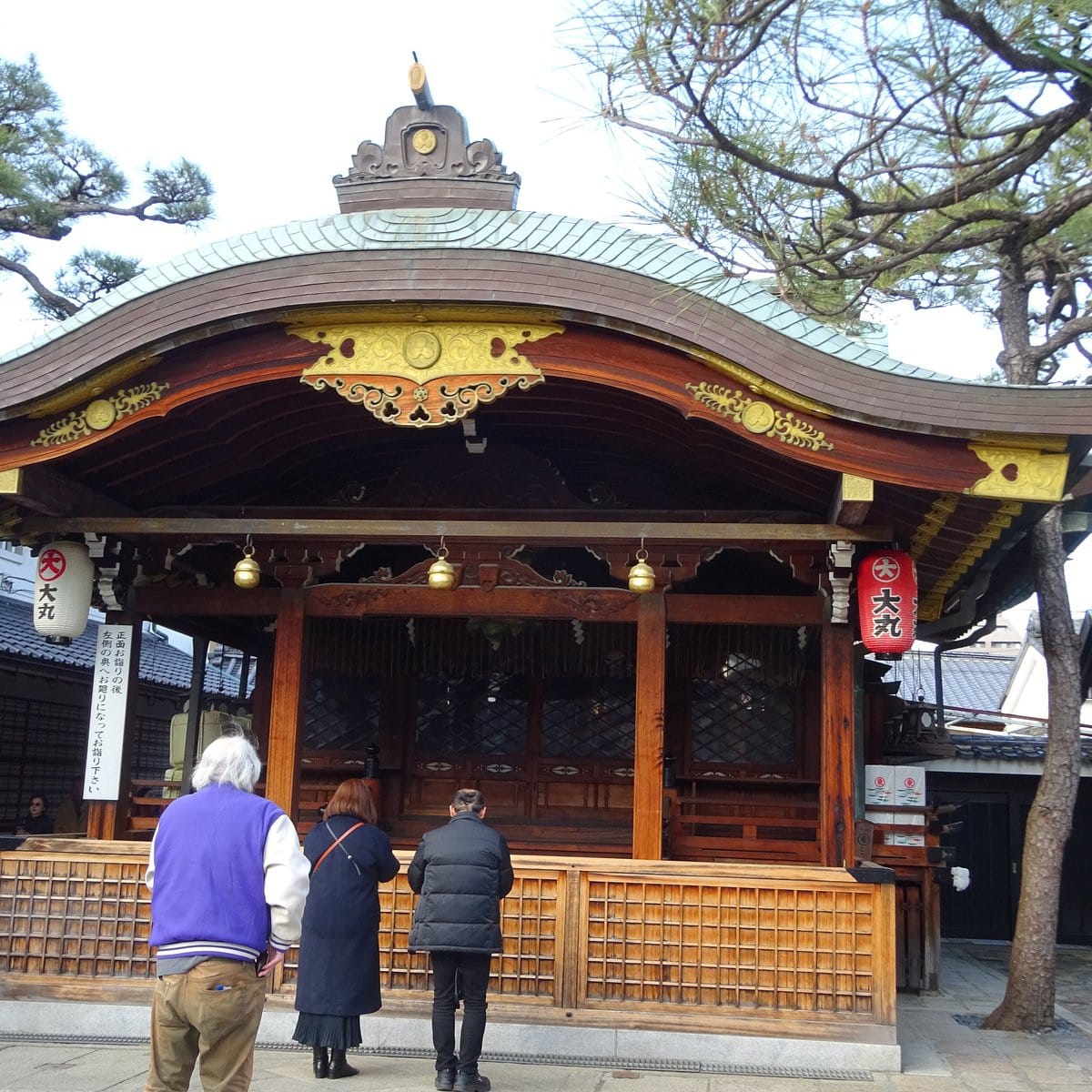
Kyoto Ebisu Shrine is in Higashiyama Ward and, along with Osaka’s Imamiya Ebisu Shrine and Nishinomiya Shrine, is counted as one of Japan’s three great Ebisu shrines, enshrining Kotoshironushi-no-Kami, the deity of business prosperity, and is revered by merchants and shop owners.
Every year from January 8 to 12 the “Toka Ebisu Grand Festival” is held, drawing large crowds praying for business success. The grounds are free to enter, and it is about a 20- to 25-minute walk from Nishiki Market, suited to a stop on an extended itinerary.
Samurai Ninja Museum Kyoto: An Interactive Experience for Families
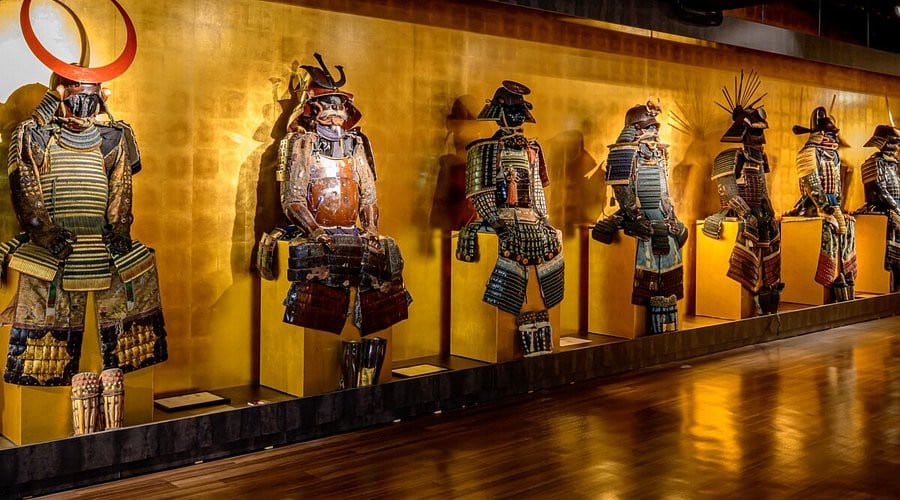
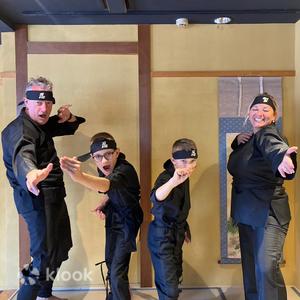
The Samurai Ninja Museum Kyoto displays Edo-period armor, swords and ninja tools, and offers interactive experiences such as shuriken throwing, ninja costume dress-up and trying on samurai armor, with English-language guides.
Experience programs must be booked in advance through the official website, with prices and time slots varying by plan, and it is an excellent indoor attraction for rainy days and traveling with children.
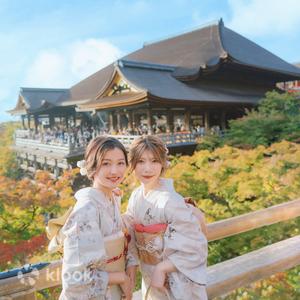
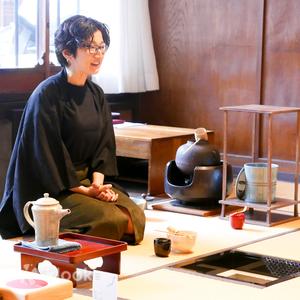
MAIKOYA Kimono and Tea Ceremony Experience: A Traditional Culture Class in a Machiya
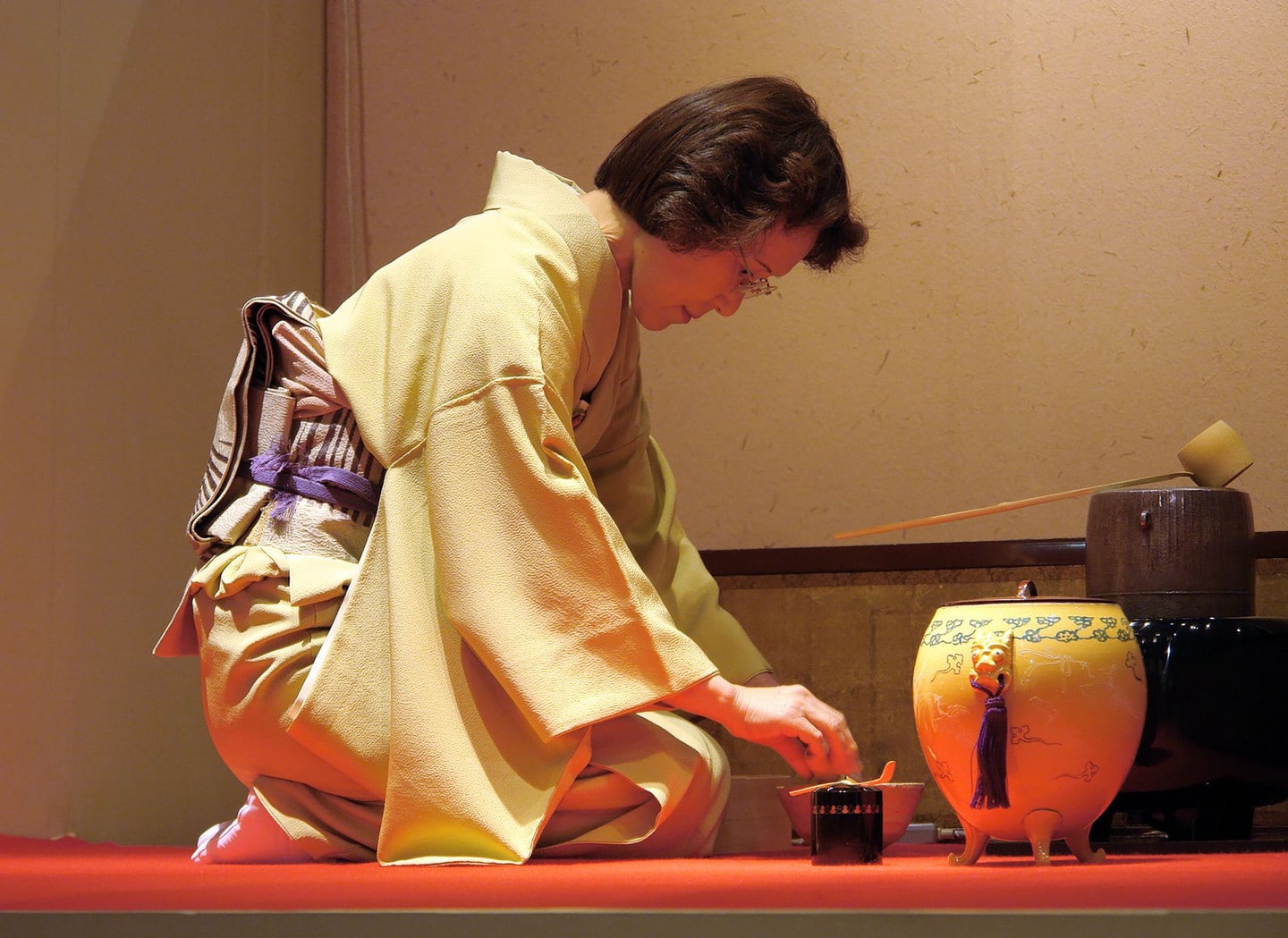
MAIKOYA is in Ebiya-cho, Nakagyo Ward, about a 7-minute walk from Hankyu Kyoto-Kawaramachi Station, offering kimono dress-up and a tea ceremony experience in which a tea master guides you through the process of whisking matcha, suited to travelers who want a deep experience of Kyoto culture.
Opening hours are 10:00 to 18:30 (booking slots 10:00 to 17:00), and we suggest booking in advance on the official website. After the experience you can wear the kimono to Nishiki Market and Hanamikoji for photo keepsakes.
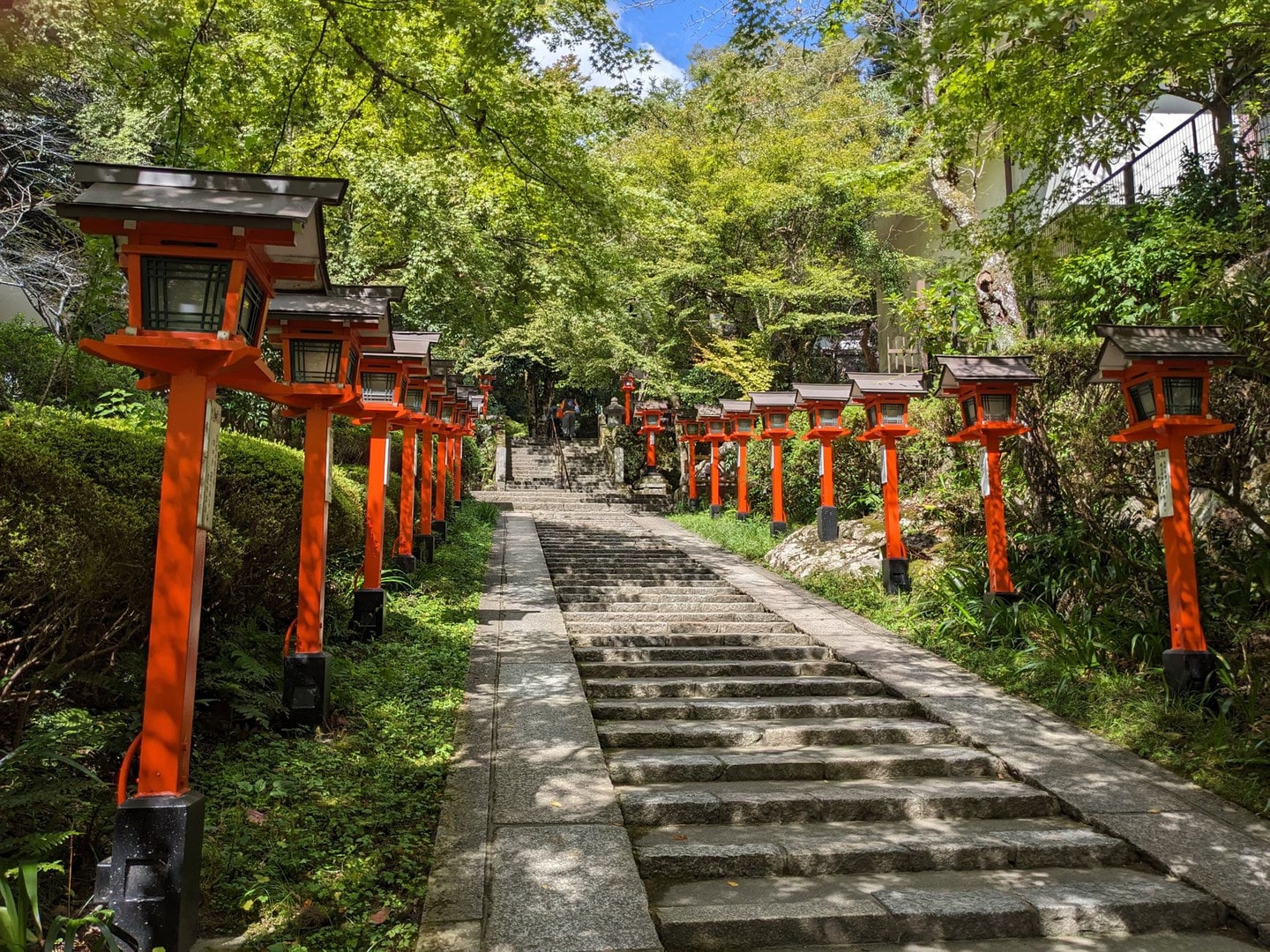
Ninenzaka and Sannenzaka: Kyoto’s Must-Visit Stone-Paved Old Streets
Ninenzaka and Sannenzaka are stone-paved sloping old streets leading to Kiyomizu-dera, lined with traditional Kyo-machiya buildings and many Japanese-style goods shops, matcha dessert shops and souvenir stores, one of Kyoto’s most iconic photo streetscapes.
We suggest going early in the morning or in the evening to avoid the daytime crowds and take old-street photos with an empty-street effect, and the whole walk takes about 20 to 30 minutes.
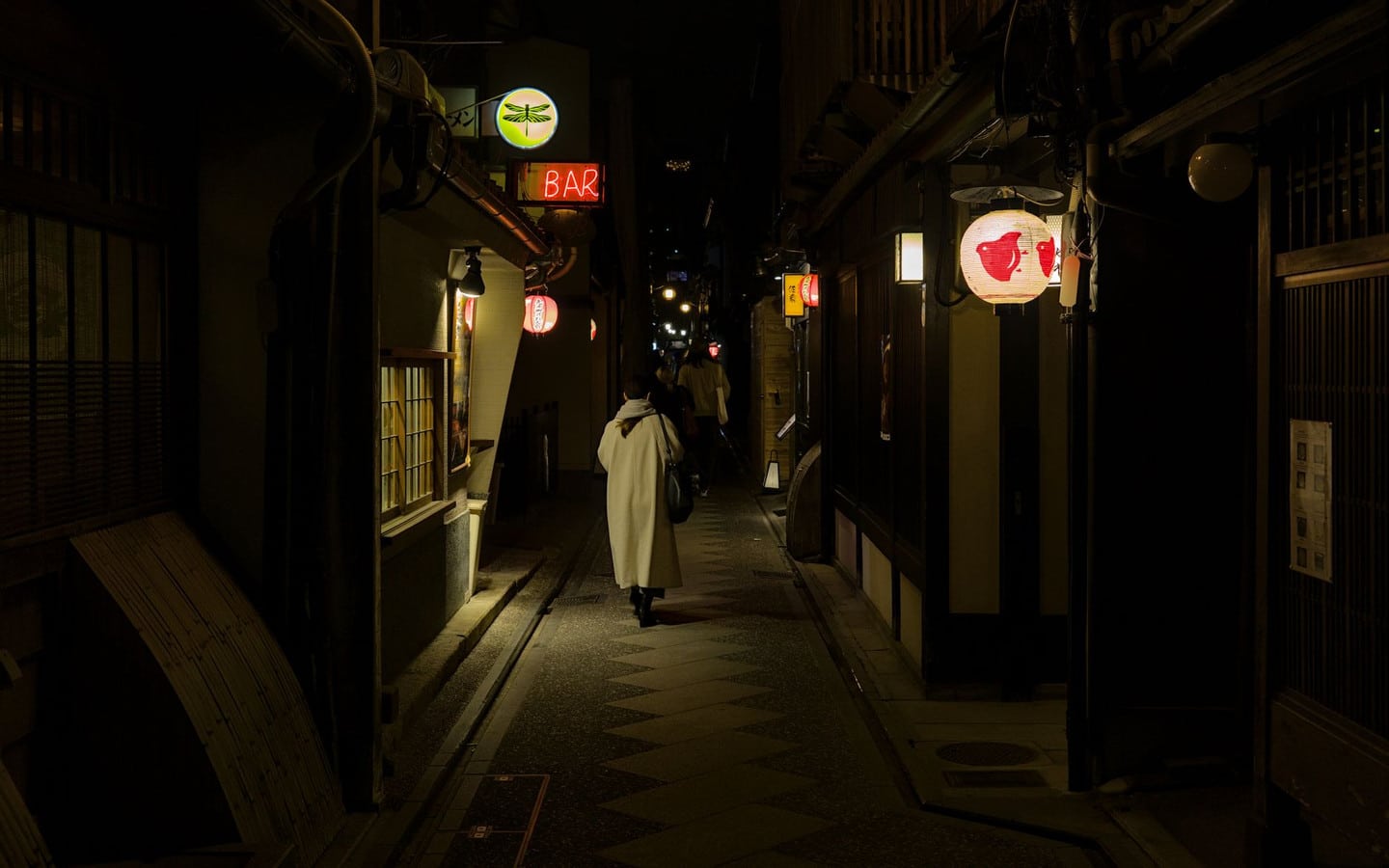
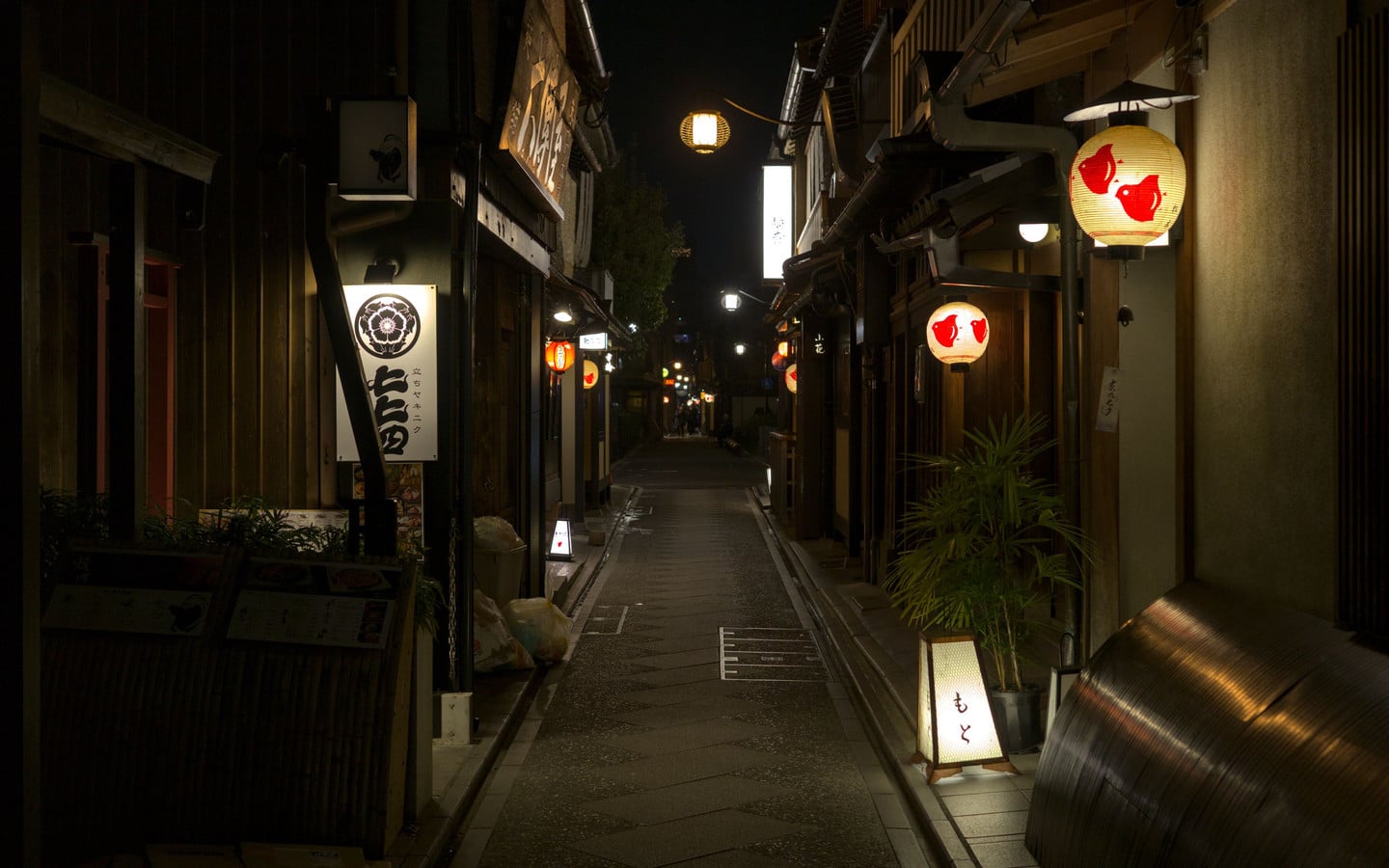
Pontocho and Kiyamachi-dori: A Late-Night Eatery Street Along the Kamo River
Pontocho is a narrow stone-paved alley right beside the Kamo River, gathering countless izakaya, bars and high-end Japanese restaurants, and when the red lanterns light up at night it has a unique atmosphere, a landmark of Kyoto nightlife. Kiyamachi-dori runs along the Takase River, with an even more varied choice of bars and restaurants.
Hours are mostly 17:00 until late, and some shops require reservations or charge a seating fee. We suggest going with company, and feeling a Kyoto night completely different from Nishiki Market by day.
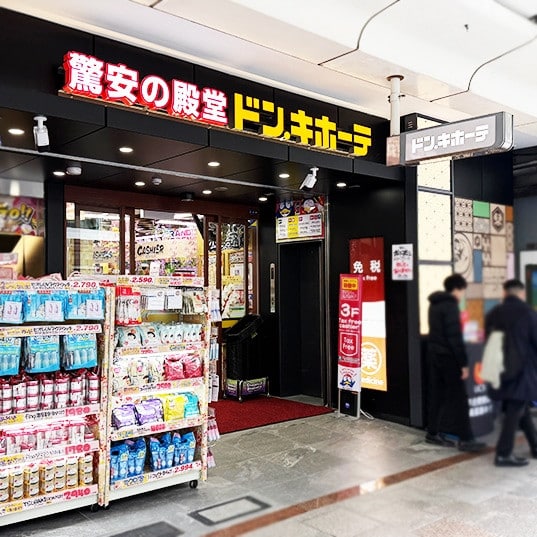
Don Quijote Kyoto: A Discount Mecca Open Until 1 a.m.
Don Quijote Kyoto is near Shijo-Kawaramachi, with goods from drugstore items, snacks and appliances to souvenirs, open 10:00 to 1:00 a.m. the next day, a good place to buy souvenirs in the evening, and it offers tax-free service for foreign travelers.
The shop carries a huge variety of goods at bargain prices, and we suggest planning at least 30 to 45 minutes to hunt for treasures, especially suited to concentrated shopping on the last day of your trip.
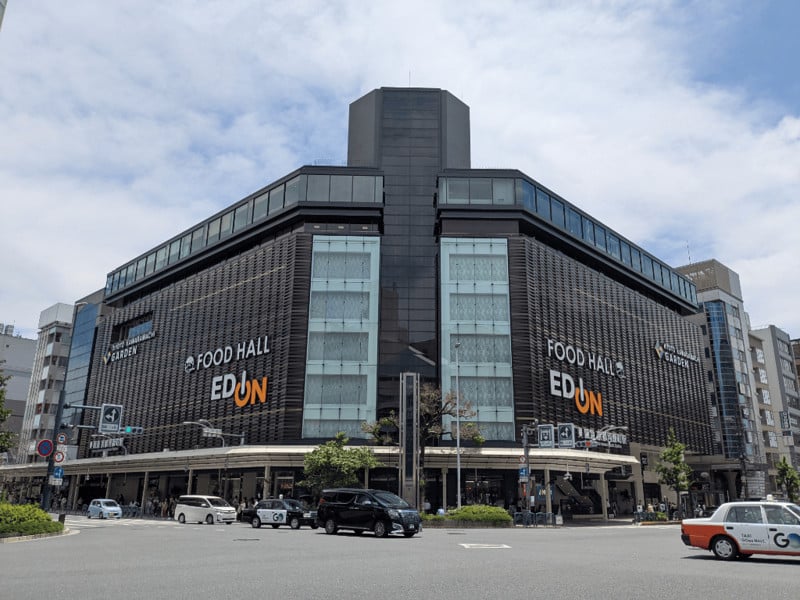
EDION Kyoto: Appliances and Electronics Souvenirs in One Stop
EDION Kyoto is in the Shijo-Kawaramachi area, focusing on appliances, small beauty appliances and electronics accessories, a popular spot for Japanese appliance souvenirs such as hair dryers and electric toothbrushes, and it also offers tax refund service.
The store connects directly to Exit 2 of Hankyu Kyoto-Kawaramachi Station. Hours are subject to official announcements. For some popular models you need to compare prices across stores, so we suggest doing your homework before entering, which saves a lot of price-comparison time.
How Much Does It Cost? 2026 Nishiki Market Transportation Guide: Kawaramachi and Shijo-Karasuma Attractions and Top Picks in One Place: Tickets, Experiences and Passes
Traveling around Kyoto’s Nishiki Market, transport and experience costs are actually easier to manage than you might think, and by making good use of passes and pre-booked experiences you can greatly cut queuing time and the hassle of transfers. Below are the four most practical tickets and experiences, covering city transport, kimono experiences and cooking classes, so you can enjoy Kawaramachi and Shijo-Karasuma more affordably and in more depth.
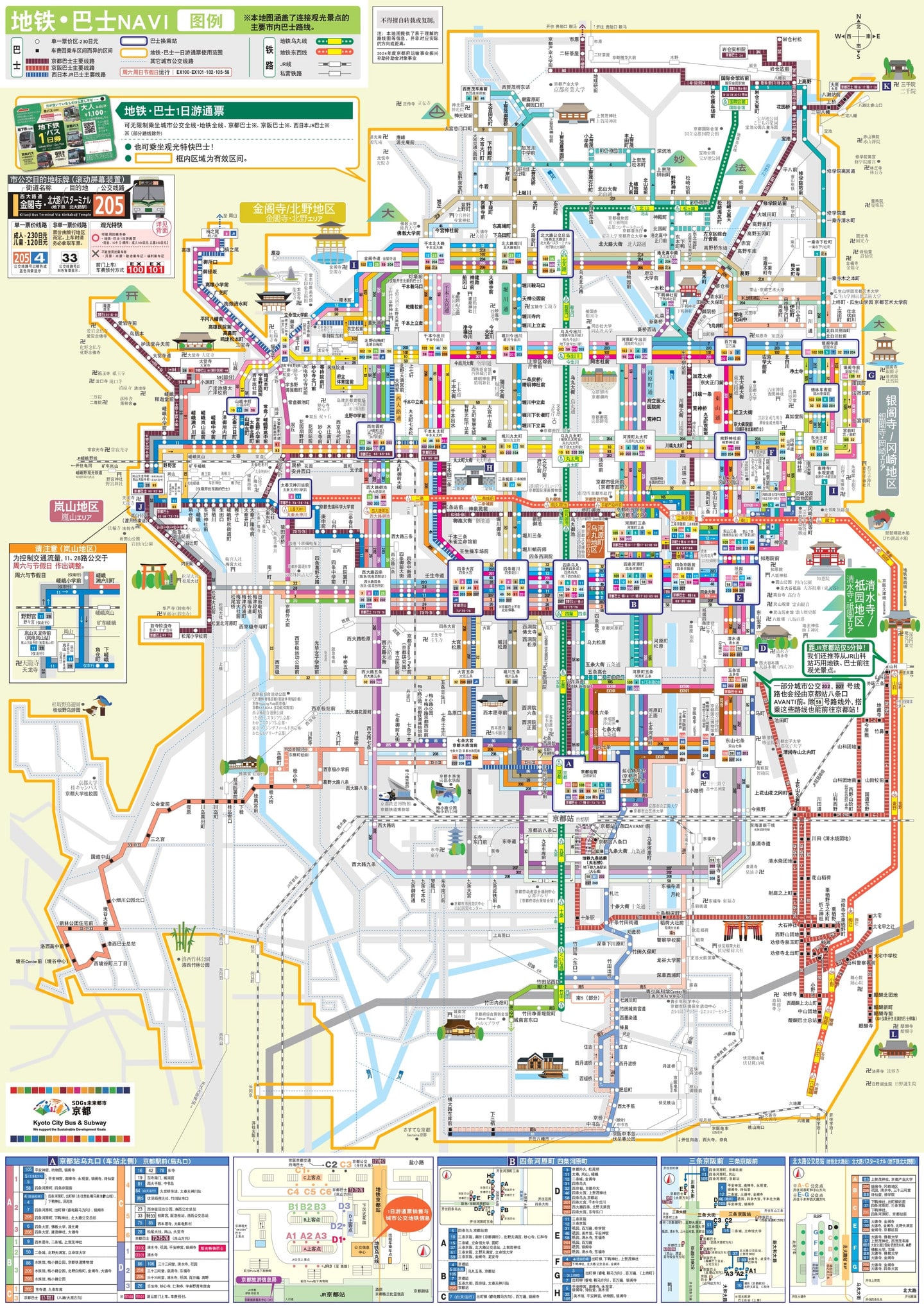
Kyoto City Bus and Subway 1-Day Pass: The Best Helper for Getting Around the City
This 1-day pass offers unlimited rides on Kyoto City buses and the Karasuma and Tozai subway lines, priced at ¥1,100 for adults and ¥550 for children, and can be bought at the Kyoto Station bus information center, subway station counters or on the bus. Nishiki Market is near Shijo Station on the subway or Shijo-Kawaramachi bus stop.
If you plan Kiyomizu-dera, Kinkaku-ji, Gion and other attractions in a day, a single bus ride is ¥230, so five rides pay for the pass. We suggest first checking the latest fares and versions on the Kyoto City Transportation Bureau website or the Kansai Airport tourist center.
Nishiki Market Food Tour Experience: Taste Craftsmen’s Skills With a Local Expert
A guide leads visitors along Nishiki Market’s roughly 390-meter shopping street, introducing snacks such as pickles, tamagoyaki, nama-fu and matcha desserts, with 6 to 8 tasting stops. The tour takes about 2 to 2.5 hours and costs ¥4,500 to ¥7,000 per person, depending on the shops.
The guide explains the history of long-established shops, such as dried goods stores founded in the Edo period or famous Kyoto pickle shops, information hard to get when traveling independently. Chinese- or English-language tours are available, suited to first-time visitors to Nishiki Market, bookable through KKday or Klook, and holiday sessions fill up easily.
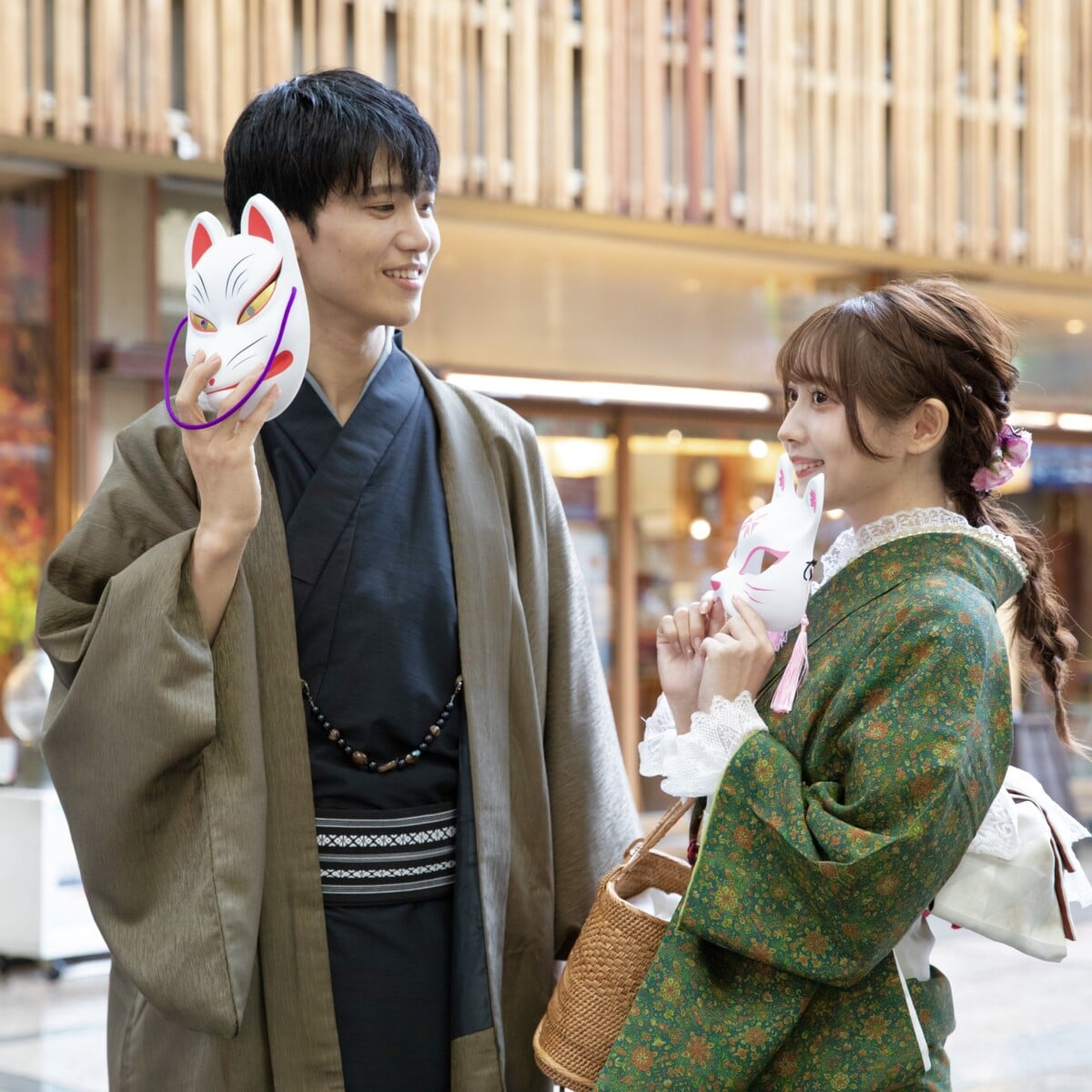
Kyoto Kimono Experience: A Romantic Time Strolling Kawaramachi and Gion
Many kimono rental shops around Kawaramachi and Shijo-Karasuma (such as Yumekyoto and Okamoto Orimonoten branches) offer plans including kimono, obi, hair accessories and hairstyling, from about ¥3,000 to ¥6,000, mostly same-day rentals to be returned by 6 p.m., with some shops offering extended plans.
Stroll Nishiki Market, Hanamikoji and Yasaka Shrine in a kimono, experiencing the ancient capital atmosphere and seasonal patterns, with spring cherry blossom and autumn maple designs especially popular. We suggest booking online a week ahead and choosing a return location, and some shops offer pickup at branches near Nishiki Market. In peak season (March to May, October to November) we suggest booking more than a month ahead.
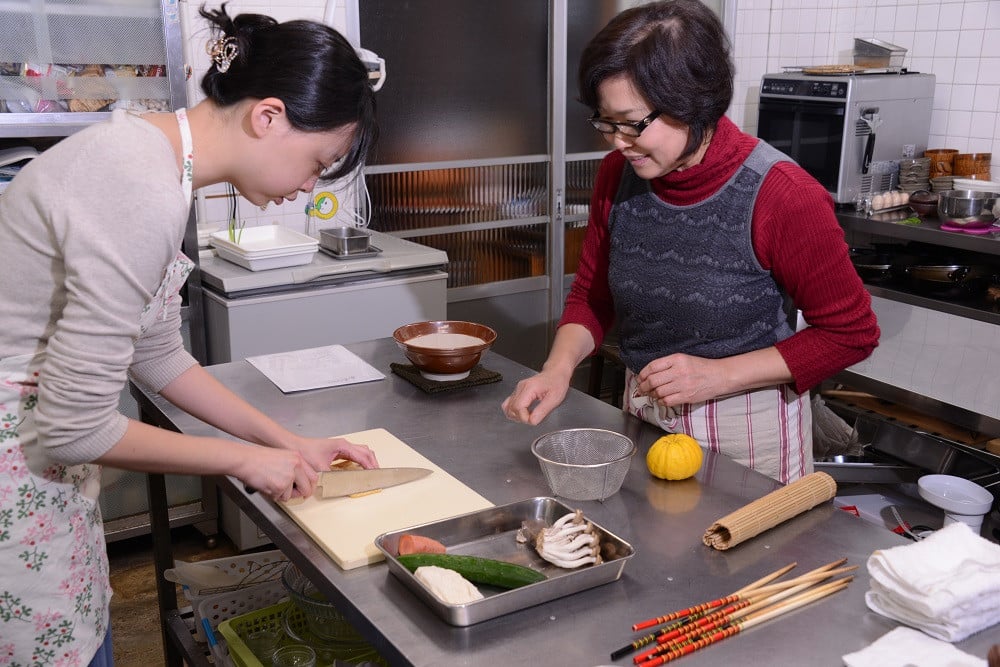
Kyoto Cuisine and Japanese Home Cooking Class: The Full Experience From Shopping for Ingredients to the Table
In some cooking classes, students first shop for ingredients at Nishiki Market and then learn Kyoto home cooking or kaiseki at a nearby classroom. Classes take about 2.5 to 3 hours and cost ¥6,000 to ¥10,000, including ingredients, instruction and tasting.
The content covers dashi stock, Kyo-tsukemono pickles, tofu dishes and wagashi, with the instructor explaining Kyoto food culture and the art of hospitality. Most classes offer Chinese and English interpretation, suited to independent travelers who want to experience local life, and we suggest booking through KKday and confirming the class language and meeting point.
Where to Stay Nearby
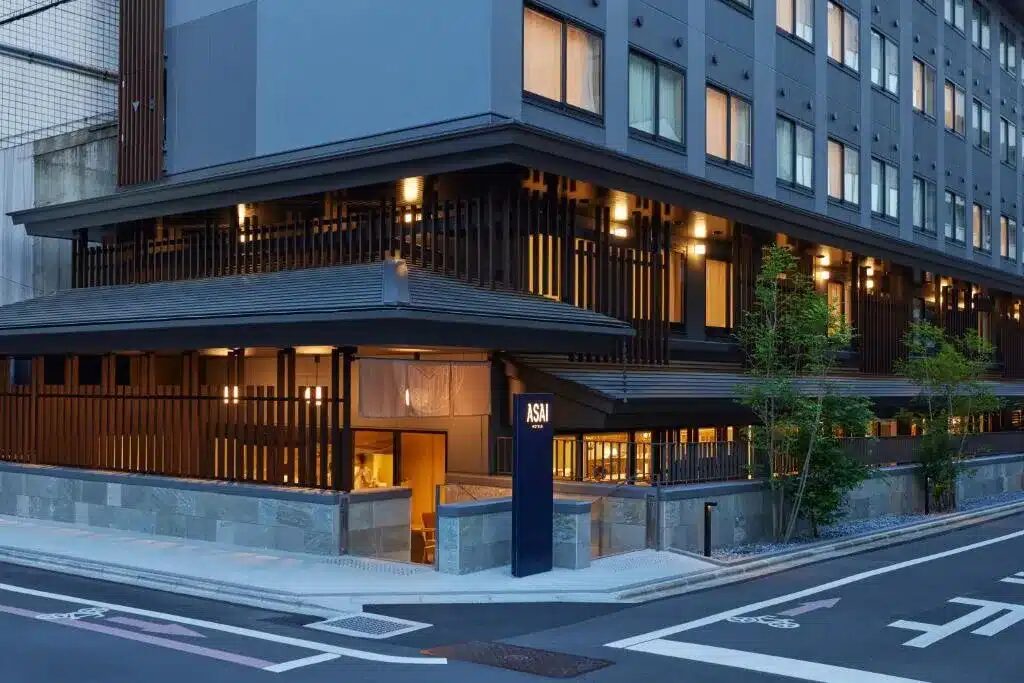
Nishiki Market lies between Shijo-Karasuma and Kawaramachi. Staying around Kawaramachi or Shijo-Karasuma, you can walk to Nishiki Market, Nishiki Tenmangu and Shinkyogoku Shopping Street, and Hankyu Kyoto-Kawaramachi Station and Shijo Station on the subway are also nearby, making morning and evening strolls and rides convenient.

FAQ
Q: How much is the transport fare from Kyoto Station to Nishiki Market?
Taking the subway Karasuma Line to Shijo Station takes only about 4 minutes, with a one-way fare of ¥220, the fastest and cheapest way, and it is a 5-minute walk from the exit.
Q: Can I eat while walking in Nishiki Market?
No. Eating while walking is banned throughout Nishiki Market. You must finish at the stall where you bought the food or in the shop’s eat-in area before moving on, and violators may be reminded by the shop.
Q: What are the opening hours of Nishiki Market?
The market itself has no uniform hours, as each shop operates independently, with most open about 10:00 to 17:00 or 18:00, and around midday is the liveliest time to go.
Q: Can I pay by card or mobile payment at Nishiki Market shops?
Some small stalls take only cash and do not accept credit cards or mobile payment, so we suggest carrying enough yen in cash to avoid missing out.
Q: When is Nishiki Market least crowded?
We suggest going around 10 a.m. when shops open or on weekdays, which avoids the midday and weekend tourist crowds and makes browsing more relaxed and comfortable.
Q: Is there luggage storage near Nishiki Market?
The market’s passages are narrow, so large luggage is not recommended. You can leave it beforehand in coin lockers at Kyoto Station, Karasuma Station or Kawaramachi Station.
Q: What is the best season to visit Nishiki Market?
Any time of year works, since the market has a clear roof and is unaffected by weather. If you want to combine plum viewing at Kitano Tenmangu or autumn leaves at Ninenzaka, plan for February to March or November respectively.
2026 Nishiki Market Transportation Guide: Kawaramachi and Shijo-Karasuma Attractions and Top Picks in One Place: A Guide to Kyoto’s Kitchen and Nearby Districts
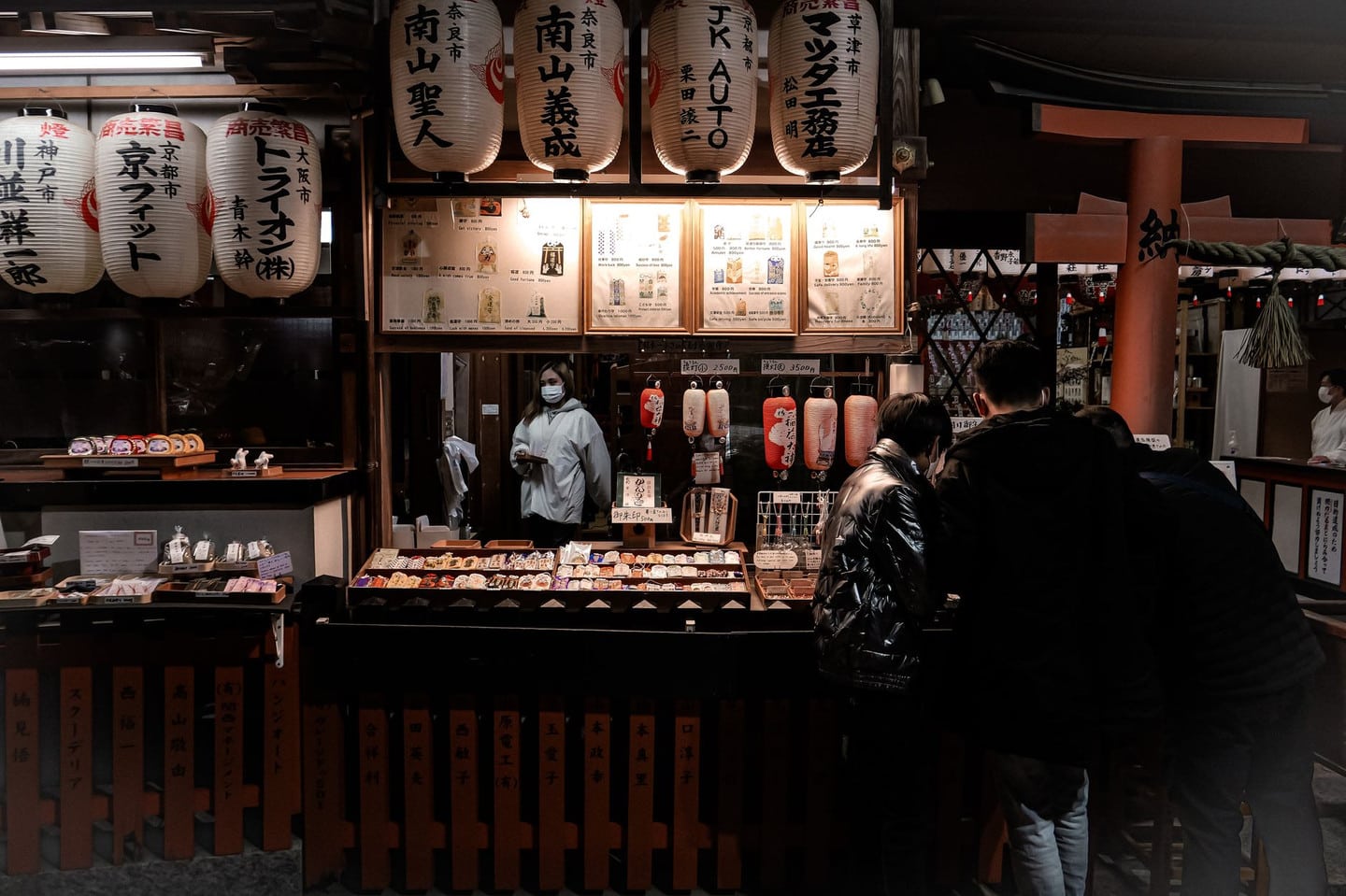
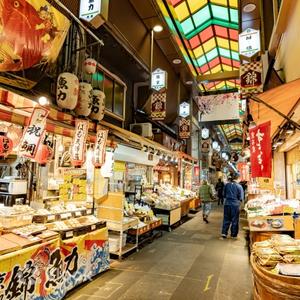
Nishiki Market lies on the north side of Shijo-dori, about 390 meters long from east to west, with Shijo-Karasuma at its west end and Kawaramachi at its east end, making it the best starting point for exploring the heart of Kyoto.
Nishiki Market: What Kyotoites Call “Kyoto’s Kitchen”
Nishiki Market has over four hundred years of history, starting as a fish market and dried goods wholesaler, and is now a shopping street loved by tourists and locals alike. About 130 shops in the market sell fresh food, pickles, Japanese sweets and cooked snacks, with a lively atmosphere that keeps the craftsman spirit. The painter Ito Jakuchu was born here, and his artwork designs often appear on the market’s signs and banners, adding cultural meaning to a stroll. Its clear arched roof makes it one of the few all-weather shopping streets in Kyoto unaffected by rain or shine, so you can shop comfortably in any weather.
Nishiki Tenmangu: The Scholarship Shrine at the Market’s East End
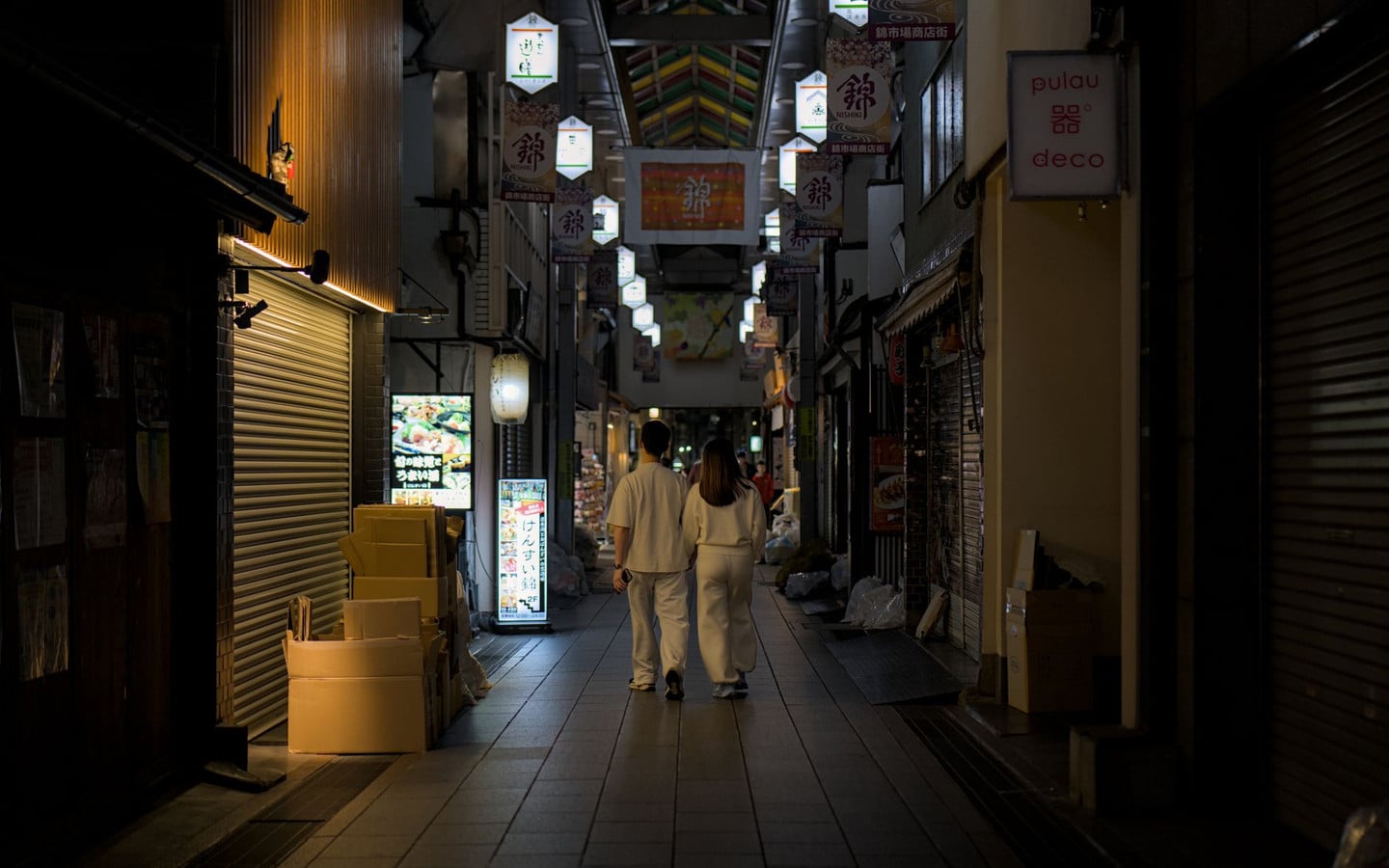
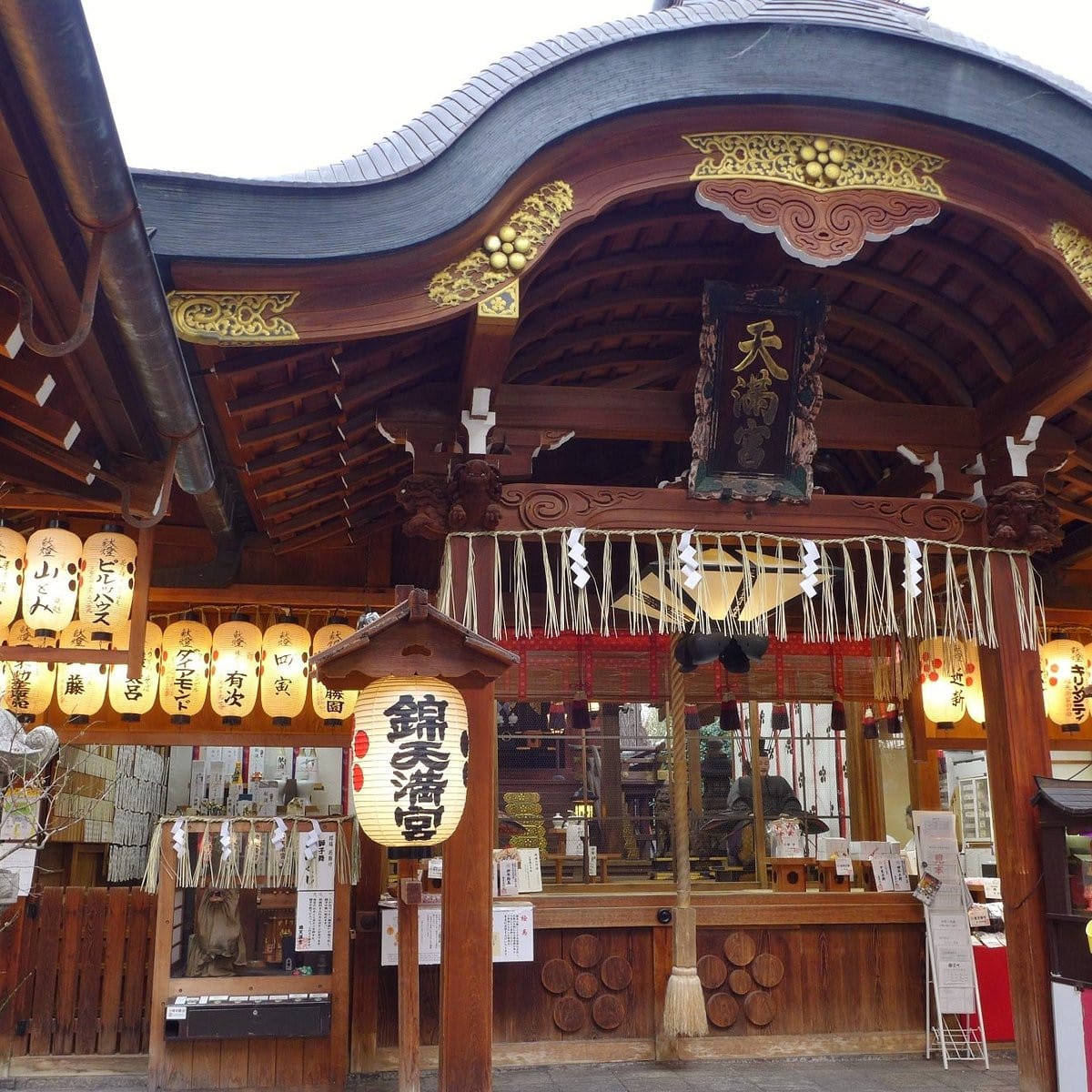
Nishiki Tenmangu stands at the far east end of Nishiki Market and enshrines Sugawara no Michizane, the god of learning. Both ends of its torii gate are set directly into the walls of the neighboring houses, a rare “torii through the wall” sight found almost nowhere else in Japan and a popular photo spot. The “Nishiki no Mizu” spring in the grounds is regarded as one of Kyoto’s famous waters, and visitors may draw it and wash their hands.
Visiting is completely free, and amulets and goshuin stamps can be bought at the shrine office. Stopping by after Nishiki Market to pray for exam success and business prosperity is a regular route recommended by locals.
Bukkoji: A Quiet Old Temple Beside Shijo-Karasuma
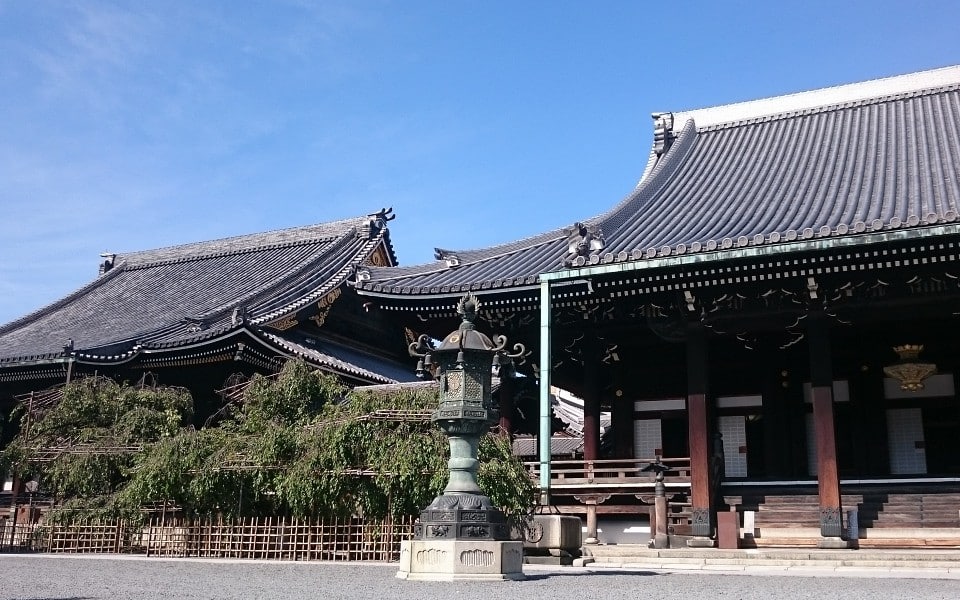
Bukkoji is tucked into the alleys south of Shijo-Karasuma and is the head temple of the Bukkoji branch of Jodo Shinshu. The ginkgo trees in its grounds turn golden every autumn, a magnificent sight that few tourists know about. Inside the temple is a distinctive select shop and cafe, “D&DEPARTMENT KYOTO,” offering selections from local Kyoto craftspeople along with light meals and desserts.
The grounds are free to visit, and after the bustle of Nishiki Market it is a place to find a moment of calm, a pocket spot known only to deep travelers.
The Museum of Kyoto: A History Gallery in an Old Red-Brick Bank
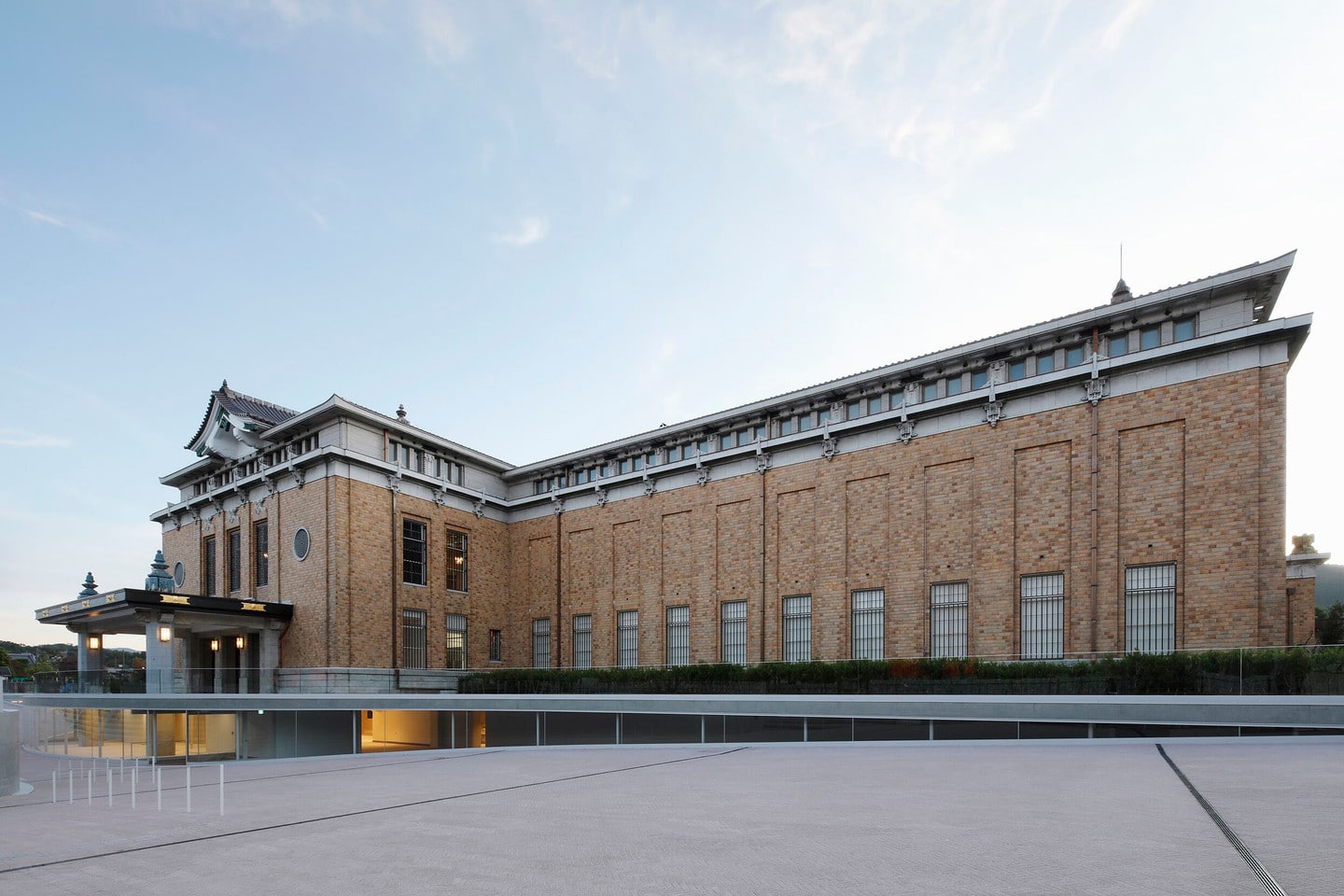
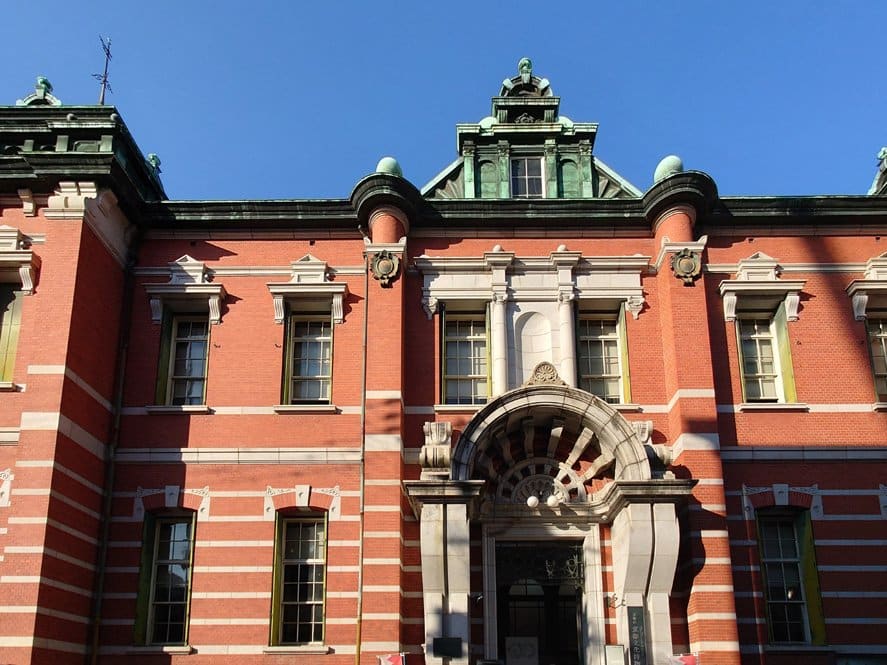
The Museum of Kyoto is north of Shijo-Karasuma, and its annex is the former Kyoto branch of the Bank of Japan built in the Meiji period, whose red-brick exterior is designated a nationally important cultural property. The museum has permanent displays on Kyoto’s history and traditional crafts and regularly holds special art exhibitions.
The general exhibition is open 10:00 to 19:30 (last entry 19:00), closed Mondays (if Monday is a national holiday, it opens and closes the next day). General exhibition admission is ¥600 for adults, with special exhibitions priced separately, and it suits an indoor visit of about an hour.
Kamo River: A Leisurely Walking Path East of Kawaramachi
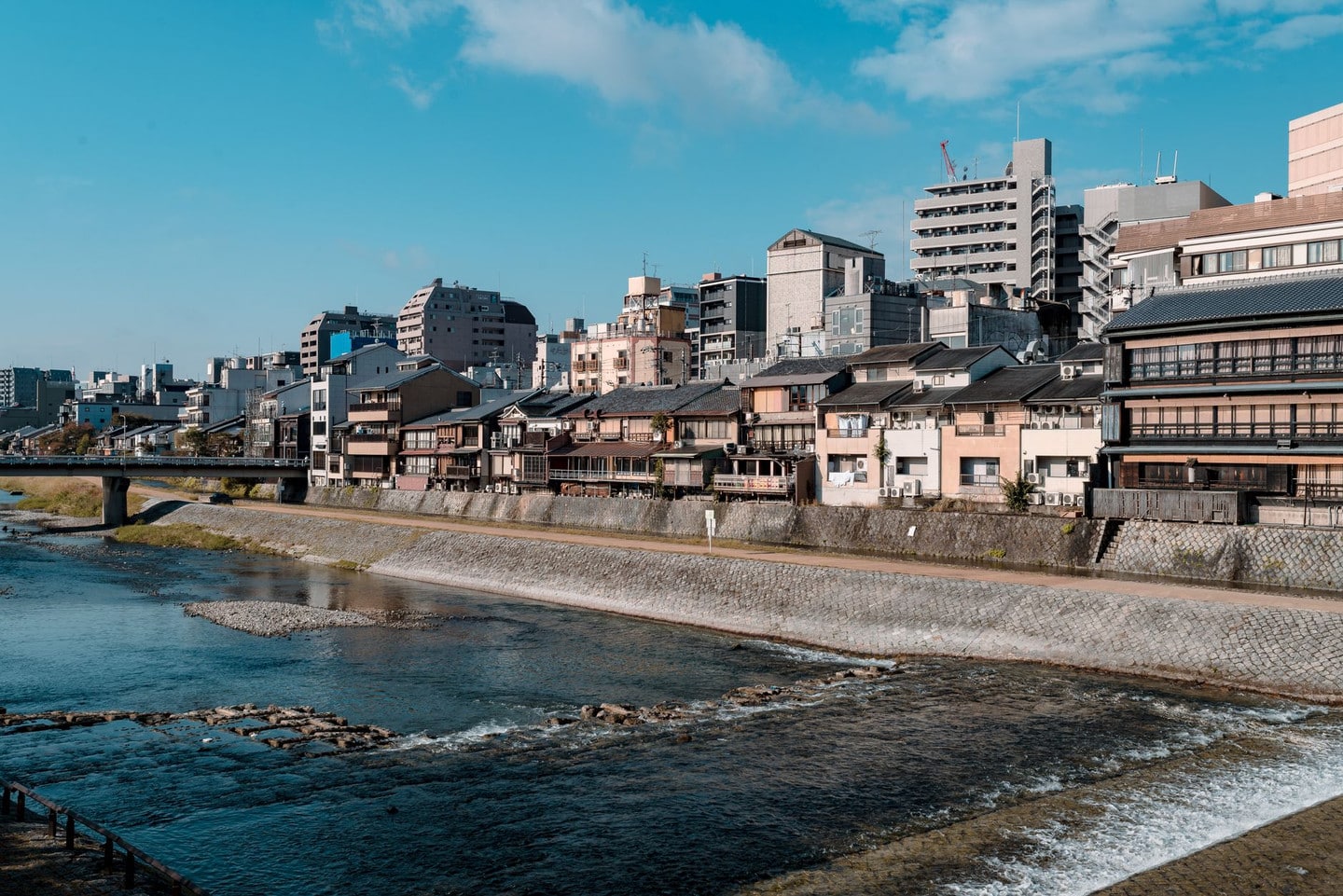
Walk a few minutes east from Kawaramachi and you reach the Kamo River, the top spot for Kyotoites’ daily strolls, picnics and sunset watching. From May to September the famous “noryo-yuka” riverside terraces are set up along the bank, with many restaurants extending their seating to the river, so you can dine in the river breeze, a unique summer-only Kyoto experience.
The riverbank is open year-round and free, and the soft evening light makes it an excellent place to slow down after Nishiki Market and photograph everyday Kyoto scenery.
Gion Hanamikoji: An Old Street of Wooden Machiya and Geisha Charm
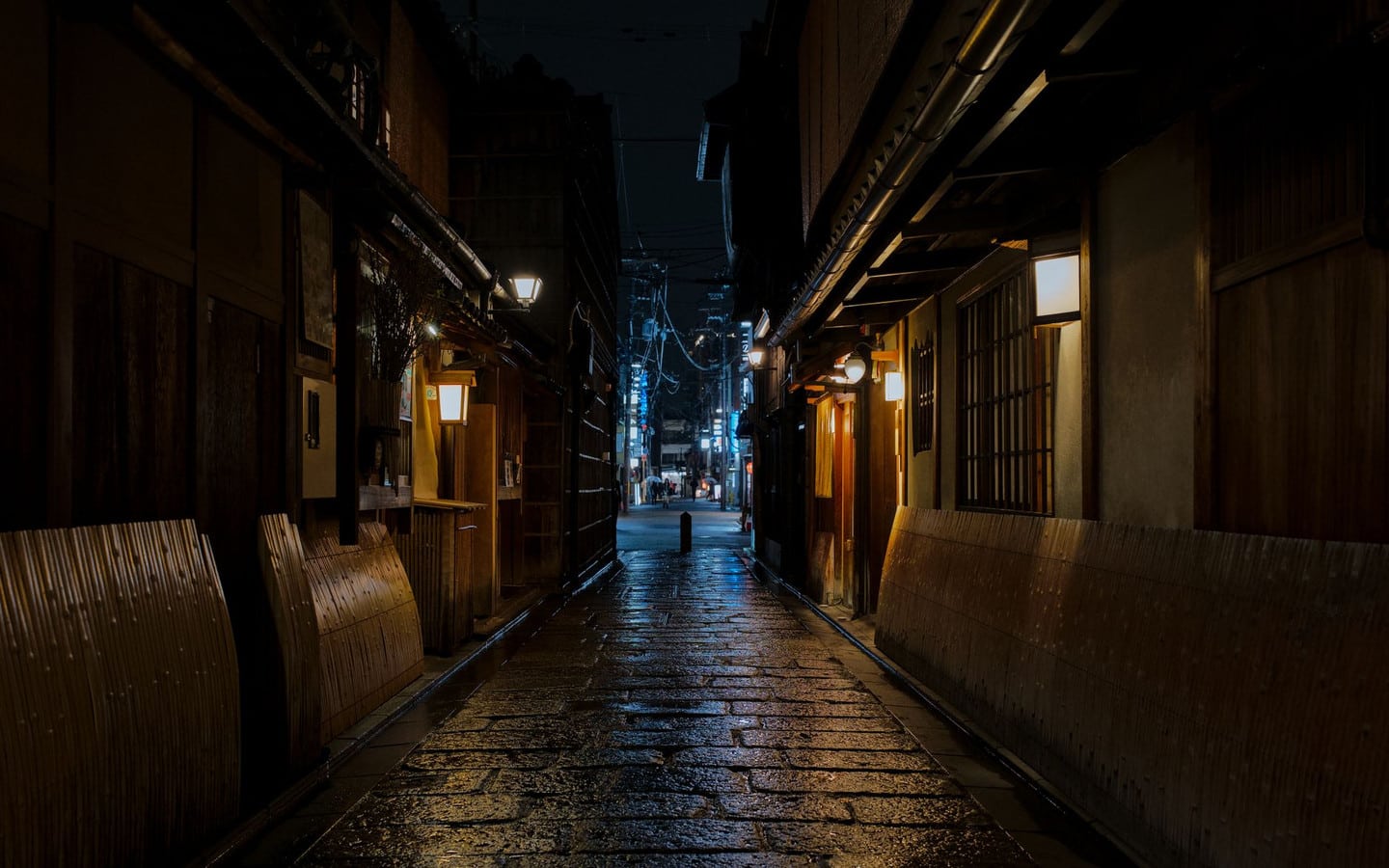
Cross the Kamo River and you reach Gion Hanamikoji, which preserves many Edo-period wooden machiya townhouses and teahouses, with lanterns hung along both sides of the stone-paved road, and with luck you may glimpse a geiko or maiko hurrying to a banquet.
We suggest going in the evening, when the lanterns are lit and the atmosphere is at its richest, but please note that signs have been put up locally prohibiting forced photography in private alleys and following geiko, out of respect for residents’ lives and traditional culture.
Yasaka Shrine: The Spiritual Heart of Gion Matsuri
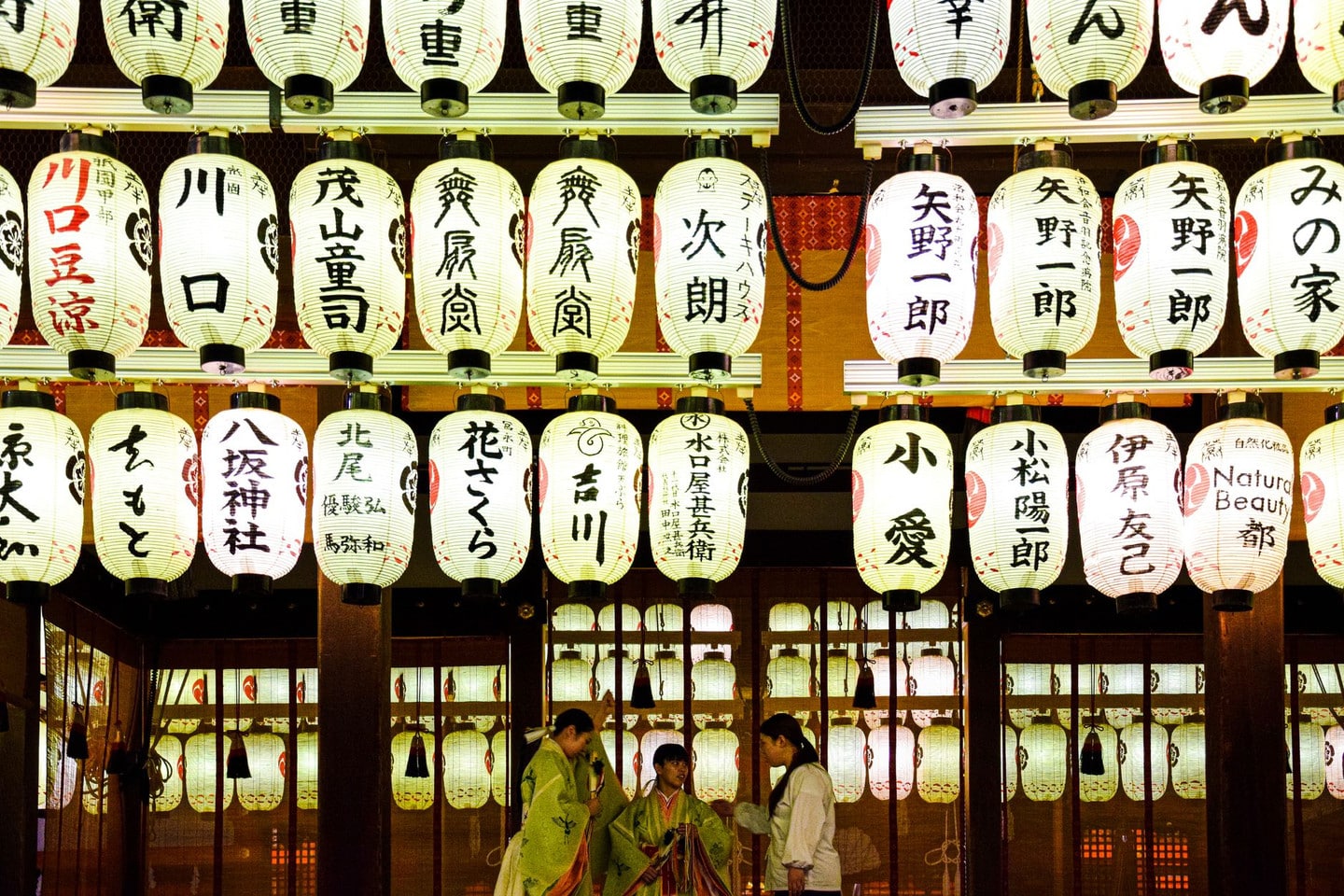
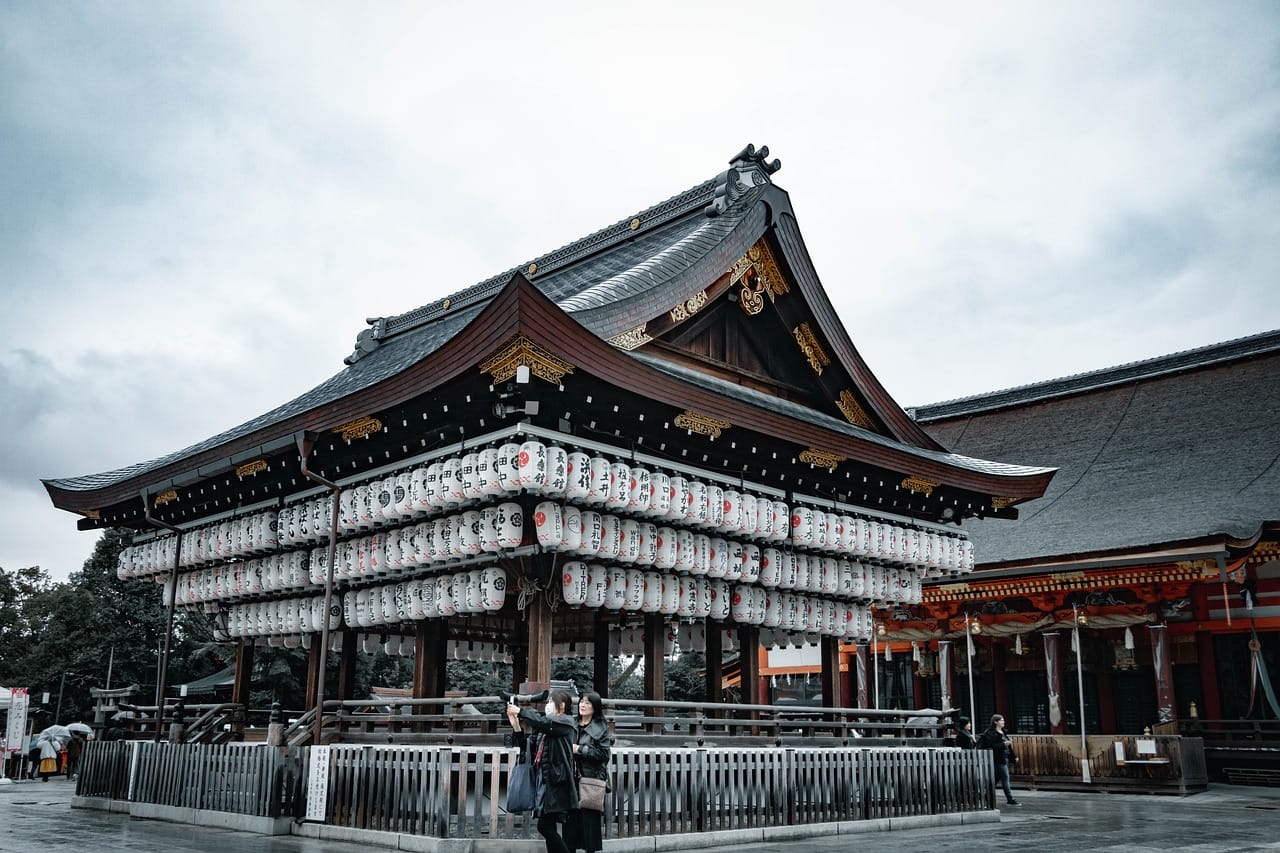
Yasaka Shrine stands at the east end of Hanamikoji and is the shrine where Gion Matsuri, one of Kyoto’s three great festivals, originated, enshrining Susanoo-no-Mikoto and drawing many worshippers. The Yamaboko procession of the Gion Matsuri every July is centered on this shrine.
The shrine is open 24 hours a day all year with free entry, and amulets and goshuin are available at the shrine office. After dark, the stone lanterns and the vermilion halls glow together in a romantic scene, making it a place worth visiting both day and night.
Shinkyogoku Shopping Street: A Youthful Shopping Area Linking Nishiki Market and Kawaramachi
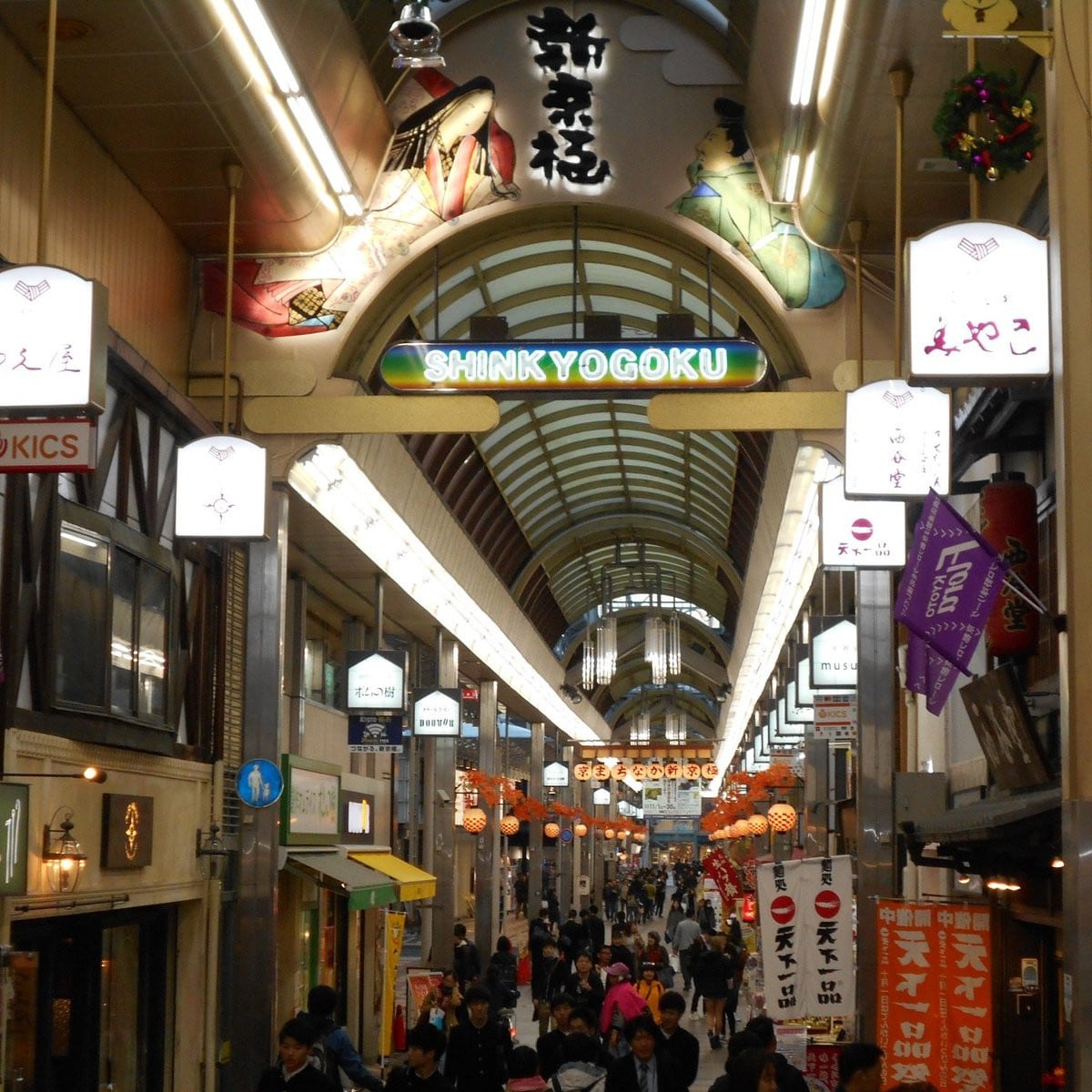
Shinkyogoku Shopping Street is a covered north-south arcade linking the east end of Nishiki Market with the busy Kawaramachi area, lined with drugstores, souvenir shops, affordable clothing and snack stalls, with a young, lively atmosphere loved by students and travelers.
Hours vary by shop, mostly about 10:00 to 20:00, and it is the natural route for extending a shopping trip after Nishiki Market, taking about ten minutes to walk through end to end.
Teramachi-dori Shopping Street: A Paradise for Long-Established Shops and Stationery Fans
Teramachi-dori Shopping Street runs parallel to Shinkyogoku and has a calmer atmosphere, gathering many century-old shops, Buddhist altar stores, and stationery and washi specialty stores, a good place to look for quality souvenirs.
This area is also covered, so you need not fear sun or rain. We suggest linking it with Shinkyogoku into one shopping route, which takes about 30 to 45 minutes there and back.
Shijo-Kawaramachi Department Store Area: Daimaru, Takashimaya and Fujii Daimaru Side by Side
Shijo-Kawaramachi is Kyoto’s busiest prime department store zone, gathering Daimaru Kyoto, Takashimaya Kyoto (home to the official Nintendo KYOTO store), Fujii Daimaru and Isetan Kyoto, so you can shop for fashion, beauty and drugstore items and souvenirs all in one place.
Hours are mostly 10:00 to 20:00, with some restaurant floors open until 21:00 or 22:00. We suggest setting aside half a day or more to browse at leisure, and it is the best place to buy souvenirs to wrap up your trip.

How to Get There: 2026 Nishiki Market Transportation Guide: Kawaramachi and Shijo-Karasuma Attractions and Top Picks in One Place? A Complete Guide to Transport and Fares
The fastest way to Nishiki Market is by subway or Hankyu train, and it is only a 3- to 5-minute walk from the nearest station.
How to Get to Nishiki Market: Transport Options at a Glance
Hankyu Kyoto Line “Karasuma Station,” Exits 16/15, 3-5 minutes on foot.
Hankyu Kyoto Line “Kyoto-Kawaramachi Station,” Exits 4/5, 4-5 minutes on foot.
Subway Karasuma Line “Shijo Station,” 2 stops and 4 minutes from Kyoto Station, ¥220 one way, 5 minutes on foot.
Bus “Shijo Takakura / Shijo Kawaramachi,” take No. 5, 17 or 205, ¥230 one way.
Keihan Railway “Gion-Shijo Station,” about 8 minutes on foot, ¥220-350 one way, suited to a Higashiyama day trip.
2026 Nishiki Market Transportation Guide: Kawaramachi and Shijo-Karasuma Attractions and Top Picks in One Place: What Are the Must-See Attractions? Highlights of Each Area
Besides browsing the market, this area also has shrines, temples, experience venues and extended old streets worth half a day or more of careful exploration.
Kiyomizu-dera: Kyoto’s Oldest Wooden Stage
Kiyomizu-dera was founded in 778 and is Kyoto’s most representative World Heritage site. Its main hall’s “Kiyomizu Stage” is known for its wooden structure built out over the slope without a single nail, and from the stage you can look out over the whole city of Kyoto. The temple enshrines the Eleven-Headed Thousand-Armed Kannon and is a popular place to pray for love, academic success and safety.
It is open 6:00 to 18:00 (varies slightly by season), adult admission is ¥500, and we suggest allowing 1 to 1.5 hours. Reaching it from Nishiki Market requires a bus transfer, so we suggest planning half a day on its own after your Nishiki Market itinerary, where you can buy amulets and goshuin as keepsakes.
Kitano Tenmangu: The Head Shrine of the God of Learning
Kitano Tenmangu also enshrines Sugawara no Michizane and is the head shrine of Tenmangu worship across Japan. About 1,500 plum trees are planted in the grounds, beautiful when in bloom each year from February to March, and the autumn foliage is also spectacular.
Entry is free, hours are 5:00 to 18:00, and on the 25th of each month the “Tenjin-san” flea market is held, selling antiques, kimono and snacks, a good chance to experience Kyoto’s local life, with amulets and goshuin available at the shrine office.
Kyoto Ebisu Shrine: A Wealth God Devoted to Business Prosperity
Kyoto Ebisu Shrine is in Higashiyama Ward and, along with Osaka’s Imamiya Ebisu Shrine and Nishinomiya Shrine, is counted as one of Japan’s three great Ebisu shrines, enshrining Kotoshironushi-no-Kami, the deity of business prosperity, and is revered by merchants and shop owners.
Every year from January 8 to 12 the “Toka Ebisu Grand Festival” is held, drawing large crowds praying for business success. The grounds are free to enter, and it is about a 20- to 25-minute walk from Nishiki Market, suited to a stop on an extended itinerary.
Samurai Ninja Museum Kyoto: An Interactive Experience for Families
The Samurai Ninja Museum Kyoto displays Edo-period armor, swords and ninja tools, and offers interactive experiences such as shuriken throwing, ninja costume dress-up and trying on samurai armor, with English-language guides.
Experience programs must be booked in advance through the official website, with prices and time slots varying by plan, and it is an excellent indoor attraction for rainy days and traveling with children.
MAIKOYA Kimono and Tea Ceremony Experience: A Traditional Culture Class in a Machiya
MAIKOYA is in Ebiya-cho, Nakagyo Ward, about a 7-minute walk from Hankyu Kyoto-Kawaramachi Station, offering kimono dress-up and a tea ceremony experience in which a tea master guides you through the process of whisking matcha, suited to travelers who want a deep experience of Kyoto culture.
Opening hours are 10:00 to 18:30 (booking slots 10:00 to 17:00), and we suggest booking in advance on the official website. After the experience you can wear the kimono to Nishiki Market and Hanamikoji for photo keepsakes.
Ninenzaka and Sannenzaka: Kyoto’s Must-Visit Stone-Paved Old Streets
Ninenzaka and Sannenzaka are stone-paved sloping old streets leading to Kiyomizu-dera, lined with traditional Kyo-machiya buildings and many Japanese-style goods shops, matcha dessert shops and souvenir stores, one of Kyoto’s most iconic photo streetscapes.
We suggest going early in the morning or in the evening to avoid the daytime crowds and take old-street photos with an empty-street effect, and the whole walk takes about 20 to 30 minutes.
Pontocho and Kiyamachi-dori: A Late-Night Eatery Street Along the Kamo River
Pontocho is a narrow stone-paved alley right beside the Kamo River, gathering countless izakaya, bars and high-end Japanese restaurants, and when the red lanterns light up at night it has a unique atmosphere, a landmark of Kyoto nightlife. Kiyamachi-dori runs along the Takase River, with an even more varied choice of bars and restaurants.
Hours are mostly 17:00 until late, and some shops require reservations or charge a seating fee. We suggest going with company, and feeling a Kyoto night completely different from Nishiki Market by day.
Don Quijote Kyoto: A Discount Mecca Open Until 1 a.m.
Don Quijote Kyoto is near Shijo-Kawaramachi, with goods from drugstore items, snacks and appliances to souvenirs, open 10:00 to 1:00 a.m. the next day, a good place to buy souvenirs in the evening, and it offers tax-free service for foreign travelers.
The shop carries a huge variety of goods at bargain prices, and we suggest planning at least 30 to 45 minutes to hunt for treasures, especially suited to concentrated shopping on the last day of your trip.
EDION Kyoto: Appliances and Electronics Souvenirs in One Stop
EDION Kyoto is in the Shijo-Kawaramachi area, focusing on appliances, small beauty appliances and electronics accessories, a popular spot for Japanese appliance souvenirs such as hair dryers and electric toothbrushes, and it also offers tax refund service.
The store connects directly to Exit 2 of Hankyu Kyoto-Kawaramachi Station. Hours are subject to official announcements. For some popular models you need to compare prices across stores, so we suggest doing your homework before entering, which saves a lot of price-comparison time.
How Much Does It Cost? 2026 Nishiki Market Transportation Guide: Kawaramachi and Shijo-Karasuma Attractions and Top Picks in One Place: Tickets, Experiences and Passes
Traveling around Kyoto’s Nishiki Market, transport and experience costs are actually easier to manage than you might think, and by making good use of passes and pre-booked experiences you can greatly cut queuing time and the hassle of transfers. Below are the four most practical tickets and experiences, covering city transport, kimono experiences and cooking classes, so you can enjoy Kawaramachi and Shijo-Karasuma more affordably and in more depth.
Kyoto City Bus and Subway 1-Day Pass: The Best Helper for Getting Around the City
This 1-day pass offers unlimited rides on Kyoto City buses and the Karasuma and Tozai subway lines, priced at ¥1,100 for adults and ¥550 for children, and can be bought at the Kyoto Station bus information center, subway station counters or on the bus. Nishiki Market is near Shijo Station on the subway or Shijo-Kawaramachi bus stop.
If you plan Kiyomizu-dera, Kinkaku-ji, Gion and other attractions in a day, a single bus ride is ¥230, so five rides pay for the pass. We suggest first checking the latest fares and versions on the Kyoto City Transportation Bureau website or the Kansai Airport tourist center.
Nishiki Market Food Tour Experience: Taste Craftsmen’s Skills With a Local Expert
A guide leads visitors along Nishiki Market’s roughly 390-meter shopping street, introducing snacks such as pickles, tamagoyaki, nama-fu and matcha desserts, with 6 to 8 tasting stops. The tour takes about 2 to 2.5 hours and costs ¥4,500 to ¥7,000 per person, depending on the shops.
The guide explains the history of long-established shops, such as dried goods stores founded in the Edo period or famous Kyoto pickle shops, information hard to get when traveling independently. Chinese- or English-language tours are available, suited to first-time visitors to Nishiki Market, bookable through KKday or Klook, and holiday sessions fill up easily.
Kyoto Kimono Experience: A Romantic Time Strolling Kawaramachi and Gion
Many kimono rental shops around Kawaramachi and Shijo-Karasuma (such as Yumekyoto and Okamoto Orimonoten branches) offer plans including kimono, obi, hair accessories and hairstyling, from about ¥3,000 to ¥6,000, mostly same-day rentals to be returned by 6 p.m., with some shops offering extended plans.
Stroll Nishiki Market, Hanamikoji and Yasaka Shrine in a kimono, experiencing the ancient capital atmosphere and seasonal patterns, with spring cherry blossom and autumn maple designs especially popular. We suggest booking online a week ahead and choosing a return location, and some shops offer pickup at branches near Nishiki Market. In peak season (March to May, October to November) we suggest booking more than a month ahead.
Kyoto Cuisine and Japanese Home Cooking Class: The Full Experience From Shopping for Ingredients to the Table
In some cooking classes, students first shop for ingredients at Nishiki Market and then learn Kyoto home cooking or kaiseki at a nearby classroom. Classes take about 2.5 to 3 hours and cost ¥6,000 to ¥10,000, including ingredients, instruction and tasting.
The content covers dashi stock, Kyo-tsukemono pickles, tofu dishes and wagashi, with the instructor explaining Kyoto food culture and the art of hospitality. Most classes offer Chinese and English interpretation, suited to independent travelers who want to experience local life, and we suggest booking through KKday and confirming the class language and meeting point.
Where to Stay Nearby
Nishiki Market lies between Shijo-Karasuma and Kawaramachi. Staying around Kawaramachi or Shijo-Karasuma, you can walk to Nishiki Market, Nishiki Tenmangu and Shinkyogoku Shopping Street, and Hankyu Kyoto-Kawaramachi Station and Shijo Station on the subway are also nearby, making morning and evening strolls and rides convenient.
FAQ
Q: How much is the transport fare from Kyoto Station to Nishiki Market?
Taking the subway Karasuma Line to Shijo Station takes only about 4 minutes, with a one-way fare of ¥220, the fastest and cheapest way, and it is a 5-minute walk from the exit.
Q: Can I eat while walking in Nishiki Market?
No. Eating while walking is banned throughout Nishiki Market. You must finish at the stall where you bought the food or in the shop’s eat-in area before moving on, and violators may be reminded by the shop.
Q: What are the opening hours of Nishiki Market?
The market itself has no uniform hours, as each shop operates independently, with most open about 10:00 to 17:00 or 18:00, and around midday is the liveliest time to go.
Q: Can I pay by card or mobile payment at Nishiki Market shops?
Some small stalls take only cash and do not accept credit cards or mobile payment, so we suggest carrying enough yen in cash to avoid missing out.
Q: When is Nishiki Market least crowded?
We suggest going around 10 a.m. when shops open or on weekdays, which avoids the midday and weekend tourist crowds and makes browsing more relaxed and comfortable.
Q: Is there luggage storage near Nishiki Market?
The market’s passages are narrow, so large luggage is not recommended. You can leave it beforehand in coin lockers at Kyoto Station, Karasuma Station or Kawaramachi Station.
Q: What is the best season to visit Nishiki Market?
Any time of year works, since the market has a clear roof and is unaffected by weather. If you want to combine plum viewing at Kitano Tenmangu or autumn leaves at Ninenzaka, plan for February to March or November respectively.