
Karasuma: The Complete Guide to Kyoto’s Busiest Shopping Hub
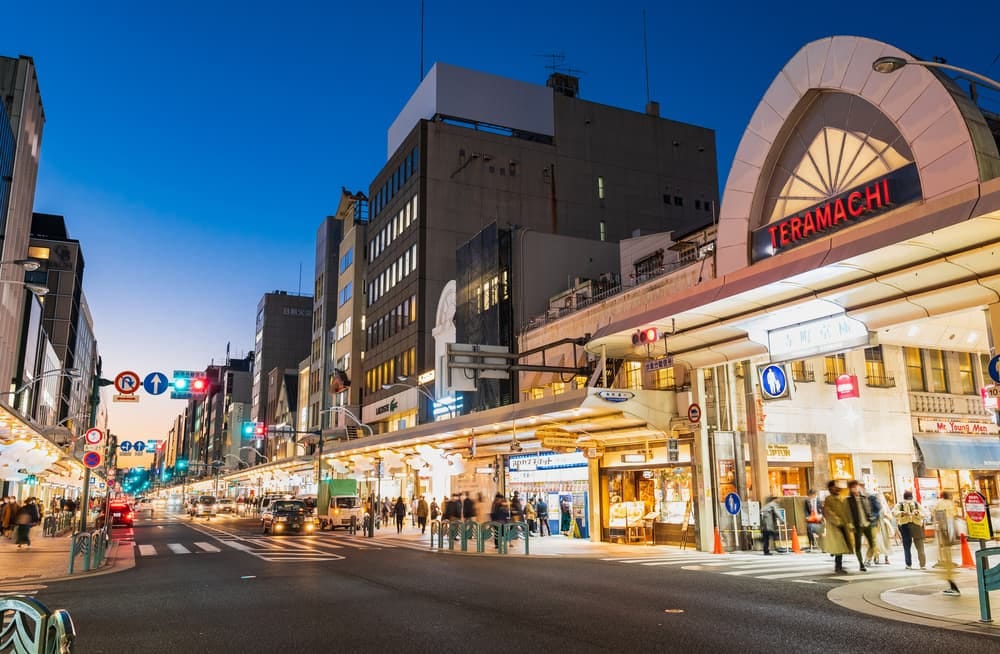
Karasuma and Shijo-Kawaramachi form the densest shopping core in central Kyoto, linking department stores such as Daimaru and Takashimaya with the Shinkyogoku and Teramachi arcades. You can easily fill a half day to a full day here.
Karasuma-Shijo: The Crossroads of Kyoto Shopping
The intersection of Karasuma-dori and Shijo-dori is the heart of Kyoto shopping. The Subway Karasuma Line’s Shijo Station and the Hankyu Kyoto Line’s Karasuma Station meet here, and Daimaru Kyoto and the surrounding shopping streets are right outside the exits. The area is also Kyoto’s financial and business center, crowded by day and turning into an evening district of izakaya and dessert shops at night.
We suggest starting your shopping day at Karasuma-Shijo: browse the big department stores first, then walk east along Shijo-dori to Kawaramachi, and continue on to Shinkyogoku, Teramachi-dori and Nishiki Market. The route runs in a straight line with no backtracking, making it a good half-day to full-day shopping plan.
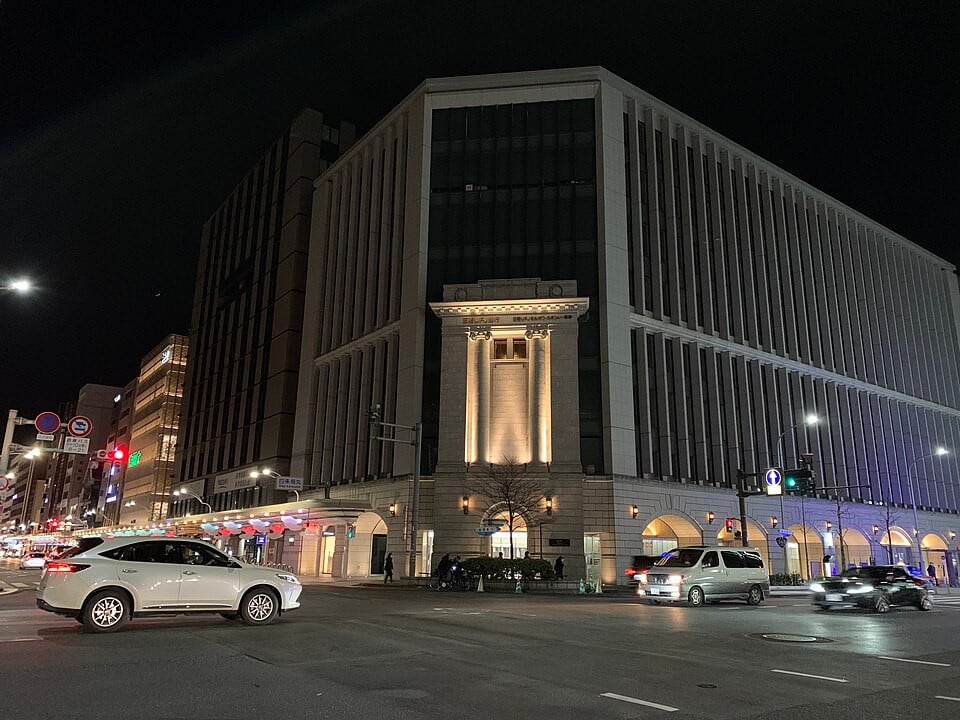
Hankyu Karasuma Station and Subway Shijo Station: How to Get Around Karasuma-Shijo
Hankyu Kyoto Line’s Karasuma Station and the Kyoto Municipal Subway Karasuma Line’s Shijo Station are connected by an underground passage, and together they are the main starting point for exploring Karasuma-Shijo. Daimaru Kyoto is about a 1-minute walk from Hankyu Karasuma Station and about 2 minutes from Subway Shijo Station, with underground links from both, so you don’t have to go up to street level on rainy days. To head toward Kawaramachi, walk east along Shijo-dori at street level, passing the Shinkyogoku shopping street and Teramachi-dori on the way.
Shijo-dori: The Shopping Artery Linking Department Stores and Arcades
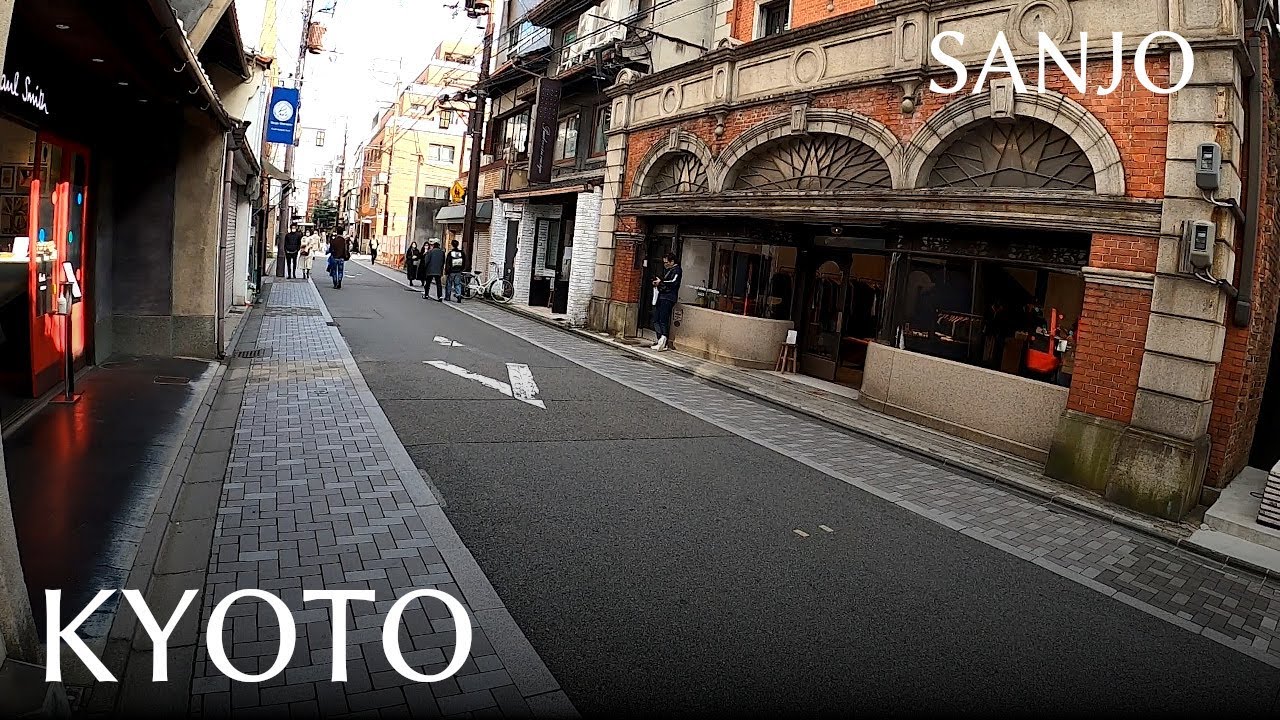
Shijo-dori is the most important east-west shopping boulevard in central Kyoto, running from Karasuma-dori to Kawaramachi and Gion. Along the way you’ll find Daimaru Kyoto, Fujii Daimaru, many drugstores and flagship fashion stores, earning it the name “Shijo famous-shop street.” The sidewalks are wide and covered by arcade awnings, so shopping is comfortable even in the rain, which makes it ideal for a walking shopping route.
Along the way you can also drop by the traditional machiya townscape of Gion and Hanamikoji, combining modern department-store shopping with the atmosphere of the old capital. It is one of the few golden stretches in Kyoto that satisfies both shopping and sightseeing needs, and most visitors pass through it when planning their trip.
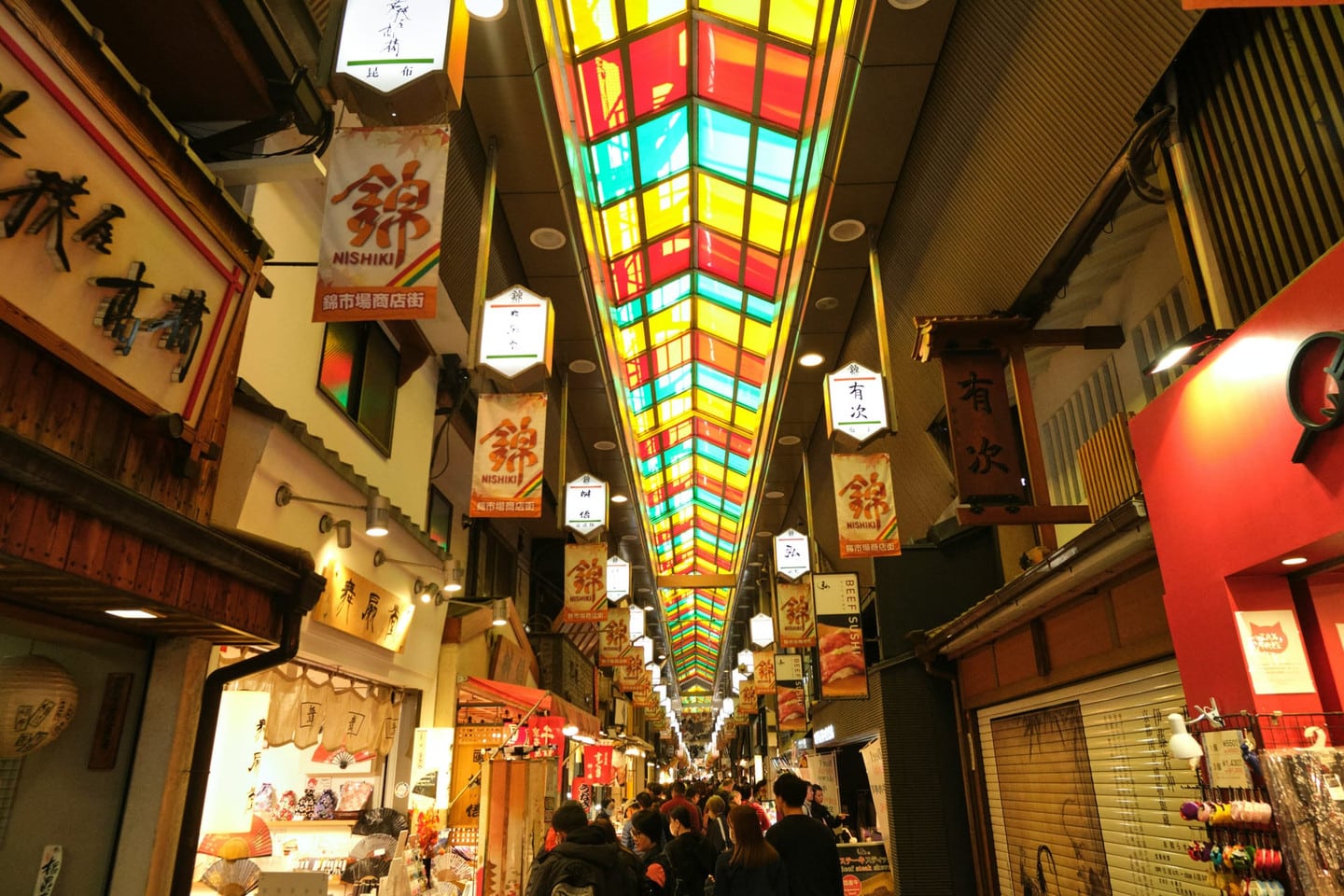
Around Kyoto Station: The First Stop for Souvenirs and Electronics
Kyoto Station brings together Porta underground mall, The Cube, JR Kyoto Isetan and Bic Camera, making it the most convenient first shopping stop after arriving in Kyoto, especially for travelers with a lot of luggage who want to buy all their souvenirs in one place. Navigation inside the station is clear, with signs in Chinese and English, which is very friendly to first-time visitors.
Because it is close to the Shinkansen platforms and the airport bus stops, this is also the best place to pick up last-minute souvenirs before leaving Kyoto. Opening hours are usually extended to 9 p.m. to match station foot traffic, later than ordinary shops in the city center.
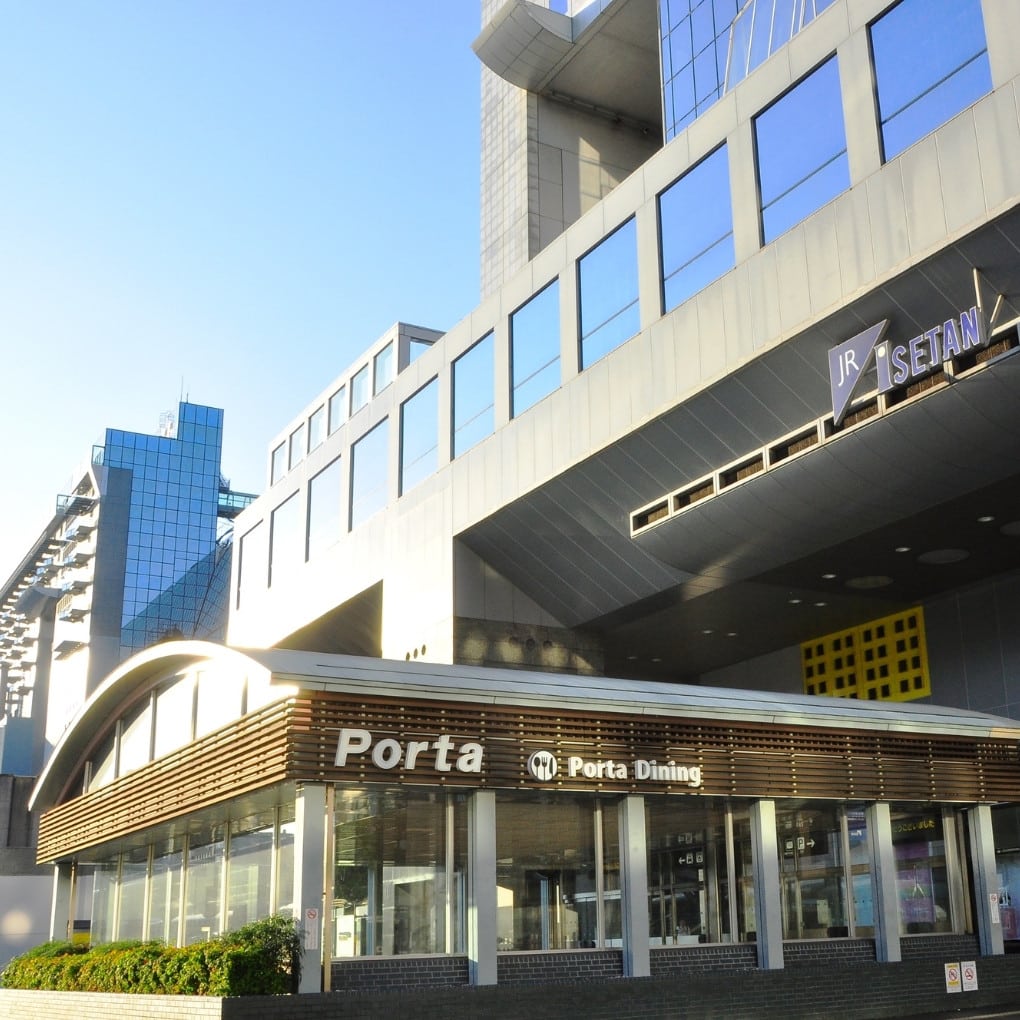
Shinkyogoku Shopping Street: Japan’s Second-Oldest Covered Arcade
Shinkyogoku is the second-oldest covered arcade shopping street in Japan, about 500 meters long and lined on both sides with drugstores, souvenir shops, budget clothing stores and temples. The density of shops is very high, and it is a favorite route for both young people and tourists. The street is roofed and unaffected by the weather, so it works well on a rainy-day itinerary.
The street also preserves several century-old shops and small shrines, letting you feel local religious culture as you shop. It is one of the Kyoto shopping streets with the strongest everyday-life feel, and many shops stay open after 7 p.m., so it suits a post-dinner stroll and shopping.
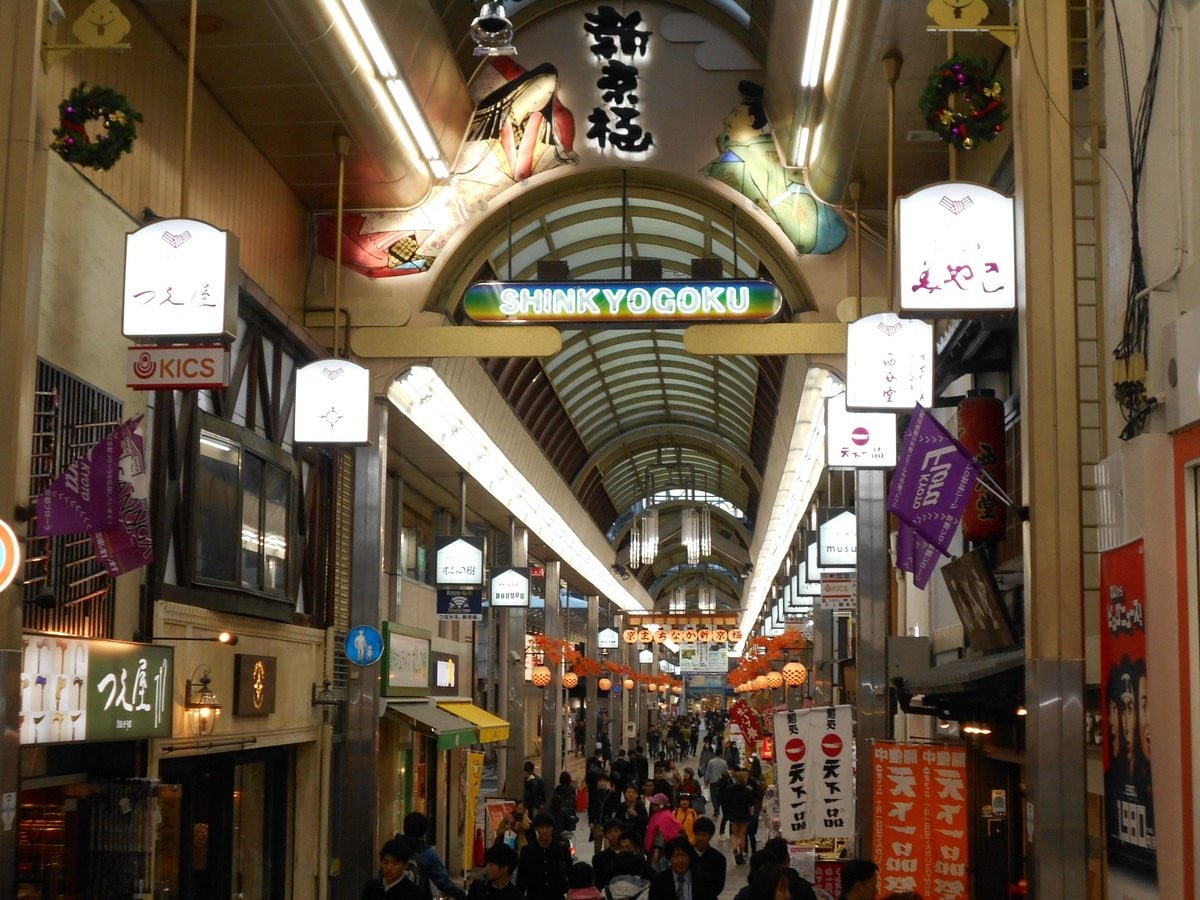
Teramachi-dori: A Century-Old Arcade Parallel to Shinkyogoku
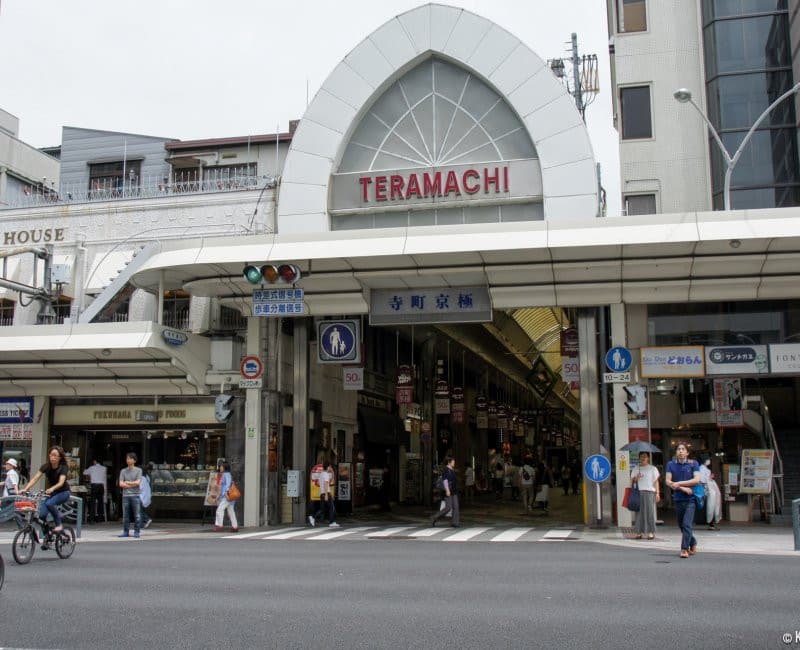
Teramachi-dori runs almost parallel to Shinkyogoku, separated by just one alley, so when you get tired you can cut back and forth to compare prices. The shops on Teramachi-dori are more artsy and refined than those on Shinkyogoku, with many stationery shops, select shops and long-established wagashi confectioners, which makes it a good place to look for quality souvenirs.
The name “Teramachi” (temple town) comes from the history of temples that once lined the street. Although it has since become a shopping street, you can still see surviving old temple gates on some corners, and this blend of old and new is the street’s greatest charm.
Daimaru Kyoto: The Century-Old Department Store That Represents Kyoto
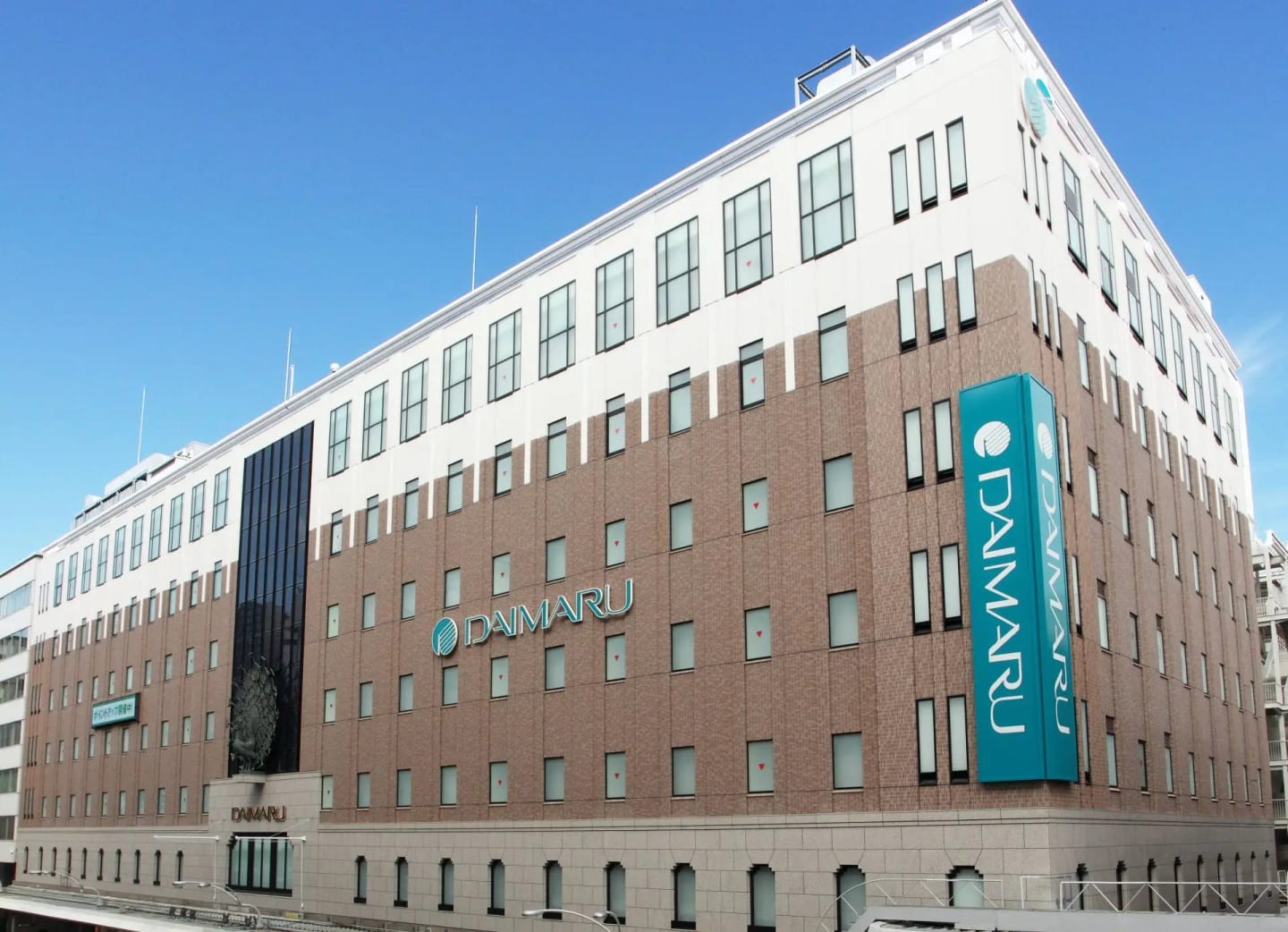
Daimaru Kyoto was founded in the Edo period and is Kyoto’s most representative century-old department store. Its B1 food floor gathers matcha sweets, Kyoto pickles and popular bento, making it the top choice for buying high-quality souvenirs. The store has a tax-free counter for foreign visitors, and the refund process is centralized and efficient, so you can settle several purchases at once.
Opening hours are 10:00 to 20:00 for basement 2 through the 2nd floor and until 19:00 for floors 3 to 7. It is about a 1-minute walk from Hankyu Kyoto Line Karasuma Station and about 2 minutes from Subway Karasuma Line Shijo Station, both with underground connections, and after shopping you can walk on to Shijo-dori and Shinkyogoku.
Takashimaya Kyoto: A Luxury Landmark with a Full Brand Lineup
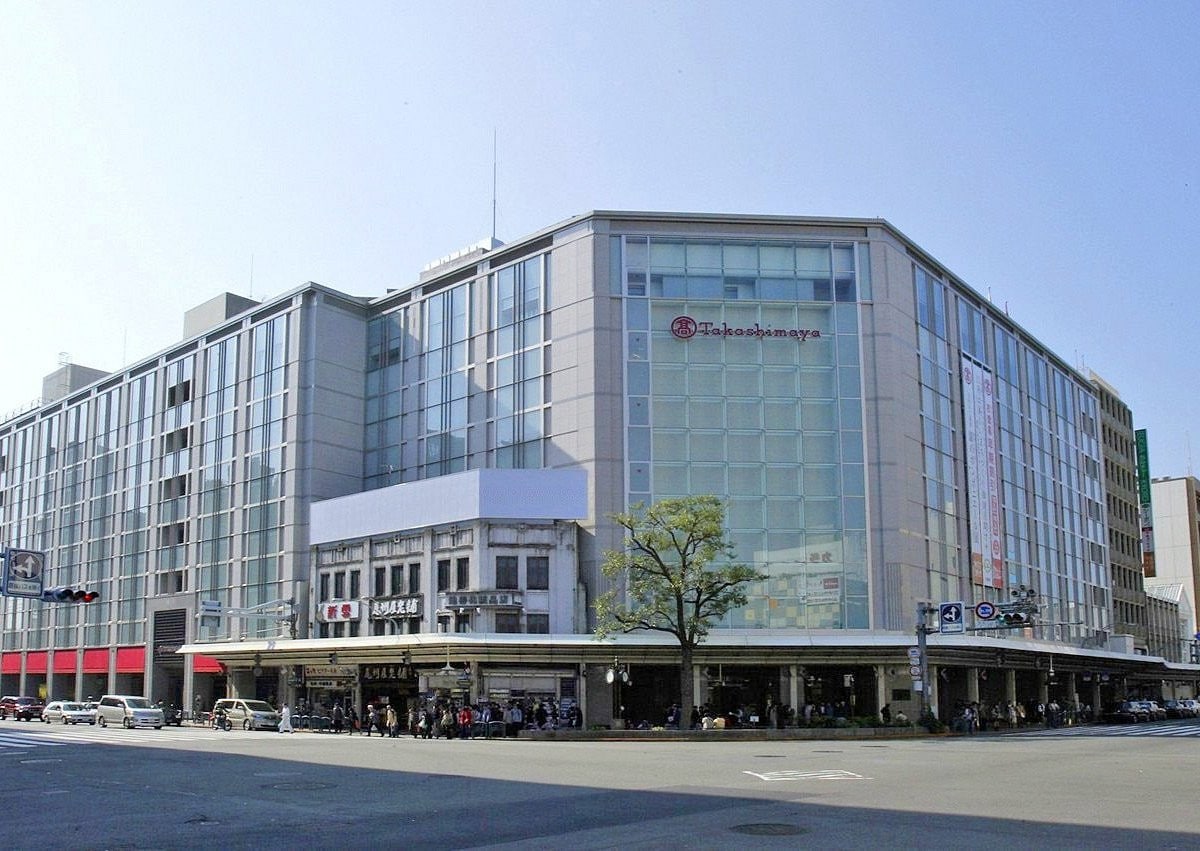
Kyoto Takashimaya is known for its luxury fashion and cosmetics floors, with one of the most complete brand lineups in central Kyoto. It also has the attached Takashimaya S.C. annex, which widens the choice of food and lifestyle goods. The restaurant floors are handy for a rest and a meal when you get tired of shopping.
Opening hours are about 10:30 to 20:00 (floors and restaurants vary slightly). It connects directly to Hankyu Kyoto-Kawaramachi Station, so it is right outside the exit, making it one of the most conveniently accessible department stores in the Shijo-Kawaramachi area and a must-visit landmark for luxury fans.
JR Kyoto Isetan: A Station-Connected Department Store for Food and Fashion
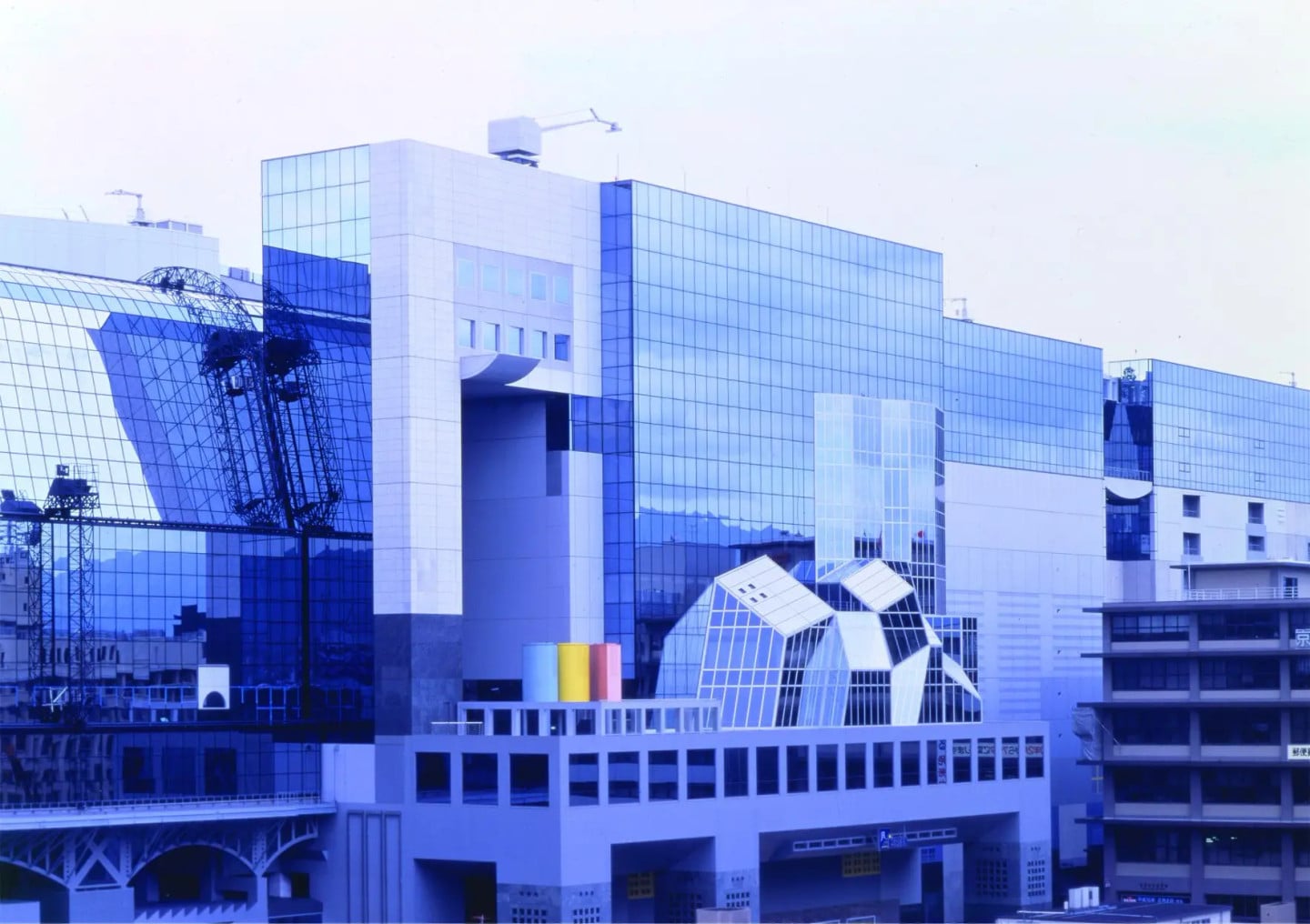
JR Kyoto Isetan shares a building with Kyoto Station and can be reached on foot from the Shinkansen platforms. The B1 food hall is the most popular part, and on the 10th floor of the same Kyoto Station building is “Kyoto Ramen Koji,” the best choice for eating and shopping before or after a train ride. The upper floors cover international luxury and Japanese designer brands.
It is open 10:00 to 20:00, and the 11th-floor restaurant street is open 11:00 to 22:00. For travelers taking a late Shinkansen, it is an ideal place to stock up and eat one last time before leaving Kyoto.
Fujii Daimaru: A Trendy Select-Shop Department Store
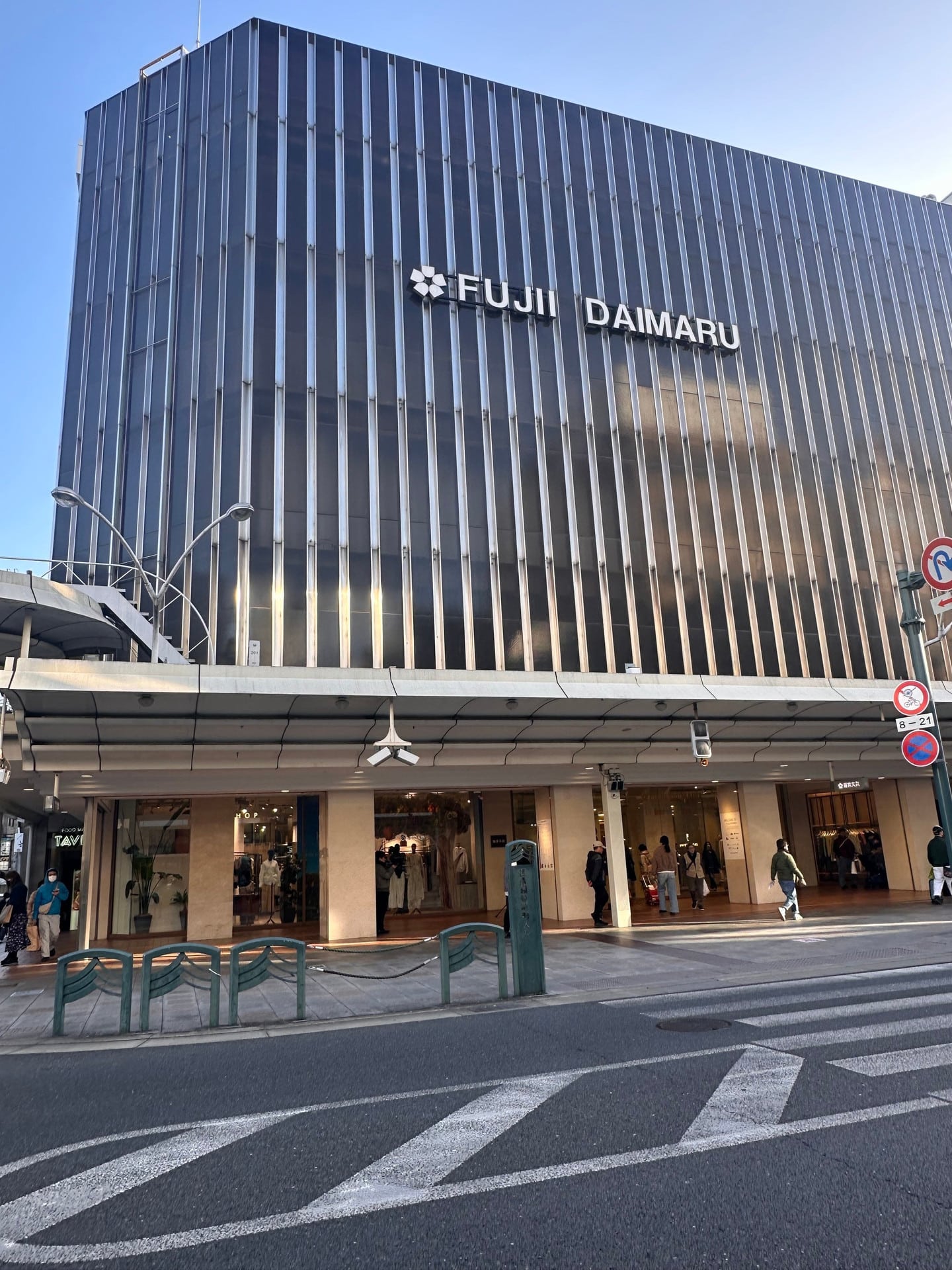
Fujii Daimaru is near the intersection of Shijo-dori and Teramachi-dori and is known for its carefully chosen Japanese and international young brands. Its products lean artsy and trendy, in contrast to the established character of Daimaru and Takashimaya, and it is popular with young locals. The store also has floors of quality select goods and lifestyle items.
The main building has been closed entirely since May 6, 2026 for reconstruction due to aging of the structure, and is expected to reopen around 2030. Some brands have moved to nearby locations and continue to operate, so please check the latest status before visiting to avoid a wasted trip.
Nishiki Market: Kyoto’s Kitchen
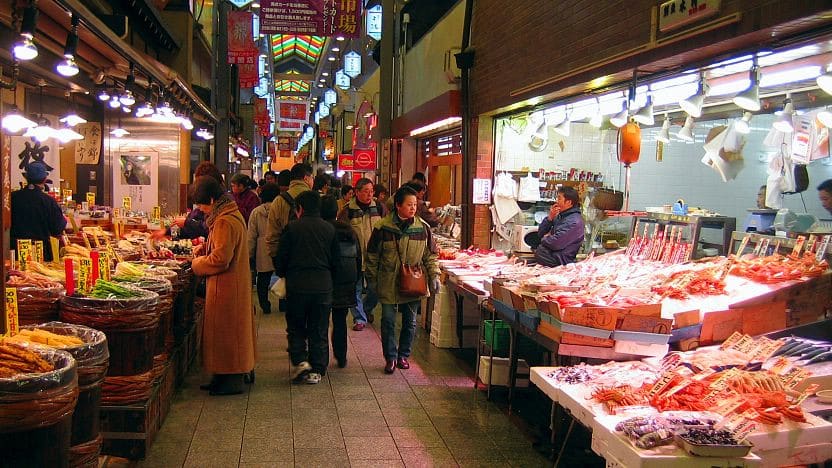
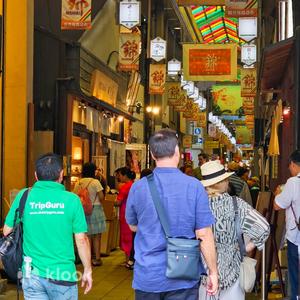
Nishiki Market has a history of more than 400 years and is known as “Kyoto’s kitchen.” The arcade is about 390 meters long, with roughly 130 fresh-food, dried-goods and prepared-food shops on both sides, where you can buy Kyoto-only ingredients such as fresh pickles, tamagoyaki and fu (wheat gluten). Eating while walking is not allowed in the market; you need to eat in the area designated by each shop.
Most shops are open from about 10:00 to 18:00, but hours and closing days vary by shop. We recommend going around midday so that you can find the full range of products.

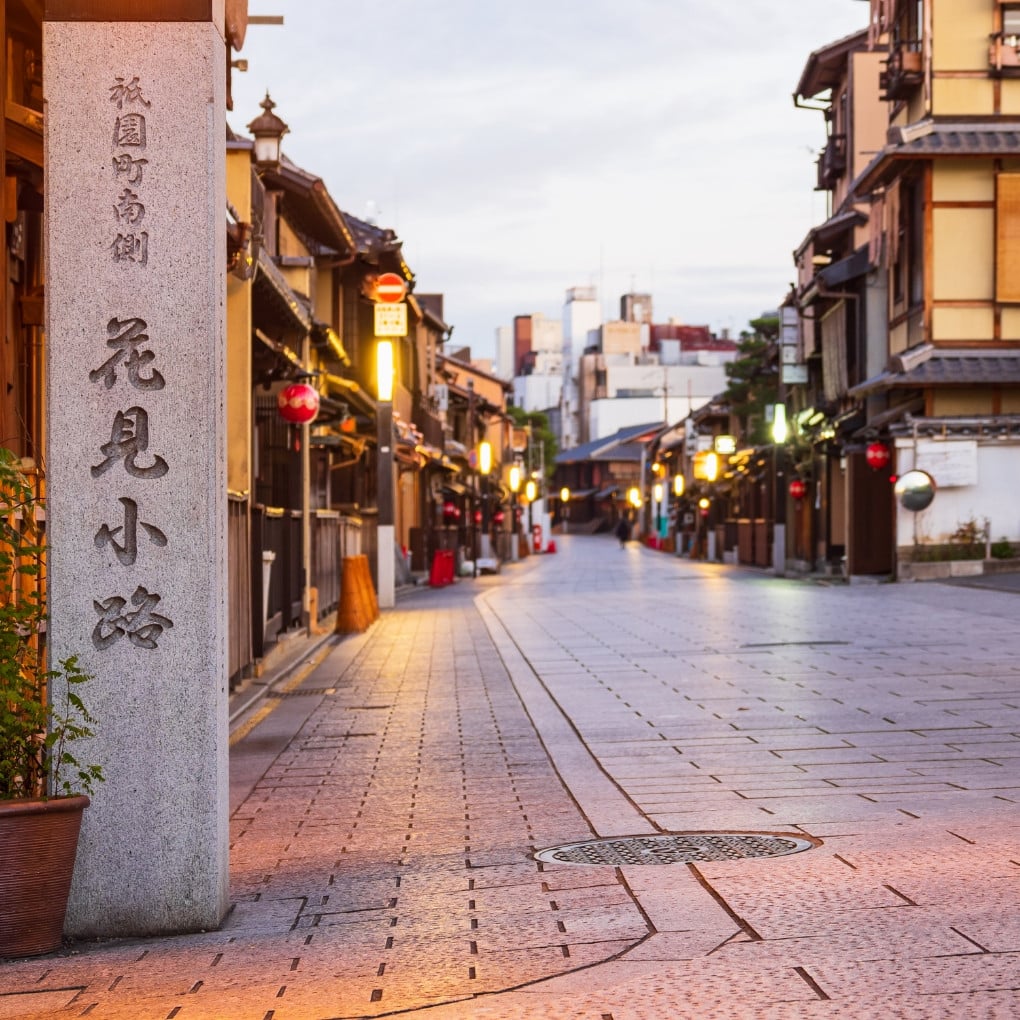
Gion Shopping Street and Hanamikoji: Traditional Machiya Shopping
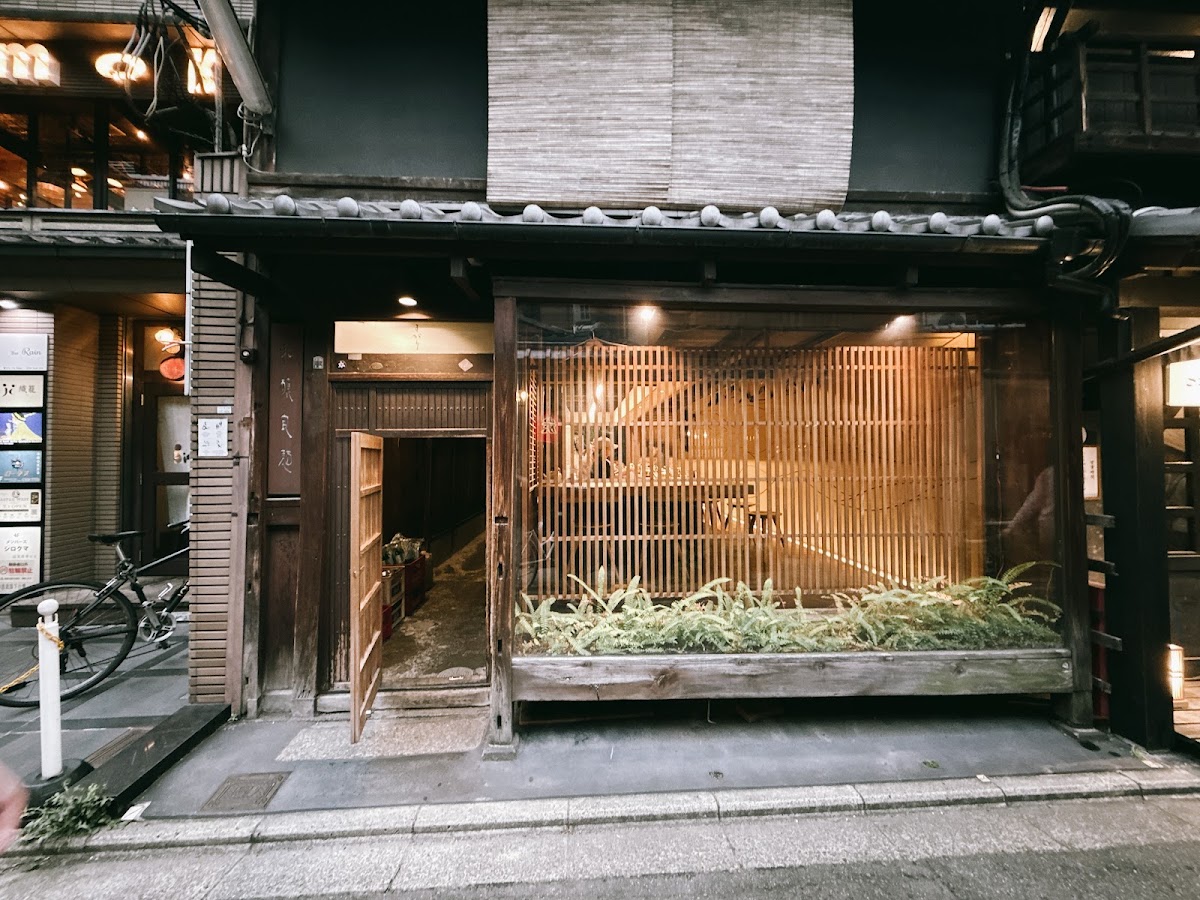
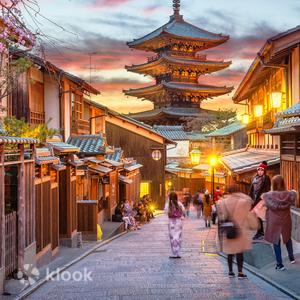
Gion Shopping Street and Hanamikoji are known for their stone-paved lanes and traditional machiya buildings. Besides teahouses and ryotei restaurants, the street hides many old shops selling Kyo-yuzen small goods, folding fans and Japanese-style sundries, making it a good place to look for souvenirs with a Kyoto artisan feel.
This area preserves Kyoto’s most complete geisha-district landscape, and in the early evening you may occasionally spot geiko and maiko out and about. Besides shopping, it is an excellent route for photos and strolling, and we recommend visiting in the early evening for the best atmosphere.
Furukawacho Shopping Street: A Showa-Era Neighborhood Arcade
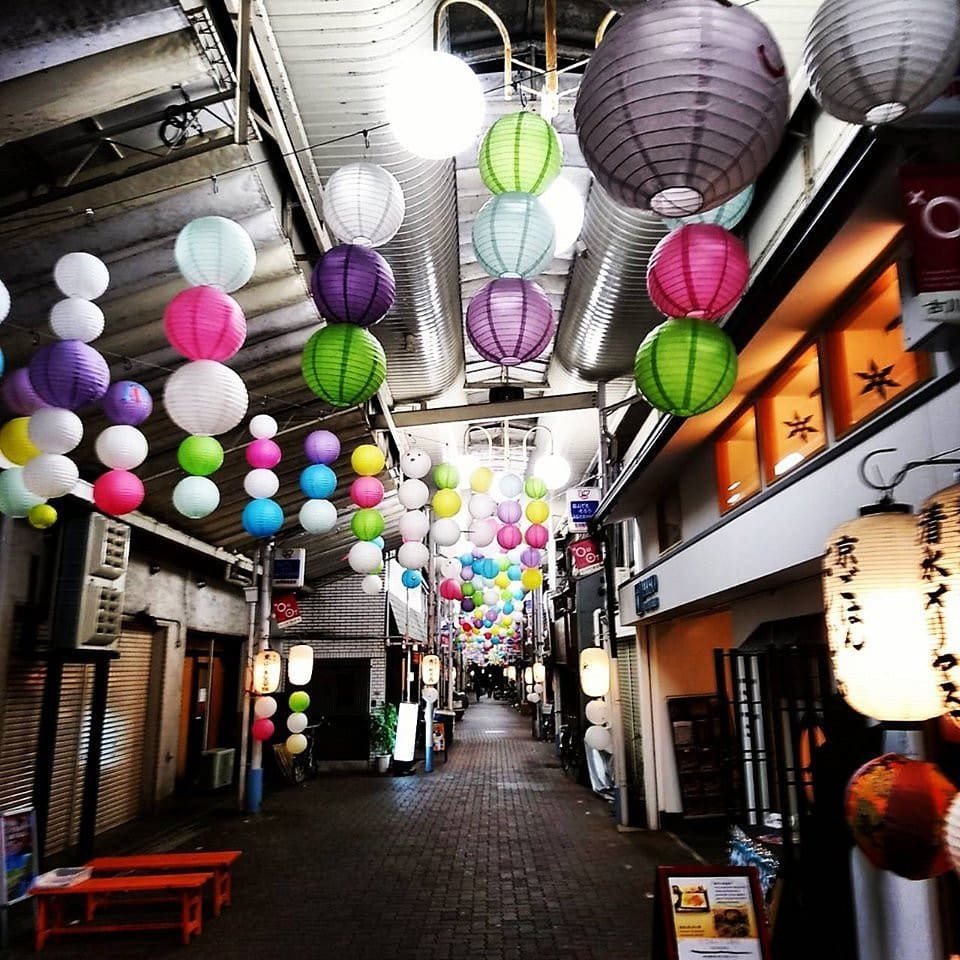
Furukawacho Shopping Street sits right above Higashiyama Station on the Tozai Line. The arcade is about 250 meters long with about 35 shops, and it was once the end of the “Saba Kaido” (Mackerel Road) that carried Wakasa seafood into Kyoto, earning it the nickname “Kyoto’s eastern kitchen.”
Today it is mainly butchers, prepared-food shops and florists, and about 1,000 pastel lanterns hang inside the arcade, creating a retro yet colorful atmosphere. It is near Heian Shrine, so it is easy to fit in while strolling around Higashiyama.
How to Get to Karasuma: A Complete Guide to Transport and Costs
The Karasuma area is in the center of Kyoto and is an important hub where the Kyoto Subway Karasuma Line meets the Hankyu Kyoto Main Line. Whether you start from Kansai International Airport, Osaka, Kobe or Kyoto Station, you can get there easily by several means of transport.
How to Get to Karasuma at a Glance
🚇 Kyoto Municipal Subway Karasuma Line: about 4 minutes from Kyoto Station for ¥220, with frequent trains. A ¥800 one-day pass also gives unlimited rides on the Karasuma and Tozai Lines.
🚃 Hankyu Kyoto Main Line: about 40-plus minutes by limited express from Osaka-Umeda. The terminus, Kawaramachi Station, is only one stop from Karasuma Station.
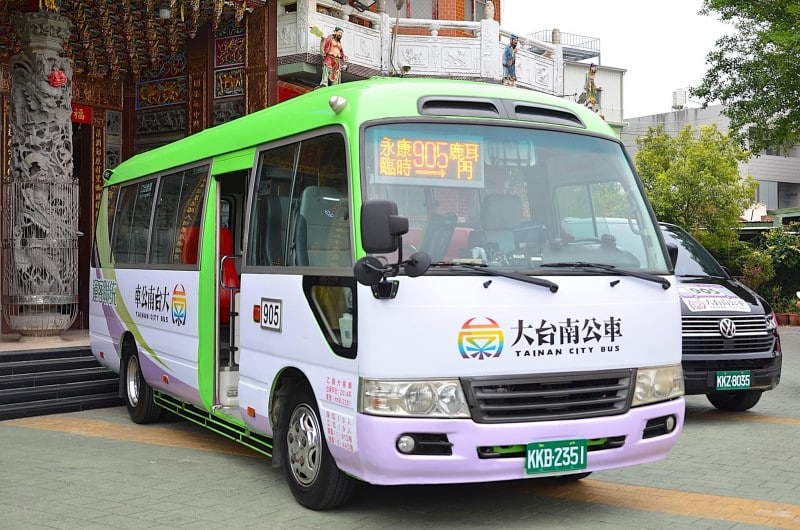
🚌 City bus: routes such as 5, 17 and 205 take about 15-20 minutes at a flat ¥230 fare, reaching back-alley shops the subway doesn’t serve directly.
🚕 Taxi: about 10 minutes from Kyoto Station, with a fare of about ¥1,200-1,500, suitable when you have a lot of luggage or travel late at night or early in the morning.


Must-See Shops Around Karasuma: A Complete Guide to Malls, Electronics and General Goods
Besides the big department stores and shopping streets, the Karasuma-Kawaramachi area hides several multi-use malls, electronics stores and buzzworthy brands that are essential for deeper shopping.
Kawaramachi OPA: A Landmark for Young Fashion
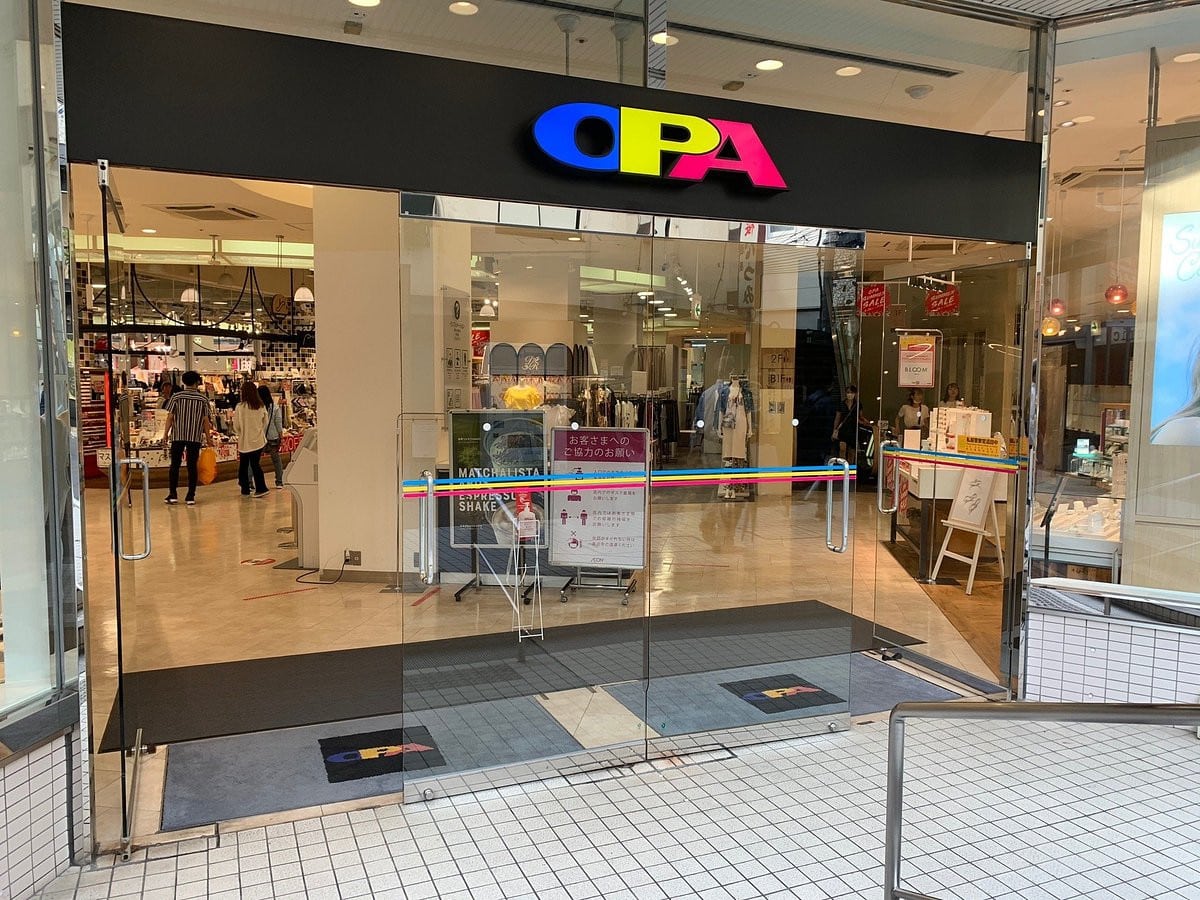
Kawaramachi OPA focuses on young fashion and beauty brands. Its compact floor plan lets you catch the season’s trending items in one loop, and it is a popular weekend meeting spot for young Kyoto people. The building also has several budget-friendly restaurants and dessert shops for refueling between stops.
It is open 11:00 to 20:00 and sits at the intersection of Shijo-dori and Kawaramachi-dori in an excellent location. After shopping you can walk straight to the Shinkyogoku shopping street, so the route connects smoothly.

Kyoto BAL: A High-Quality Select-Shop Building Renovated in 2015
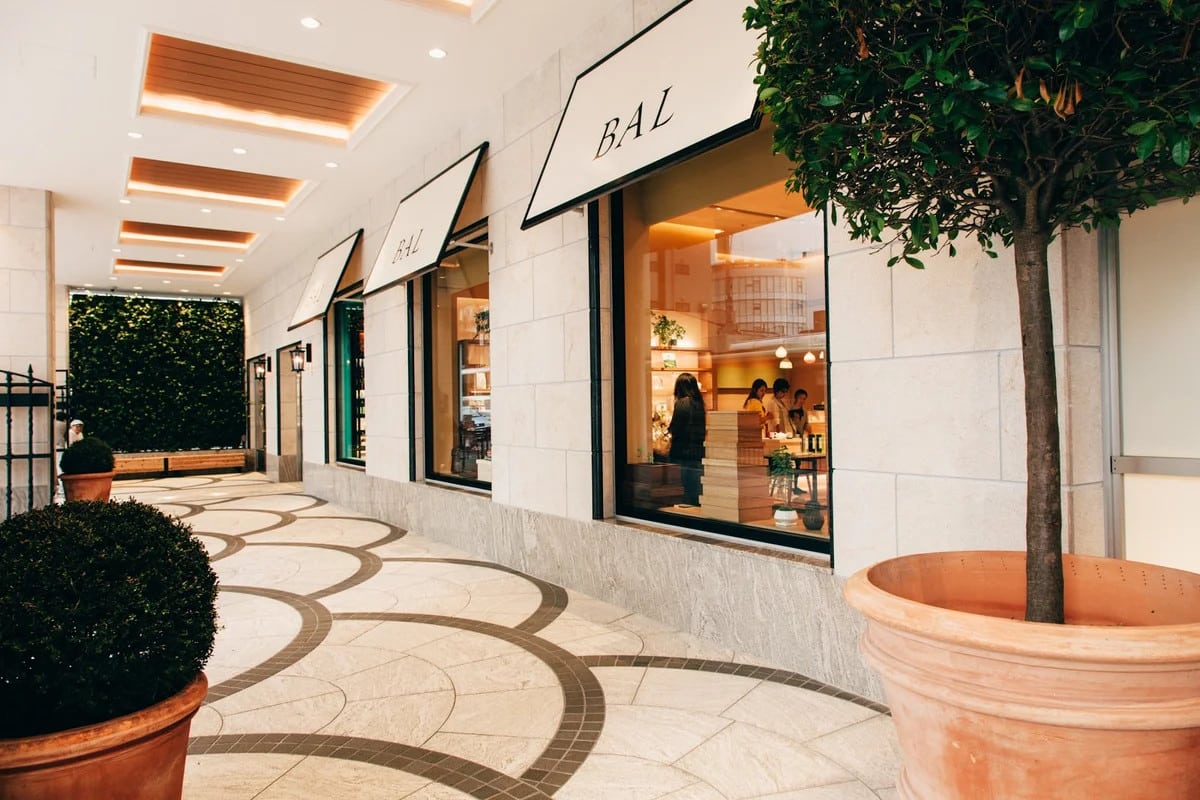
Kyoto BAL underwent a major renovation in 2015 and features a high-quality, strongly design-oriented mix of brands. The interior is simple and modern, quite different from the mood of the older department stores nearby. The Starbucks Kyoto BAL store on B1 decorates its walls with works by local young artists and has become a photo hotspot.
It is open 11:00 to 20:00 on Kawaramachi-dori, near Hankyu Kyoto-Kawaramachi Station, and is a must-visit for travelers who like Japanese select shops and designer brands.
Shinpukan: A Hip Mall in a Former Telephone Office
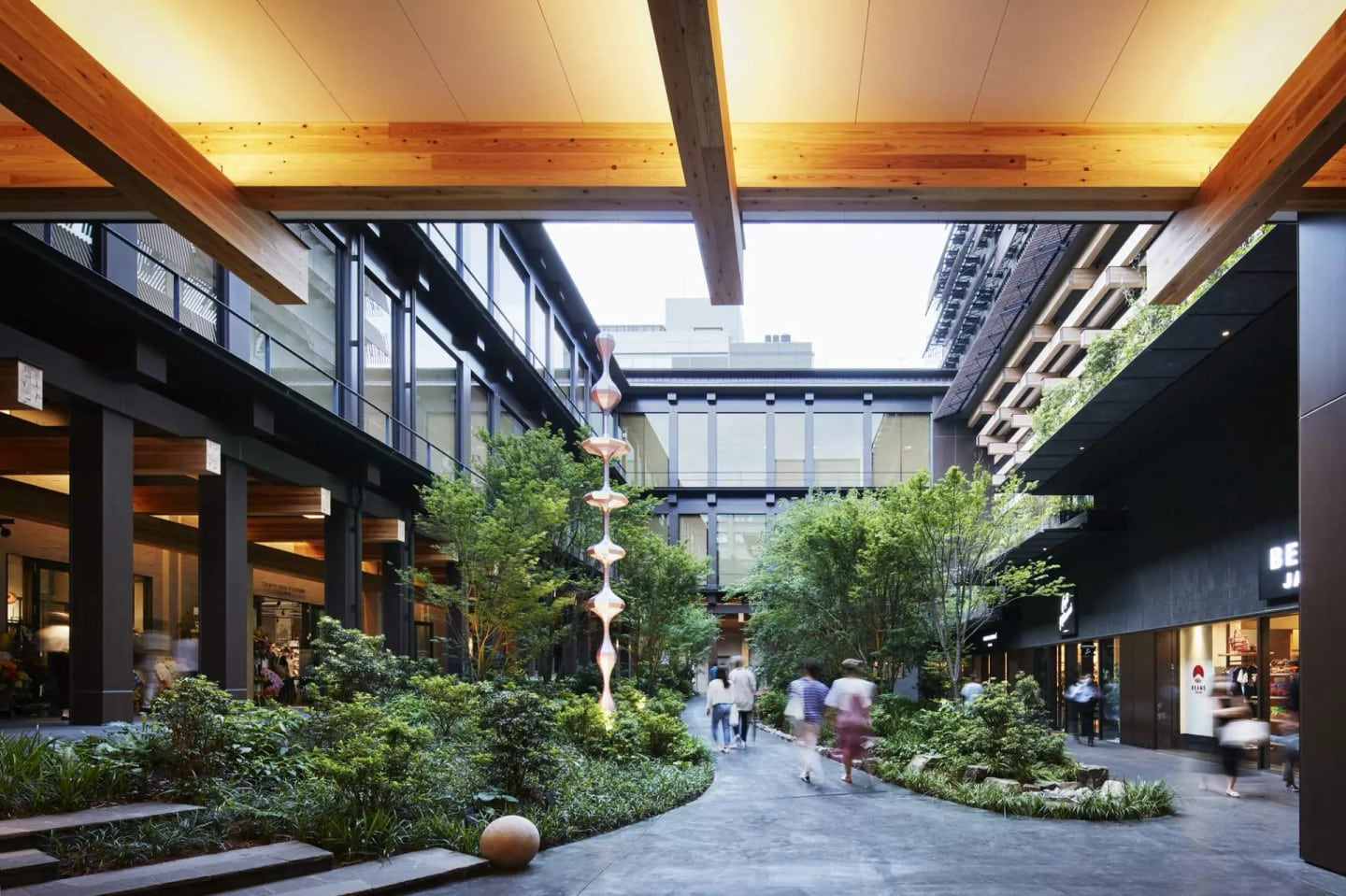
Shinpukan was formerly the Kyoto Central Telephone Office built in 1926 (with an addition in 1931). After renovation it kept its original red-brick exterior and courtyard, and it now houses Ace Hotel Kyoto and an independent art cinema. Its atmosphere is quite different from an ordinary department store, and it is a favorite of artsy travelers.
Most shops inside are select shops and cafes, with hours that vary by shop, mostly between 11:00 and 20:00. The courtyard often hosts markets and pop-up events, so we recommend checking in advance whether there is a special event on the day you visit.
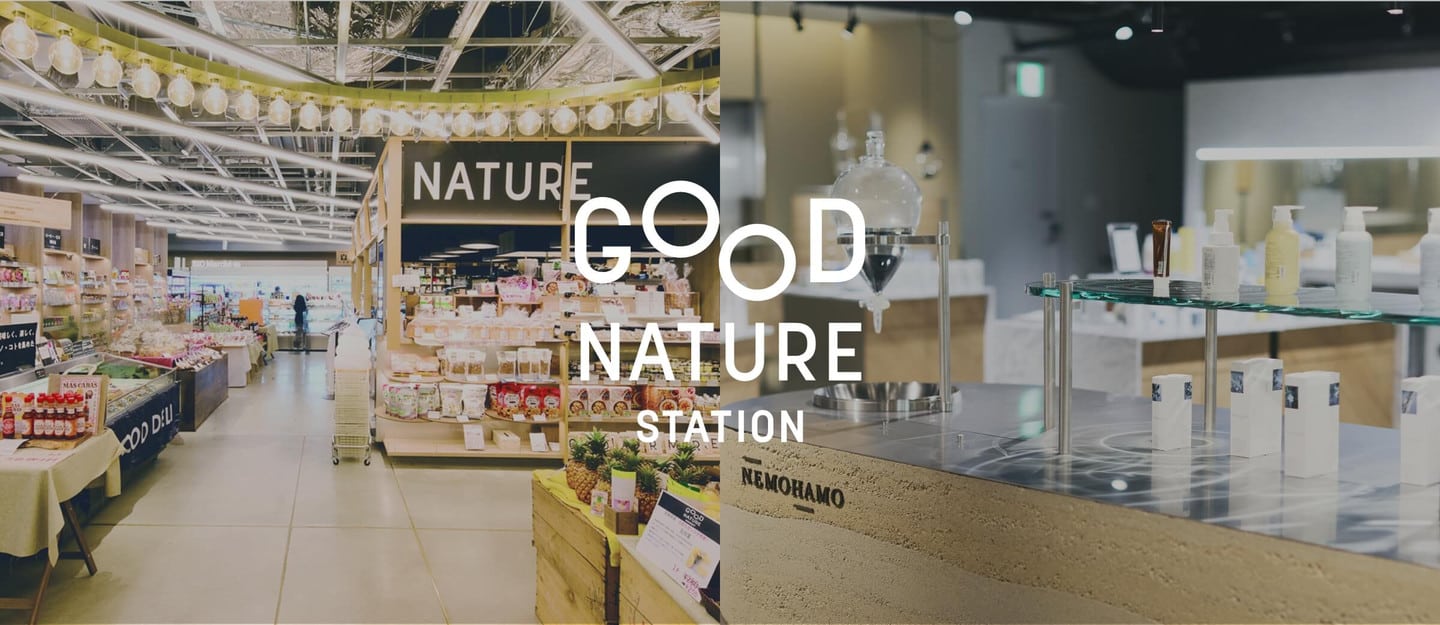
GOOD NATURE STATION: An Organic Lifestyle Complex
GOOD NATURE STATION emphasizes an organic, sustainable lifestyle, combining an organic supermarket, select shops and a sensory-experience restaurant, which suits travelers who like healthy eating and eco-friendly ideas. The facility is right next to Hankyu Kyoto-Kawaramachi Station, so access is very convenient.
It is open about 10:00 to 21:00 and also has hotel floors, which suit travelers who want to stay a night near the shopping district and soak up local life.
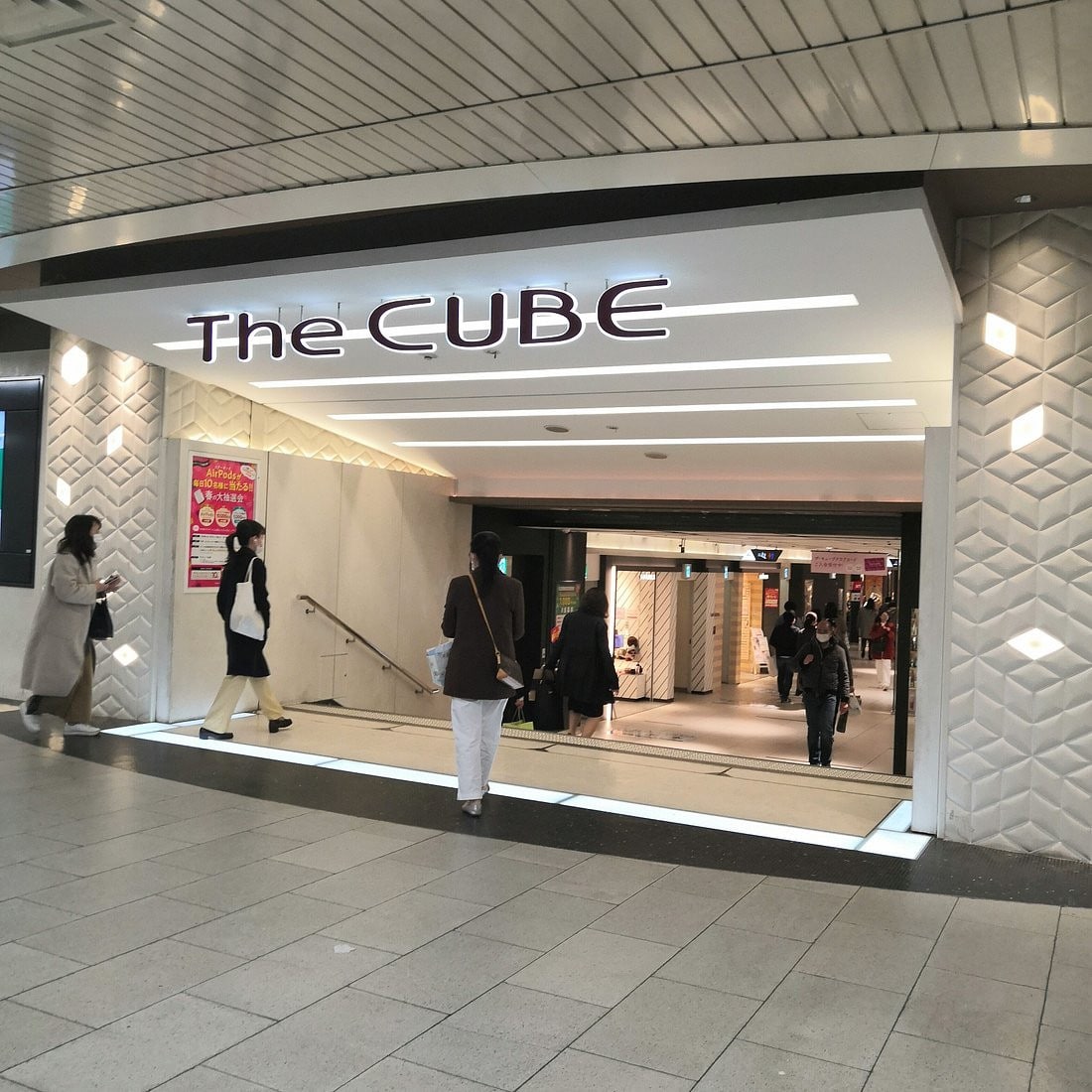
The Cube: A One-Stop Fashion and Food Mall Inside Kyoto Station
The Cube is on the Hachijo exit side of Kyoto Station and combines fashion, souvenirs and a food street. It is a convenient place to stock up and eat before or after a train ride, and the layout connects smoothly with the Shinkansen platforms, so moving a suitcase is easy.
Hours vary slightly by floor: about 10:00 to 20:00 on the retail floors, extended to 22:00 on the dining floors, making it good for last-minute shopping and dinner before a late Shinkansen.
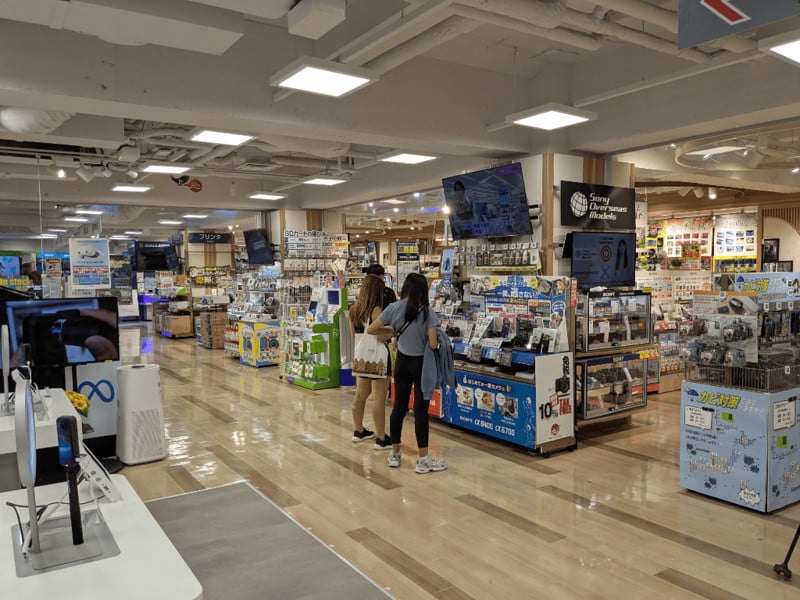
EDION Kyoto Kawaramachi Main Store: The Top Choice for Electronics
EDION Kyoto Kawaramachi Main Store is one of the largest electronics chain stores in the city, with everything from home appliances and small beauty gadgets to rice cookers. Most floors let you try products in person, so visitors can compare features and noise levels on the spot.
The store has a tax-free counter and multilingual staff. It is open about 10:00 to 21:00 (from 10:30 on weekdays) and connects directly to Exit 2 of Hankyu Kyoto-Kawaramachi Station. It is the first choice for popular souvenirs such as Japanese-made appliances and rice cookers, and there are often traveler-only offers on prices.
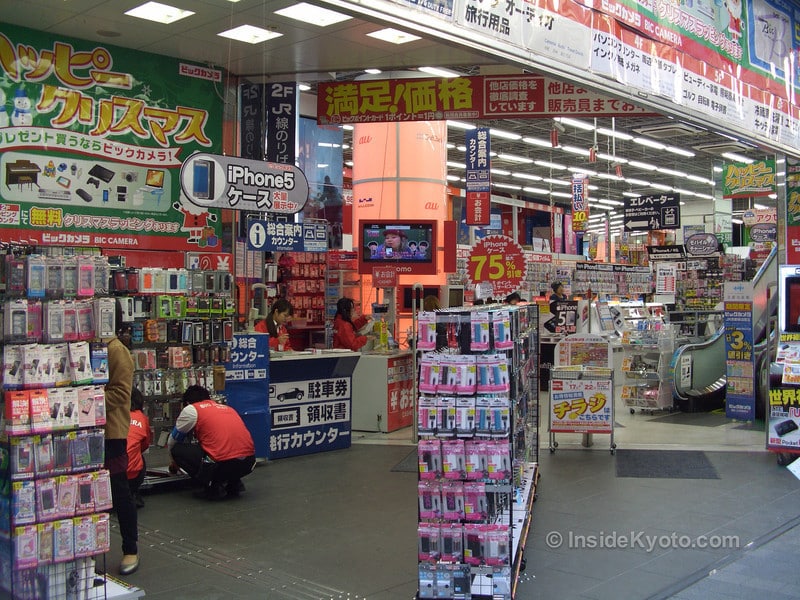
Bic Camera Kyoto: A Large Electronics Store Next to Kyoto Station
Bic Camera Kyoto is right next to Kyoto Station, with a product range covering cameras, electronics accessories and small beauty appliances. The floor layout is clear, which suits travelers with limited time who want to compare models and prices quickly. The store has a dedicated tax-refund counter with a quick process.
It is open 10:00 to 21:00, one hour later than most city-center electronics stores, so it works well on your last day, picking things up on the way back.
Kyoto Yodobashi: A Multi-Purpose Store Next to Kyoto Station
Besides electronics and gadgets, Kyoto Yodobashi includes a food street, a supermarket and a gashapon (capsule toy) zone. It is one of the few stores where you can shop for electronics and stock up on daily necessities at once, and it is also popular with locals, with a relatively affordable product selection.
It is open 9:30 to 22:00, one of the few large stores in central Kyoto that stays open until late, which suits a shopping trip at the end of your itinerary when your schedule is more flexible.
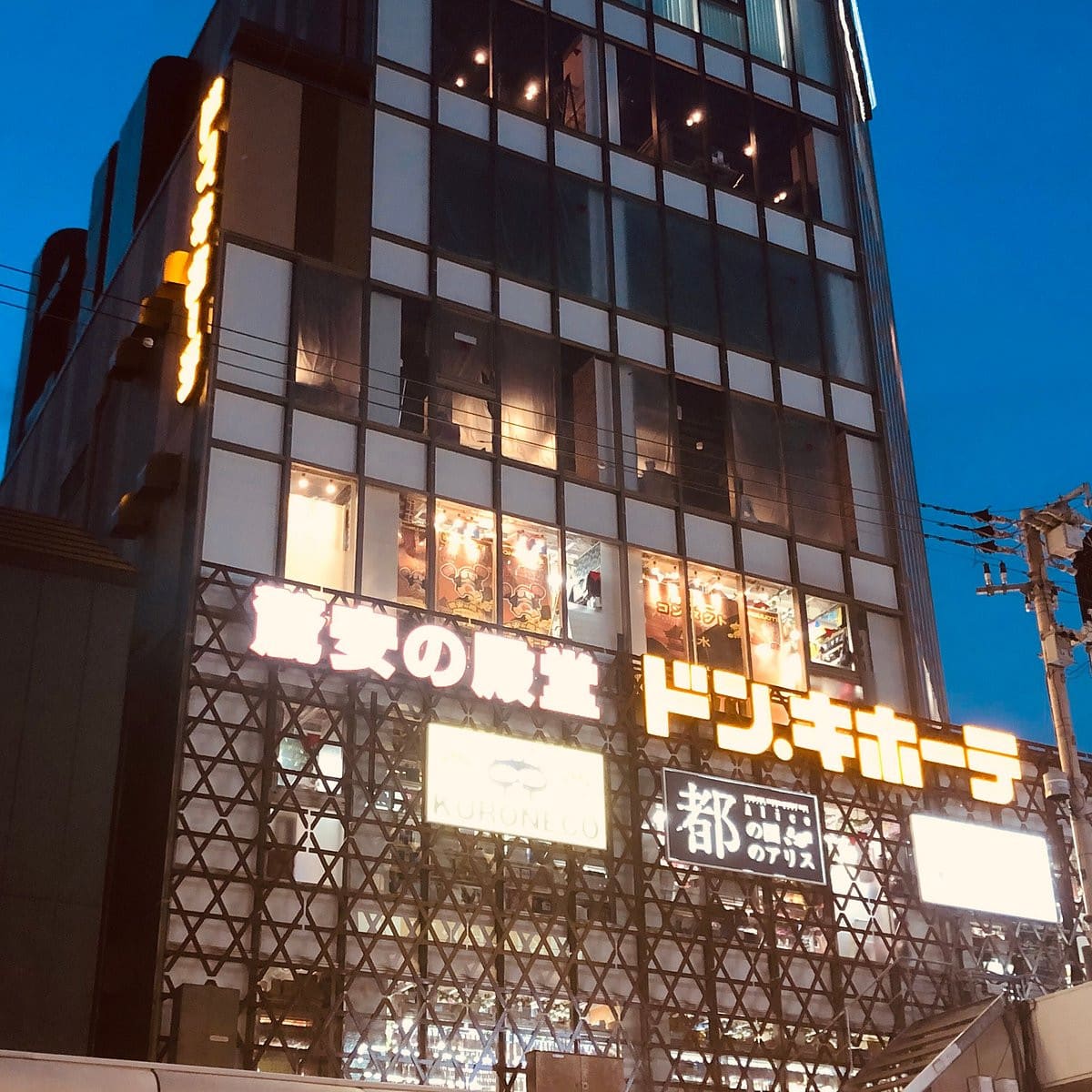
Don Quijote Kyoto Shijo-Kawaramachi: A Surprise Store Open Until 1 a.m.
Don Quijote Kyoto Shijo-Kawaramachi is open from 10:00 to 1:00 the next day, with a dazzling array of goods from snacks and drugstore items to quirky souvenirs. It is the best place for late-night shopping or a sudden snack craving, and prices are quite reasonable.
The store has multilingual signs and tax-free service for foreign visitors. From November 1, 2026, the tax-free system changes to a refund method; please follow the in-store notices for how to handle it. It suits concentrated shopping on your last night.
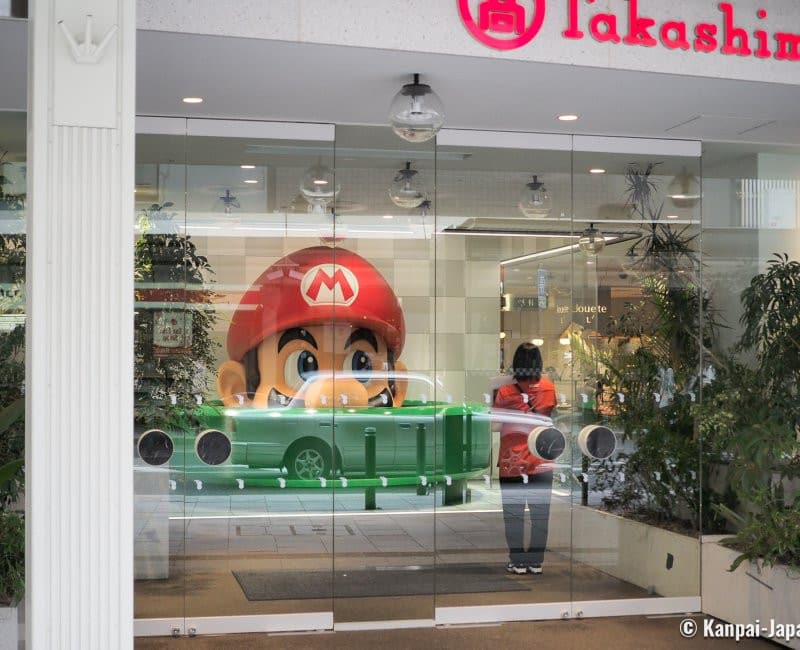
Nintendo KYOTO: Nintendo’s Official Flagship Store
Nintendo KYOTO is on the 7th floor of Kyoto Takashimaya S.C. and opened in October 2023 as Nintendo’s third directly operated store in Japan. It sells merchandise from franchises such as Mario and The Legend of Zelda, and some items are Kyoto-store exclusives that fans love.
Weekends are crowded, so we recommend going on a weekday. Please check the Kyoto Takashimaya website for opening hours.
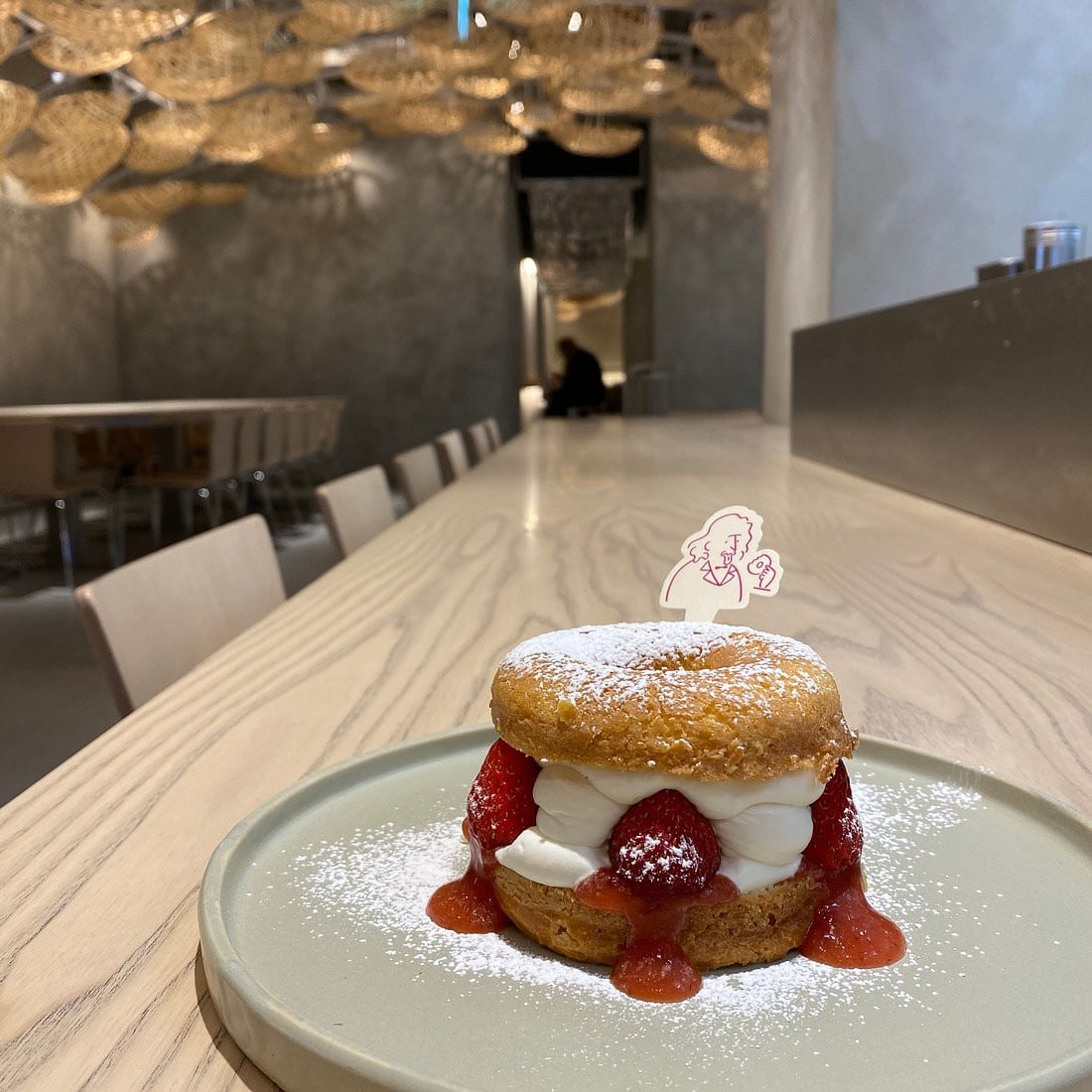
Koe Donuts Kyoto Shinkyogoku: The Buzzworthy Donut Shop Designed by Kengo Kuma
Koe Donuts was designed by the renowned architect Kengo Kuma. The shop creates a unique space with a dome structure woven from Kyoto Arashiyama bamboo, and it is a factory-in-store where you can watch the donuts being made, built around organic, natural and local ingredients.
It is on Shinkyogoku-dori; please check the official announcements for opening hours. It suits a rest stop while shopping, trying limited-flavor donuts with coffee.
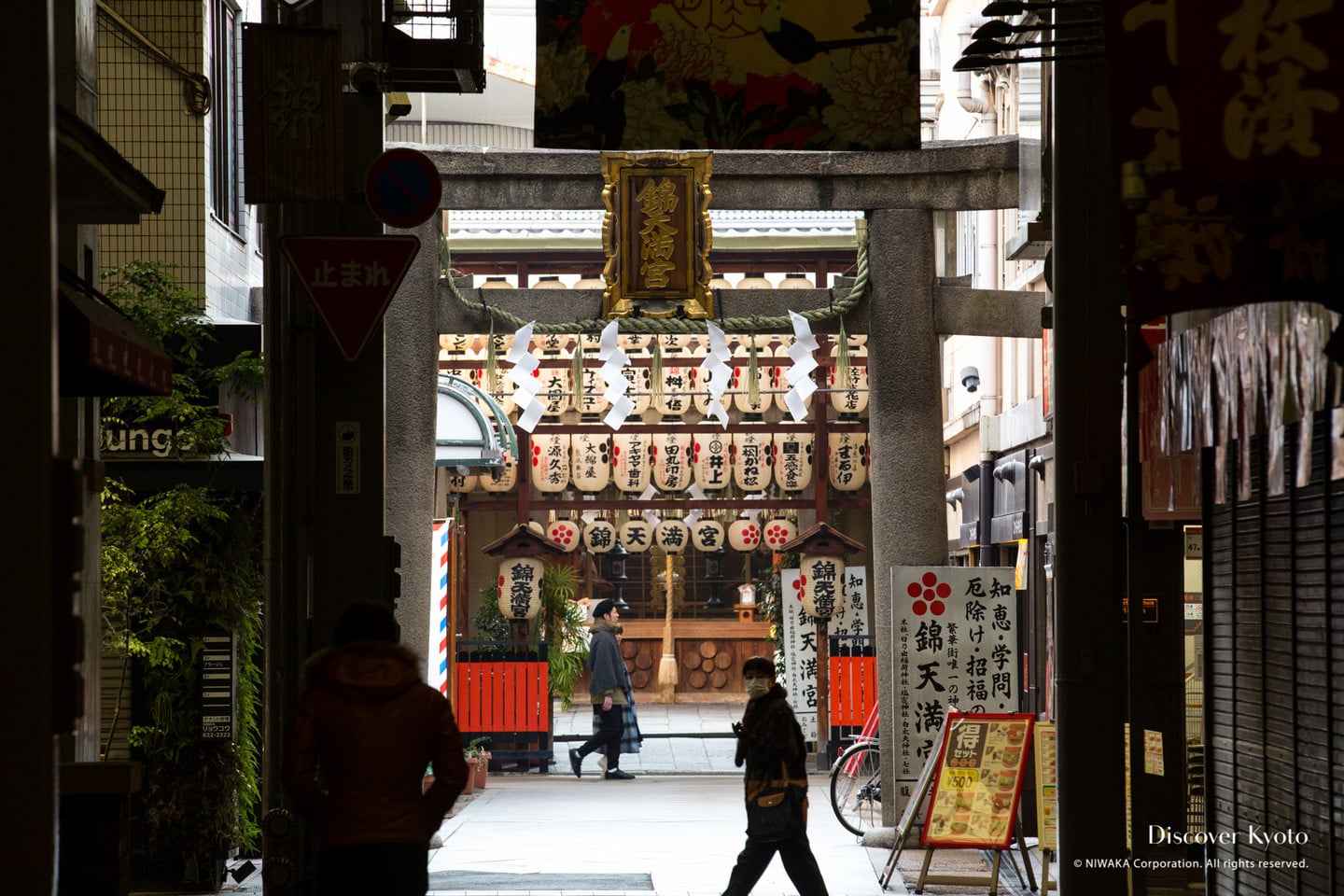
Nishiki Tenmangu: The God of Learning Hidden in a Shopping Street
Nishiki Tenmangu stands where the Shinkyogoku shopping street meets Nishiki Market and enshrines Sugawara no Michizane, the god of learning. Both ends of its torii gate are embedded directly into the shop buildings on either side, a rare shopping-street shrine landscape in Kyoto, and a place where many exam takers pray for success.
Omamori charms and goshuin stamps are available on the grounds. The shrine is small but busy with worshippers, and a stop to pray while shopping takes only 5 to 10 minutes, making it an easy cultural experience to slip into your itinerary.
Karasuma Shopping Experiences and Add-On Tours
Besides free-roaming shopping, you can use tickets and experience tours to make your Kyoto shopping trip save more time and money.
Kyoto Drugstore and Beauty Coupon Bundle: Claim Discounts Before You Go
Most drugstore chains such as Matsumoto Kiyoshi, SUNDRUG and Daikoku Drug offer coupons you can download from their websites or apps. Show the phone screen for an extra discount, which can be combined with tax refunds. We recommend claiming them on each brand’s website before you leave.
Because discounts differ from store to store, if your route passes several drugstores, compare prices briefly and save high-priced items for the branch with the biggest discount, which can save you quite a bit.


Where to Stay Nearby
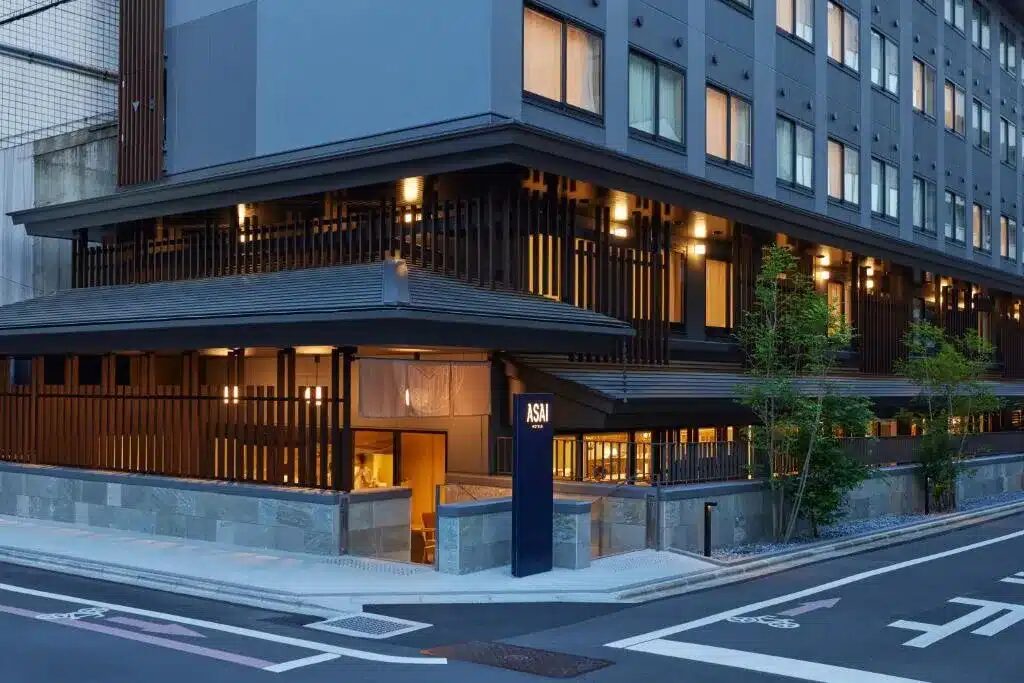
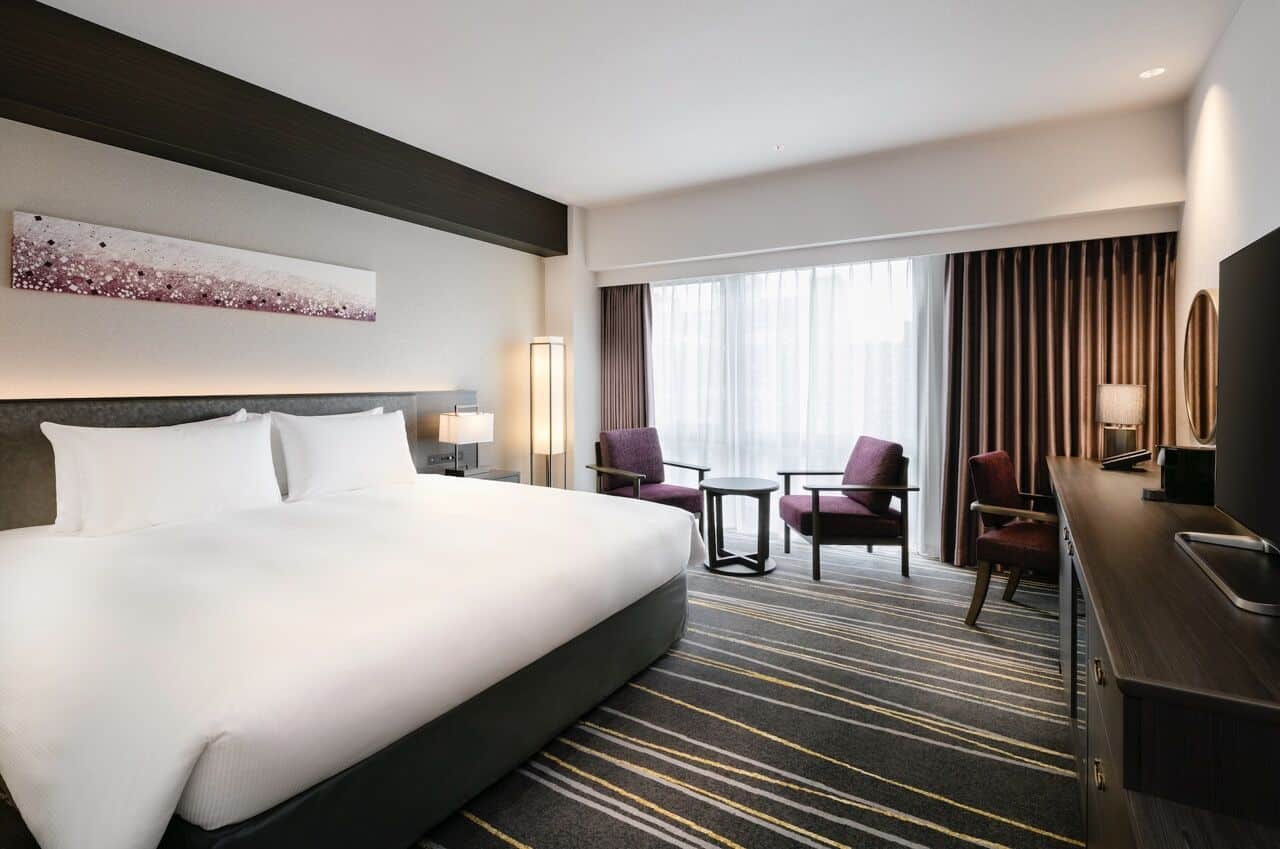
Karasuma-Shijo is in central Kyoto, where Hankyu Kyoto Line’s Karasuma Station and Subway Karasuma Line’s Shijo Station are linked by an underground passage, so Daimaru Kyoto, Shijo-dori and Shinkyogoku are all within walking distance. If you want to shop from morning to night without rushing for the last train, consider staying around Karasuma or Kawaramachi.

FAQ
Q: How much does shopping in Kyoto’s Karasuma-Shijo area cost, and what is the tax-refund threshold?
The current tax-free threshold is ¥5,000 or more before tax per store per day. From November 1, 2026 the system changes to a refund method: you pay tax-inclusive first, and the consumption tax is refunded after customs confirms the goods on departure. Please check the Japan Tourism Agency announcements for the threshold.
Q: What is the easiest way to get to the Karasuma-Shijo area?
Take the Subway Karasuma Line or Hankyu Kyoto Line to Shijo or Kyoto-Kawaramachi Station and you’ll be right outside the exit, the fastest and most direct way to get there.
Q: What are the opening hours of Kyoto’s shopping streets?
Shinkyogoku and Teramachi-dori shops are mostly open 10:00 to 20:00, Daimaru Kyoto’s floors 3 to 7 stay open until 19:00, and Don Quijote Kyoto Shijo-Kawaramachi is open until 1:00 the next day.
Q: What is the best season for shopping in Karasuma-Kawaramachi?
The spring cherry blossom season and autumn foliage season are the most crowded but also have the best atmosphere. To avoid crowds, choose June or a weekday for a more comfortable shopping experience.
Q: Can you eat while walking?
Nishiki Market explicitly prohibits eating while walking; you must eat in the area designated by each shop. In other shopping streets, it depends on each shop’s rules.
Q: Which is better for shopping, Kawaramachi or Karasuma?
The Kyoto Station area suits tourists buying souvenirs, while Karasuma-Kawaramachi is closer to the daily life of local young people. The two areas can be combined in the same day.
Q: Is Fujii Daimaru open now?
The Fujii Daimaru main building has been closed entirely since May 6, 2026 for reconstruction and is expected to reopen around 2030. Some brands have moved to nearby locations and continue to operate, so please check the latest status before visiting.