
2026 Kyoto Teramachi Vintage Shopping Guide: Kengo Kuma’s Shinpuhkan, Harajuku Chicago and Secondhand Clothing Stores, a Trend-and-Vintage Shopping Map
Teramachi-dori has the highest density of vintage shops in Kyoto, and Shinpuhkan is a century-old building mall remodeled by Kengo Kuma. The two are within walking distance, so they combine well into one full day of shopping.
Harajuku Chicago Kyoto: A Flagship for American-Japanese Hybrid Vintage
Harajuku Chicago Kyoto (rated 4.2 from 268 reviews) is a landmark secondhand clothing store on Teramachi-dori. The first floor sells American and European casual vintage such as denim jackets, flannel shirts and leather jackets, while the second floor has plenty of affordable secondhand kimono, haori and obi, a hotspot for overseas visitors looking for traditional kimono.
Stock turns over quickly, so visiting several times in one week is a good idea. The kimono section often has brand-new stock, which suits travelers who want to try kimono culture without paying high rental fees.
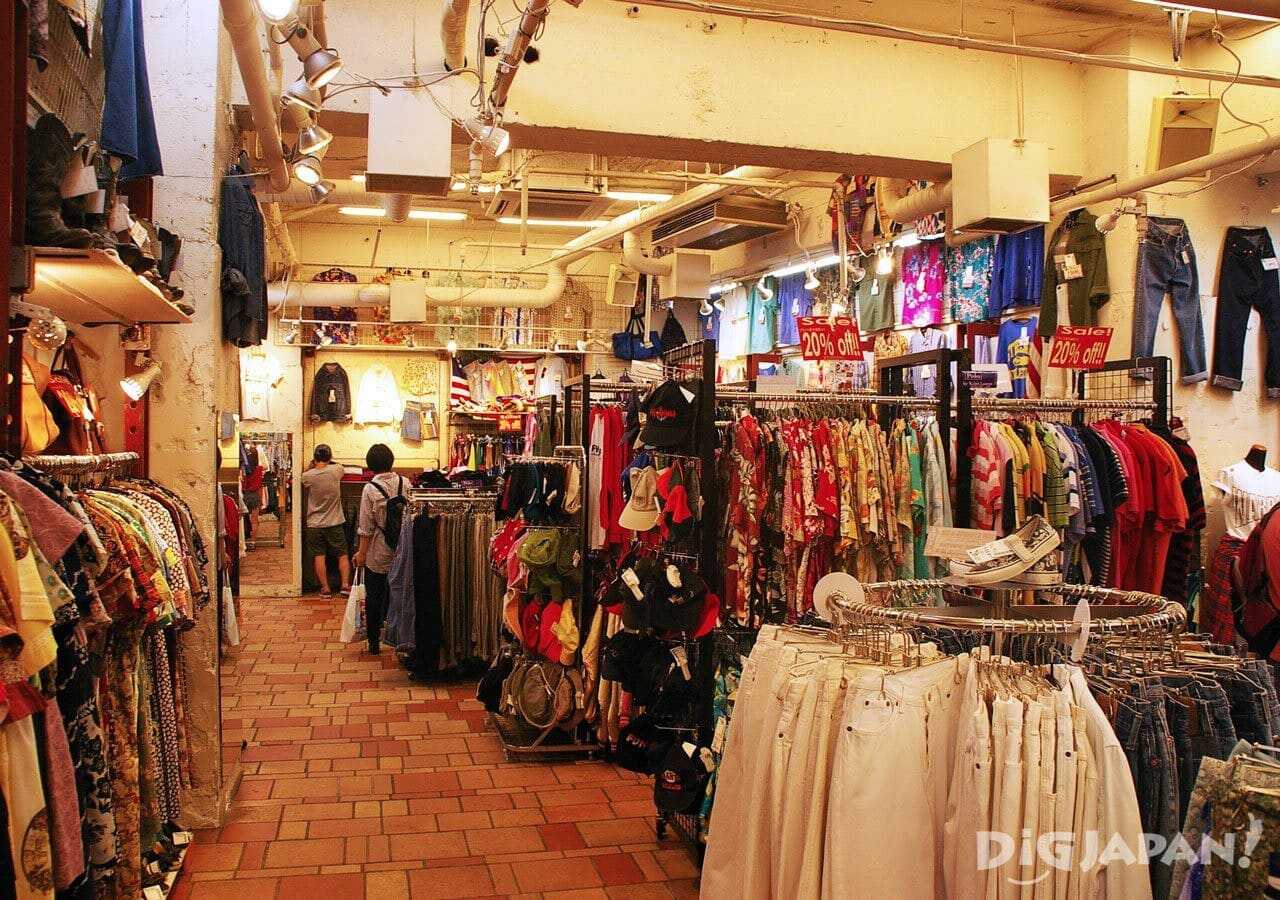
Kindal Kyoto: A Temple of Secondhand Consignment for Japanese Designer Brands
Kindal Kyoto is a well-known high-end secondhand consignment store in Japan. Besides luxury bags from Louis Vuitton and Chanel, it is best known for a large selection of secondhand clothing from top Japanese designers such as Comme des Garçons, Issey Miyake and Yohji Yamamoto, and its curation is admired by many enthusiasts.
Every item is professionally authenticated and screened for consignment, so prices are higher than at ordinary vintage shops, but the rarity and condition are excellent. It suits connoisseurs looking for out-of-print designer pieces or collector-grade vintage; it is wise to check the day’s new arrivals list before going.
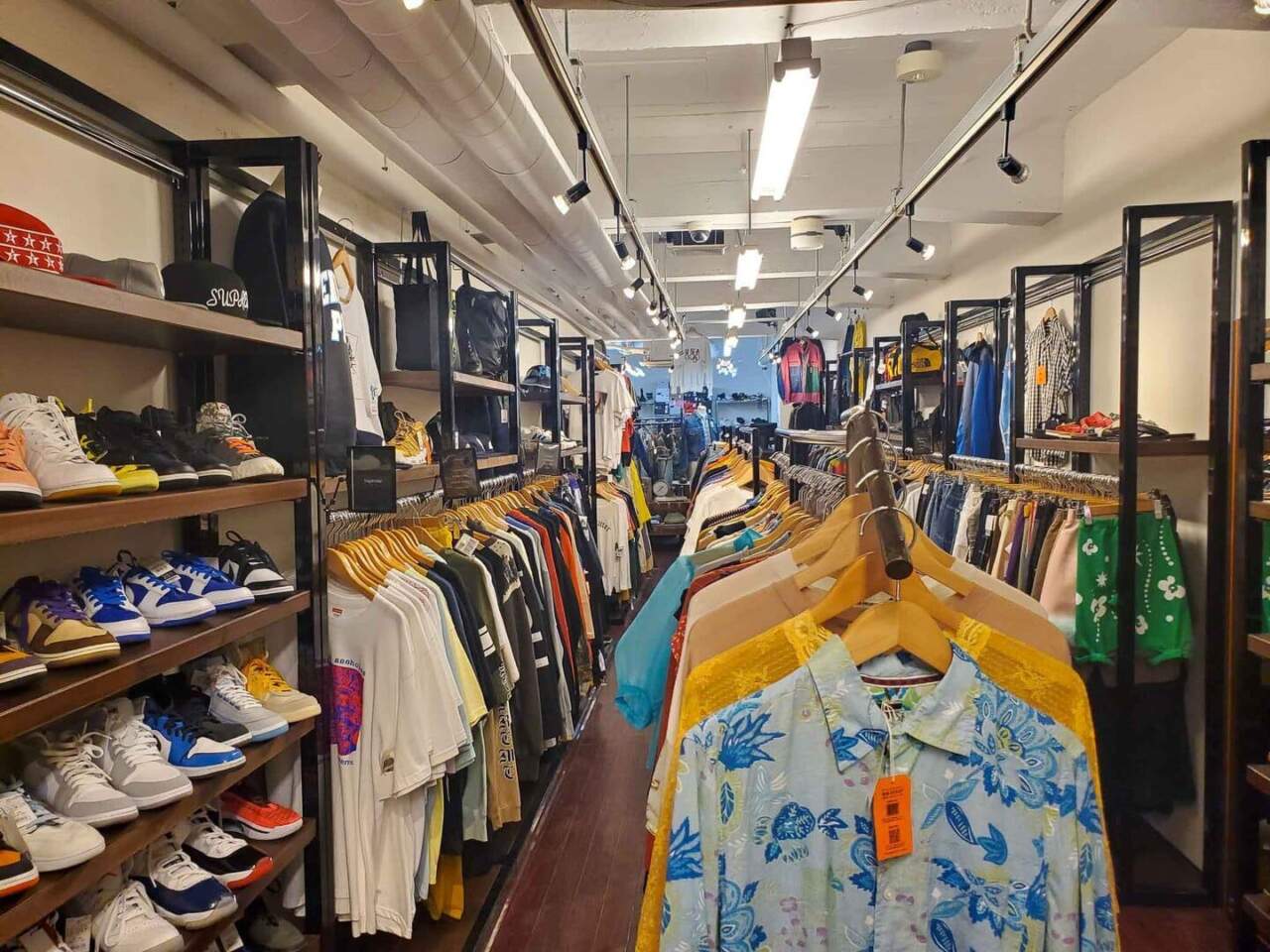
Big Time Kyoto: A Four-Floor American Workwear Vintage Warehouse
Big Time Kyoto is rated 4.1 (109 reviews) and is a large four-floor store with an extremely rich range of menswear and womenswear, from American streetwear and bohemian styles to rugged workwear. The clothes are generally in good condition and excellent value.
The store is arranged by style and floor. The first floor mostly holds the season’s selected pieces, while the upper floors hold a large stock area, suited to travelers who enjoy digging through racks at their own pace. Allow at least an hour to browse properly and uncover the real hidden gems.
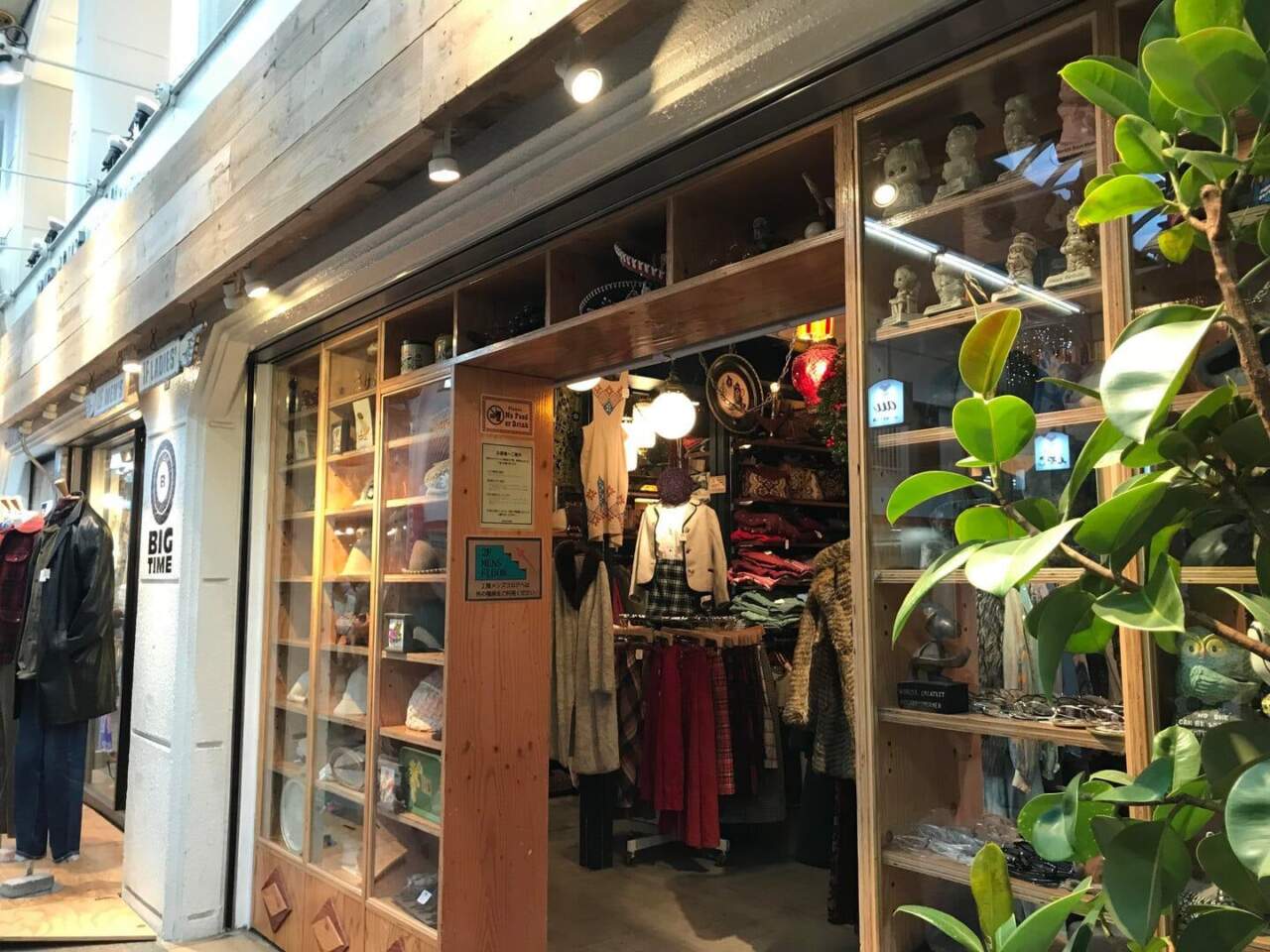
Achuu Kyoto Vintage Clothes: European Military Wear, Handcrafted and Remade
Achuu Kyoto Vintage Clothes has a Google rating as high as 4.9 (426 reviews) and is the highest-rated treasure shop on Teramachi-dori. It specializes in refined European workwear, military wear and handcrafted remade vintage, deconstructing old fabrics such as 1980s vintage silk scarves into one-of-a-kind fashion accessories.
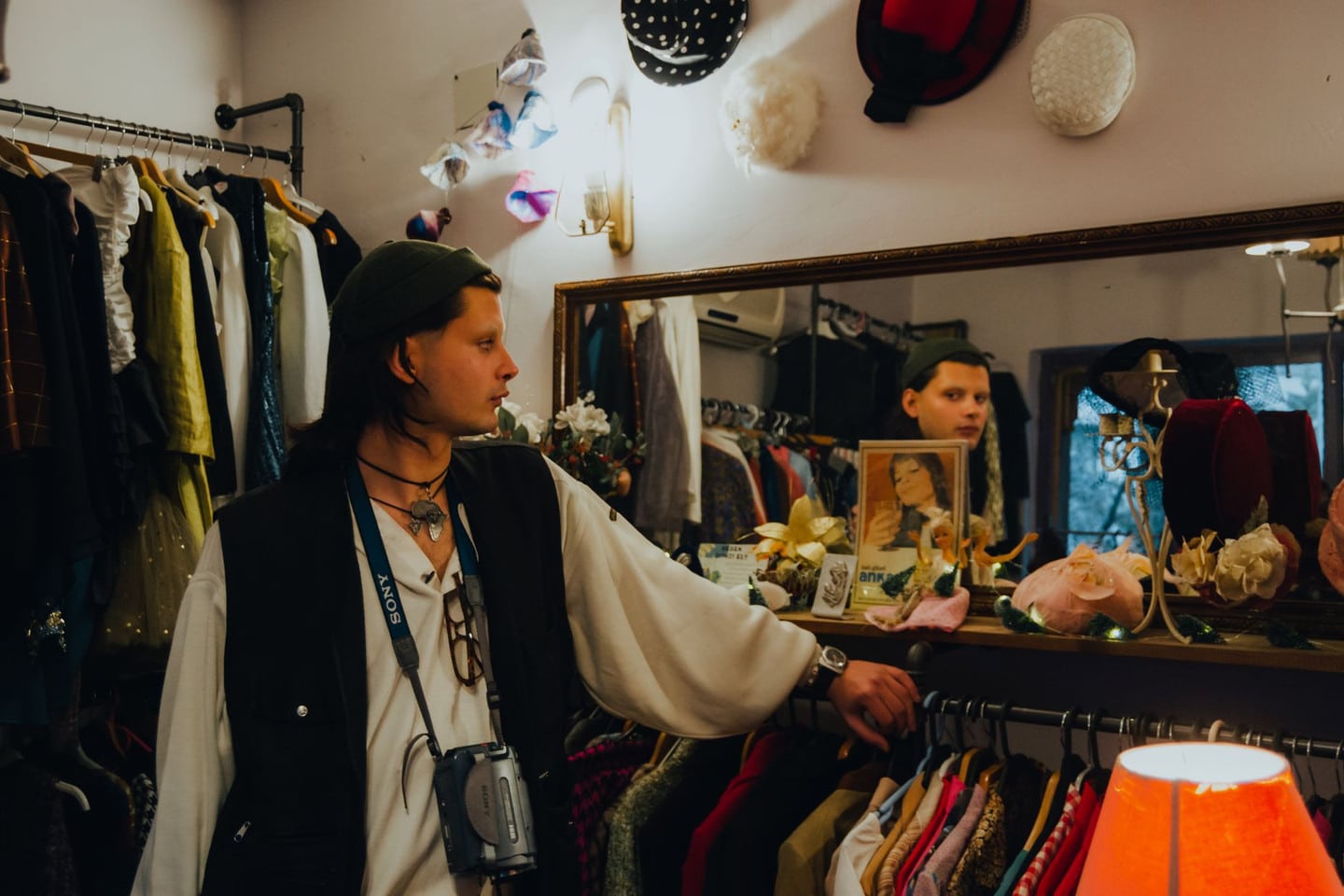
The owner insists that every item be hand-repaired and redesigned, so styles rarely repeat. It is especially good for fashion lovers who do not want to run into anyone wearing the same thing, and it is on the private shopping lists of Kyoto stylists.
2nd Street Shijo-Kawaramachi: Japan’s Largest Secondhand Clothing Chain
2nd Street Shijo-Kawaramachi is rated 3.6 (303 reviews) and belongs to Japan’s largest secondhand clothing chain. It offers a huge range of affordable everyday streetwear and sportswear, and you can often find almost-new Nike or Japanese-brand clothing at very low prices.
The store offers tax-free shopping for overseas visitors above the minimum spend. It suits travelers who want to restock basics or sportswear quickly; remember to show your passport at checkout for the tax refund, which saves a bit more.
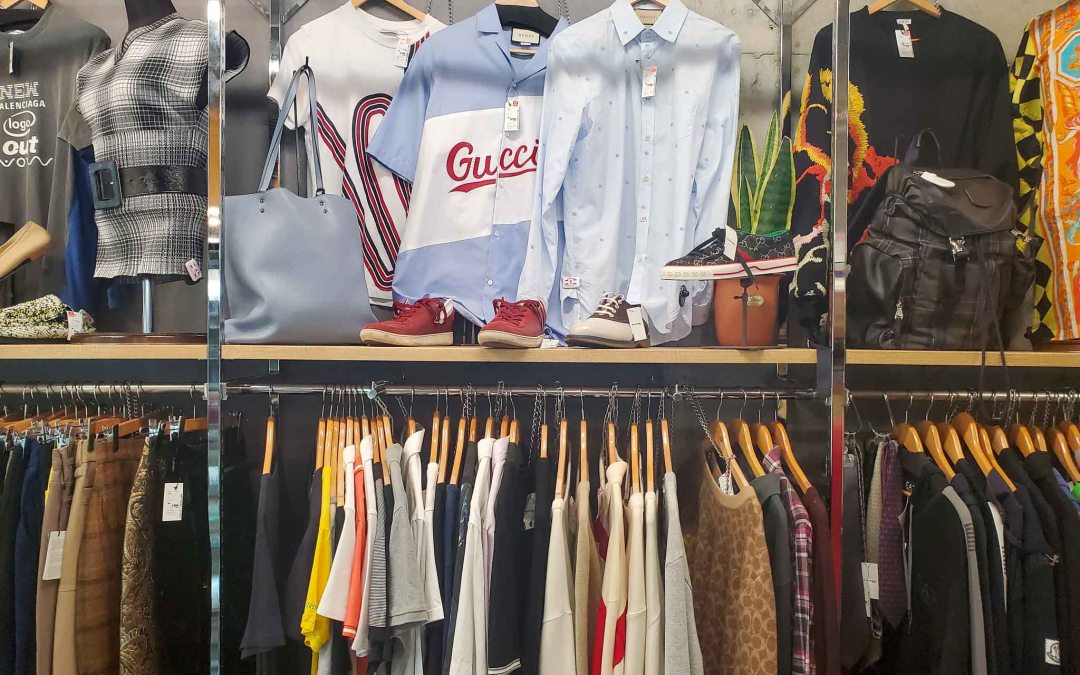
NEW EDITION: A Japanese-American Mix Vintage Shop on Teramachi-dori
NEW EDITION is a vintage shop that recently opened on the Teramachi shopping street, focused on a Japanese-American mixed style. It quickly built buzz among locals and visitors after opening, showing the continued vitality of vintage shops expanding along Teramachi-dori.
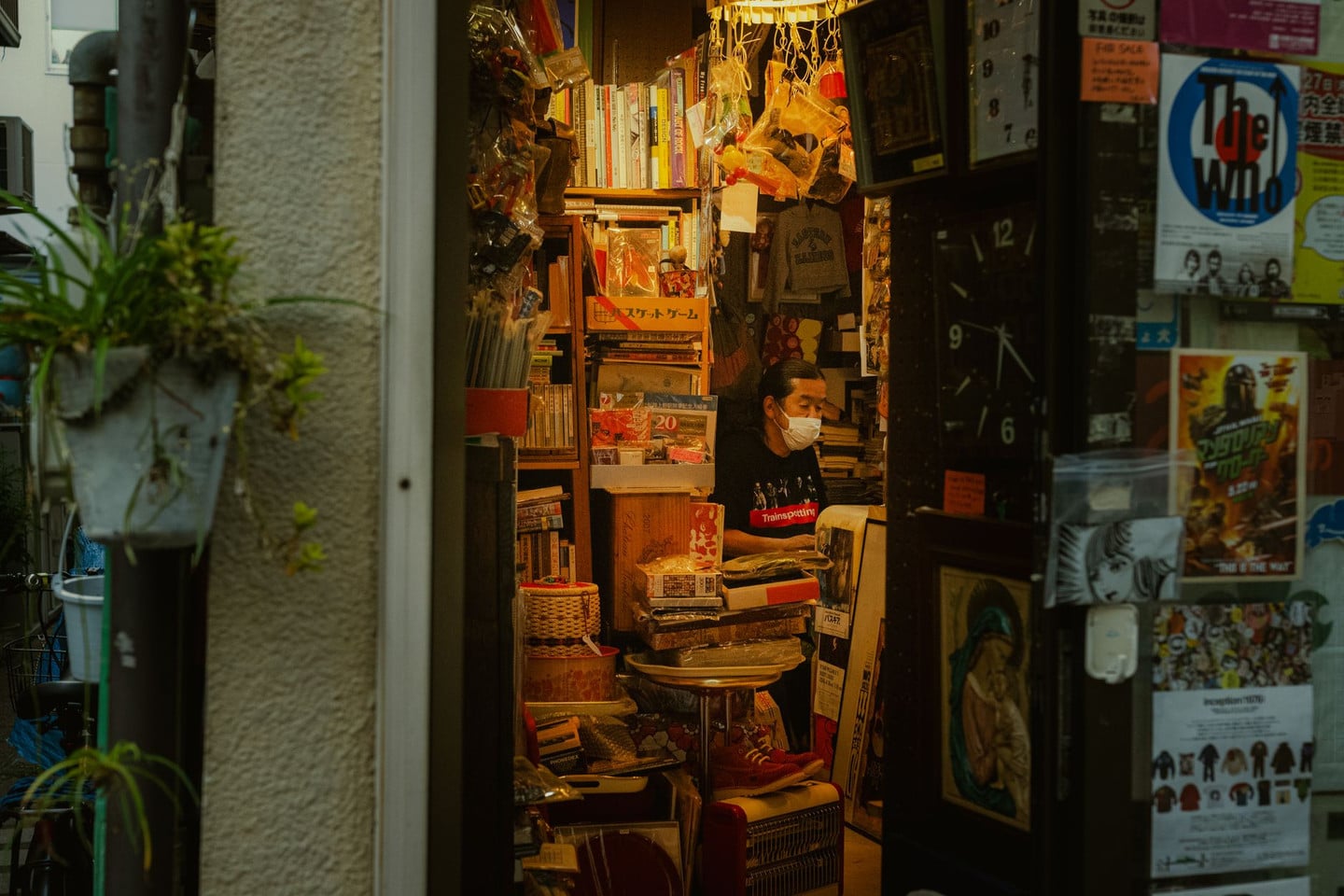
Because it is new, its stock rotation and displays are still being adjusted quickly. Follow its social media for the latest arrival information so you can catch limited pieces first and avoid missing out.
JAM: A Large New Vintage Base at the North End of Shinkyogoku-dori
JAM opened in a large space at the junction of Shinkyogoku-dori, north of Shijo, and Teramachi-dori, filling a formerly vacant unit and confirming the clear post-pandemic increase in vintage shops around Teramachi-dori.
The store is spacious and clearly categorized. Its sub-line LOWECO by JAM focuses on distinctive graphic T-shirts with green tones, Pink Floyd band prints and Mucha-style illustrations, loved by young travelers and local students, and it is a newer shop much talked about on social media.
CAPRi: A Long-Established Kyoto Vintage Shop, a European and American Vintage Pioneer Founded in 2001
CAPRi was founded in 2001 by an owner who had worked at Rogers, a long-established Kyoto vintage shop, and is one of Kyoto’s longest-running vintage stores. It focuses on rare vintage pieces bought directly from the US and Europe, including vintage Levi’s denim, American athletic jackets and retro dresses, a go-to list for travelers digging for pieces with age.
The shop is small but densely stocked, so allow 20 to 30 minutes to look through it carefully. After more than twenty years in business, it is a stop for understanding how Kyoto’s vintage culture has evolved.
Seiganji: The Old Temple Behind the Name Teramachi-dori
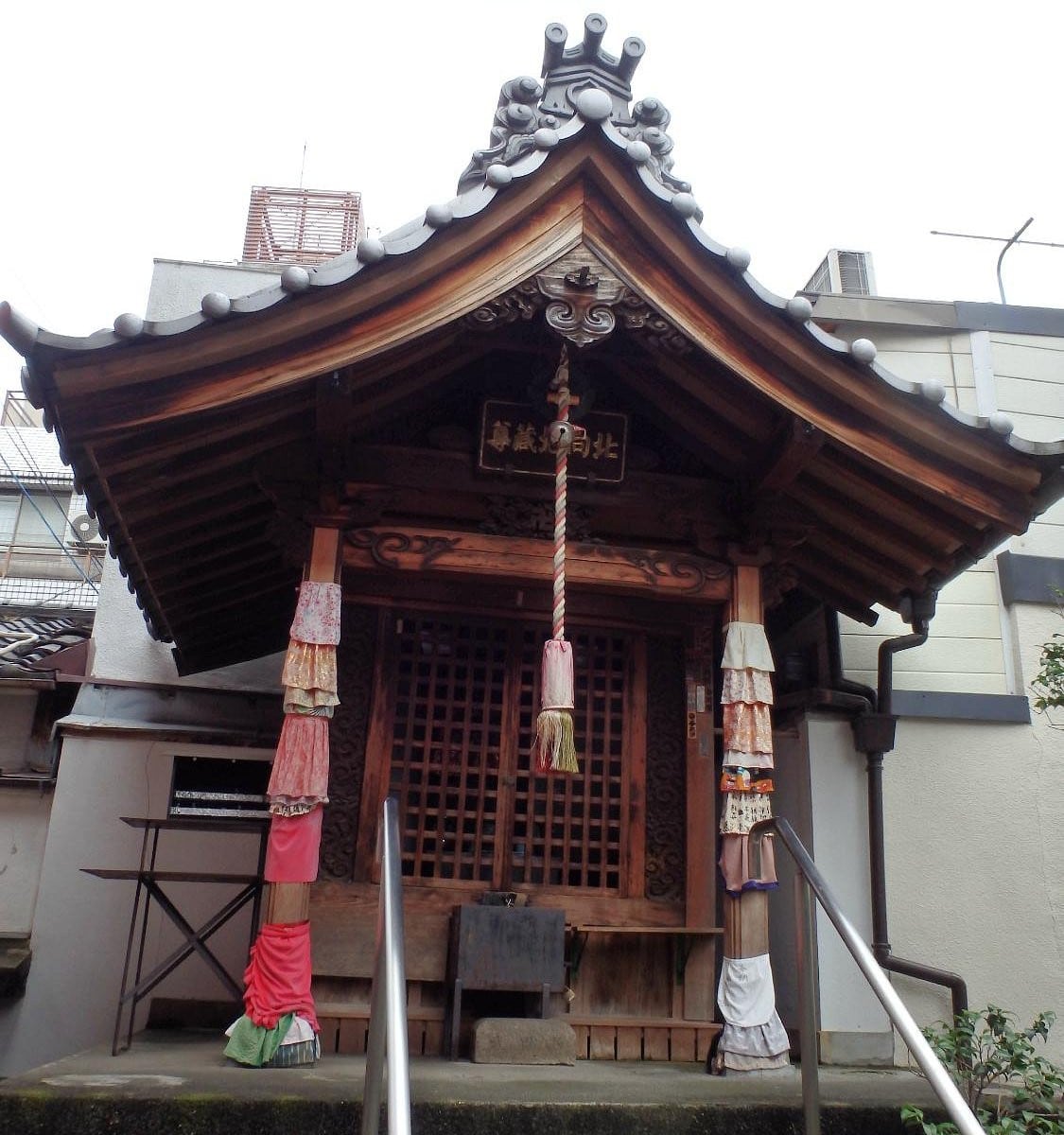
Seiganji is a Pure Land Buddhist temple and one of the old temples behind the name “Teramachi-dori” (“Temple Town Street”). In the era of Toyotomi Hideyoshi, many temples were relocated and gathered along this street as part of Kyoto’s reorganization, which gave Teramachi-dori its name. It is a key stop for understanding the history of this vintage street.
The temple enshrines Amida Nyorai, and the grounds are quiet, in interesting contrast to the busy trendy vintage shops around it. Stopping to worship between shopping lets you feel Kyoto’s unique blend of old and new; a 10 to 15 minute stay is enough.
How to Get to Teramachi-dori and Shinpuhkan: Transportation Options and Costs
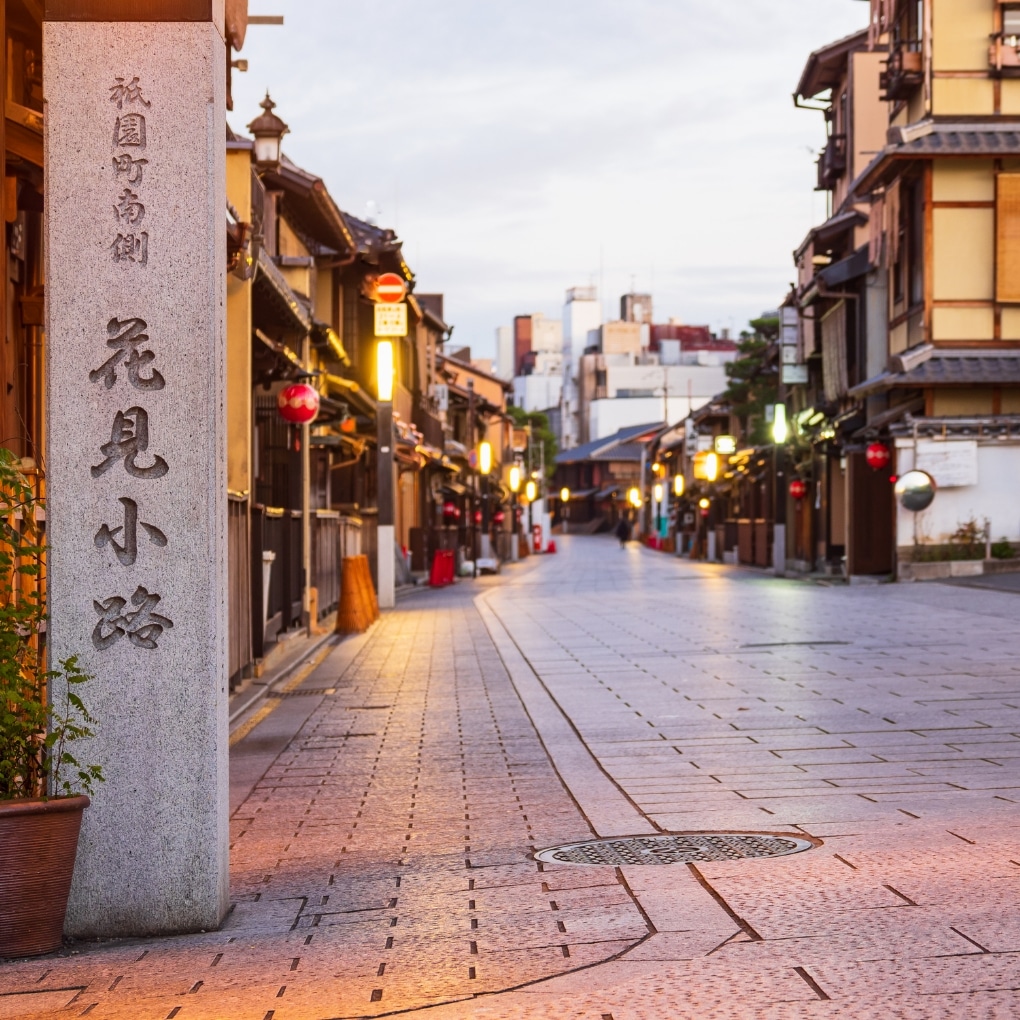
Teramachi-dori and Shinpuhkan are both in central Kyoto and easy to reach by subway or private railway. Take the Kyoto Municipal Subway to Karasuma Oike Station, where Shinpuhkan and Ace Hotel Kyoto connect directly to the station exit. To reach the area where the Teramachi vintage shops cluster, take the Hankyu Kyoto Line to Kawaramachi Station and walk about 3 to 5 minutes from the exit.
From Kyoto Station, take the Kyoto Municipal Subway Karasuma Line to Karasuma Oike Station, ¥220 one way for adults, and the south ticket gate leads directly to Shinpuhkan. From Osaka Umeda, take a Hankyu Kyoto Line limited express to Kawaramachi Station, about 45 minutes and ¥410, then walk to Teramachi-dori.
What Are the Must-See Spots Around Teramachi-dori and Shinpuhkan? Highlights by Area
Shinpuhkan and the Teramachi area combine architectural beauty, trendy curated shops and the atmosphere of a century-old shopping street. Here are the must-visit highlights, one by one.
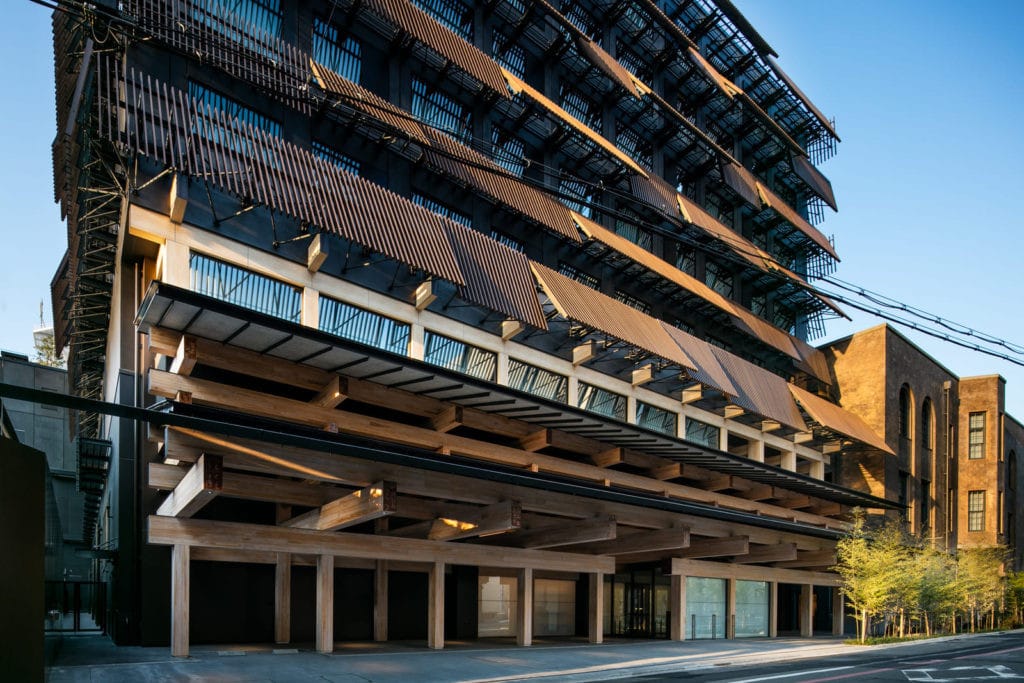
Shinpuhkan: A Century-Old Telephone Office Remodeled by Kengo Kuma
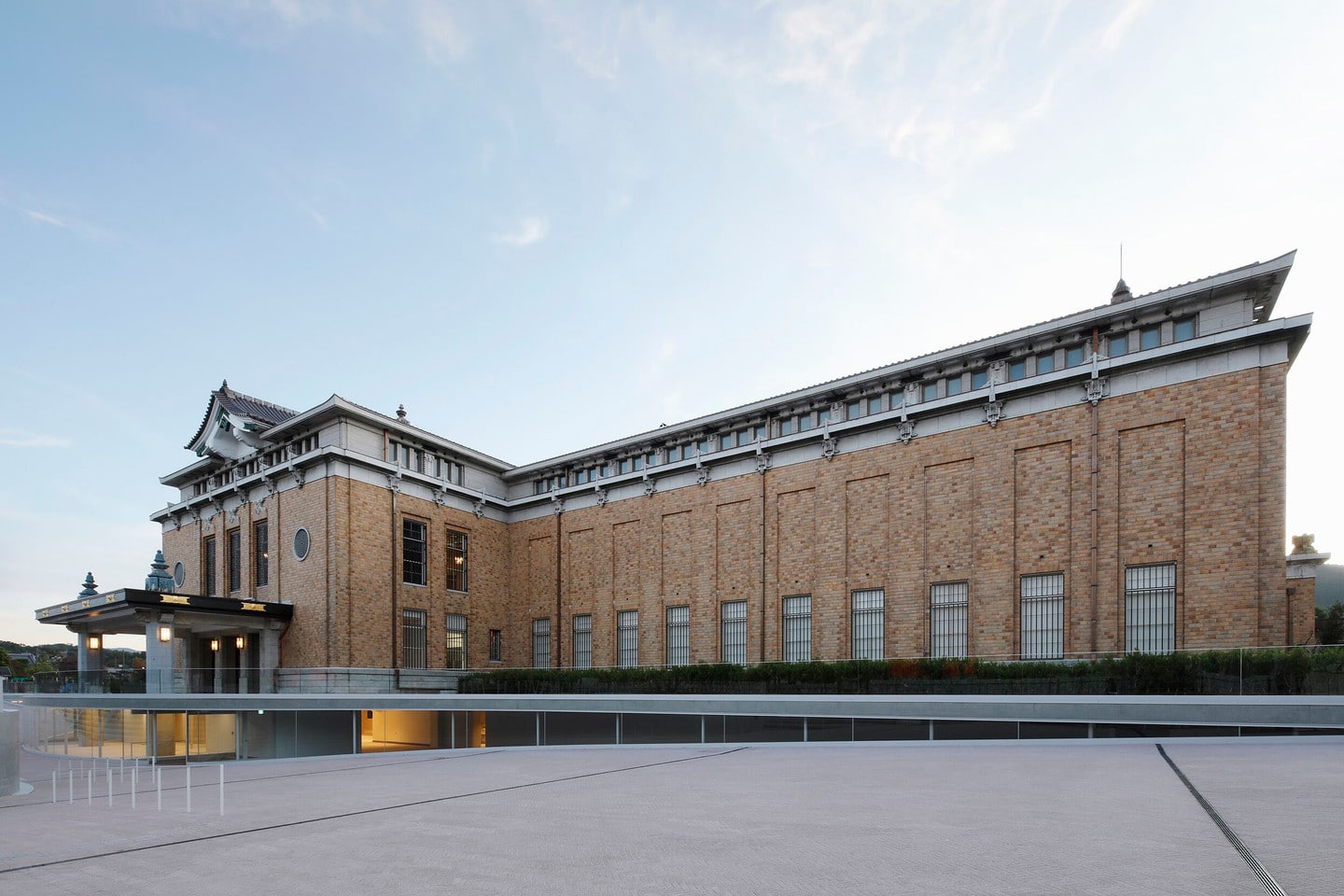
Shinpuhkan was designed by Tetsuro Yoshida and completed in 1926 as the former Kyoto Central Telephone Office. In June 2020 it was renovated by Kengo Kuma, who kept the red-brick facade and added wood and louvers for a natural, humanistic feel. The complex includes a hotel, shops and a cinema. Address: 586-2 Bashonocho, Anegakoji-sagaru, Karasuma-dori, Nakagyo Ward, Kyoto. It connects directly to the south ticket gate of Karasuma Oike Station on the subway. Hours: 11:00-20:00. The grounds have many slopes, so comfortable shoes are recommended. A visit takes about 1.5 to 2 hours and works well as the starting point of a day itinerary.

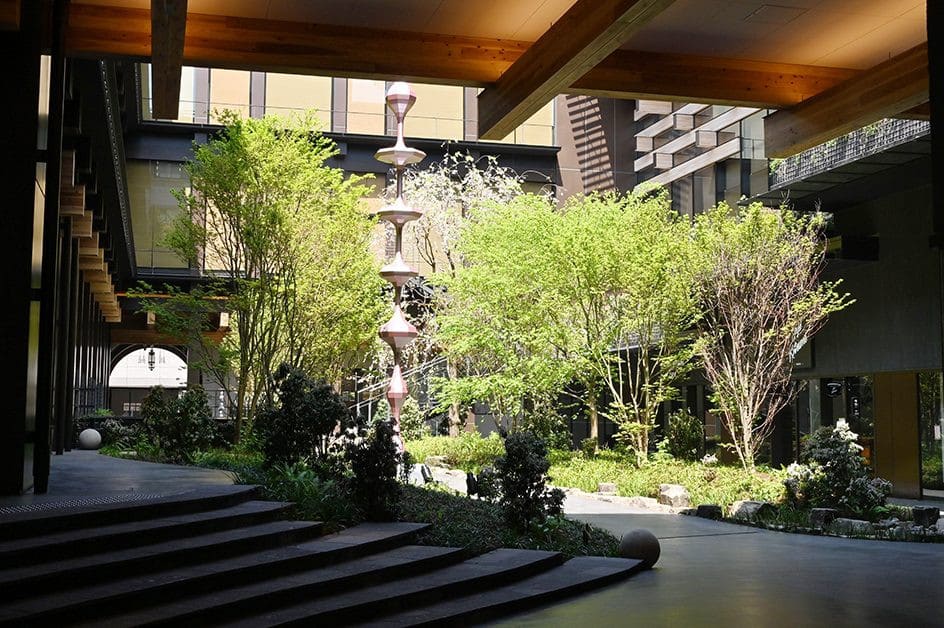
Shinpuhkan Tsuboniwa: A Soothing Green Courtyard in a Square Layout
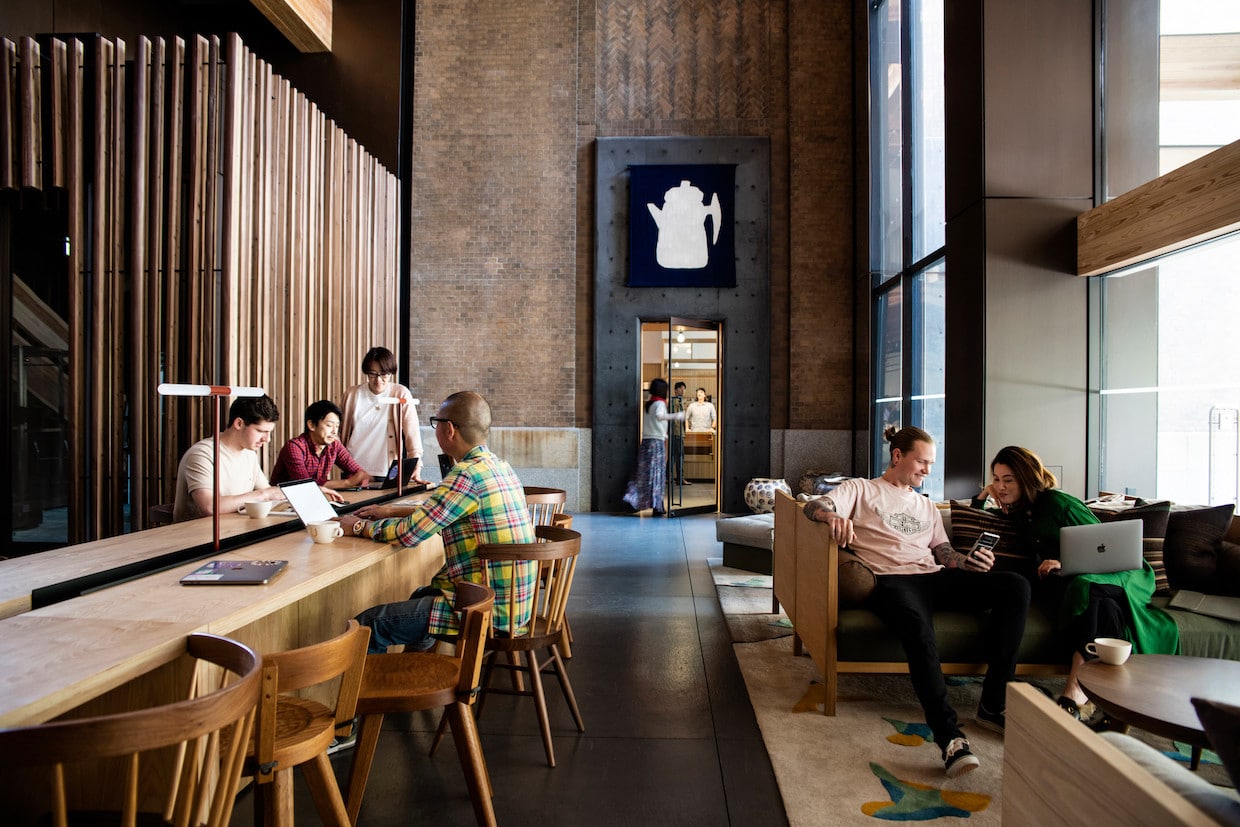
Shinpuhkan keeps a square-shaped tsuboniwa courtyard at its center, blending a European garden concept with traditional Kyoto landscaping aesthetics. Wooden buildings surround a brick-paved courtyard planted with a variety of greenery, the most popular spot in the complex for photos and rest, and a symbol of Kyoto’s past merging with the present.
Cafe seating and benches line the tsuboniwa. By day, sunlight filtering through gaps between the buildings makes beautiful light and shadow in the garden, and after the lights come on in the evening the mood is completely different. Visit once in the morning and once in the evening to feel the two faces of the same space; about 20 to 30 minutes is enough each time.
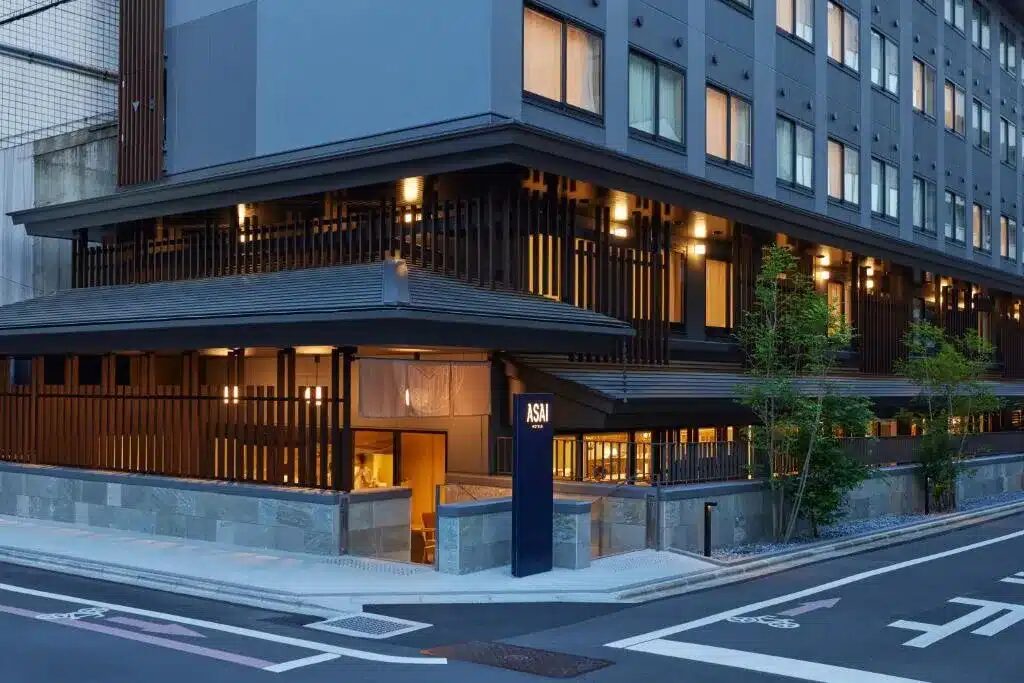
Ace Hotel Kyoto: The First Ace Hotel in Asia, Designed by Kengo Kuma
Ace Hotel Kyoto is the first Ace Hotel in Asia. The official site does not publish list rates, so check booking platforms; it has a Google rating of 4.6 (1.5K reviews). Kengo Kuma connected the old and new buildings with cedar lattice work, and the lobby’s “Kiso-gumi” wooden structure uses no nails, creating a dialogue between history and modernity. Design team Commune Design combines rugged West Coast style (Pendleton blankets, vinyl records) with delicate Kyoto craftsmanship to create a “East meets West” aesthetic.
Rooms are divided into Japanese tatami rooms and loft suites, and all 213 rooms feature works created especially for the hotel by the 100-year-old textile artist Samiro Yunoki. It is the first Ace Hotel in the world to offer tatami-style rooms. Even if you are not staying, visiting the lobby to take in the design atmosphere is recommended.

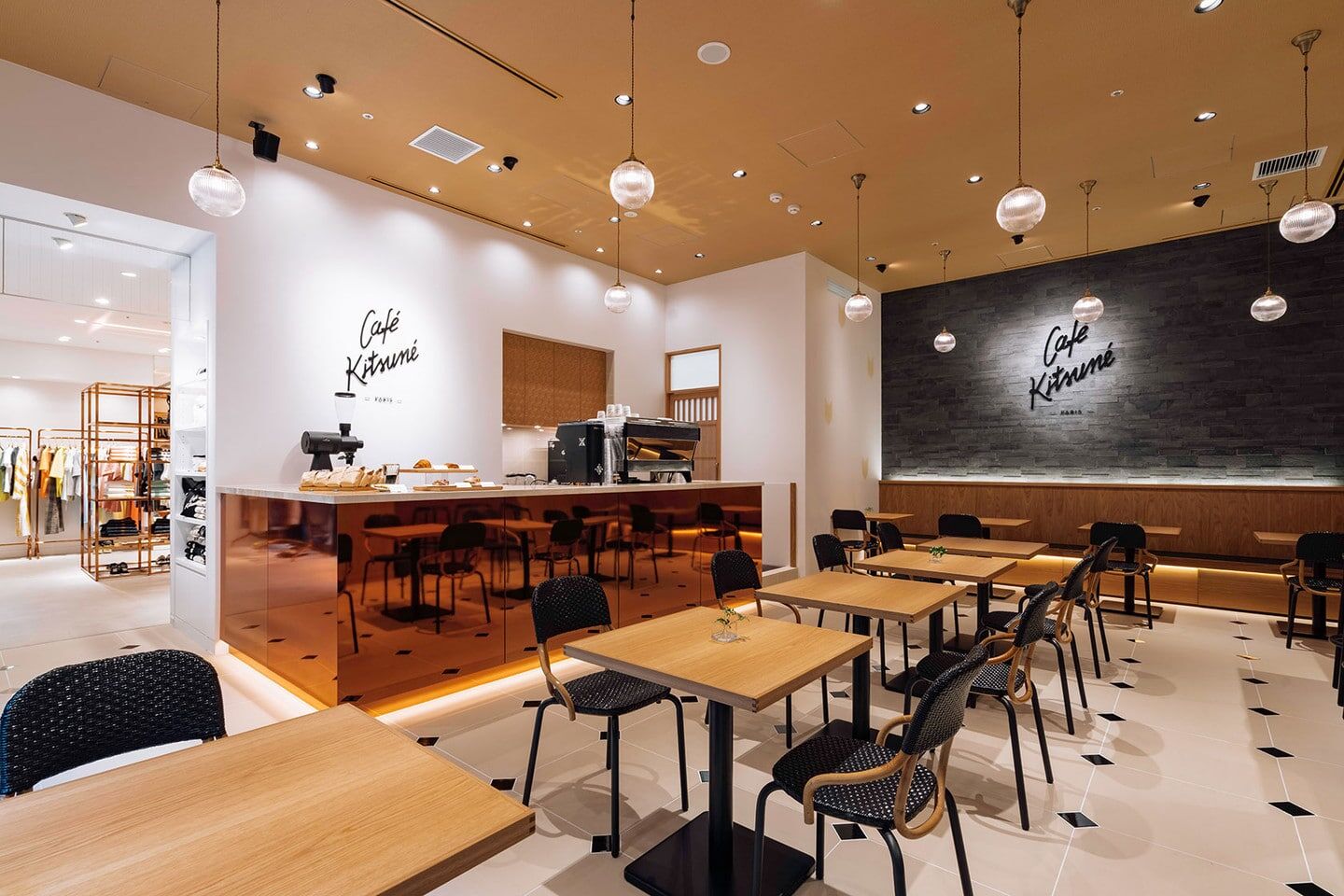
Café Kitsuné Kyoto: The Fashion Cafe Whose Fox Cookies Flooded Instagram
Café Kitsuné Kyoto is a cafe under Maison Kitsuné, rated 3.8 on Google (31 reviews), next to the Shinpuhkan tsuboniwa. The signature matcha latte is ¥800 and the fox-shaped Fox Matcha Cookie is ¥330, a popular spot for photos and relaxing.
The interior is simple and stylish, and the outdoor seats overlook the green of the tsuboniwa. Many travelers make it the first stop of their morning. Avoid the weekend midday peak; going shortly after opening is more relaxed.
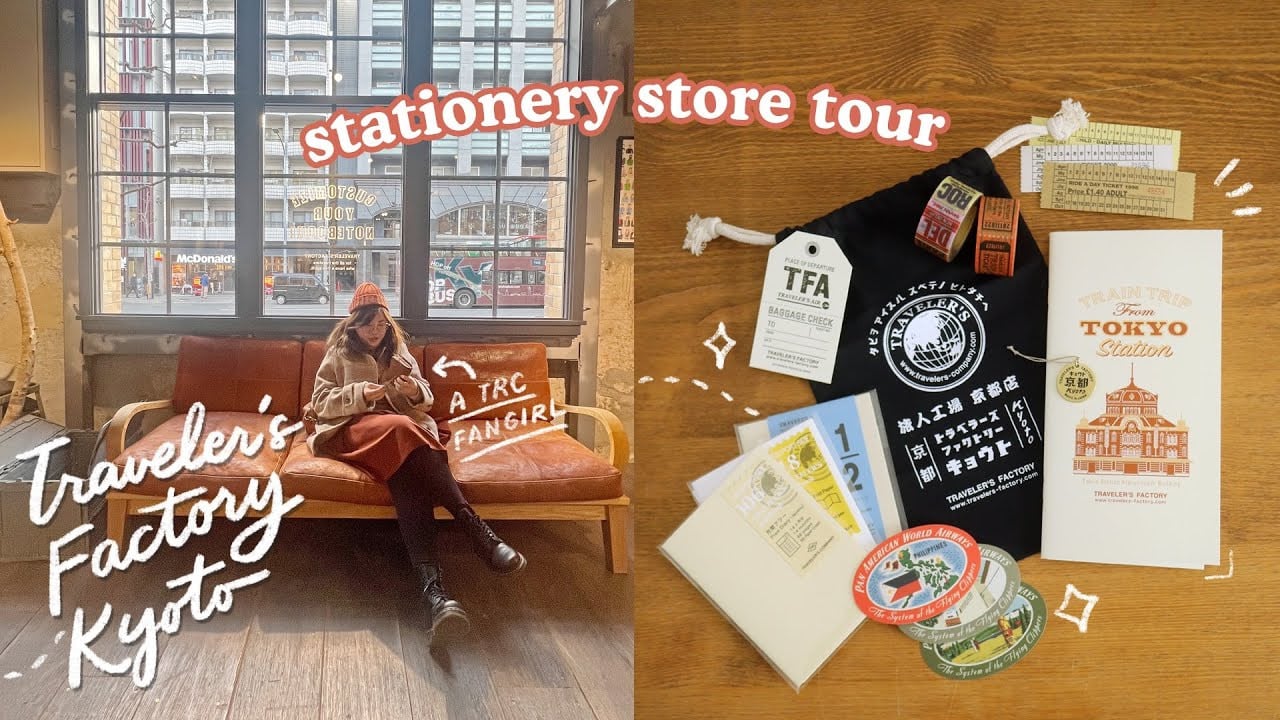
TRAVELER’S FACTORY KYOTO: A Pilgrimage Site for Stationery Fans and Traveler’s Notebooks
TRAVELER’S FACTORY KYOTO has 4.7 stars (315 reviews) and is a must for stationery fans. Its main product, the leather Traveler’s Notebook, is ¥4,620. The Kyoto store offers exclusive blue-green washi inserts and brass charms printed with Kyoto landmarks and local specialties, full of local character.
The store has a warm wooden style and offers test writing and custom sticker services. Planner enthusiasts can pick out Kyoto trip keepsake stationery at leisure, and usually stay more than half an hour.
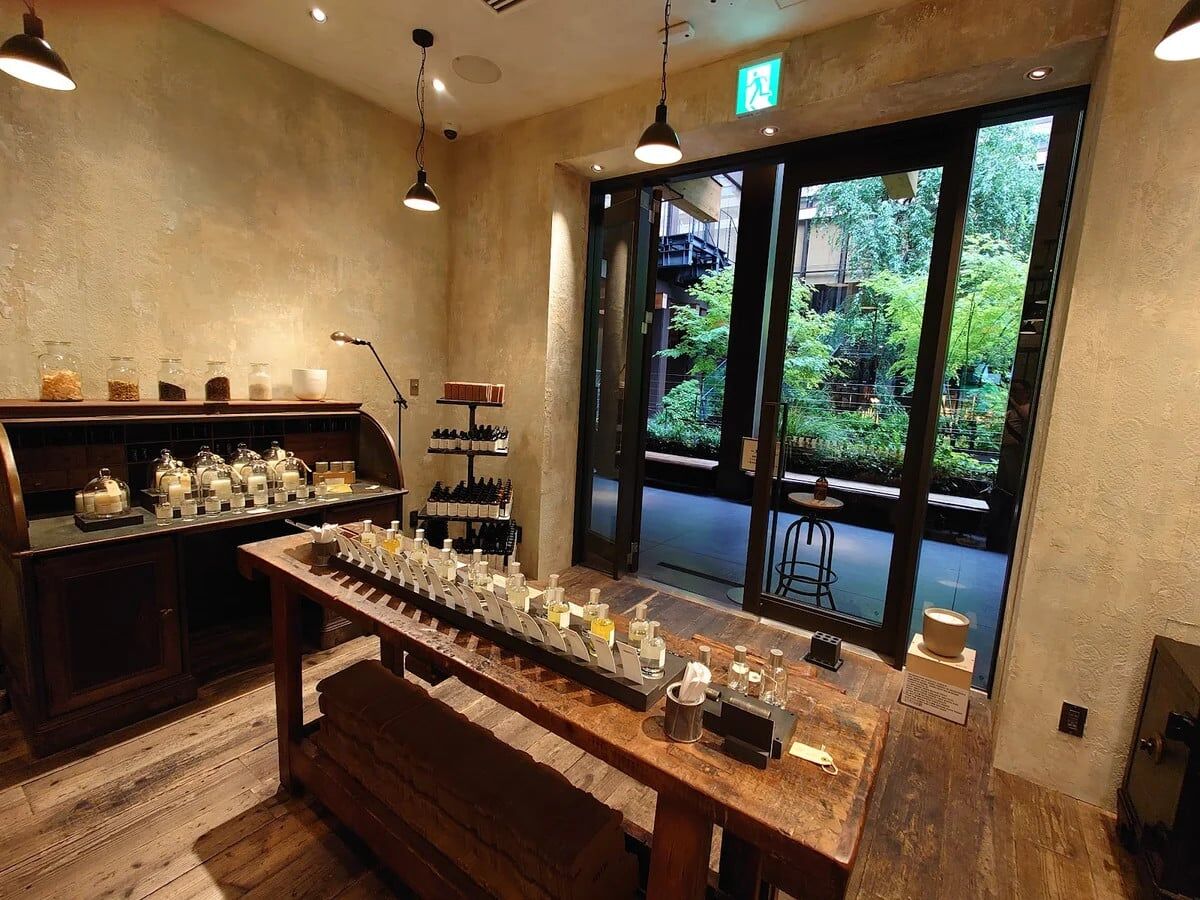
LE LABO KYOTO: A New York Perfume Brand’s Custom Engraving Experience
LE LABO KYOTO is the Kyoto outpost of the well-known New York perfume brand. The signature scent Rose 31 (15 ml) is ¥10,230, and its best feature is an on-site custom engraving service that prints your name or a commemorative phrase on the bottle label, making each bottle a one-of-a-kind keepsake.
The store keeps the brand’s usual laboratory-style displays, and you can smell several classic scents before deciding. Because engraving requires waiting while it is made, allow 15 to 20 minutes for shopping. It is a popular choice for both gifts and personal use.
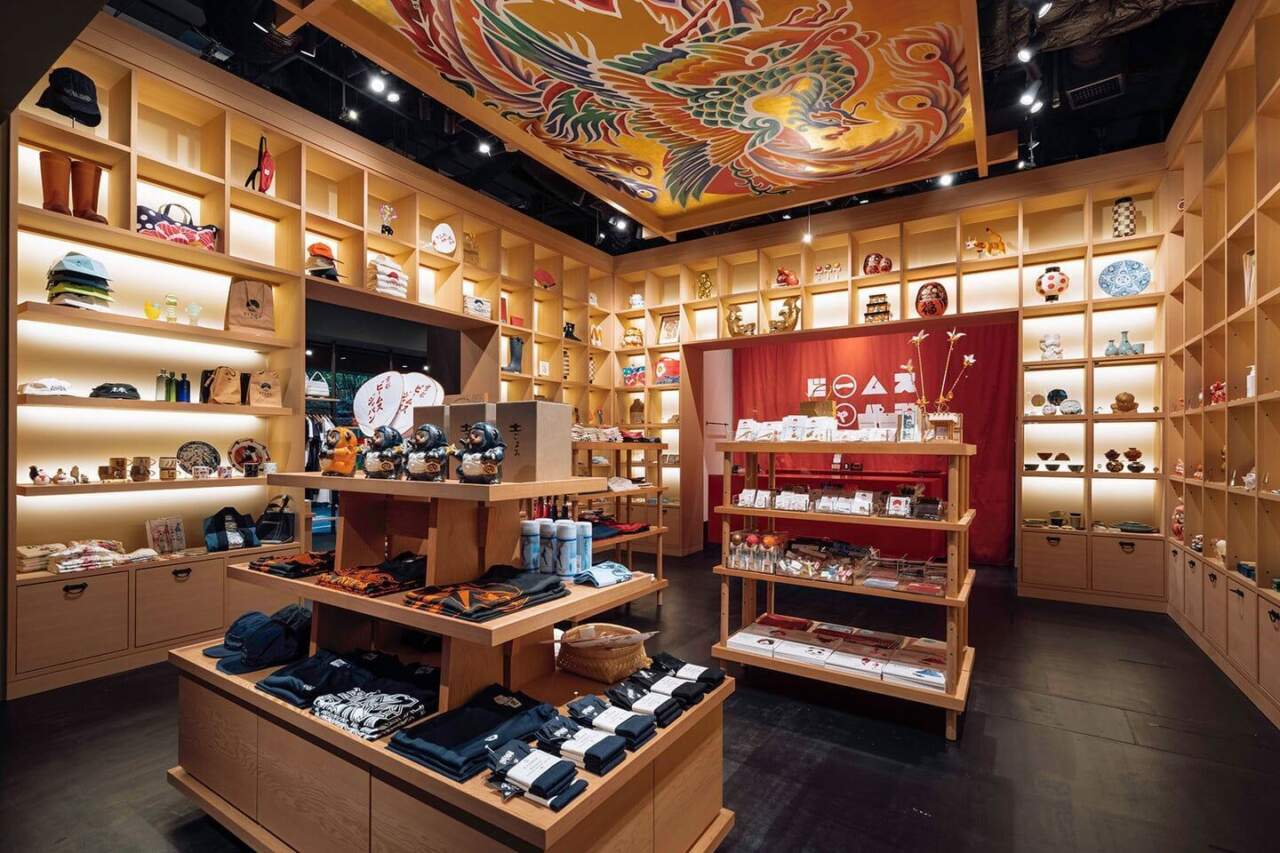
BEAMS JAPAN KYOTO: The First BEAMS JAPAN Select Shop in Kansai
BEAMS JAPAN KYOTO is rated 4.7 (302 reviews) and is the first BEAMS JAPAN store in Kansai, selling high-quality Japan-made crafts, clothing and Kyoto-exclusive design goods. The signature T-shirt is ¥6,380, making it the best place to pick quality souvenirs.
The store focuses on selections from local artisans and Kyoto-exclusive collaboration lines, from ceramics and washi stationery to trendy clothing, with displays blending traditional craft and contemporary style. It suits travelers who like to dig into local Japanese culture and browse every corner.
How to Shop Kyoto Streetwear: Shinpuhkan’s Brand List and Flagship Stores on Sanjo and Shijo
For buying streetwear in Kyoto, the smoothest route is this one: start at Shinpuhkan for designer and select brands, browse the streetwear flagships along the way as you walk east on Sanjo-dori toward Teramachi-dori, and finish around Shijo-dori. The whole stretch can be done on foot, with no need to go to Osaka. The brands and addresses below follow each brand’s and Shinpuhkan’s official websites (checked in September 2026).
Which Brands Are in Shinpuhkan?The first-floor fashion and lifestyle brands at Shinpuhkan include MAISON KITSUNÉ KYOTO, Pilgrim Surf+Supply, 1LDK, BEAMS JAPAN, JOHN SMEDLEY, Globe Specs (eyewear), the men’s kimono brand Y. & SONS, fragrance brand LE LABO KYOTO, beauty store uka store, stationery TRAVELER’S FACTORY KYOTO and jewelry TOMOE. Dining includes CAFÉ KITSUNÉ KYOTO, green bean to bar CHOCOLATE, (THISIS)SHIZEN, Gyoza-dokoro Ryosho, Yakitori Kyoto Suehirogari and Tempura Tentora, and the basement has the mini cinema UPLINK Kyoto. For Japanese select shops and streetwear casual style, 1LDK and Pilgrim Surf+Supply are the best to see first.
- 👕 Stüssy Kyoto Chapter: Stüssy’s official directly operated store in Kyoto, at Sanjo-dori, Tomikoji-higashi-iru (25 Nakanocho, Nakagyo Ward), right on the way from Shinpuhkan toward Teramachi-dori. The official site lists daily hours of 11:00-19:00.
- 🦍 BAPE STORE® KYOTO: A BATHING APE®’s directly operated Kyoto store, at Shijo-dori, Teramachi-nishi-iru (374 Narabutsucho, Shimogyo Ward), right by the south exit of Teramachi-dori. The official site lists hours of 11:00-20:00; the kids’ line BAPE KIDS® is on the 5th floor of Kyoto Takashimaya.
- 🧥 Secondhand streetwear: To get streetwear and designer brands on a lower budget, see Kindal (designer consignment) and 2nd Street Shijo-Kawaramachi above. Stock changes daily, so if you see something in your size, decide on the spot.
Each brand’s hours may change for holidays or events, so check the latest announcements on the official website or official social media before you go.
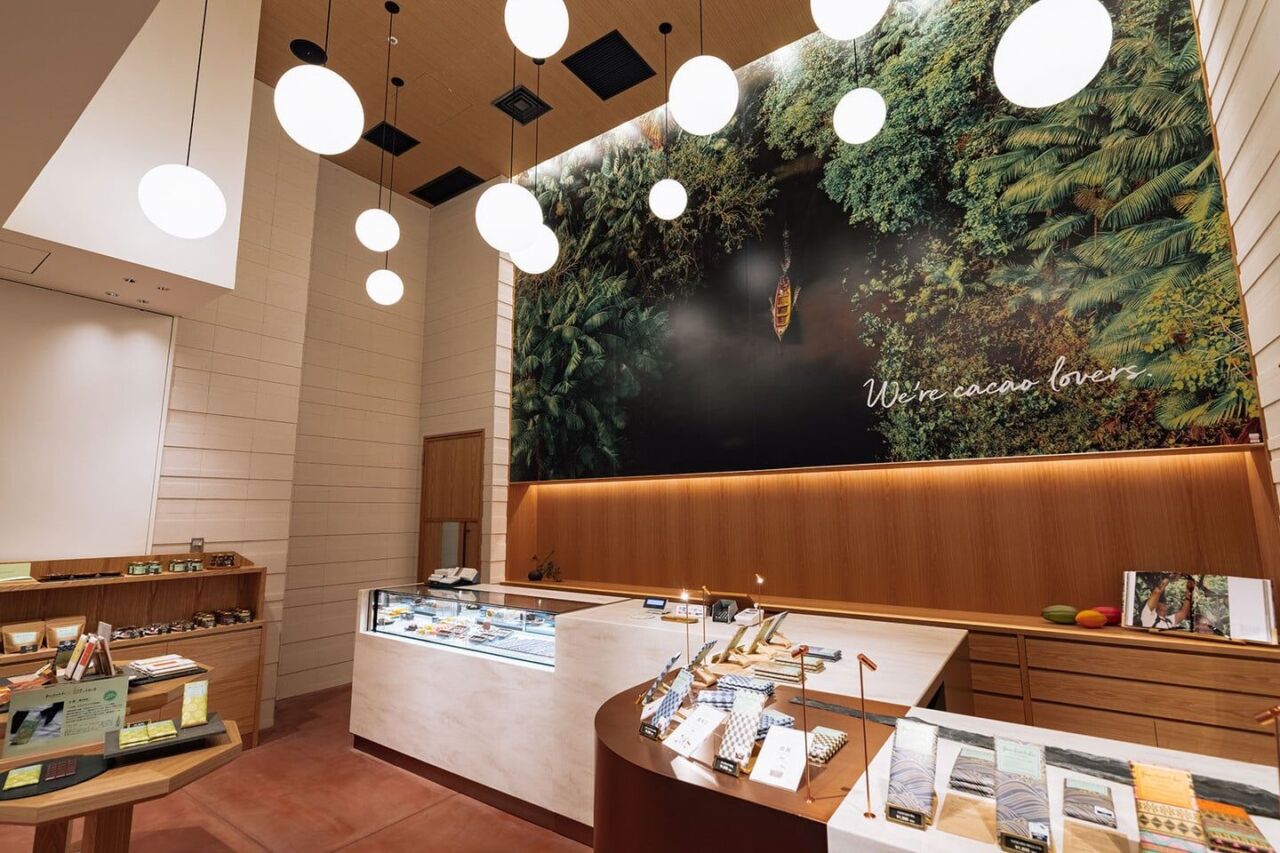
green bean to bar CHOCOLATE: An Artisan Handmade Chocolate Shop
green bean to bar CHOCOLATE is an artisan chocolate brand that does everything in the store from grinding the cacao beans to the finished product. The signature “Rakusu Kombu Chocolate” is ¥1,944, an exclusive collaboration flavor made with a long-established local Kyoto dashi shop.
The transparent handmade process lets customers see the whole chocolate-making process from bean to bar, and tastings are available. The rich cacao aroma pairs surprisingly well with the savory umami of kombu, a distinctive souvenir you can only buy in Kyoto.
Stumptown Coffee Roasters: Portland Specialty Coffee at Ace Hotel
Stumptown Coffee Roasters is a well-known specialty coffee brand from Portland, USA. For its first Japan location it chose the ground floor of Ace Hotel Kyoto, and the interior keeps the brand’s usual industrial feel with plenty of wood echoing Kengo Kuma’s architectural language.
The signature pour-over and espresso lineup is well reviewed, and it is a morning must-visit for many guests and travelers. Sipping coffee while watching light dance across the wooden lattice is one of the most relaxing ways to experience Shinpuhkan’s architecture.
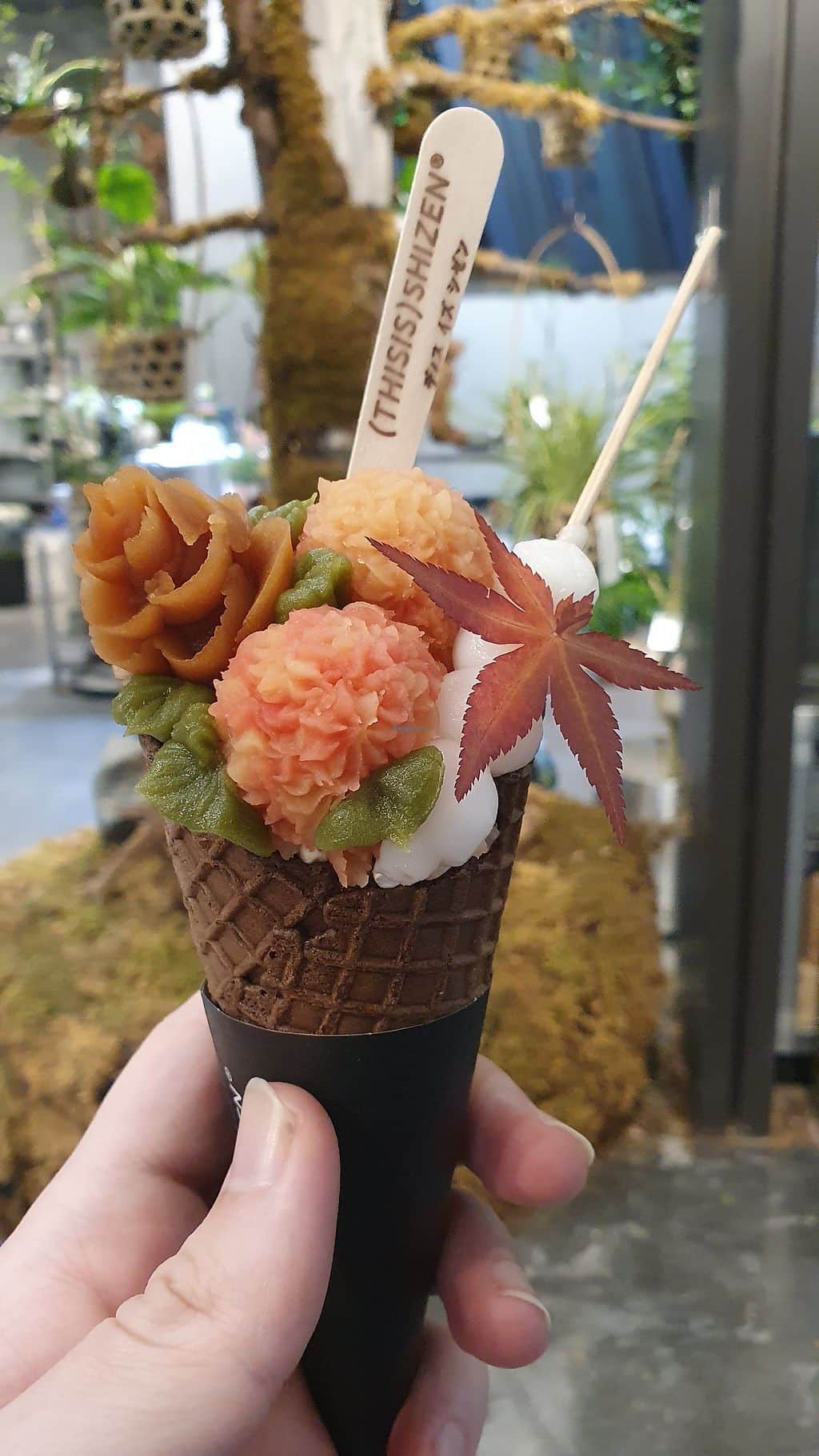
(THISIS)SHIZEN: The Photo-Famous Spot for Sweet Bean Paste Ice Cream Bouquets
(THISIS)SHIZEN is rated 3.8 (716 reviews) and is a space combining plants, art and a Japanese tea house concept. Its signature “Ice Bouquet” is carved from sweet bean paste into delicate flower shapes, visually gorgeous and a hugely talked-about Kyoto food photo spot on Instagram.
The interior uses lots of green plants for a healing atmosphere, and seasonal flavors change with the flower theme. Take a photo and eat it right after buying to keep the flower shape fully intact; it is the most recommended dessert to end a Shinpuhkan visit.
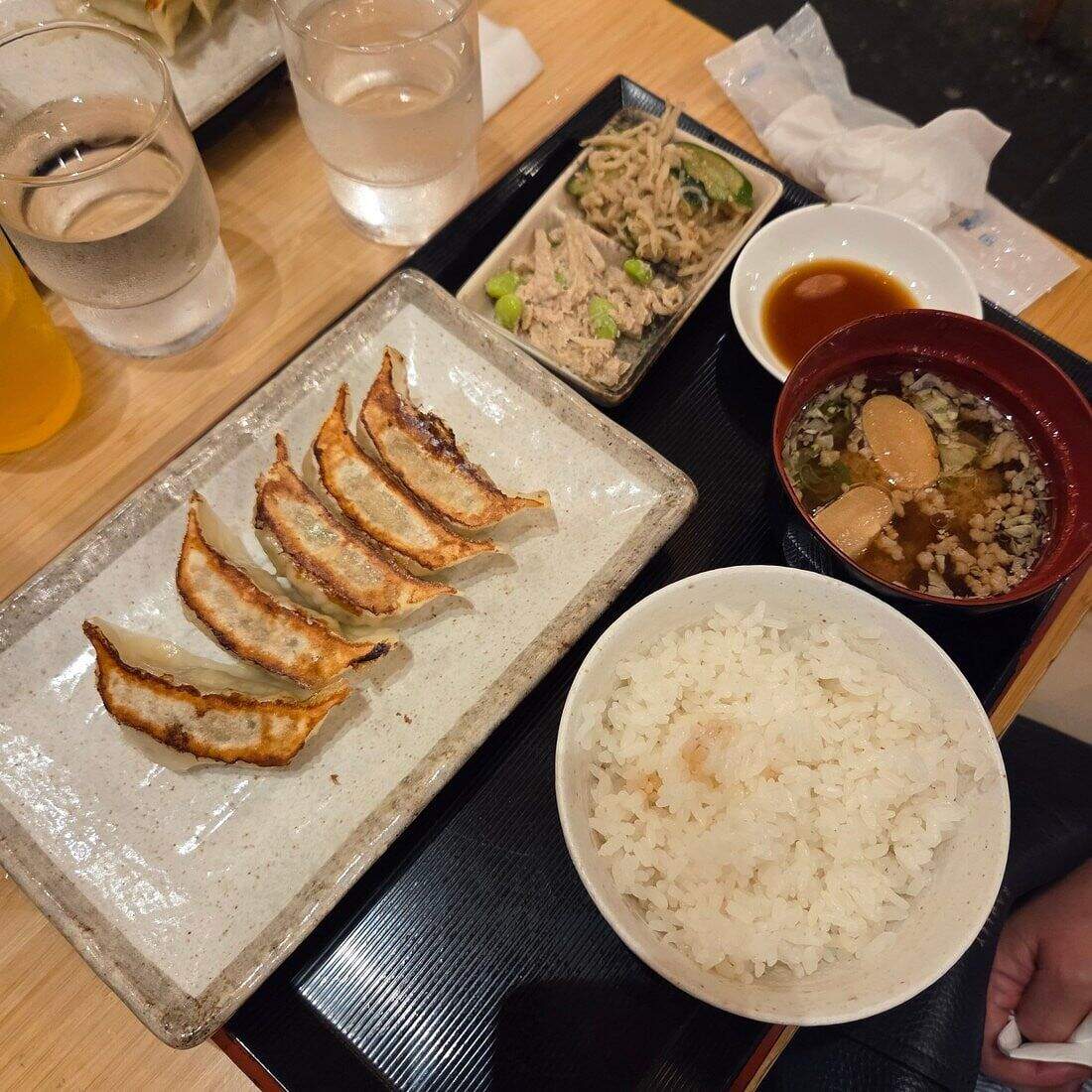
Gyoza-dokoro Ryosho Shinpuhkan: A Refined, Quality Kyoto Gyoza Specialist
Gyoza-dokoro Ryosho Shinpuhkan specializes in refined, quality Japanese-style gyoza, hand-wrapped with carefully chosen ingredients. The flavors sit between traditional Chinese dumplings and light Japanese fare, and it is one of the few places in the complex offering proper meals, a good fit for lunch while shopping.
The interior continues Shinpuhkan’s warm wooden style. There are not many seats, but the atmosphere is comfortable. Avoid the midday peak to prevent a long wait, and after eating you can go straight on to the other stores in the complex.
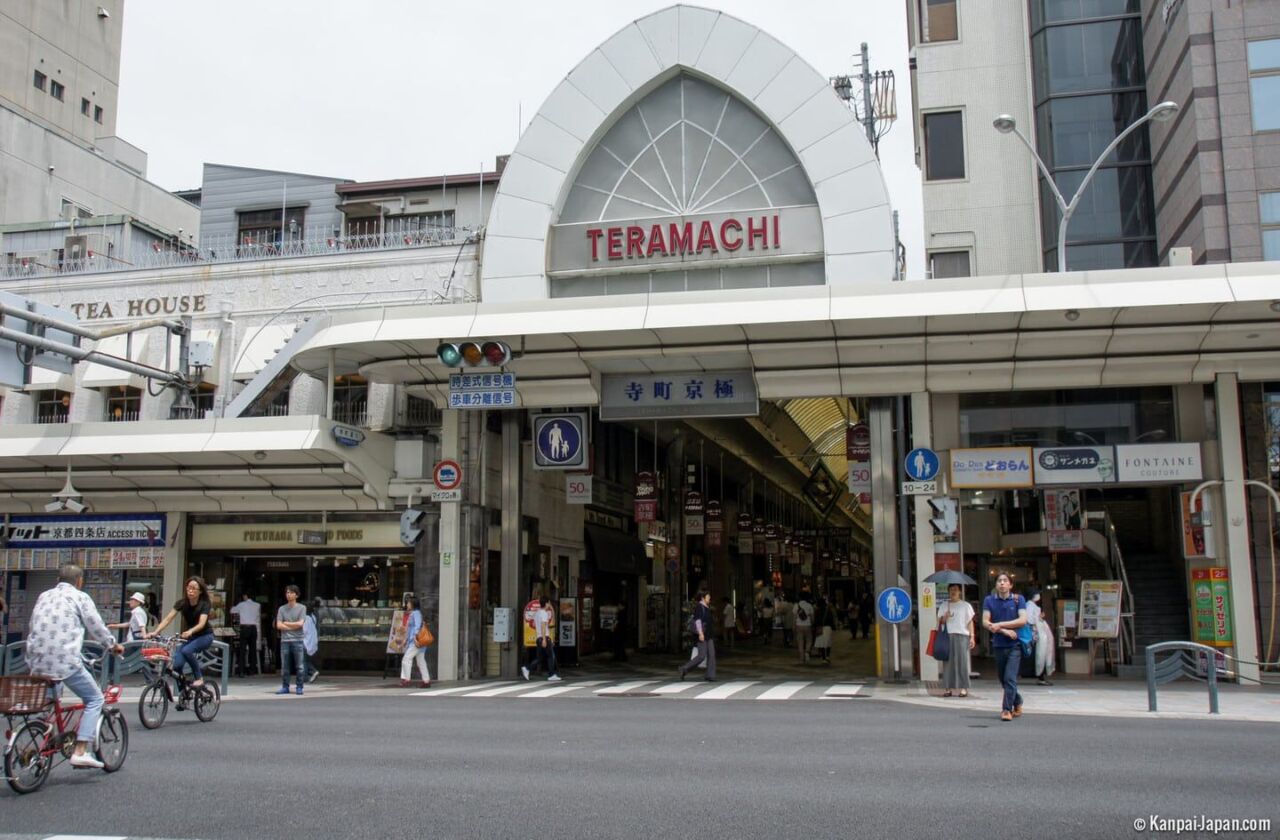
Teramachi-dori and Shinkyogoku Shopping Streets: A Shopping Arcade Linking Old and New
Teramachi-dori, the neighboring Shinkyogoku-dori and the Sanjo-dori area form one of Kyoto’s oldest shopping streets, named after the temples gathered here in the era of Toyotomi Hideyoshi. Today it gathers many secondhand clothing stores, from imported European and American, Japanese retro to high-end designer brands, with everything from very cheap to high-end pre-owned pieces.
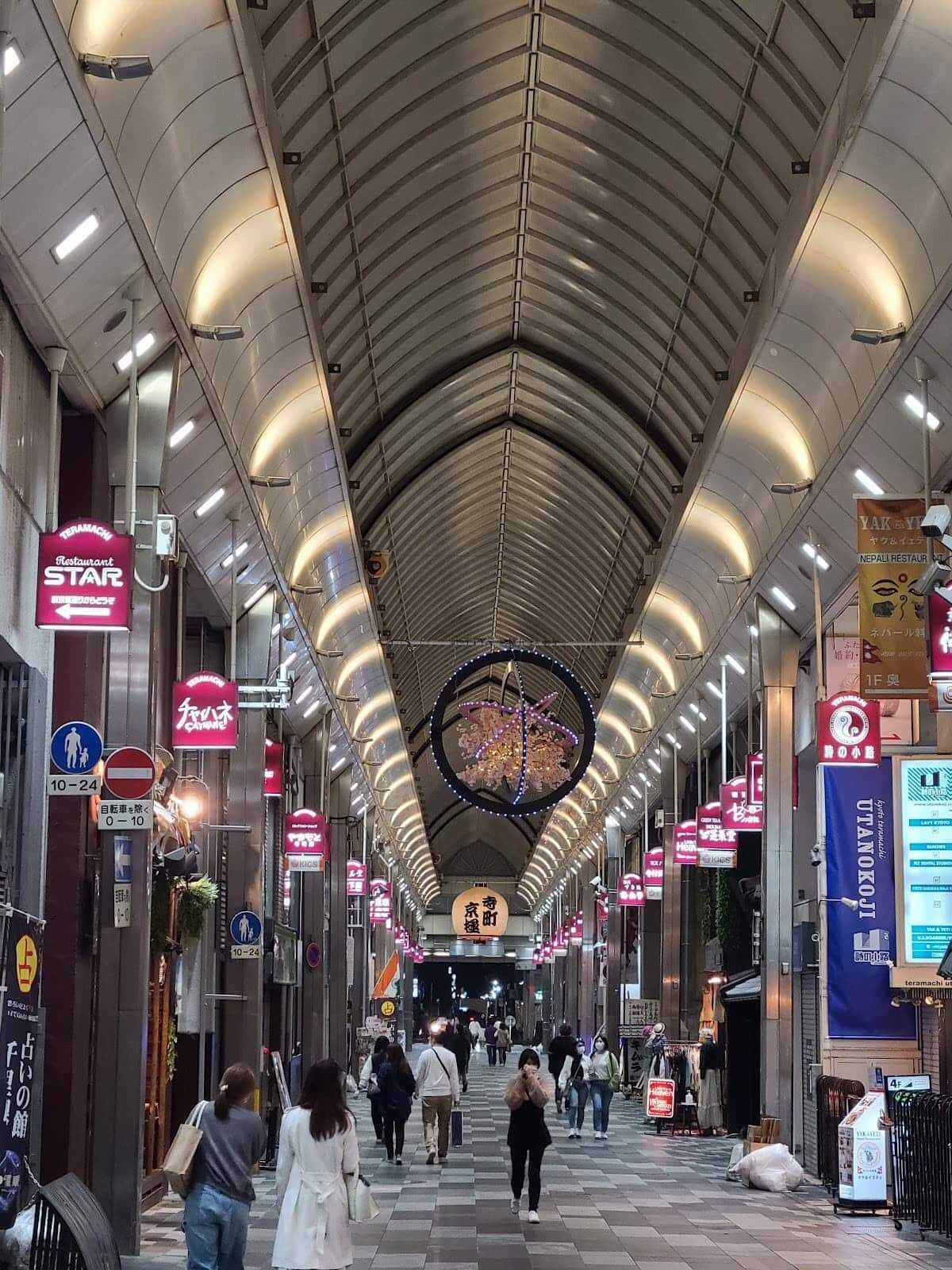
The whole street is covered by an arcade roof, so you can shop comfortably even in the rain. It runs south from the Sanjo-dori junction to Shijo-dori, mixing traditional wagashi shops, drugstores and temples along the way, the most concentrated street for experiencing Kyoto’s blend of old and new shopping culture.
Nishiki Market: A Food Paradise to Finish After Vintage Hunting
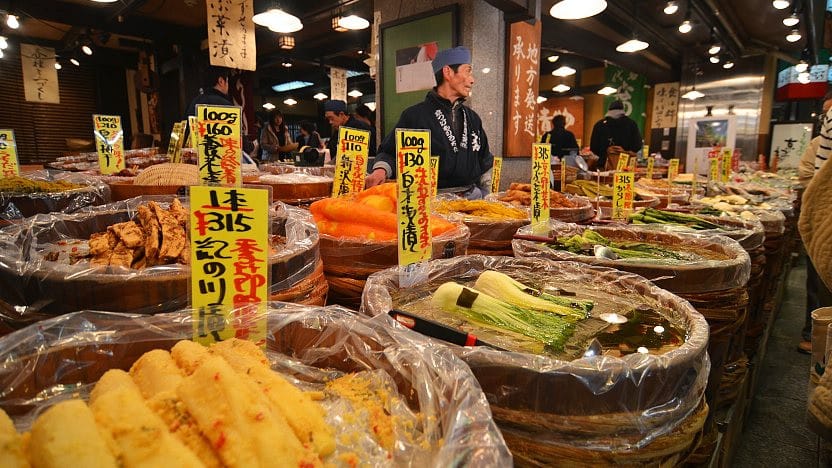
Nishiki Market sits right at the south end of Teramachi-dori and Shinkyogoku-dori and is the 400-year-old “Kyoto’s Kitchen,” with more than 100 stalls and shops selling Kyoto pickles, dried goods, seafood skewers and all kinds of prepared foods. It is within walking distance after the vintage shops, an excellent choice for a closing dinner.
Eating as you walk is the way to experience the market. The signature takoyaki, matcha desserts and fresh sashimi sushi are all worth a try. The crowds are a bit lighter in the evening than during the day, the best time for photos and buying souvenirs.

2026 Kyoto Teramachi Vintage Shopping Guide: Shinpuhkan, Harajuku Chicago and Secondhand Stores: Self-Guided Walking Routes
To experience the vintage culture around Kyoto’s Teramachi-dori and Shinpuhkan in depth, exploring on your own can be just as complete. Here are several self-guided routes that combine architecture, shopping and shopping-street strolls, which you can mix and match by time and taste, suited to travelers who love retro fashion.
Shinpuhkan Architecture Walk x Vintage Shop Tour: A Self-Guided Half-Day Route
A self-guided half-day route can start at Shinpuhkan: in the morning, admire the red-brick building completed in 1926 and renovated by Kengo Kuma in 2020, with its courtyard; shops inside open from 11:00. Then walk along Sanjo-dori for about 10 to 15 minutes to Teramachi-dori, continue into the Shinkyogoku shopping street, and visit the popular vintage shops, picking up the basics of selecting pieces and judging their era along the way.
This route suits architecture, design and vintage fans, and is also great for photography; try to go on a weekday.
Digging Through Harajuku Chicago Kyoto: What to Look for at Japan’s Leading Vintage Chain
Harajuku Chicago is a well-known vintage chain that began in Tokyo’s Harajuku. The Kyoto store is likewise known for plenty of American retro clothing, denim jackets, military jackets and work pants, at friendly prices and great value. When choosing, check the material, stitching and wash labels, which help judge the era and quality and avoid bad buys.
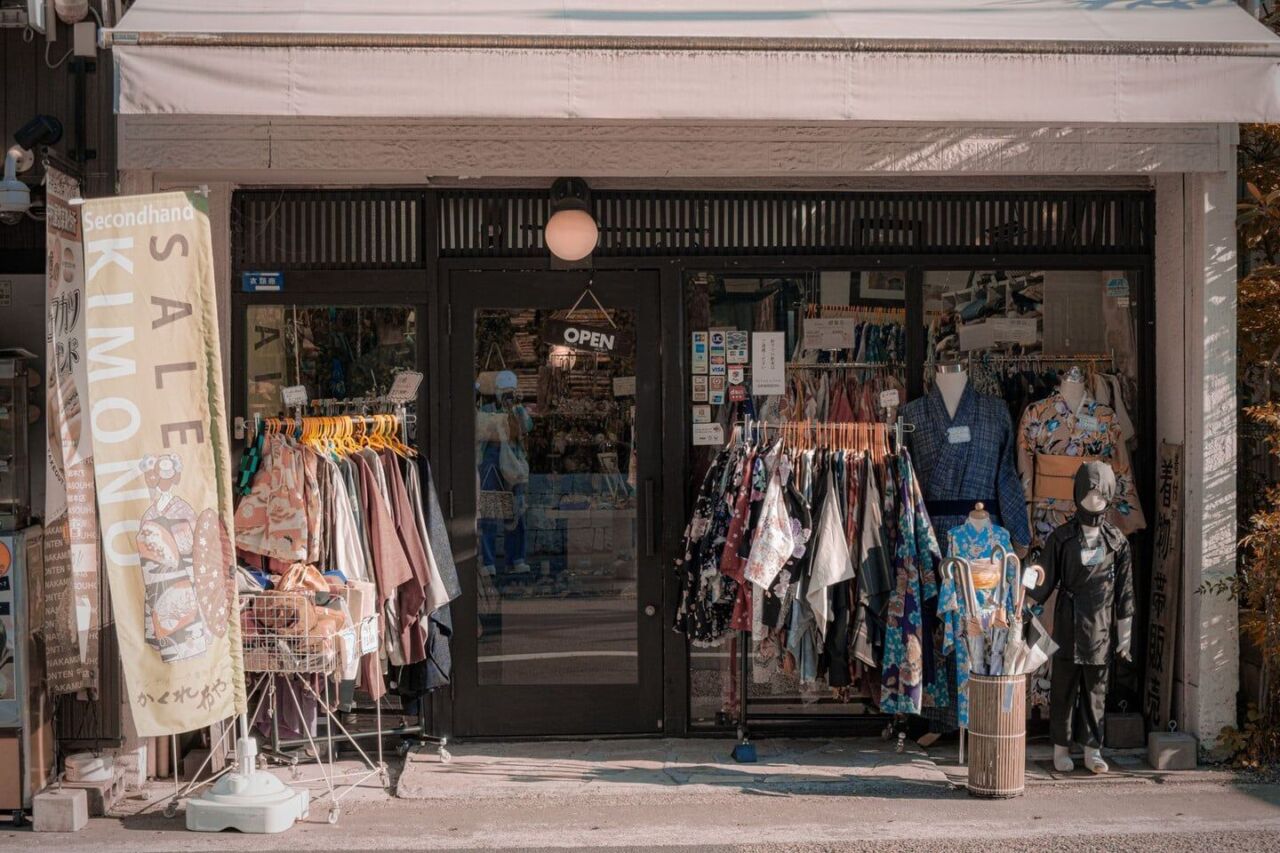
Allow about two hours to shop comfortably, and try things on before deciding. Classic vintage pieces such as Levi’s denim and flannel shirts are common, so even beginners can dig at leisure.
It is especially good for travelers new to vintage culture. Start with this shop, then gradually visit Kyoto’s other vintage stores.
Strolling Teramachi-dori: From Long-Established Sweet Shops to Hidden Vintage Stores
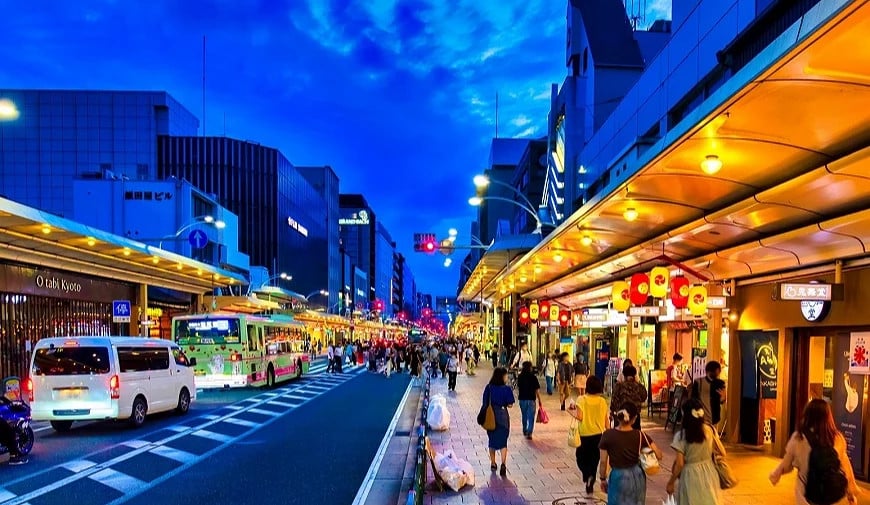
Teramachi-dori is lined with vintage shops while preserving century-old stores and Kyoto atmosphere. As you stroll, you can cross between Teramachi-dori and Shinkyogoku-dori, noticing local specialty shops for wagashi, Buddhist altar goods and stationery along the way, and stopping by the vintage shops tucked in between.
The shopping street is covered by an arcade roof, and you can set your own pace, which suits families and older travelers who rest as they browse. Set out in the afternoon and, when tired, head back to a vintage shop you liked to keep choosing.
Self-Guided Kyoto Vintage Route: Walking from Teramachi-dori to Shijo-Kawaramachi
The vintage shops around Teramachi-dori, Shinkyogoku-dori and Shijo-Kawaramachi are close together and can be linked on foot. Harajuku Chicago, JAM and 2nd Street Shijo-Kawaramachi are all in this area, so list the shops you want to visit first and then plan the order around their opening hours.
Some small vintage shops do not accept credit cards, so bring cash in advance.
Where to Stay Nearby
Teramachi-dori, Shinkyogoku and Nishiki Market are all in the Kawaramachi area. Staying around Kawaramachi or Shijo lets you link vintage shops, shopping streets and food on foot, and makes it easy to reach other sights by Hankyu and the subway.

2026 Kyoto Teramachi Vintage Shopping Guide: Kengo Kuma’s Shinpuhkan, Harajuku Chicago and Secondhand Clothing Stores FAQ
Q: How much is admission to Shinpuhkan?
Shinpuhkan itself is free to enter. It is an open-air mall, and only purchases at individual shops cost money, so no separate ticket is needed for shopping.
Q: Which brands are in Shinpuhkan? Where are Kyoto’s streetwear stores concentrated?
According to the Shinpuhkan official website, the clothing and lifestyle brands inside include MAISON KITSUNÉ, Pilgrim Surf+Supply, 1LDK, BEAMS JAPAN, JOHN SMEDLEY, Globe Specs, Y. & SONS, LE LABO, uka store and TRAVELER’S FACTORY. Kyoto’s directly operated streetwear stores are concentrated between Sanjo-dori and Shijo-dori, such as Stüssy Kyoto Chapter on Sanjo-dori and BAPE STORE® KYOTO at the south end of Teramachi-dori on Shijo-dori, and they can be fitted into the same day as the Teramachi vintage shops.
Q: How do I plan a day combining Shinpuhkan and Teramachi-dori’s vintage street?
Visit Shinpuhkan in the morning, walk 10 to 15 minutes along Sanjo-dori to Teramachi-dori, then spend the afternoon on the vintage shops, and have dinner at nearby Nishiki Market.
Q: What are Shinpuhkan’s opening hours?
According to the Shinpuhkan official website, shops are open 11:00 to 20:00, restaurants 10:00 to 22:00 and the basement cinema 9:00 to 23:00, varying by store; the dining facilities inside Ace Hotel Kyoto have separate hours.
Q: What is the fastest way to get from Kyoto Station to Shinpuhkan?
Take the Kyoto Municipal Subway Karasuma Line to Karasuma Oike Station, and the south ticket gate leads directly to Shinpuhkan. The ride takes about 5 minutes and the fare is ¥220.
Q: Are Teramachi vintage shops overpriced with “tourist prices”?
Some shops do price individual items high, and pricing varies a lot between shops, so compare prices and item condition at several stores before deciding whether to buy.
Q: When is the best time to visit Teramachi vintage shops for the best deals?
Kyoto City’s “Junkan Fes” includes the “¥0 Market,” which gives away clothing for free. In 2026 it was held on April 19 at Umekoji Park; the next date is as announced by Kyoto City.
Q: What should I wear when shopping at Shinpuhkan and Teramachi-dori?
The Shinpuhkan complex has many slopes, so wear comfortable sneakers. The Teramachi-dori shopping street is covered by an arcade roof, so you can shop comfortably even in the rain.