
2026 Toji Temple Guide: Japan’s Tallest Pagoda and the Kobo-ichi Market, Explained
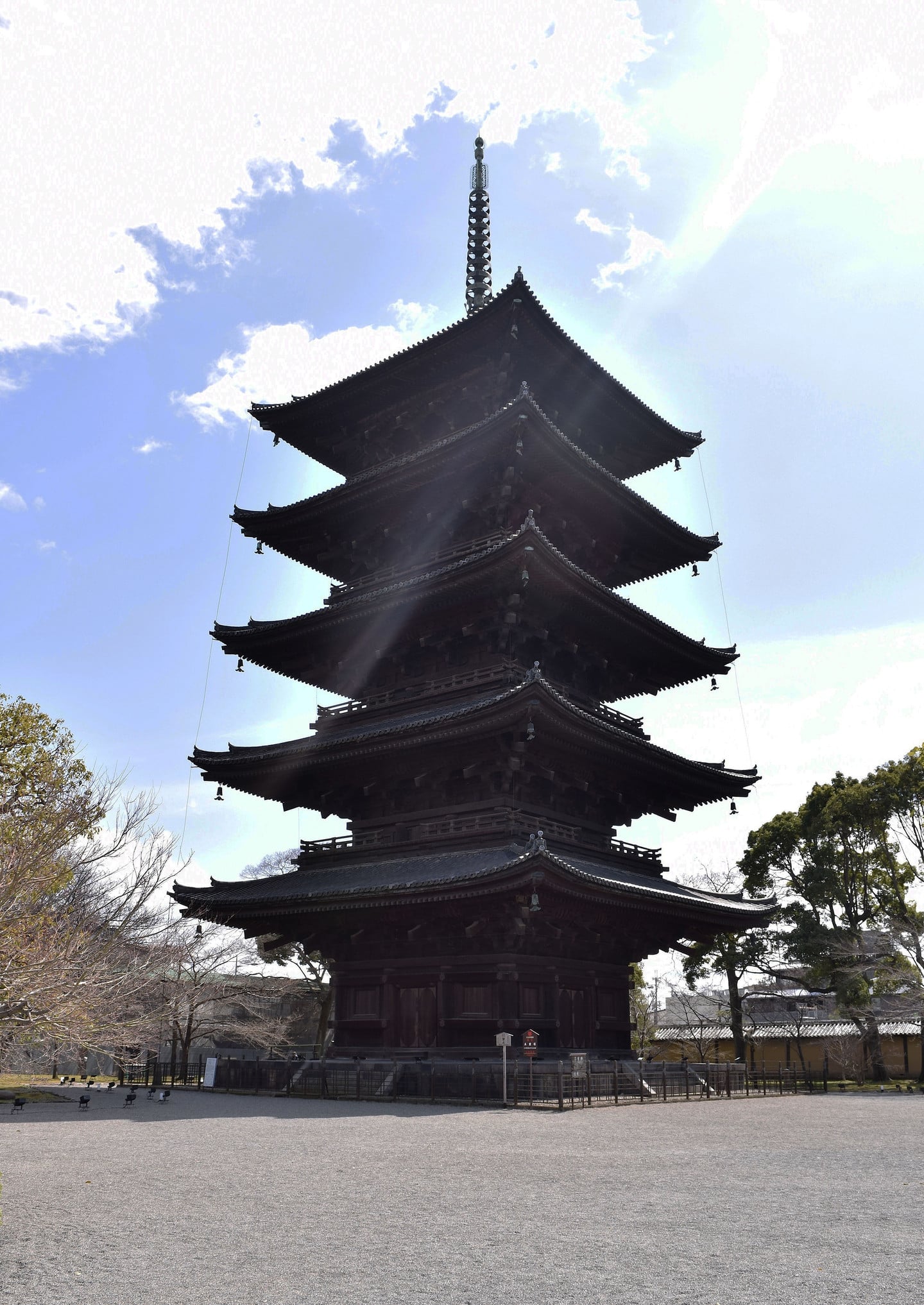
Toji is one of Kyoto’s oldest surviving temples, famous for Japan’s tallest wooden five-story pagoda and the Kobo-ichi market held on the 21st of every month, and well worth a half-day visit.
Toji: Head Temple of Shingon Buddhism and a Living Witness to Heian-kyo
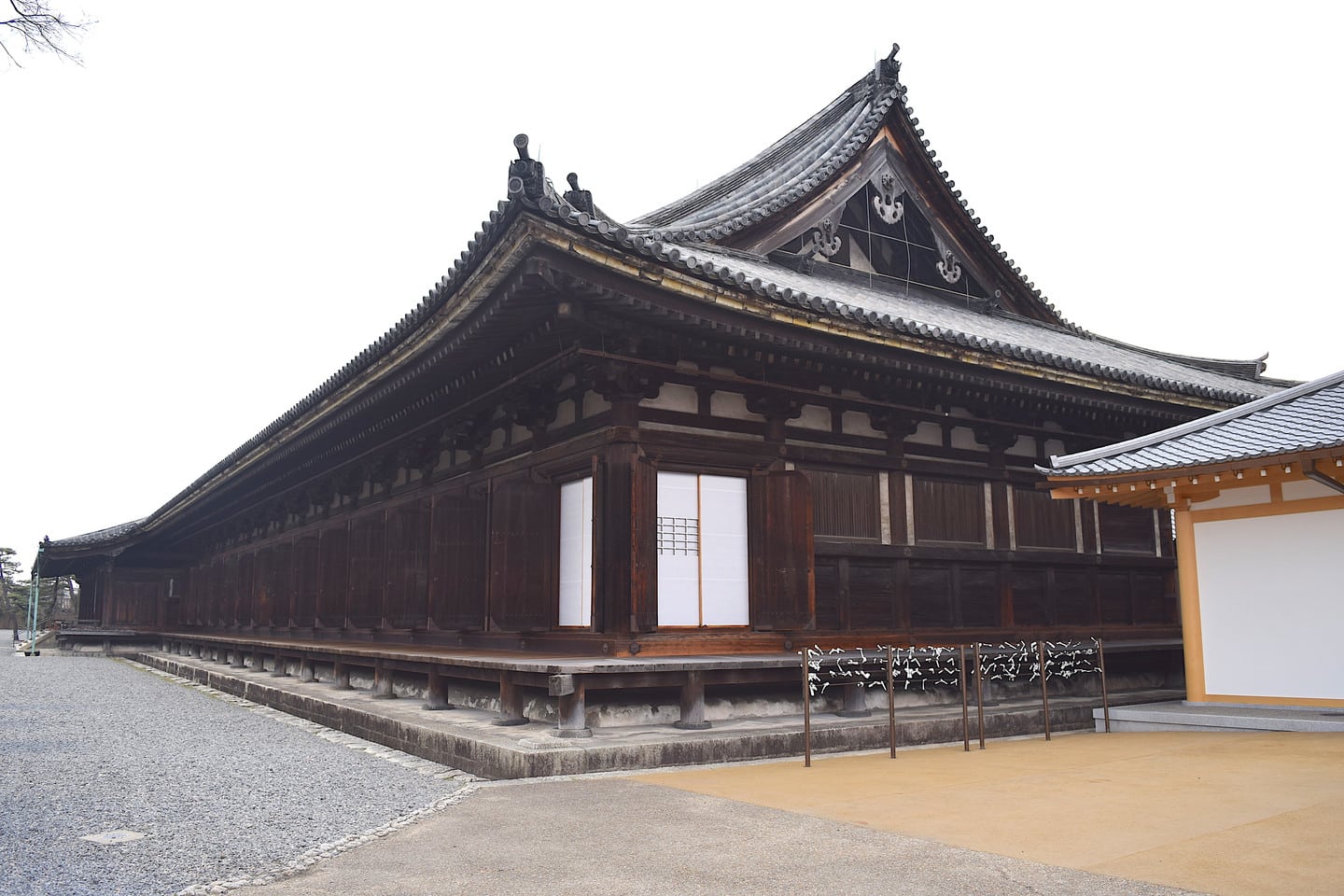
Toji (Kyo-o-gokoku-ji) is a temple complex that has survived in Kyoto since the founding of Heian-kyo (794), and one of the “Historic Monuments of Ancient Kyoto” World Heritage sites. It was built as a state temple by Emperor Kanmu in 796; in 823 it was given to the great master Kobo Daishi (Kukai), becoming the founding training hall of Shingon esoteric Buddhism and establishing its status as the head temple of the Shingon school.
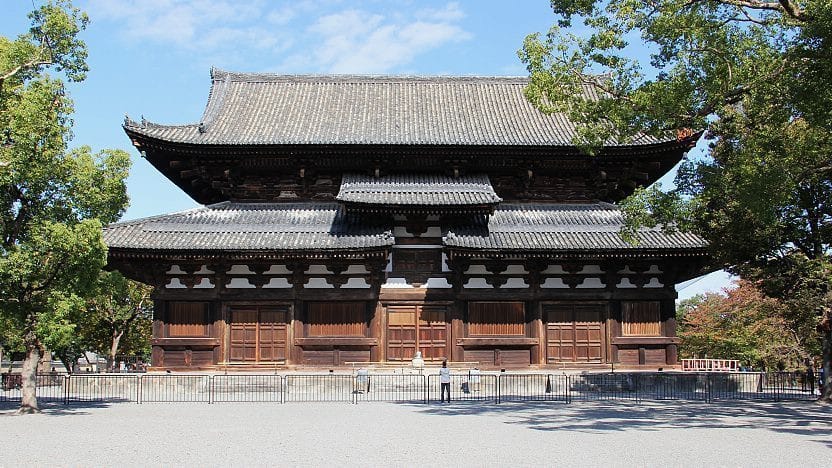
The grounds preserve the full Heian-period temple layout, including the Kondo (Main Hall), Kodo (Lecture Hall), five-story pagoda and South Gate, making it a living textbook for the study of Japanese Buddhist architecture. Having survived many wars and fires, Toji is a rare and precious survivor.

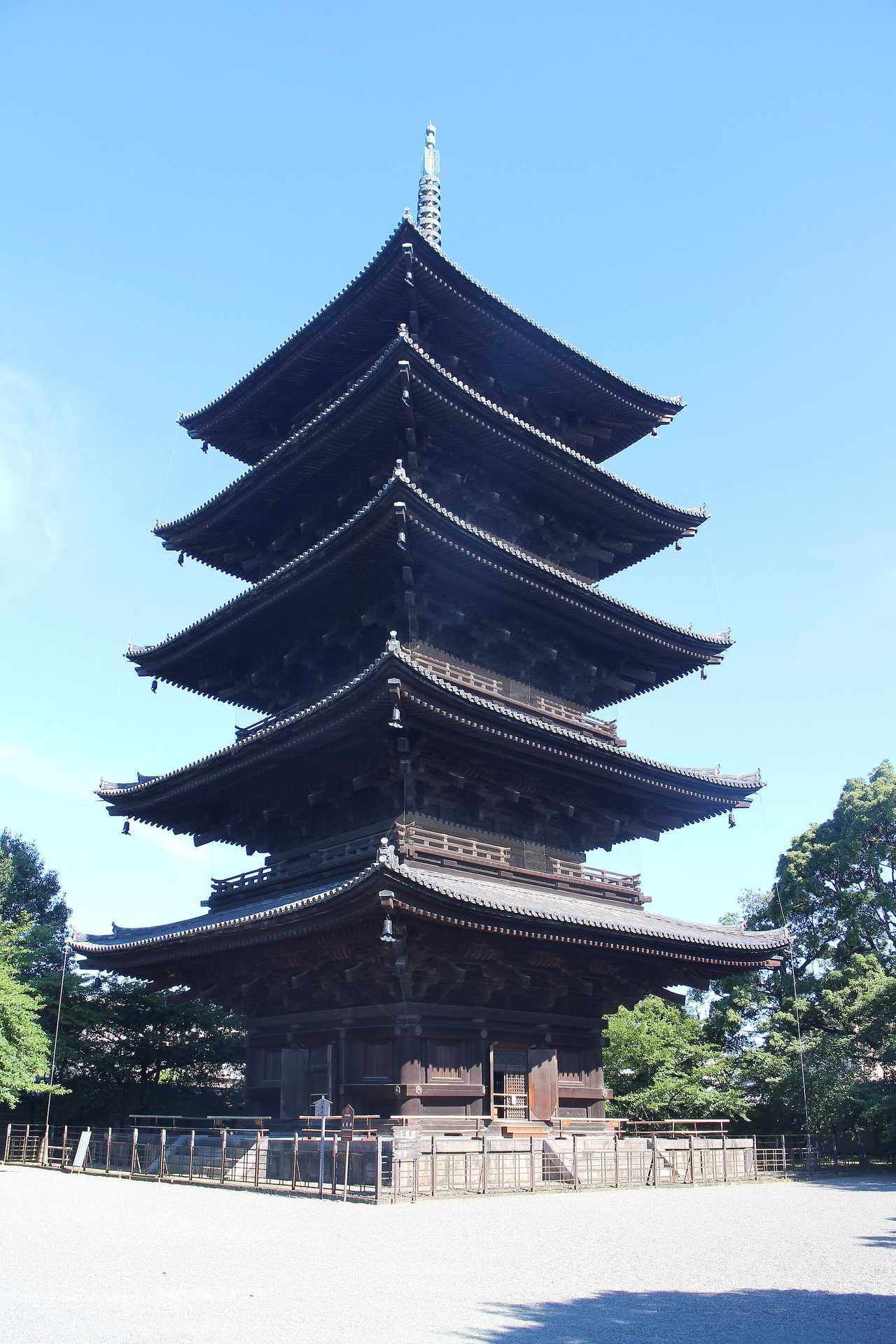
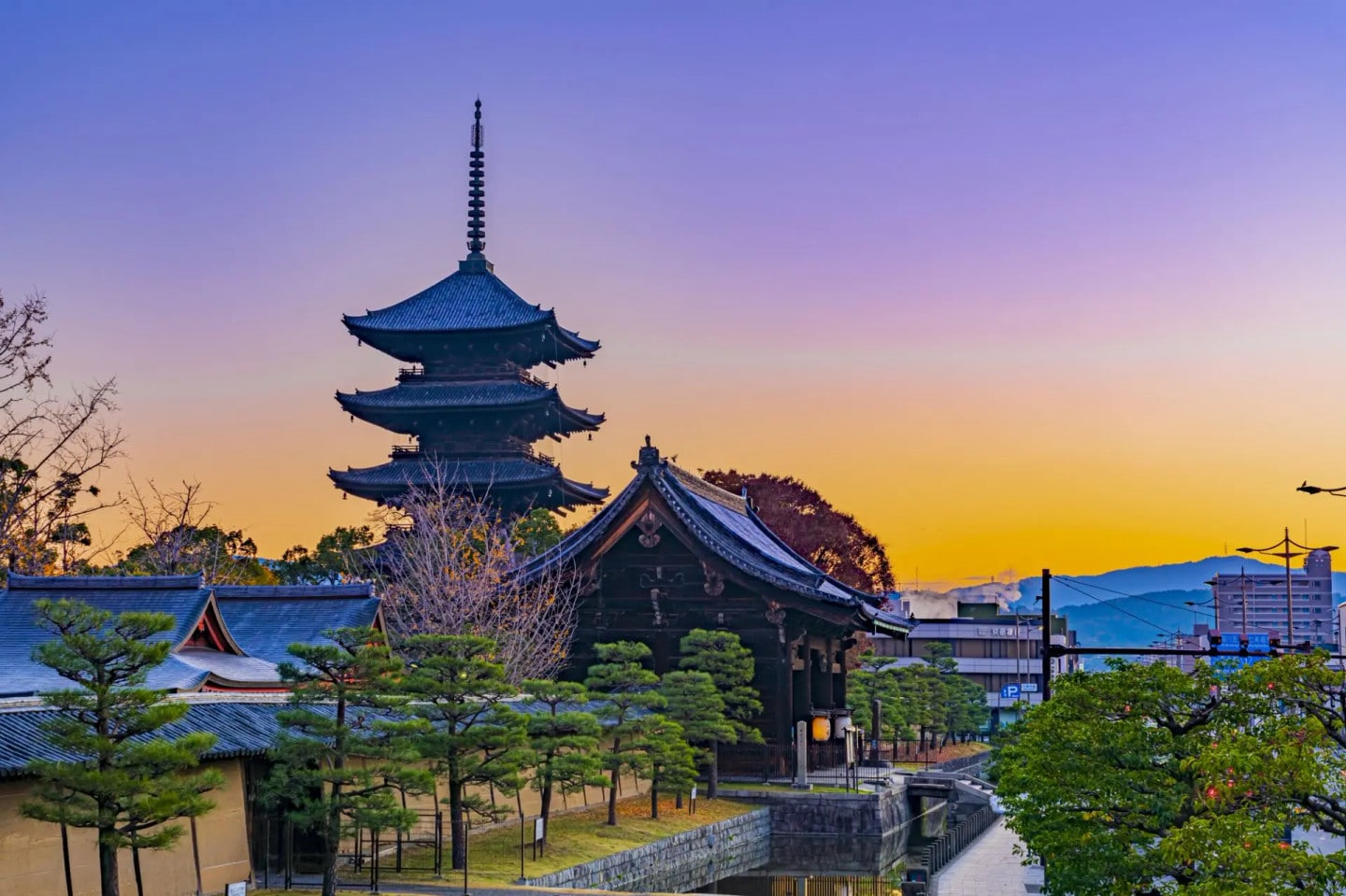
The Five-Story Pagoda: Japan’s Tallest Surviving Wooden Pagoda and a Kyoto Skyline Landmark
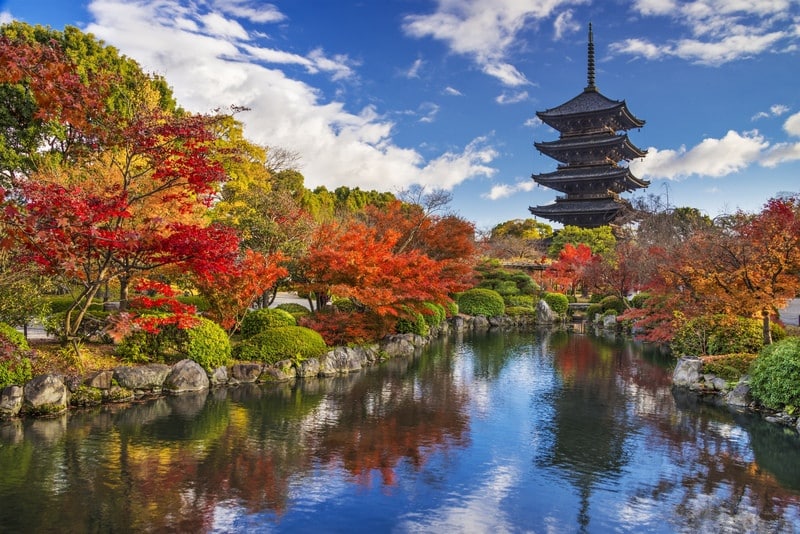
Toji’s five-story pagoda stands about 54.8 meters tall, the tallest surviving wooden pagoda in Japan and a landmark of Kyoto, designated a National Treasure. Construction was begun by Kobo Daishi (Kukai) in 826, and after being damaged four times, the present fifth-generation structure was rebuilt in 1644 with funds donated by Tokugawa Iemitsu, so it is now nearly 380 years old.
The pagoda is normally closed to visitors and its first floor opens only during the spring and autumn “special openings.” Inside are enshrined Dainichi Nyorai, the four Buddhas of the four directions and bodhisattva statues, while the walls and pillars are painted in color with the mandala world of esoteric Buddhism, offering a rare chance to see them.
Kobo-ichi: Kyoto’s Largest Antique Market, With Nearly a Thousand Stalls on the 21st of Each Month
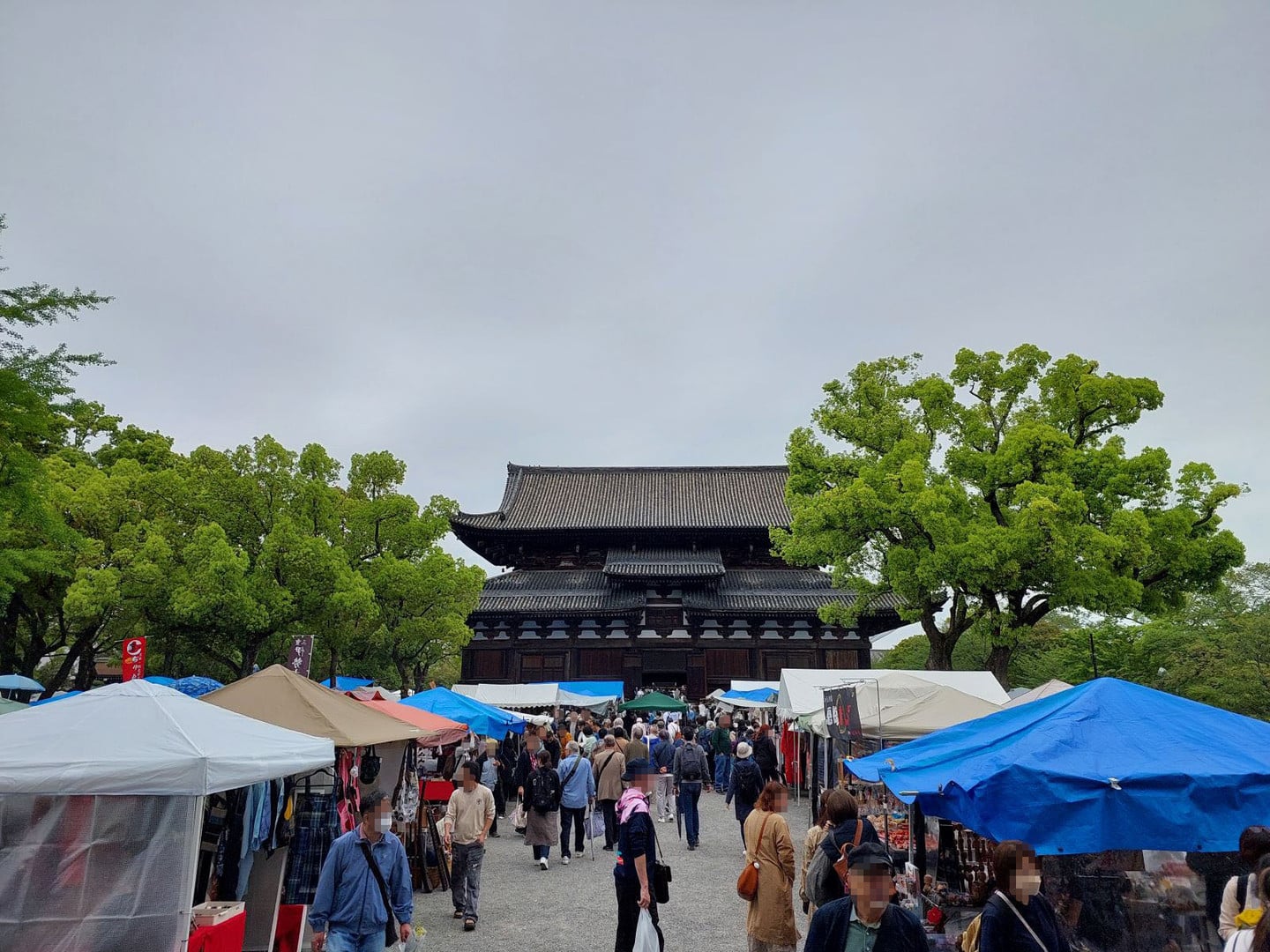
Kobo-ichi (also called “Kobo-san”) is held on the 21st of every month on the Toji grounds and the surrounding streets, rain or shine, and is the largest antique flea market in Kyoto; Toji’s official website says there are nearly a thousand stalls inside the grounds. According to Toji’s official explanation, vendors begin setting up after the gates open at 5 a.m., almost all stalls are open by around 8 a.m., and they start packing up from around 4 p.m. (some close early when it rains), so the best time to go treasure hunting and soak up the local atmosphere is the morning.
Kobo-ichi 2026 Dates: October to December, Including Shimai-Kobo
The upcoming Kobo-ichi dates in 2026 are October 21 (Wed), November 21 (Sat) and December 21 (Mon). The December market is called “Shimai-Kobo,” the last of the year and the most crowded, and the January 21 market of the following year is “Hatsu-Kobo.” The Toji parking lot is closed on market days, so we recommend going by train.

A World Heritage Itinerary Worth Half a Day or More
Entry to the Toji grounds is free and the paid areas are reasonably priced (Kondo and Kodo from ¥800 for adults), and since it is within walking distance of Kyoto Station it fits perfectly into the first or last day of a Kyoto trip. If you can time it with the Kobo-ichi market on the 21st of the month, you can enjoy both the solemnity of an ancient temple and the lively bustle of a market at once.
Plan at least 2 to 3 hours; if it is a Kobo-ichi day, reserve half a day. Browse the market for treasures in the morning, then visit the Kondo, Kodo and five-story pagoda, and finish by the Hyotan Pond for the classic photo of the pagoda’s reflection.
How to Get to Toji: Transport Options and Costs
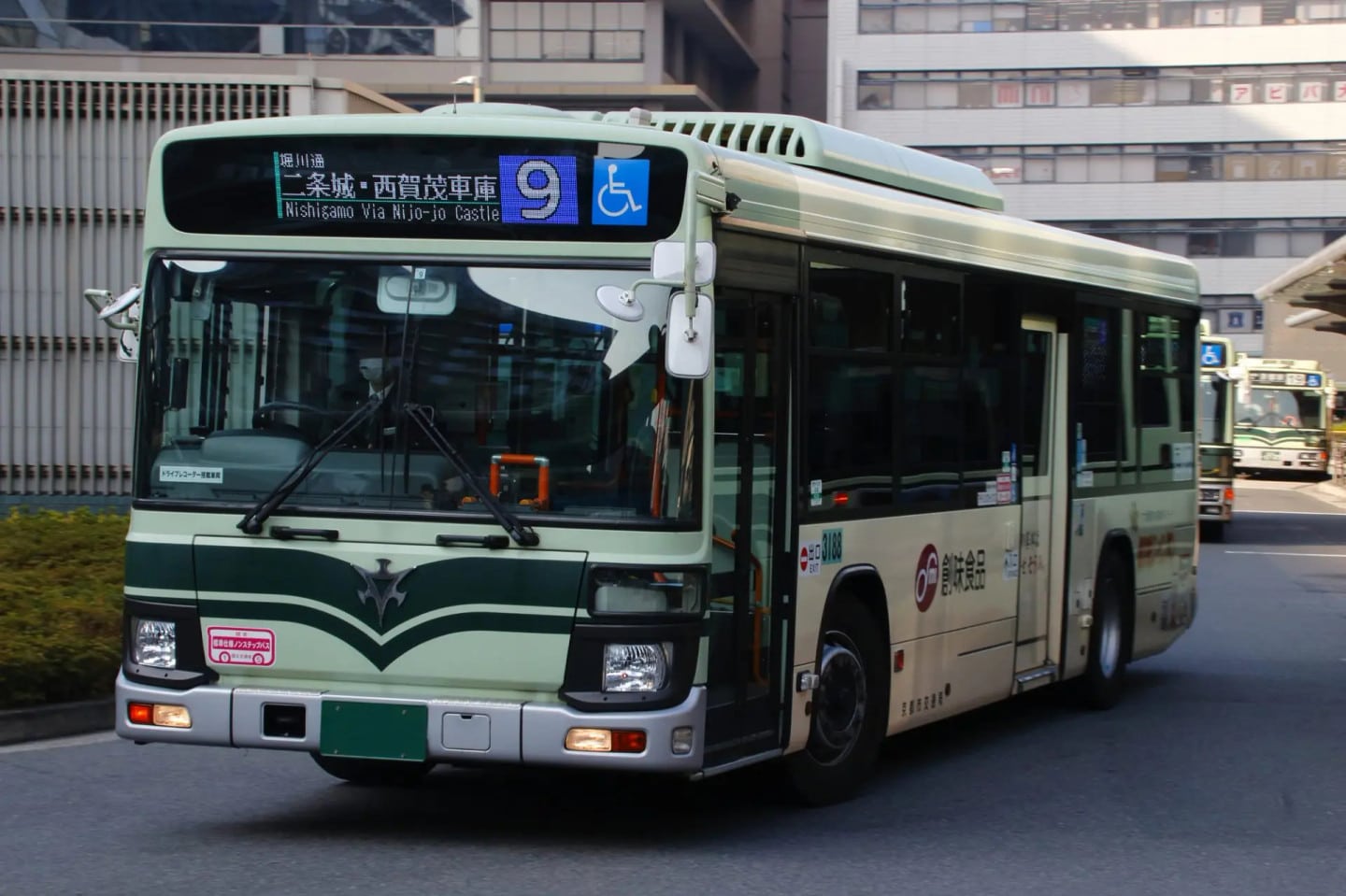
Toji sits just south of Kyoto Station; from the Hachijo Exit of JR Kyoto Station it is about a 15-minute walk to the South Gate, along a flat, easy route with no transfers. You can also take the Kintetsu Kyoto Line to Toji Station and walk about 10 minutes, or take a city bus from Kyoto Station to the “Toji Higashimon-mae” stop and walk about 2 minutes. If you will visit other Kyoto sights the same day, the Kyoto City Bus and Subway One-Day Pass (¥1,100) is better value.


Must-See Highlights at Toji: A Complete Guide to Sights and Experiences
From National Treasure architecture to market food, here are the best highlights to plan for in and around Toji.
First-Floor Pagoda Special Opening: A Glimpse of the Esoteric Mandala World
The Toji five-story pagoda can normally only be viewed from the outside, but each year there is a “first-floor special opening” in certain periods, when the first floor is open for visitors to enter. In 2026 the opening periods are January 1 to March 18, April 25 to May 25, and October 31 to December 13, and admission is a combined ticket that includes the Kondo and Kodo, ¥1,200 for adults (check announcements on Toji’s official site, toji.or.jp). Inside, four huge central pillars support the structure, with Dainichi Nyorai and the four Buddhas of the four directions enshrined on all sides and vividly colored esoteric mandala designs painted on the walls and pillars, showing the essence of Heian-period Buddhist art.
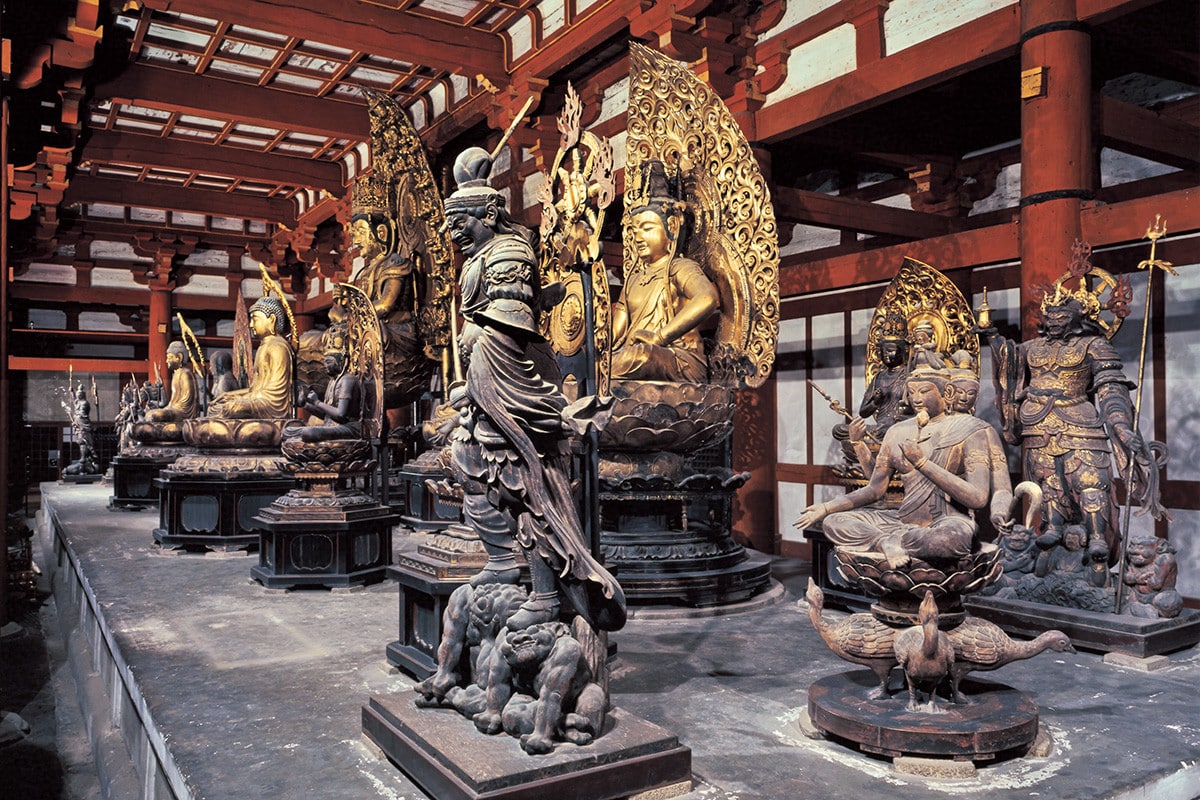
The Kodo’s Three-Dimensional Mandala: A Esoteric Universe of 21 Buddha Statues
The Toji Kodo was conceived and designed by Kobo Daishi (Kukai) to present the Shingon esoteric view of the cosmos as a “three-dimensional mandala,” and holds 21 Buddha statues: centered on Dainichi Nyorai, they include the Five Wisdom Buddhas, Five Great Wisdom Kings and Five Great Bodhisattvas. Fifteen of them are National Treasures and the rest are Important Cultural Properties. The ticket for the Kodo and Kondo is sold together, ¥800 for adults. Hours are 8:00 a.m. to 5:00 p.m. every day, with last entry at 4:30 p.m. With no glass barrier, you can study the statues’ expressions, presence, poses and the details of their ritual implements up close.
Toji Five-Story Pagoda Admission and Opening Hours at a Glance
The Toji pagoda can normally only be viewed from the outside, and can be entered only during the first-floor special opening; the autumn opening in 2026 runs from October 31 to December 13. According to Toji’s official website, the combined Kondo and Kodo admission during the opening period is ¥1,200 for adults, ¥700 for high school students and ¥500 for junior high students and younger; at normal times the Kondo and Kodo are ¥800 for adults, ¥400 for high school students and ¥300 for junior high students and younger. The grounds open at 5 a.m. and close at 5 p.m.
Kobo-ichi Treasure-Hunting Guide: A Trove of Antique Kimono and Street Food
Kobo-ichi on the 21st of each month is Toji’s liveliest day, with nearly a thousand stalls selling all sorts of goods, including antique Japanese furniture, ceramics, old coins, lacquerware and tea-ceremony utensils, as well as plenty of secondhand kimono, yukata and obi, a paradise for treasure hunters.
The market also has its share of local street food, with yakisoba, grilled squid, dango and obanyaki filling the air with aroma, plus stalls for handmade crafts, potted plants and even moss plants. Bring cash and go in the morning, haggle politely, and note that popular items at the best stalls tend to sell out by the afternoon.
Toji Spring Night Cherry Blossom Illumination: Pagoda and Night Sakura Together
From mid-March to early April each year (March 14 to April 12 in 2026), Toji holds special spring evening openings until 9:30 p.m. (last entry 9:00 p.m.), with admission of about ¥1,000. The “Fuji Sakura” in the grounds is a tall weeping cherry tree, and together with the five-story pagoda lit up in the lights and the reflection on the surface of Hyotan Pond, it makes one of Kyoto’s classic spring night views.
Because of the crowds during the night sakura season, we recommend arriving around 5:00 p.m. to line up early and avoiding the peak visiting hours of 7:00 to 8:00 p.m. Photography fans can bring a lightweight tripod to use in the designated area, but note that the temple restricts tripod use on certain evenings, so check that year’s announcement before you go.
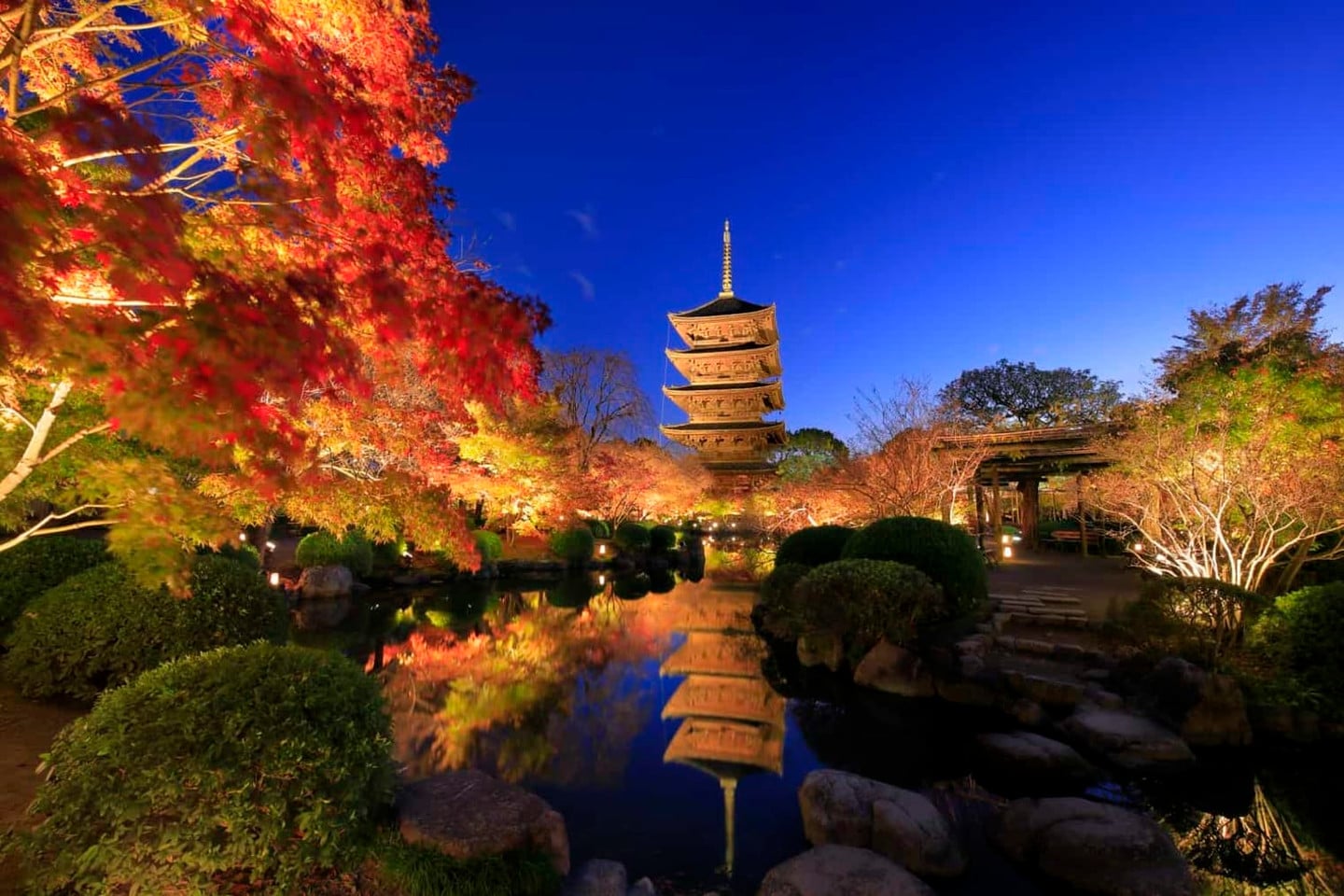
Toji Autumn Night Foliage Illumination: Red Leaves Reflected on the National Treasure Pagoda
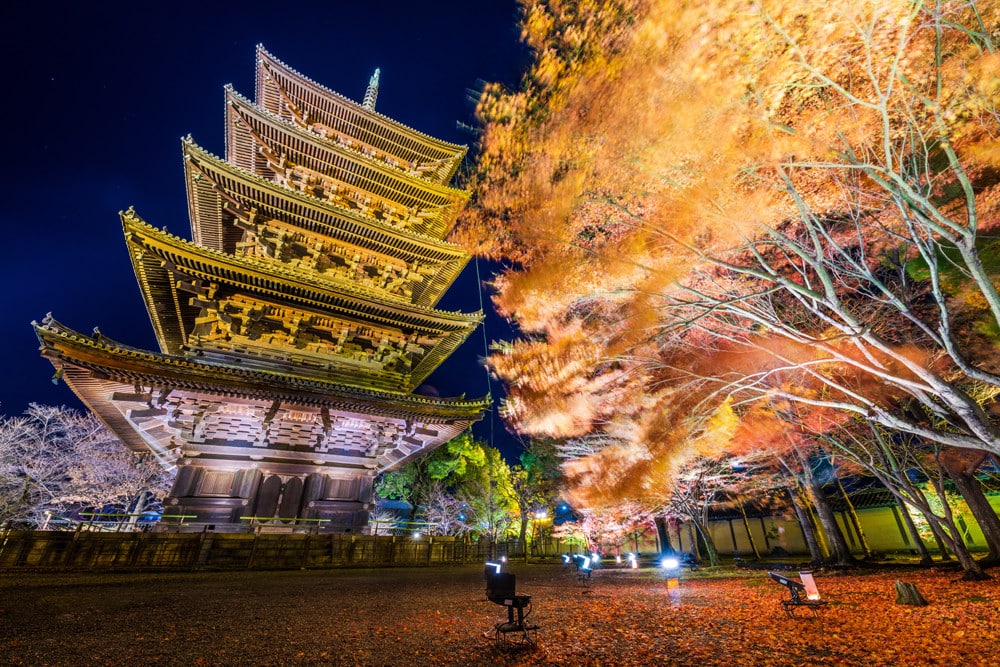
The autumn evening special opening in 2026 runs from October 31 to December 13, also until 9:30 p.m., with admission of about ¥1,000. The grounds are filled with red maple leaves, and with the lights cast on the five-story pagoda and Kodo, the atmosphere is solemn and completely different from the daytime. For tripod rules, follow the temple’s announcement for that year.
Walk slowly around the Hyotan Pond after dark; the pagoda’s reflection in the pond mixed with the red leaves makes a picture that is hugely popular on social media. Autumn is Kyoto’s peak travel season, so check the exact illumination dates for that year in advance and avoid weekend crowds.
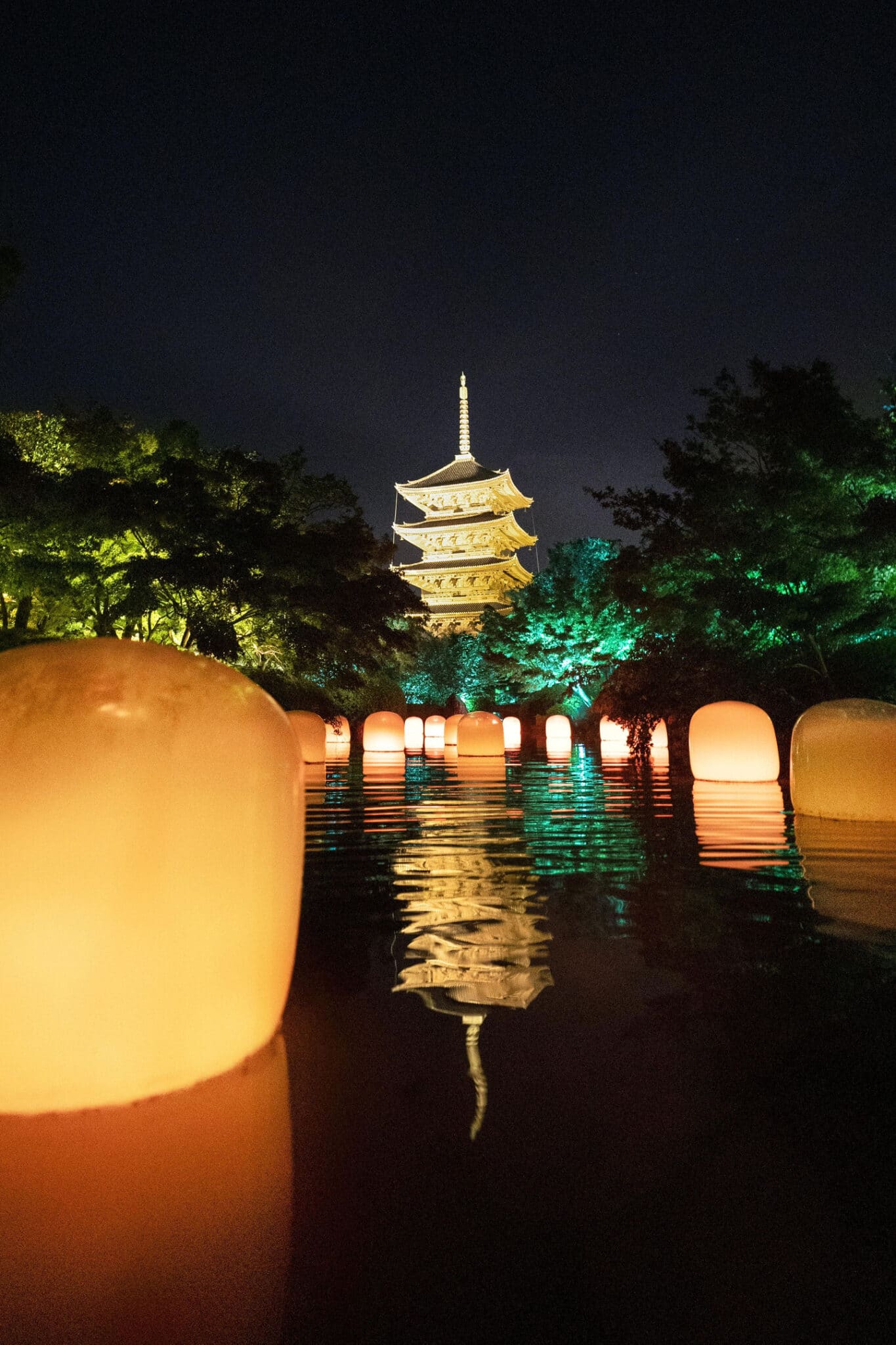
Toji Tsuki Kairo: A Limited-Time Spectacle of Bamboo Lanterns and Light
“Toji Tsuki Kairo” is a recently introduced limited-time evening event, held as a special winter-night opening; the dates, hours and ticket prices differ each year, so please check Toji’s official announcements. The event dots the temple gardens and corridors with bamboo lanterns, and the reflections by Hyotan Pond are especially dreamlike.
Because the themes of the bamboo lanterns and light installations are adjusted slightly each year, we suggest following the official social media announcements to confirm that year’s program and exact dates.
Toji Amulets and Goshuin: Distinctive Spiritual Souvenirs
Toji offers many kinds of goshuin (temple stamps), including regular versions and seasonal limited editions; check the shop’s announcements for prices. The amulets are also quite varied: besides the common ones for health, academic success and traffic safety, there are the unusually shaped “Yakuyoke” protective amulets and cute animal-shaped ones.
We suggest visiting the amulet office near the Mieido Hall after worshipping at the Kondo and Kodo. During special ceremonies, some limited goshuin are given out only on that day, so collectors should check ahead whether special events are scheduled that month to avoid going in vain.
Hyotan Pond Photo Spots: The Best Angles for the Pagoda Reflection
Hyotan Pond lies on the west side of the five-story pagoda and is named for its gourd (hyotan) shape; it is widely considered the best spot in the Toji grounds to photograph the pagoda’s reflection. On a windless morning or evening when the water is calm, the pagoda is fully reflected on the surface, a popular angle for photographers and social media posters, and the picture gains extra layers of color especially when the Fuji Sakura is in bloom in spring or the leaves turn red in autumn.
The recommended time to visit is early morning, from 5 to 7 a.m. after the gates open, when the light is soft and there are few visitors, allowing a clean composition without distractions. During the night illumination events, the pond’s edge is also the best place to enjoy the lights and the pagoda’s reflection together.
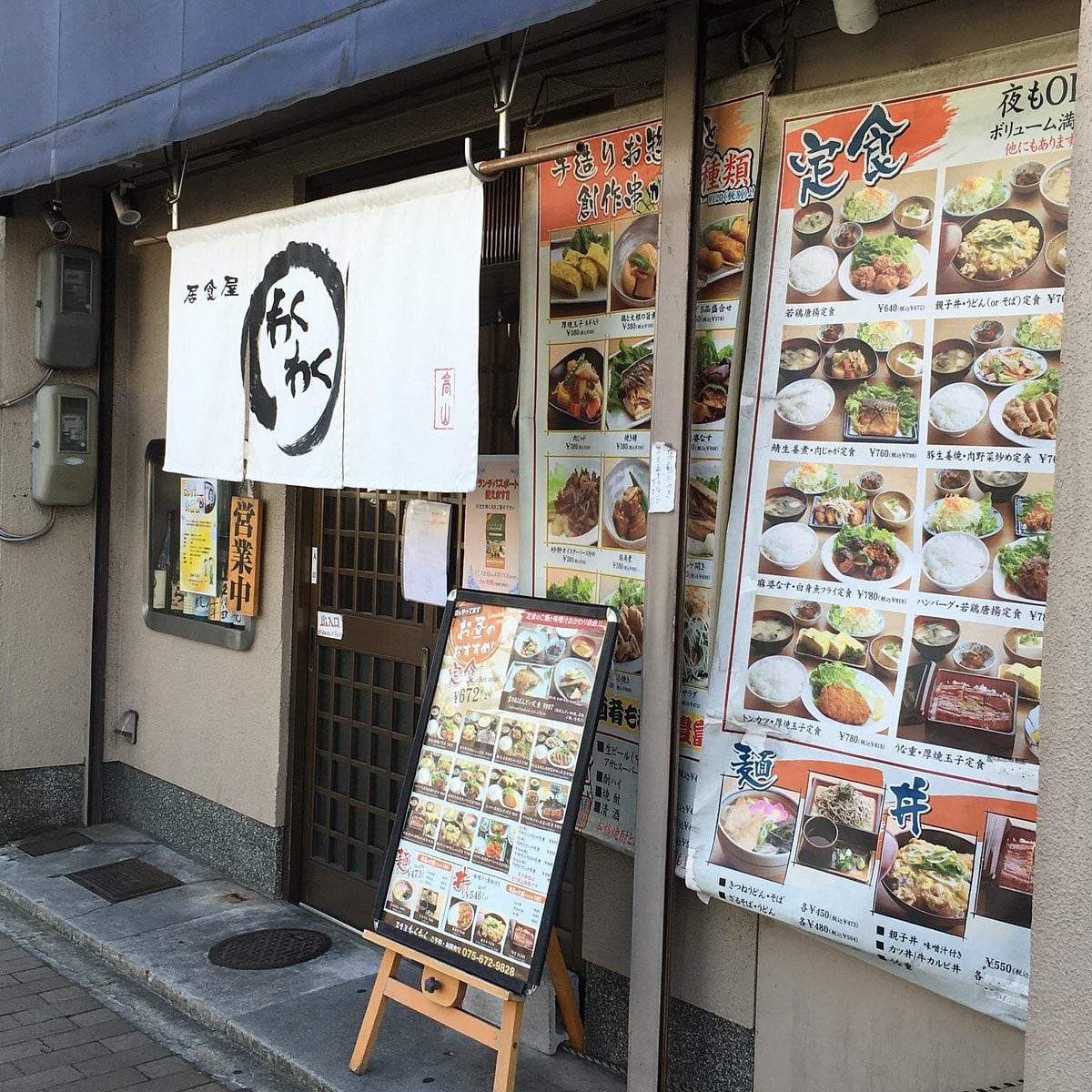
Izakaya Wakuwaku: A Local Eatery in Front of Kintetsu Toji Station
“Izakaya Wakuwaku” is located right outside the exit of Kintetsu Toji Station, a community izakaya loved by local residents that serves various obanzai (Kyoto home-style side dishes) and set meals. Even in the evening you can order a set meal on its own, with no obligation to order alcohol, which is very friendly for travelers who just want a simple dinner.
Menu prices are reasonable, with set meals at around ¥900 to ¥1,500, a good place to refuel after visiting Toji before heading back to Kyoto Station. Being close to the station, it is also convenient for dinner, and it is closed on Sundays.
Kyoto Railway Museum: A Bonus Stop for Families and Rail Fans
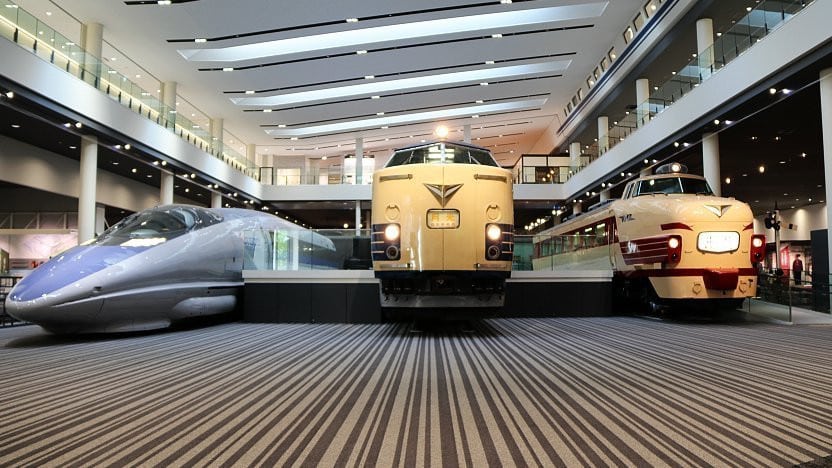
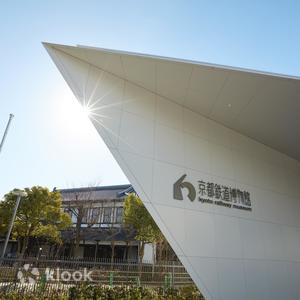
The Kyoto Railway Museum is in Umekoji Park, about 15 to 20 minutes from Toji on foot or by bus transfer. It displays more than 50 old and new steam locomotives and Shinkansen cars, and has an outdoor roundhouse where you can watch steam locomotives in operation up close. Admission is ¥1,500 for adults, ¥1,300 for university students and ¥500 for elementary and junior high students.
The museum has plenty of interactive exhibits and fits well as a follow-on after Toji, and families with children can set aside half a day for the full experience. We suggest visiting Toji first and then walking toward Umekoji Park, enjoying the nostalgic streetscapes around the Kyoto railway culture area on the way.
Nidec Kyoto Tower Observatory: A Panorama of Kyoto and a View of Toji’s Pagoda
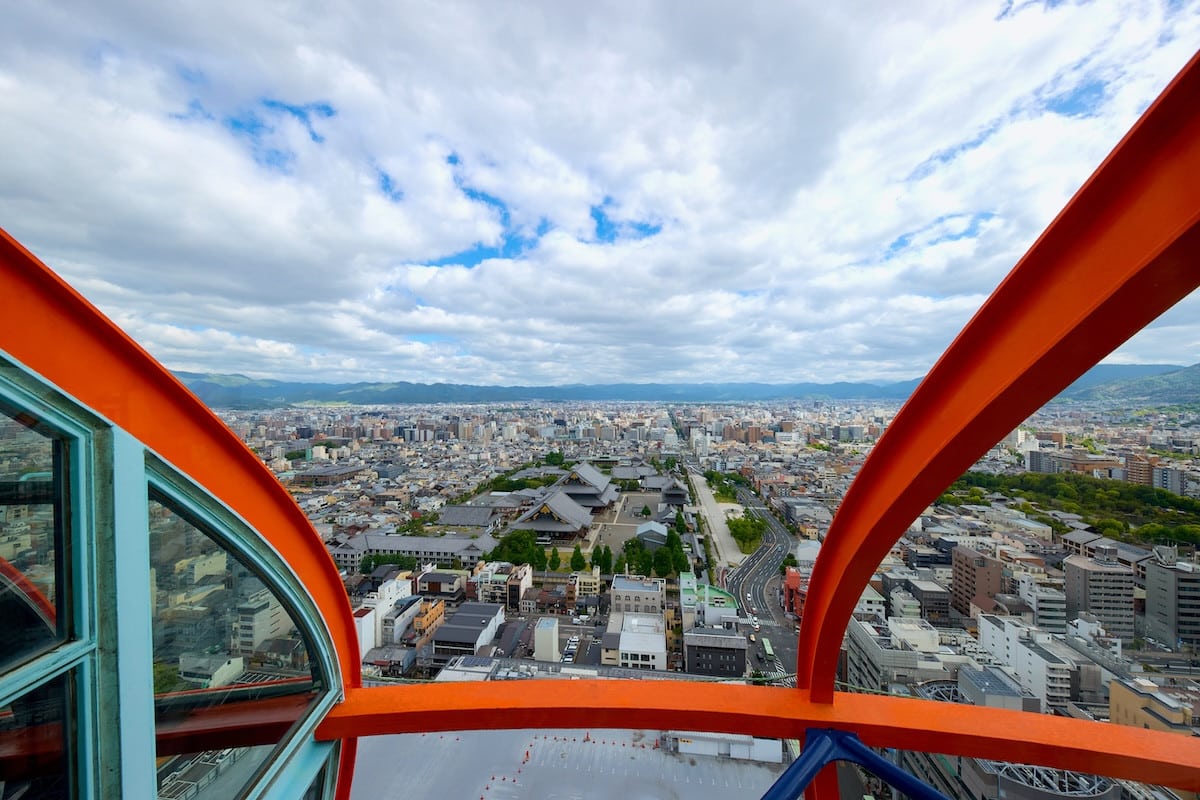
Kyoto Tower stands directly across from Kyoto Station and is one of the city’s landmarks. The observatory is 100 meters up, and on a clear day you can see the Toji five-story pagoda rising among the blocks to the south. Admission is about ¥900 to ¥1,000 for adults (varying by season and early-bird discounts). Looking down on Toji and the surrounding temple streets from above gives a very different perspective from worshipping on the ground.
We suggest going in the late afternoon, so you can watch Kyoto turn from day to night, and look for the direction of the Toji pagoda from the observatory.
How Much Does a Visit to Toji Cost? Tickets and Guided Tours
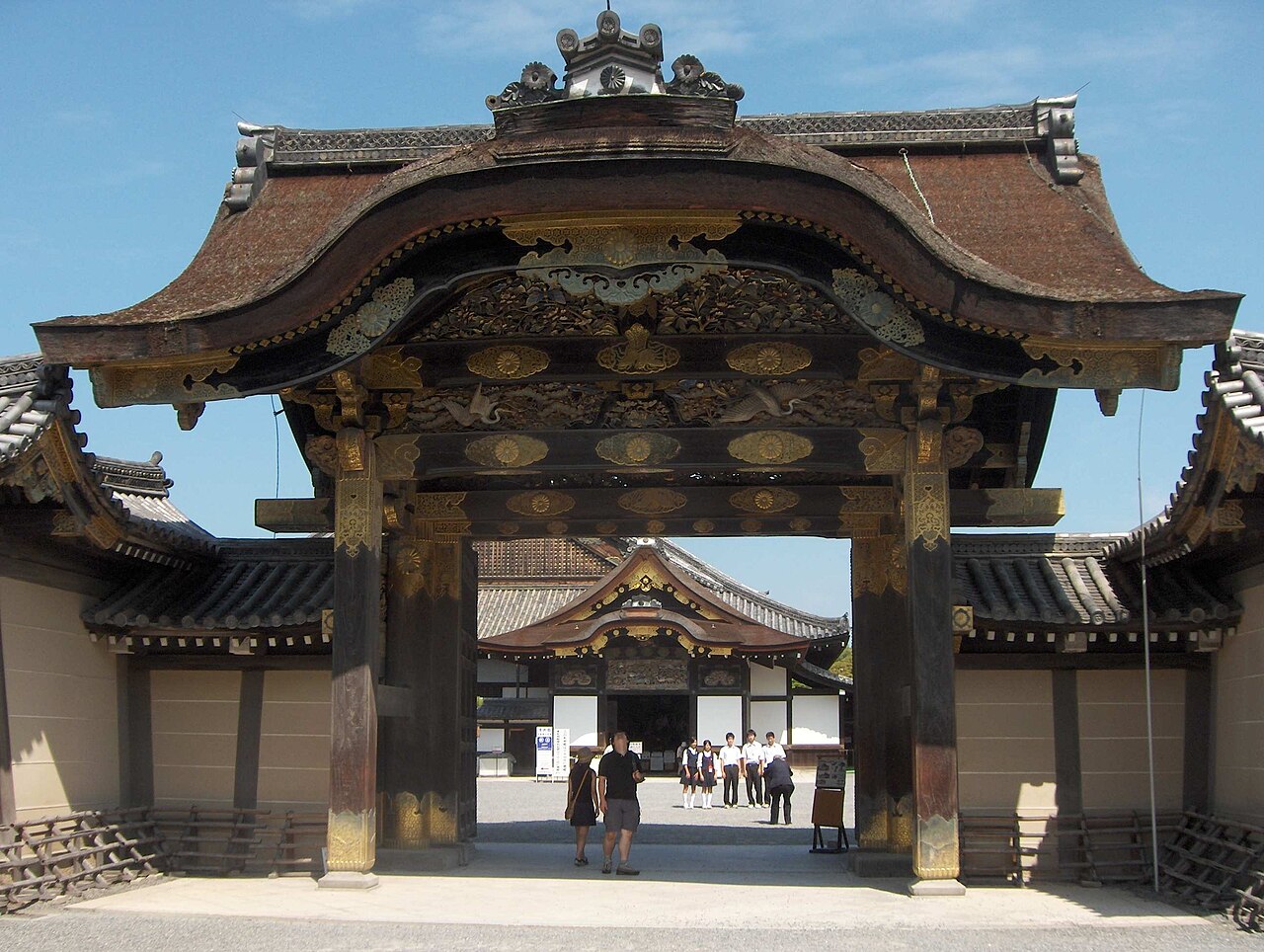
Toji is at 1 Kujo-cho, Minami-ku, Kyoto, near Kyoto Station, one of the “Historic Monuments of Ancient Kyoto” World Heritage sites and the home of the five-story pagoda, a Kyoto landmark. The cost of visiting depends mainly on whether you simply buy a ticket and explore freely, or add a professional guide, a private charter or a deeper tour combined with Kobo-ichi. Here are four common ways to visit Toji and what they cost, so you can plan your own Toji trip flexibly around your time and budget.
Toji Grounds Admission Ticket (Kondo and Kodo): The Basic Plan for National Treasure Buddhas and the Three-Dimensional Mandala
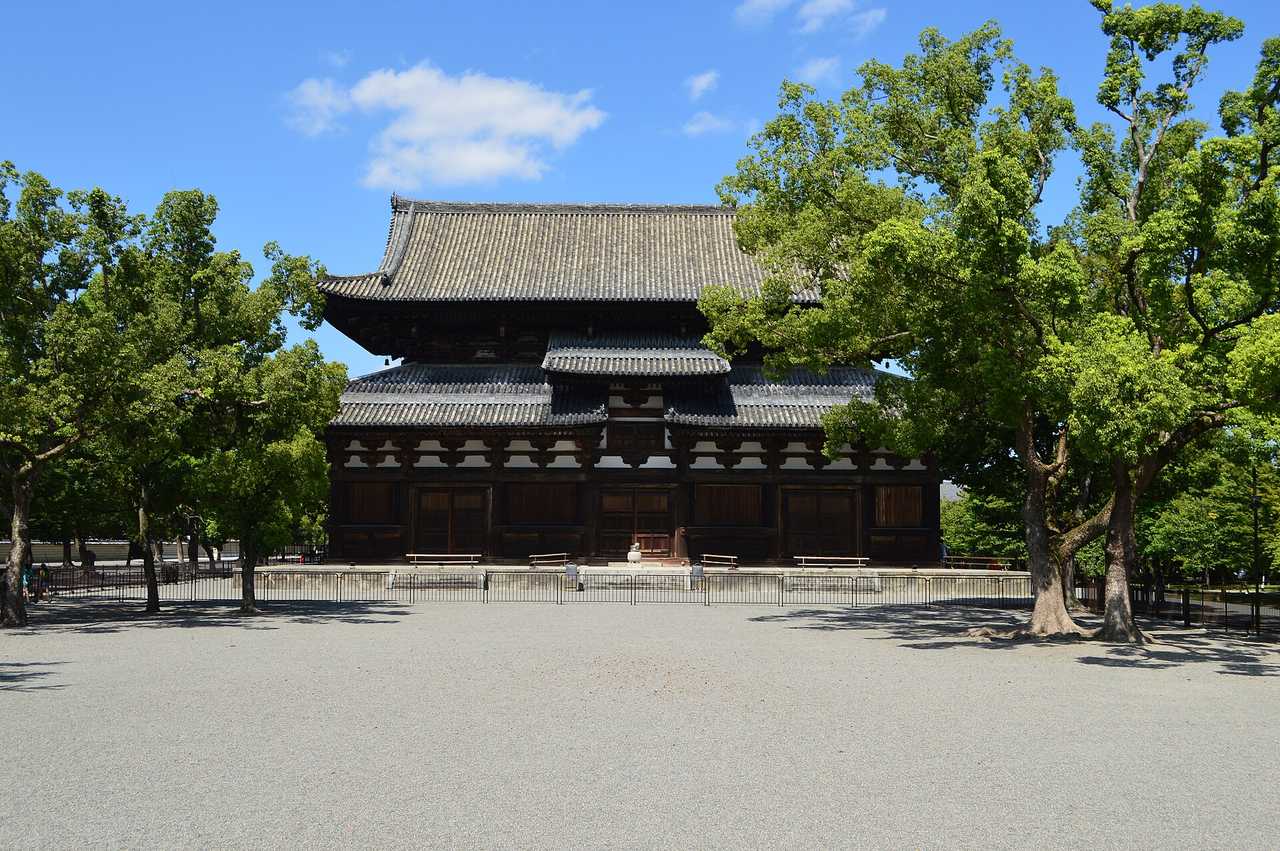
The Toji grounds ticket gets you into the Kondo and Kodo, where you can see National Treasure Buddhas such as the seated Yakushi Nyorai, Nikko Bosatsu and Gakko Bosatsu, and the “three-dimensional mandala” of 21 Buddha statues in the Kodo. Prices are ¥800 for adults, ¥400 for high school students and ¥300 for junior high students and younger (the official prices after the adjustment from March 20, 2025). Hours are 8:00 a.m. to 5:00 p.m. (last admission 4:30 p.m.), open all year. This plan suits those short on time; it does not include the special pagoda opening or the gardens, is economical, and takes about 30 to 45 minutes to see the Kondo and Kodo.
First-Floor Pagoda Special Opening Ticket: A Limited Chance to Enter Japan’s Tallest Wooden Five-Story Pagoda
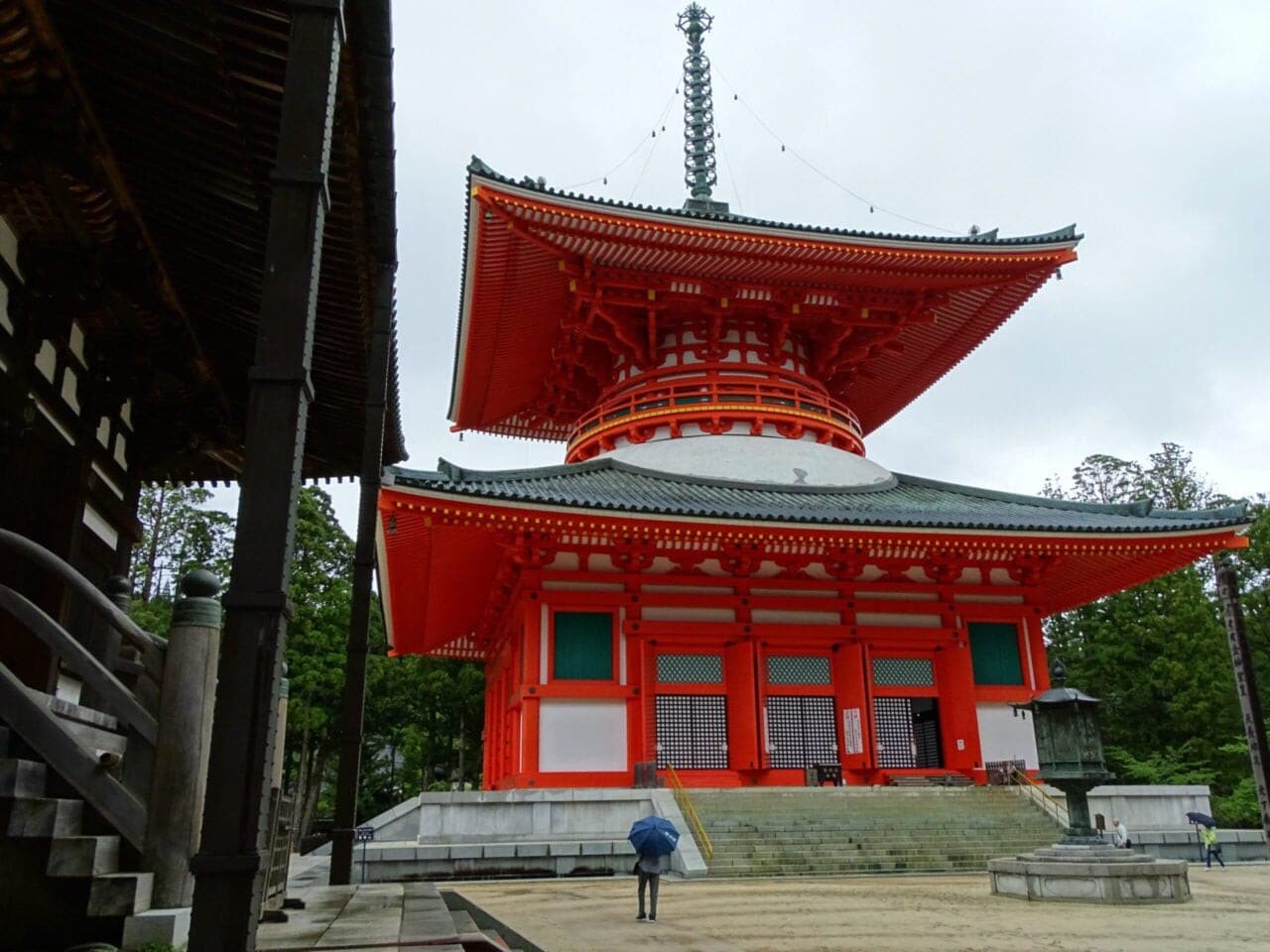
The Toji five-story pagoda is 54.8 meters tall, the tallest surviving wooden five-story pagoda in Japan. It is normally open only for exterior viewing, but each year in certain periods the first-floor interior is opened specially so you can see the central pillar and the statues of the four Buddhas up close. According to the 2026 schedule published on Toji’s official website, the first-floor opening periods are January 1 to March 18 (New Year and “Kyo no Fuyu no Tabi”), April 25 to May 25 (spring) and October 31 to December 13 (autumn); the ticket is a combined “pagoda first floor + Kondo and Kodo” ticket, ¥1,200 for adults, ¥700 for high school students and ¥500 for junior high students and younger. Periods and prices are subject to official announcements.
Kyoto Cultural Heritage Half-Day or Full-Day Guided Tour: A Professional Guide Takes You Deeper Into Toji and Nearby Sites
Through KKday or Klook you can book Chinese-language half-day or full-day guided tours that combine Toji with the area around Kyoto Station, or with Kiyomizu-dera, Fushimi Inari and other sites. Prices vary by itinerary and by whether admission and transfers are included, so please follow the platform’s product page. Tours usually run 3 to 6 hours, with a licensed guide explaining Toji’s history, its ties to the Shingon school and Kobo Daishi (Kukai), and the religious meaning of the three-dimensional mandala.
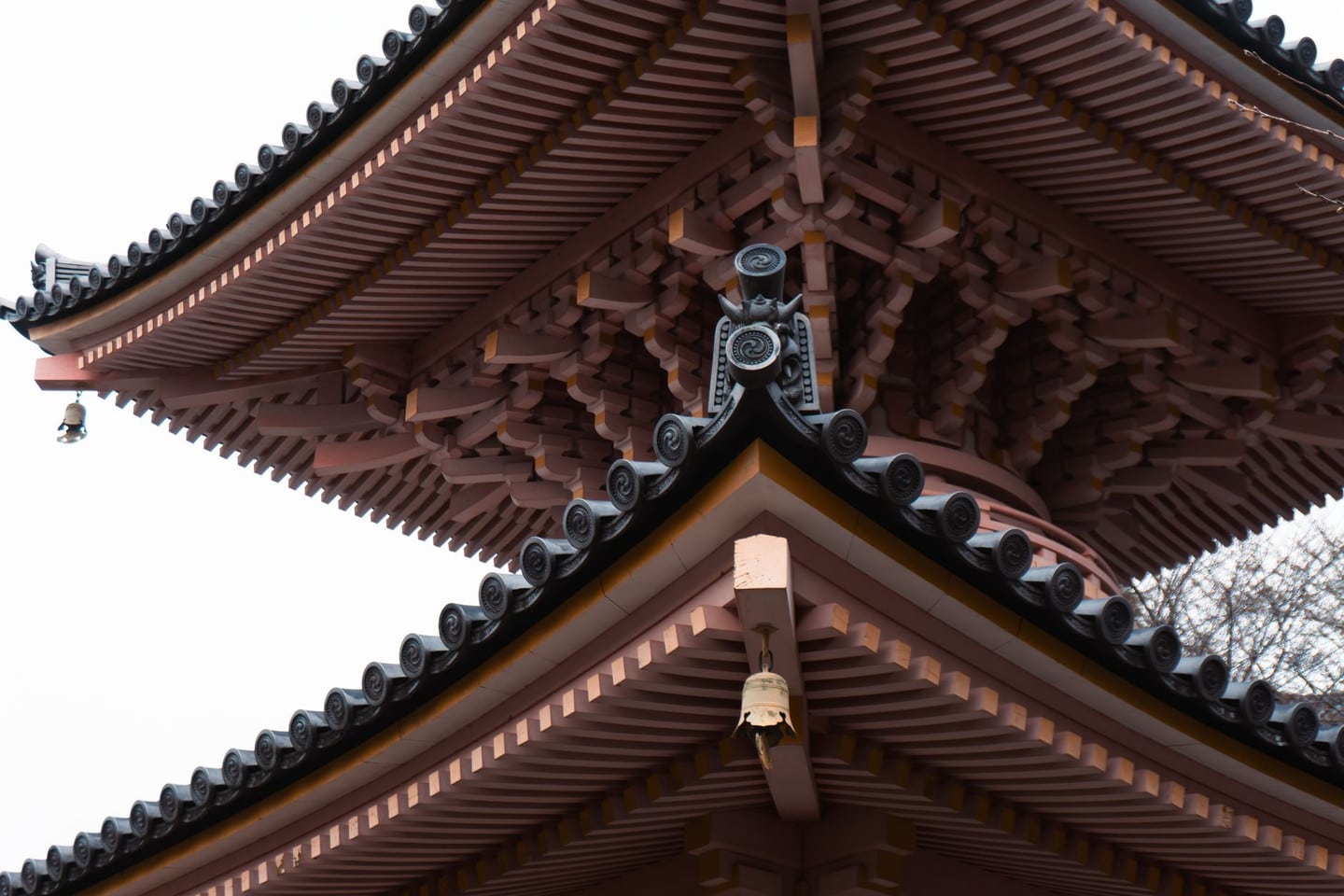
The advantage of such tours is a deeper understanding of Toji’s historical role as the state-protecting temple of Heian-kyo, and avoiding a hurried walk-through. They suit travelers interested in Japanese Buddhist culture and architectural aesthetics, or families and senior travel groups who want an expert to explain things and save the time of researching on their own.
Kobo-ichi (Kobo-san) Shopping Tour: Kyoto’s Largest Flea Market, Held Only on the 21st of Each Month
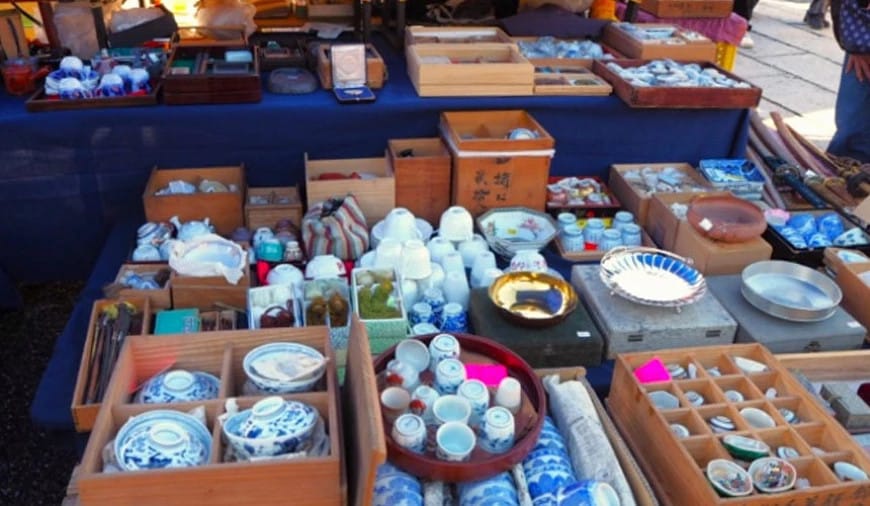
Kobo-ichi, held on the Toji grounds on the 21st of every month, is Kyoto’s largest flea market and antique fair, with nearly a thousand stalls selling antiques, kimono, ceramics, old items, snacks and potted plants. Browsing the market is free; you only pay for food or purchases.
Vendors set up after Toji opens at 5 a.m., stalls are fully open by around 8 a.m. and begin packing up around 4 p.m. Arriving before 9 a.m. avoids the crowds and lets you pick better-quality antiques; you can also book a small-group “Kobo-ichi treasure-hunting tour” through a local experience platform, with price and content per the platform’s product page.
Where to Stay Nearby
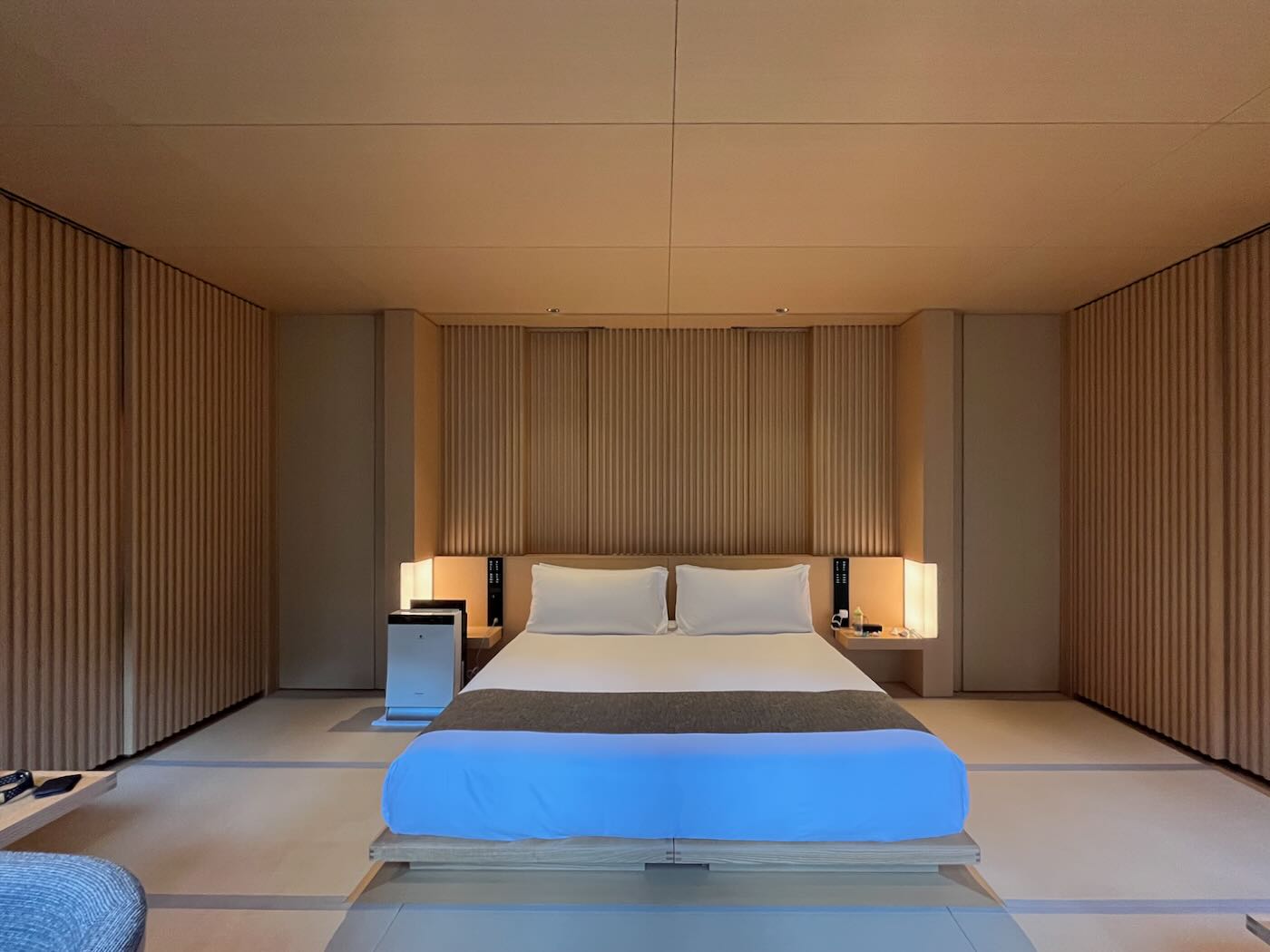
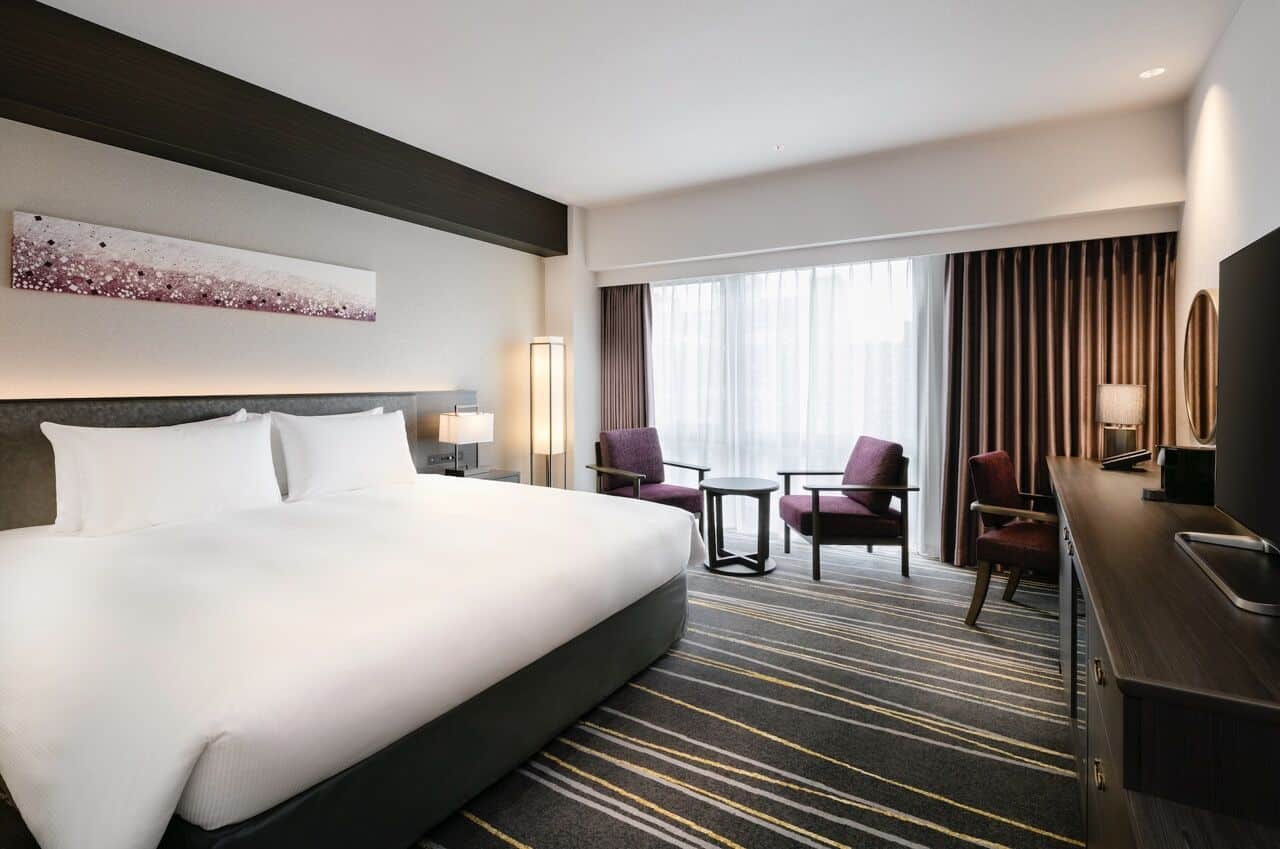
Toji is about 1 kilometer southwest of Kyoto Station, roughly a 15-minute walk. Staying near Kyoto Station makes it easy to get up early and line up for entry, and also convenient for JR and Kintetsu trains to Nara and Osaka; if you want to combine evenings in Gion and Kawaramachi, you could choose the Shijo Kawaramachi area instead.

FAQ
Q: How much is admission to Toji?
The grounds are free to enter; the Kondo and Kodo are ¥800 for adults, the combined ticket during the first-floor pagoda special opening is ¥1,200 for adults, and the night illumination (special evening admission to the Kondo and Kodo) is ¥1,000 for adults (official 2026 prices).
Q: When is the Kobo-ichi market at Toji held?
It is held on the 21st of every month, rain or shine, with nearly a thousand stalls; the upcoming 2026 dates are 10/21, 11/21 and 12/21 (Shimai-Kobo), and we recommend going in the morning for the fullest experience.
Q: What is the easiest way to get to Toji?
It is about a 15-minute walk from the Hachijo Exit of JR Kyoto Station, or about 10 minutes on foot from Toji Station on the Kintetsu line; if you take a city bus, get off at the “Toji Higashimon-mae” stop.
Q: Can you go inside the Toji five-story pagoda?
It is normally closed and the first floor opens only during special opening periods (in 2026: 1/1-3/18, 4/25-5/25 and 10/31-12/13); the ticket is a combined ticket that includes the Kondo and Kodo, ¥1,200 for adults.
Q: What is the best season to visit Toji?
Night cherry blossoms in spring and night autumn foliage are the most recommended, with illuminations to enjoy; the official 2026 illumination periods are March 14 to April 12 for night sakura and October 31 to December 13 for autumn leaves.
Q: What are Toji’s opening hours?
The grounds open at 5:00 a.m., and the paid areas are open from 8:00 a.m. to 5:00 p.m., with last entry at 4:30 p.m. For the latest information, follow the announcements on Toji’s official website (toji.or.jp).
Q: What etiquette should I follow when visiting Toji?
Do not touch the Buddha statues inside the halls, keep quiet and do not take photos with flash; at Kobo-ichi, haggle politely and mind the crowds and stall layout so you do not block the walkways.