
Osaka Tennoji Zoo Guide 2026: Friendship Garden Animals and the Polar Bear Viewing Window — a Century-Old Osaka Favorite
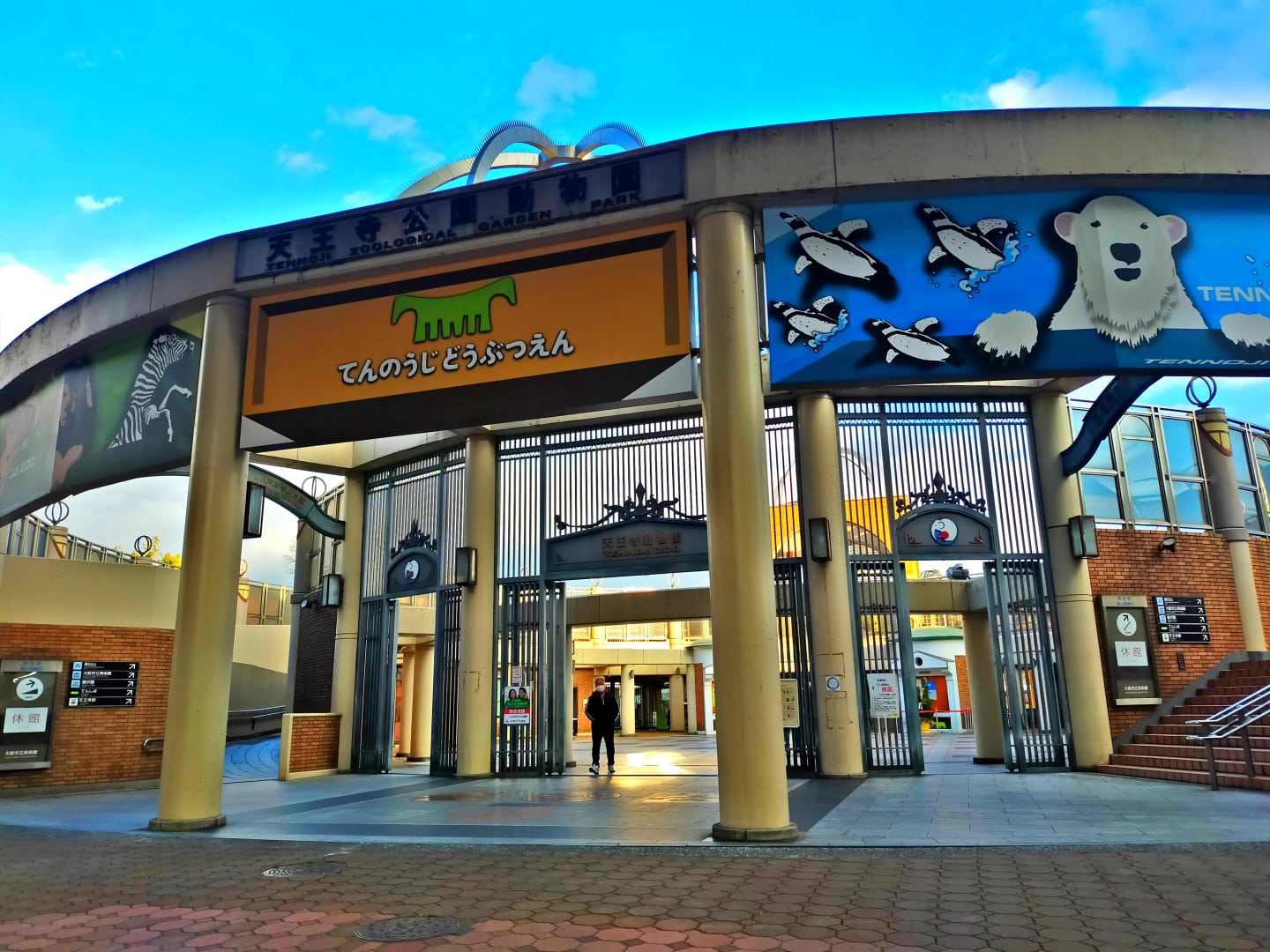
Tennoji Zoo sits in central Osaka, charges just ¥800 for adults, and is one of Japan’s oldest surviving zoos. Its Friendship Garden lets you get close to sheep, goats and guinea pigs.
Tennoji Zoo at a Glance: A 110-Year-Old Urban Oasis
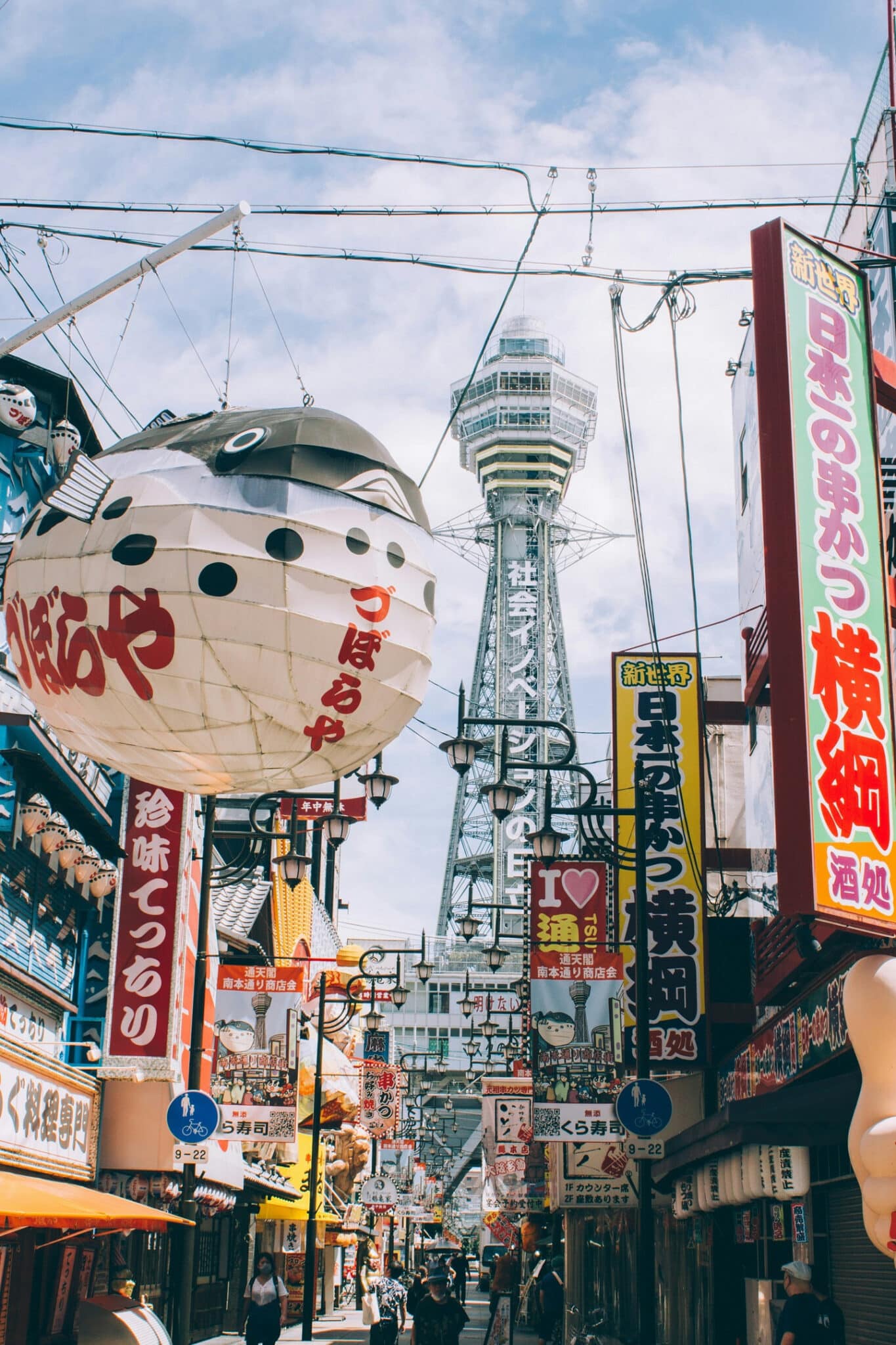
Tennoji Zoo opened in 1915, making it Japan’s third zoo after Ueno Zoo and Kyoto City Zoo, and it has now passed its 110th anniversary. The grounds cover about 11 hectares and house roughly 170 species and nearly 1,000 animals. Right next to Shinsekai, Tsutenkaku and Tennoji Park, it is one of the few places in central Osaka where you can see wildlife up close in the middle of the city.
The zoo follows an “ecological exhibit” philosophy, recreating the terrain and vegetation of each animal’s native habitat so you feel as if you have wandered onto the African savanna or into the polar regions. Because of its long history, some facilities keep a nostalgic atmosphere, while recent upgrades such as indoor exhibit halls and family rest areas blend old charm with modern comfort.
- 🕘 Hours: 9:30–17:00 (last entry 16:00)
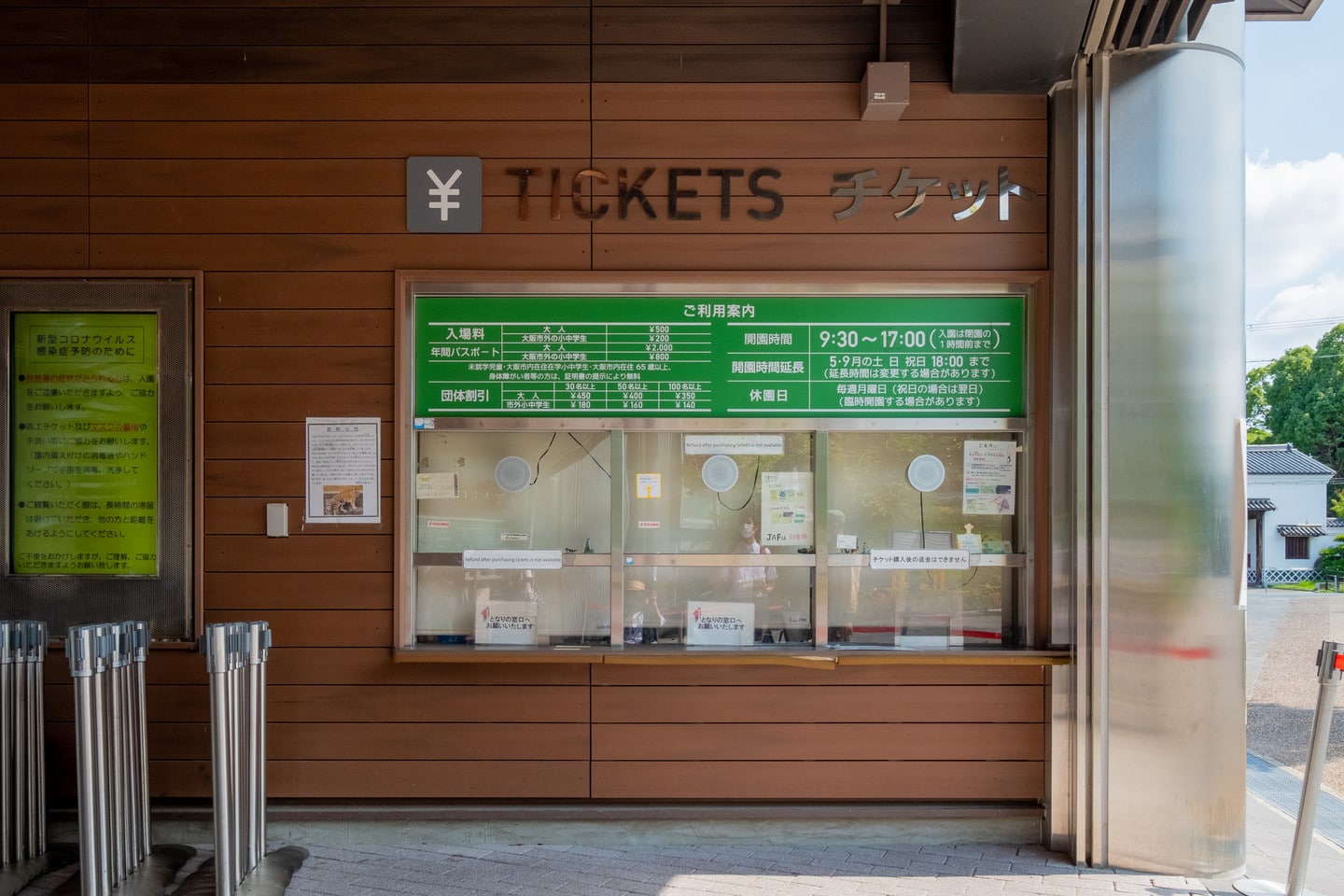
- 🎫 Admission: Adults ¥800 / elementary and junior high students living outside Osaka City ¥200 (free for those living in Osaka City) / free for preschool children
- 📅 Closed: Mondays (the next day if Monday is a national holiday)
- 🔗 Tennoji Zoo official website
Four Themed Zones: Exhibits Modeled on Native Habitats
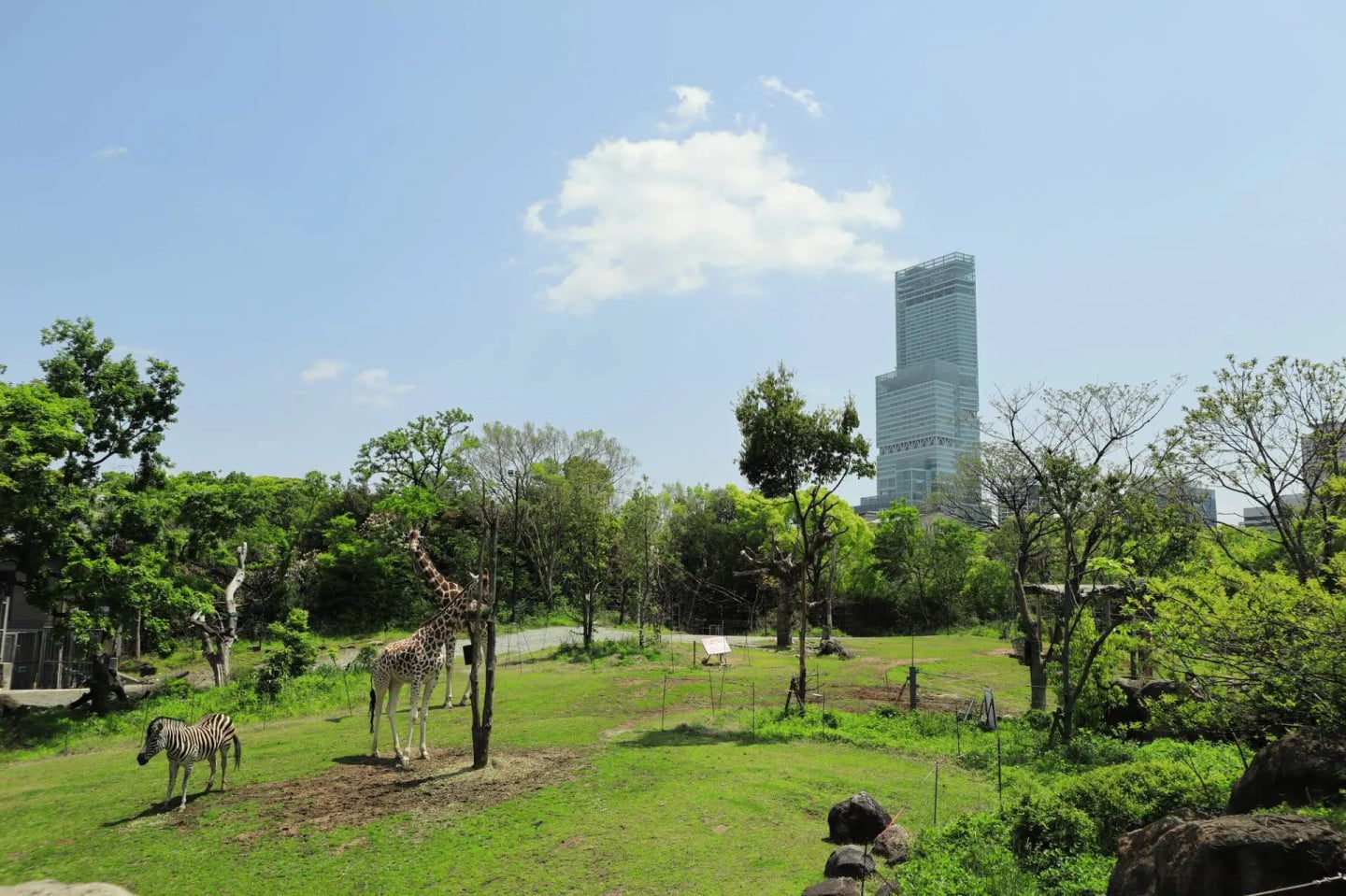
The park is divided into four themed zones by habitat type: the African savanna, the Asian rainforest, Friendship Plaza (Friendship Garden), and the polar and aquatic animal area. Each is carefully landscaped. The African savanna recreates giraffes, zebras and lions sharing open grassland, while the polar area uses large acrylic viewing windows to show polar bears and sea lions living underwater.
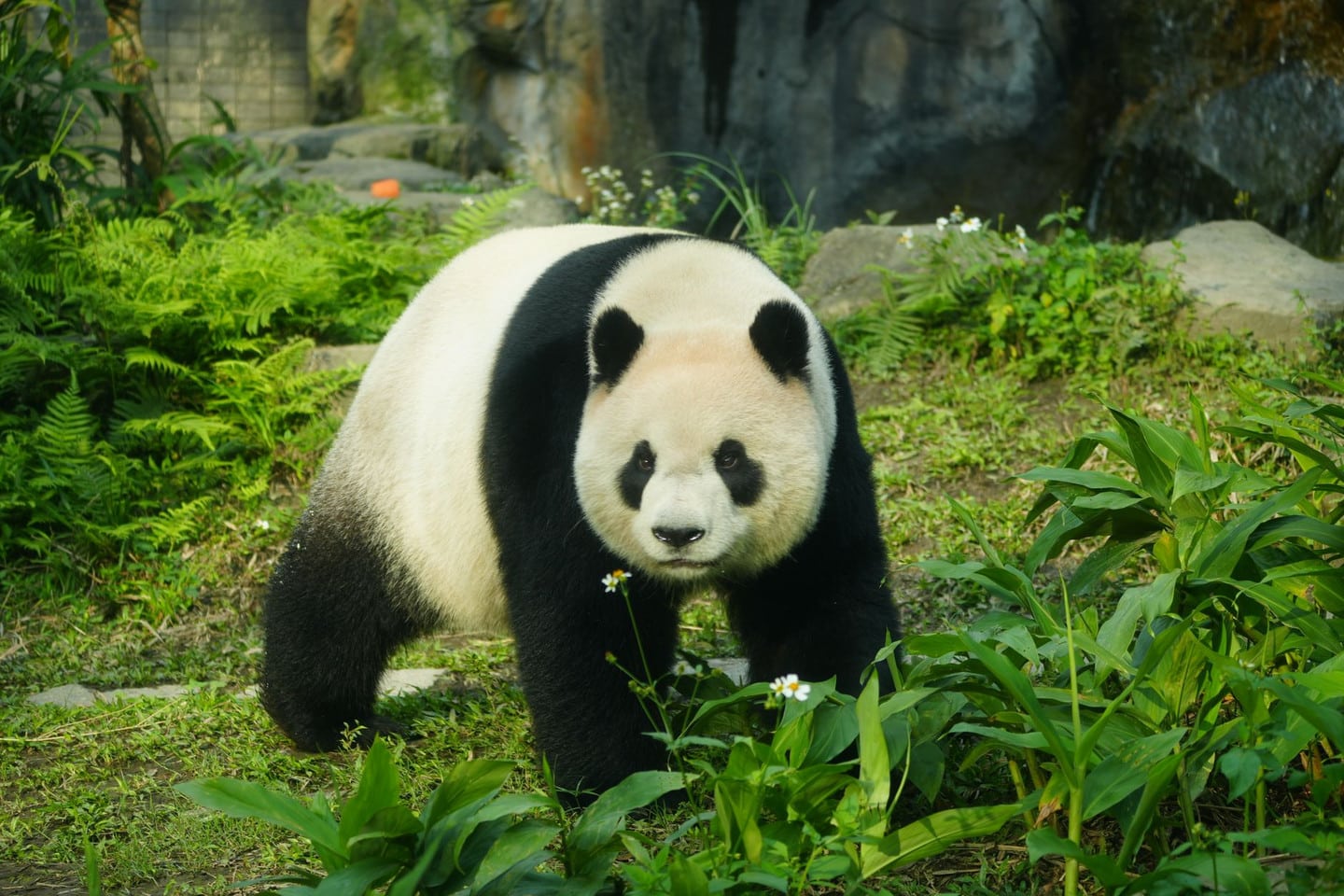
Plan a clockwise or counterclockwise route through the four zones so you don’t waste energy backtracking. Families with small children or strollers in particular should work out their route in advance so they can see the star animals within the time they have.
What Animals Are at Tennoji Zoo? Exhibit Zones and Signature Animals
Animals at Tennoji Zoo are arranged by exhibit zone. The zoo’s animal pages list the African savanna area, “Elephant Village” for the Asian elephants, the “World of Birds” aviary and the marine animal area. Animals the official blog often features include Asian elephants, polar bears, chimpanzees, red pandas, Malayan sun bears, black rhinos and Grant’s zebras. Check on-site notices for what is actually on display.
Friendship Garden (Formerly Exchange Plaza): The Hands-On Heart of the Zoo
The Friendship Garden (formerly “Exchange Plaza”) is a favorite with families and photo-takers. It houses sheep, goats, guinea pigs and the native Japanese Noma horse. Touching the guinea pigs and feeding the goats and sheep are offered in scheduled sessions, so check the day’s session times as soon as you enter to avoid missing out.

The area is close to Penguin Park, so after the hands-on experience you can drop by to see the penguins at snack time. The smooth flow between the two makes it an ideal midpoint for a family itinerary. The guinea pig petting area is especially popular with young children and is a hit spot on social media.
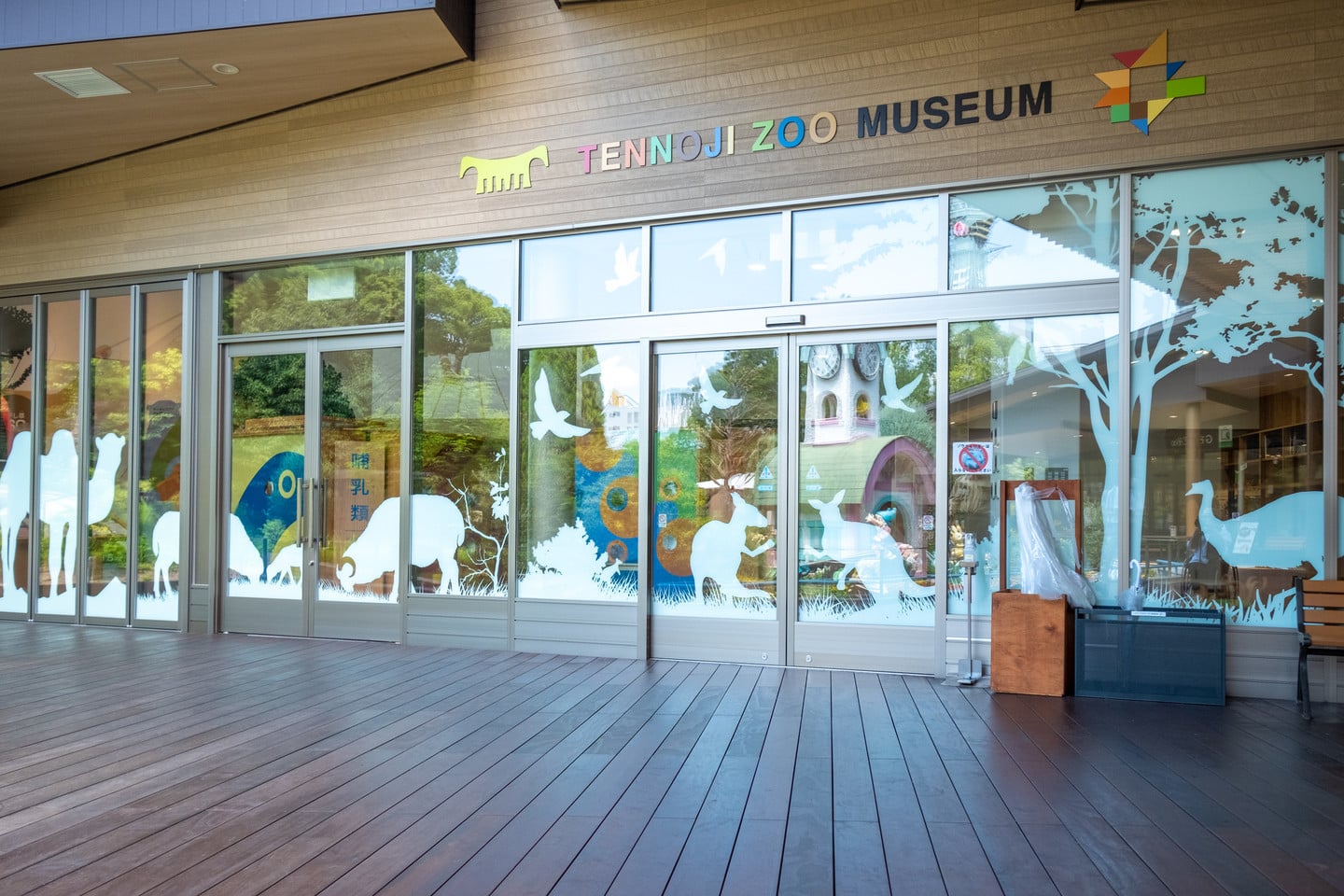
Rainy-Day Backup: TENNOJI ZOO MUSEUM Indoor Hall
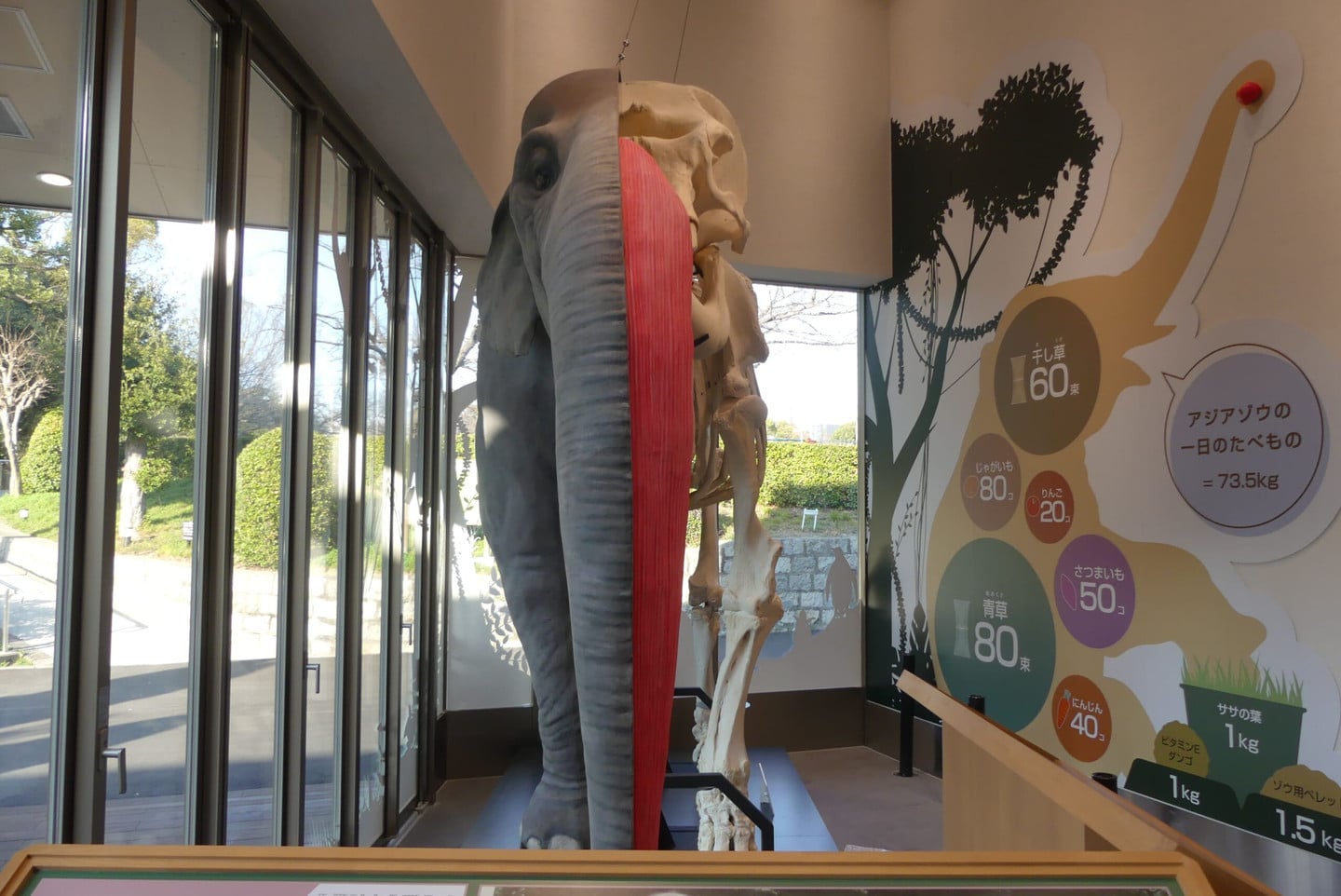
A hidden highlight many local visitors recommend is the “TENNOJI ZOO MUSEUM,” which displays many taxidermy and skeletal specimens. Because it is not well known, it stays quiet and you can look around at leisure, making it a great fallback in bad weather. It also serves an educational purpose, helping children learn about animal anatomy.
Besides the museum, the zoo has several indoor exhibit halls near the TEN-SHIBA Gate. They are cool in summer and sheltered from the wind in winter while still letting you watch the animals up close, and they are part of the “three must-visit rainy-day spots” route that gets talked about on social media.
Spring Blossoms and Special Events: The 110th Anniversary Itinerary
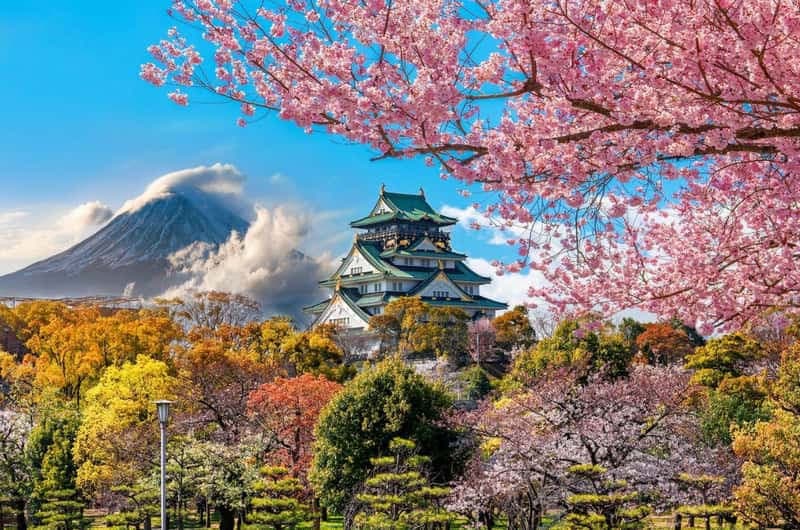
Each spring, Tennoji Zoo publishes a “Spring Recommended Course Guide Map” that lays out a highlights route you can finish in about 80 minutes, with snack information included. It suits travelers short on time who want the key route at a glance. The zoo’s Somei-Yoshino cherry trees bloom at the same time as those in neighboring Tennoji Park, so visiting in cherry blossom season has its own charm.
2025 marked the zoo’s 110th anniversary, and it released limited-edition commemorative goods and events. If you visit in 2026, keep an eye on the official website for seasonal events and anniversary follow-up programs that can add a pleasant surprise to your plans.
A City Attraction for Both Families and Couples
Thanks to its easy access, gentle paths and moderate size, Tennoji Zoo is often listed by Japanese media and social media as a “recommended family trip route” and an “Osaka date spot.” It suits travelers with older relatives, young children or a partner, since you can enjoy a relaxed time close to nature without long walks.
Overall, Tennoji Zoo combines history, educational value and family fun, and with its affordable admission it is excellent value for an independent Osaka trip. It pairs especially well with Shinsekai and Tsutenkaku for a half-day or full-day outing.
How to Get to Tennoji Zoo: Transport and Costs
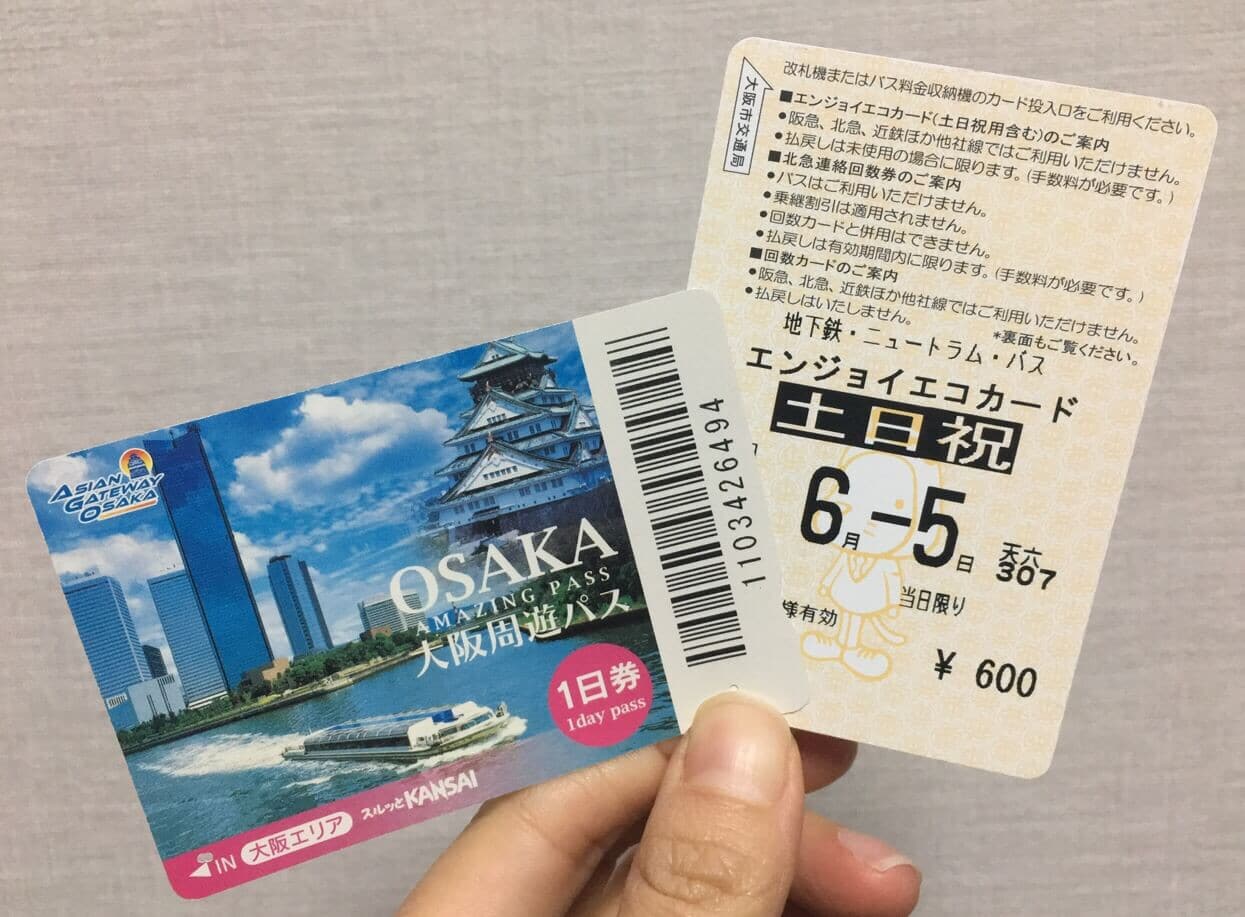
Tennoji Zoo is right next to Dobutsuen-mae Station and Shin-Imamiya Station, so access is easy. Take the Osaka Metro Midosuji Line or Tanimachi Line to Dobutsuen-mae Station and walk about 5 minutes to the Shinsekai Gate, or take the JR Osaka Loop Line to Shin-Imamiya Station and walk about 10 to 12 minutes. With an Osaka Amazing Pass you get free entry and unlimited rides on the city subway, which makes it a good-value choice for a multi-stop itinerary.
What to See and Do at Tennoji Zoo? Feeding Shows and Viewing Highlights
The polar bear viewing window and the Friendship Garden hands-on experience are Tennoji Zoo’s two signature highlights, and along with the many feeding shows they should be at the top of your plan.
Tennoji Zoo Polar Bear Viewing Window: The New Polar Bear Coast and the Latest on Hou
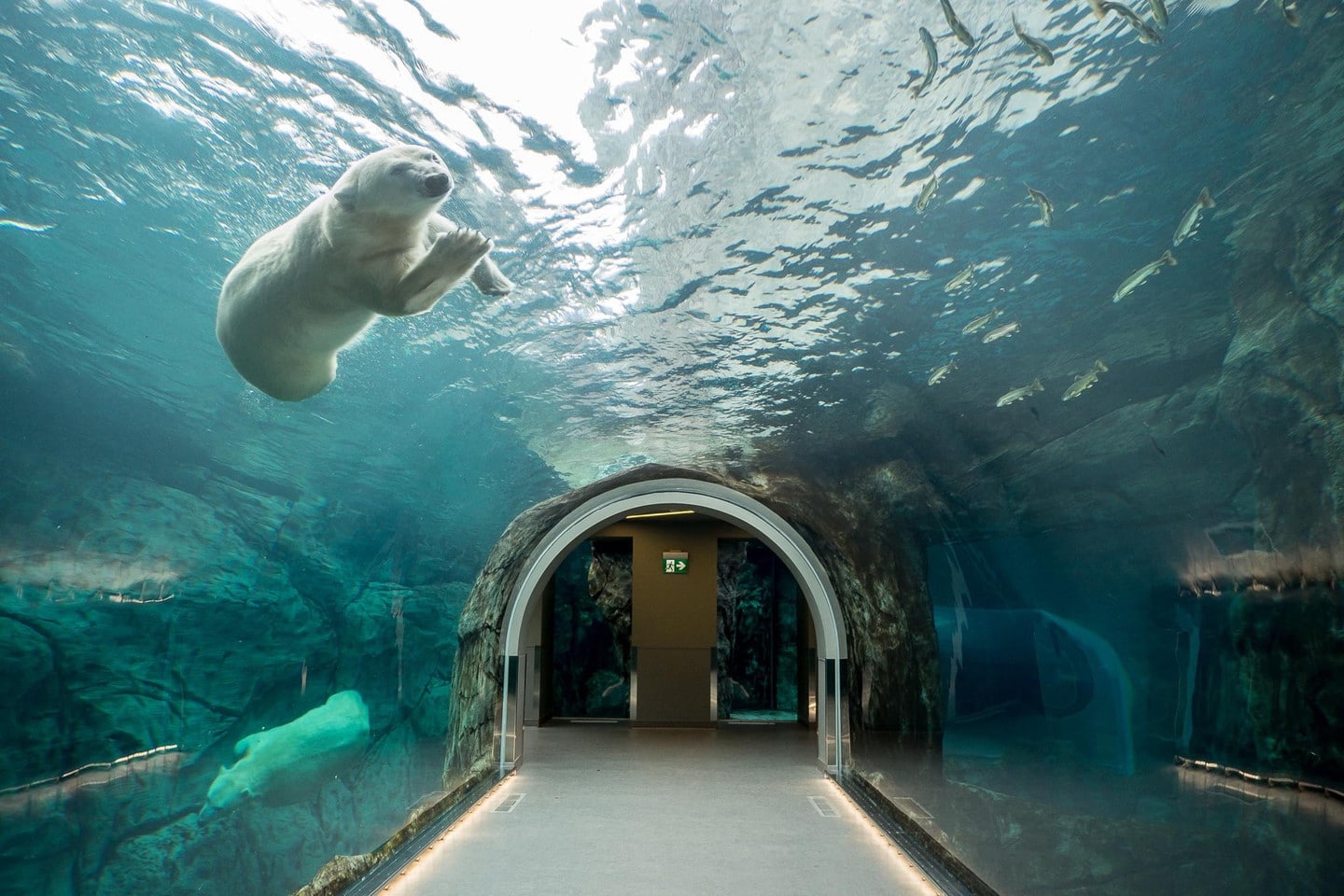
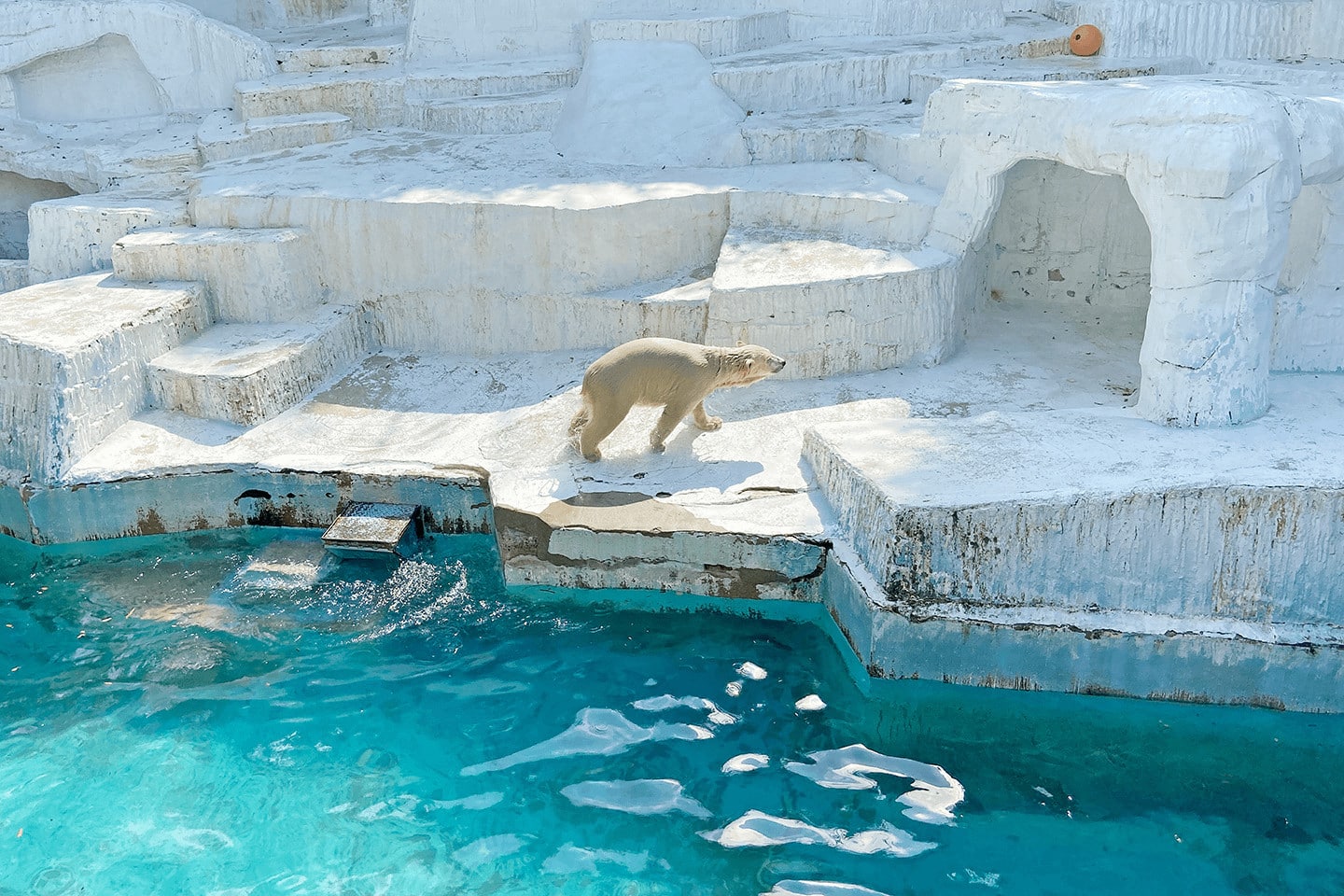
According to the zoo’s press release, the new polar bear facility “Polar Bear Coast” opened on August 4, 2026. It has two outdoor yards, the “Early Spring Area” and the “Early Summer Area,” plus an underwater viewing area where you can watch swimming across the pool, and the route connects to Penguin Park and Sea Lion Wharf. Visitors often crowd the viewing window, and weekday mornings or late afternoons are best for photos.
The polar bear currently on display is Hou. Since September 9, only the “Early Summer Area” has been used for trial exhibition. On October 2, the zoo announced that Ikoro from Ueno Zoo is scheduled to arrive between late October and mid-November. Please check the official website for exact dates and exhibition status.

Polar Bear Feeding Show: Keeper Talk and Treasure Hunt
The polar bear feeding show is held at set times every day. Keepers hide food in ice blocks or props to encourage the bears to use their sense of smell and strength to find it. During the feeding, the keepers explain the current state of polar bear habitat and the conservation challenges they face. Show times change by season, so check the day’s schedule on the official website or notice board after you enter, and take your seat 10 to 15 minutes early. The event is both entertainment and conservation education, as the keepers share the threat climate change poses to polar bears, so visitors can learn about wildlife conservation while enjoying the interaction, which makes it a good learning experience for families.
Friendship Garden Hands-On Experience: Sheep, Goats and Guinea Pigs Up Close
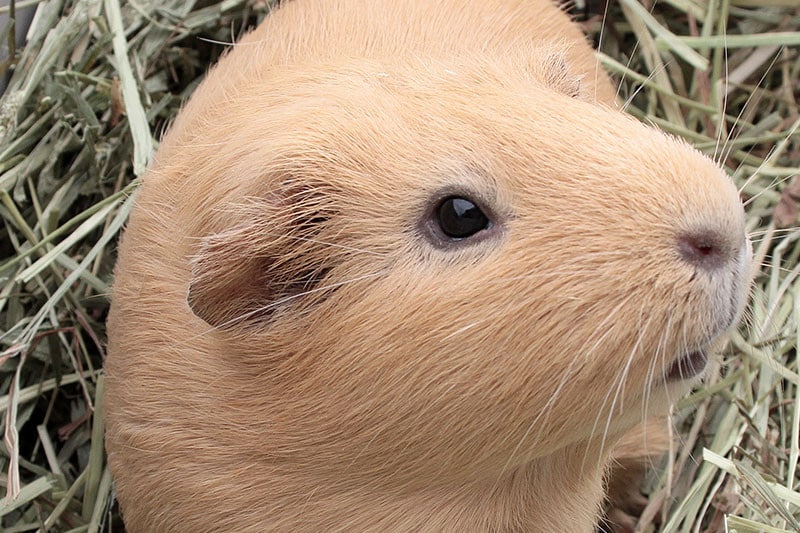
The Friendship Garden (formerly Exchange Plaza) is the only area in the zoo where you can get close to the animals. It houses sheep, goats, guinea pigs and Japanese native horses. During set sessions, visitors can pet the guinea pigs and feed the goats and sheep, experiencing their gentle, friendly side up close, and children love it.
Hands-on sessions run on a limited, on-site basis with a cap on participants, so check the schedule right after you enter and line up early, especially on weekend afternoons, when it is most popular. Nearby Penguin Park is also worth a stop, so you get both the “touch” and the “watch” experiences.
Red Pandas: A Popular Star of Tennoji Zoo
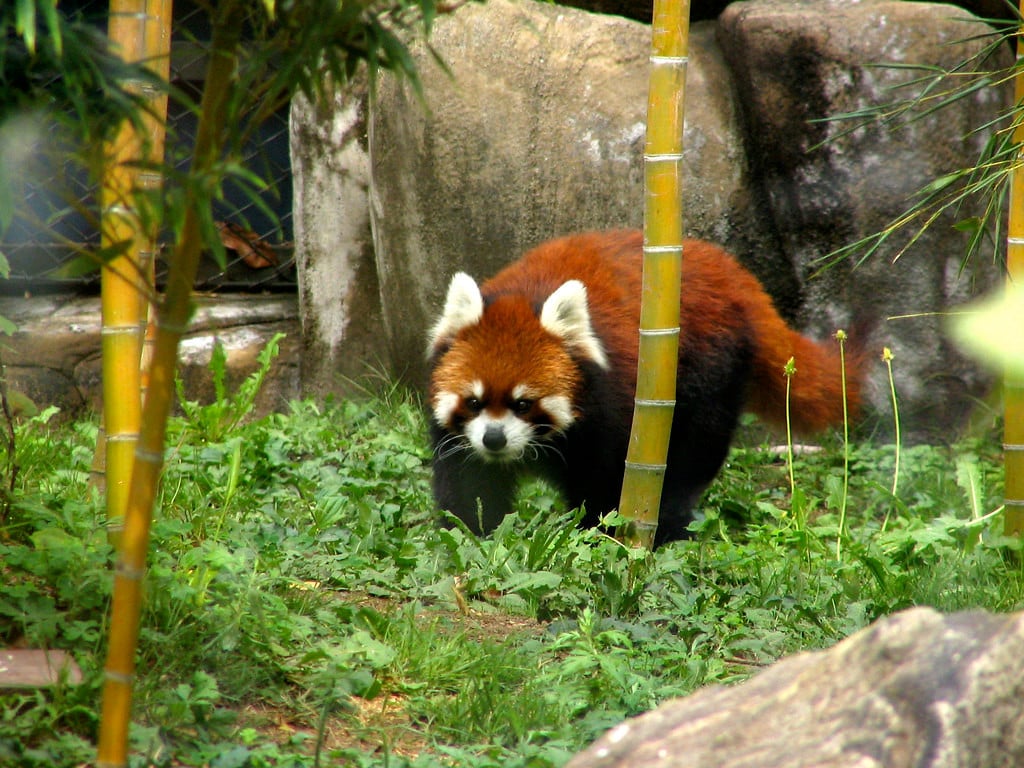
The red panda is one of Tennoji Zoo’s popular stars. In fact, Japan keeps more red pandas than any other country. According to international studbook data compiled by Nihondaira Zoo (end of 2017), 263 of the 349 Chinese red pandas kept worldwide were in Japan, spread across 59 facilities, so they are not rare. Even so, Tennoji’s red panda enclosure is close to the main path and easy to view, so animal fans still pay it plenty of attention. Red pandas tend to be active at dawn and dusk and rest on branches for most of the day, so to catch them actively foraging, visit in the first hour after opening or just before closing.
Red panda feeding shows are held irregularly. Keepers offer bamboo leaves and fruit so the pandas can show off their agile climbing and gripping, and they share the bit of trivia that red pandas, despite the similar name, are only distantly related to giant pandas, which makes a great conversation topic for families. The third Saturday of September each year is International Red Panda Day, and in 2026 Tennoji Zoo held a red panda guided tour and fundraising event around that time. Check the official blog for whether it will be held in 2027.
Penguin Park and Sea Lion Wharf: Underwater Interactive Shows
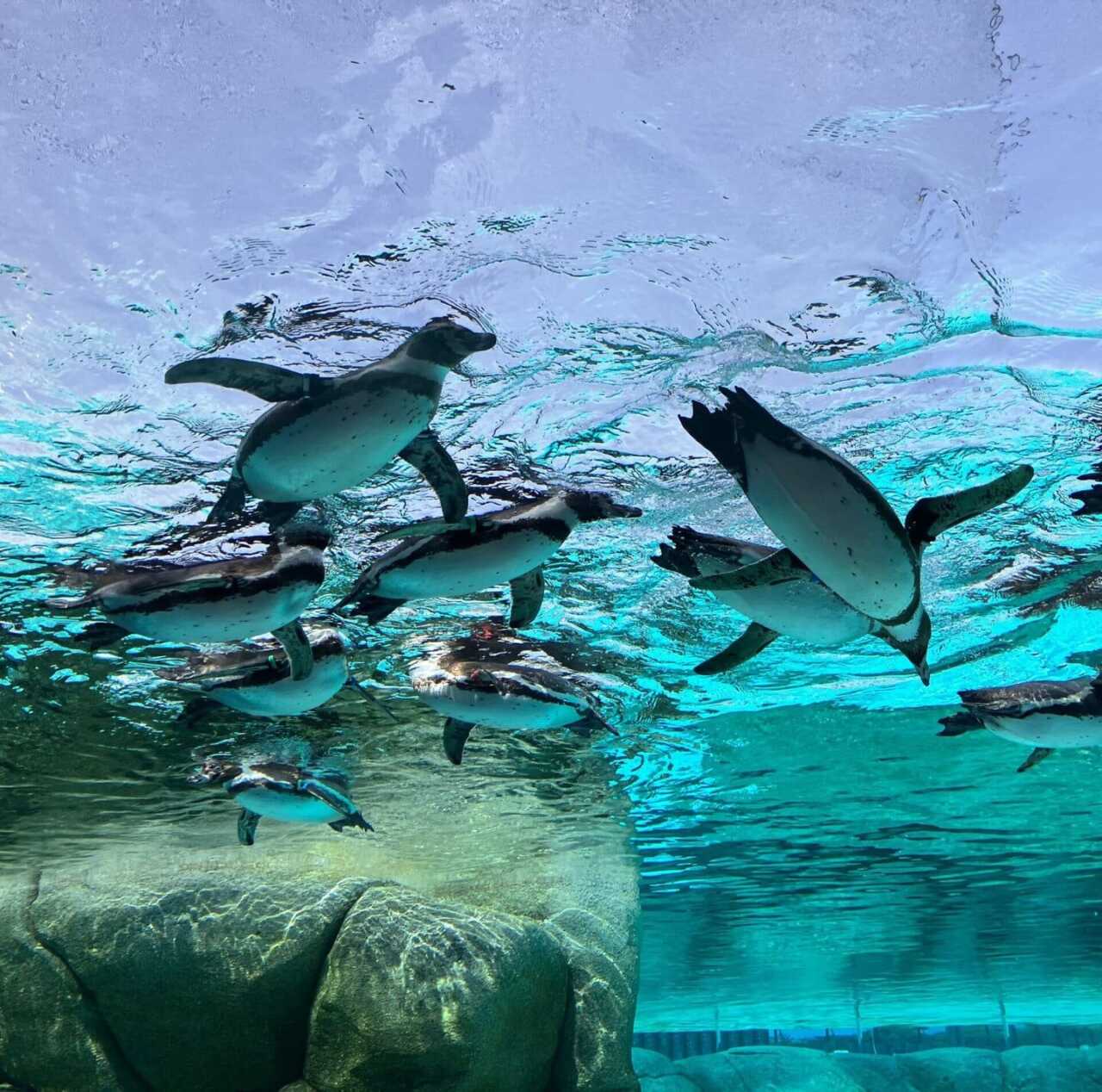
Penguin Park and Sea Lion Wharf are known for their landscaping that recreates a rocky coastline. Through large acrylic viewing windows you can watch penguins and sea lions swim up close. Feeding shows run at set times every day, with keepers dropping fish and explaining the species as they go, and you can enjoy the sea lions’ nimble underwater performances.
The penguin pool has a viewing design at eye level, convenient for wheelchair and stroller users, and it is one of the zoo’s better-equipped accessible exhibits, a good place for families with older relatives or babies to rest and watch midway through the visit.
African Savanna: Lions and Giraffes in a Shared Habitat
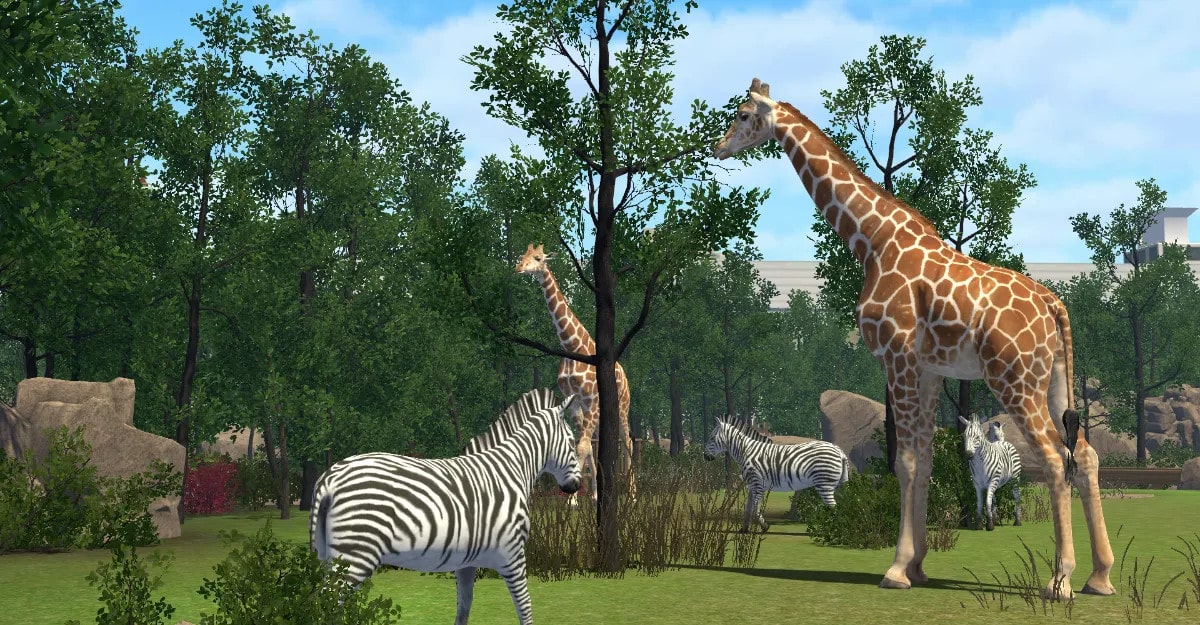
The African savanna area recreates a wide-open grassland where many species live together, and giraffes and zebras often stroll side by side. In the nearby carnivore area you can see predators such as lions, tigers and black panthers, and through the glass walls you can almost make eye contact, which gives a real sense of presence.
Since big cats such as tigers mostly rest during the day, if you want to catch them in action, go in the cooler morning hours. That is when the carnivores are more active and keepers do enrichment feeding, which raises your chances of seeing the animals walking around and eating.
Indoor Exhibit Halls: A Hidden Highlight for Summer Cool and Winter Warmth
The indoor exhibit hall beside the TEN-SHIBA Gate is a hidden spot recommended on social media for its extremely close views and close-up photography. It is air-conditioned in summer and sheltered in winter, so you can comfortably watch small mammals and reptiles up close. Because it draws less attention than star animals such as the polar bears and giraffes, it is less crowded, and you can lean in to the glass and take in details such as fur texture and expressions. It suits close-up photography fans as a stop in a gap in the itinerary.
Kiwi and the World of Birds: A Memorial Exhibit for a Rare Japanese Species
Tennoji Zoo was once the only zoo in Japan to keep a kiwi. Although that kiwi has died in recent years, the zoo keeps a memorial display and explanatory signs so visitors can learn this precious piece of history. The World of Birds area brings together native and foreign species, including distinctive birds such as cockatiels and snowy owls, and suits bird-watching and photography fans who want to explore at leisure.
The bird area has a semi-open design, and in some places birds fly close over visitors’ heads, which adds to the sense of presence. Visitors carrying food are asked to keep it well stored so birds are not drawn in to snatch it, which would spoil the experience for others.
Shitennoji: Japan’s Oldest Official Temple Is Right Next to the Zoo
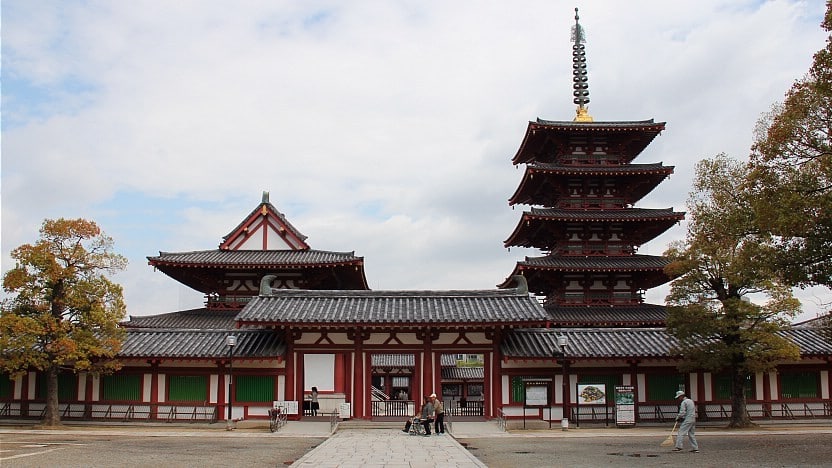
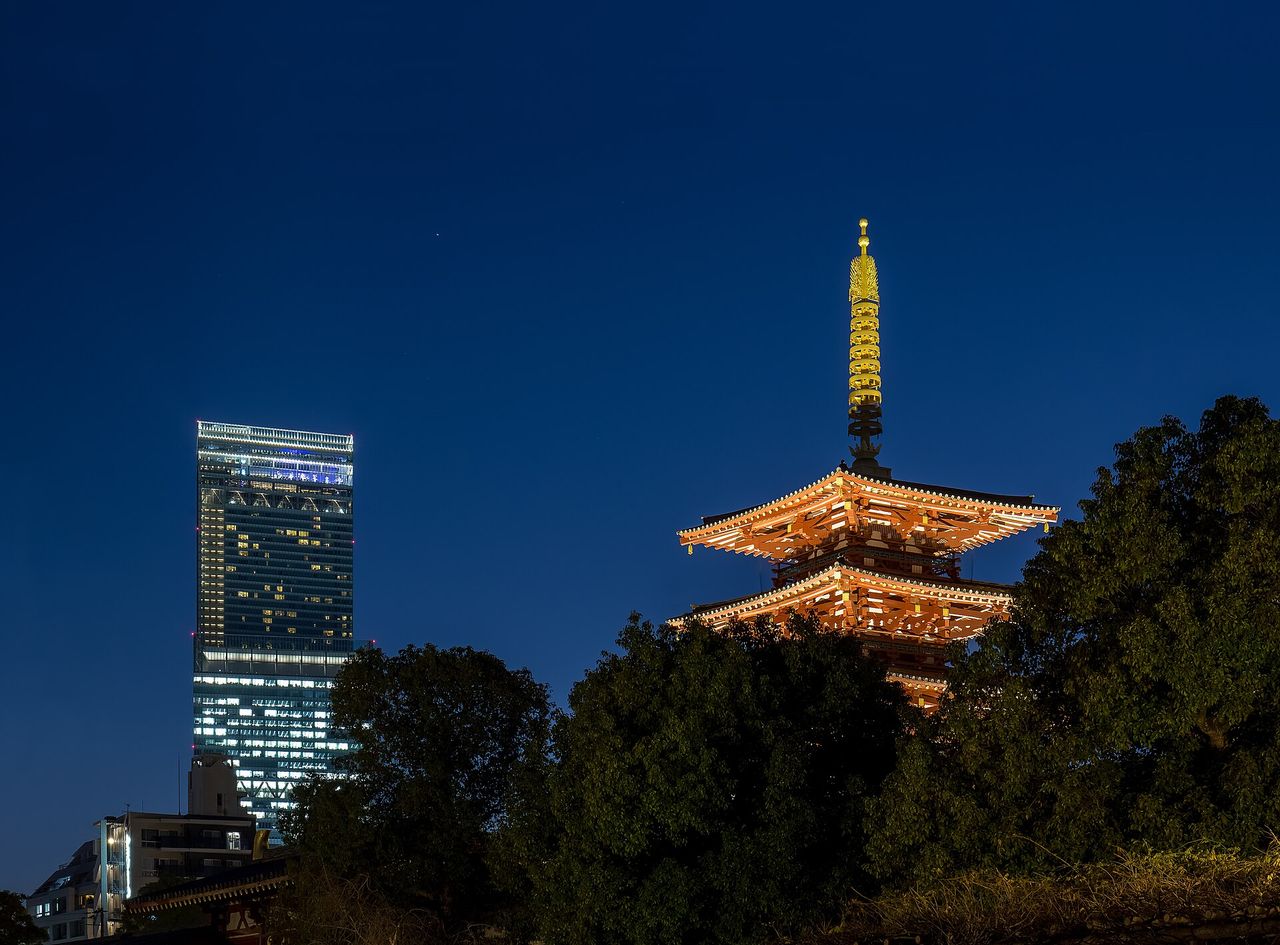
Shitennoji was founded by Prince Shotoku in 593 and is one of Japan’s earliest official temples, dedicated mainly to Kannon Bodhisattva. Its five-story pagoda and Golden Hall were rebuilt in the Asuka-period style and have a solemn, ancient feel. It is about a 15 to 20 minute walk from Tennoji Zoo, and works well after your zoo visit, giving a striking contrast between wildlife and a temple a thousand years old.
You can buy omamori charms and goshuin temple stamps at the temple. According to the official website, the central compound admission is ¥500 for adults, ¥300 for high school students and free for elementary and junior high students. The wide grounds also host local events such as flea markets, making it an important stop for experiencing Osaka’s traditional culture and religious atmosphere, and not one to miss.

- 🕘 Visiting hours: April–September 8:30–16:30 / October–March 8:30–16:00 (opens earlier at 8:00 and closes later on the 21st of each month)
- 🎫 Admission: Central compound: adults ¥500, high school students ¥300, elementary and junior high students free / Garden: adults ¥300, high school and younger students ¥200 / Treasure House: adults ¥500, high school students ¥300, elementary and junior high students free
- 🔗 Shitennoji official visitor guide page
How Much Does Tennoji Zoo Cost? Tickets and Experience Options
Adult admission to Tennoji Zoo is only ¥800, and pairing it with the Osaka Amazing Pass or combo tickets for nearby attractions gets you even better value.
| Ticket type | Price | Notes |
|---|---|---|
| Adult (high school and older) | ¥800 | Buy on-site or online |
| Junior high and elementary students | ¥200 | Free for those enrolled in Osaka City; show a student ID |
| Preschool children | Free | Free admission for all |
| Osaka Amazing Pass holders | Free | 1-day pass about ¥3,500, 2-day pass about ¥5,000 |
Tennoji Zoo Single-Day Admission: The Basic Sightseeing Option
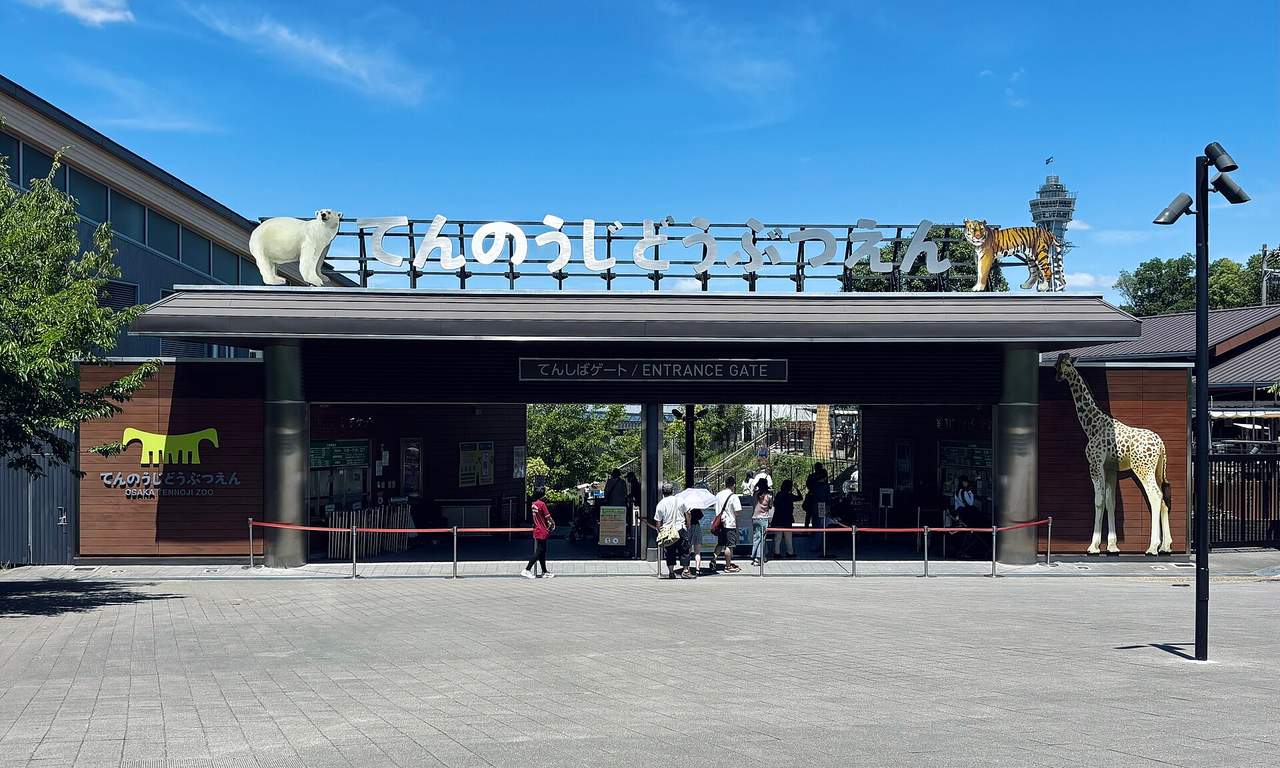
The single-day ticket is the basic way to enter: adults ¥800, elementary and junior high students living outside Osaka City ¥200 (free within the city), and free for preschool children. You can buy it in person at the ticket windows at the Shinsekai Gate and the TEN-SHIBA Gate. The zoo recommends buying a web ticket in advance on Saturdays, Sundays and national holidays, and you can also pre-purchase e-tickets on platforms such as Klook and scan the QR code at entry.
Plan on 1.5 to 2 hours for a basic visit. If you want to see the feeding shows, the Friendship Garden hands-on experience and all four themed zones, allow 2 to 3 hours so you aren’t rushing from place to place.
Osaka Amazing Pass: The Top Choice for Linking Multiple Attractions
Besides free entry to Tennoji Zoo, the Osaka Amazing Pass gives unlimited rides on the city subway and buses and free admission to about 40 attractions, including the Tsutenkaku observation deck (Abeno Harukas 300 is not on the free list). The 1-day pass is about ¥3,500 and the 2-day pass about ¥5,000, so add up the admission fees of the paid attractions you plan to visit before deciding whether to buy one.
In 2026 the pass comes as a mobile QR code, so buy it ahead of time on an online platform such as Klook and just open the QR code after you arrive, with no need to line up to exchange it. JR lines are not covered.

Klook / KKday Zoo E-Tickets: Skip the Line
Buy Tennoji Zoo e-tickets in advance through Klook or KKday and just scan the QR code on your phone at entry, saving the wait at the ticket window. This is especially useful in peak seasons (spring, summer vacation and long weekends) to avoid the crowds.
Some platforms also offer combo ticket deals that pair the zoo with nearby attractions such as Abeno Harukas and Tsutenkaku. Compare combo prices before buying and choose the ticket that suits you best.
Abeno Harukas 300 Observation Deck Ticket: See All of Osaka from Above
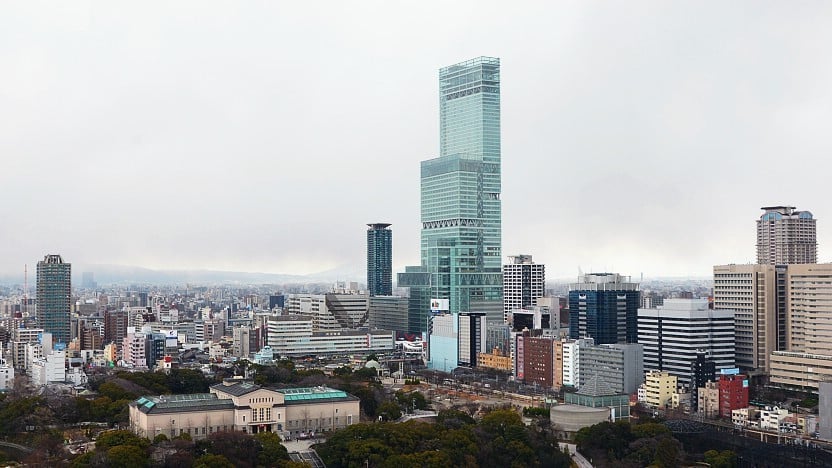
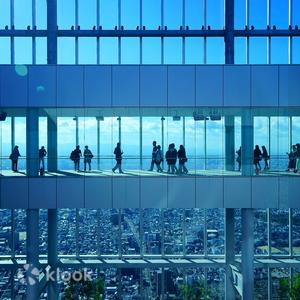
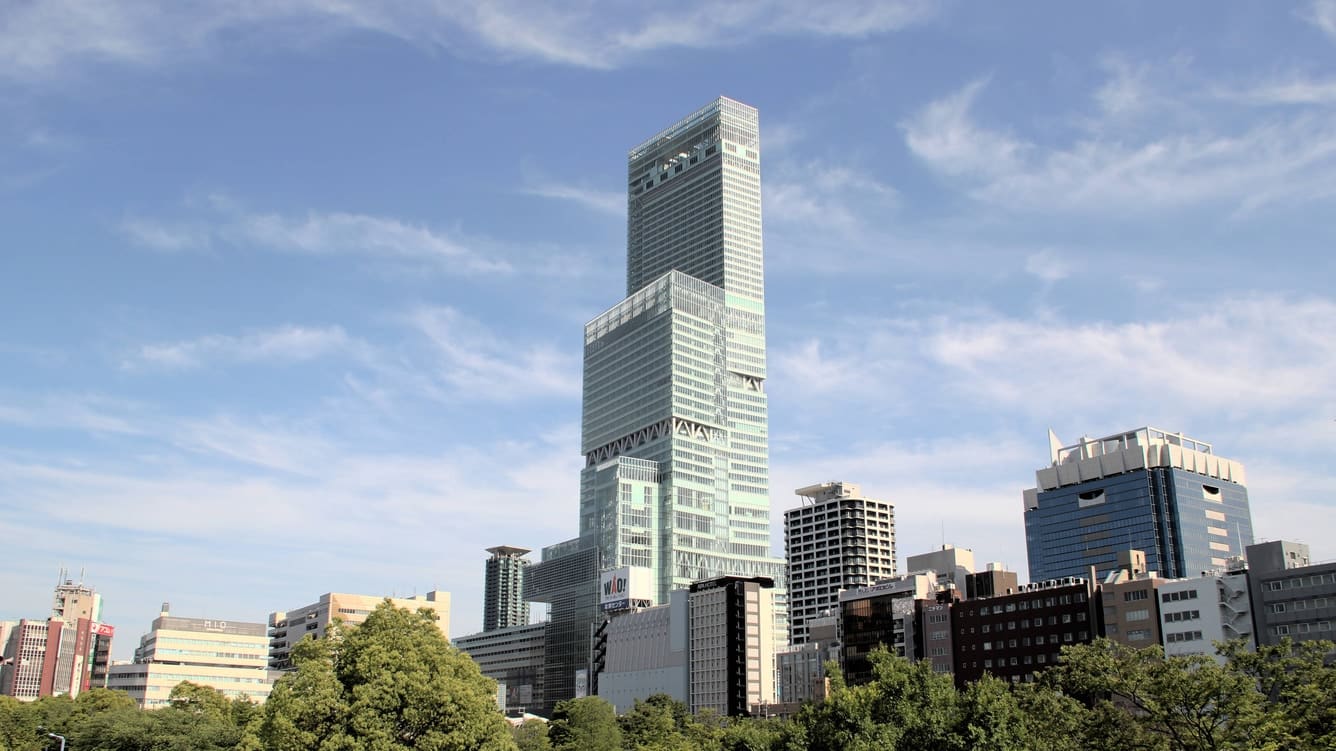
Abeno Harukas 300, one of the tallest skyscraper observation decks in Japan, costs ¥2,200 for an adult same-day ticket, or ¥1,980 if bought online by the day before. It is about a 15 to 20 minute walk from Tennoji Zoo, so it pairs well with a zoo visit, letting you look out over the Osaka cityscape toward Mount Rokko and the Akashi Kaikyo Bridge. Some platforms offer zoo-plus-observation-deck combo tickets that cost less than buying separately.
The observation deck is open 9:00–22:00 (last entry 21:30). Go around dusk to take in both the day and night views and finish the day on a high note.
Shitennoji Admission: A Cultural Extension
Central compound admission at Shitennoji is ¥500 for adults, and it lets you enter to see Asuka-style buildings such as the five-story pagoda and Golden Hall and feel the solemn atmosphere of Japan’s oldest official temple. The grounds also have a Treasure House displaying relics related to Prince Shotoku and prized Buddhist art, and history and culture lovers can buy an extra ticket for it to learn more.
Temple admission can be bought separately from zoo tickets. The two sites are about a 15 to 20 minute walk apart, so it works well as an afternoon follow-up on the same day, giving the trip both natural-history and cultural layers.
Where to Stay Nearby
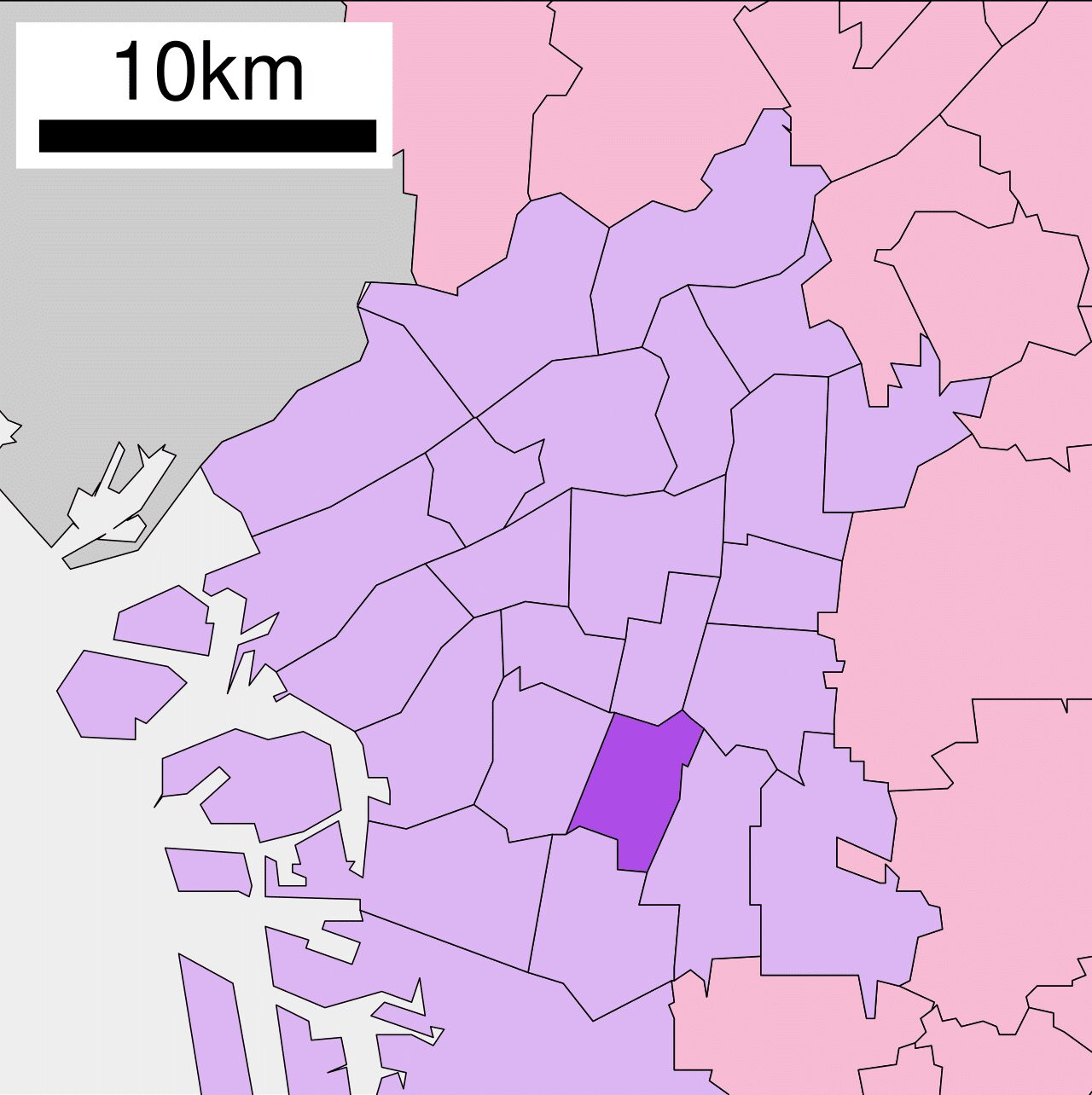
Tennoji Zoo sits between JR Tennoji Station and Dobutsuen-mae Metro Station. Staying around Tennoji, Abeno or Shin-Imamiya puts you within walking distance or one train stop, and also makes it easy to reach Tsutenkaku and Abeno Harukas.

FAQ
Q: How much are Tennoji Zoo tickets?
Adult admission is ¥800 and elementary and junior high students pay ¥200 (free for students in Osaka City). Preschool children are always free, and Osaka Amazing Pass holders also enter free.
Q: What is the easiest way to get to Tennoji Zoo?
Take the Midosuji Line or Tanimachi Line to Dobutsuen-mae Station and walk about 5 minutes, or take the JR Loop Line to Shin-Imamiya Station and walk about 10 minutes.
Q: What are Tennoji Zoo’s opening hours and closing days?
It is open 9:30–17:00 (last entry 16:00) and closed on Mondays. When Monday is a holiday, it closes the following day instead.
Q: What time can you pet the guinea pigs at the Friendship Garden?
Friendship Garden hands-on sessions run on an on-site, limited-session basis, and the schedule changes daily. Check the notice board or the official website for the day’s schedule as soon as you enter.
Q: When is the best time to see polar bear activity?
Avoid the crowds around feeding show times and go on a weekday morning or late afternoon, when you can watch the polar bear swim at a relaxed pace. The new polar bear house, Polar Bear Coast, opened on August 4, 2026, and you can watch swimming from the underwater viewing area. However, since September 2026 the polar bear Hou has been shown only in the “Early Summer Area,” so check the official website for the latest status before you go.
Q: Is the Osaka Amazing Pass worth buying?
If you plan to visit three or more paid attractions in a day and ride the subway several times, the Osaka Amazing Pass usually pays for itself, making it a high-value choice for a city day trip.
Q: How long should I spend at Tennoji Zoo?
A quick walk-through takes about 1.5 to 2 hours, and if you want to fully enjoy the feeding shows and the Friendship Garden, allow 2 to 3 hours. The polar bear house, Penguin Park and Sea Lion Wharf are connected by one route, so you can see them together. If you have young children, or want to add the TENNOJI ZOO MUSEUM or link up with Shinsekai and Tsutenkaku, plan on half a day to stay relaxed.