
Tsutenkaku: A Guide to the Showa-Era Shopping District
Tsutenkaku stands in Osaka’s Shinsekai, a nostalgic landmark that blends retro shopping streets, kushikatsu food and an observation deck, and it is worth setting aside half a day to explore in depth.
Shinsekai Hondori Shopping Street: A Food Street Lined with Showa-Style Signs
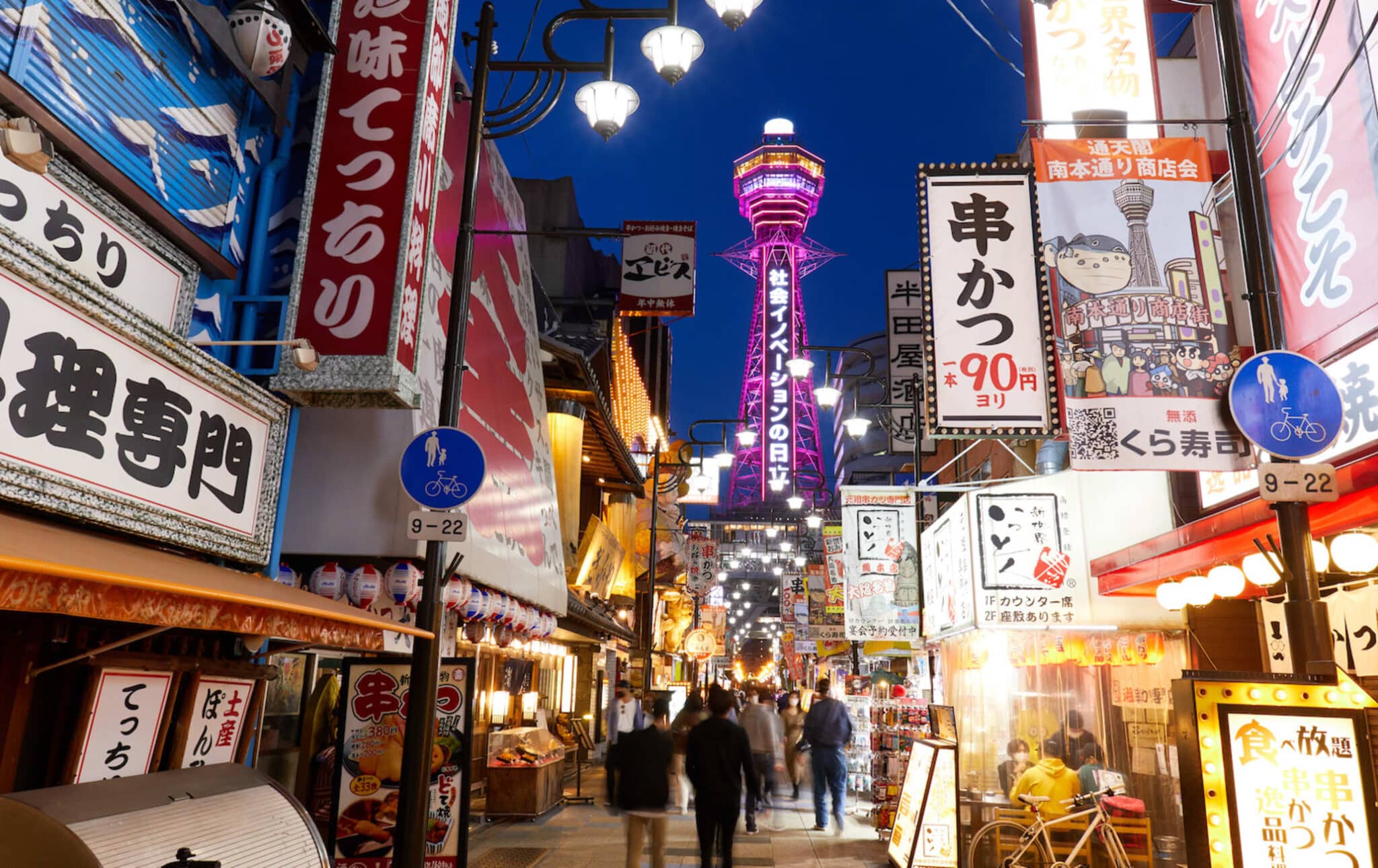
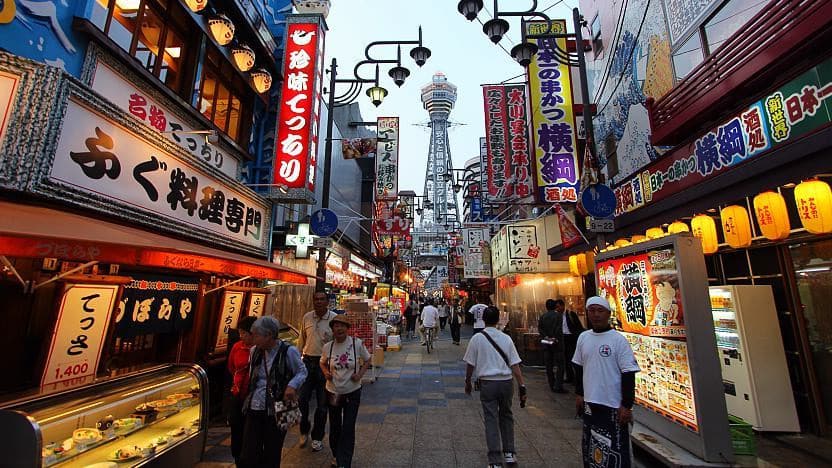
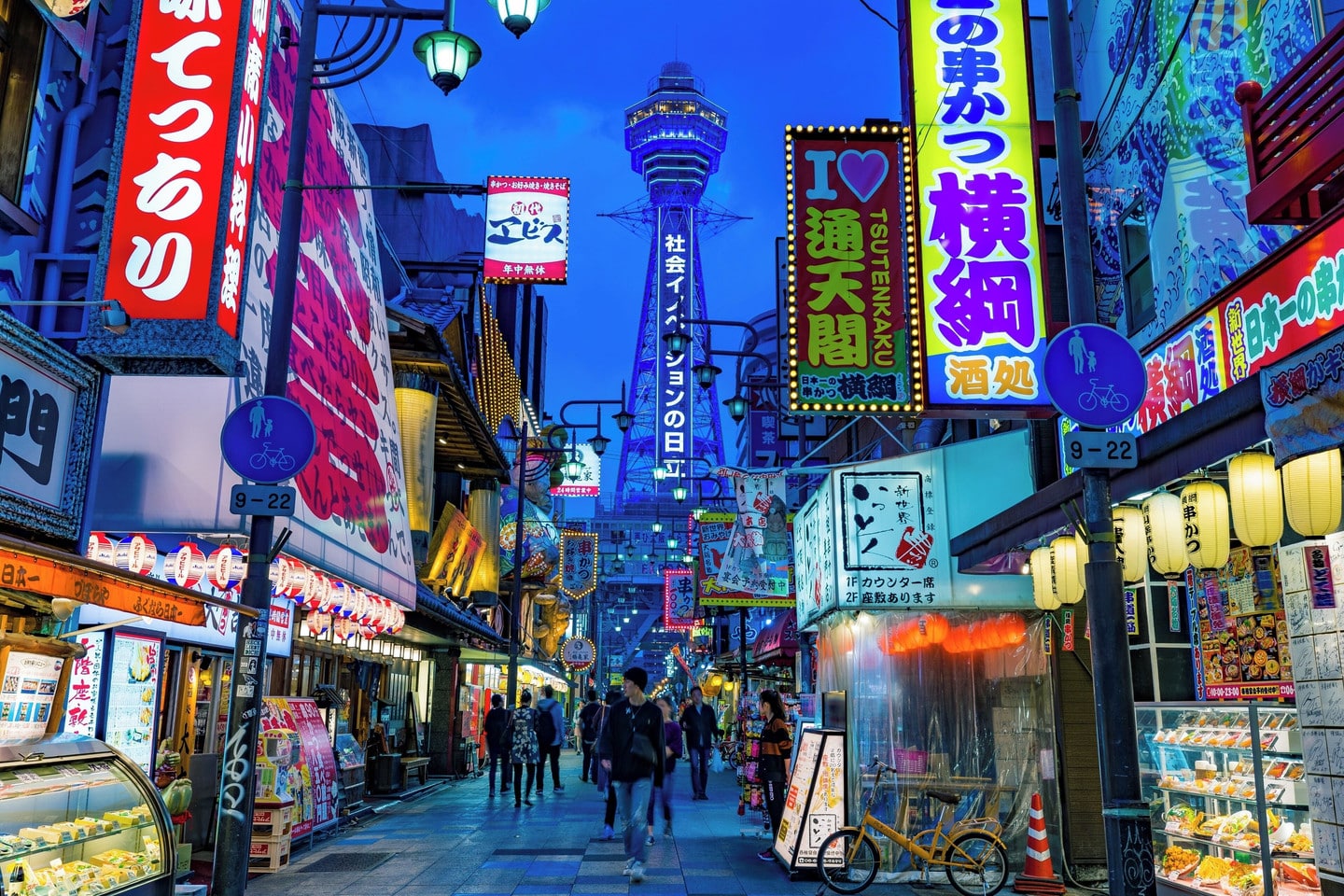
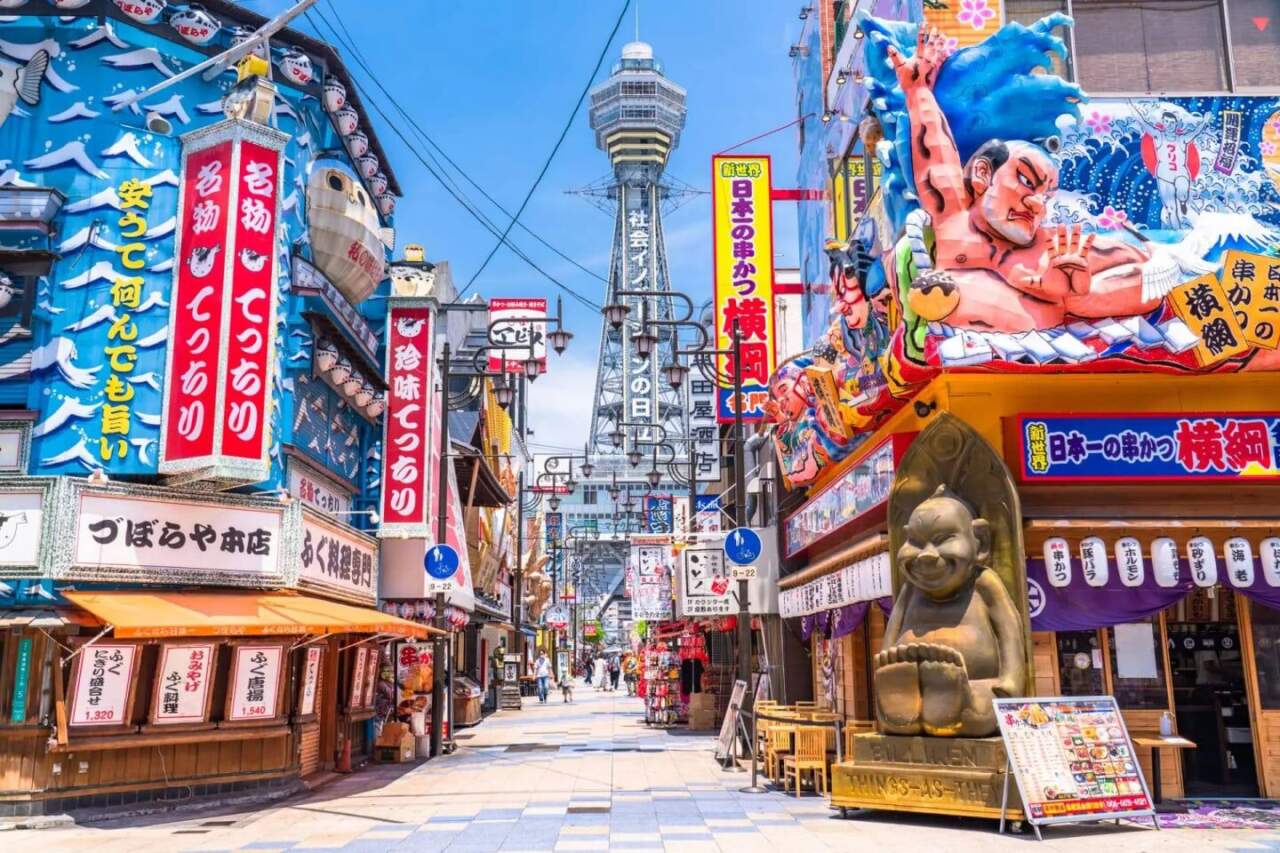
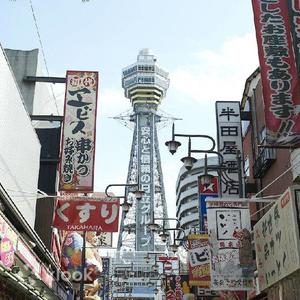
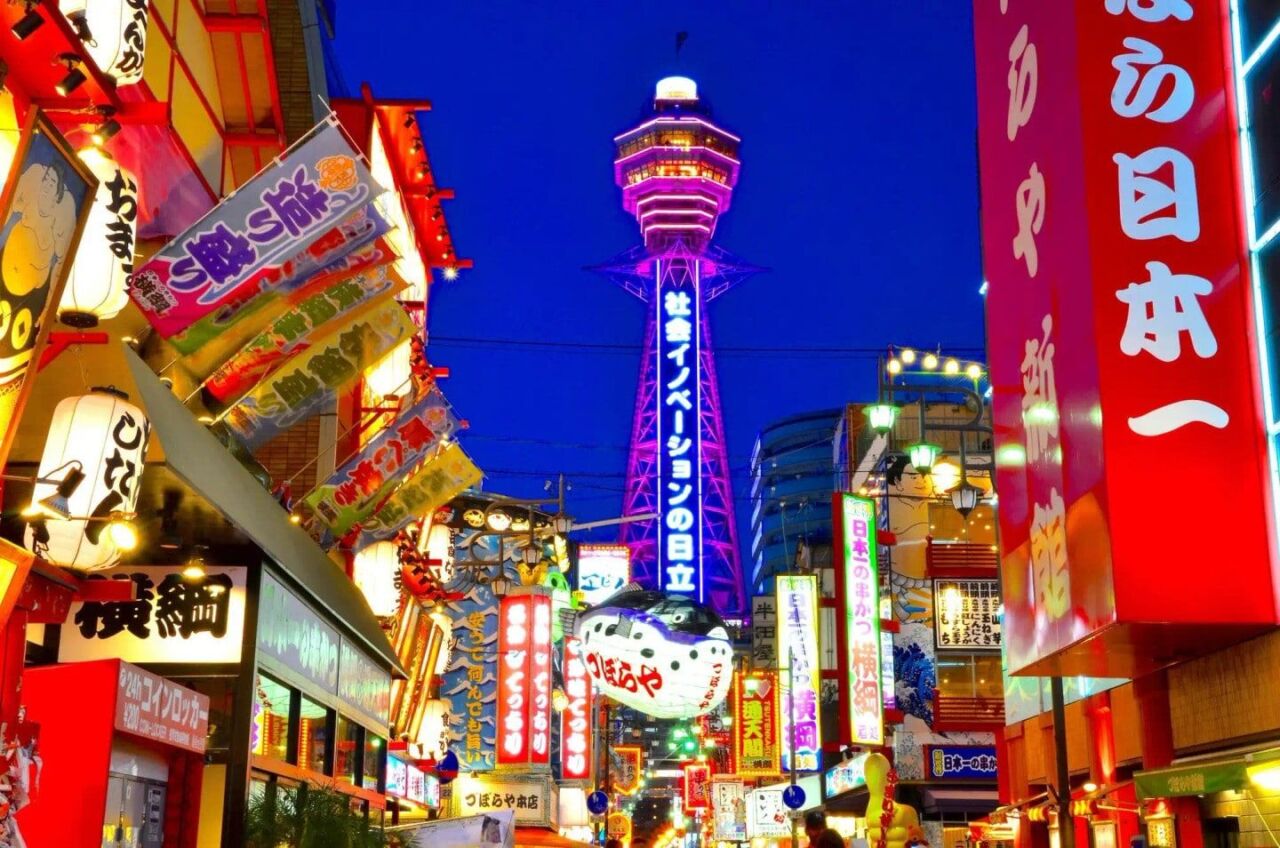
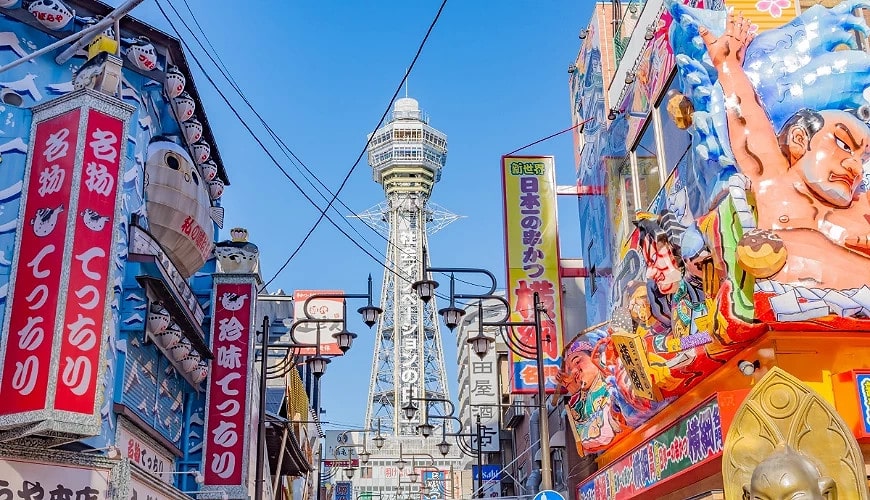
Shinsekai Hondori Shopping Street is the lively main street around Tsutenkaku, reachable on foot from Exit 3 of Ebisucho Station. Eye-catching three-dimensional signs line both sides, and kushikatsu shops, takoyaki stalls and retro cafes are packed together, full of the Osaka atmosphere of the Showa era. The street is not wide and the signs are dense, which makes it an excellent spot for photographing the tower. The feel is very different from the modern districts of Shinsaibashi and Umeda: there is less distance between you and the locals, and the everyday life of the neighborhood is on full display, so it suits travelers who like to get down to street level. At dusk, when the neon signs light up and glow alongside the lights of Tsutenkaku, you get the classic view.
Nan’yo-dori Shopping Street (Jan Jan Yokocho): Old Osaka’s Everyday Character
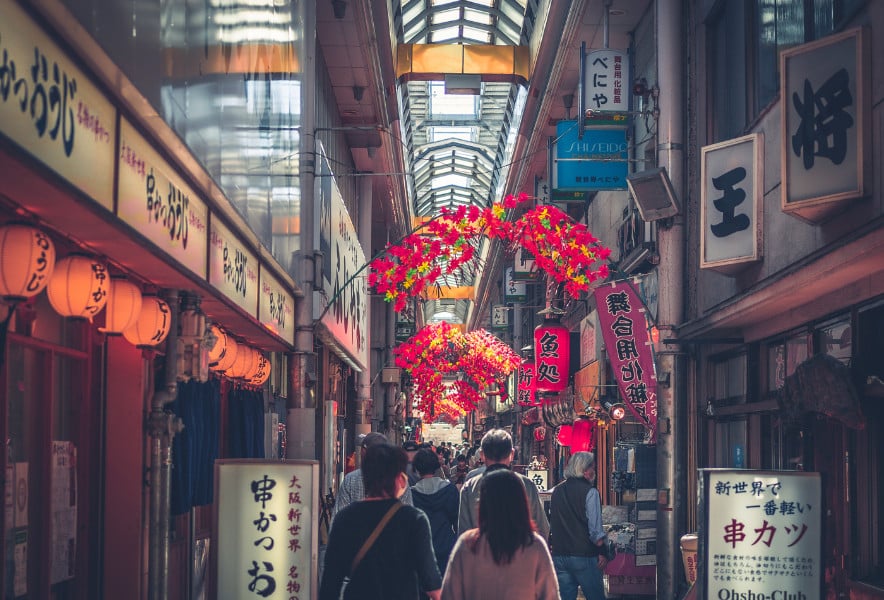
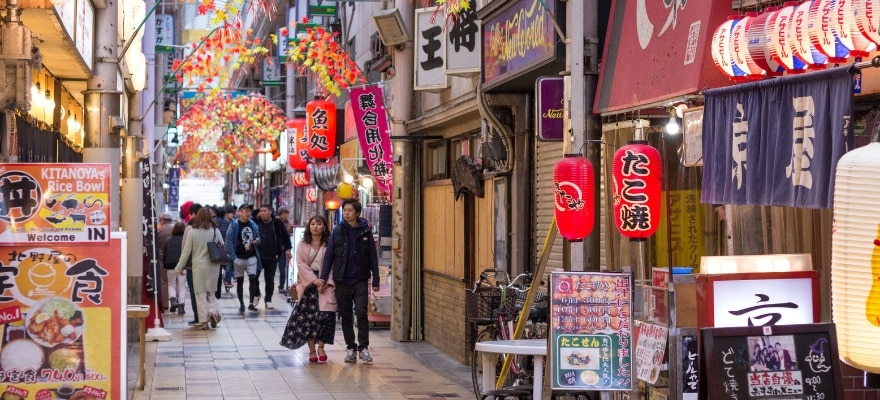
Nan’yo-dori Shopping Street is commonly known as Jan Jan Yokocho, a name said to come from the shamisen and taiko sounds that once rang out along the street. It is an older-feeling alley than Shinsekai Hondori, with standing kushikatsu counters, shogi parlors and Showa-style kissaten. The street is narrow and dim, and the faded lightbox signs preserve the original look of Osaka’s postwar working-class culture.
The area had a poor reputation for safety in the past, but as tourist numbers have grown it is now fairly safe from daytime until evening, though it is still best to avoid lingering alone late at night. For travelers who want a place away from the tourist crowds and a real taste of local life, it has more character than Kuromon Market.
Shinsekai Shopping Street Map: How to Plan an Efficient Route
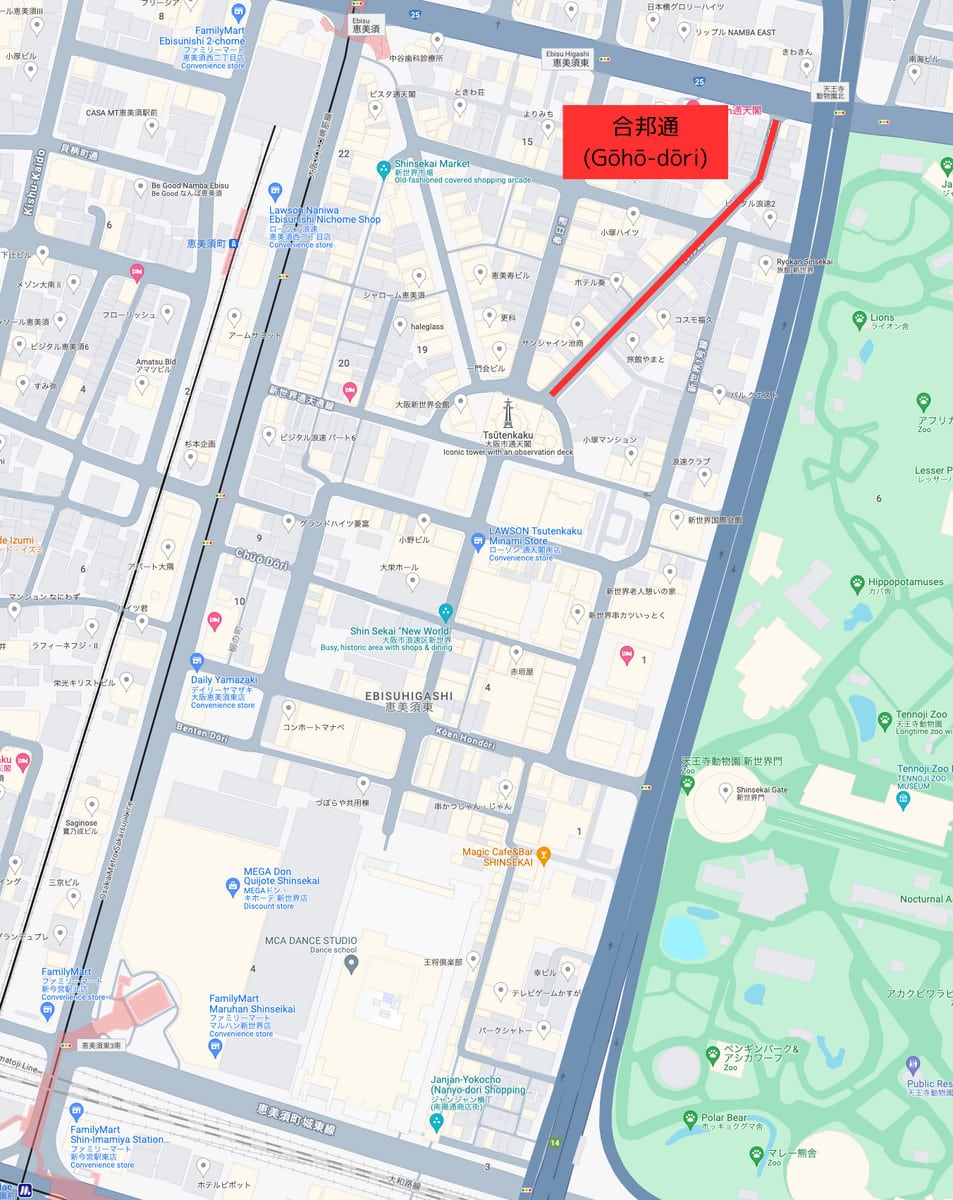
The whole Shinsekai district radiates out from Tsutenkaku. Shinsekai Hondori Shopping Street connects to Ebisucho Station on the north side, while Nan’yo-dori Shopping Street meets Dobutsuen-mae Station on the south side. The two routes are about a ten-minute walk apart, forming a complete loop for browsing.
We suggest starting at Ebisucho Station, eating kushikatsu and takoyaki along Shinsekai Hondori Shopping Street first, then going up Tsutenkaku for the panoramic view, and finally walking through Jan Jan Yokocho to Dobutsuen-mae Station, where you can continue to Tennoji Zoo or SPA WORLD. The whole outing takes about three to four hours.
MEGA Don Quijote Shinsekai: A Shopping Landmark Open Until Late
MEGA Don Quijote Shinsekai is in Ebisu-higashi, about a 3-minute walk from Shin-Imamiya Station. It is open roughly from 9:00 until 5:00 the next morning (follow the notice at the store entrance), so you can still pick up souvenirs after a long night of wandering. The store carries snacks, drugstore items and household goods, and offers tax-free shopping.
Download the official app to get discount coupons, and show the app screen at checkout to use them. The store sits right next to the Shinsekai district, so it is convenient to shop on the way after visiting Tsutenkaku and the shopping streets.
Retro Variety Shops and Hardware Stores: Treasure-Hunting for Showa-Era Everyday Items
As you wander the alleys of Shinsekai you will also find retro variety shops and hardware stores that have been running for decades, selling nostalgic items such as tin signs, old-style toys and Showa-style enamelware. Prices range from a few hundred yen to a few thousand yen, making this a great place to look for distinctive souvenirs.
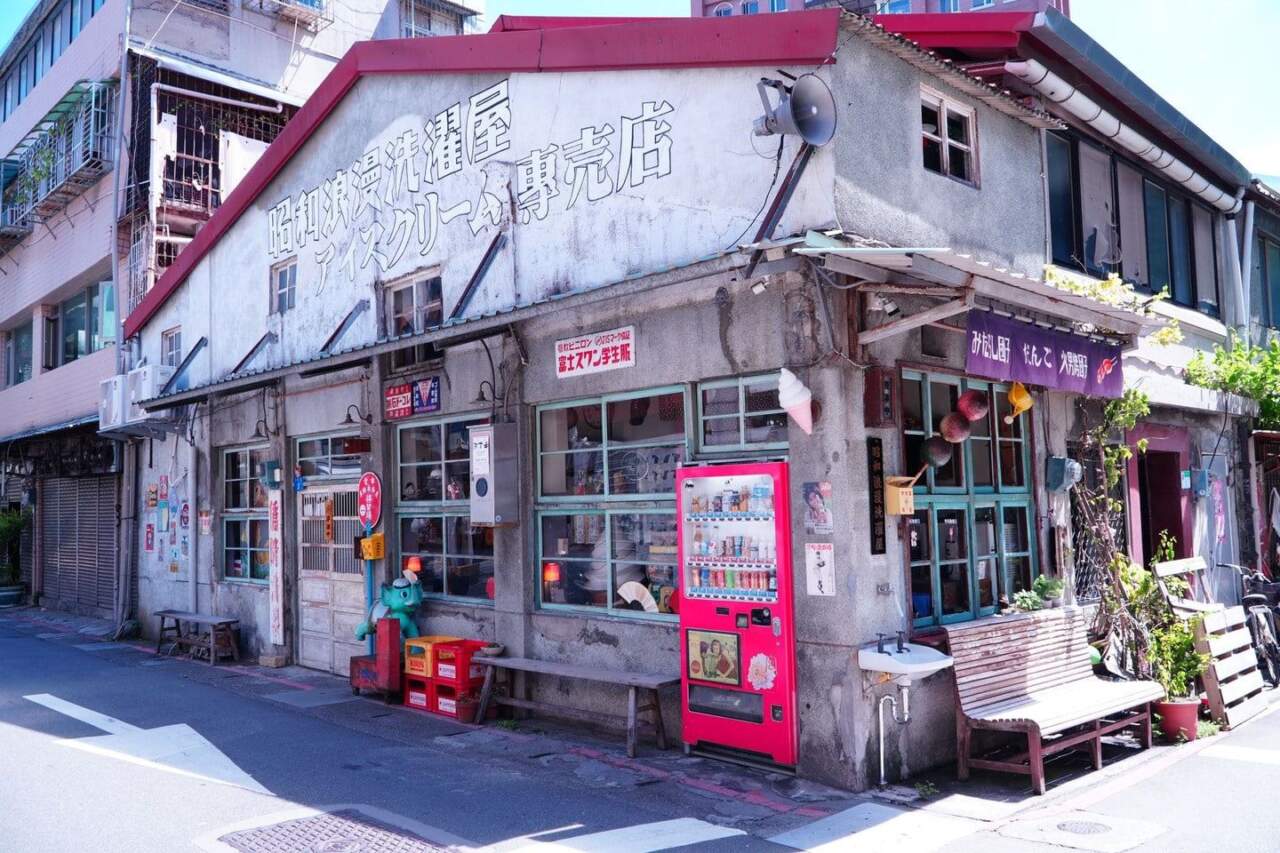
Most of these shops are family-run, and the owners are often happy to share the history of their store and how Shinsekai has changed over the years. Even while you shop you can feel the warmth of the community, and this is a hidden route that even local Osaka people recommend.
How to Get to Tsutenkaku: A Complete Guide to Routes and Fares
Tsutenkaku is in Osaka’s Shinsekai area and is one of the most representative landmarks in the Kansai region. It is surrounded by Shinsekai shopping streets, the Dobutsuen-mae area and the Ebisucho neighborhood, and the transport network is excellent. Whether you start from Namba, Tennoji or Kansai Airport, you can easily get there by subway, Nankai Railway or JR.
How to Get to Tsutenkaku: Routes at a Glance
🚇 Midosuji Line: 5-minute walk from Dobutsuen-mae Station, ¥240-280, closest to Tsutenkaku.
🚆 JR Loop Line: 8-minute walk from Shin-Imamiya Station, ¥180, with transfers to the Nankai Line and the Sakaisuji Line, connecting to Tennoji Zoo and HARUKAS.
🚈 Nankai Railway (Kansai Airport): both the Airport Express and the Rapi:t limited express run directly to Shin-Imamiya Station. Rapi:t requires a separate limited express ticket, so check the Nankai website for fares and timetables.
🎫 Osaka Amazing Pass: the 2026 edition costs ¥3,500 for a one-day pass and ¥5,000 for a two-day pass, with free entry to about 40 attractions. It pays off if you visit two or more sights.


Must-See Sights Around Tsutenkaku: Highlights of Each Area
There are many sights worth visiting around Tsutenkaku and Shinsekai. The highlights and visiting tips for each are introduced below.
Tsutenkaku Observatory: The Landmark Tower with a Bird’s-Eye View of Osaka
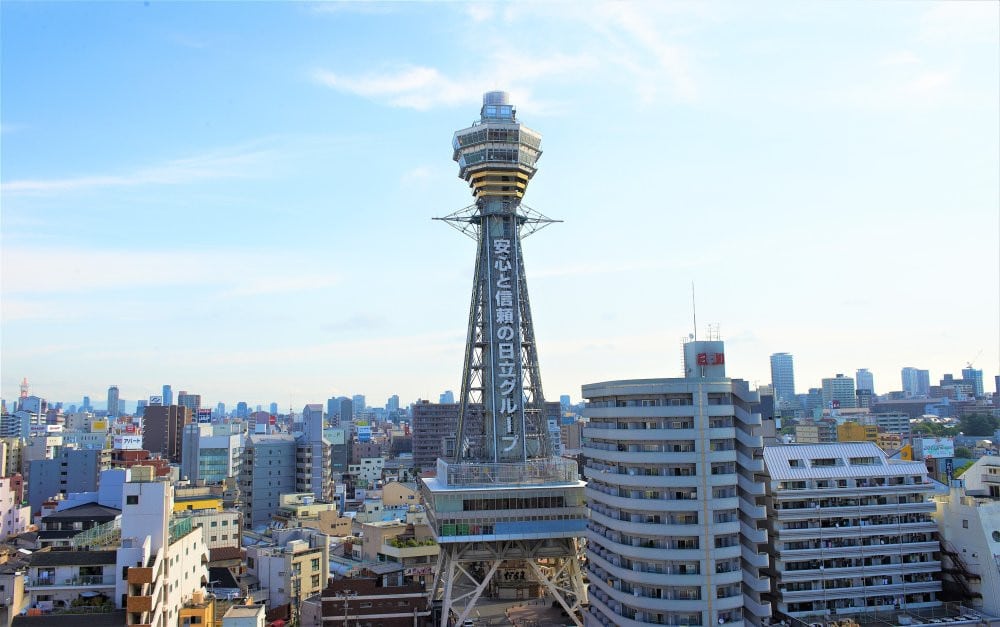
The first Tsutenkaku was built in 1912, modeled on the Eiffel Tower and the Arc de Triomphe in Paris. It burned down in 1943, and today’s second-generation tower was rebuilt in 1956. Standing about 108 meters tall, it is Osaka’s signature landmark. The observatory combo ticket (regular plus special outdoor deck) costs ¥1,500 for adults, and from it you can look down over Shinsekai and out to Abeno HARUKAS. On clear days you can make out the outlines of Mt. Rokko and the Akashi Kaikyo Bridge.
Inside are a Billiken statue, a history exhibit area and a limited-edition souvenir shop. We suggest allowing 45 minutes to 1 hour for a visit and avoiding the weekend afternoon crowds. Weekday mornings or the hour before dusk give you a clearer view.


Tenbo Paradise Special Outdoor Observatory: An Open-Air Viewing Experience
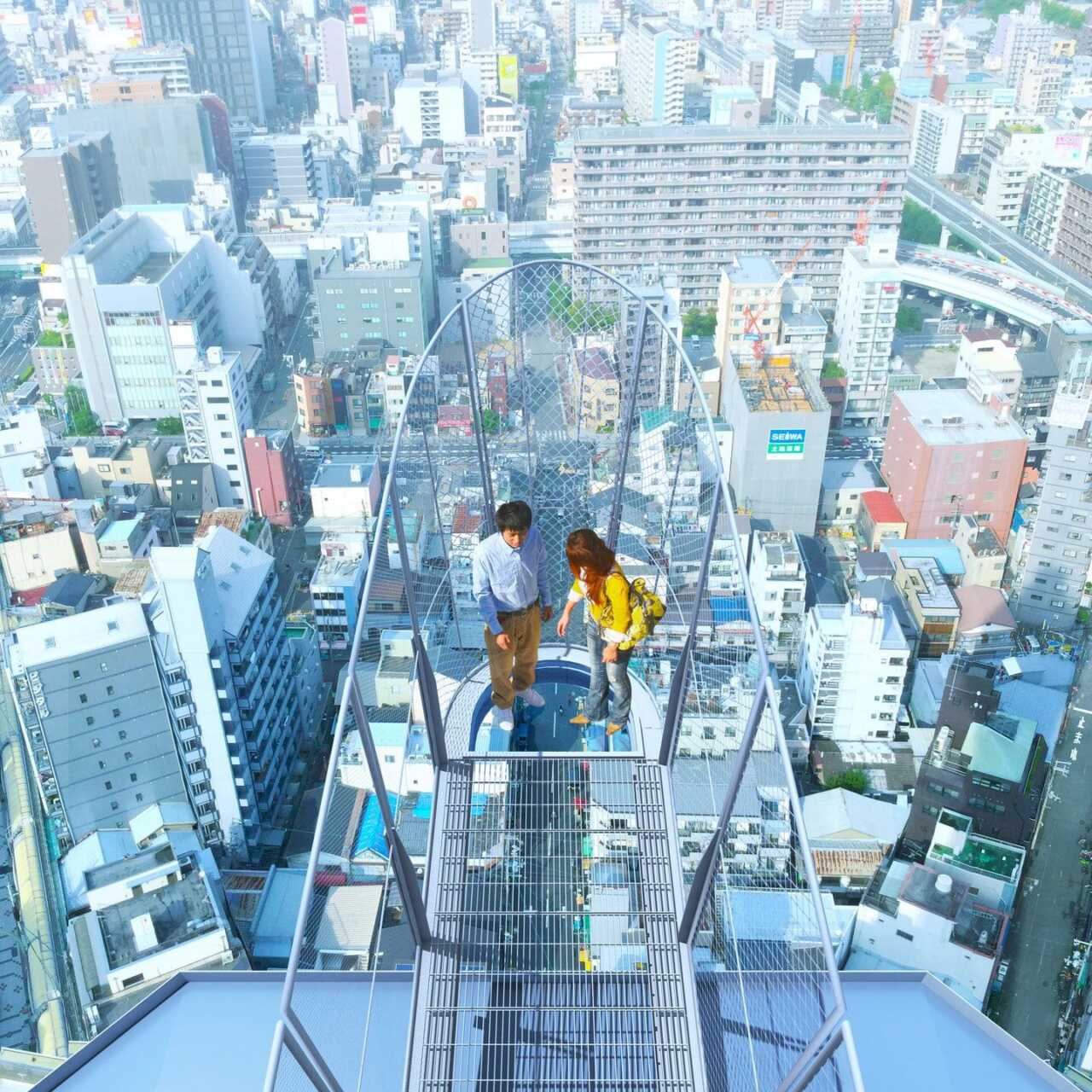
Tenbo Paradise is the special outdoor observatory at the top of Tsutenkaku. Since April 2026 it has been merged with the regular observatory into a single combo ticket (adults ¥1,500), so no separate add-on is needed. Located at the very top of the tower, it is one of the few observation facilities in Osaka where you can stand outdoors in the breeze and enjoy the view, with a wider, unobstructed outlook.
It has a viewing walkway circling the tower and a glass-floor platform jutting out from it, called TIP THE TSUTENKAKU, which is great for panoramic photos. We suggest visiting on a weekday or arriving early to avoid the busy tour-group hours, so you can enjoy the sunset and night view at a relaxed pace.
TOWER SLIDER: A Thrilling Plunge from the 3rd Floor to the 1st Basement Level
TOWER SLIDER is a popular recent addition to Tsutenkaku. It slides you from the 3rd floor all the way down to the 1st basement level over a length of about 60 meters in roughly 10 seconds, spiraling around the elevator tower one and a half times for a short but thrilling drop. It is a highlight that many young travelers and families rush to try.
Adults (ages 15 to 65) ¥1,100, children (ages 7 to 14) ¥600. Riders must be at least 120 cm tall and weigh no more than 119 kg. Open 9:30 to 20:30 (last admission 20:00); please check the official website first.
Dive & Walk: A High-Altitude Harness Experience, with a Choice of “Walk” or “Jump”
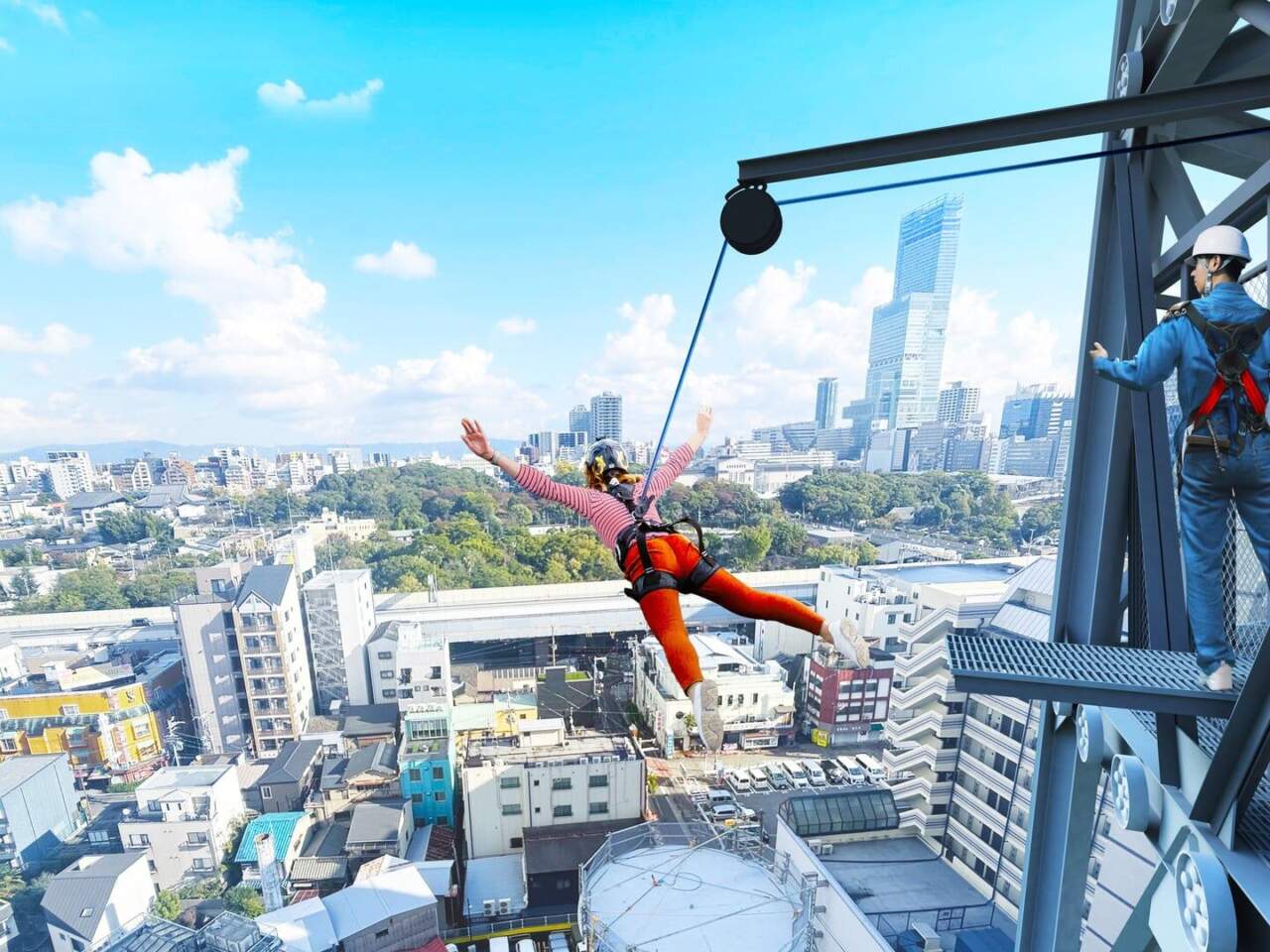
Dive & Walk is a high-altitude attraction Tsutenkaku launched in 2024, offering two experiences: “Walk” (wearing a safety harness and circling the outside of the observatory roof, about 26 meters above the ground) and “Dive” (a vertical drop of about 14 meters from roughly 40 meters up the tower down to the observatory). The ticket costs about ¥3,000, and participants must be 9 or older, at least 130 cm tall and no more than 120 kg.
You must reserve an entry time in advance, and we recommend booking online through the official website. A lighter Walk-only option costs ¥1,500 for adults.
Billiken: The God of Good Luck Whose Feet You Rub for Fortune
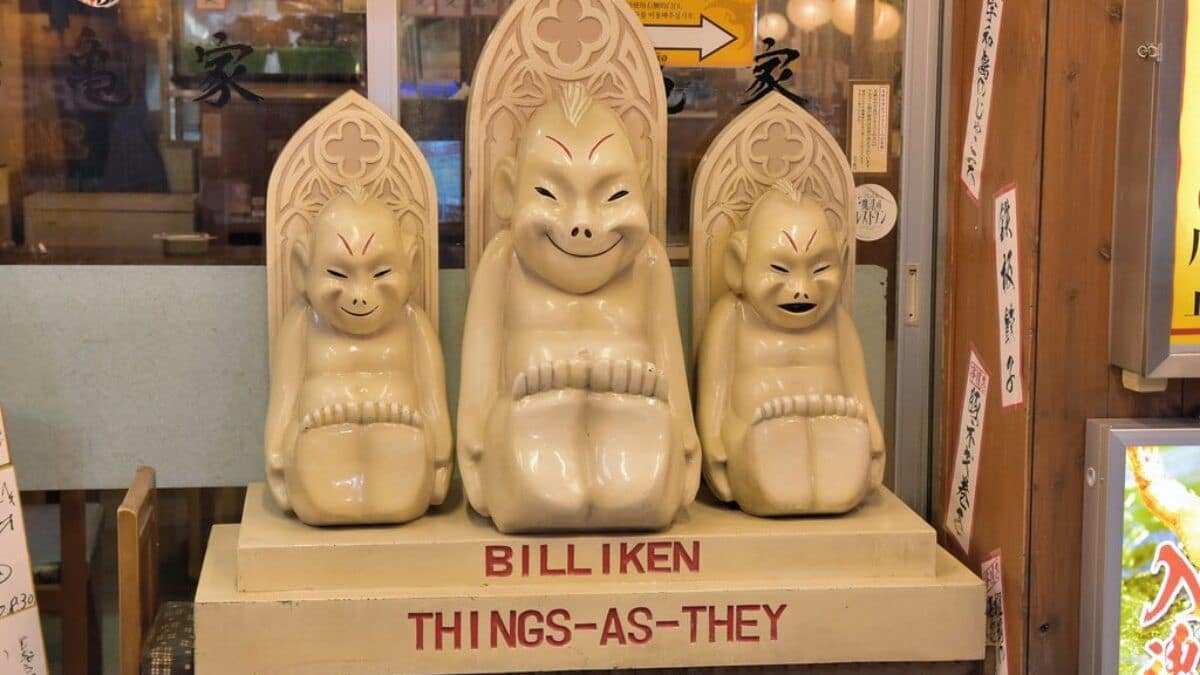
Billiken is Tsutenkaku’s mascot, based on a good-luck figure created by an American artist in 1908. Legend has it that rubbing the soles of his feet will make your wishes come true. The statue is currently enshrined inside the observatory and is a popular corner where visitors take photos and make wishes.
There is plenty of Billiken merchandise, from key rings and plush toys to cookies, all available at the Tsutenkaku souvenir shop. Prices start from about ¥500, making it one of Shinsekai’s most representative gifts, and he is also a good entry point for understanding Tsutenkaku’s unique cultural background.
Imamiya Ebisu Shrine: The Head Ebisu Shrine of Kansai’s Merchants
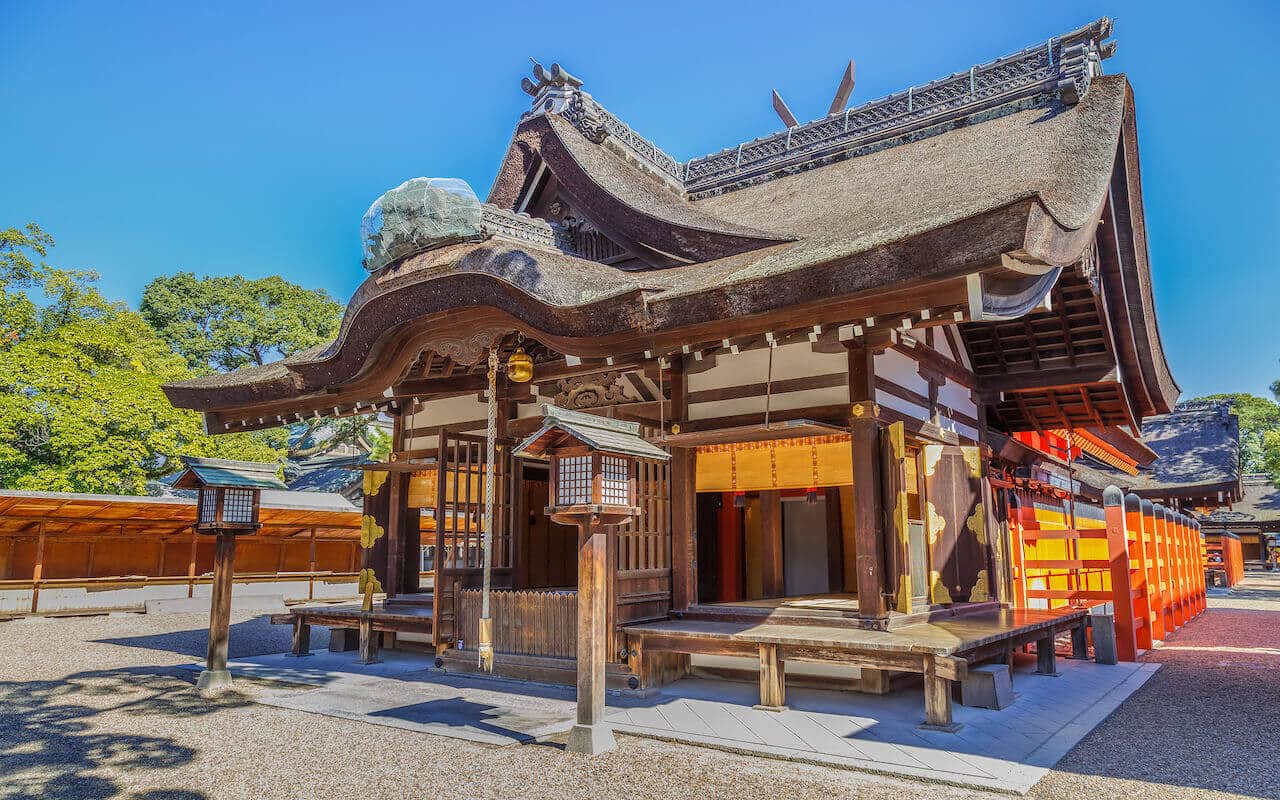
Imamiya Ebisu Shrine enshrines Ebisu, the god of prosperity, and is one of the key shrines of the commercial-prosperity faith in the Kansai region. Its Toka Ebisu festival, held every year from January 9 to 11, draws crowds of merchants and ordinary visitors praying for good business, with a liveliness that rivals the New Year’s first shrine visit.
The shrine offers omamori charms and goshuin stamps, and the “Fukusasa” bamboo branch is a limited-edition lucky charm sold during Toka Ebisu that is much loved by local businesses. On ordinary days a visit is relatively quiet, and it fits well as a stop after exploring Shinsekai, giving you a feel for Osaka’s traditional faith culture.
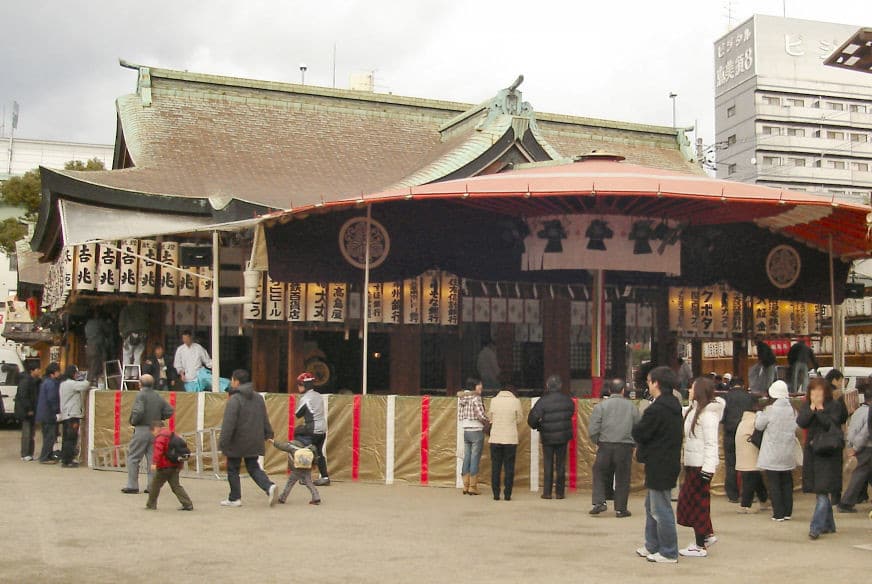
Photo Angles for Tsutenkaku at Night: The Best Spots to Capture the Changing Tower Lights
Tsutenkaku is lit up at night, and the tower’s lights stand out vividly against the night sky. One of the best angles is to stand at the entrance of Shinsekai Hondori Shopping Street and shoot upward, which captures the shopping street’s signs together with the tower lights.
Another recommended angle is looking back from the end of Nan’yo-dori Shopping Street, which gives a layered shot with the depth of the alley and Tsutenkaku beyond. We suggest going about 30 minutes after sunset, while the sky is not yet fully dark, when the contrast between the lights and the sky colors is richest. Photographers regard it as the golden hour.
Jan Jan Yokocho Shogi Parlors: Old Osaka’s Gathering Place for Board Games
Jan Jan Yokocho has kept a few traditional shogi (Japanese chess) parlors, among the few places in Osaka still open for board-game gatherings. They were once known for drawing retired seniors and enthusiasts to play, and today they are also a distinctive spot for observing local life and culture.
The parlors are mostly run by long-established owners, and their worn interiors have a nostalgic charm of their own. Visitors can watch games in progress through the windows and feel the unhurried pace unique to this alley. It is a corner not to be missed if you want to experience the everyday culture of “old Osaka.”
Tennoji Zoo: A Century-Old City Zoo
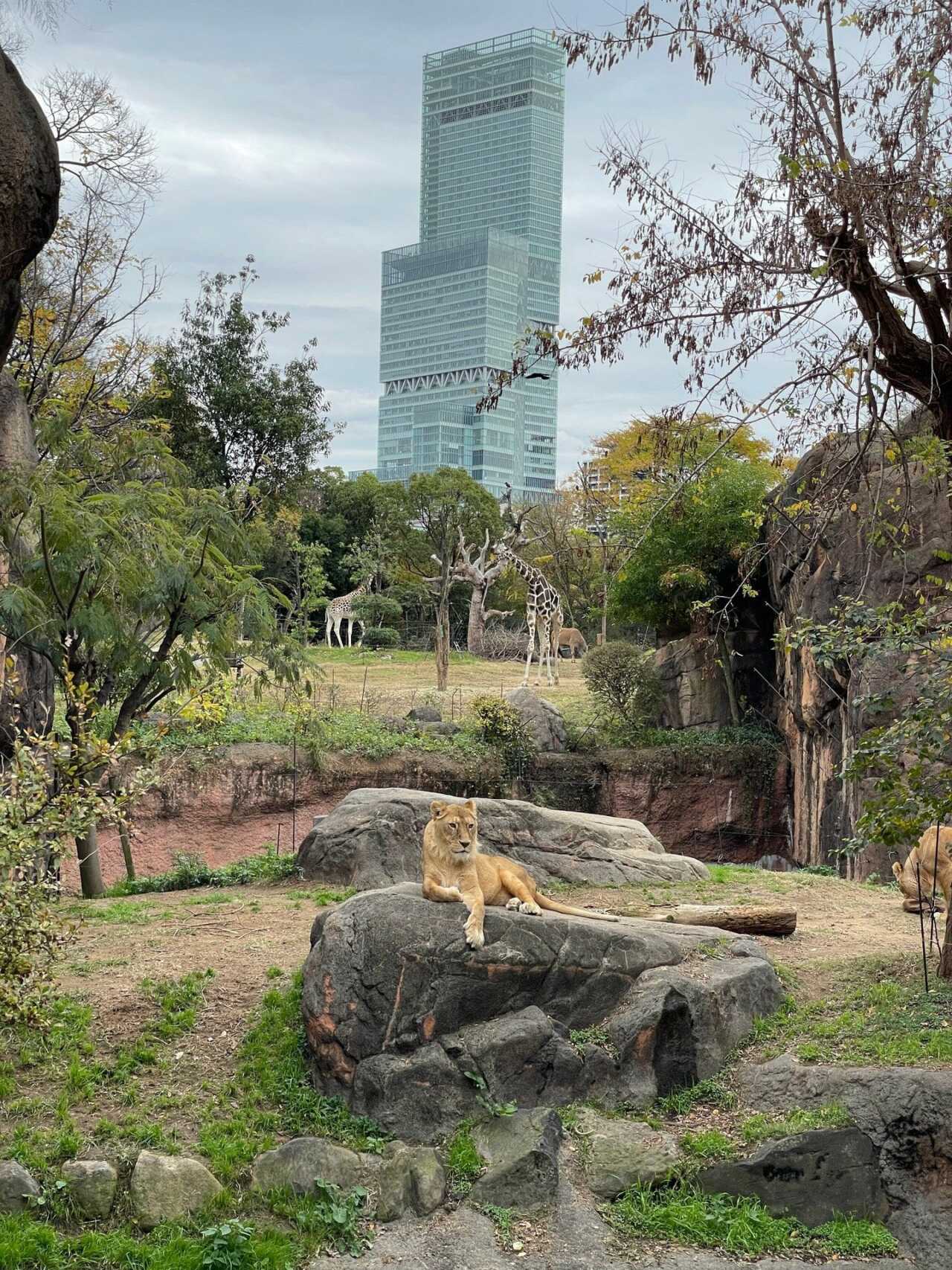
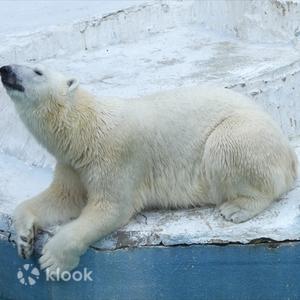
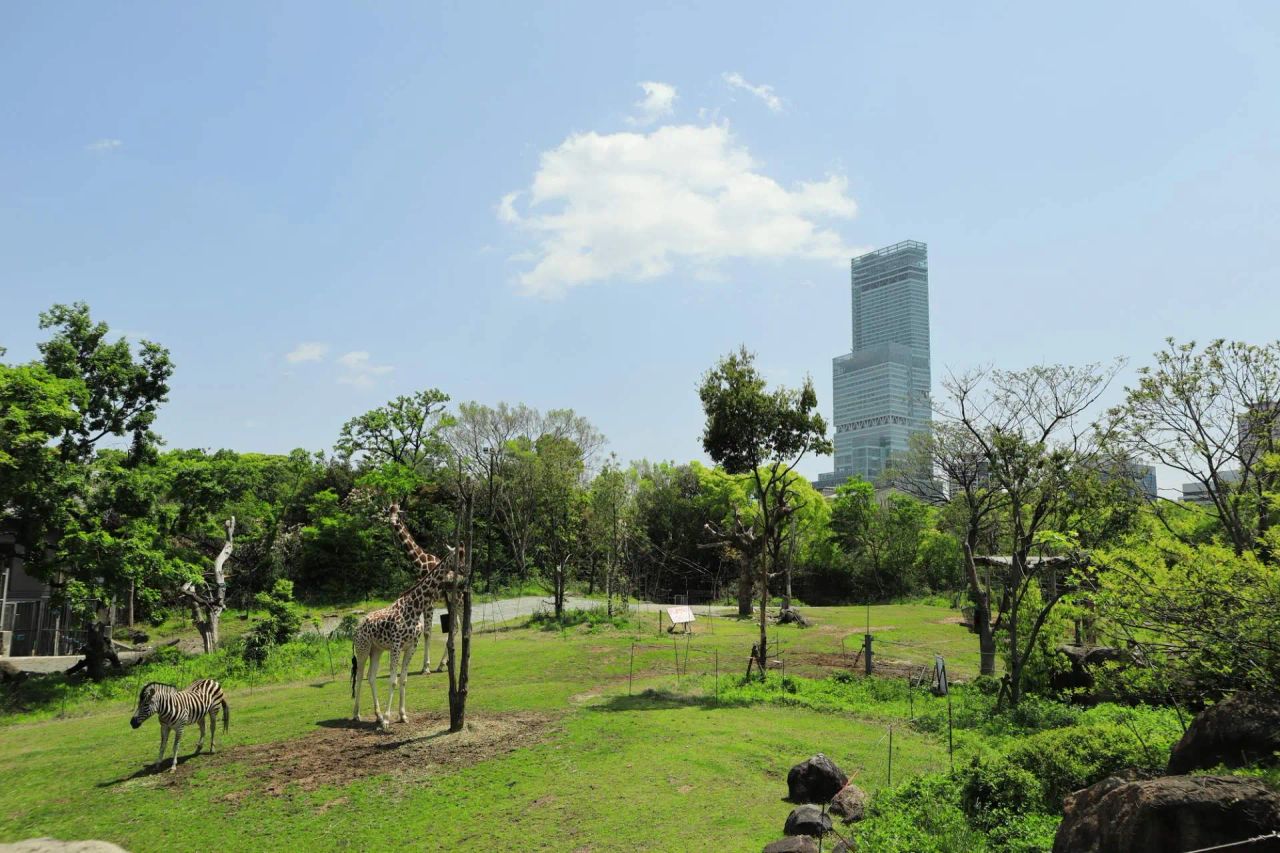
Tennoji Zoo was founded in 1915 and is the third-oldest zoo in Japan. It keeps popular animals such as giraffes, polar bears and African elephants. Admission is ¥500 for adults, and it is open 9:30 to 17:00 (last entry 16:00), closed on Mondays. It is about a 5-minute walk from Dobutsuen-mae Station.
The grounds use natural-habitat display methods so the animals live in surroundings close to their original environments. It suits families for a half-day visit, connects smoothly with a Shinsekai itinerary, and makes an excellent extension to your trip.
SPA WORLD: A Healing Stop with World-Themed Baths
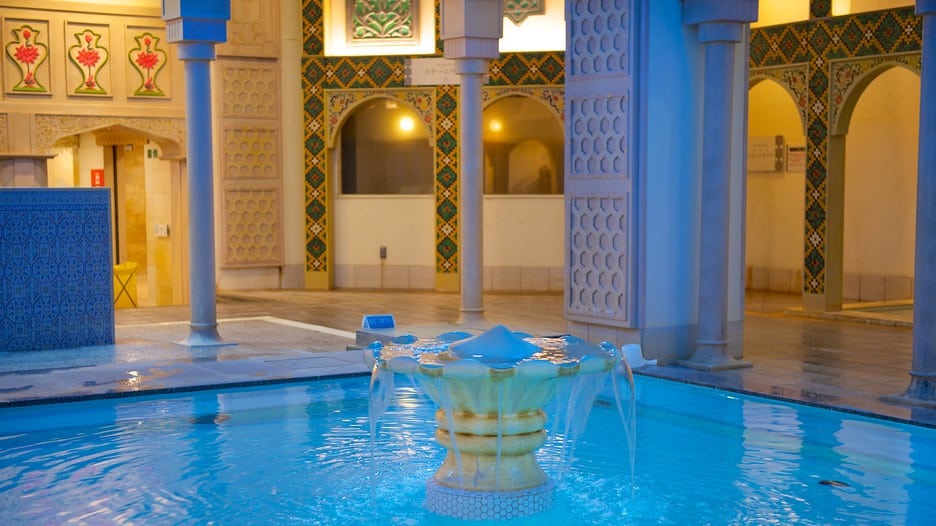
SPA WORLD is near Dobutsuen-mae Station and is themed around “world hot springs,” with two bath areas styled as Europe and Asia that swap between men and women every month. The facility also has a swimming pool and bedrock saunas, and admission starts from about ¥1,300 (junior high school age and above; check the official website).
After exploring the Shinsekai shopping streets, SPA WORLD is a great place to soak and relax tired legs. The baths are open from 10:00 to 8:45 the next morning, and hotel facilities on site let travelers stay overnight, making it a perfect finish that combines shopping and relaxation.
How Much Does a Trip to Tsutenkaku Cost? Tickets and Recommended Experiences
The Shinsekai district around Tsutenkaku is arguably Osaka’s best place for Showa-era nostalgia, from climbing the tower itself to the kushikatsu street and the retro shops of Shogi Yokocho, with every corner full of working-class character. Spending here is very flexible, ranging from free street strolls to observatory combo tickets and in-depth guided tours that need advance booking. Below are the actual costs and contents of several must-try items so you can plan your 2026 Tsutenkaku trip more precisely.
Tsutenkaku Observatory Ticket: The Must-Visit Landmark with 360-Degree Views of Shinsekai and Osaka Bay
Tsutenkaku Observatory is the heart of the Shinsekai district. The tower is 108 meters tall, and on clear days the 5th-floor observatory looks out to Mt. Rokko and the Akashi Kaikyo Bridge, with a particularly beautiful night illumination. Tickets bought on site are the observatory plus special outdoor observatory combo, ¥1,500 for adults. E-tickets (such as on KKday or Klook) are slightly cheaper and save time.
It is open daily from 9:00 to 21:45 (last entry 21:15). We suggest going on a weekday morning or around dusk to avoid the weekend afternoon crowds. On the 5th floor of the tower is a Billiken statue symbolizing good luck, and rubbing his feet is said to bring good fortune.
A Tour of Shinsekai’s Kushikatsu Shops: A Condensed Taste of Osaka’s Everyday Food Culture
Shinsekai is famous for kushikatsu, and kushikatsu shops line Shinsekai Hondori Shopping Street and the Jan Jan Yokocho area. Among them, Kushikatsu Daruma, founded in 1929, is regarded as the birthplace of kushikatsu.
Jan Jan Yokocho has kushikatsu shops, udon shops and standing bars, so you can choose according to your budget and group size. Many kushikatsu shops post a rule that you may dip each skewer in the sauce only once, so check the notice inside the shop before you enter.
Shogi Yokocho and a Stroll Through Shinsekai’s Retro Streets: A Free Walk with the Most Showa Atmosphere
Shogi Yokocho (Jan Jan Yokocho), officially called Nan’yo-dori Shopping Street, is a narrow covered arcade about 180 meters long, packed on both sides with kushikatsu shops, udon shops, standing bars and shogi and go clubs. It is full of the retro air of Showa-era downtown Osaka, and the stroll itself is completely free, making it the best-value way to experience local life.
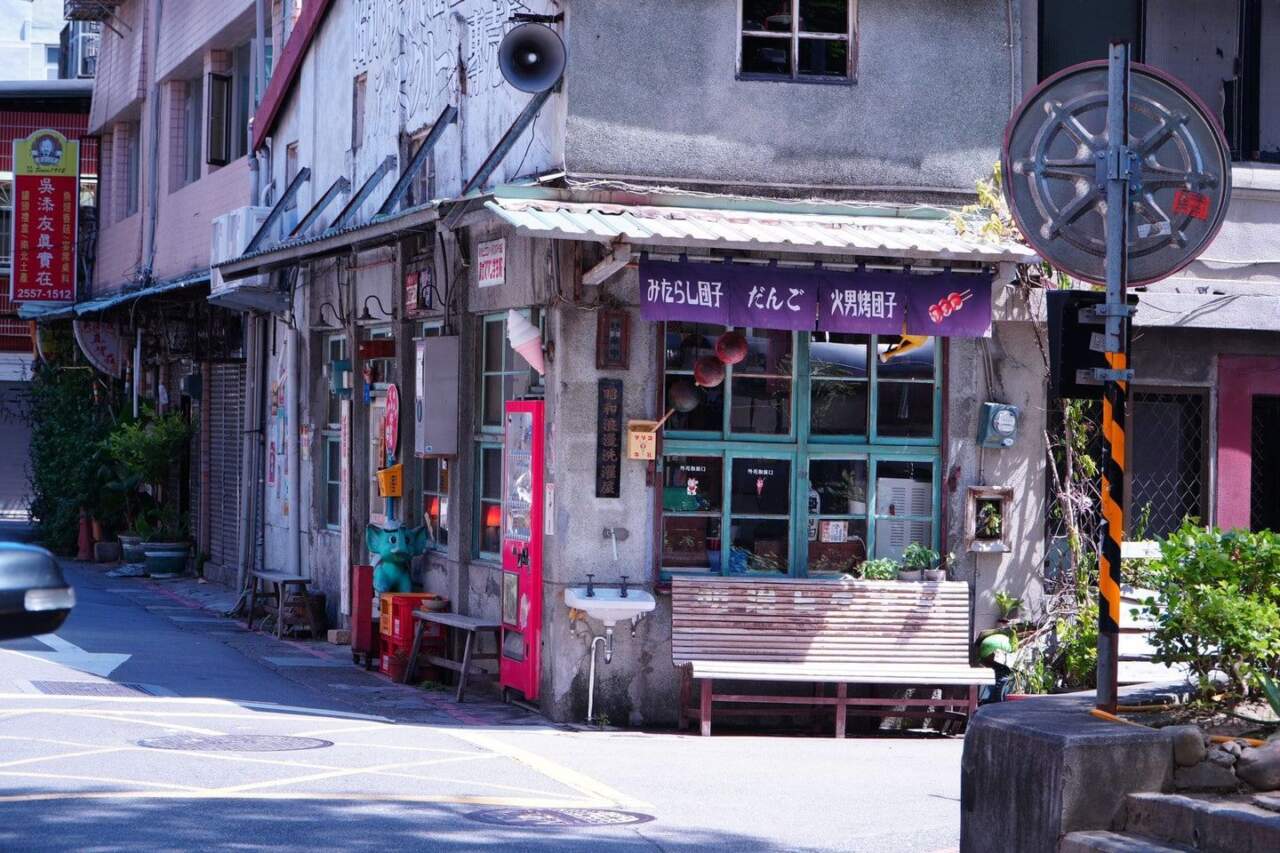
The shop signs and lanterns here are colorful, and the hand-painted Billiken and kappa murals on the walls are popular photo backdrops. In the evening many local men gather at the standing bars for a drink. To blend in, pick a standing bar and sit down to enjoy an authentic downtown night out.
Tsutenkaku Observatory Combo Ticket (Let’s Go! Tsutenkaku Ticket): See Shinsekai on the Way from the Airport
The Tsutenkaku official website introduces the “Let’s Go! Tsutenkaku Ticket,” which combines a Nankai train ticket between Namba and Kansai Airport with admission to the Tsutenkaku observatory in a single ticket. Travelers heading into the city from the airport can buy both together. For prices and sales locations, see the Tsutenkaku official website.
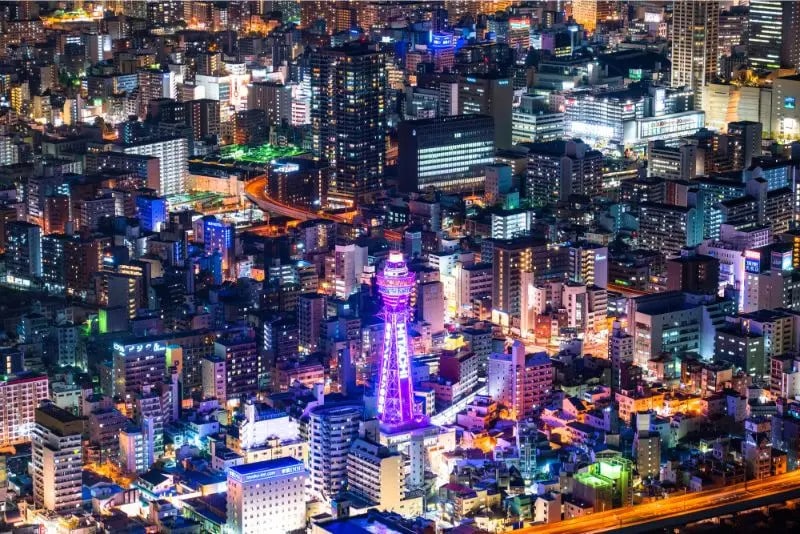
If you arrive in the late afternoon and want both the sunset and the night view from the tower, we suggest entering before 5 p.m. so you can catch both the golden sunset and the first lights coming on. Plan on about 1 hour for the visit, and allow 1.5 hours if you include queuing and photo time to keep things relaxed.
Where to Stay Nearby
Shinsekai sits between Ebisucho Station, Dobutsuen-mae Station and Shin-Imamiya Station, and is served by the Sakaisuji Line, Midosuji Line, JR Loop Line and Nankai Railway, making Namba, Tennoji and Kansai Airport all easy to reach. If you want to visit Tsutenkaku and the shopping streets both in the morning and at night, staying around Shin-Imamiya, Dobutsuen-mae or Tennoji saves the most travel time.

FAQ
Q: How much is a Tsutenkaku observatory ticket?
Since April 2026 the regular observatory and the special outdoor observatory have been merged into a single combo ticket: ¥1,500 for adults and ¥800 for children. See the Tsutenkaku official website (tsutenkaku.co.jp) for details.
Q: What is the fastest way to get to Shinsekai and Tsutenkaku?
Take the Sakaisuji Line subway to Ebisucho Station and use Exit 3. It is about a 3-minute walk to Shinsekai Hondori Shopping Street, which is the quickest route.
Q: What time does Tsutenkaku open, and when is the best time to visit?
The observatory is open from 9 a.m. to 9:45 p.m. (last entry 9:15 p.m.). We suggest going around dusk, when you can enjoy both the sunset and the tower’s night lighting.
Q: Is the Shinsekai area safe?
It is fairly safe from daytime until evening and there are plenty of visitors, but we suggest avoiding some of the small alleys of Jan Jan Yokocho alone late at night. Just keep an eye on your belongings.
Q: Is there any etiquette to follow when eating kushikatsu?
Shinsekai kushikatsu shops generally follow a one-dip rule: a skewer that has already been dipped must not go back into the shared sauce bowl. This is basic courtesy to avoid cross-contamination, and staff may remind you if you break it.
Q: Are there age or height limits for the TOWER SLIDER?
Officially, riders must be at least 6 years old, at least 120 cm tall and no more than 119 kg. Please check the official website for that day’s operating status before you go.
Q: Which season is best to visit Tsutenkaku and Shinsekai?
Spring (March to April) and autumn (October to November) have pleasant weather, and cherry blossoms in spring and maple leaves in autumn add color to the streets, so these are the most recommended seasons.