
Kyoto Kitayama Guide 2026: Kyoto Botanical Garden and Designer Cafes, a Walking District Where Western-Style Elegance Meets a Century of Greenery
Kyoto’s Kitayama area blends Western-style architecture, gallery and select shops, and Japan’s oldest public general botanical garden, making it one of the best areas to explore at length in 2026.
Kyoto Botanical Garden: Japan’s Oldest Public General Botanical Garden
The Kyoto Prefectural Botanical Garden (often simply called the “Kyoto Botanical Garden”) was founded in 1924 and marked its 100th anniversary in 2024, making it the oldest public general botanical garden in Japan. The grounds cover about 24 hectares (roughly 6 Koshien Stadiums), and according to the official website about 10,000 kinds of plants are grown here, including about 300 endangered species. Different flowers take turns in every season, making it a green oasis loved by Kyoto residents and visitors alike.
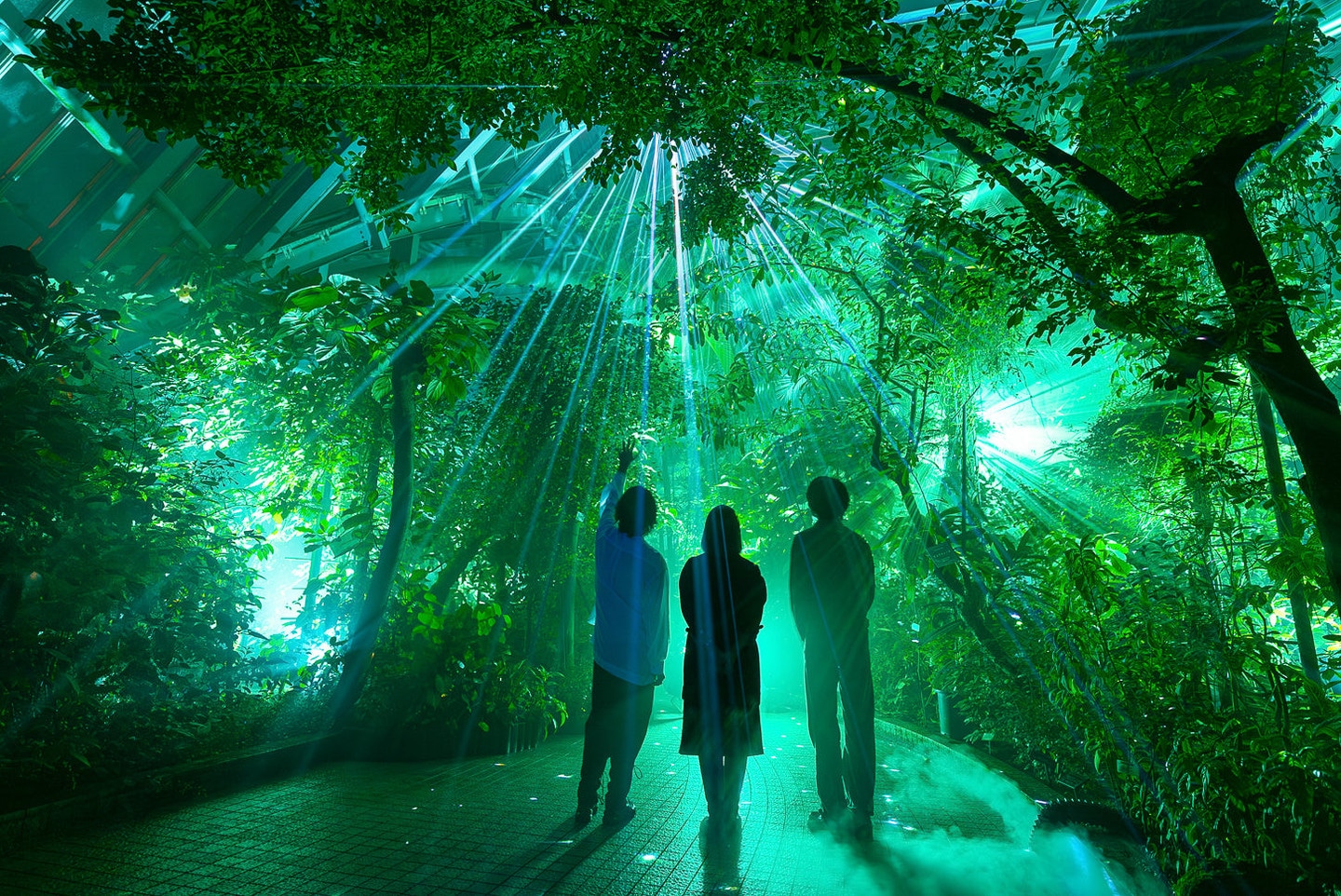
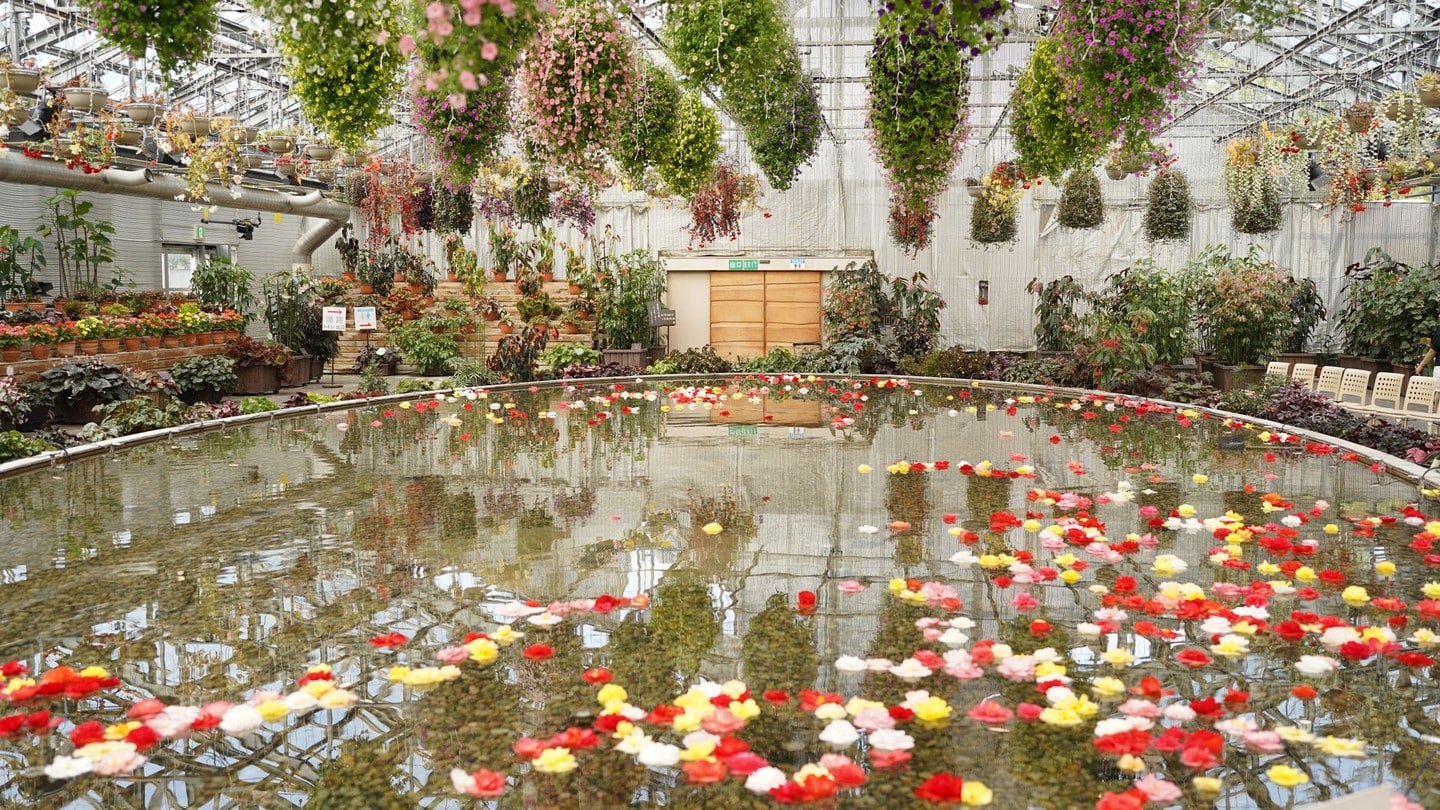
The garden has one of Japan’s largest viewing greenhouses, housing about 4,500 plant species from around the world. The greenhouse roofline deliberately mimics the continuous ridgeline of the Kitayama mountains, echoing the surrounding landscape. Inside, themed zones cover rainforest, desert, night-blooming plants, alpine plants and more, letting visitors tour the world’s plant ecology without leaving the grounds, and it is an indoor attraction you can enjoy even in the rain.
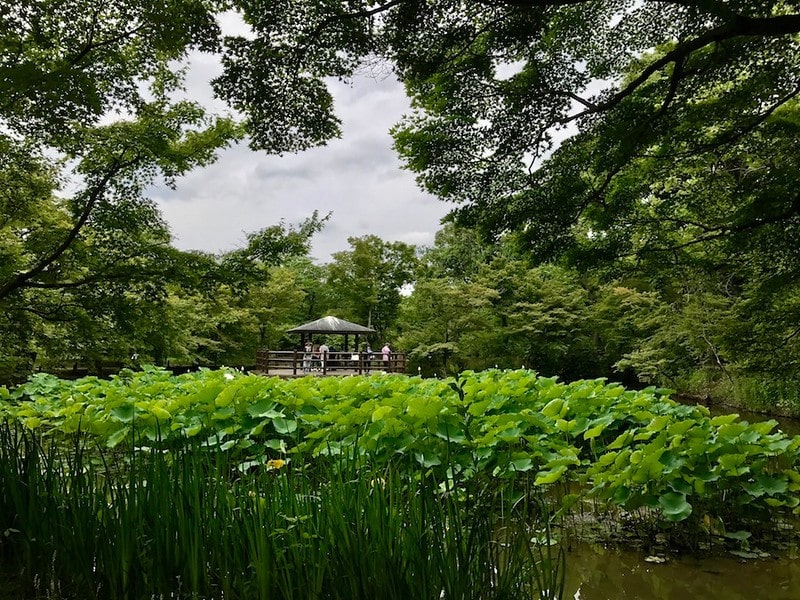
Nakaragi no Mori: The Garden’s Only Natural Forest and Nakaragi Shrine
Nakaragi no Mori (formerly also called “Nagarekino Mori”) covers about 5,500 square meters and is the garden’s only precious natural forest that shows the original vegetation of the Yamashiro Basin. Old trees such as Chinese hackberry and Japanese hackberry grow mixed with evergreens such as Japanese bay, Kagonoki, chinquapin and oak species, with a pond around it. Inside the forest stands Nakaragi Shrine, an auxiliary shrine of Kamigamo Shrine located outside its precincts, which existed long before the botanical garden was built and is a quiet corner for worship. There are many maple trees by the pond, and the autumn colors are among the best in the whole garden.
This area also keeps Japanese garden elements, with stone lanterns, flowing water and moss creating a calm atmosphere. It is the corner of the garden where you can best feel traditional Kyoto aesthetics and a popular spot for photographers. We suggest allowing 30 minutes or more to take it in.
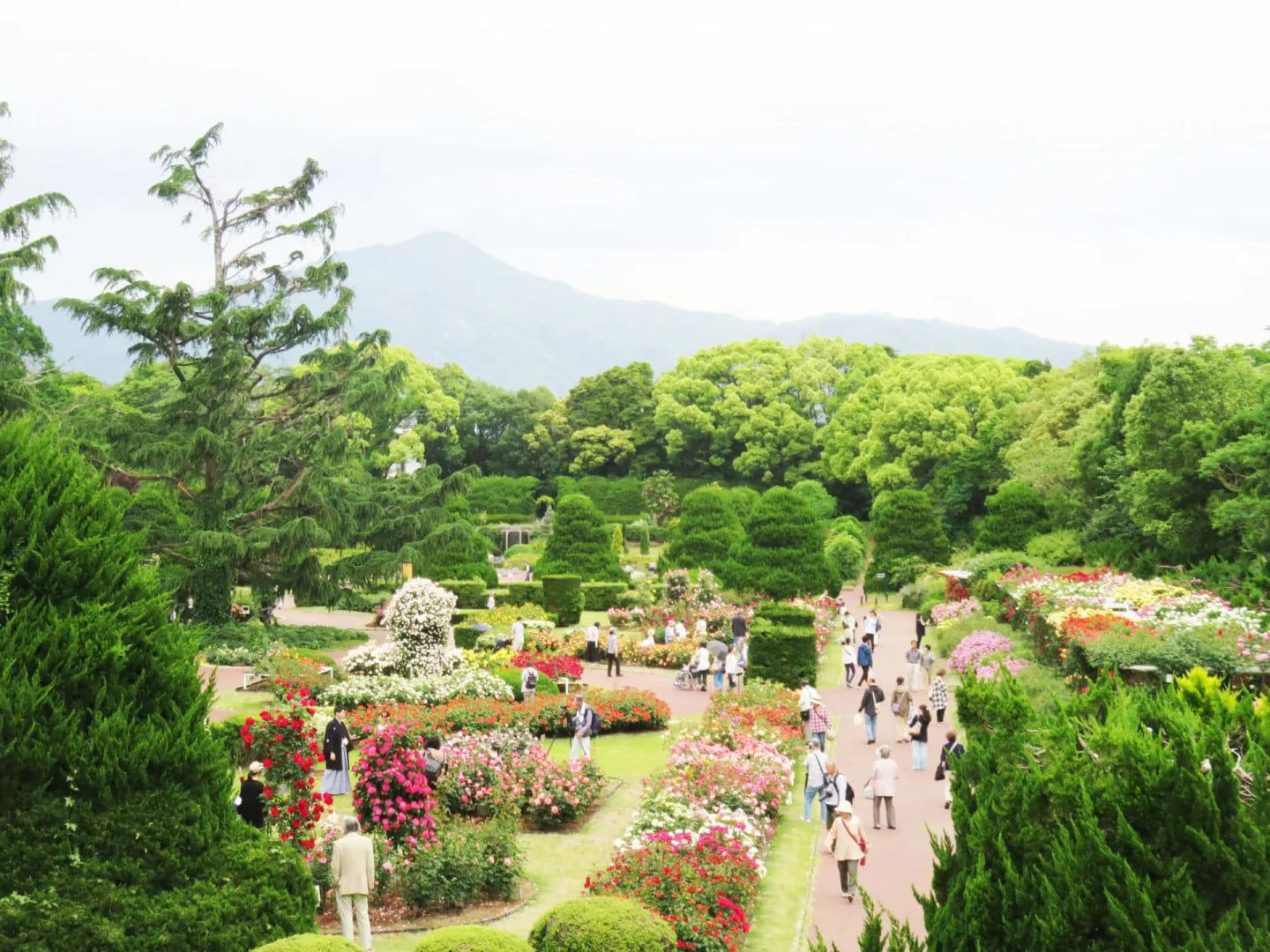
Western Garden: Rose Beds with Mt. Hiei as Borrowed Scenery
The west side of the garden is laid out as a European-style garden, planted with hundreds of kinds of roses. When in bloom, colorful beds open in layers against the distant ridgeline of Mt. Hiei, forming a unique scene that blends Eastern and Western aesthetics and making it one of the most popular photo spots in the garden.
The rose garden has seating for visitors to rest. Late spring and autumn are the best seasons to see the flowers. We suggest going in the morning when the light is soft, which brings out the most natural color gradations and also helps you avoid the crowds.
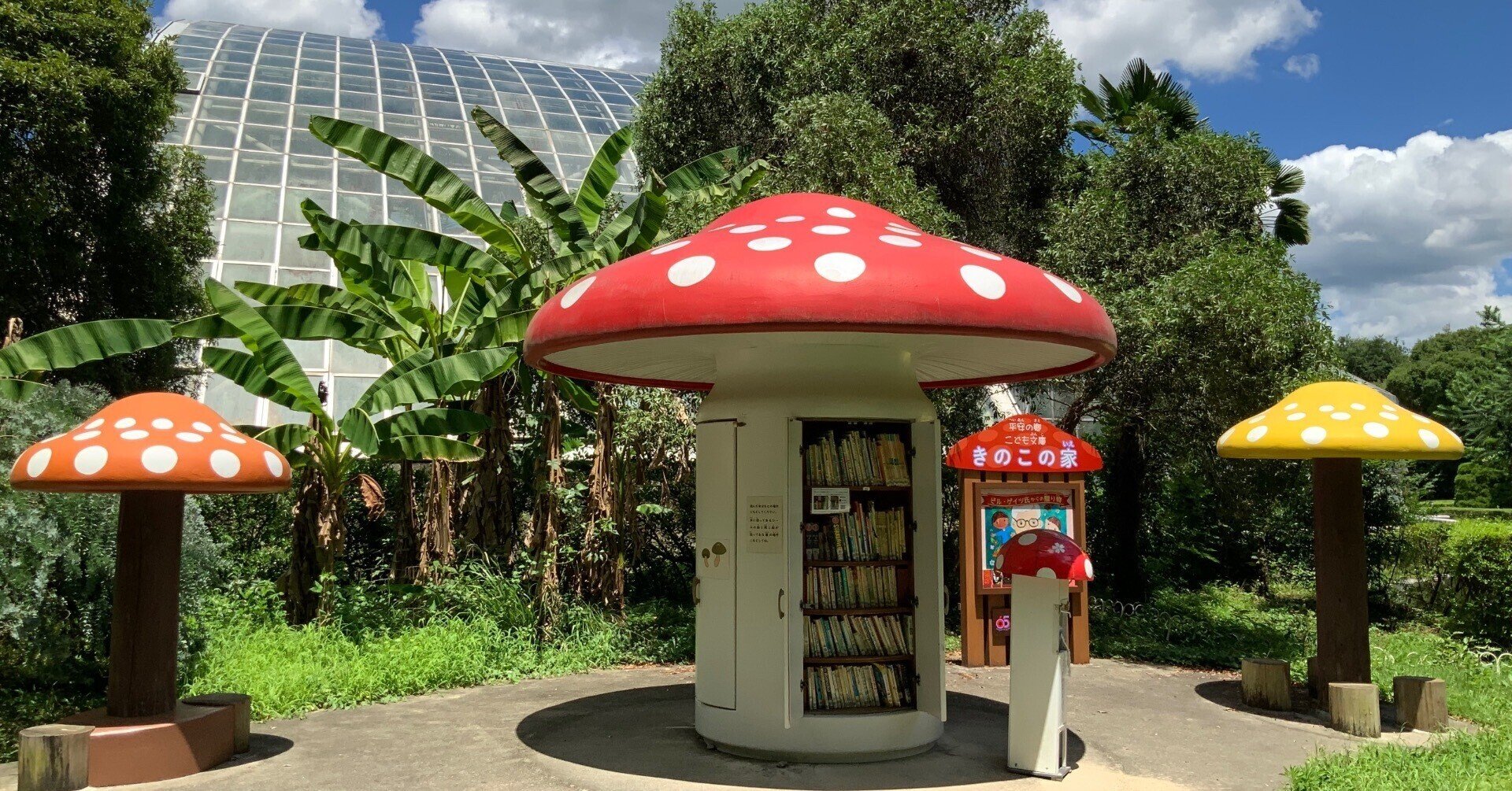
Mirai-kun Plaza and the Mushroom Library: A New Hub for Family Learning
Mirai-kun Plaza is a family learning space added to the garden in recent years, using mushroom-shaped huts as reading corners. The library holds popular nature-science books so children can learn about plants and ecology while enjoying the garden.
The area around the plaza has picnic lawns where visitors may sit on the ground with food they bring themselves, an ideal place for a family to rest. Volunteer guides also explain plant knowledge at certain times, suiting a half-day family outing.
LIGHT CYCLES KYOTO: The Night Light Art Exhibition Closed in March 2026
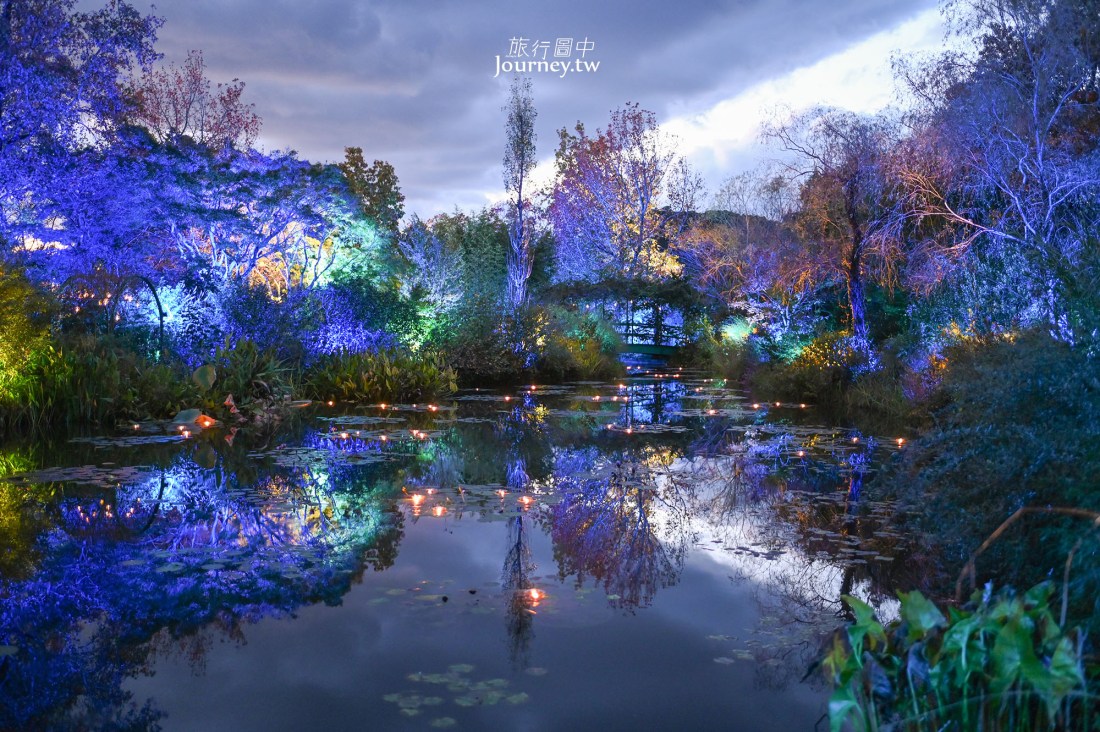
The night light art exhibition “LIGHT CYCLES KYOTO,” once held at the garden, reinterpreted the garden’s plantings with projection, lighting and sound. It ran for two months in 2024, then became a long-term exhibition from 2025, and closed as originally planned on March 31, 2026. The organizers’ closing notice did not mention any plan to continue it. For now, a visit to the Kyoto Botanical Garden is mainly a daytime one; for evening events, please check the latest announcements on the official website.
Cherry Blossoms and Annual Exhibitions: 500 Trees of 170 Varieties Bloom in Turn
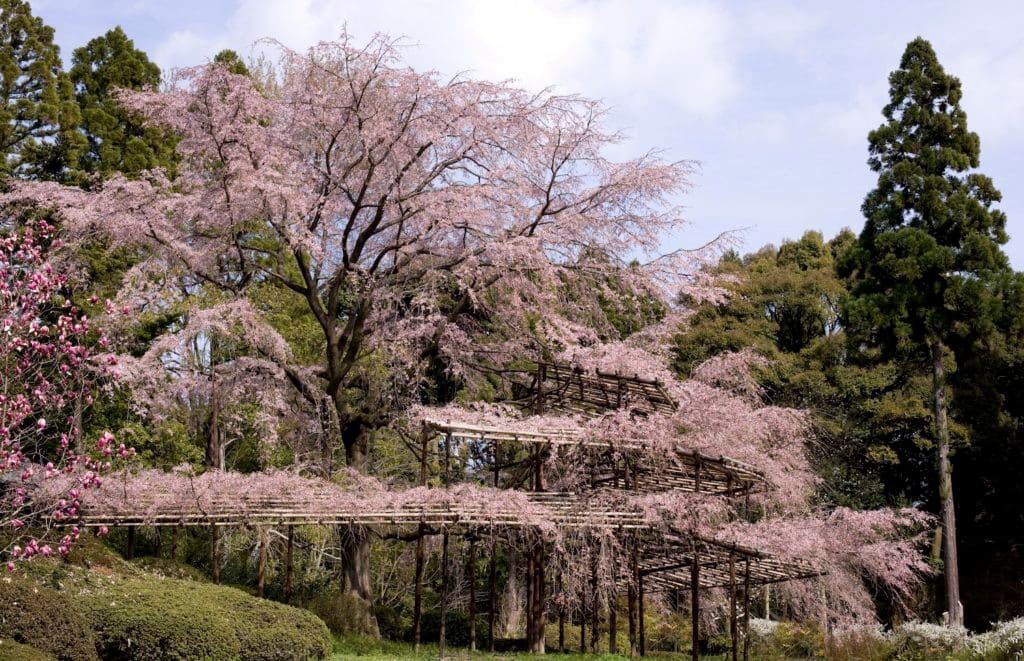
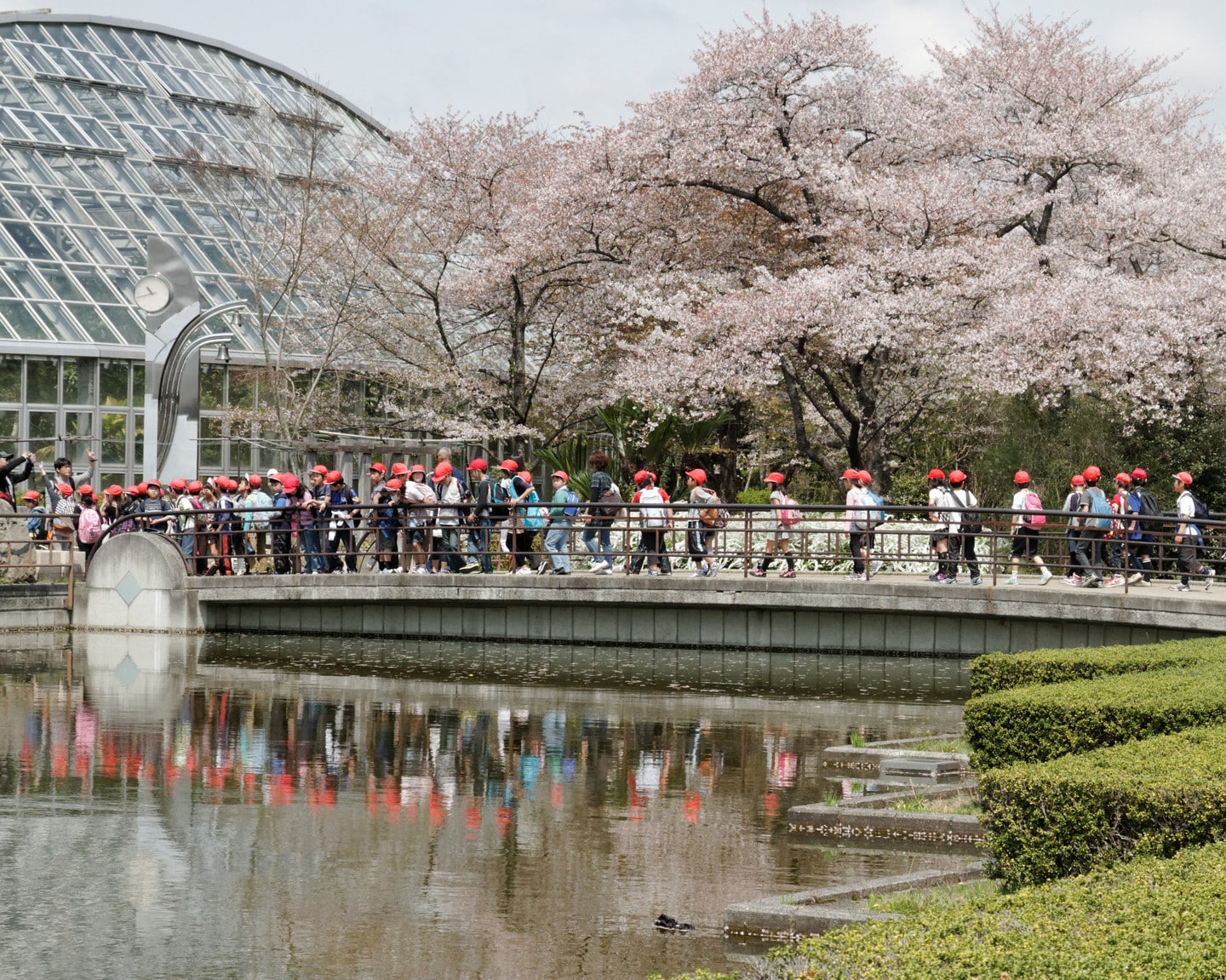
The garden grows about 170 varieties and 500 cherry trees, and the variety extends the blooming season to over a month, from Somei-Yoshino to double-flowered cherries in sequence. It is one of the few places in Kyoto where you can enjoy cherry blossoms for a long period, avoiding the crowds of Kiyomizu-dera, Arashiyama and elsewhere.
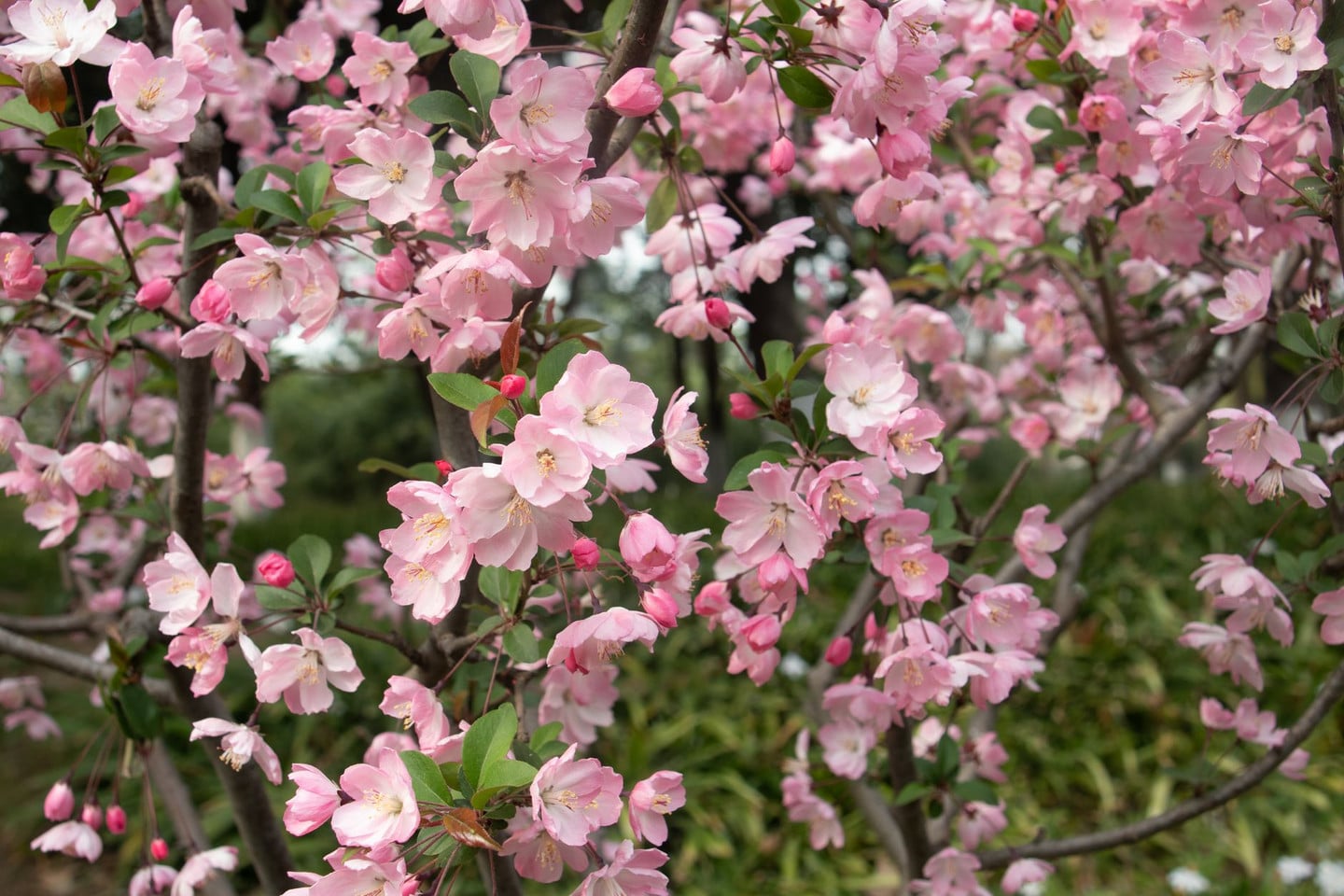
The garden holds more than 50 exhibitions and events through the year, including seasonal flower exhibitions, gardening lectures and ecology workshops. Before you go, we recommend checking the latest exhibition information on the official website and planning your visit around the current theme.
Kyoto Garden of Fine Art: Tadao Ando’s Exposed-Concrete Museum
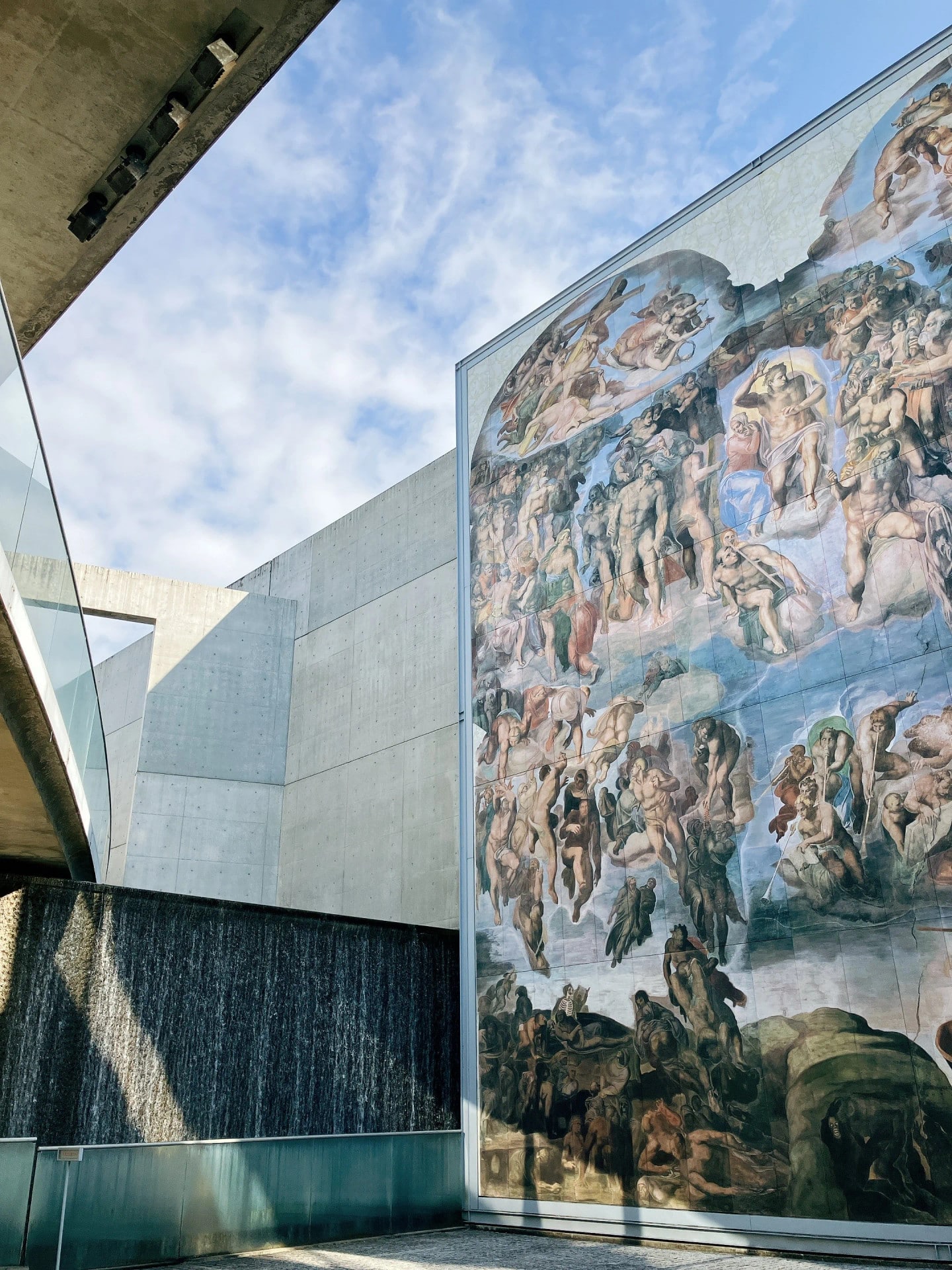
Right next to the botanical garden, the Kyoto Garden of Fine Art, designed by architect Tadao Ando, is an outdoor museum built of exposed concrete that displays life-size reproductions of famous world paintings made with ceramic-panel technology. Many travelers describe it as an “overlooked gem,” less famous than nearby attractions but of great artistic value.
What is special about the structure is that, in the middle of a busy area, concrete walls create separate spaces while small openings draw in views of the botanical garden, blurring the line between inside and outside. Viewing the same painting from different heights gives a completely different aesthetic experience, and it is a must-visit for lovers of modern architecture and design.
Kitayama Area Atmosphere: Western-Style Architecture and a Relaxed Walking District
The Kitayama area is known for its Western-style architecture, in sharp contrast to the image of traditional Kyoto machiya. The streets are wide and relaxed, suited to slowing down for a walk. In the area, “Kitayama Flower Street” is maintained by local schools, companies and residents together, and the rows of street trees and flower beds create a European small-town feel.
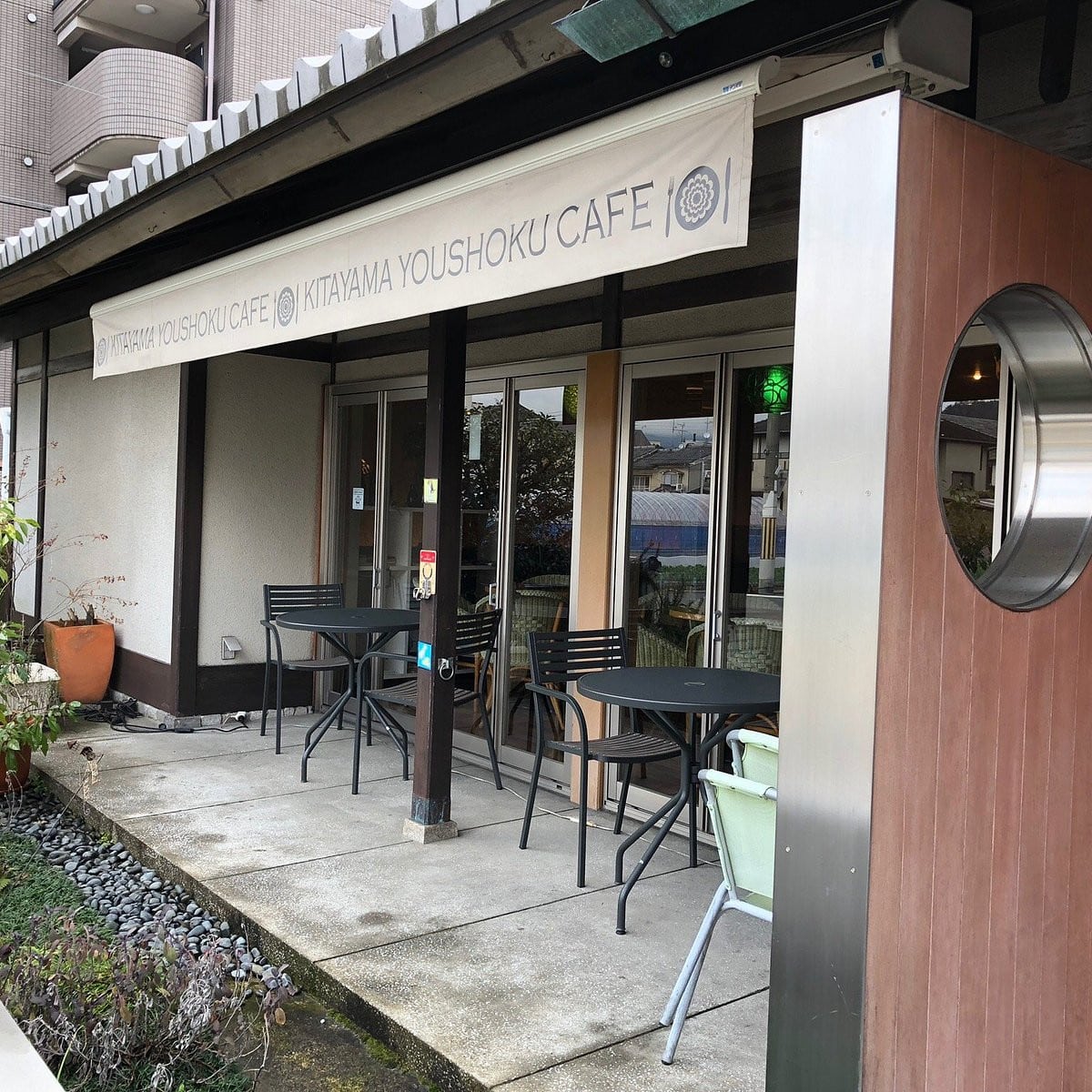
Along the way are many galleries, select shops and designer cafes, a rare relaxed, high-quality district in Kyoto. It is well suited to half a day of slow browsing, and gives a Kyoto very different from Kiyomizu-dera and Gion.
Kyoto Kitayama Guide 2026: Kyoto Botanical Garden and Designer Cafes, How to Get There, Transportation and Costs
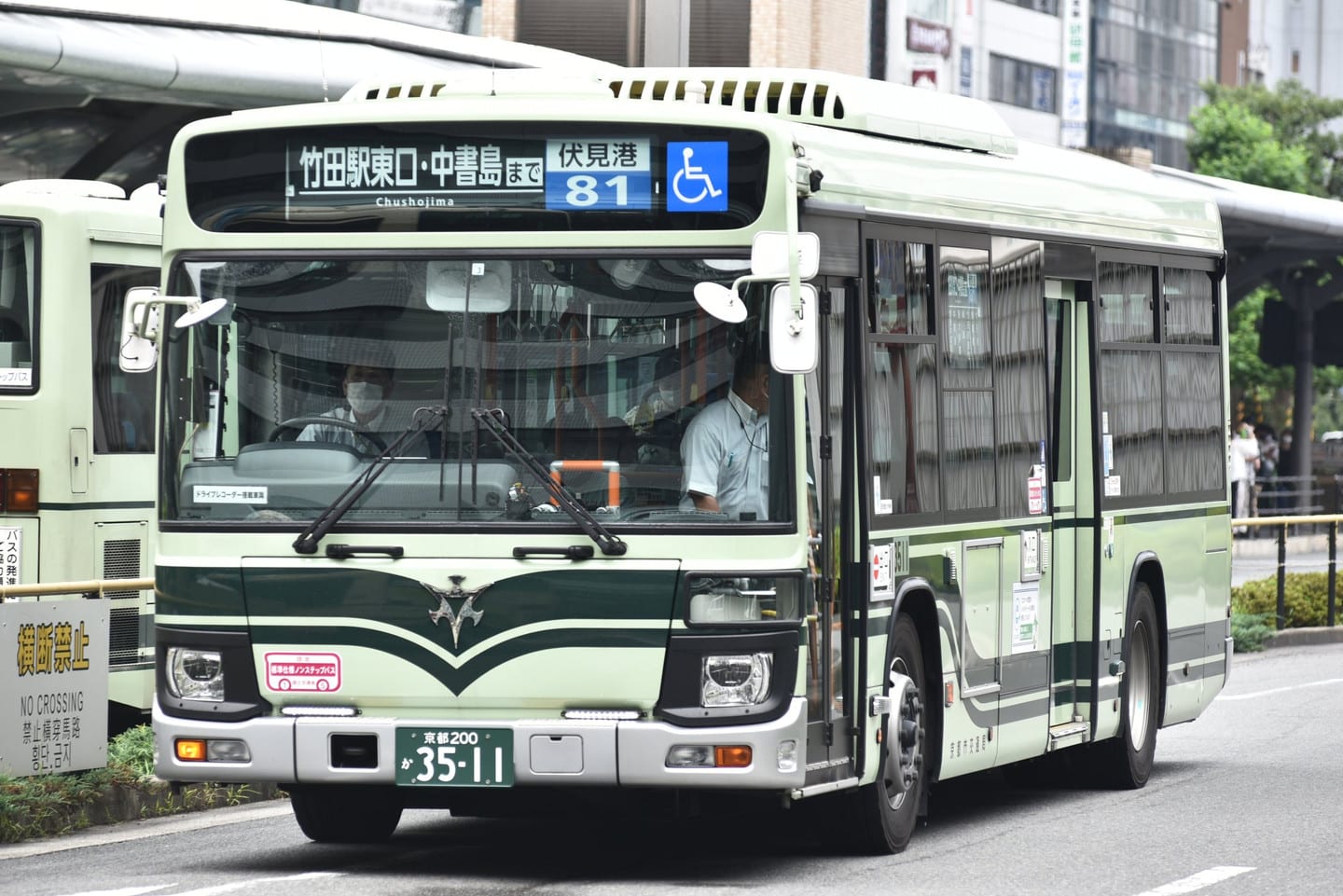
The Kyoto Botanical Garden and the cafes around Kitayama are in Sakyo Ward, Kyoto, right next to the Karasuma Line of the subway. Take the subway to “Kitayama Station” and exit through Exit 3, and the Kitayama Gate of the garden is about a 3-minute walk. You can also take city bus routes such as 4 or 205 to the “Shokubutsuen-mae” stop, about 20 to 40 minutes depending on where you start.


Kyoto Kitayama Guide 2026: Kyoto Botanical Garden and Designer Cafes, What to See and Where to Eat: Highlights of Each Area
The Kitayama area gathers sights around the botanical garden and designer cafes with distinctive style. They are introduced one by one below.
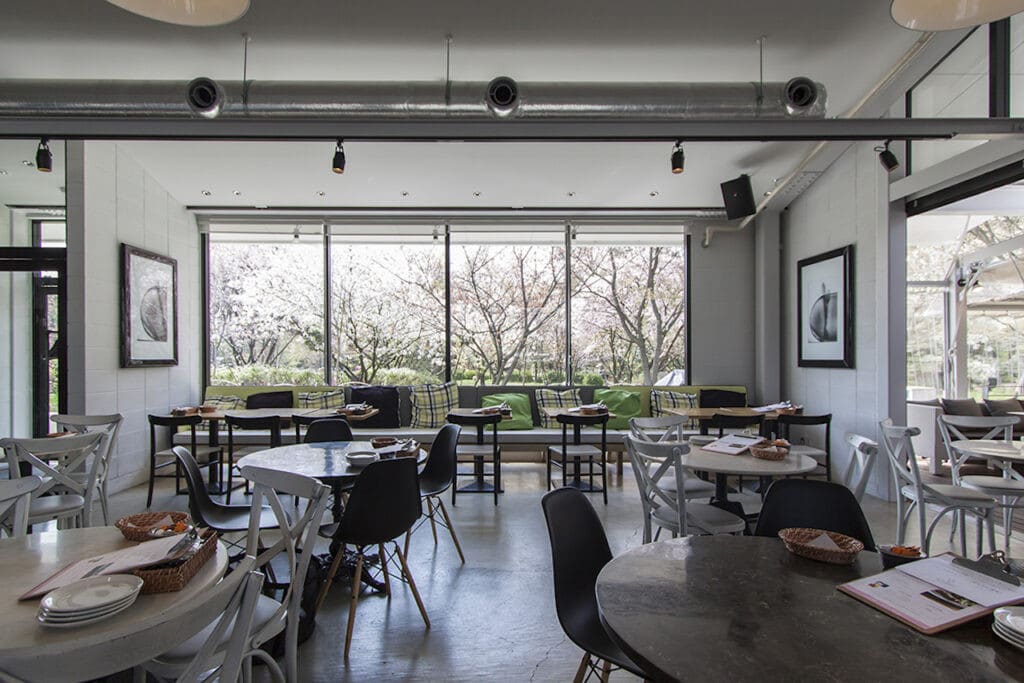
IN THE GREEN: A Glass-House Cafe Right by the Garden’s Kitayama Gate
IN THE GREEN is the signature glass-house cafe right next to the garden’s Kitayama Gate. Its large floor-to-ceiling windows bring the garden’s changing seasonal greenery straight into the dining space, and sitting by the window feels like being inside the garden. It is one of Kitayama’s most representative scenic cafes.
The cafe focuses on wood-fired pizza and refined desserts, and has resort-like outdoor terrace seating that is especially popular on sunny days. We recommend avoiding the weekend lunch rush, or checking on the official website in advance whether you need to wait, for the best dining experience.

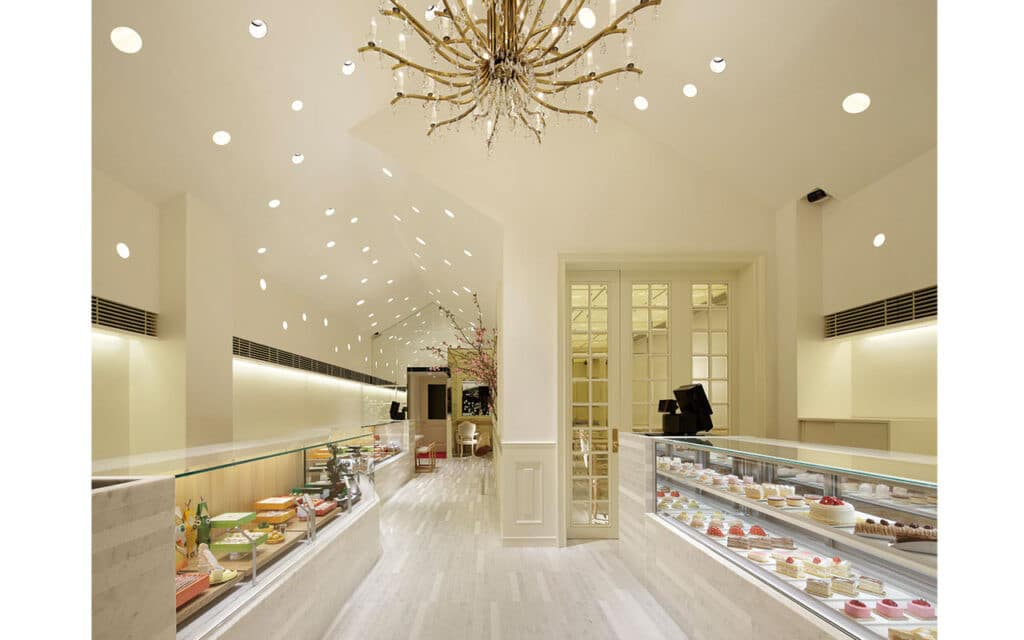
MALEBRANCHE Kyoto Kitayama Main Store: A Sweets Sanctuary Like a Miniature Chapel
MALEBRANCHE’s Kyoto Kitayama main store is known nationwide for its matcha cookies. After renovation, the main store looks like a miniature chapel, with a pure white interior that sets off the refinement of the sweets. It is the brand’s flagship image store and a landmark not to be missed on a Kitayama stroll.
The shop is open 9:00 to 17:30, and the attached salon (cafe) serves drinks and sweets from 10:00 to 17:30 (last order 17:00), so visitors can sit down and savor matcha treats. The gift packaging in the shop also incorporates traditional Kyoto patterns, making it one of the most popular choices for Kyoto souvenirs.

Secret Base Botanical Garden and Café Bar: A Fantasy Space of Plant Specimens and Vintage Objects
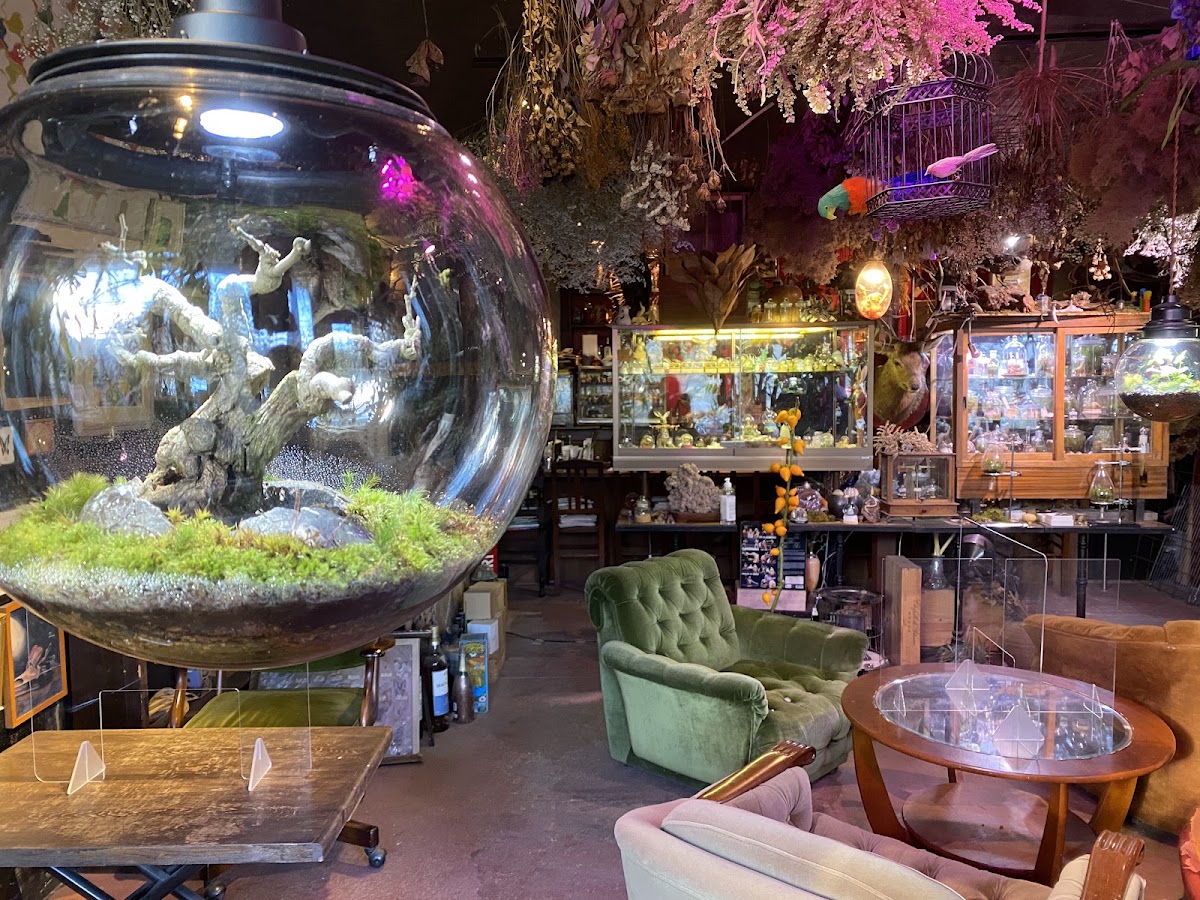
Located in the extended Kitayama area near Kokusaikaikan Station, Secret Base Botanical Garden and Café Bar is a uniquely aesthetic cafe with a fantasy atmosphere. It has a Google rating of 4.0 (149 reviews) and a typical spend of about ¥1,000 to ¥2,000.
The interior is filled with dried plants, vintage antique furniture and scientific instruments, creating a mysterious, elegant mood like a potions laboratory, and every corner is photo-worthy. It is a hidden pick for travelers who love exotic and plant-themed decor, and fits well as a stop after the botanical garden, for a completely different spatial aesthetic.
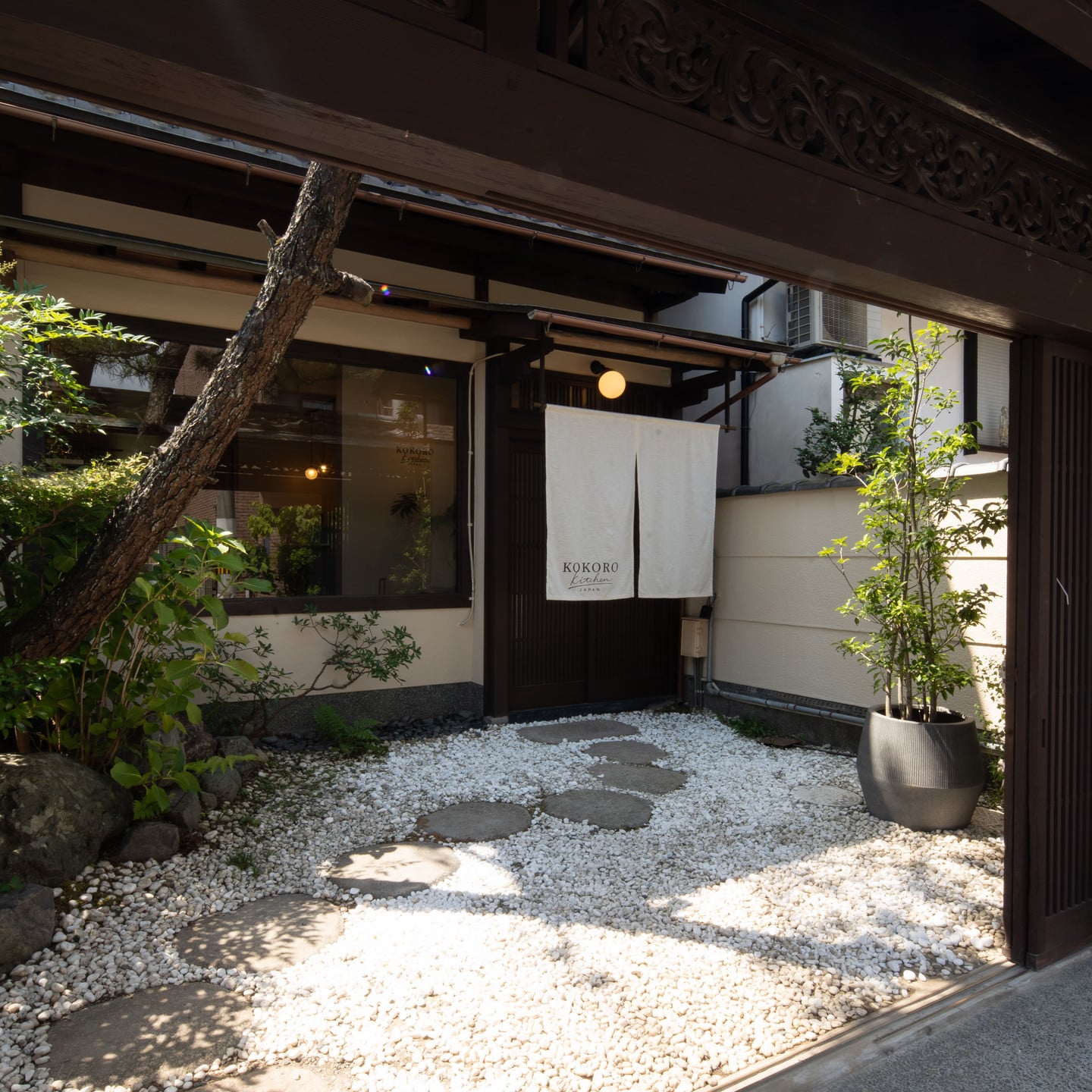
Kokoro Kitchen Kyoto Main Store: A Fermented-Food Restaurant in a 50-Year-Old Machiya
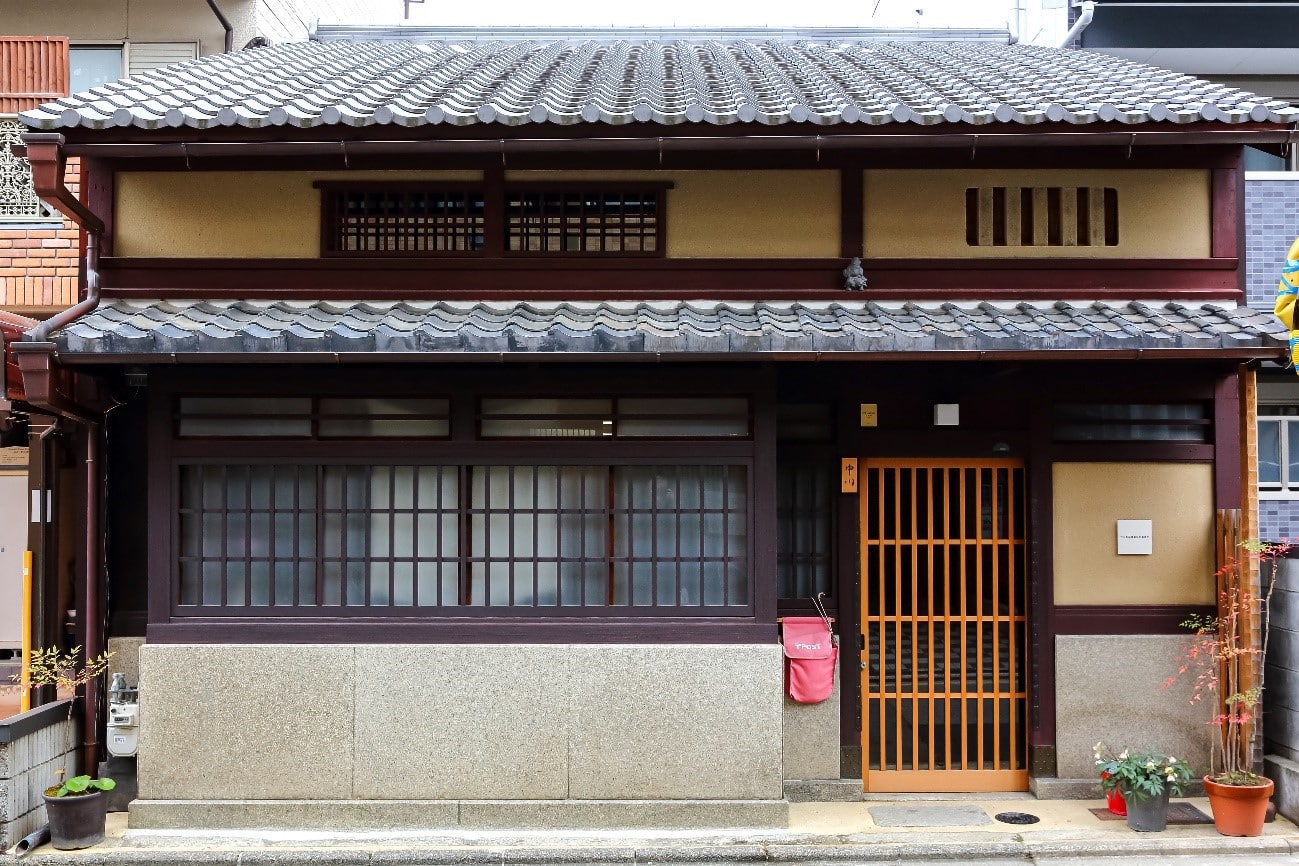
Kokoro Kitchen Kyoto Main Store (こころキッチン京都本店, KOKORO Kitchen) is only a 2-minute walk from Kitayama Station, converted from a 50-year-old Kyoto machiya, blending traditional wooden structure with modern healthy aesthetics. It has a high Google rating of 4.5 (51 reviews) and a typical spend of about ¥2,000 to ¥3,000.
The menu features naturally flavored fermented dishes, brown rice and a range of herbal and matcha drinks, emphasizing the original taste of ingredients and being easy on the body. It is an excellent choice for a healthy proper meal after strolling the garden, and the wooden space makes the dining atmosphere especially calm and comfortable, good for a relaxed meal with a few friends.
Mori no Cafe (Forest Cafe): A Forest-Style Cafe Near the Garden
Mori no Cafe (Forest Cafe) is in Shimogamo Nakaragi-cho, where the Kyoto Botanical Garden stands. Themed around connecting with the natural environment around the garden, its interior makes heavy use of wood and green plants, creating an immersive dining experience as if you were in a forest. It is a hidden cafe that locals also recommend.
The cafe emphasizes local ingredients and the delicate flavor of hand-drip coffee, with spacious, comfortable seating suited to a long, relaxed sit. It fits well after touring the garden as a stop to slow your pace and enjoy a quiet moment, and is especially recommended for travelers who love nature-style decor.
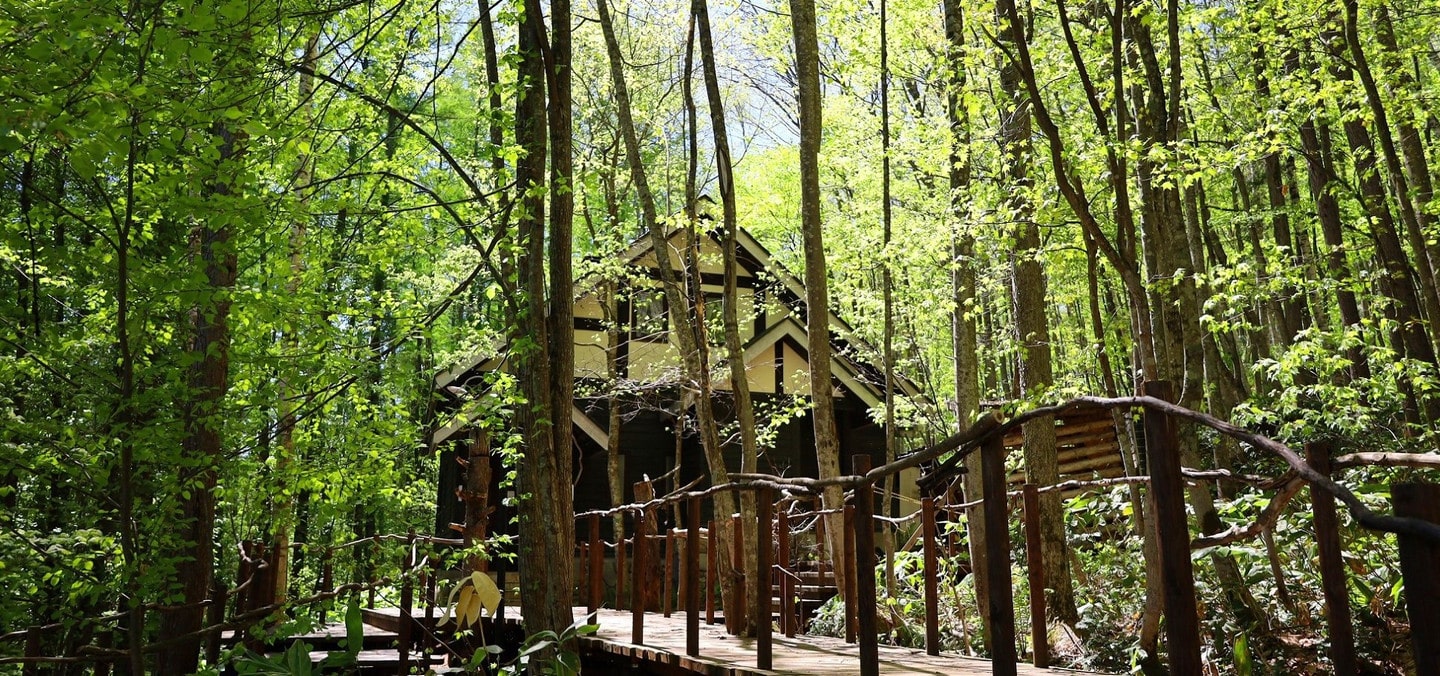
Le Grand Cafe: A Galette Cafe with Marble and Plush Sofas
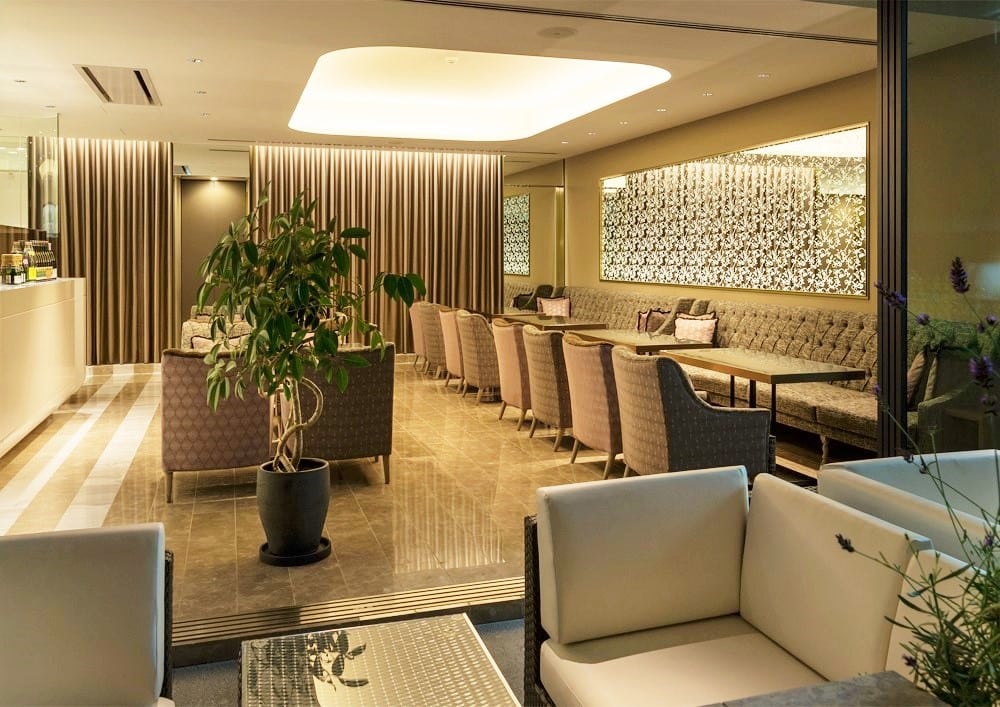
Le Grand Cafe is near Kitayama Station, with marble floors, plush sofas and roomy seating creating an elegant atmosphere. It specializes in galettes made with carefully selected ingredients, and also has an attached select shop selling cosmetics from around the world.
Drinks include herbal teas and smoothies made with Kyoto vegetables. Seats are spaced widely, suiting travelers who want to sit for a long time. Please check the shop’s notices for opening hours and closing days.
Toyotei Honten: A Long-Established Western-Style Yoshoku Restaurant by Kitayama Station
Toyotei Honten is near Kitayama Station, a long-established Western-style yoshoku restaurant in Kyoto. Its signature hamburger steak is made from carefully selected beef and served with a special demi-glace sauce, moist and juicy. It is a classic nostalgic flavor for many locals and a rare proper-meal option around the botanical garden.
The interior keeps a calm, nostalgic style, and the service is warm and attentive, suiting a hearty lunch or dinner after touring the garden. We recommend avoiding the weekend meal rush, or reserving a seat by phone in advance to avoid a long wait.
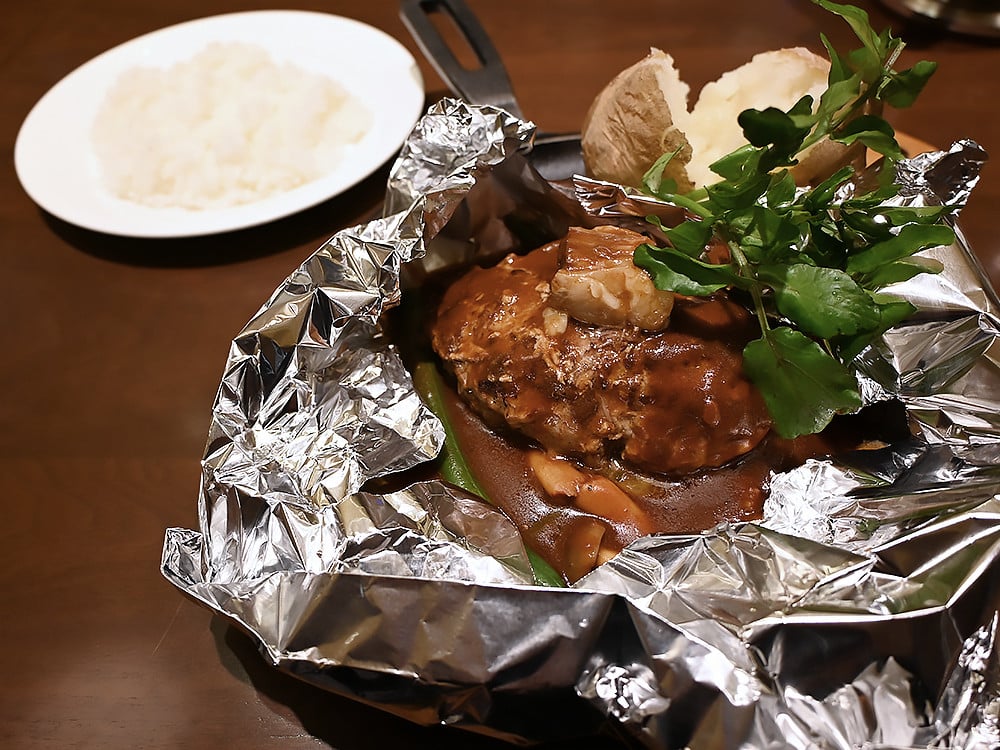
Shinshindo Kitayama Branch: The Kitayama Branch of Kyoto’s Long-Established Bakery
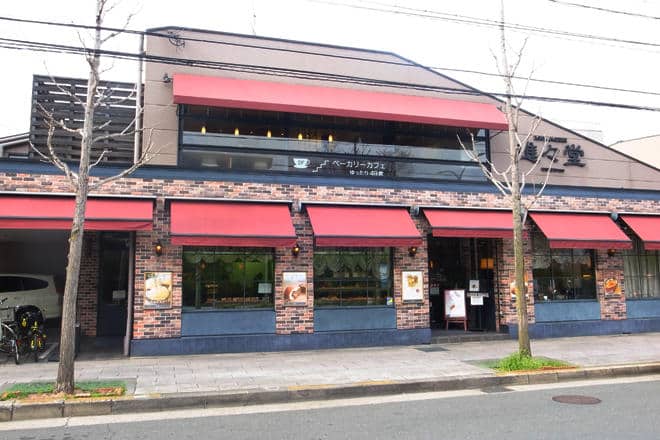
The Shinshindo Kitayama Branch is a branch of a famous long-established Kyoto bakery. The scent of freshly baked bread drifts through the shop, and the signature French bread and a range of handmade baked goods are loved by locals. The attached cafe space is bright and roomy, good for brunch with coffee.
The bakery has carried on its artisan baking craft since its founding in 1913, and the Kitayama branch keeps the brand’s warm wooden interior style. It makes a good breakfast spot before starting your botanical garden visit, to refuel before a full day of walking in Kitayama.
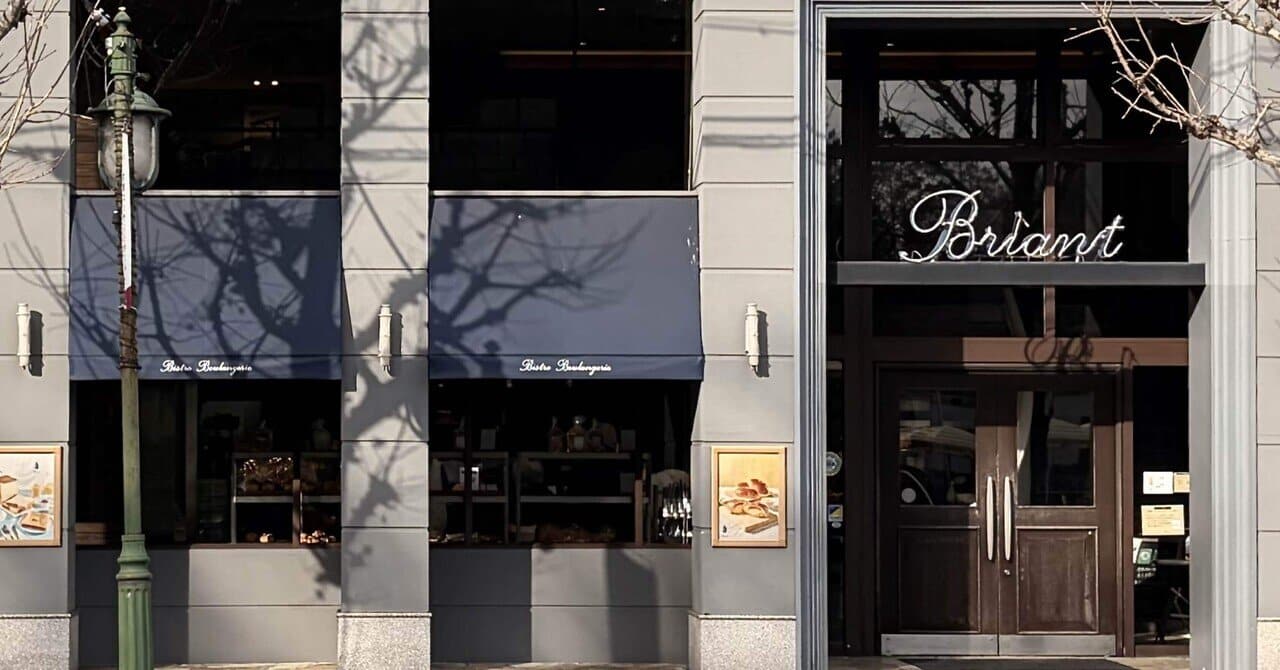
Briant Kitayama Main Store: A French-Style Bakery
Briant Kitayama Main Store is known for French-style baking, selling croissants, French toast and a range of refined small items. The bread has a crisp crust and soft interior, loved by local residents and visitors alike, and it is one of the popular bakeries with a line in the Kitayama area.
The shop insists on making everything fresh every day, and its signature items often sell out in the morning, so we recommend going early to buy. There is also a dine-in area where you can enjoy freshly baked bread with coffee, a delicious stop worth making on a stroll around the botanical garden.
Kamigamo Shrine and Shimogamo Shrine: Ancient Faith Recognized as World Heritage
Kamigamo Shrine and Shimogamo Shrine are both listed as UNESCO World Heritage “Historic Monuments of Ancient Kyoto” and both are near Kitayama. Their main deities are Kamo-wake-ikazuchi-no-Okami and Kamo-taketsunumi-no-Mikoto respectively, and they are historic Kyoto shrines that enshrine guardian deities of the imperial family.
Both shrines preserve original forest and clear streams, and the primeval forest path of Tadasu no Mori at Shimogamo Shrine feels like walking through time. After worshipping, you can buy an omamori amulet for safety and request a goshuin stamp as a keepsake. Combining faith with natural beauty, it is well worth visiting on the same day as the botanical garden.
![[Kyoto Day Tour] Daitoku-ji Soken-in, Kamigamo Shrine, Shimogamo Shrine, Mugimeshi Tororo Set Meal](https://travel.williamlion.tw/wp-content/uploads/sites/7/2026/07/image-1802.jpg)
How Much Does Kyoto Kitayama Guide 2026: Kyoto Botanical Garden and Designer Cafes Cost? Admission, Guides and Experience Tours
Costs in the Kitayama area are very flexible, from a budget day visiting only the botanical garden to an in-depth experience combining a designer cafe tour with a half-day stroll. Four common cost combinations are summarized below to help you plan the Kitayama route that best fits your budget and time.
Kyoto Botanical Garden Admission + Special Greenhouse Exhibitions: The Basics, One Ticket for Seasonal Flowers and Tropical Plants
The Kyoto Prefectural Botanical Garden is in Shimogamo Nakaragi-cho, Sakyo Ward, Kyoto, near the Kitayama or Kitaoji stations on the Karasuma Line of the subway, and is one of Japan’s oldest public botanical gardens. Regular admission is currently ¥500 for adults, ¥250 for seniors 65 and over and high school students, and free for junior high students and younger. The admission ticket already includes the viewing greenhouse (displaying tropical water lilies, orchids and carnivorous plants), so no separate greenhouse ticket is needed. If you plan to visit several times in a year, you can also choose the annual passport (年間パスポート): ¥2,000 for adults and ¥1,000 for seniors and high school students.
Kyoto Botanical Garden Opening Hours and Parking
The garden is open from 9 a.m. to 5 p.m. (last entry 4 p.m.), and the viewing greenhouse from 10 a.m. to 4 p.m. (last entry 3:30 p.m.). It is closed only from December 28 to January 4. We suggest allowing at least 2 hours for a careful visit.
For those driving, there is a paid parking lot in front of the main gate at ¥300 per hour with a daily maximum of ¥1,200, and bicycles can park for free.
Designer Cafe Half-Day Tour: A Stylish Route Through Kitayama Architecture and Artisan Hand-Drip Coffee
The Kitayama area, near Kyoto Prefectural University and the botanical garden, gathers cafes and bakeries designed by renowned architects, including exposed-concrete-style shops and home-roasting cafes tucked in the alleys.
For a half-day plan, visit 2 to 3 shops, within about 15 minutes’ walk of each other, a good pairing with a botanical garden visit as an extension for brunch or afternoon tea. For independent travelers, check closing days via Instagram or Google Maps, as many popular shops close irregularly or work by reservation.
Opening hours and closing days of cafes and bakeries differ by shop, so please check each shop’s website or Google Maps before you go.
A Half-Day Self-Guided Kitayama Stroll: How to Plan the Garden and Cafes
Travelers with limited time can cover Kitayama in half a day on their own: visit the Kyoto Botanical Garden in the morning (last entry 16:00; allow at least 2 hours), then pick one or two cafes or sweets shops around Kitayama Station for a rest.
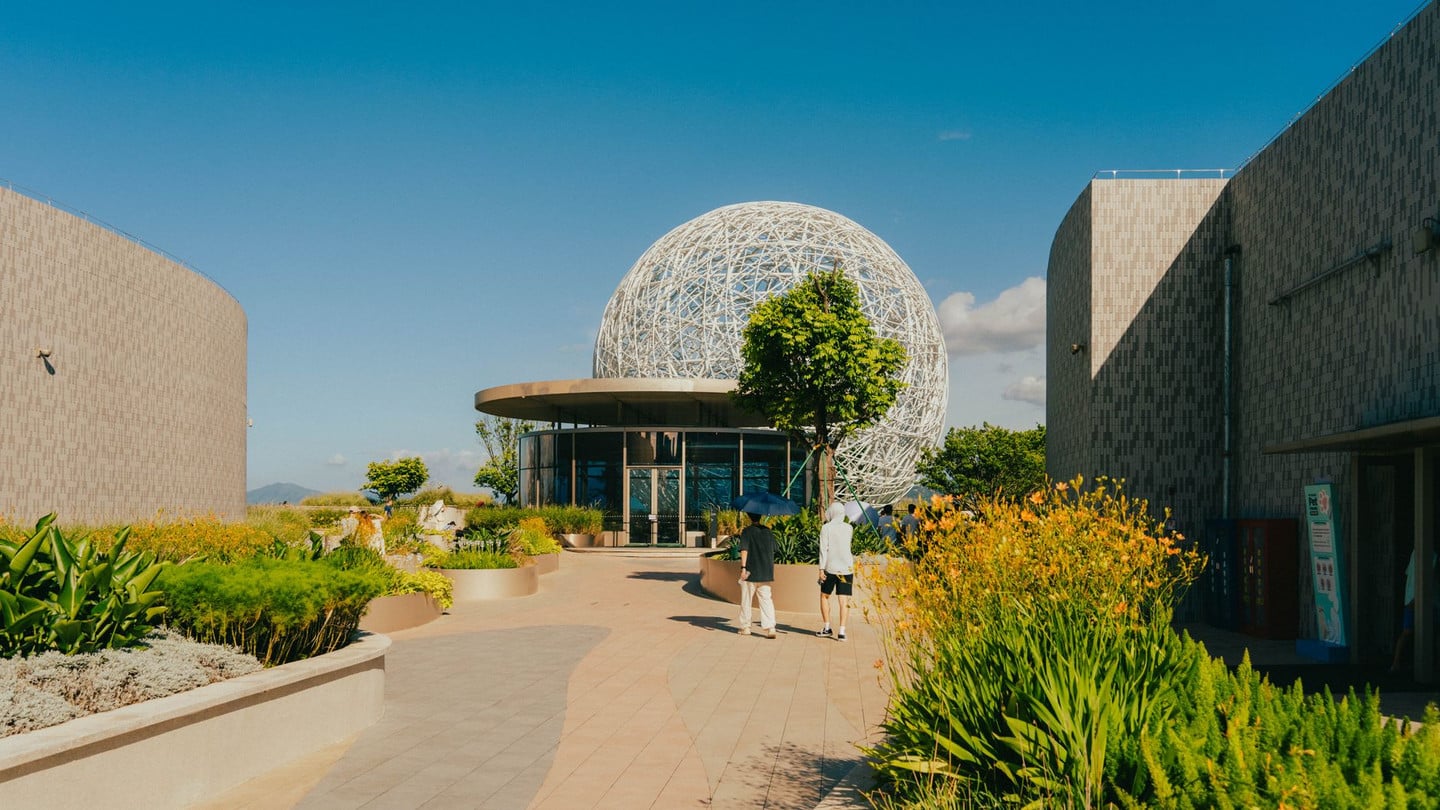
The botanical garden, IN THE GREEN and MALEBRANCHE are all around Kitayama Station. For lunch, choose Kokoro Kitchen or Toyotei Honten, and in the afternoon head to the Kyoto Garden of Fine Art to see the outdoor museum designed by Tadao Ando.
Each shop has different opening hours, so check closing days before you go, then adjust the order to your energy.
Autumn 2026 Kyoto Botanical Garden Exhibition Calendar: Seasonal Exhibitions Included with Admission
The night light exhibition “LIGHT CYCLES KYOTO” closed on March 31, 2026. If you visit the Kyoto Botanical Garden in autumn 2026, you can plan around the garden’s seasonal exhibitions instead, most of which require only regular admission (¥500 for adults). According to the autumn 2026 events published on the Kyoto Prefectural Botanical Garden website:
- September 23 to November 23: “Plant Weight” exhibition (listed in English on the official site as Plant Weight Challenge)
- October 9 to October 12: Autumn Wild Mountain Plants and Ferns Exhibition
- October 10 to October 12: Kyoto Botanical Garden Craft Market
- October 20 to November 15: Chrysanthemum Exhibition
- October 22 to October 25: Autumn Western Orchid and Epiphyte Exhibition
- October 24 to October 25: Mushroom Exhibition
- October 31 to November 1: Autumn Rose Exhibition
Late October to early November, the chrysanthemum, orchid and autumn rose exhibitions overlap, the time of autumn with the most special exhibitions at once. Some lectures and guided events require advance registration, so check the details on the official website before you go.
Where to Stay Nearby
The Kyoto Botanical Garden is next to Kitayama Station on the Karasuma Line of the subway. If you stay around Kitayama, Kitaoji or Karasuma Oike, you can enter at opening time in the morning, rest at a cafe in the afternoon, and easily take the subway to Kyoto Station and the city center.

FAQ
Q: How much is admission to the Kyoto Botanical Garden?
Regular adult admission is ¥500, ¥250 for seniors 65 and over and high school students, and free for junior high students and younger. The ticket includes the viewing greenhouse. Please check the official website for the latest actual prices.
Q: How much is admission to the Garden of Fine Art?
According to the official announcement, admission to the Kyoto Garden of Fine Art is ¥200 for general visitors, ¥100 for seniors 65 and over and high school students, and free for kindergarten through junior high students. It is open 9:00 to 17:00 (last entry 16:30), an extremely good-value art spot in Kyoto.
Q: What is the fastest way from Kyoto Station to the Kitayama botanical garden?
The fastest is the Karasuma Line of the subway to Kitayama Station with no transfers, about 15 minutes. Take Exit 3 and you reach the garden’s Kitayama Gate directly, with almost no walking.
Q: What time does the Kyoto Botanical Garden open? When is the best time to visit?
It is open 9:00 to 17:00 (last entry 16:00), and the viewing greenhouse 10:00 to 16:00 (last entry 15:30). It is closed only from December 28 to January 4. We recommend visiting in the morning for the best light. During cherry blossom season in spring it is more crowded, so plan early.
Q: Is the LIGHT CYCLES KYOTO night exhibition still on?
No. LIGHT CYCLES KYOTO closed on March 31, 2026, and the closing notice did not mention any continuation. In autumn 2026 you can instead see in-garden special exhibitions such as the Chrysanthemum Exhibition from October 20 to November 15 and the Autumn Rose Exhibition from October 31 to November 1.
Q: Which designer cafes in Kitayama are must-visits?
We recommend IN THE GREEN, MALEBRANCHE Kitayama Main Store, Le Grand Cafe and Secret Base Botanical Garden and Café Bar, each with a distinctive style.
Q: What should I know before visiting the Kyoto Botanical Garden?
Some zones in the garden prohibit eating and drinking and tripod photography. Wear comfortable shoes. Collecting or taking away plants and fallen leaves from the garden is prohibited.