
Kyoto Ichijoji Guide 2026: Keibunsha Bookstore, Ramen Row and an Eizan Railway Stroll
Ichijoji (一乗寺) in Kyoto’s Sakyo Ward is only about 5 minutes from Demachiyanagi Station on the Eizan Electric Railway. The area has a dense cluster of ramen shops known as Ichijoji Ramen Row, the independent bookstore Keibunsha, and old temples such as Shisendo. It suits travelers who love ramen, bookstores and walking, and half a day works well: browse the bookstore and gardens in the afternoon, then have Ichijoji ramen in the early evening.
- 🚃 Access: about 5 minutes by Eizan Electric Railway from Demachiyanagi Station, fare ¥220
- 📚 Keibunsha: 11:00-19:00, open every day of the year
- 🍜 Menya Gokkei: 11:30-22:00, closed Mondays
- ⛩️ Shisendo: 9:00-17:00, adults ¥700
Ichijoji Ramen Battleground Overview: The Home of Rich, Heavy Broths
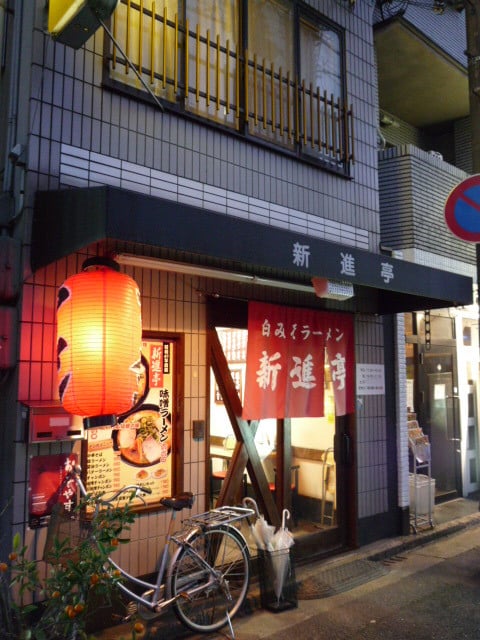
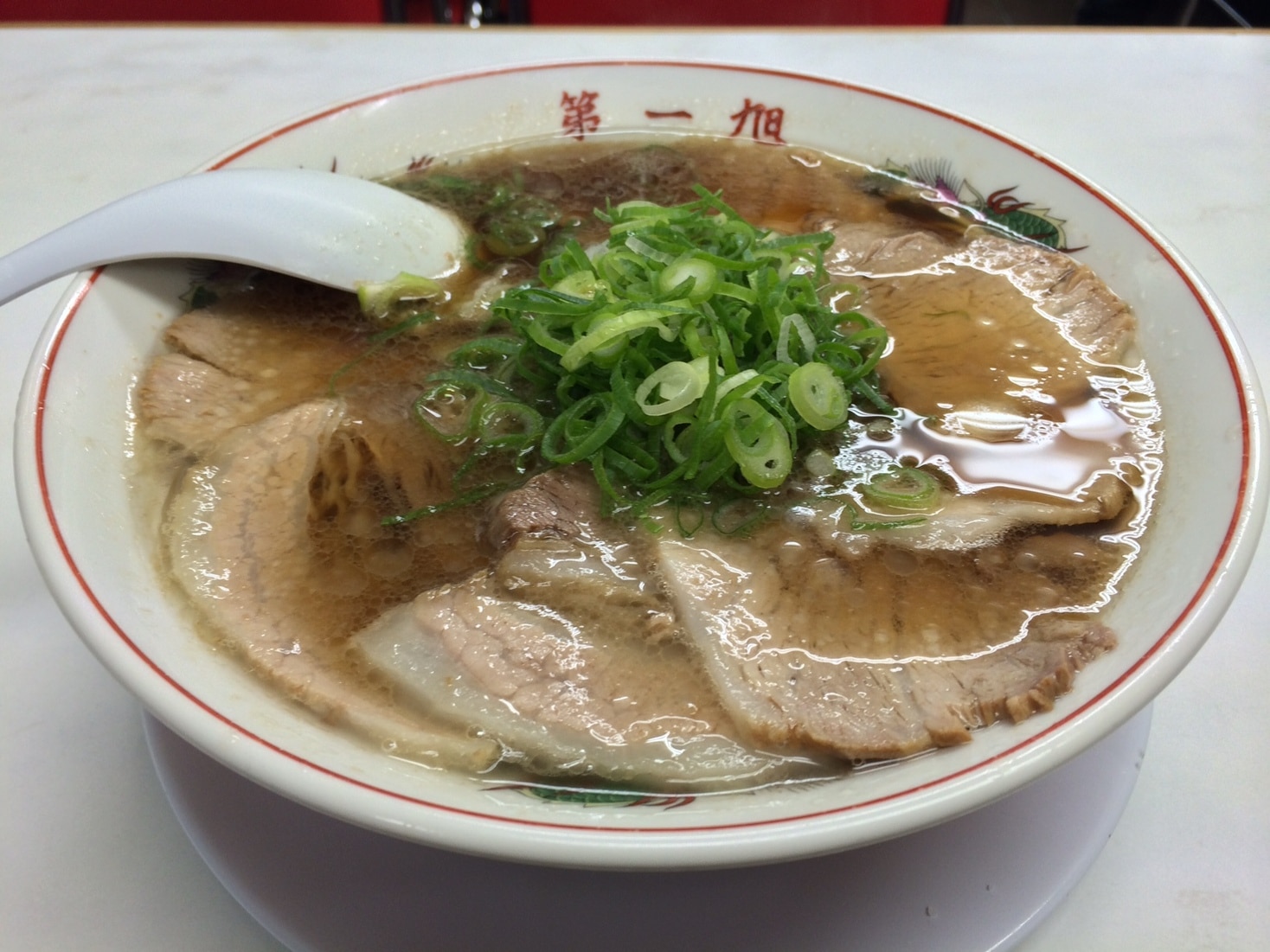
Known as “Ichijoji Ramen Row,” Ichijoji has dozens of ramen shops with very different styles, centered on Higashioji-dori (the Tenkaippin Main Store is actually on Shirakawa-dori). You will find everything from broth-thick chicken paitan to tonkotsu and red miso, and locals and students call it Kyoto’s “ramen front line.” Shops such as Menya Gokkei, Chinyu and Chuka Soba Takayasu draw long lines year-round, and each has its own signature broth and topping combination that turns first-timers into regulars.
Ichijoji ramen includes both old-timers and new arrivals. Rich chicken paitan, tonkotsu and even Jiro-style bowls are all available along Ichijoji Ramen Row.
Ichijoji Ramen Row Recommendations: A List of Popular Shops
“Ichijoji Ramen Row” (一乗寺ラーメン街道) refers to the cluster of ramen shops spread along Higashioji-dori around Ichijoji Station on the Eizan Electric Railway, with more than ten shops of different styles within walking distance. Here are our Ichijoji ramen picks:
Menya Gokkei Ichijoji Main Store (麺屋 極鶏): Famous for its “Toridaku” chicken paitan, so thick it clings to the spoon. It has appeared on Tabelog’s Ramen Hyakumeiten list for years, is about a 5-minute walk from Ichijoji Station, and is closed on Mondays.
Chuka Soba Takayasu: A popular shop with a line, about a 3-minute walk from Ichijoji Station. Besides ramen, its enormous pieces of fried chicken (karaage) are a signature, and it is also on Tabelog’s Ramen Hyakumeiten list.
Tenten-yu Main Store: A Kyoto ramen veteran founded in 1971, with a chicken-bone broth that is sweet and rich. You can choose noodle firmness, sauce strength and the amount of green onion, and it opens from 18:00 in the evening.
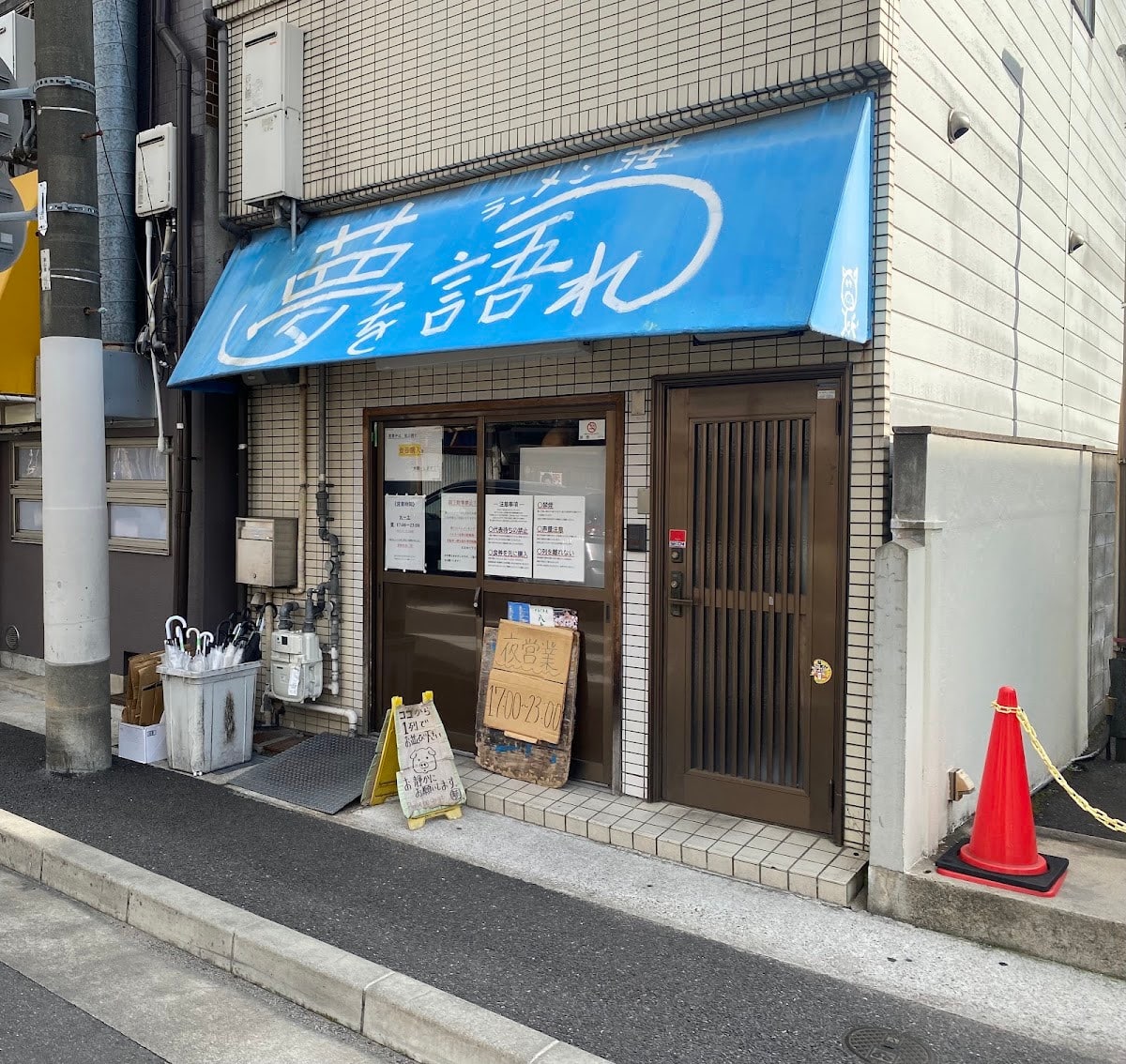
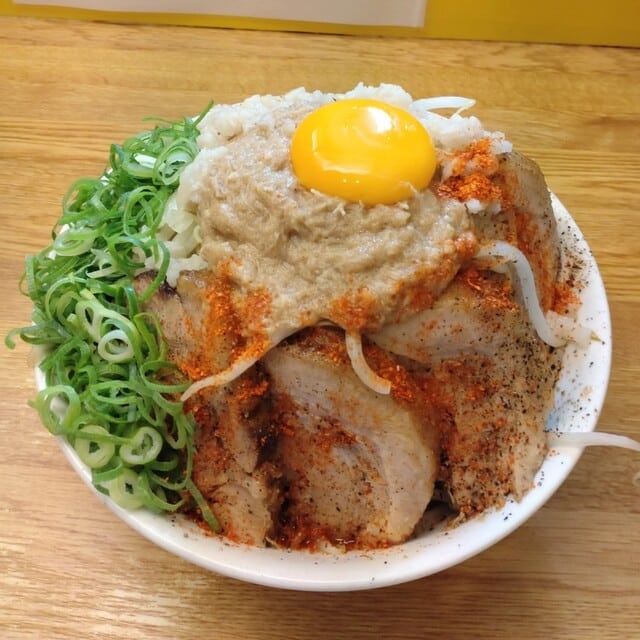
Ramen Sou Yume wo Katare (ラーメン荘 夢を語れ): Founded in 2006 and regarded as a pioneer of Kansai Jiro-style ramen, its biggest draw is the huge portions with vegetables piled into a mountain. There are only about 10 counter seats.
Ramen Jiro Kyoto (ラーメン二郎 京都店): About a 1-minute walk from Ichijoji Station, this is Jiro-style ramen’s base in Kyoto. It is on Tabelog’s Ramen Hyakumeiten list and is closed on Wednesdays.
Ikedaya Ichijoji (池田屋 一乗寺店): A Jiro-style ramen shop that uses meal tickets, with only about 9 counter seats. Closed on Thursdays.
If you want to visit the birthplace of the rich “kotteri” broth, the Tenkaippin Main Store is on Shirakawa-dori, and the nearest station is Chayama-Kyoto Geijutsu Daigaku on the Eizan Electric Railway, so it fits into the same day as Ichijoji Ramen Row. Opening hours and closing days change often, so please check Tabelog or the shop’s social media before you go.
Keibunsha Independent Bookstore: A Pilgrimage Site for the Bookish
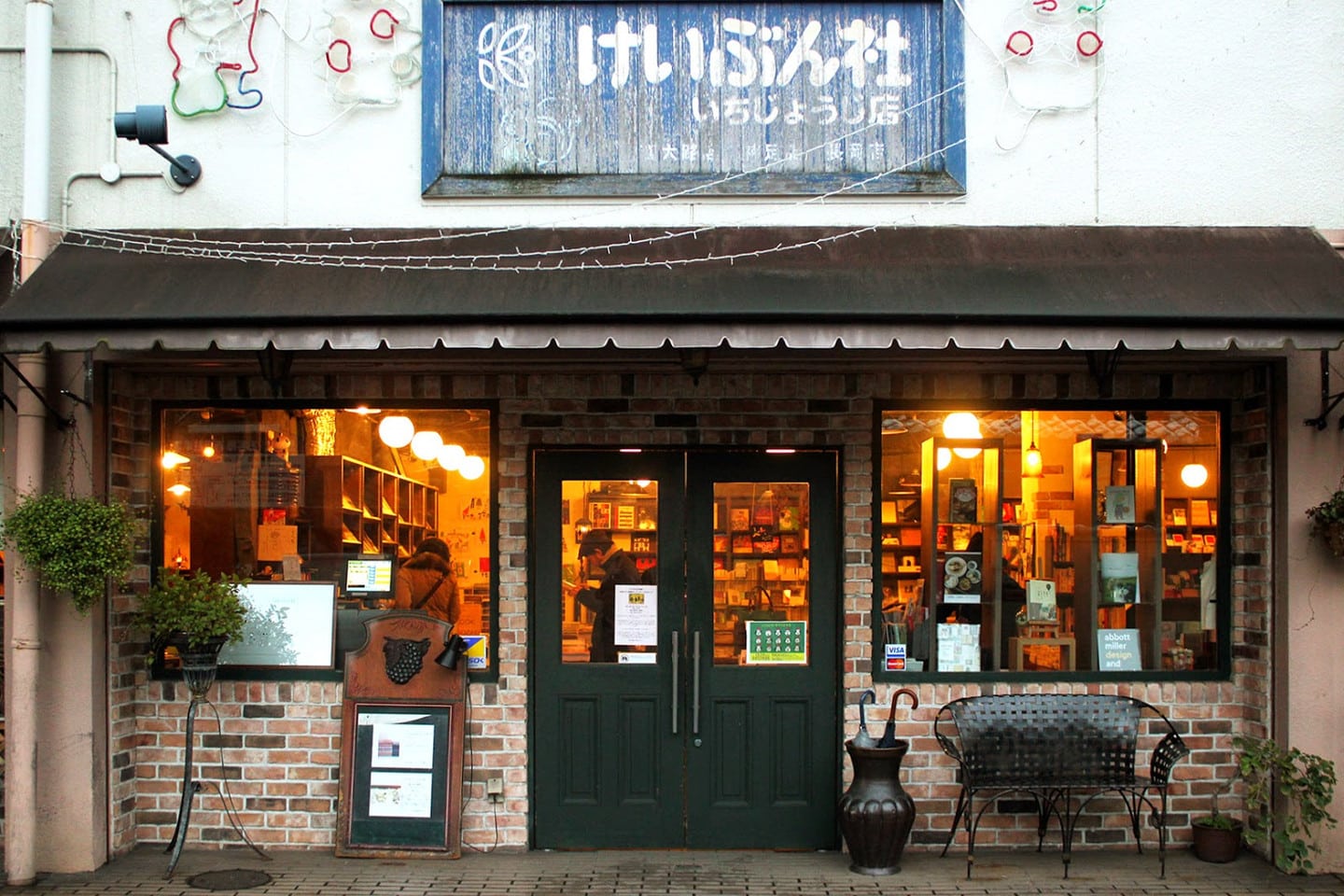
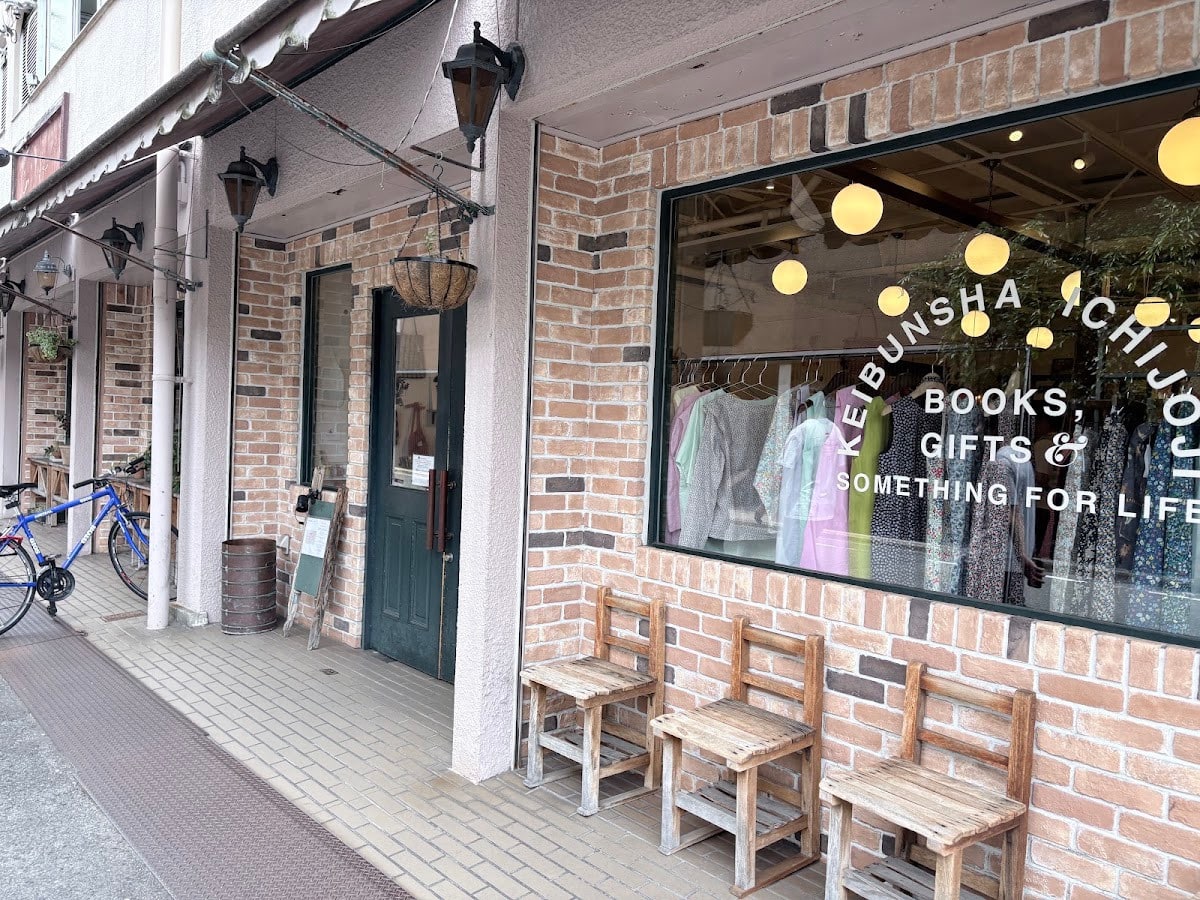
Keibunsha Ichijoji has been named by British media as one of the “world’s ten most beautiful bookstores.” It has no bestseller rankings; instead, staff pick offbeat subculture titles and hidden gems from their own point of view, and the shop has the feel of an old bookstore that has aged gracefully. Besides books, the Seikatsu-kan (lifestyle) space and the enfer gallery sell quality tableware, stationery and curated goods, making it a must-visit for Kyoto’s bookish crowd.
Nearby are secondhand bookstores such as Alibi Books (アリバイブックス), so travelers who love out-of-print books and vintage printed matter can set aside half a day for treasure hunting.
A Stroll Along the Eizan Railway: A Slow-Paced Kyoto Route
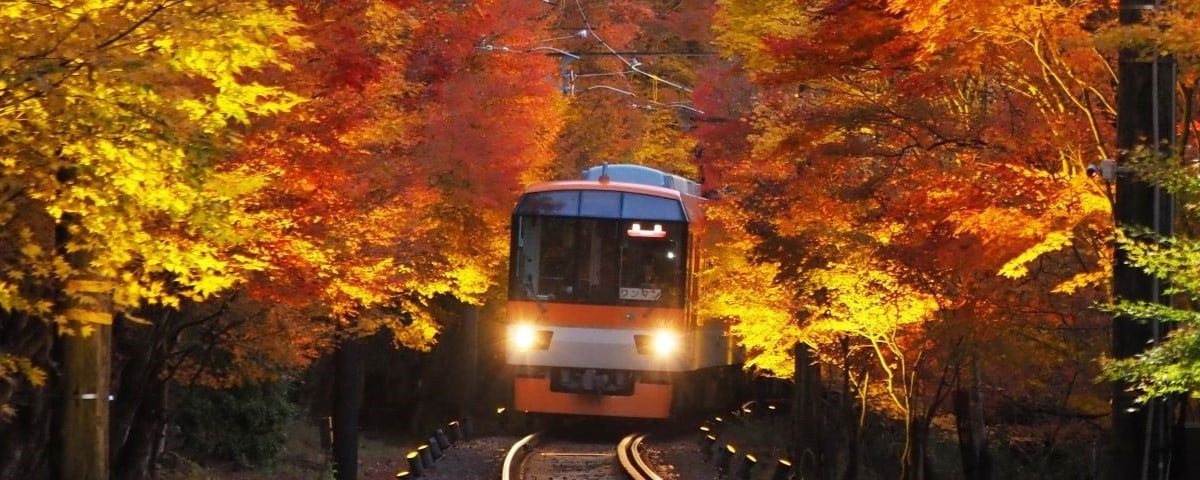
It takes only about five minutes on the Eizan Electric Railway from Demachiyanagi Station to Ichijoji Station. The scenery along the line is quiet and away from the tourist crowds, which makes it one of the most authentic ways to experience “the flavor of Kyoto.” Combined with the KIRARA sightseeing train or the Ee Kippu one-day pass, you can also continue to nature spots such as Kibune and Kurama, building a deeper trip that mixes food, books and nature.
We suggest visiting the bookstore area first in the afternoon, then lining up at a ramen shop around 5:30 p.m. to avoid both the lunch and dinner rushes.
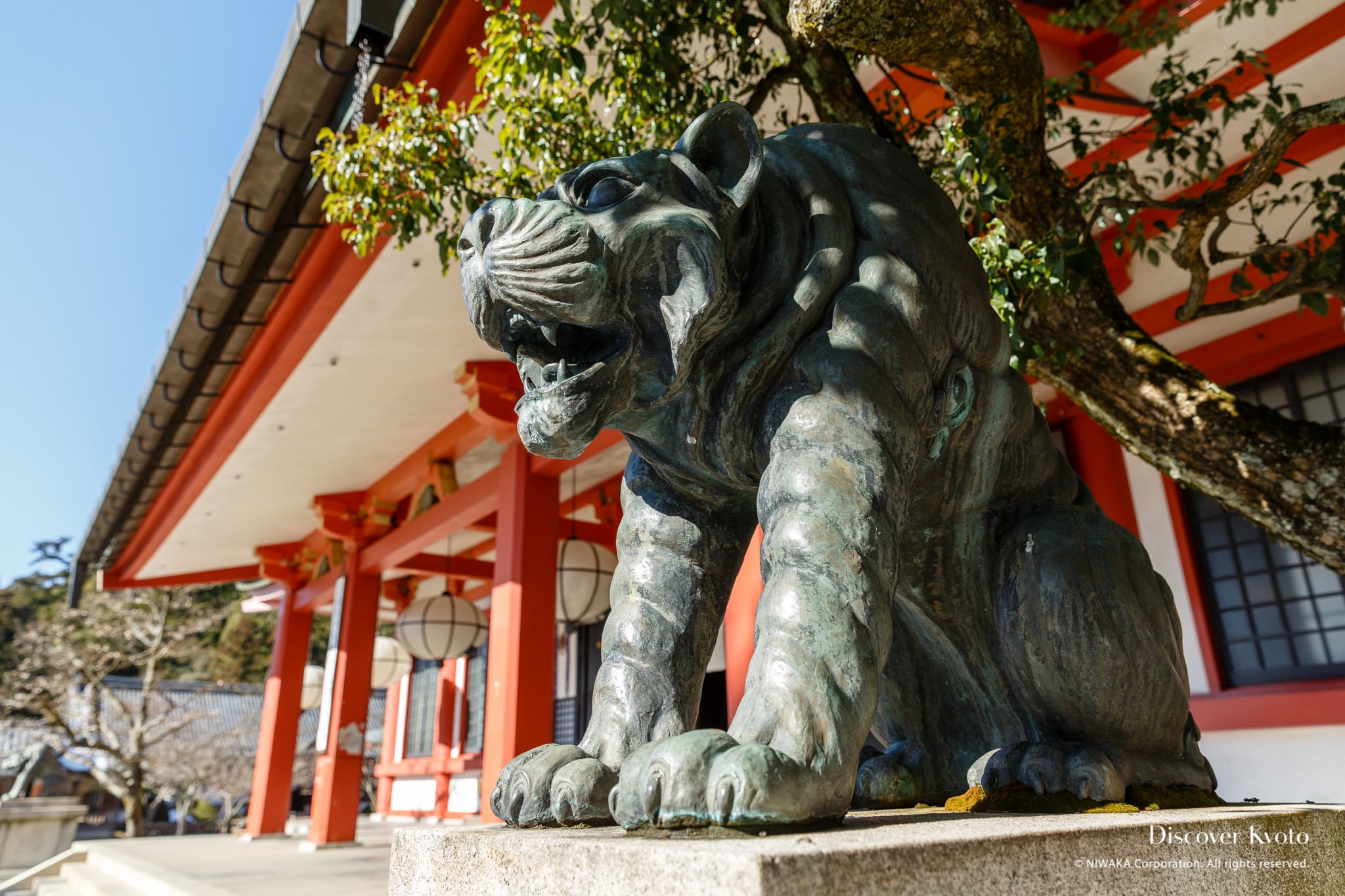
The Quiet Pace of Sakyo’s University Town: Refined Pride Meets Slow Living
Ichijoji is surrounded by several schools, including Kyoto University of the Arts, so students are everywhere. The streets keep a relaxed, lived-in pace that is rare in Kyoto, blending the proud elegance of the old capital with a calm walking atmosphere, which makes it a great place to experience everyday local life rather than a purely touristy itinerary.
Compared with the crowds at Kiyomizu-dera and Fushimi Inari, Ichijoji is better for travelers who like slow living and exploring back-alley culture in depth.
Ichijoji Ramen Shop Updates: Check Opening Information Before You Go
Shops along Ichijoji Ramen Row change frequently: new places open, old ones close or move. Before you set out, check the shop’s official social media or its Tabelog page for that day’s opening days and hours so you do not make a wasted trip. There are many ramen shops within walking distance of Ichijoji Station, so it helps to line up a backup or two, and switching shops on the spot is not difficult.
How to Get to Ichijoji: Transport Options and Fares
Ichijoji (一乗寺) is in Kyoto’s Sakyo Ward and has become a favorite of bookish travelers and ramen fans in recent years. It is about 30 to 40 minutes from Kyoto Station, and you can get there four ways: the Eizan Electric Railway, Kyoto City Bus, a Keihan Railway transfer, or a taxi.
How Do You Get to Kyoto Ichijoji? Transport Options at a Glance
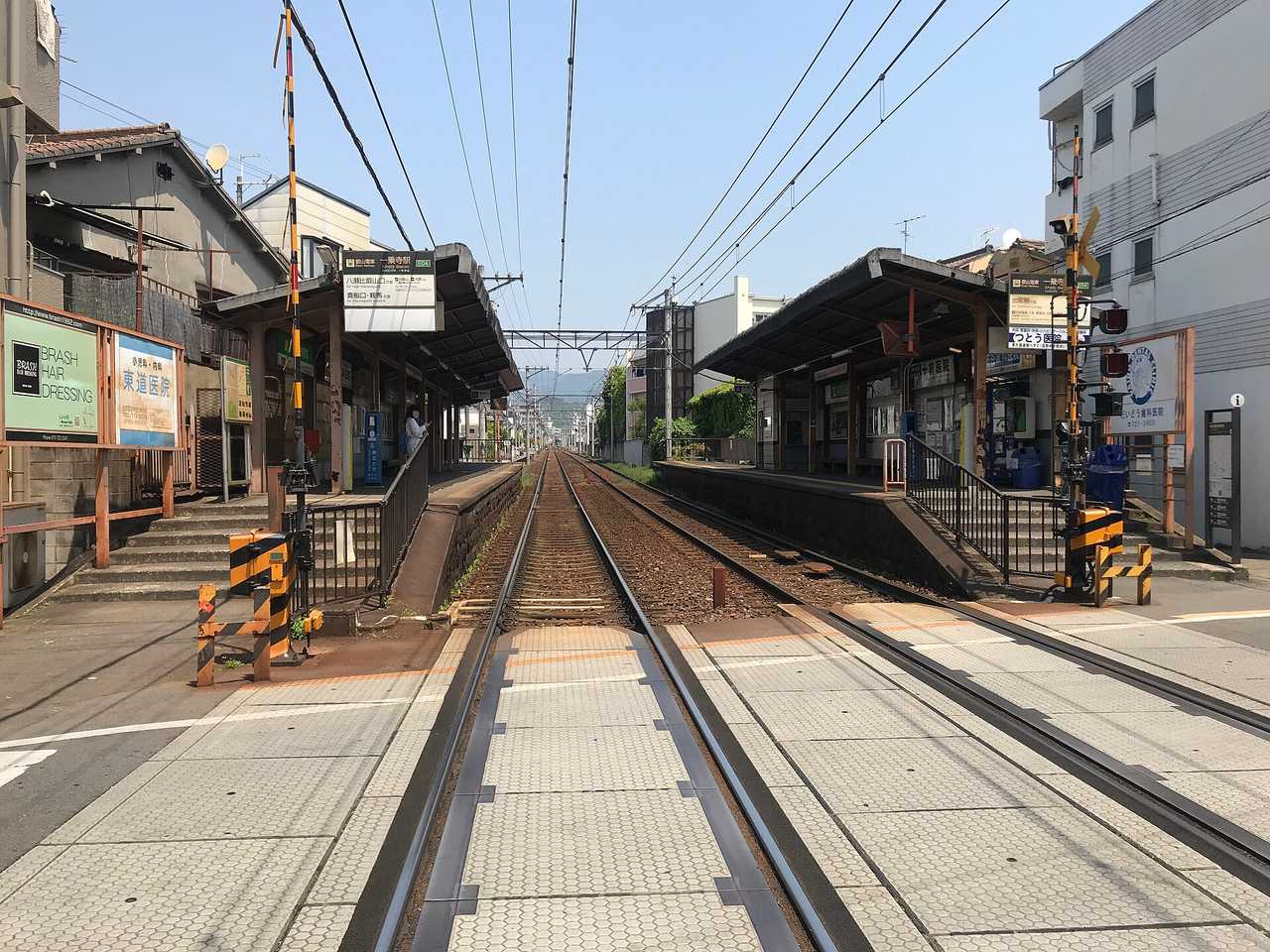
🚃 Eizan Electric Railway: Board at Demachiyanagi Station and reach Ichijoji Station in 5 minutes. Fare ¥220, frequent service, with a strong local feel.
🚌 Kyoto City Bus: From Kyoto Station take the Route 5 series, about 37-44 minutes, flat fare ¥230, and prone to traffic jams at peak times.
🚃 Keihan Railway transfer: Ride to Demachiyanagi Station from Osaka or Fushimi Inari (the fare depends on the boarding station, so please check the Keihan website), then transfer to the Eizan Electric Railway. The platforms are adjacent, so the transfer takes only 5 minutes.
🚕 Taxi: From Kyoto Station, 20-25 minutes, fare about ¥2,500-3,200, suited to groups or lots of luggage.
Must-See Spots in Ichijoji: Highlights by Area
Ichijoji combines a ramen battleground, independent bookstores and old temples and shrines. Here are the must-visit highlights one by one.
Menya Gokkei: The King of Thick Chicken Paitan Ramen
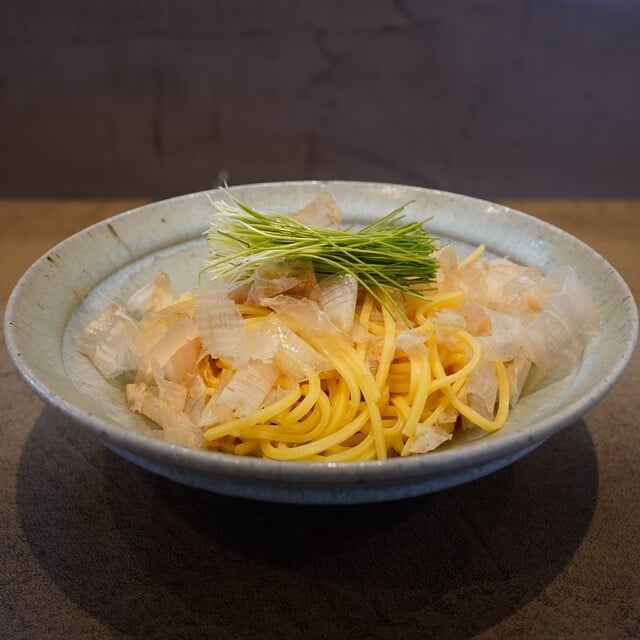
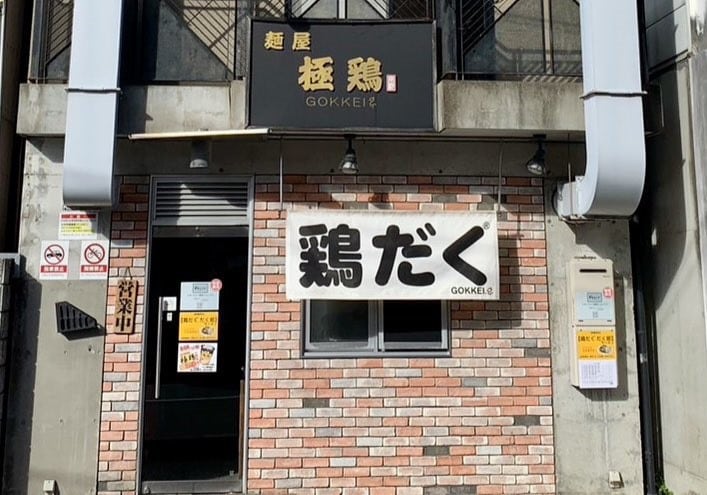
Menya Gokkei (麺屋 極鶏, “Gokkei”), a popular Ichijoji shop, is known for its signature “Toridaku ramen” with thick chicken paitan broth that coats the noodles perfectly, ideal for meat lovers and fans of rich broth. The menu also offers “Toridaku” (original), “Akadaku” (spicy), “Kurodaku” (black garlic) and “Uodaku” (seafood) versions at roughly the same price.
- 🍽️ Signature: Toridaku ramen with thick chicken paitan broth
- 💰 Toridaku about ¥800-1,000; check the in-store menu for current prices
- 🚉 About a 5-minute walk from Ichijoji Station
The shop uses a numbered-ticket system, so you can wander the nearby bookstore area while you wait, and a meal takes about 20-30 minutes. It is closed on Mondays (the next day if Monday is a national holiday), and hours are about 11:30-22:00; please check the official social media before you go.

Chinyu Ichijoji Main Store: Homestyle Charm from a Big-Portion Veteran
Chinyu Ichijoji Main Store is a long-established ramen shop full of local character, serving big portions of homestyle Chinese-style ramen with great value, loved by students and office workers. The signature Chuka Soba (regular) is about ¥680, and there are set meals such as the Han-Chan set at about ¥880 and a karaage set.
The interior is simple and relaxed, making it the best representative of Ichijoji’s “non-touristy” everyday ramen culture; we suggest avoiding the midday rush when students get out of school.
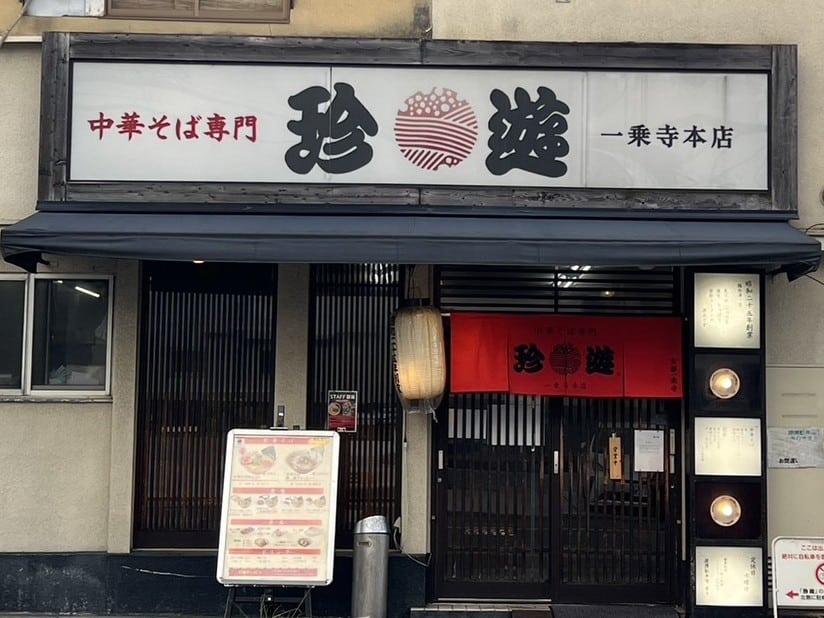
Chuka Soba Takayasu: Locals’ Favorite Thin Noodles in Chicken Paitan
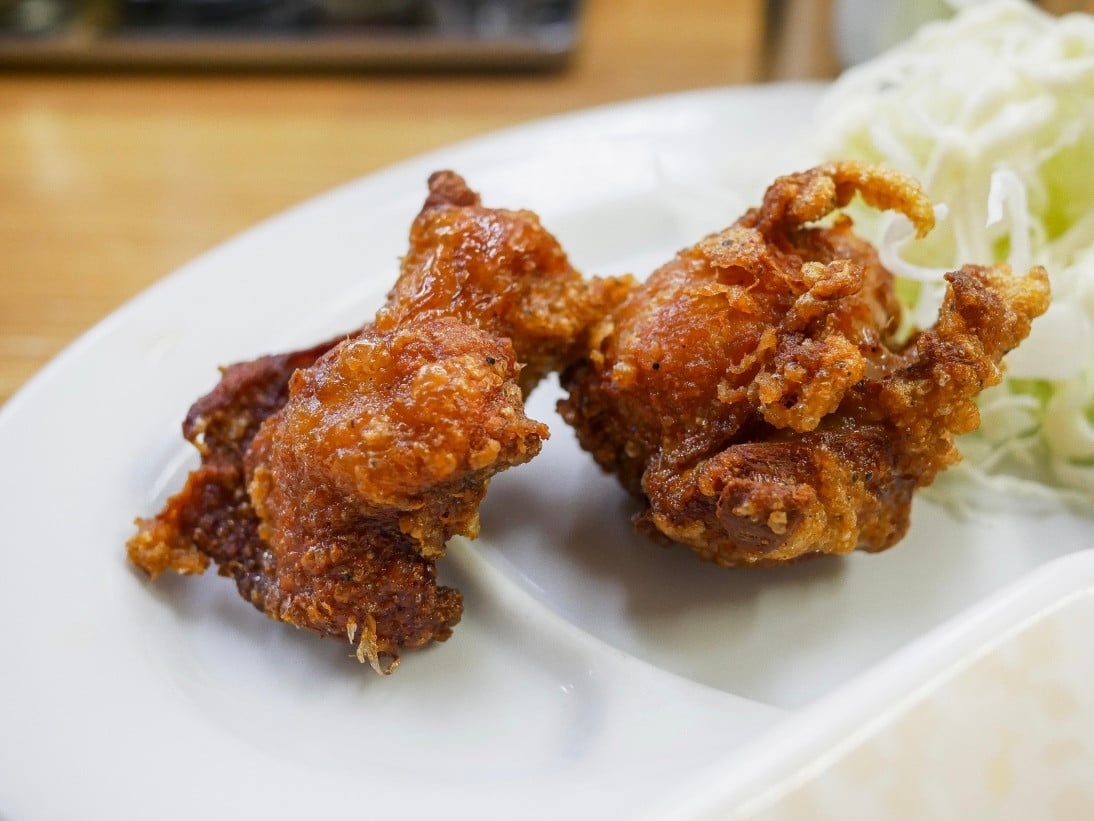
Chuka Soba Takayasu (中華そば髙安) is a representative old shop passed along by word of mouth among locals. Its ramen features thin noodles in a mellow tonkotsu-chicken paitan broth that is less intense than Menya Gokkei’s, with a rounder, lingering sweetness instead, suited to travelers who prefer milder flavors. The biggest draw is the curry-flavored fried chicken that almost every table orders, huge, tender and juicy; the fried chicken set starts at about ¥1,120 and is very generous.
There are few seats, and lines often form at peak meal times. We recommend avoiding the exact lunch and dinner peaks, which can cut the wait considerably.
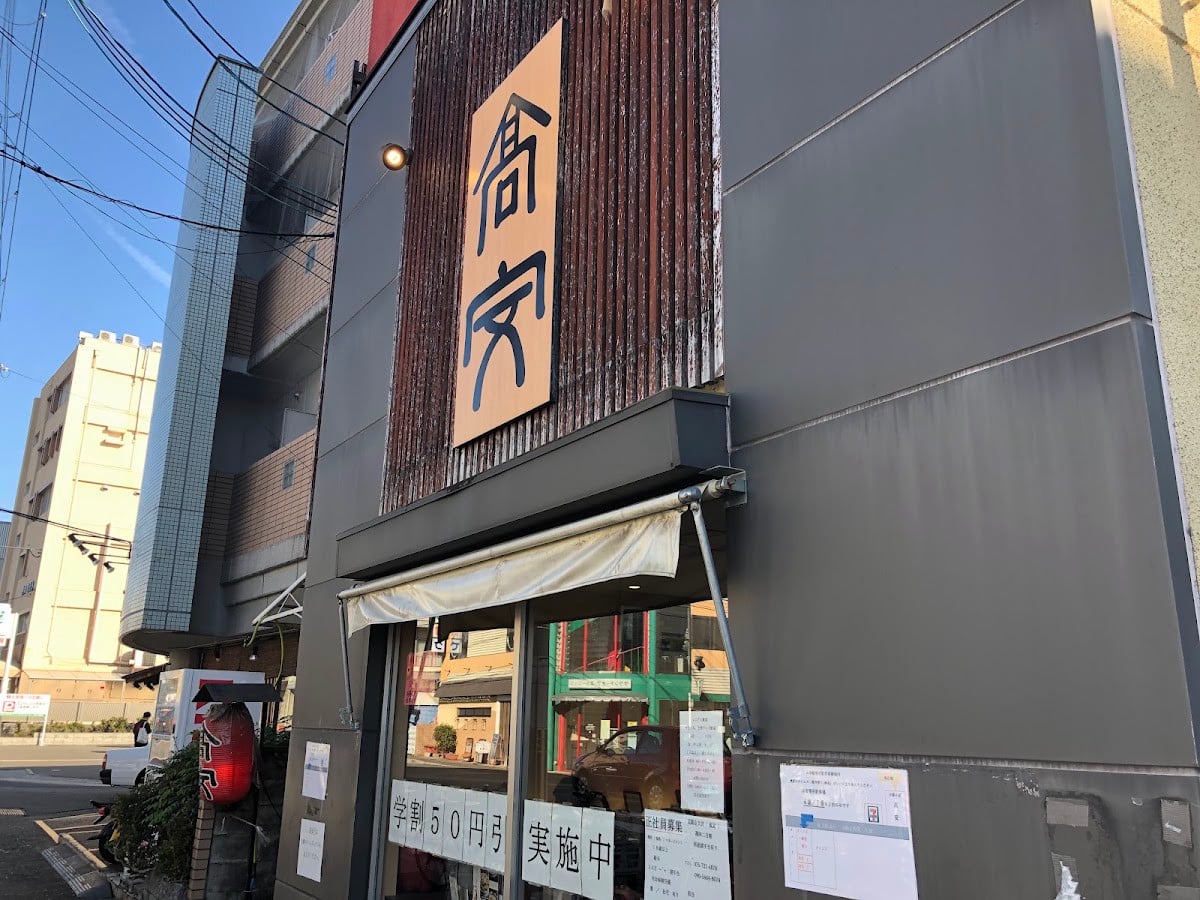
Ramen Sou Yume wo Katare: Students’ Favorite Mega-Portion Tonkotsu Ramen
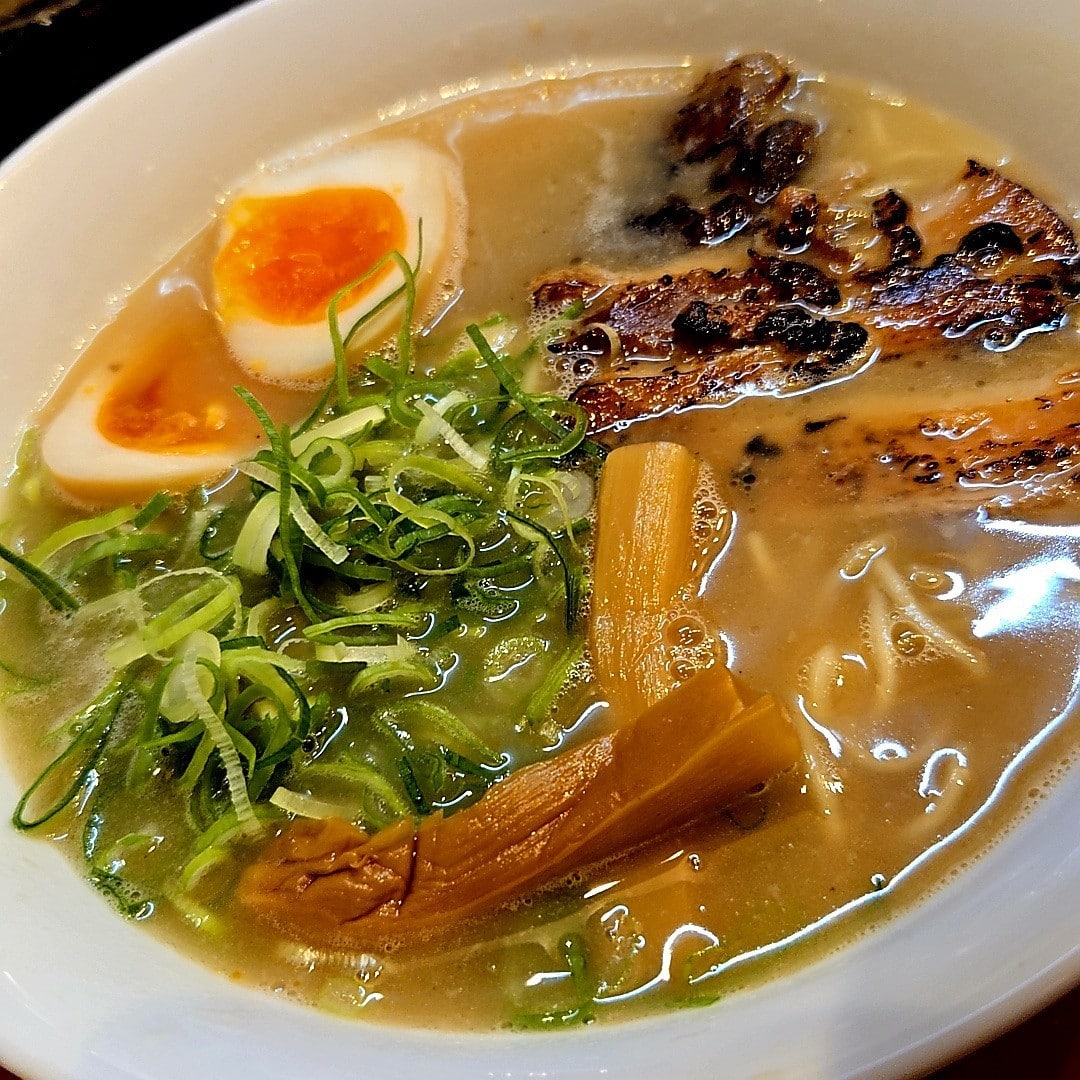
Ramen Sou Yume wo Katare (ラーメン荘夢を語れ) is known for staggering portions and is a top pick among university students around Ichijoji. The signature tonkotsu ramen (Pork Ramen) has a rich, heavy broth, and the toppings can be customized to taste, such as extra bean sprouts or garlic, satisfying fans of bold flavors and big appetites.
The atmosphere is bold and casual, with the walls covered in customer notes and posters and a nostalgic Showa-era feel. It is an essential stop for experiencing the everyday culture of Ichijoji’s “ramen battleground”; please check the shop’s social media for opening hours and closing days before you go.
Tenkaippin and Tenten-yu Ichijoji Main Store: Old-School Kyoto Ramen Flavors
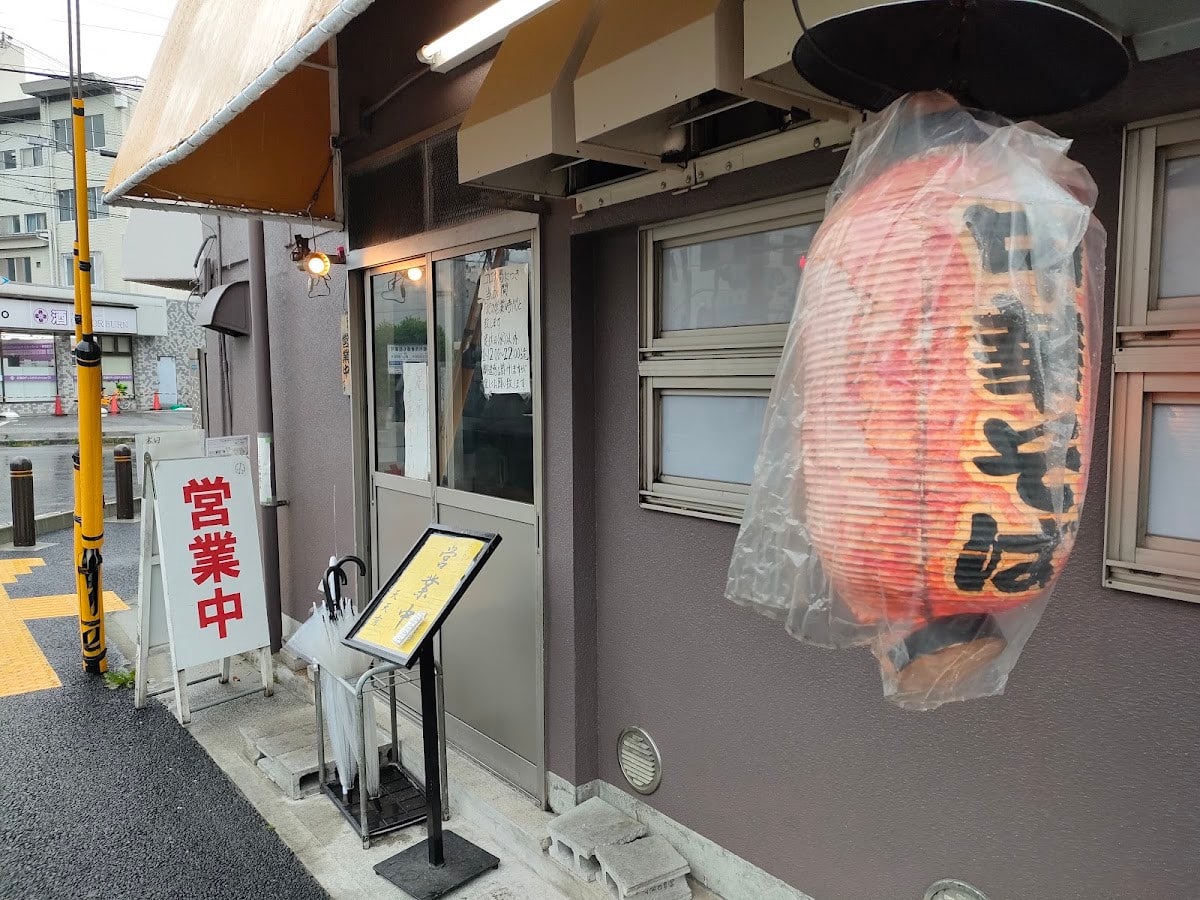
Tenkaippin (天下一品) is one of Kyoto’s signature ramen brands, famous nationwide for a sauce-like, rich broth. Its main store is on Shirakawa-dori (nearest station: Chayama-Kyoto Geijutsu Daigaku on the Eizan Electric Railway), the birthplace of the rich “kotteri” broth and still a stop on the pilgrimage route for ramen connoisseurs. Nearby, Tenten-yu Ichijoji Main Store is a long-established, working-class-style Kyoto ramen shop that has been open since the Showa era, serving a classic homestyle chicken broth with a slight sweetness.
If you are tired of heavy, rich ramen, a classic bowl in sweet chicken-bone broth at Tenten-yu is just right. The two shops complement each other, so it is a good idea to compare the rich and sweet styles of Kyoto ramen on the same day.
Keibunsha Ichijoji: One of the World’s Ten Most Beautiful Bookstores
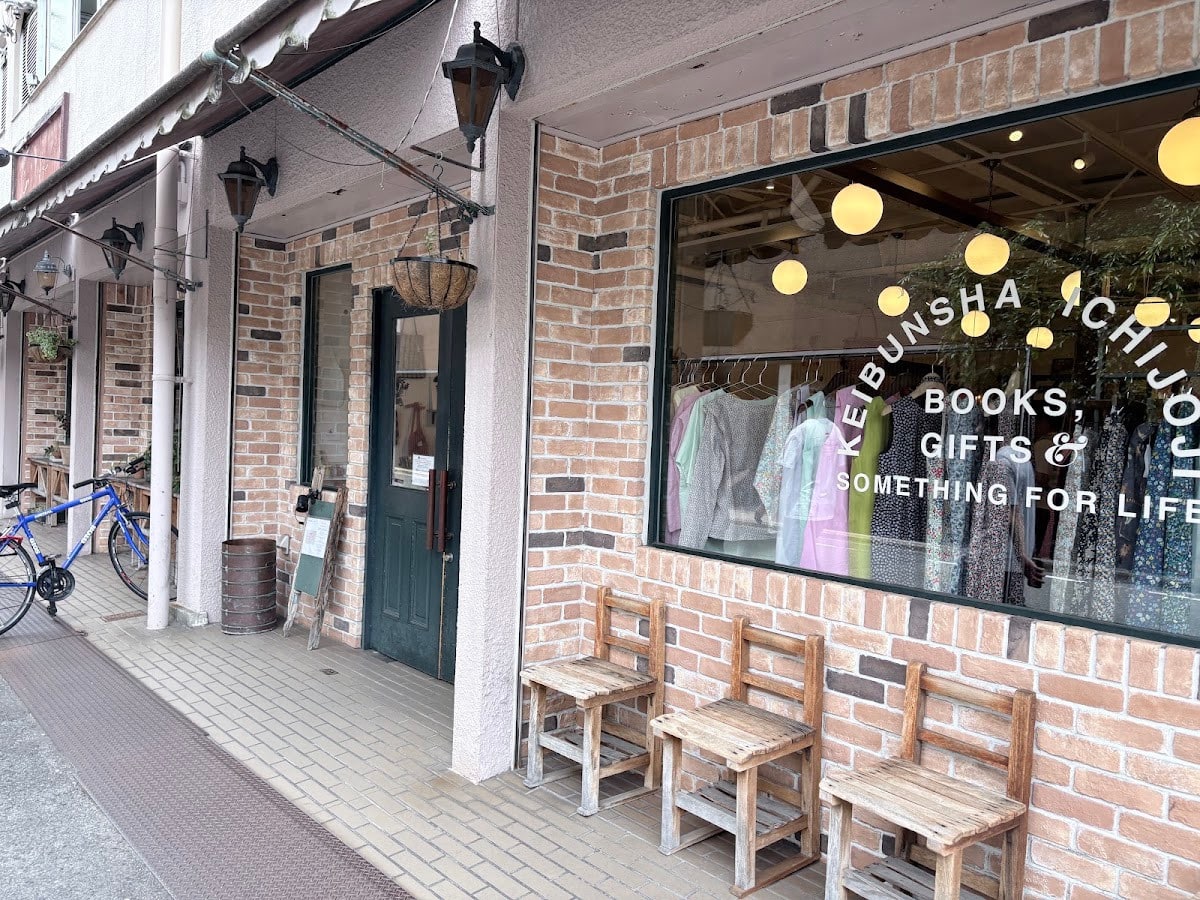
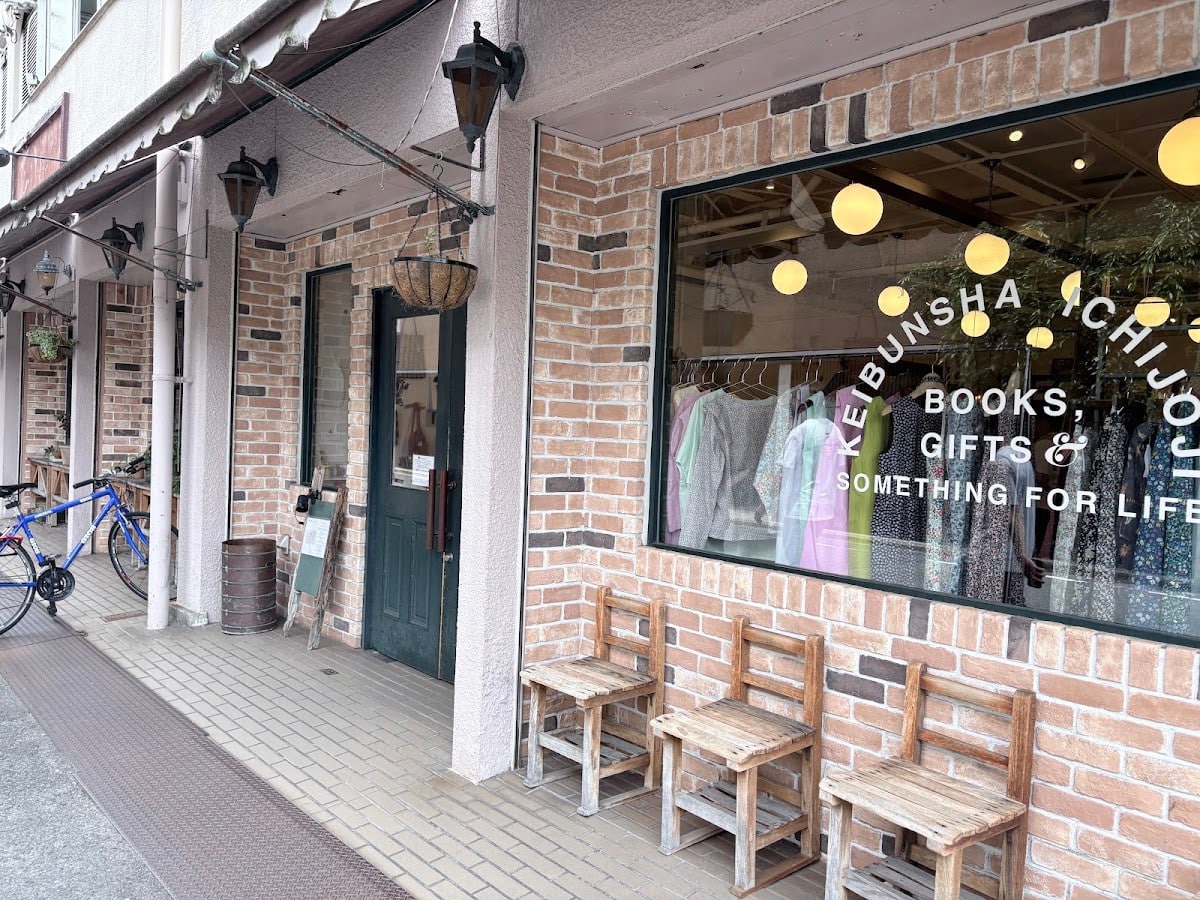
Keibunsha Ichijoji has been named by British media as one of the world’s ten most beautiful bookstores. It ignores chain-store bestseller rankings; instead, expert staff choose interesting, subculture titles from their own point of view, and the interior has the warm feel of an old bookstore shaped by the passing years. The address is 10 Ichijoji Haraidono-cho, Sakyo Ward, Kyoto, and it is open 11:00-19:00, every day of the year.
The store’s layout is carefully planned, with clear sections from humanities and art to travel books. Travelers who like to browse slowly should allow at least an hour to take in the “once-in-a-lifetime encounter” philosophy behind the selection.
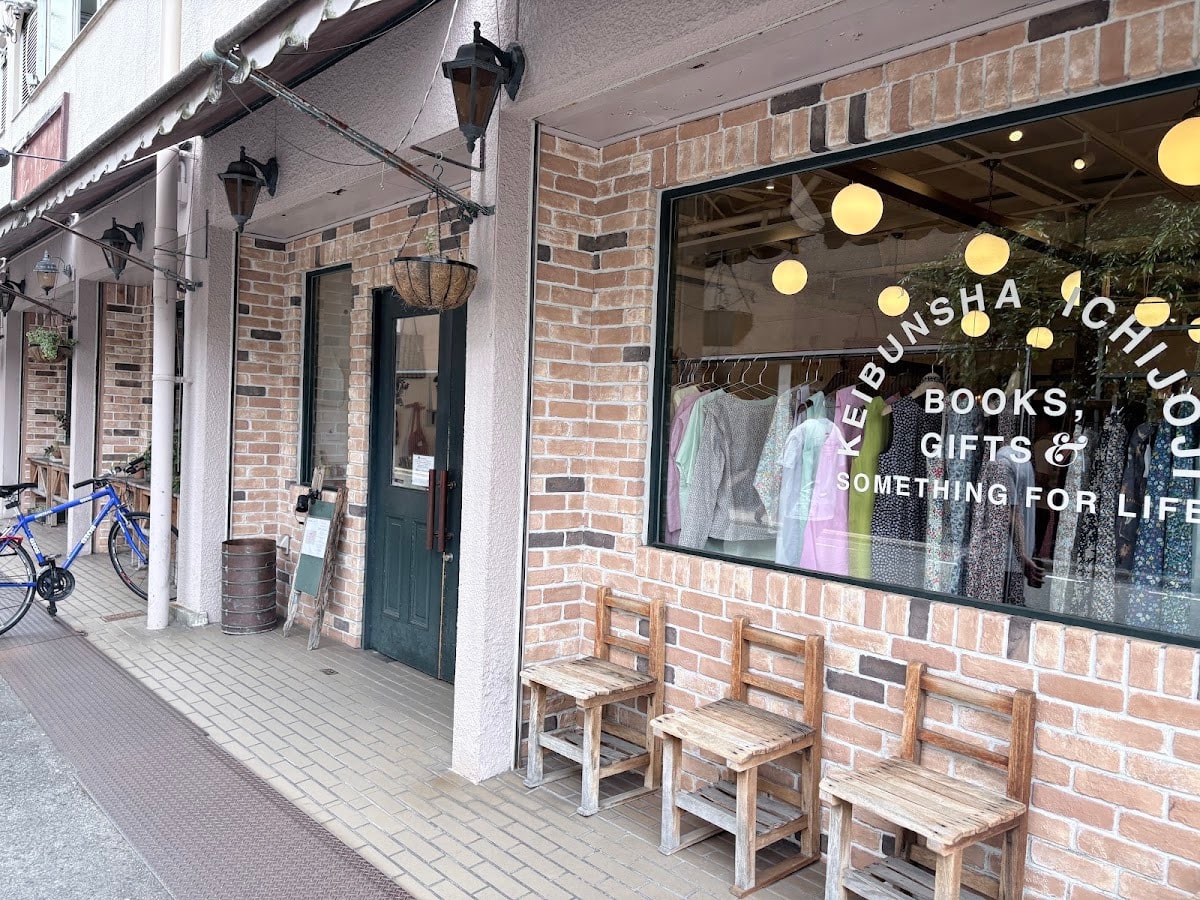
- 🕘 Hours: 11:00-19:00
- 📅 Closed: open every day of the year
- 🔗 Keibunsha Ichijoji official website
Keibunsha’s Seikatsu-kan and enfer: Stationery and Gallery in One
Besides its core book business, Keibunsha has the Seikatsu-kan (lifestyle) space and the enfer gallery. The former sells quality household goods, tableware and curated clothing, while the latter holds art exhibitions and events from time to time, and there is also a COTTAGE space for small markets and talks. The stationery selection is just as particular: special pens such as the Italian brand BROGHINI pen cost about US$13 each, a souvenir that works as a gift or for yourself.
We suggest treating the bookstore, Seikatsu-kan and gallery as one continuous route, allowing at least 40 minutes to an hour to fully enjoy Keibunsha’s many sides that make it a bookish paradise.
Shisendo: A Dry Landscape Garden for an Edo-Period Literati Recluse
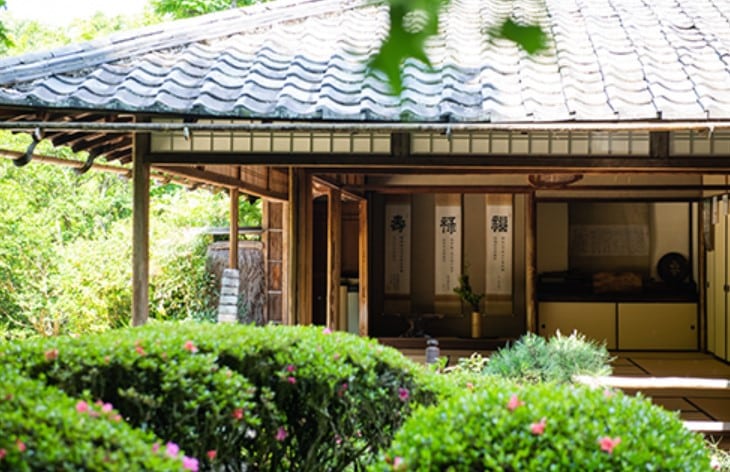
Shisendo was the retreat of the Edo-period literatus Ishikawa Jozan in his later years. It is a Soto Zen temple whose garden is known for its dry landscape design and for the bamboo “sozu” (shishi-odoshi) knocking sound, and it is especially moving when the leaves turn red in autumn. Admission is ¥700 for adults, hours are 9:00-17:00 (last entry 16:45), and the officially announced closure day is May 23 each year.
The grounds have an office for omamori charms and goshuin stamps, so goshuin collectors can pick up an Ichijoji keepsake here. Allow about 30-45 minutes; it fits neatly into the wait for a ramen shop, and the quiet is a good way to take in the refined mood of a literati retreat.
- 🕘 Visiting hours: 9:00-17:00 (last entry 16:45)
- 🎫 Admission: adults ¥700 / high school students ¥500 / elementary and junior high students ¥300
- 📅 Closure day: May 23
- 🔗 Shisendo Jozan-ji official website
Manshuin: An Elegant Garden at a Tendai Monzeki Temple
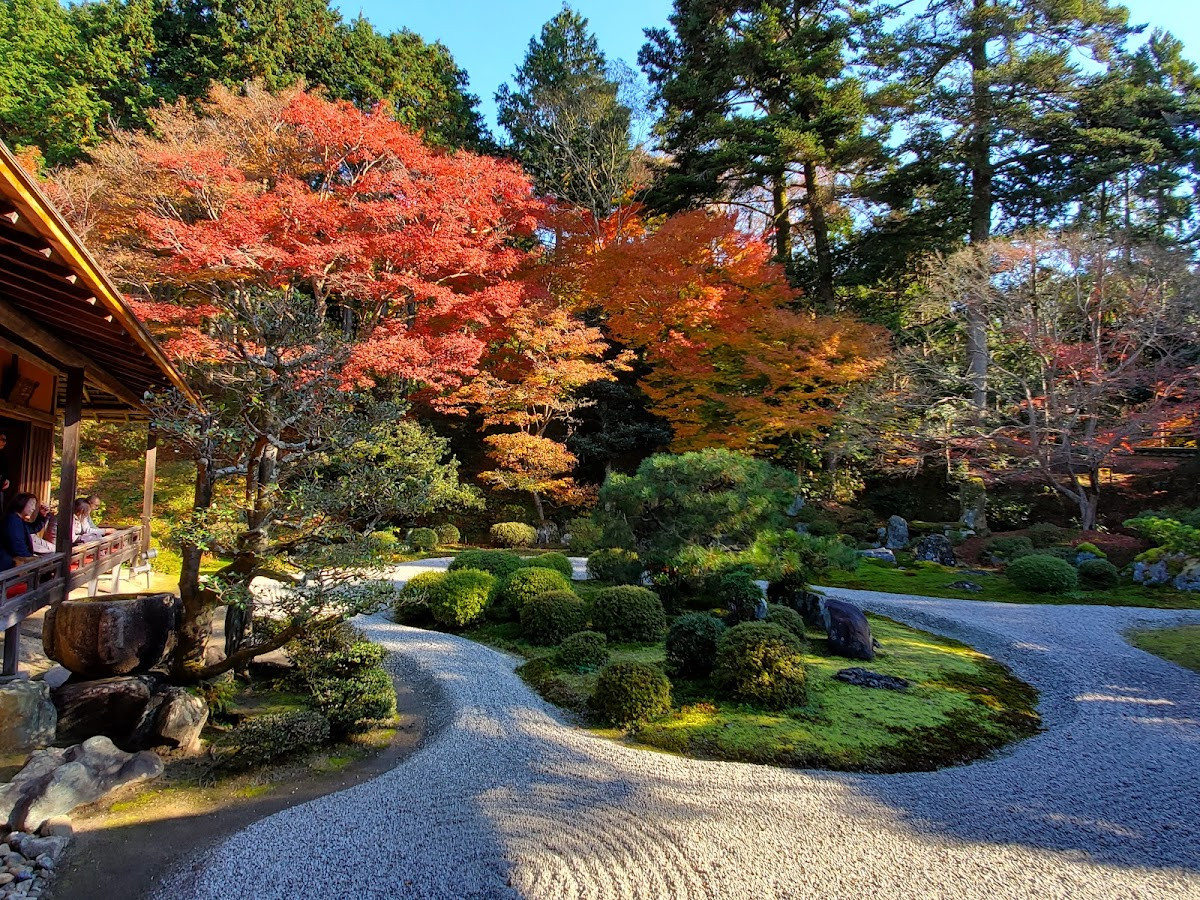
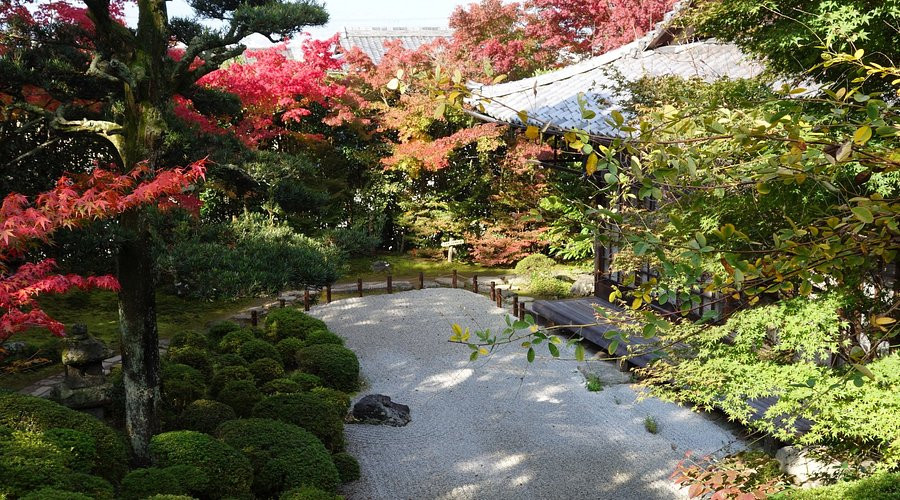
Manshuin is a Tendai-sect monzeki temple whose main object of worship is Amida Nyorai. Its garden is praised as a “little Katsura Imperial Villa,” known for refined dry landscaping and borrowed scenery, and in autumn the red leaves and the carefully clipped boxwood-like shrubs set each other off. Admission is ¥800 for adults, hours are 9:00-17:00 (last entry 16:30), and the temple offers goshuin stamps.
It is about a 20-25 minute walk from Ichijoji Station with some slopes along the way, so we recommend going when you have plenty of energy or a half-day plan. It suits in-depth travelers who love quiet old temples and garden aesthetics.
Saginomori Shrine: The Local Guardian Shrine of Students and Residents
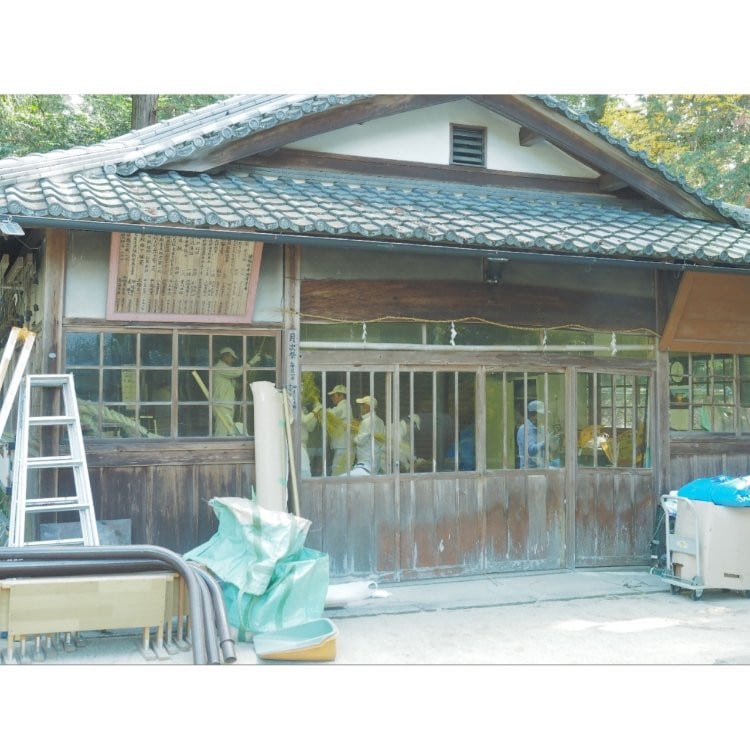
Saginomori Shrine is the local guardian shrine for Ichijoji residents and nearby university students. Dedicated to Susanoo-no-Mikoto, its grounds are lush with trees and calm, and it is the everyday place of worship where locals pray for academic success and safety. Entry is free, there is an omamori office, and the stone lanterns and approach keep a strong Edo-period atmosphere.
Because few tourists visit, it is an excellent place to experience Ichijoji’s “non-touristy” everyday faith culture. We suggest fitting in a visit between the ramen and bookstore stops to enjoy the local calm.
Konpukuji: A Haiku Sanctuary Where Yosa Buson Rests
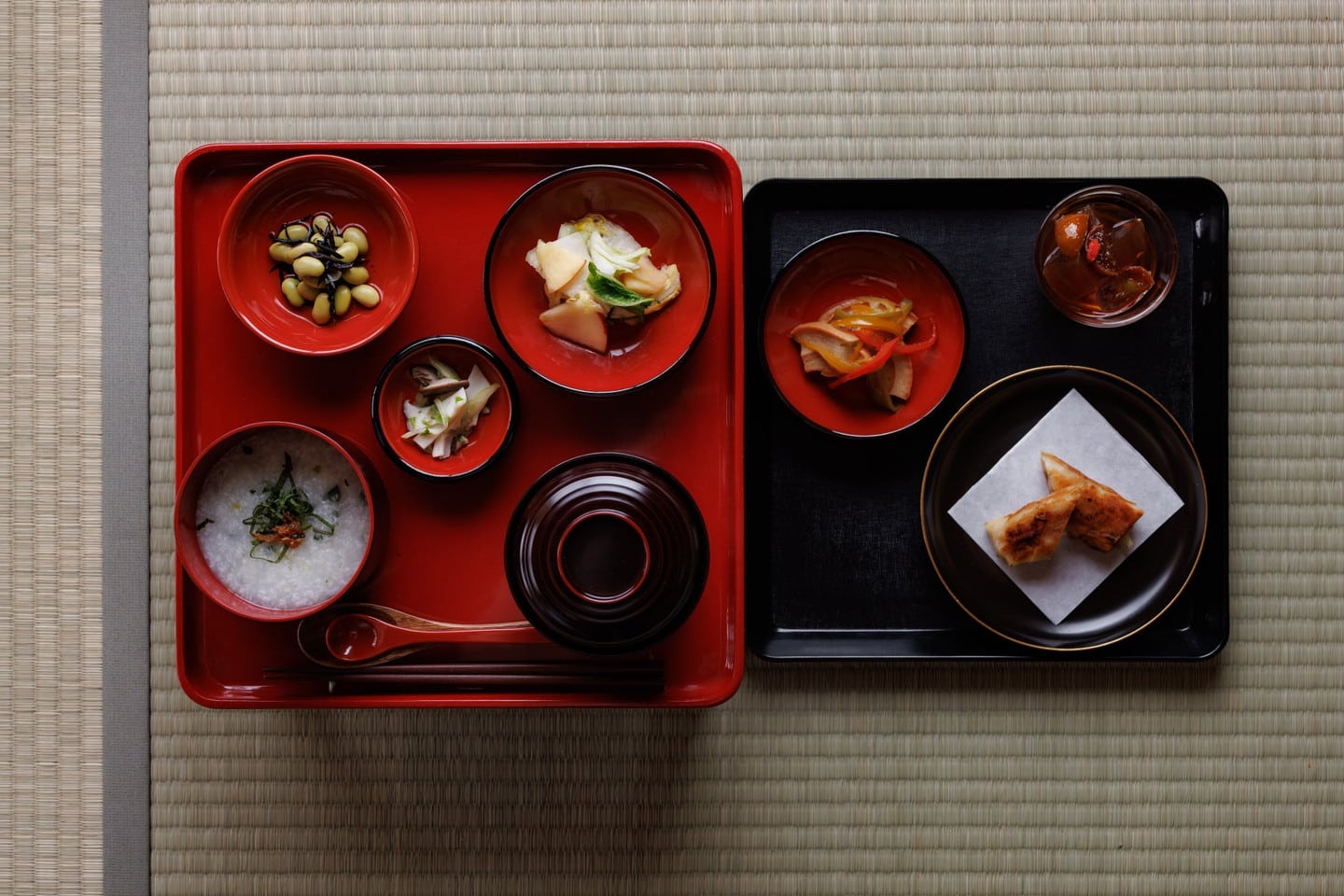
Konpukuji is where Yosa Buson restored a hermitage in his later years and where he is buried, and it has deep ties to Matsuo Basho’s Basho-an. The small, refined garden is steeped in haiku literature, making it an insider’s pick for travelers who love classical Japanese literature. Admission for adults is about ¥400-500, and hours are 9:00-17:00 (last entry 16:45). Closure days include January 16 through the end of February, August 5 to 31 and December 30-31 (except for some special opening periods); please check the official social media before visiting.
The temple displays materials related to Yosa Buson and haiku monuments, suiting slow travelers who enjoy deep cultural experiences and do not like to rush. Allow about 20-30 minutes.
Hachidai Shrine: The Legendary Dueling Ground of Miyamoto Musashi
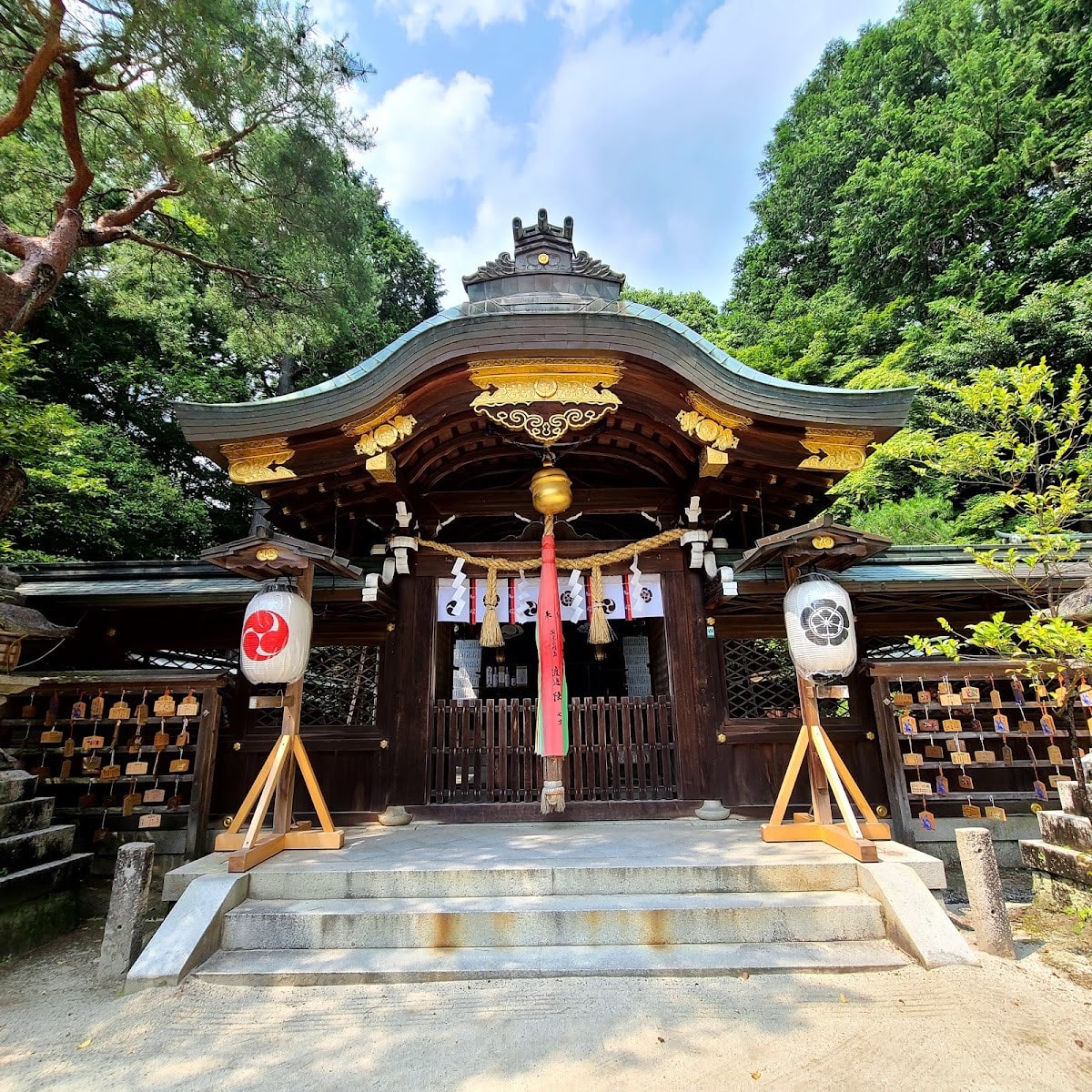
Hachidai Shrine is said to be the setting of the duel between the swordsman Miyamoto Musashi and the Yoshioka school, the “Duel at Ichijoji Sagarimatsu.” Susanoo-no-Mikoto is enshrined here, and it is also an important local guardian shrine, visited by fans of kendo and martial arts. Entry is free, there is an omamori office, and the grounds have a stone monument and explanatory sign commemorating Musashi’s duel, rich with historical storytelling.
The shrine is within walking distance of Ichijoji Station and works well at the start or end of your route, letting you feel the blend of Ichijoji’s samurai history and local faith.
How Much Does Ichijoji Cost? Admission and Experience Fees
Ichijoji is not a hub of paid attractions in Kyoto, but if you want to enjoy Keibunsha Ichijoji’s selection, work through the ramen battleground and ride the Eizan Electric Railway to Kurama and Kibune, there are still a few necessary costs to budget for. Below are the latest 2026 admission, transport and experience costs to help you plan your Ichijoji day trip or half-day trip.
Eizan Railway One-Day Pass: The Best Value for Exploring the Northern Hills
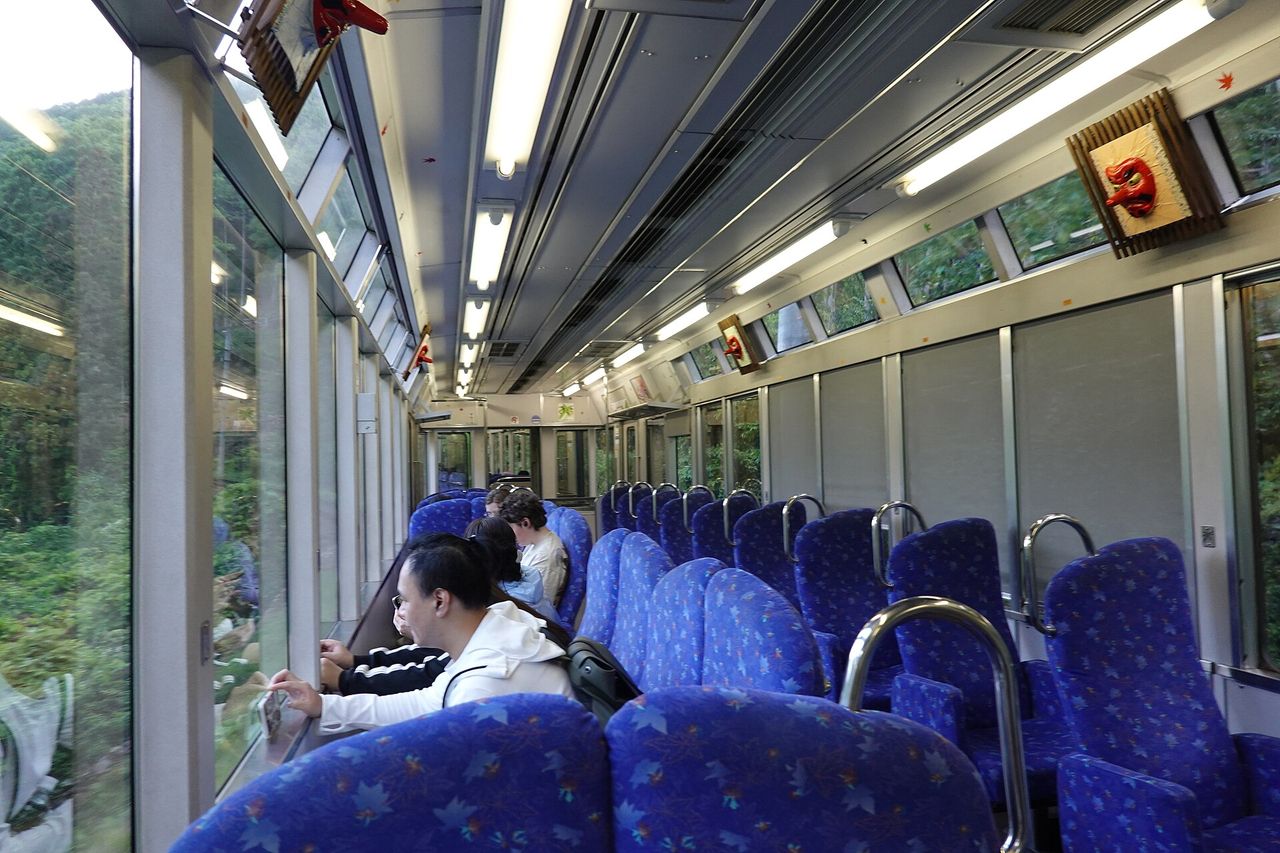
The Eizan Electric Railway (“Eiden”) links Demachiyanagi with Kurama and Kibune, and is known for its charming cars and maple-leaf tunnel. If you plan to visit Yase, Kurama or Kibune Shrine, we recommend the “Ee Kippu” one-day pass (adults ¥1,200), with unlimited rides on the Eizan Main Line and Kurama Line. Once you add up the round-trip fares to Kurama and Kibune, the one-day pass usually works out cheaper than single tickets.
The one-day pass is sold at ticket machines at stations such as Demachiyanagi, Yase-Hieizanguchi, Kibuneguchi and Kurama. During the autumn-leaf season (mid to late November) and the early-spring cherry blossom period, extra evening illumination services run. To experience the evening-lit “maple tunnel,” we suggest checking KKDay or Klook in advance for packages that include transfers, to save time queuing on the spot.
Keibunsha Ichijoji: Free to Enter, but Easy on the Wallet to Overspend
Keibunsha Ichijoji has free admission. It is at 10 Ichijoji Haraidono-cho, Sakyo Ward, Kyoto, about a 5-minute walk from Ichijoji Station on the Eizan Electric Railway, and is open daily from 11:00 to 19:00.
Books on the shelves (Japanese-language, independent publications, art) cost about ¥1,000-4,000, and stationery and sundries (notebooks, stamps, ceramics) about ¥500-3,000.
We suggest setting aside ¥3,000-5,000 for shopping, especially if you love Japanese independent publications and distinctive curated books.
Touring the Ichijoji Ramen Battleground: Strategic Queuing and a Multi-Shop Tasting Budget
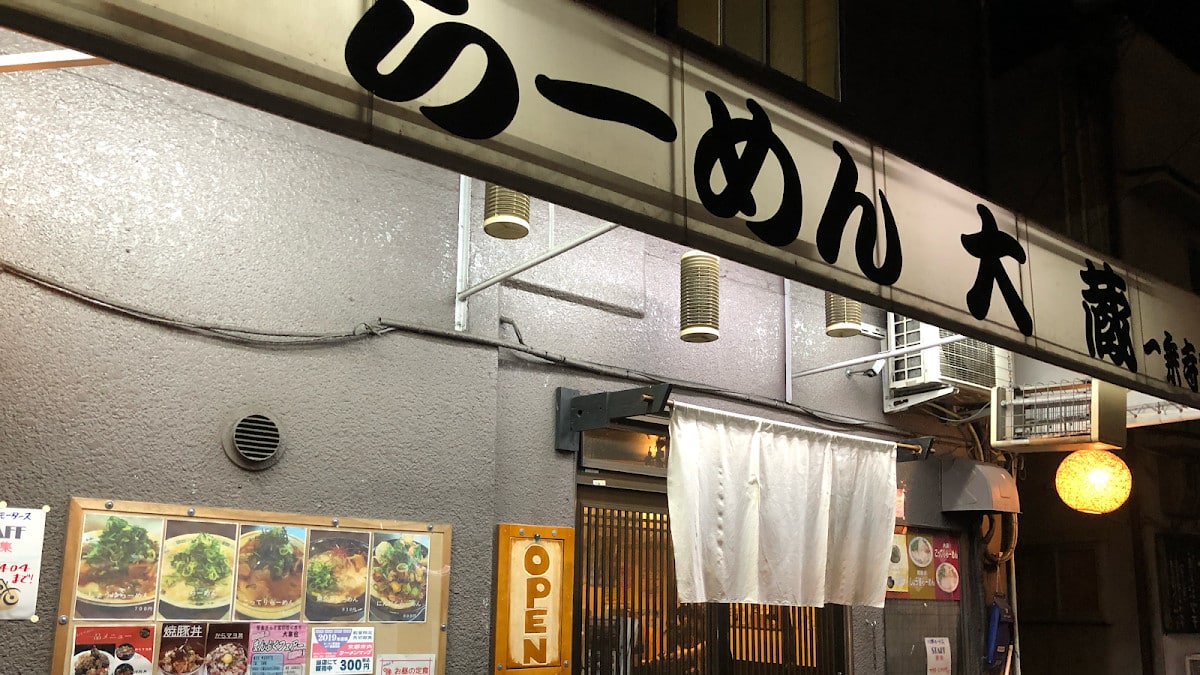
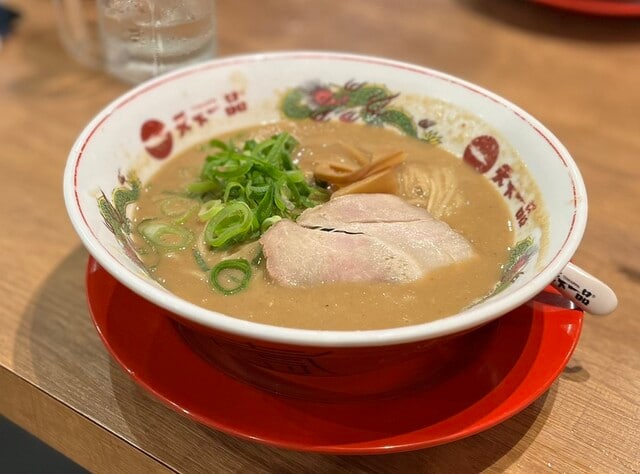
Ichijoji is home to ramen names such as Tenkaippin, Takayasu, Gokkei and Yume wo Katare. Ramen runs about ¥700-1,200, with extra toppings or a larger size adding about ¥200-400. We suggest a budget of ¥2,500-3,500 to try 2-3 shops.
The Tenkaippin Main Store is known for its rich chicken broth, open 11:00 to 1:00 the next day, every day of the year (except New Year’s Day and temporary closures). Takayasu’s Chuka Soba is about ¥780, the fried chicken set starts at about ¥1,120, and peak hours are 12:00-13:00.
Local food tours (¥4,000-6,000) offer tasting portions at 2-3 shops with a guide’s commentary, suited to travelers who want to save time or learn more.
Shisendo and Enkoji: Admission Prices for an Ichijoji Garden Tour
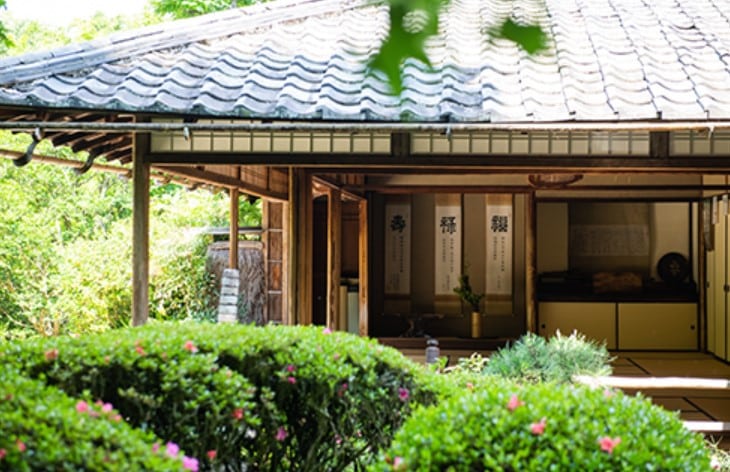
Besides ramen, Ichijoji has two gardens, Shisendo and Enkoji. Shisendo admission is ¥700 for adults (¥500 for high school students, ¥300 for elementary and junior high students), open 9:00-17:00 (last entry 16:45), and is known for its dry landscape garden, seasonal flowers and trees, and autumn maples.
Enkoji is ¥500 for adults (about ¥800 at peak autumn-leaf season), with the “Garden of the Ten Oxherding Pictures” and an elevated view over the city, also open 9:00-17:00. The two temples are within walking distance of each other, so a half-day garden tour costs about ¥1,200 in admission (about ¥1,500 in the autumn-leaf season). Add matcha or a goshuin stamp (¥300-500) and the total budget is about ¥1,500-2,000.
We suggest scheduling this after lunch and before heading back into the city, to enjoy Ichijoji’s quiet pace.
FAQ
Q: Why is Ichijoji called a ramen battleground?
Ichijoji is home to many popular ramen shops of very different styles, such as Tenten-yu Ichijoji Main Store, Chuka Soba Takayasu and Menya Gokkei, from rich tonkotsu to lighter chicken paitan, and it is widely seen as one of the areas Kyoto ramen fans must visit.
Q: What is the fastest way to get from Kyoto Station to Ichijoji?
Take a train to Demachiyanagi Station and transfer to the Eizan Electric Railway, which reaches Ichijoji Station in about 5 minutes. You can also take the Kyoto City Bus Route 5 series directly, which takes about 40 minutes.
Q: What are Keibunsha Ichijoji’s opening hours?
Keibunsha Ichijoji is open daily from 11:00 to 19:00, every day of the year. We recommend allowing at least an hour to browse.
Q: What time is best to line up at Ichijoji ramen shops for the shortest wait?
We suggest browsing the bookstore area from about 1 p.m. to avoid the lunch rush, then arriving to line up around 5:30 p.m., which avoids both of the busiest periods.
Q: What season is best for visiting Ichijoji?
Cherry blossoms along Shirakawa-dori in spring and the red maples at Shisendo and Manshuin in autumn are the most beautiful. Ramen and bookstore strolls work in any season, but the scenery is even better in the flower and leaf seasons.
Q: Besides ramen and bookstores, what else is there to see in Ichijoji?
You can also visit old temples and shrines such as Shisendo, Manshuin, Konpukuji, Hachidai Shrine and Saginomori Shrine to enjoy the quiet cultural atmosphere of Sakyo Ward.