
2026 Harajuku Sightseeing Guide: Meiji Jingu, Takeshita Street and Omotesando Highlights Not to Miss
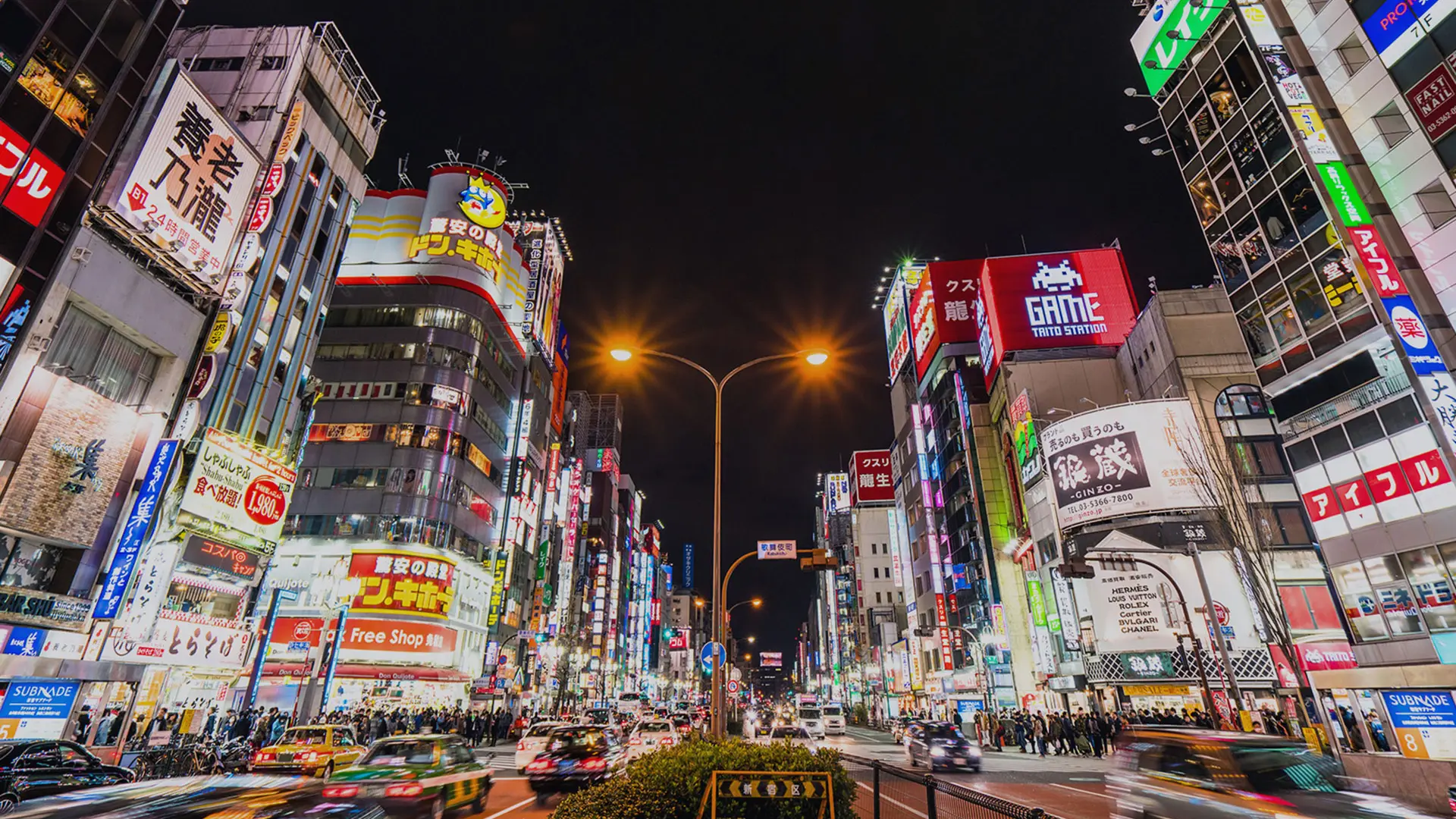
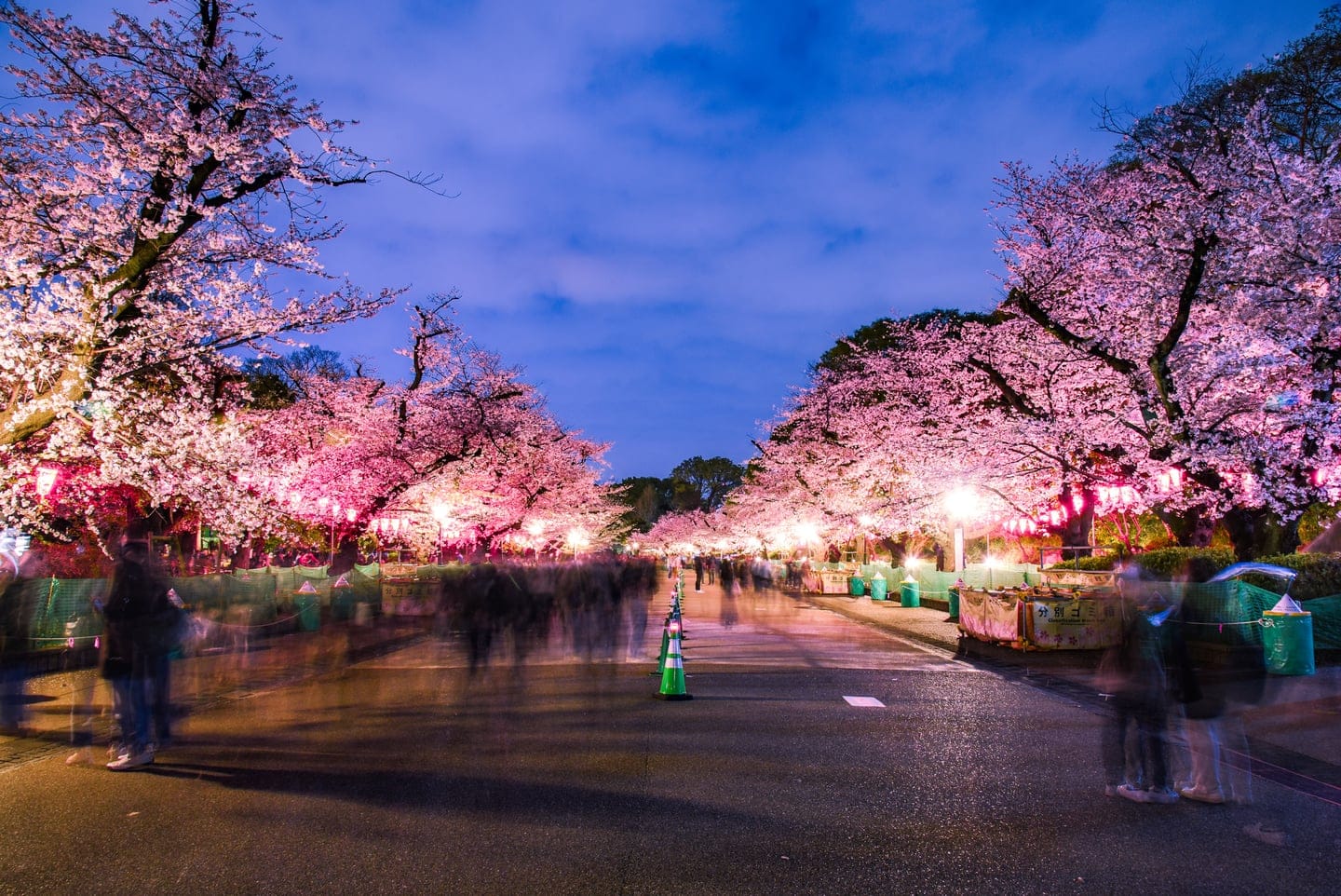
Harajuku is a magical Tokyo district that blends sacred tradition with avant-garde trends. Its core sights are Meiji Jingu, Takeshita Street, Omotesando and HARAKADO, the shopping complex that opened in 2024, and it is worth at least half a day to a full day.
Meiji Jingu
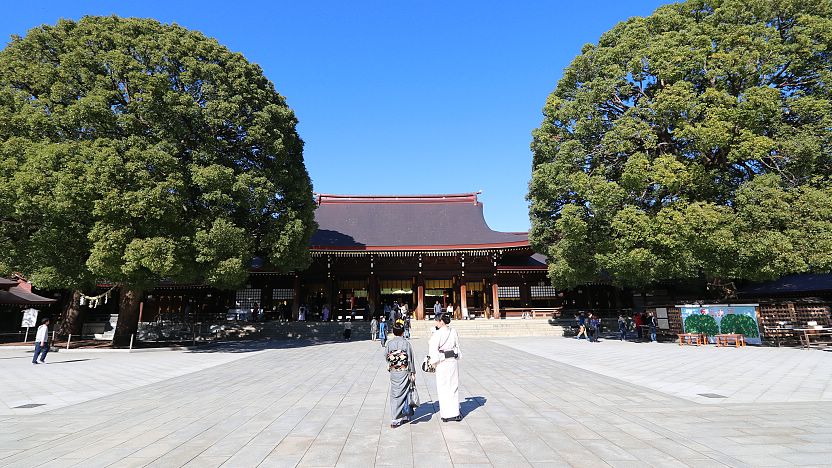
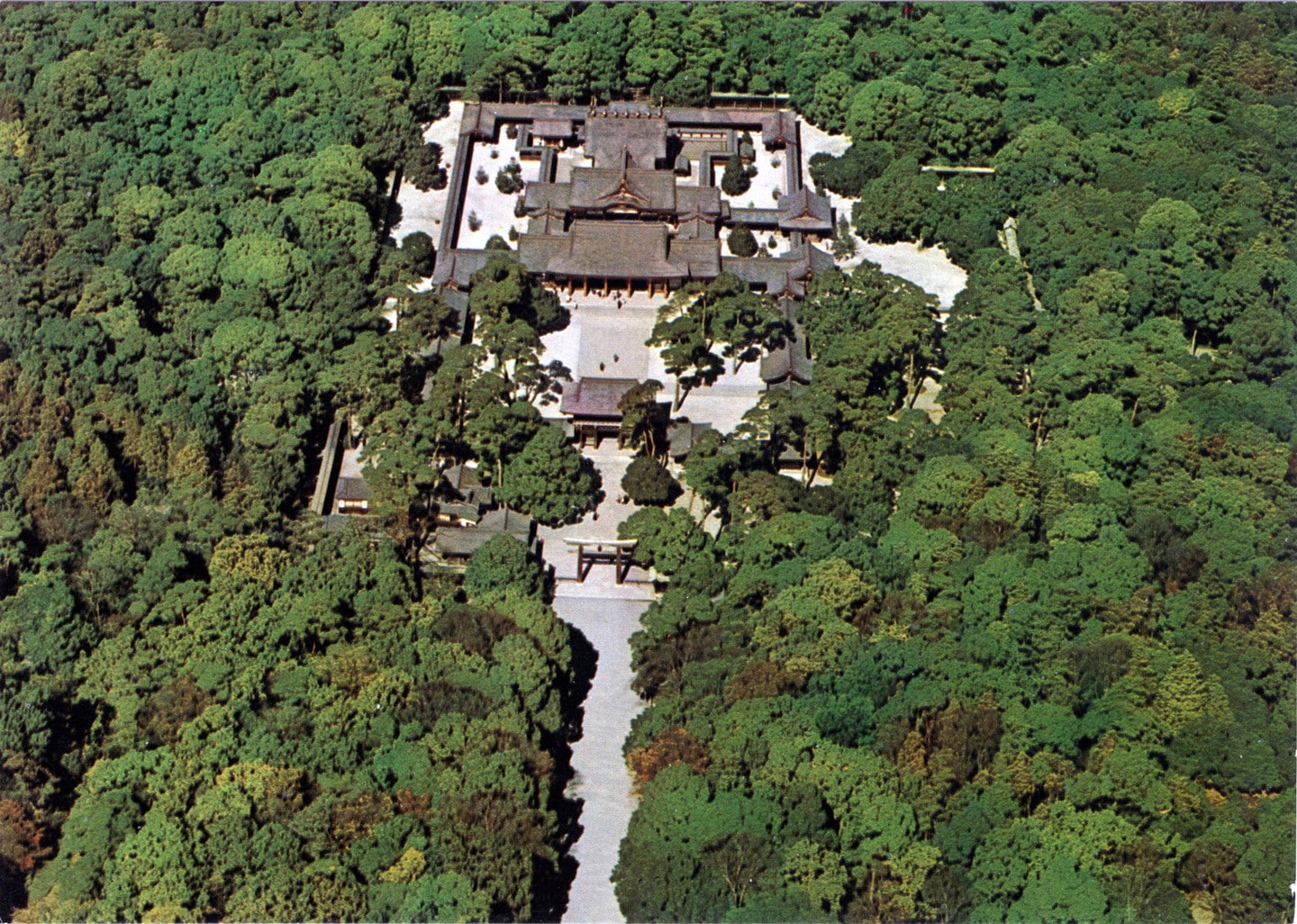
A Shinto shrine dedicated to Emperor Meiji and Empress Shoken, with a magnificent man-made forest of 100,000 trees on its grounds, covering about 700,000 square meters, roughly three times the size of Daan Forest Park in Taipei.
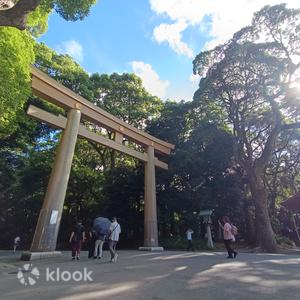
Walking along the gravel approach under towering trees, you naturally feel calm. It is the place in Harajuku where you can best feel Tokyo’s historical depth, and a popular venue for traditional weddings. The official website is Meiji Jingu (meijijingu.or.jp).


Takeshita Street
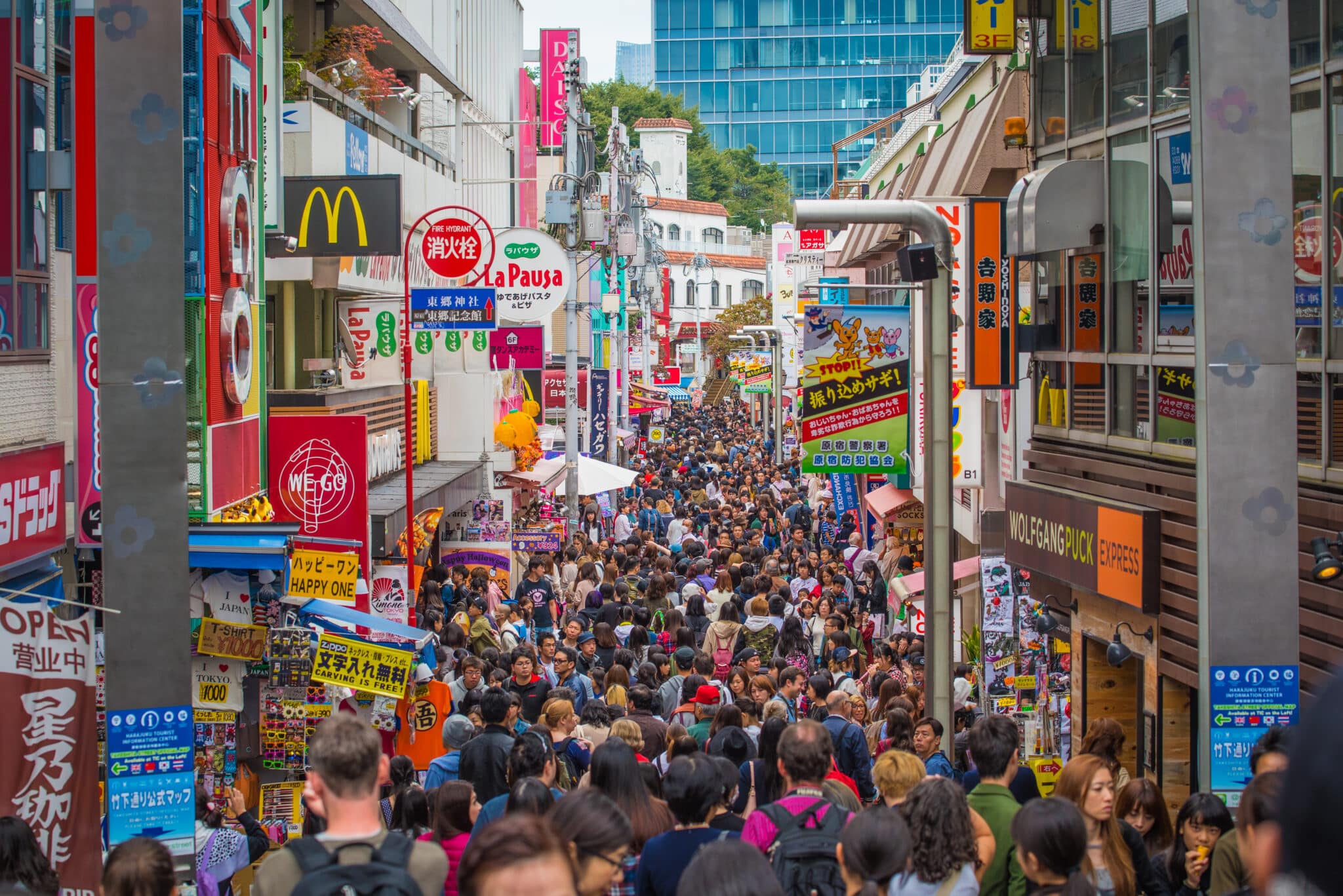
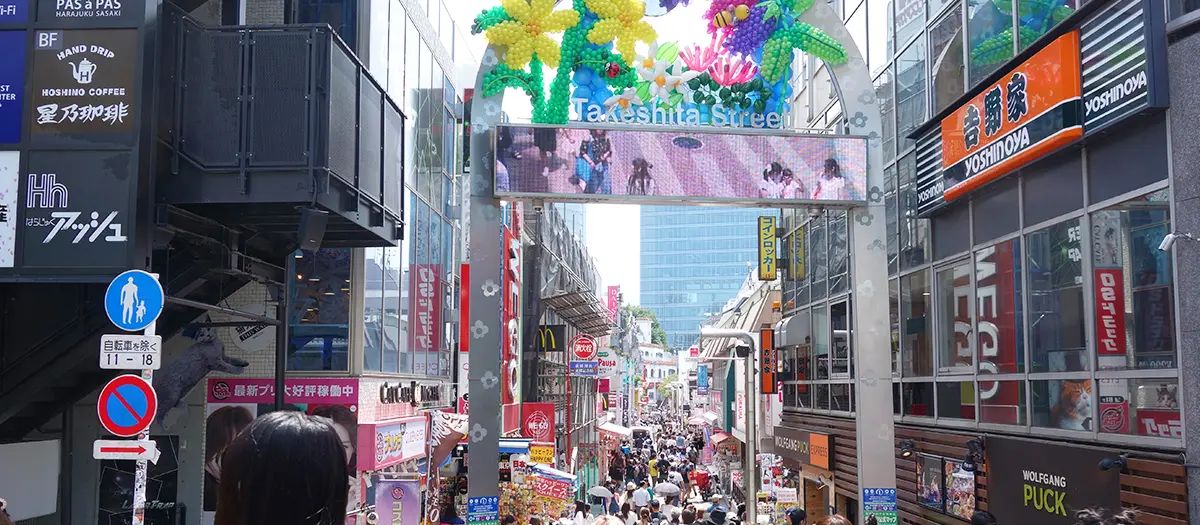
The birthplace of Harajuku kawaii culture. This narrow lane of only about 350 meters is packed with colorful clothing shops, photo sticker booths and accessory stores, and crowded with people on weekends, making it a shopping paradise for the younger generation.
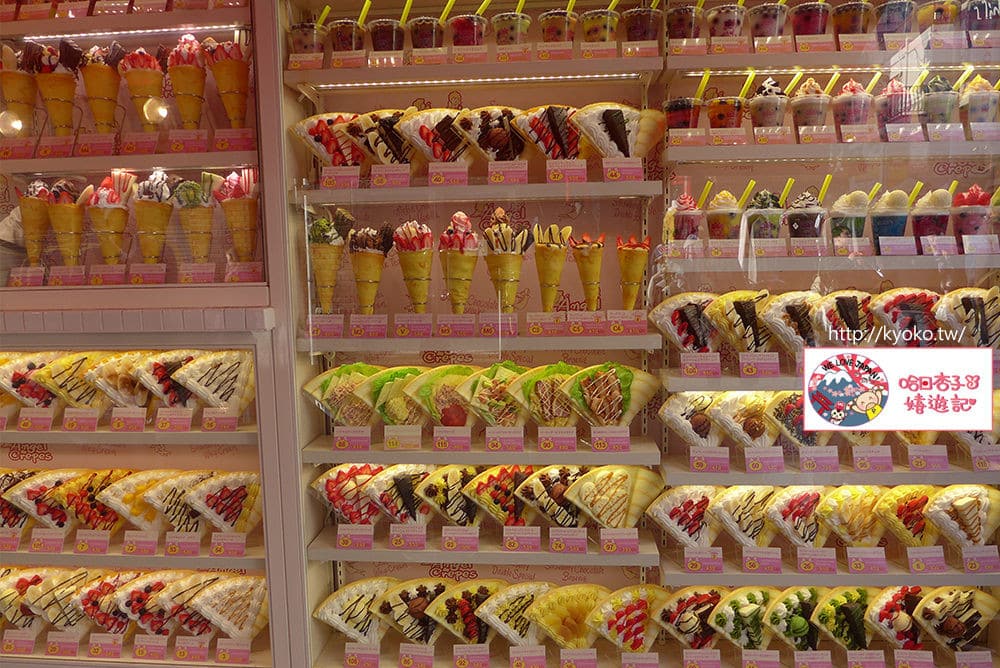
The must-eat, queue-worthy treat in the lane is the Harajuku crepe; colorful crepes and cotton candy are social media hotspots and the most representative street scene of Takeshita Street.
Do not miss the capsule toy machines and secondhand vintage clothing shops along the lane either, where treasure hunting is great fun. Visiting on a weekday morning helps you avoid the weekend crowds. It is open year-round, most shops stay open until about 8 p.m., and you should allow 1 to 2 hours for browsing.
-Klook.jpg)
Omotesando
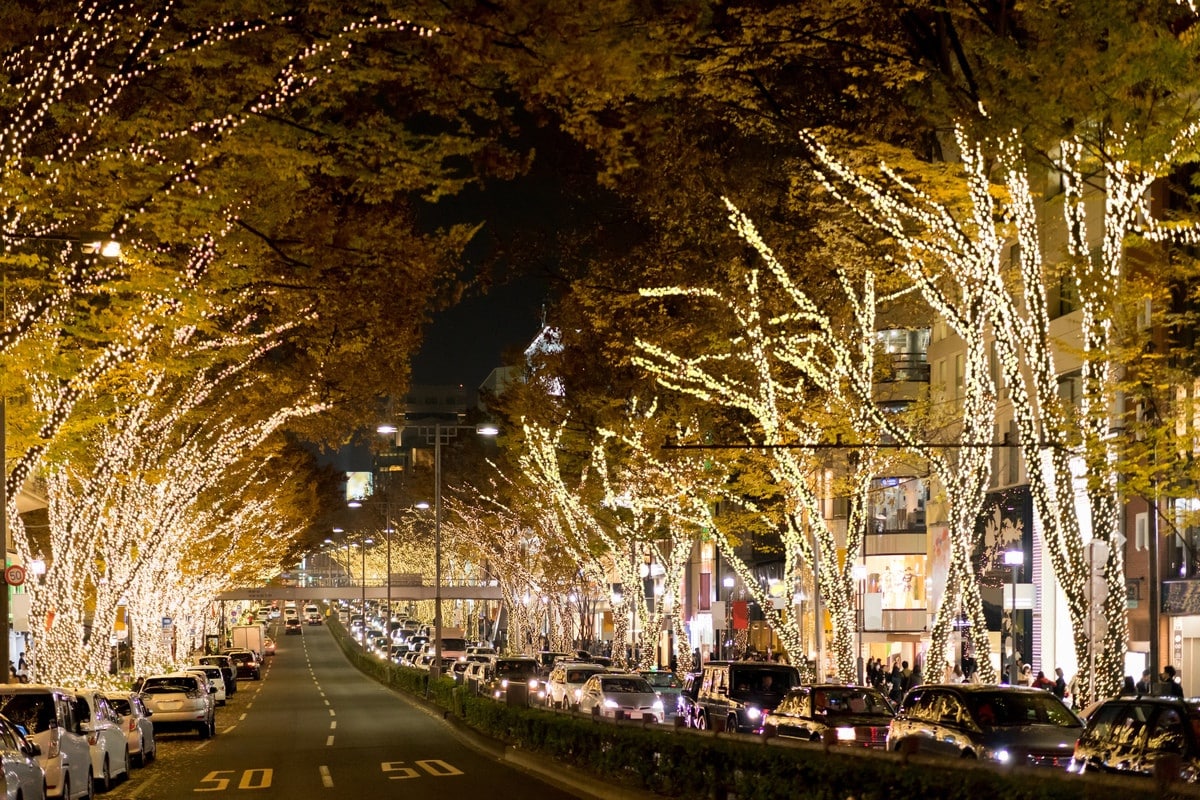
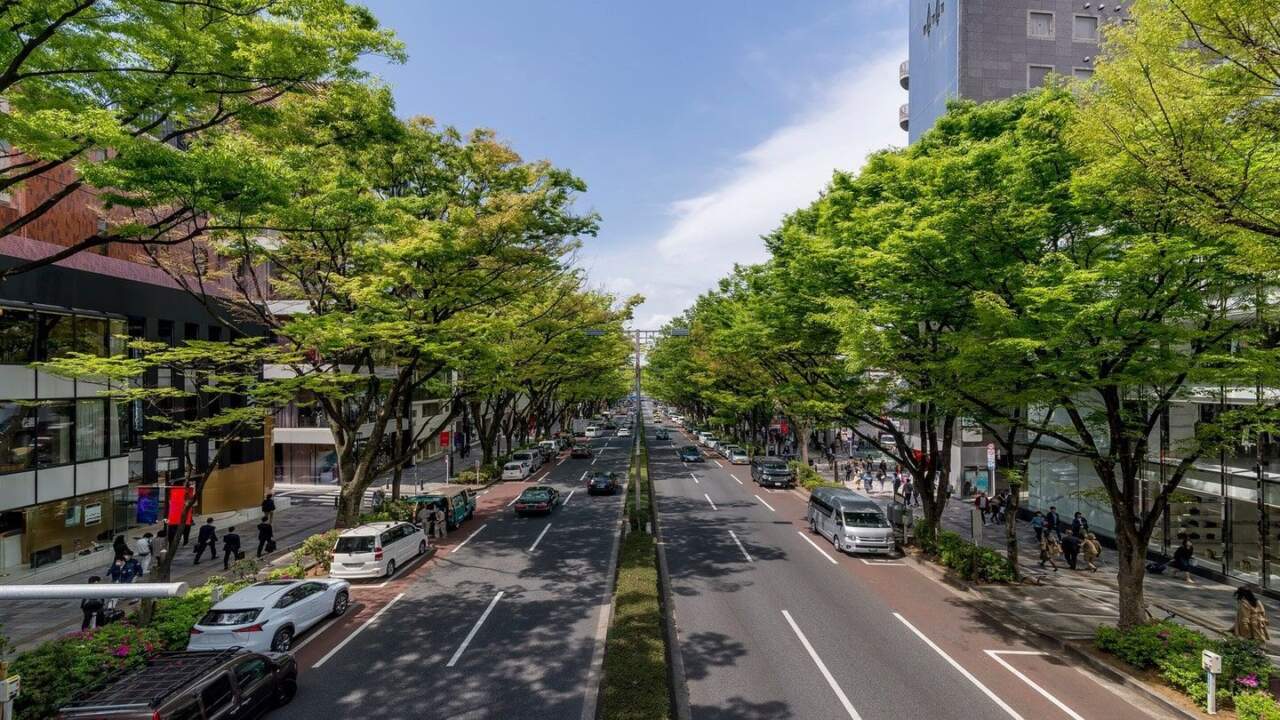
Known as Tokyo’s Champs-Elysees, the avenue is lined with century-old zelkova trees that form a golden tunnel in autumn and winter, and is home to the flagship stores of the world’s top luxury brands, making it the most fashionable boulevard in Harajuku.
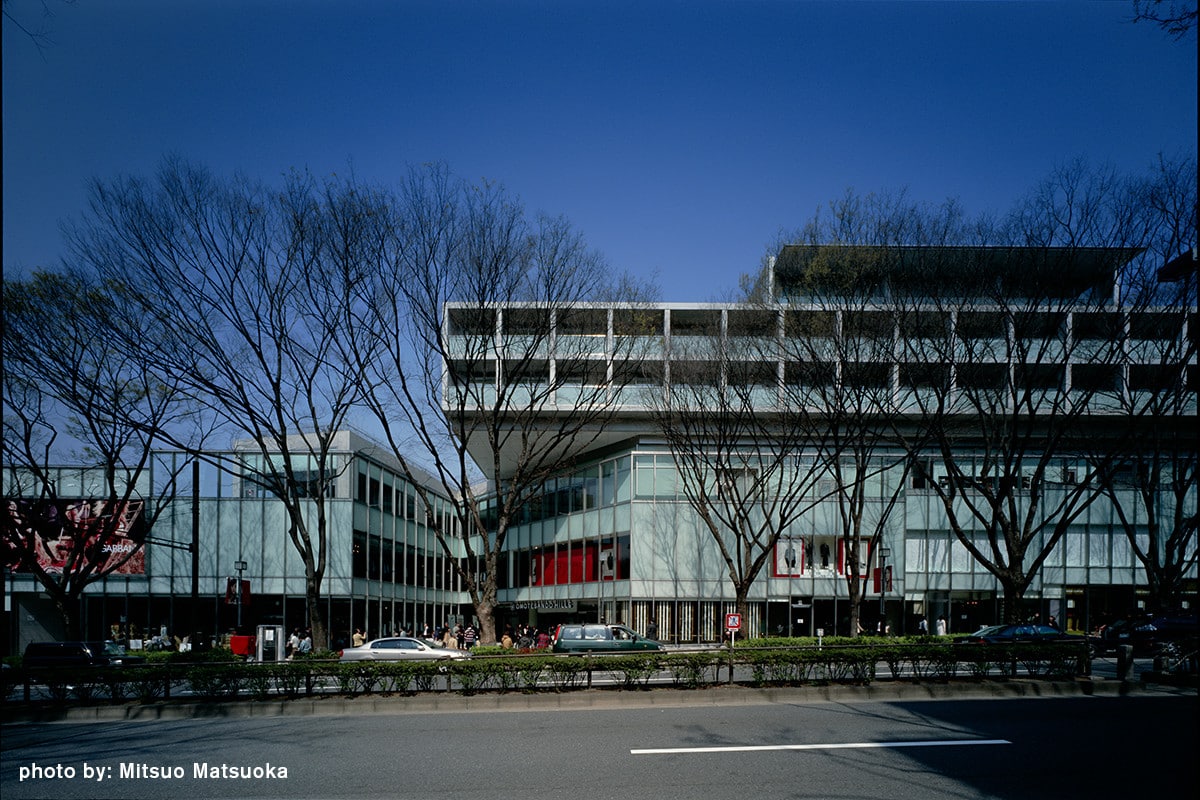
Omotesando Hills, designed by the master architect Tadao Ando, is the representative building of the district; its spiral slope echoes the original sloping terrain, so it is a spot where you can enjoy architectural beauty in between shopping.
Ura-Harajuku and Cat Street
Ura-Harajuku, the winding backstreets connecting Harajuku and Shibuya, hides Japanese streetwear brands such as Human Made, stylish vintage shops and quality takeaway cafes, a low-key walking route that only seasoned explorers know.
The shops along Cat Street have an understated but highly distinctive style, suited to travelers who like hunting for vintage clothes and limited-edition streetwear. It is more relaxed than Takeshita Street, with less pressure from crowds.
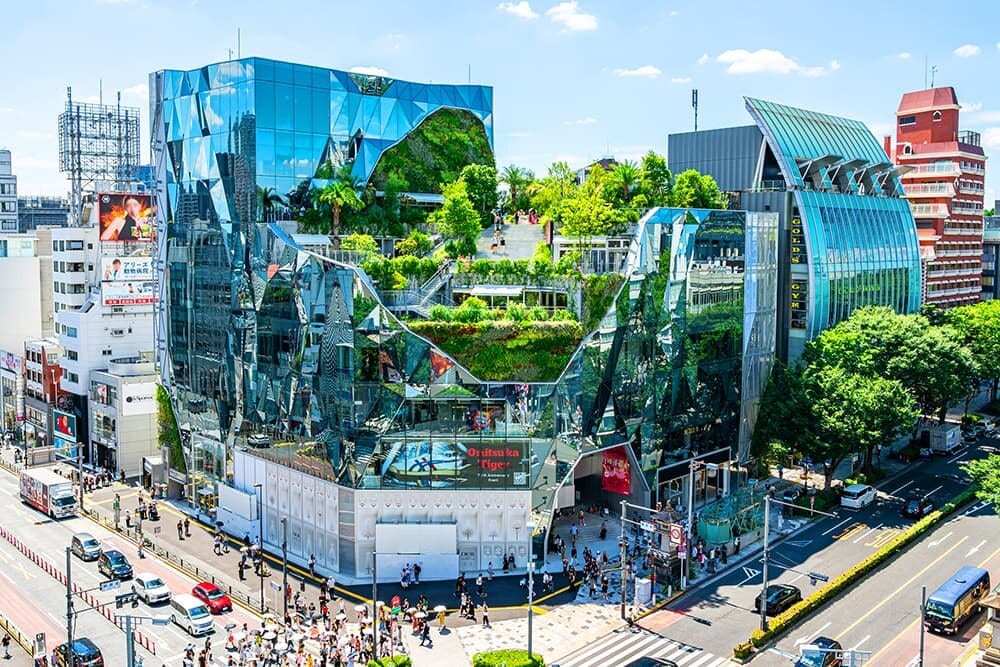
Tokyu Plaza Harajuku HARAKADO
A brand-new trend landmark at the Jingumae intersection, it quickly became Harajuku’s new icon after opening in 2024, housing many emerging design brands and distinctive restaurants.
The rooftop has a green terrace with unobstructed views over Harajuku’s streets and the traffic on Meiji-dori, an excellent new spot for panoramic photos of Harajuku. The building has 9 floors in total, from basement level 1 up to the rooftop terrace on the 7th floor, with about 75 shops.
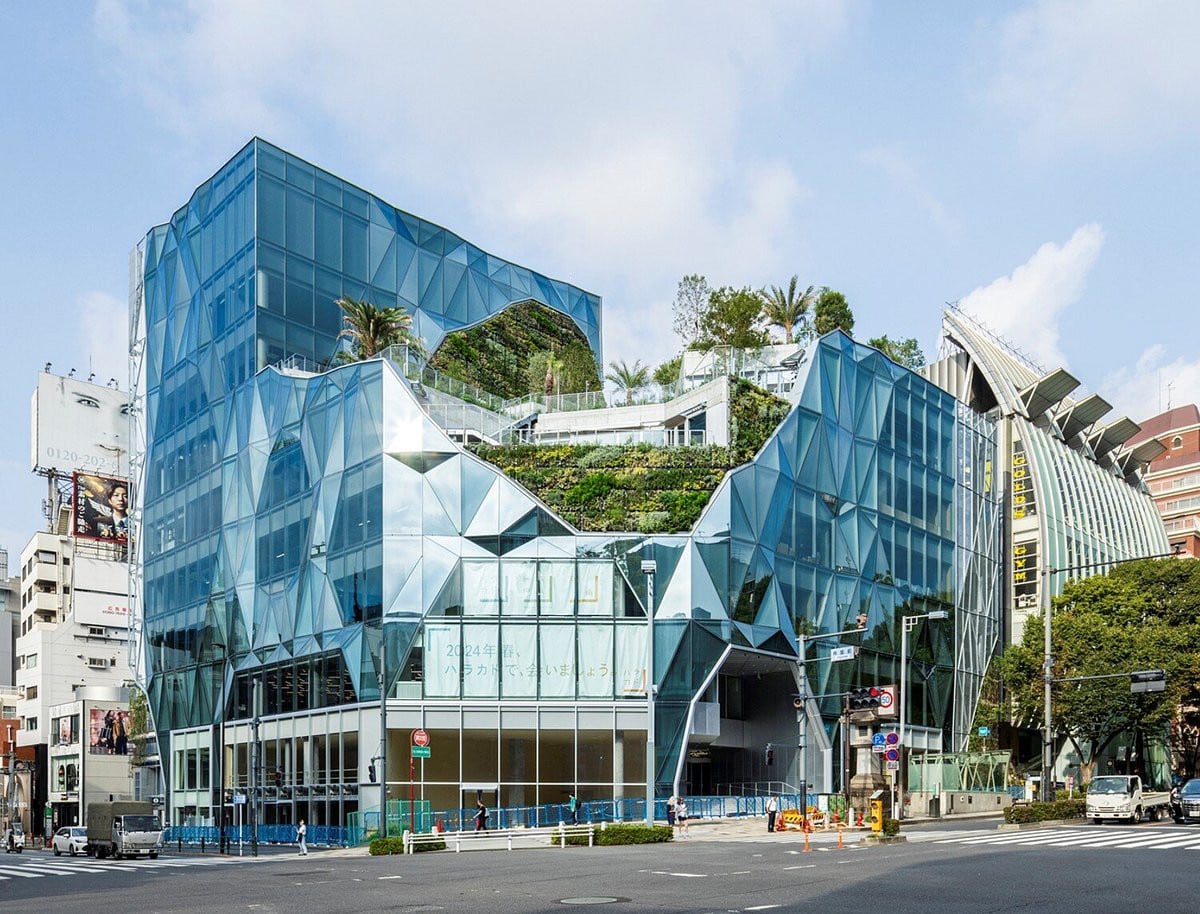
Tokyu Plaza Omotesando Harajuku OMOKADO
The classic shopping complex across from HARAKADO, formerly a famous Omotesando building. The kaleidoscope mirror escalator inside is a popular photo spot with stunning light effects. The rooftop terrace garden offers free rest space with views of the tree-lined Omotesando avenue. On the 7th floor, the popular Australian restaurant bills is a landmark of Omotesando.
- 🍳 Must-order: bills’ signature ricotta hotcakes and scrambled eggs on toast, known as the best breakfast in the world.
- 💰 Price: varies by dish and time of day; please refer to the restaurant’s announcements.
- 🚉 Access: 7th floor of Tokyu Plaza Omotesando Harajuku OMOKADO, about 1 minute on foot from Meiji-jingumae Station.
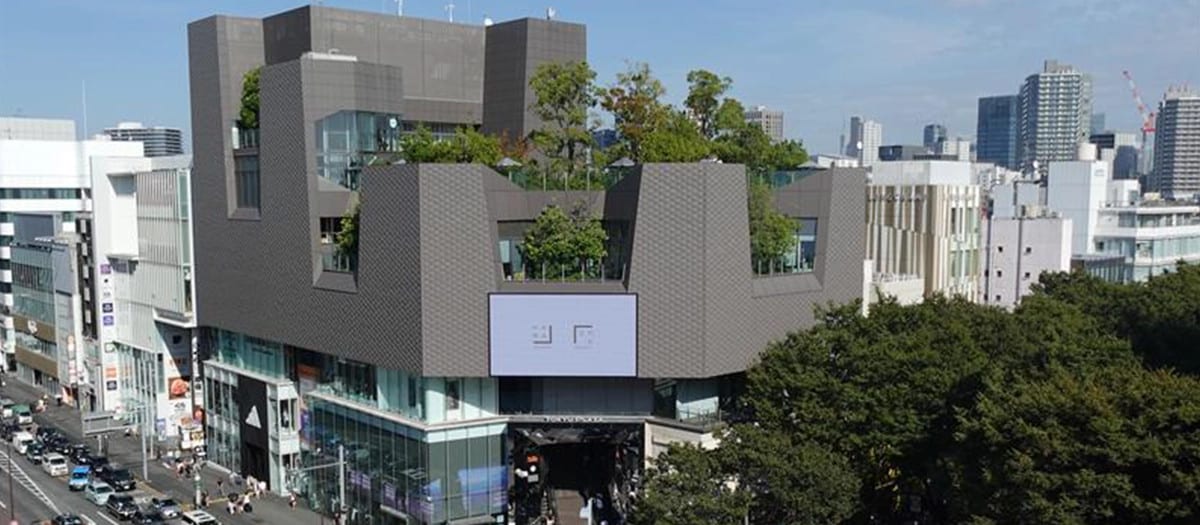
Yoyogi Park
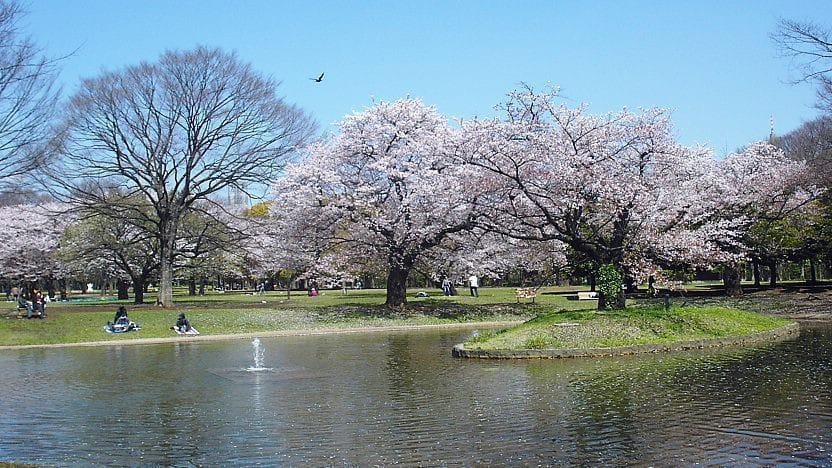
A huge urban oasis in Tokyo right next to Meiji Jingu, spacious and lush, with street performers, flea markets and international food festivals often held on weekends, in a relaxed and cheerful atmosphere.
The park has a large lawn, a fountain and a cycling path, the top choice for Harajuku residents and visitors to stroll or picnic, and an excellent extension for unwinding after worshipping at Meiji Jingu.
Meiji Jingu Gaien
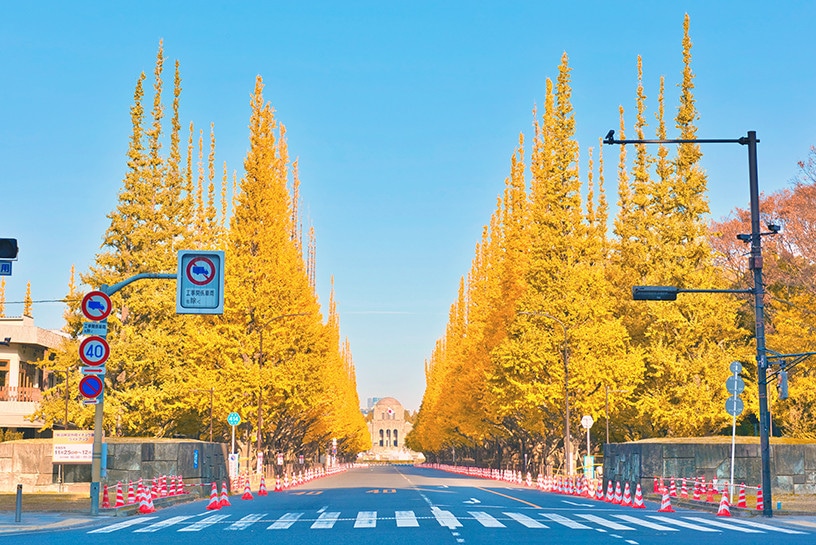
Ginkgo Avenue is a famous autumn foliage sight in Tokyo; the ginkgo-lined avenue, about 300 meters long, becomes a tunnel full of golden yellow around late November, attracting crowds of photography enthusiasts.
Besides the foliage season, the grounds also have sports facilities such as a baseball stadium and tennis courts, a multi-purpose green space near Harajuku that combines natural scenery with sports and leisure.
![Tokyo's Top 5 Autumn Foliage Spots: Meiji Jingu Gaien, Zuihon Park, Asukayama Park, Ueno Park and Kitanomaru Park | Beef Bento Box Included [Departing from Tokyo, Shibuya, Shinjuku and Ueno]](https://travel.williamlion.tw/wp-content/uploads/sites/7/2026/07/image-1782.jpg)

How to Get to Harajuku: Complete Guide to Transport and Costs for Meiji Jingu, Takeshita Street and Omotesando
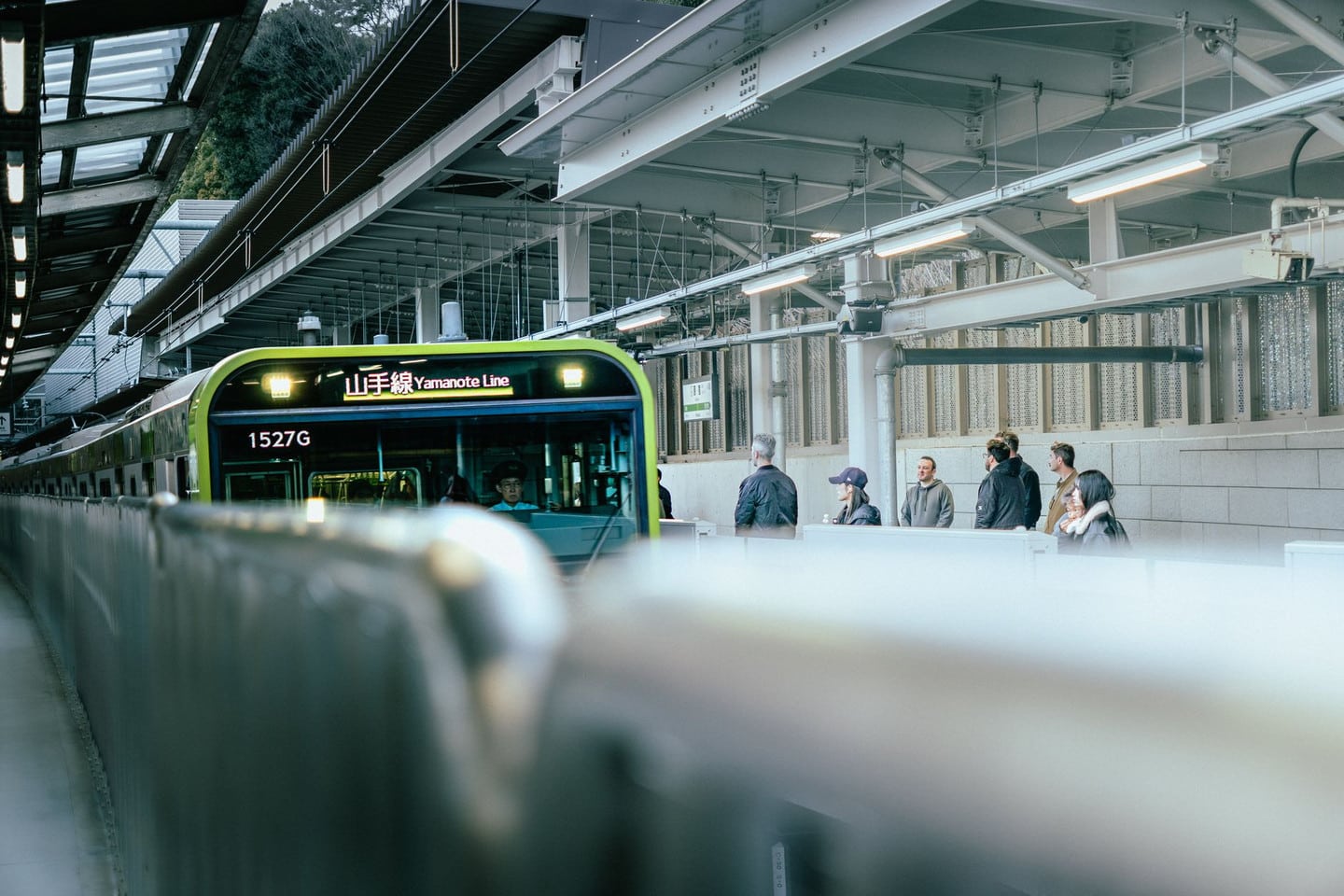
Access to the Harajuku area is very convenient. Take the JR Yamanote Line to Harajuku Station and you are right at the Meiji Jingu torii gate entrance and the Takeshita Street exit, only 1 to 3 minutes on foot. To reach Omotesando and HARAKADO, take the Tokyo Metro Chiyoda Line or Fukutoshin Line to Meiji-jingumae (Harajuku) Station and you are there as soon as you exit.
How to Get to Harajuku: Transport Options at a Glance
🚃 JR Yamanote Line: Get off at Harajuku Station to reach the Meiji Jingu torii gate entrance and the Takeshita Street exit, only 1 to 3 minutes on foot. The loop line runs frequently and is the most commonly used way to arrive.
🚇 Tokyo Metro Chiyoda Line / Fukutoshin Line: Ride to Meiji-jingumae (Harajuku) Station and you are at Omotesando and HARAKADO as soon as you exit, suited to a shopping itinerary.
🎫 Suica / PASMO transport IC cards: Tap in and out at each station to pay directly, saving the hassle of queuing to buy tickets, and valid on all JR and Tokyo Metro lines.
2026 Must-Visit Harajuku Attractions: Full Breakdown of Meiji Jingu, Takeshita Street, Omotesando and HARAKADO Highlights
Here are the ten most worthwhile places to visit in the Harajuku area, covering shrines, shopping complexes and nearby artsy spots.
Omotesando Hills
Designed by the master architect Tadao Ando, the building uses a spiral slope running through six floors to echo the original sloping terrain, a representative work of Tokyo architectural aesthetics and a space design worth appreciating carefully in between shopping.
It houses many international luxury brands and lifestyle select shops, and the neighboring Dojunkan preserves part of the old Dojunkai Aoyama Apartments, letting the modern and the historical meet in the same space.
Shops are open from 11:00 to 21:00 (until 20:00 on Sundays; official site omotesandohills.com), and it is about 3 minutes on foot from Omotesando Station.
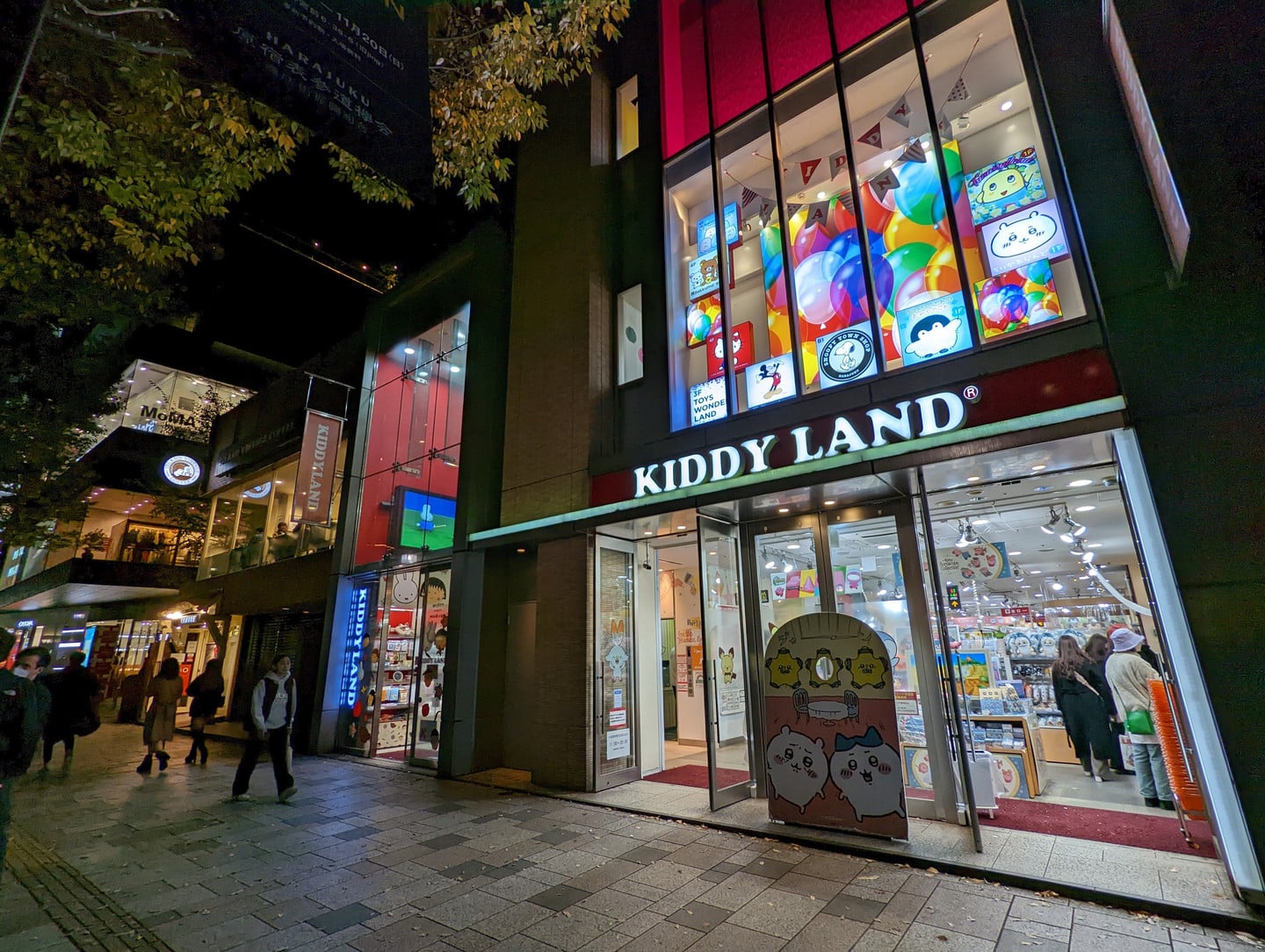
KIDDY LAND Harajuku
A well-known Japanese toy and character goods store, its six floors gather more than a hundred popular characters including Snoopy, Rilakkuma and Gudetama, making it one of the most popular souvenir shopping spots in Harajuku.
The store often runs limited-time themed floors and pop-up events, drawing crowds of anime fans and families on pilgrimage, and you need at least 30 minutes to browse the whole store to your satisfaction.
Opening hours are 11:00 to 20:00 (official site kiddyland.co.jp). It stands in the heart of Omotesando, about 5 minutes on foot from Omotesando Station, so access is very convenient.
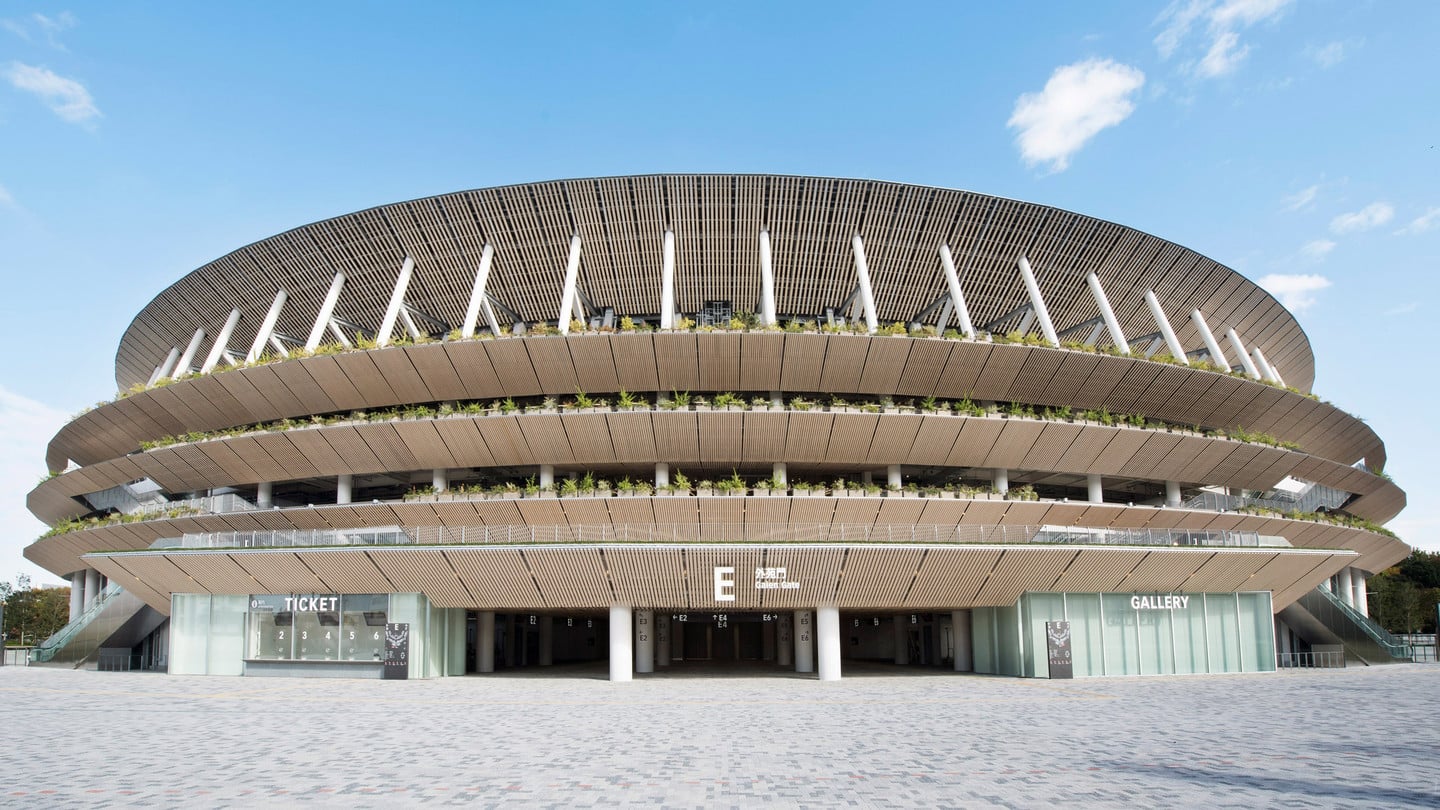
Japan National Stadium
The main venue of the Tokyo 2020 Olympics, designed by the architect Kengo Kuma, it makes extensive use of timber from across Japan for a distinctive exterior that expresses the eco-friendly architecture concept of wood and greenery, a heavyweight attraction to add on near Harajuku.
The stadium offers paid guided tours where you can see the athletes’ lounges and the track up close, and during events you can watch athletics or football matches, a pilgrimage site sports fans cannot miss.
It is about 5 minutes on foot from JR Sendagaya Station or Shinanomachi Station, and the tour takes about 1 hour and must be reserved on the official website (kokuritu-tours.jp).
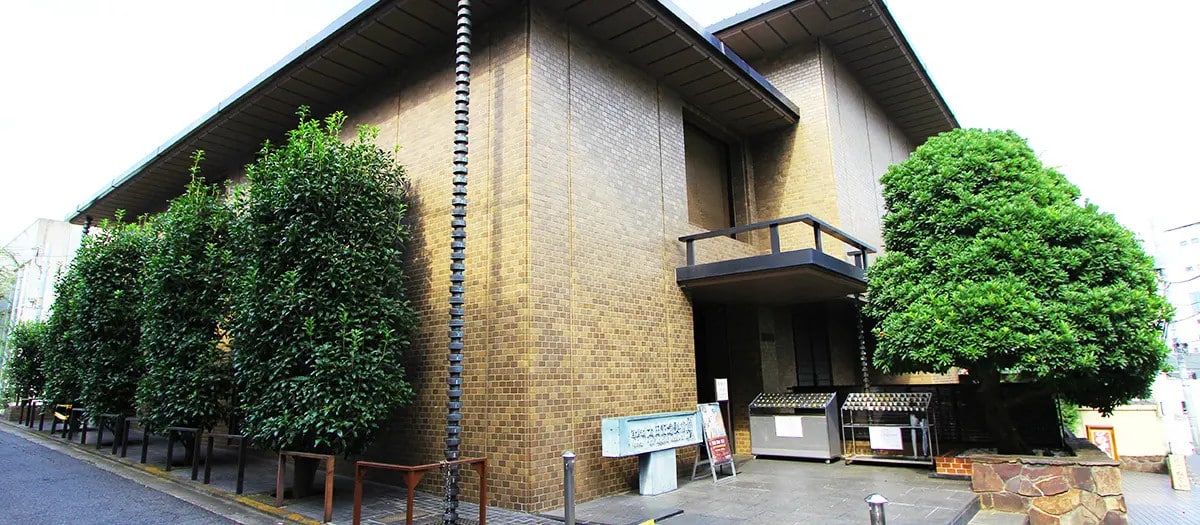
Ota Memorial Museum of Art
A private museum specializing in ukiyo-e woodblock prints, its collection includes masterpieces by masters such as Katsushika Hokusai and Utagawa Hiroshige, an excellent place to get to know traditional Japanese art and culture in depth, with exhibition themes changing regularly.
The museum building blends quietly into Harajuku’s backstreets, forming an interesting contrast with the busy trendy shops around it, and is suited to a half-day visit.
Admission varies by exhibition. Open 10:30 to 17:30 (last entry 17:00); closed on Mondays and between exhibitions. Official site ukiyoe-ota-muse.jp; about 5 minutes on foot from Harajuku Station.
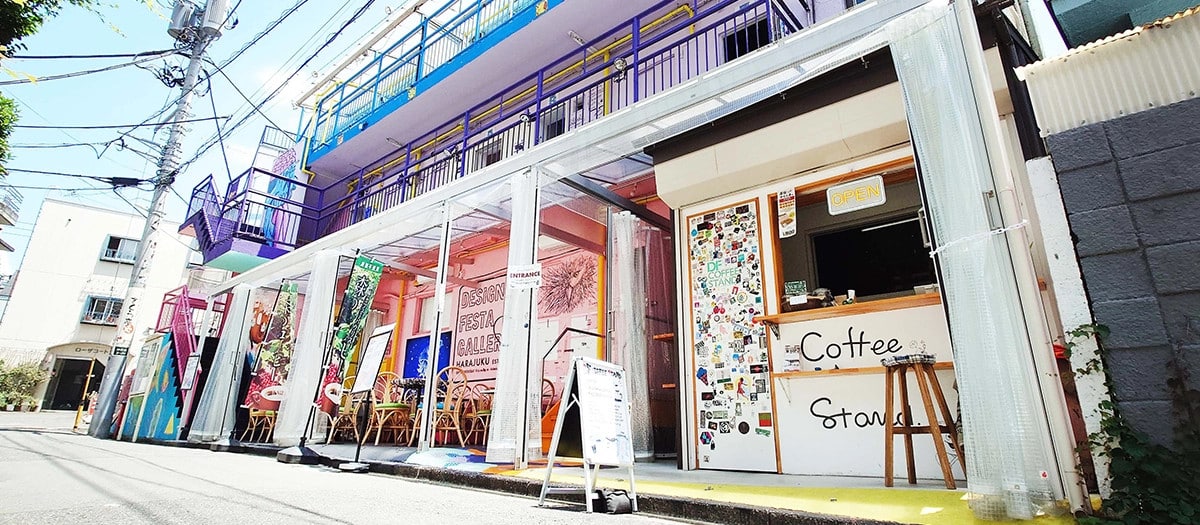
Design Festa Gallery
A well-known independent art exhibition space in Harajuku that gives emerging artists a place to show their work; its walls, ceilings and even floors are covered with graffiti and installation art, full of free-spirited creative energy.
It holds art exhibitions, handmade markets and live performances from time to time, the most authentic window onto Harajuku subculture and the underground art scene, suited to travelers who love art and independent design.
Open 11:00 to 20:00, closed over the New Year holidays. It is located in Jingumae 3-chome, about 5 minutes on foot from Meiji-jingumae Station, and admission varies by exhibition.
Harajuku One-Day Itineraries and Experience Tours
Harajuku’s attractions are densely packed: the quiet forest of Meiji Jingu, the girly subculture of Takeshita Street, the luxury architecture cluster of Omotesando, plus the HARAKADO mixed-use landmark that opened in 2024. Walking around on your own and skimming past makes it easy to miss the details. The following selected in-depth experience tours and ticket plans cover cultural guided tours, kimono experiences, food tours and family activities, so travelers with different needs can arrange a rich, unhurried one-day Harajuku trip according to their time and budget.
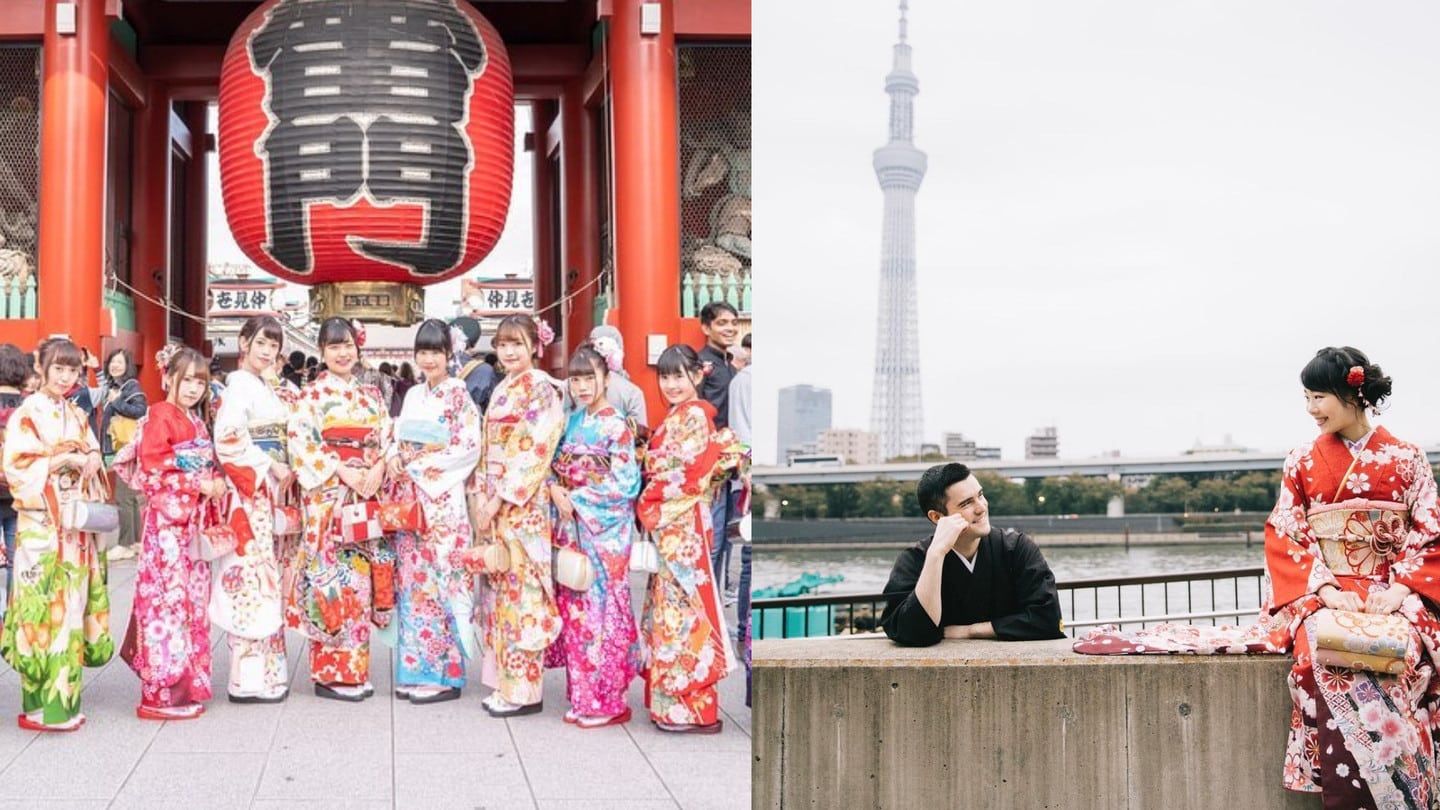
Omotesando Kimono Experience and Street Photography Tour
Kimono rental is offered by Kimono Tokyo Harajuku (きもの Tokyo Harajuku), 30 seconds on foot from the Harajuku Takeshita exit, and MARIYA (まり屋MARIYA) in Omotesando and Gaienmae, including dressing, hairstyling and accessories, for about 6-8 hours, with photo spots at Omotesando, Meiji Jingu Gaien and Takeshita Street. Prices and plans vary by shop and season; please refer to the booking page.
It is best to reserve a morning slot via KKday or Klook the day before, for good light and fewer crowds. Strolling Omotesando’s European-style buildings and zelkova-lined avenue in a kimono is a signature Harajuku experience.

Harajuku Sweets and Crepe Food Tour Small-Group Experience
Starting near the Marion Crepes original shop at the entrance of Takeshita Street, this 2.5-hour food tour led by a local expert tastes classic crepes, rainbow cotton candy, strawberry daifuku and popular souffle pancakes. Prices and tasting items vary by tour; please refer to the booking page. Some tours visit long-established wagashi shops hidden in the backstreets, suited to sweets lovers who enjoy taking photos in Harajuku. Meeting time is 2-4 p.m., when the crowds are moderate, suitable for families or friends traveling together. Afterward you can continue to Omotesando or dine at HARAKADO.
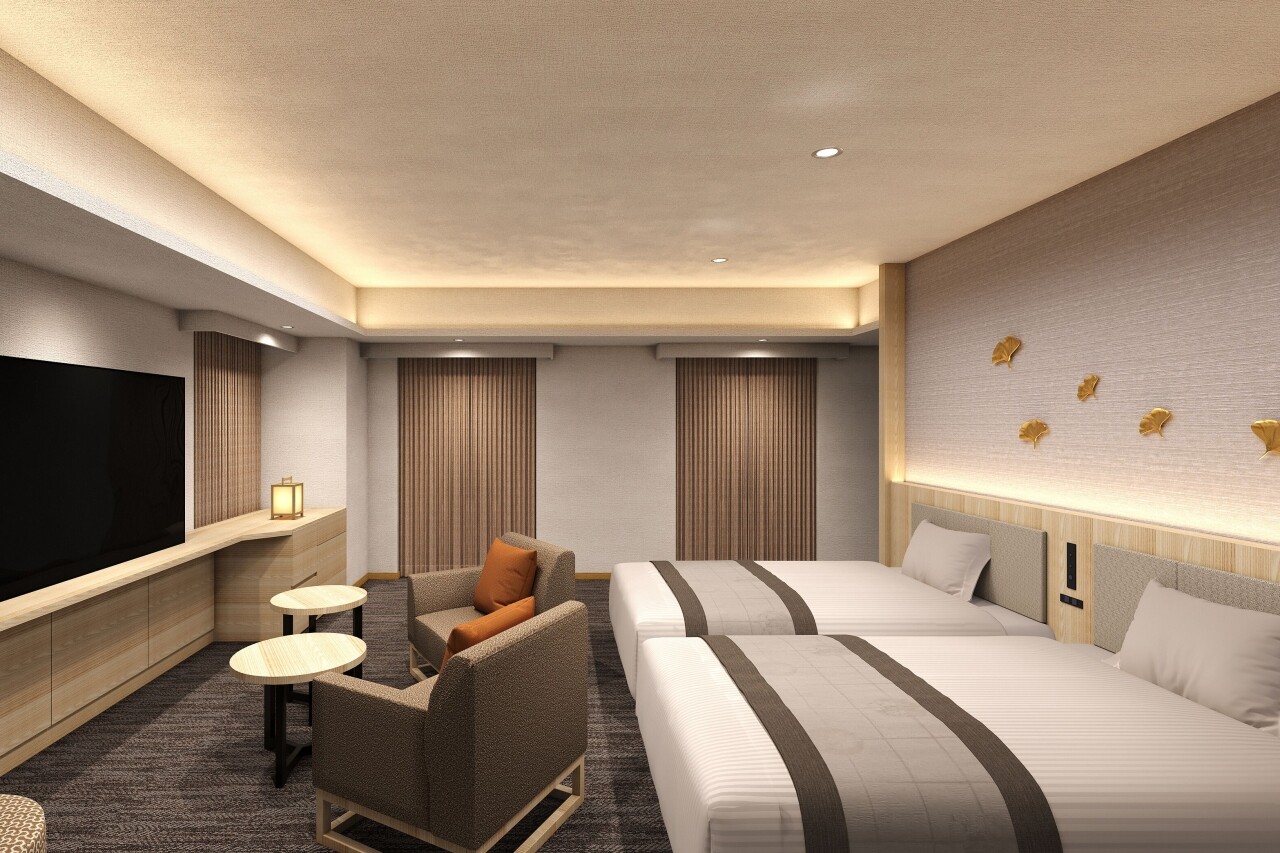
Where to Stay: Accommodation Suggestions for Side Trips
Harajuku and Omotesando are dominated by shopping complexes and luxury boutiques, with few places to stay, so most travelers stay in nearby Shibuya or Shinjuku instead. It takes only 2 to 4 minutes on the JR Yamanote Line from Shibuya or Shinjuku to Harajuku Station, and returning to your accommodation after an evening around Takeshita Street and Omotesando is also easy.

FAQ: Harajuku Ticket, Transport and Best Time to Visit Answered at Once
A roundup of the Harajuku questions travelers search for most, so you know the key points before you go.
Q: How much is admission to Meiji Jingu?
The main shrine hall of Meiji Jingu is free to visit; only the Inner Garden (Naien) requires a separate ¥500 fee, making it one of the few heavyweight attractions in Harajuku with no charge, suitable for travelers on a limited budget.
Q: How do I get to Takeshita Street?
Take the JR Yamanote Line to Harajuku Station and you arrive at the Takeshita Street entrance as soon as you exit; from Shibuya or Shinjuku Station it is only a 2 to 4 minute ride, very convenient.
Q: When is the best time to visit Harajuku?
Visiting Takeshita Street and Meiji Jingu on a weekday morning helps you avoid crowds, and around late November in autumn is the best time to see the foliage on Ginkgo Avenue at Meiji Jingu Gaien.
Q: Are the opening hours of HARAKADO and OMOKADO the same?
Business hours for both vary by floor and shop, so check the official site for the day’s announced hours before you go, and confirm each shop’s closing days and last order times.
Q: Are there crowd controls or things to be aware of in Harajuku?
Takeshita Street is very crowded on weekends, so please follow on-site signs and staff instructions; some shops and department store corridors prohibit eating while walking, so watch for each shop’s notices.
Q: What is the fastest way to get to Takeshita Street?
Taking the JR Yamanote Line to Harajuku Station is fastest; the Takeshita Street entrance is right outside the exit, and the ride from Shibuya or Shinjuku takes only 2 to 4 minutes, making it the first-choice route.
Q: Are there any rules for eating on Takeshita Street?
Takeshita Street is crowded, so finish eating near the shop entrance before moving on, to avoid disrupting the flow of people and to keep the lanes clean.